hans
lucas
  • MENU
hans
hans
lucas
lucas
  • Membres
  • Carte
  • Publications
  • A propos
  • Contact
  • ()
  • — Recherches
  • — Téléchargements
  • — Suivi
  • — Favoris
  • — Compte
  • — Aide
  • Déconnexion
  • Membres
  • Carte
  • Publications
  • A propos
  • Contact
Séries récentes
  • Politique
  • Société
  • Environnement
  • Sport
  • Culture
  • Spiritualité
  • Creative
  • Fashion
  • Long Term Projects
  • Guerre et conflits
  • Portrait
  • Corporate
  • Multimedia
  • Workshop
  • Shop
  • Afrique
  • Amérique latine
  • Asie
  • Méditerranée
  • Océanie
  • Canada
  • USA
  • Benelux
  • Taïwan
  • Maroc
  • Algérie
  • Grand Est
  • Grand Ouest
  • Occitanie
  • Nouvelle Aquitaine
  • Lille
  • Marseille
  • Paris
  • Lyon
  • Faux amis
  • Face à la mer
  • Les 4 saisons
  • Dalam
  • IRIS Pictures
Jonathan Fontaine
— Compétences
  • Documentaire
— Bio
FR | EN

Originaire de Reims en France, Jonathan Fontaine est un photographe documentaire parcourant la planète depuis 2013. Son travail s'engage à témoigner des mutations sociales sur les différents territoires du monde. Crises écologiques et migratoires, tourisme de masse, bouleversements des populations nomades et natives: montrer la dignité des oubliés de la mondialisation contemporaine.

Carnet de route

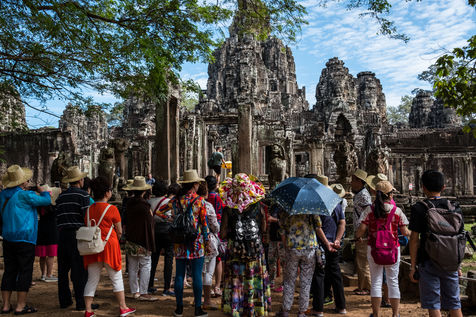
Ses premiers travaux se concentrent sur la condition des réfugiés Rohingyas au Myanmar (2013 - 2014) considérés comme l'une des minorités musulmanes les plus persécutées au monde. Après avoir intégré l'agence SIPA, il couvre l'Asie du Sud-Est pour la presse internationale : Thaïlande, Myanmar, Laos, Cambodge, Bangladesh, Philippines et Inde.

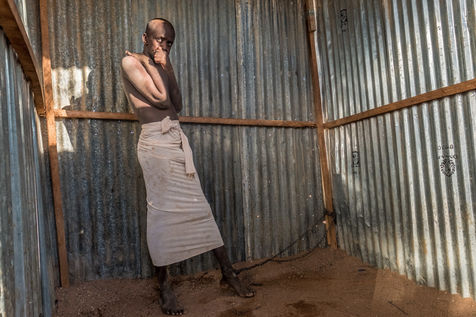
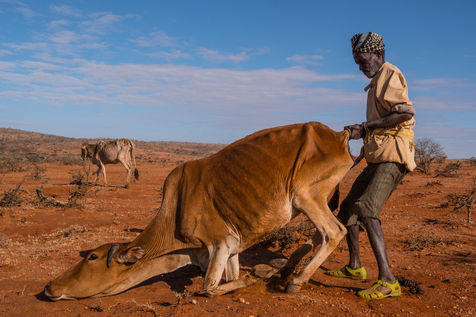
Entre 2016 et 2018, il se base en Éthiopie afin d'y documenter les effets dévastateurs des sécheresses sur les nomades dans la corne africaine.

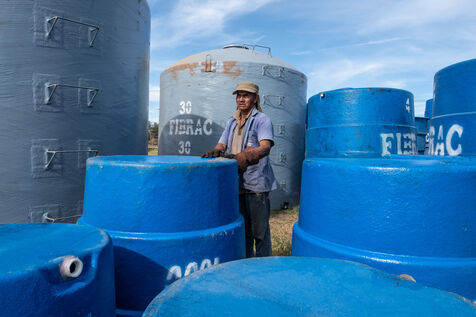
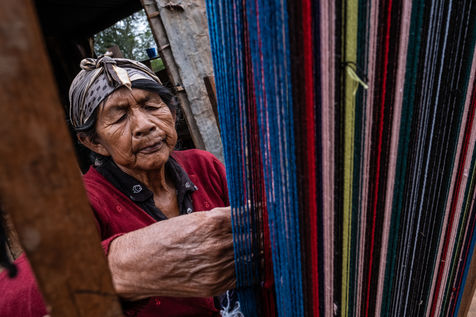
Entre 2019 et 2020, il documente les conditions sanitaires des peuples Wichi et Ayoreo face aux plantations de soja et à la déforestation du Gran Chaco en Argentine et au Paraguay.

En 2021, il voyage en Égypte et au Soudan en se concentrant sur le Nil et ses enjeux climatiques et géopolitiques dans la région.

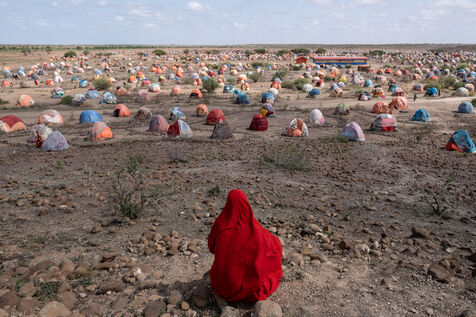
En 2022, la corne africaine connaît sa période de sécheresse la plus longue et intense due au changement climatique. Après plusieurs mois à vivre dans la région Somali en Éthiopie, son reportage sur la fin du nomadisme est récompensé par le World Press Photo.

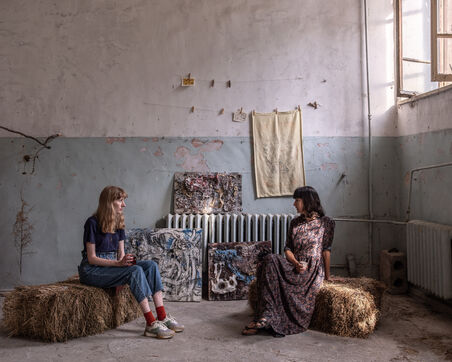
En 2023, il réalise un essai photographique en immersion dans une ancienne usine soviétique au cœur d'un petit village arménien, devenue refuge pour des artistes exilés russes et iraniens. Ce travail offre un regard sur la transformation sociale et culturelle d'un territoire post-soviétique situé dans une région aux enjeux géopolitiques complexes.

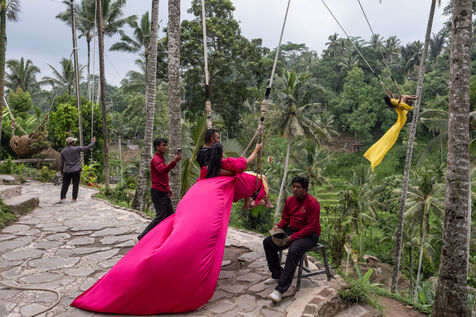
En 2024, il documente les conséquences dévastatrices du tourisme de masse à Bali : pollution, transformation des rizières en villas, gentrification, néo-colonialisme économique dissimulé sous le 'paradis' Baliland impulsé par les réseaux sociaux.

Exploration Photographique

Le cyclo-documentaire, une nouvelle approche photographique pour mieux appréhender les territoires. Depuis peu, Jonathan explore un modèle plus cohérent face aux enjeux climatiques et l'exploration à vélo d'une région ou d'un pays apporte une grande proximité pour rencontrer ses habitants. L'immersion par le bivouac permet de mieux comprendre la géographie sociale et de la photographier. Cette manière de travailler est en phase d'expérimentation, principalement en France.

Originally from Reims, France, Jonathan Fontaine is a documentary photographer who has been traveling the planet since 2013. His work is committed to documenting social changes across different territories of the world. Ecological and migratory crises, mass tourism, upheavals of nomadic and native populations: showing the dignity of those forgotten by contemporary globalization.

Travel Journal

His first works focus on the condition of Rohingya refugees in Myanmar (2013-2014), considered one of the most persecuted Muslim minorities in the world. After joining the SIPA agency, he covered Southeast Asia for the international press: Thailand, Myanmar, Laos, Cambodia, Bangladesh, Philippines, and India.

Between 2016 and 2018, he based himself in Ethiopia to document the devastating effects of droughts on nomads in the Horn of Africa.

Between 2019 and 2020, he documented the health conditions of the Wichi and Ayoreo peoples facing soy plantations and deforestation in the Gran Chaco in Argentina and Paraguay.

In 2021, he traveled to Egypt and Sudan, focusing on the Nile and its climatic and geopolitical challenges in the region.

In 2022, the Horn of Africa experienced its longest and most intense period of drought due to climate change. After several months living in the Somali region of Ethiopia, his report on the end of nomadism was awarded the World Press Photo.

In 2023, he created a photographic essay immersed in a former Soviet factory in the heart of a small Armenian village, which became a refuge for exiled Russian and Iranian artists. This work offers a look at the social and cultural transformation of a post-Soviet territory located in a region with complex geopolitical issues.

In 2024, he documented the devastating consequences of mass tourism in Bali: pollution, transformation of rice fields into villas, gentrification, economic neo-colonialism disguised under the 'paradise' Baliland driven by social networks.

Photographic Exploration

Cyclo-documentary, a new photographic approach to better understand territories. Recently, Jonathan has been exploring a more coherent model in the face of climate challenges, and exploring a region or country by bicycle brings great proximity to meet its inhabitants. Immersion through bivouacking allows for a better understanding of social geography and photographing it. This way of working is in the experimental phase, mainly in France.

— Téléchargements

— Compétences
  • Documentaire
— Bio
FR | EN

Originaire de Reims en France, Jonathan Fontaine est un photographe documentaire parcourant la planète depuis 2013. Son travail s'engage à témoigner des mutations sociales sur les différents territoires du monde. Crises écologiques et migratoires, tourisme de masse, bouleversements des populations nomades et natives: montrer la dignité des oubliés de la mondialisation contemporaine.

Carnet de route

Ses premiers travaux se concentrent sur la condition des réfugiés Rohingyas au Myanmar (2013 - 2014) considérés comme l'une des minorités musulmanes les plus persécutées au monde. Après avoir intégré l'agence SIPA, il couvre l'Asie du Sud-Est pour la presse internationale : Thaïlande, Myanmar, Laos, Cambodge, Bangladesh, Philippines et Inde.

Entre 2016 et 2018, il se base en Éthiopie afin d'y documenter les effets dévastateurs des sécheresses sur les nomades dans la corne africaine.

Entre 2019 et 2020, il documente les conditions sanitaires des peuples Wichi et Ayoreo face aux plantations de soja et à la déforestation du Gran Chaco en Argentine et au Paraguay.

En 2021, il voyage en Égypte et au Soudan en se concentrant sur le Nil et ses enjeux climatiques et géopolitiques dans la région.

En 2022, la corne africaine connaît sa période de sécheresse la plus longue et intense due au changement climatique. Après plusieurs mois à vivre dans la région Somali en Éthiopie, son reportage sur la fin du nomadisme est récompensé par le World Press Photo.

En 2023, il réalise un essai photographique en immersion dans une ancienne usine soviétique au cœur d'un petit village arménien, devenue refuge pour des artistes exilés russes et iraniens. Ce travail offre un regard sur la transformation sociale et culturelle d'un territoire post-soviétique situé dans une région aux enjeux géopolitiques complexes.

En 2024, il documente les conséquences dévastatrices du tourisme de masse à Bali : pollution, transformation des rizières en villas, gentrification, néo-colonialisme économique dissimulé sous le 'paradis' Baliland impulsé par les réseaux sociaux.

Exploration Photographique

Le cyclo-documentaire, une nouvelle approche photographique pour mieux appréhender les territoires. Depuis peu, Jonathan explore un modèle plus cohérent face aux enjeux climatiques et l'exploration à vélo d'une région ou d'un pays apporte une grande proximité pour rencontrer ses habitants. L'immersion par le bivouac permet de mieux comprendre la géographie sociale et de la photographier. Cette manière de travailler est en phase d'expérimentation, principalement en France.

Originally from Reims, France, Jonathan Fontaine is a documentary photographer who has been traveling the planet since 2013. His work is committed to documenting social changes across different territories of the world. Ecological and migratory crises, mass tourism, upheavals of nomadic and native populations: showing the dignity of those forgotten by contemporary globalization.

Travel Journal

His first works focus on the condition of Rohingya refugees in Myanmar (2013-2014), considered one of the most persecuted Muslim minorities in the world. After joining the SIPA agency, he covered Southeast Asia for the international press: Thailand, Myanmar, Laos, Cambodia, Bangladesh, Philippines, and India.

Between 2016 and 2018, he based himself in Ethiopia to document the devastating effects of droughts on nomads in the Horn of Africa.

Between 2019 and 2020, he documented the health conditions of the Wichi and Ayoreo peoples facing soy plantations and deforestation in the Gran Chaco in Argentina and Paraguay.

In 2021, he traveled to Egypt and Sudan, focusing on the Nile and its climatic and geopolitical challenges in the region.

In 2022, the Horn of Africa experienced its longest and most intense period of drought due to climate change. After several months living in the Somali region of Ethiopia, his report on the end of nomadism was awarded the World Press Photo.

In 2023, he created a photographic essay immersed in a former Soviet factory in the heart of a small Armenian village, which became a refuge for exiled Russian and Iranian artists. This work offers a look at the social and cultural transformation of a post-Soviet territory located in a region with complex geopolitical issues.

In 2024, he documented the devastating consequences of mass tourism in Bali: pollution, transformation of rice fields into villas, gentrification, economic neo-colonialism disguised under the 'paradise' Baliland driven by social networks.

Photographic Exploration

Cyclo-documentary, a new photographic approach to better understand territories. Recently, Jonathan has been exploring a more coherent model in the face of climate challenges, and exploring a region or country by bicycle brings great proximity to meet its inhabitants. Immersion through bivouacking allows for a better understanding of social geography and photographing it. This way of working is in the experimental phase, mainly in France.

— Téléchargements
Archive
Séries
Jonathan Fontaine
Archive
Séries
Afrique — Amérique latine — Culture — Environnement — Politique — Société — — Boutique

Sélection de séries

  • ABASTAN - Art en Exil
  • BALILAND : Le Grand Détournement
  • GRAN CHACO - DE LA FORÊT À L'USINE
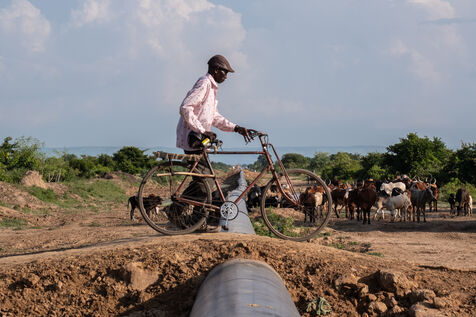
  • Le Dernier Voyage des Nomades
  • Carnaval d'Acireale
  • LES WICHIS - VICTIMES OUBLIÉES DU SOJA
  • Somaliland, le choc des nomades
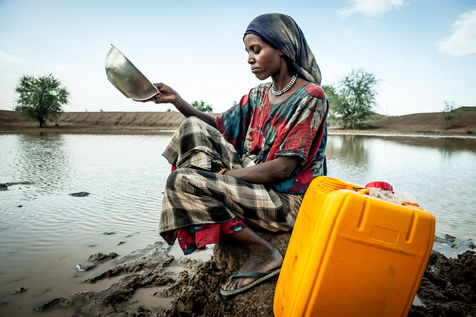
  • Sécheresse en Ethiopie, le déclin des tribus pastorales
  • Le Tourisme à Angkor, une Désillusion de Masse
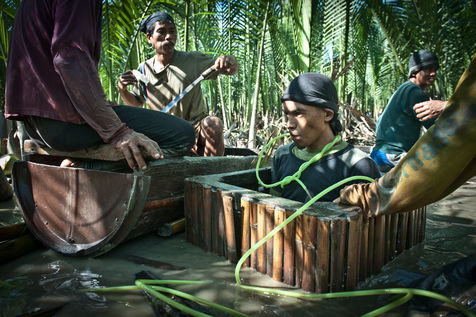
  • La Plongée vers l'Or / A Dangerous Breath for Gold
  • En Ethiopie, les femmes victimes de la sécheresse
hans
lucas
  • Politique
  • Société
  • Environnement
  • Sport
  • Culture
  • Spiritualité
  • Creative
  • Fashion
  • Long Term Projects
  • Guerre et conflits
  • Portrait
  • Corporate
  • Multimedia
  • Workshop
  • Shop
  • Grand Est
  • Grand Ouest
  • Occitanie
  • Nouvelle Aquitaine
  • Lille
  • Marseille
  • Paris
  • Lyon
  • Afrique
  • Amérique latine
  • Asie
  • Méditerranée
  • Océanie
  • Canada
  • USA
  • Benelux
  • Taïwan
  • Maroc
  • Algérie
  • Membres
  • Carte
  • Publications
  • A propos
  • Contact
  • Inscription Icono
© 2025 Hans Lucas
Mentions légales, conditions d'utilisation et politique de confidentialité