VANUATU - Yasur, un volcan en éruption depuis plus de 800 ans
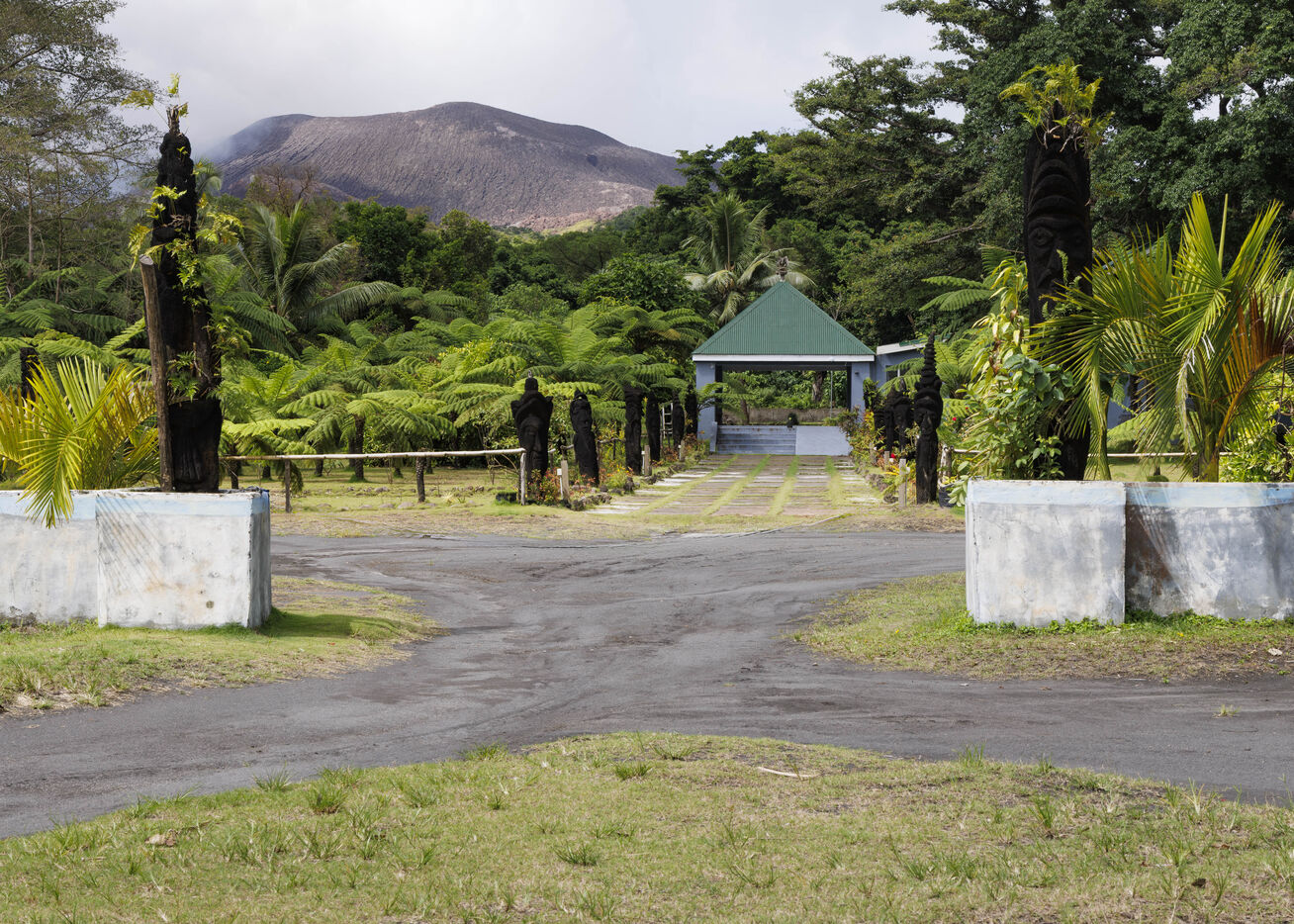
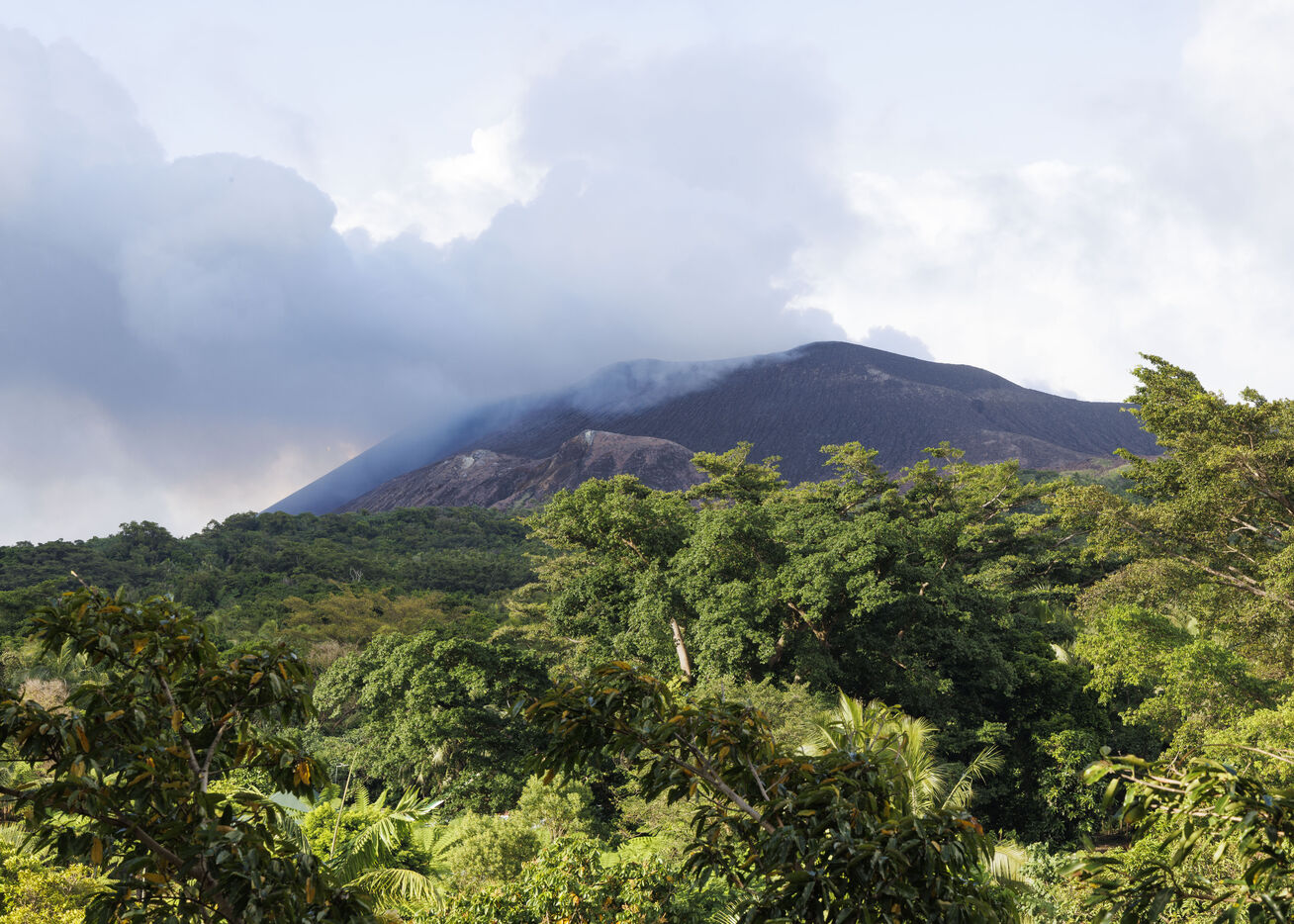
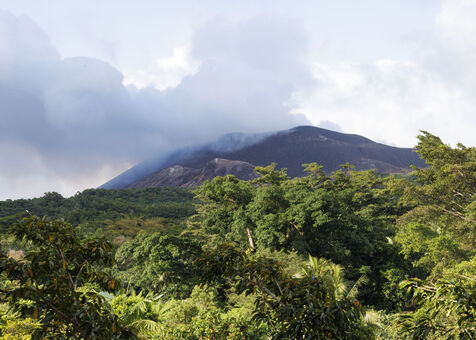
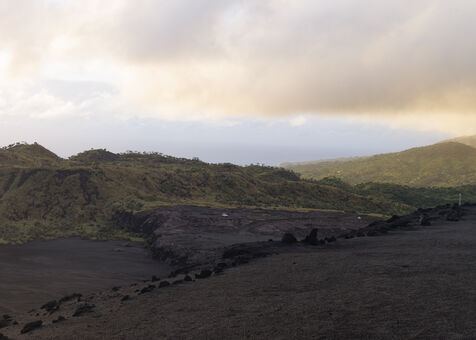
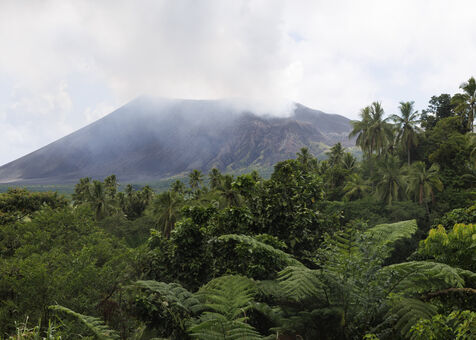
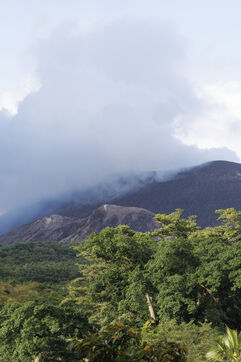
Le Vanuatu, situé à moins de 500 km de la Nouvelle-Calédonie, est un pays du sud de l'océan Pacifique composé d'environ 80 îles qui s'étendent sur 1 300 kilomètres. A l’Est de cet archipel se présentent l’île de Tanna et son célèbre volcan : le Mont Yasur. Ce qui rend le volcan Yasur unique : son activité constante (en éruption quasi continue depuis plus de 800 ans) et son accessibilité (perché à seulement 361 mètres d’altitude).
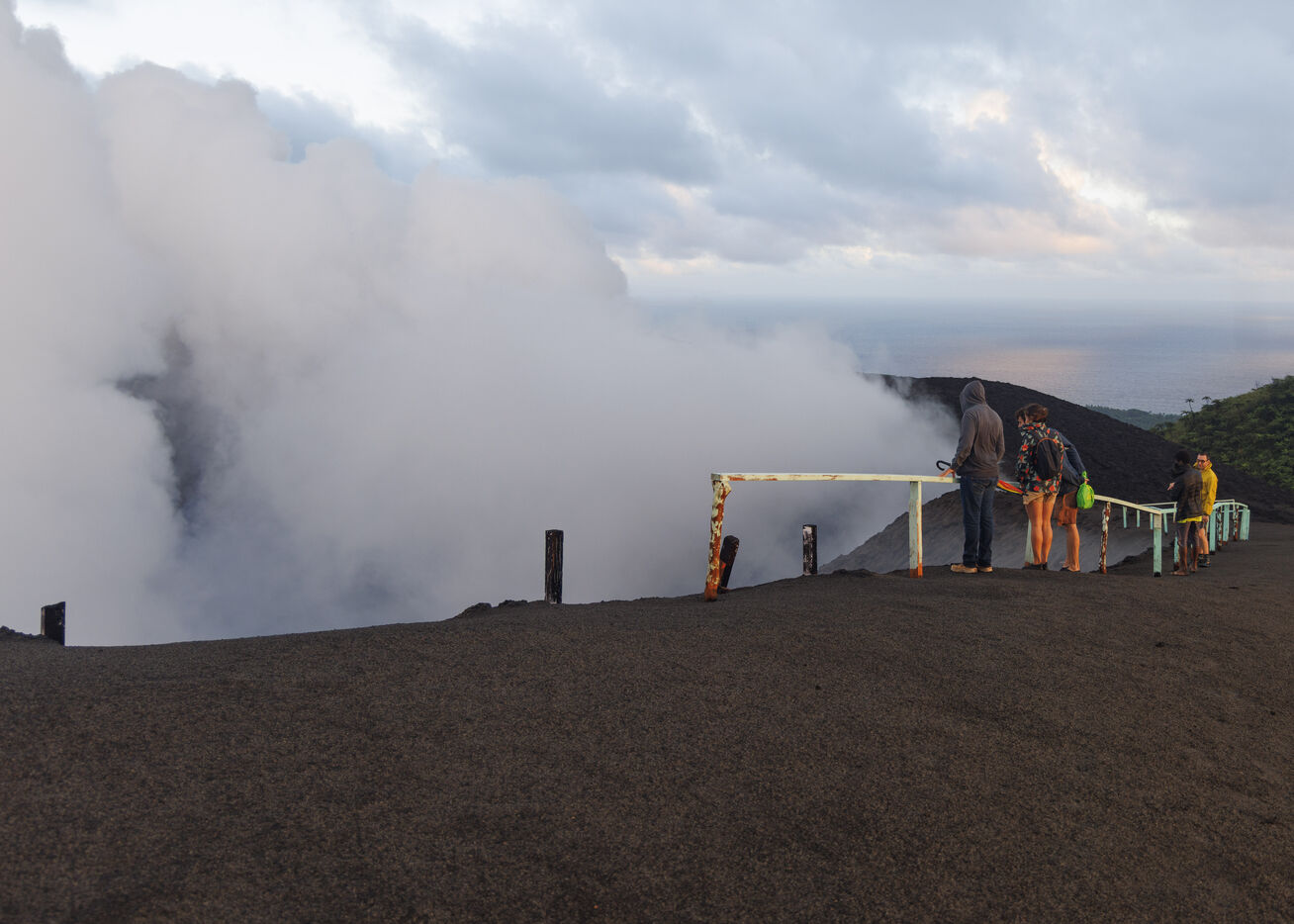
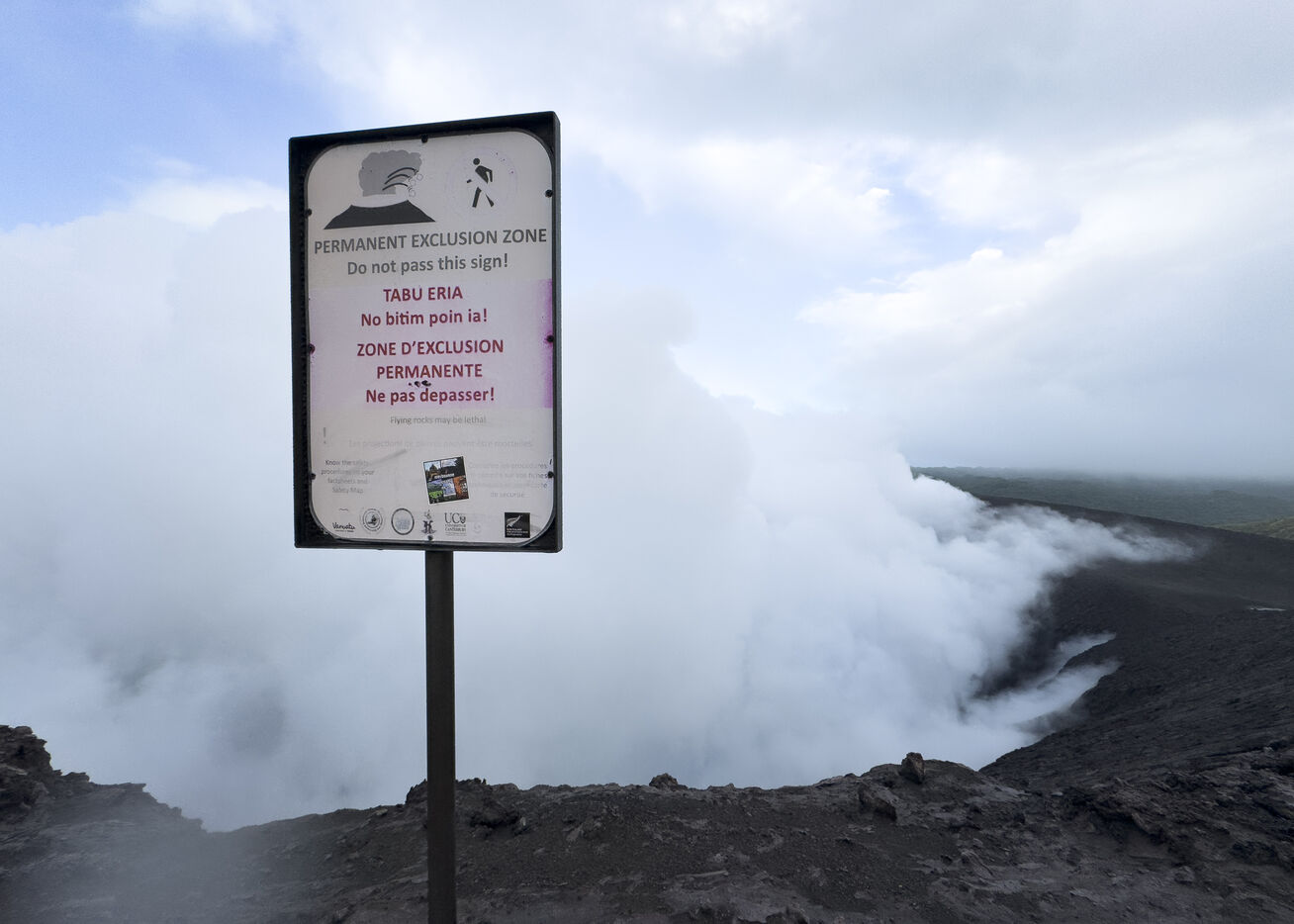
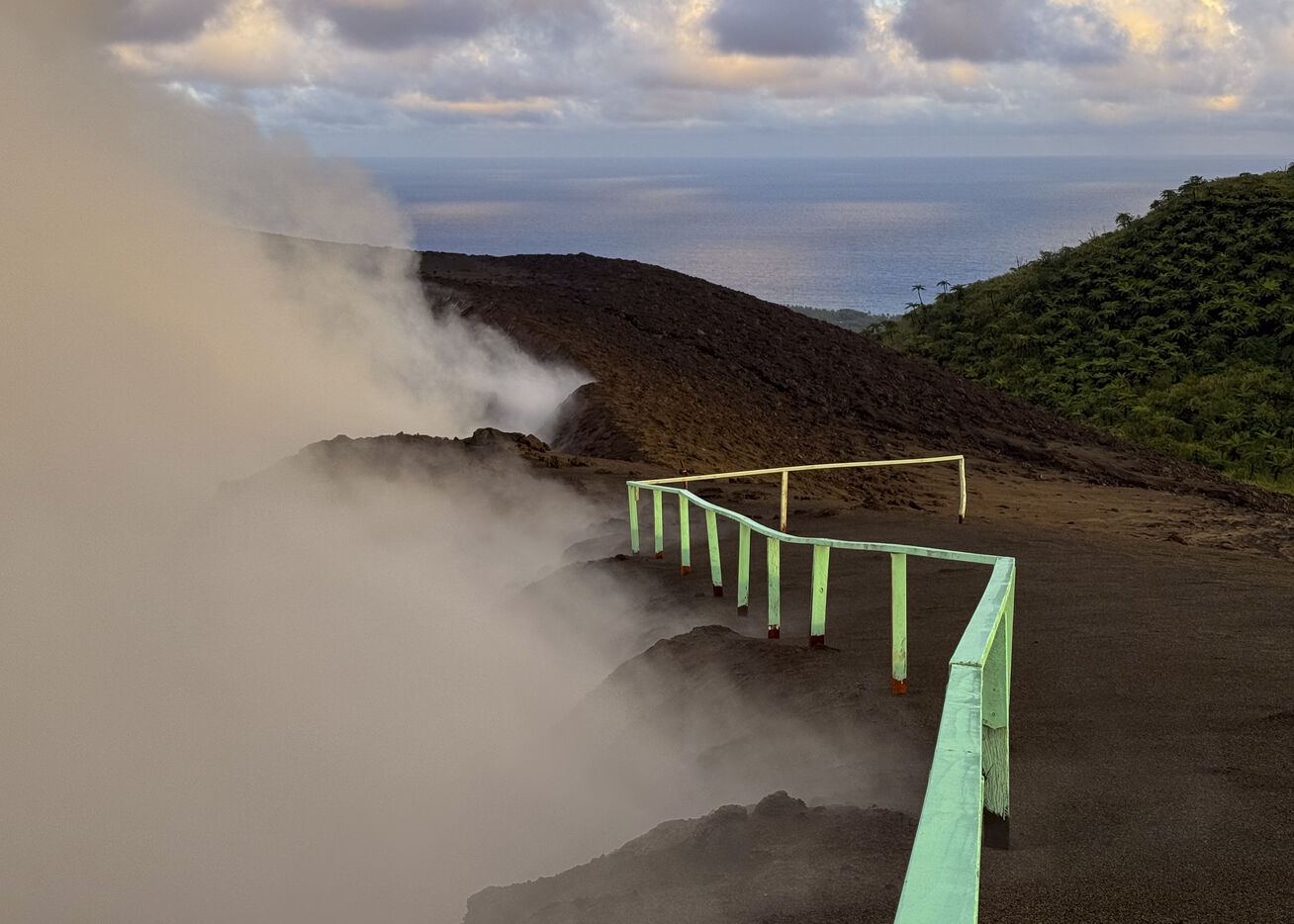
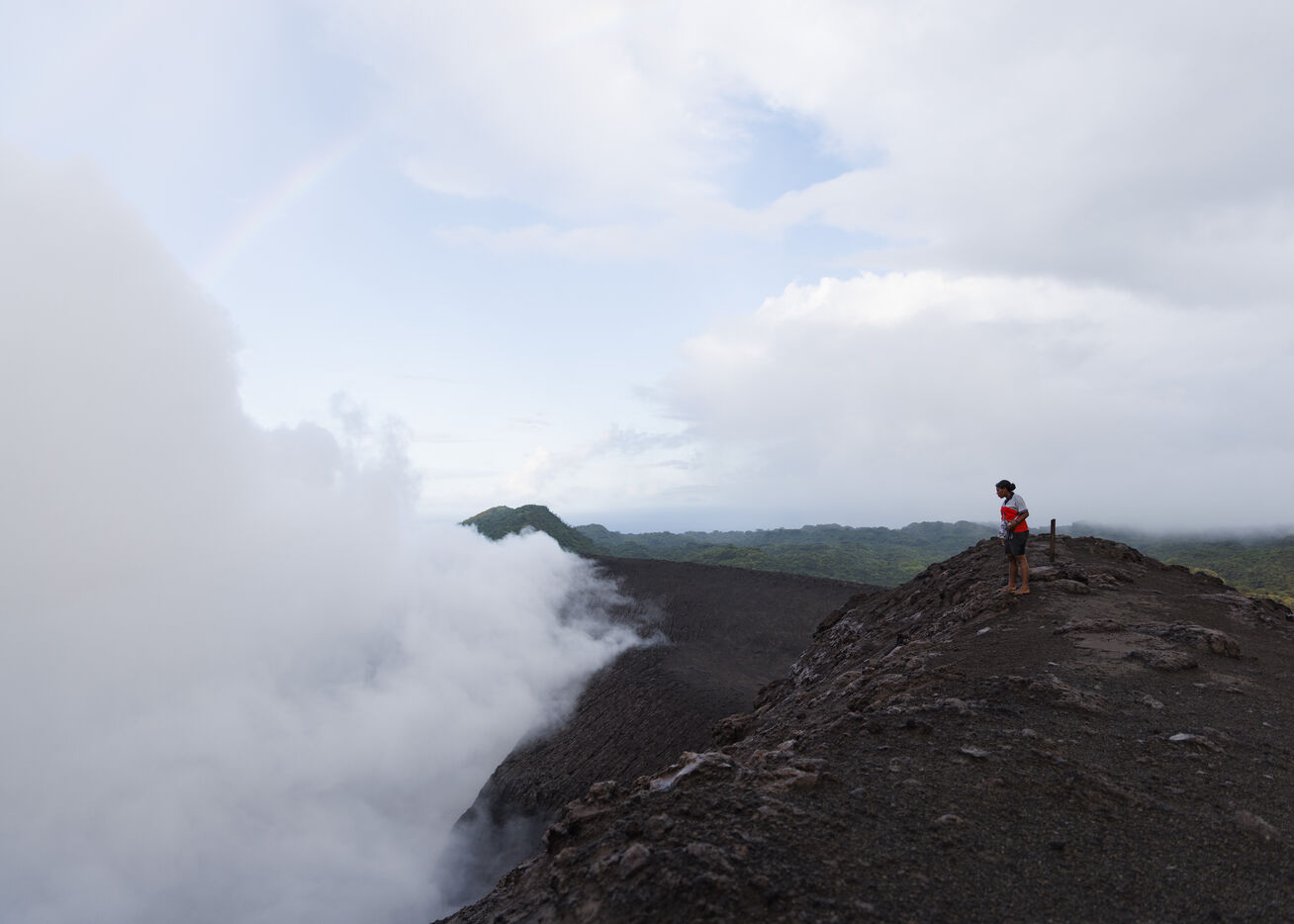
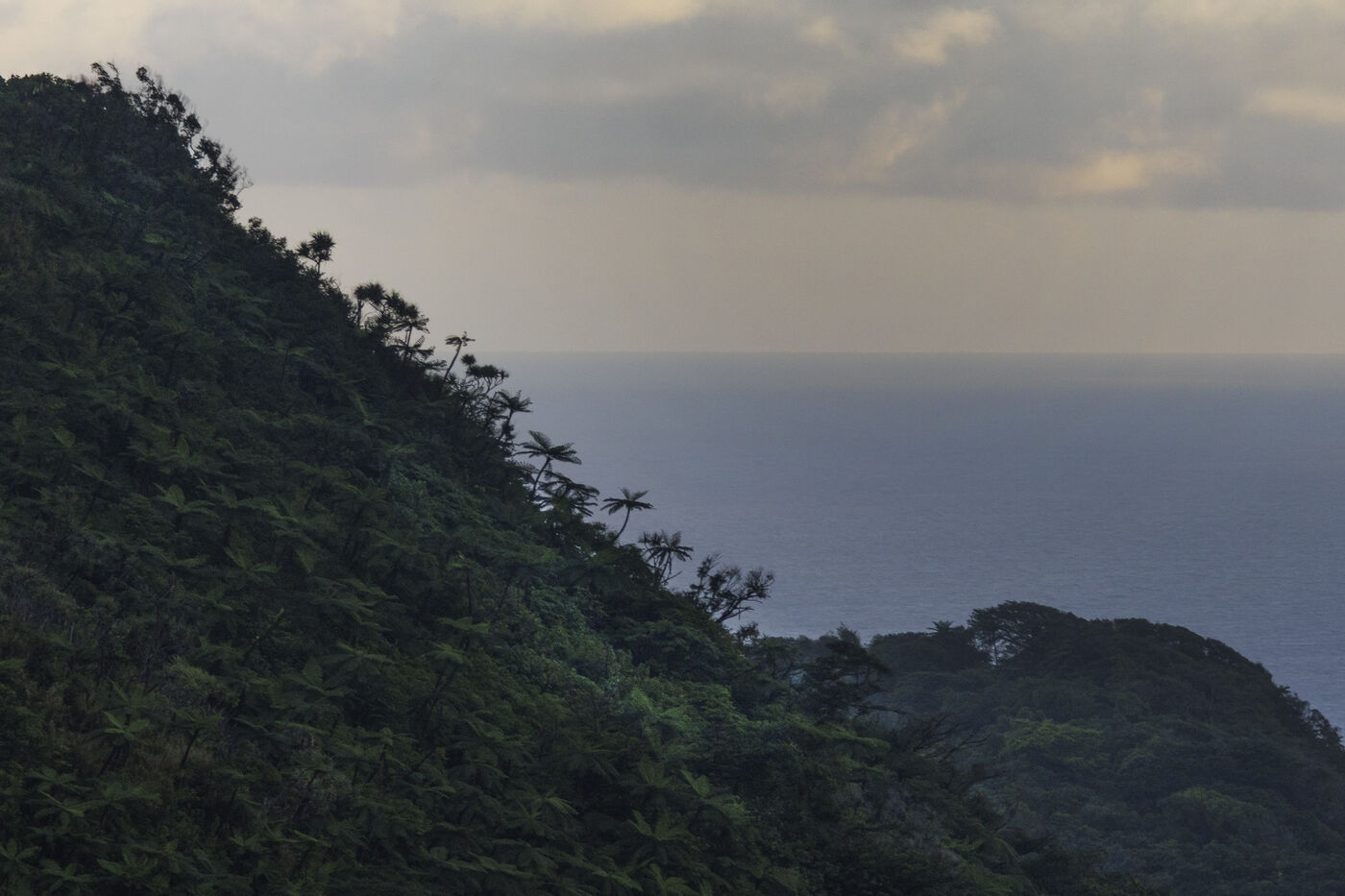
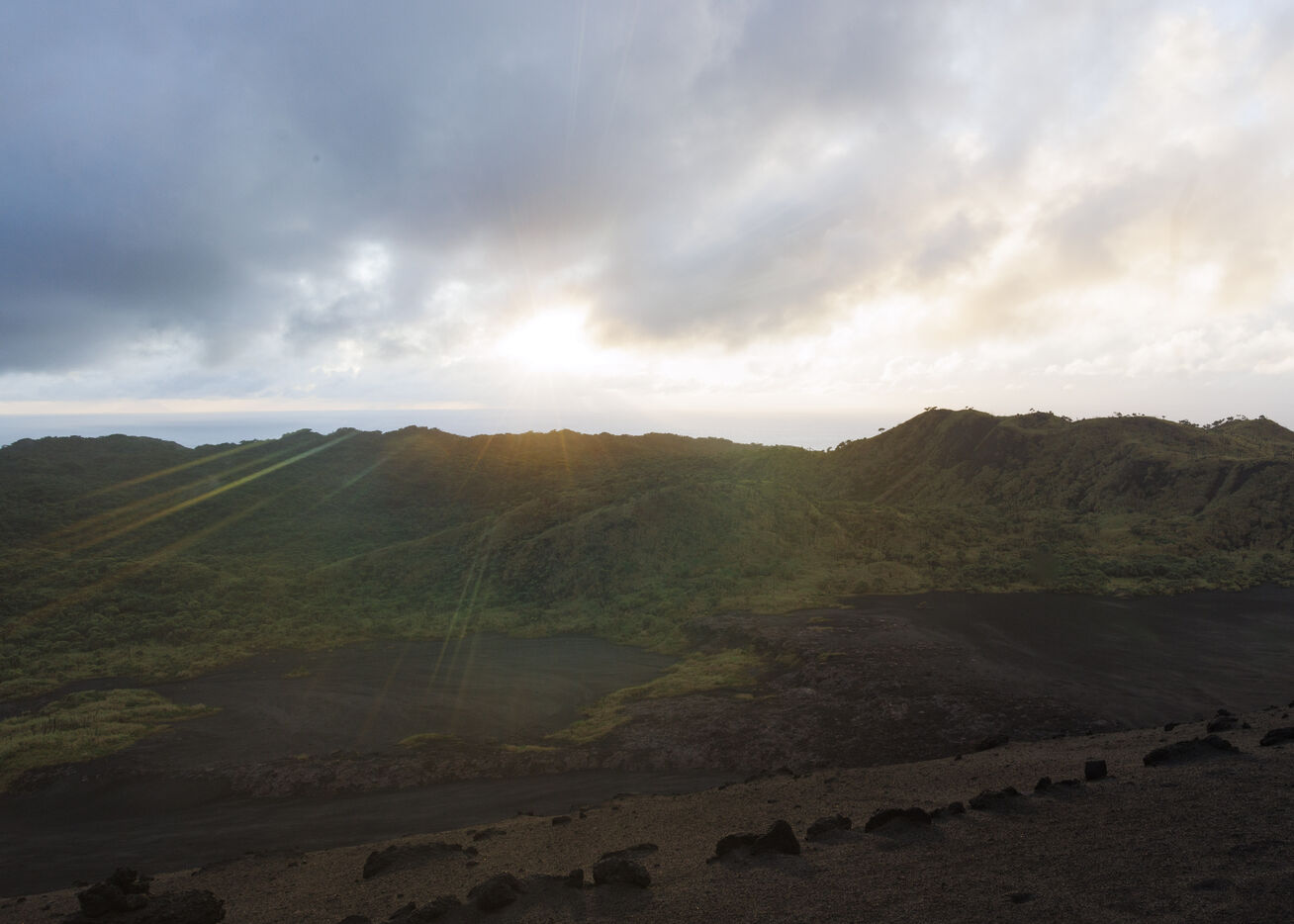
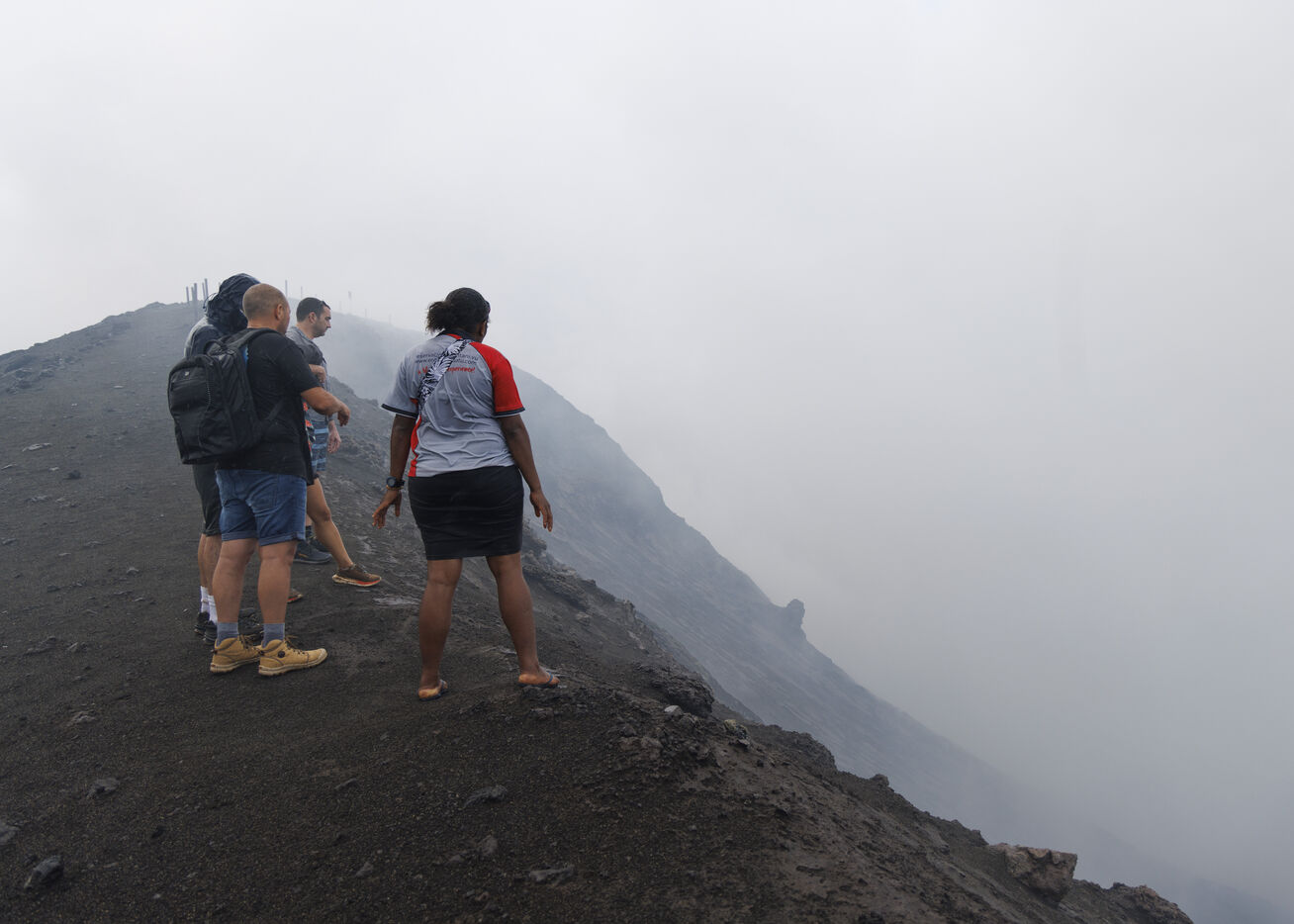
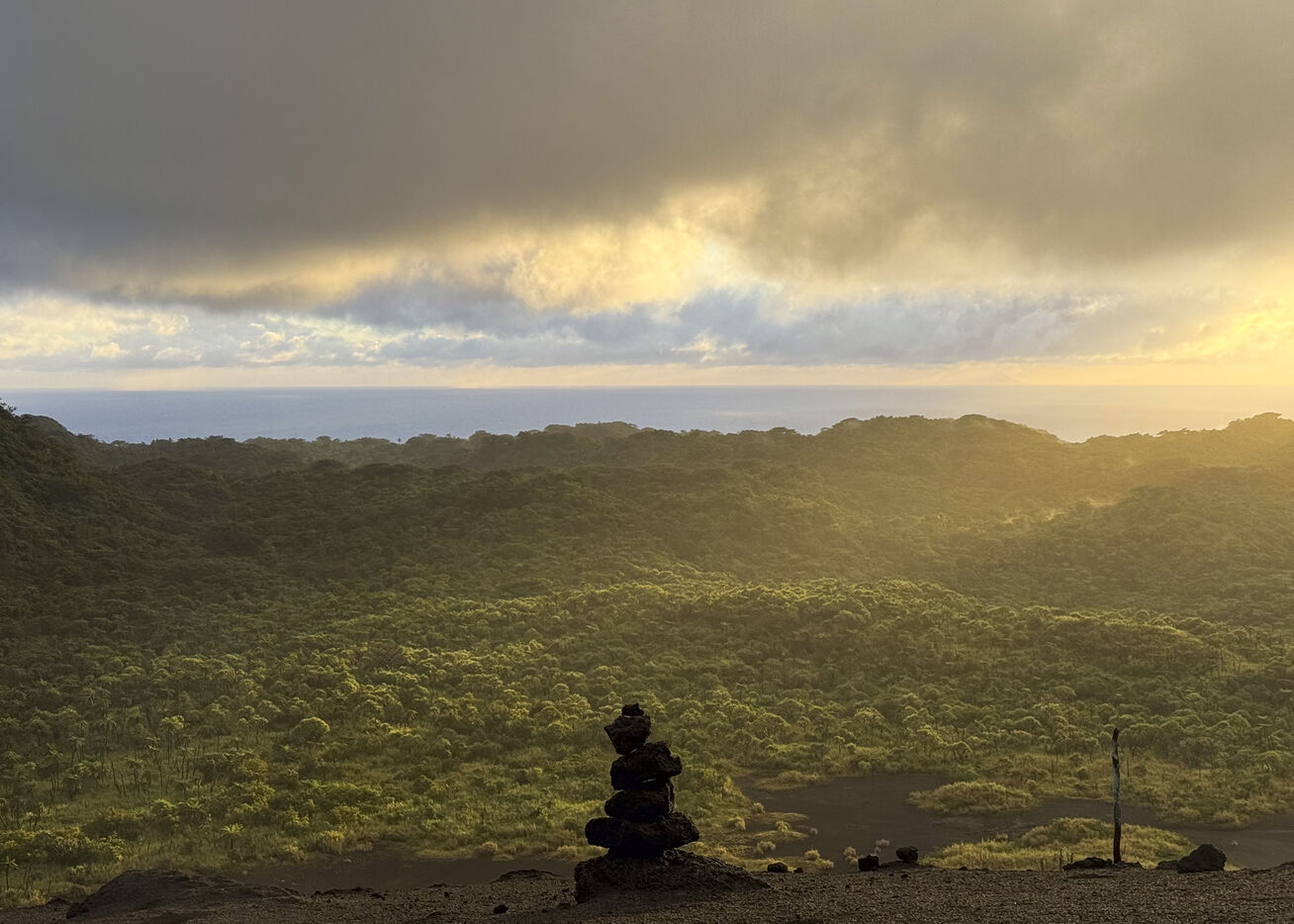
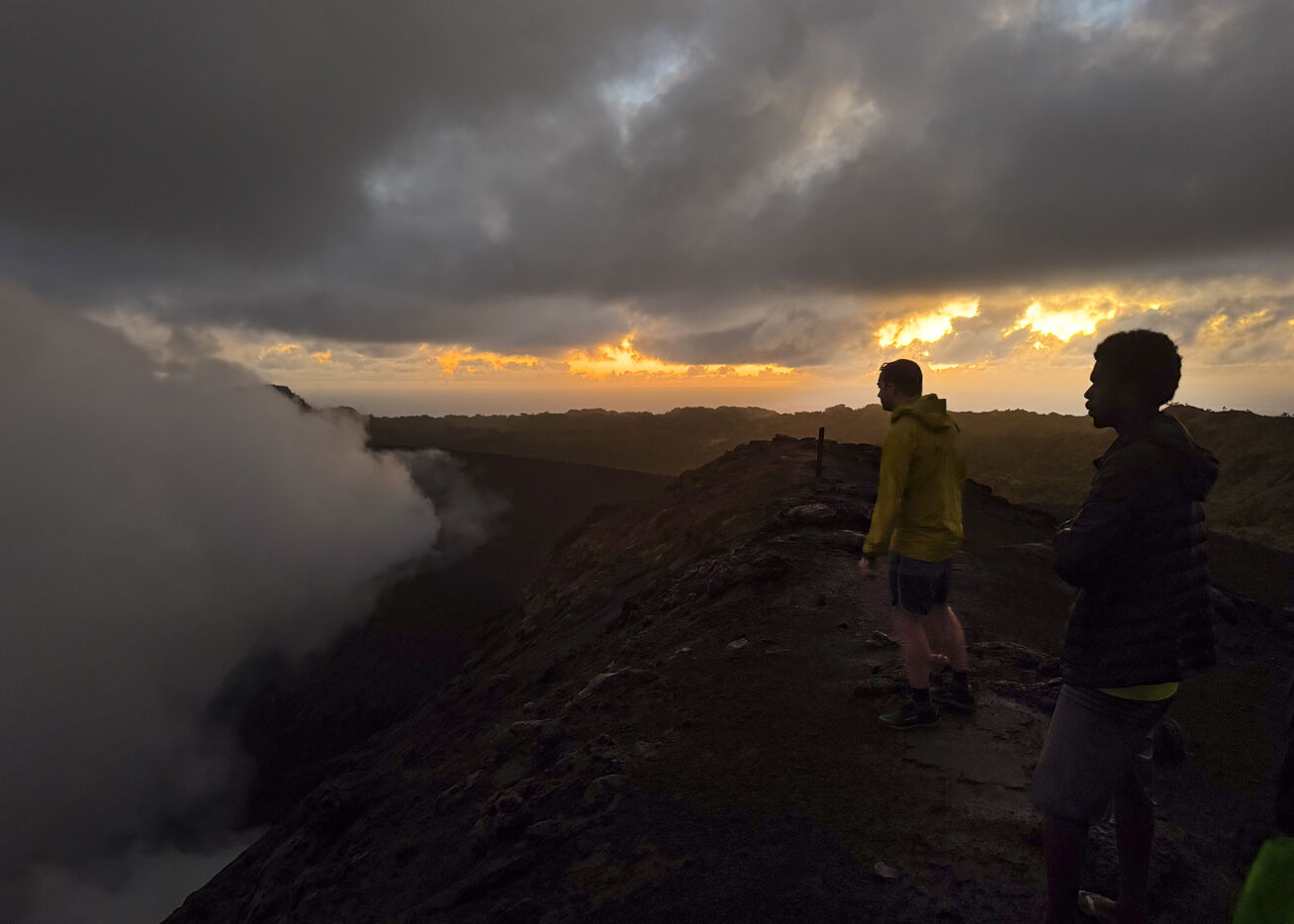
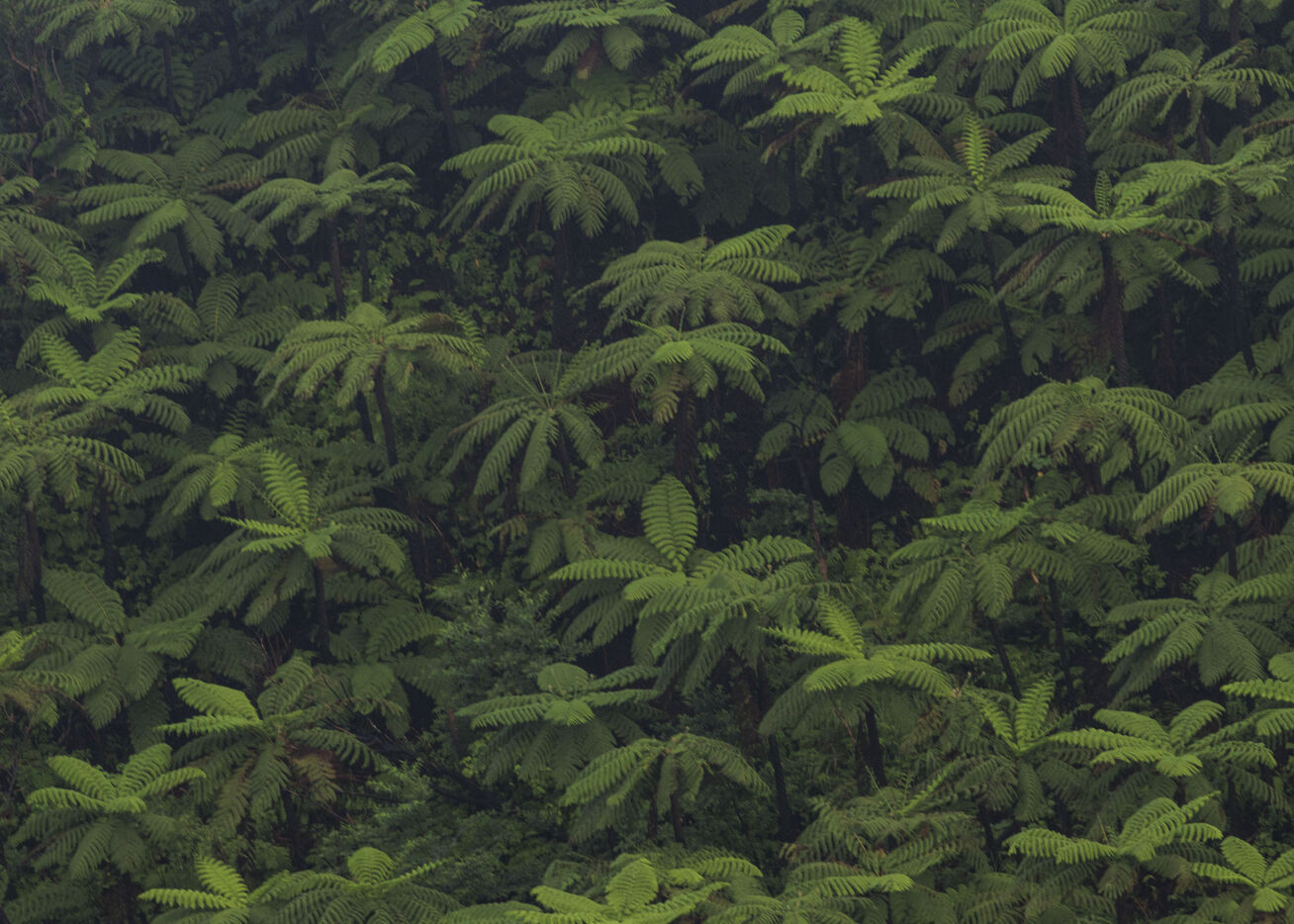
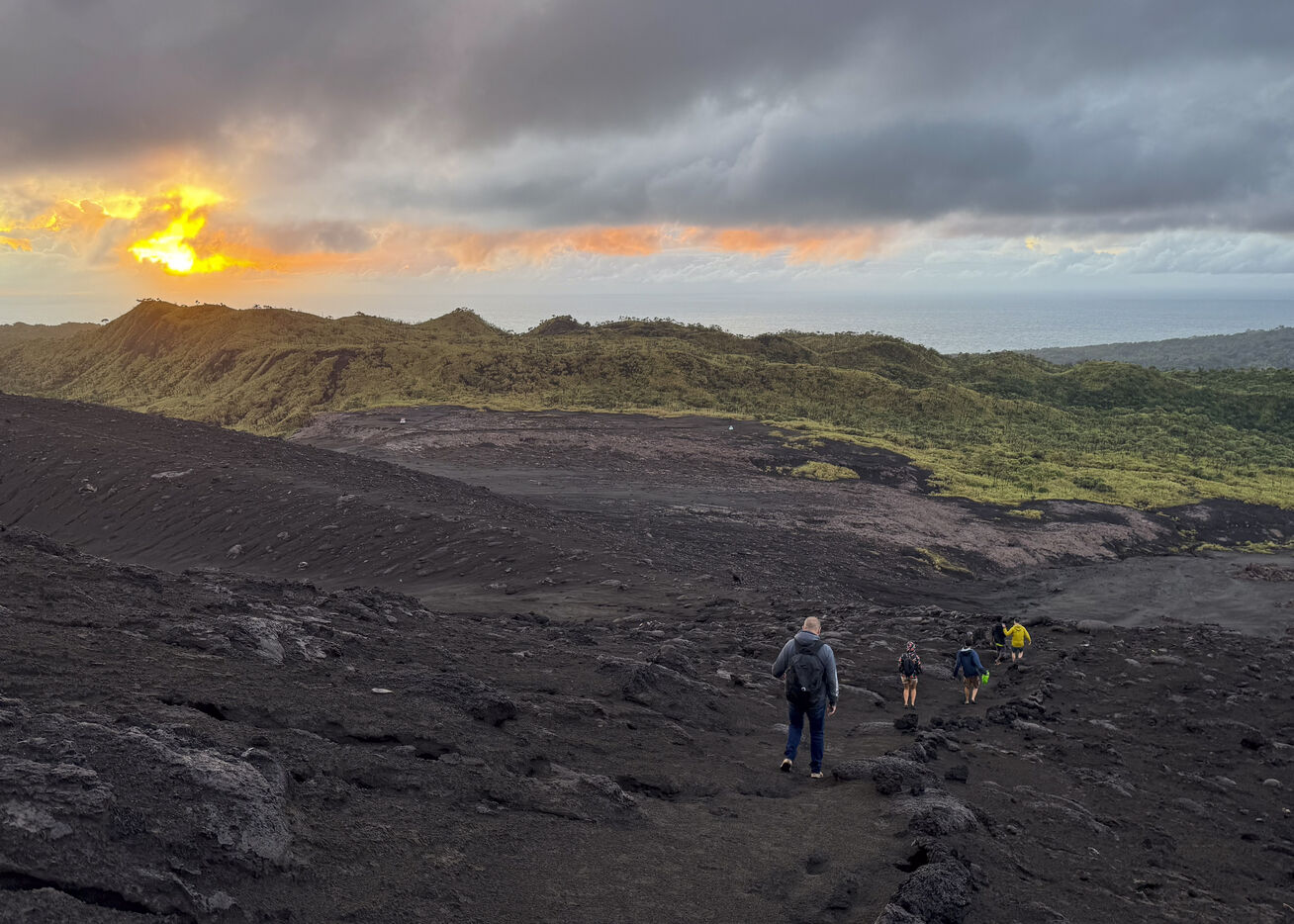
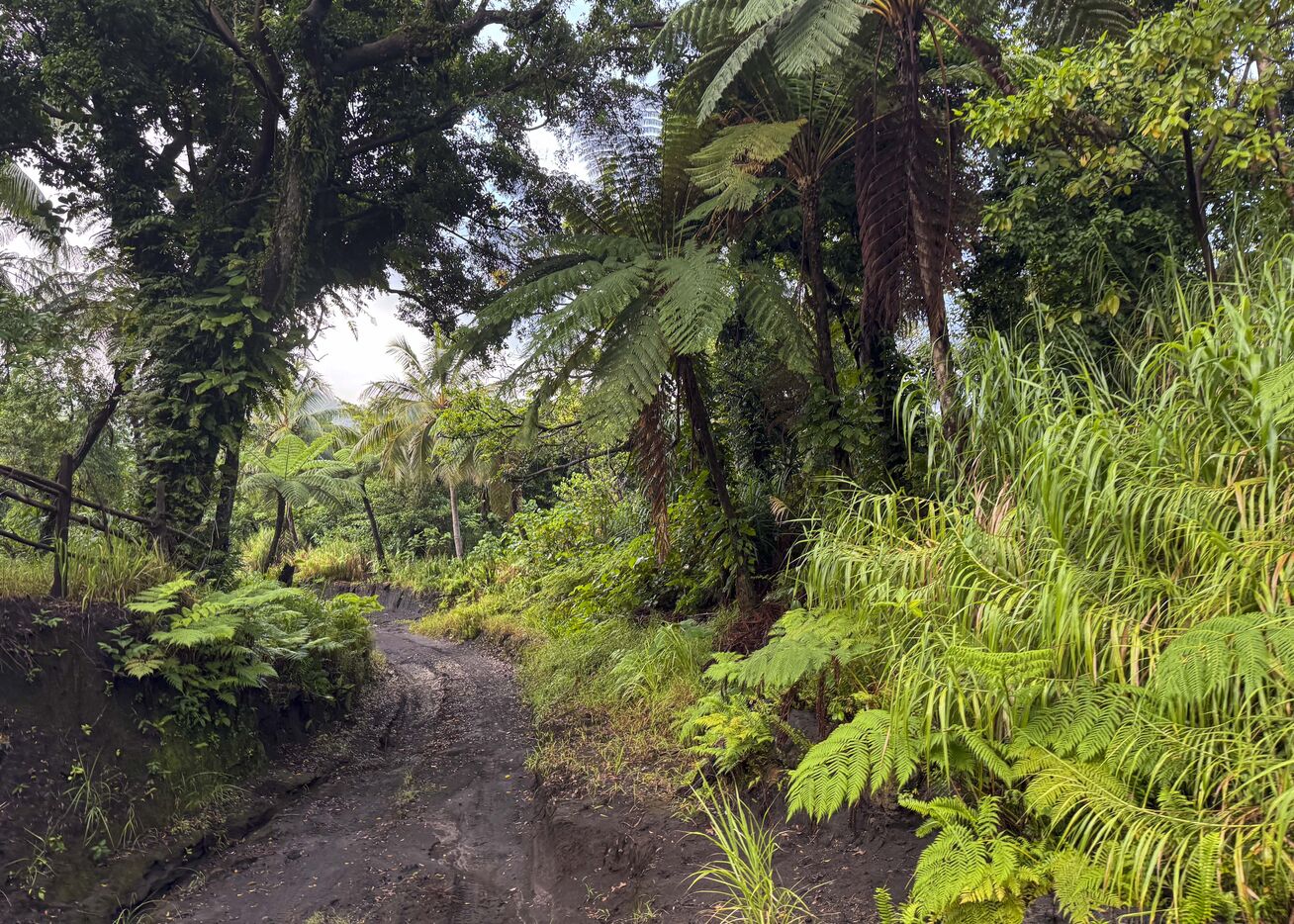
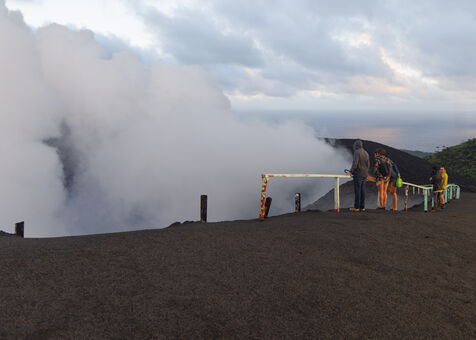
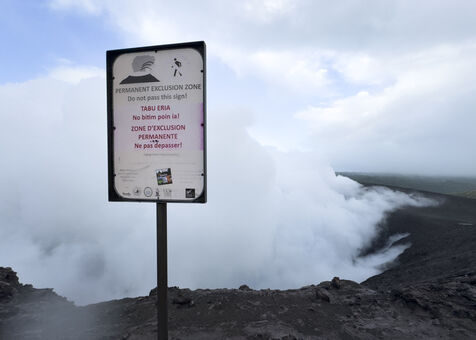
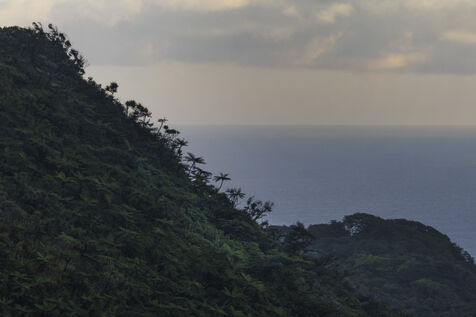
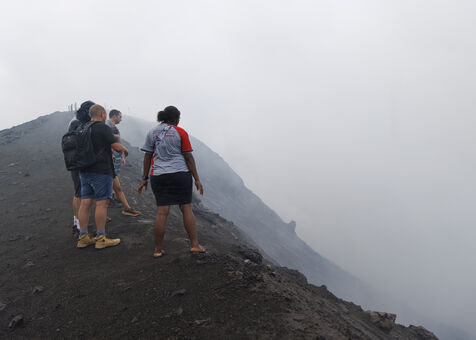
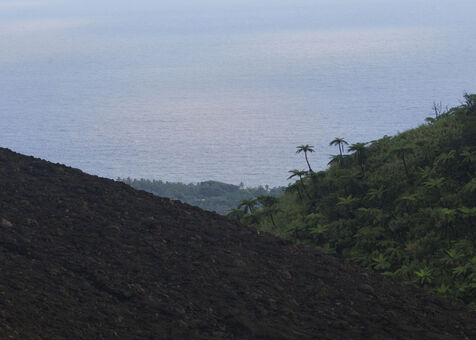
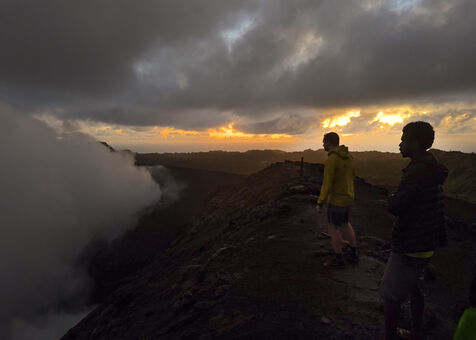
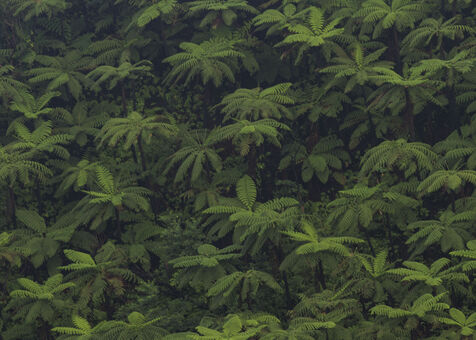
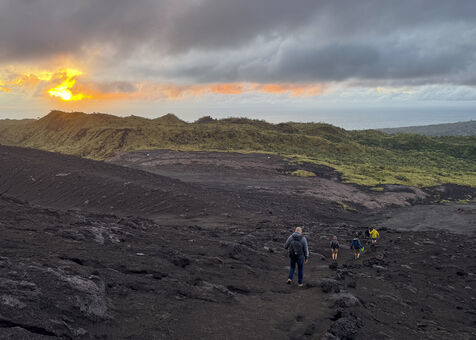
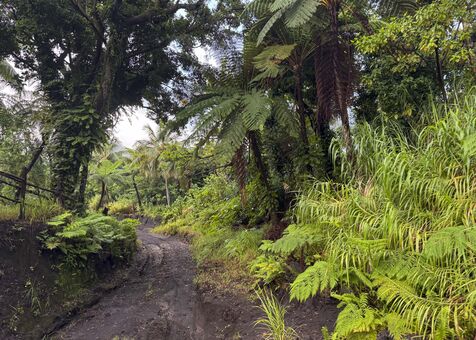
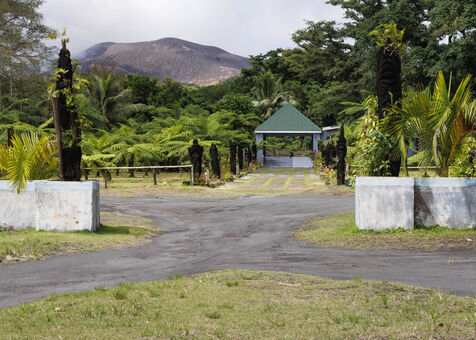
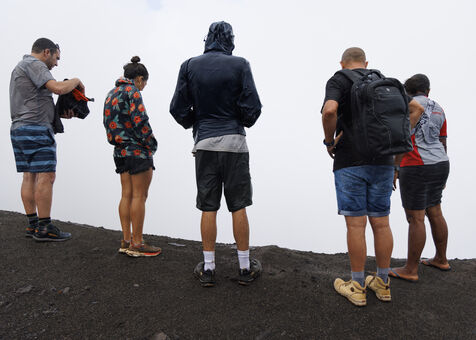
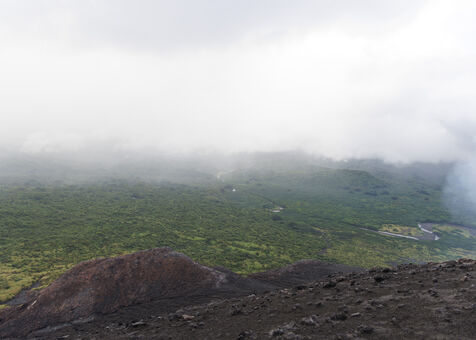
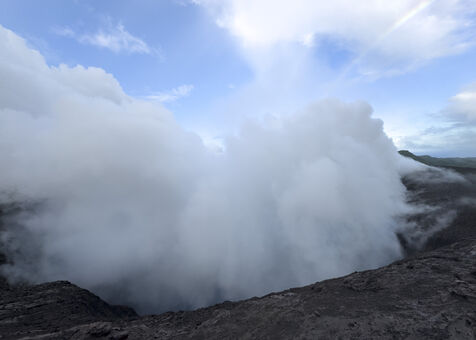
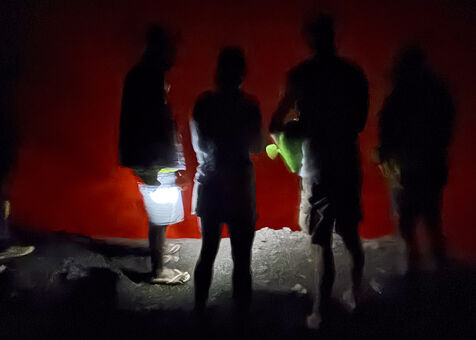
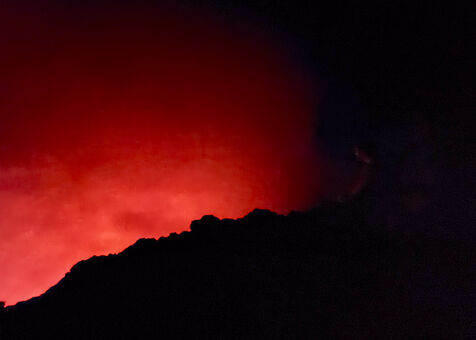
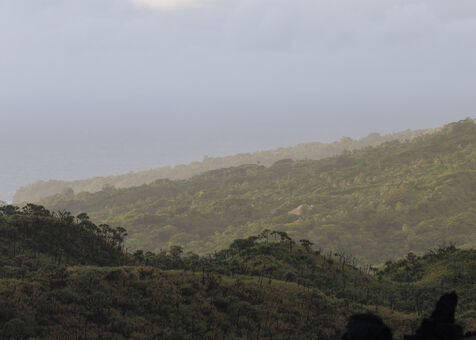
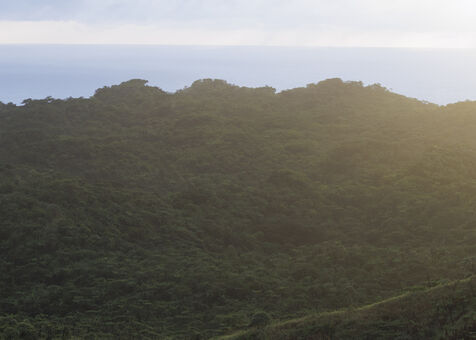
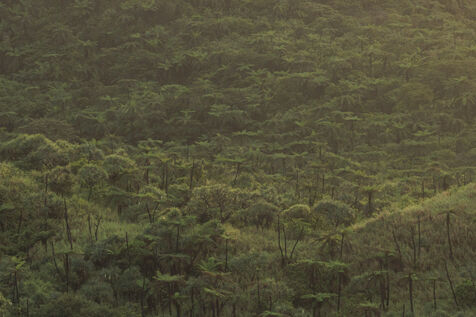
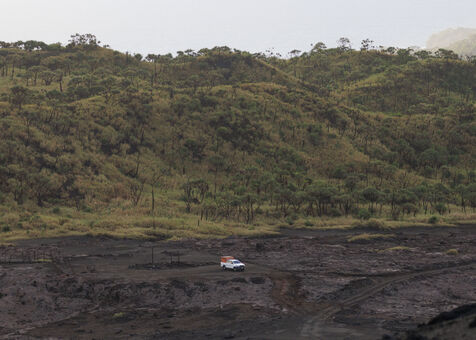
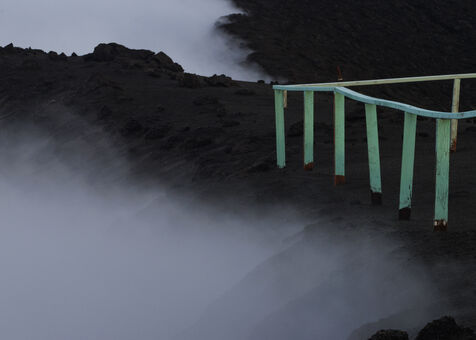
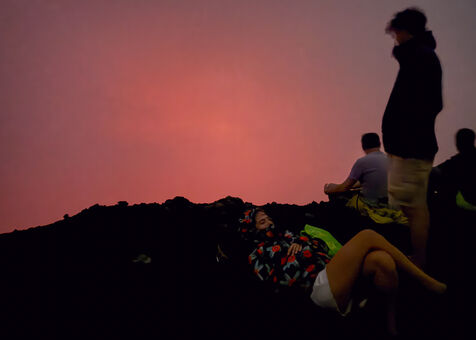
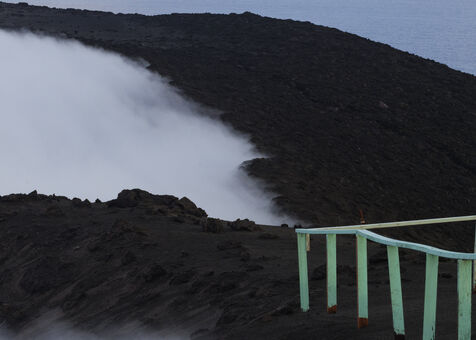
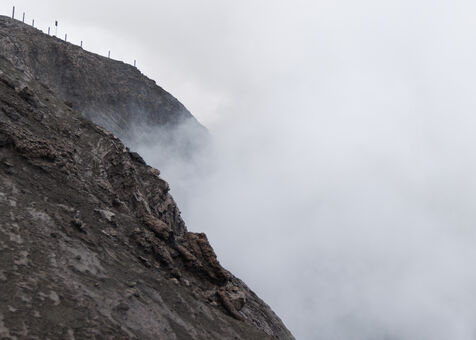
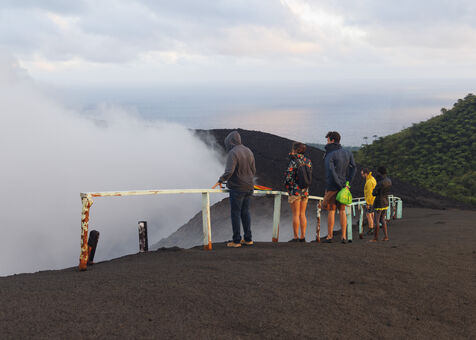
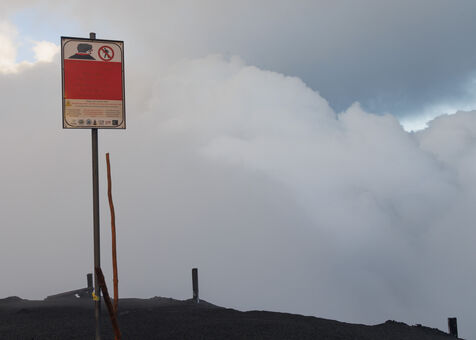
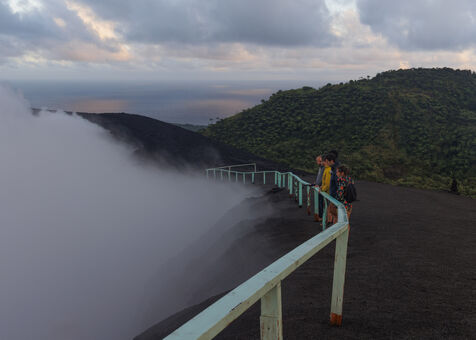
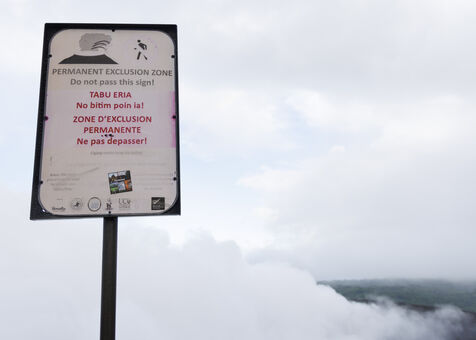
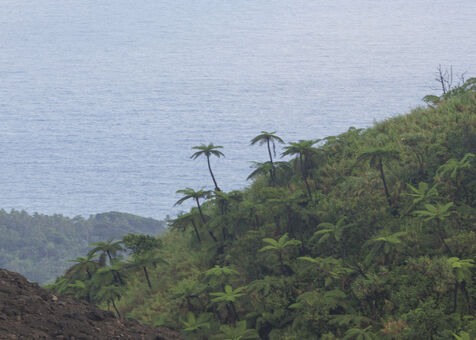
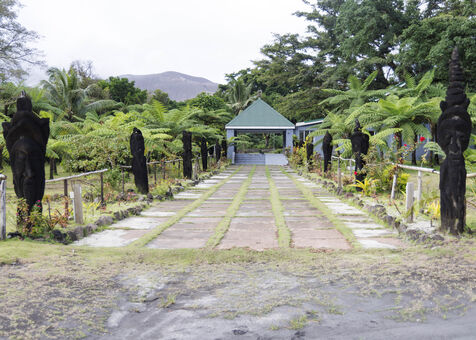
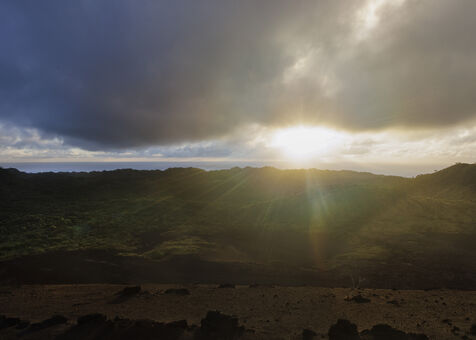
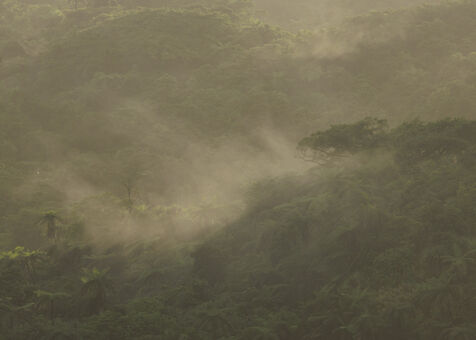
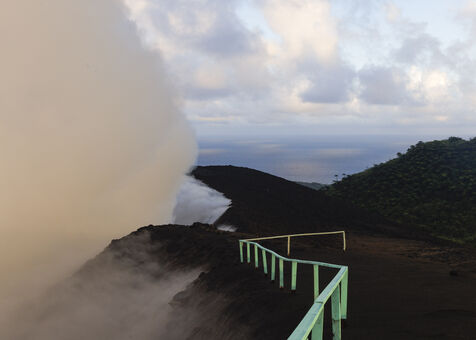
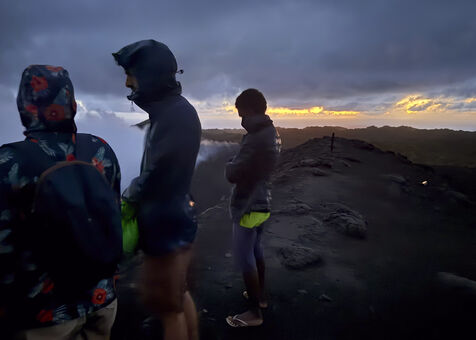
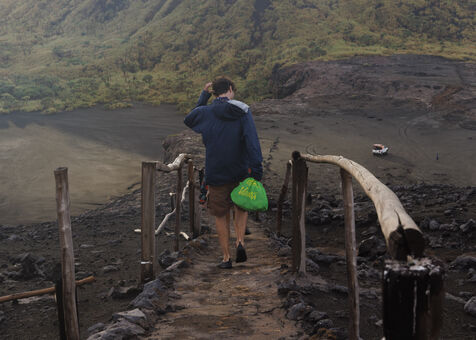
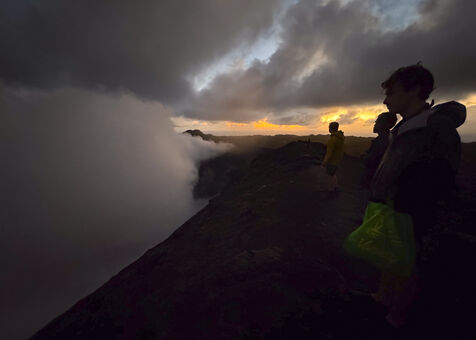
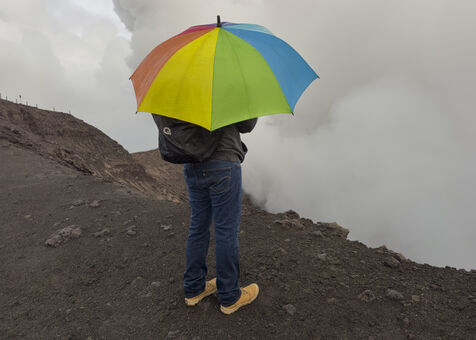
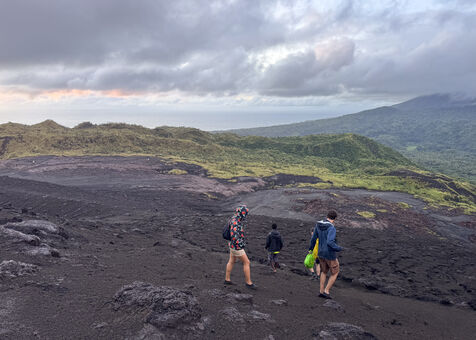
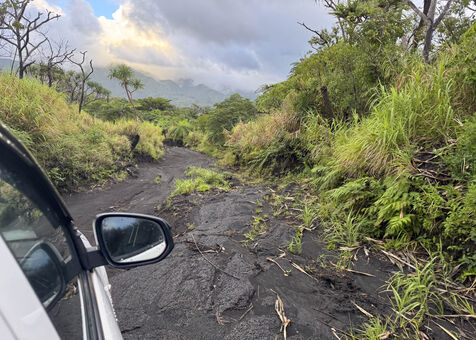
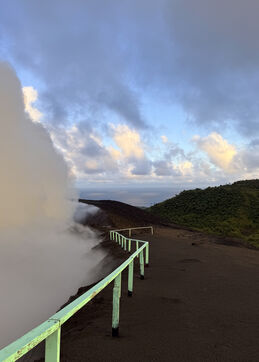
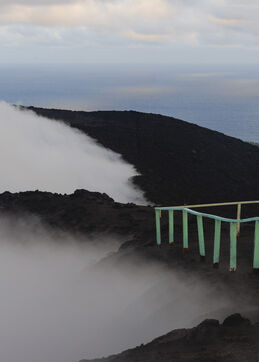
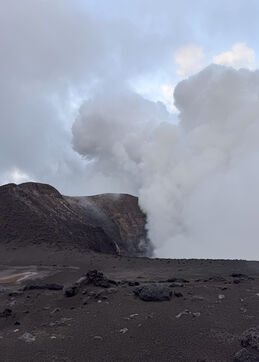
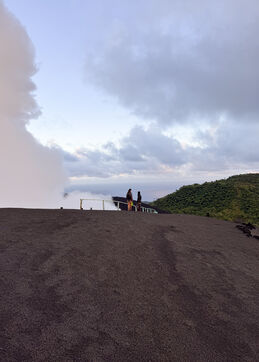
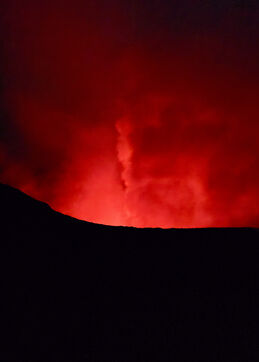
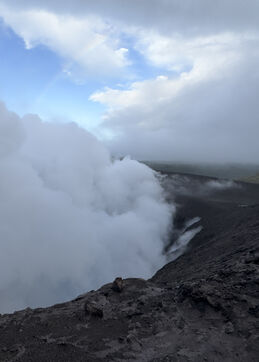
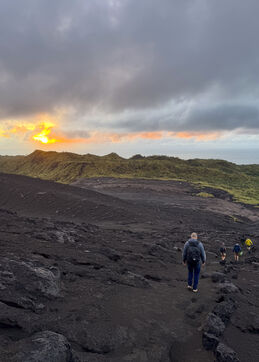
Le volcan est sur une terre coutumière appartenant donc aux habitants du village qui gèrent les visites. Après une heure de 4x4 à travers la forêt subtropicale, le chauffeur laisse les visiteurs au pied du volcan qui empruntent un immense escalier en bois pour l’ascension. Encadrées par des guides et par groupe d’une petite dizaine, les excursions se déroulent soit le matin (départ 4h du matin), soit pour le coucher du soleil (vers 16h). La visibilité dépend de la météo, la pluie augmentant le panache de fumée et le danger des dégazages. Il n’est pas rare de se prendre des bouffées de soufre. Même si le visiteur ne voit pas la lave jaillir du cratère, il entend des sons sourds et rugissants voire il ressent la Terre qui tremble sous ses pieds, la nuit offrant alors un spectacle rougeoyant.
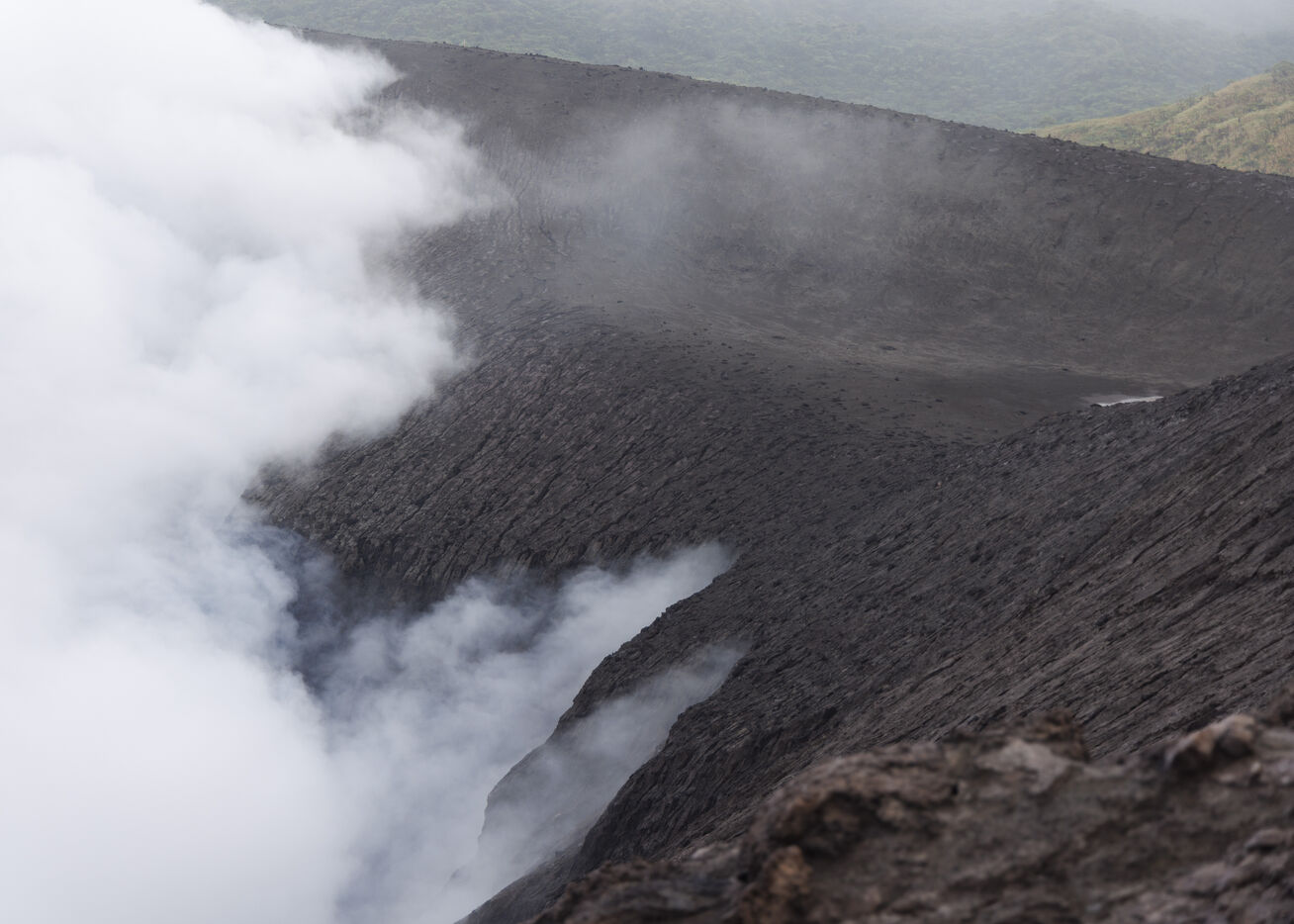
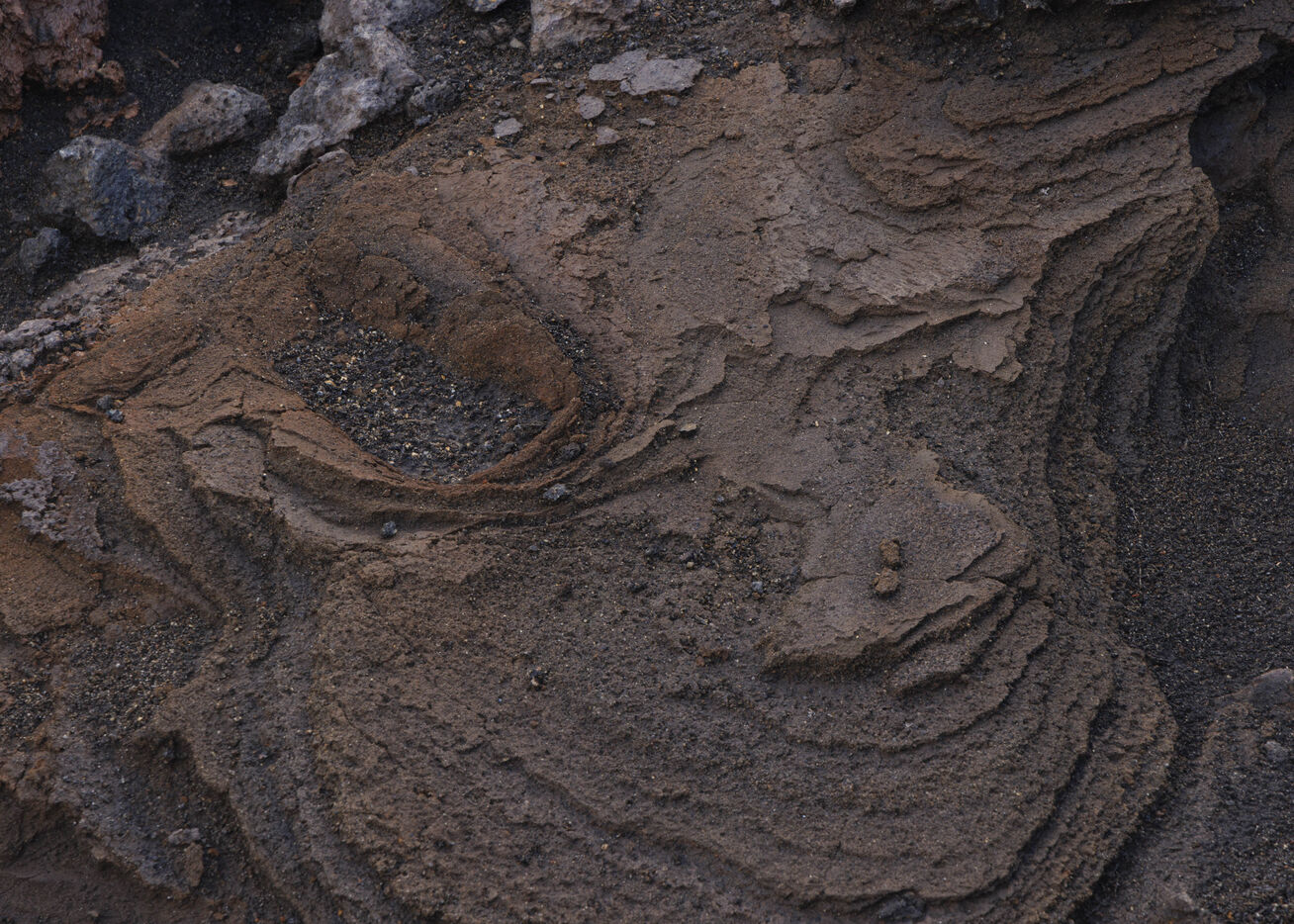
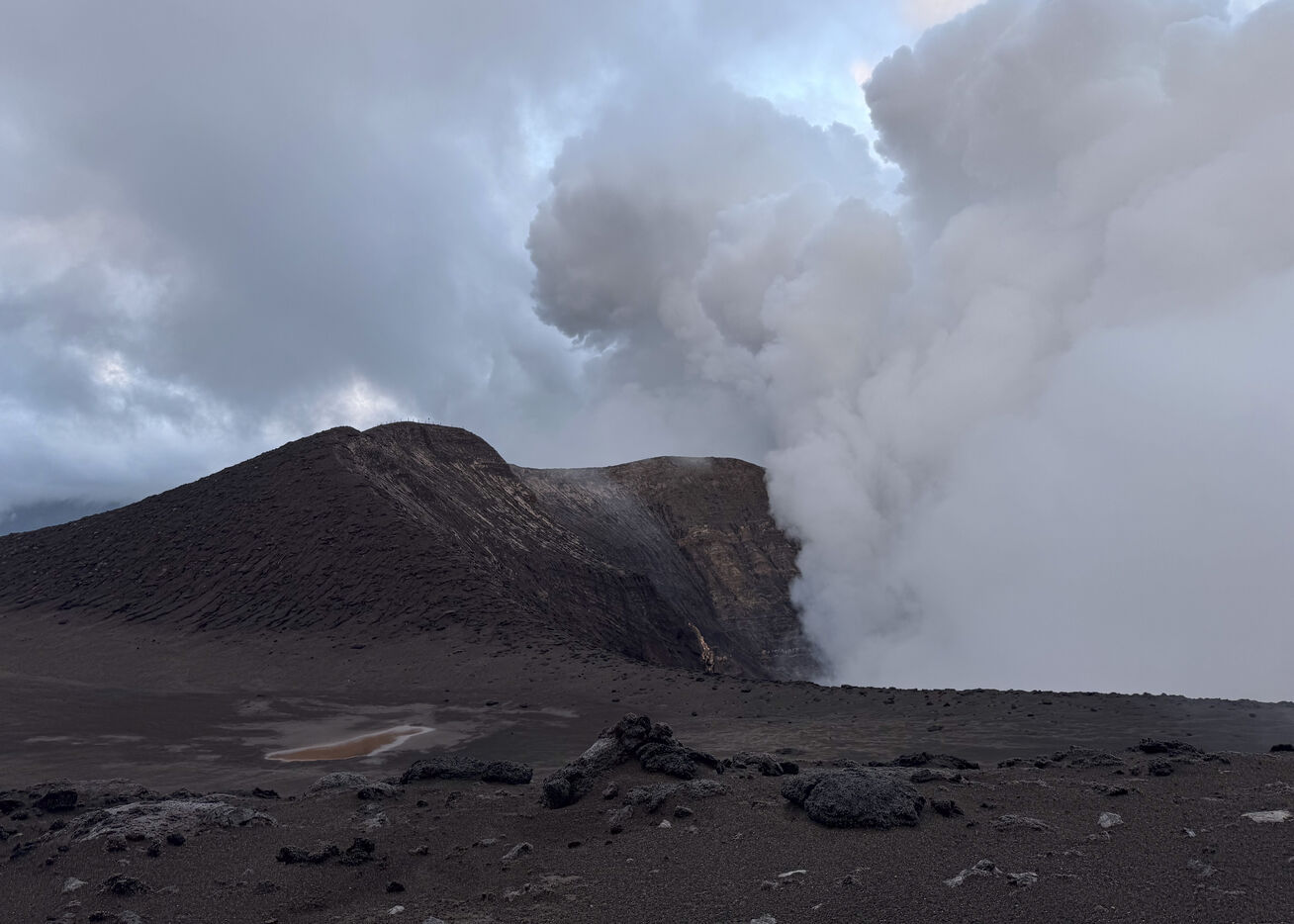
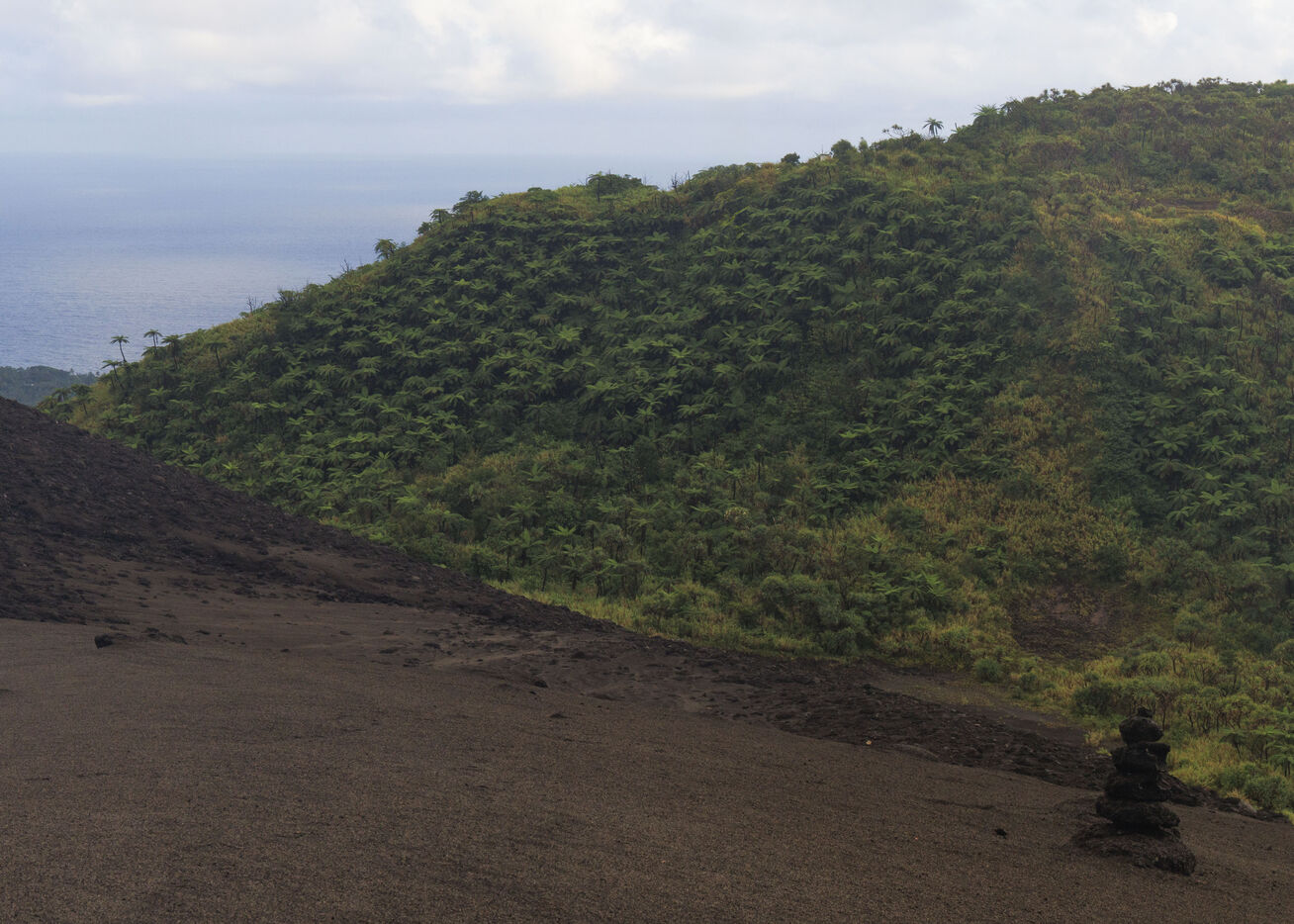
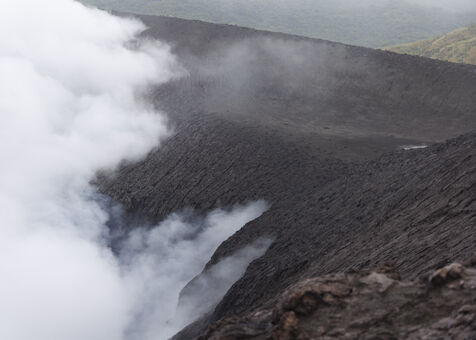
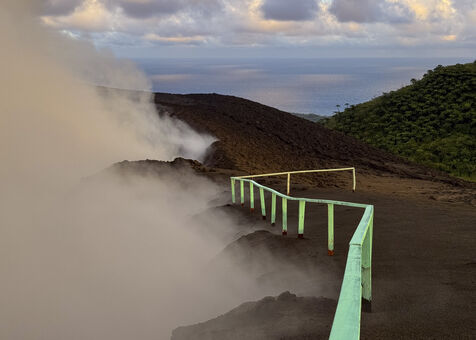
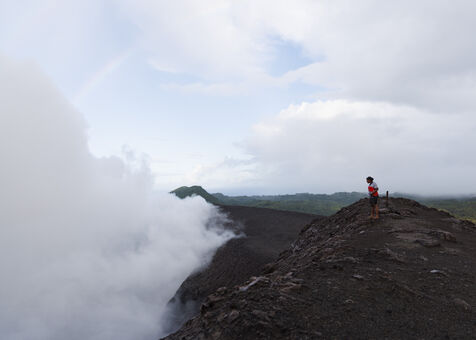
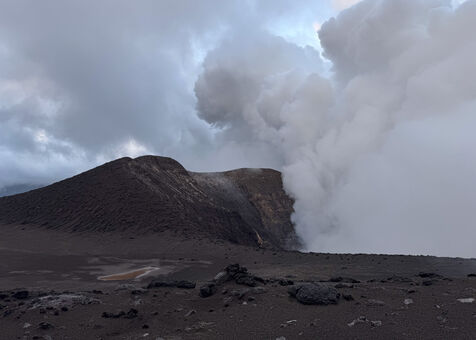
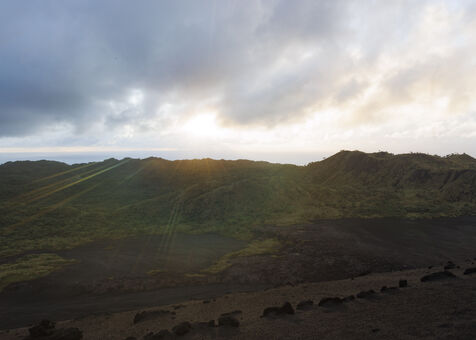
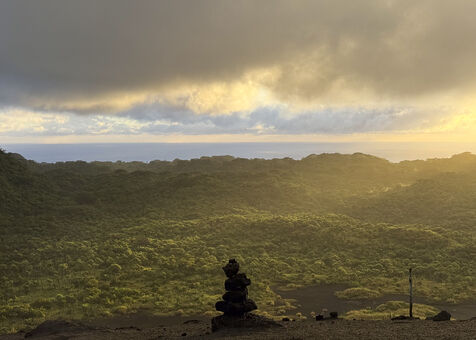
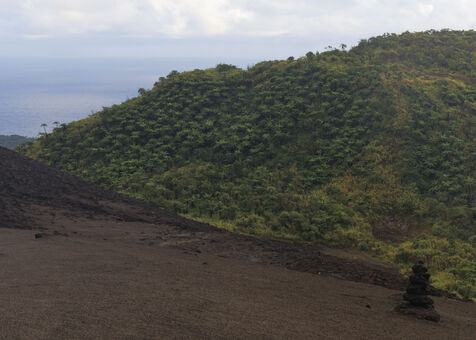
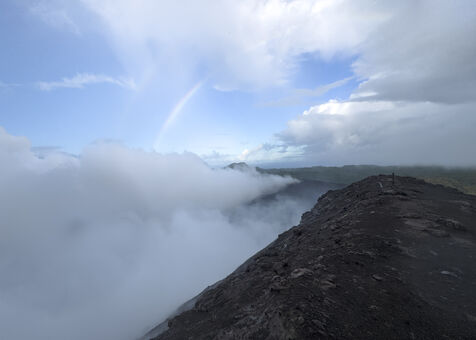
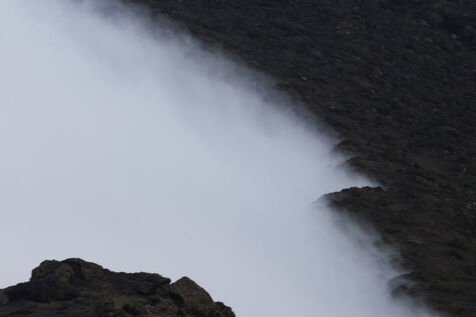
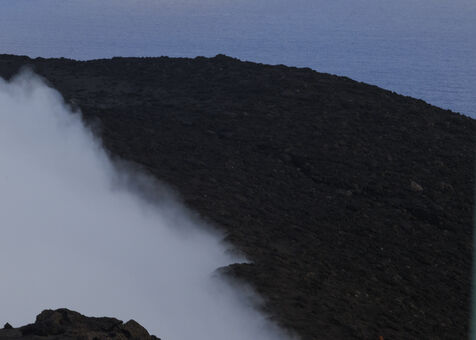
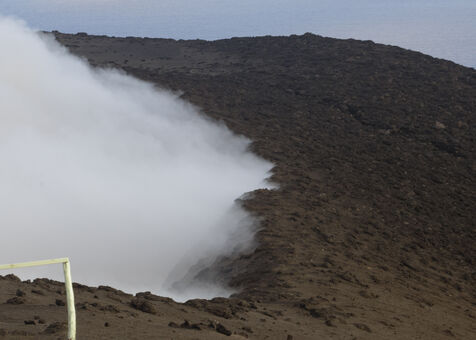
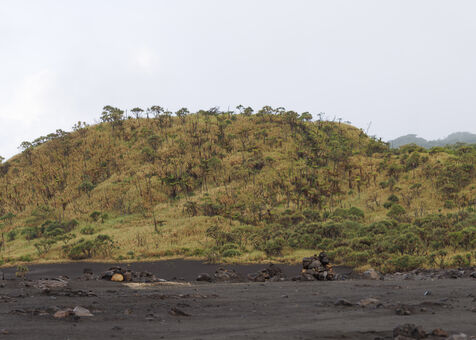
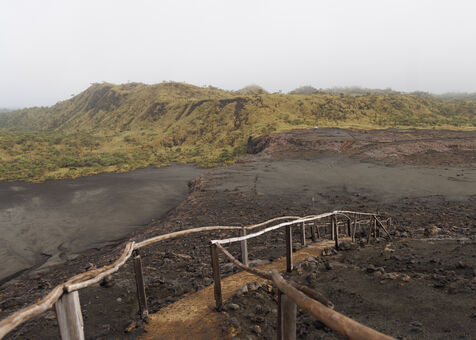
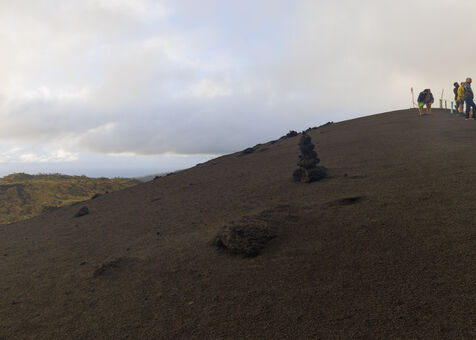
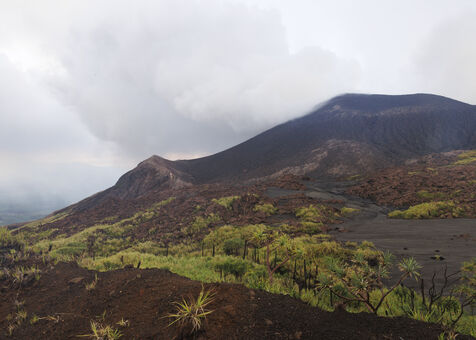
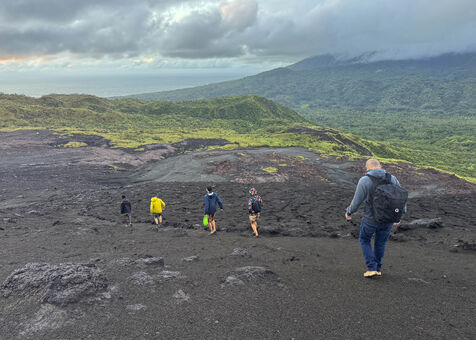
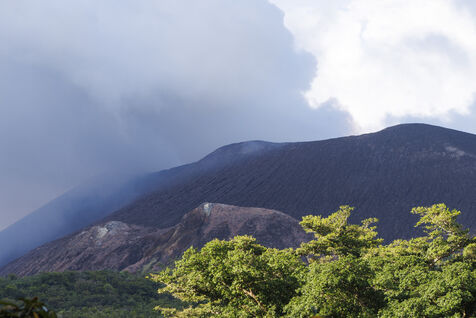
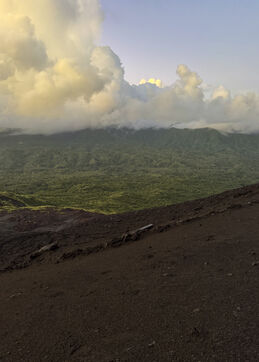
Sur un plan scientifique, le volcan Yasur fait l’objet d’un suivi permanent par le centre Geohazards de Port-Vila. Ce volcan de type strombolien possède un cône pyroclastique dénué de végétation, avec un cratère de 400 mètres de diamètre. Ce stratovolcan a été créé par la subduction de la plaque australienne sous la plaque pacifique, faisant partie de la ceinture de feu du Pacifique.
VANUATU - Yasur, a volcano that has been erupting for over 800 years
Vanuatu, located less than 500 km from New Caledonia, is a country in the South Pacific Ocean made up of around 80 islands stretching over 1,300 kilometres. To the east of this archipelago lies the island of Tanna and its famous volcano: Mount Yasur. What makes Yasur unique is its constant activity (it has been erupting almost continuously for over 800 years) and its accessibility (perched at an altitude of only 361 metres).
The volcano is located on customary land belonging to the villagers, who manage visits. After an hour's drive in a 4x4 through the subtropical forest, the driver drops visitors off at the foot of the volcano, where they climb a huge wooden staircase to the top. Led by guides and in groups of around ten, the excursions take place either in the morning (departing at 4 a.m.) or at sunset (around 4 p.m.). Visibility depends on the weather, as rain increases the plume of smoke and the danger of gas emissions. It is not uncommon to be hit by puffs of sulphur. Even if visitors cannot see the lava spewing from the crater, they can hear the rumbling and roaring sounds and even feel the earth shaking beneath their feet, with the night offering a glowing spectacle.
From a scientific perspective, Yasur volcano is constantly monitored by the Geohazards Centre in Port Vila. This Strombolian volcano has a pyroclastic cone devoid of vegetation, with a crater 400 metres in diameter. This stratovolcano was created by the subduction of the Australian plate beneath the Pacific plate, part of the Pacific Ring of Fire.