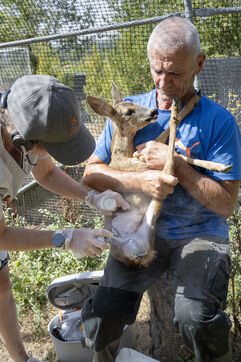
UN CENTRE DE SOINS DE LA FAUNE SAUVAGE
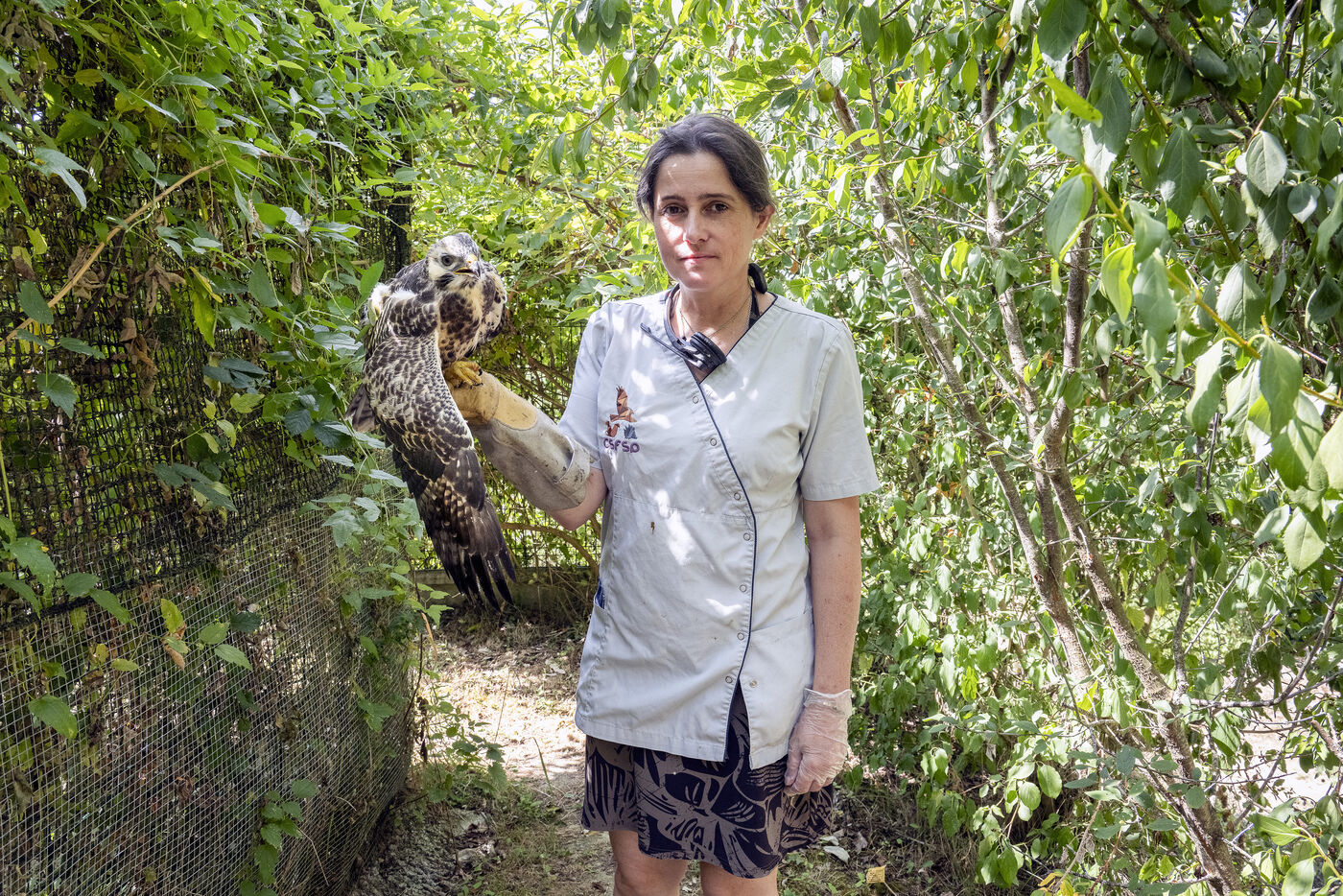
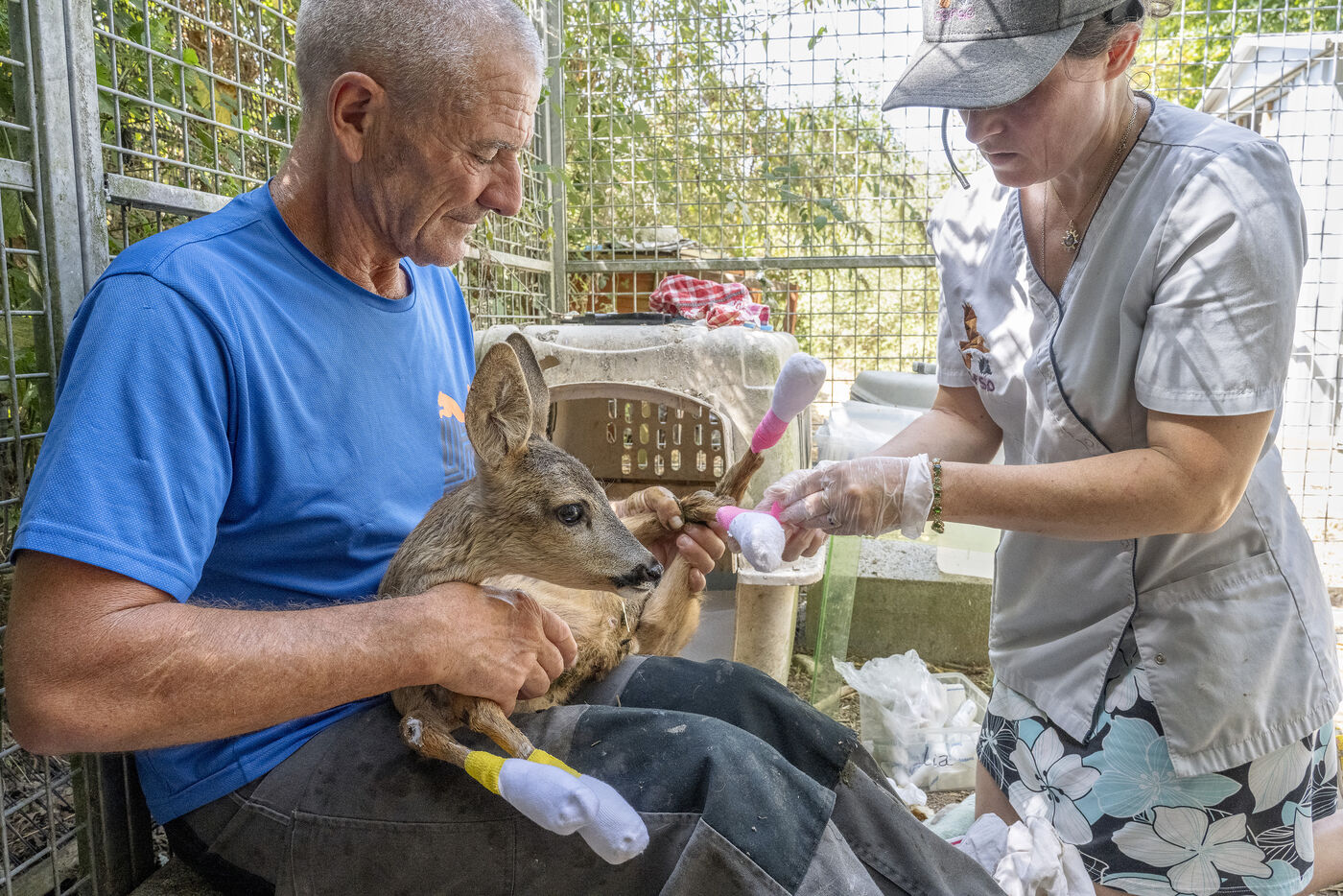
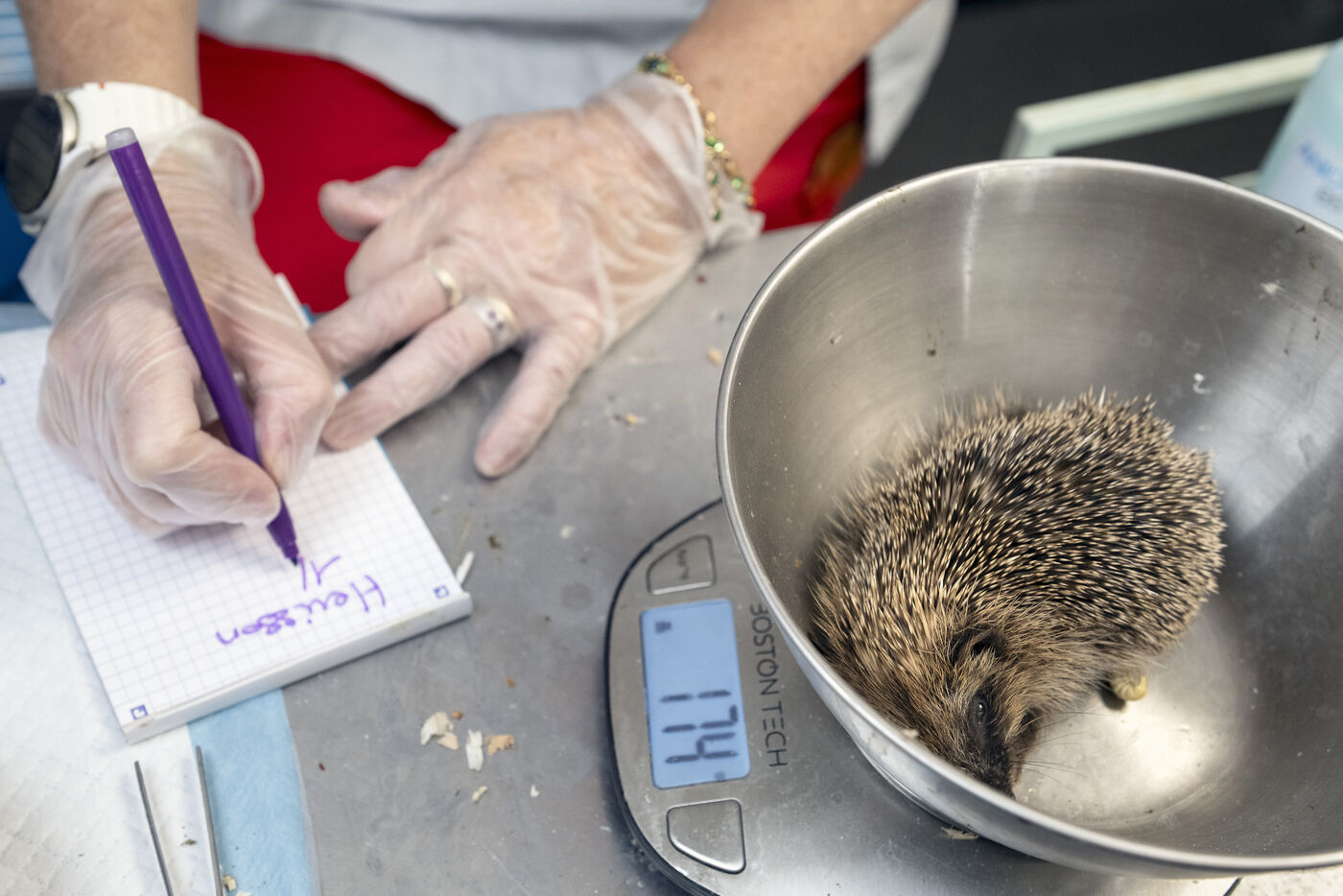
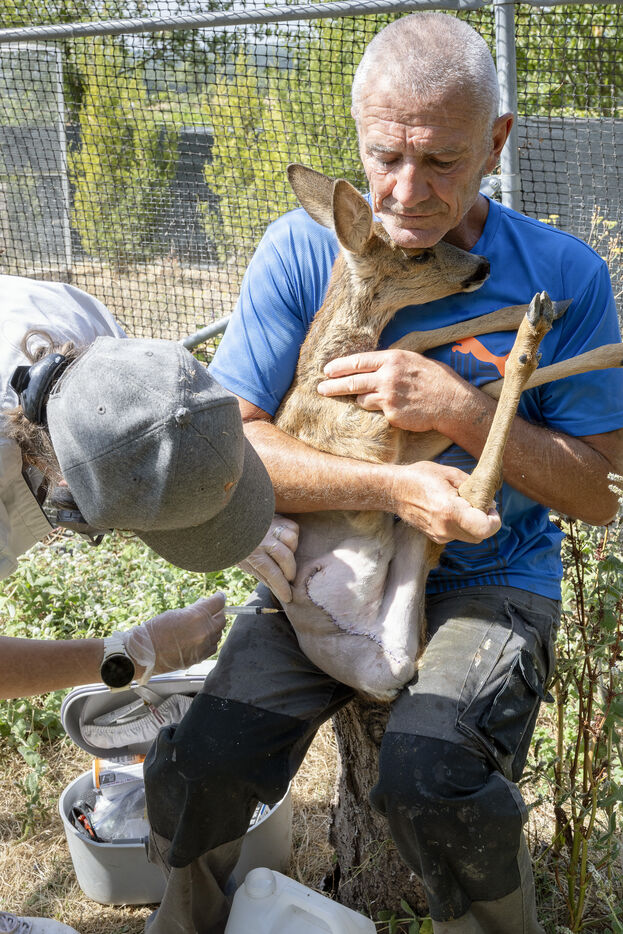
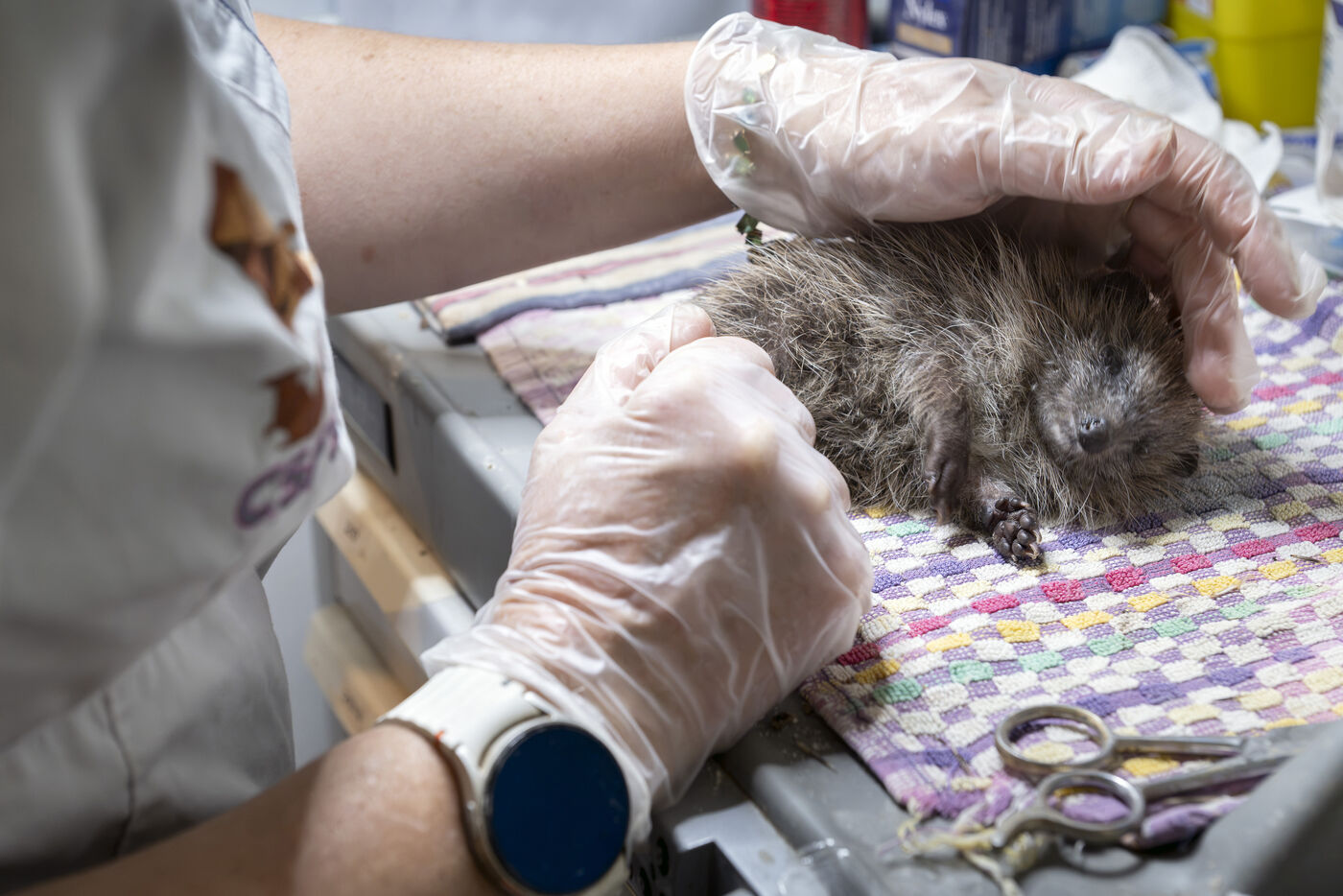
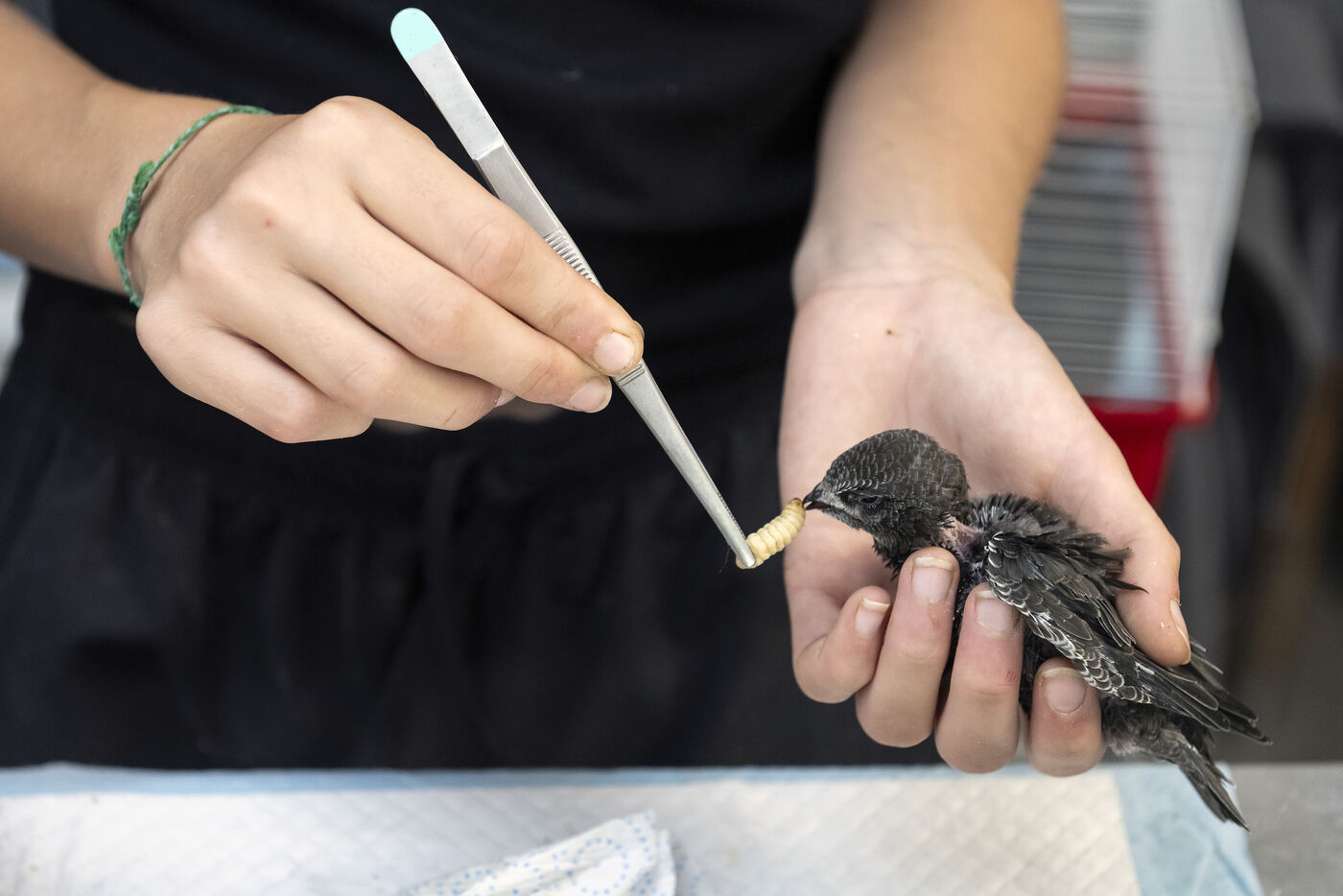
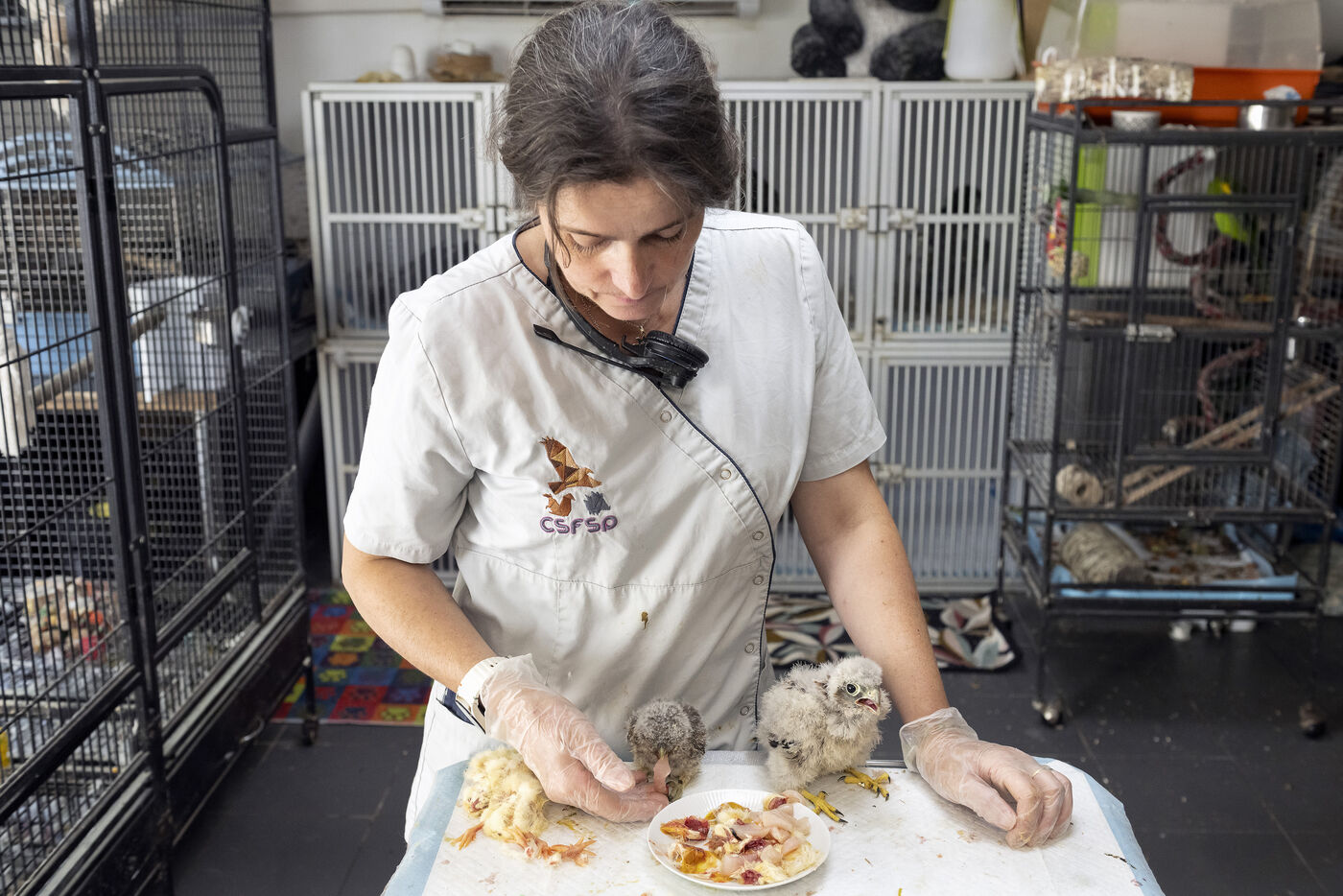
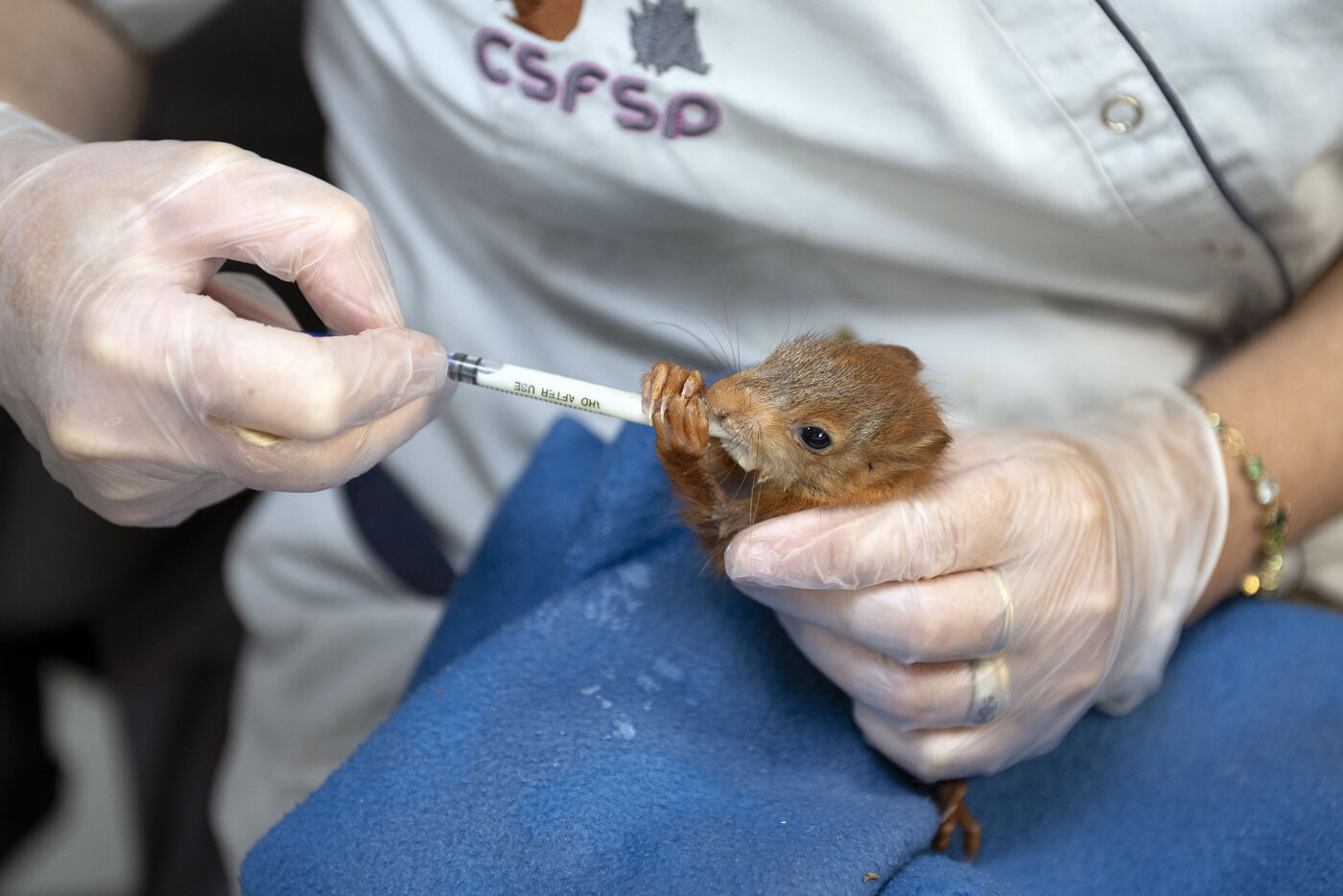
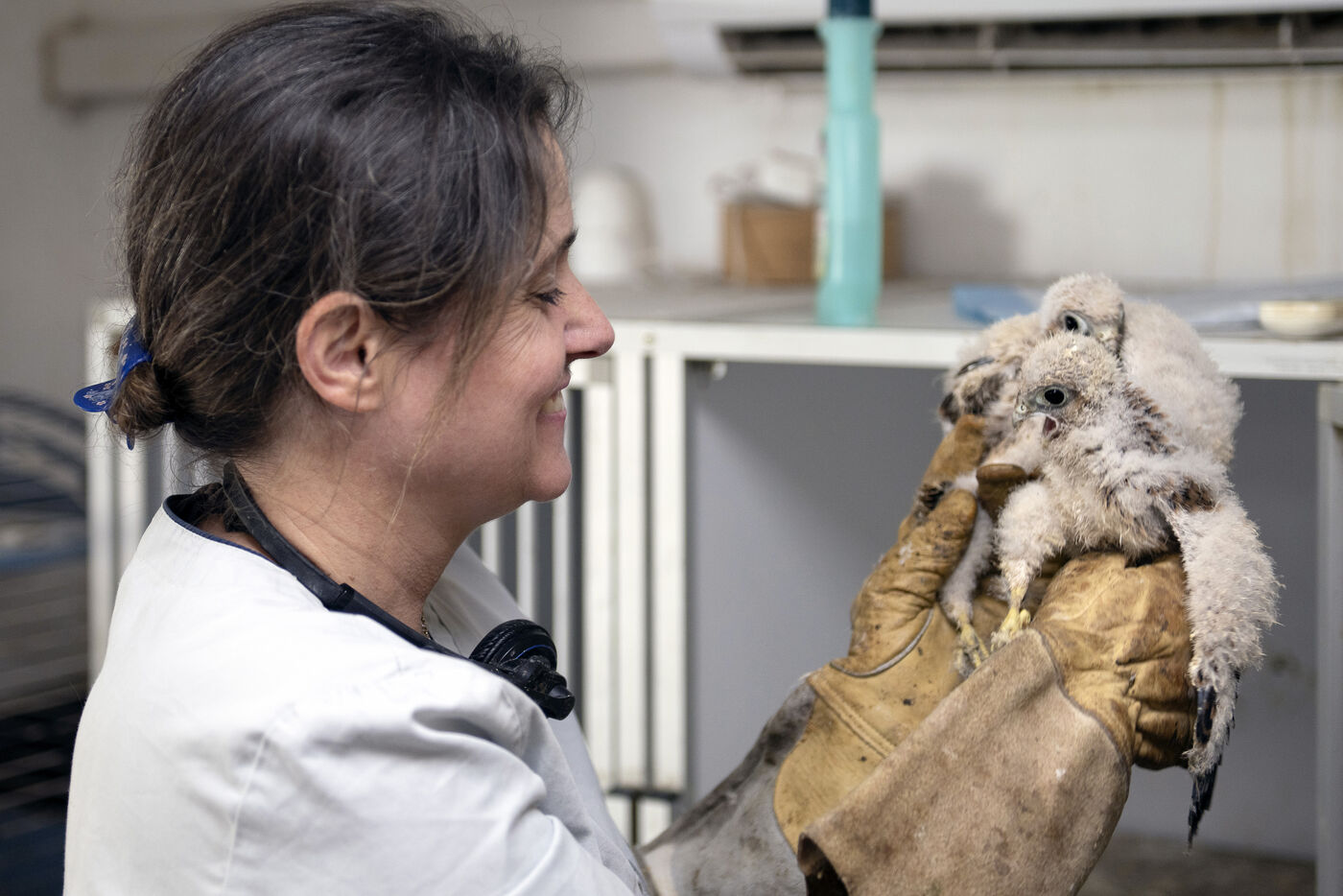
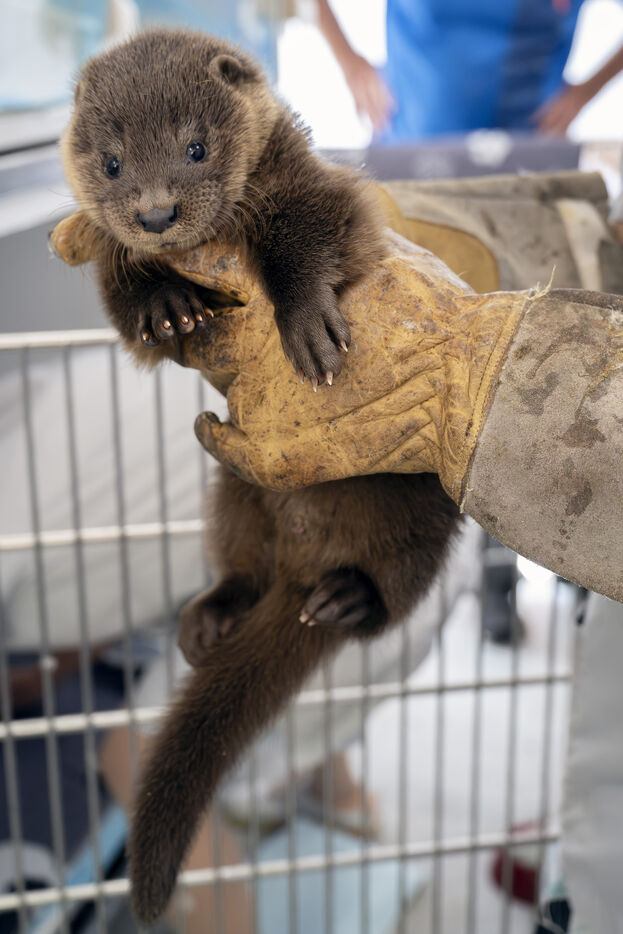
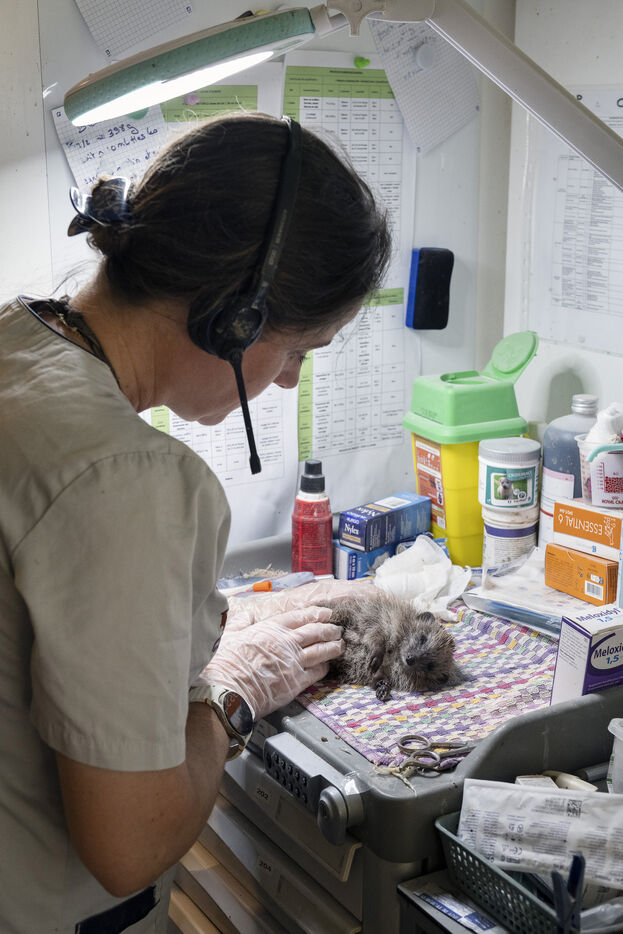
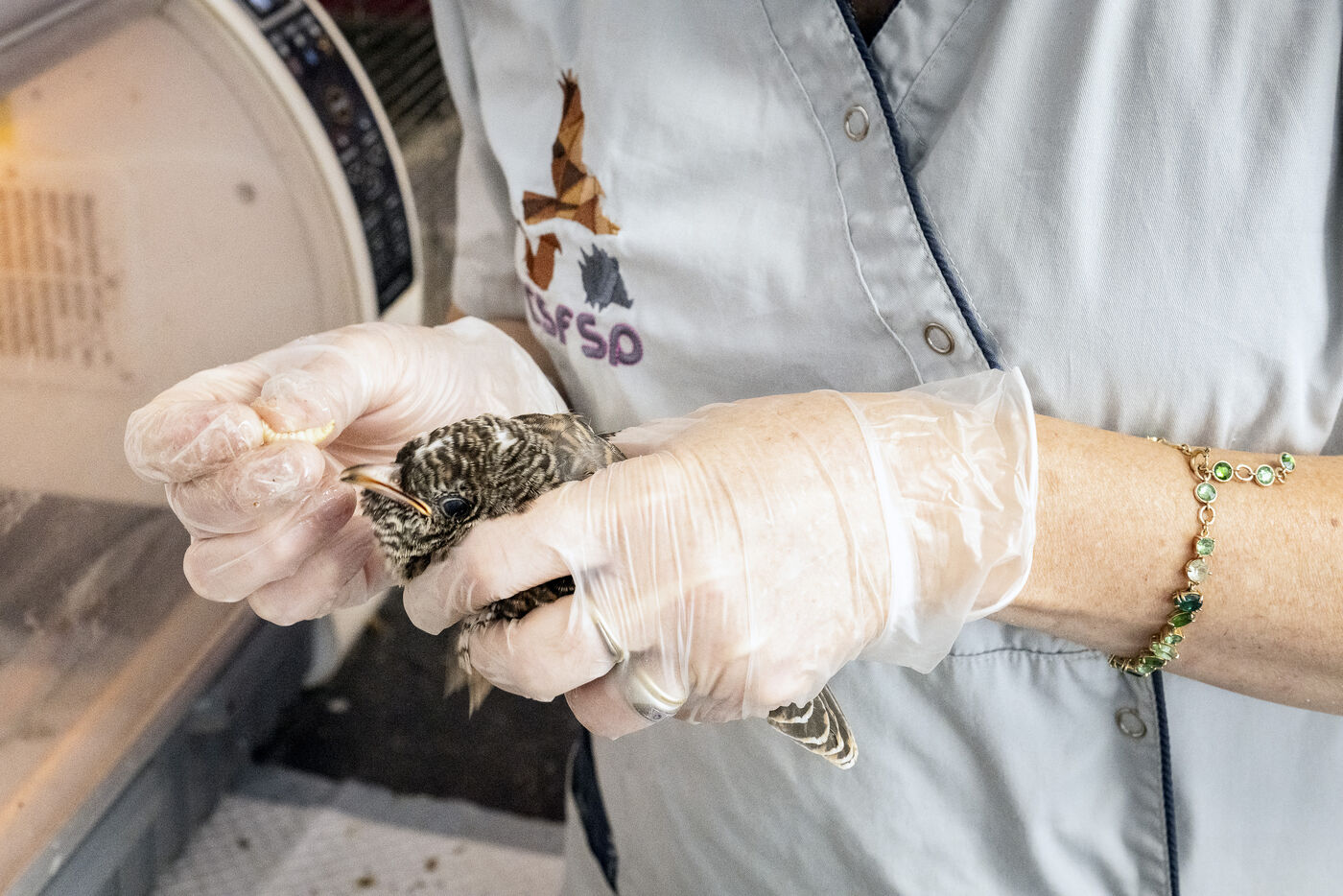
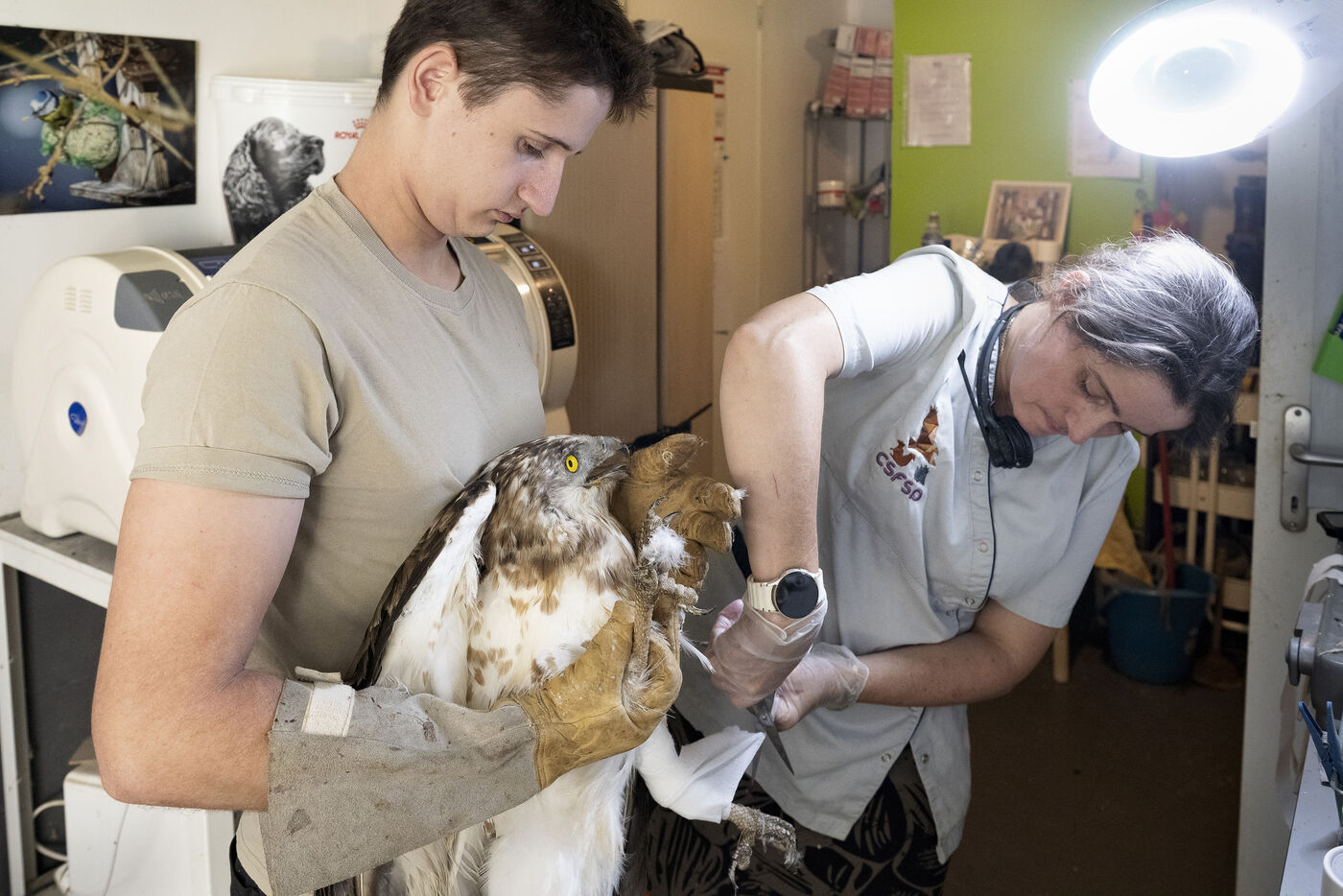
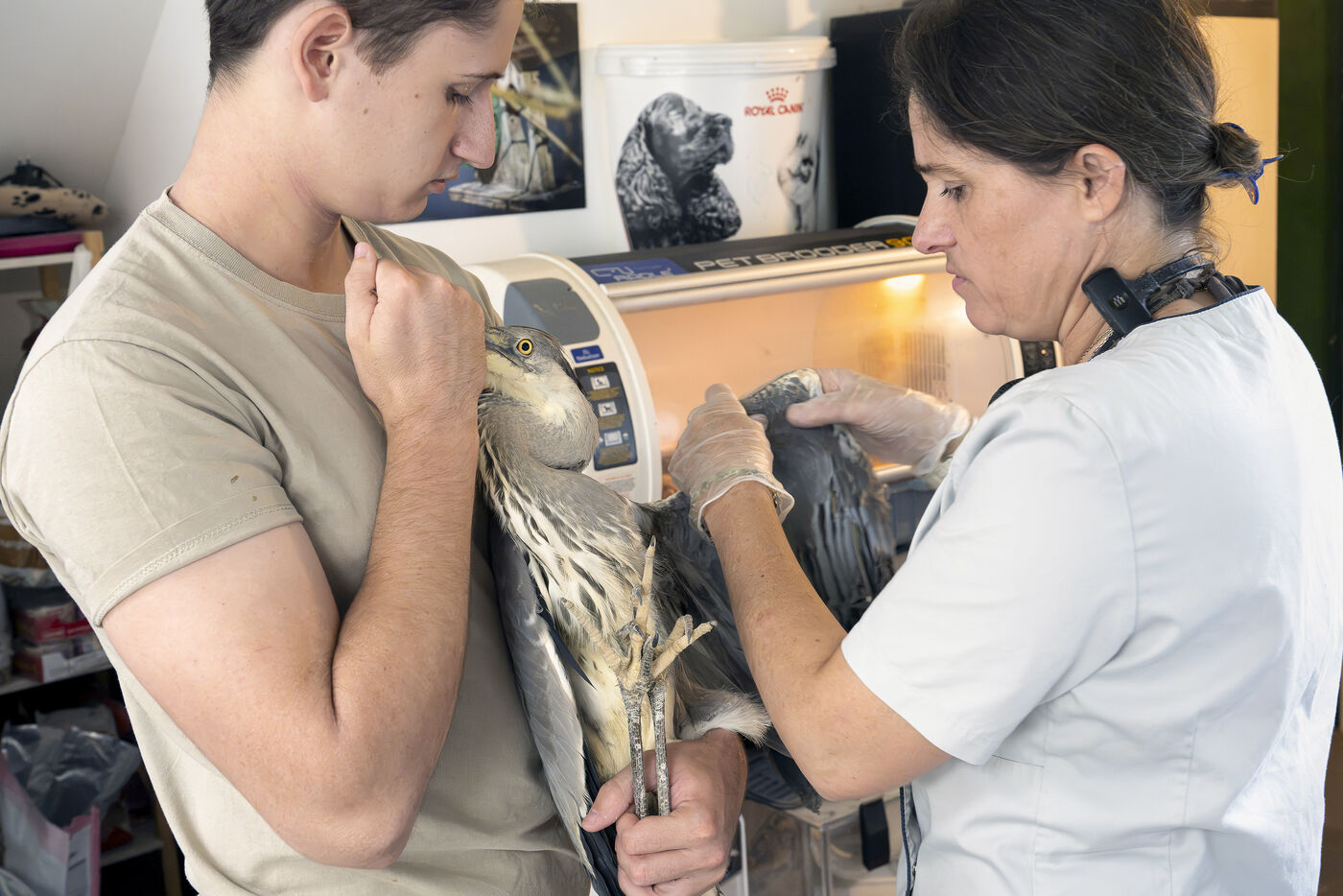
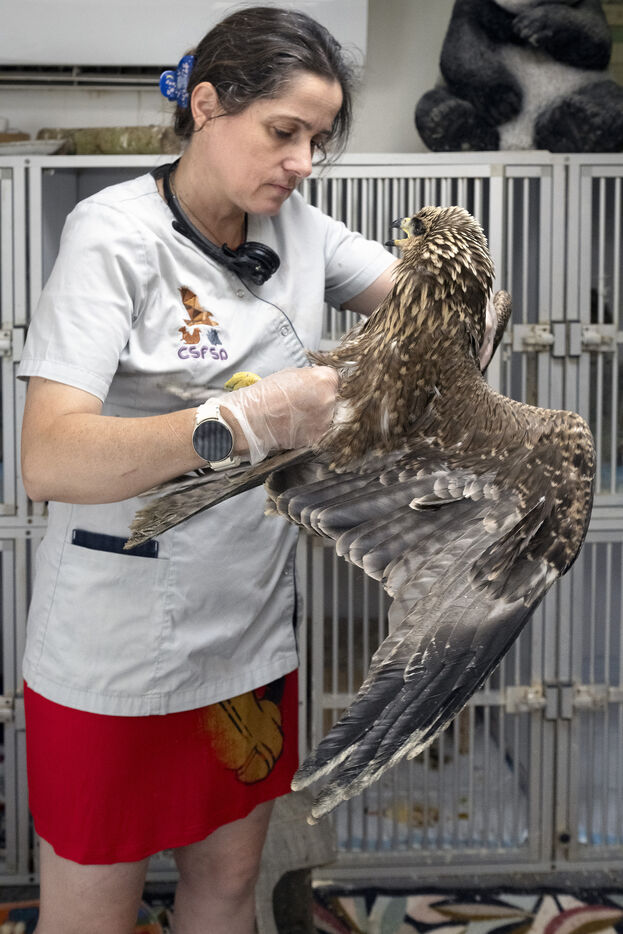
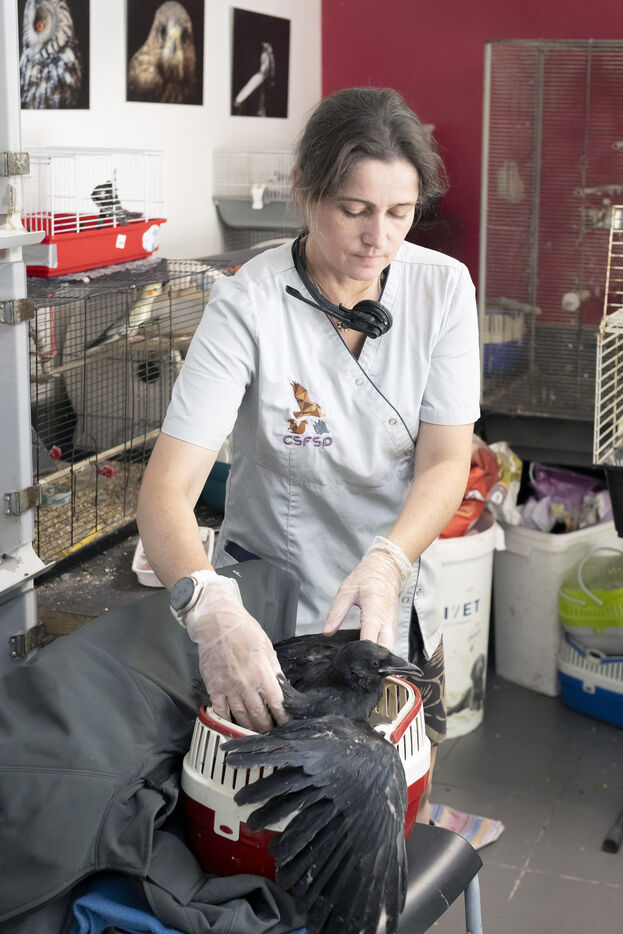
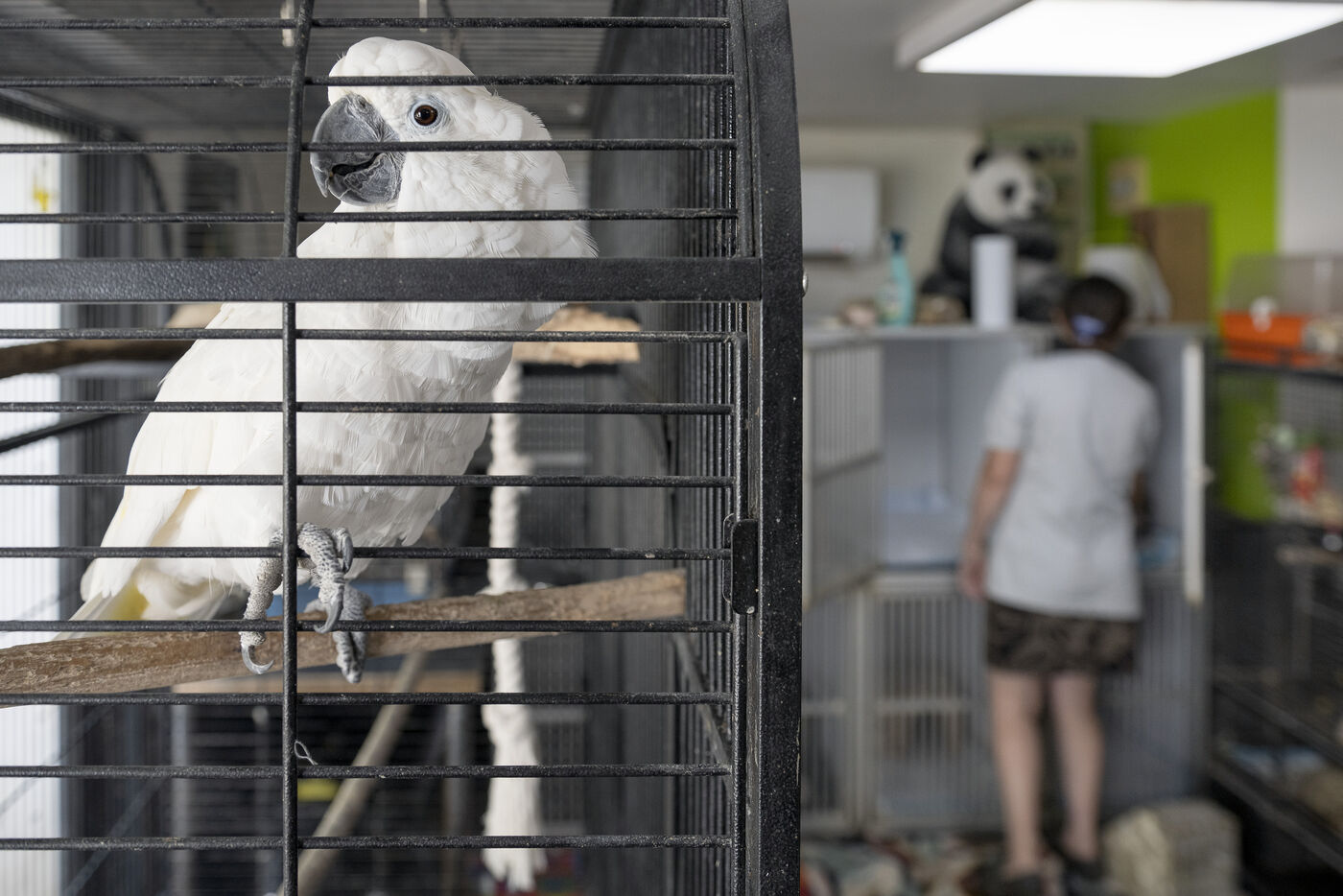
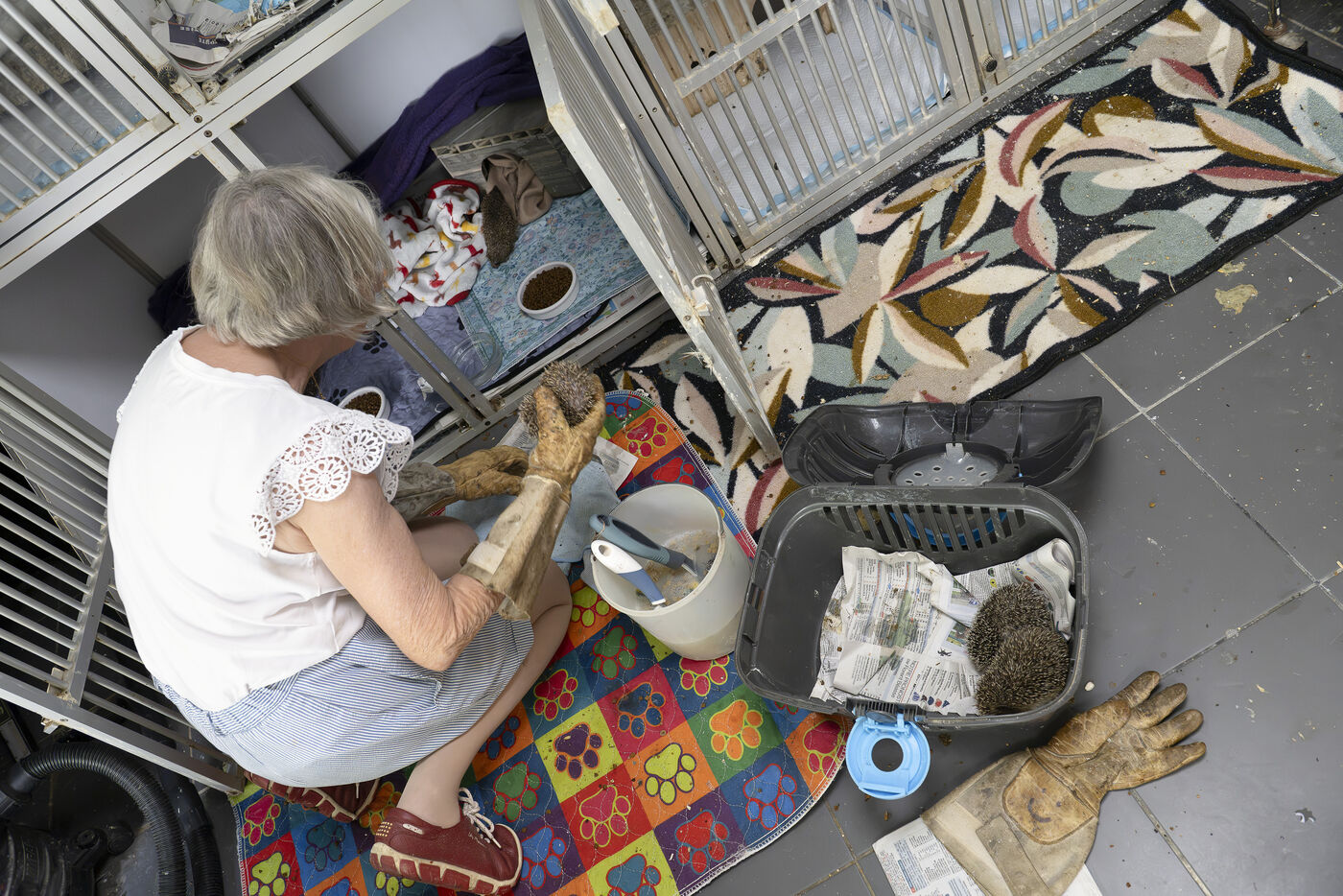
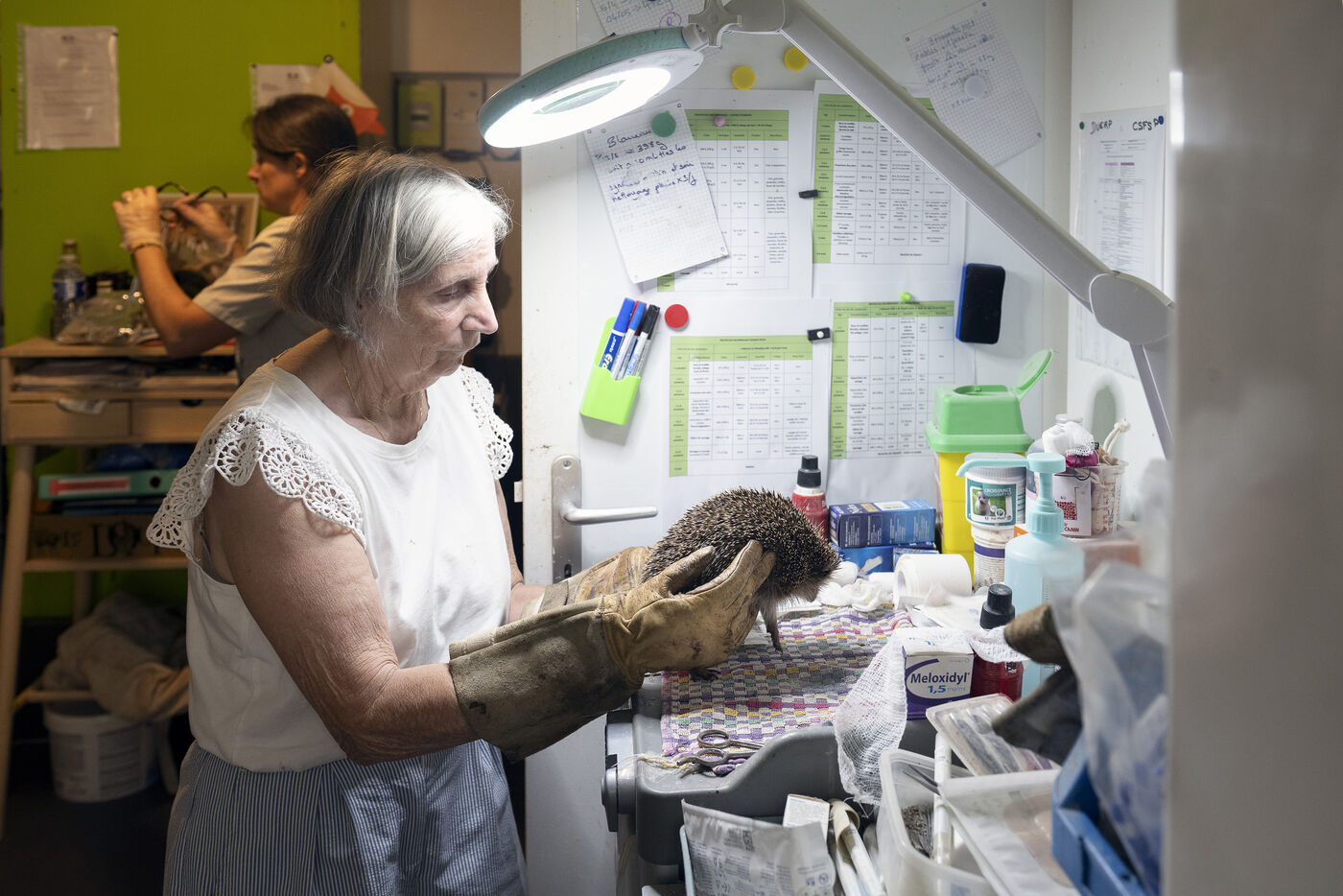
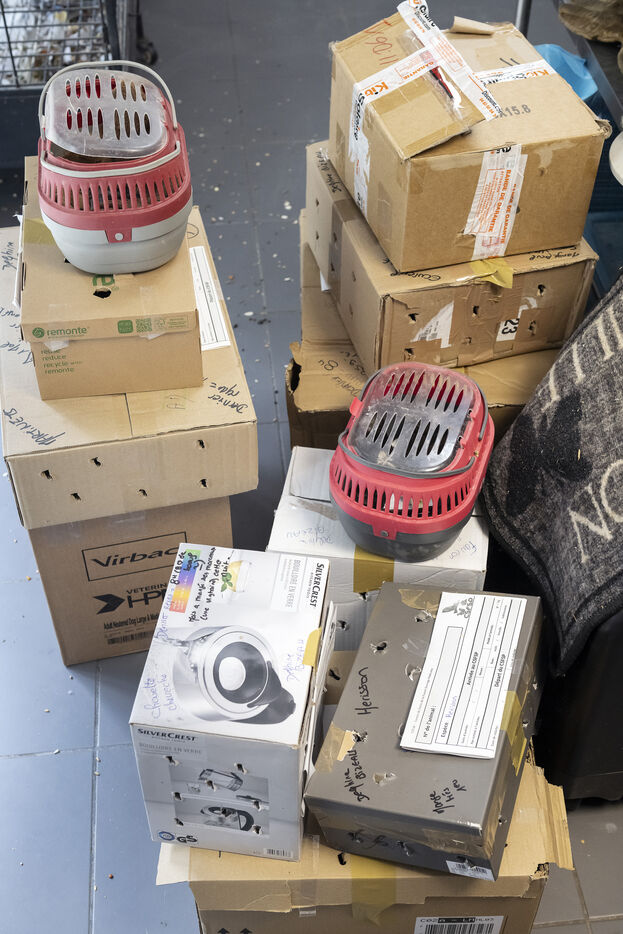
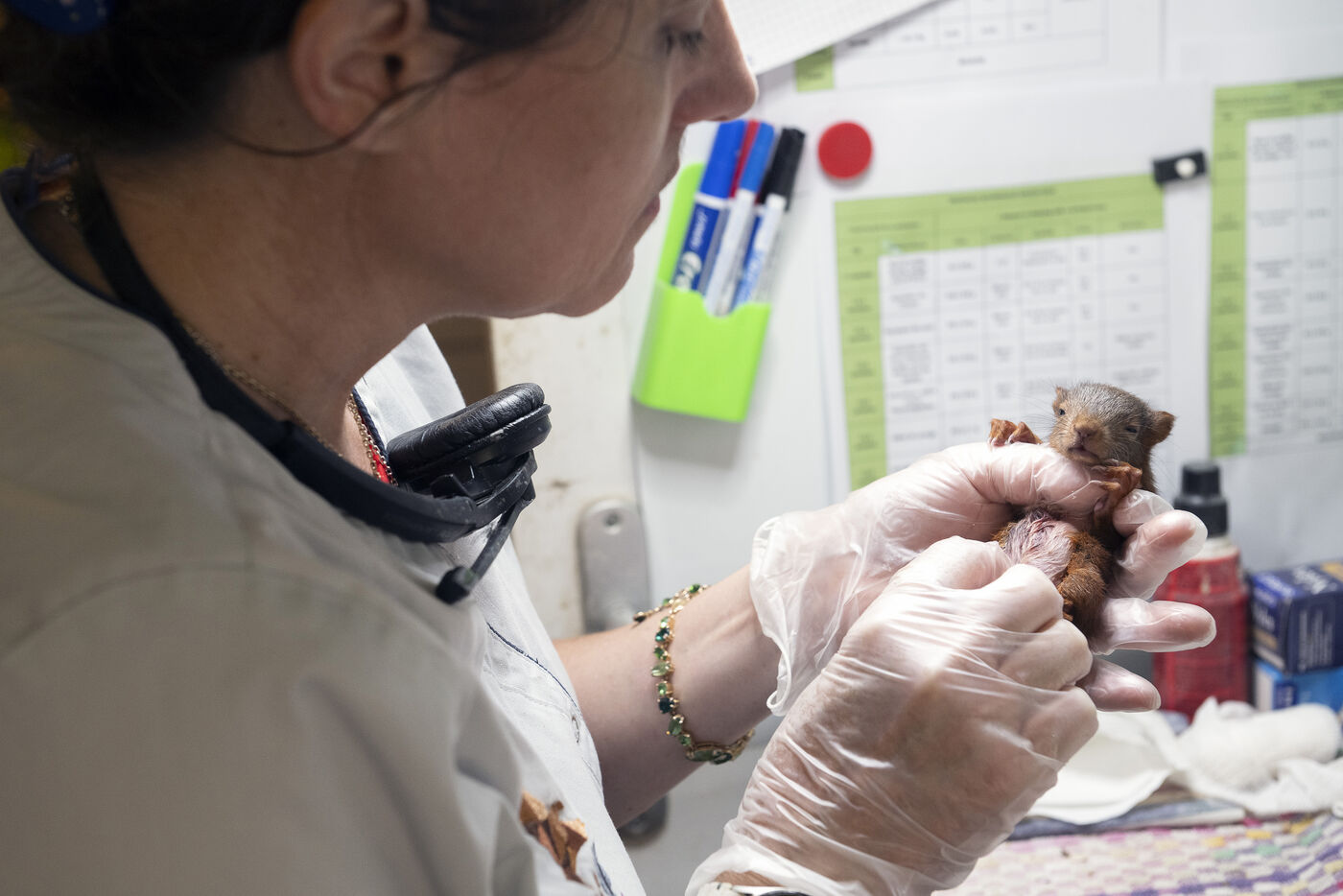
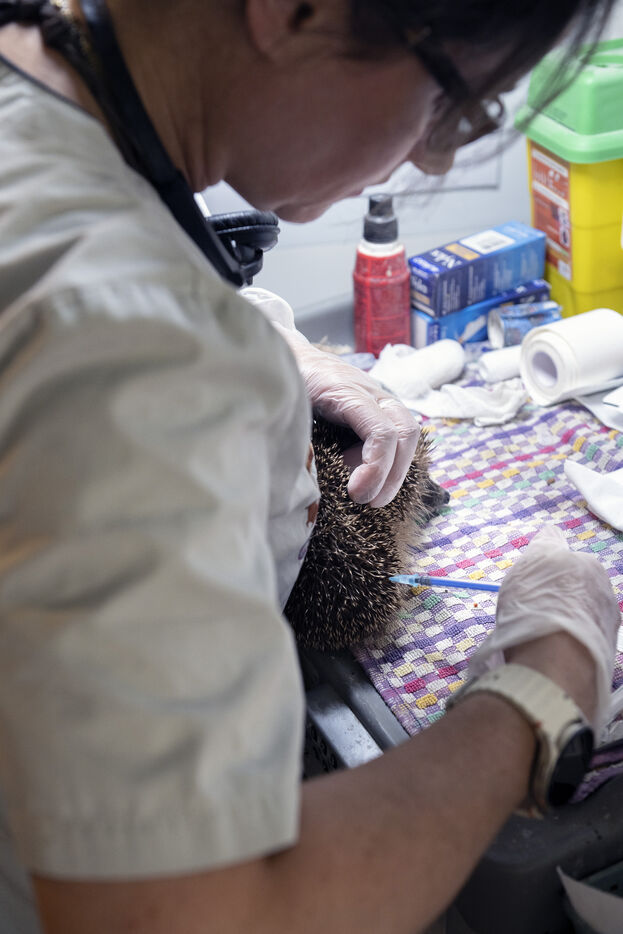
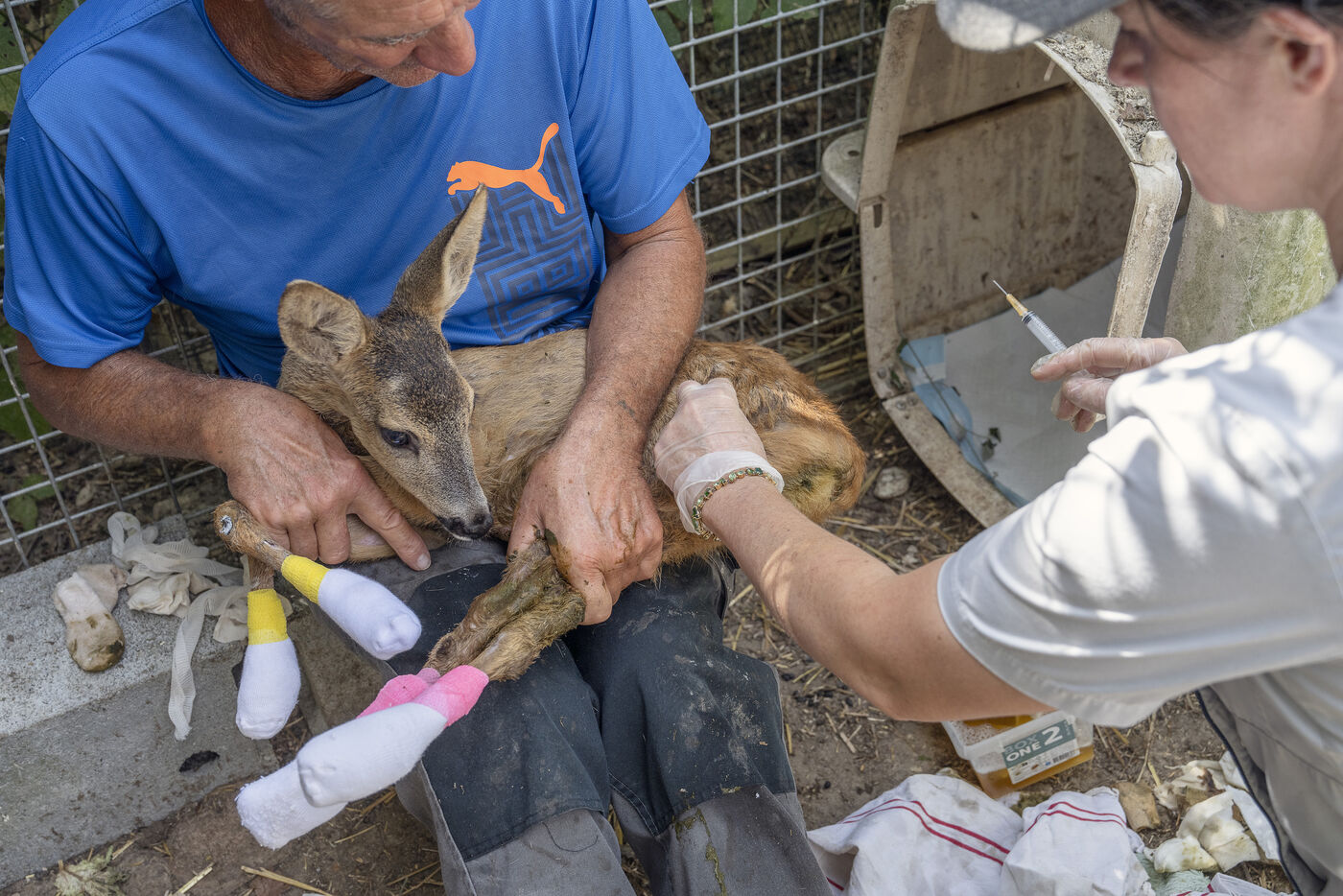
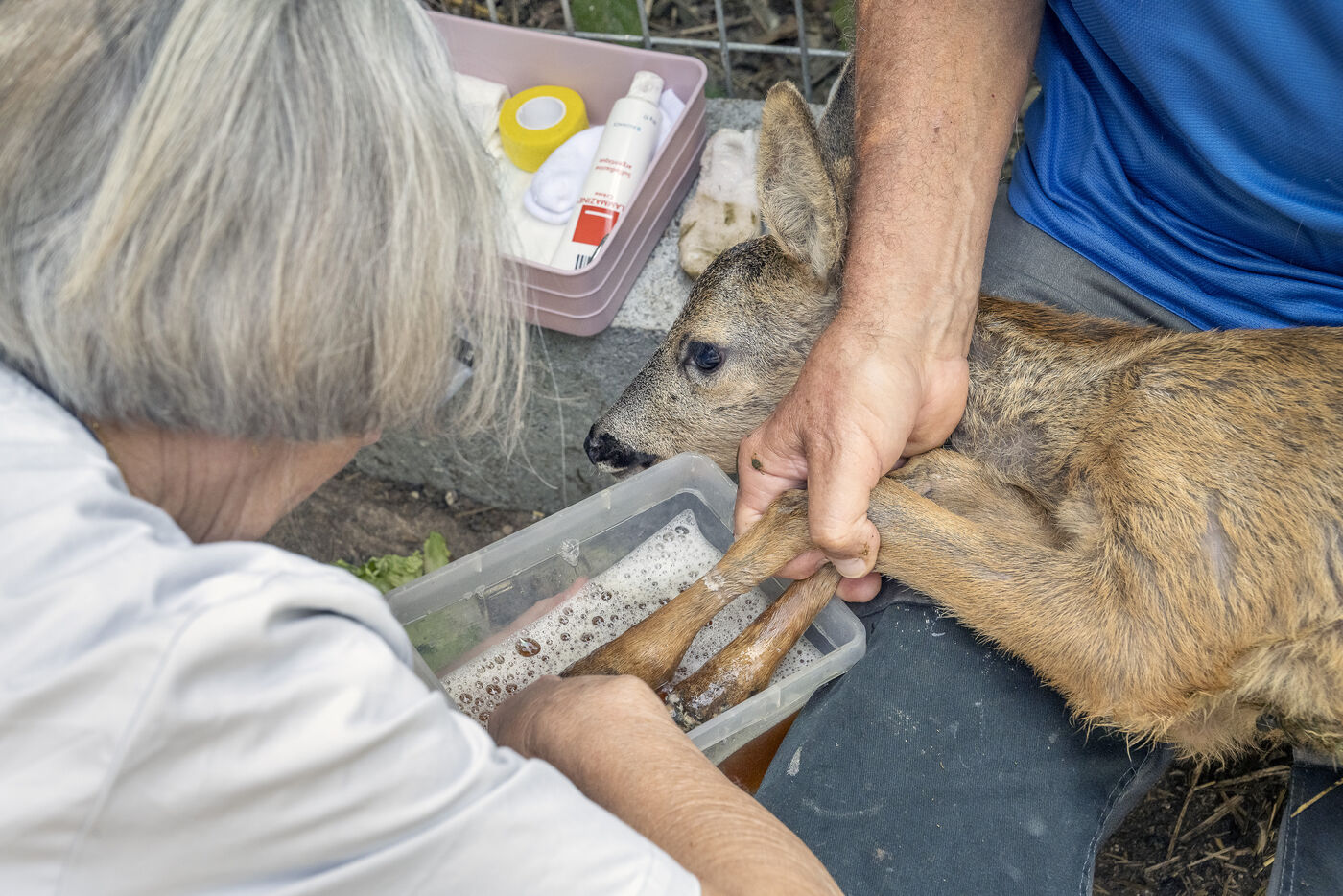
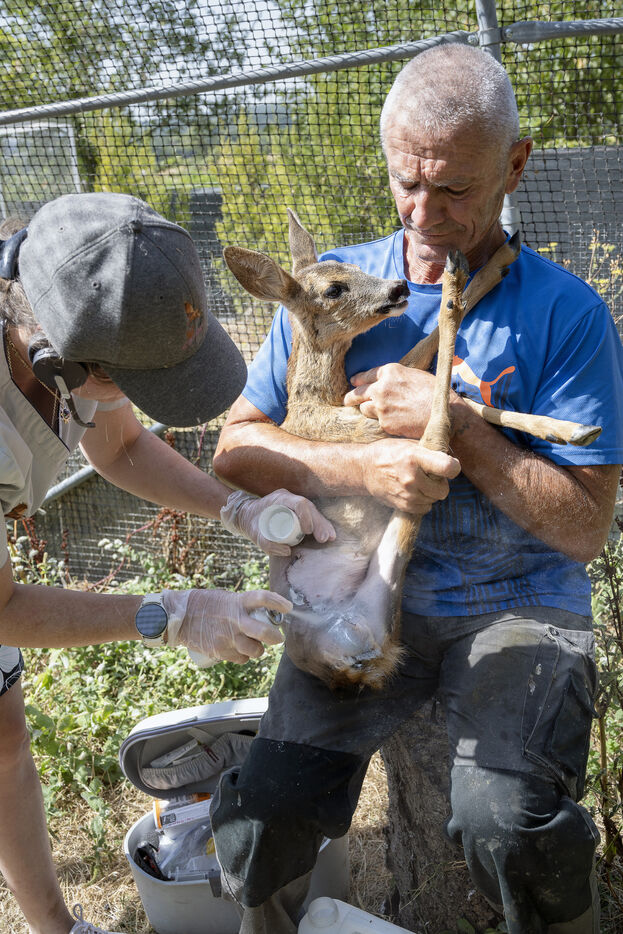
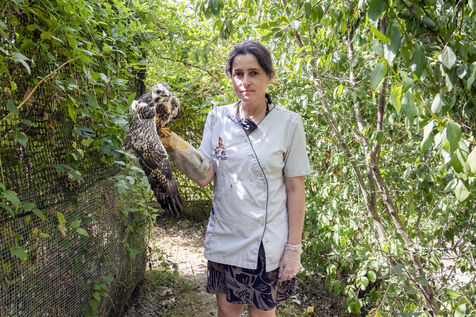
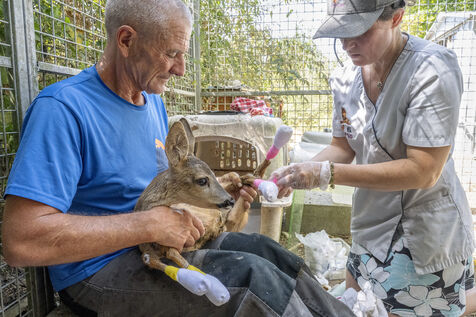
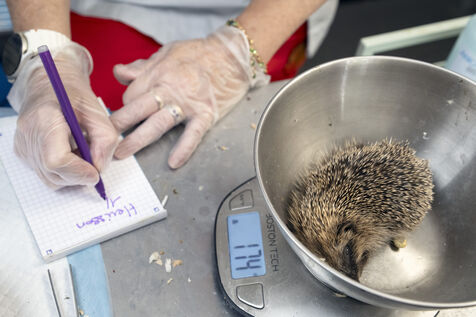
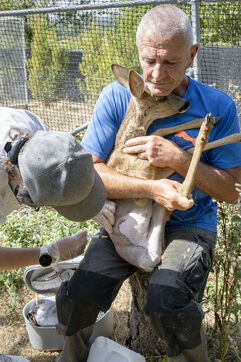
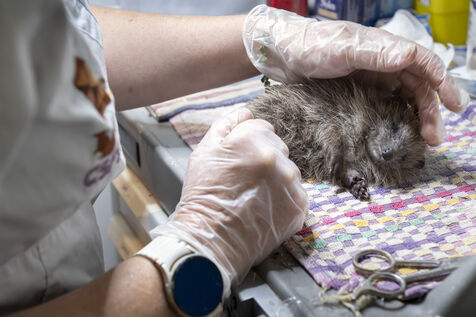
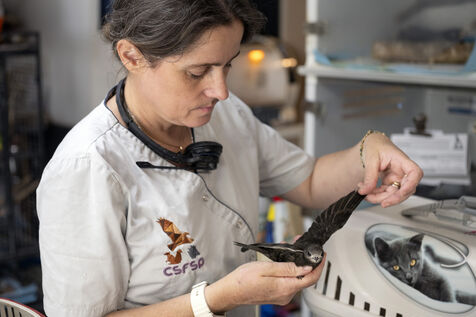
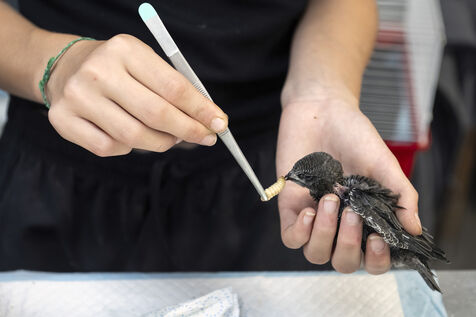
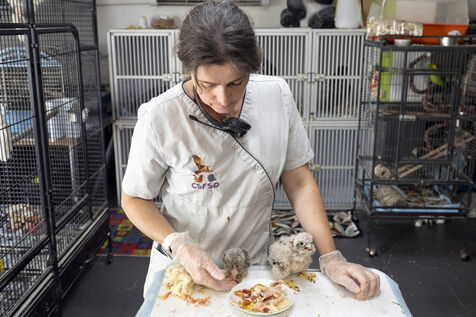
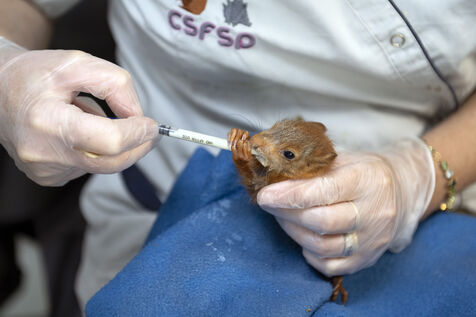
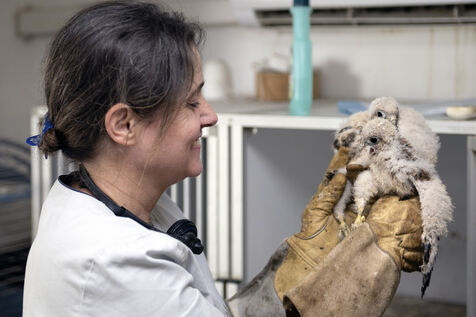
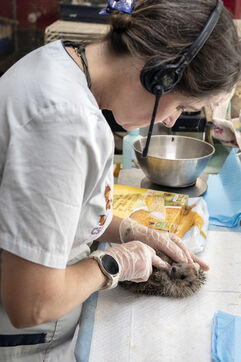
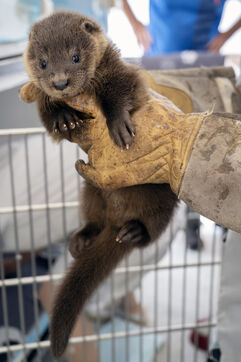
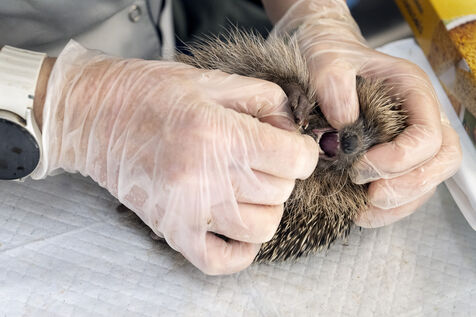
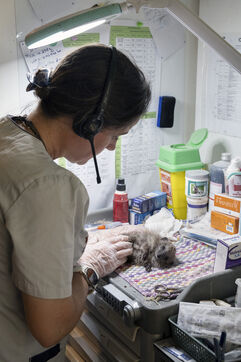
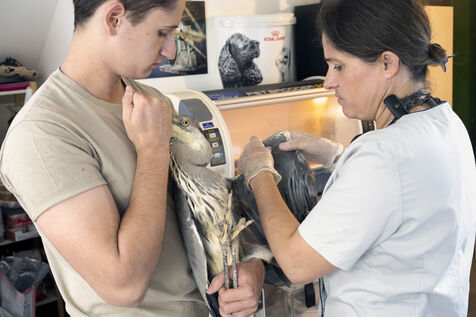
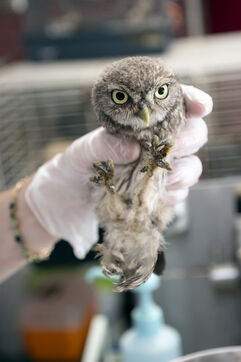
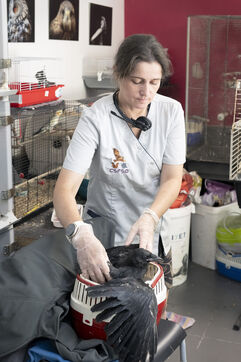
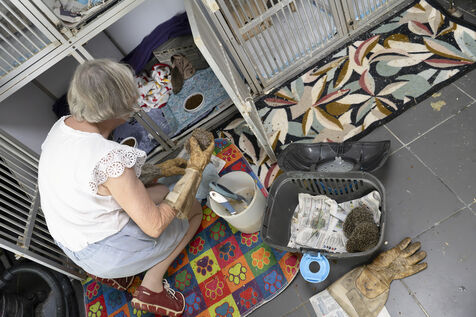
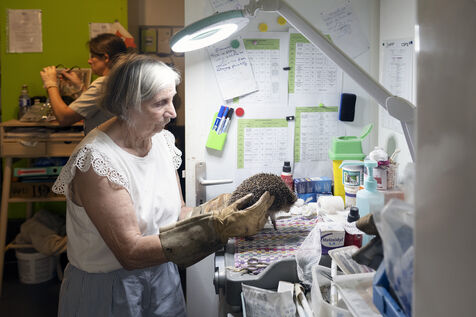
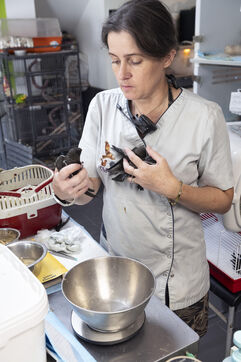
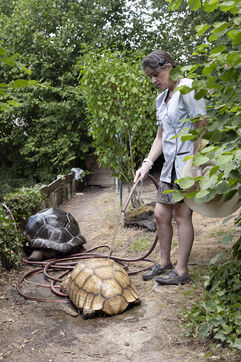
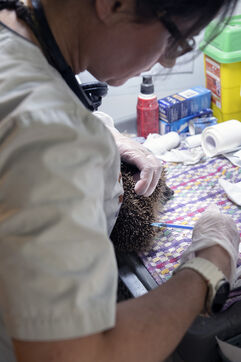
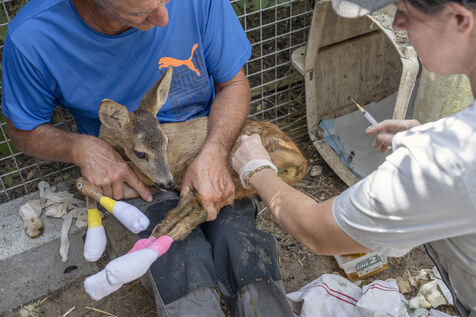
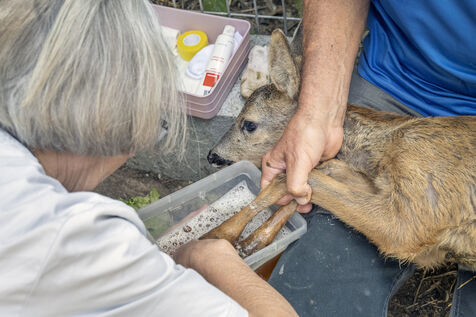
Installée près de Châtellerault dans le département de la Vienne, Lydia Bourdeau a créé le Centre de Soins de la Faune Sauvage Poitevine qui recueille et soigne des animaux blessés, malades, abandonnés, maltraités, saisis par les douanes ou les forces de l’ordre ou simplement malmenés par le changement climatique.
Un passage chez un vétérinaire alors qu’elle était encore enfant l’a profondément marqué et l’a conduite à suivre cette voie.
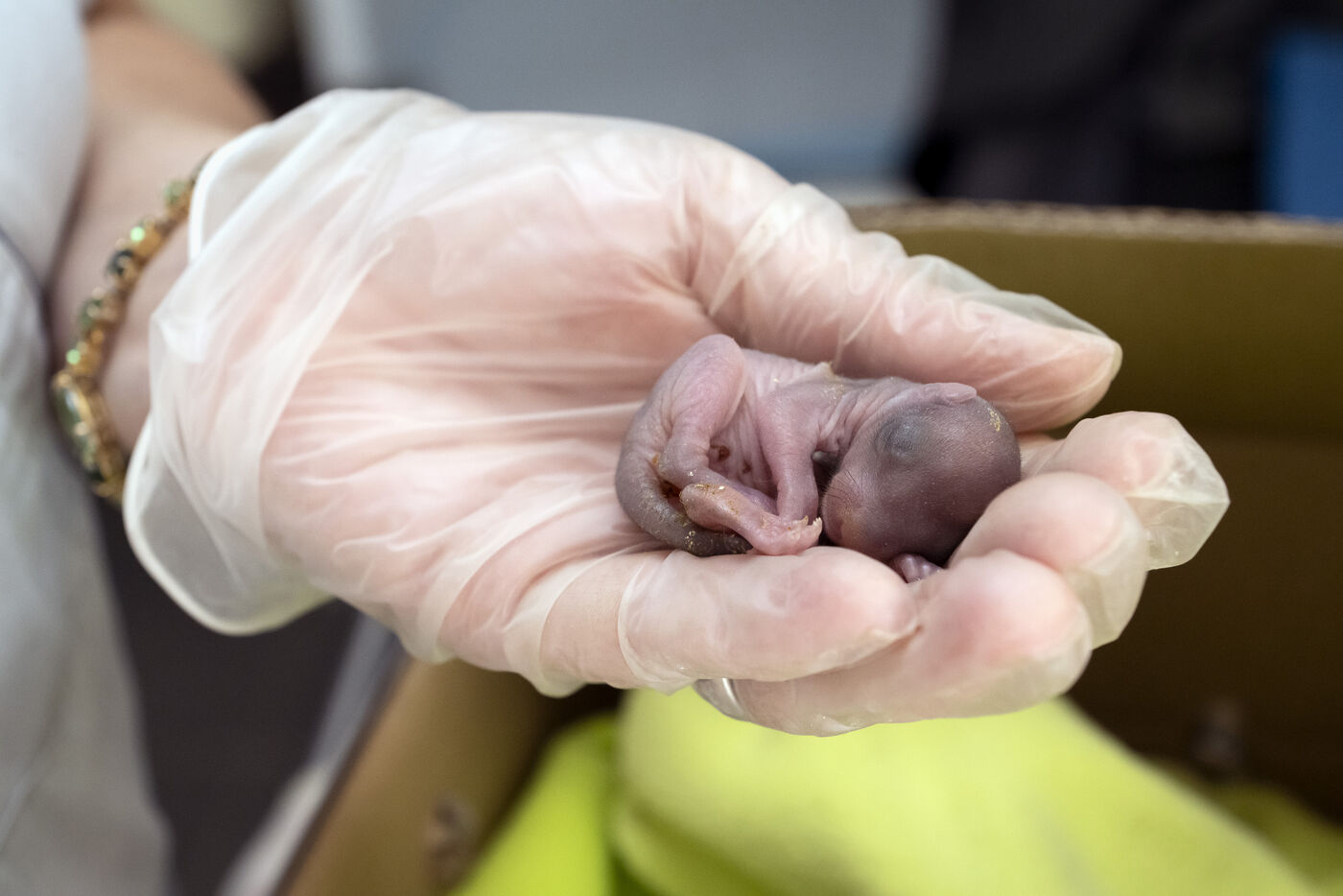
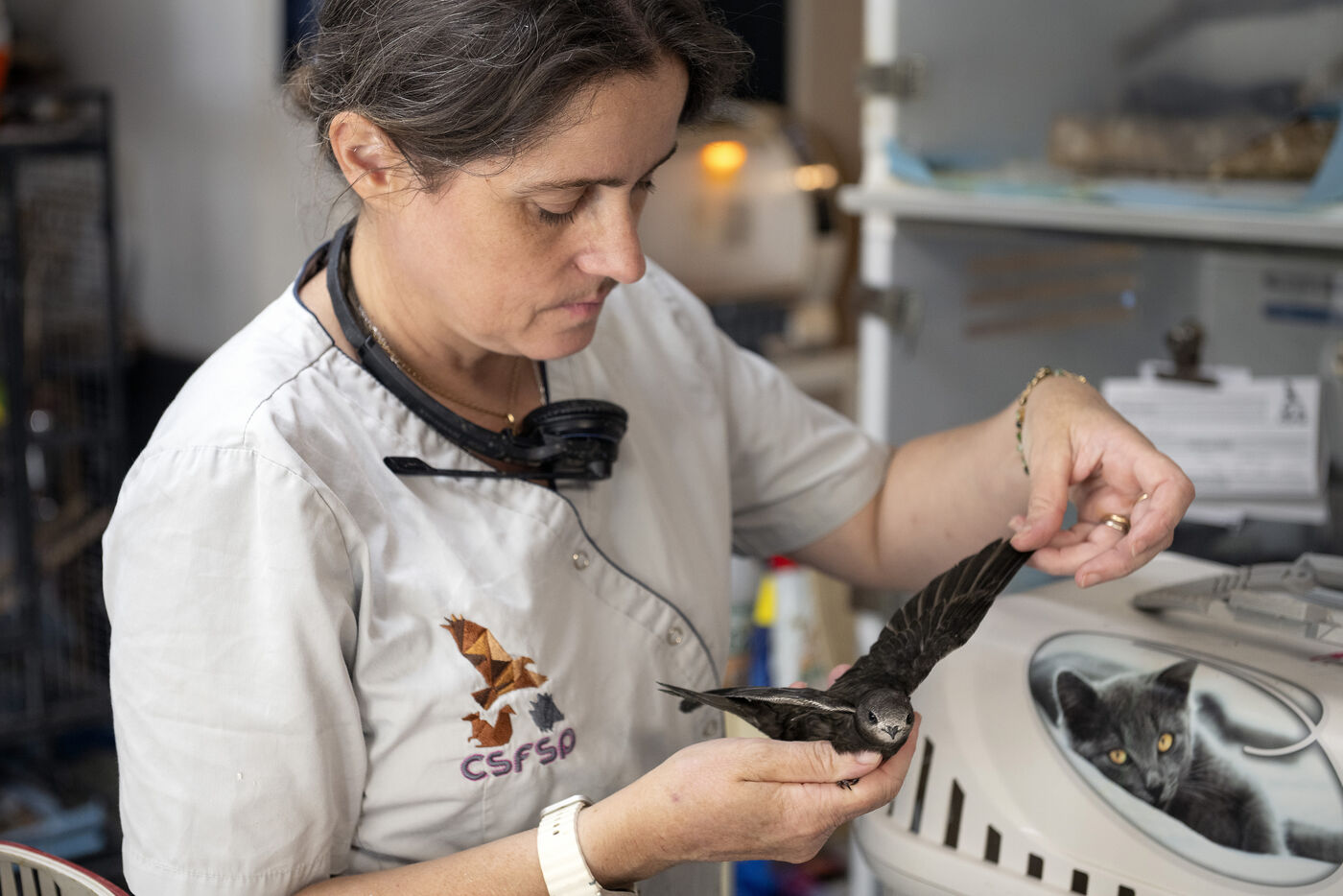
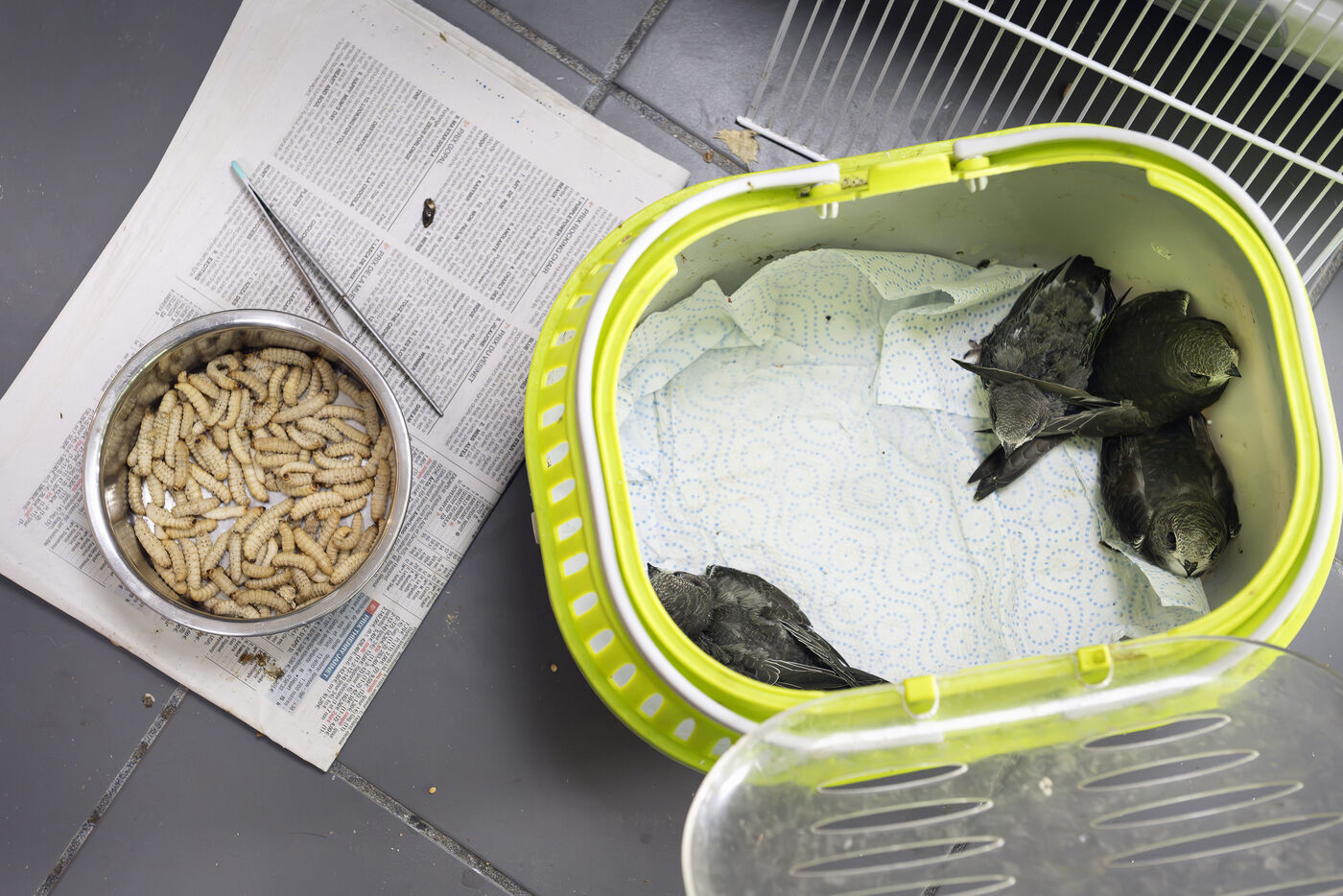
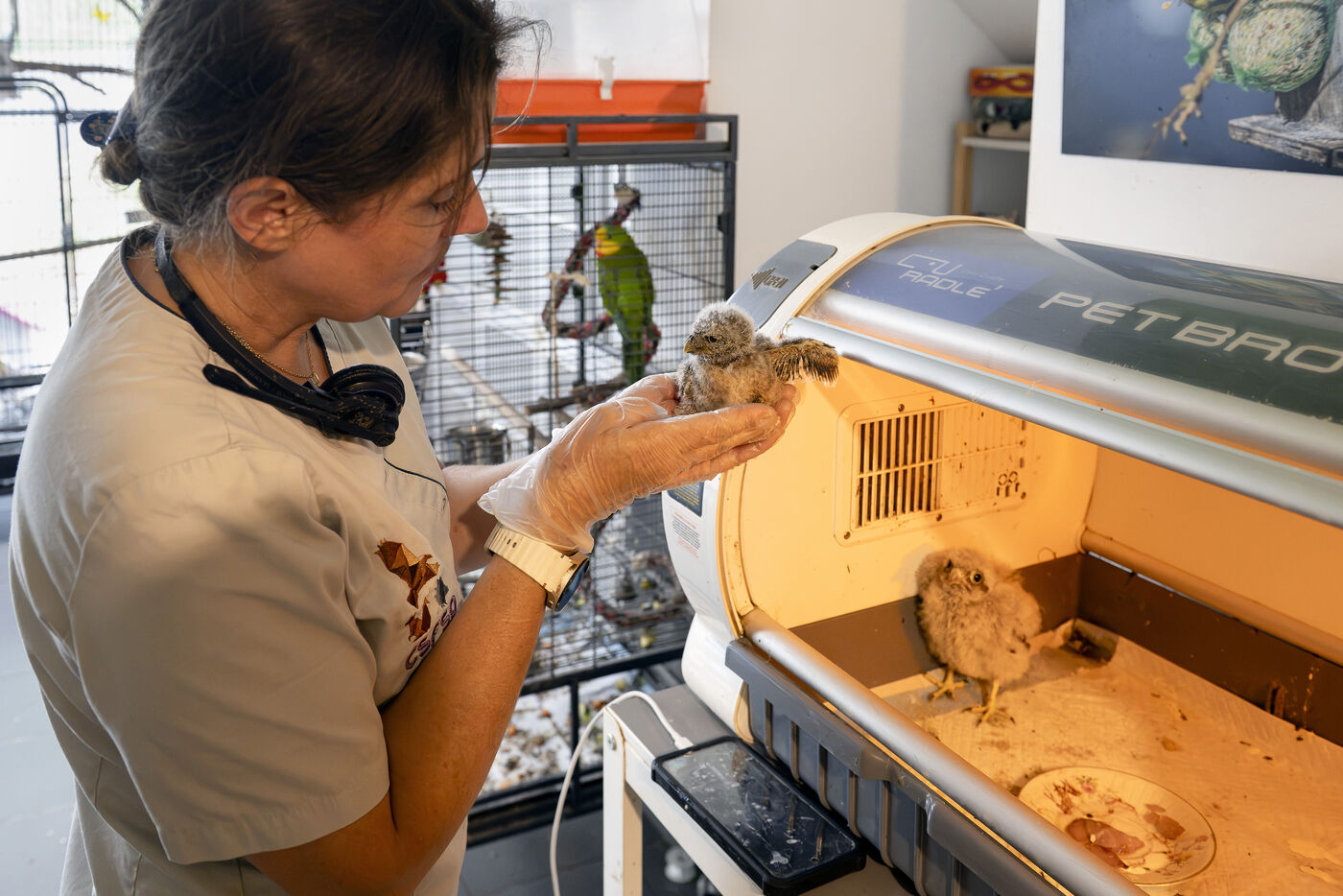
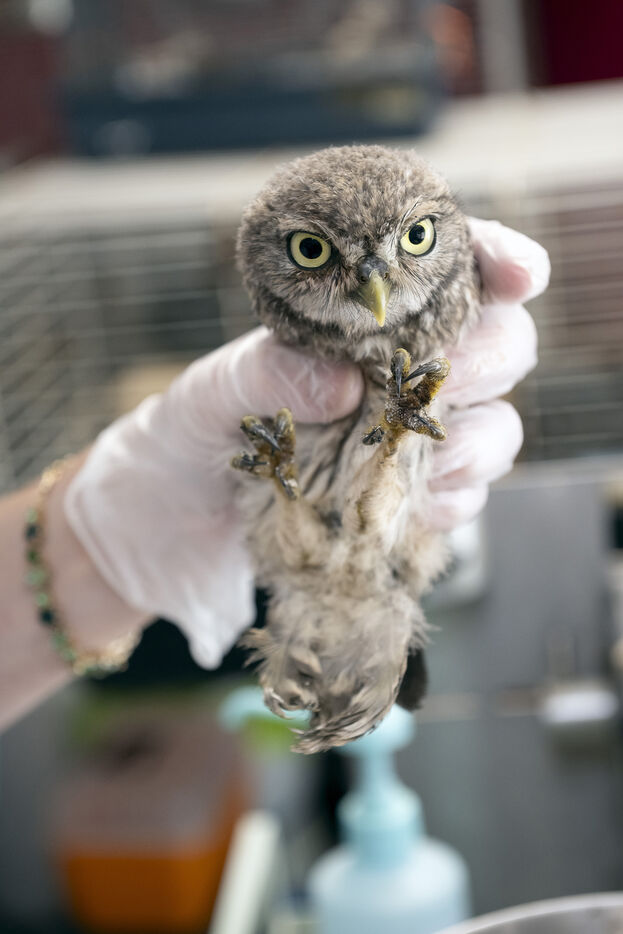
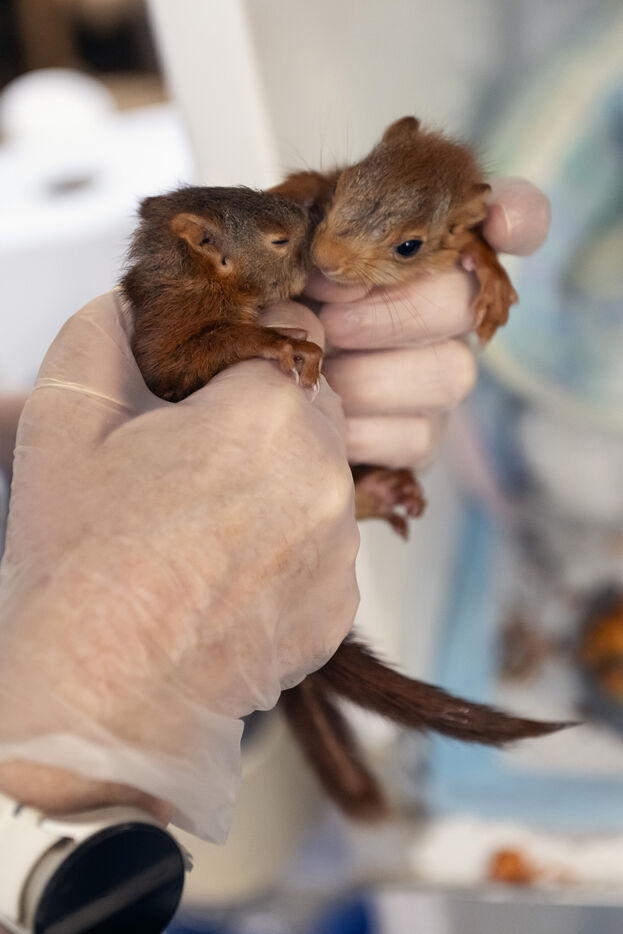
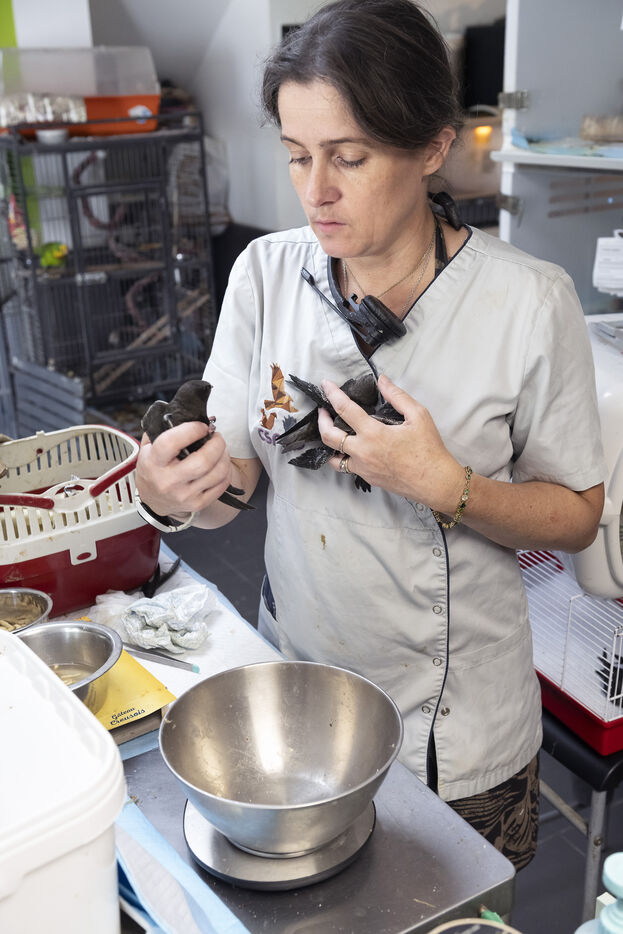
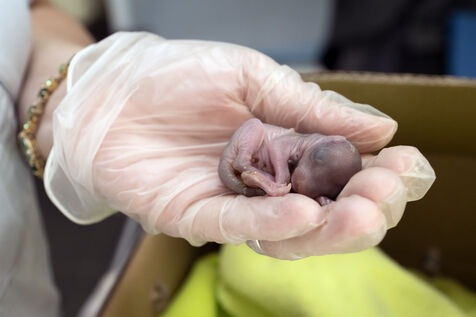
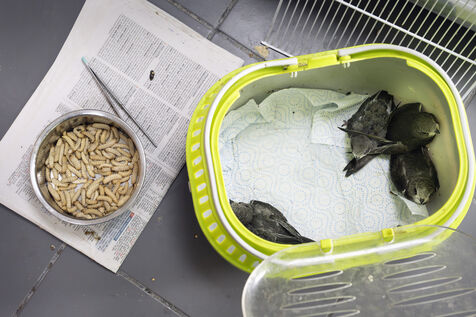
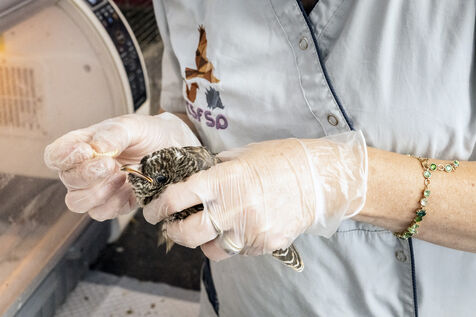
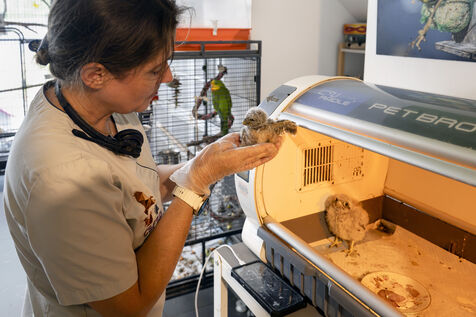
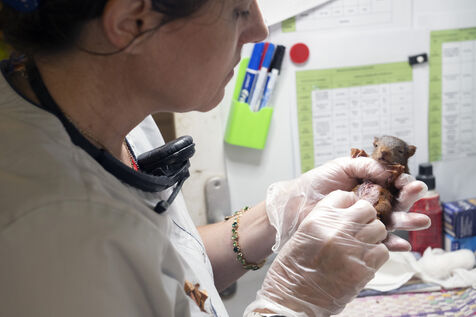
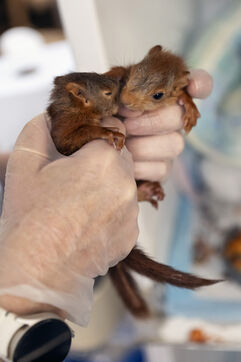
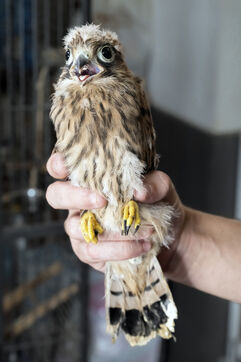
Aujourd’hui les canicules qui se succèdent génèrent un afflux inhabituel d’animaux qui ne parviennent plus à préserver leurs fonctions vitales, déshydratation, coups de chaleur, dénutrition, épuisement. Parmi eux beaucoup de jeunes mammifères et oiseaux qui se jettent hors du nid pour tenter d’échapper aux températures extrêmes auxquelles ils sont confrontés alors qu’ils ne sont encore que des oisillons incapables de voler.
Les êtres vivants, plantes et animaux, qui partagent et constituent nos espaces « naturels » subissent de plein fouet les effets du changement climatique sans souvent pouvoir s’en protéger. C’est ce qui vient de se produire en ce printemps 2026 avec des vagues de chaleurs inhabituellement précoces et intenses, brûlant une végétation encore tendre et perturbant fortement la période de reproduction, de nidification.
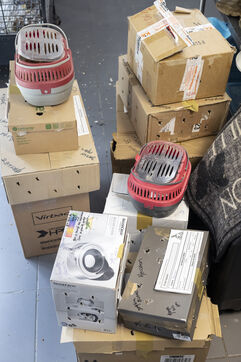
Le Centre de Soins draine les animaux sauvages en souffrance de 9 départements français et si la situation est difficilement gérable en temps normal, elle est devenue intenable ces derniers jours de canicule, contraignant avec beaucoup de tristesse Lydia à ne plus répondre au téléphone pendant près d’une semaine, pour ne plus accueillir de nouveaux animaux en détresse. Cela ne s’était jamais produit en 18 années d’activité.
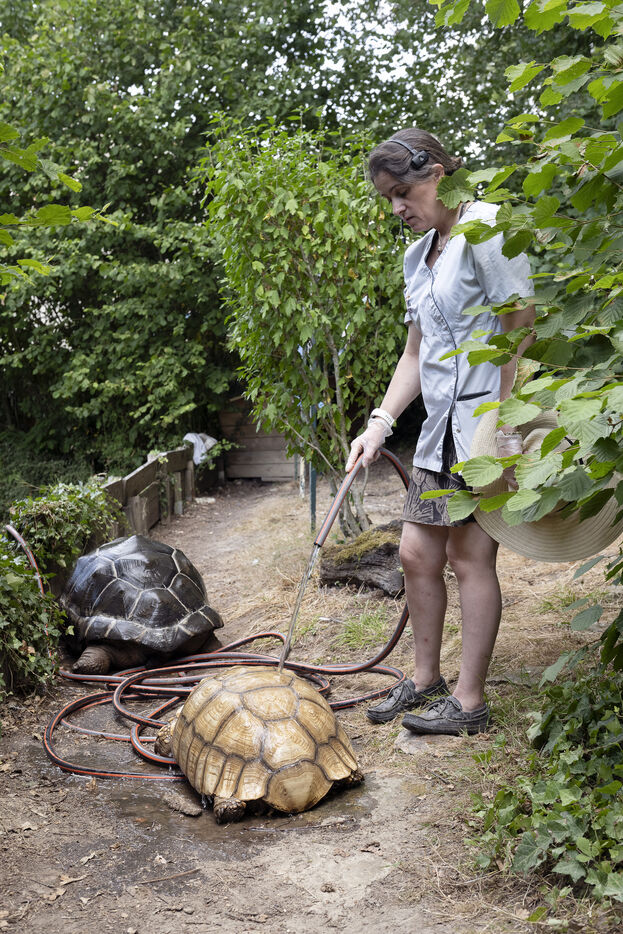
Seule « salariée » du centre elle ne peut se dégager plus que le Smic, pour des journées de travail sans fin, 7 jours sur 7, 365 jours par an. Lydia fractionne aussi son sommeil pour assurer une présence de jour comme de nuit et compte sur sa famille et quelques proches pour l’aider bénévolement dans sa tâche de Sisyphe.
L’essentiel du budget dont elle dispose est consommé par les soins, l’alimentation et l’hébergement des animaux.
Le centre est financé pour plus de la moitié par les dons des particuliers et le reste par la Région Nouvelle Aquitaine, par des fondations telles que la fondation Brigitte Bardot, la SPA (Société Protectrice des Animaux) et Trente Millions d’Amis.
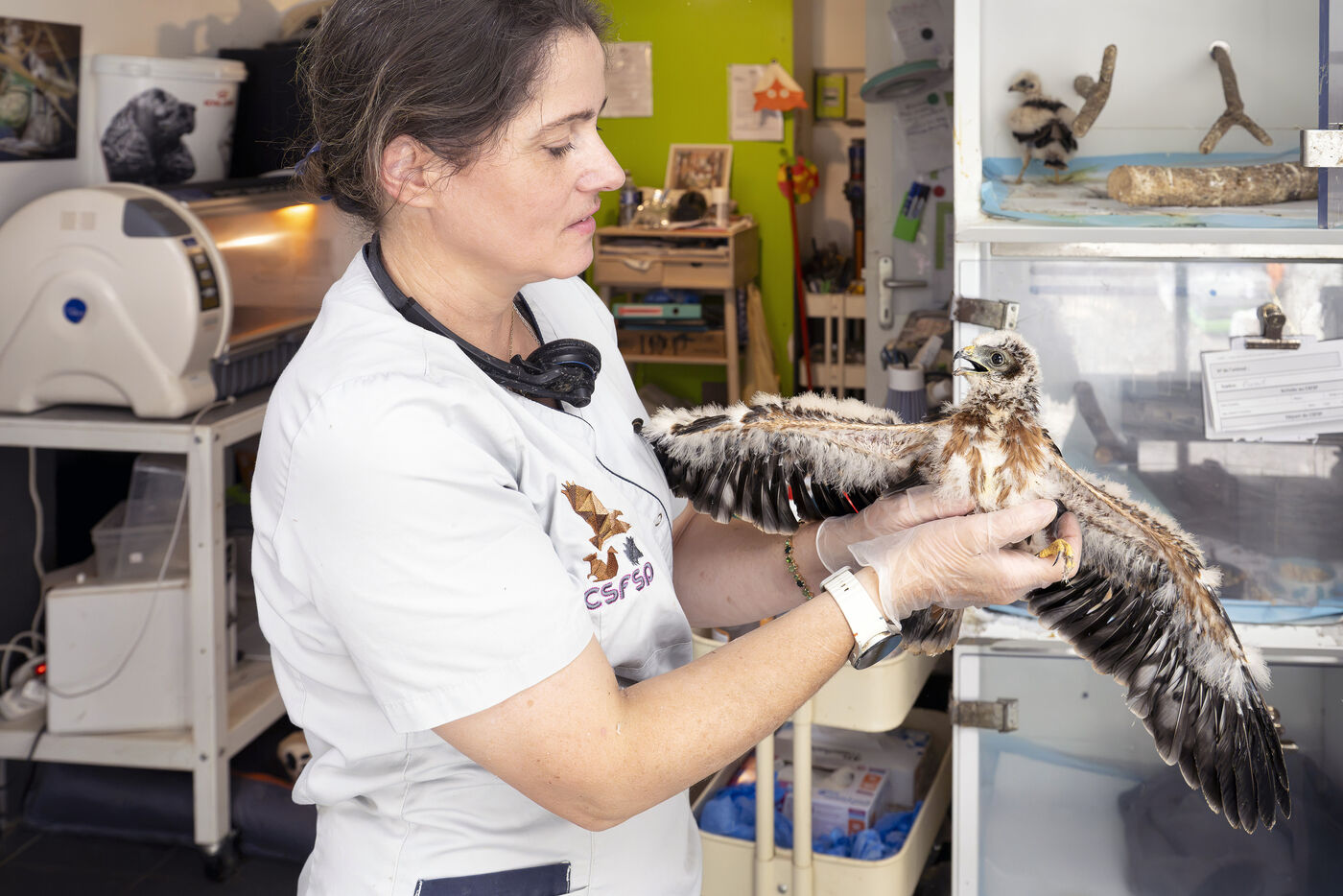
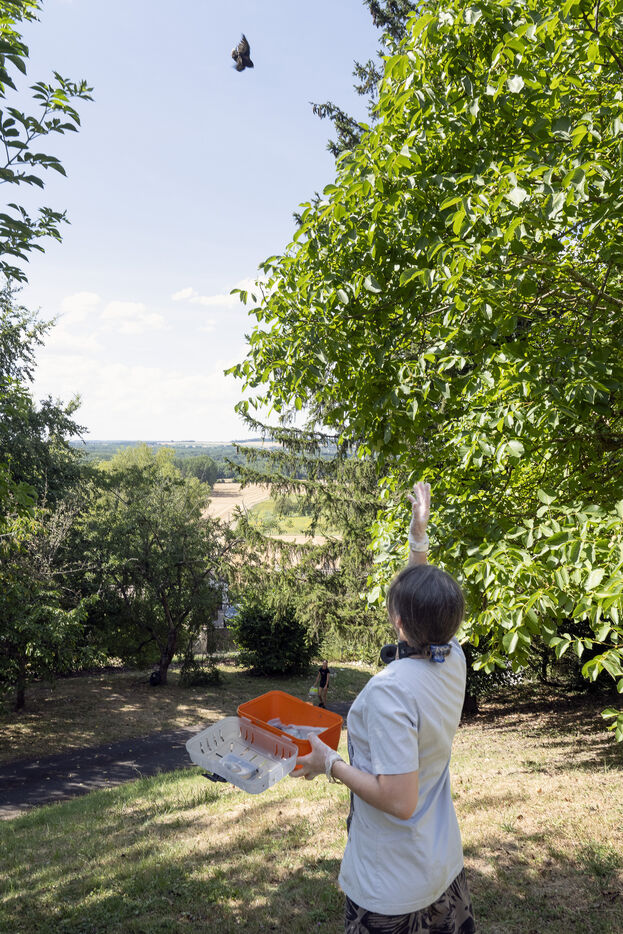
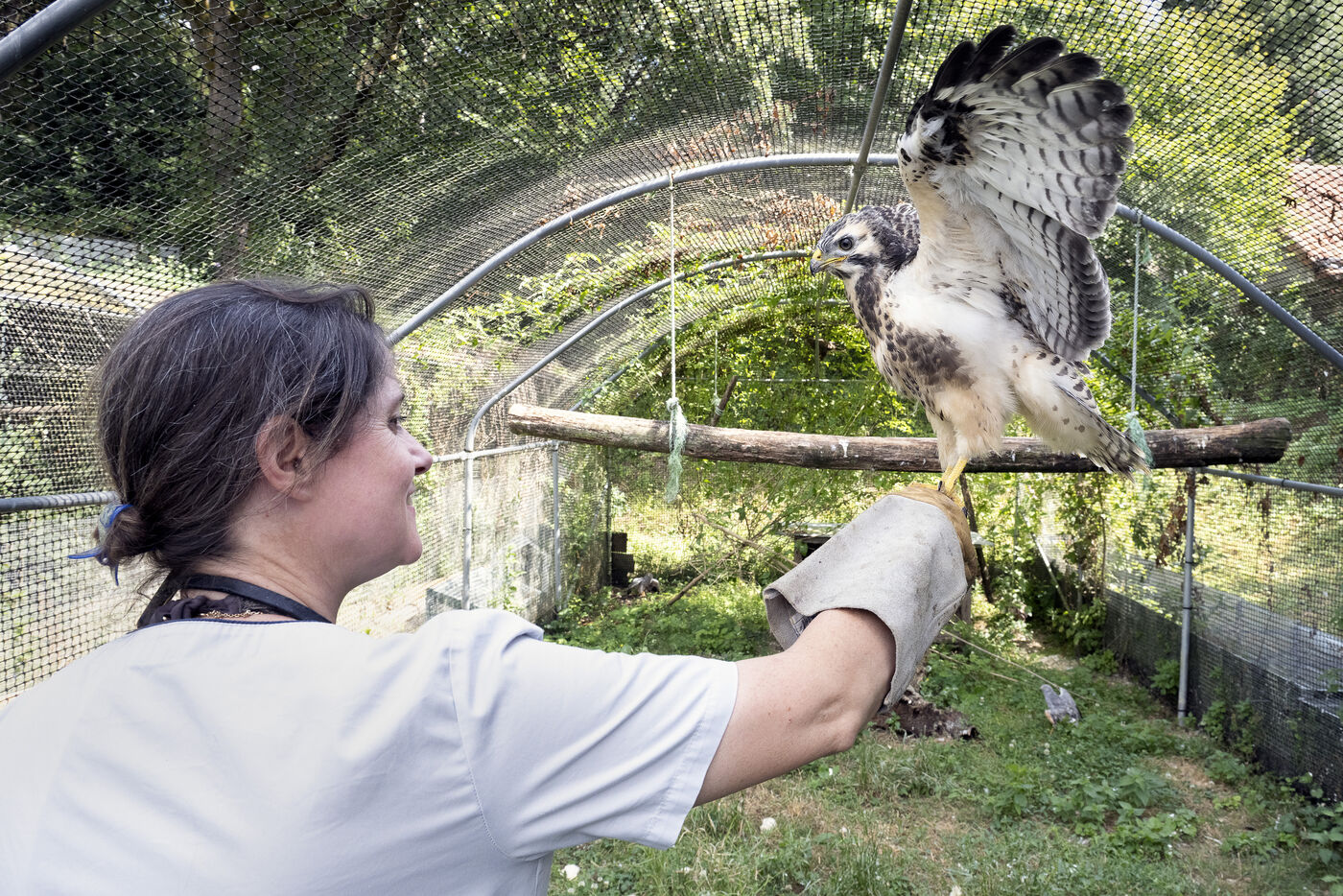
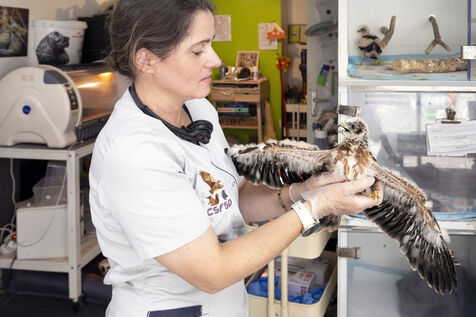
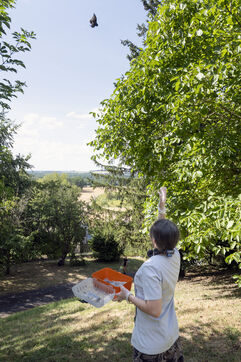
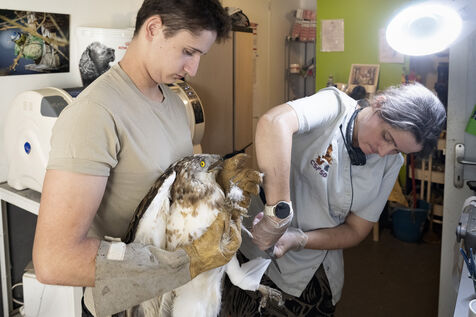
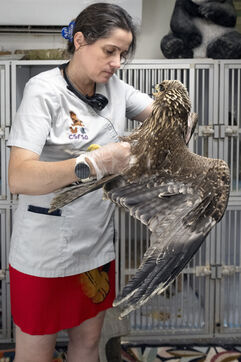
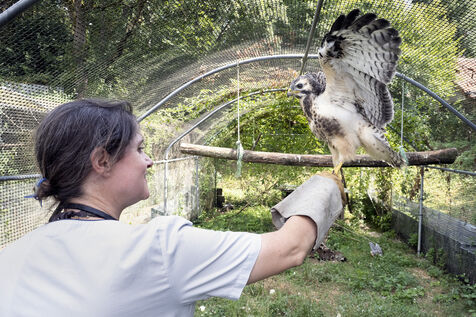
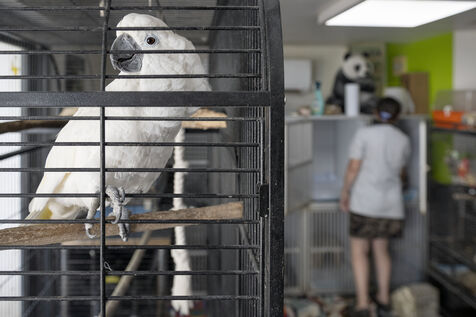
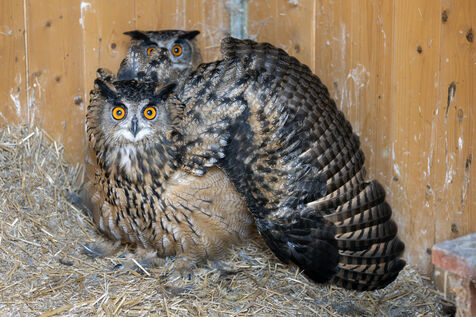
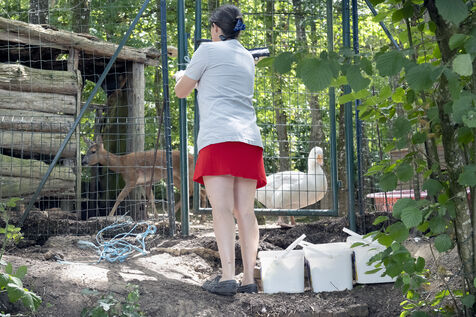
Après les avoir patiemment soignés ou aidés à devenir adultes et autonomes, les animaux sont en grande majorité et avec douceur, réintroduits dans leur milieu naturel. Quelques-uns cependant trop handicapés restent au centre ou gravitent autour, comme certains rapaces devenus incapables de chasser et bien conscients qu’ici on ne les oublie pas. D’ailleurs ici les soins se déroulent dans le plus grand calme, les animaux, que l’on dit « sauvages », semblant comprendre que dans ce refuge on ne leur veut que du bien.
A WILDLIFE RESCUE CENTRE
Based near Châtellerault in the Vienne department, Lydia Bourdeau founded the Poitevine Wildlife Rescue Centre, which takes in and cares for animals that are injured, sick, abandoned, abused, seized by customs or law enforcement, or simply struggling to cope with climate change.
A visit to a vet when she was still a child left a deep impression on her and led her to pursue this path.
Today, the successive heatwaves are causing an unusual influx of animals that are no longer able to maintain their vital functions, suffering from dehydration, heatstroke, malnutrition and exhaustion. Among them are many young mammals and birds that throw themselves out of their nests in an attempt to escape the extreme temperatures they face, whilst they are still fledglings unable to fly.
Living beings – plants and animals – that share and make up our ‘natural’ habitats are bearing the brunt of the effects of climate change, often without being able to protect themselves. This is precisely what has just happened in the spring of 2026, with unusually early and intense heatwaves scorching the still-tender vegetation and severely disrupting the breeding and nesting season.
The Care Centre takes in suffering wild animals from nine French departments, and whilst the situation is difficult to manage even under normal circumstances, it has become untenable during this recent heatwave, forcing Lydia, with great sadness, to stop answering the phone for nearly a week so as not to take in any more animals in distress. This has never happened before in 18 years of operation.
As the centre’s sole ‘employee’, she earns no more than the minimum wage for endless working days, seven days a week, 365 days a year. Lydia also splits her sleep to ensure she is on hand day and night, and relies on her family and a few close friends to help her voluntarily with her Sisyphean task.
Most of her available budget is spent on the animals’ care, food and accommodation.
More than half of the centre’s funding comes from donations from private individuals, with the remainder provided by the Nouvelle-Aquitaine Region and by foundations such as the Brigitte Bardot Foundation, the SPA (Société Protectrice des Animaux) and Trente Millions d’Amis.
After patiently nursing them back to health or helping them to reach adulthood and become independent, the vast majority of the animals are gently reintroduced into their natural habitat. A few, however, which are too disabled, remain at the centre or linger nearby, such as certain birds of prey that have become unable to hunt and are well aware that they are not forgotten here. Moreover, care is provided here in the calmest of surroundings; the animals, often described as ‘wild’, seem to understand that in this sanctuary, people only wish them well.