Garbage City - Il Cairo
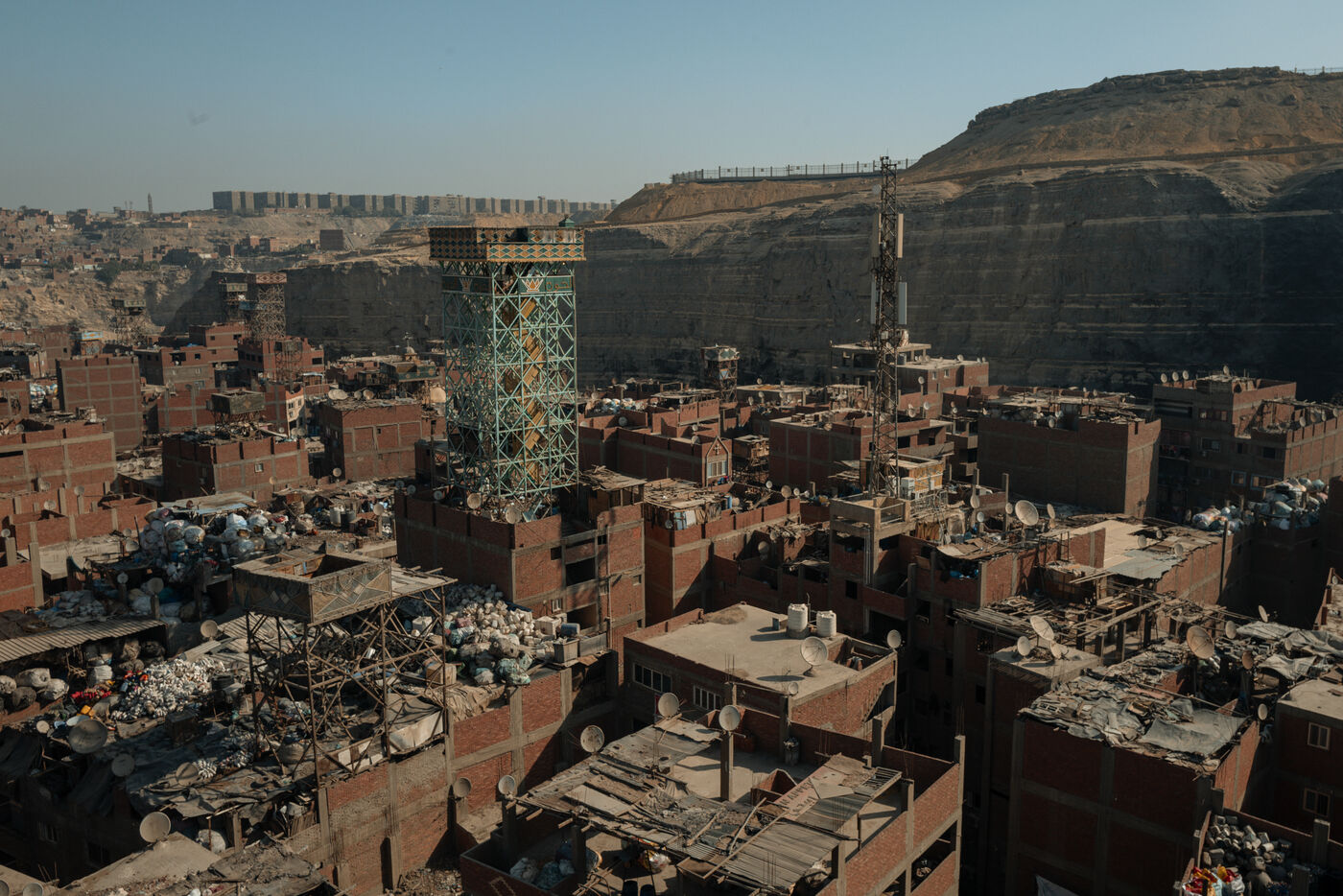
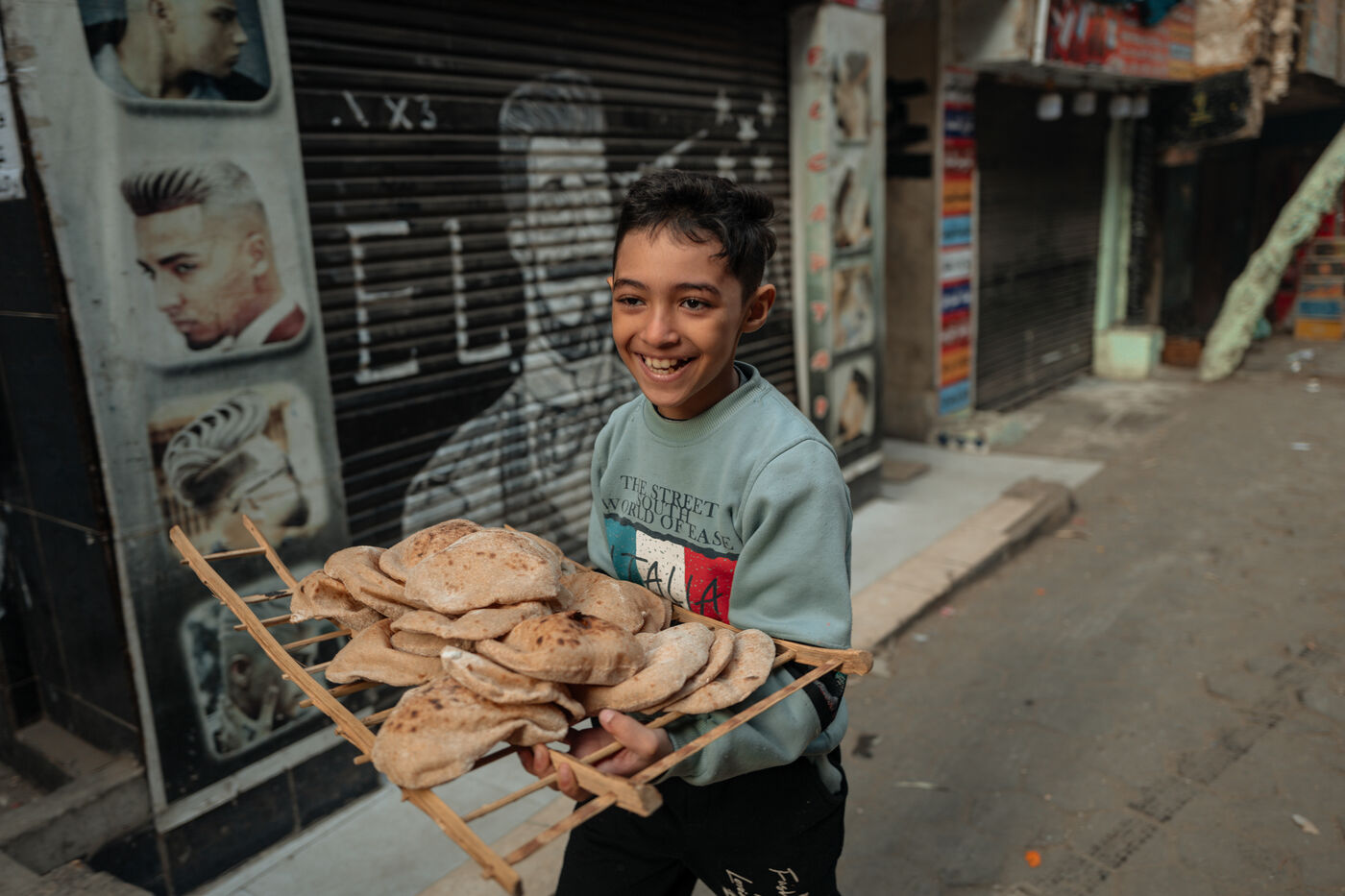
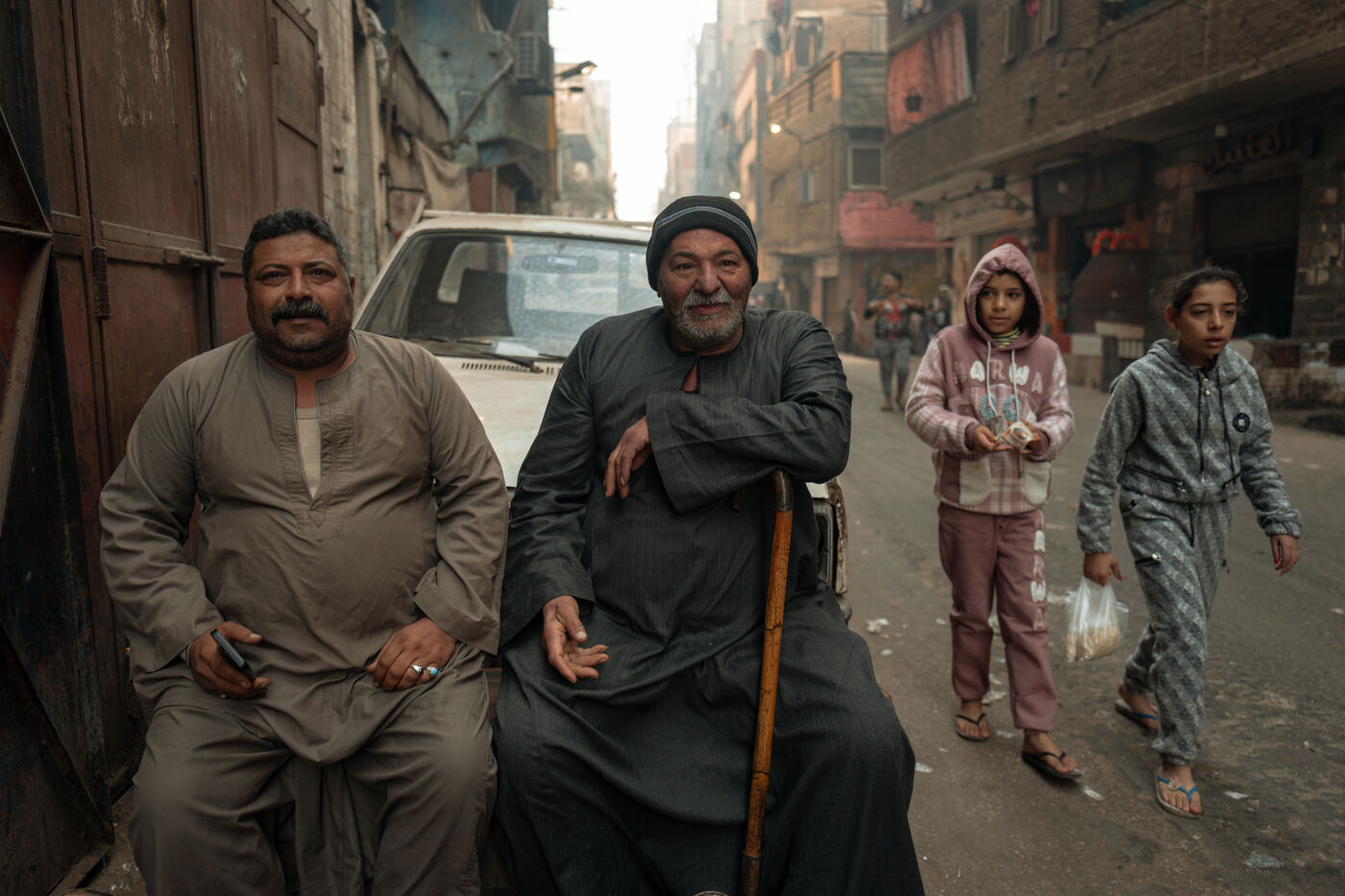
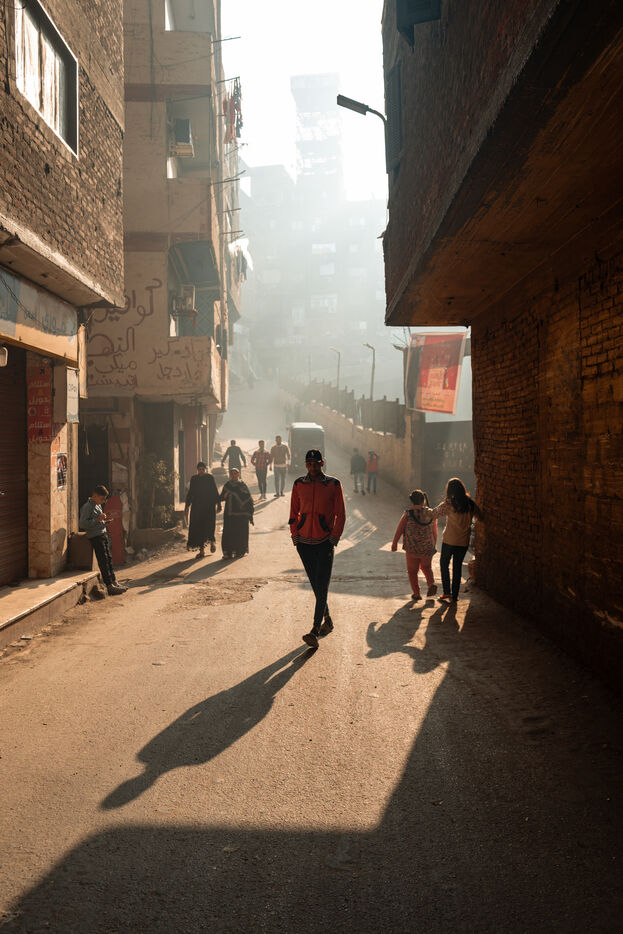
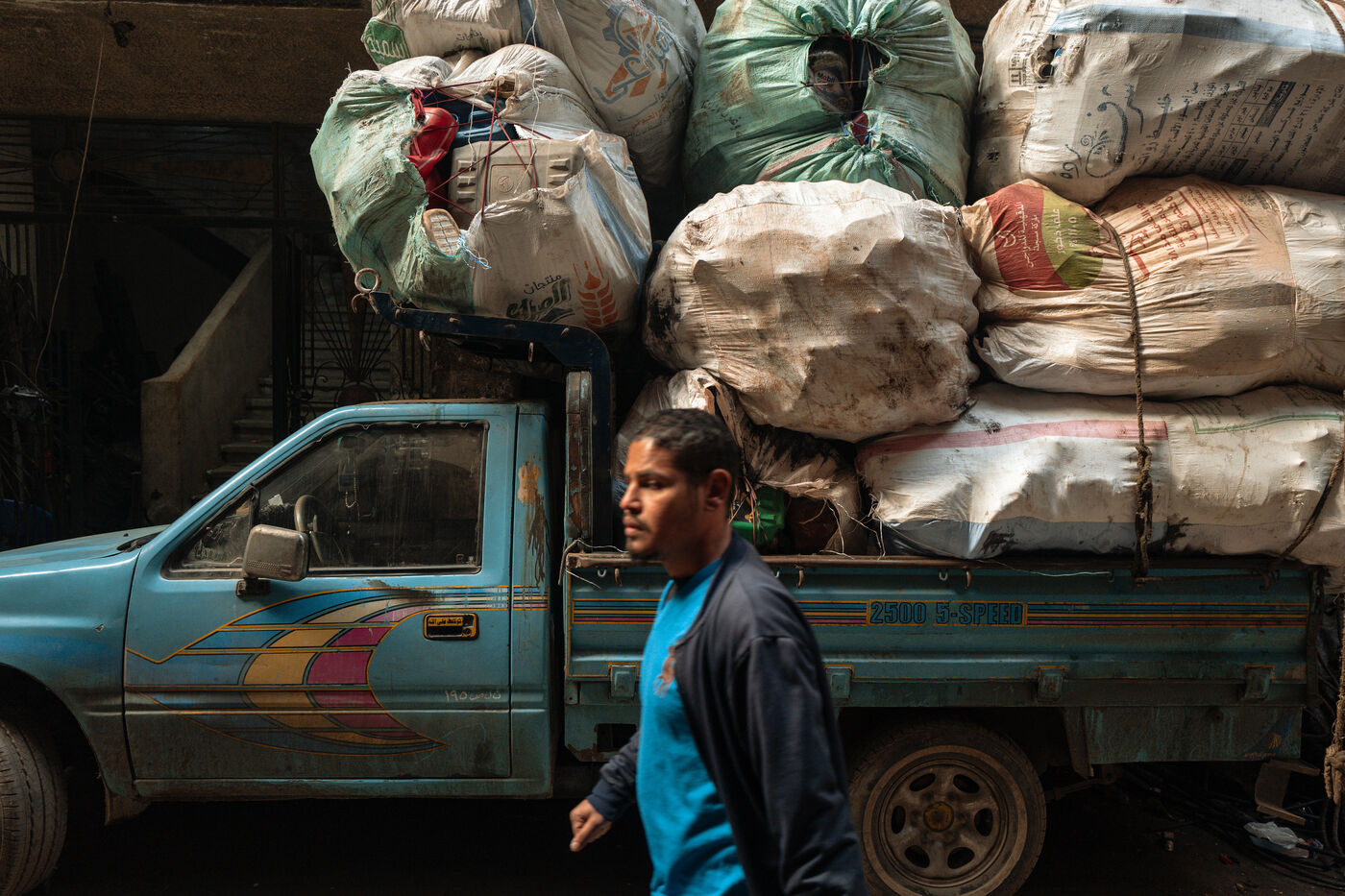
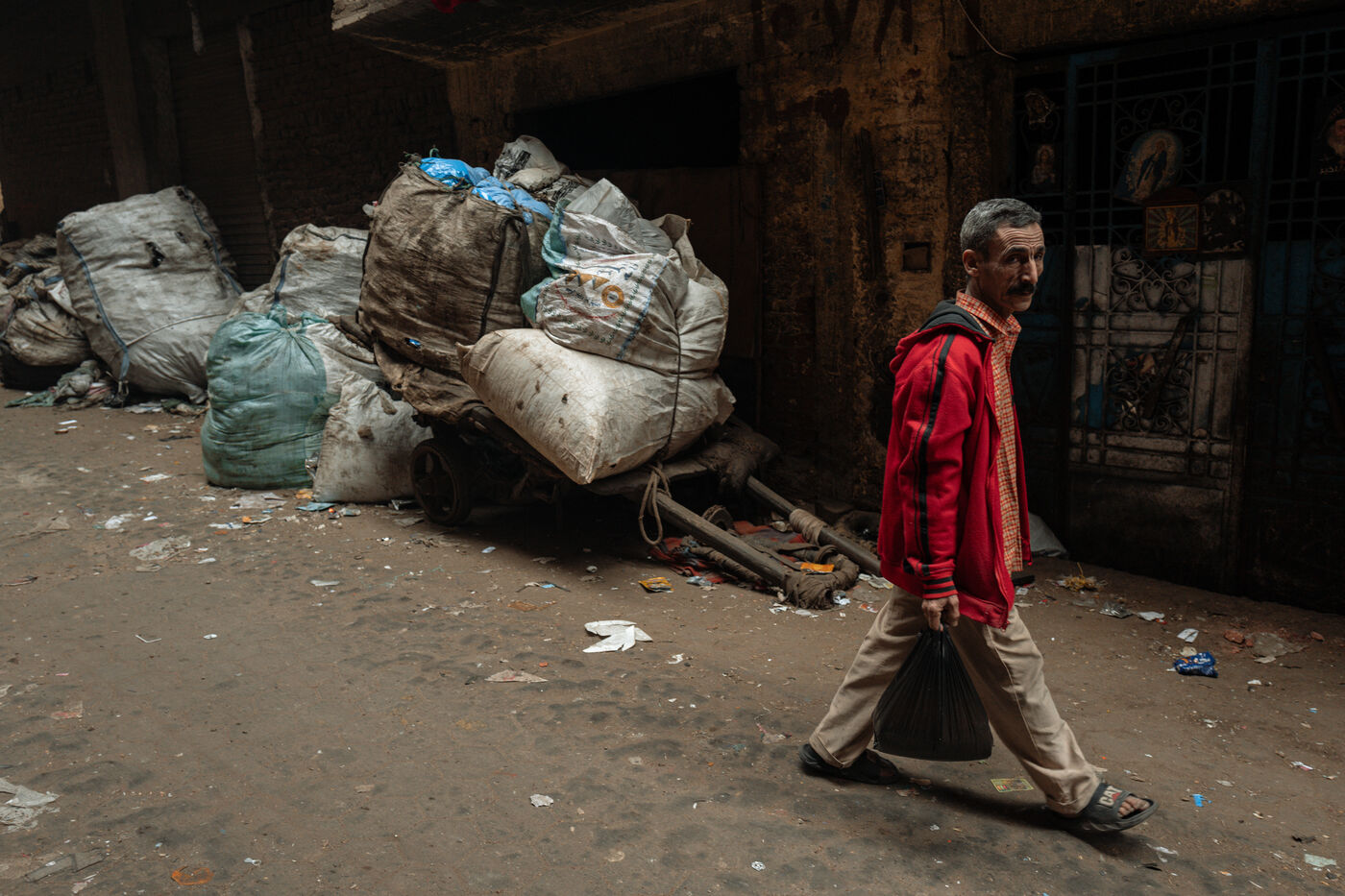
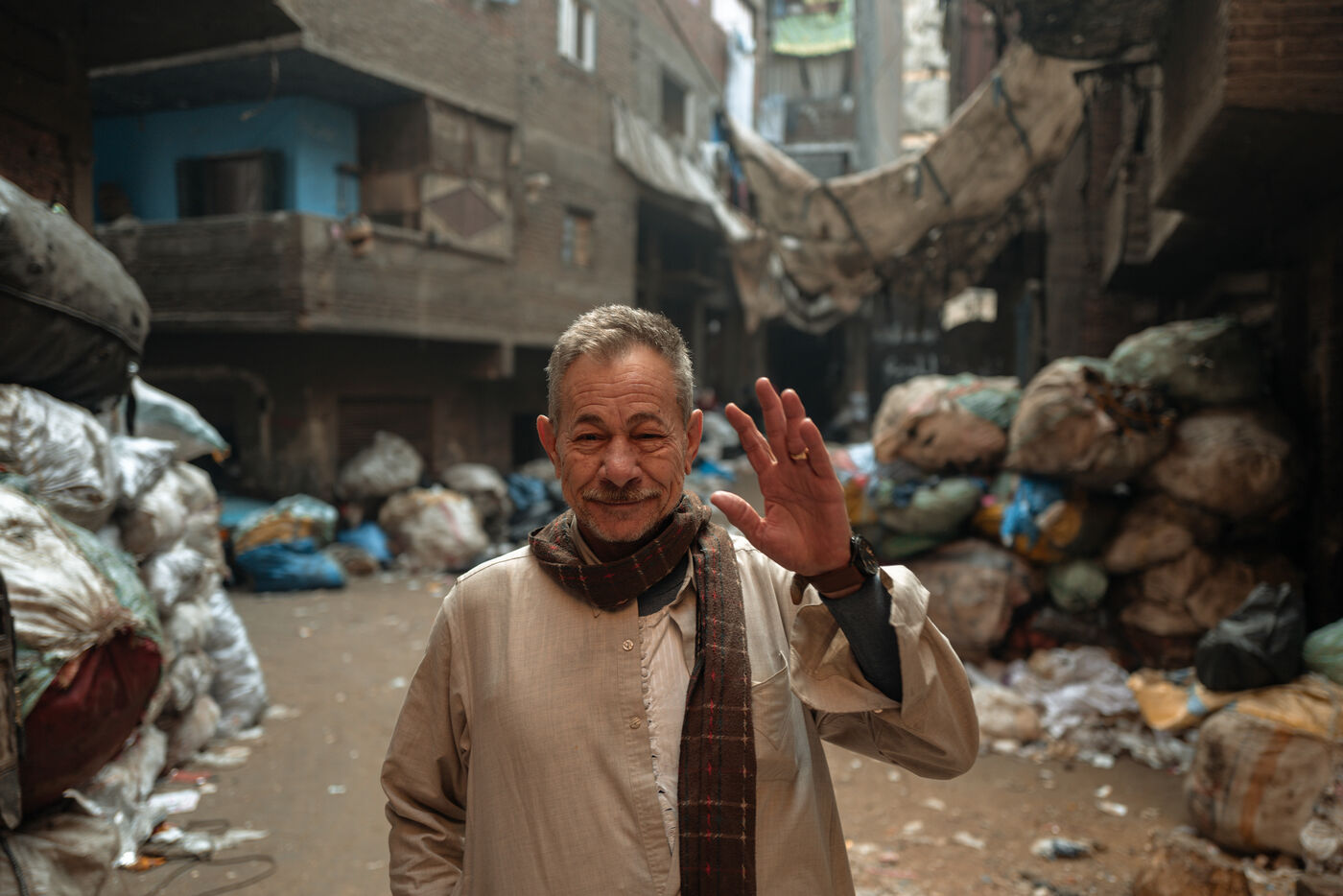
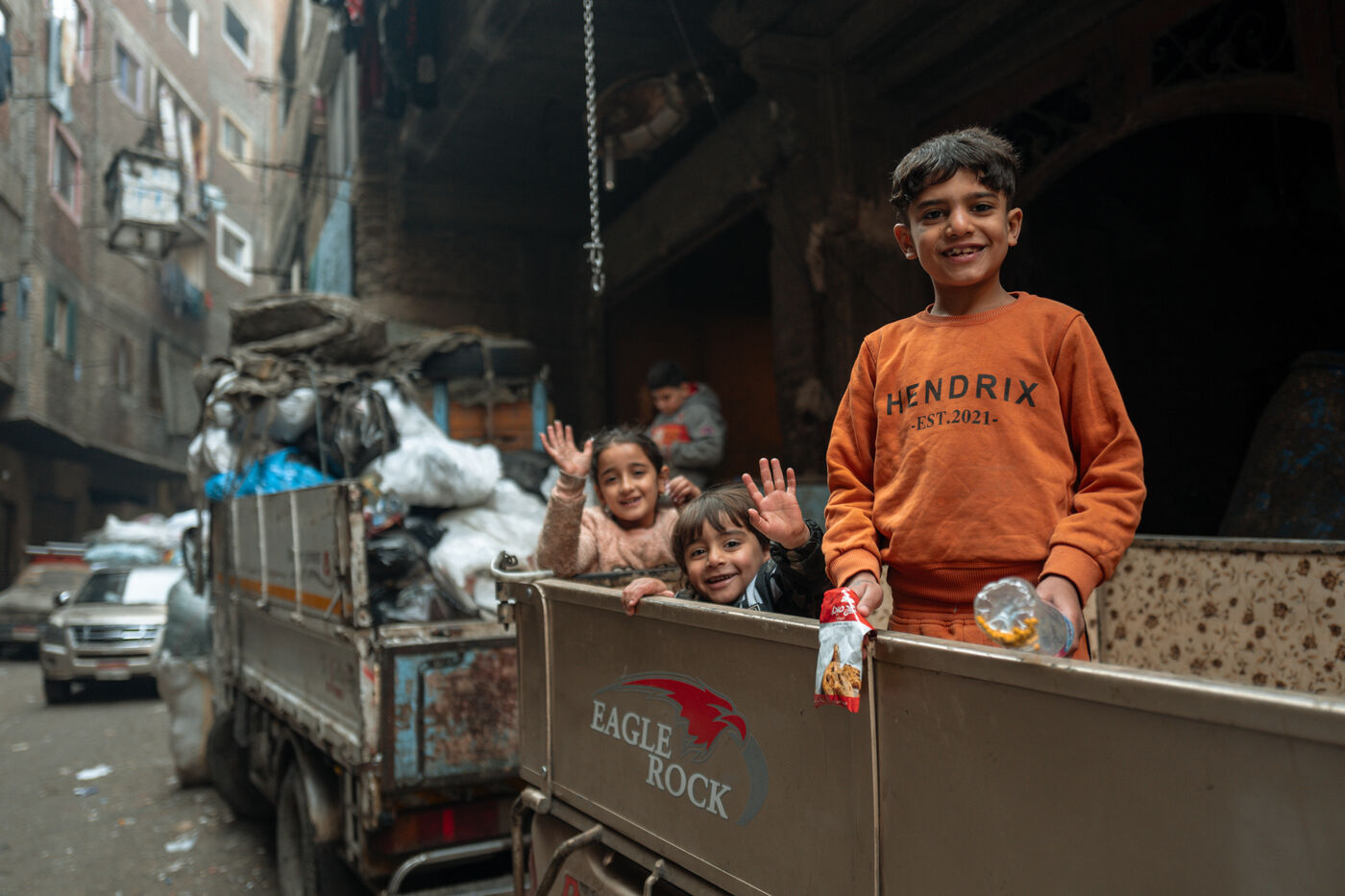
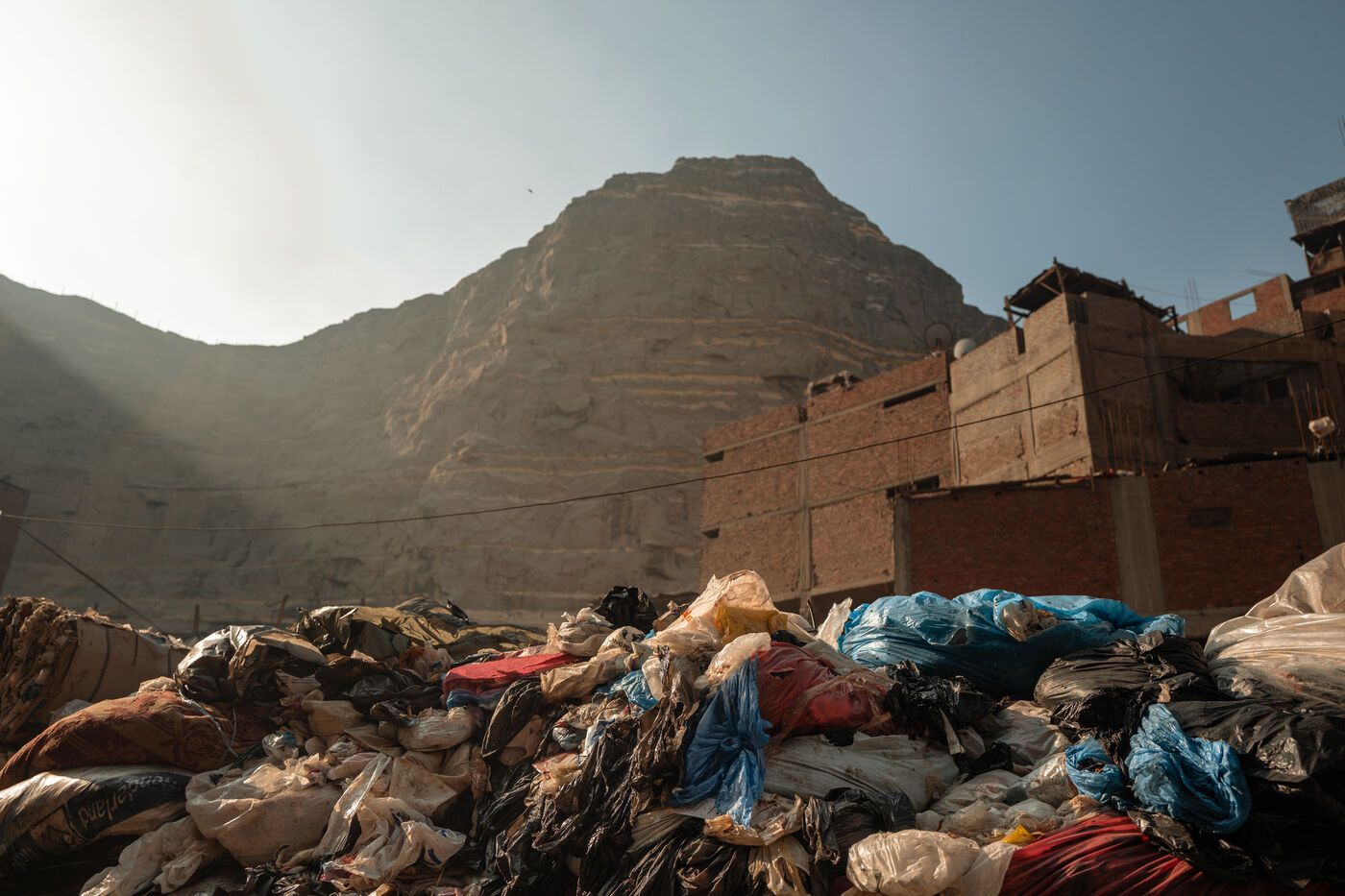
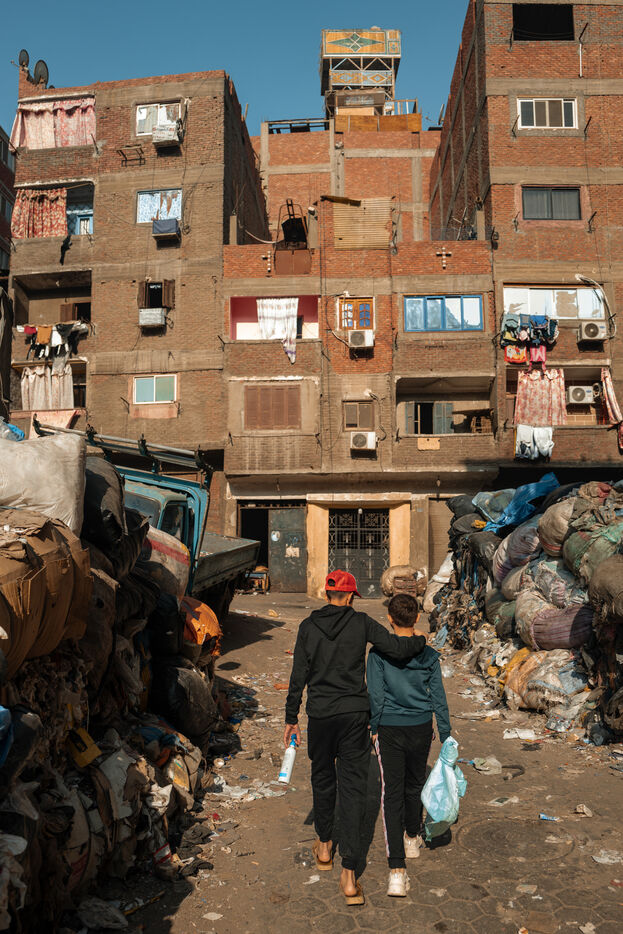
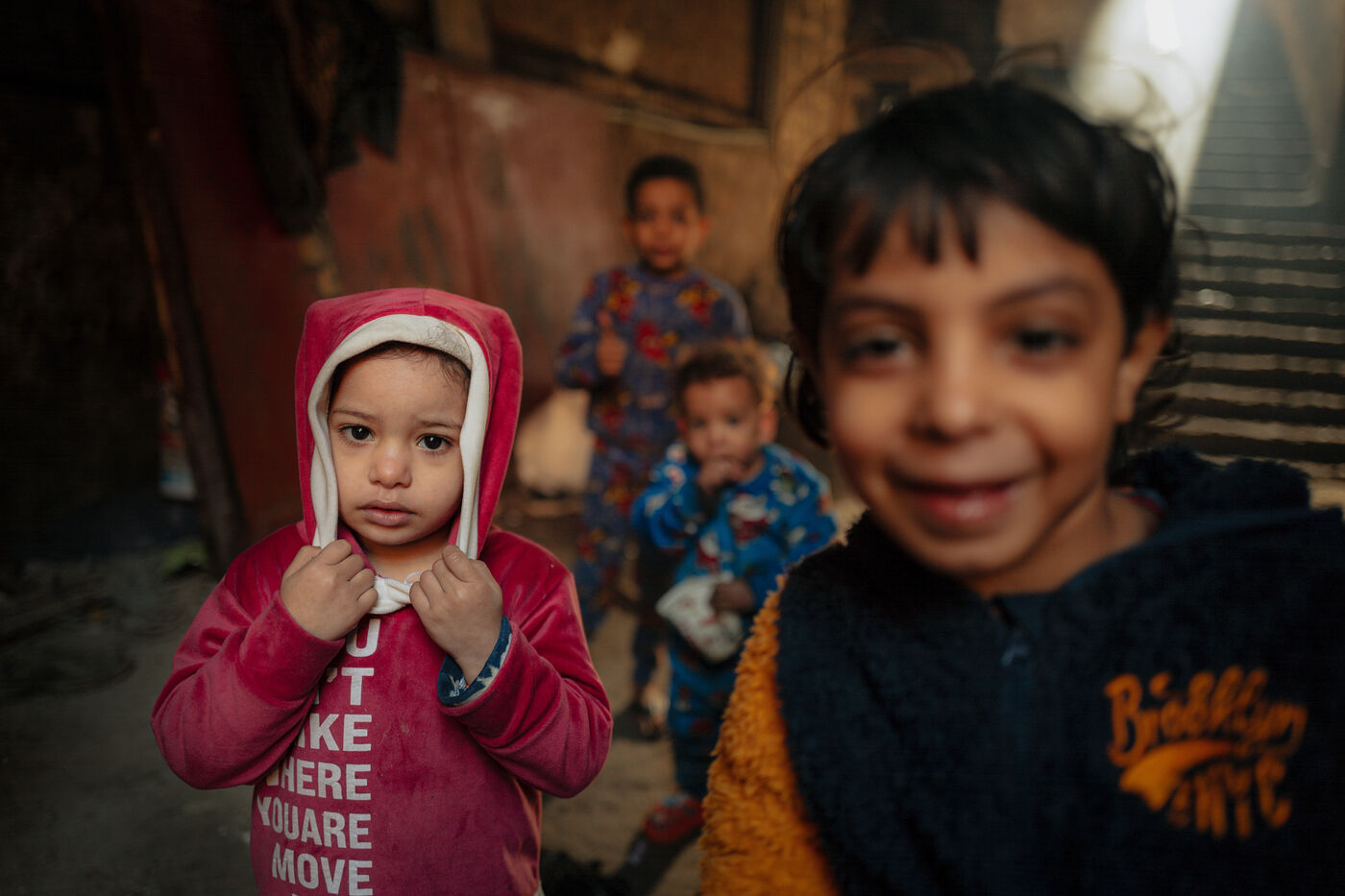
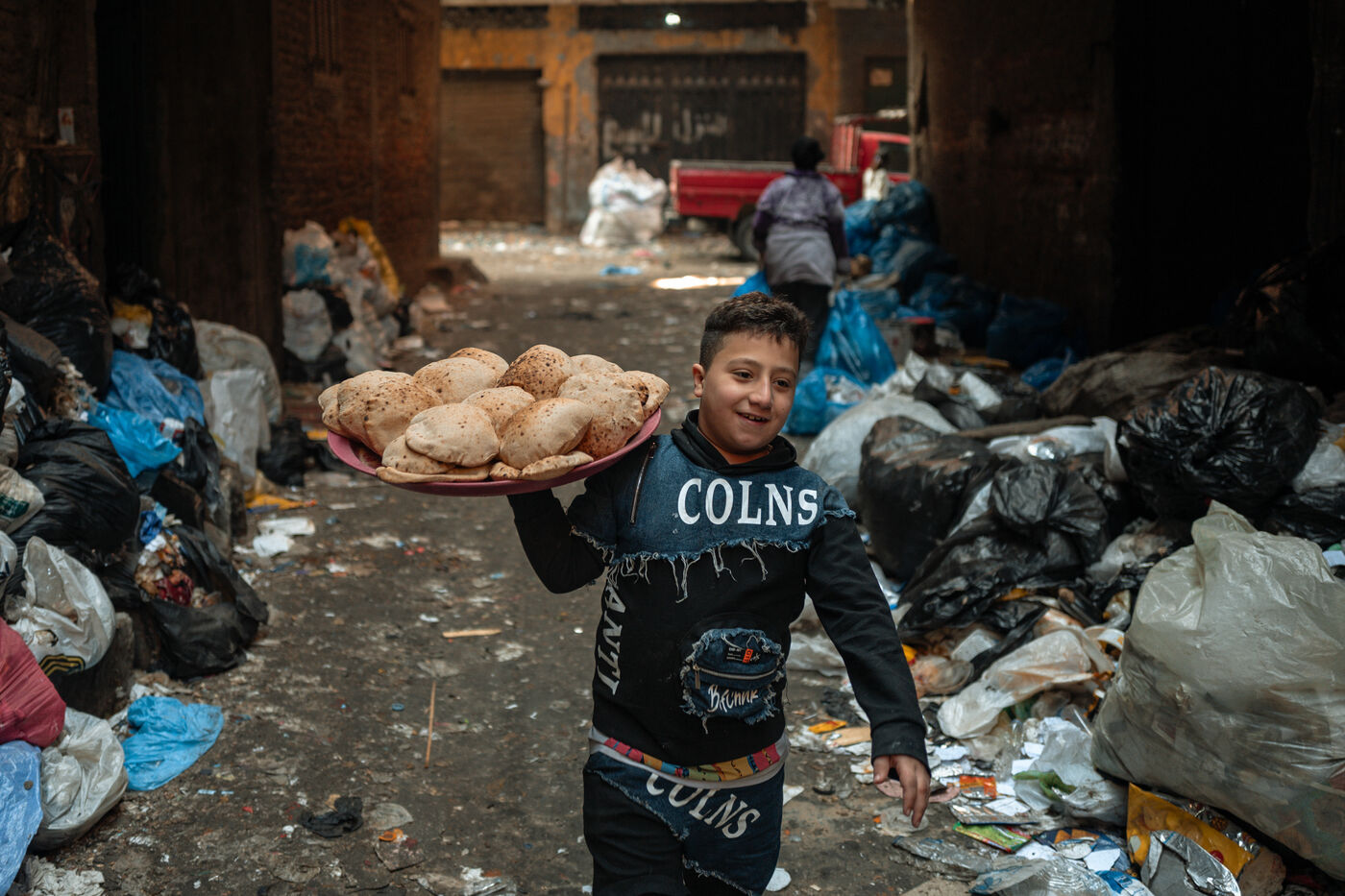
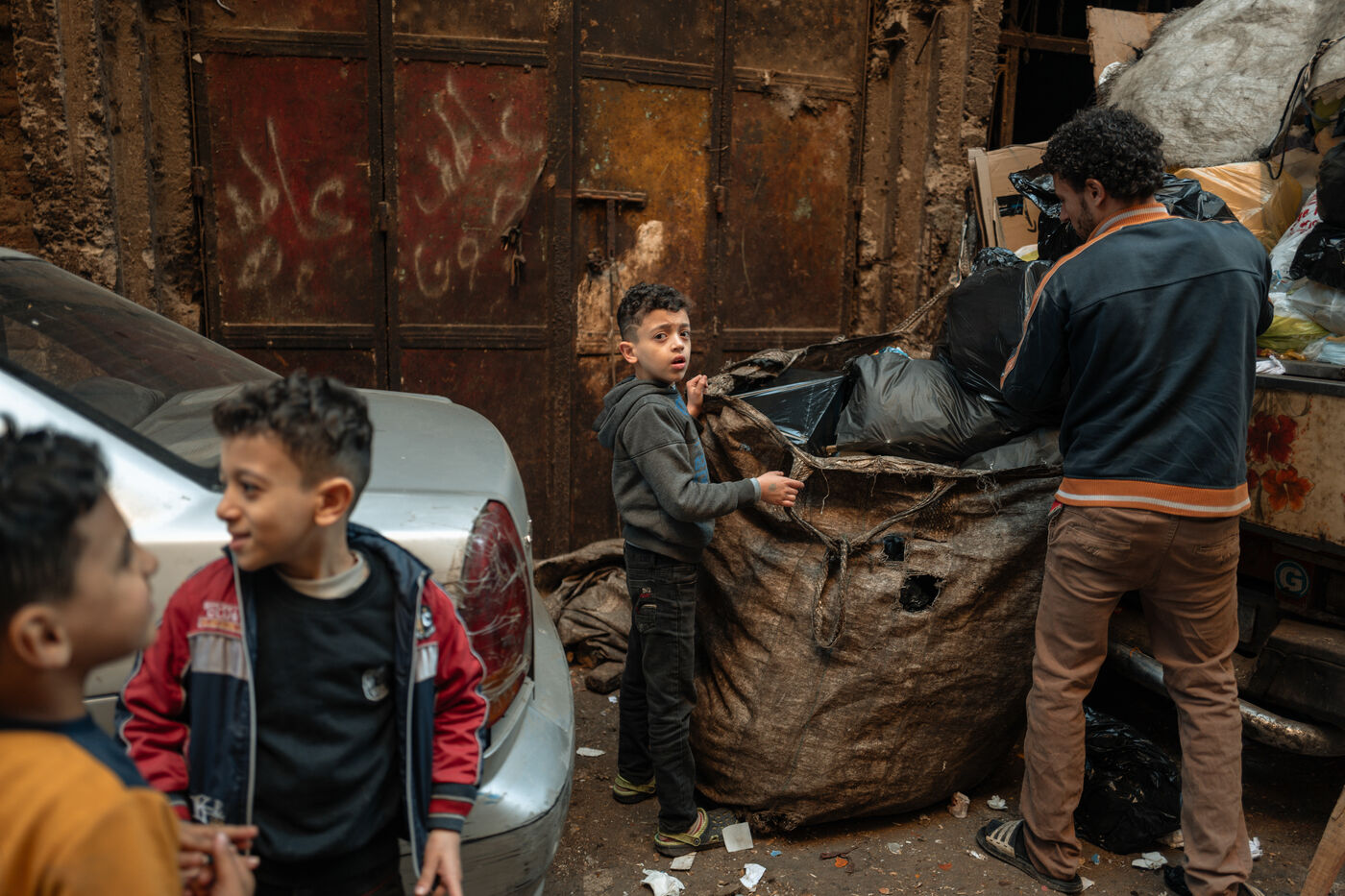
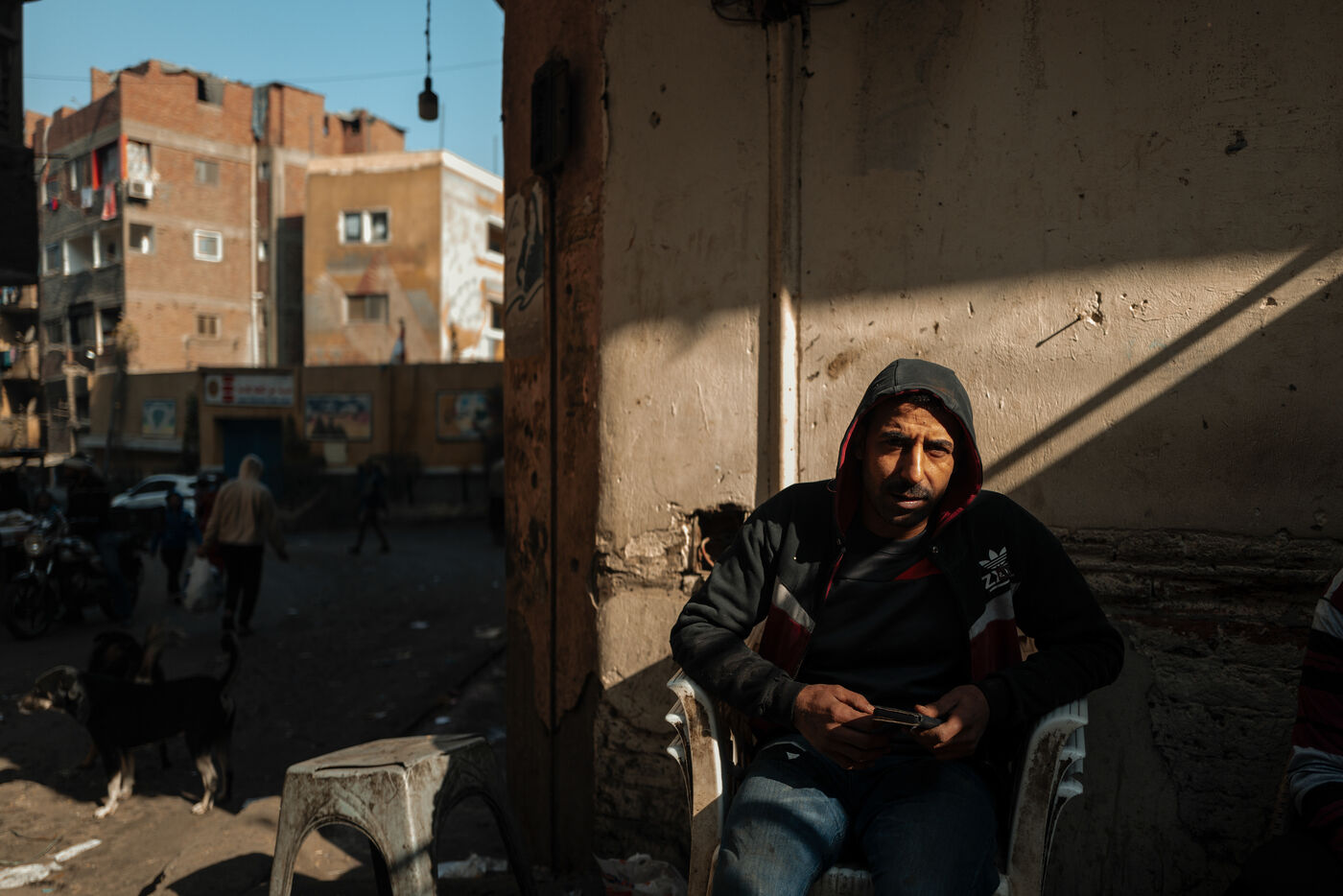
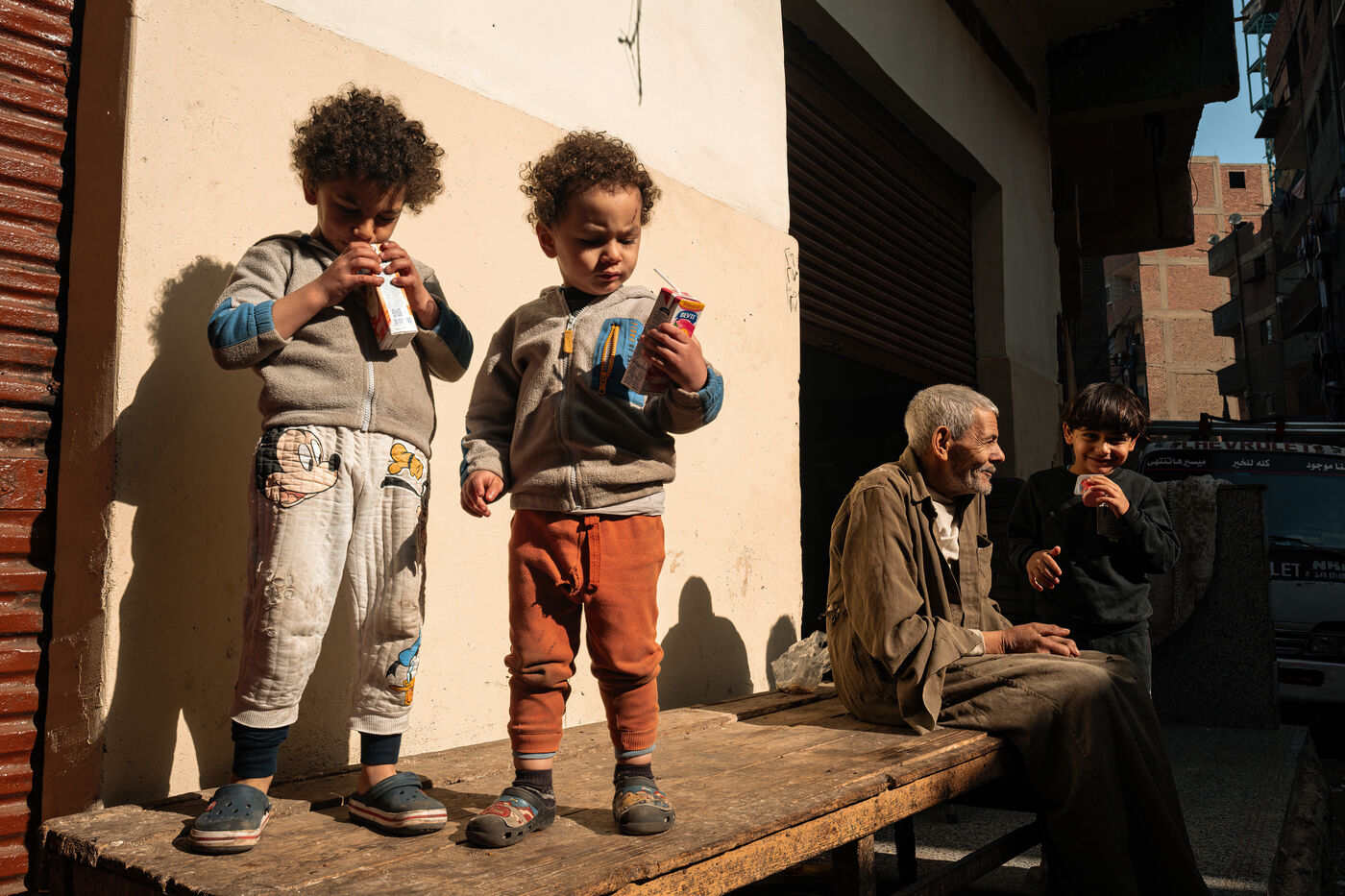
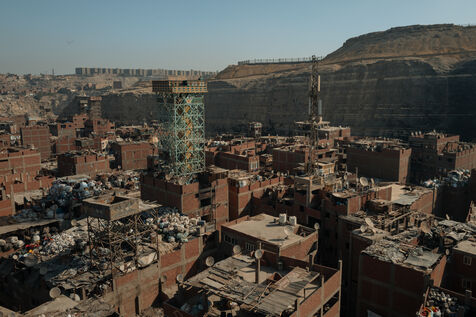
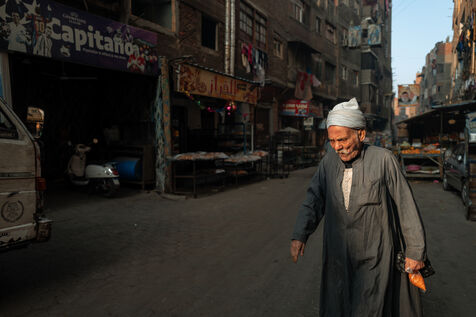
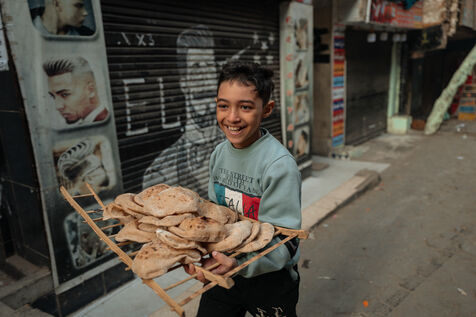
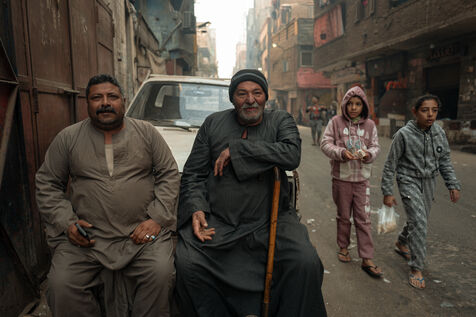
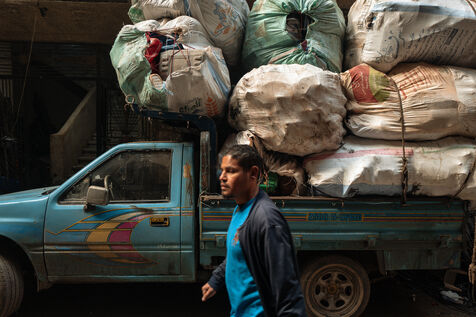
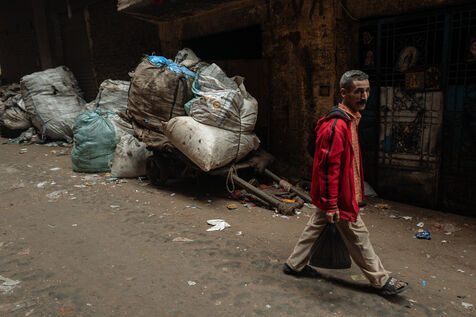
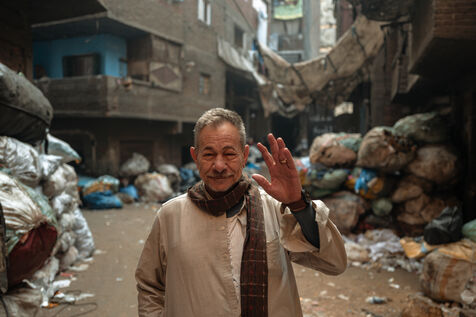
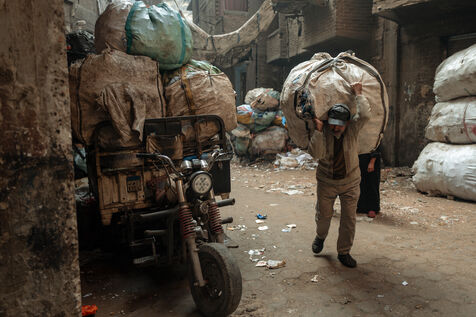
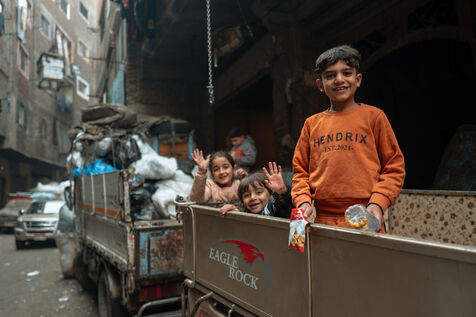
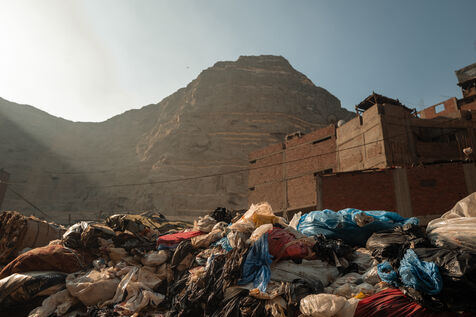
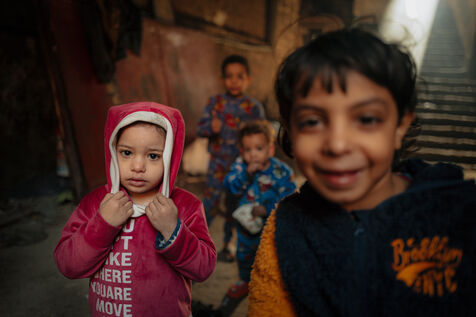
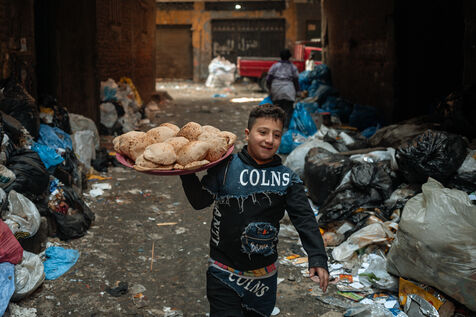
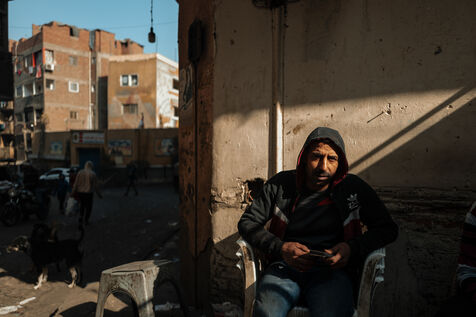
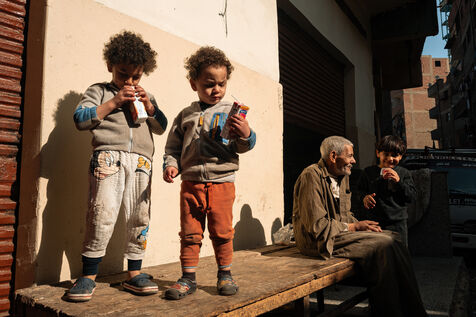
Garbage City, dans le district de Manshiyat Naser, constitue le cœur du système informel de gestion des déchets du Caire. Environ 50 000 habitants, appelés Zabbaleen, collectent et recyclent les déchets de la capitale égyptienne depuis plus de soixante-dix ans.
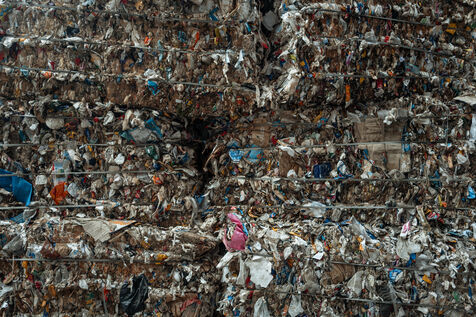
Le Caire produit chaque jour des milliers de tonnes de déchets, dont une part importante transite par ce quartier. Ce qui rend Garbage City unique, c’est sa capacité de recyclage : les Zabbaleen récupèrent jusqu’à 80 % des matériaux collectés, un taux bien supérieur à celui des systèmes municipaux formels et parmi les plus élevés observés en milieu urbain.
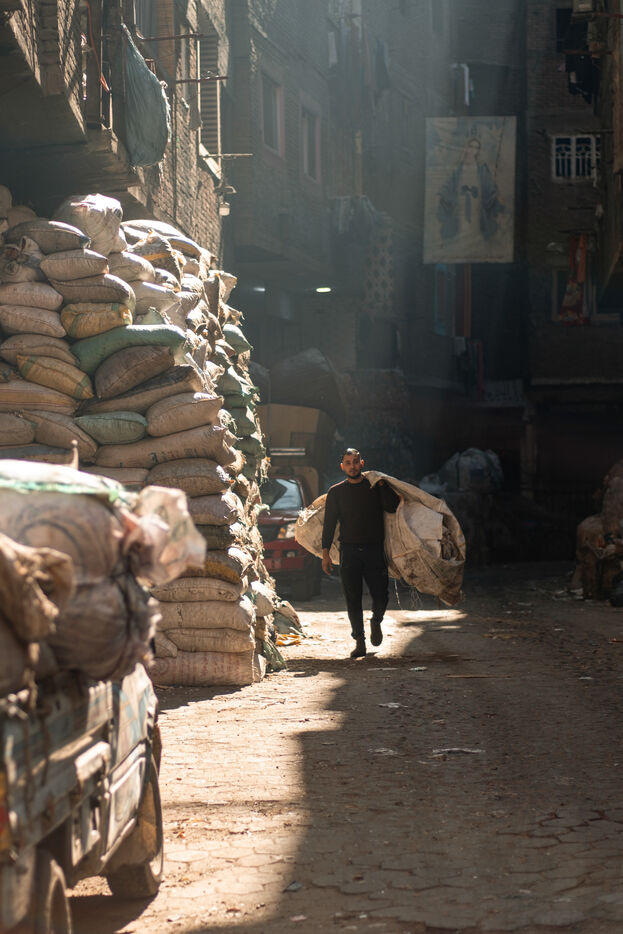
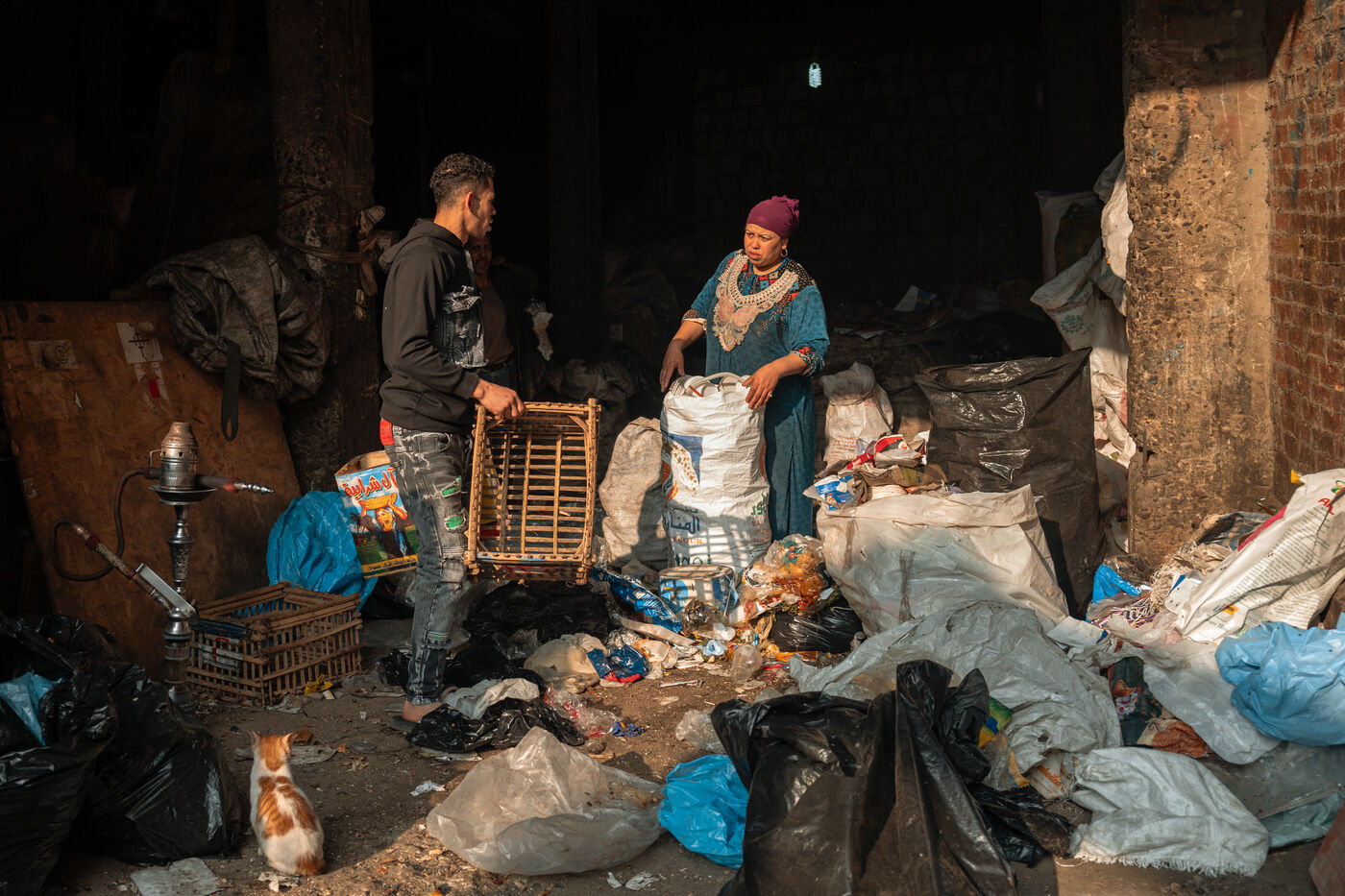
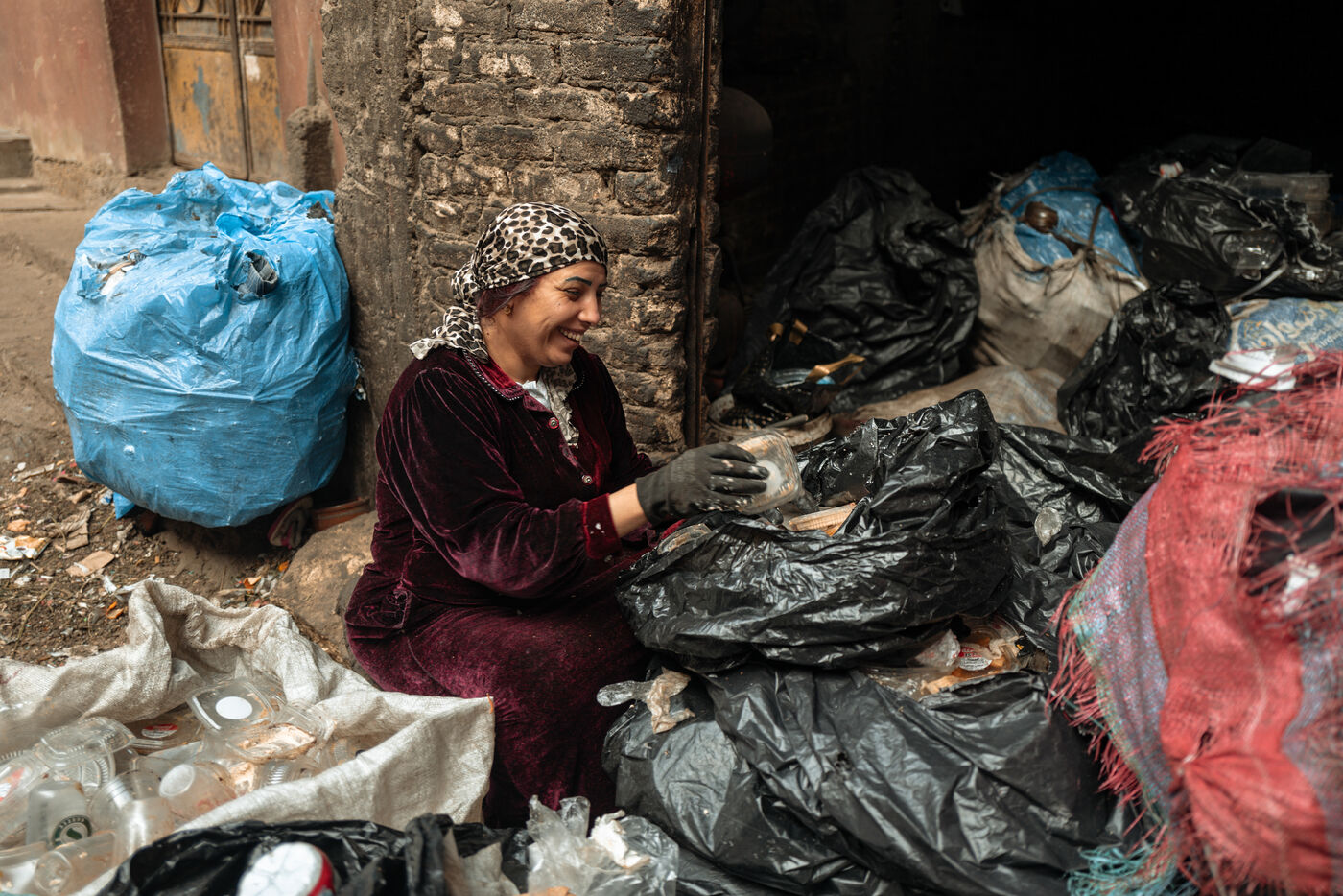
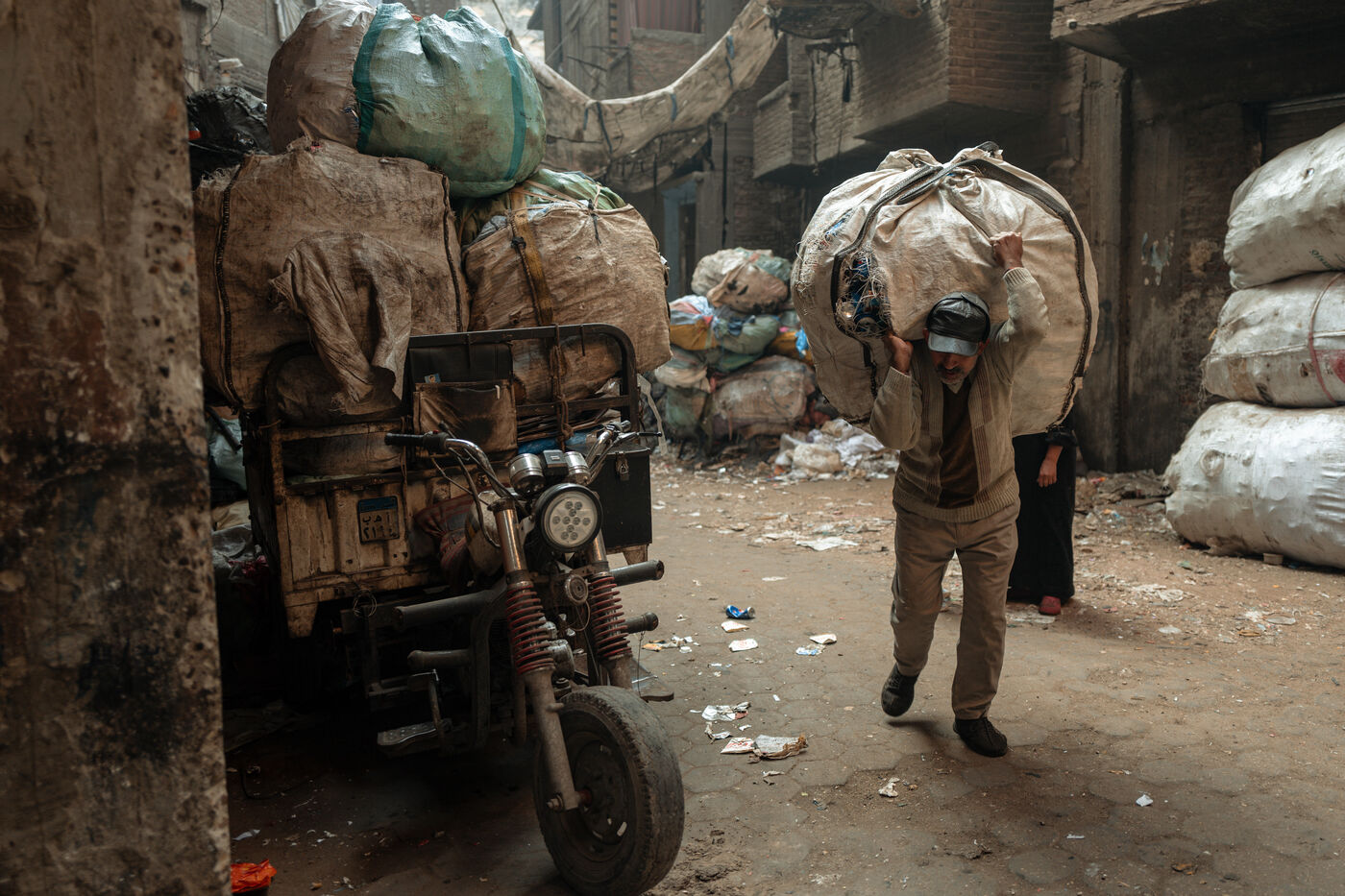
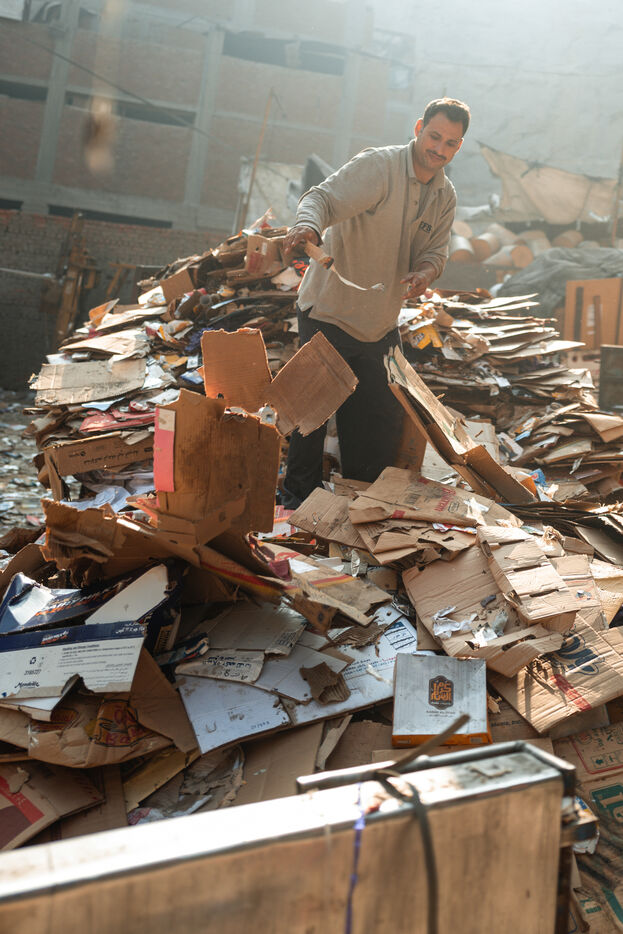
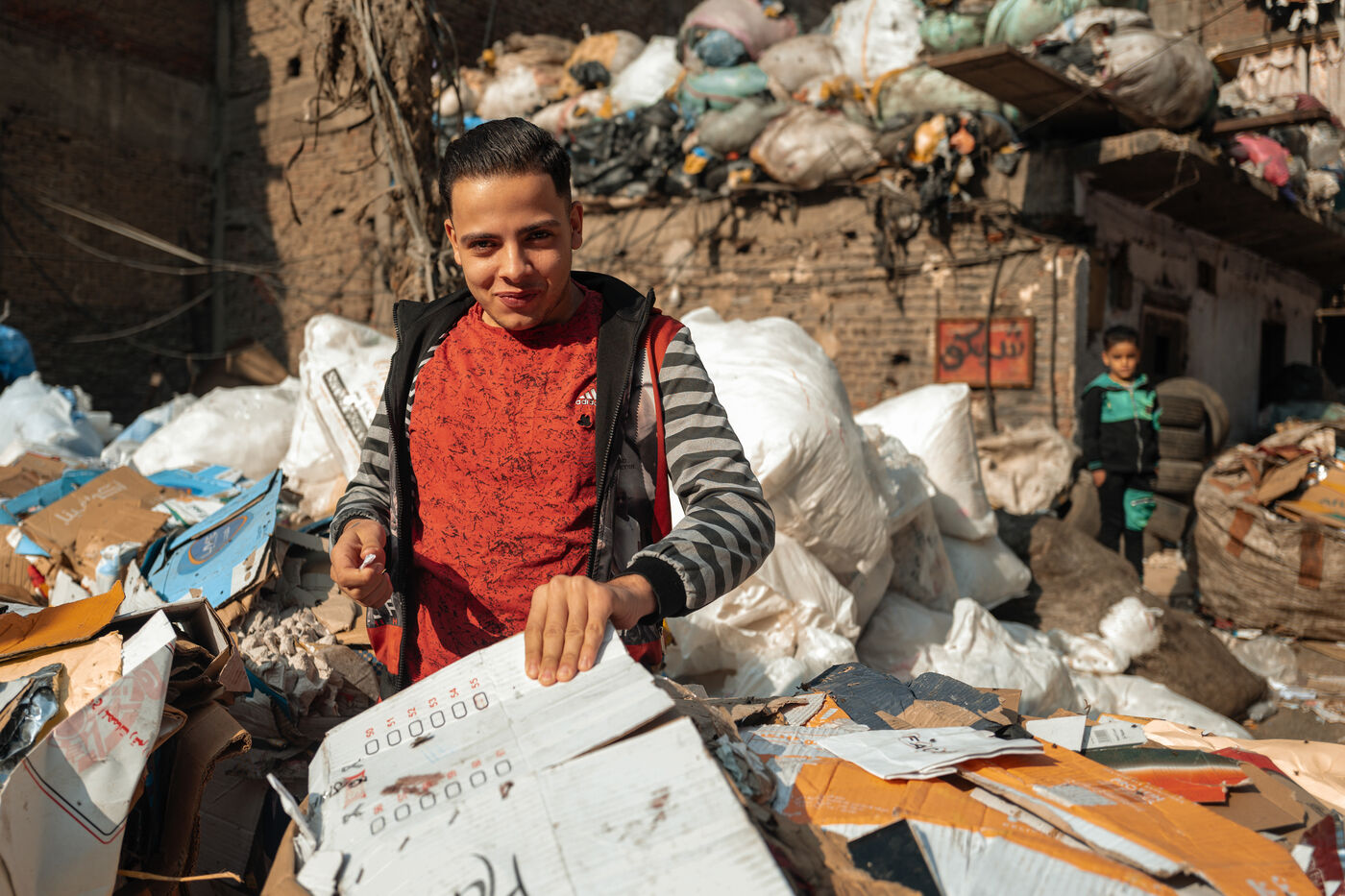
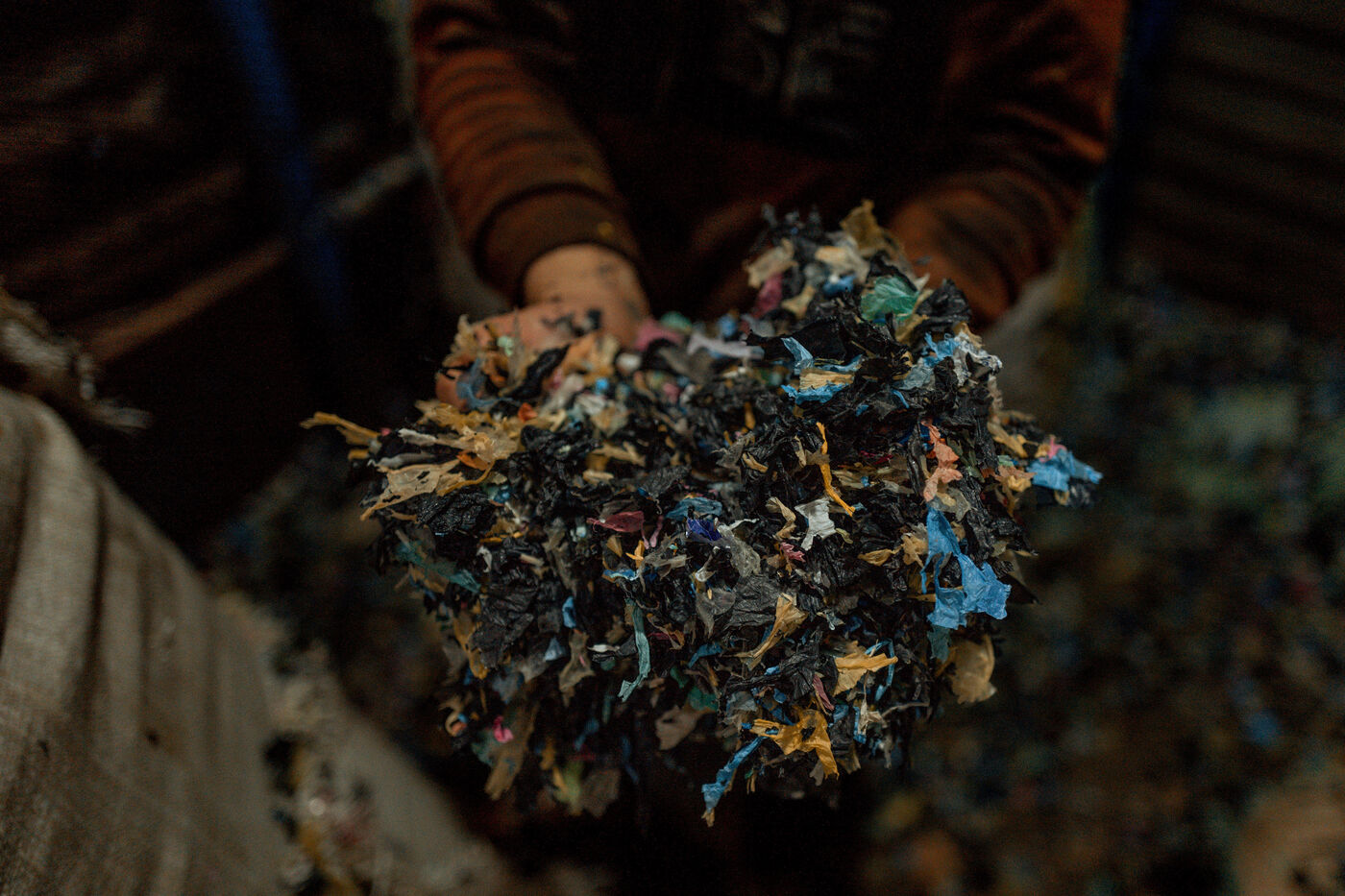
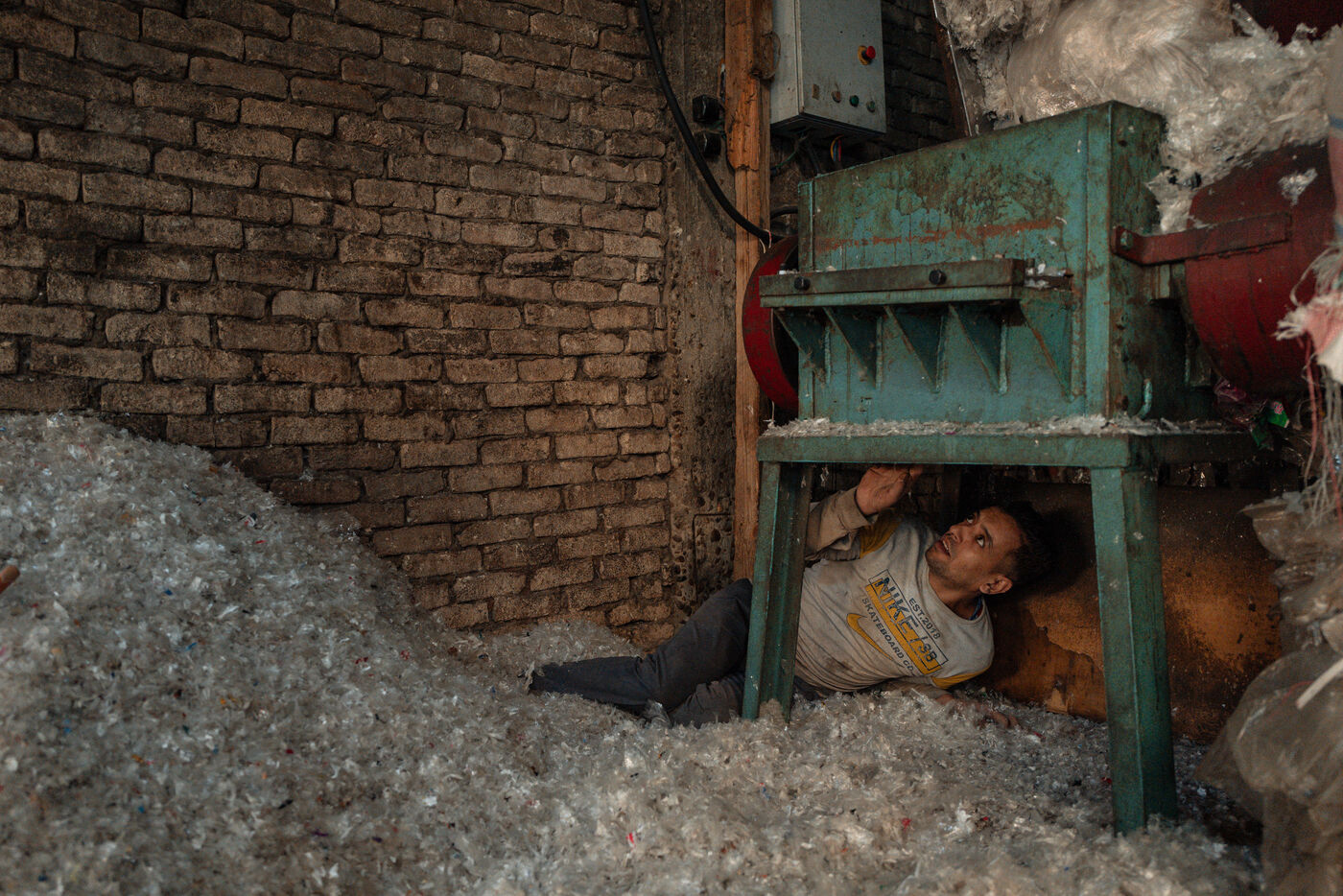
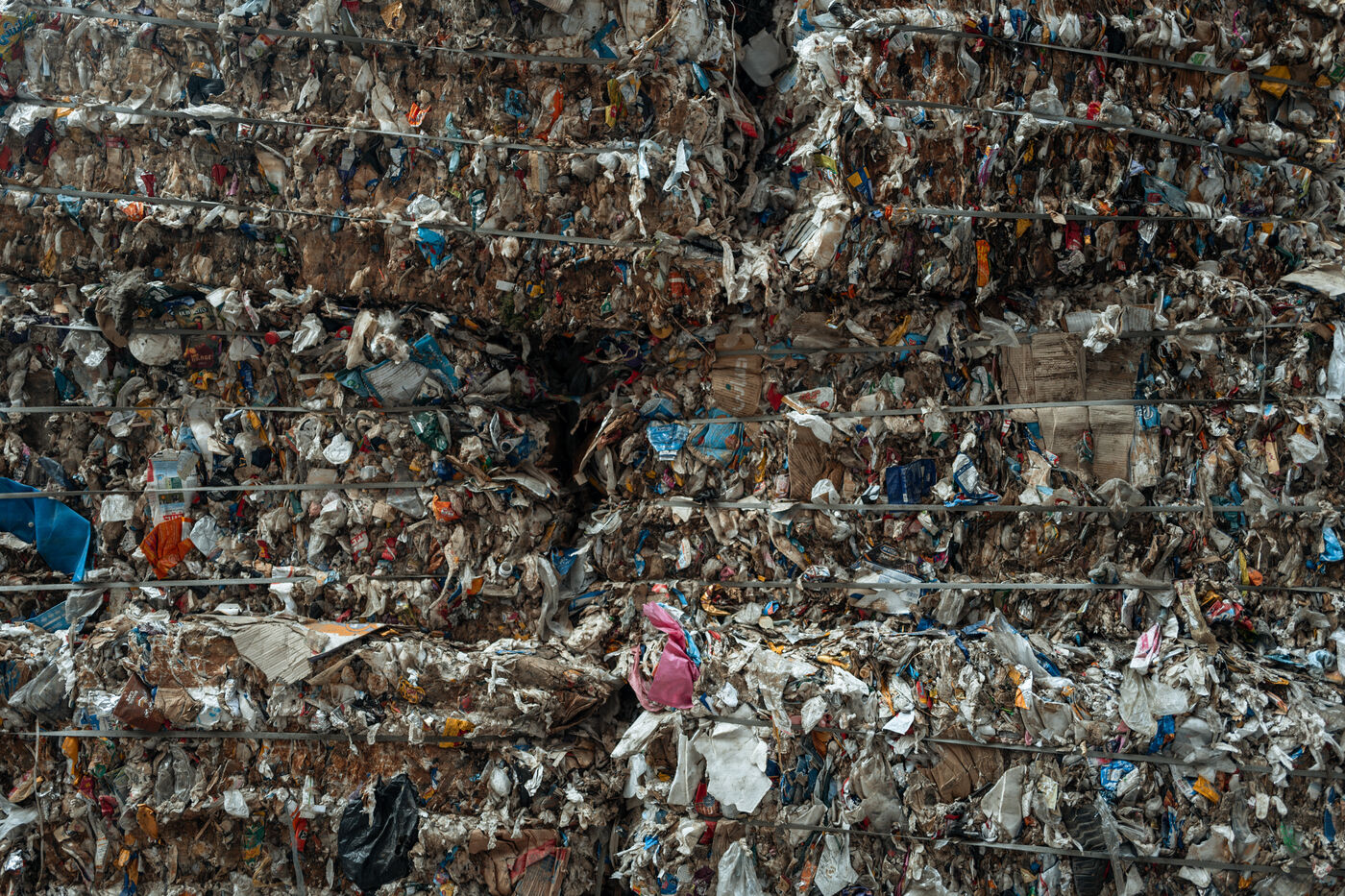
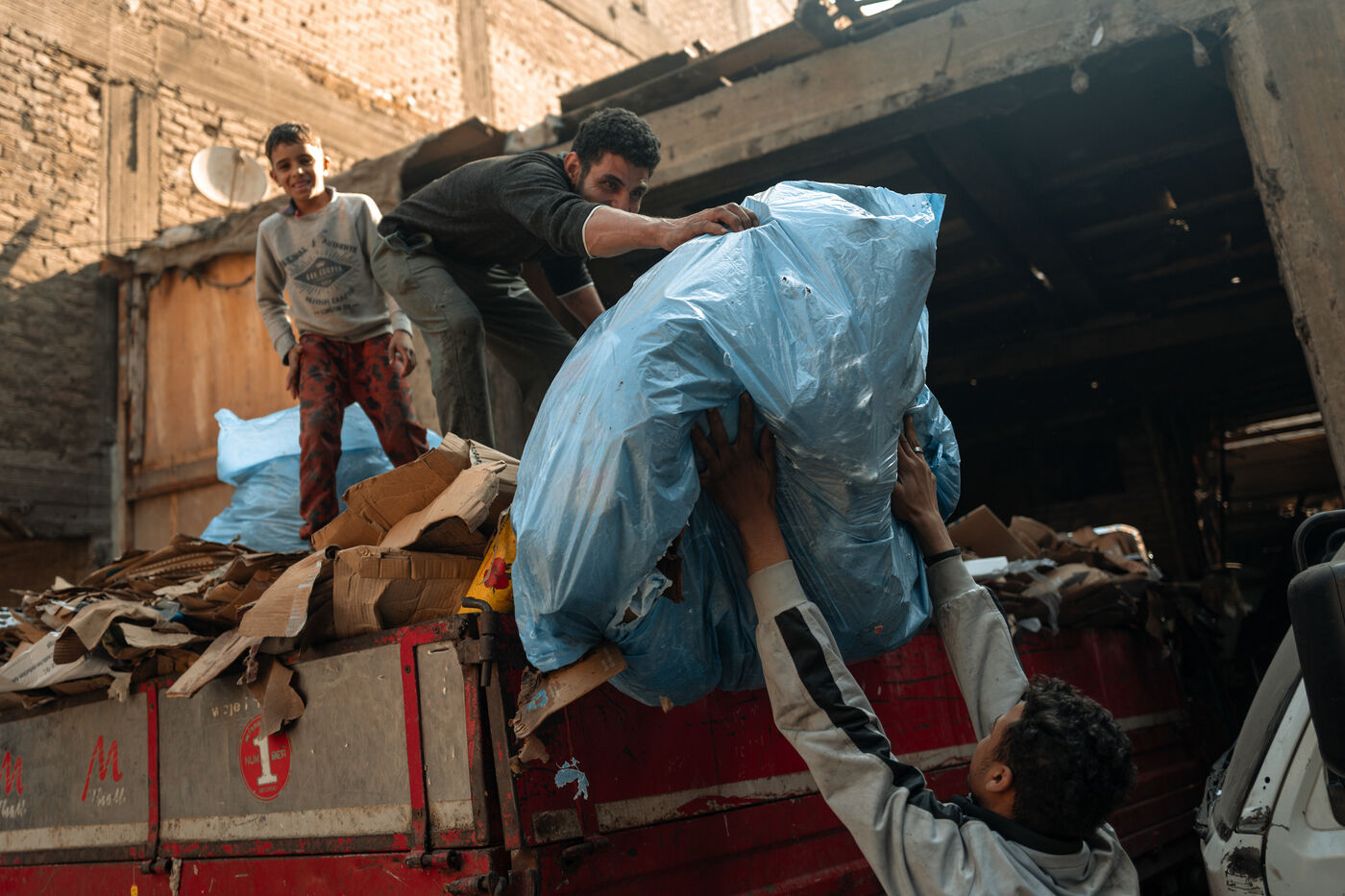
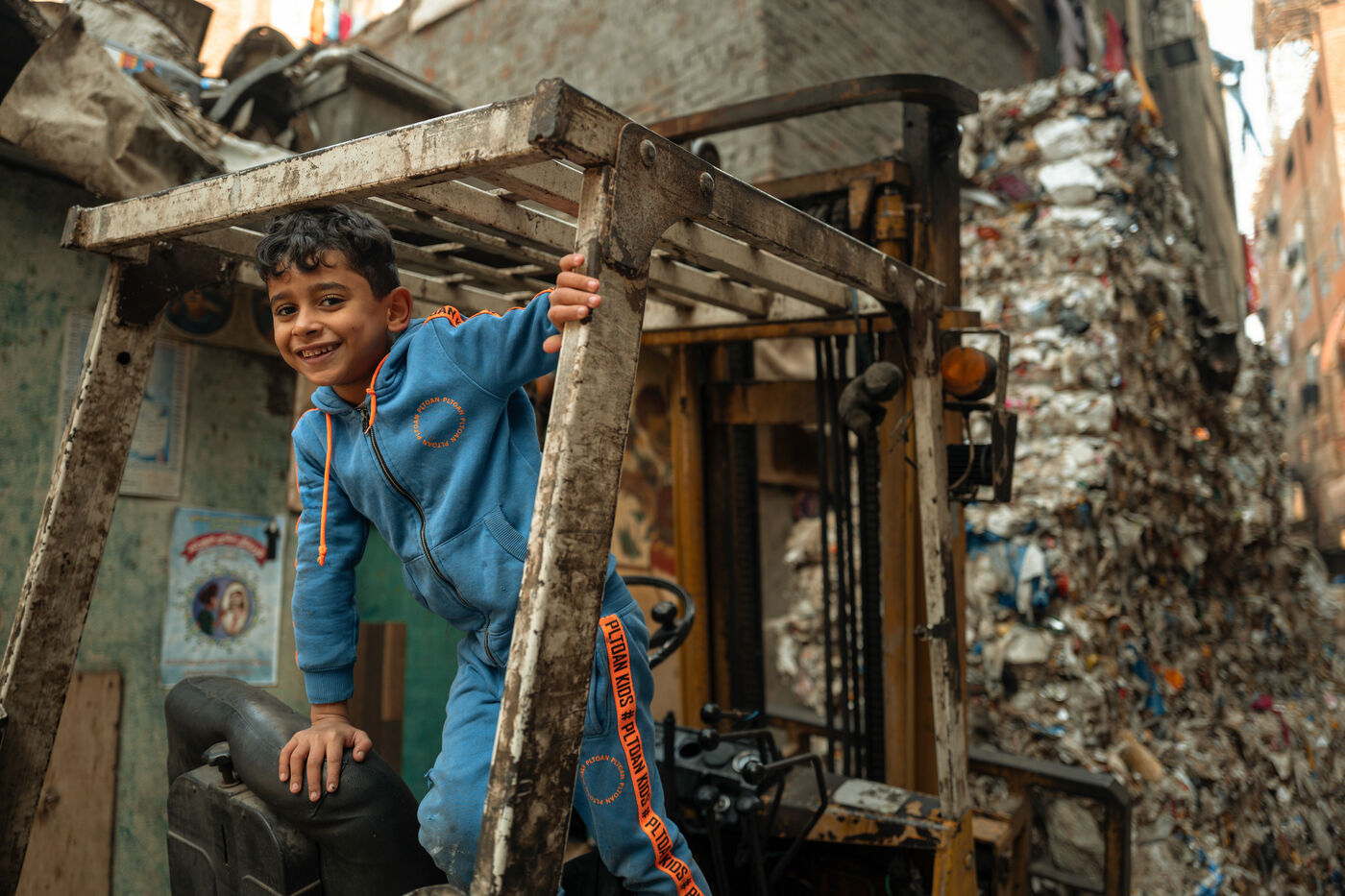
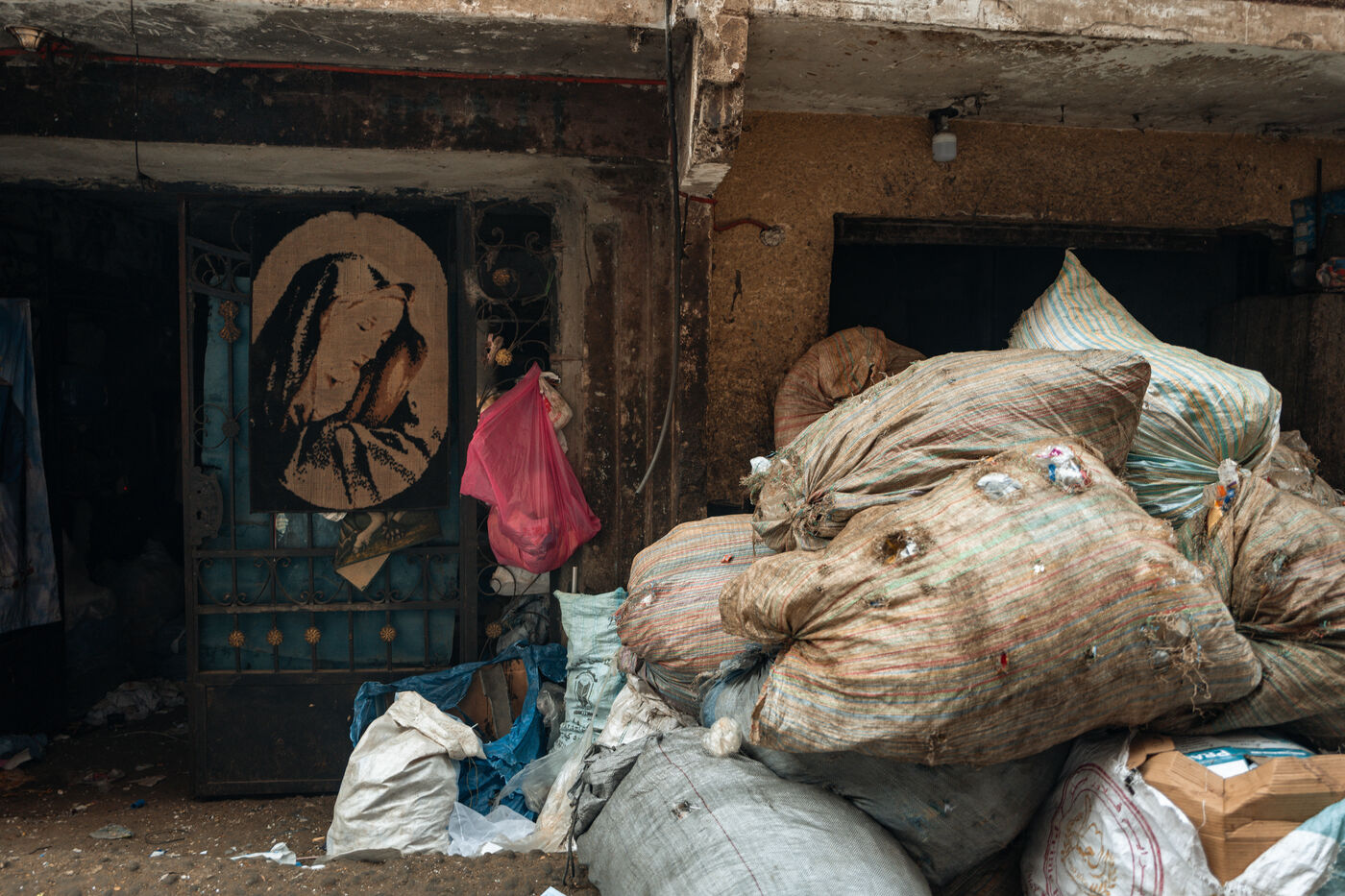
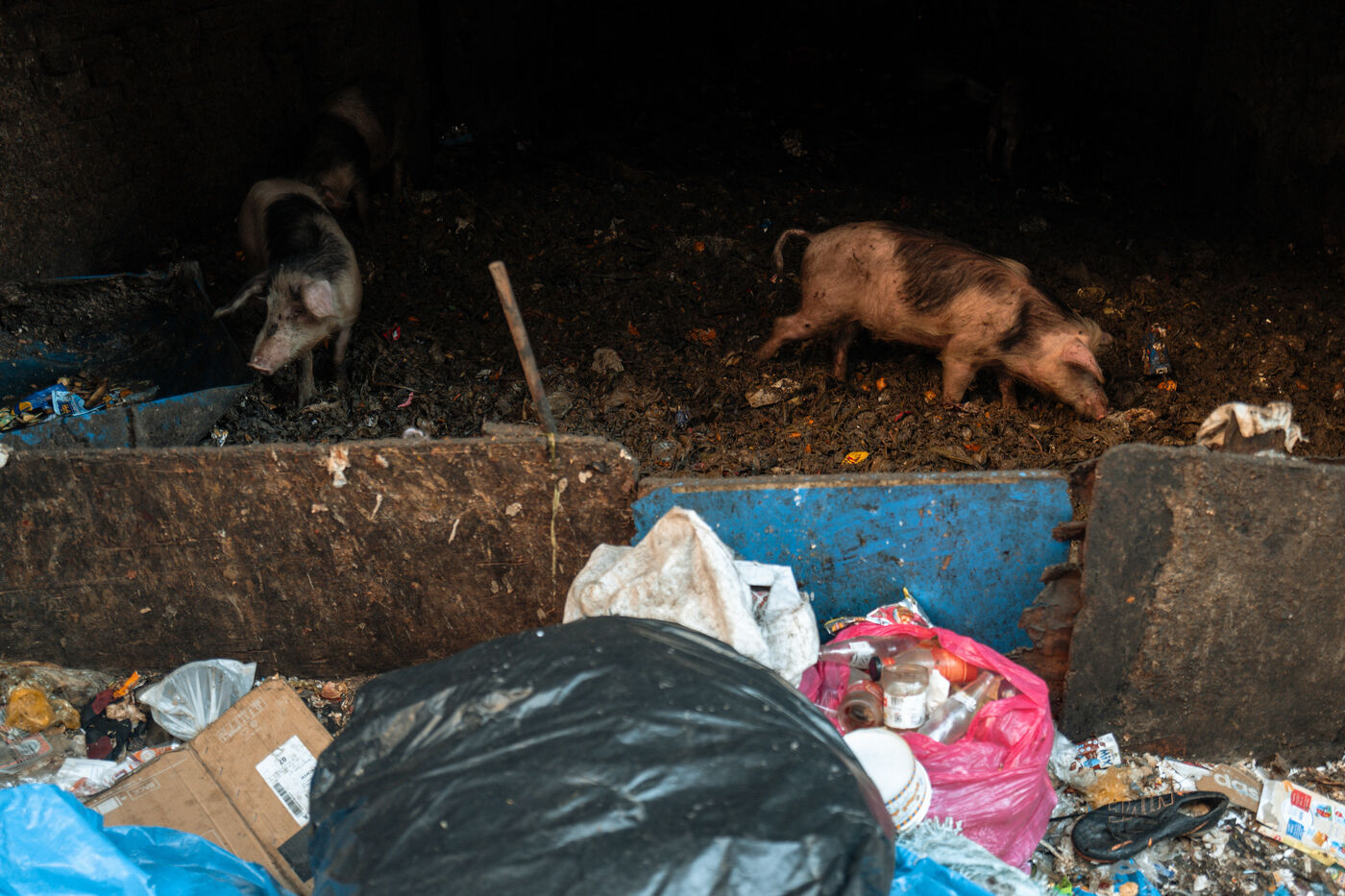
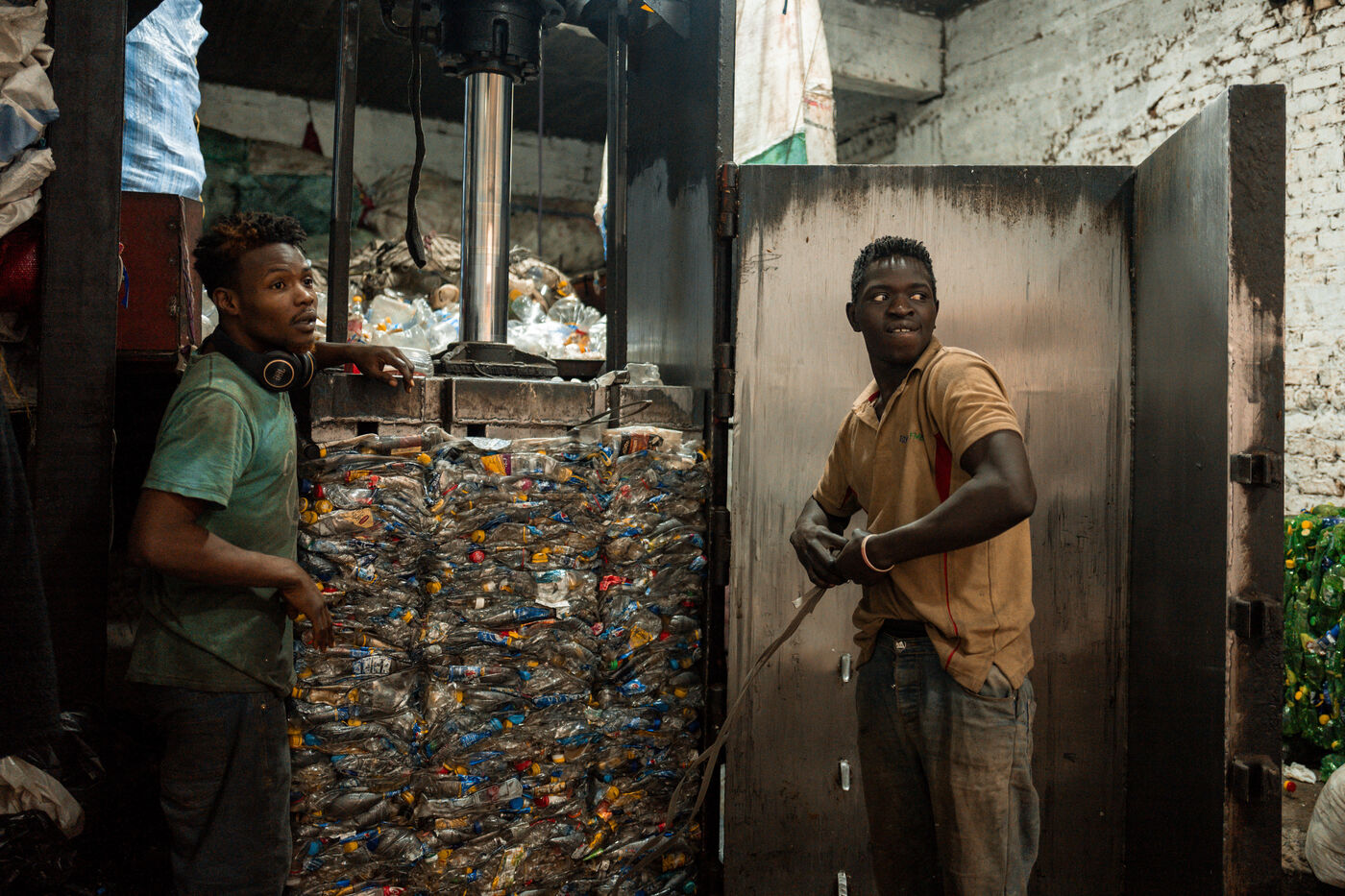
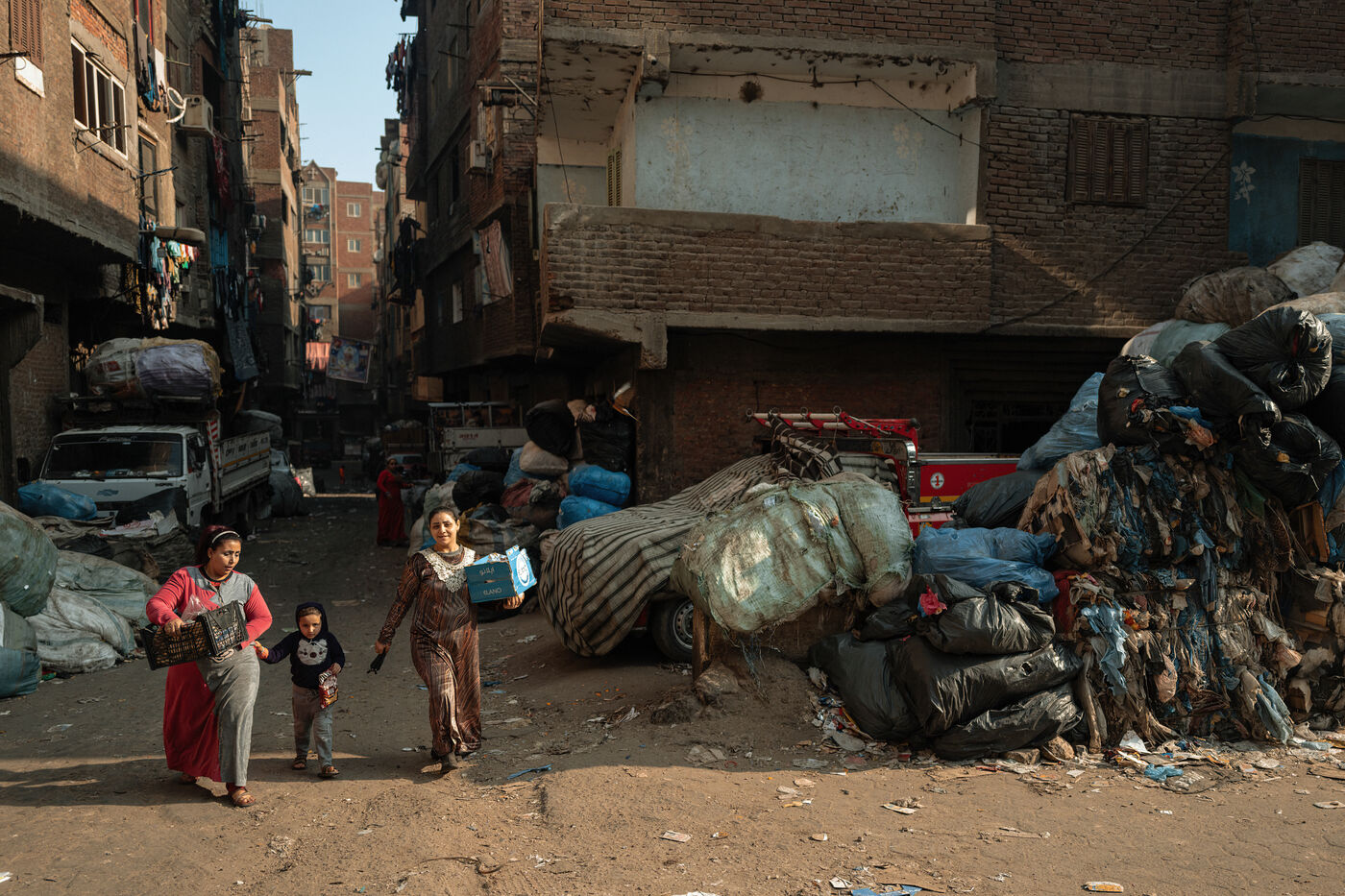
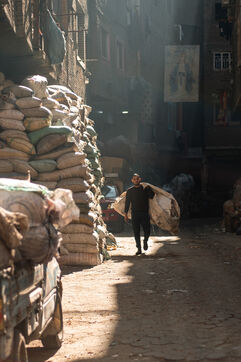
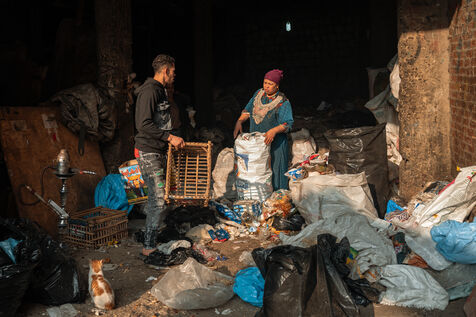
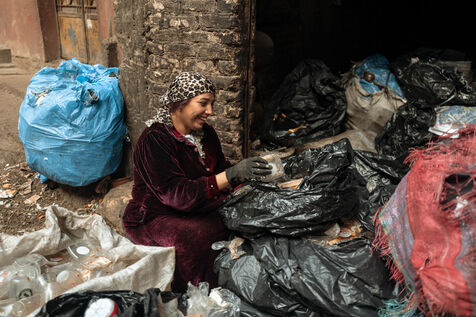
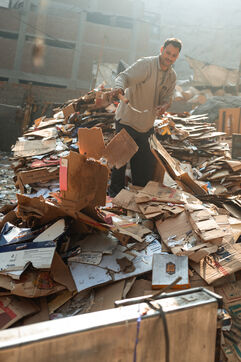
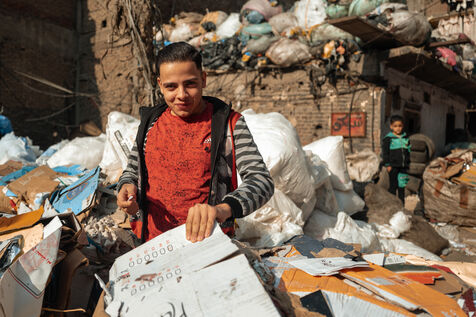
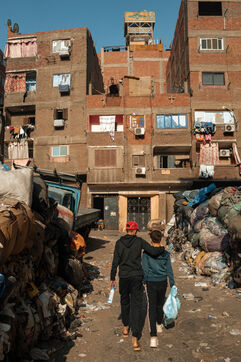
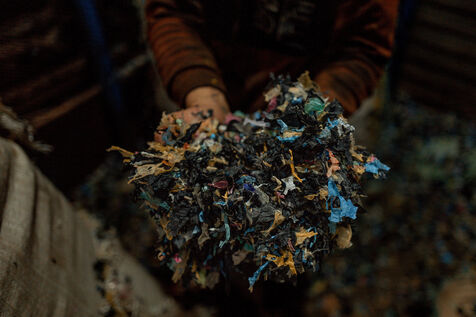
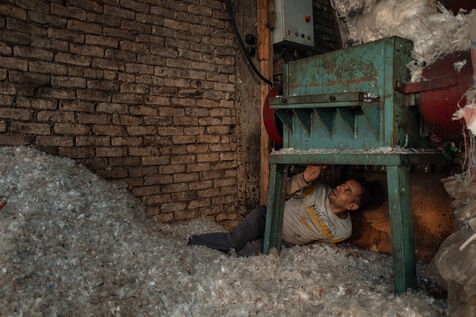
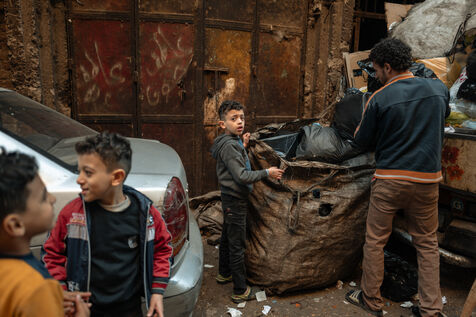
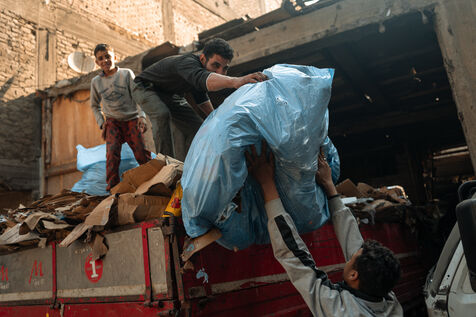
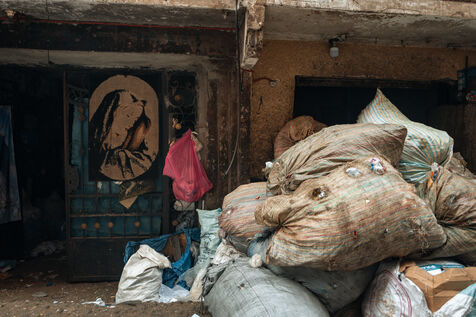
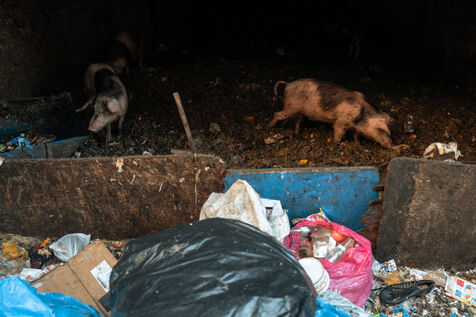
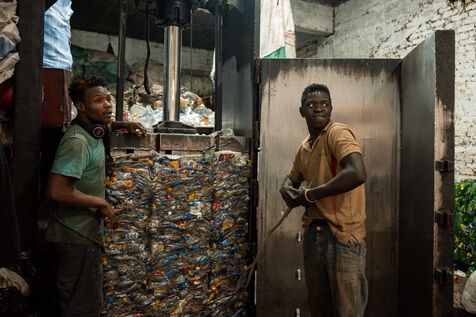
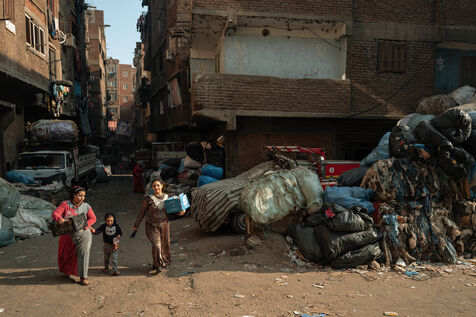
Les habitations du quartier servent de centres de tri où plastique, papier, verre, métaux et déchets organiques sont séparés manuellement puis revendus aux filières du recyclage. Bien que fonctionnant en marge des structures officielles, ce système assure un revenu à des milliers de familles et joue un rôle essentiel dans la gestion des déchets d’une métropole de plus de 20 millions d’habitants.
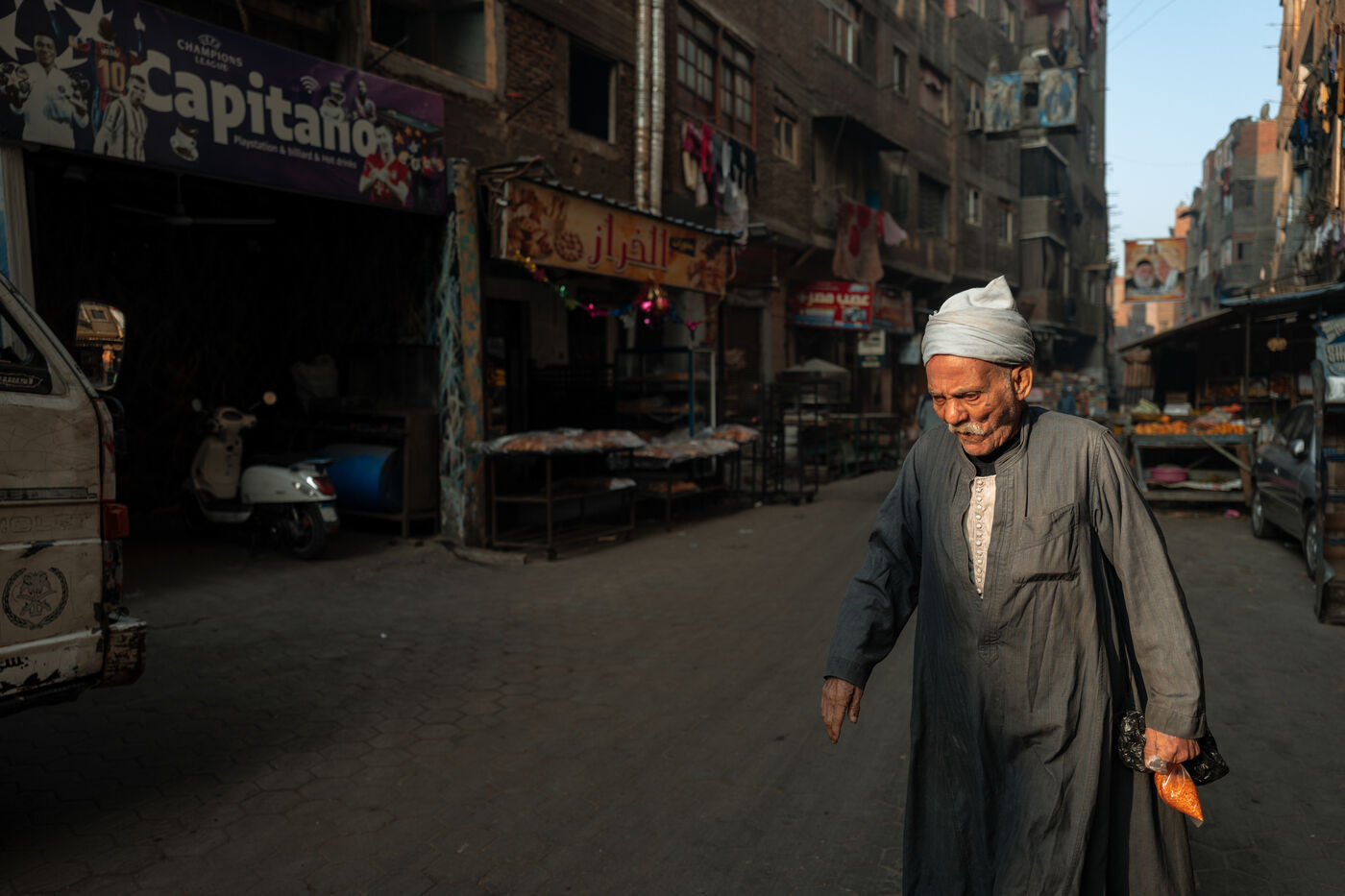
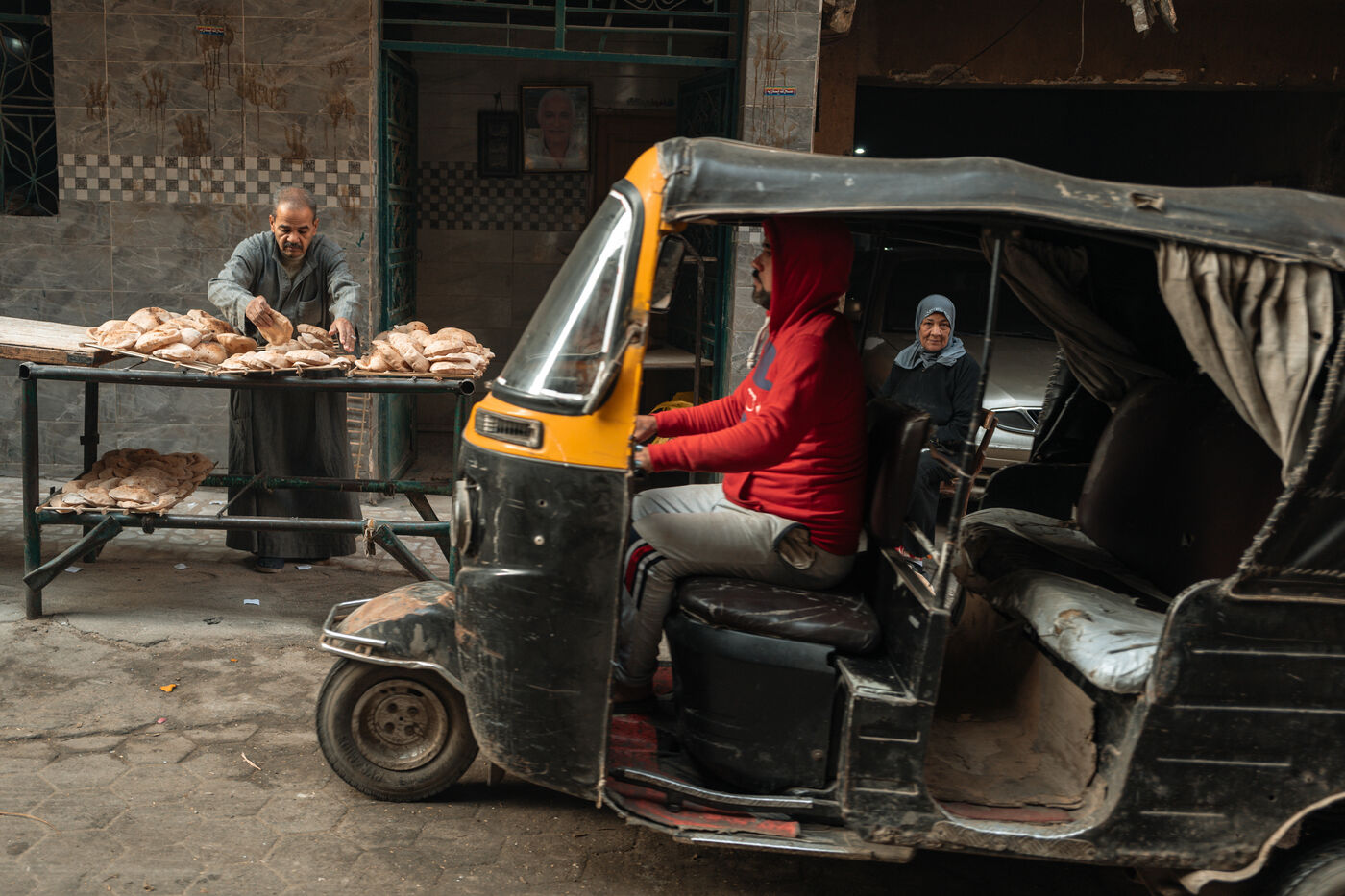
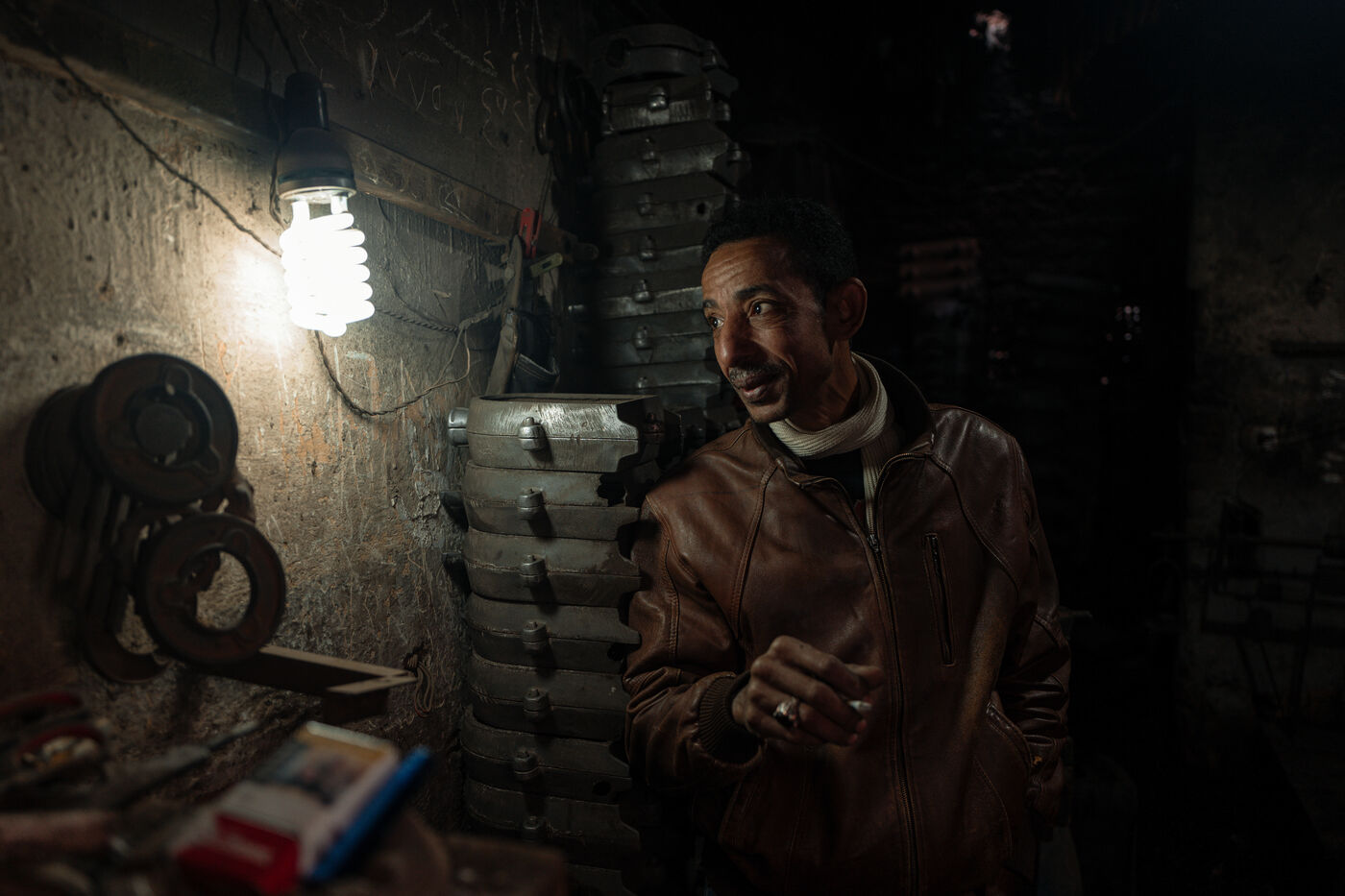
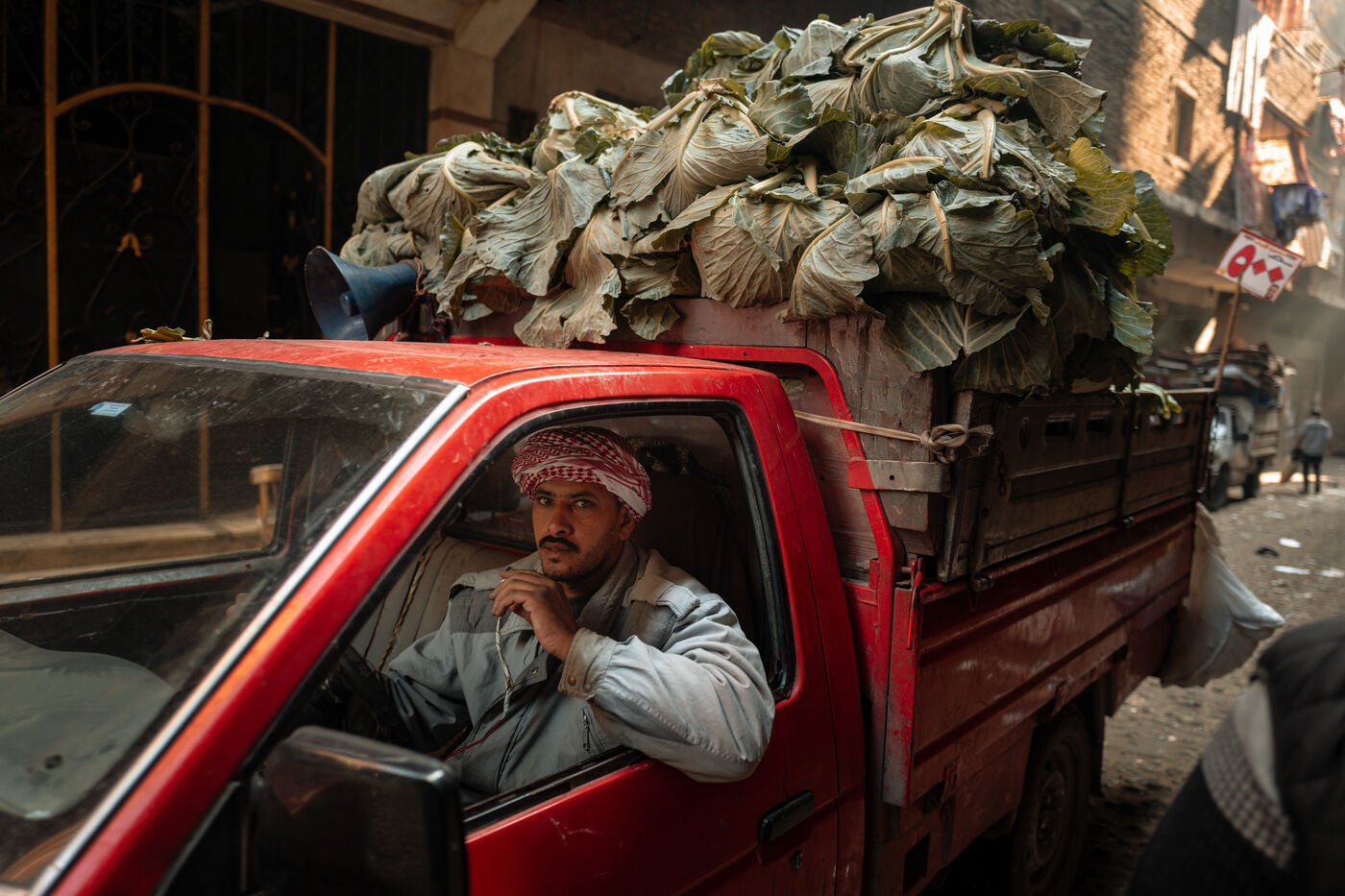
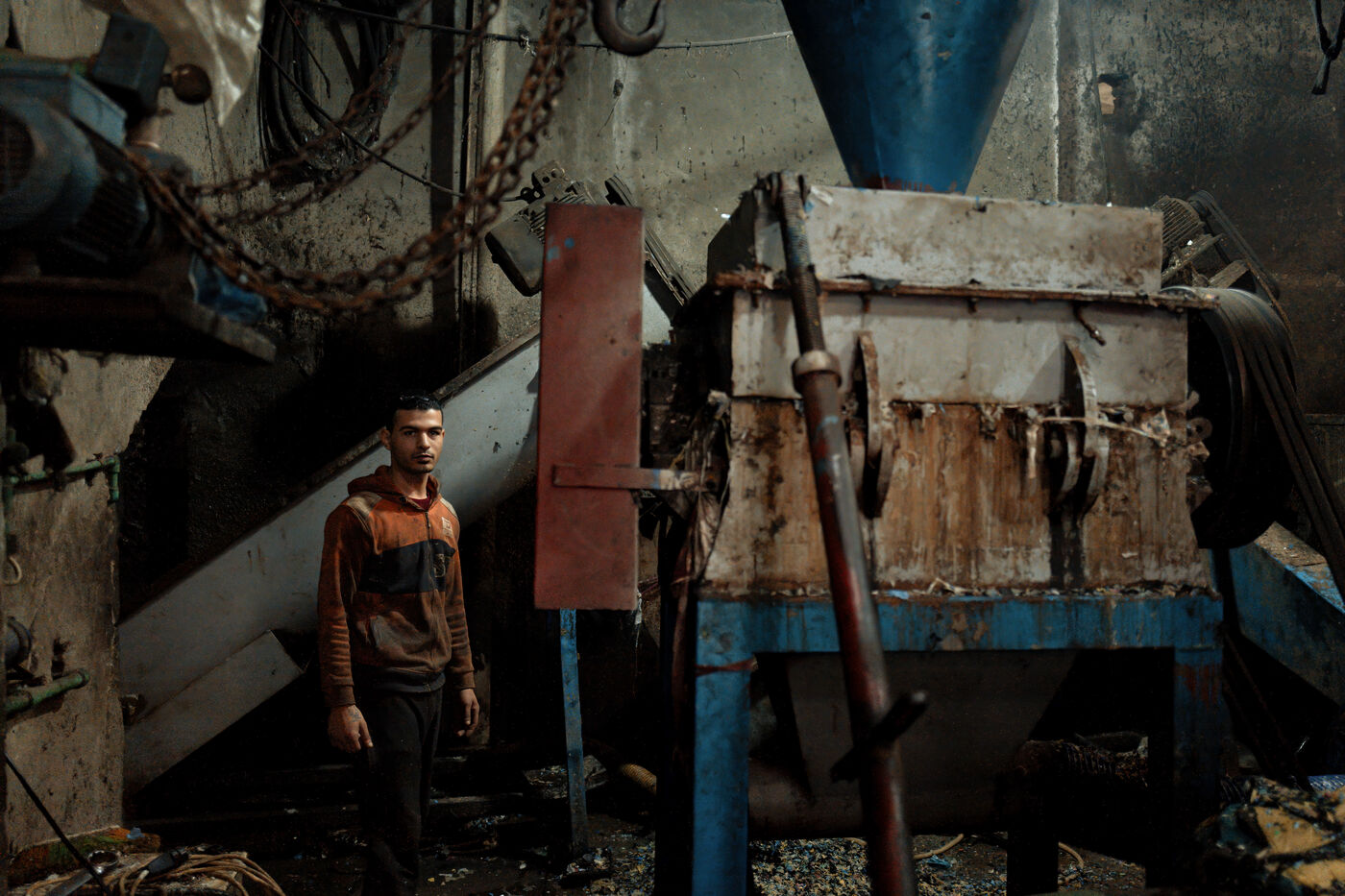
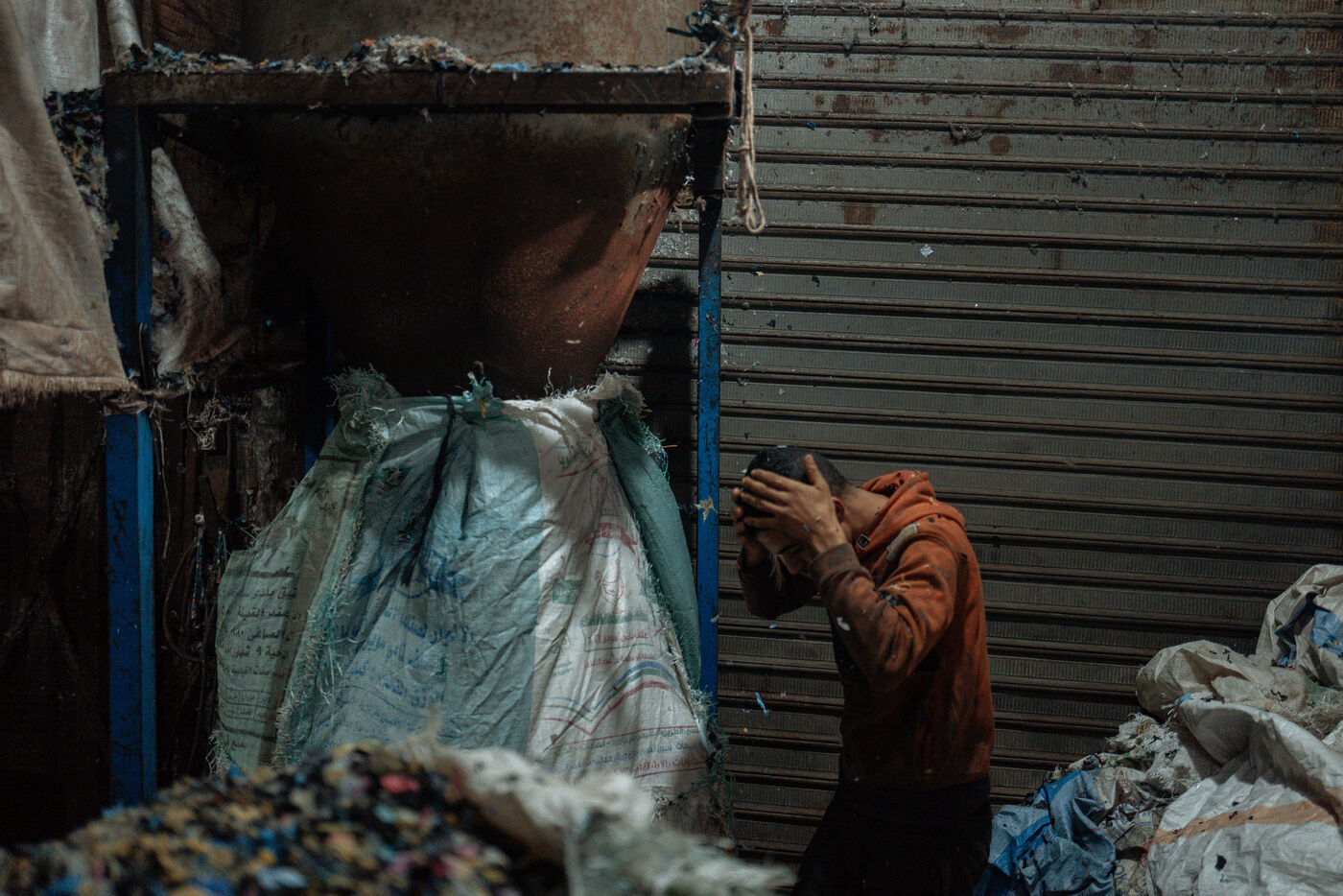
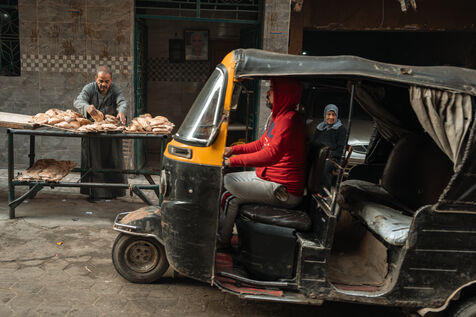
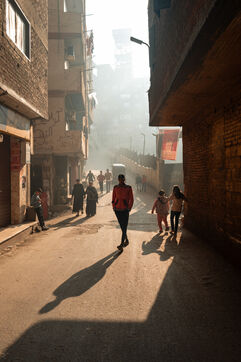
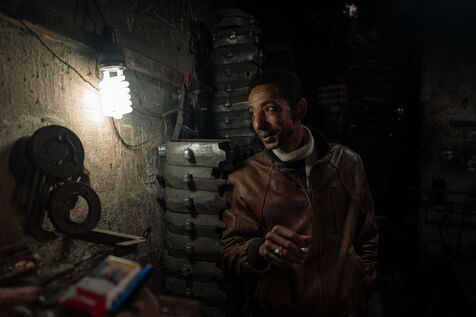
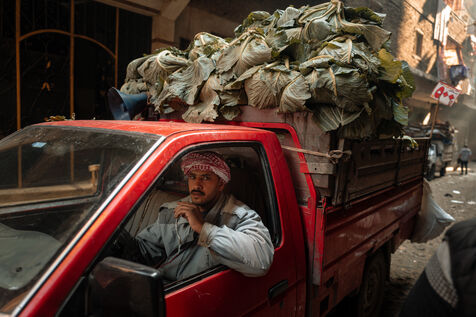
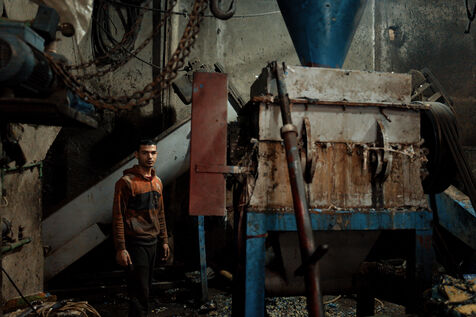
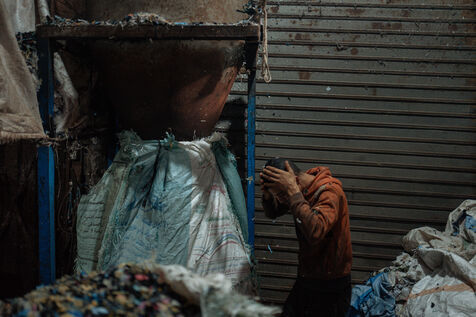
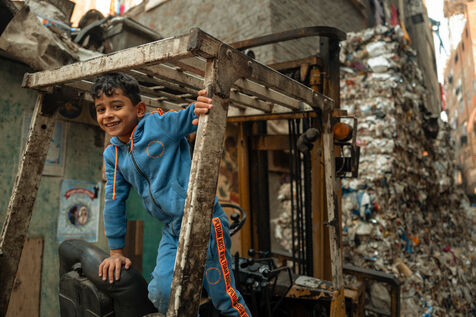
Le reportage documente l’organisation du quartier, les flux de matériaux et les conditions de travail, offrant un regard direct sur un modèle de recyclage informel indispensable à l’équilibre environnemental et économique du Caire.
Garbage City - Il Cairo
Garbage City, in the district of Manshiyat Naser, is the core of Cairo’s informal waste management network. Around 50,000 residents, known as the Zabbaleen, have been collecting and recycling the city’s waste for more than seventy years.
Cairo generates thousands of tonnes of waste every day, and a significant share passes through this neighbourhood. What makes Garbage City unique is its recycling efficiency: the Zabbaleen recover up to 80% of the material they collect, a rate far higher than that of formal municipal systems and among the highest recorded in urban contexts.
Homes in the district function as sorting centres where plastic, paper, glass, metals and organic waste are separated manually and sold to recycling industries. Although operating outside formal structures, this system provides work for thousands of families and plays a crucial role in managing the waste of a metropolis of more than 20 million inhabitants.
The reportage documents the organisation of the neighbourhood, the flow of materials and the working conditions, offering a direct look at an informal recycling model that remains essential to Cairo’s environmental and economic balance.