Bass & Feathers
Histoire d'une journée sans fin Depuis plus d’une dizaine d’années, à la fin août, je me décide à quitter Lausanne, ma petite bourgade suisse, pour rejoindre Notting Hill, et participer à la métamorphose d’un territoire à part, où les influences caribéennes, africaines et européennes se mêlent et transcendent le quartier pendant deux journées.
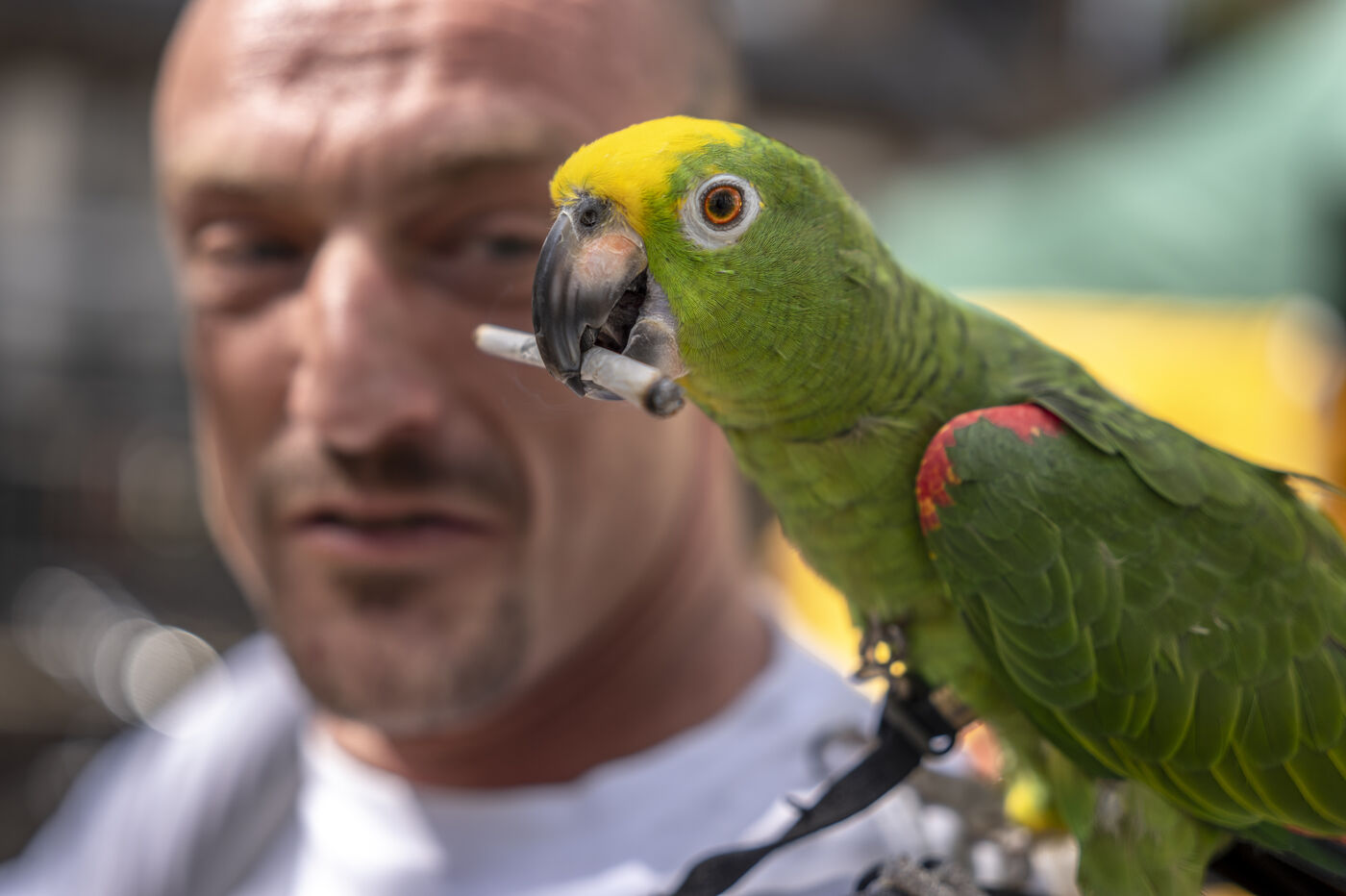
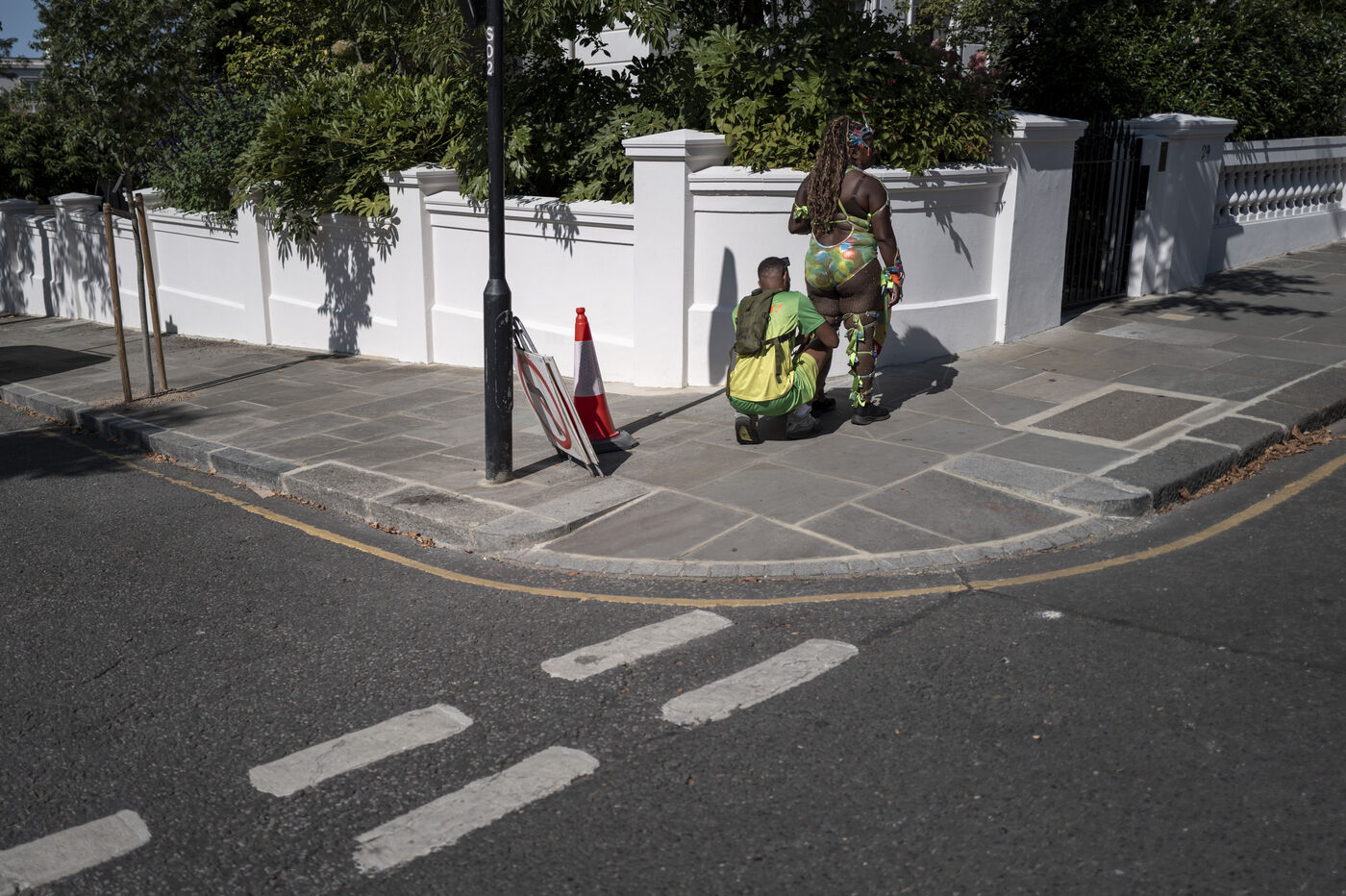
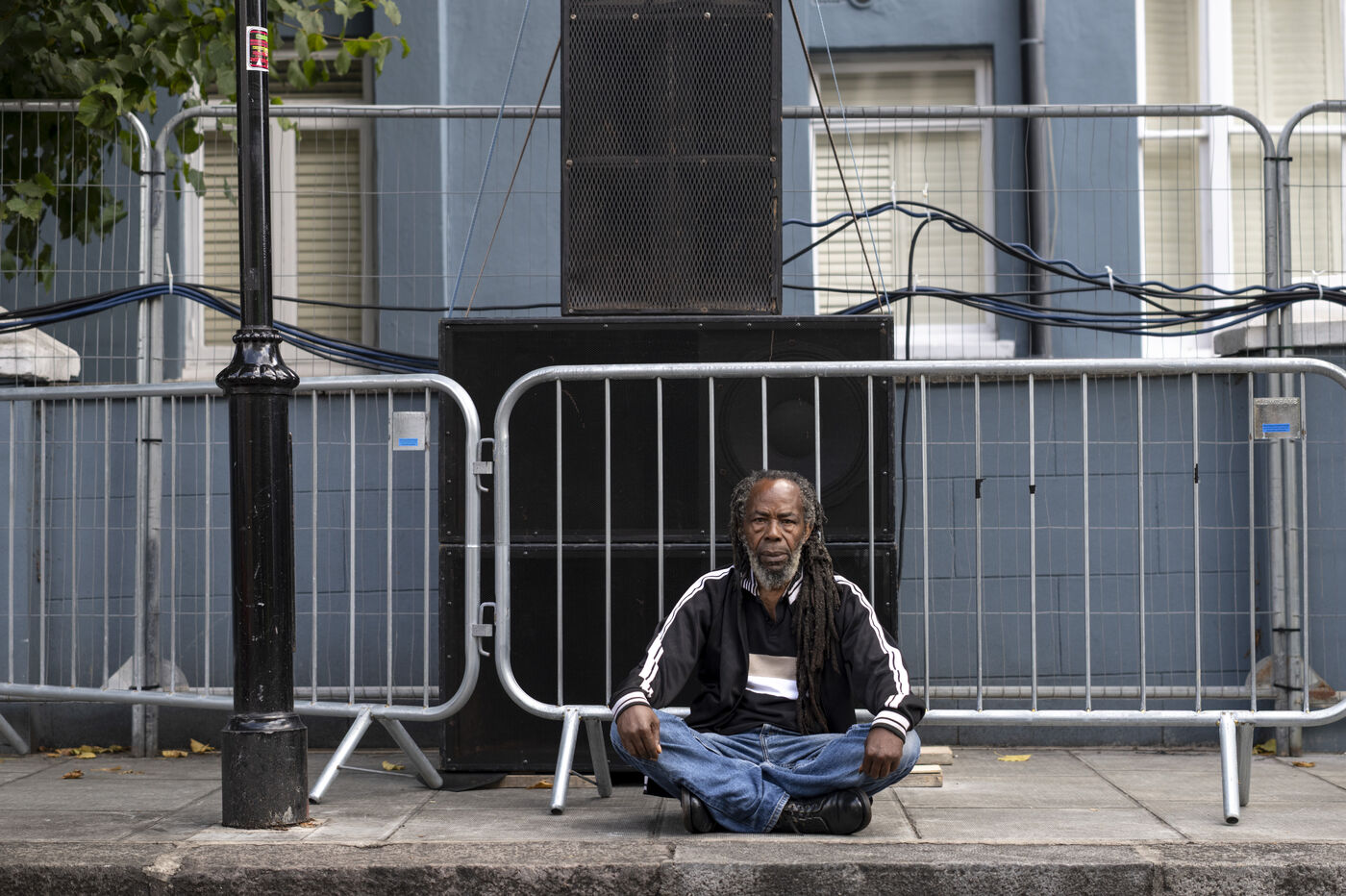
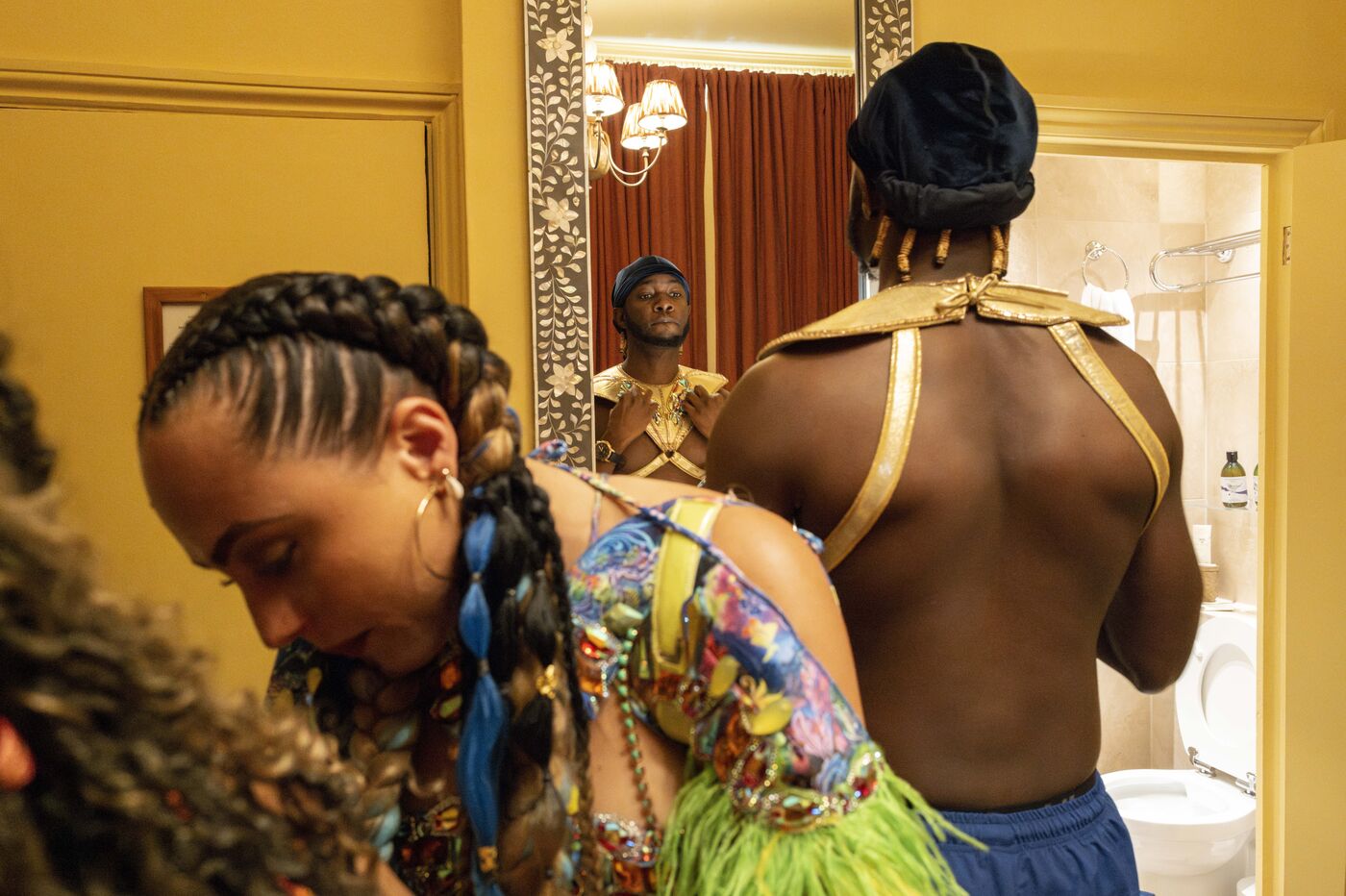
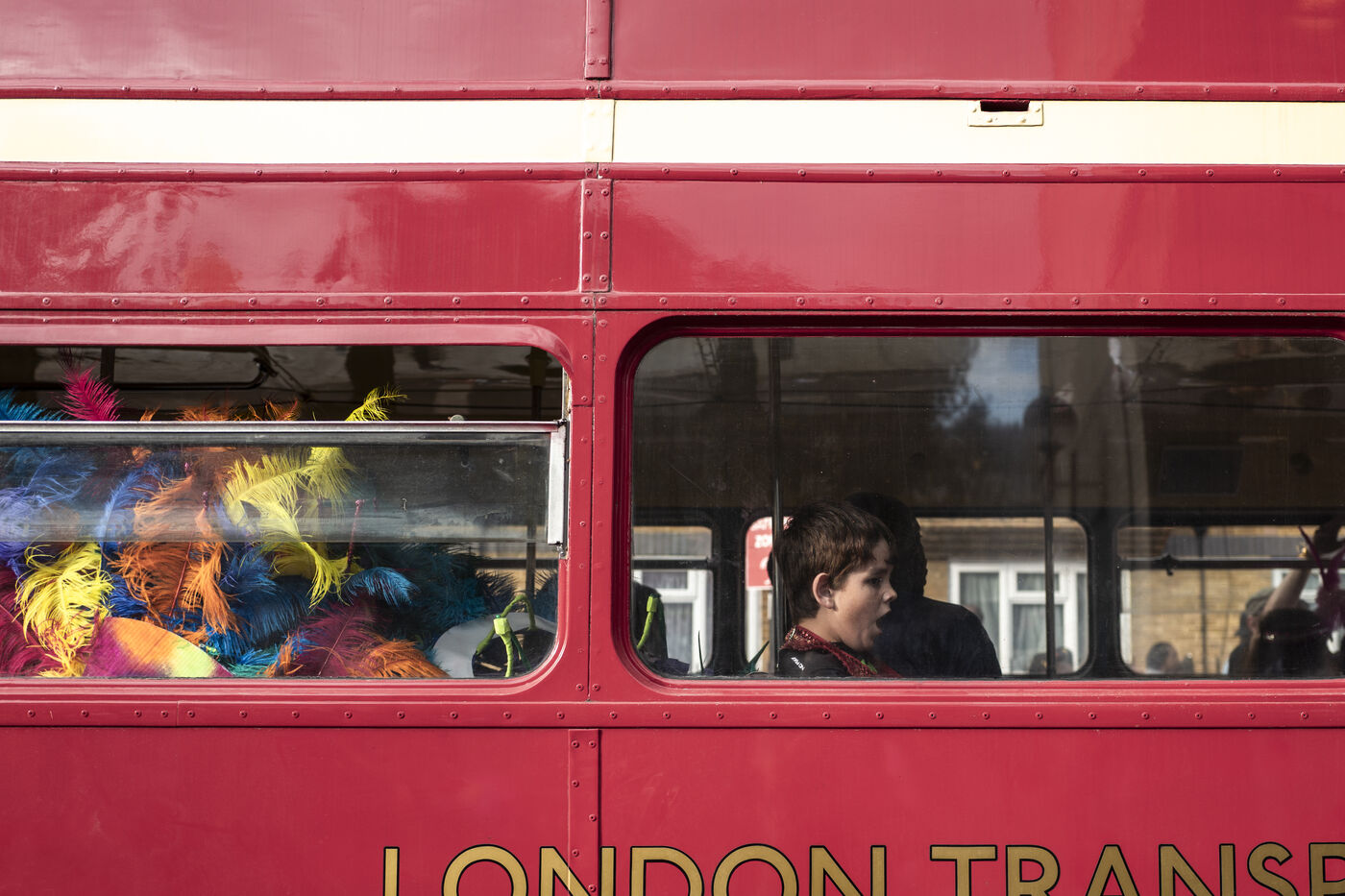
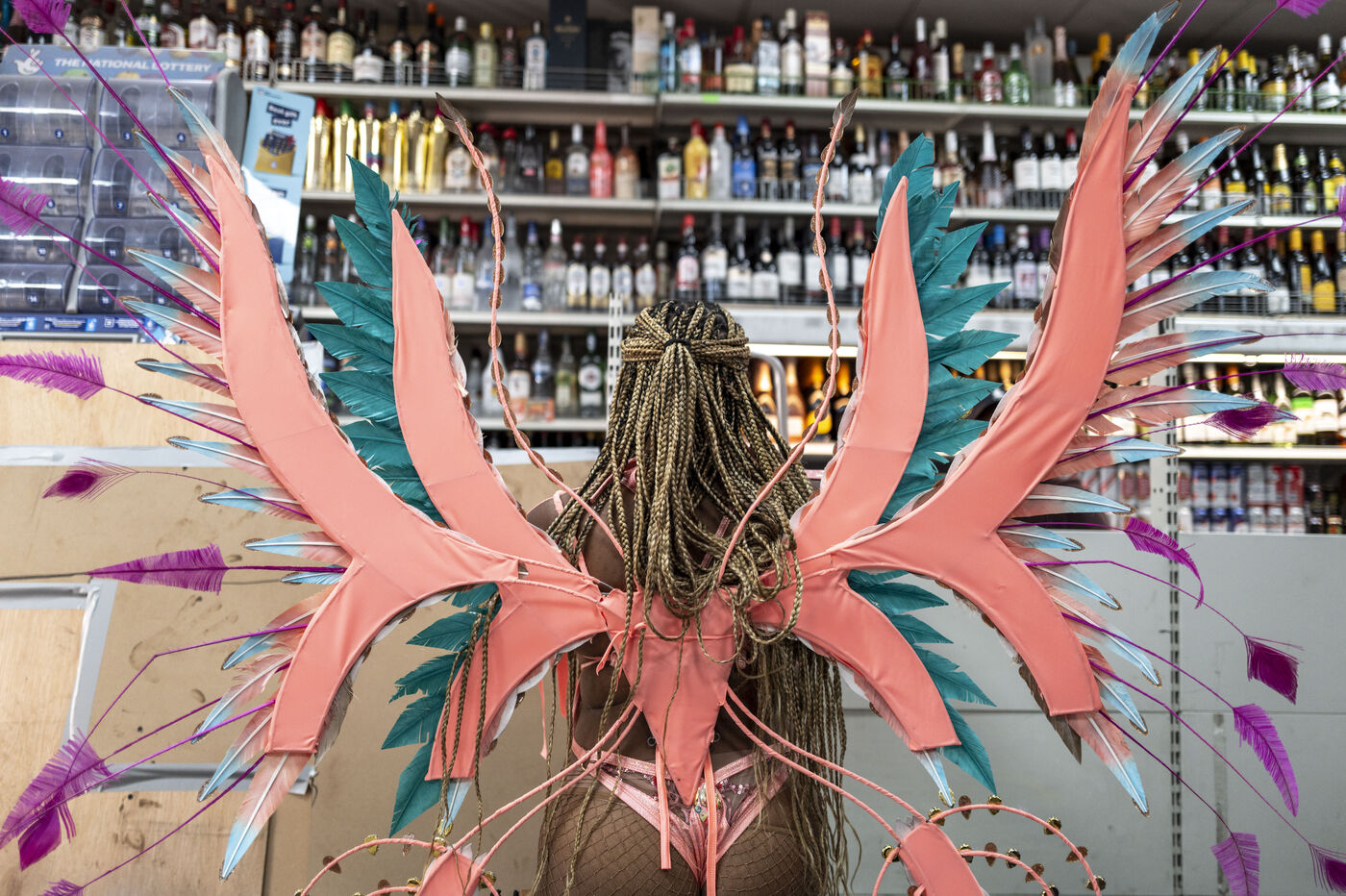
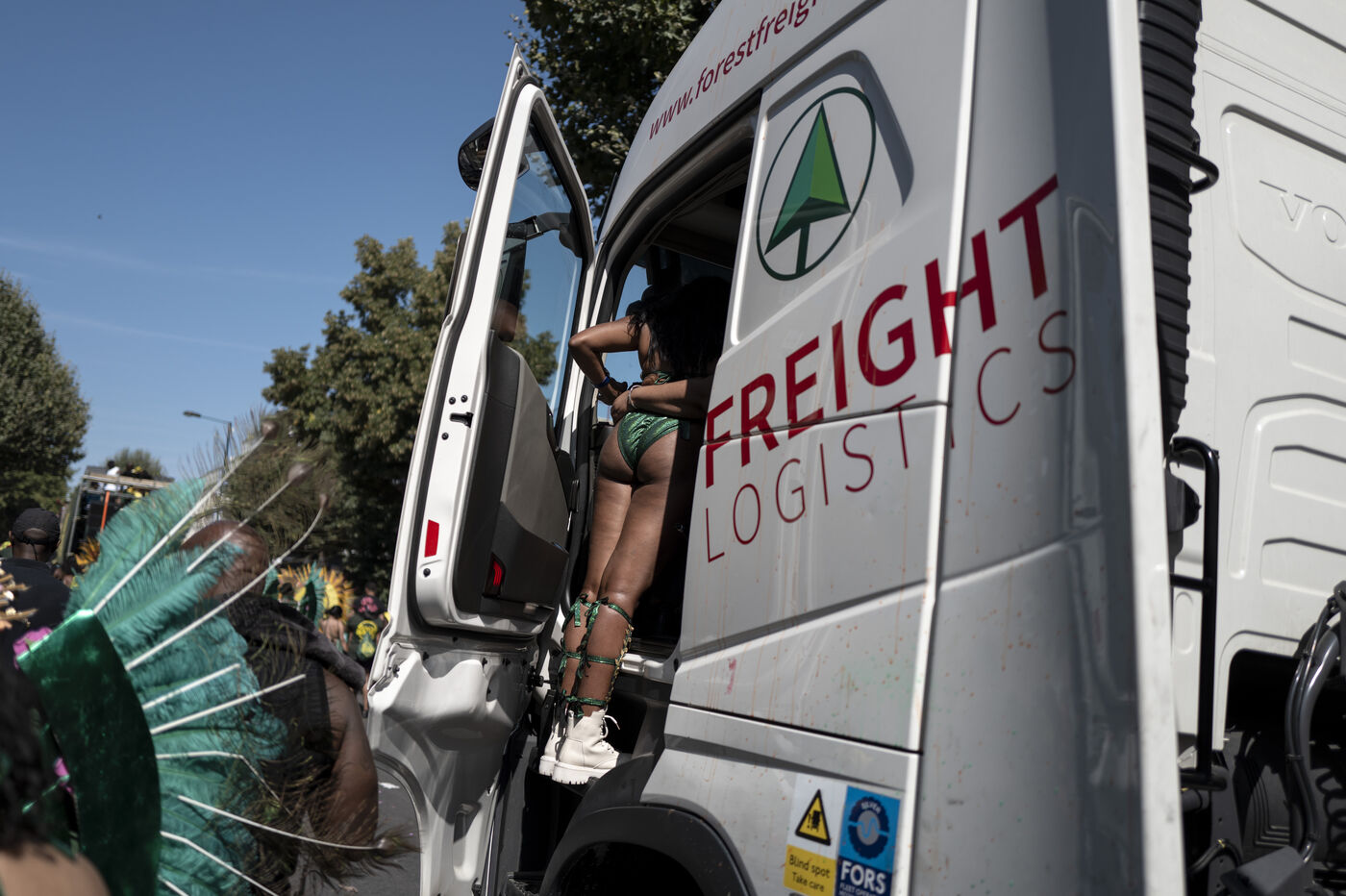
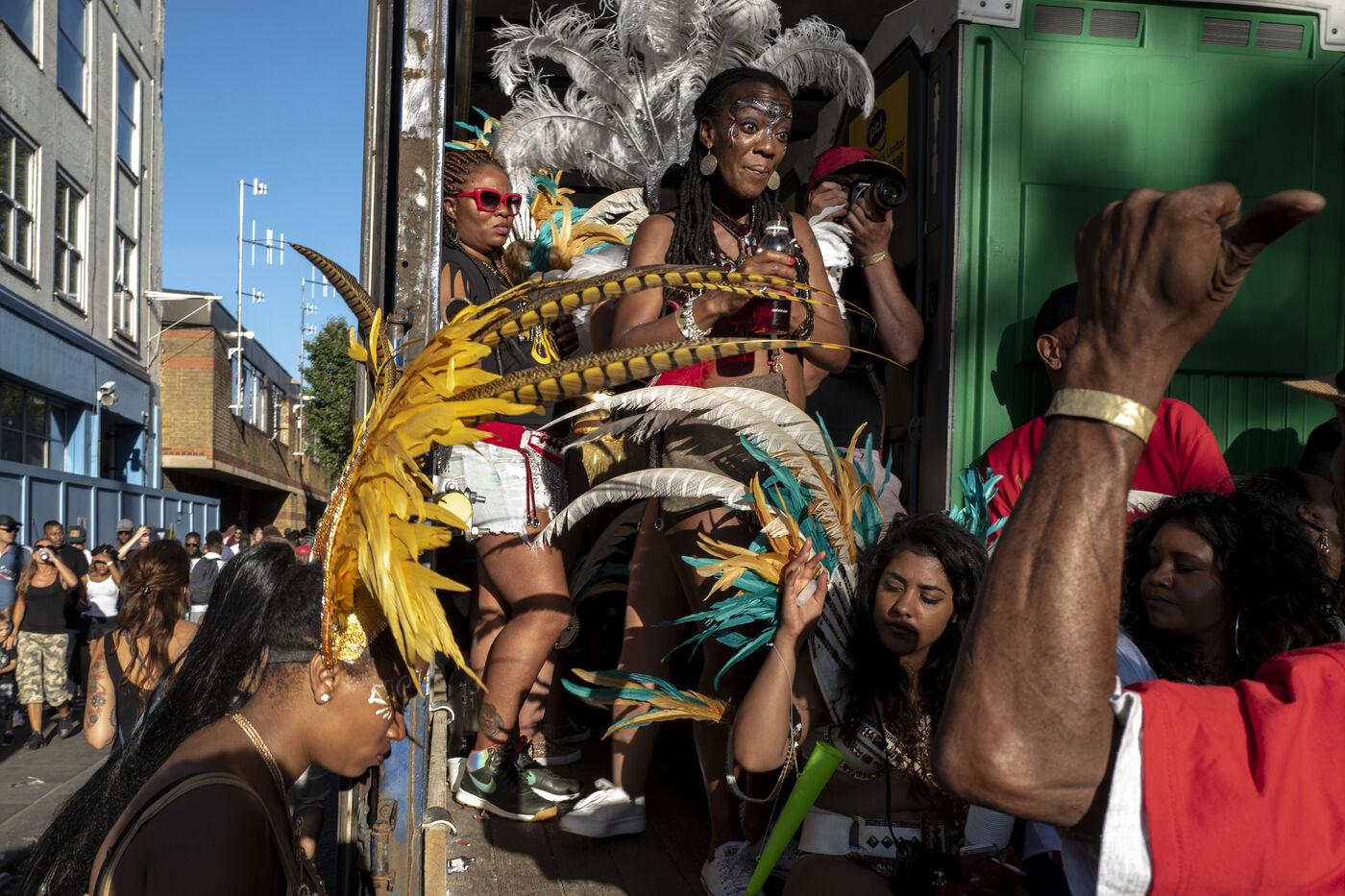
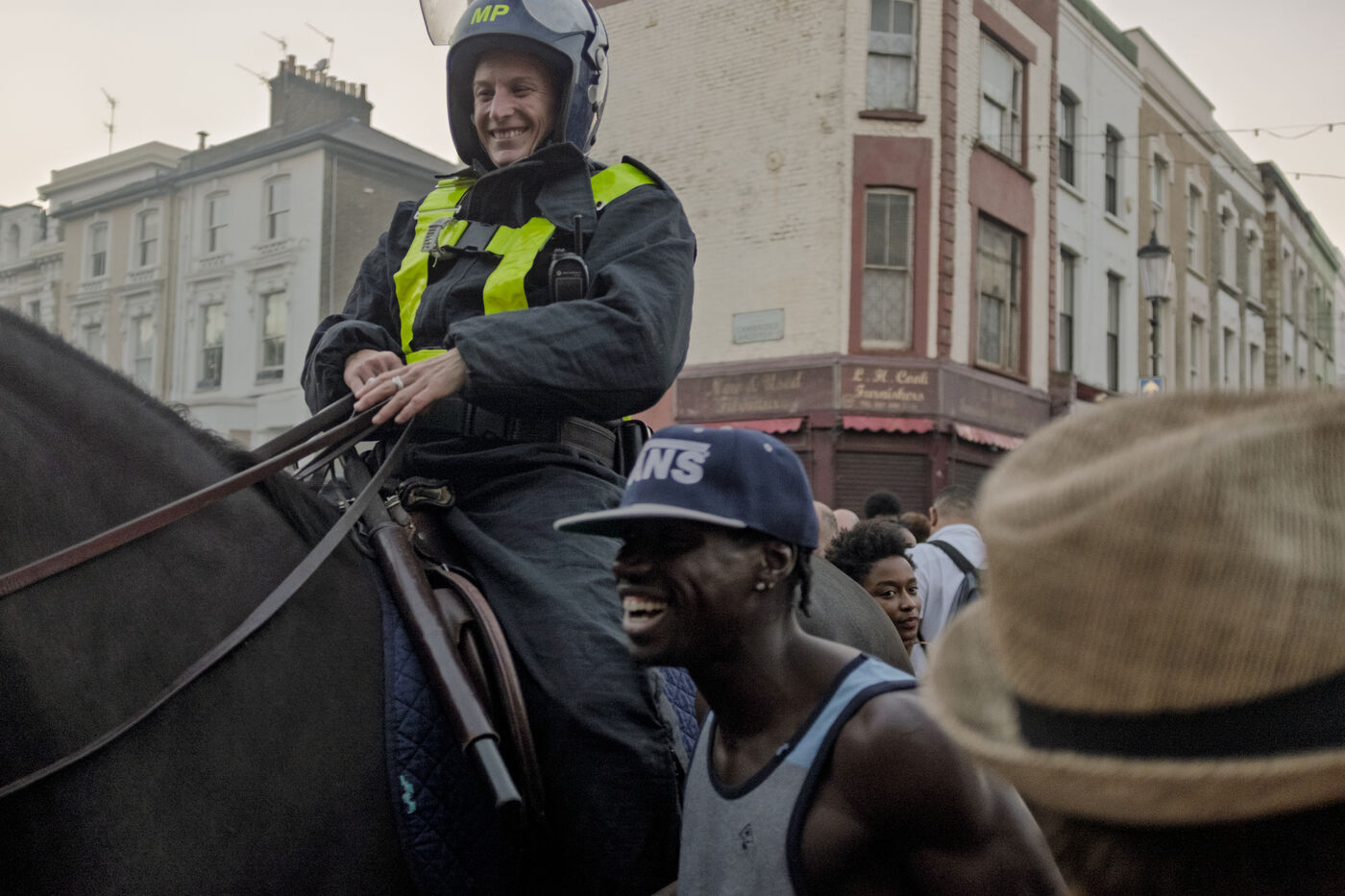
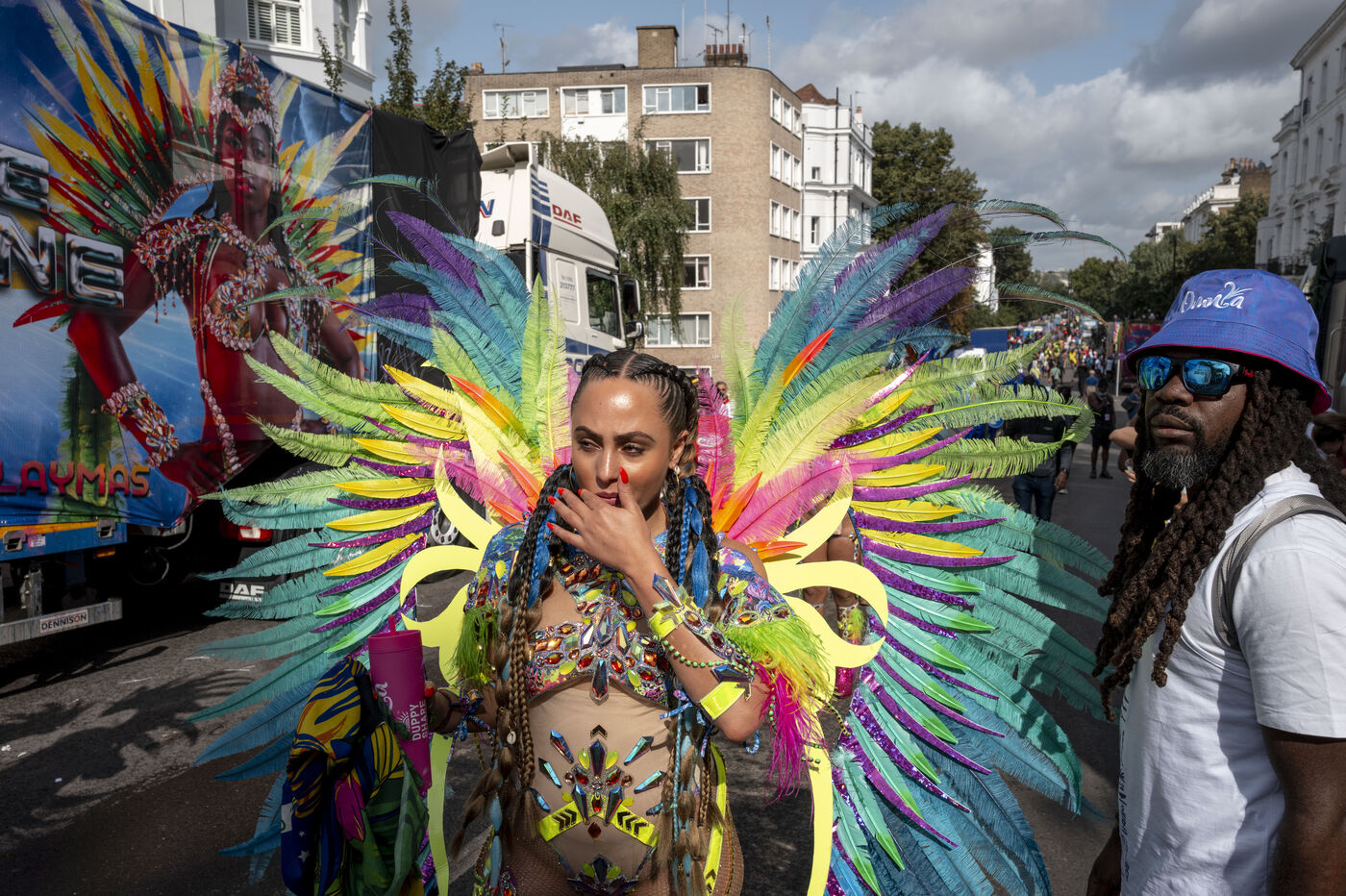
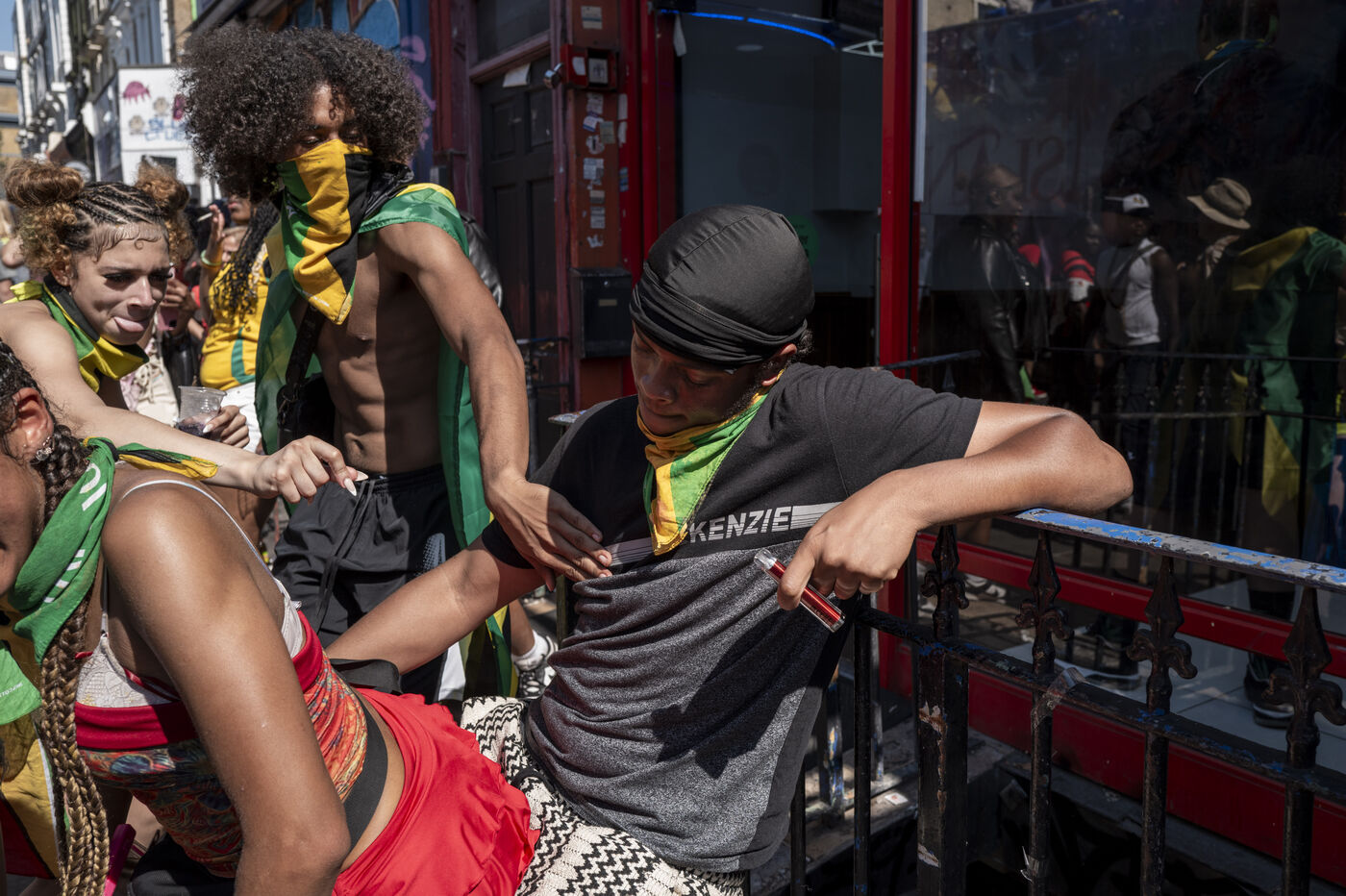
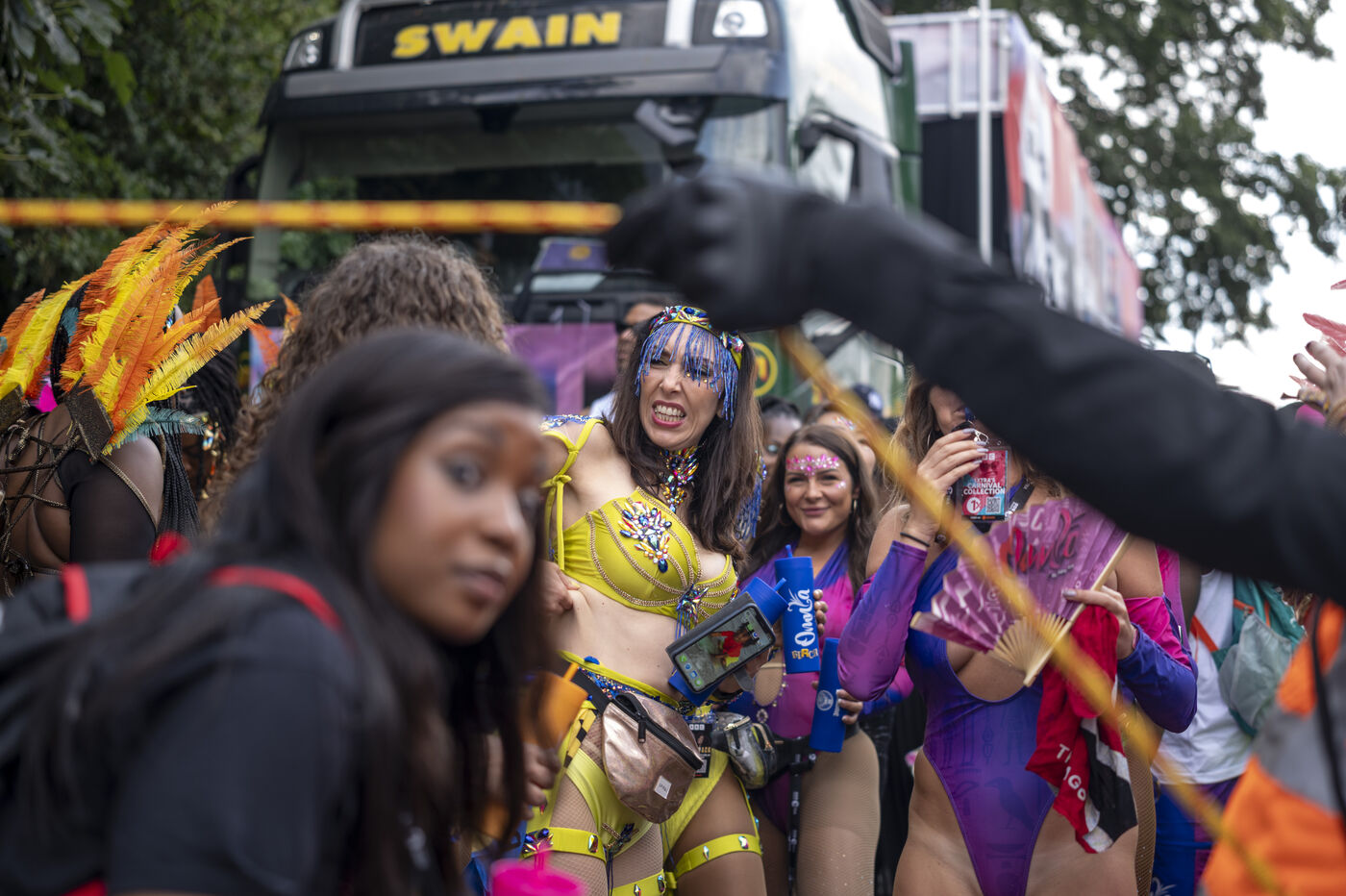
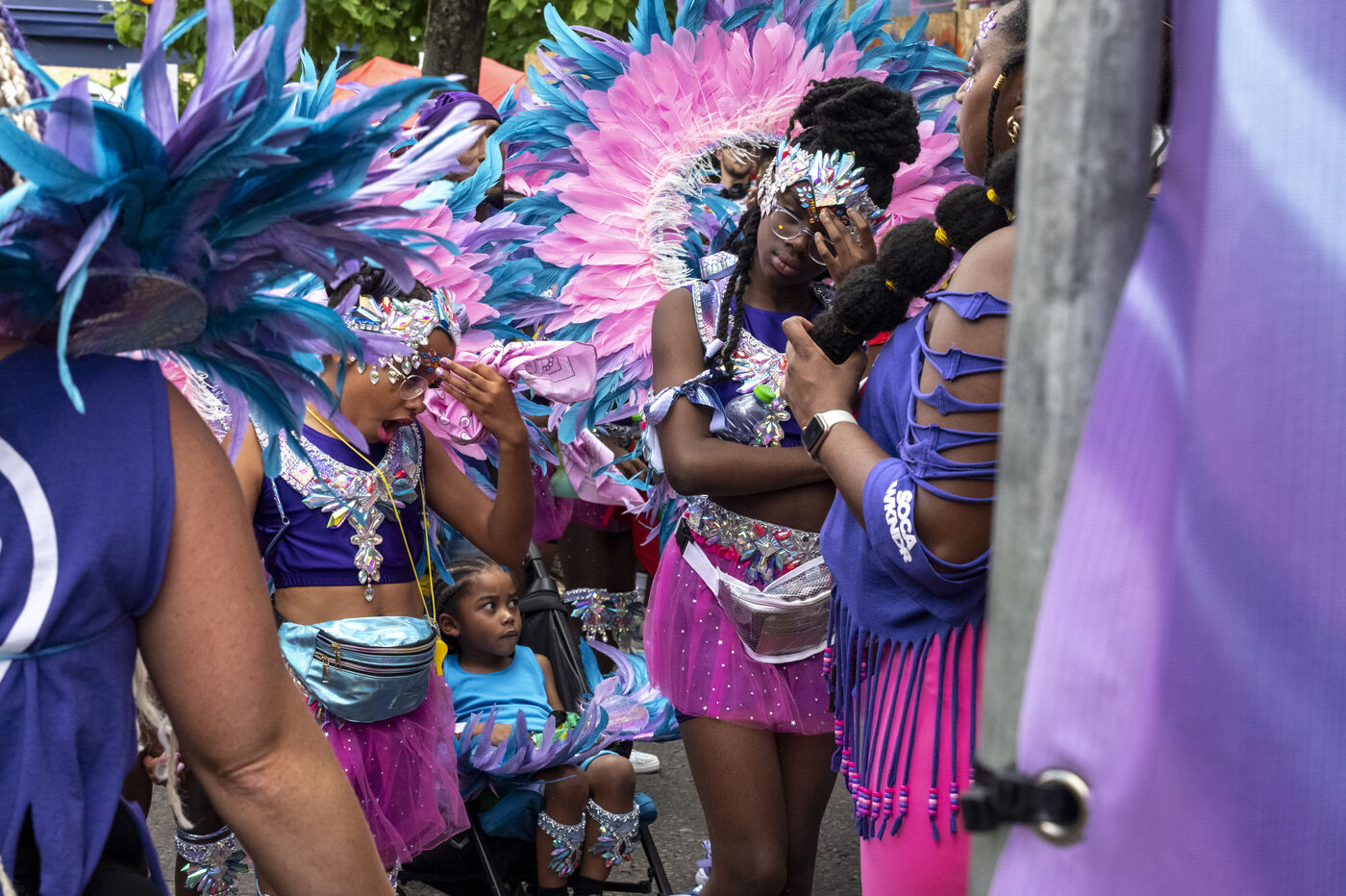
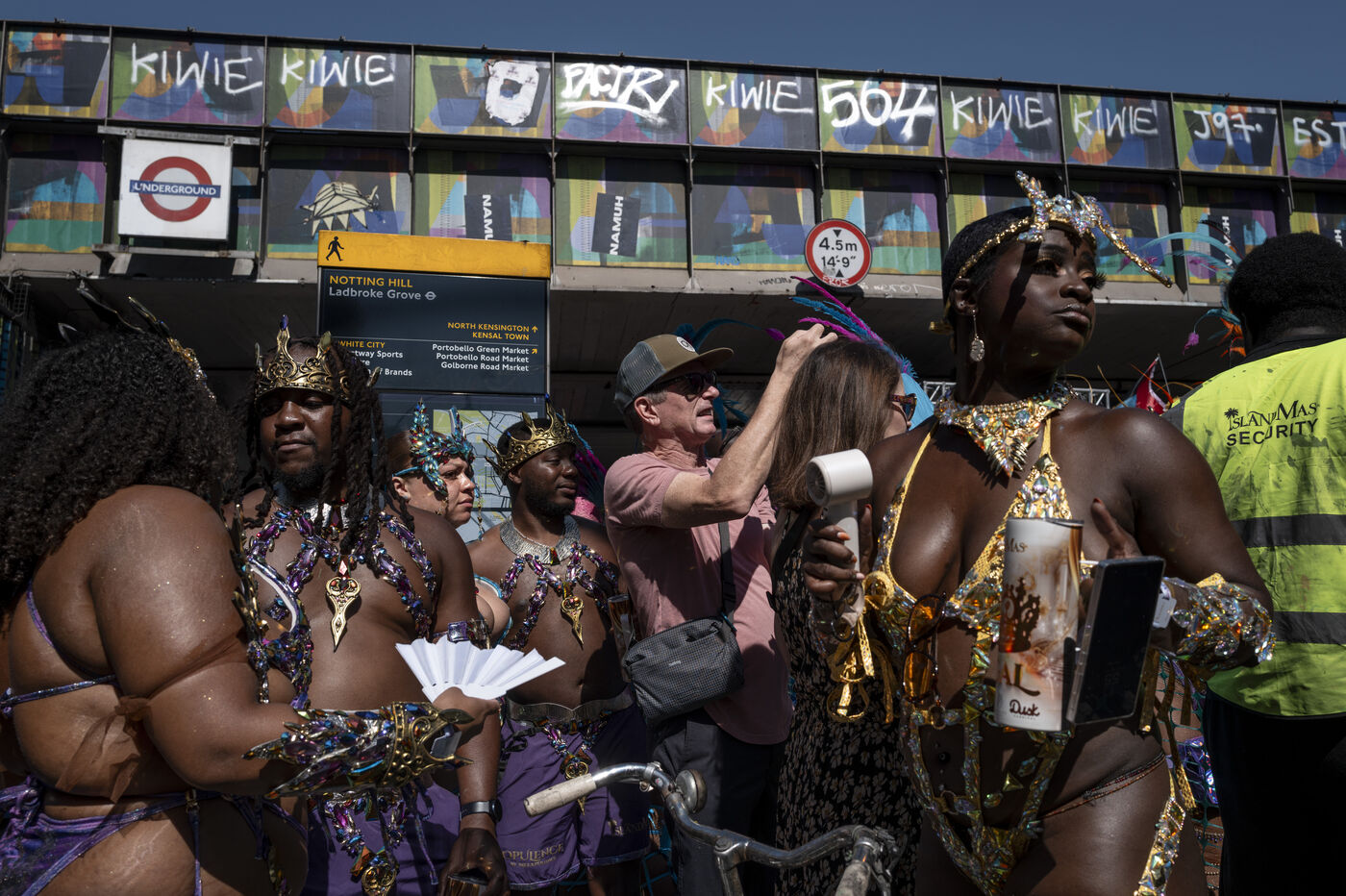
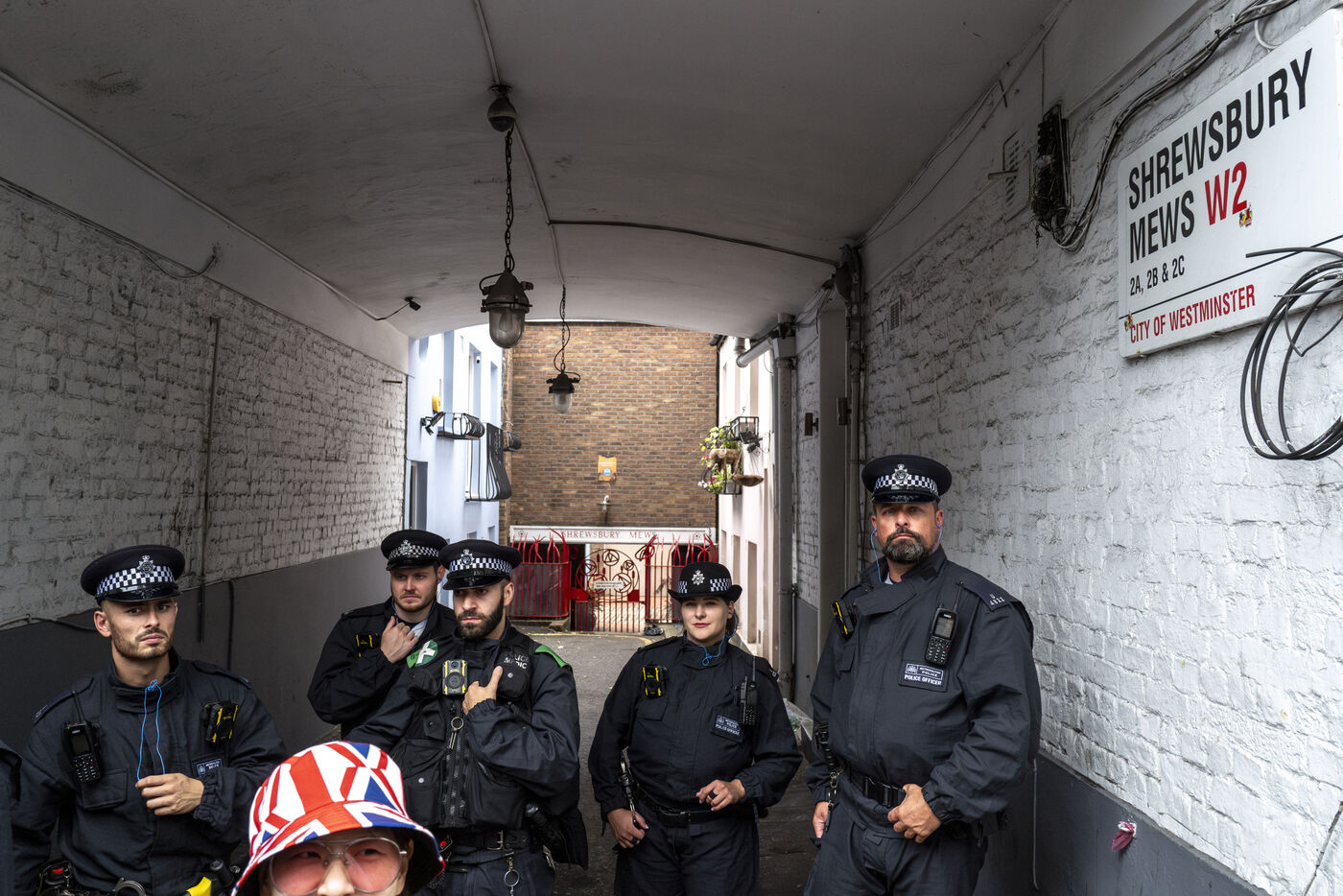
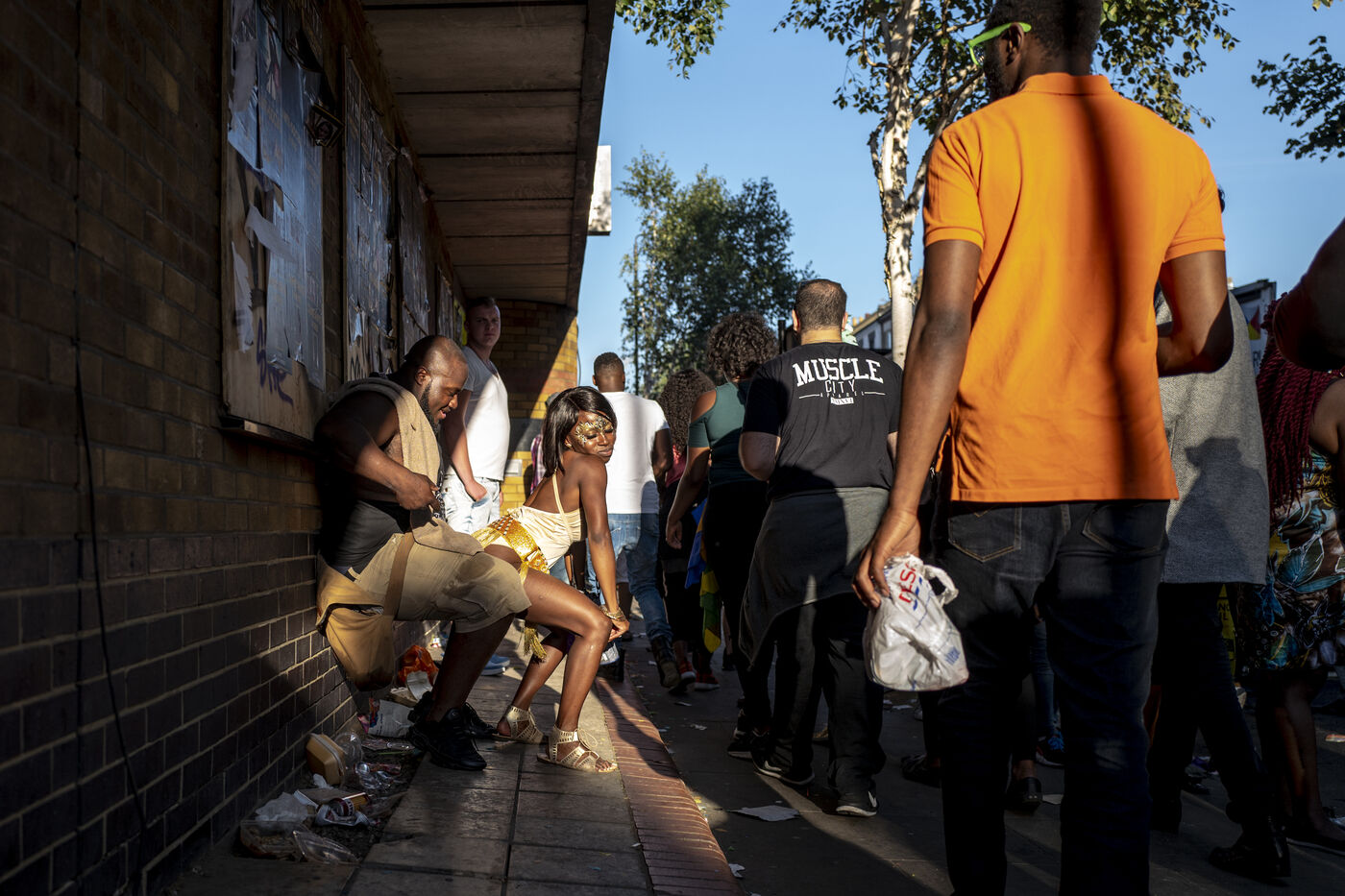
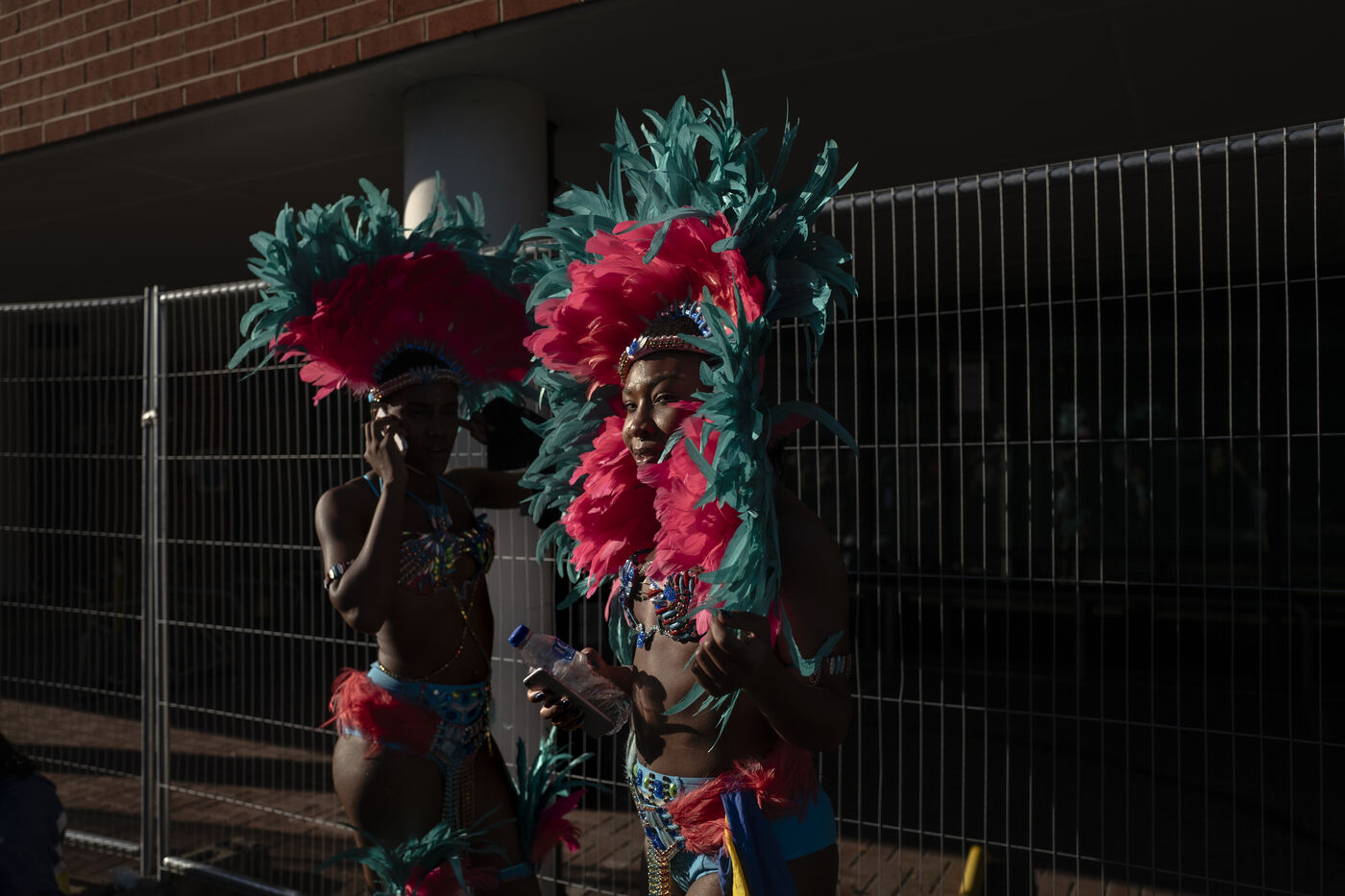
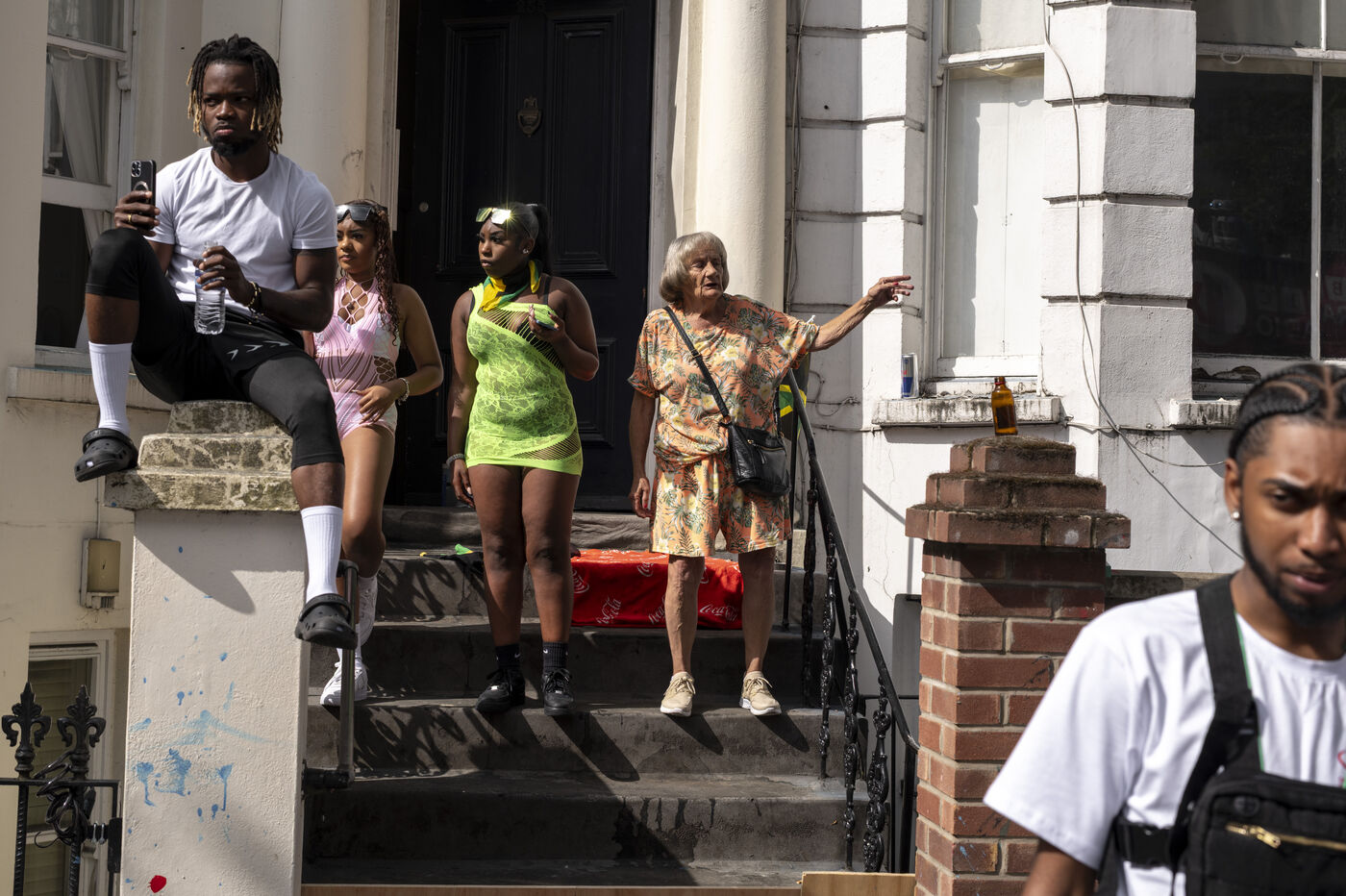
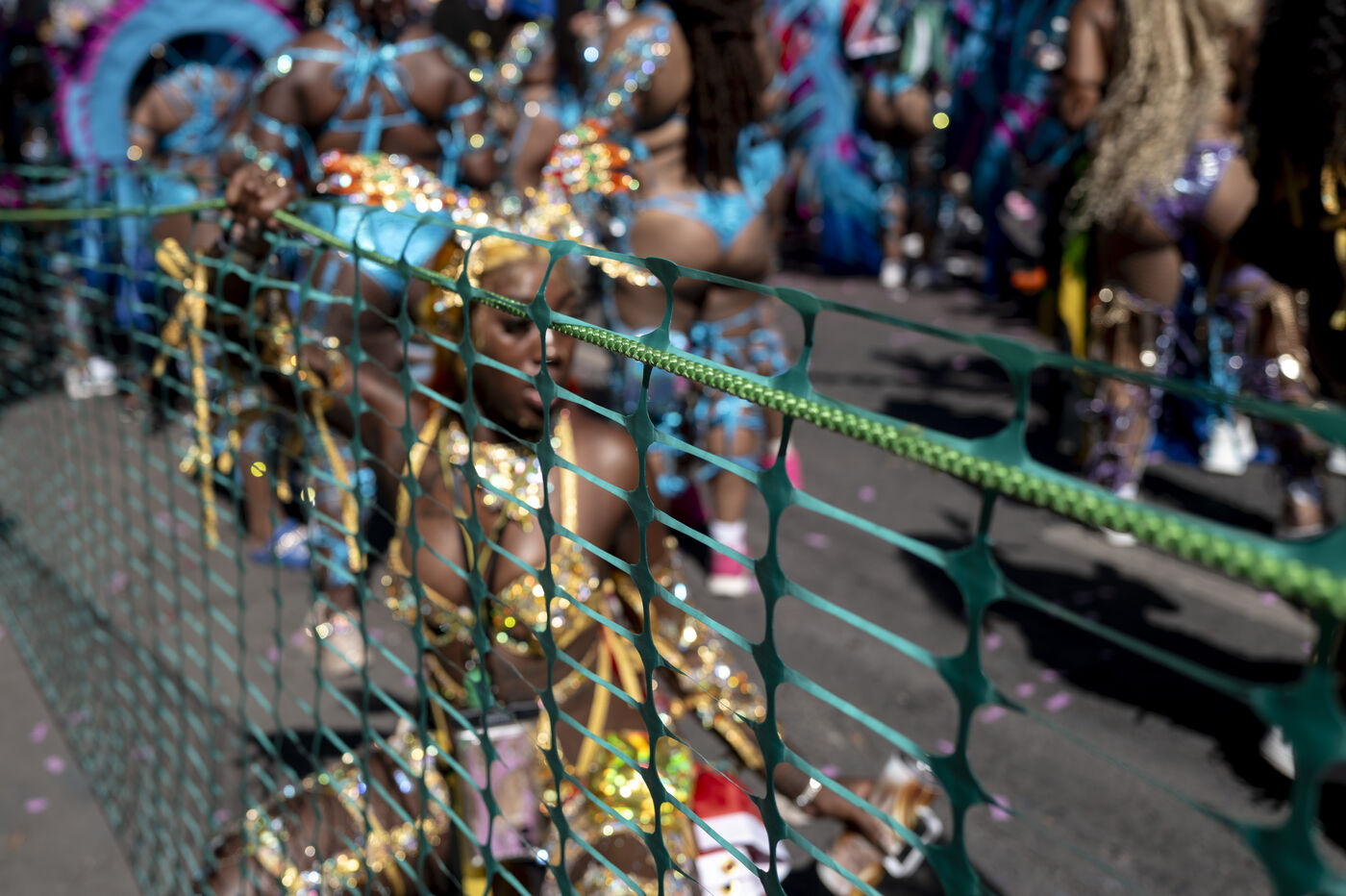
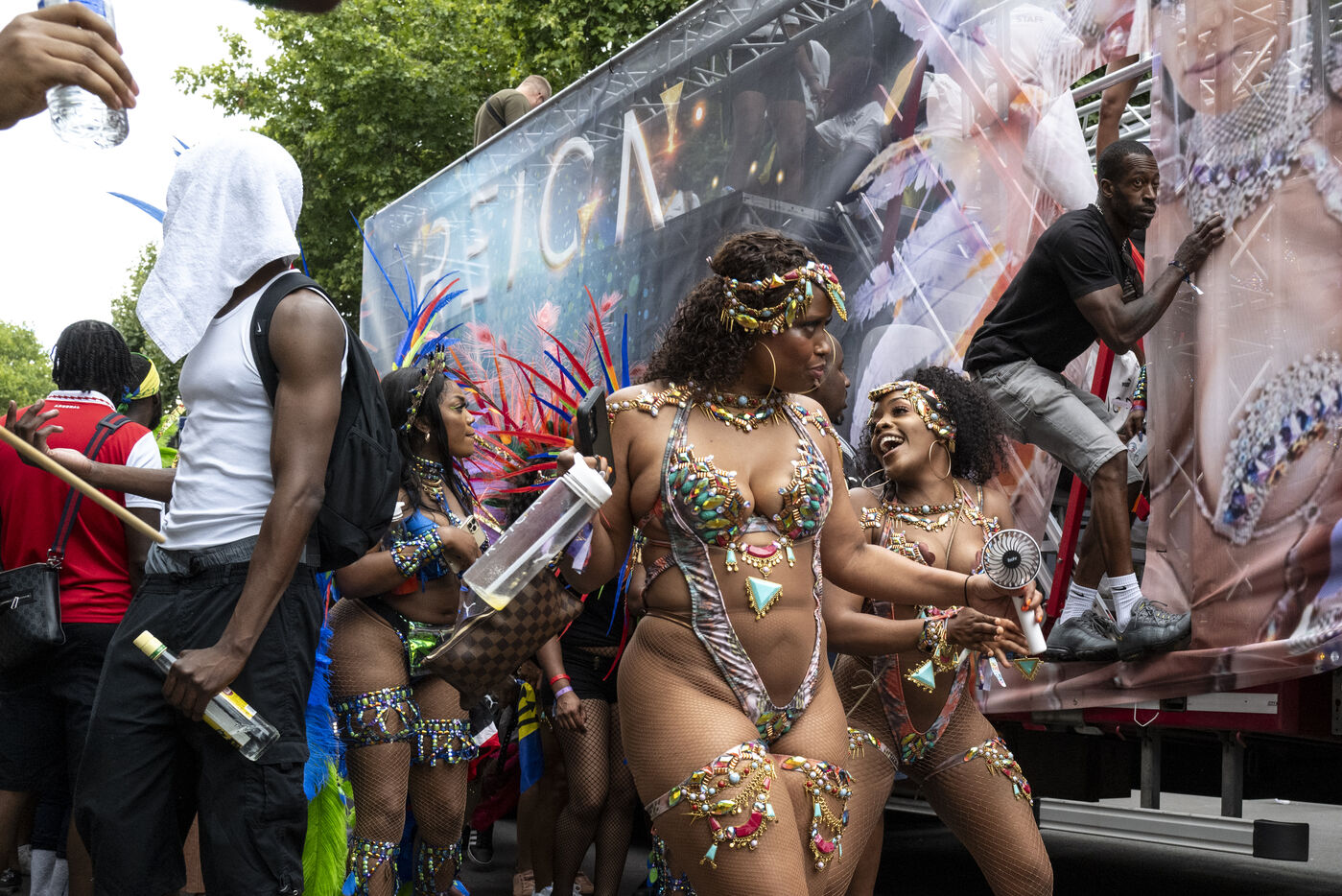
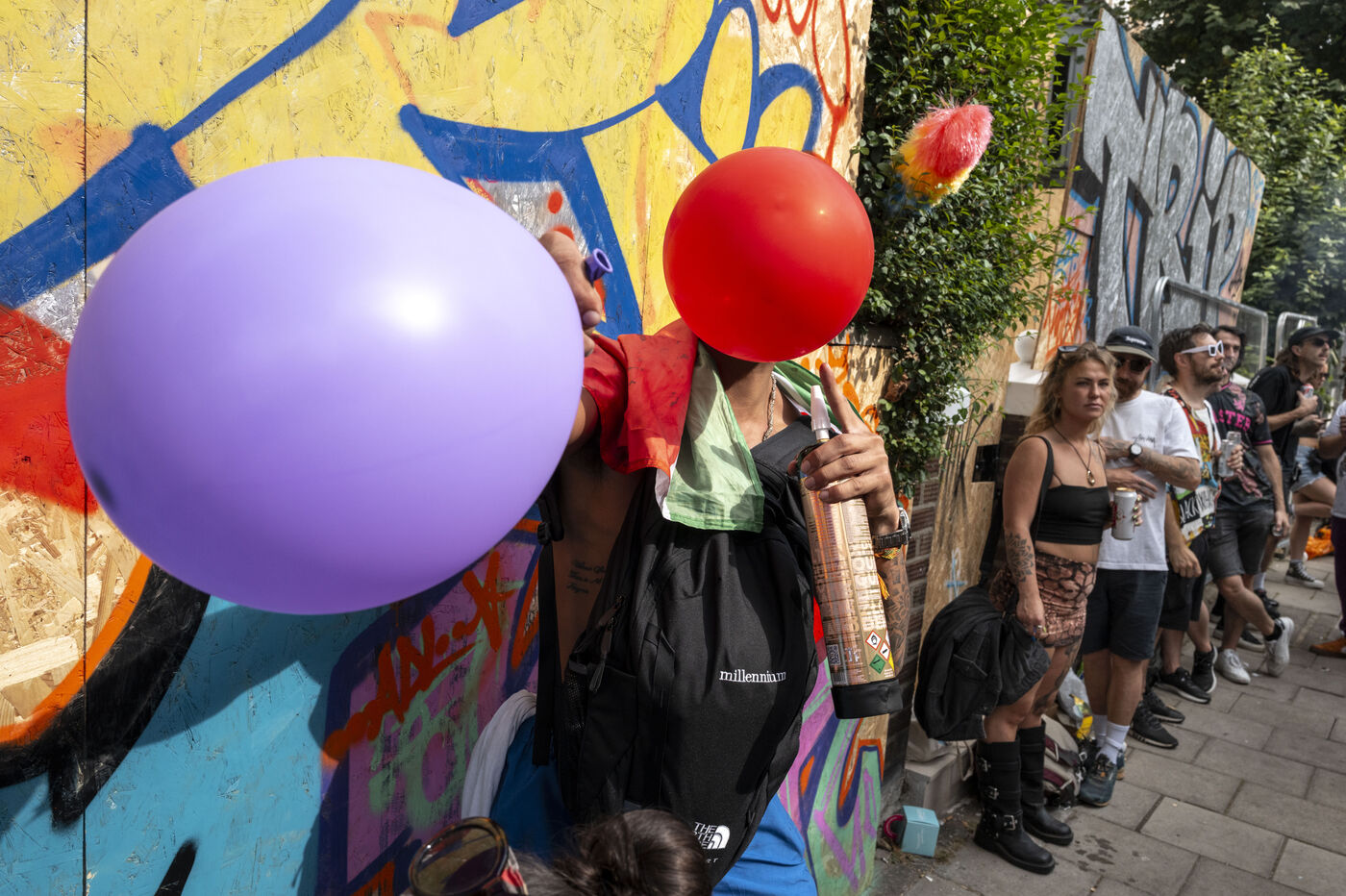
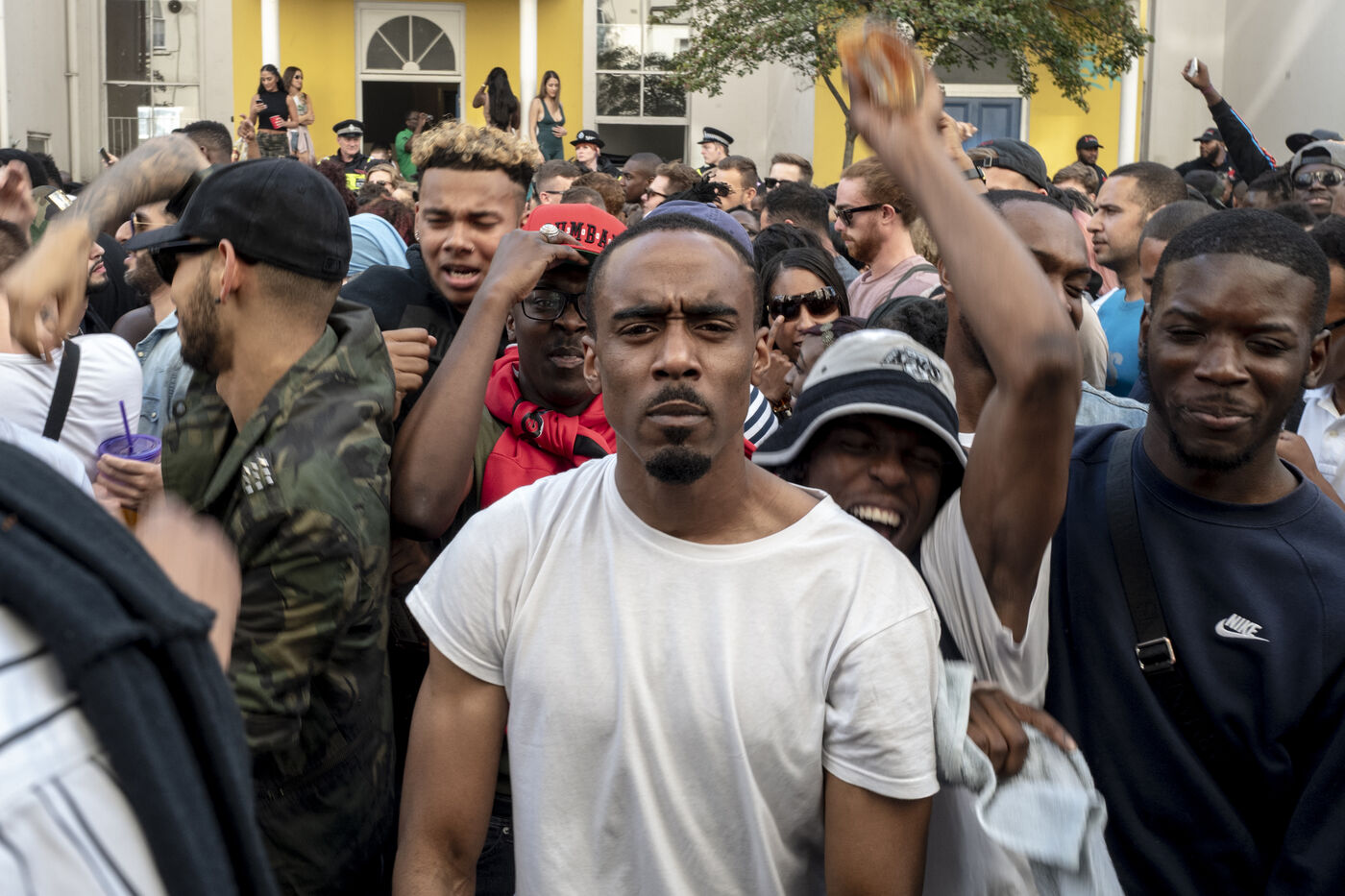
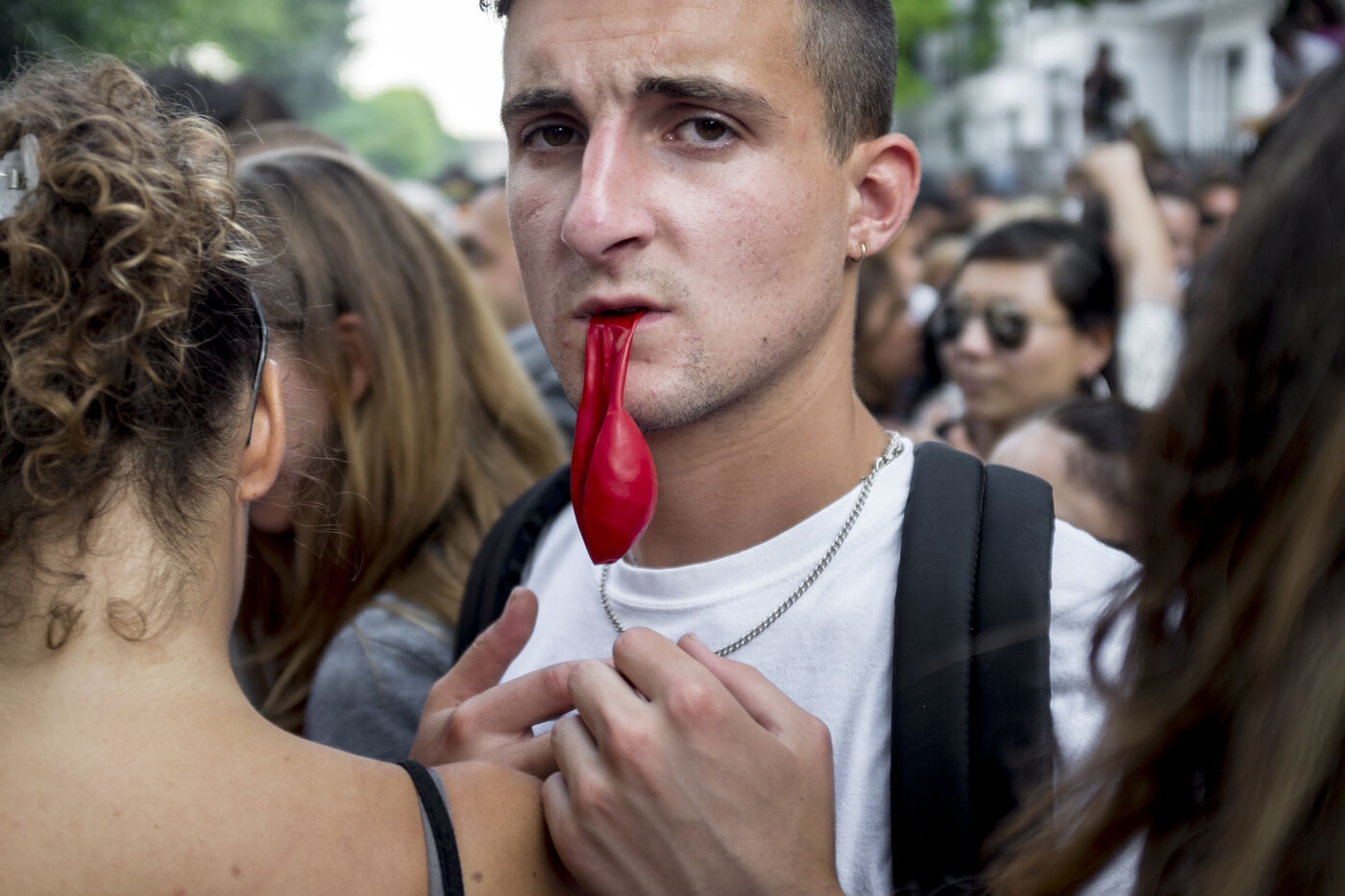
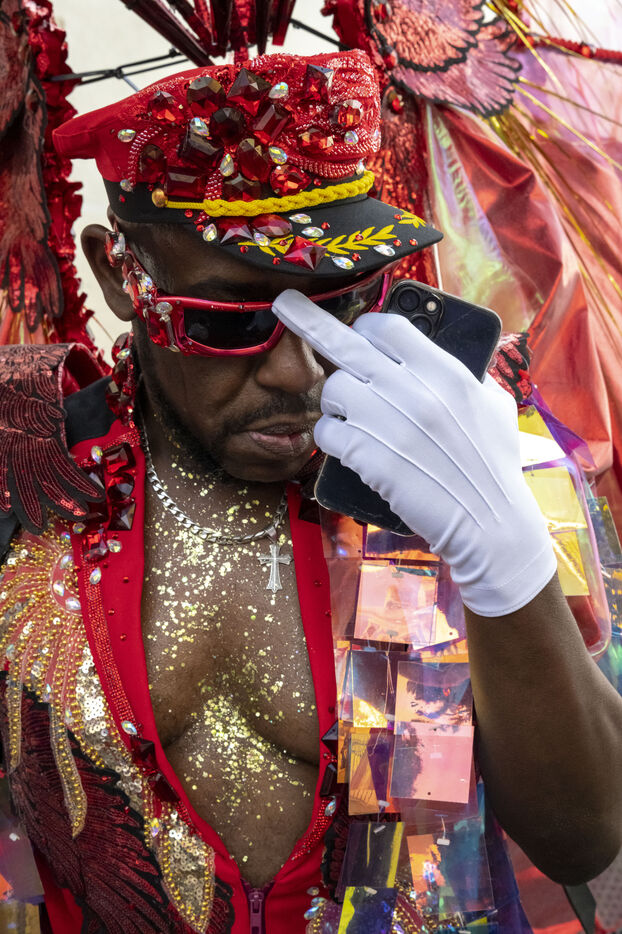
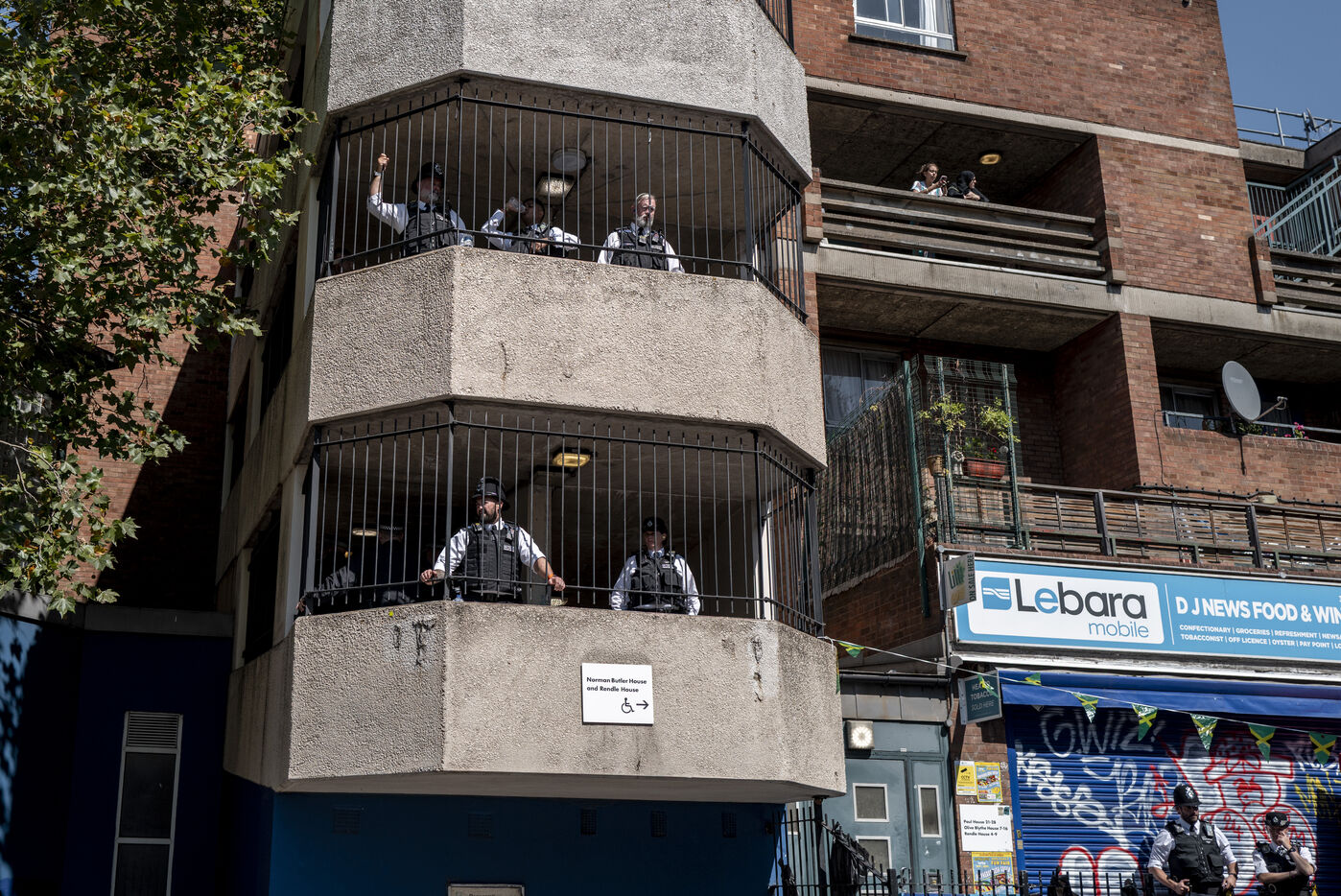
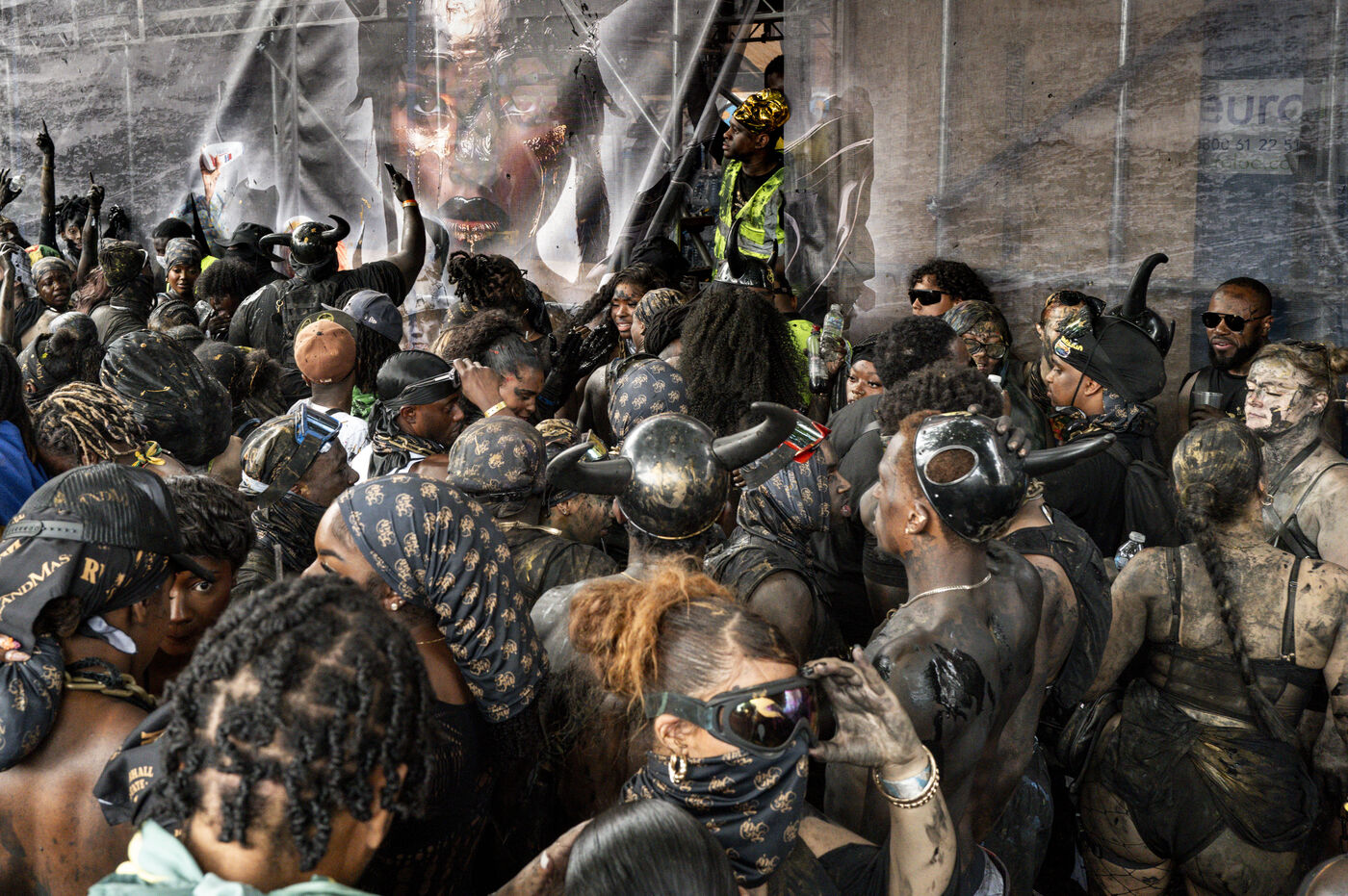
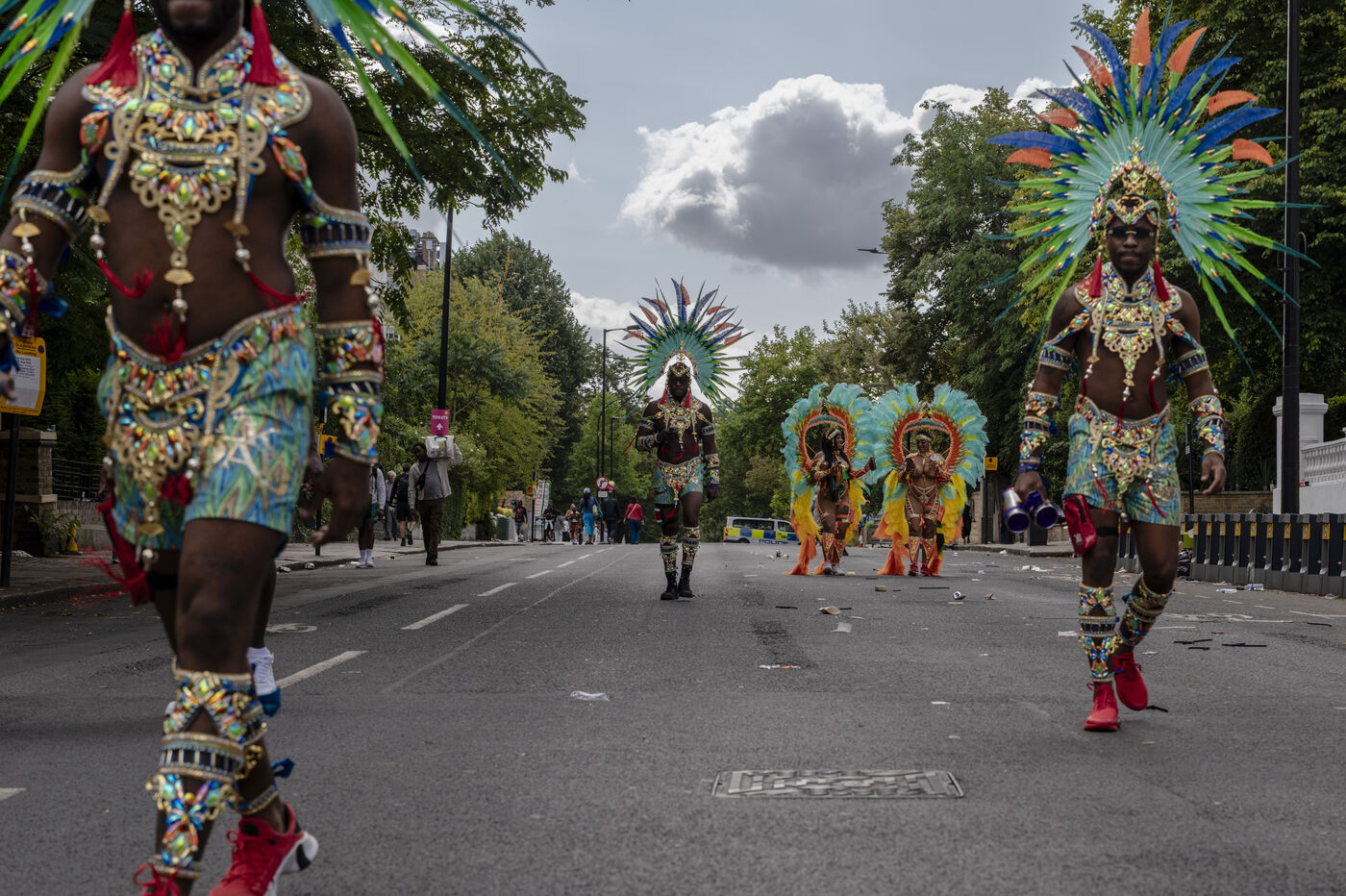
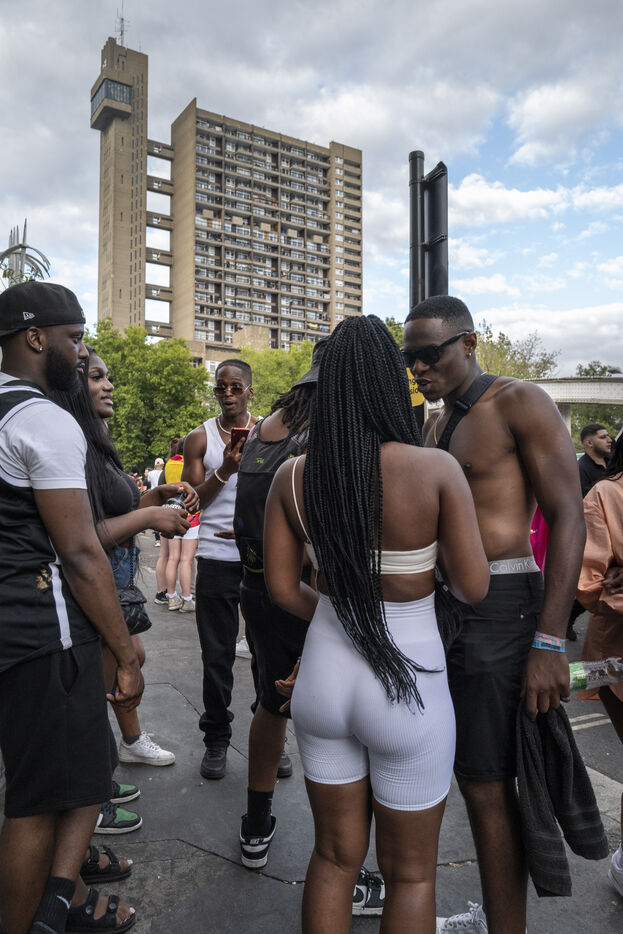
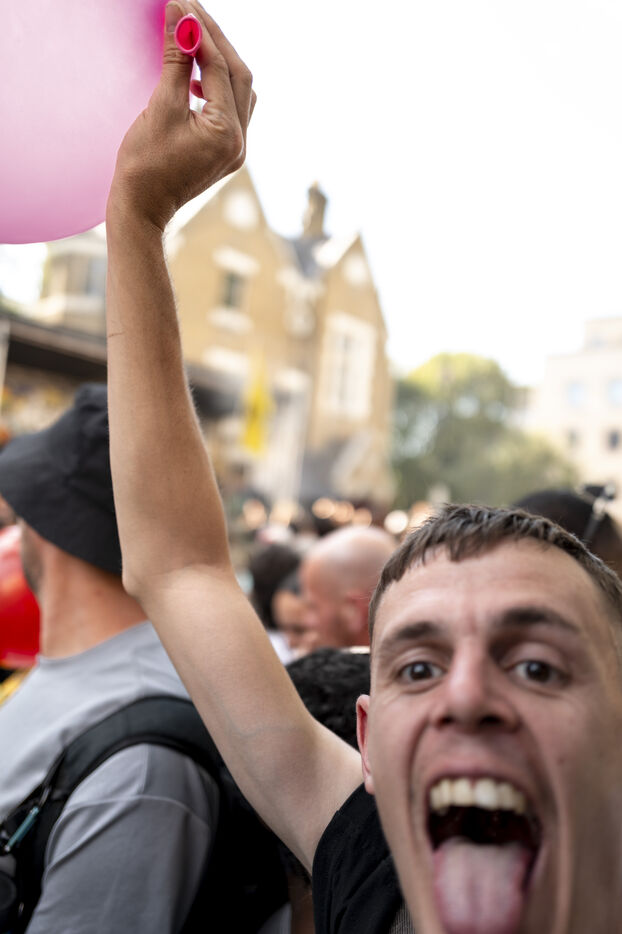
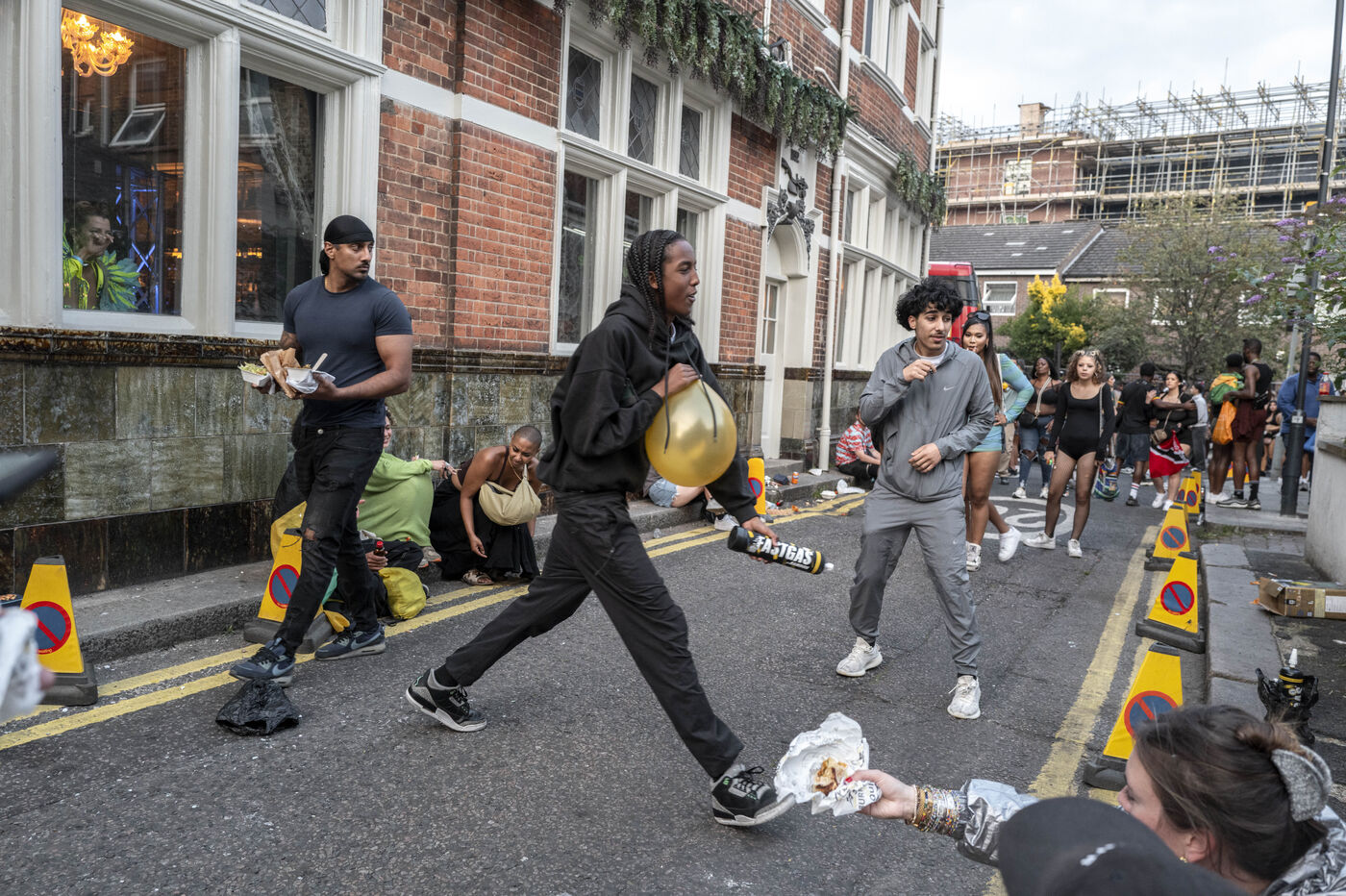
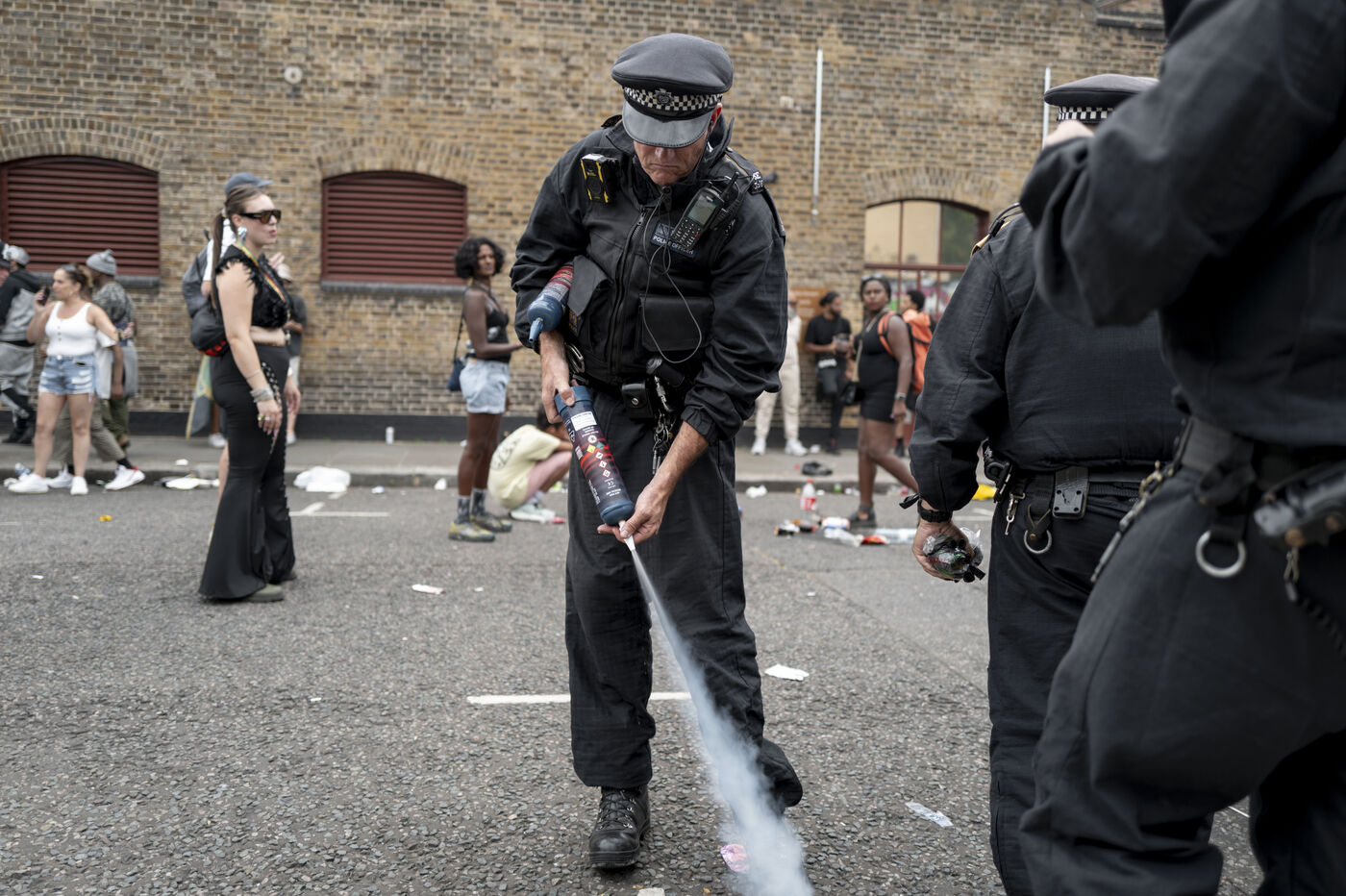
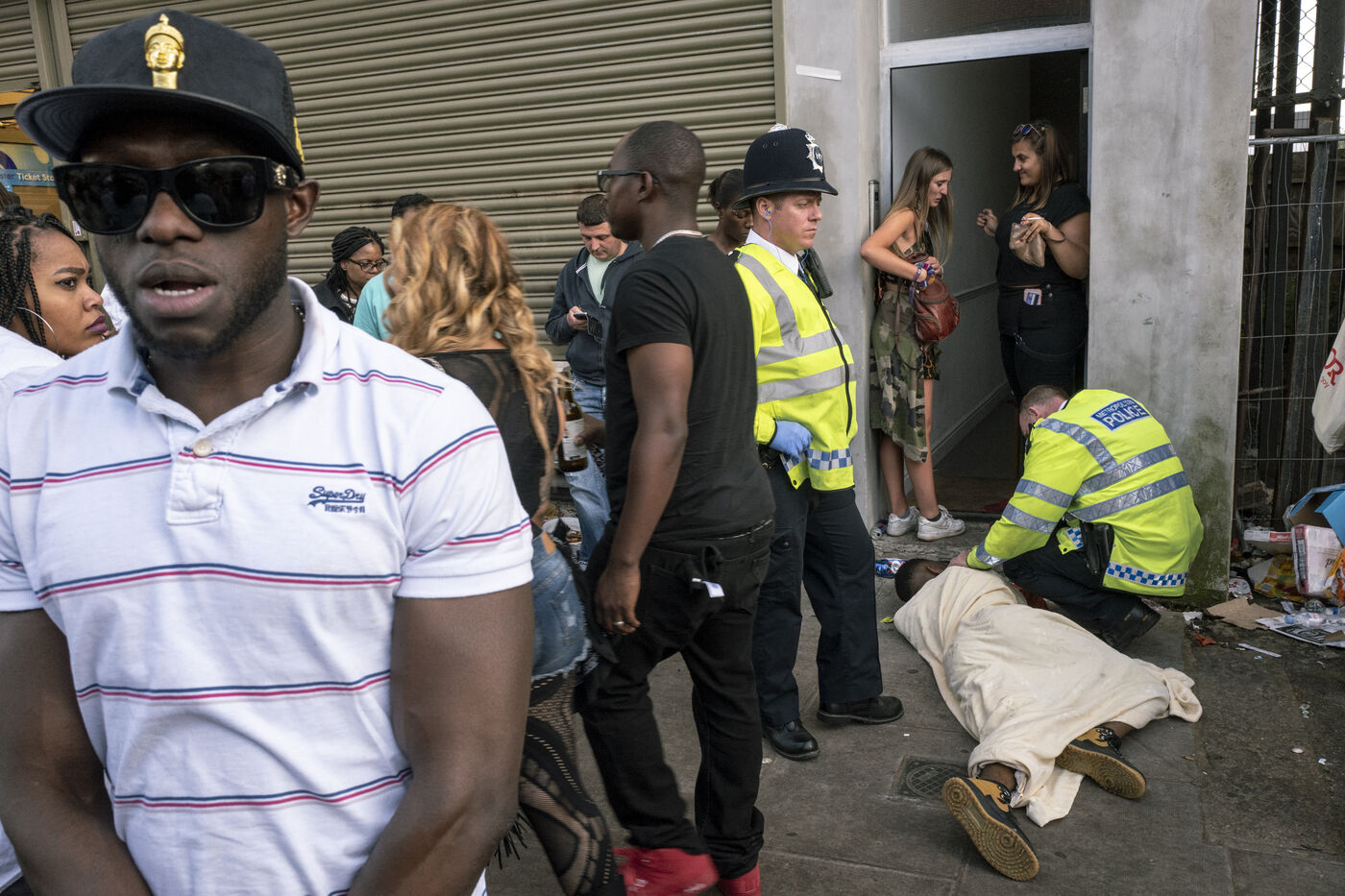
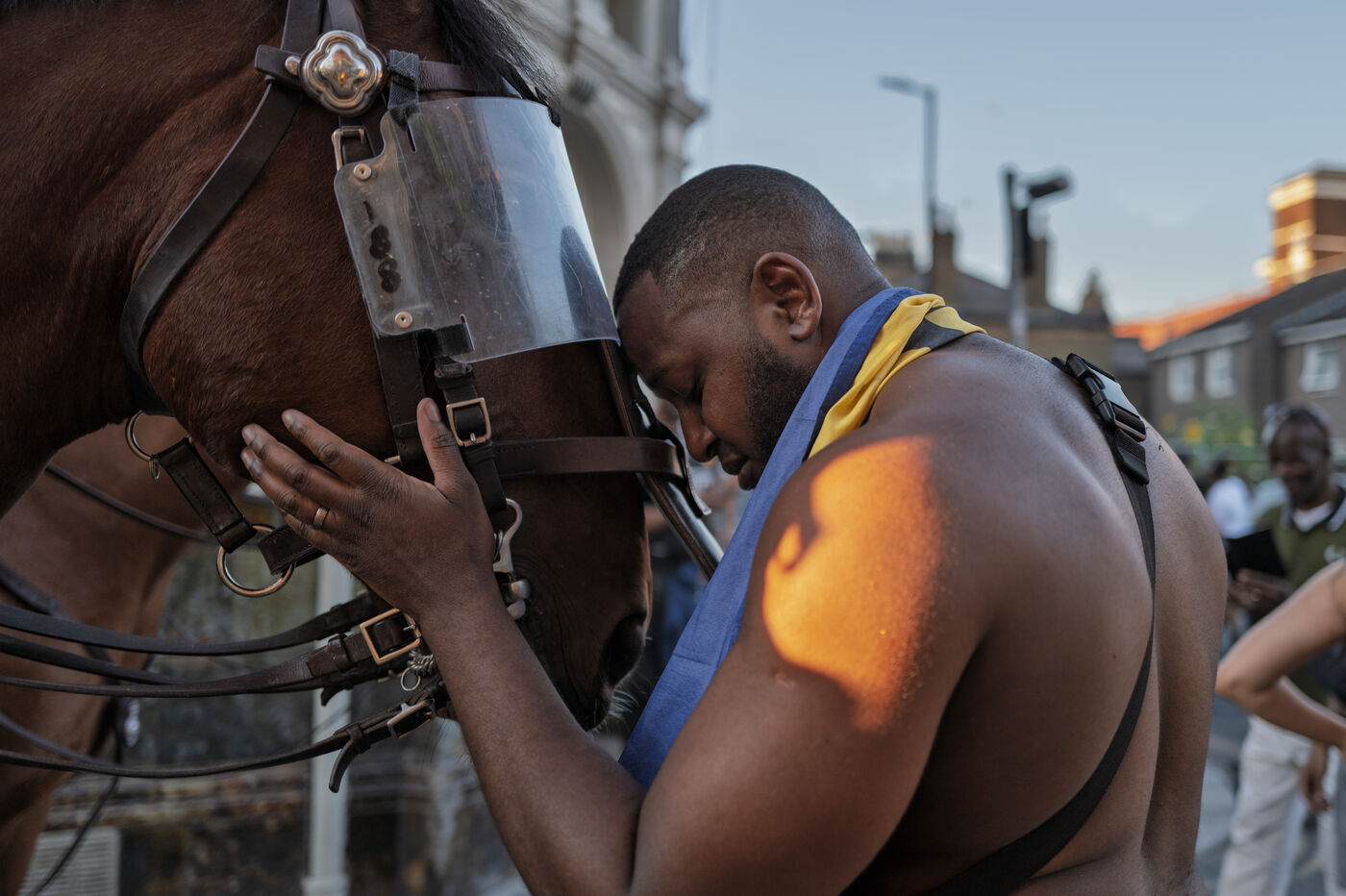
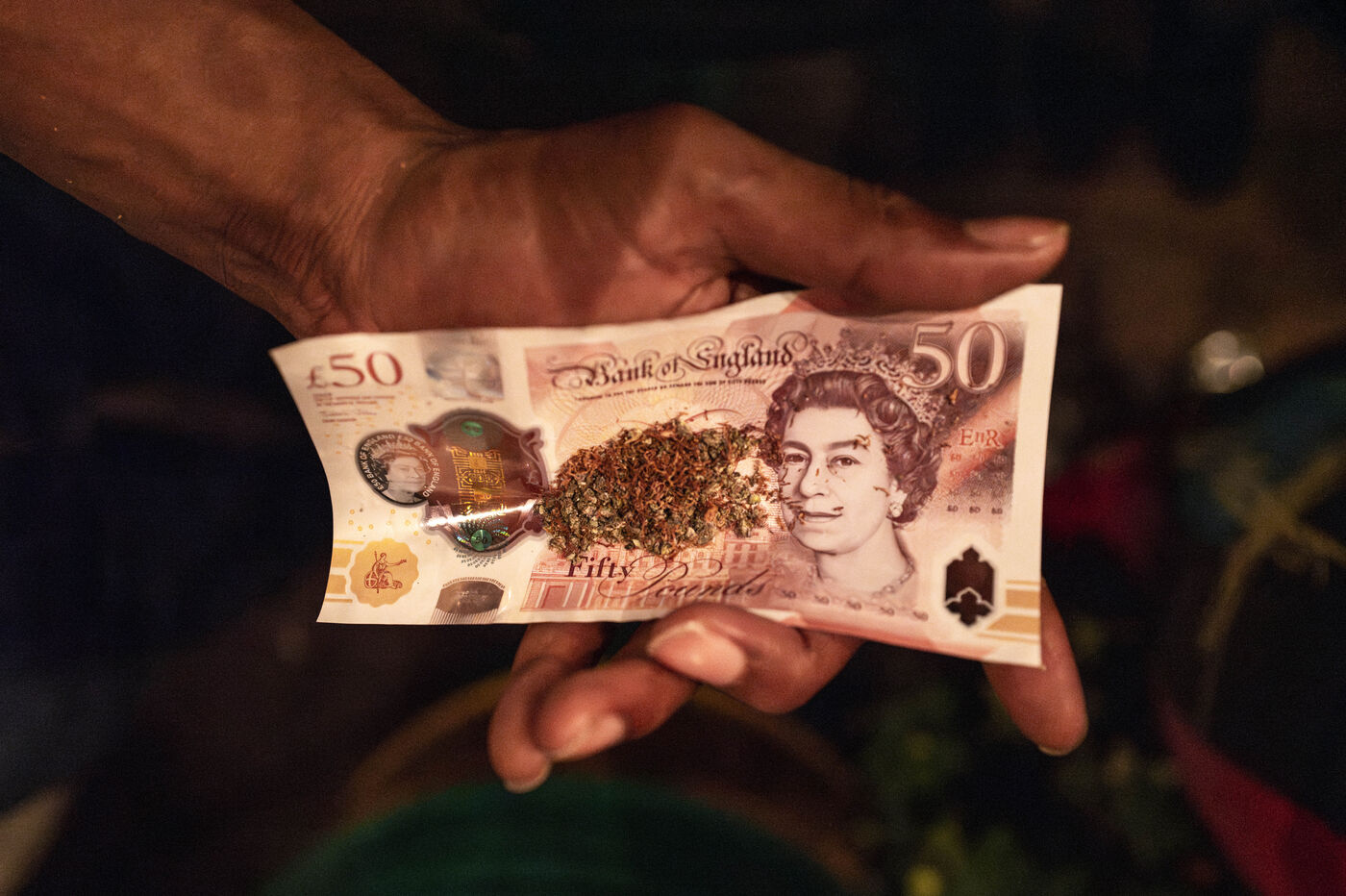
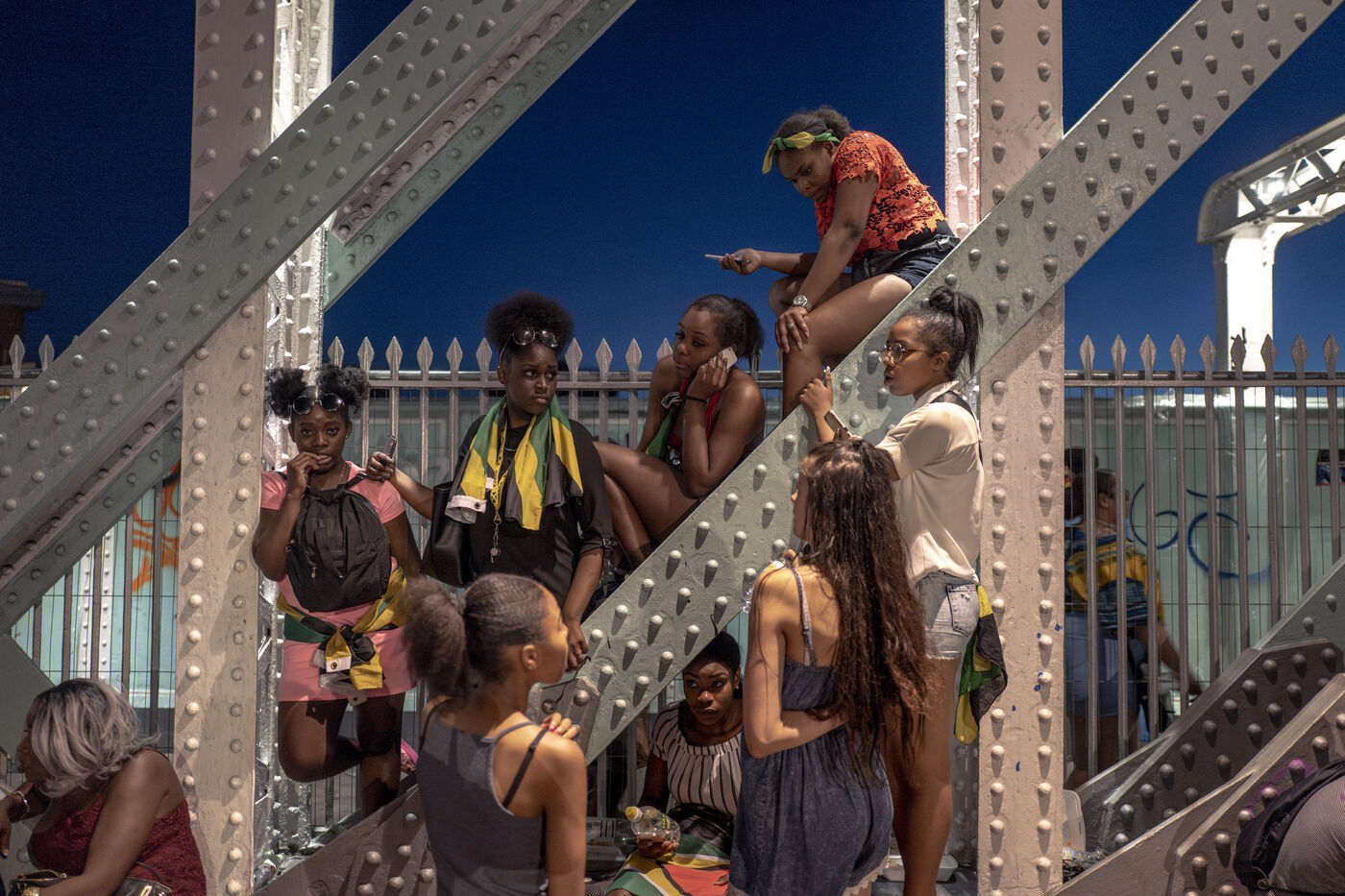
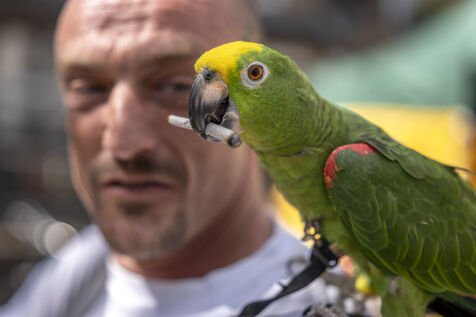
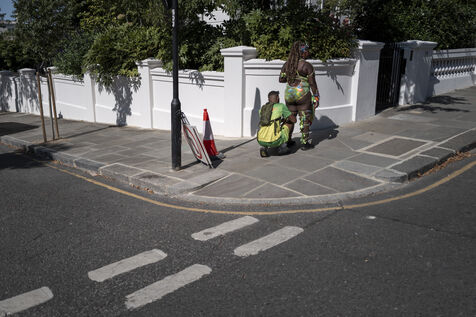
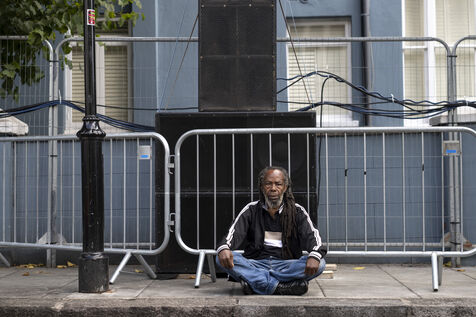
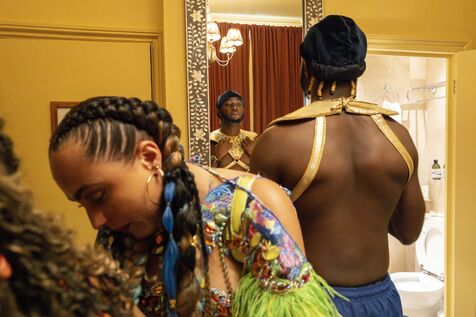
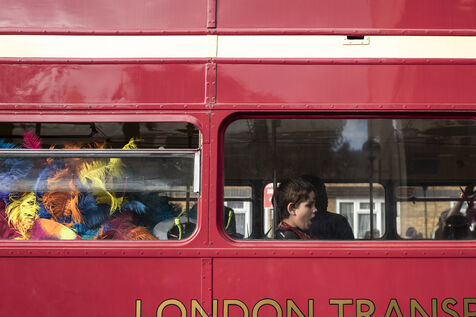
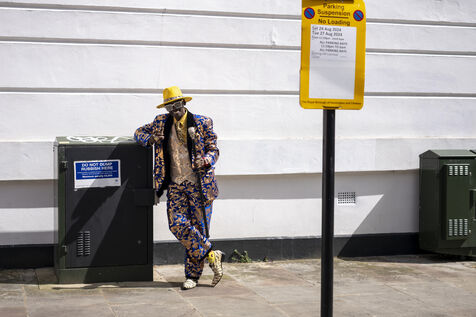
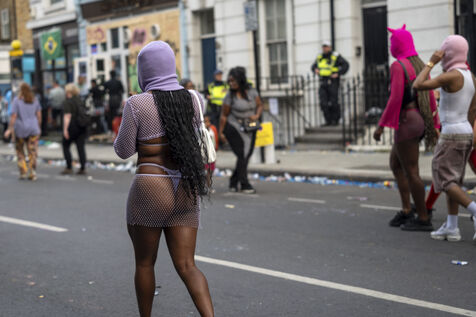
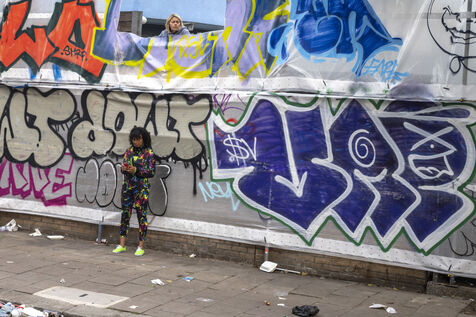
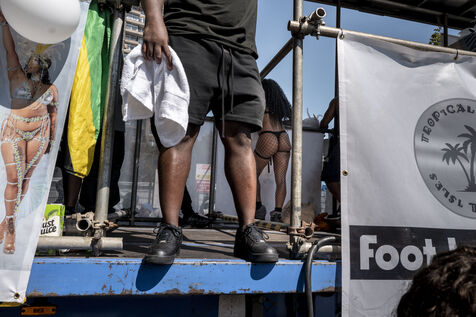
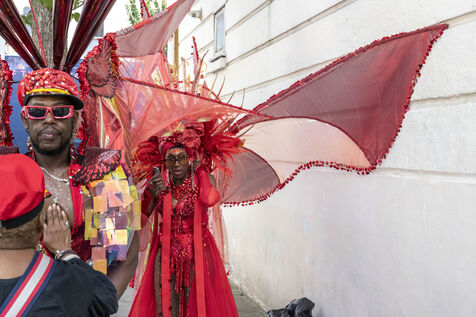
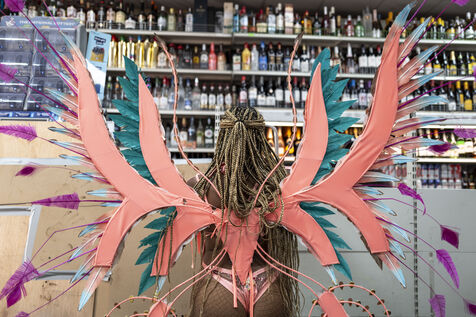
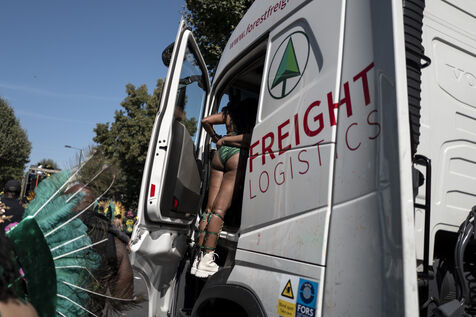
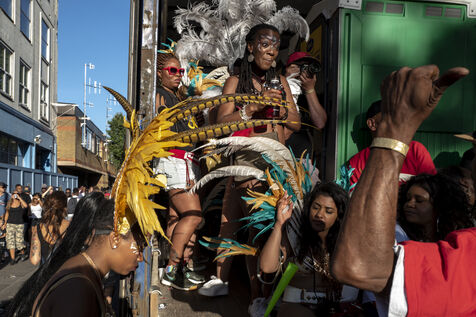
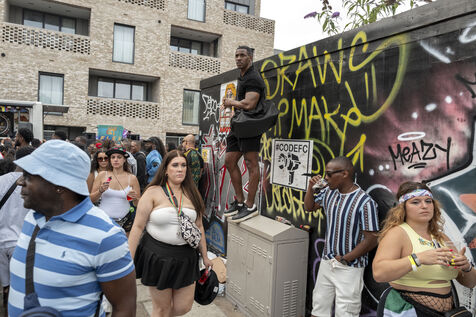
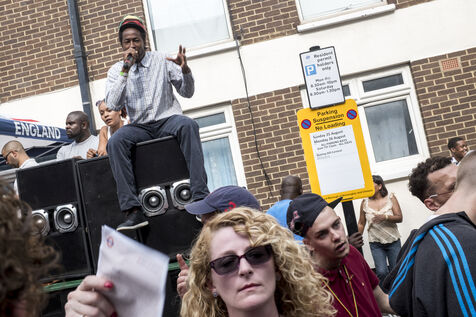
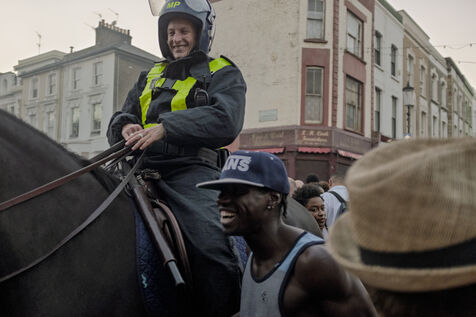
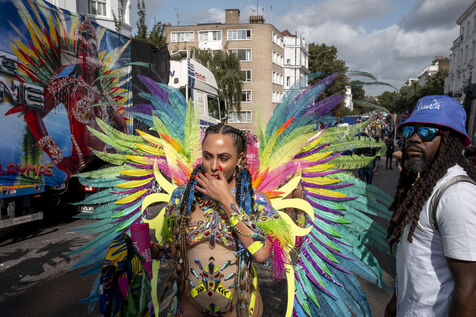
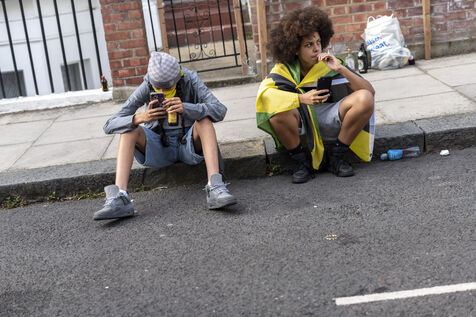
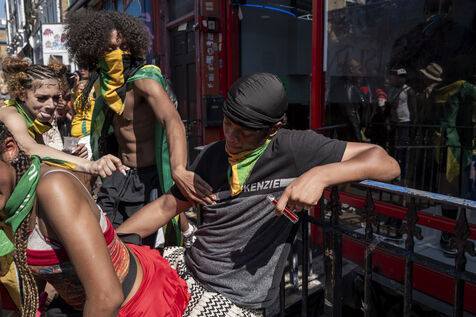
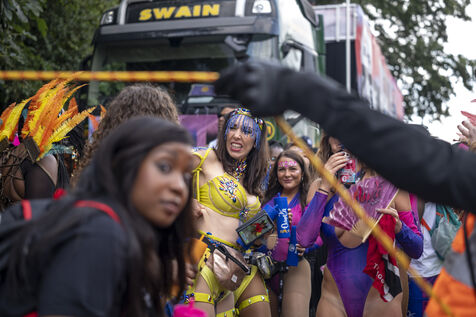
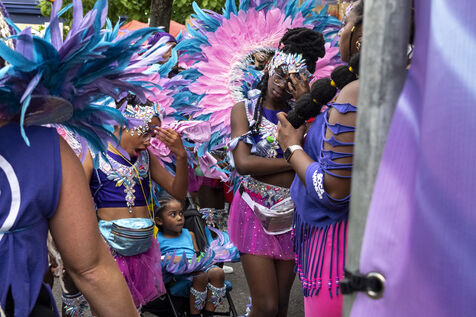
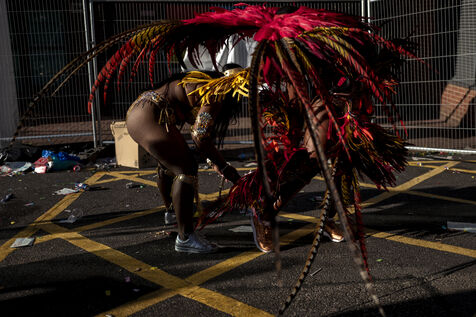
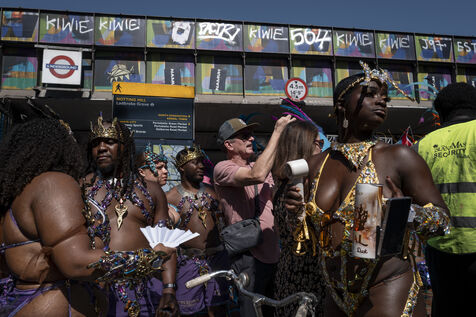
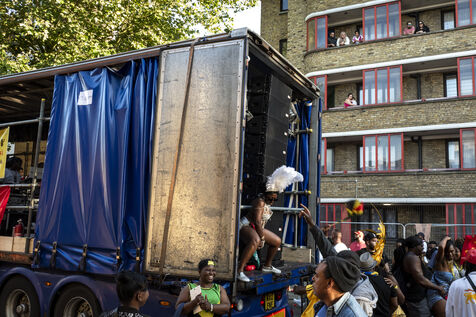
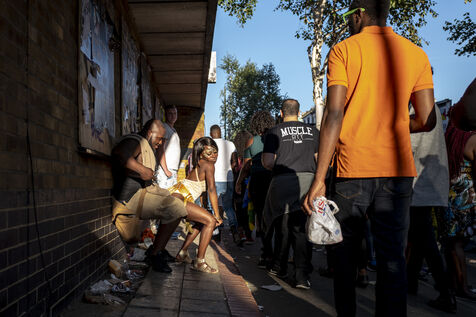
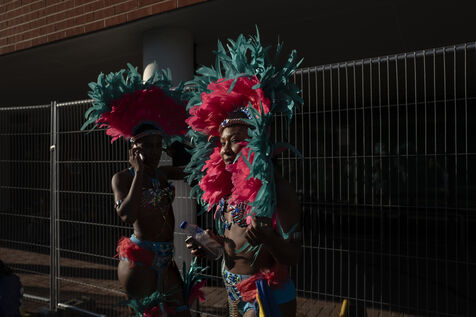
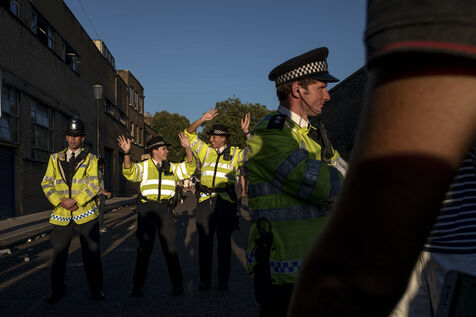
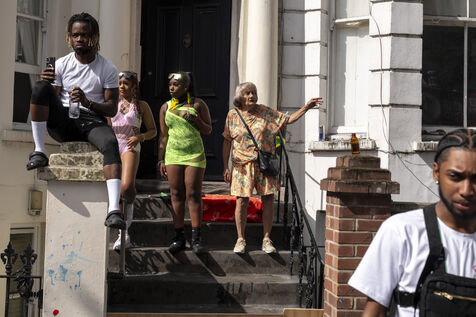
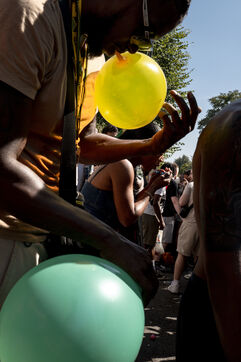
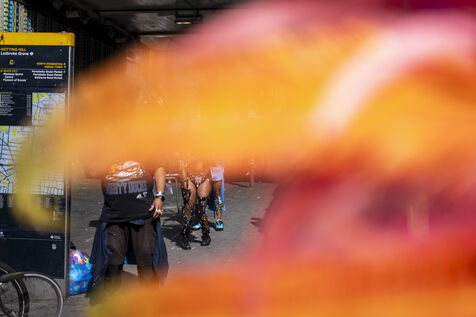
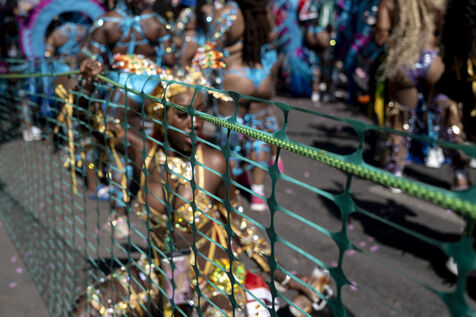
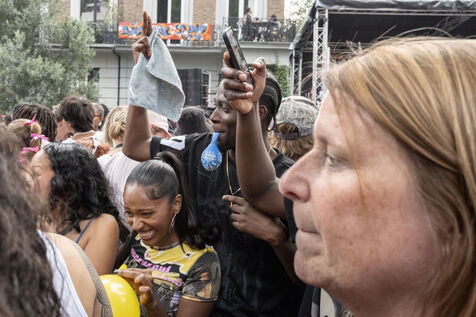
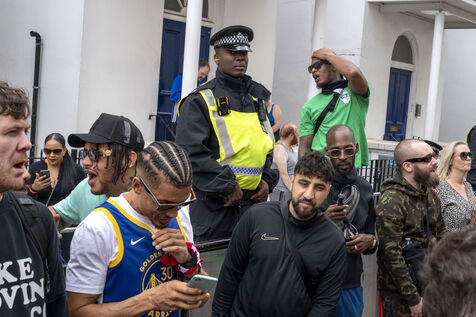
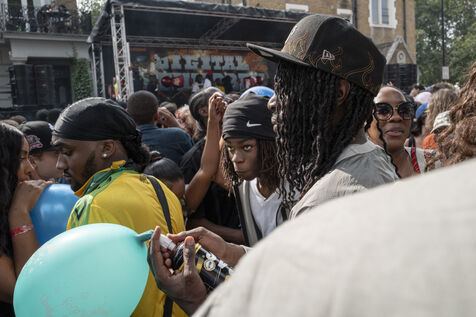
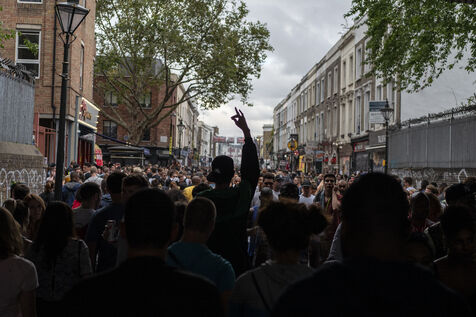
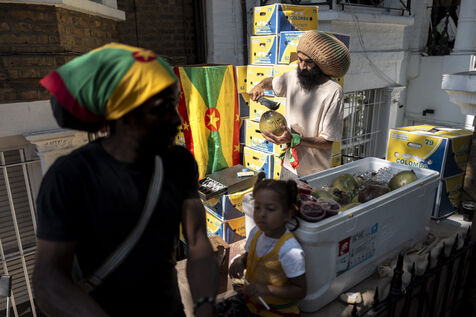
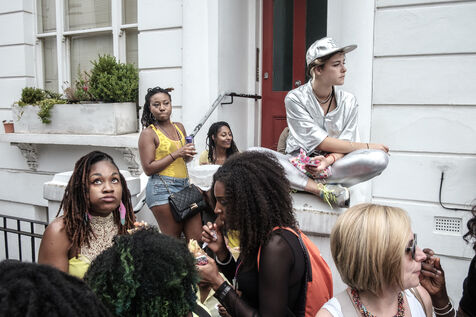
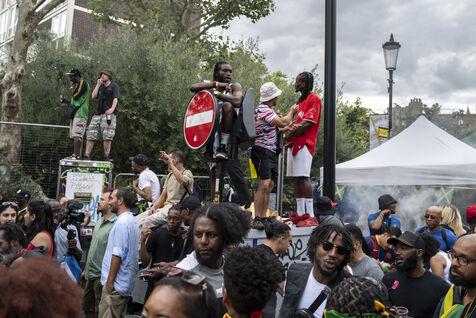
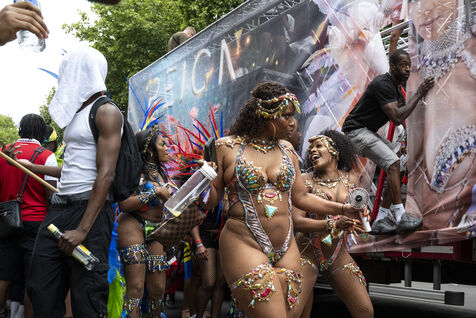
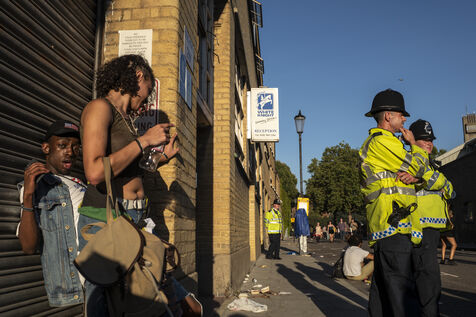
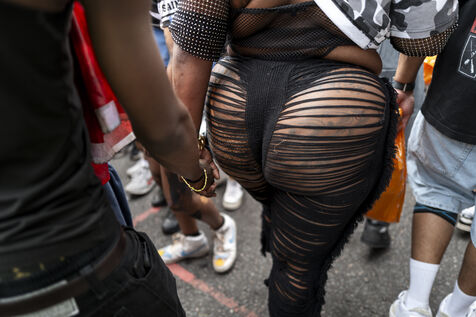
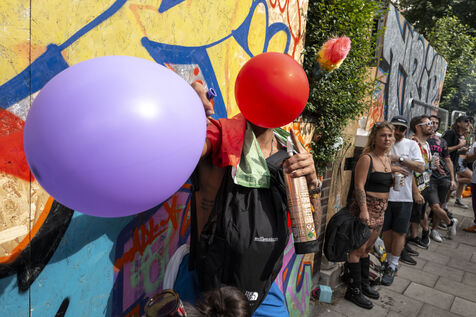
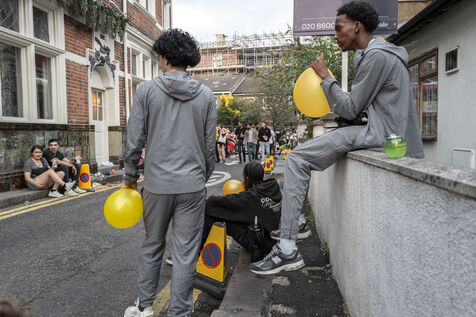
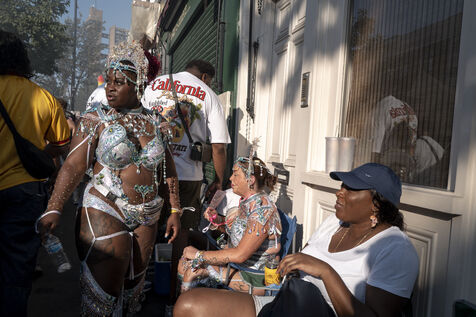
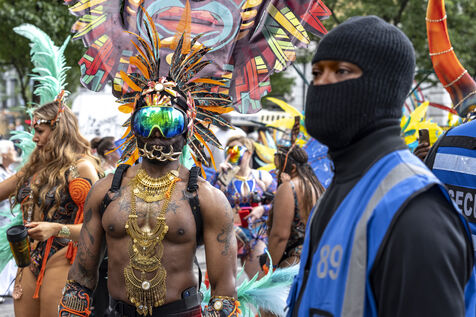
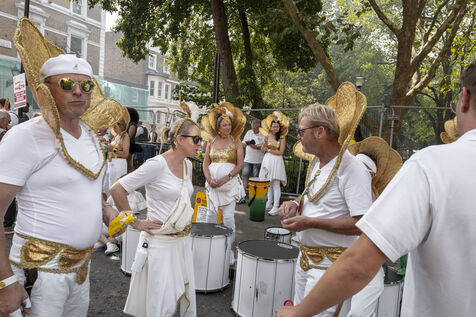
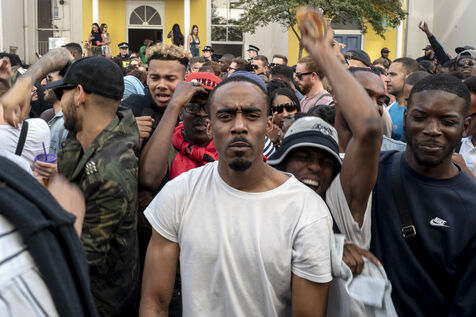
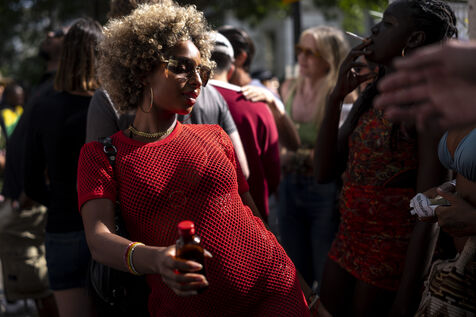
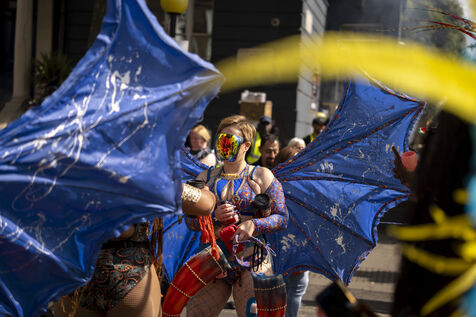
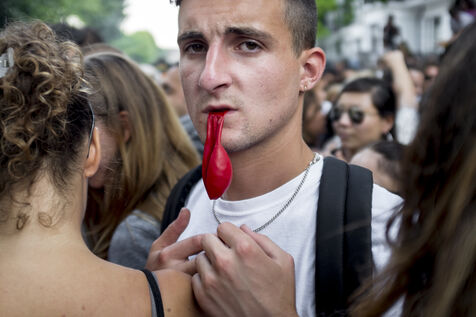
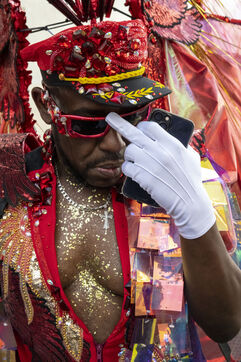
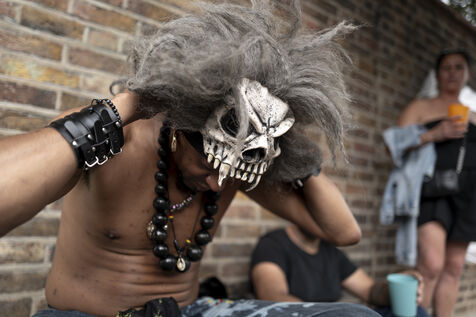
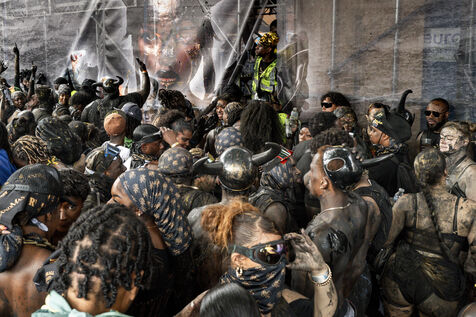
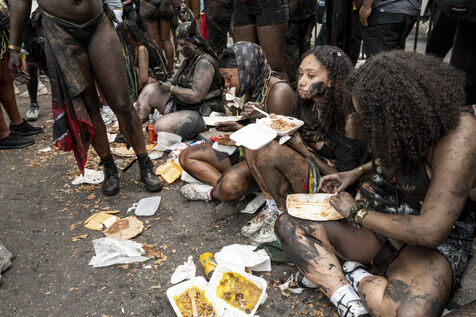
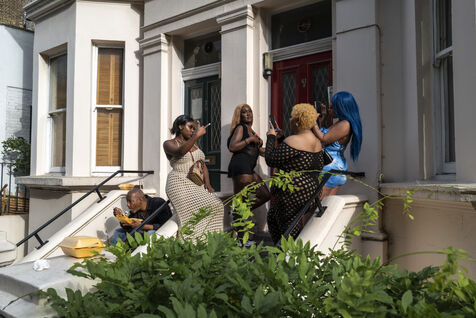
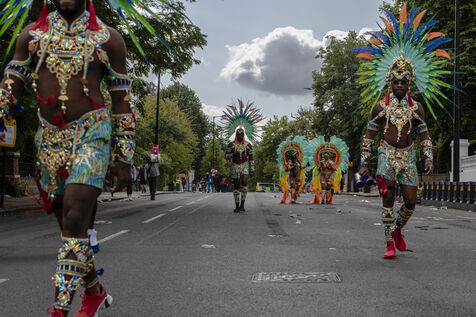
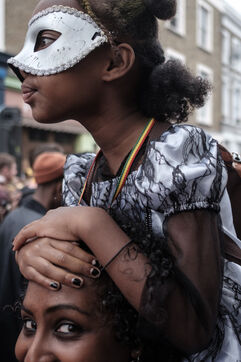
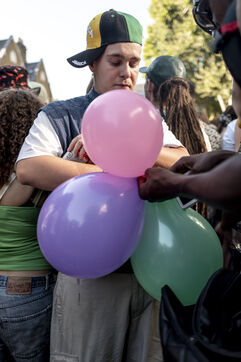
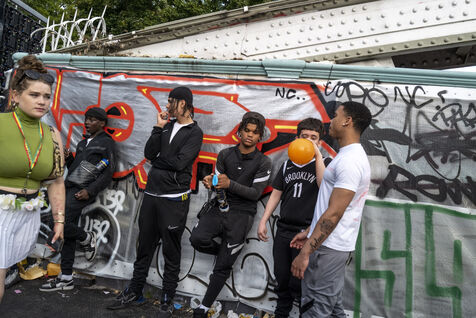
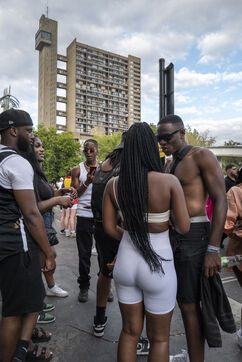
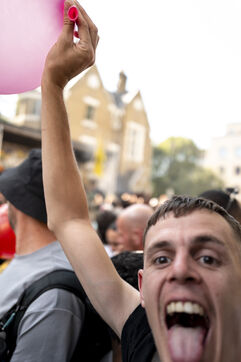
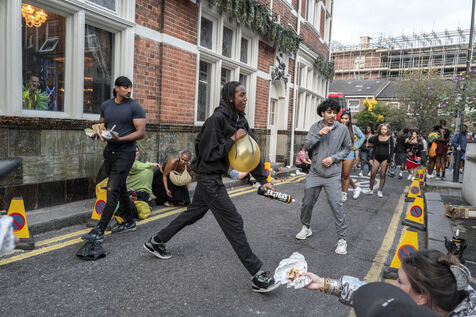
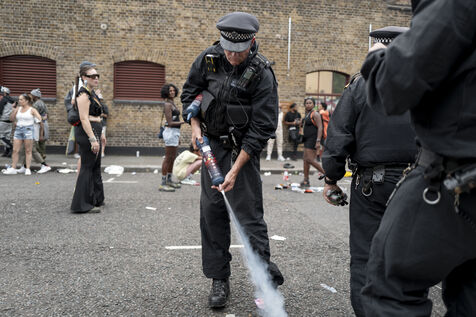
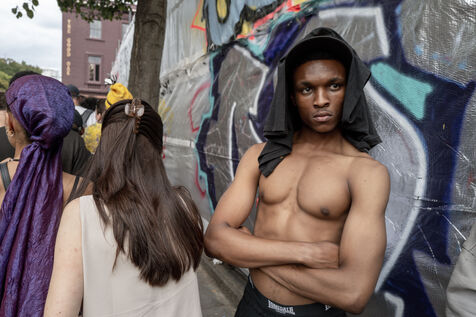
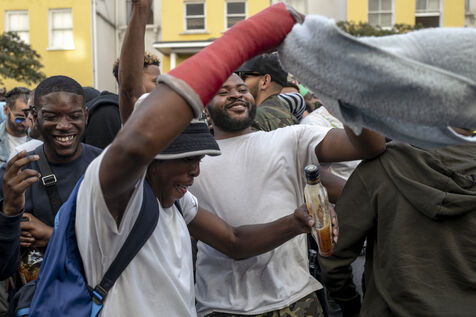
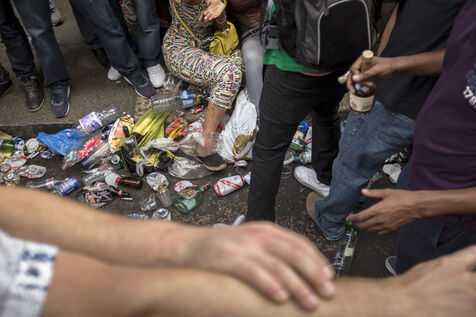
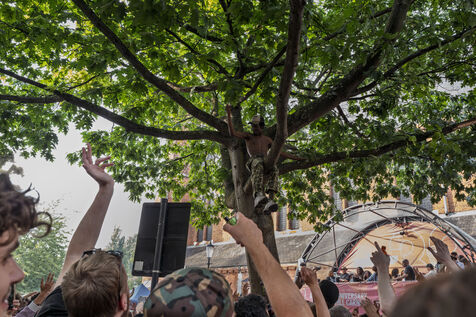
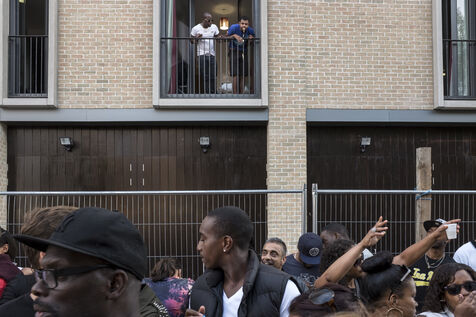
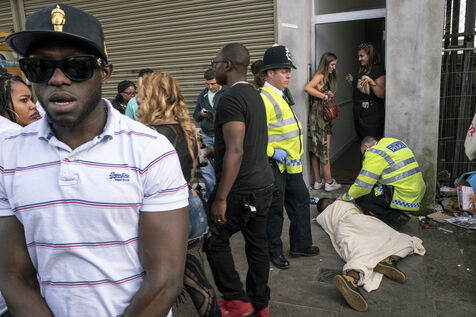
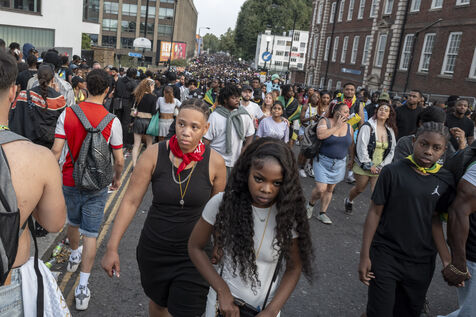
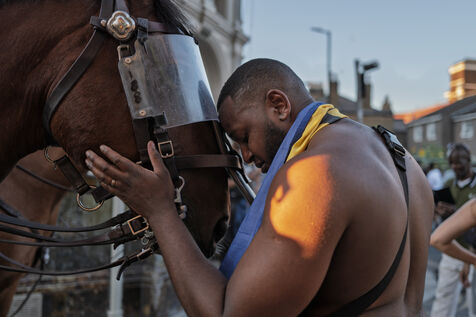
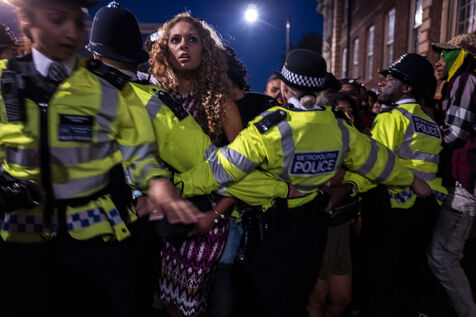
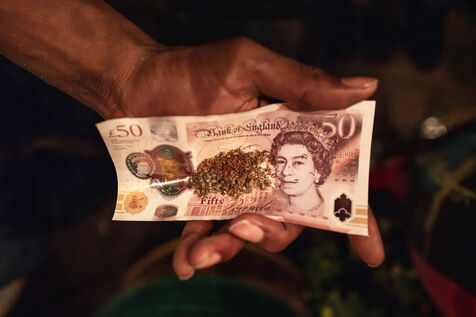
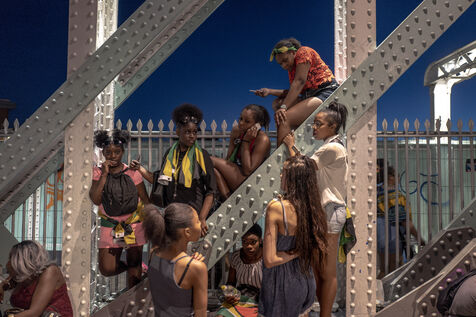
Le perroquet annonce la couleur. Un homme assis attend patiemment devant une enceinte encore endormie : il le sait, le carnaval va commencer… Les plumes s'ajustent devant les miroirs, les corps se découvrent, et c’est parti! Petit arrêt au off-licence pour faire le plein, avant de rejoindre les cortèges qui se préparent pour un long périple jusqu'au soir. Tout le monde participe, même les plus petits, tradition oblige! Puis tout bascule, la foule grossit par vagues : Jamaïque, Trinidad, Europe, un London de toutes les origines happé par le même courant. Certains chantent avec ferveur les paroles des musiques crachées par les soundsystems, comme des hymnes internationaux, d’autres s’envolent sur les ondes sonores à l’aide de ballons gazeux, puis les corps s'abandonnent aux basses et à l'instant. La frontière entre fête populaire et rituel collectif disparaît, comme le symbole d'une société plurielle qui célèbre la vie ensemble.
Héritage multiculturel C’est aussi l’héritage de la génération Windrush, ces familles caribéennes invitées par le gouvernement britannique à venir reconstruire le pays d’après-guerre. Ainsi que l’héritage du Mas, carnaval de résistance et de célébration de la culture afro-caribéenne. Une culture qui a pris racine dans l’asphalte londonien avant d’irriguer la musique britannique contemporaine, du grime à la tropical house, de la jungle à l’afrobeats, et d’influencer la scène musicale mondiale.
En réponse à la haine Ce carnaval est né en réponse directe à la violence, celle de racistes qui s'en prirent à un couple mixte, avant de déclencher une semaine d’attaques dans le quartier de Notting Hill, où vivait à l’époque une forte communauté afro-caribéenne. C'est pour répondre à cette haine, et pour affirmer qu'une société multiculturelle n'était pas une menace mais une richesse, qu'en 1966, le carnaval prit racine, aux dates mêmes des raids racistes qui avaient traumatisé les habitants du quartier quelques années plus tôt.
Soixante ans plus tard, le Notting Hill Carnival est devenu le plus grand rassemblement populaire d’Europe, avec la participation de plus de deux millions de personnes. Un acte de résistance devenu institution.
Bass & Feathers
Story of an Endless Day For more than a decade now, at the end of August, I make the decision to leave Lausanne, my small Swiss town, to join Notting Hill, and take part in the transformation of a territory apart, where Caribbean, African and European influences mix and transcend the neighbourhood for two days.
The parrot announces the colours. A man sits and waits patiently in front of a still-sleeping speaker: he knows it, Carnival is about to begin… Feathers are adjusted in front of mirrors, bodies reveal themselves, and it's off! A quick stop at the off-licence to stock up, before joining the processions gathering for a long journey until evening. Everyone takes part, even the youngest, tradition demands it! Then everything shifts, the crowd swells in waves: Jamaica, Trinidad, Europe, a London of every origin swept up in the same current. Some sing fervently along to the words of the music blasting from the soundsystems, like international anthems, others float on the sound waves with the help of gas balloons, then bodies surrender to the bass and the moment. The line between popular festival and collective ritual disappears, like the symbol of a plural society celebrating life together.
Multicultural Heritage It is also the legacy of the Windrush generation, those Caribbean families invited by the British government to help rebuild the country after the war. As well as the legacy of Mas, a carnival of resistance and celebration of Afro-Caribbean culture. A culture that took root in London's asphalt before flowing into contemporary British music, from grime to tropical house, from jungle to afrobeats, and going on to influence the global music scene.
A response to Hatred This carnival was born as a direct response to violence, that of racists who attacked a mixed-race couple, triggering a week of attacks in the Notting Hill neighbourhood, then home to a large Afro-Caribbean community. It was to answer this hatred, and to affirm that a multicultural society was not a threat but a richness, that in 1966 the Carnival took root, on the very same dates as the racist raids that had traumatised the neighbourhood's residents a few years earlier. Sixty years later, Notting Hill Carnival has become Europe's largest public gathering, with more than two million participants. An act of resistance turned institution.