Plastic City
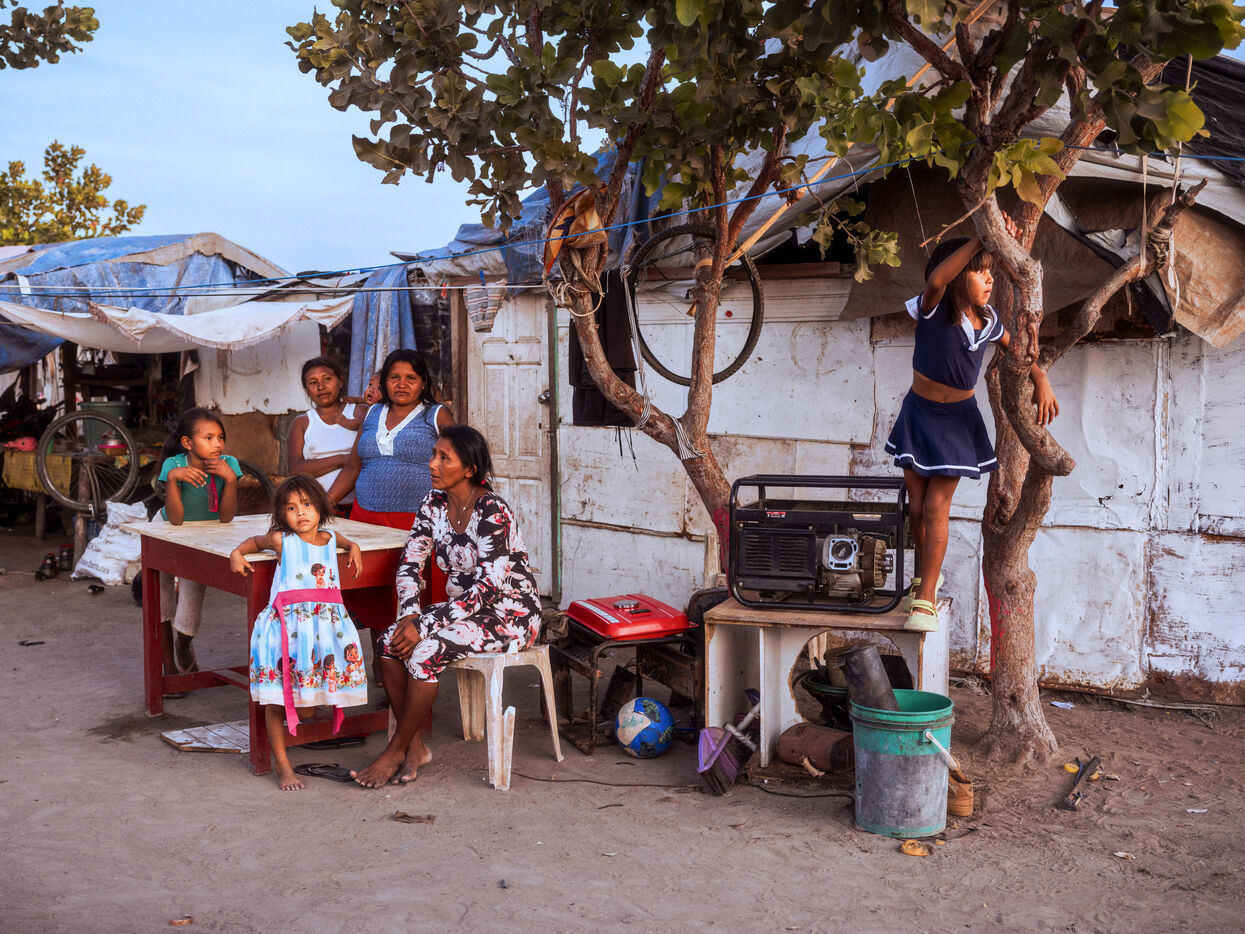
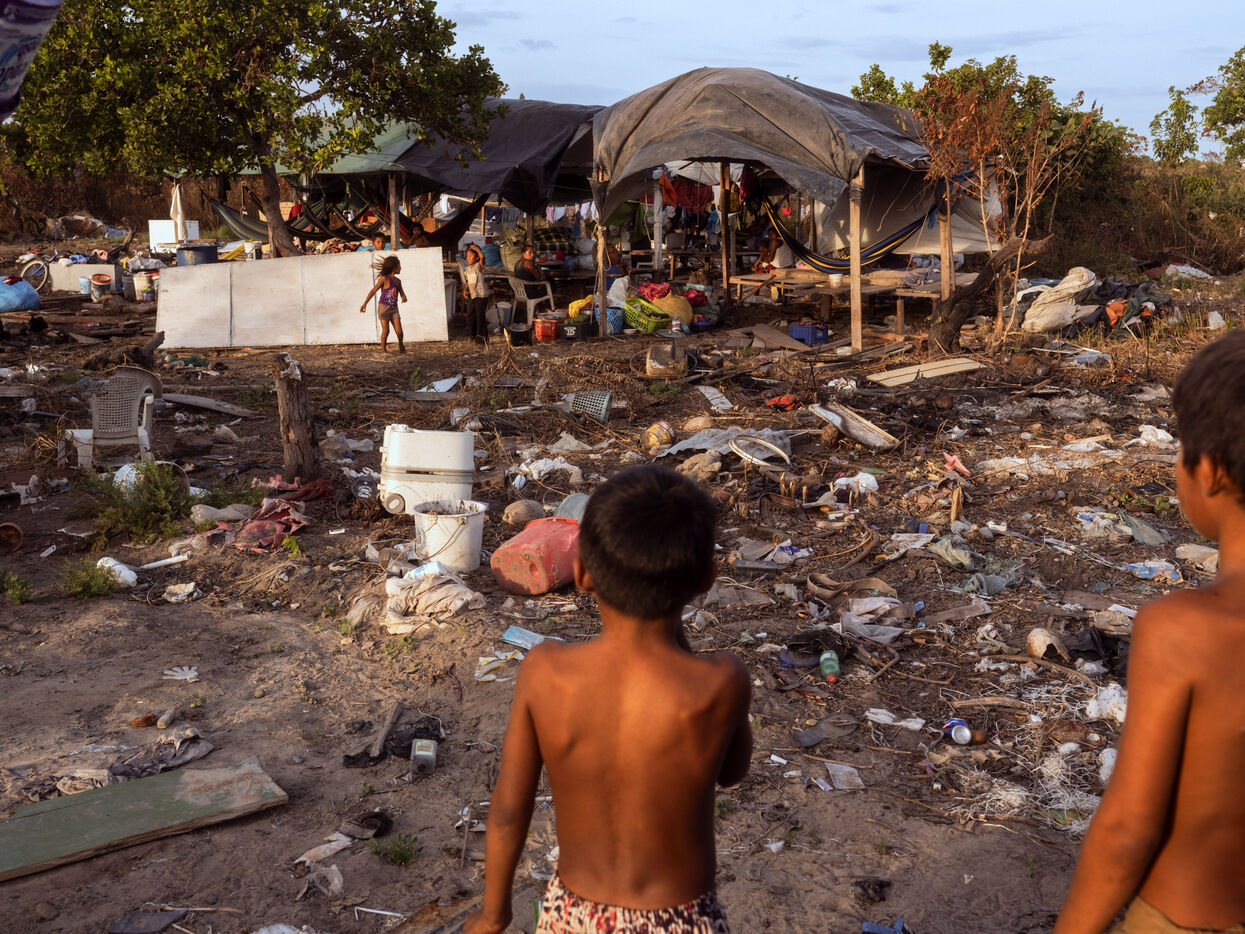
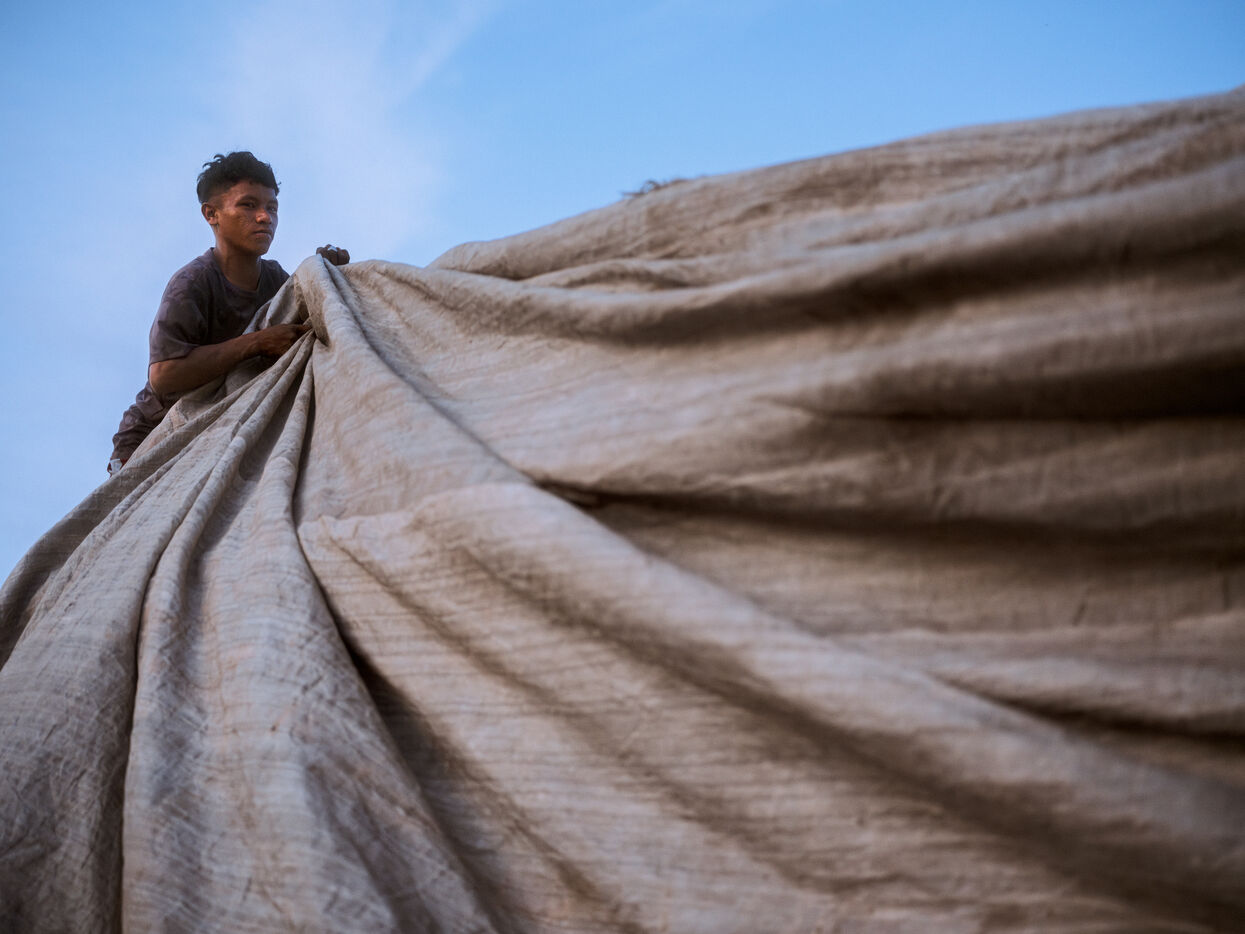
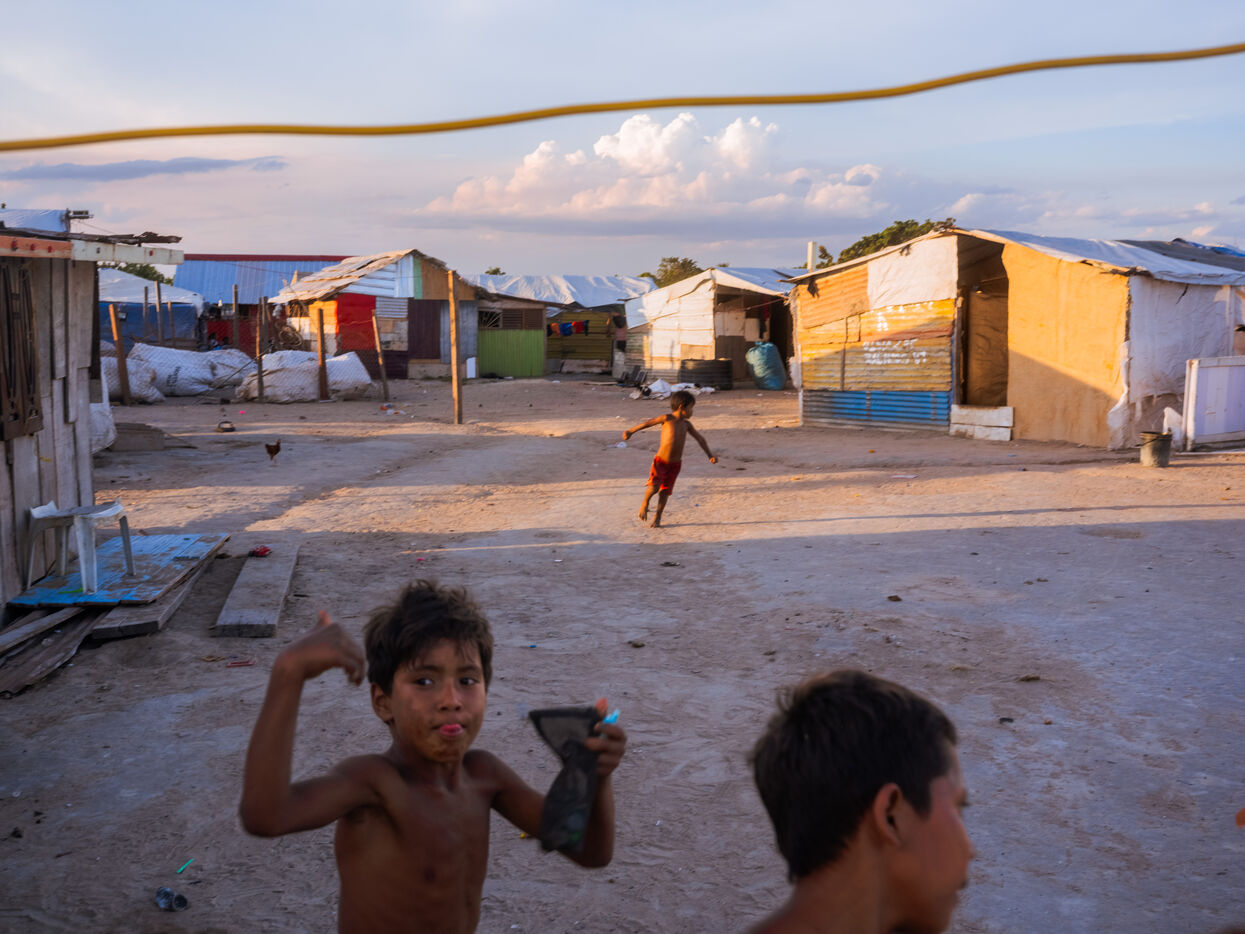
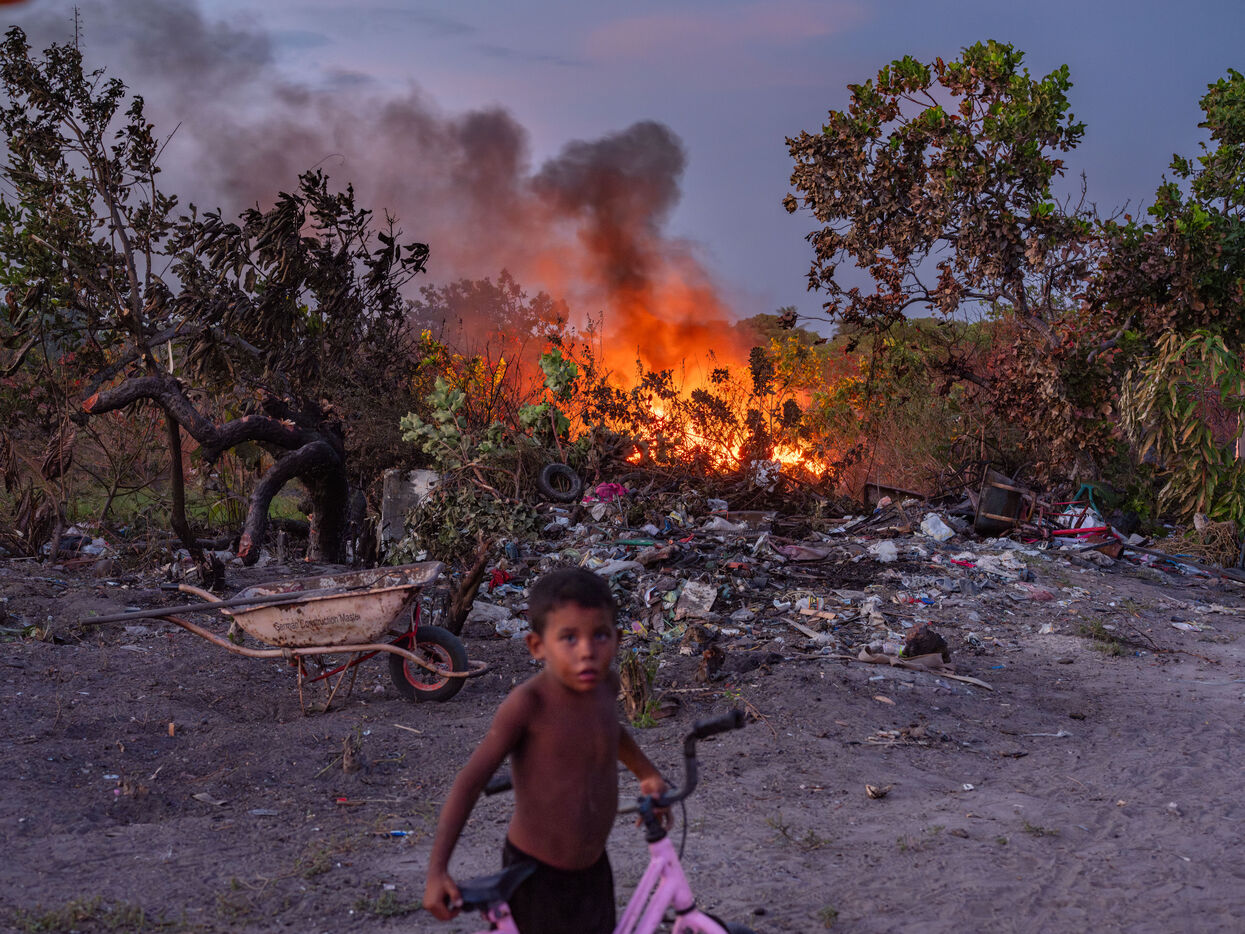
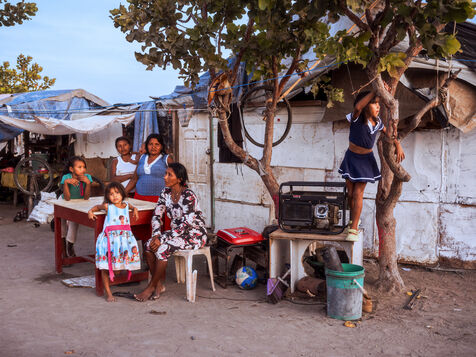
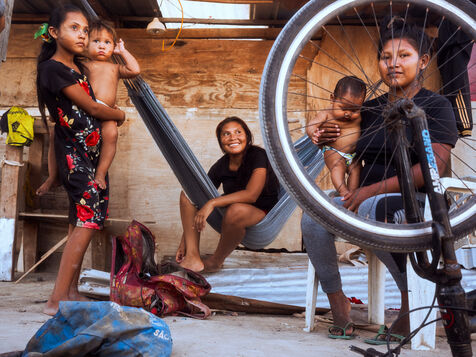
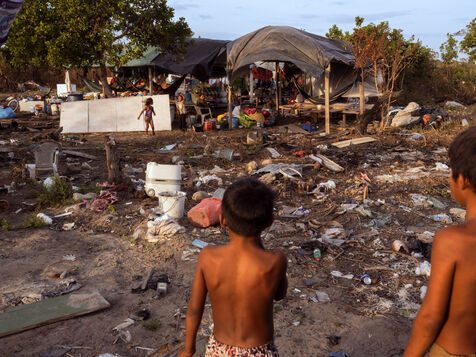
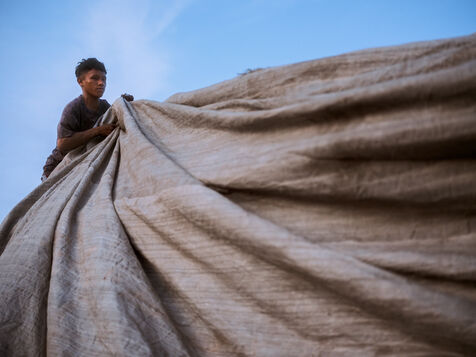
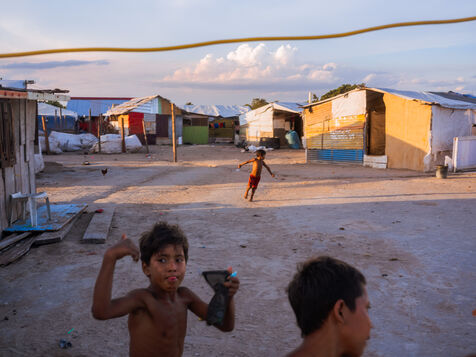
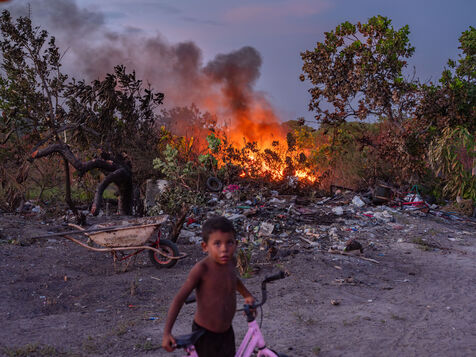
Ce projet rend compte de la vie dans un camp de réfugiés vénézuéliens situé en Guyane, appelé Plastic City. Situé à la périphérie de la ville de Lethem, à la frontière entre la Guyane et le Brésil, ce camp a commencé à voir le jour il y a environ dix ans, lorsque le gouvernement guyanais a attribué un terrain situé près de la décharge locale aux réfugiés vénézuéliens. Ces réfugiés ont commencé à construire des habitations avec les matériaux les plus accessibles : des morceaux de plastique et de bois trouvés dans les ordures, des morceaux de PVC et des bâches. Le camp a reçu le surnom de Plastic City, qui lui est resté jusqu’à aujourd’hui.
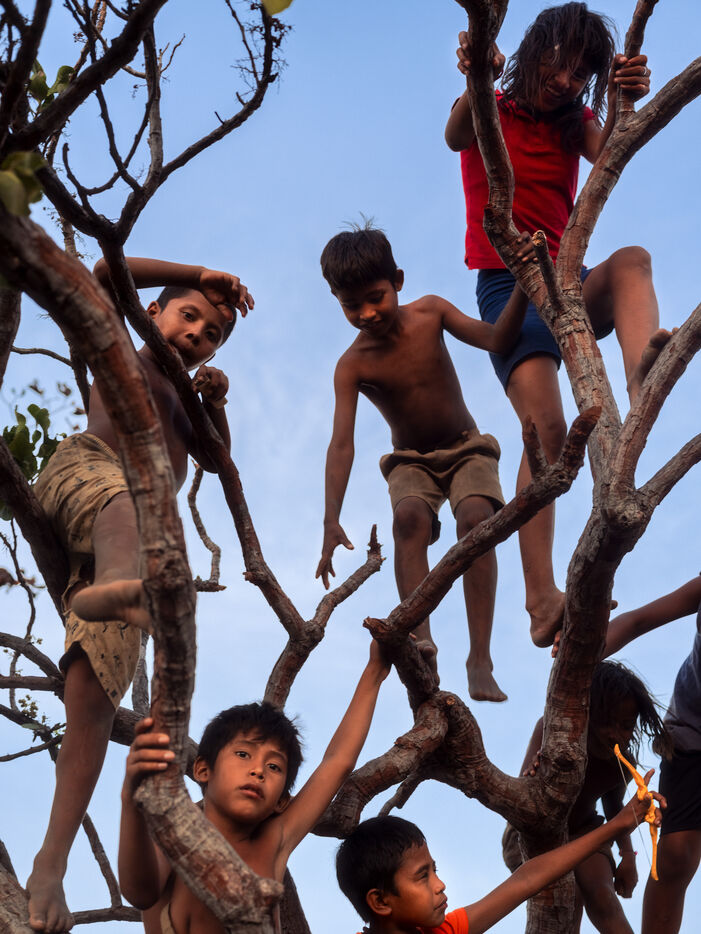
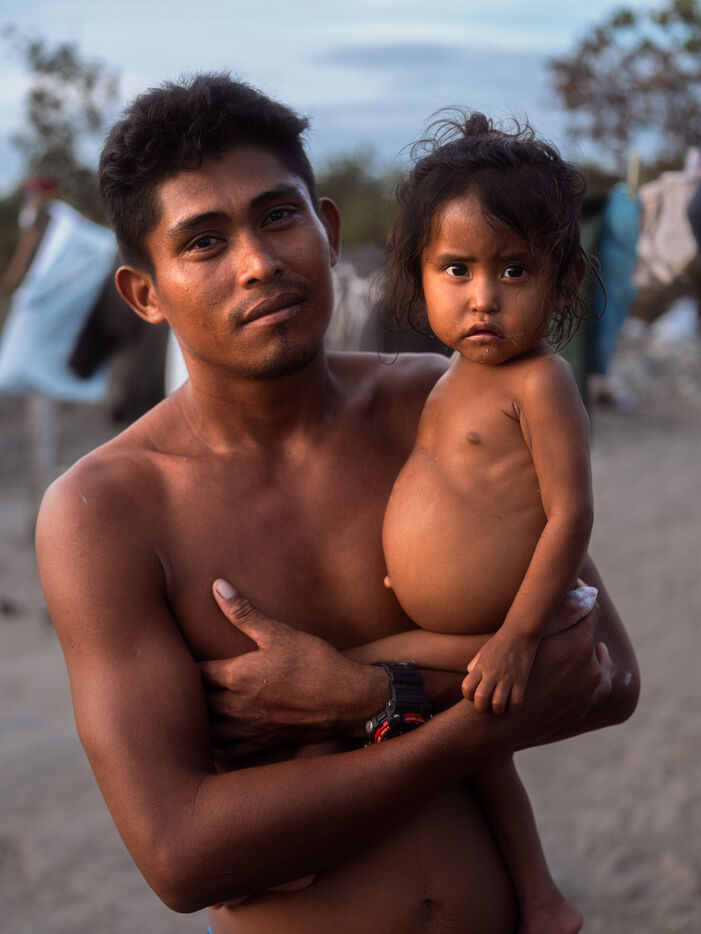
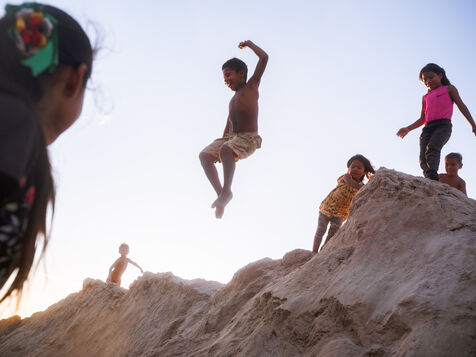
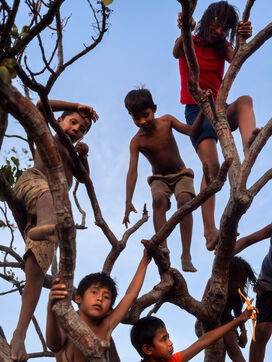
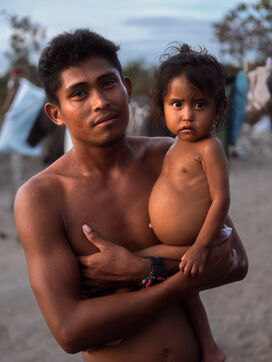
Aujourd’hui, environ 500 personnes vivent à Plastic City, dont plus de la moitié sont des adolescents. La grande majorité d’entre eux sont des migrants économiques issus des communautés autochtones Warau et Eñepa. Beaucoup d’adultes à qui j’ai parlé ont marché jusqu’au Guyana depuis le bassin de l’Orénoque ou l’État de Bolívar, dans l’est du Venezuela. Le trajet dure généralement environ un mois à pied, et j’ai rencontré des personnes âgées de 70 ans qui ont entrepris ce périple éprouvant, consistant à marcher vers le sud jusqu’à Boa Vista, au Brésil, puis à bifurquer vers le nord et à entrer au Guyana par la frontière près de Lethem.
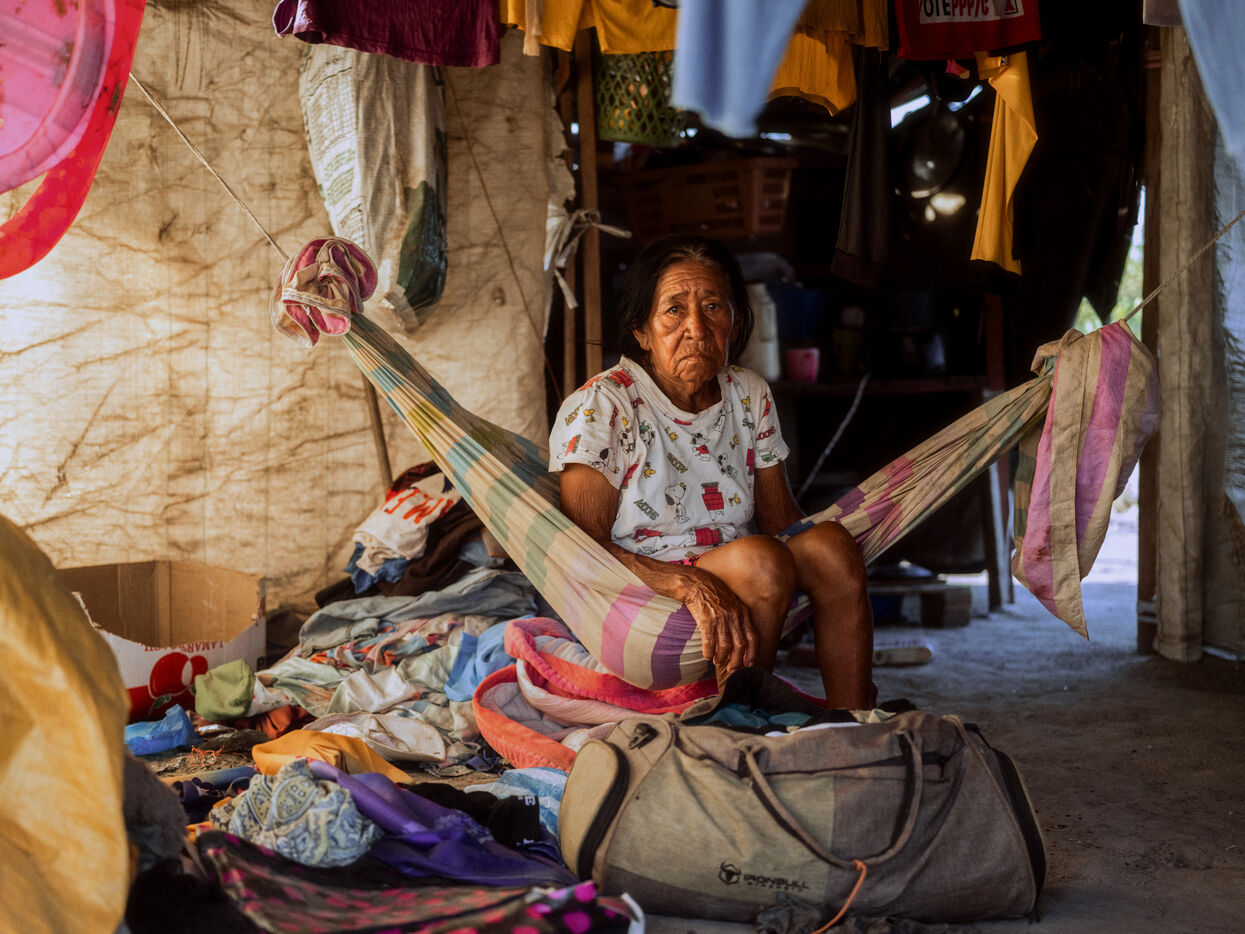
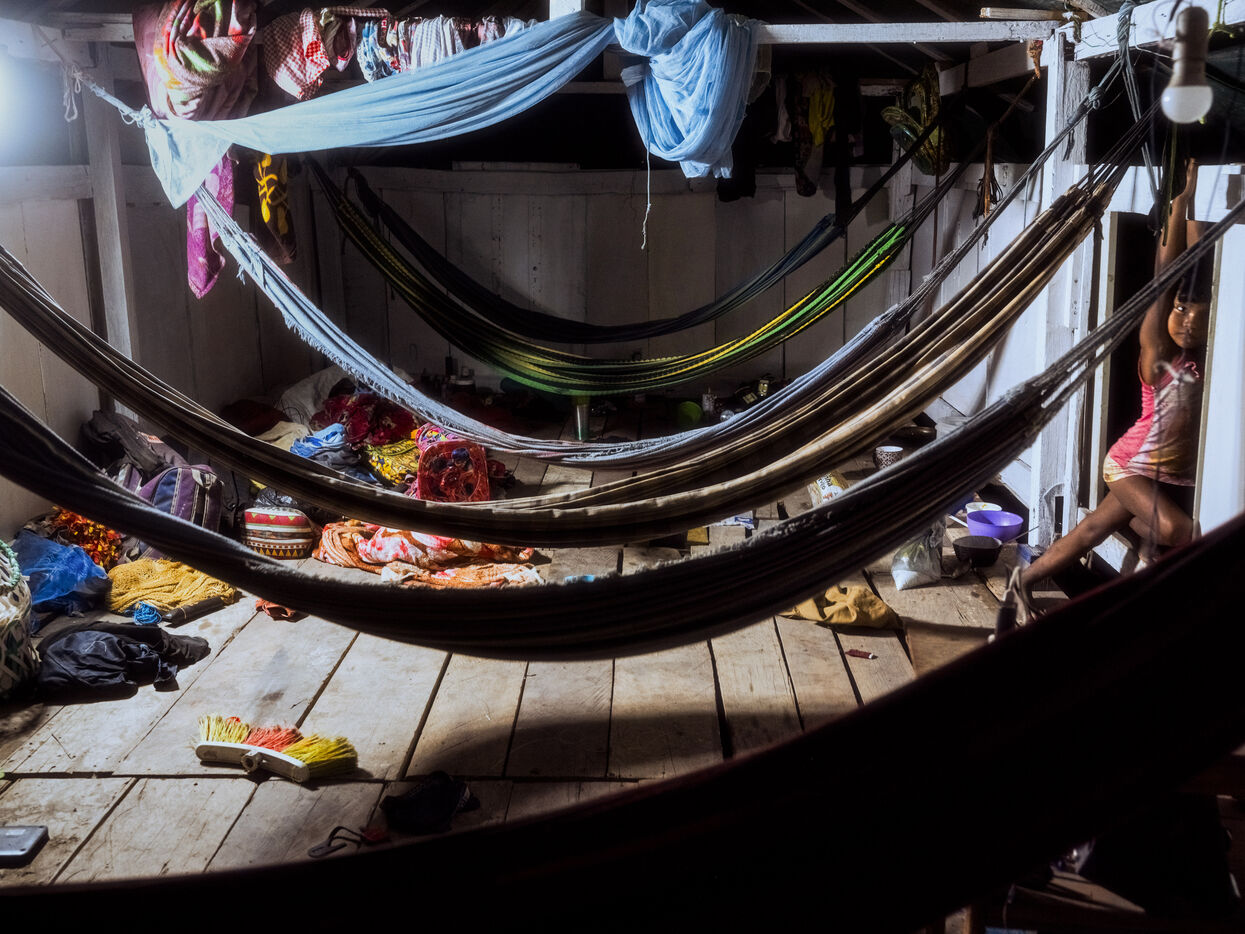
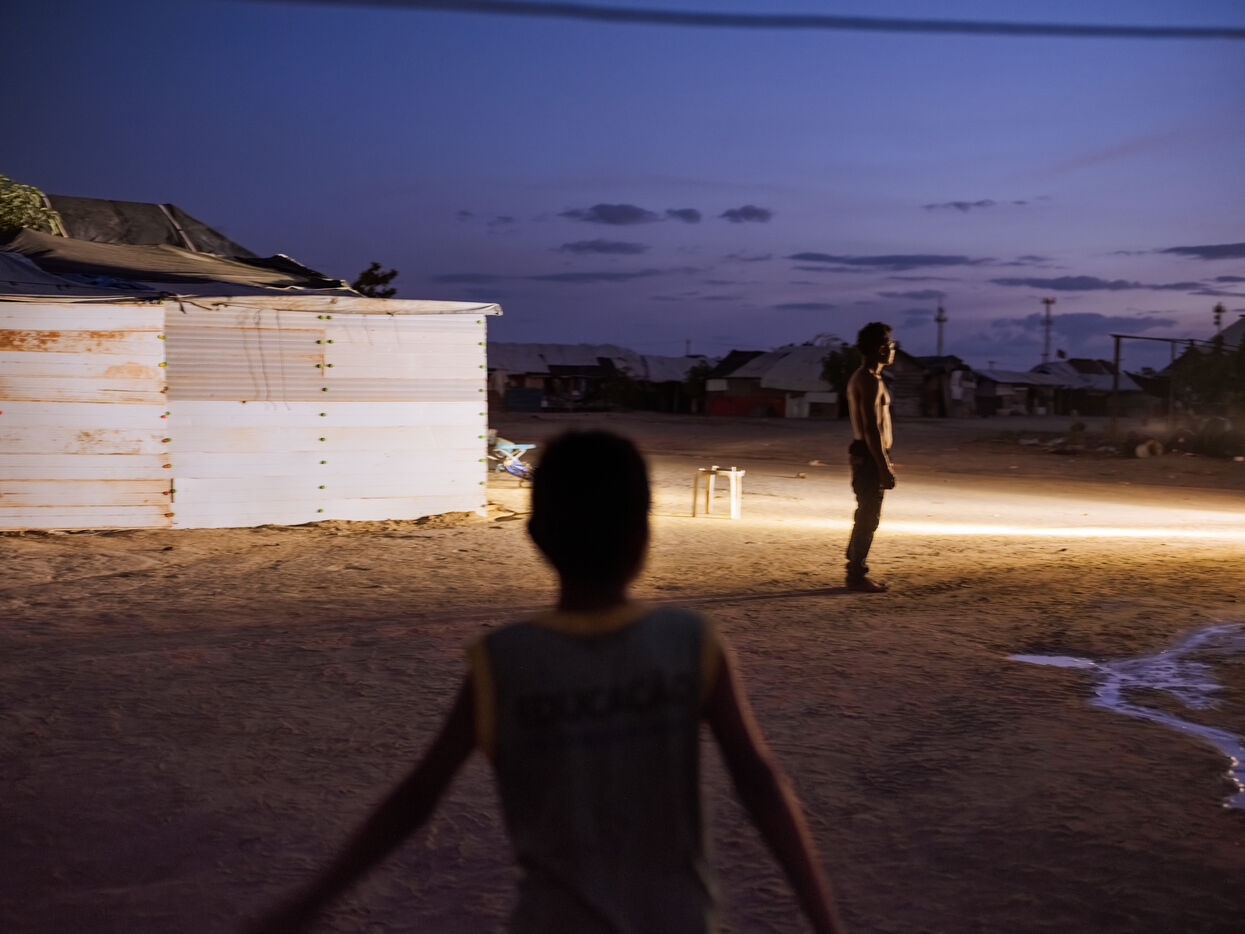
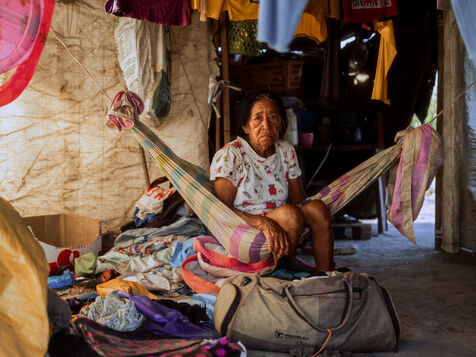
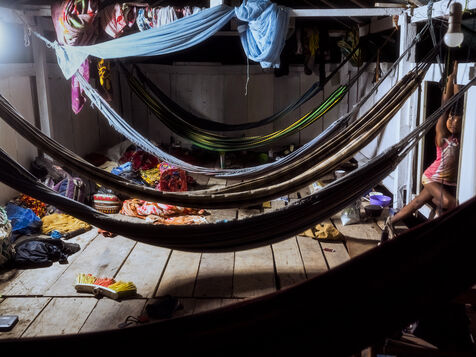
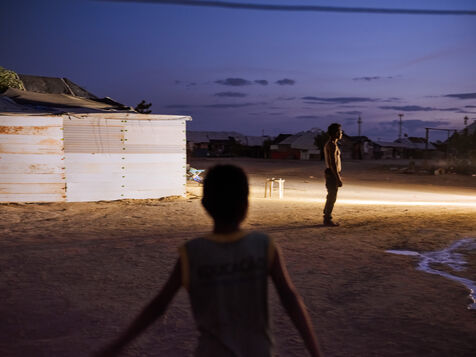
Les habitants de Plastic City n’ont pas accès à l’eau courante ni au réseau électrique local. Certains utilisent des lampes LED à piles ou à énergie solaire chez eux, et une ou deux familles possèdent des générateurs à essence. Le gouvernement guyanais a construit des latrines raccordées au réseau d’eau local, mais la plupart des habitants s’approvisionnent toujours en eau à partir d’une série de puits qu’ils ont creusés un peu partout dans le campement.
Les habitants de Plastic City, comme de nombreux réfugiés, vivent dans un état d’angoisse limbique. Le gouvernement guyanais les empêche de s’éloigner de plus de quelques kilomètres de Lethem et de Plastic City, mais leur interdit également de s’installer de manière permanente dans la colonie.
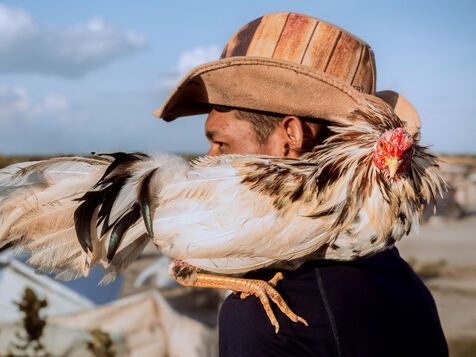
L’expérience des habitants de Plastic City n’est pas seulement celle de la précarité et du déplacement, mais aussi celle d’une communauté contrainte de se reconstituer et de redéfinir sa relation aux notions de foyer et de paysage. Ici, la relation au territoire qui sert de cadre à la vie quotidienne n’est plus ancestrale ; les habitants de Plastic City ont été contraints d’improviser, d’essayer de créer les fondations de leur nouveau foyer à partir des vestiges d’une autre société.
Plastic City
This project documents life in a Venezuelan refugee camp in Guyana called Plastic City. Located on the outskirts of the town of Lethem, on Guyana’s border with Brazil, the settlement began to take shape about 10 years ago when the Guyanese government designated a plot of land near the local landfill for use by Venezuelan refugees. These refugees began building homes out of the materials closest at hand: scraps of plastic and wood from the garbage, pieces of PVC, and sheets of tarpaulin. The settlement was given the nickname Plastic City, which has stuck to this day.
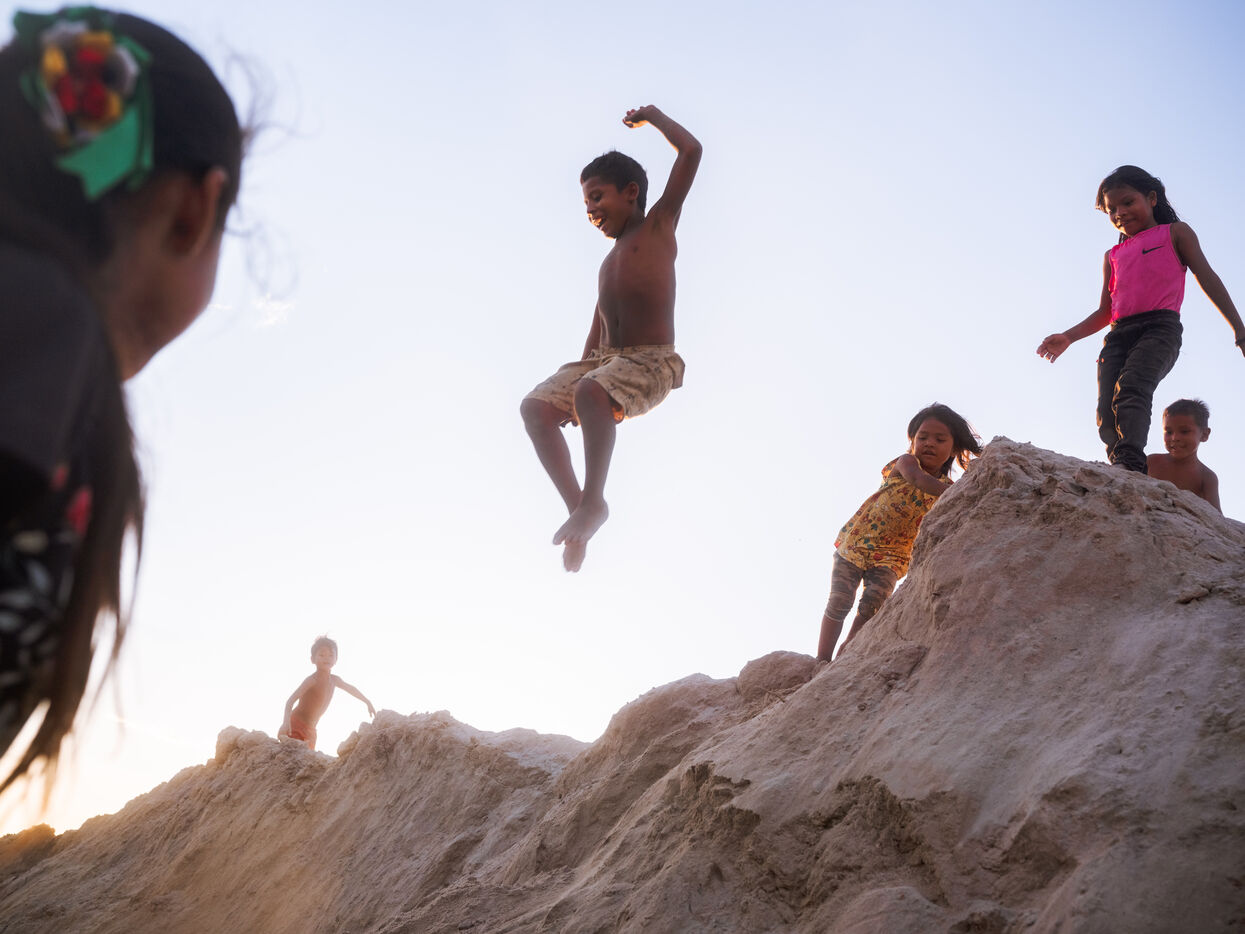
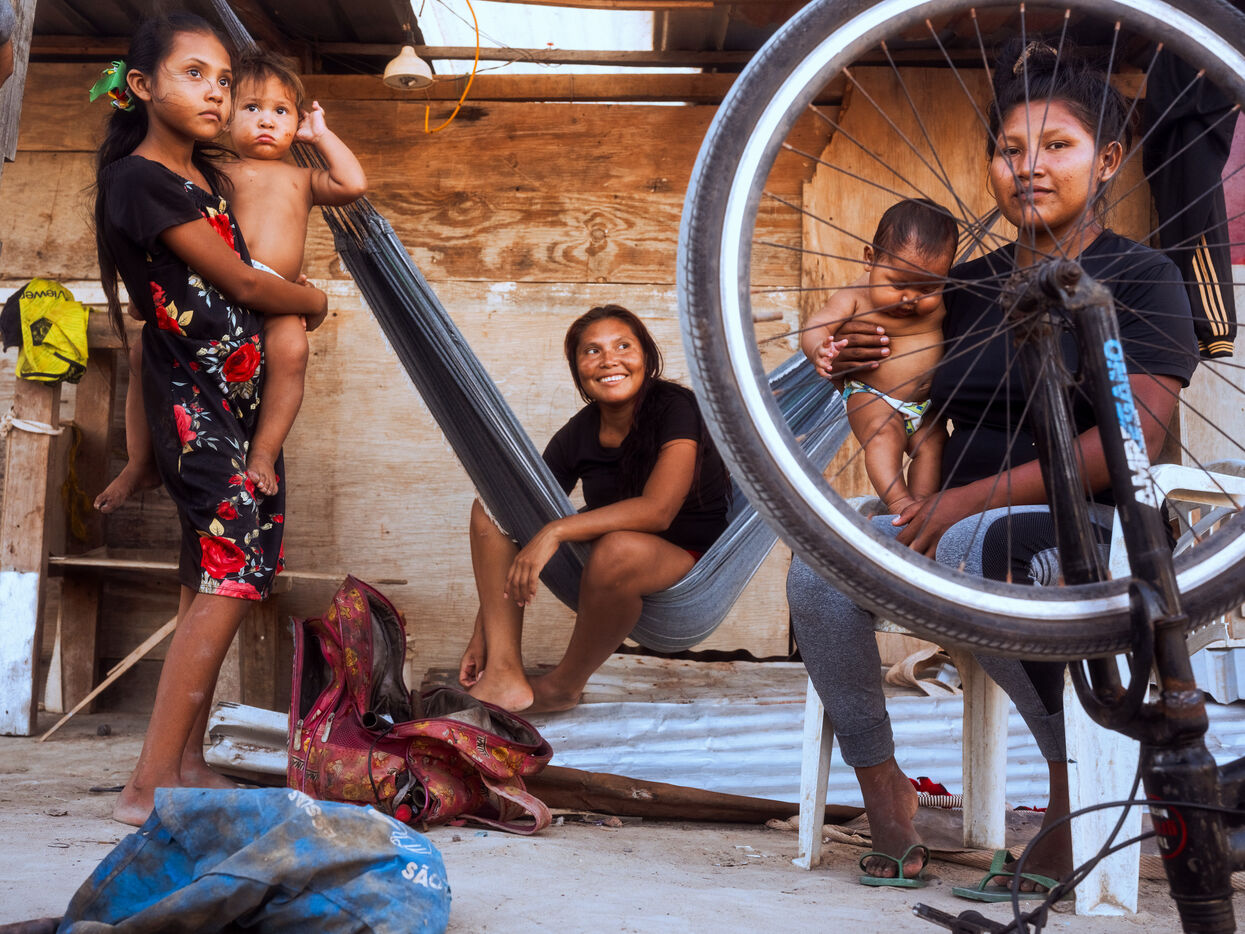
Today, around 500 people live in Plastic City, more than half of them adolescents. The vast majority of them are economic migrants from the Warau and Eñepa indigenous communities. Many of the adults I spoke to walked to Guyana from the Orinoco Basin or the state of Bolivar in Eastern Venezuela. The journey usually takes around a month on foot, and I met people as old as 70 who undertook the brutal journey, which involves walking south to Boa Vista, Brazil, then turning north and entering Guyana through the border near Lethem.
The residents of Plastic City do not have access to running water or the local electrical grid. Some use battery or solar-powered LED lights in their homes, and one or two families own petrol-powered generators. The Guyanese government built a latrine area connected to the local water network, but most residents still get their water from a series of wells they dug throughout the settlement.
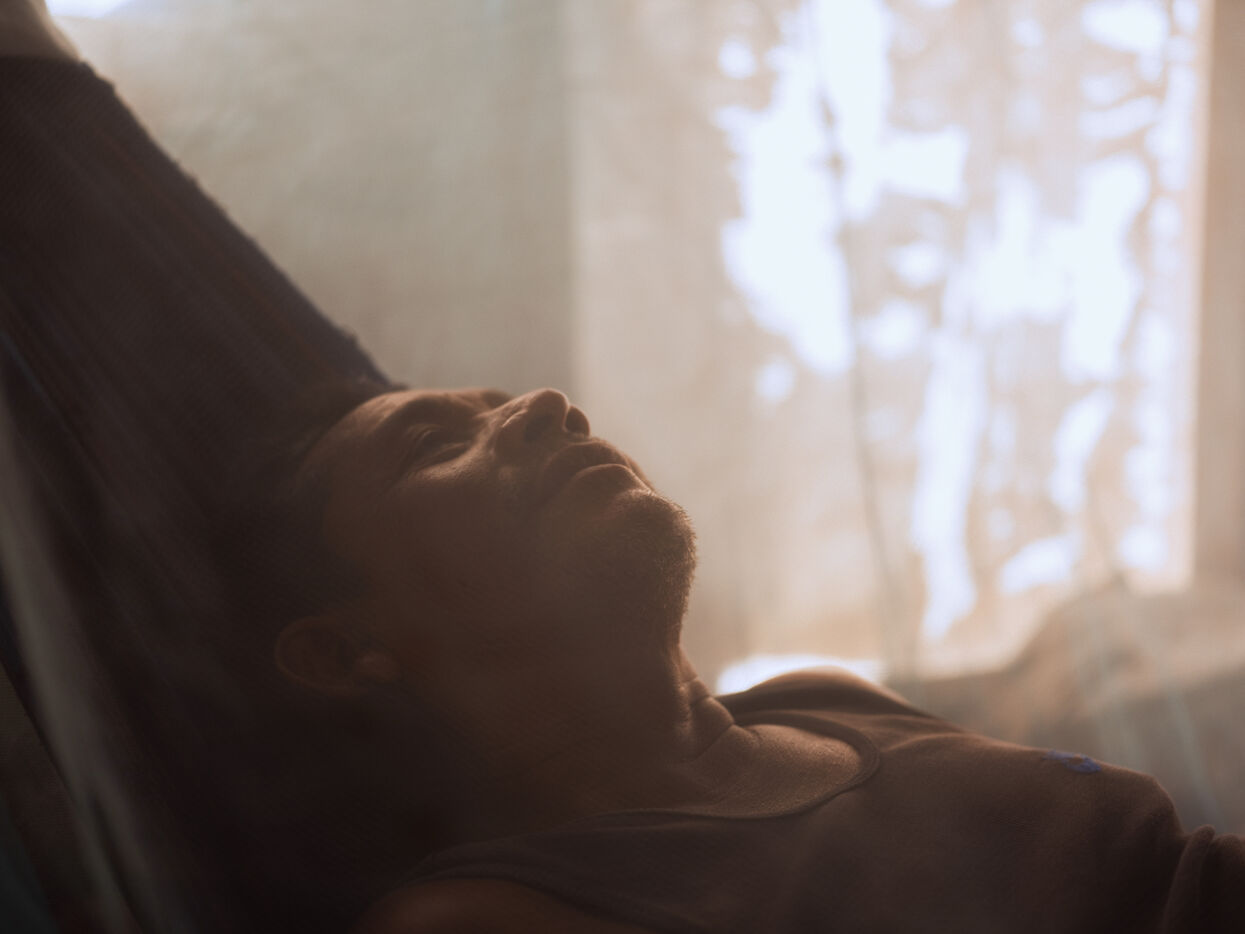
The residents of Plastic City, like many refugees, live in a state of limbic anxiety. They are prevented by the Guyanese government from going more than a few kilometres away from Lethem and Plastic City, but are also prohibited from setting down permanent roots in the settlement.
The experience of Plastic City’s inhabitants is not just one of precarity and displacement, but one in which a community is being forced to reconstitute itself and the relationship it has with the notions of home and landscape. Here, the relationship with the territory that is the setting of daily life is no longer ancestral; inhabitants of Plastic City have been forced to improvise, to try to create the foundation of their new home from the residue of another society.