LA GROTTE D'HARPEA AU PRINTEMPS
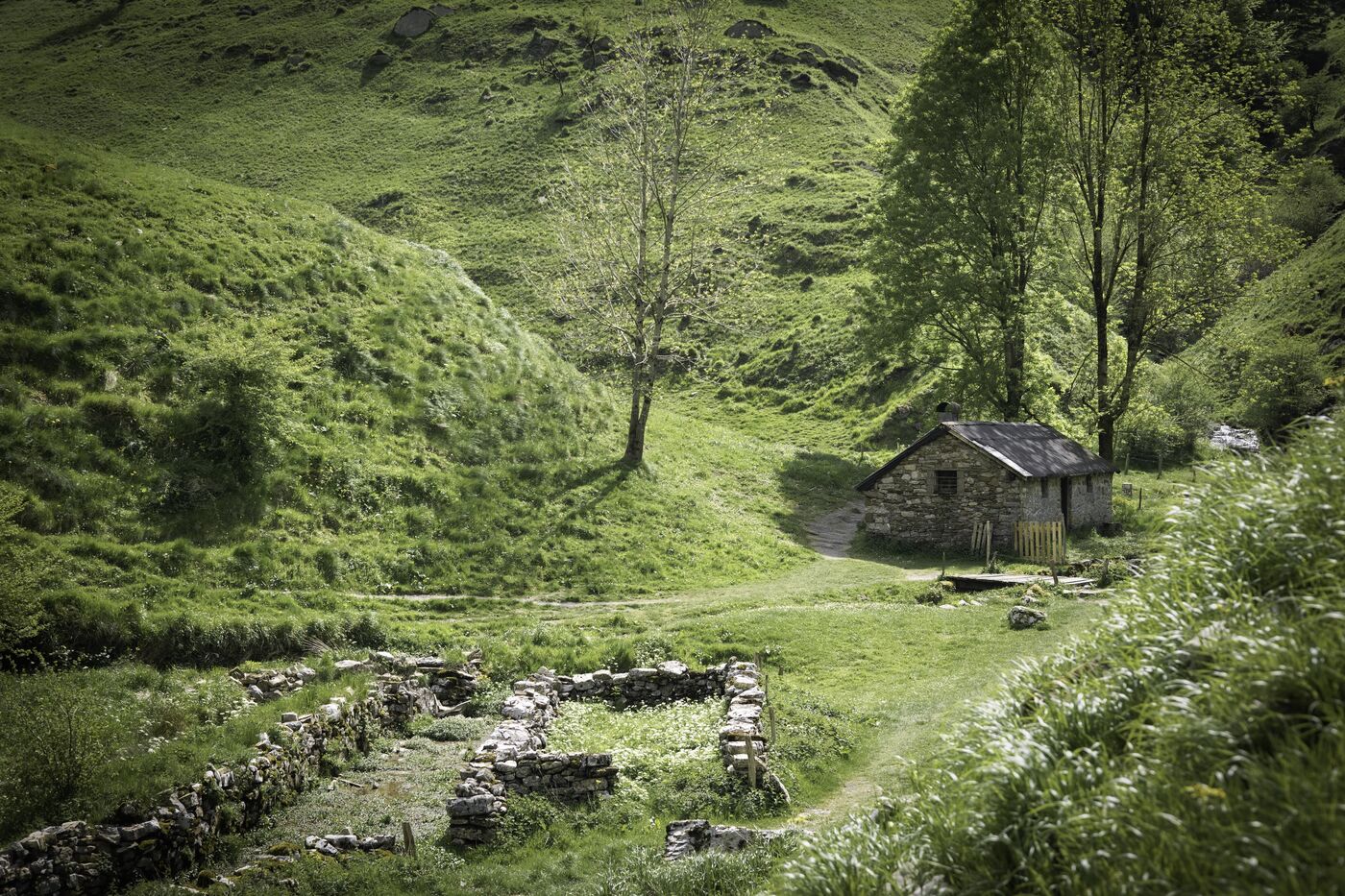
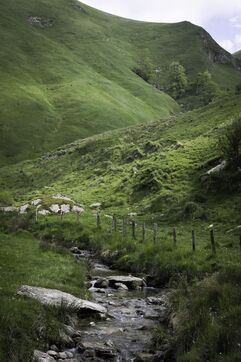
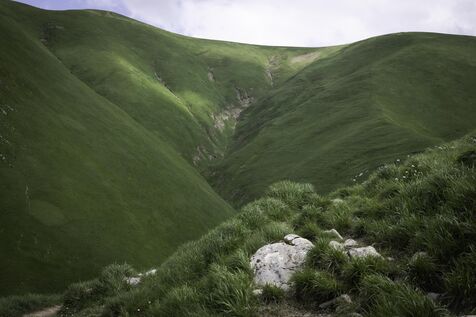
C'est le printemps et la campagne revêt ses plus belles teintes de vert, surtout ici, en Pays Basque.
Sans doute l'effet conjugué d'un climat doux mais un tantinet humide, si l'on aime employer les euphémismes.
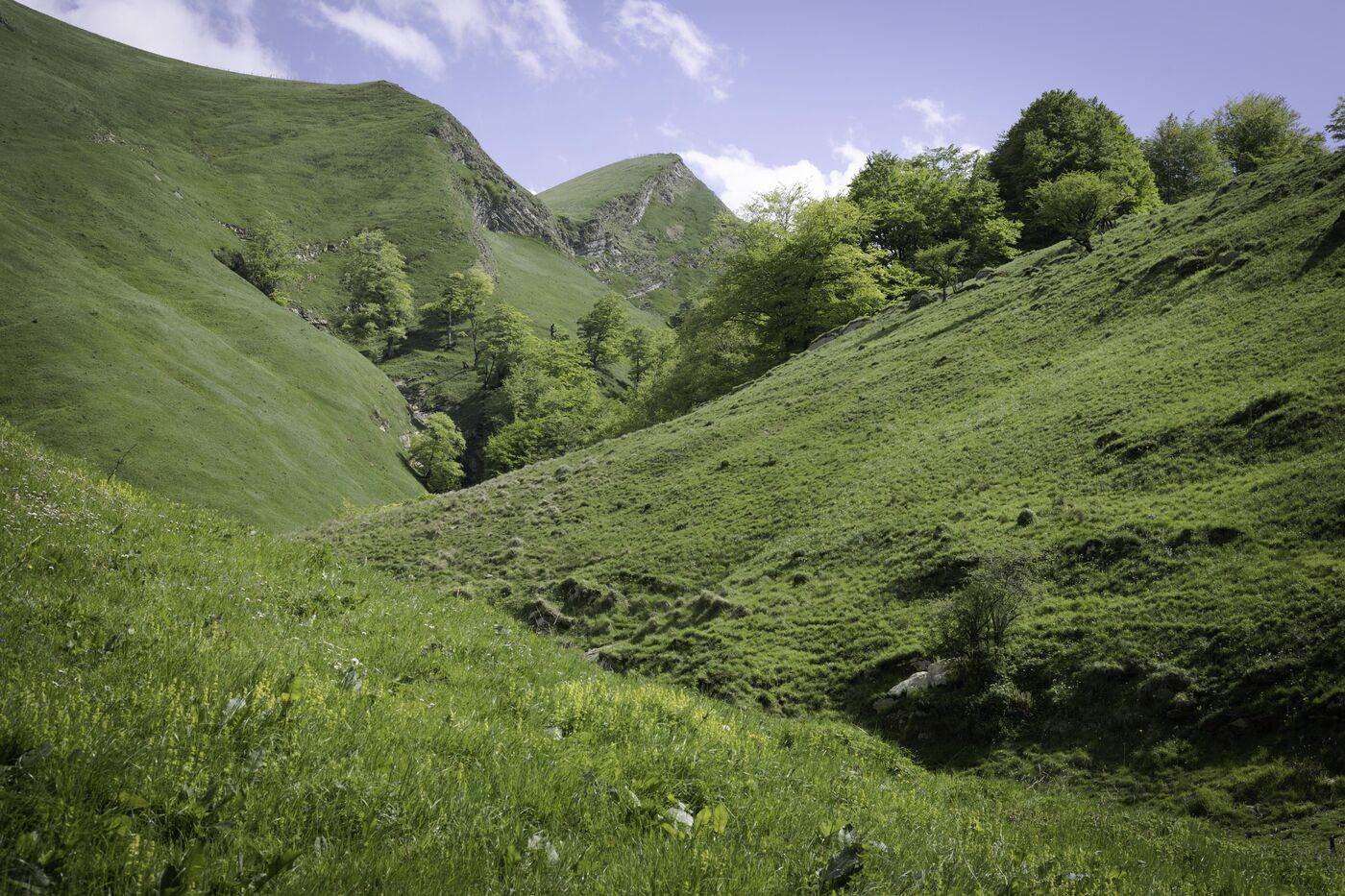
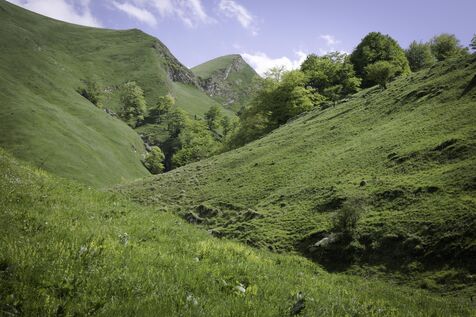
Mais il est un endroit au Pays Basque, plus vert que nulle part ailleurs. Ce lieu est en Basse-Navarre, aux confins de sa grande soeur, la Navarre qui court sur le versant Sud de cette partie de la chaîne des Pyrénées. Cet endroit est situé en montagne, entre 1.000 et 1.300 mètres d'altitude, sur les flancs du mont Errozate, massif imposant aux pentes dépassant les 50° et dominant de ses 1.345m la Nive d'Esterençuby.
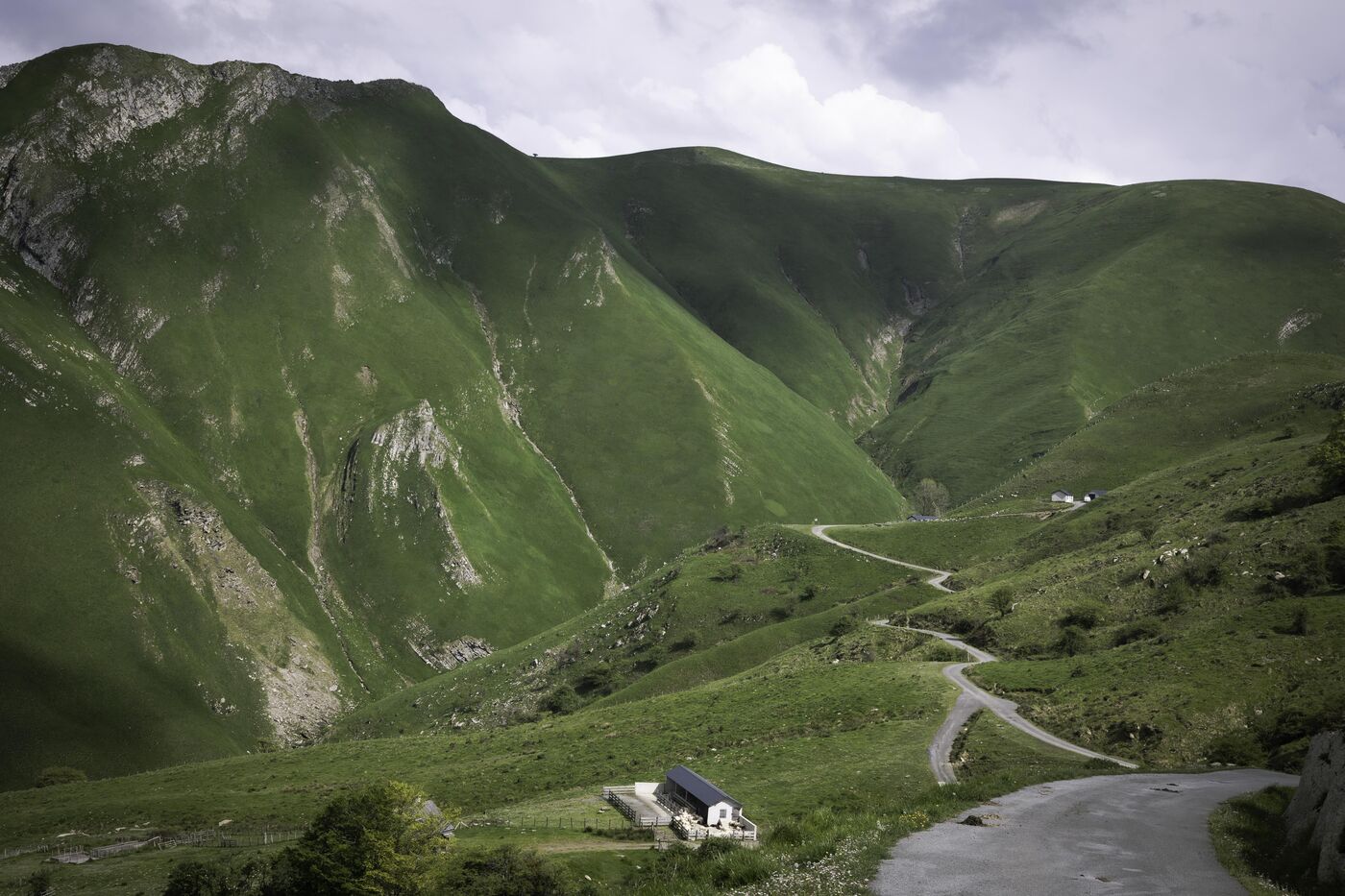
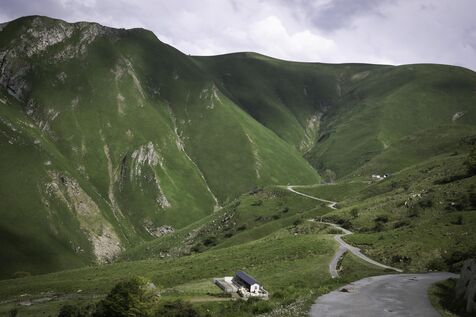
Là, niché au fond d'un repli du terrain donnant naissance à une sorte de gorge dessinant le pied du mont, se trouve un endroit hors du commun et hors du temps. On y accède par une petite route très étroite au bord du ravin dégringolant vers cette gorge et qui s'interrompt rapidement face à une pente d'un dénivelé vertigineux. Mieux vaut ne pas se rendre jusqu'au bout en voiture car si deux véhicules se retrouvent face à face, il peut être périlleux de se croiser.
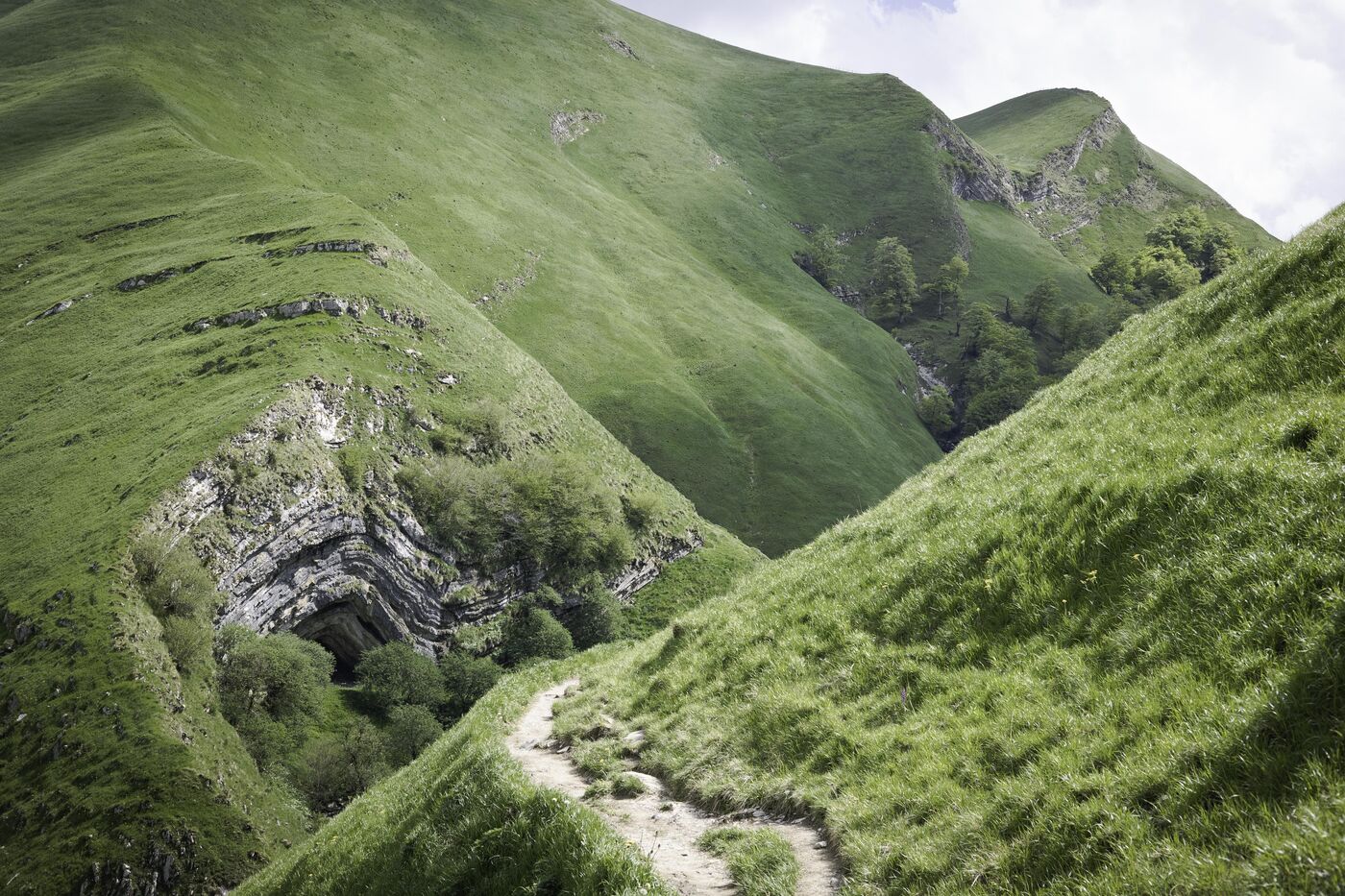
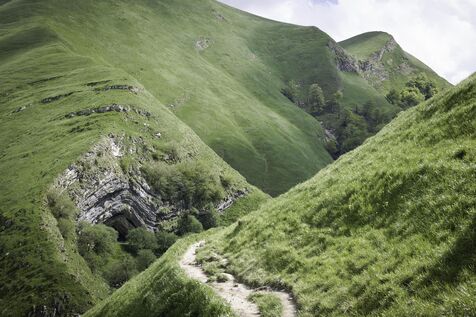
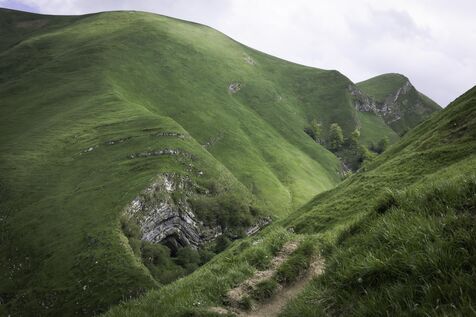
Au bout de la route, il faut ouvrir un portail et emprunter un petit sentier qui semble partir à flanc, vers le Sud.
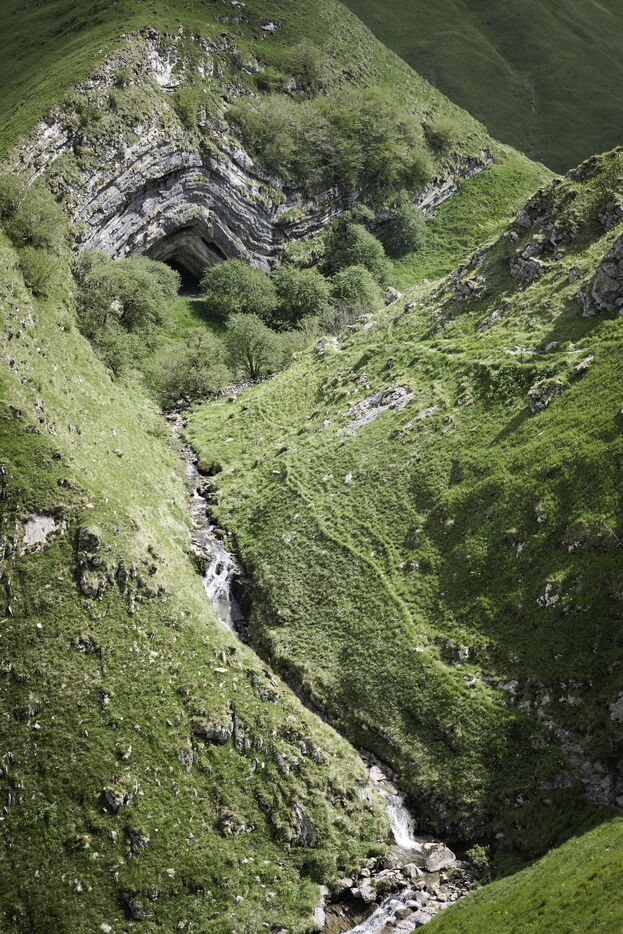
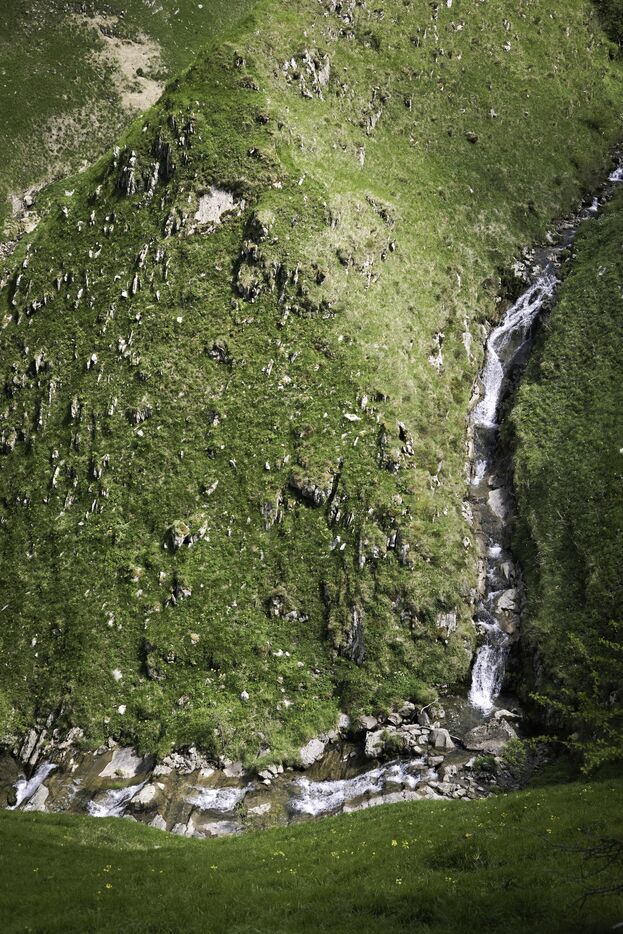
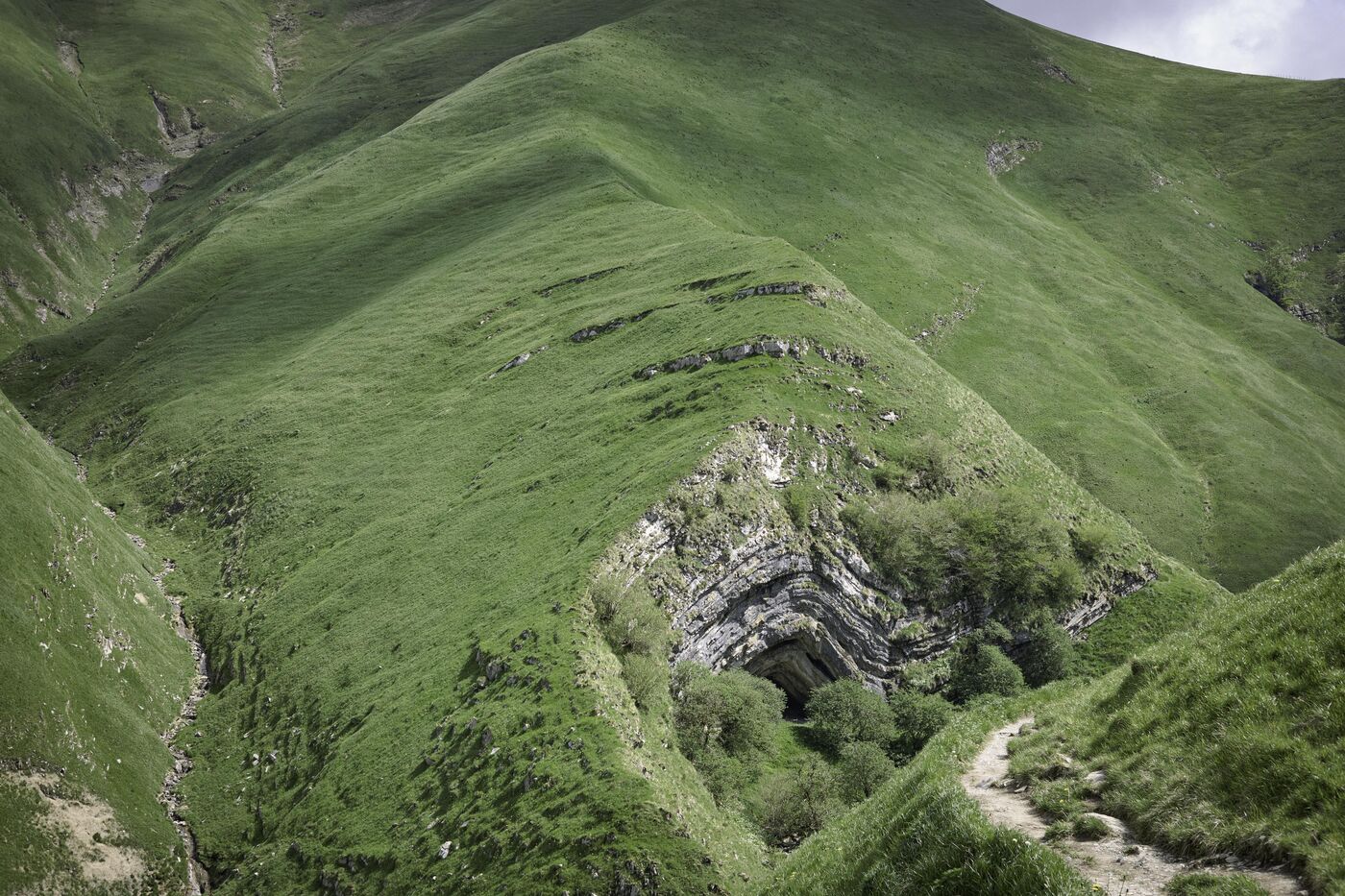
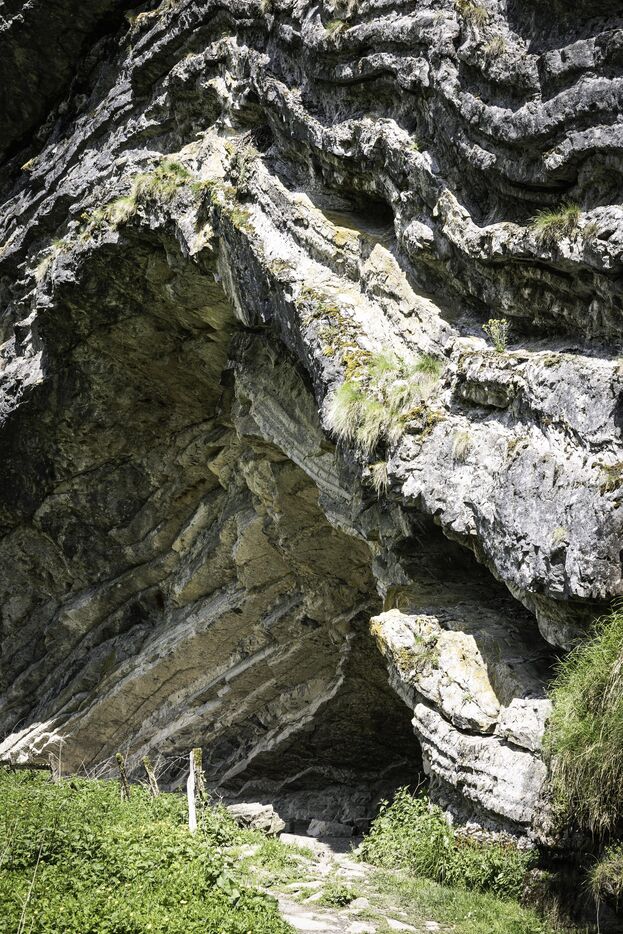
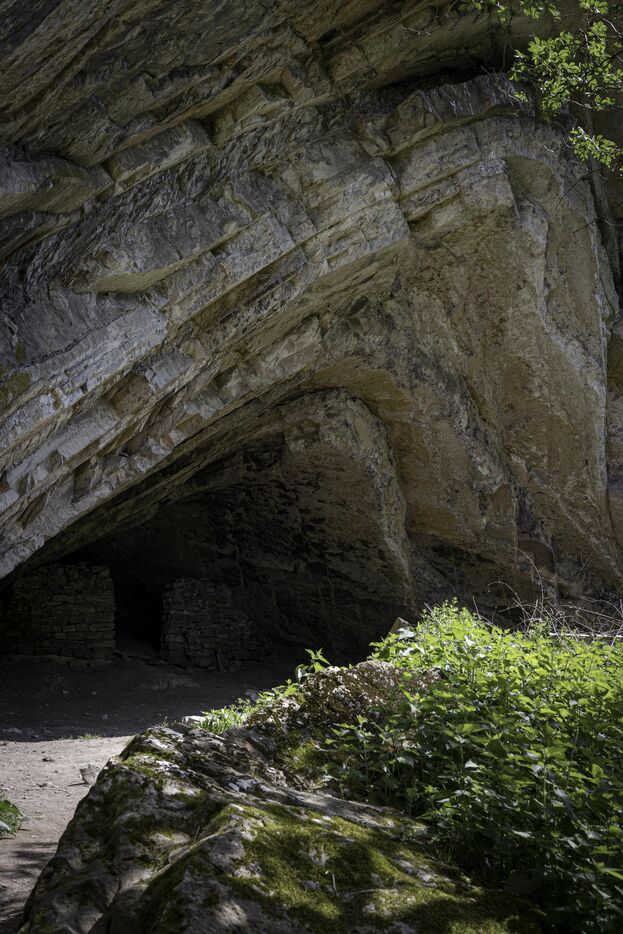
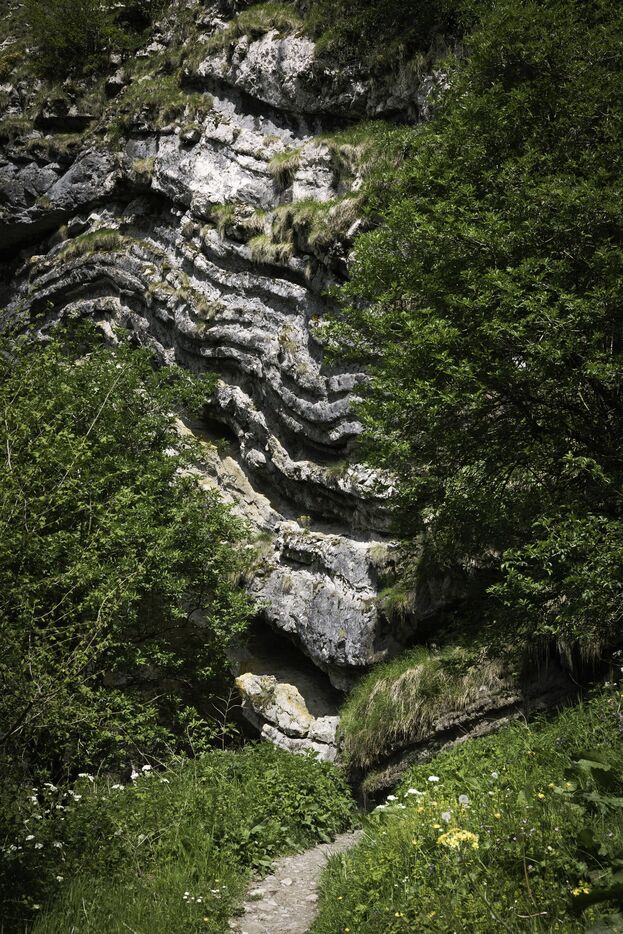
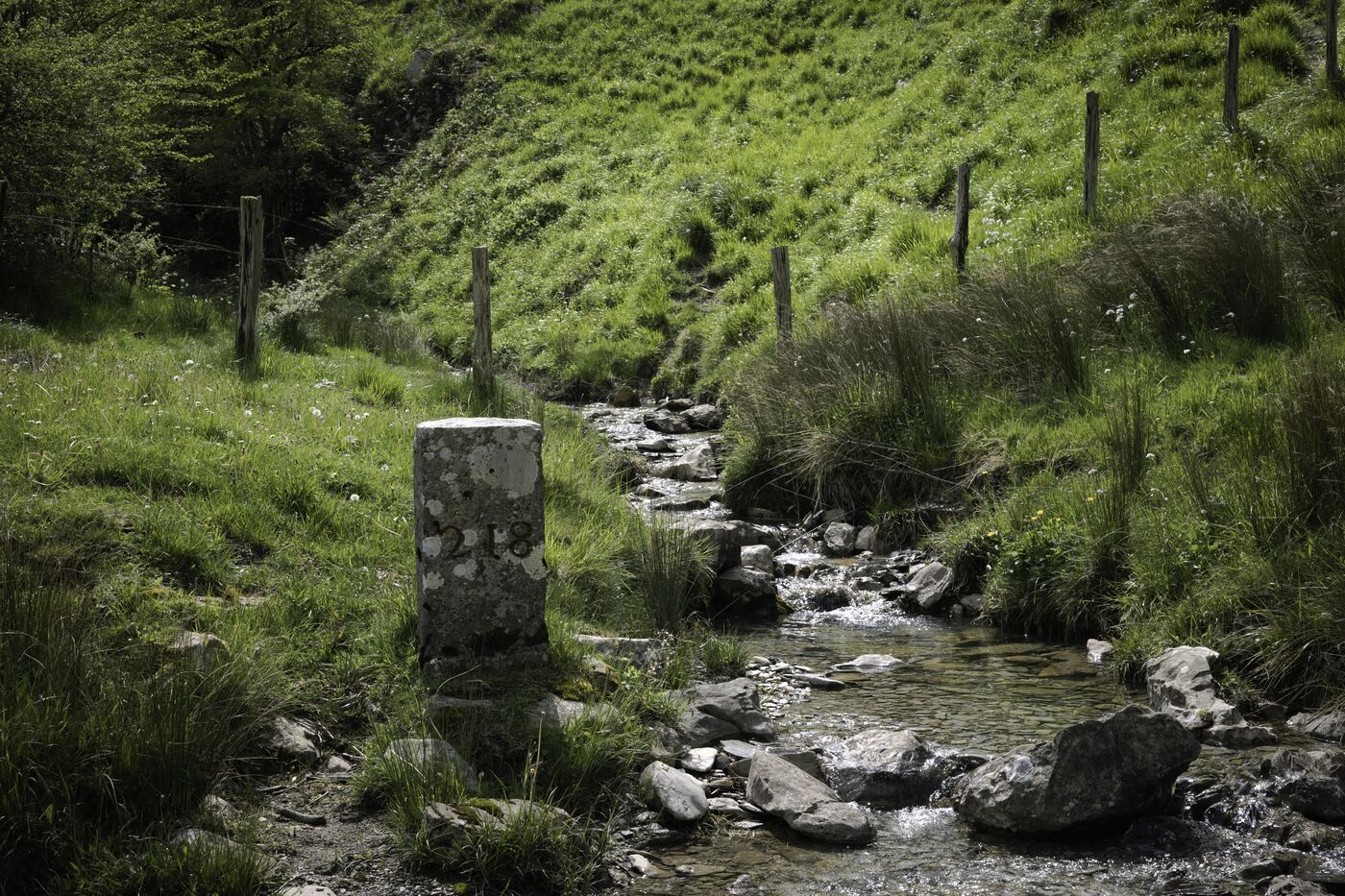
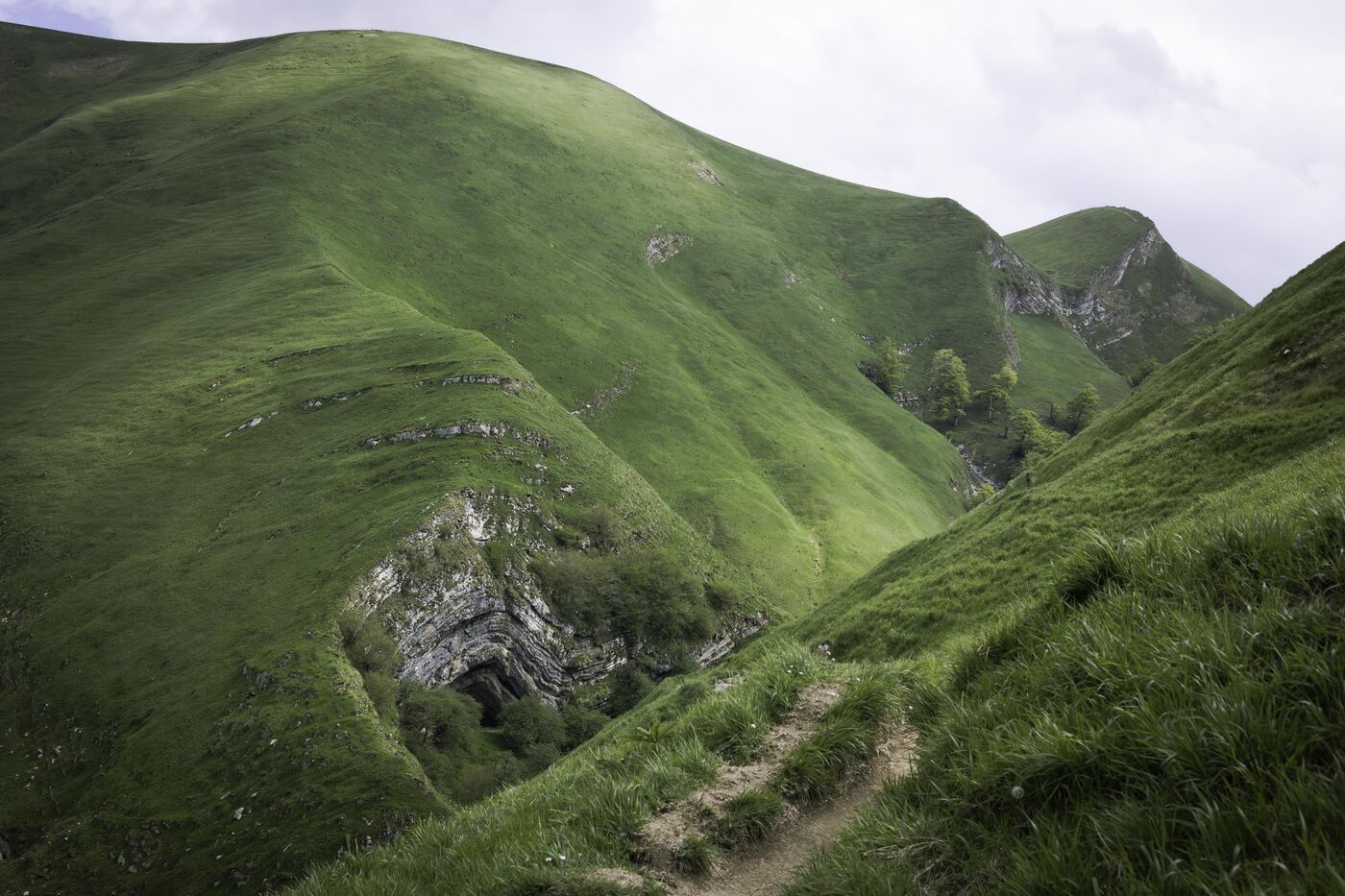
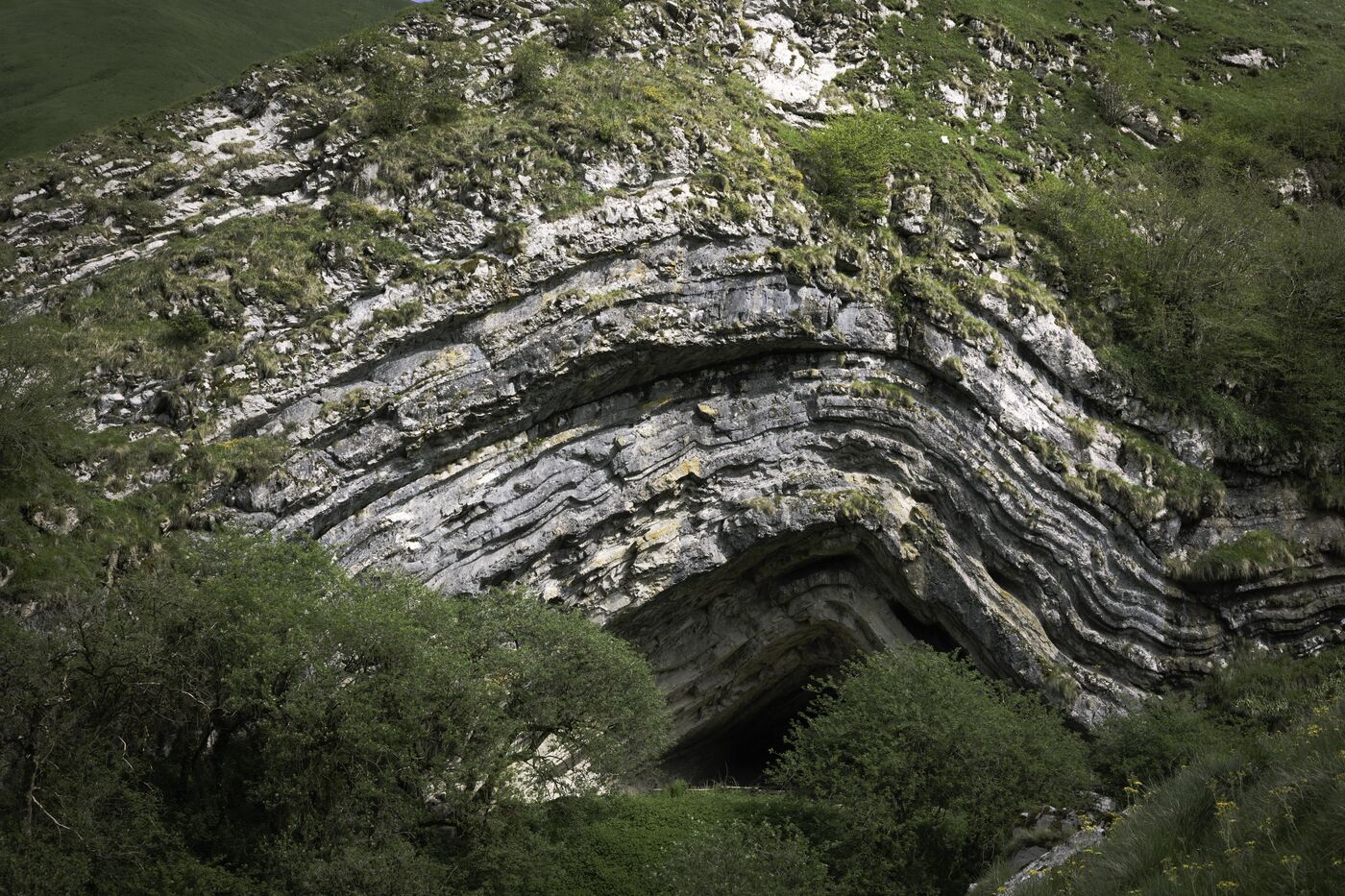
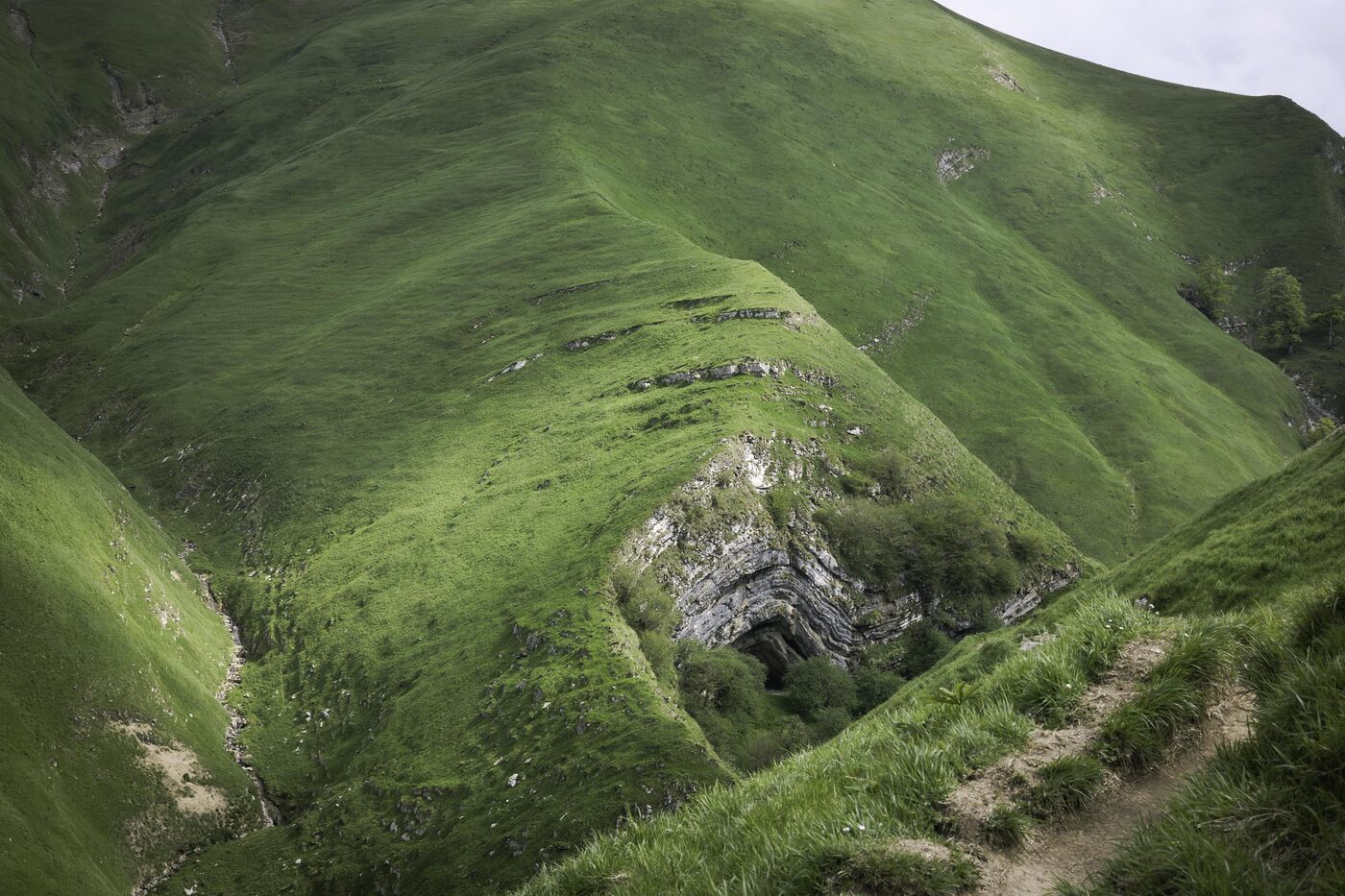
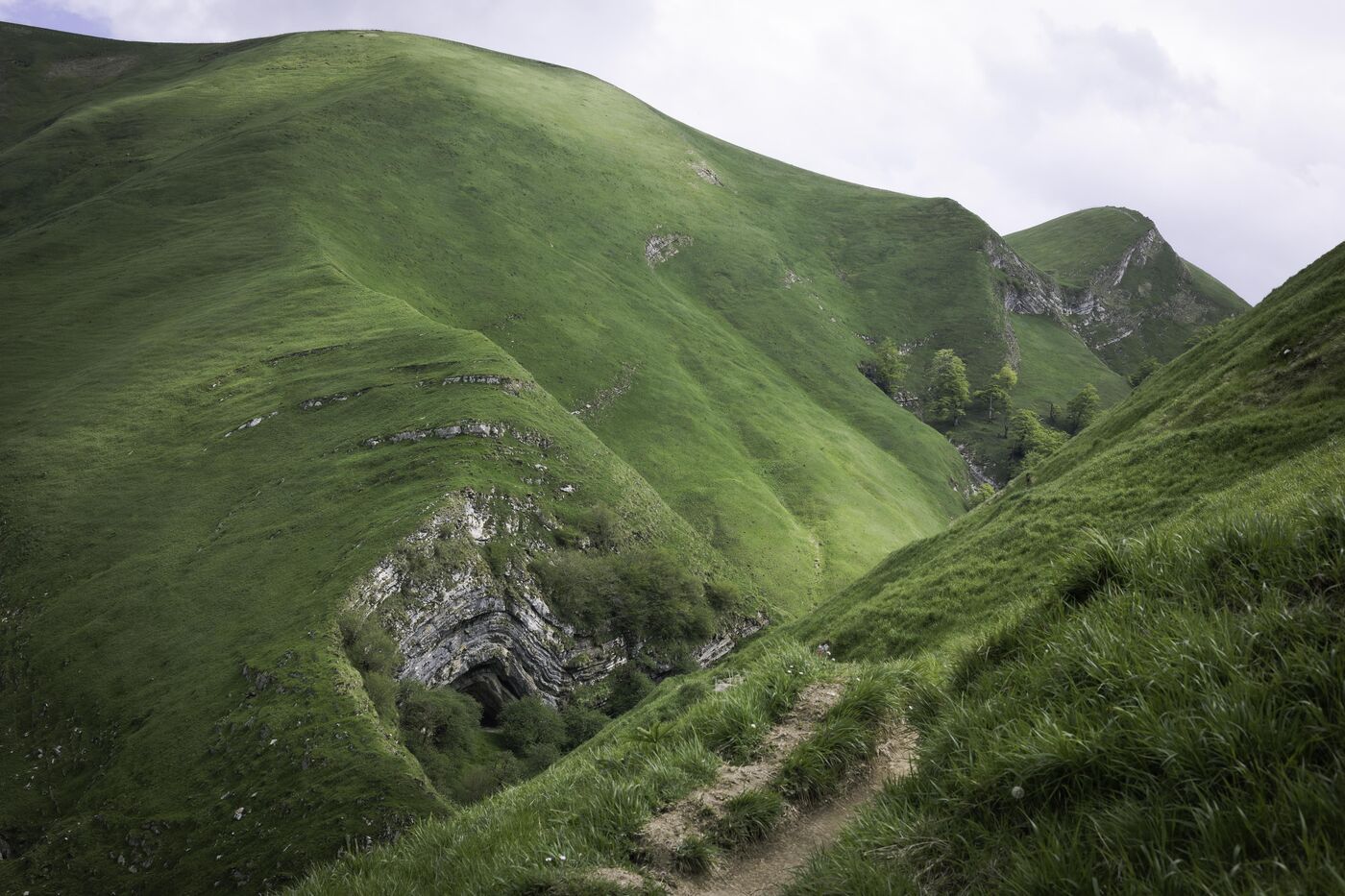
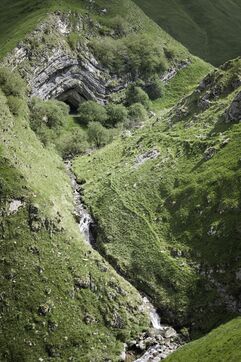
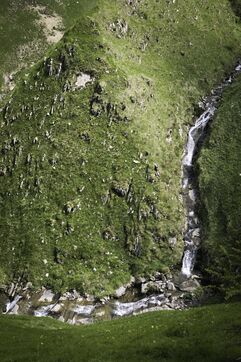
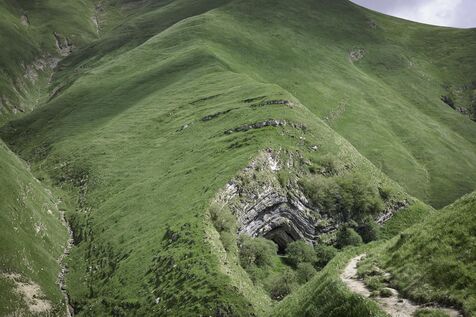
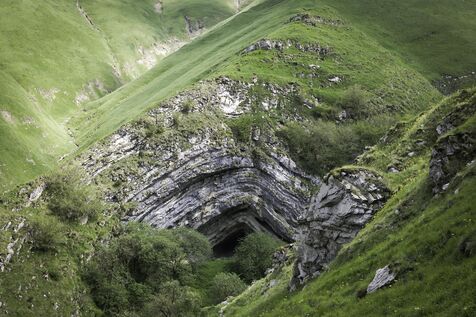
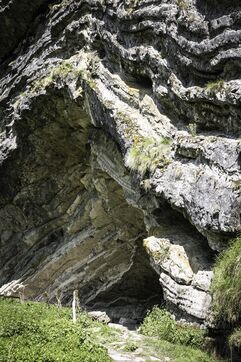
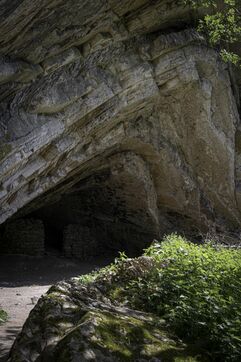
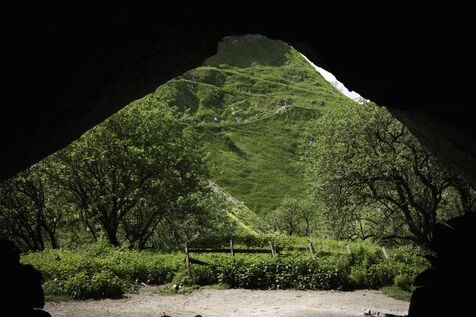
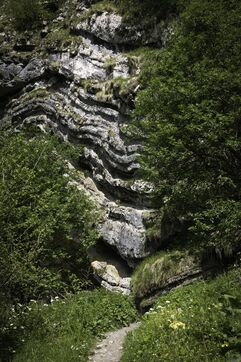
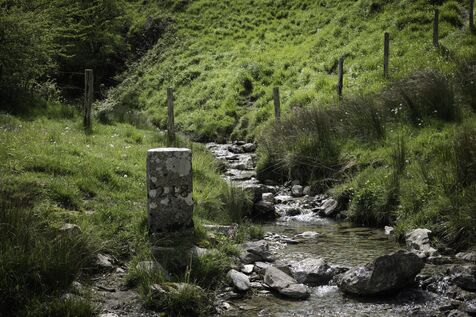
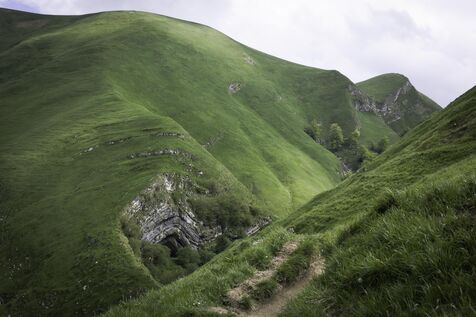
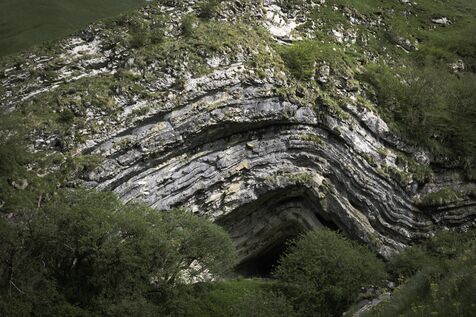
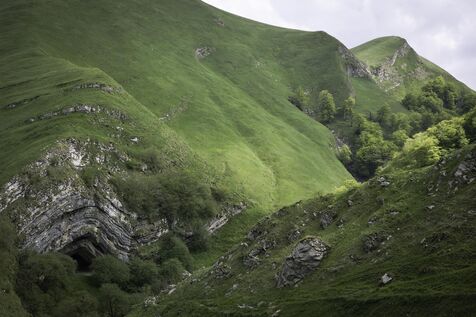
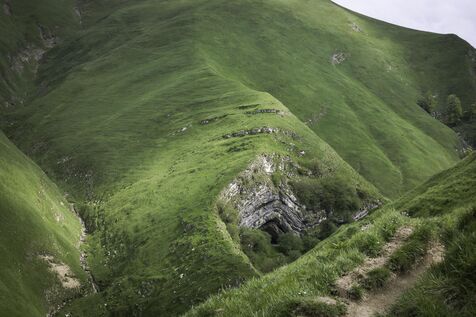
Après quelques centaines de mètres, au détour du chemin, vous vous retrouvez soudain, dans cette océan de verdure, à un pli rocheux ouvert dans le pan de la montagne et ouvrant sur une petite cavité. Au-devant, coule un petit torrent aux eaux limpides.
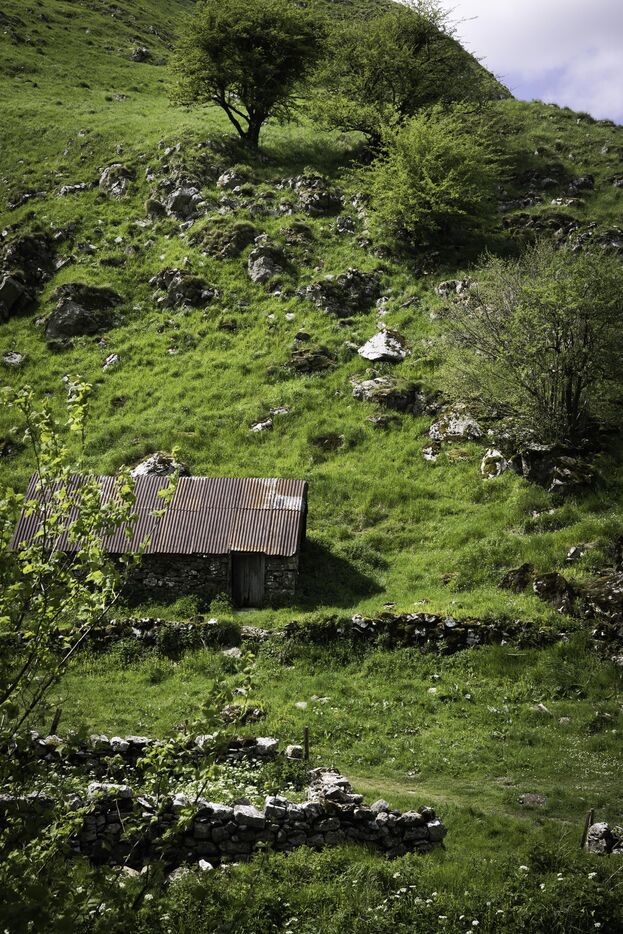
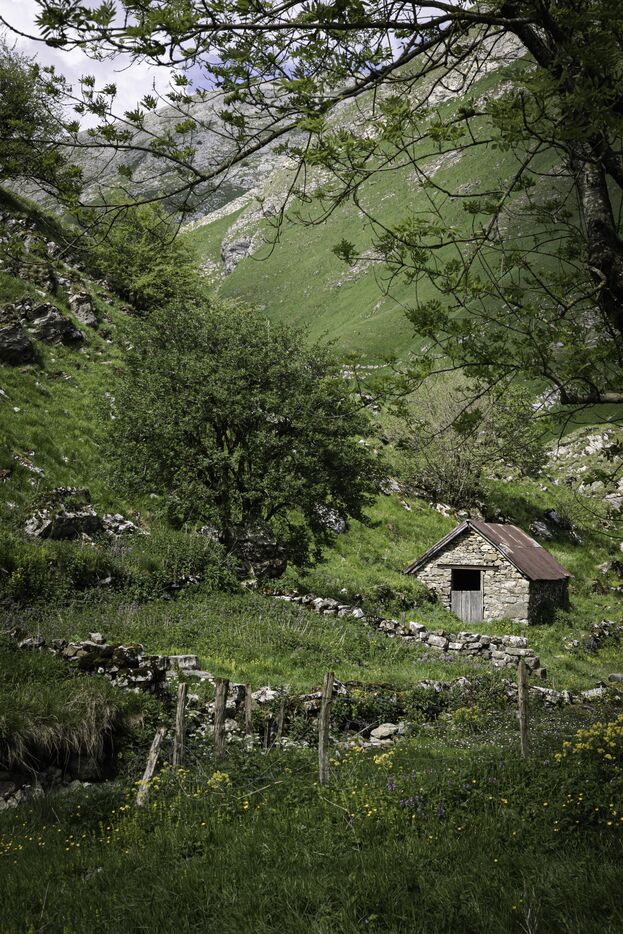
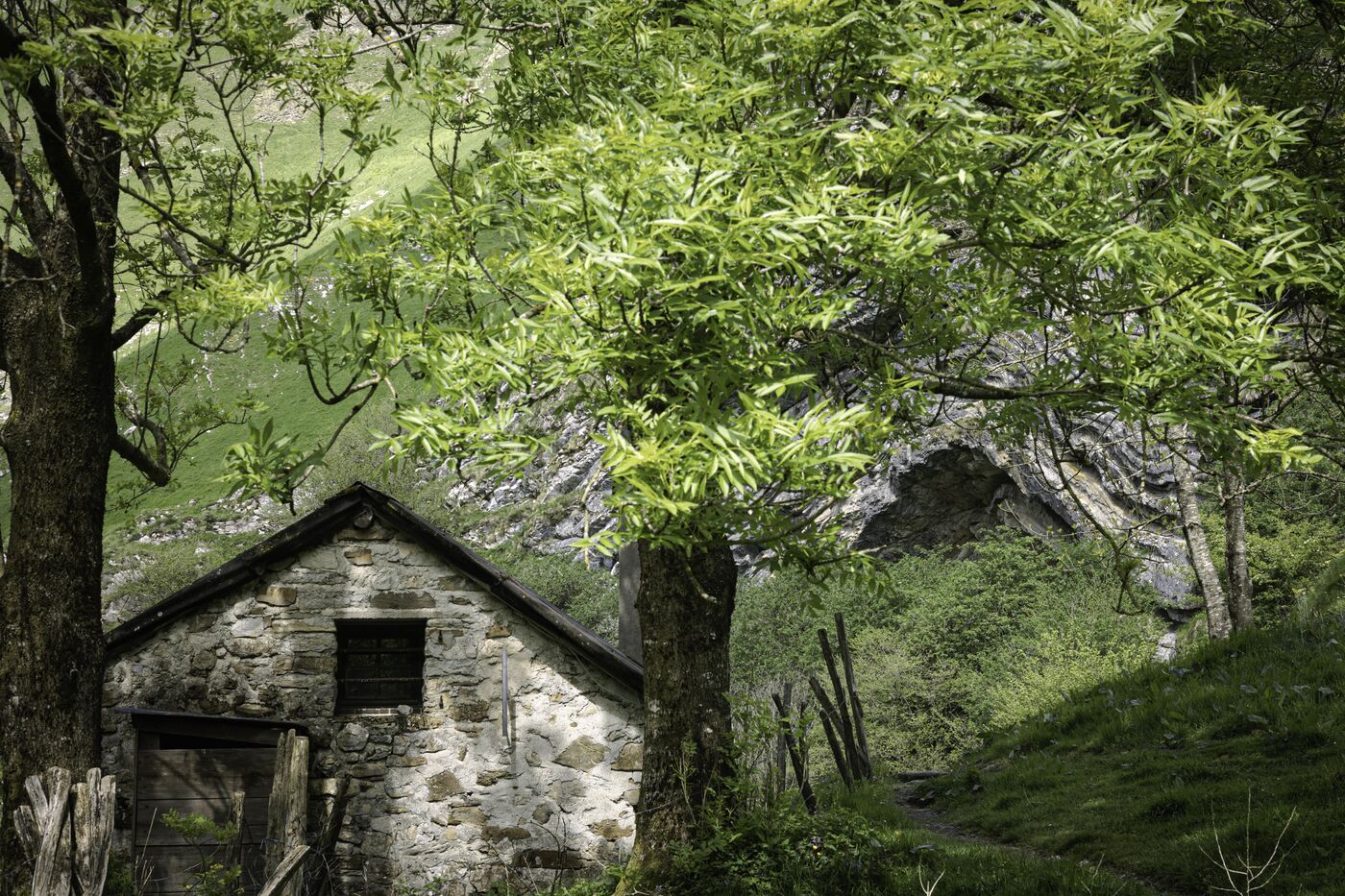
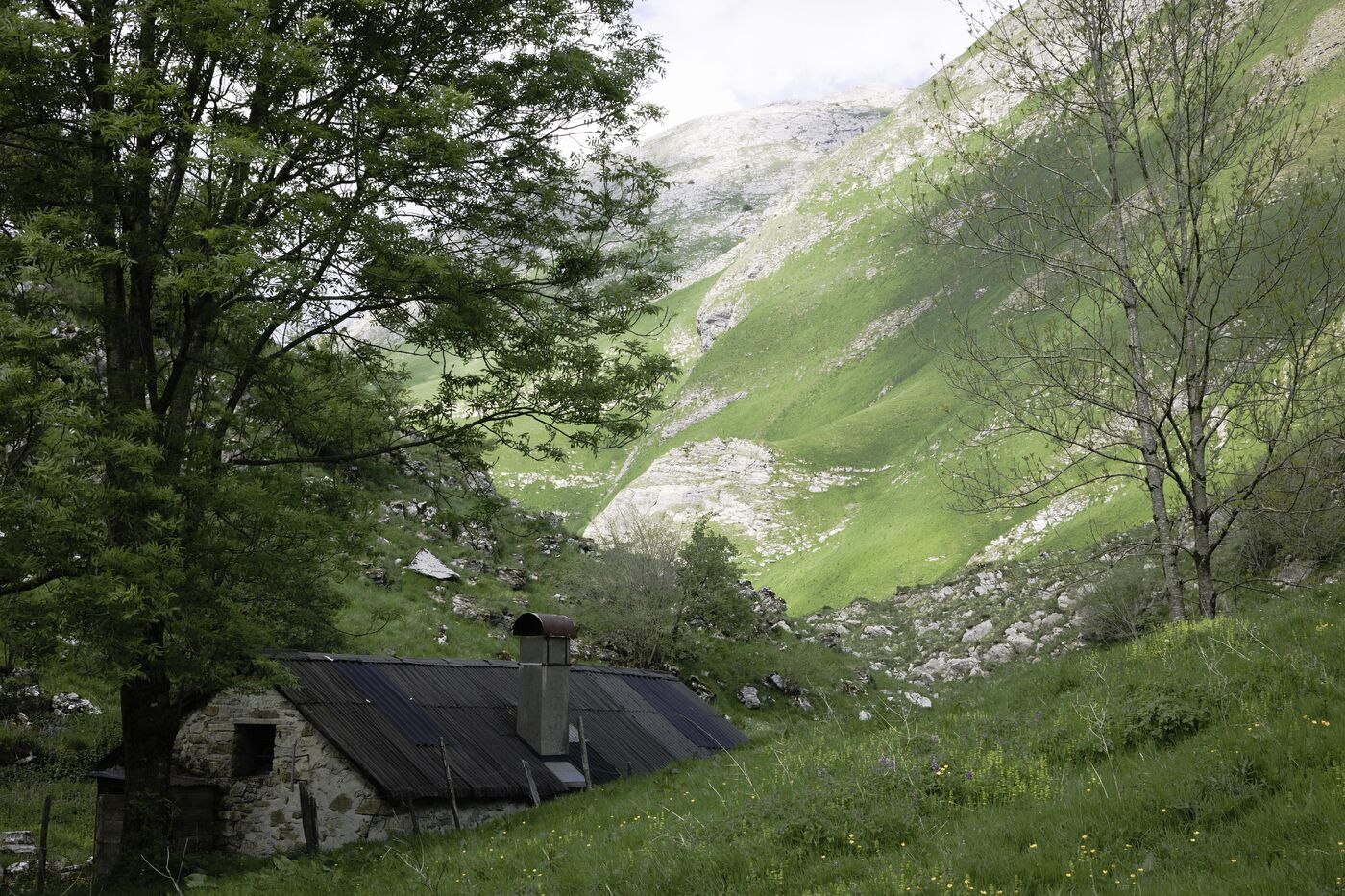
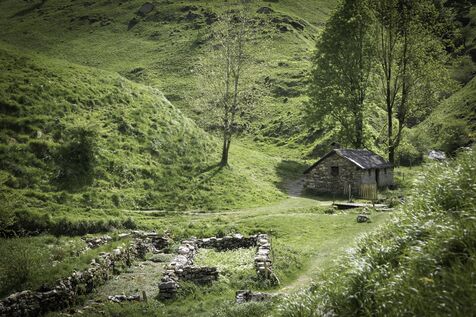
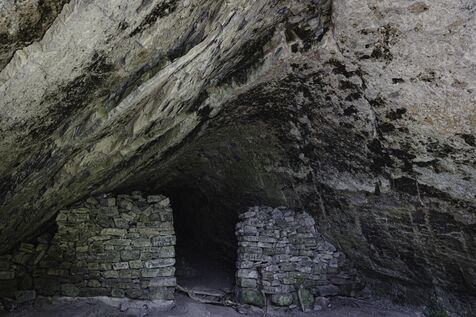
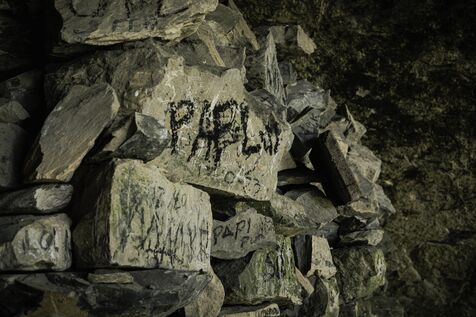
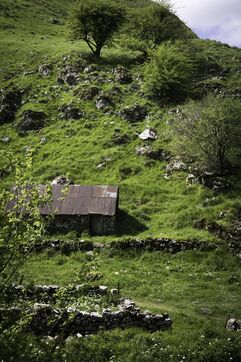
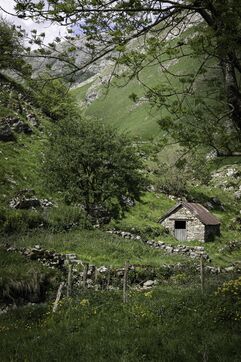
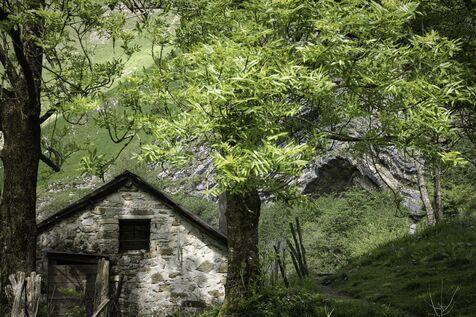
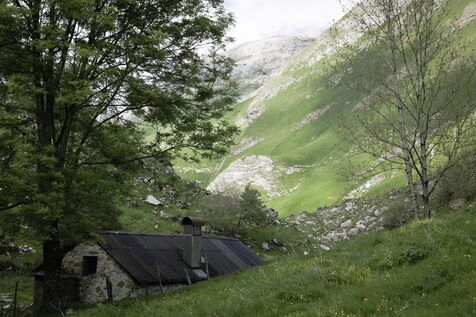
En poursuivant votre chemin, vous arrivez au fond de ce vallon, sur un mince espace plat occupé par un kaiolar en pierre (cabane de berger) inoccupé de plusieurs années, et les vestiges d'un ancien corral où les bergers regroupaient le troupeau pour les soins et la traite. Un peu plus haut, une seconde petite cabane fait fasse à la grotte, qui se trouve de l'autre côté du torrent.
L'image est charmante et particulièrement bucolique.
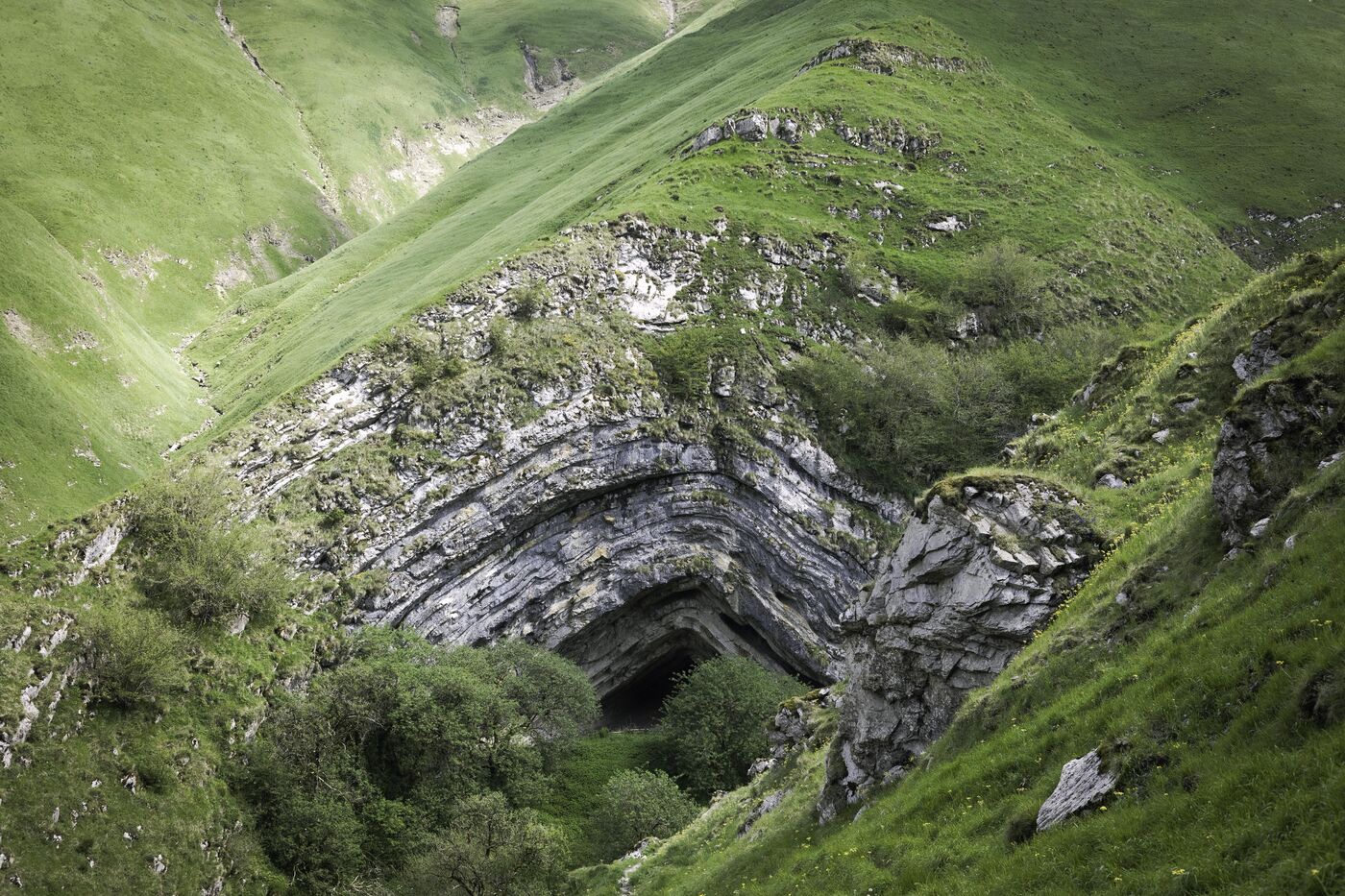
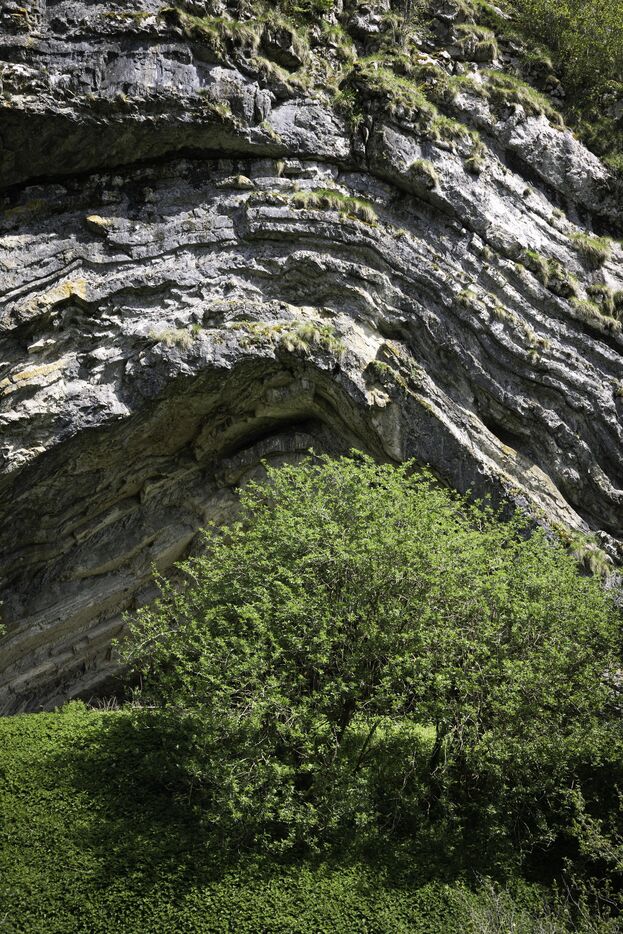
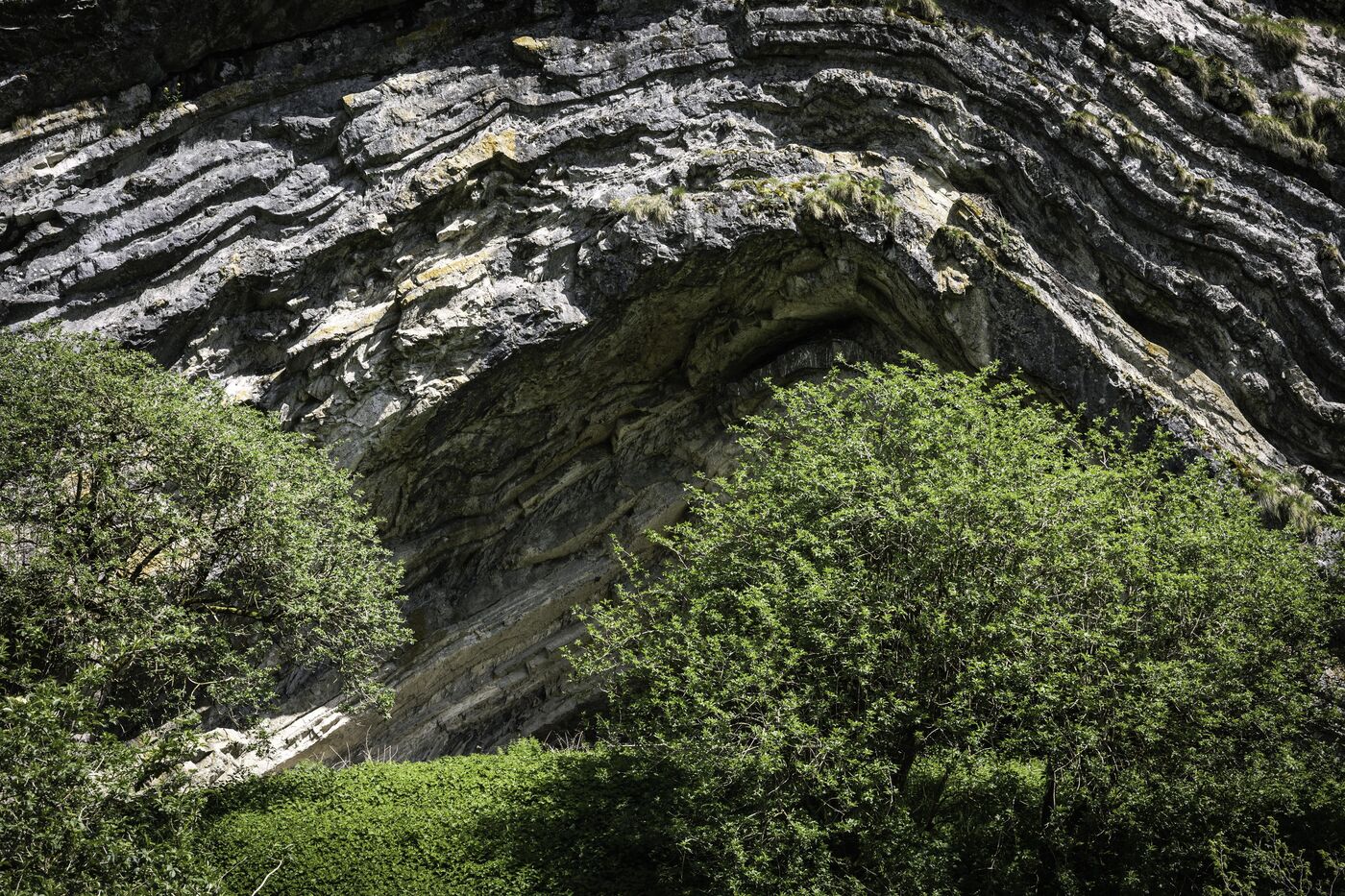
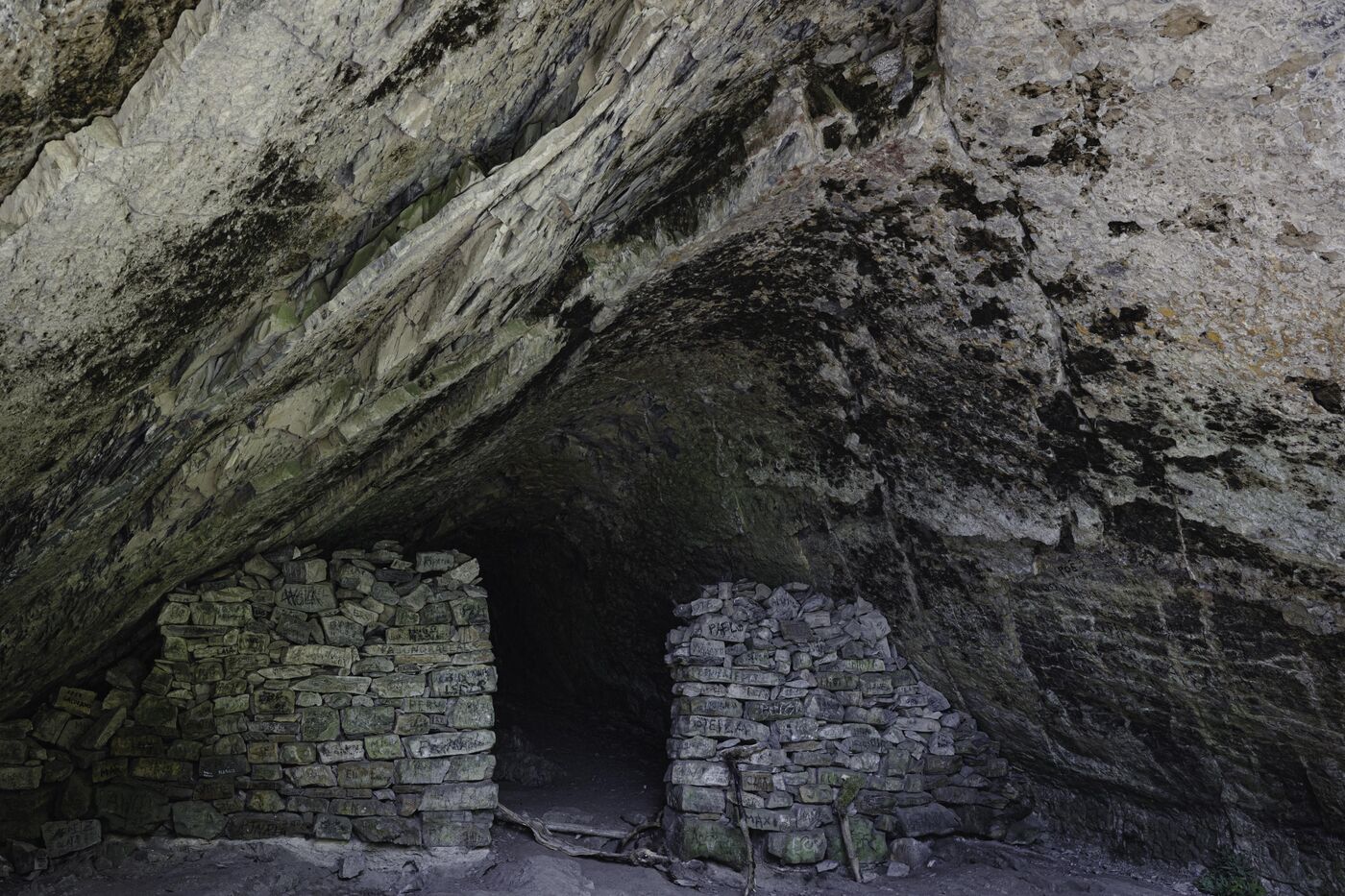
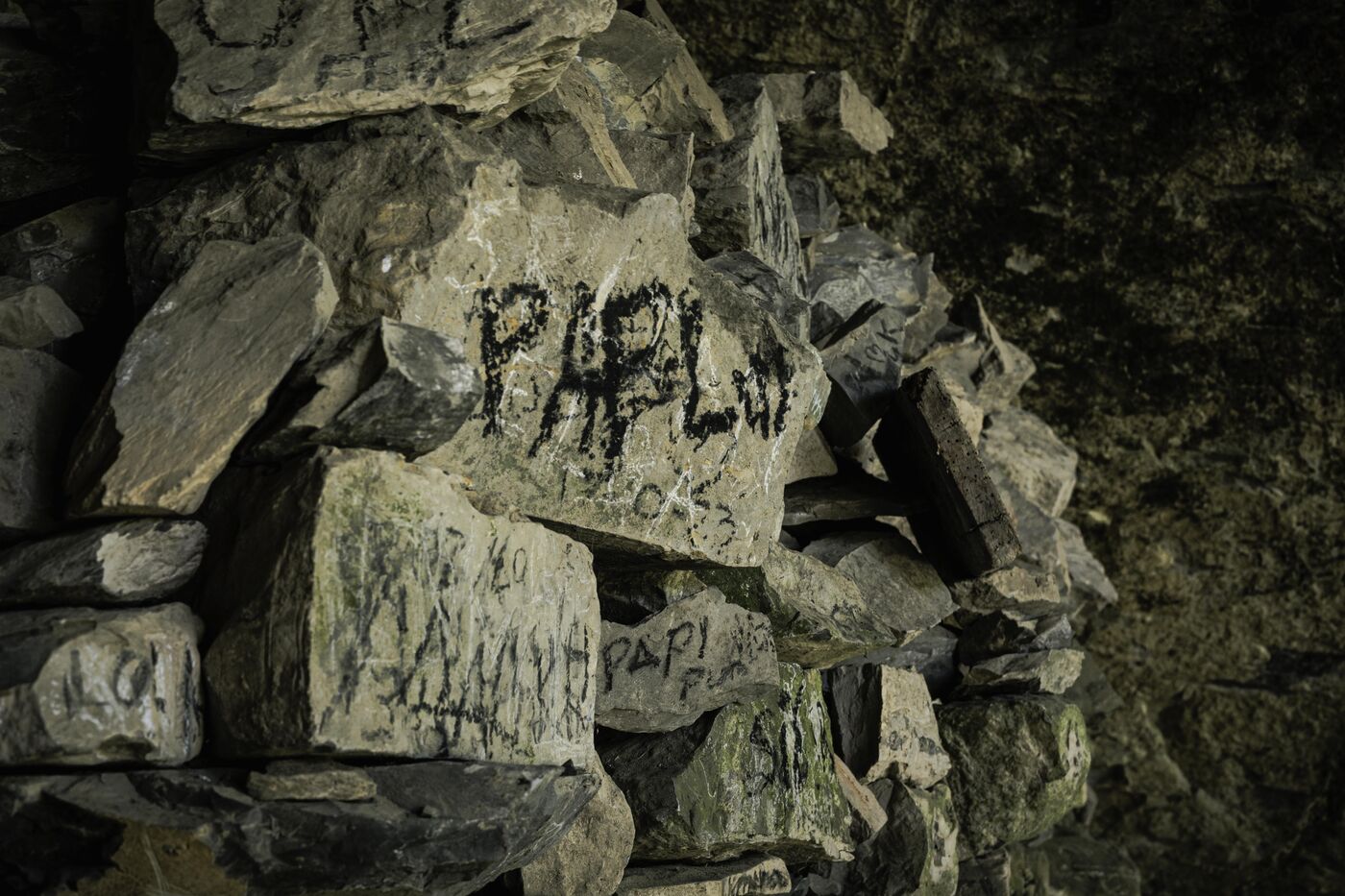
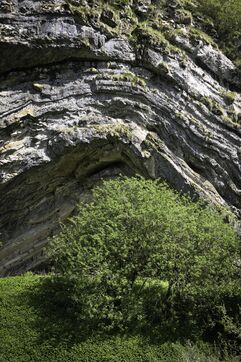
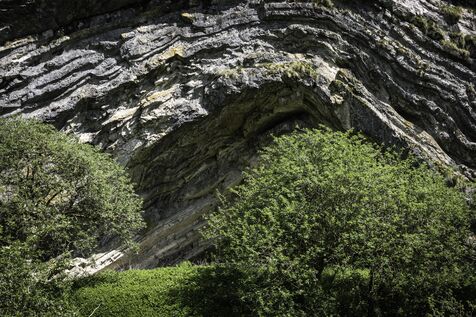
Cette cavité, c'est la grotte d'Harpéa (du basque "harria" - la pierre - et "pean" - en dessous). Curiosité géologique en premier lieu, elle a également servi à travers les âges, d'abri pour les troupeaux transhumants et sans doute pour les bergers.
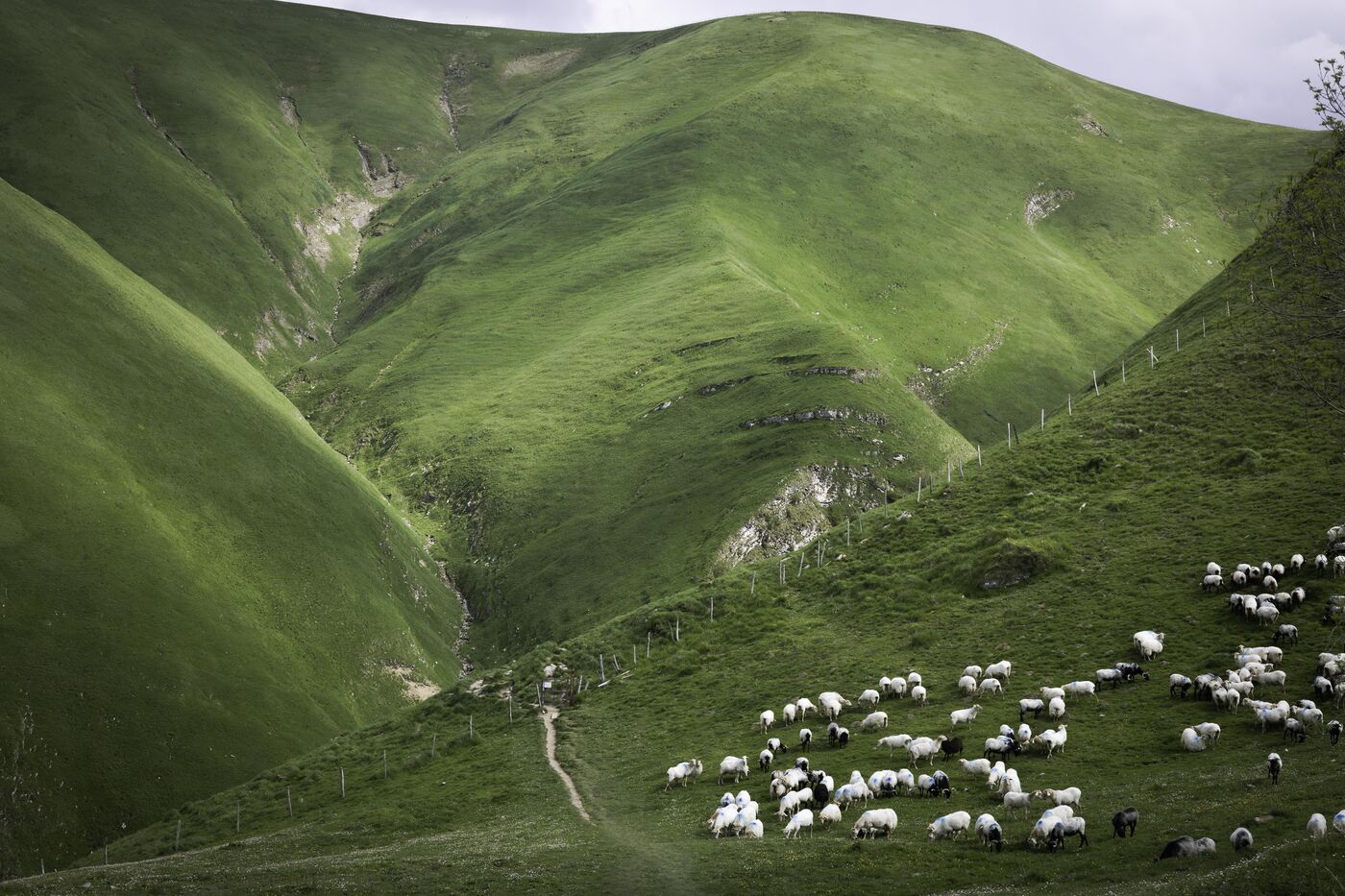
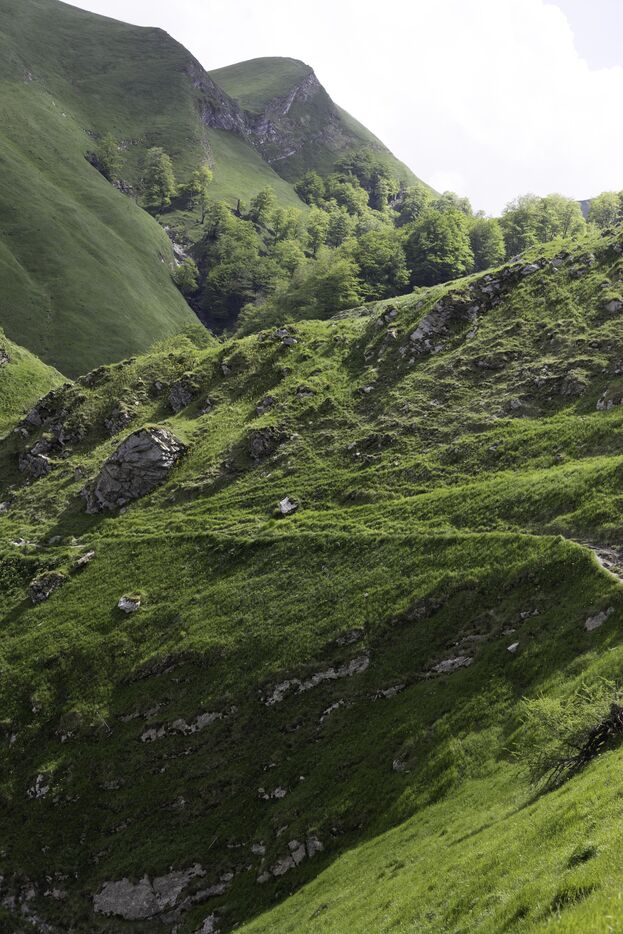
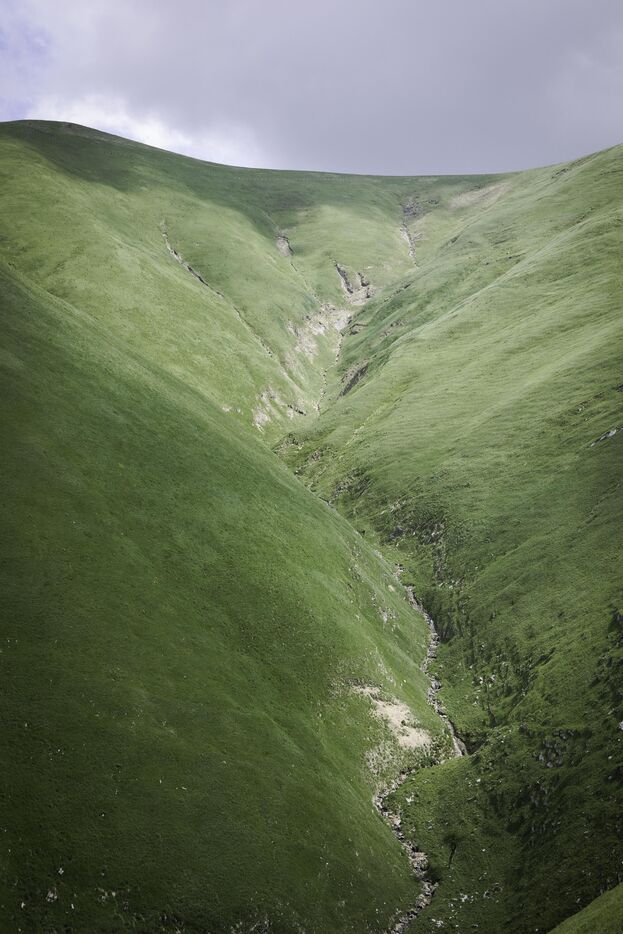
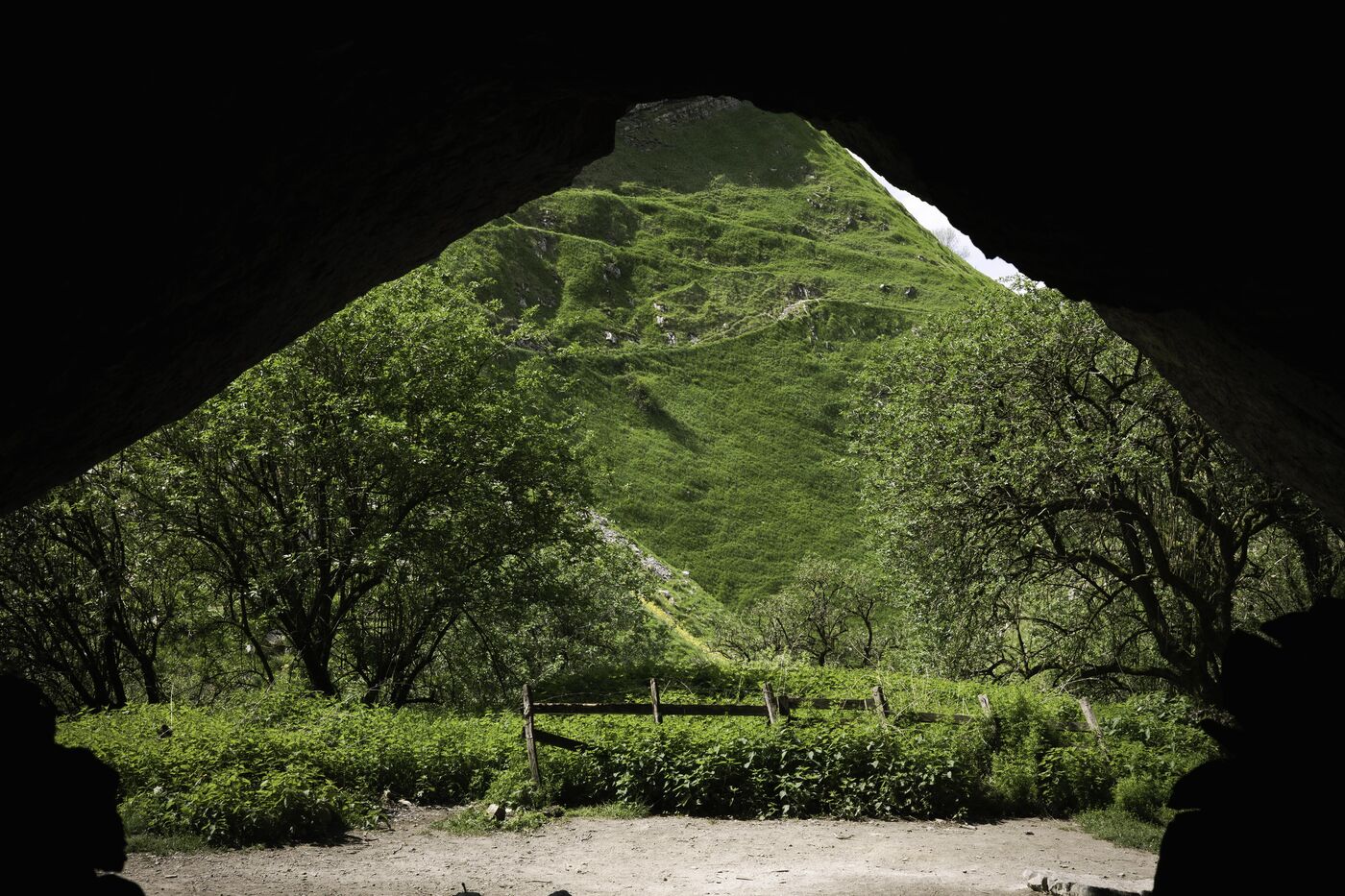
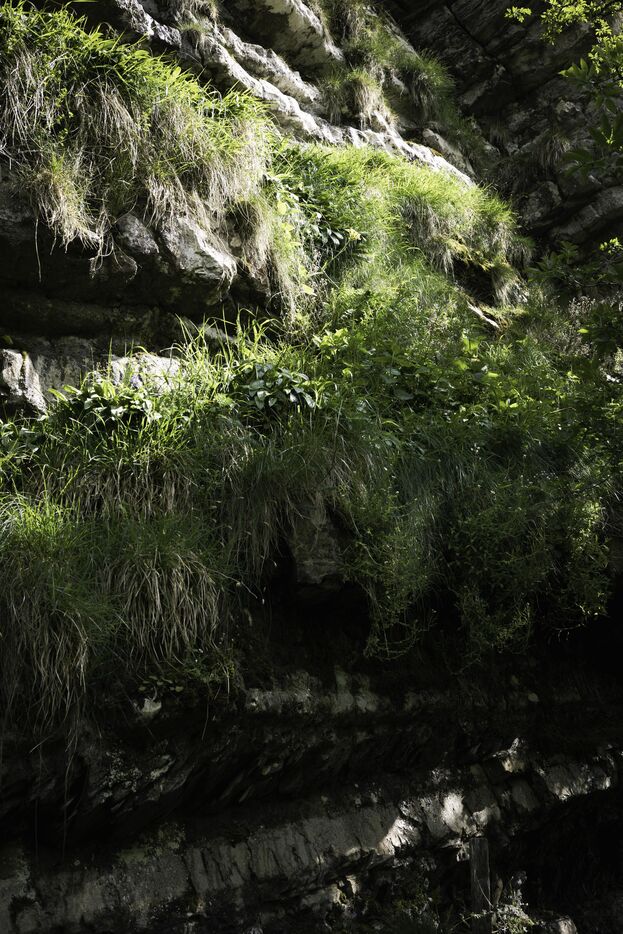
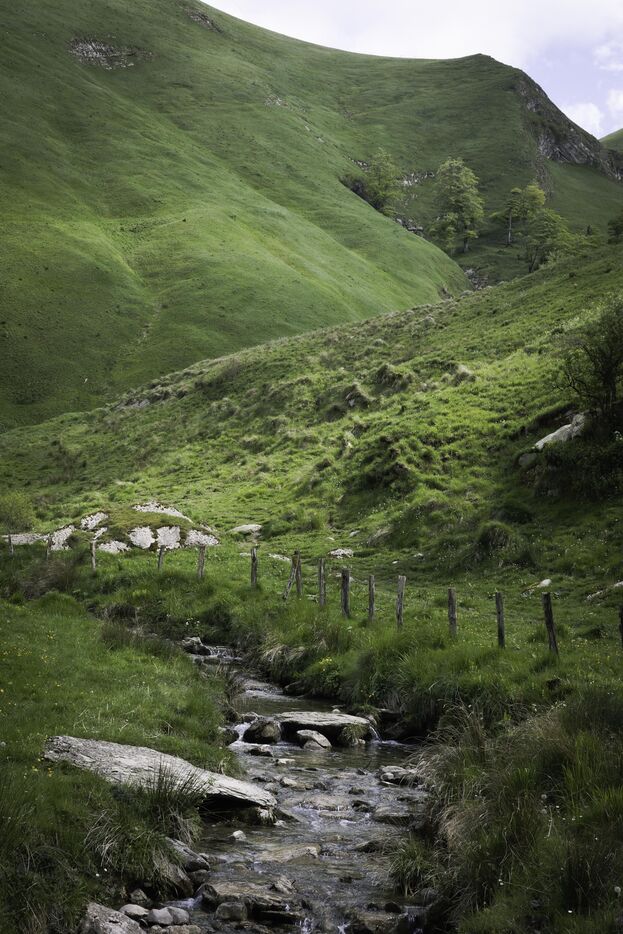
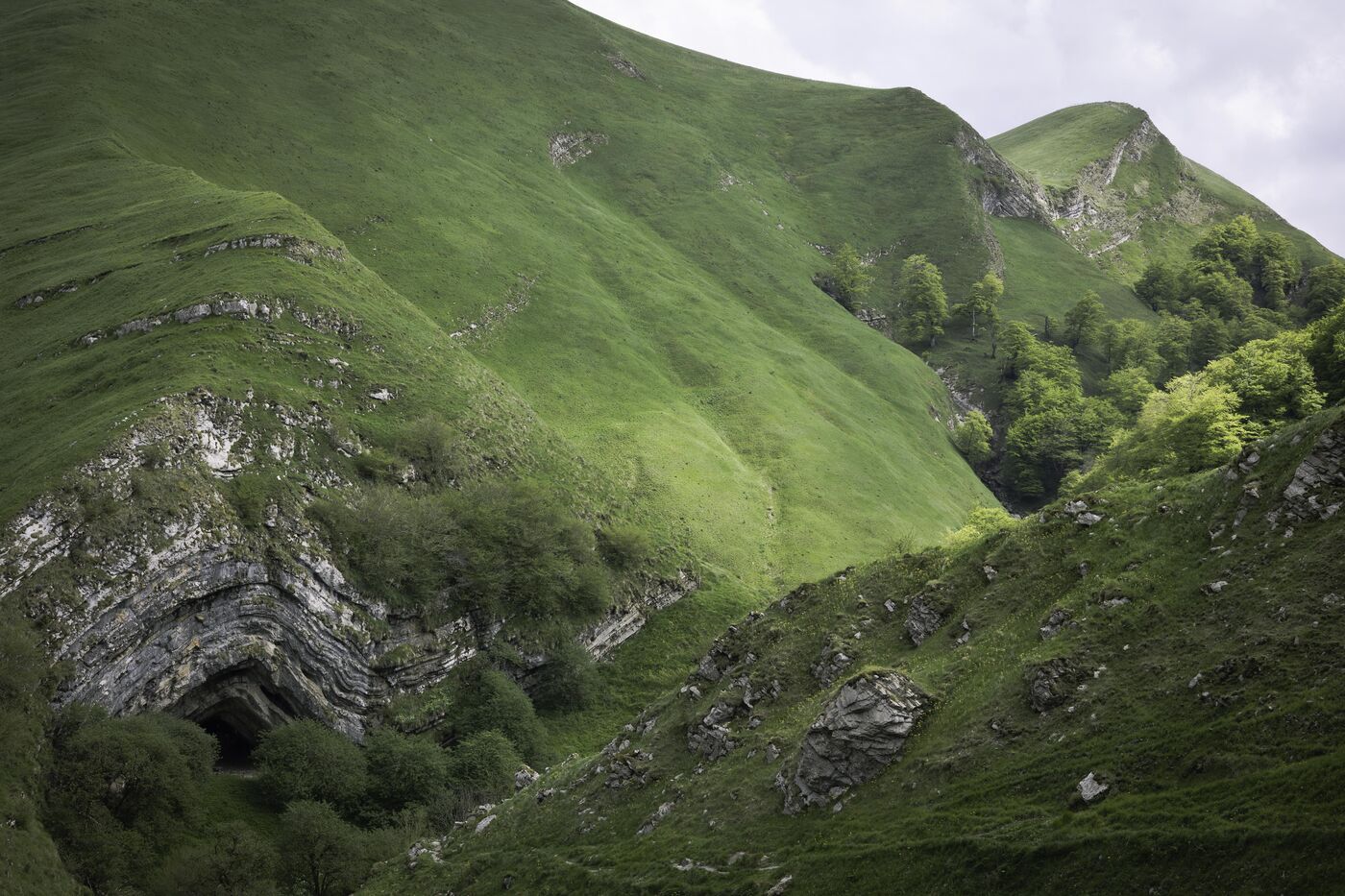
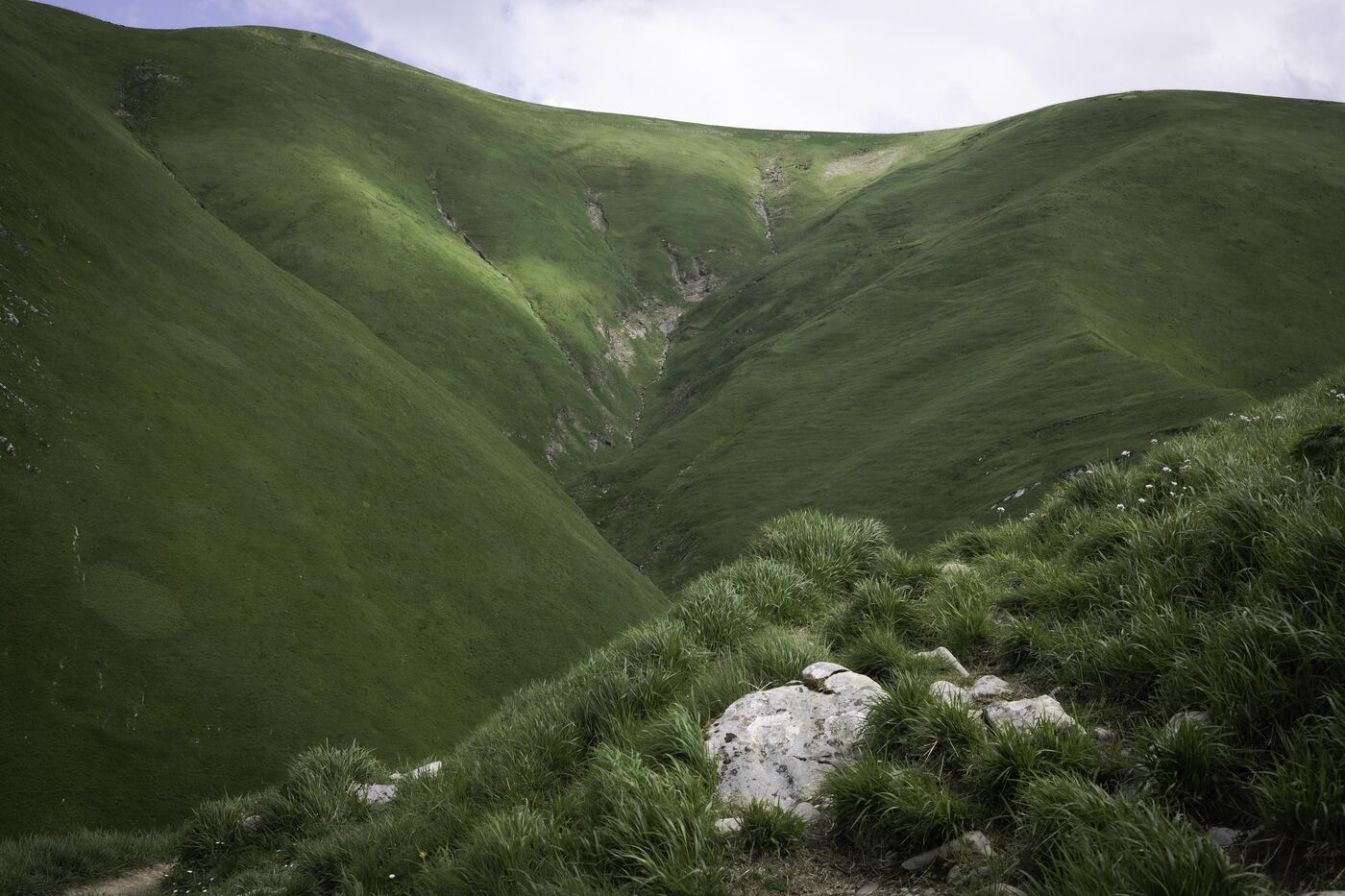
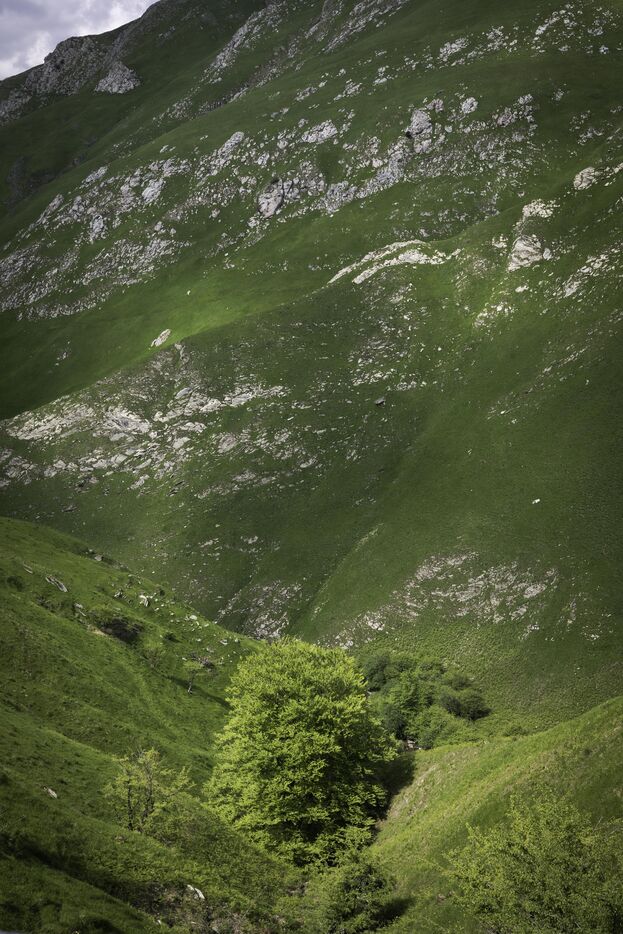
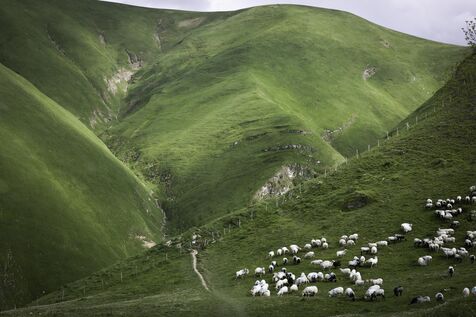
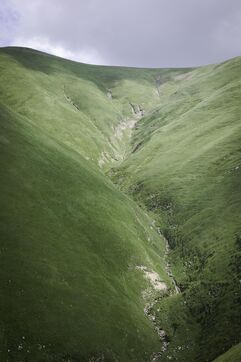
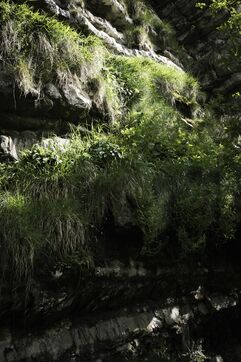
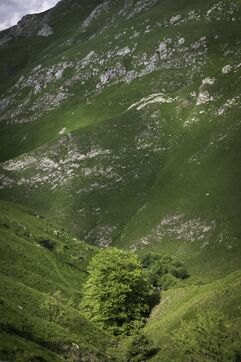
Mais en cette saison, l'endroit revêt un aspect tout particulier car il est intégralement, jusqu'au sommet des monts environnants, d'un vert intense, comme il n'en existe pas d'autres en Pays Basque. Ceci, sans doute, en raison de la variété de l'herbe qui pousse ici, sur ces flancs de montagnes abruptes : une herbe très longue, d'ailleurs peu appréciée par les troupeaux qui pacagent plutôt sur un petit plateau situé de l'autre côté de ce vallon. Cette herbe est également très brillante et renvoie donc la lumière de manière très forte, accentuant la teinte globale que revêt ce lieu.
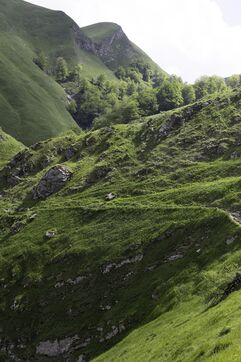
Cette herbe est en outre très glissante, même lorsqu'elle est sèche en hiver ou à l'automne. Il faut d'ailleurs être très prudent et ne pas marcher en dehors des quelques sentiers étroits qui traversent le flan de la montagne, car la glissade est aisée et compte tenu des fortes pentes et de l'absence d'autre végétation, il est impossible de se rattraper. La chute est alors inévitable jusqu'au pied de la pente.
En cette saison, la vision est saisissante tant la teinte est puissante tout autour de vous. Il s'agit d'un vert vif, presque irréel, presque artificiel.
HARPEA CAVE IN SPRING
t's spring, and the countryside is donning its most beautiful shades of green, especially hier, in Basque Country. This is undoubtedly the combined effect of a mild but slightly humid climate, if we like to use euphemisms.
But there is one place in the Basque Country that is greener than anywhere else. This place is in Lower Navarre, on the border with its big sister, Navarre, which runs along the southern slope of this part of the Pyrenees mountain range. This place is located in the mountains, between 1,000 and 1,300 meters above sea level, on the slopes of Mount Errozate, an imposing massif with slopes exceeding 50° and towering over the Nive d'Esterençuby from its height of 1,345 meters.
There, nestled deep in a fold of the land that creates a sort of gorge outlining the foot of the mountain, lies an extraordinary and timeless place. It is accessed via a small, very narrow road along the edge of the ravine that tumbles down to this gorge, which quickly ends at a steep slope. It's best not to drive to the end of the valley, as if two vehicles are facing each other, it can be dangerous to cross.
At the end of the road, you must open a gate and take a small path that seems to run south along the mountainside.
After a few hundred meters, at a bend in the path, you suddenly find yourself, in this ocean of greenery, at a rocky fold opened in the mountainside and opening onto a small cavity. A small stream with clear water flows ahead.
Continuing on your way, you arrive at the bottom of this valley, on a narrow, flat area occupied by a stone kaiolar (shepherd's hut) unoccupied for several years, and the remains of an old corral where shepherds gathered their flock for care and milking. A little higher up, a second small hut faces the cave, which is on the other side of the stream.
The image is charming and particularly bucolic.
This cavity is the Harpea Cave (from the Basque "harria" - stone - and "pean" - below). A geological curiosity first and foremost, it has also served throughout the ages as a shelter for transhumant herds and undoubtedly for shepherds.
But at this time of year, the place takes on a very special appearance because it is entirely, right up to the top of the surrounding mountains, an intense green, unlike any other in the Basque Country. This is undoubtedly due to the variety of grass that grows here, on these steep mountainsides: very long grass, not particularly appreciated by the herds that graze on a small plateau located on the other side of this valley. This grass is also very bright and therefore reflects light very strongly, accentuating the overall hue of this place.
This grass is also very slippery, even when dry in winter or fall. You must be very careful and not walk outside the few narrow paths that cross the mountainside, as slipping is easy, and given the steep slopes and lack of other vegetation, it is impossible to catch yourself. A fall is then inevitable all the way to the foot of the slope.
At this time of year, the sight is striking, the hue is so powerful all around you. It is a vivid green, almost unreal, almost artificial.