LA TRACTION ANIMALE POUR UN TRAVAIL RESPECTUEUX DE LA TERRE
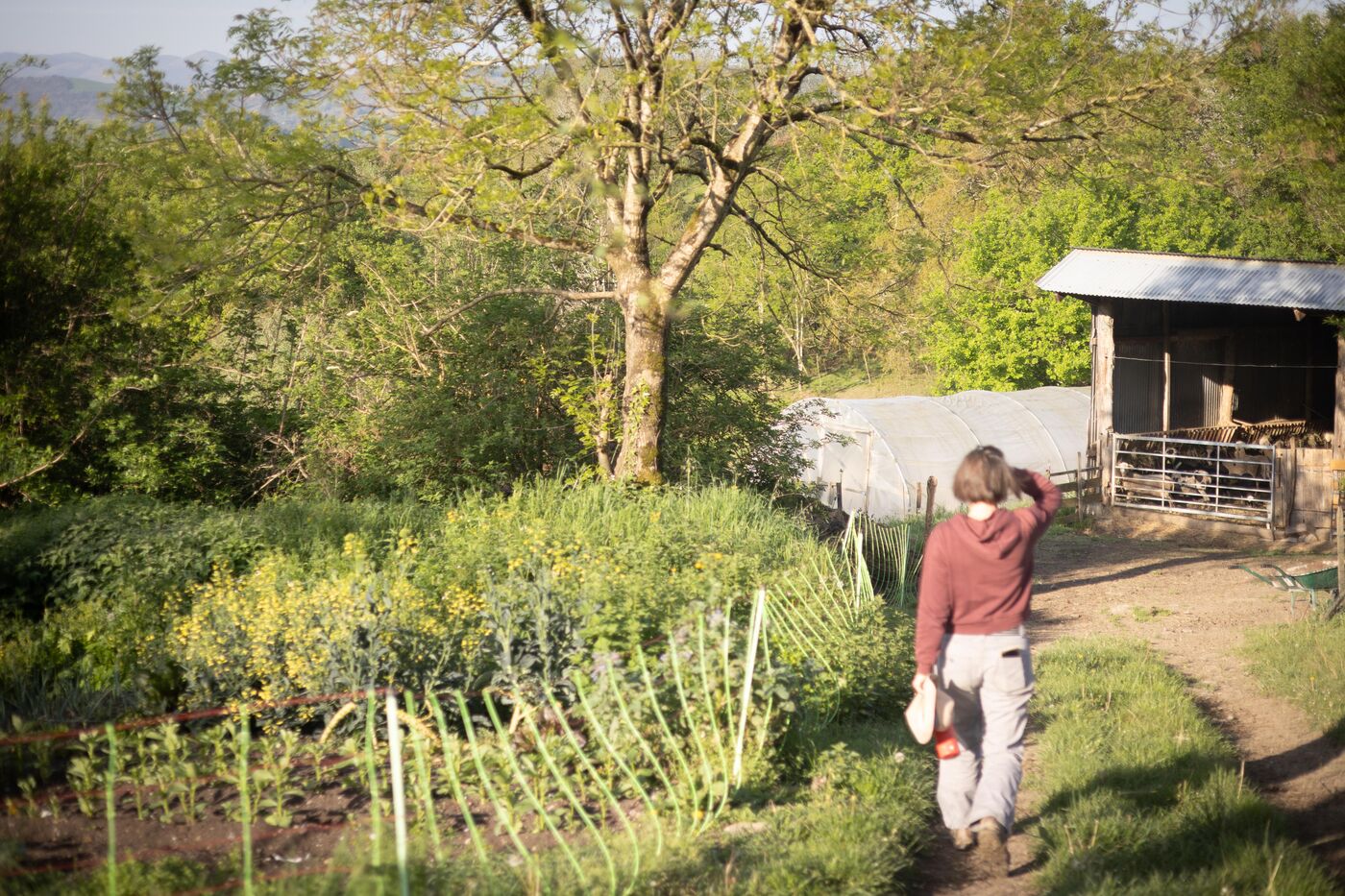
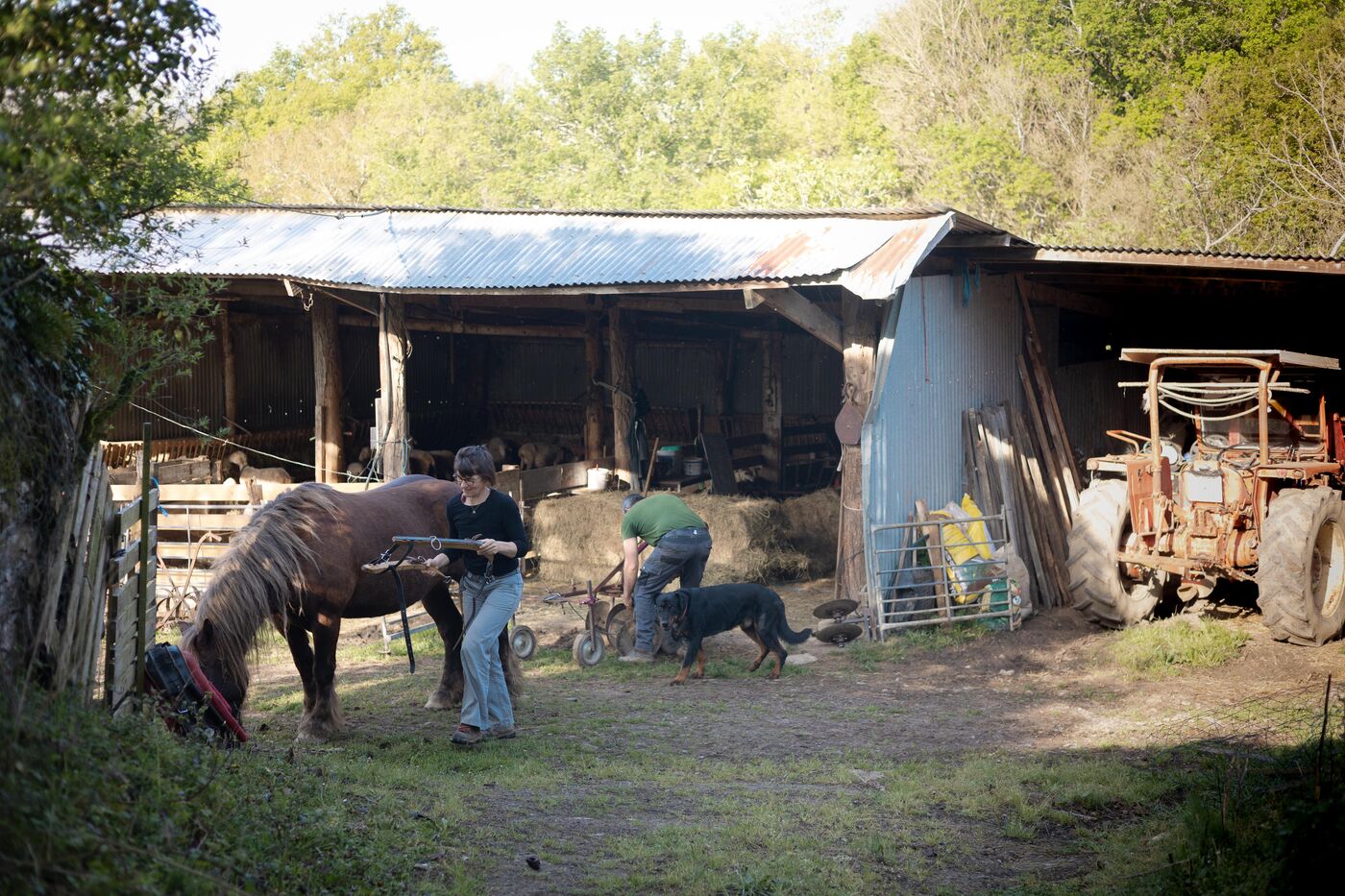
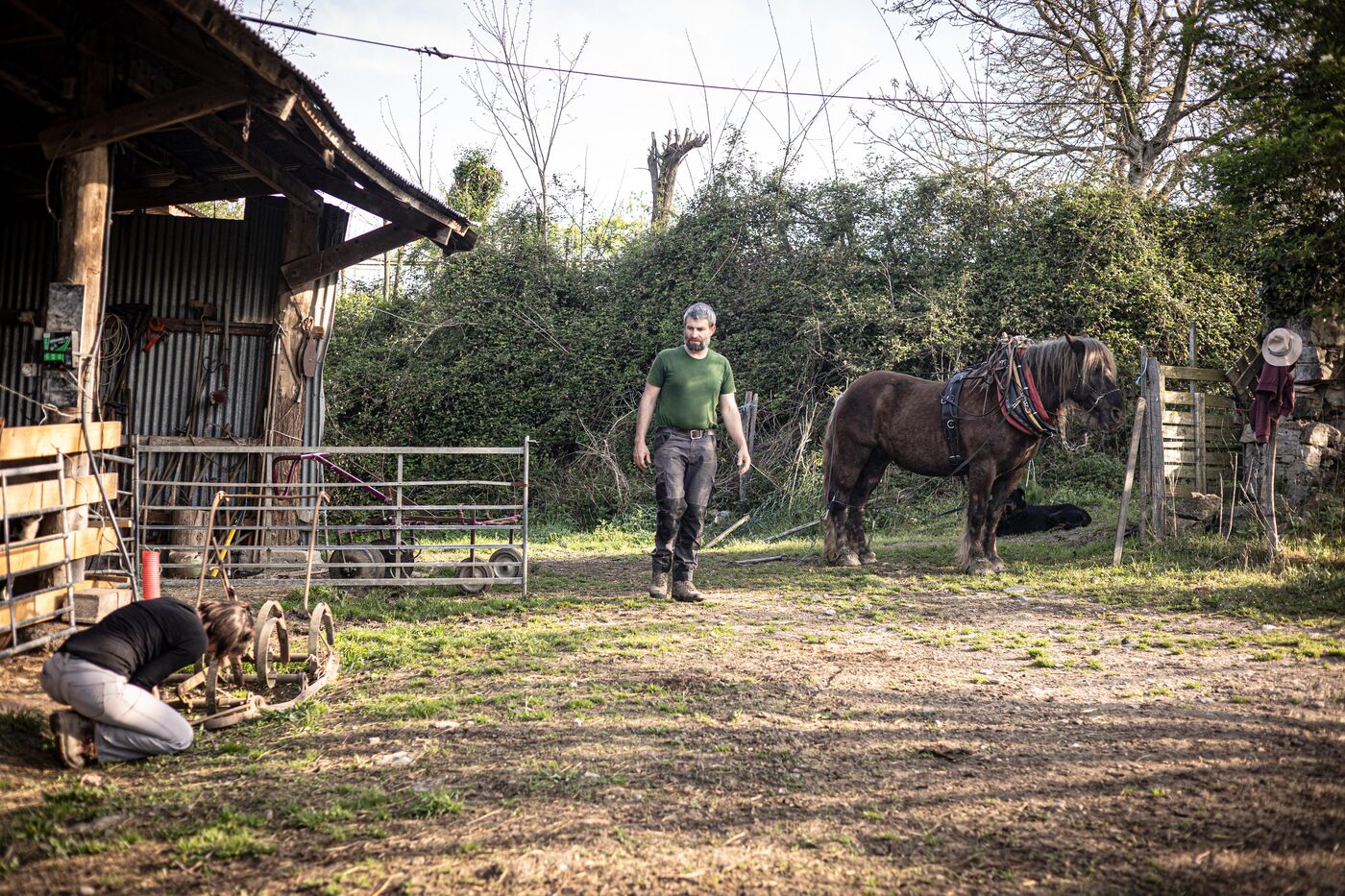
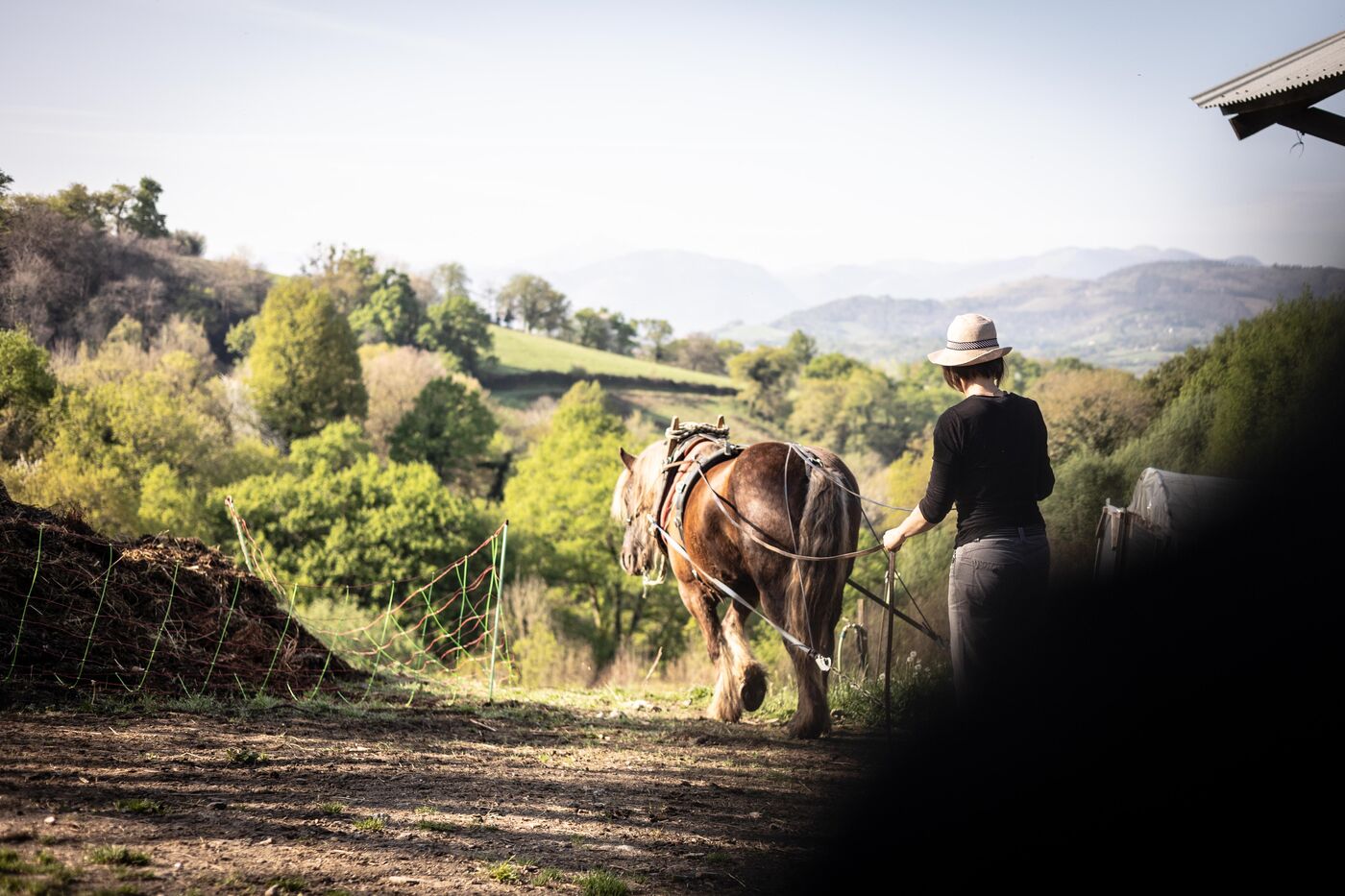
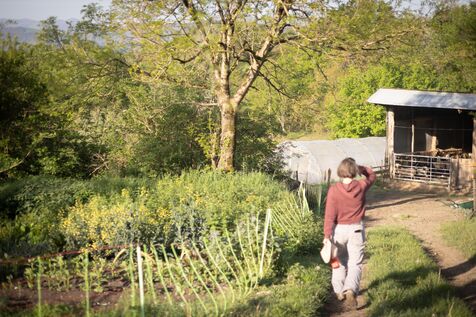
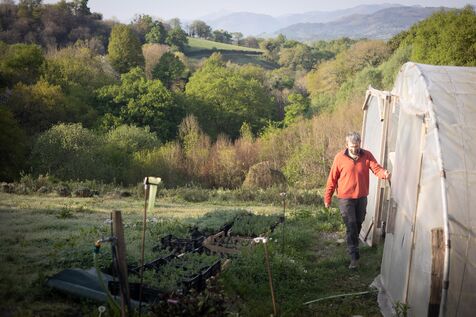
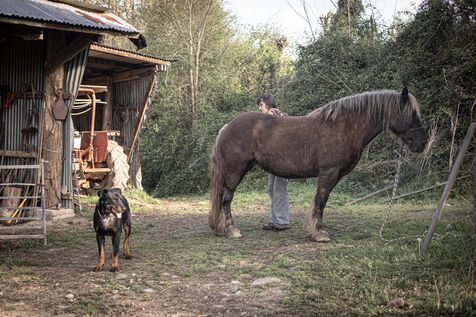
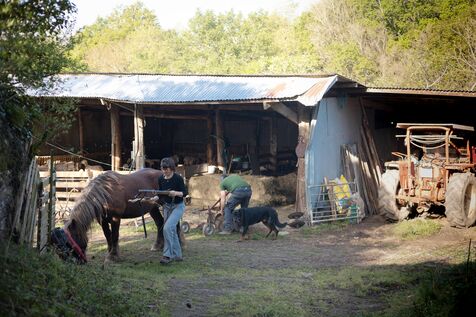
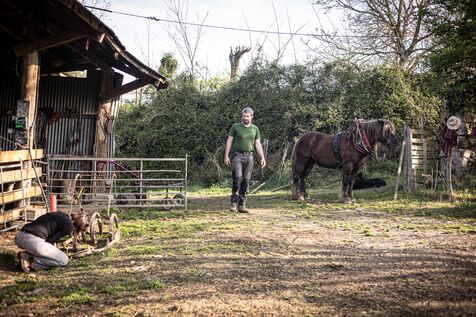
Il est 9h du matin lorsque j'arrive à la Ferme Lilizain, sur les flancs d'une colline souletine, déjà verdoyants en ce début avril. Le soleil matinal commence à bien réchauffer l'atmosphère, mais la lumière reste pâle comme celle d'une fin d'hiver. Le chemin d'accès à la ferme est un cul de sac et l'endroit paraît immédiatement comme un petit havre de paix où le seul son brisant le silence est celui du chant des oiseaux qui nichent dans les bosquets environnants.
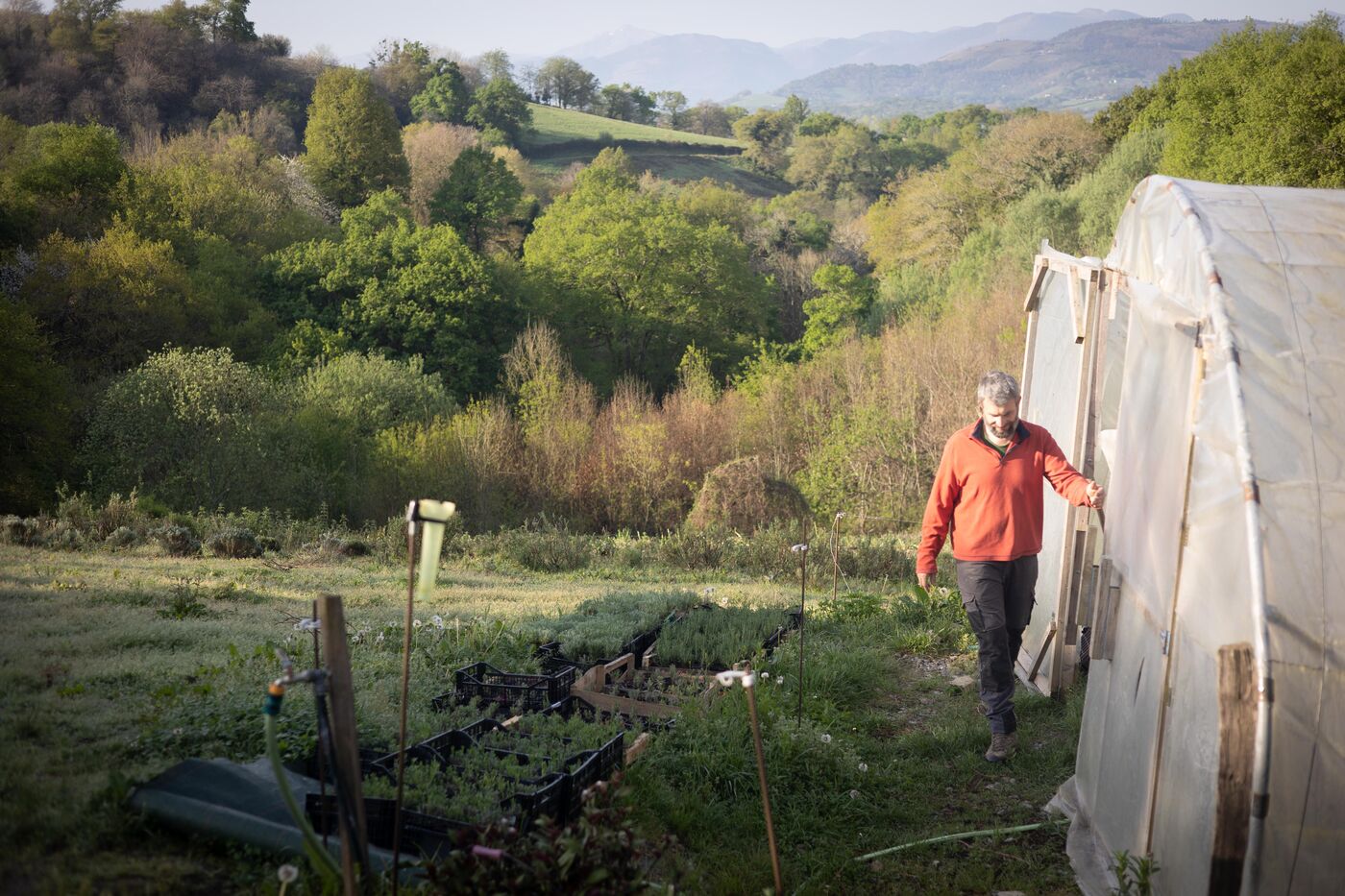
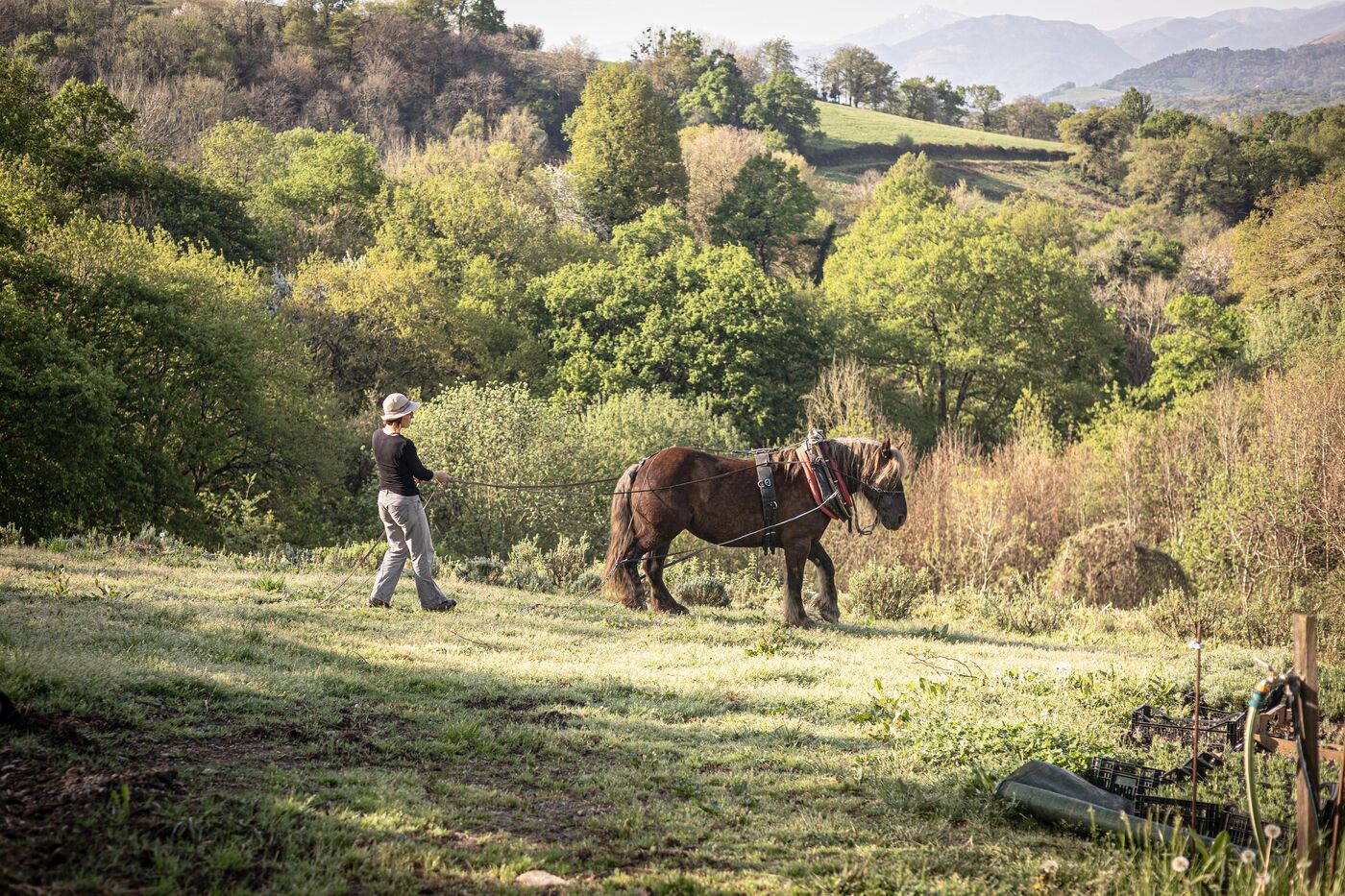
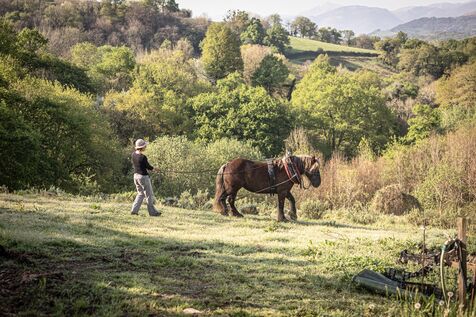
Le lieu est une petite clairière qui s'ouvre sur la vallée et de laquelle le regard porte au Sud, jusqu'au Pic d'Ori, point culminant du Pays Basque. Ici, l'on est aux confins de la Soule, de la Basse Navarre et du Béarn, terres agricoles s'il en est.
Fanny et Fredo sont installés là en agriculture biologique. Ils cultivent notamment des plantes médicinales et aromatiques qu'ils transforment en tisanes ou qu'ils distillent pour confectionner des hydrolats, huiles essentielles ou eaux florales.
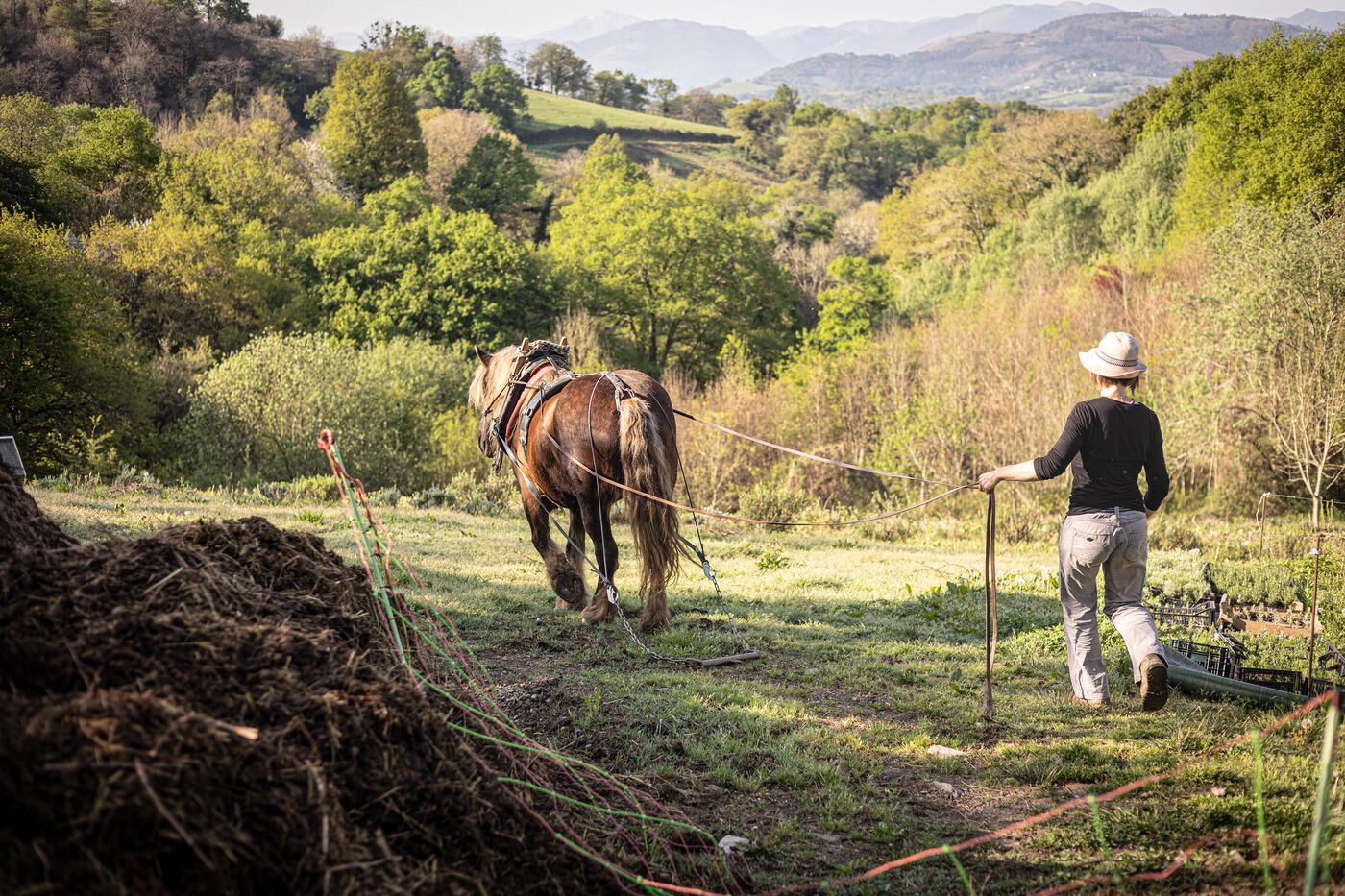
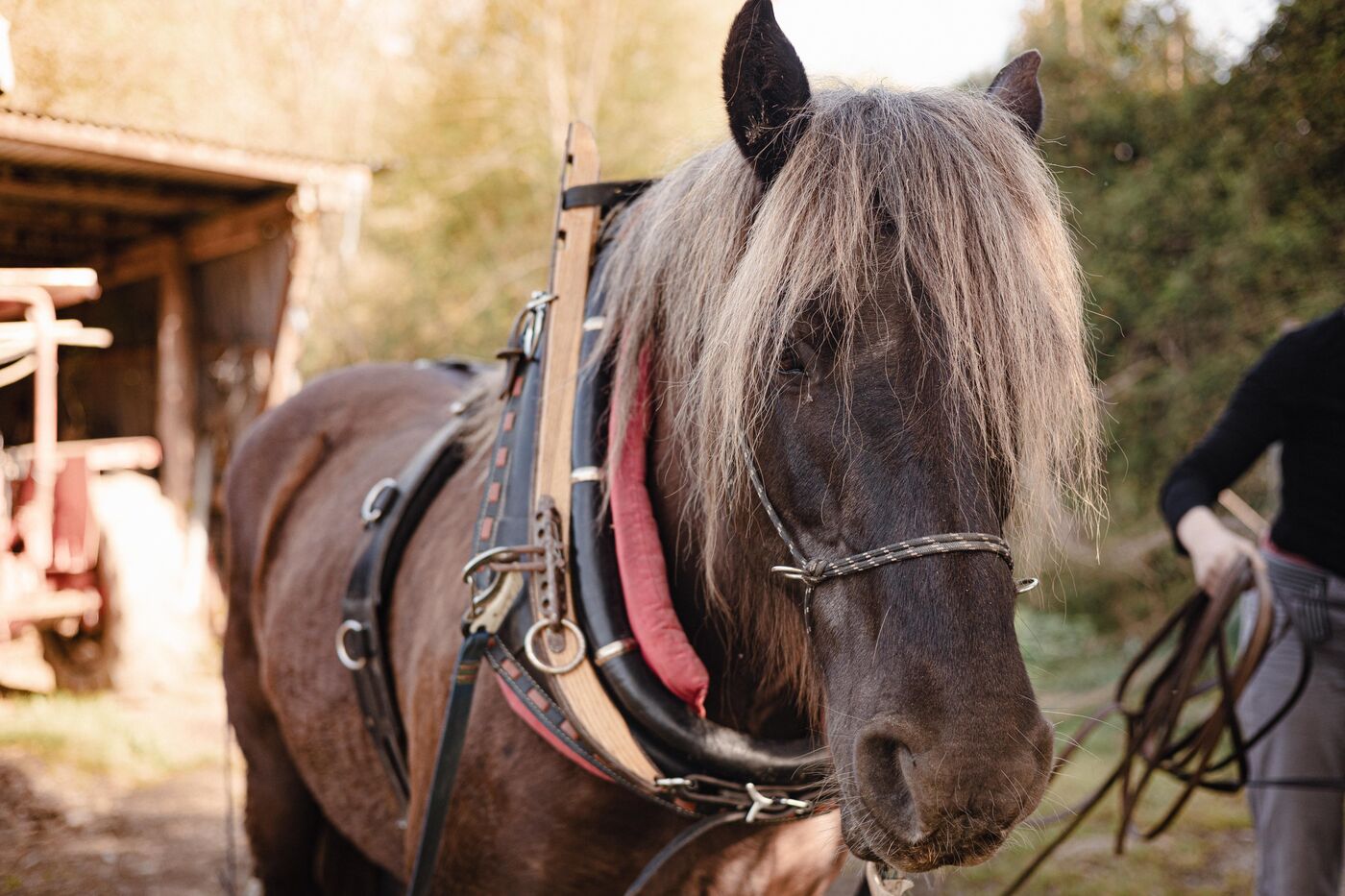
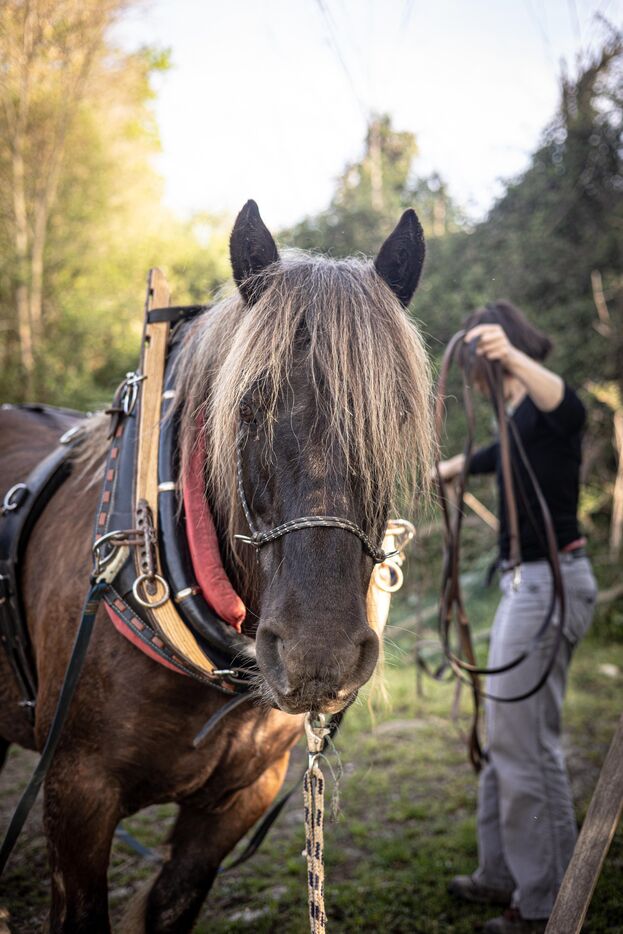
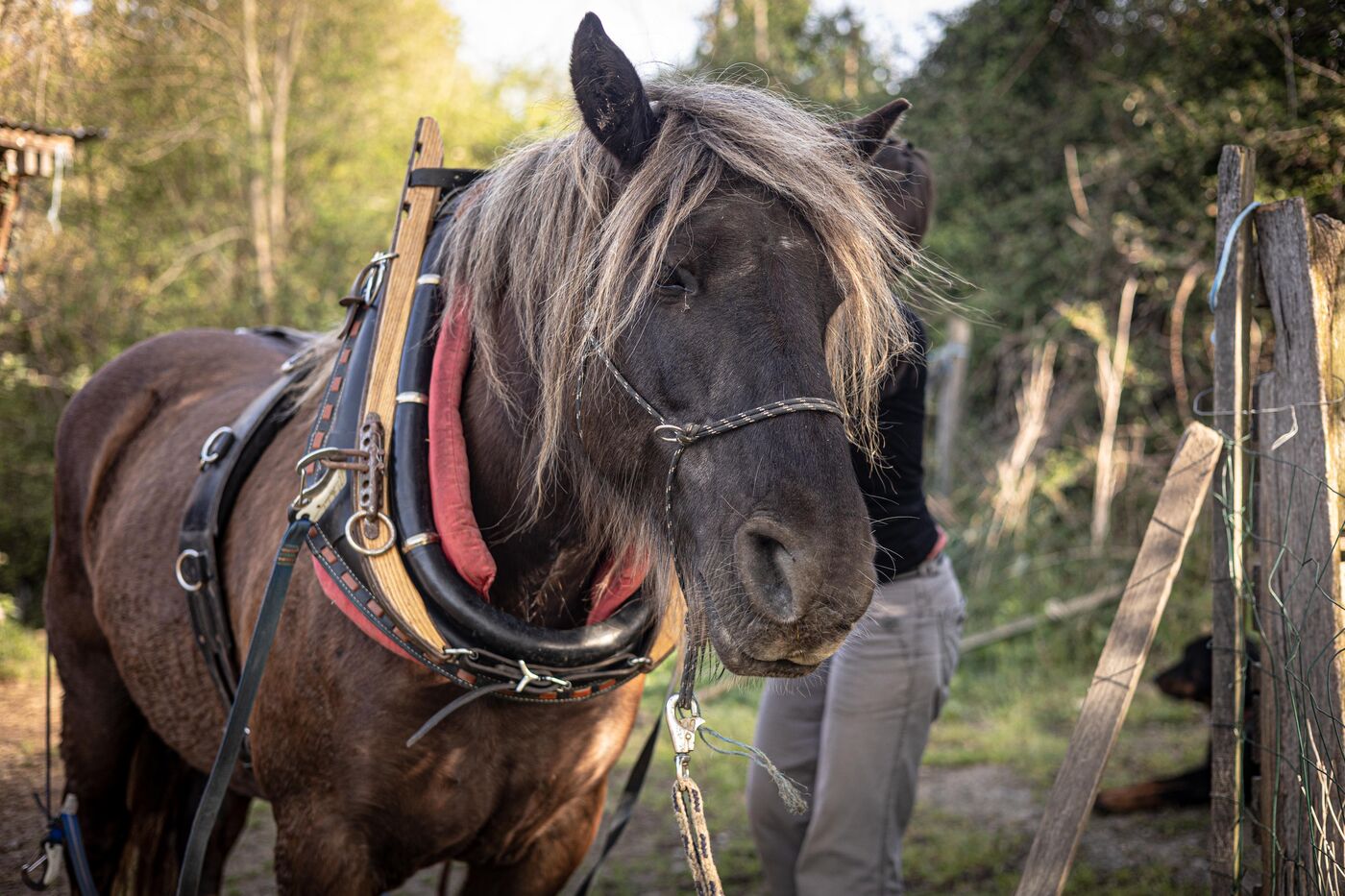
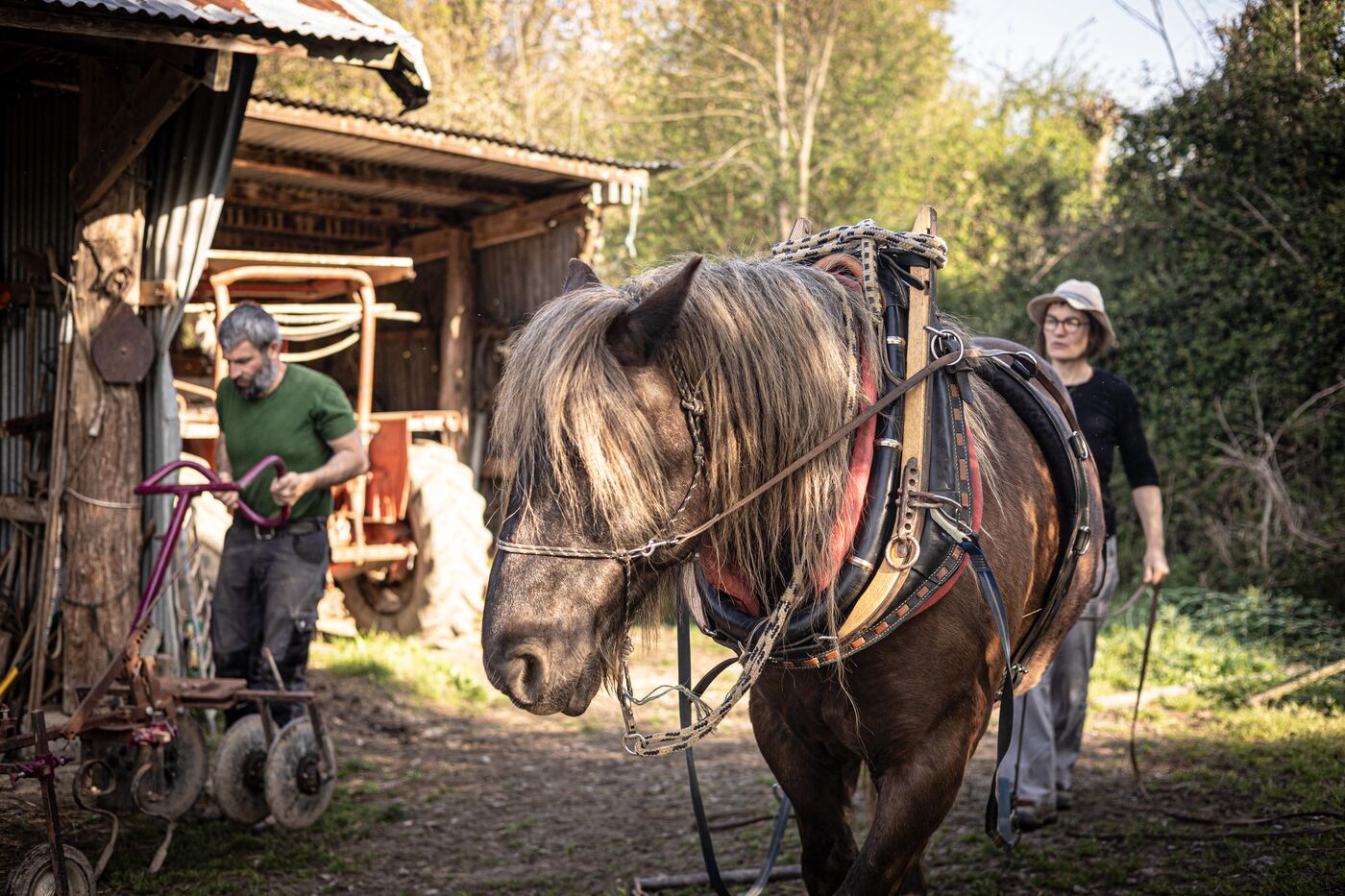
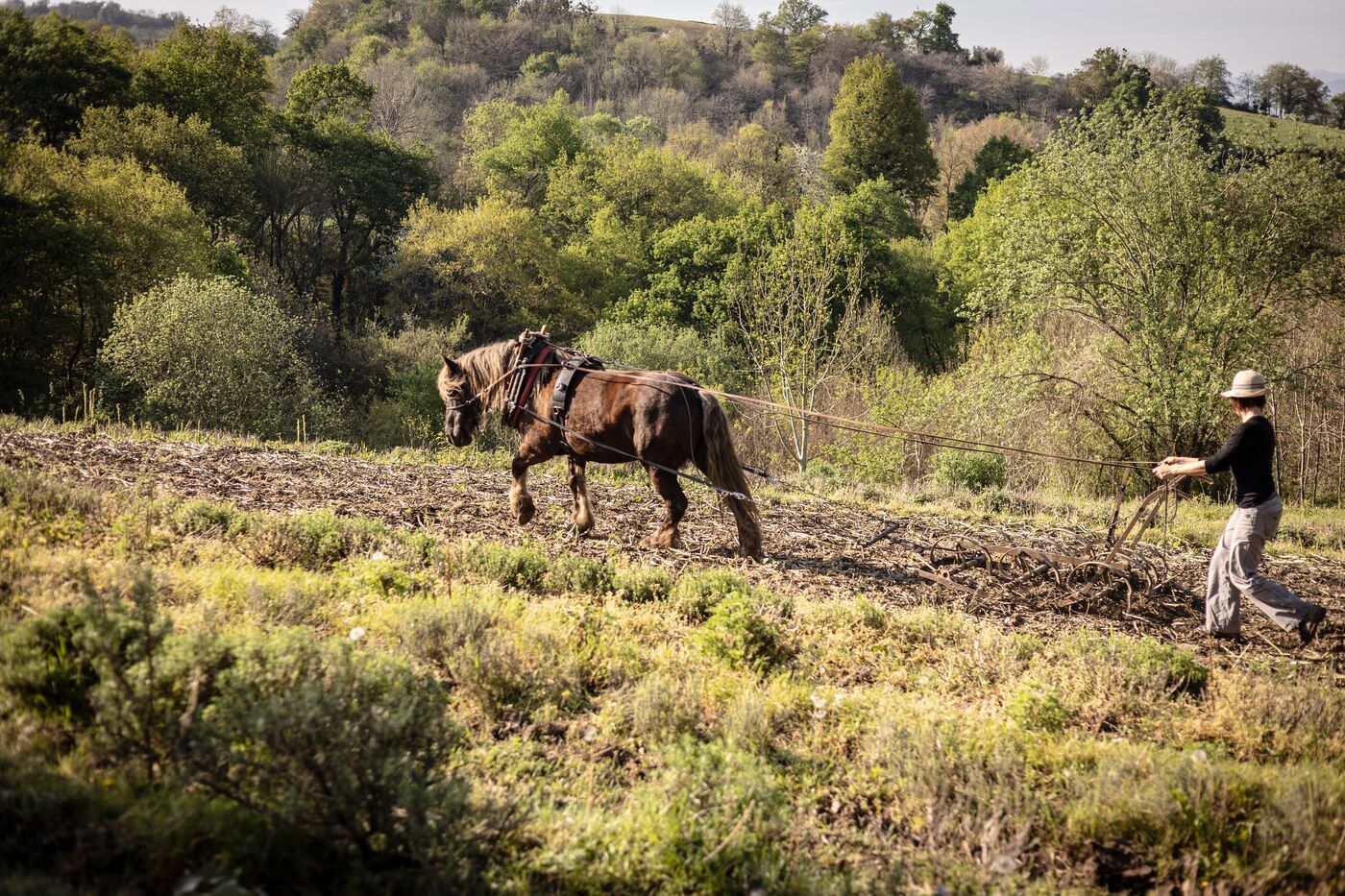
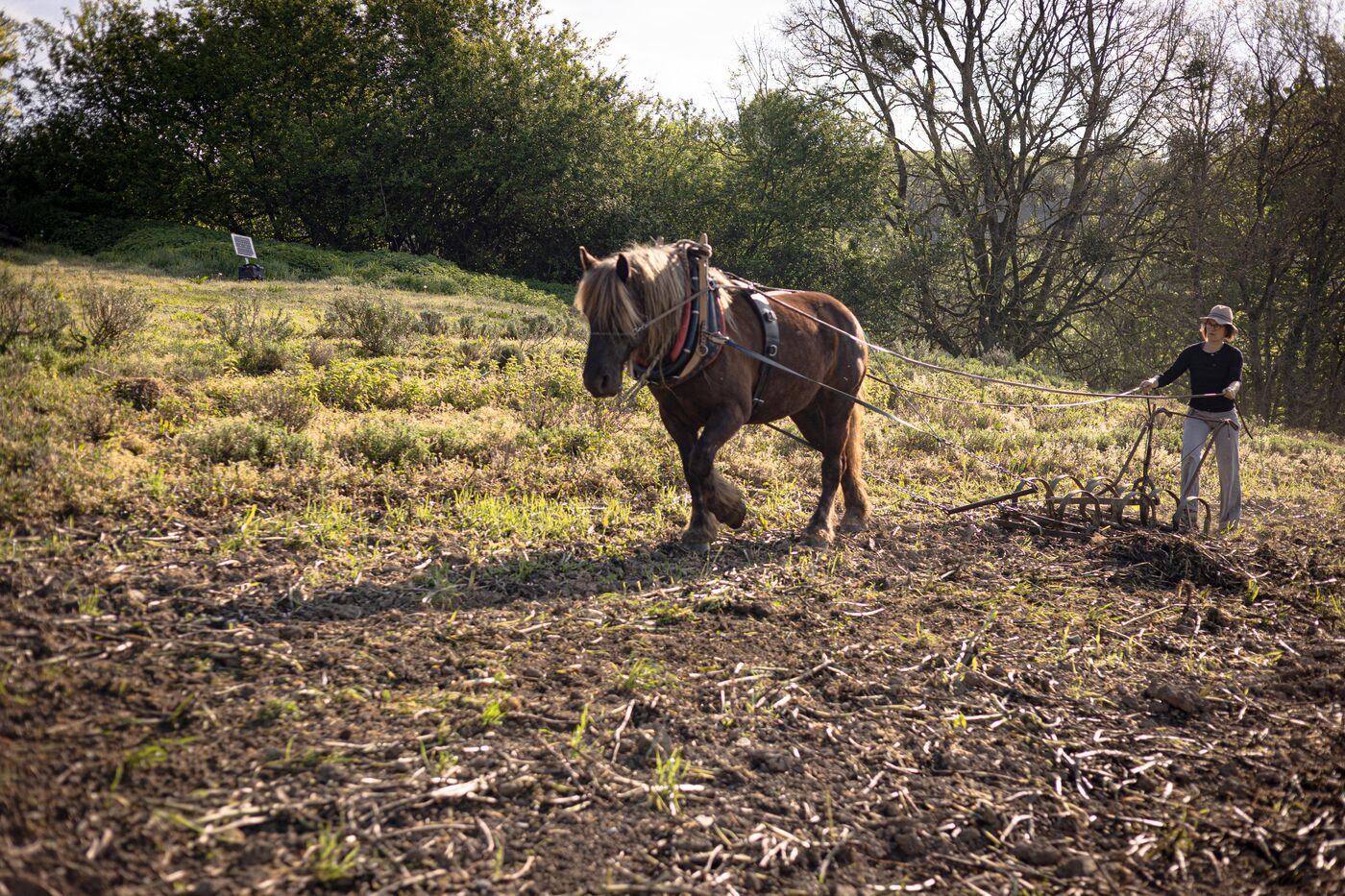
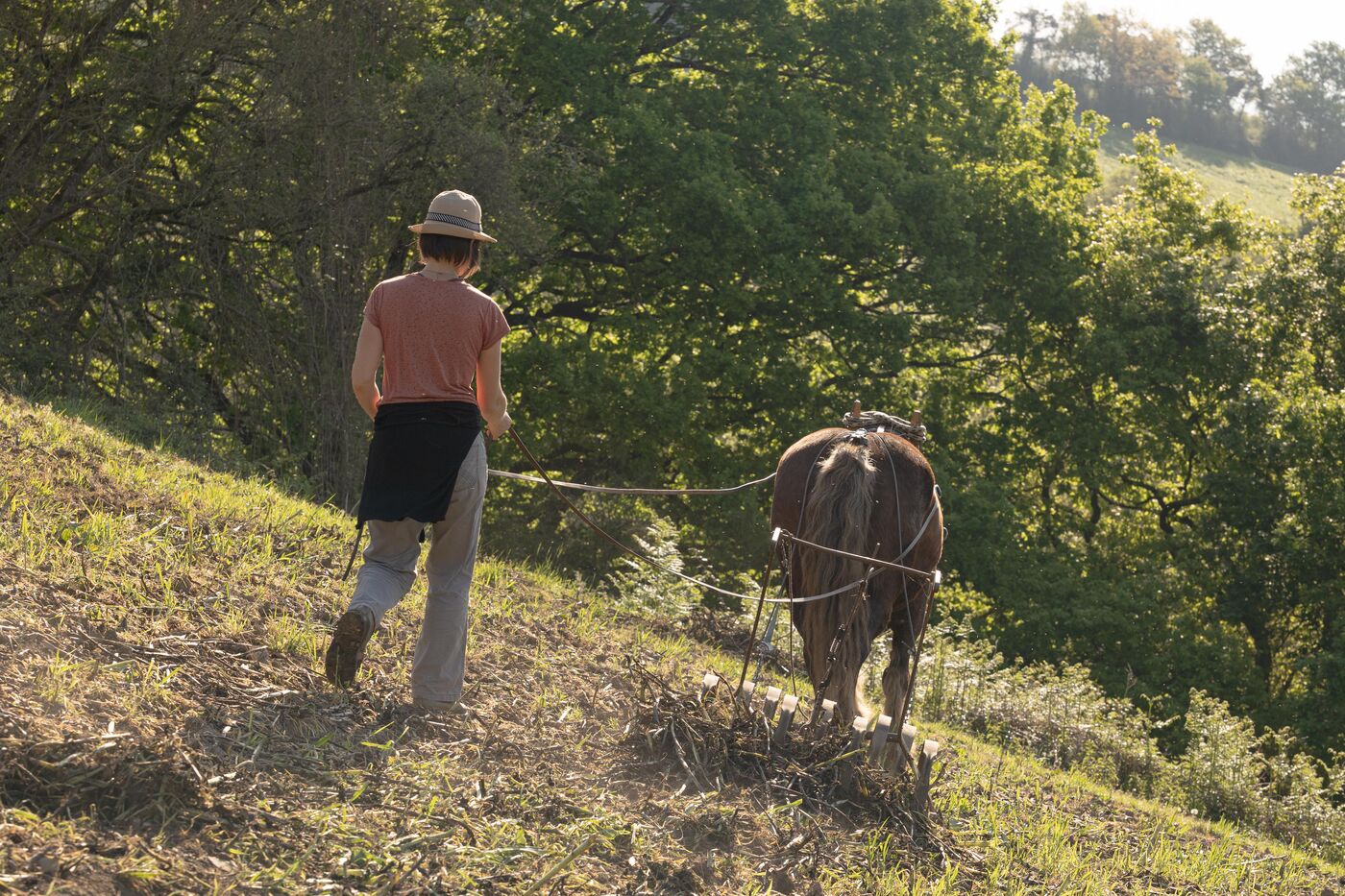
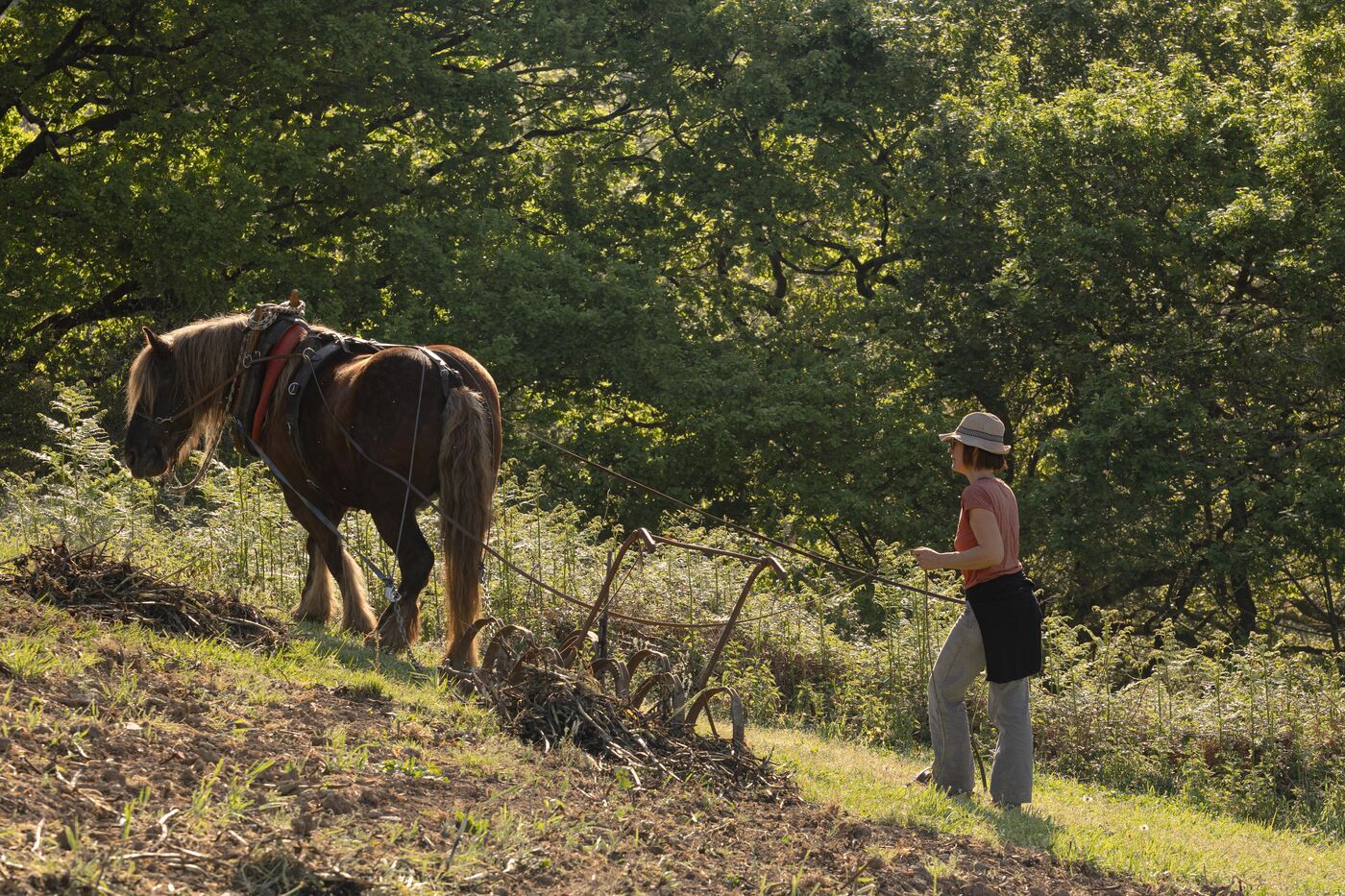
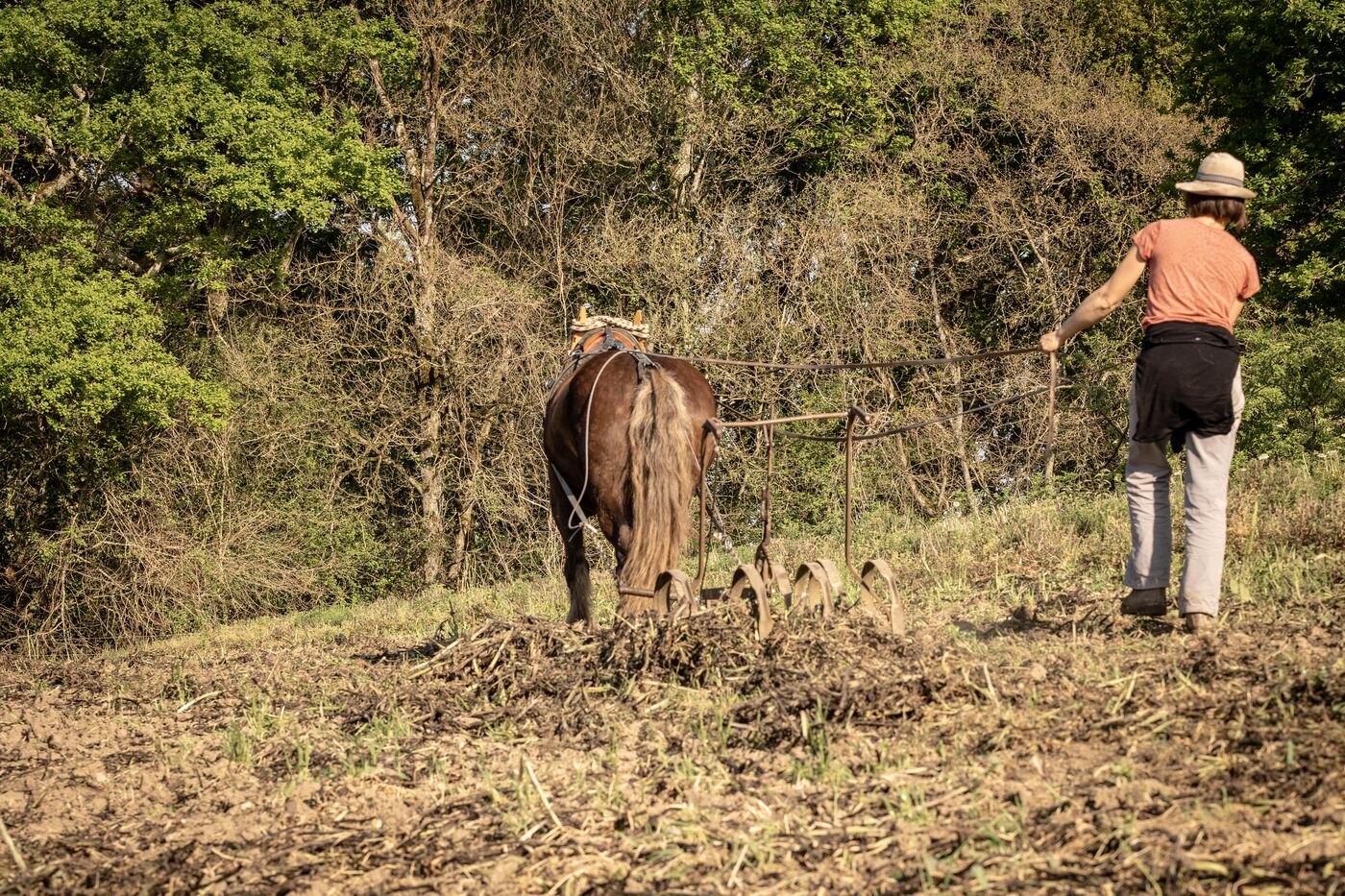
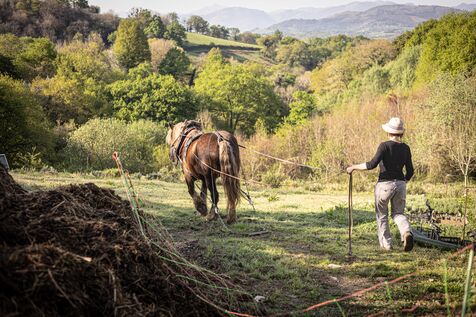
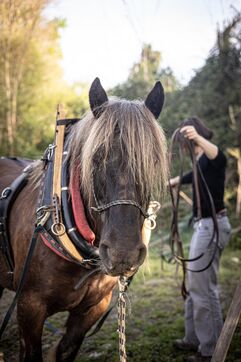
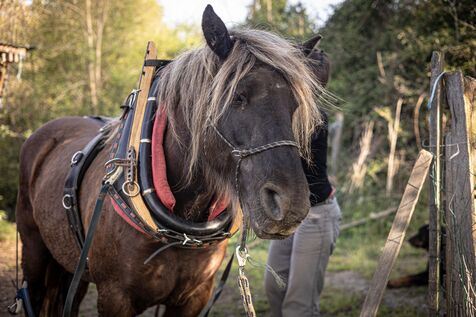
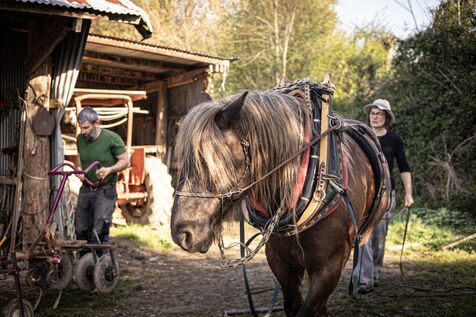
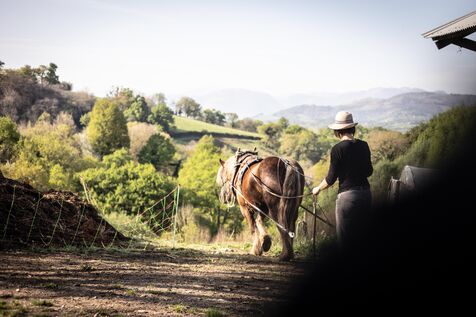
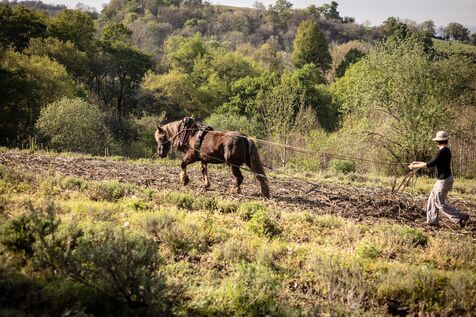
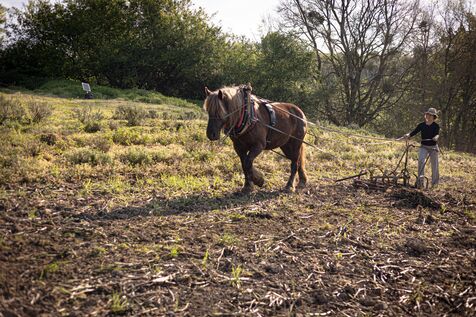
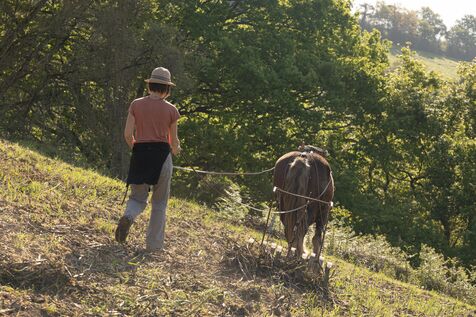
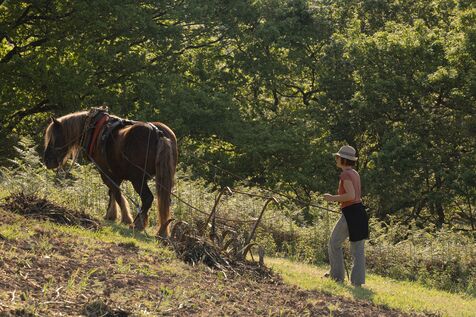
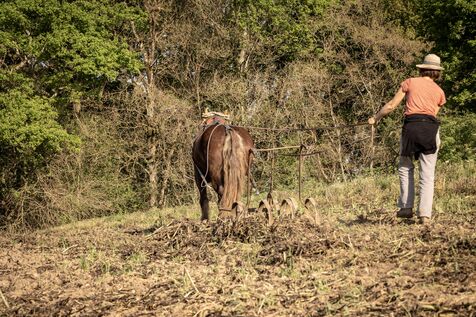
Ils préparent la terre dans laquelle ils font pousser ces plantes, au moyen de la traction d'Eole, leur jument. La traction animale pour le travail du sol a de nombreux avantages : écologique en premier lieu, elle est adaptée aux petites parcelles, évite le tassement des sols, permet une plus grande précision, peut être utilisée plus facilement après les pluies. Par ailleurs, le cheval produit la fumure qui est utilisée sur place.
Fanny et Fredo ne labourent pas en profondeur leur terre pour ne pas nuire à son équilibre ni à sa structure : il est reconnu en effet que le labourage appauvrit les sols. Ils font essentiellement un travail en surface. Mais la conduite d'un cheval de trait nécessite des compétences particulières et une attention de tous les instants. Cela ne s'improvise pas.
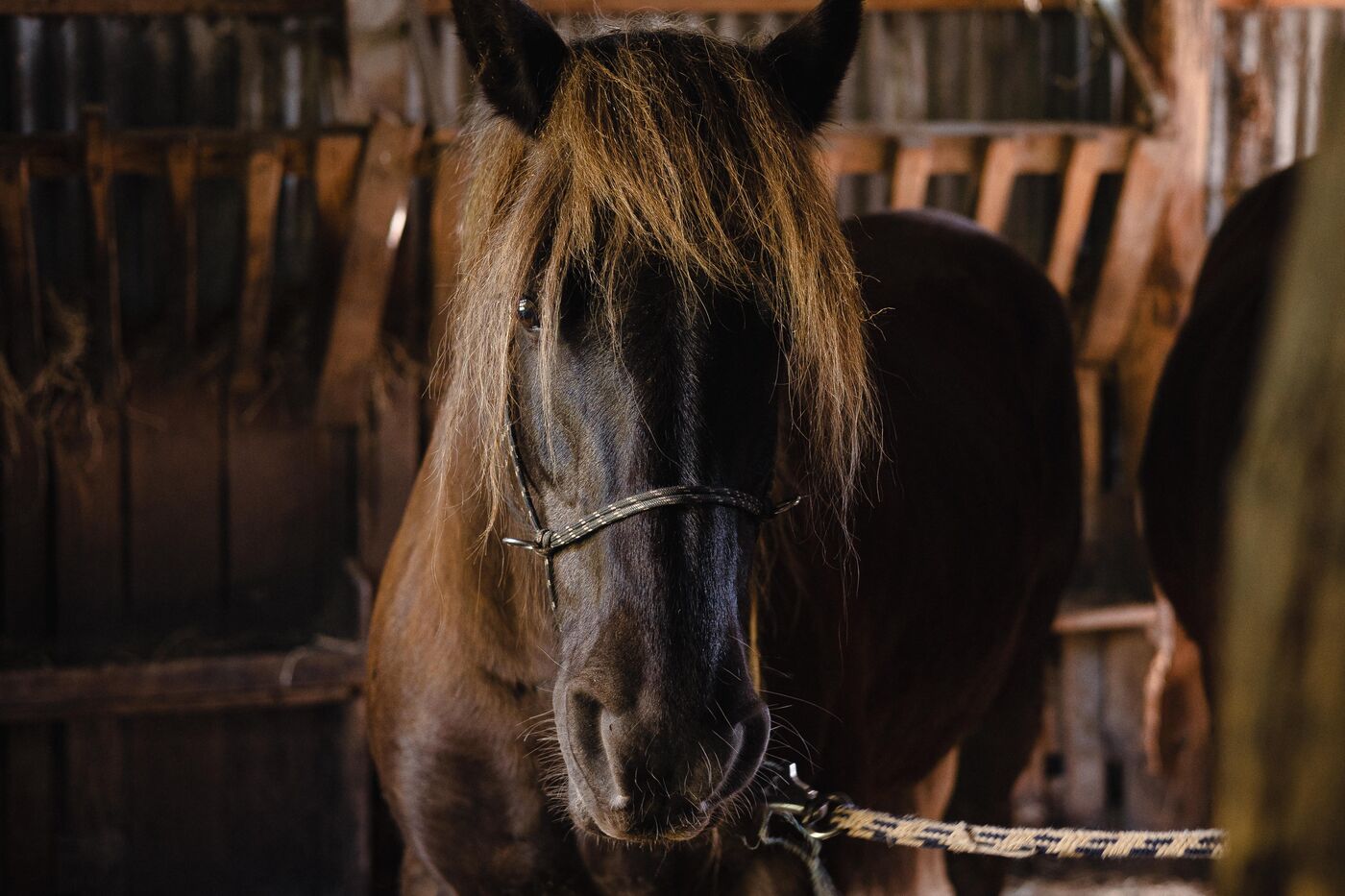
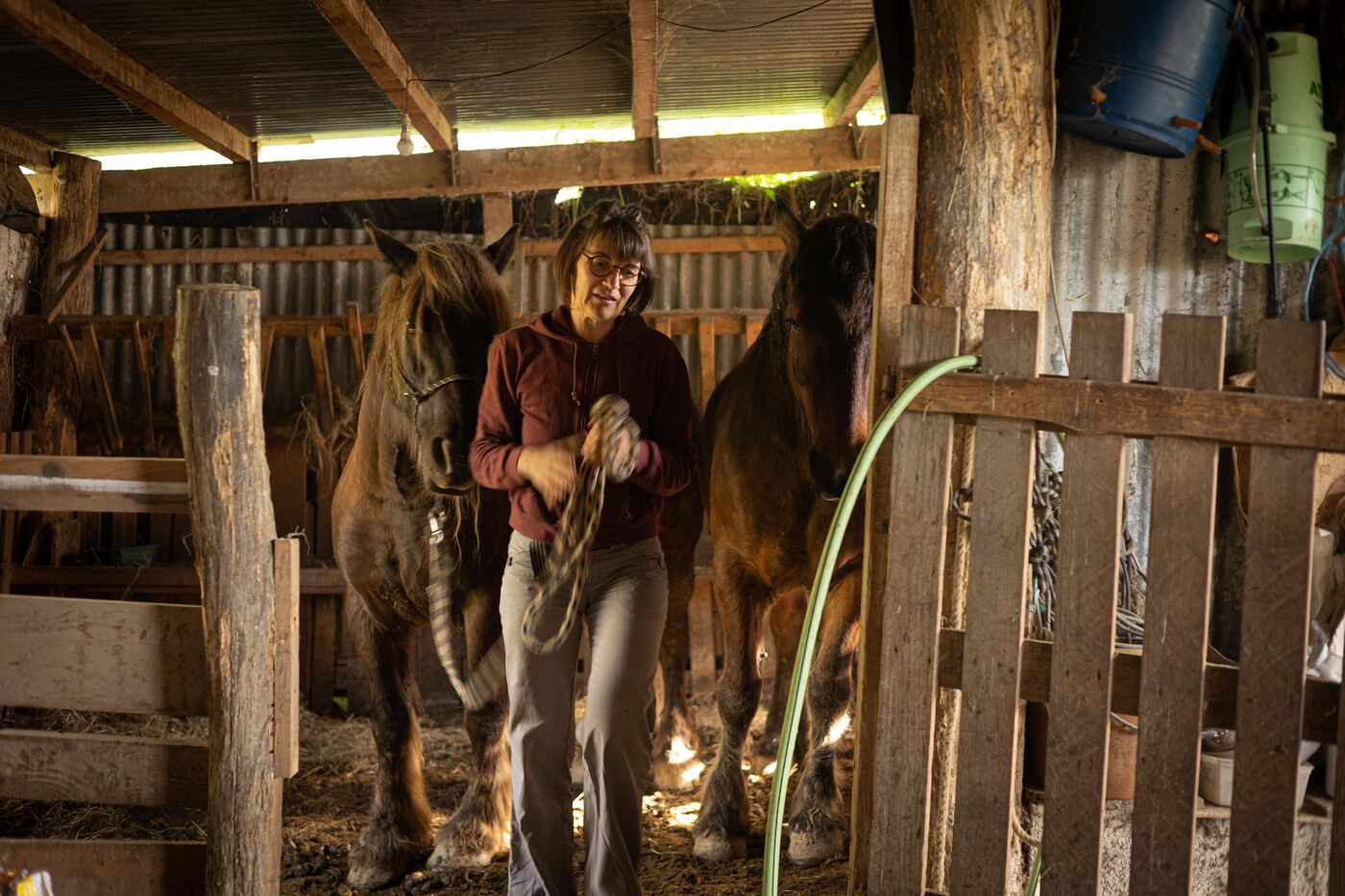
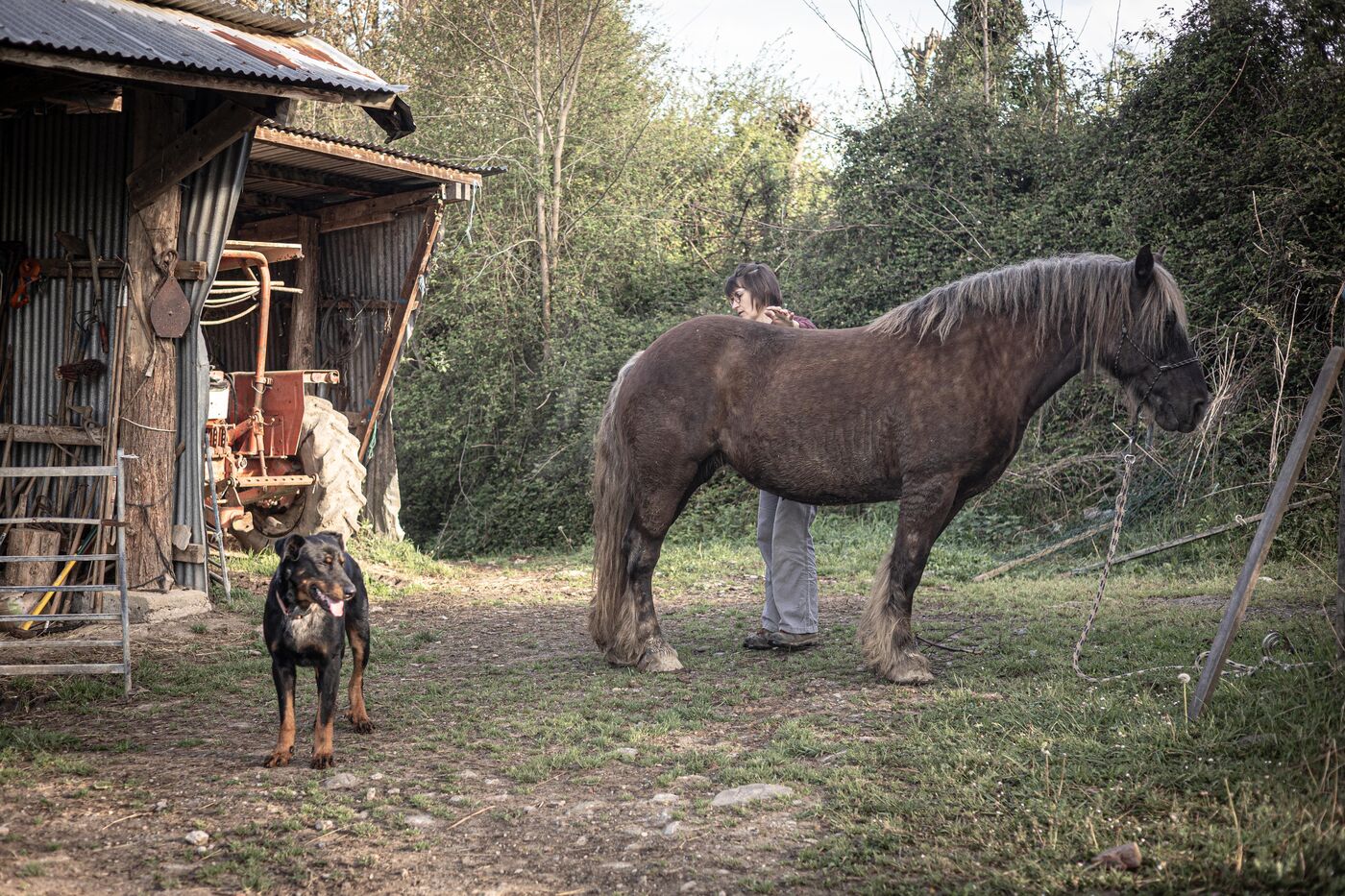
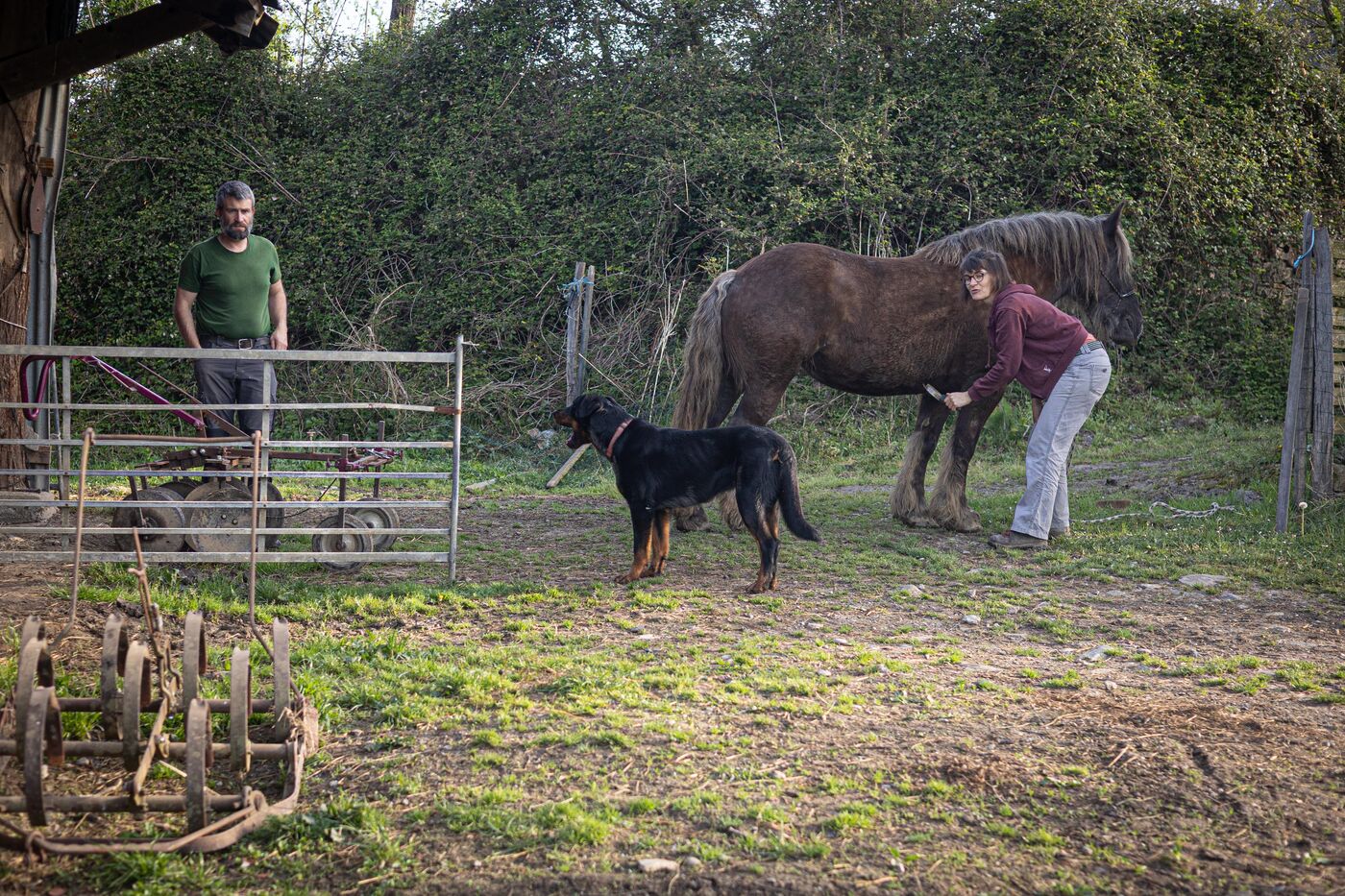
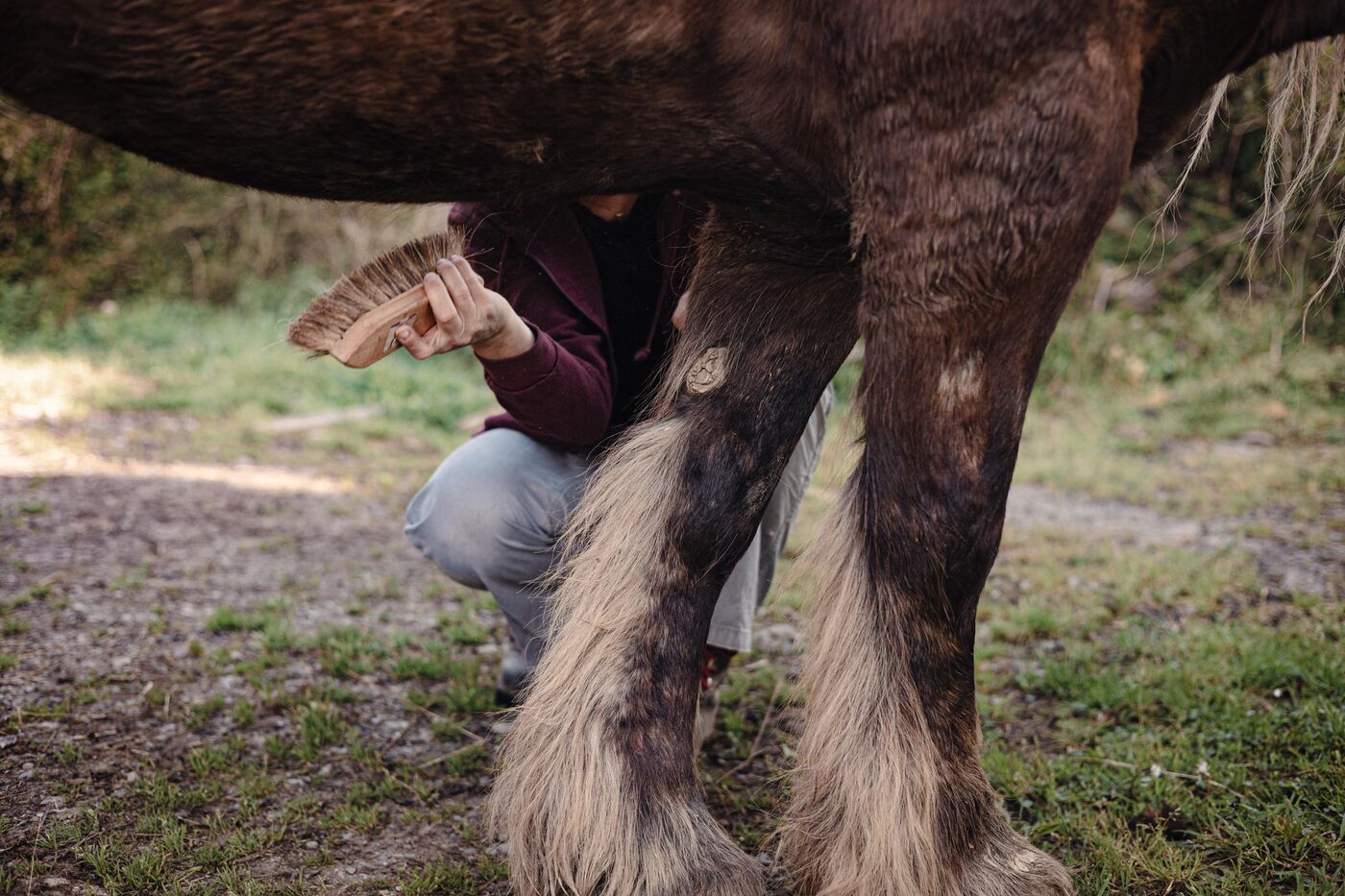
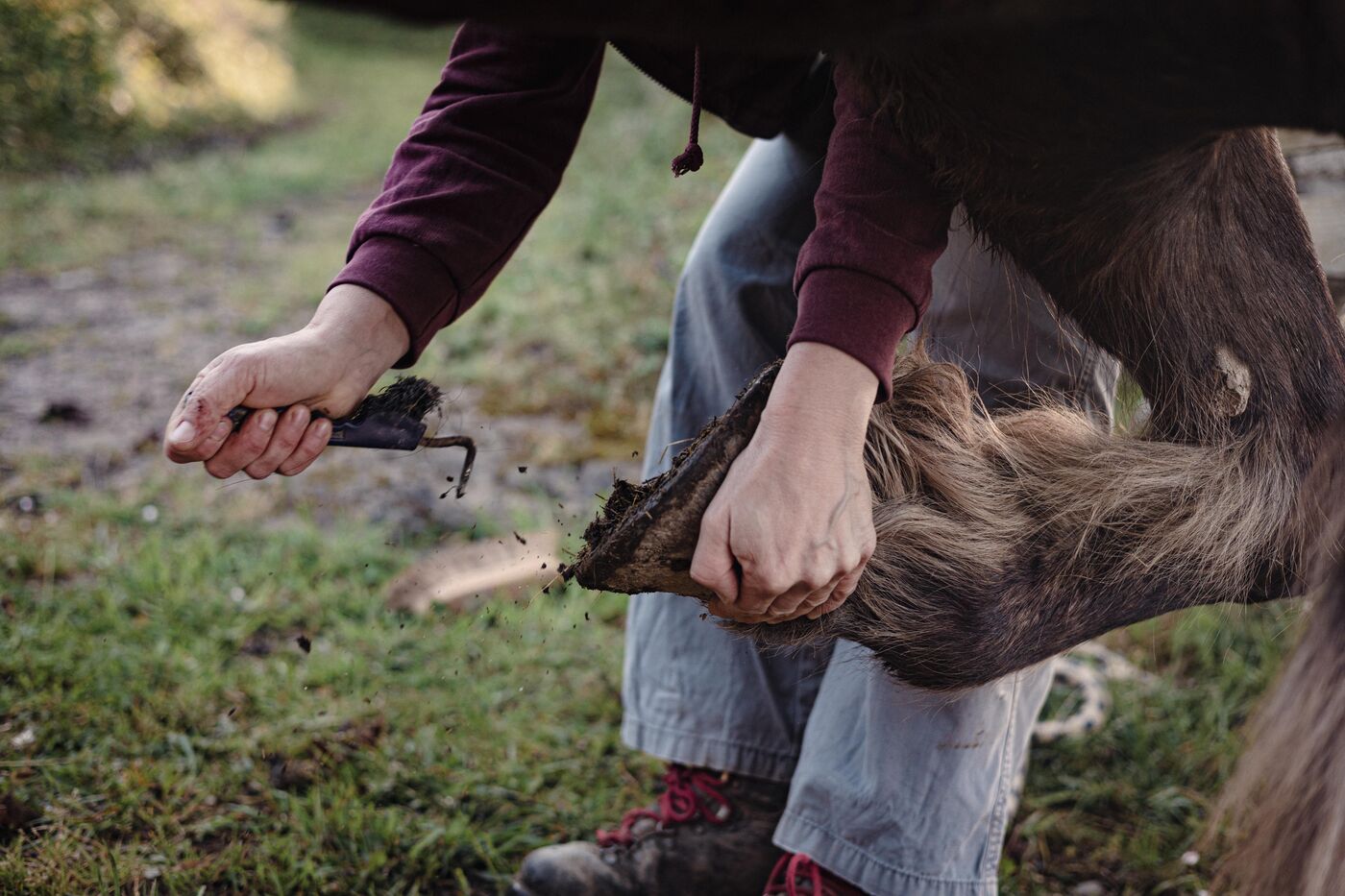
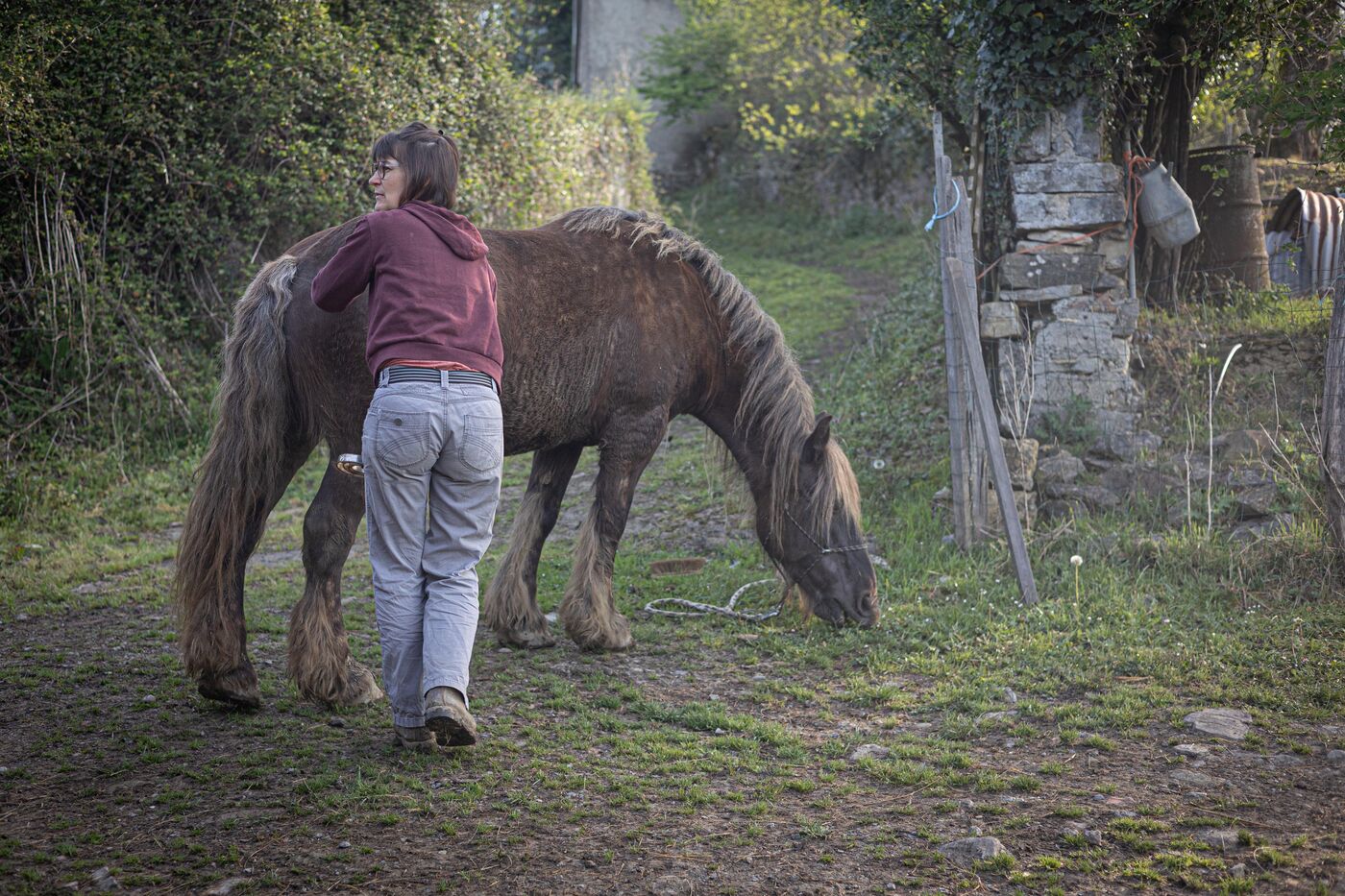
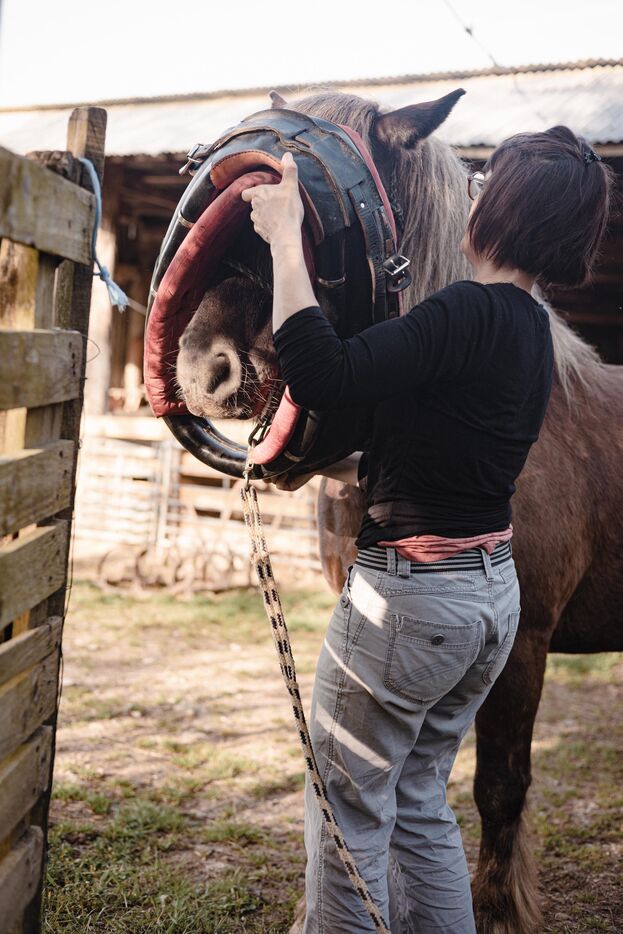
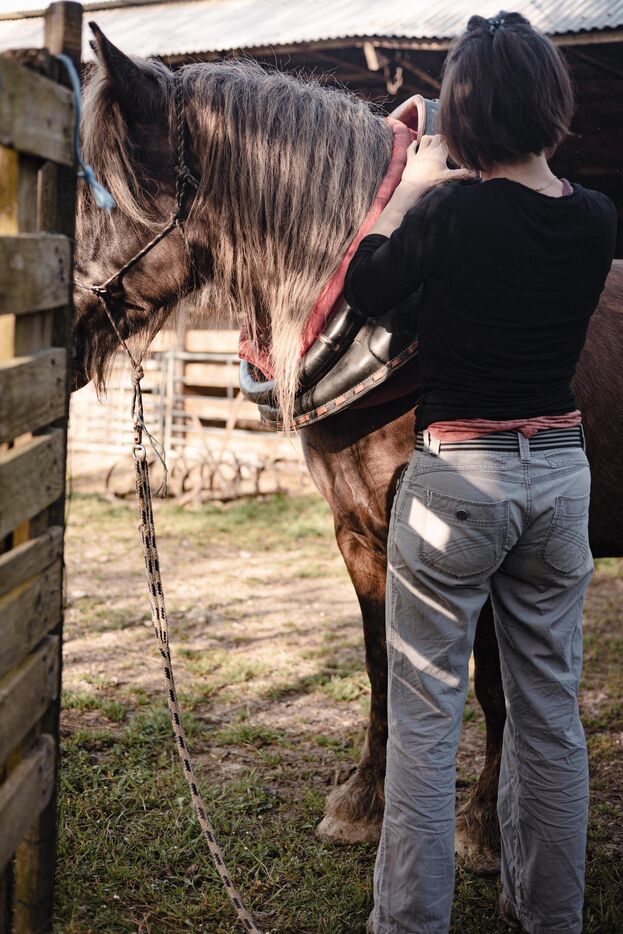
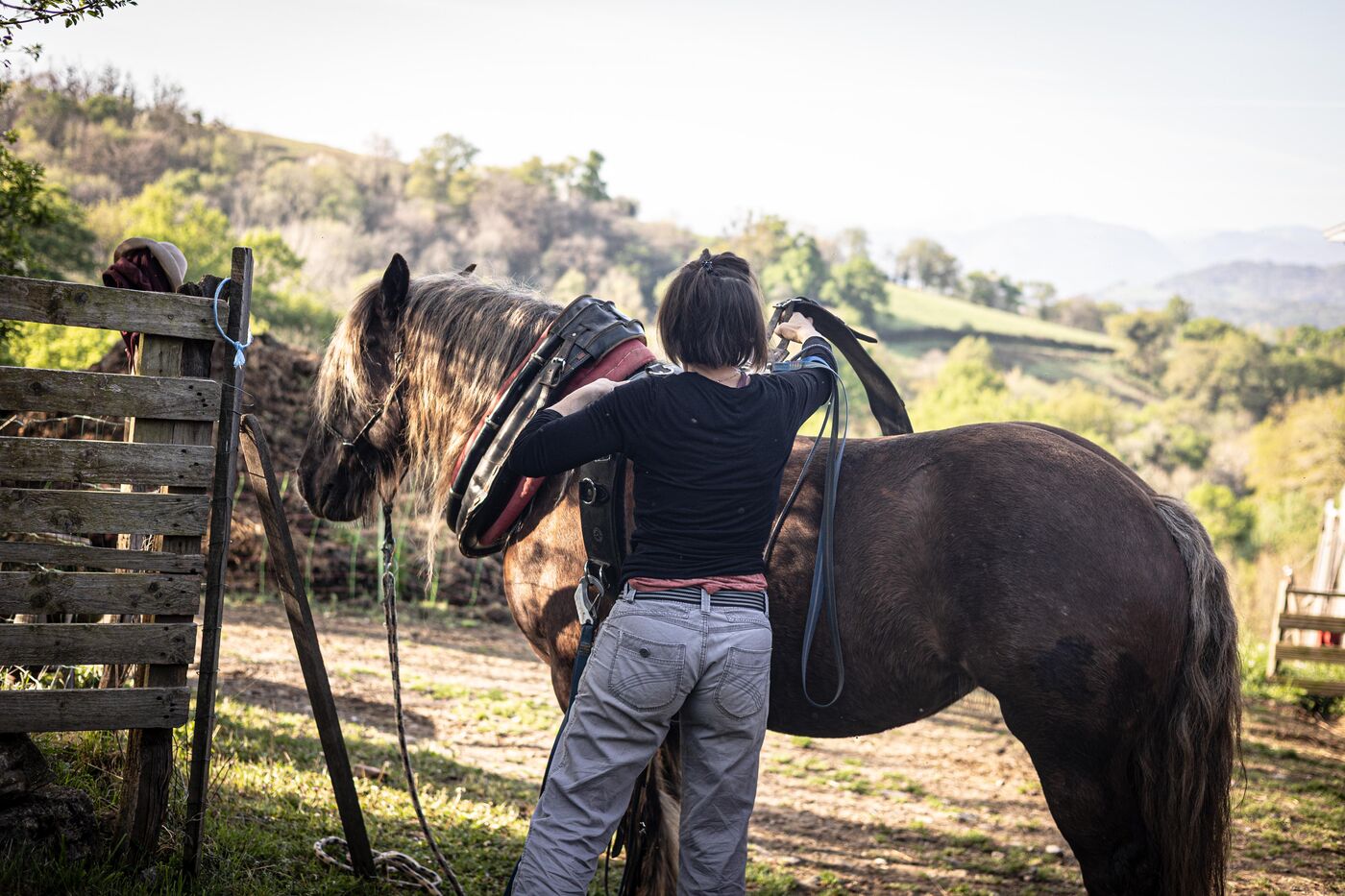
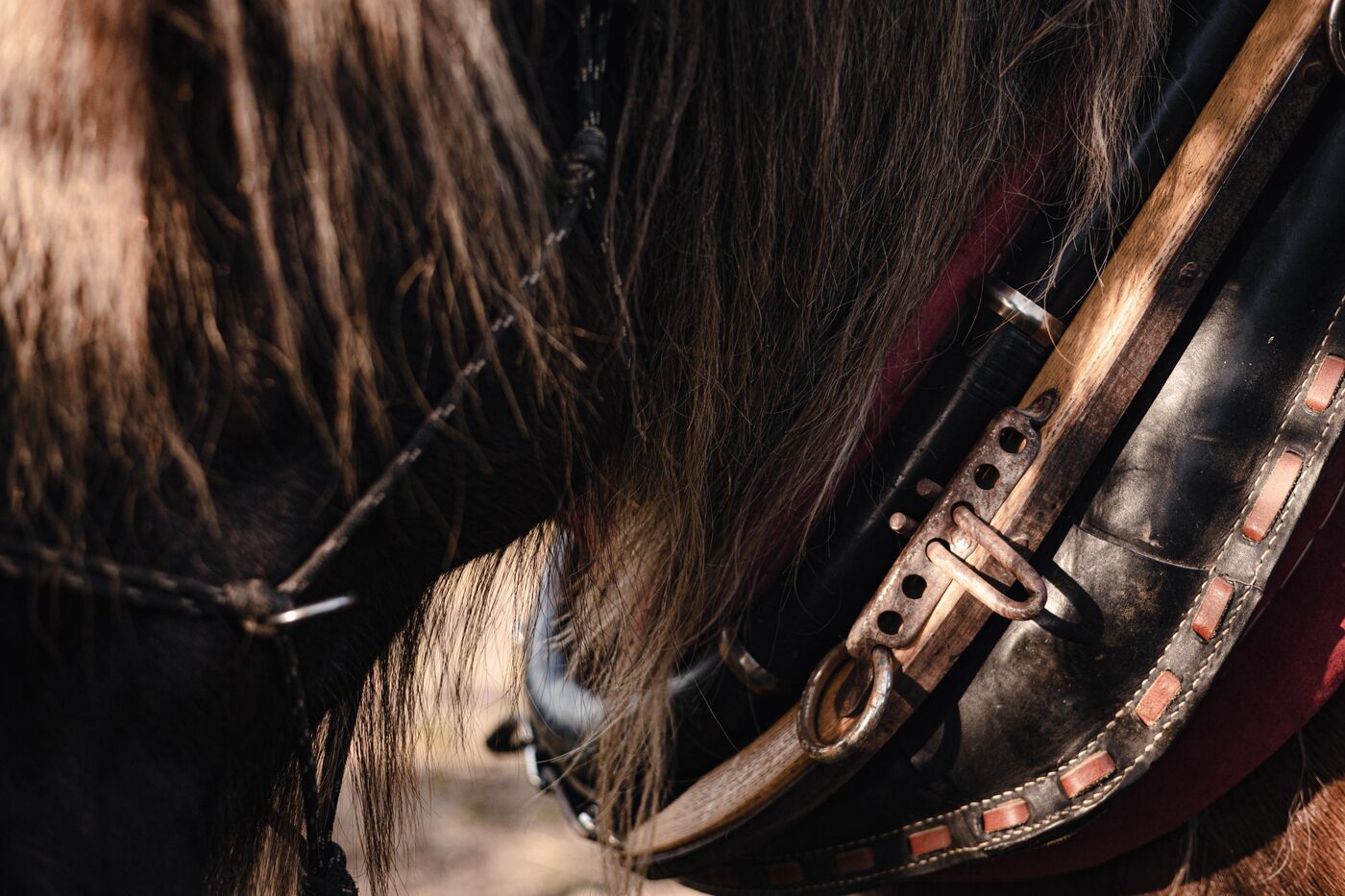
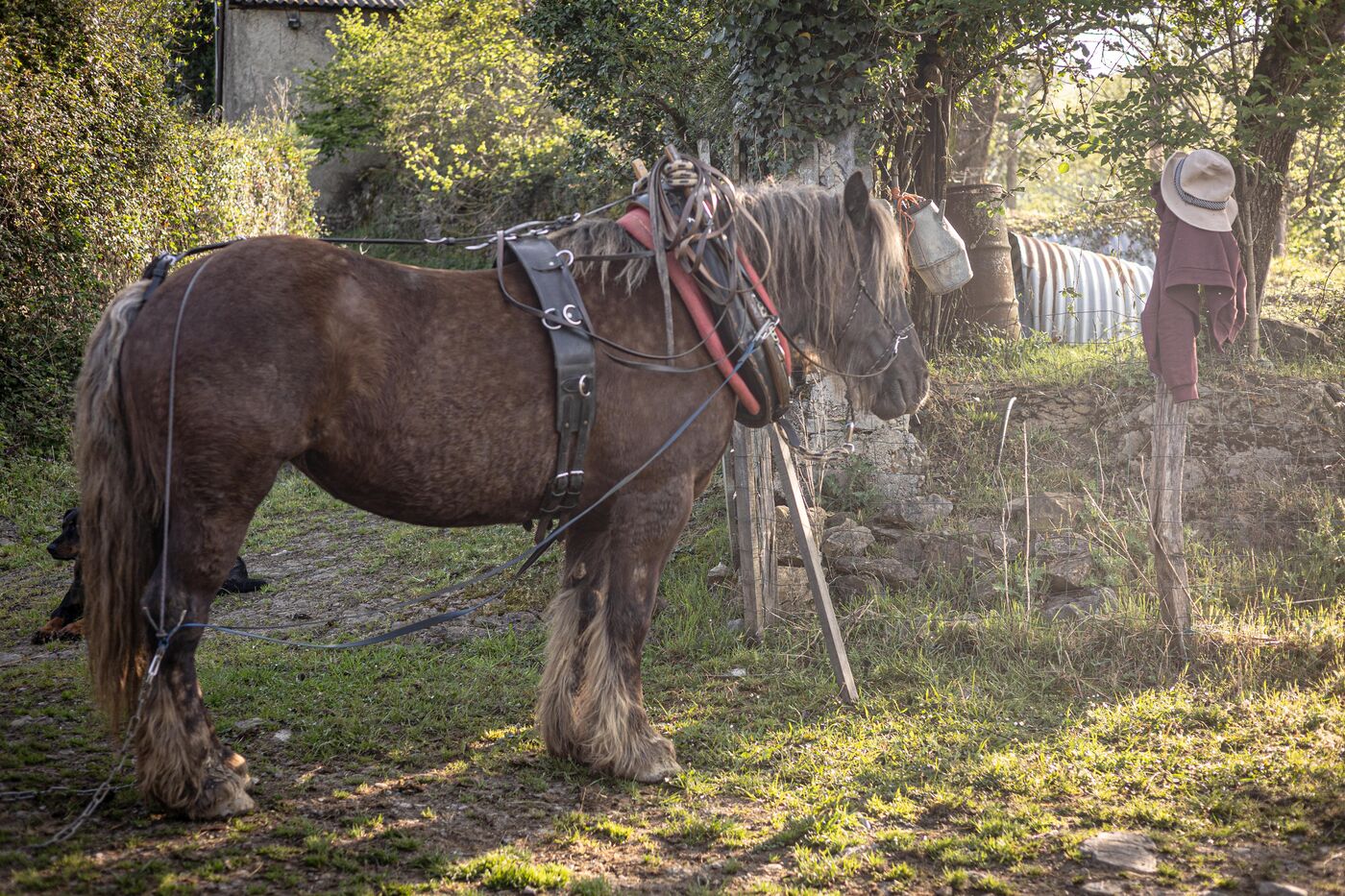
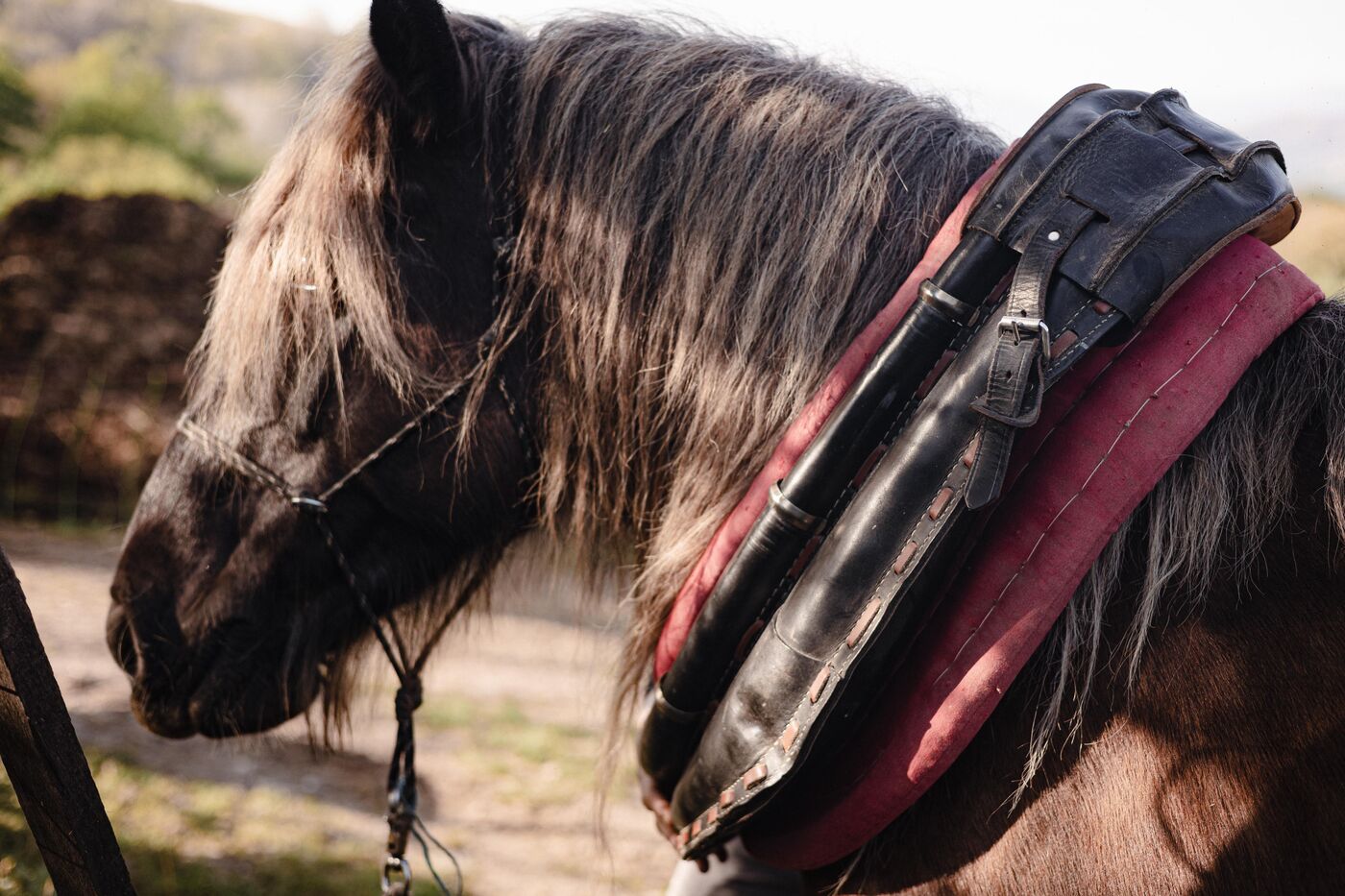
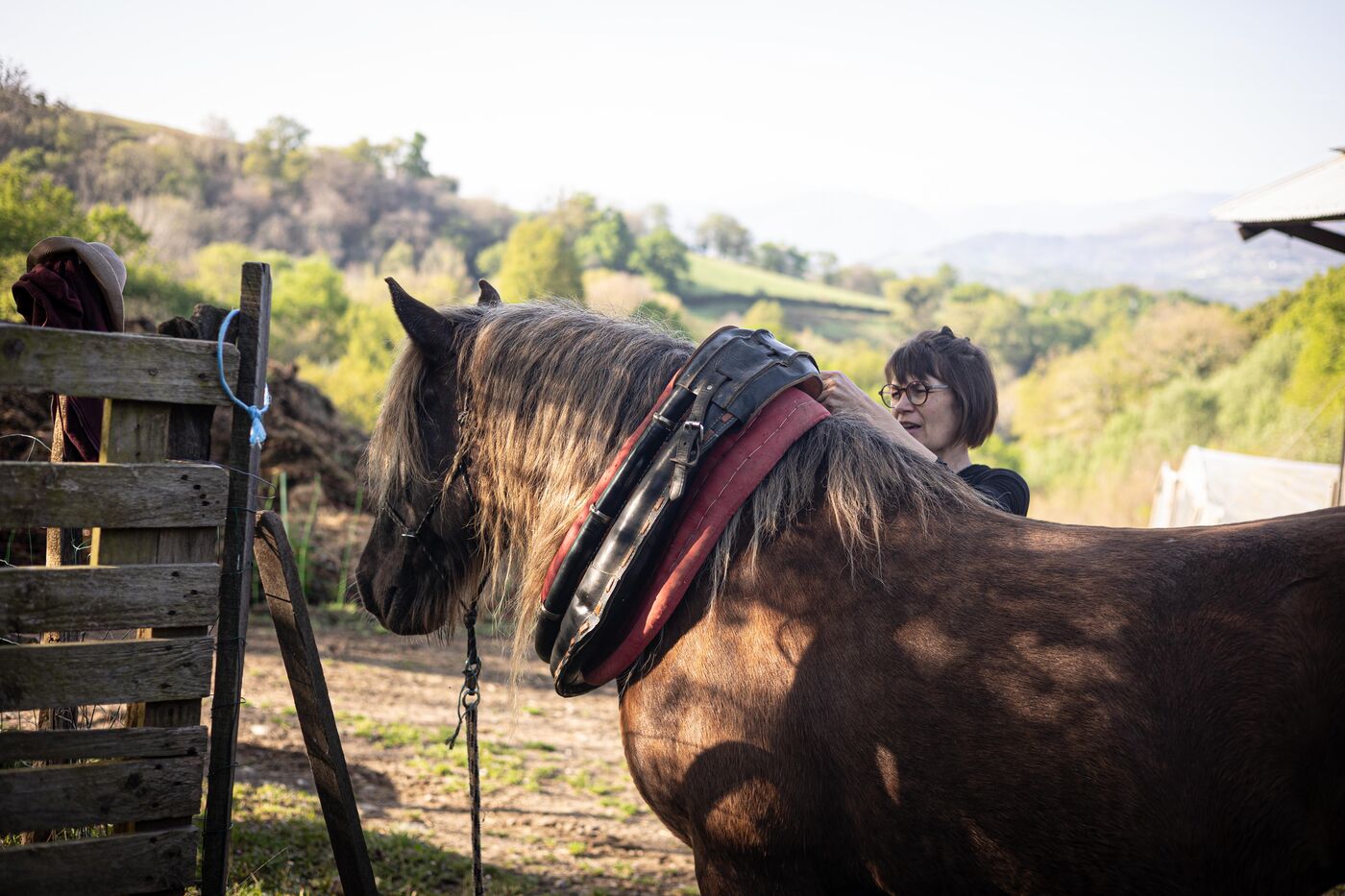
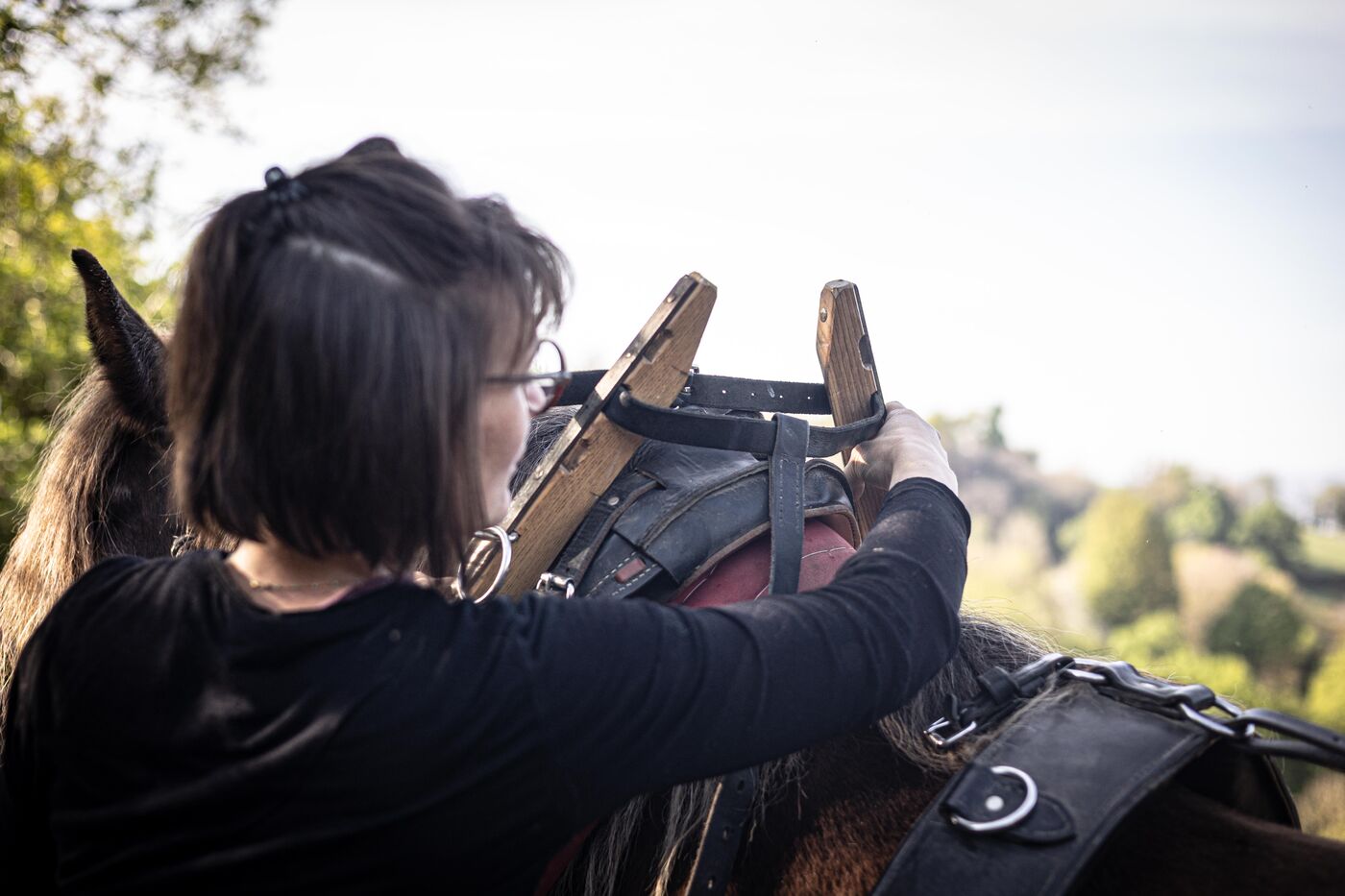
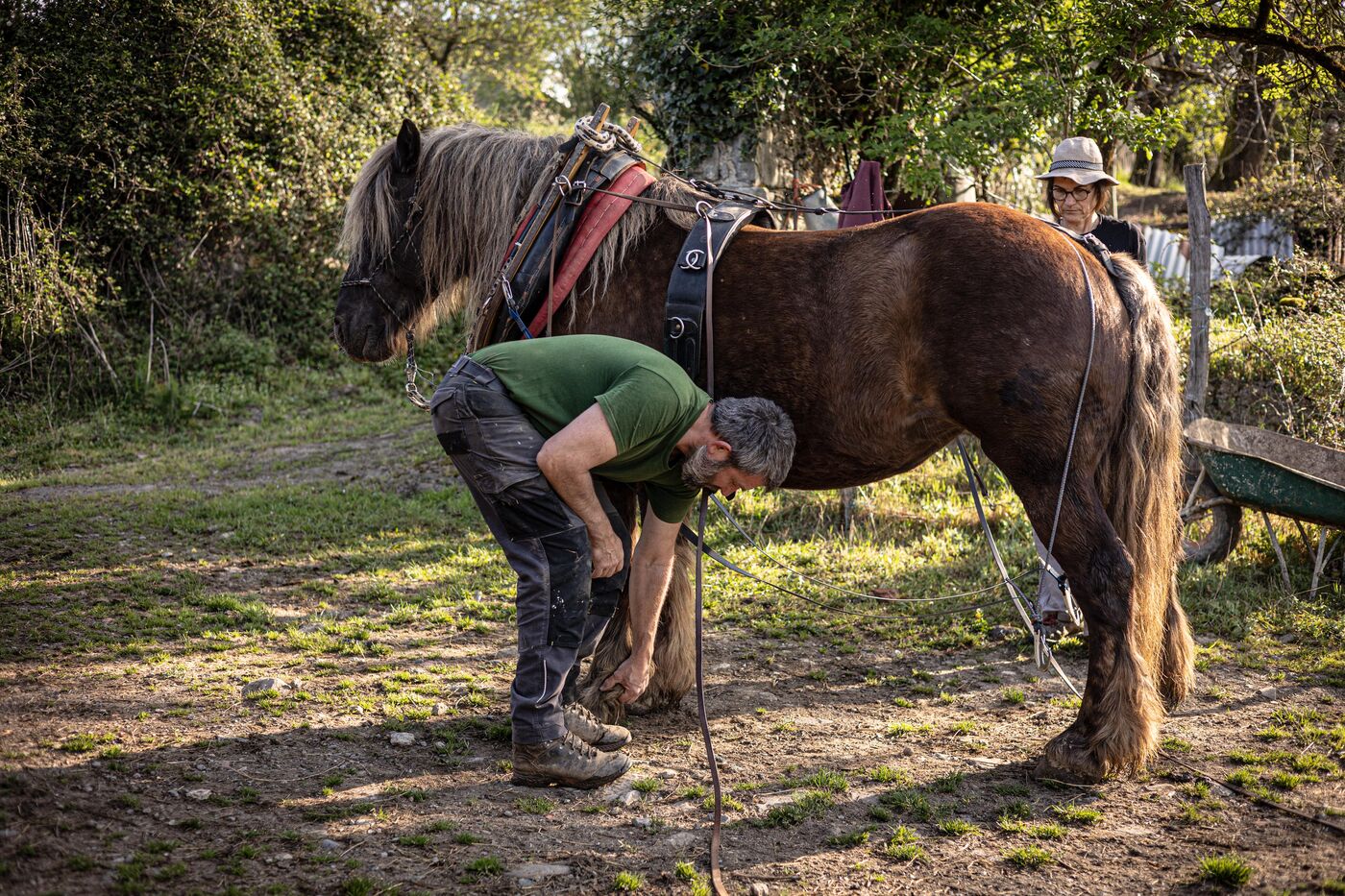
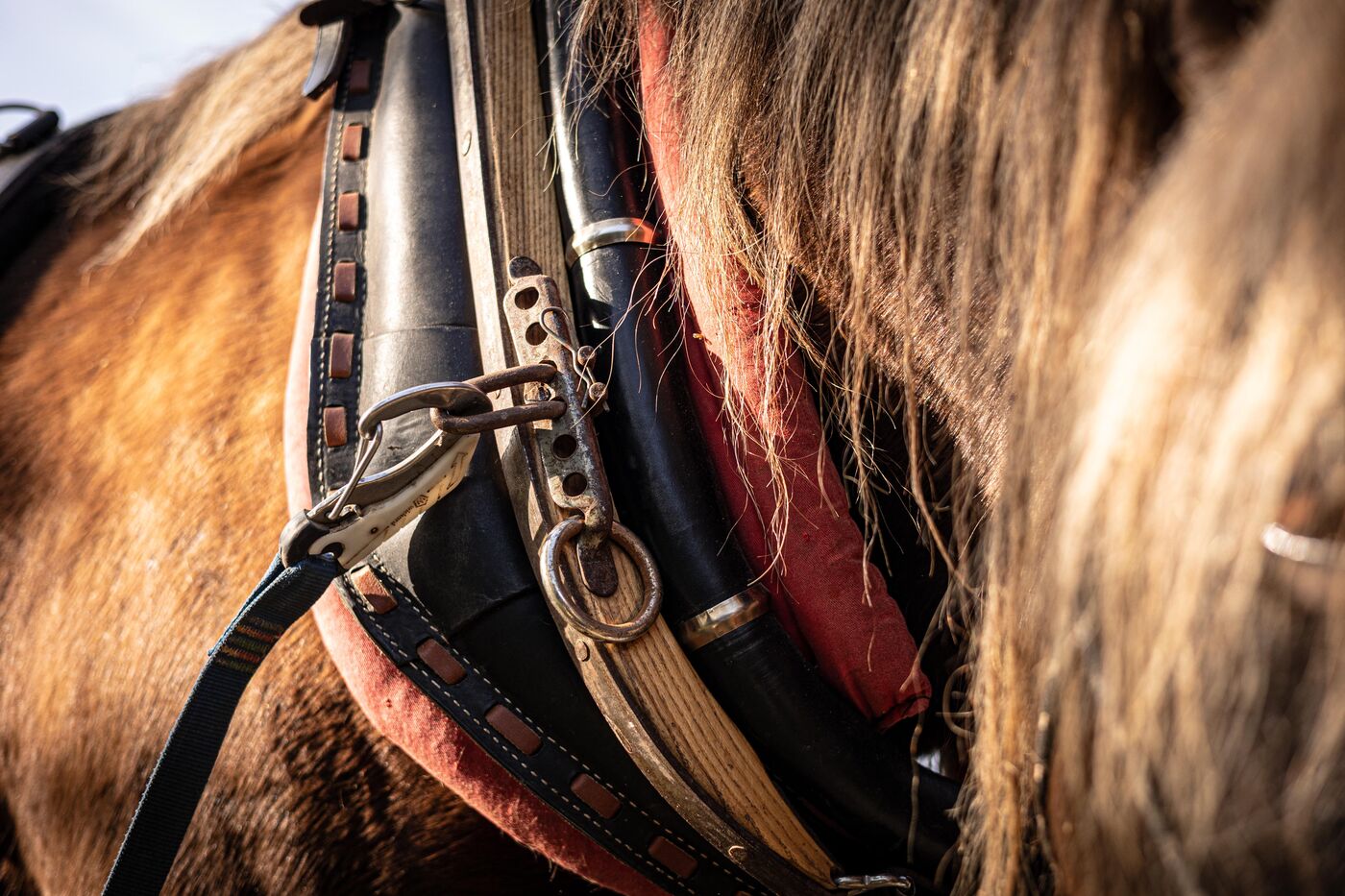
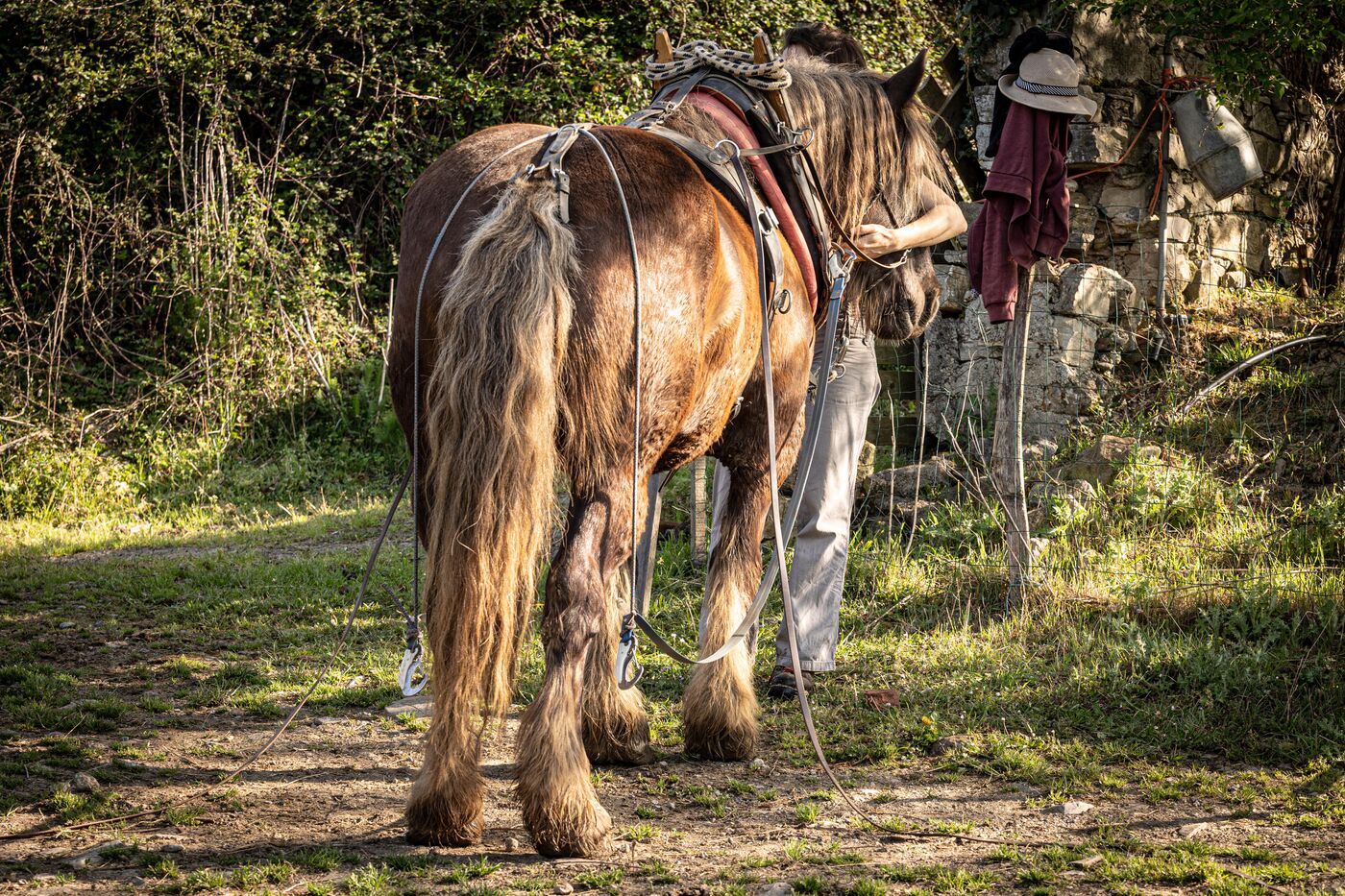
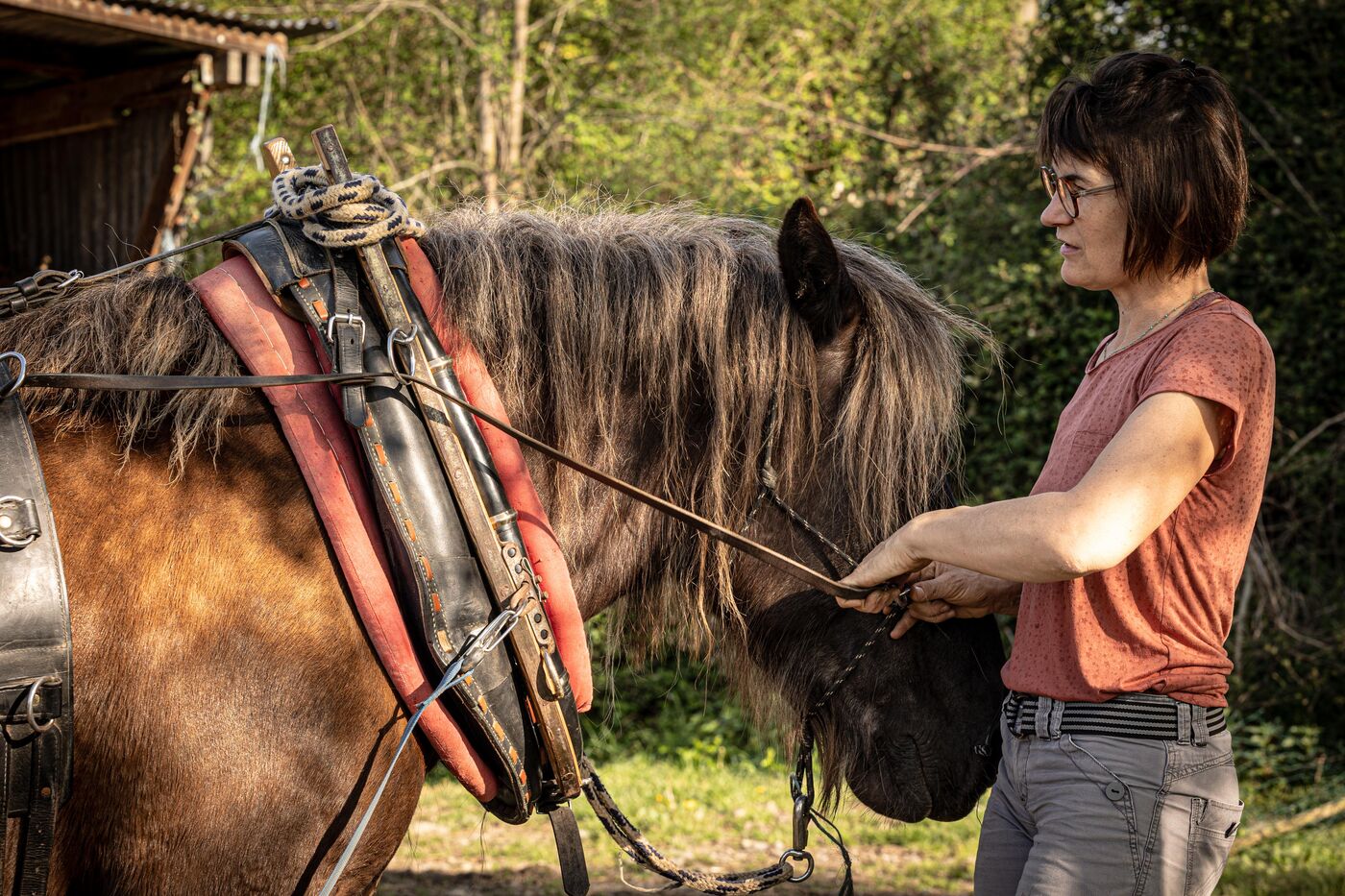
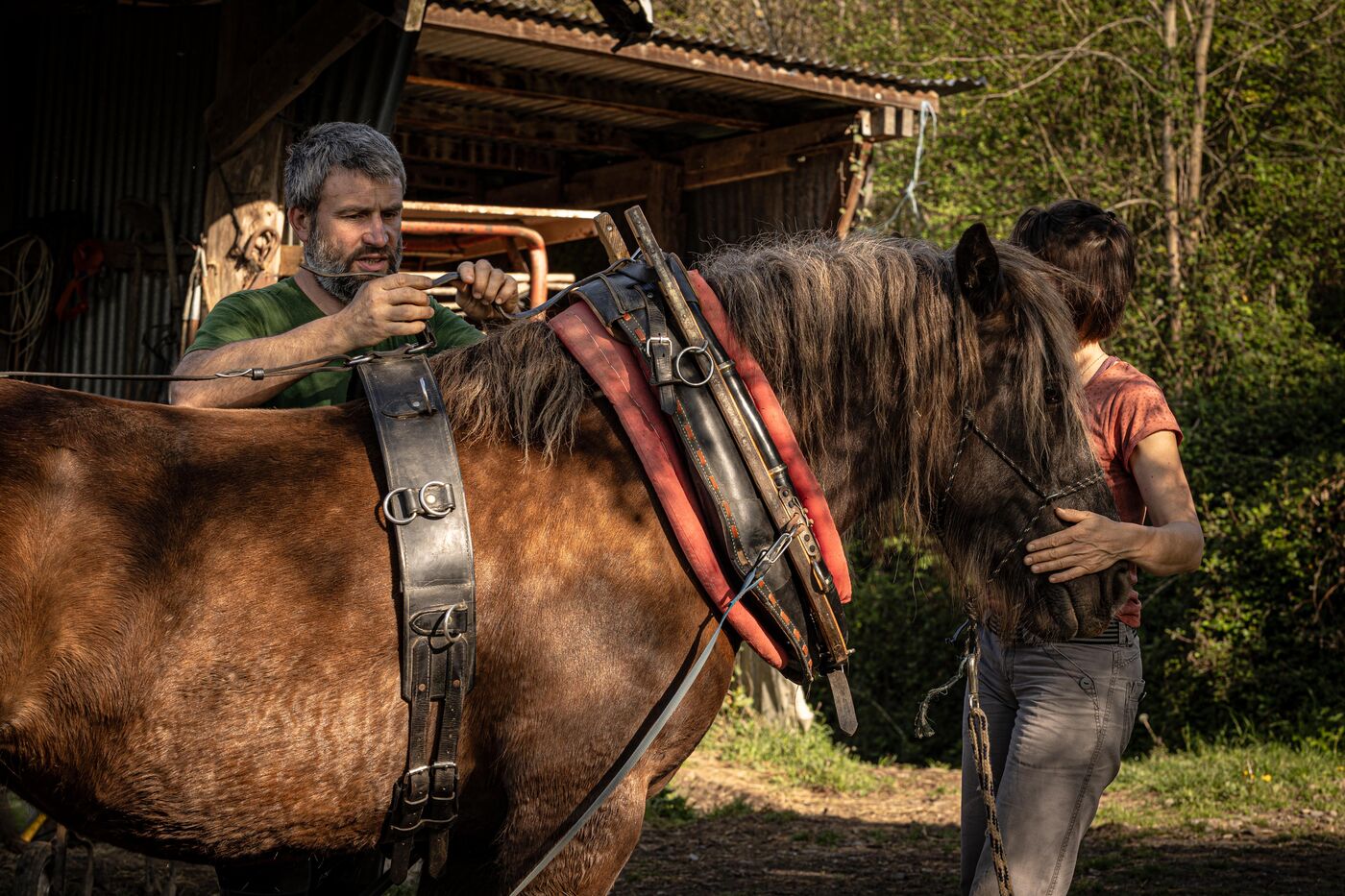
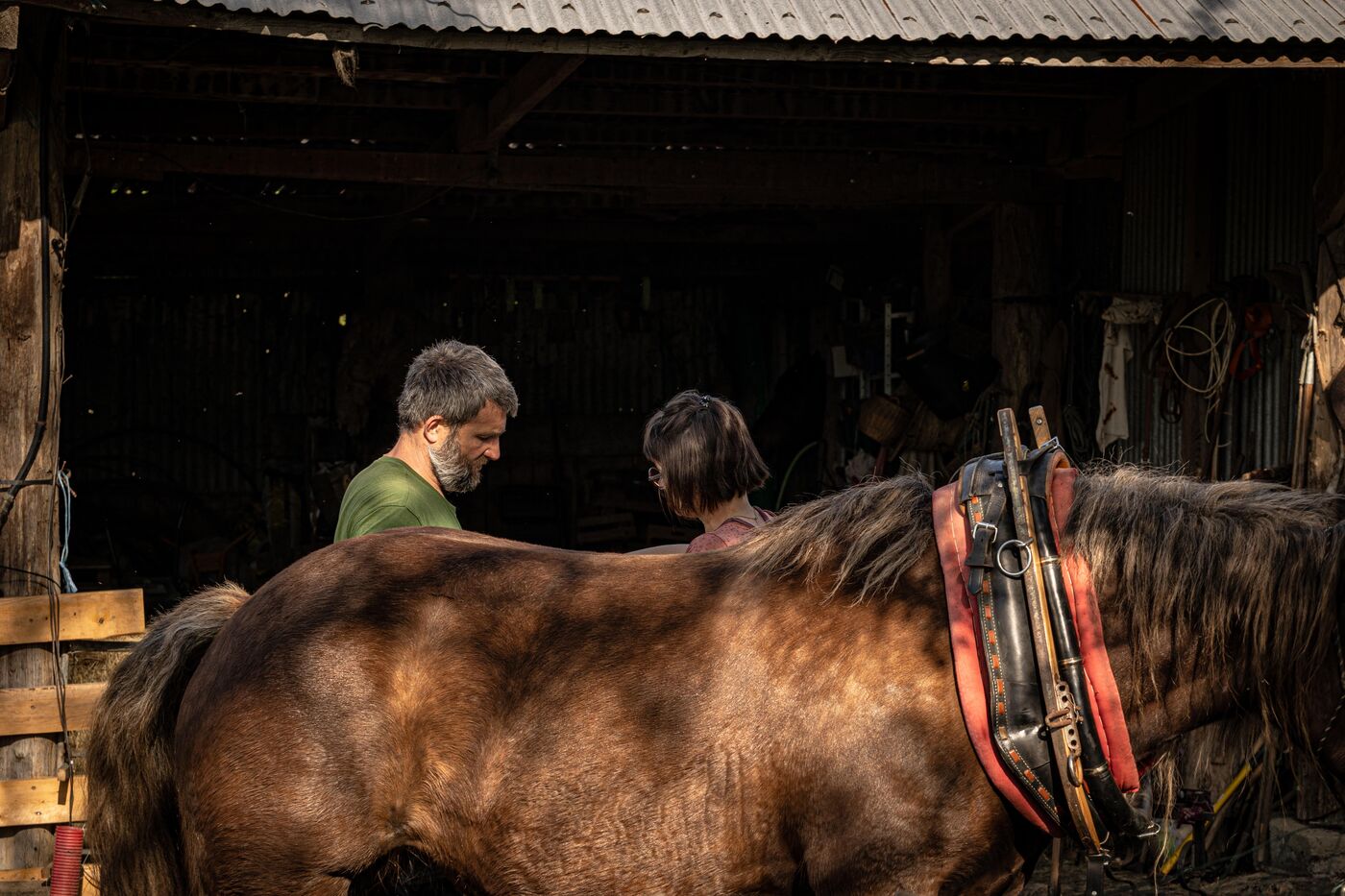
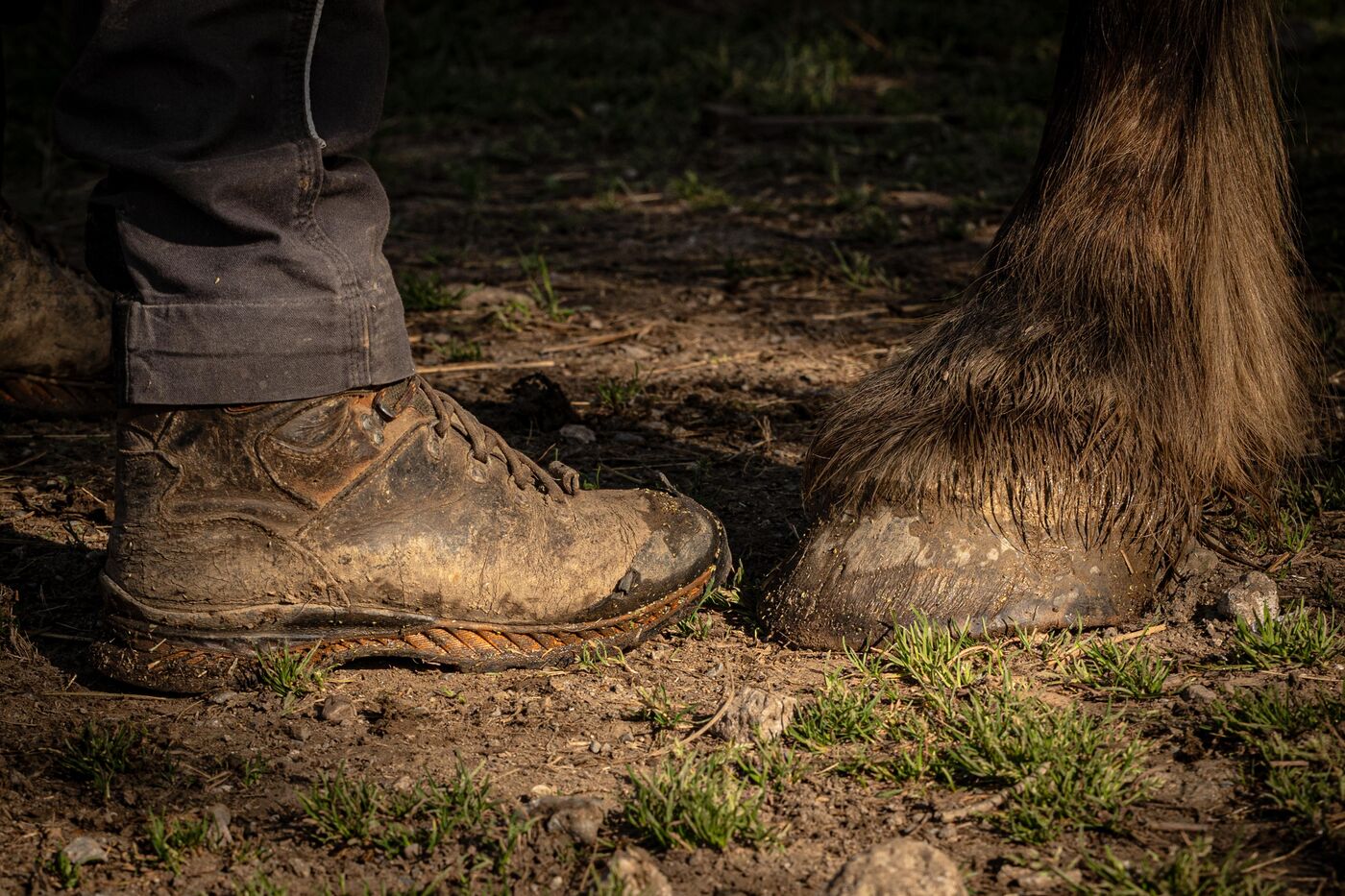
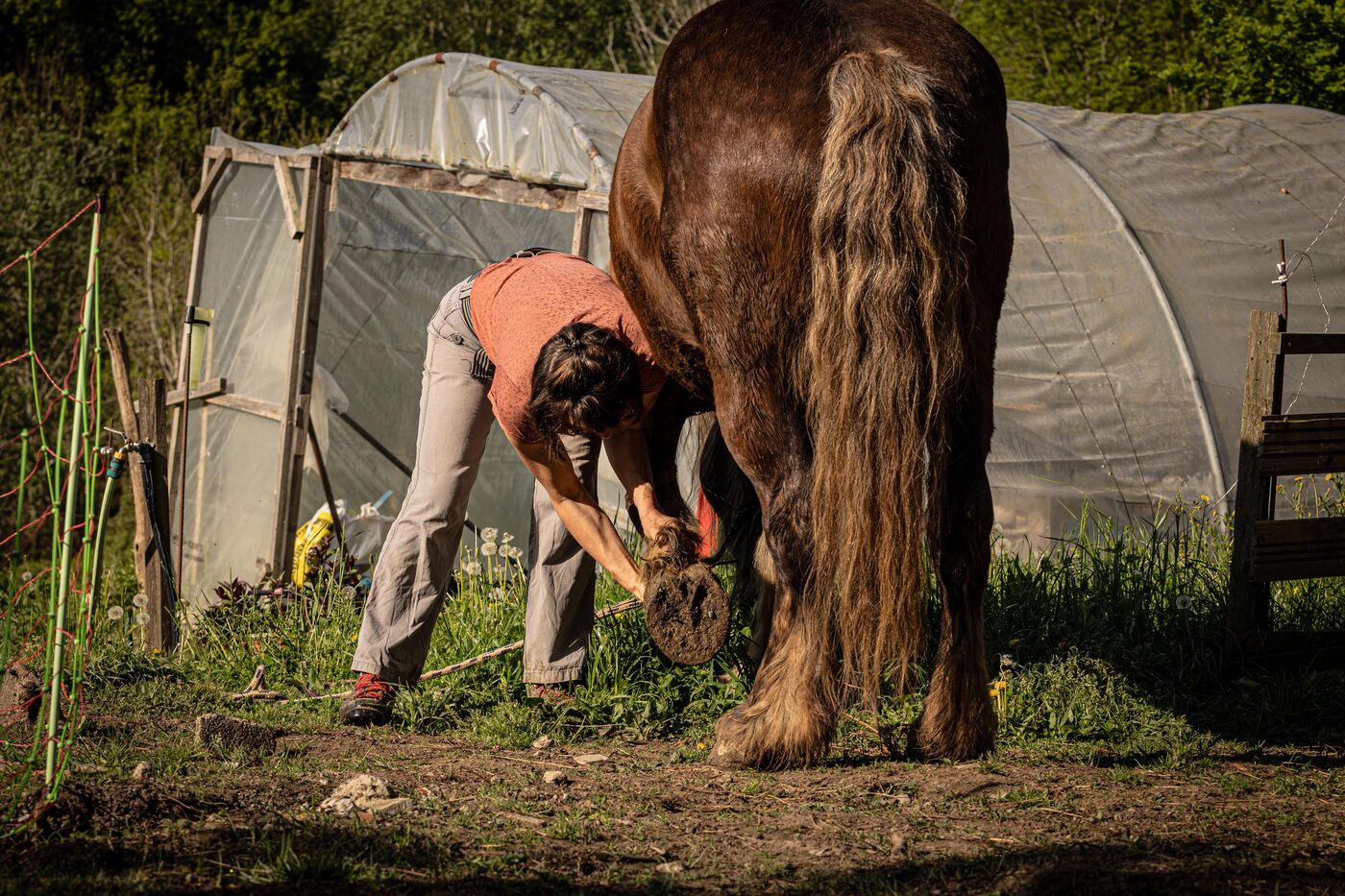
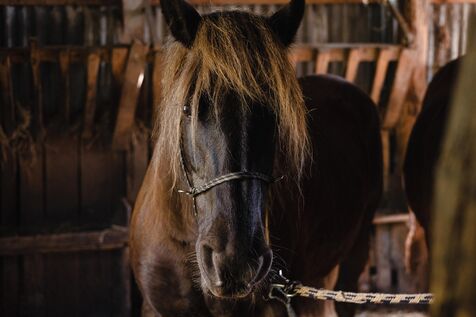
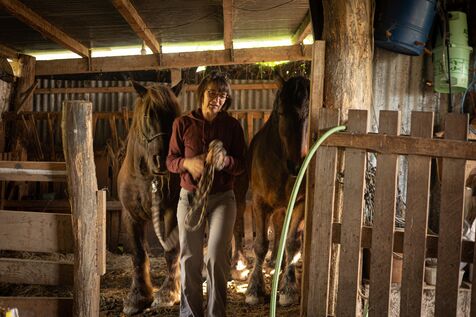
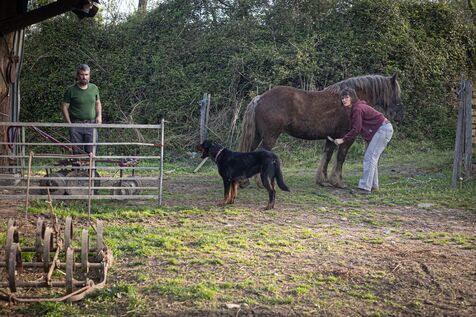
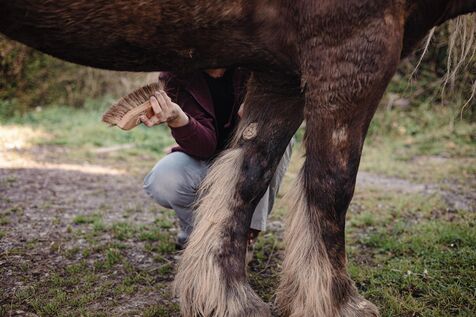
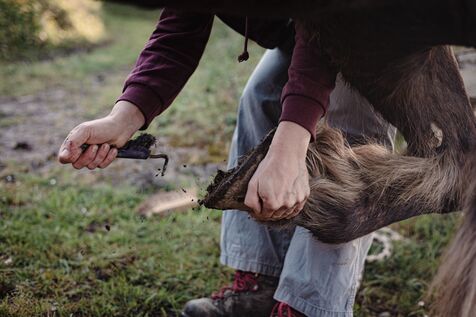
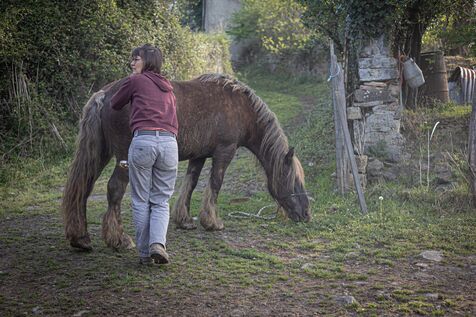
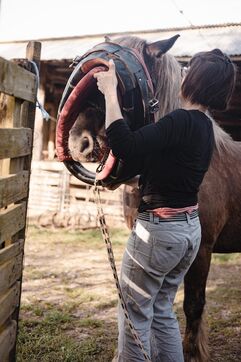
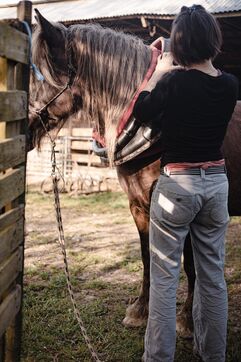
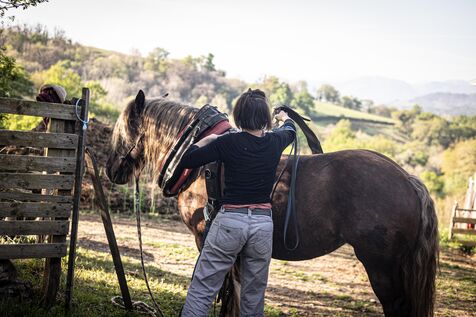
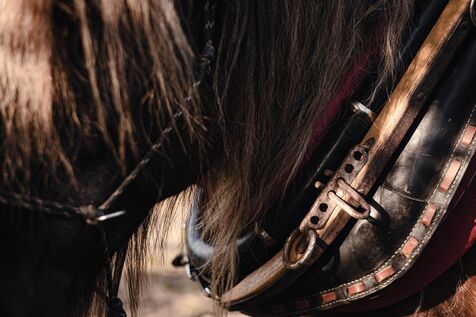
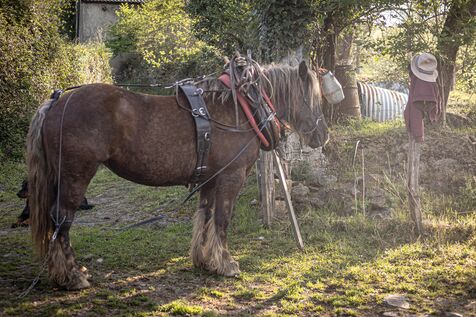
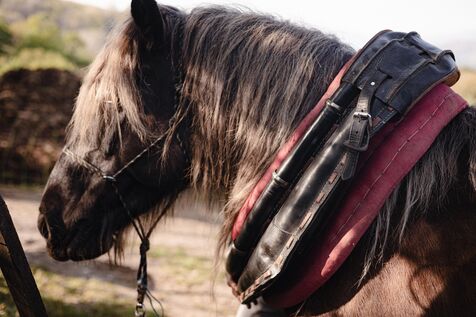
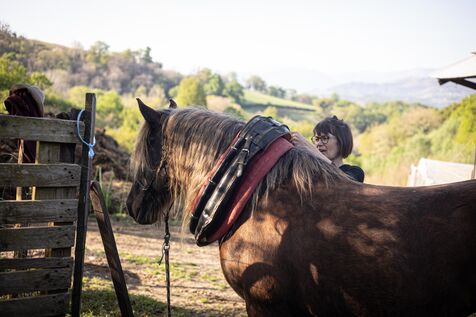
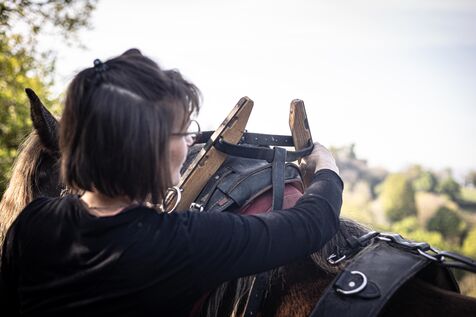
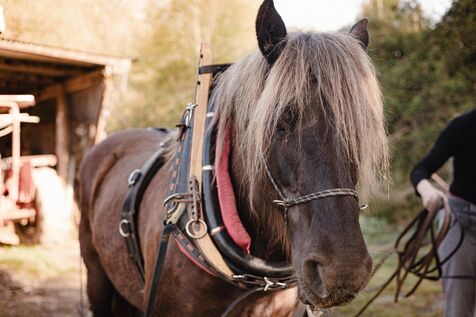
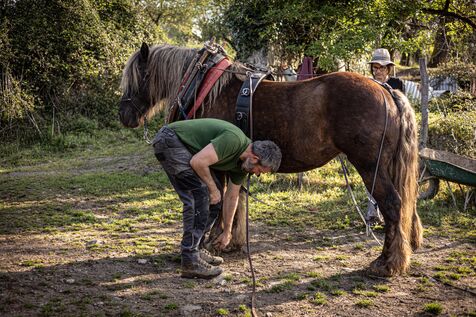
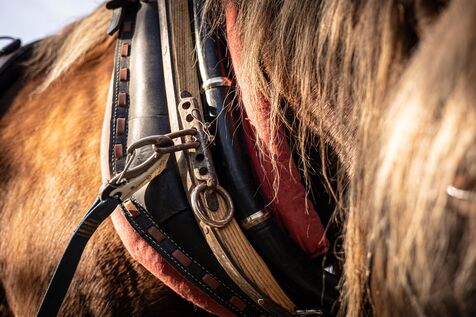
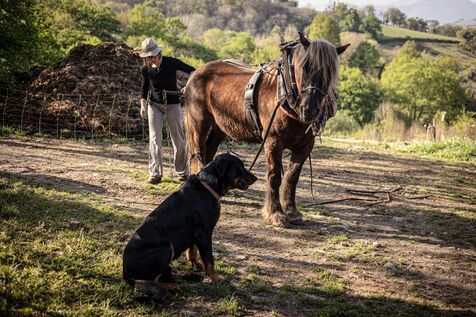
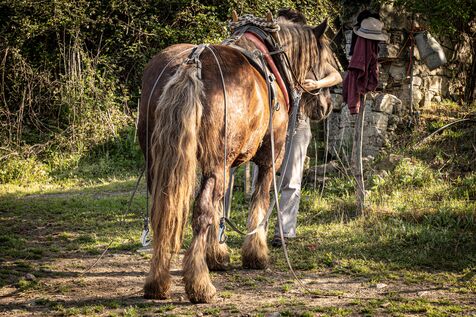
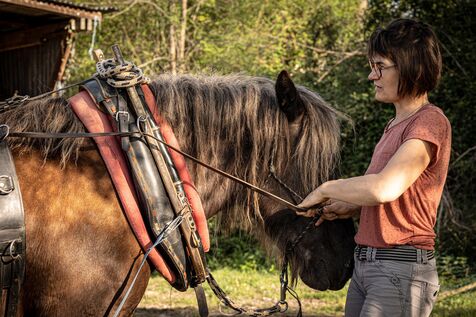
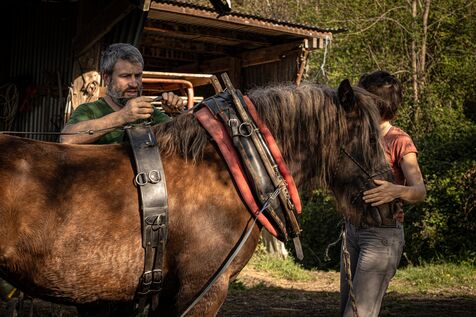
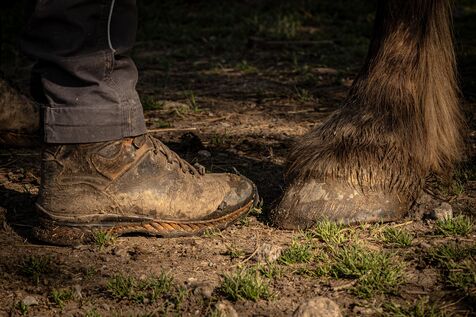
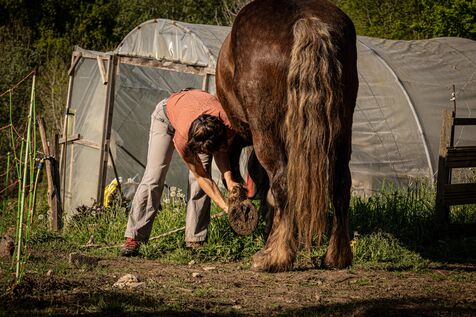
Mais ce matin là, alors que la séance photo devait porter largement sur le travail d'Eole, Fanny s'aperçoit après l'avoir sortie de son écurie, après l'avoir brossée, lui avoir curé les pieds, posé le harnachement au complet, qu'Eole boîte ! Ce qui n'était pas le cas hier.
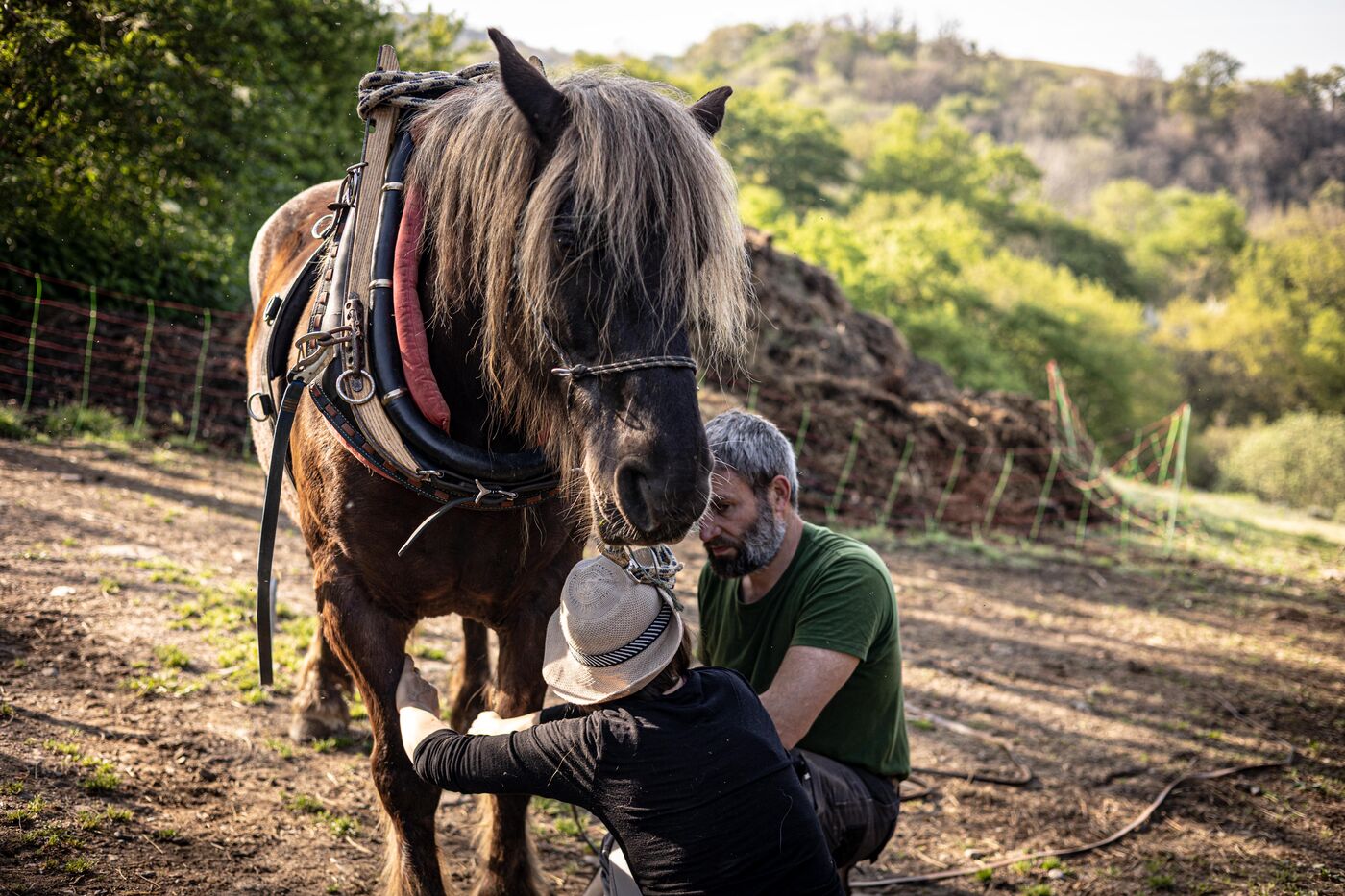
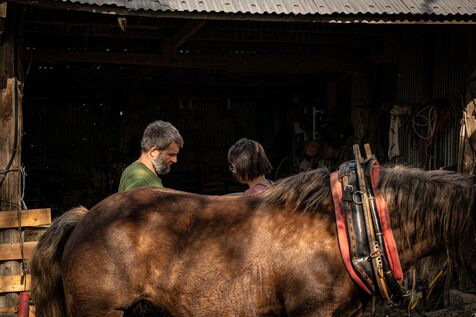
Fanny va malgré tout faire faire deux petits tours à Eole dans le champs afin de vérifier d'où vient cette boiterie. Mais l'opération va vite prendre fin afin de ne pas faire en sorte que l'animal se blesse davantage. Verdict, qui sera confirmé dans la journée par le vétérinaire ostéopathe qui suit Eole : abcès au pied avant droit !
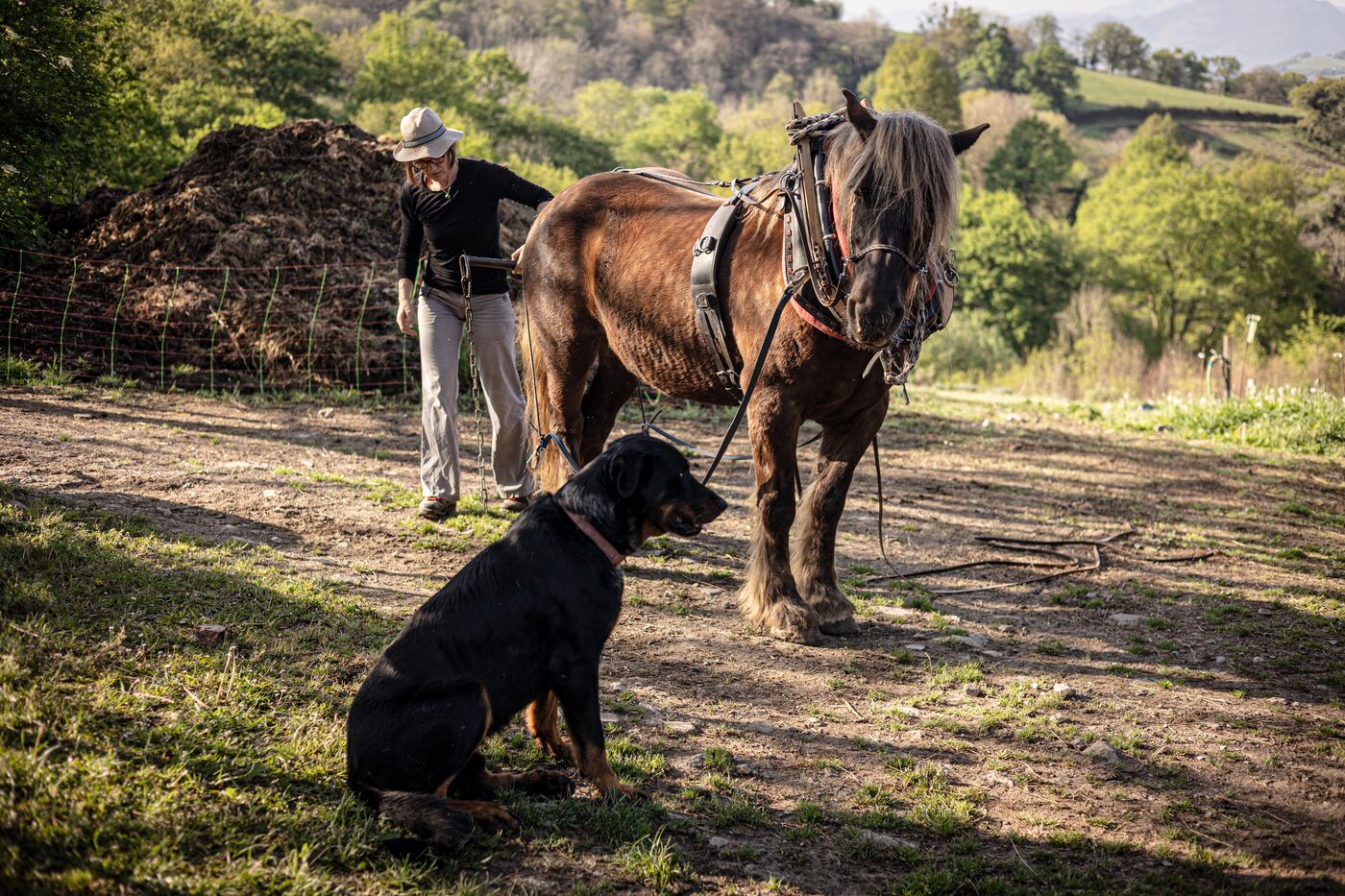
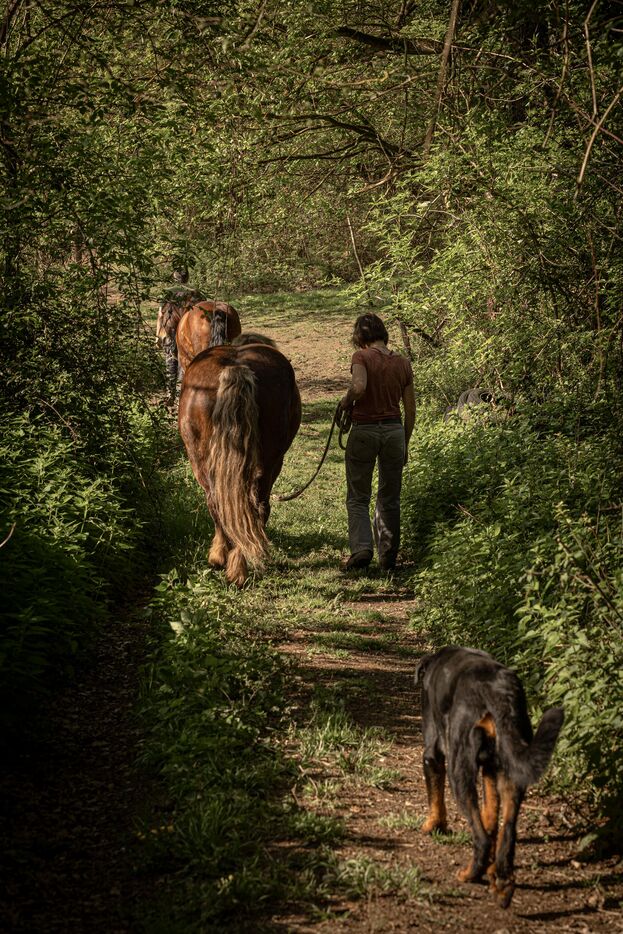
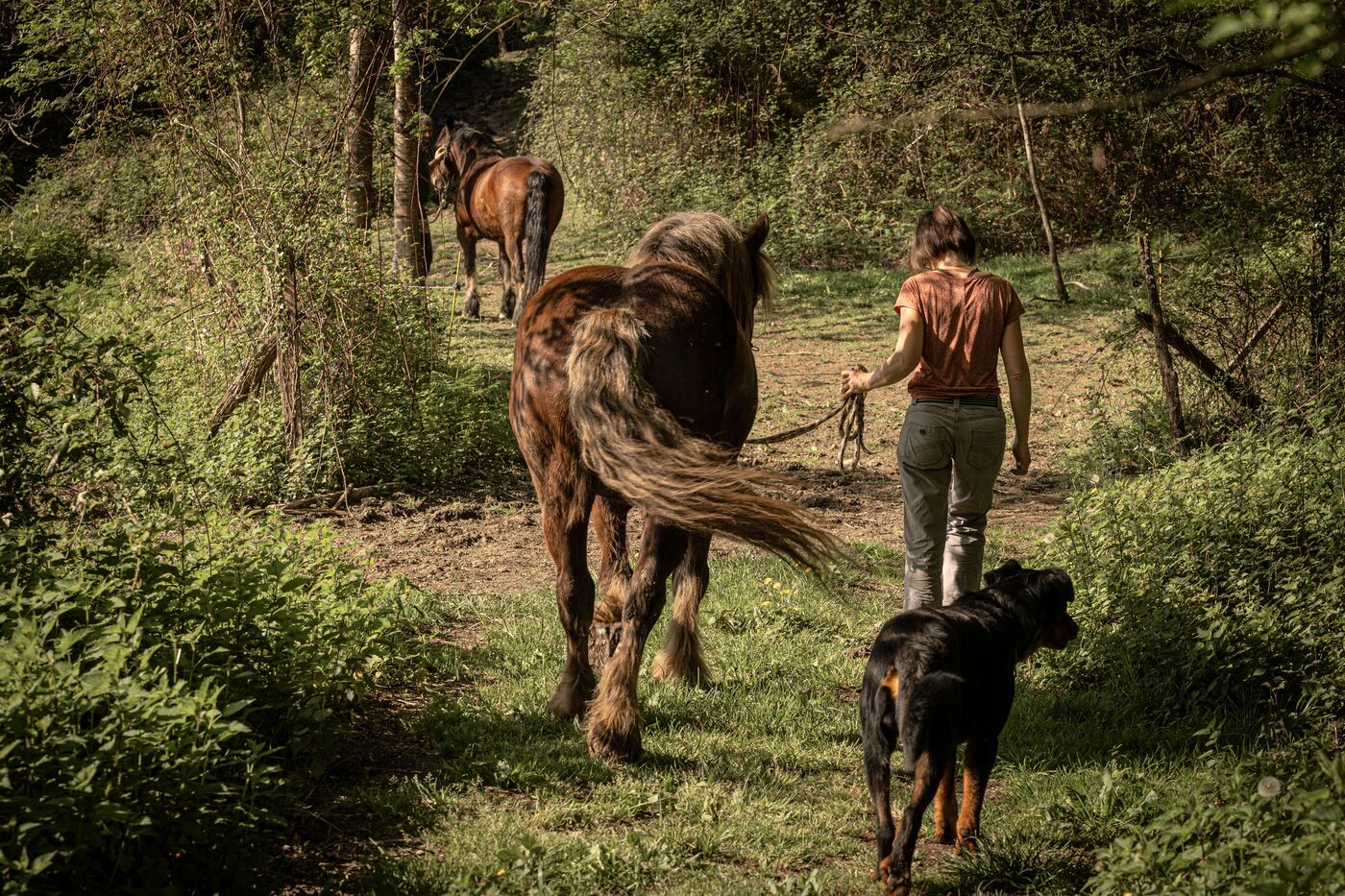
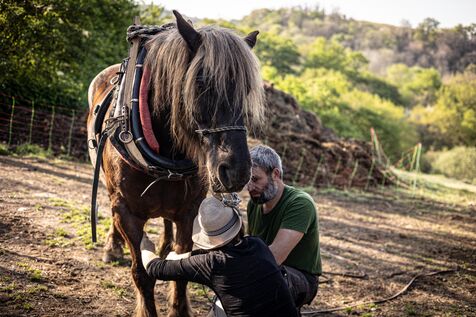
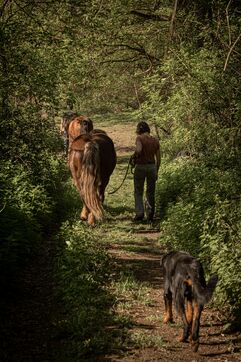
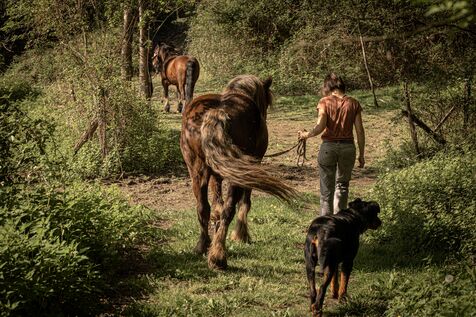
Fanny et Fredo, inquiets pour l'état de santé de leur jument mais aussi pour le retard que cela va entraîner dans les travaux du champs, retirent le harnachement et amènent Eole au pré, en compagnie d'Anouk, son camarade retraité.
Un cataplasme quotidien sur l'abcès et un traitement homéopathique permettront la guérison en quelques jours.
ANIMAL TRACTION FOR EARTH-FRIENDLY WORK
It's 9:00 a.m. when I arrive at Ferme Lilizain, on the slopes of a Soule hill, already lush green in early April. The morning sun is beginning to warm the atmosphere, but the light remains pale, like that of late winter. The access road to the farm is a dead end, and the place immediately seems like a little haven of peace where the only sound breaking the silence is that of the birdsong nesting in the surrounding groves.
The site is a small clearing that opens onto the valley, from which the view extends south to the Pic d'Ori, the highest point in the Basque Country. Here, we are on the borders of Soule, Lower Navarre, and Béarn, farmland if ever there was one.
Fanny and Fredo are established here, farming organically. They cultivate medicinal and aromatic plants, which they transform into herbal teas or distill to make hydrosols, essential oils, and floral waters.
They prepare the soil in which they grow these plants using the traction of their mare, Aeolus. Animal traction for tilling the soil has many advantages: it is ecological, suitable for small plots, prevents soil compaction, allows for greater precision, and can be used more easily after rains. Furthermore, the horse produces the manure that is used on site.
Fanny and Fredo do not plow their land deeply to avoid harming its balance or structure: it is well known that plowing impoverishes the soil. They mainly work on the surface. But driving a draft horse requires specific skills and constant attention. It cannot be improvised. But that morning, while the photo shoot was supposed to focus largely on Eole's work, Fanny noticed after taking her out of her stable, brushing her, cleaning her feet, and putting on the full tack, that Eole was limping! Which hadn't been the case yesterday.
Fanny nevertheless took Eole for two short walks in the field to check the source of the limp. But the operation was quickly ended so as not to injure the animal further. The verdict, which would be confirmed later that day by the osteopathic veterinarian treating Eole: an abscess on her right front foot!
Fanny and Fredo, worried about their mare's health but also about the delay this would cause in field work, removed the tack and brought Eole to the field, accompanied by Anouk, her retired companion. A daily poultice on the abscess and homeopathic treatment will allow healing in a few days.