PROPHYLAXIE SUR LES BREBIS DE MICHEL ELEVEUR EN PAYS BASQUE
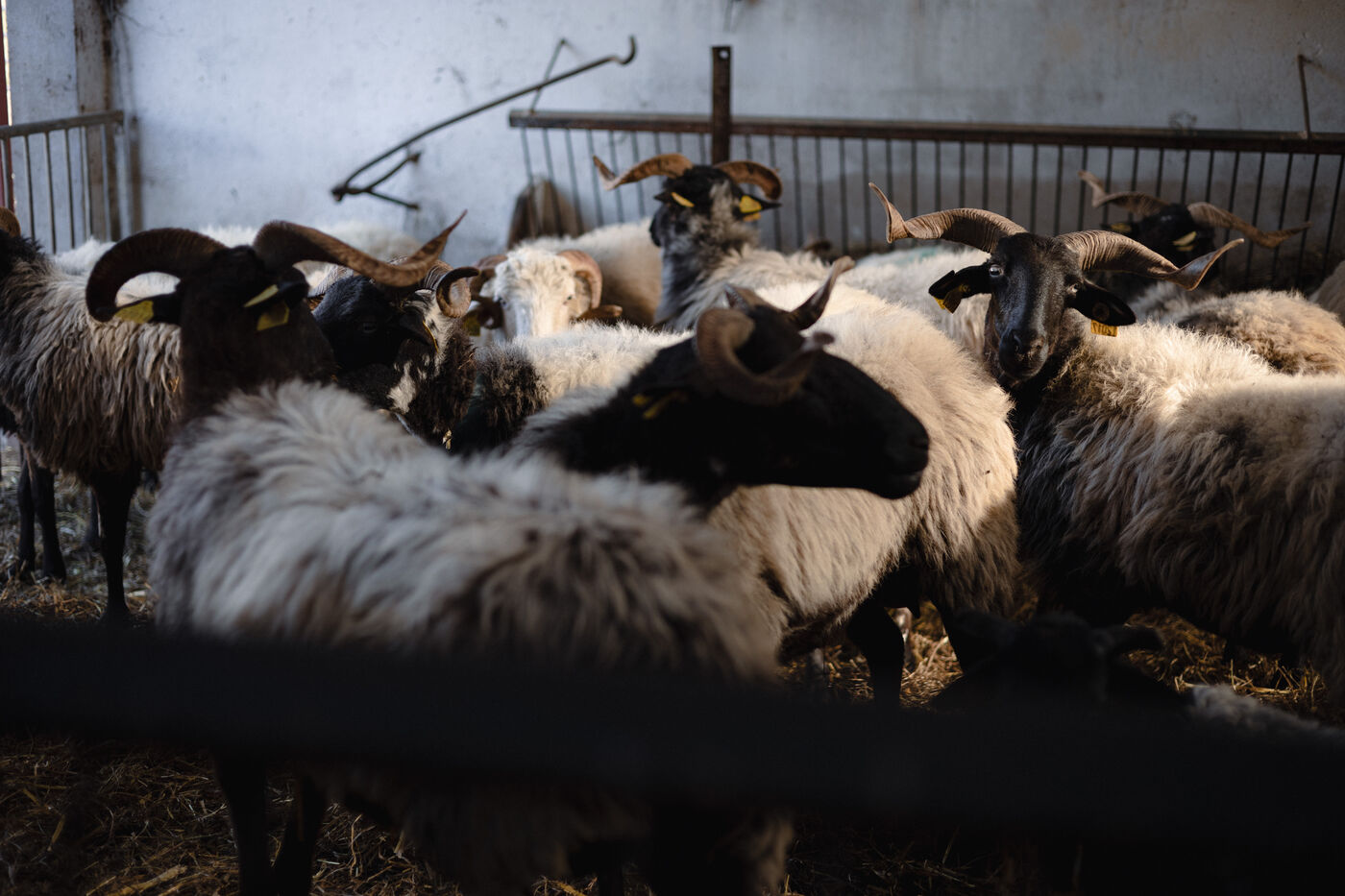
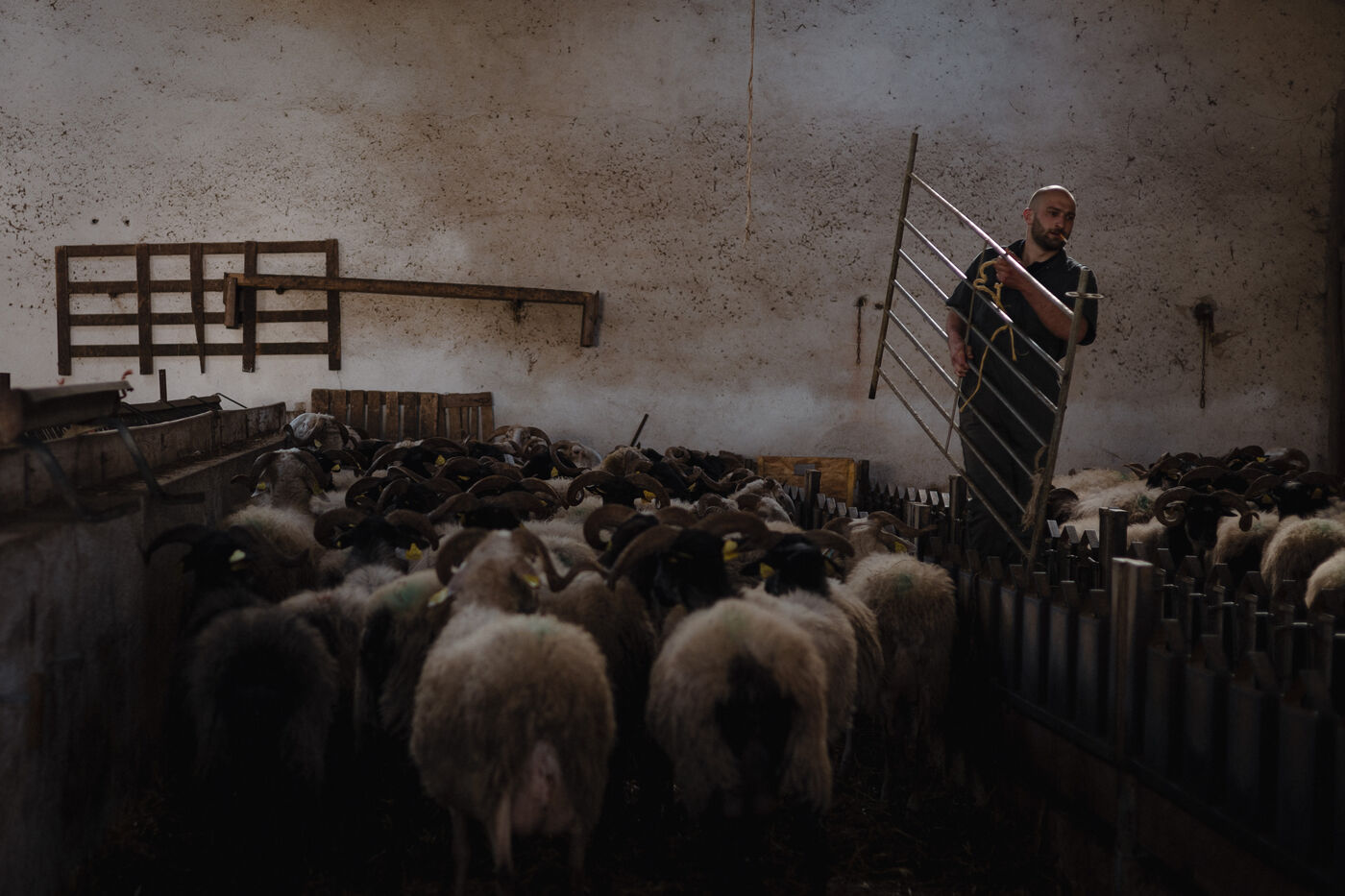
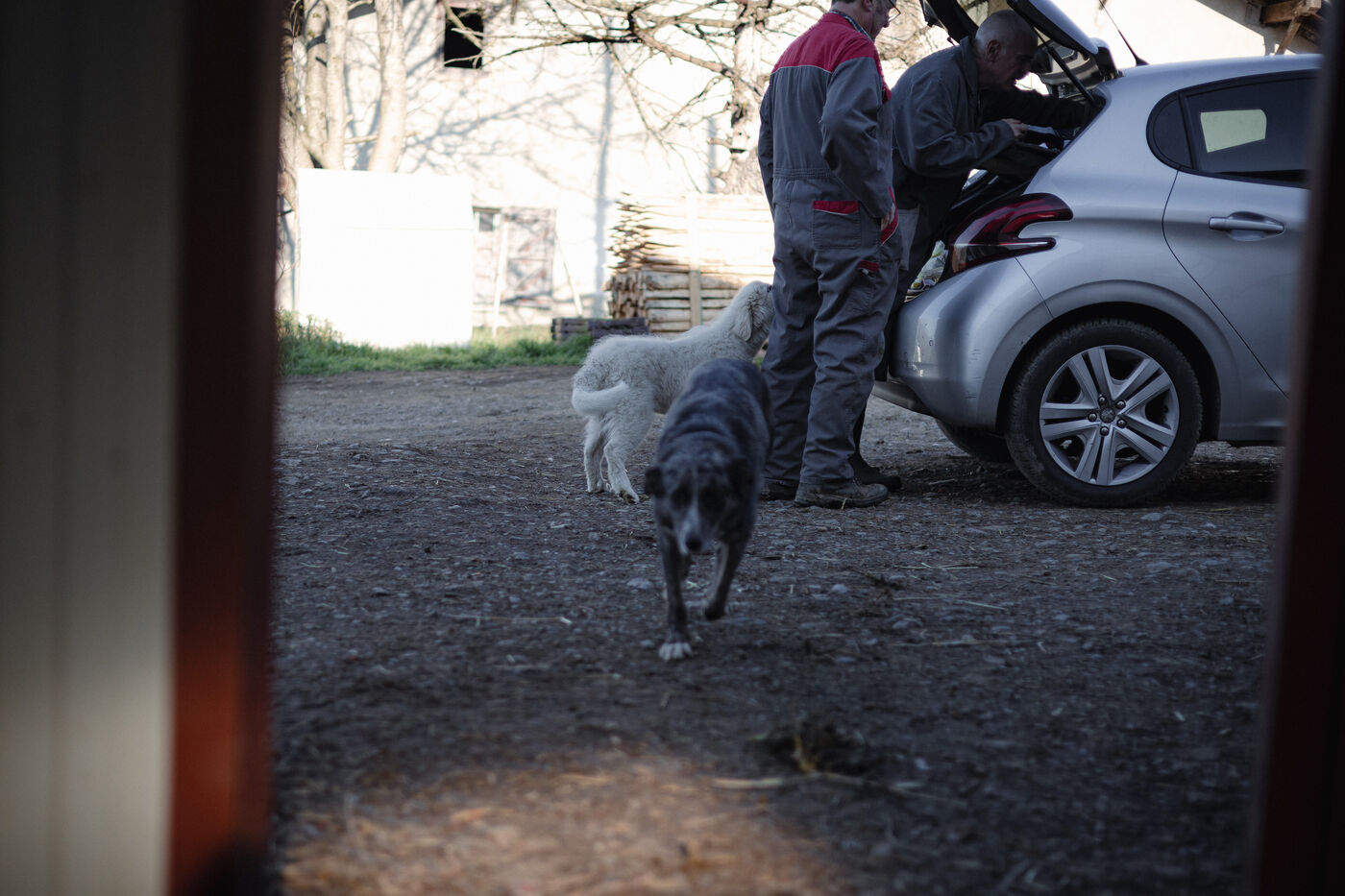
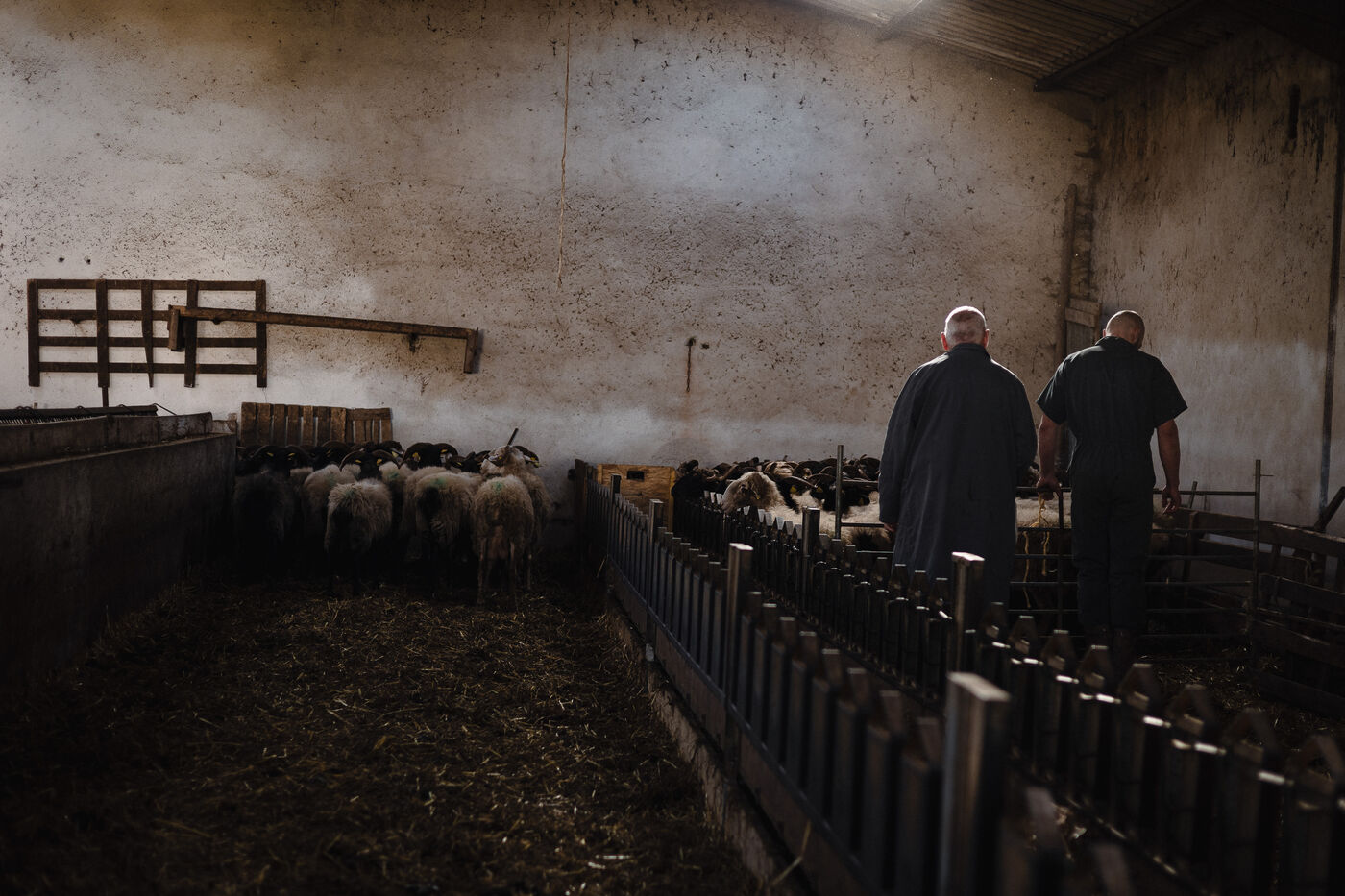
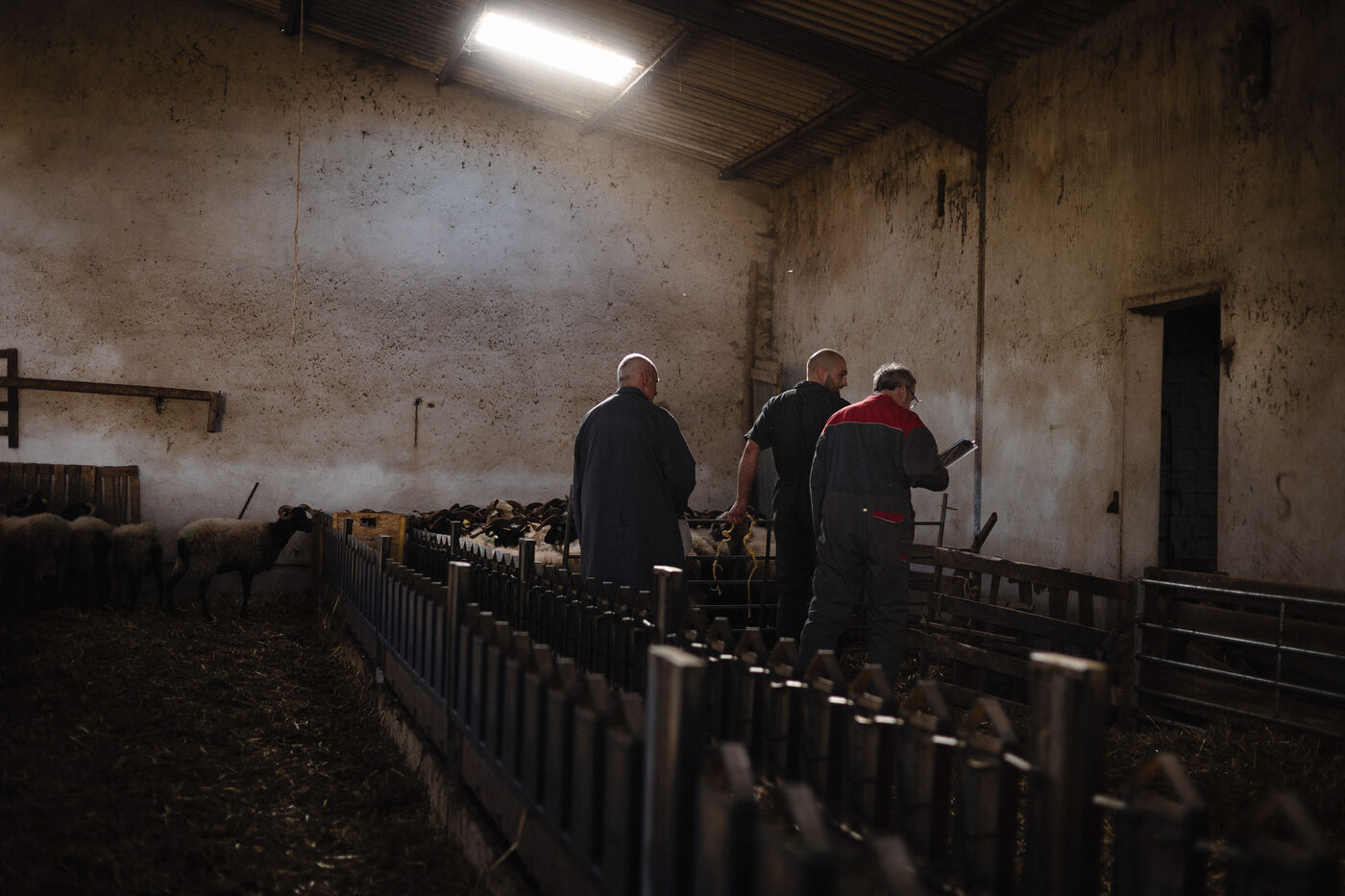
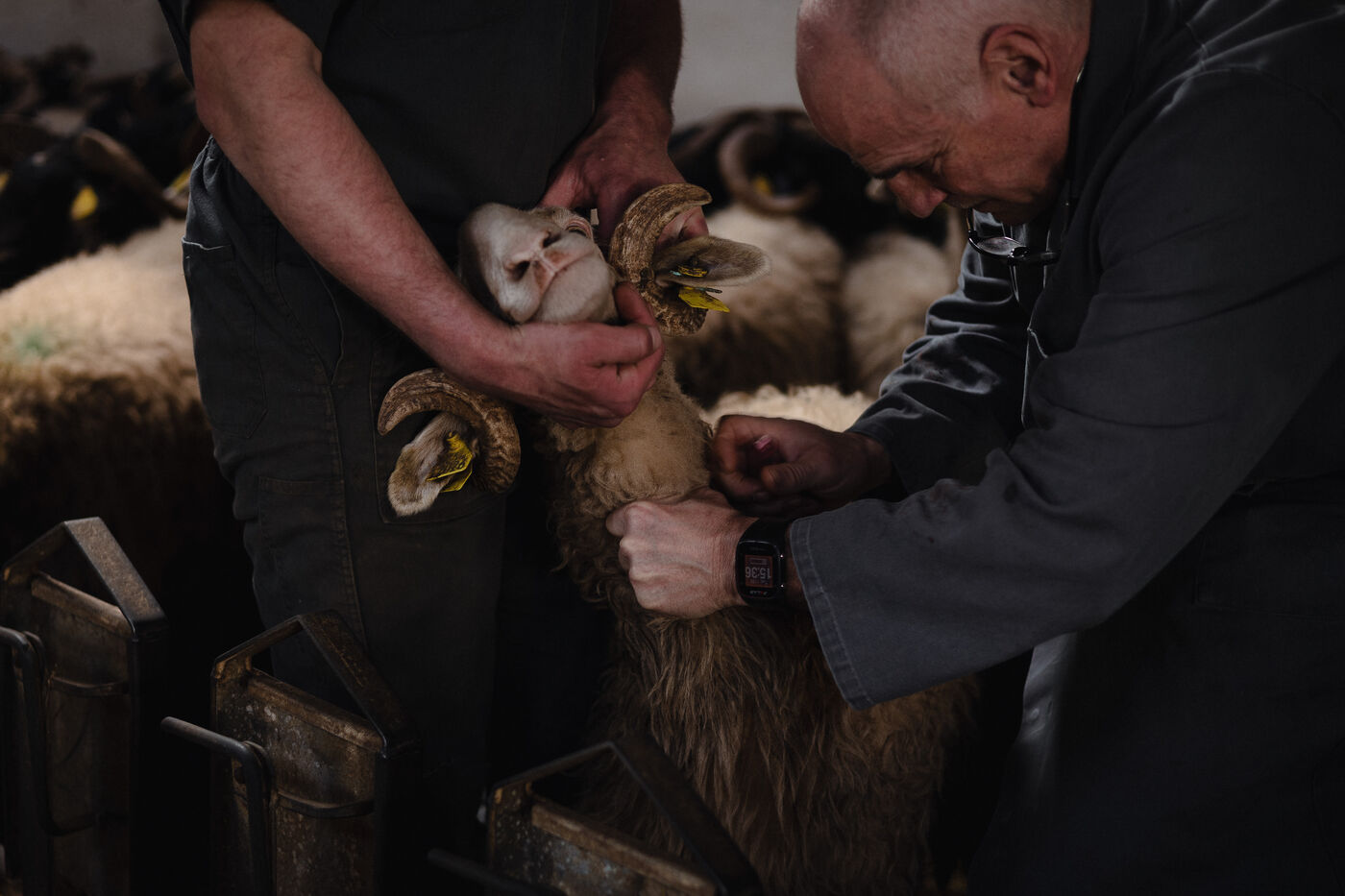
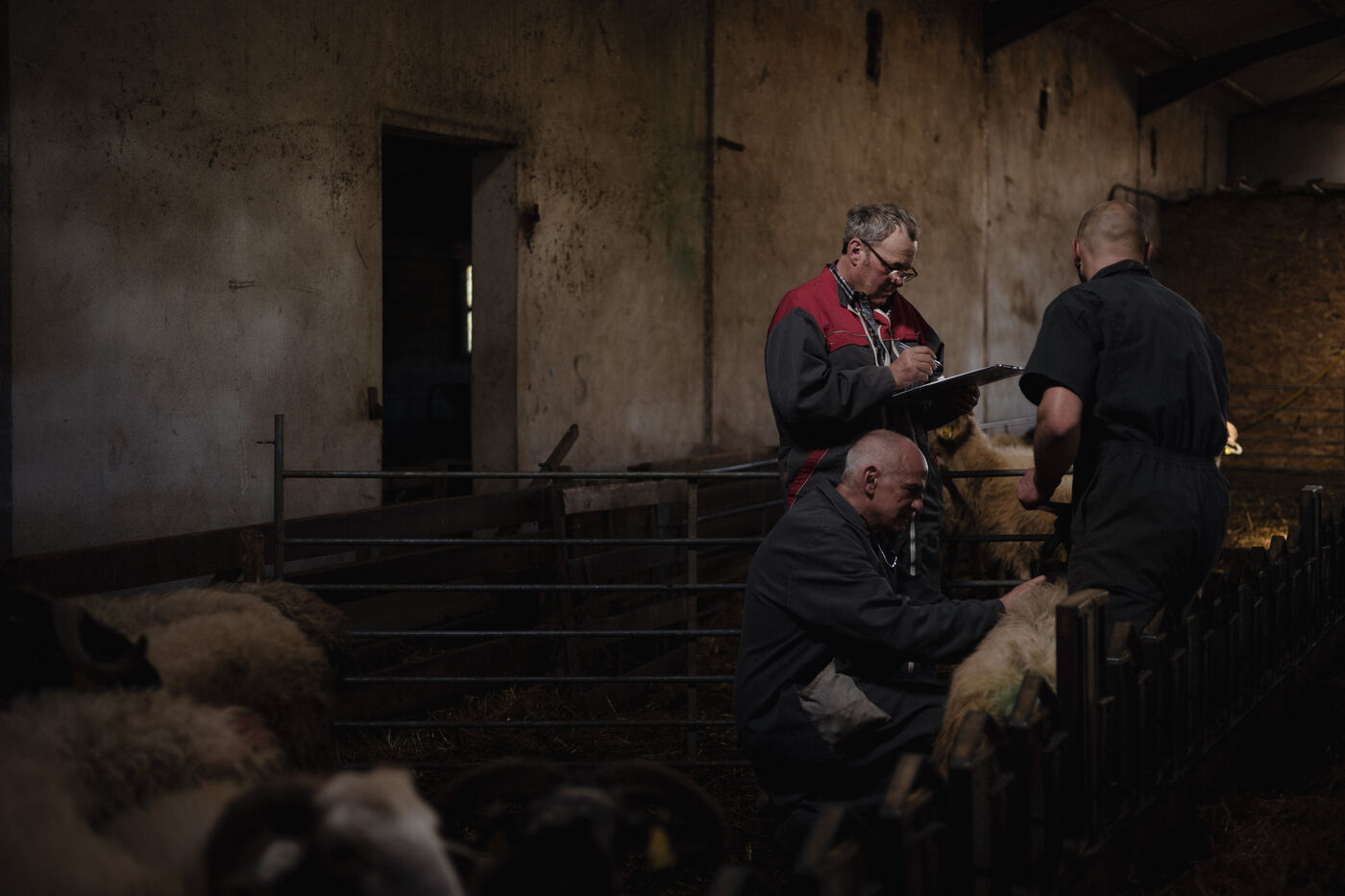
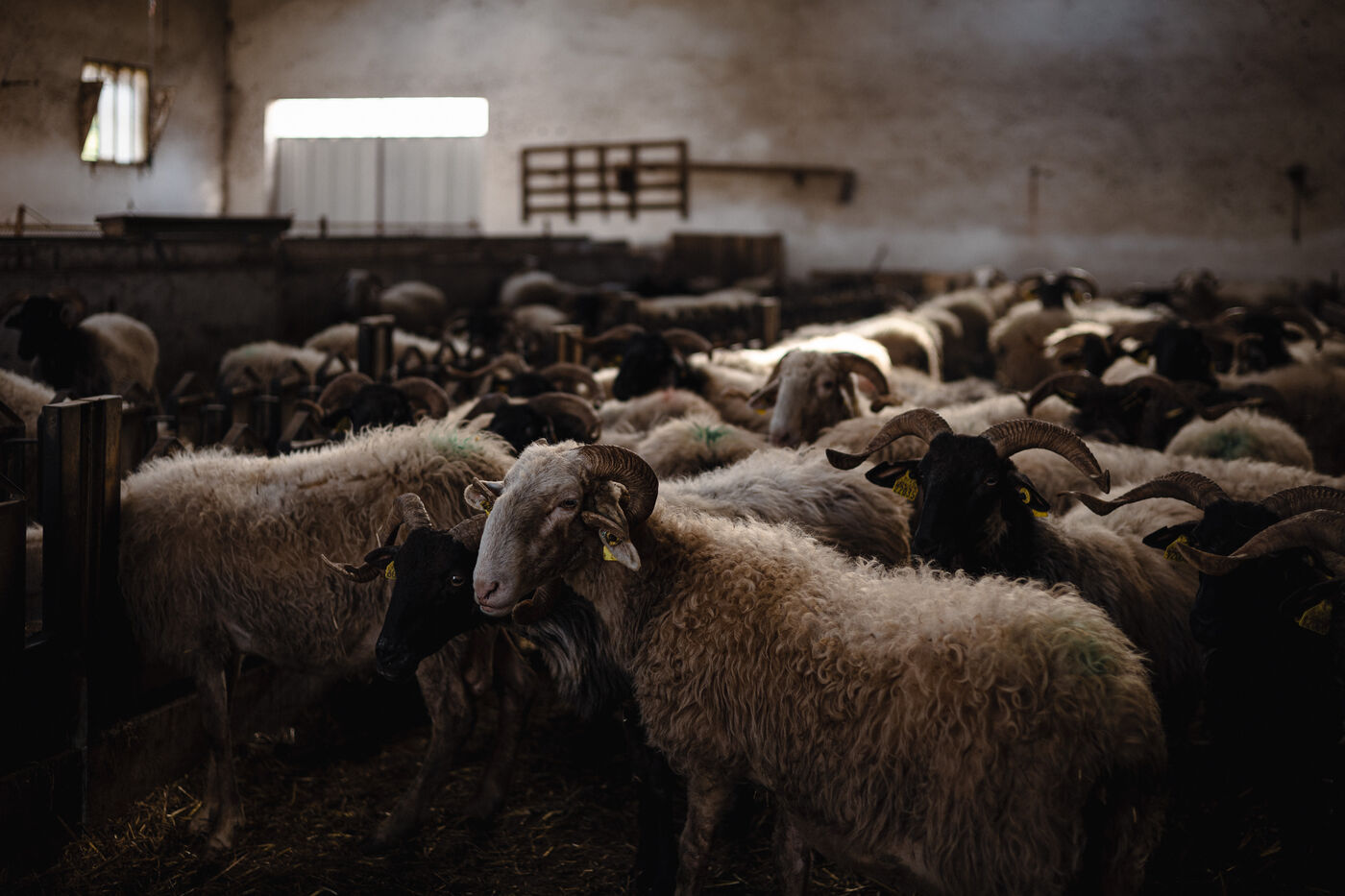
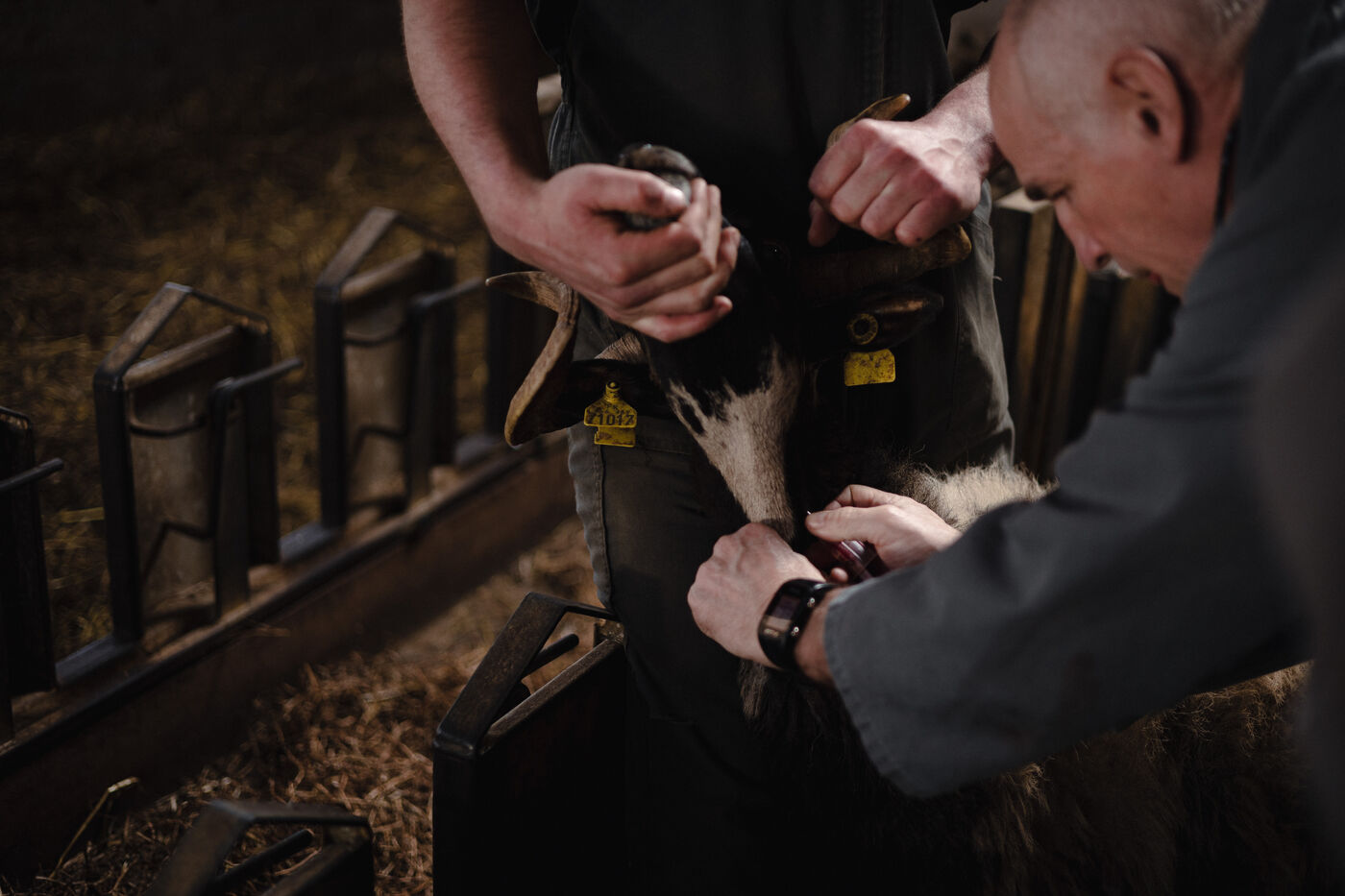
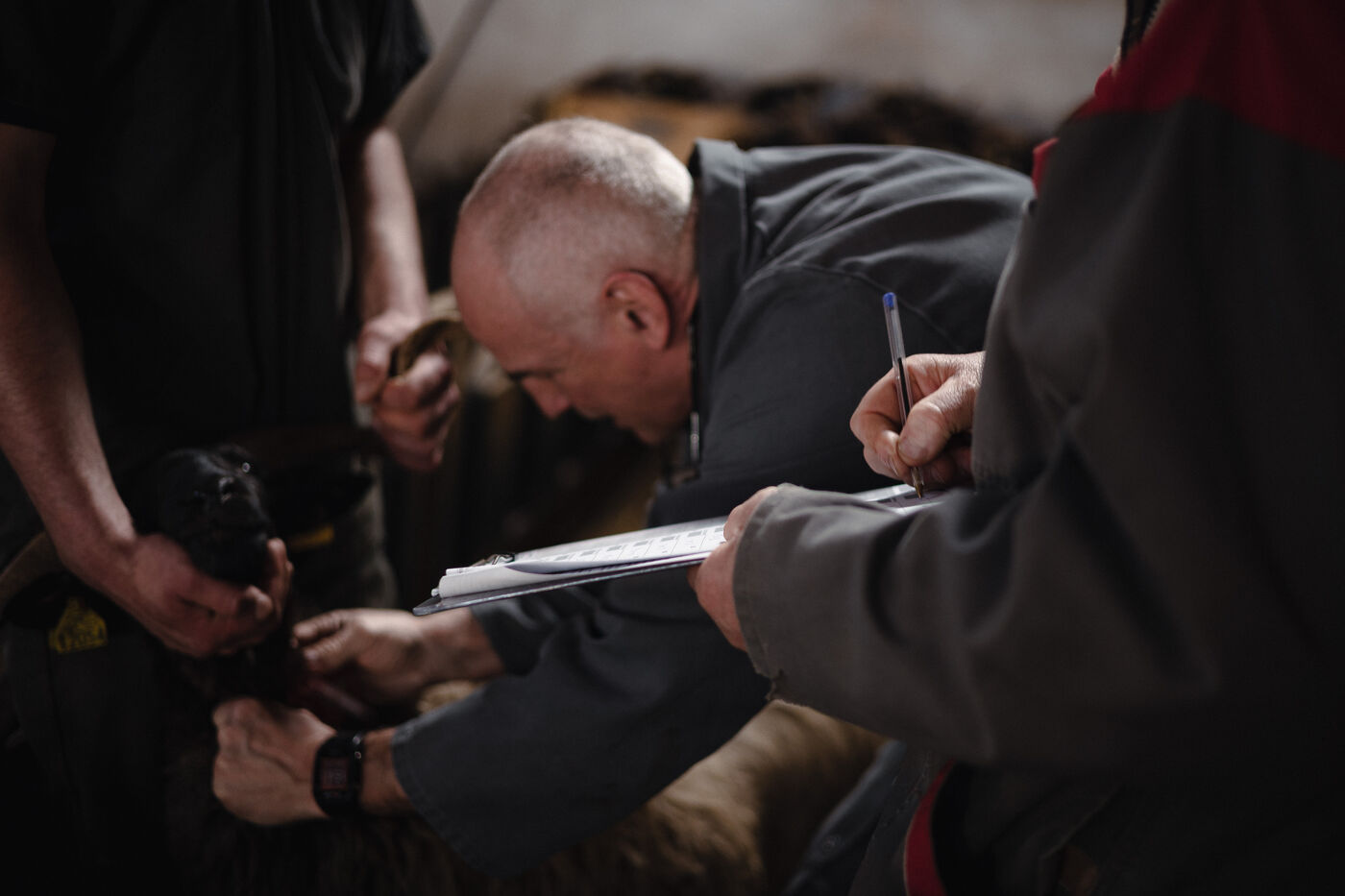
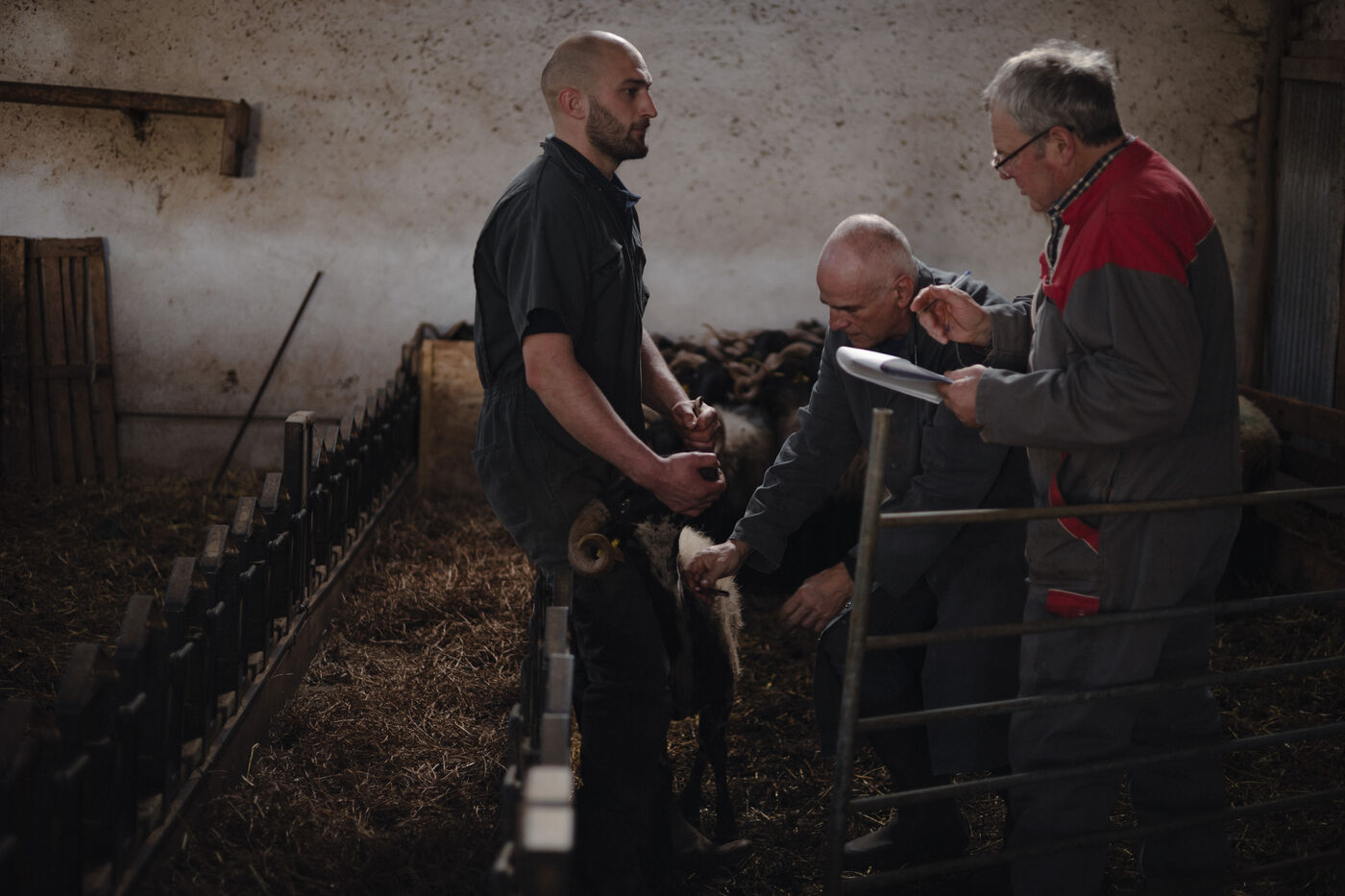
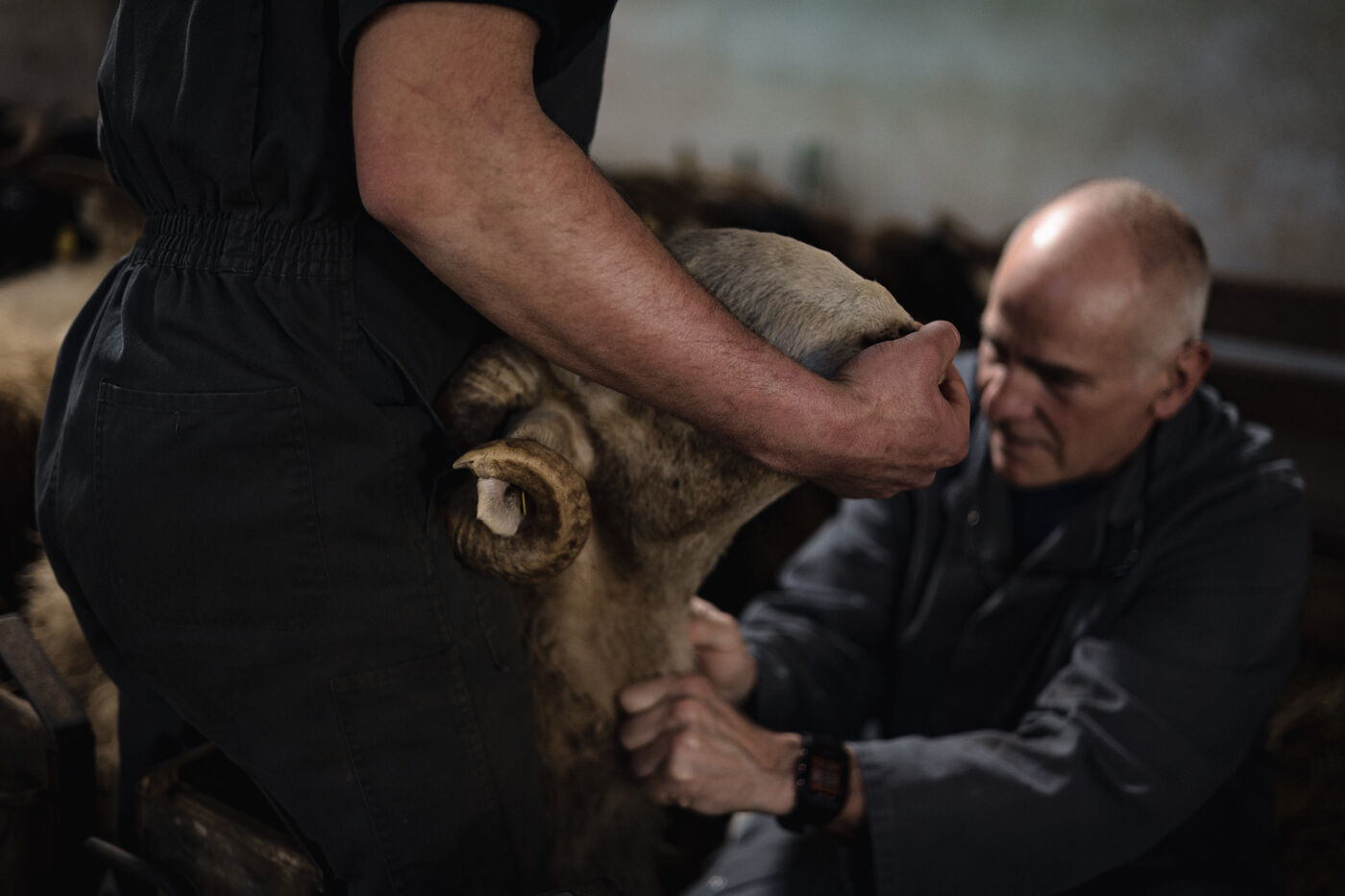
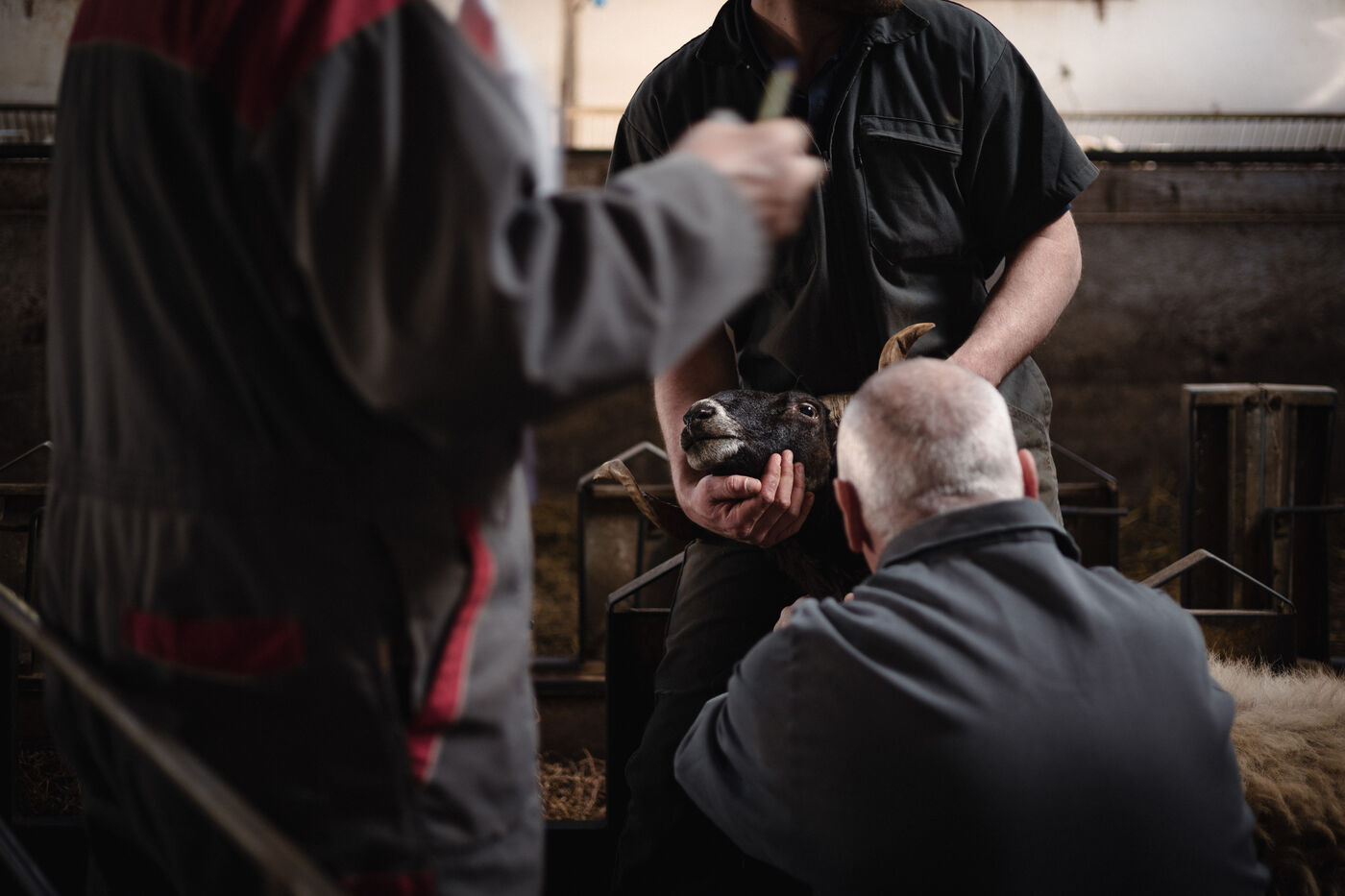
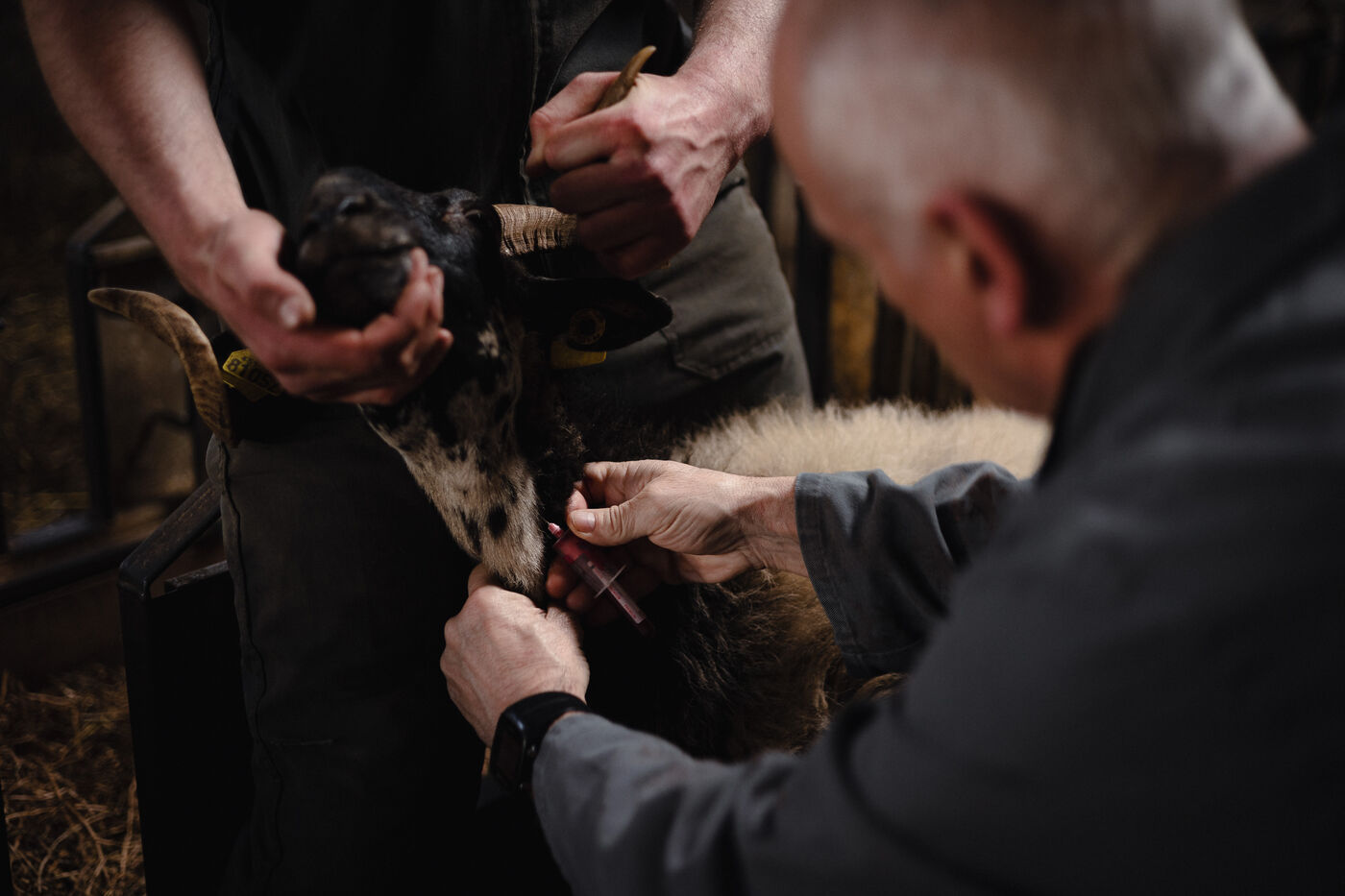
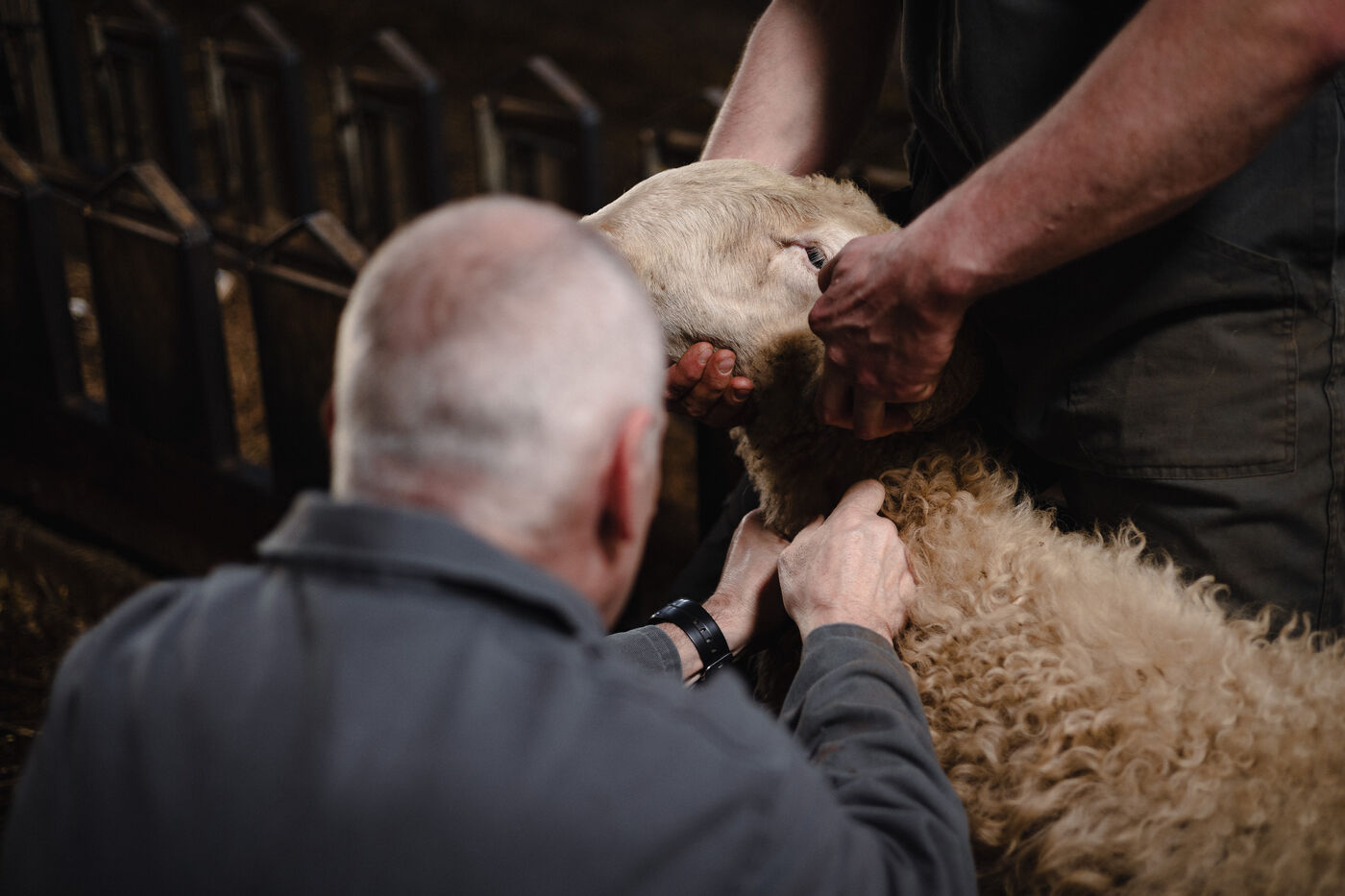
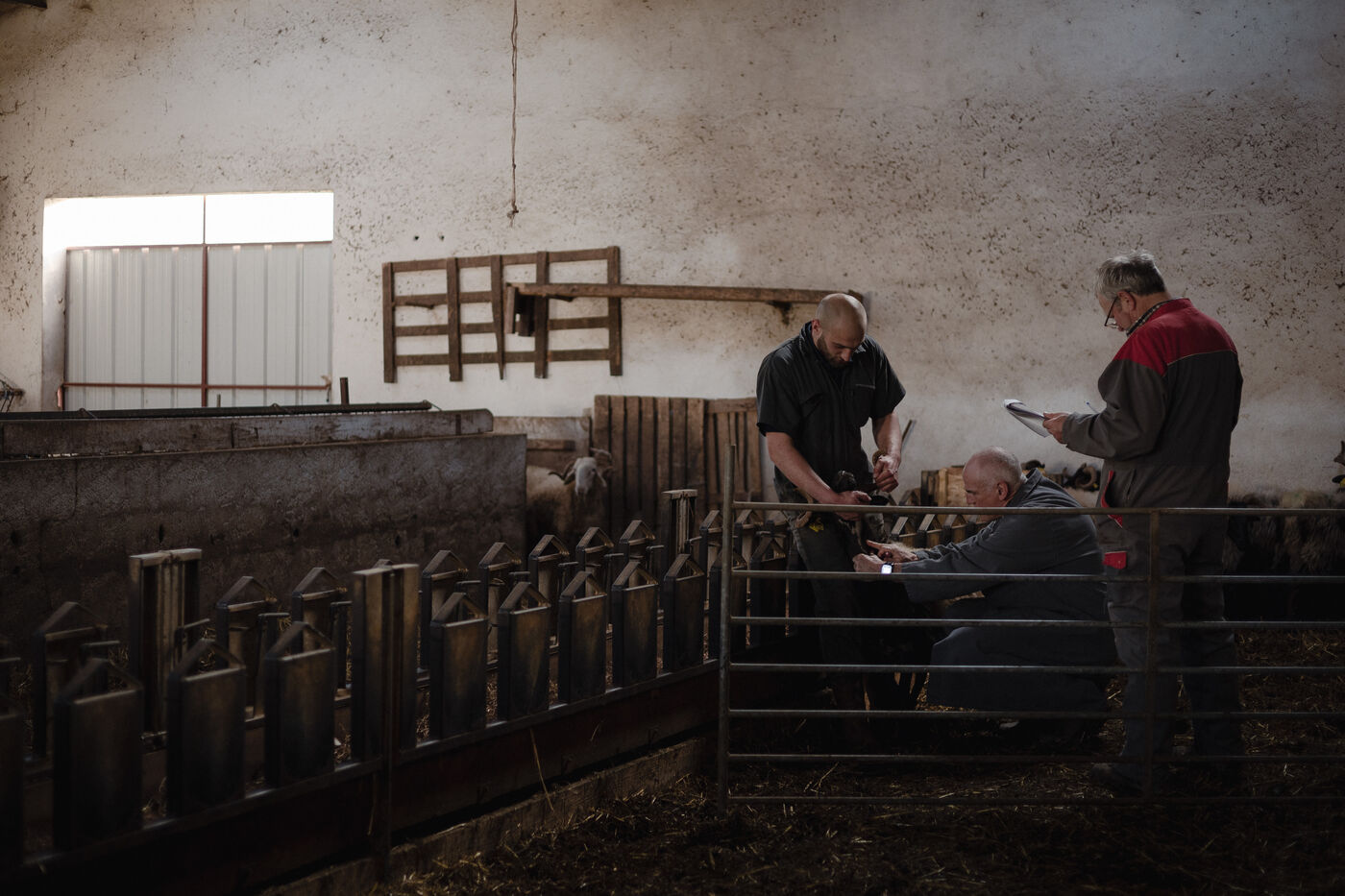
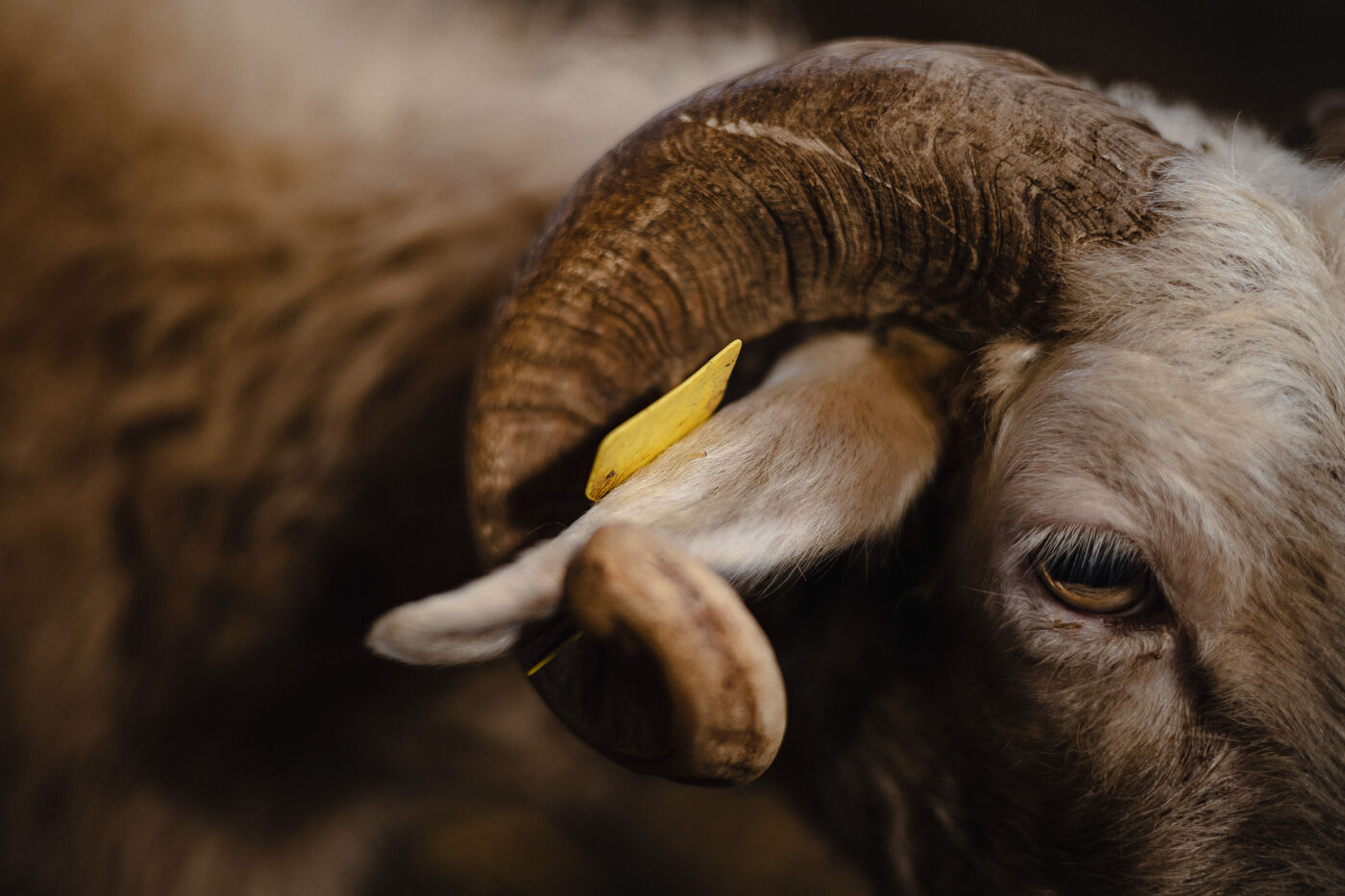
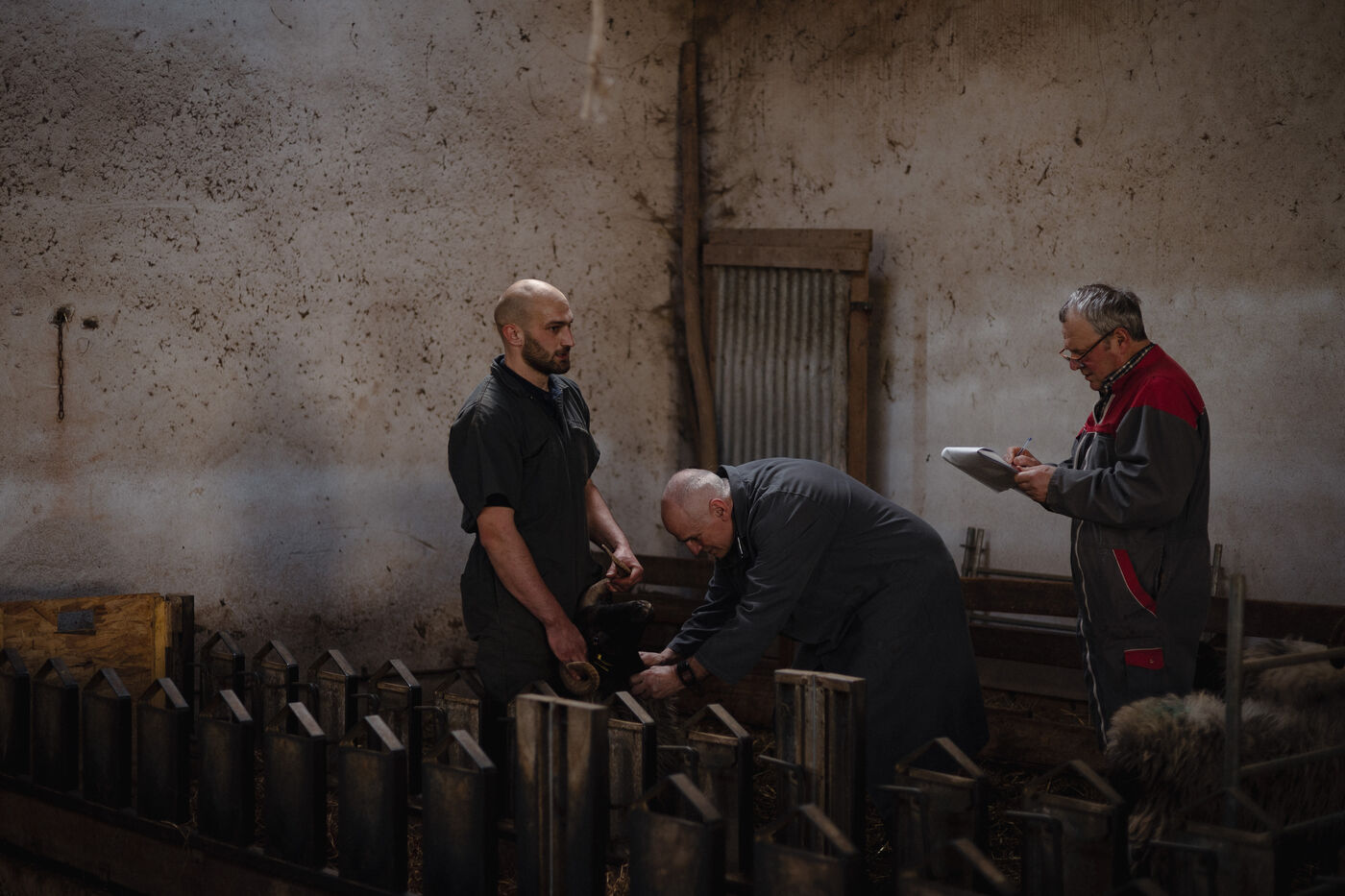
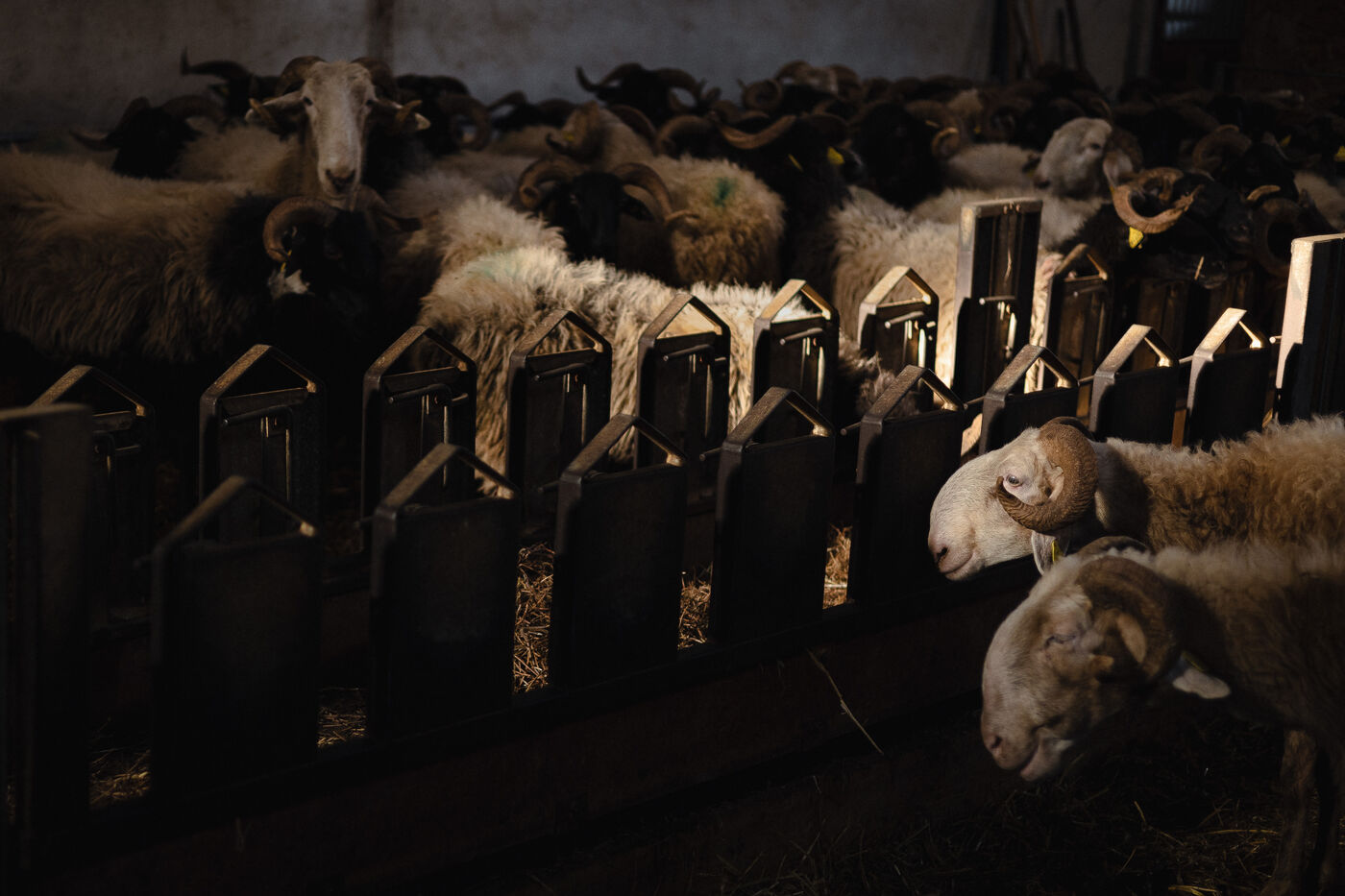
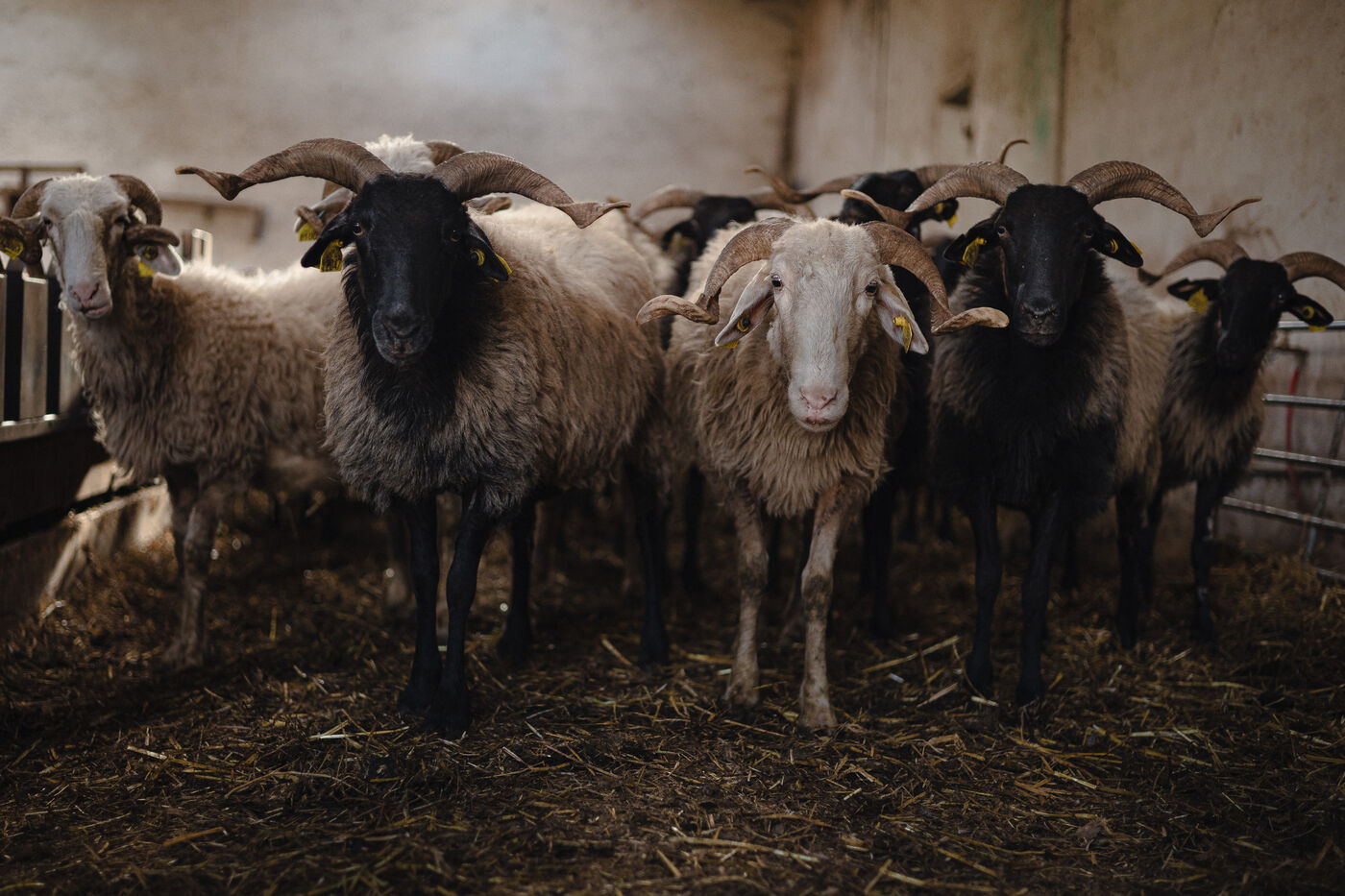
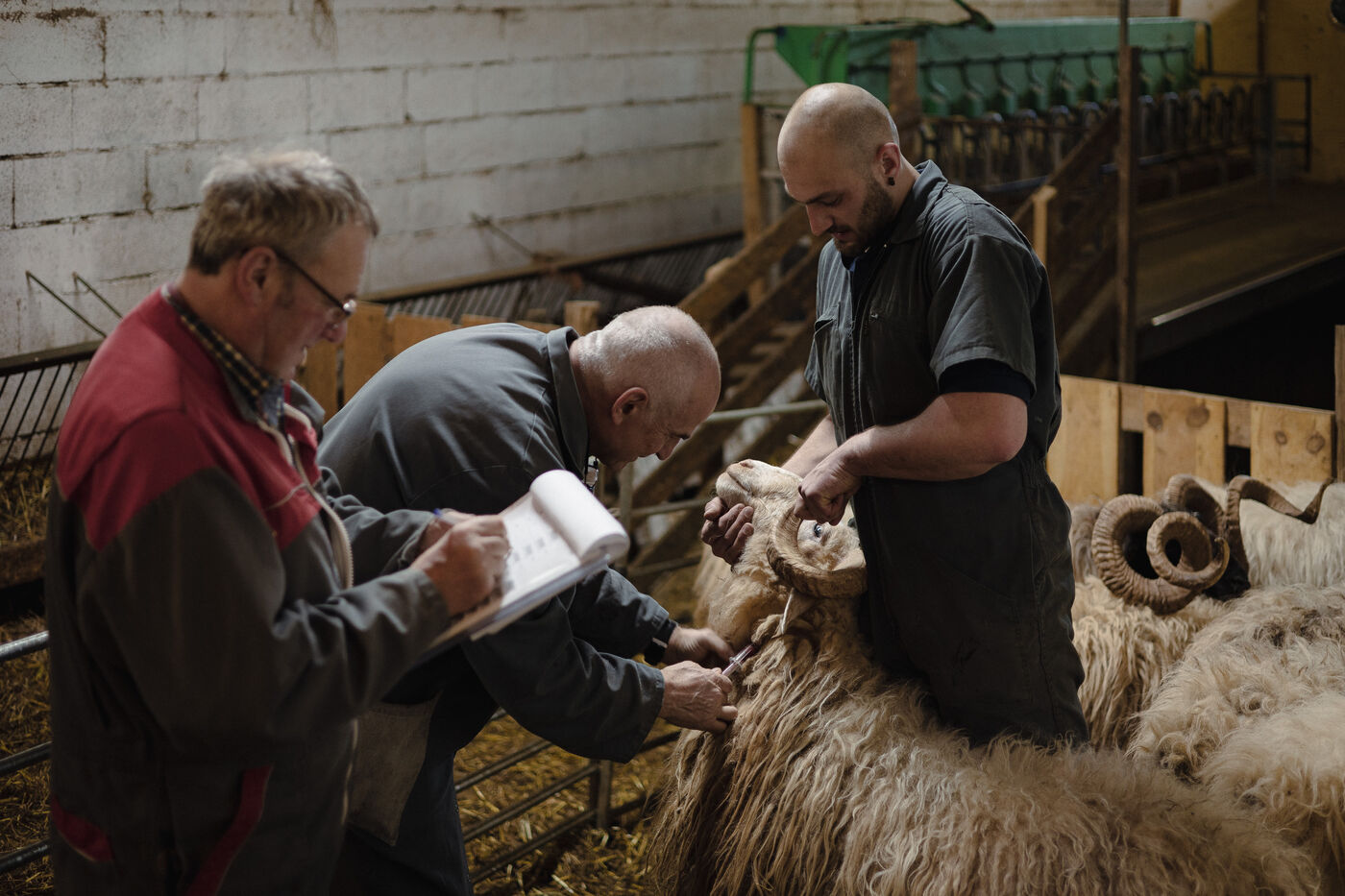
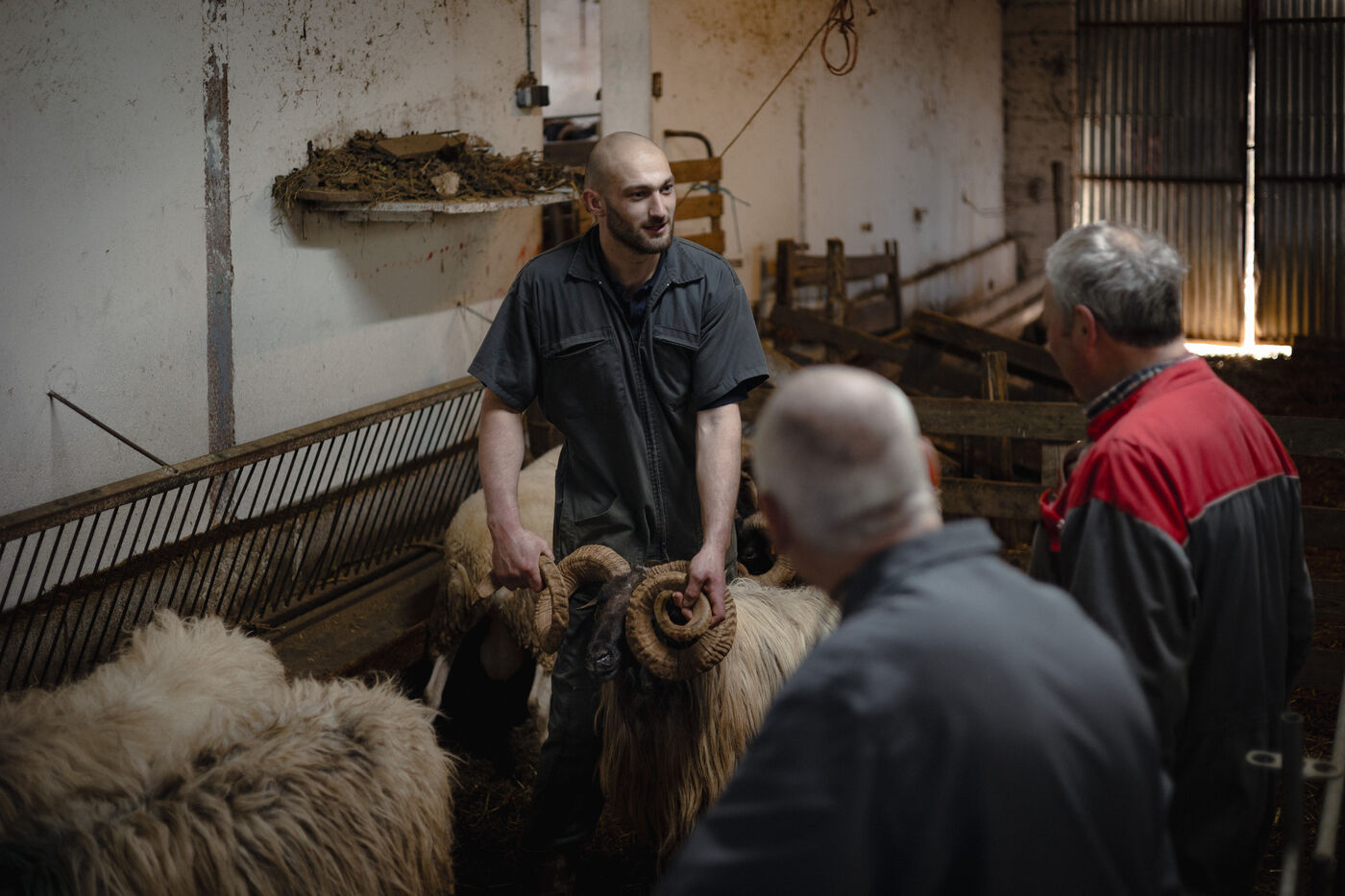
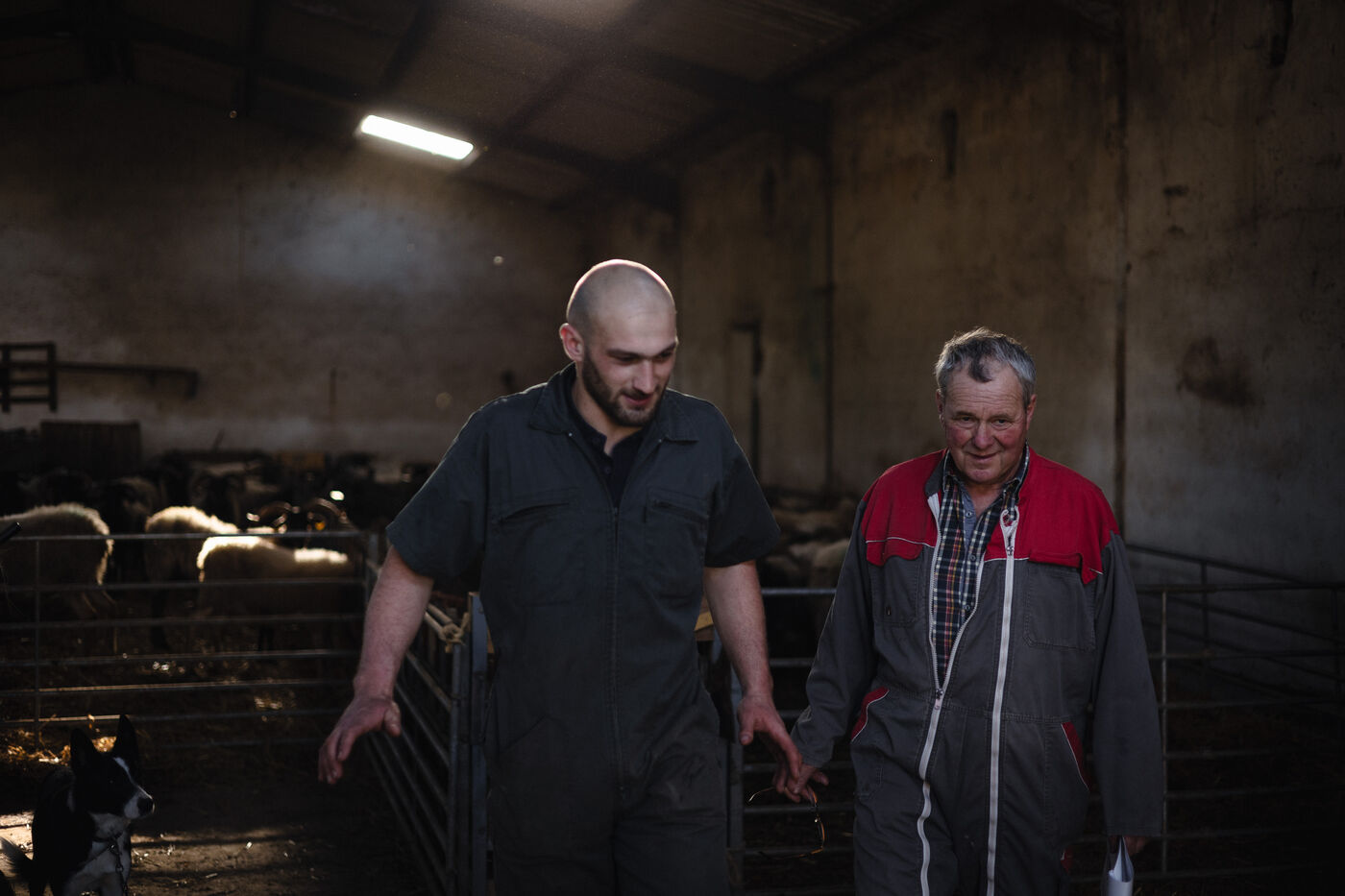
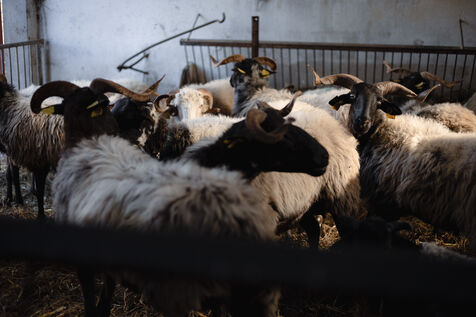
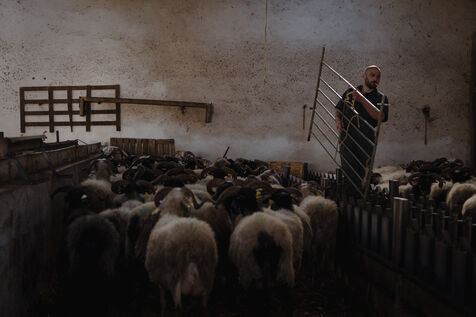
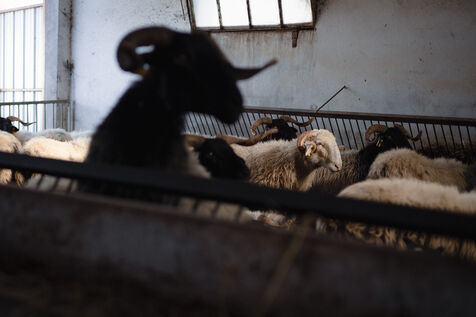
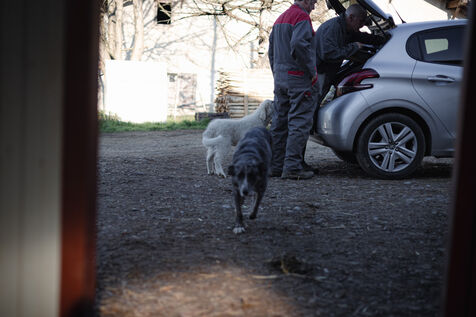
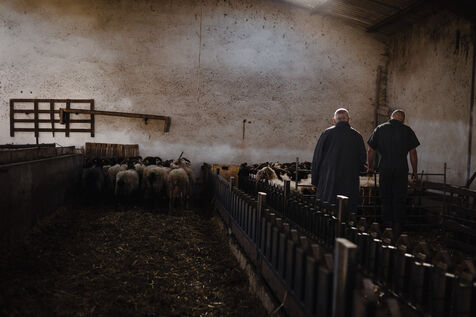
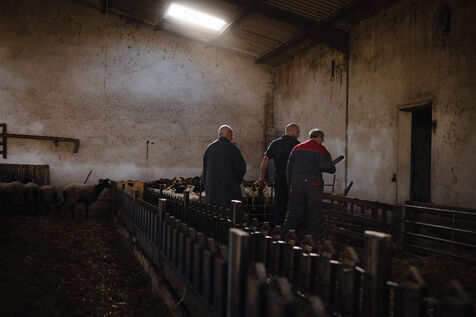
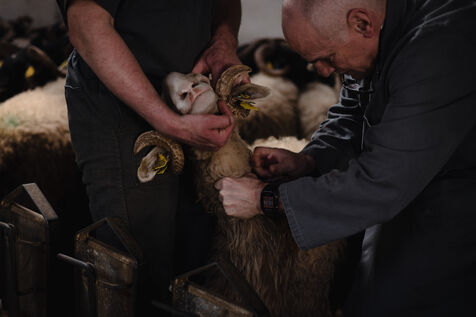
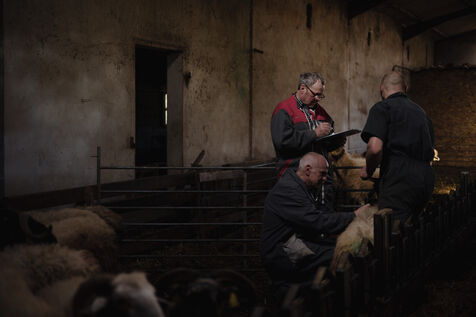
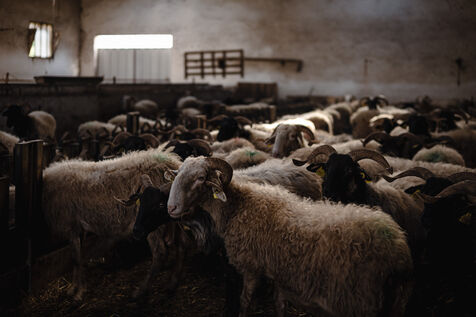
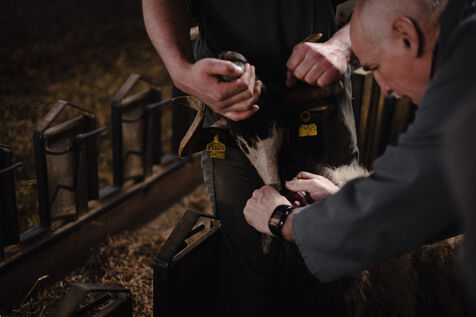
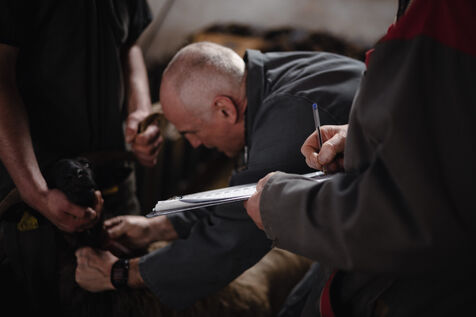
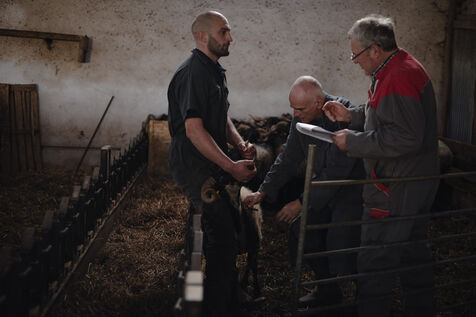
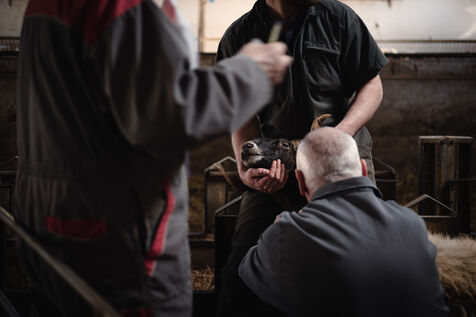
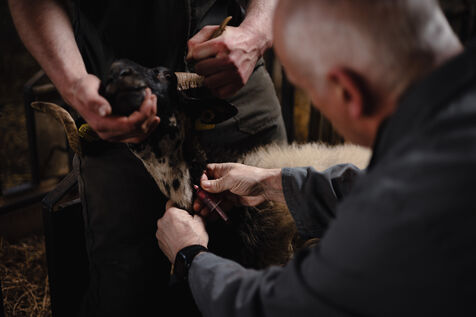
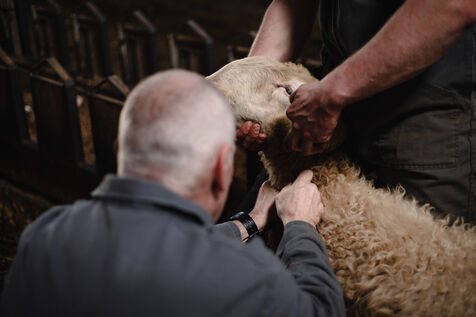
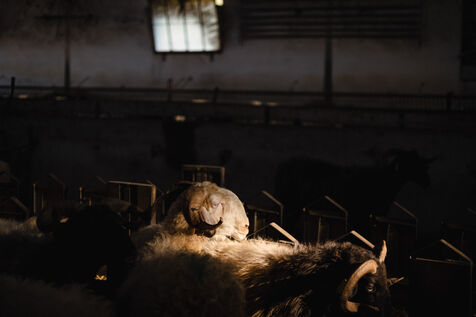
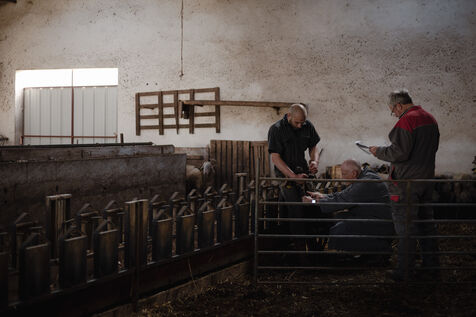
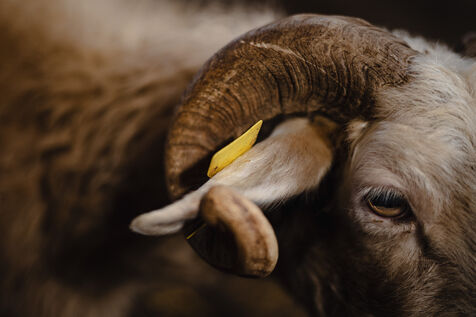
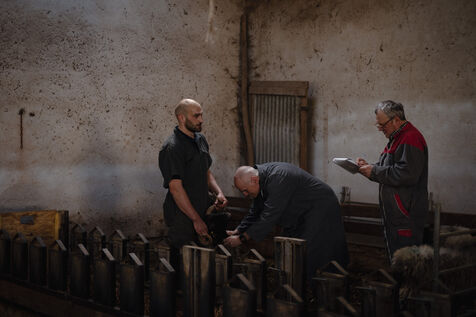
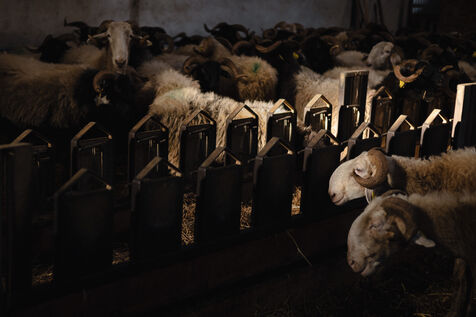
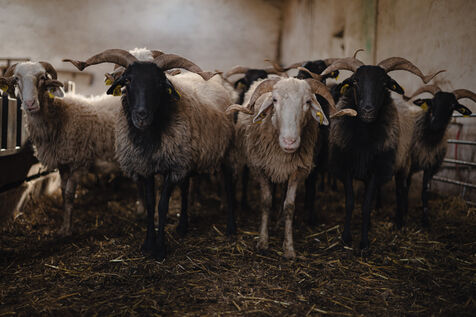
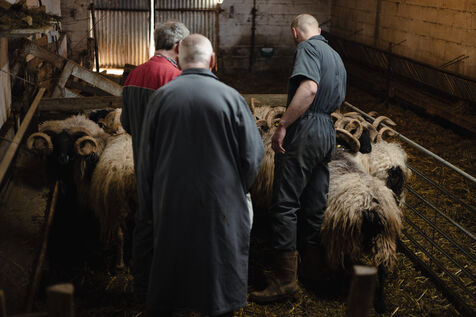
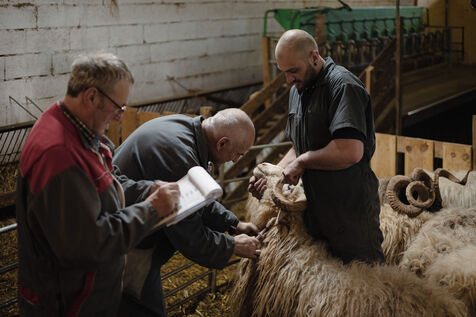
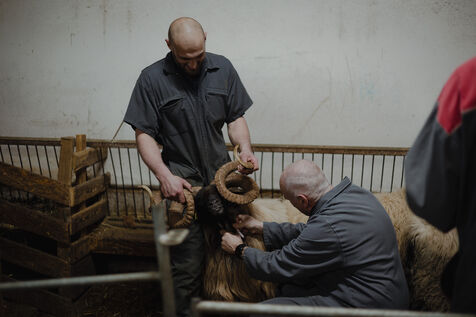
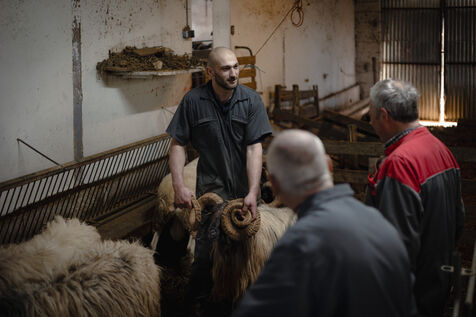
Janvier 2024. Rendez-vous est pris chez Michel, éleveur de brebis au Pays Basque, par le représentant du Groupement de Défense Sanitaire, avec le vétérinaire qui sera chargé de prélever des échantillons de sang sur un certain nombre de brebis du troupeau ainsi que sur tous les béliers Ces échantillons seront ensuite analysés pour vérifier si le troupeau est sein et exempt de toutes maladies contagieuses. Les brebis ont été gardées à la bergerie pour l'occasion malgré le beau temps qui règne. Michel, l'éleveur, attrape chaque brebis concernée, la maintien immobile afin que le vétérinaire puisse réaliser la prise de sang sans blesser l'animal. Pendant, ce temps, le représentant du GDS relève le numéro d'identification de la brebis et le note sur sa lite, ainsi que sur l'étiquette qui sera ensuite collée sur le tube contenant l'échantillon de sang prélevé.
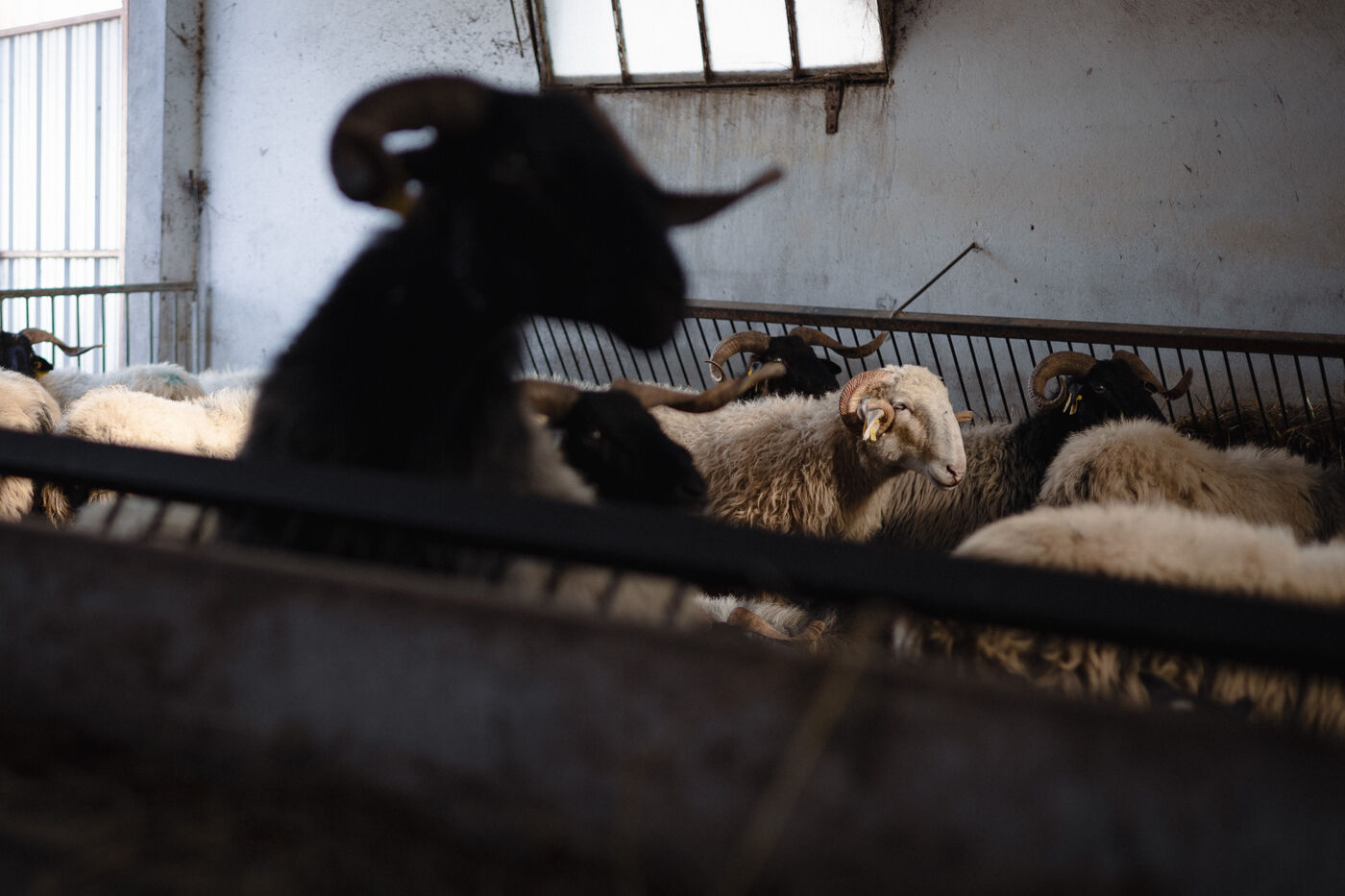
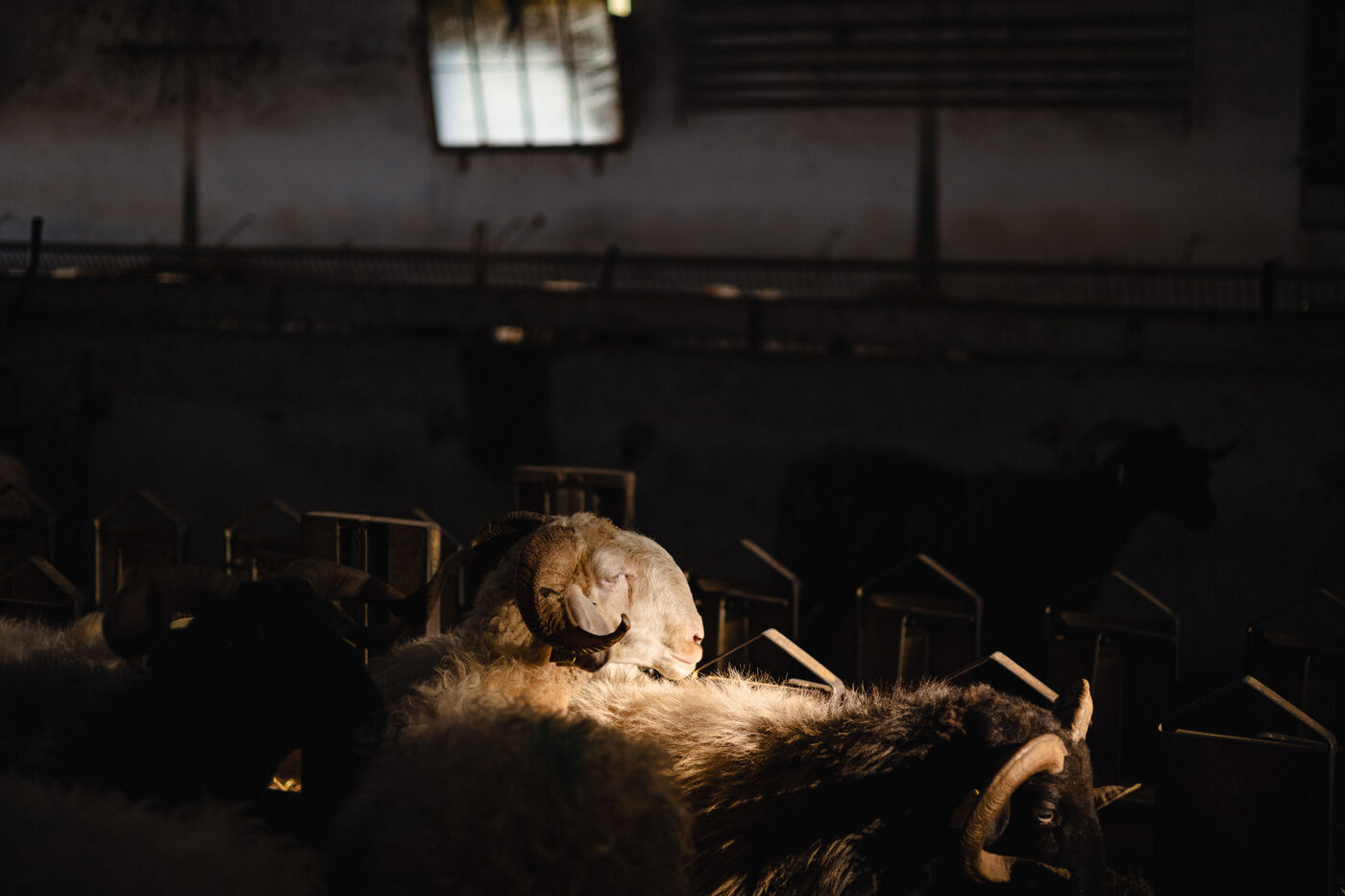
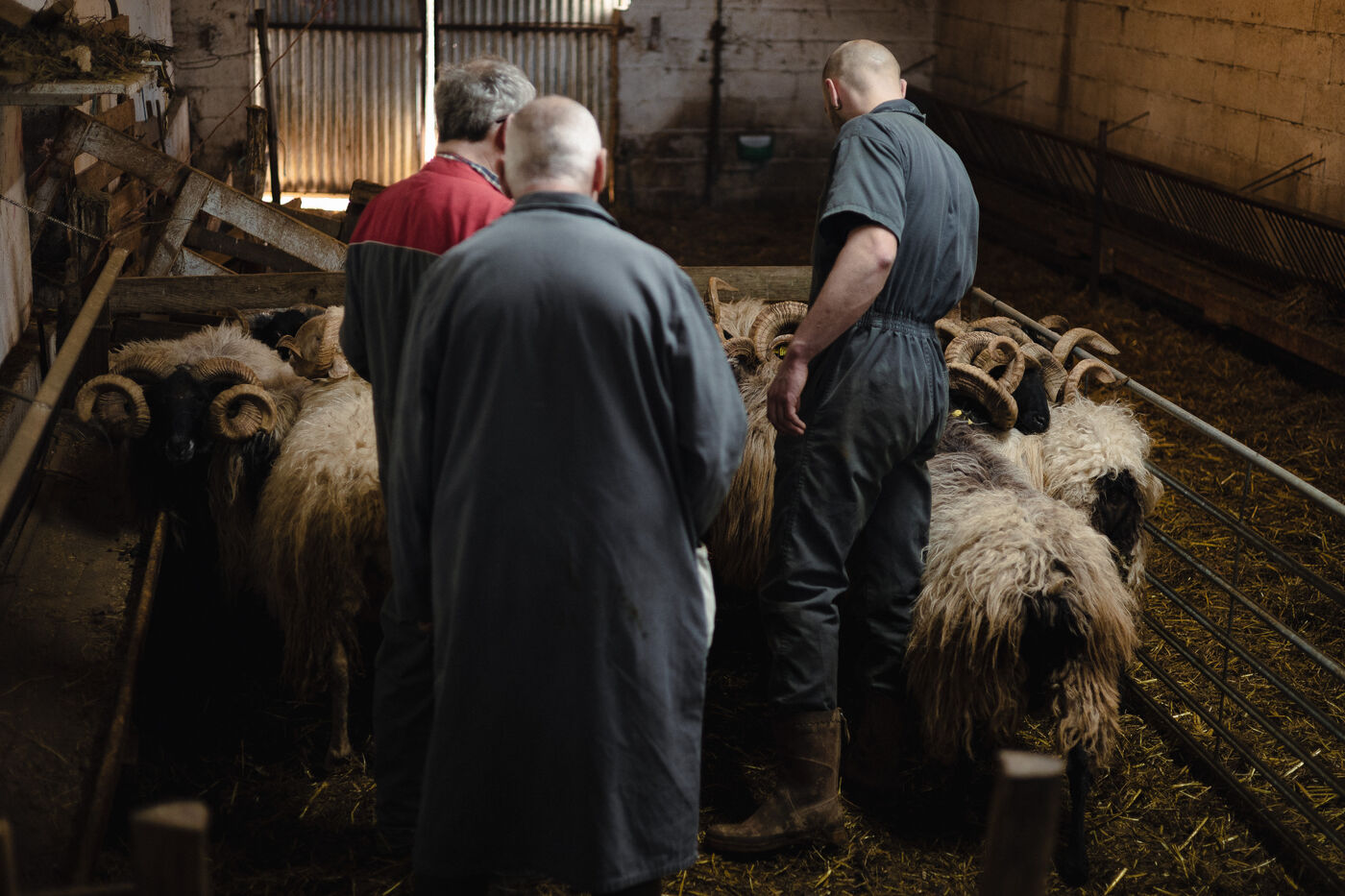
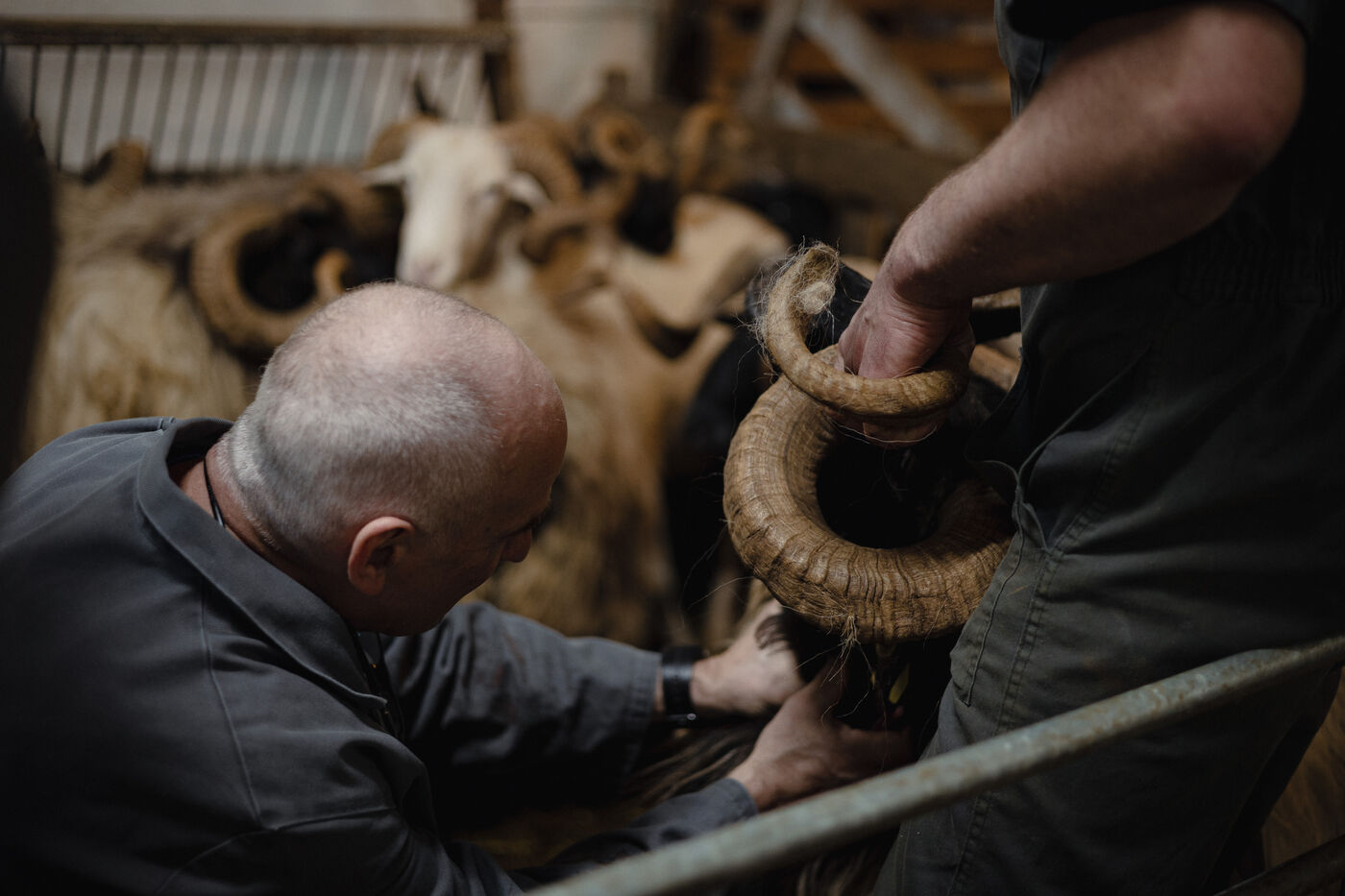
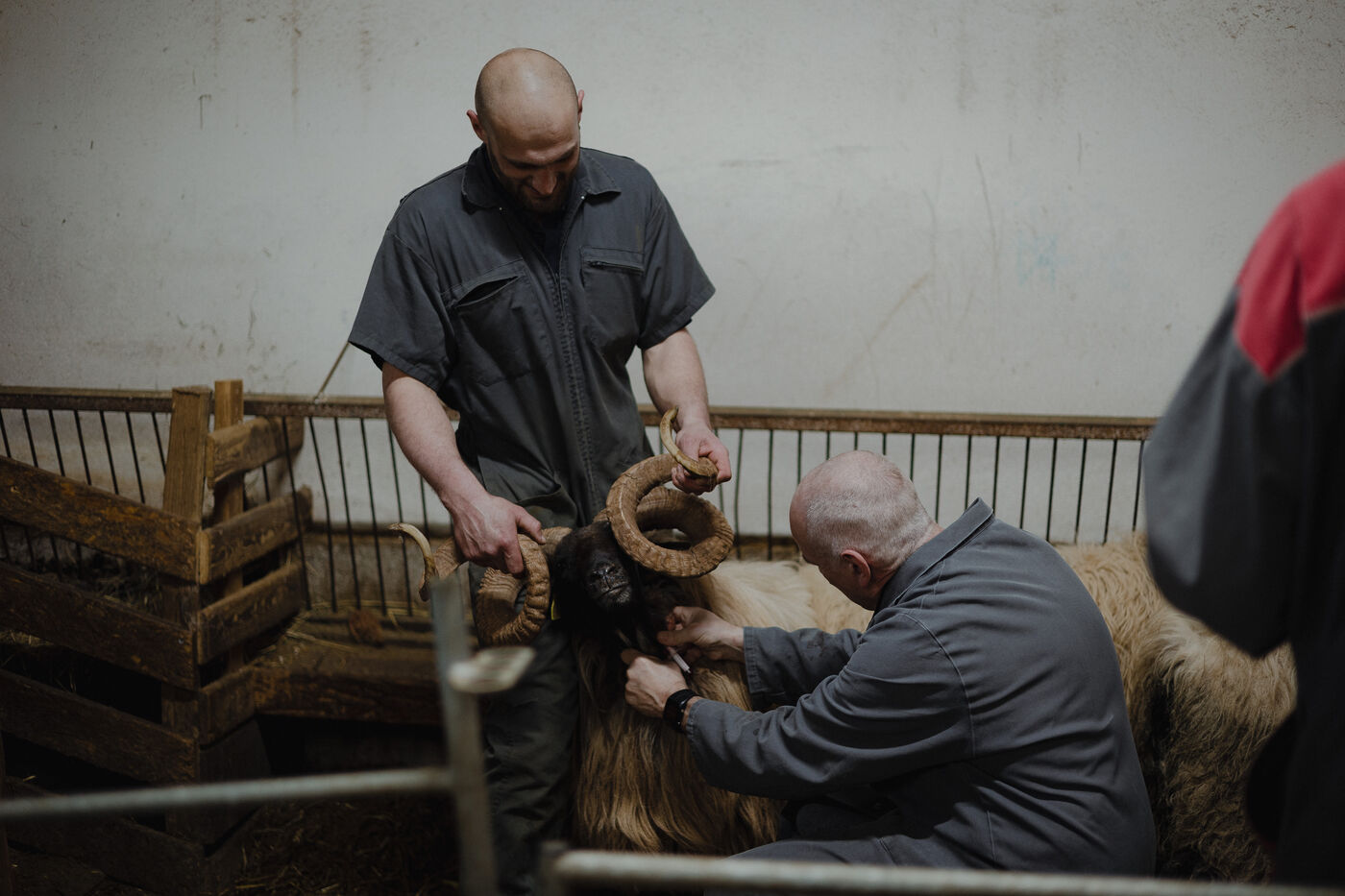
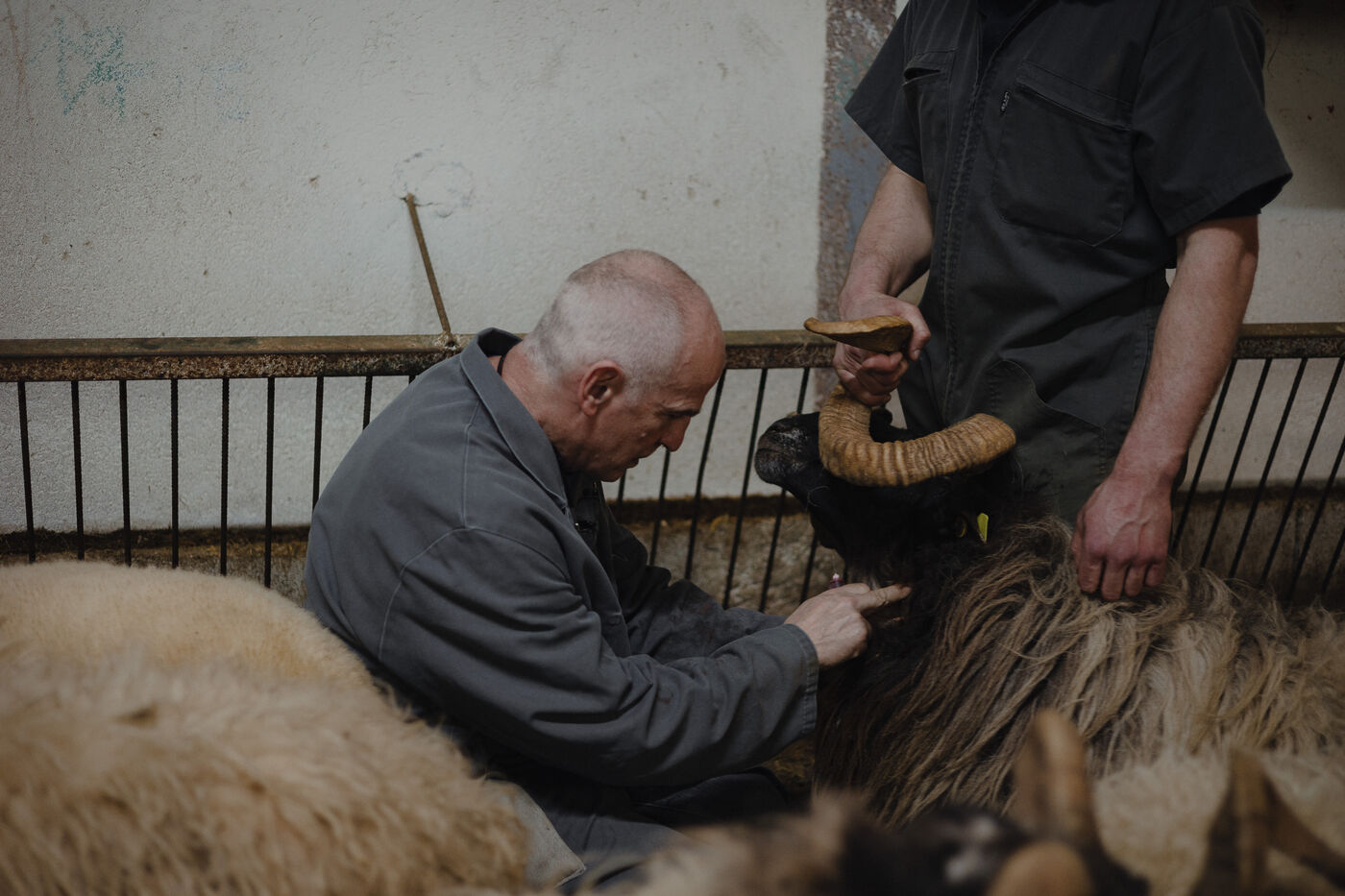
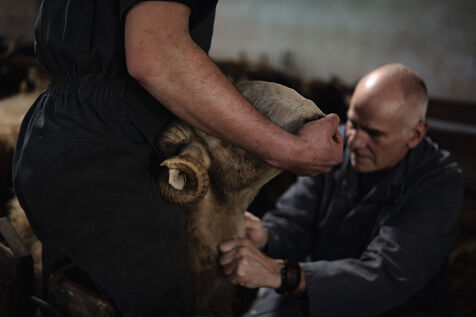
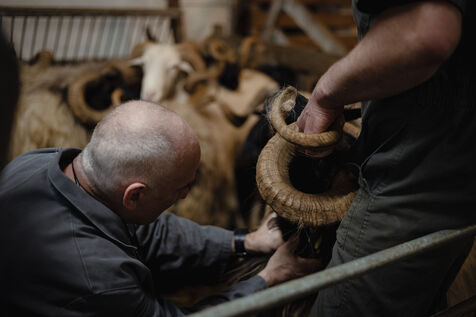
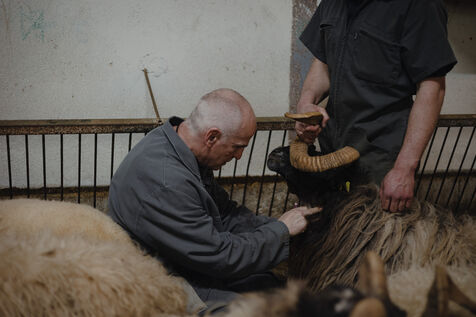
Ce sera ensuite le tour des béliers de Michel. Beaucoup moins nombreux, l'opération sera plus rapide.
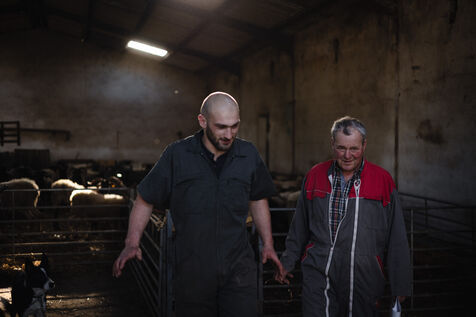
Tout se déroule dans le calme : les intervenants ayant une grande habitude de cette opération. Au bout d'une heure et demi environ, tout est terminé. L'opération se renouvellera l'année suivante.
PROPHYLAXIS ON MICHEL'S EWES, A BREEDER IN THE BASQUE COUNTRY
anuary 2024. An appointment is made at Michel's, a sheep breeder in the Basque Country, by the representative of the Health Defense Group, with the veterinarian who will be responsible for taking blood samples from a certain number of ewes in the flock as well as from all the rams. These samples will then be analyzed to check whether the flock is healthy and free of any contagious diseases. The ewes have been kept in the sheepfold for the occasion despite the good weather. Michel, the breeder, catches each ewe concerned, holding it still so that the veterinarian can take the blood without injuring the animal. During this time, the GDS representative notes the ewe's identification number and writes it on its litter, as well as on the label that will then be stuck on the tube containing the blood sample taken.
It will then be the turn of Michel's rams. Much fewer in number, the operation will be faster.
Everything takes place calmly: the workers are very used to this operation. After about an hour and a half, everything is finished. The operation will be repeated the following year.