Aux mille sources la belle vie
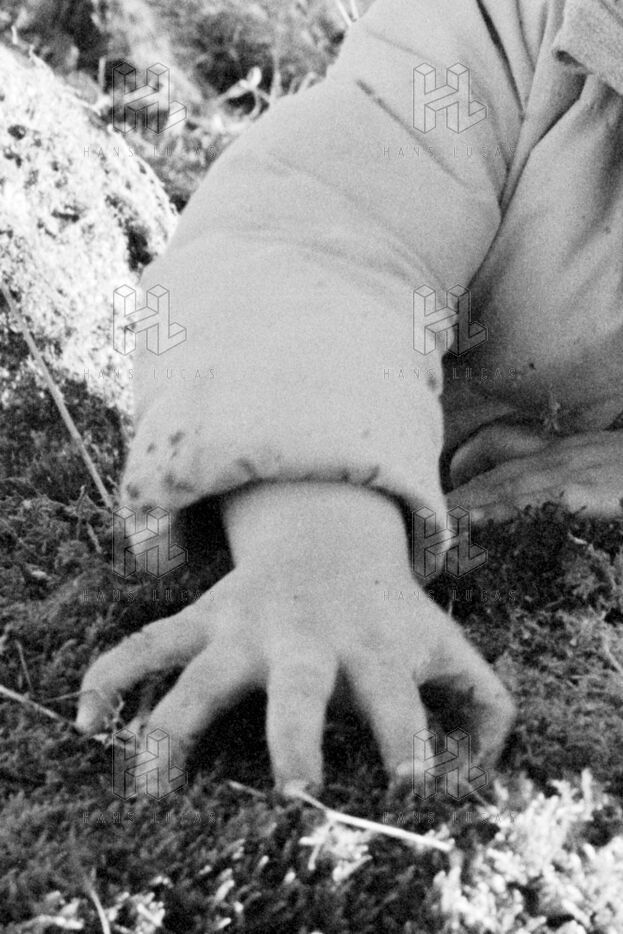
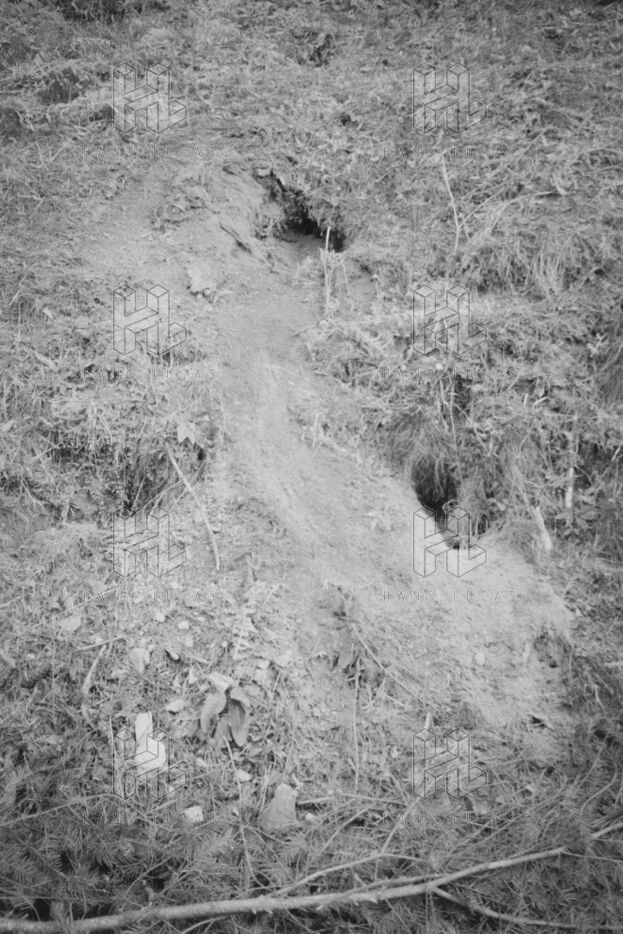
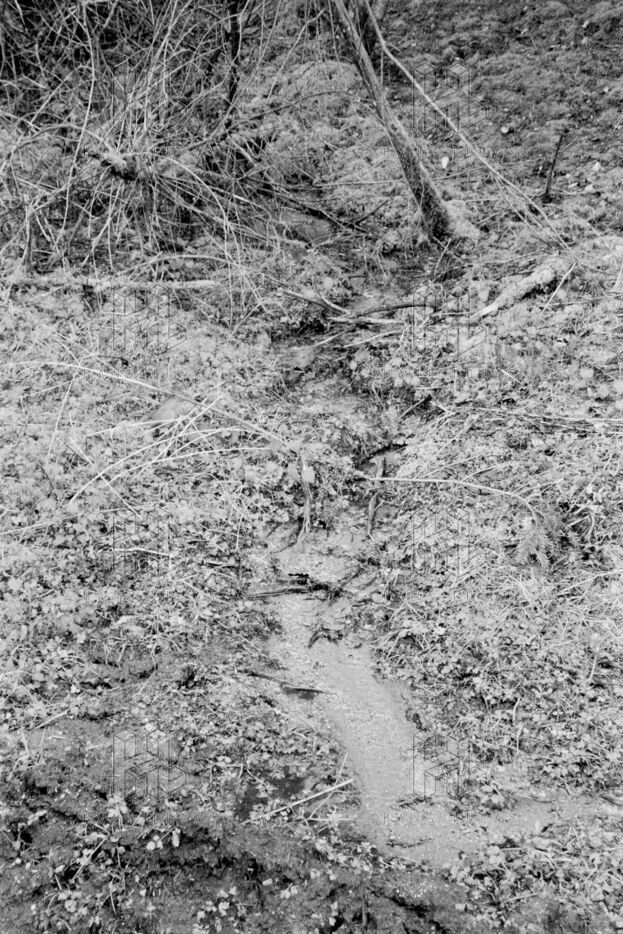
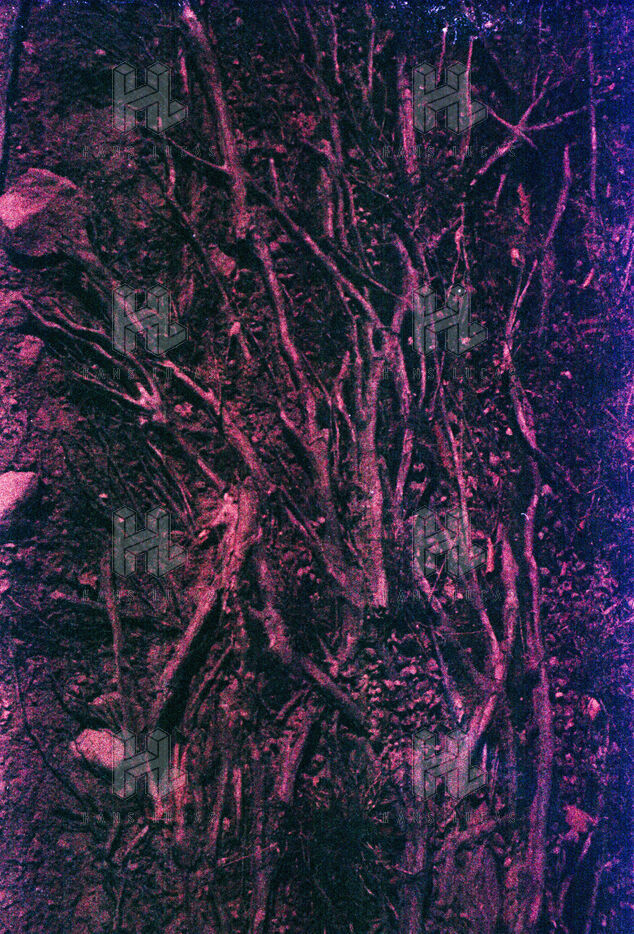
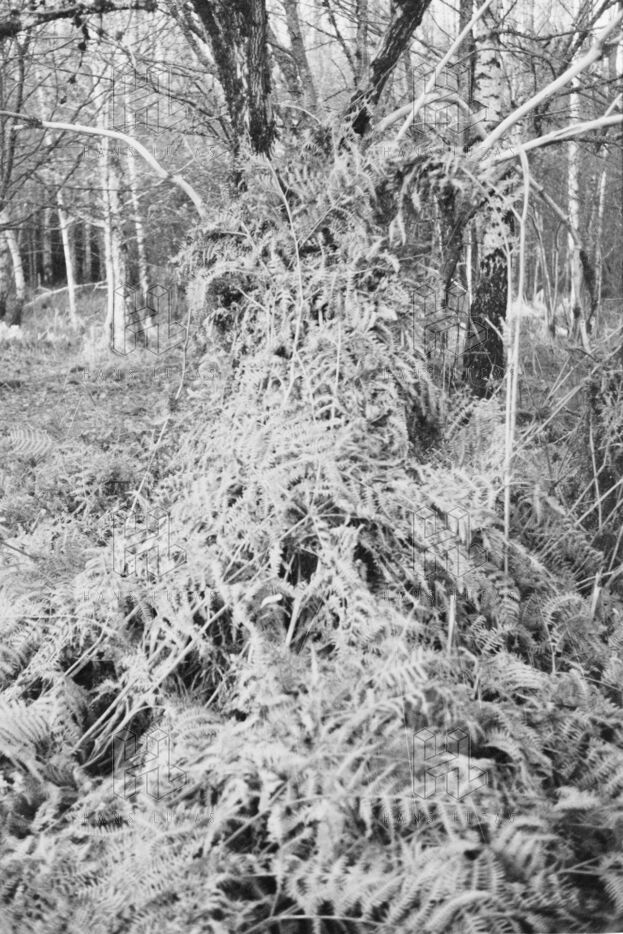
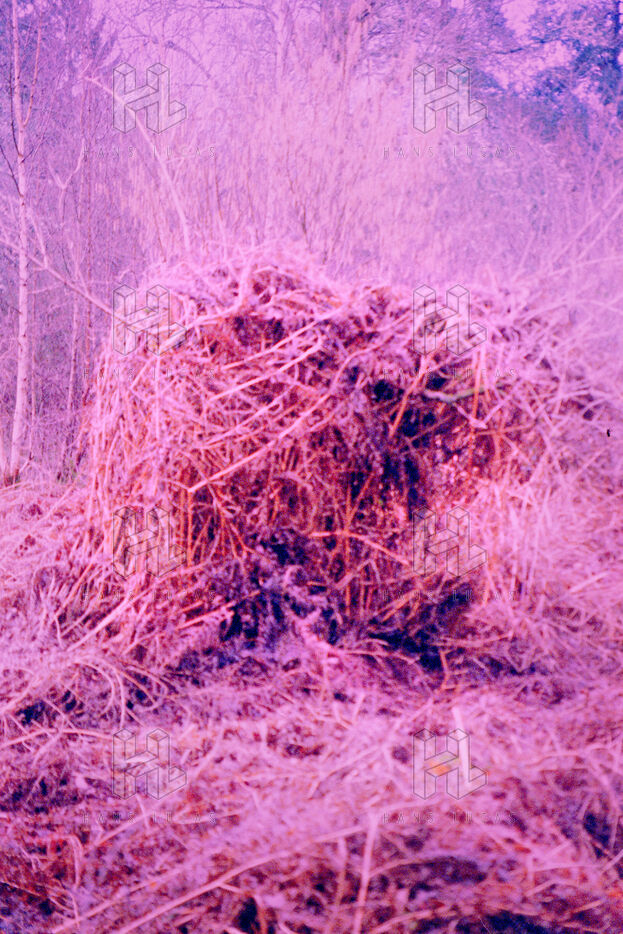
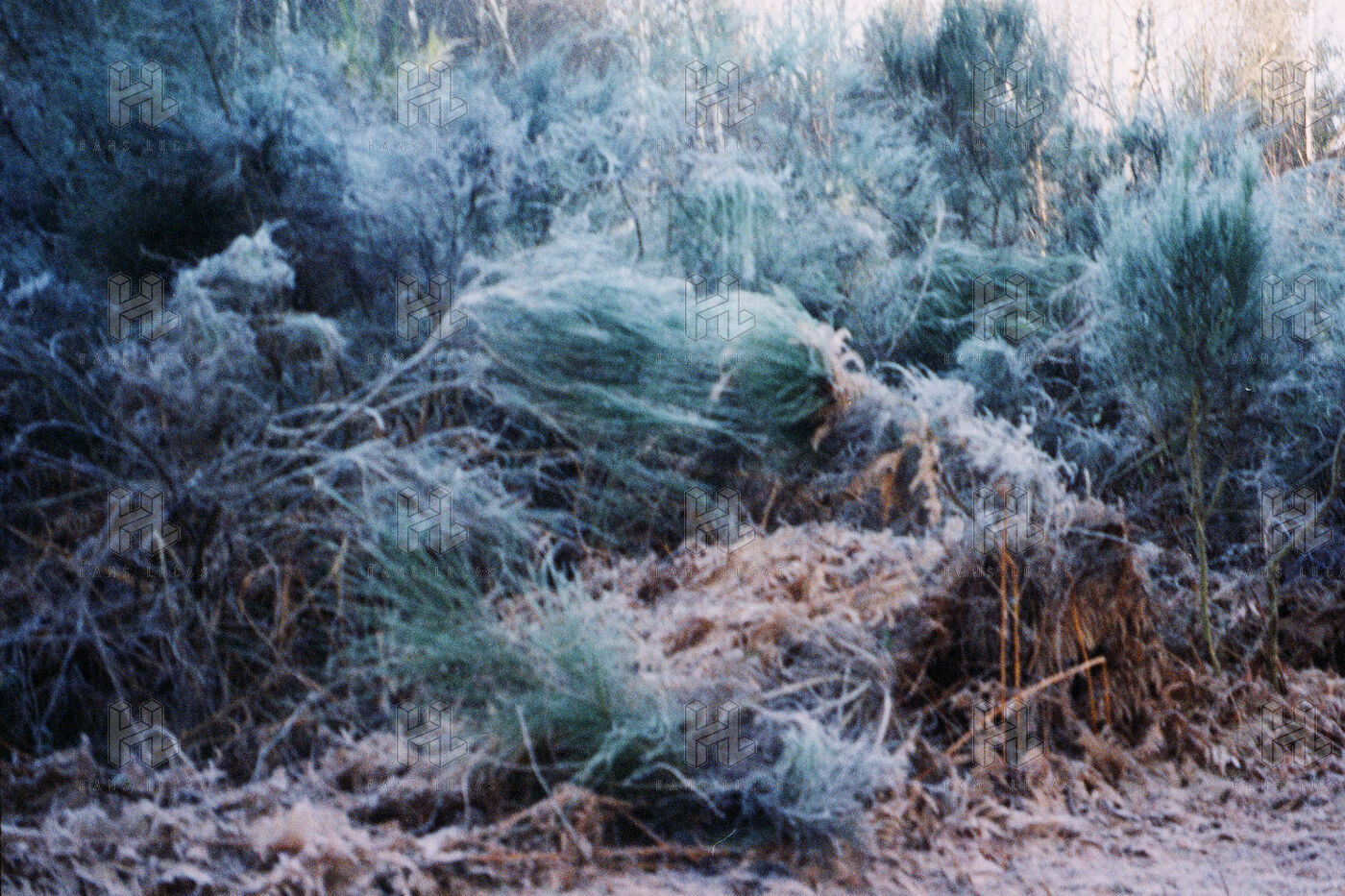
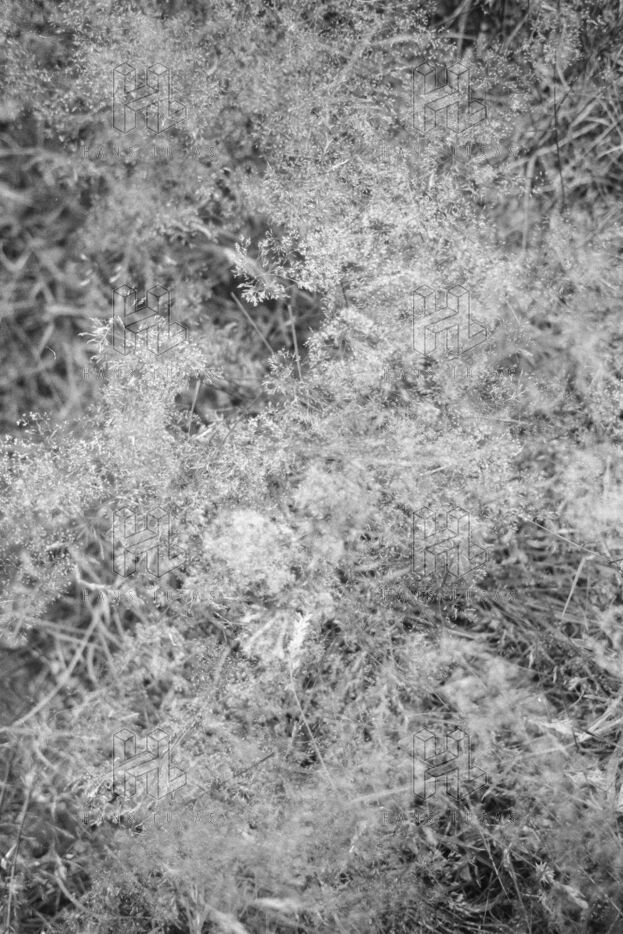
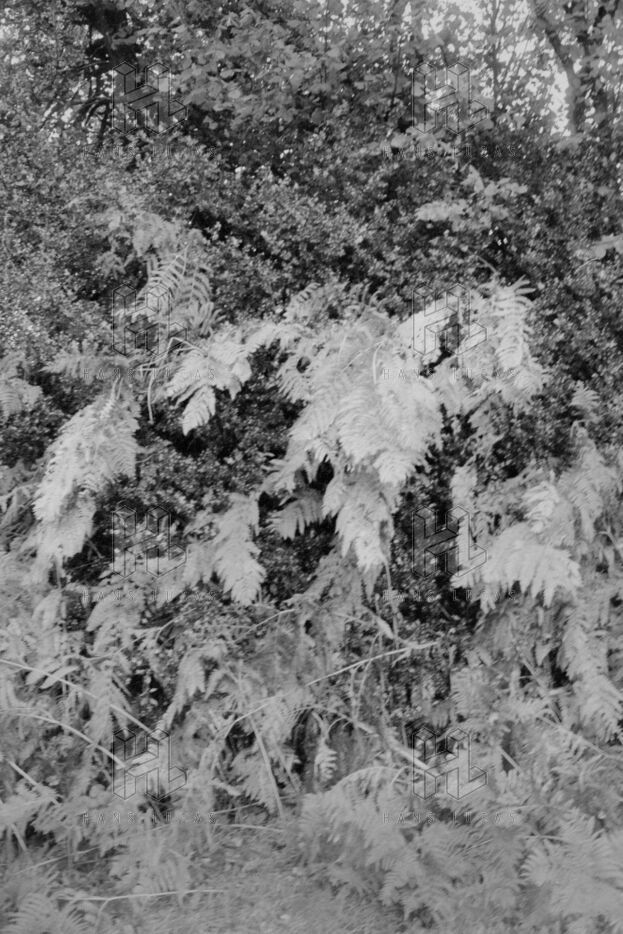
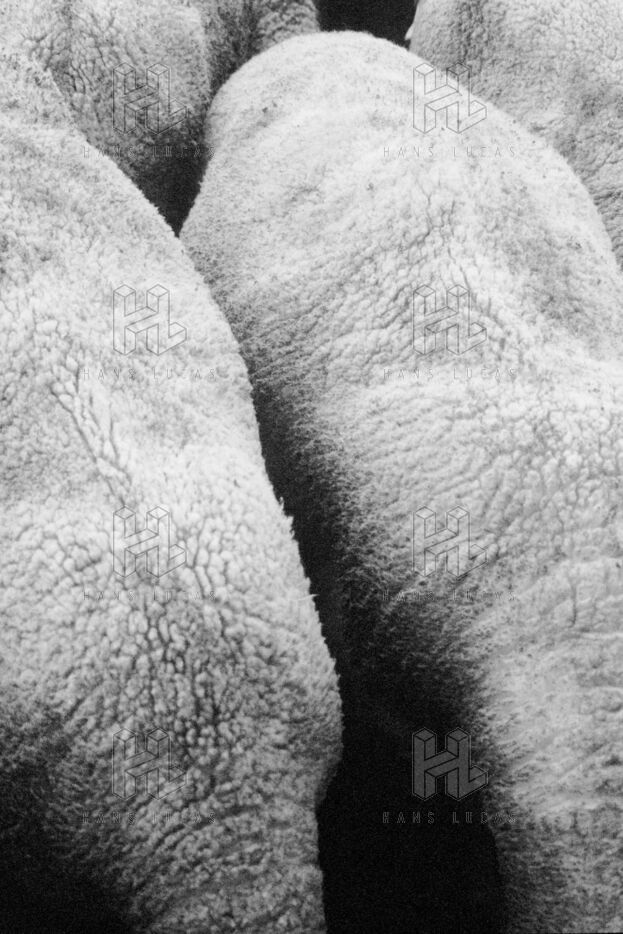
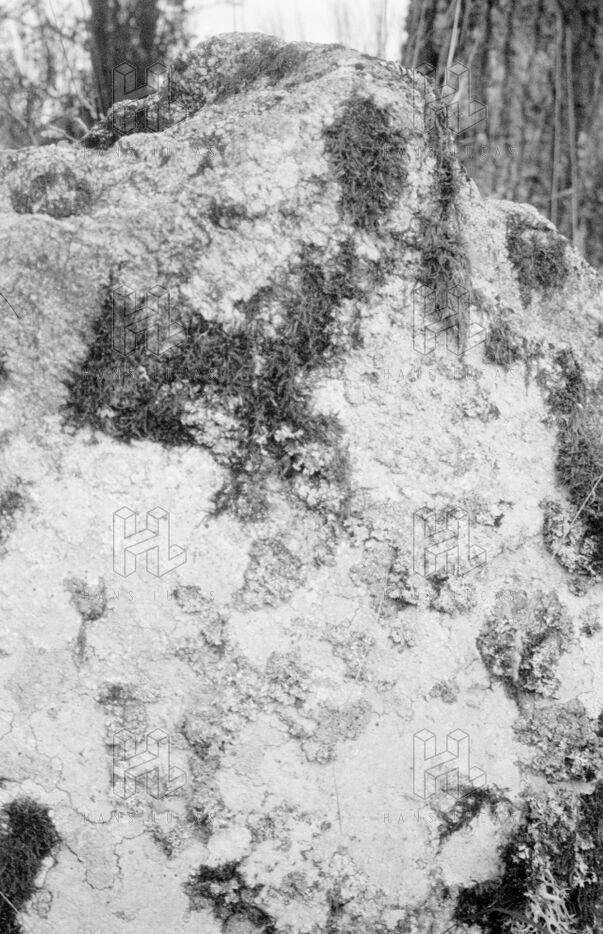
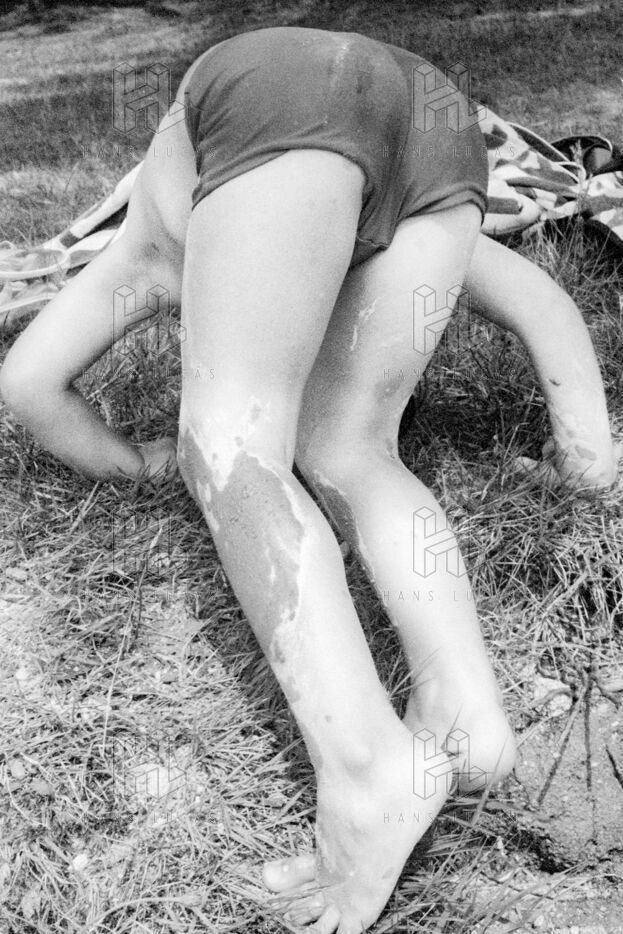
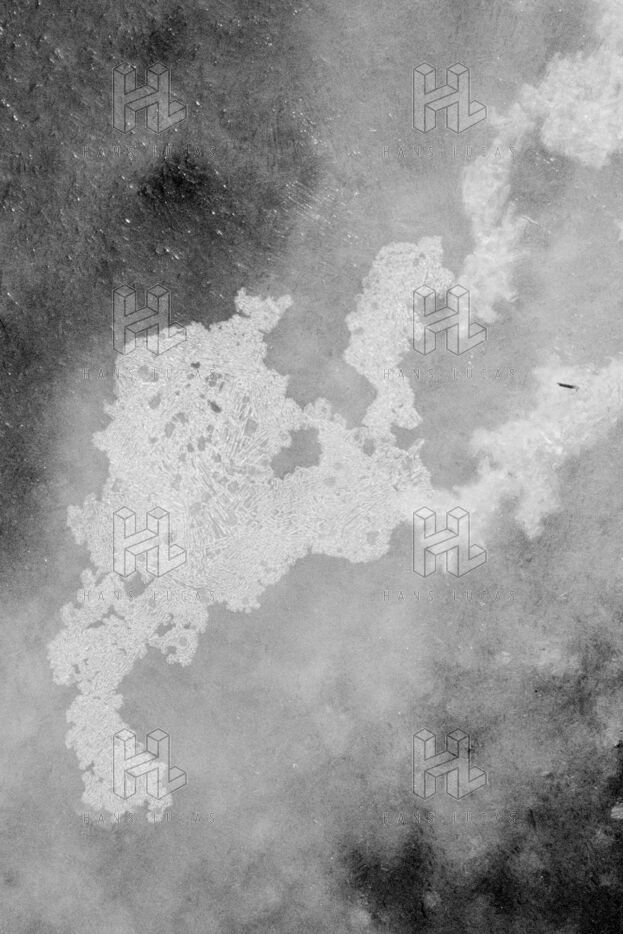
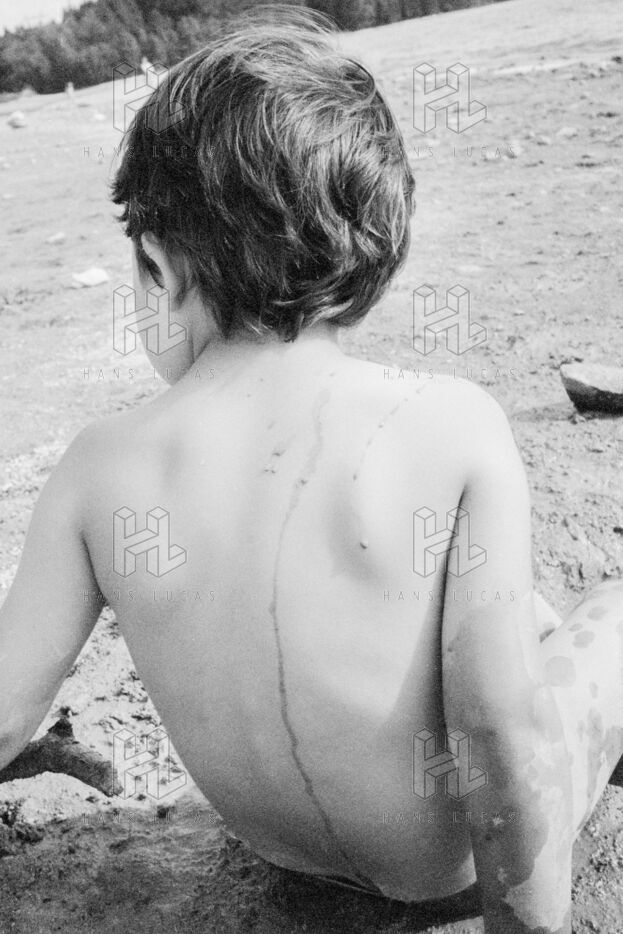
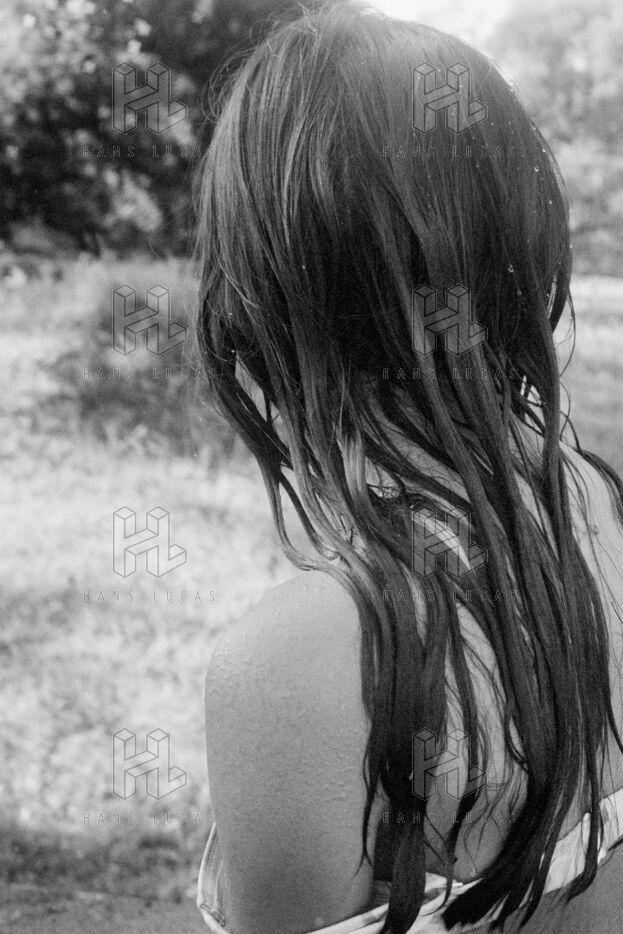
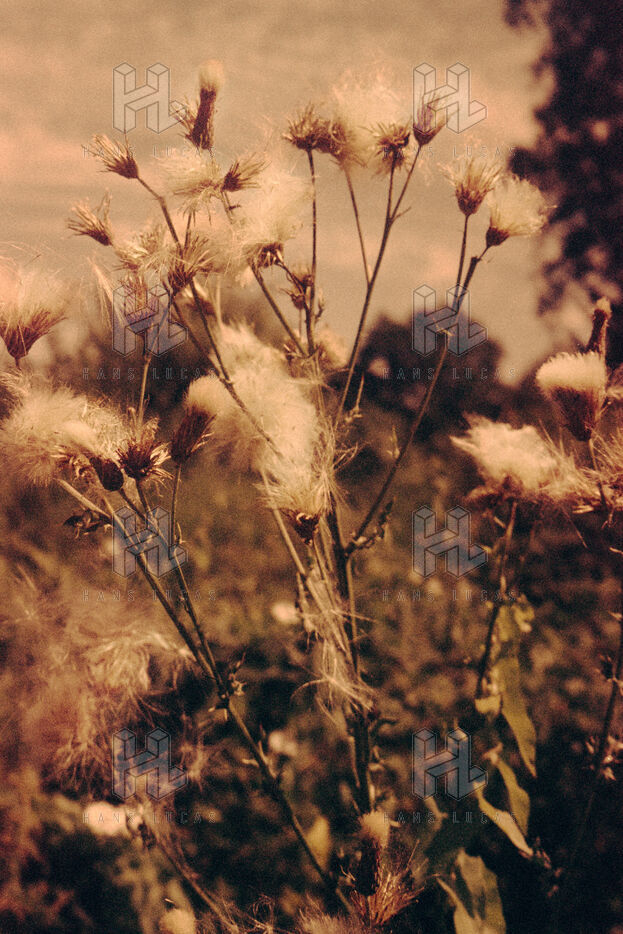
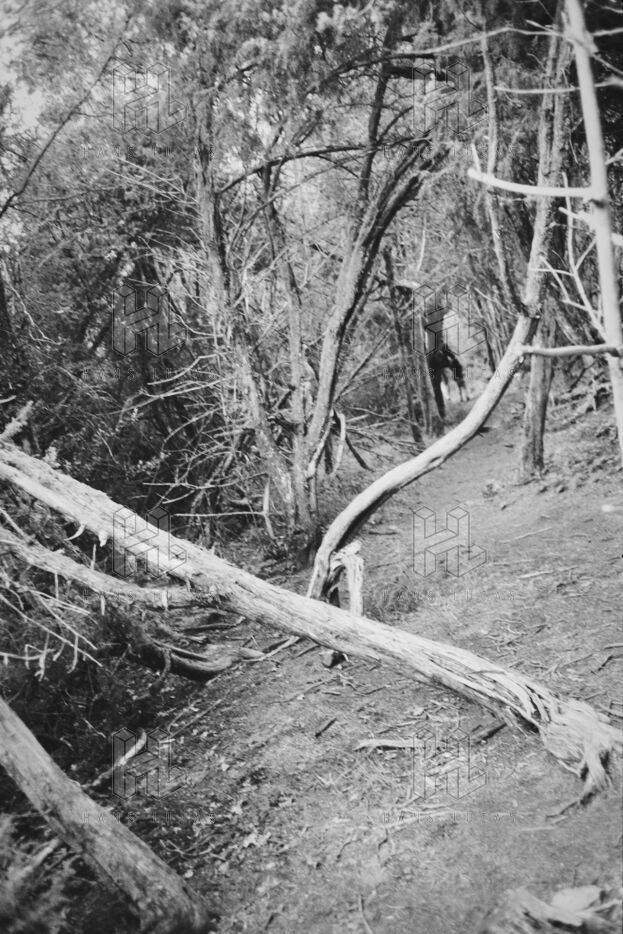
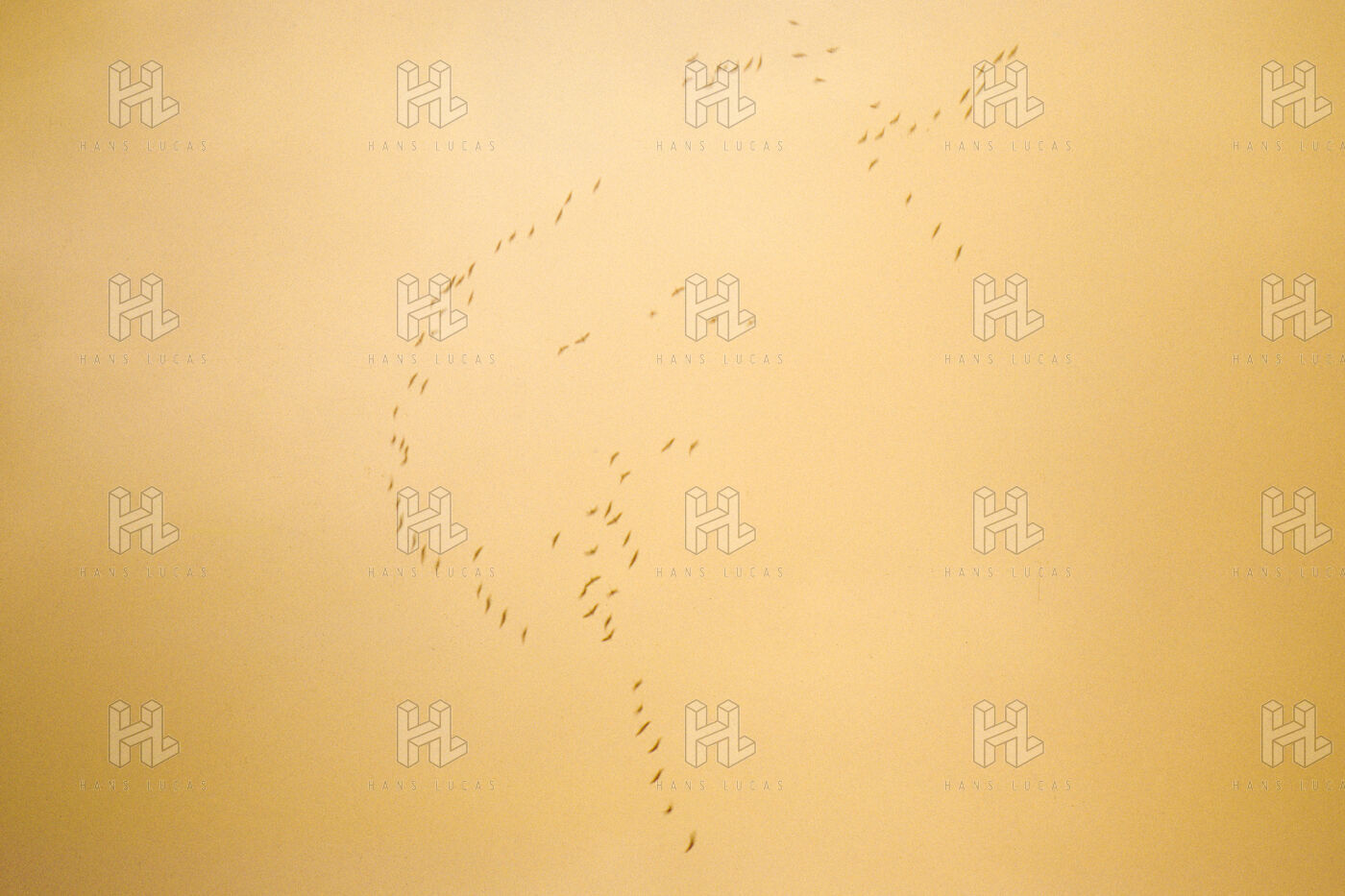
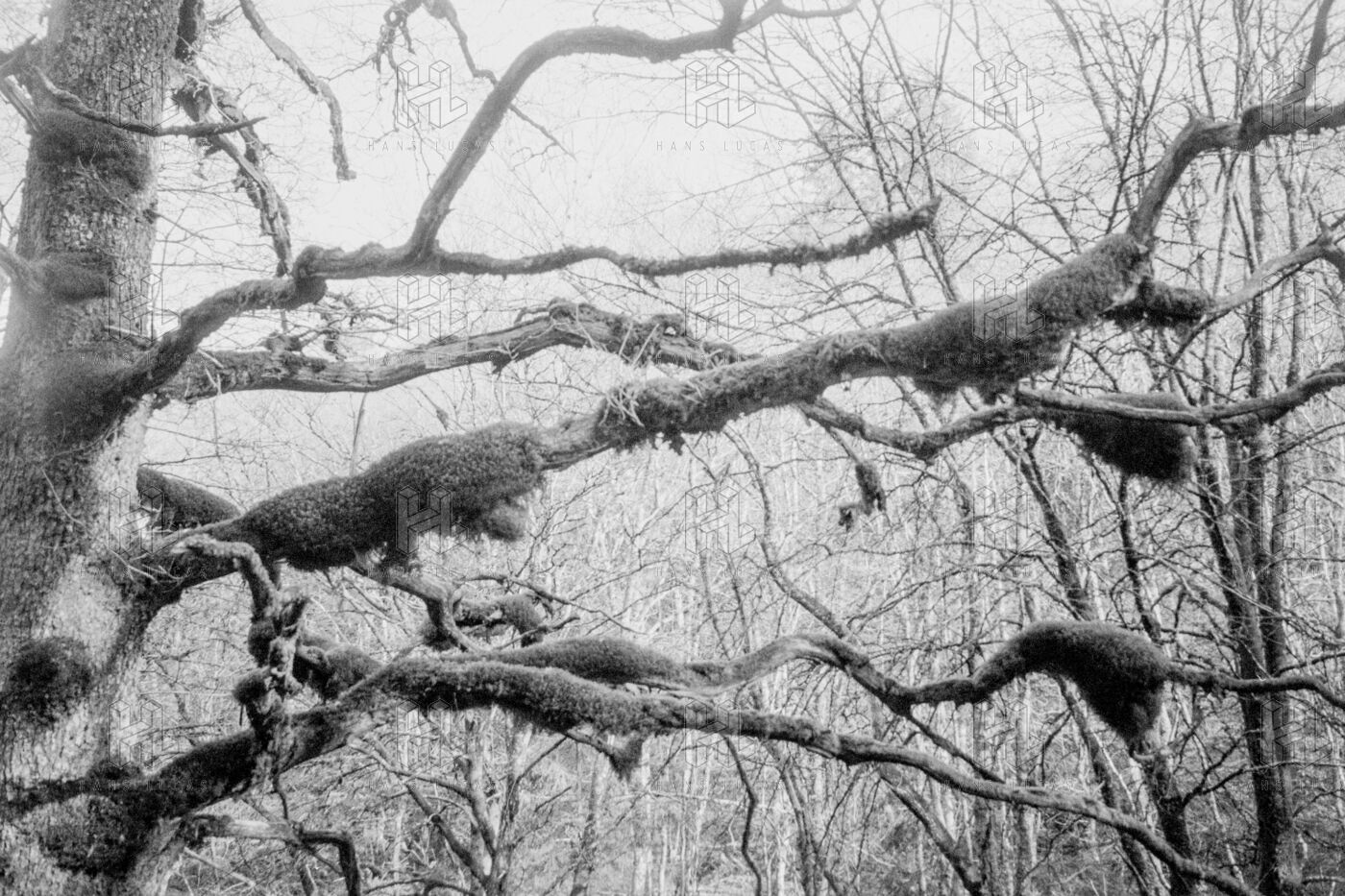
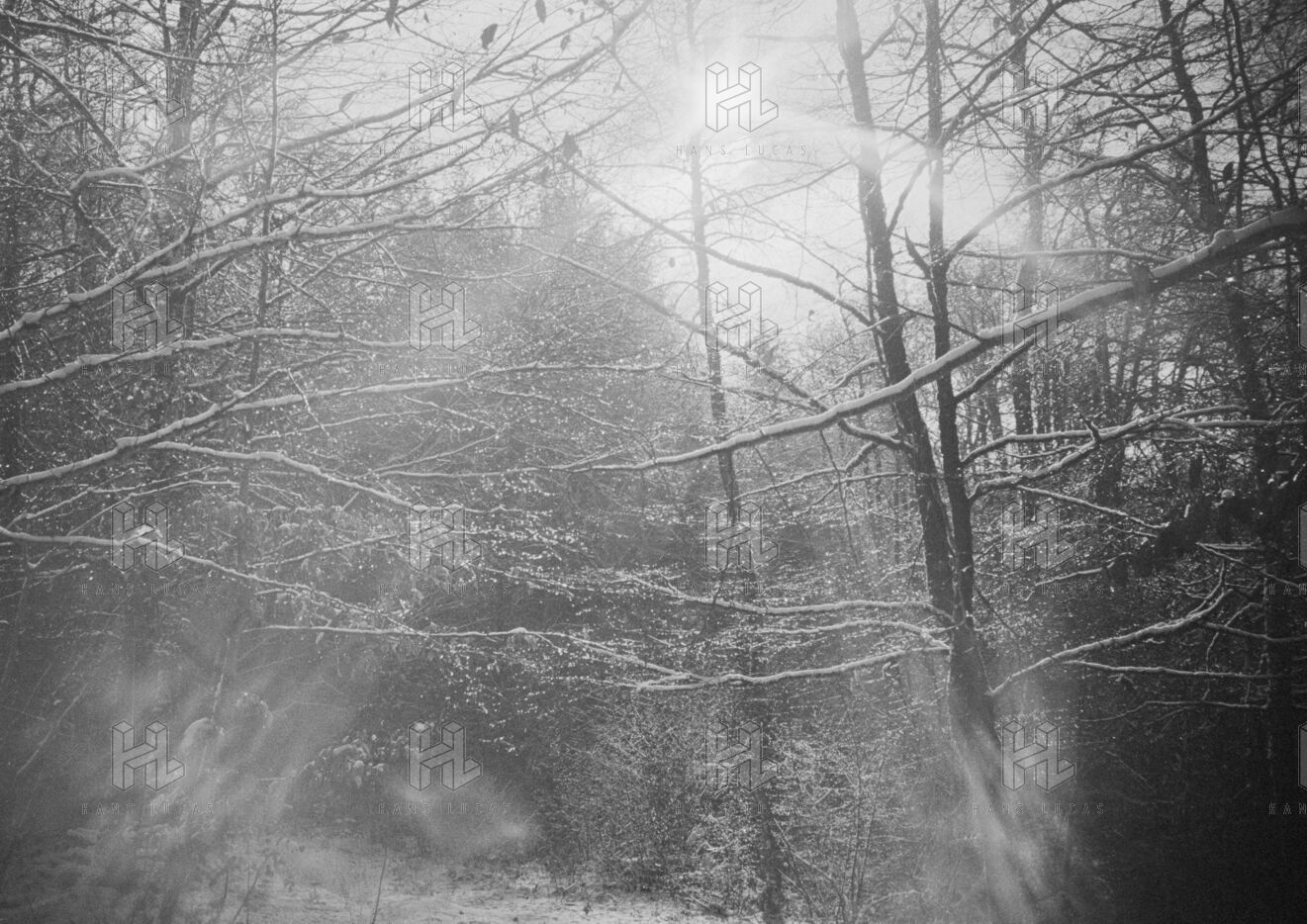
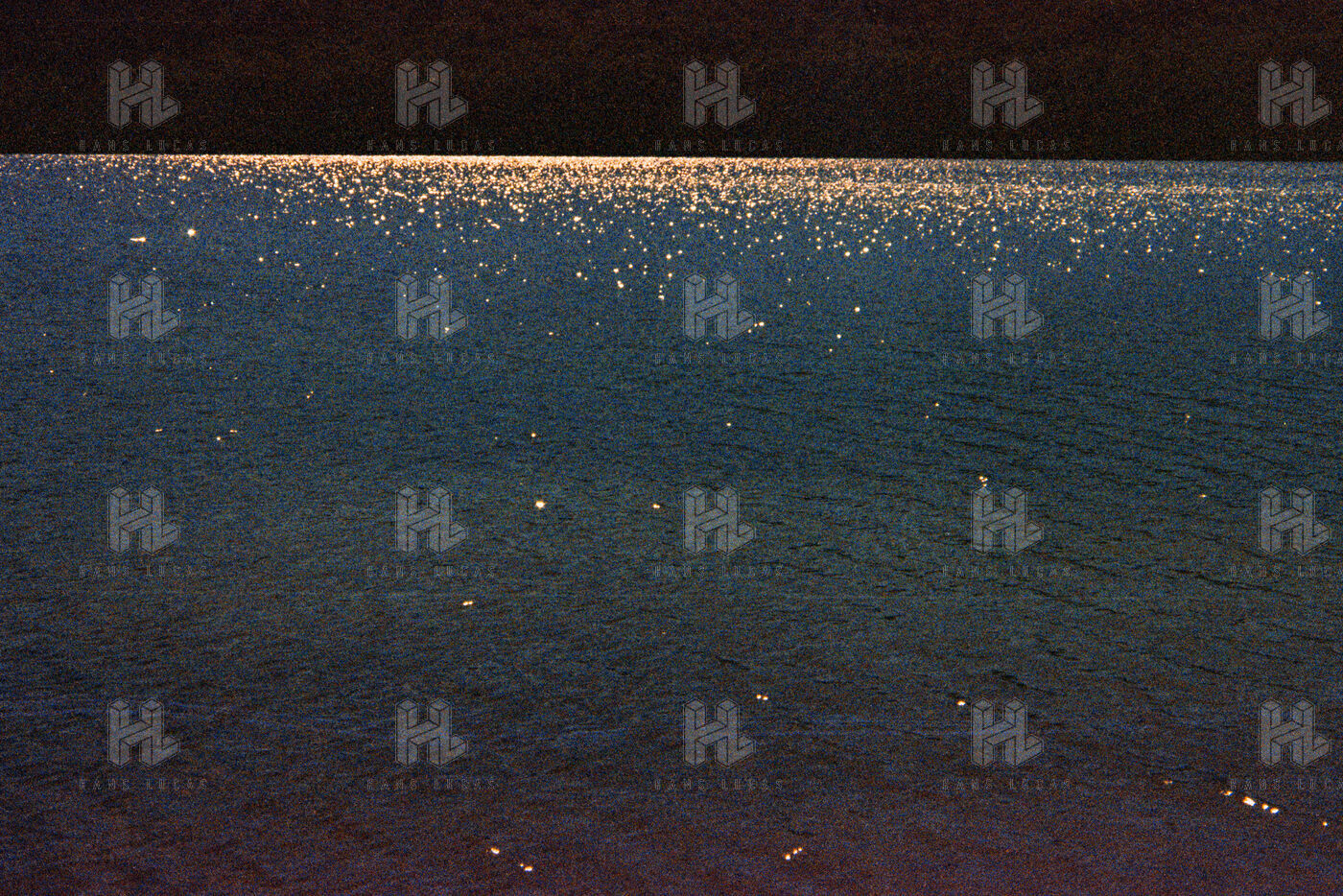
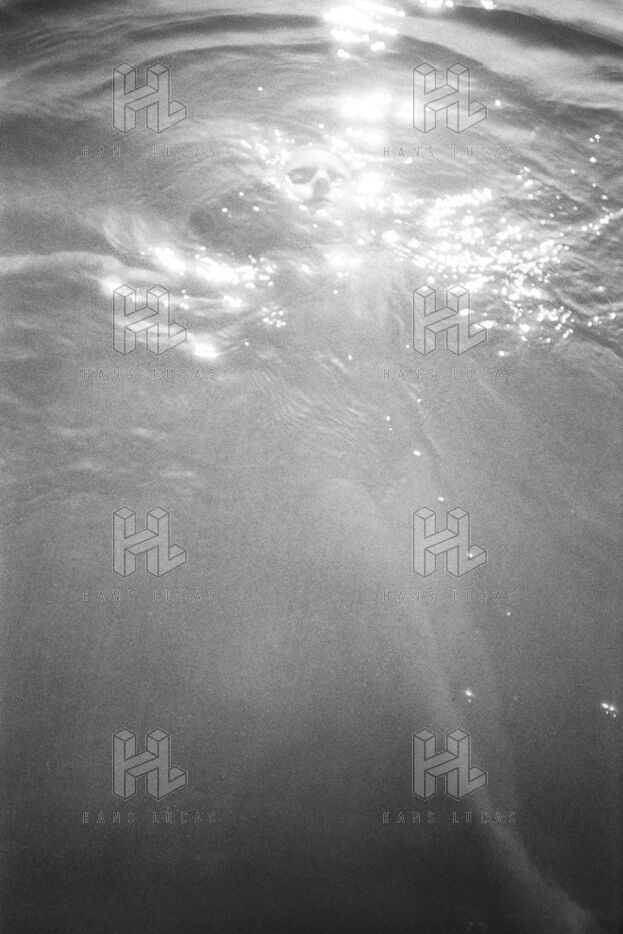
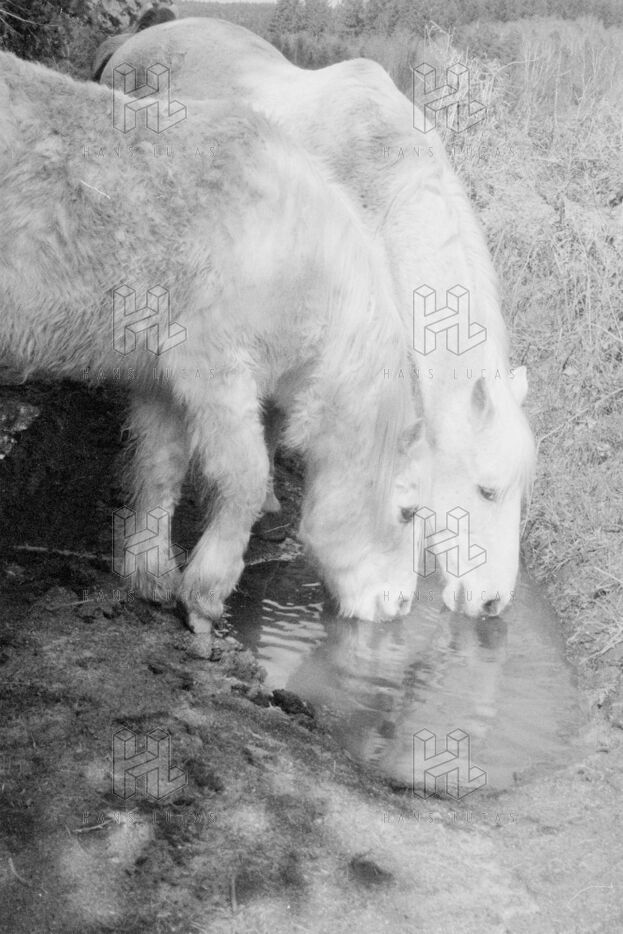
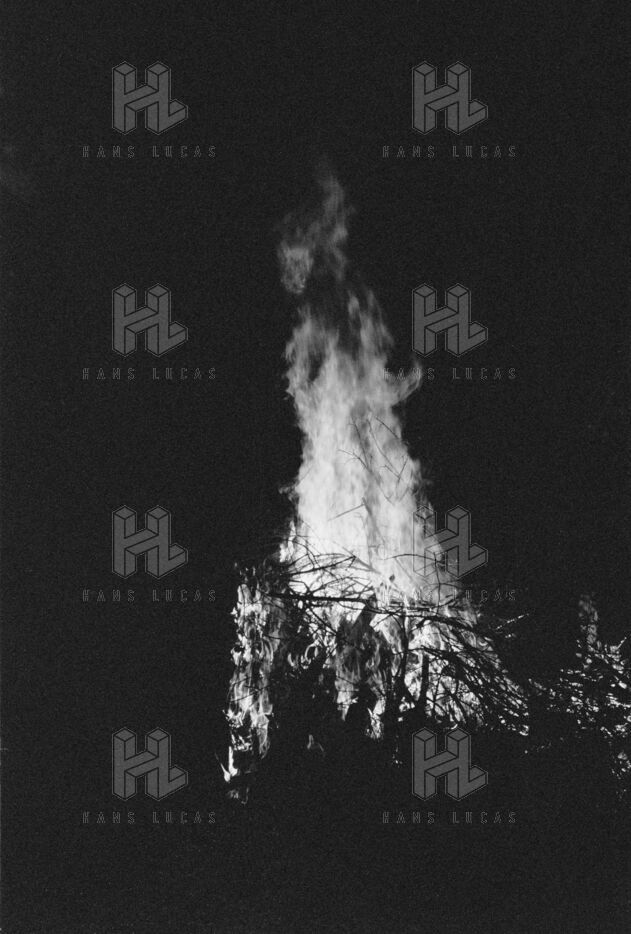
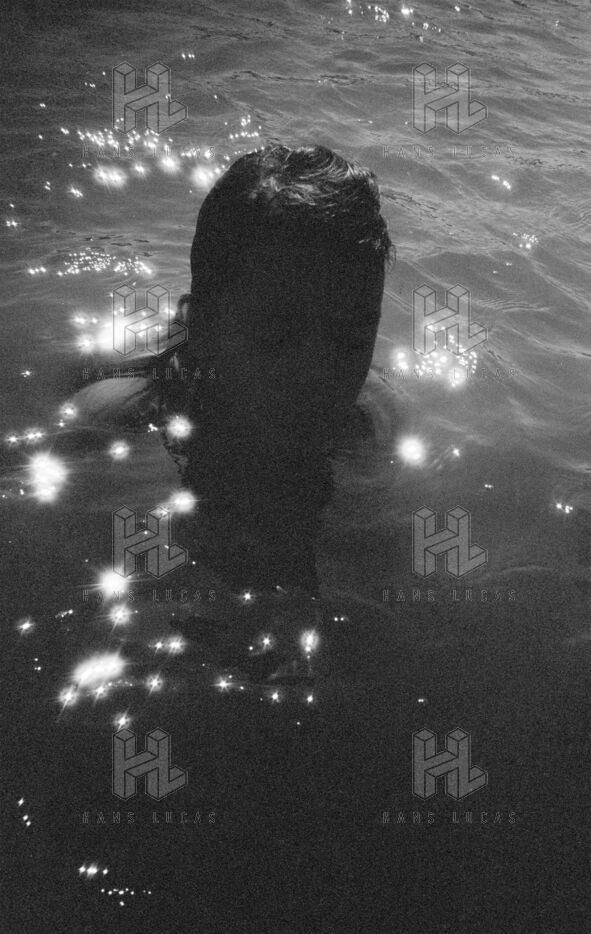
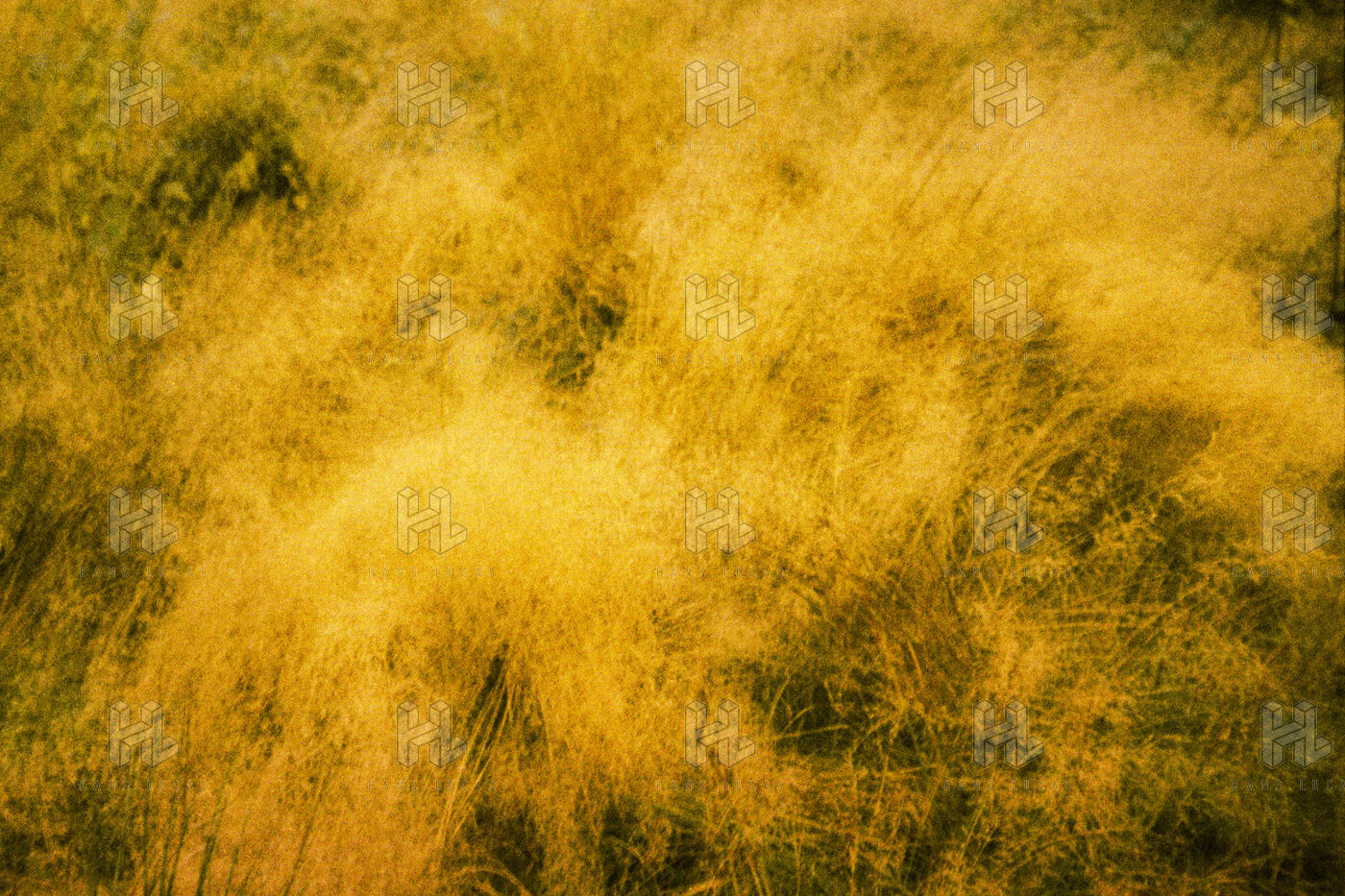
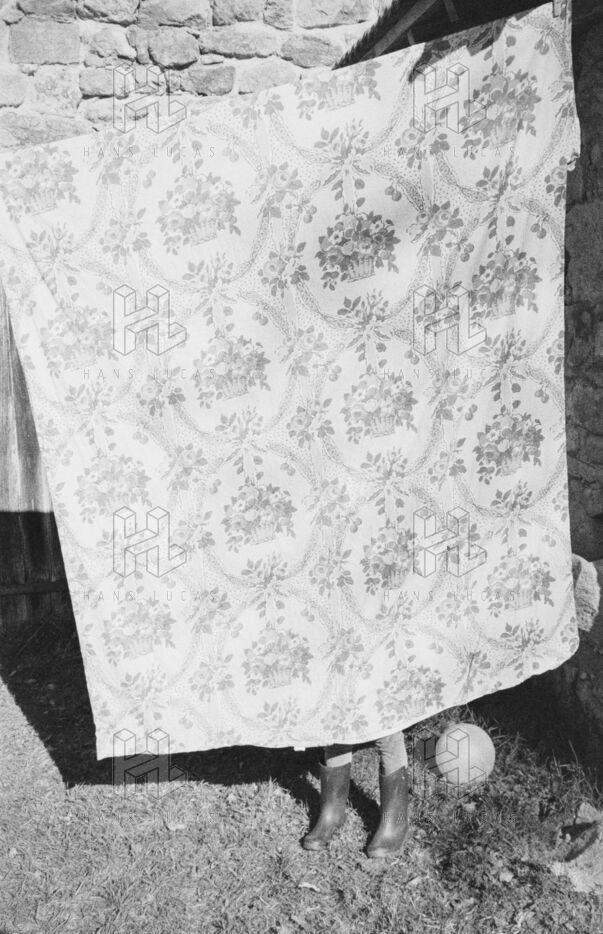
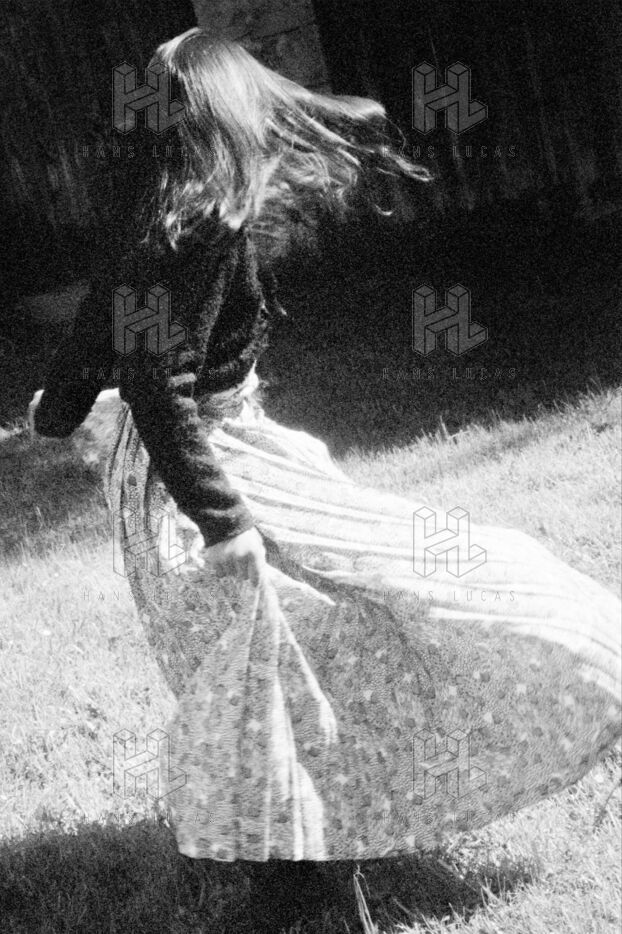
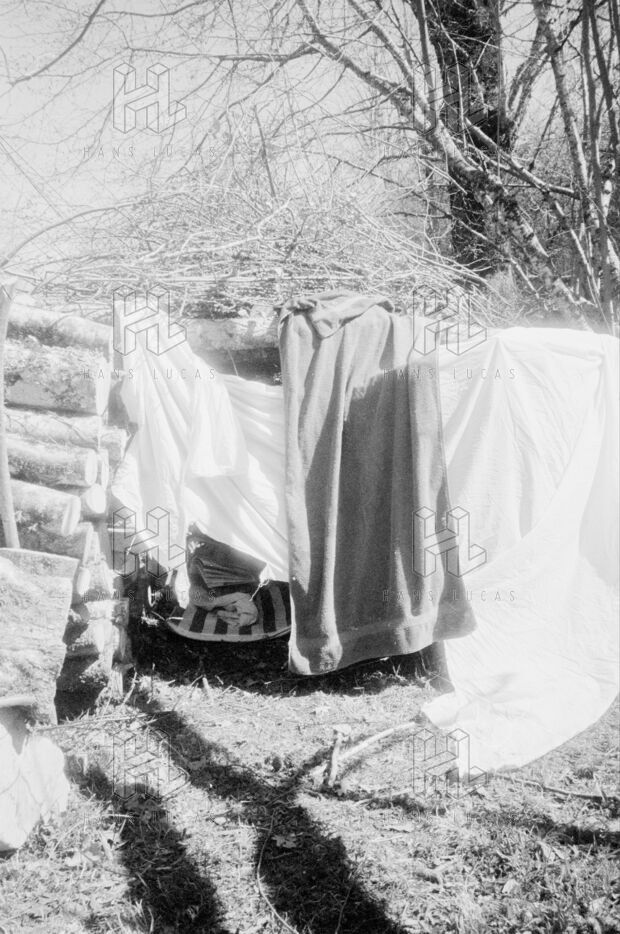
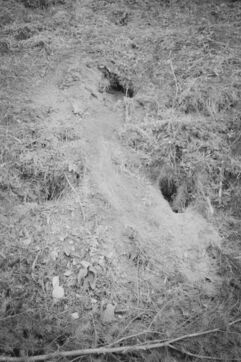
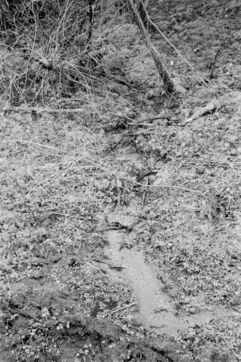
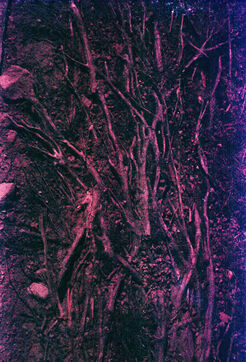
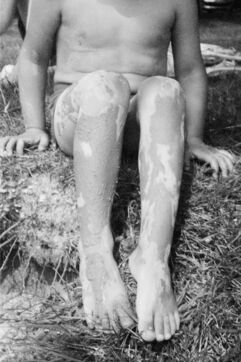
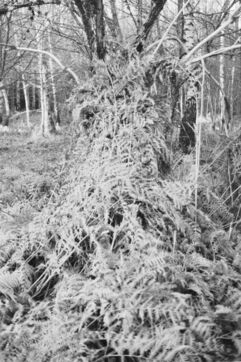
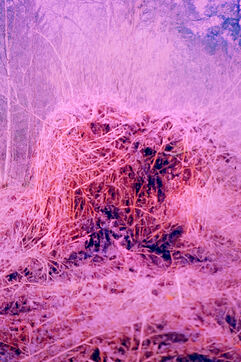
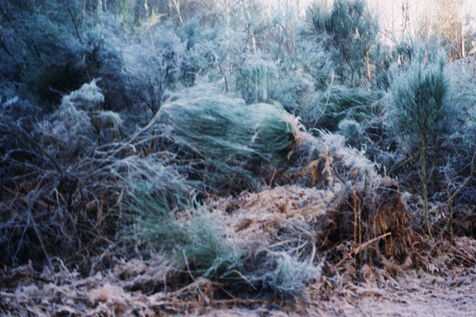
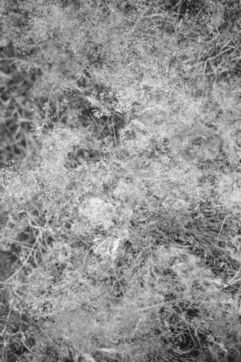
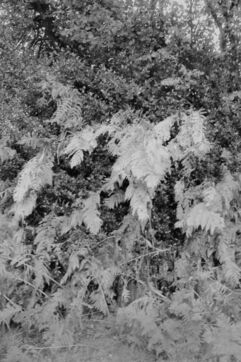
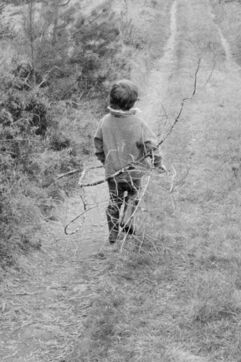
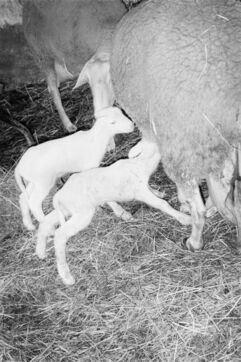
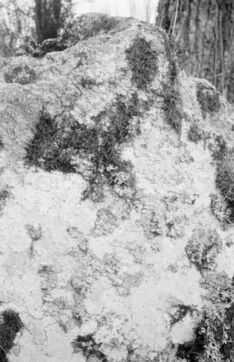
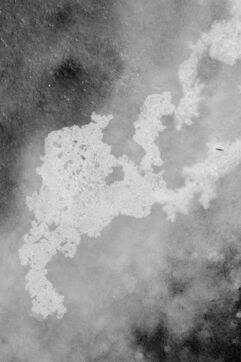
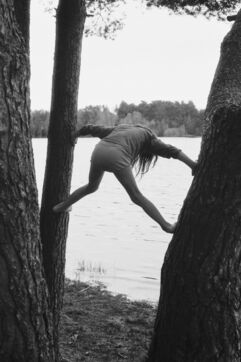
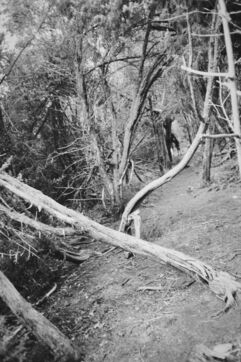
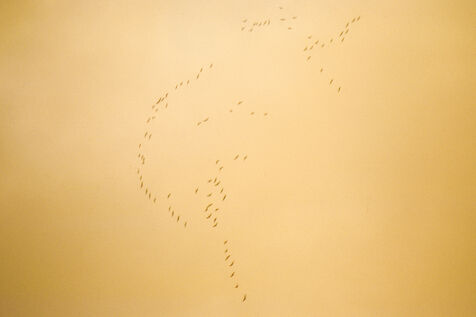
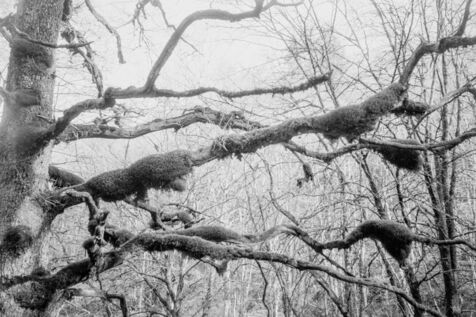
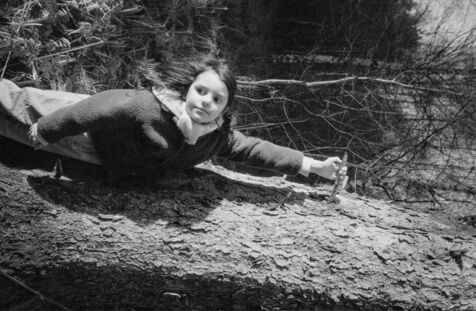
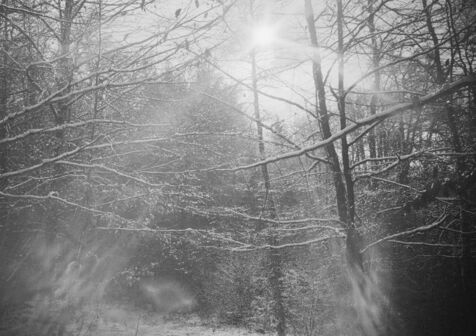
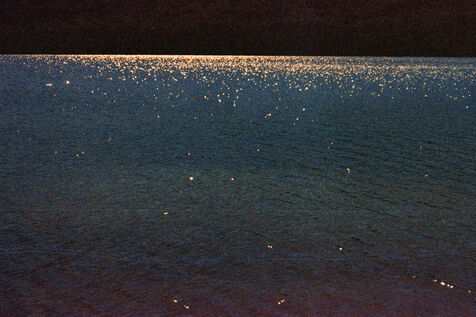
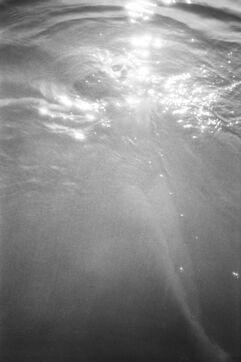
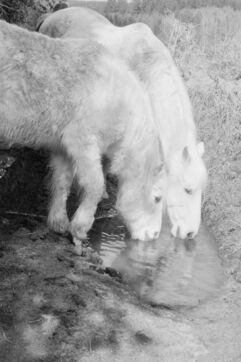
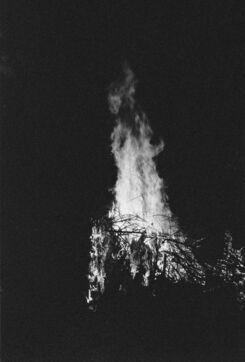
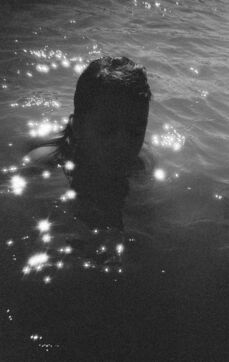
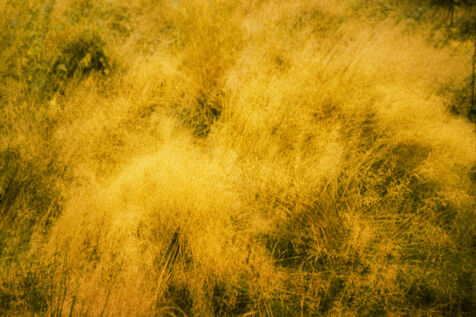
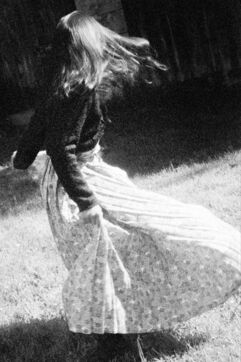
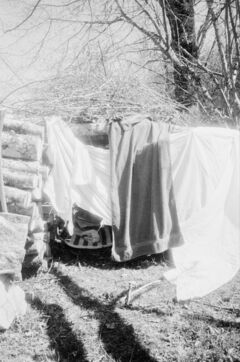
Aux mille sources la belle vie naît de mon installation en Creuse, sur le plateau de Millevaches, où la relation au paysage est immédiate, physique et quotidienne. Le projet, mené sur un temps long (2022 – 2025), se fonde sur une pratique de l’attention aux transformations lentes des lieux, aux gestes et aux matières. Je photographie mon environnement immédiat : sols, végétation, eau, passages, corps en contact avec la terre et la lumière. Le paysage n’est pas décor mais partenaire, avec lequel se compose une manière d’habiter le monde.
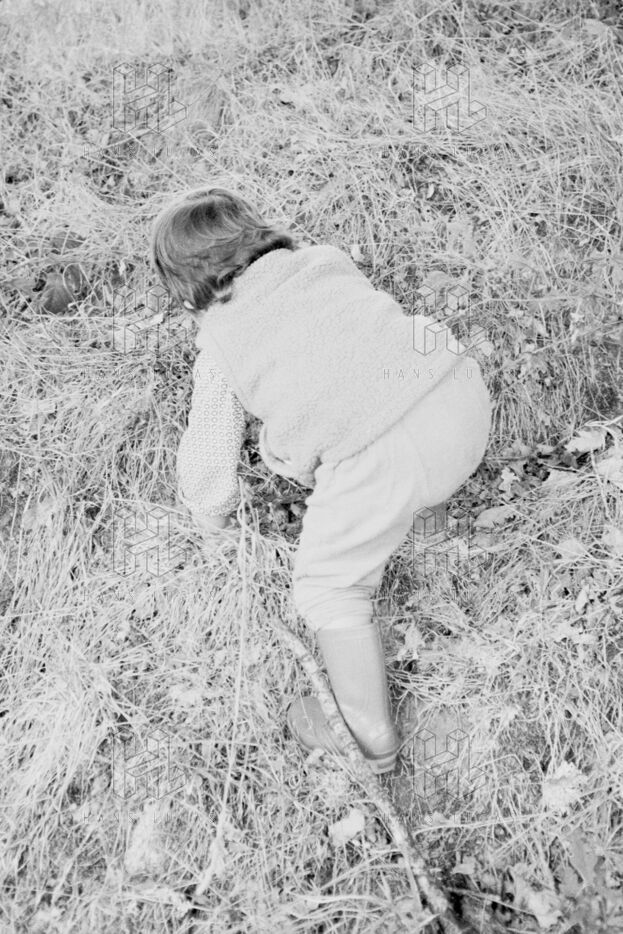
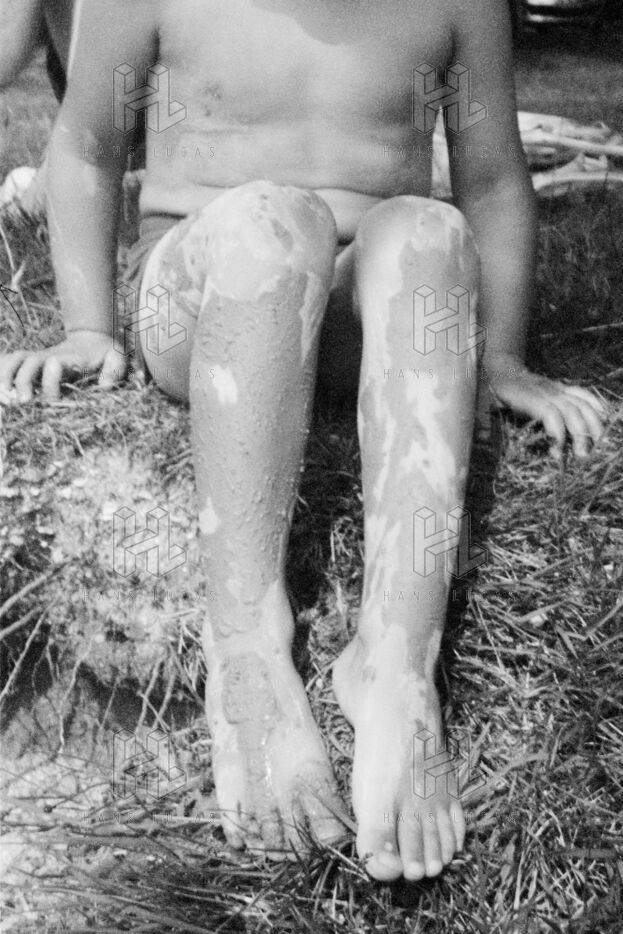
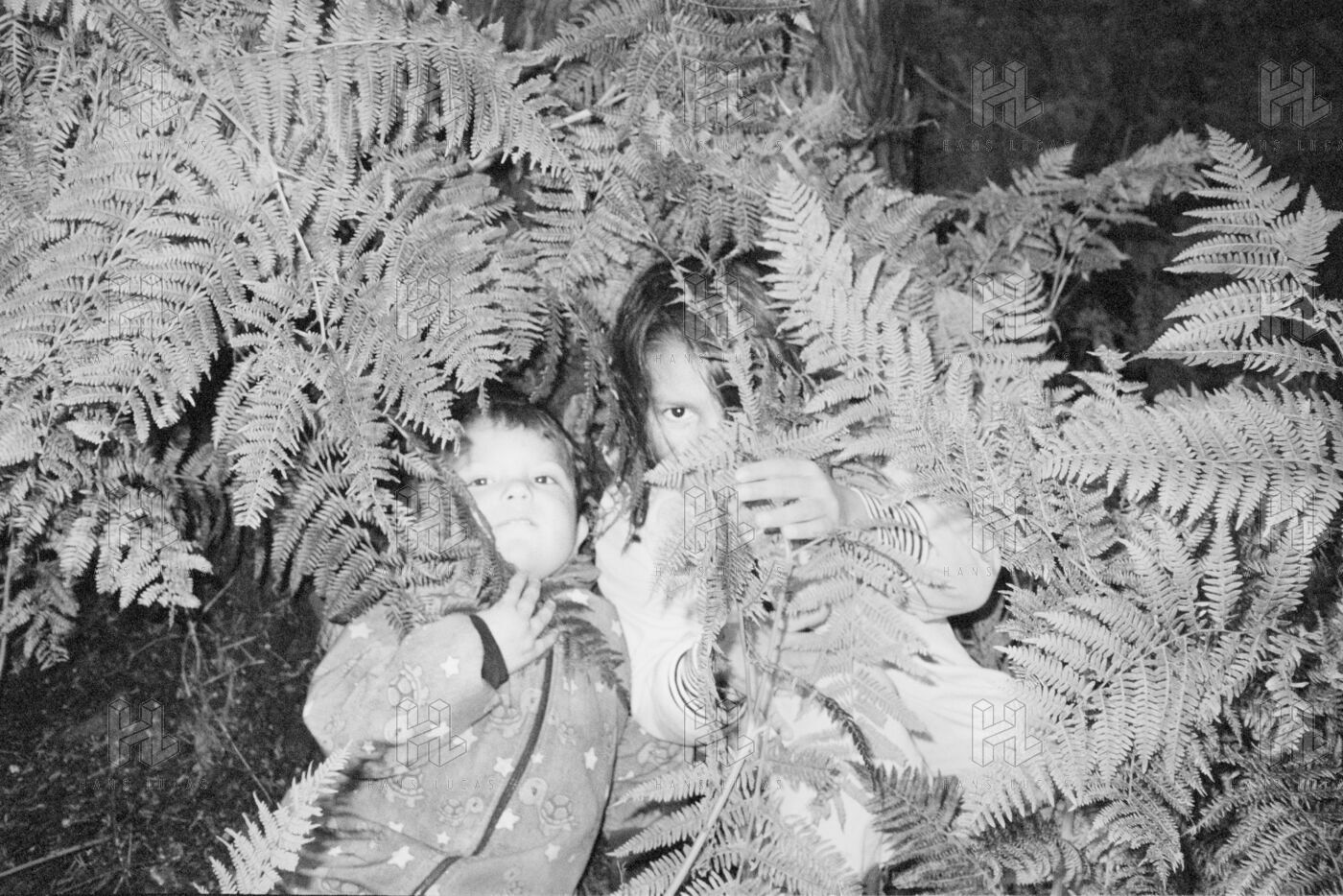
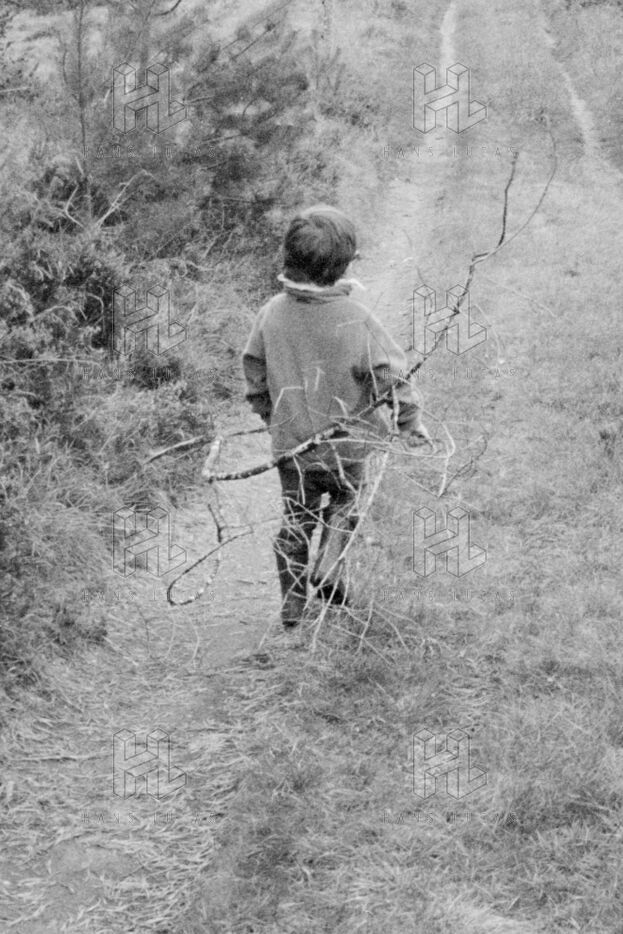
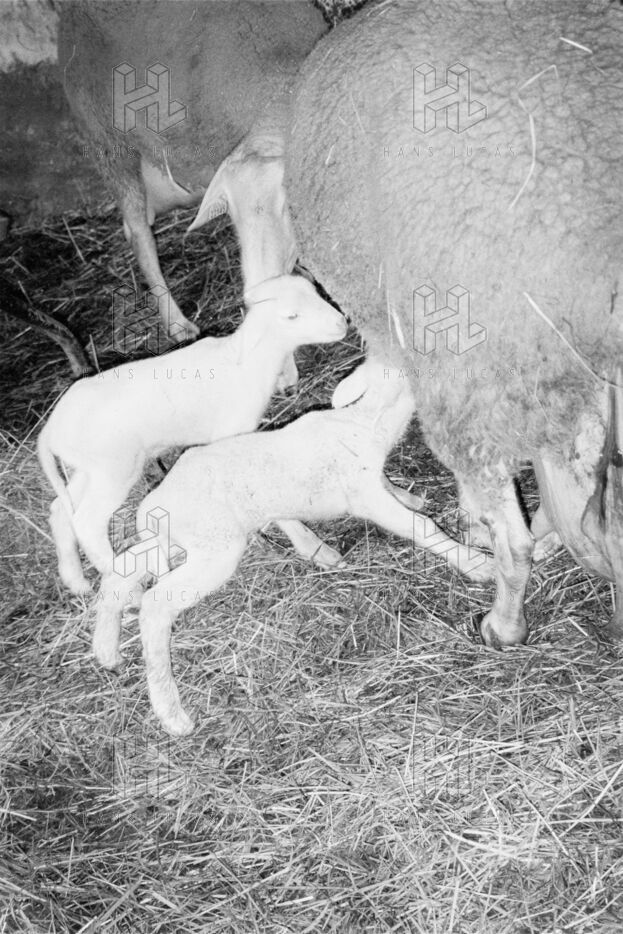
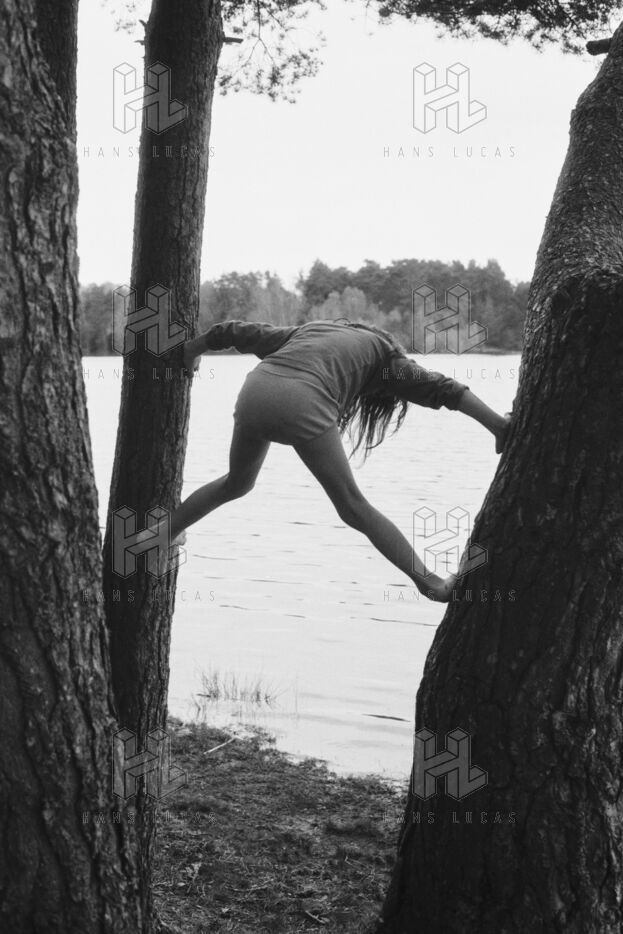
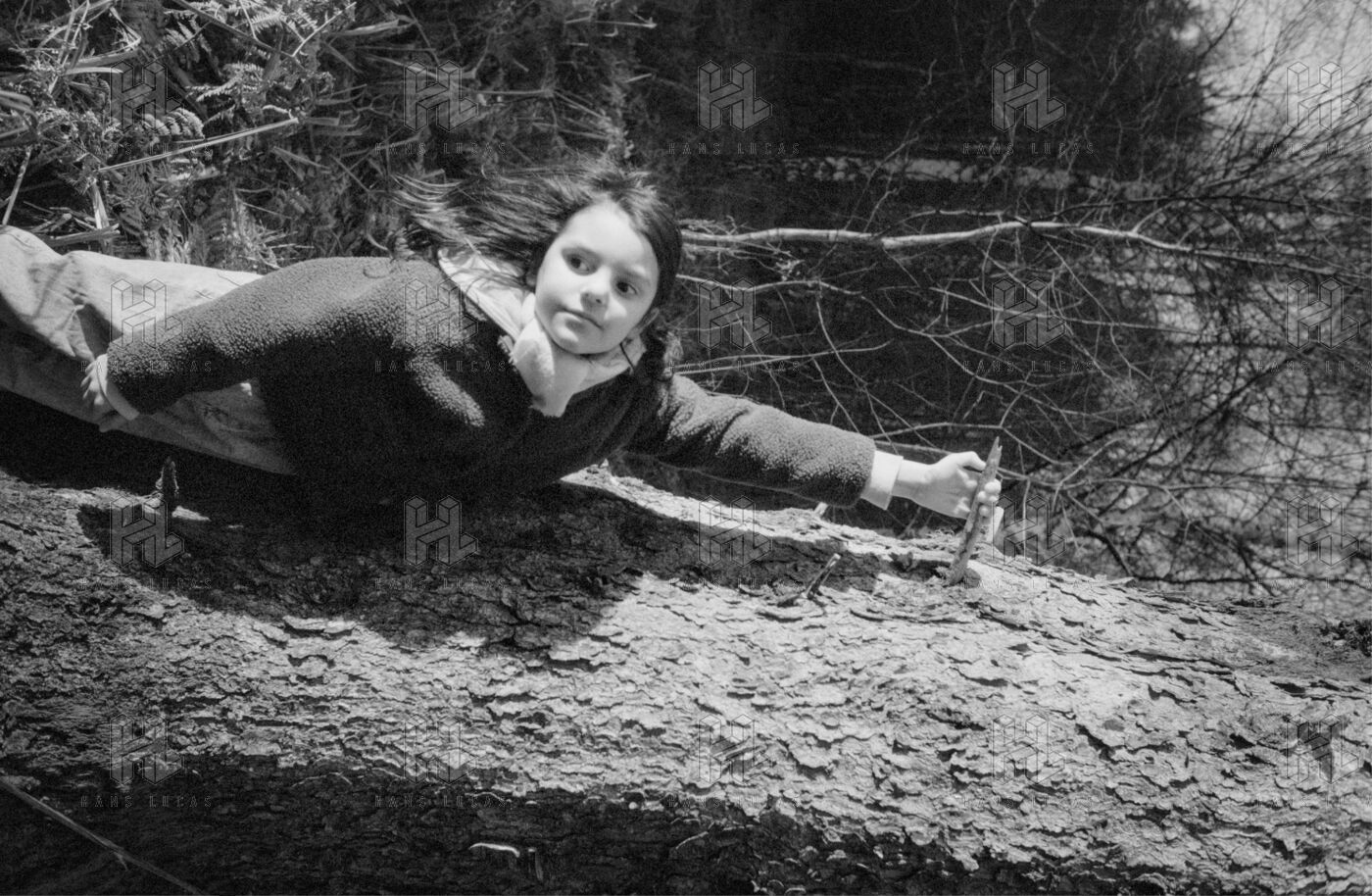
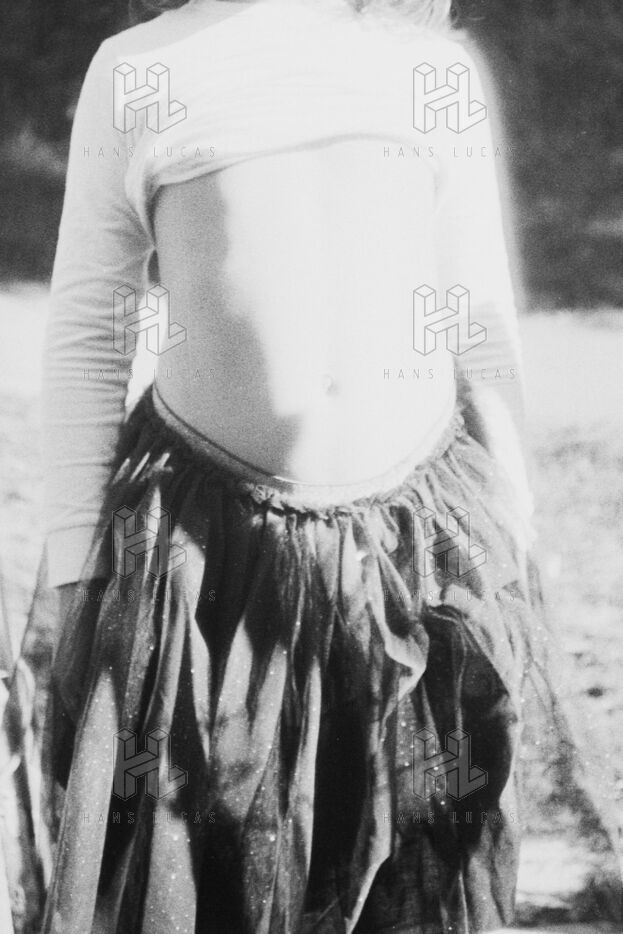
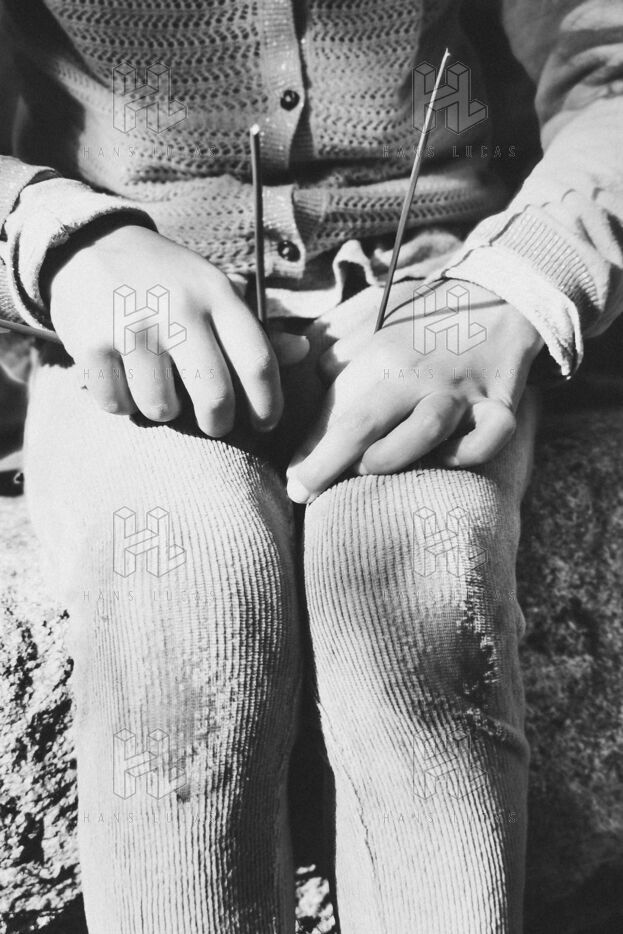
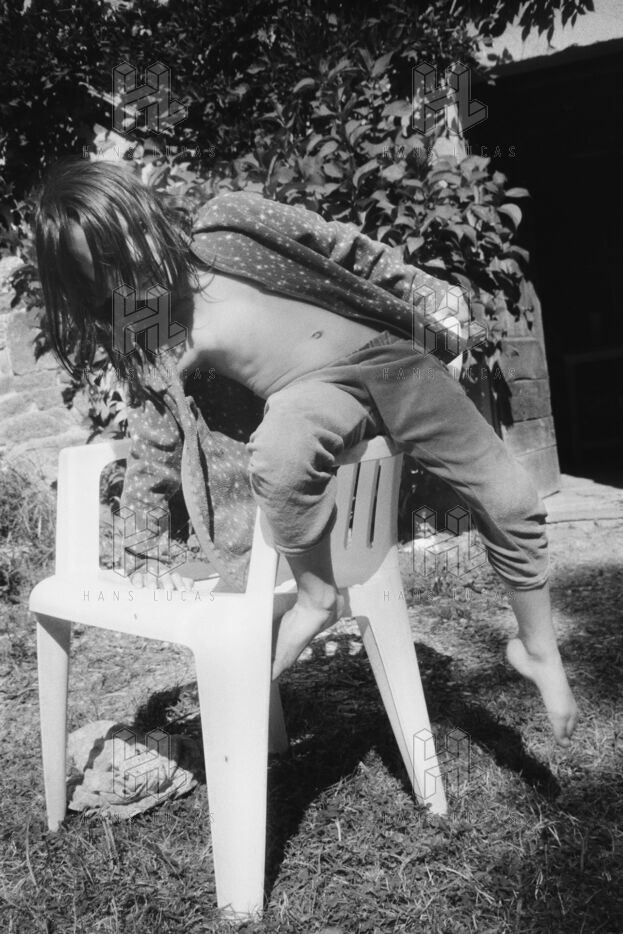
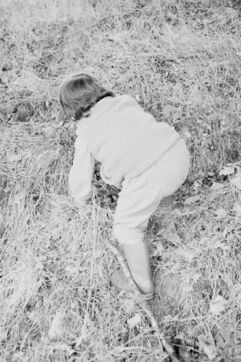
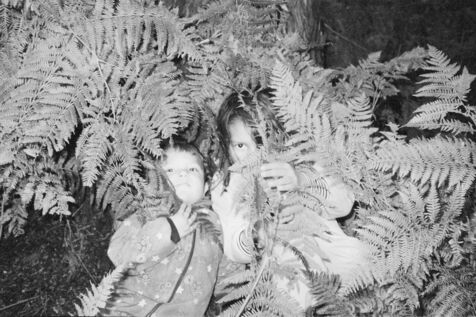
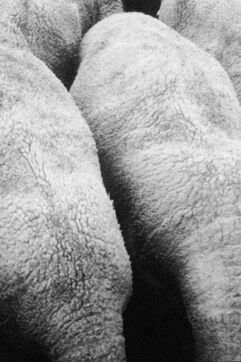
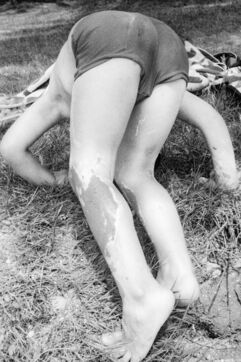
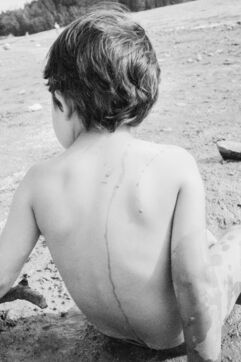
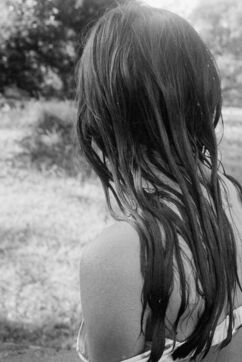
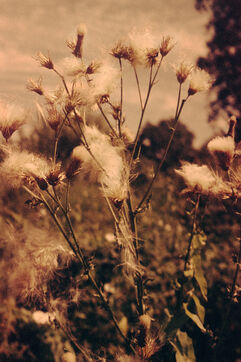
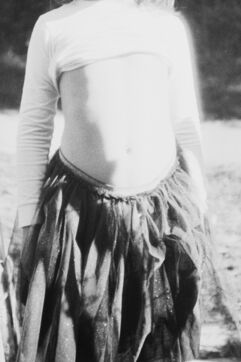
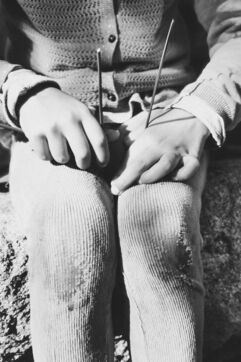
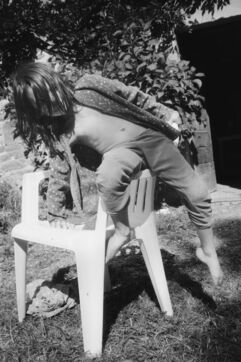
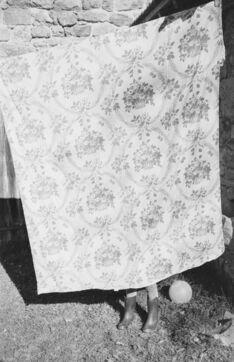
Corps et végétaux apparaissent dans leur dimension sculpturale, jouant avec le cadre et parfois l’envahissant. Humains et plus qu’humains cohabitent dans un rapport de familiarité et de connivence. L’enfance est abordée non comme âge ou récit intime, mais comme posture perceptive : espace de disponibilité et d’intuition où réel et imaginaire, corps et paysage se déplacent. À hauteur de sol, attentive aux matières, aux gestes et aux seuils, l’enfant engage une relation directe au monde, fondée sur l’exploration et l’imaginaire, et devient figure de transformation reliant l’intime au collectif.
Dans un contexte où le vivant est souvent pensé sous l’angle de l’urgence ou de la catastrophe, ce travail propose une attention renouvelée : expérimenter un vivre-ensemble avec le paysage et ses formes de vie, où poésie, éthique et expérience sensible se conjuguent. L’enfance, la nature et les êtres deviennent ainsi partenaires d’un récit commun.
To a thousand sources, the good life
Aux Mille Sources La Belle Vie was born from my move to Creuse, on the Plateau de Millevaches, where the relationship to the landscape is immediate, physical, and daily. Developed over a long time span (2022–2025), the project is grounded in an attentive practice focused on slow transformations of place, on gestures, and on materials. I photograph my immediate surroundings: soils, vegetation, water, passages, bodies in contact with earth and light. The landscape is not a backdrop but a partner, shaping a way of inhabiting the world. Bodies and plants appear in their sculptural dimension, playing with the frame and sometimes overflowing it.
Humans and more-than-humans coexist through familiarity and complicity. Childhood is approached not as an age or an intimate narrative, but as a perceptual stance: a space of availability and intuition where reality and imagination, body and landscape, shift. Close to the ground, attentive to textures, gestures, and thresholds, the child engages in a direct relationship with the world, rooted in exploration and imagination, becoming a figure of transformation that links the intimate to the collective.
In a context where the living is often framed through urgency or catastrophe, this work proposes a renewed attention: to experiment with living-together with the landscape and its life forms, where poetry, ethics, and sensory experience converge. Childhood, nature, and beings thus become partners in a shared narrative.