Pour accéder à la série en entier, vous devez vous logger ou demander un compte Hans Lucas en cliquant ici.
AUSTRALIE - Sous les arbres, l’empreinte du royaume et des roussettes
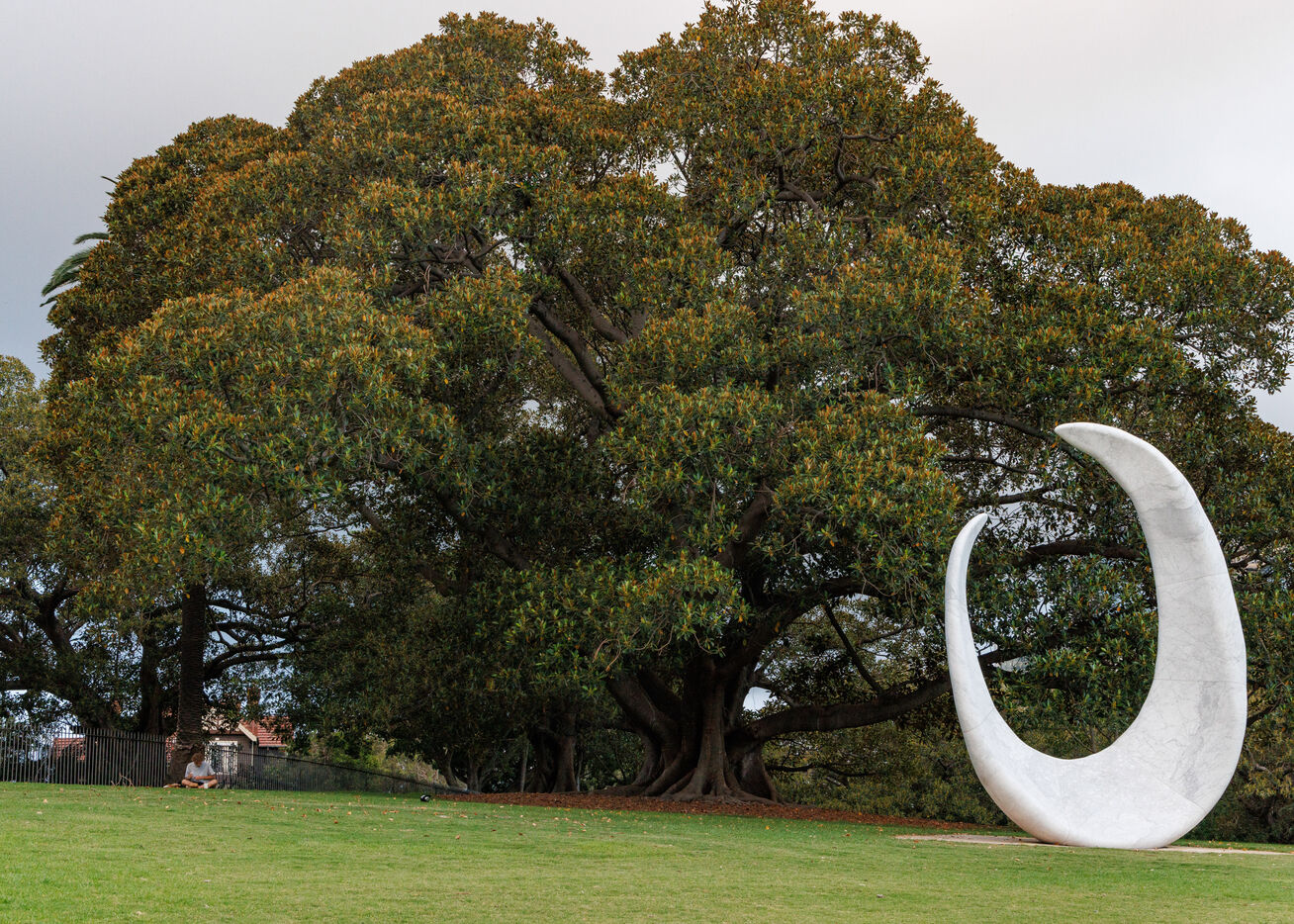
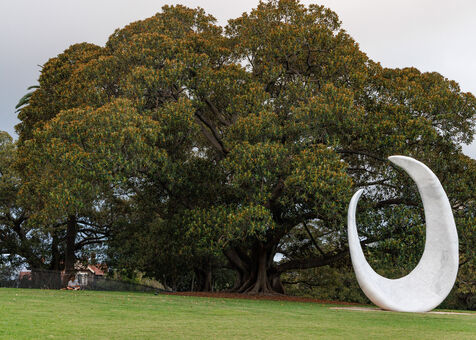
En lisière du centre de Sydney, les Royal Botanic Garden Sydney déploient leurs pelouses et leurs collections végétales face à la baie, à quelques pas de Circular Quay. Fondé en 1816, à l’époque où l’Australie est encore sous administration britannique, le jardin porte le qualificatif de “Royal”, marque de son rattachement historique à la Couronne.
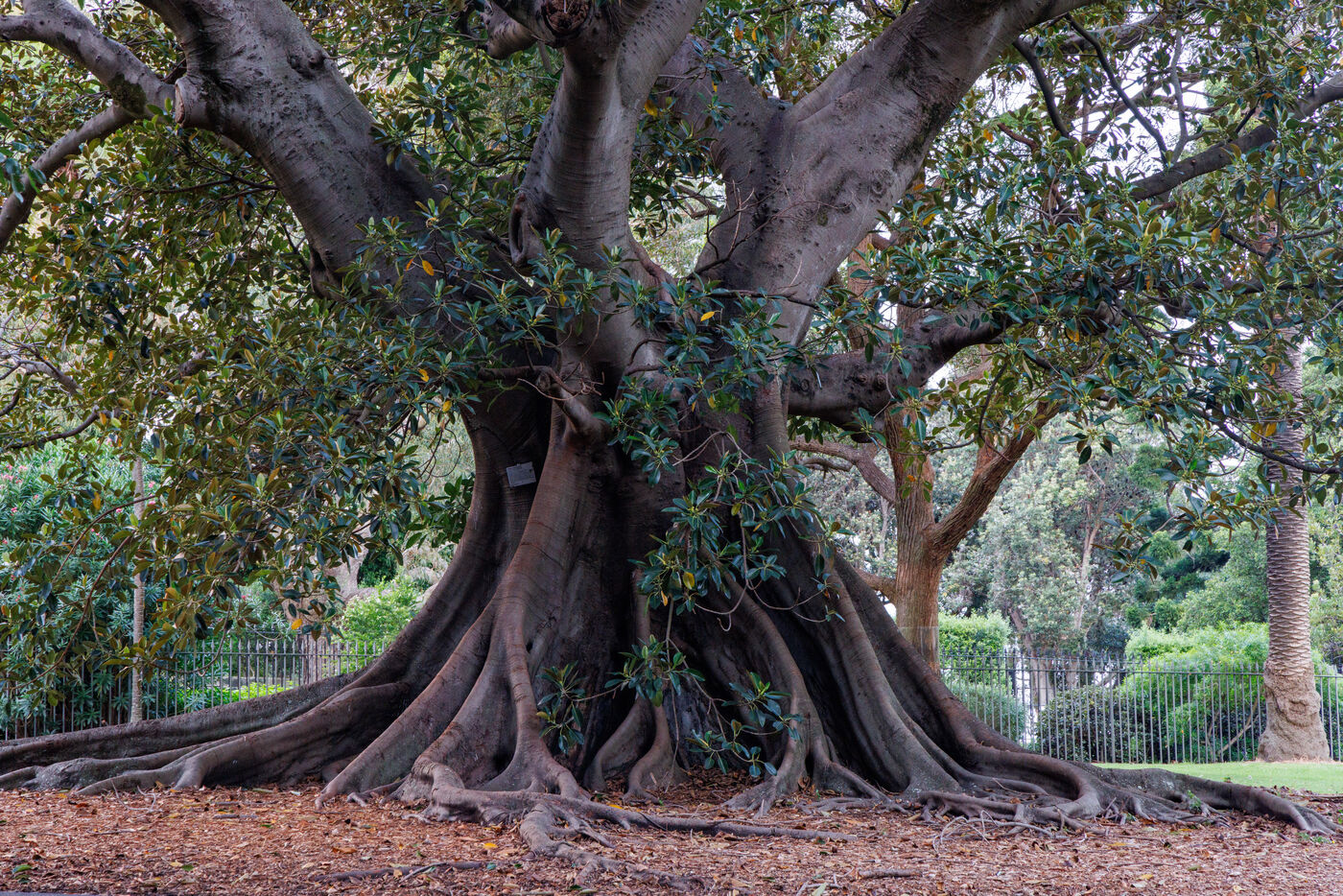
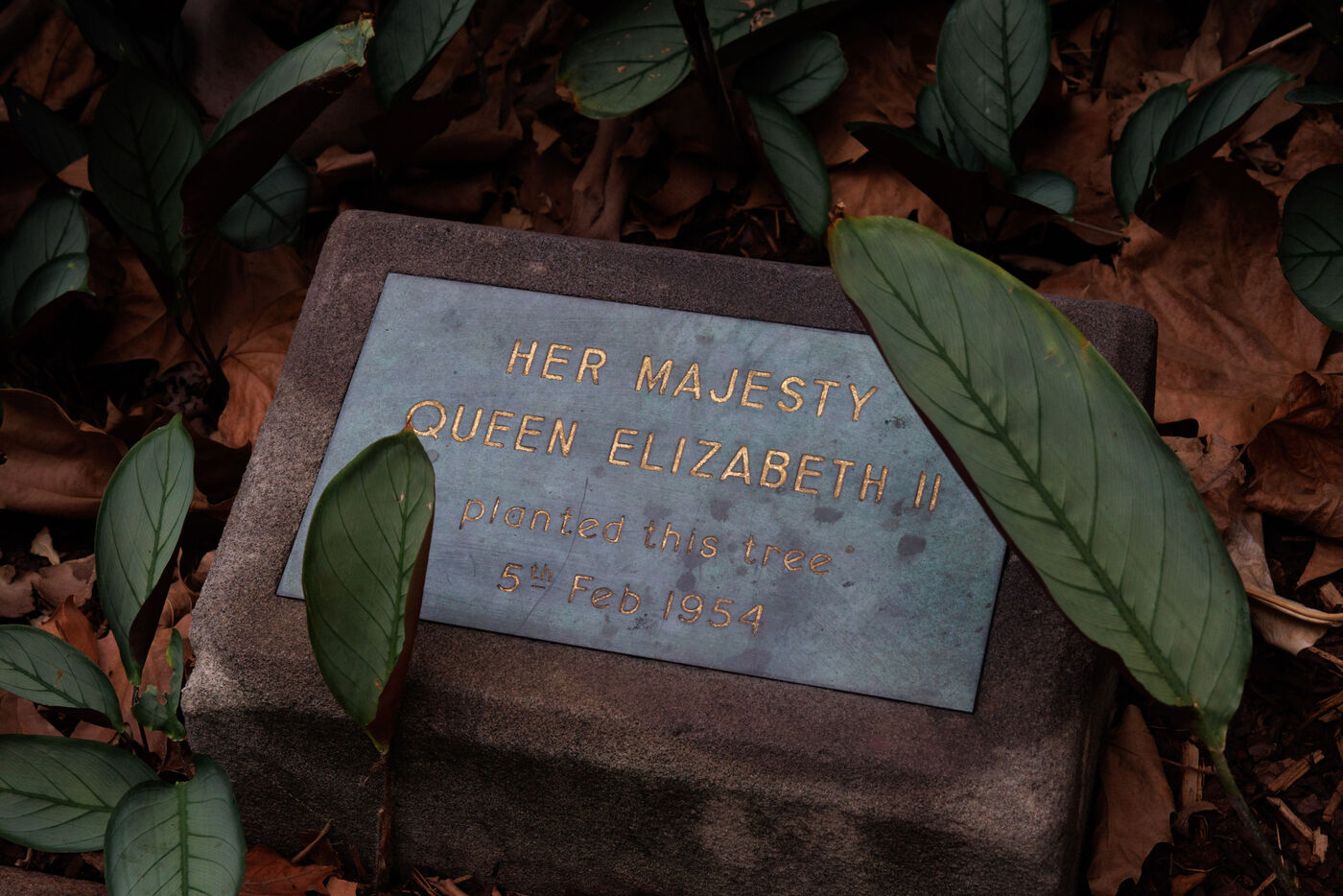
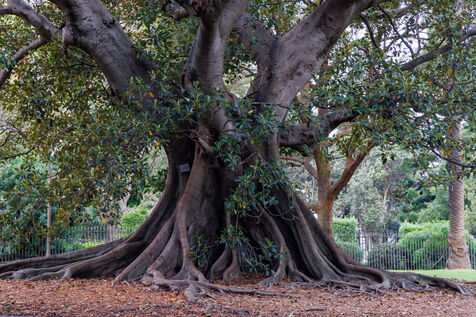
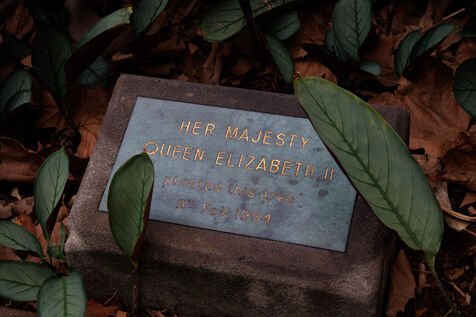
Cette empreinte se lit encore dans le paysage, notamment à travers certaines plaques commémoratives, comme celle dédiée à Elizabeth II, apposée au pied d’un arbre planté lors d’une visite officielle. Témoins discrets, ces inscriptions rappellent le lien durable entre l’Australie et la monarchie britannique, inscrit jusque dans les espaces naturels.
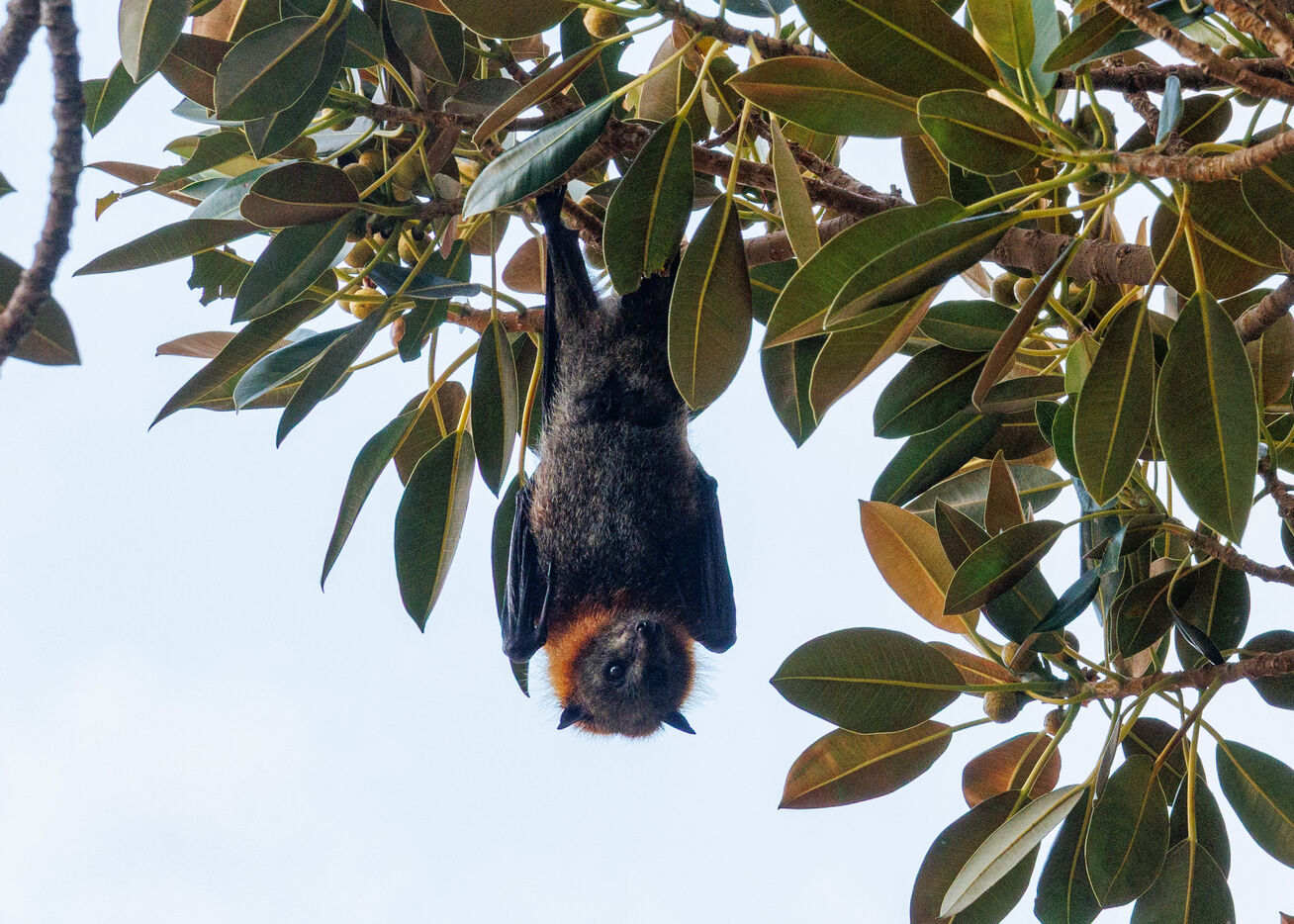
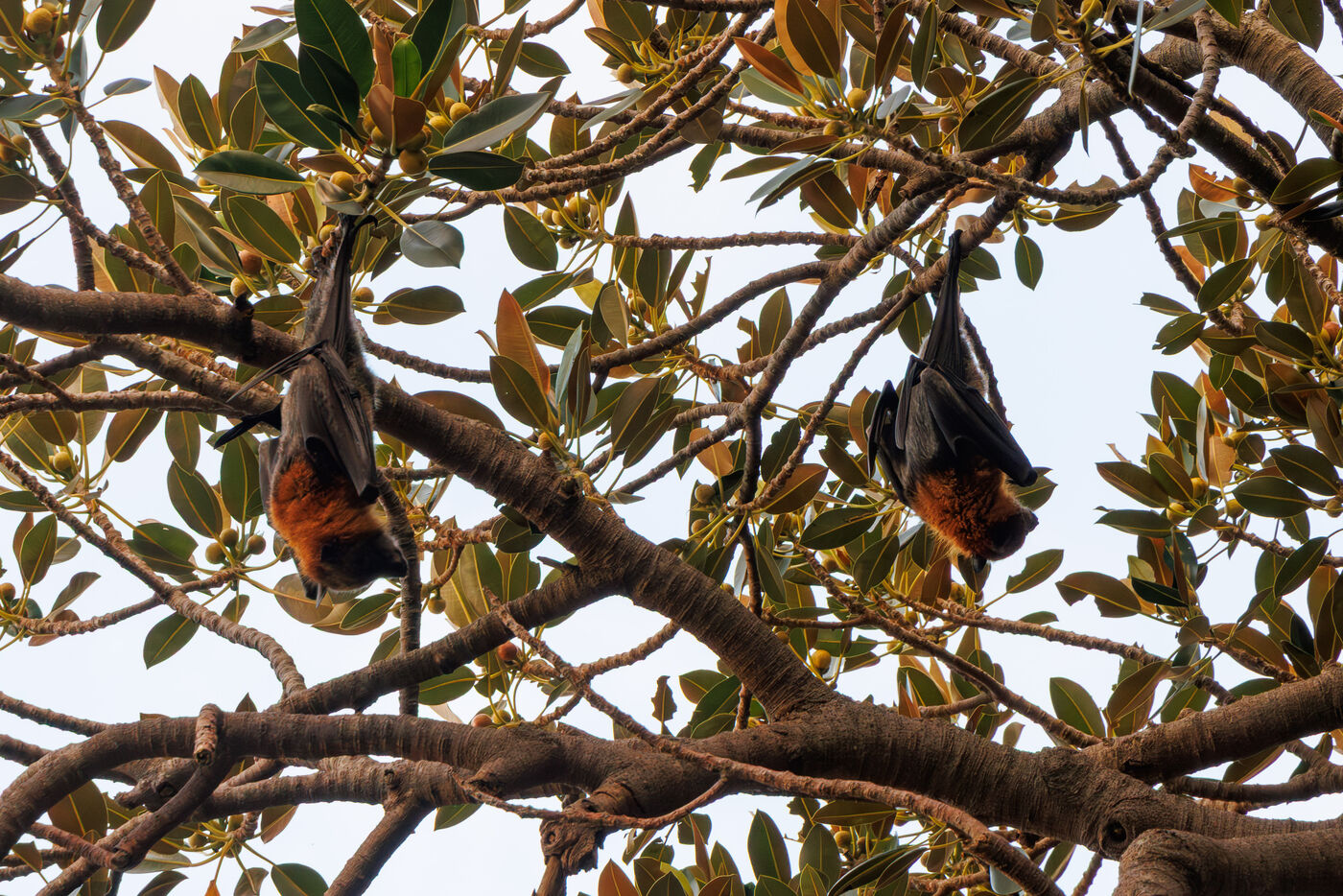
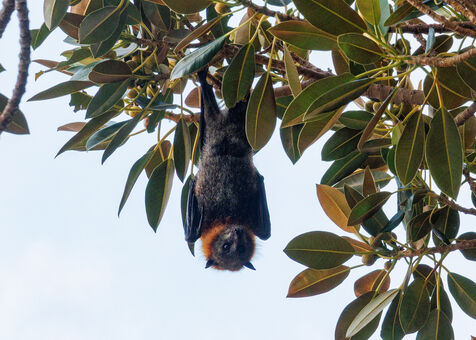
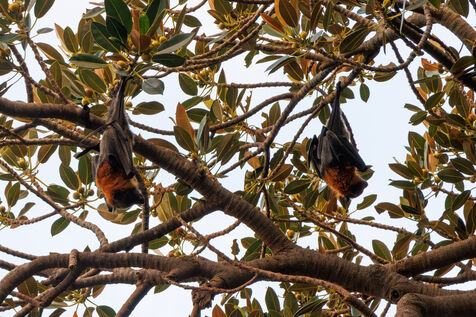
Mais au-delà de ses perspectives sur l’Sydney Opera House et le Sydney Harbour Bridge, le site abrite une présence animale spectaculaire : des colonies de roussettes, ces grandes chauves-souris frugivores, visibles en nombre dans les arbres du parc. Suspendues en grappes dans la canopée, parfois par centaines, elles constituent une singularité marquante du lieu.
À la fois espace de détente, site scientifique et paysage chargé d’histoire, le jardin illustre la cohabitation entre héritage colonial, biodiversité et usages contemporains. Entre patrimoine botanique et faune inattendue, il offre une lecture vivante et contrastée du rapport qu’entretient Sydney avec son environnement.
AUSTRALIA - Under the trees, the imprint of the kingdom and the bats
On the edge of central Sydney, the Royal Botanic Garden Sydney deploys their lawns and plant collections facing the bay, a few steps from Circular Quay. Founded in 1816, at the time when Australia was still under British administration, the garden bears the label "Royal", a mark of its historical attachment to the Crown.
This imprint can still be read in the landscape, especially through some commemorative plaques, such as the one dedicated to Elizabeth II, affixed at the foot of a tree planted during an official visit. Discreet witnesses, these inscriptions recall the lasting link between Australia and the British monarchy, inscribed even in natural spaces.
But beyond its prospects on the Sydney Opera House and the Sydney Harbour Bridge, the site is home to a spectacular animal presence: colonies of bats, these large frugivorous bats, visible in large numbers in the trees of the park. Suspended in clusters in the canopy, sometimes by the hundreds, they constitute a striking singularity of the place.
At the same time a space of relaxation, scientific site and landscape full of history, the garden illustrates the coexistence between colonial heritage, biodiversity and contemporary uses. Between botanical heritage and unexpected wildlife, it offers a lively and contrasting reading of Sydney's relationship with its environment.