Pour accéder à la série en entier, vous devez vous logger ou demander un compte Hans Lucas en cliquant ici.
Vanuatu - Prendre l’avion à côté du pilote
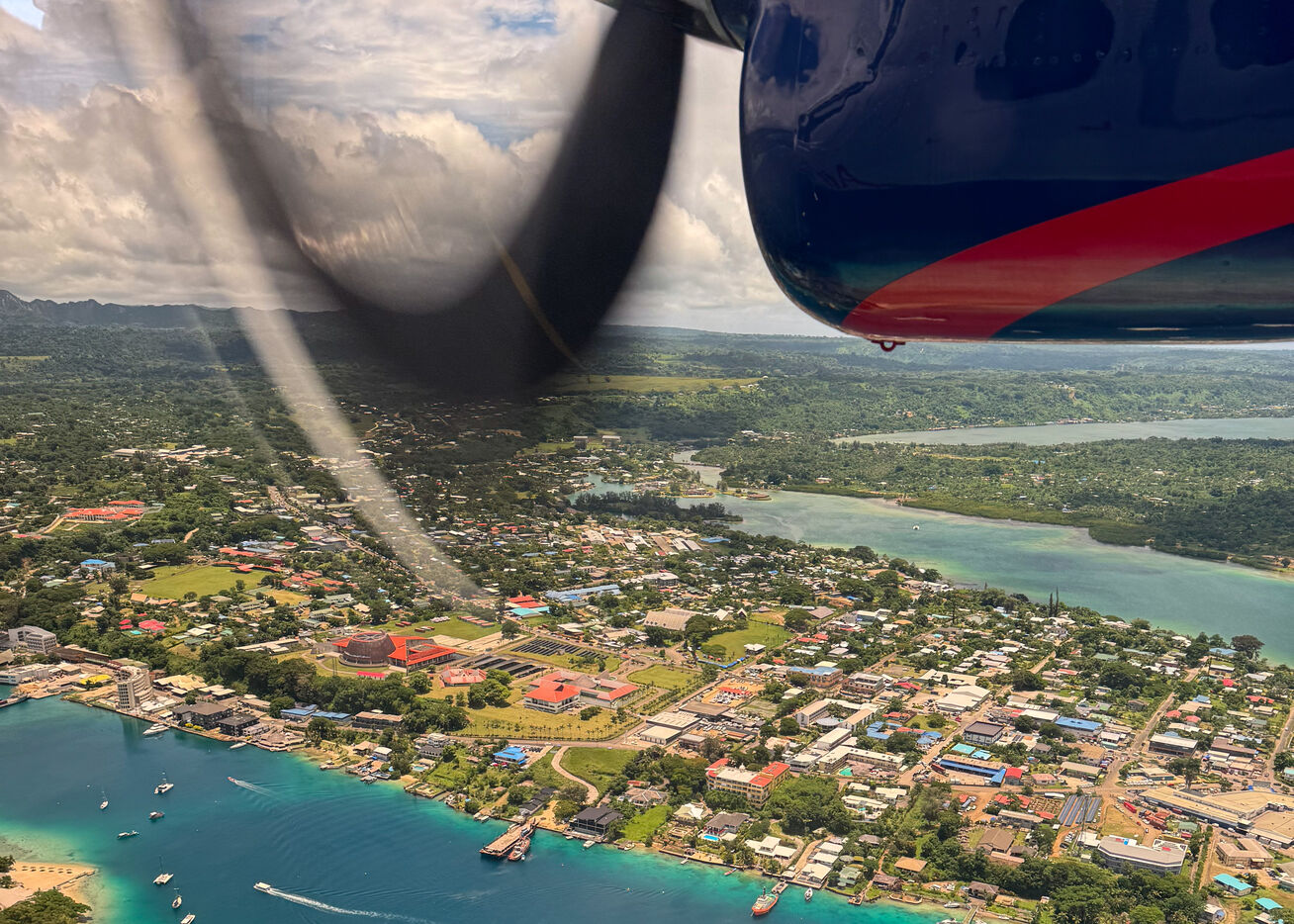
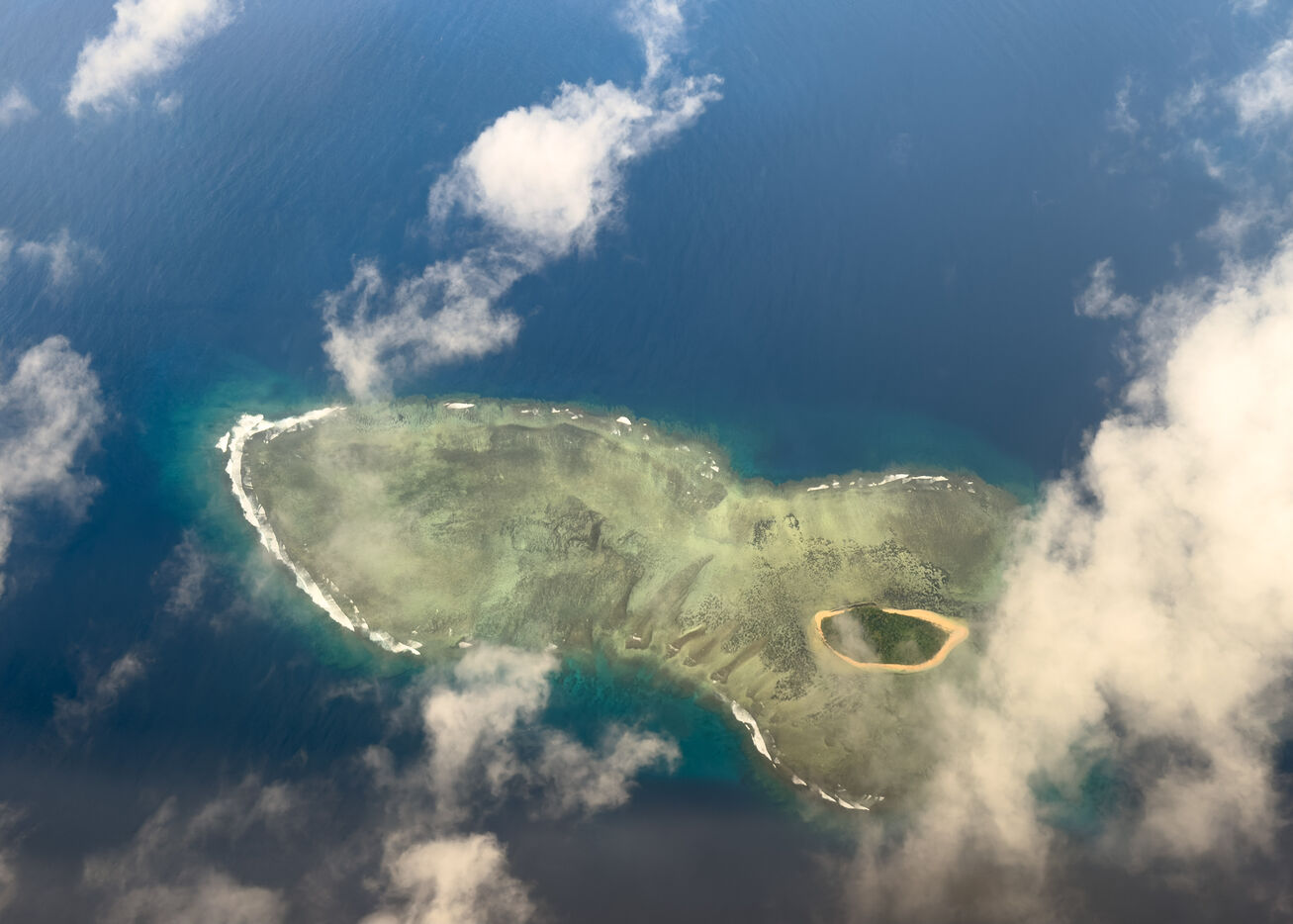
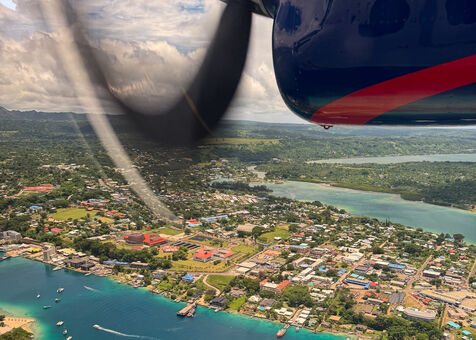
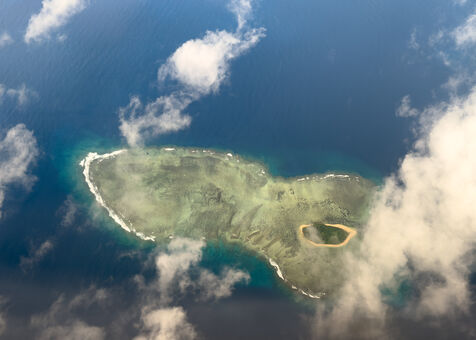
Avec un archipel composé d’environ 83 îles dans l’océan Pacifique Sud qui s’étendent sur environ 1 300 km du nord au sud, le Vanuatu possède plus de 30 pistes d’atterrissage. Beaucoup des aéroports sont petits, simples et adaptés aux avions légers comme l’aéroport de Whitegrass sur l’île de Tanna où se trouve le volcan Yasur. Seuls deux aéroports peuvent recevoir des avions plus grands, l’aéroport international Bauerfield sur l’île de Efate et dans la capitale Port-Vila et sur l’île de Santo l’aéroport international Santo-Pekoa.
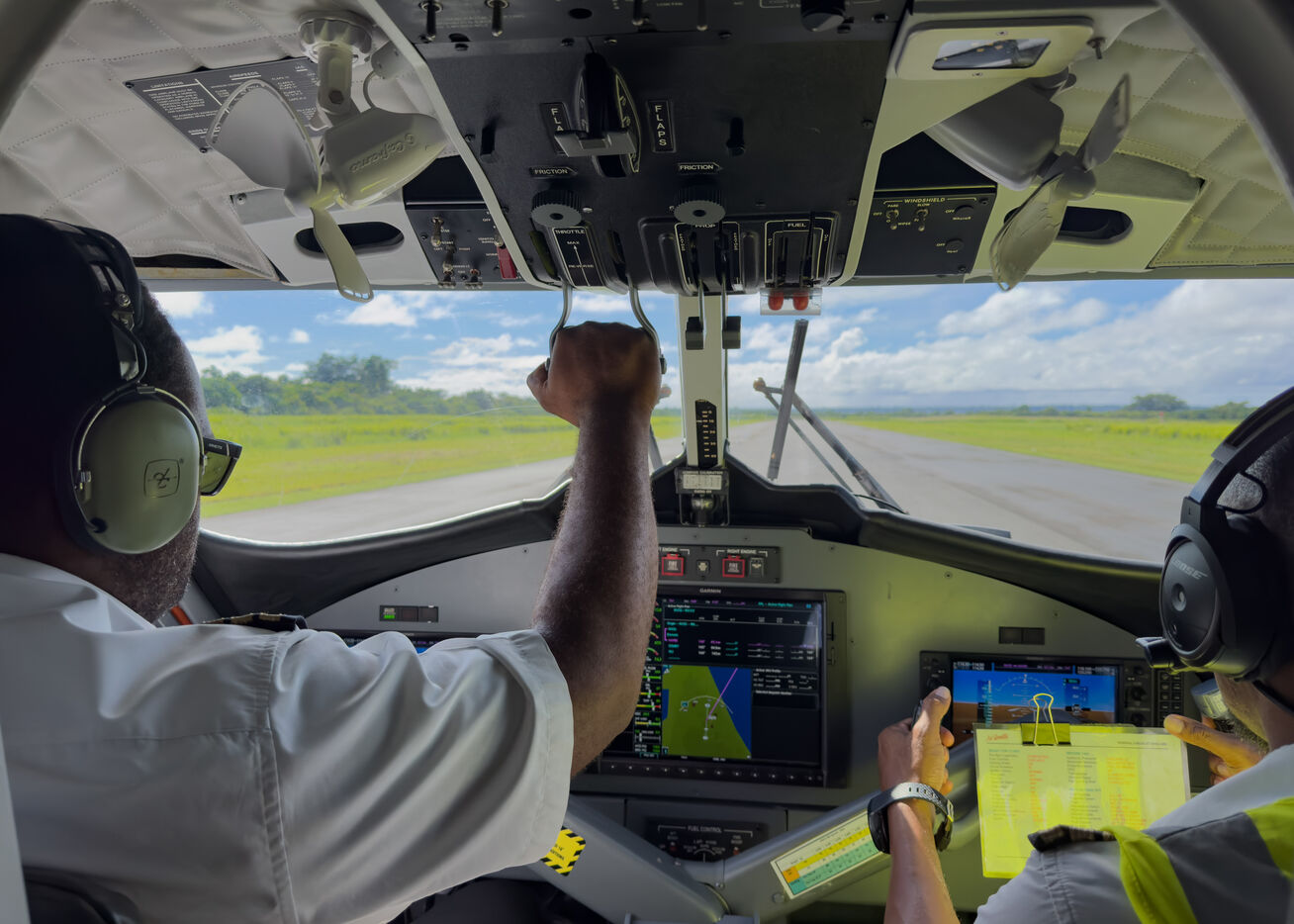
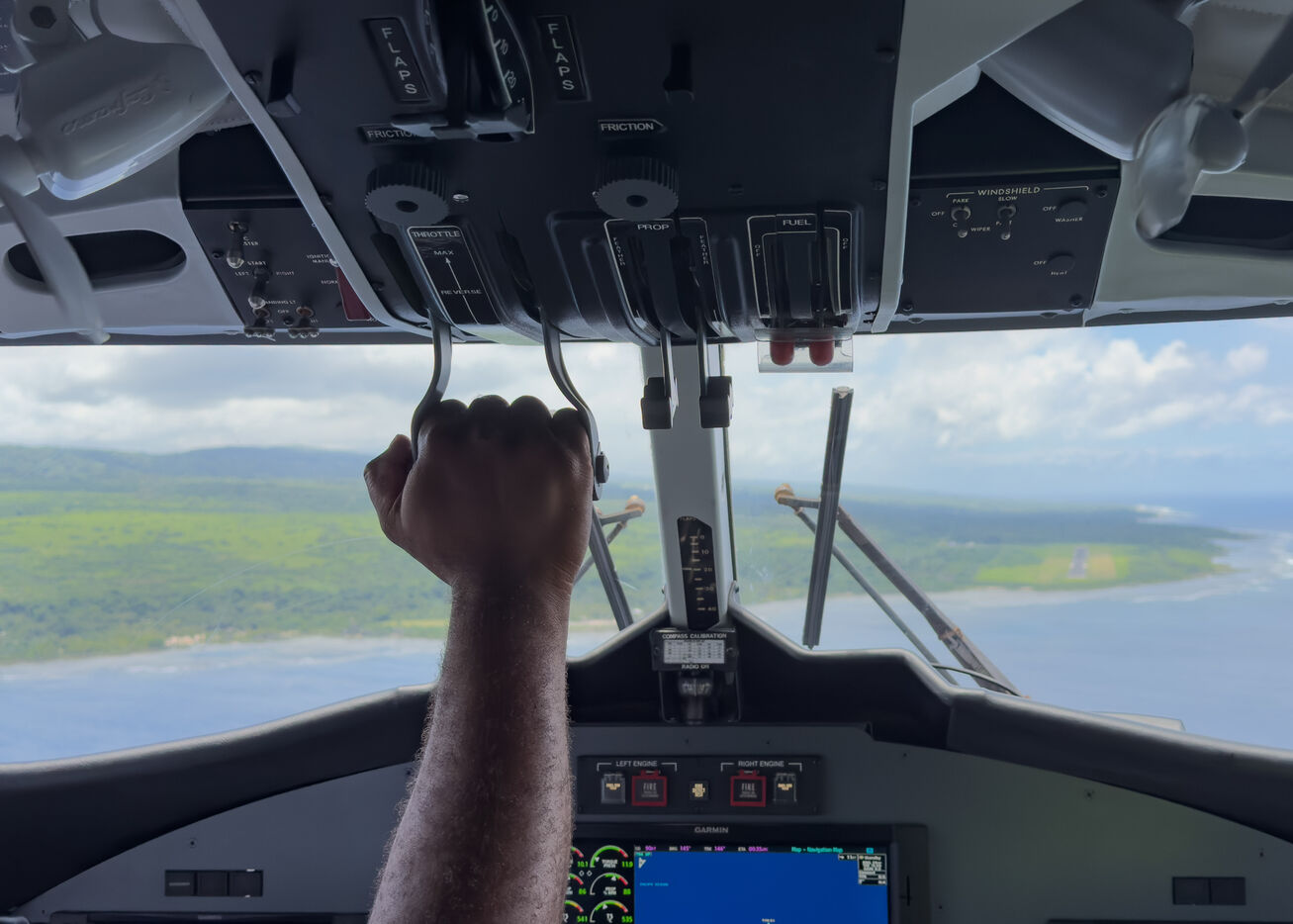
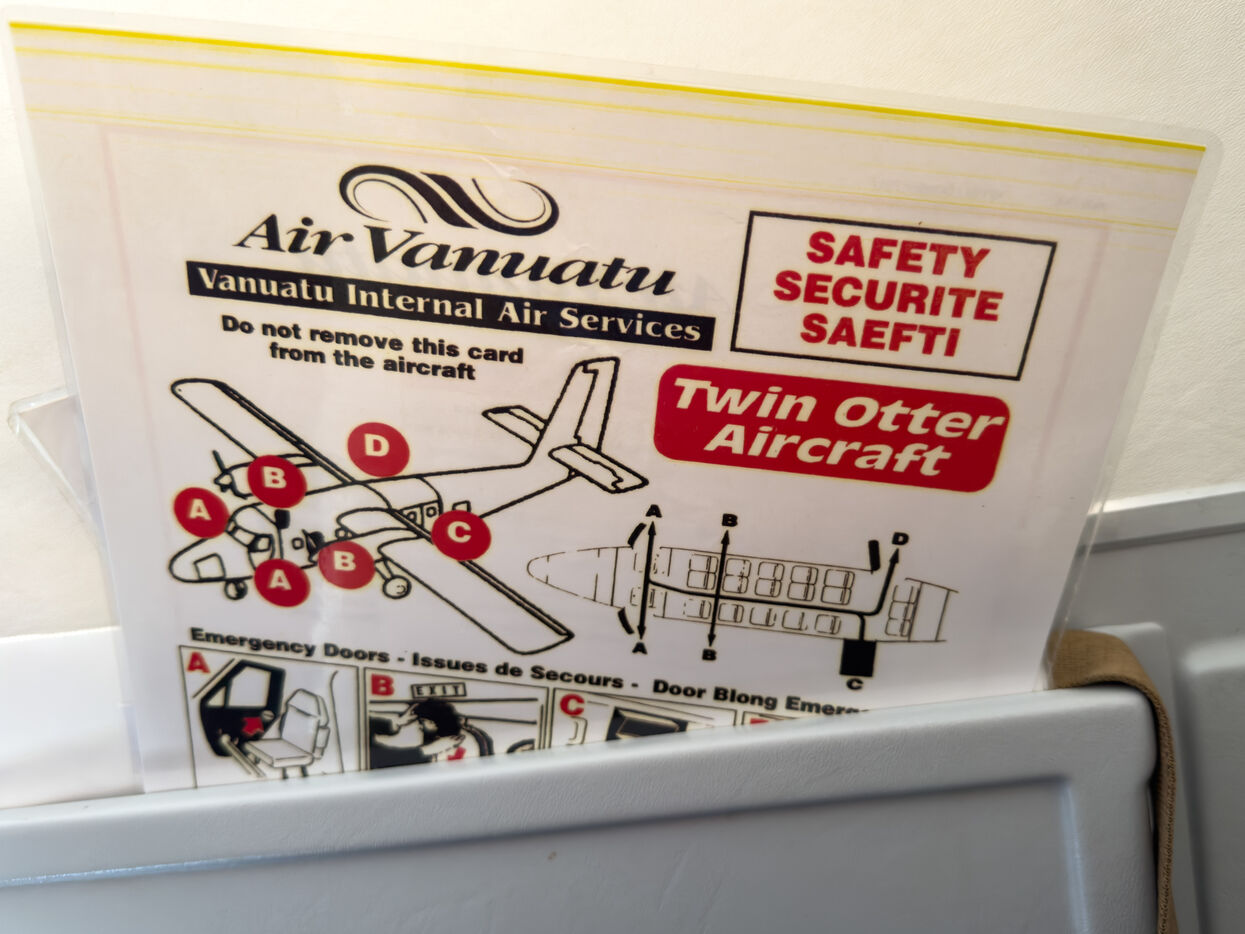
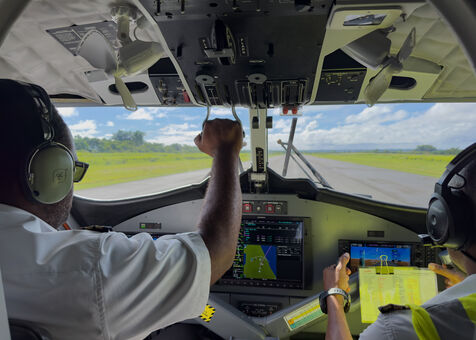
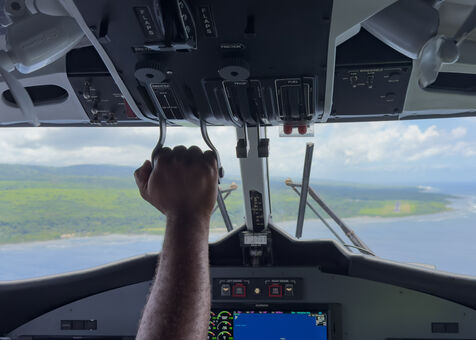
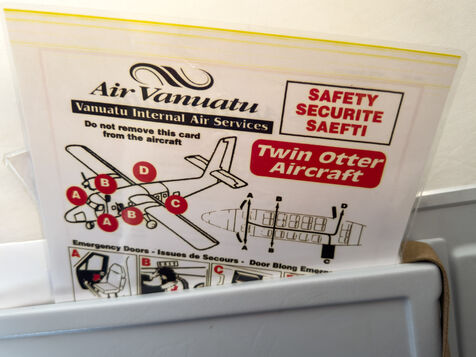
Les avions utilisés dans cette partie du Pacifique sont conçus pour atterrir sur des pistes très courtes ou en terre comme le Havilland Canada DHC-6 Twin Otter ou un ATR 72. Le Twin Otter est particulièrement célèbre car il peut décoller en moins de 400 et se poser sur piste en herbe ou gravier. Les avions utilisés pour relier les îles sont souvent petits (de 10 à 20 passagers) et très souvent, le cockpit étant ouvert, on peut voir directement le pilote pendant tout le vol utiliser les différents instruments.
Vanuatu - Flying Next to the Pilot
With an archipelago of about 83 islands in the South Pacific Ocean stretching approximately 1,300 km from north to south, Vanuatu has more than 30 airstrips. Many of the airports are small, simple, and suited for light aircraft, such as Whitegrass Airport on the island of Tanna, home to the Yasur volcano. Only two airports can accommodate larger aircraft: Bauerfield International Airport on the island of Efate in the capital, Port Vila, and Santo-Pekoa International Airport on the island of Santo.
The aircraft used in this part of the Pacific are designed to land on very short or unpaved runways, such as the de Havilland Canada DHC-6 Twin Otter or an ATR 72. The Twin Otter is particularly famous because it can take off in less than 400 meters and land on grass or gravel runways. The aircraft used to connect the islands are often small (10 to 20 passengers), and very often, since the cockpit is open, you can see the pilot using the various instruments throughout the flight.