Pour accéder à la série en entier, vous devez vous logger ou demander un compte Hans Lucas en cliquant ici.
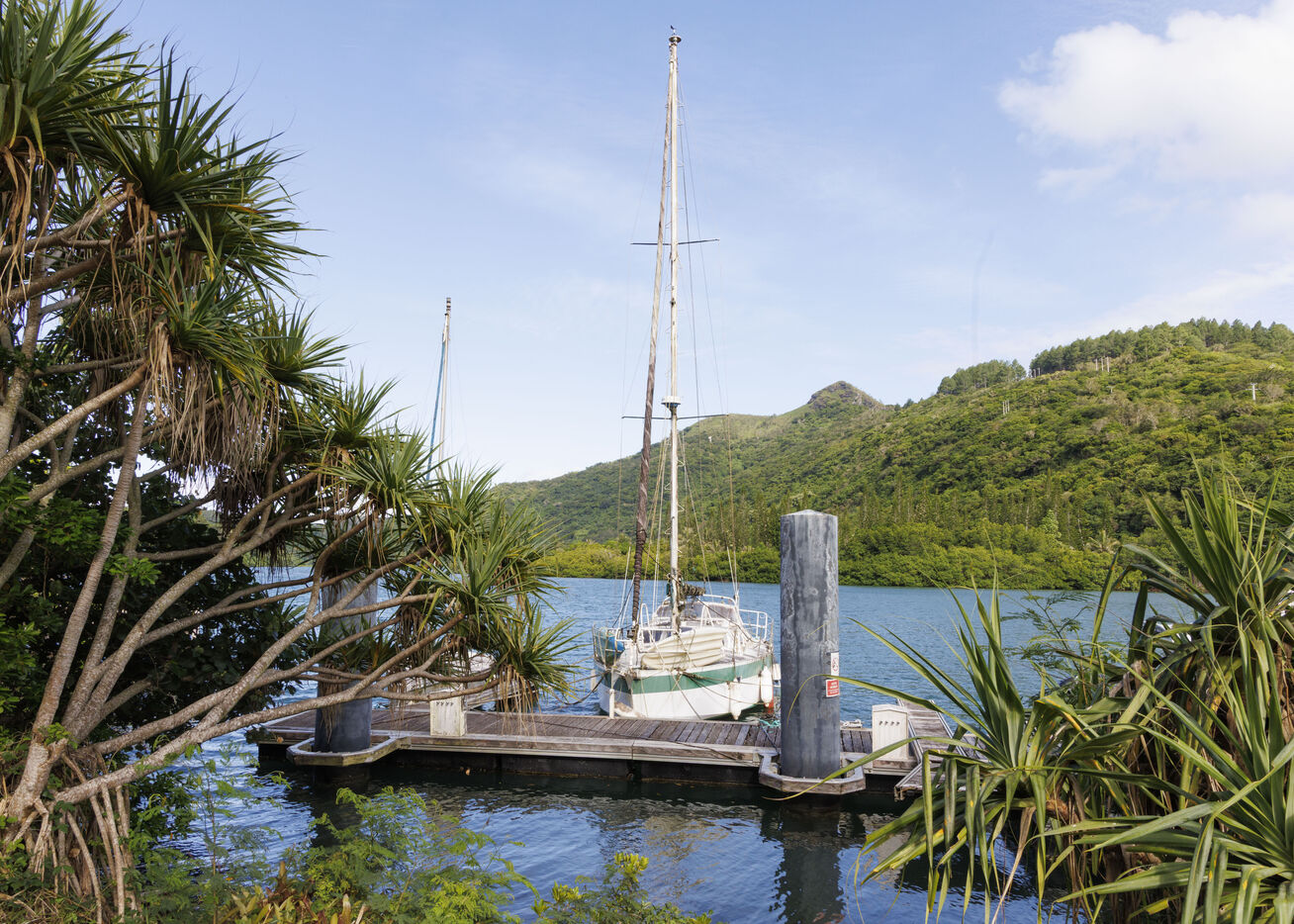
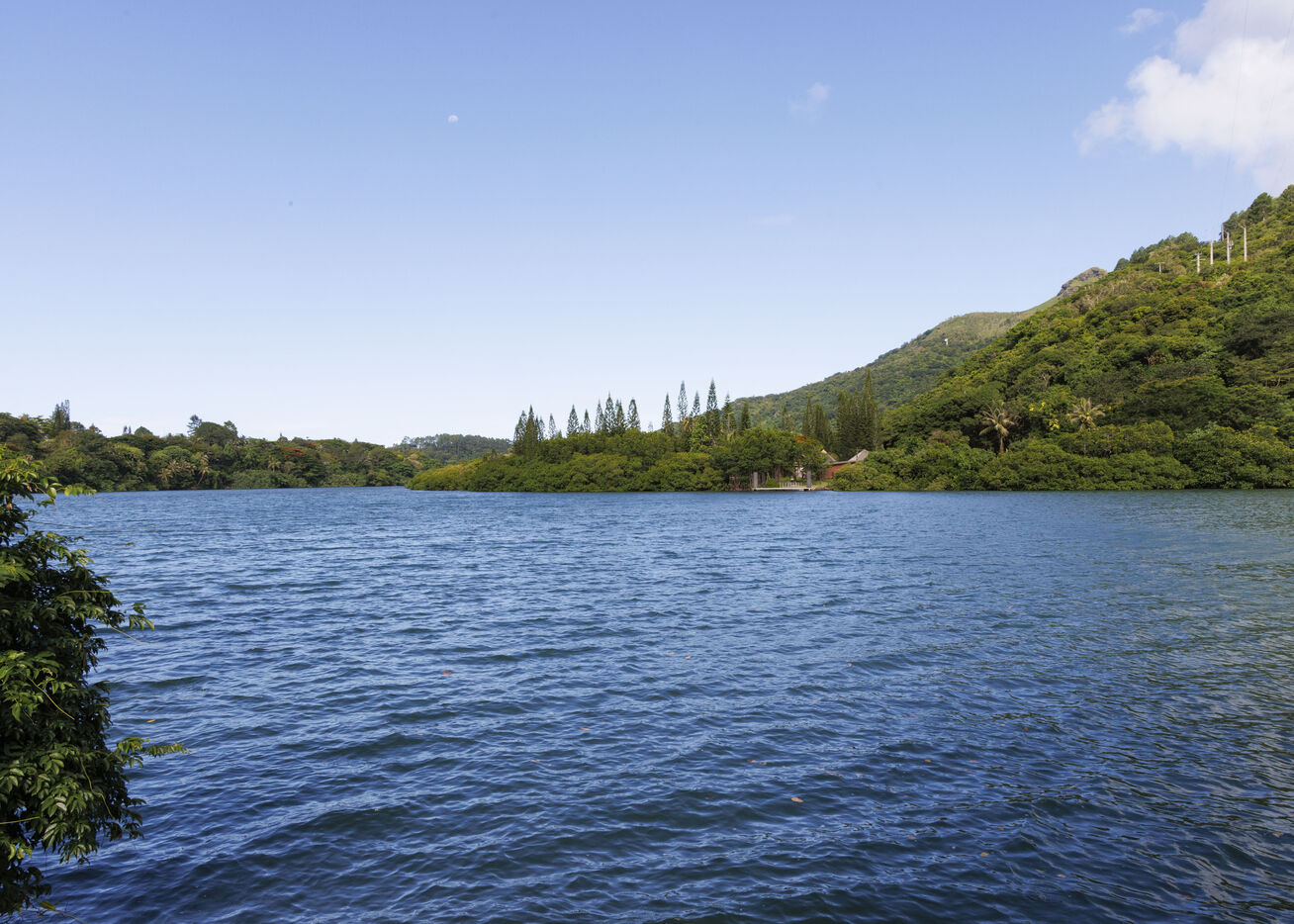
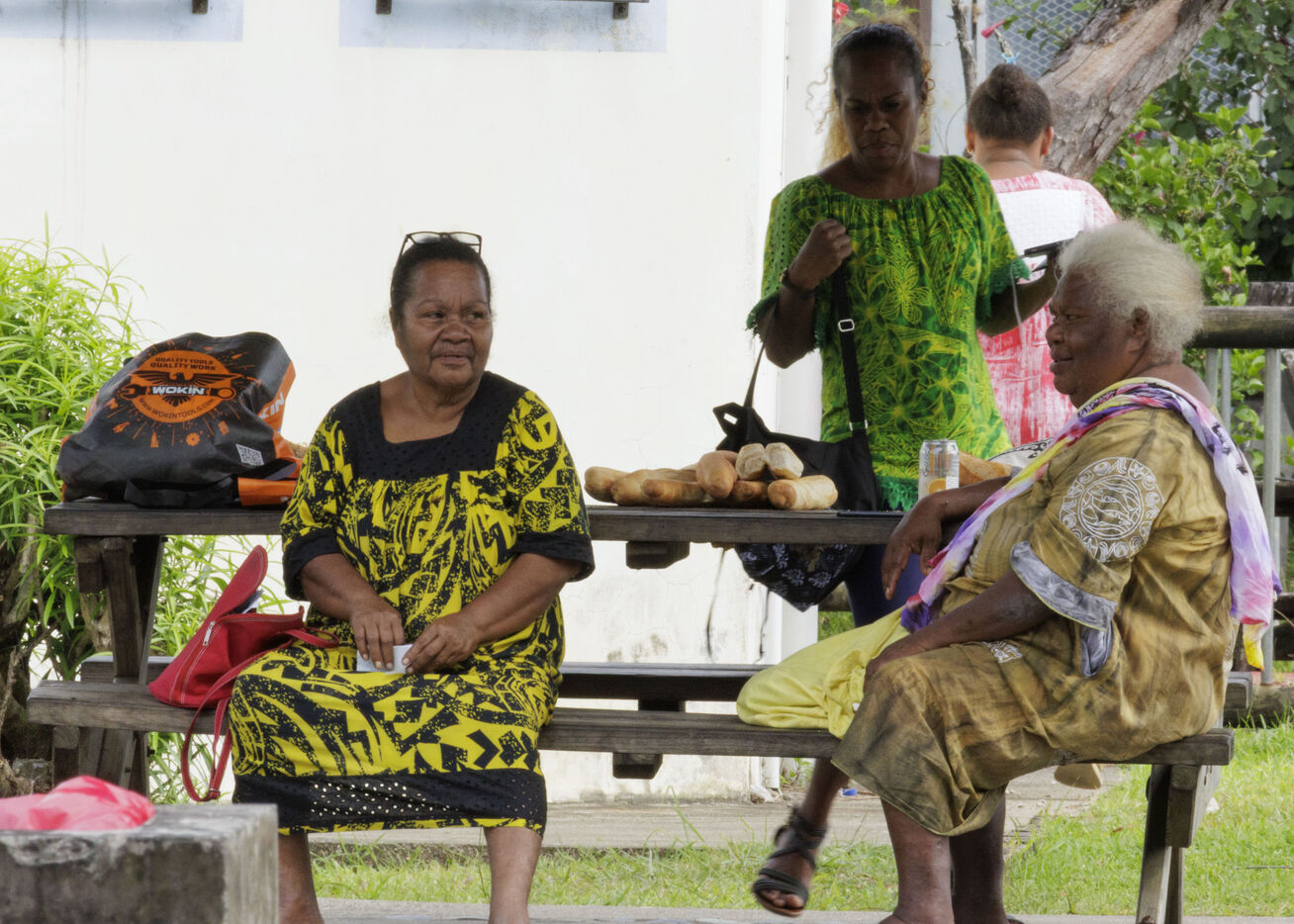
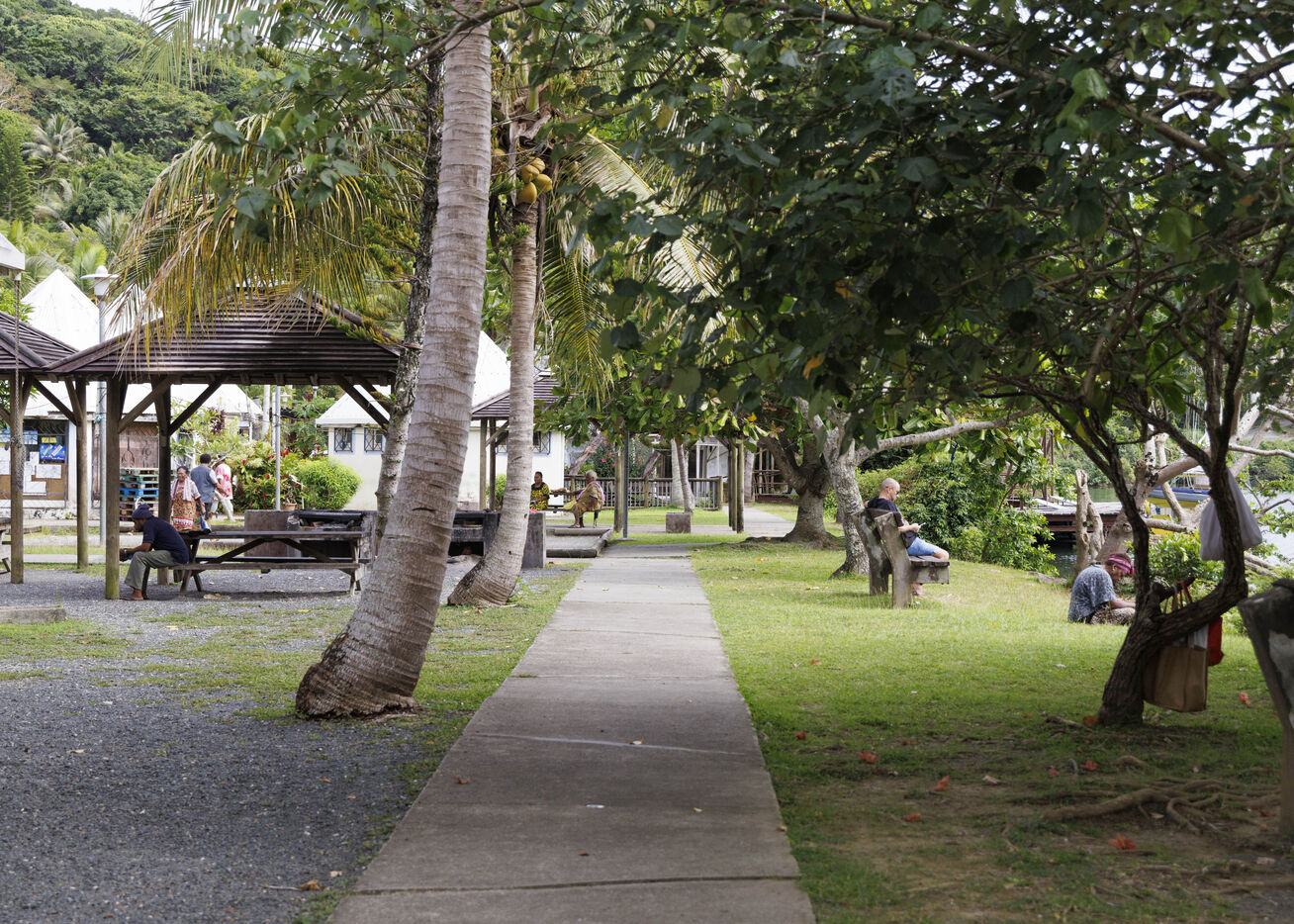
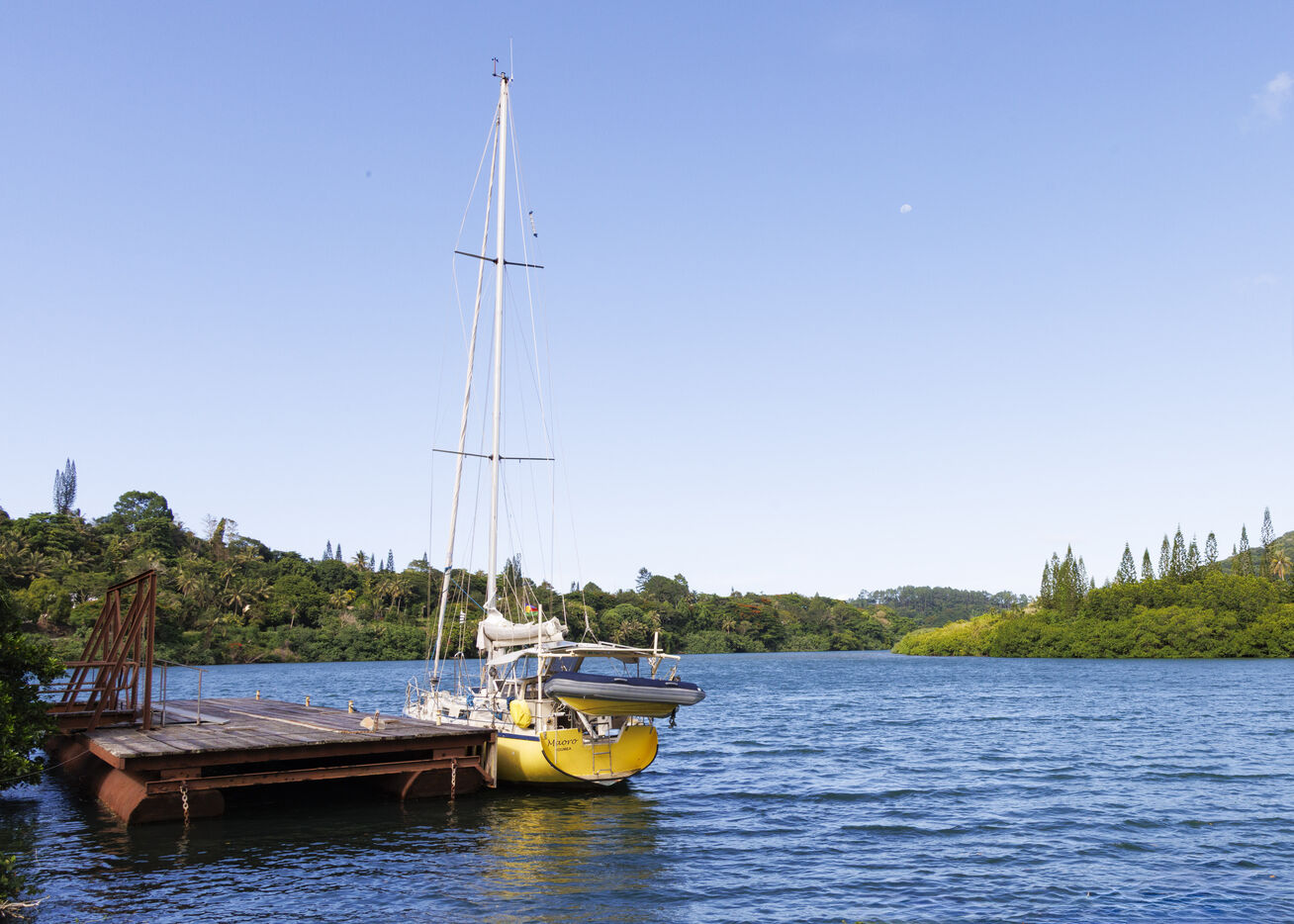
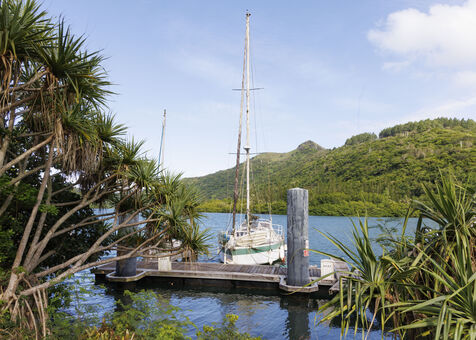
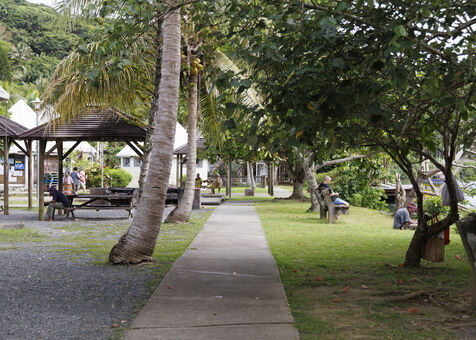
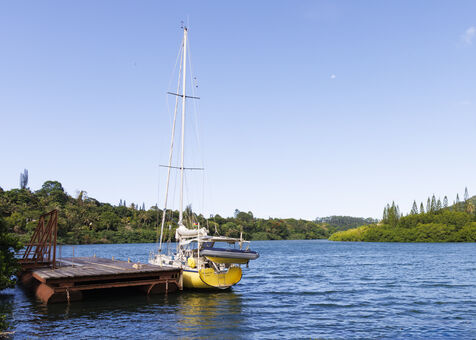
NOUVELLE-CALEDONIE - La marina de Hienghene
On Grande Terre, New Caledonia's main island, the far south (Nouméa region) and the northern tip are separated by 500 km. This distance, about a five-hour drive from Nouméa, often discourages tourists from crossing the island to the north, known as the forgotten coast. However, especially around Hienghène, a town known as the stronghold of the famous independence leader Jean-Marie Djibaou, the landscapes are absolutely magnificent.
The town in the northeast is renowned for its black limestone cliffs rising out of the mountains, wedged between the green of the lush vegetation and the blue of the Pacific Ocean. Whether they have specific shapes, such as the most famous ones reminiscent of a brooding hen or, opposite it, a sphinx. Whether they are elongated, as depicted on the 5,000 Pacific franc Caledonian banknote, the cliffs of Lindéralique are weathered by time but still impressive. All the more so when you move away from them by sea to reach the islet of Hiengabat with its panoramic view of Hienghène Bay and its natural splendors. Geologically speaking, the rocks of Lindéralique are a karstic limestone massif dating from the Eocene epoch (-53 to -34 million years ago) with a relief typical of limestone regions, resulting from the action of water, which dissolves the rock and leads to the formation of caves, sinkholes, dolines, etc.
NEW CALEDONIA - Hienghene Marina
On Grande Terre, New Caledonia's main island, the far south (Nouméa region) and the northern tip are separated by 500 km. This distance, about a five-hour drive from Nouméa, often discourages tourists from crossing the island to the north, known as the forgotten coast. However, especially around Hienghène, a town known as the stronghold of the famous independence leader Jean-Marie Djibaou, the landscapes are absolutely magnificent.
The town in the northeast is renowned for its black limestone cliffs rising out of the mountains, wedged between the green of the lush vegetation and the blue of the Pacific Ocean. Whether they have specific shapes, such as the most famous ones reminiscent of a brooding hen or, opposite it, a sphinx. Whether they are elongated, as depicted on the 5,000 Pacific franc Caledonian banknote, the cliffs of Lindéralique are weathered by time but still impressive. All the more so when you move away from them by sea to reach the islet of Hiengabat with its panoramic view of Hienghène Bay and its natural splendors. Geologically speaking, the rocks of Lindéralique are a karstic limestone massif dating from the Eocene epoch (-53 to -34 million years ago) with a relief typical of limestone regions, resulting from the action of water, which dissolves the rock and leads to the formation of caves, sinkholes, dolines, etc.