Pour accéder à la série en entier, vous devez vous logger ou demander un compte Hans Lucas en cliquant ici.
NOUVELLE-CALEDONIE - Les vestiges du village de Prony
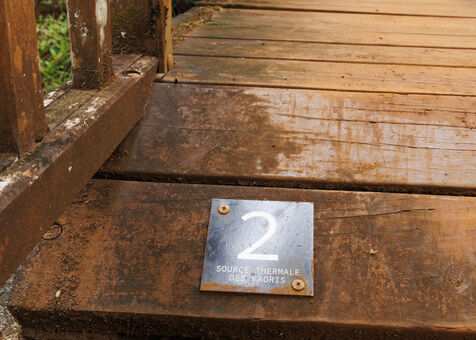
À l’extrémité sud de la Grande Terre se trouve le village de Prony : un village fantôme témoin de l’histoire du bagne en Nouvelle-Calédonie. En 1867, le capitaine Sébert reçoit pour mission l’implantation d’une exploitation forestière avec une vingtaine de transportés du bagne et approvisionne la colonie en bois. En 1897, l’envoi des forçats cesse et le site se dérage jusqu’à sa fermeture e, 1911. En 1956, la société Socamifer implante, sur les ruines du chantier forestier, des logements habités par les familles des mineurs, employés à l’extraction du minerai de fer dans la région. En 1968, le site est à nouveau abandonné. Le site, resté à l’abandon de 1968 à 1990, doit sa restauration à l’Association du Village de Prony et à la Province Sud qui en devient propriétaire en 2007, puis inscrit les vestiges du village de Prony à l'inventaire supplémentaire des monuments historiques.
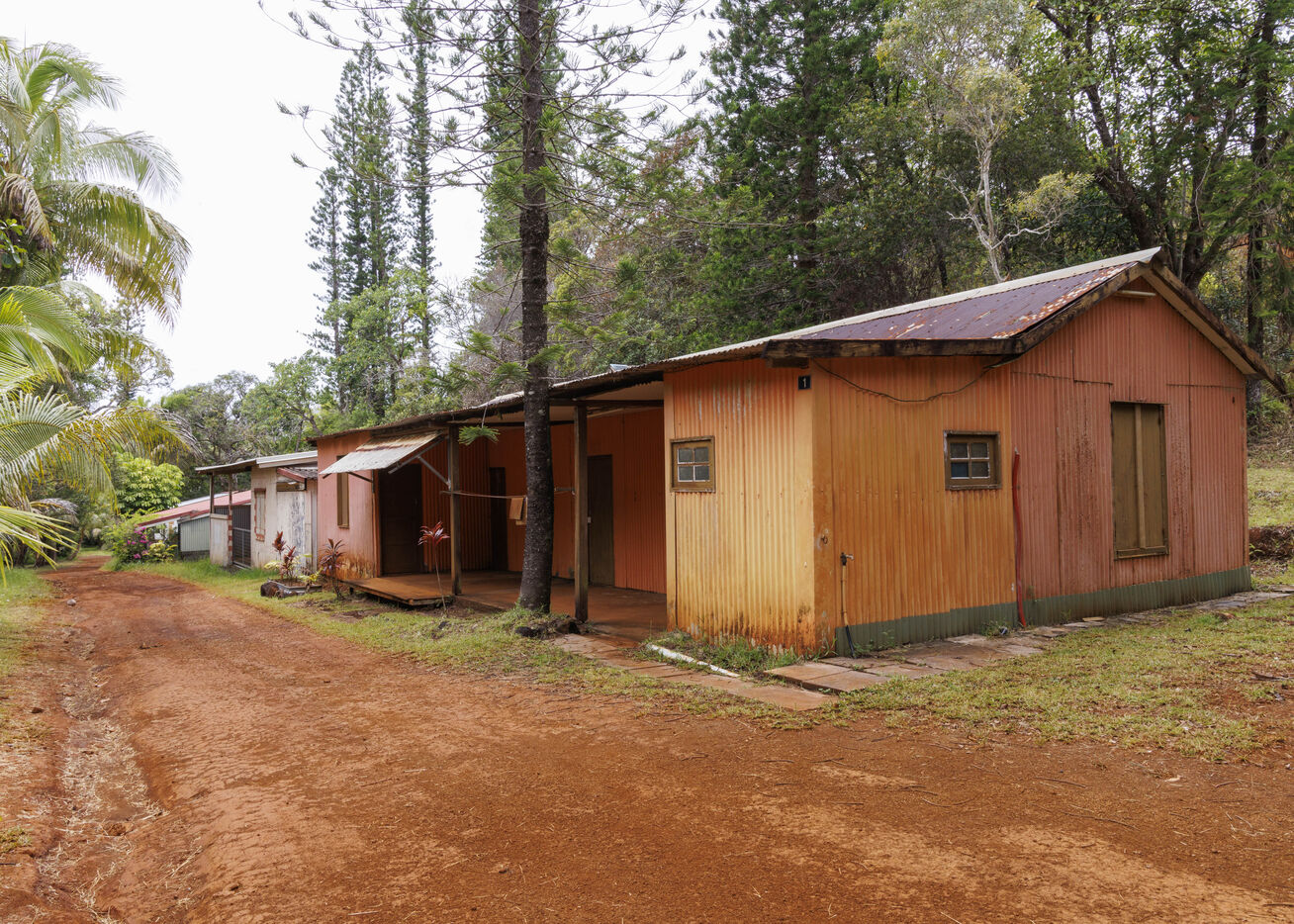
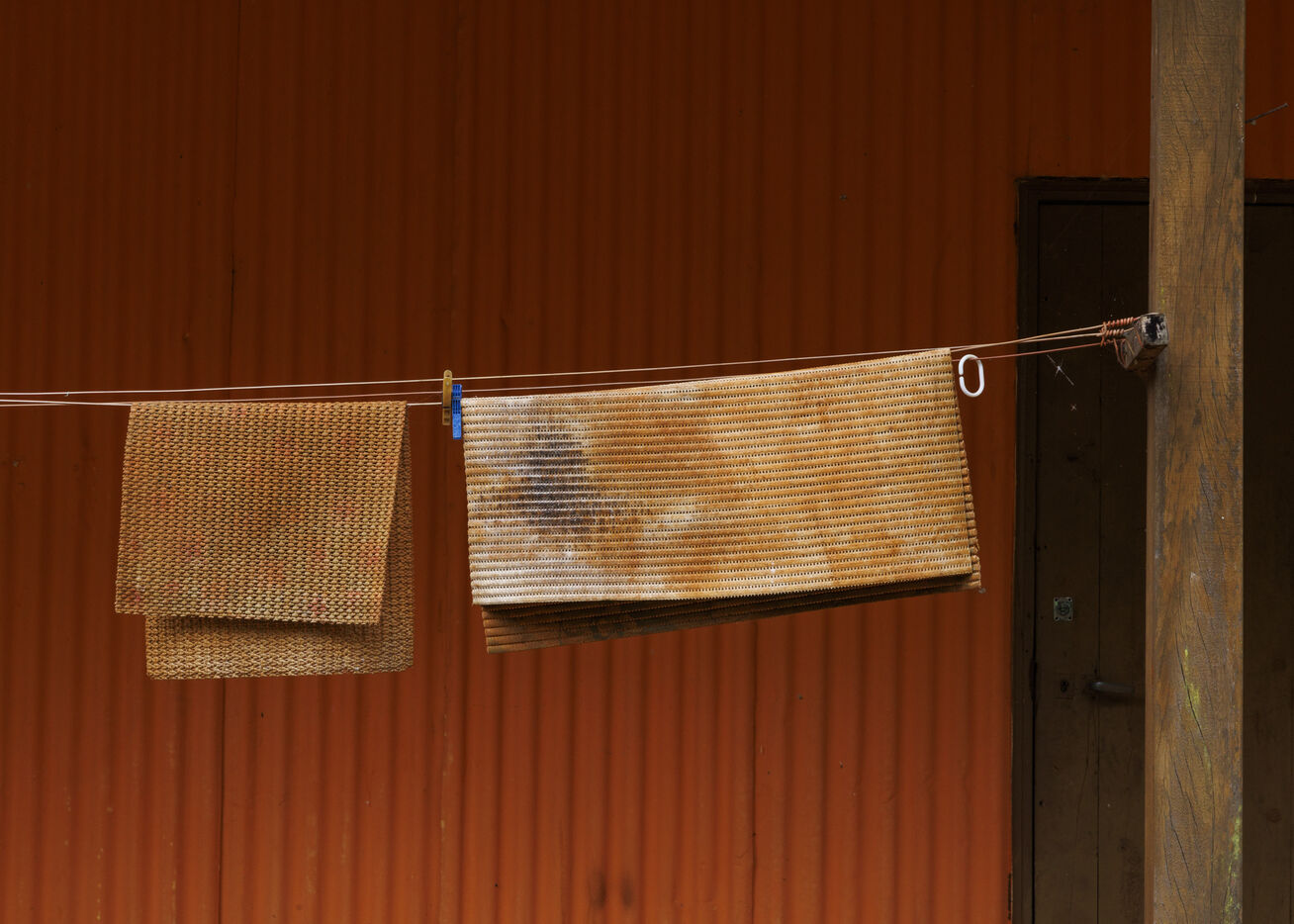
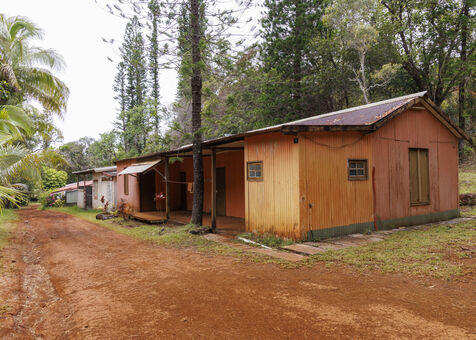
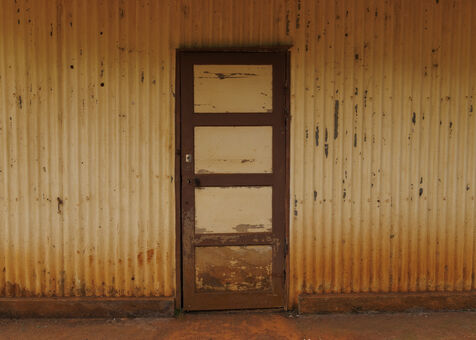
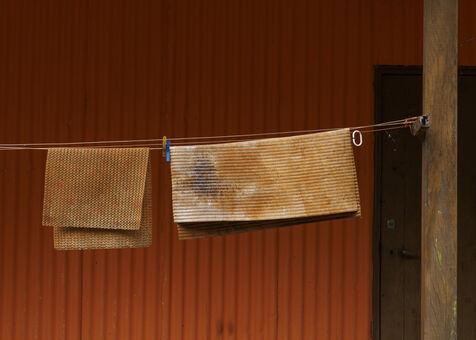
De l'ancien camp Sébert, restent aujourd'hui l'ancien four à pain, la poudrière, le traîneau pour le transport du bois, le logement des officiers… et des logements des travailleurs de la mine de nickel, il reste une allée de maisons en taule.
New Caledonia: the ruins of the village of Prony
At the southern tip of Grande Terre lies the village of Prony: a ghost village that bears witness to the history of penal servitude in New Caledonia. In 1867, Captain Sébert was tasked with establishing a logging operation with around twenty convicts and supplying the colony with wood. In 1897, the convicts were no longer sent there and the site fell into disrepair until it closed in 1911. In 1956, the Socamifer company built housing on the ruins of the logging site for the families of miners employed in iron ore extraction in the region. In 1968, the site was abandoned once again. The site, which remained abandoned from 1968 to 1990, owes its restoration to the Association du Village de Prony and the South Province, which became its owner in 2007 and then listed the remains of the village of Prony in the supplementary inventory of historic monuments.
All that remains of the former Sébert camp today is the old bread oven, the powder magazine, the sledge for transporting wood, the officers' quarters... and, of the nickel mine workers' quarters, a row of tin houses.