Pour accéder à la série en entier, vous devez vous logger ou demander un compte Hans Lucas en cliquant ici.
Inside the trenches
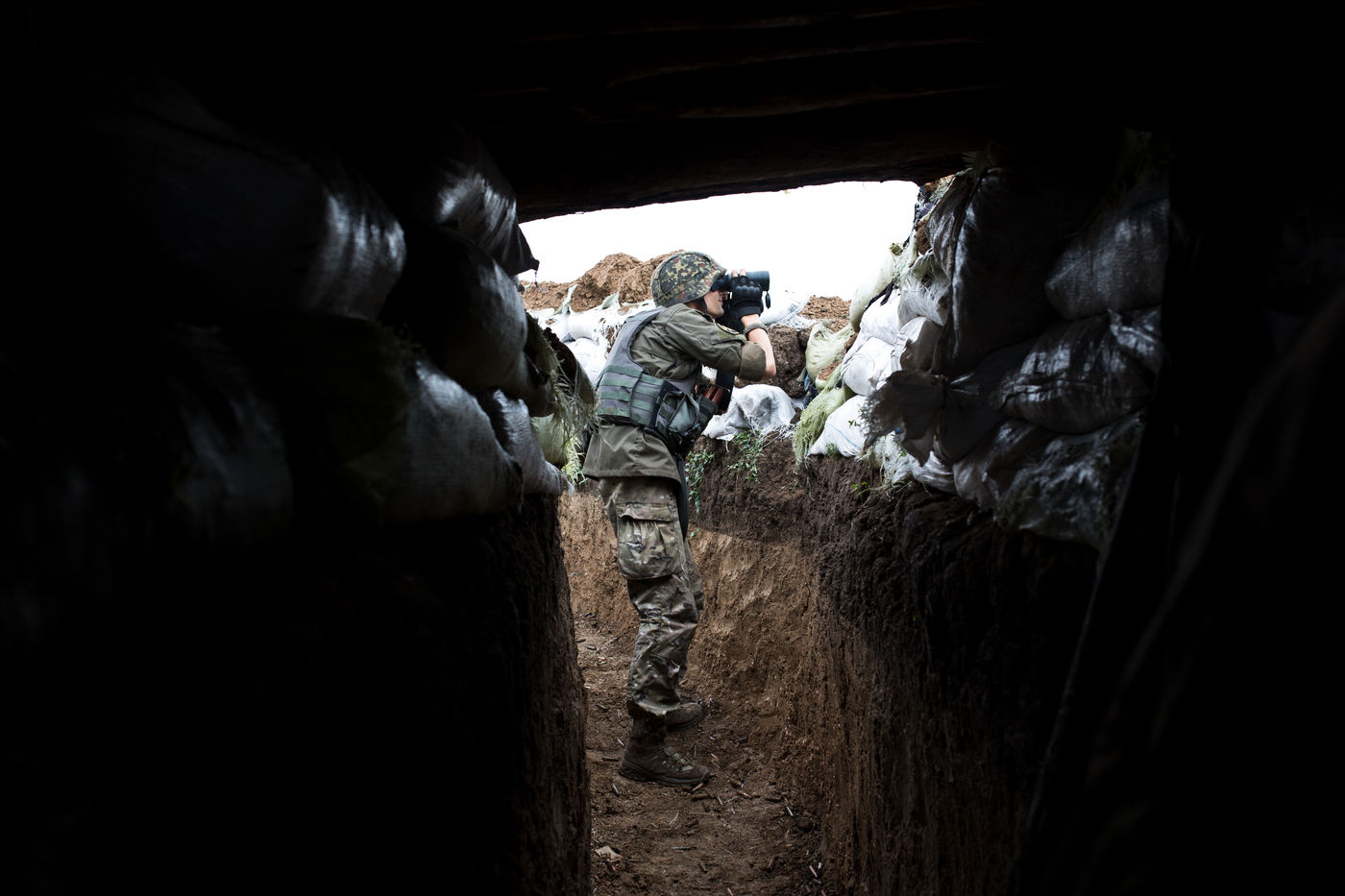
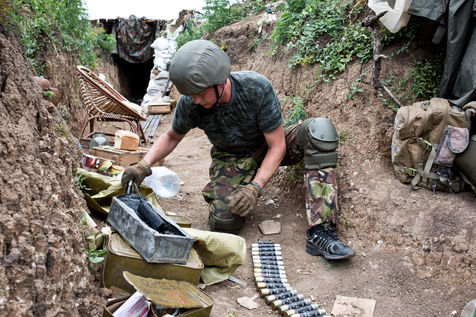
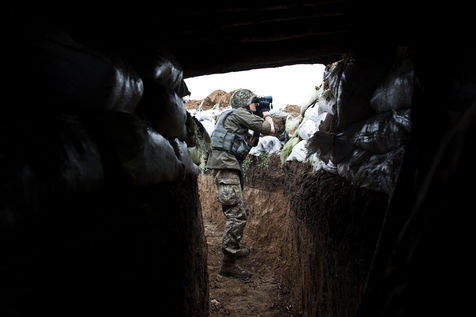
On the Shyrokyne frontline, 20km from the Ukrainian city of Mariupol volunteers from the Donbass battalion face separatist forces. Those soldiers, previously civilians live and fight in a fashion eerily reminiscent of WWI. A war based in trenches is currently a rarity in today?s world, where conflicts usually take the form of guerilla and urban warfare.
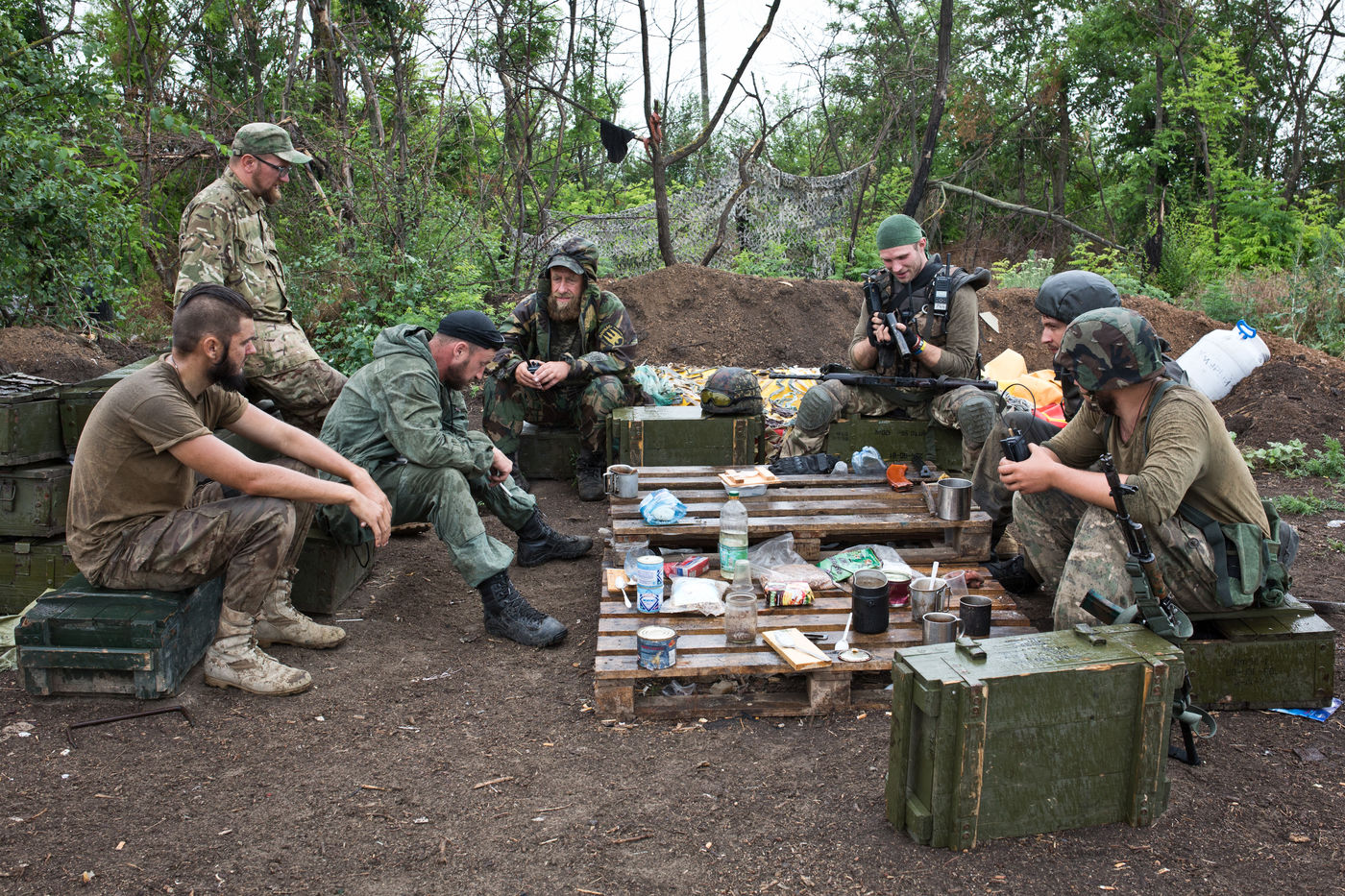
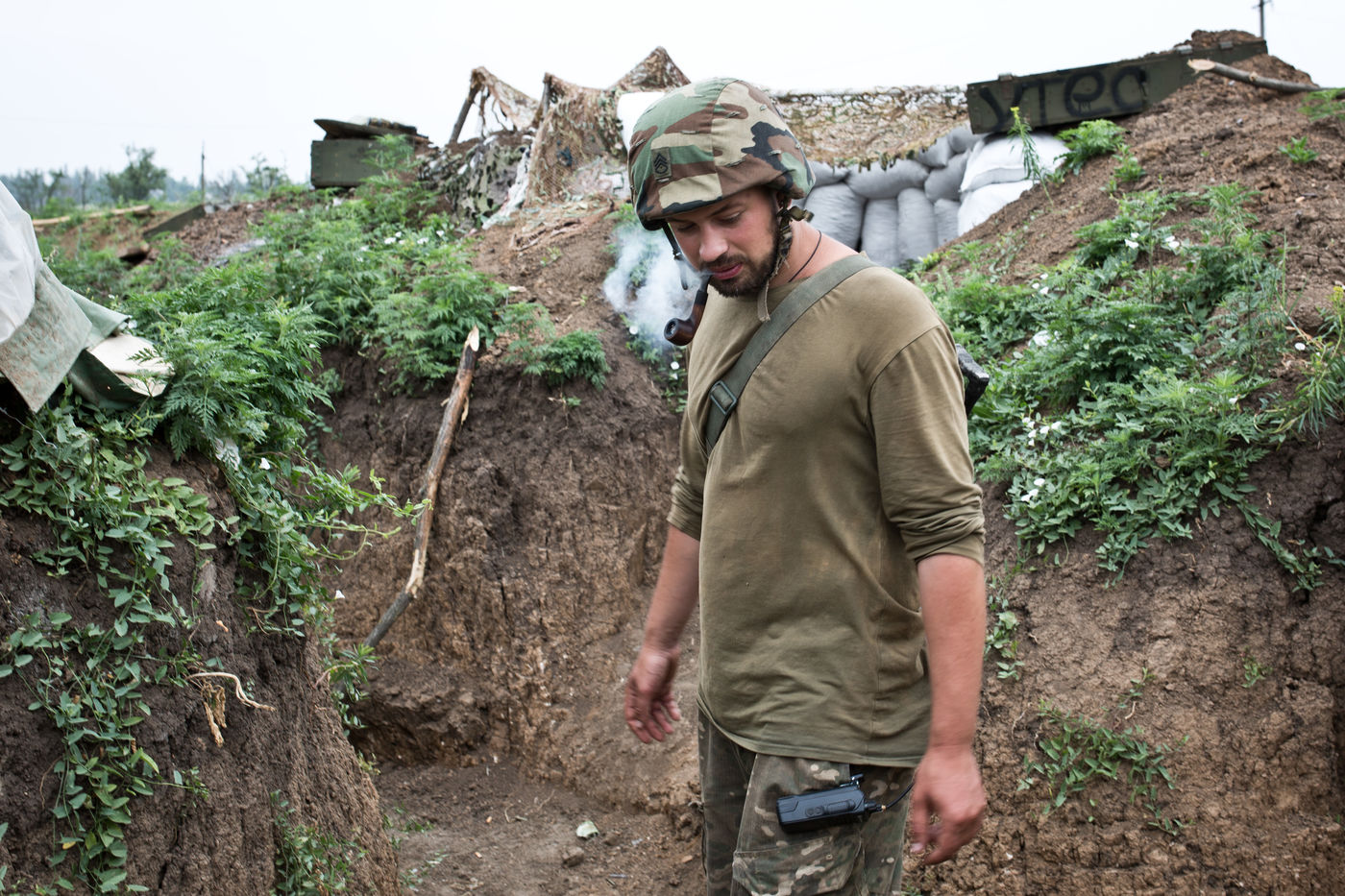
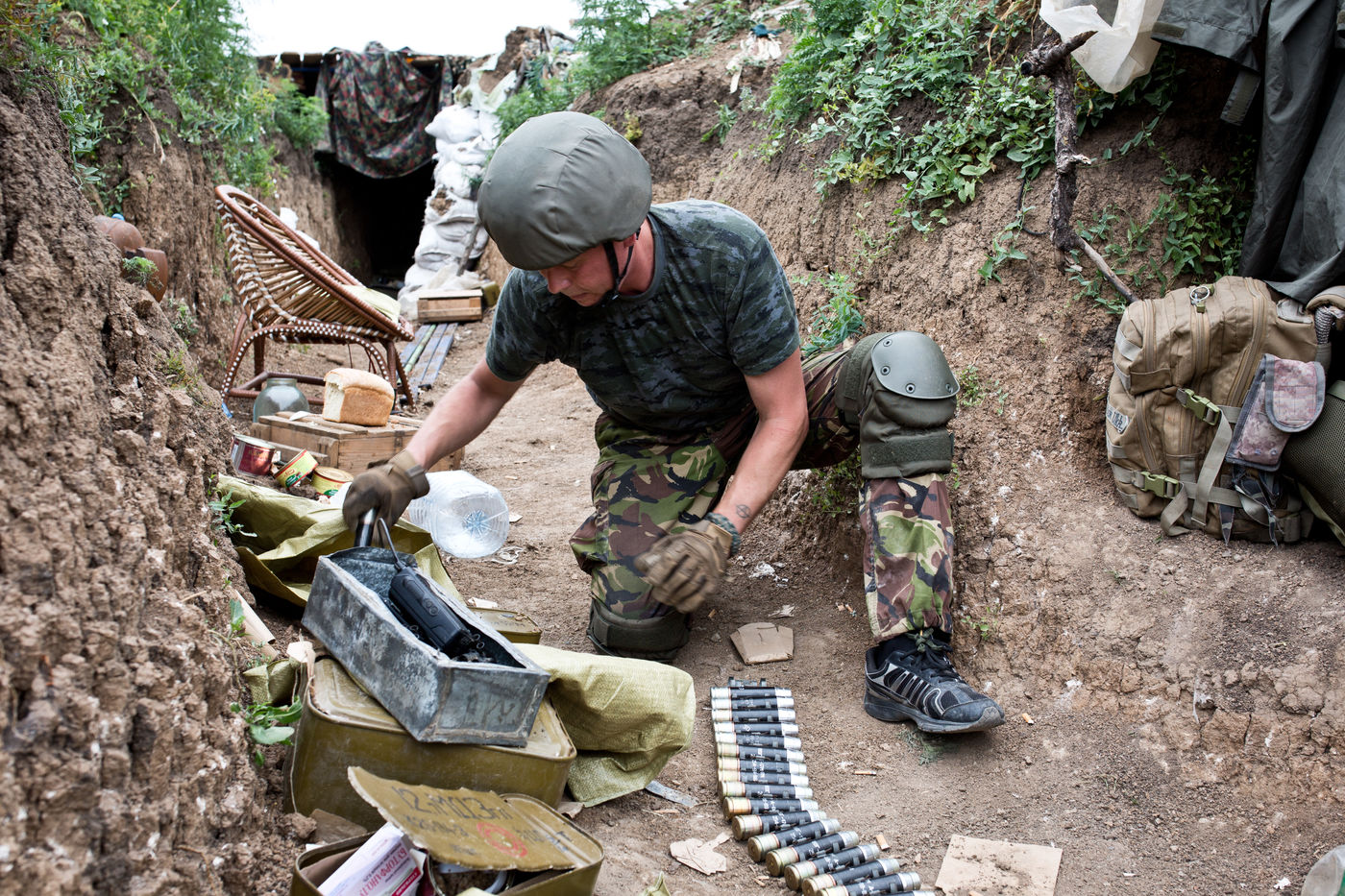
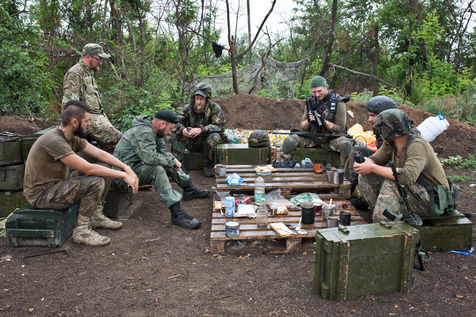
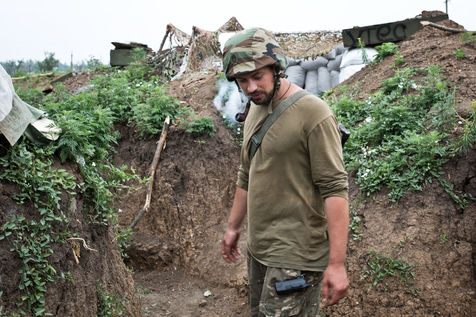
We spent several days (25th of June until 28th of June) on the Shyrokyne frontline, 20 km outside of Mariupol, where volunteers from the Donbass Battalion face separatist forces. We were on the first line of defense for three days, where civilian volunteers (recently included in the National Guard) live and fight in a fashion eerily reminiscent of WWI. Muddy trenches, daily shelling and consistent fear of sniper fire make their daily life a living hell.
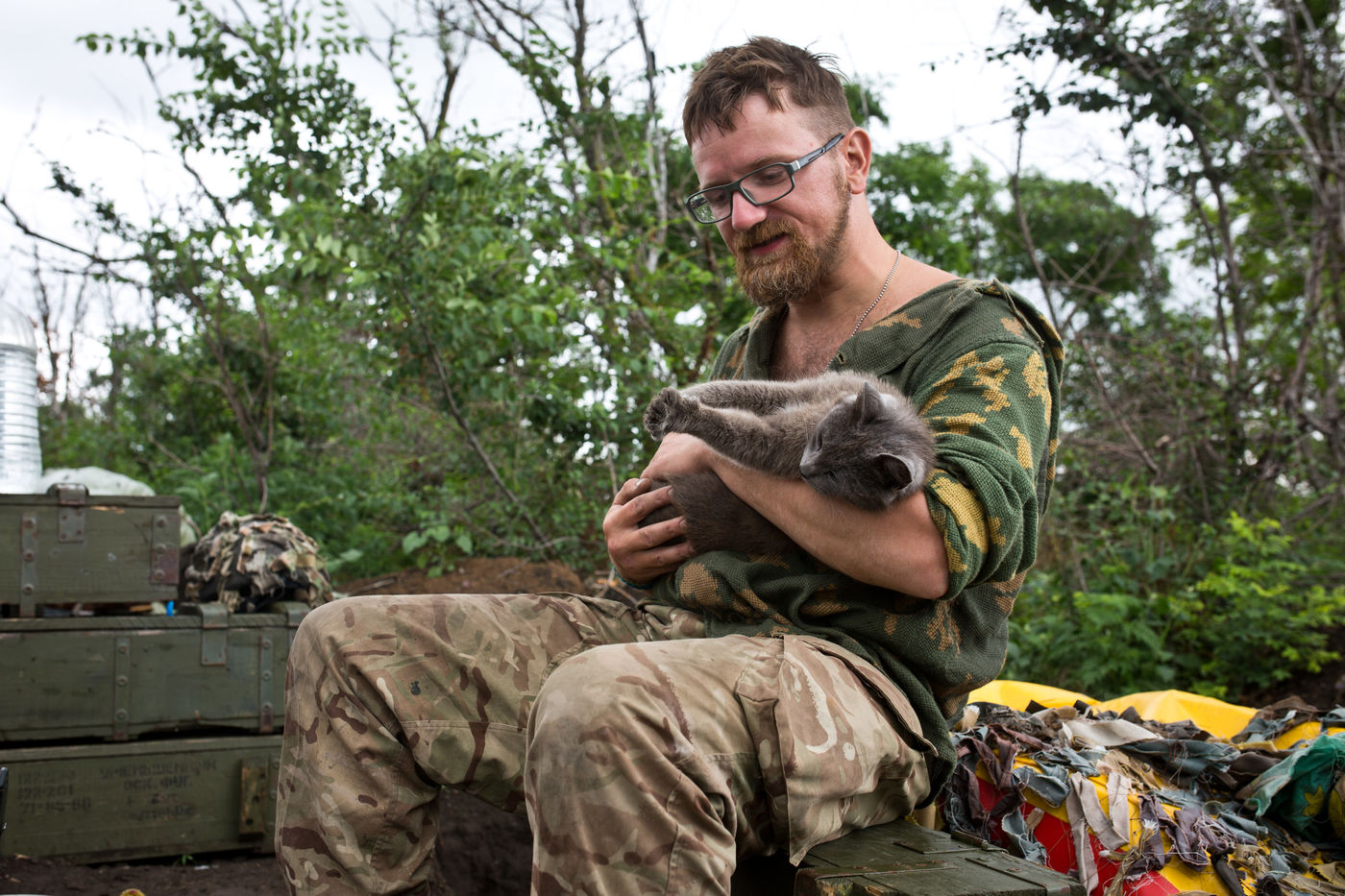
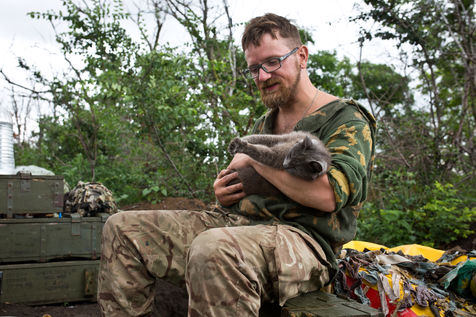
The interest of the story is three-fold: first, the ambiance of a war of attrition based in trenches is currently a rarity in today?s world, where conflicts usually take the form of guerilla and urban warfare. Second, on a human level, we got very close to several fighters, with very distinct and unique personalities - a young, upper middle class translator and family man from Kiev recently appointed head of his brigade, a former teacher, both a pacifist and a movie buff, cooking and providing comic relief to his comrades, a lonely and silent Tatar sniper with a $20,000 bounty on his head, or a scout affiliated with another battalion who longs to join the French foreign légion. We have in depths interviews with all, and first-hand experience of their relationships with their other comrades. Lastly, and perhaps most importantly news-wise, is their deep mistrust of the OSCE and their politics. We witnessed the separatists use heavy artillery clearly banned by the recent Minsk agreements, and saw the volunteers interact with OSCE personal on their way to Shyrokyne. All the while, the volunteer remain opposed to the idea of a DMZ between the front and Mariupol, claiming they will not give up their position in fear of giving the Russian side a decisive military advantage.
We witnessed several clashes, with both light fire and heavy artilleries, and shared a night inside a makeshift bunker while the separatists shelled the trenches.
Finally, we went with the fighters to their army base outside Mariupol once they were relieved from duty for five days, and were present when they were reunited with their comrades, in the somewhat idyllic casern they use by the sea, a former popular resort formerly owned by the son of ousted president Yanukovitch.
All in all, the story has important political relevance, deep human characters, and a stand out setting for descriptions.
Inside the trenches
On the Shyrokyne frontline, 20km from the Ukrainian city of Mariupol volunteers from the Donbass battalion face separatist forces. Those soldiers, previously civilians live and fight in a fashion eerily reminiscent of WWI. A war based in trenches is currently a rarity in today?s world, where conflicts usually take the form of guerilla and urban warfare.
We spent several days (25th of June until 28th of June) on the Shyrokyne frontline, 20 km outside of Mariupol, where volunteers from the Donbass Battalion face separatist forces. We were on the first line of defense for three days, where civilian volunteers (recently included in the National Guard) live and fight in a fashion eerily reminiscent of WWI. Muddy trenches, daily shelling and consistent fear of sniper fire make their daily life a living hell.
The interest of the story is three-fold: first, the ambiance of a war of attrition based in trenches is currently a rarity in today?s world, where conflicts usually take the form of guerilla and urban warfare. Second, on a human level, we got very close to several fighters, with very distinct and unique personalities - a young, upper middle class translator and family man from Kiev recently appointed head of his brigade, a former teacher, both a pacifist and a movie buff, cooking and providing comic relief to his comrades, a lonely and silent Tatar sniper with a $20,000 bounty on his head, or a scout affiliated with another battalion who longs to join the French foreign légion. We have in depths interviews with all, and first-hand experience of their relationships with their other comrades. Lastly, and perhaps most importantly news-wise, is their deep mistrust of the OSCE and their politics. We witnessed the separatists use heavy artillery clearly banned by the recent Minsk agreements, and saw the volunteers interact with OSCE personal on their way to Shyrokyne. All the while, the volunteer remain opposed to the idea of a DMZ between the front and Mariupol, claiming they will not give up their position in fear of giving the Russian side a decisive military advantage.
We witnessed several clashes, with both light fire and heavy artilleries, and shared a night inside a makeshift bunker while the separatists shelled the trenches.
Finally, we went with the fighters to their army base outside Mariupol once they were relieved from duty for five days, and were present when they were reunited with their comrades, in the somewhat idyllic casern they use by the sea, a former popular resort formerly owned by the son of ousted president Yanukovitch.
All in all, the story has important political relevance, deep human characters, and a stand out setting for descriptions.