Les saisonniers planteurs d'échalotes à Kerlouan
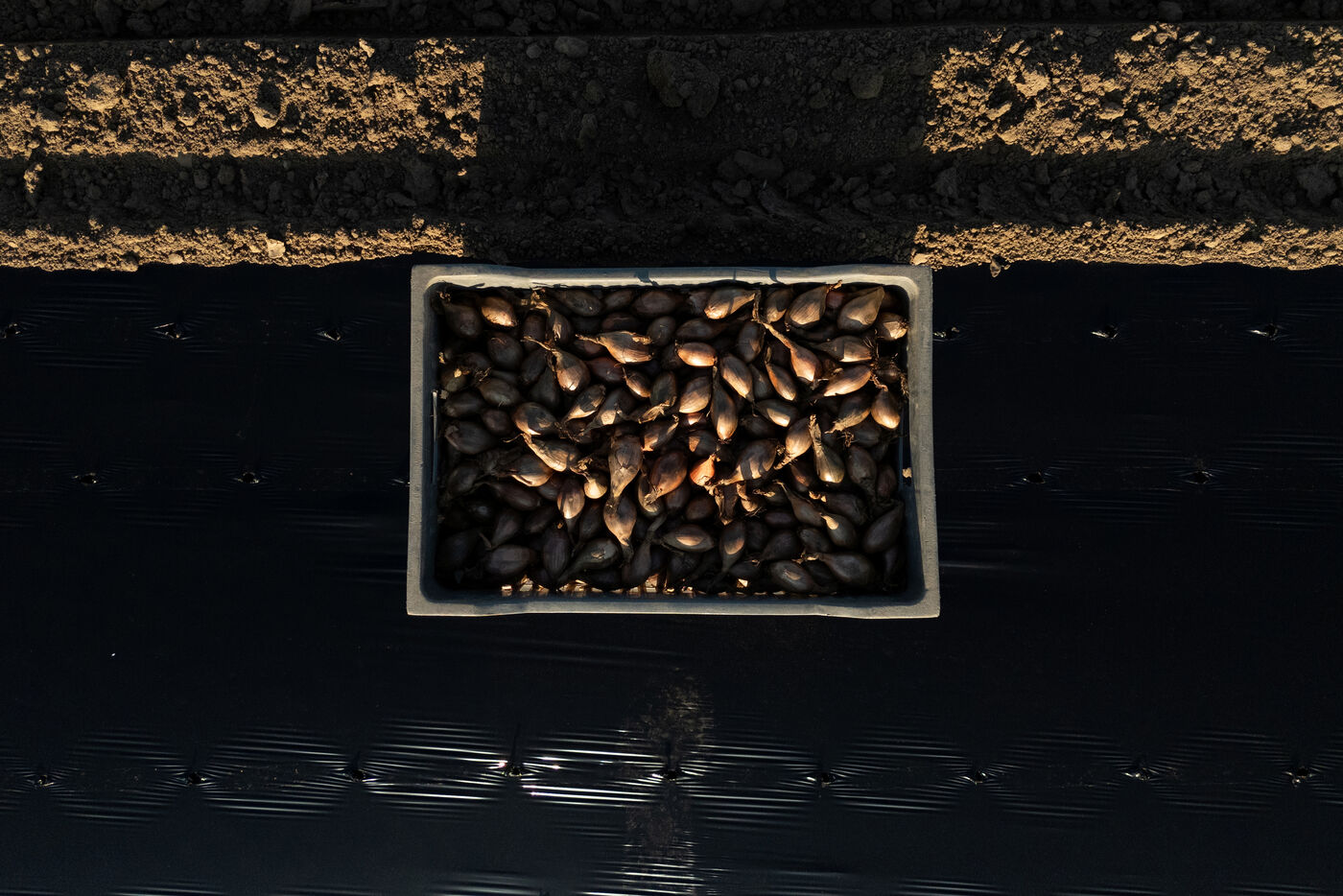
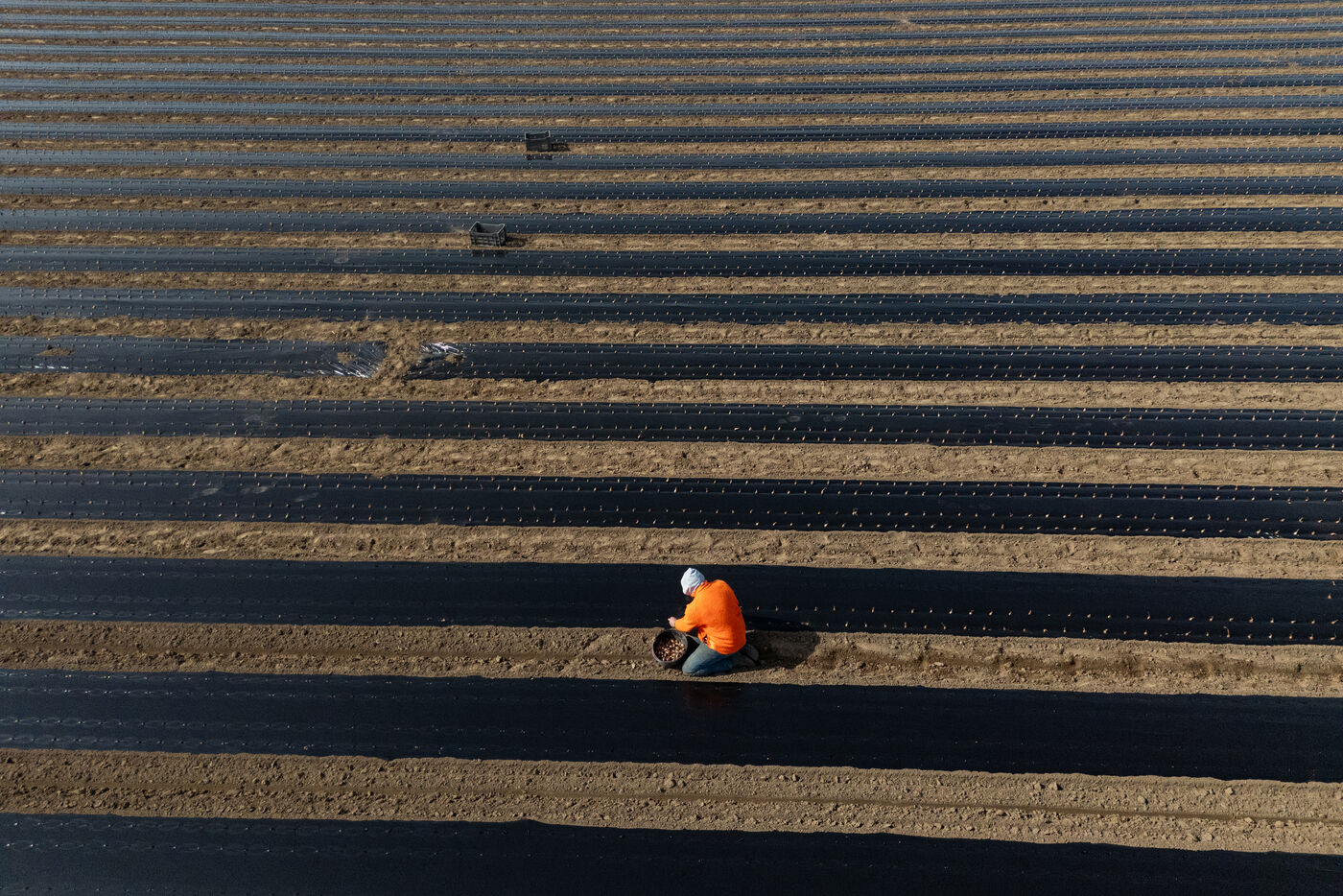
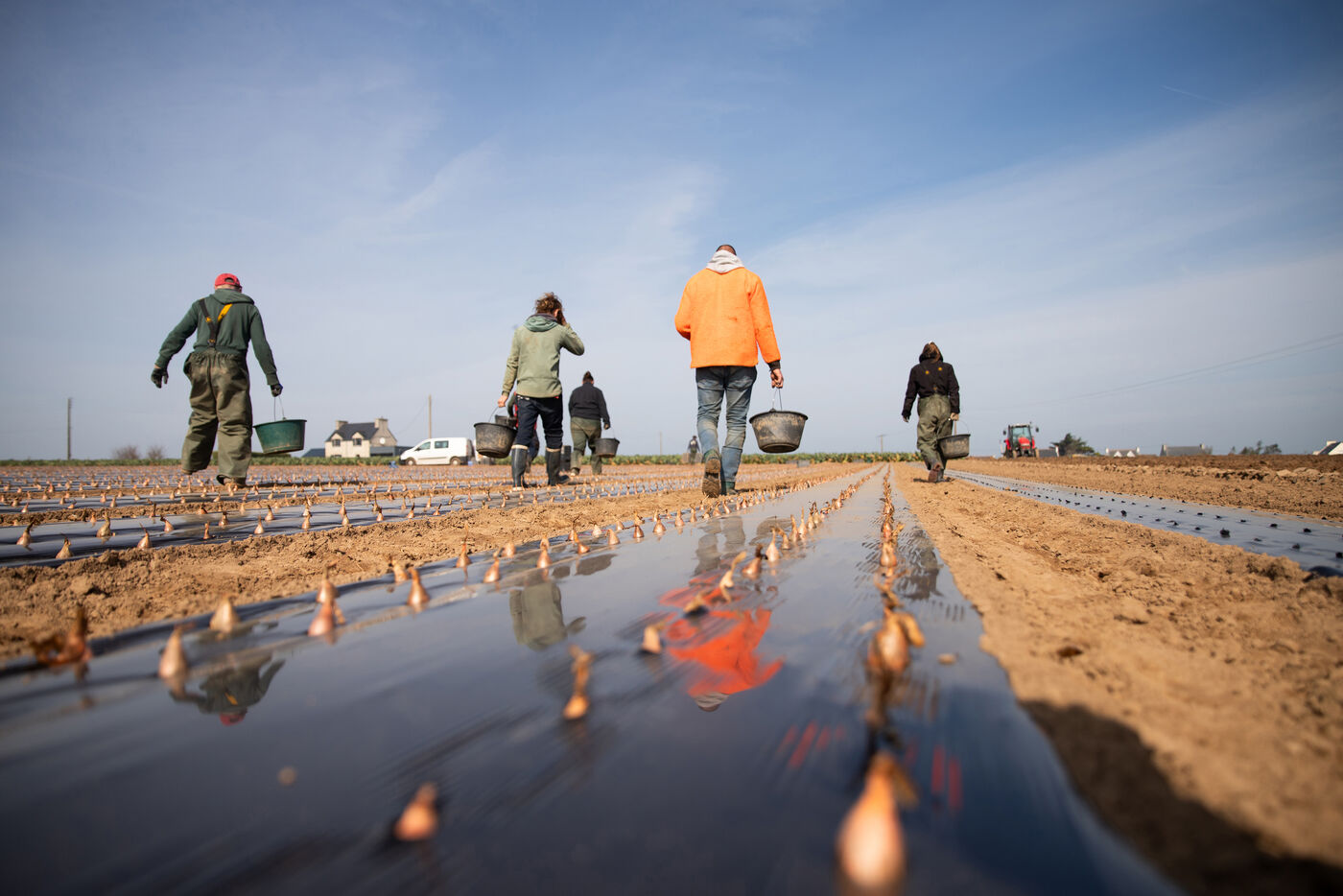
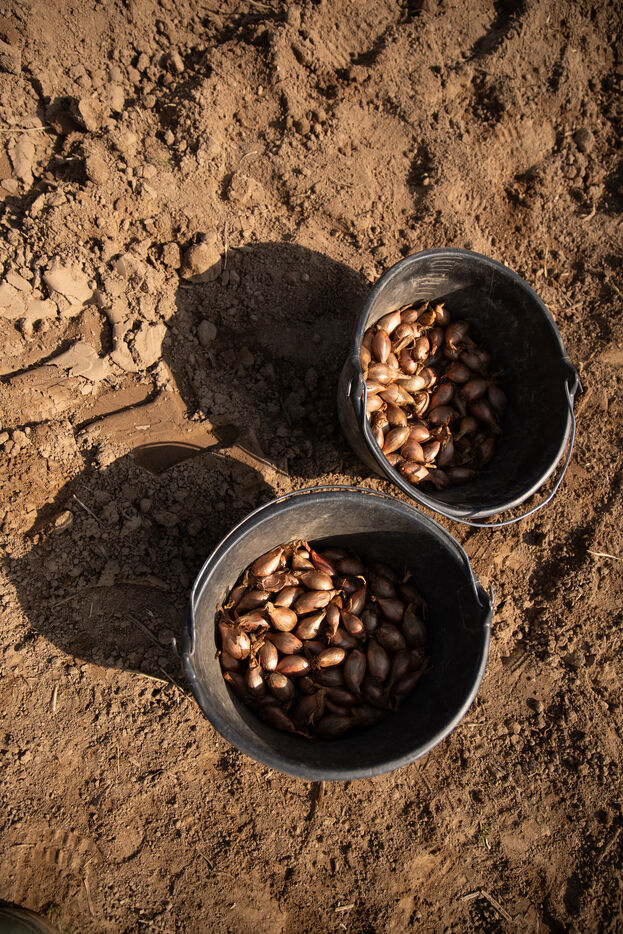
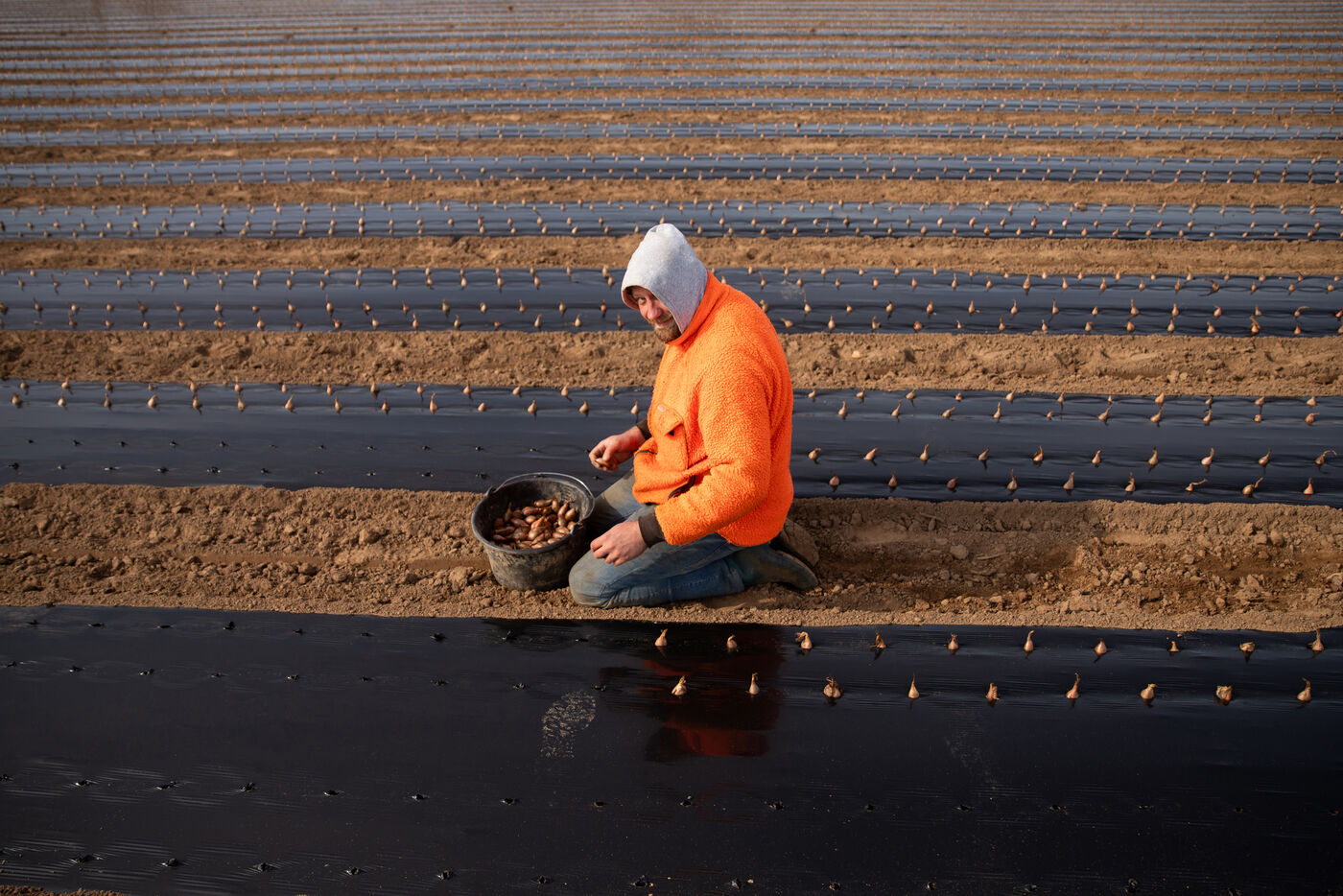
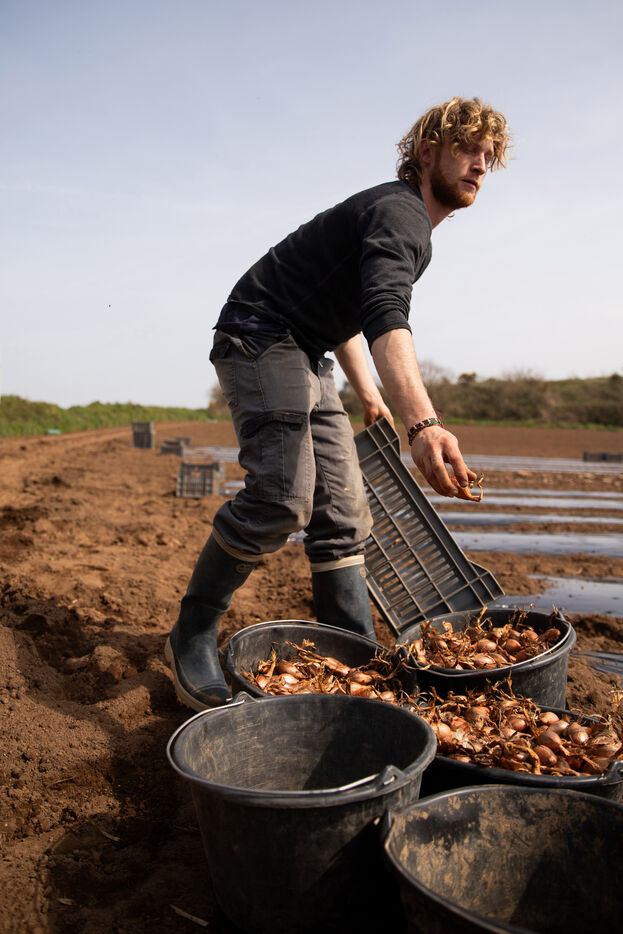
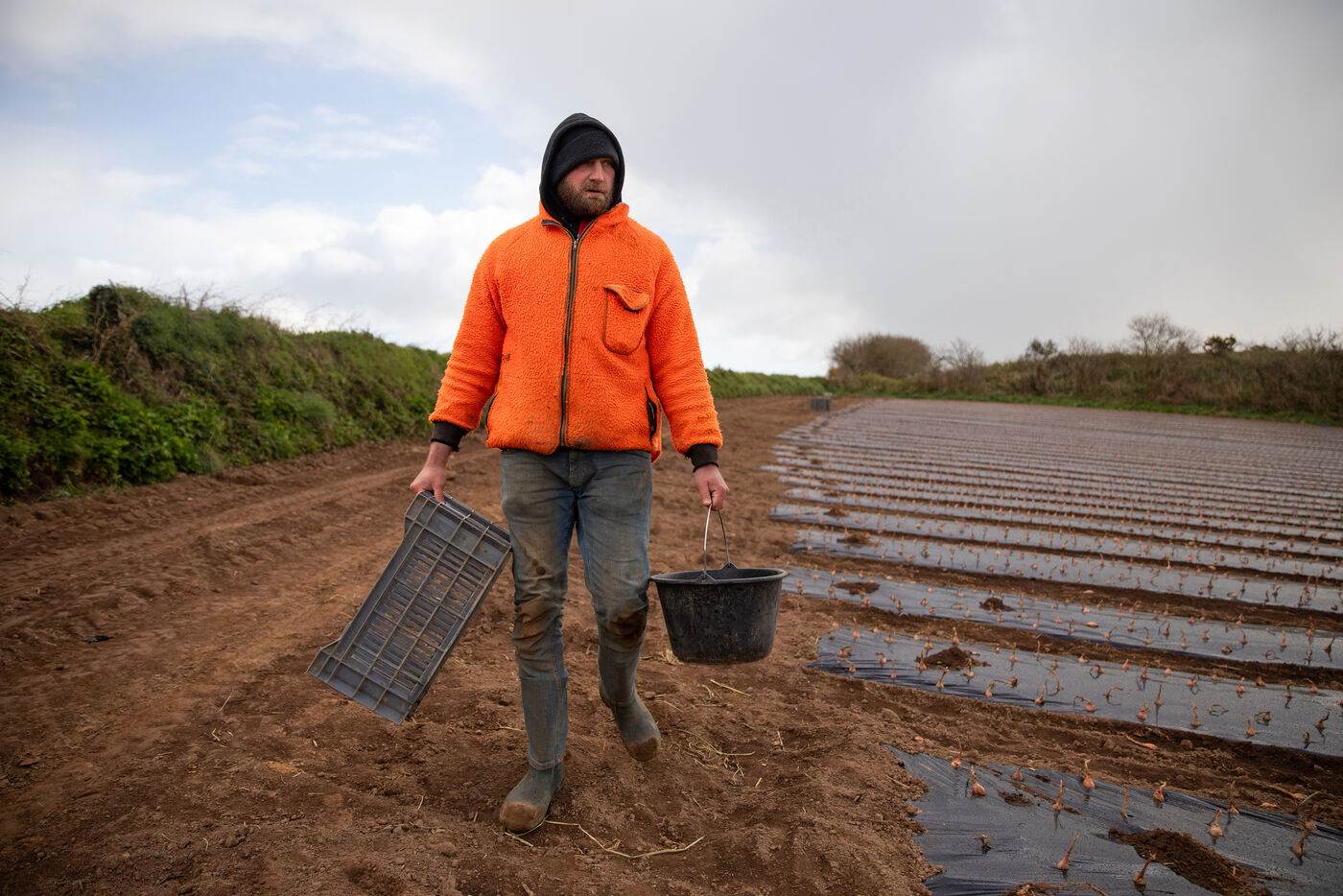
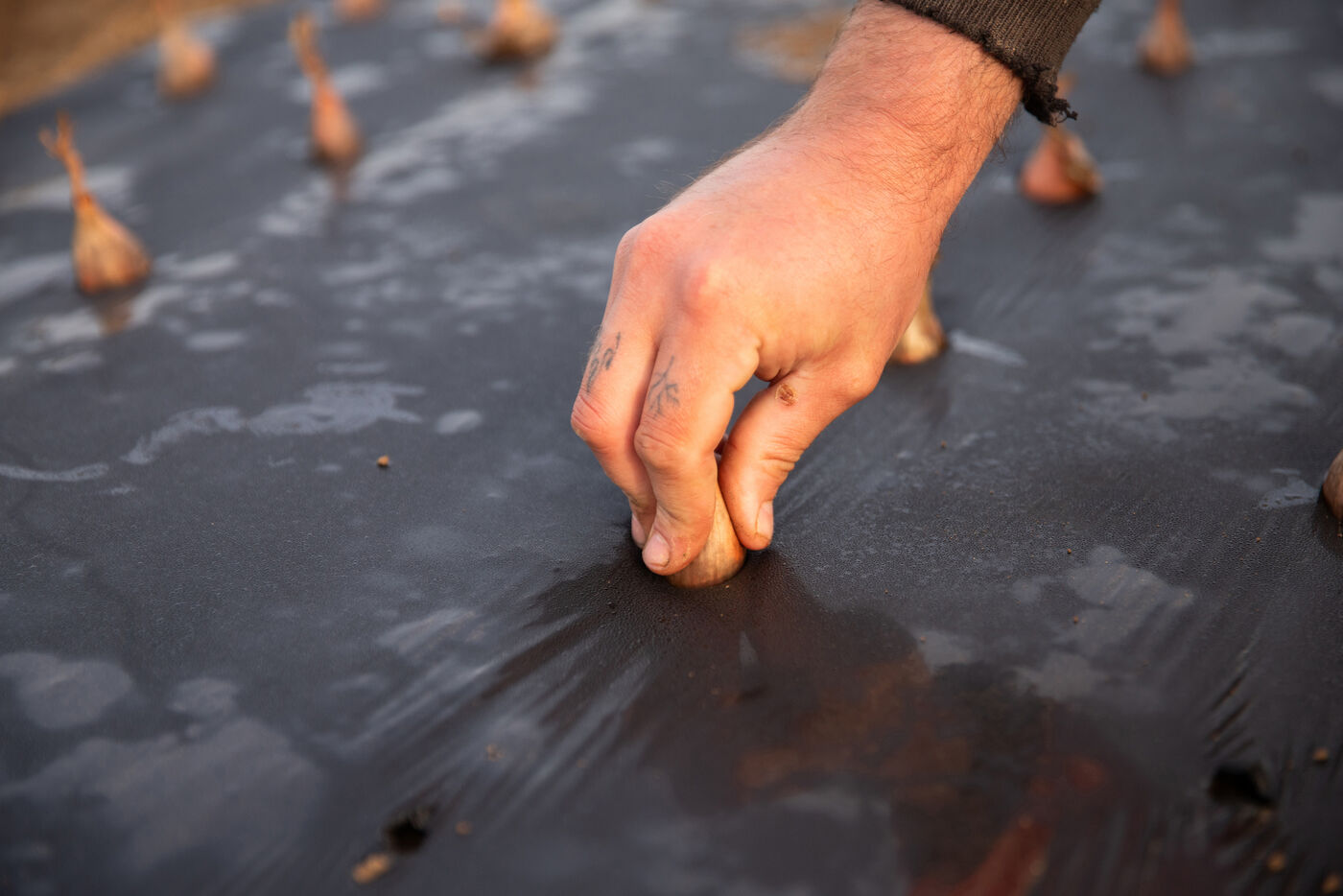
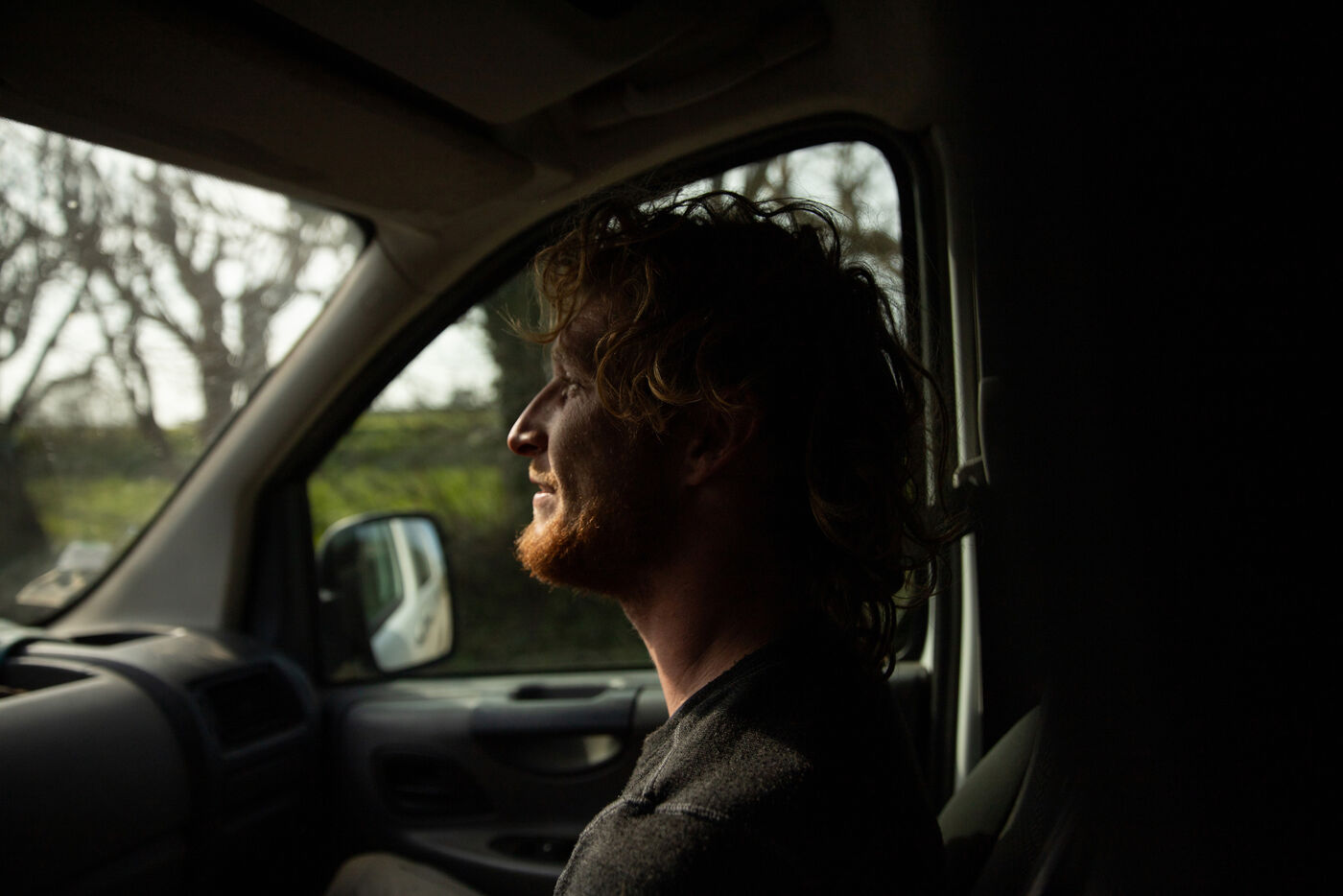
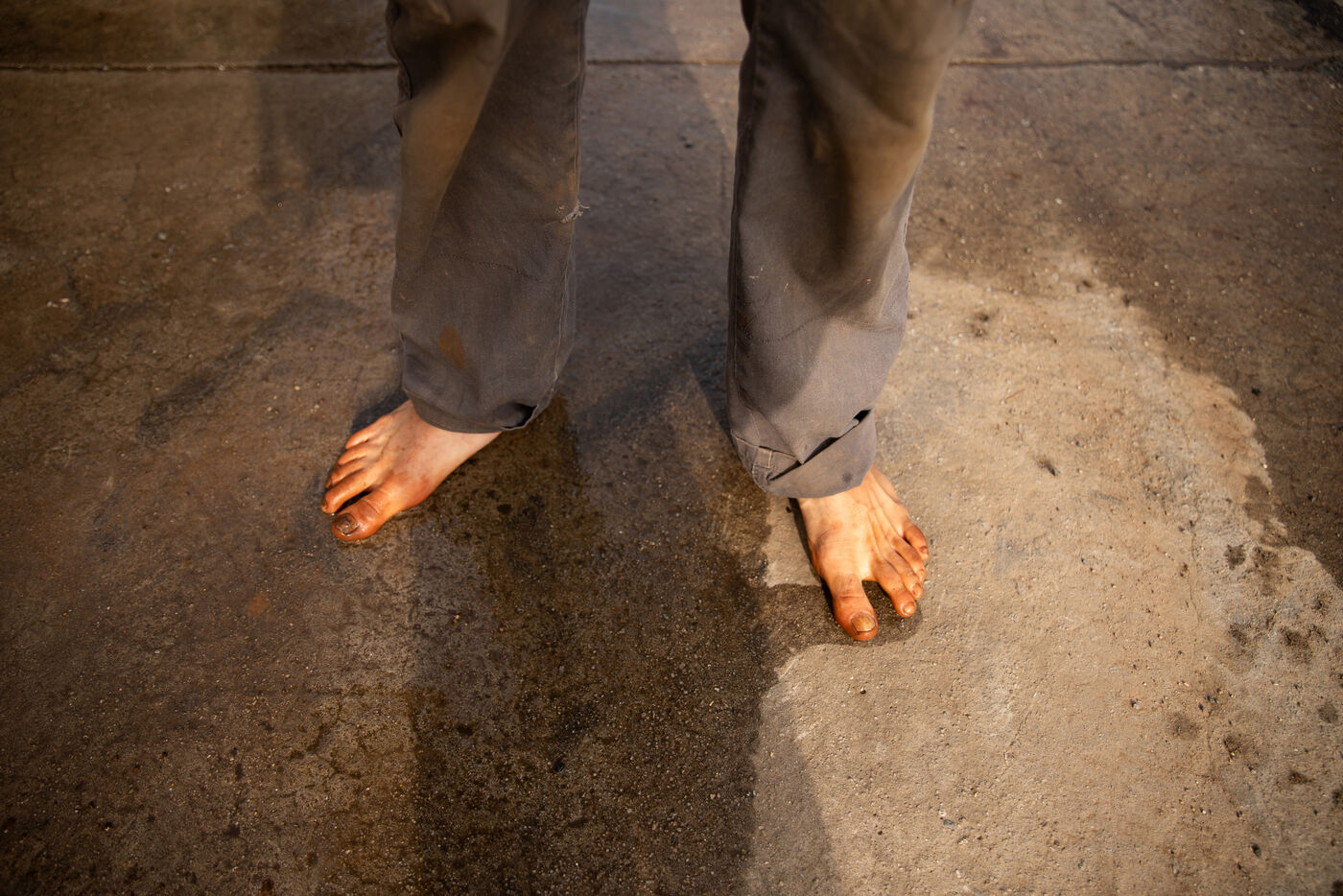
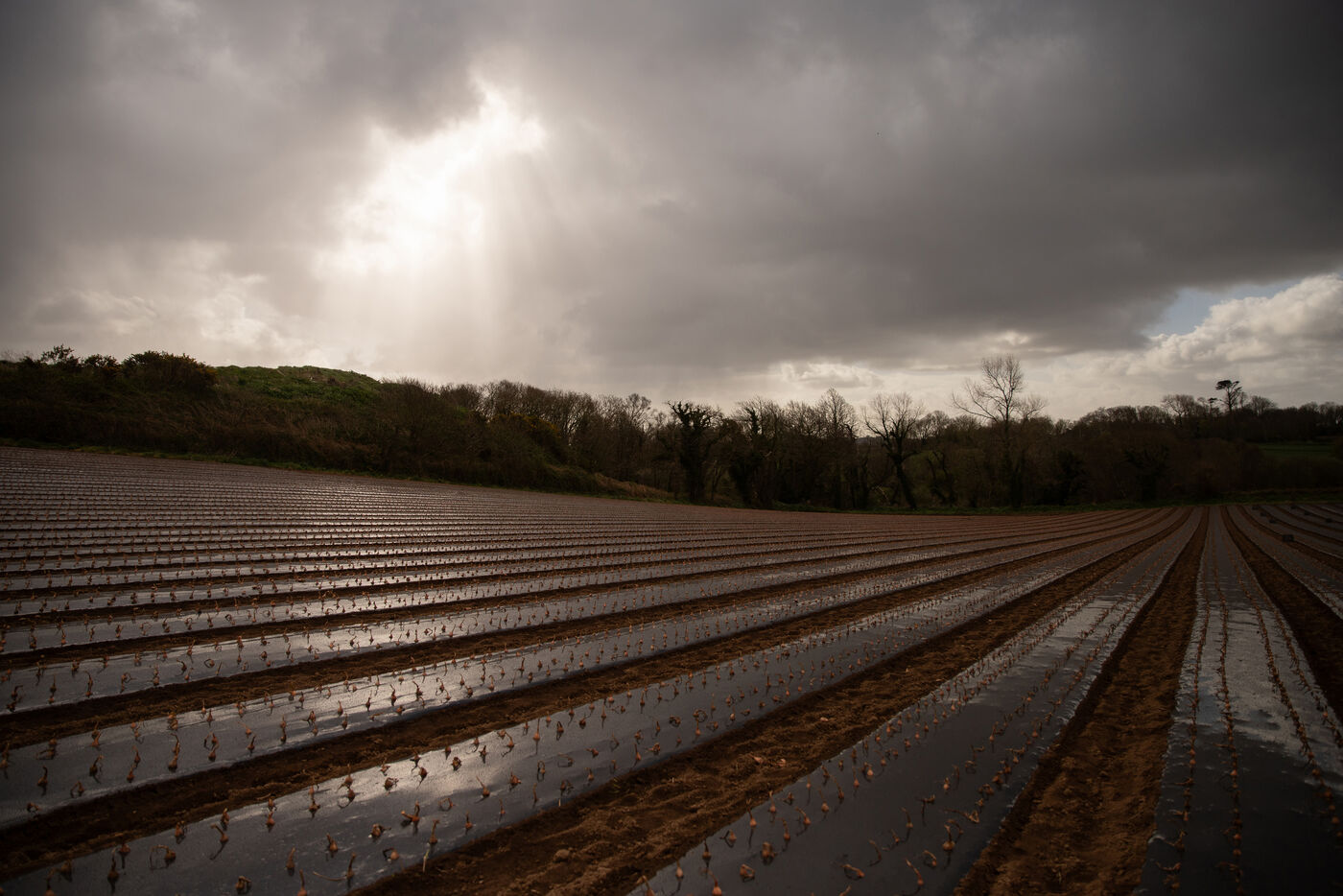
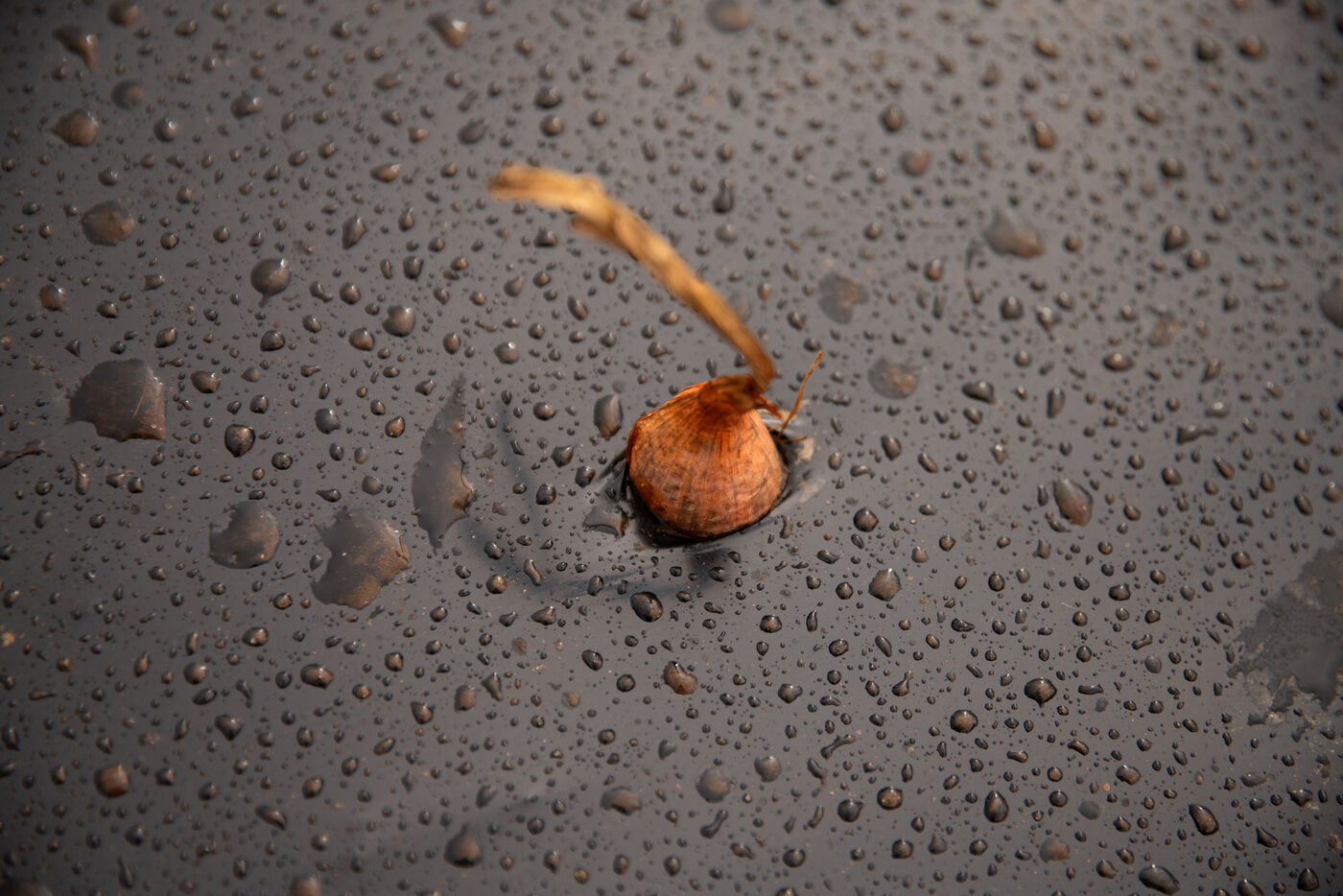
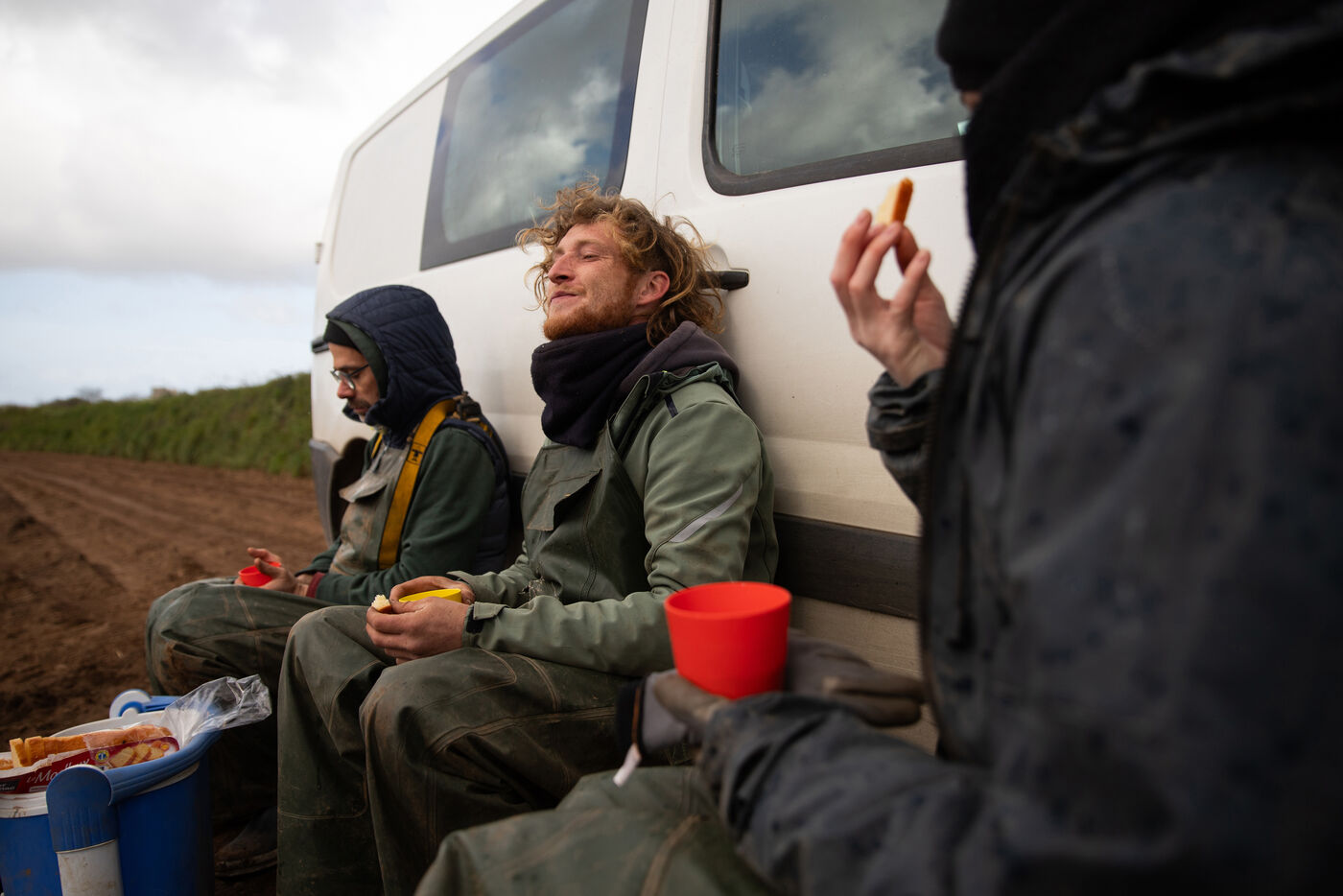
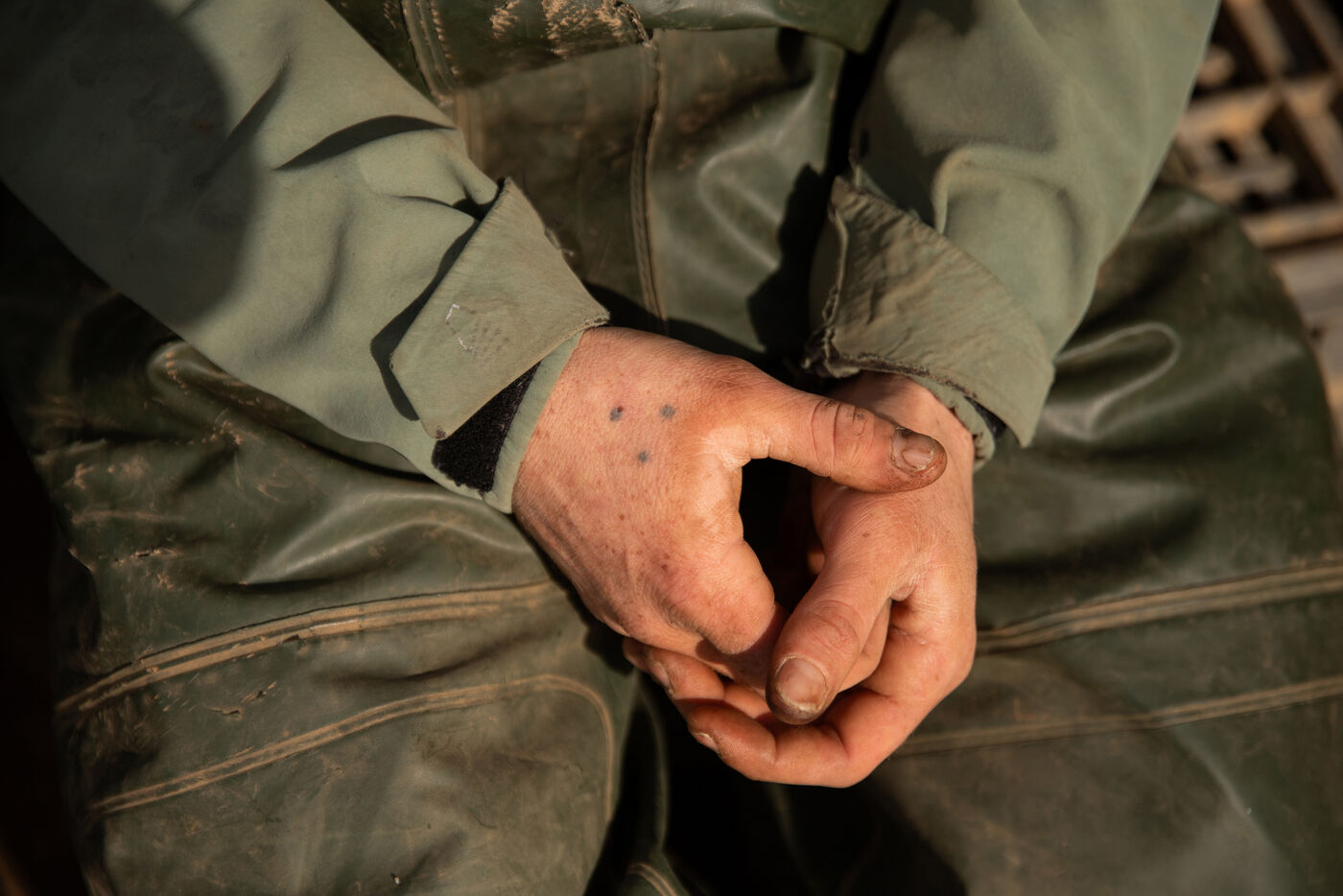
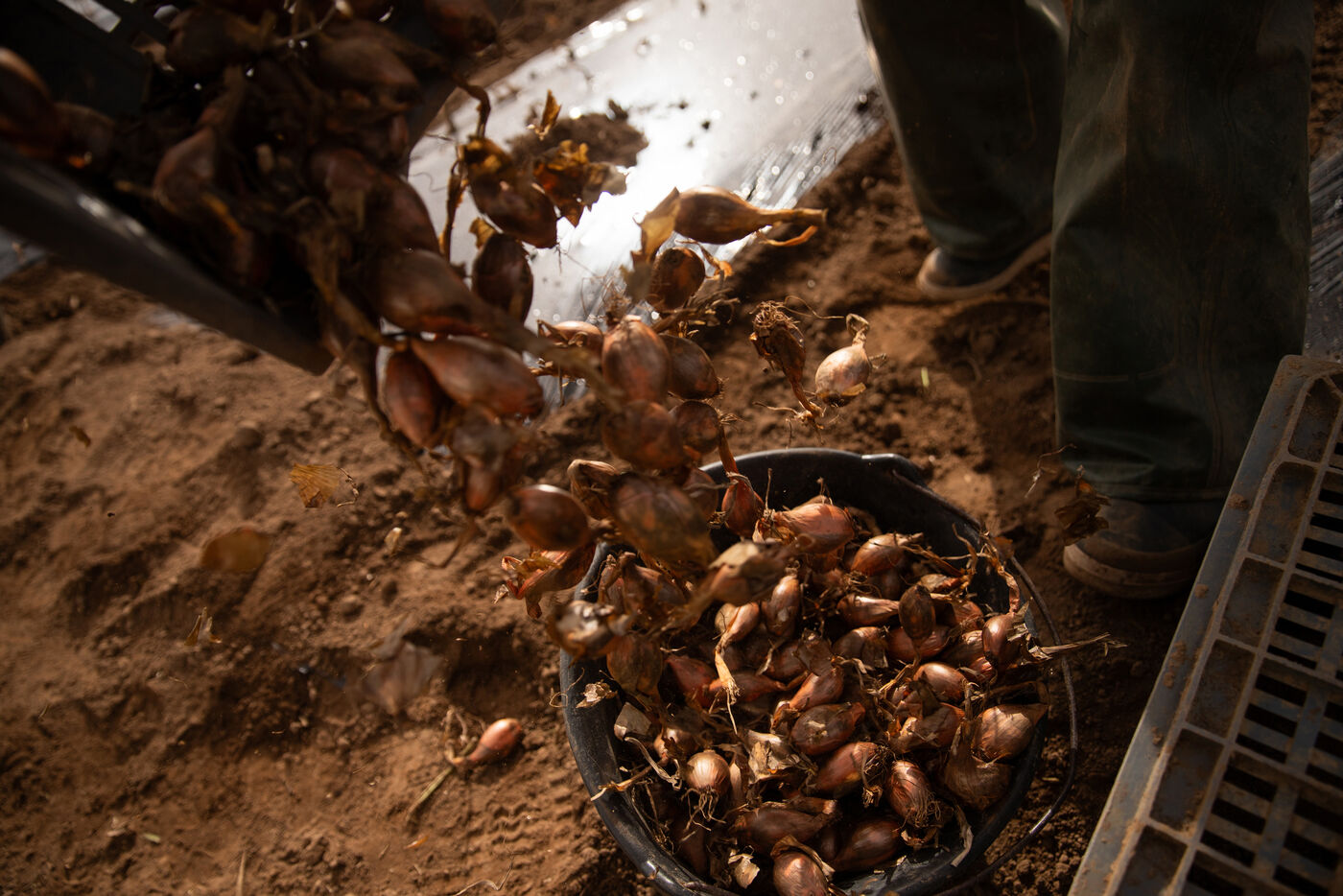
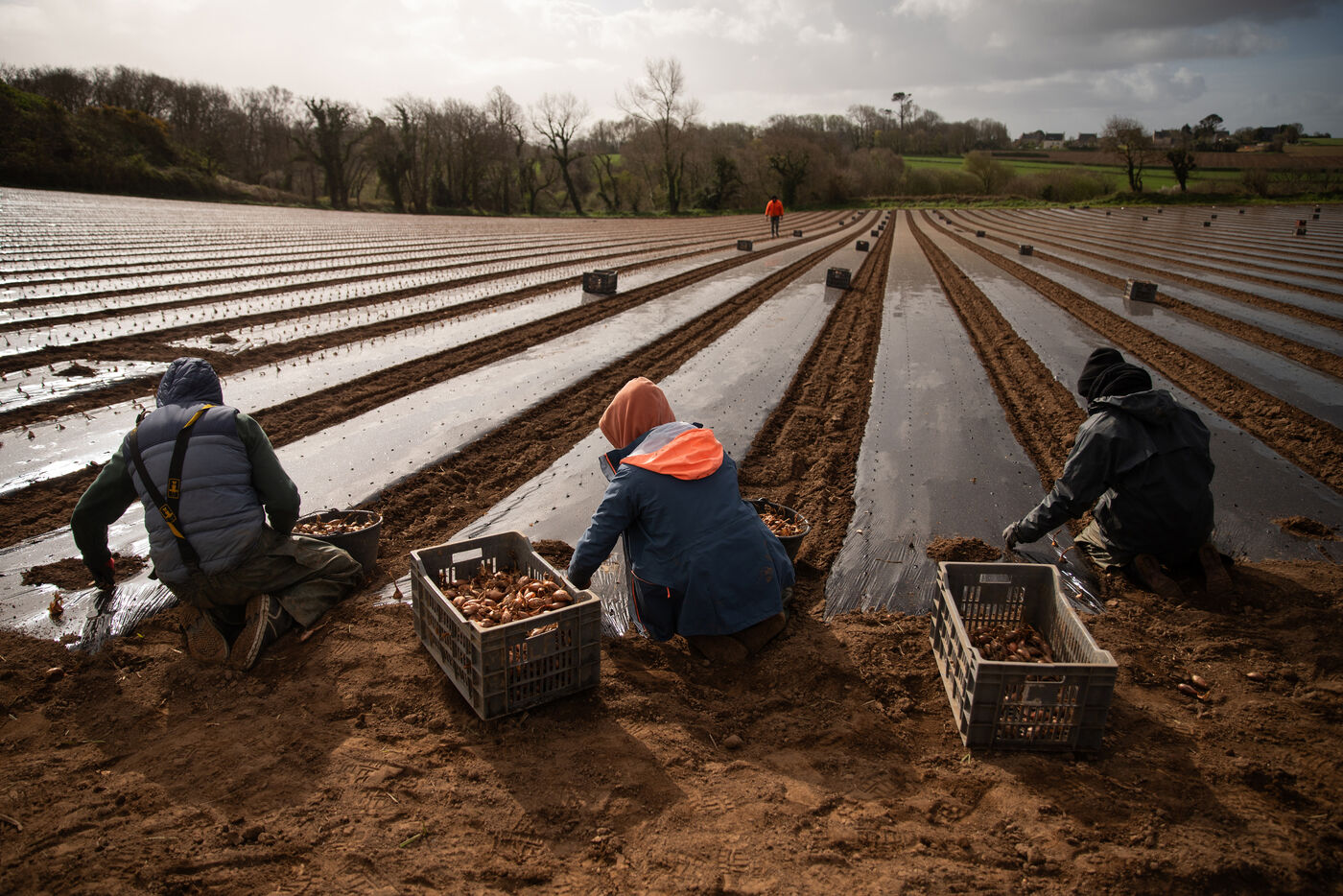
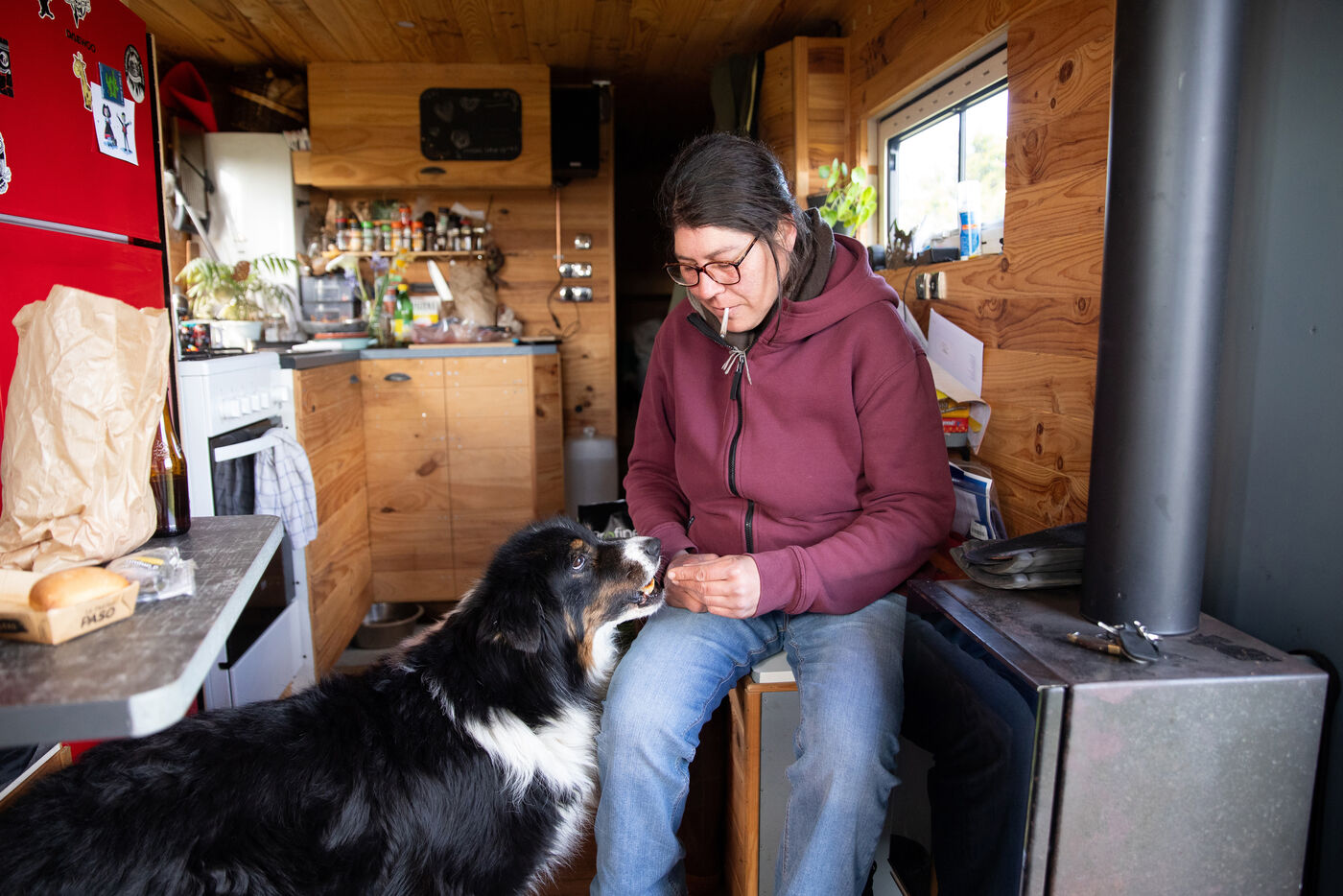
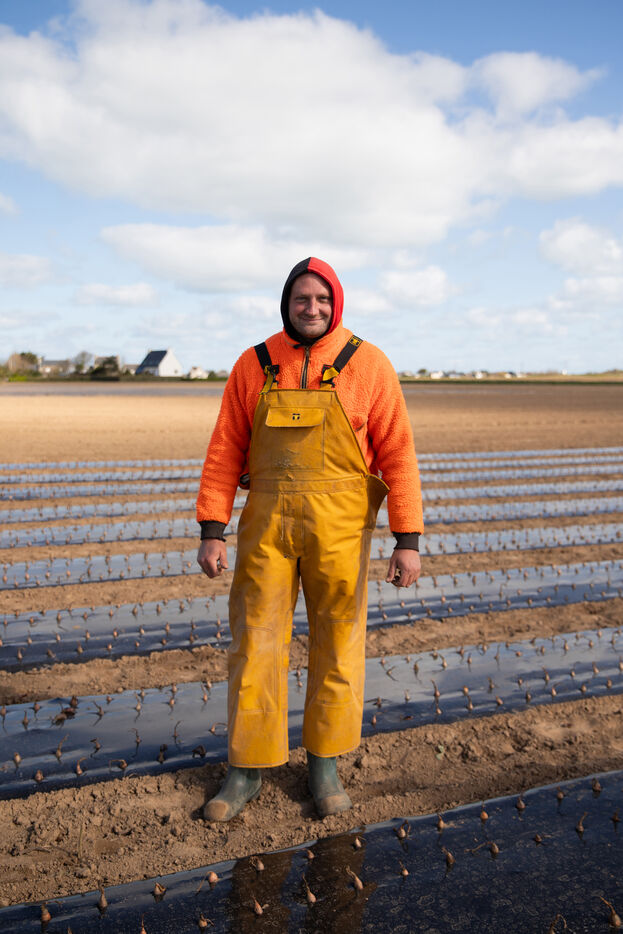
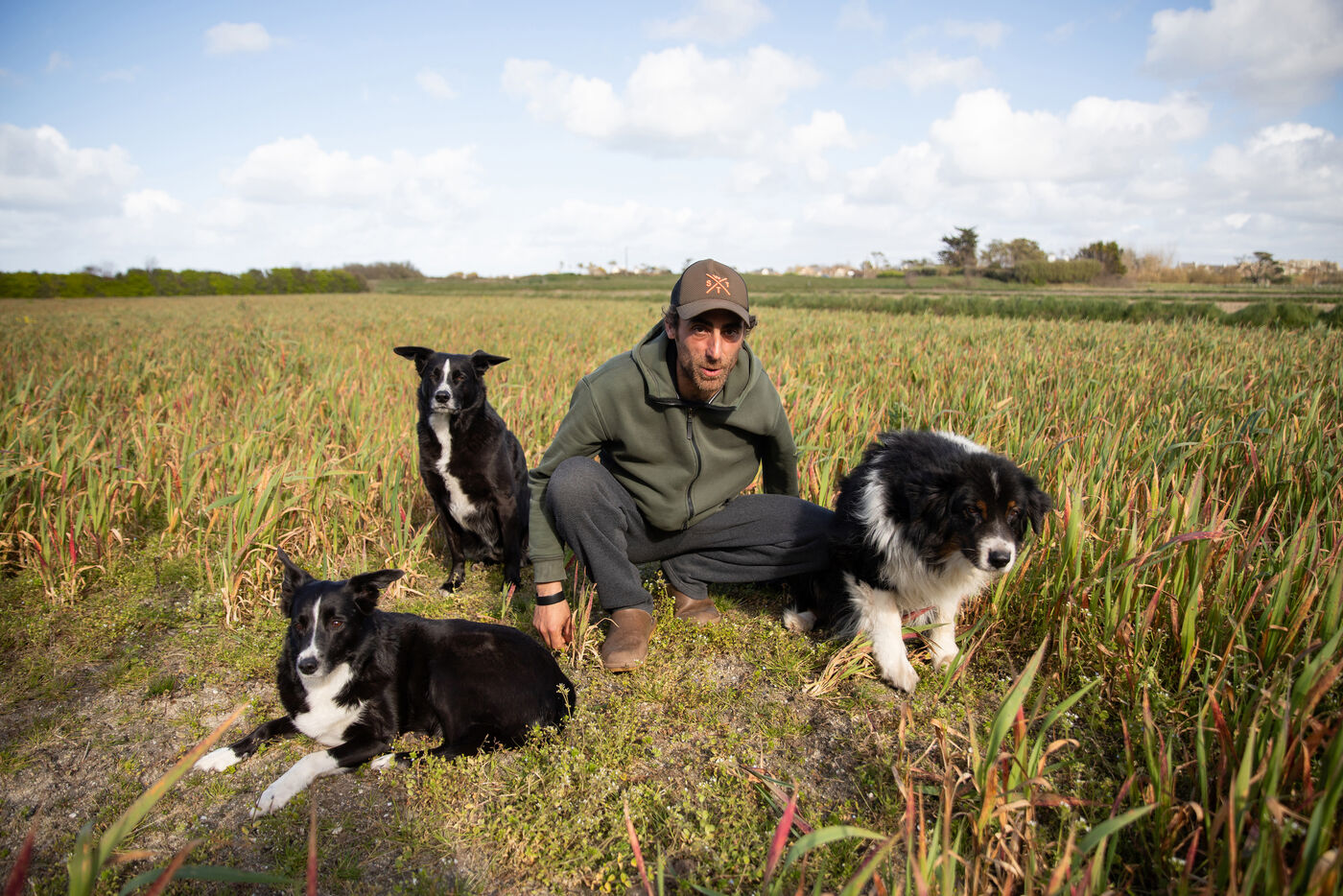
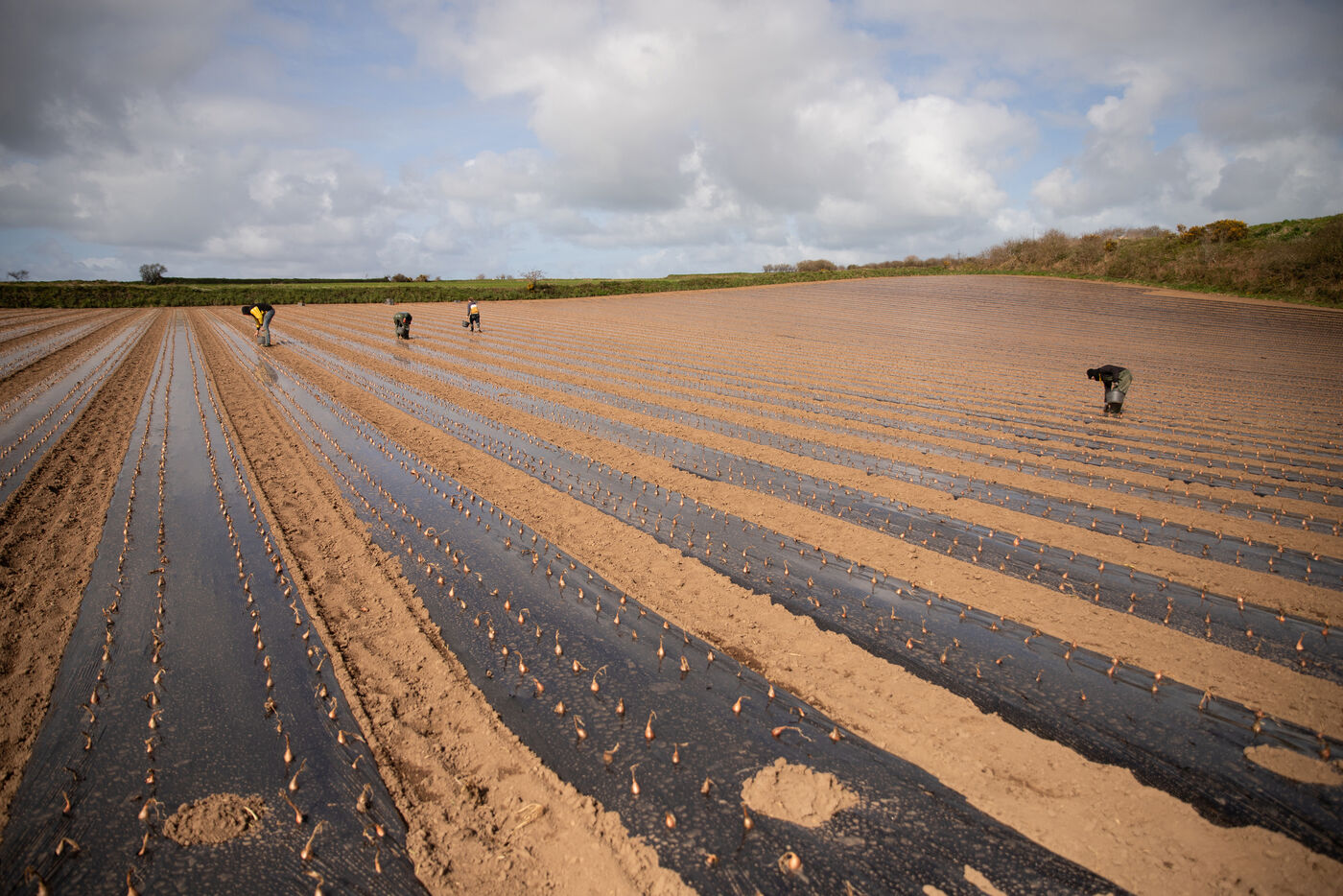
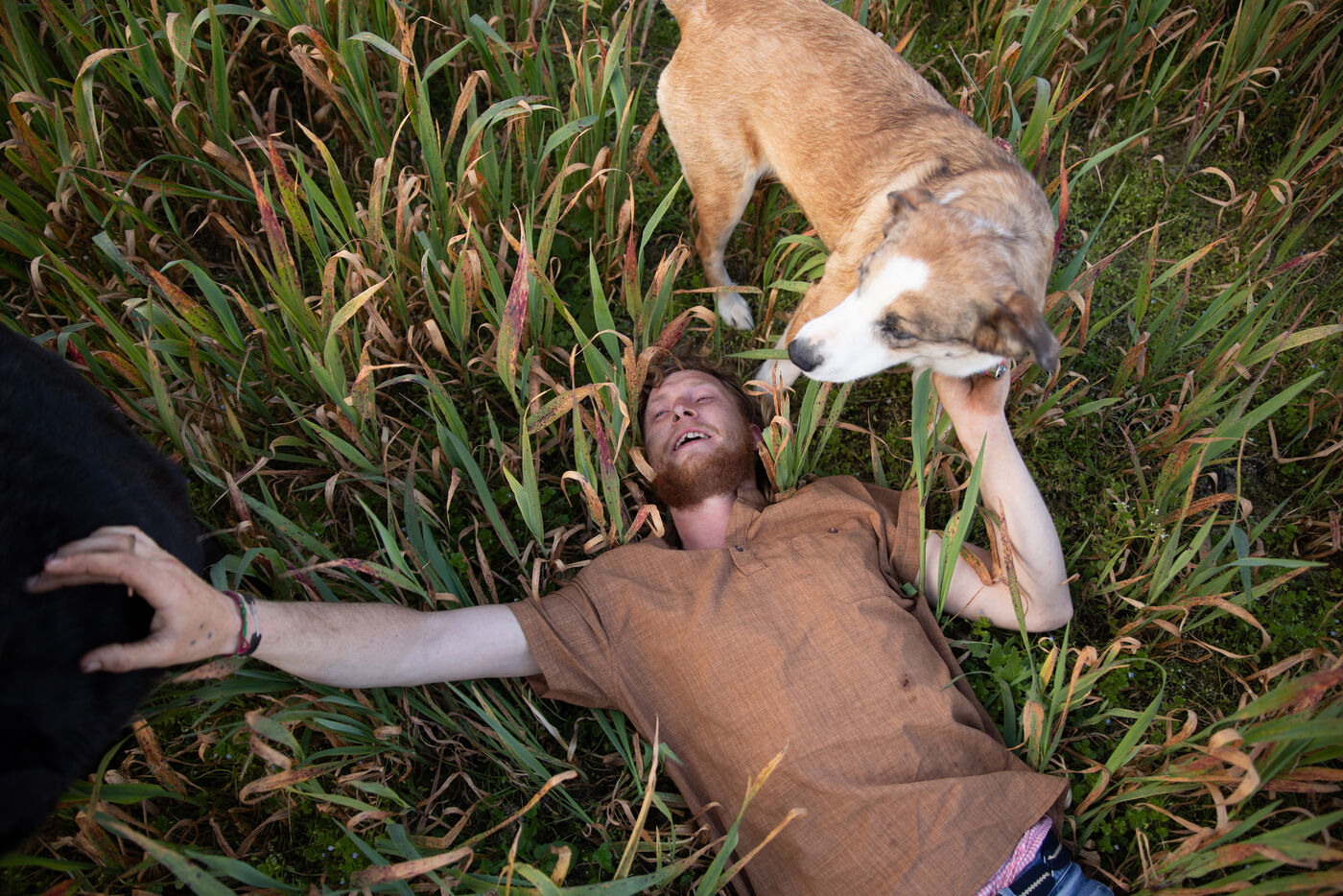
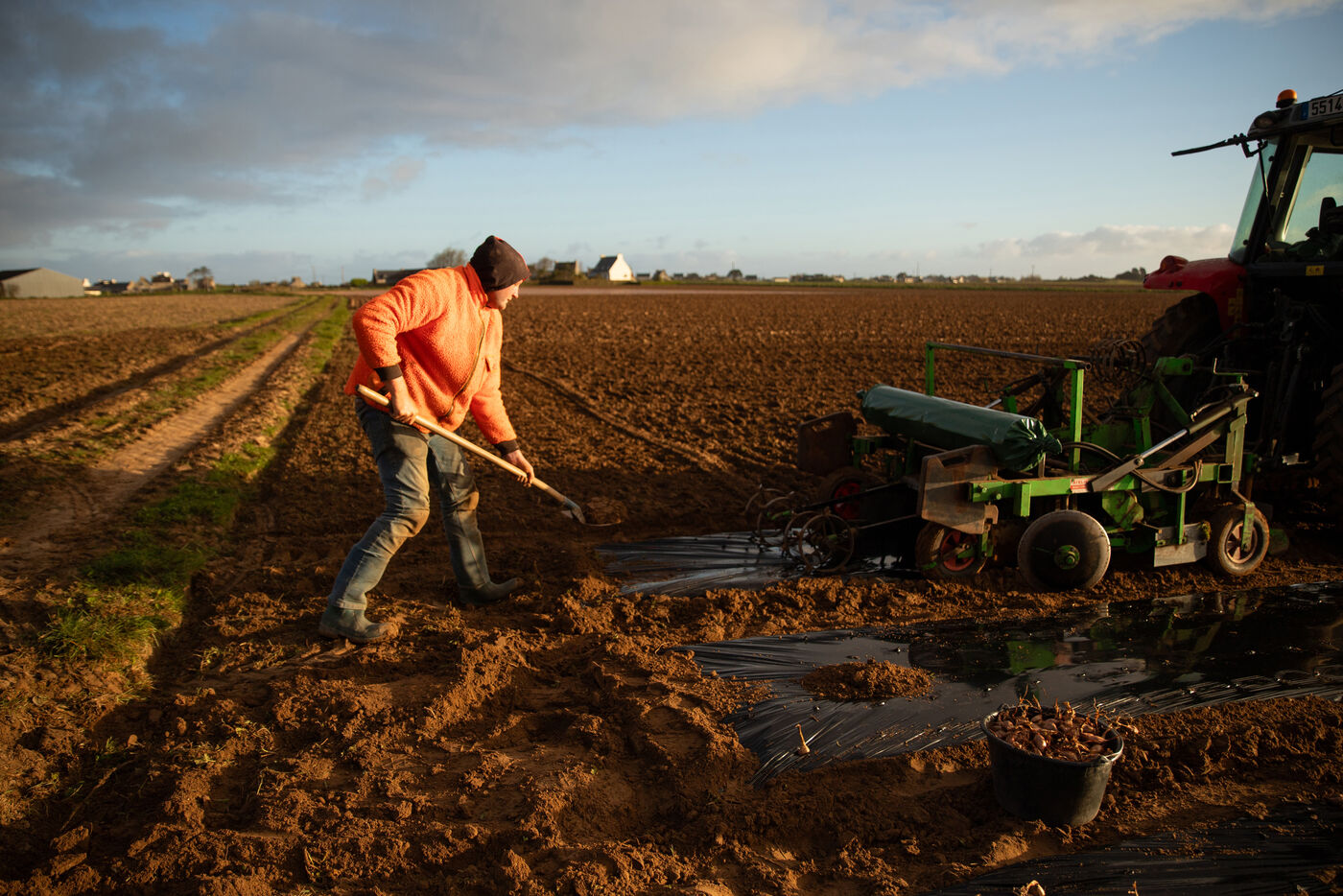
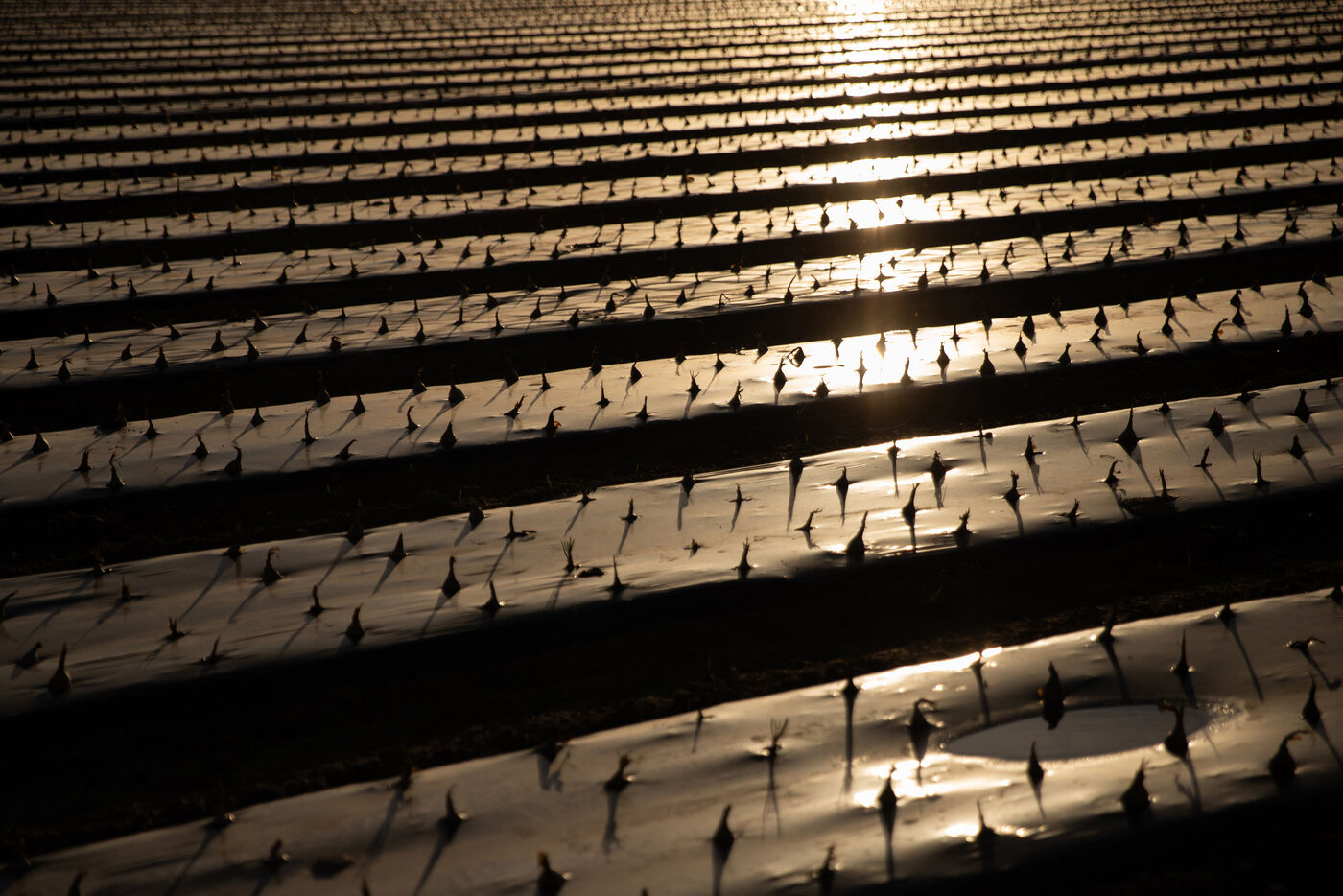
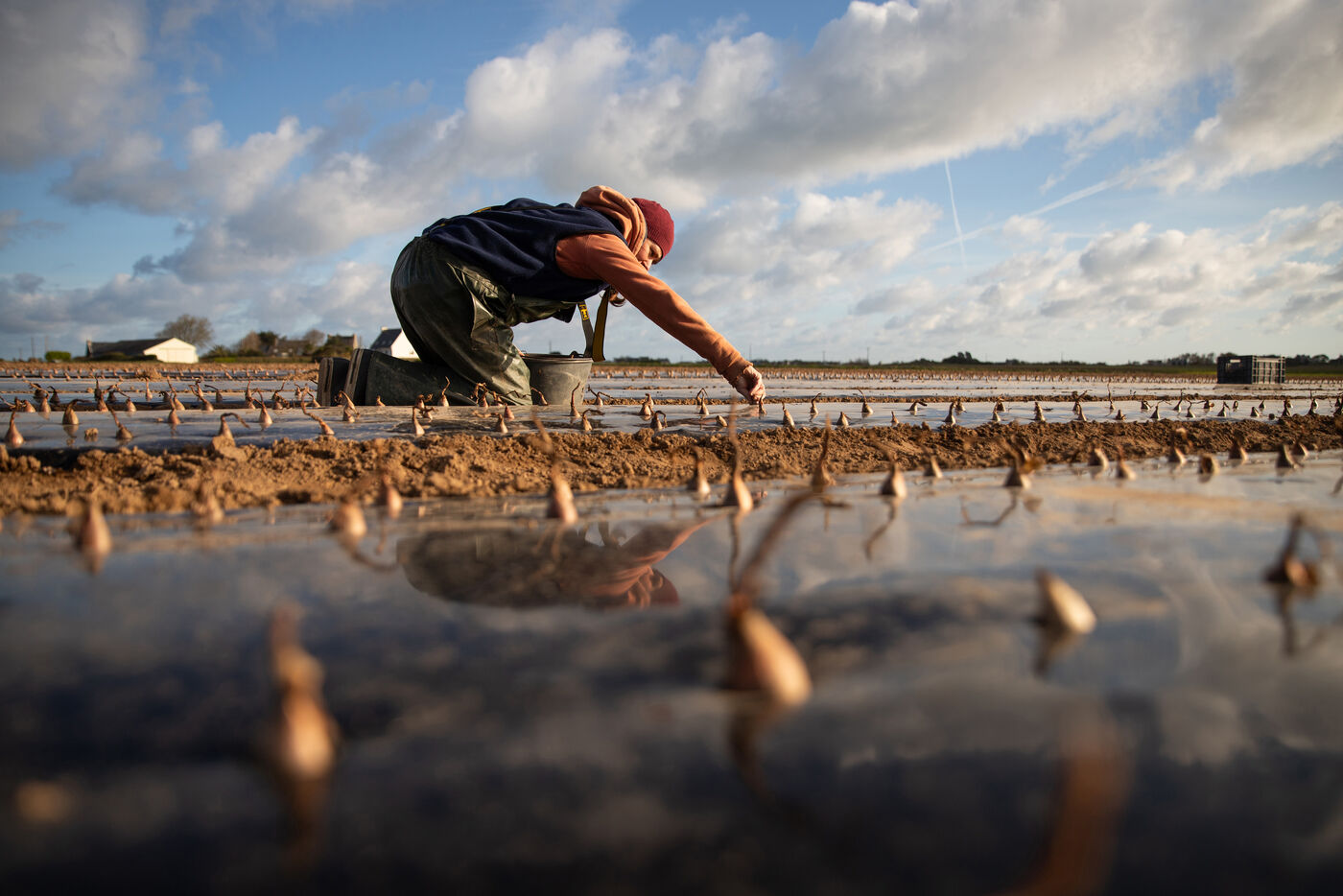
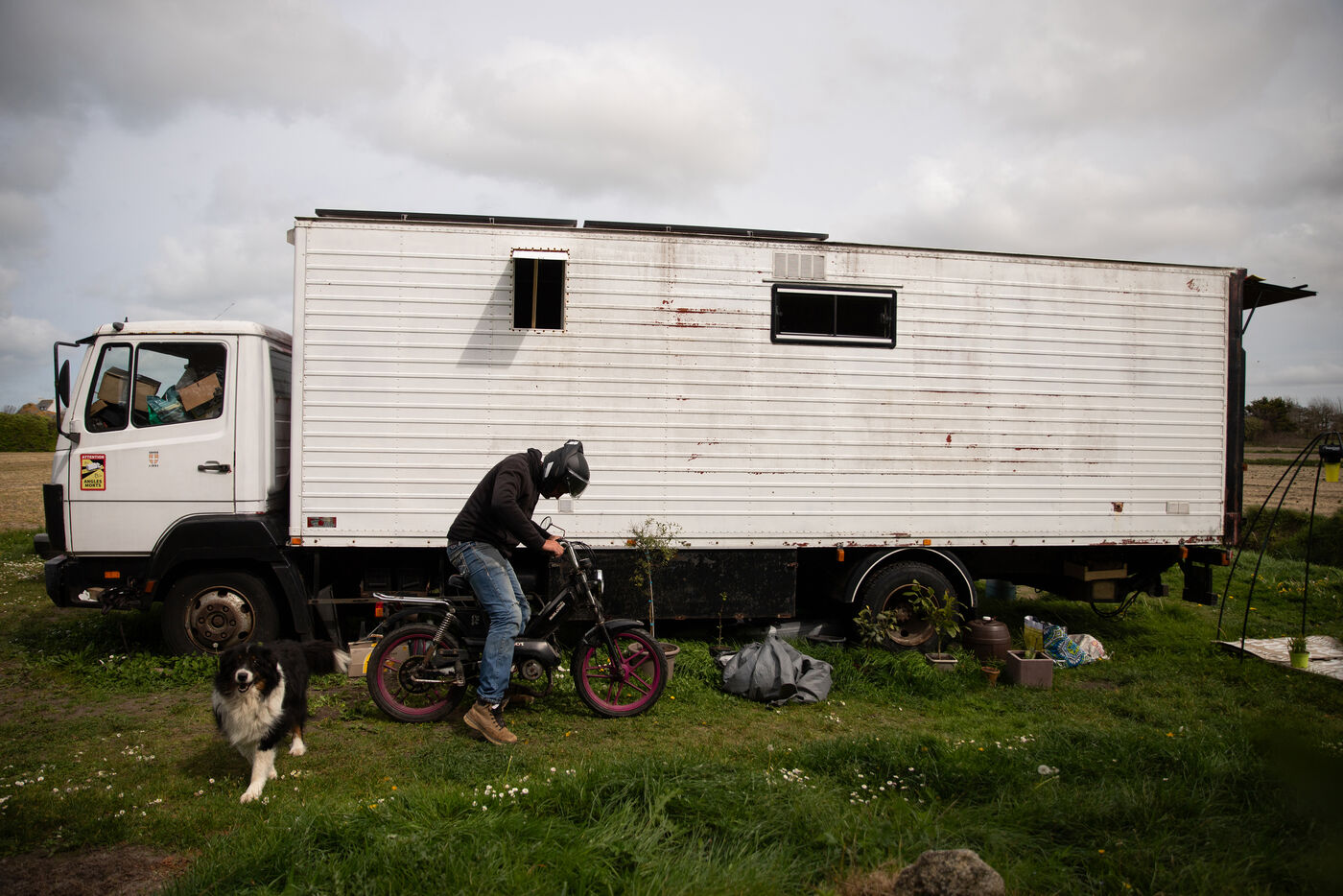
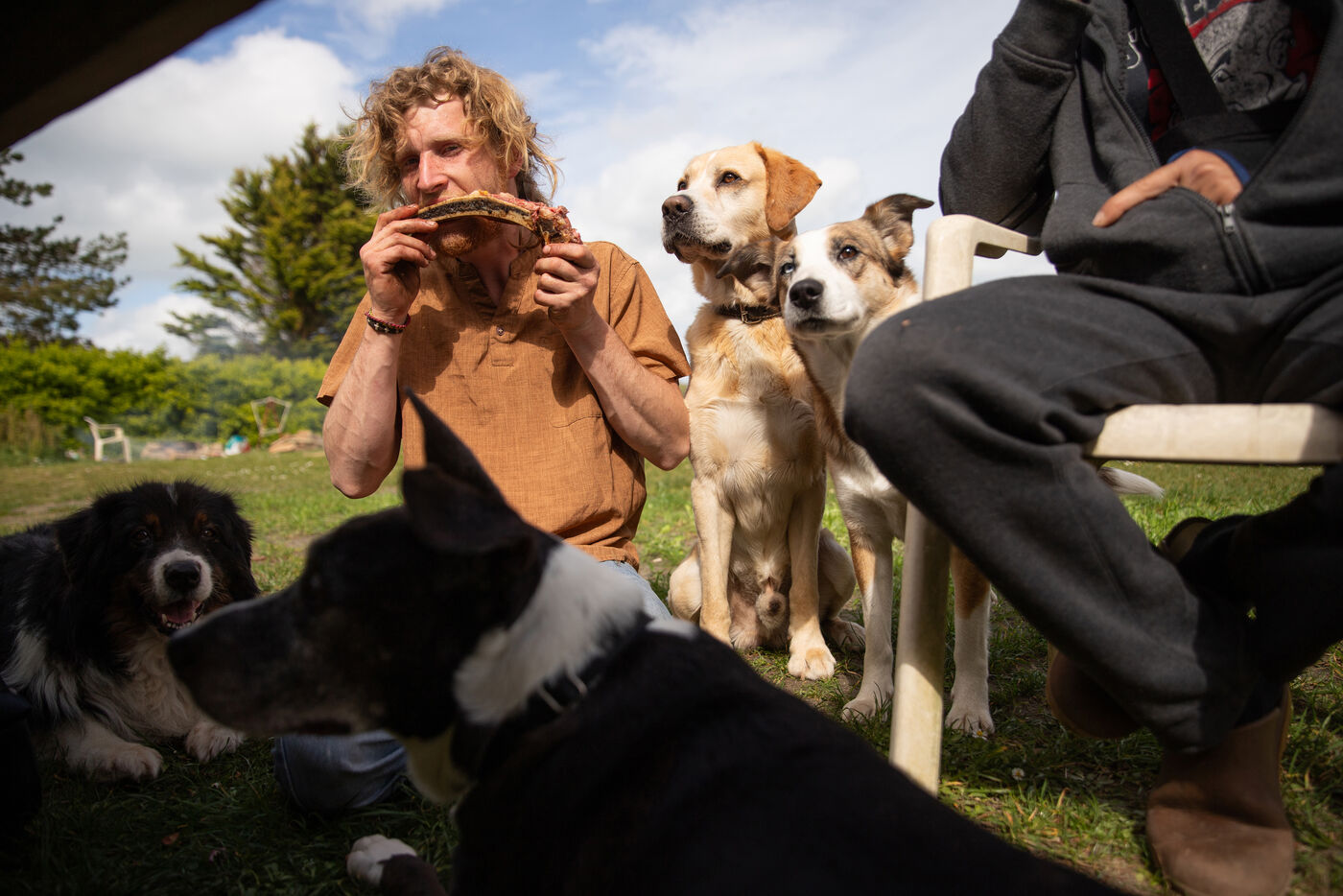
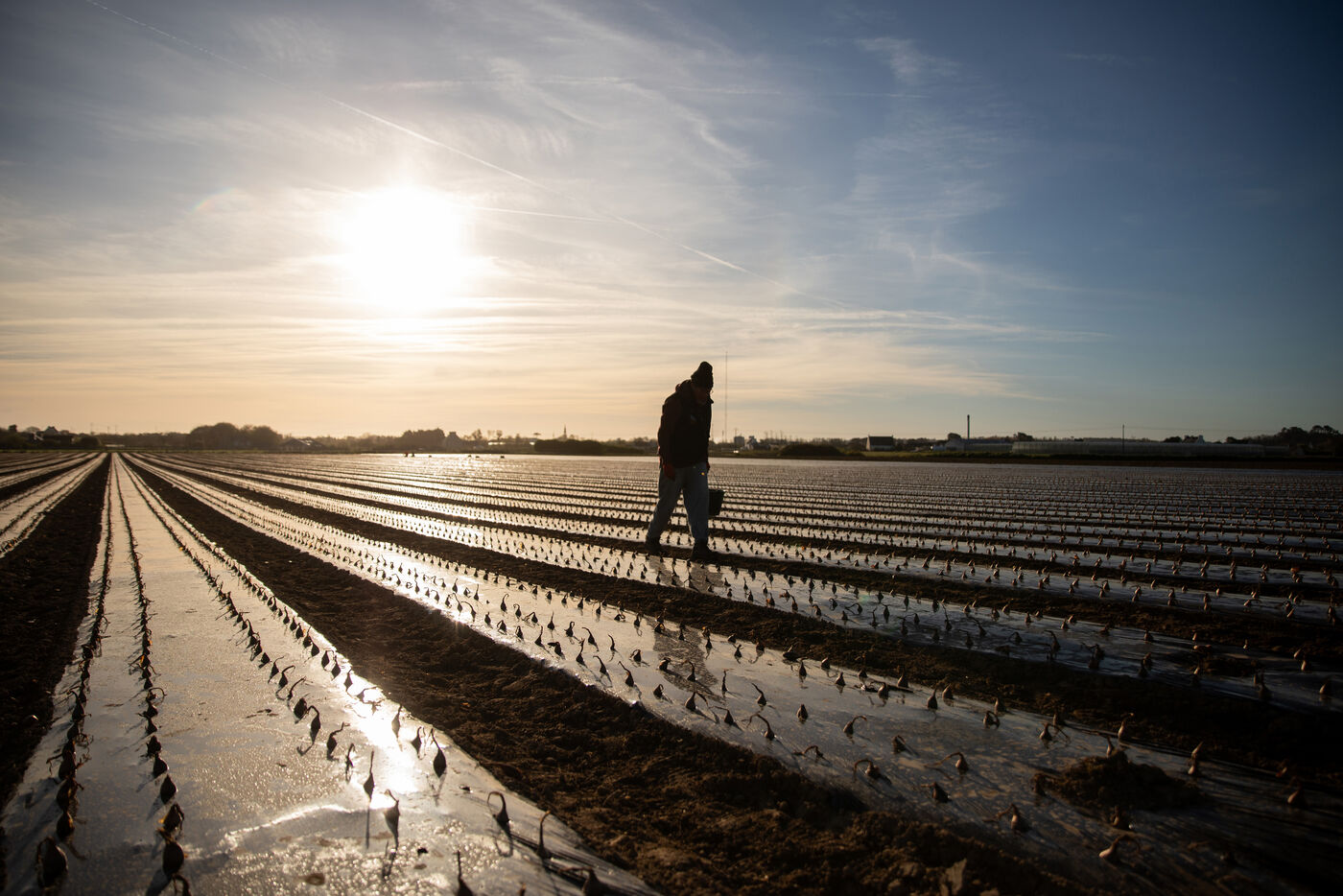
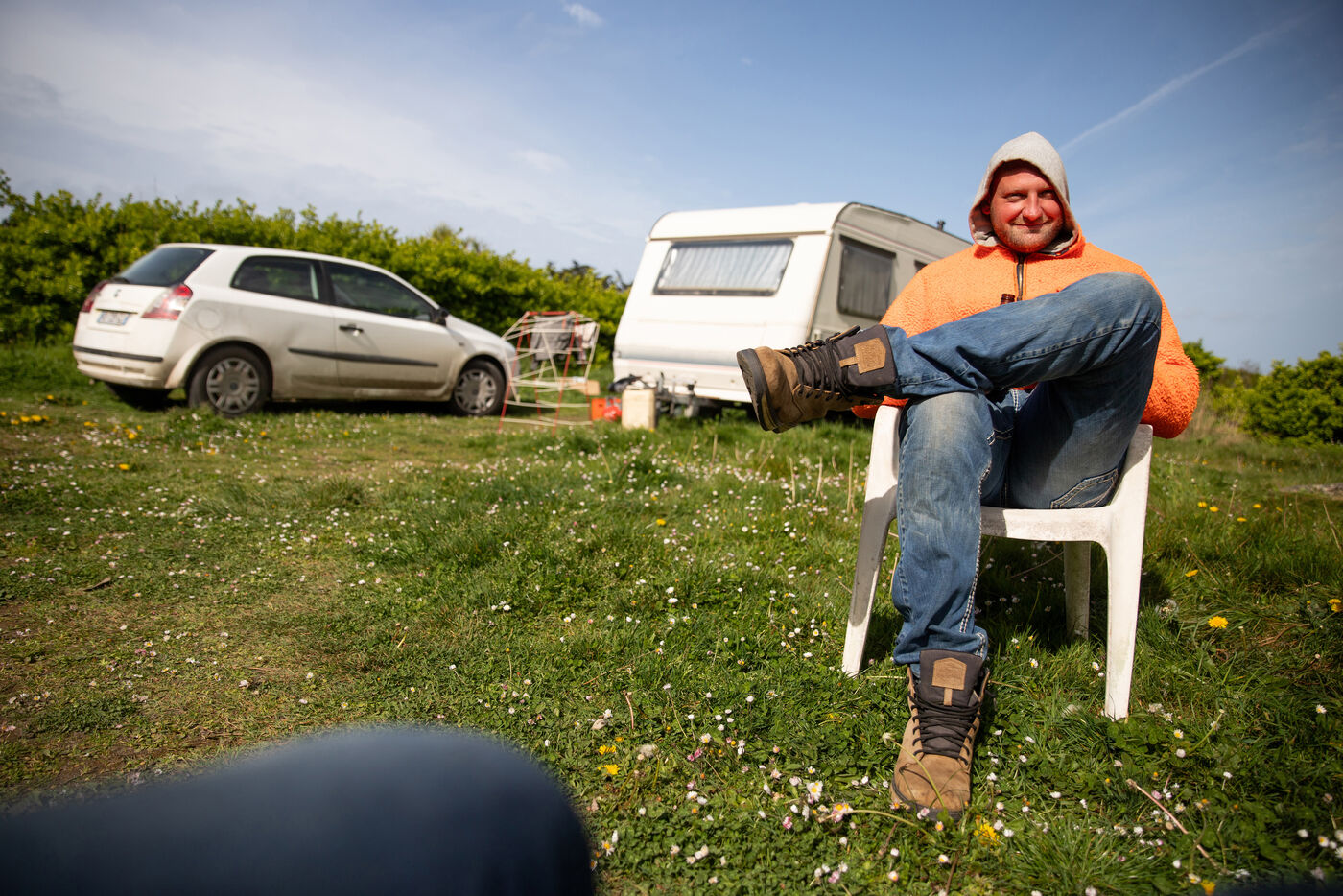
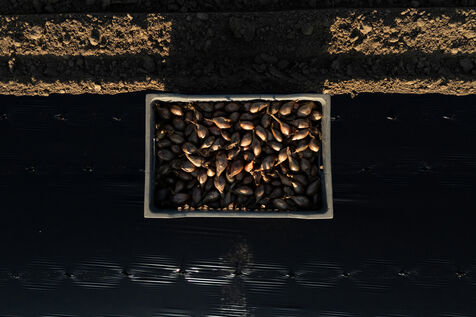
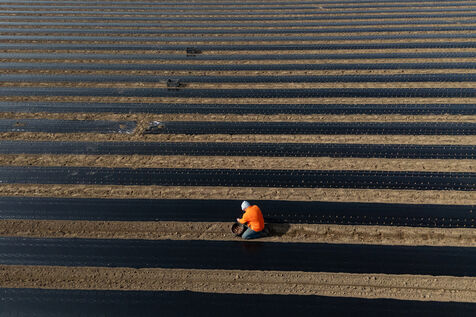
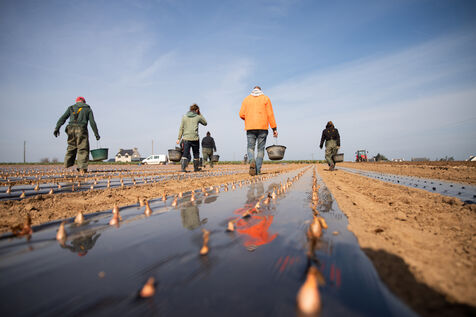
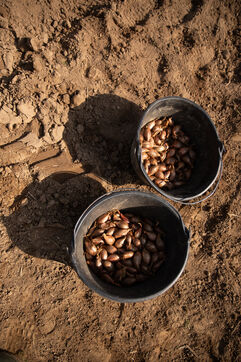
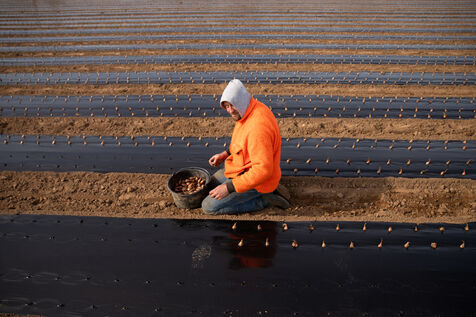
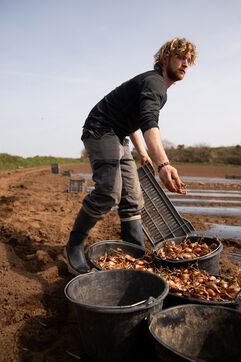
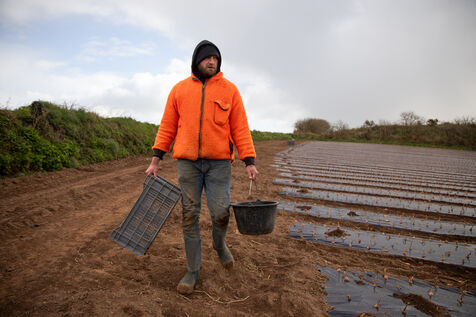
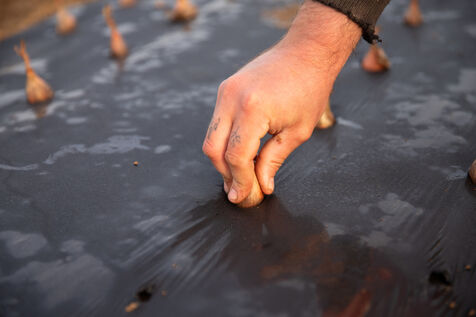
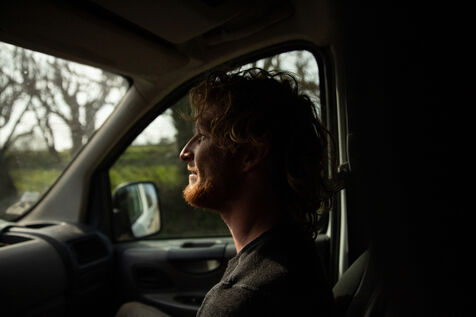
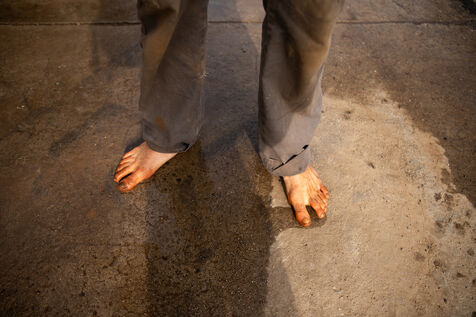
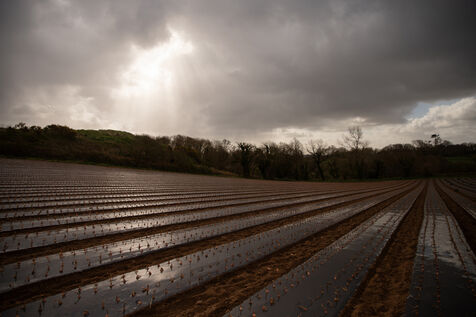
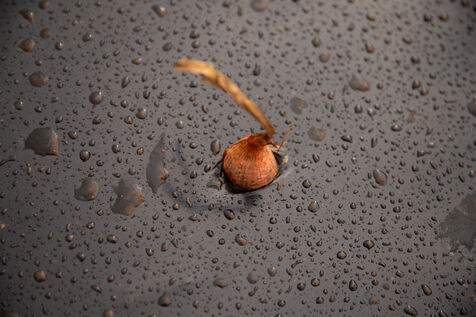
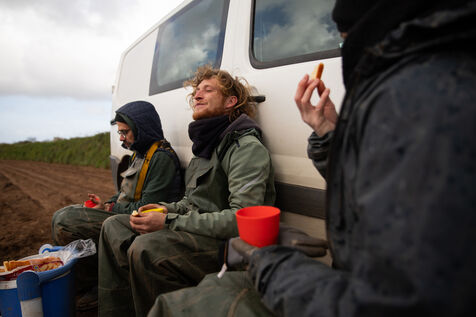
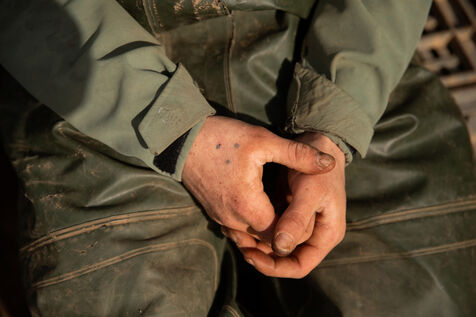
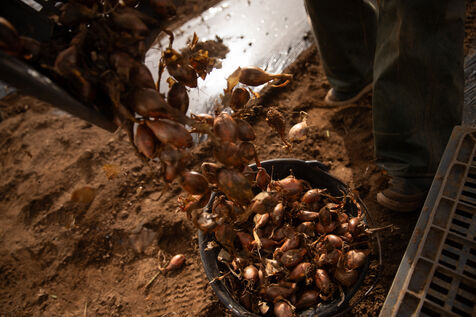
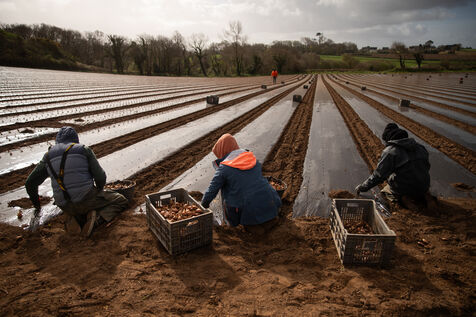
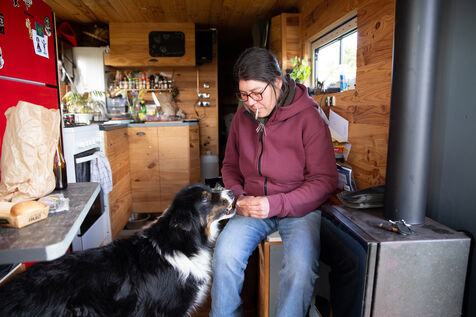
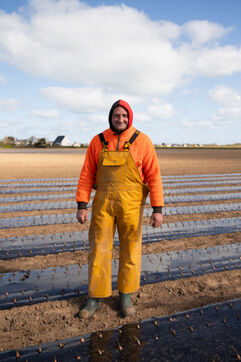
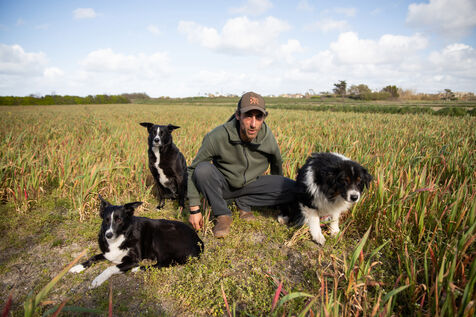
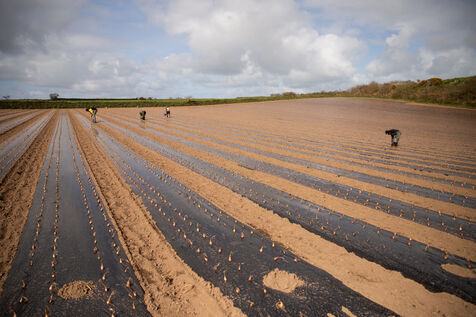
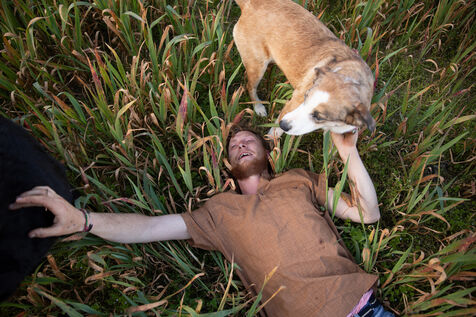
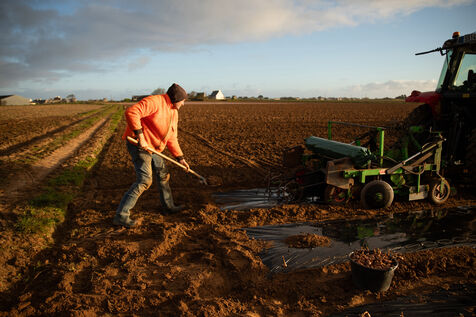
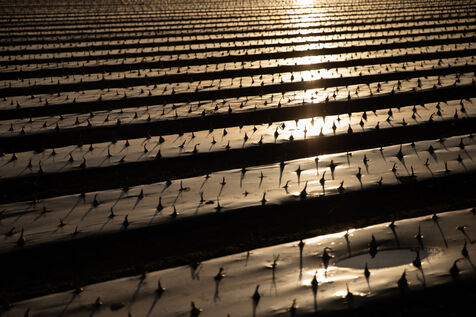
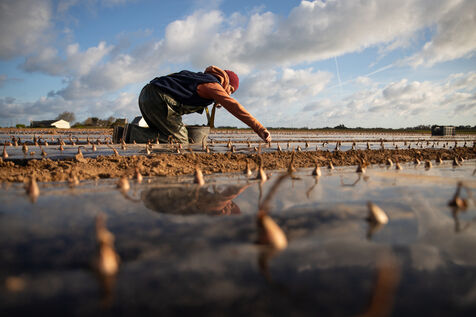
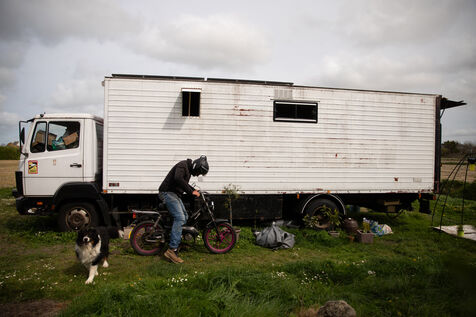
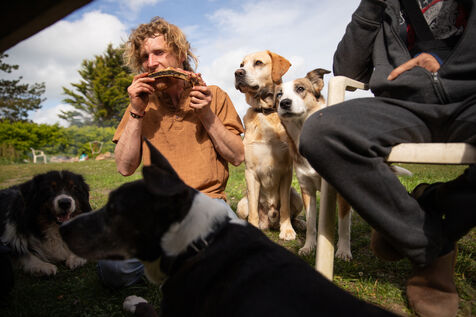
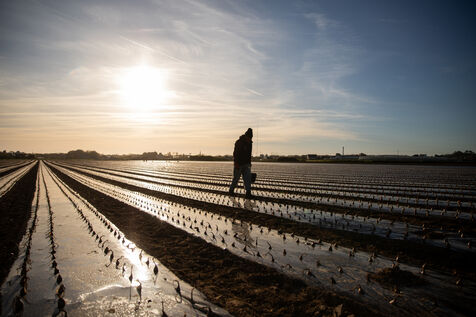
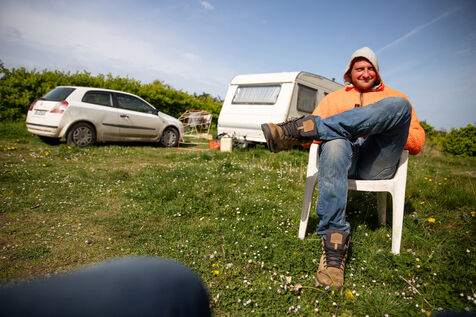
A Kerlouan dans le Finistère Nord, la fin de l’hiver a une odeur bien particulière. Les champs sont encore striés par les intenses pluies atlantiques qui se sont abattues sur le territoire en début d’année et avec plus d’un mois de retard, la saison de plantation des échalotes peut commencer. Alors que le soleil se lève à peine, les équipes de saisonniers arrivent dans les champs. Certains viennent des villages voisins, d’autres arrivent de plus loin en France et même de l’étranger. Ces petites mains sont indispensables pour les exploitations qui pratiquent cette culture traditionnelle de la région. Dans les parcelles de Loïc Lyvinec, agriculteur biologique, les lignes de bâches sont tirées au cordeau, prêtes à recevoir les précieux bulbes. Dans le silence du matin, la tache peut commencer pour les travailleurs saisonniers, ici un petit groupe dont certains viennent depuis une dizaine d’années faire la saison dans ces champs du pays Pagan, fidèles au rythme des cultures. Planter une échalote, c’est simple en apparence, mais répéter ces gestes des milliers de fois transforme la simplicité en discipline. Les mains deviennent rapides, le dos et les genoux se rappellent à chacun. Dans le champ, entraide et plaisanteries permettent de faire défiler les heures, rendent le labeur moins rude jusqu’aux soirées et aux week-end de repos. C’est un moment suspendu, où la terre, le climat et les hommes avancent ensemble, dans un équilibre fragile, une humanité silencieuse et nomade, celle qui nourrit sans se montrer.
Seasonal shallot planters at Kerlouan
At Kerlouan in northern Finistère, the end of winter has a very distinctive scent. The fields are still crisscrossed by the intense Atlantic rains that pounded the region at the start of the year, and with more than a month’s delay, the shallot planting season can finally begin. As the sun is just rising, teams of seasonal workers arrive in the fields. Some come from neighboring villages, others arrive from farther away in France and even from abroad. These helping hands are indispensable for the farms that practice this traditional regional crop. On the plots of Loïc Lyvinec, an organic farmer, the rows of plastic sheeting are laid out in straight lines, ready to receive the precious bulbs. In the morning silence, the work can begin for the seasonal workers, here, a small group, some of whom have been coming for about ten years to work the season in these fields of the Pagan region, faithful to the rhythm of the crops. Planting a shallot seems simple, but repeating these motions thousands of times turns simplicity into discipline. Hands move swiftly, while backs and knees remind everyone of their presence. In the field, mutual support and jokes help pass the hours, making the labor less grueling until evenings and weekends of rest. It is a moment frozen in time, when the earth, the climate, and humankind move forward together in a fragile balance, a silent and nomadic humanity that sustains without revealing itself.