Treffiagat, ville bretonne symbole du réchauffement climatique
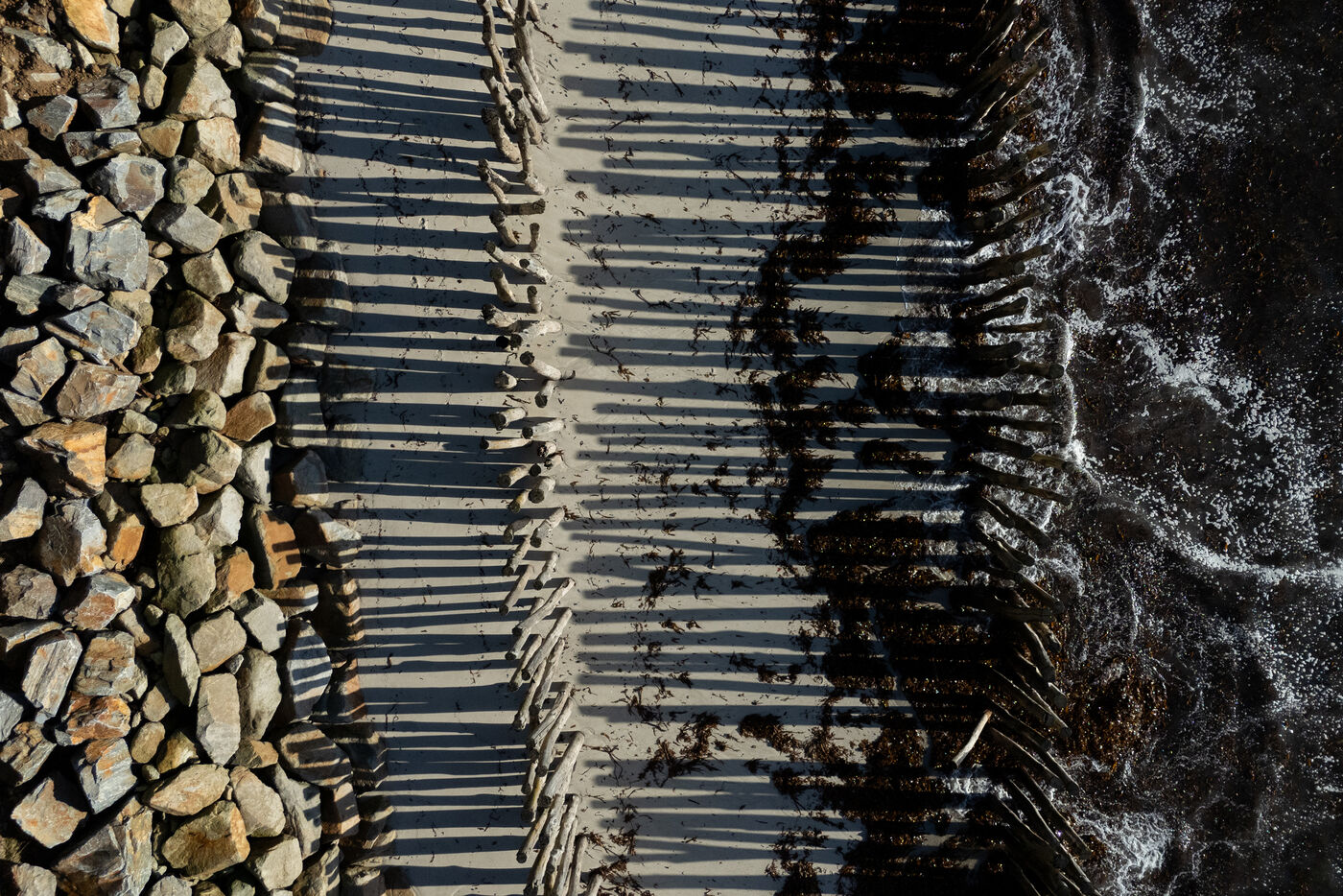
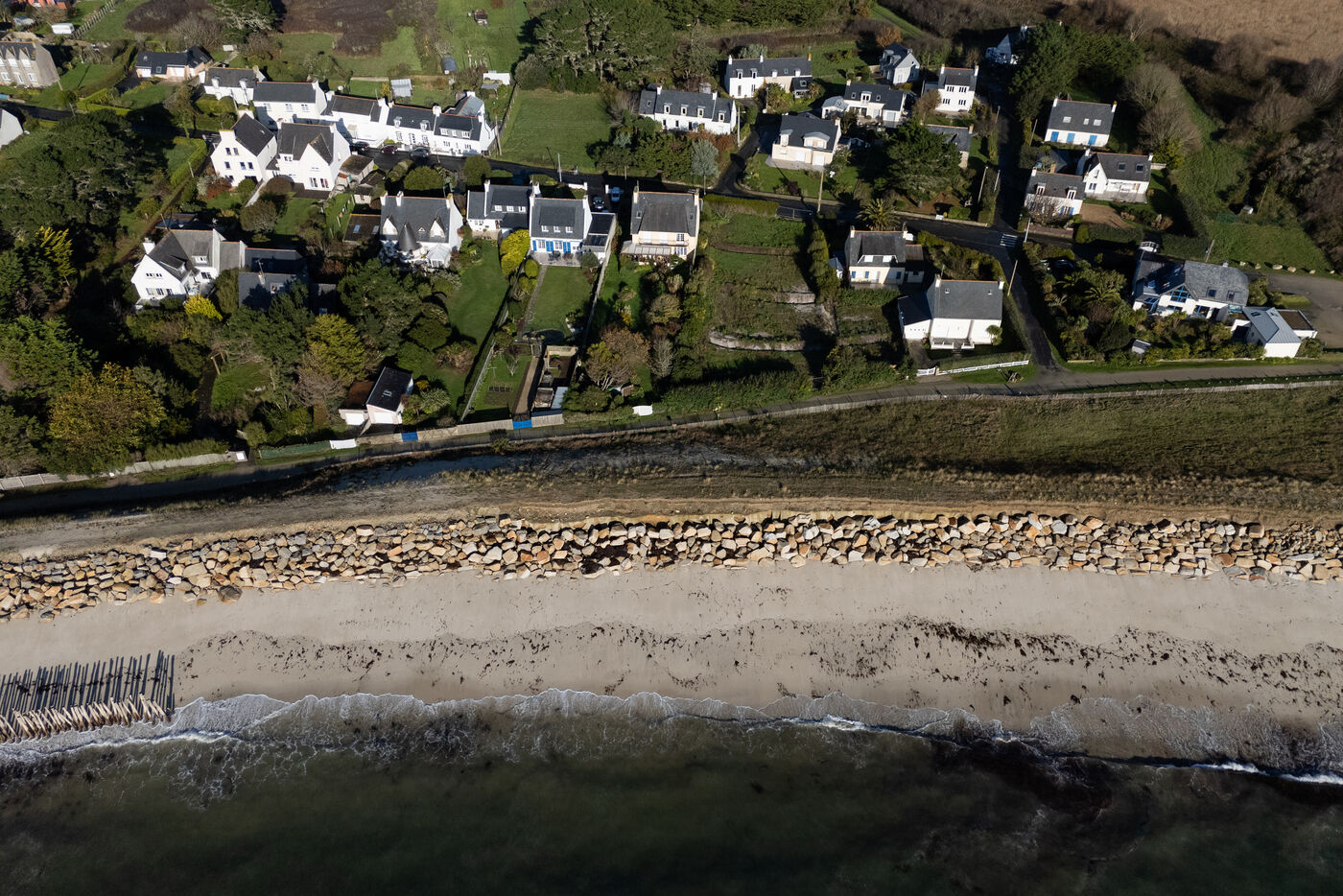
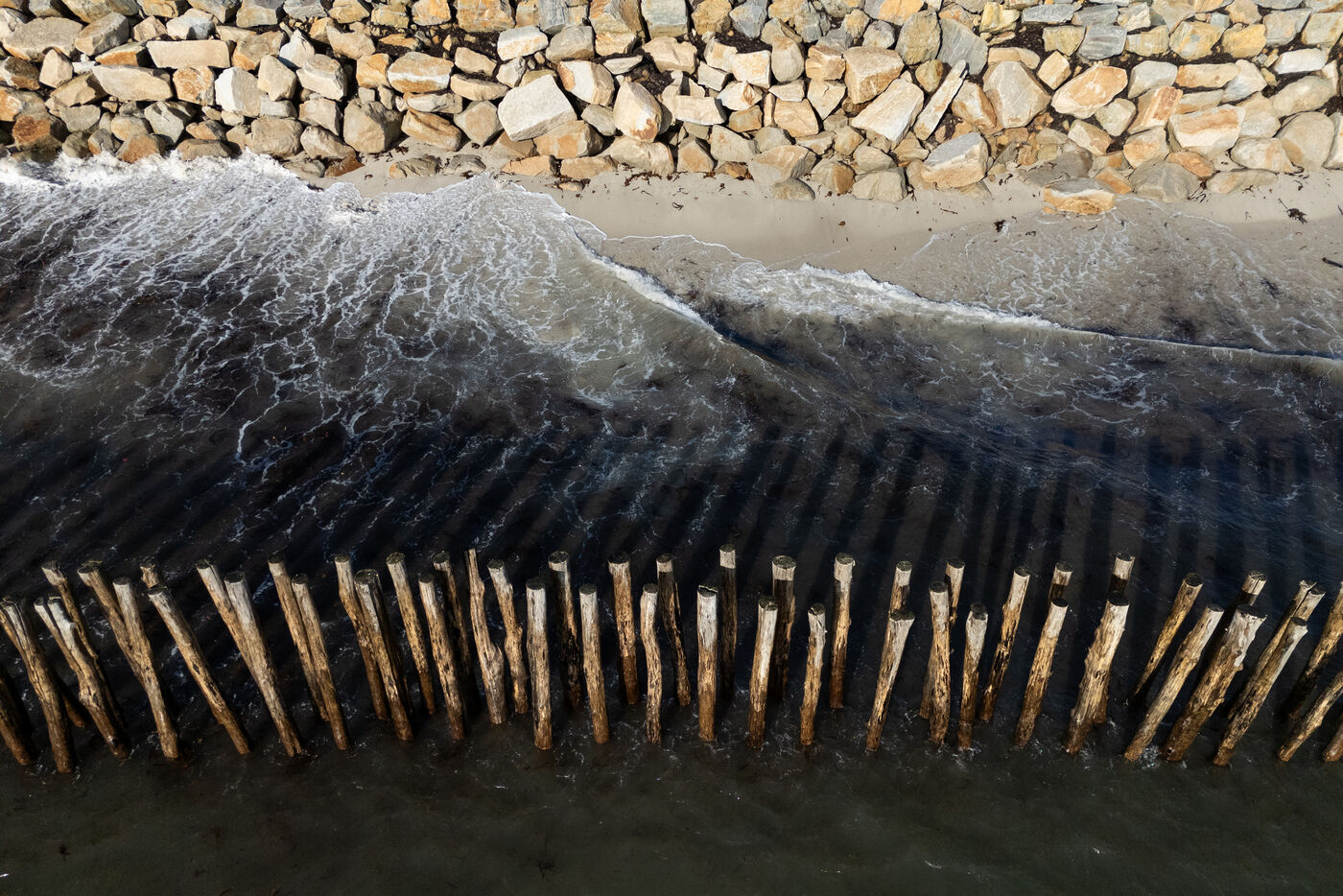
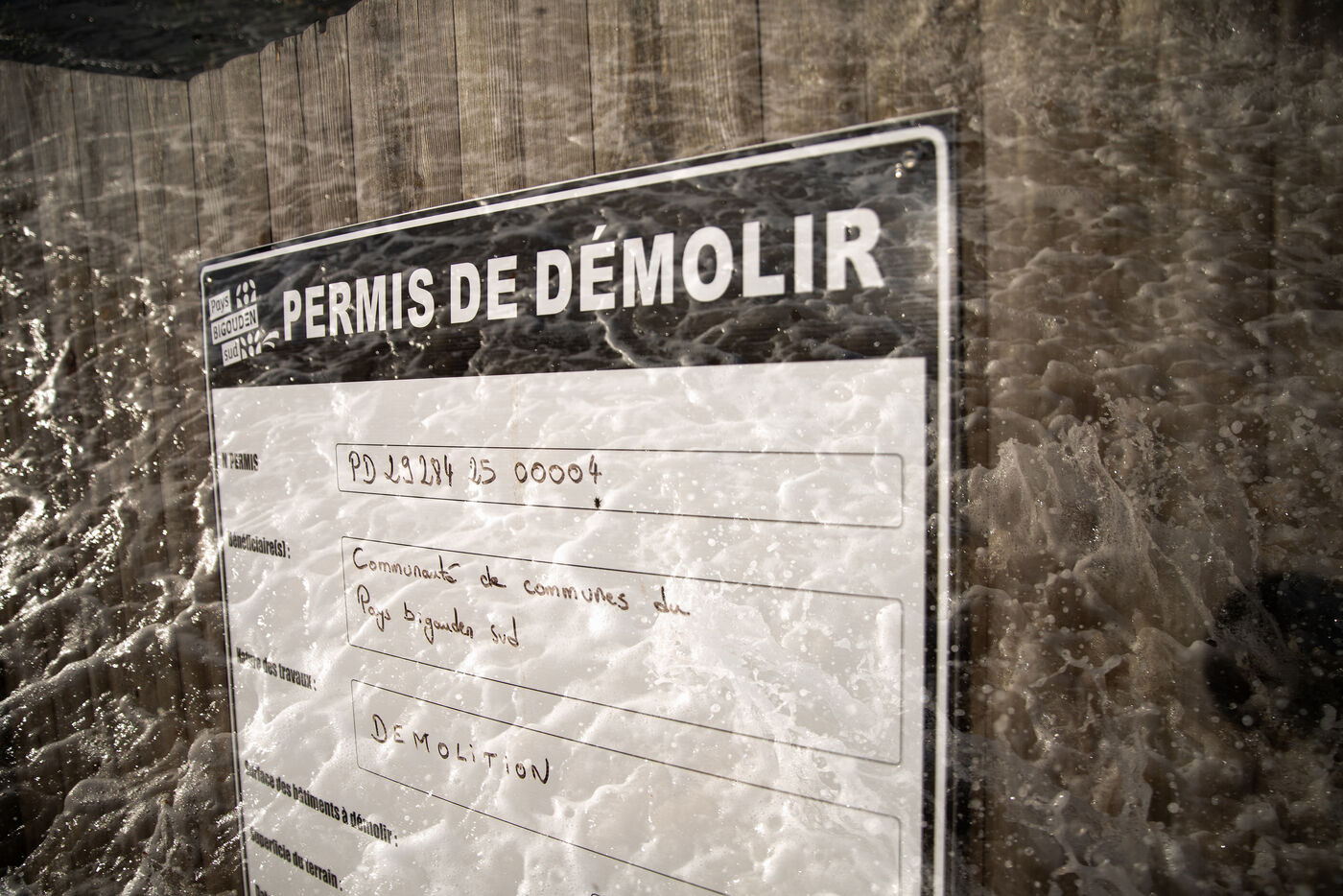
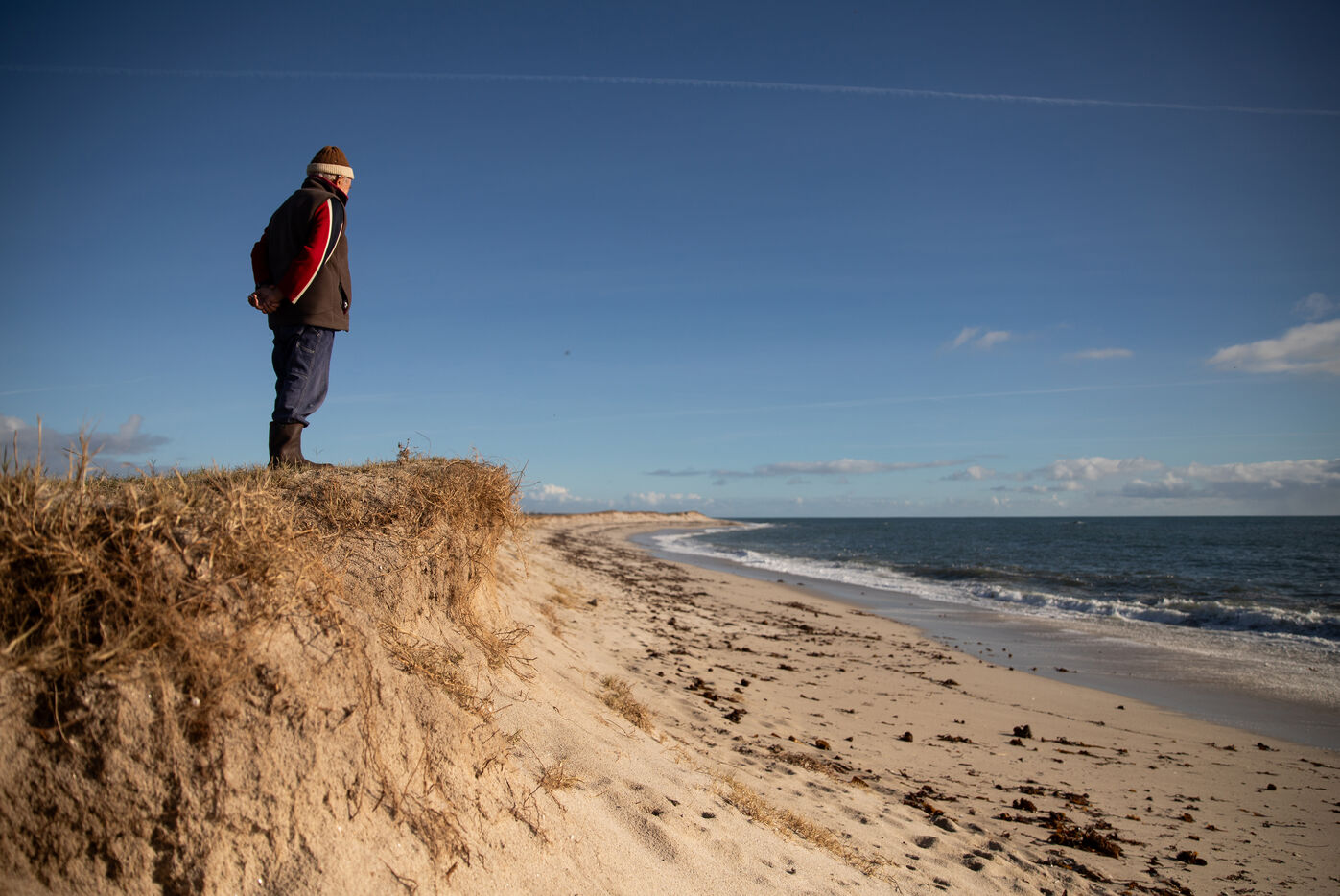
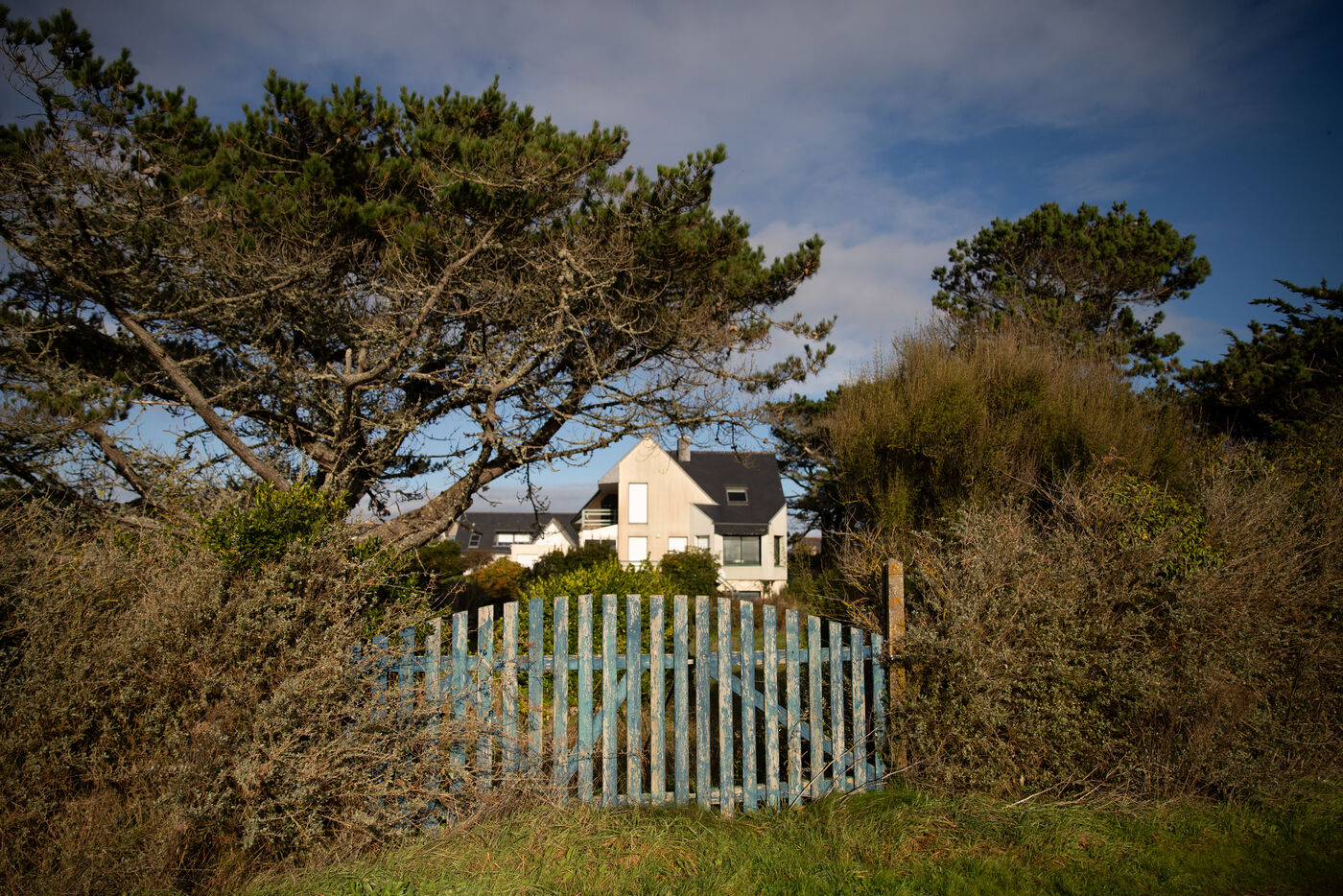
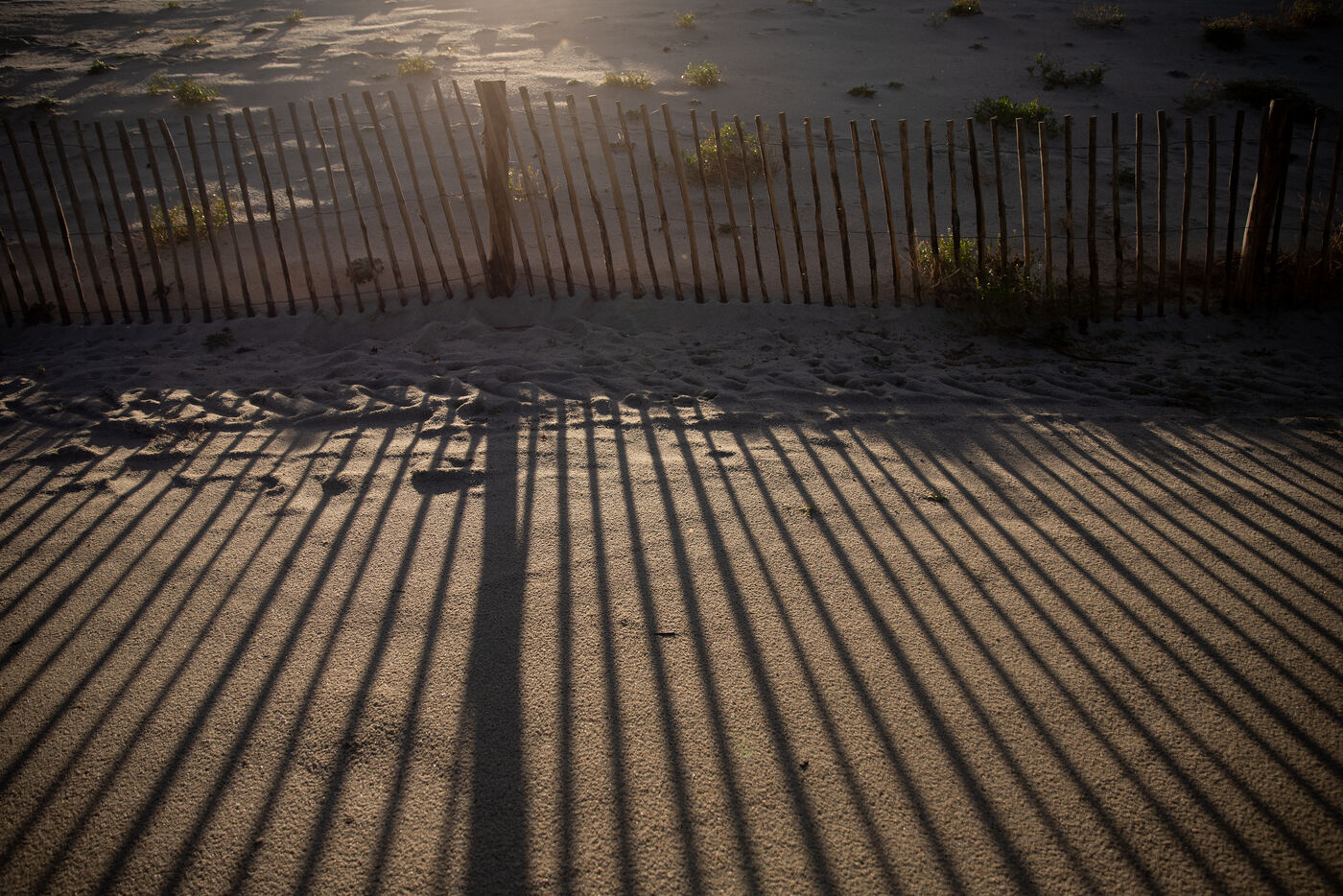
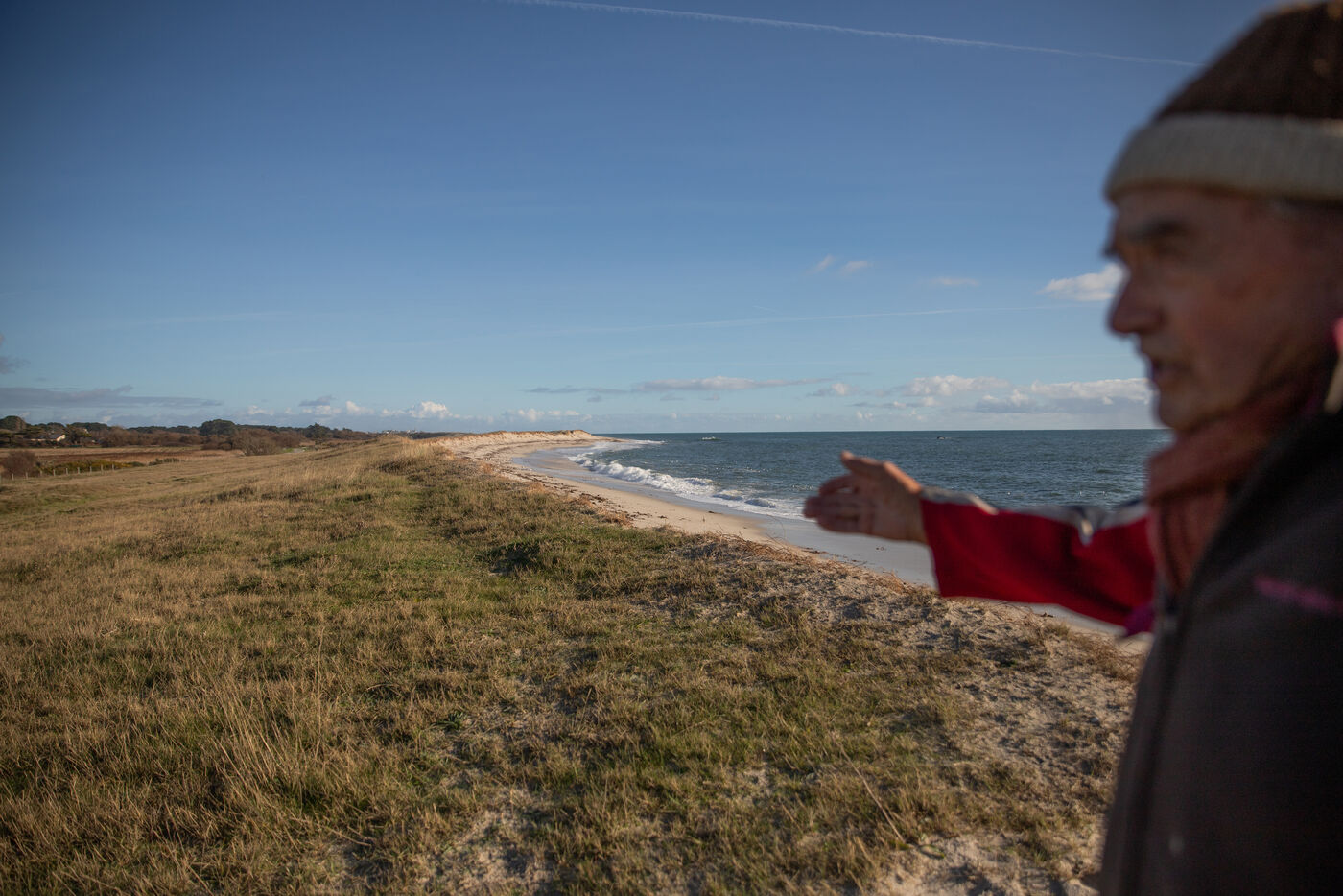
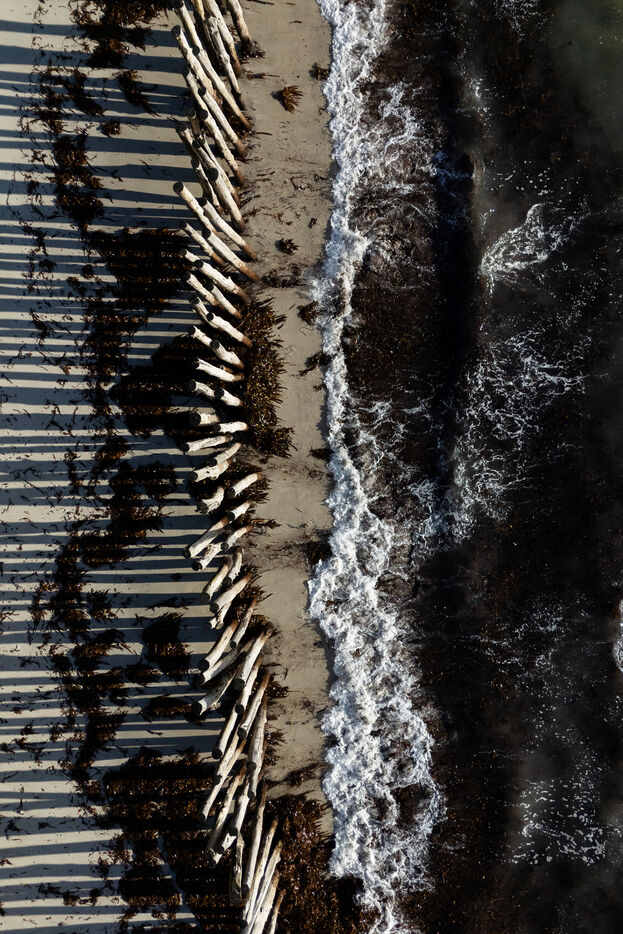
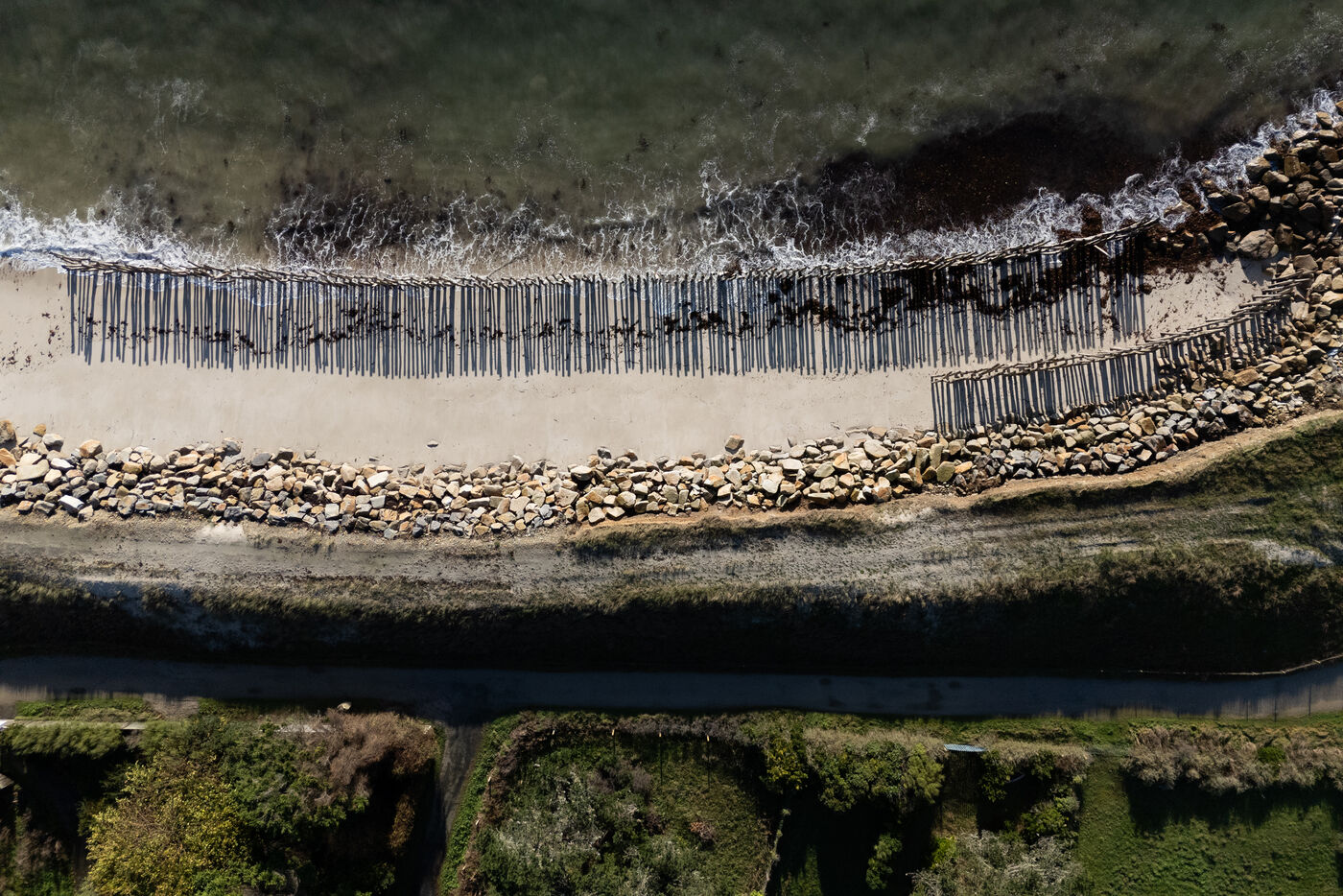
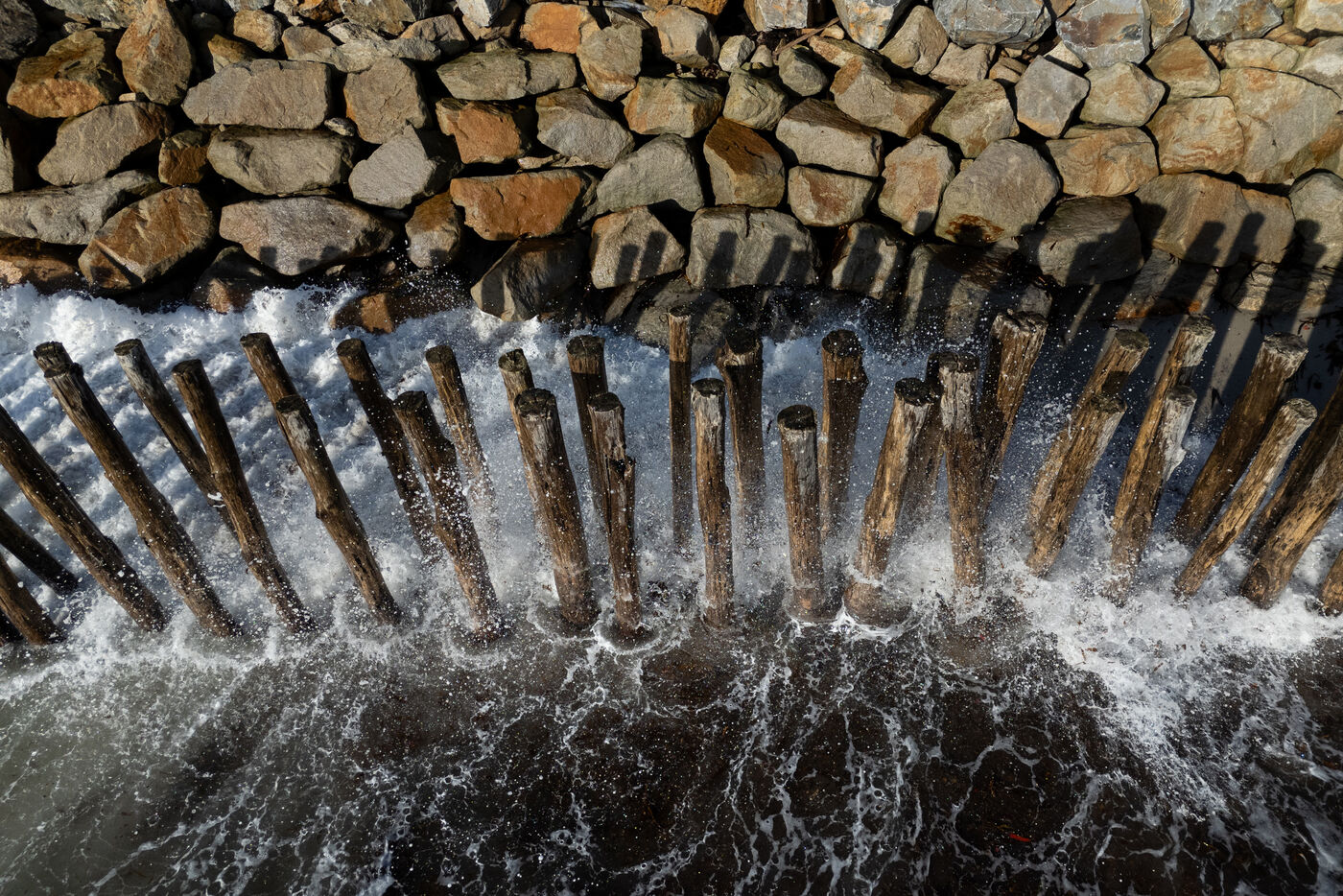
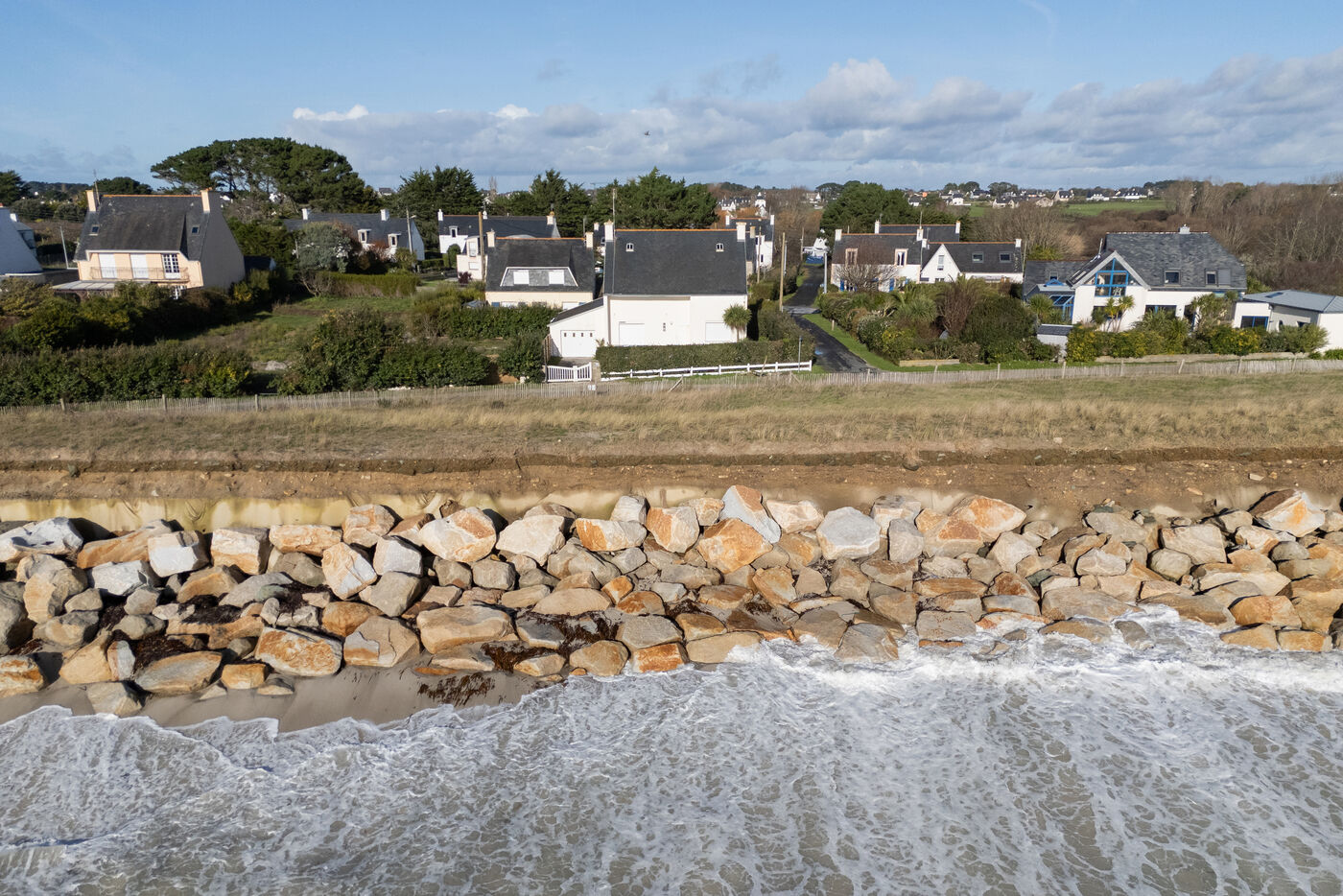
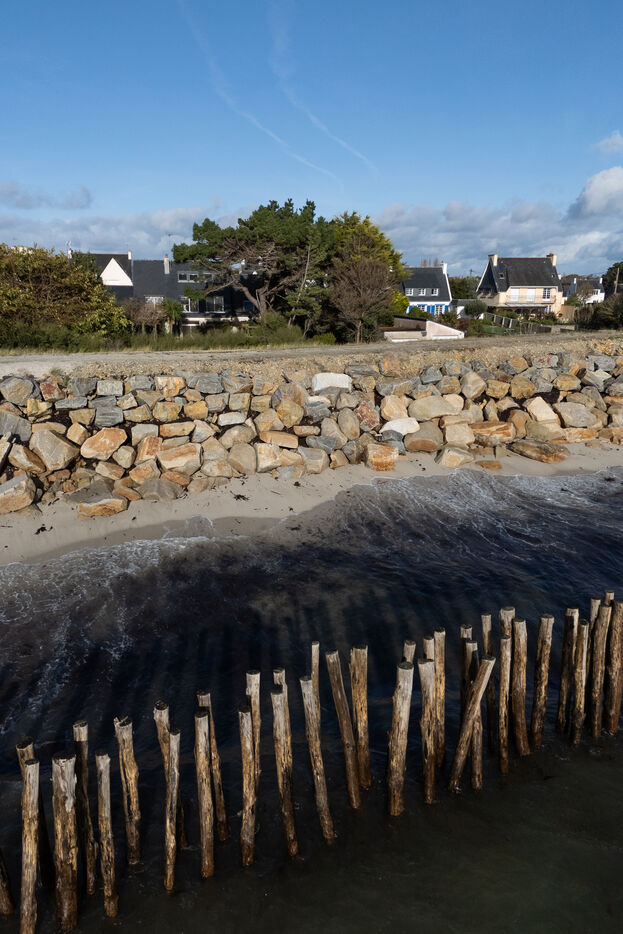
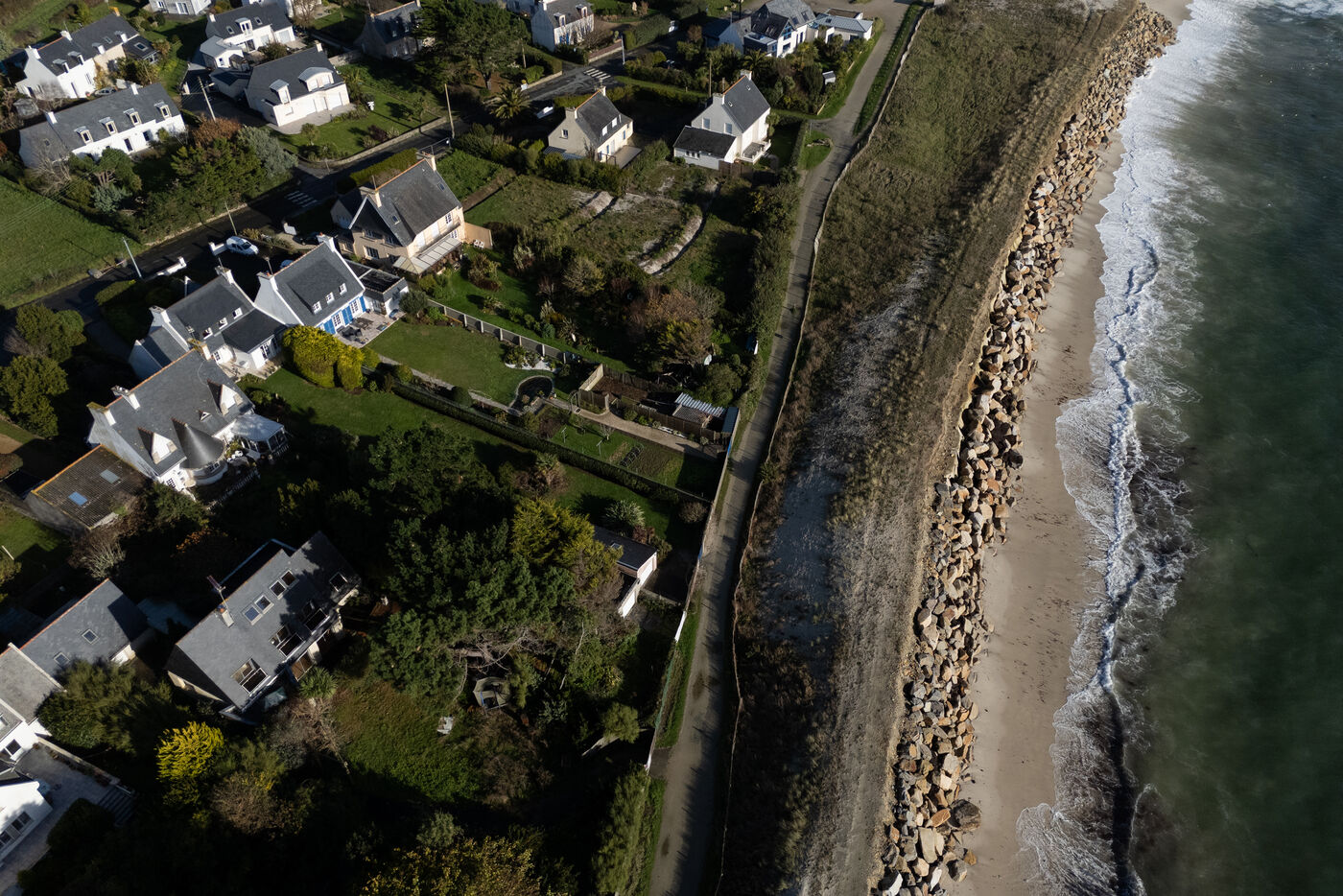
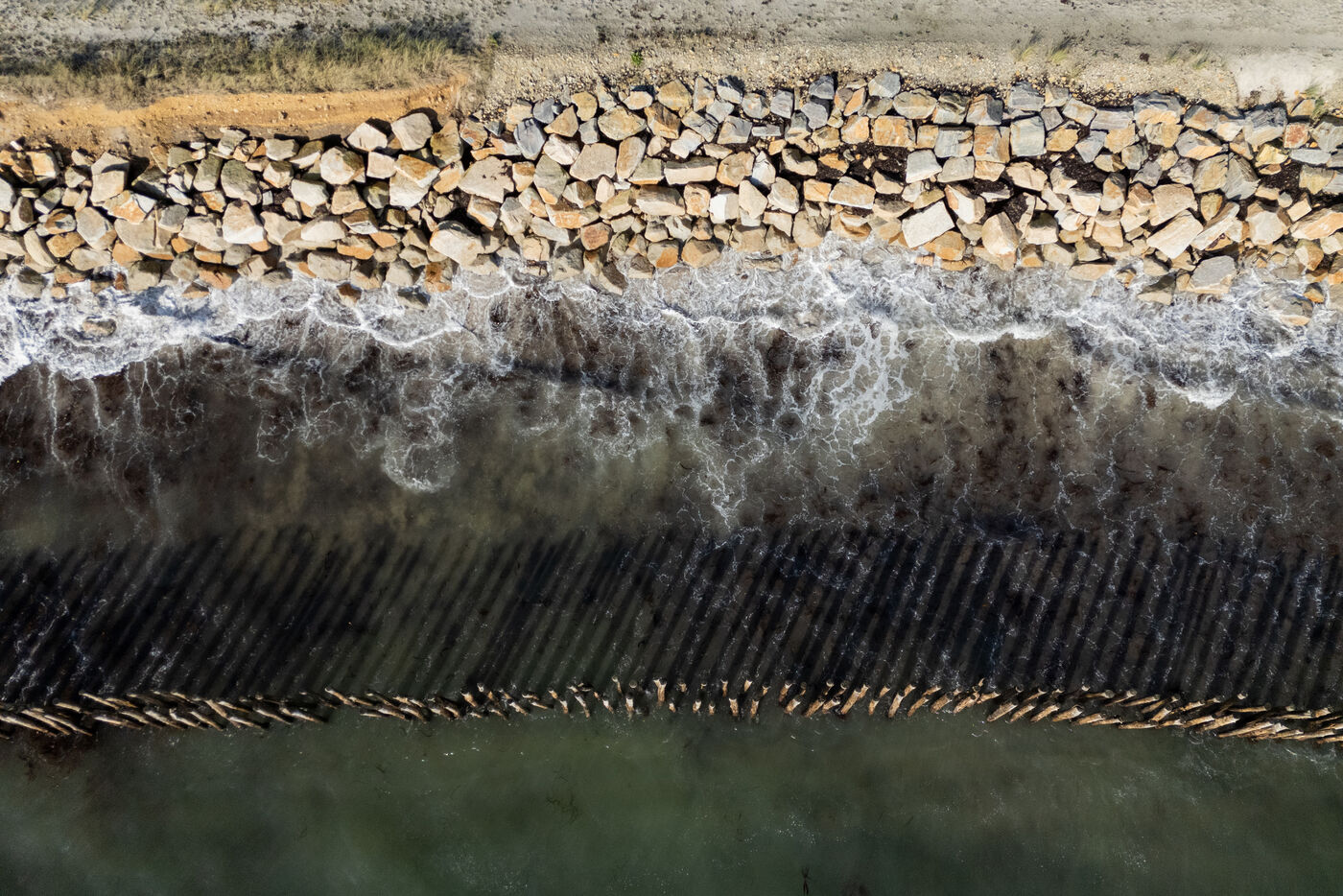
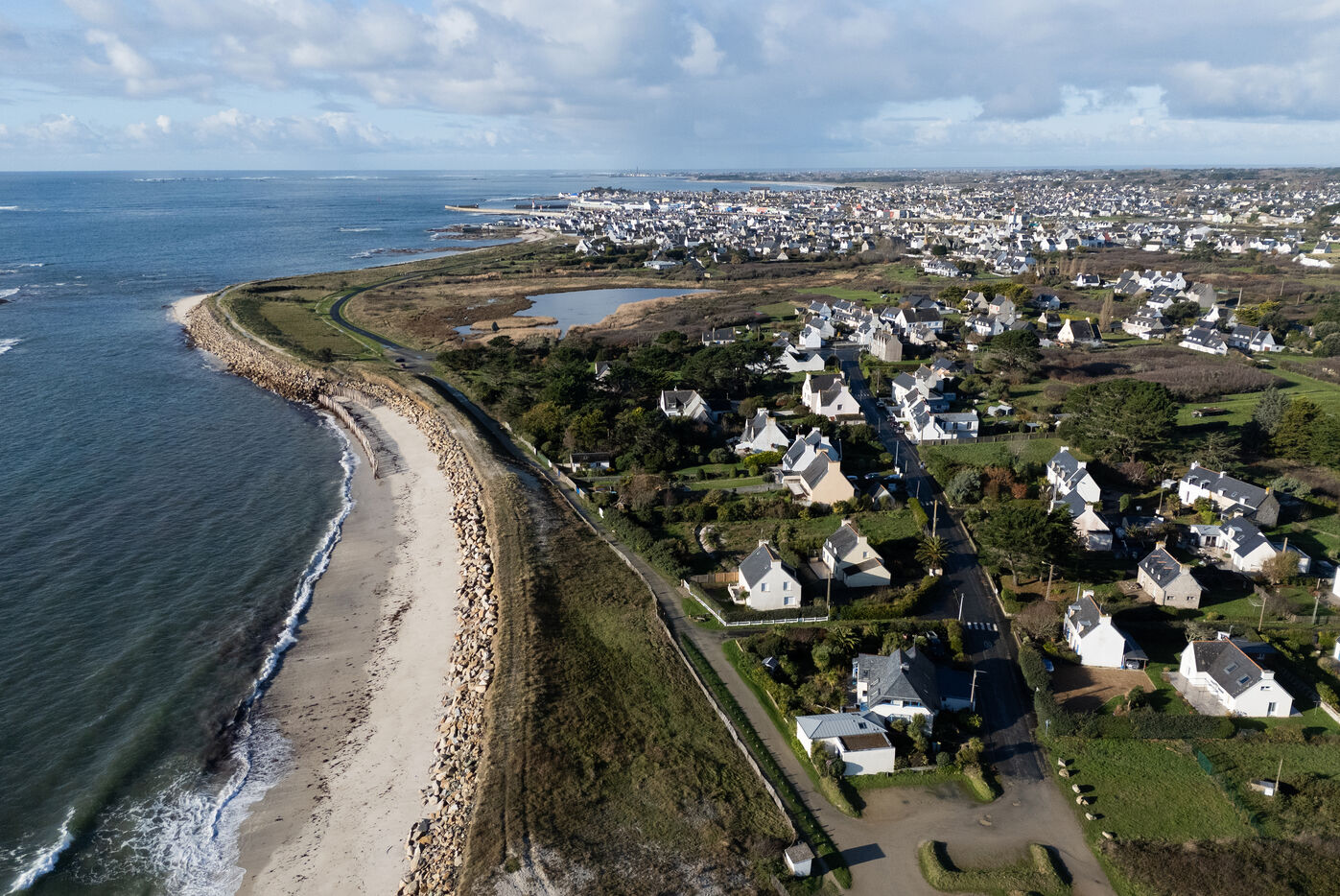
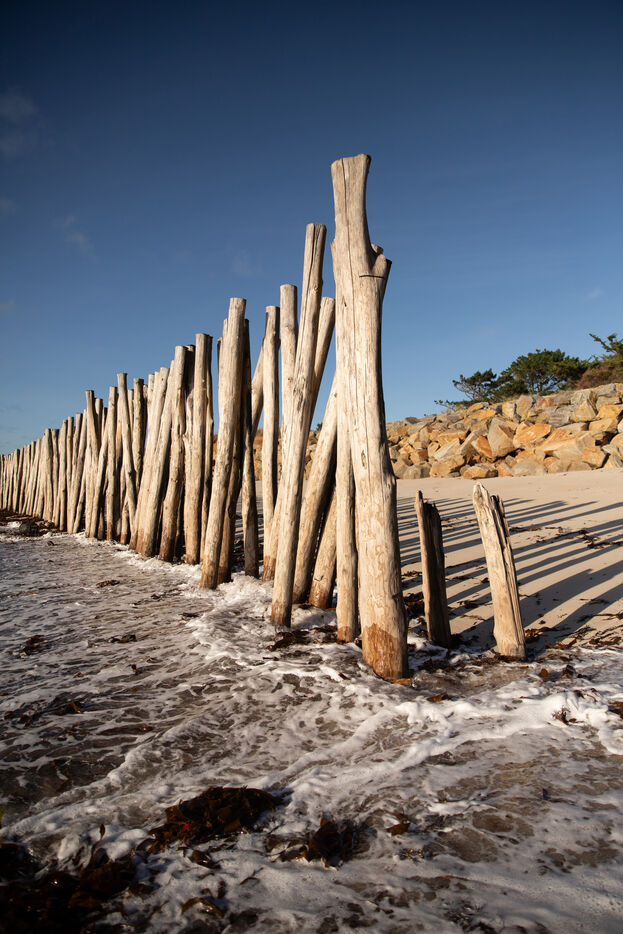
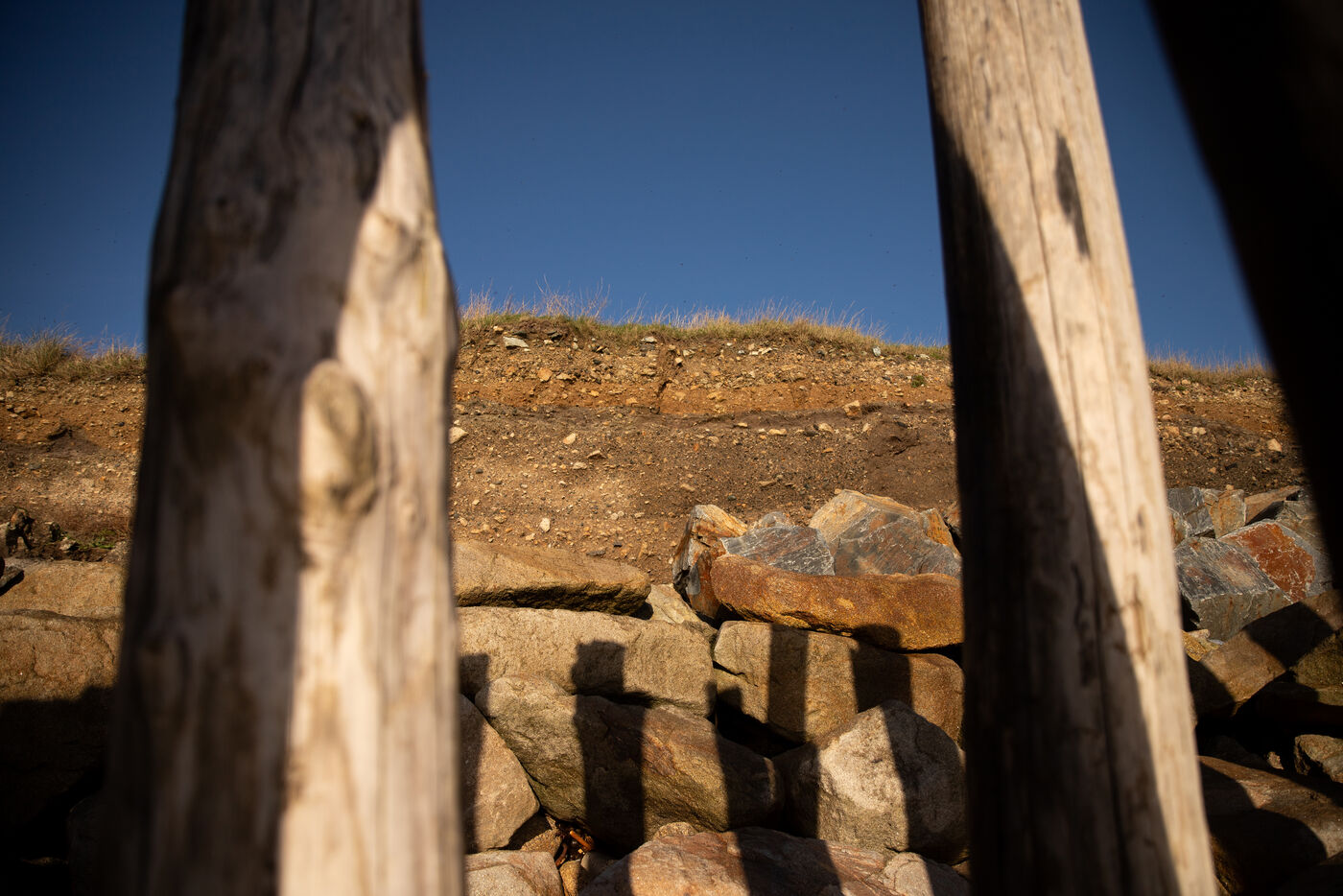
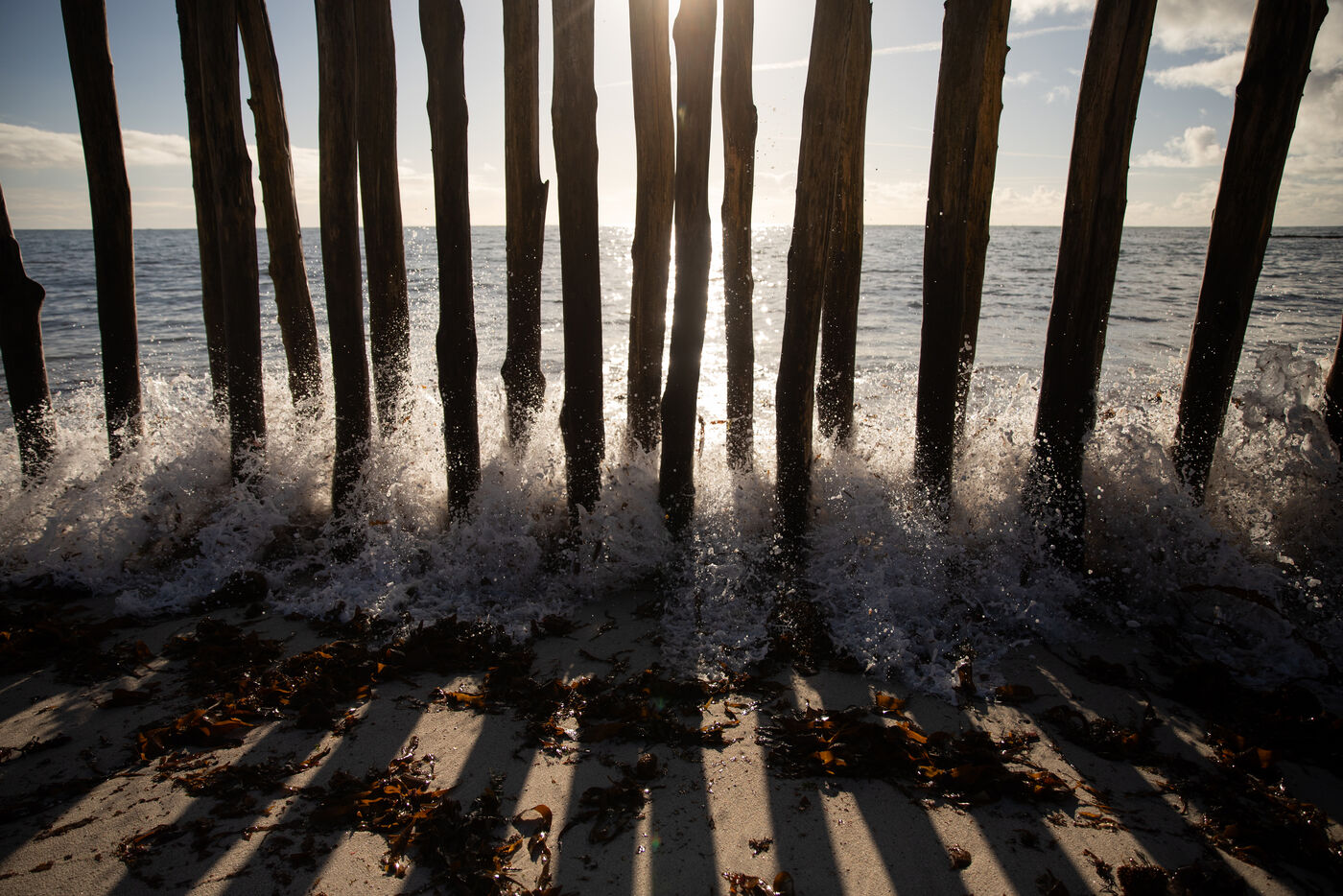
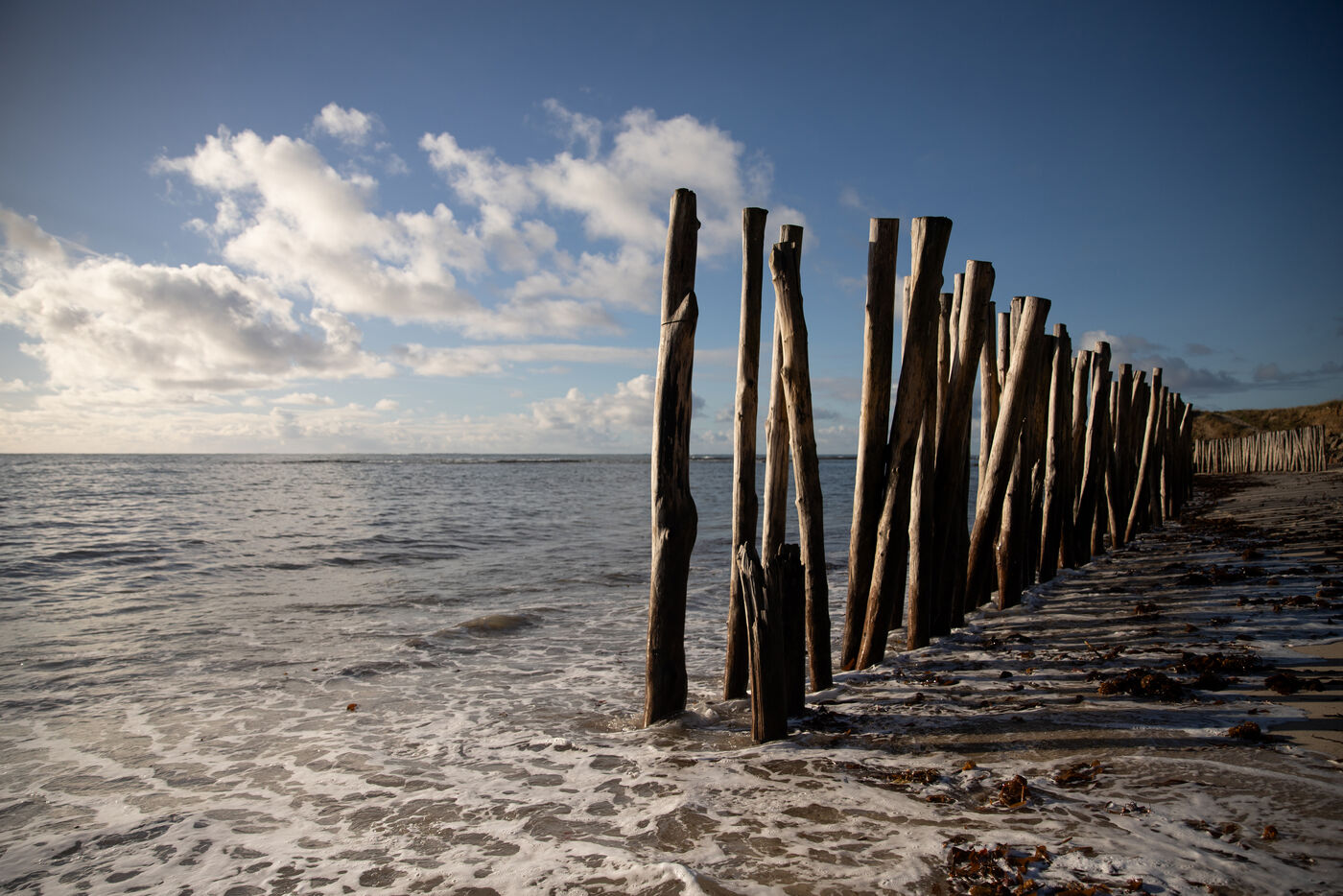
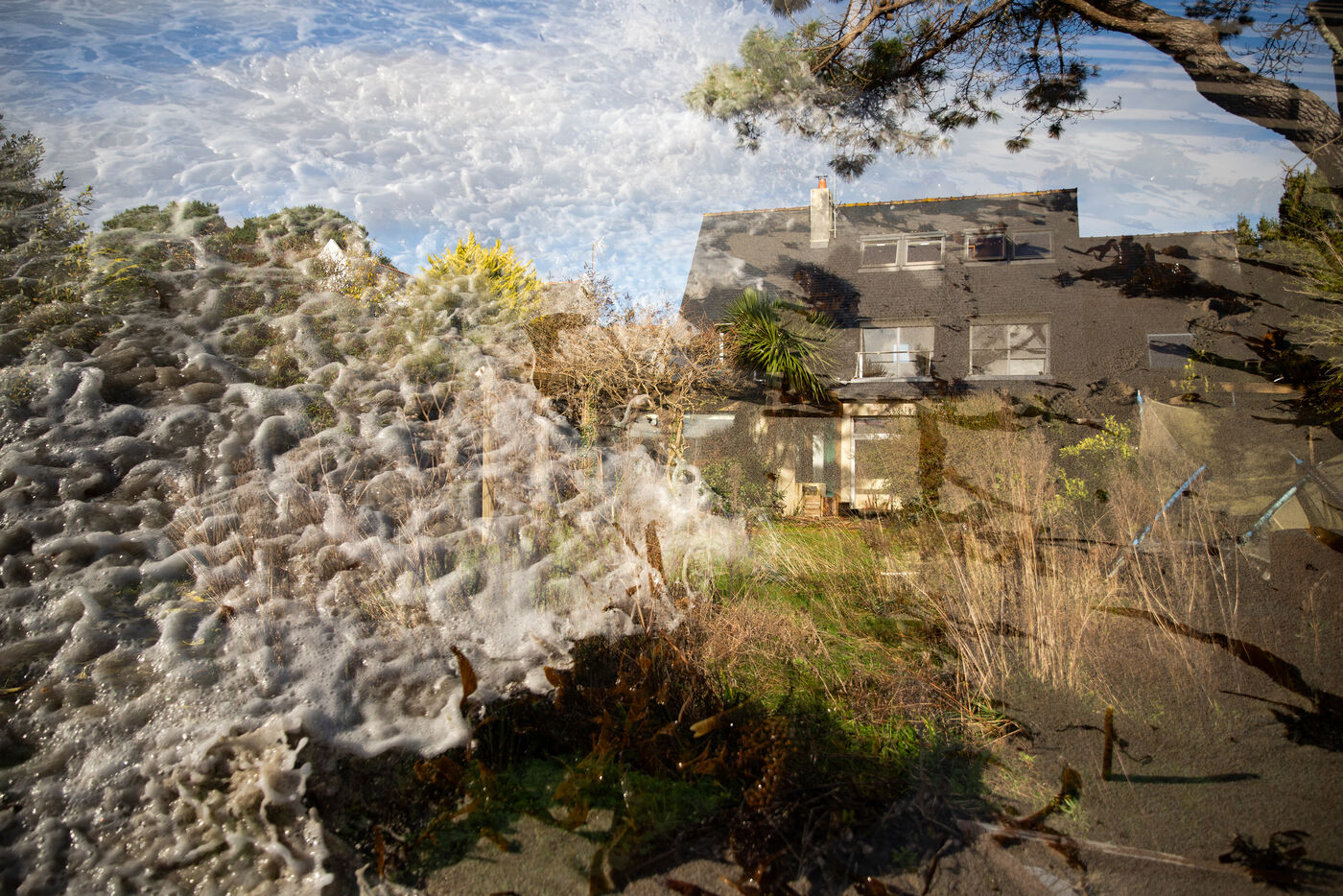
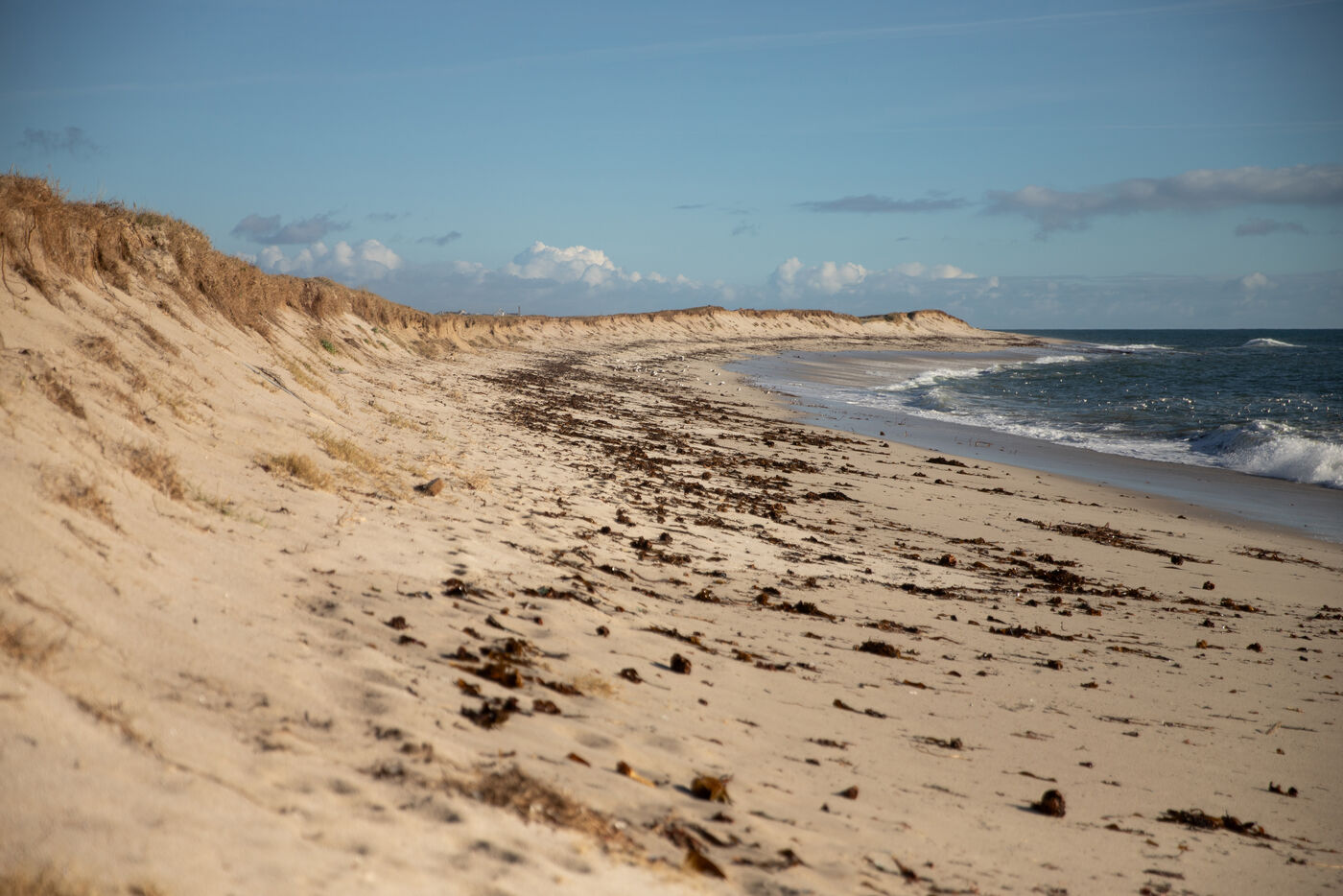
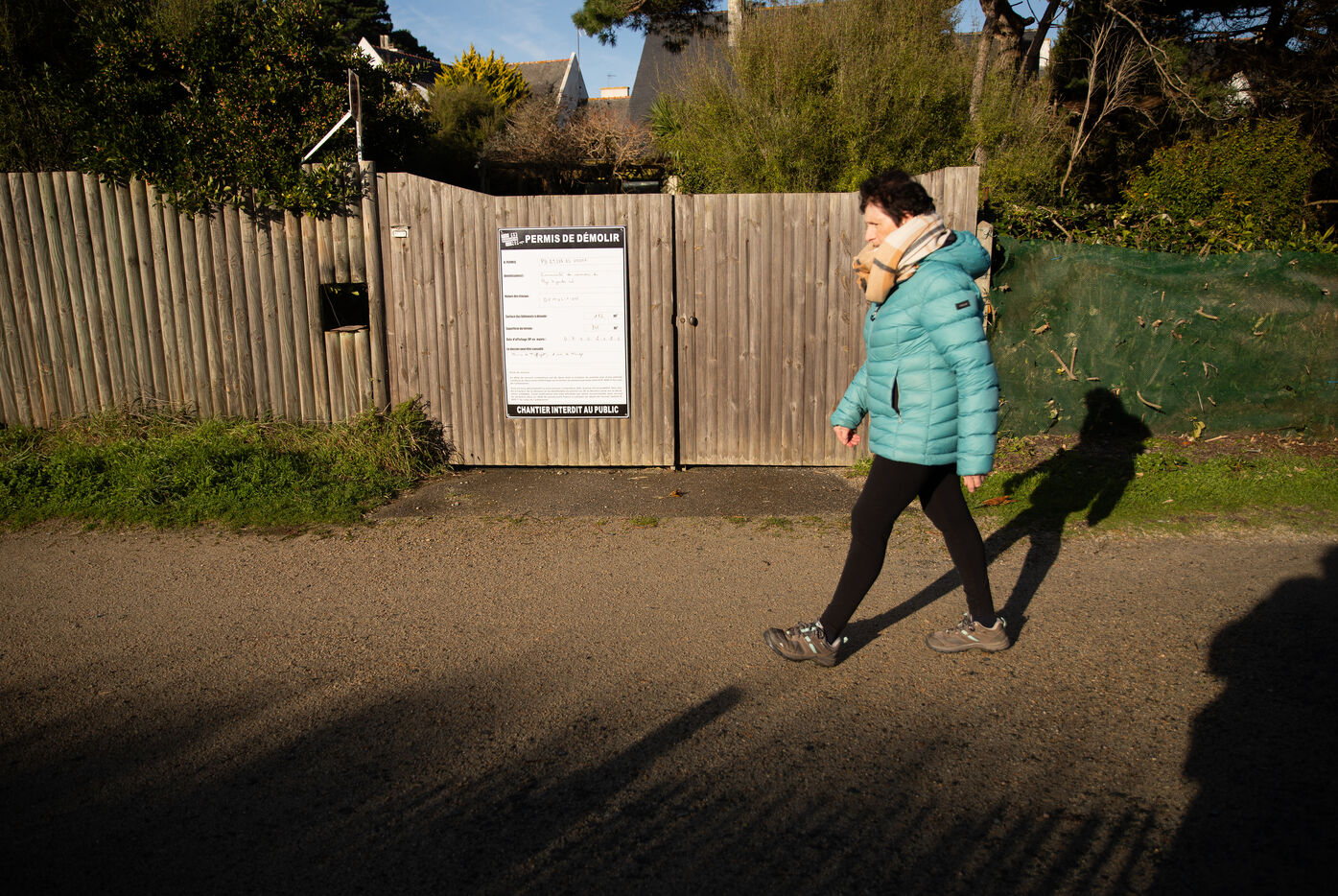
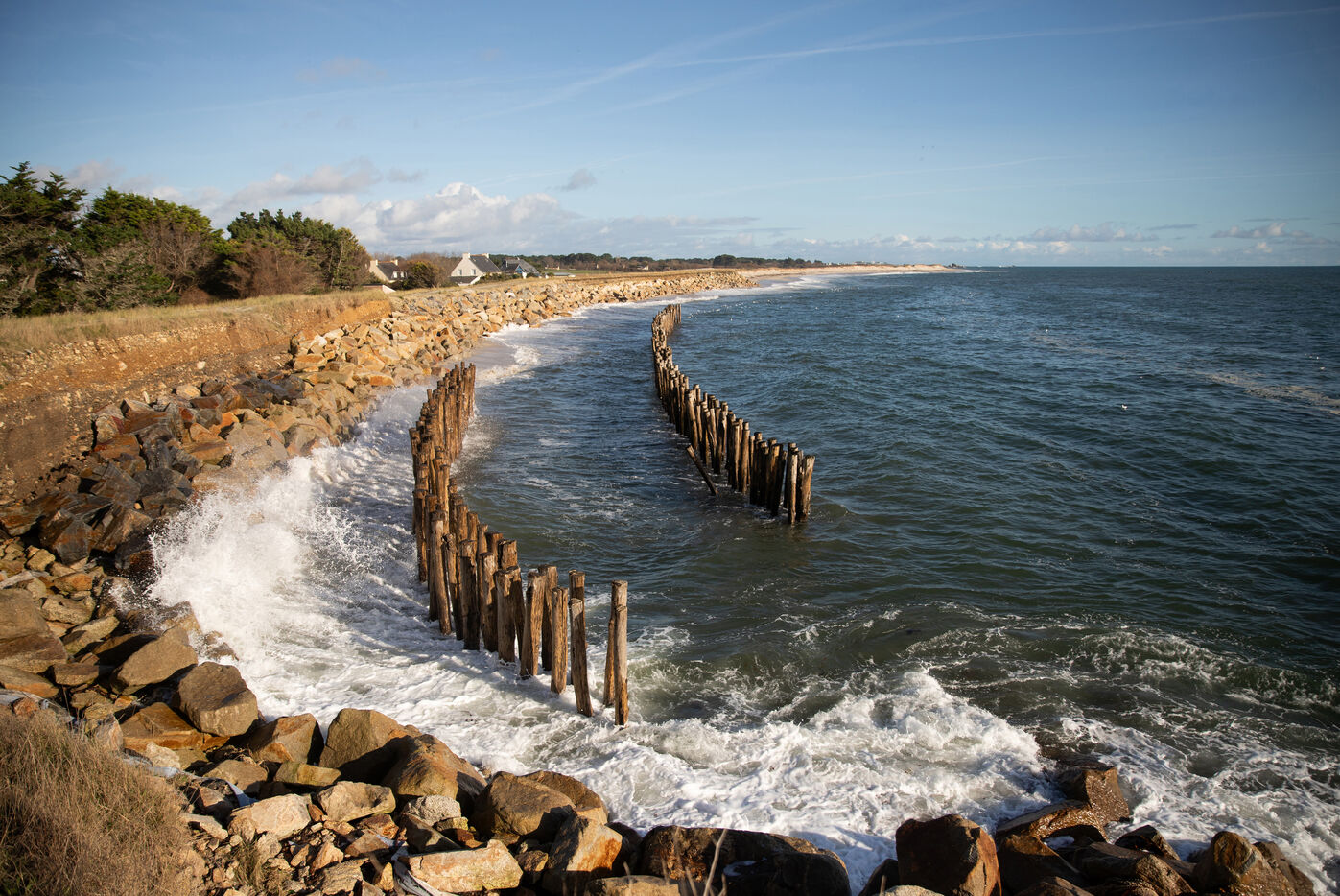
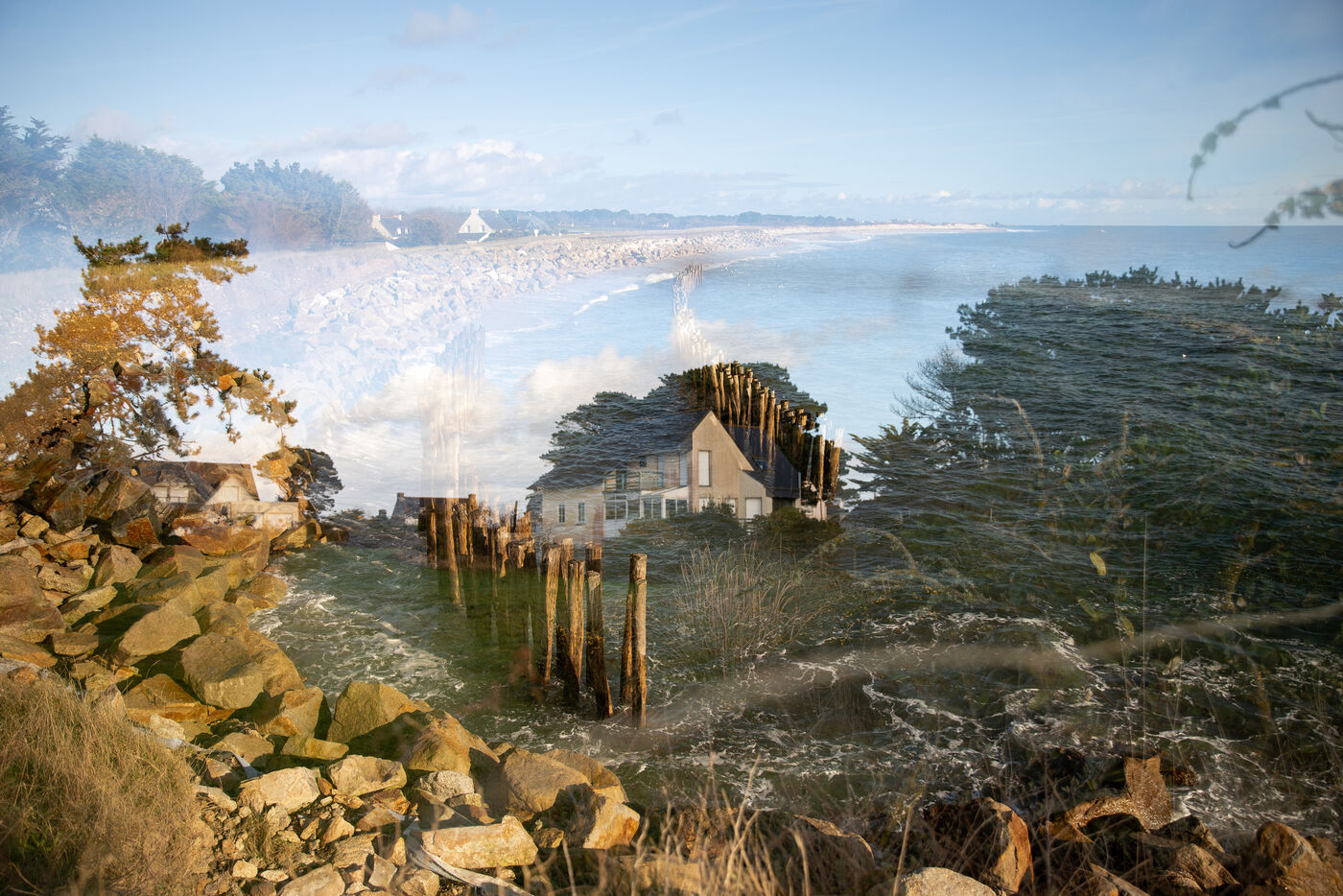
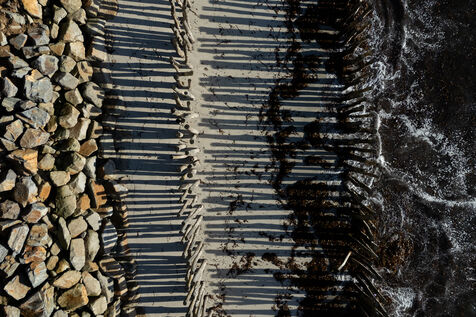
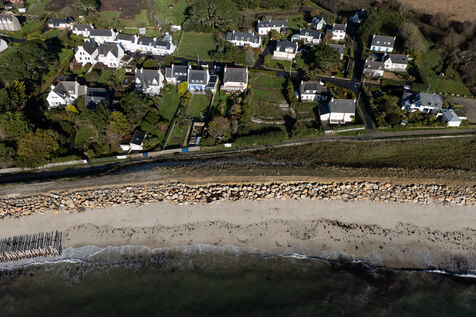
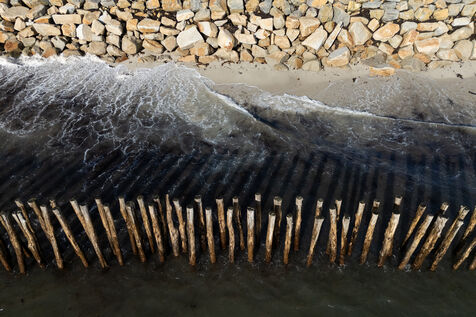
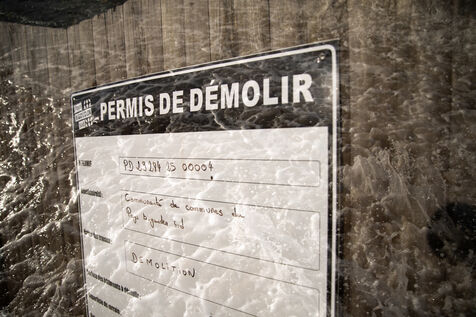
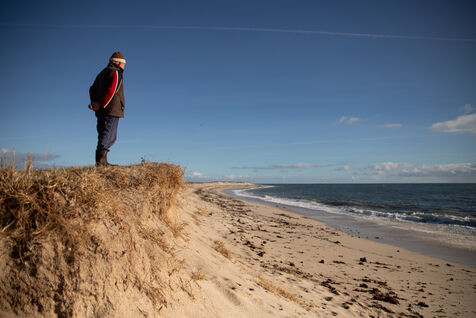
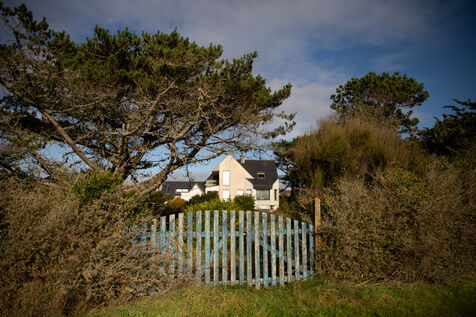
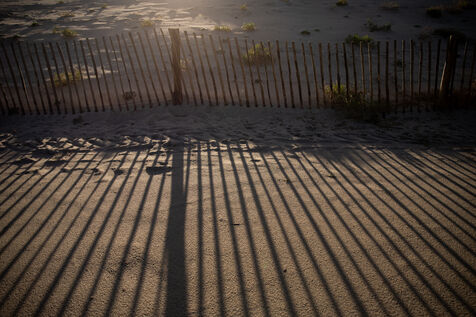
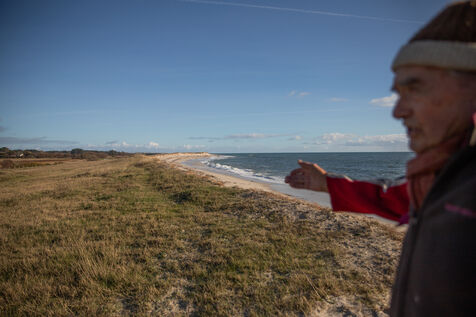
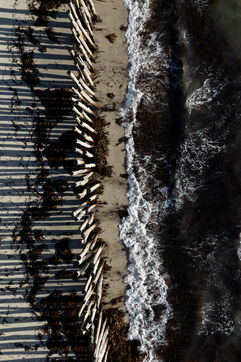
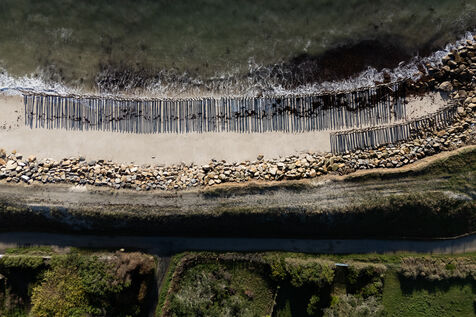
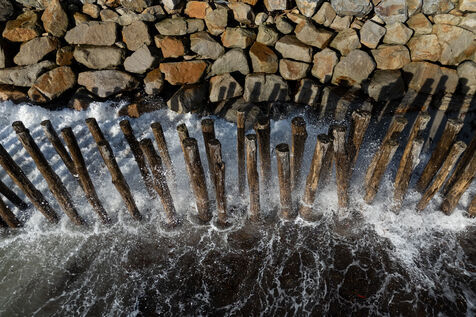
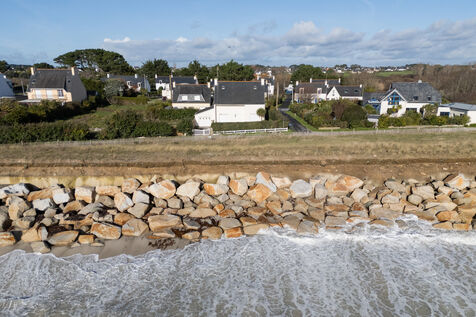
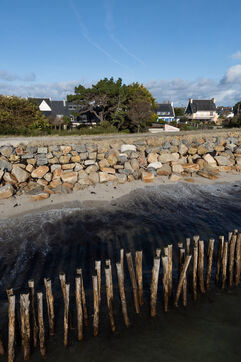
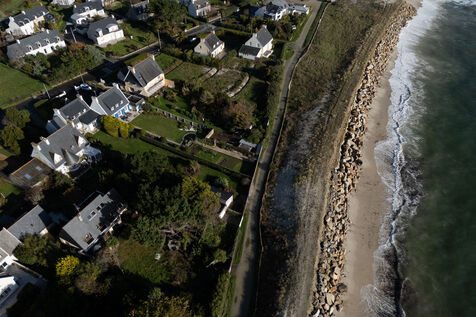
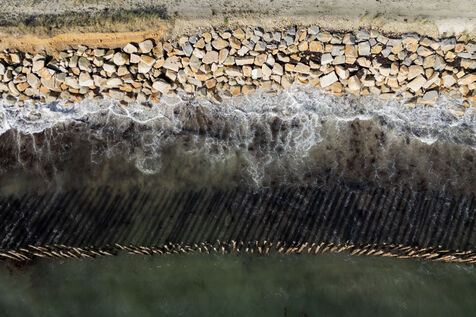
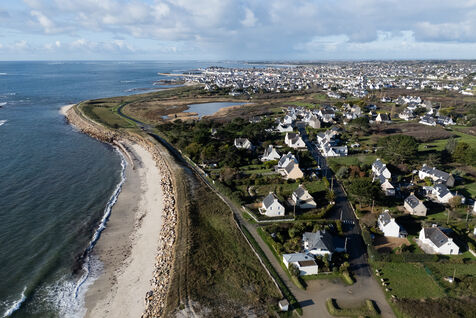
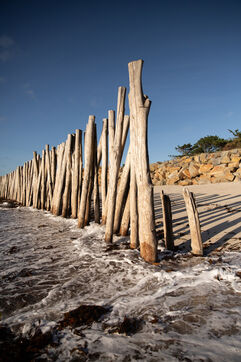
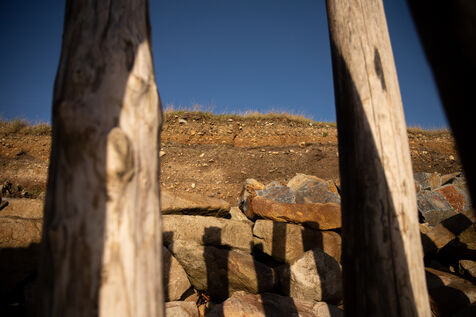
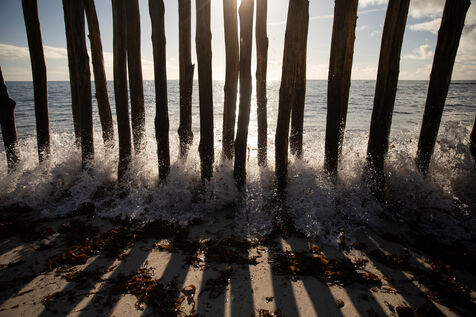
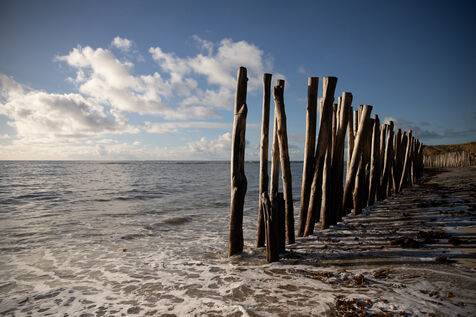
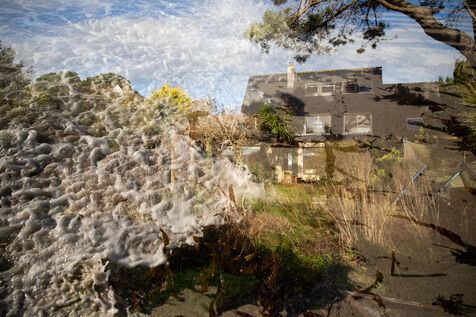
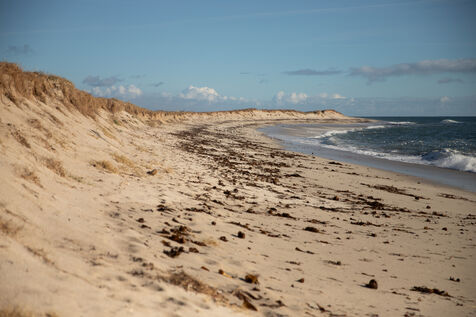
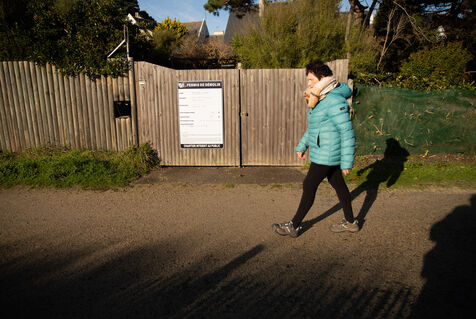
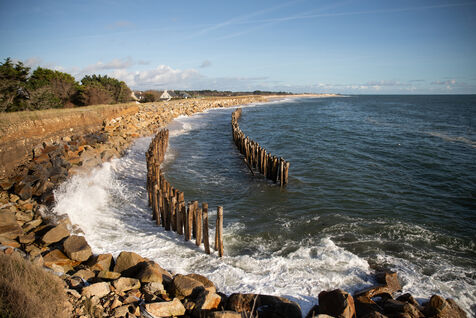
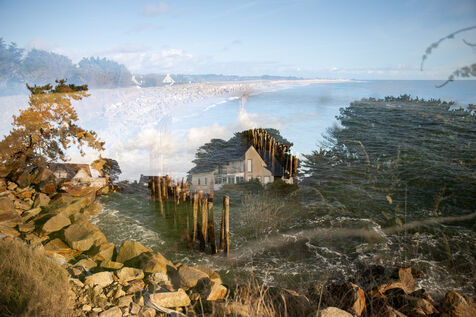
Sur la côte du Finistère Sud, la petite ville bretonne de Treffiagat est devenue bien malgré elle un symbole des conséquences du réchauffement climatique en France. C'est la première commune sur le territoire national à avoir pris la décision de détruire des habitations directement menacées par un risque de submersion marine. Pour les habitants du quartier de Lehan, le choc a été total. Deux mois pour abandonner leurs maisons et trouver un nouveau logement, des sursis accordés pour certains, des évacuations obligatoires lors de tempêtes. Leurs vies sont bouleversées. Deux maisons ont déjà été détruites, il en reste cinq en première ligne face à l'océan. Pourtant ce sont bien des dizaines de maisons du quartier qui seraient touchées si la dune venait à céder face aux assauts de l'océan. Tout aura été tenté pour faire reculer l'inéluctable. 400 pieux en bois plantés sur l'estran, un enrochement impressionnant et actuellement un rechargement de la dune avec un apport de plus de 10000 tonnes de sable. De l'argent public jeté par les fenêtres, rien n'arrête la nature déchainée par les abus de l'Homme. En Bretagne, 130000 personnes vivent déjà dans des zones menacées de submersion marine, c'est plus d'un milliard à l'échelle mondiale.
Treffiagat, breton town symbol of global warming
On the coast of southern Finistere, the small Breton town of Treffiagat has unwittingly become a symbol of the consequences of global warming in France. It is the first municipality in the country to have taken the decision to destroy homes directly threatened by the risk of marine flooding. For the residents of the Lehan neighborhood, the shock has been immense. They had two months to abandon their homes and find new accommodation, with grace periods granted to some and mandatory evacuations during storms. Their lives have been turned upside down. Two houses have already been destroyed, with five remaining on the front line facing the ocean. However, dozens of houses in the neighborhood would be affected if the dune were to give way to the ocean's assaults. Everything has been tried to delay the inevitable. Four hundred wooden piles have been driven into the foreshore, an impressive rockfill has been installed, and the dune is currently being replenished with more than 10000 tons of sand. Public money has been thrown out the window, but nothing can stop nature unleashed by human abuse. In Brittany, 130000 people already live in areas threatened by coastal flooding, and more than a billion worldwide.