LES JOURS DE MON ABANDON
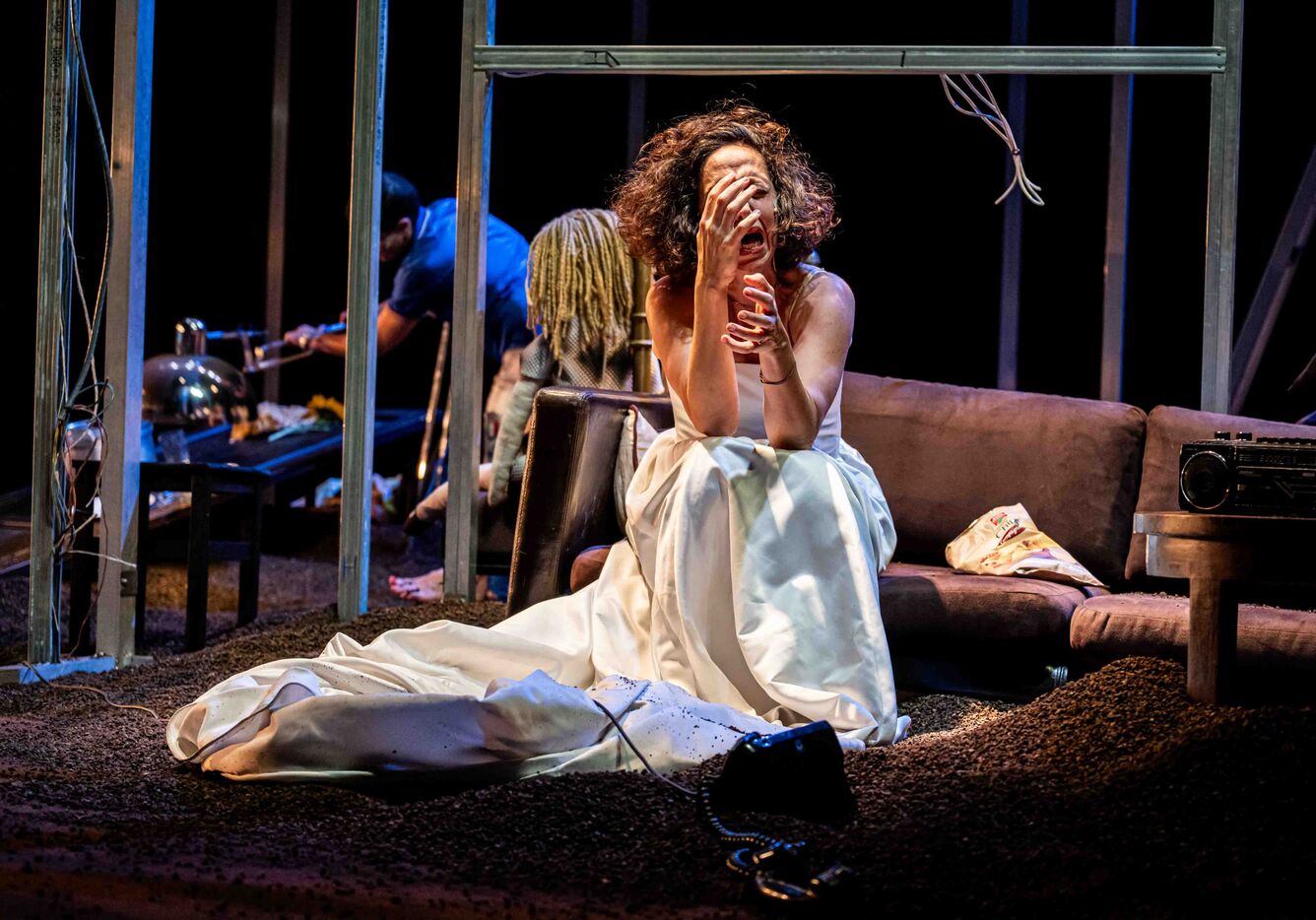
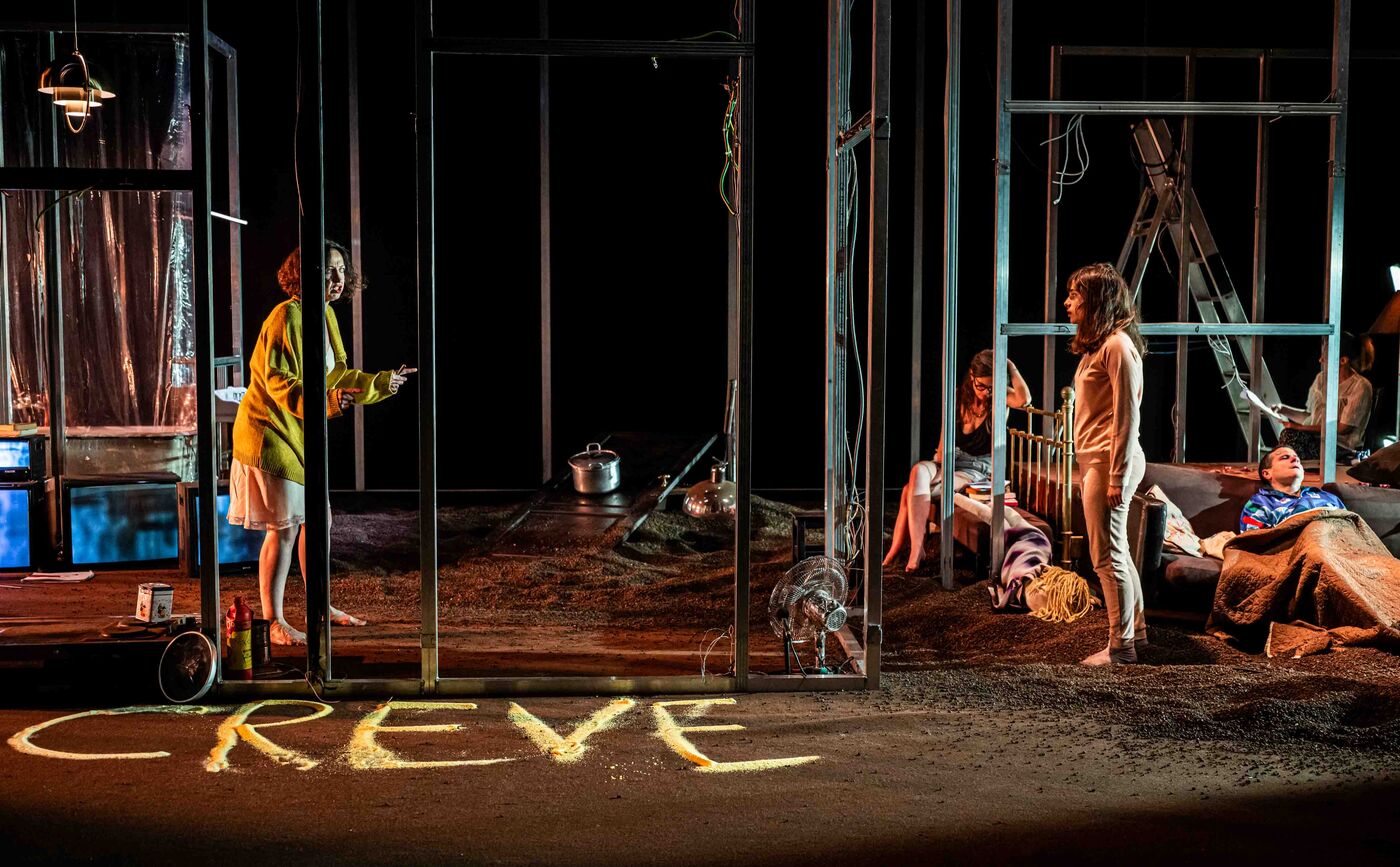
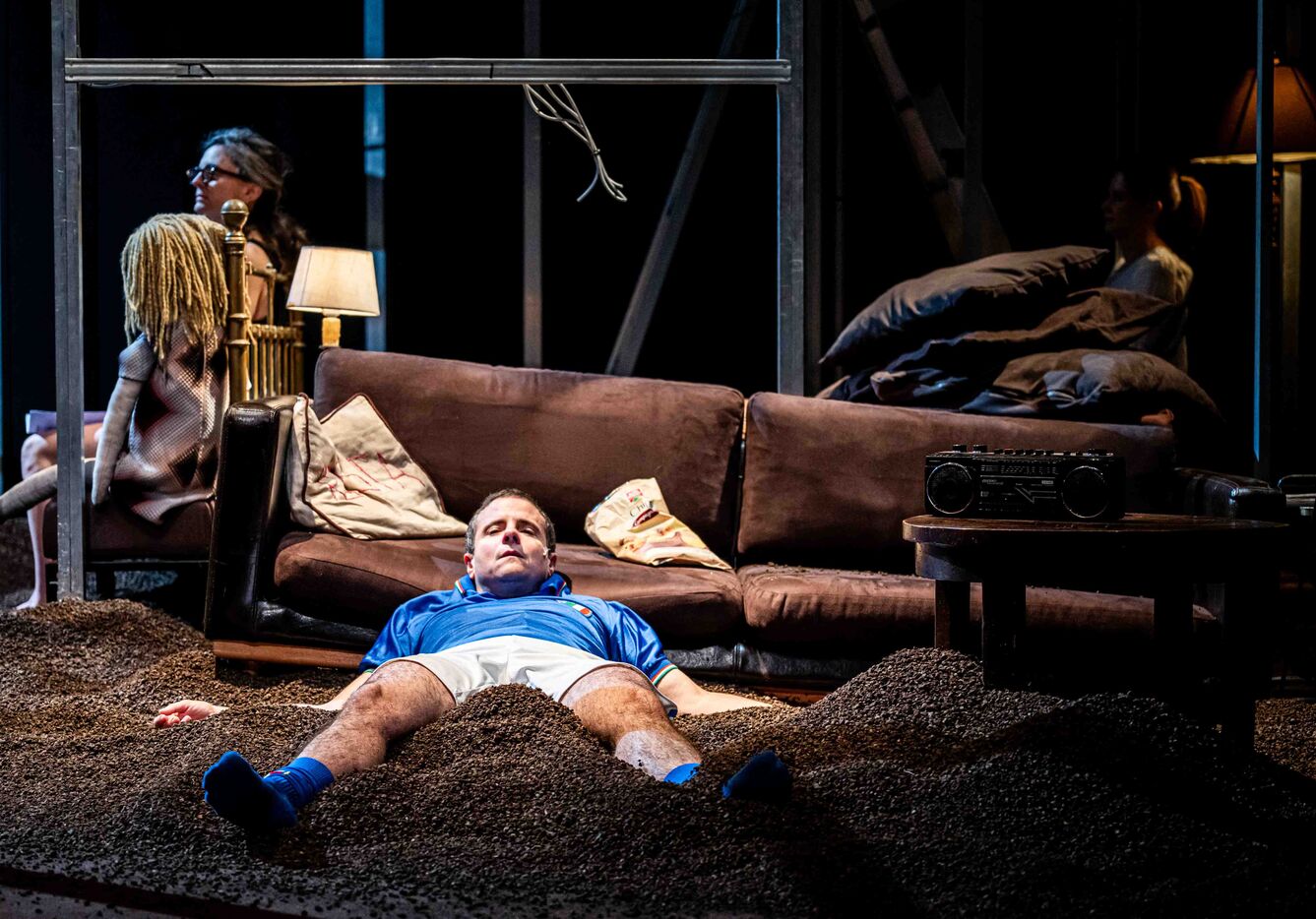
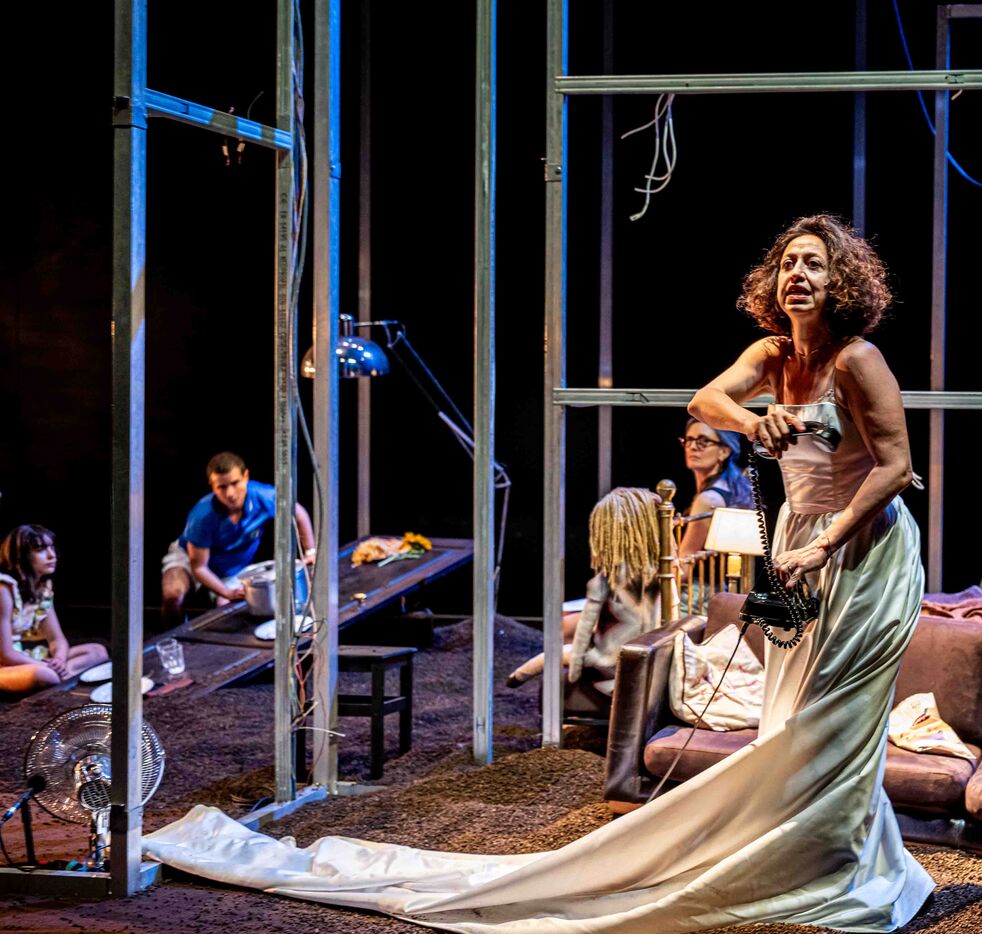
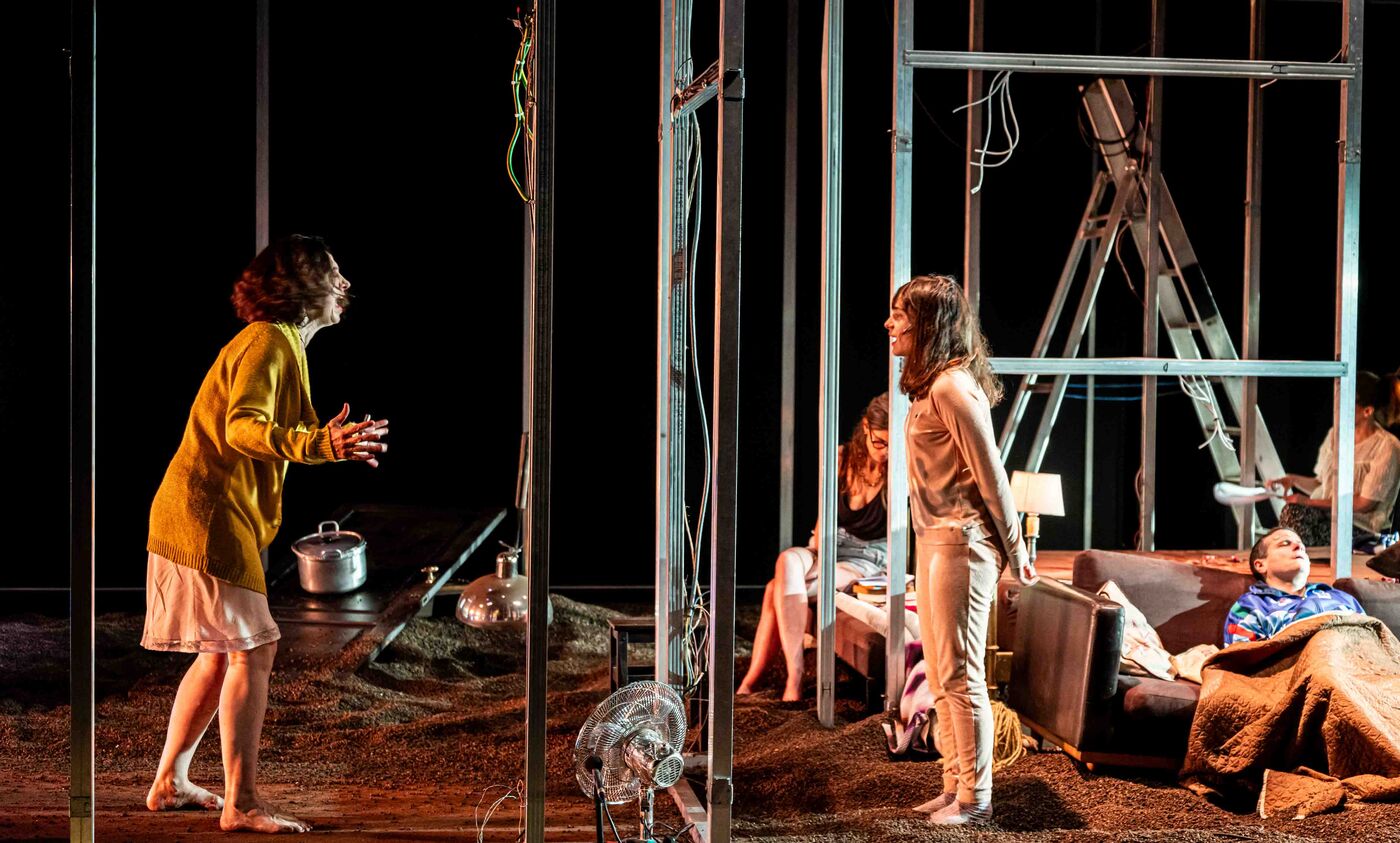
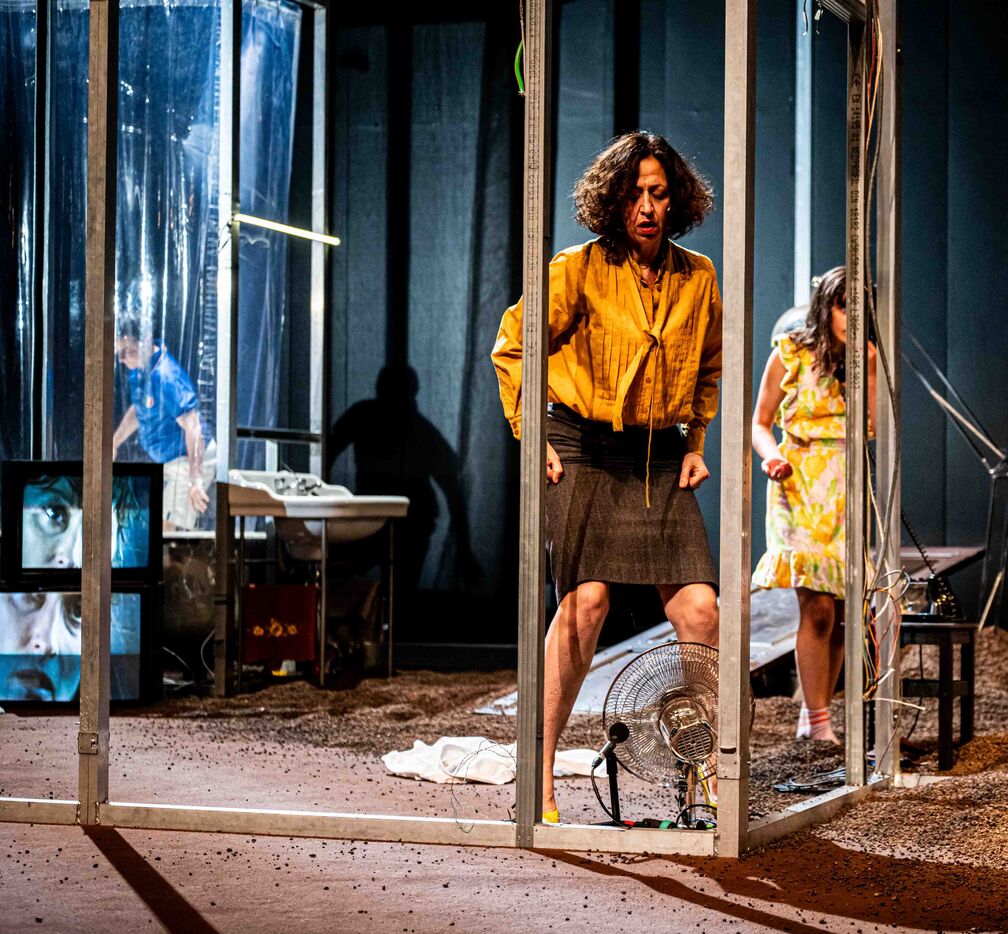
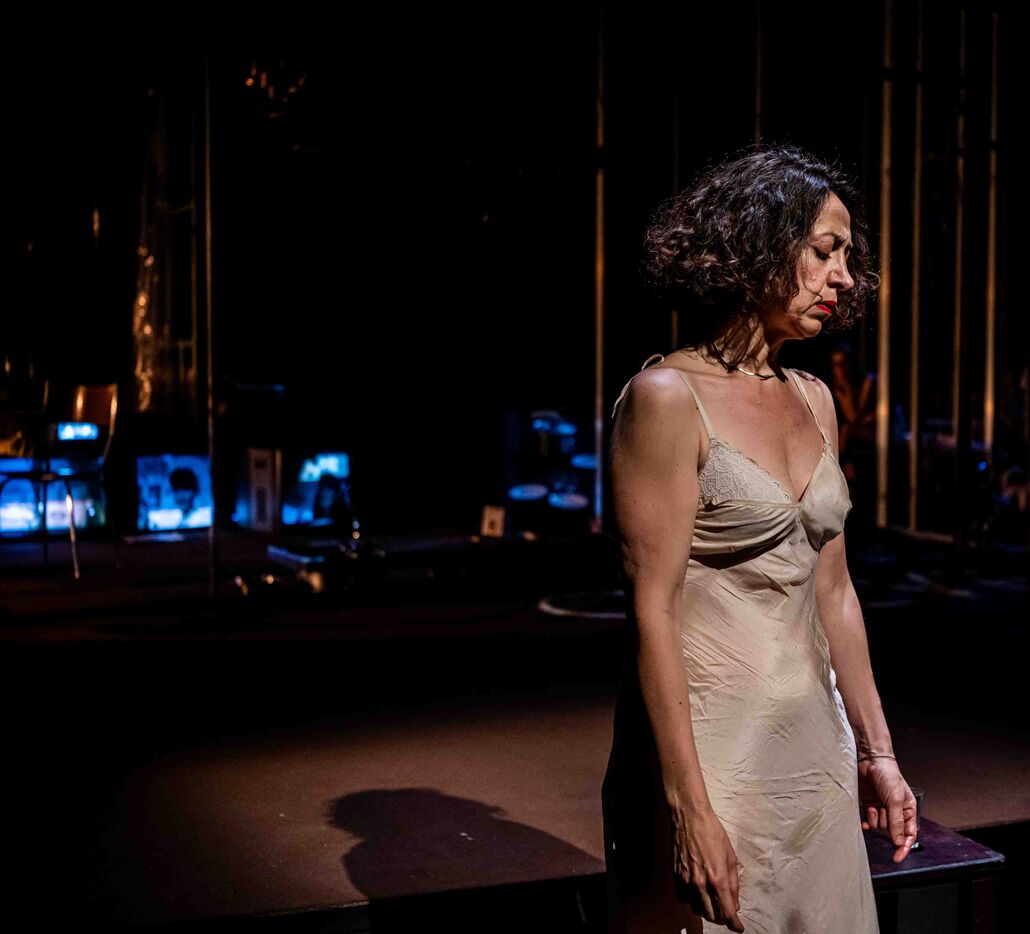
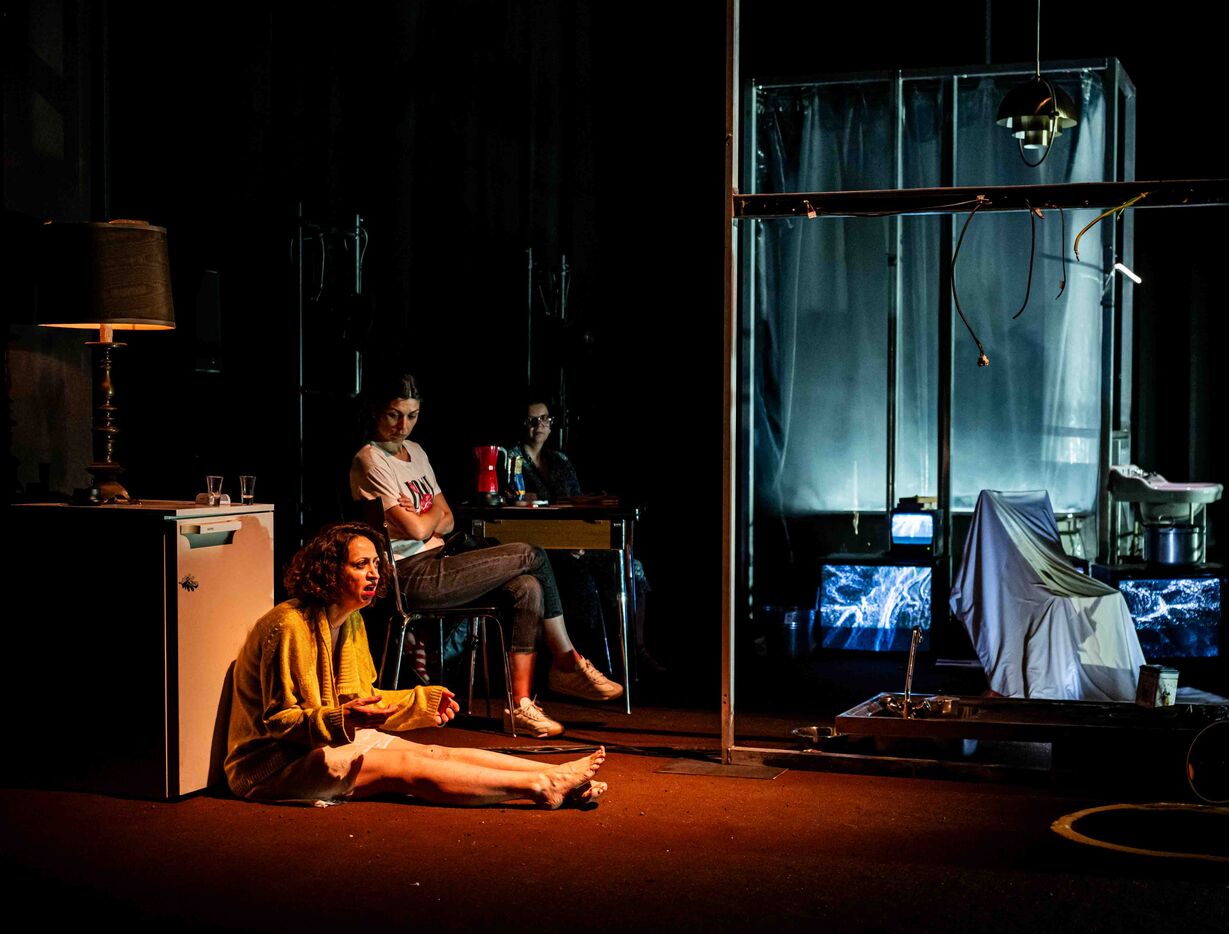
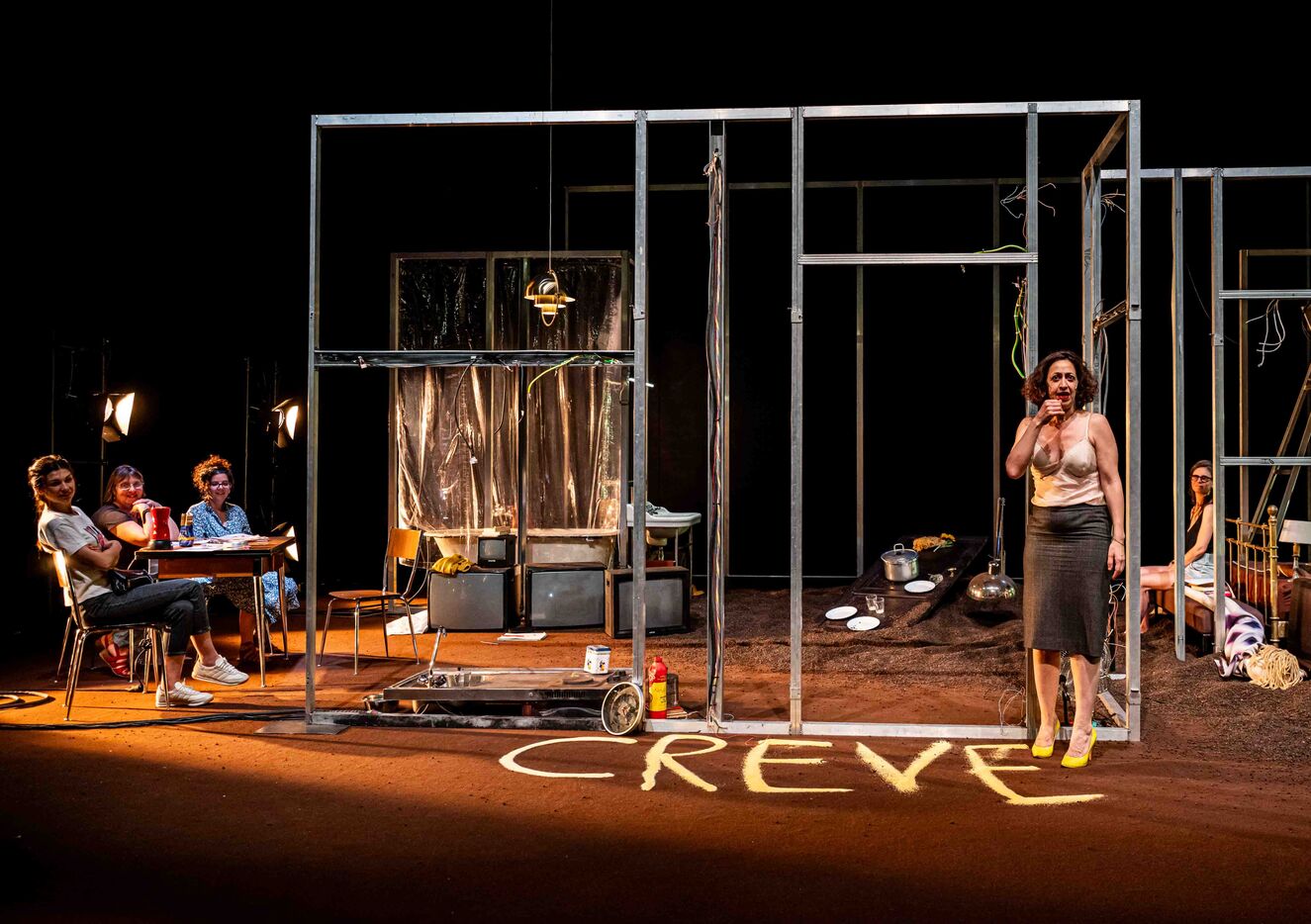
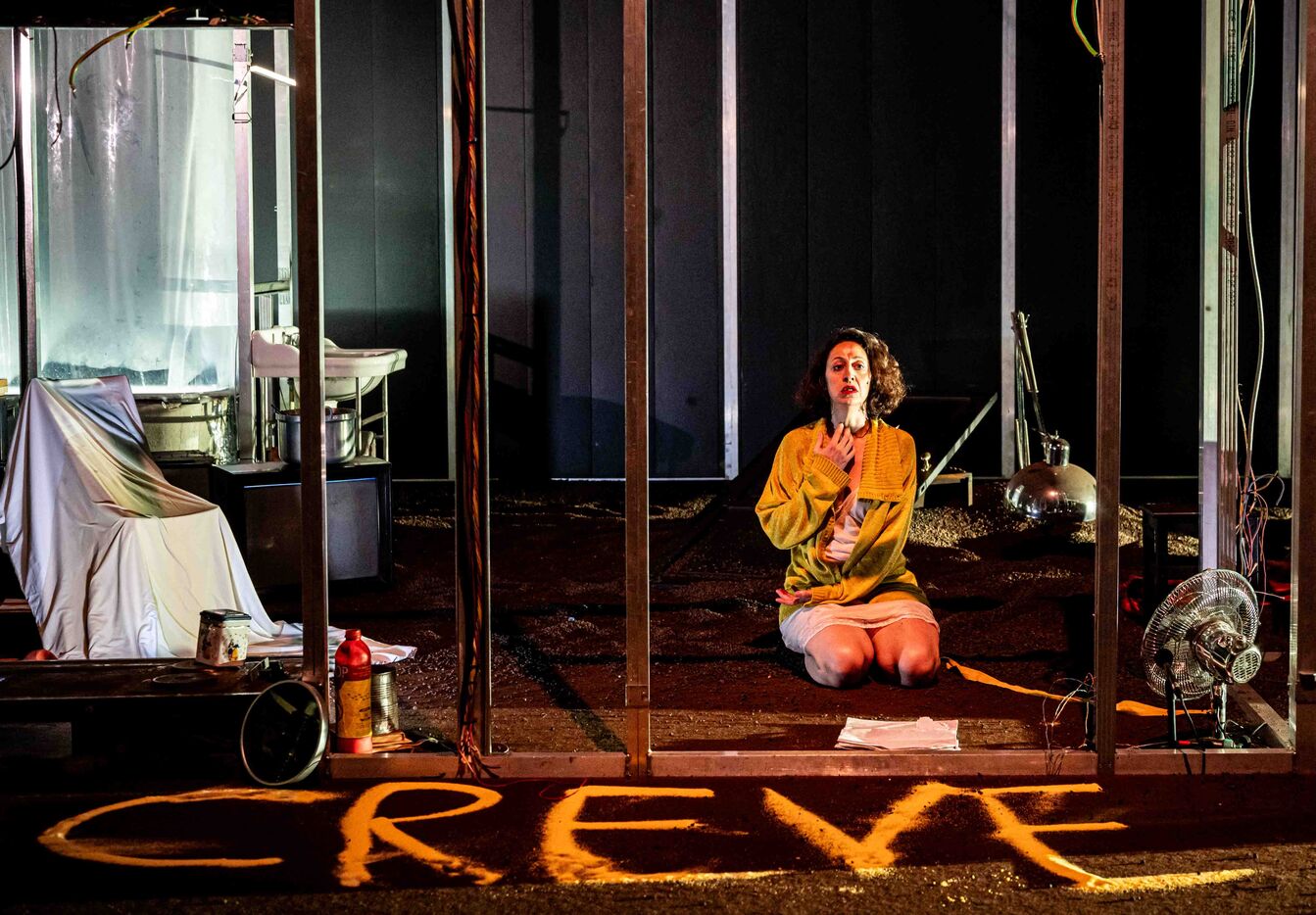
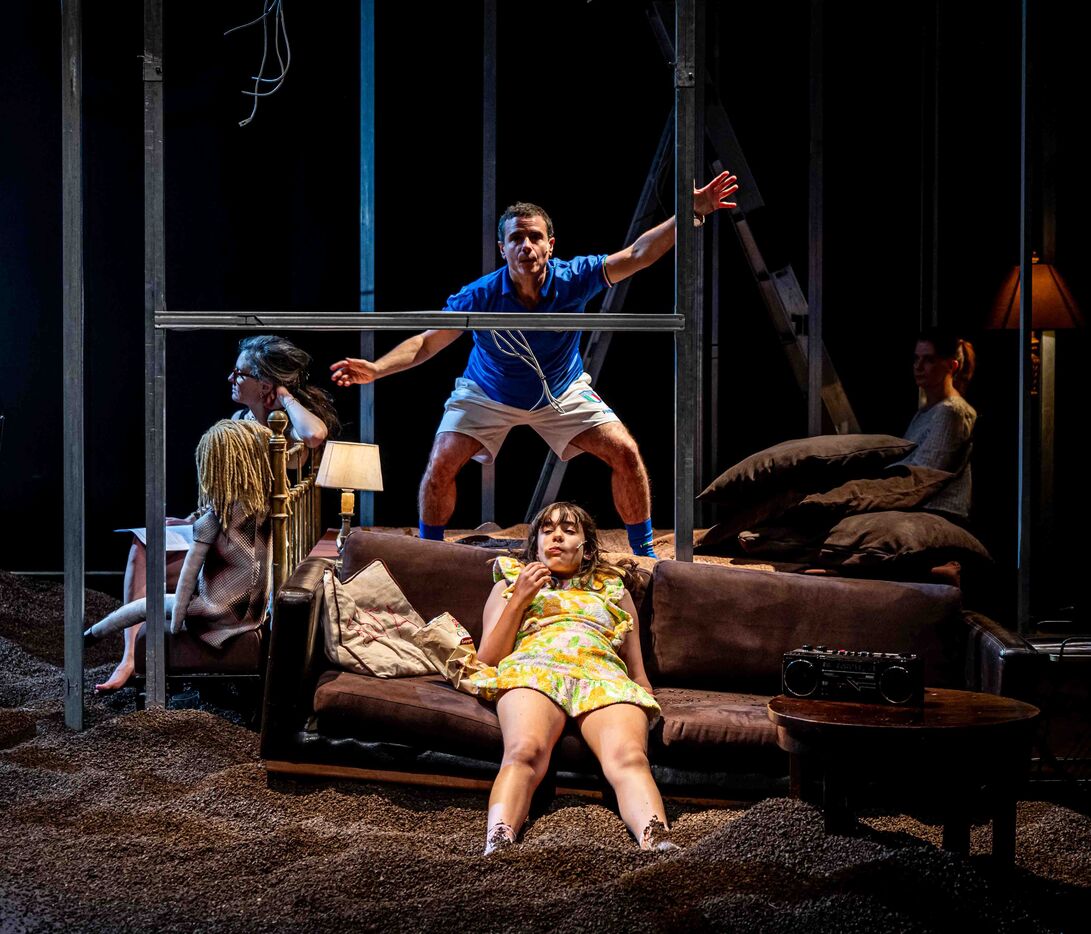
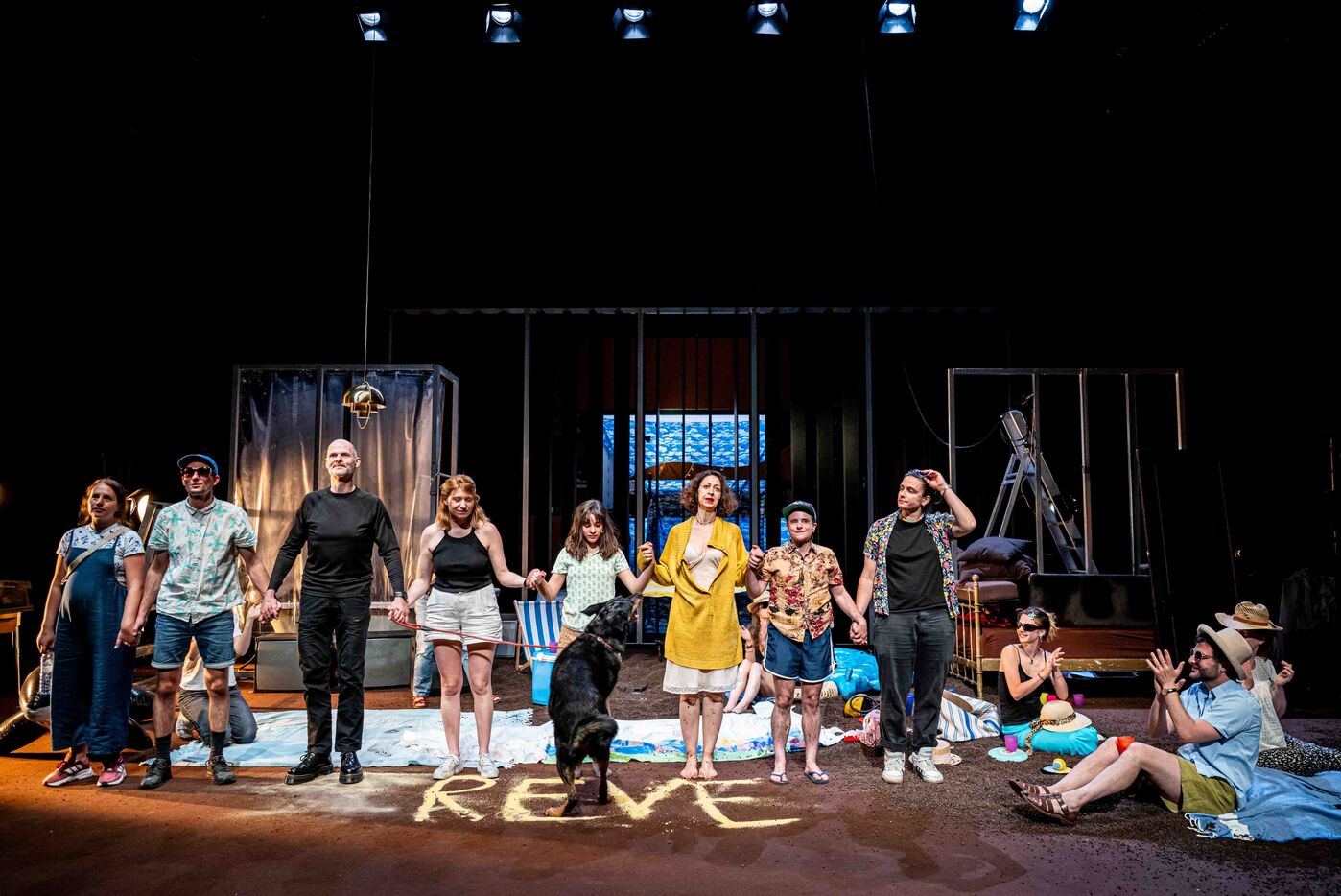
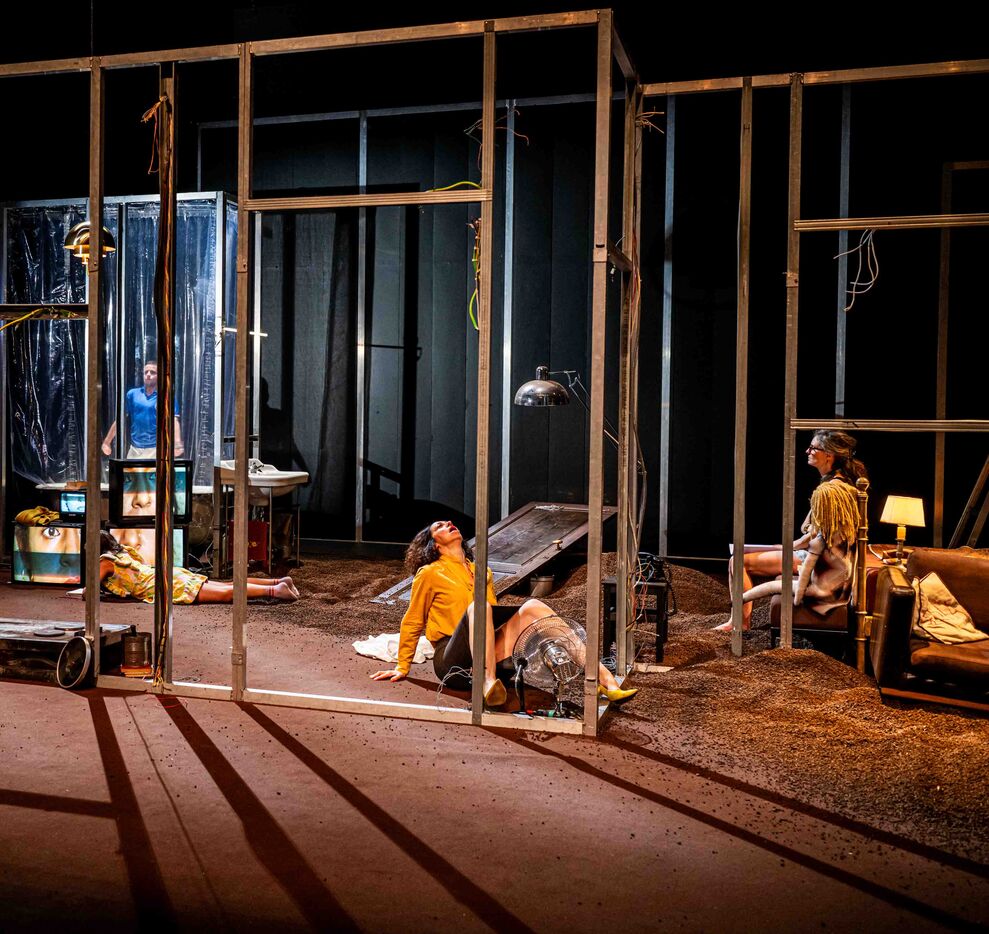
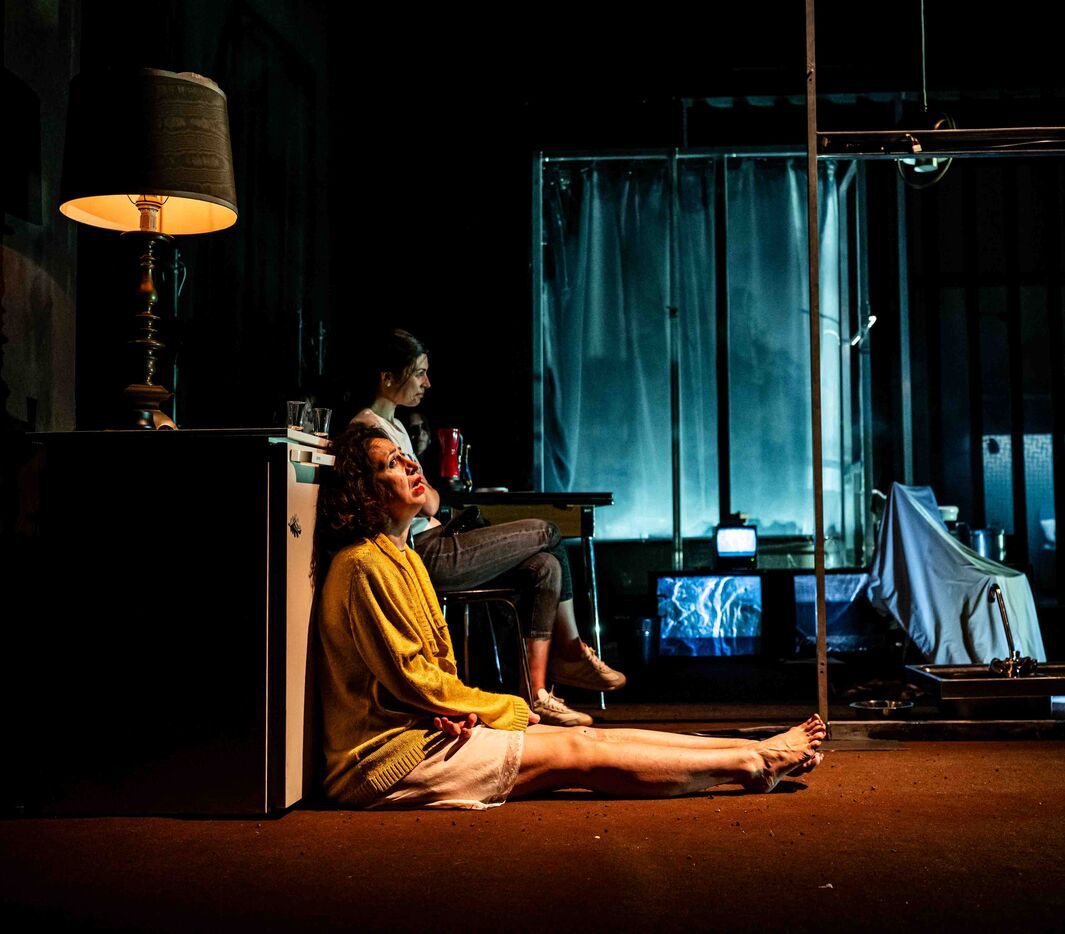
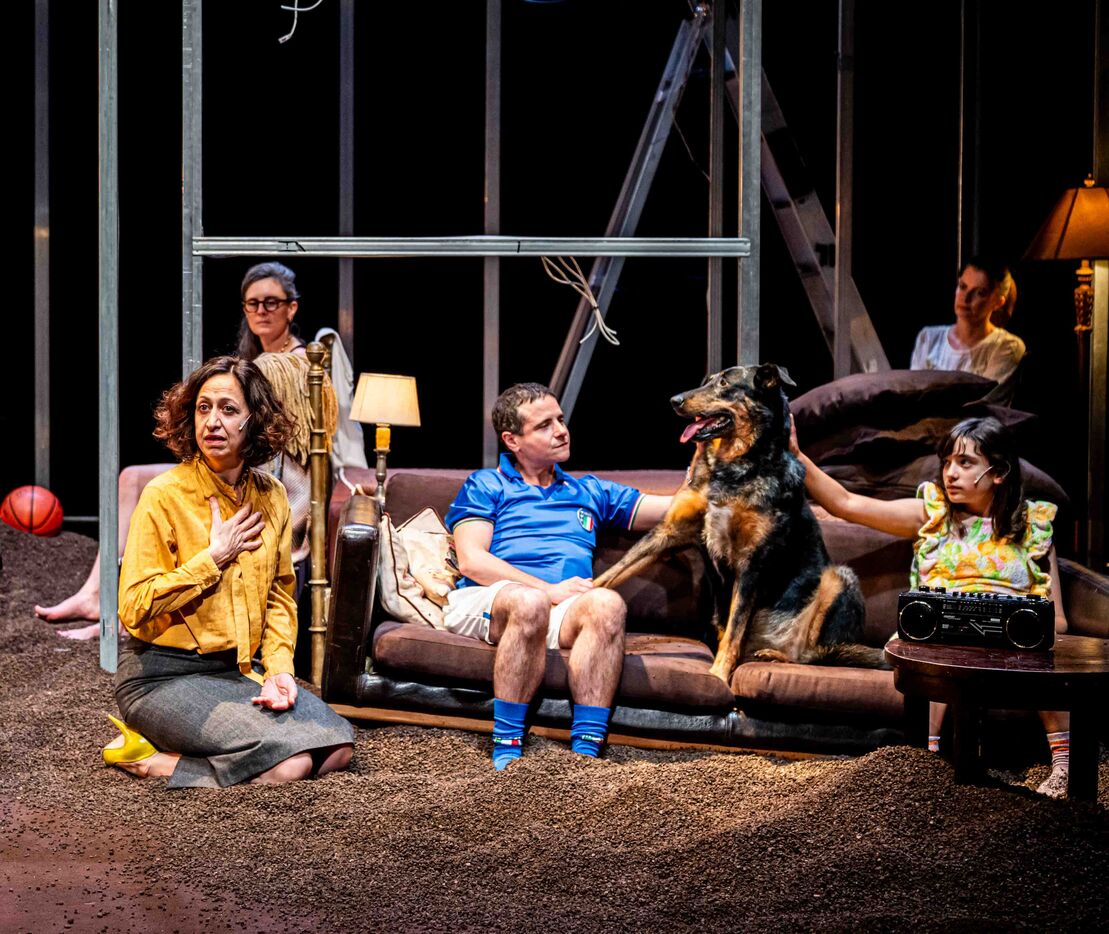
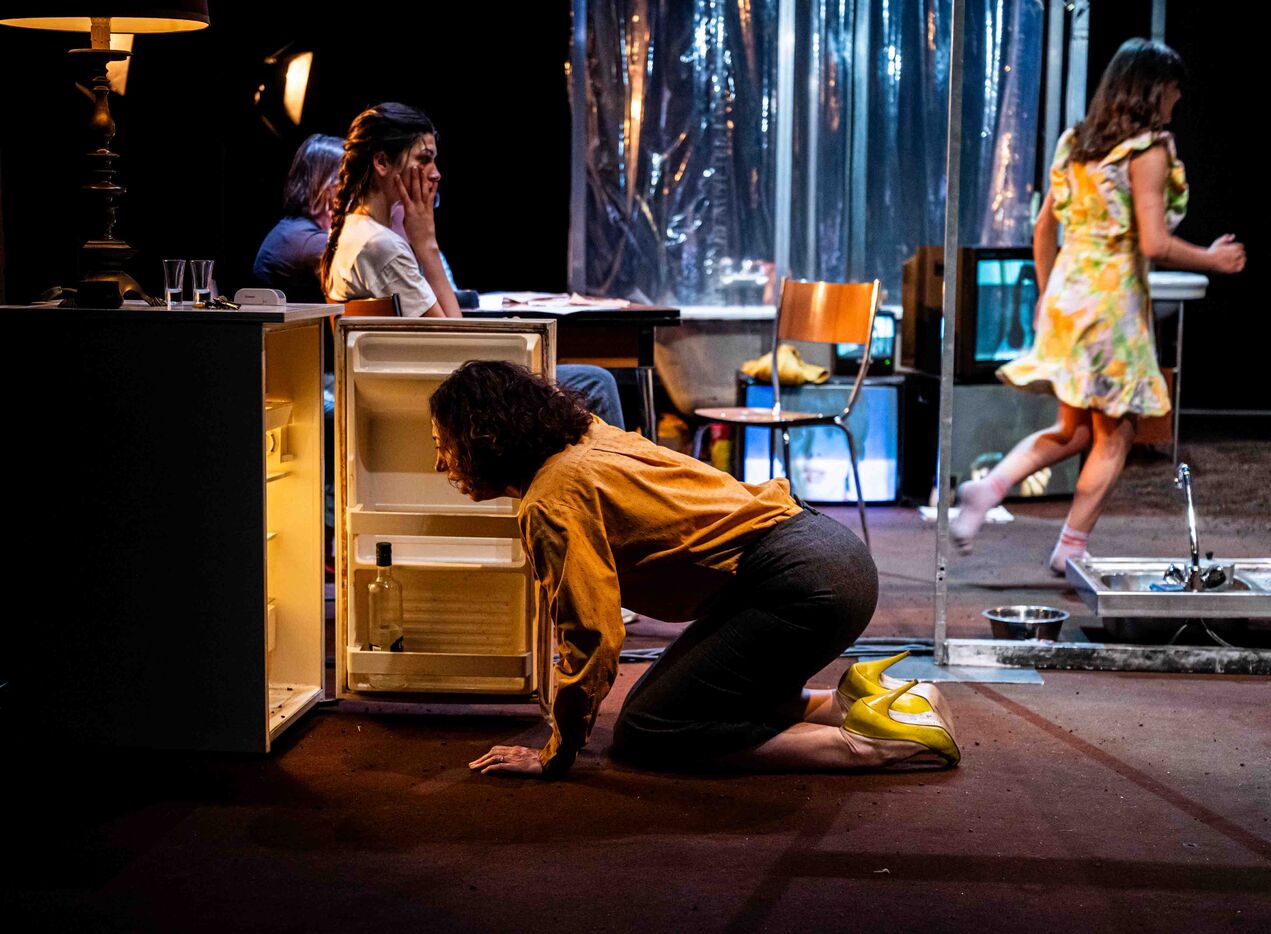
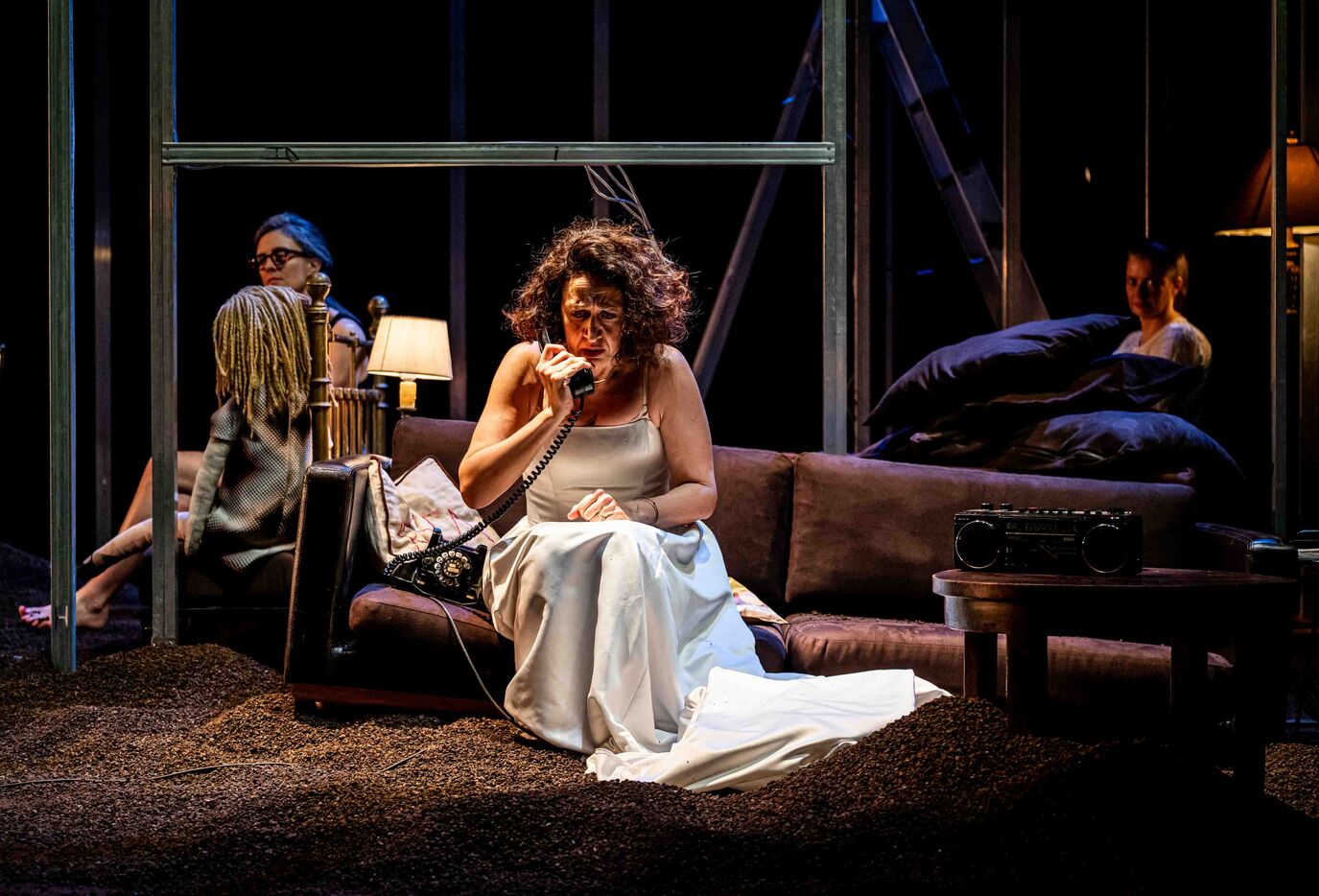
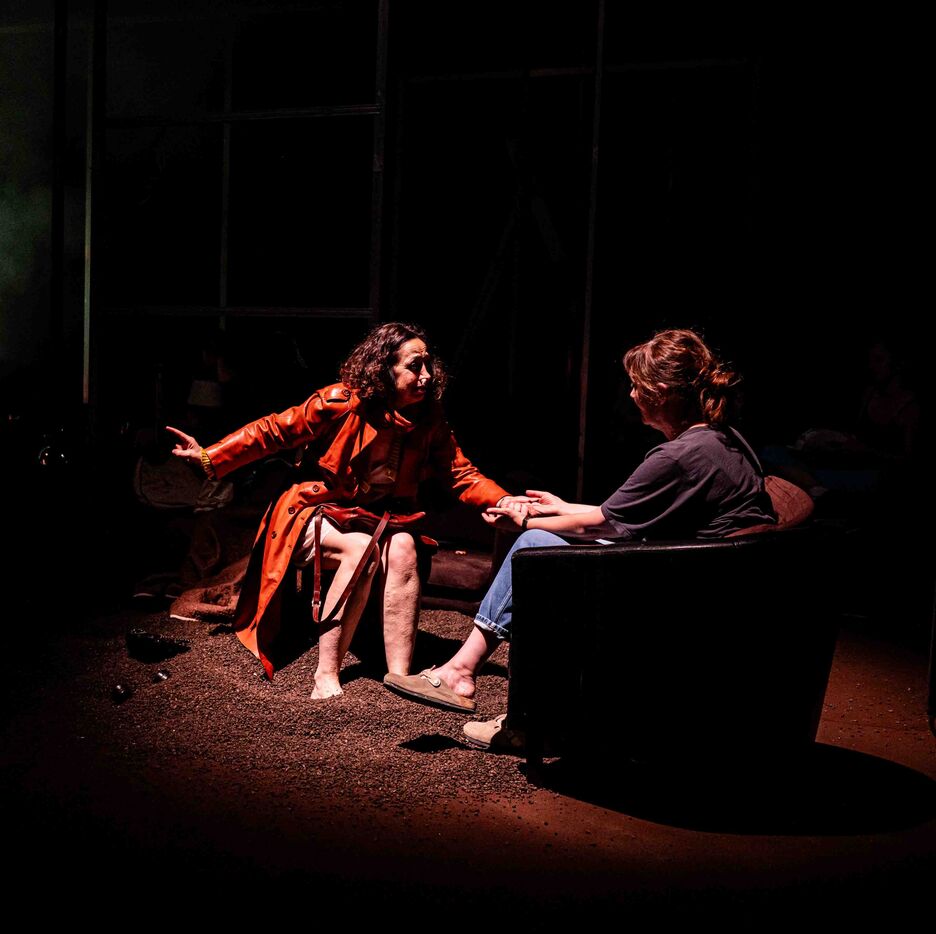
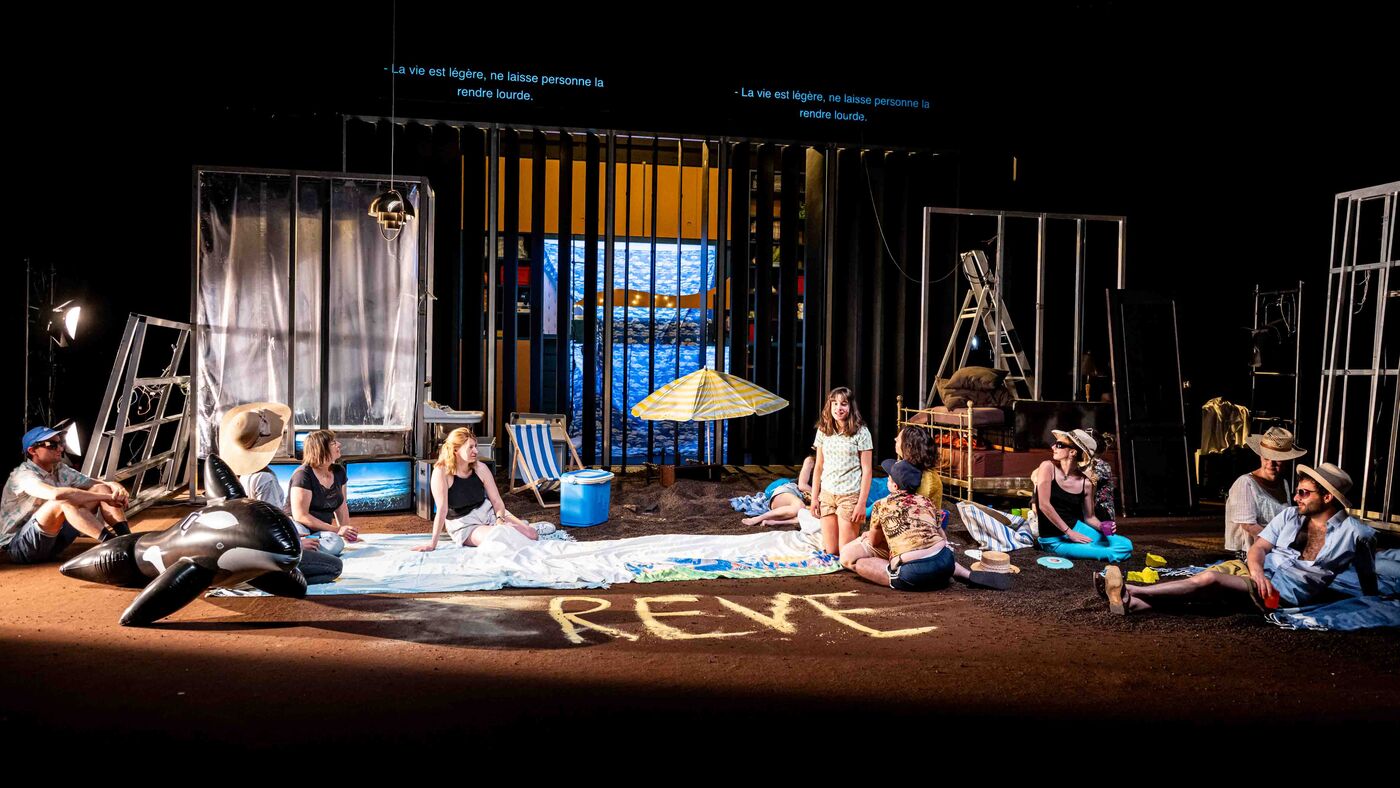
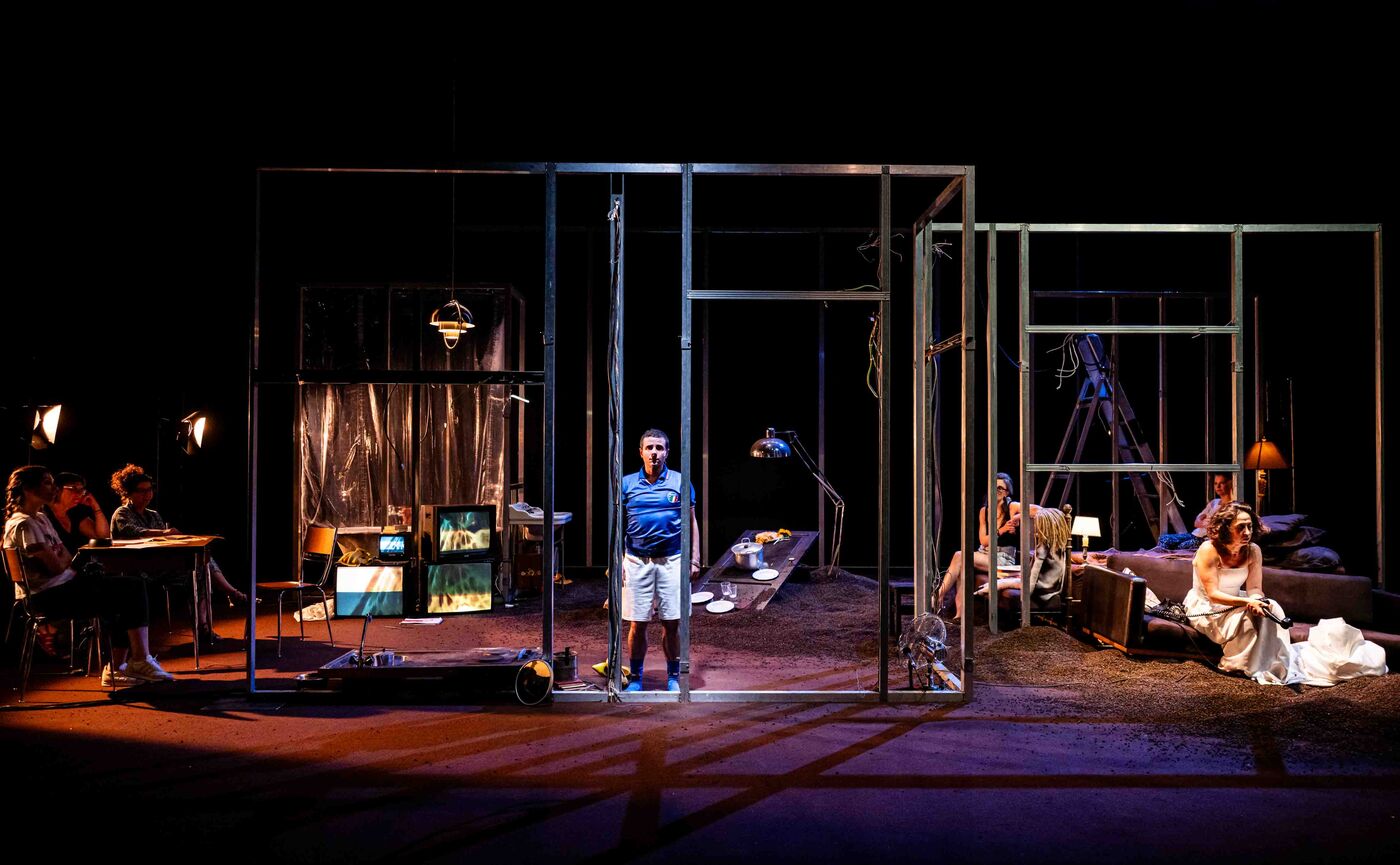
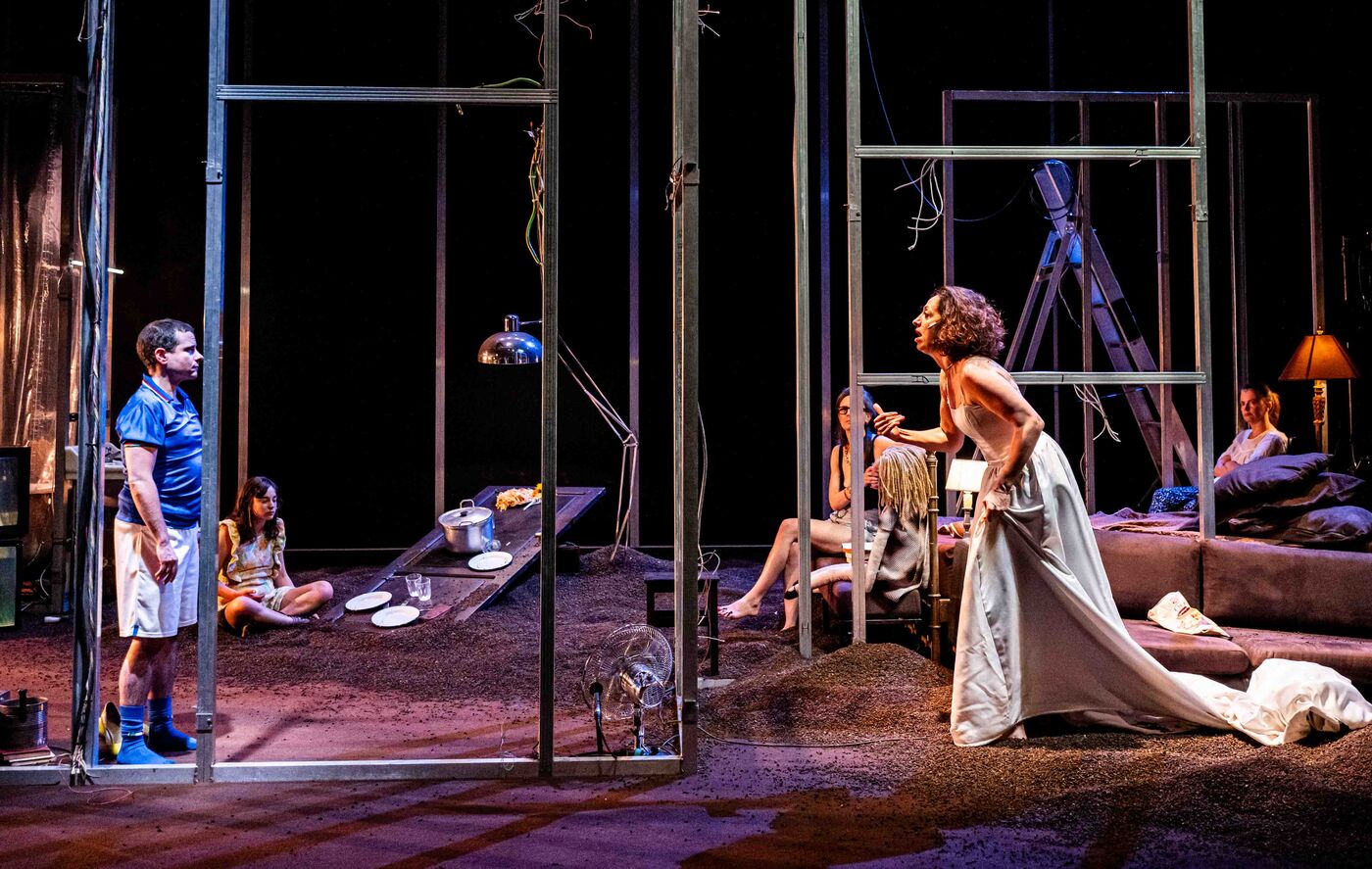
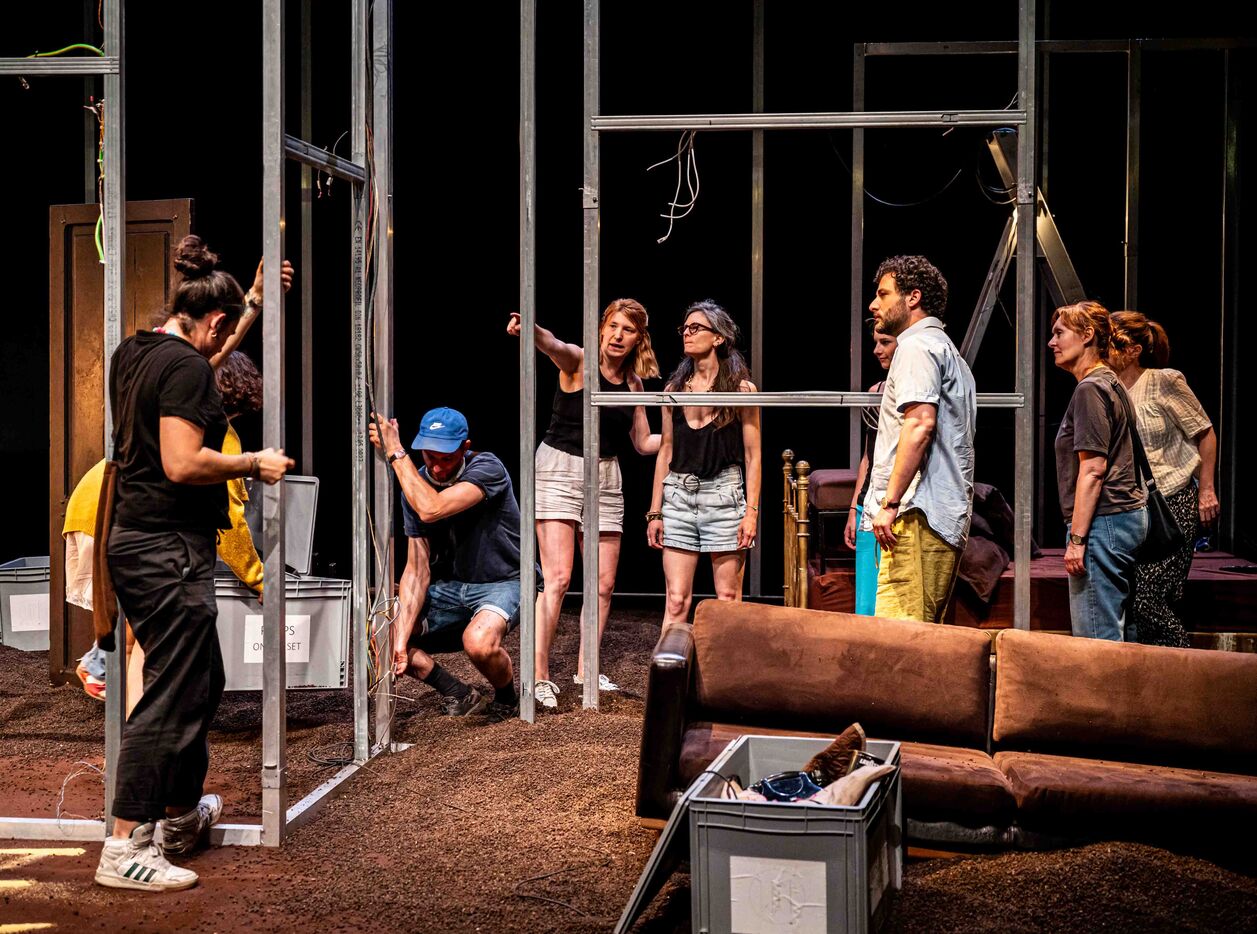
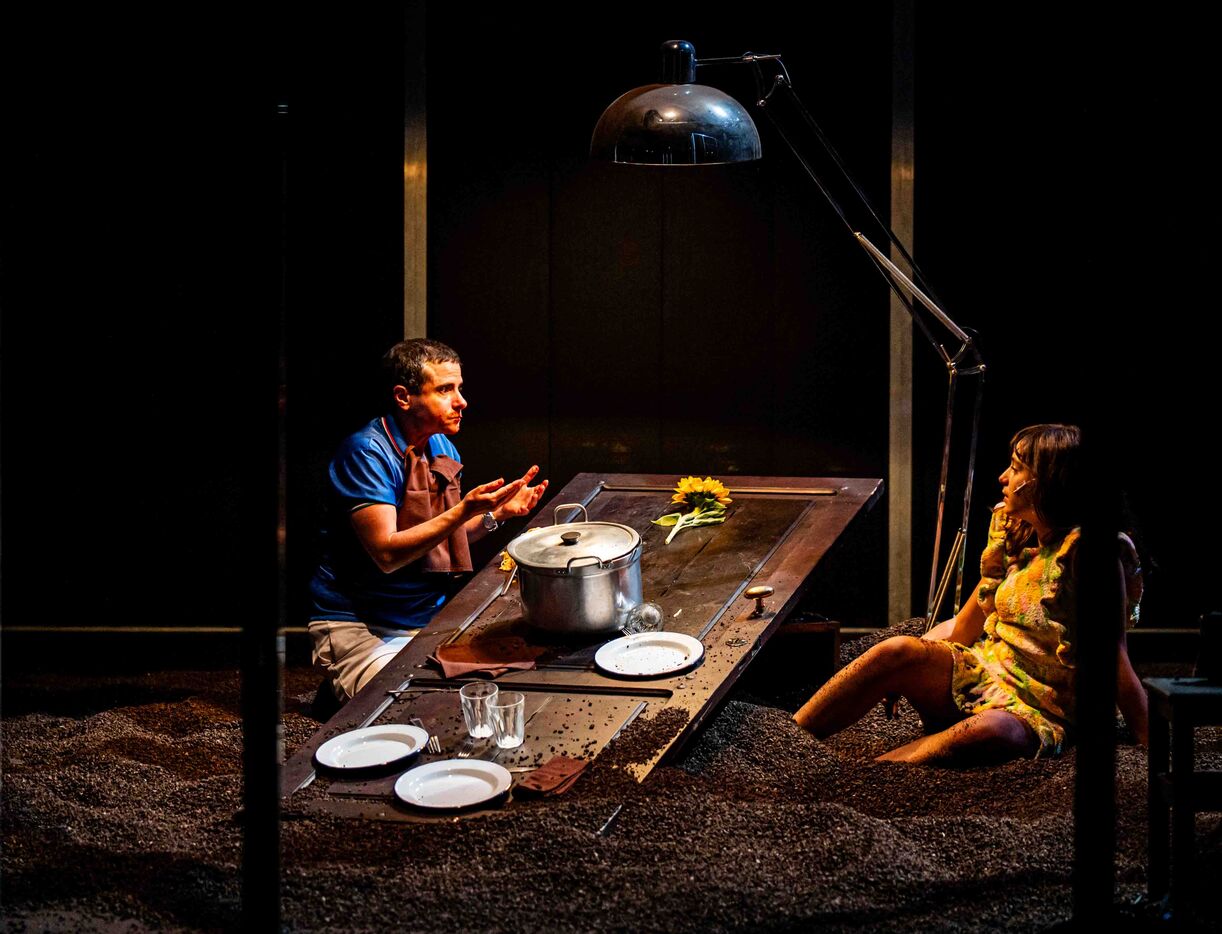
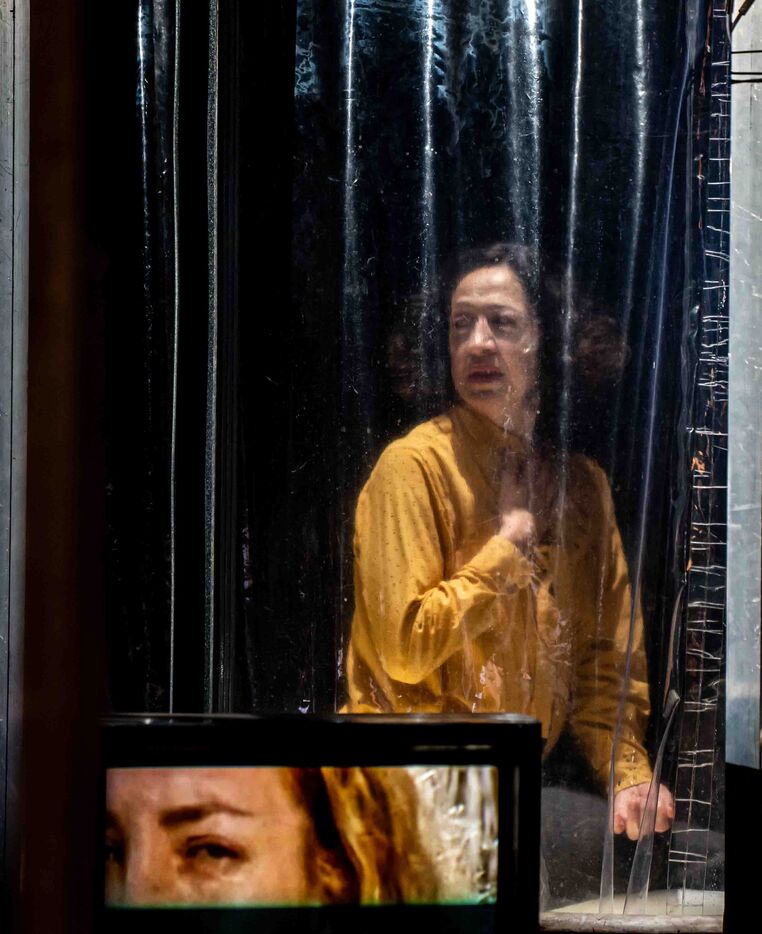
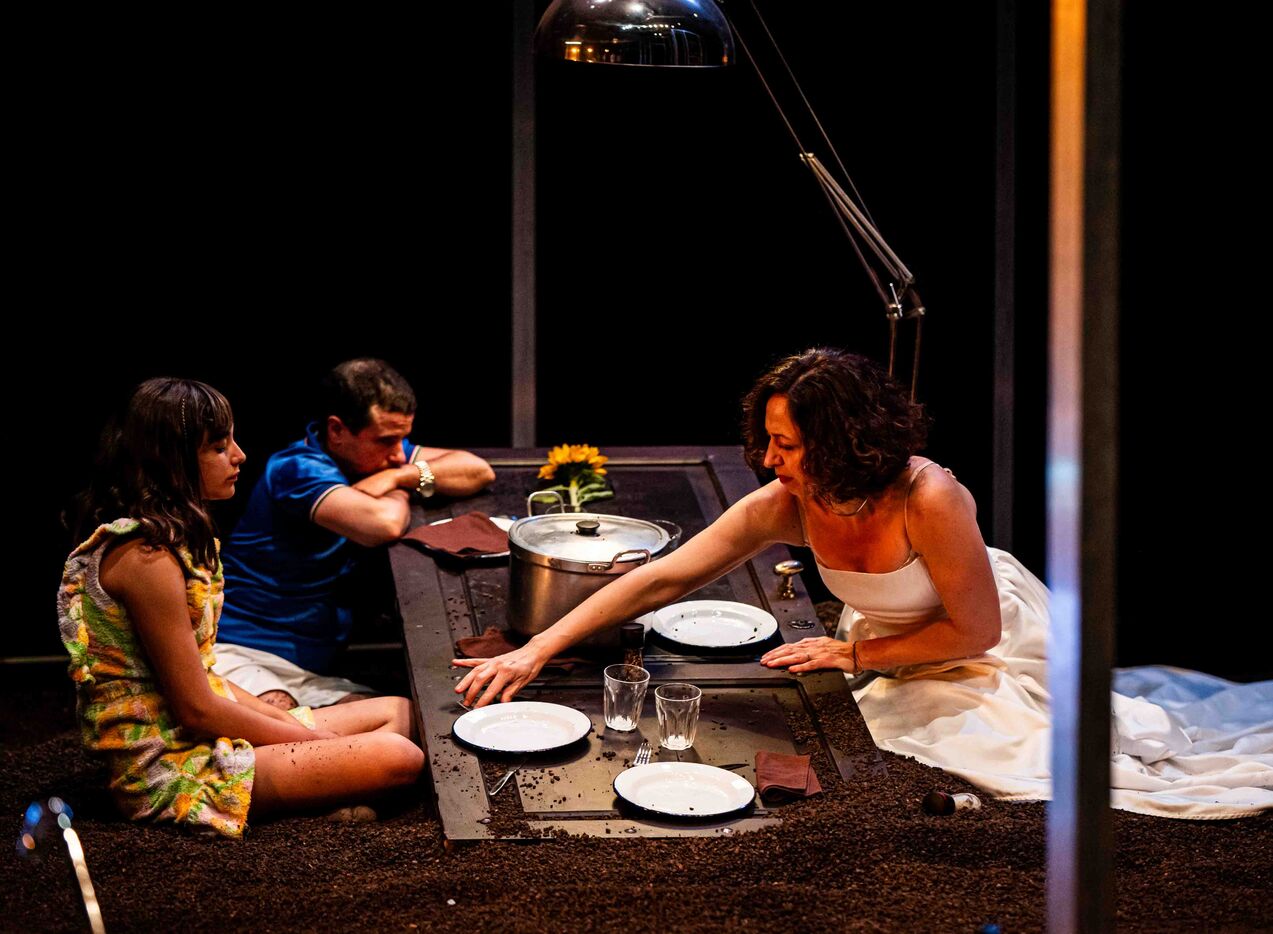
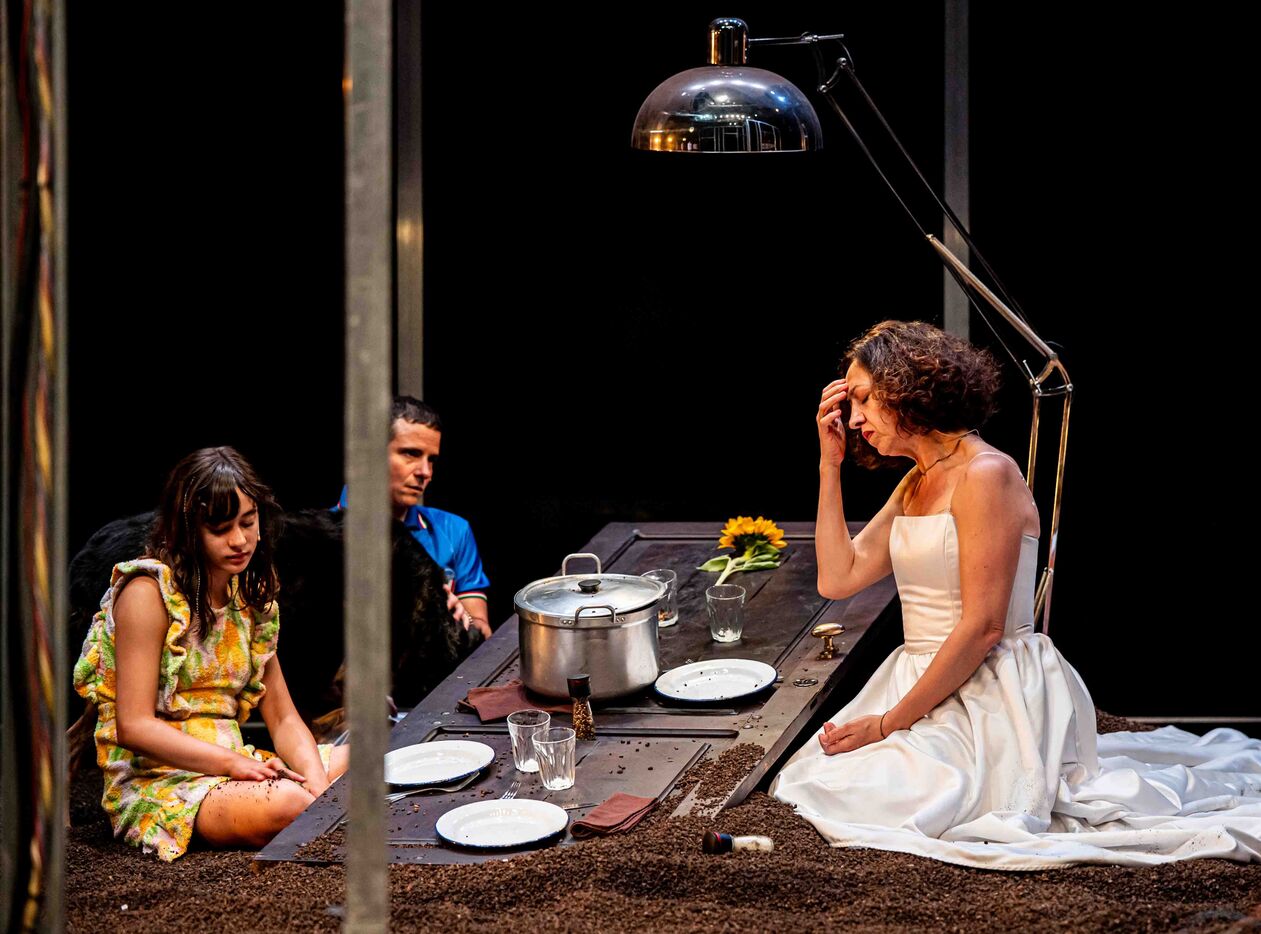
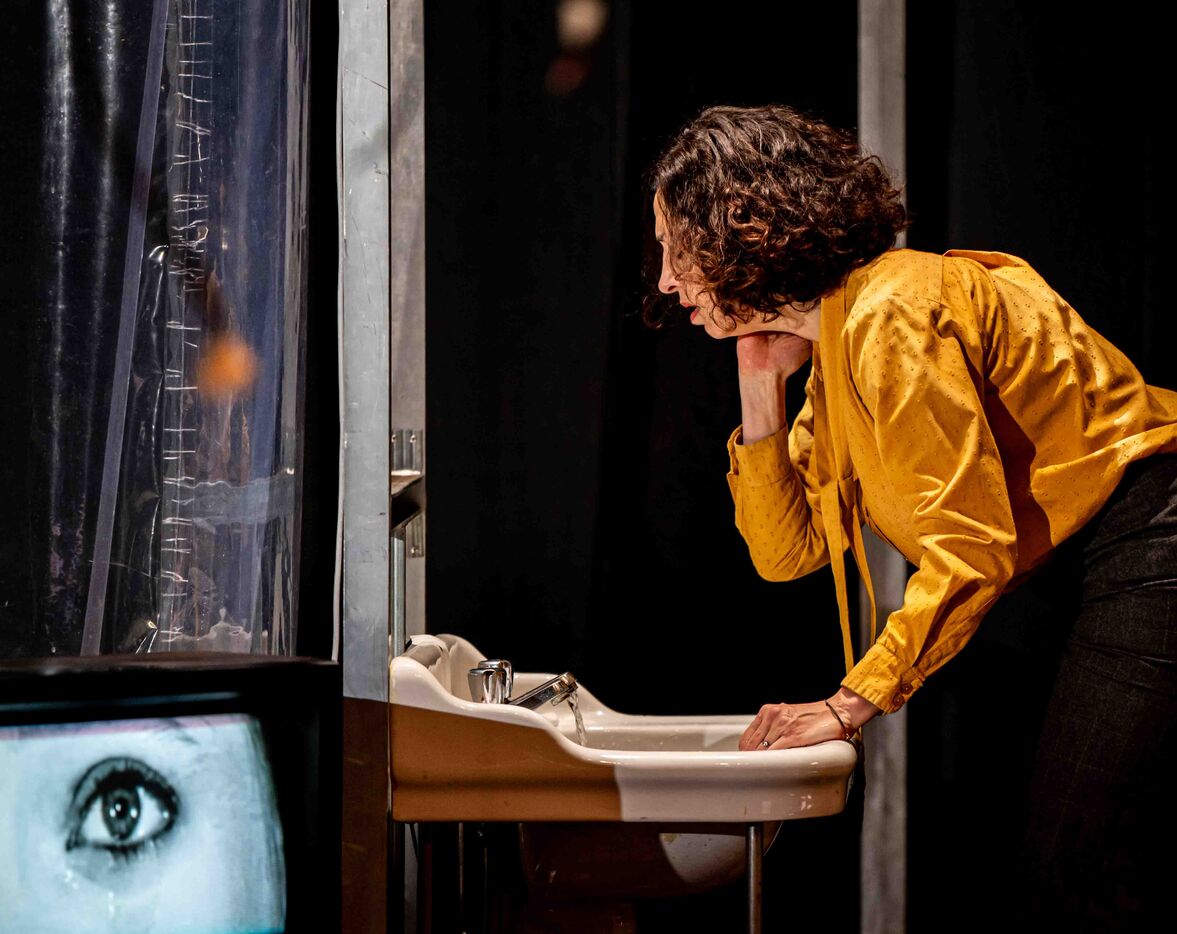
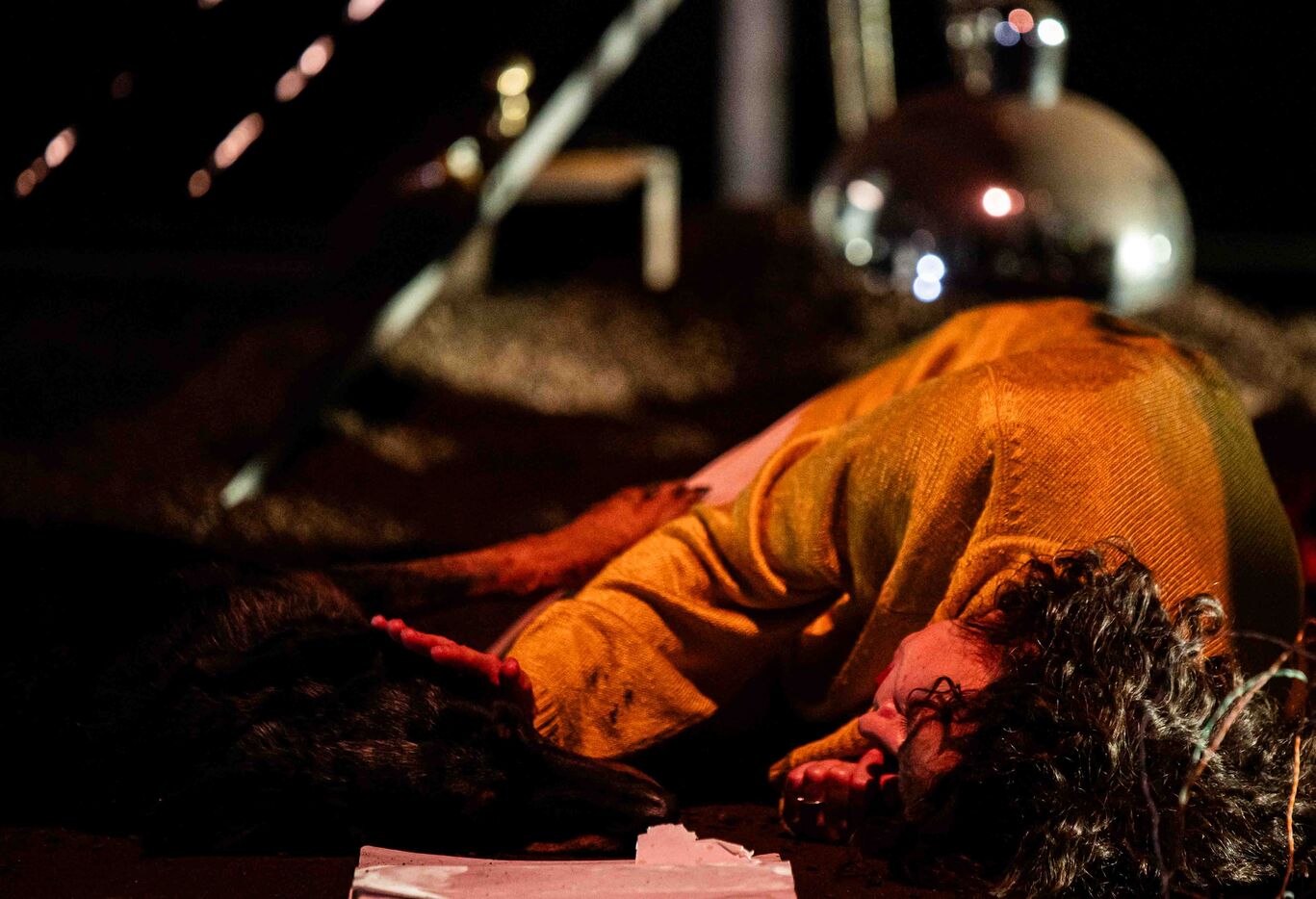
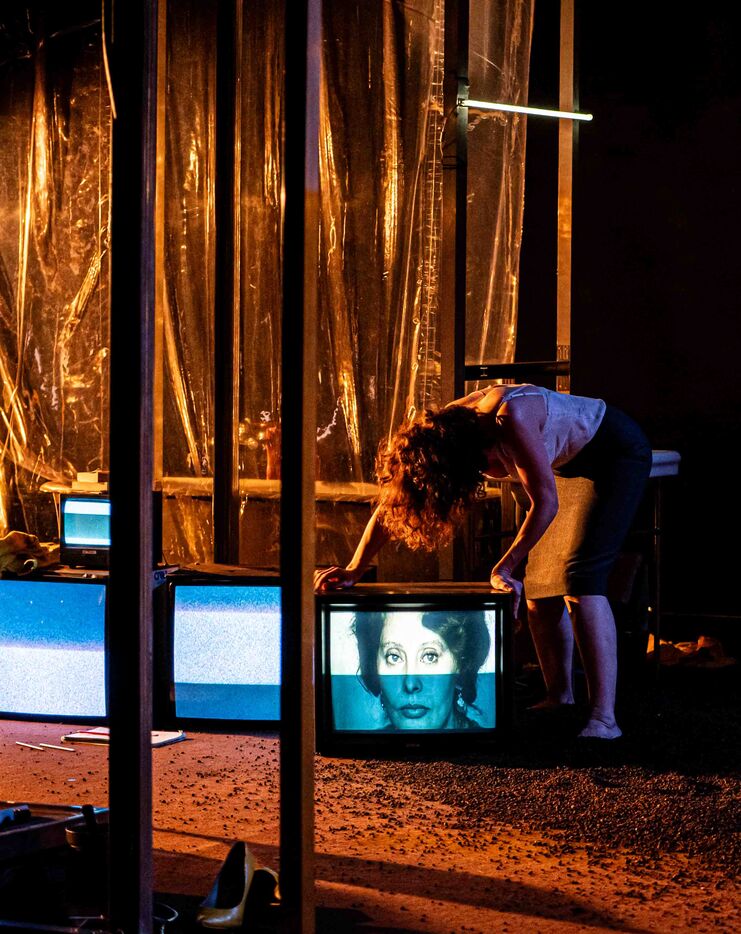
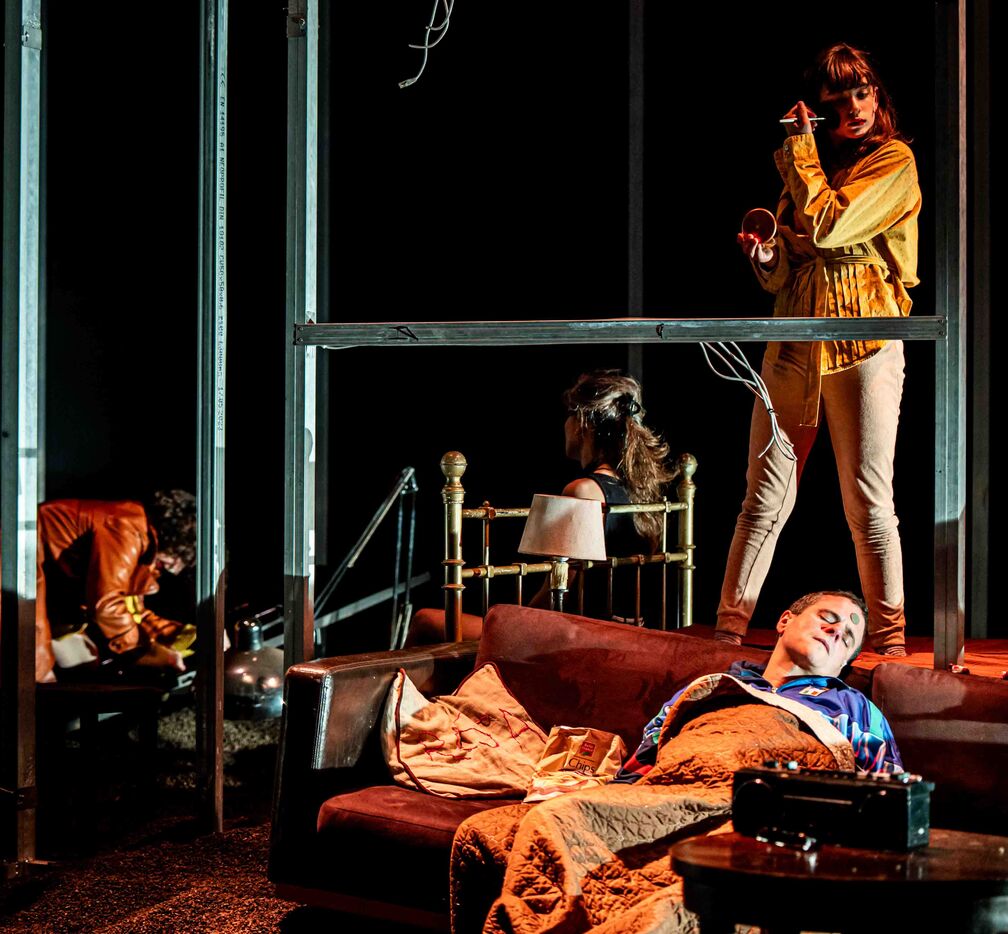
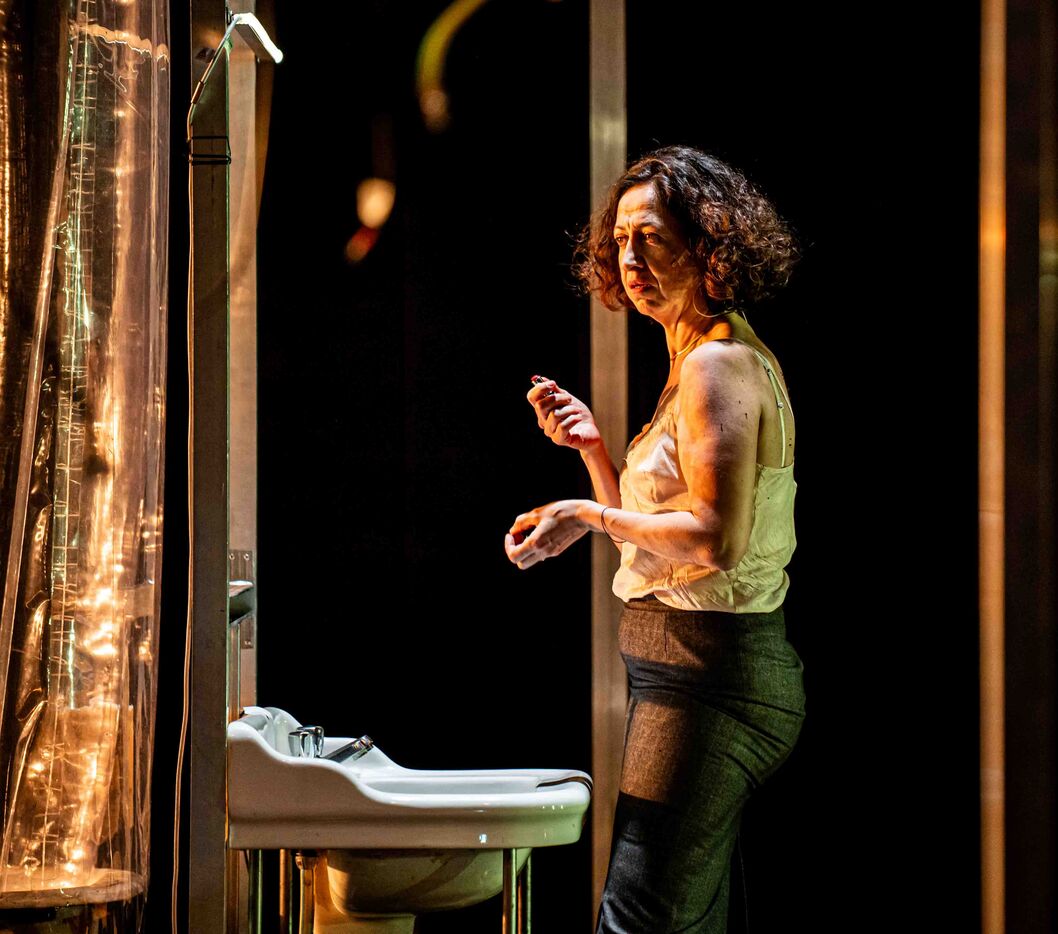
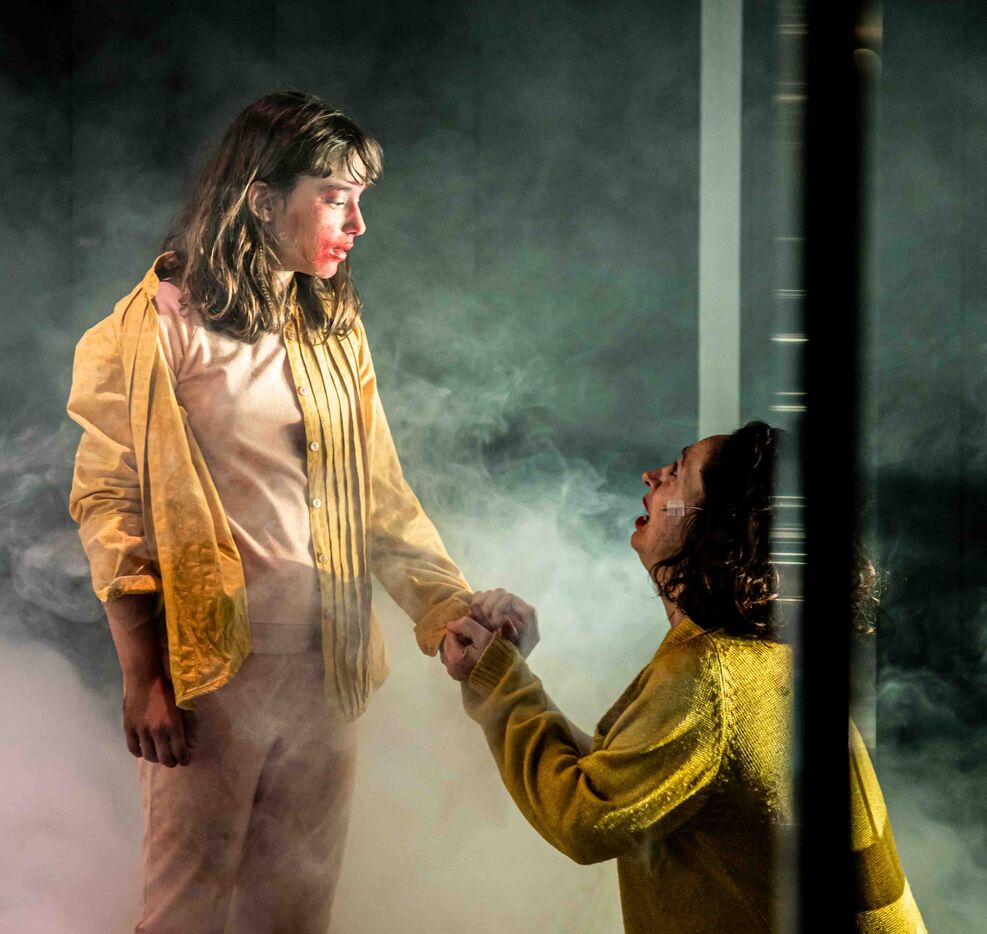
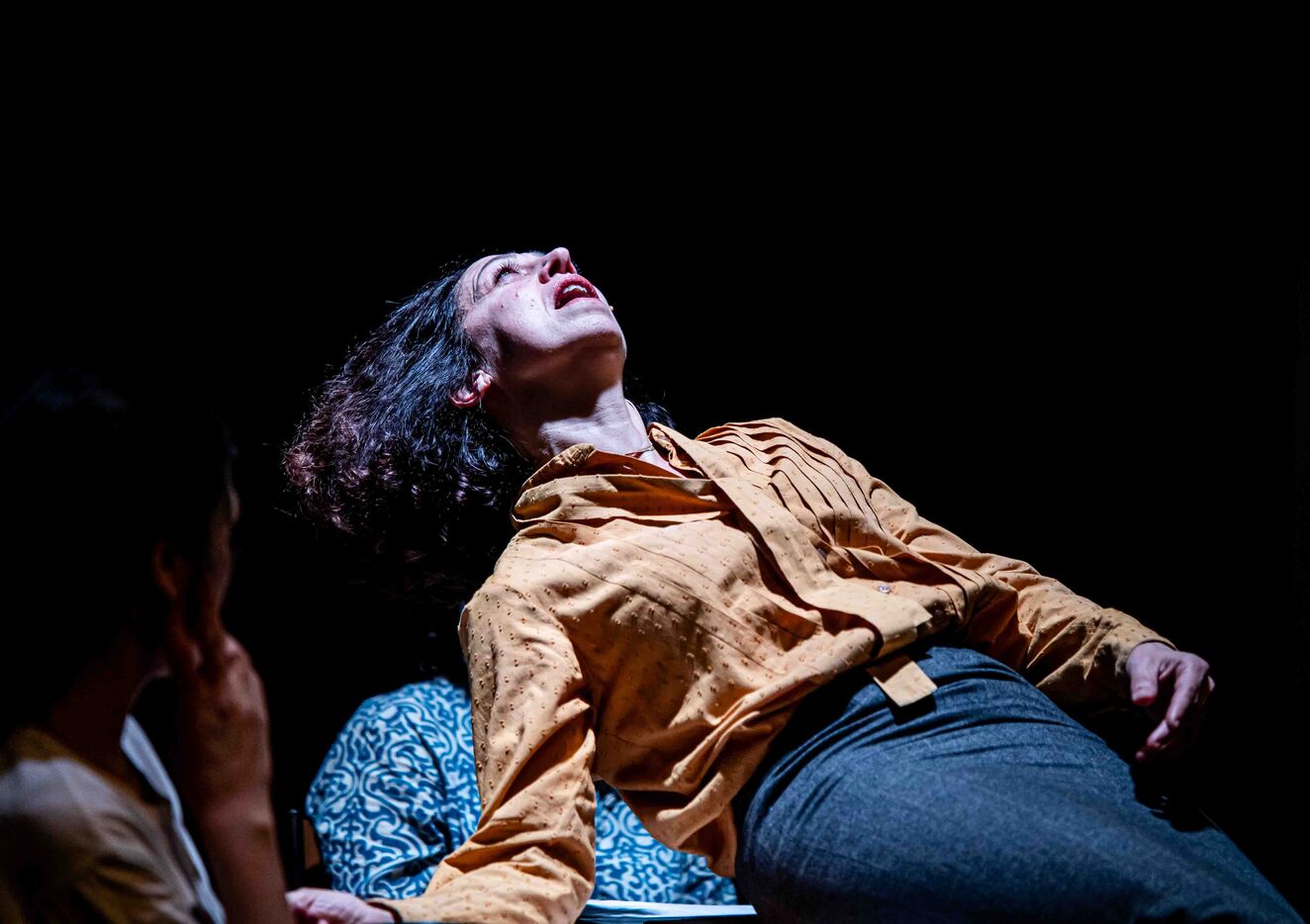
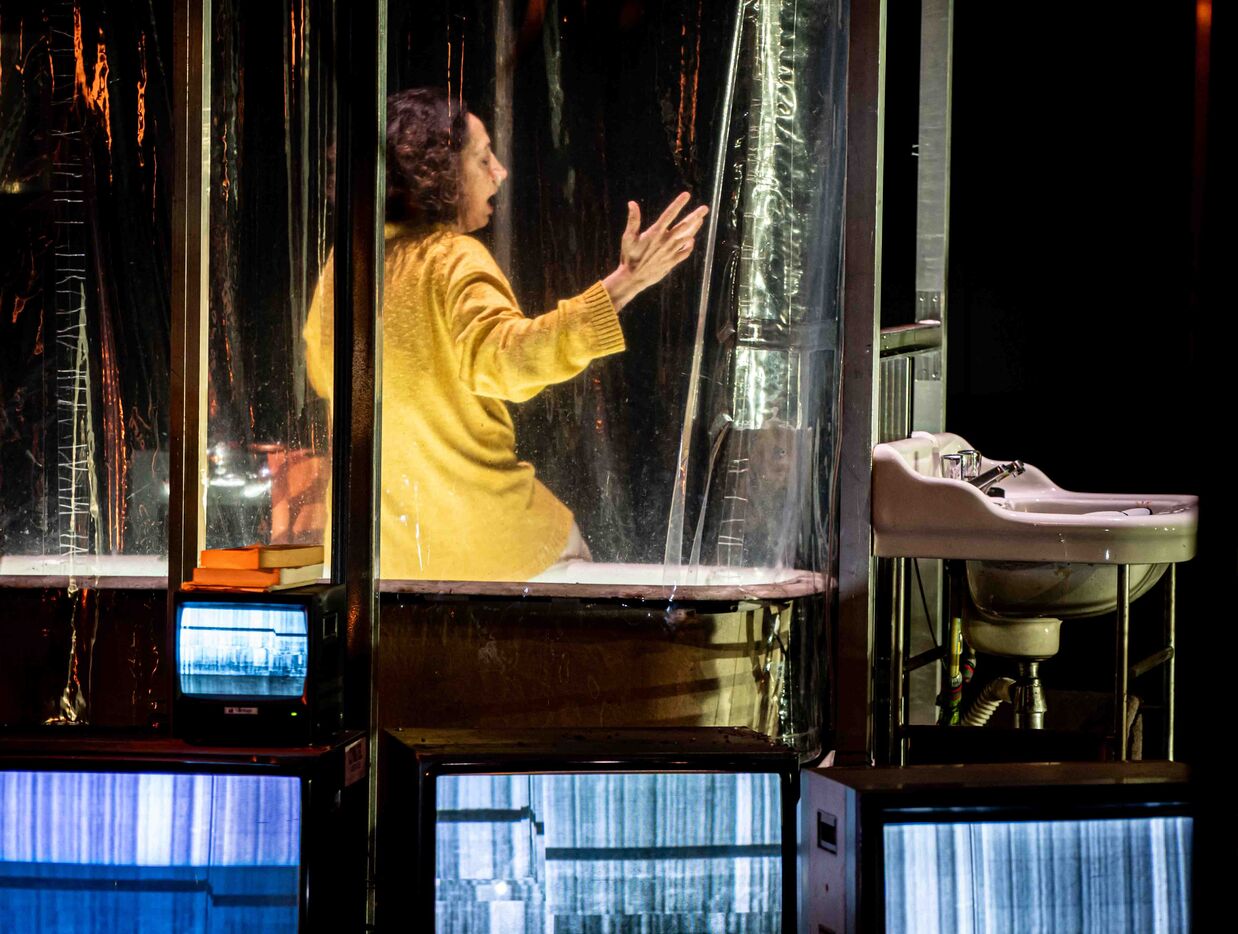
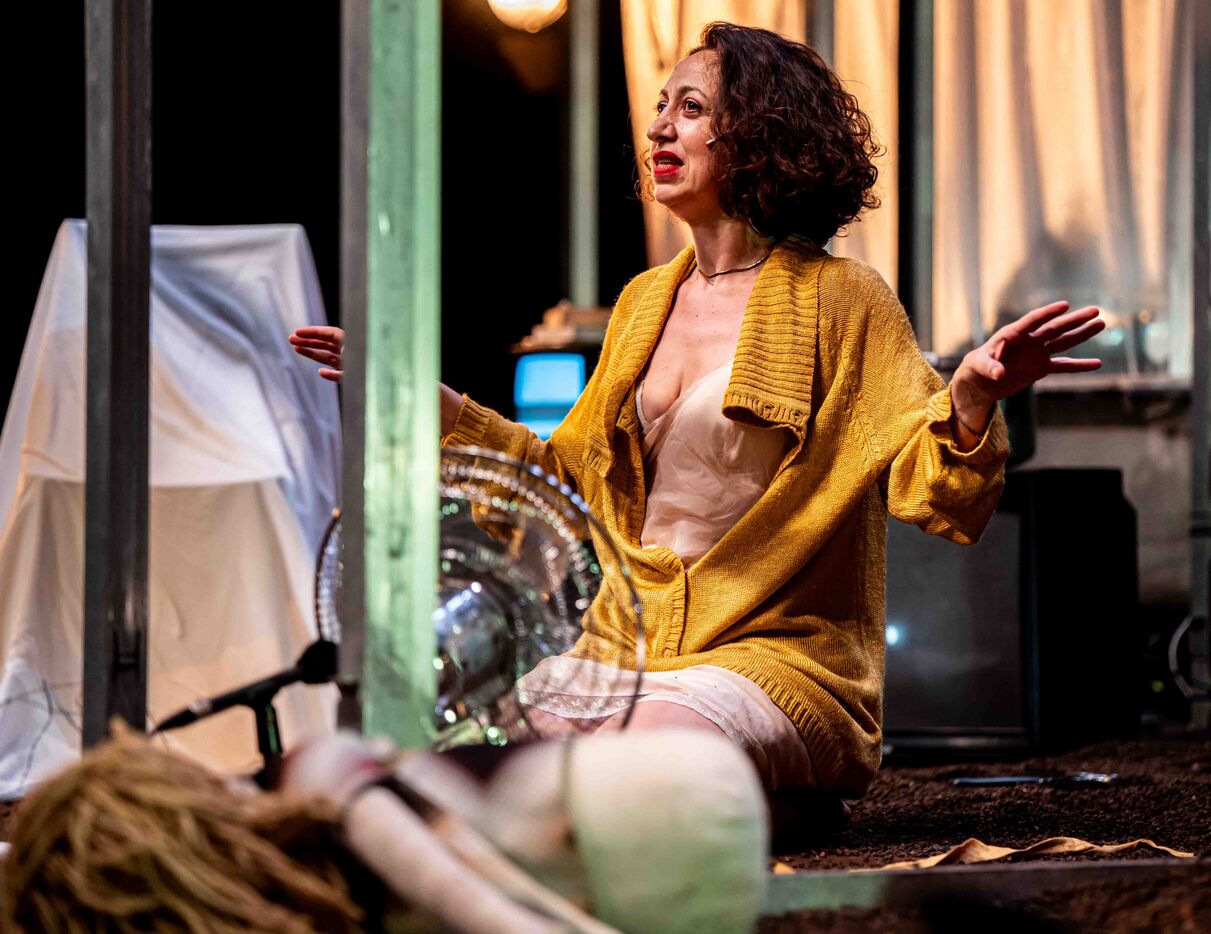
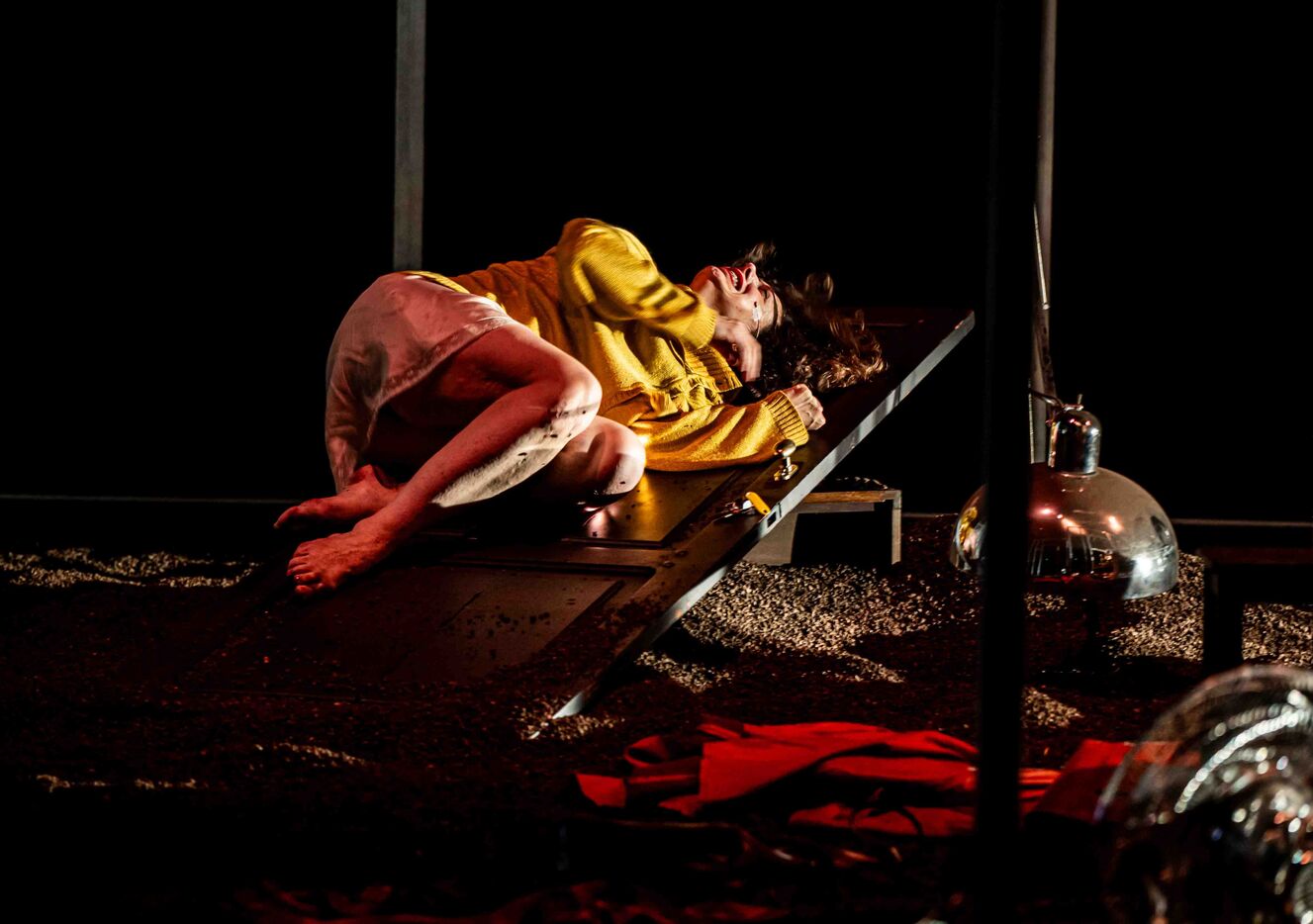
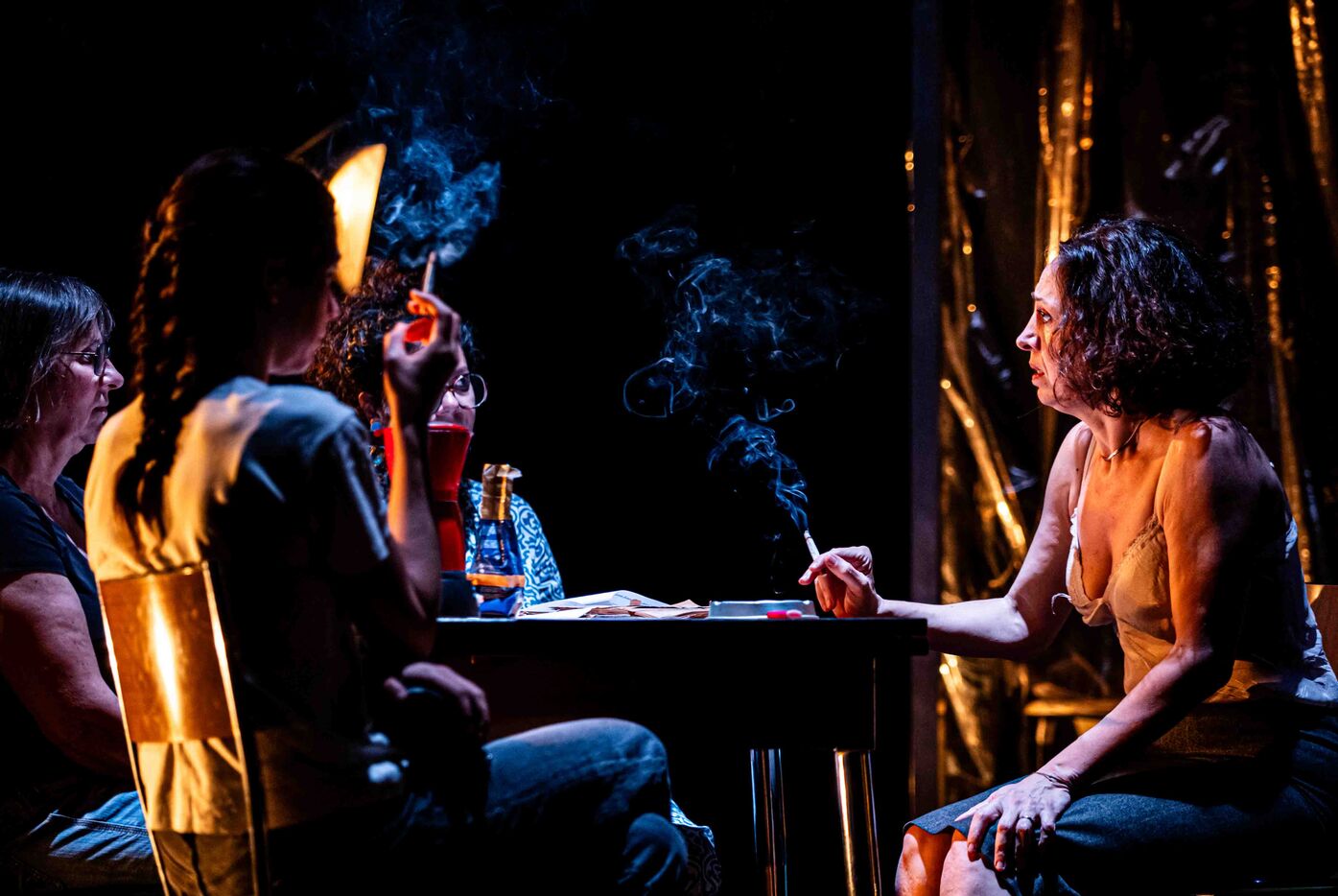
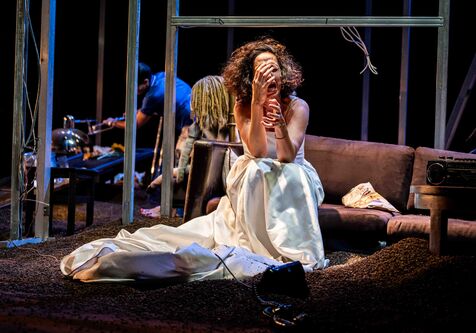
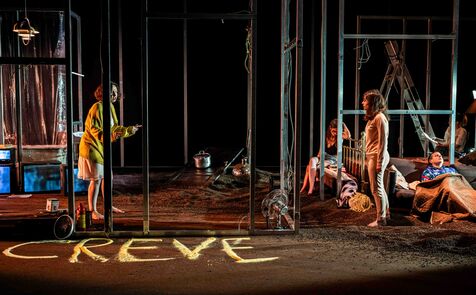
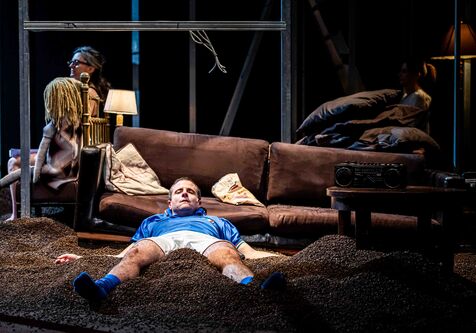
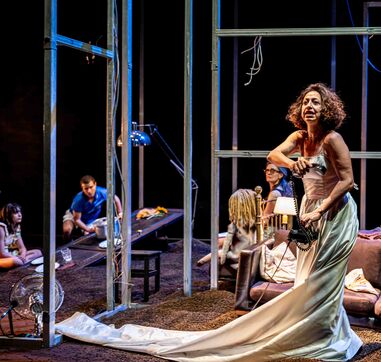
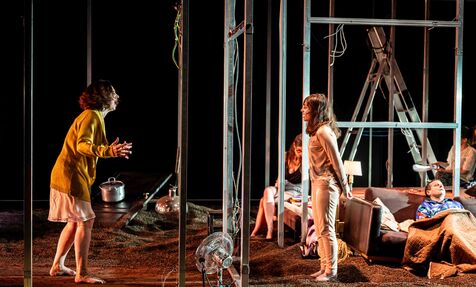
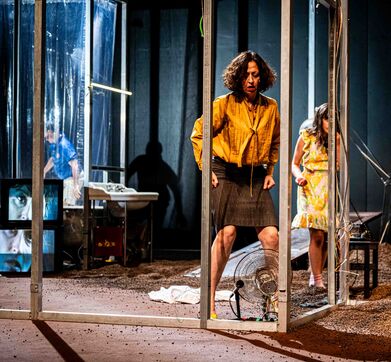
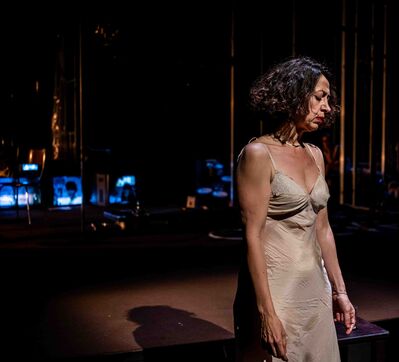
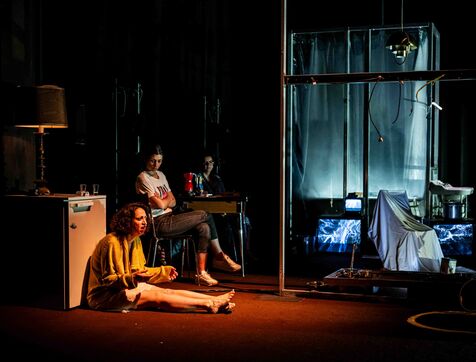
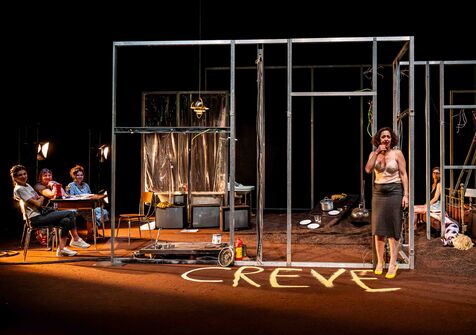
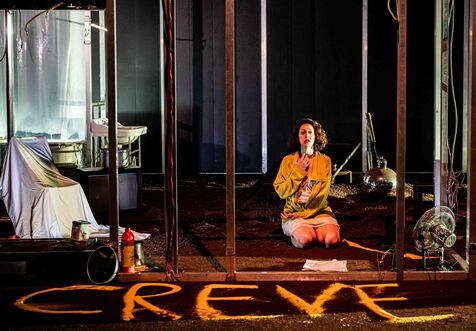
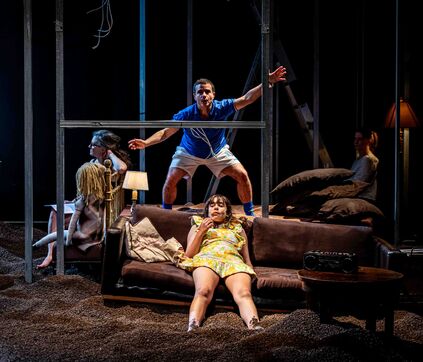
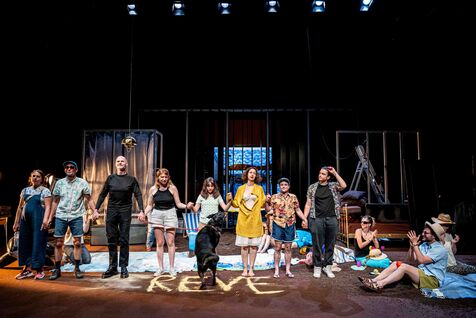
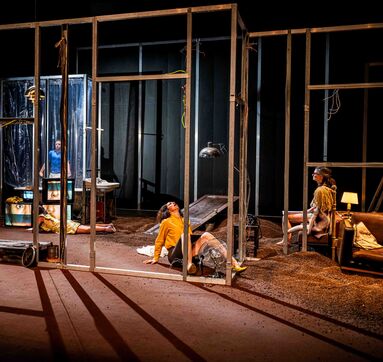
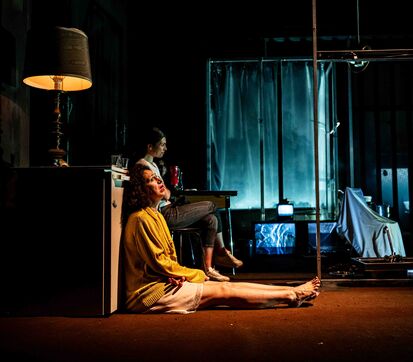
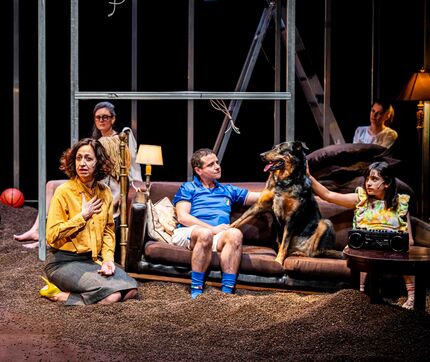
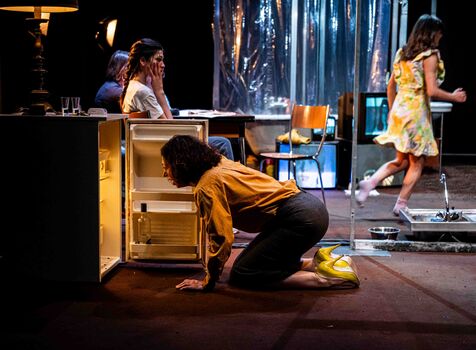
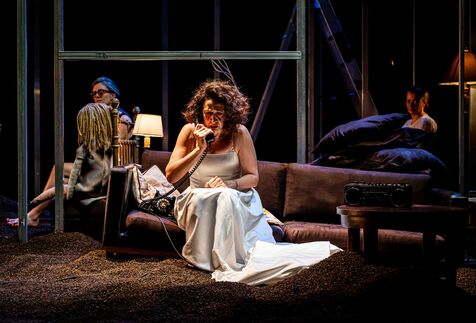
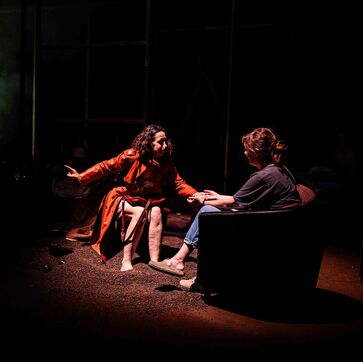
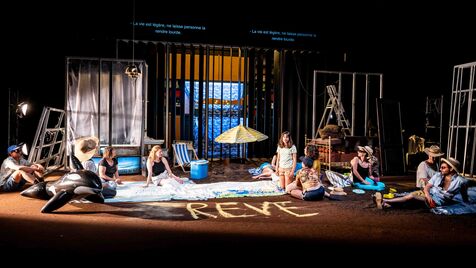
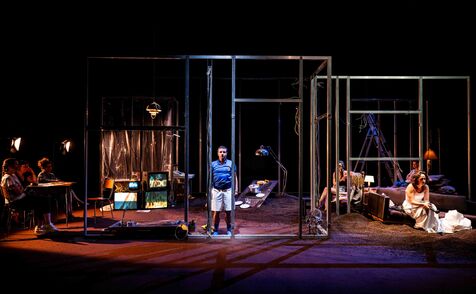
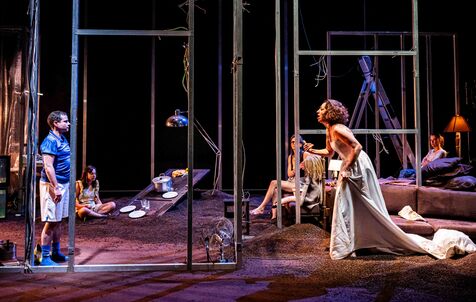
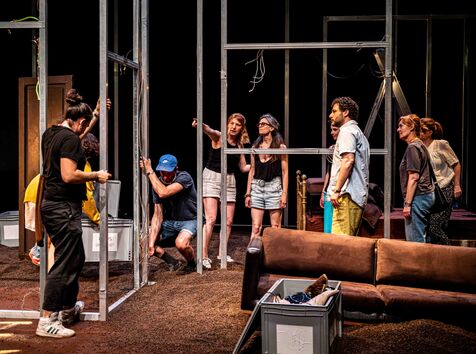
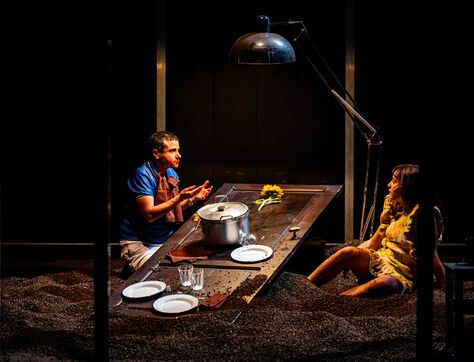
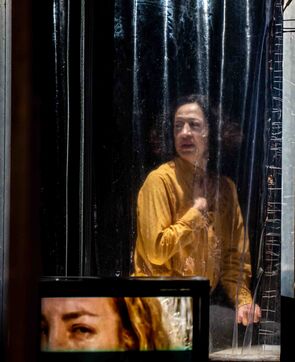
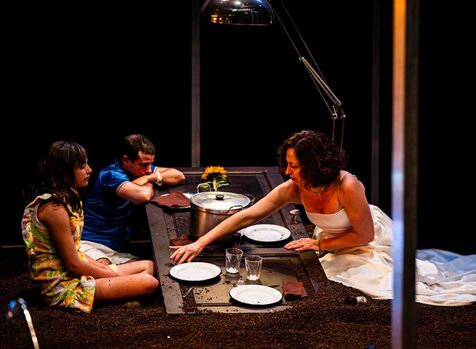
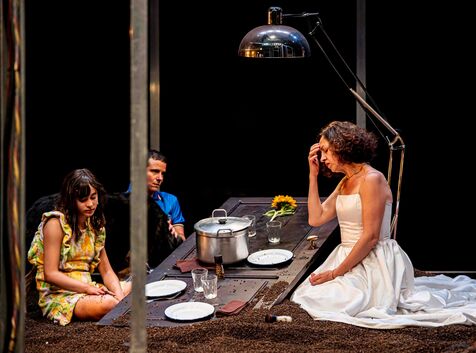
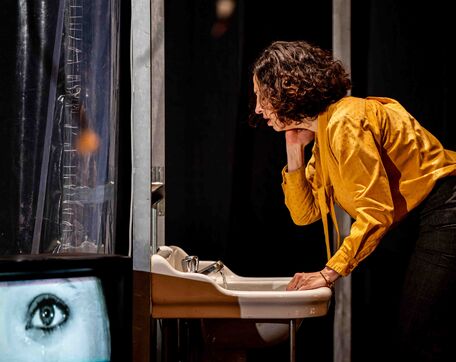
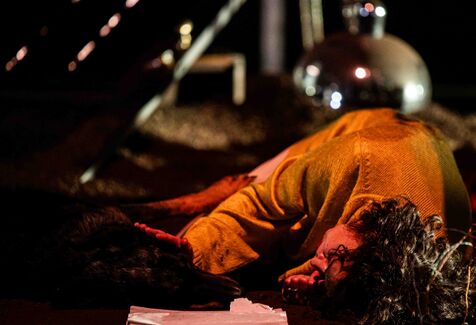
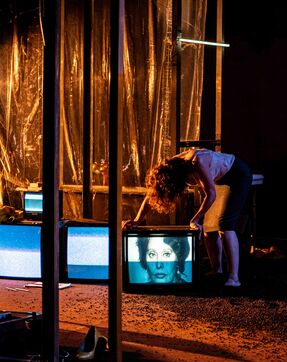
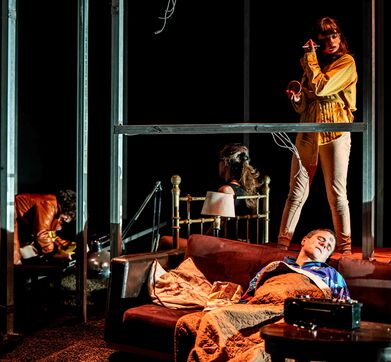
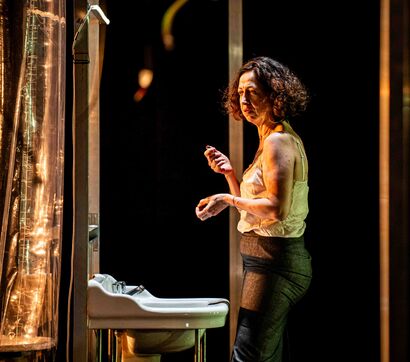
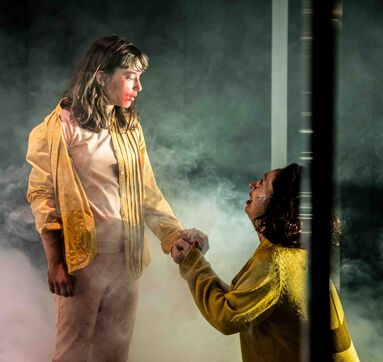
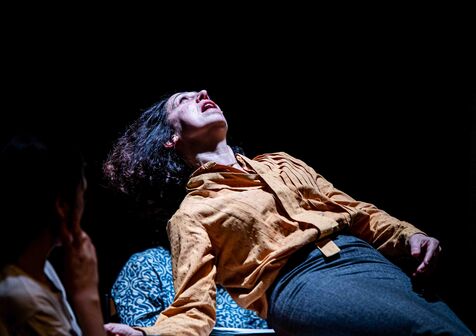
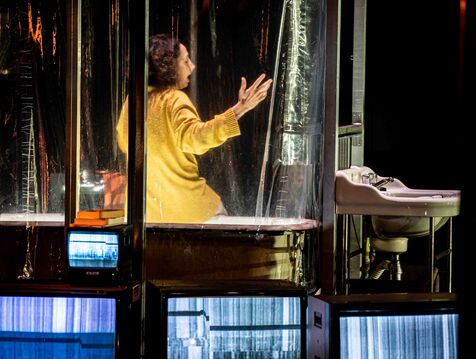
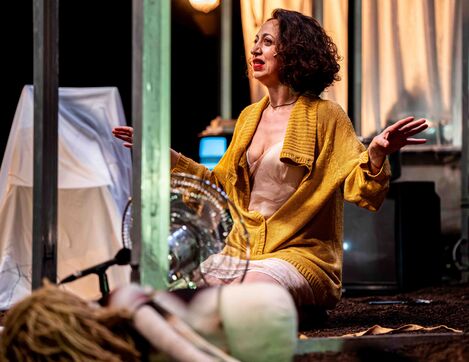
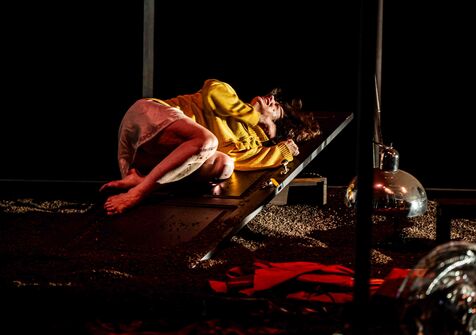
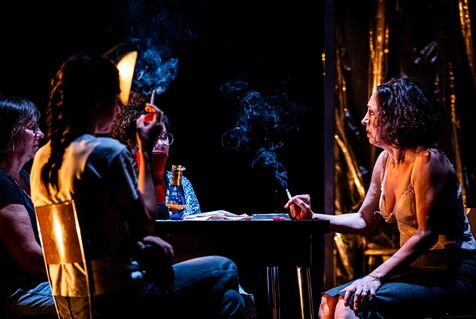
Une maison transparente, dont il ne reste que l’ossature métallique. C’est dans cet espace à la fois intime et ouvert qu’on assiste au drame intérieur qui bouleverse de fond en comble Olga, quarante ans, mère de deux enfants, en apprenant que Mario, son époux, la quitte pour une jeune femme. En adaptant à la scène ce texte d’Elena Ferrante, Gaia Saitta, montre comment cette femme de la classe moyenne italienne est peu à peu débordée par une sauvagerie jaillie du plus profond d’elle-même. L’épouse modèle conforme aux canons de la société devient violente, vulgaire, imprévisible. Elle confond le jour et la nuit, ne sait plus si elle a dormi, oublie les points de repère qui nous ancrent dans la réalité, jusqu’à ses enfants. Dans ce tourbillon destructeur, Gaia Saitta dépasse les clichés du drame familial bourgeois pour une approche déconstruite, politique. Féministe.
LES JOURS DE MON ABANDON
A transparent house, of which only the metal frame remains. It is in this space, both intimate and open, that we witness the inner drama that utterly shatters Olga, a forty-year-old mother of two, upon learning that her husband, Mario, is leaving her for a younger woman. In adapting Elena Ferrante's text for the stage, Gaia Saitta shows how this middle-class Italian woman is gradually overwhelmed by a savagery that springs from the depths of her being. The model wife, conforming to societal norms, becomes violent, vulgar, unpredictable. She confuses day and night, no longer knows if she has slept, forgets the points of reference that anchor us in reality, even her children. In this destructive maelstrom, Gaia Saitta transcends the clichés of bourgeois family drama for a deconstructed, political, and feminist approach.