LA BAL(L)ADE DE NIJINSKI
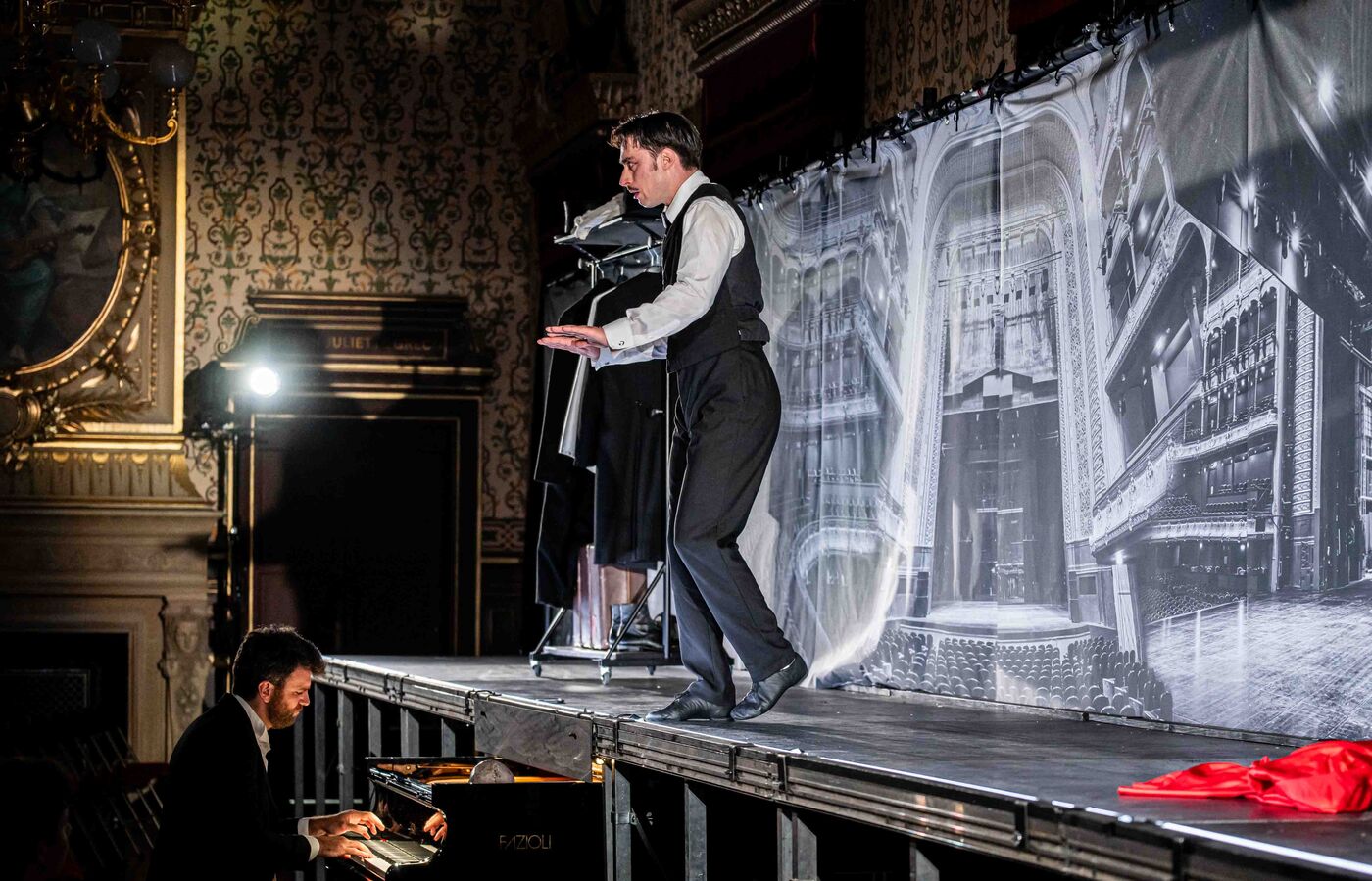
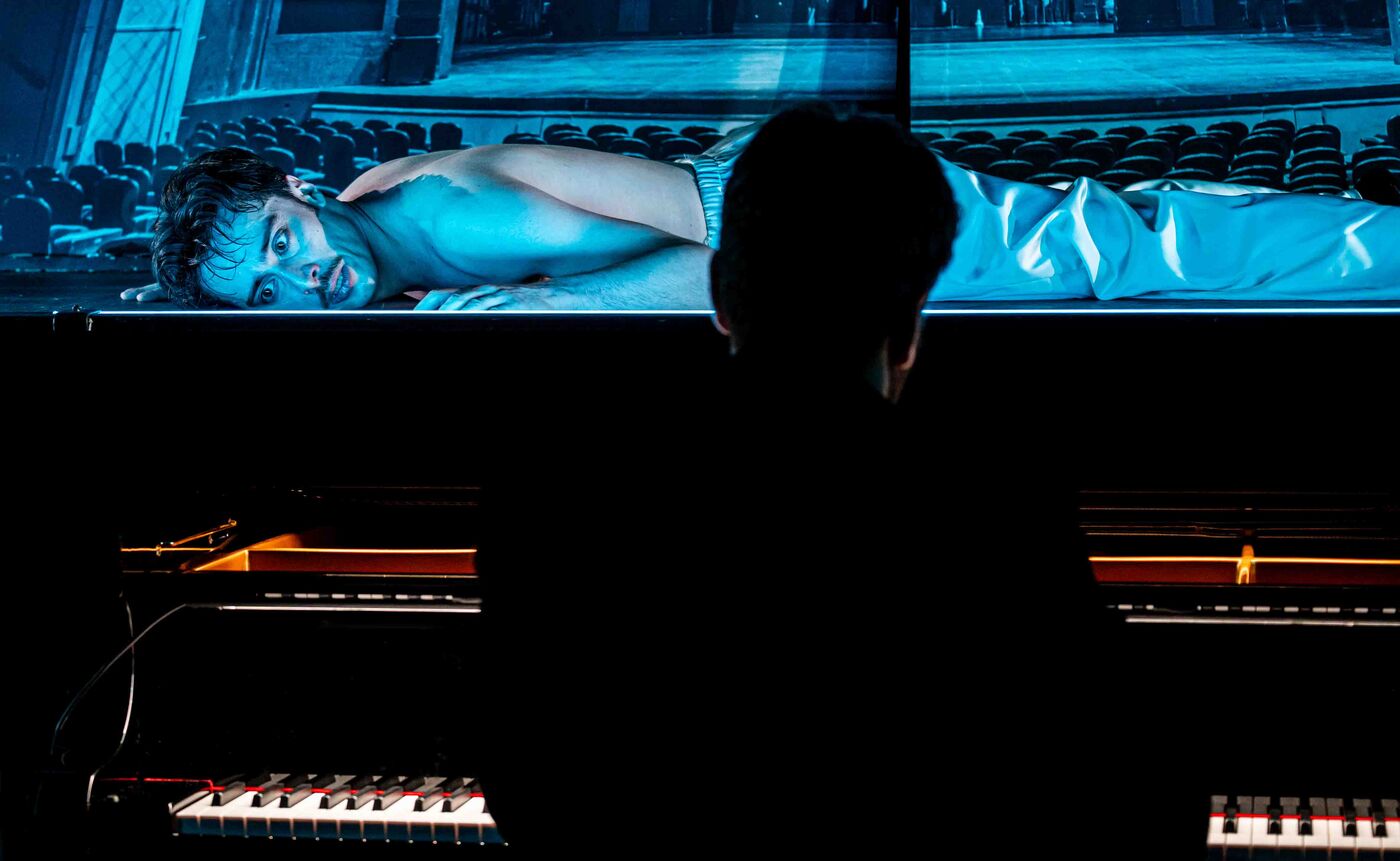
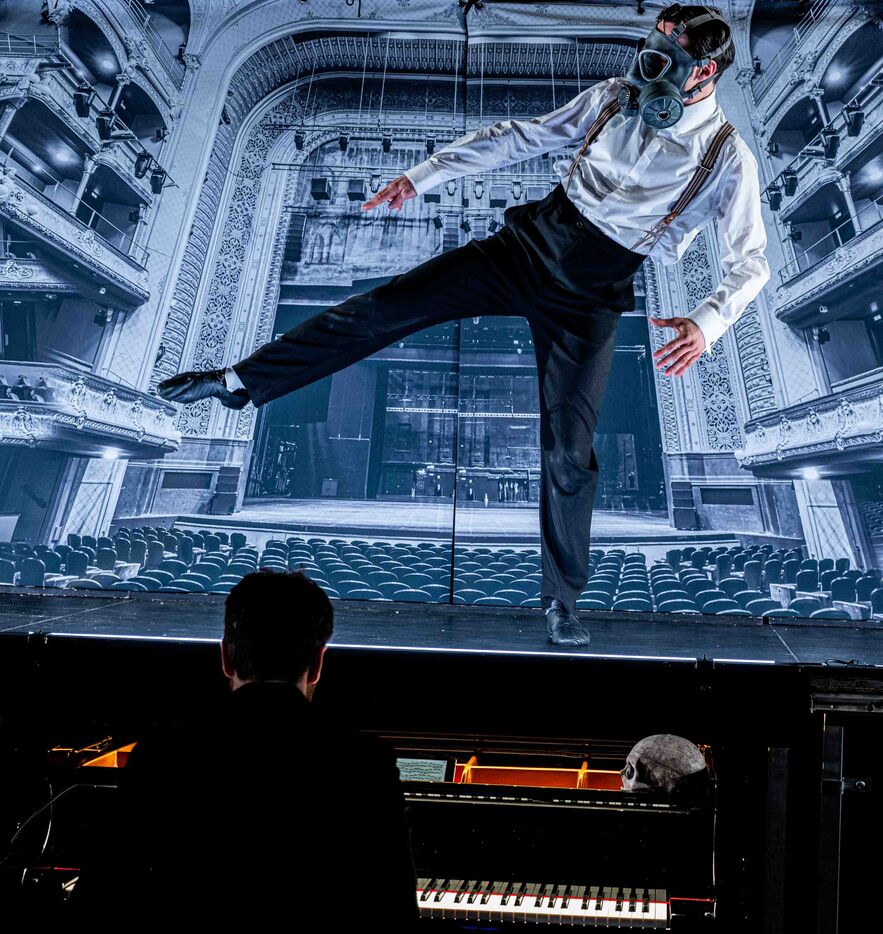
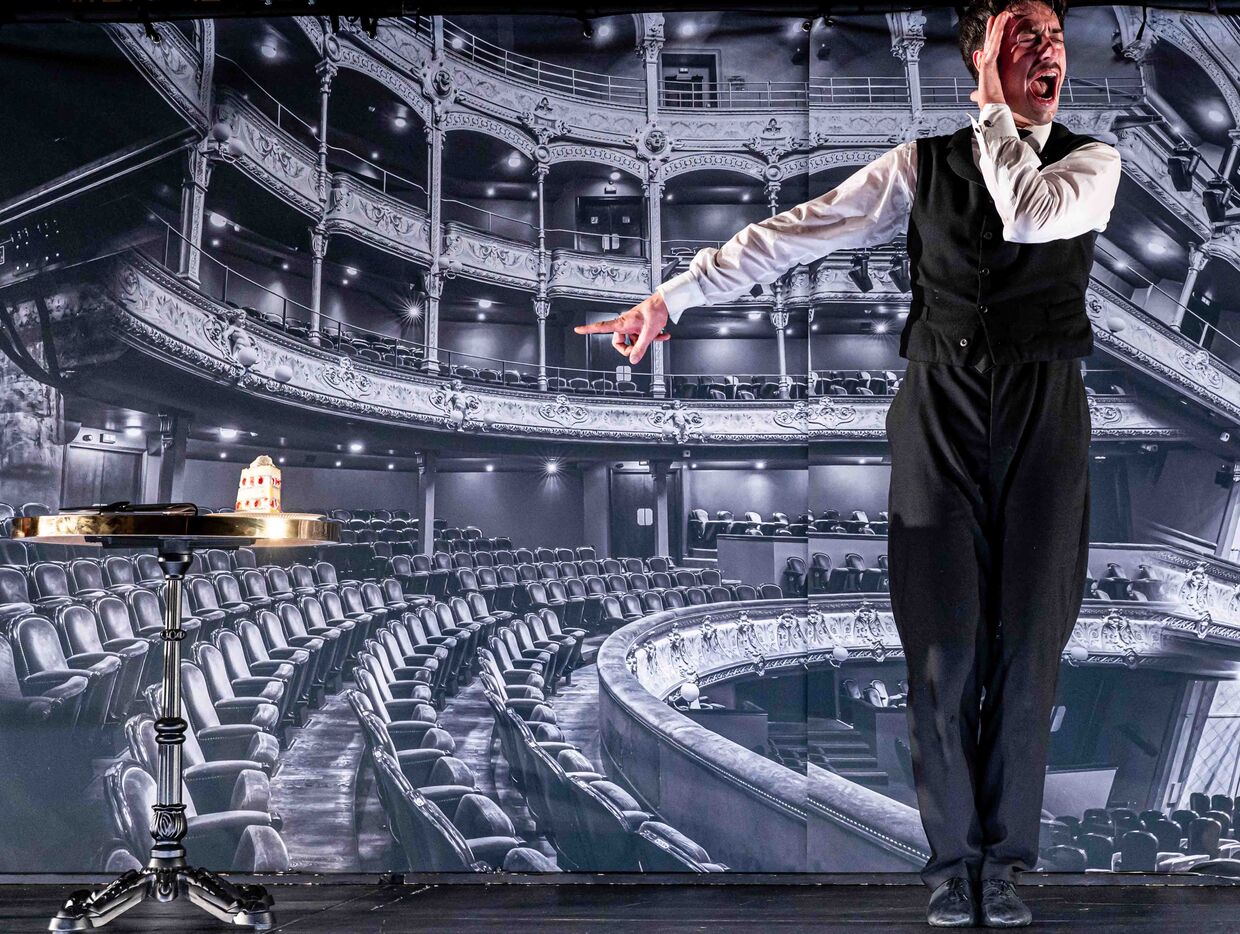
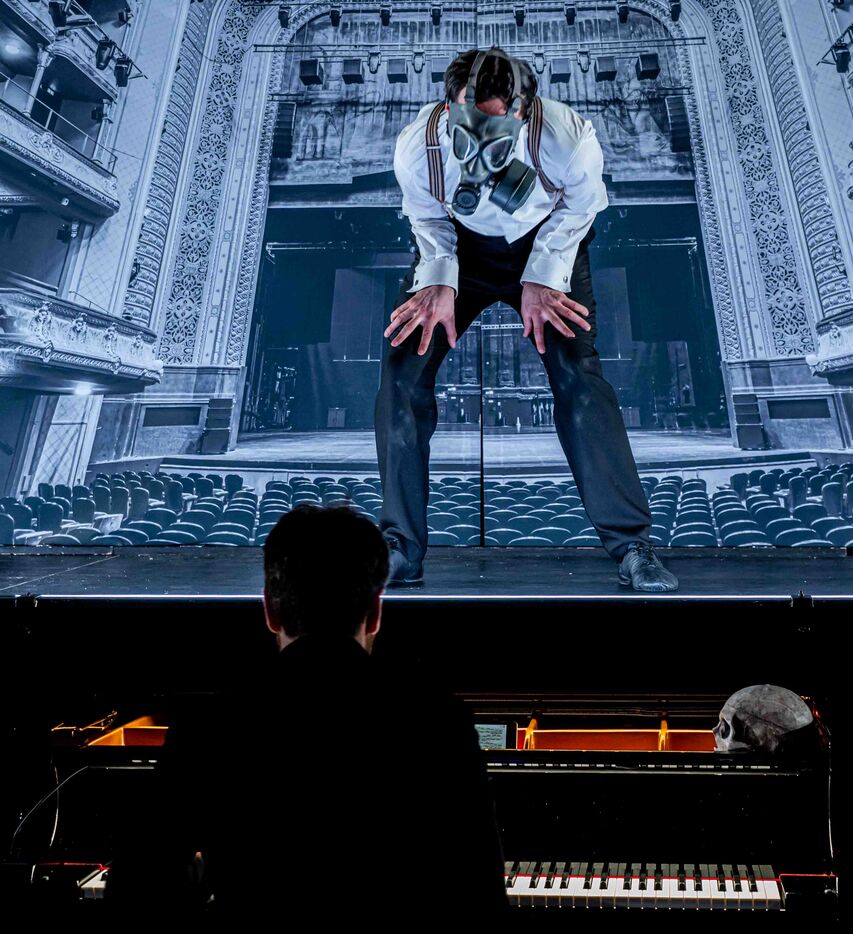
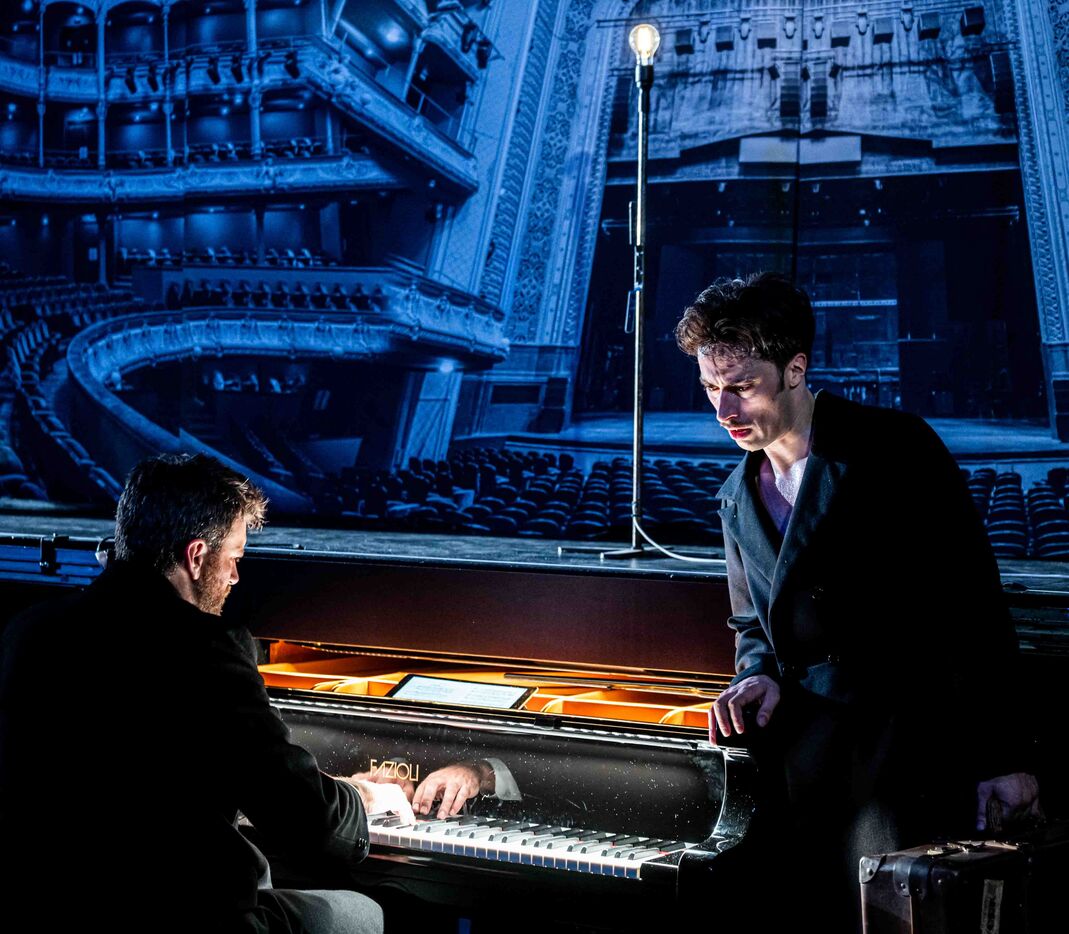
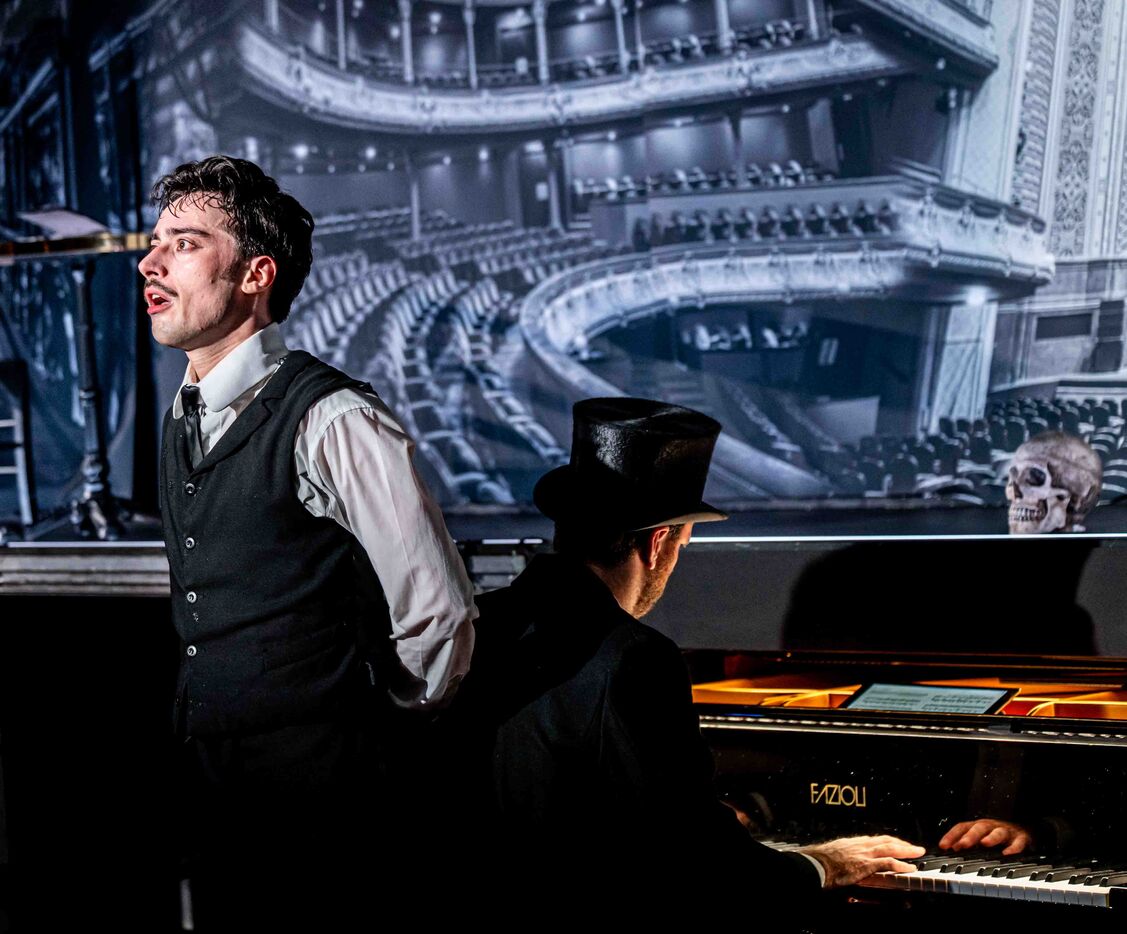
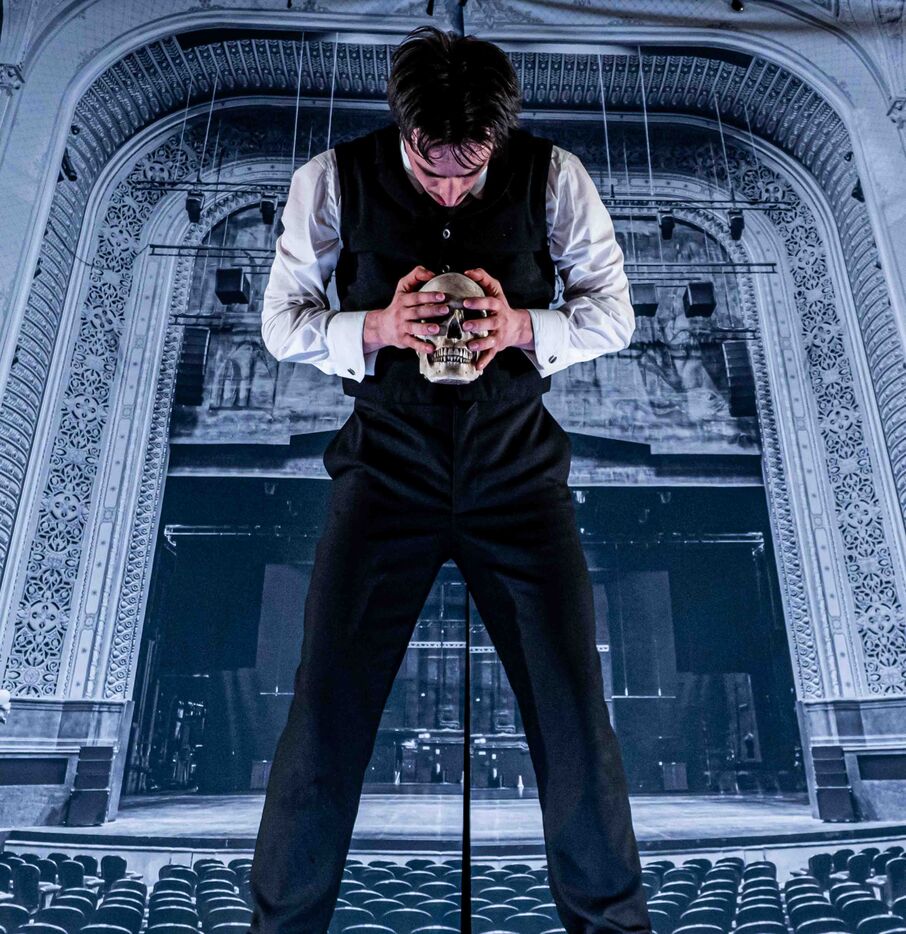
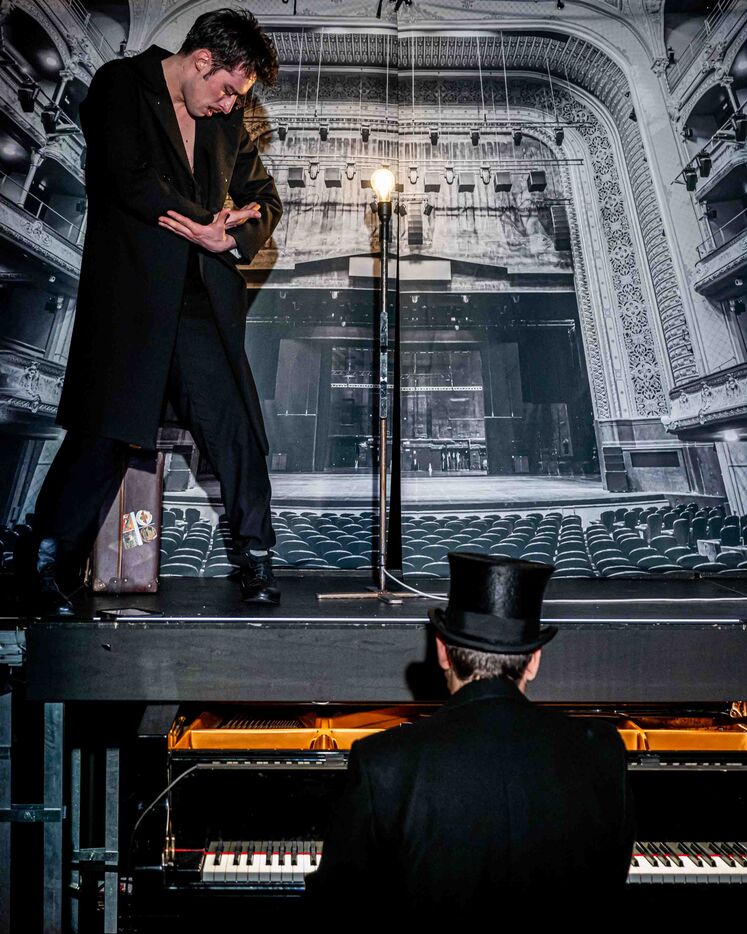
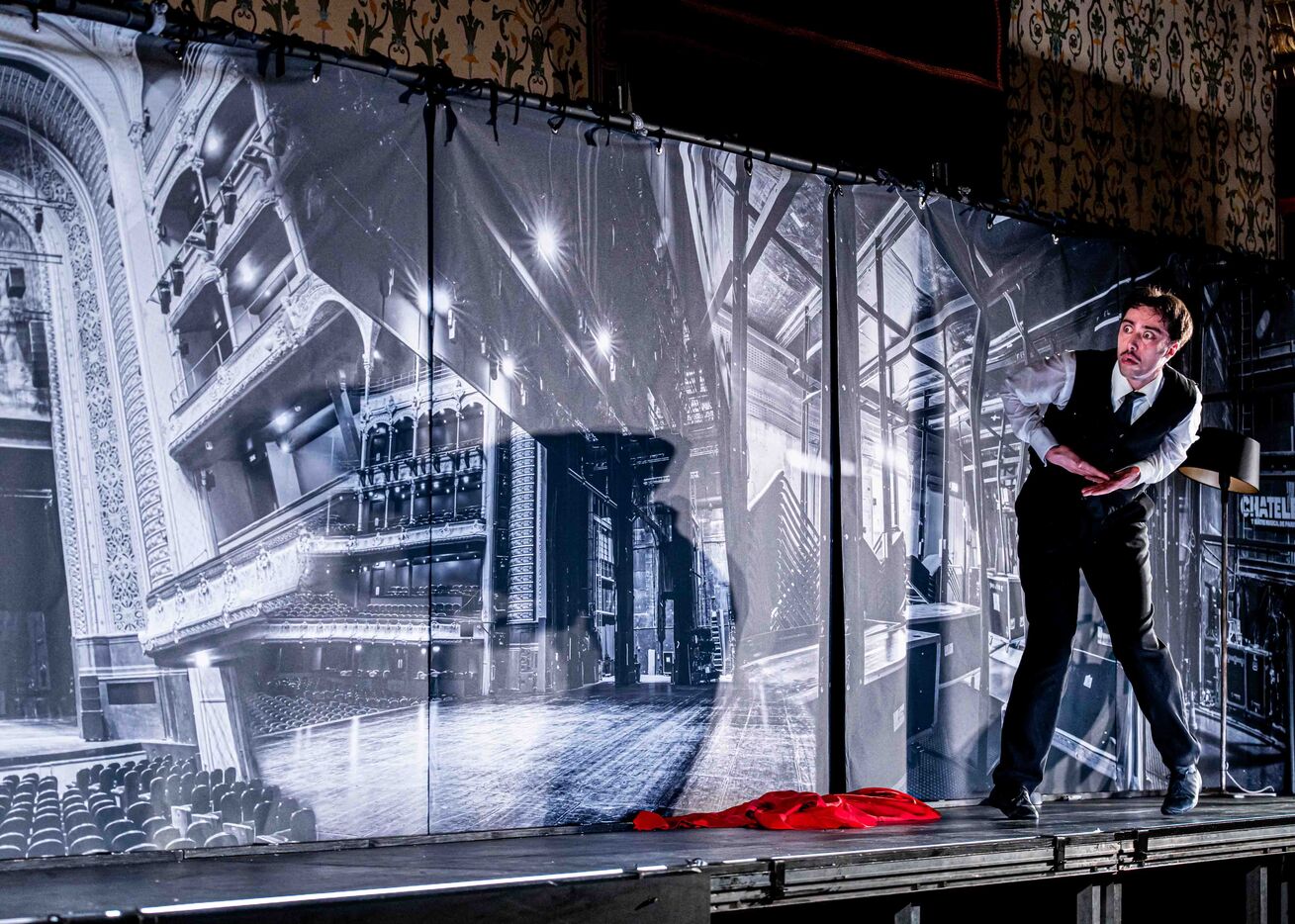
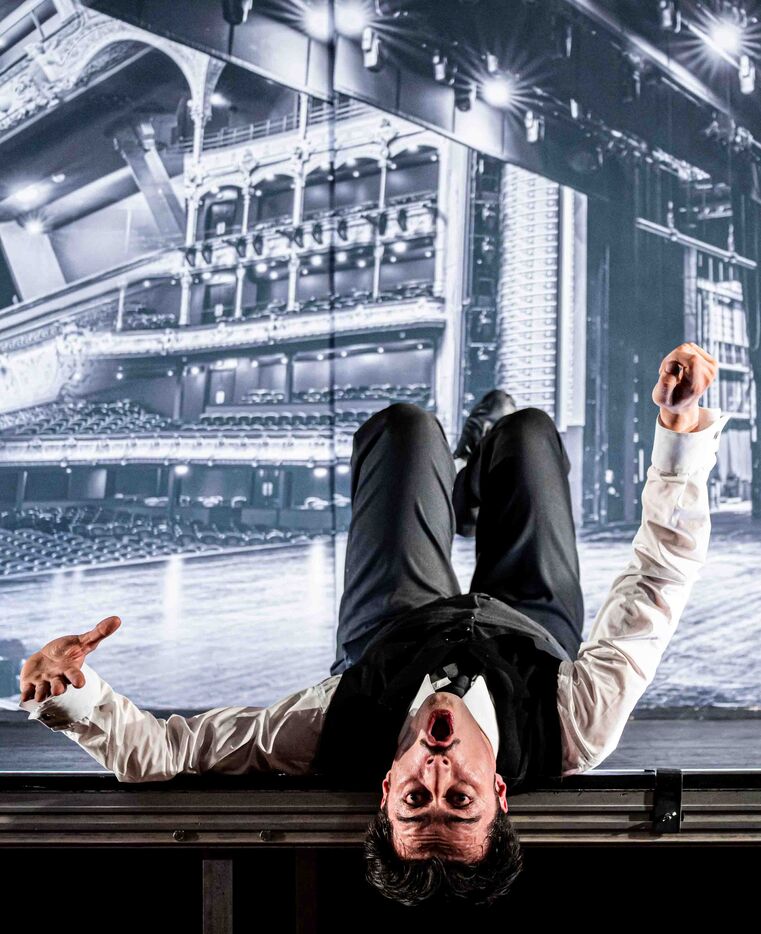
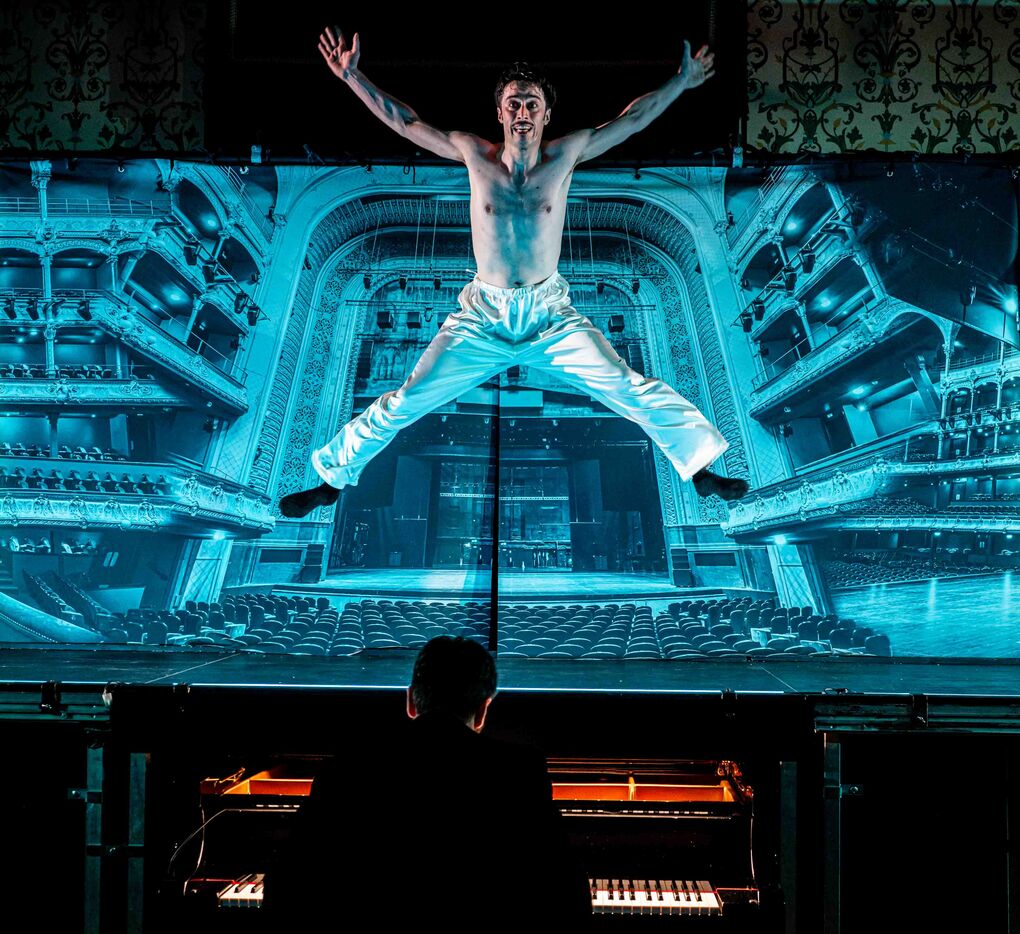
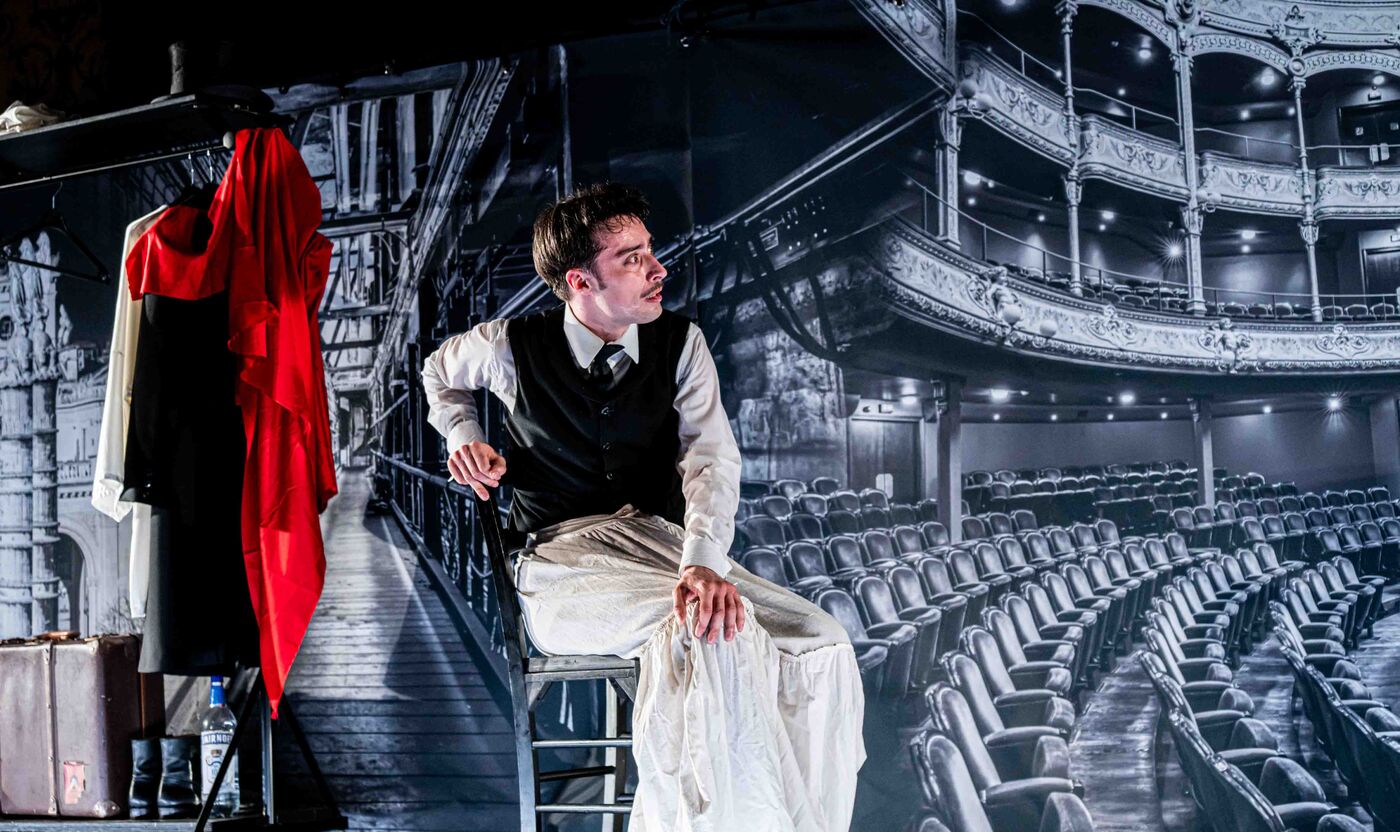
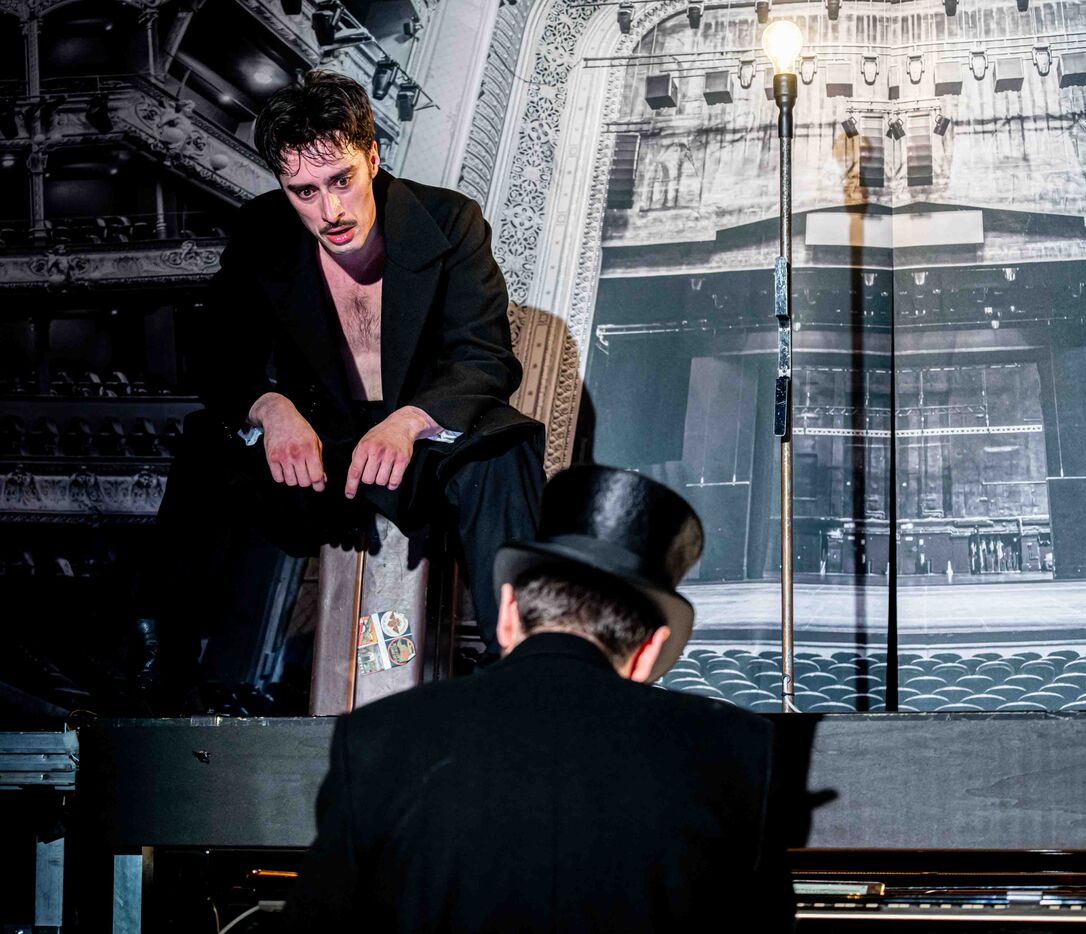
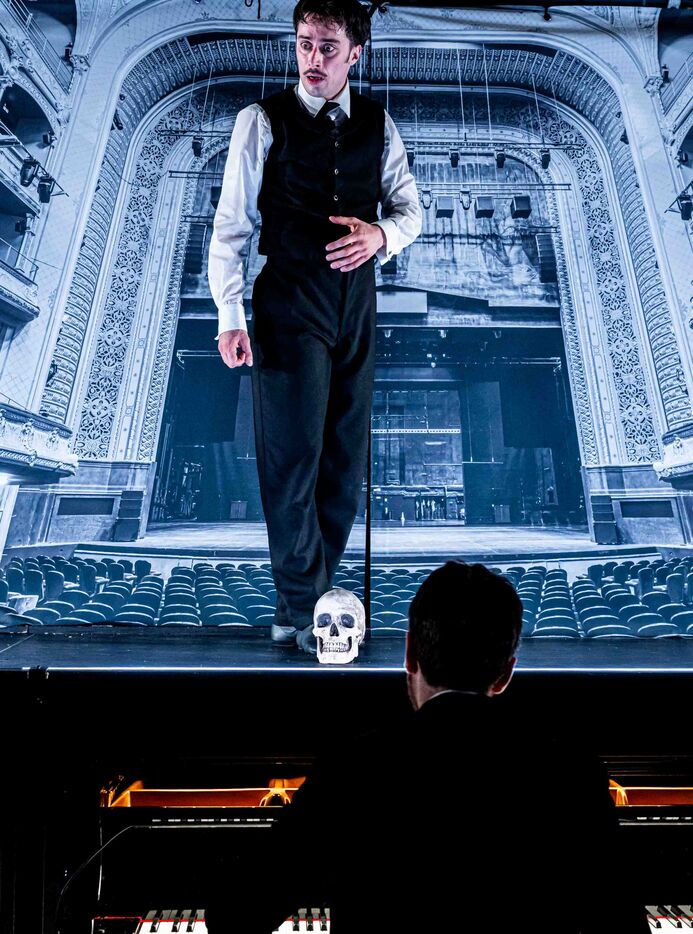
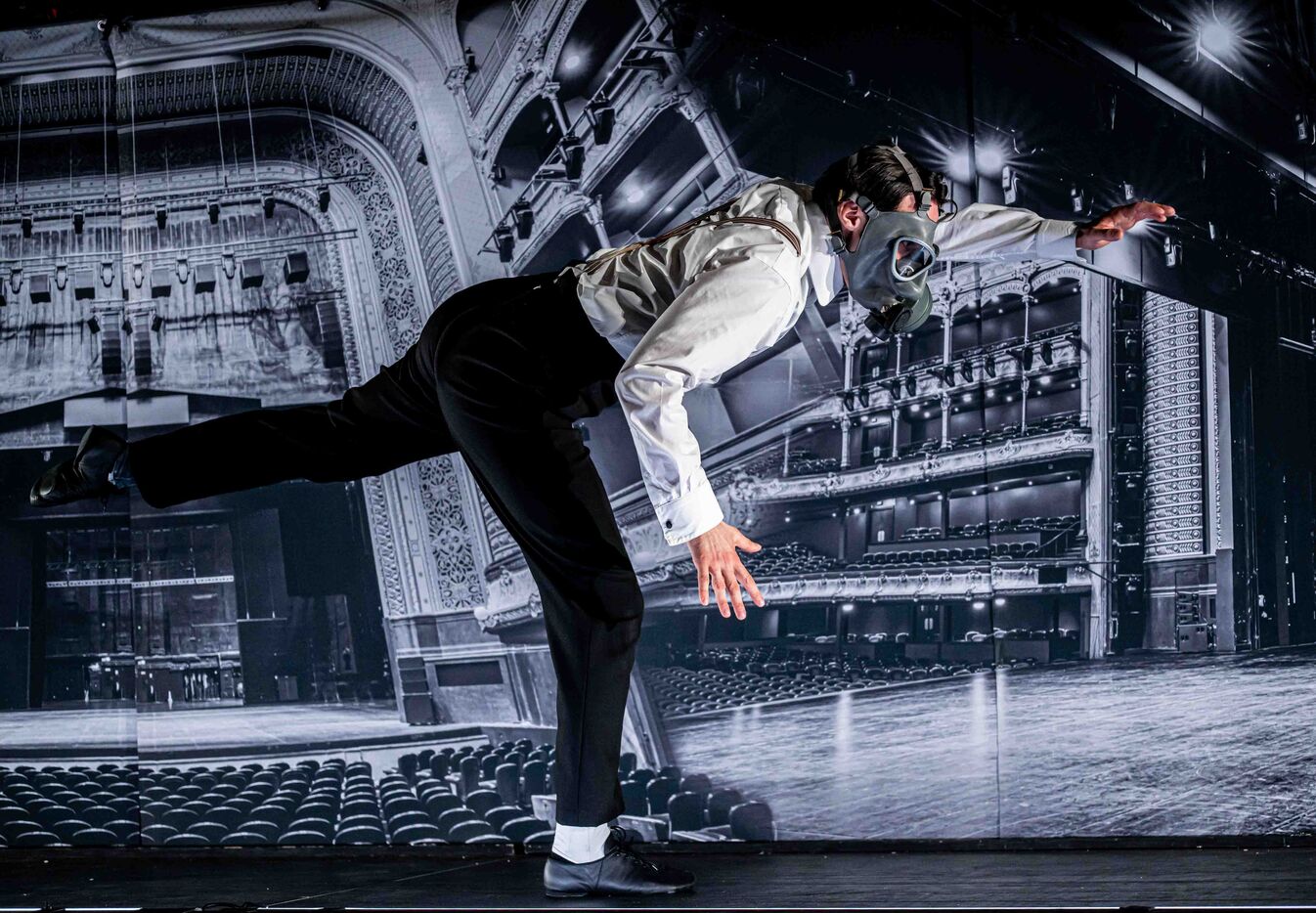
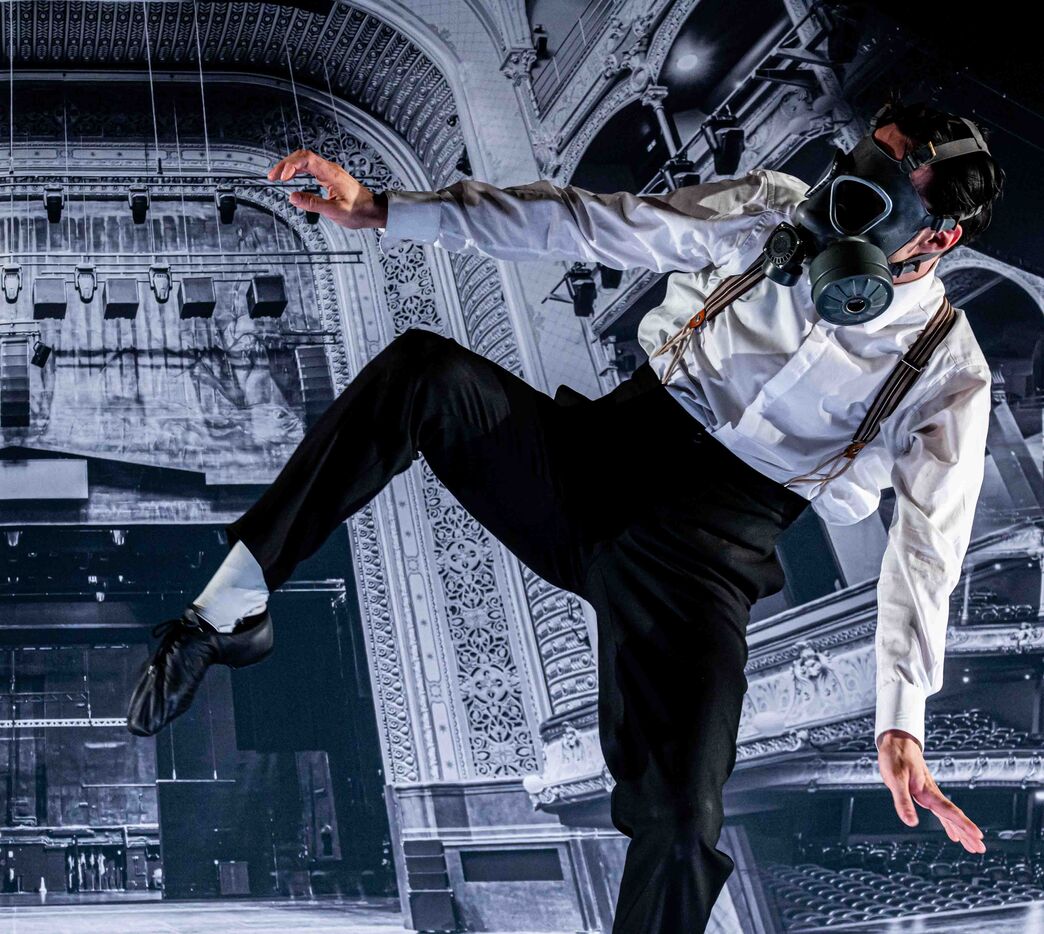
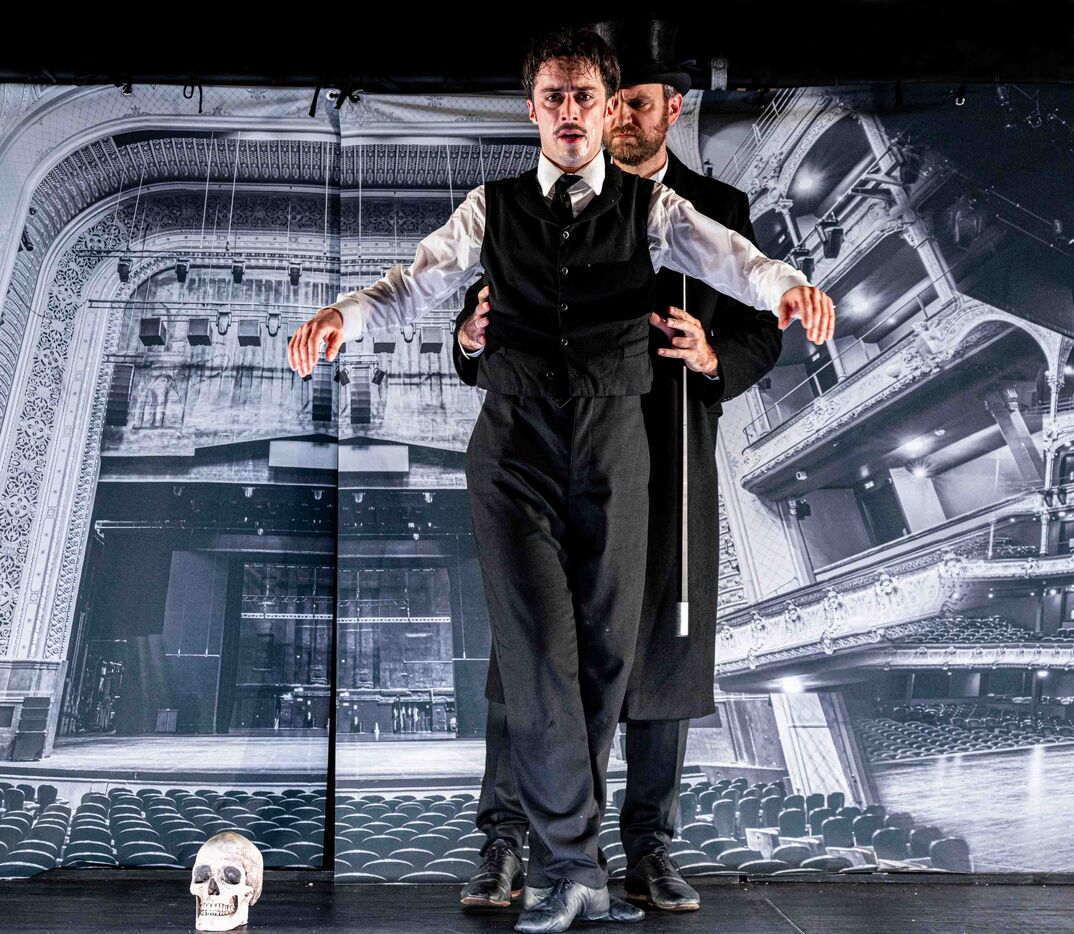
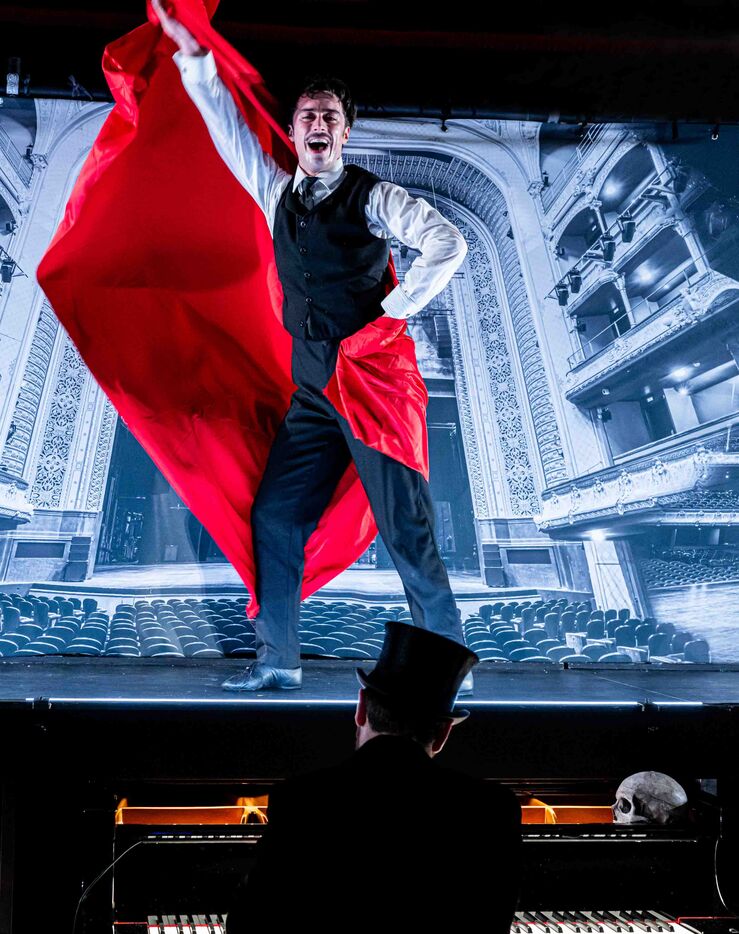
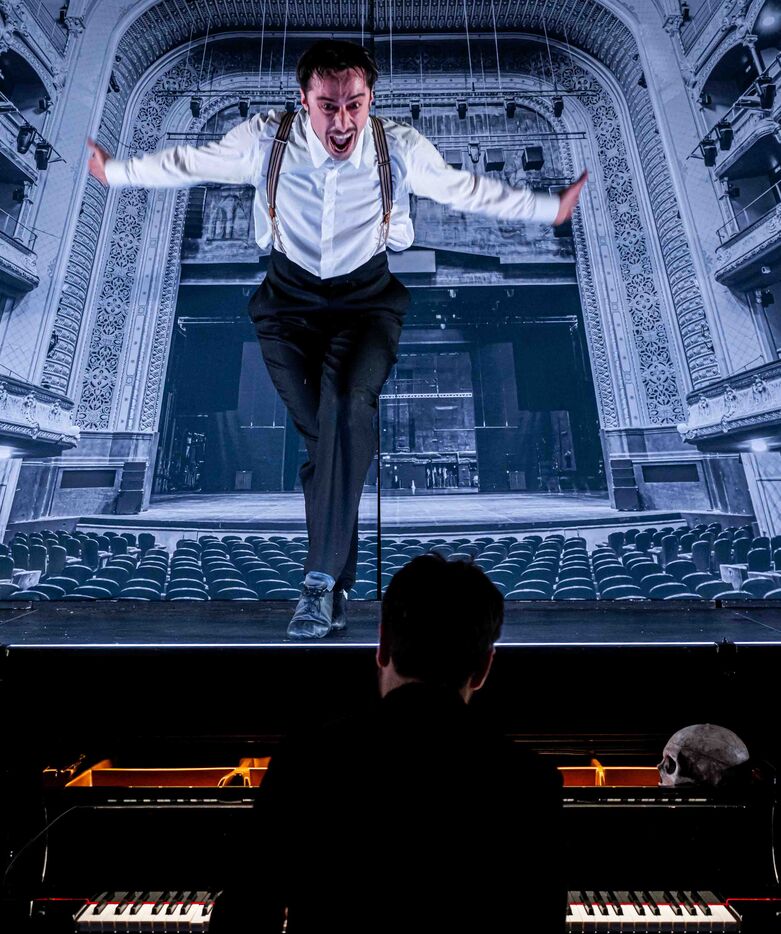
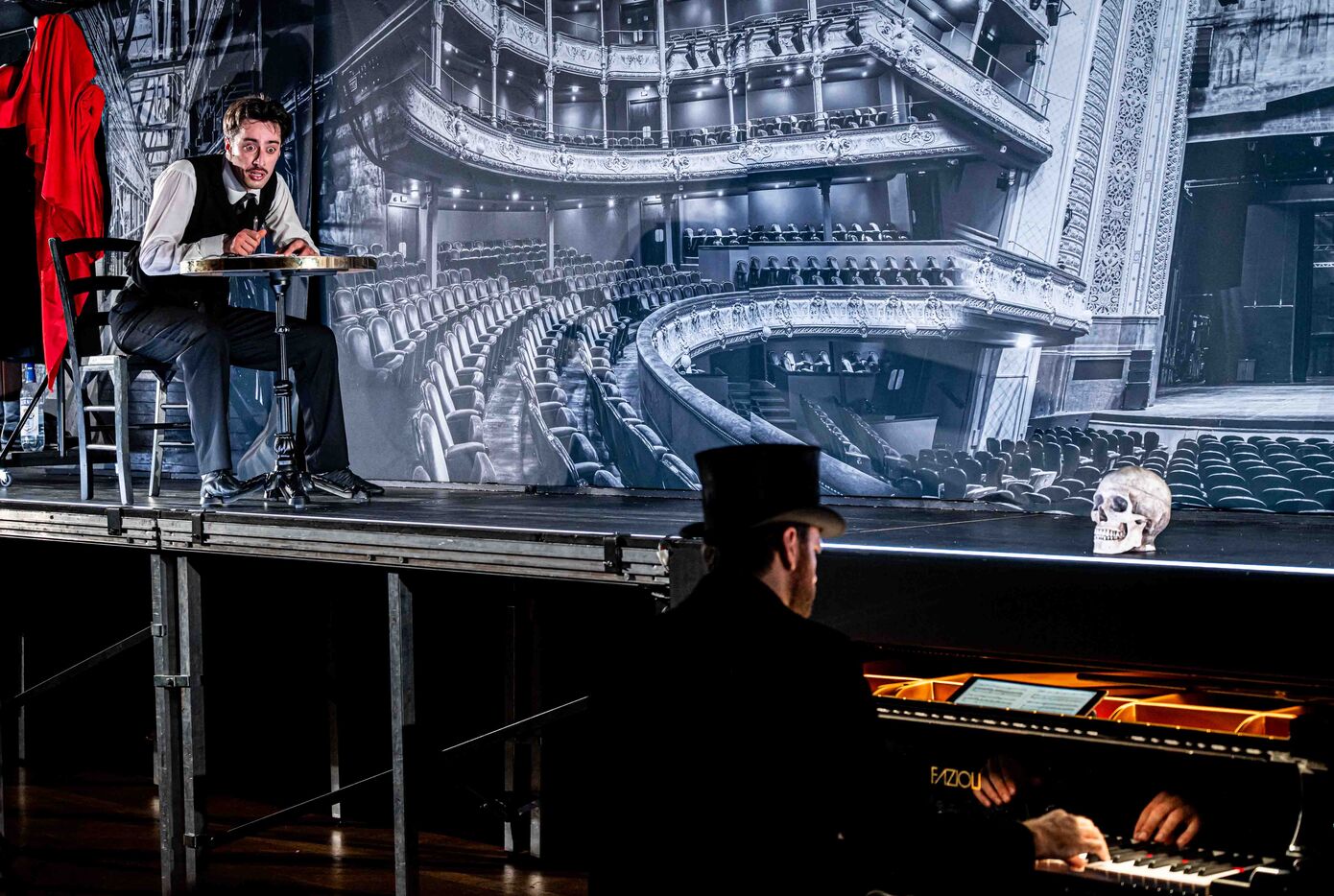
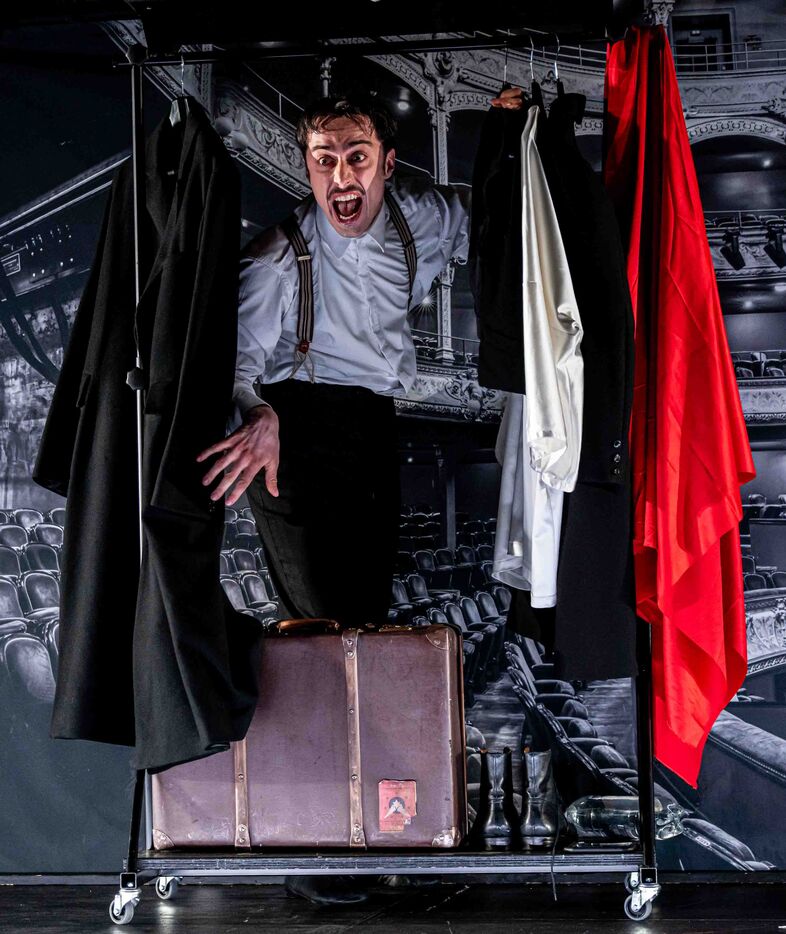
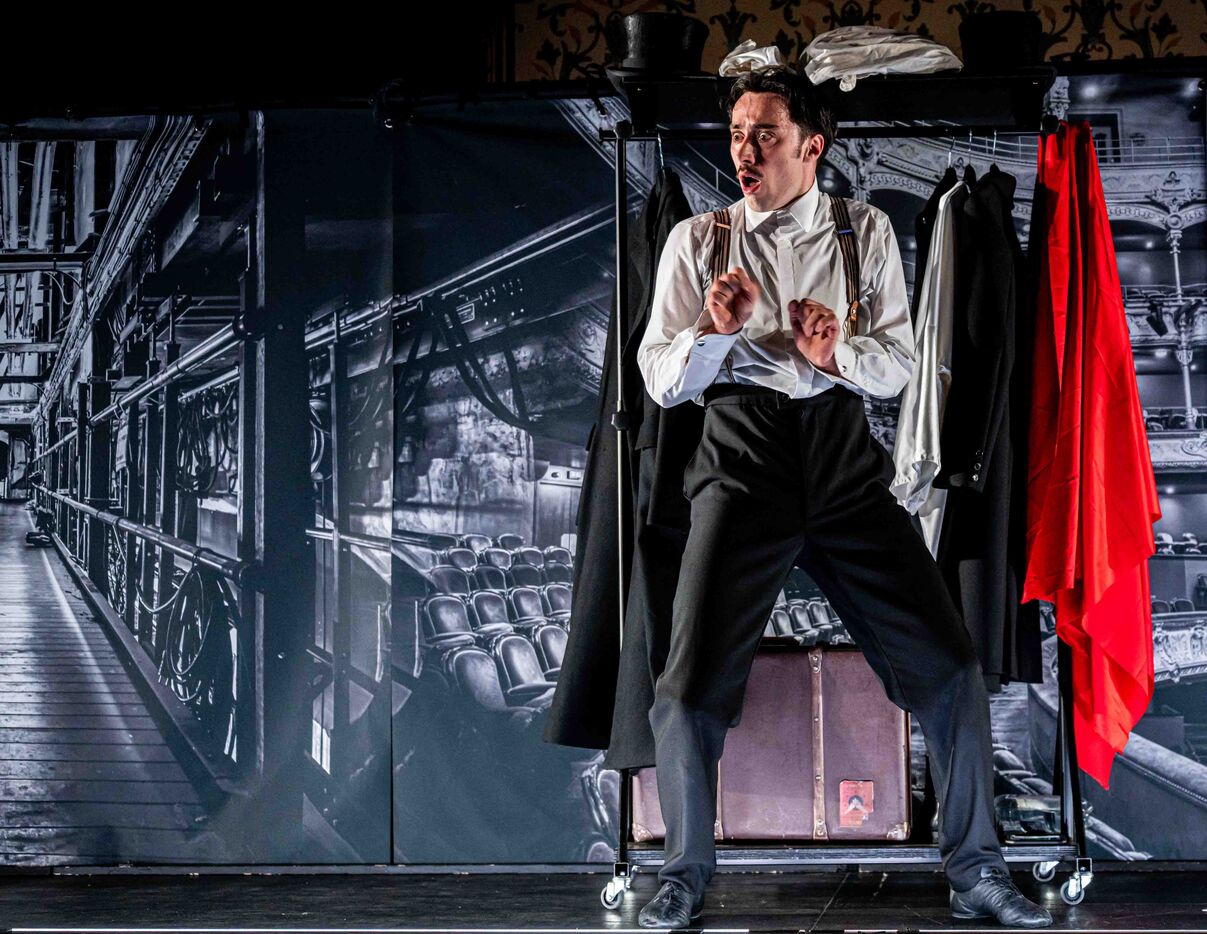
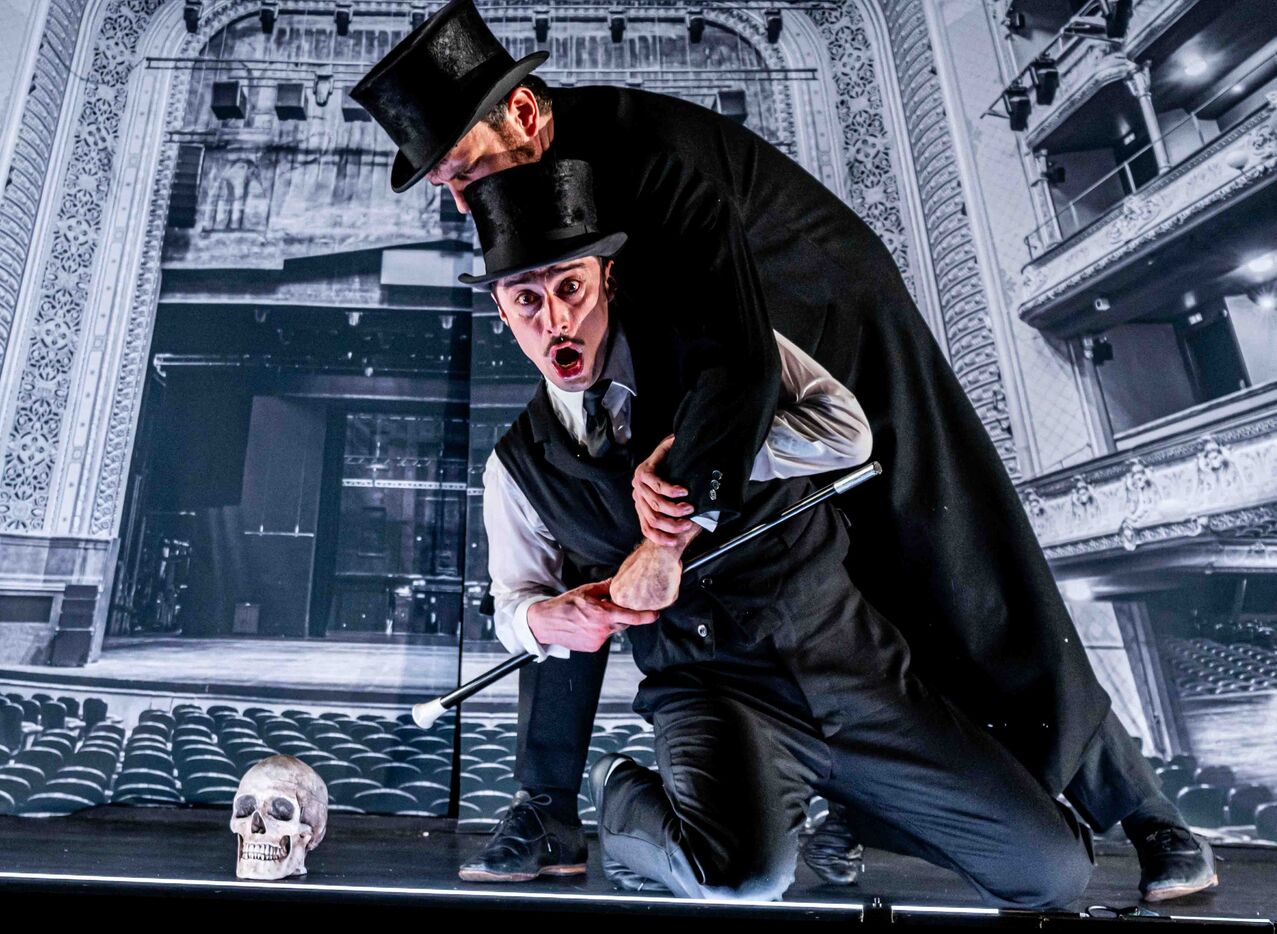
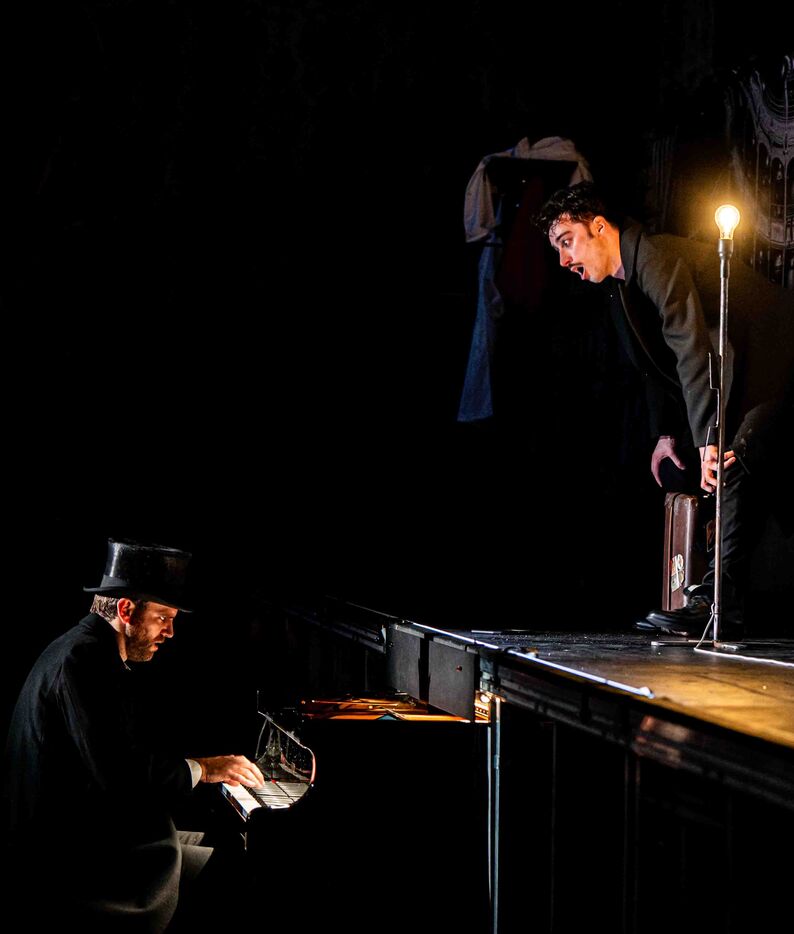
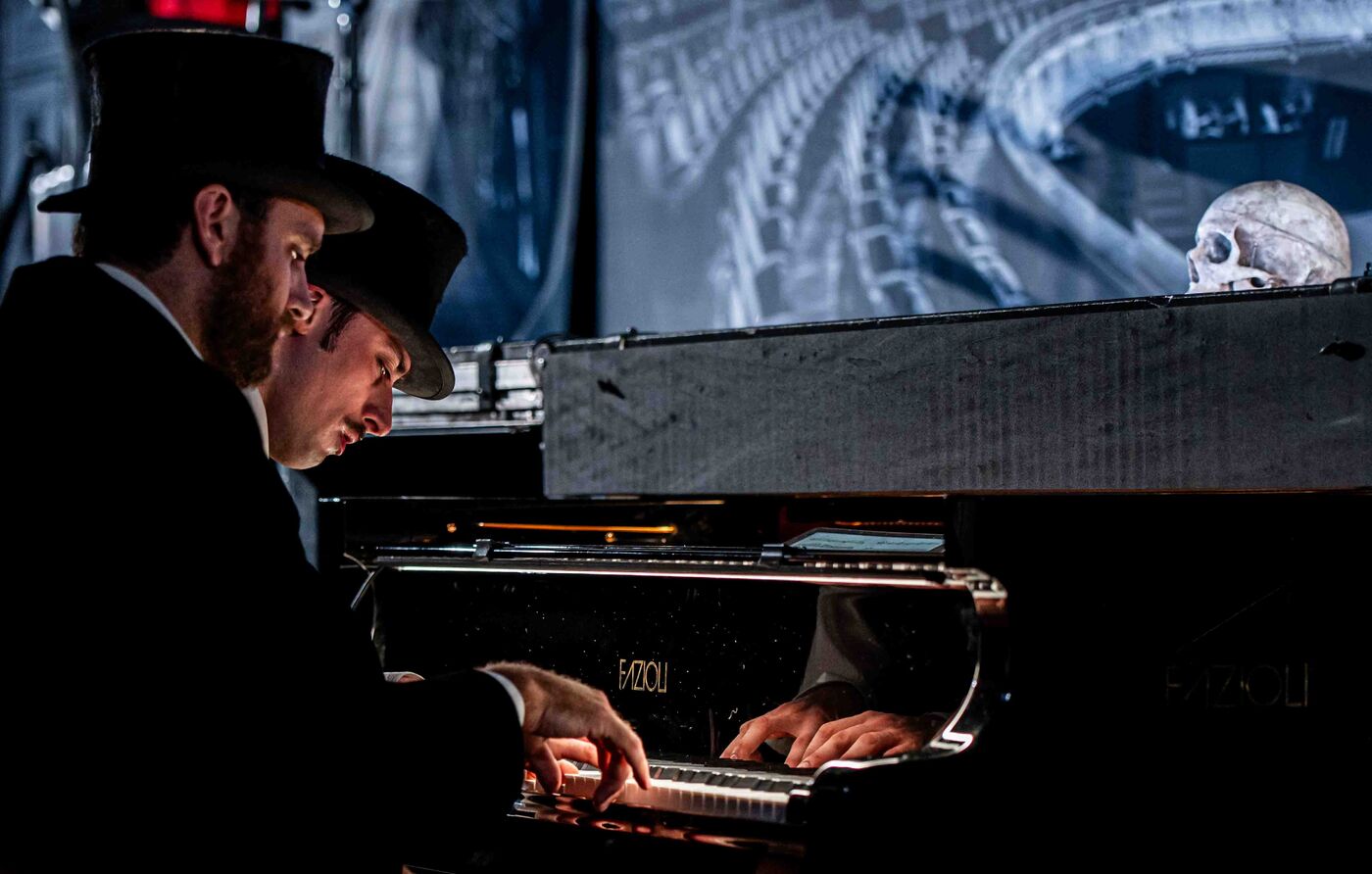
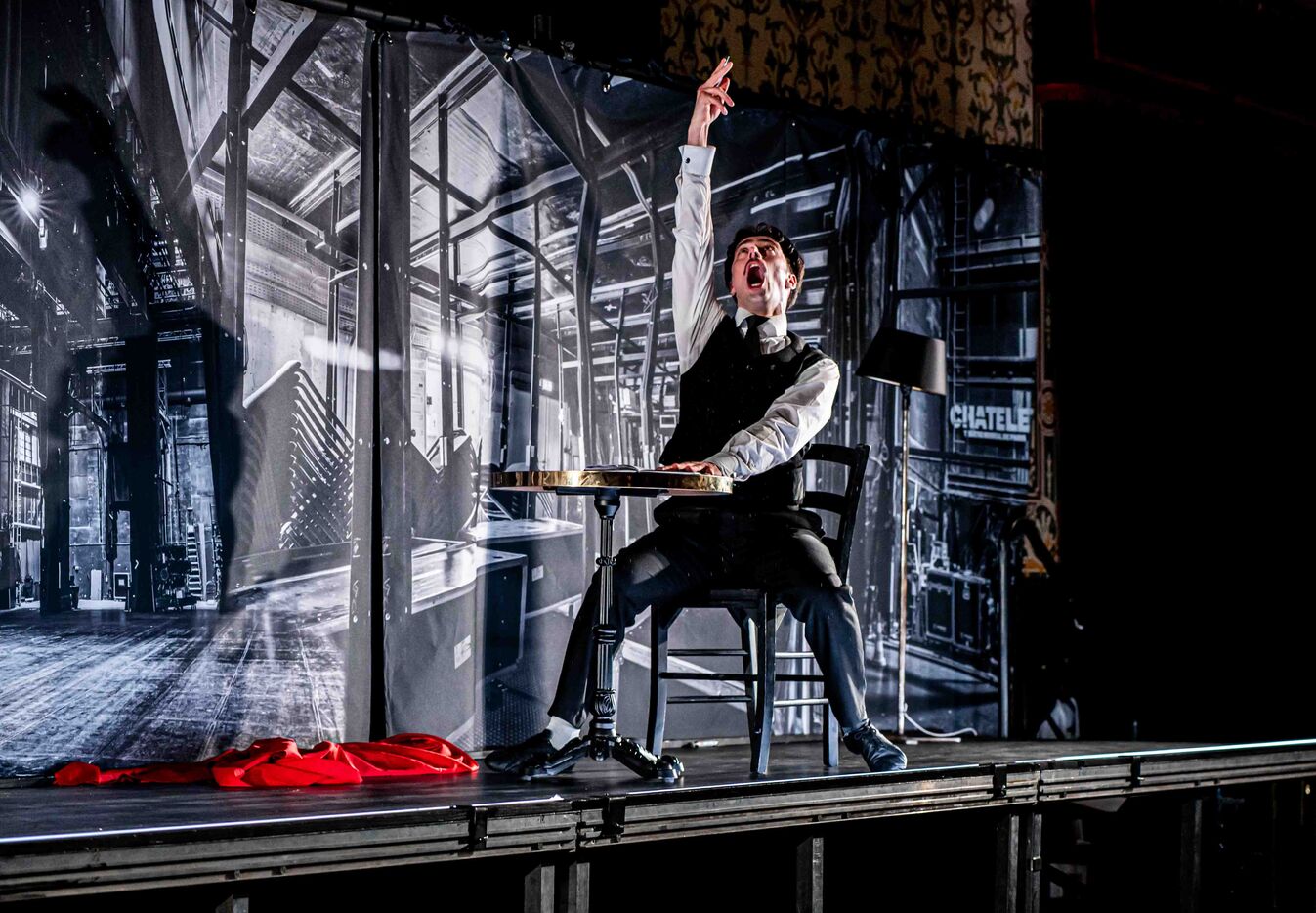
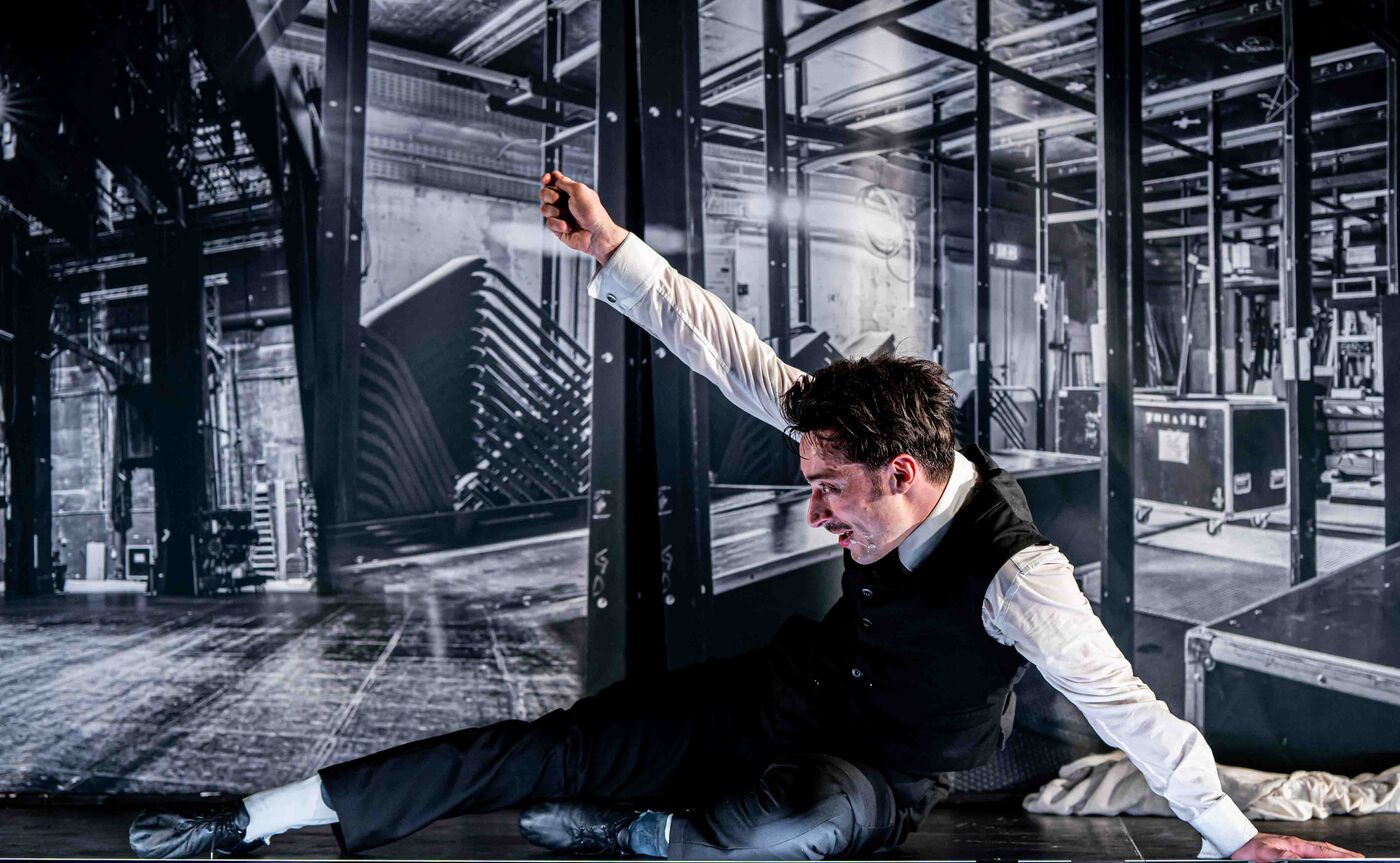
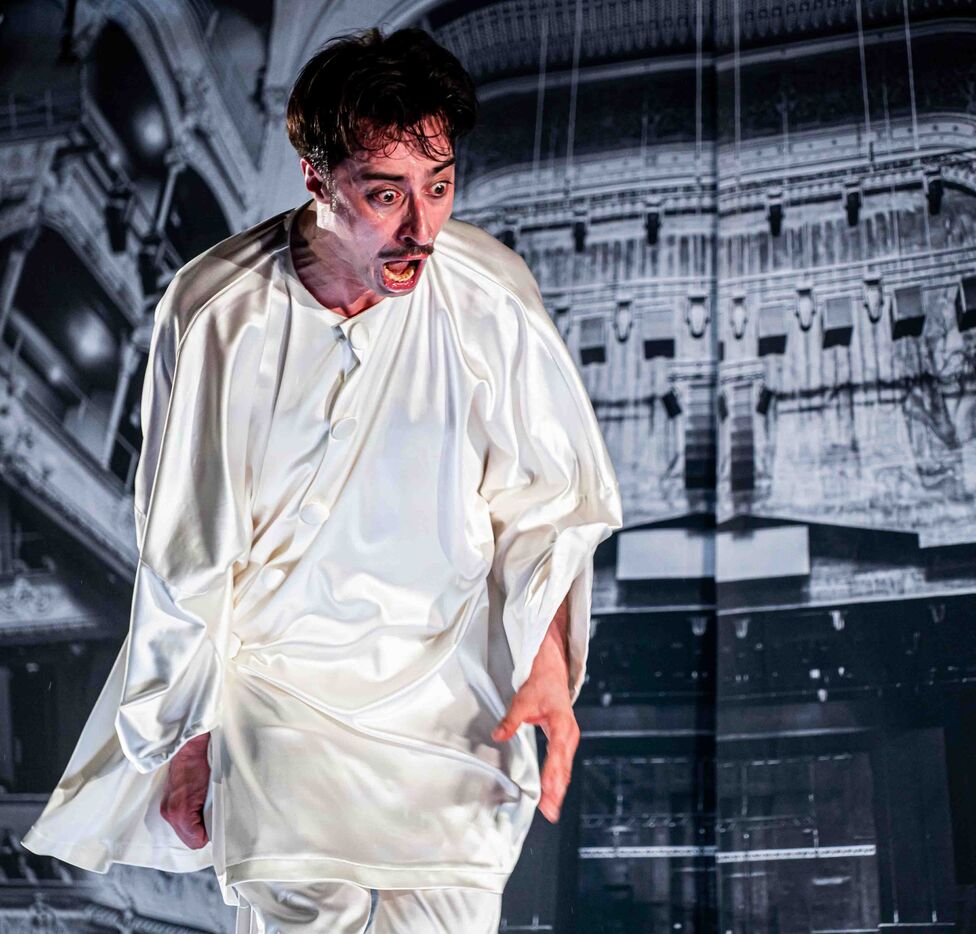
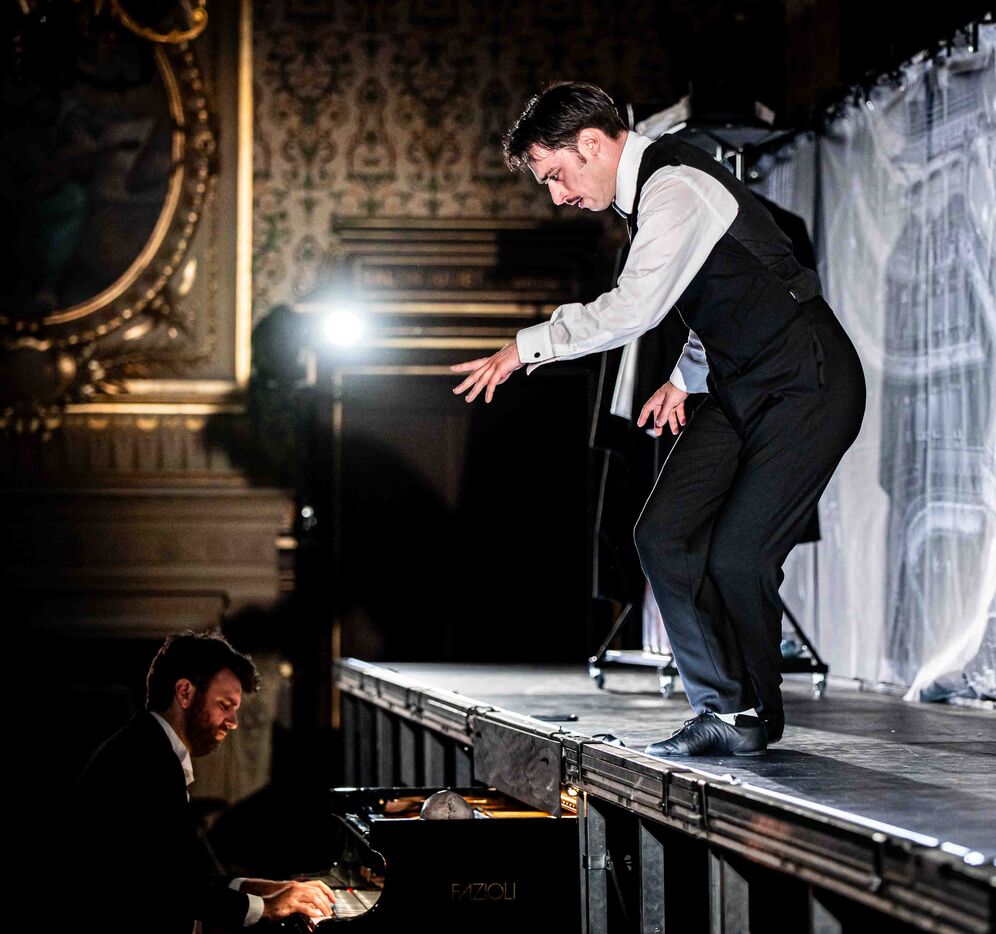
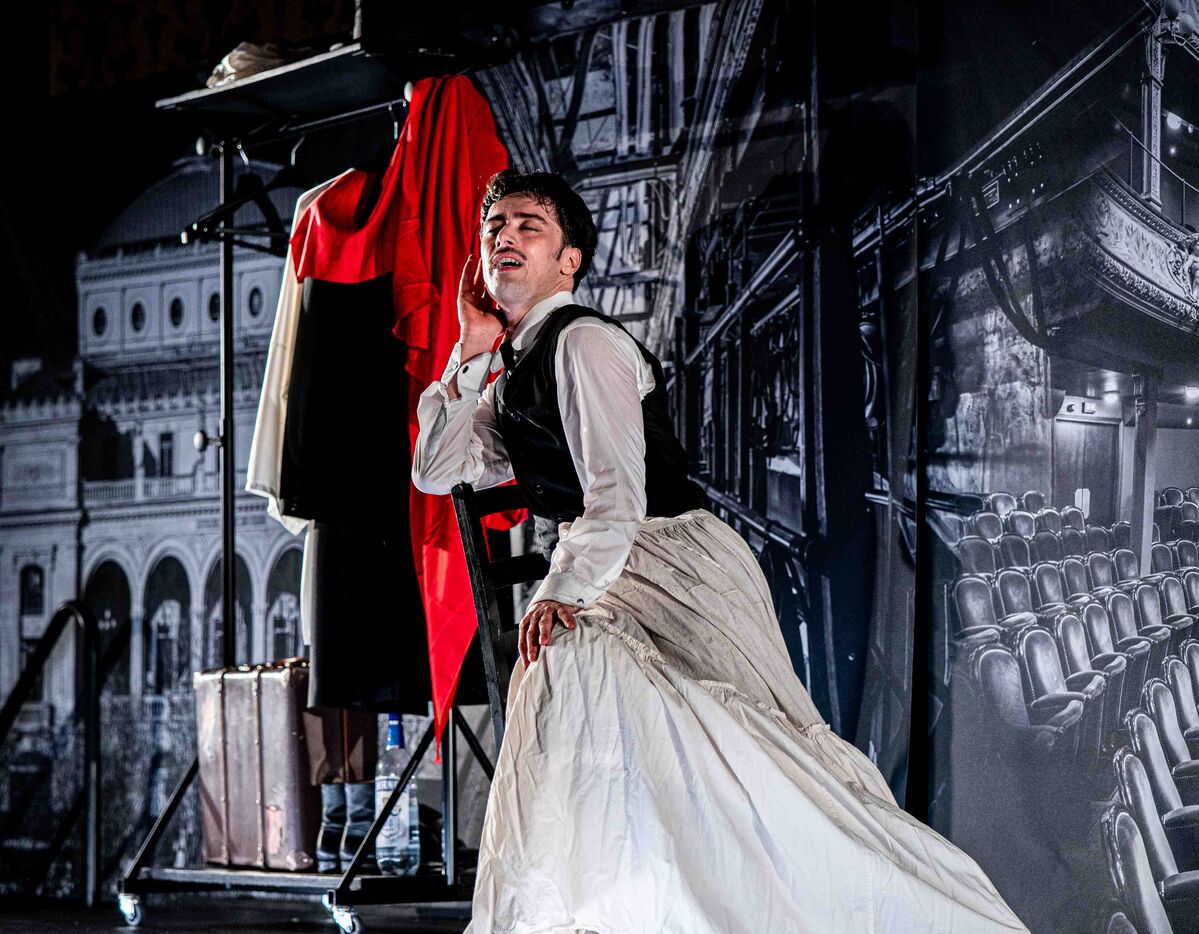
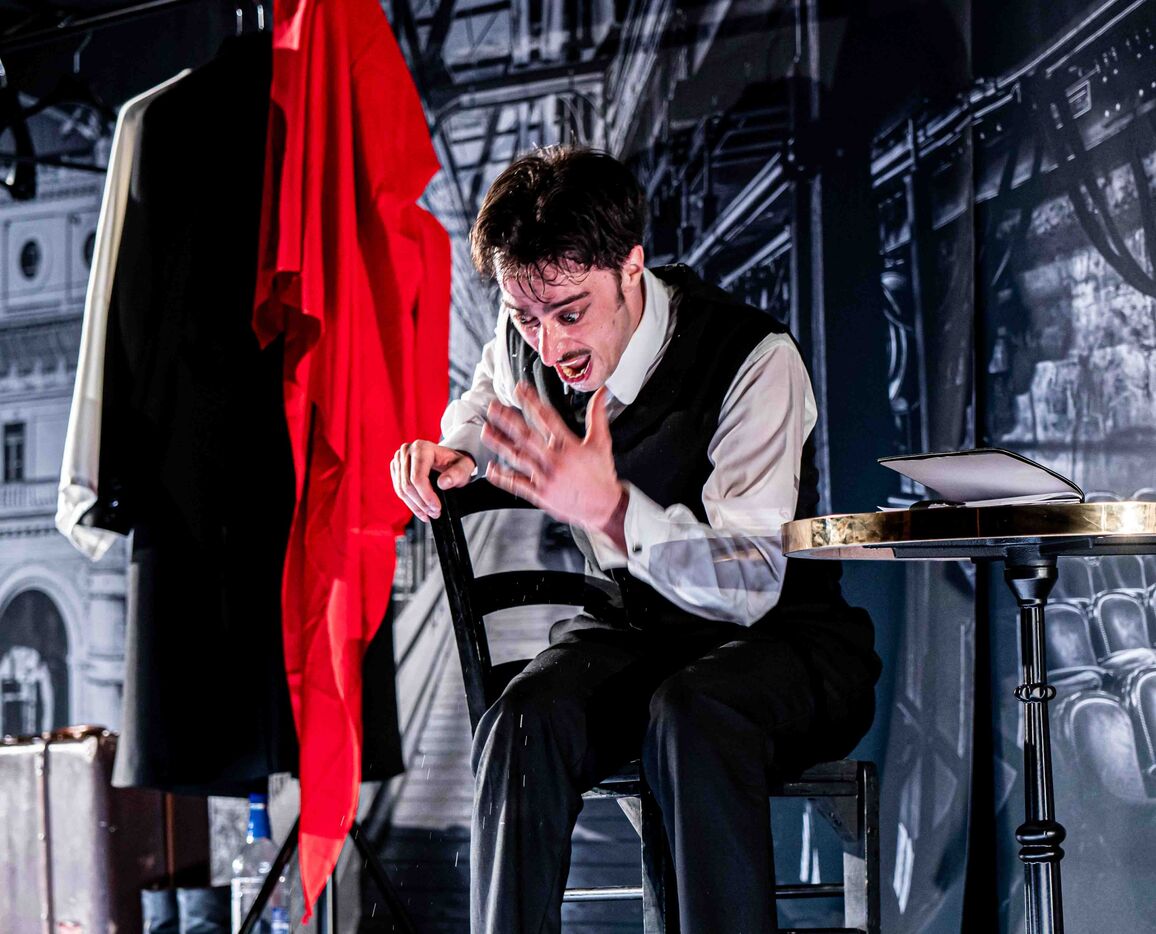
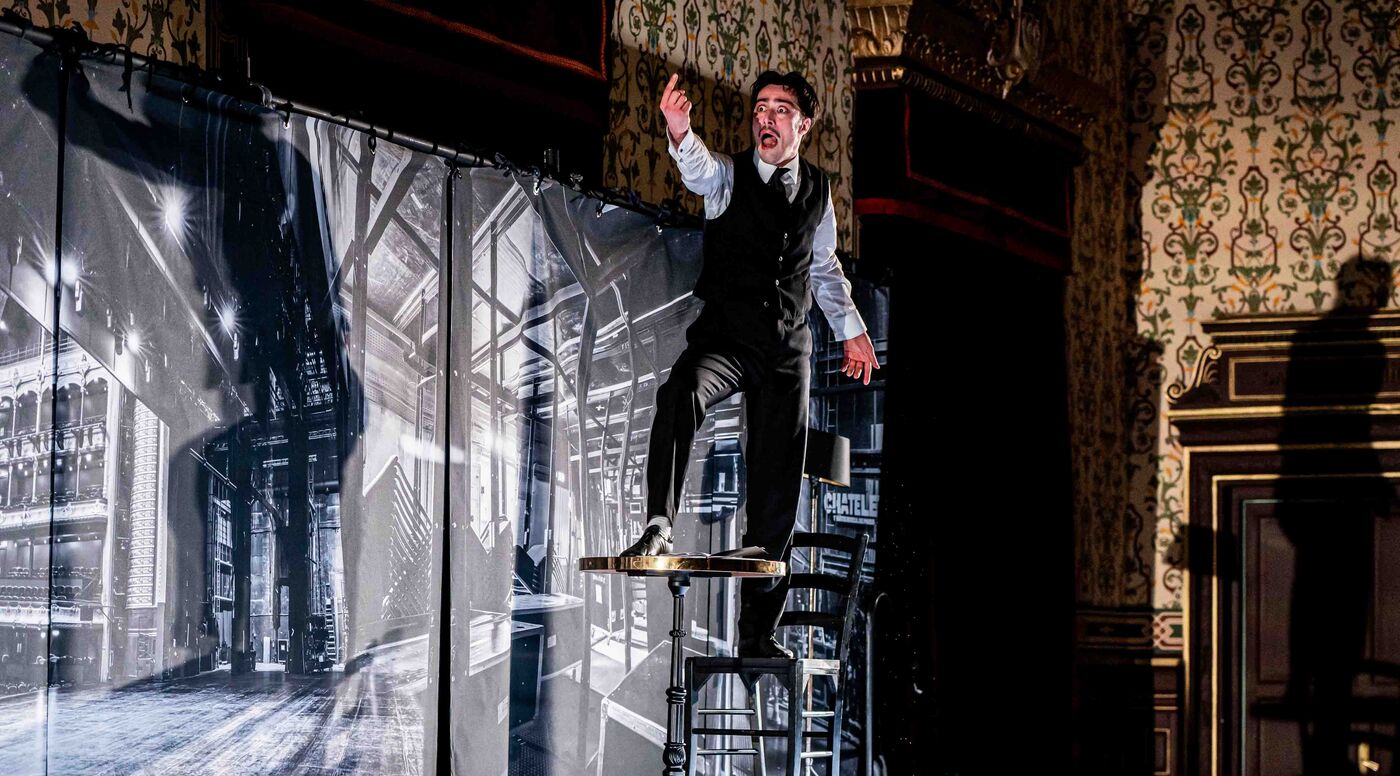
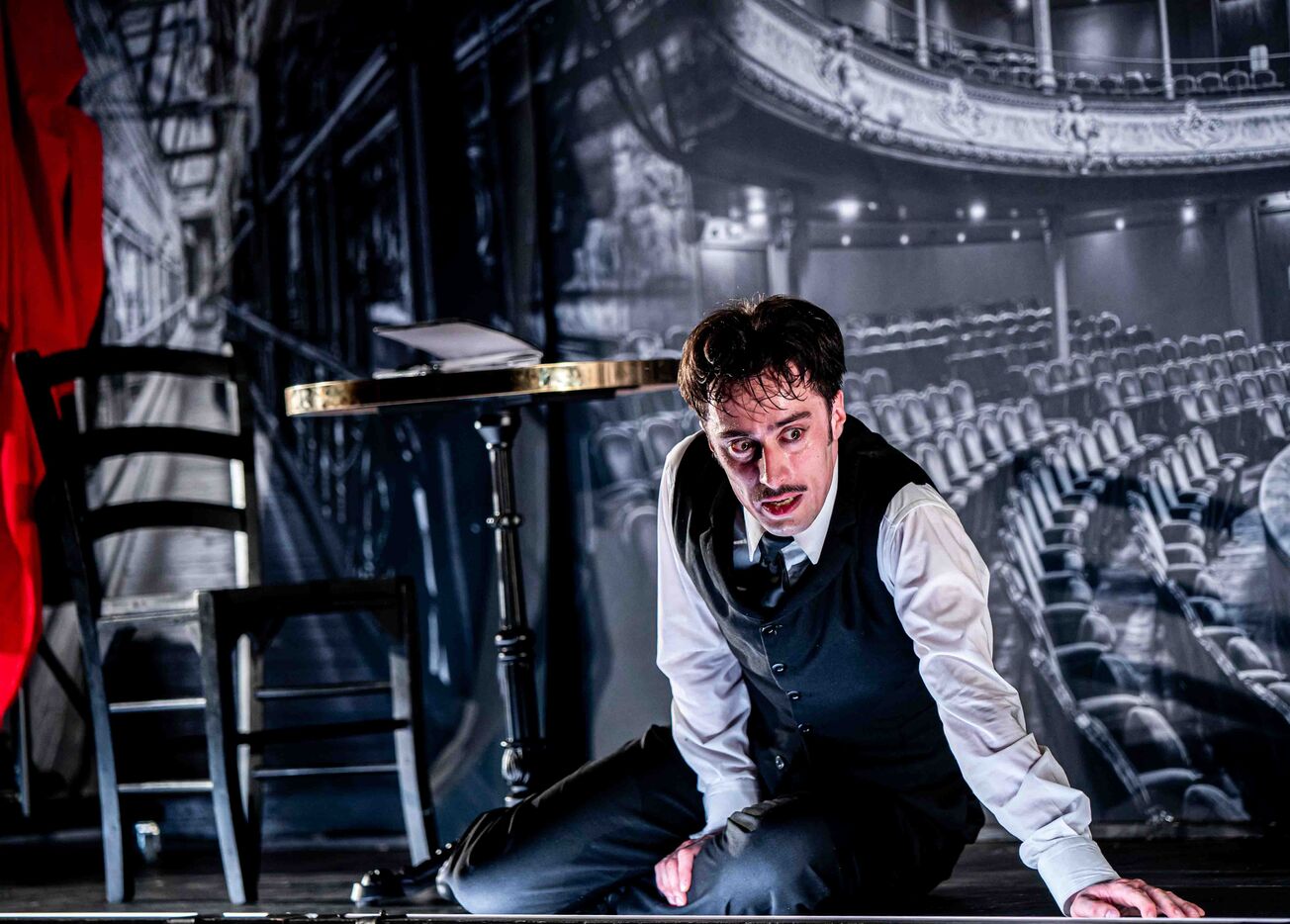
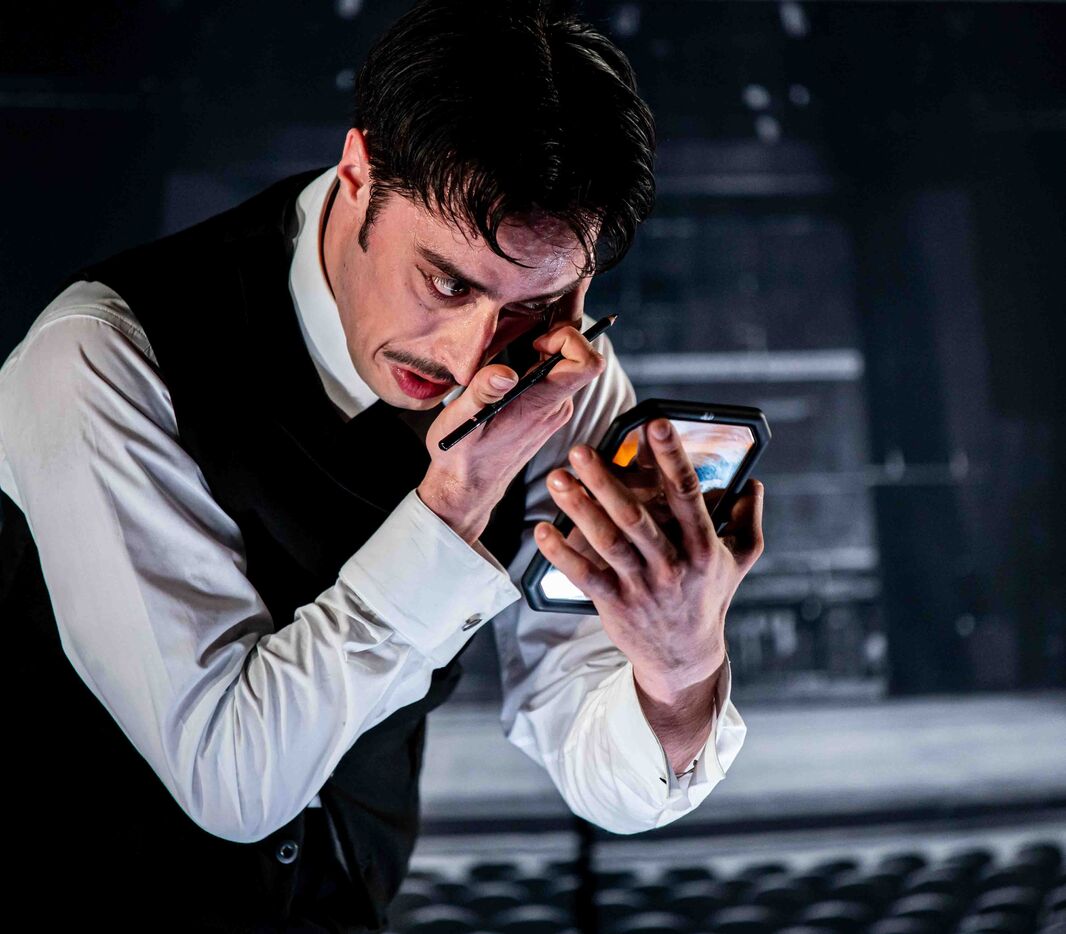
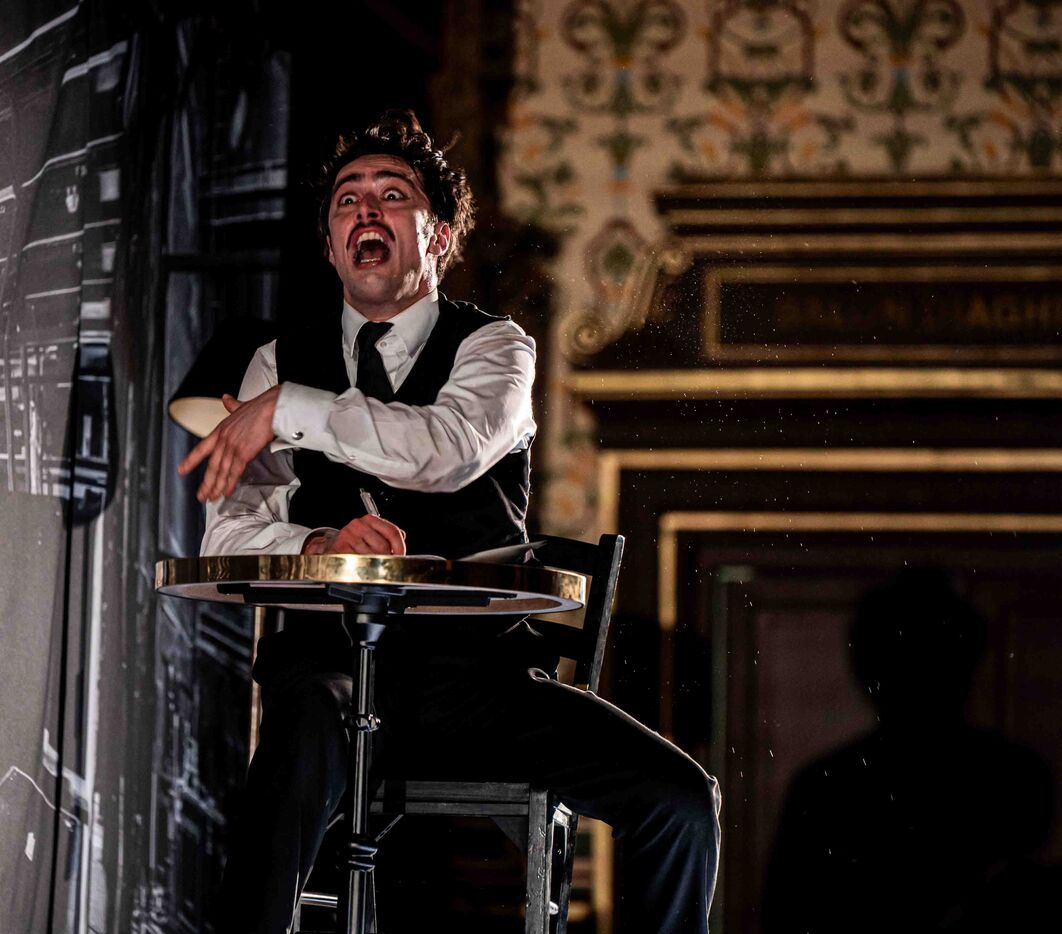
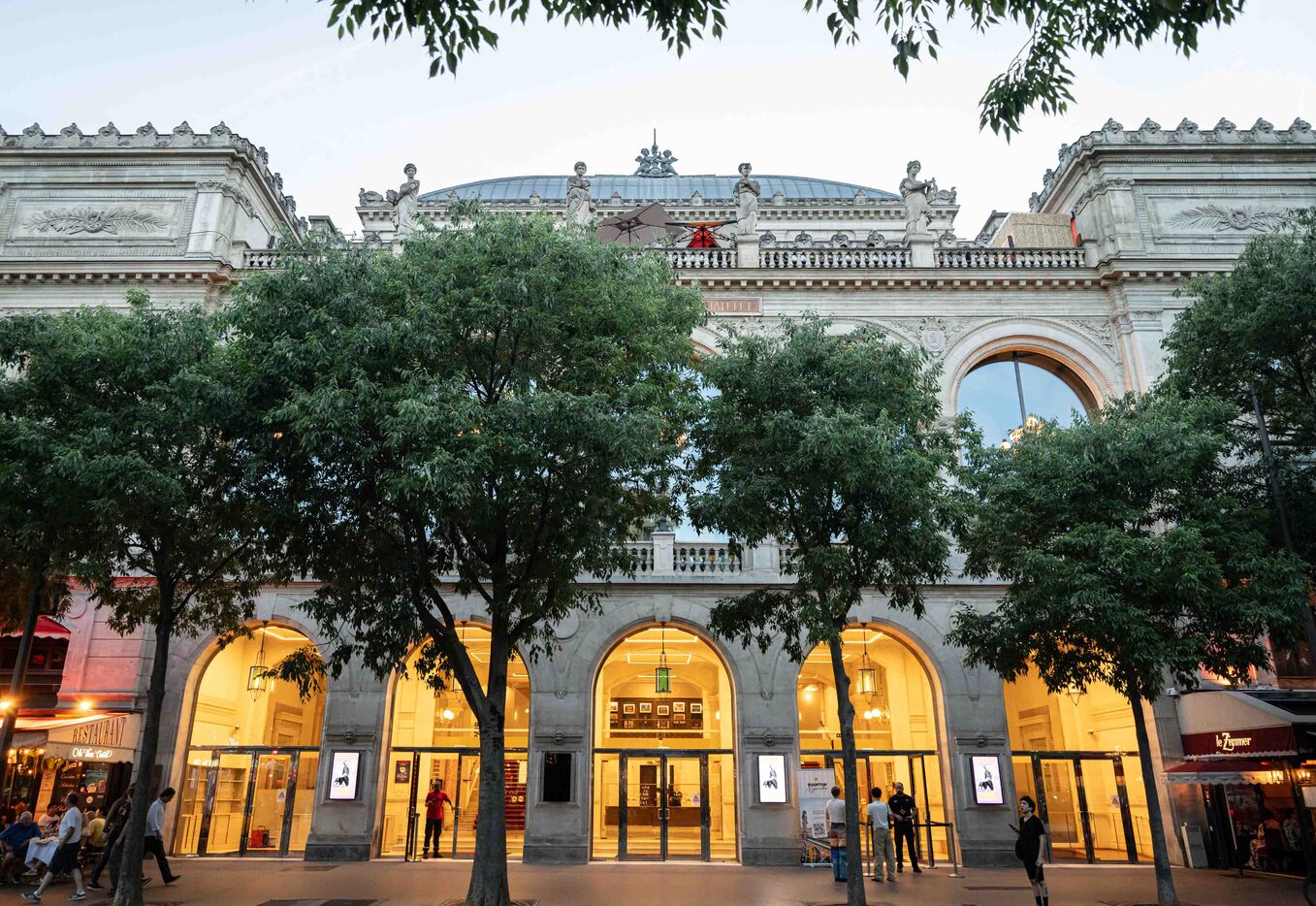
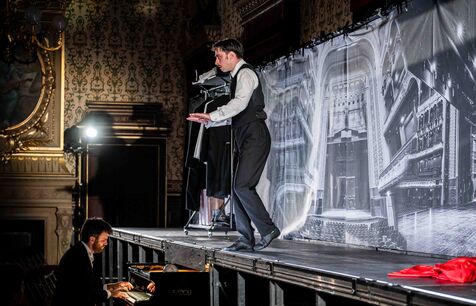
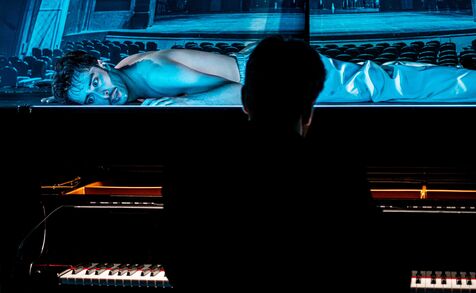
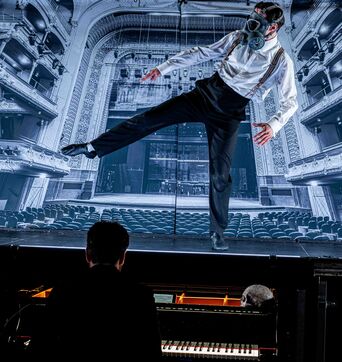
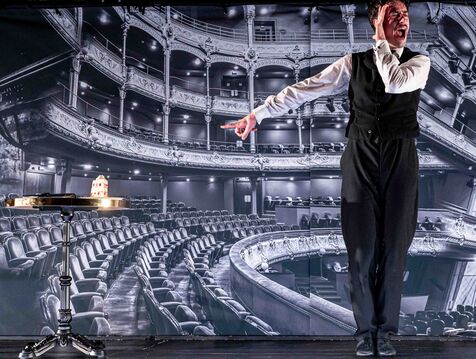
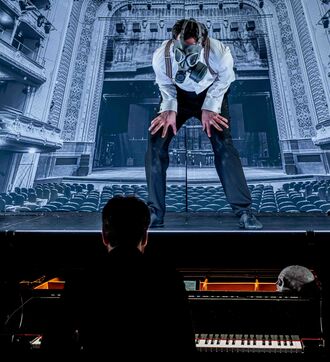
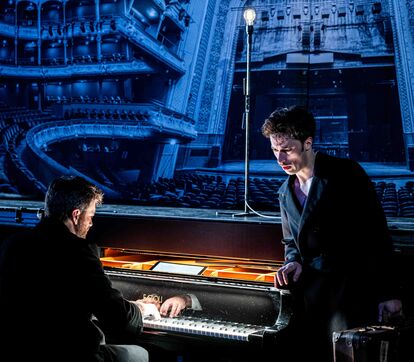
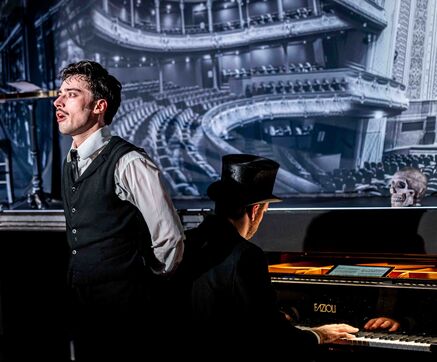
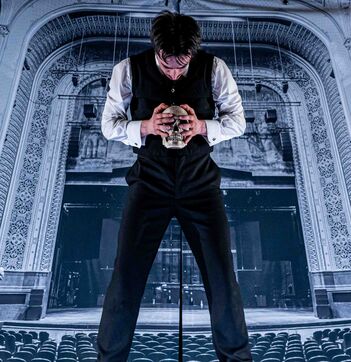
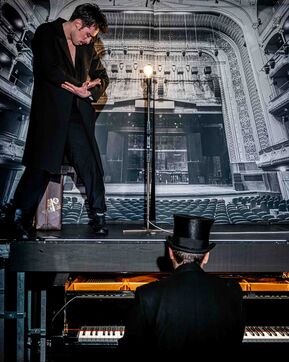
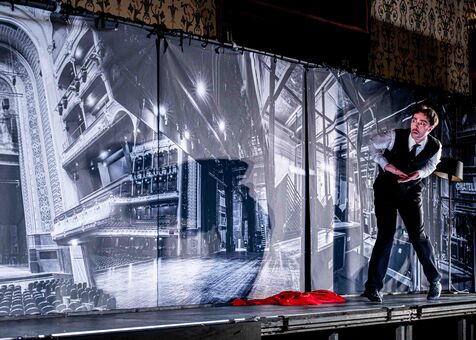
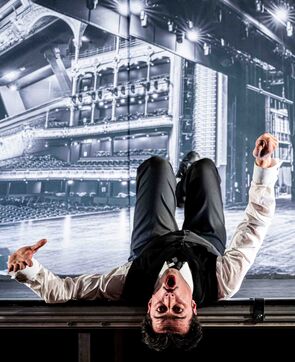
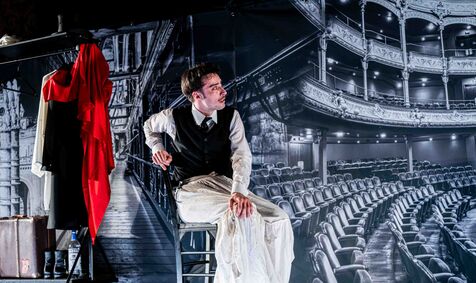
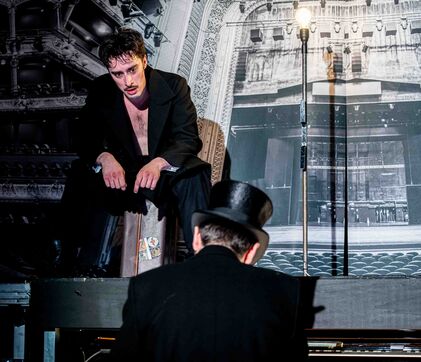
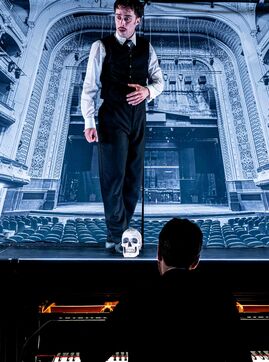
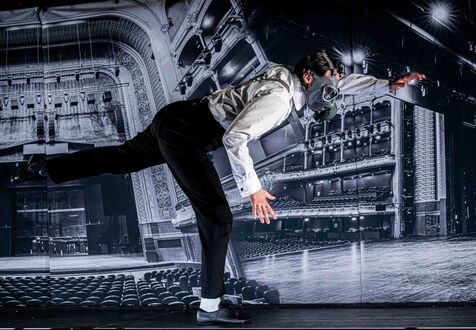
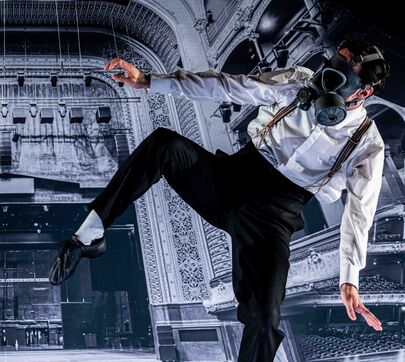
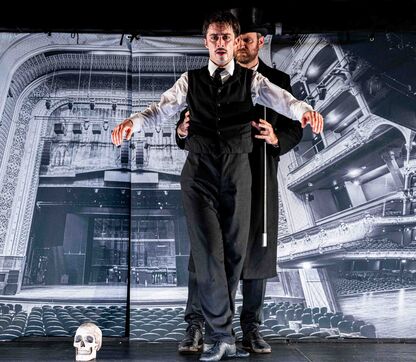
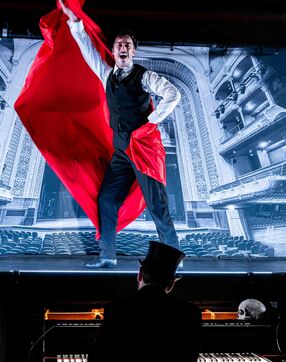
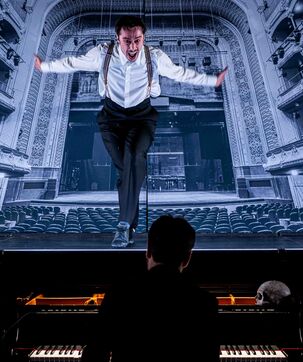
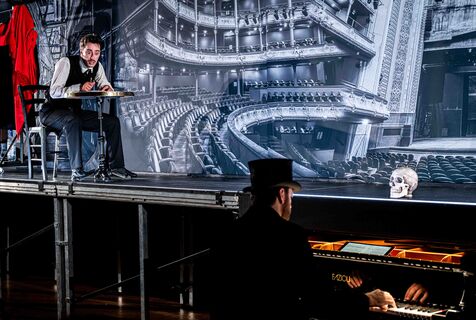
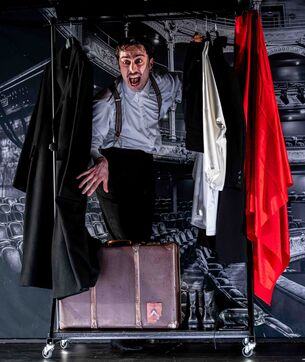
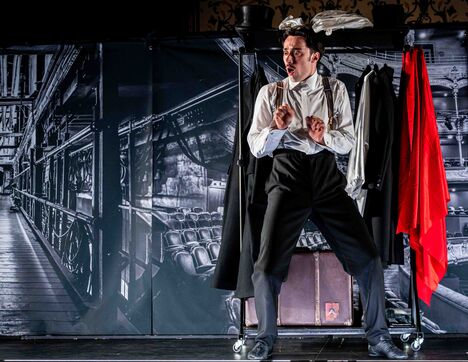
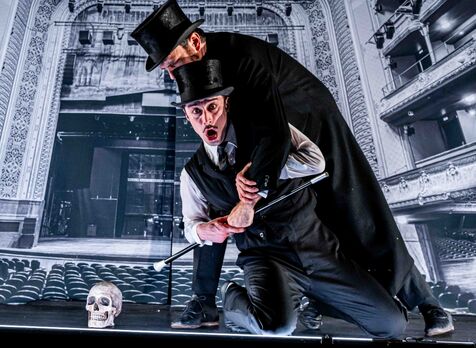
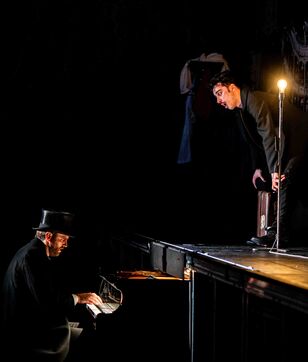
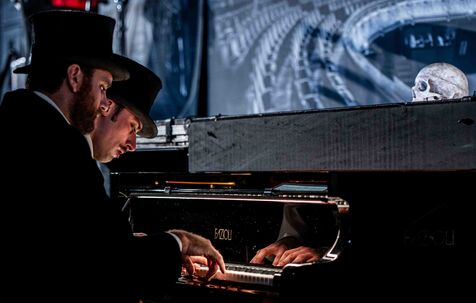
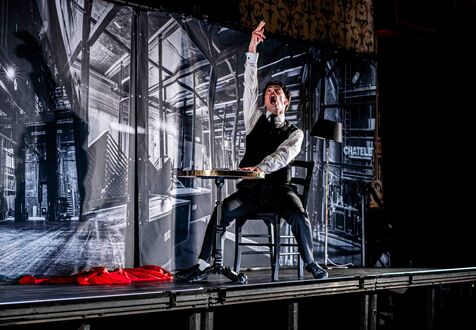
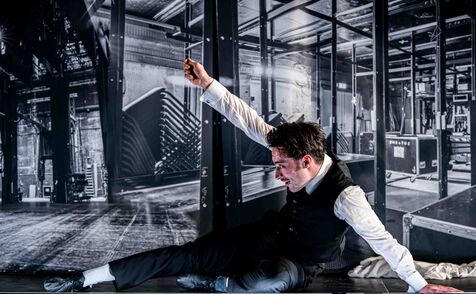
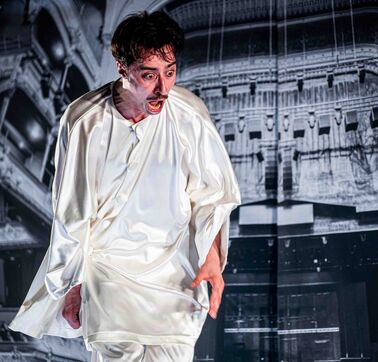
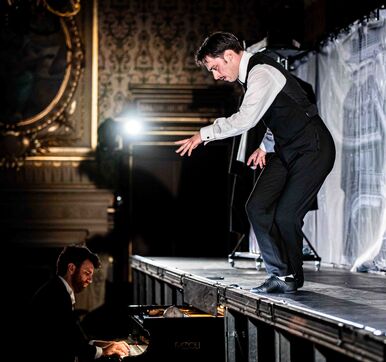
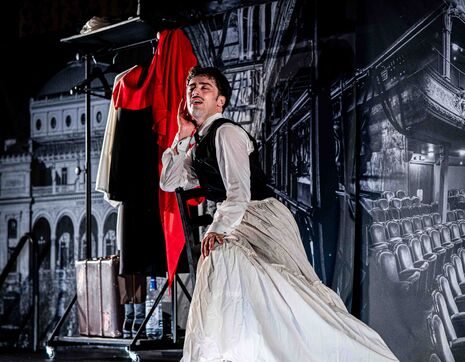
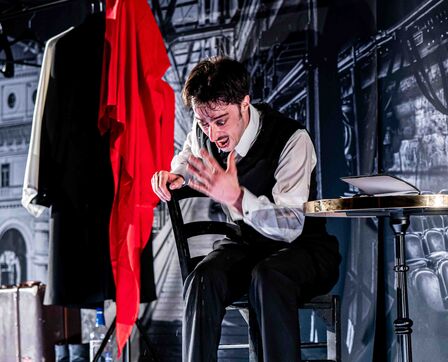
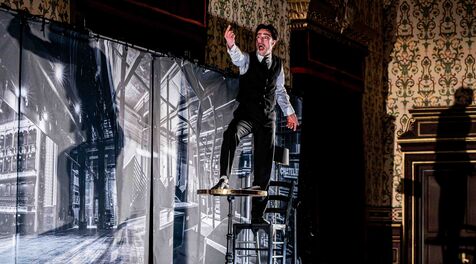
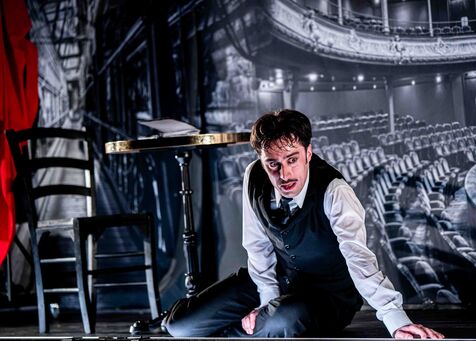
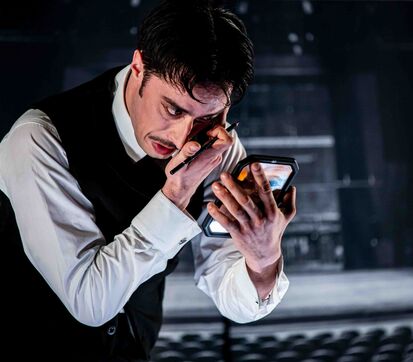
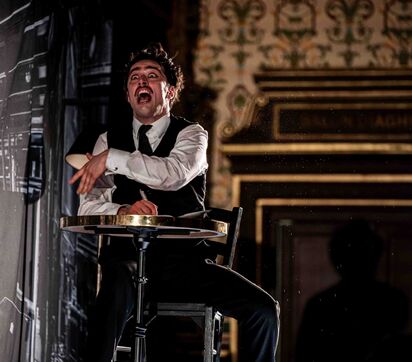
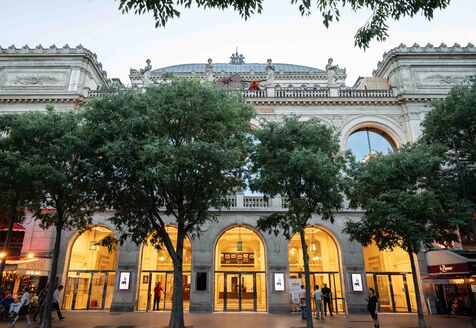
Le soir du 19 mai 1909, le Châtelet fait salle comble. Les Parisiens se sont rués pour la première représentation publique de la « saison russe » à Paris. L’administrateur du théâtre, Gabriel Astruc, a invité la compagnie des Ballets russes de Serge de Diaghilev. Le rideau se lève sur Le Pavillon d’Armide, un drame chorégraphique en un acte d’Alexandre Benois, chorégraphié par Michel Fokine, dont la musique a été composée par Nicolas Tcherepnine. Et rien ne se passe comme prévu : à peine âgé de vingt ans, Vaslav Nijinski apparaît comme un nouveau Vestris lorsque, au lieu de rejoindre les coulisses, il commet l’un des fabuleux sauts dont lui seul a la maîtrise. Il s’impose dès lors comme une vedette et attise aussitôt la curiosité du public. Cette admiration sans borne est de courte durée, tant sa carrière est fulgurante. Mais une étoile est née. Dix ans plus tard, le « dieu de la danse » est reclus avec son épouse, Romola, dans la villa Guardamunt, à Saint-Moritz, en Suisse : il a besoin de repos. C’est durant l’hiver 1918-1919 que Vaslav Nijinski entreprend la rédaction de ce qu’il est aujourd’hui convenu d’appeler Le Journal de Nijinski : quatre cahiers imaginés et pensés comme « un grand livre sur le sentiment ». Dans ce récit autobiographique bouleversant, l’auteur mène un combat entre le sens et l’intellect. Olivier Py s’est emparé de cette œuvre littéraire à part entière pour adapter et mettre en scène, dans une forme courte et dans le Grand Foyer, La Bal(l)ade de Nijinski : une pièce jouée par Bertrand de Roffignac, et accompagnée au piano par Guilhem Fabre.
LA BAL(L)ADE DE NIJINSKI
On the evening of May 19, 1909, the Théâtre du Châtelet was packed. Parisians flocked to the first public performance of the "Russian season" in Paris. The theater's administrator, Gabriel Astruc, had invited Sergei Diaghilev's Ballets Russes. The curtain rose on Le Pavillon d'Armide, a one-act choreographic drama by Alexandre Benois, choreographed by Michel Fokine, with music composed by Nicolas Tcherepnine. And nothing went as planned: barely twenty years old, Vaslav Nijinsky appeared like a new Vestris when, instead of going backstage, he performed one of the fabulous leaps that only he could master. He immediately became a star and sparked the public's curiosity. This boundless admiration was short-lived, however, as his career was meteoric. But a star was born. Ten years later, the "god of dance" was secluded with his wife, Romola, at the Villa Guardamunt in Saint-Moritz, Switzerland: he needed rest. It was during the winter of 1918-1919 that Vaslav Nijinsky began writing what is now known as Nijinsky's Diary: four notebooks conceived and designed as "a great book on feeling." In this moving autobiographical account, the author wages a battle between meaning and intellect. Olivier Py has taken hold of this substantial literary work to adapt and stage, in a short form and in the Grand Foyer, Nijinsky's Ballad: a play performed by Bertrand de Roffignac, with piano accompaniment by Guilhem Fabre.