OPERA L'OR DU RHIN
Le mythe. Il est plus ancien que l'histoire, car il évoque des temps où l'humain n'existait pas encore ; et il est plus sage que l'humanité, car il peut parler de ce qui adviendra après la fin du monde. De même qu'un anneau n'a ni commencement ni fin, et pourtant il est fini et parfait, le mythe n'a pas d'auteur, ne se démode pas avec le temps et demeure inchangé dans son essence.
Le mythe, comme la musique, est un langage universel. Des tribus des îles reculées, préservées de la civilisation moderne, aux métropoles densément peuplées d'aujourd'hui – partout où l'humanité et la parole existent – on découvre d'innombrables interprétations d'un même mythe sur la création du monde, la Mère de toute vie et le destin des dieux et des hommes.
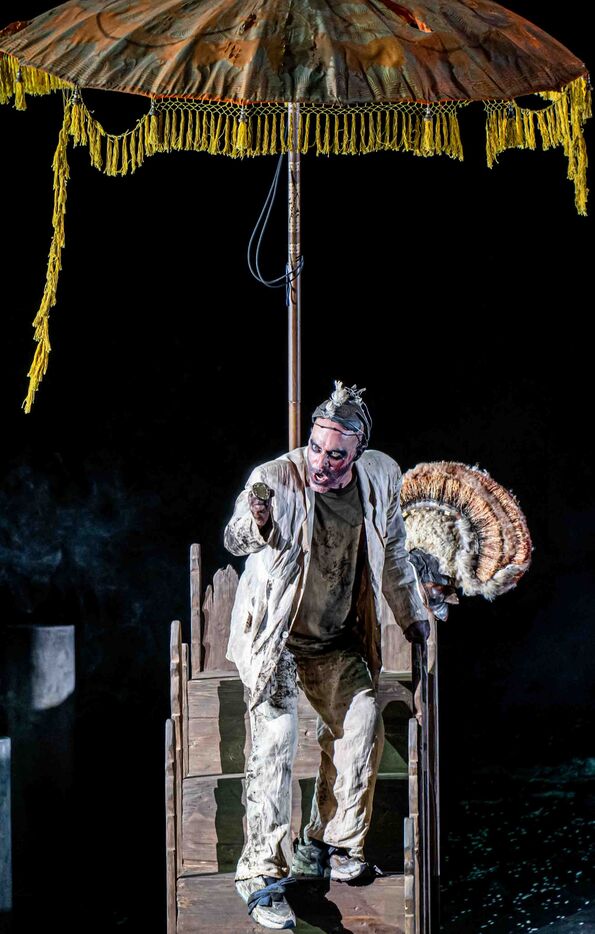
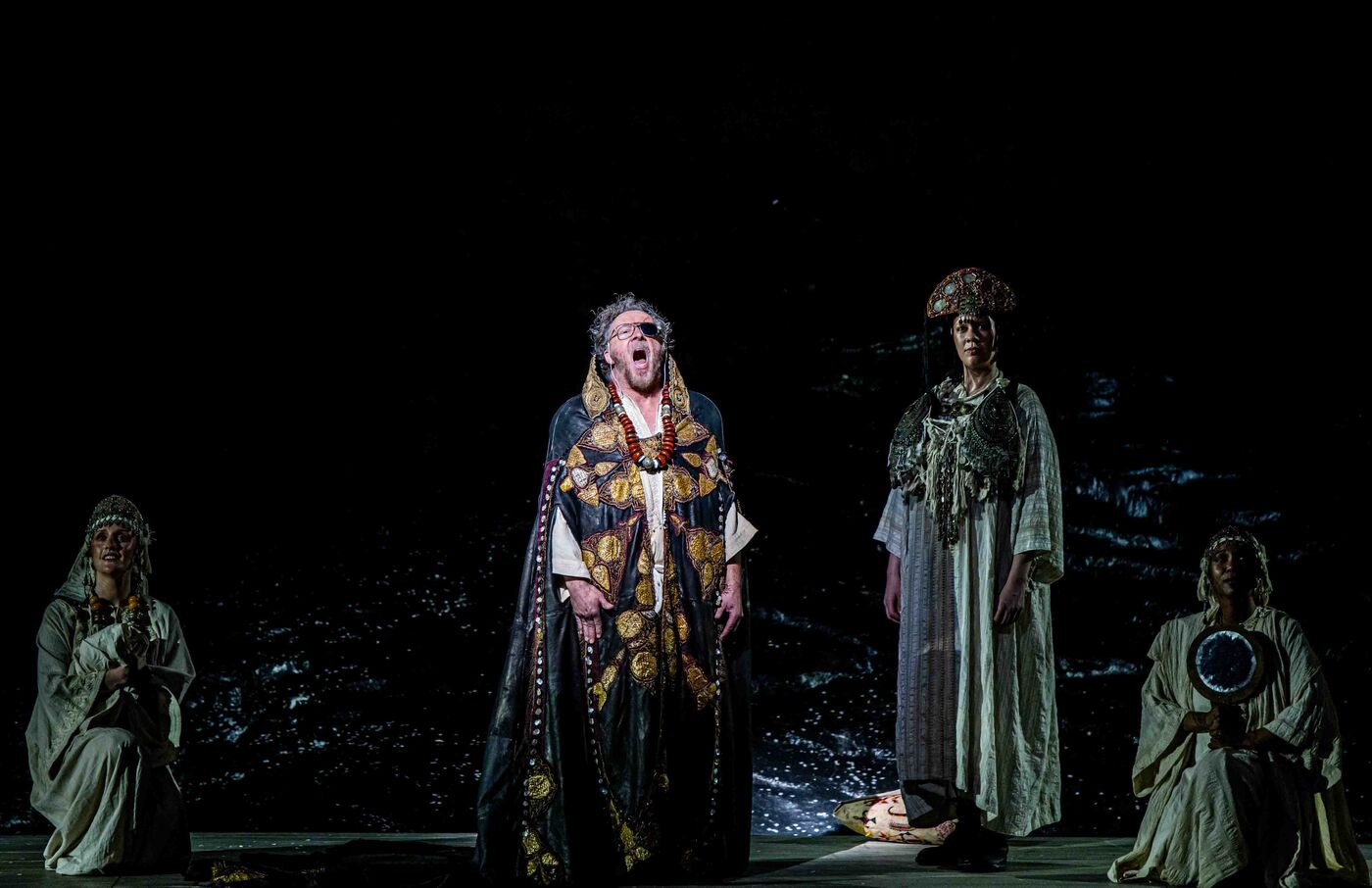
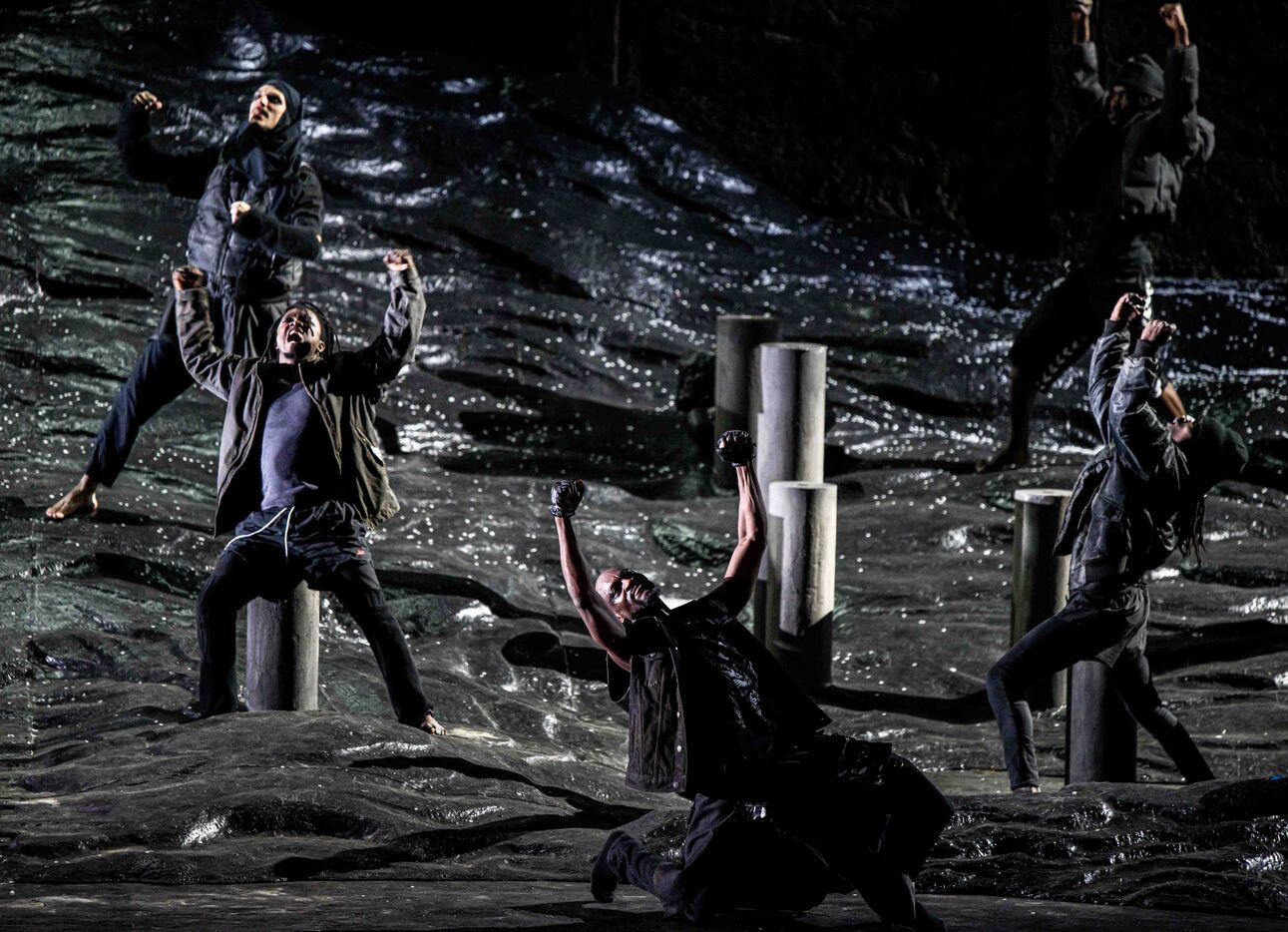
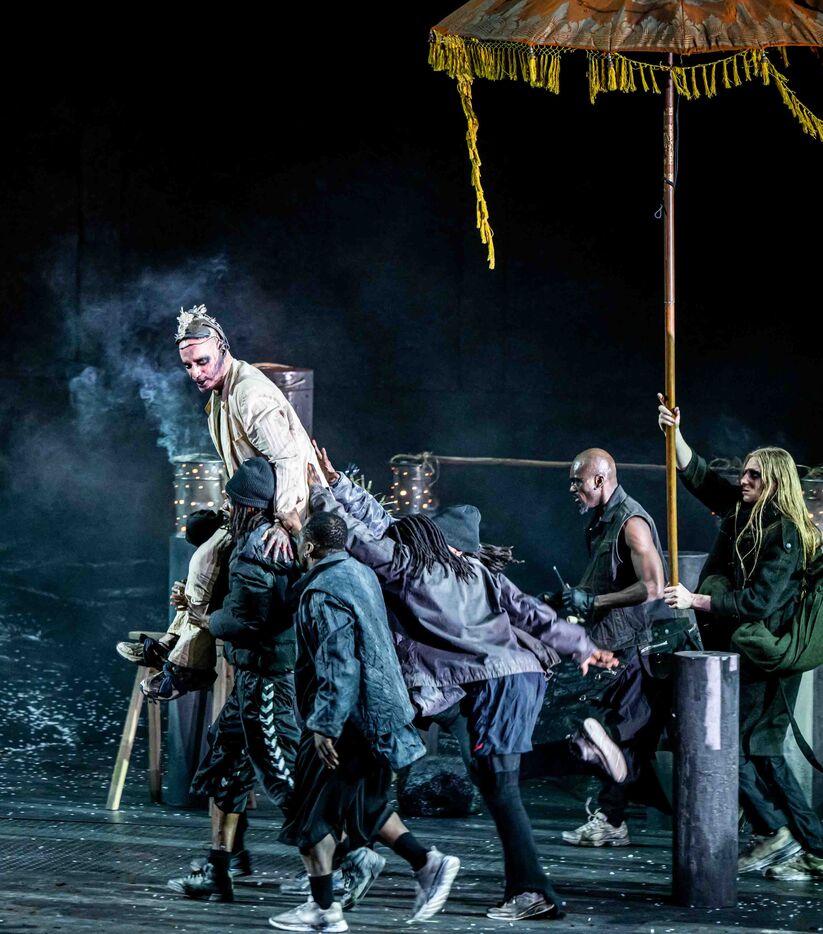
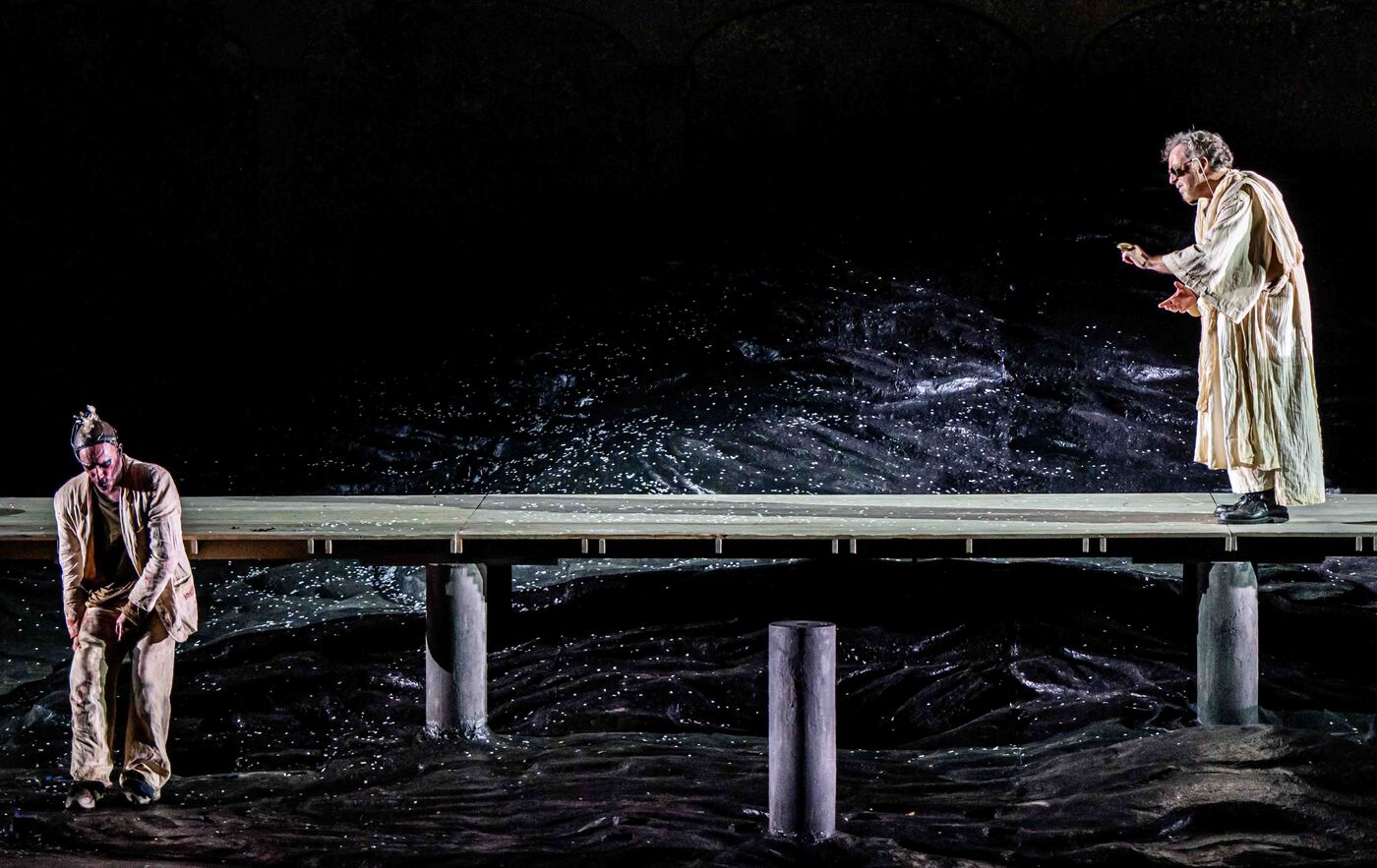
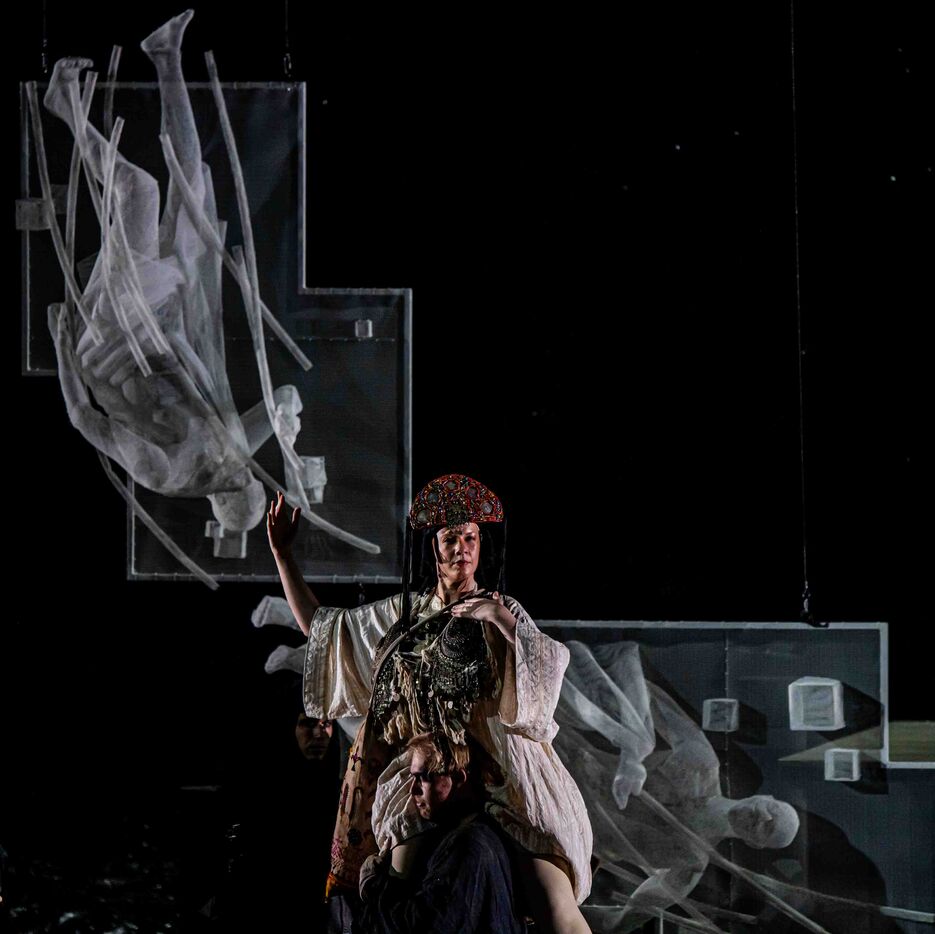
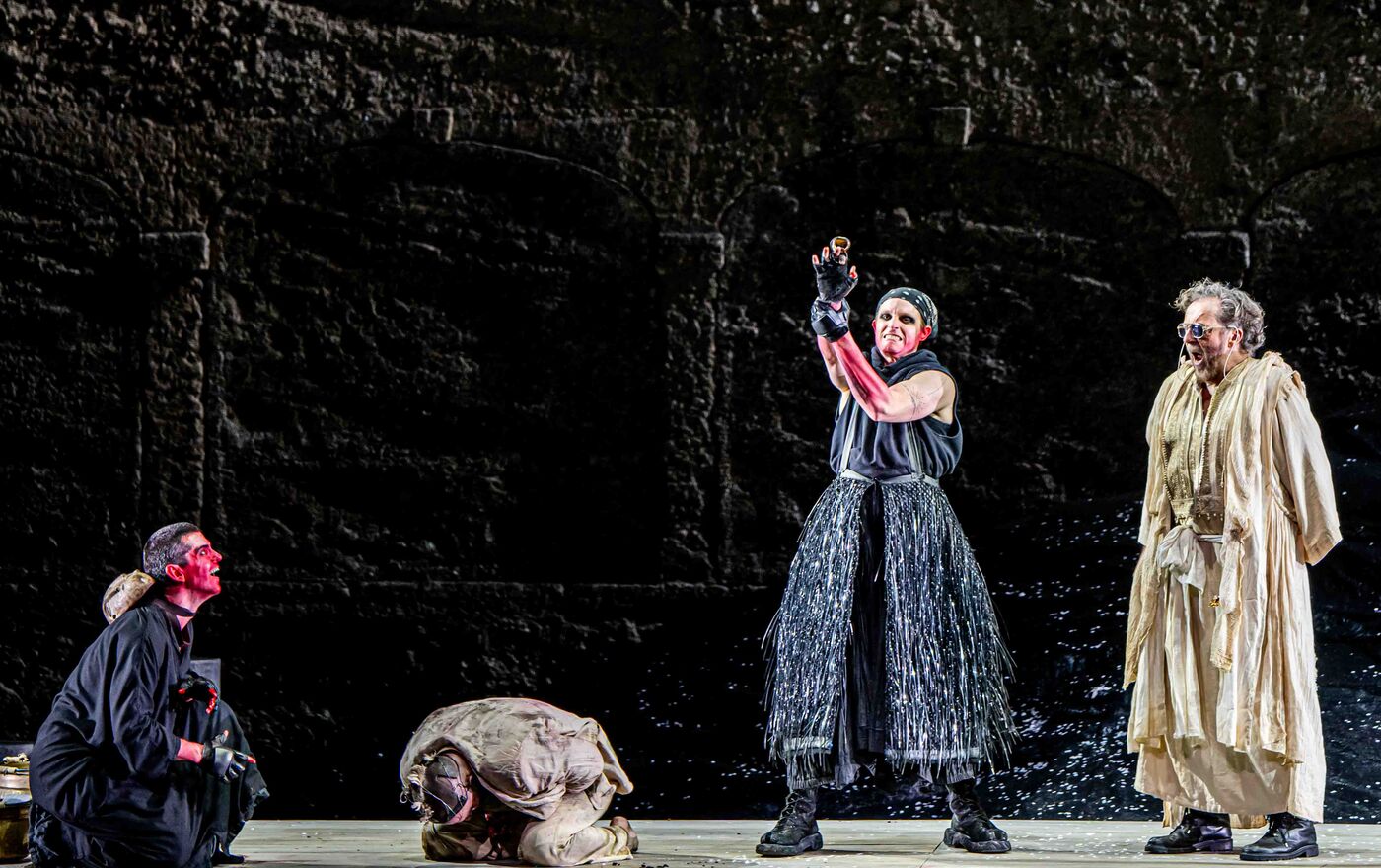
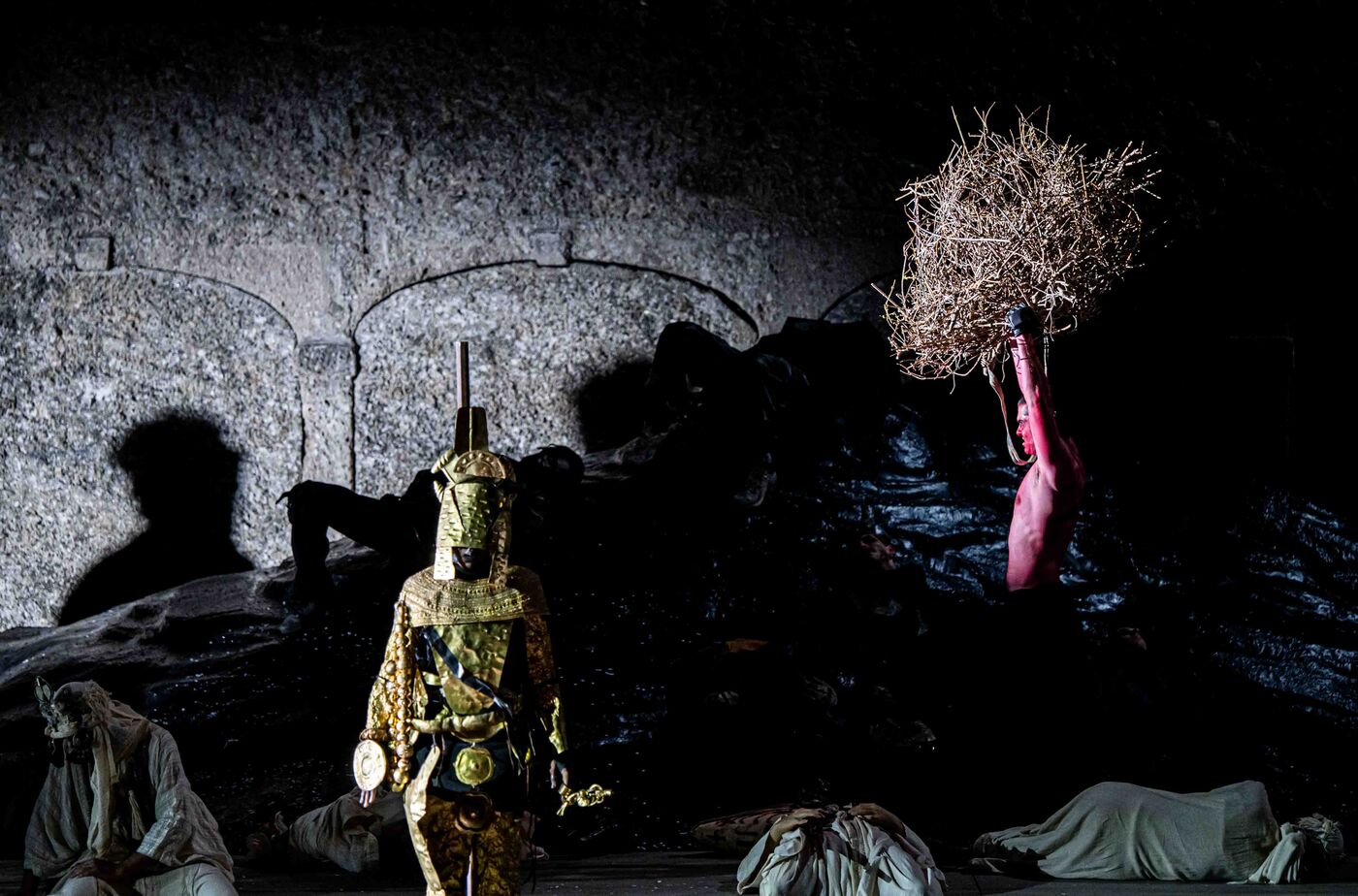
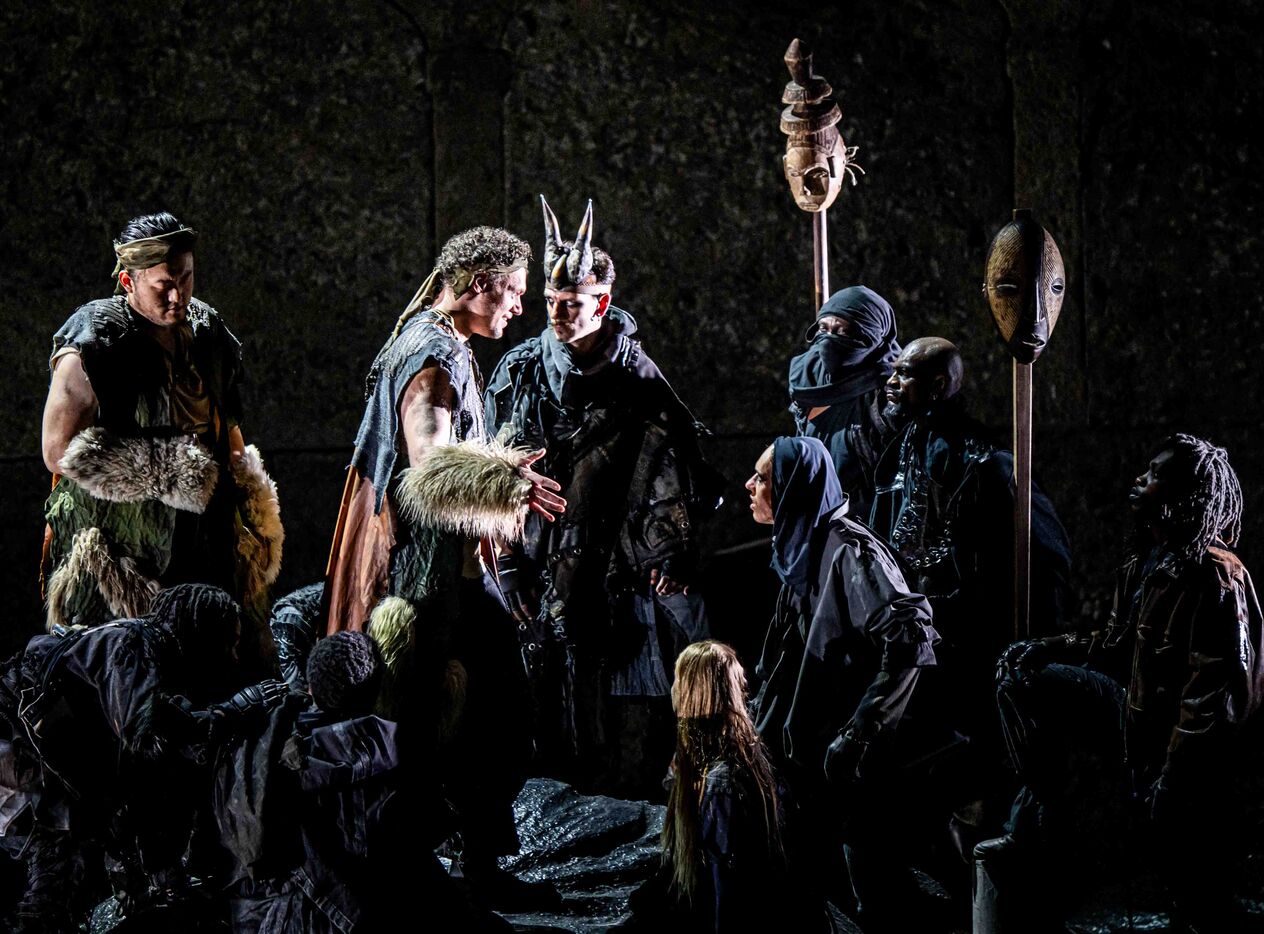
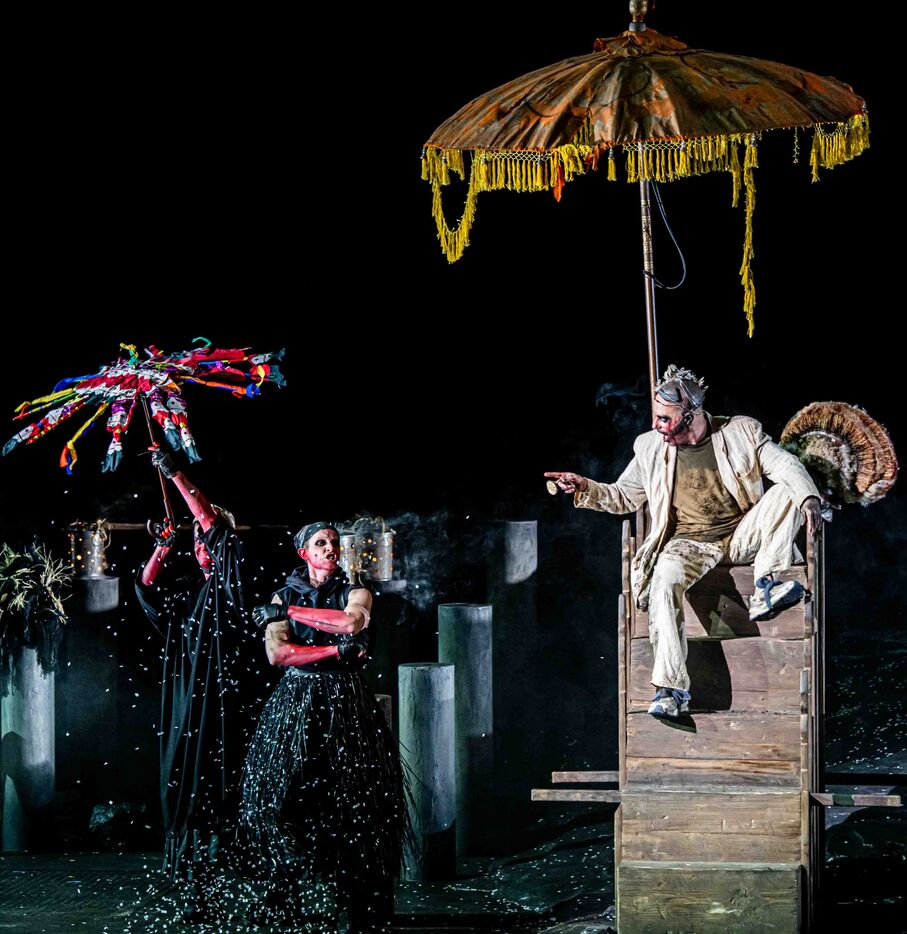
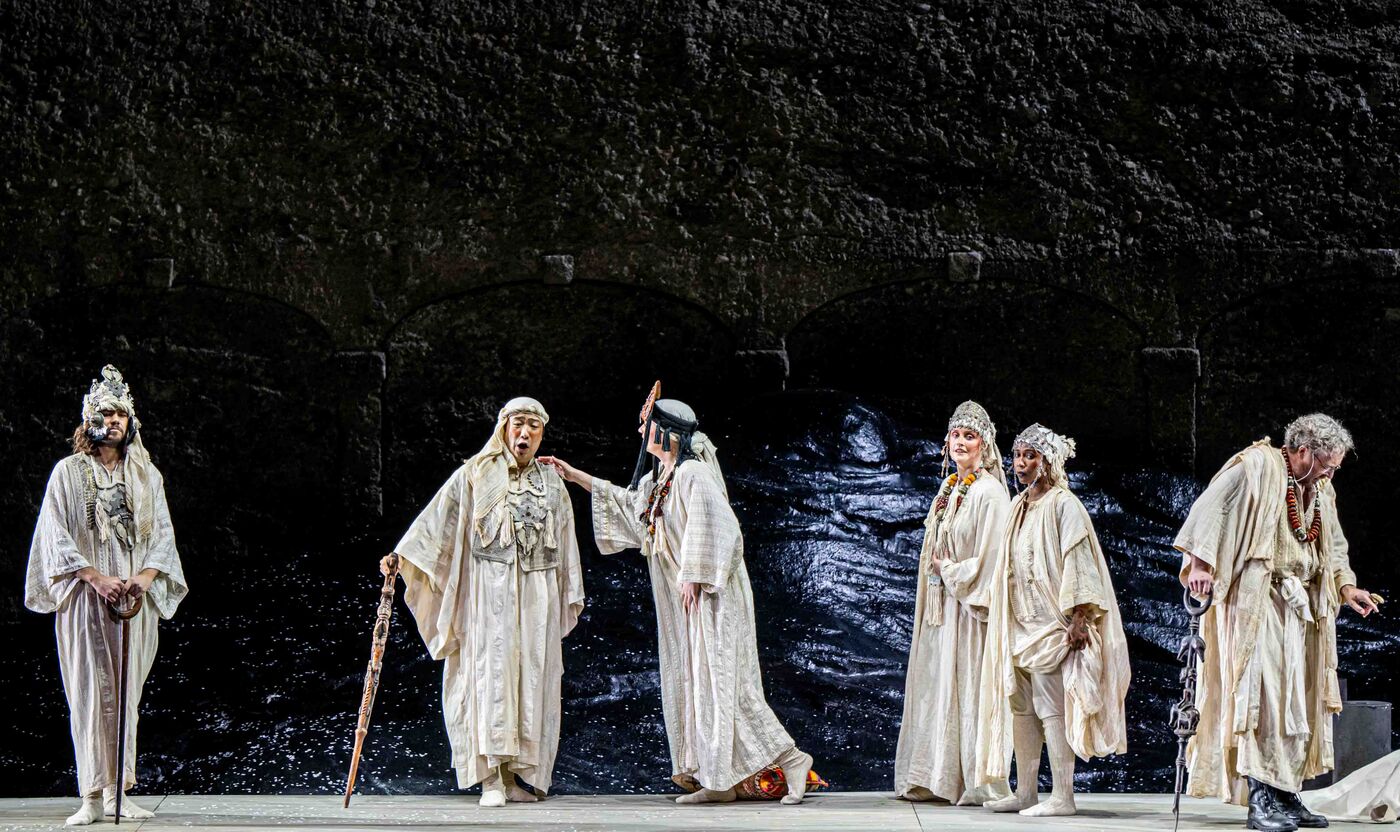
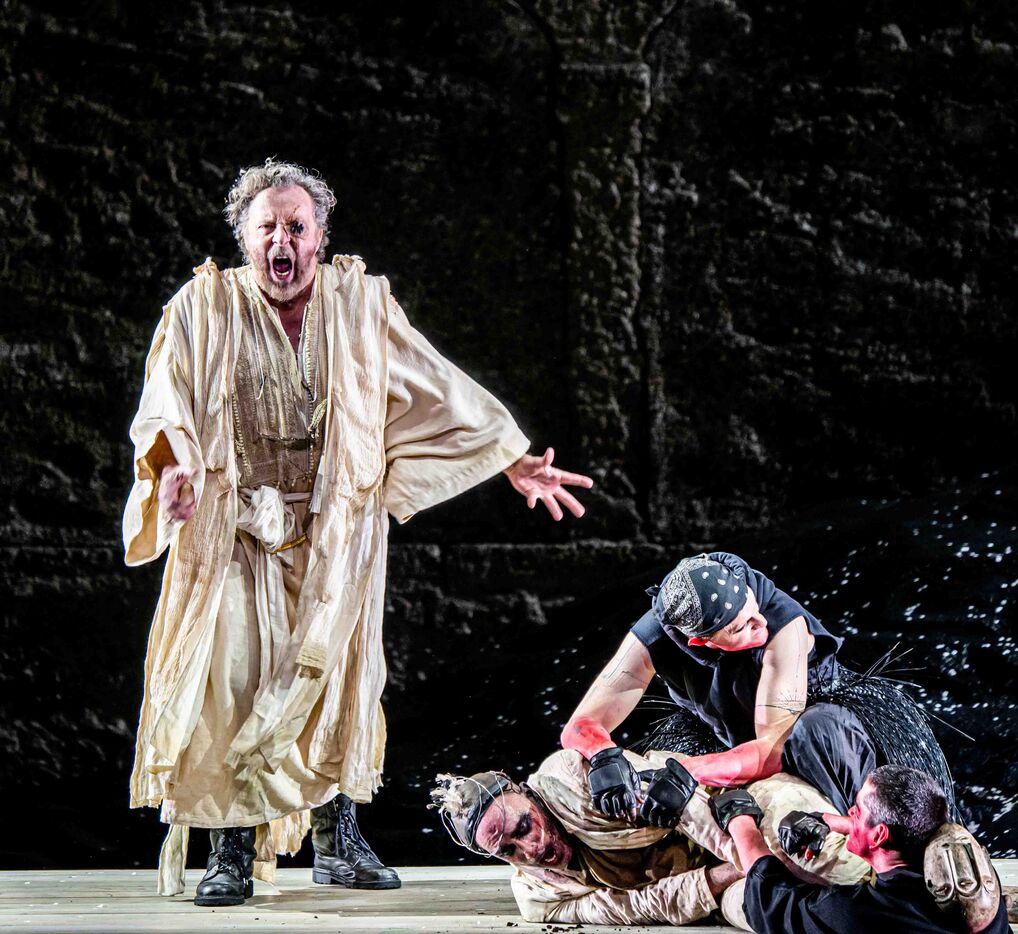
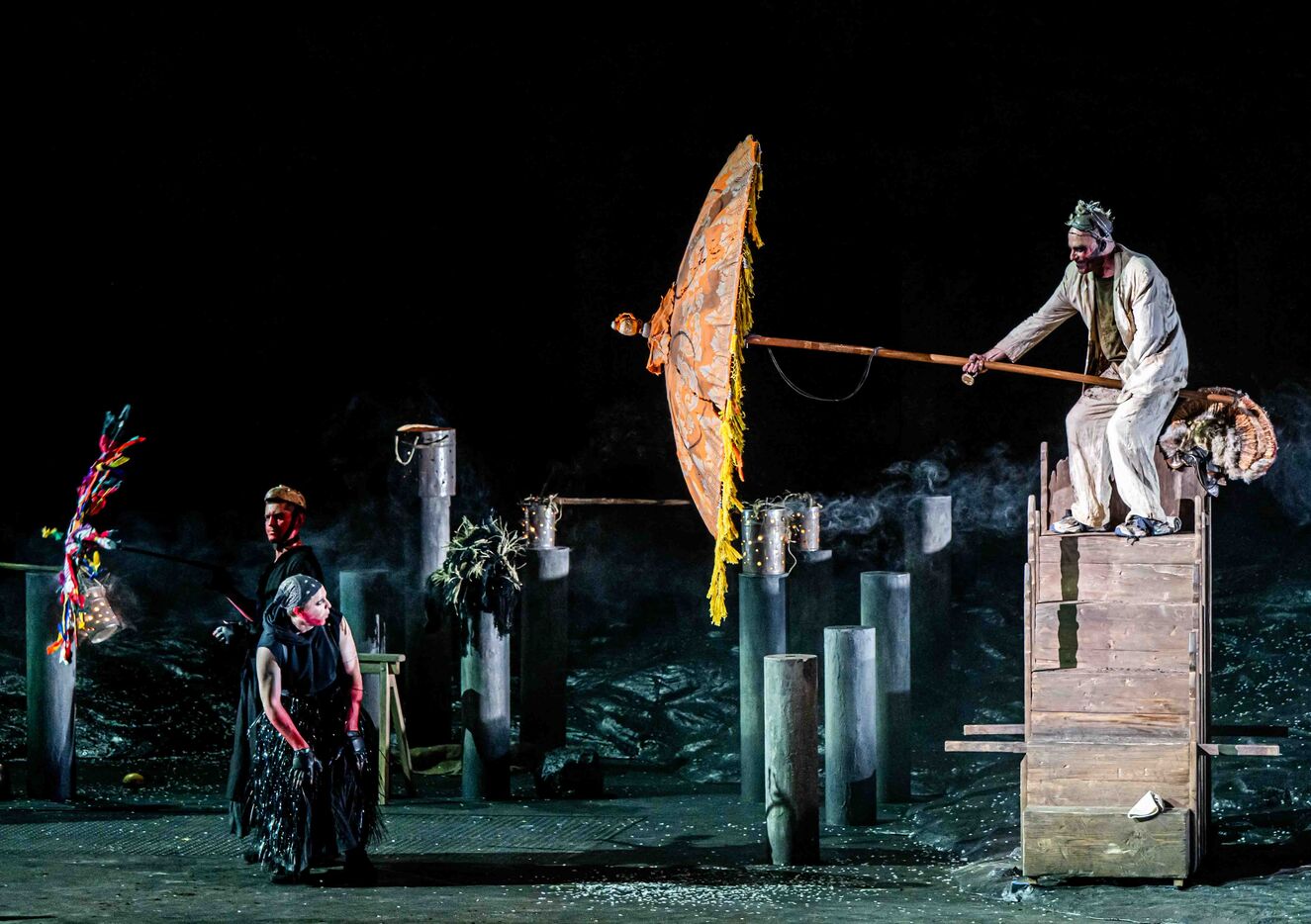
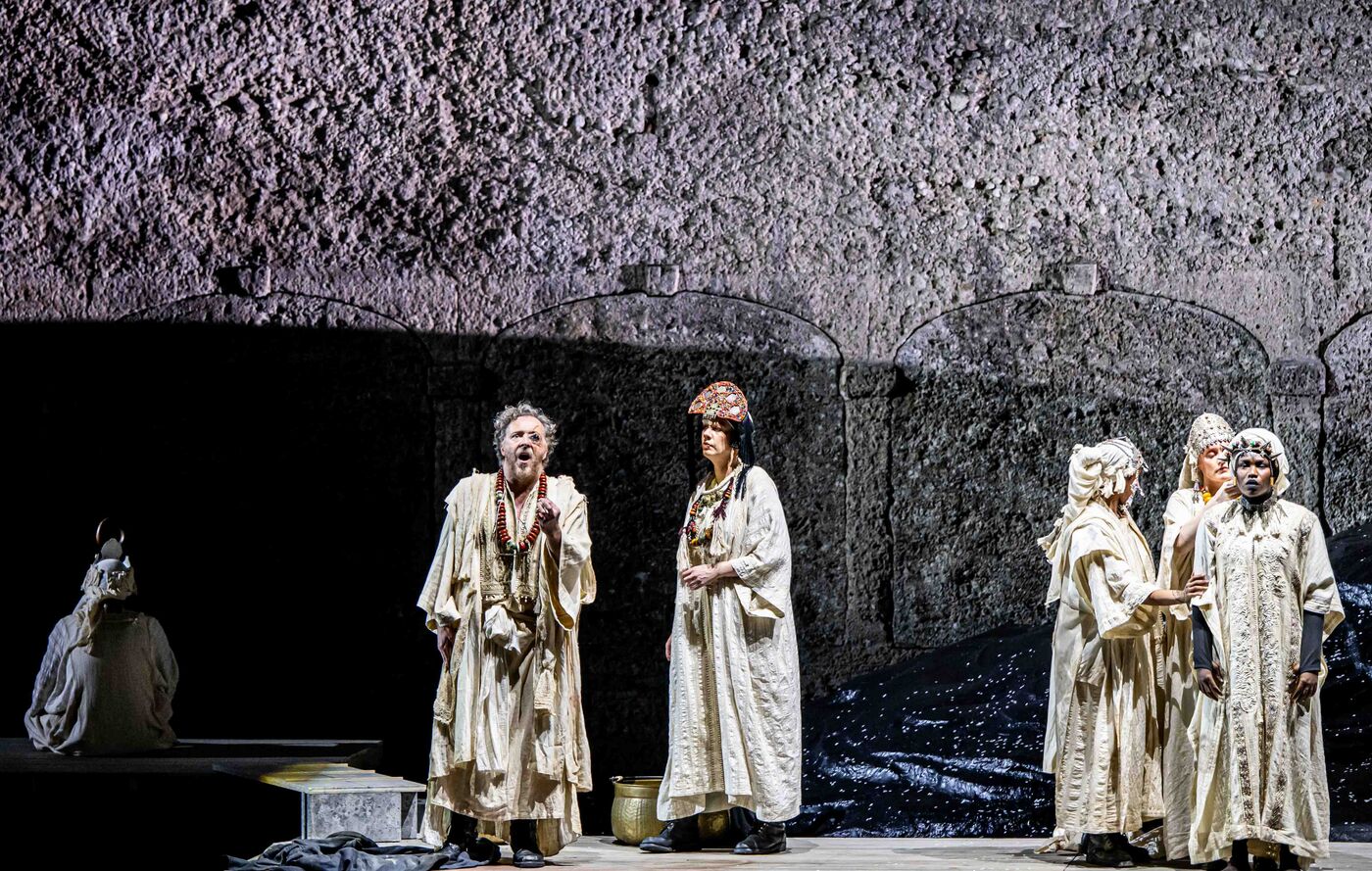
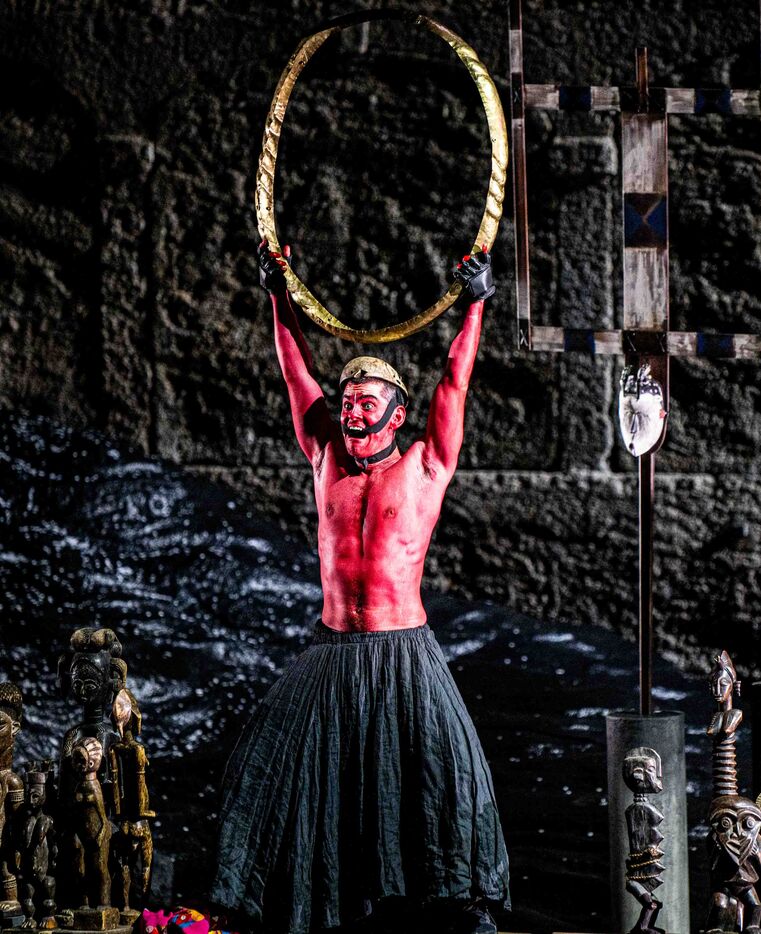
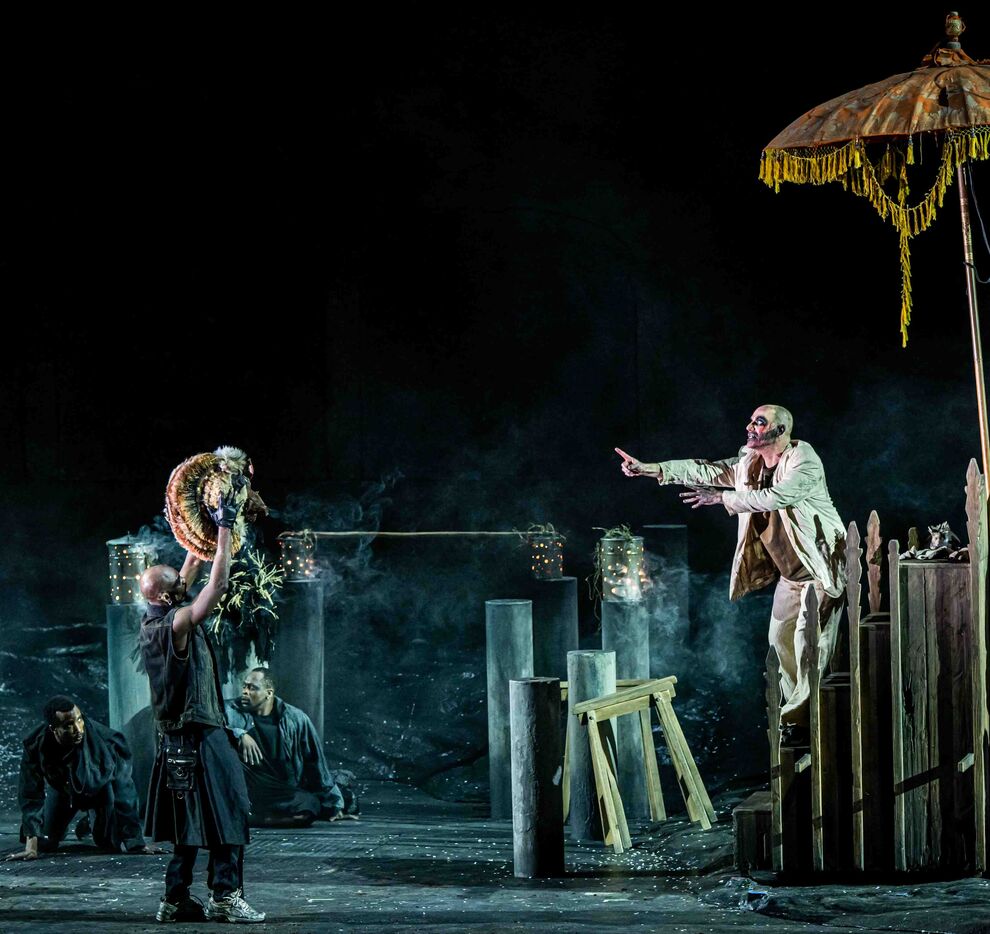
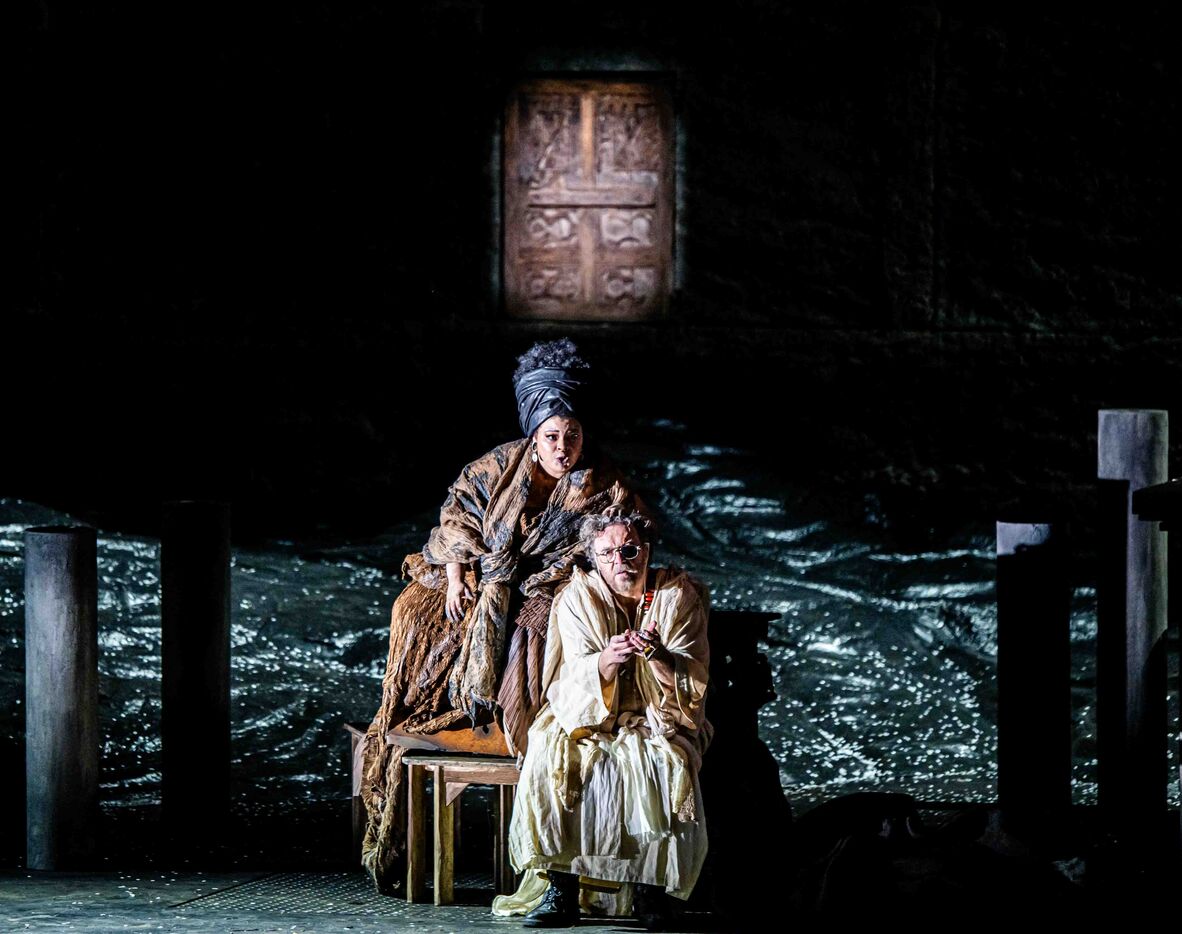
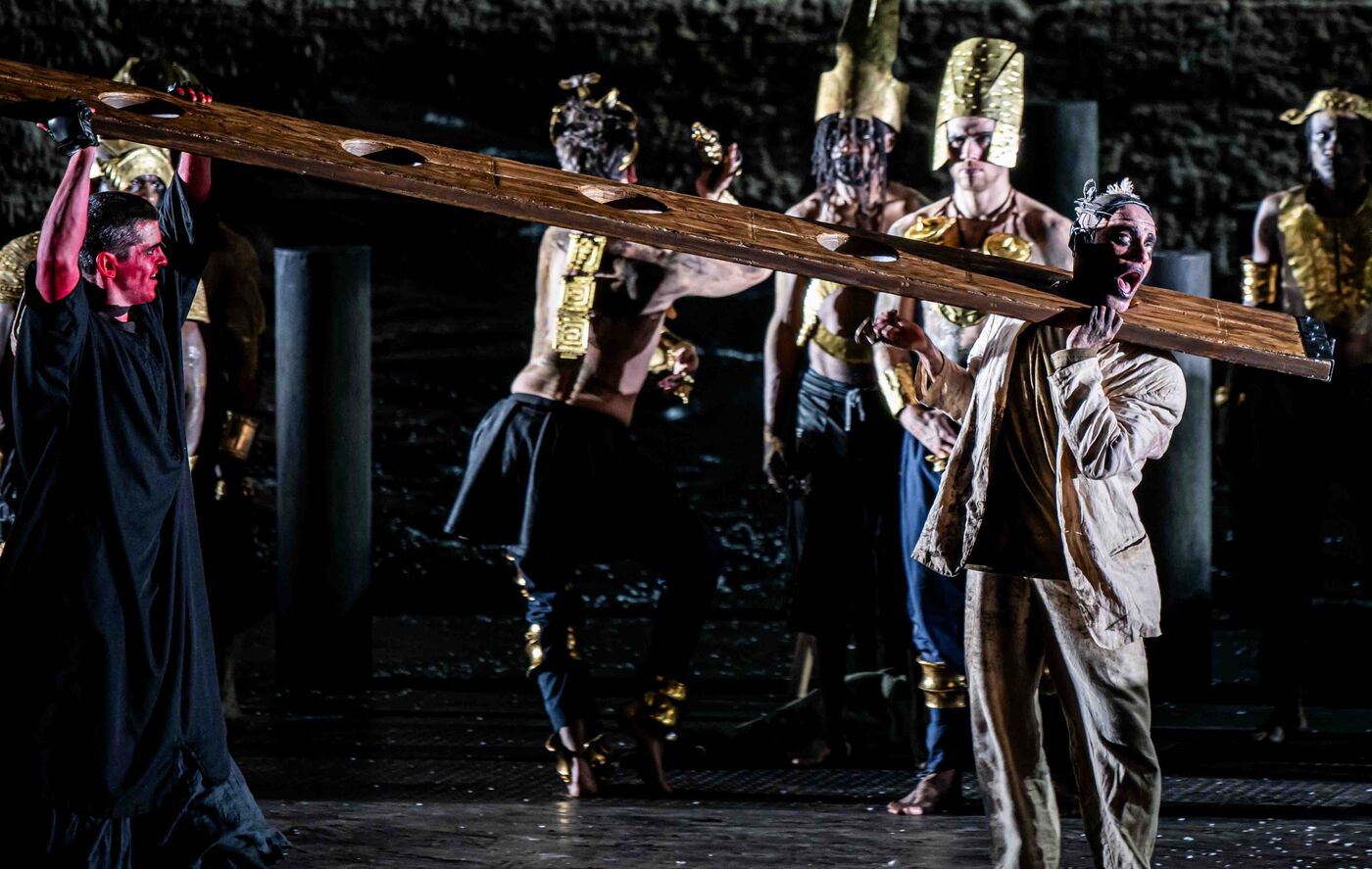
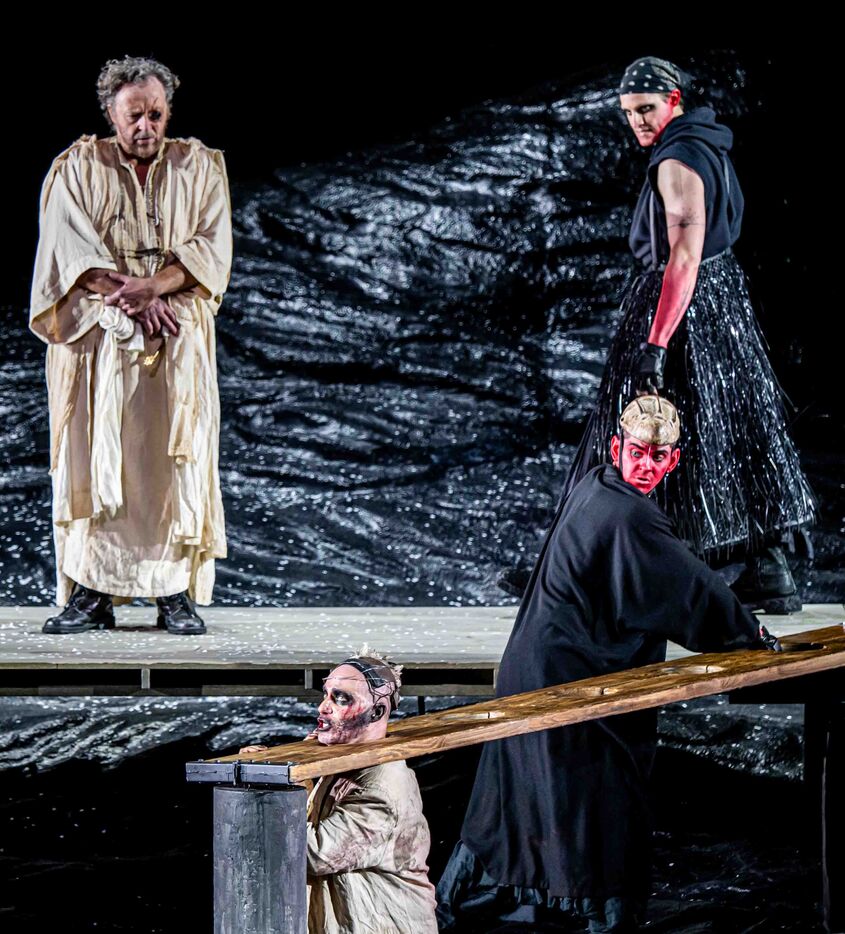
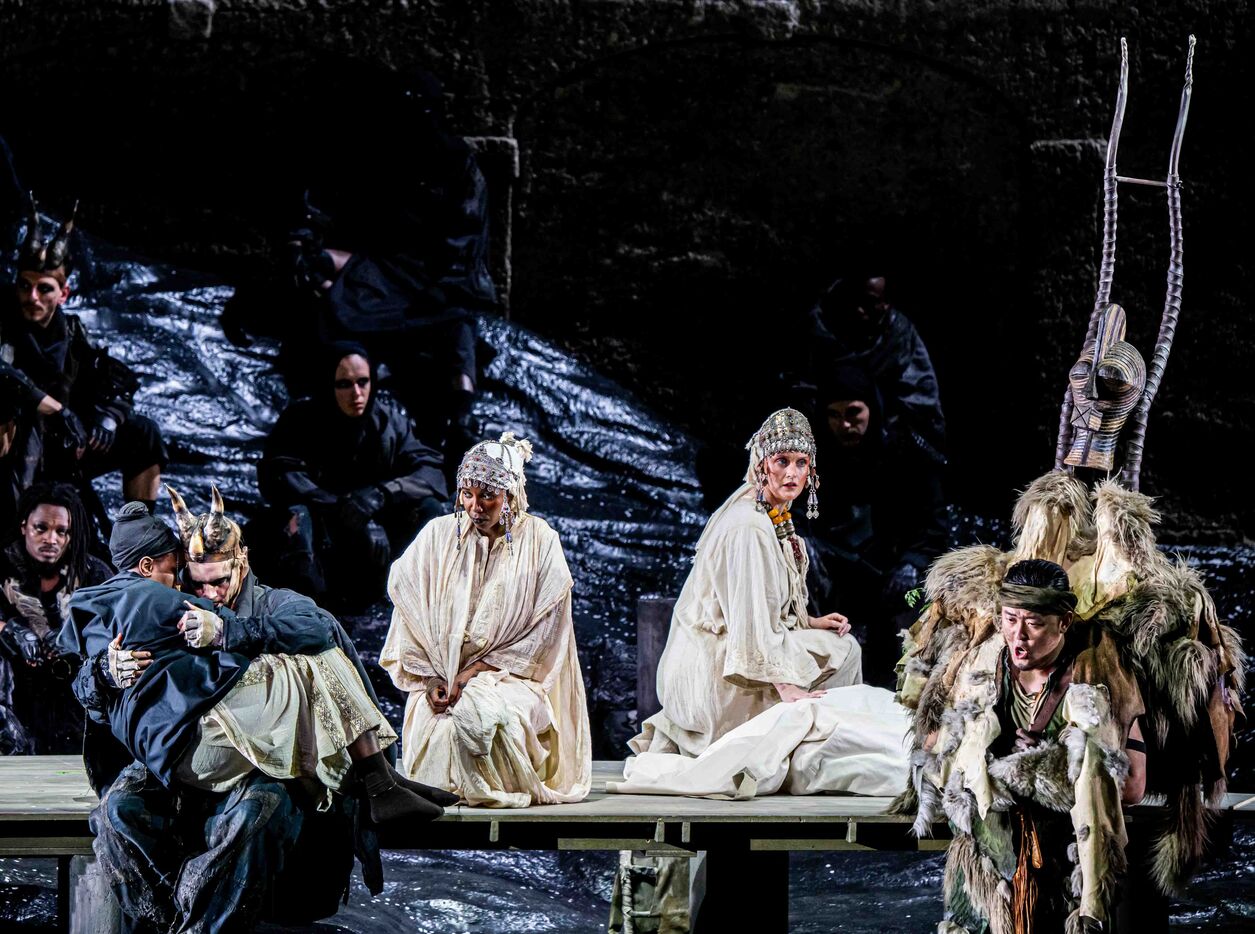
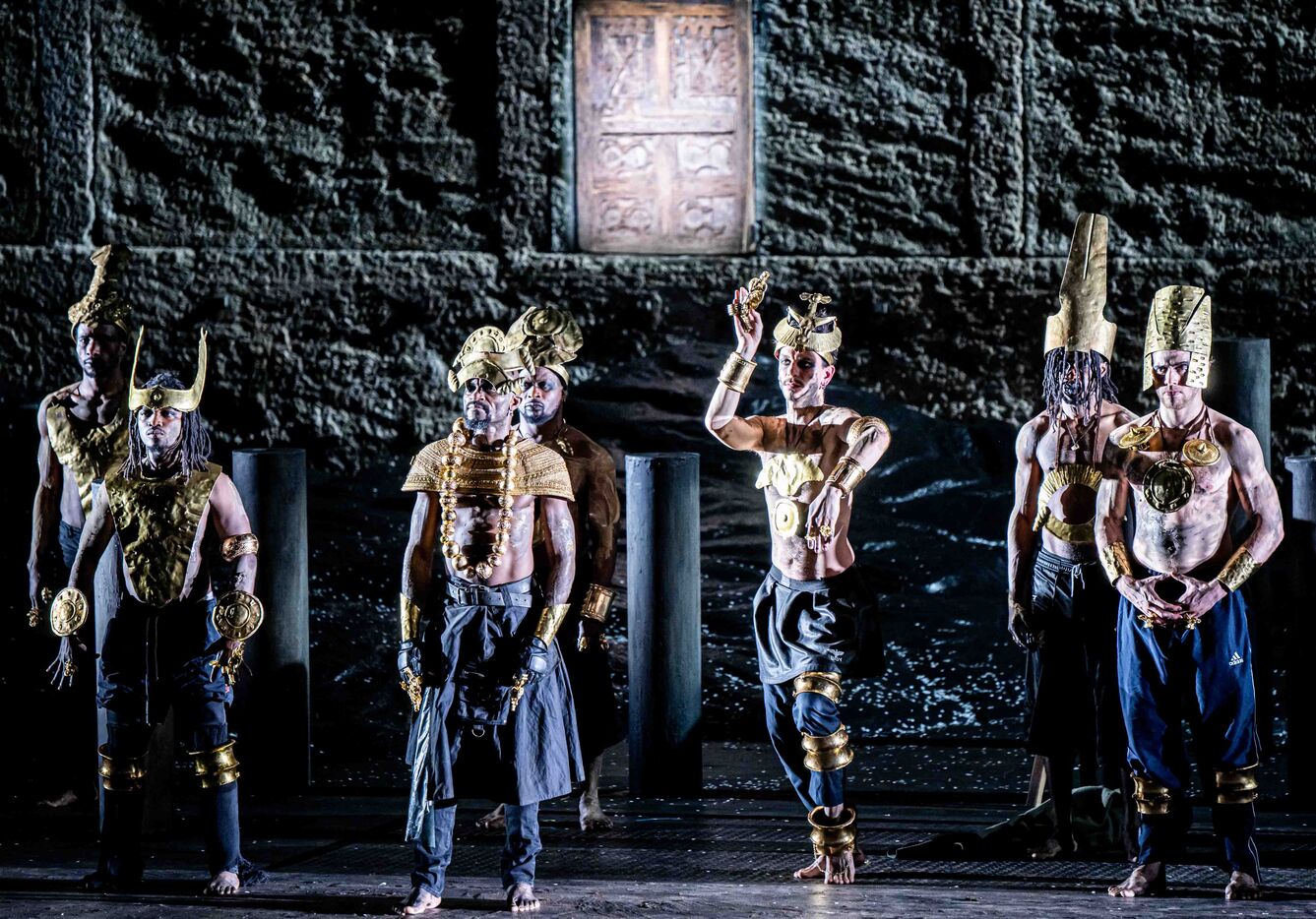
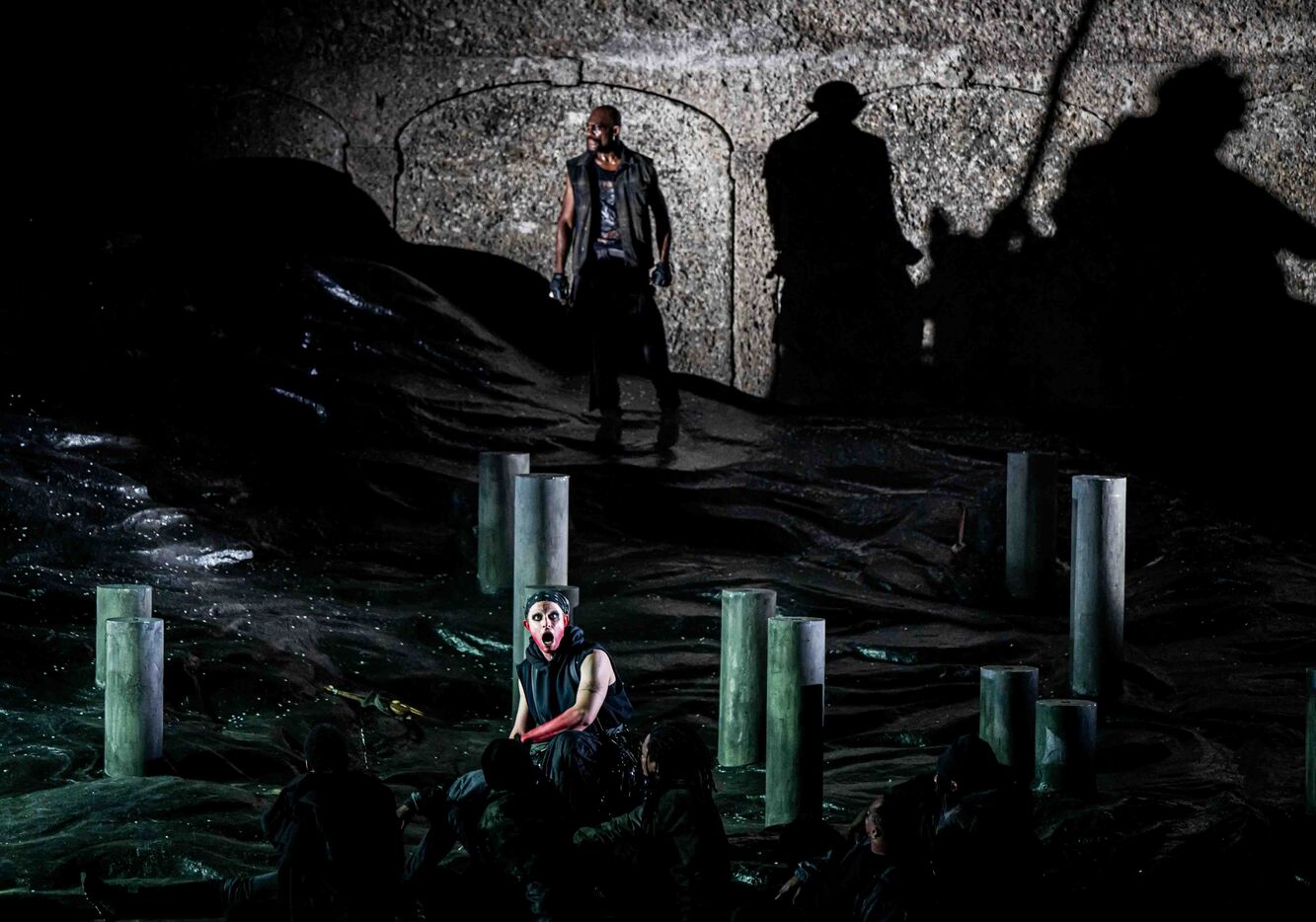
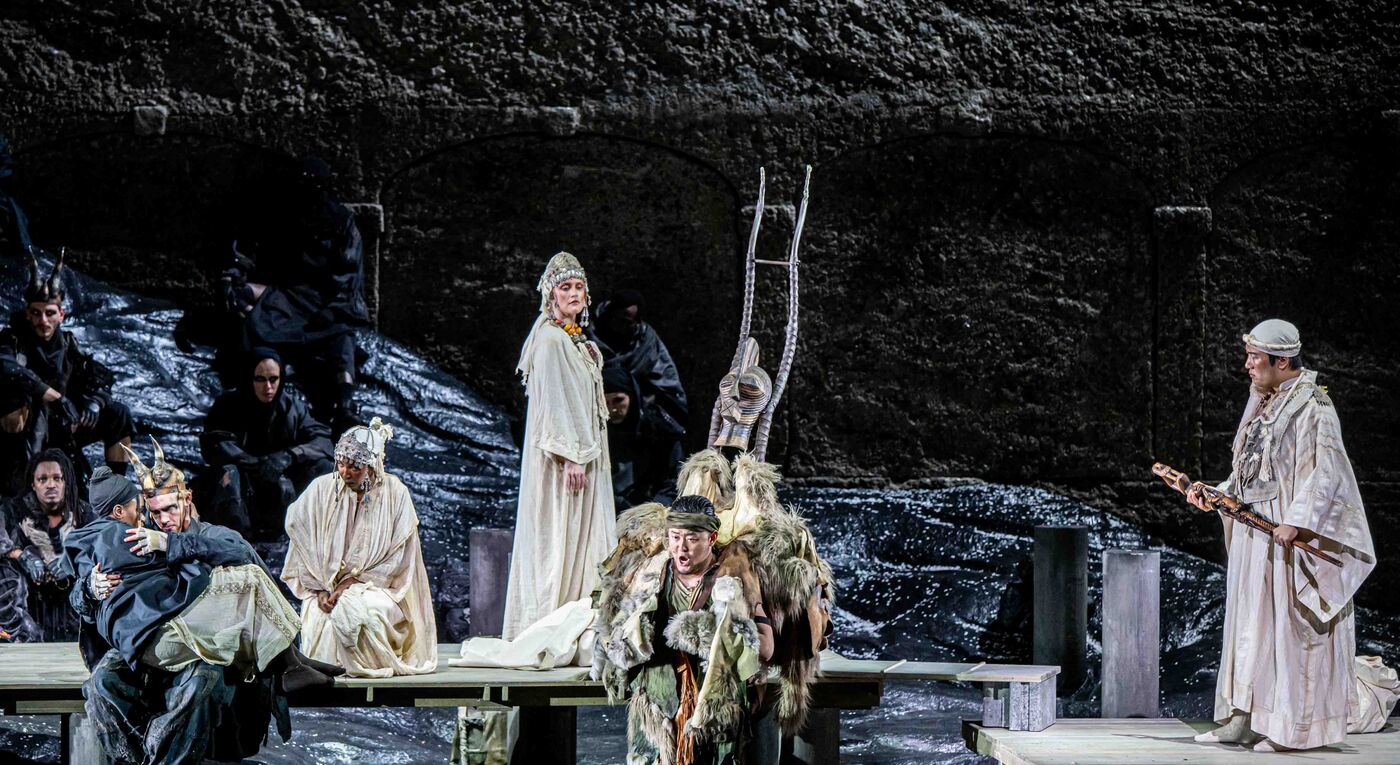
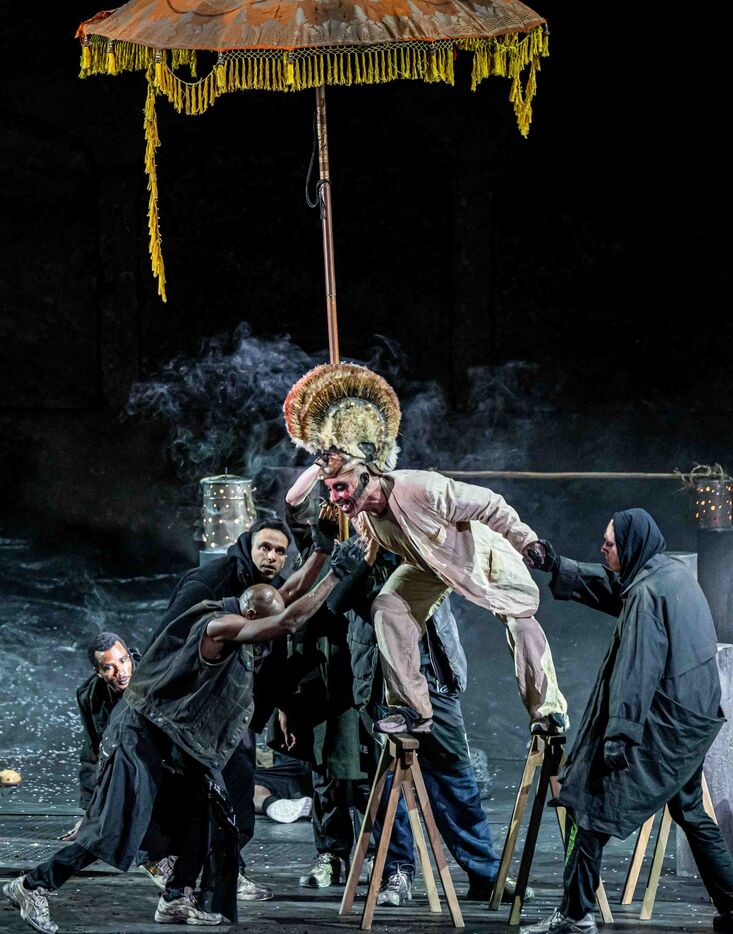
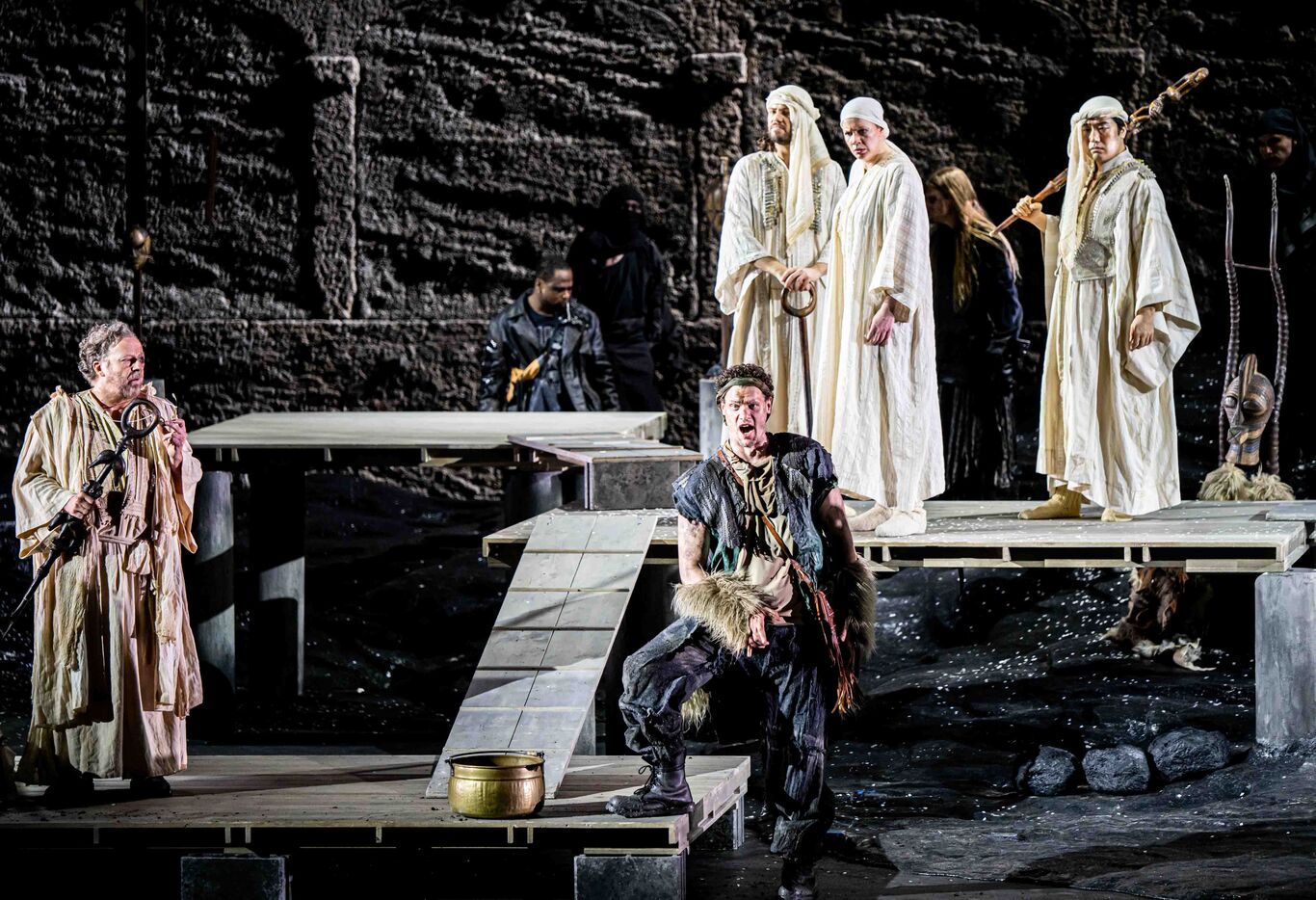
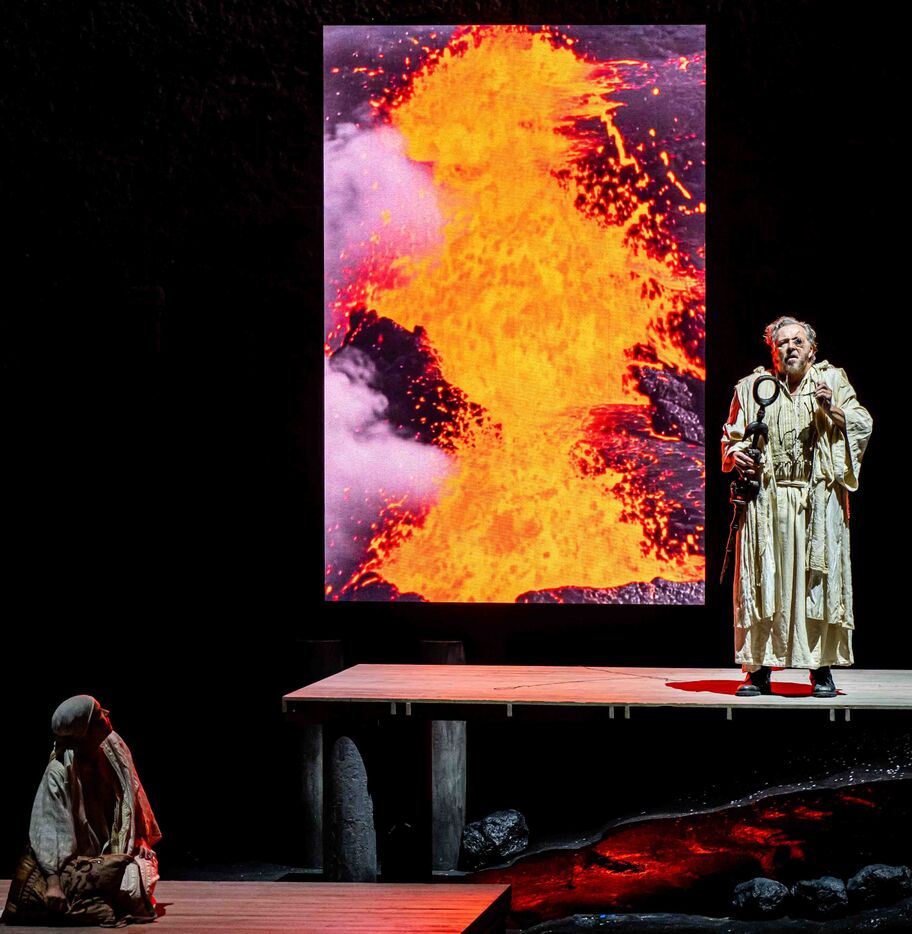
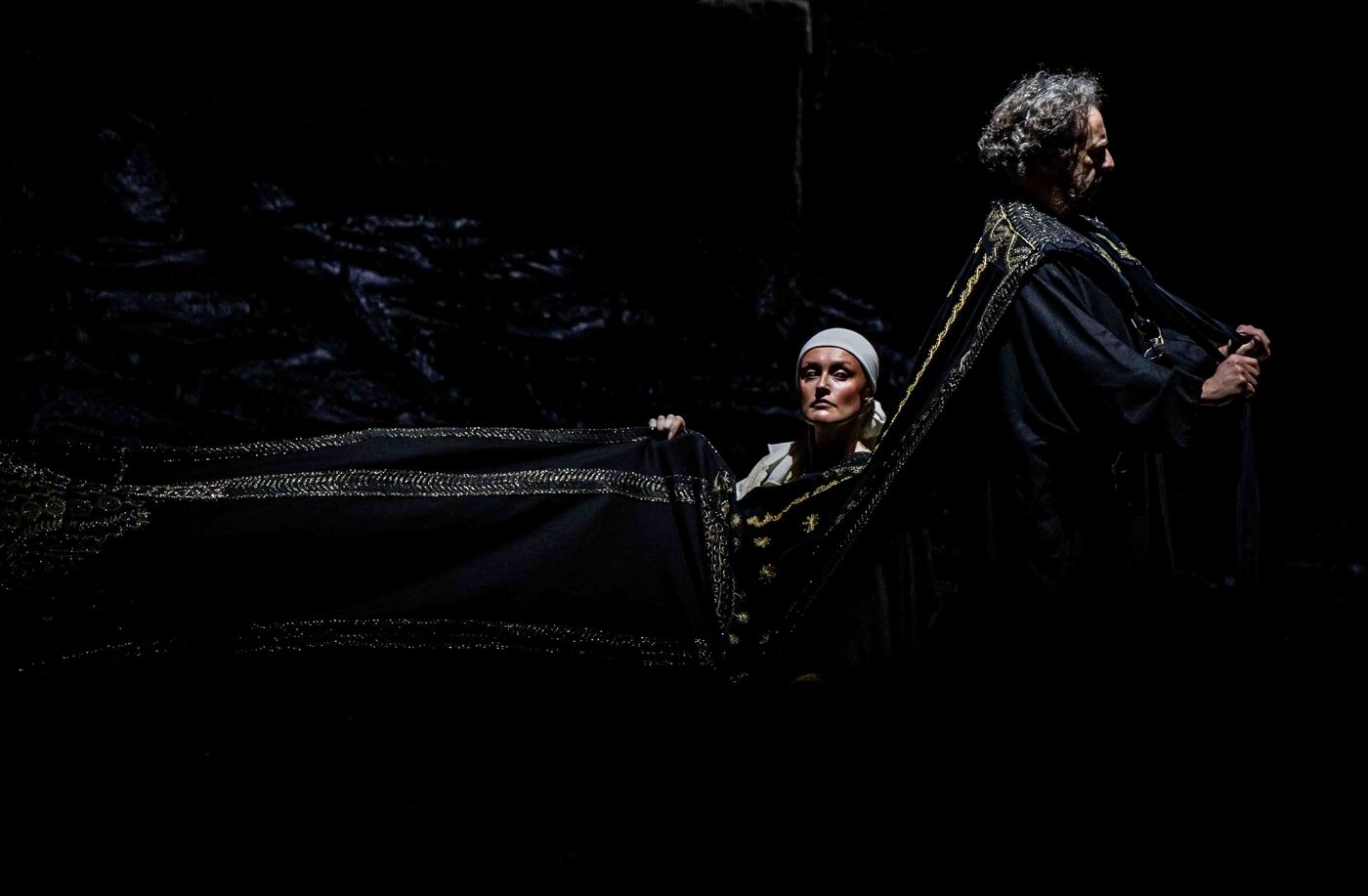
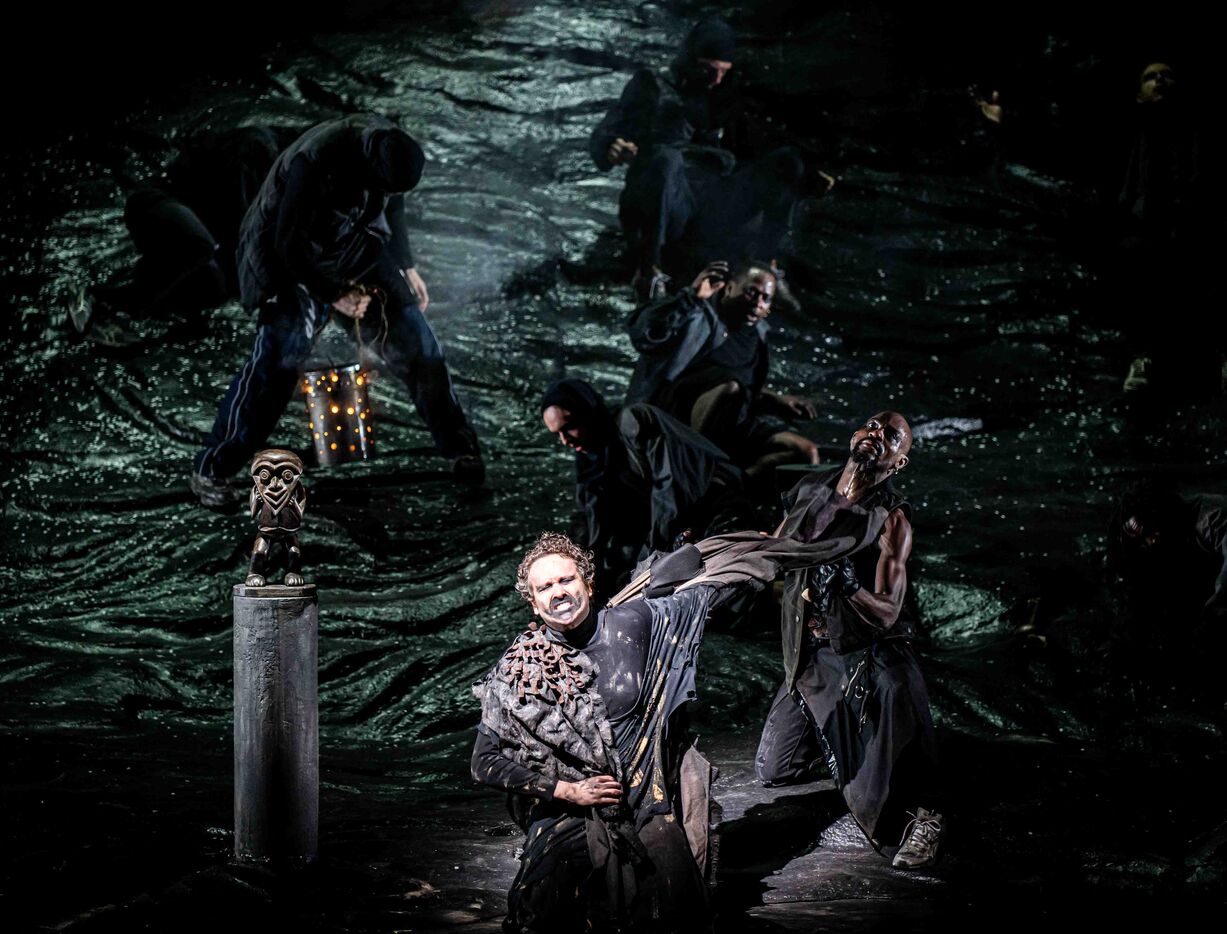
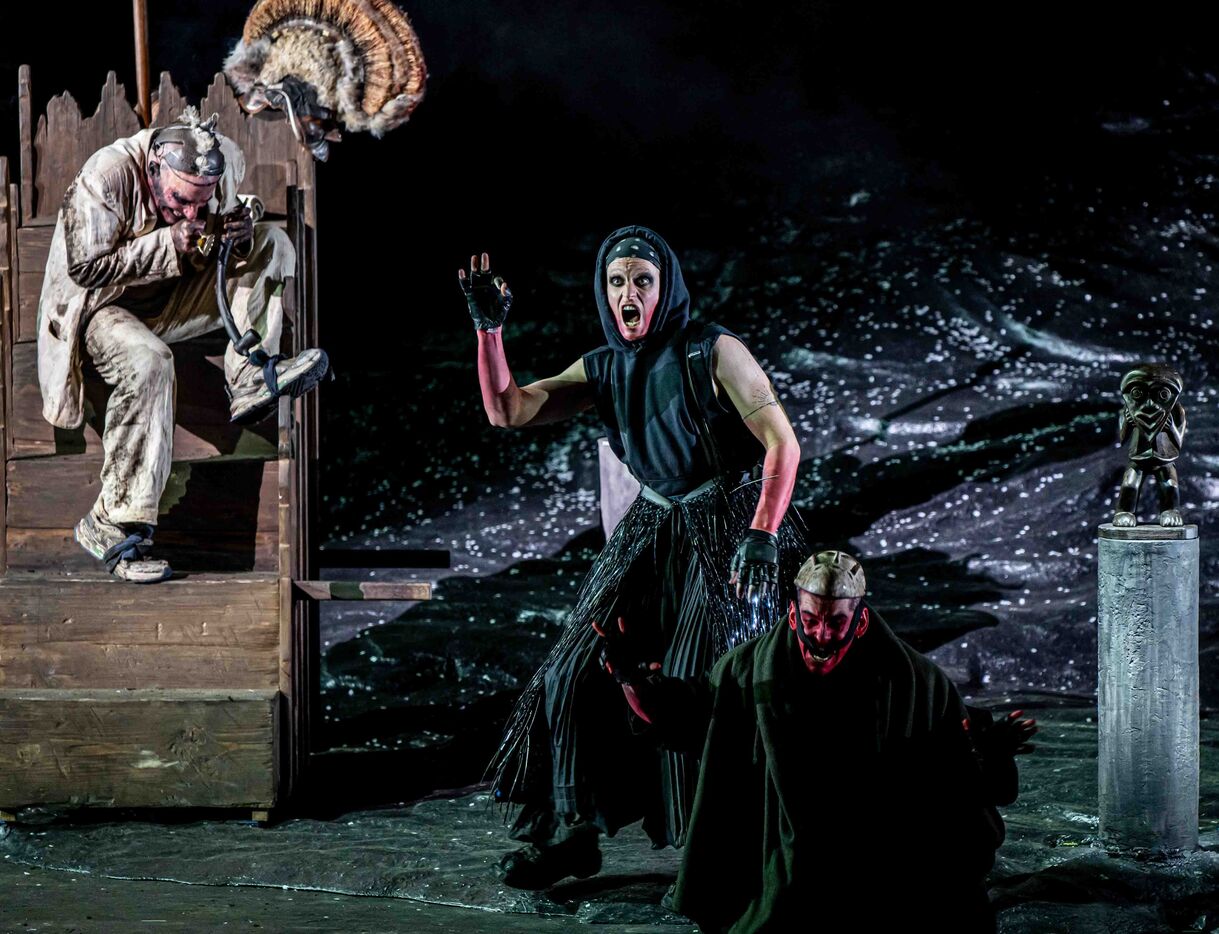
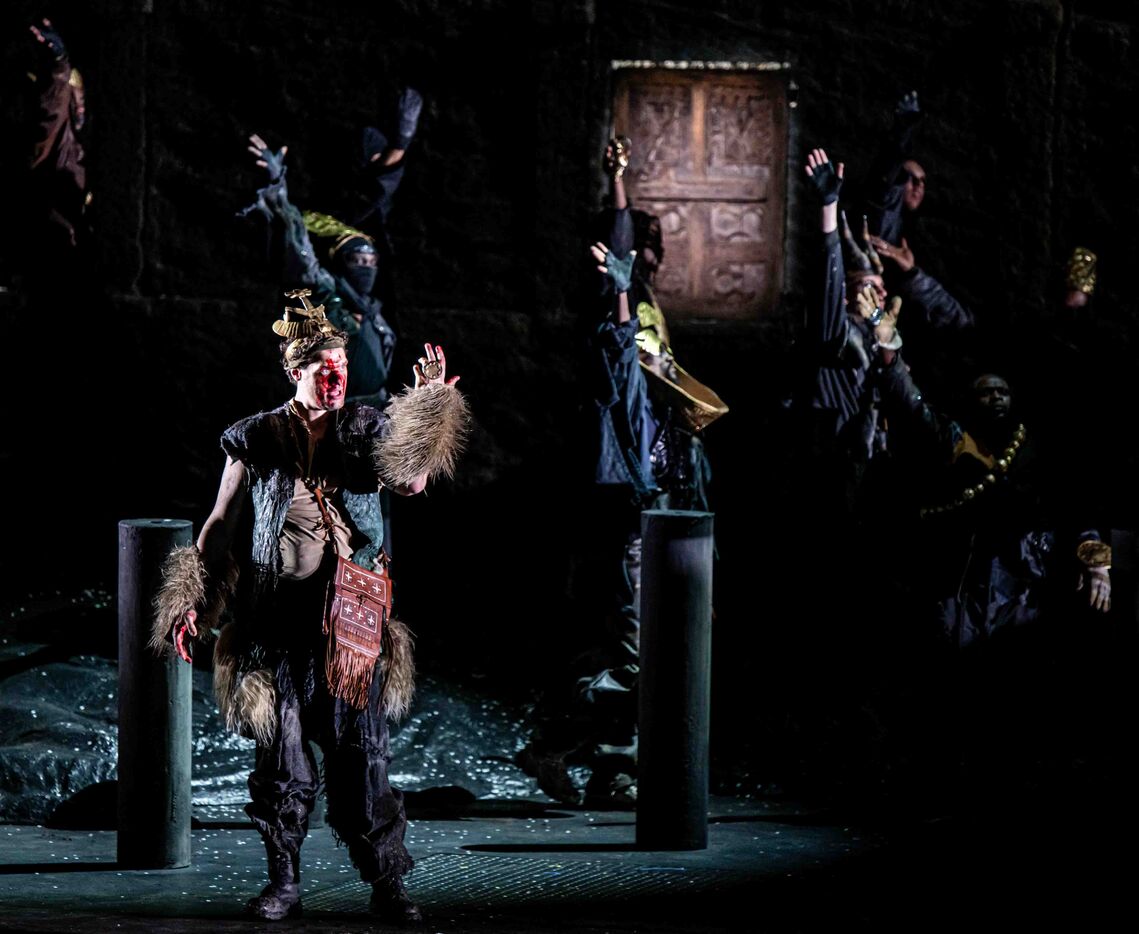
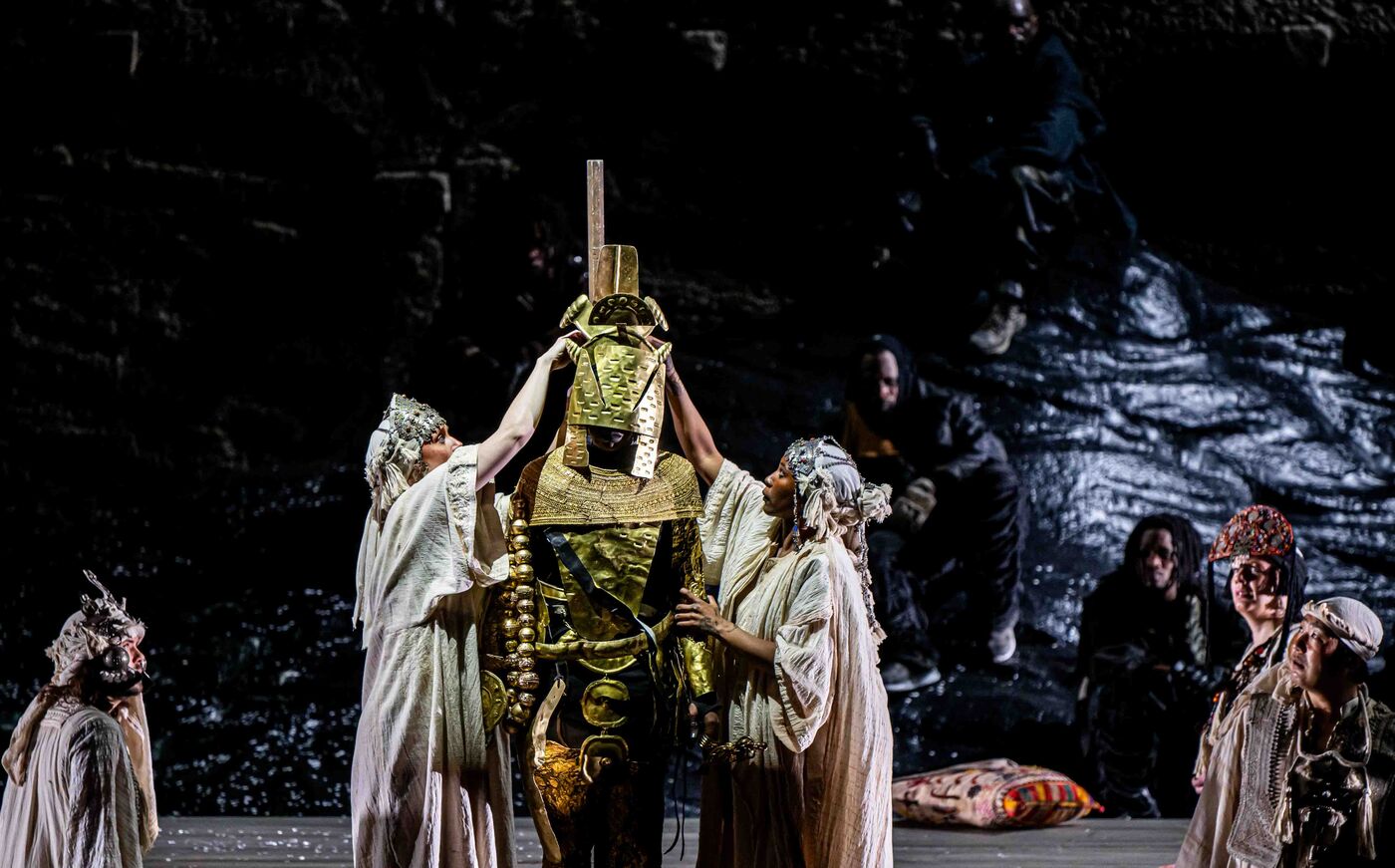
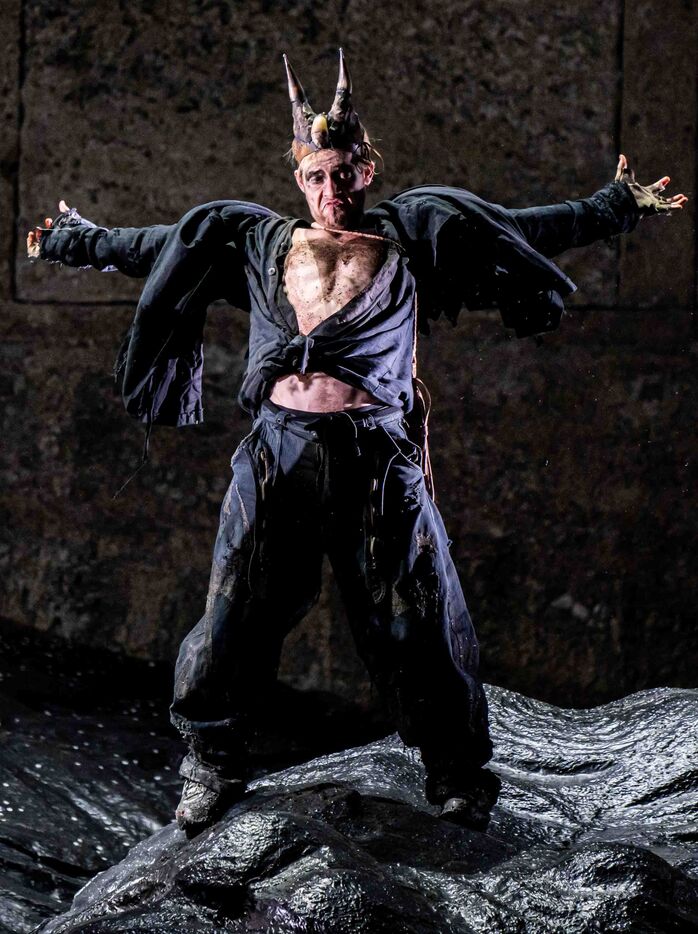
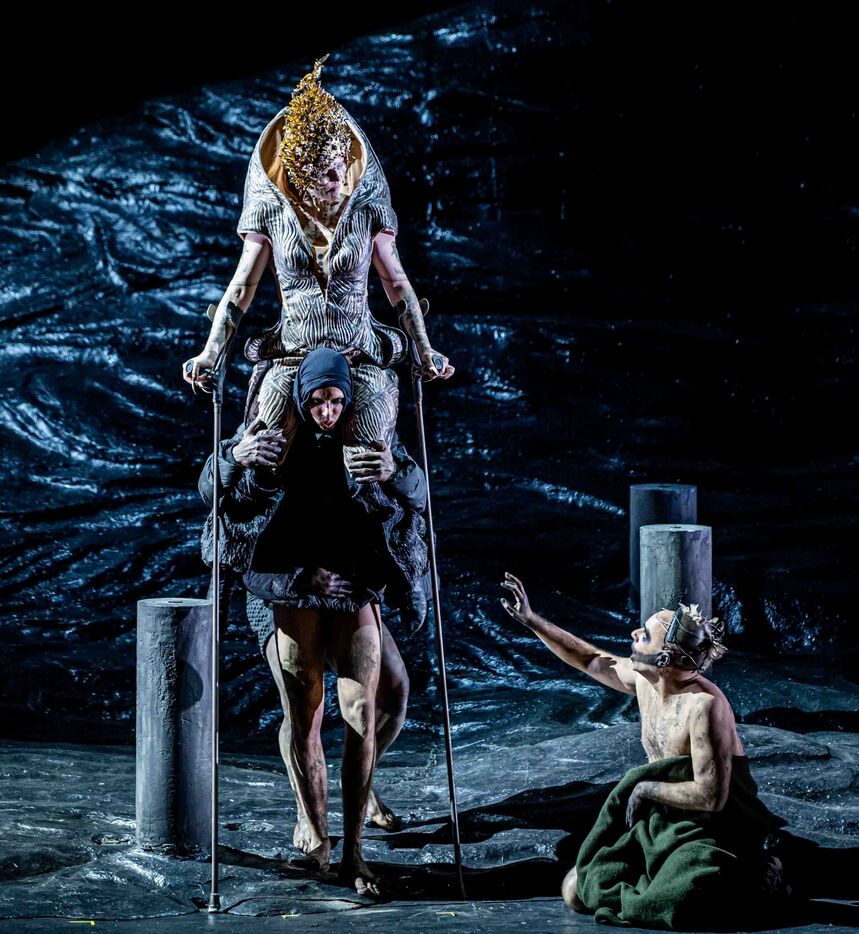
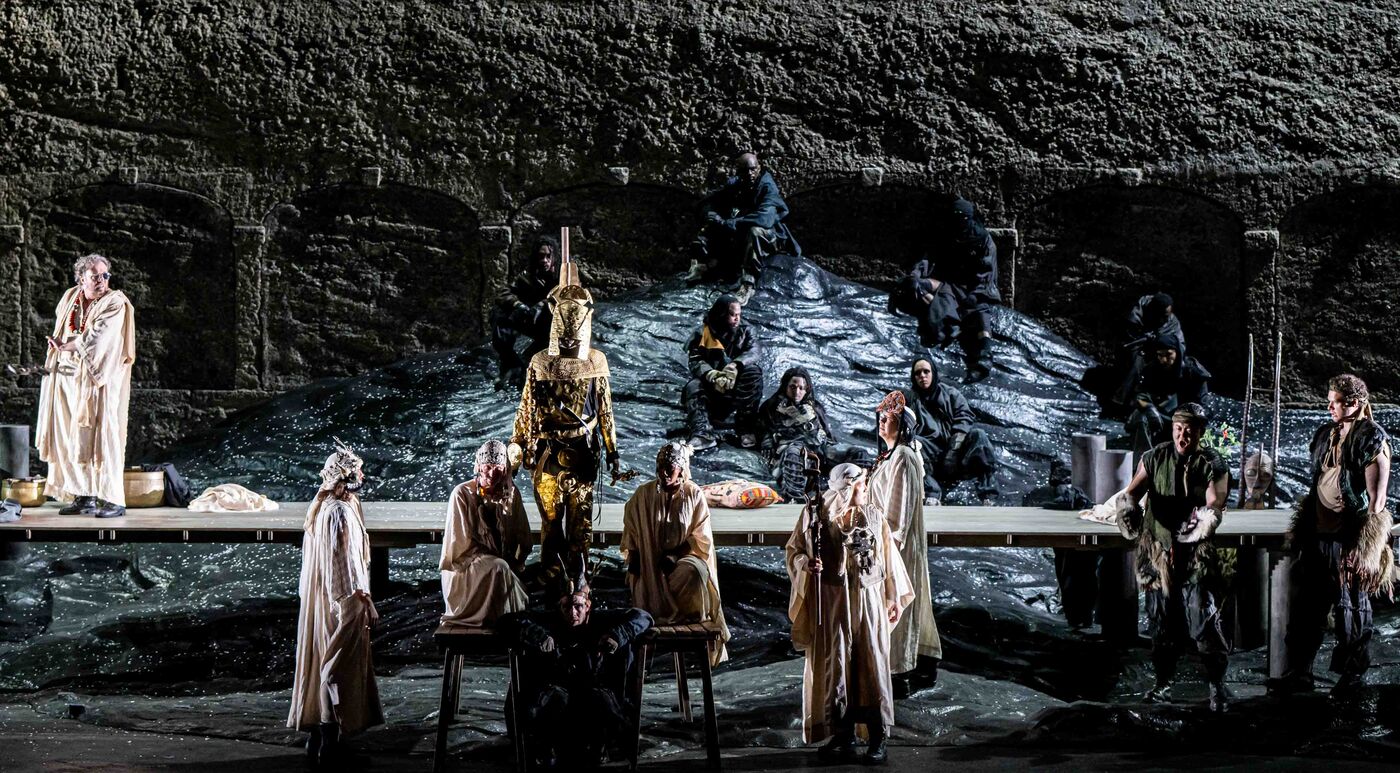
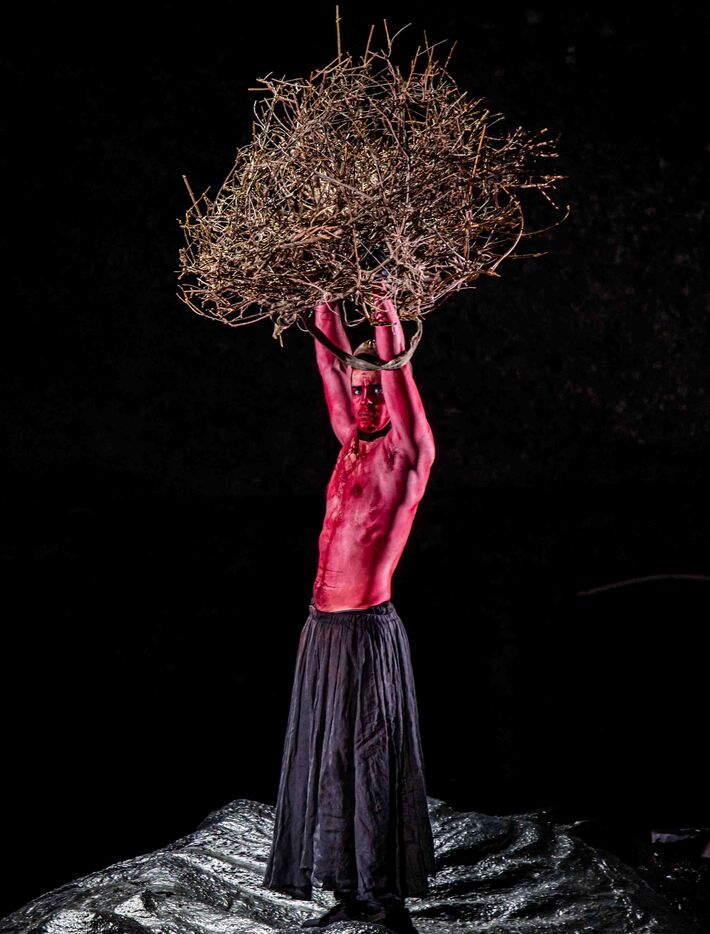
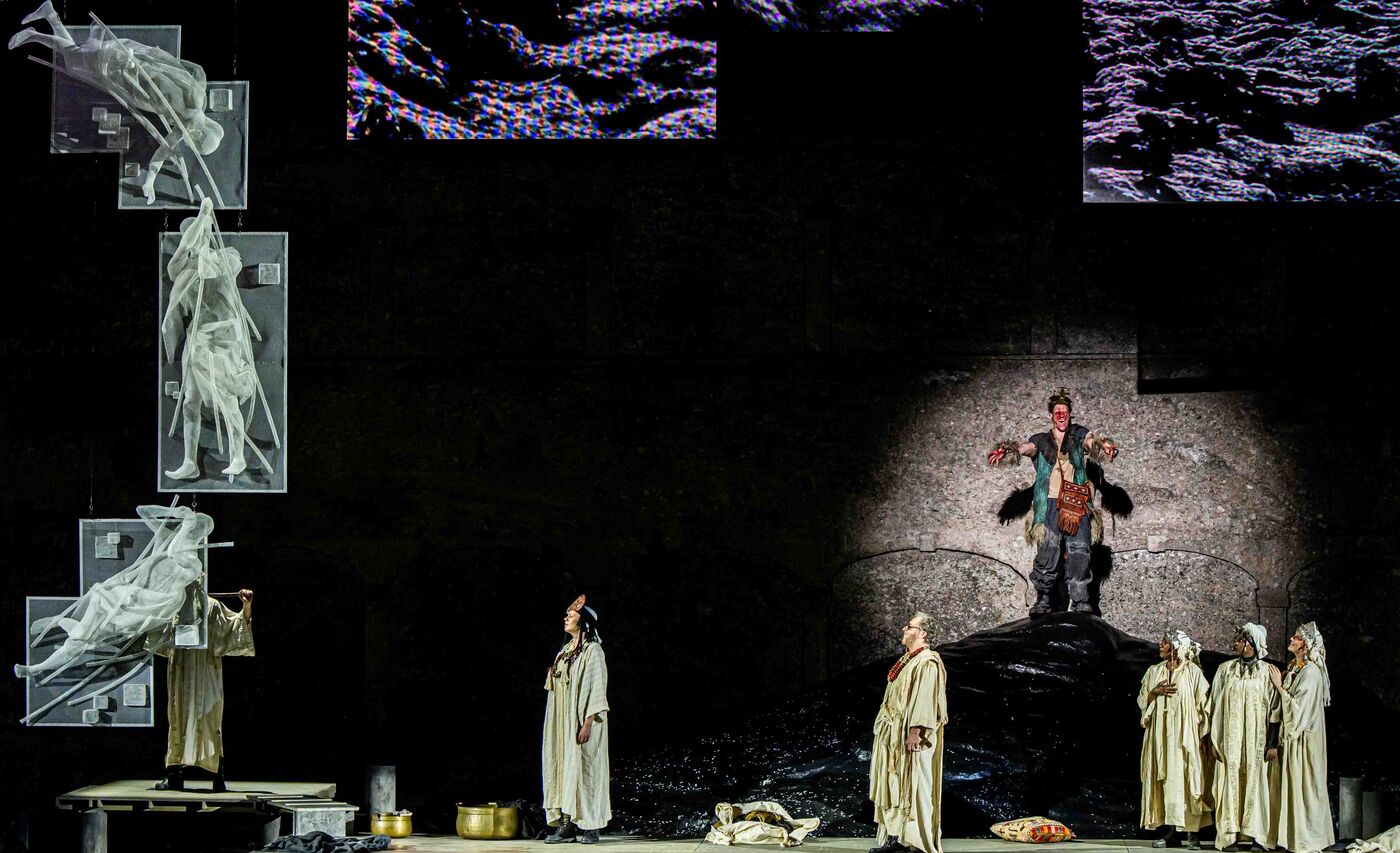
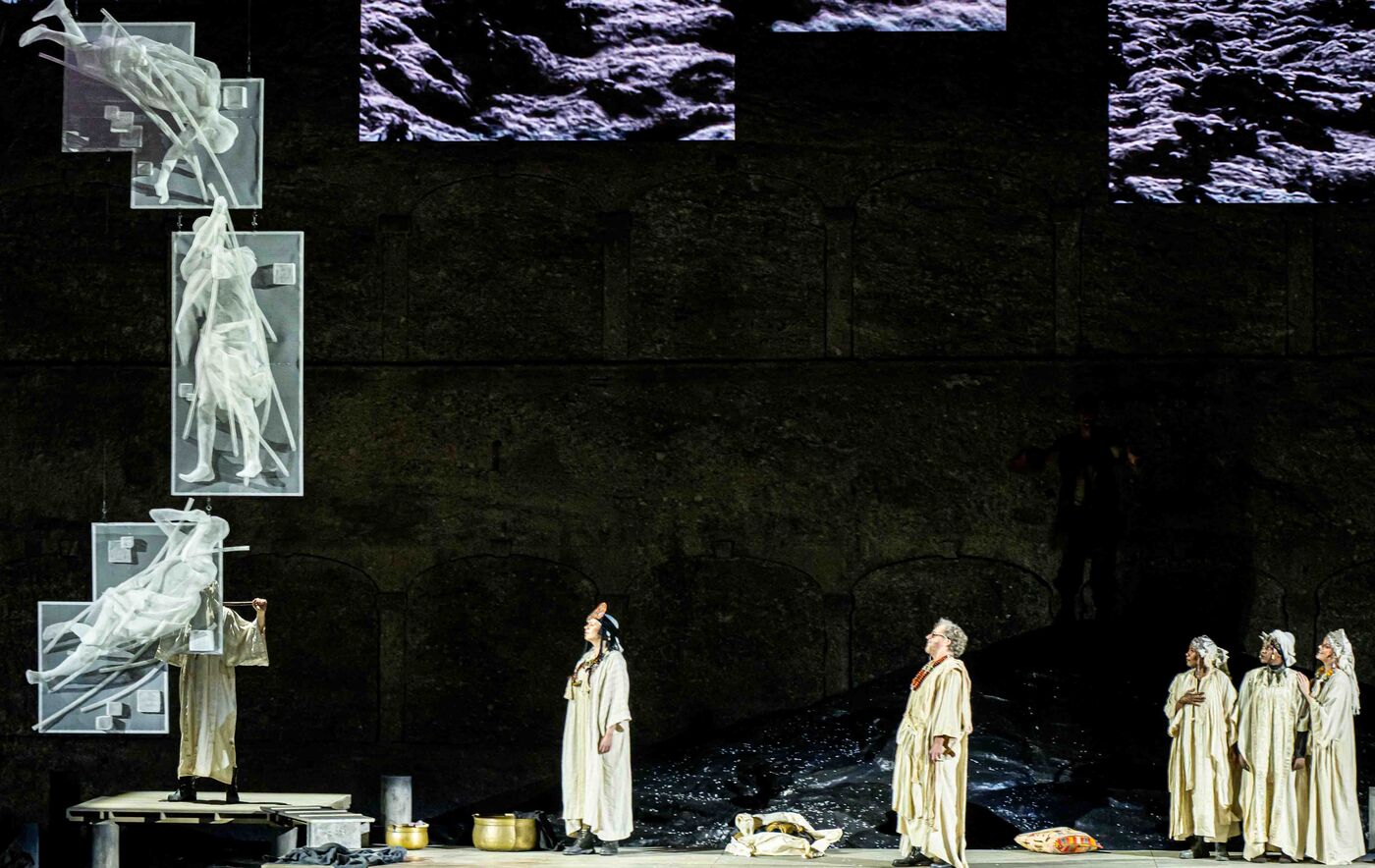
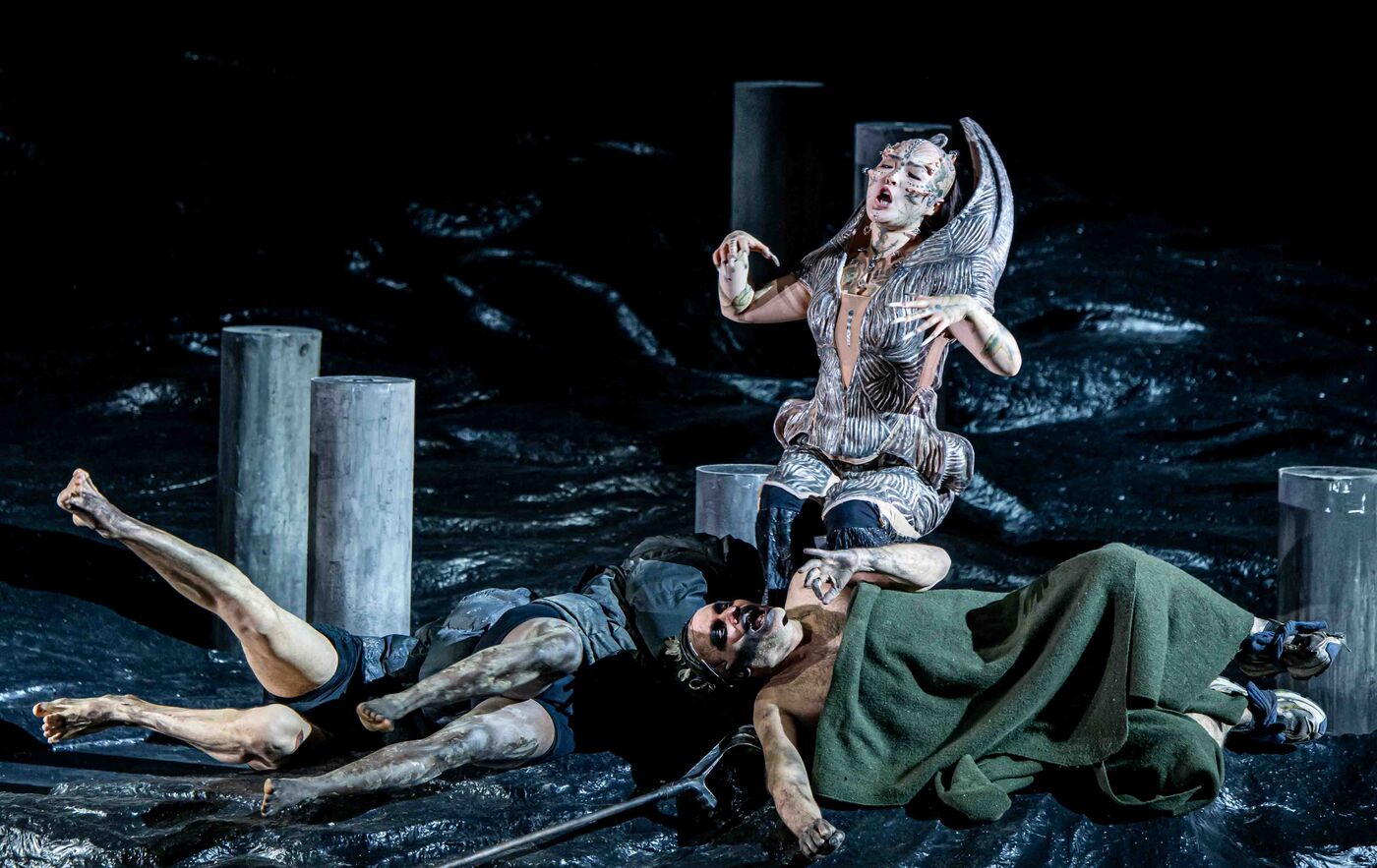
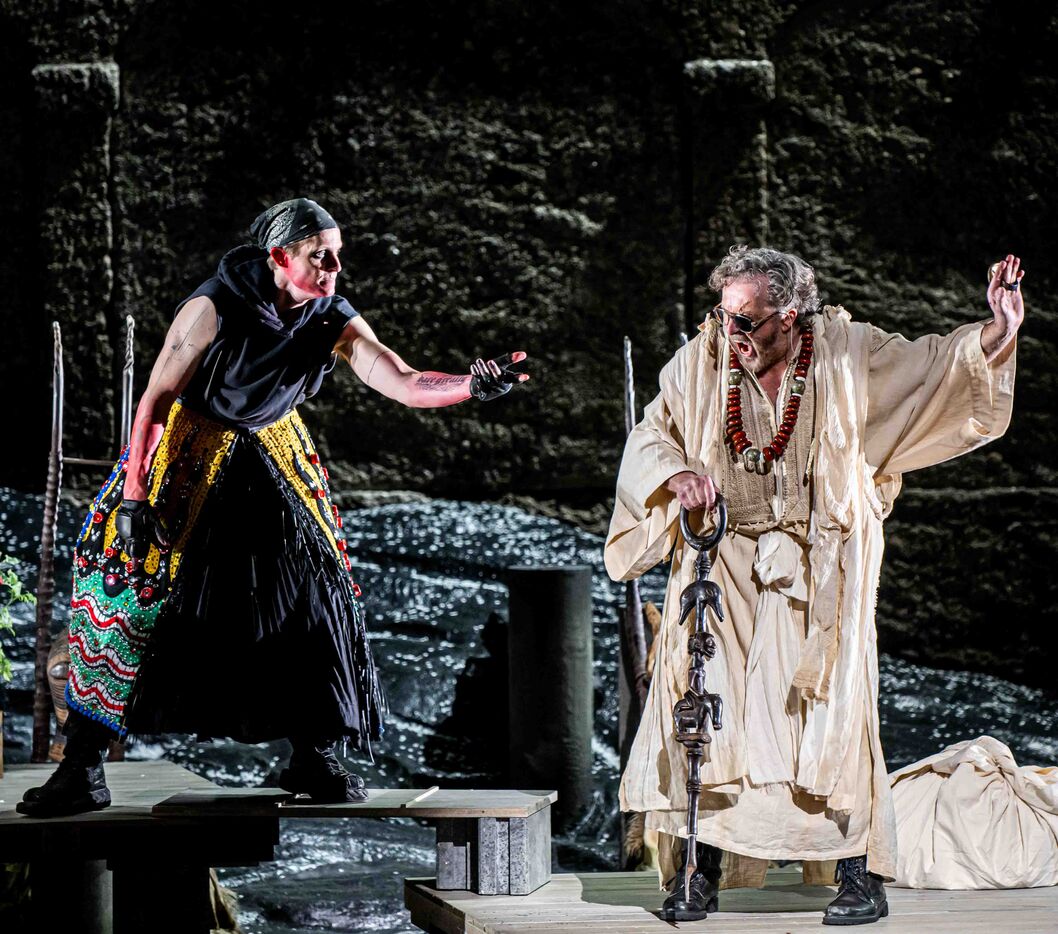
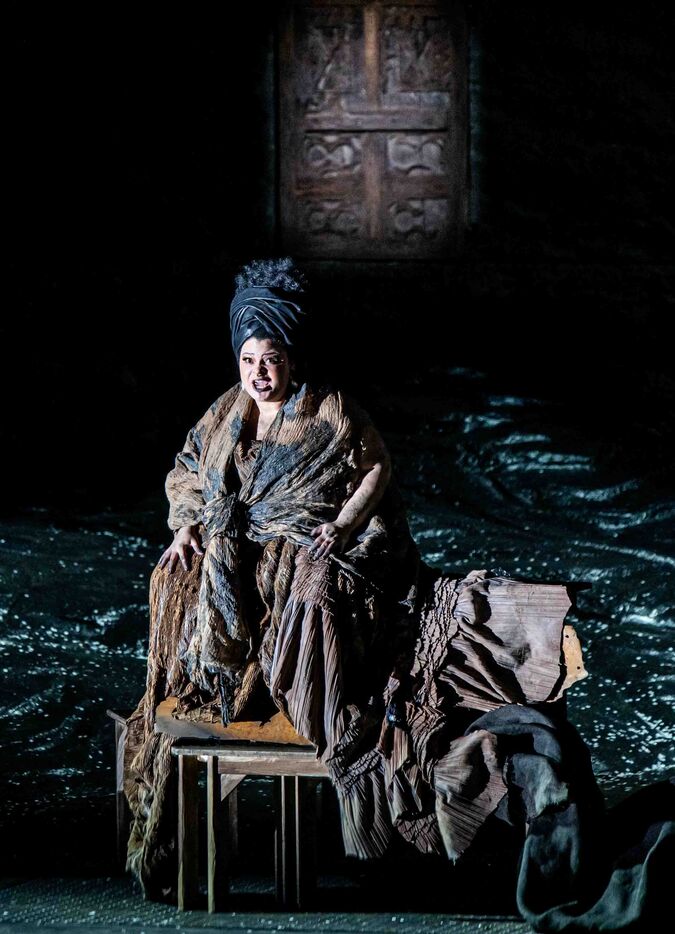
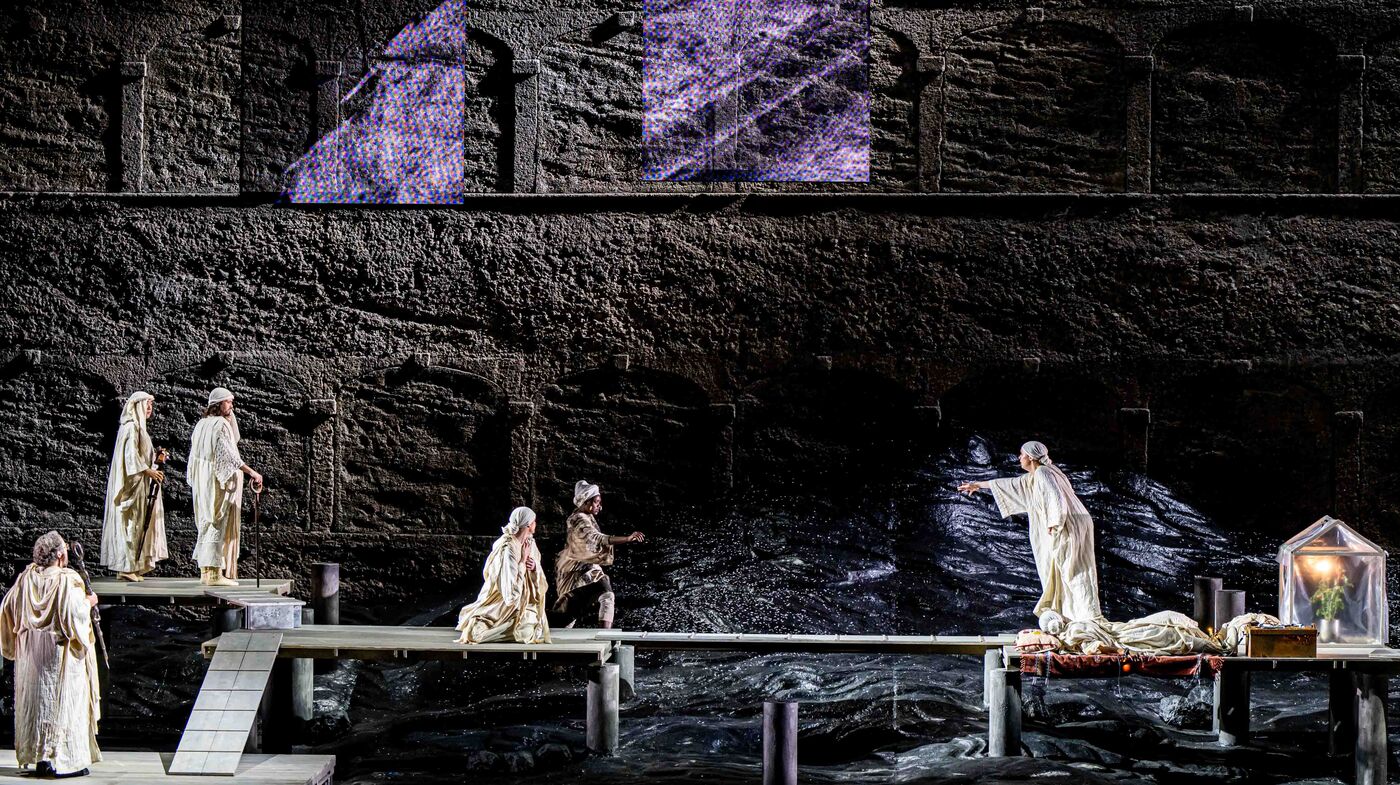
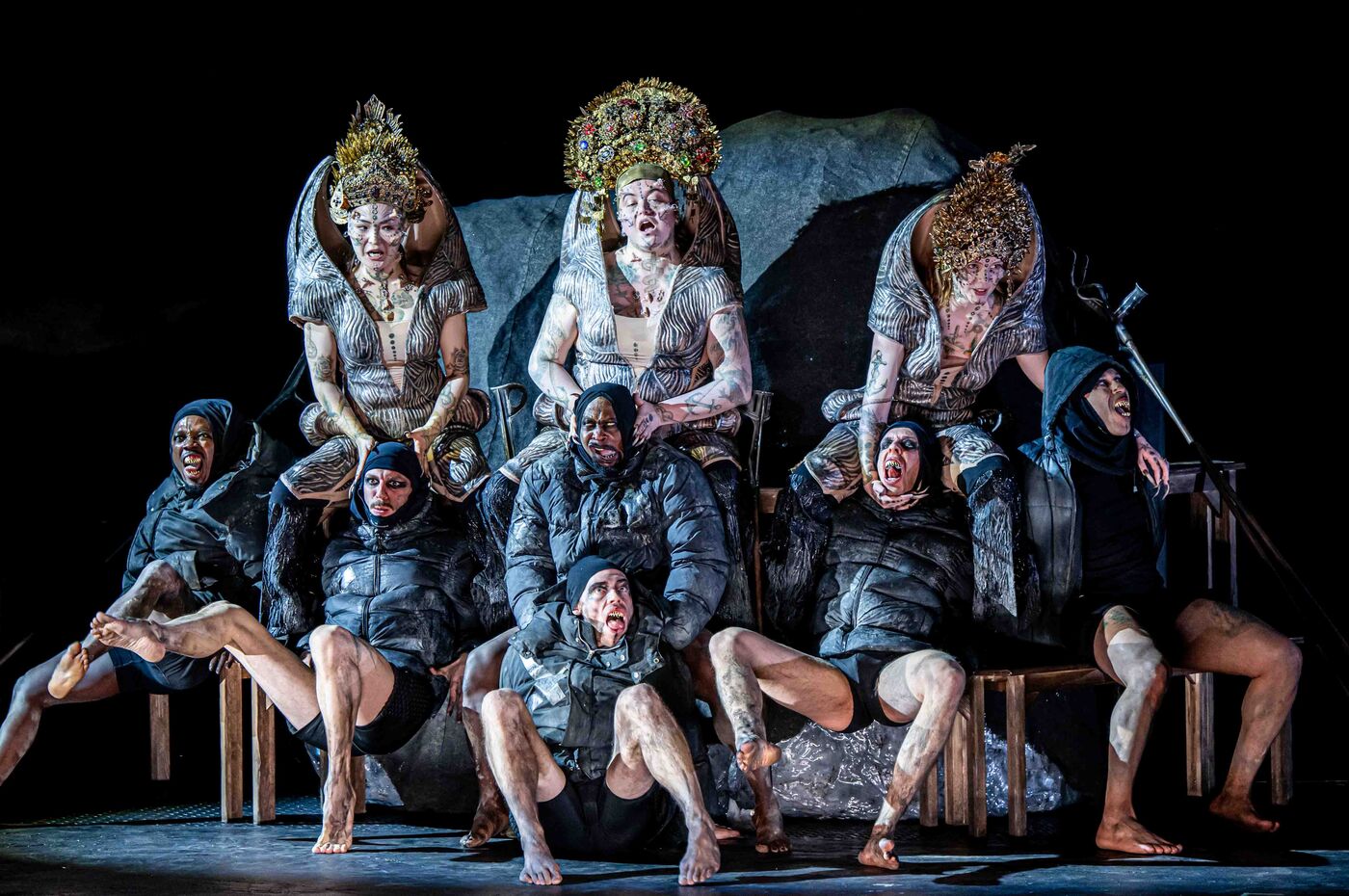
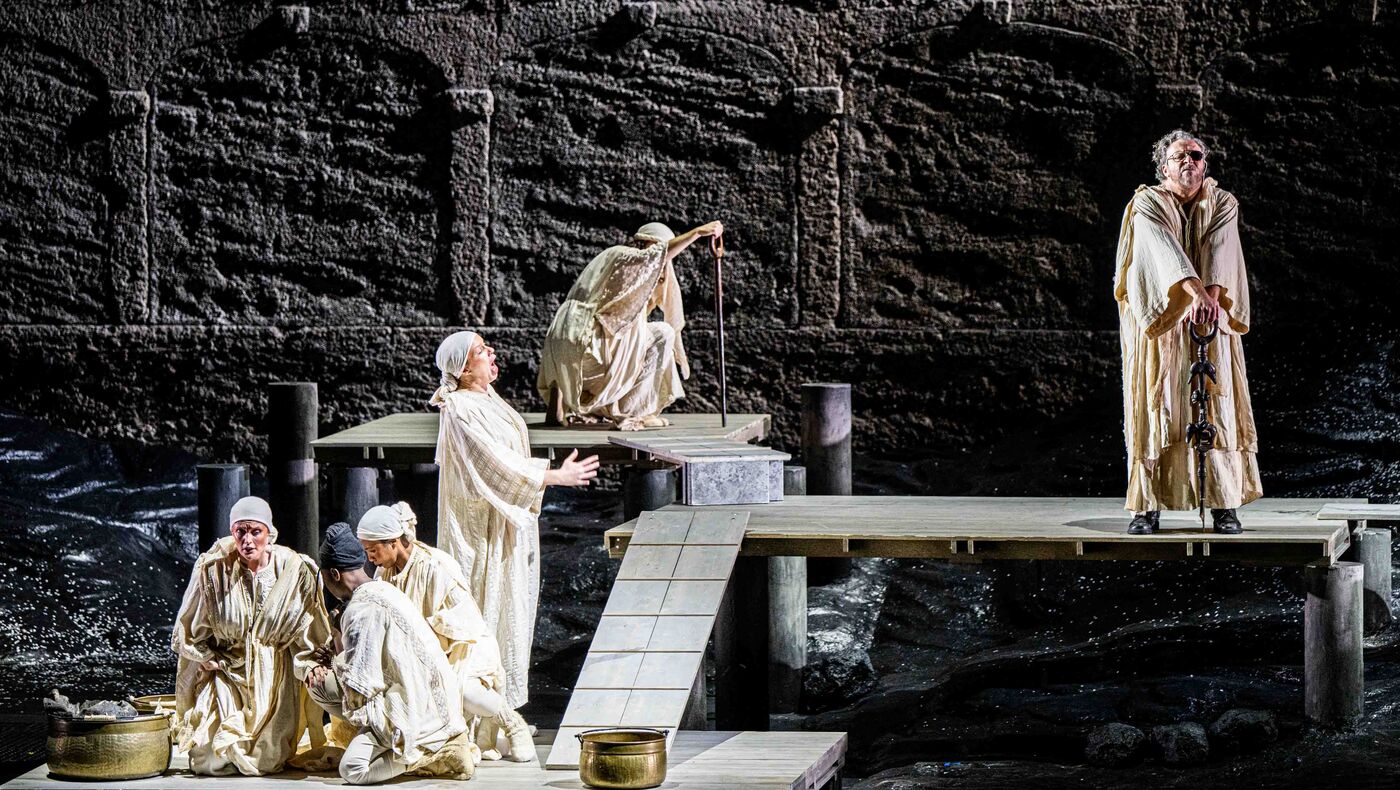
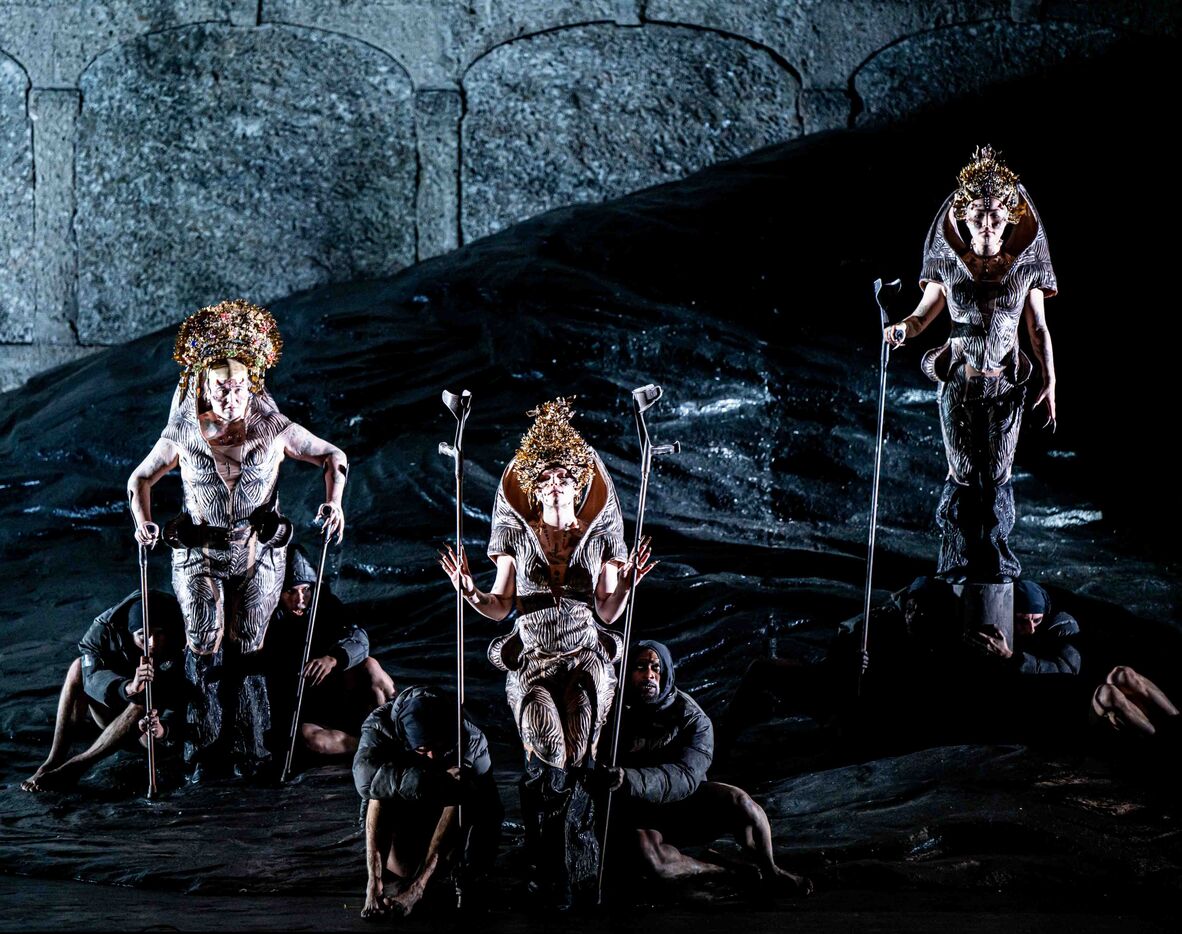
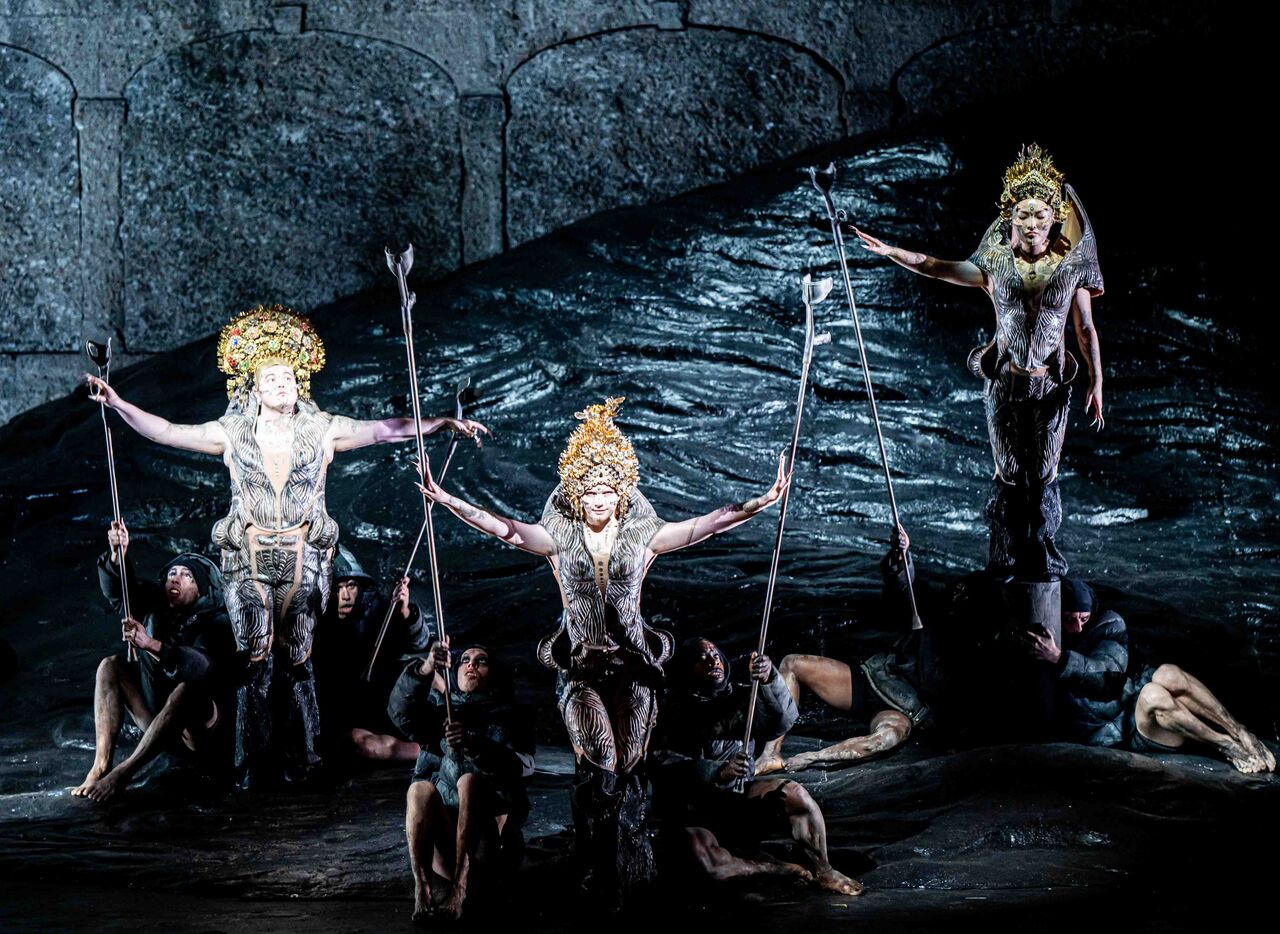
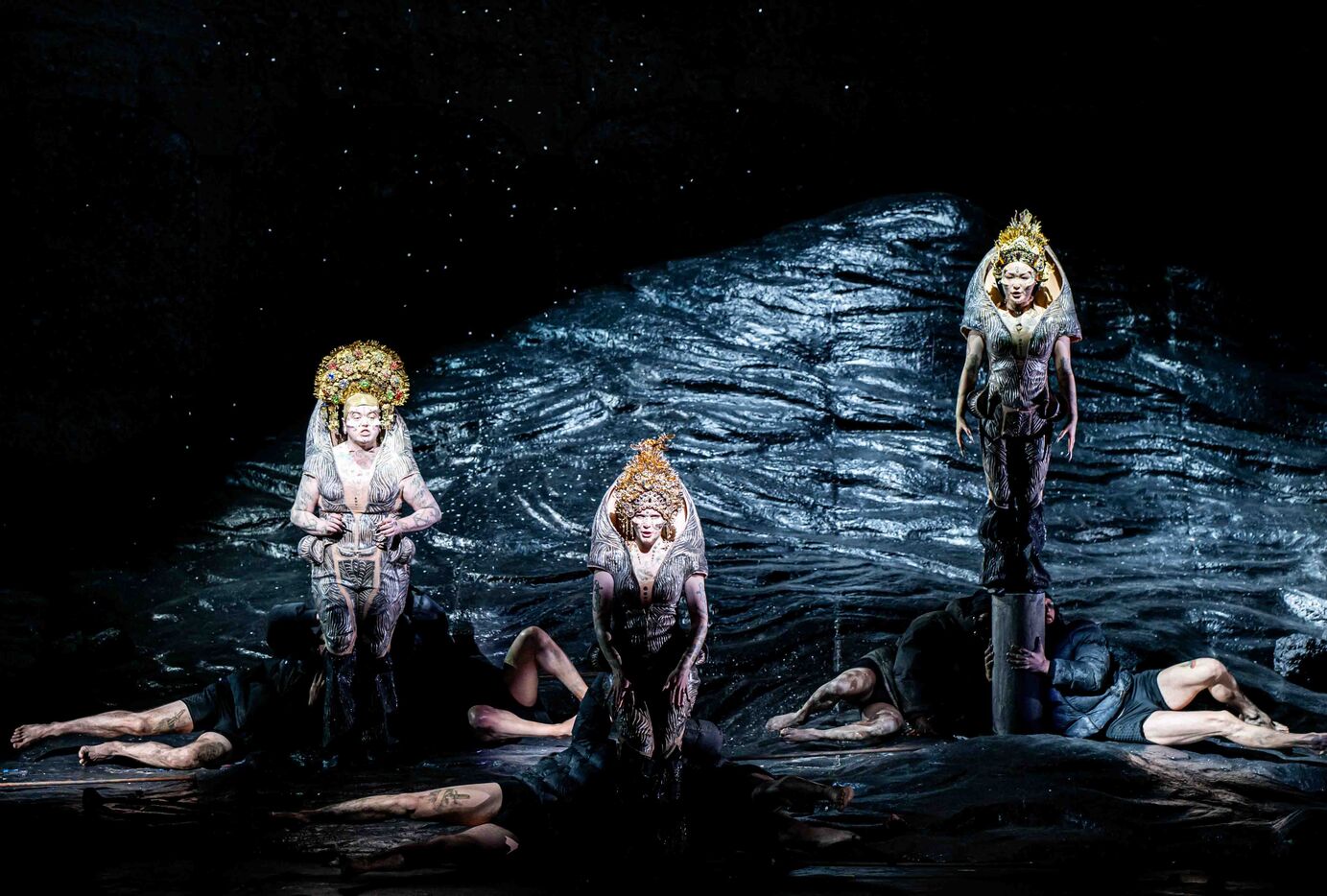
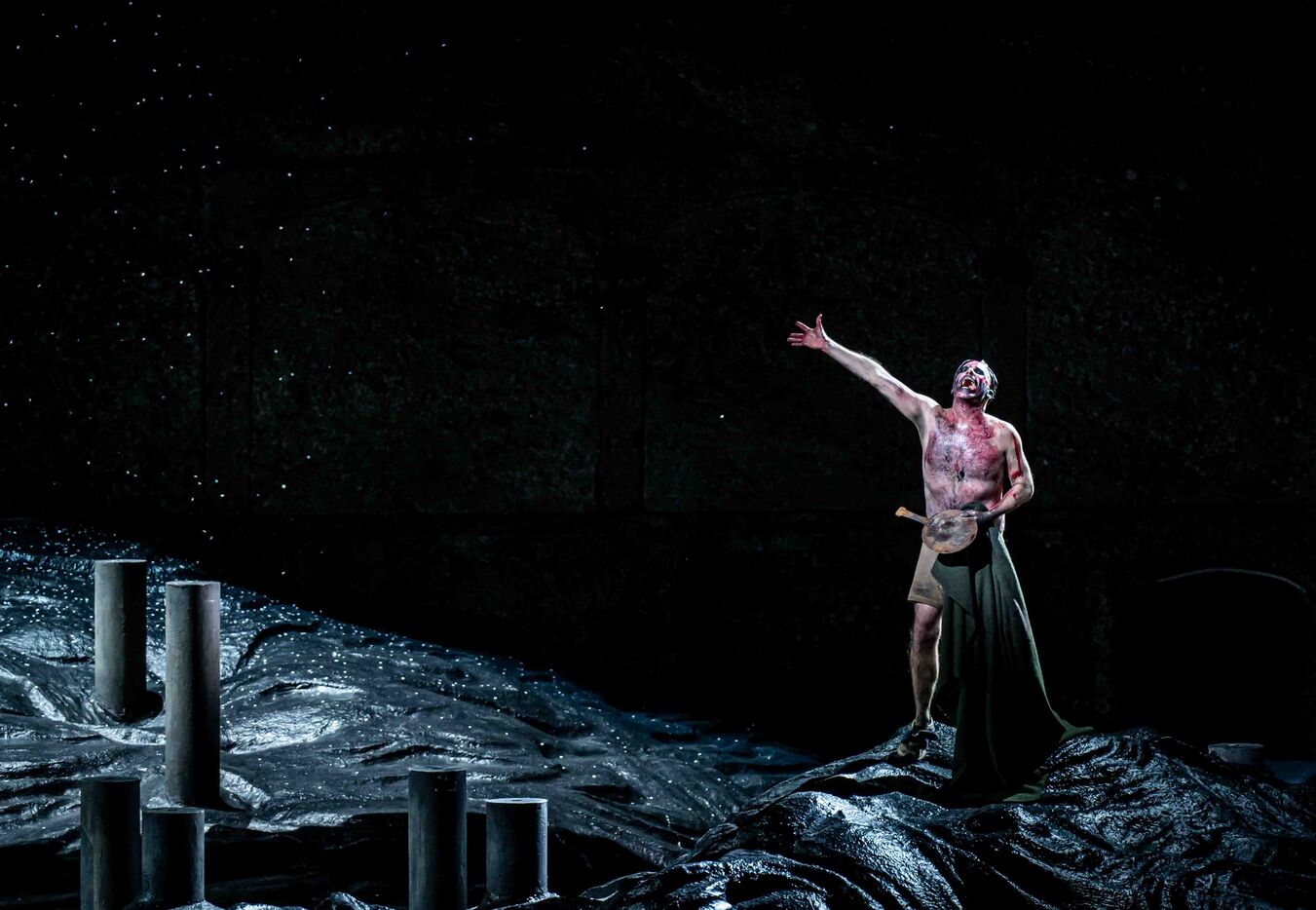
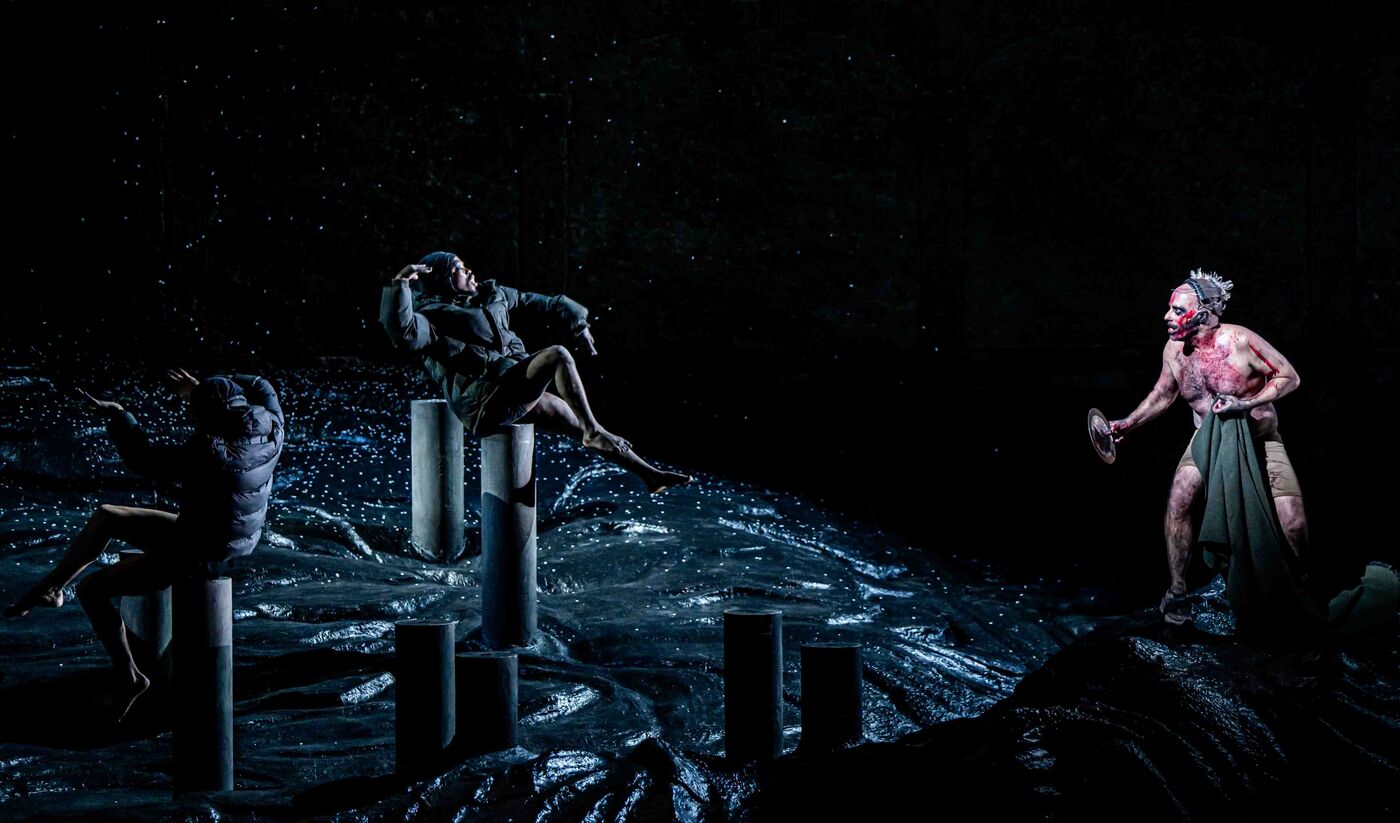
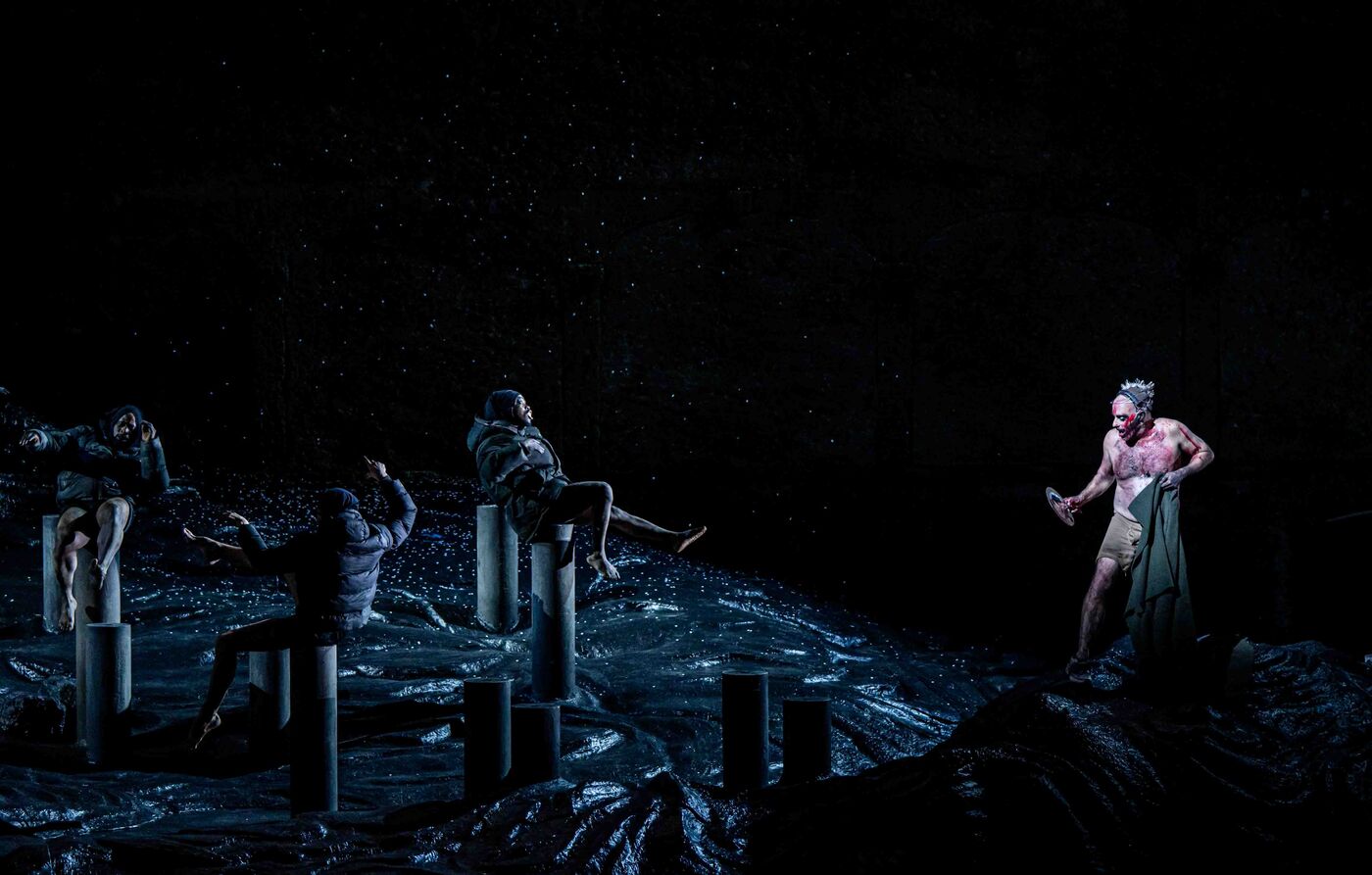
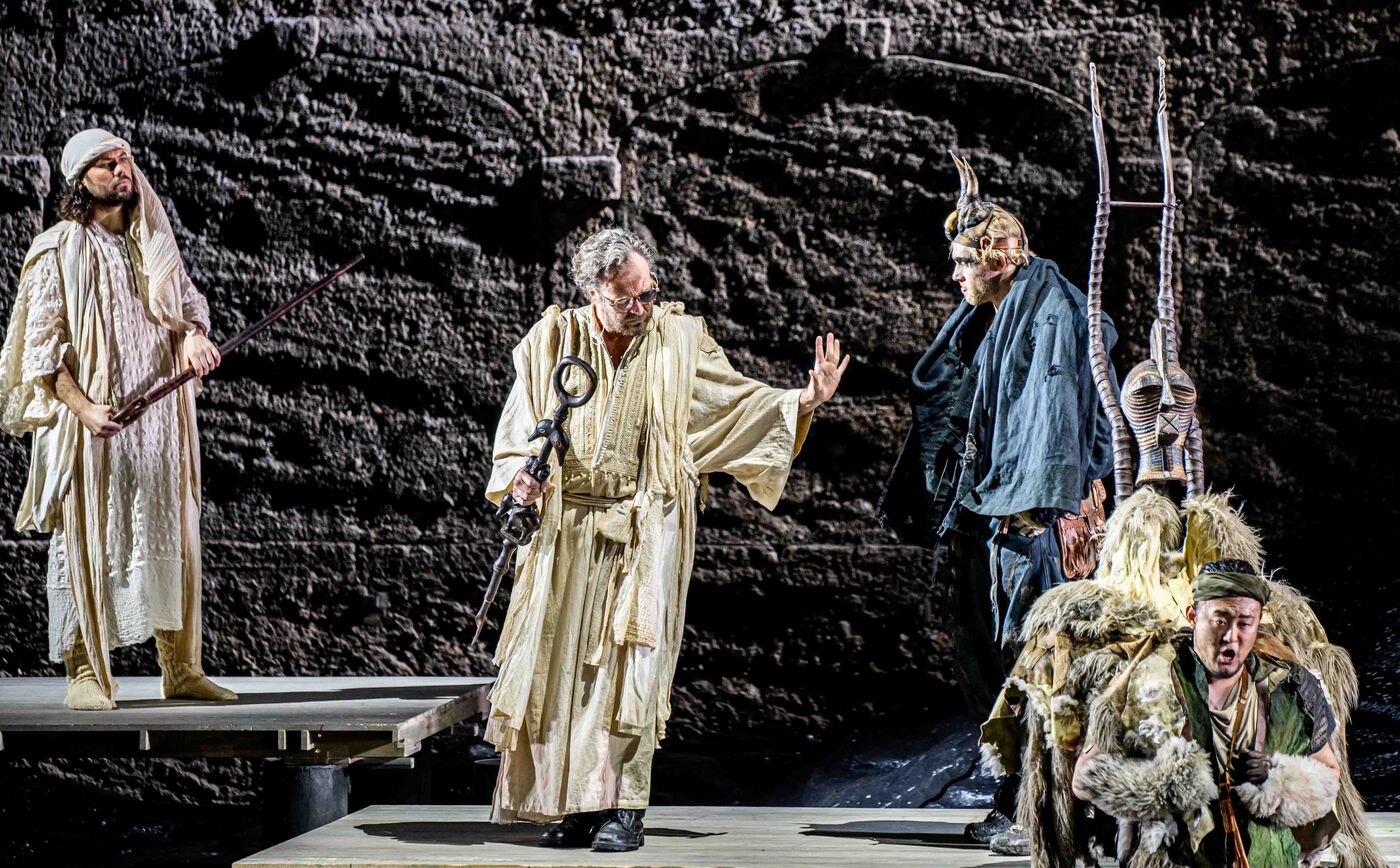
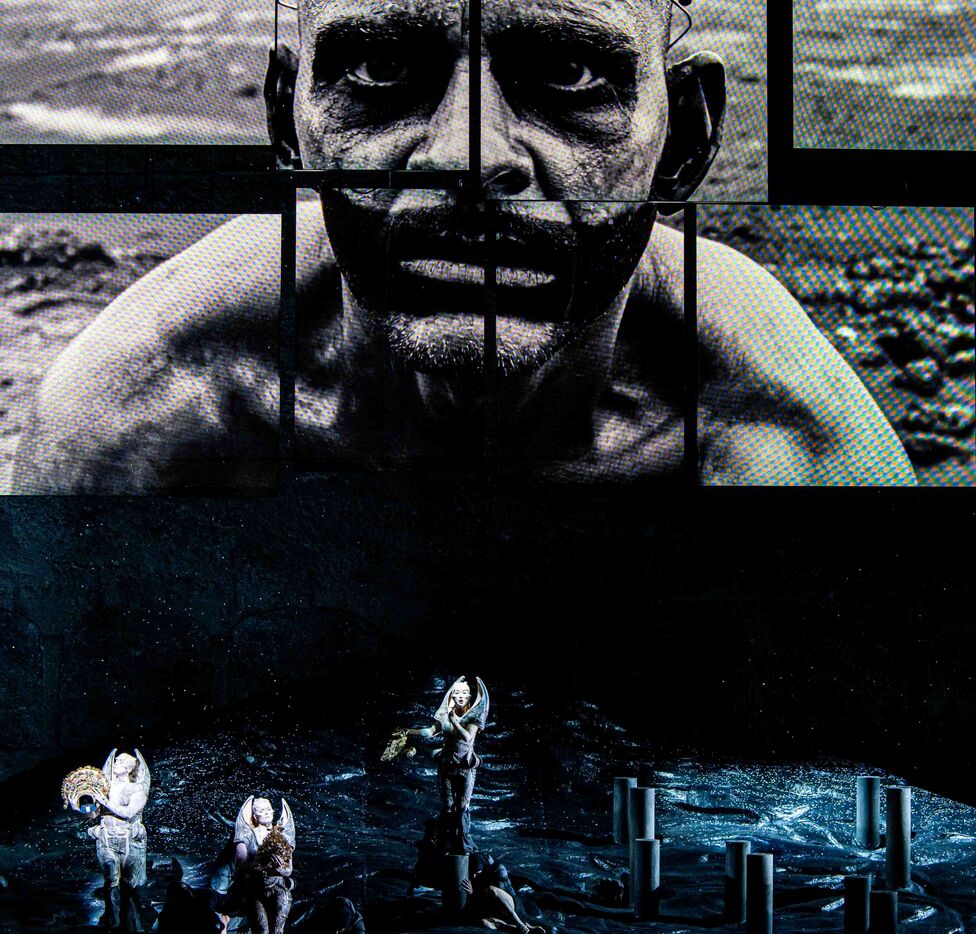
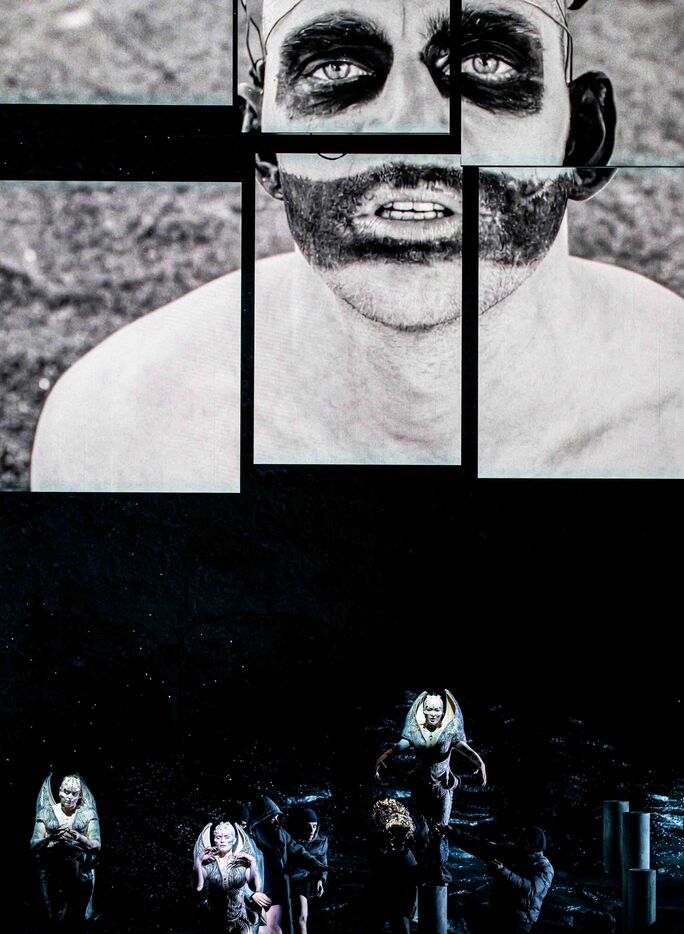
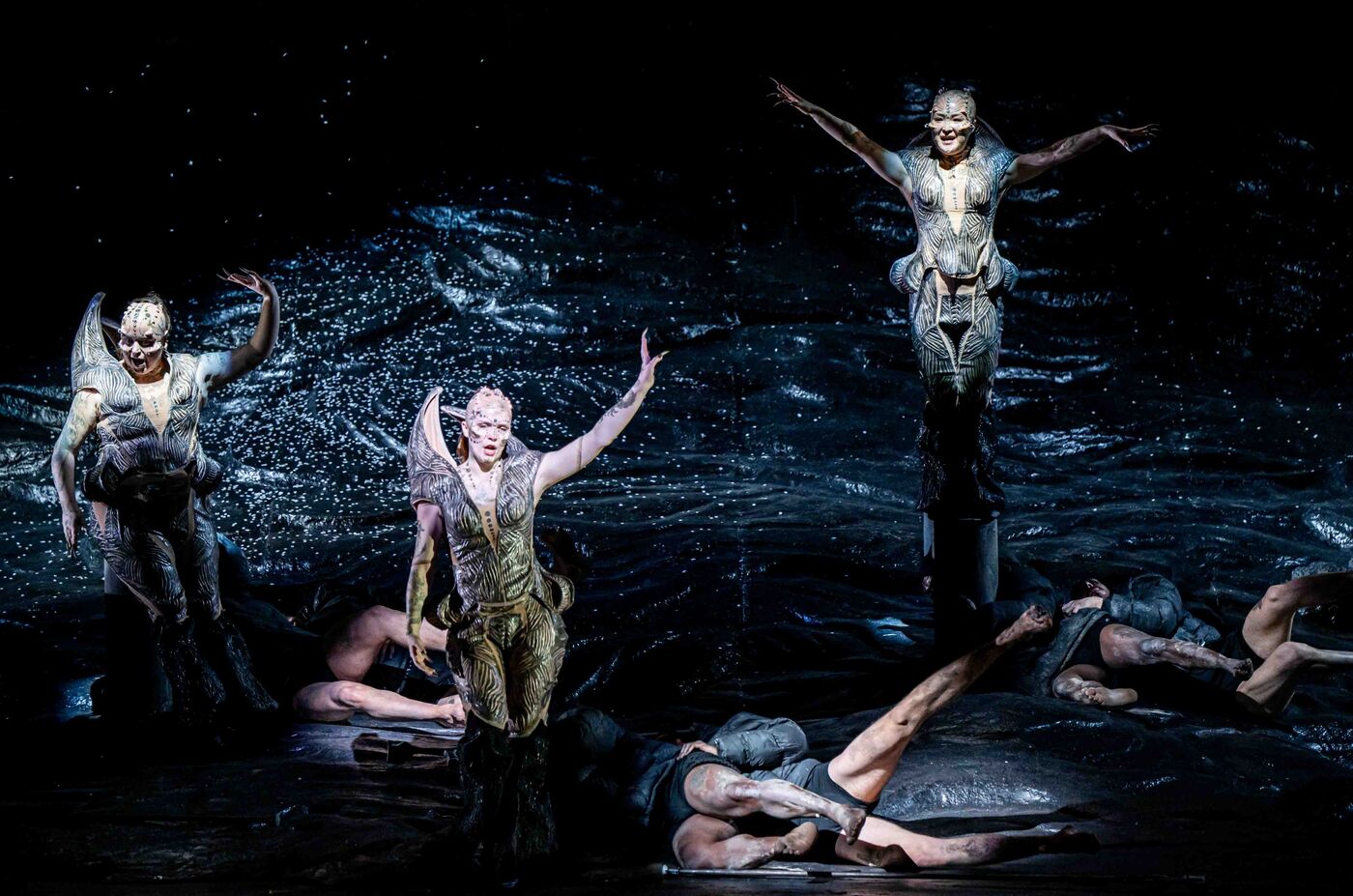
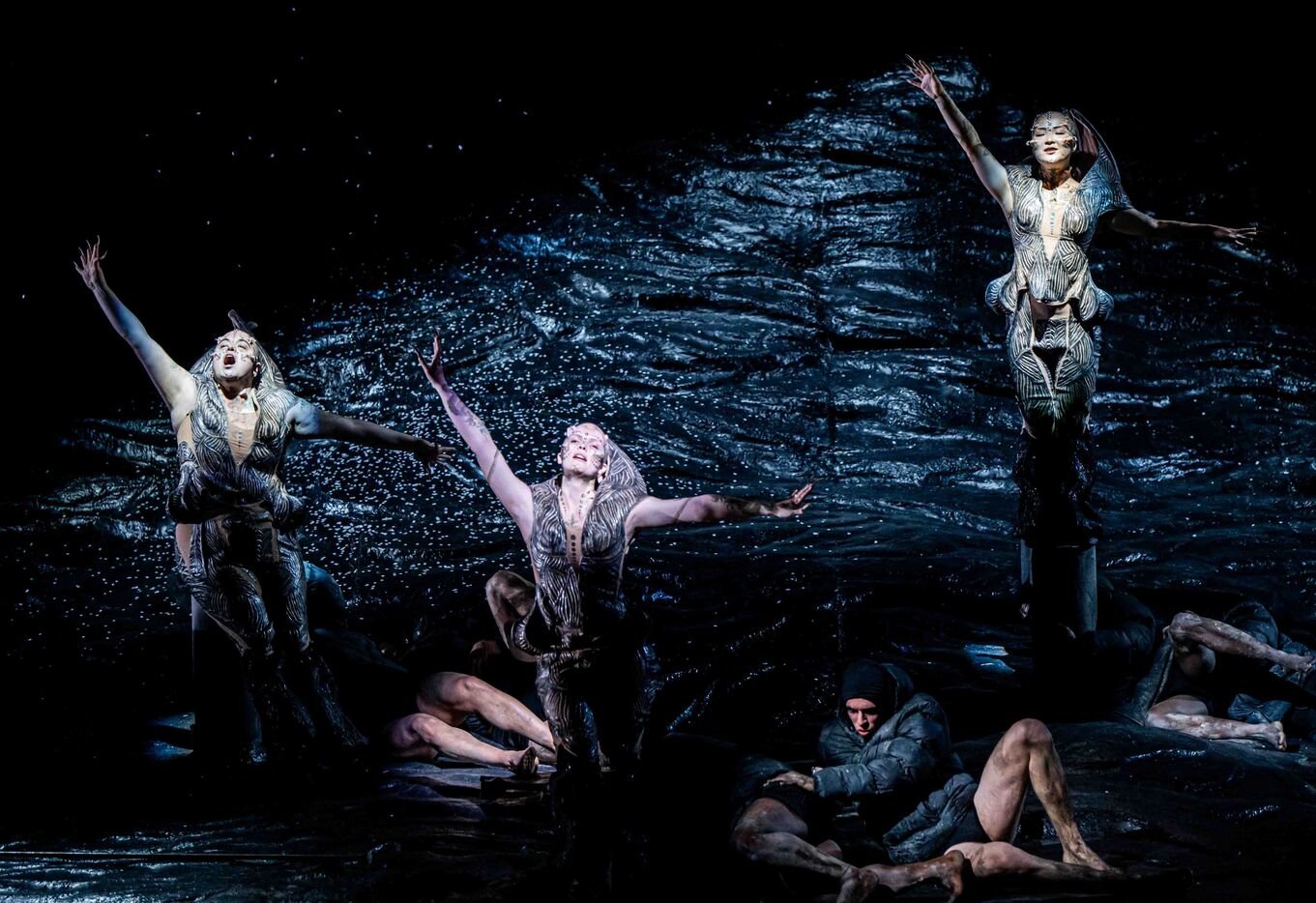
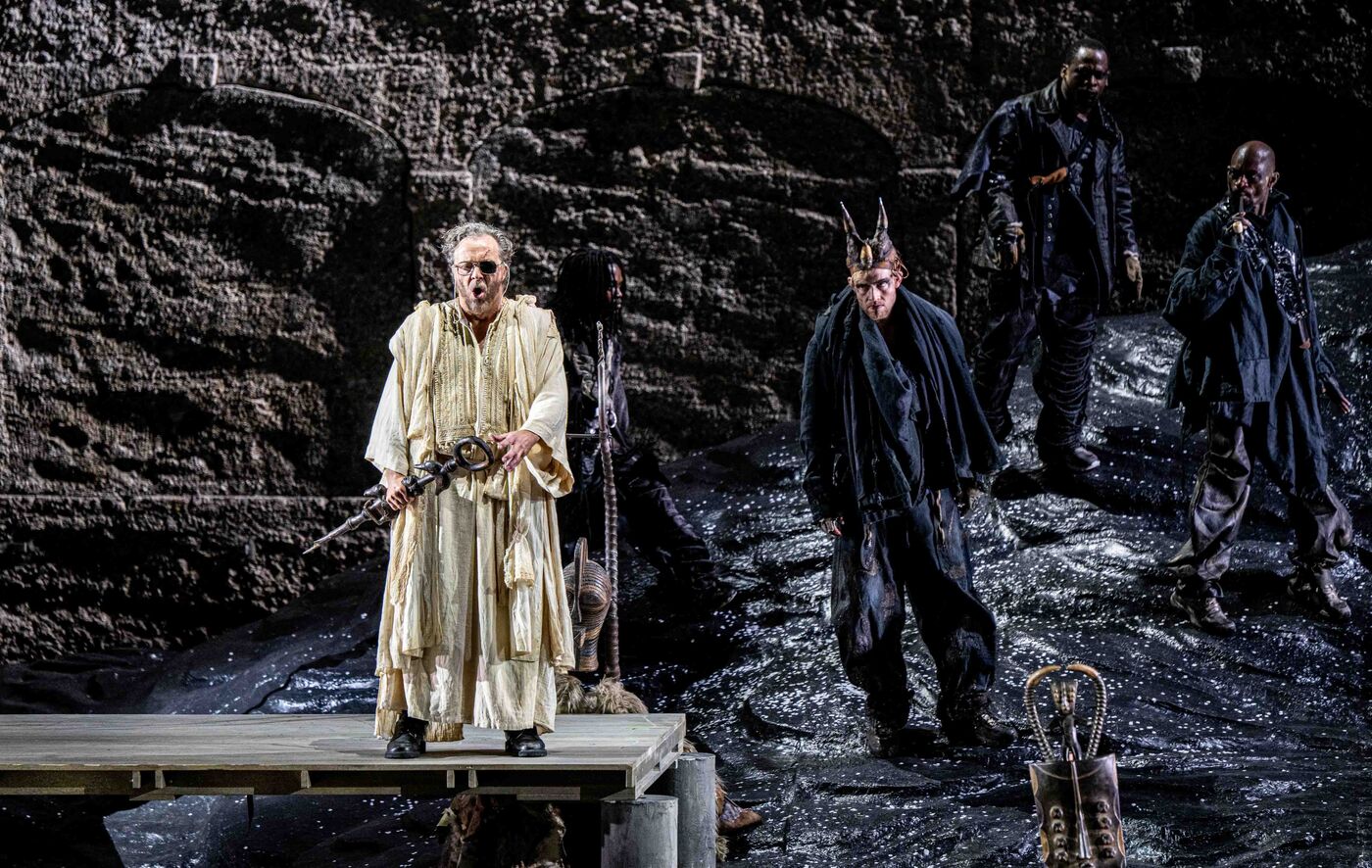
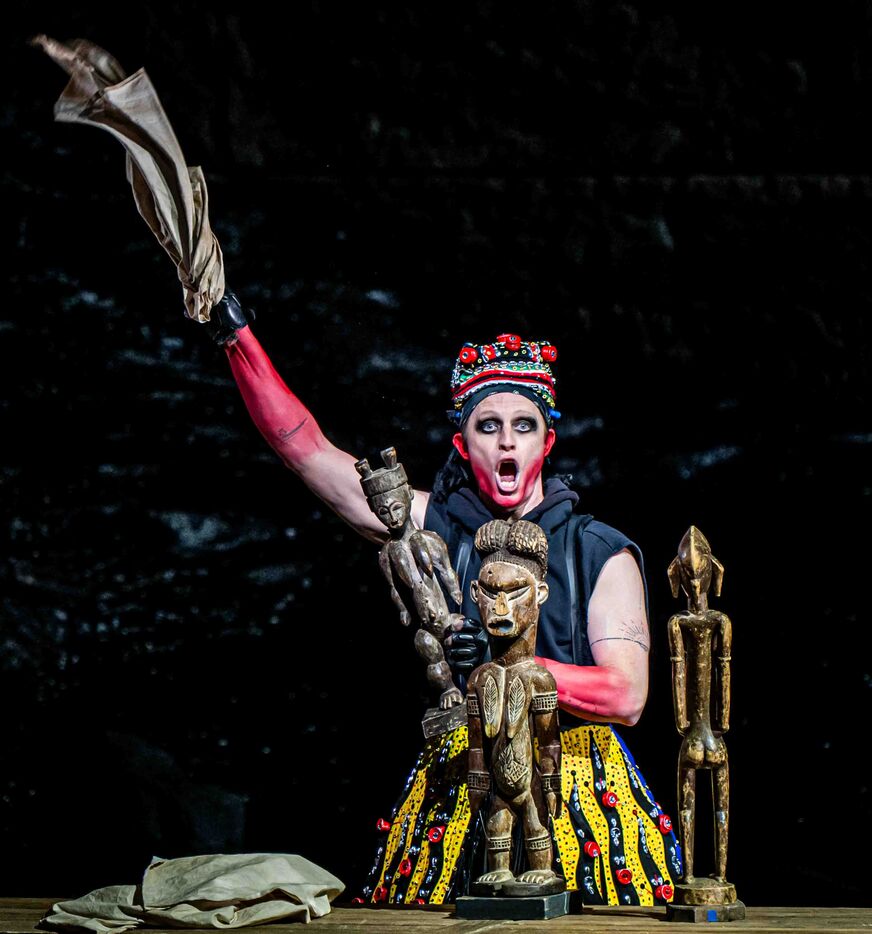
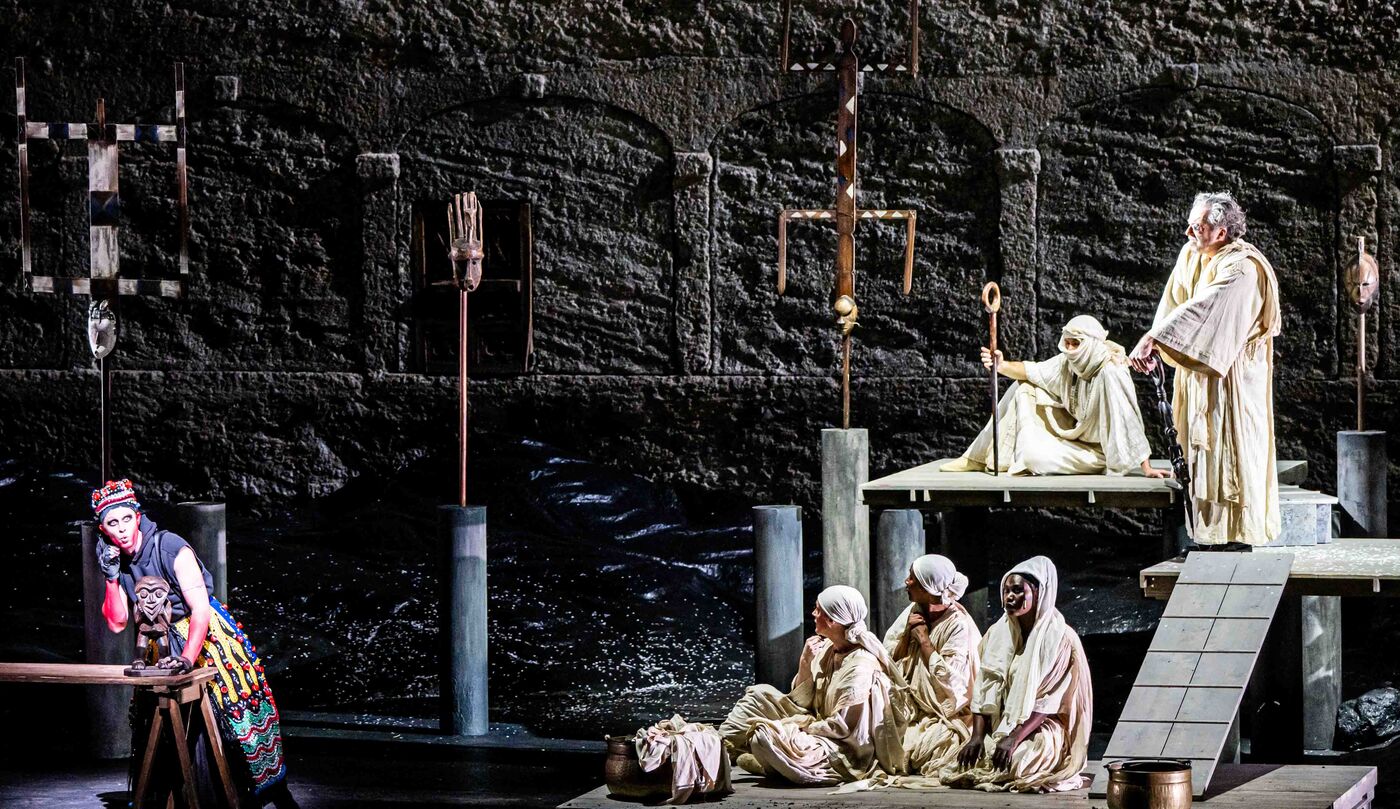
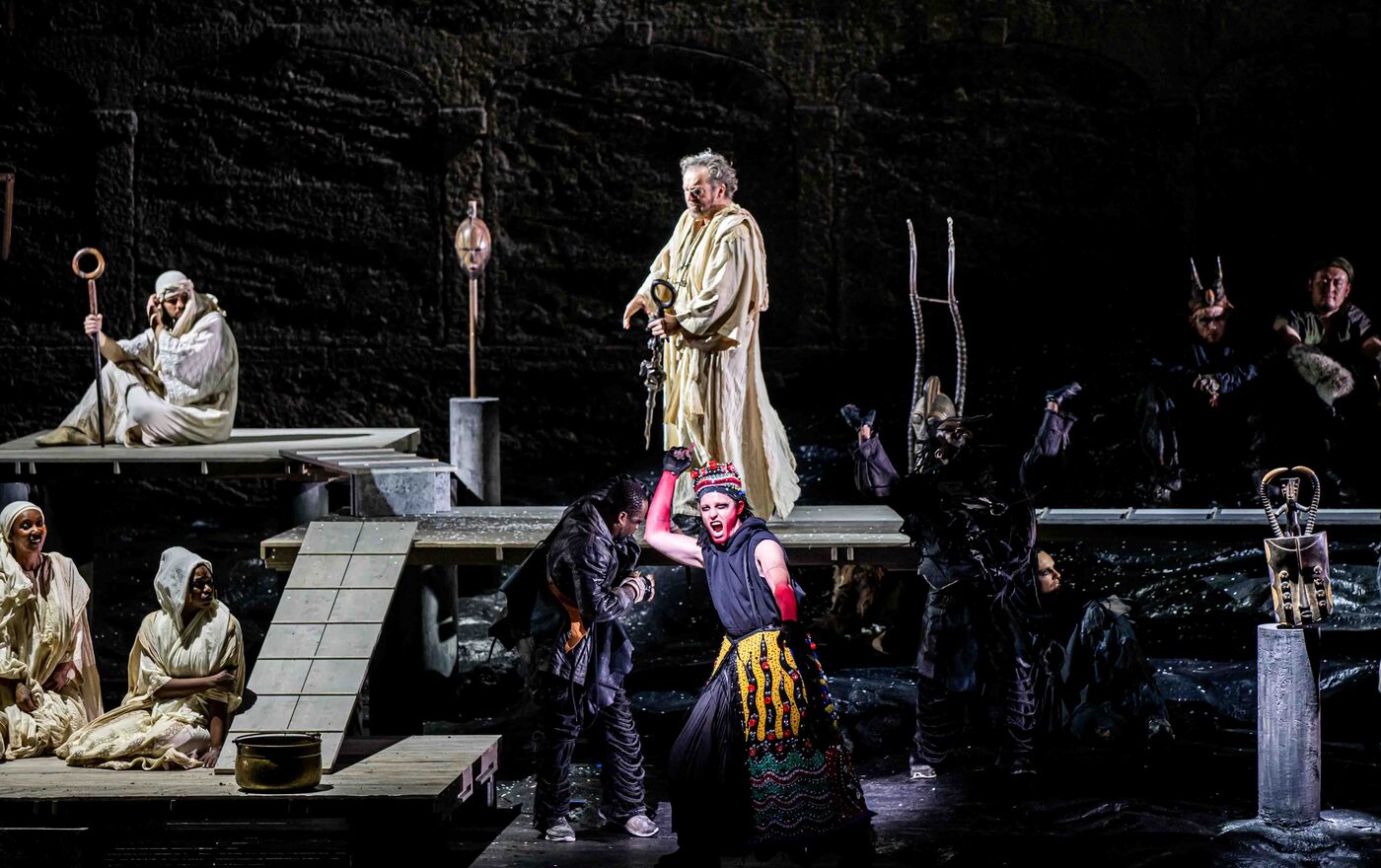
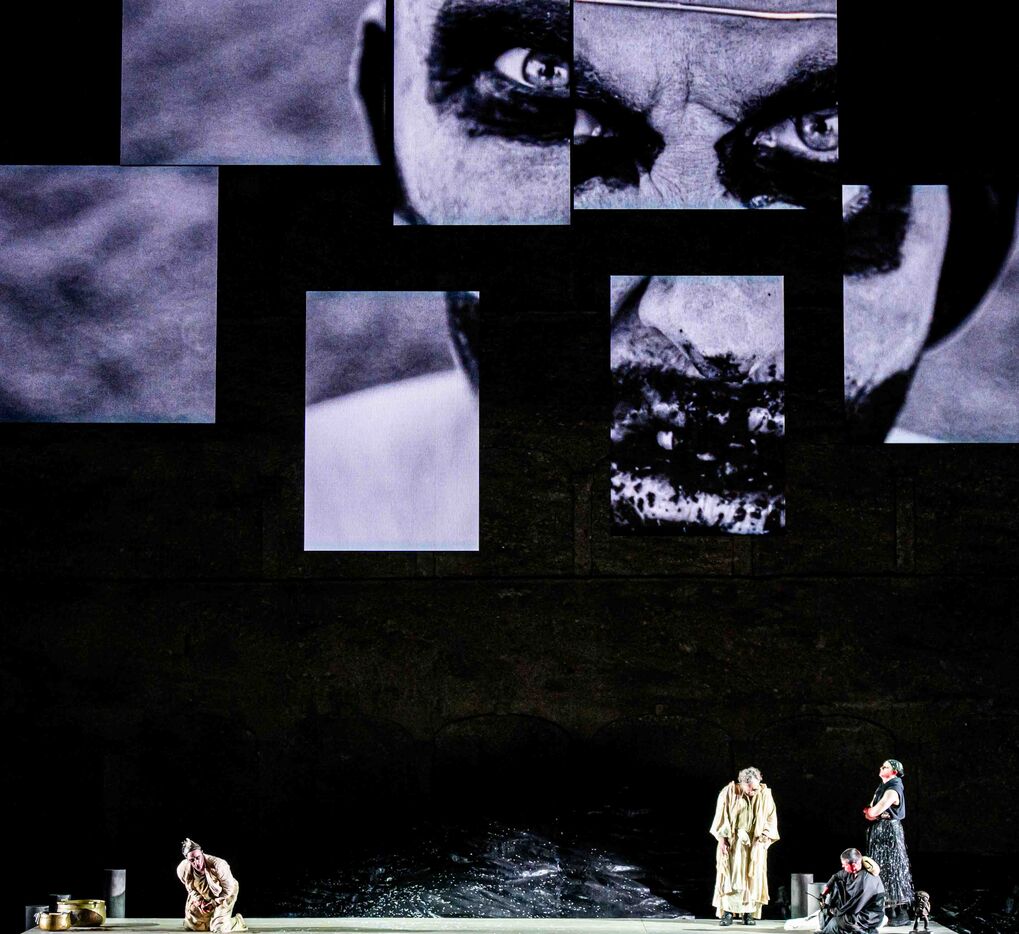
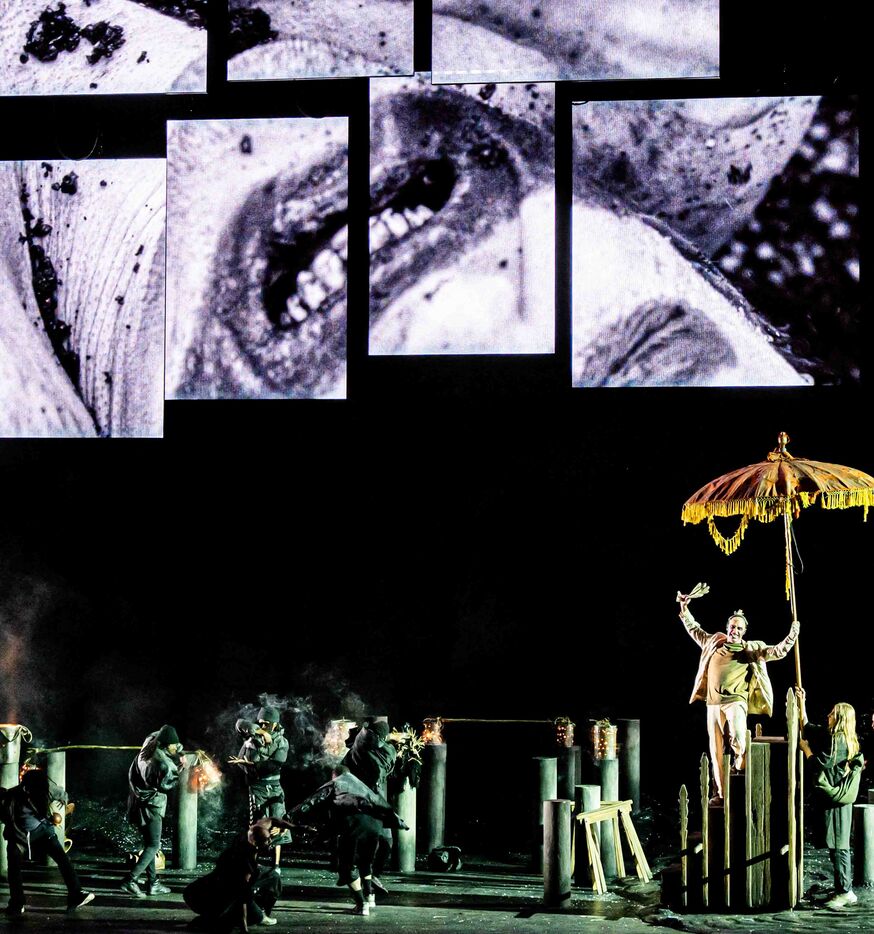
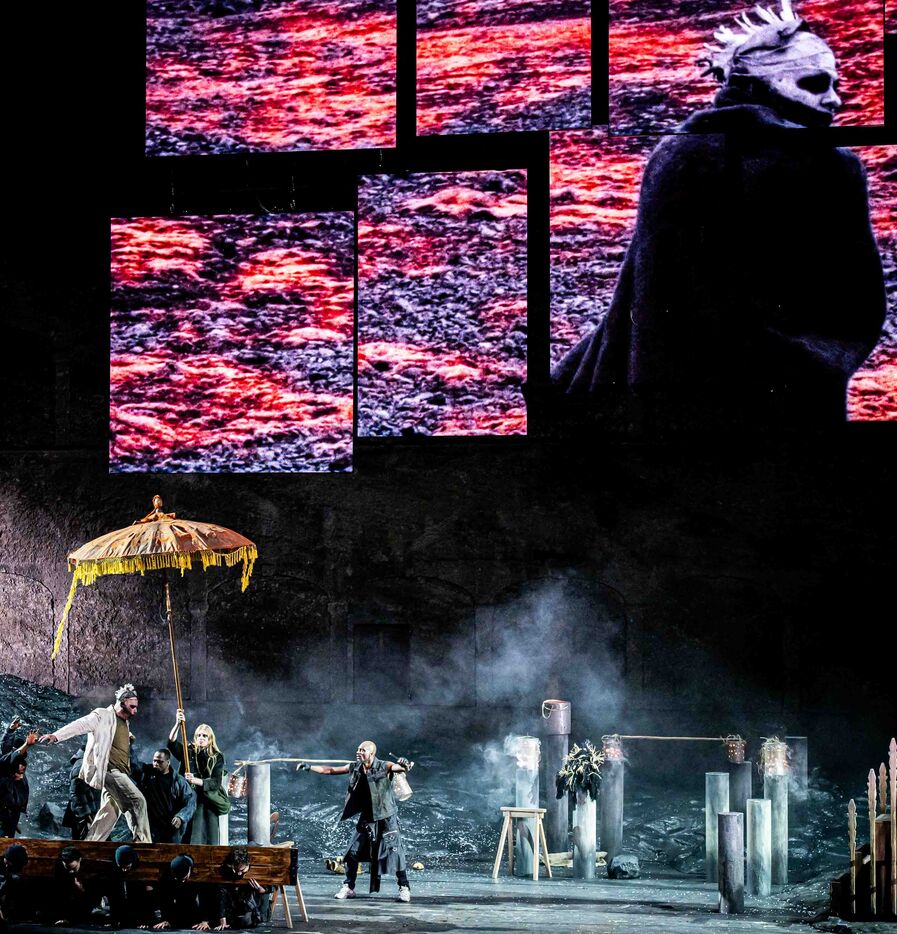
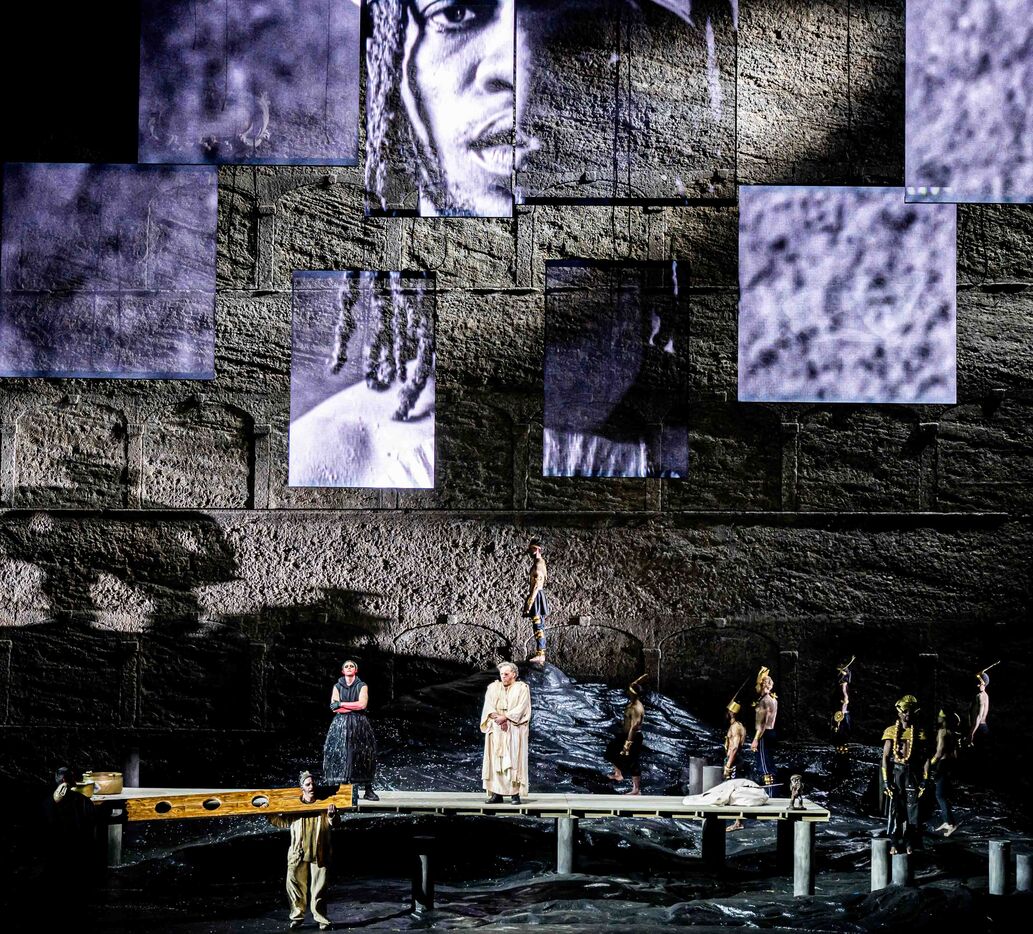
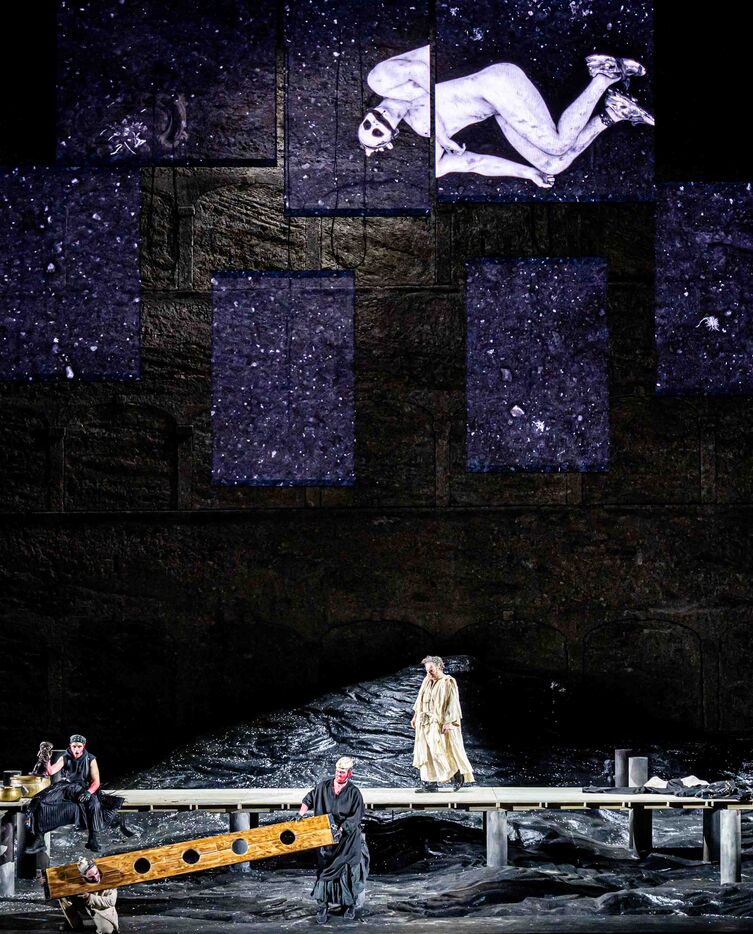
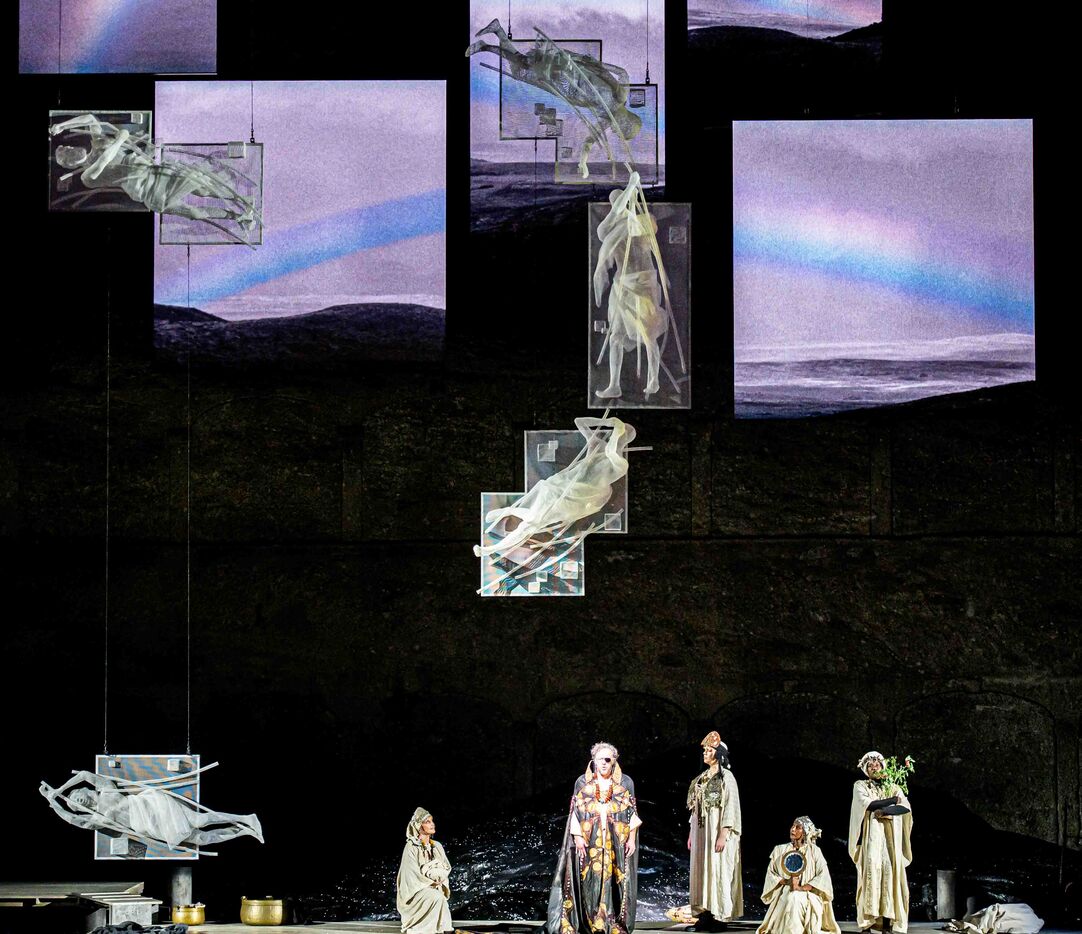
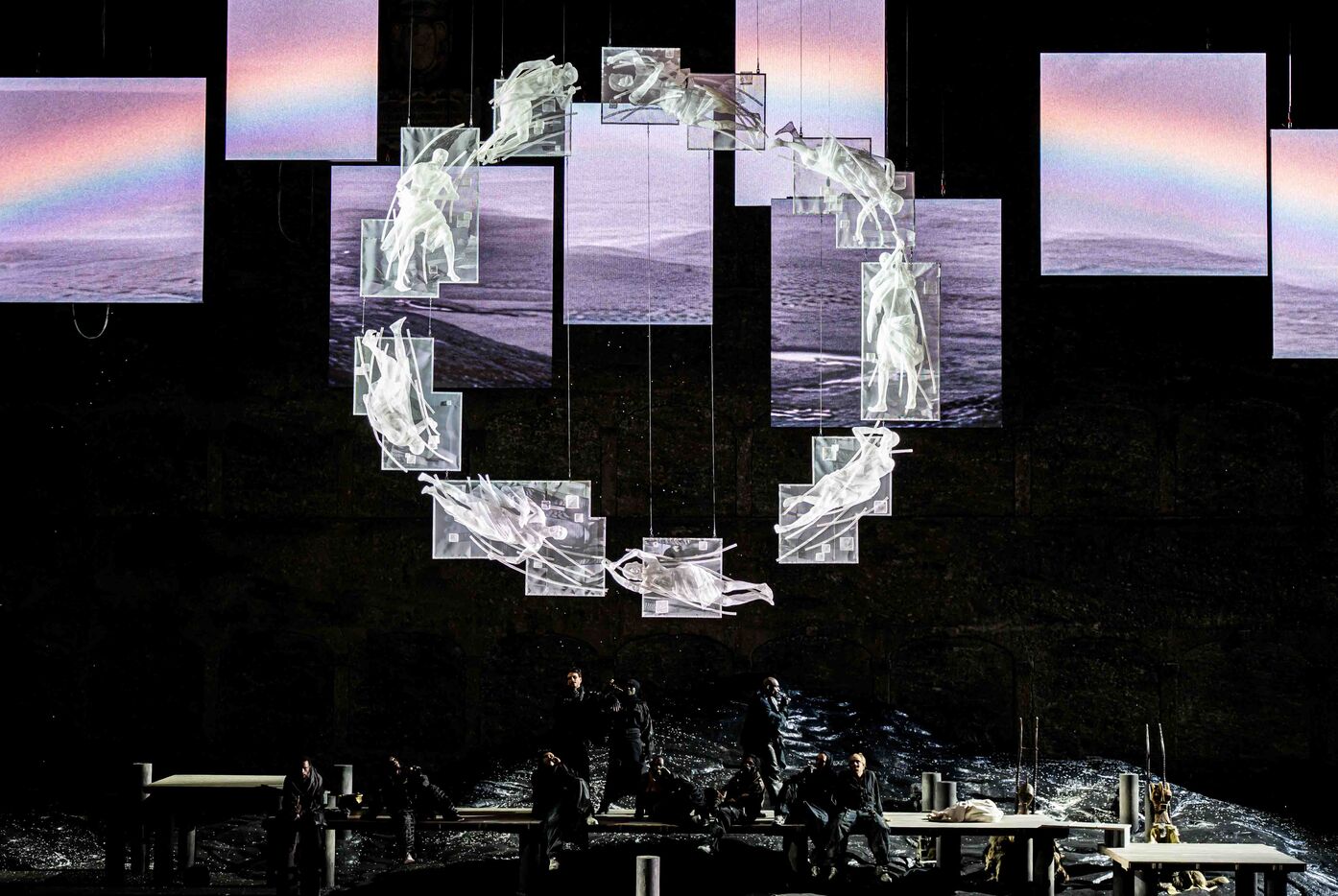
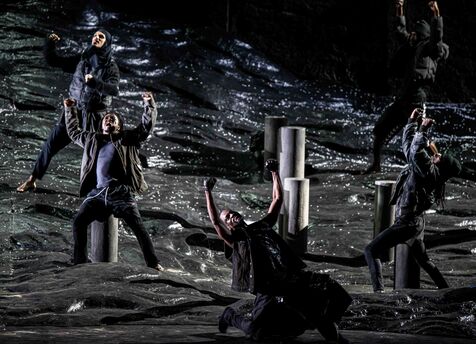
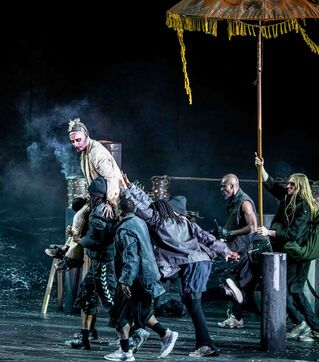
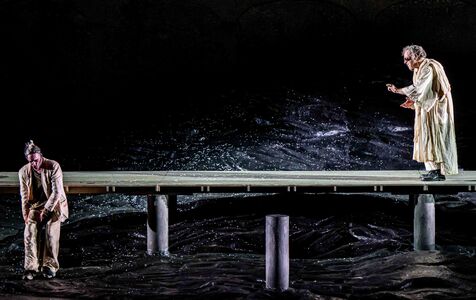
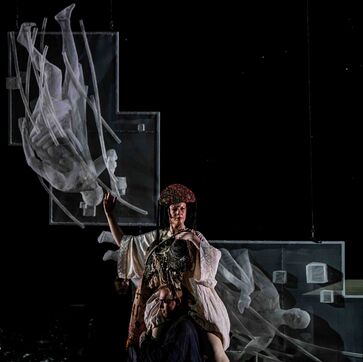
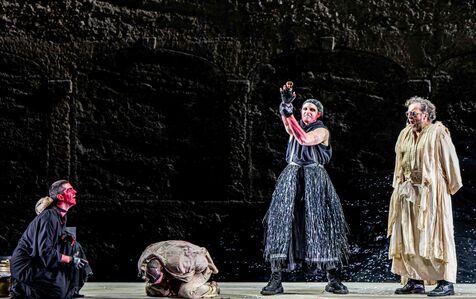
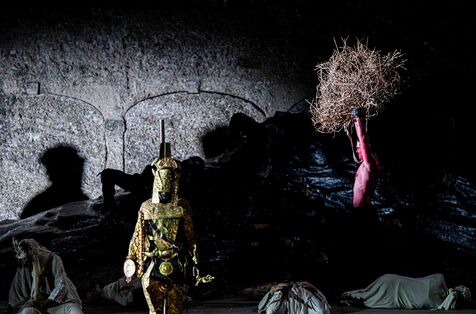
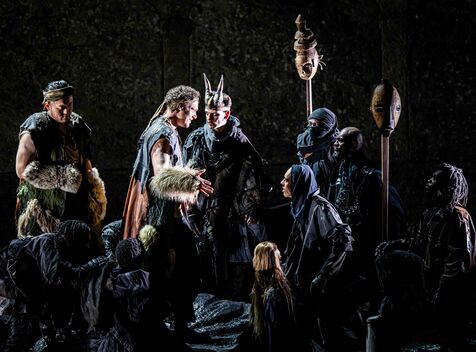
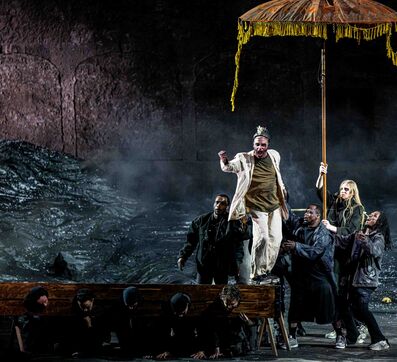
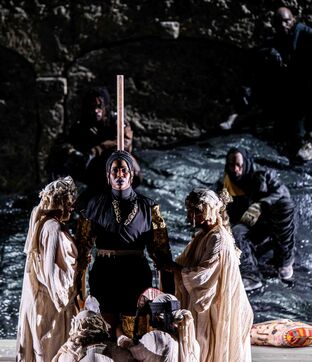
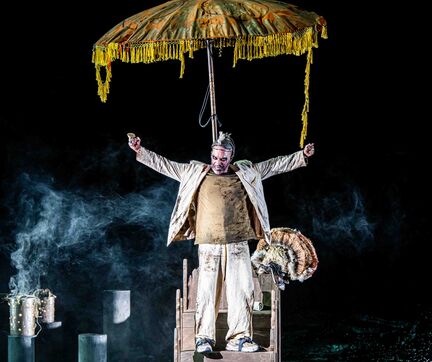
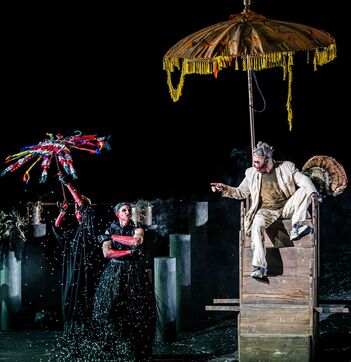
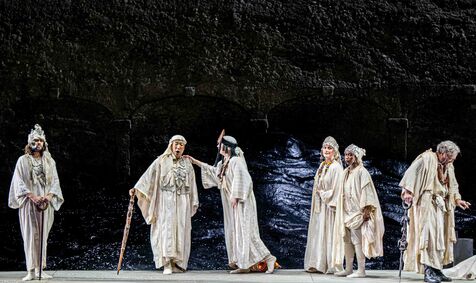
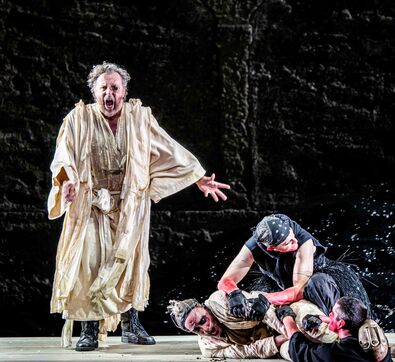
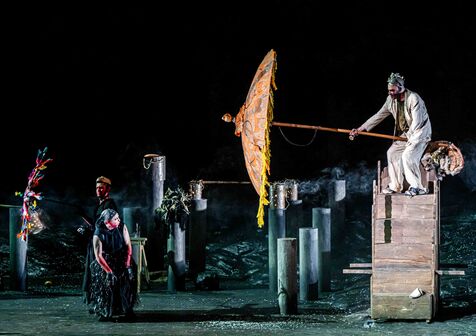
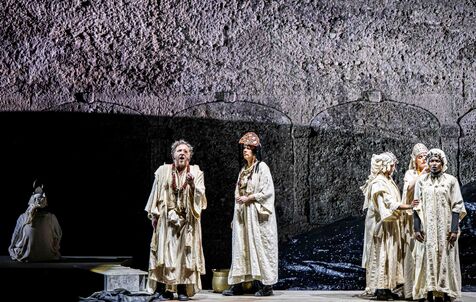
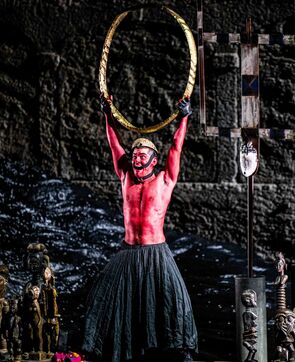
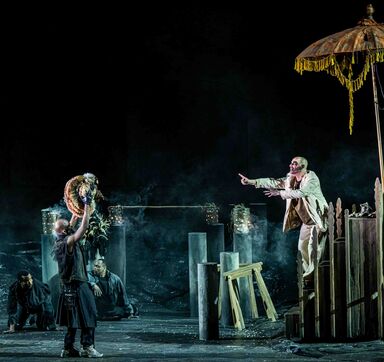
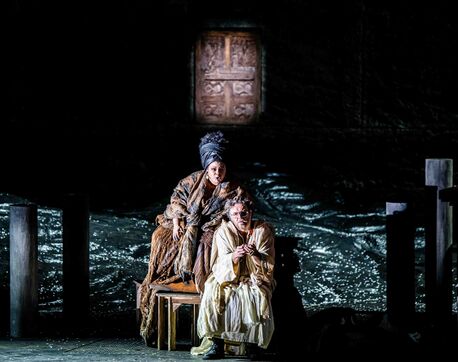
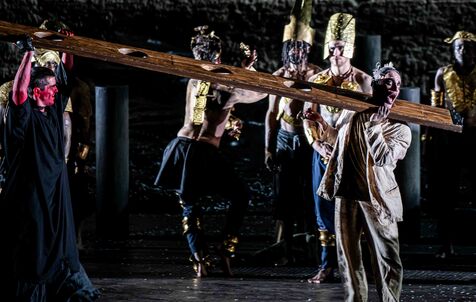
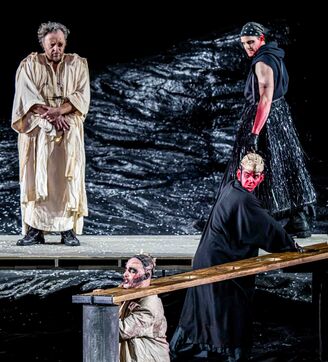
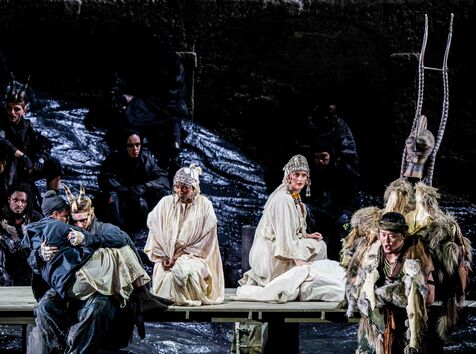
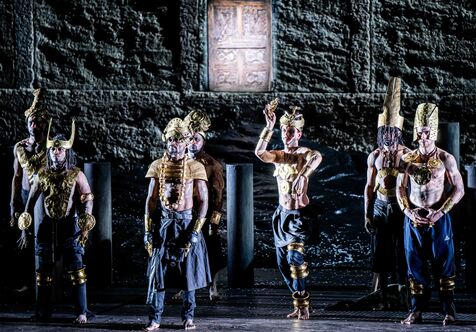
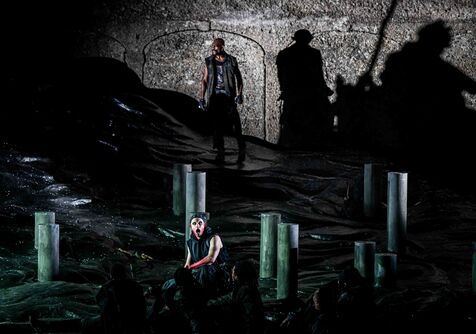
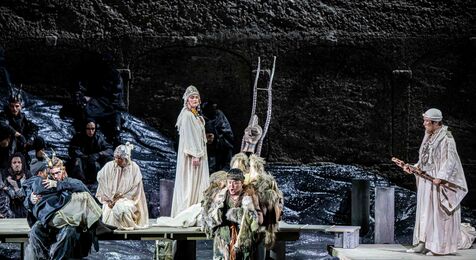
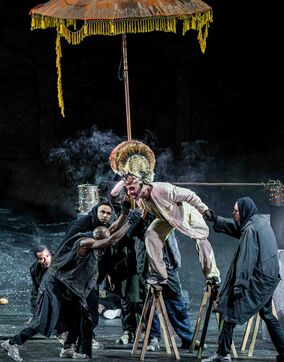
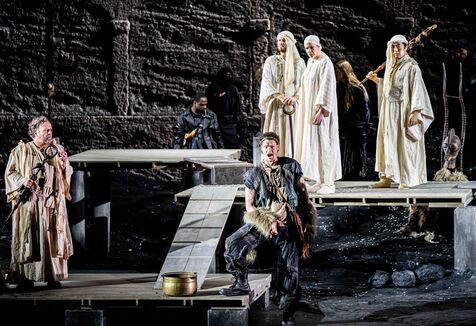
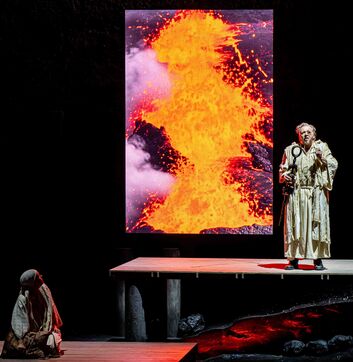
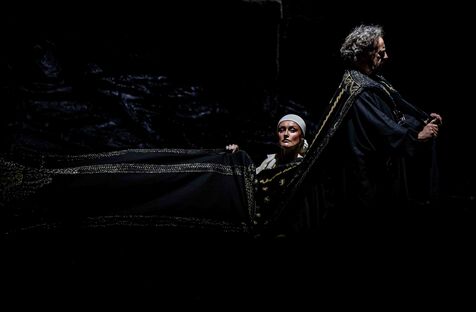
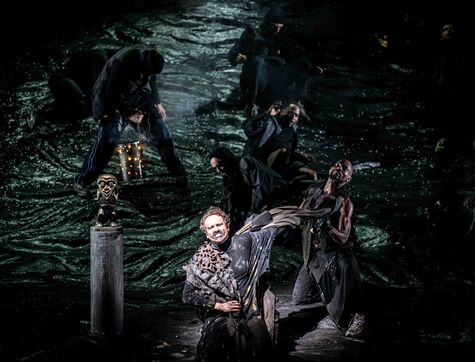
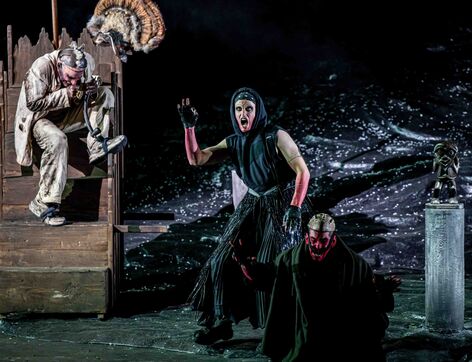
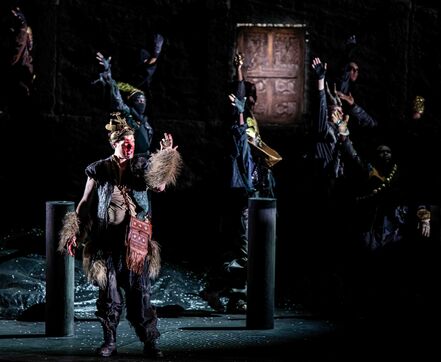
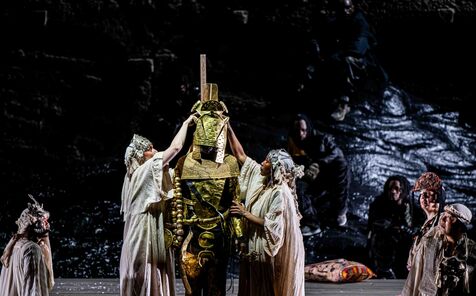
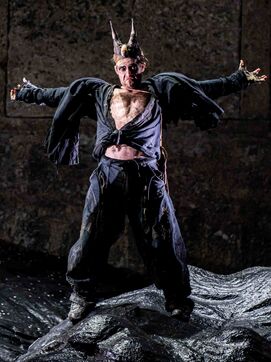
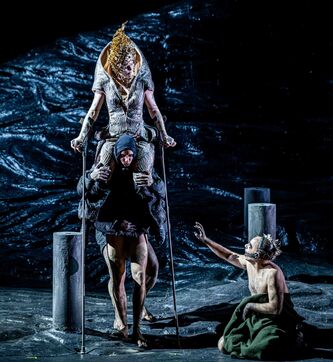
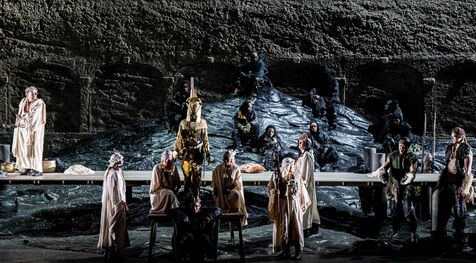
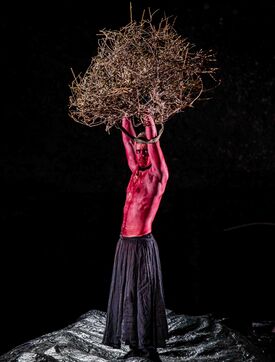
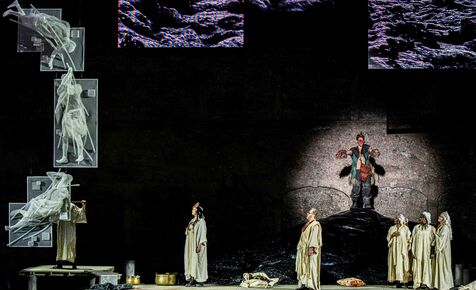
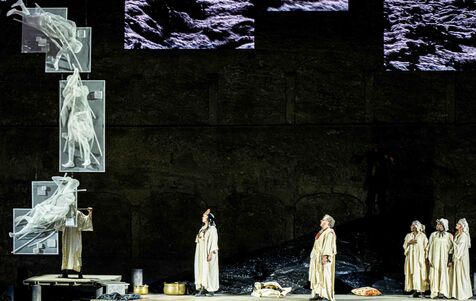
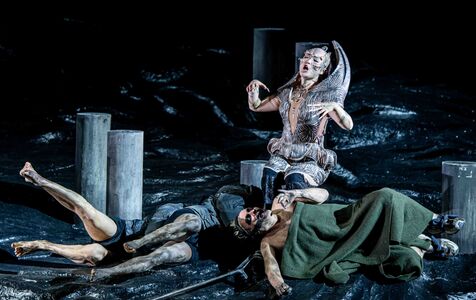
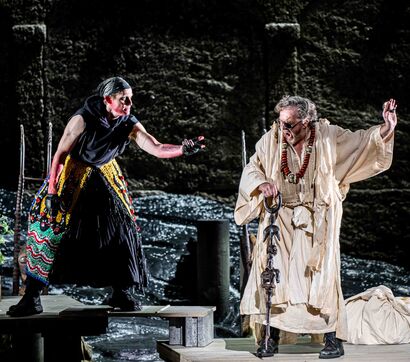
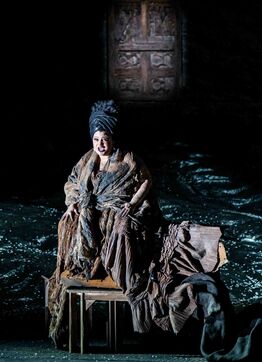
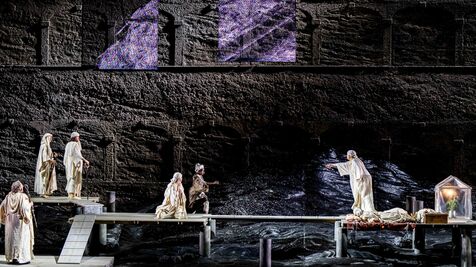
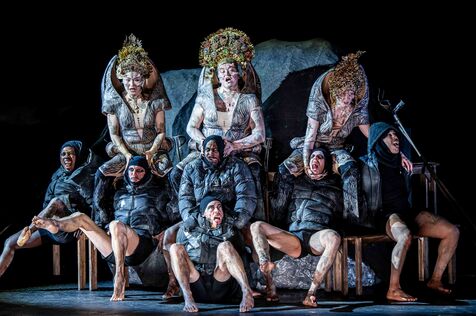
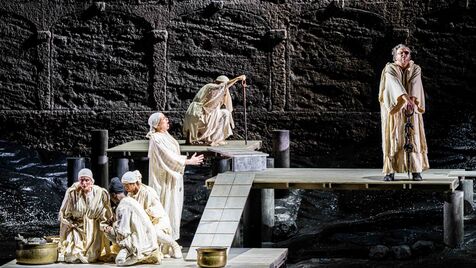
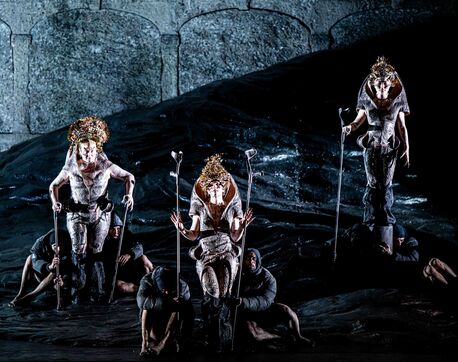
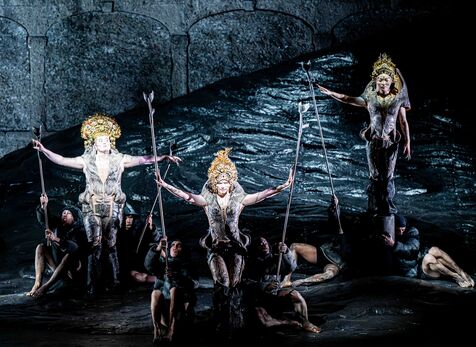
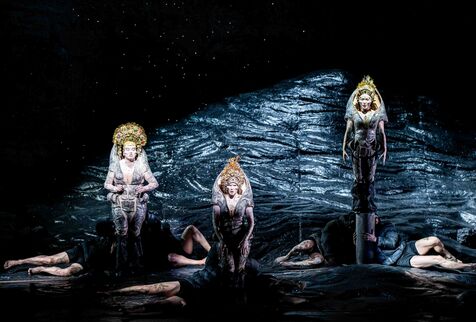
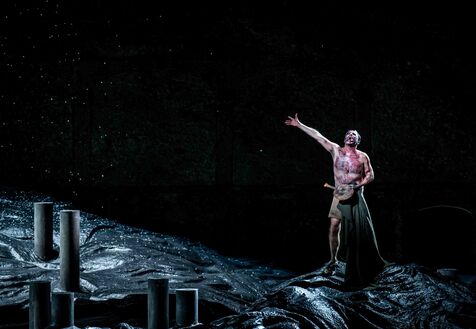
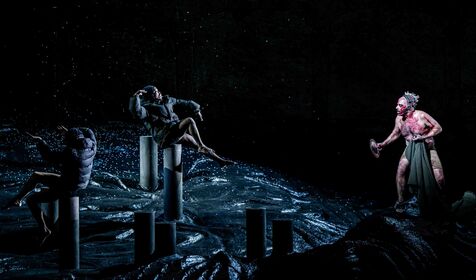
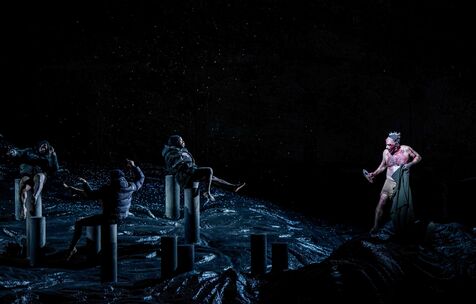
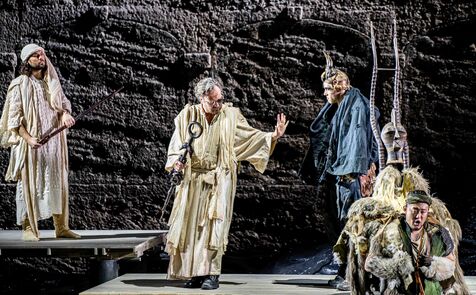
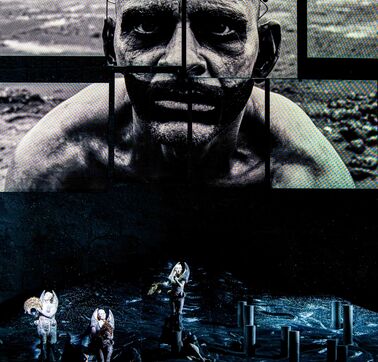
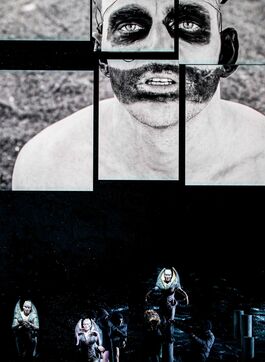
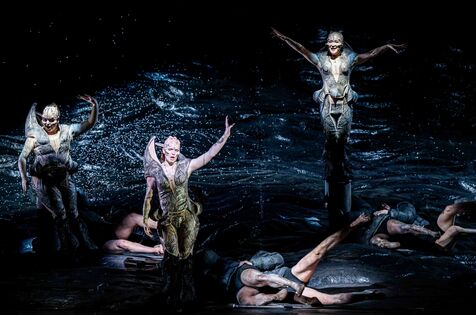
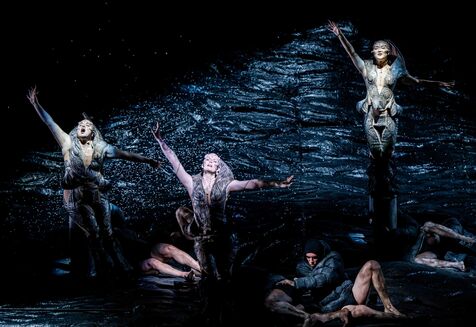
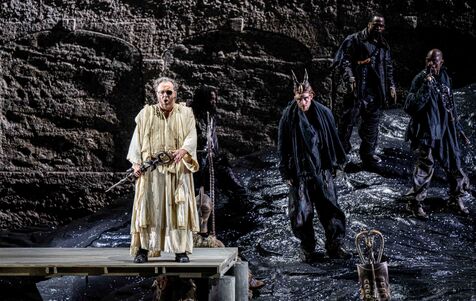
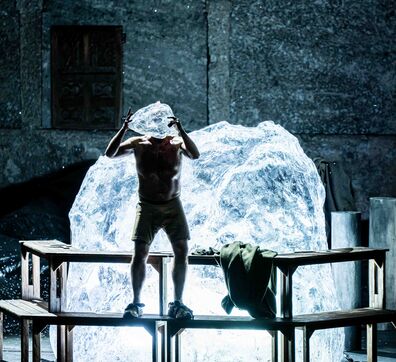
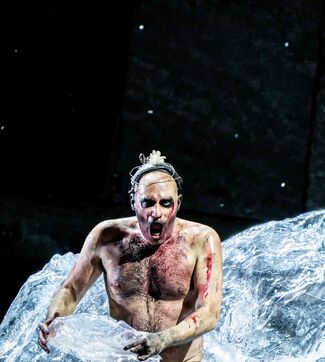
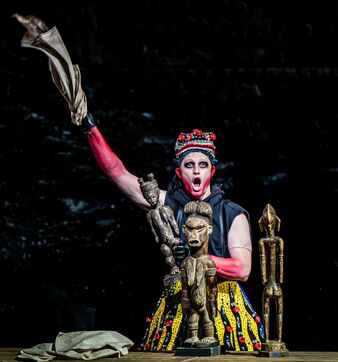
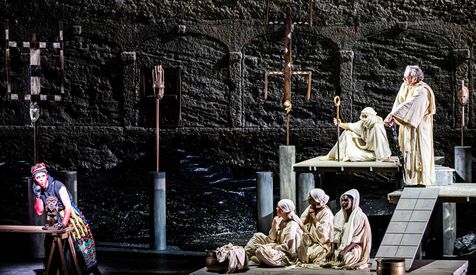
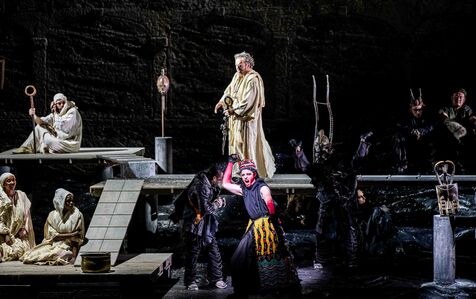
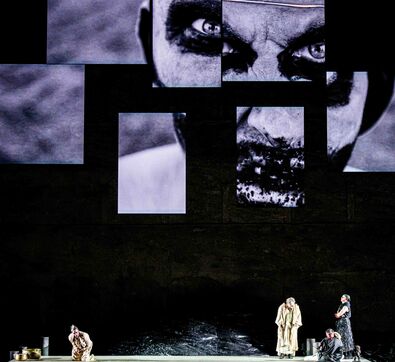
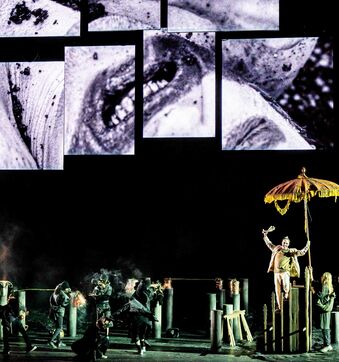
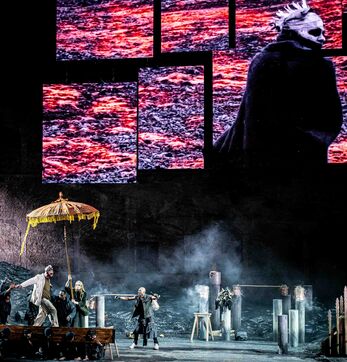
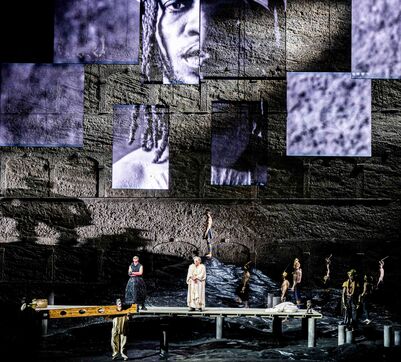
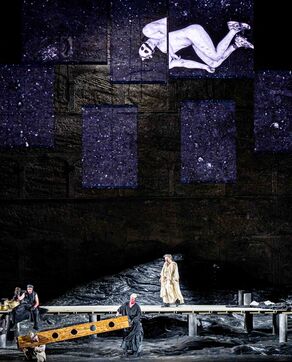
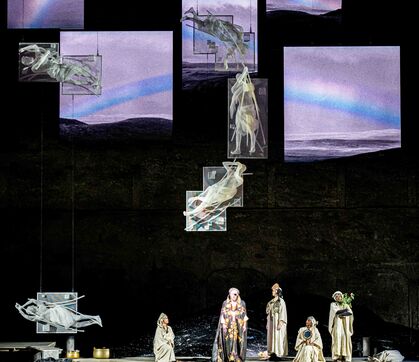
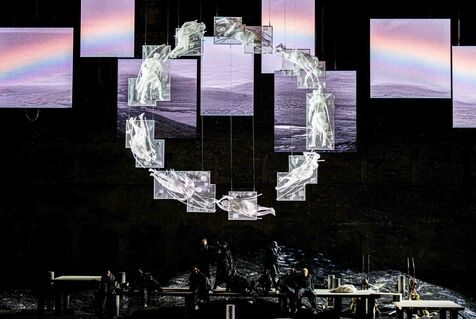
C'est le mythe archaïque, fondement de l'épopée de Wagner, qui intéresse principalement Kirill Serebrennikov. Des croyances qui, simultanément, aveuglent et élèvent l'esprit à des sommets inaccessibles ; des rituels tantôt étranges, tantôt terrifiants ; Les vestiges de cultures disparues, avec leurs masques silencieux annonçant la fin du monde, font partie intégrante du mythe, sont autant d'origines. Ces origines mêmes fascinaient Wagner : « Lorsque l'hémisphère nord de notre Terre était autant recouvert d'eau que l'est aujourd'hui l'hémisphère sud, la plus grande île de cette mer septentrionale aurait été la plus haute chaîne de montagnes d'Asie […] Ici se trouve le berceau ancestral de toutes les religions, de toutes les langues, de la royauté de toutes ces nations. » (Extrait de « Die Wibelungen », 1848)
OPERA DAS RHEINGOLD
Myth. It is older than the history, for it speaks of times when the human did not yet exist; and it is wiser than the mankind, for it can speak of what will come after the end of the world. Just as a ring has neither beginning nor end, yet is finite and perfect, so myth has no author, does not become obsolete with time and remains unchanged in essence.
Myth, like music, is a universal language. From tribes on remote islands untouched by modern civilization to today’s densely populated metropolises – wherever there exists humanity and the spoken word – one can discover countless interpretations of the same myth about the creation of the world, the Mother of all life, and the fates of gods and men.
It is the archaic myth as the basis of Wagner's epos that primarily interests Kirill Serebrennikov. Beliefs that simultaneously blind and elevate the spirit to unattainable heights; rituals that are sometimes bizarre, sometimes terrifying; relics of vanished cultures, with their silent masks predicting the world's end – all are integral parts of myth, all are origins. These very origins mesmerized Wagner: »When our earth's Northern hemisphere was as much covered by water as now is the Southern, the largest island of this northern world-sea would have been the highest mountain-range of Asia […] Here is the ancestral seat of all religions, of every tongue, of all these nations' Kinghood«. (from: »Die Wibelungen«, 1848)