BAROCCO
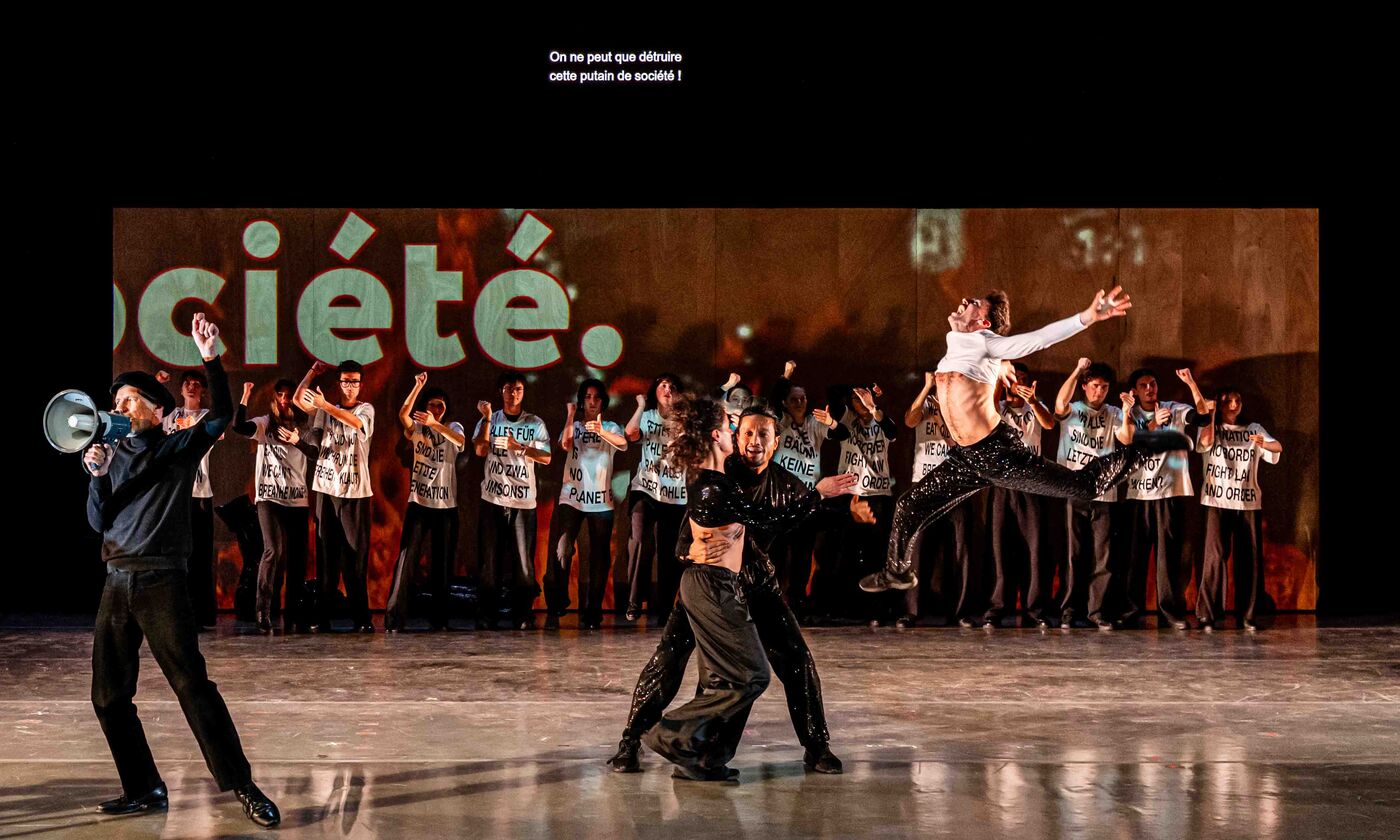
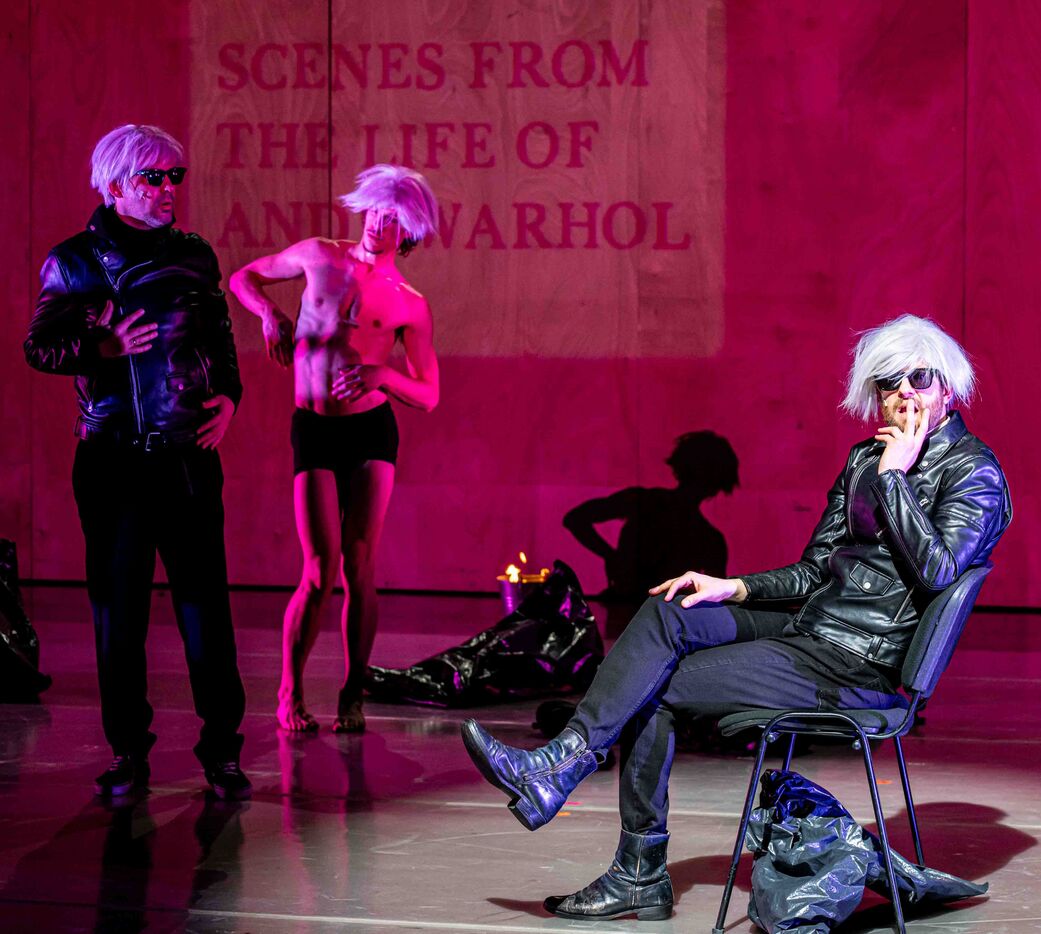
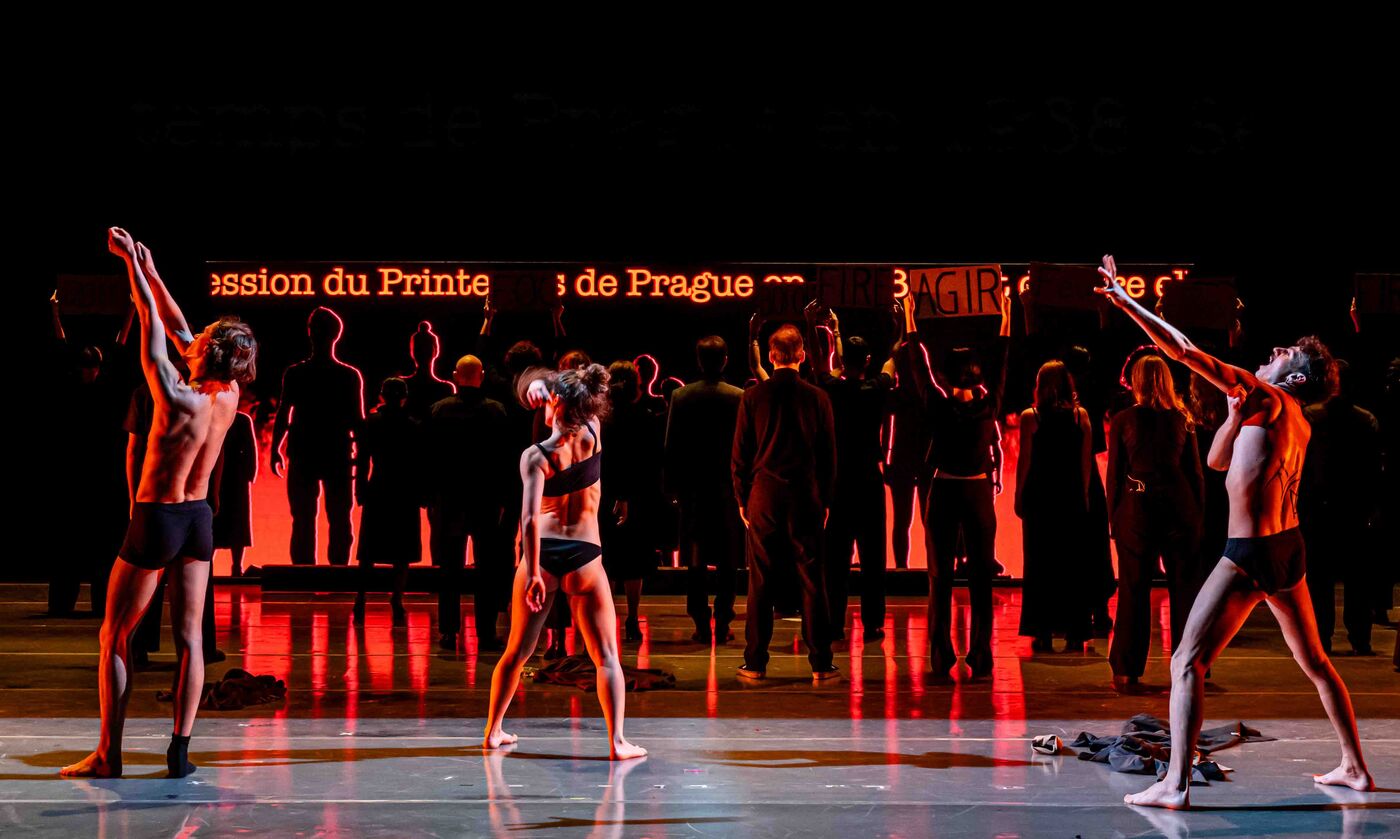
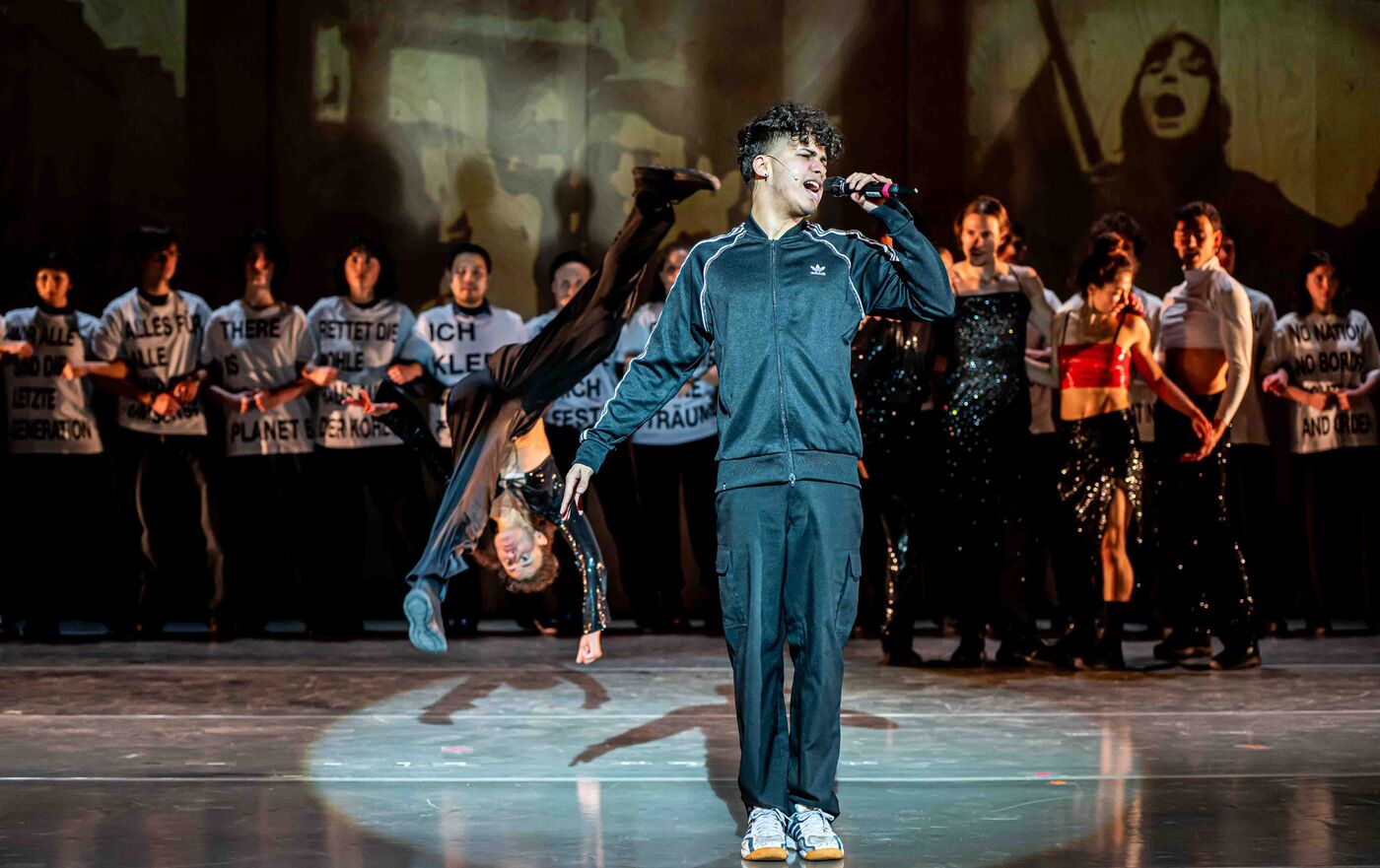
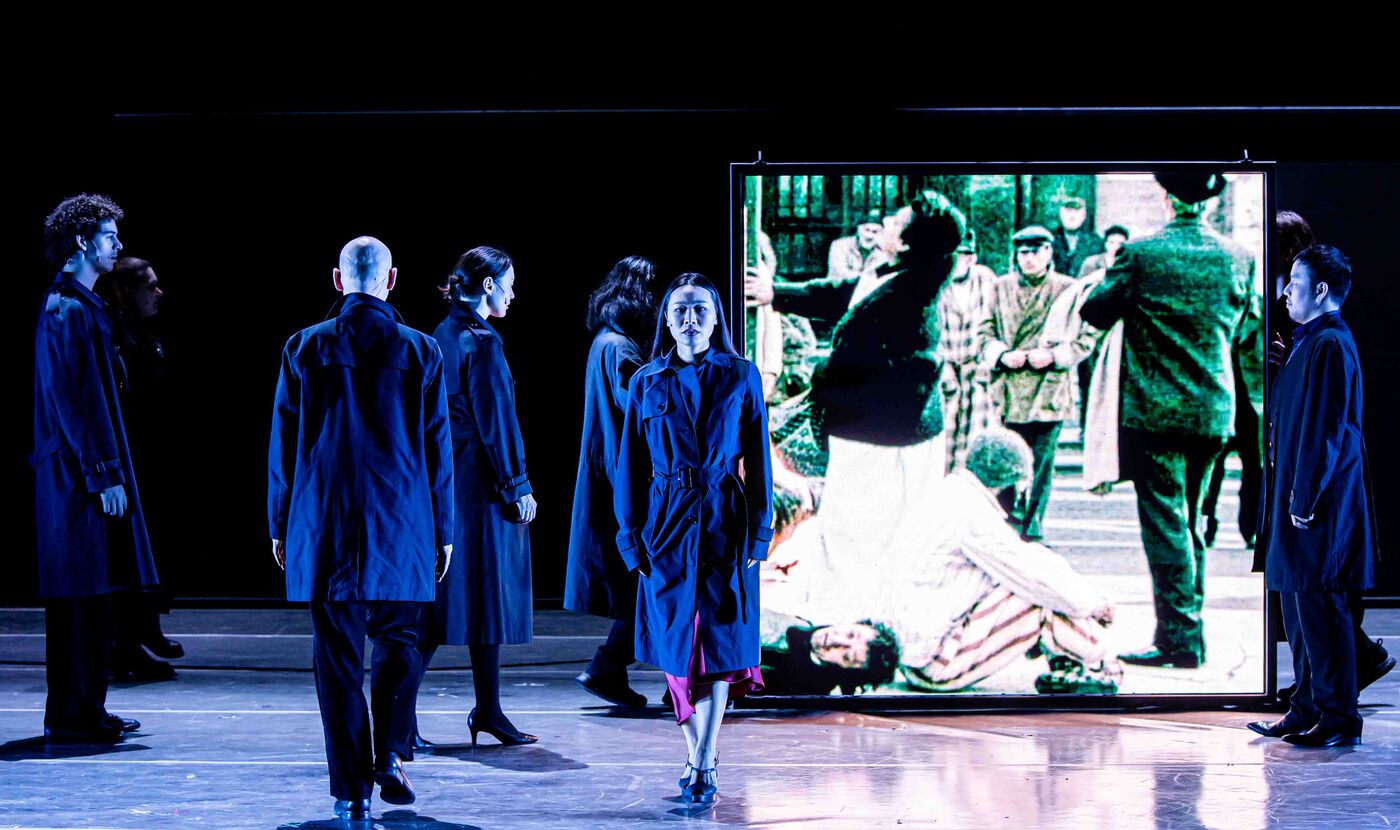
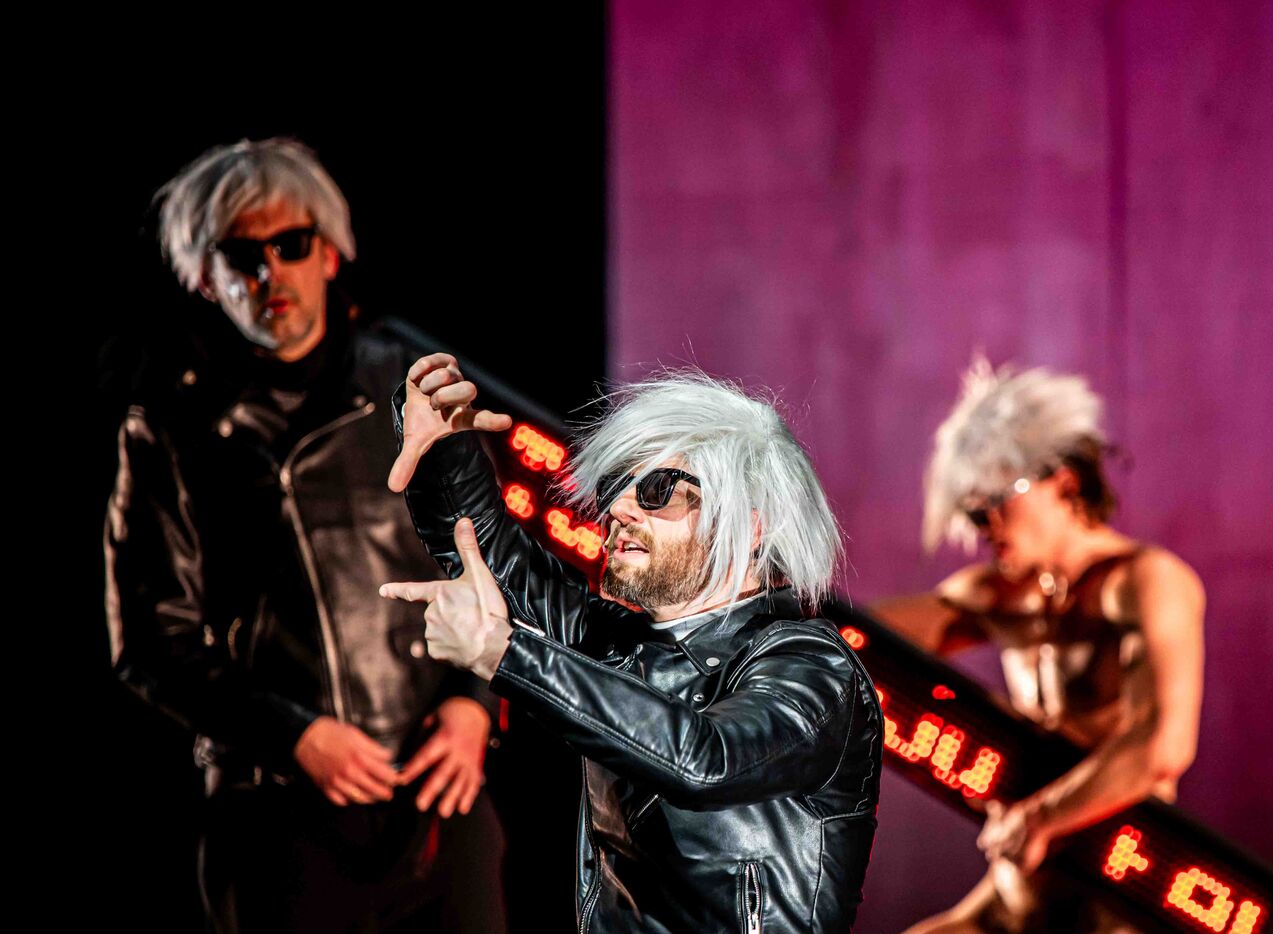
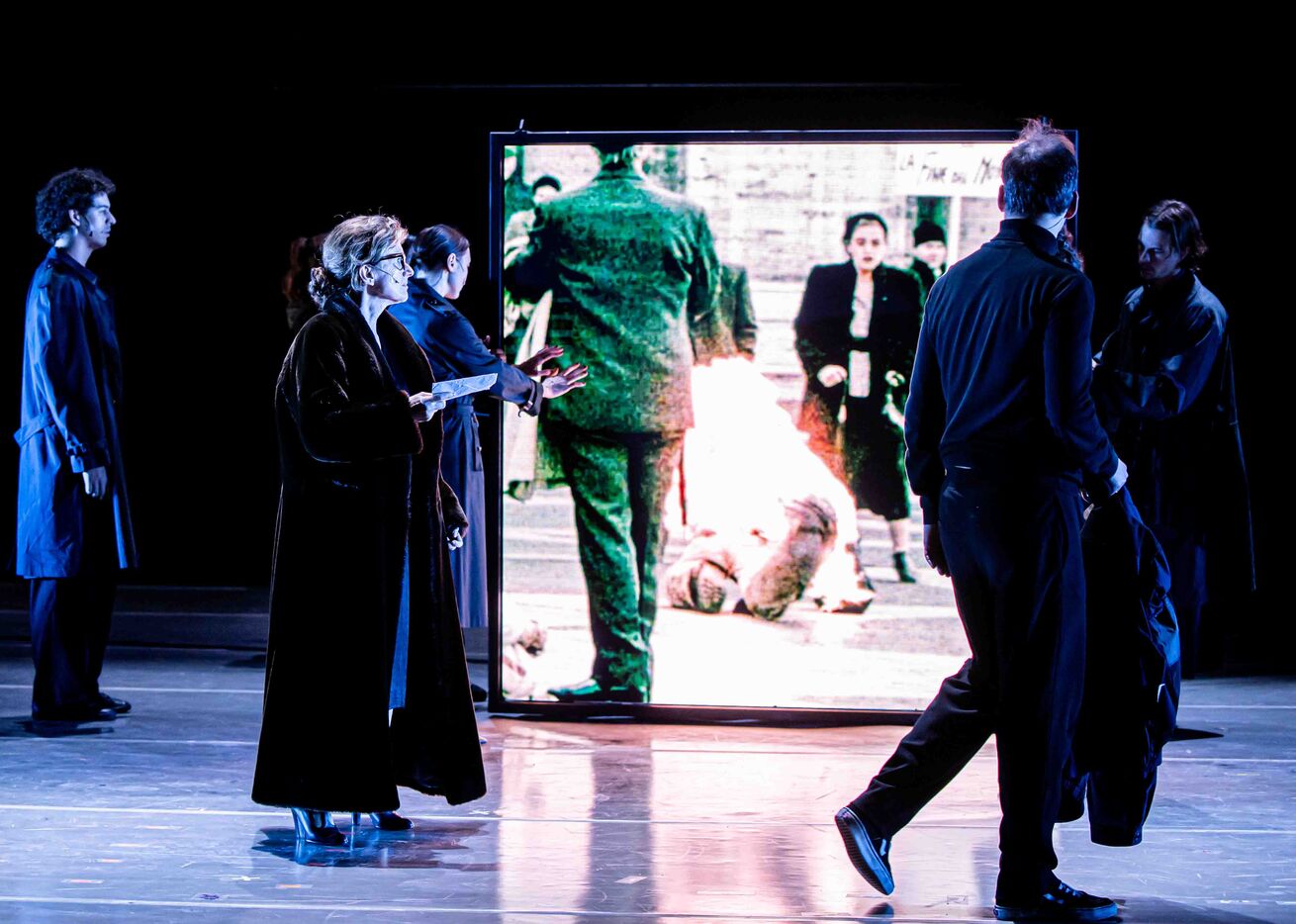
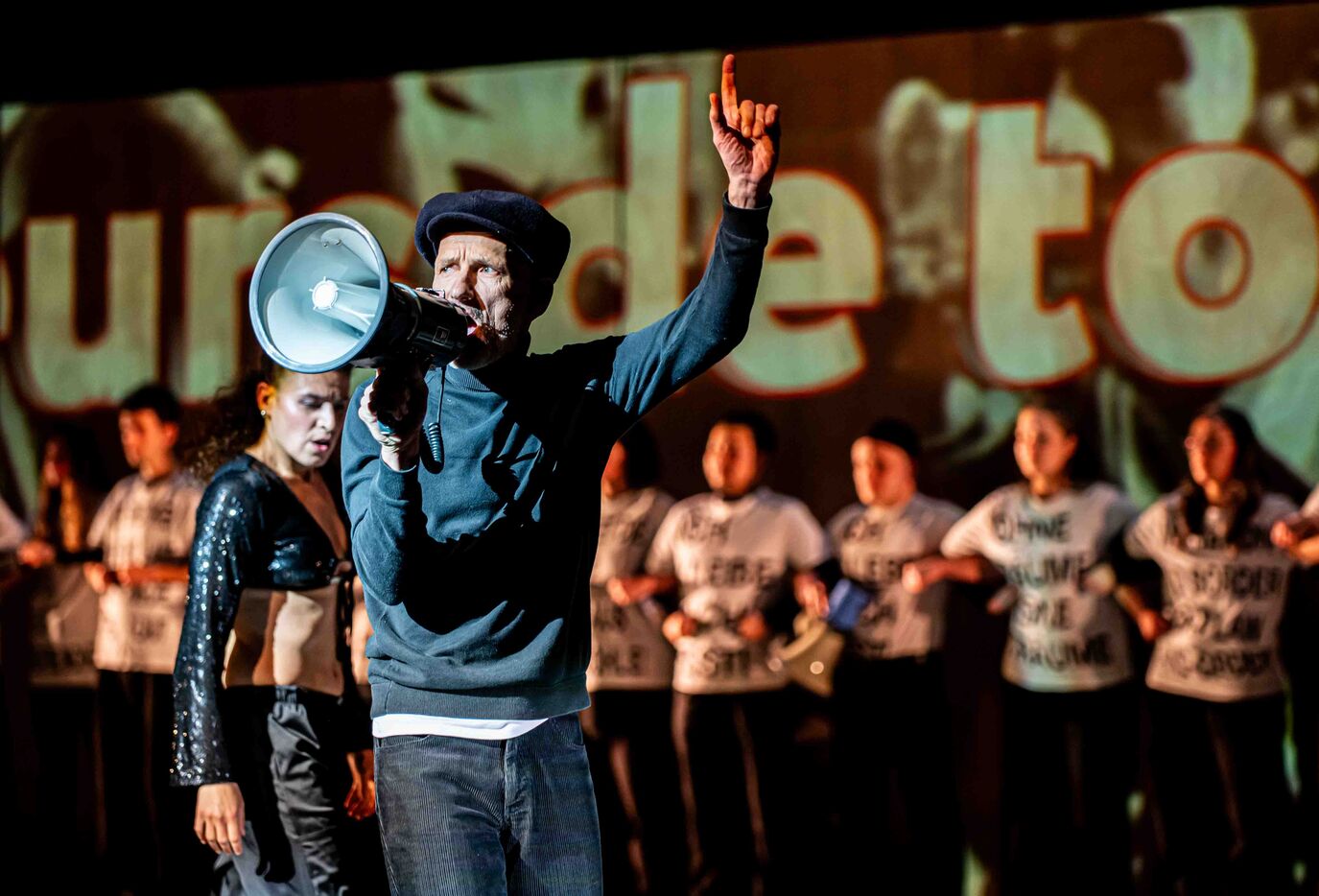
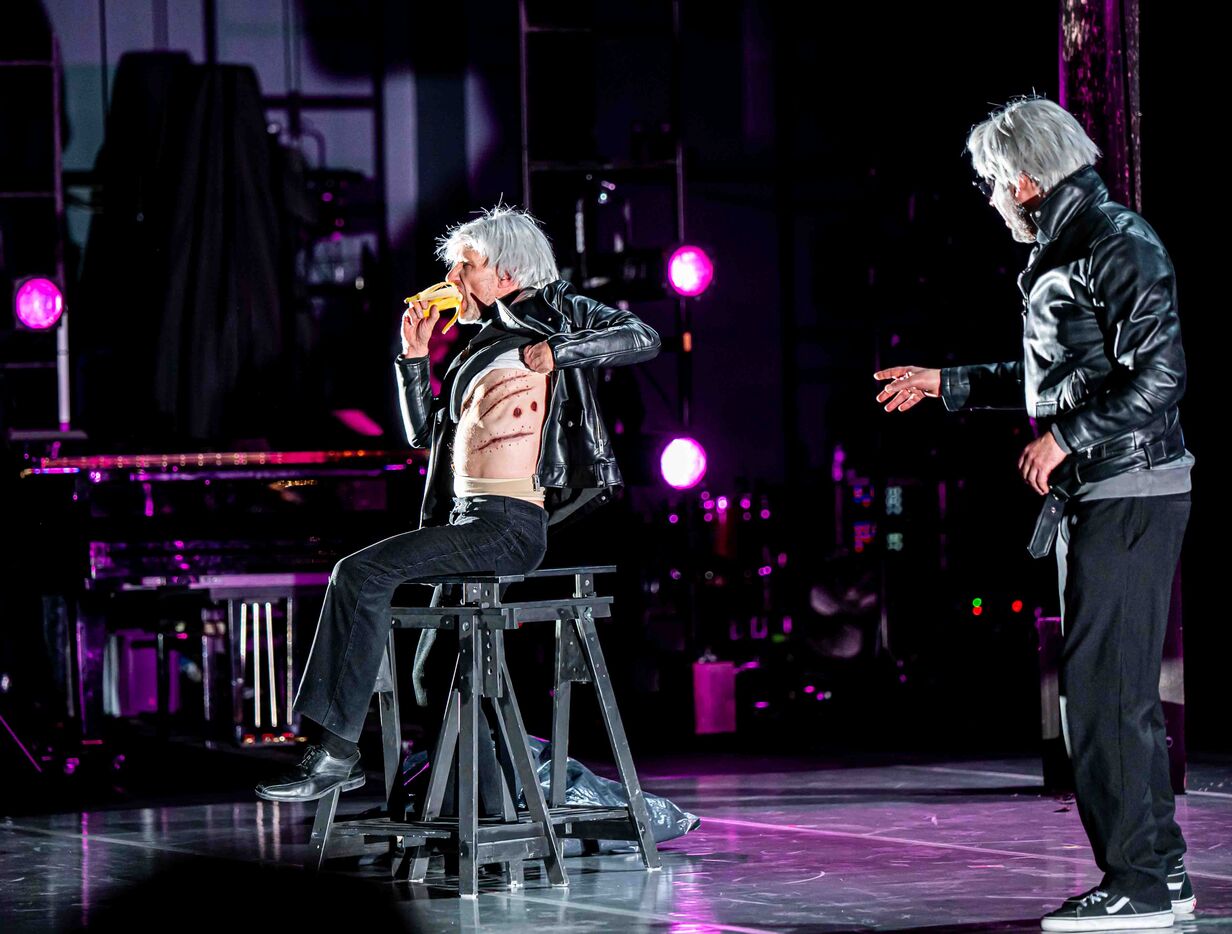
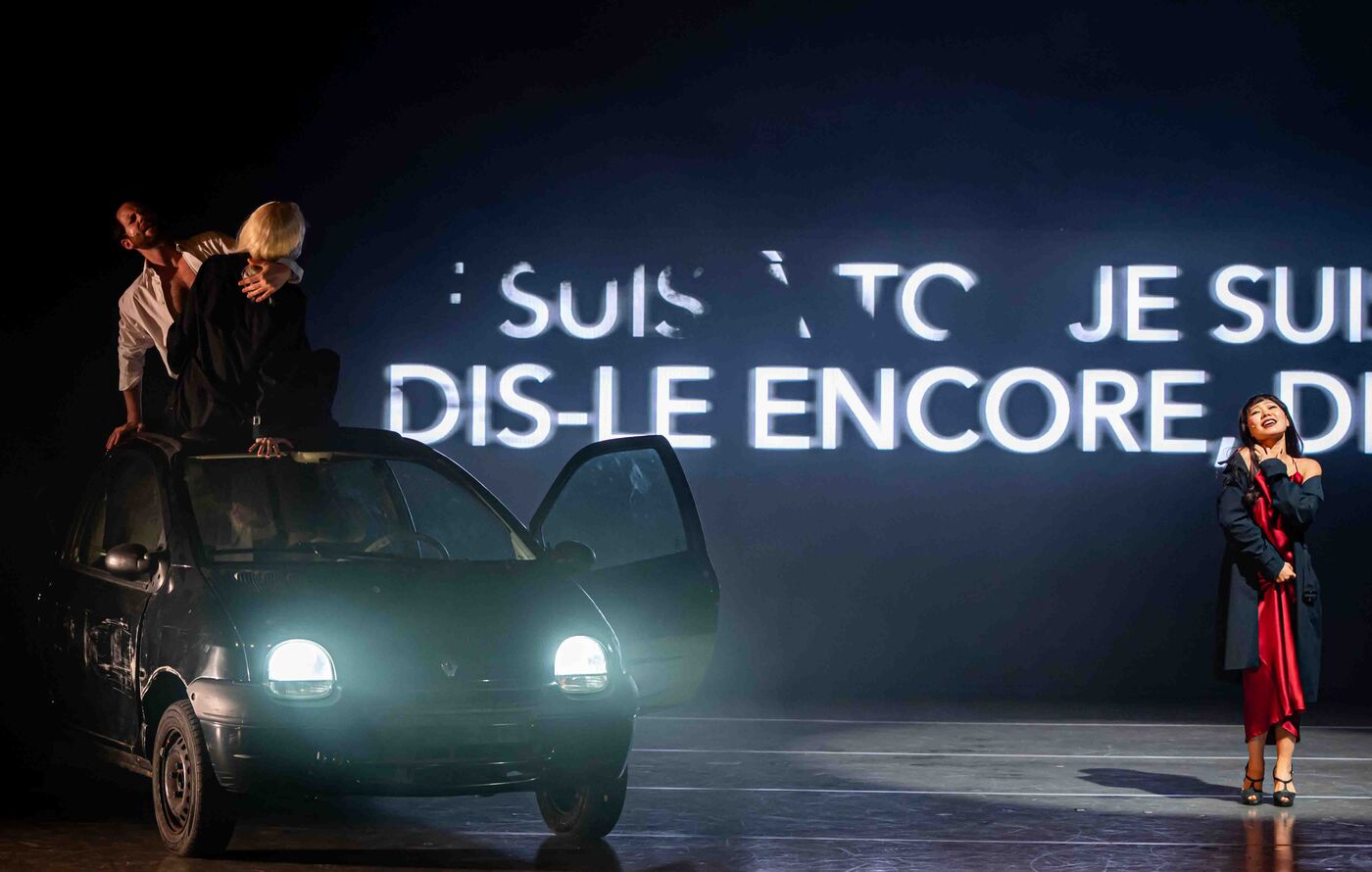
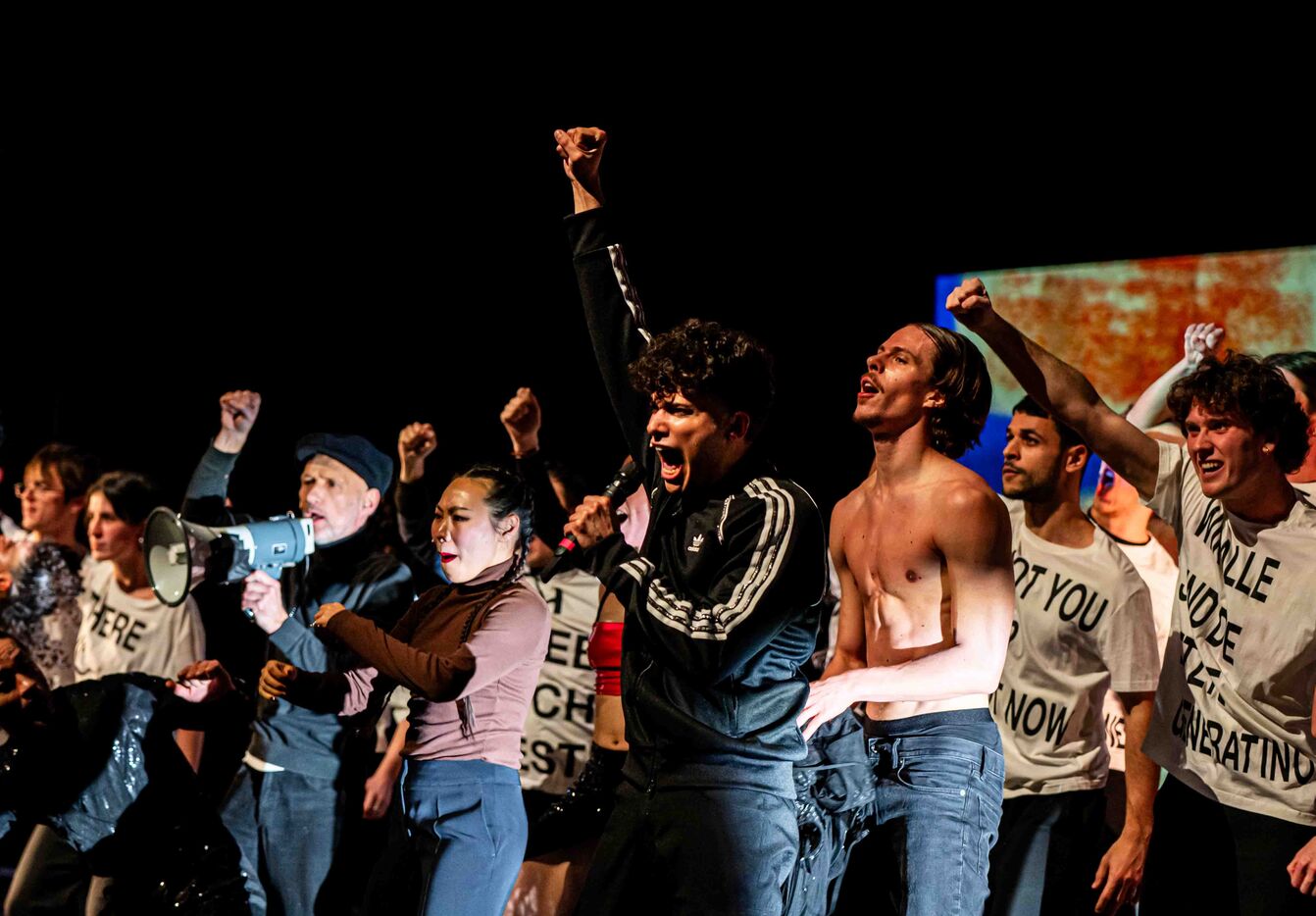
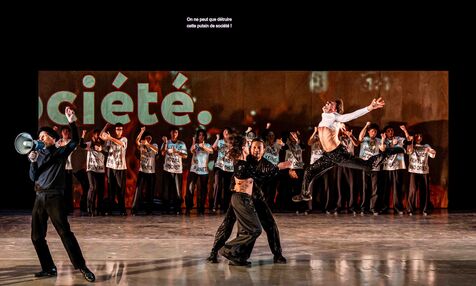
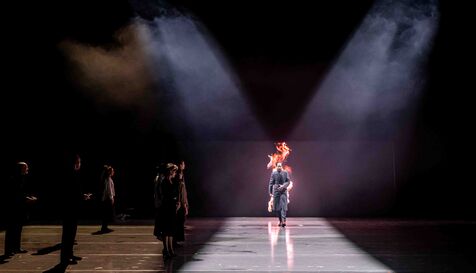
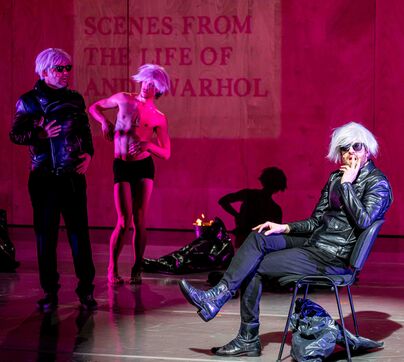
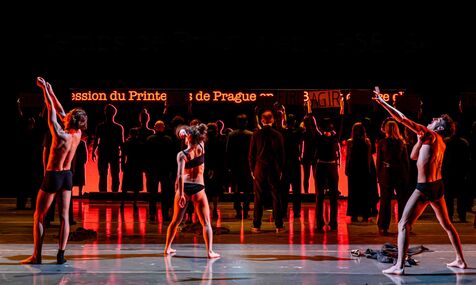
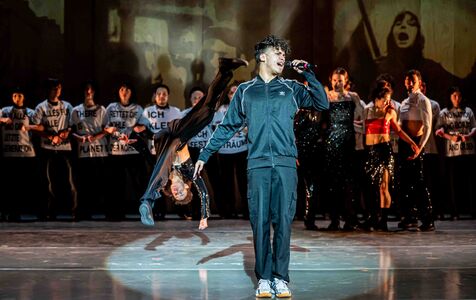
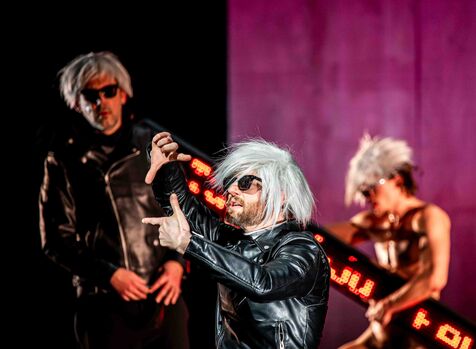
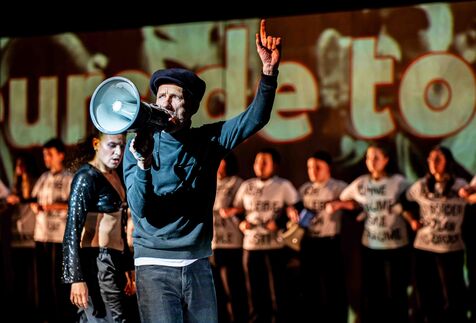
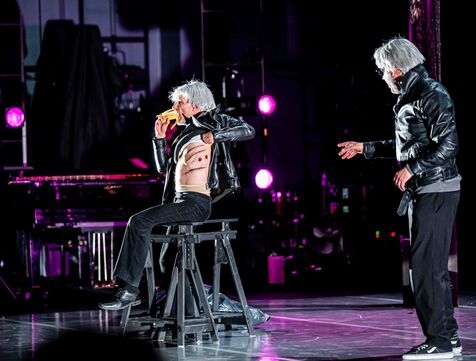
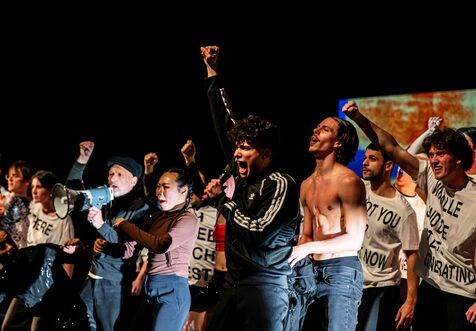
Quel est le point commun entre les étudiants en révolte de Mai 68 à Paris, Valerie Solanas qui tire le 3 juin sur Andy Warhol à New York et Jan Palach qui s’immole par le feu en janvier 1969 à Prague ? Un même cri de révolte. Chacun, à sa manière, se soulève par un geste radical contre l’ordre établi.
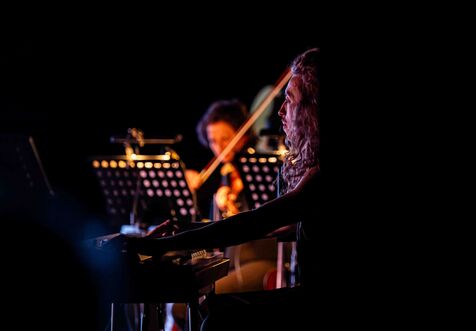
Kirill Serebrennikov tisse entre ces figures un fil invisible, les liant les uns aux autres par la force de la musique baroque. Car, en son temps, elle aussi fut un choc artistique et renversa les normes.
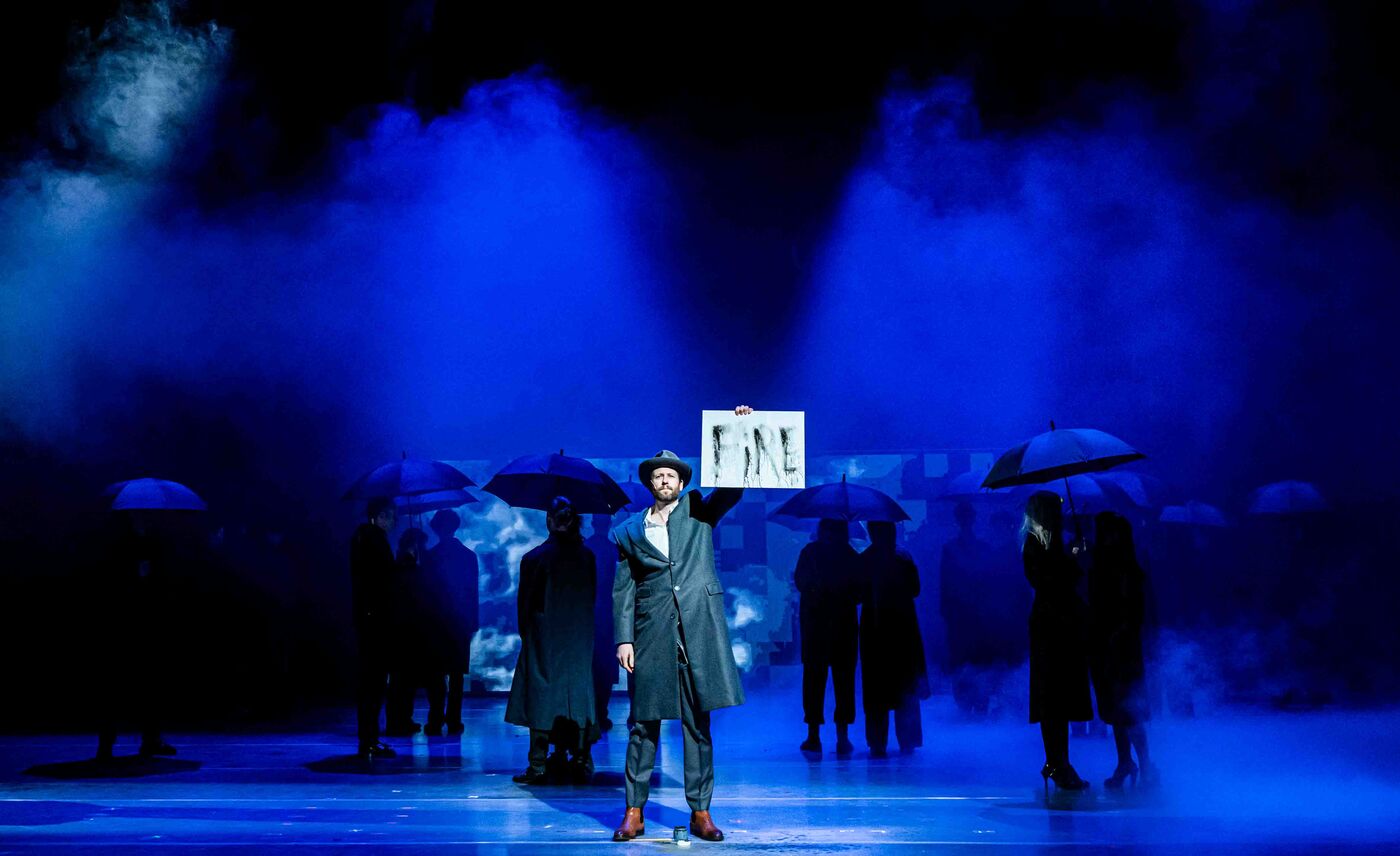
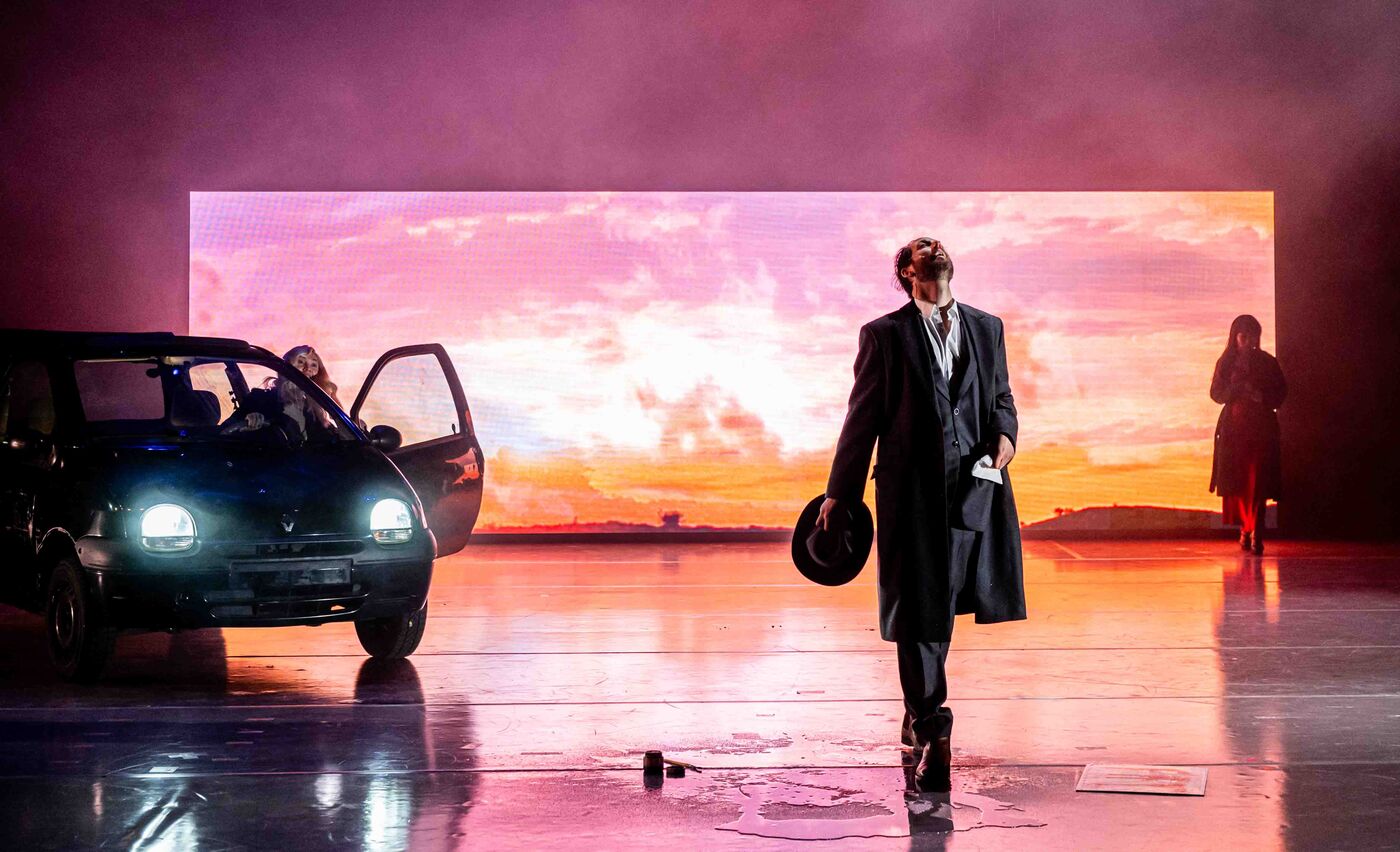
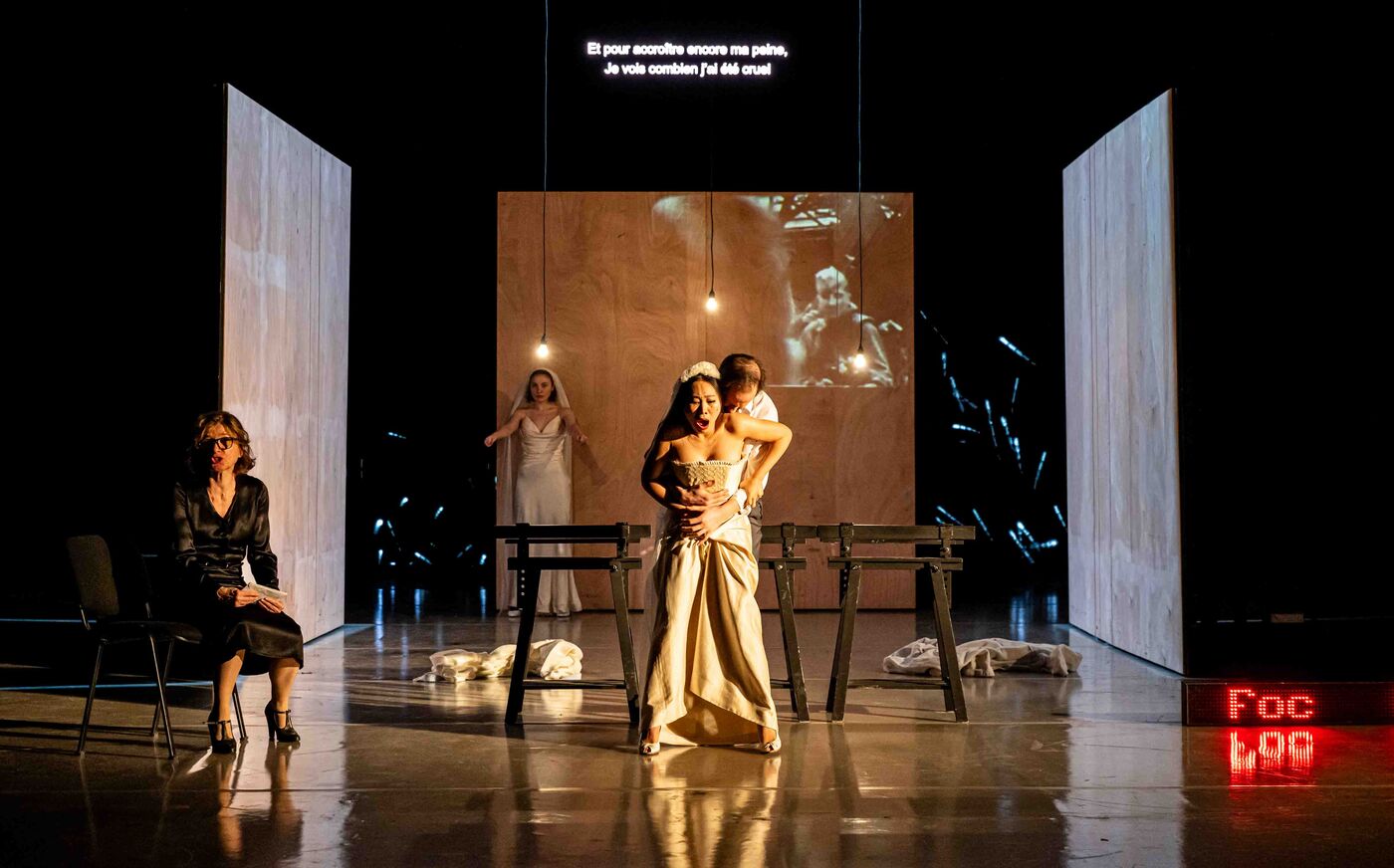
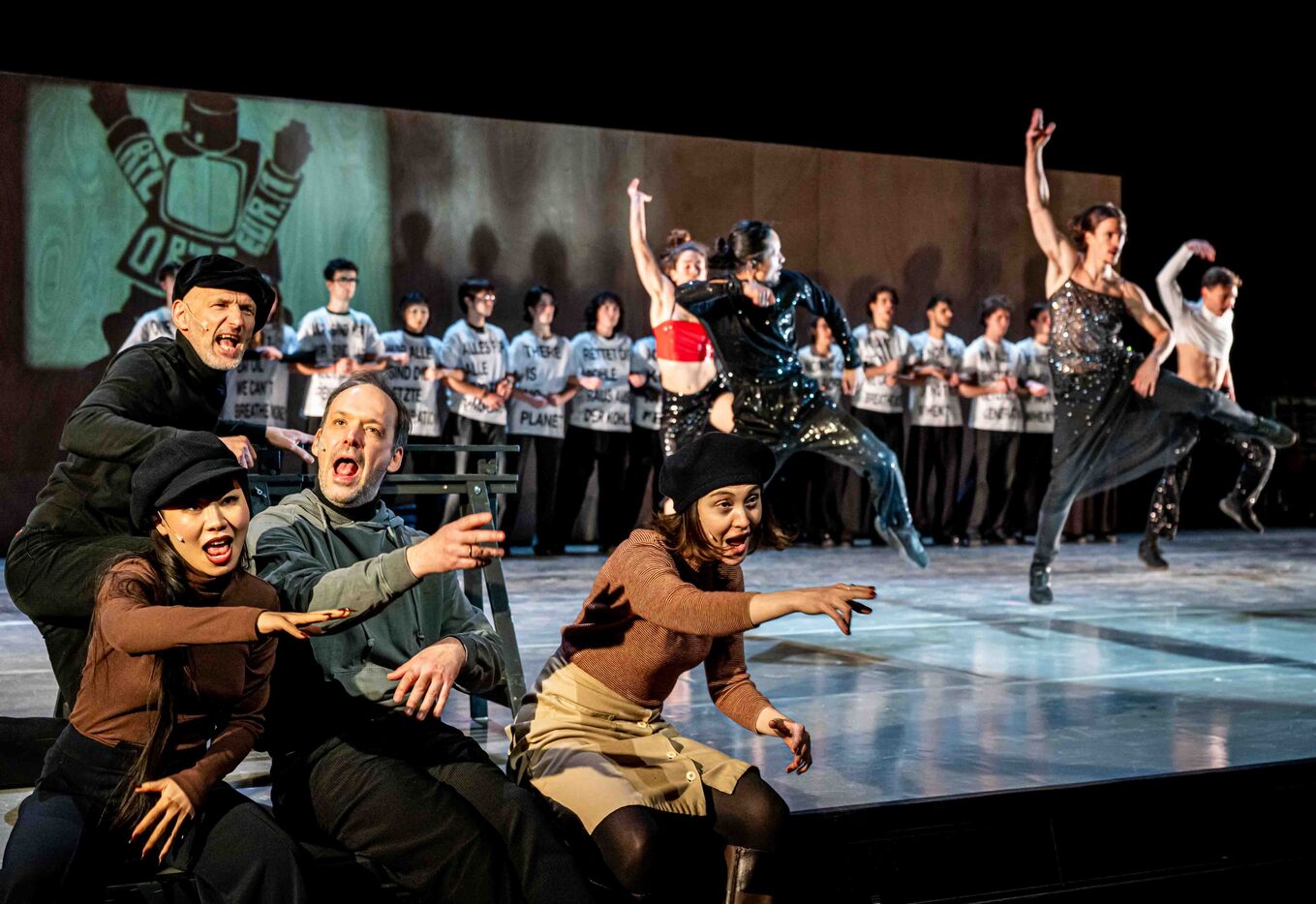
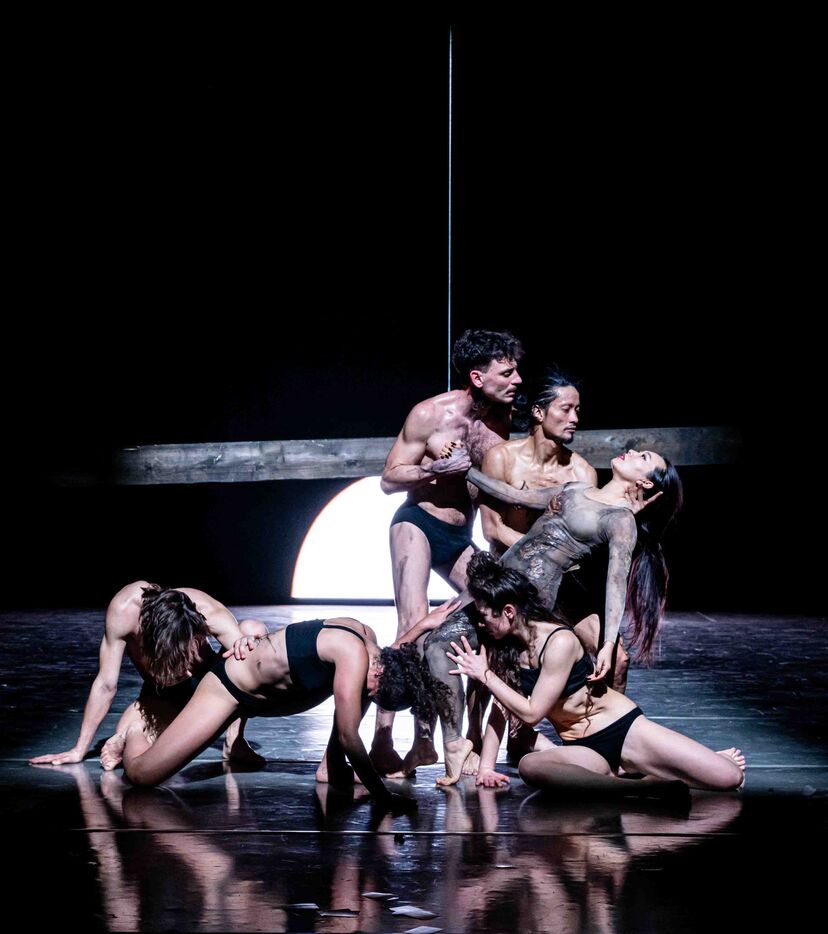
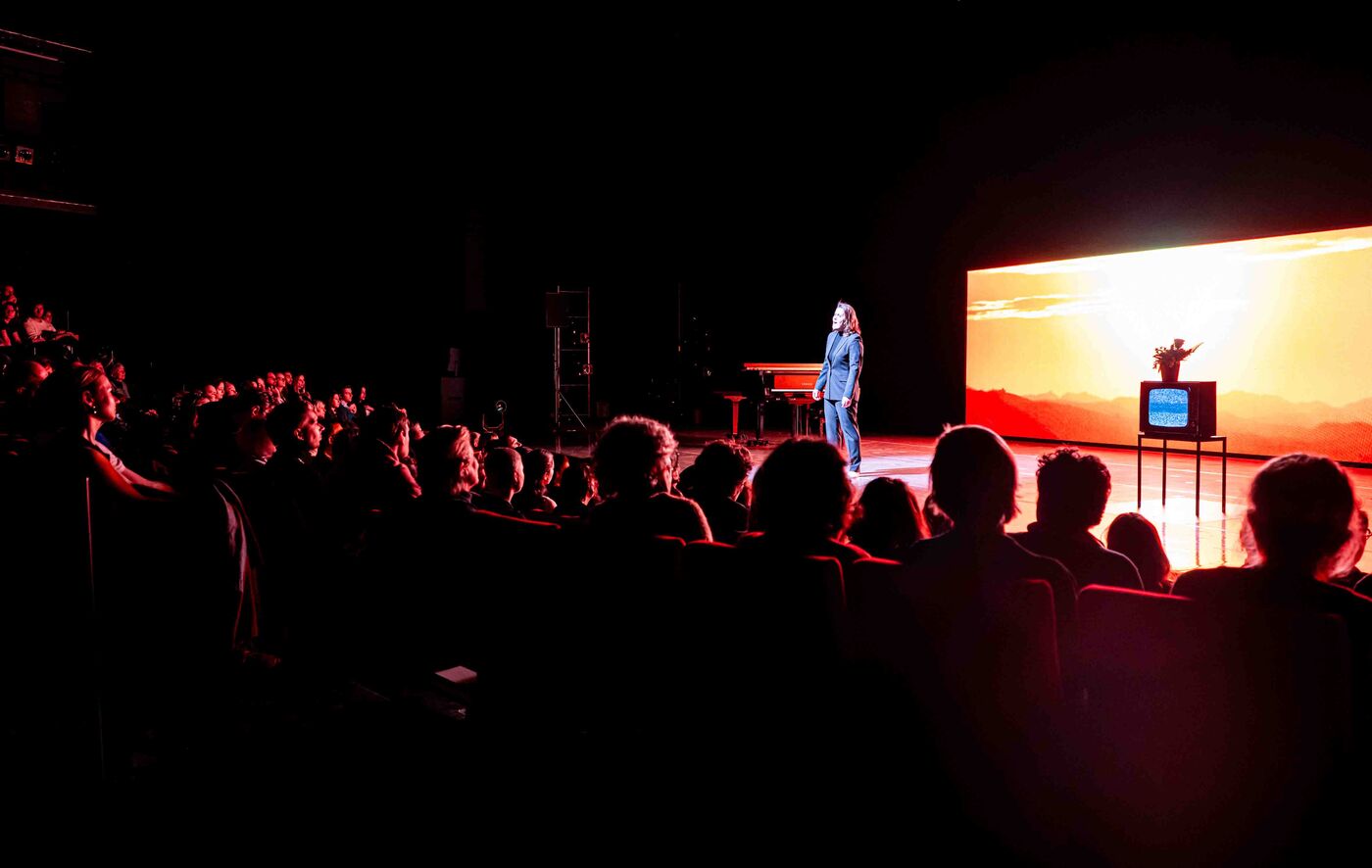
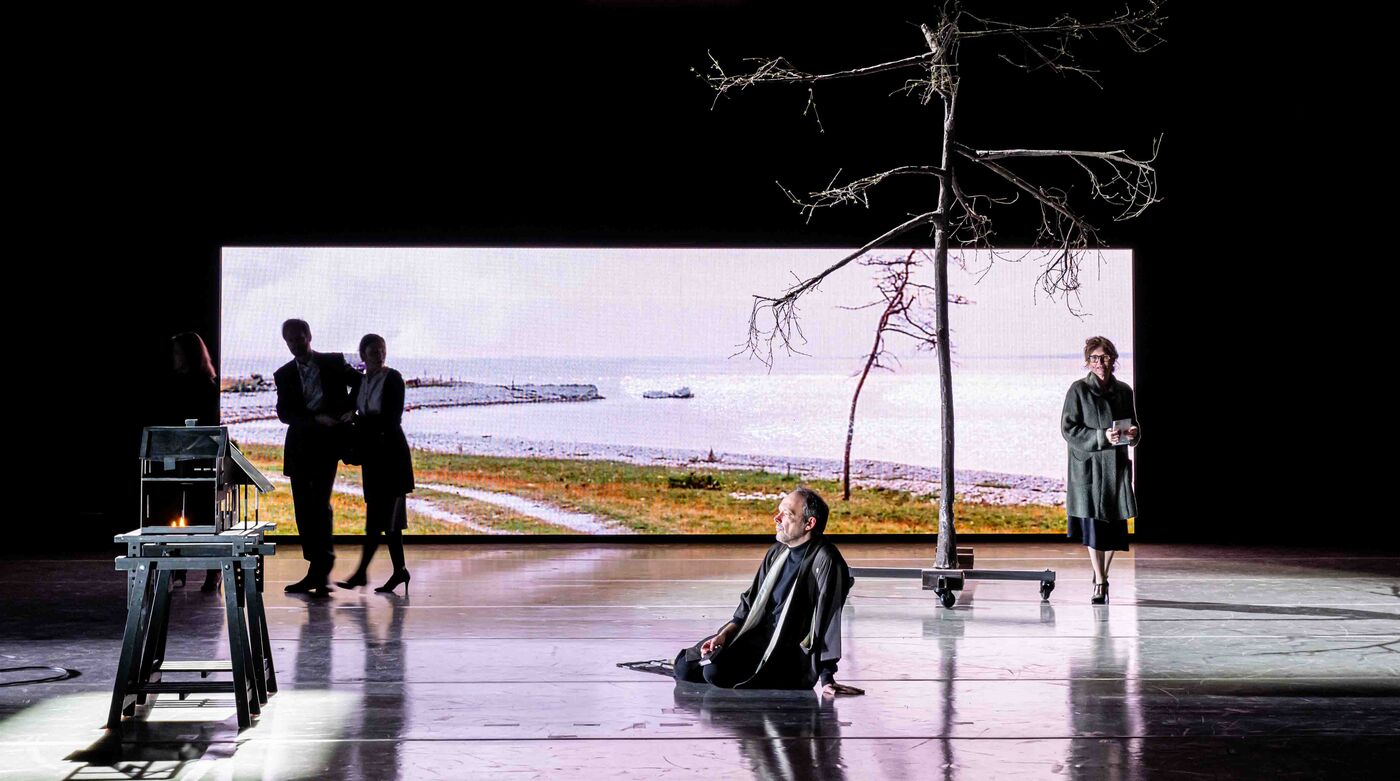
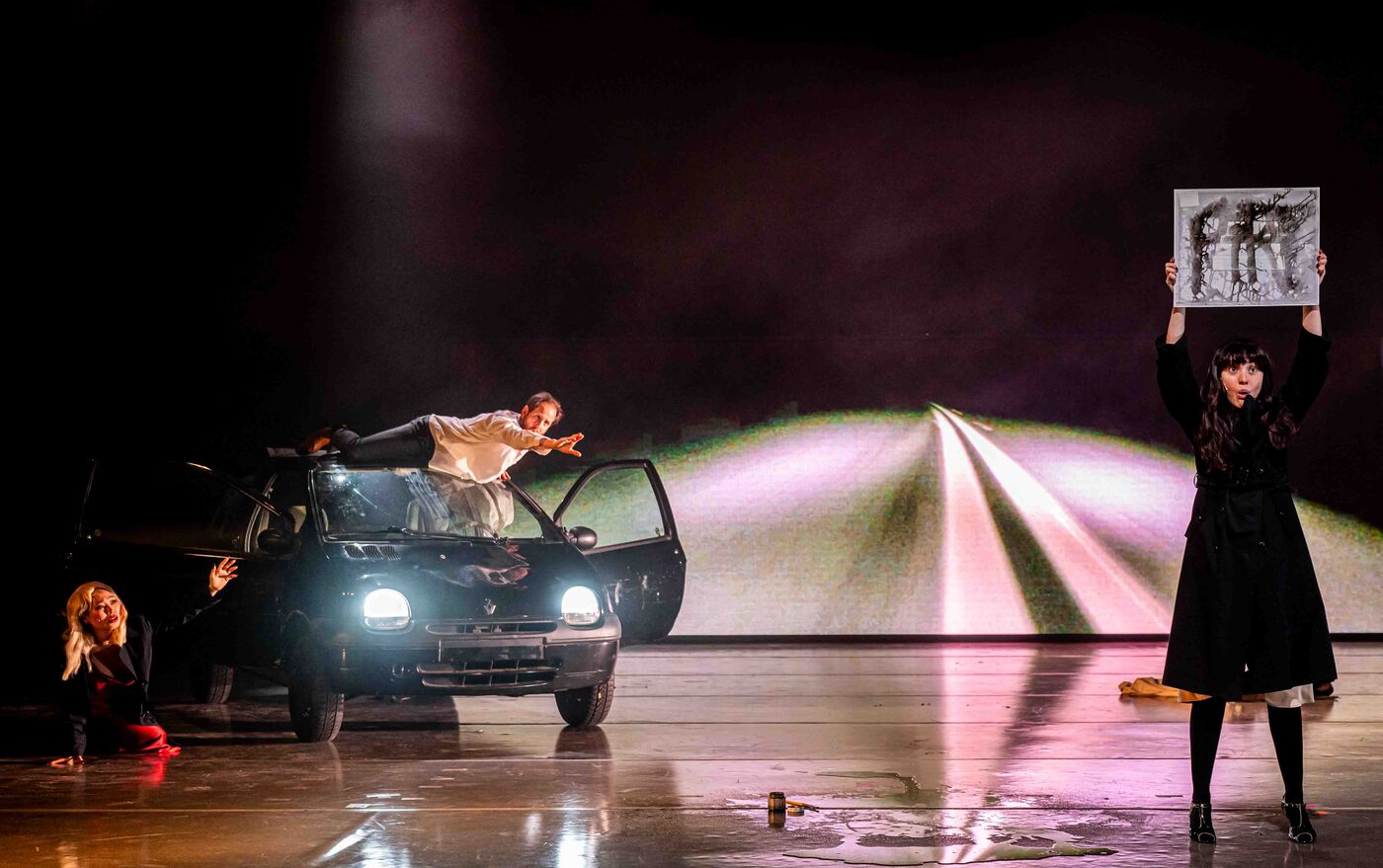
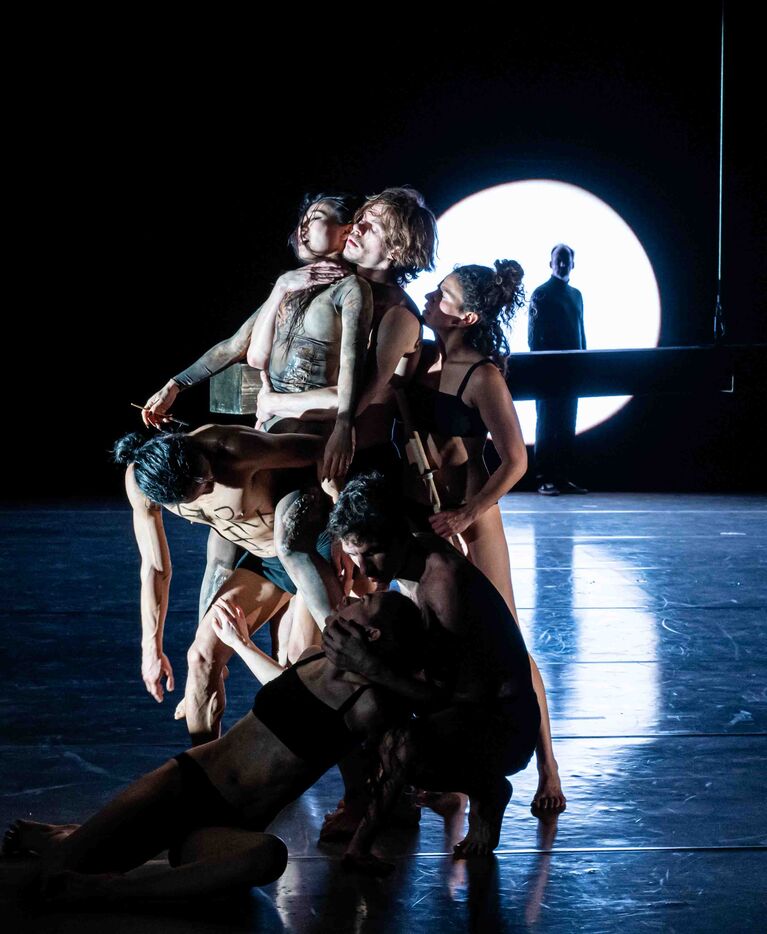
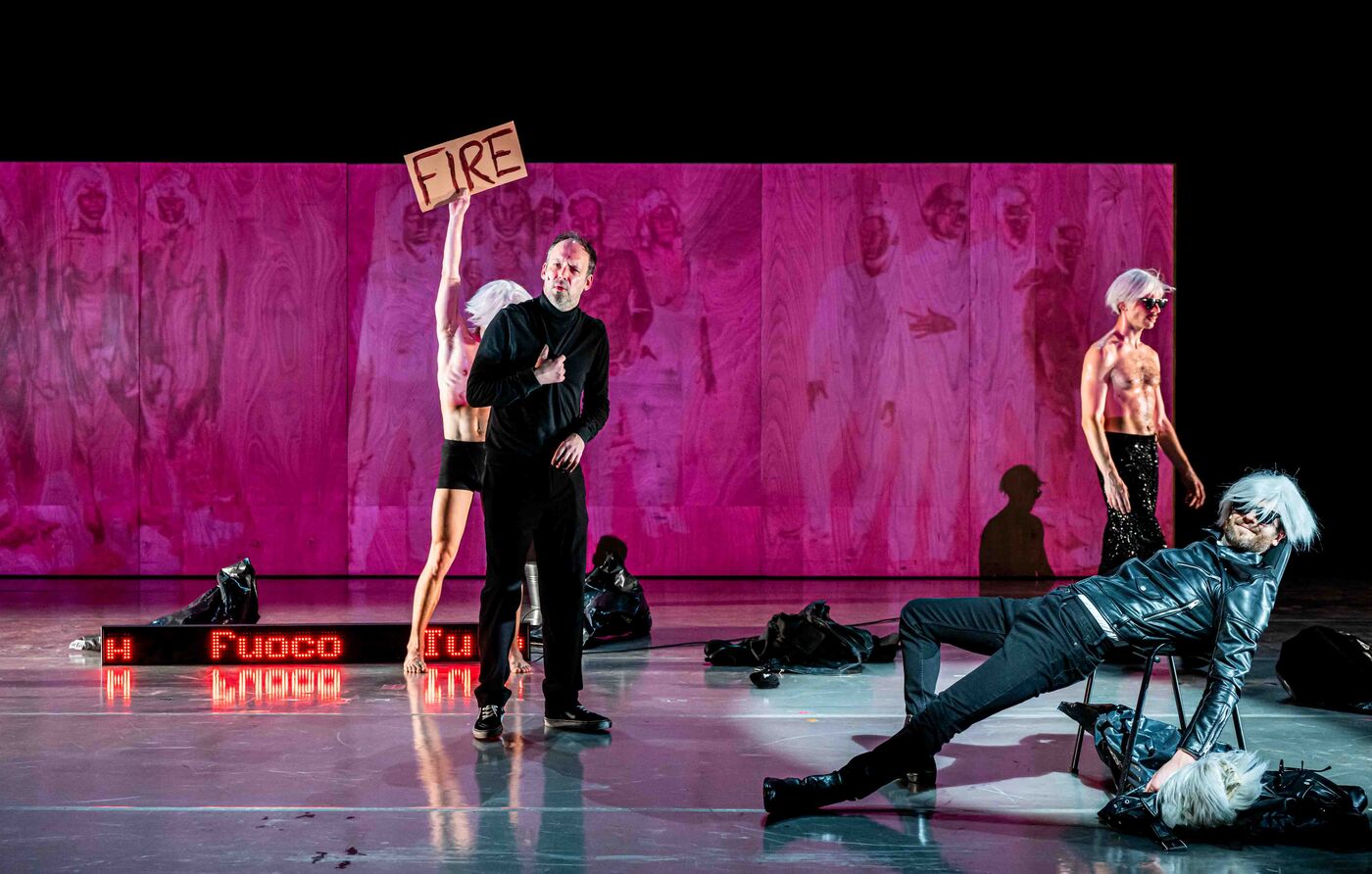
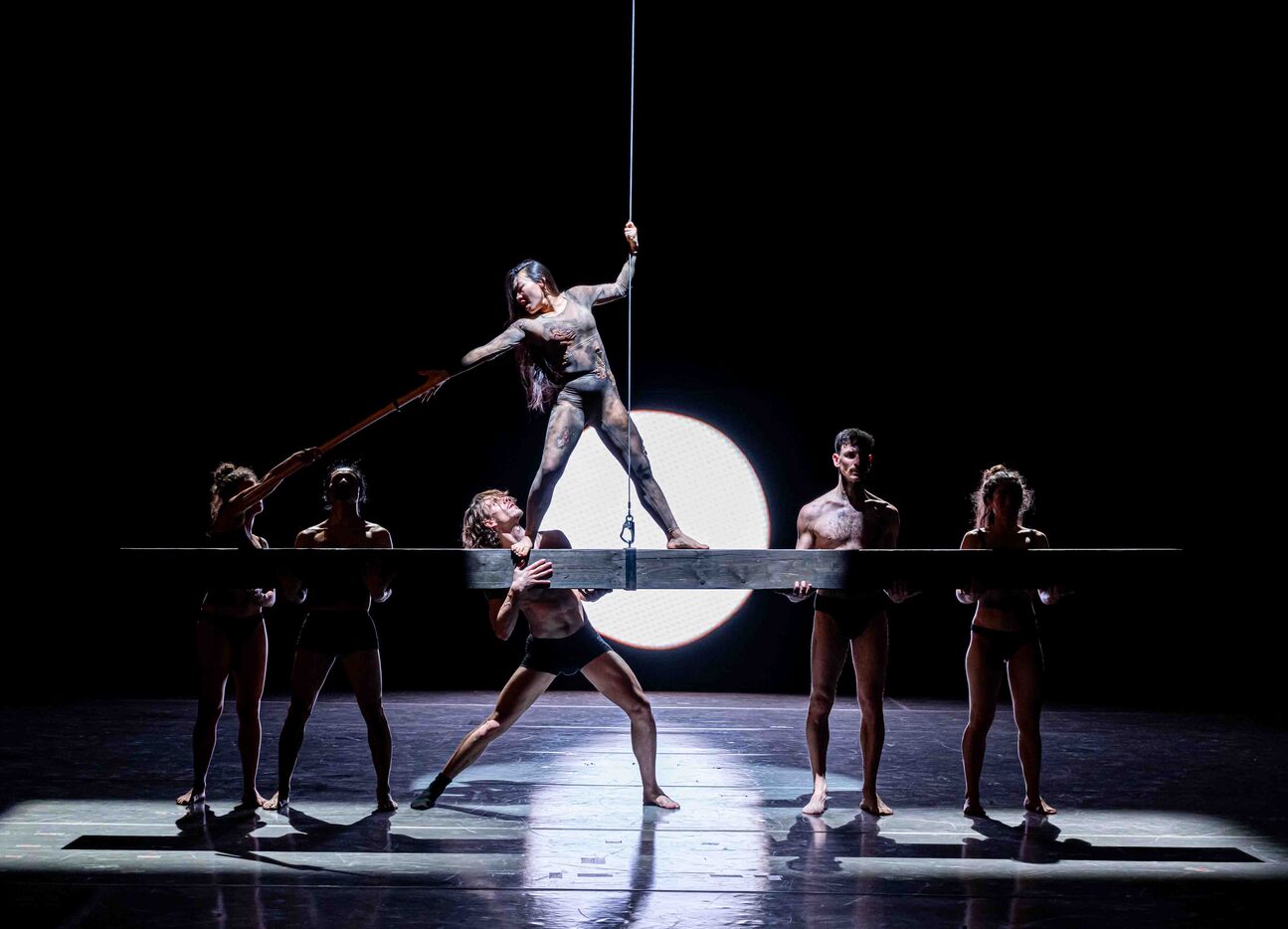
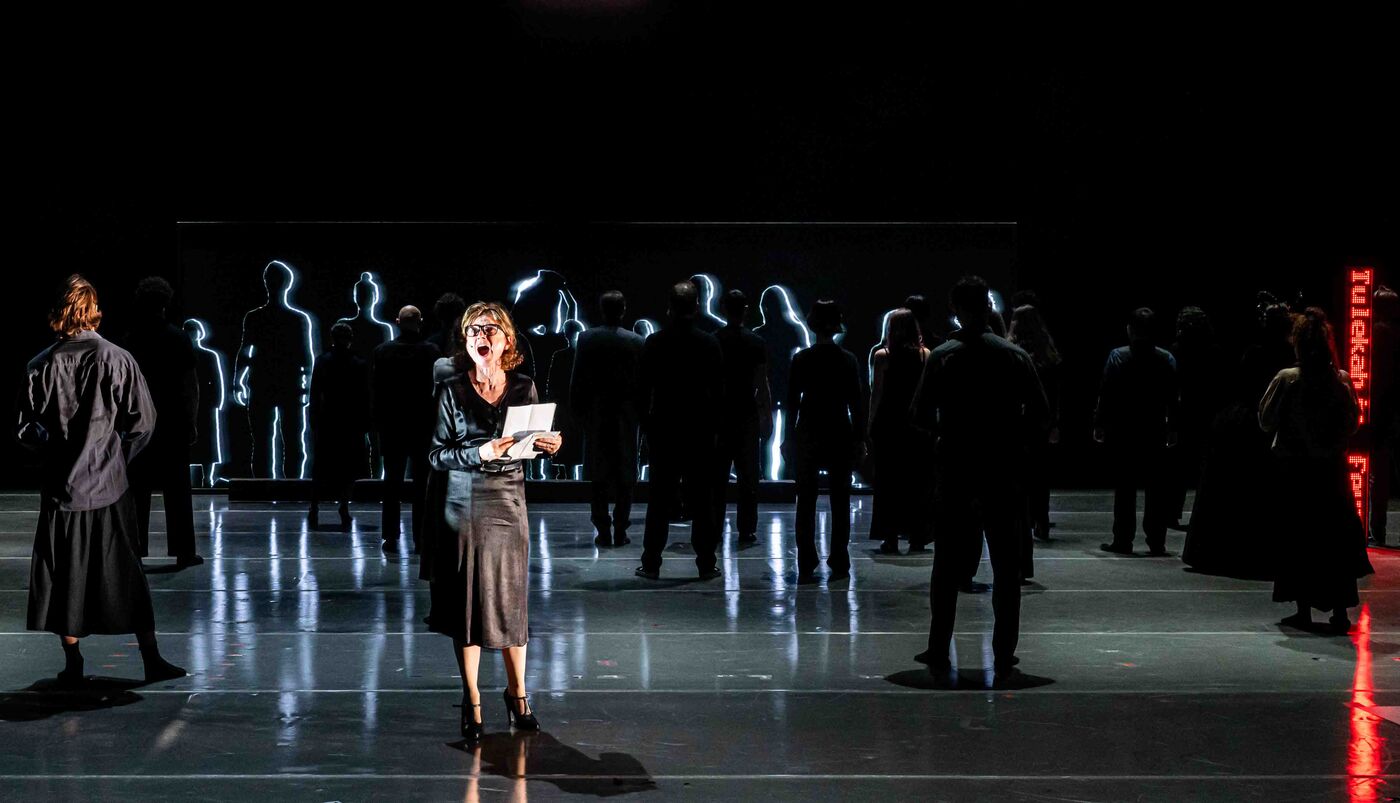
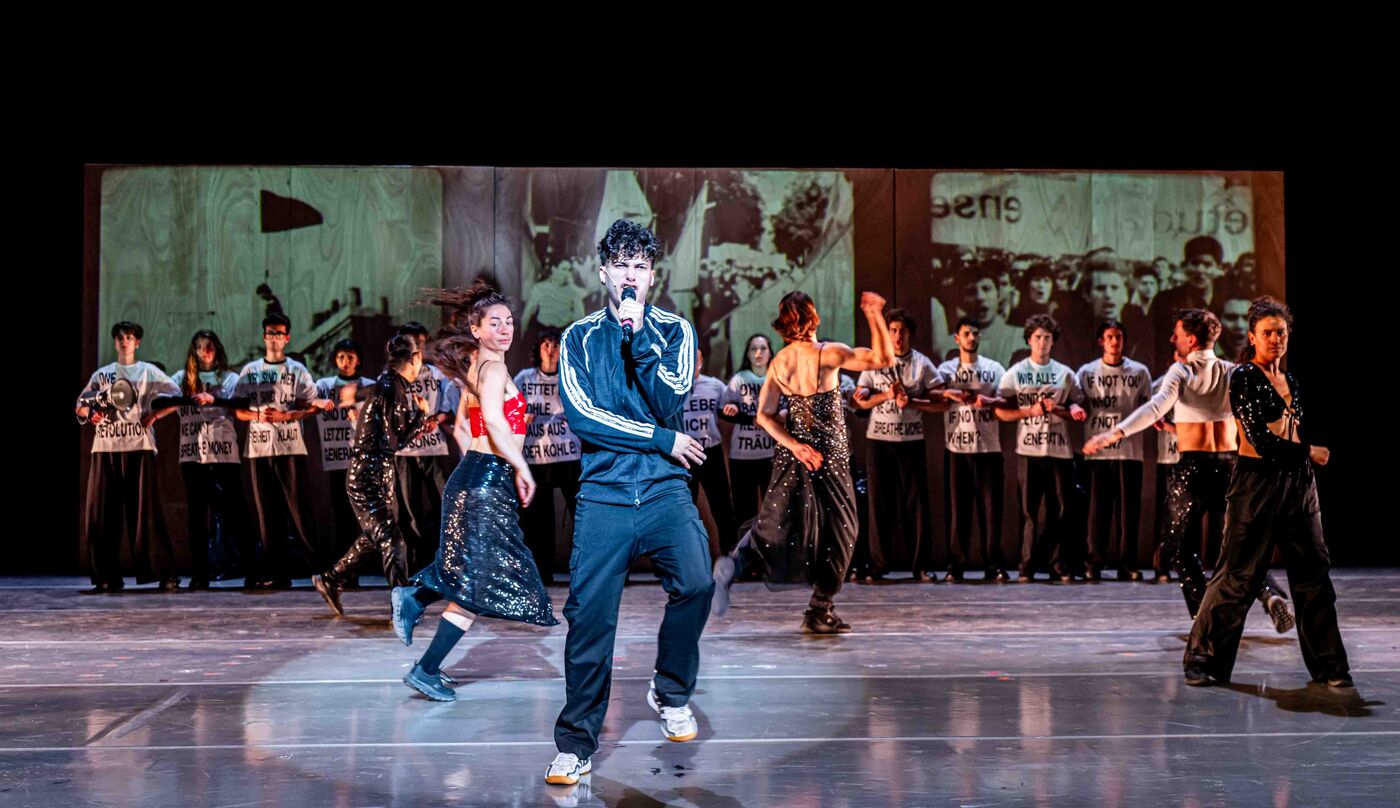
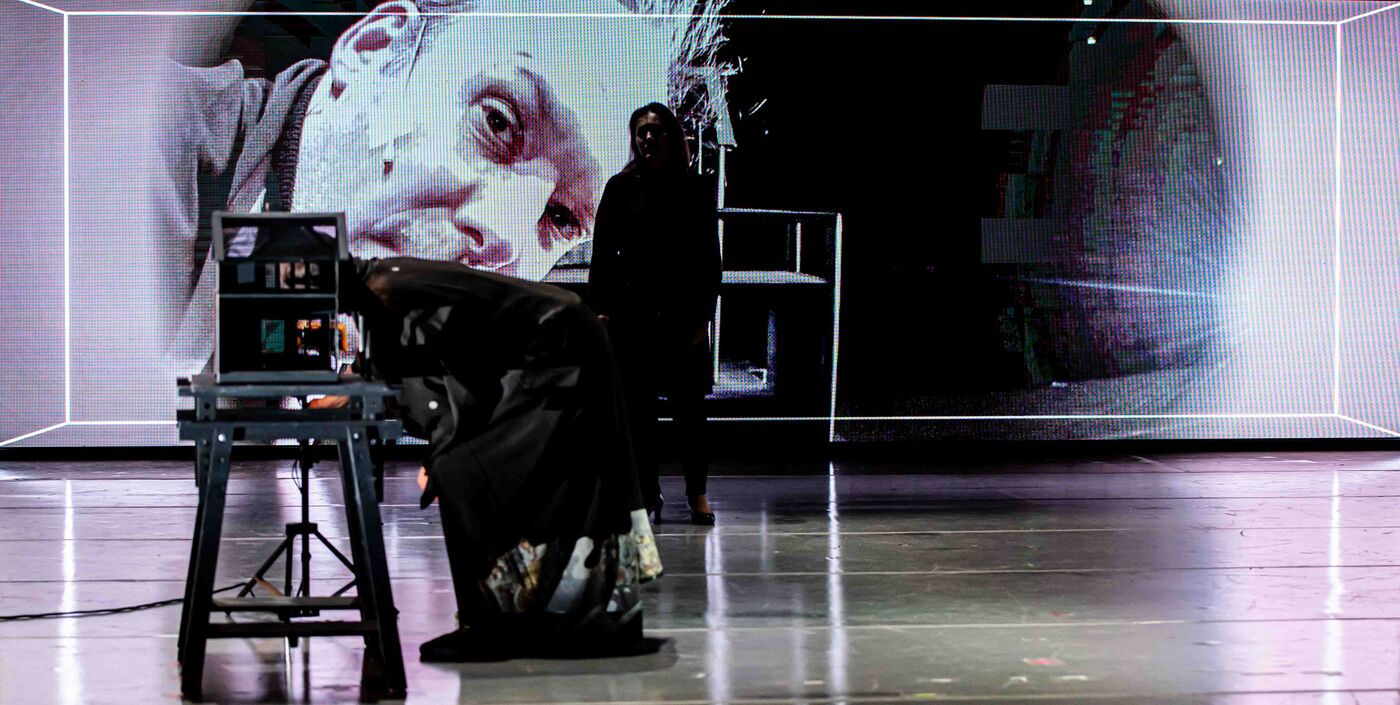
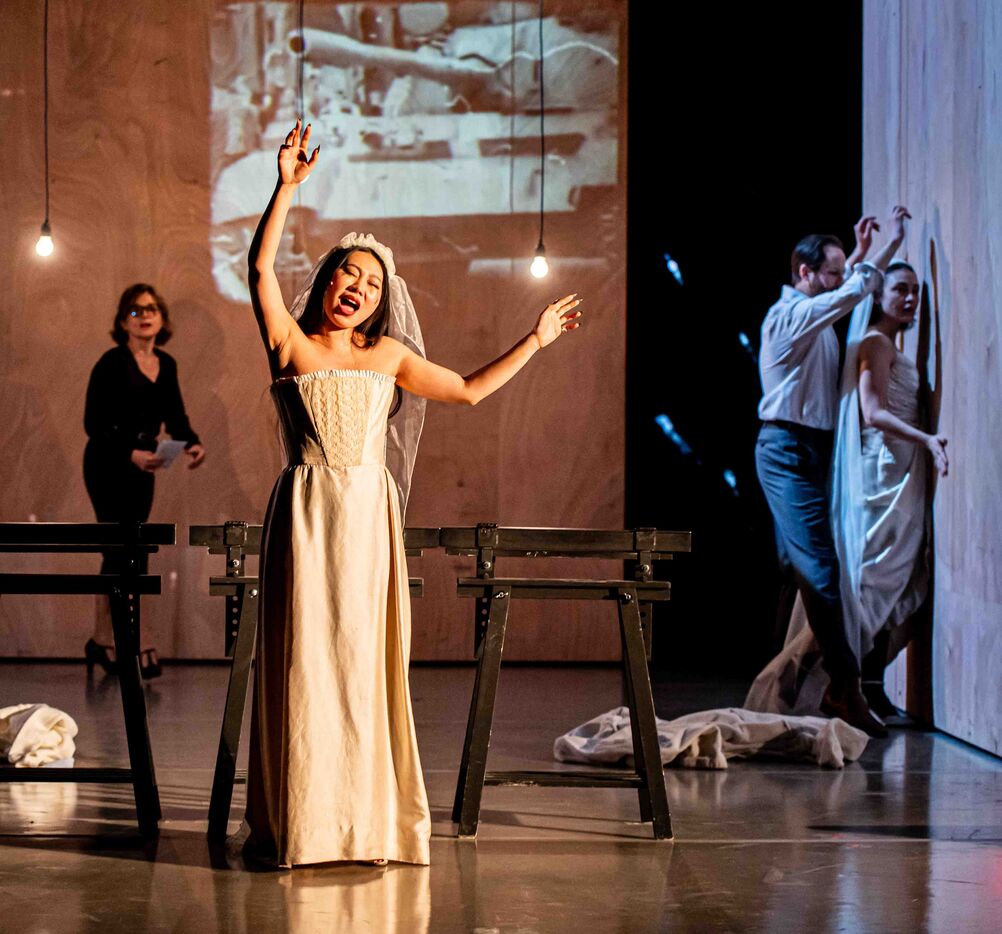
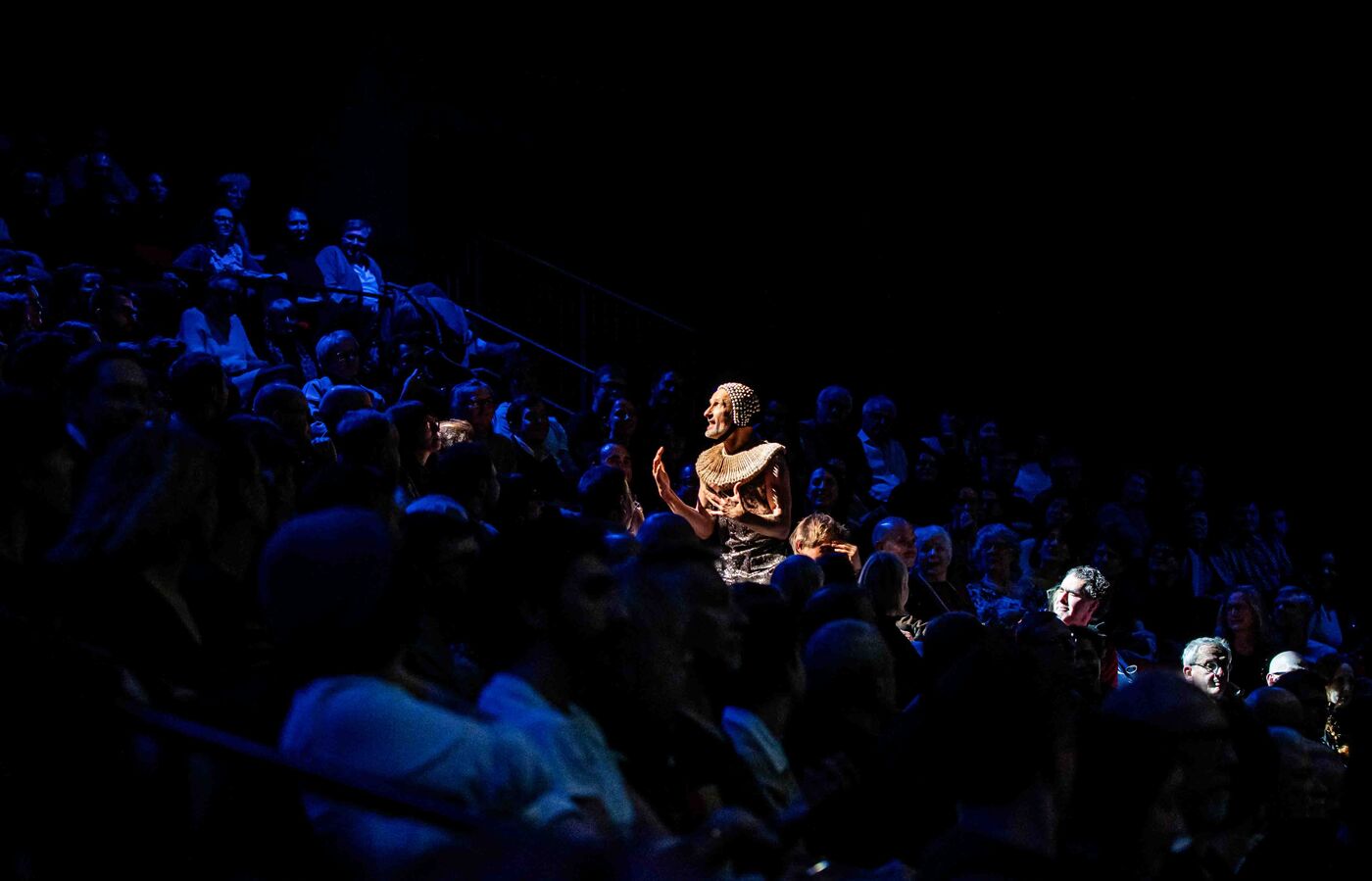
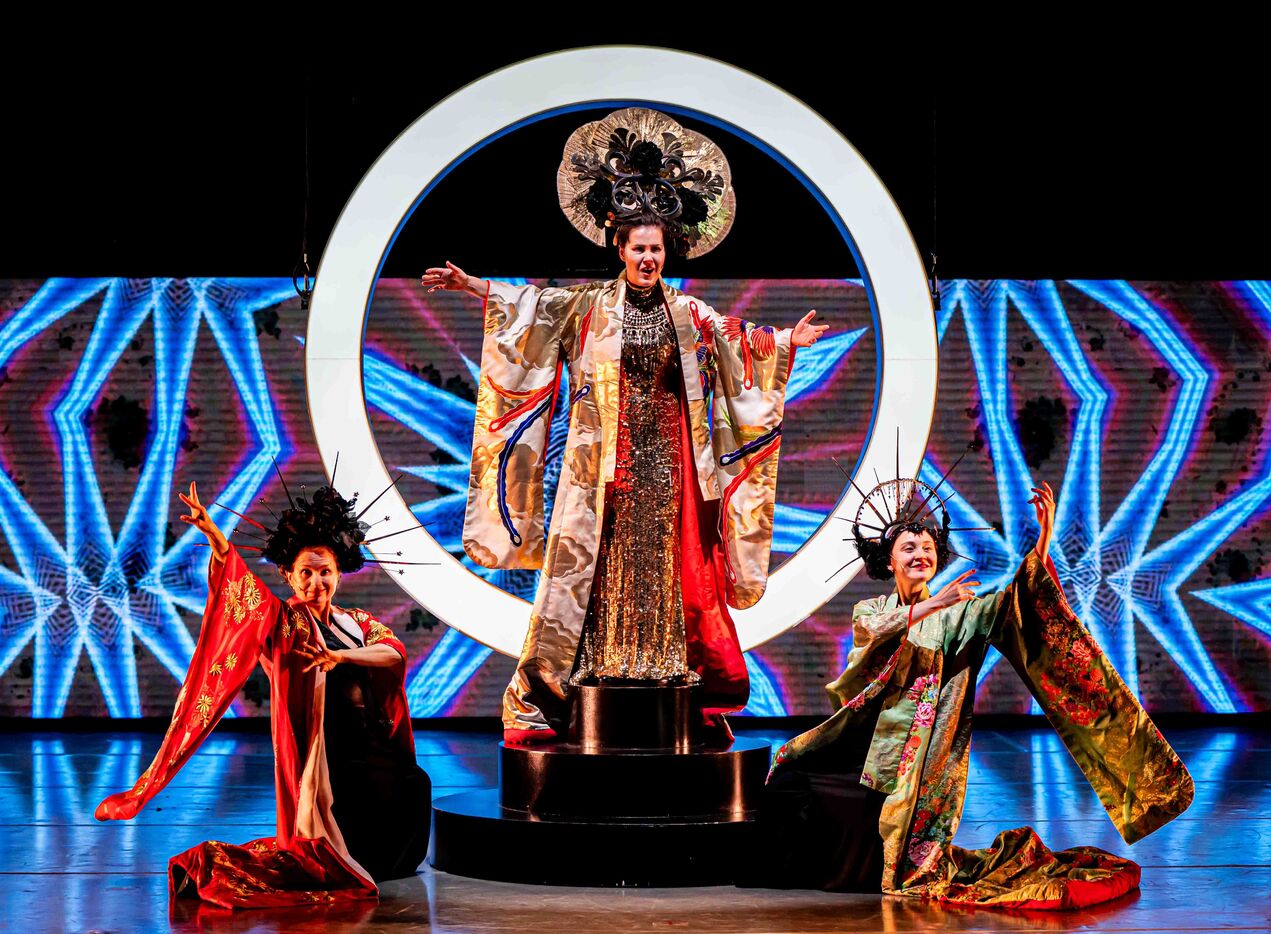
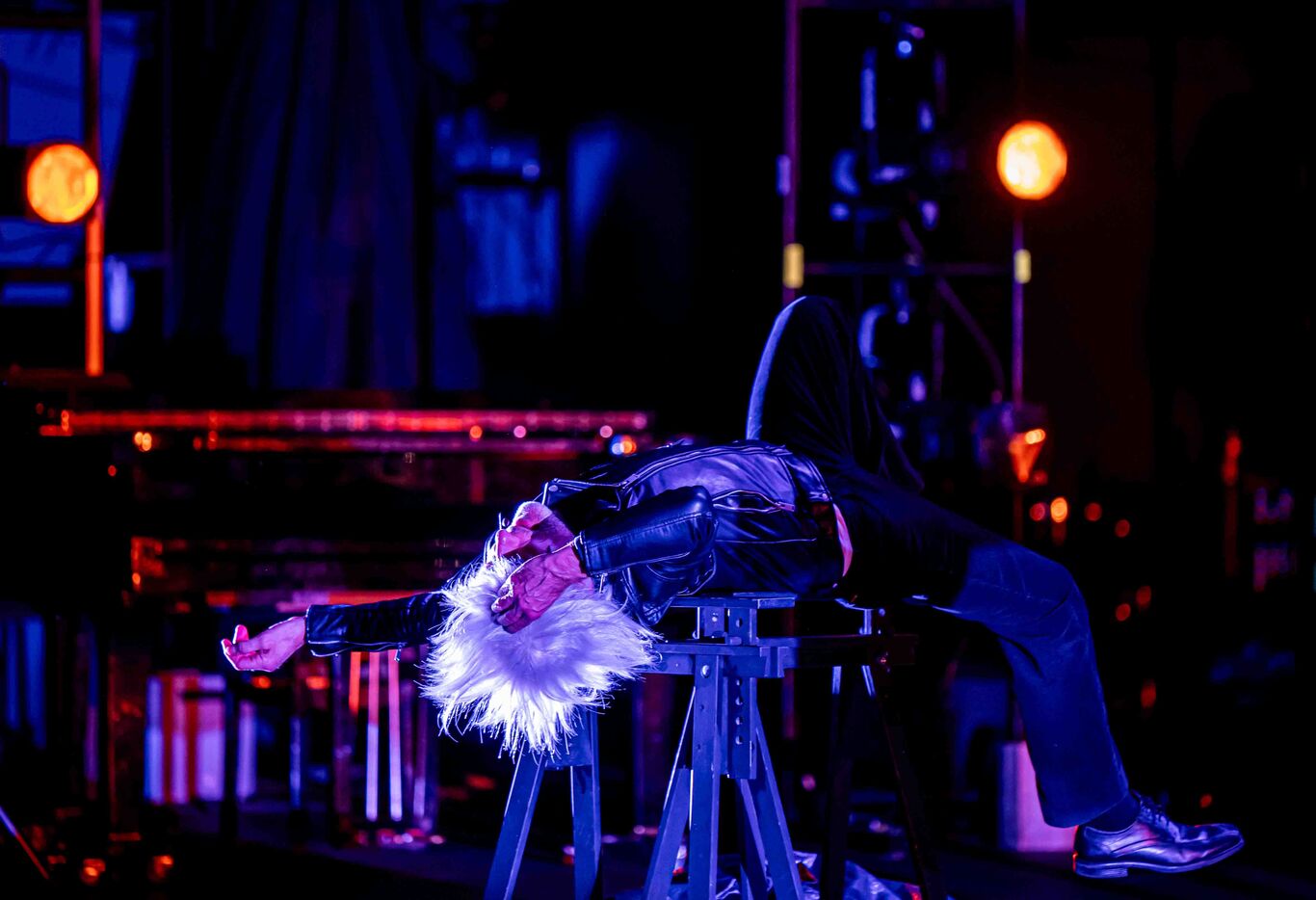
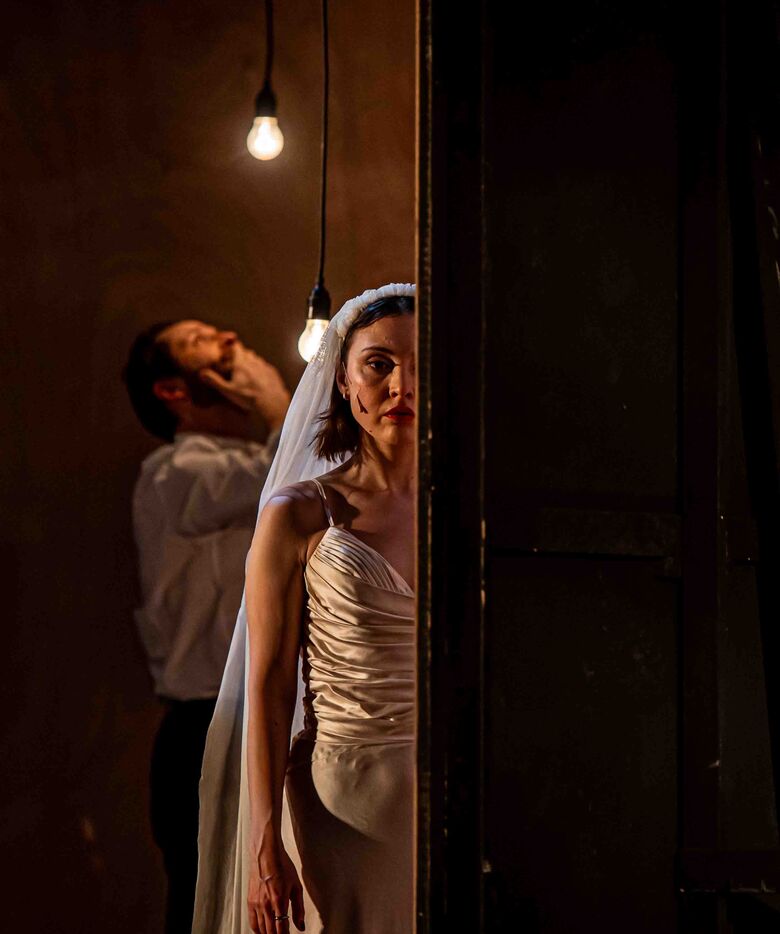
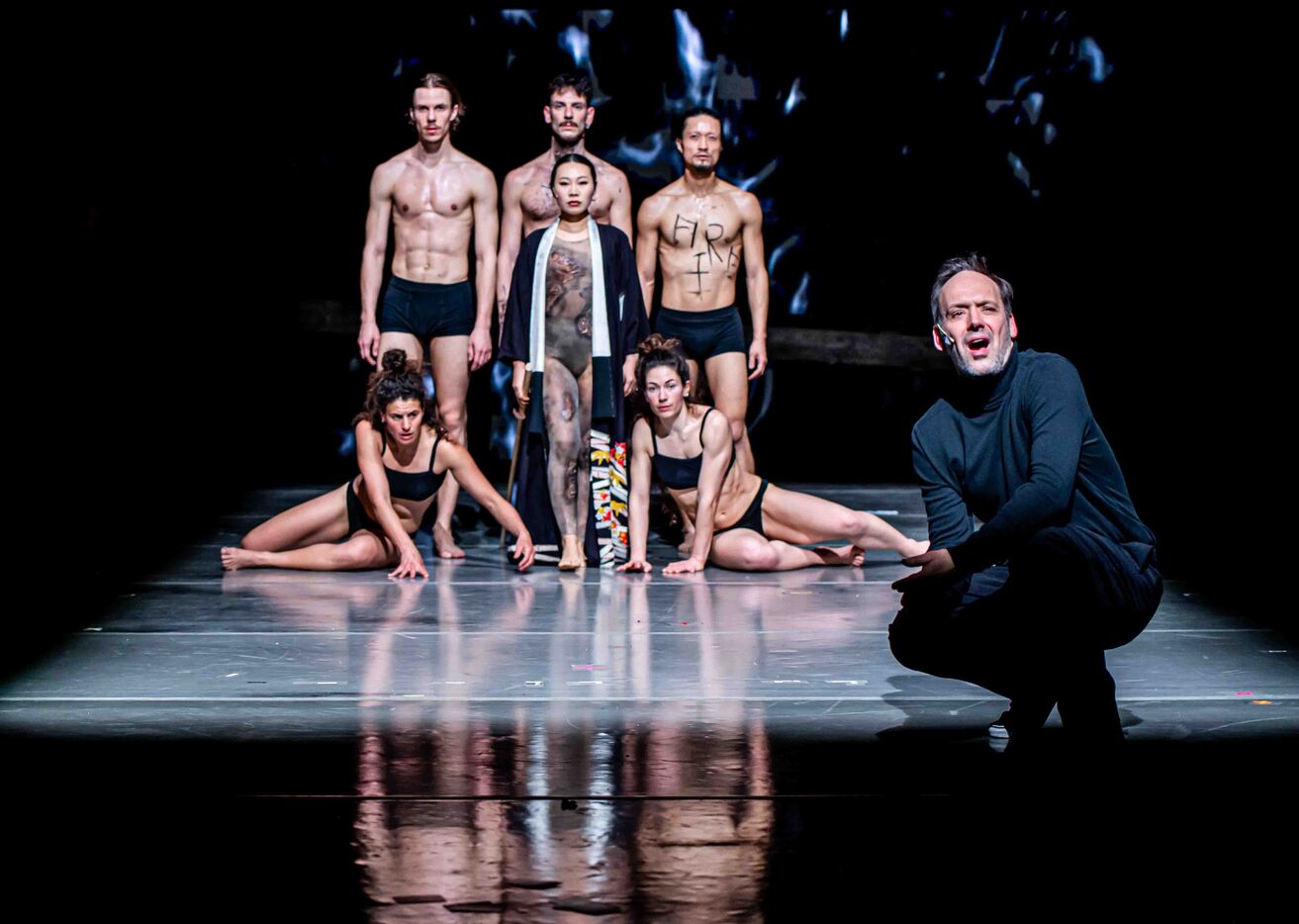
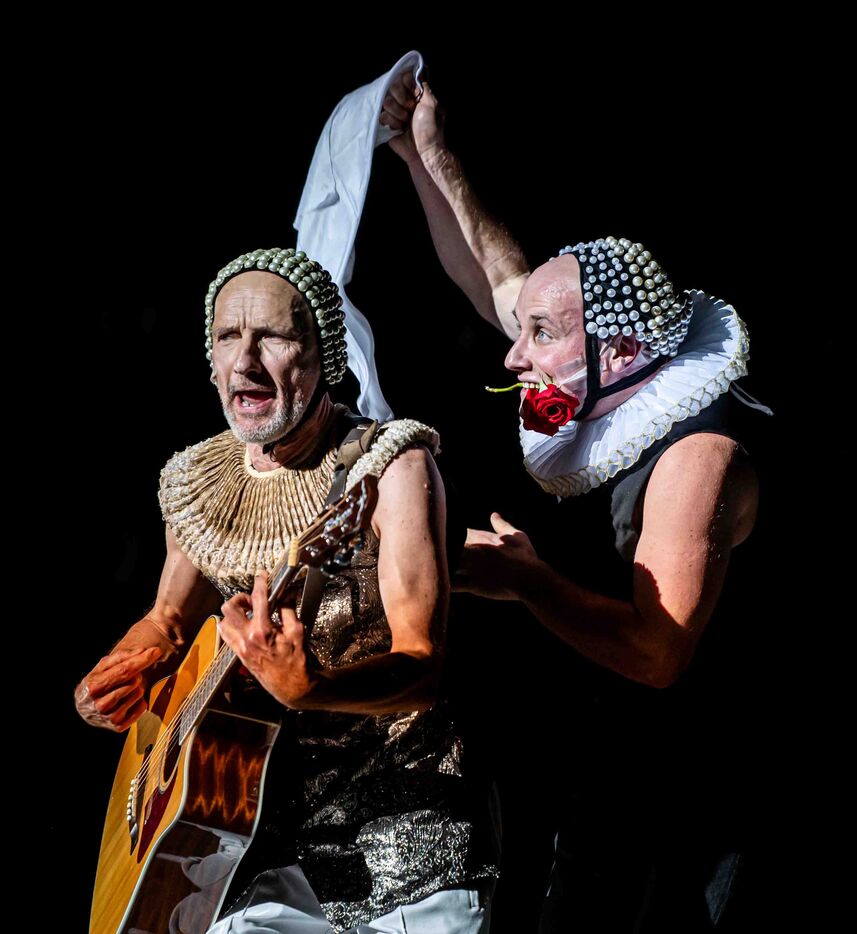
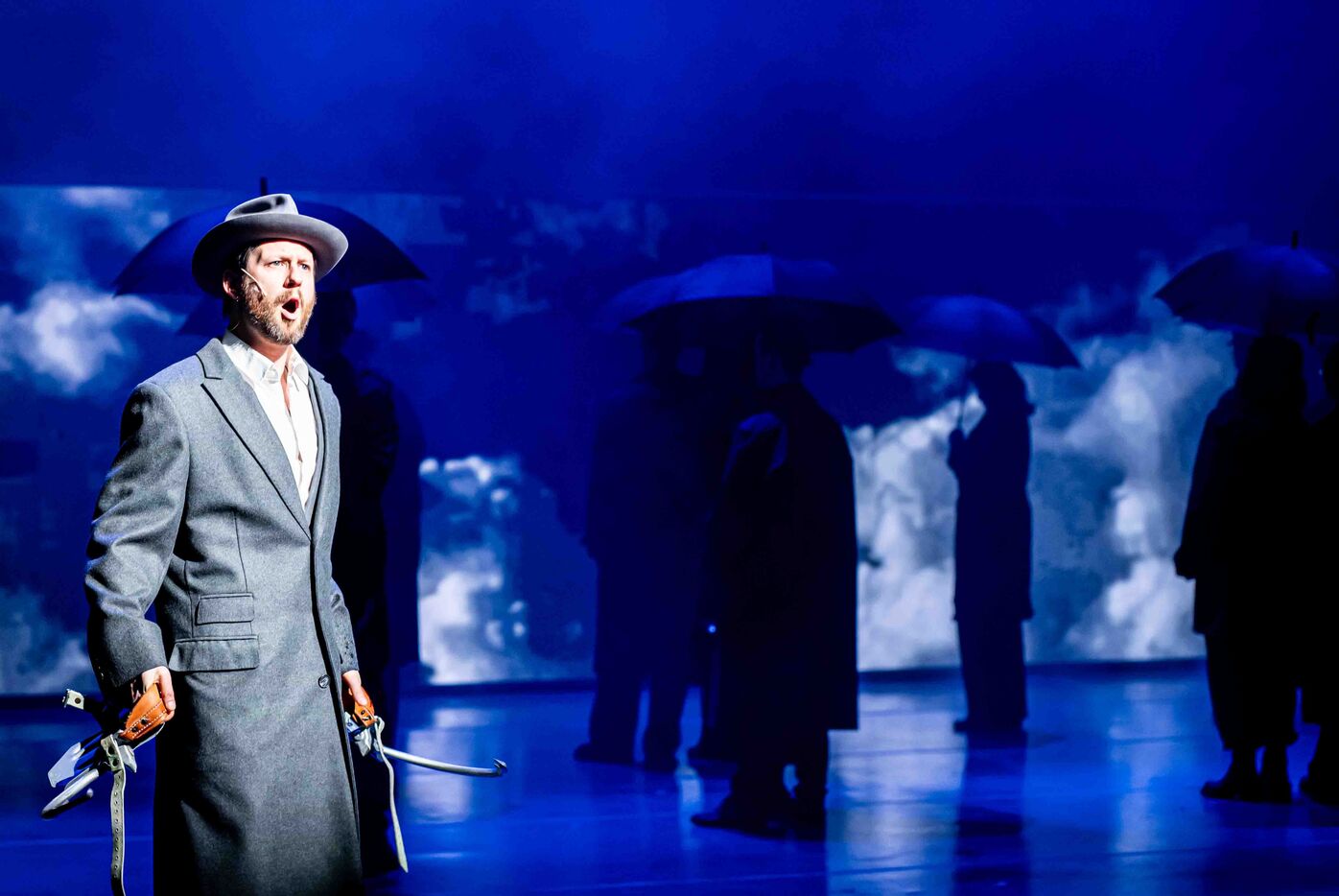
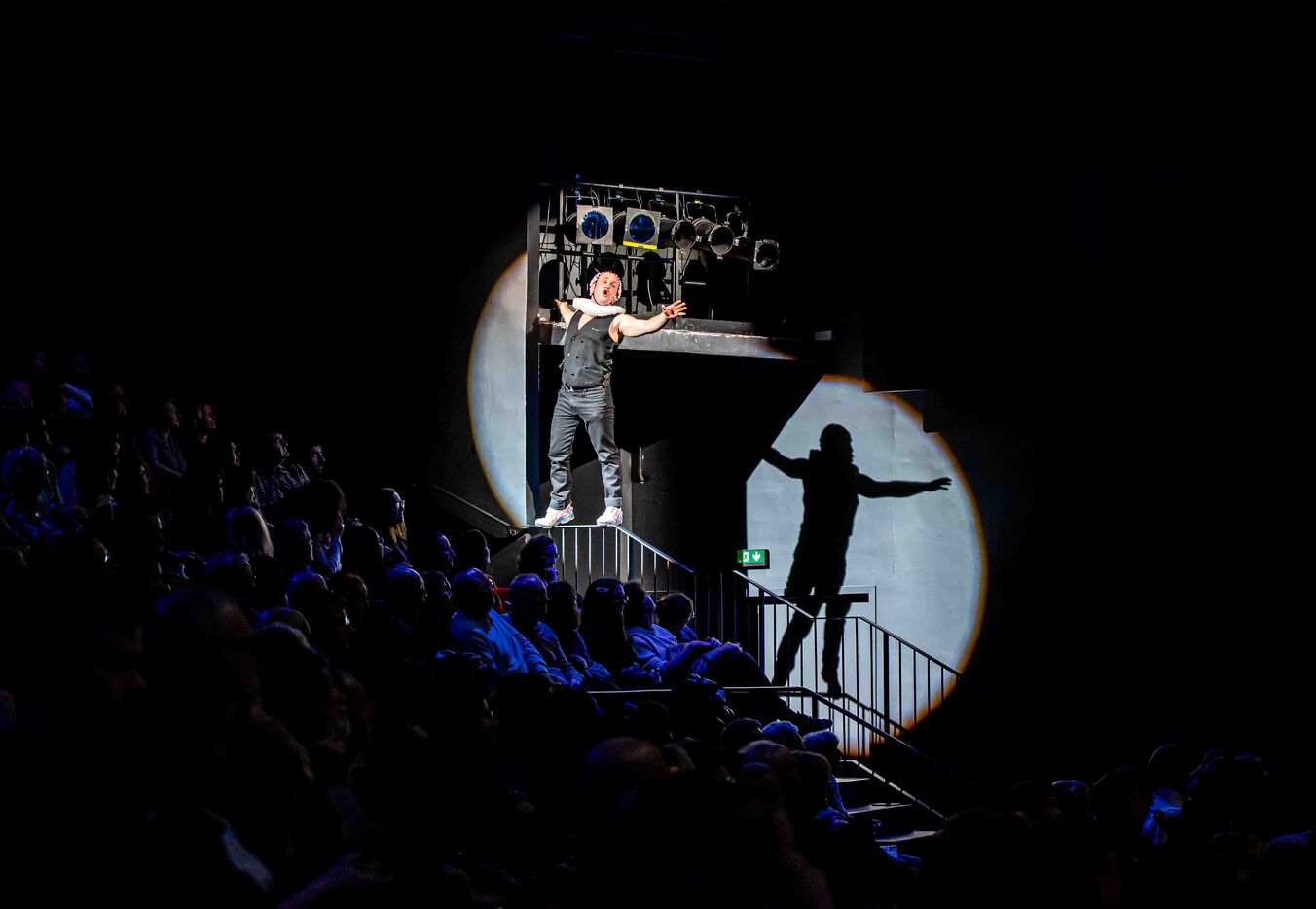
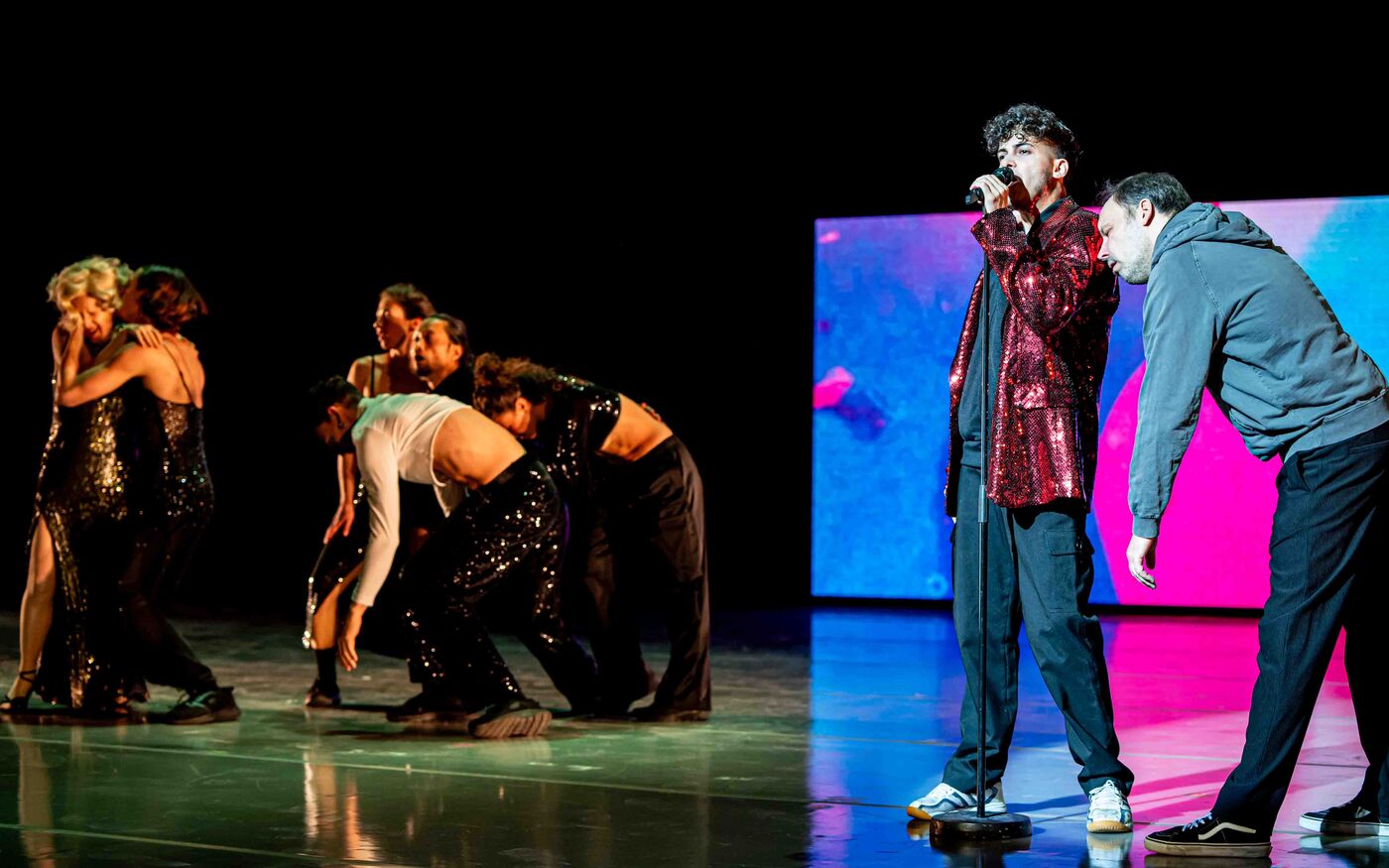
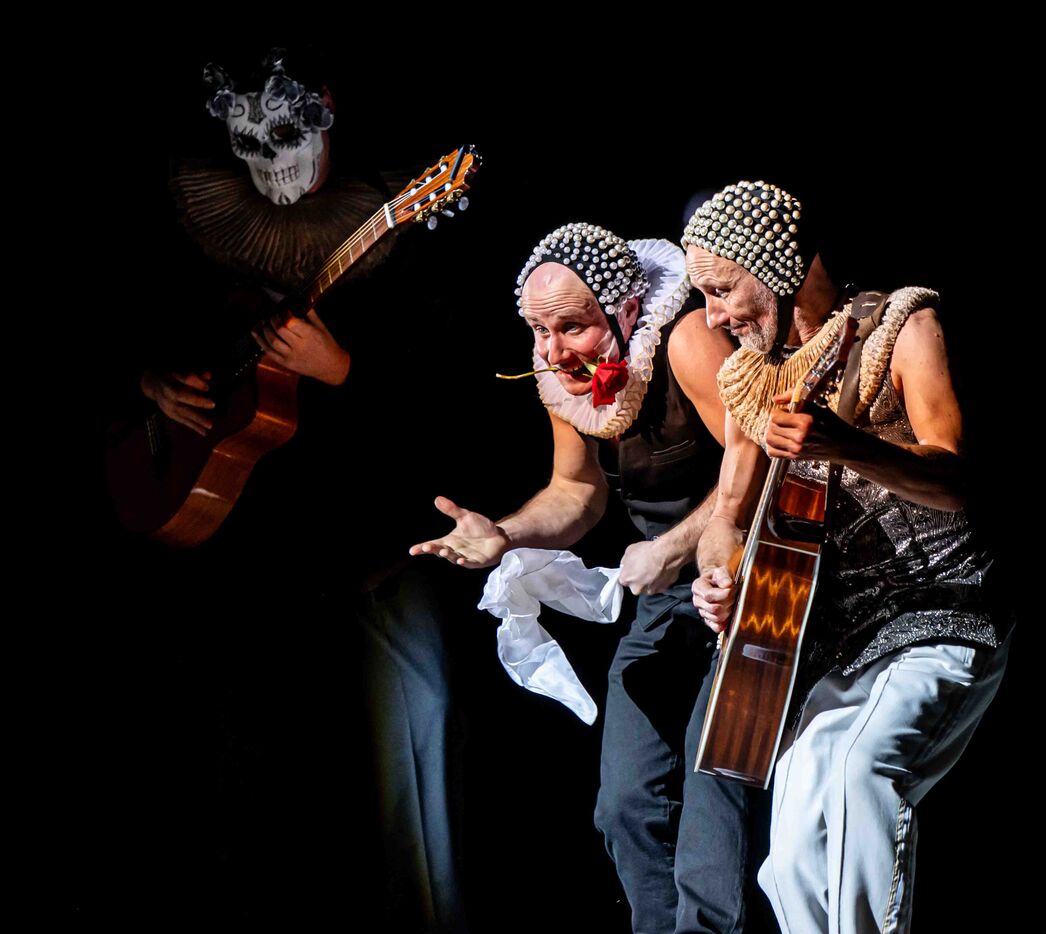
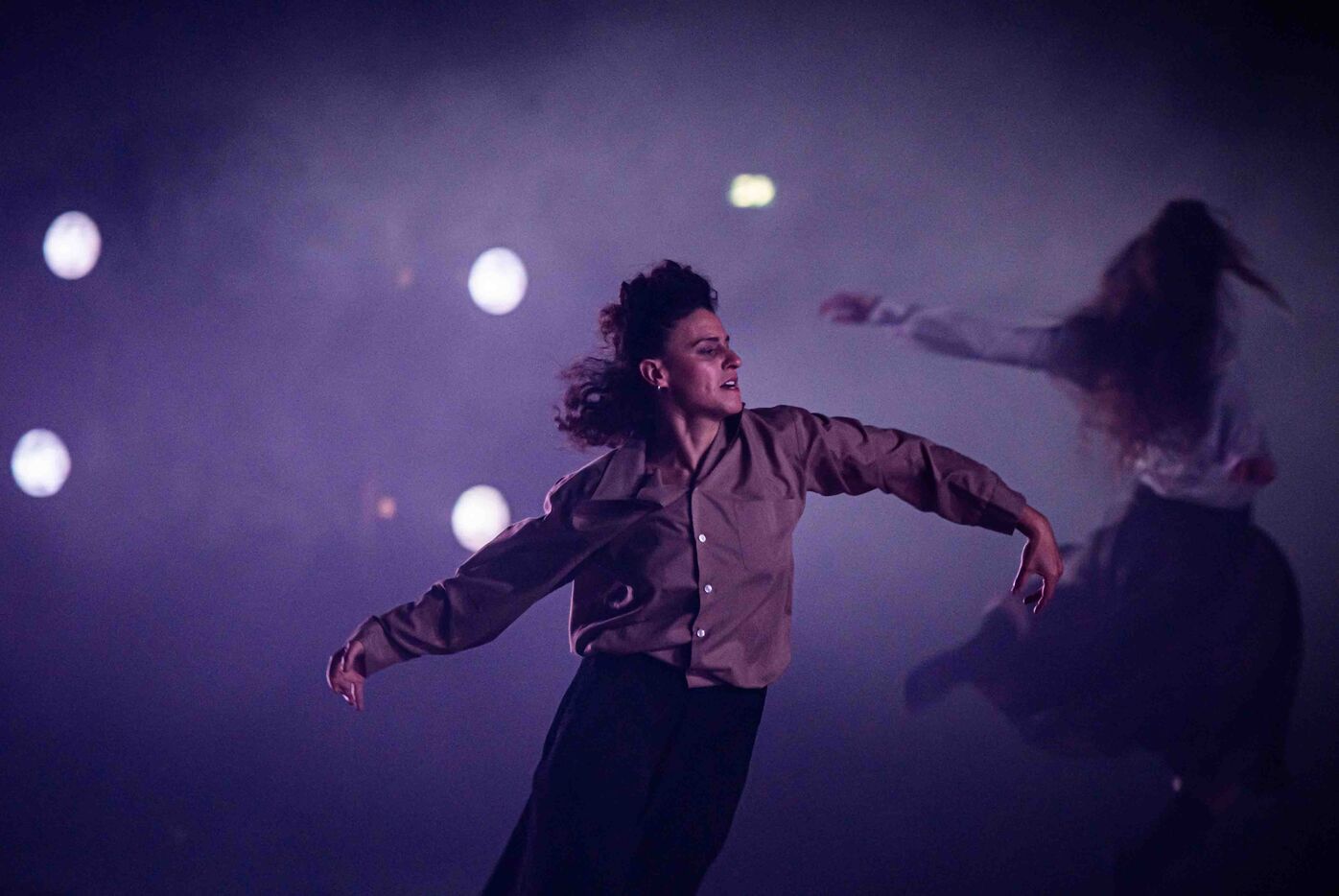
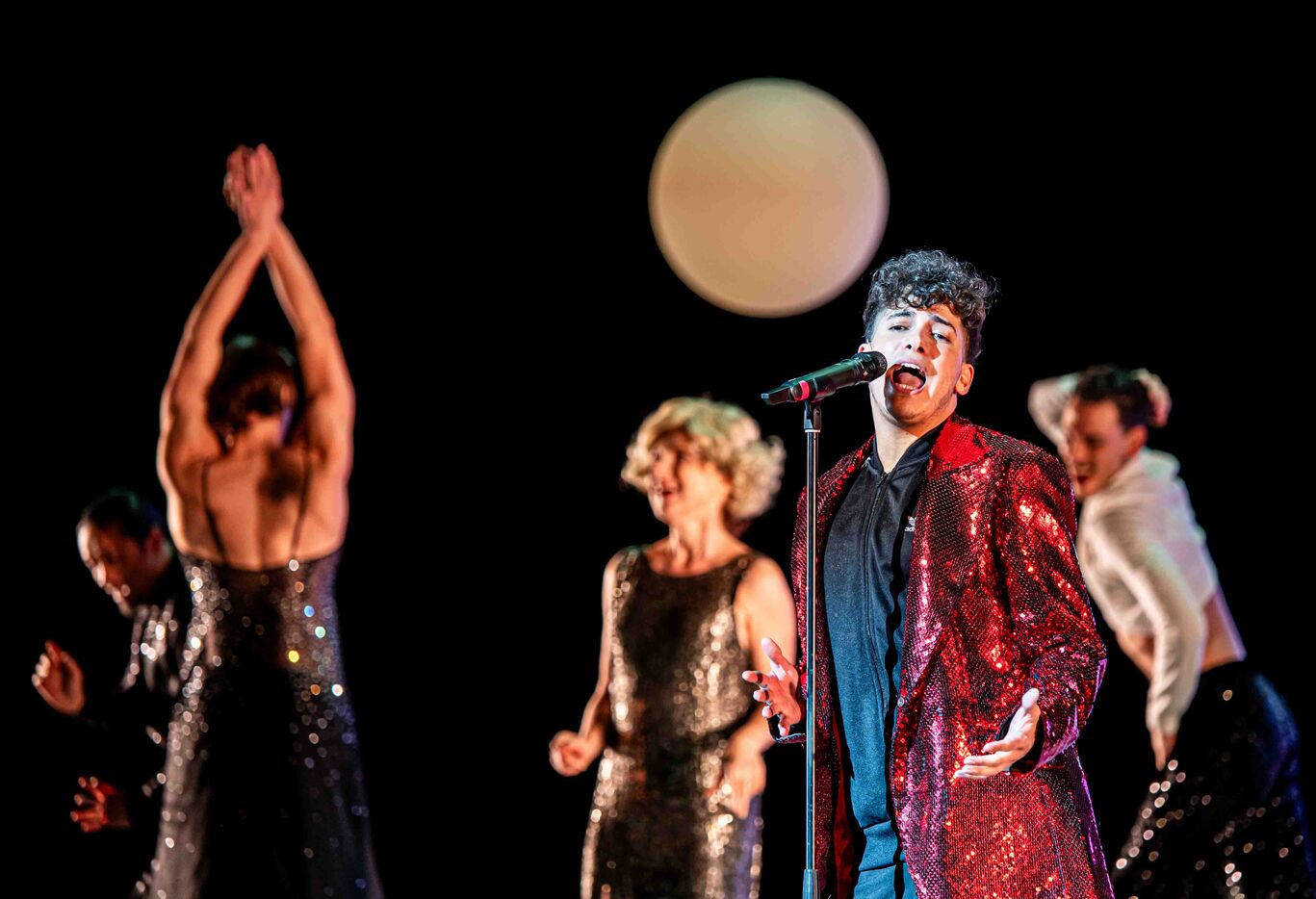
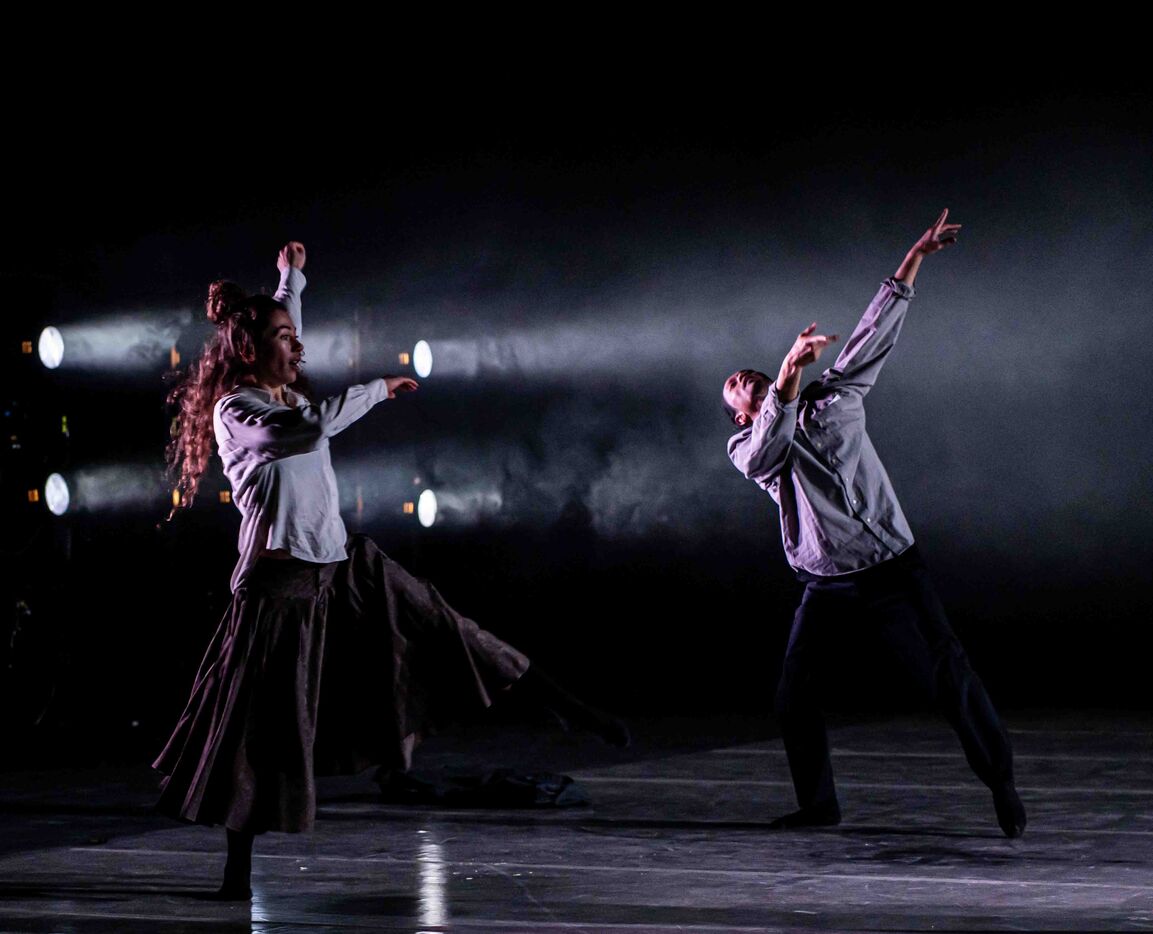
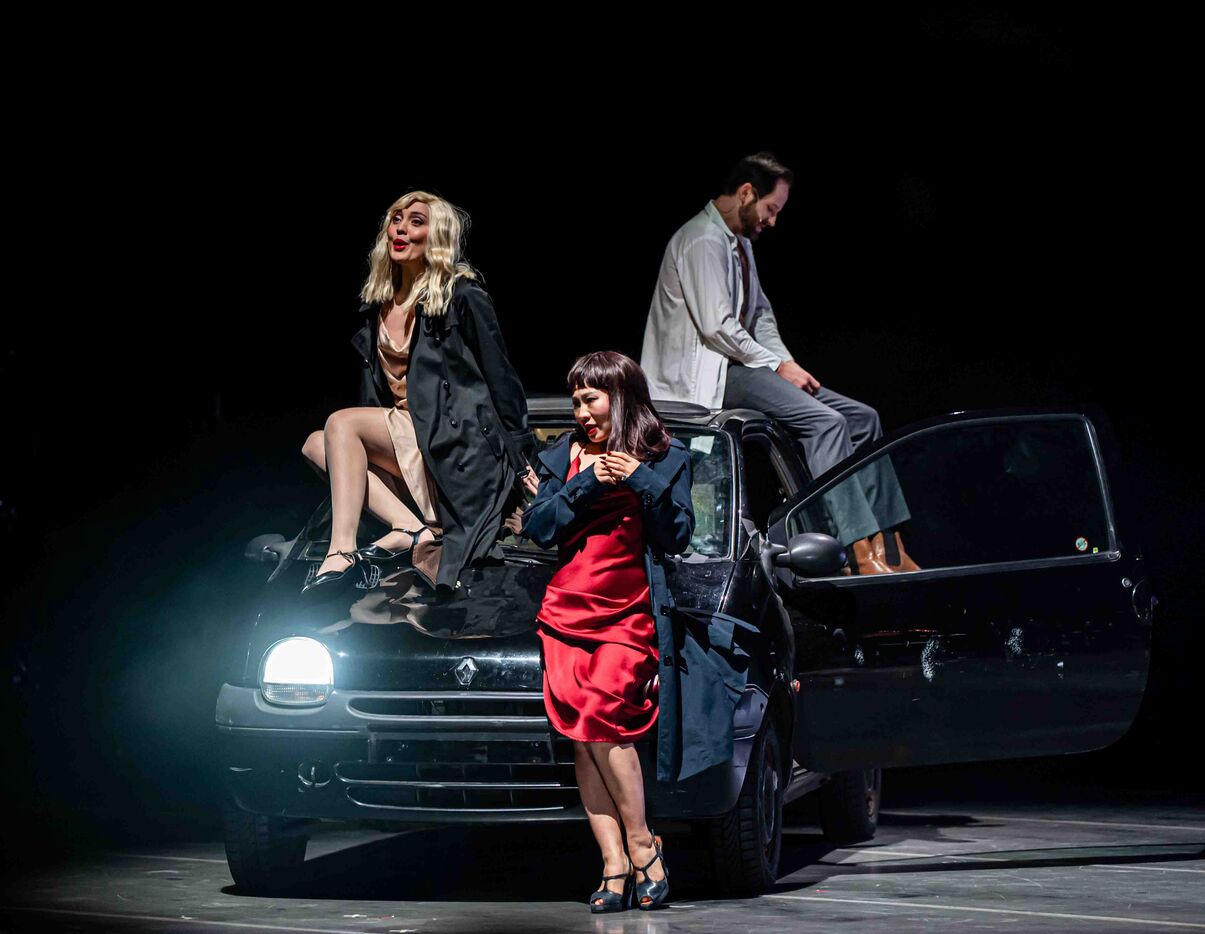
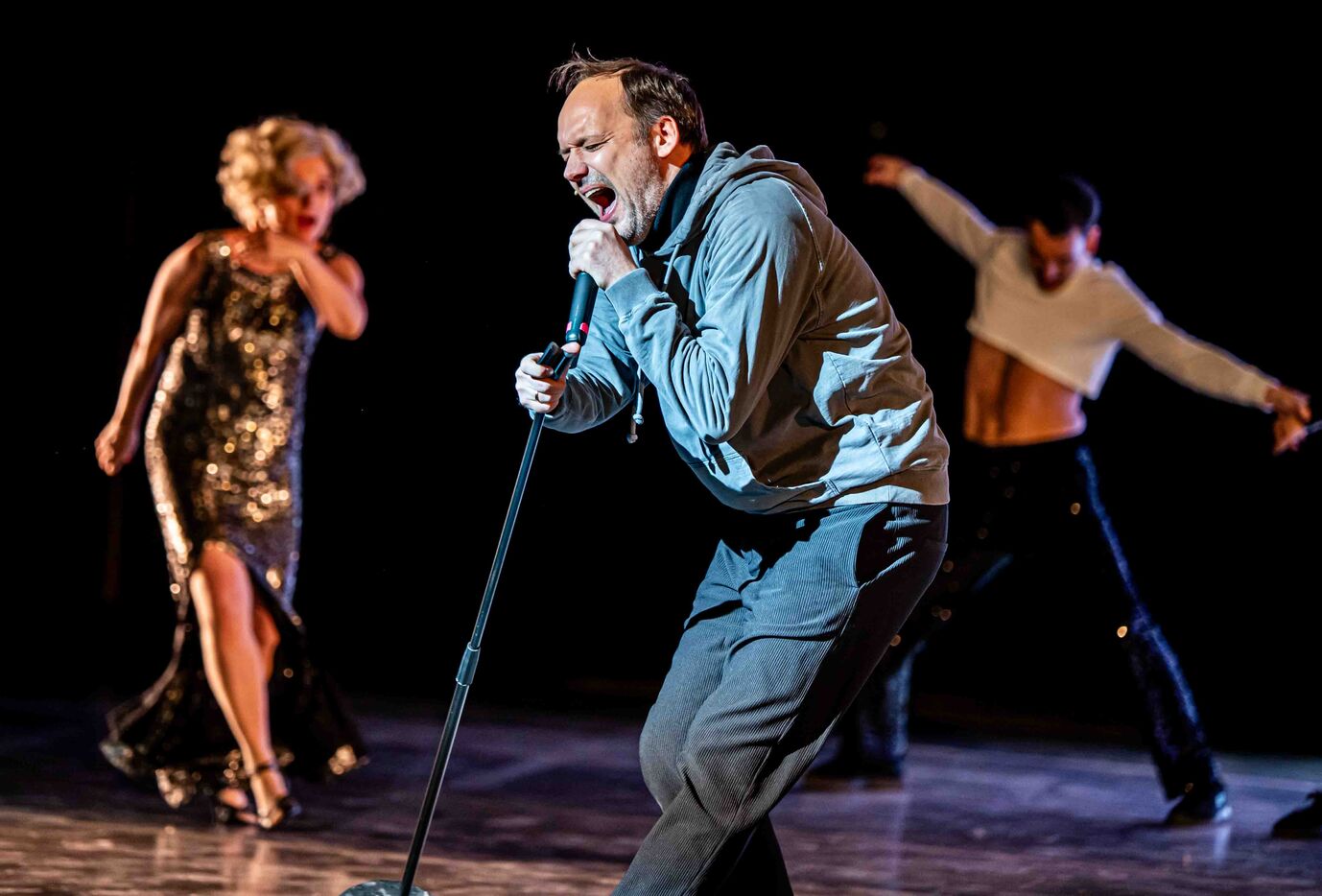
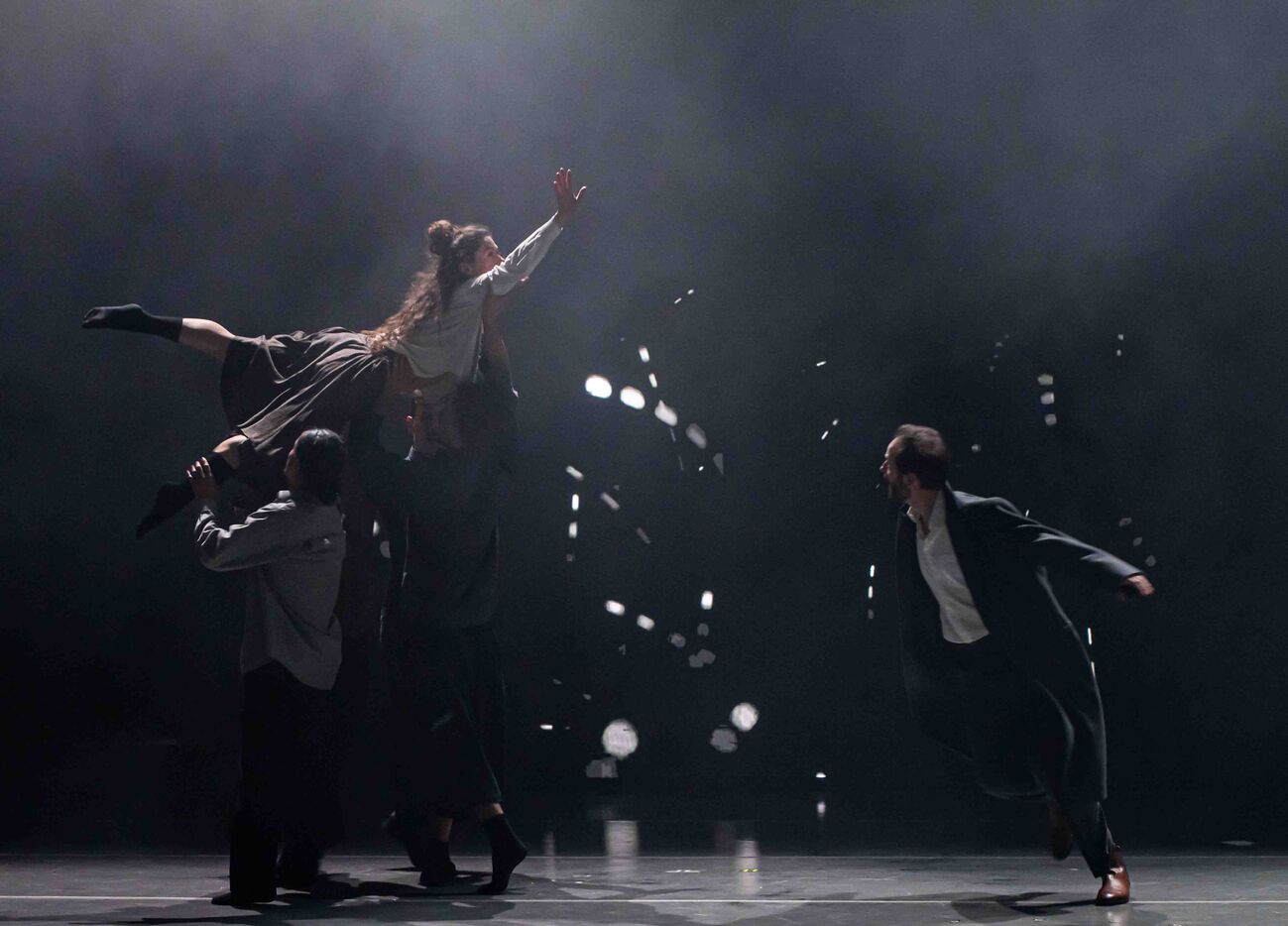
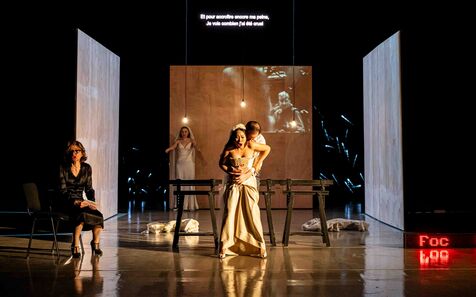
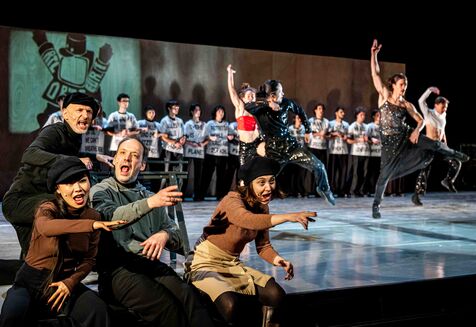
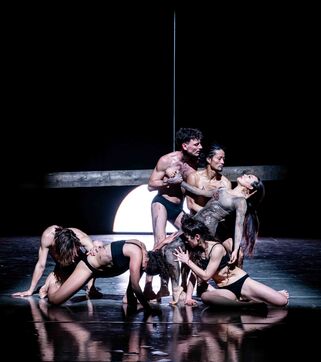
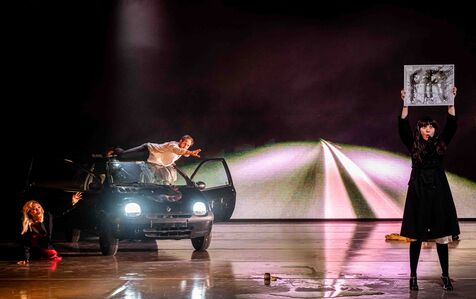
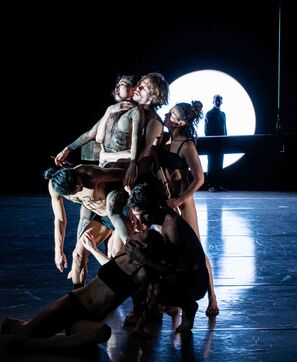
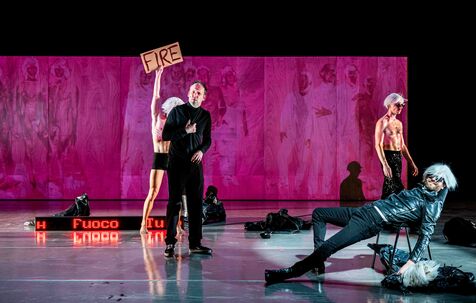
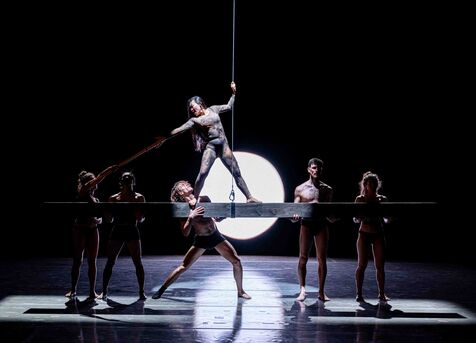
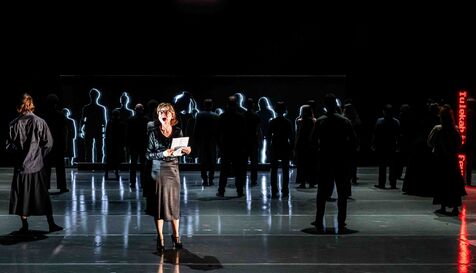
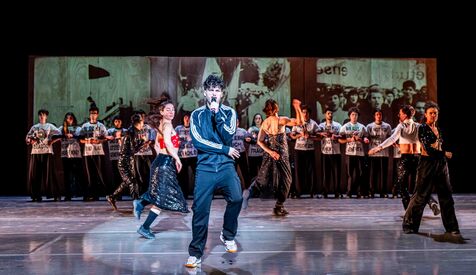
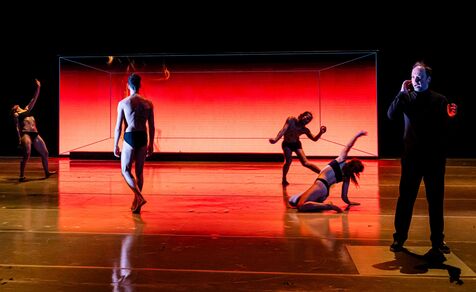
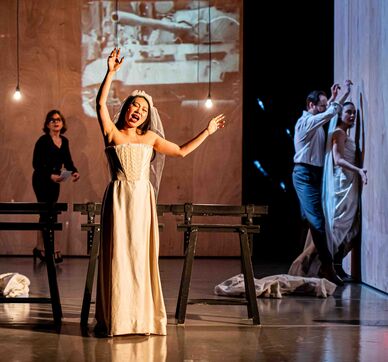
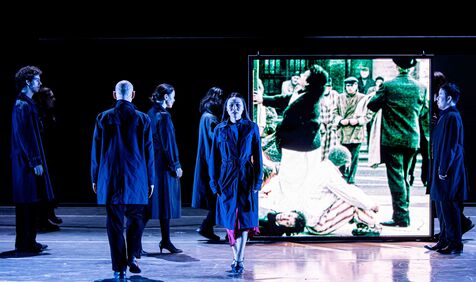
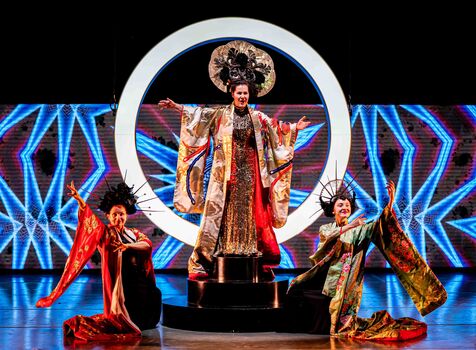
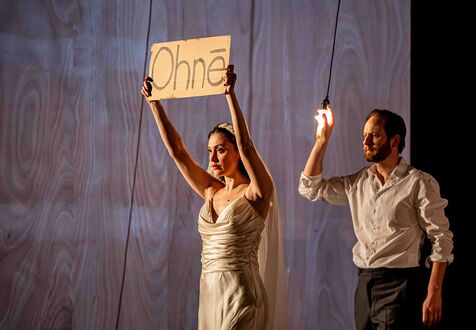
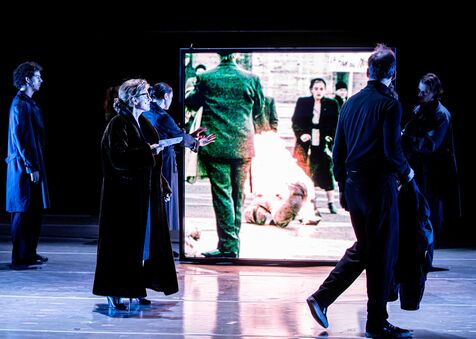
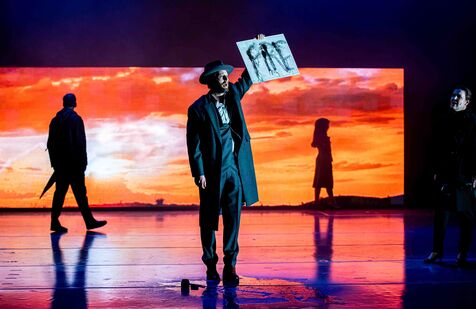
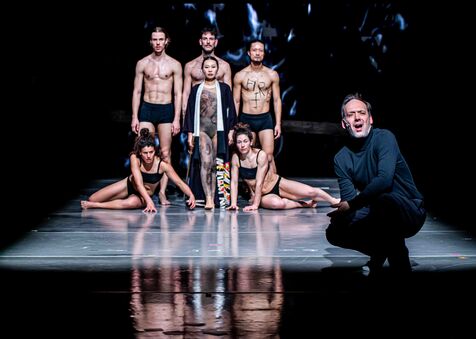
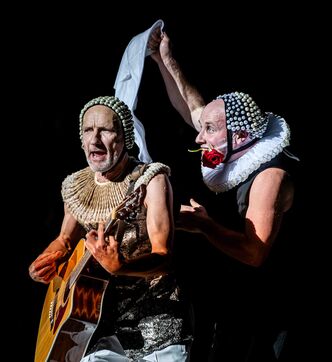
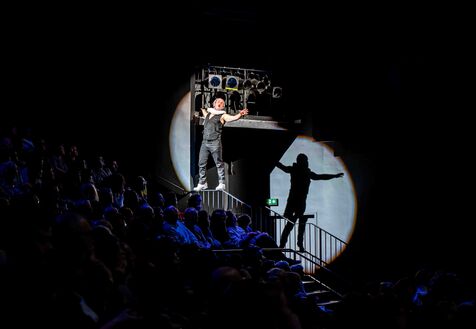
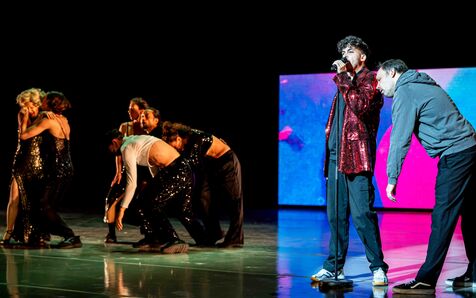
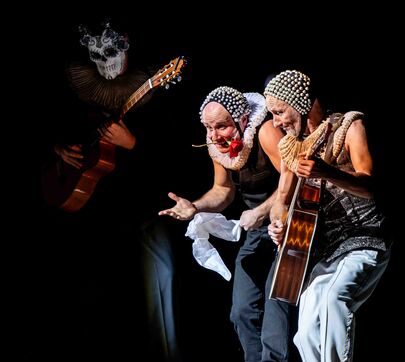
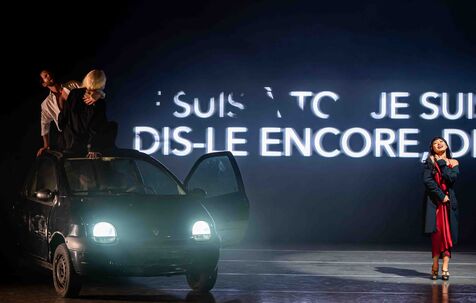
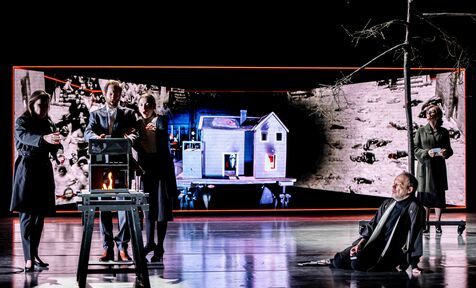
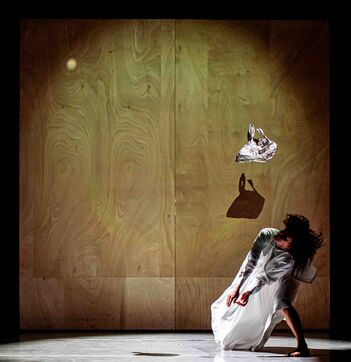
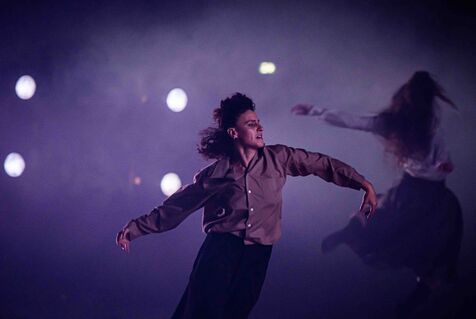
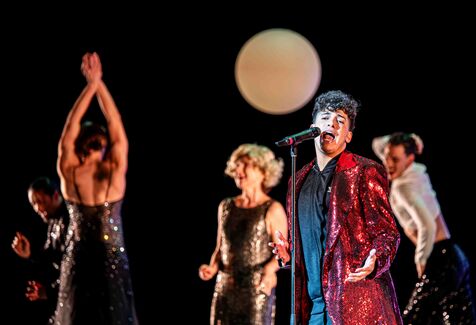
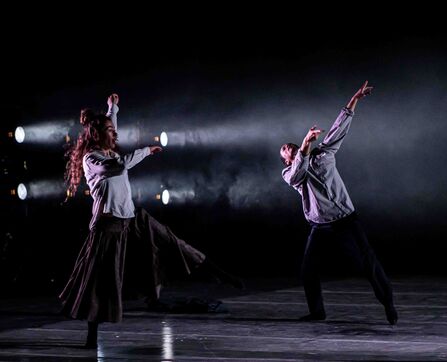
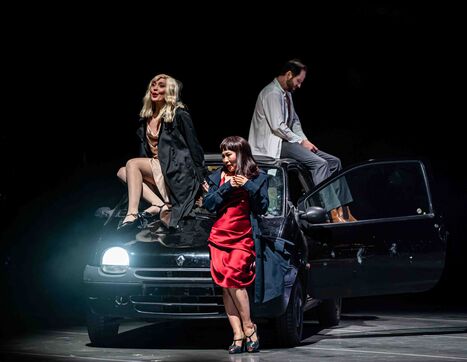
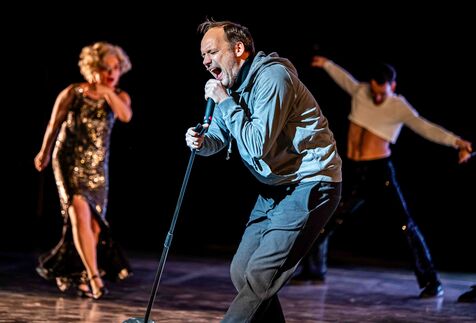
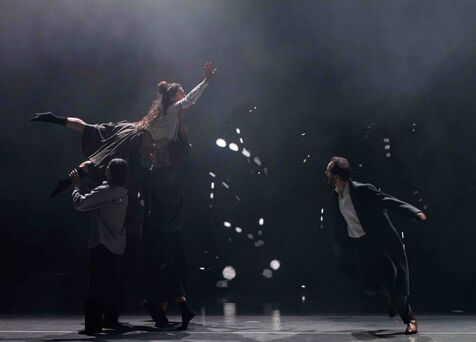
De Bach à Haendel, Serebrennikov pioche parmi les grandes arias pour célébrer ceux qui osent contester le système, naviguant avec audace d’une époque à l’autre. Tout comme les artistes baroques, le metteur en scène russe cultive la démesure, l’émotion et les contrastes. Il offre un spectacle total et extravagant, où se côtoient le beau et le kitsch, la douleur et le désir, le rire et le désespoir, la rage de vivre et la mort.
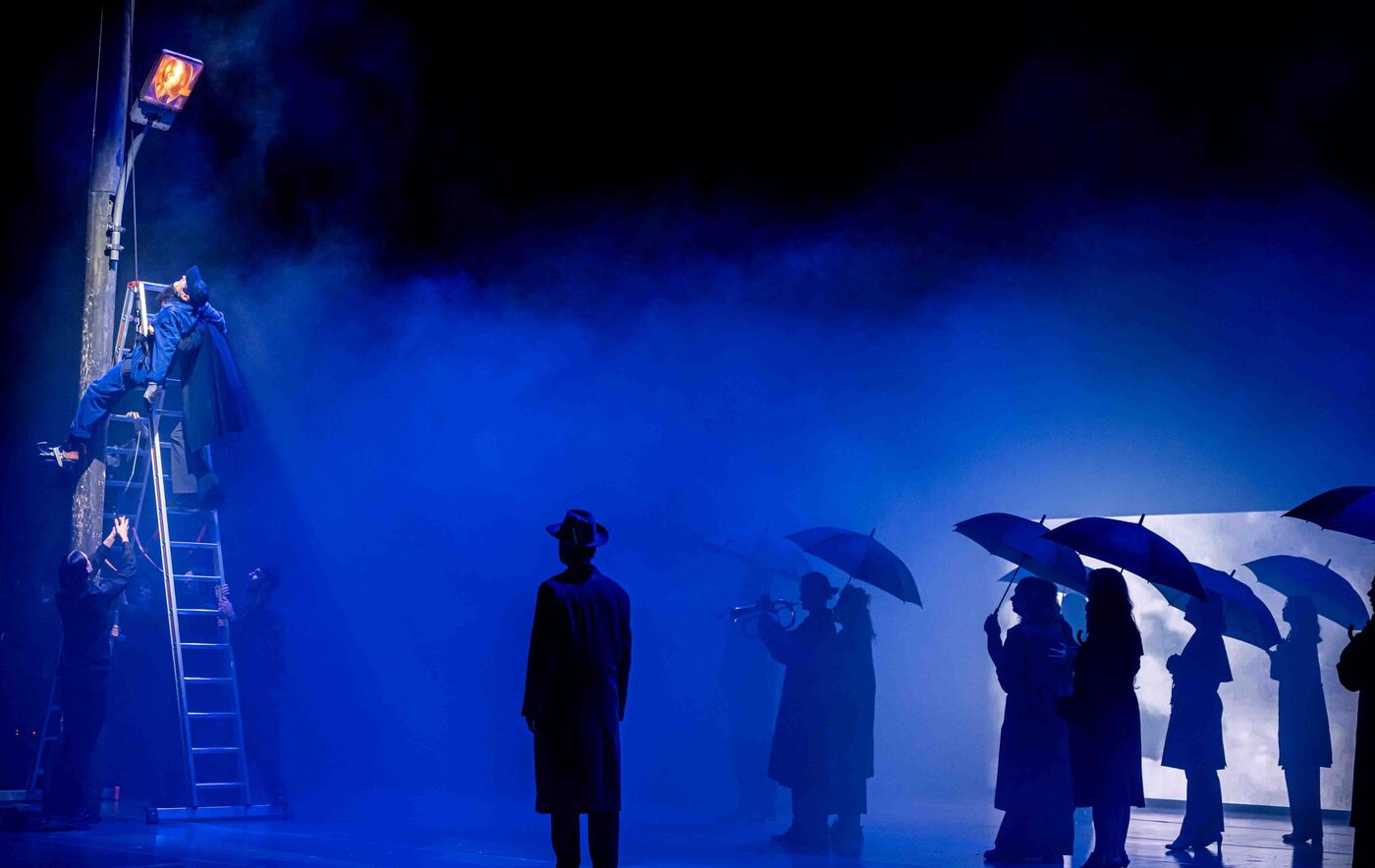
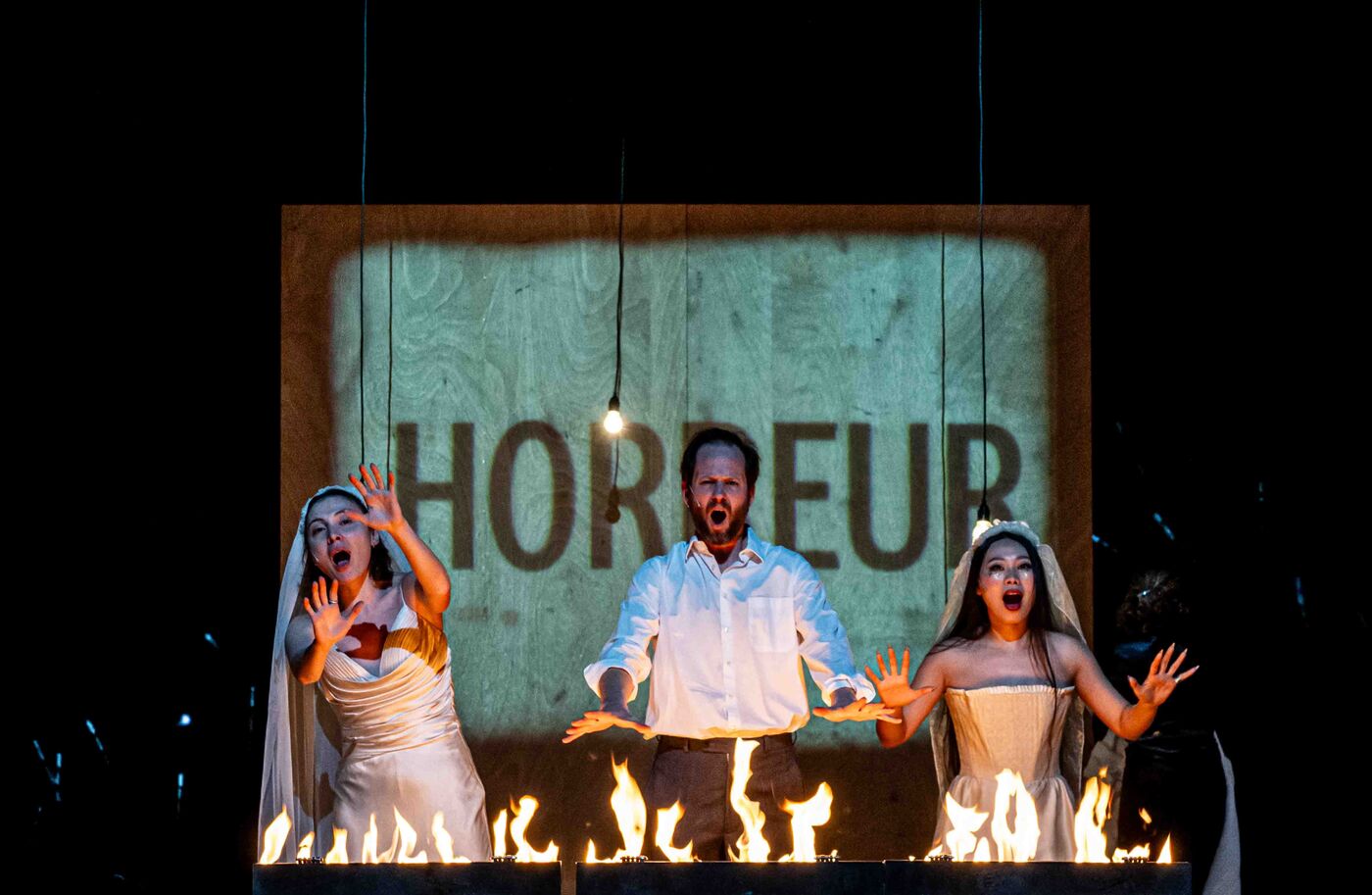
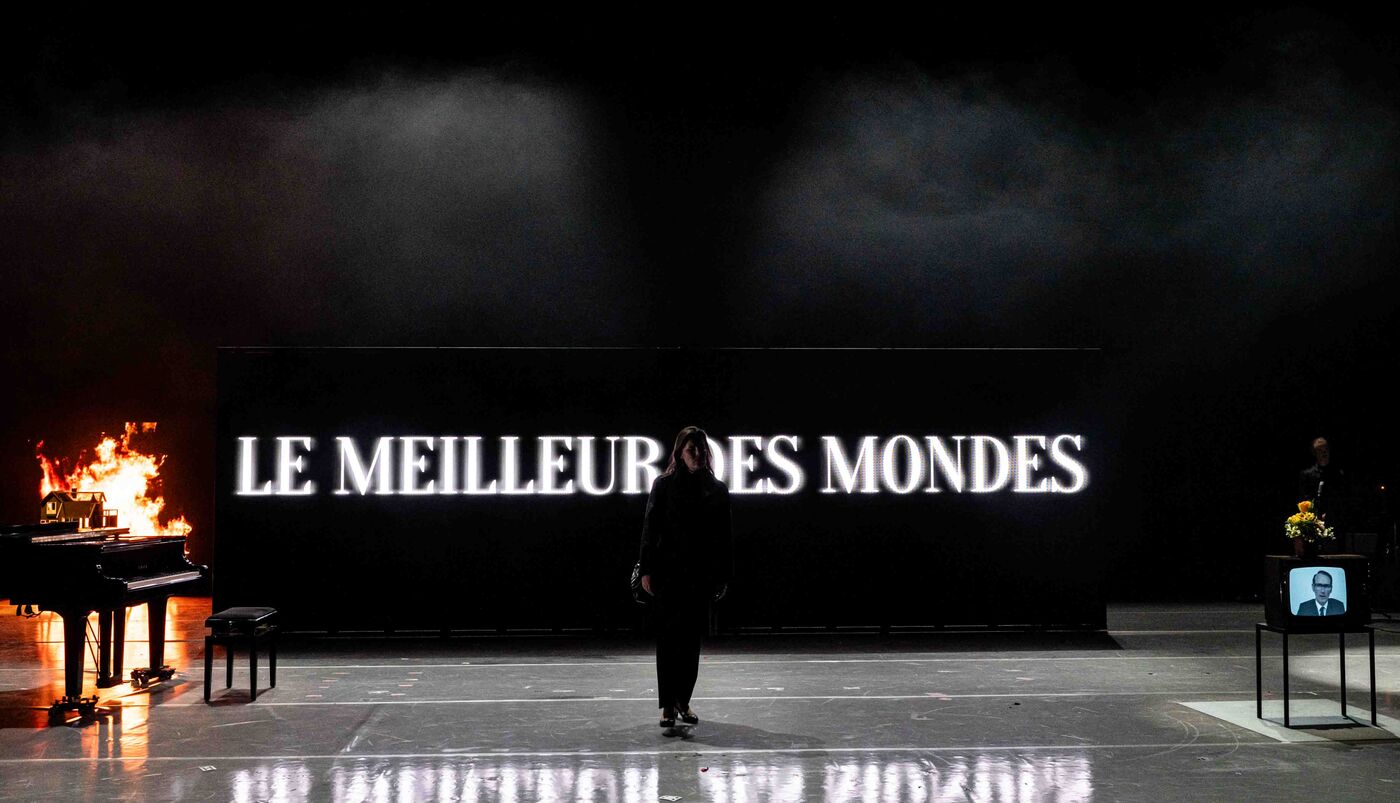
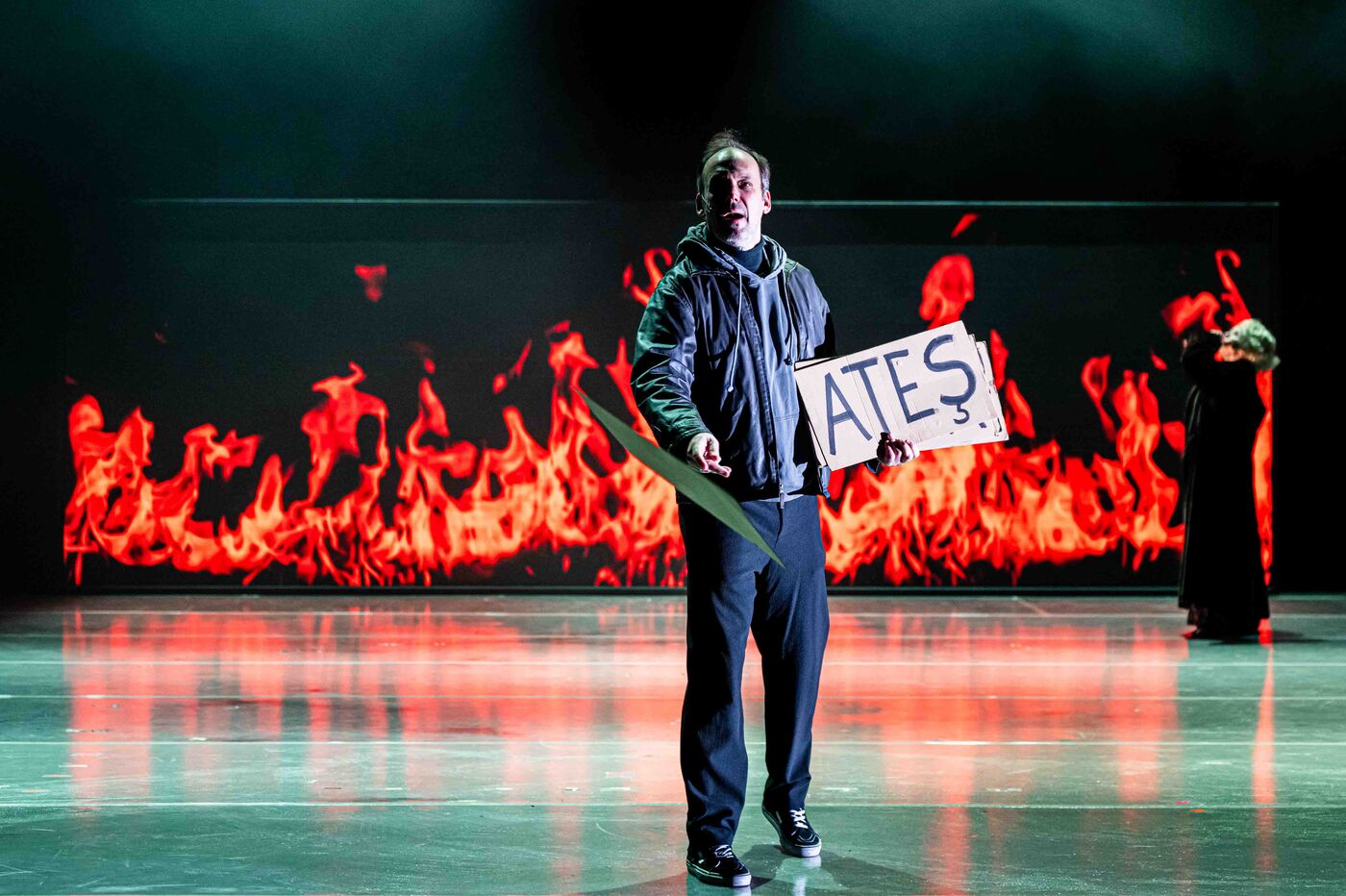
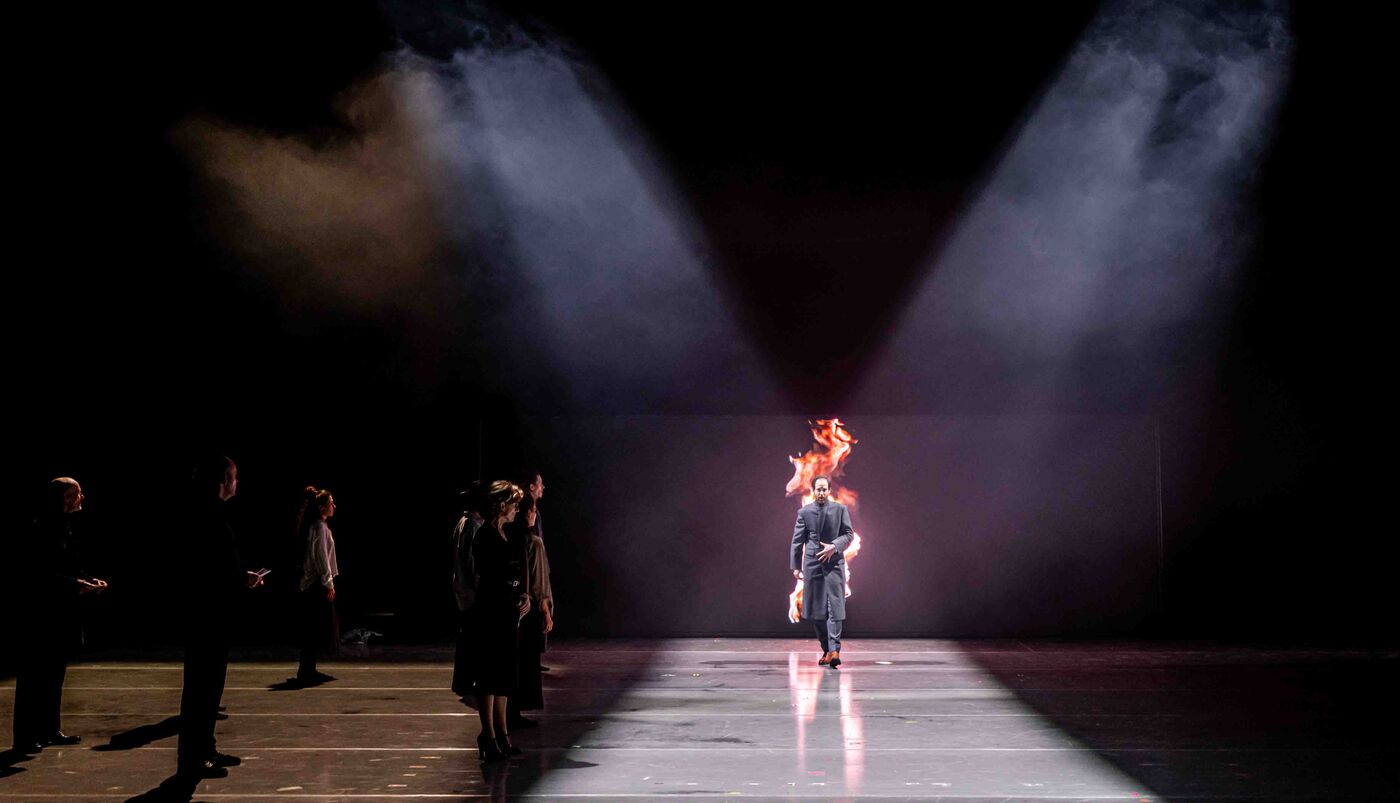
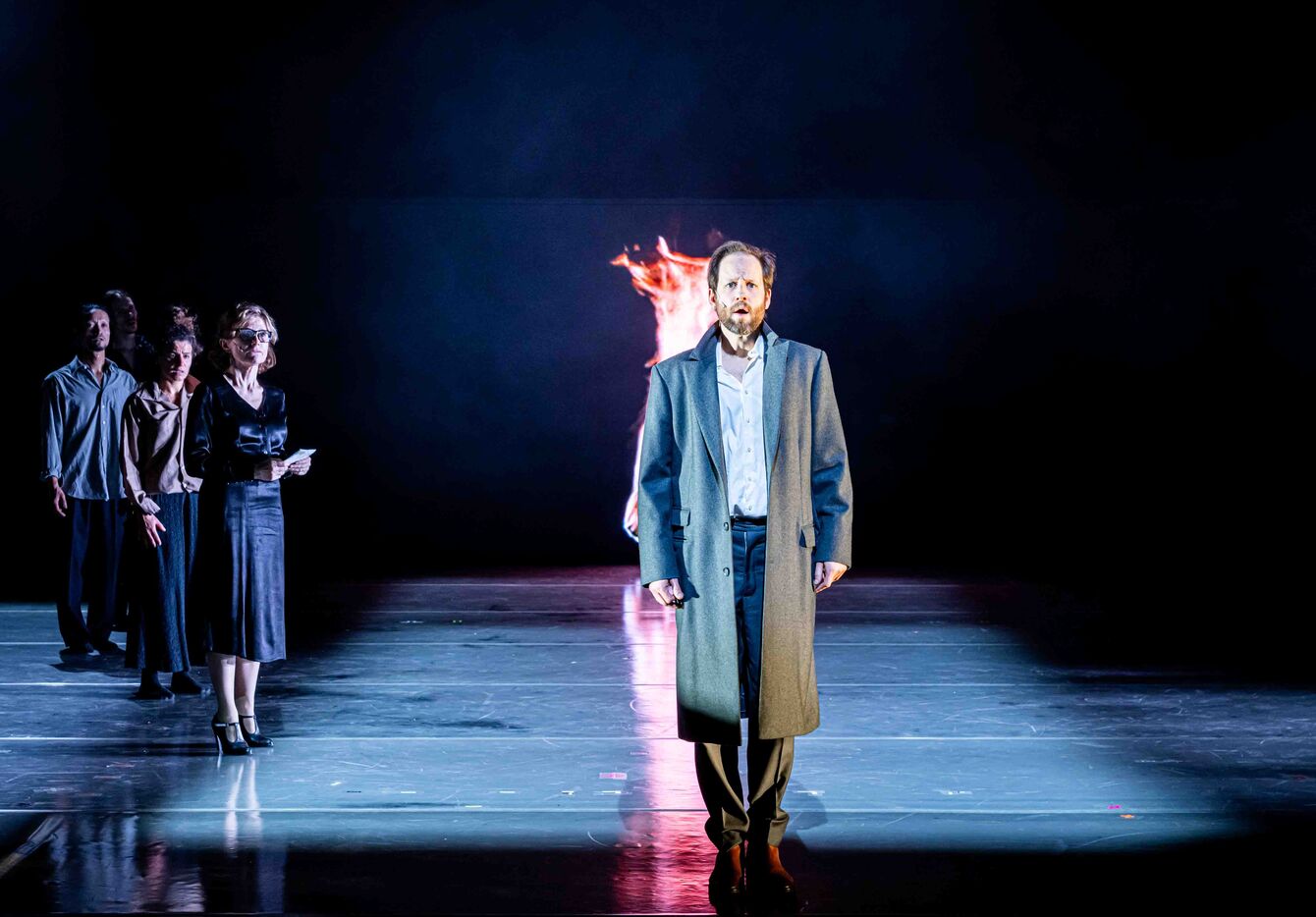
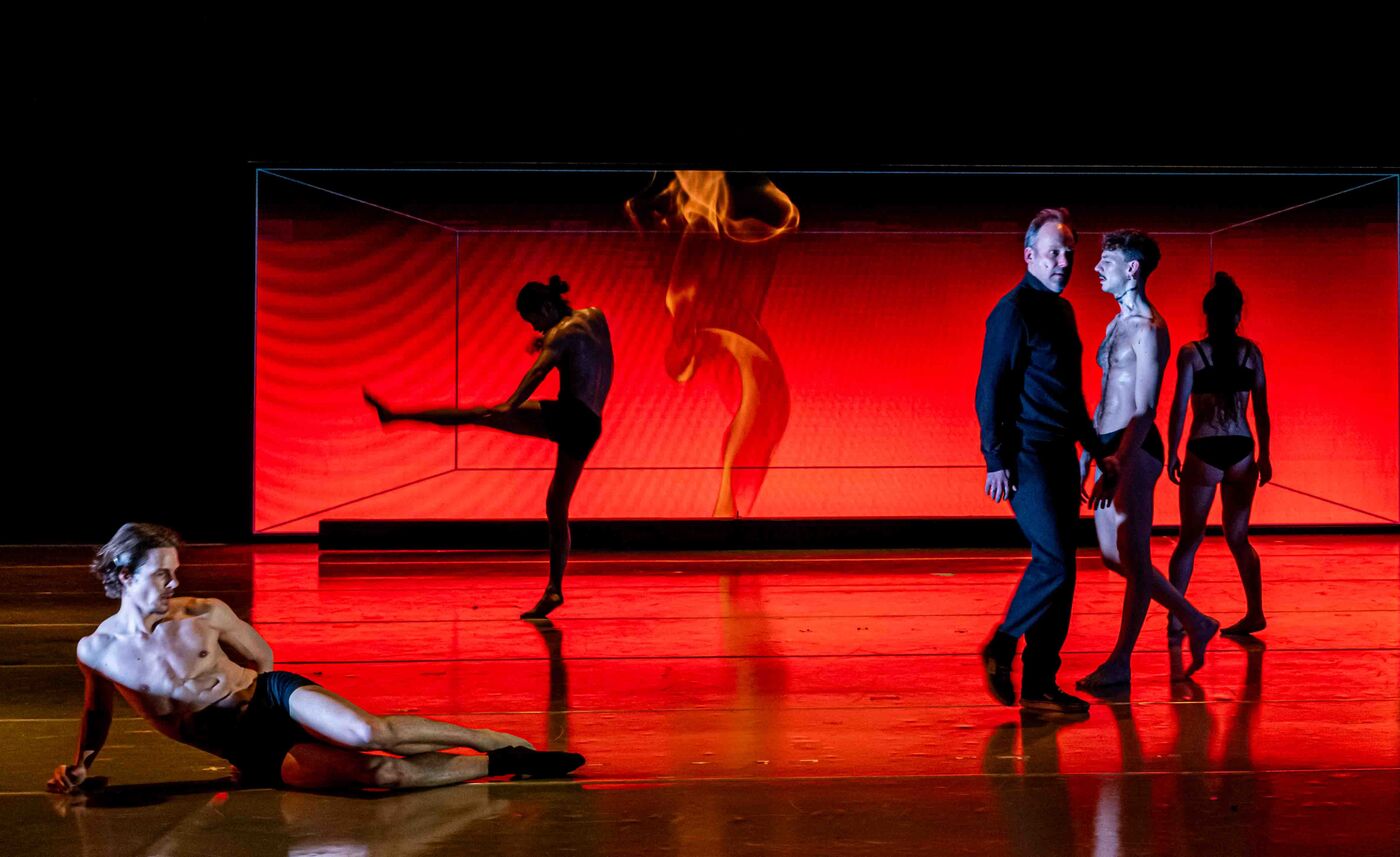
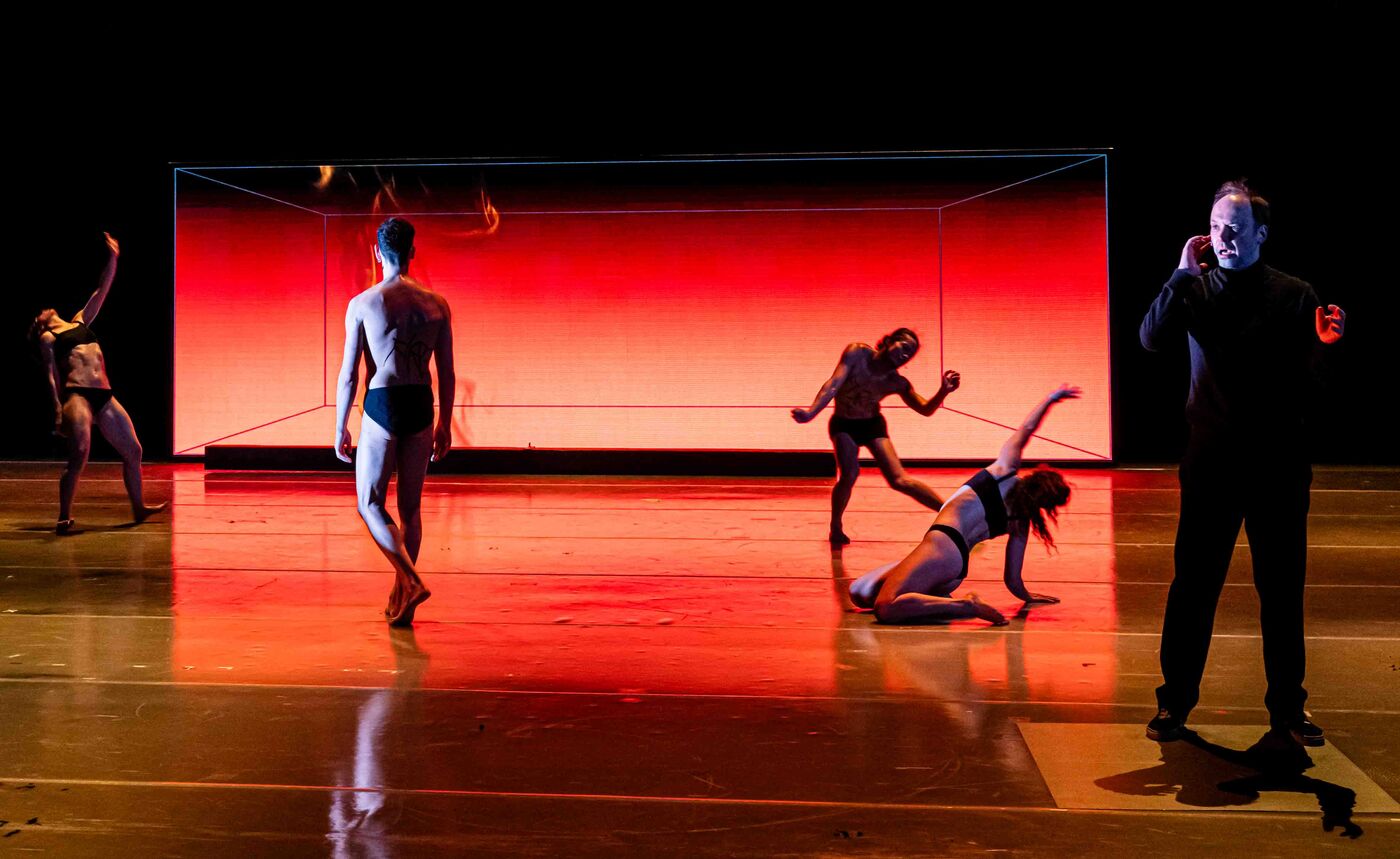
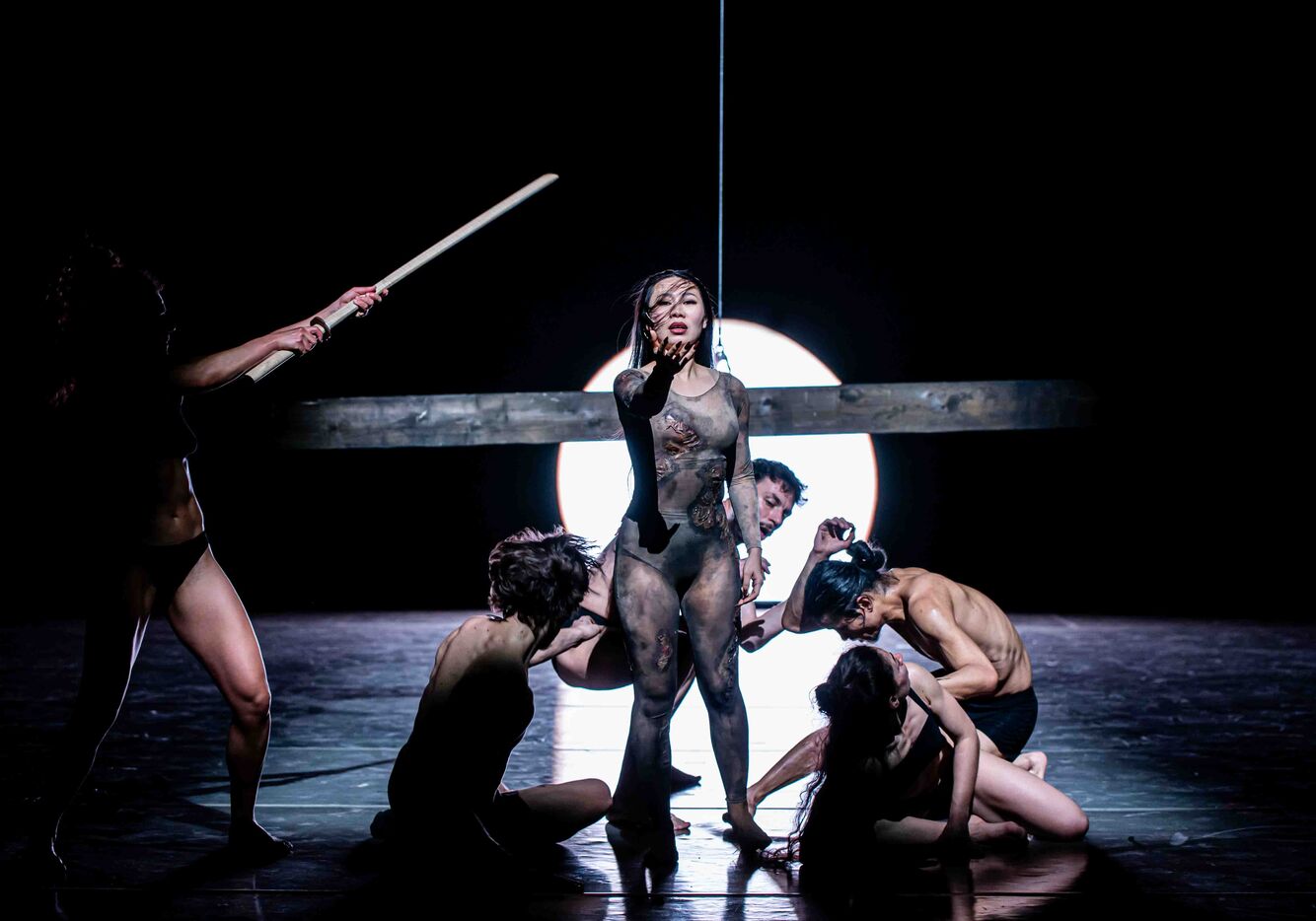
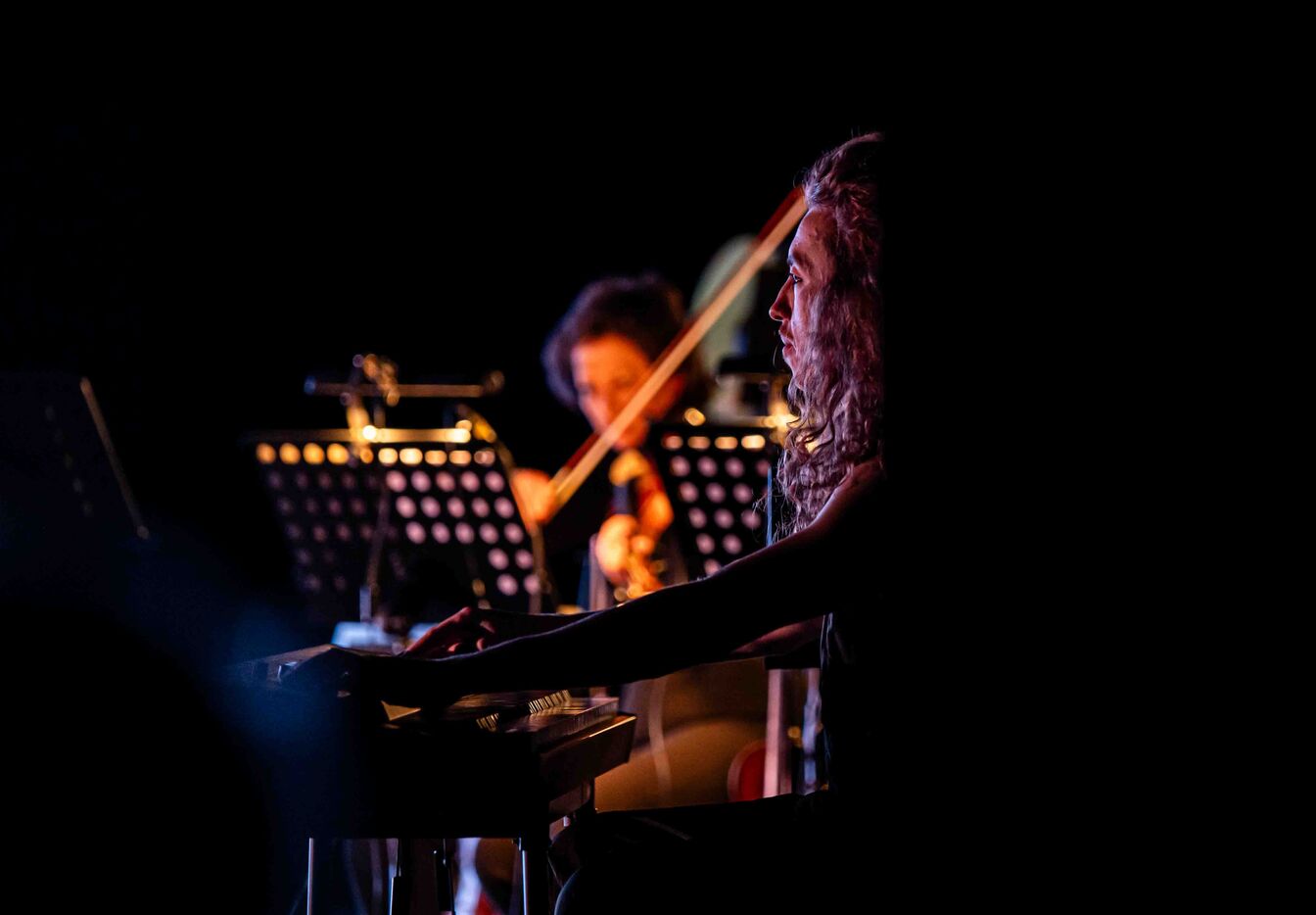
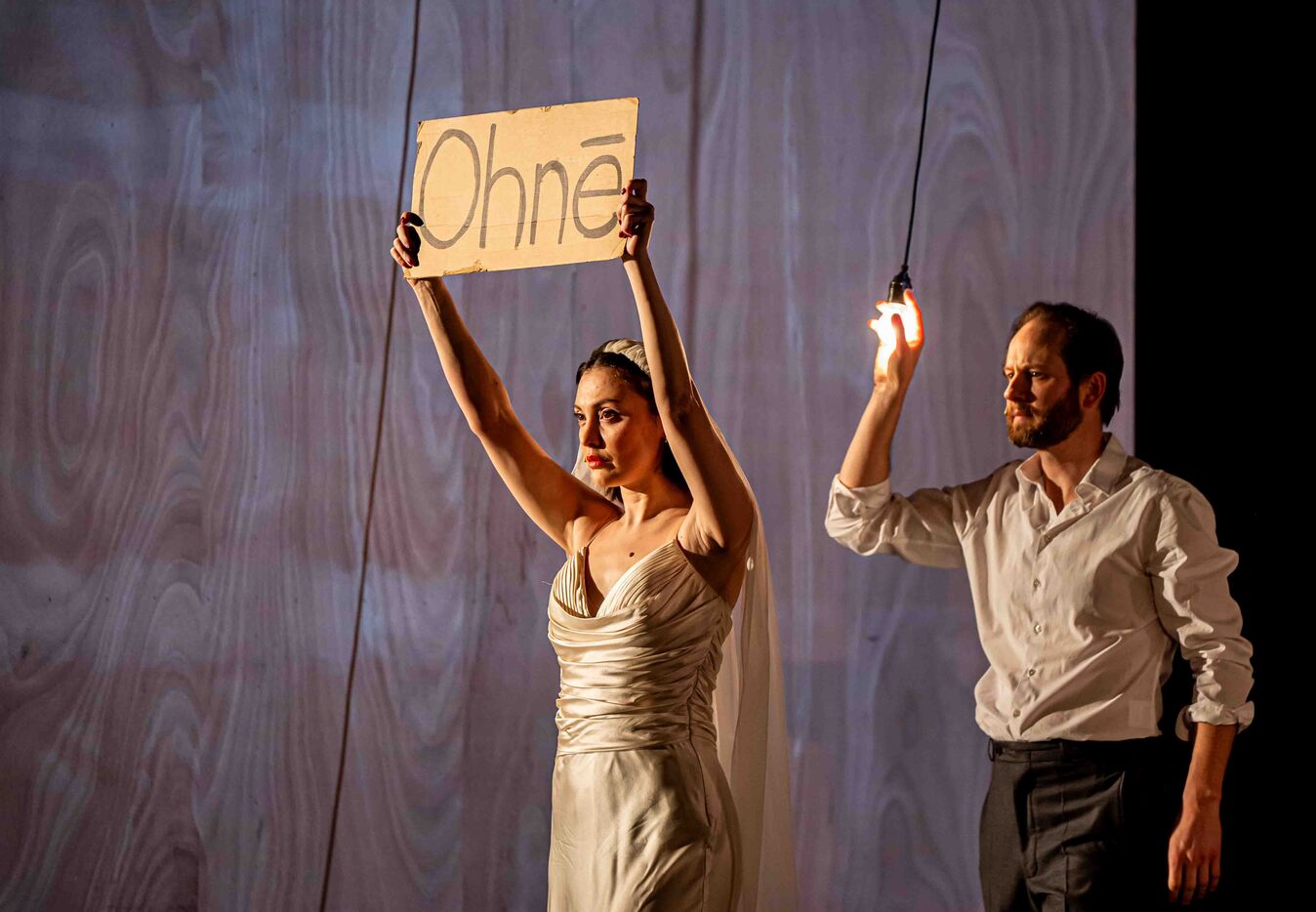
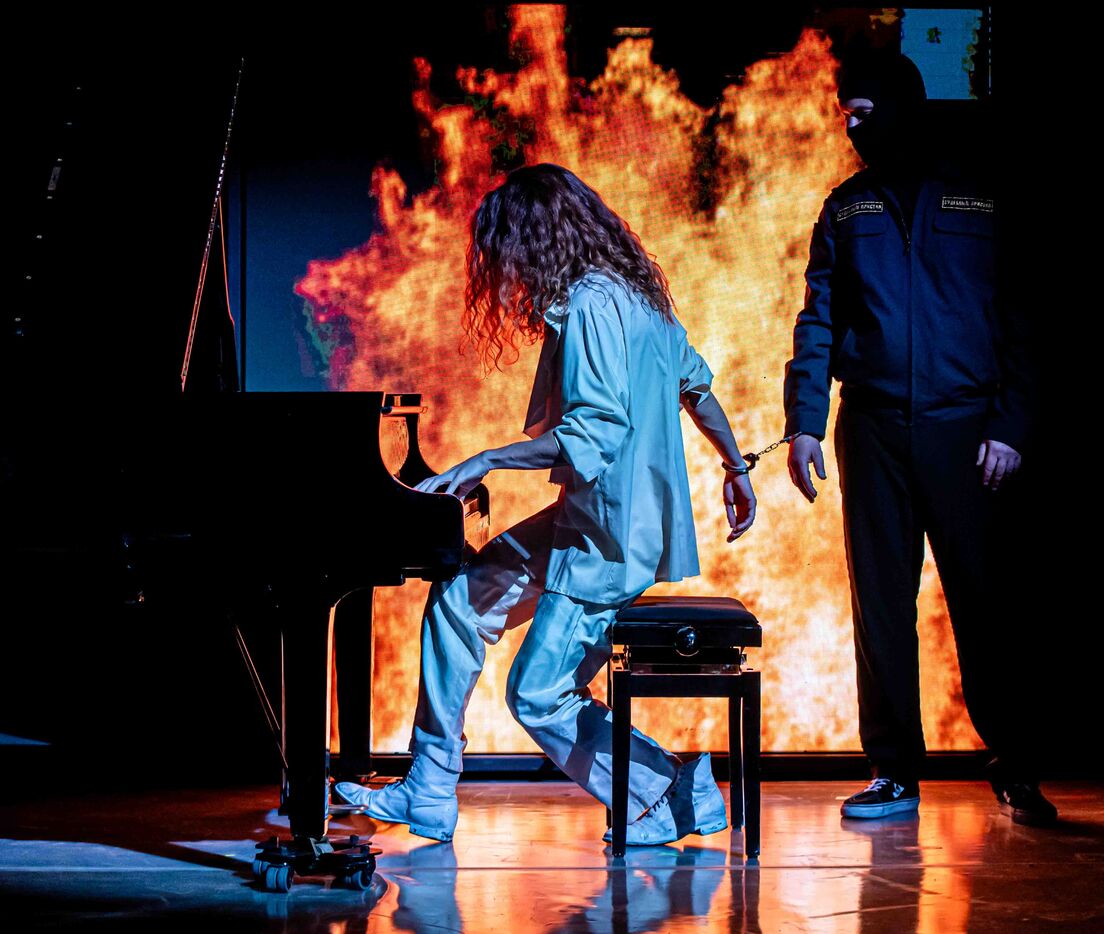
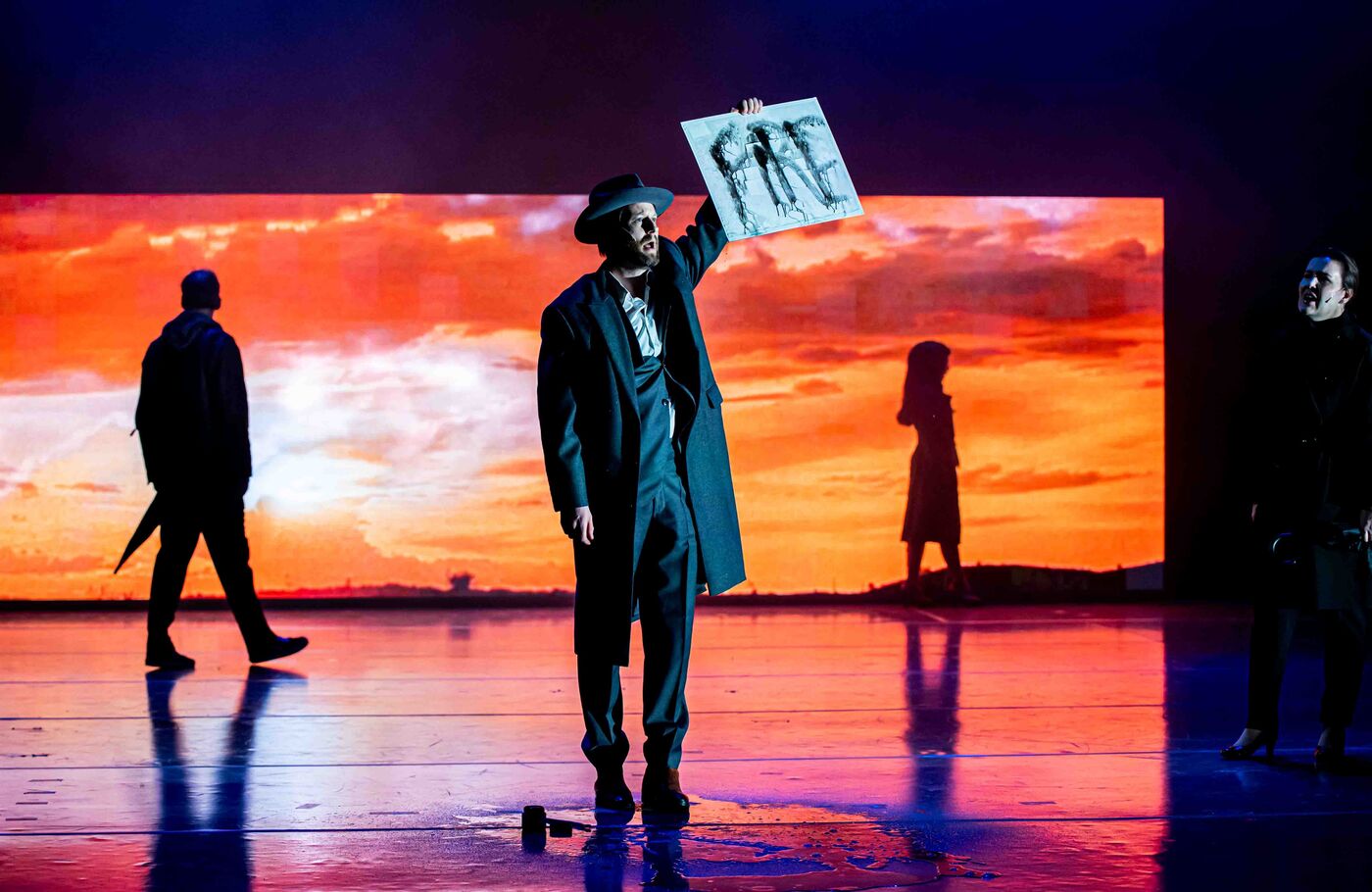
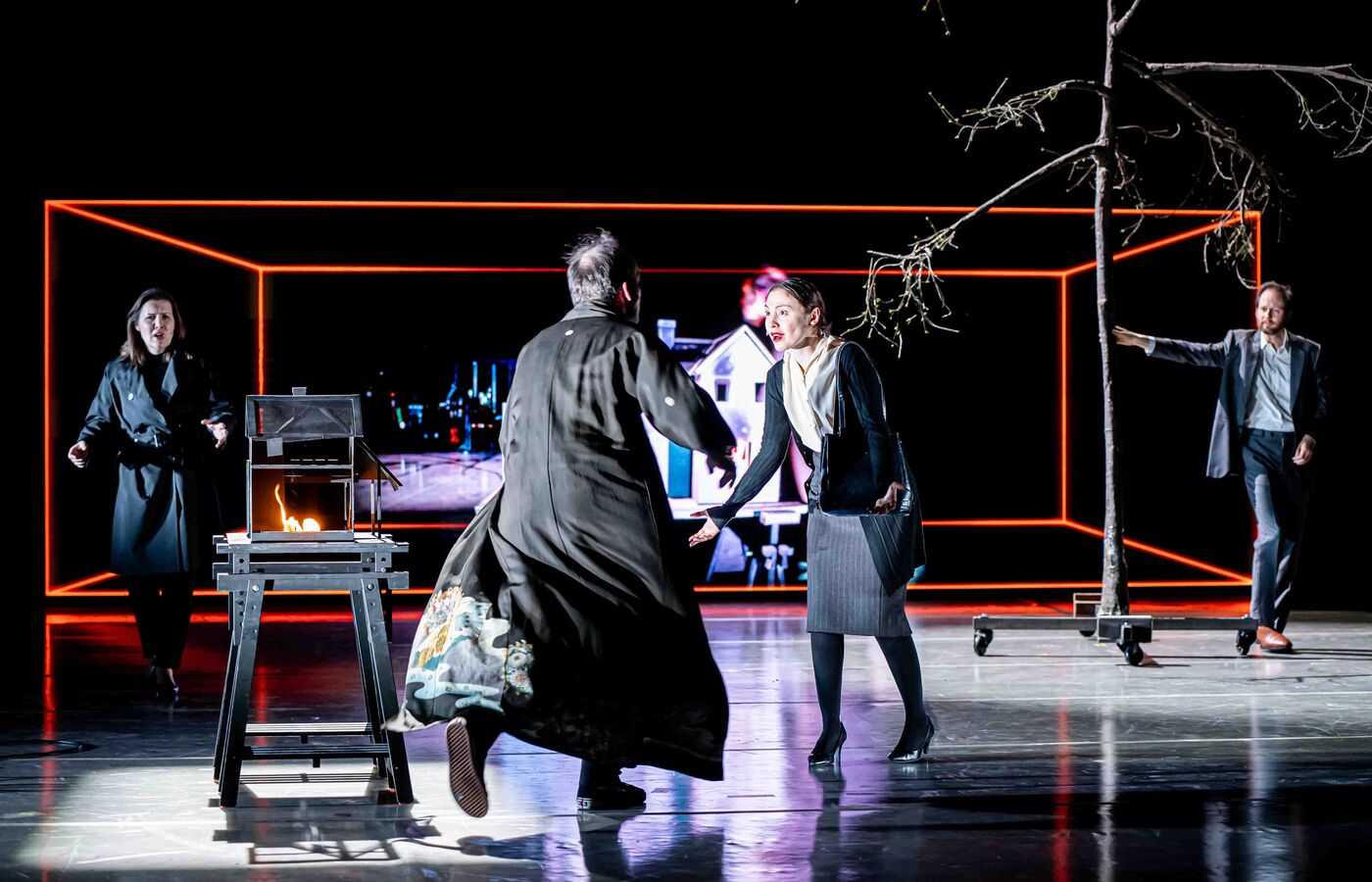
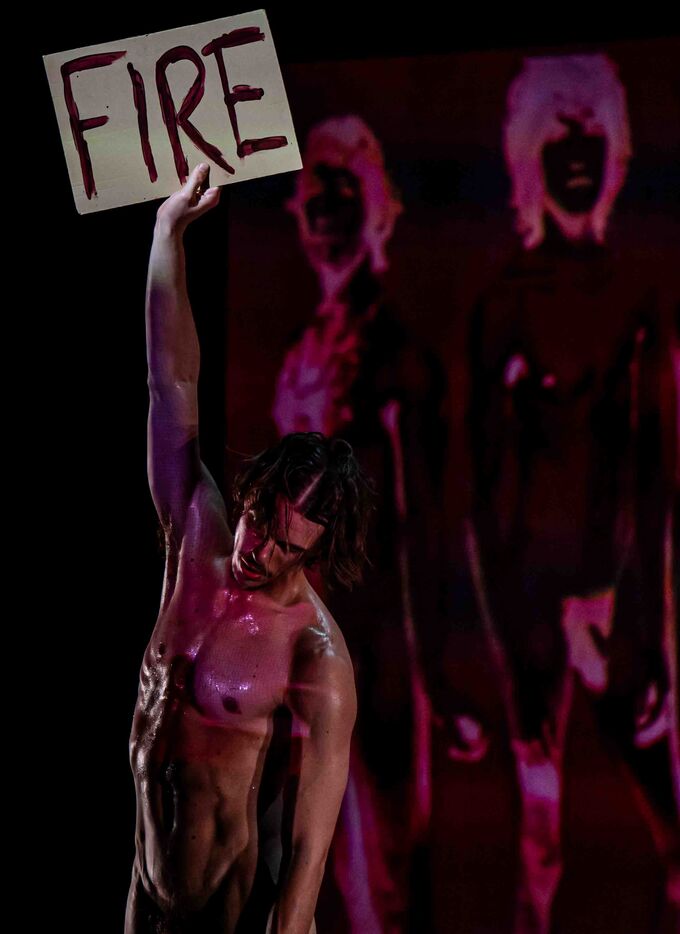
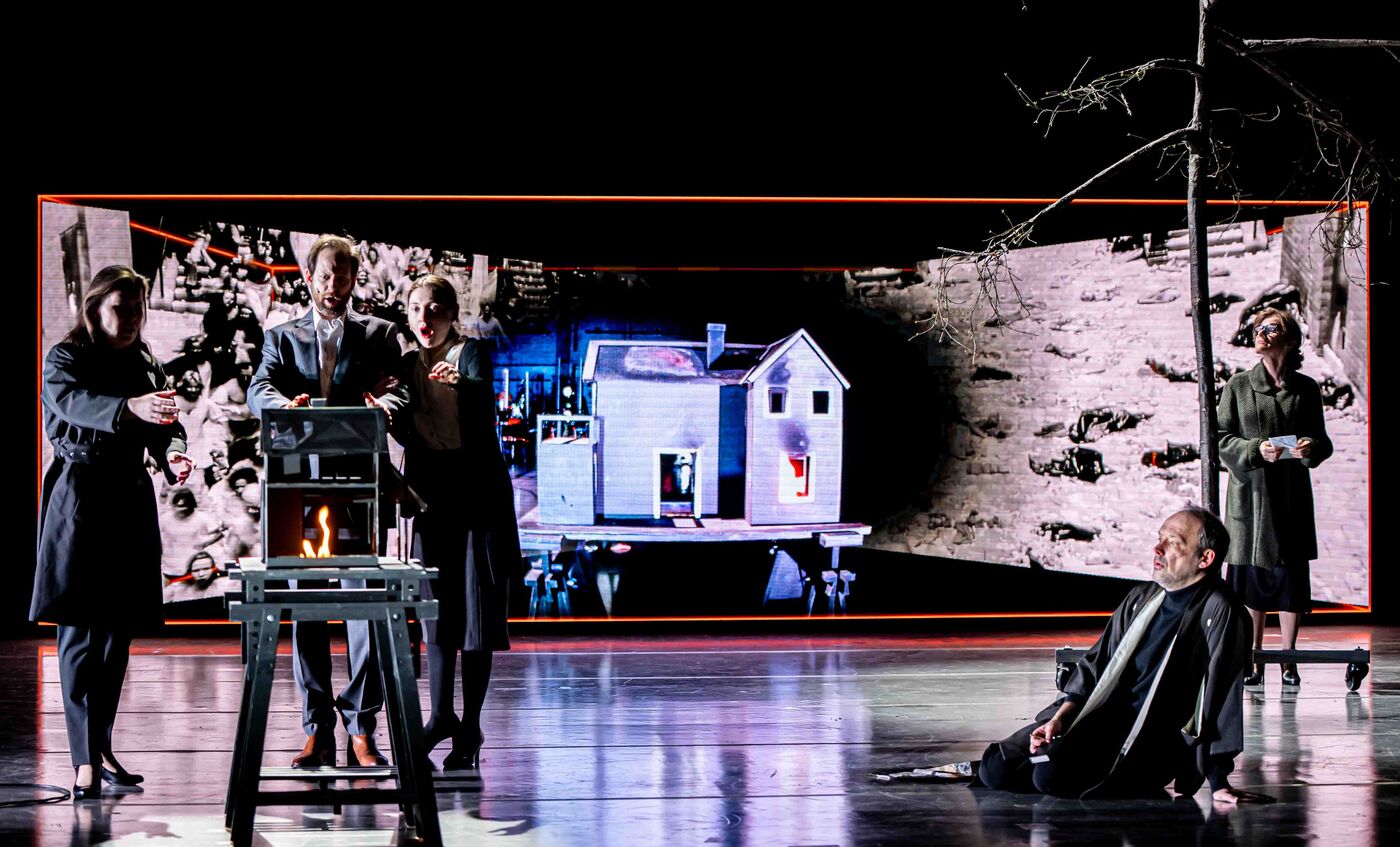
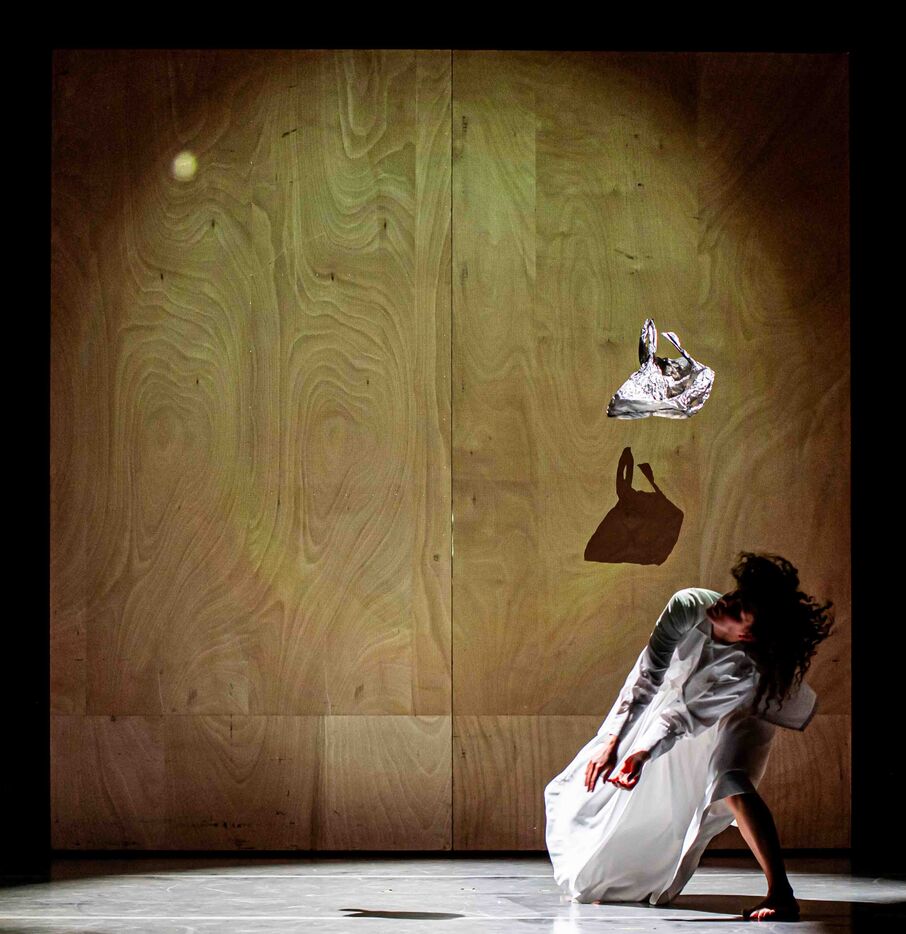
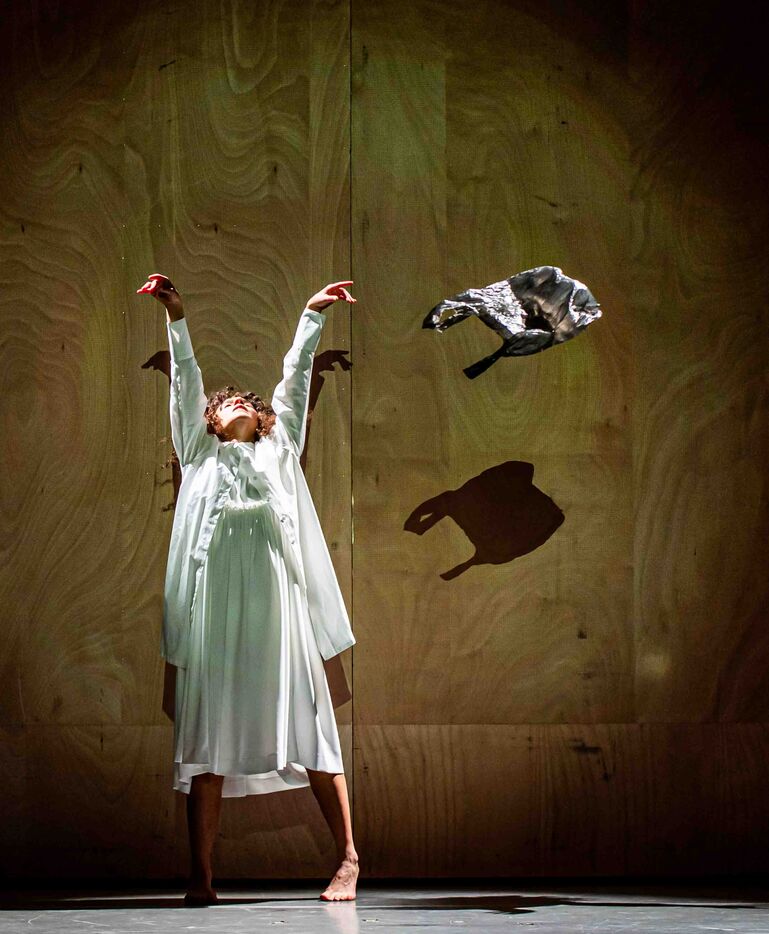
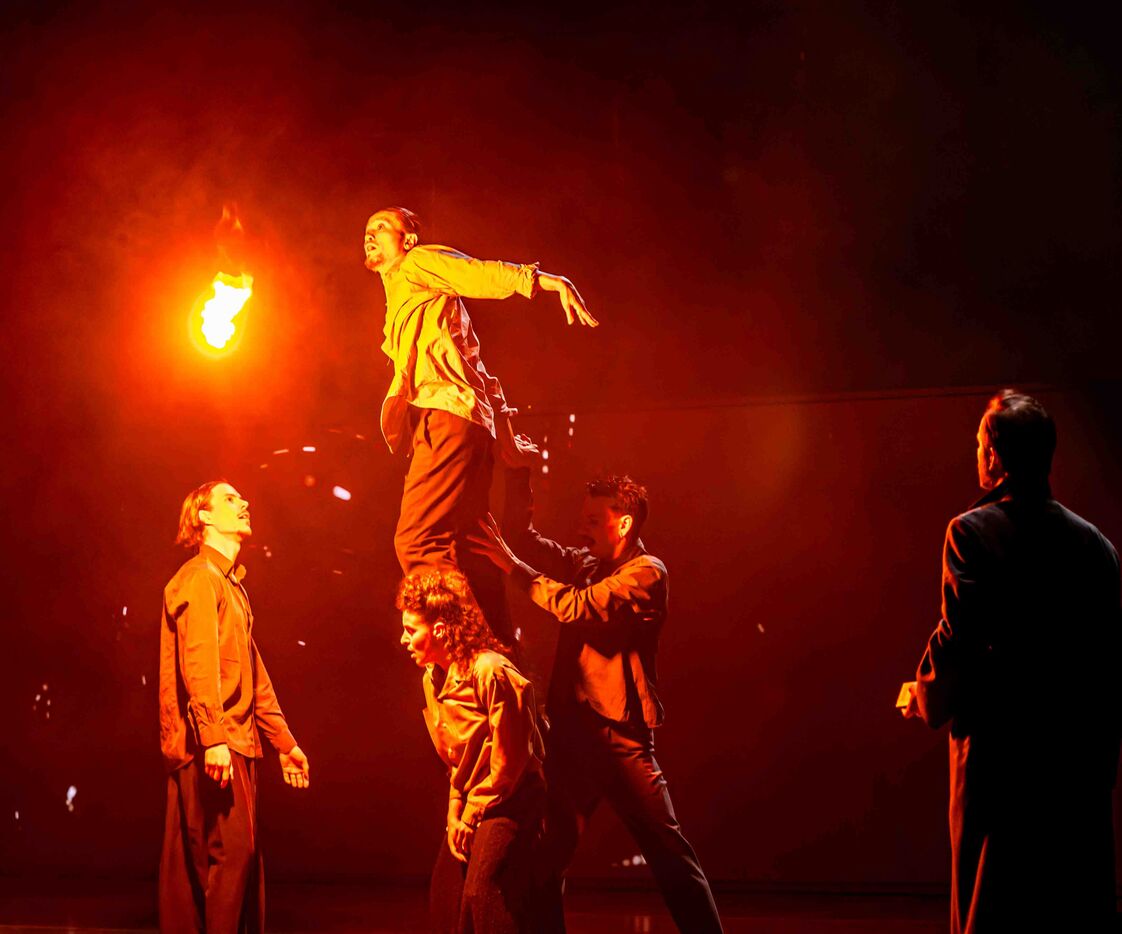
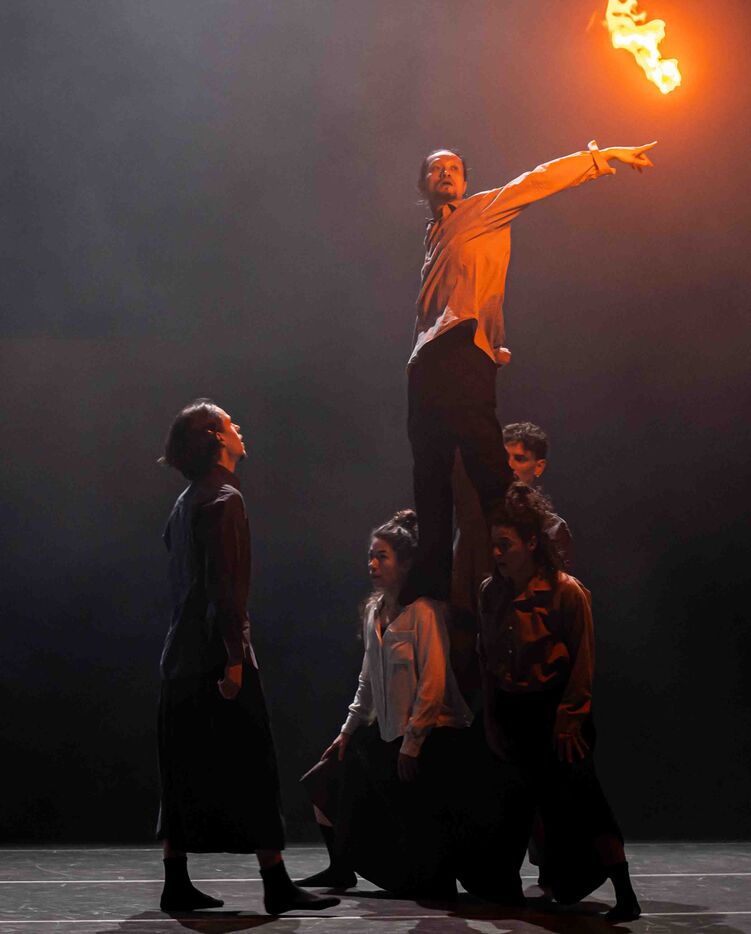
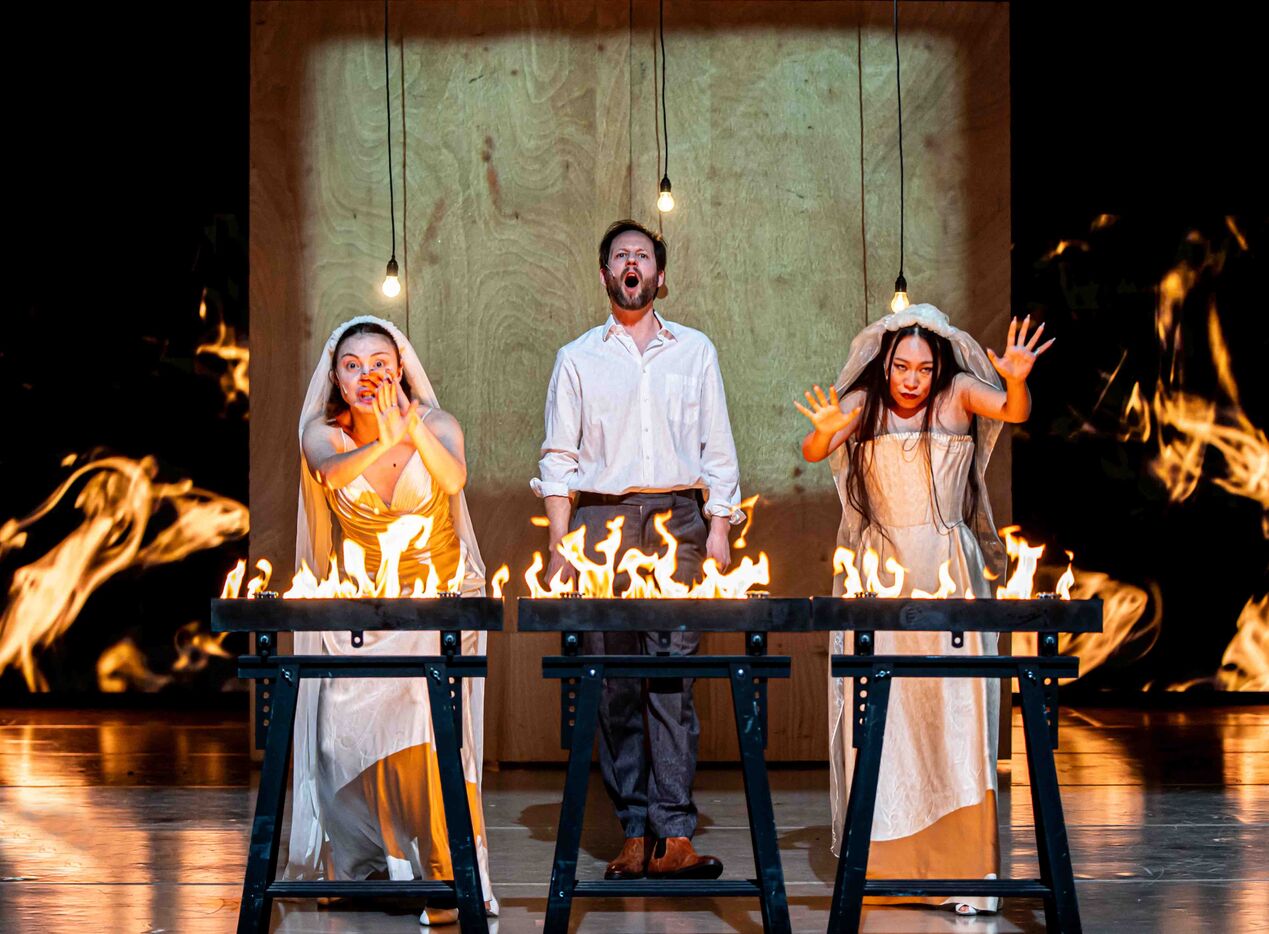
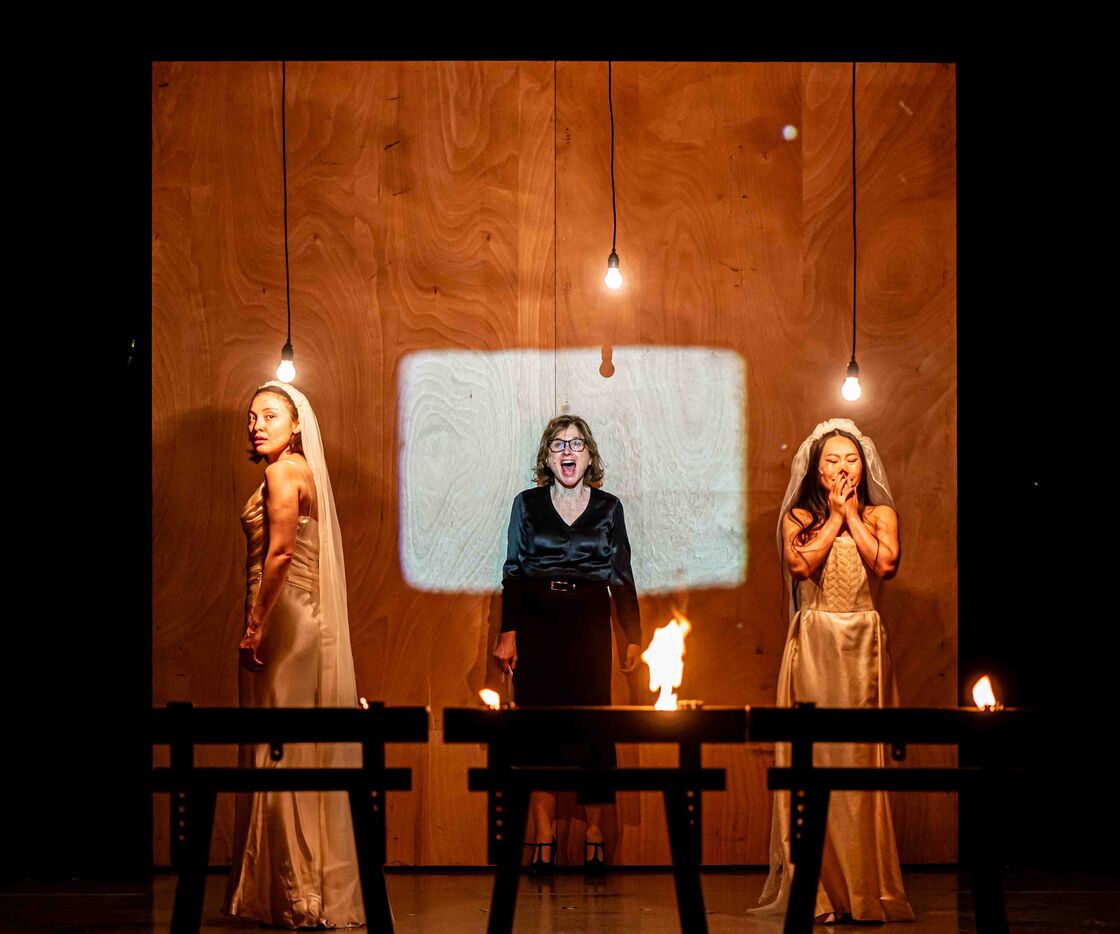
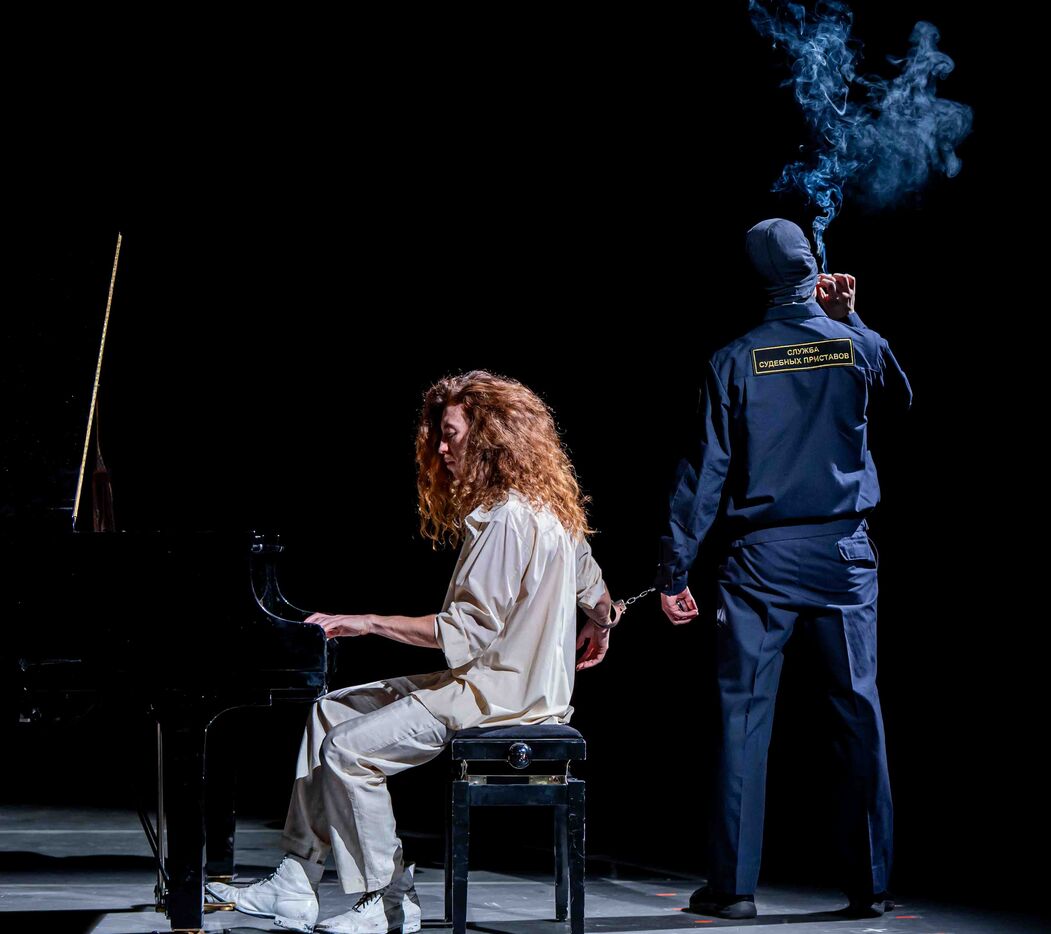
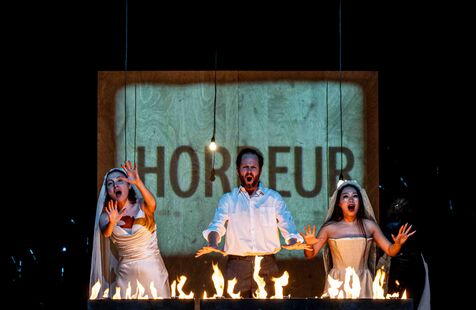
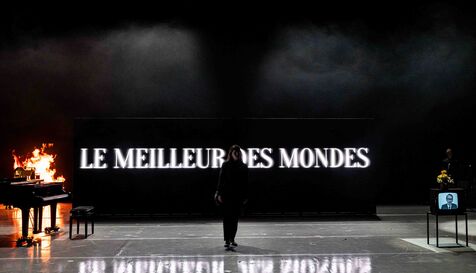
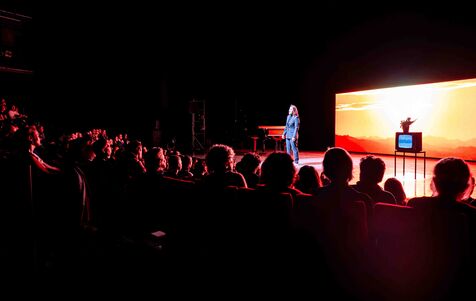
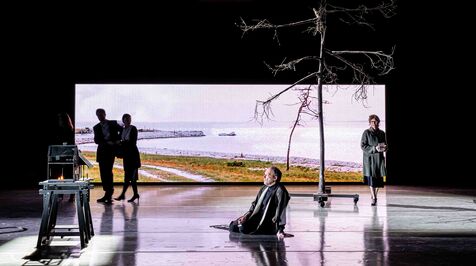
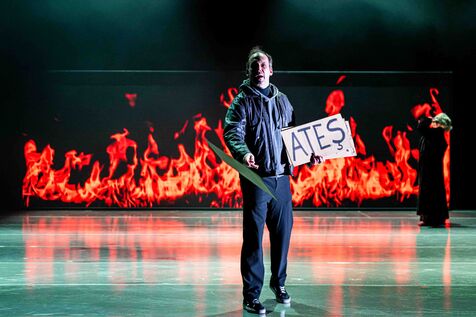
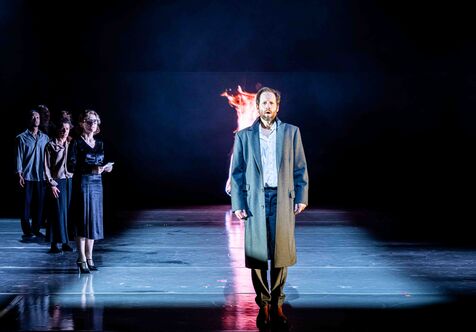
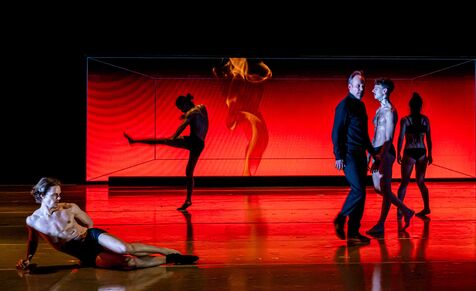
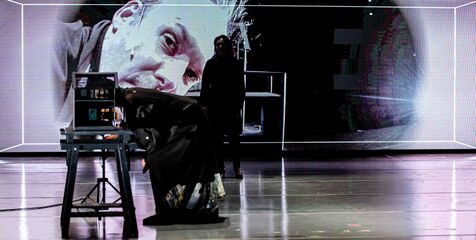
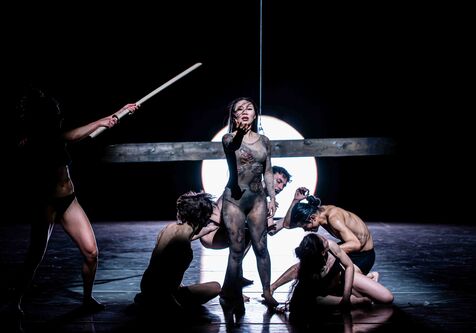
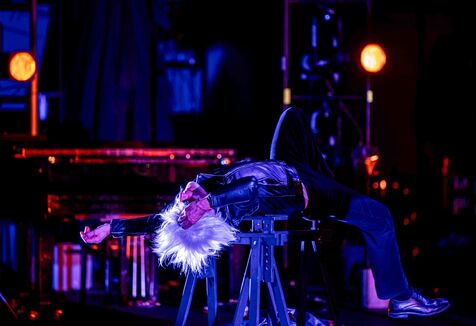
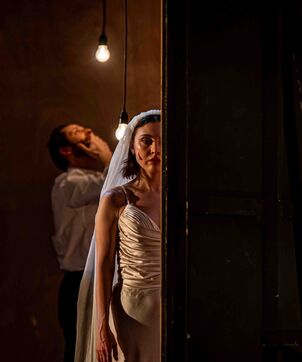
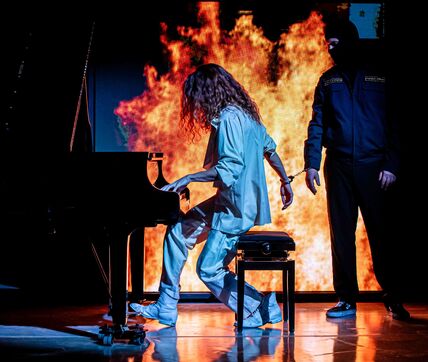
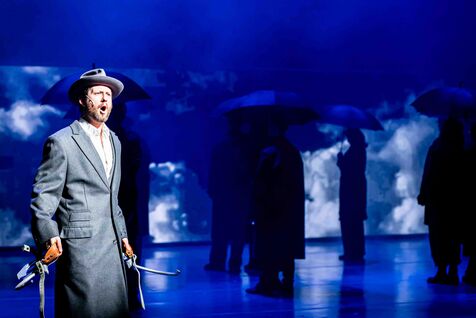
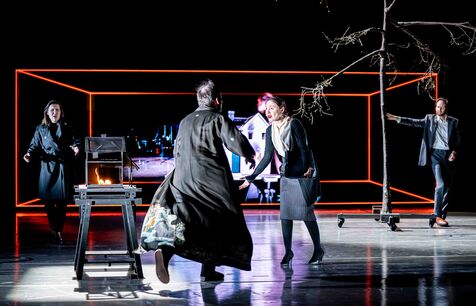
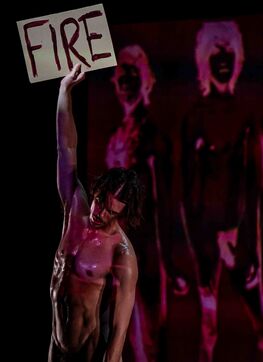
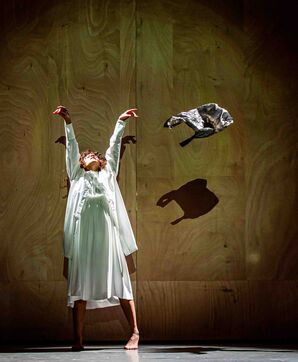
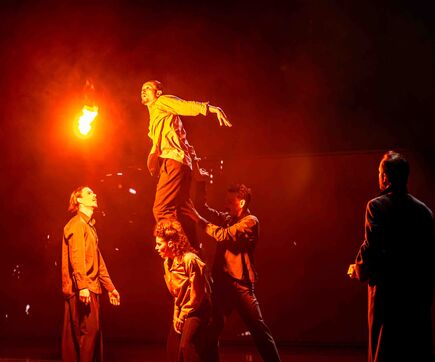
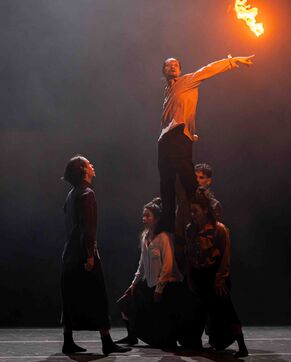
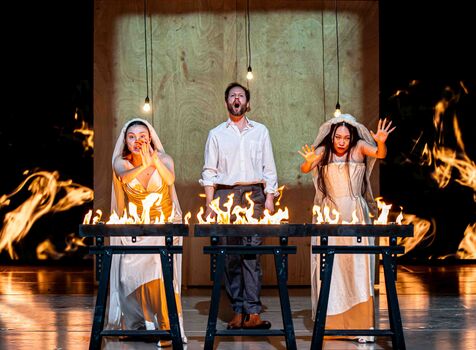
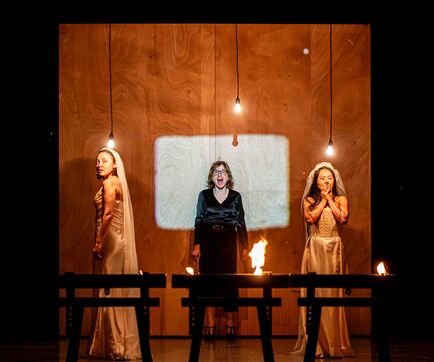
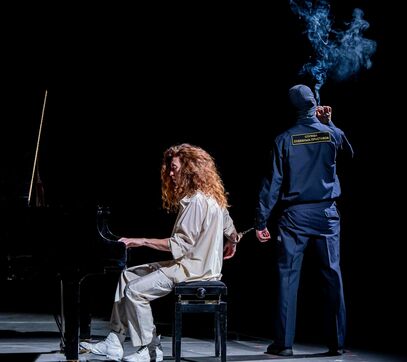
A l’image d’un pianiste qui joue d’une seule main, l’autre menottée à celle d’un officier sans visage, la figure de l’artiste comme instrument de résistance traverse tout le spectacle. Même entravé et en proie au doute, il lutte pour faire entendre sa vision et hurle la beauté du monde. L’image du feu, comme un fil rouge, rappelle tout autant le sacrifice et la violence que l’intense flamme qui couve. Et laisse entrevoir la possibilité d’un avenir heureux.
* Le spectacle est présenté ici dans sa version actualisée pour le Thalia Theater de Hambourg en 2023.
BAROCCO
What do the student protesters of May 1968 in Paris, Valerie Solanas who shot Andy Warhol in New York on June 3rd, and Jan Palach who immolated himself in Prague in January 1969 have in common? A shared cry of revolt. Each, in their own way, rose up in a radical act against the established order.
Kirill Serebrennikov weaves an invisible thread between these figures, linking them through the power of Baroque music. For, in its time, Baroque music, too, was an artistic shock and overturned the norms.
From Bach to Handel, Serebrennikov draws from the great arias to celebrate those who dare to challenge the system, boldly navigating from one era to another. Like the Baroque artists, the Russian director cultivates excess, emotion, and contrasts. It offers a total and extravagant spectacle, where beauty and kitsch, pain and desire, laughter and despair, the will to live and death coexist.
Like a pianist playing with one hand, the other hand shackled to that of a faceless officer, the figure of the artist as an instrument of resistance runs throughout the performance. Even shackled and plagued by doubt, he fights to make his vision heard and shouts out the beauty of the world. The image of fire, like a recurring motif, evokes both sacrifice and violence as well as the intense flame that smolders. And it offers a glimpse of the possibility of a happy future.
* The performance is presented here in its updated version for the Thalia Theater in Hamburg in 2023.