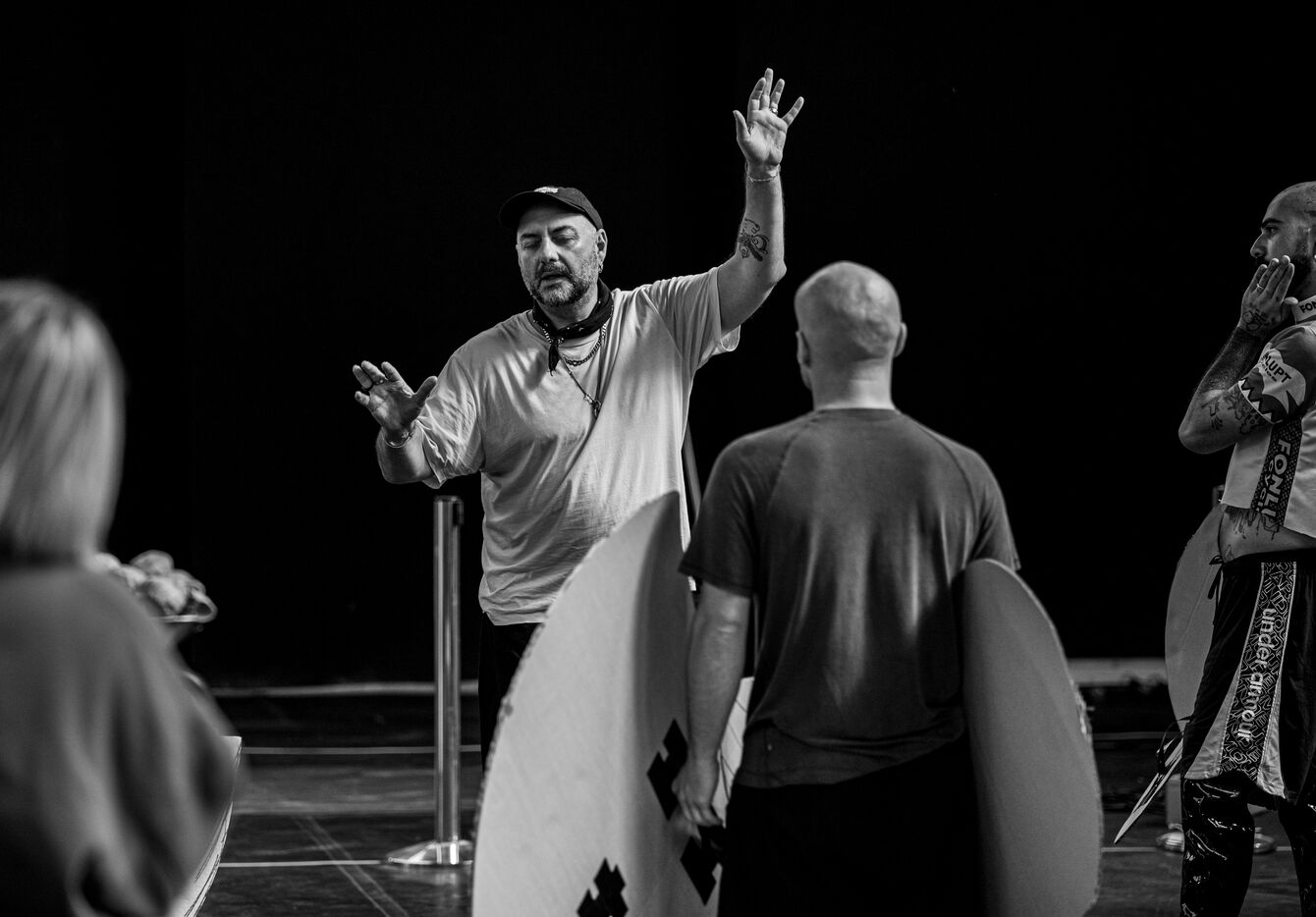
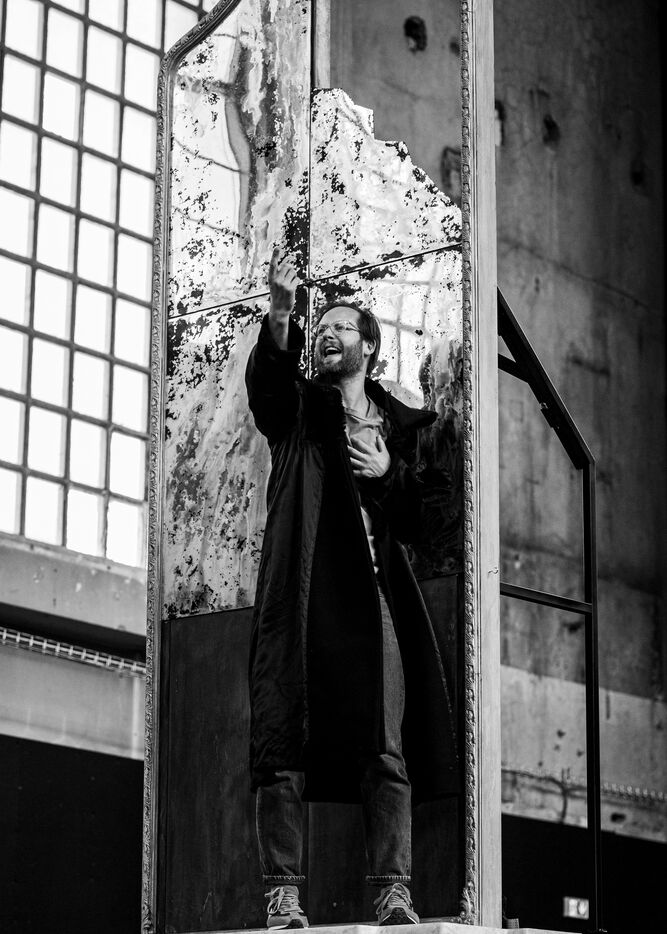
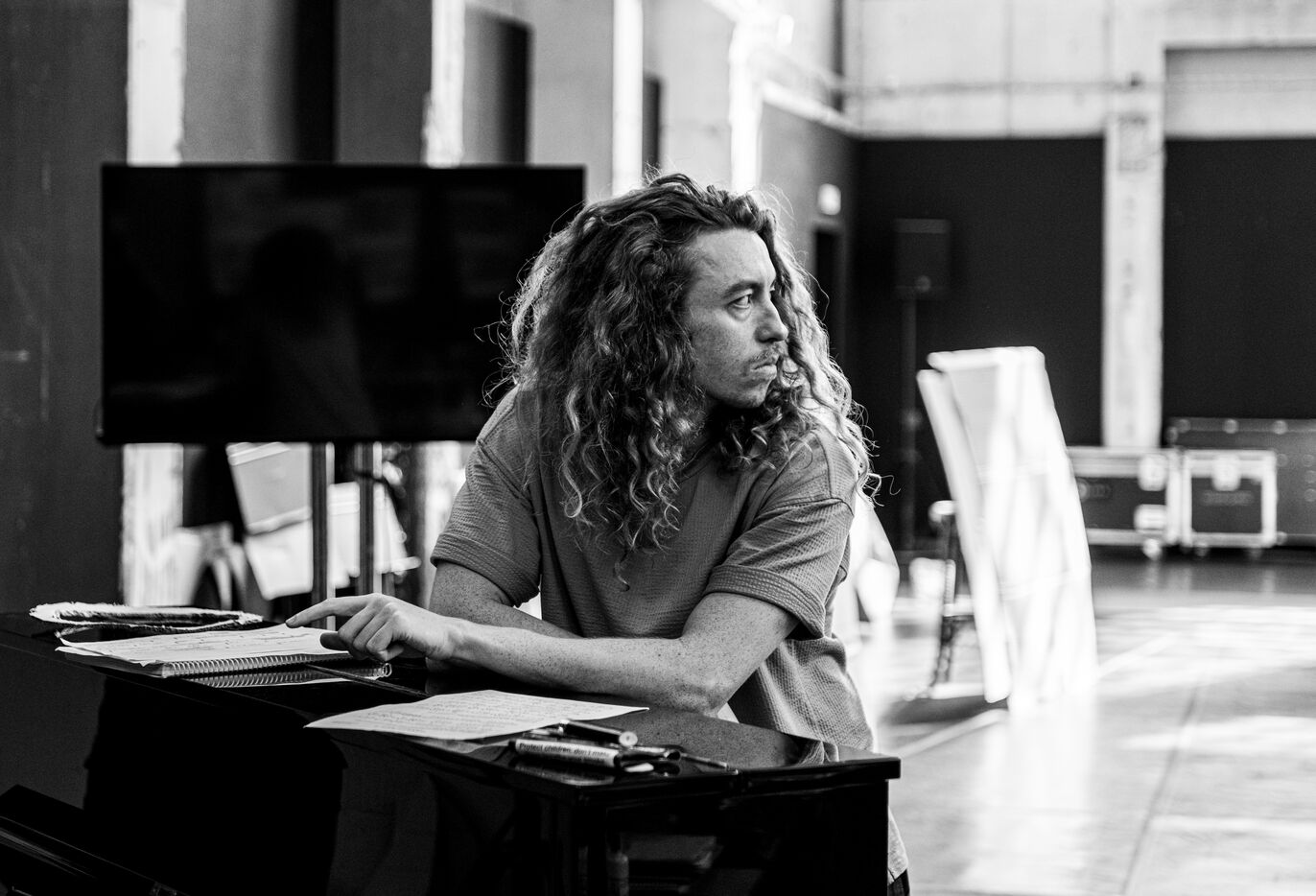
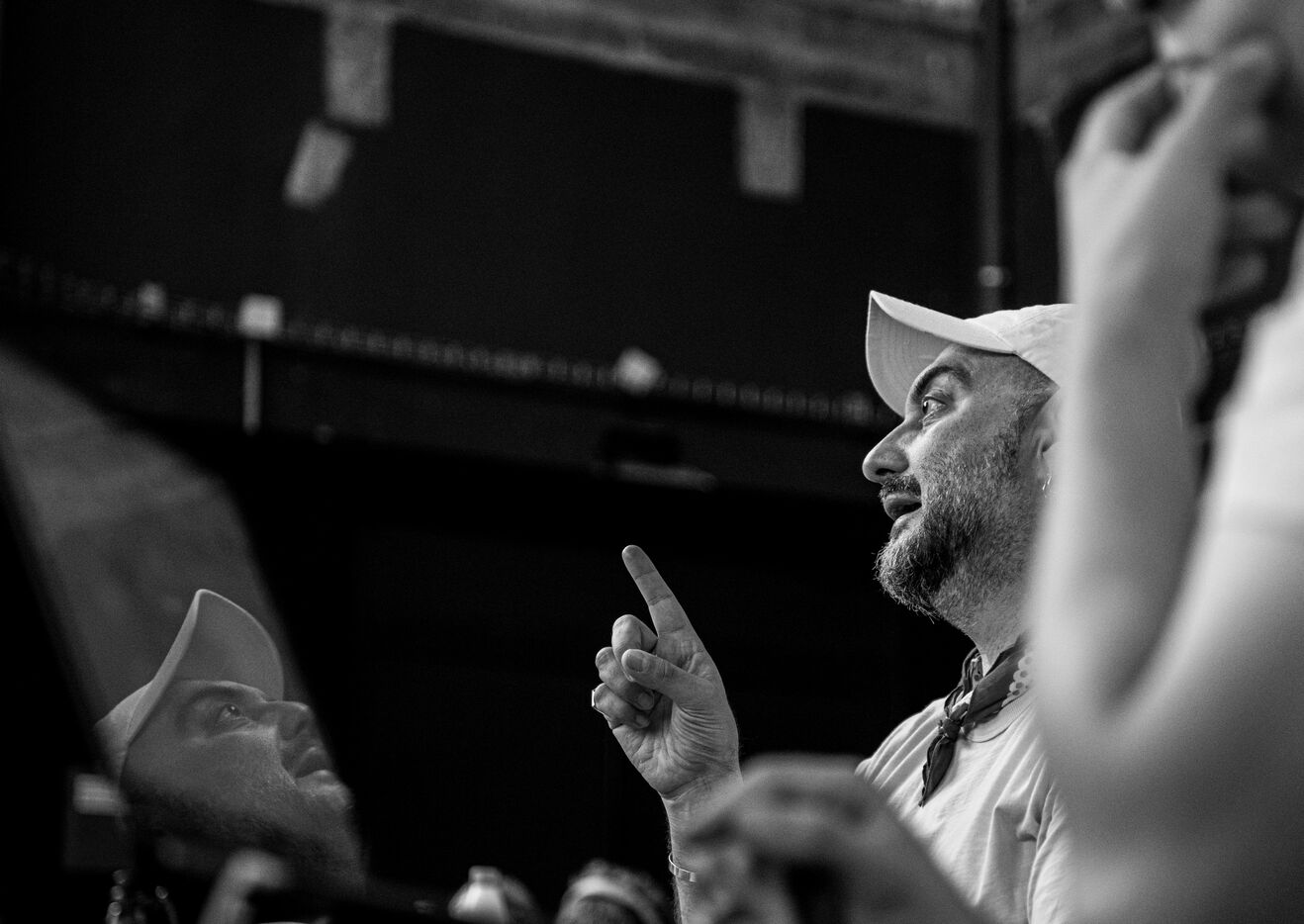
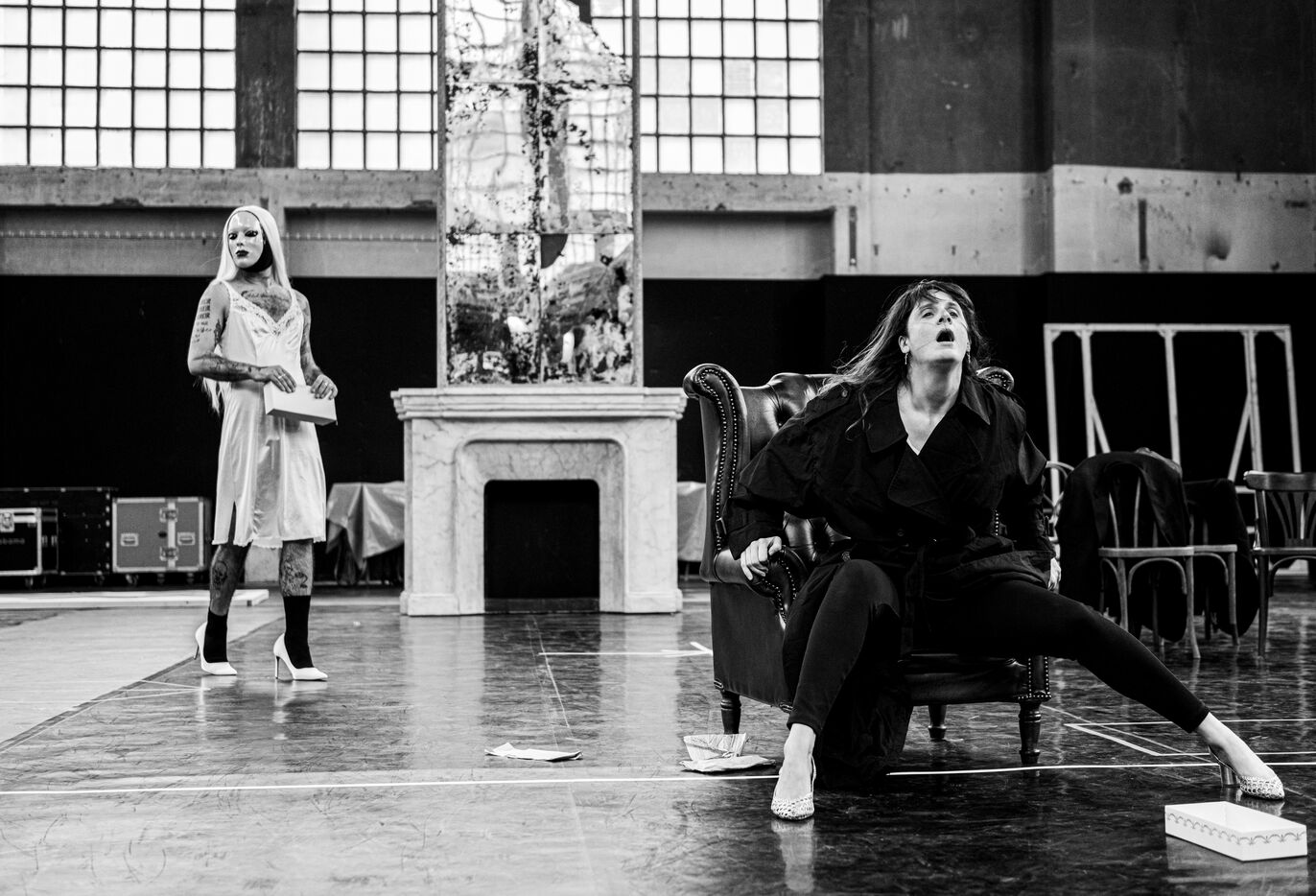
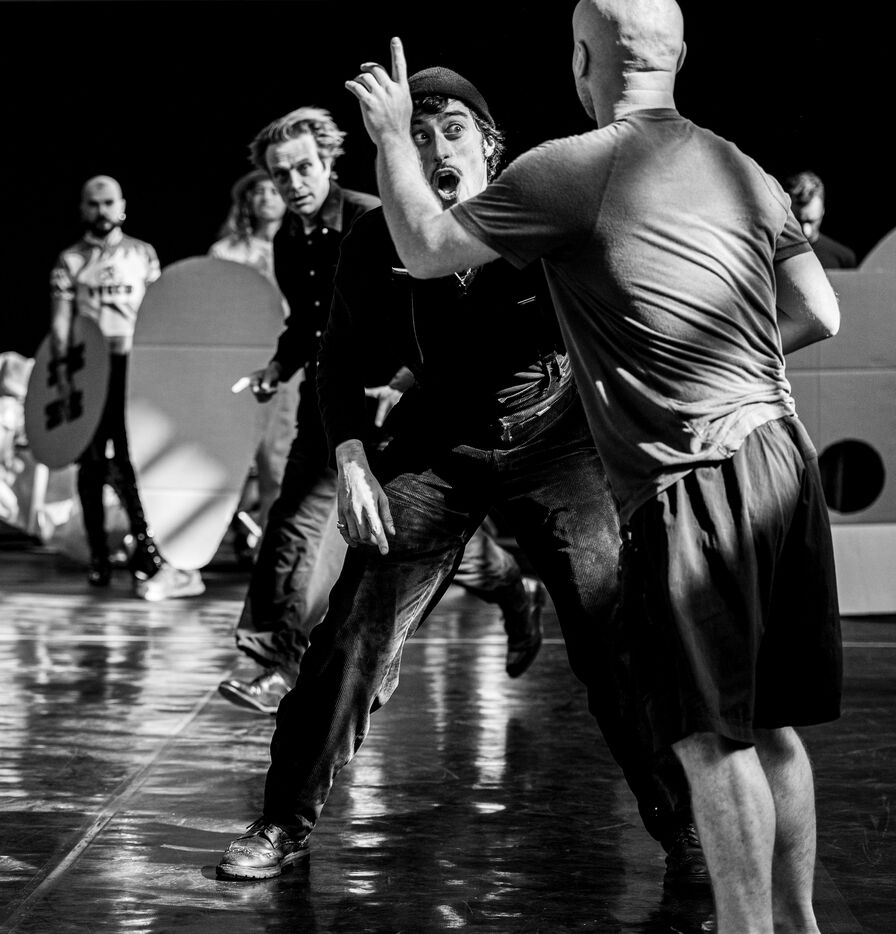
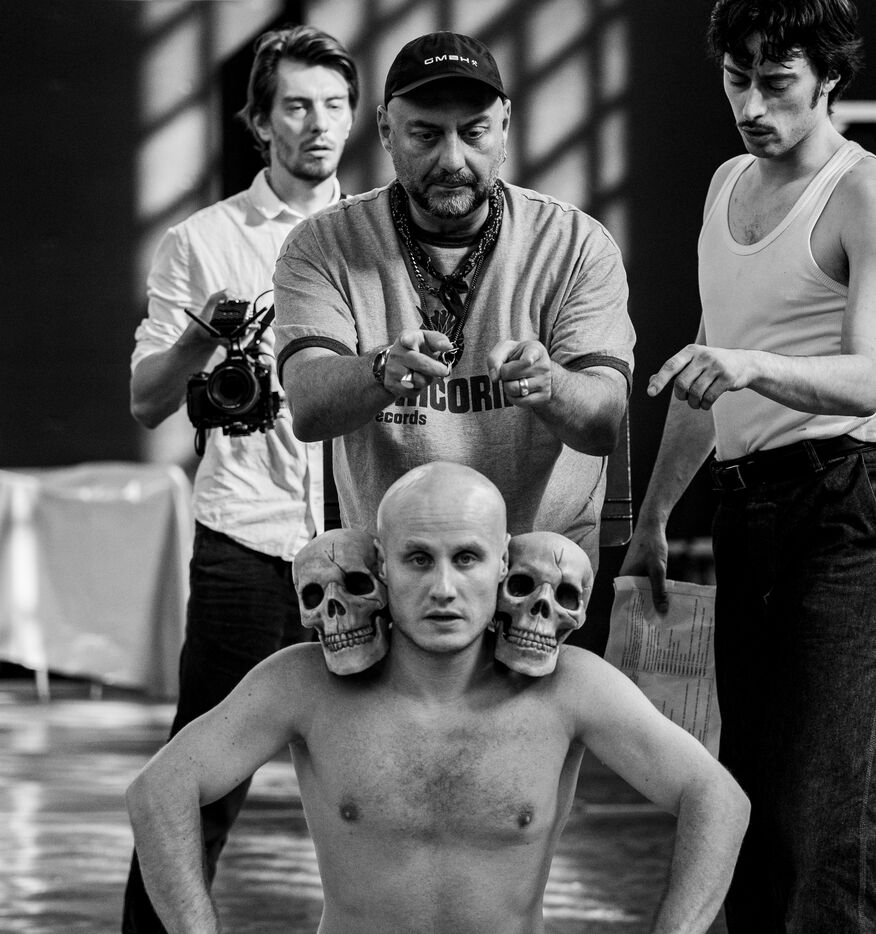
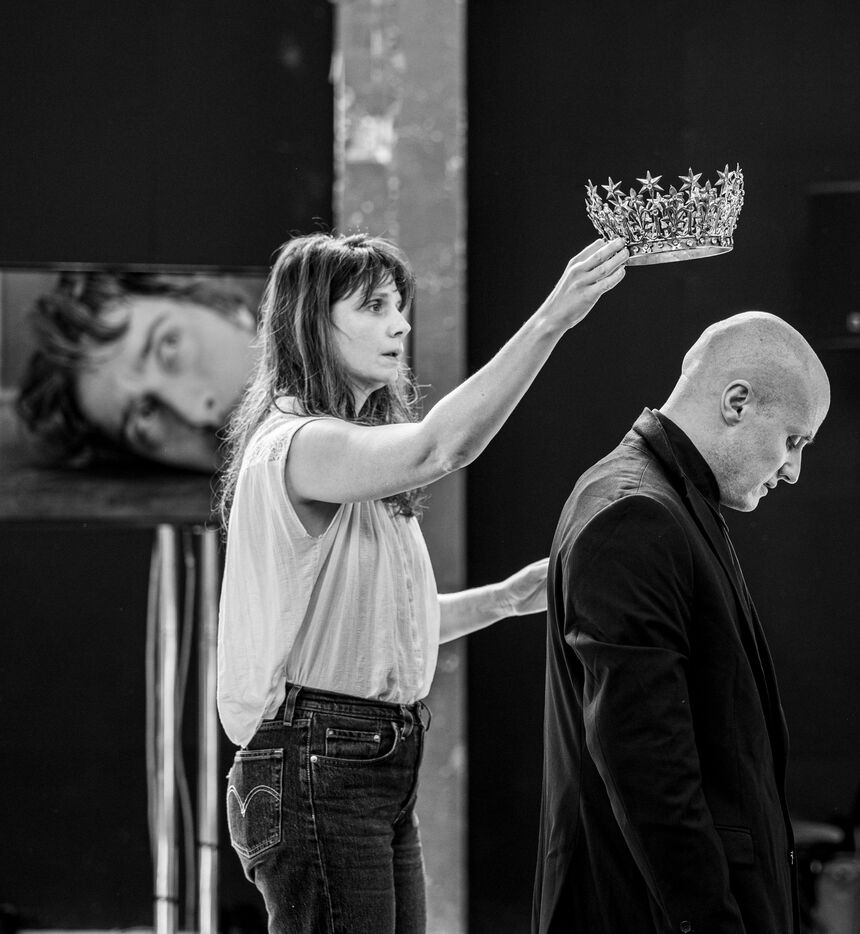
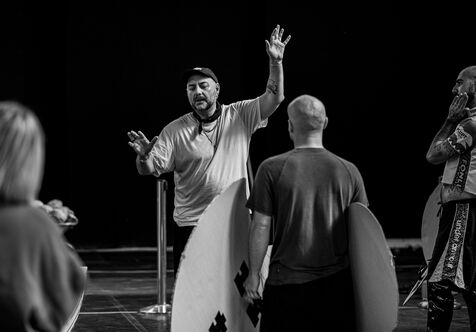
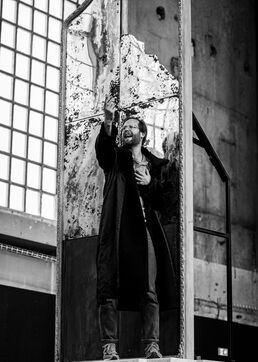
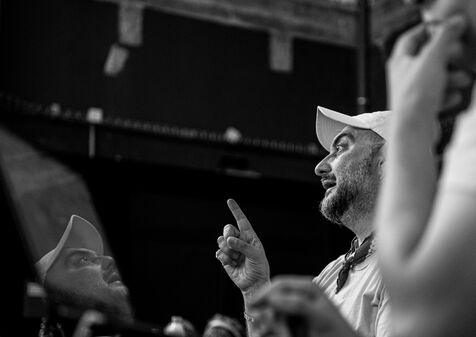
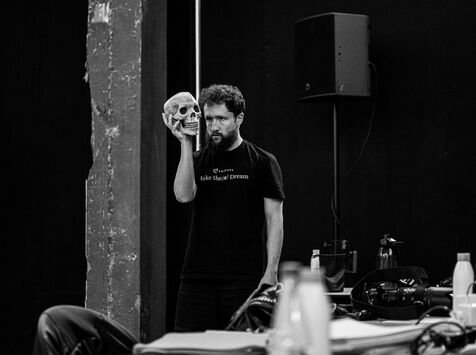
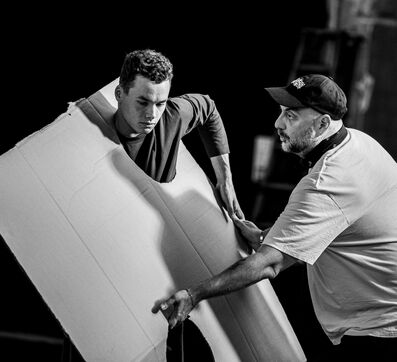
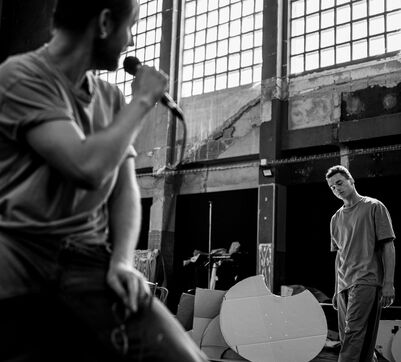
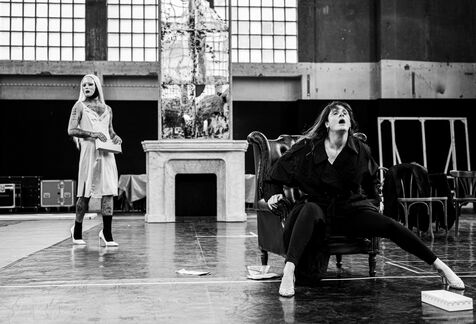
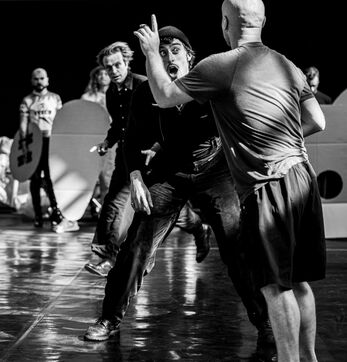
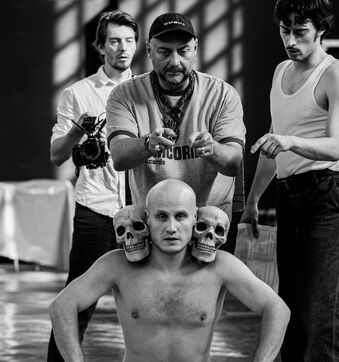
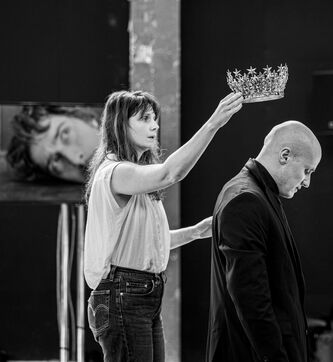
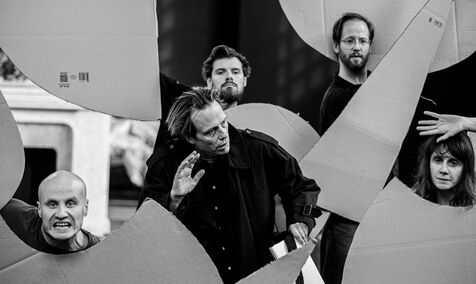
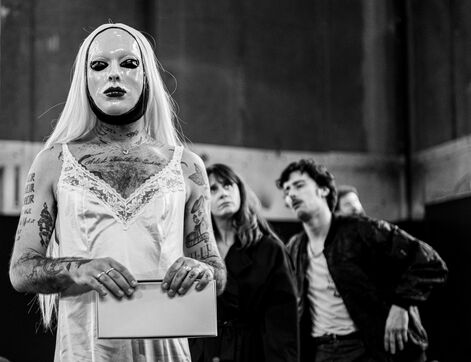
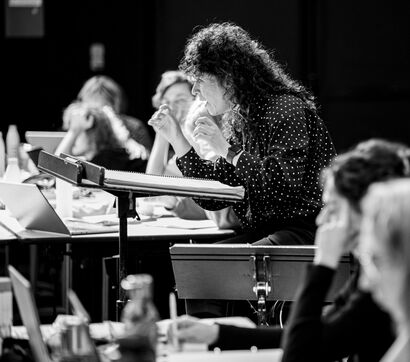
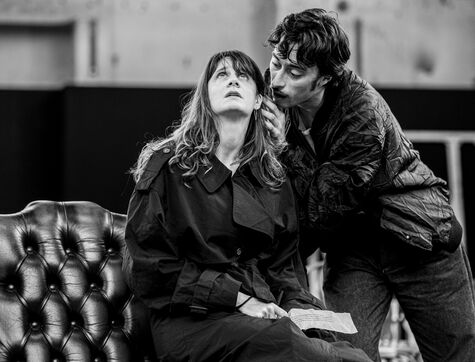
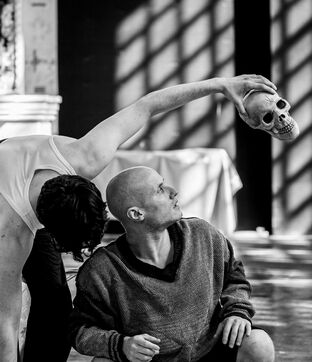
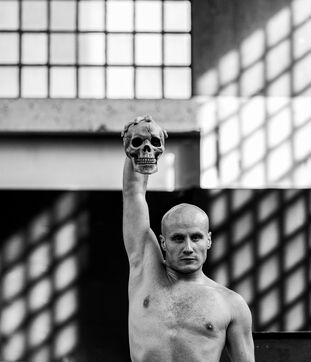
HAMLET / FANTOMES - REPETITION
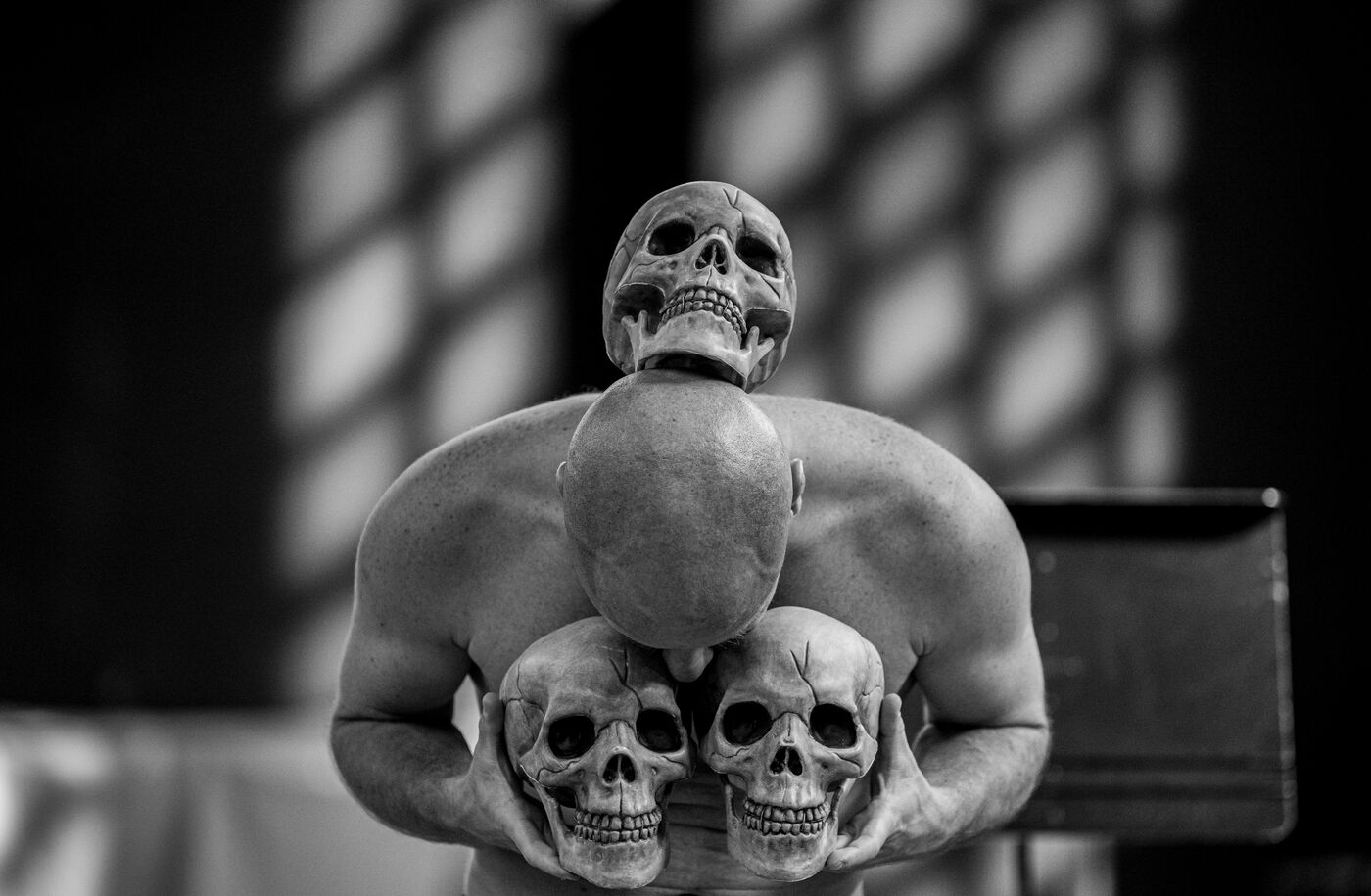
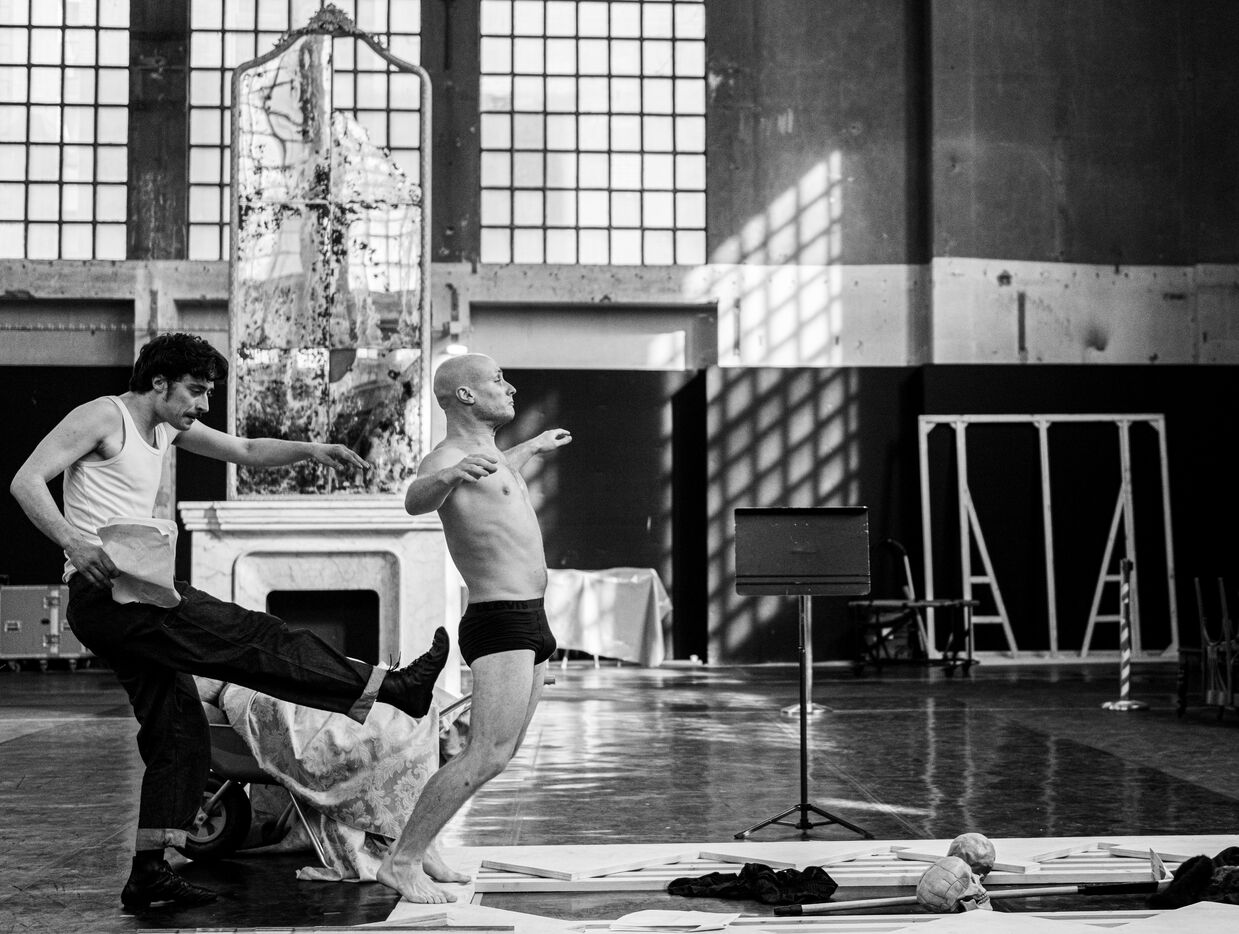
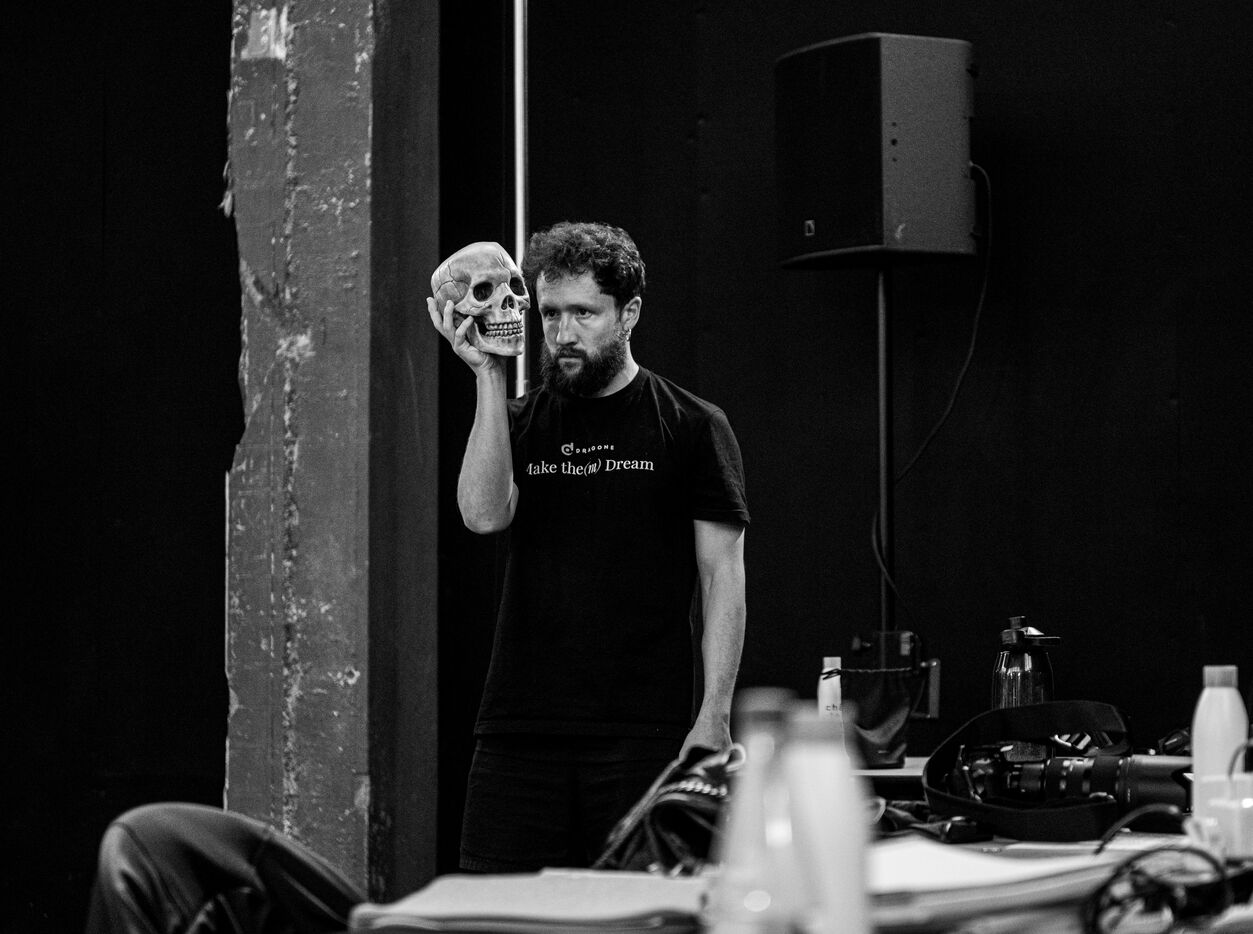
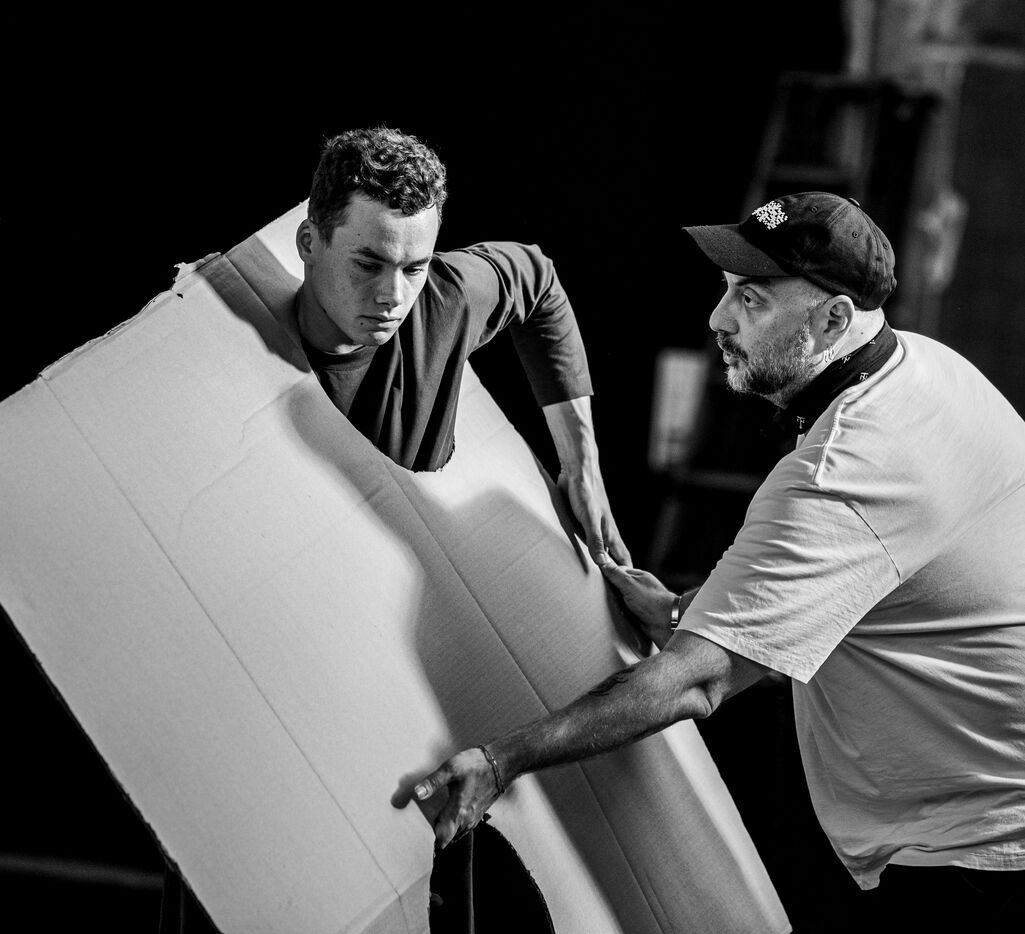
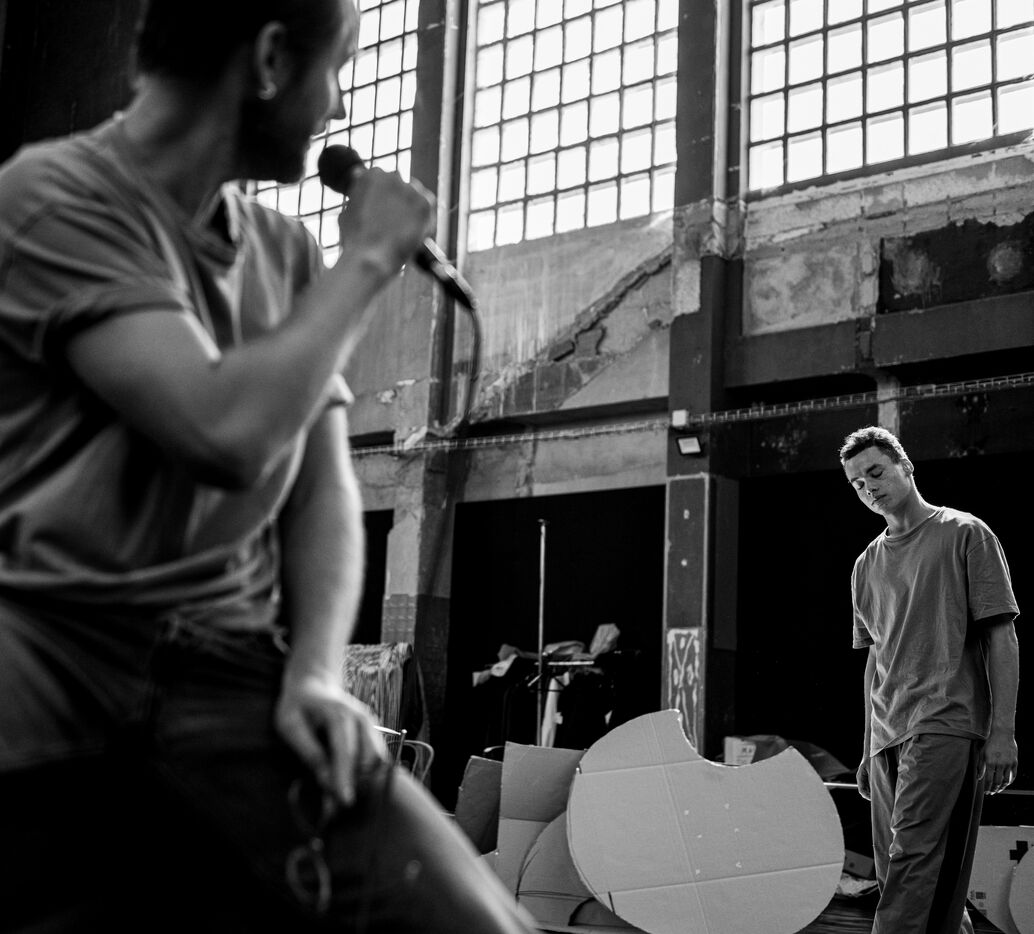
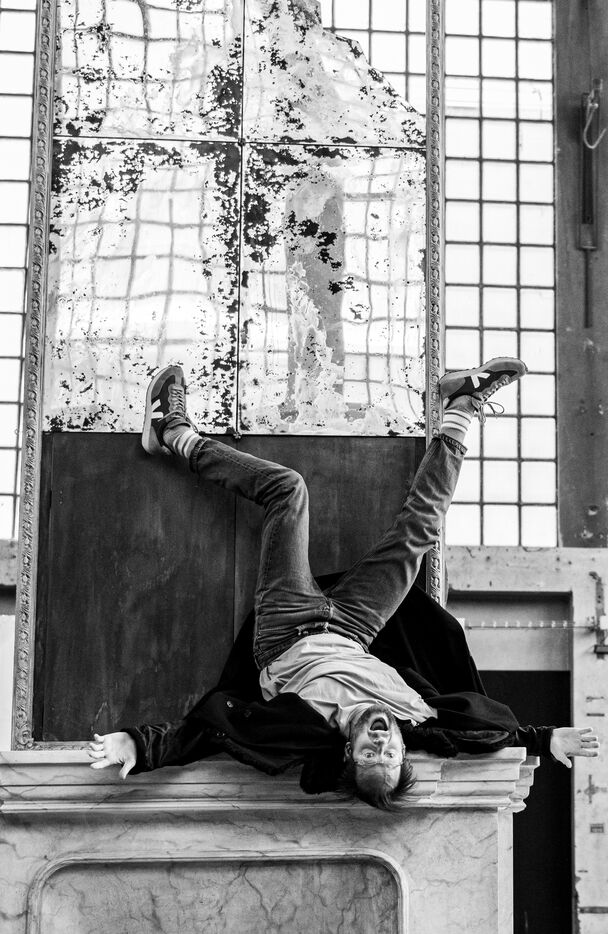
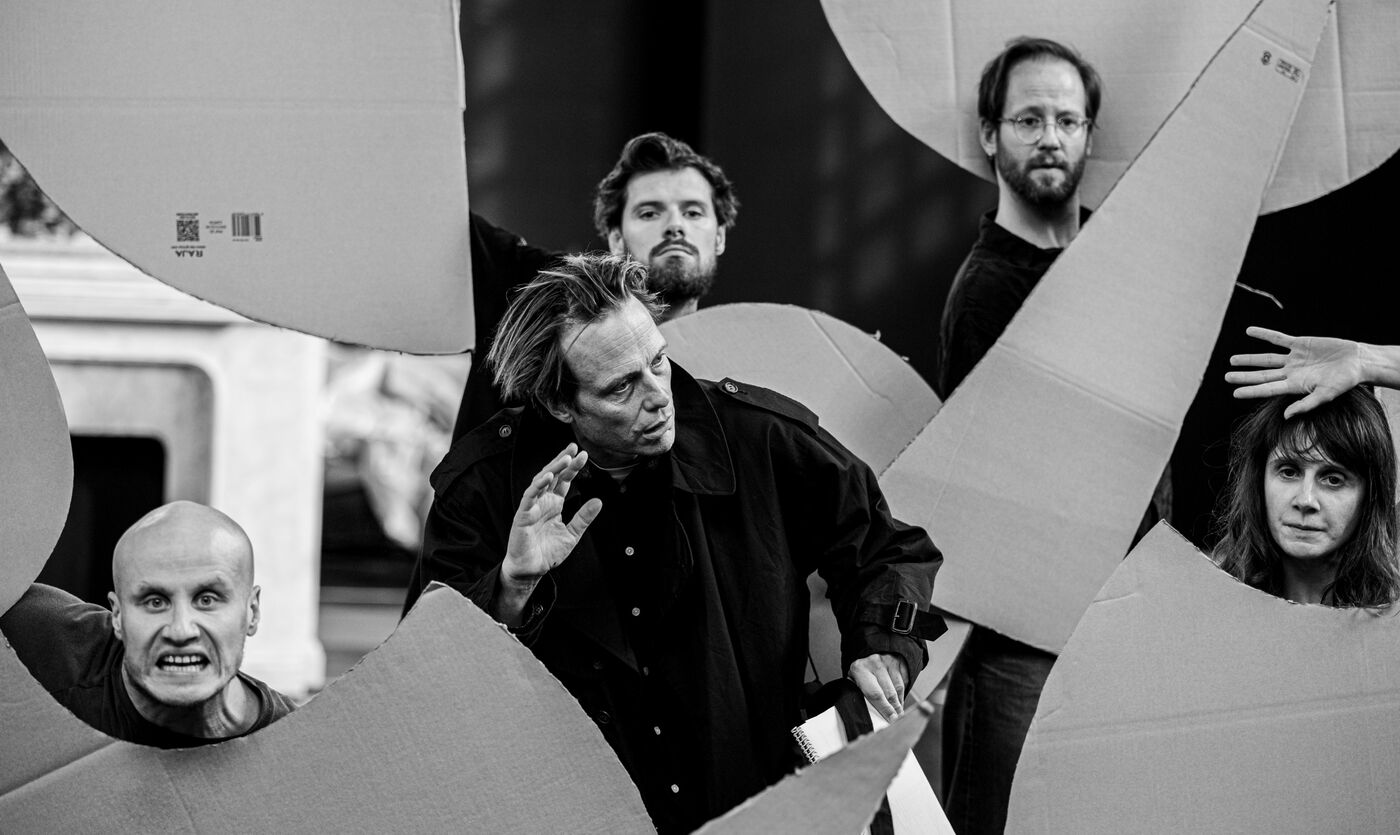
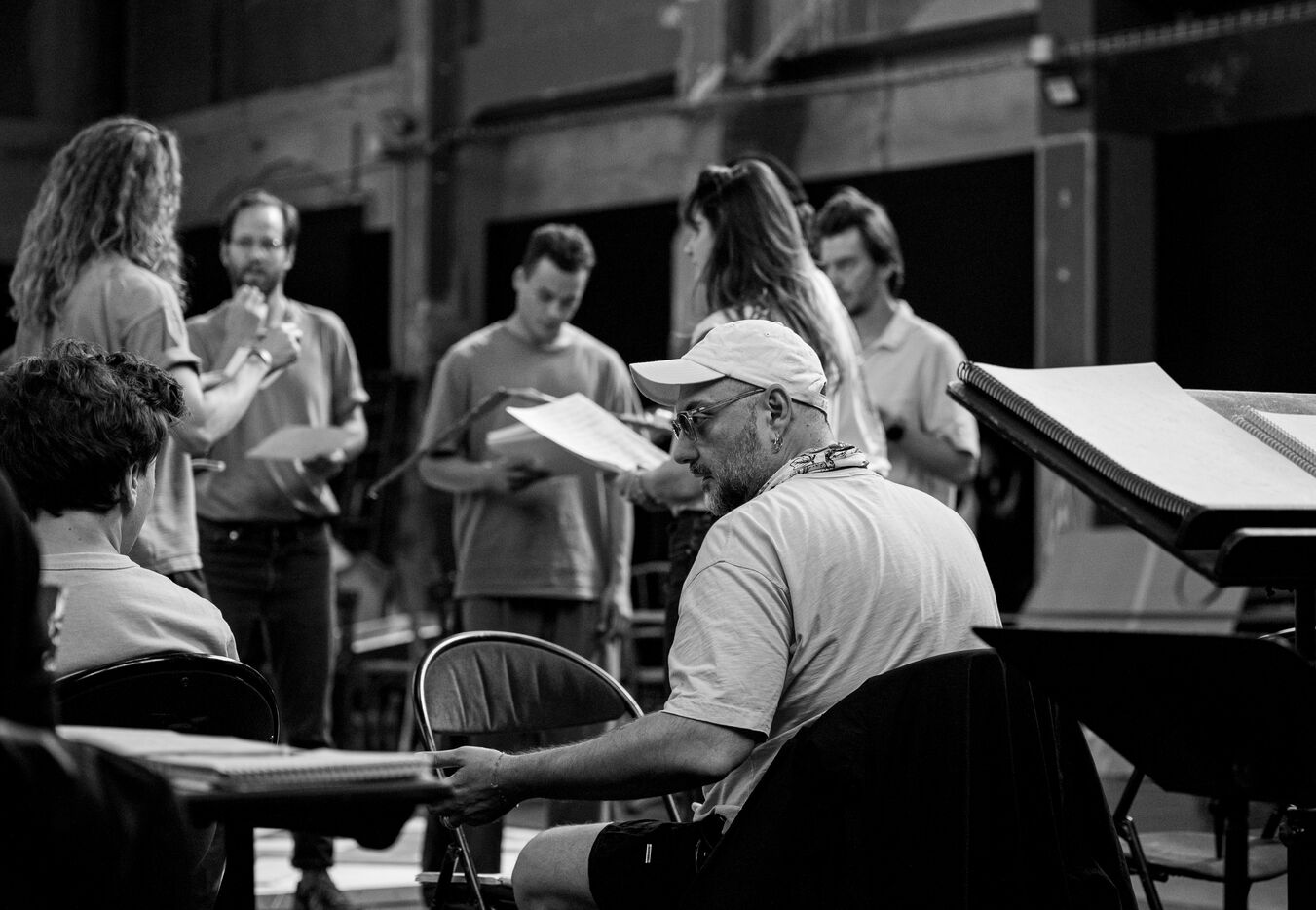
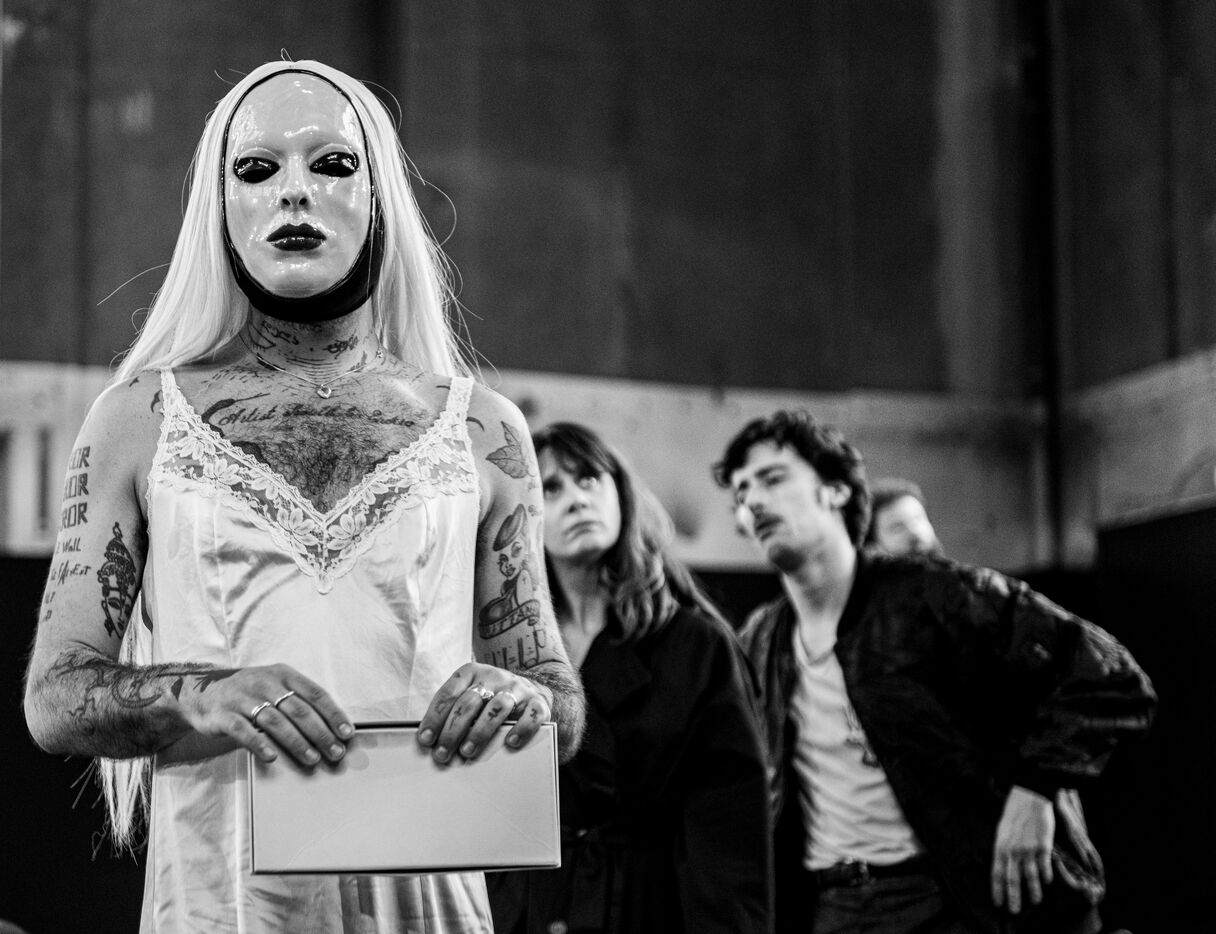
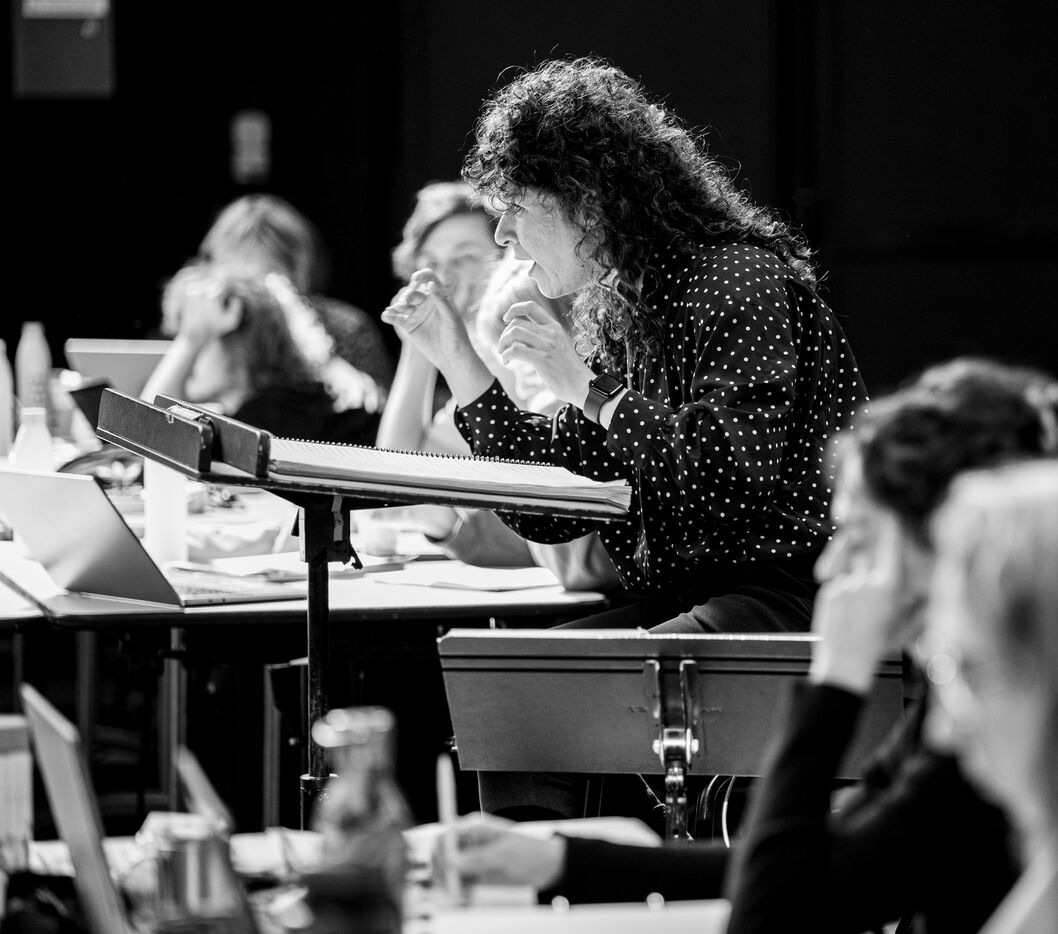
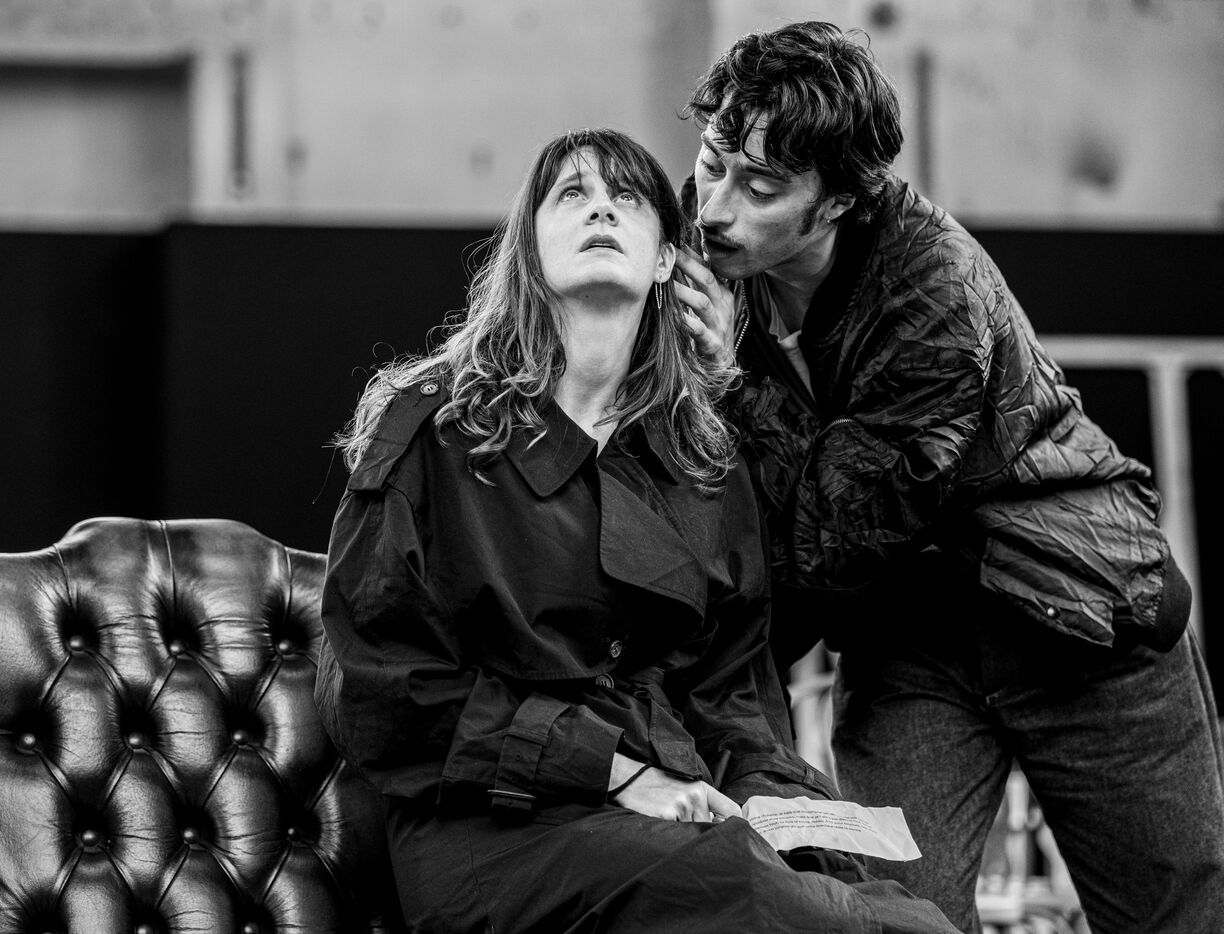
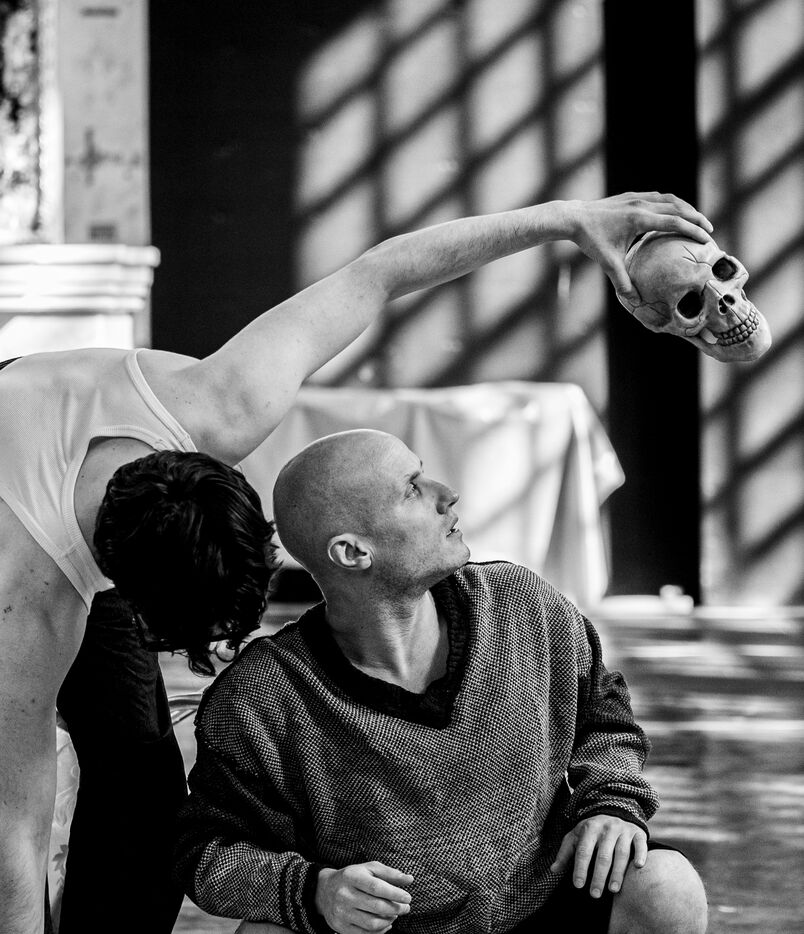
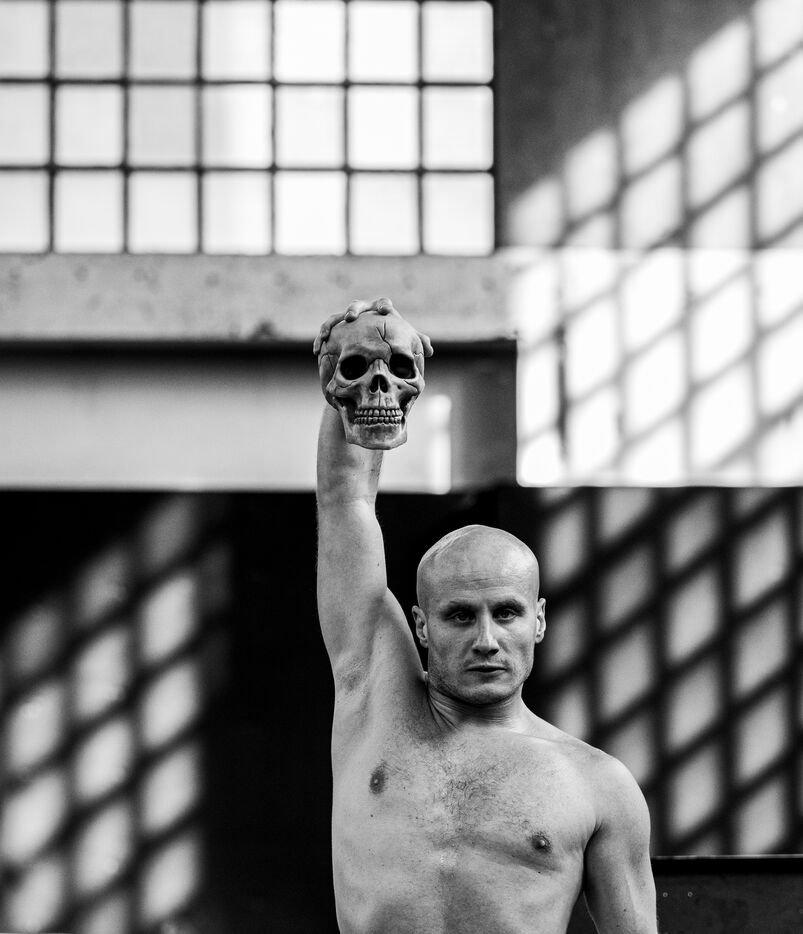
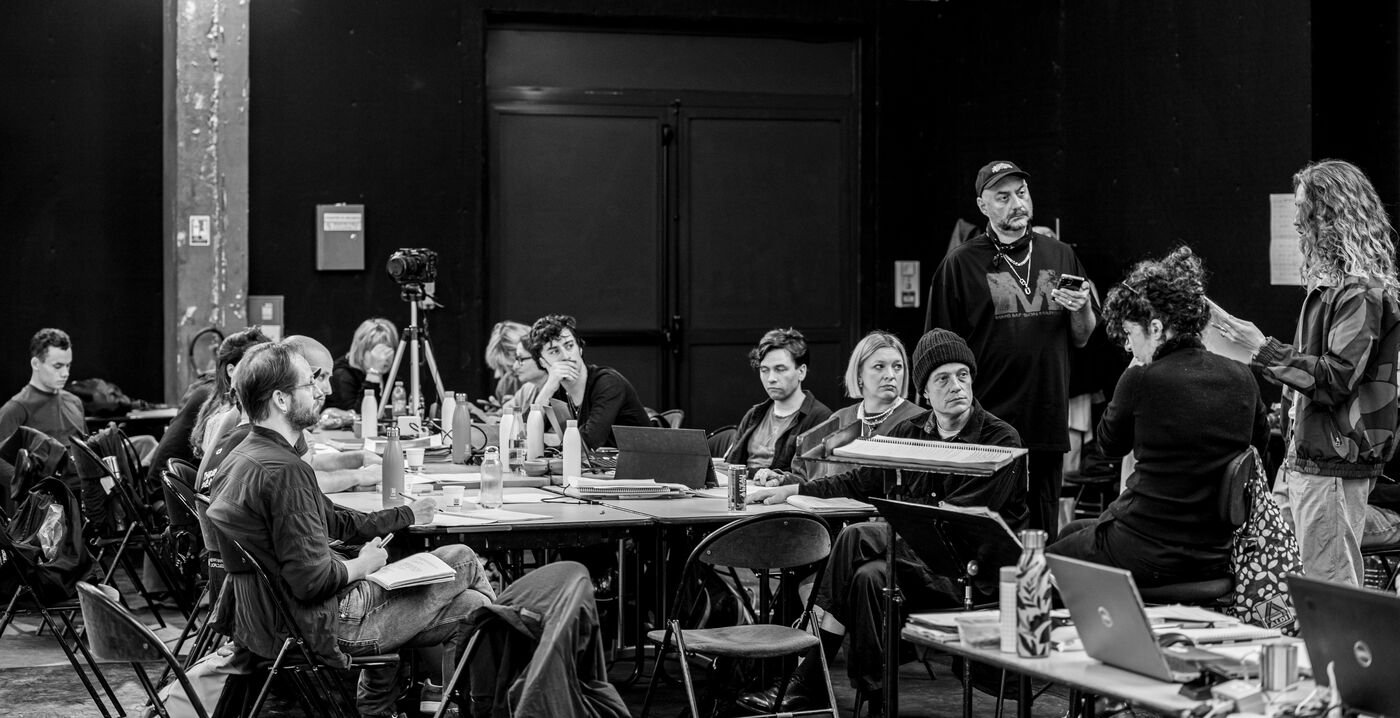
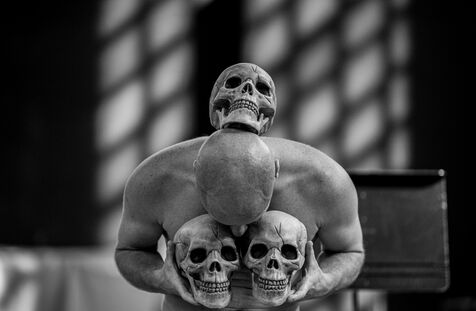
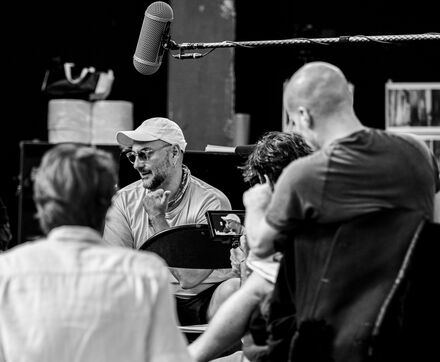
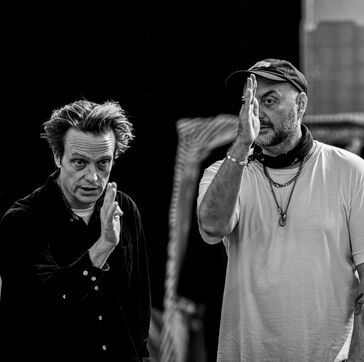
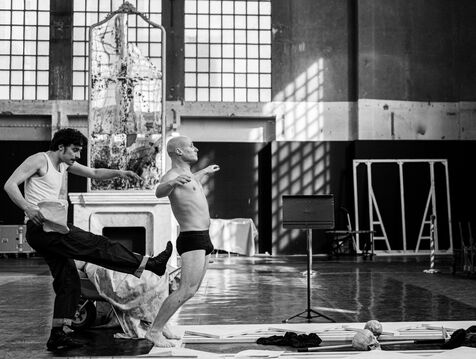
The Tragedy of Hamlet, Prince of Denmark de William Shakespeare est peut-être l’un des textes du répertoire théâtral les plus connus au monde. Cette œuvre agit comme un point de repère, quand « le temps sort de ses gonds » ou « quand le passé exige une vengeance et l’avenir, un choix », comme le dit Kirill Serebrennikov. Pour cette création au Théâtre du Châtelet, le metteur en scène et réalisateur russe a opté pour un parti-pris radical : joué par plusieurs acteurs, Hamlet se dédouble, se démultiplie, et déclame son texte dans plusieurs langues (anglais, russe, allemand, français). La pièce de William Shakespeare a inspiré Kirill Serebrennikov pour ce spectacle qui confronte Hamlet à lui-même, à son époque et aux spectateurs : « Hamlet comme violence. Hamlet comme mythe. Hamlet comme diagnostic. Hamlet comme rhizome. Hamlet comme phobie. Hamlet comme souvenir. »
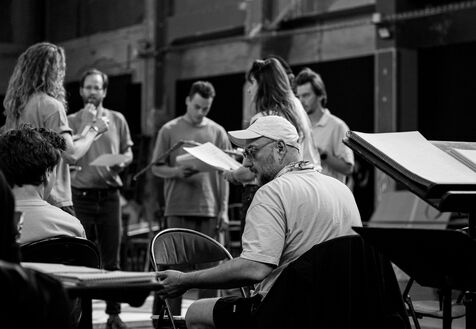
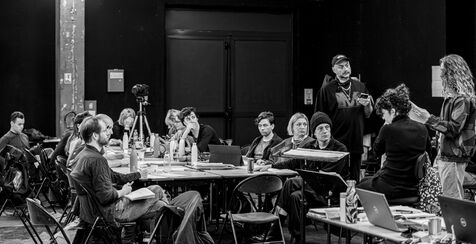
HAMLET / FANTOMES - REHEARSALE
William Shakespeare's The Tragedy of Hamlet, Prince of Denmark is perhaps one of the most famous plays in the world. This work acts as a landmark, when "time is out of joint" or "when the past demands revenge and the future, a choice," as Kirill Serebrennikov puts it. For this creation at the Théâtre du Châtelet, the Russian director and producer has opted for a radical approach: played by several actors, Hamlet splits himself, multiplies himself, and declaims his text in several languages (English, Russian, German, French). William Shakespeare's play inspired Kirill Serebrennikov for this performance, which confronts Hamlet with himself, his time, and the audience: "Hamlet as violence. Hamlet as myth. Hamlet as diagnosis. Hamlet as rhizome. Hamlet as phobia. Hamlet as memory."