Festa da Boa Morte : foi et mémoire à Bahia
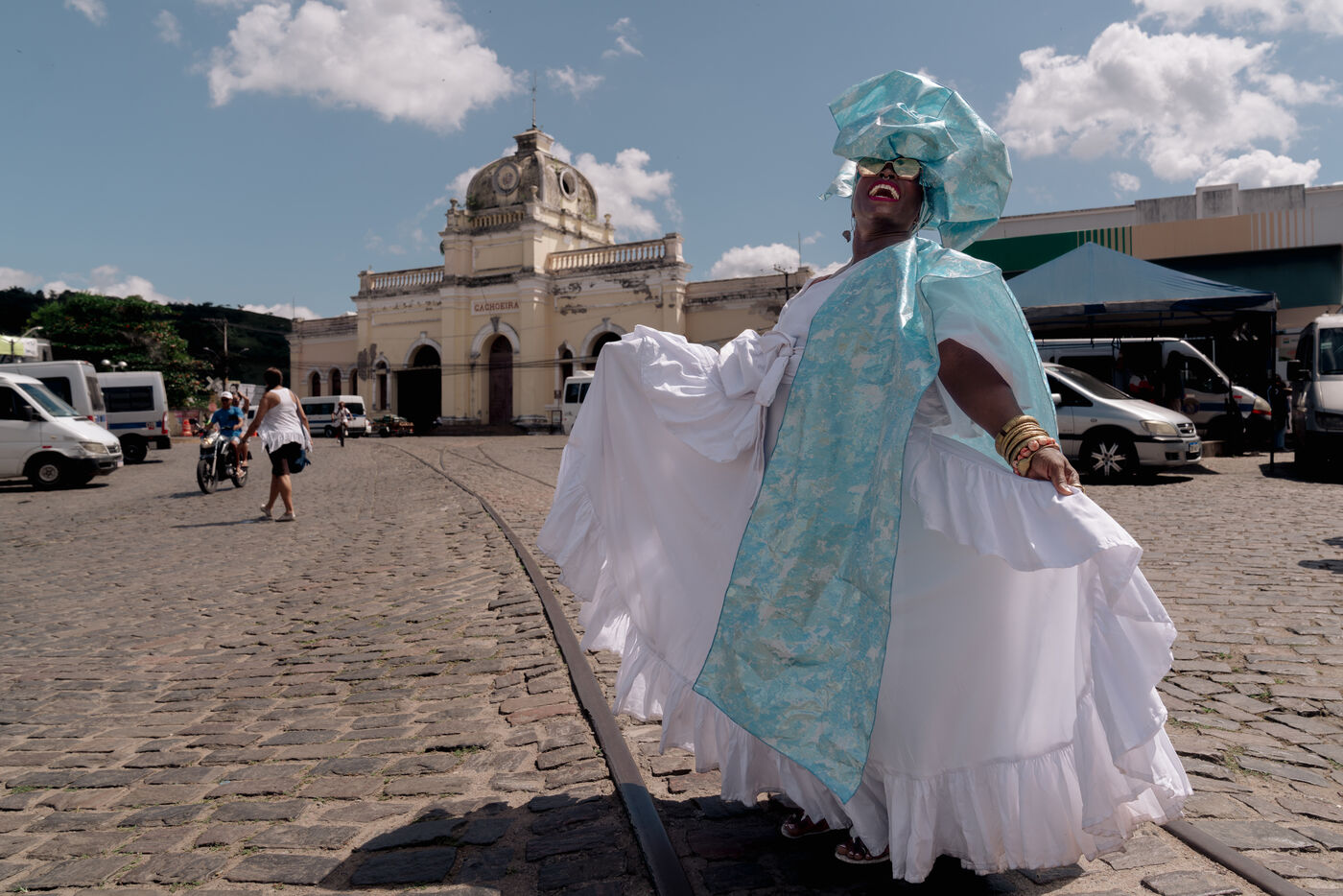
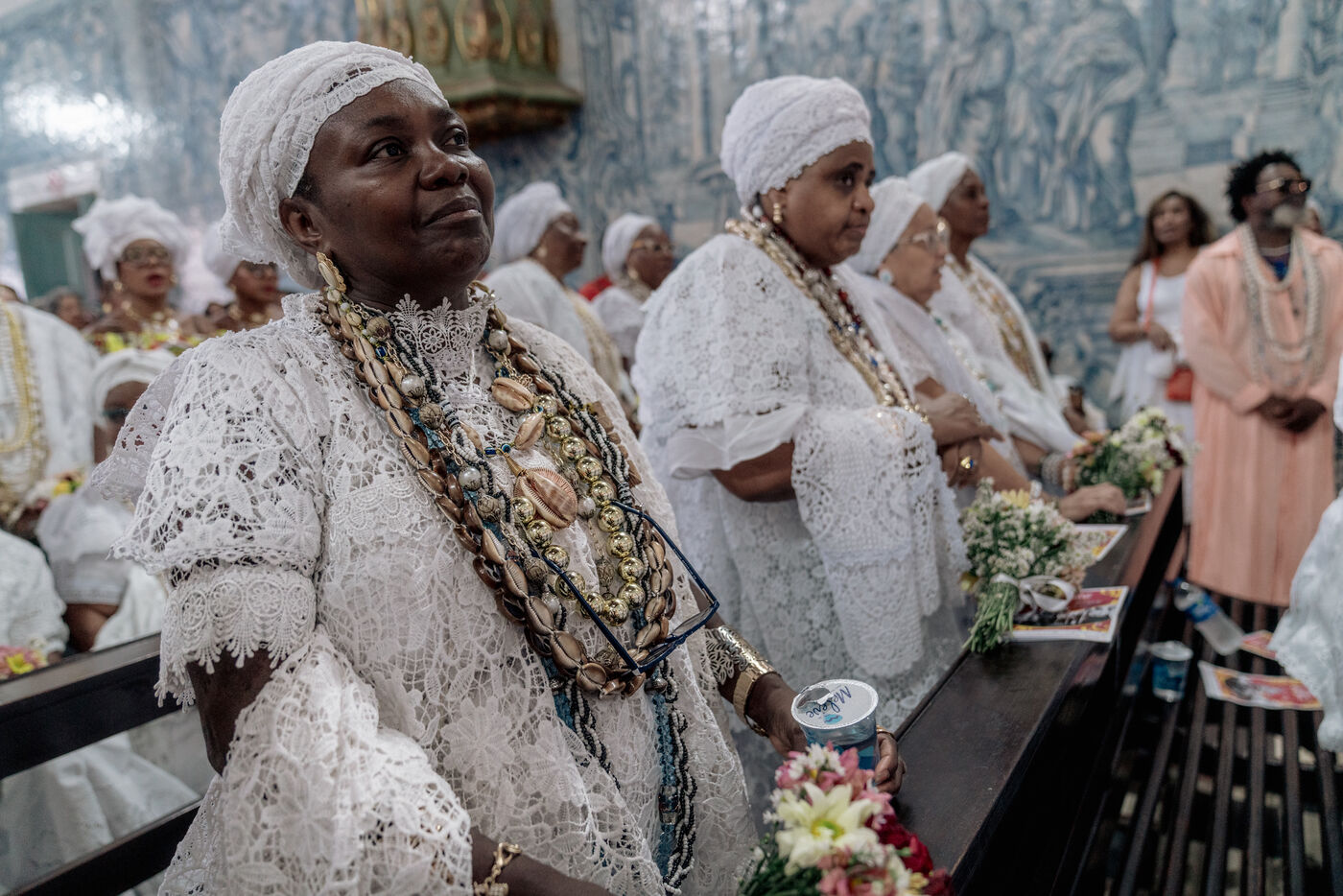
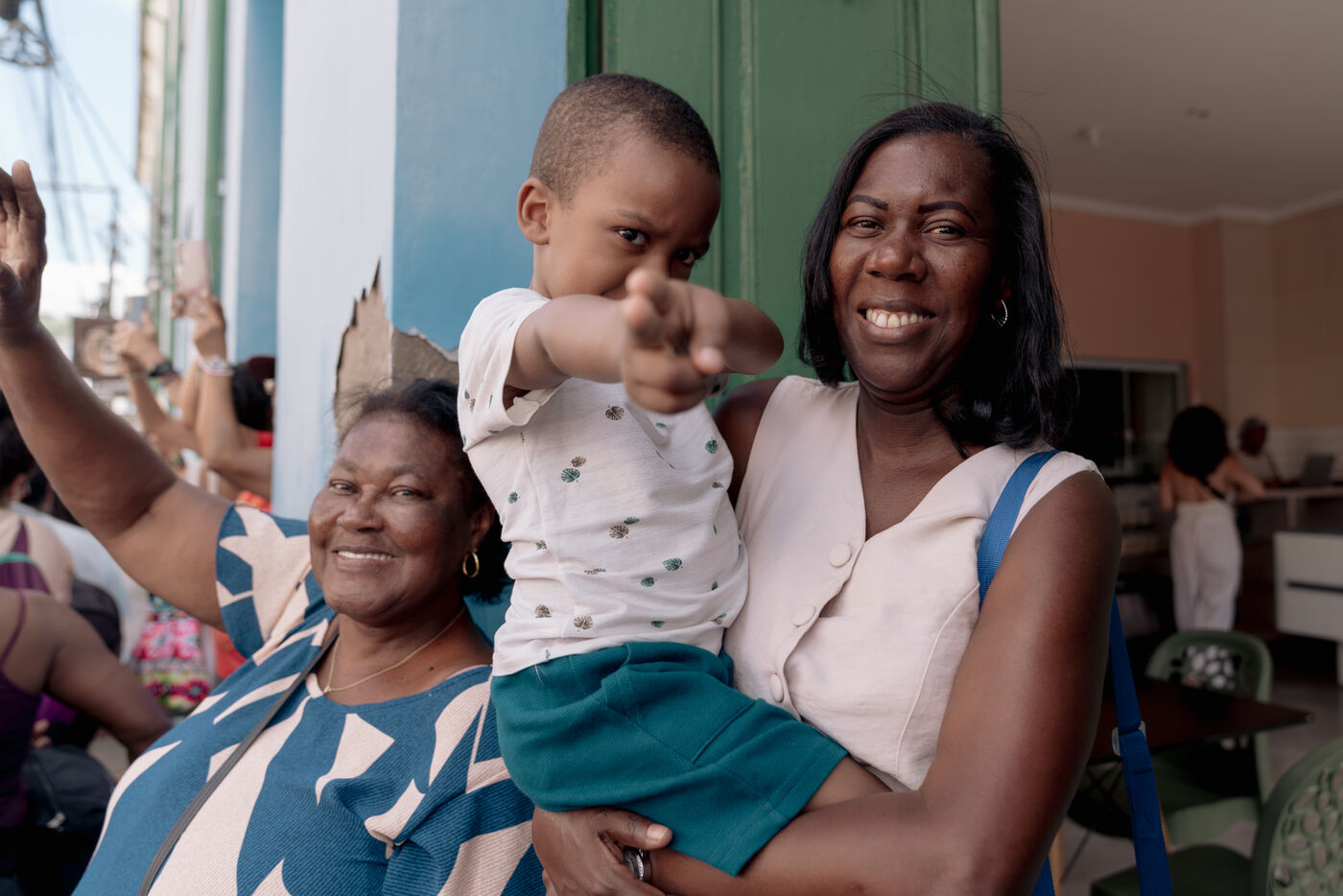
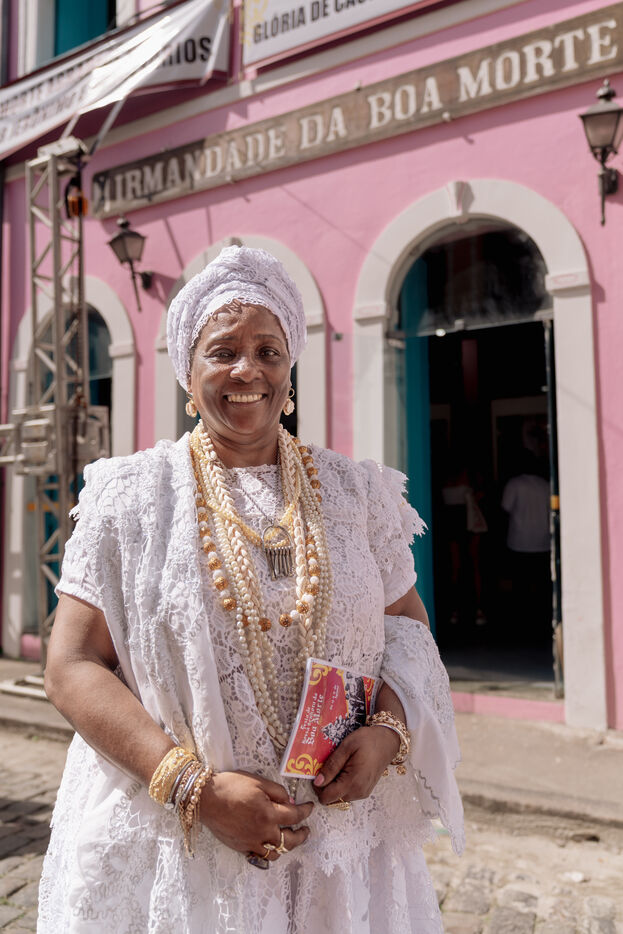
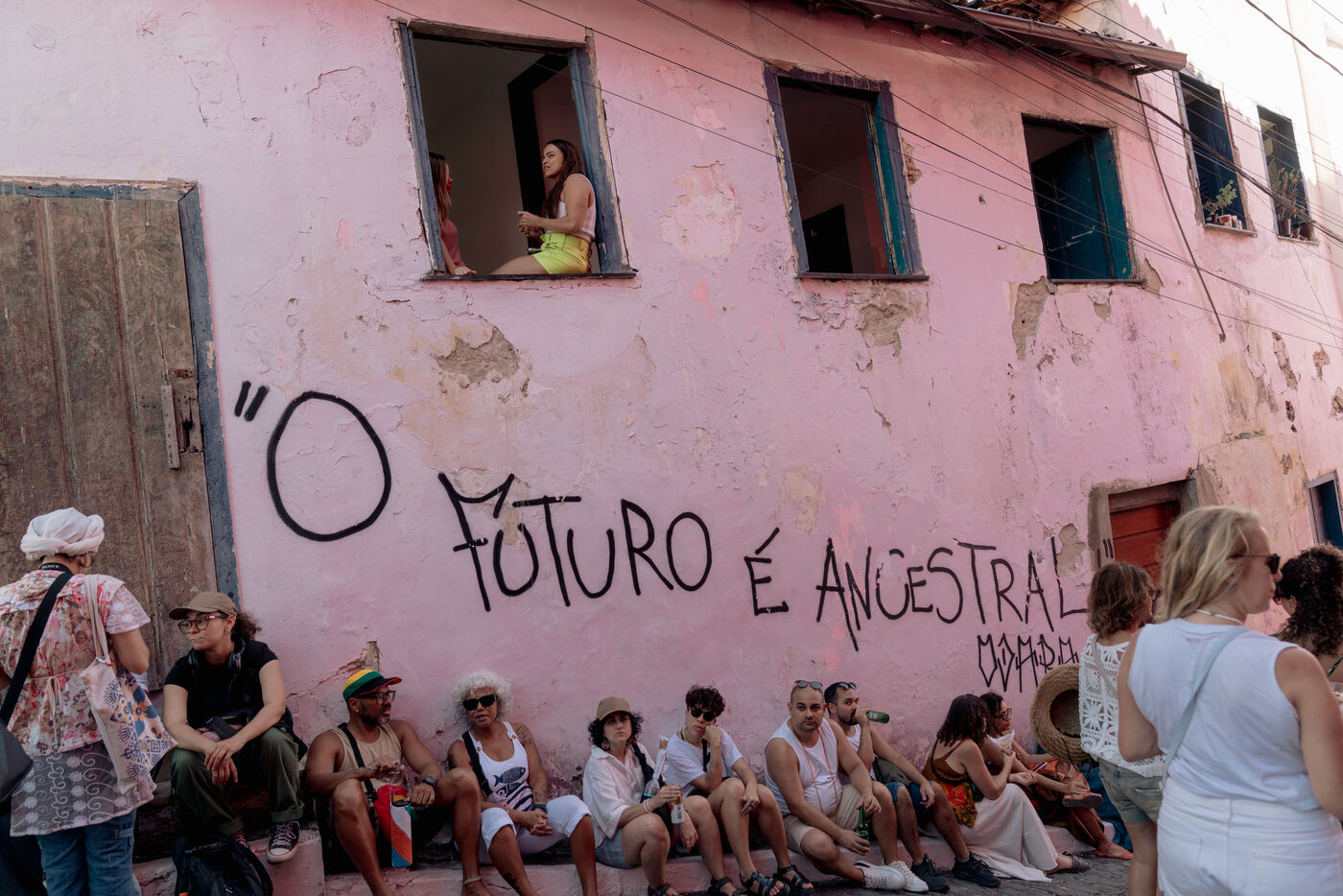
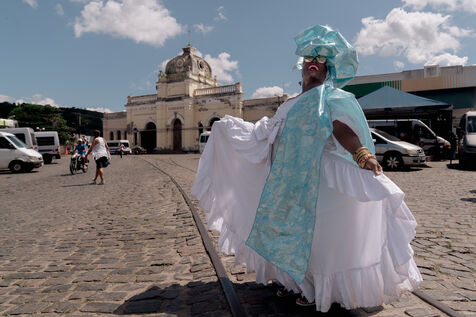
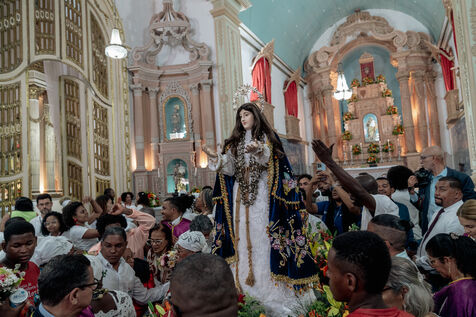
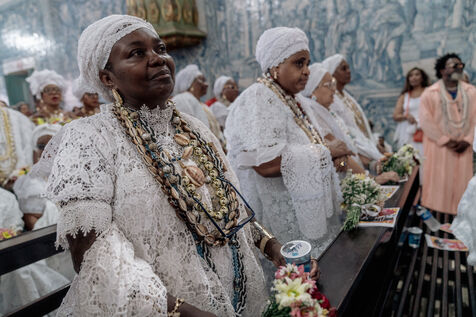
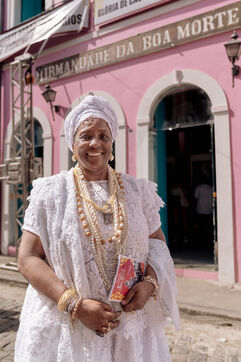
Le 15 août 2026, jour de l’Assomption, les rues de Cachoeira, dans l’État de Bahia, accueillent la Festa da Boa Morte. Depuis près de deux siècles, cette célébration est portée par l’Irmandade de Nossa Senhora da Boa Morte, une confrérie religieuse composée de femmes noires dont les origines remontent au XIXe siècle, alors que l’esclavage était encore en vigueur au Brésil.
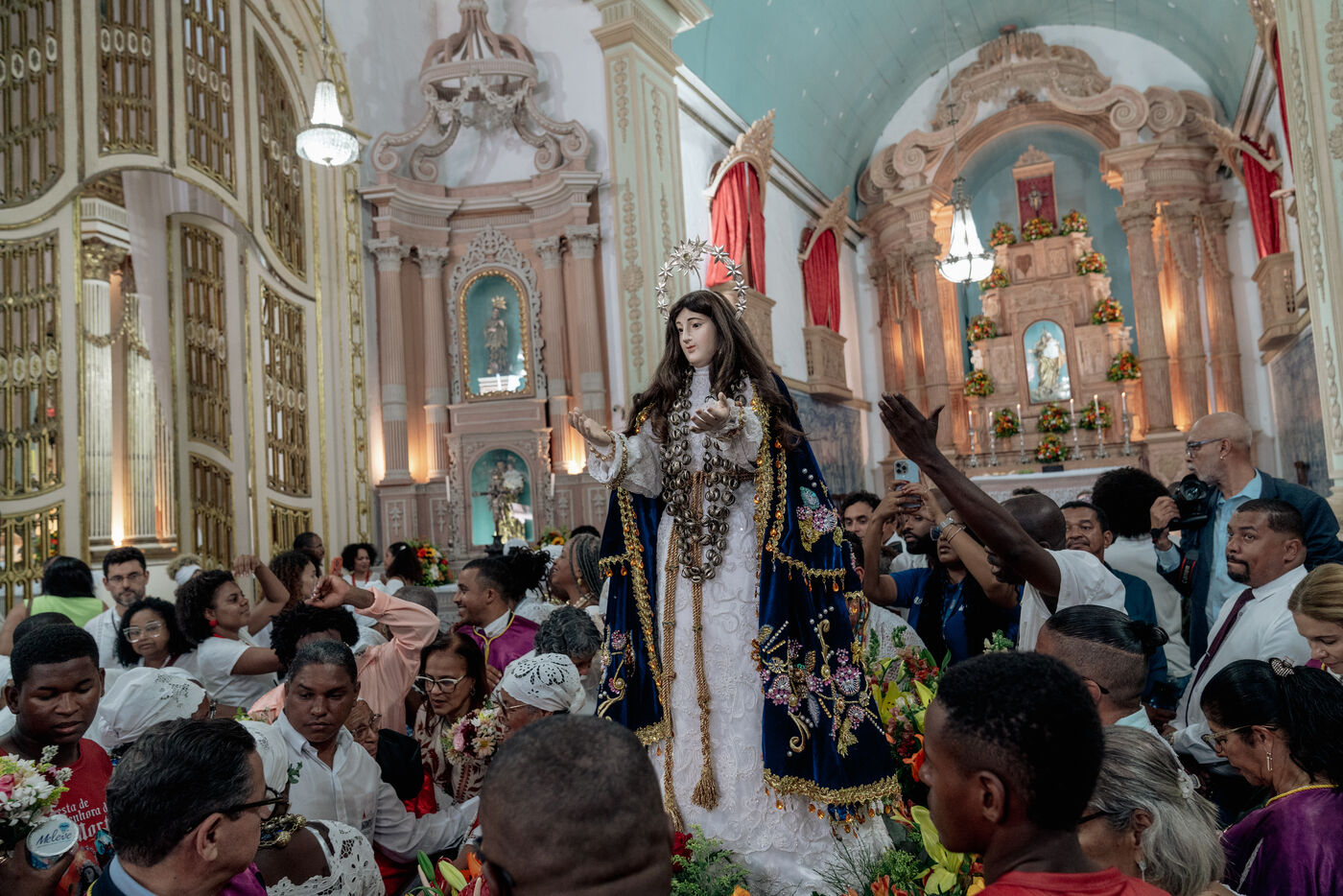
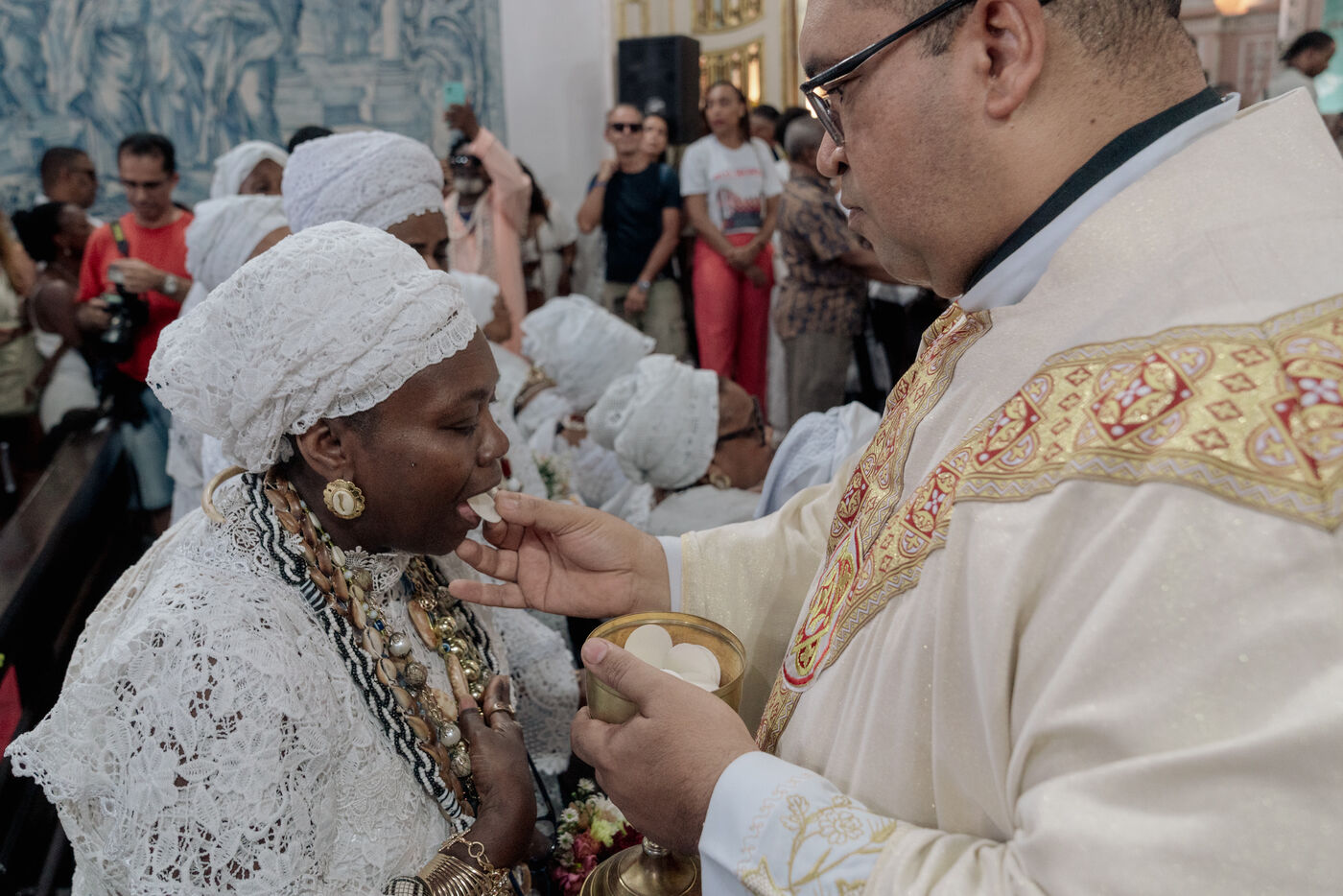
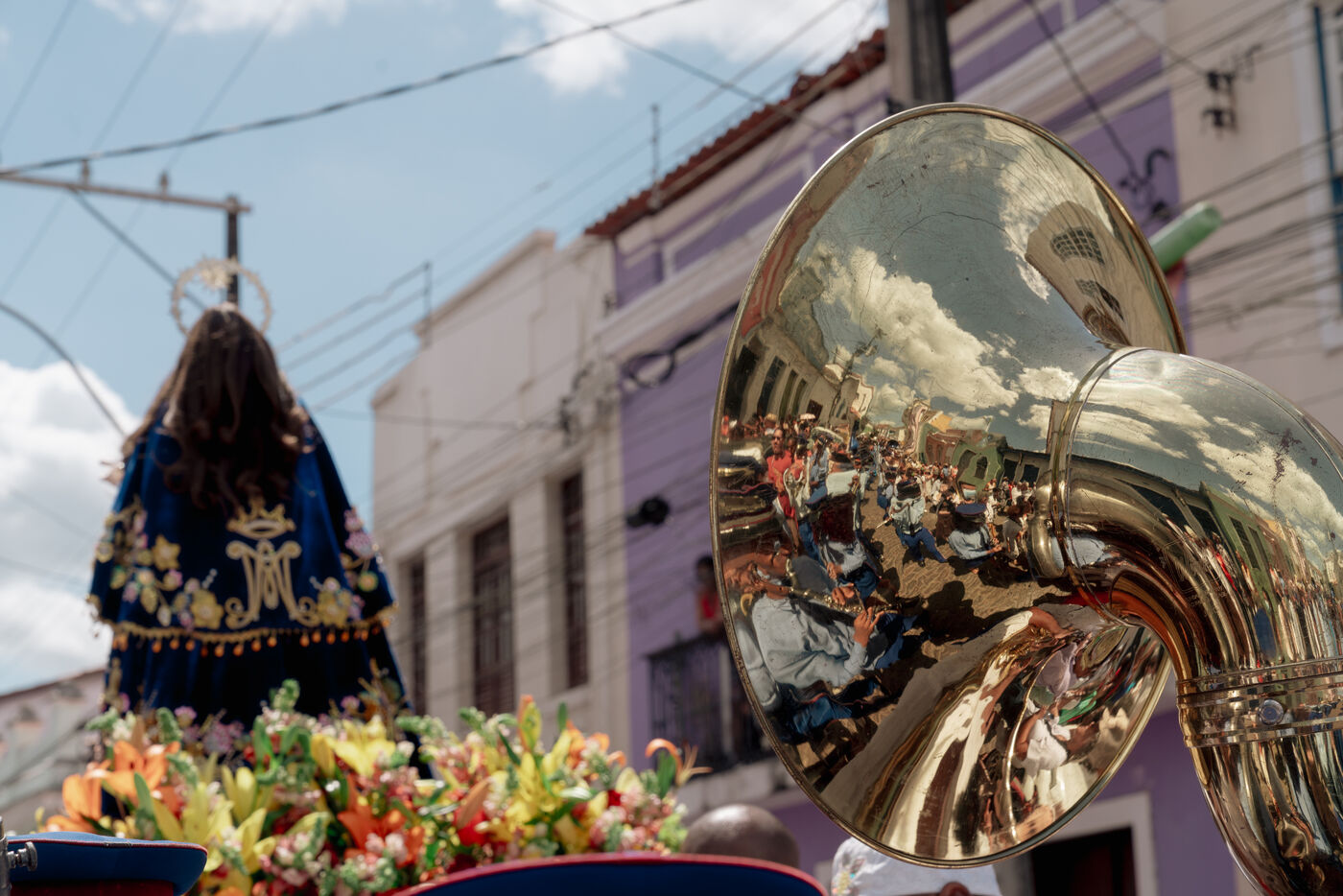
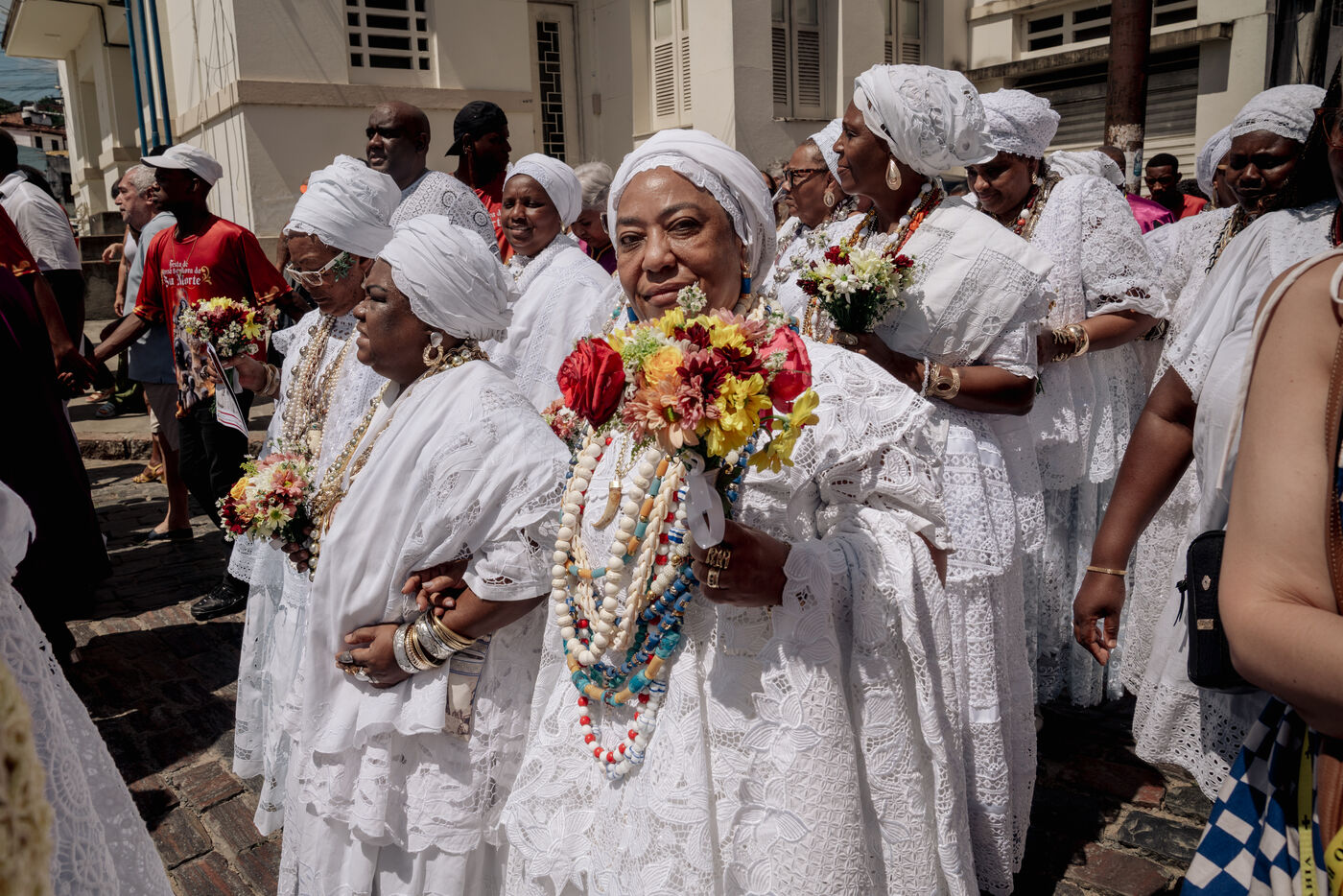
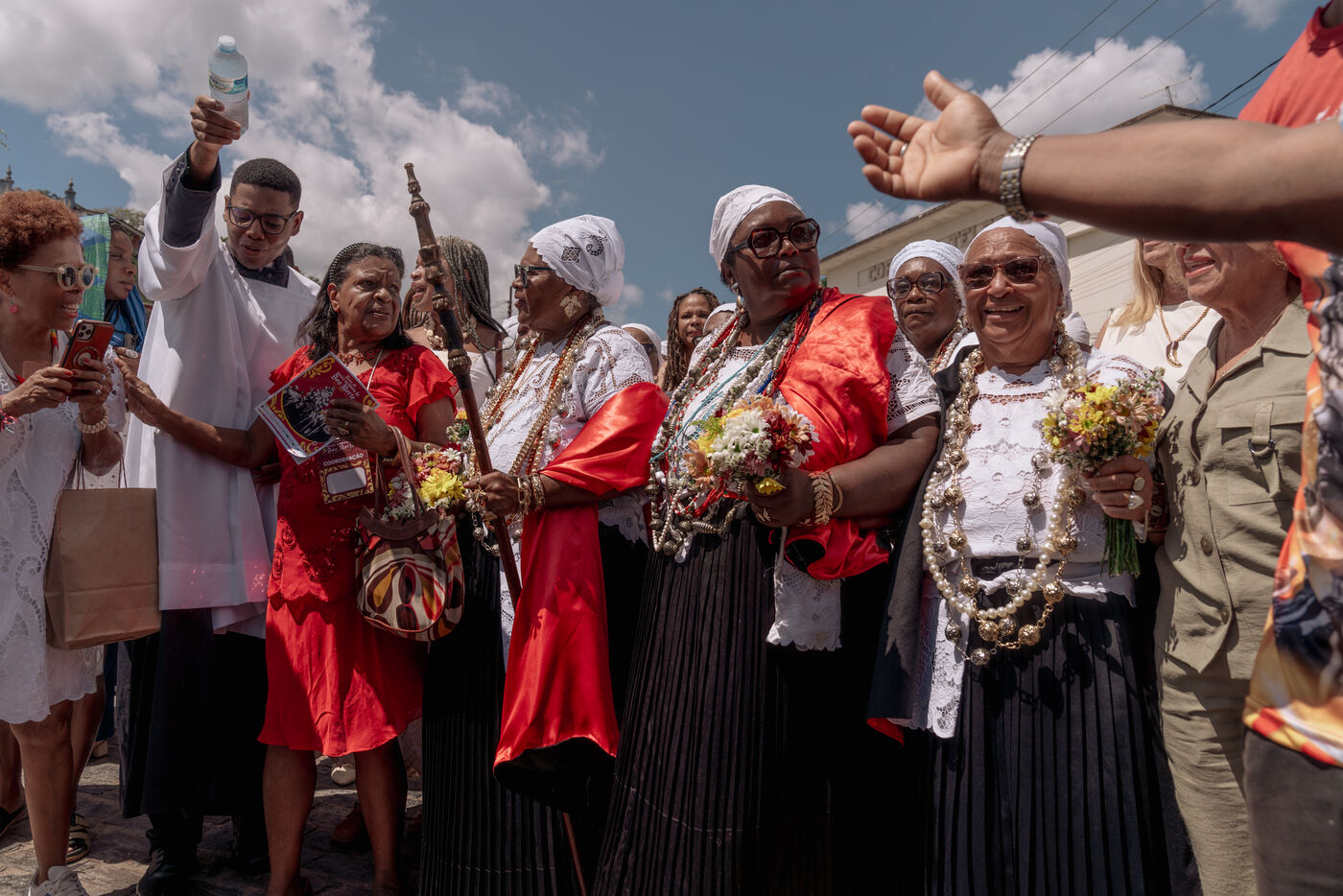
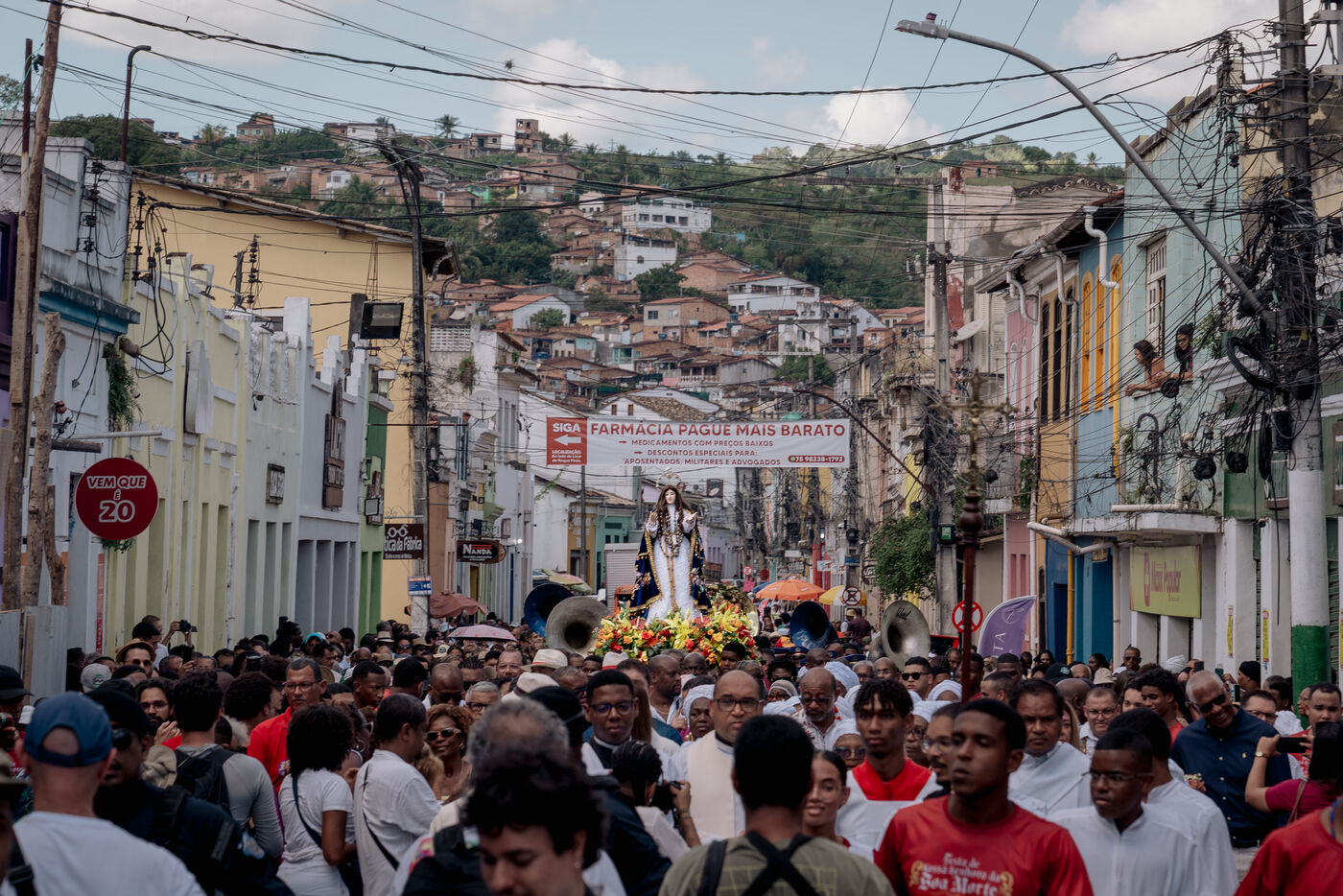
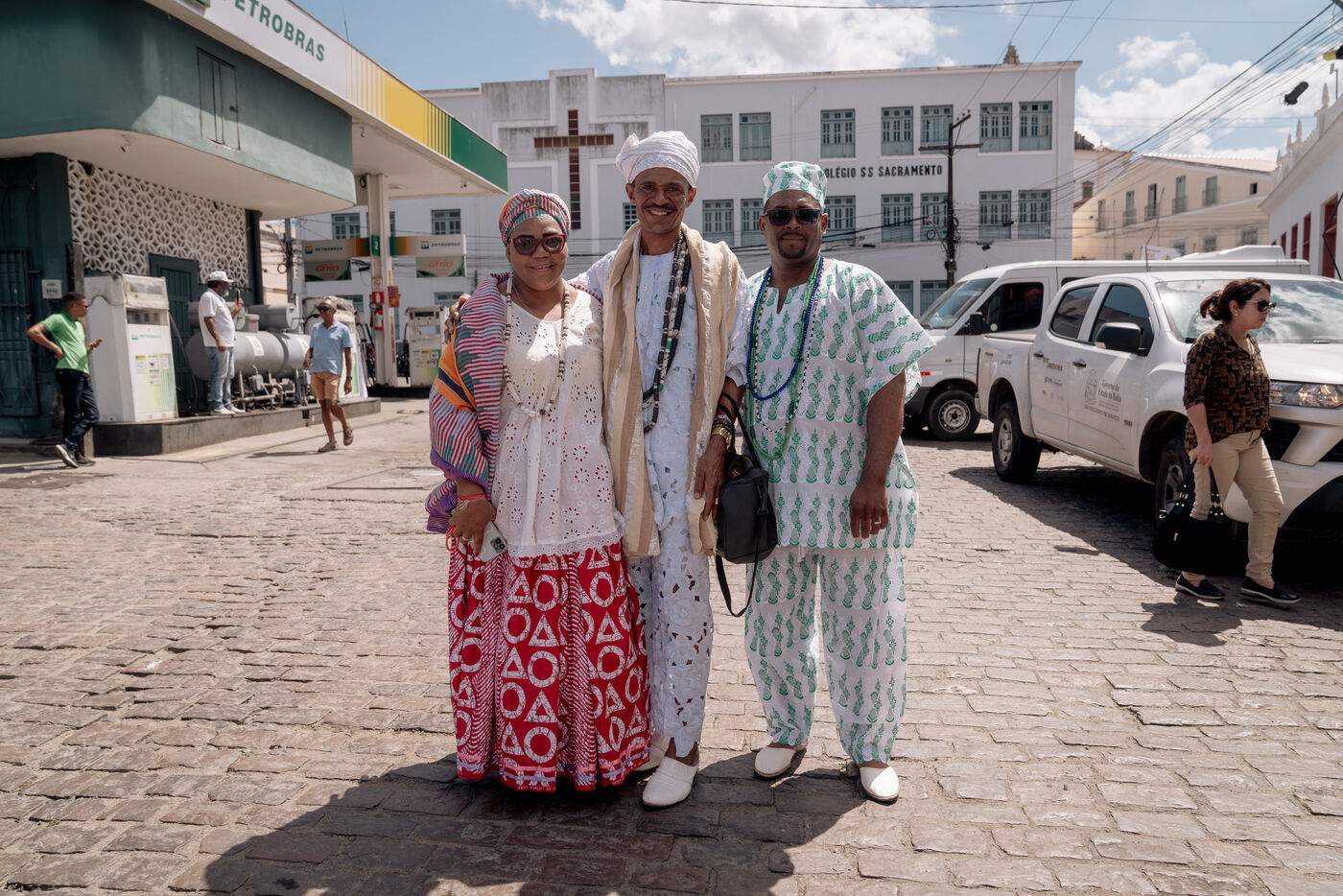
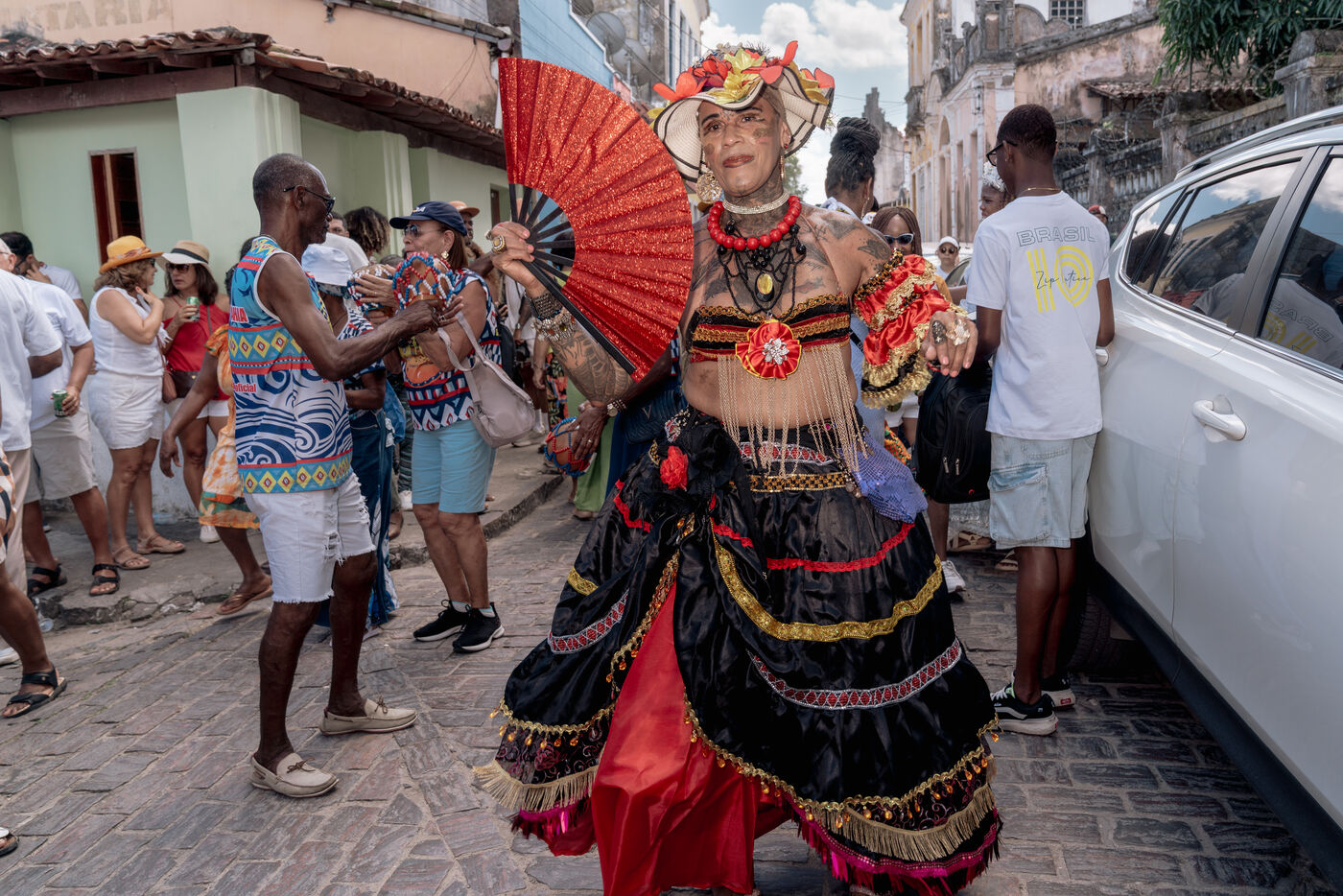
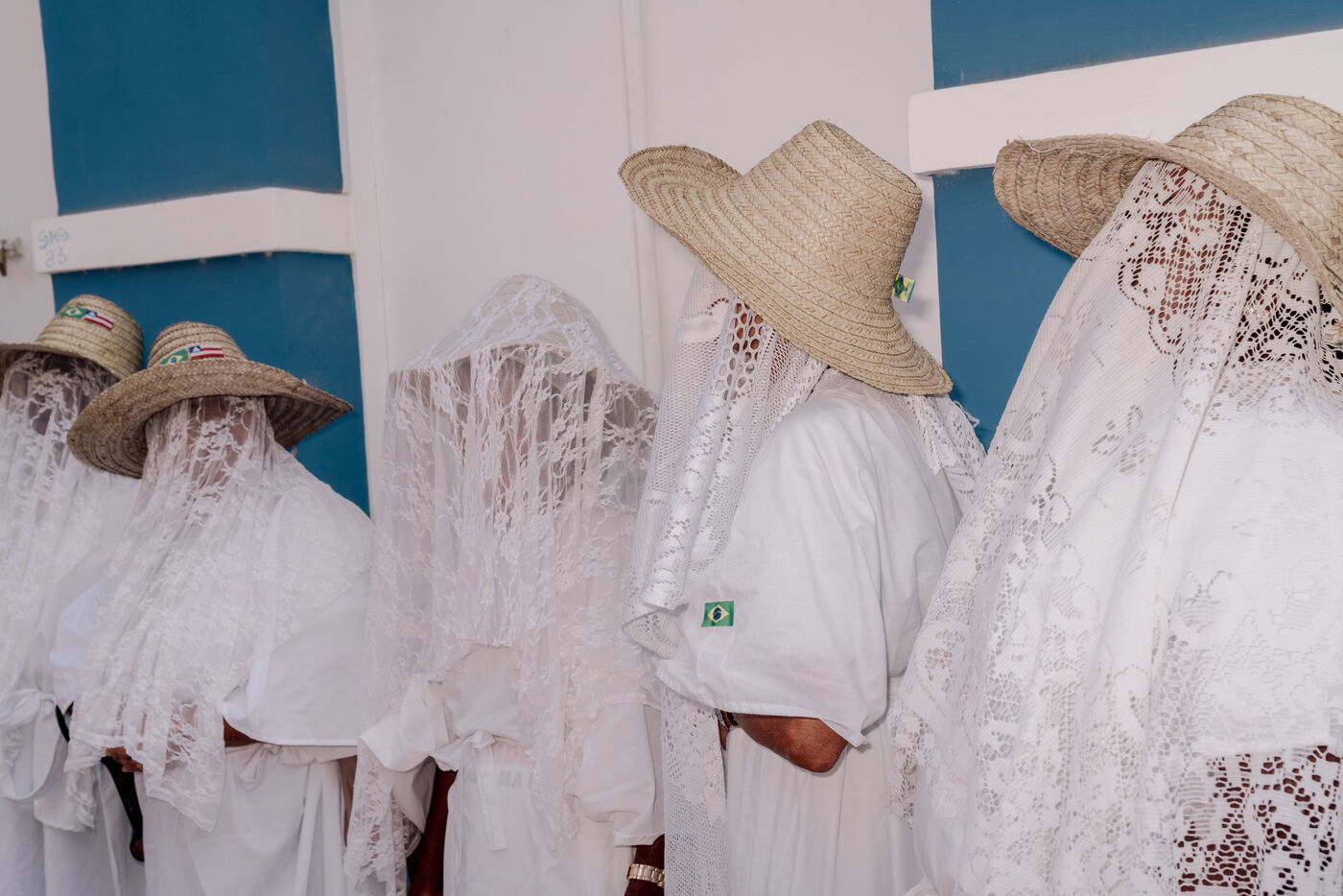
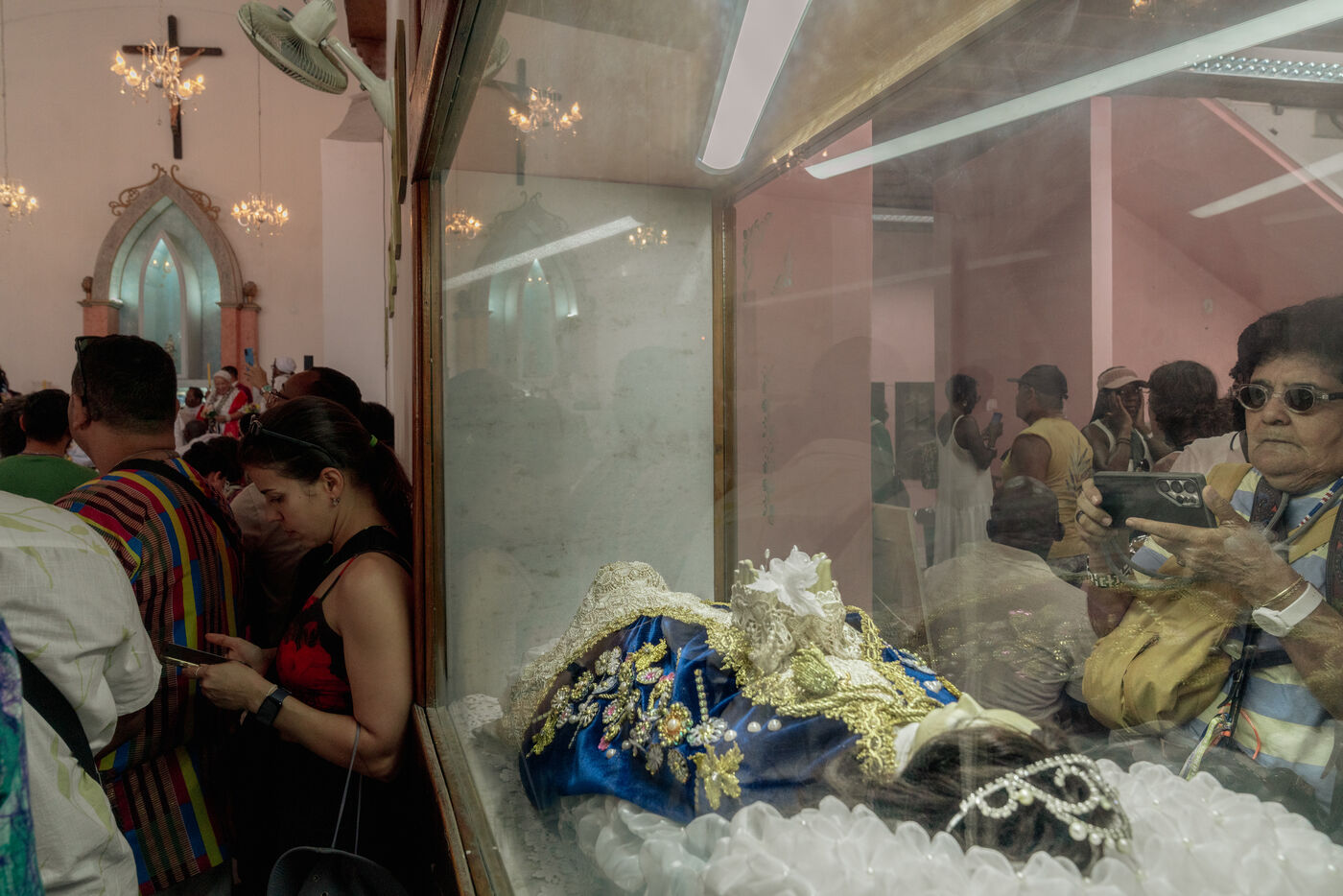
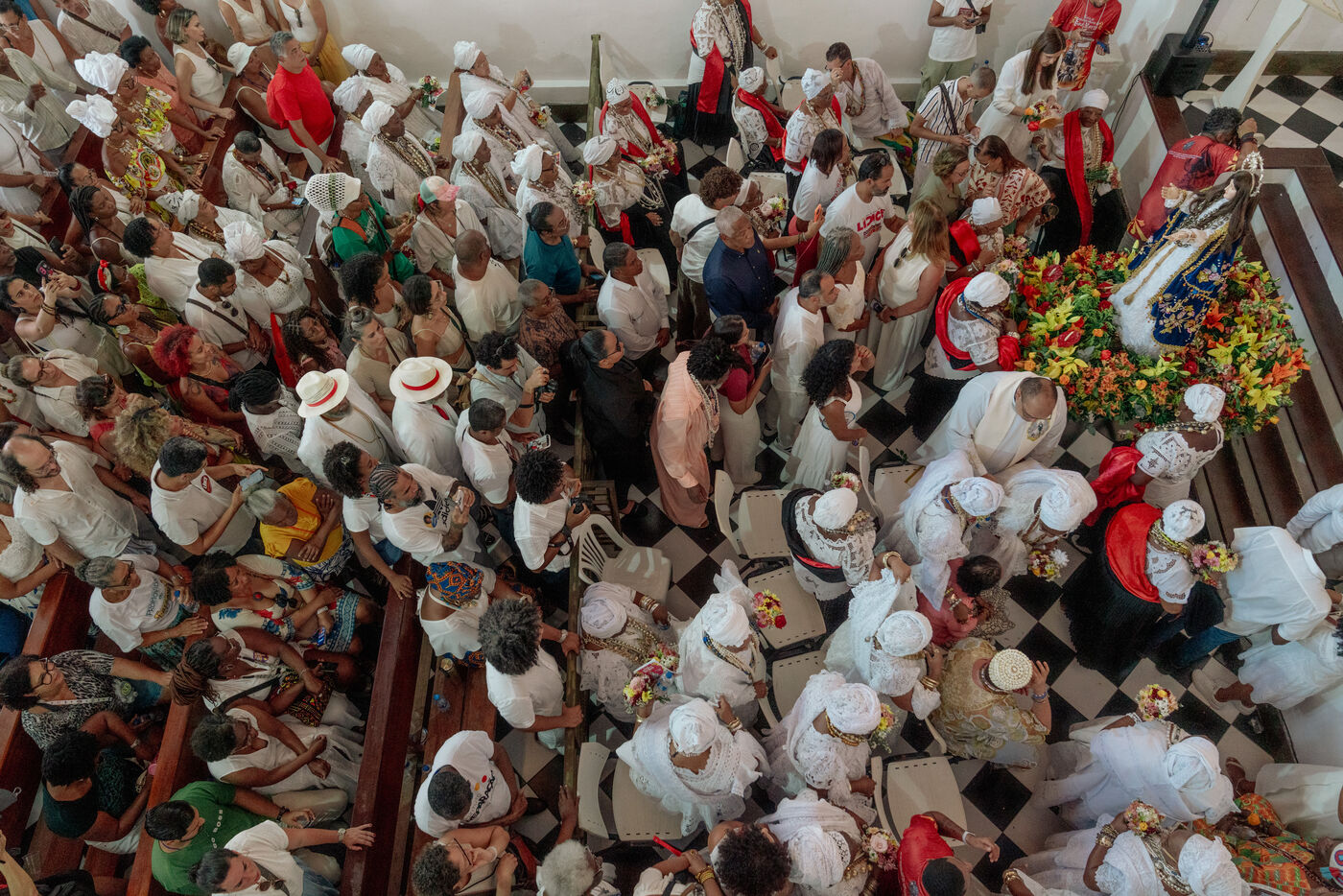
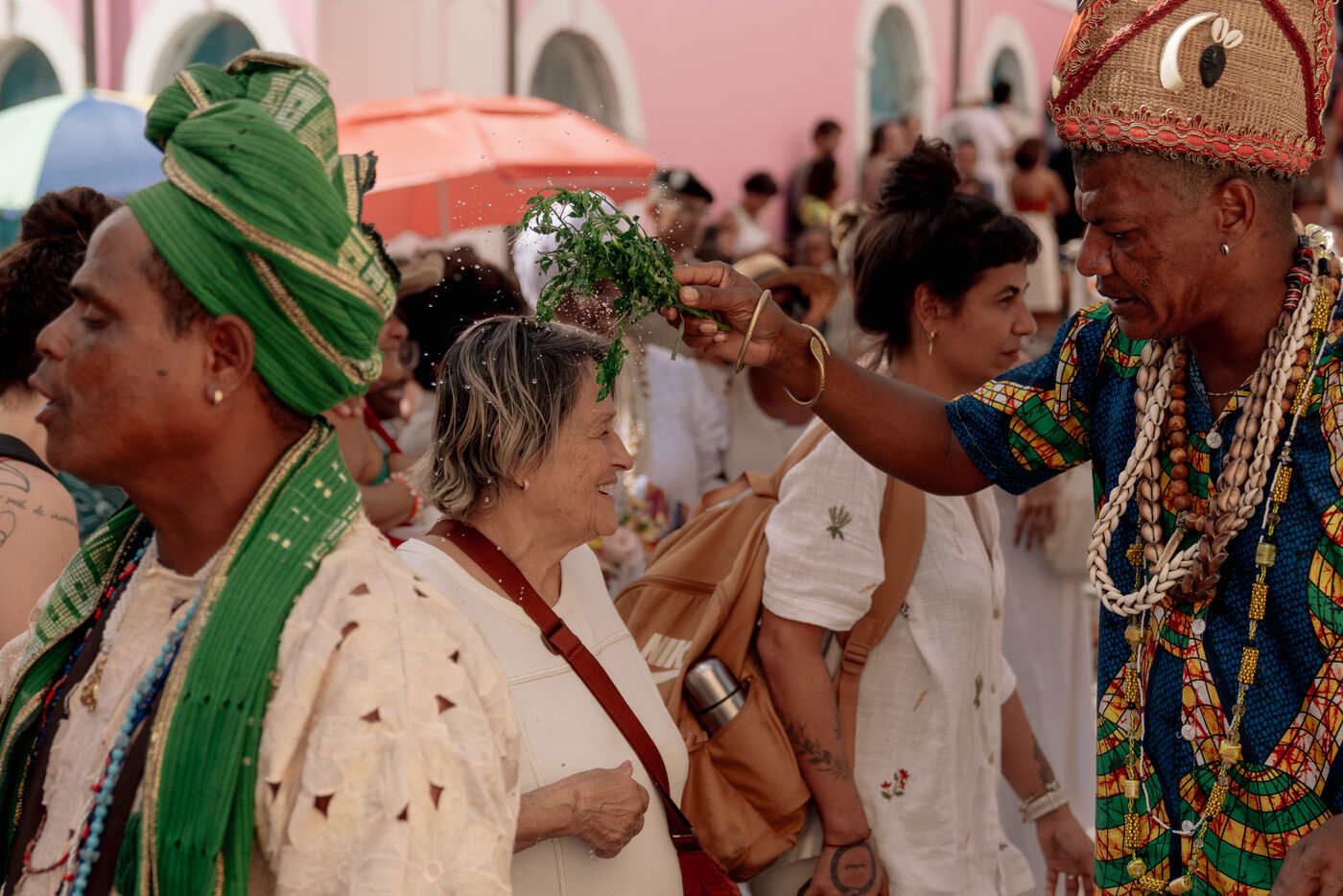
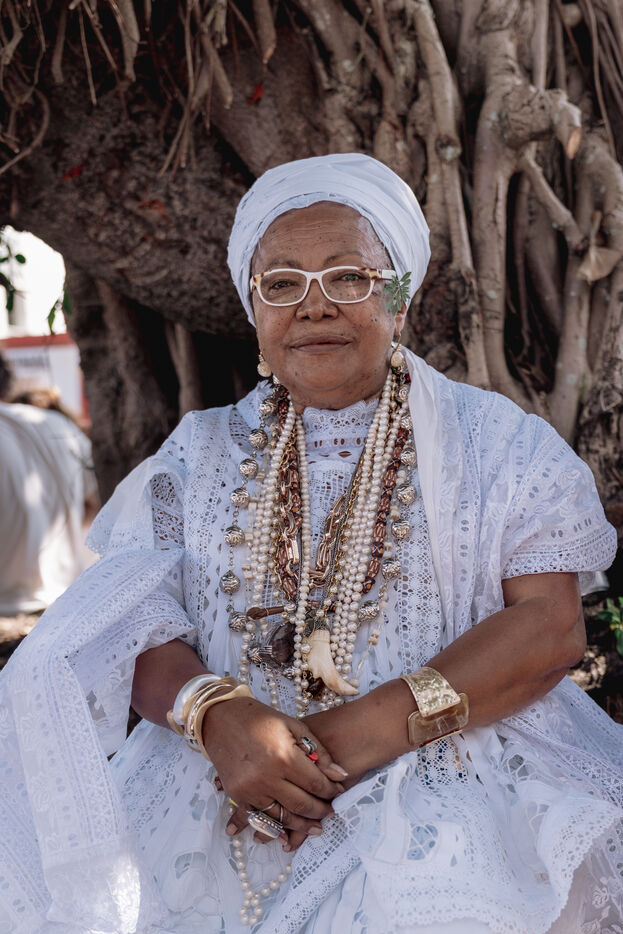
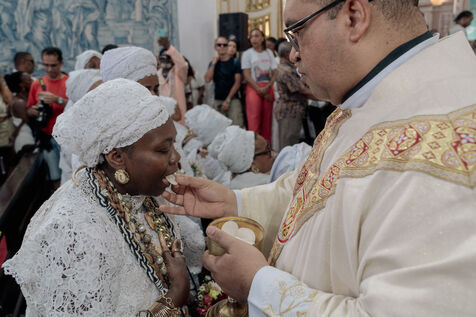
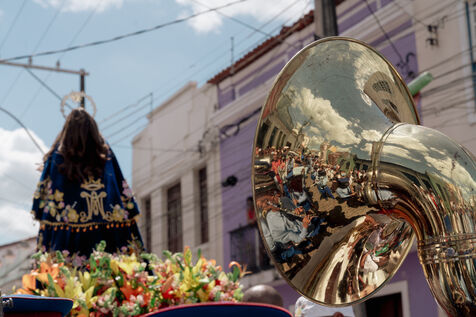
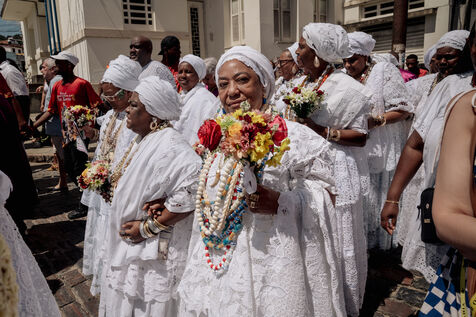
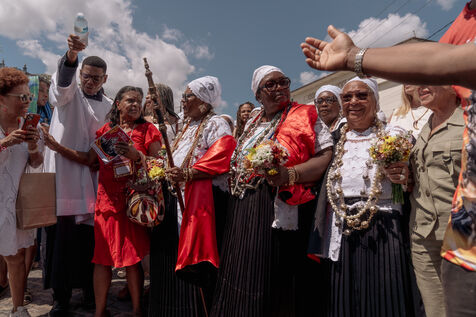
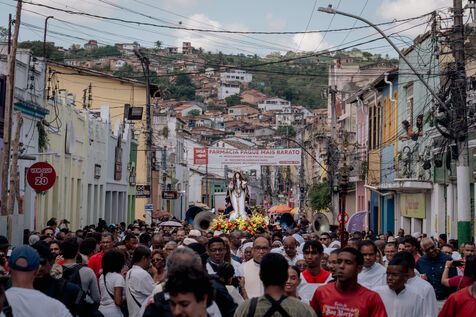
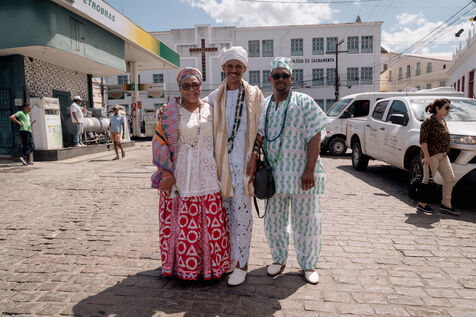
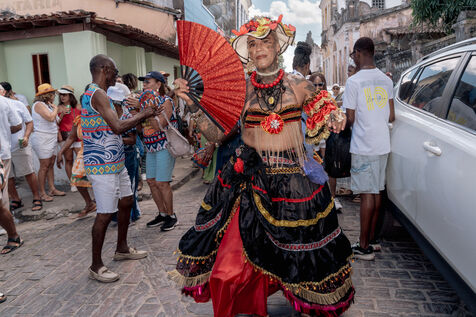
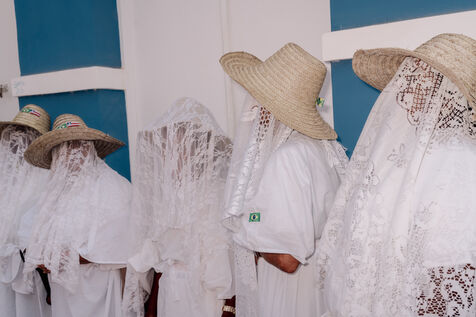
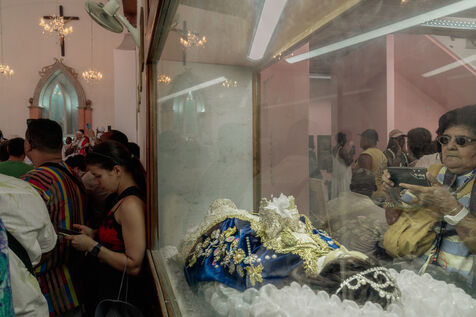
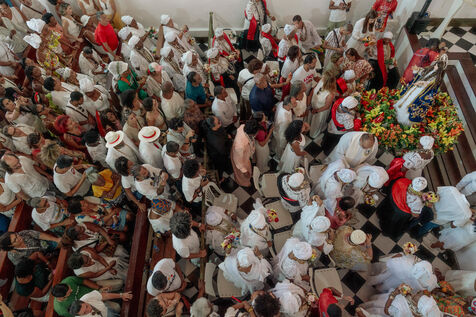
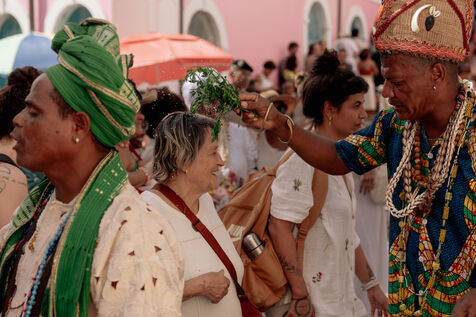
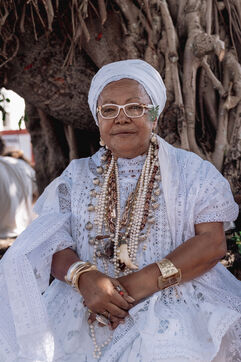
À la croisée du catholicisme et du candomblé, la fête honore la mort et l’Assomption de la Vierge Marie tout en perpétuant un héritage religieux et culturel afro-brésilien transmis de génération en génération. Messe, procession à travers le centre historique de Cachoeira, tenues cérémonielles, repas et célébrations collectives rythment plusieurs jours de festivités.
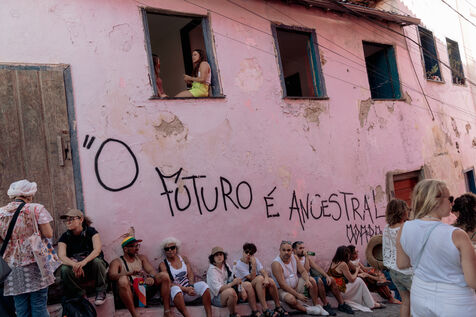
Au-delà de sa dimension religieuse, l’Irmandade porte la mémoire d’une organisation créée par et pour des femmes noires dans une société esclavagiste. La Festa da Boa Morte témoigne aujourd’hui de la continuité de cette communauté et de la transmission d’une histoire où s’entremêlent foi, culture afro-brésilienne, solidarité et émancipation.
Festa da Boa Morte: Faith and Memory in Bahia
On 15 August 2026, the Feast of the Assumption, the streets of Cachoeira in the Brazilian state of Bahia host the Festa da Boa Morte. For almost two centuries, the celebration has been led by the Irmandade de Nossa Senhora da Boa Morte, a religious sisterhood of Black women whose origins date to the 19th century, when slavery was still legal in Brazil.
At the intersection of Catholicism and Candomblé, the festival honours the death and Assumption of the Virgin Mary while preserving an Afro-Brazilian religious and cultural heritage passed down through generations. Mass, a procession through Cachoeira's historic centre, ceremonial dress, communal meals and celebrations mark several days of festivities.
Beyond its religious significance, the Irmandade carries the memory of an organisation created by and for Black women within a slave society. Today, the Festa da Boa Morte bears witness to the continuity of this community and to the transmission of a history in which faith, Afro-Brazilian culture, solidarity and emancipation remain deeply intertwined.