Culture | Le murmure des Amazighs
“Les Amazighs écoutent le vent, ils lisent la terre, ils parlent à l’eau. Ils savent que le monde ne se possède pas, il se ressent.”
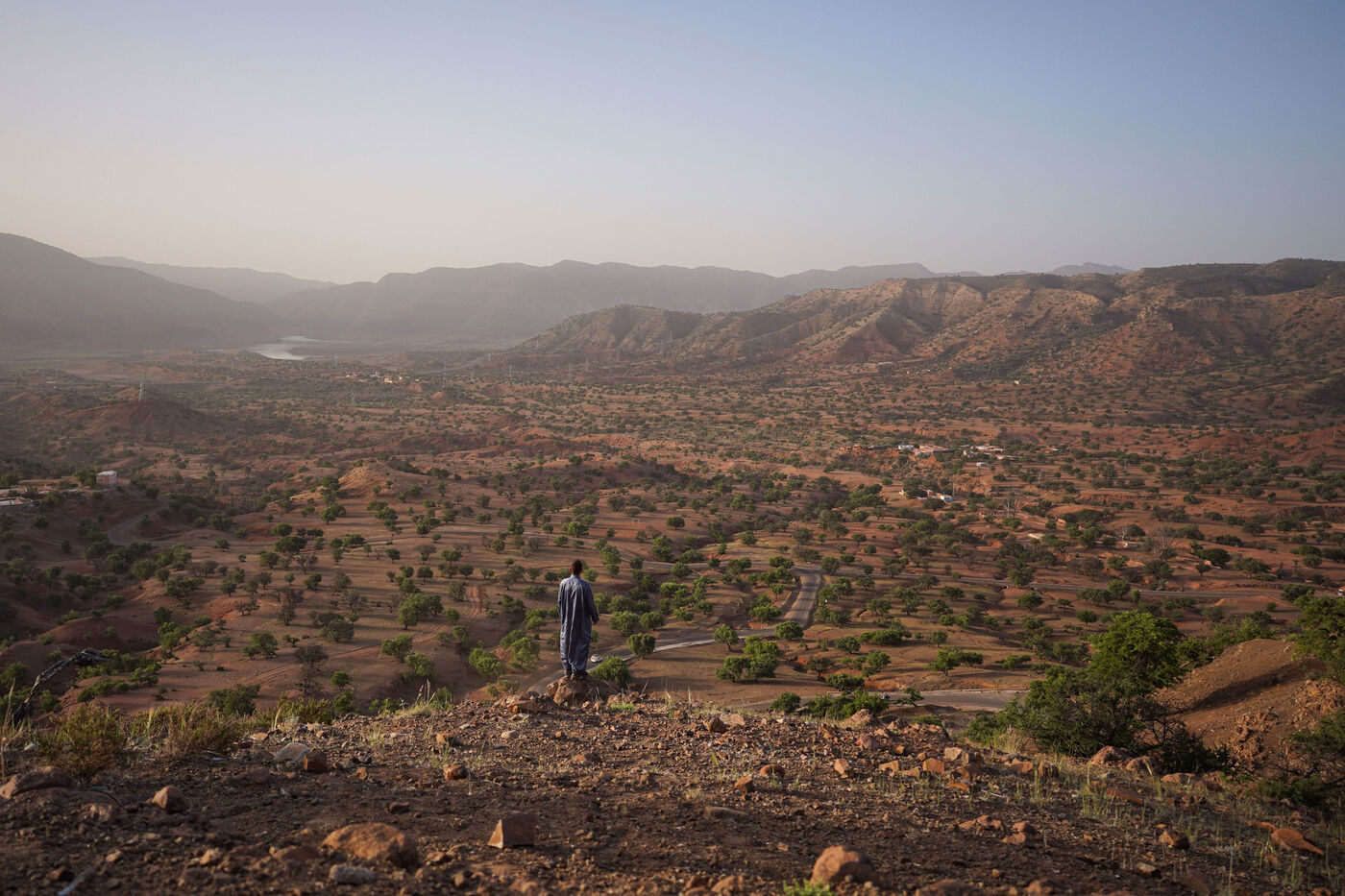
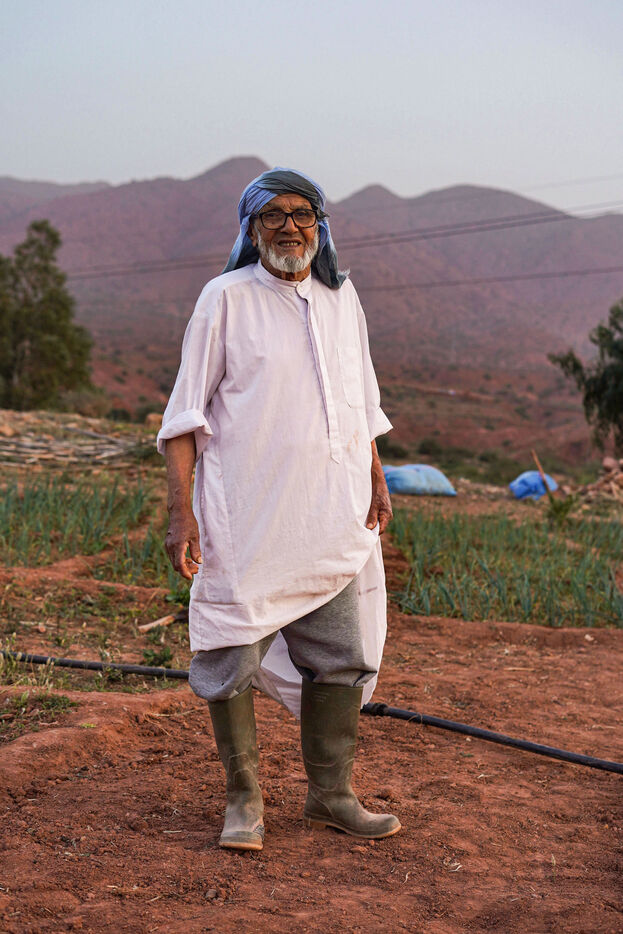
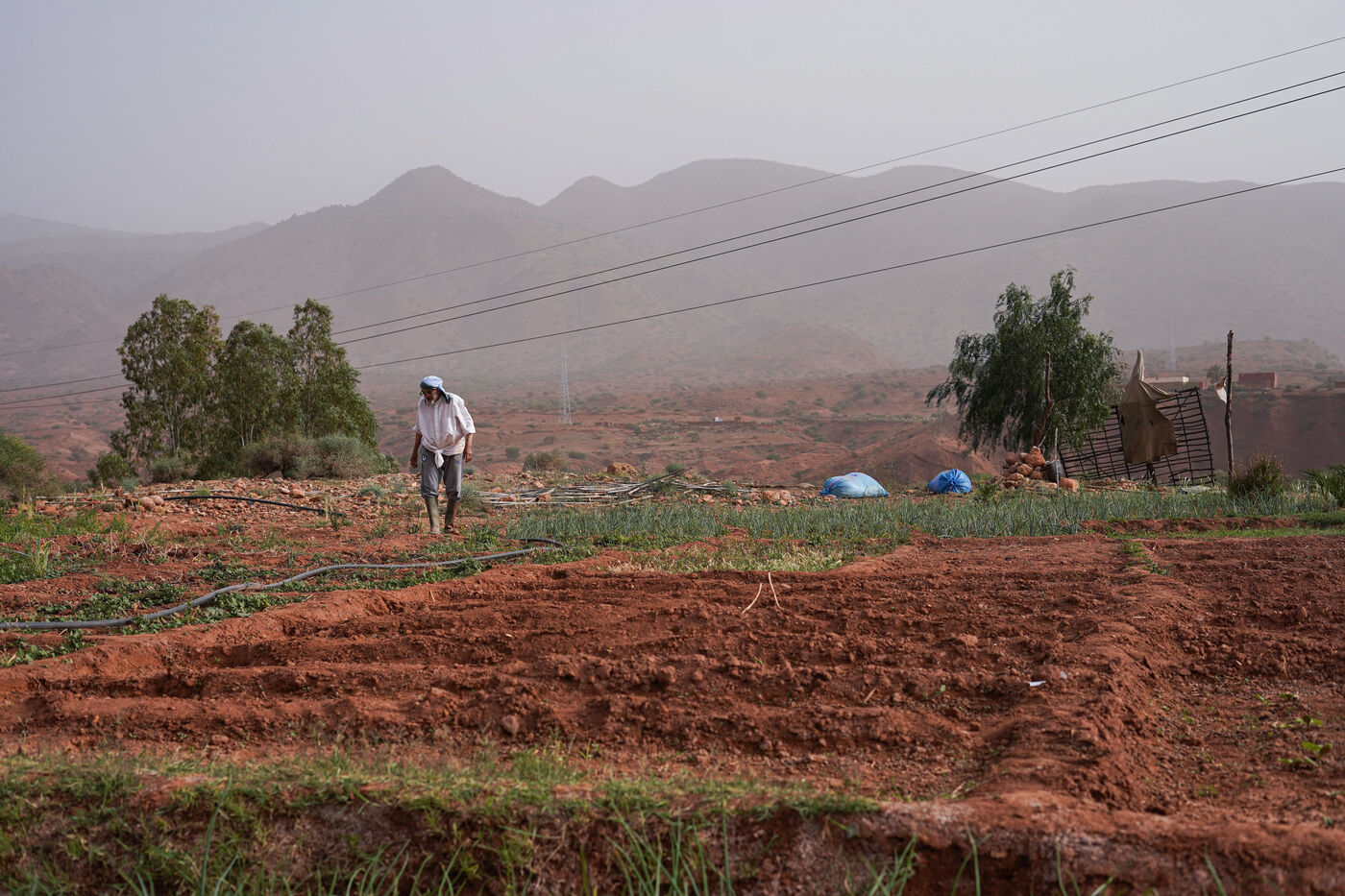
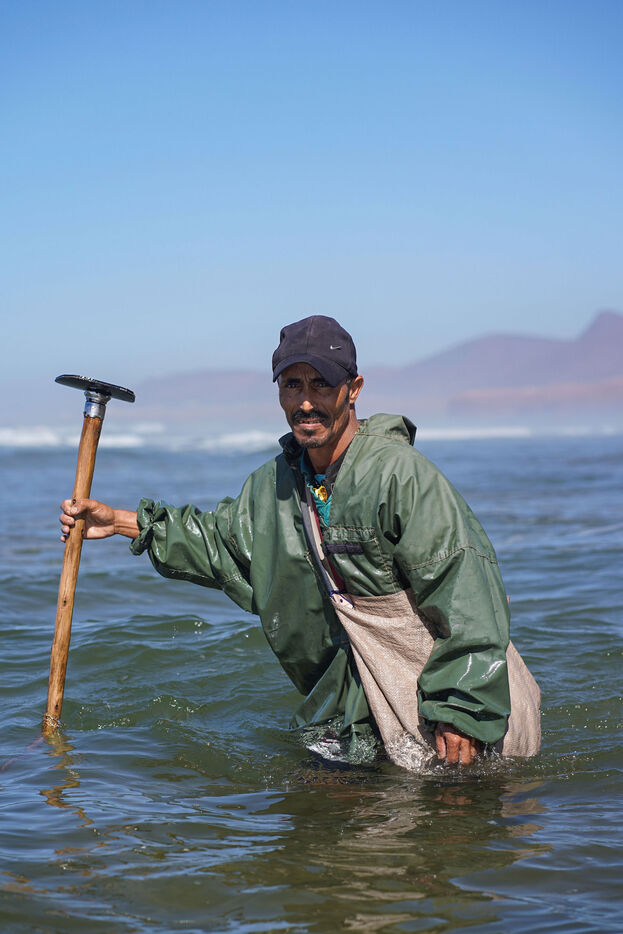
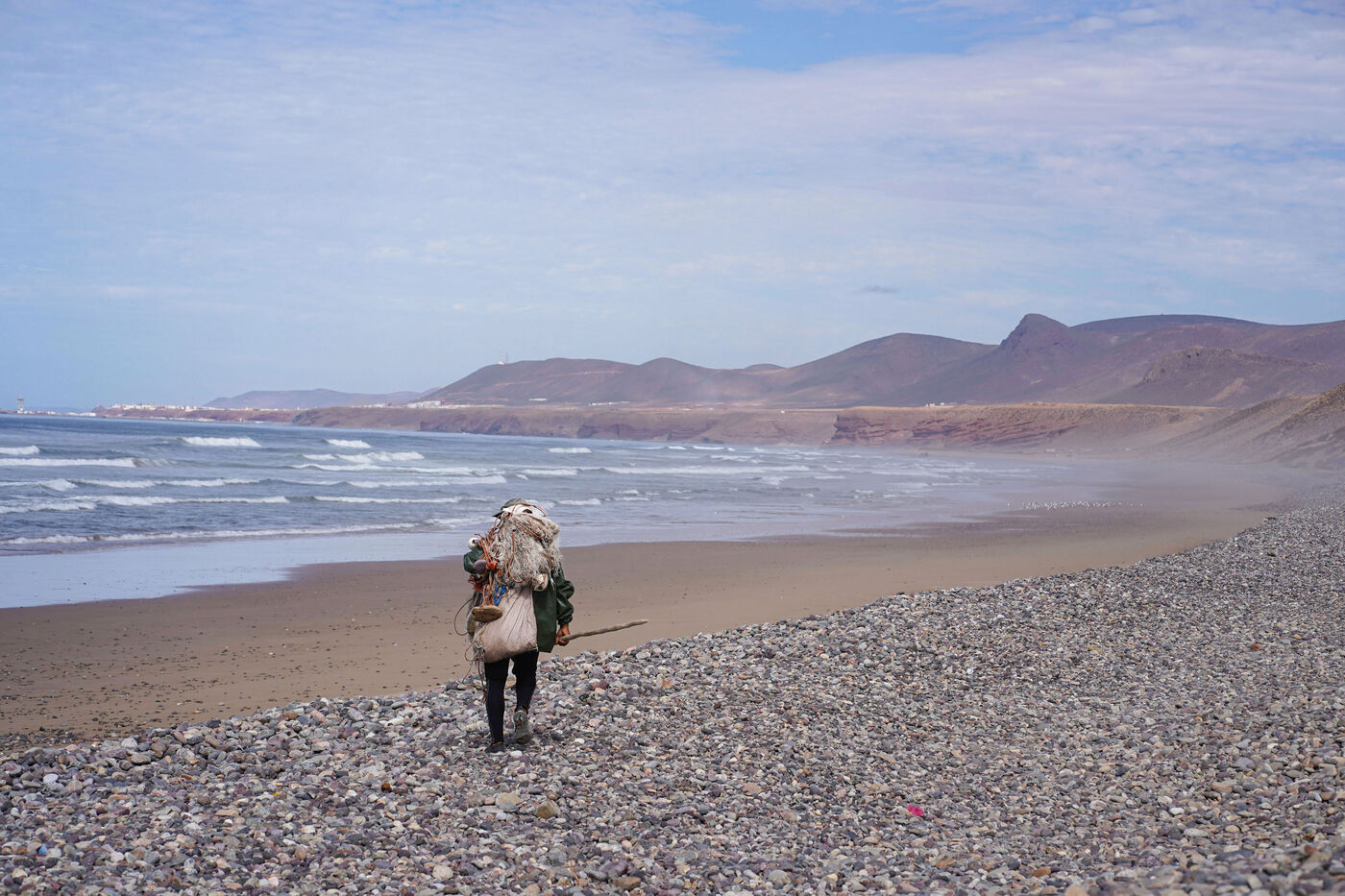
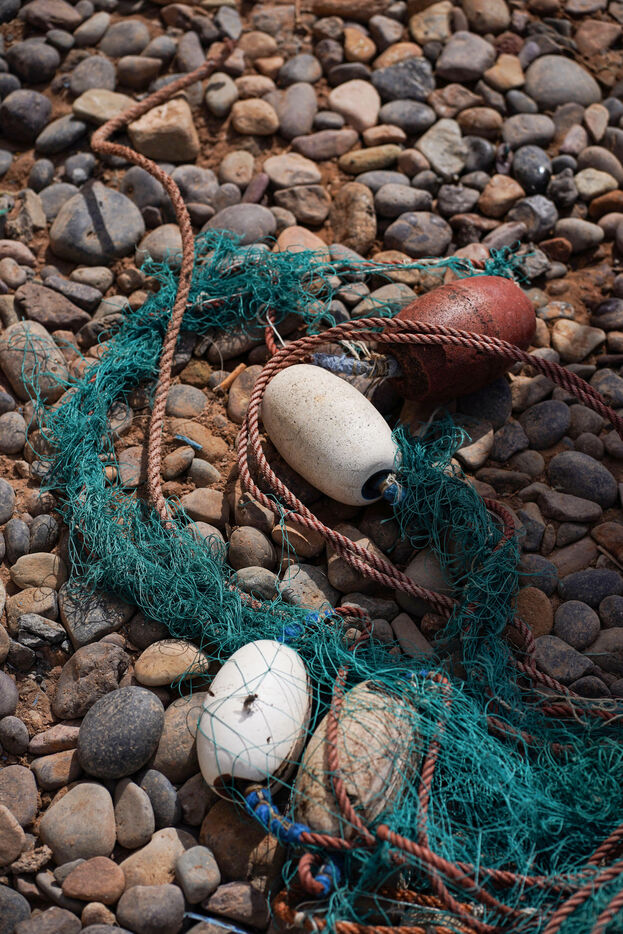
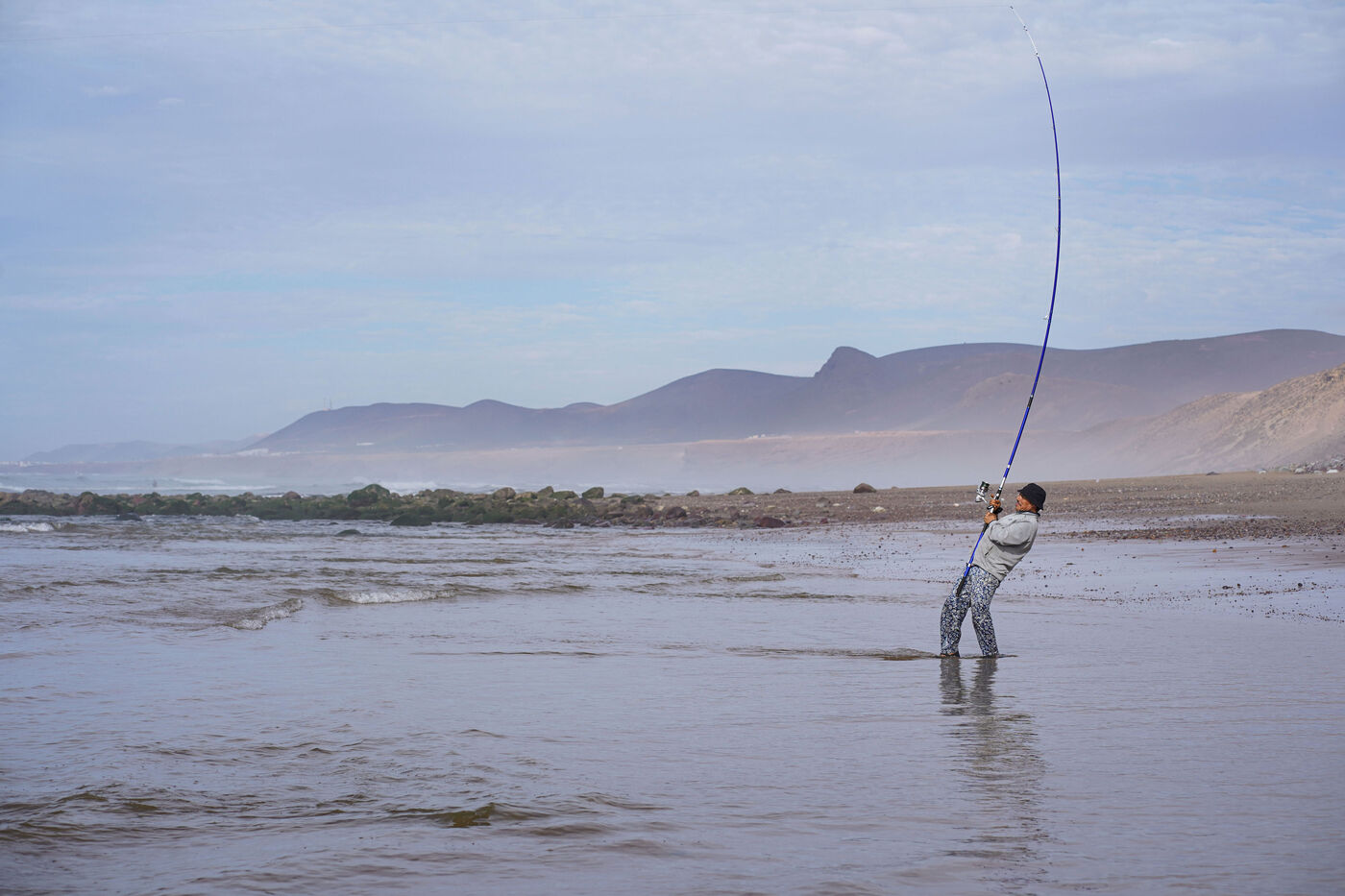
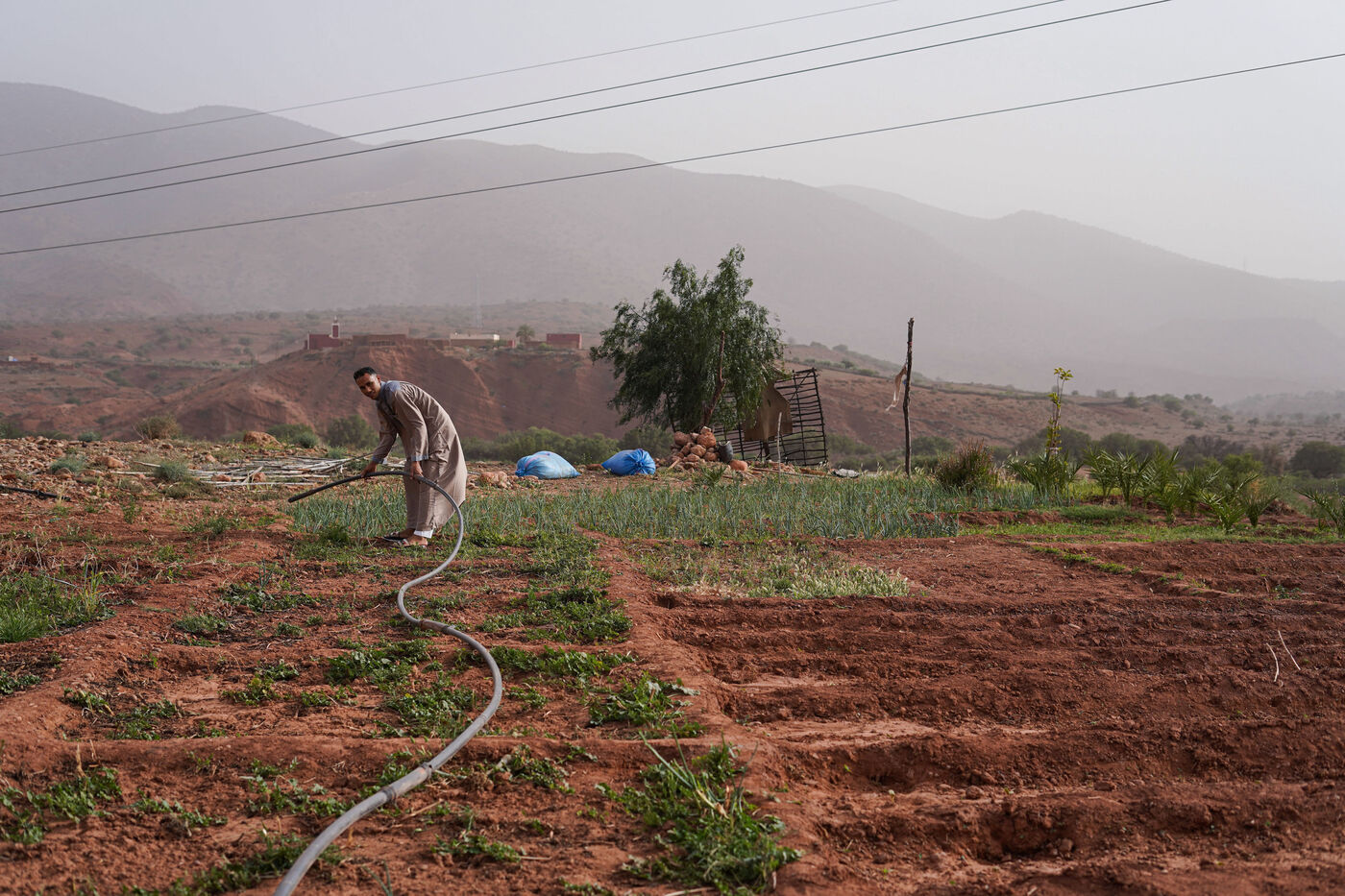
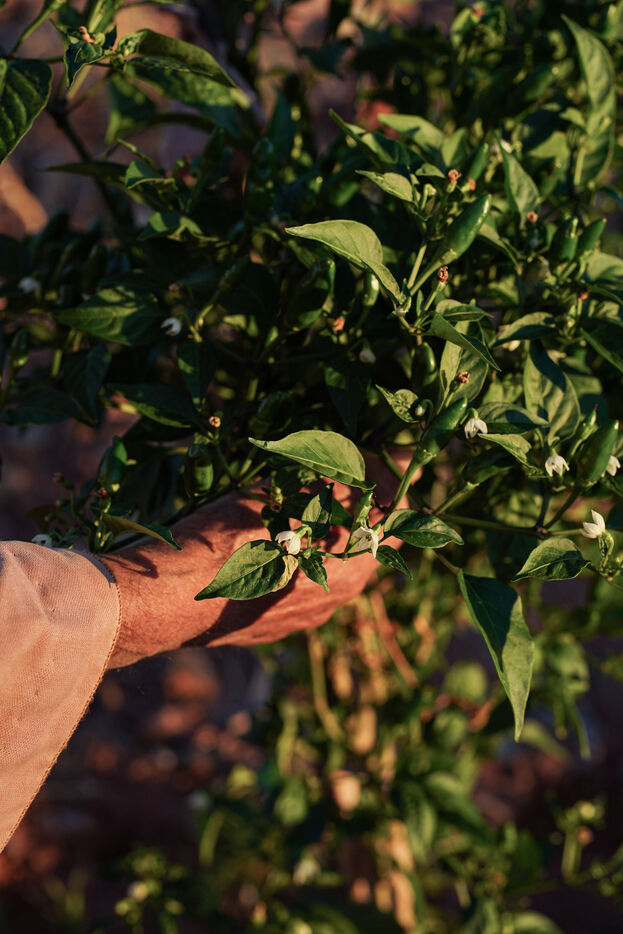
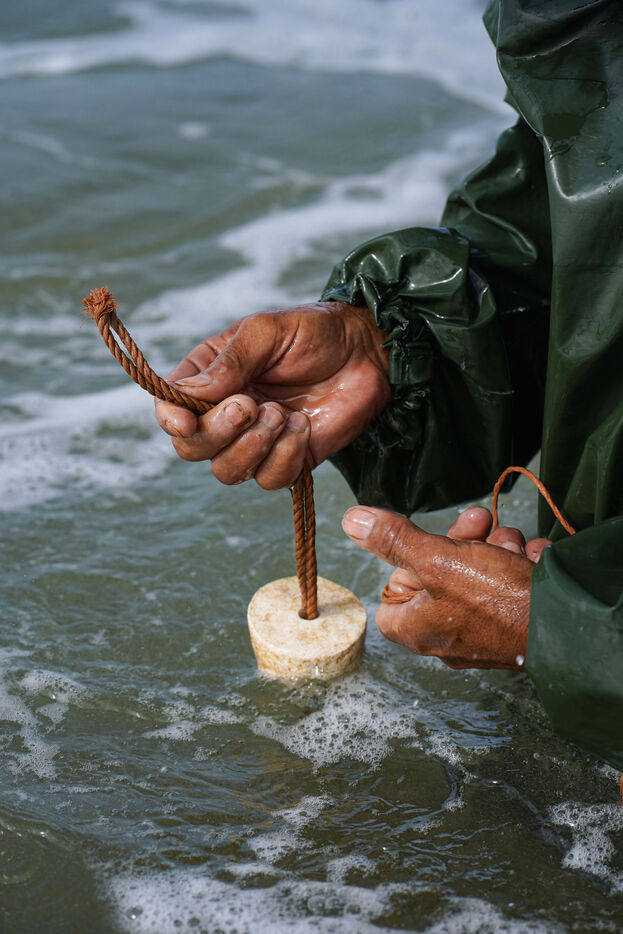
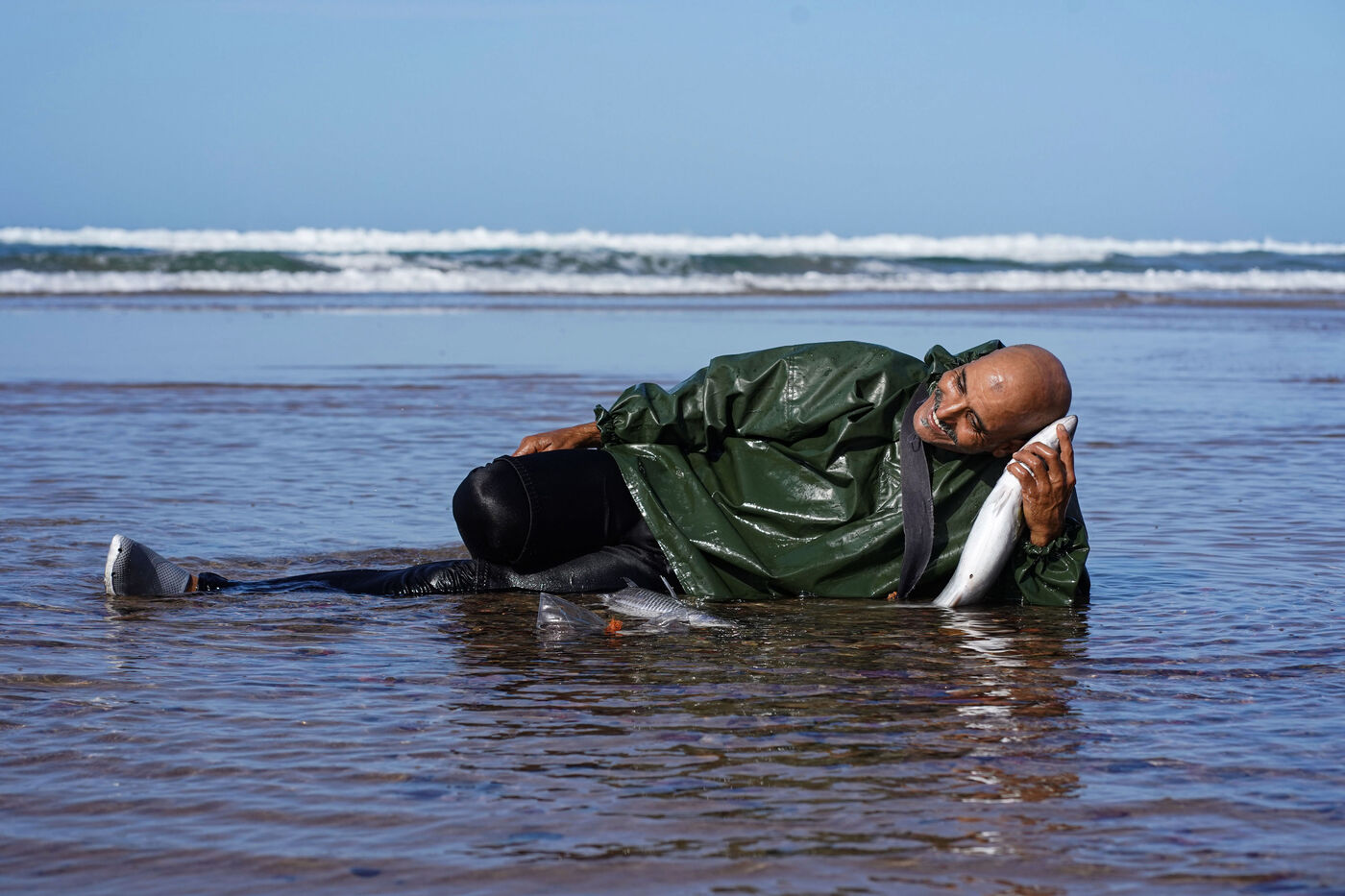
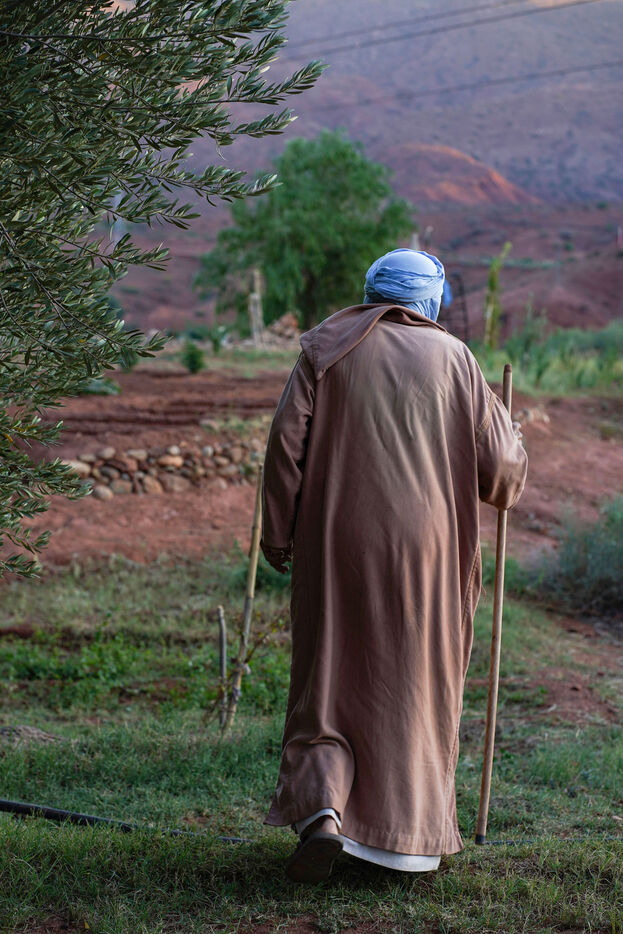
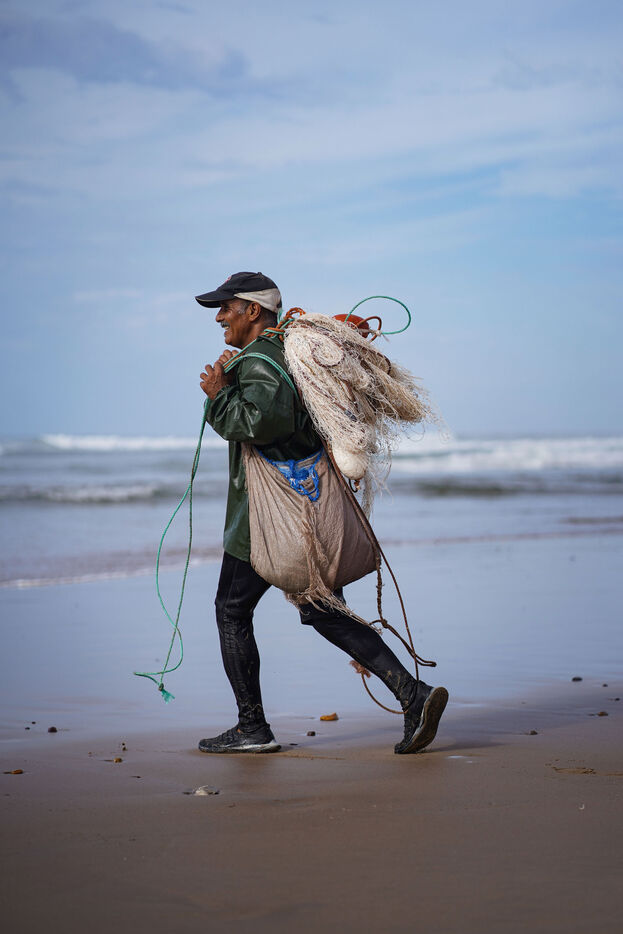
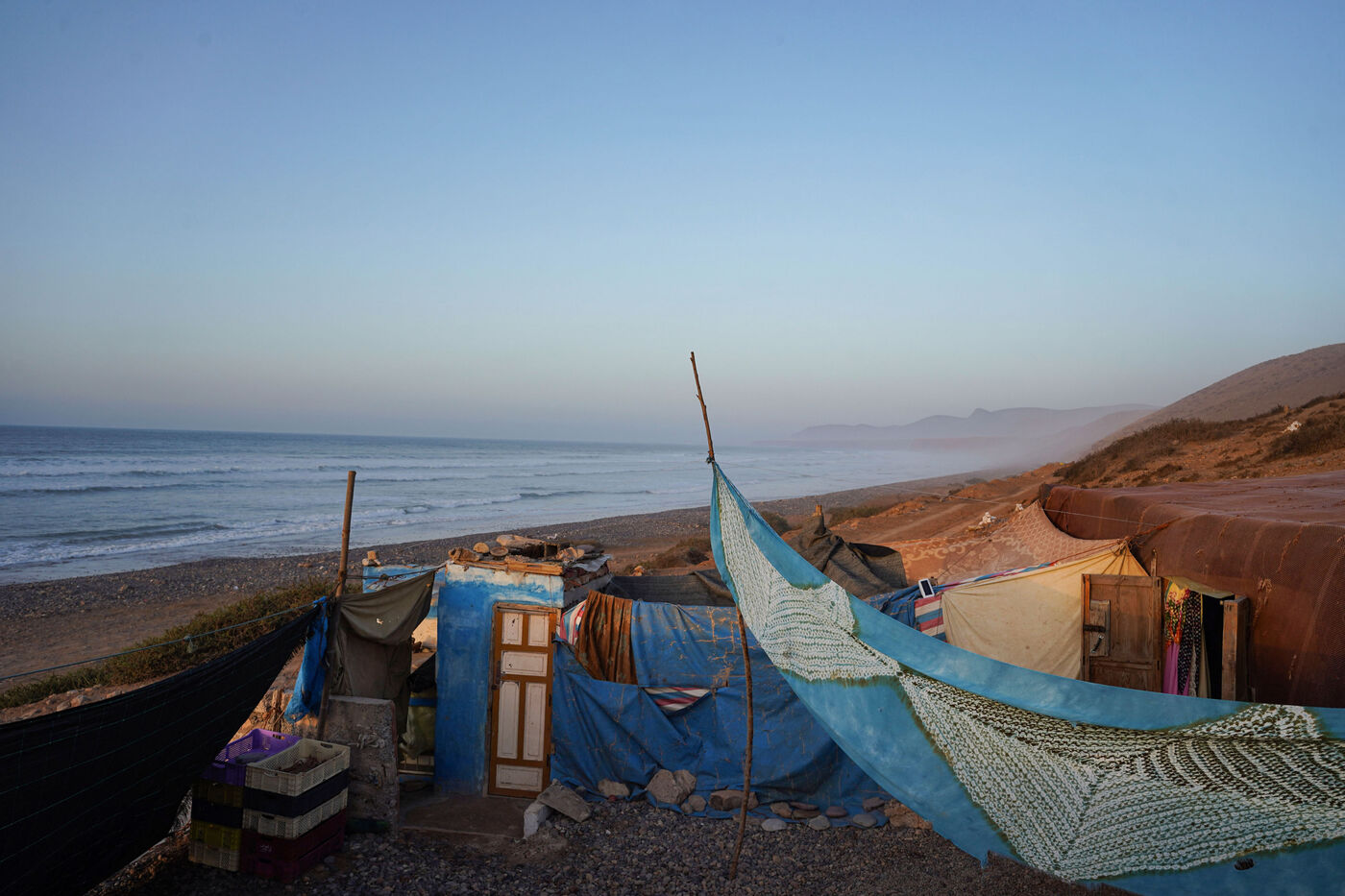
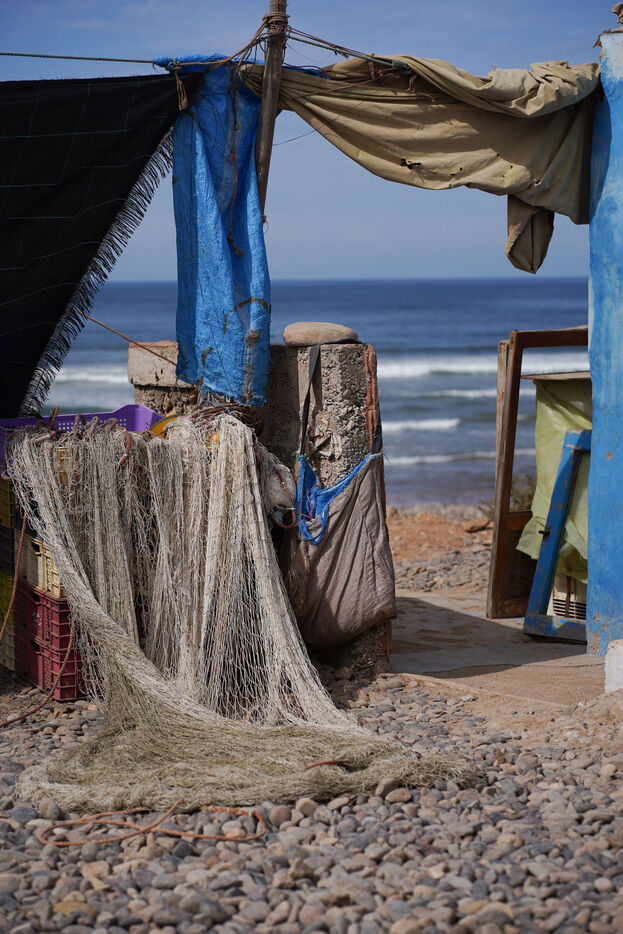
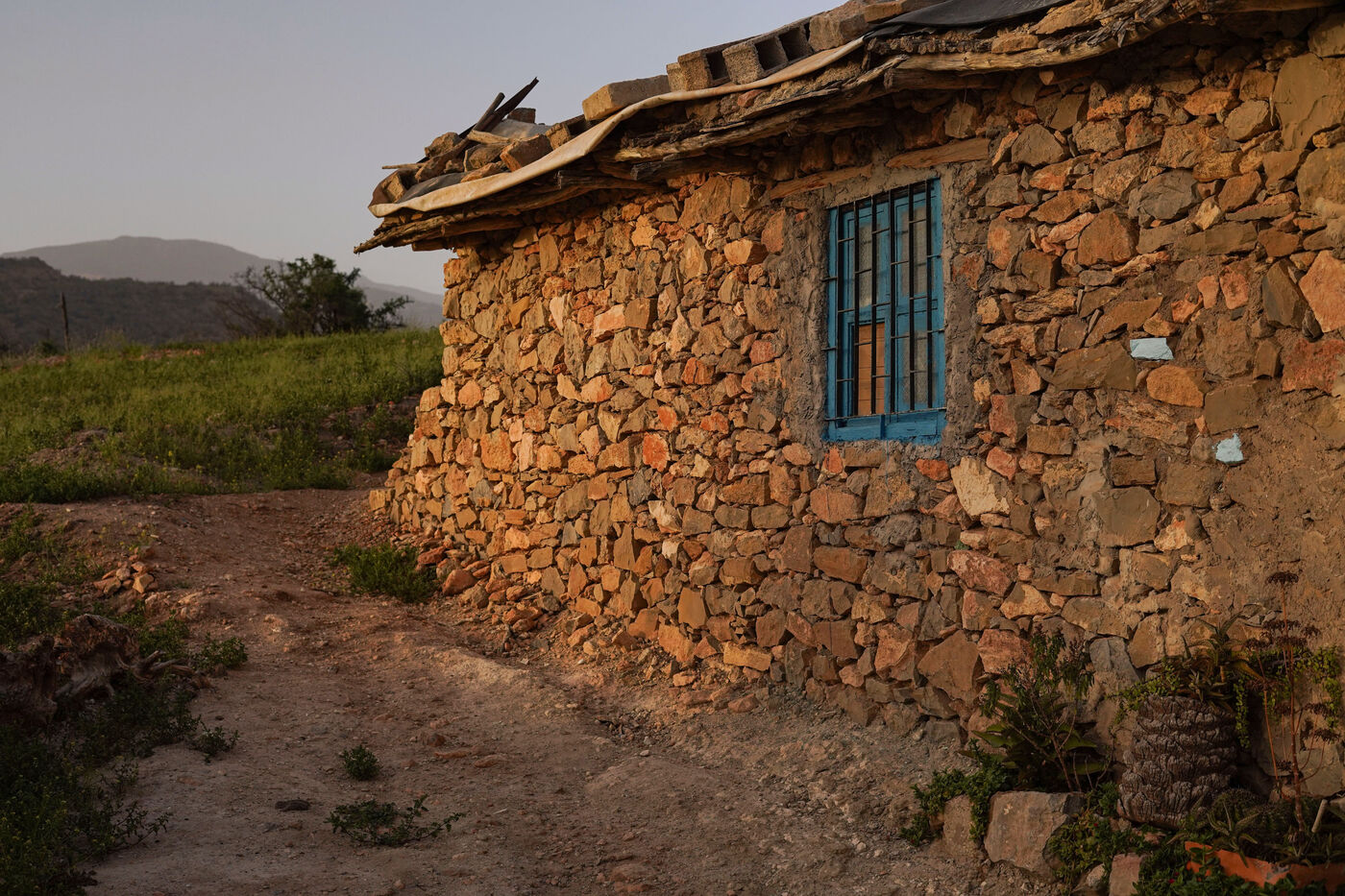
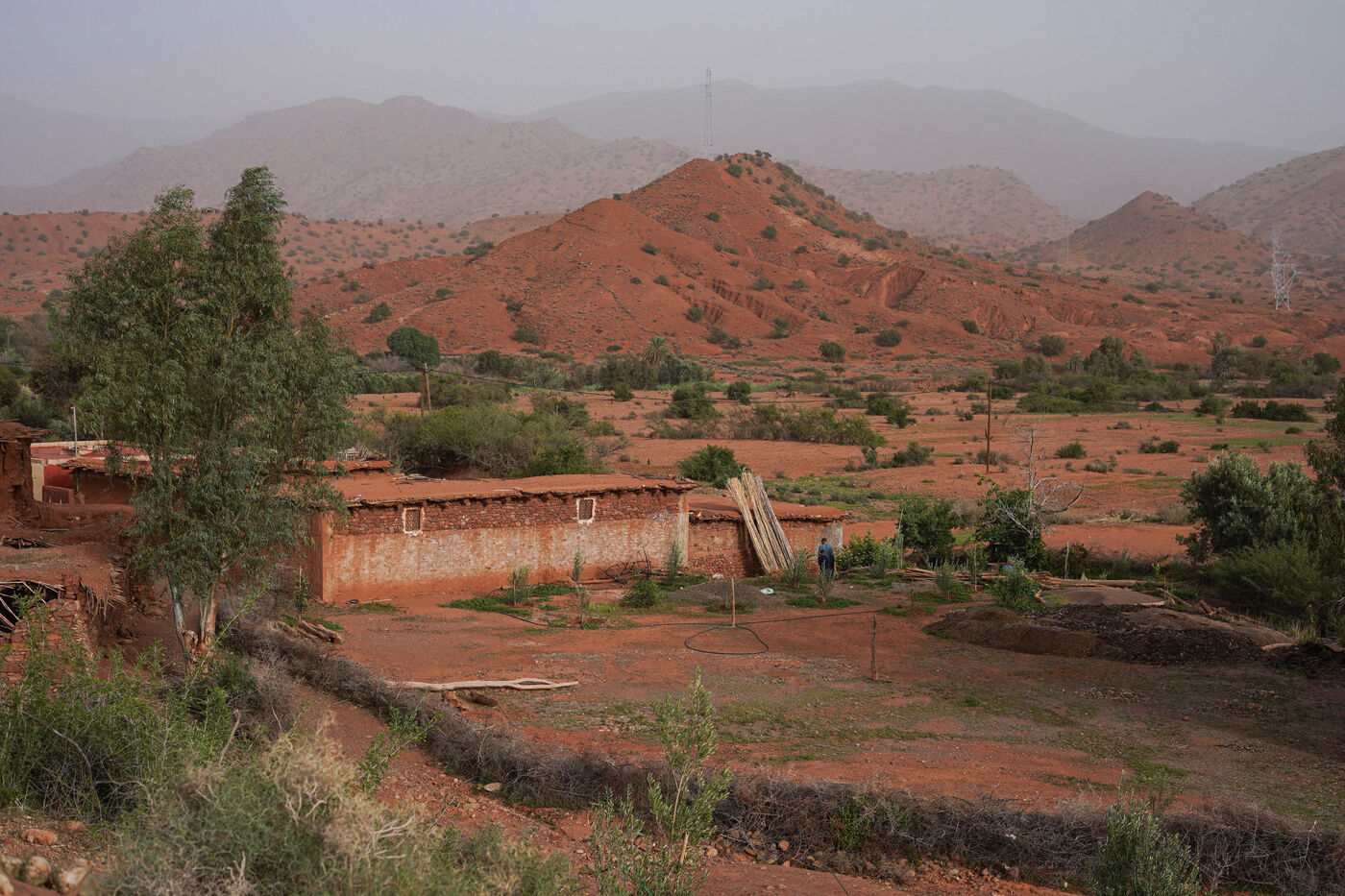
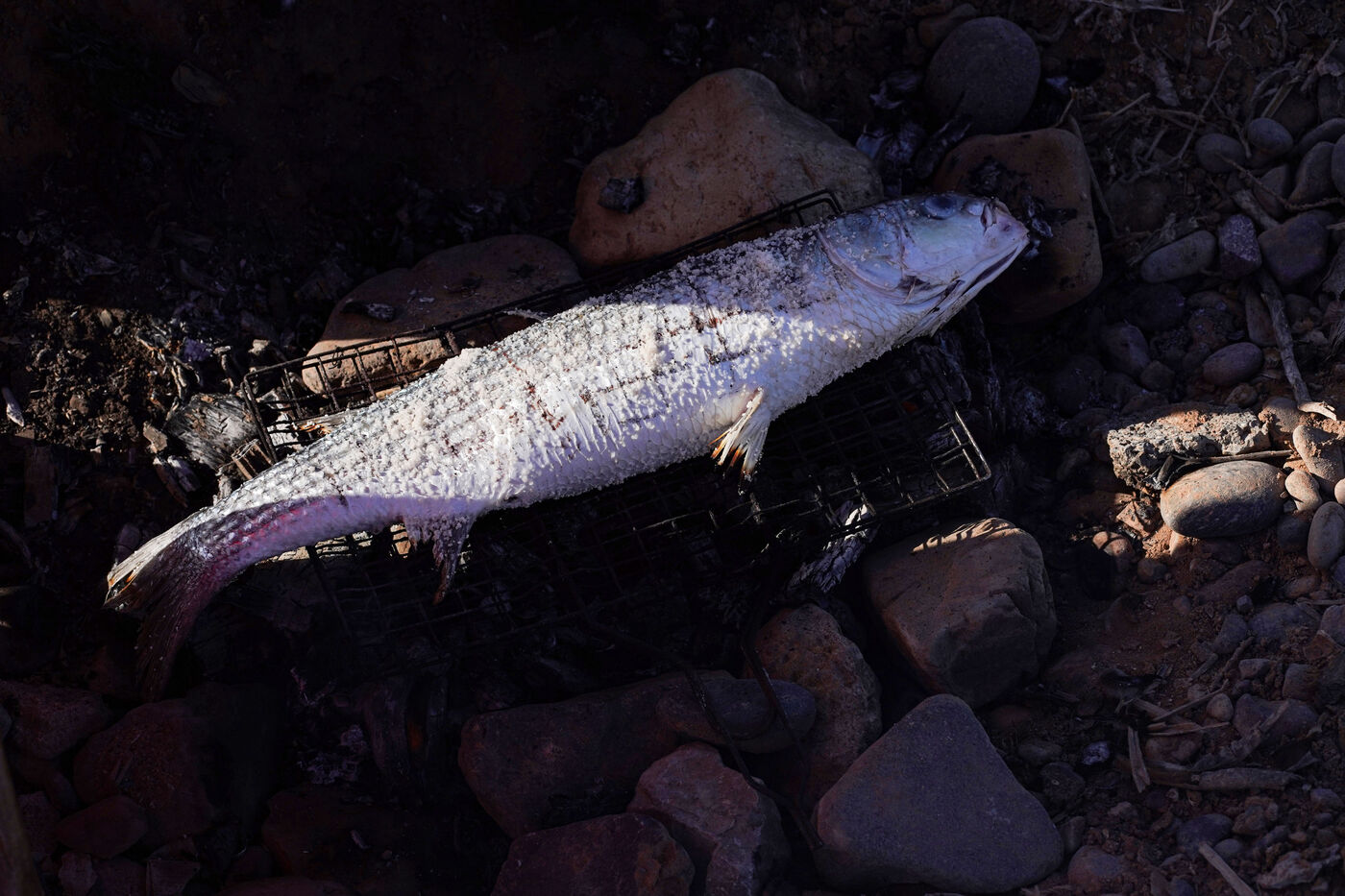
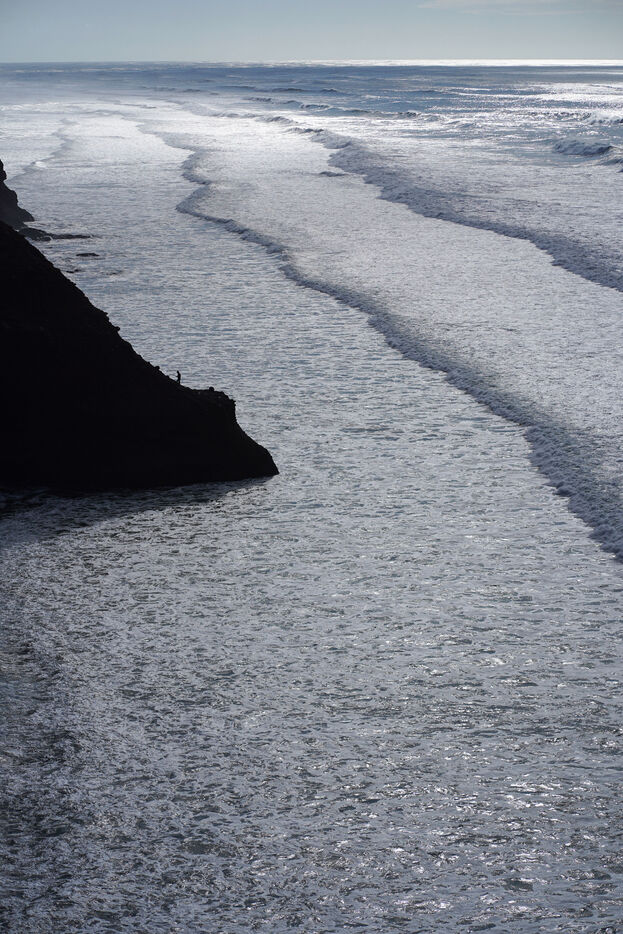
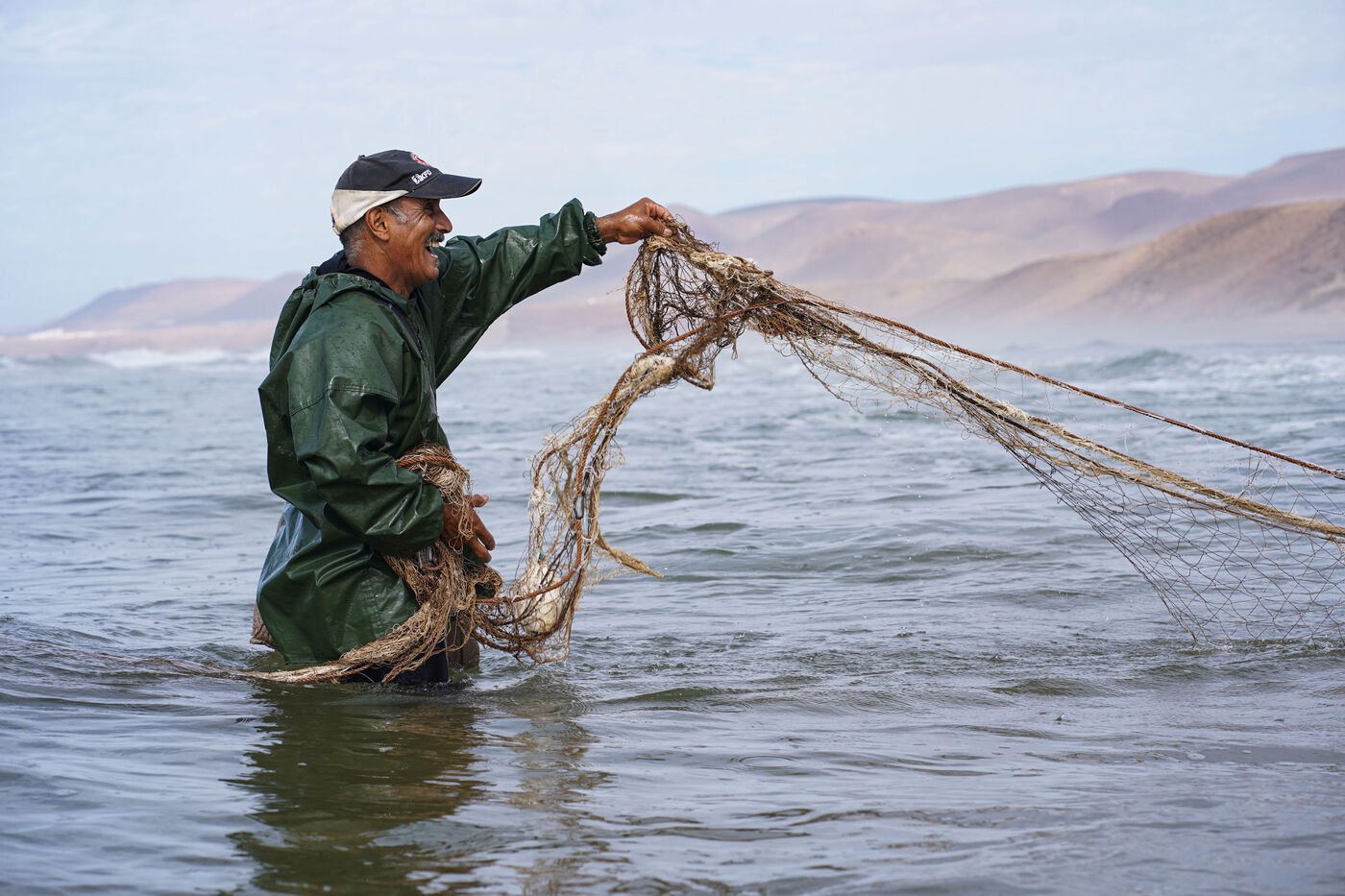
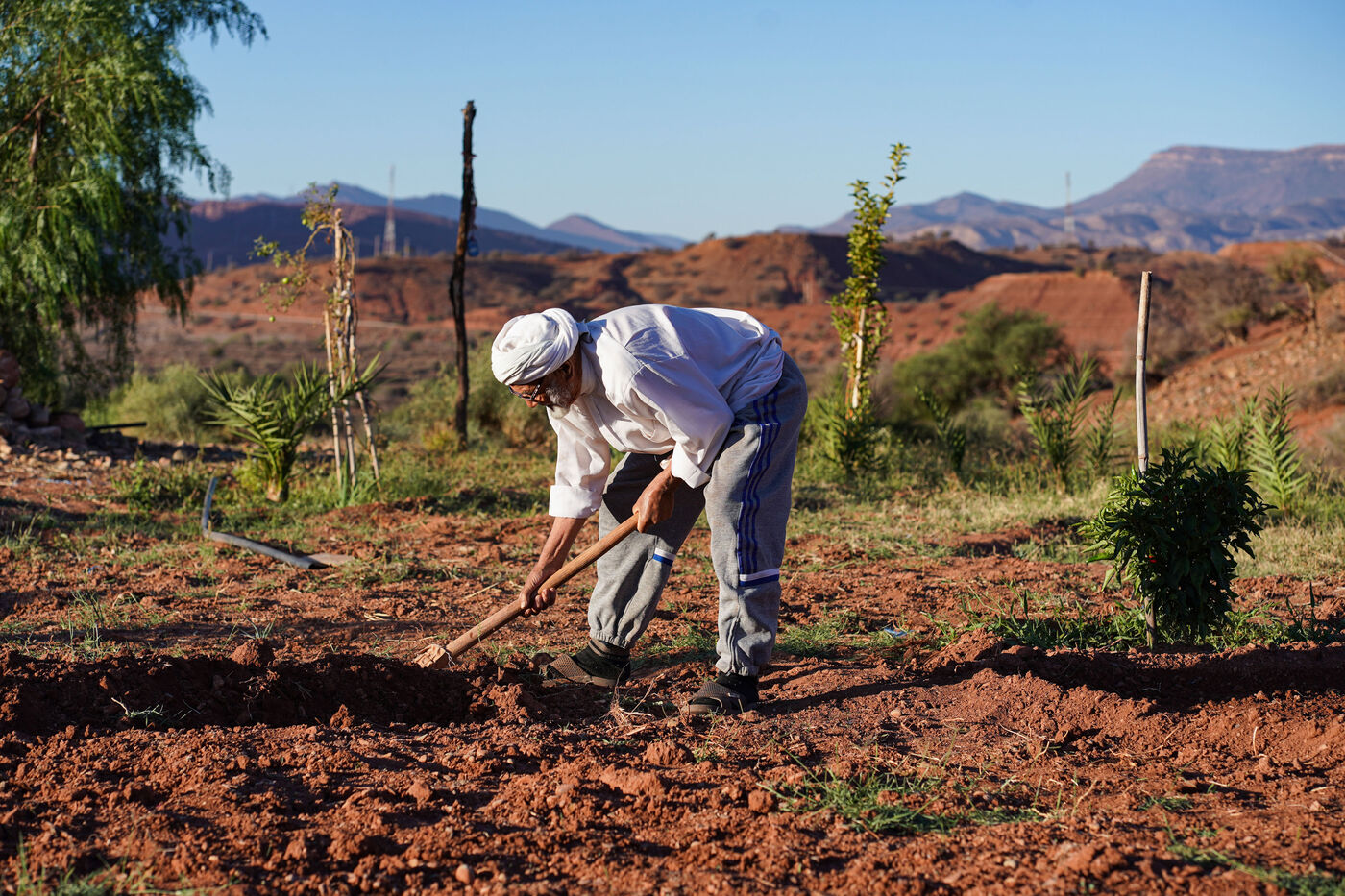
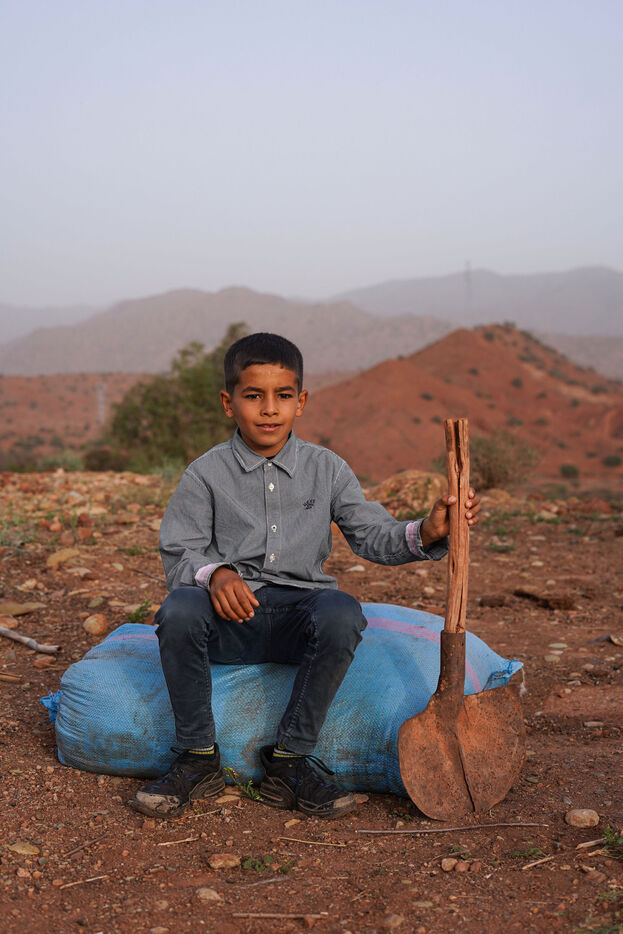
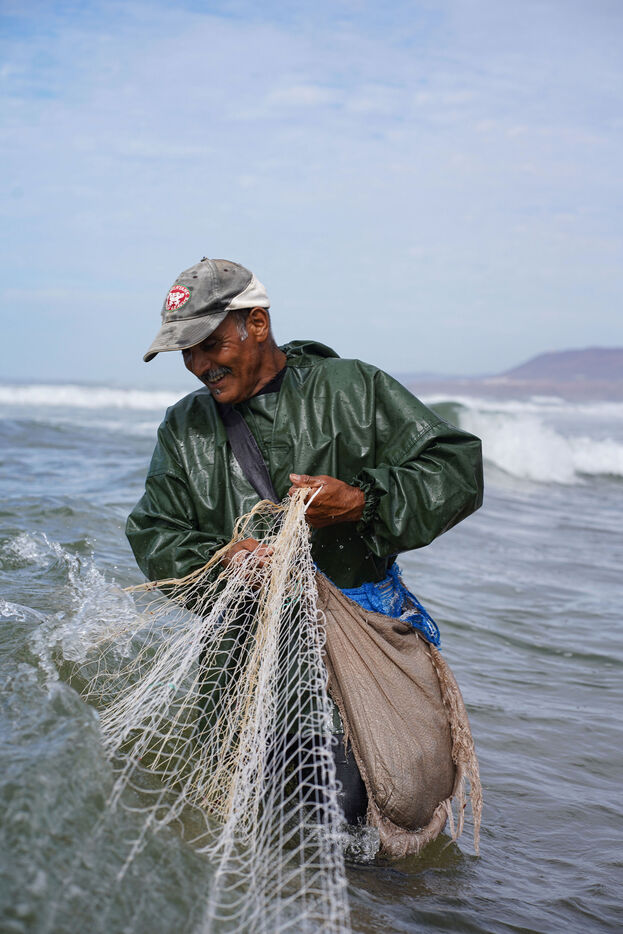
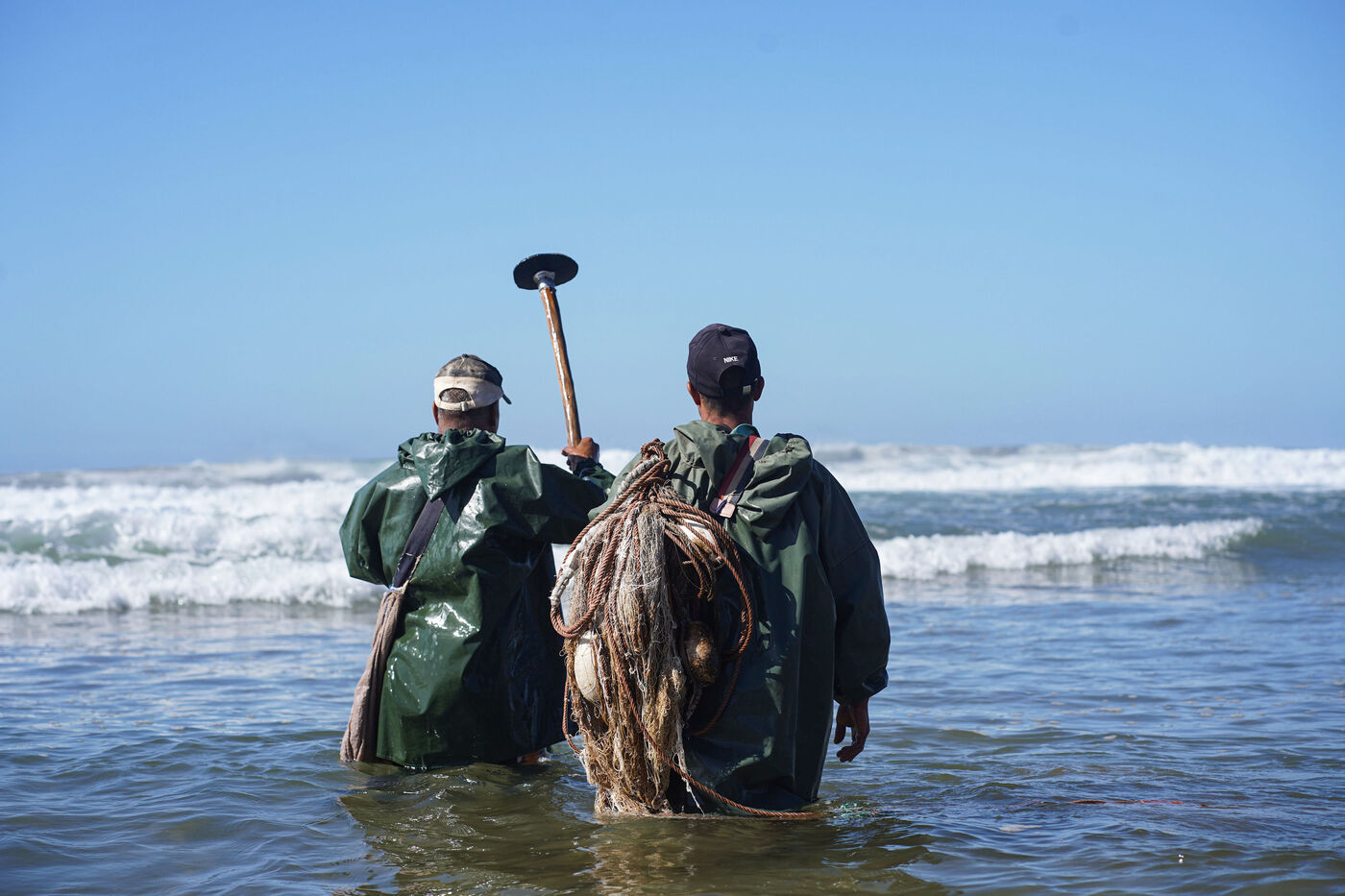
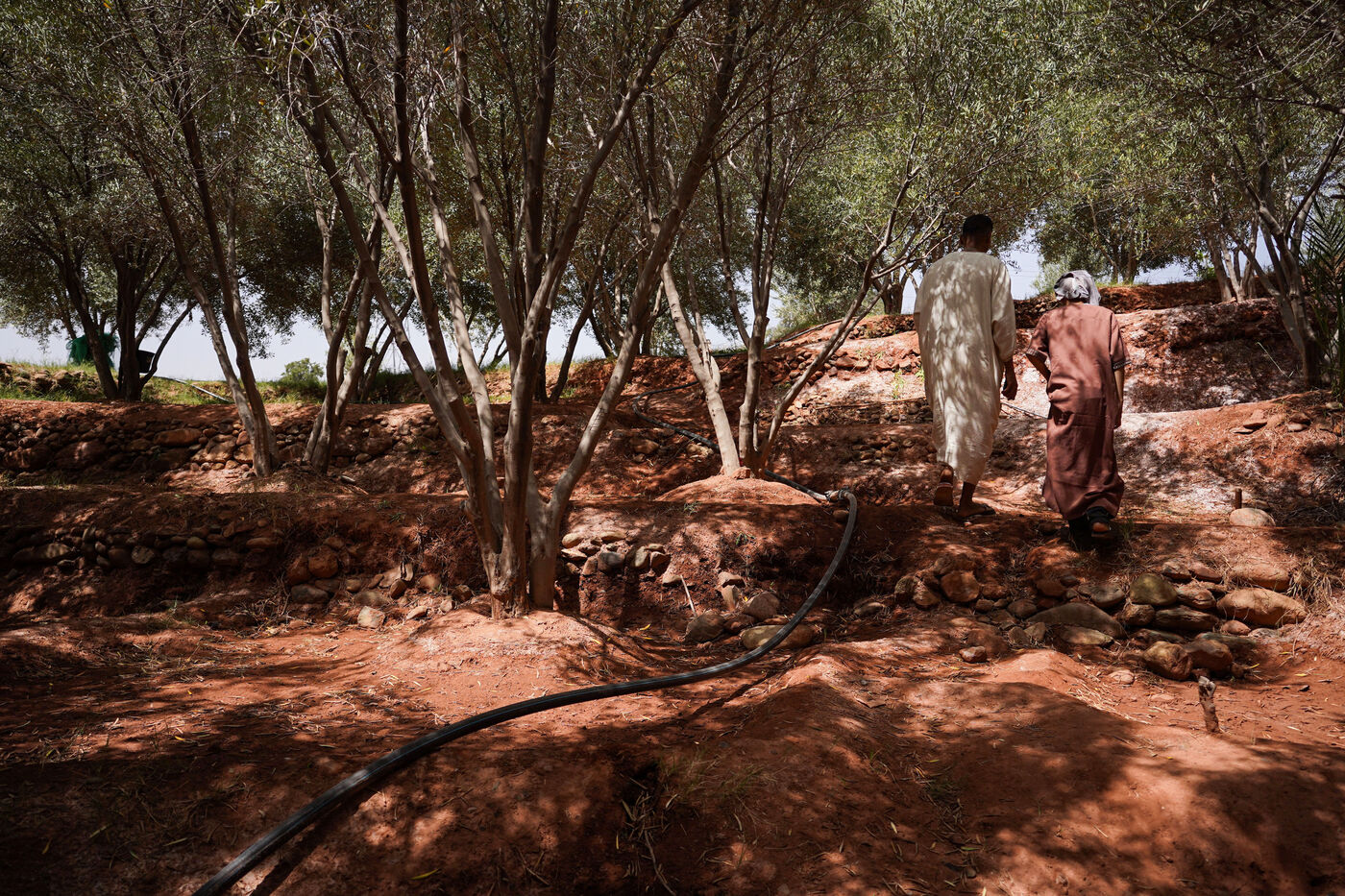
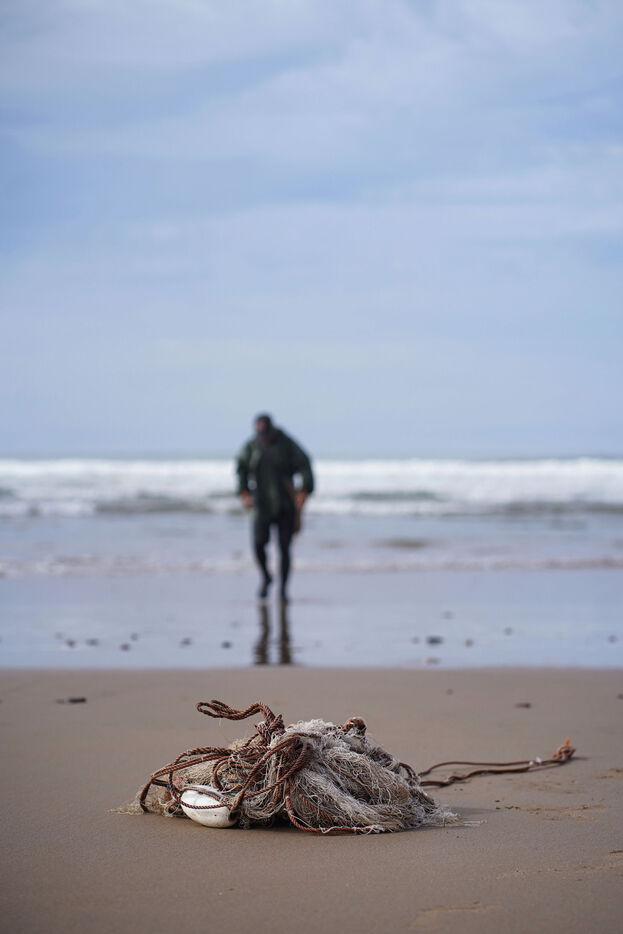
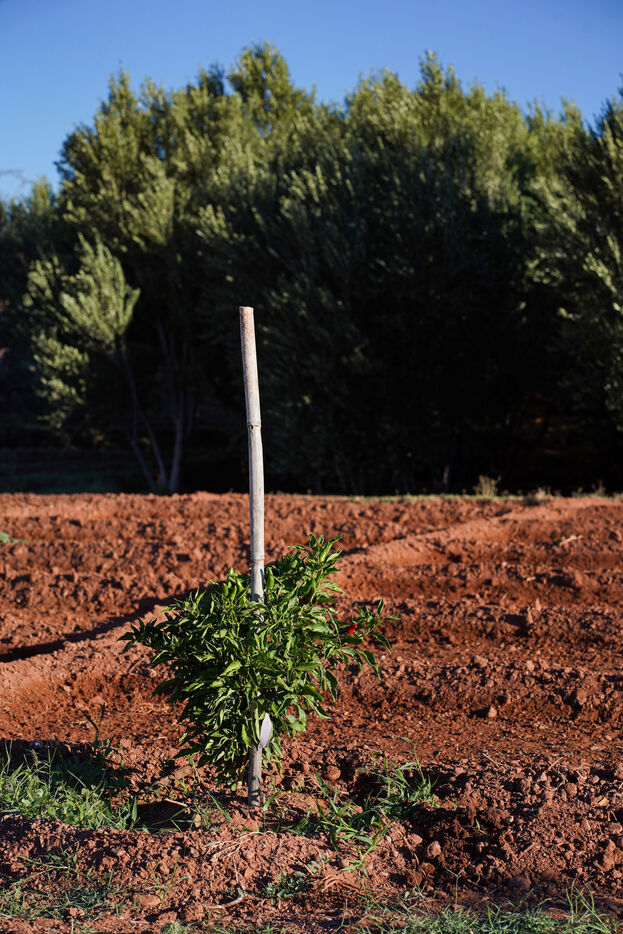
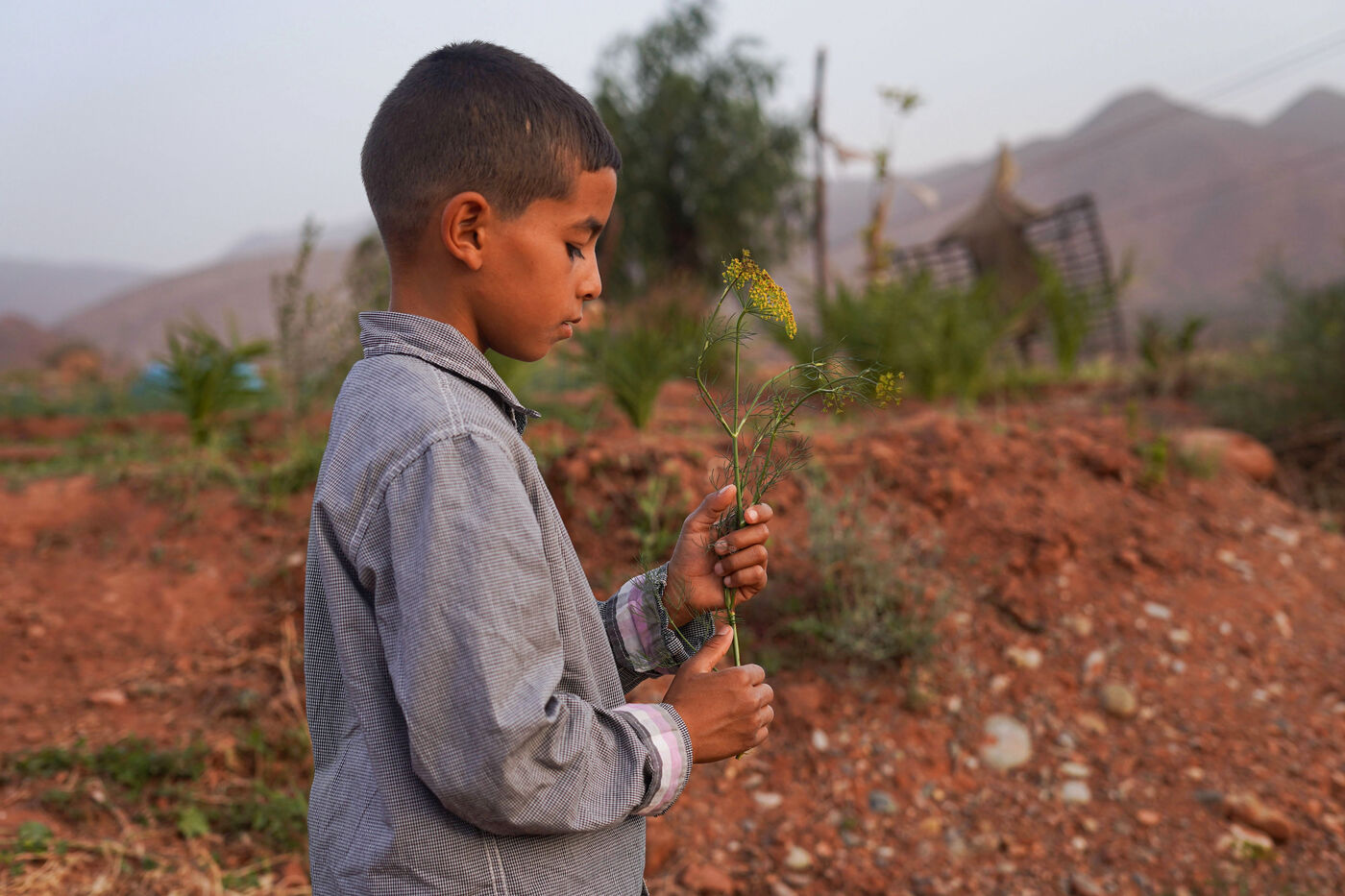
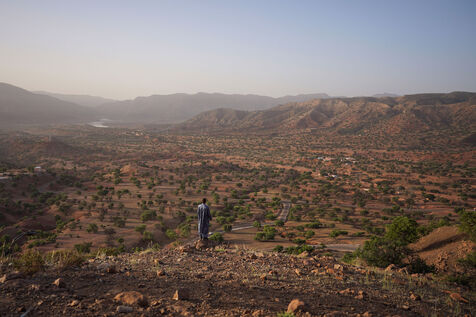
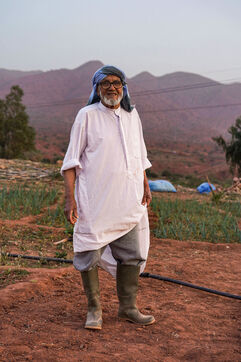
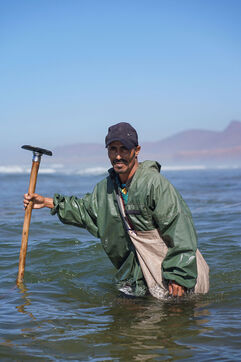
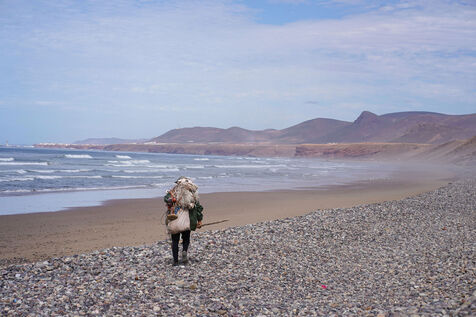
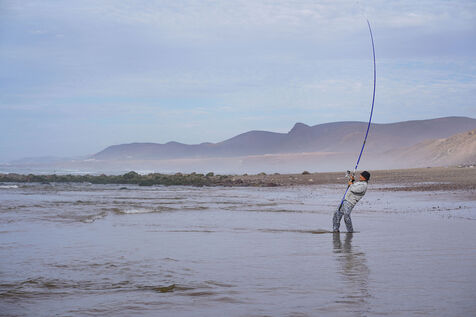
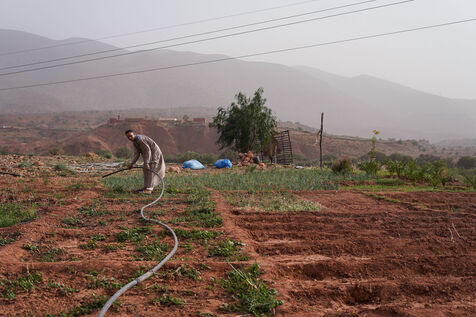
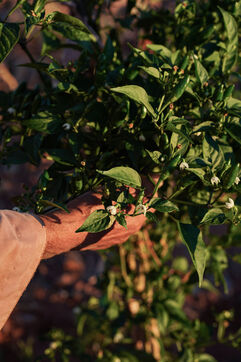
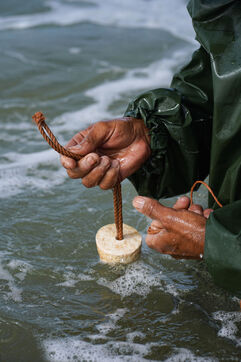
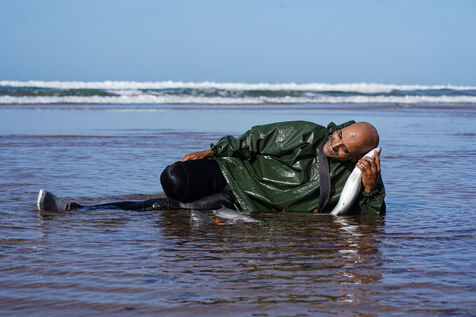
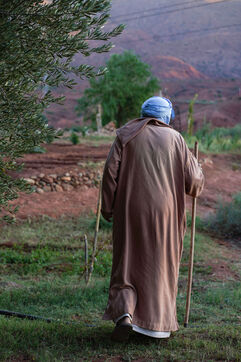
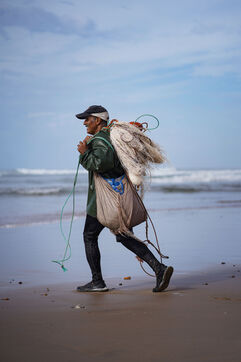
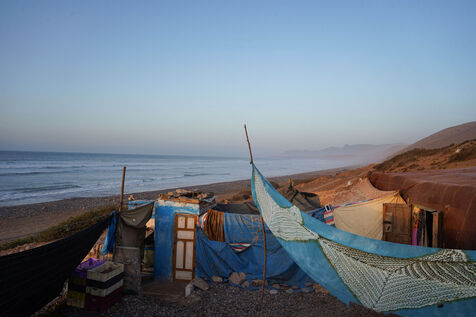
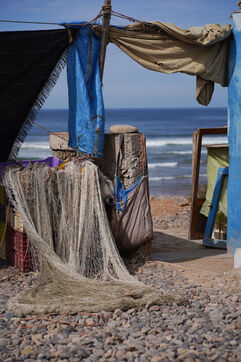
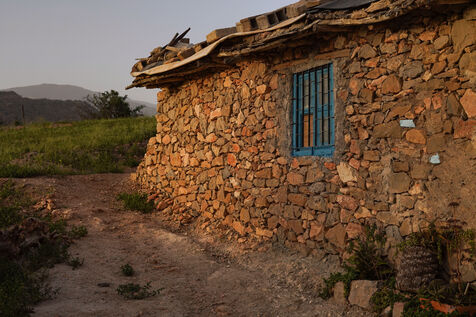
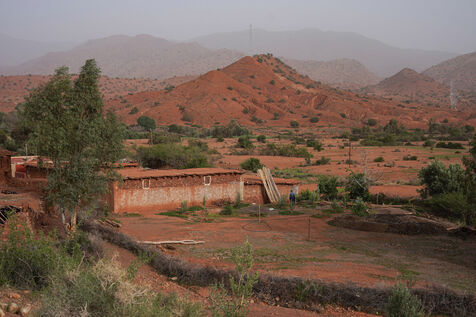
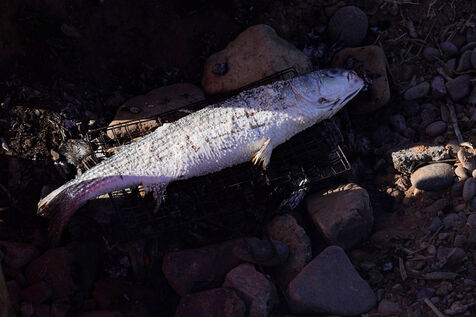
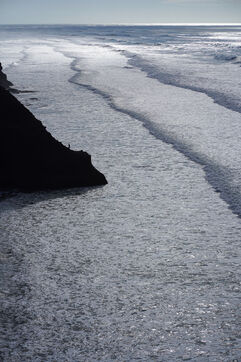
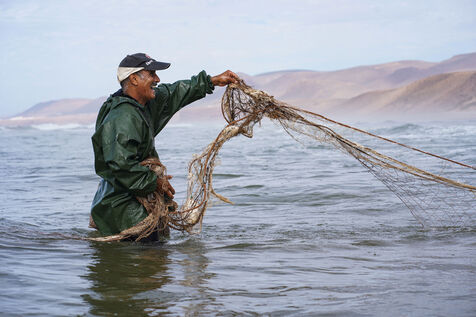
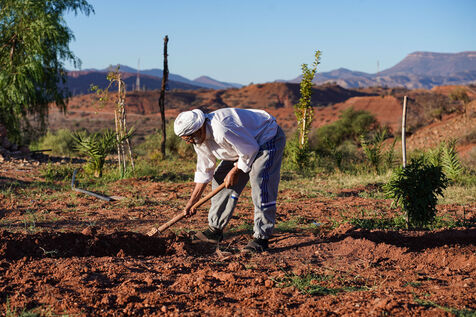
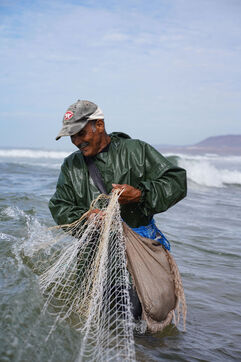
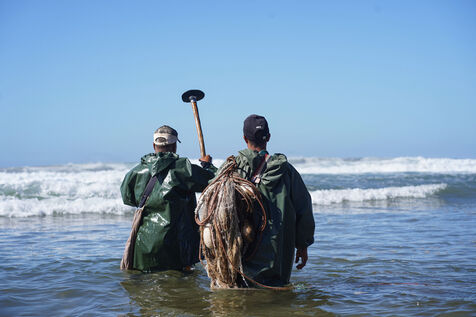
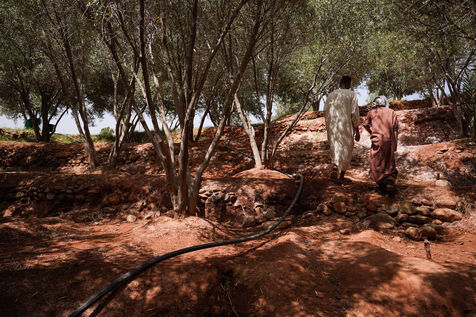
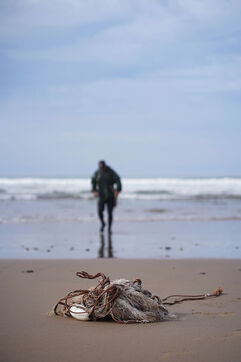
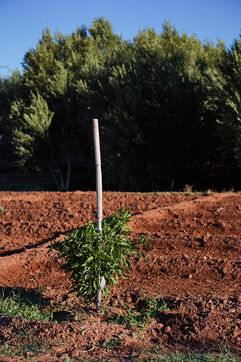
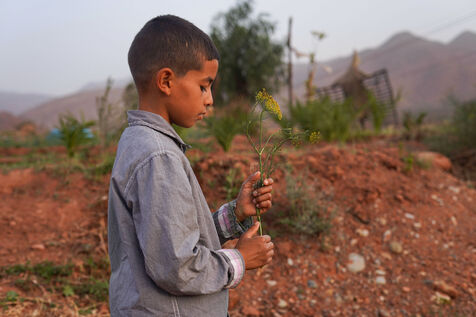
Dans les montagnes arides du Souss-massa et sur les rivages de Sidi Ifni, les amazighs vivent au rythme de la Terre et de l’Eau. Paysans et pécheurs, ils sont les gardiens d’un équilibre ancien. Leur force réside dans la simplicité, leur paix dans l’harmonie avec le vivant. Ici, pas de superflu, seulement l’essentiel. Travailler la terre, semer, récolter, pêcher, déposer les filets, recommencer inlassablement, au rythme des saisons et des cycles de la nature. Ils avancent sans hâte, ils savent que la terre donne quand on la respecte, que la mer prend quand on l’oublie.
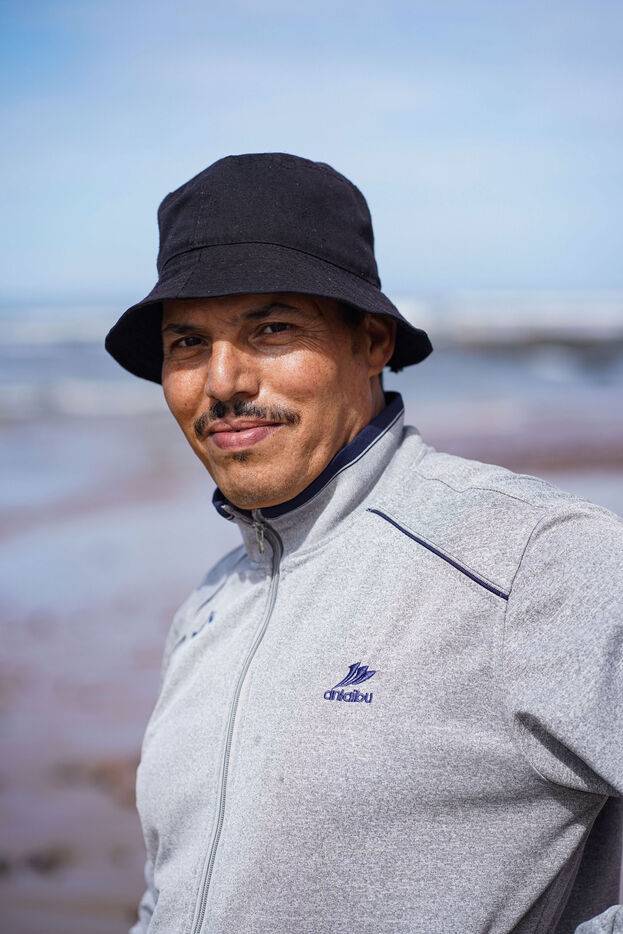
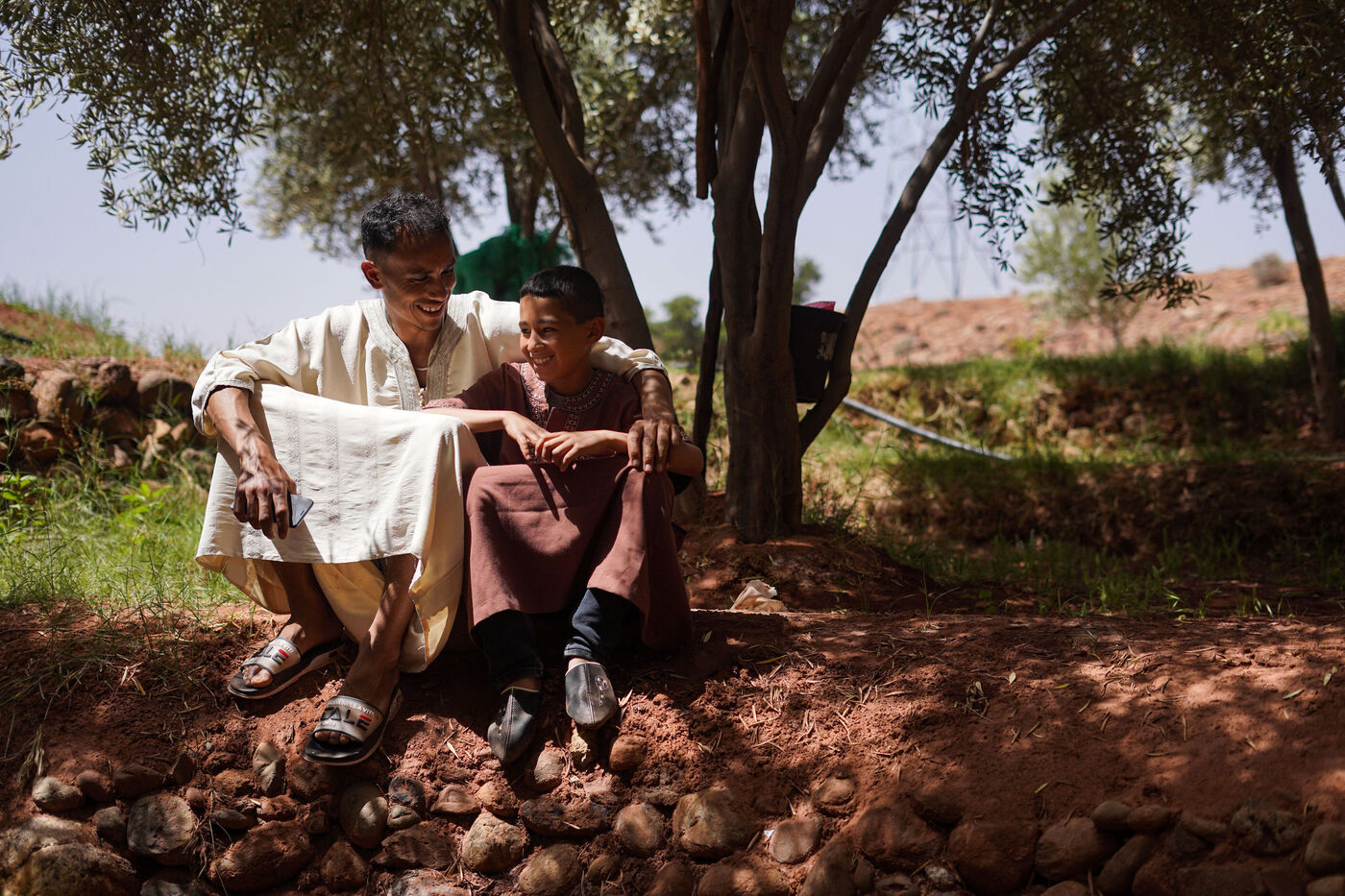
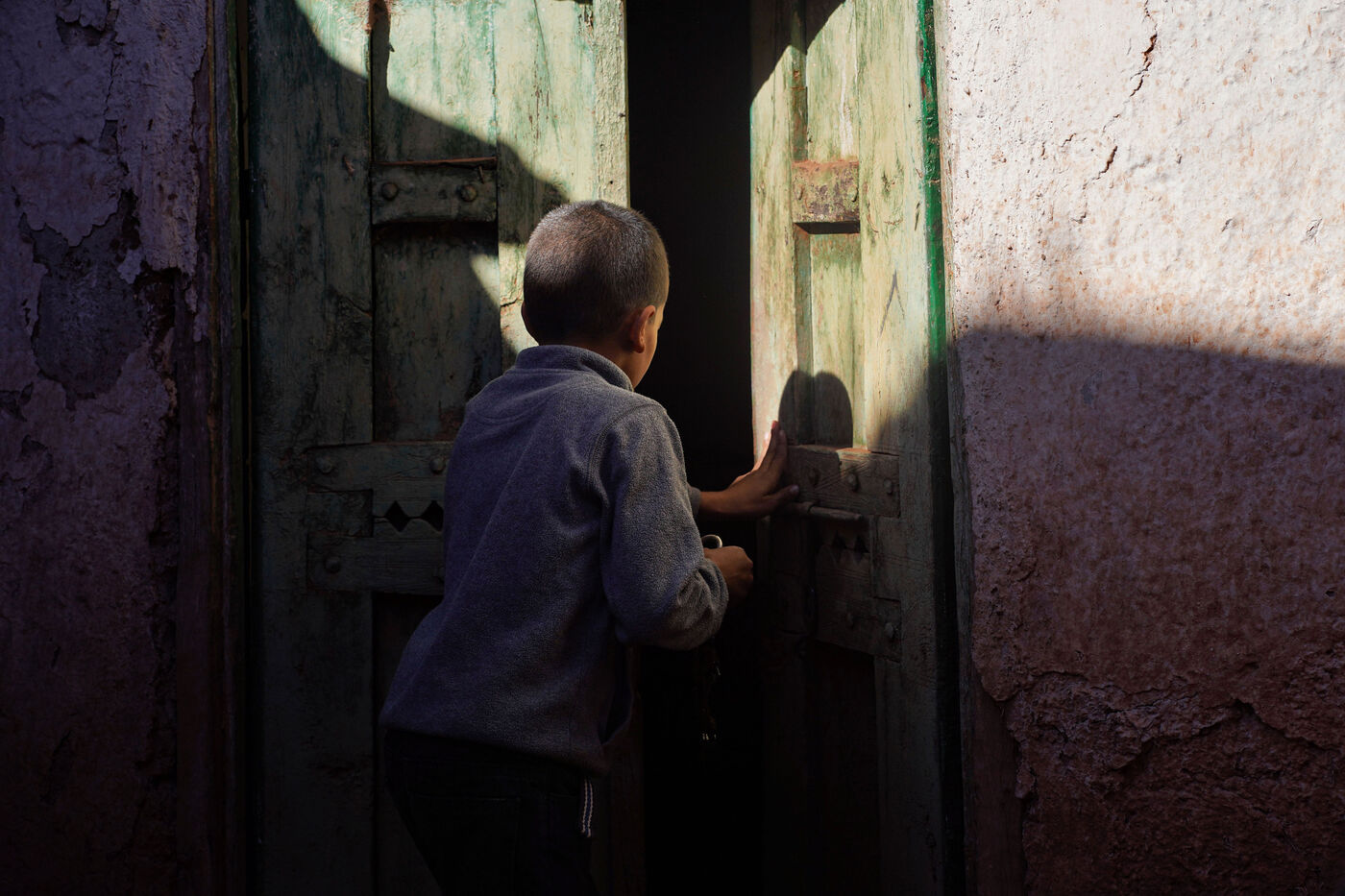
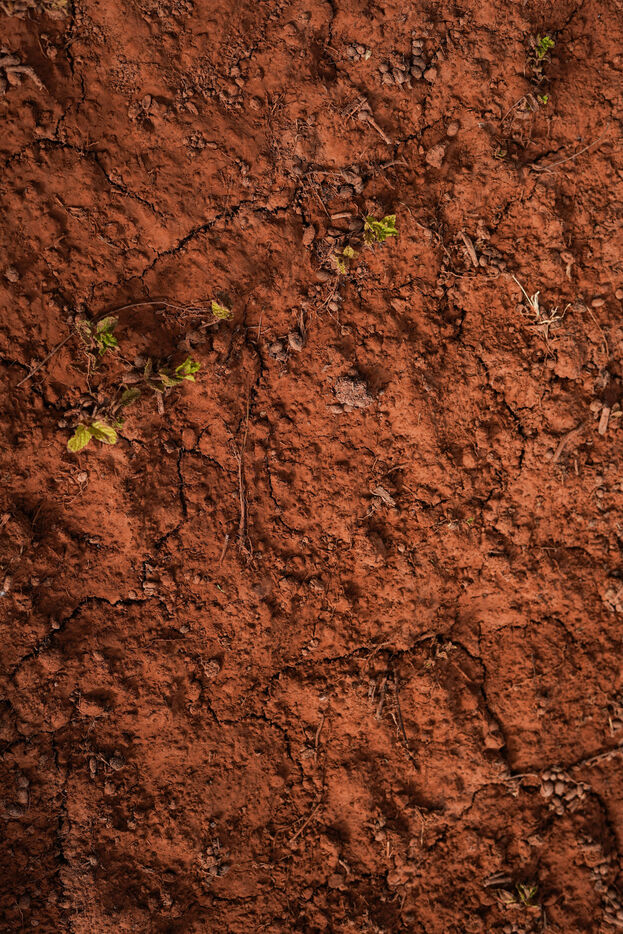
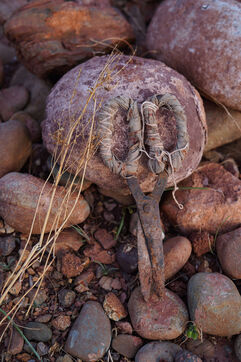
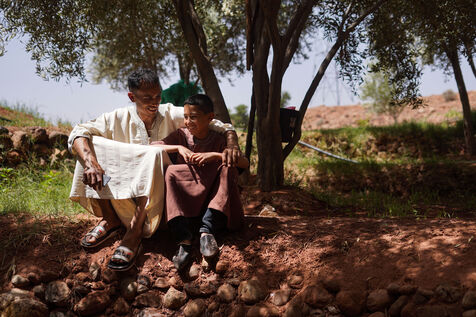
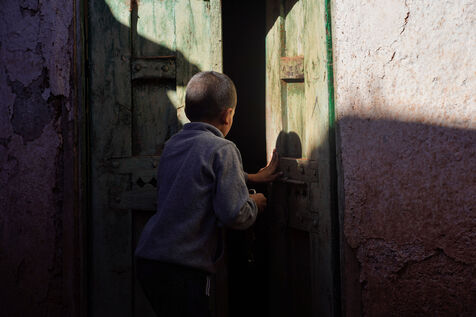
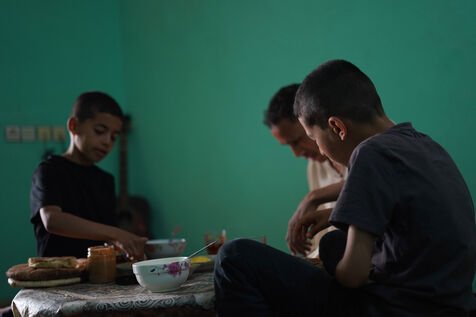
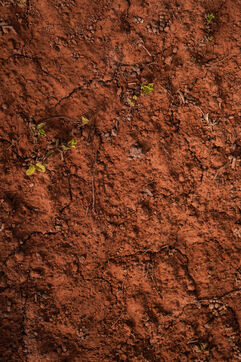
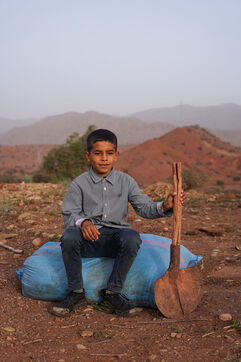
Leur savoir se transmet dans la patience des semailles et l’attente des marées, dans la force d’une main qui façonne la terre et la douceur d’un regard posé à l’horizon. Ils avancent avec résilience, s’adaptant aux caprices du monde sans jamais rompre le lien avec leurs racines. Ils s’adaptent, mais ne se renient jamais. Dans chaque échange, chaque transmission, ils portent en eux la mémoire de ceux qui ont appris à écouter la terre et l’océan. Ils ne cherchent pas à dominer la nature, mais à en faire partie, à vibrer à son rythme, à s’en remettre à elle avec humilité et gratitude.
CULTURE | Amazighs' mumur
‘The Amazigh listen to the wind, they read the earth, they talk to the water. They know that you don't own the world, you feel it’.
In the arid mountains of the Souss-Massa and on the shores of Sidi Ifni, the Amazigh live to the rhythm of the Earth and Water. Farmers and fishermen, they are the guardians of an ancient balance. Their strength lies in simplicity, their peace in harmony with the living. Here, there is no superfluity, only the essentials. Working the land, sowing, harvesting, fishing, casting out the nets, starting again tirelessly, to the rhythm of the seasons and the cycles of nature. They move forward unhurriedly, knowing that the earth gives when it is respected, that the sea takes when it is forgotten.
Their knowledge is passed on in the patience of sowing and waiting for the tides, in the strength of a hand shaping the earth and the gentleness of a gaze on the horizon. They move forward with resilience, adapting to the whims of the world without ever breaking the link with their roots. They adapt, but never deny themselves. In every exchange, every transmission, they carry within them the memory of those who learned to listen to the land and the ocean. They do not seek to dominate nature, but to become part of it, to vibrate to its rhythm, and to rely on it with humility and gratitude.