Societe | Sout Chaab : la vibration du peuple
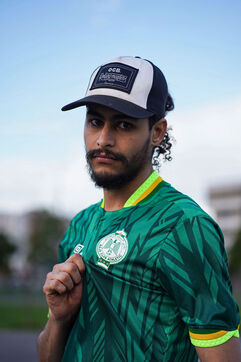
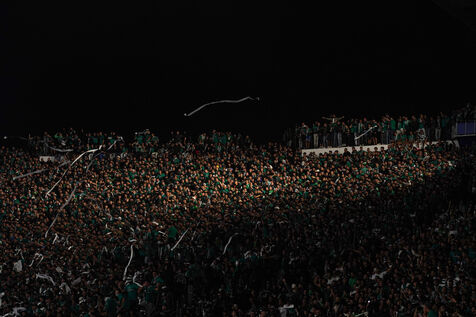
Sout Chaab, la vibration du peuple est une série photographique qui documente les mutations du Maroc à travers la voix des supporters de football du Raja et du Wydad. Au centre de la série, il y a un pays partagé entre un Maghreb populaire, parfois marginalisé, et un Maroc 2.0 tourné vers la modernité, dont les transformations risquent de laisser une partie du peuple invisible et silencieuse.
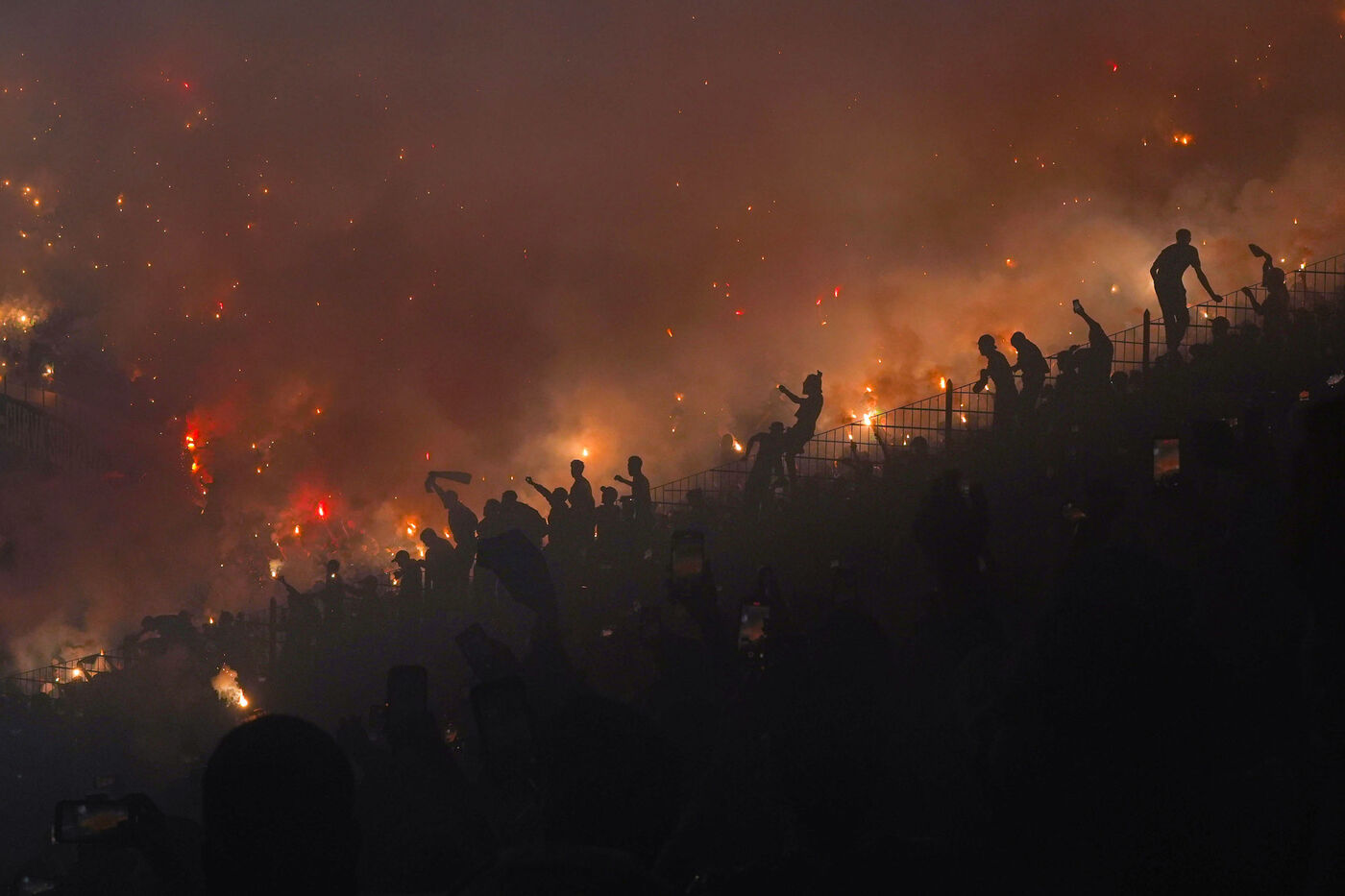
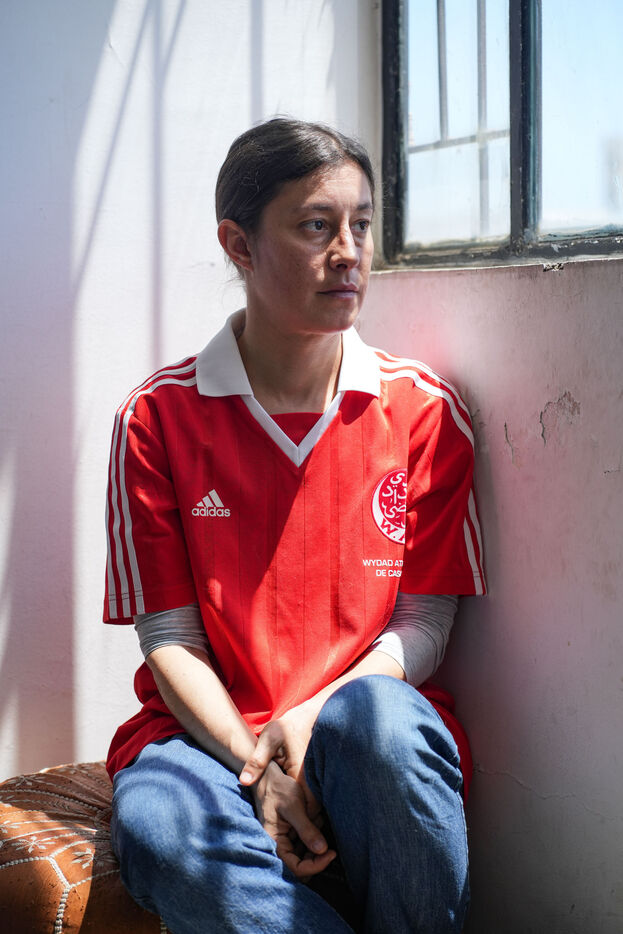
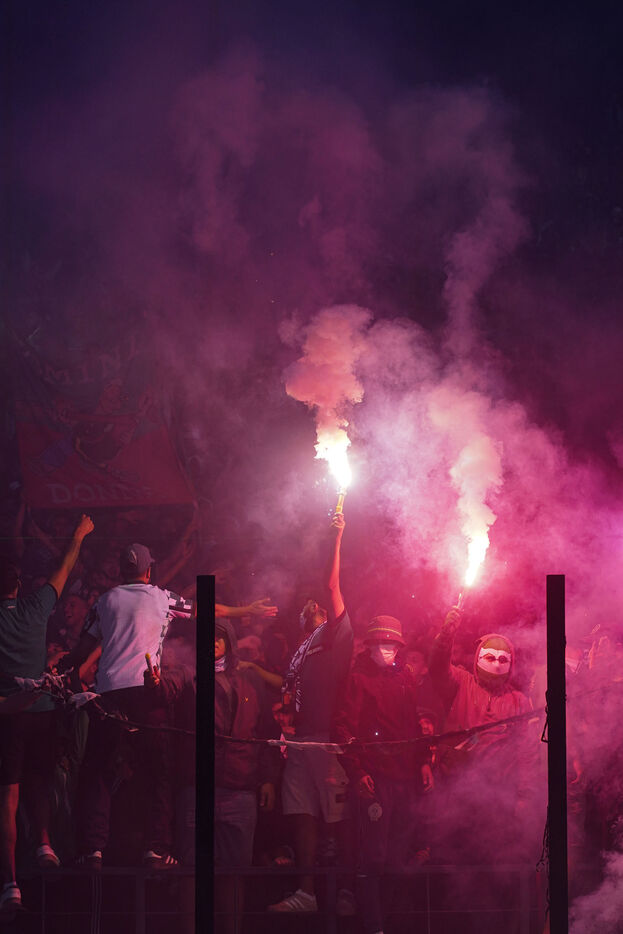
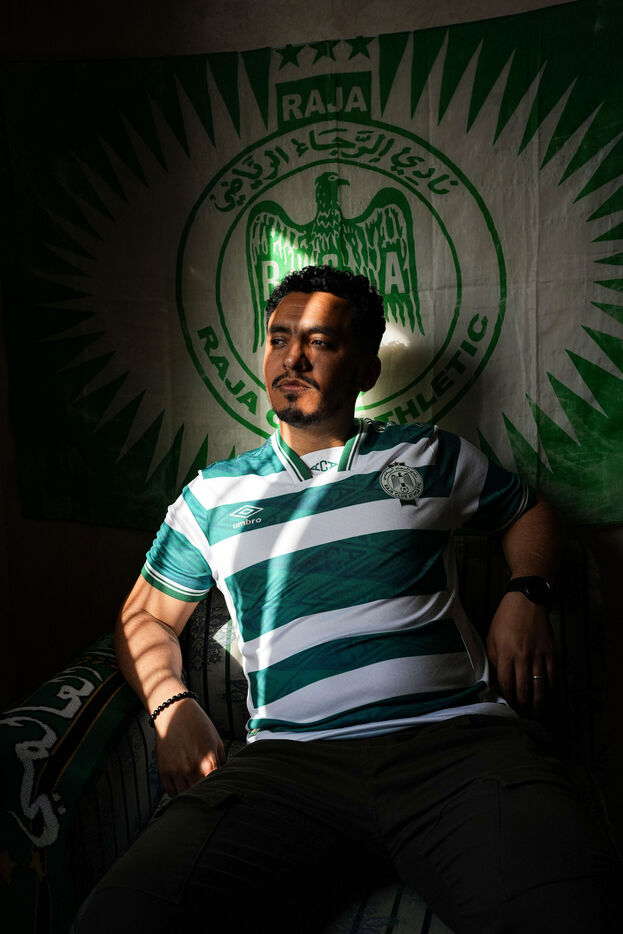
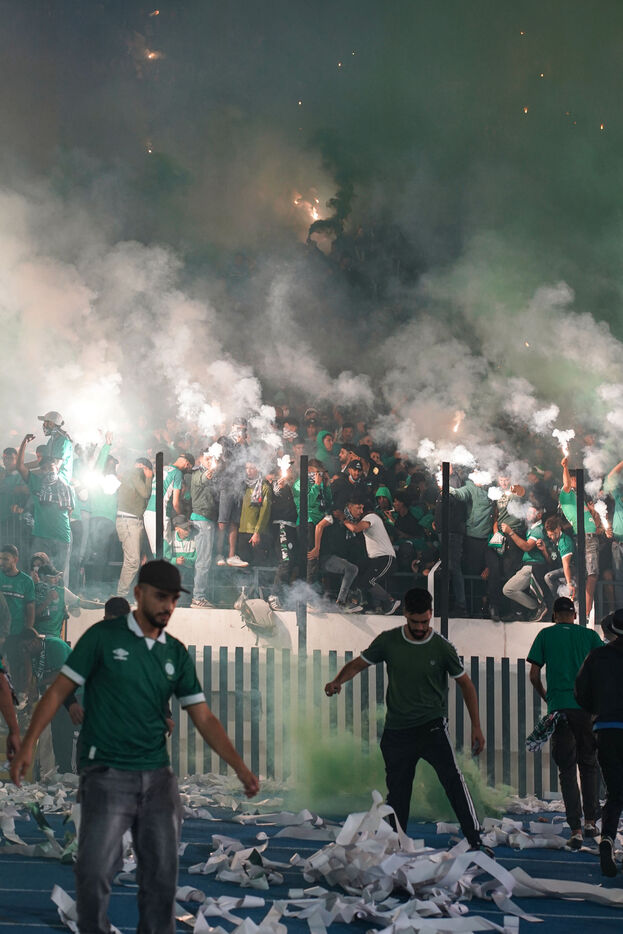
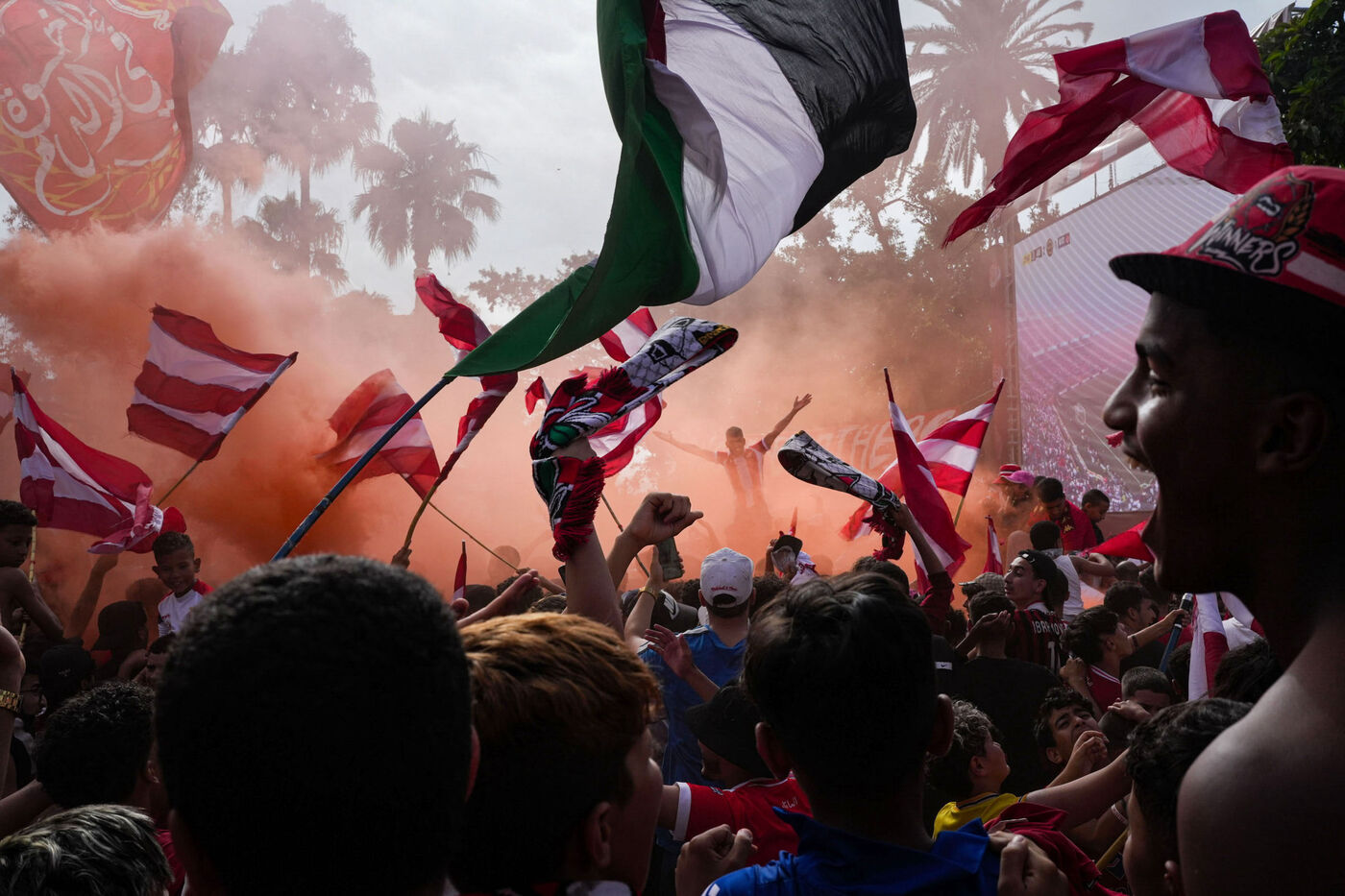
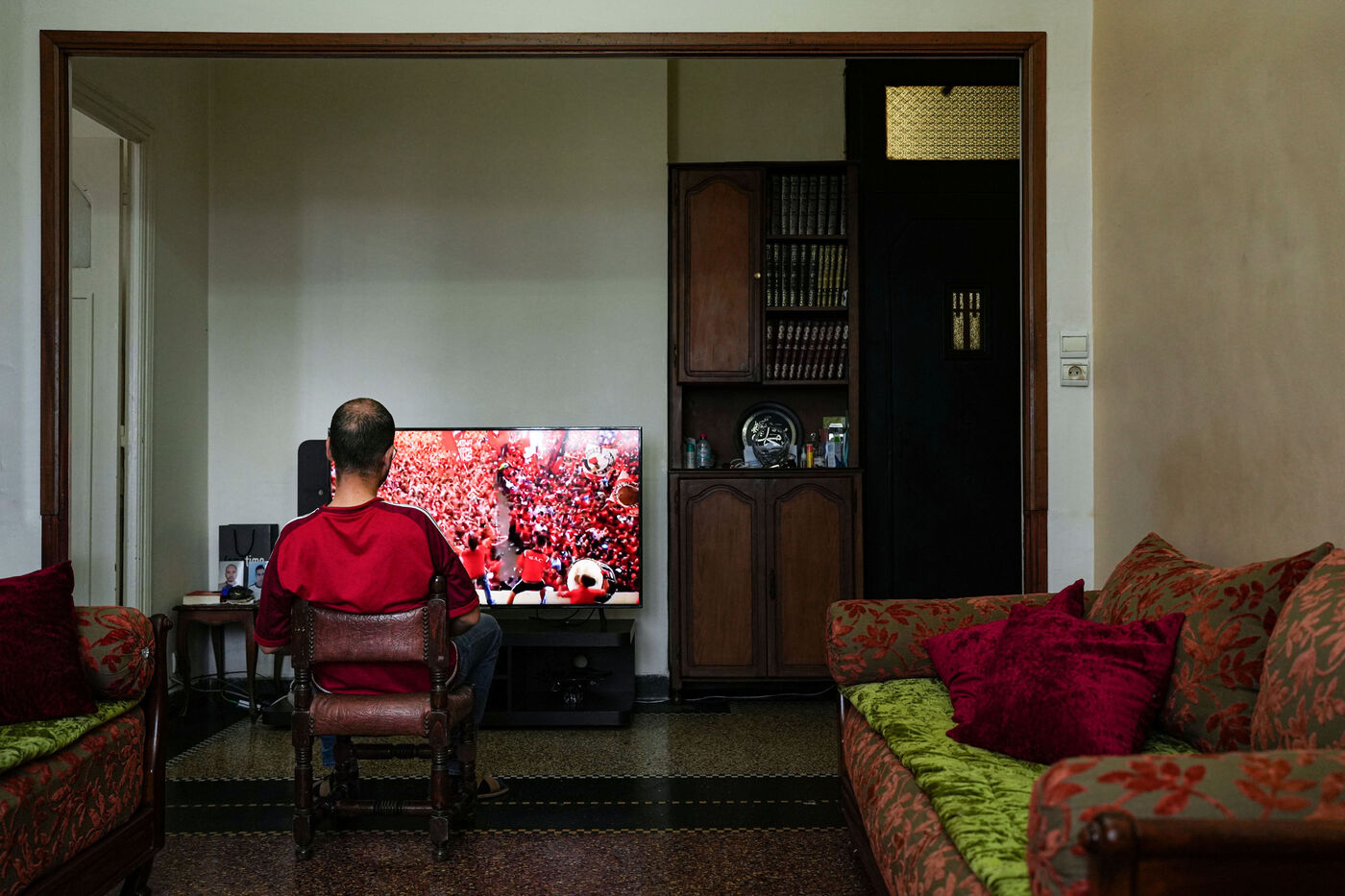
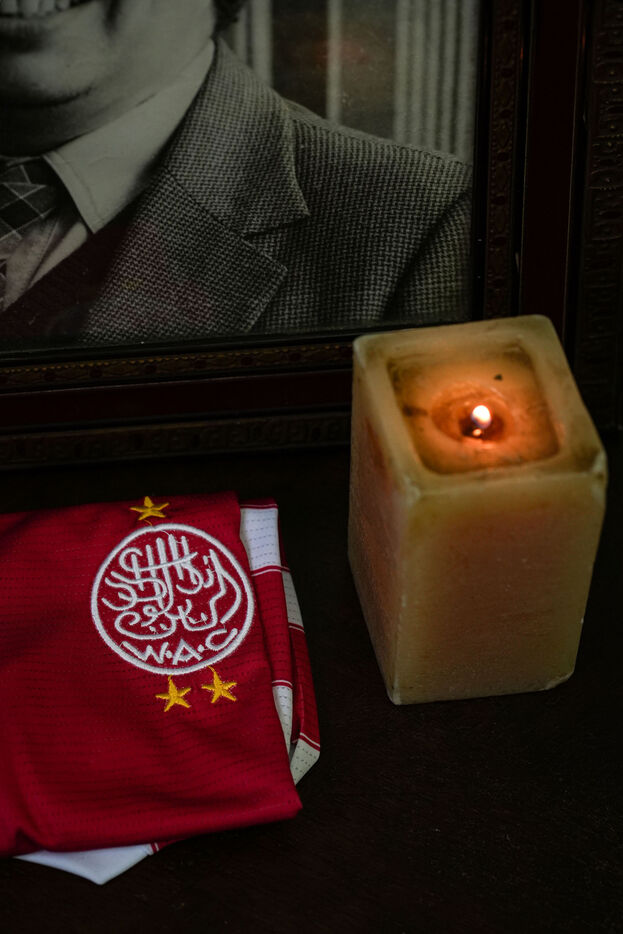
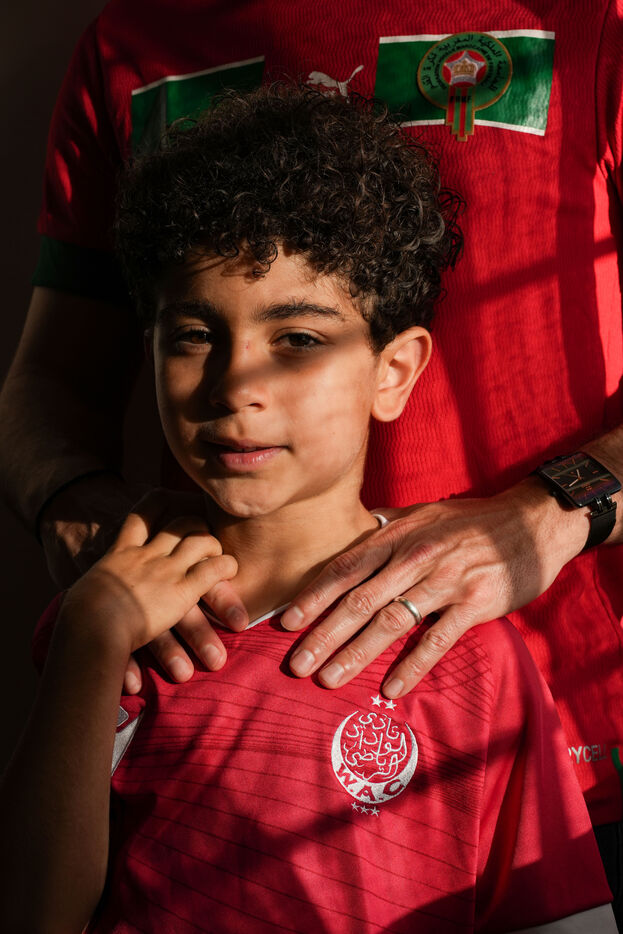
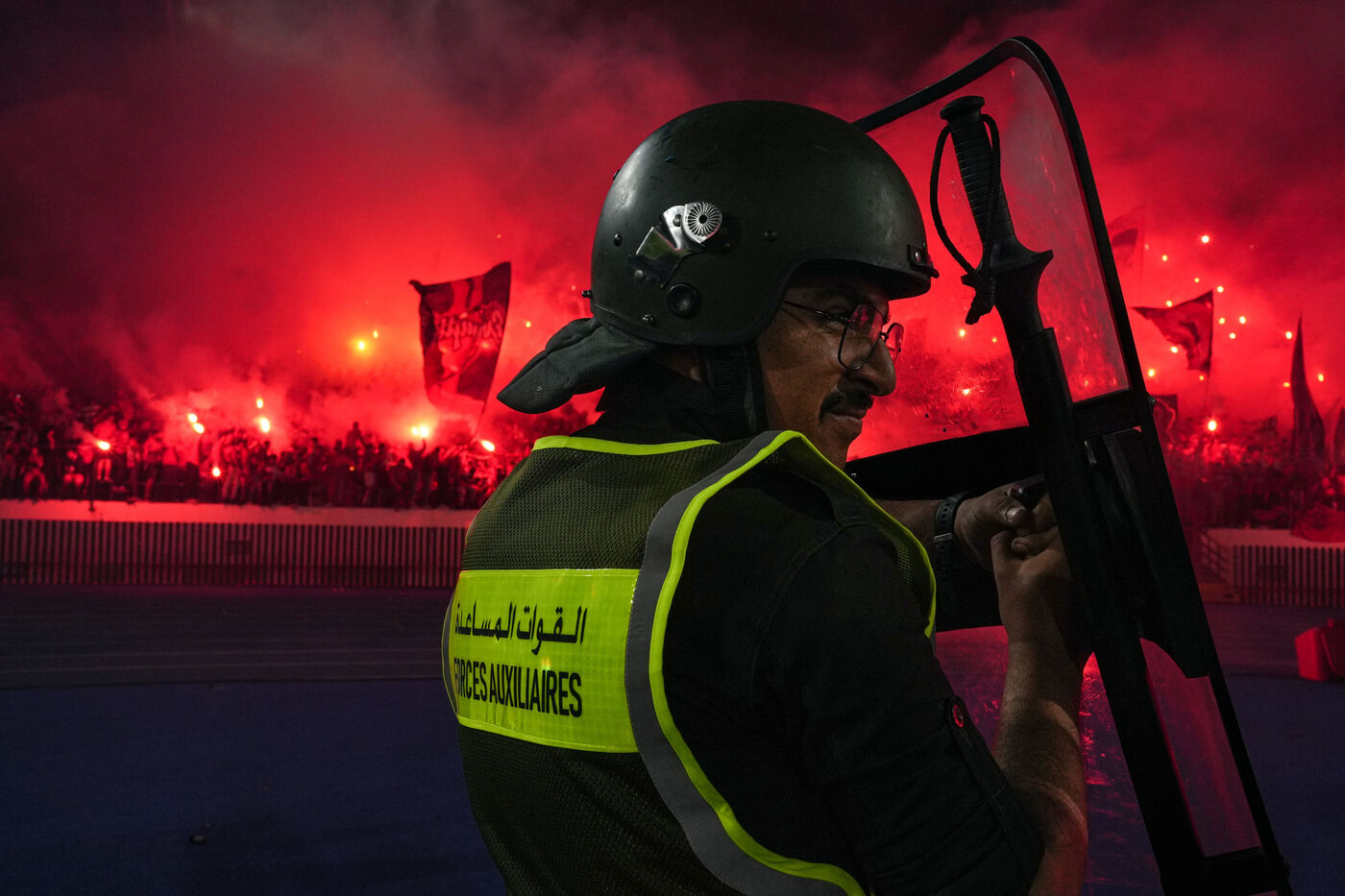
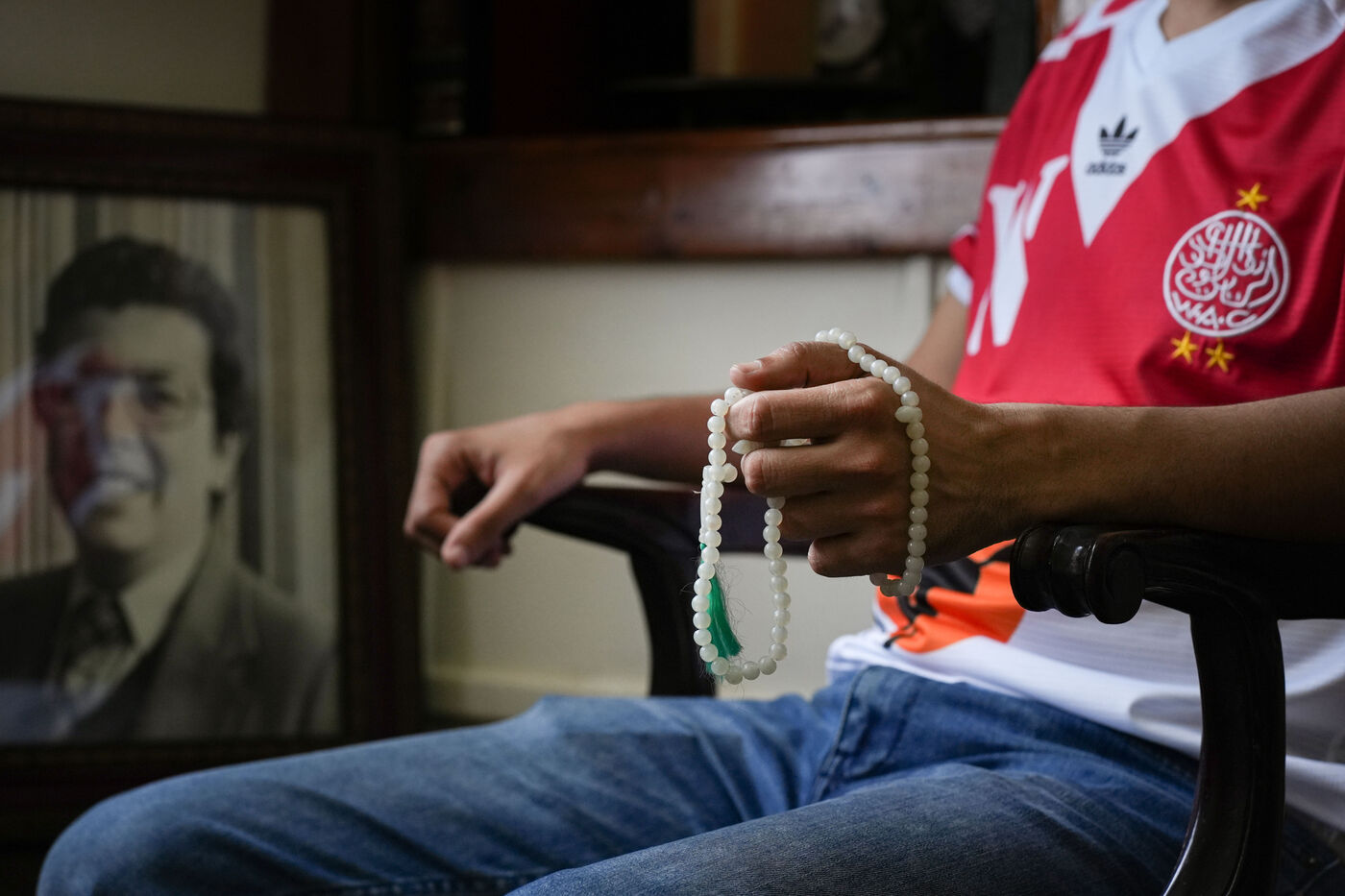
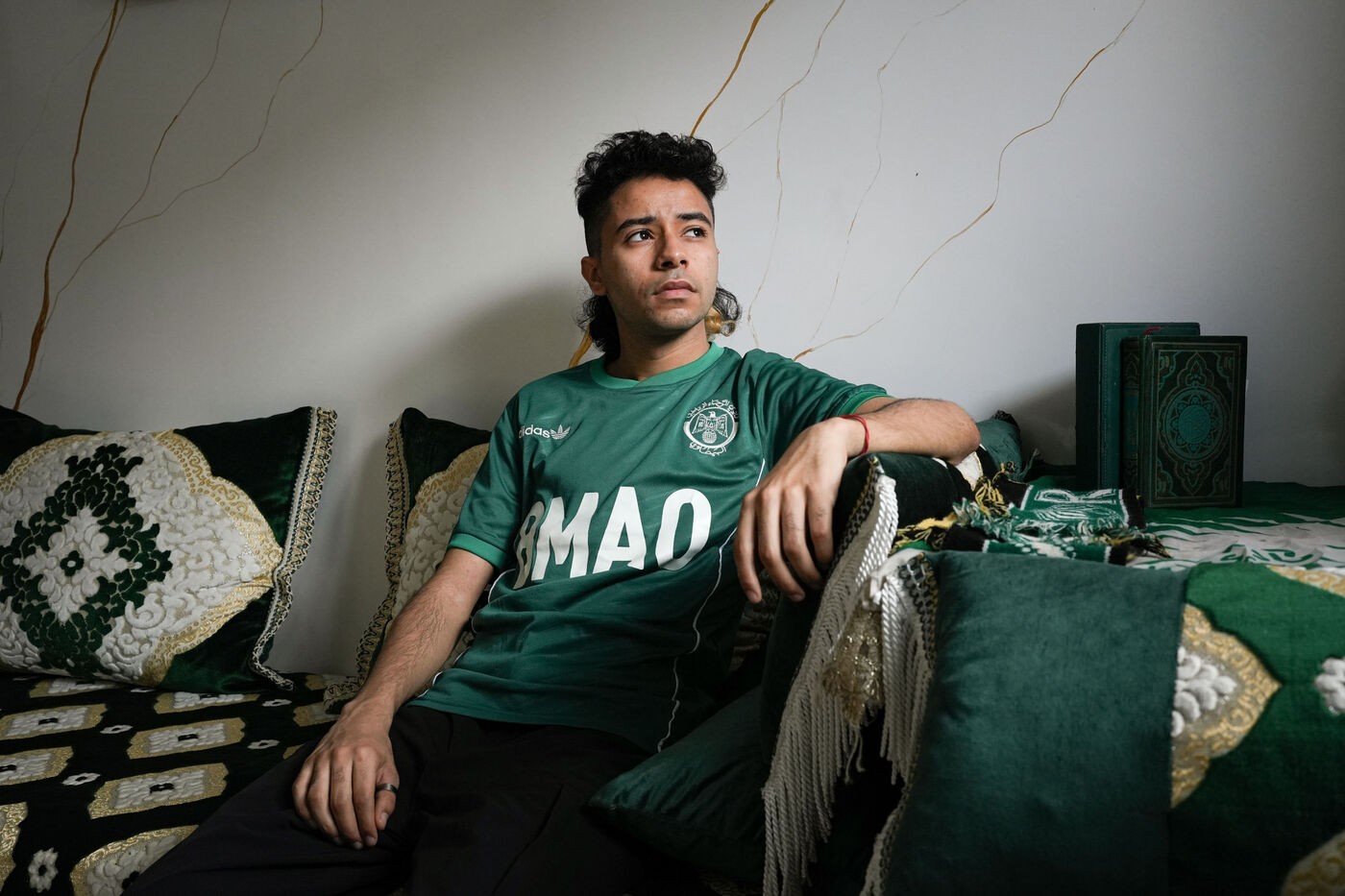
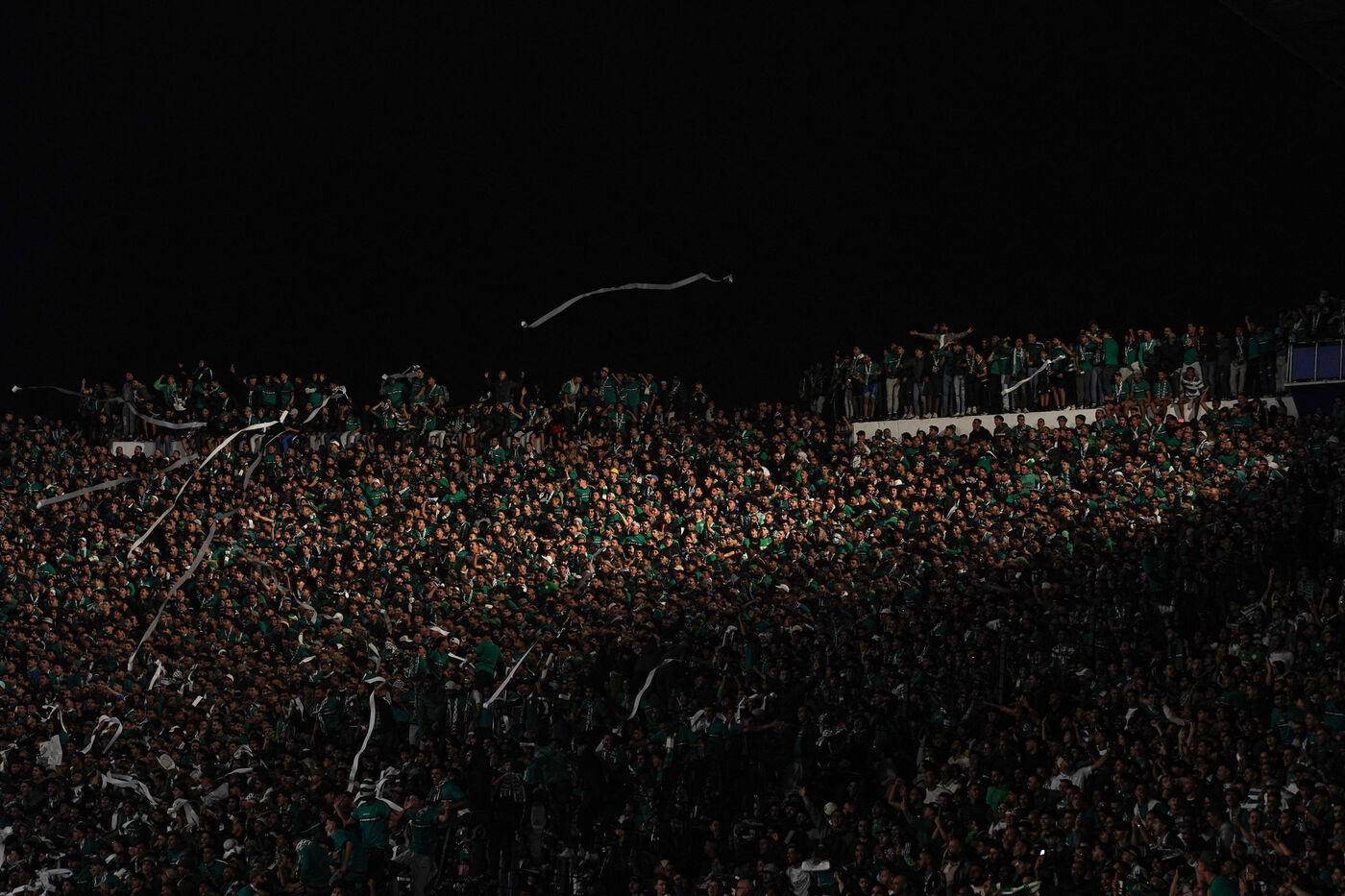
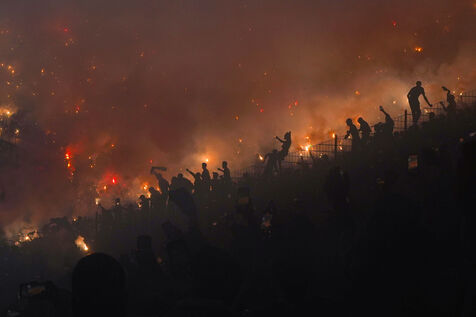
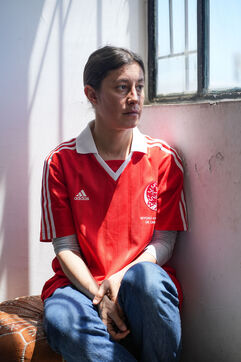
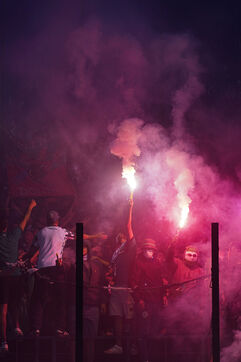
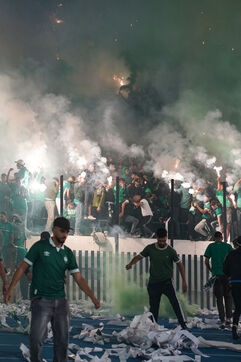
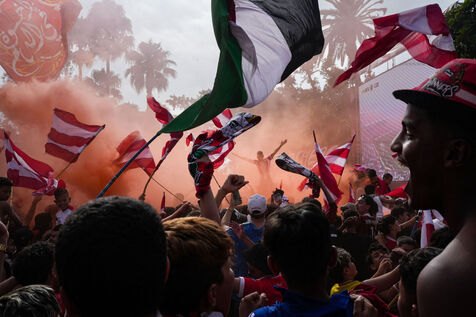
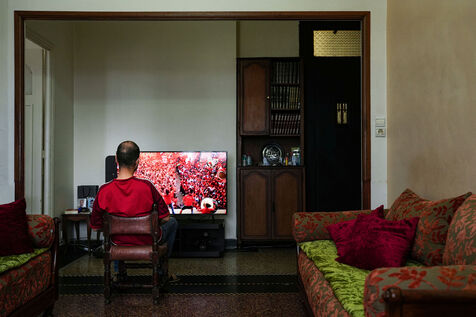
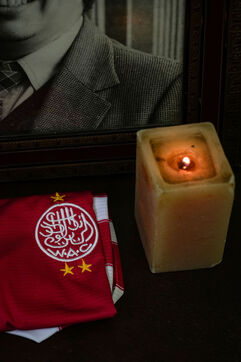
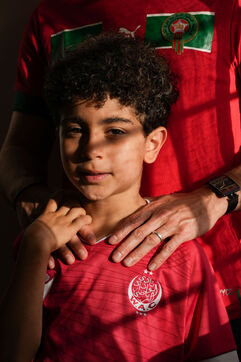
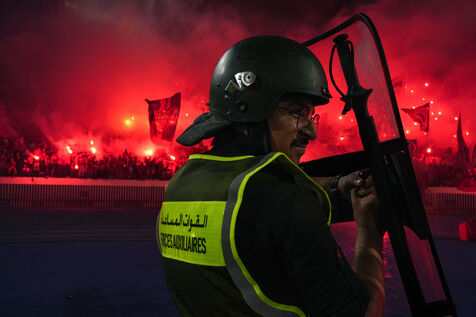
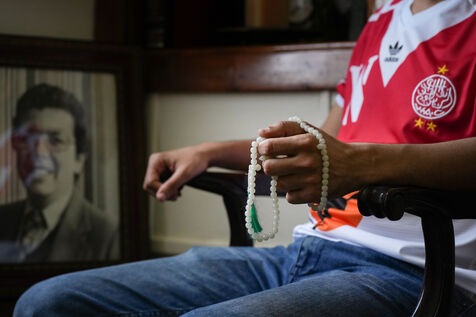
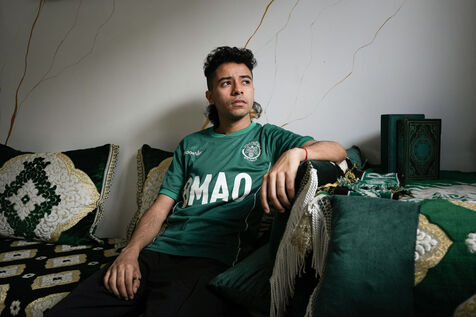
La série alterne deux registres. D’un côté, l’énergie collective des stades : les virages ultras de la Curva Sud Magana et de la Curva Nord, les fumigènes, les chants, l’intensité du derby Raja-Wydad, la présence policière. De l’autre, des moments plus intimes : portraits de supporters chez eux, entourés de maillots, d’écharpes, de chapelets et de Corans aux couleurs de leur club, un autel dédié à un père disparu, un enfant tenant la main de son père.
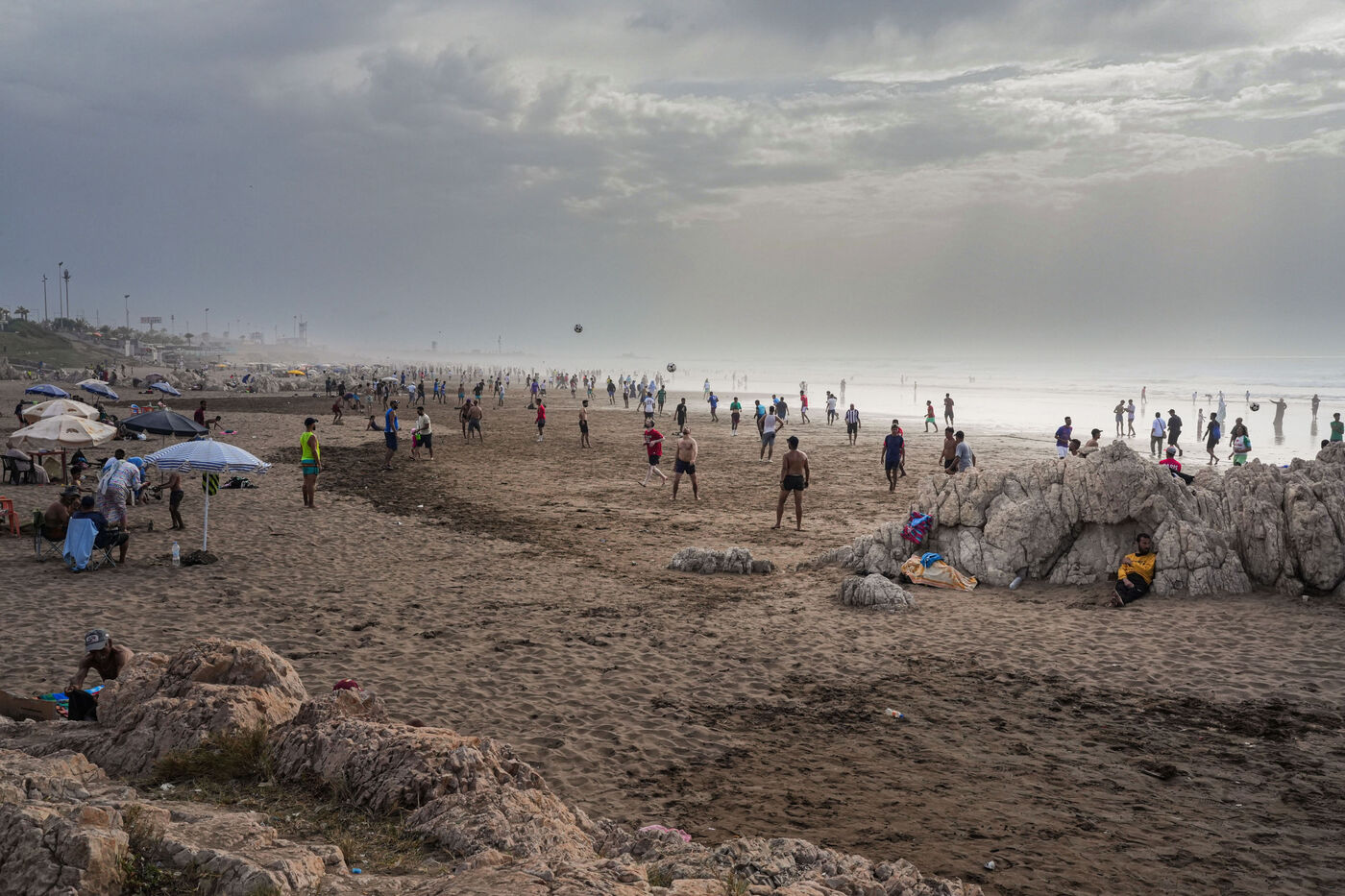
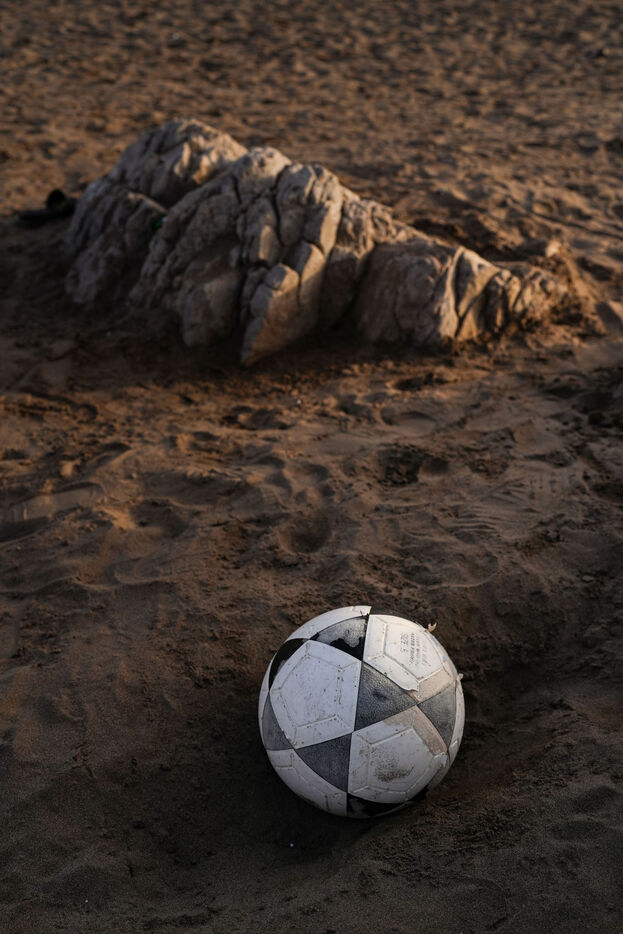
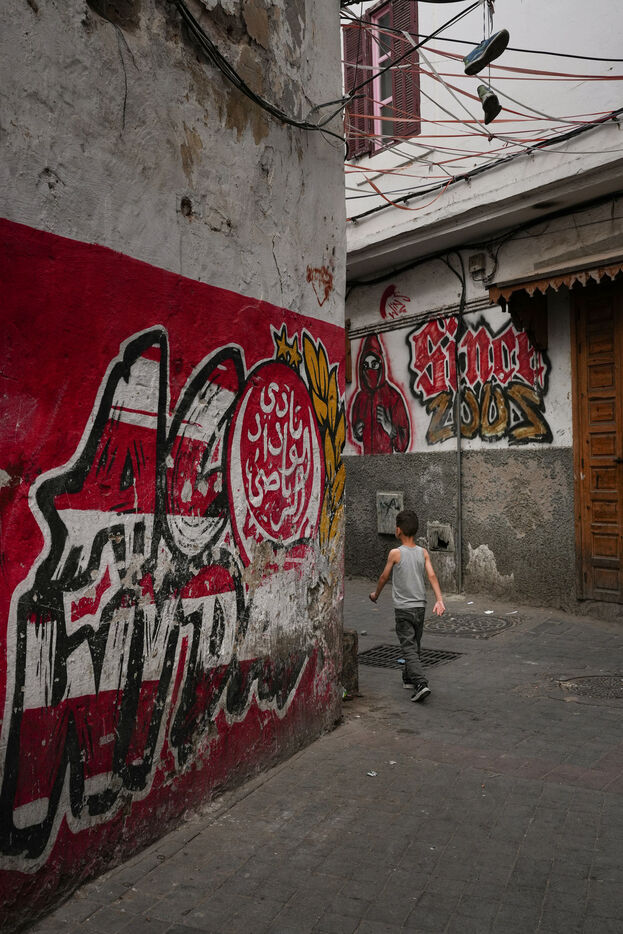
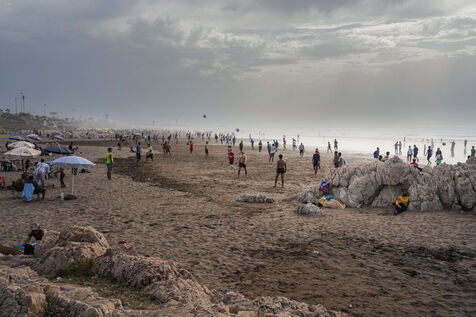
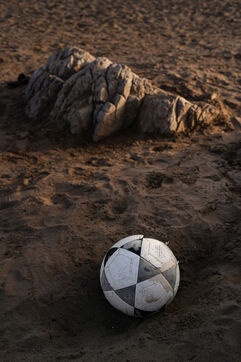
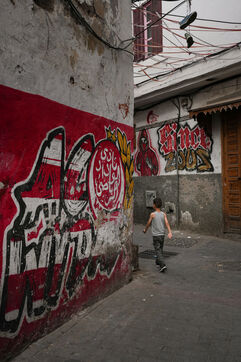
Entre les deux, la ville elle-même : la médina marquée par les tags des ultras, la fan zone de la Coupe du monde des clubs, la boutique officielle du Raja, la plage d’Aïn Diab où l’on joue au football en fin de journée. Le football y apparaît comme un langage commun : une passion transmise en famille, mêlée à la religion, à la mémoire et à l’identité, et un espace où s’exprime un peuple qui cherche à rester visible.
Society | Sout Chaab: The Pulse of the People
“Sout Chaab: The Pulse of the People” is a photographic series that documents Morocco’s transformations through the voices of Raja and Wydad soccer fans. At the heart of the series is a country torn between a working-class "Maghreb" sometimes marginalized and a “Morocco 2.0” focused on modernity, whose transformations risk leaving a portion of the population invisible and voiceless.
The series alternates between two tones. On one hand, the collective energy of the stadiums: the ultras sections of the Curva Sud Magana and the Curva Nord, the smoke bombs, the chants, the intensity of the Raja-Wydad derby, and the police presence. On the other hand, there are more intimate moments: portraits of fans at home, surrounded by jerseys, scarves, rosaries, and Qur’ans in their club’s colors; an altar dedicated to a deceased father; a child holding his father’s hand.
In between lies the city itself: the medina marked by ultras’ graffiti, the Club World Cup fan zone, the official Raja store, and Aïn Diab Beach, where people play soccer at the end of the day. There, soccer emerges as a shared language: a passion passed down through families, intertwined with religion, memory, and identity, and a space where a people seeking to remain visible can express themselves.