FRANCE, TERRE D'ACCUEIL
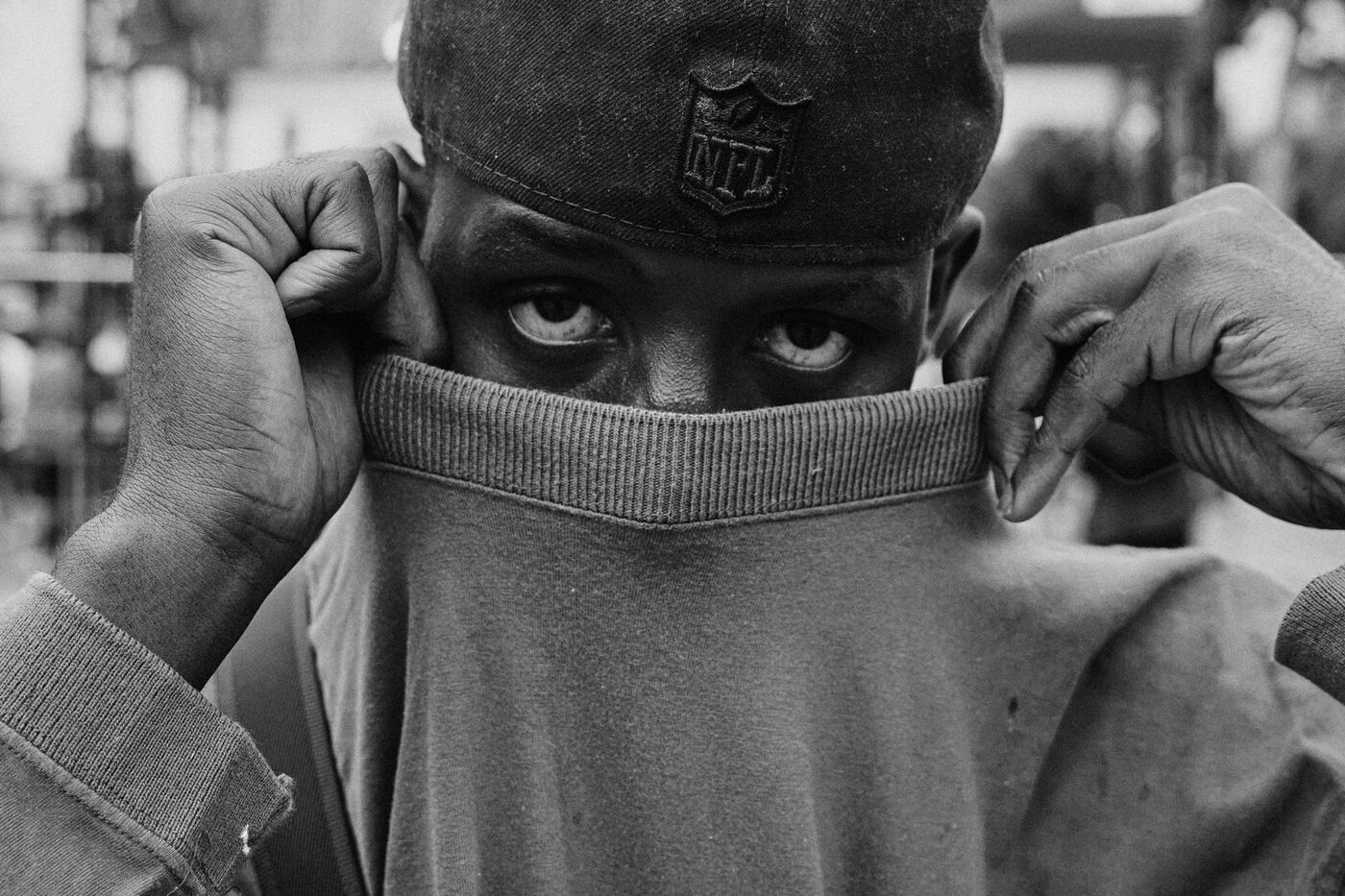
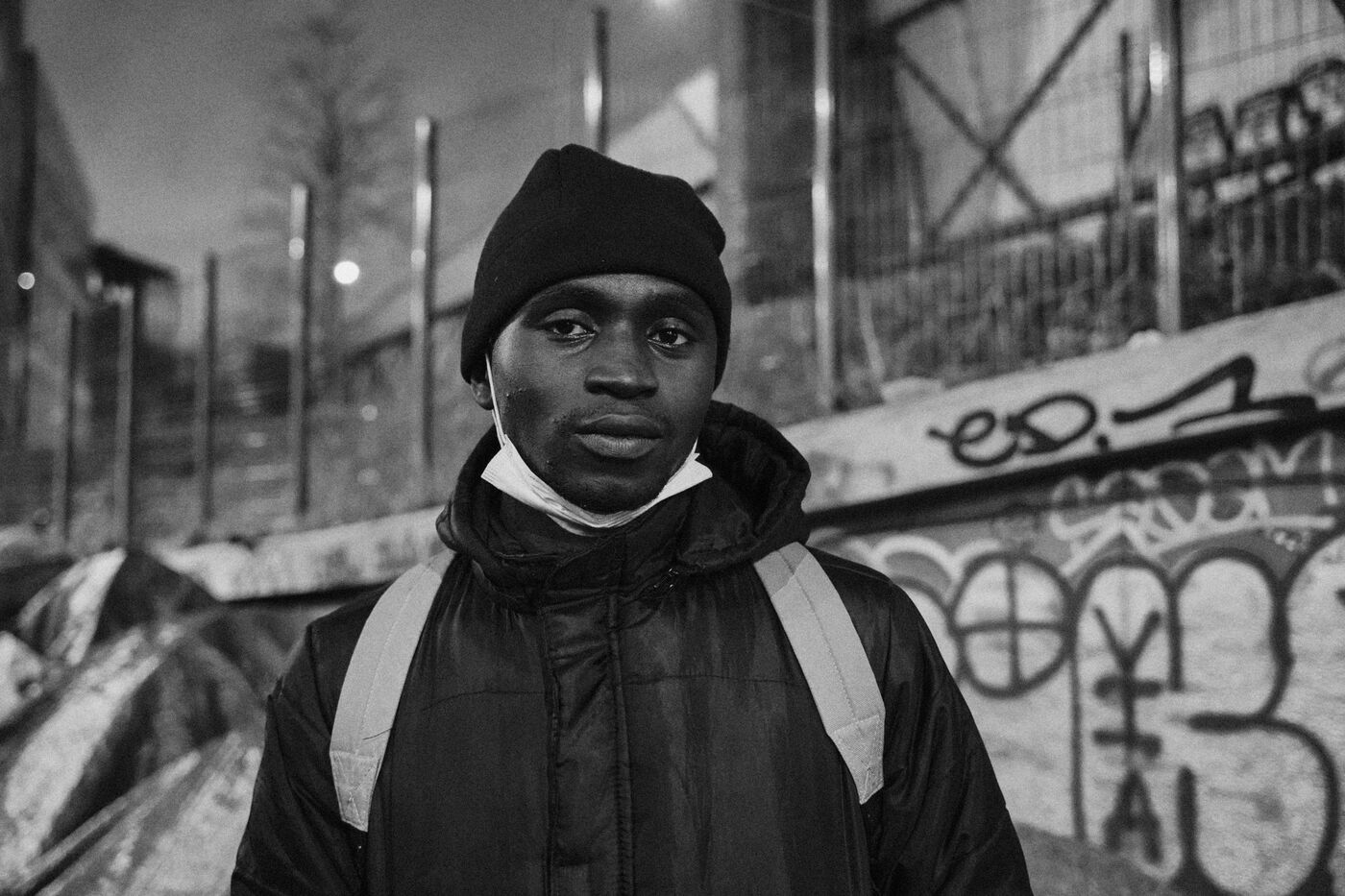
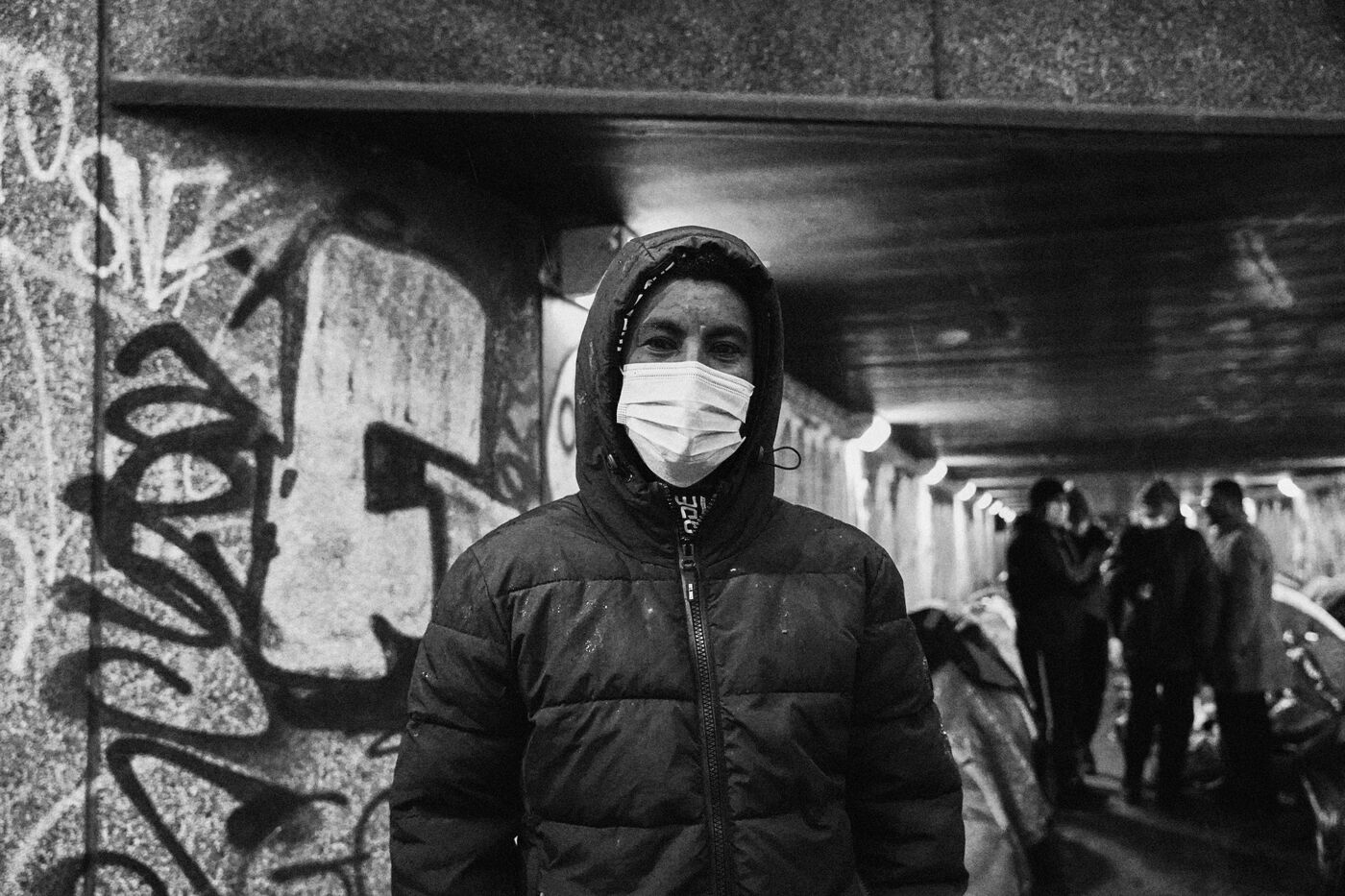
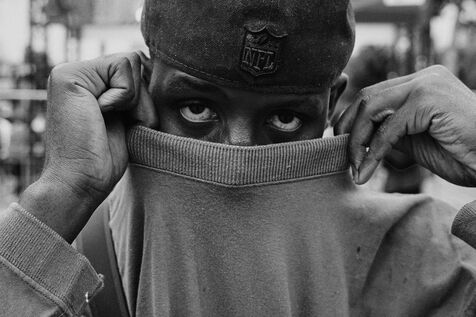
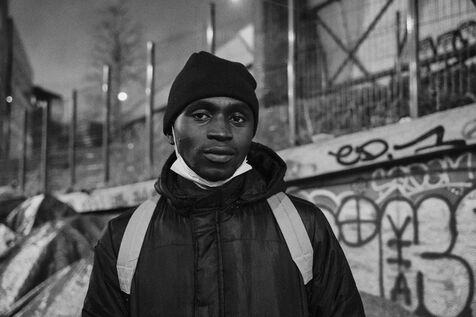
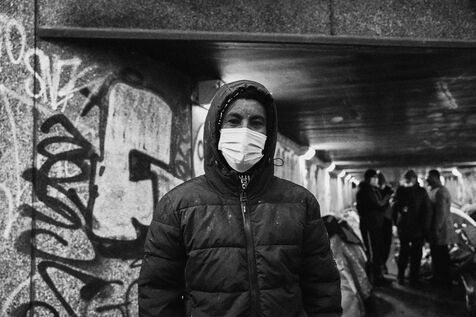
Mosam, Sally, Madouba, Hasan, Nassrat, Renan, Fofana, Mamadi.
lels ont quitté des pays dévastés par la guerre, la famine, la violence, la corruption.
L’Afghanistan, l'Éthiopie, l'Erythrée, le Soudan, la Soma- lie, la Libye, la Côte d'lvoire, le Sénégal, la Guinée, le Nigéria.
Des récits de fuite, des milliers de kilomètres parcourus avec un seul espoir: celui d'une vie meilleure, d'une terre d'accueil.
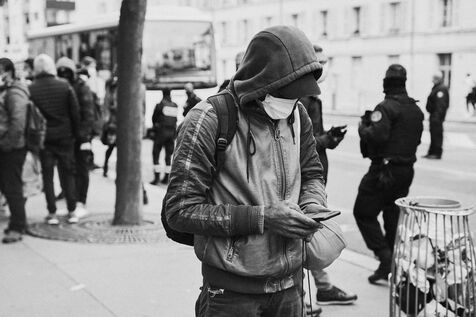
Arrivé.es en France, au pays des « droits de l'homme », à Paris, dans la « Ville lumière » qu'ils imaginaient être un refuge, il y a d'abord l'invisible frontière celle qui ne se voit pas, mais qui frappe comme un mur.
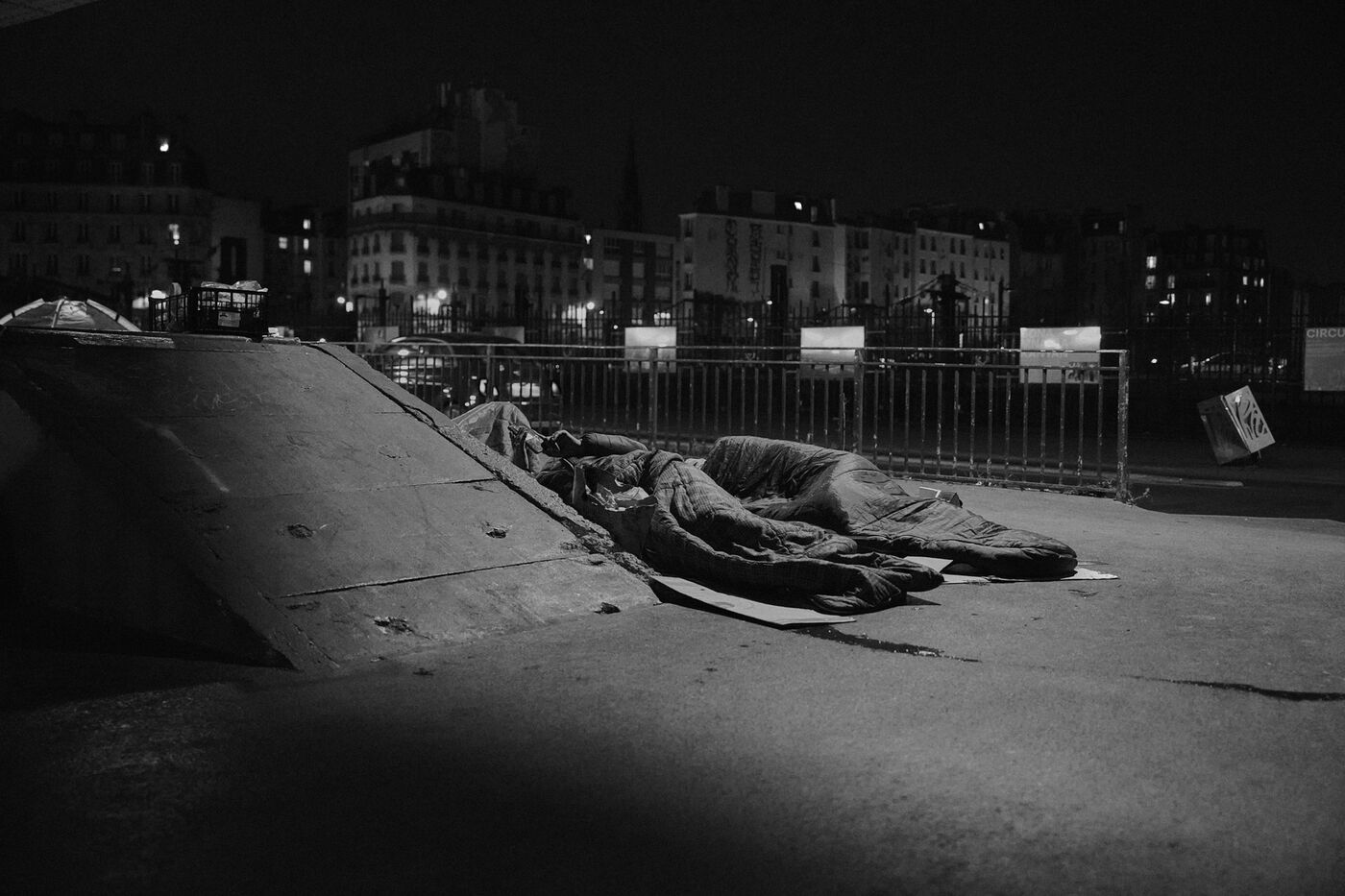
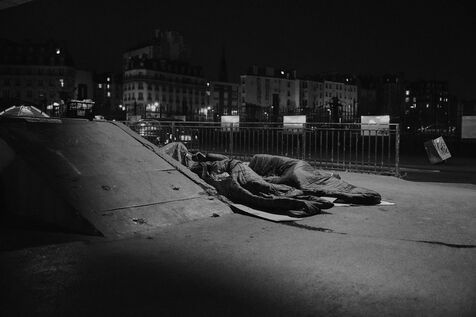
La rue.
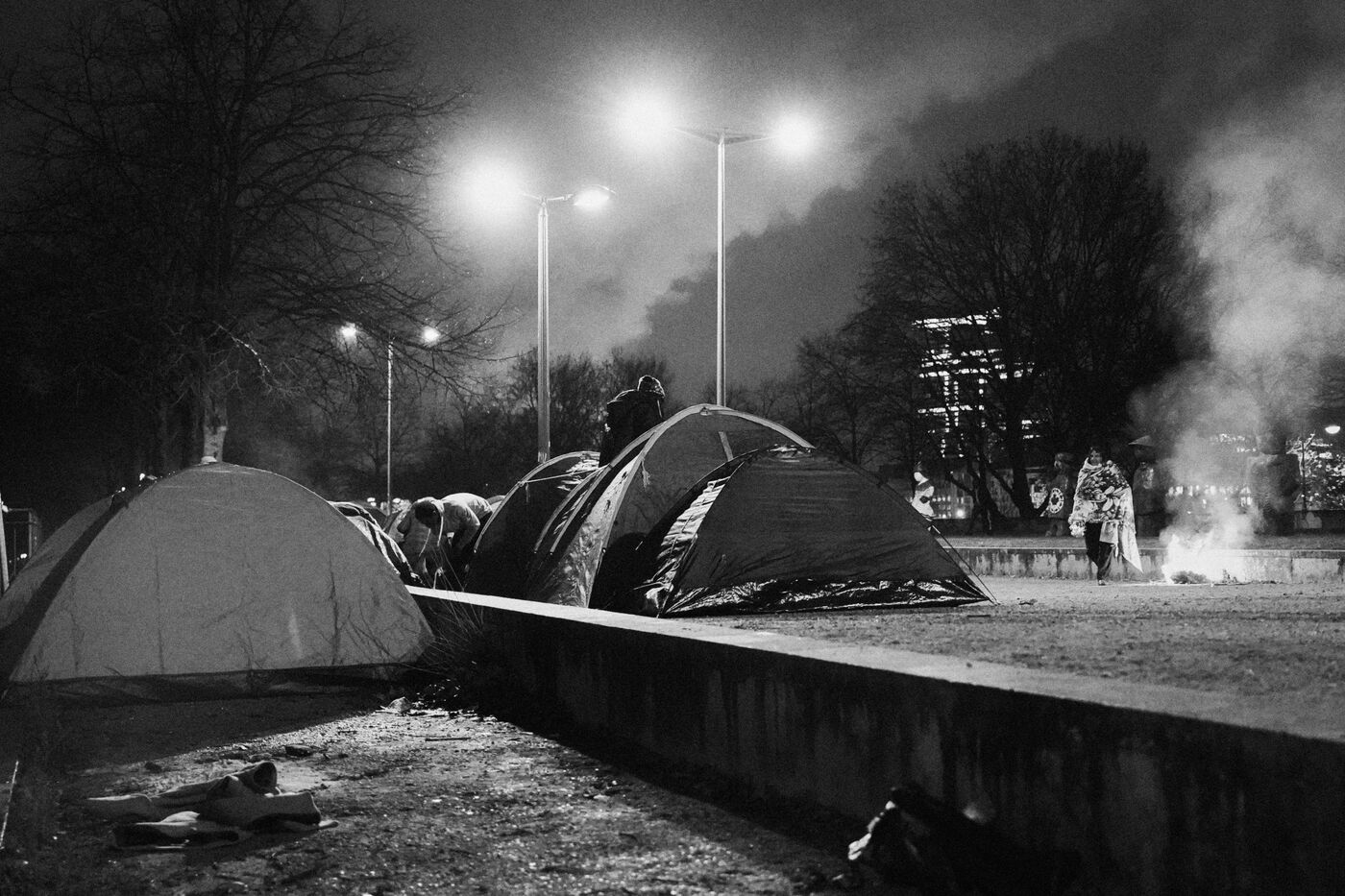
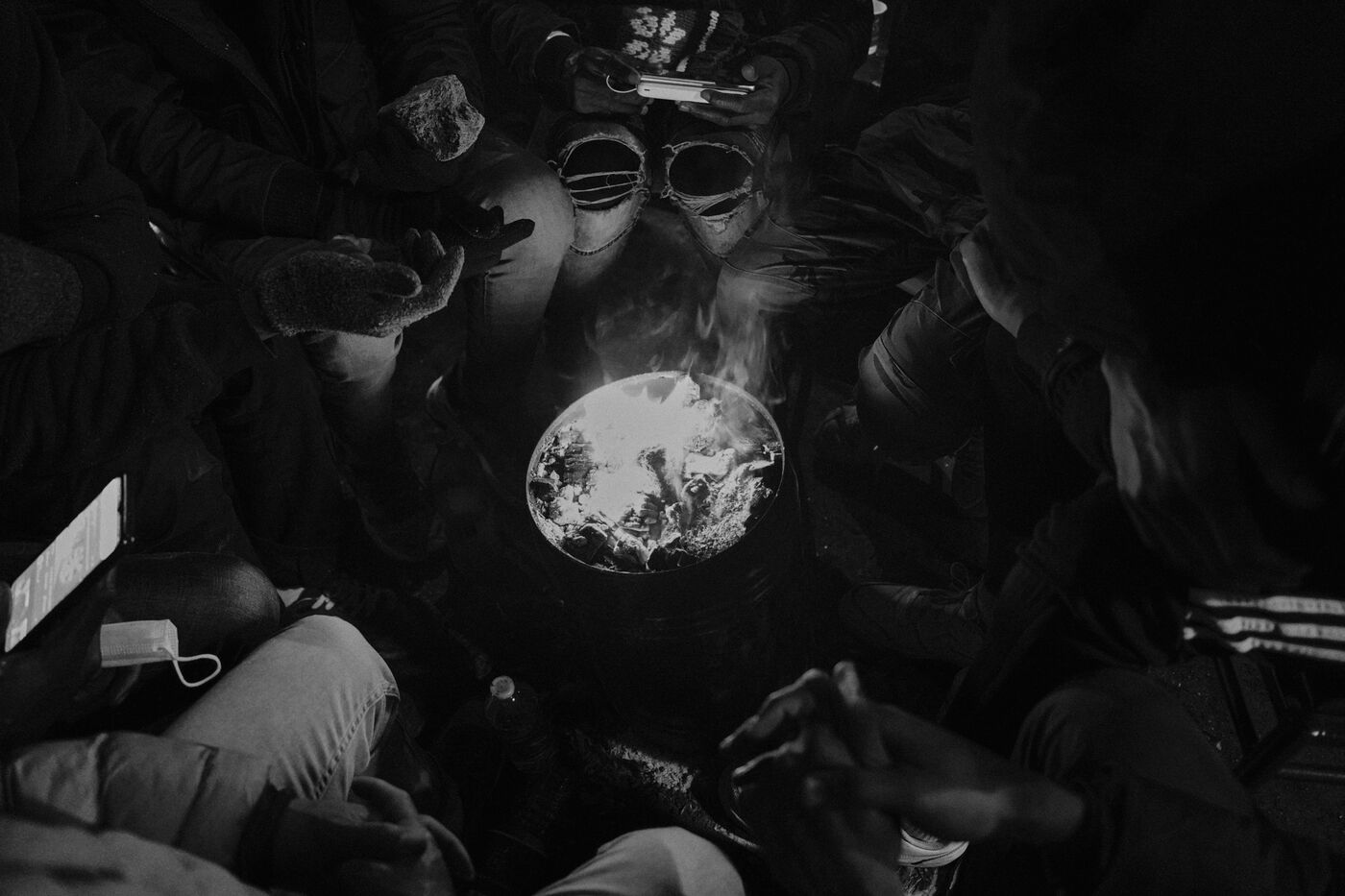
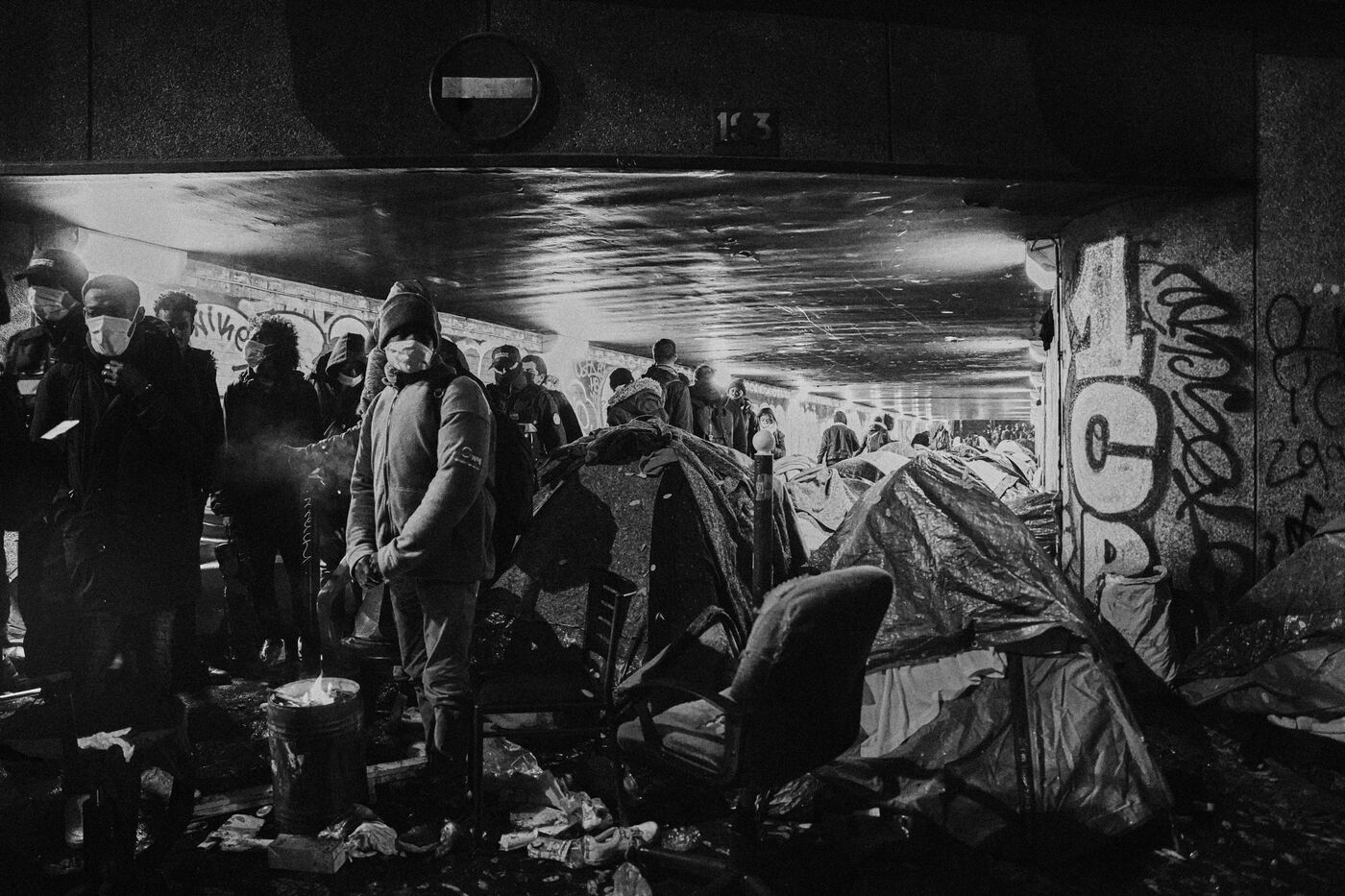
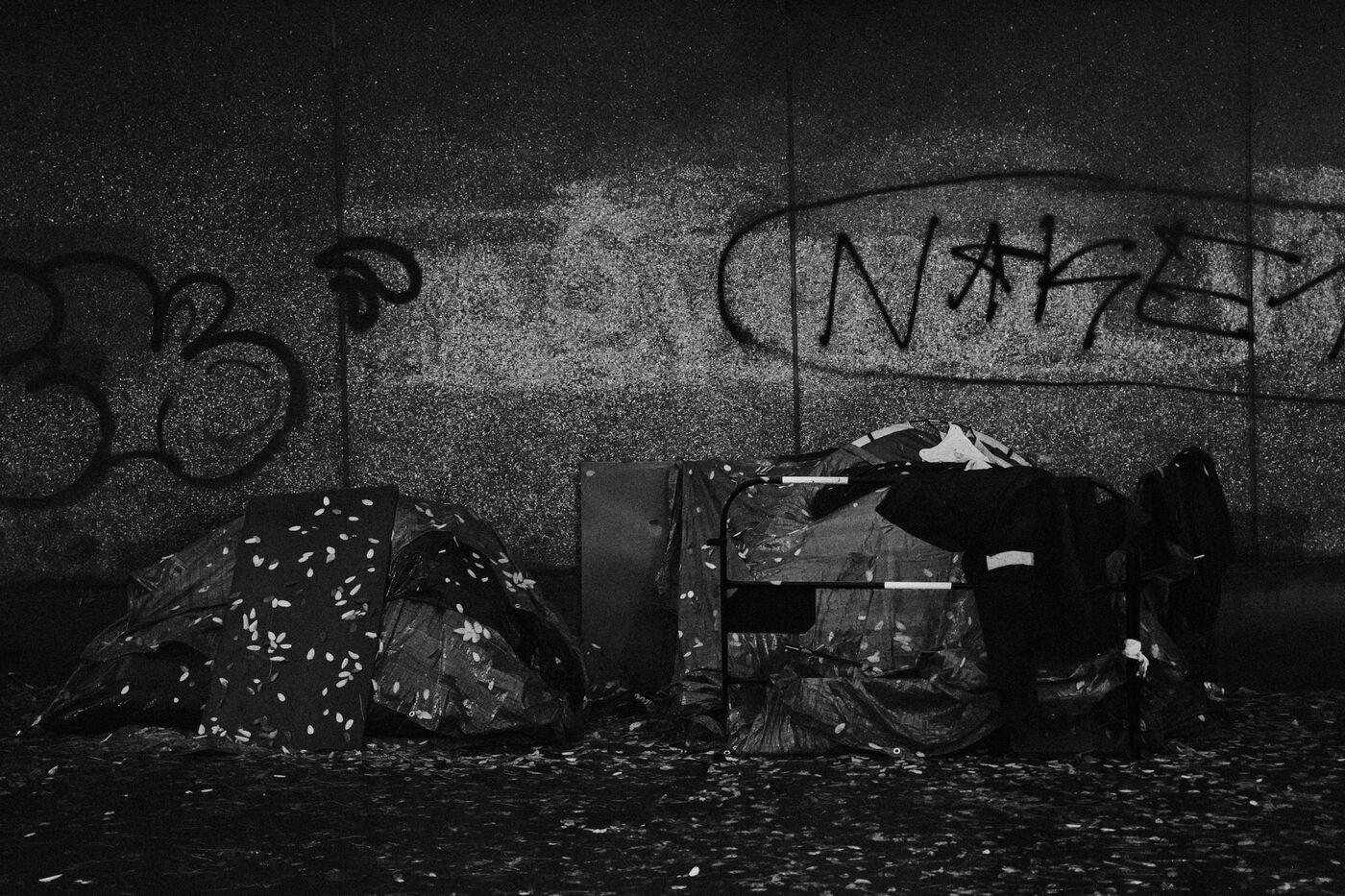
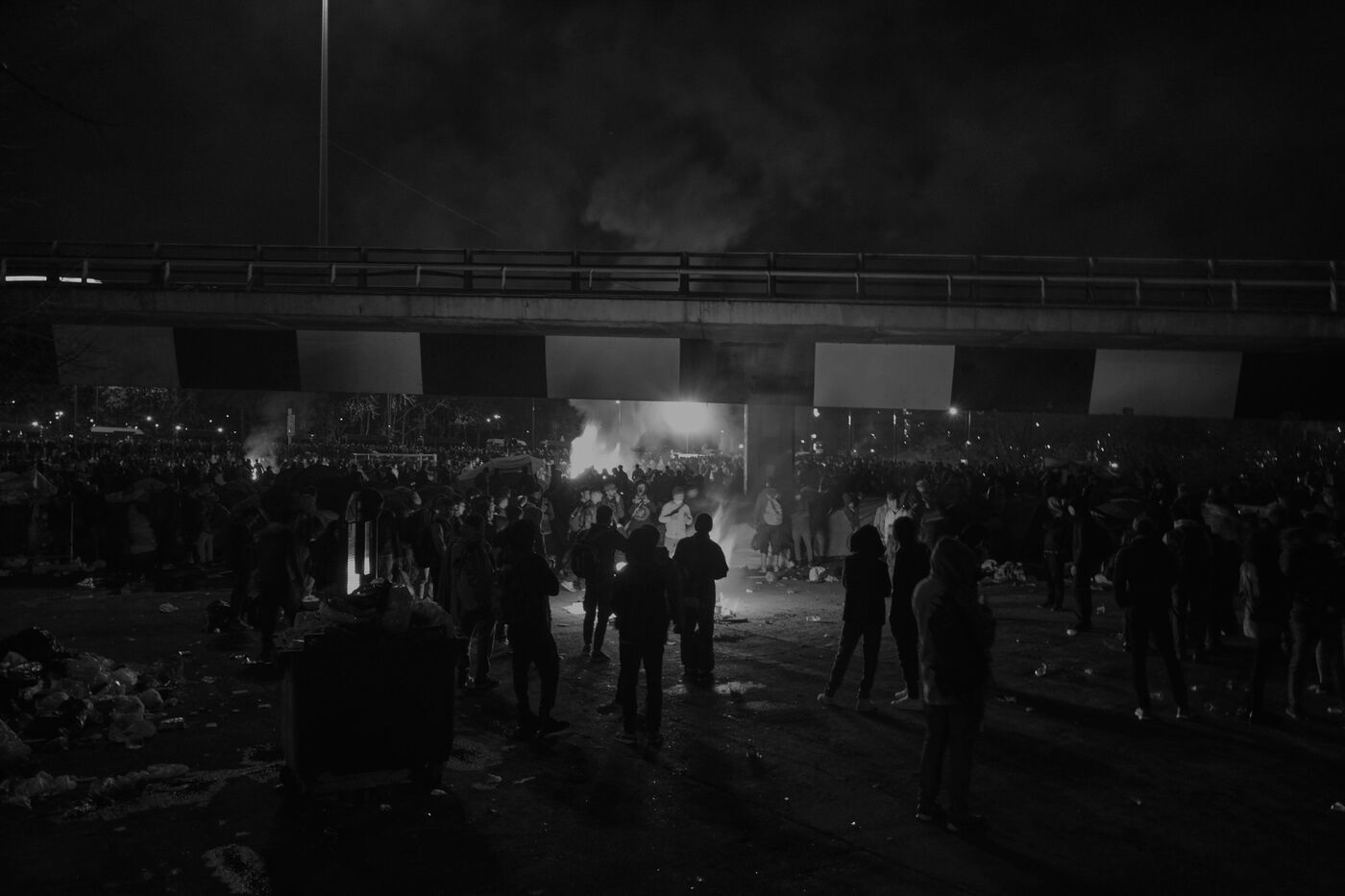
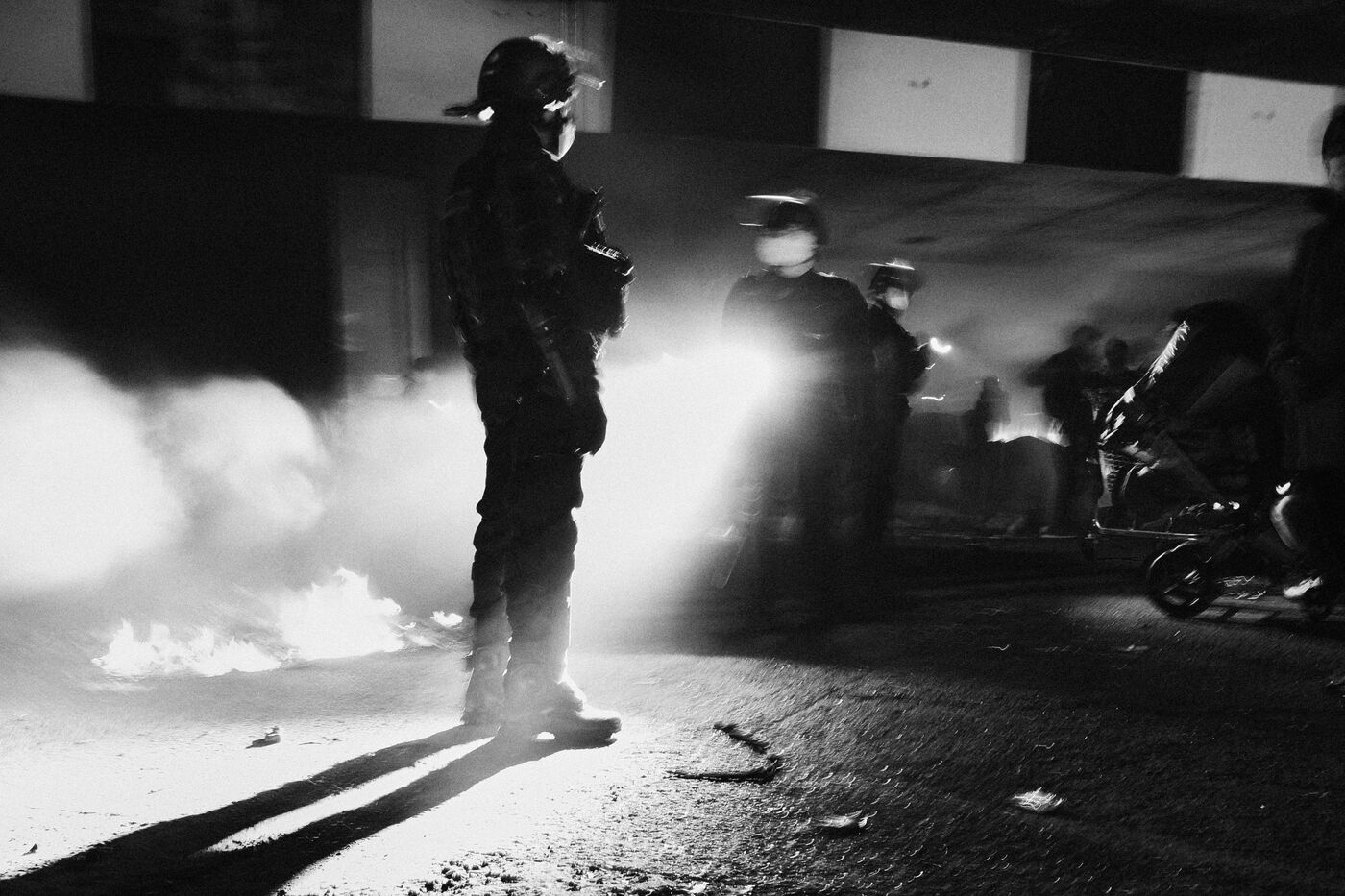
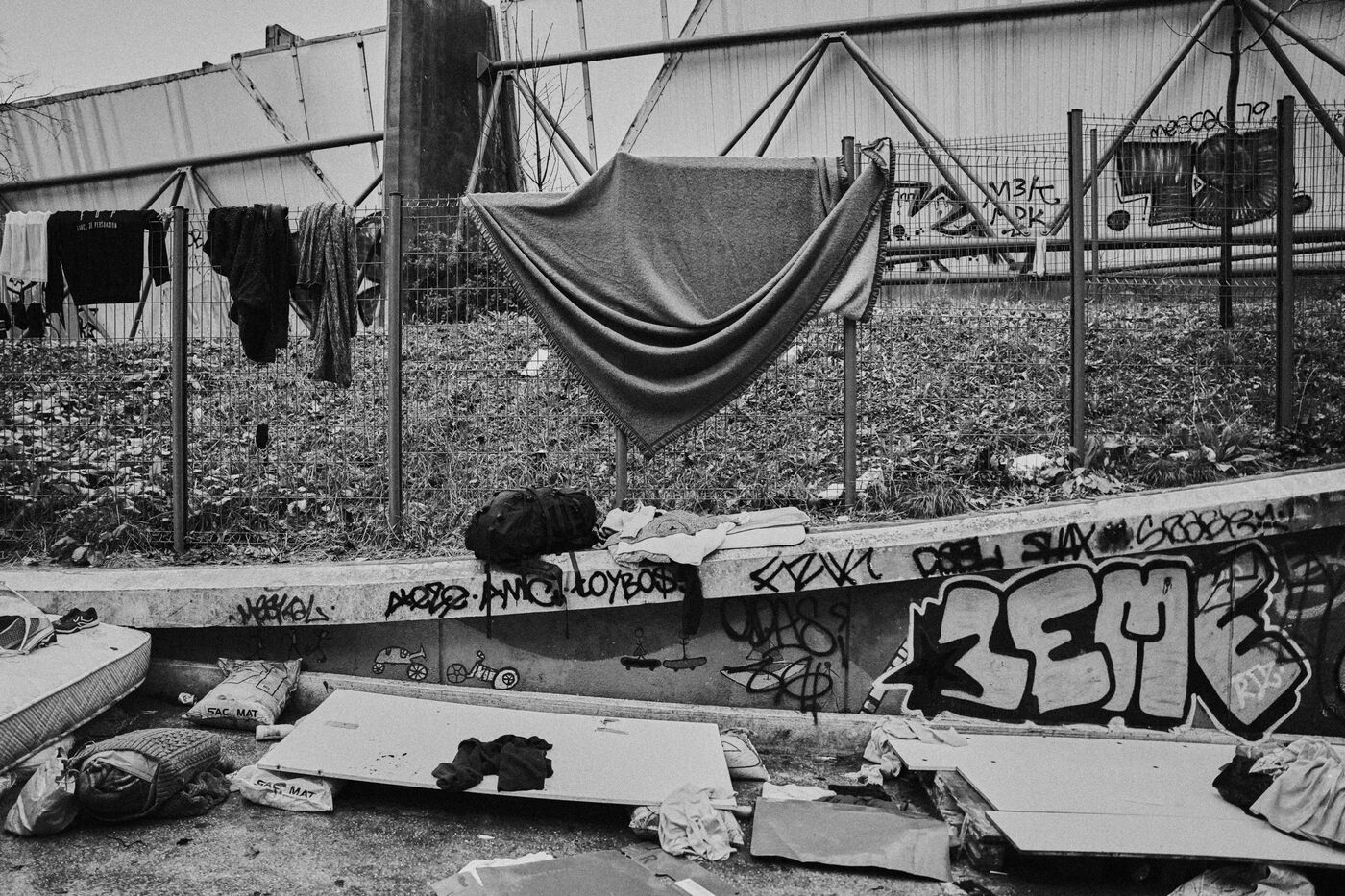
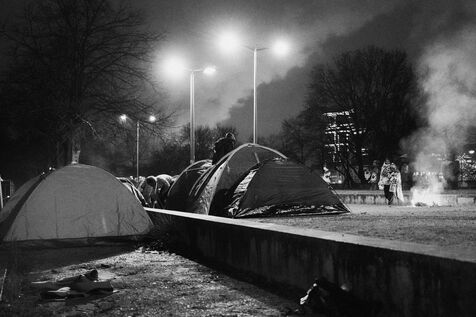
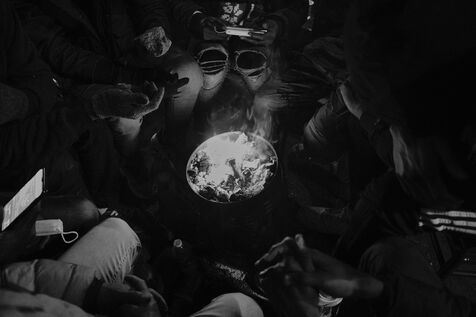
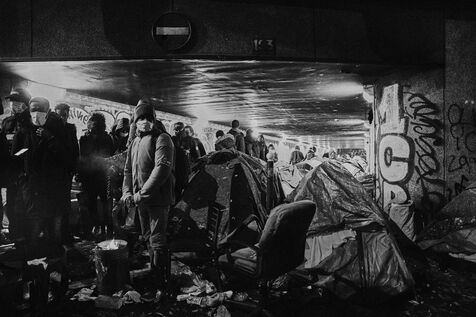
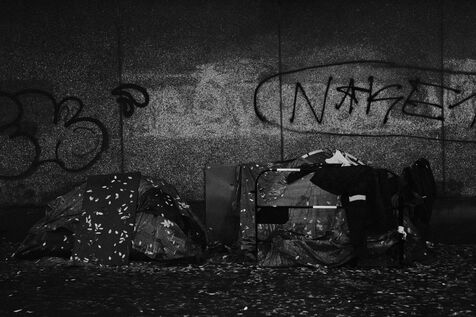
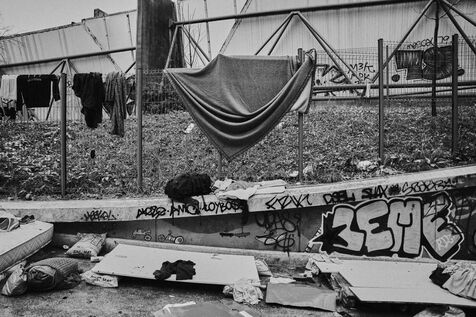
Les campements précaires.
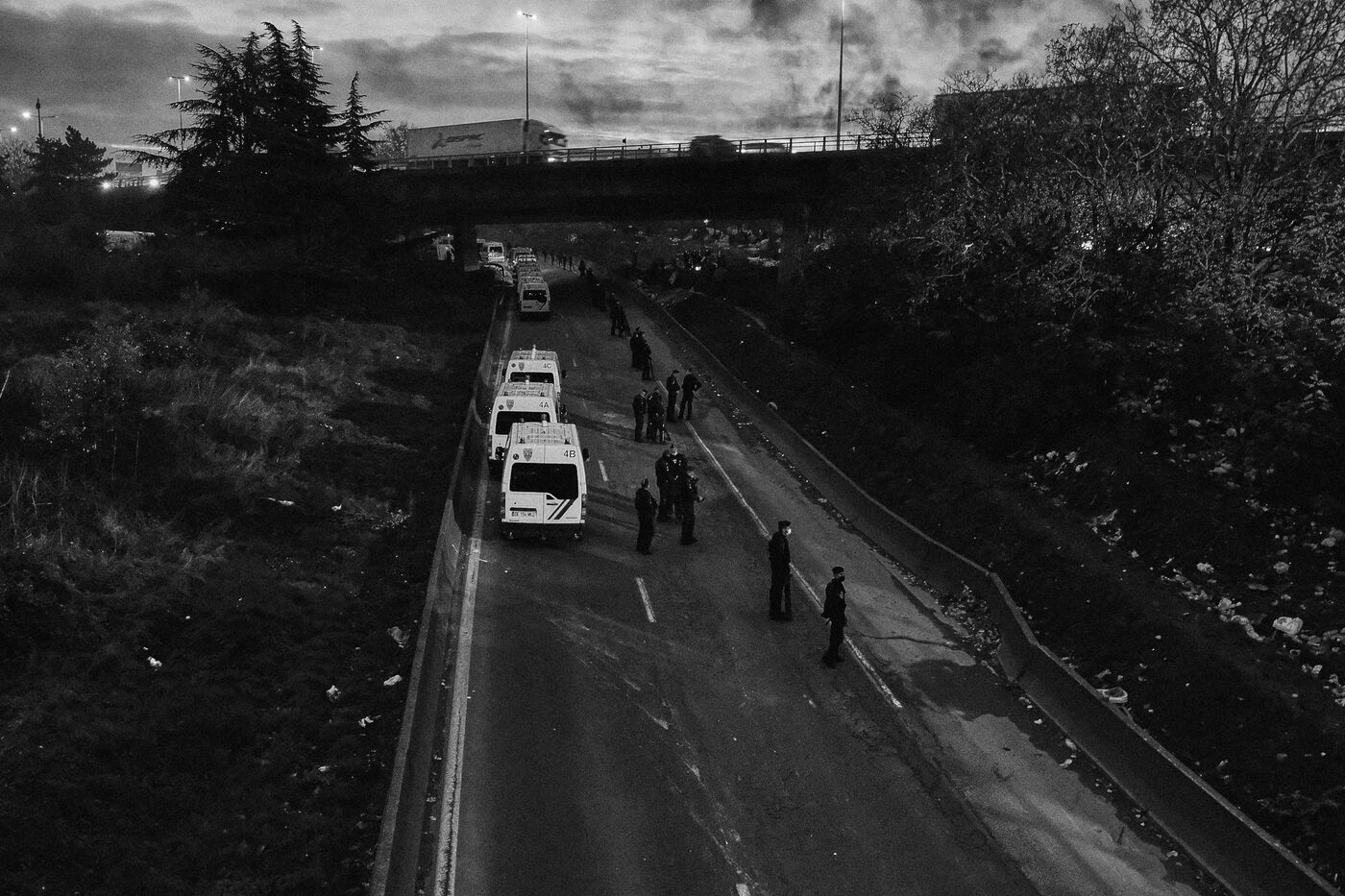
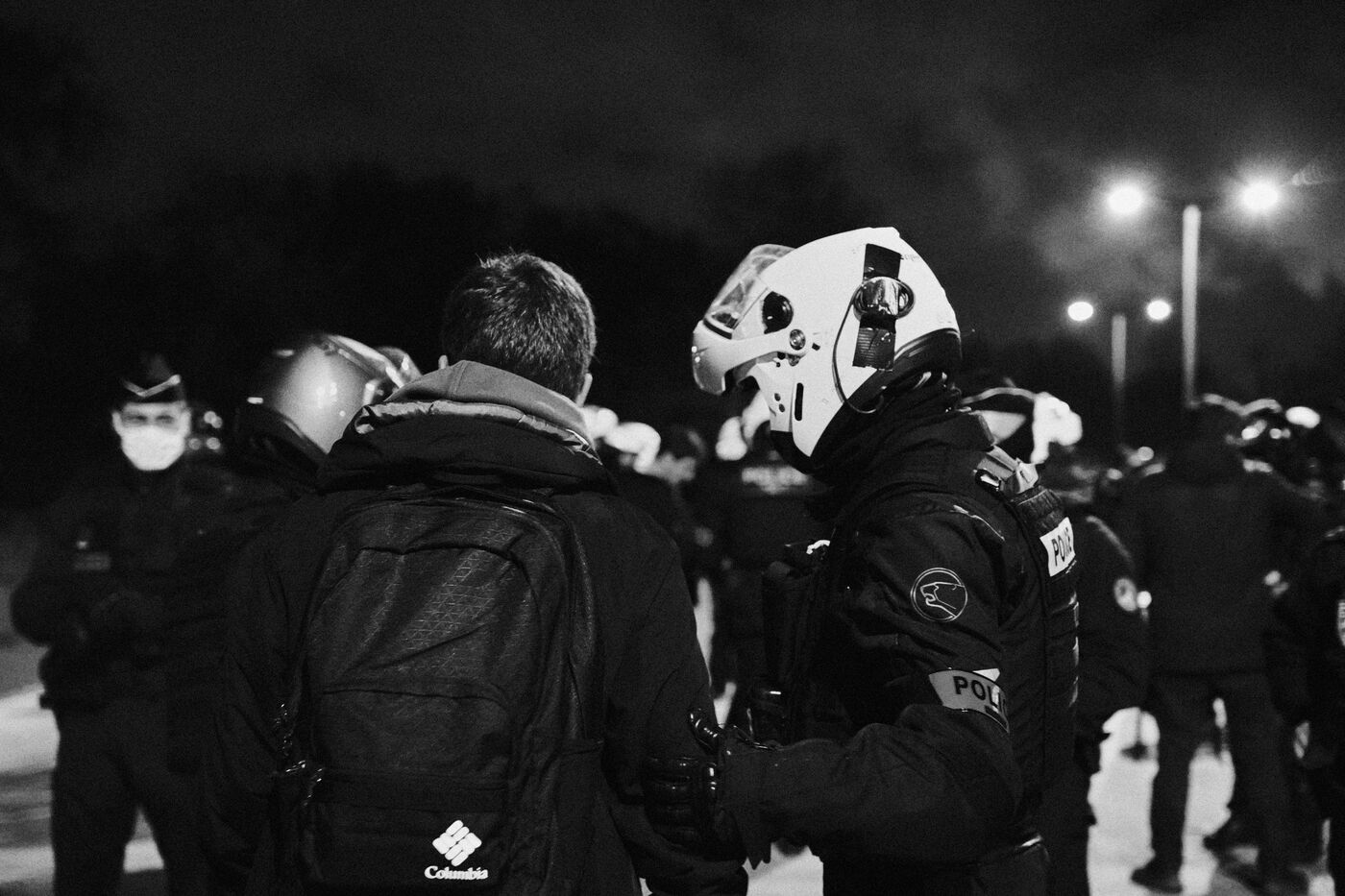
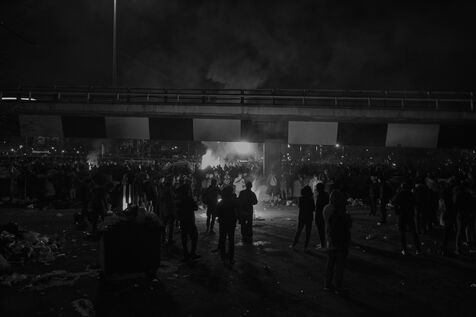
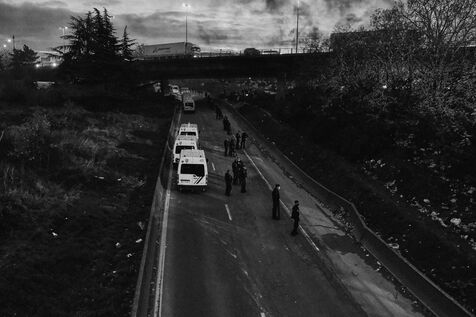
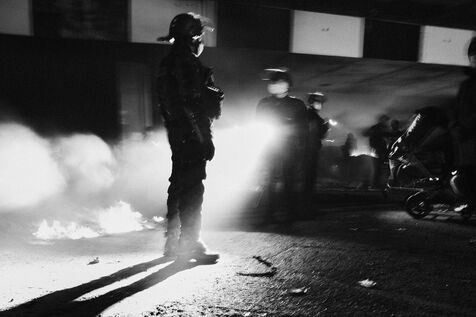
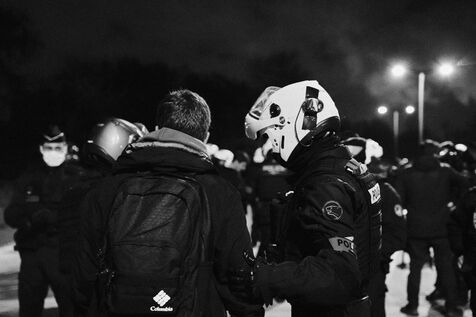
Les tentes qui disparaissent chaque matin sous les coups de la police et de la BRAV- M.
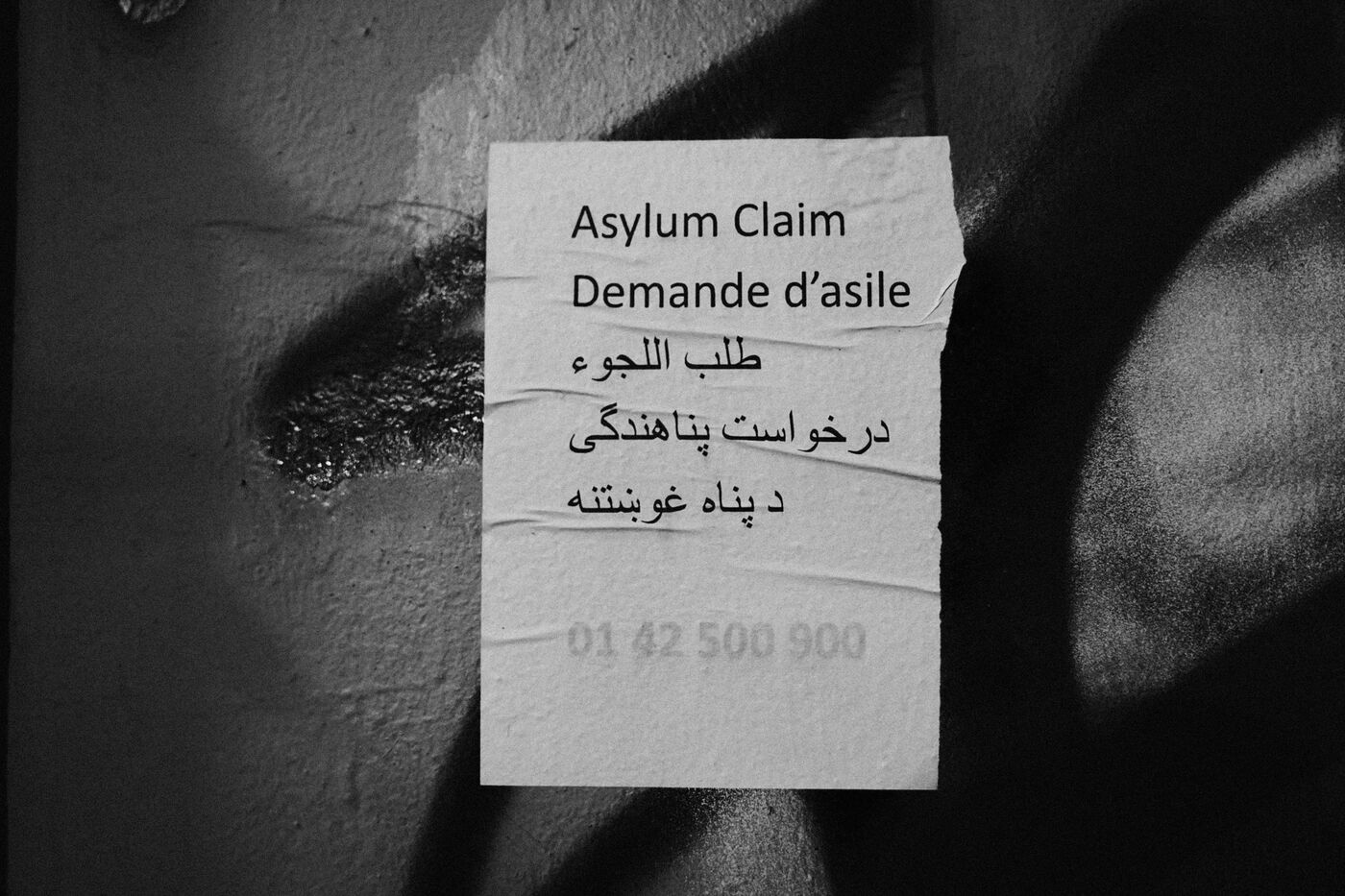
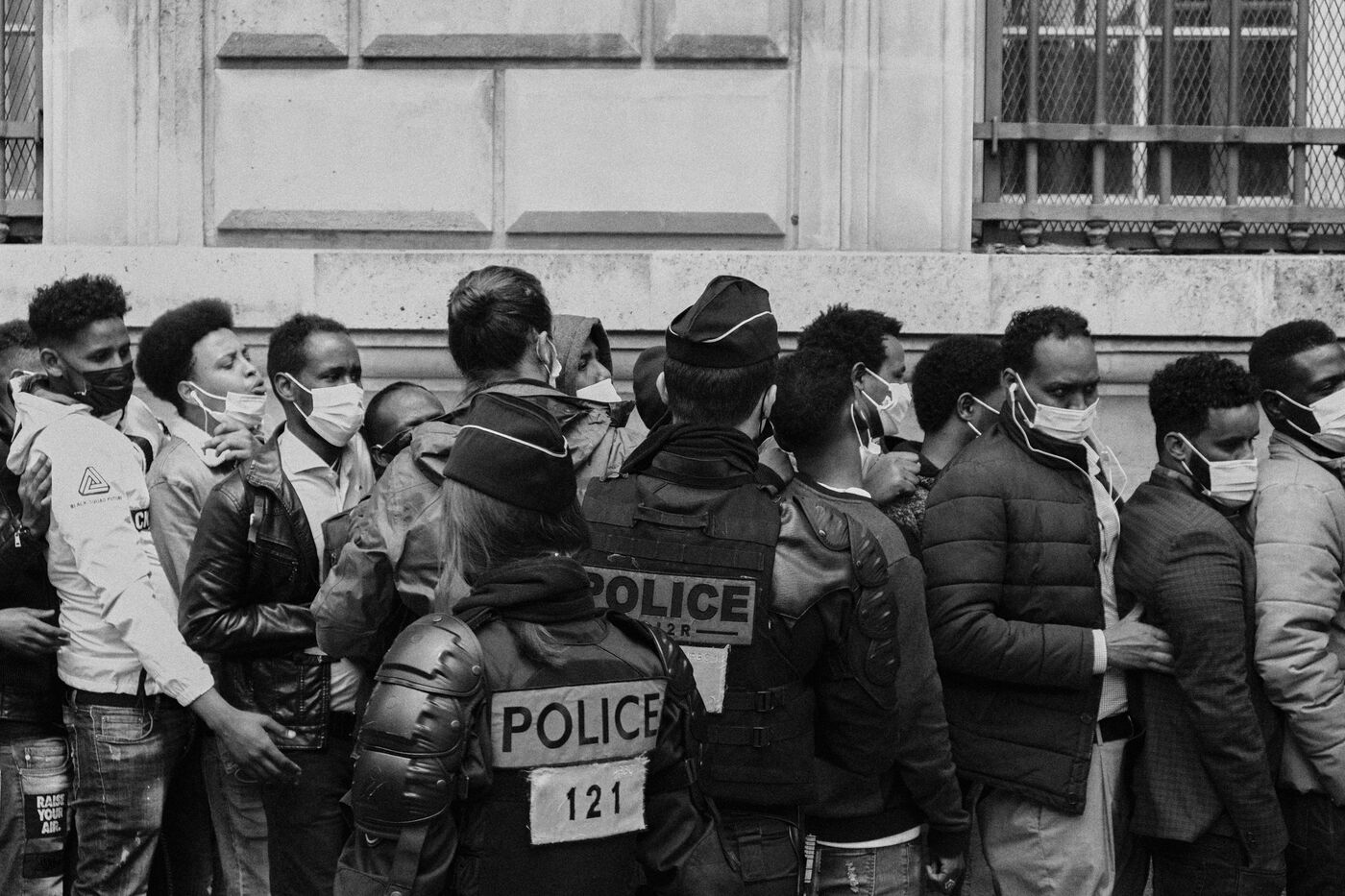
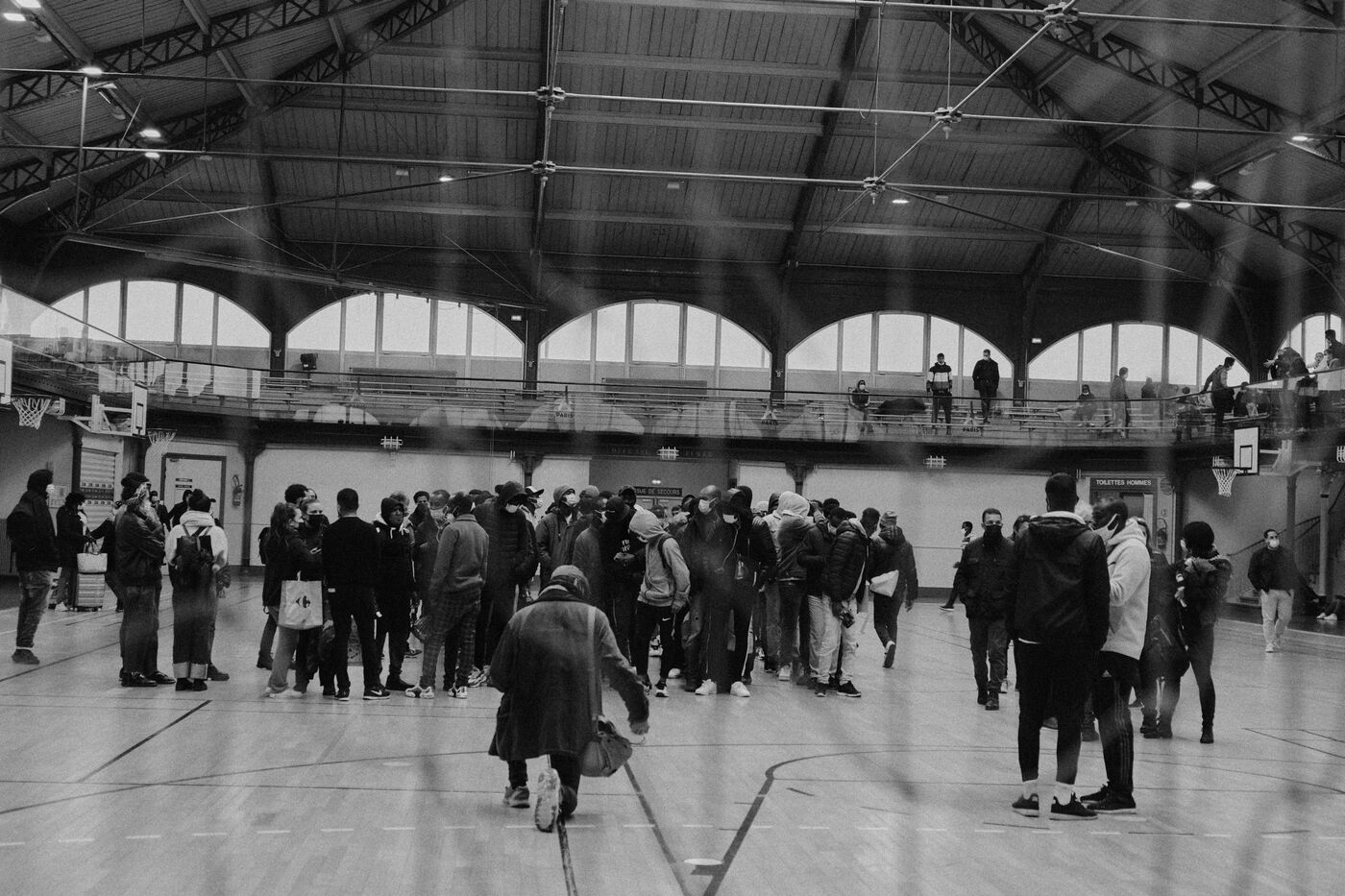
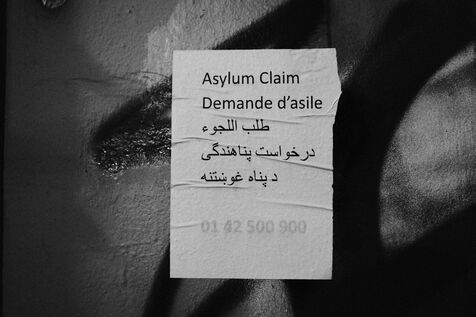
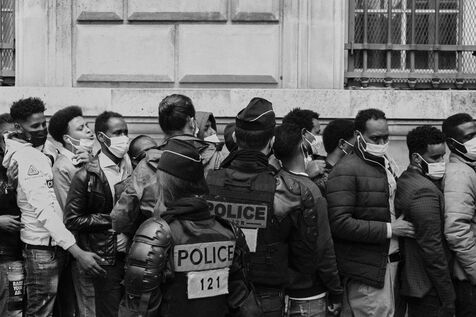
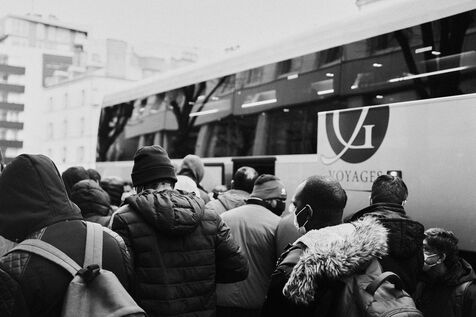
Les files d'attente interminables devant les accueils de jour et les centres administratifs.
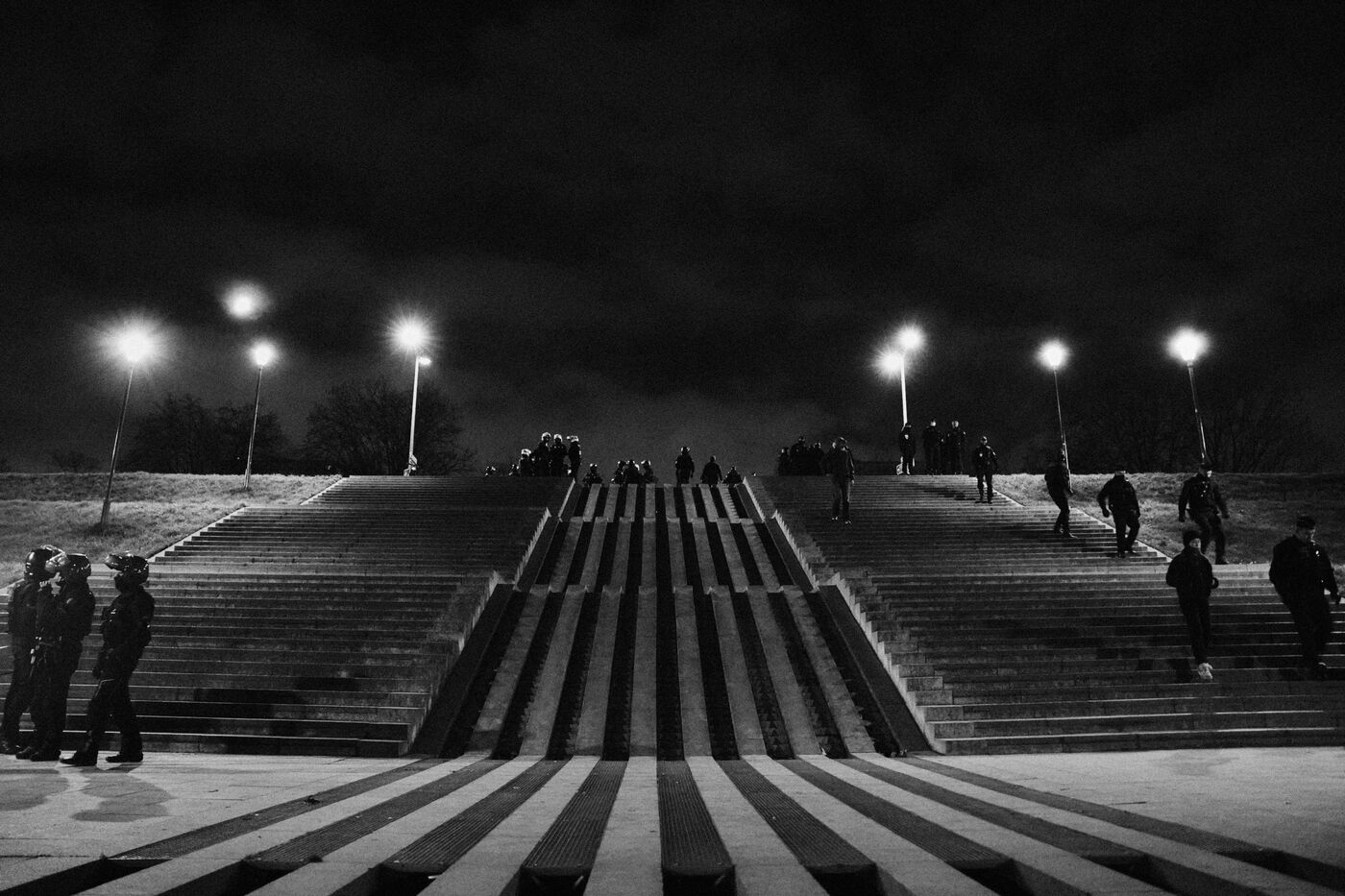
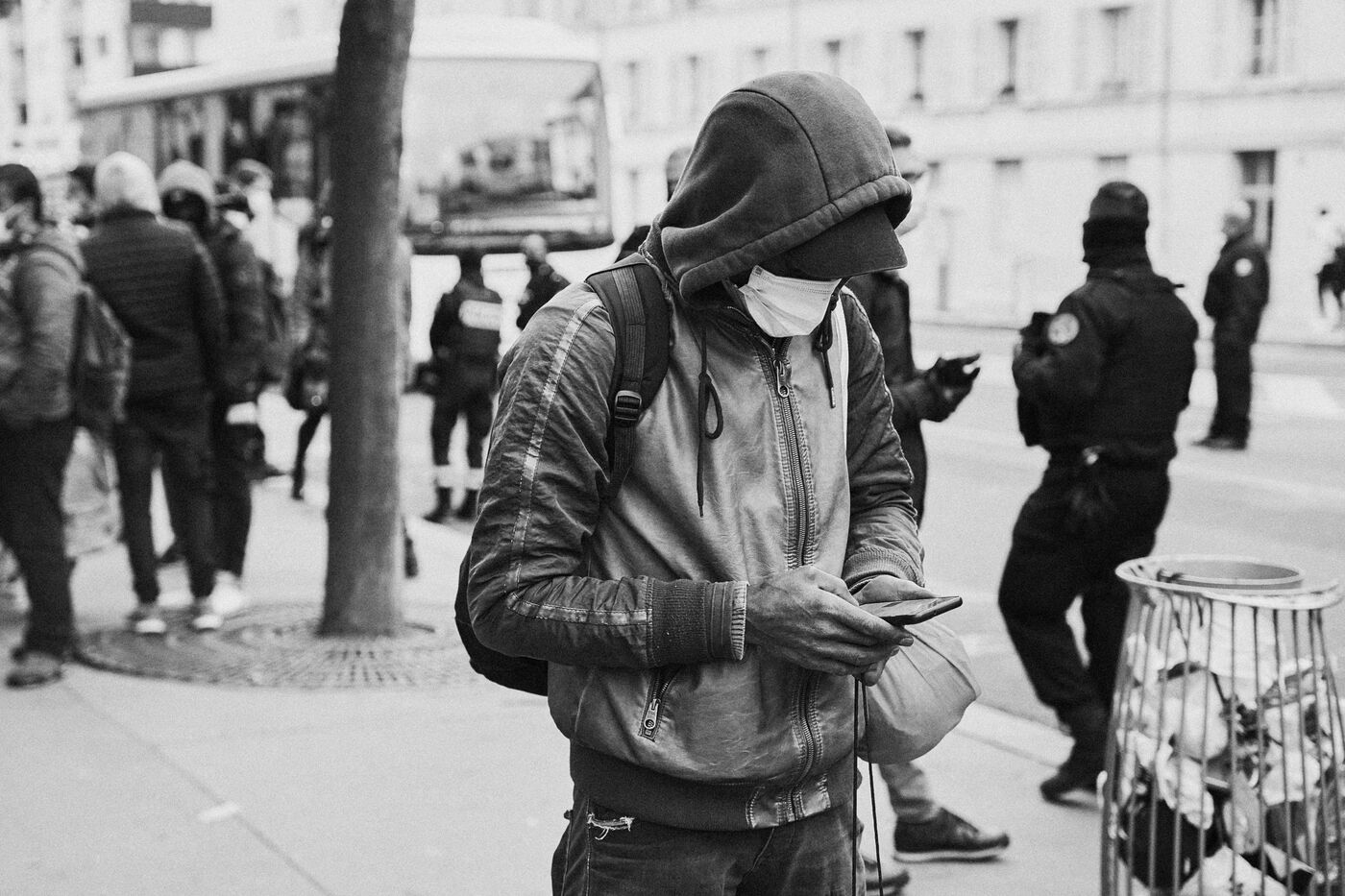
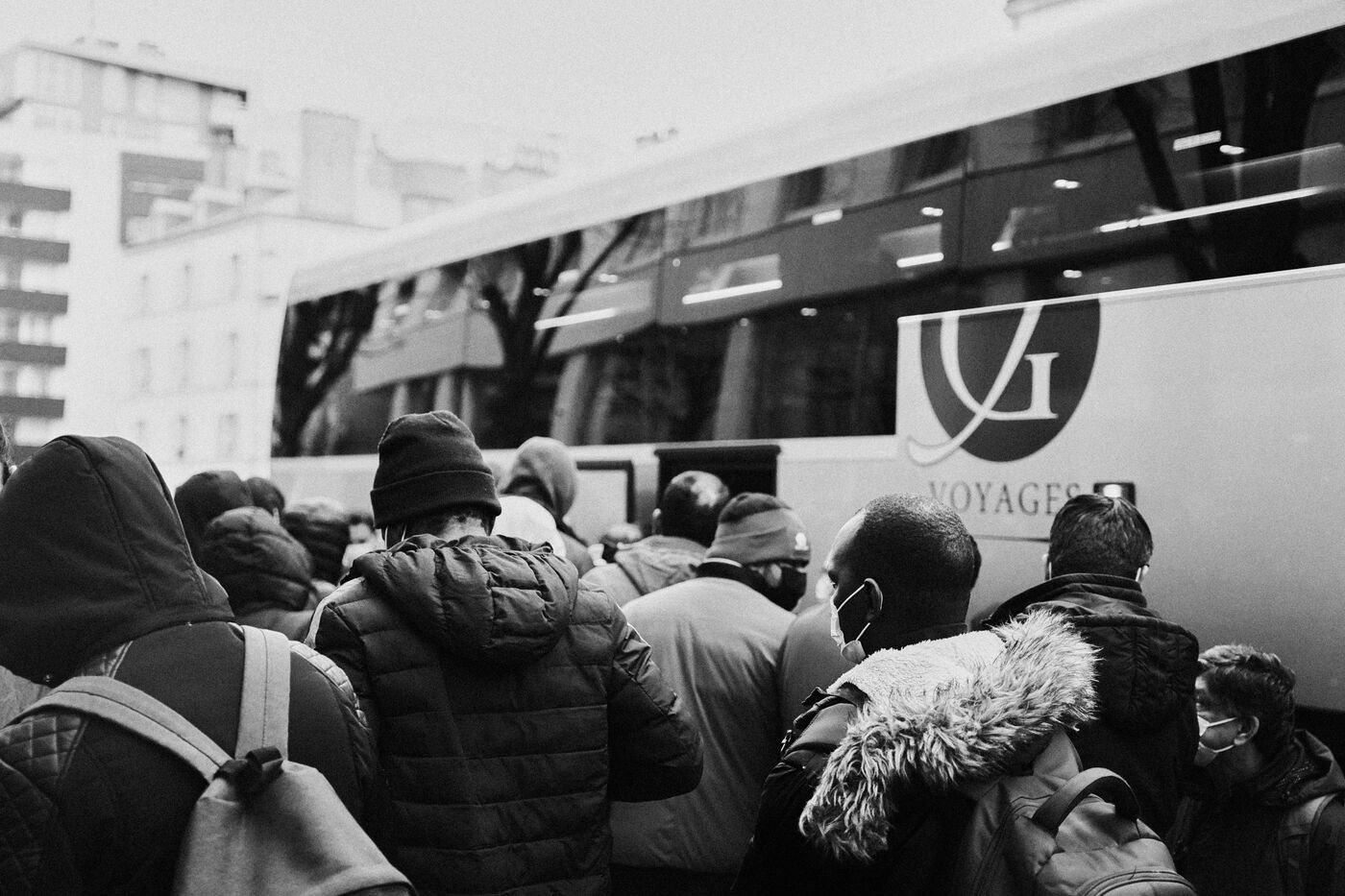
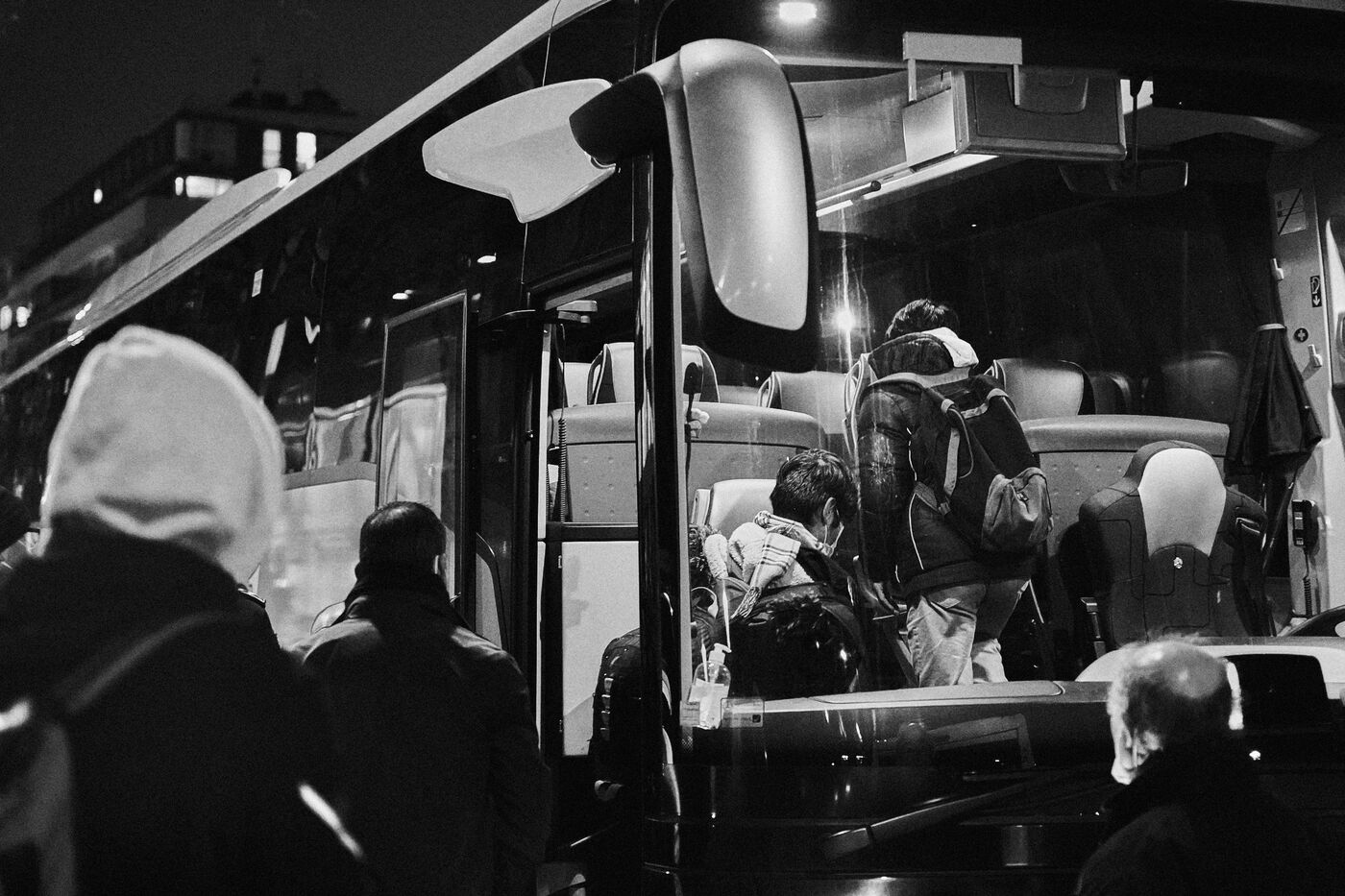
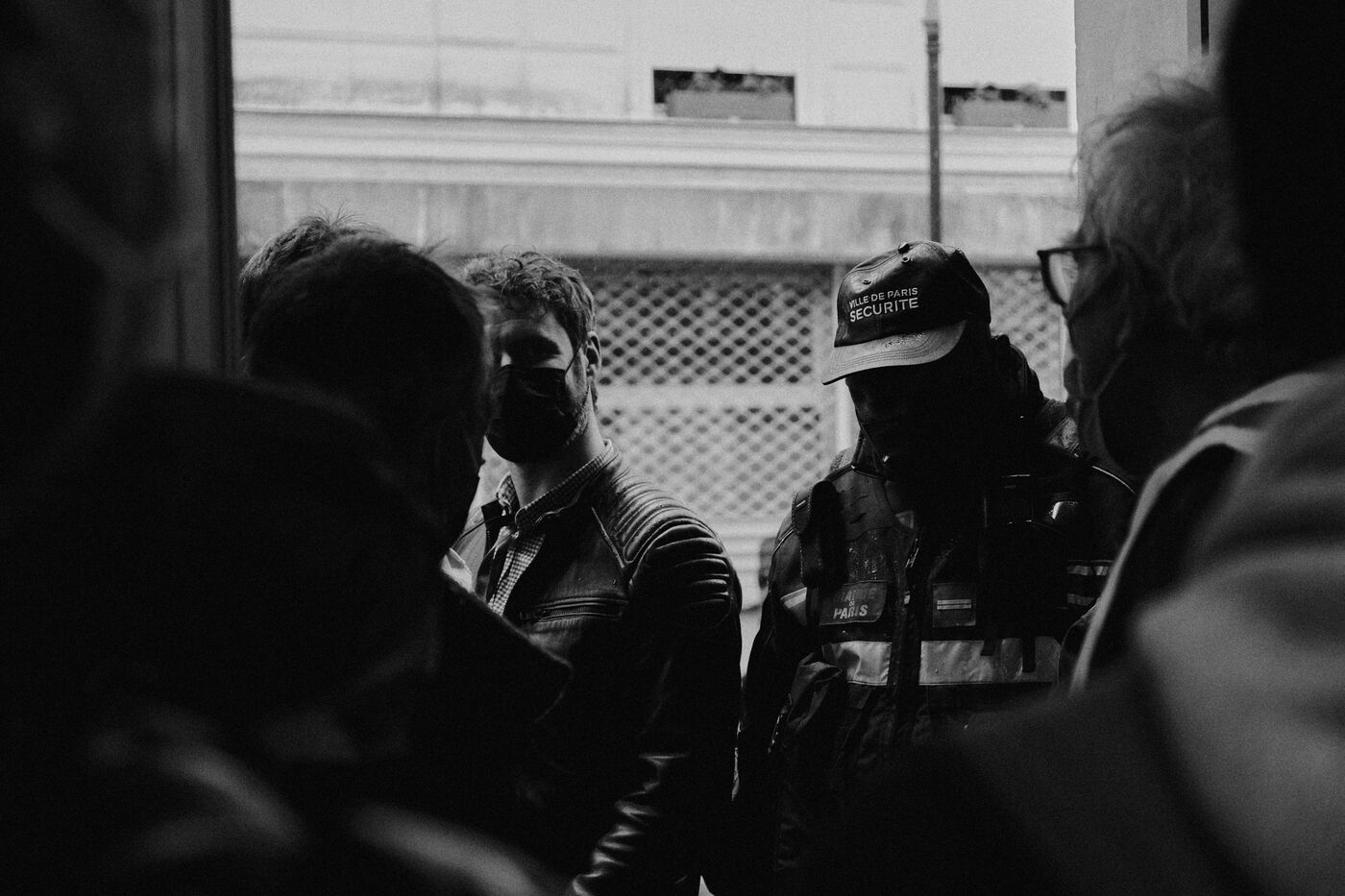
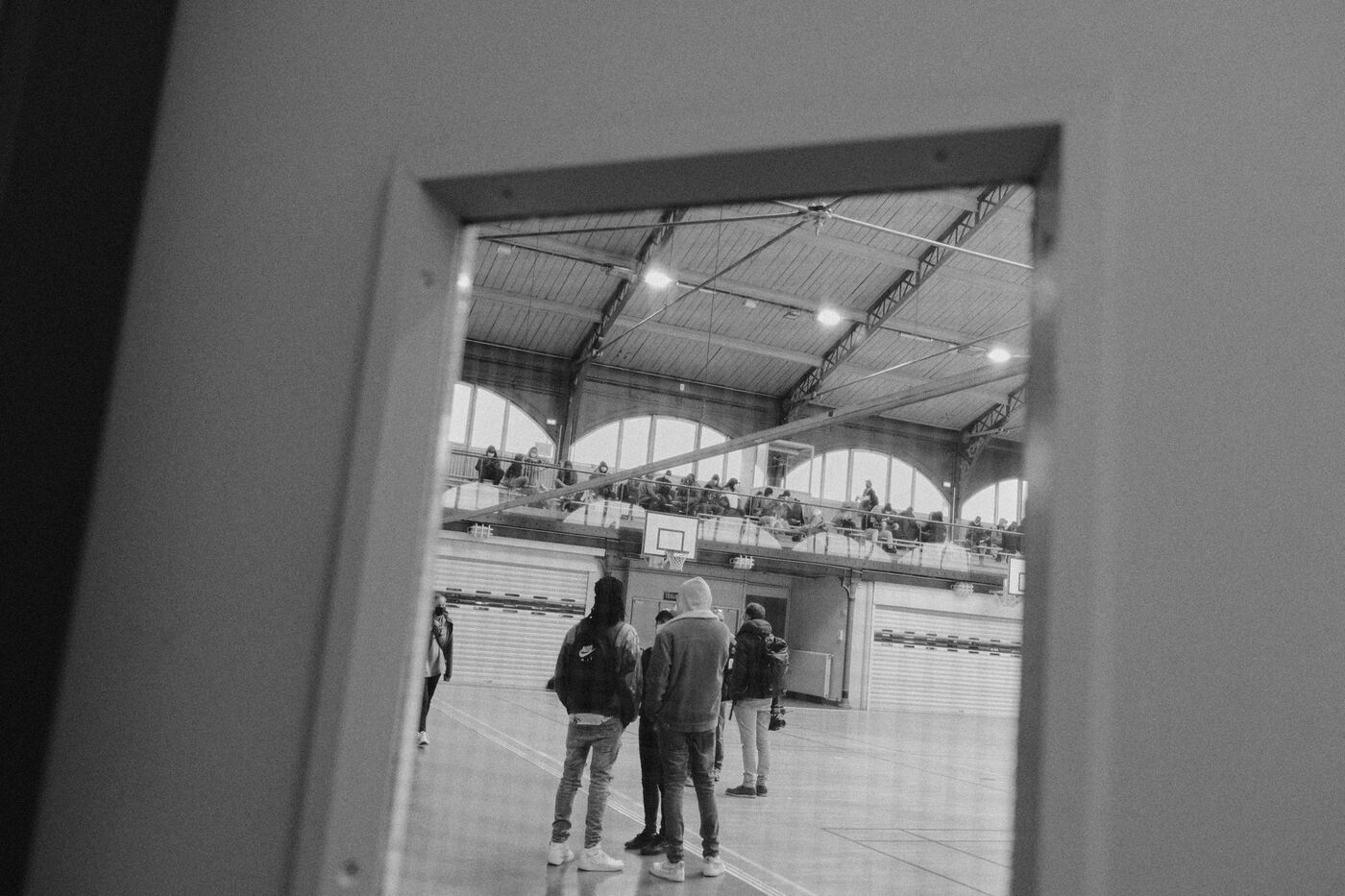
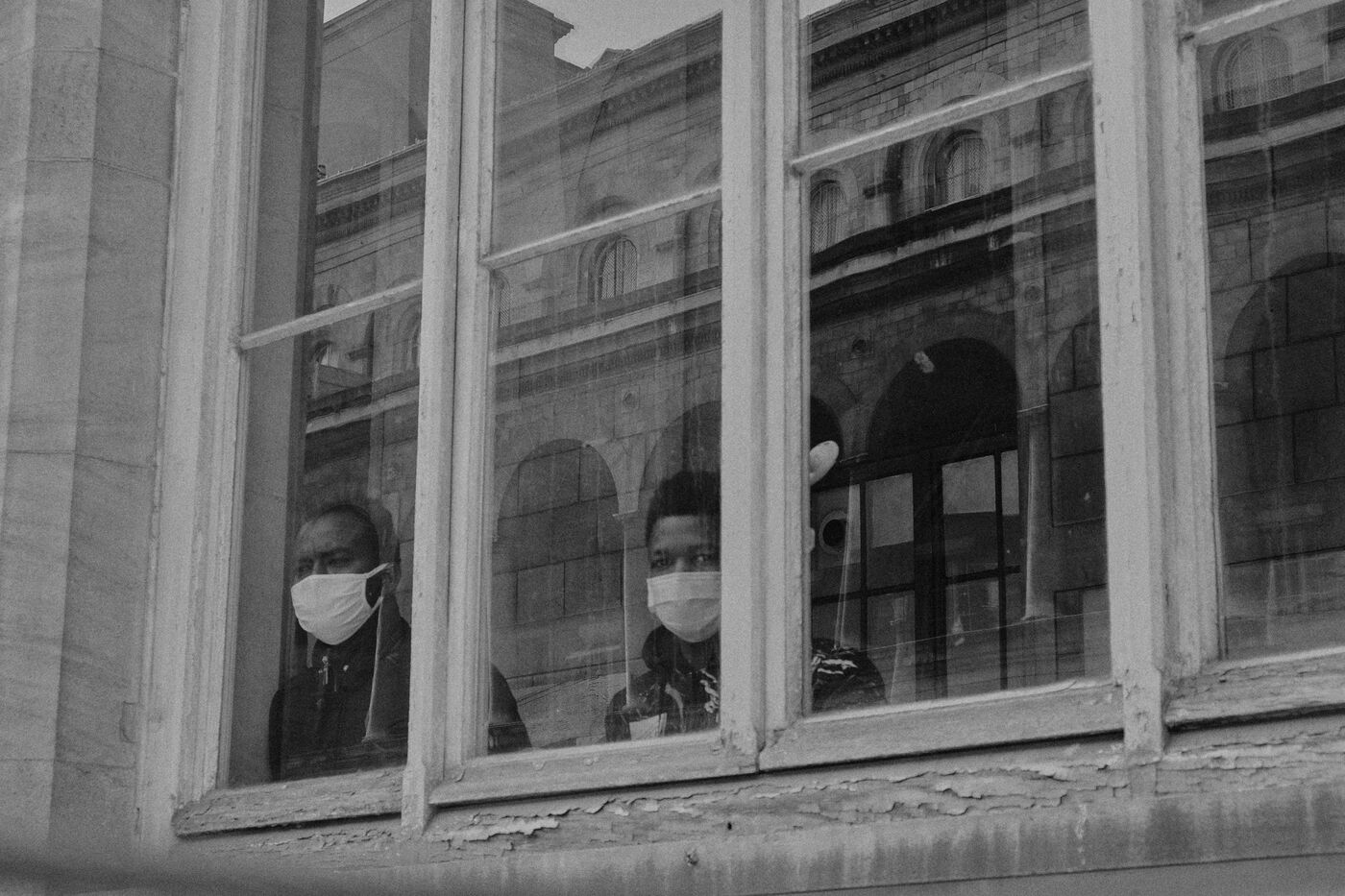
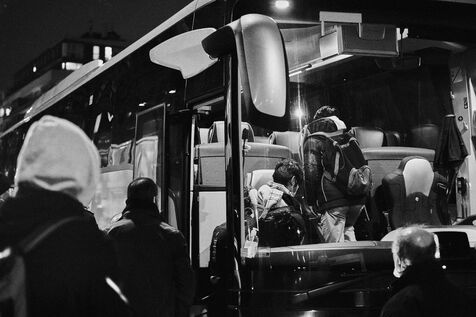
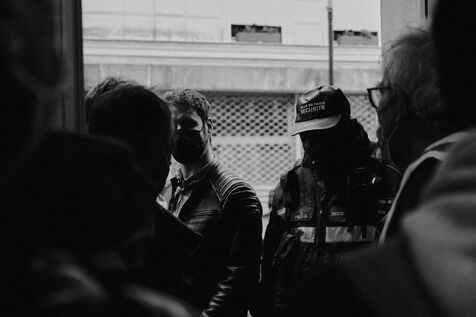
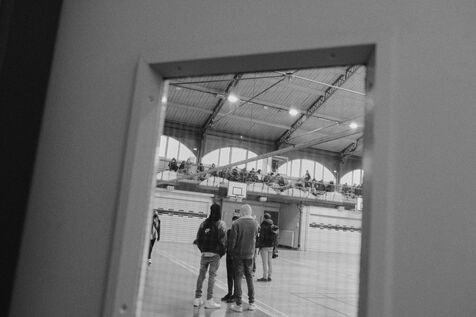
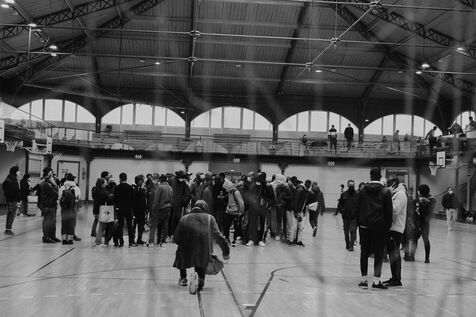
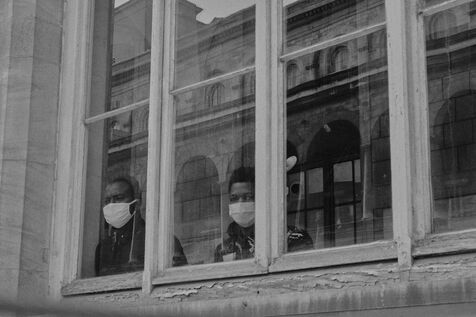
FRANCE, TERRE D’ACCUEIL documente de 2020 à 2024 les violences policières et institutionnelles vécues par les personnes exilées à Paris. Ce travail, réalisé sur le long-court tente de mettre en lumière la production institutionnalisée de l'errance par le cycle : évacuations, mises à l’abri, puis retours à la rue.
FRANCE, LAND OF WELCOME
Mosam, Sally, Madouba, Hasan, Nassrat, Renan, Fofana, Mamadi.
They left countries devastated by war, famine, violence and corruption.
Afghanistan, Ethiopia, Eritrea, Sudan, Somalia, Libya, Ivory Coast, Senegal, Guinea, Nigeria.
Stories of flight, thousands of kilometres travelled with a single hope: that of a better life, a welcoming land.
Arriving in France, the country of ‘human rights’, in Paris, the ‘City of Light’ that they imagined to be a refuge, they first encounter the invisible border, one that cannot be seen but strikes like a wall.
The street.
The precarious camps.
The tents that disappear every morning under the blows of the police and the BRAV-M.
The endless queues in front of day centres and administrative offices.
FRANCE LAND OF WELCOME documents the police and institutional violence experienced by exiles in Paris from 2020 to 2024. This long-term project attempts to highlight the institutionalised production of homelessness through a cycle of evictions, shelter placements, and then returns to the streets.