Aux confins de Tak : Poblaki, un village karen entre traditions et foi chrétienne
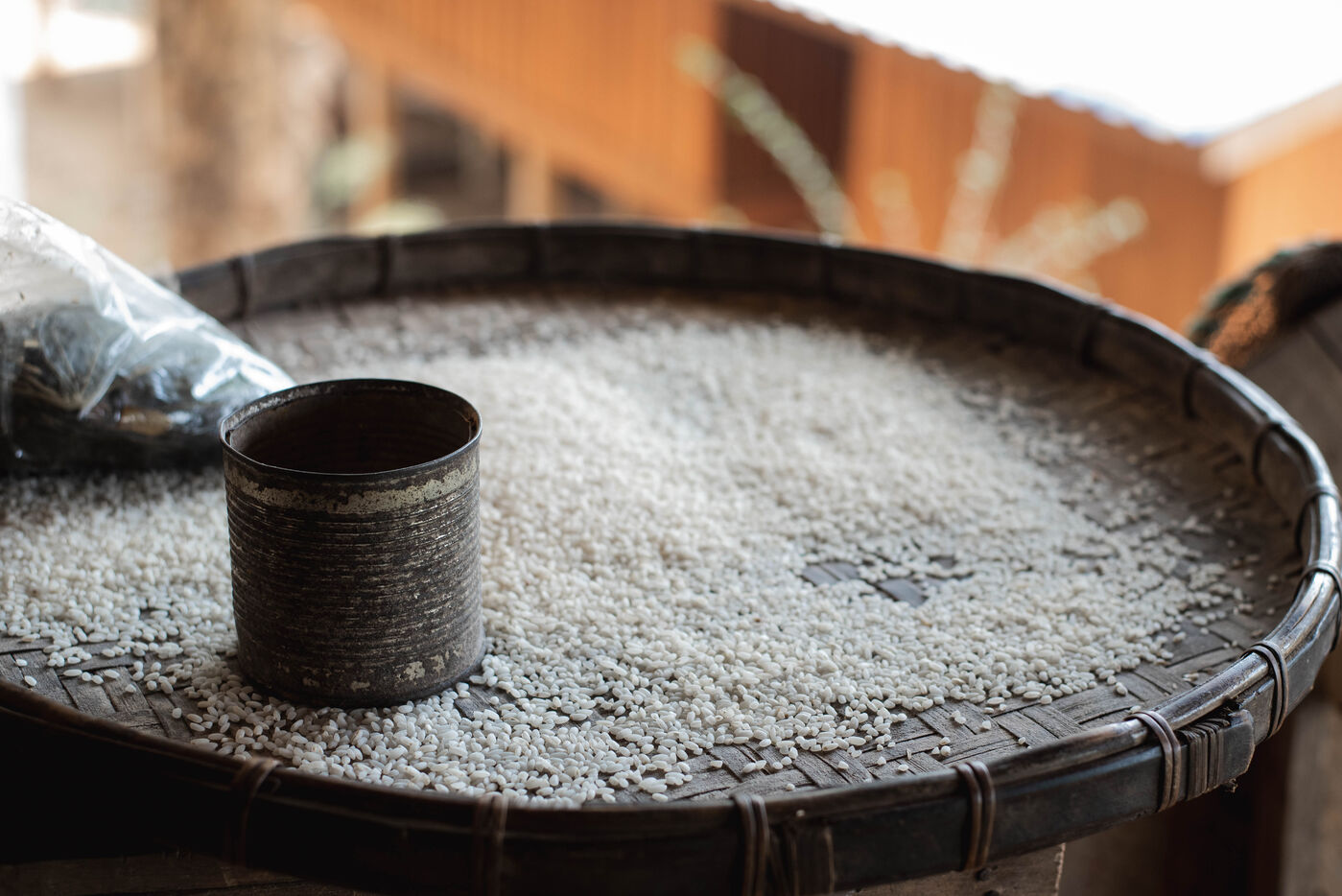
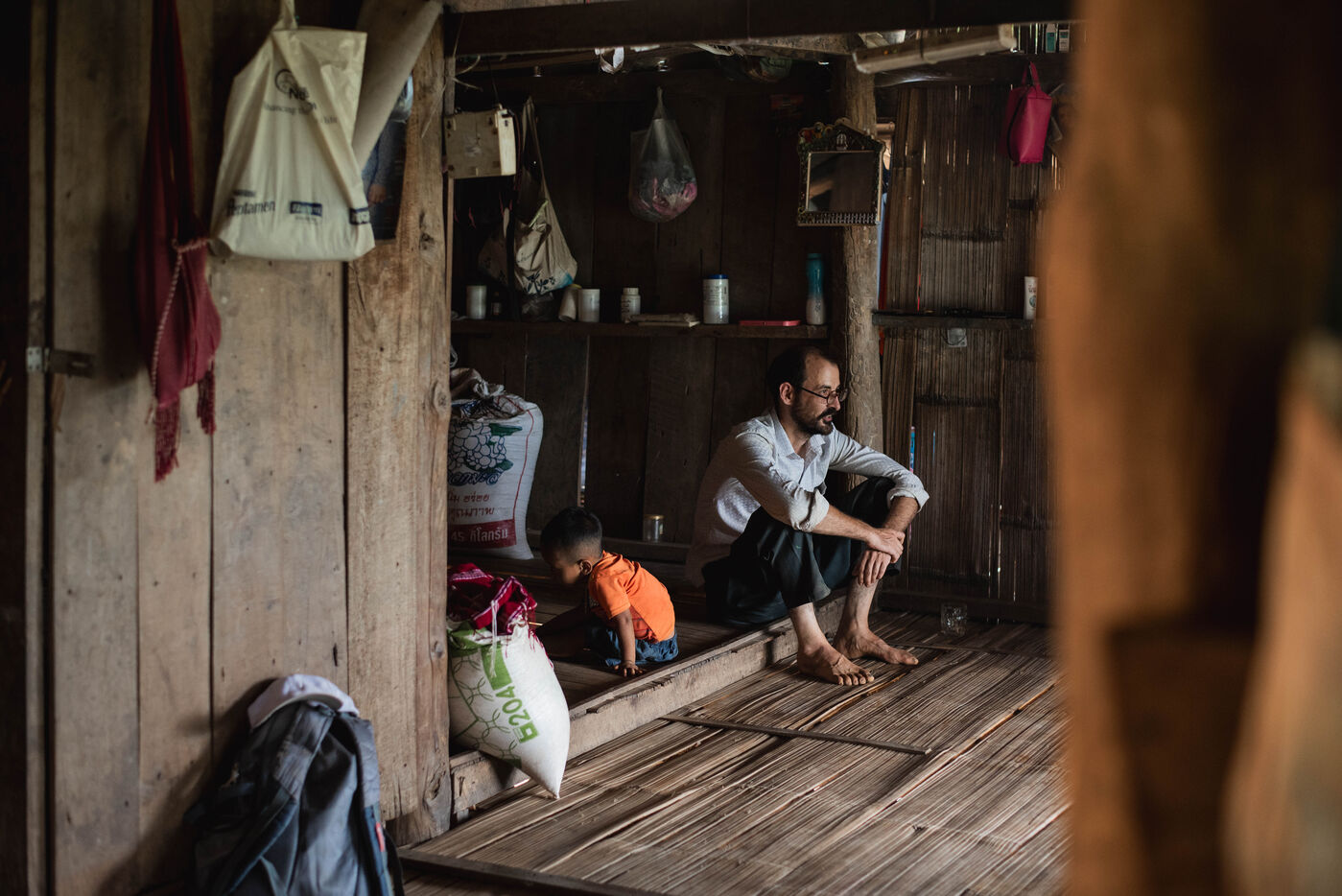
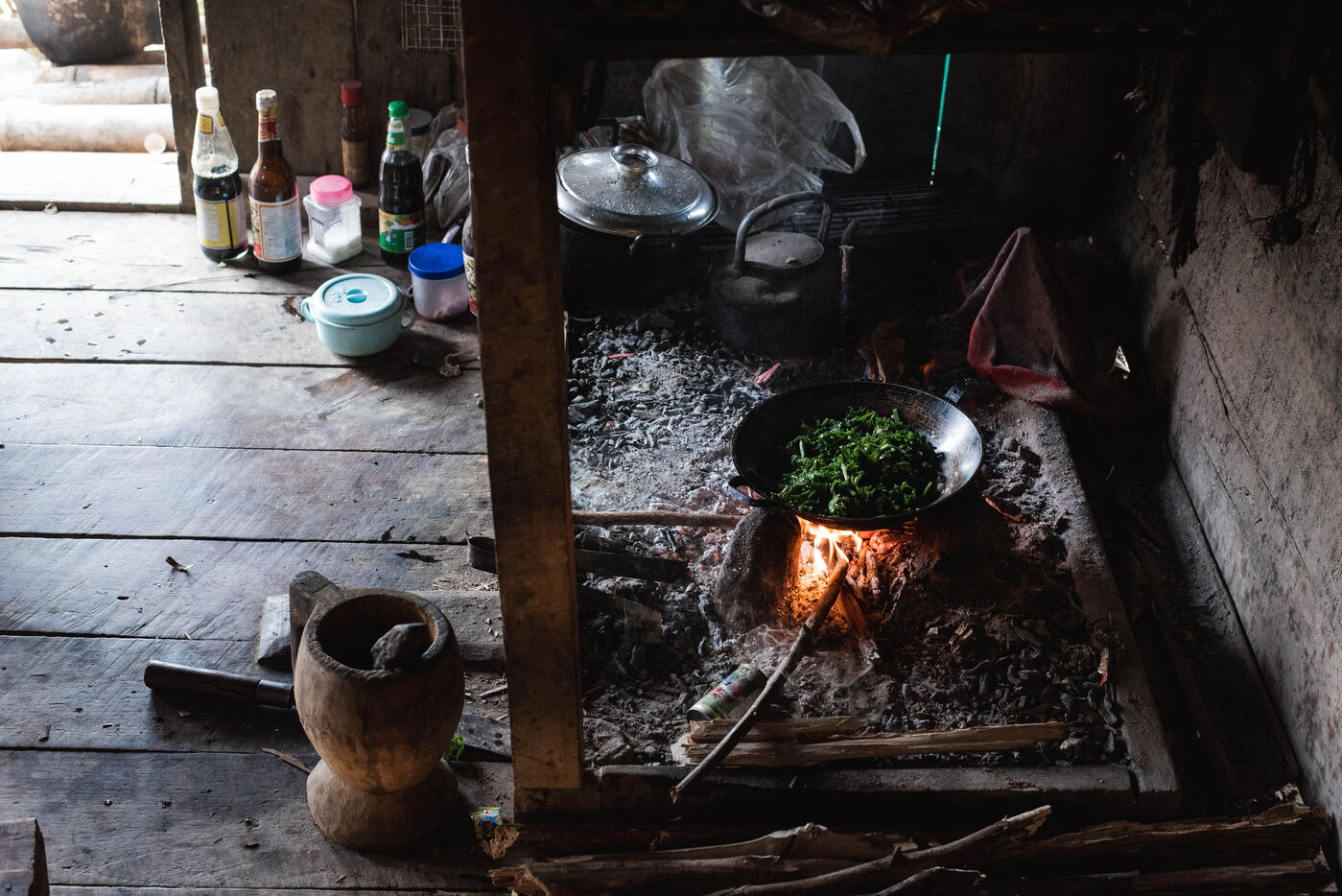
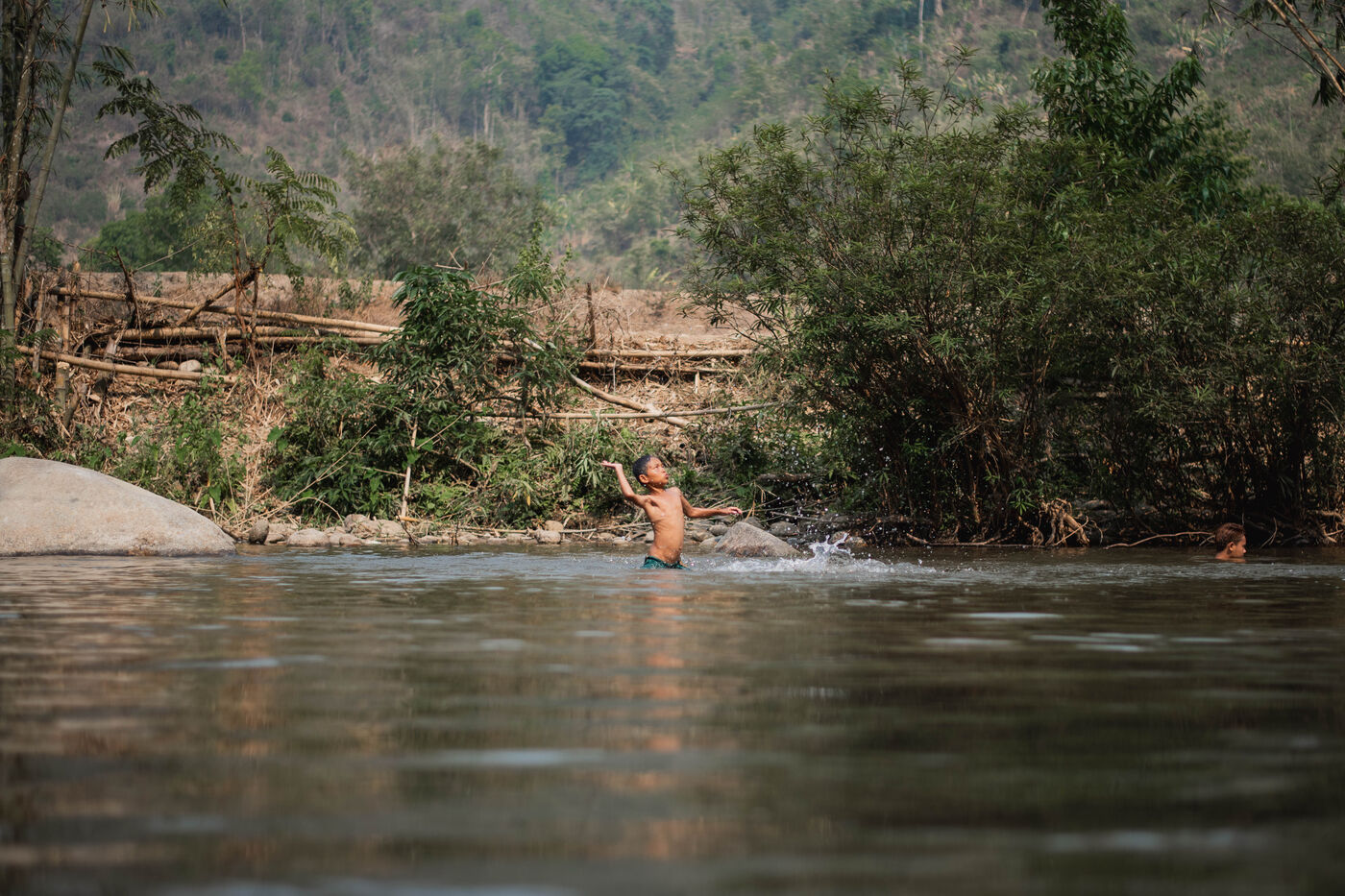
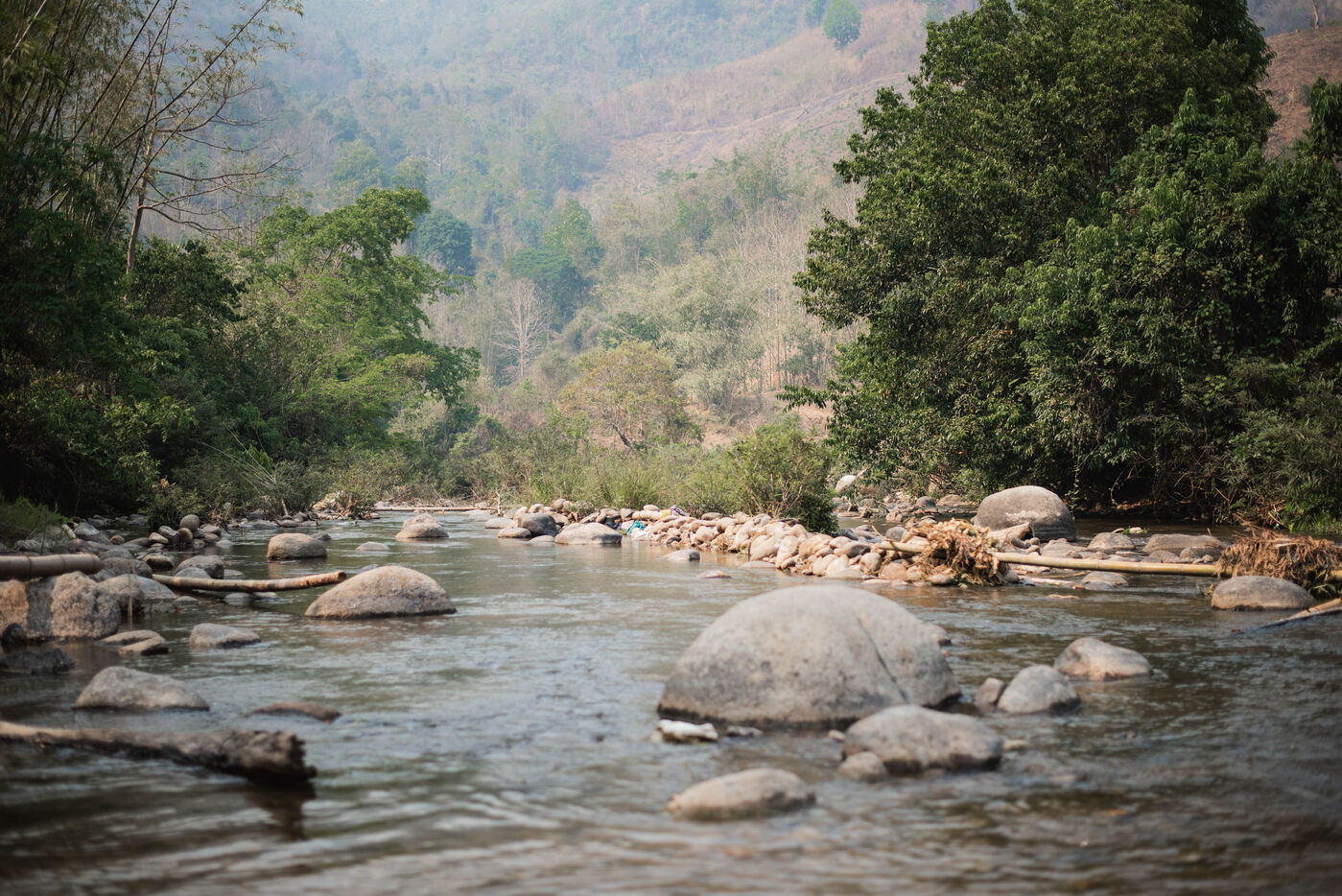
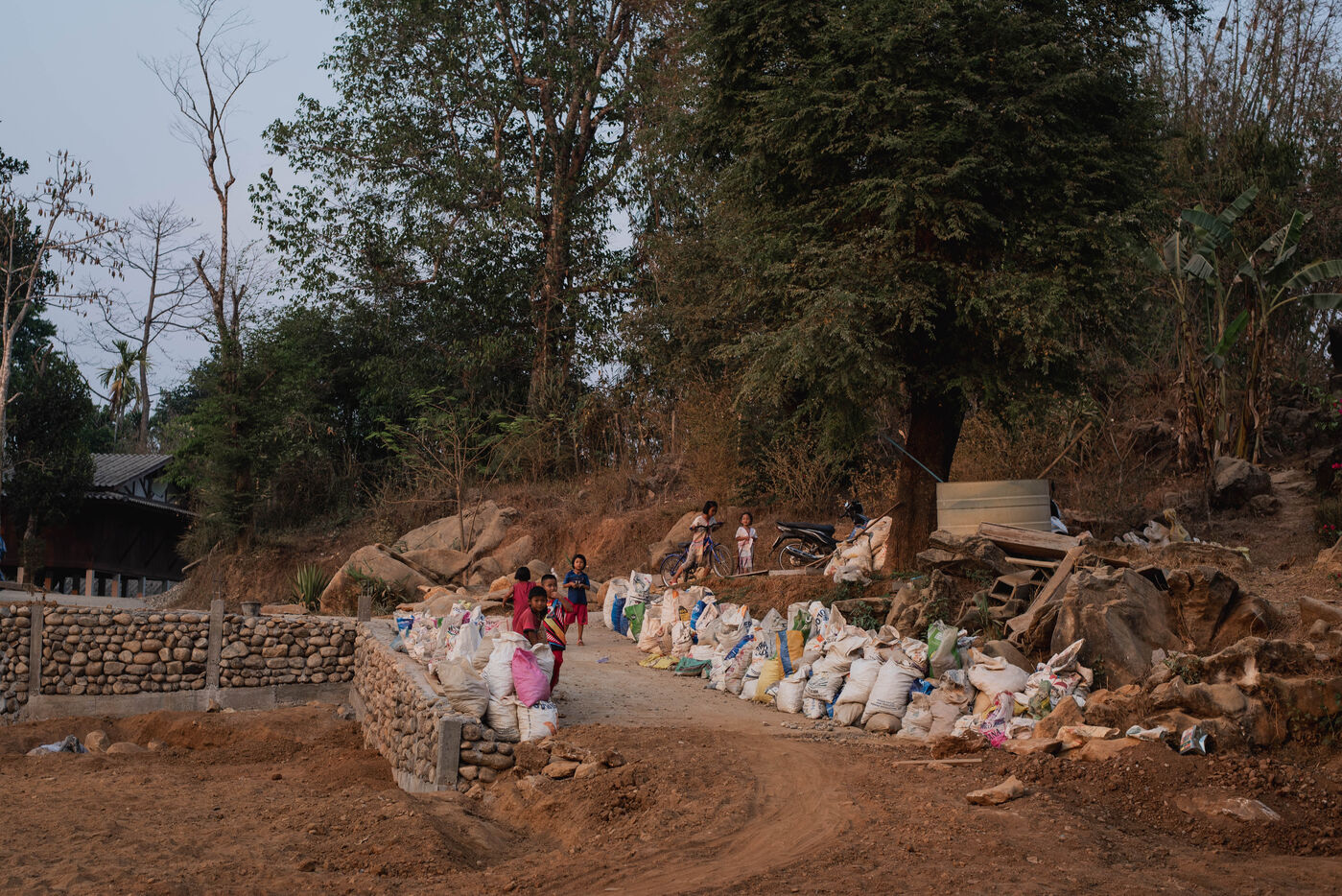
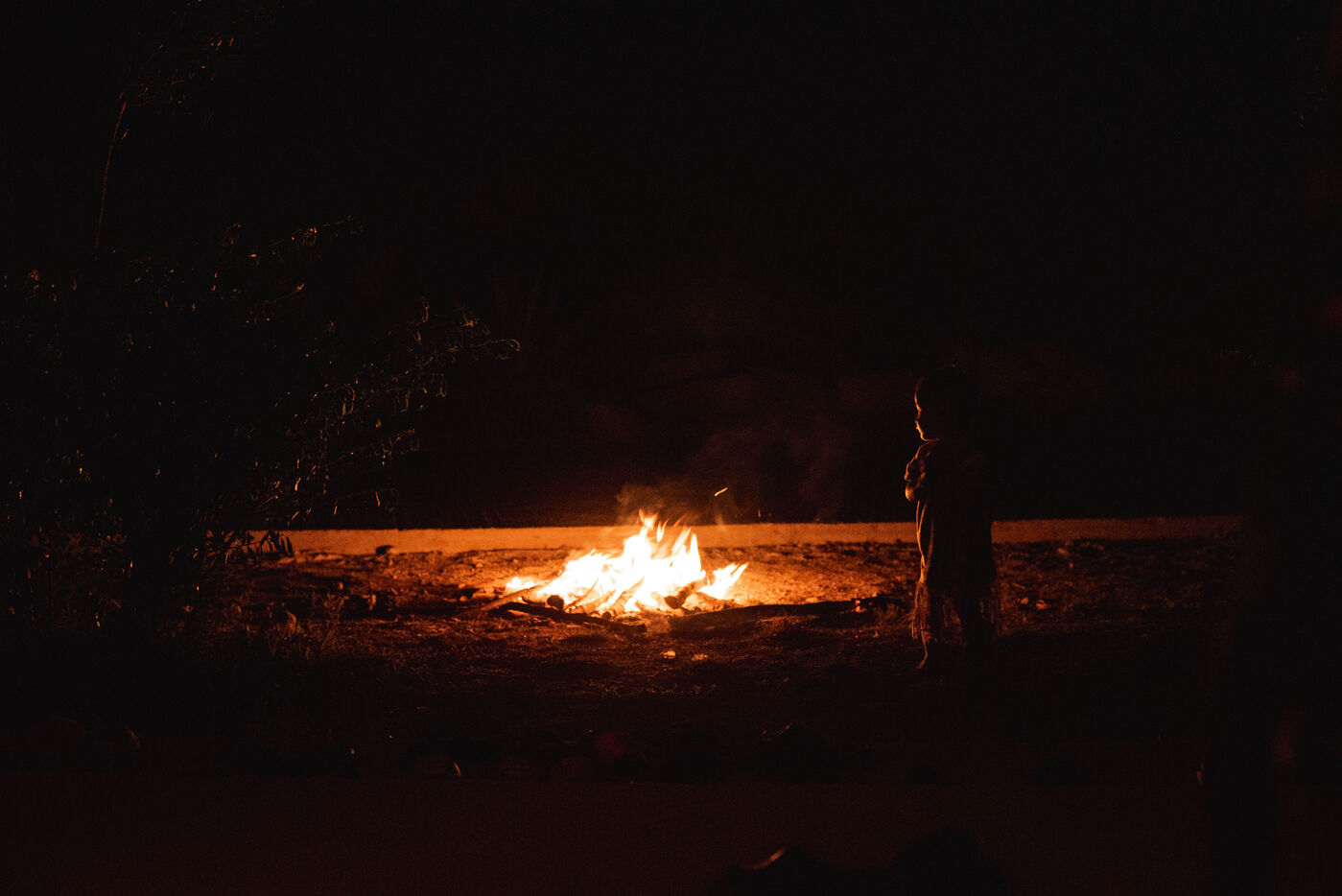
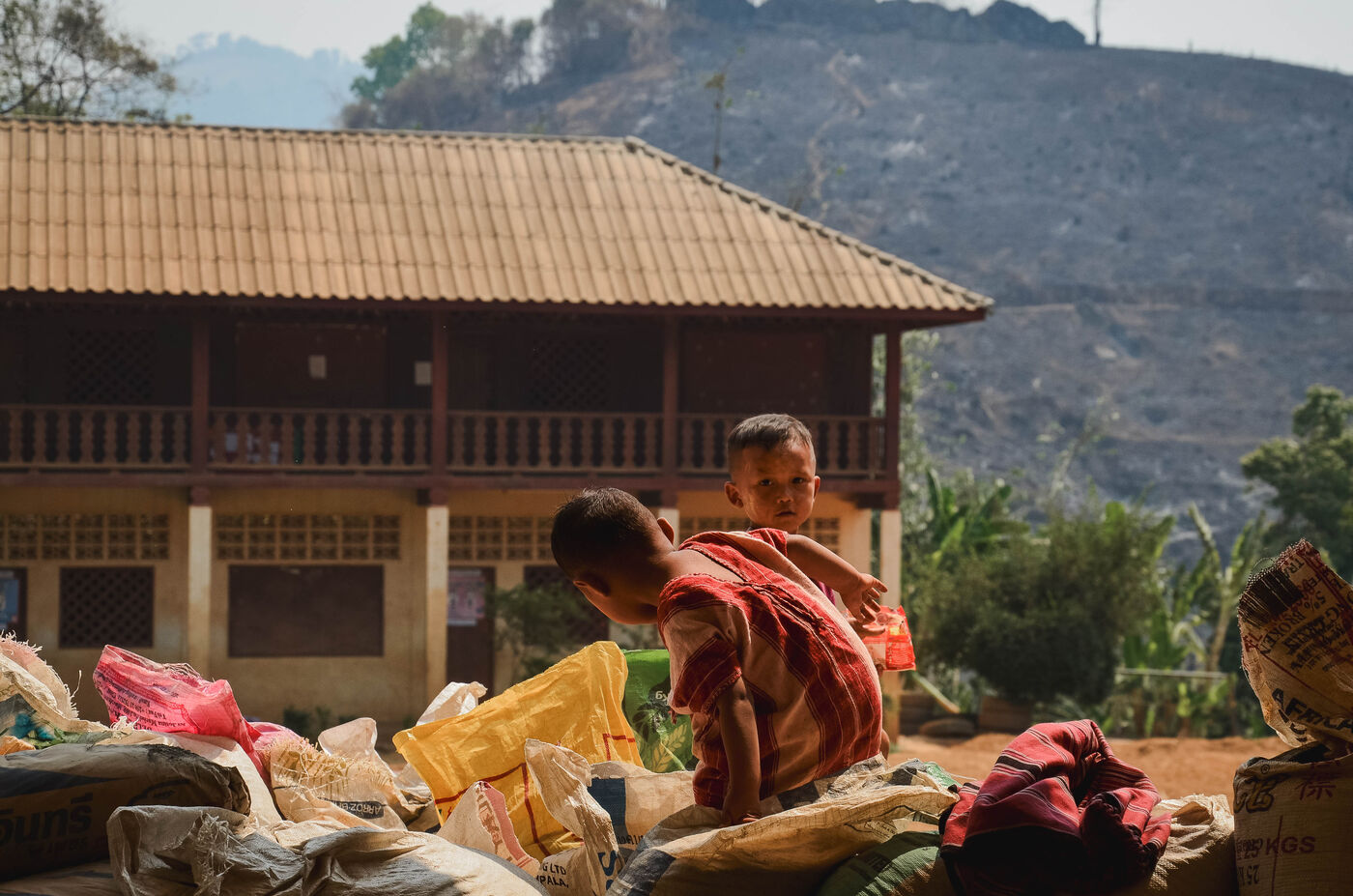
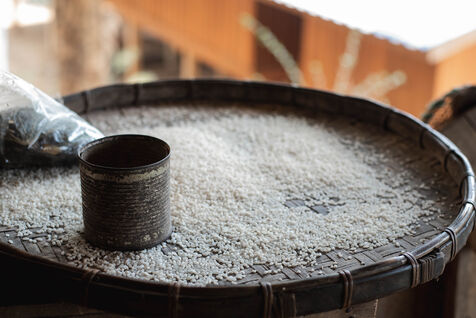
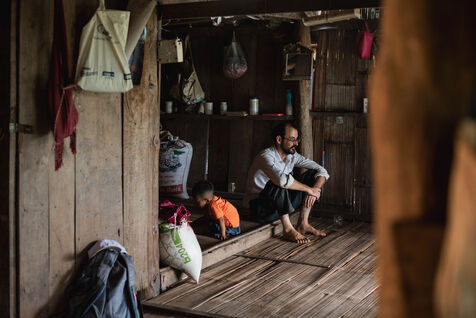
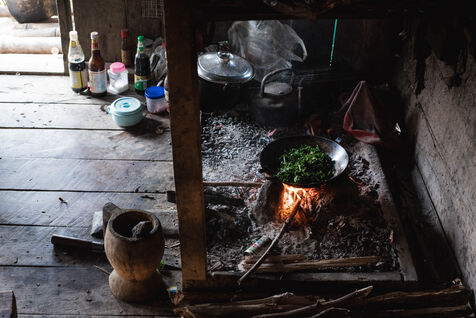
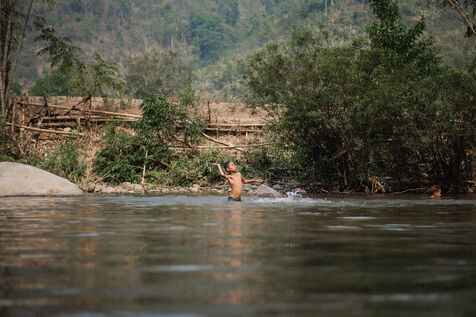
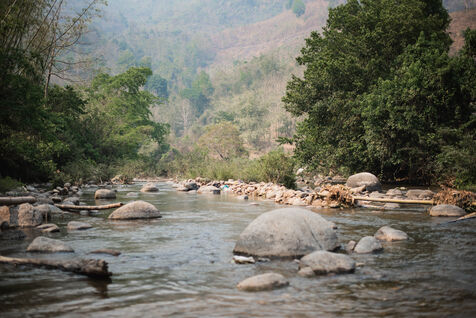
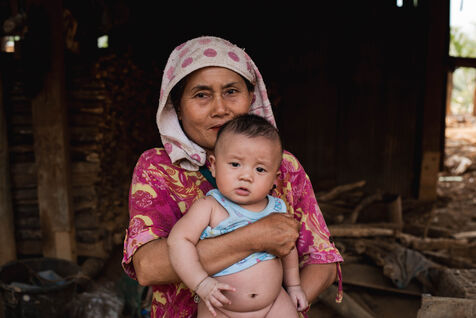
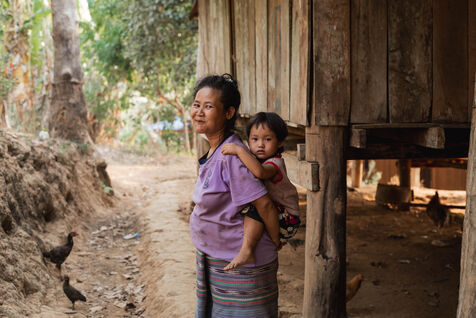
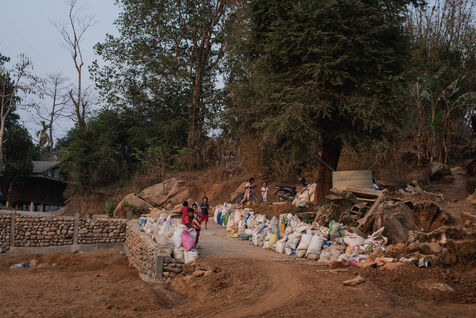
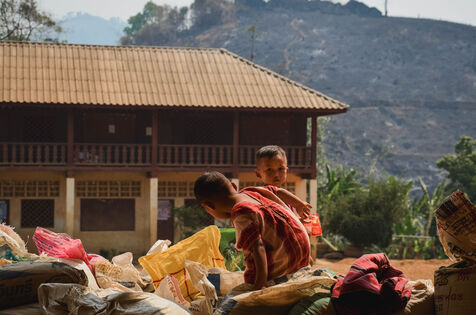
Dans les hauteurs brumeuses de la province de Tak, au nord-ouest de la Thaïlande, le village de Poblaki semble suspendu hors du temps. Niché dans les montagnes, ce hameau karen est accessible après plusieurs heures de piste, loin des routes principales. Ici, pas d’électricité, une eau courante rudimentaire, et une agriculture de subsistance qui repose sur la culture du riz et la technique traditionnelle du brûlis.
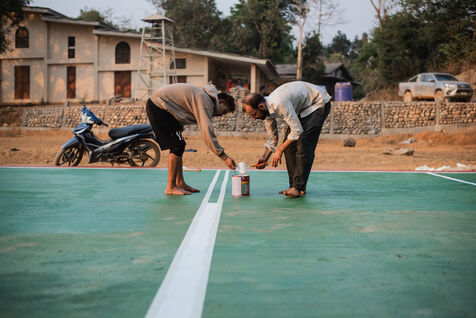
Les Karen de Poblaki vivent en autonomie culturelle : leur langue, leurs rites, leur manière d’habiter la terre ont peu changé. Pourtant, un souffle venu d’ailleurs est venu bouleverser doucement le quotidien : celui de la foi chrétienne, portée il y a plusieurs années par le Père Quintard, un missionnaire français. Sous son impulsion, une école a été construite. Aujourd’hui, c’est le Père Camille qui a repris la mission, poursuivant un travail à la fois spirituel et éducatif au cœur de cette région isolée.
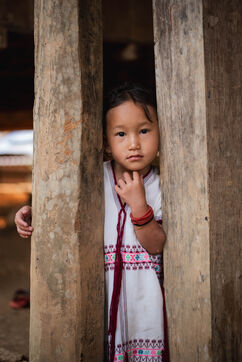
Les enfants de Poblaki chantent en karen, prient en thaï. Leurs parents, pour la plupart cultivateurs, voient dans l’éducation une promesse d’avenir, mais aussi une tension : comment transmettre leur culture tout en embrassant les outils d’un monde globalisé ?
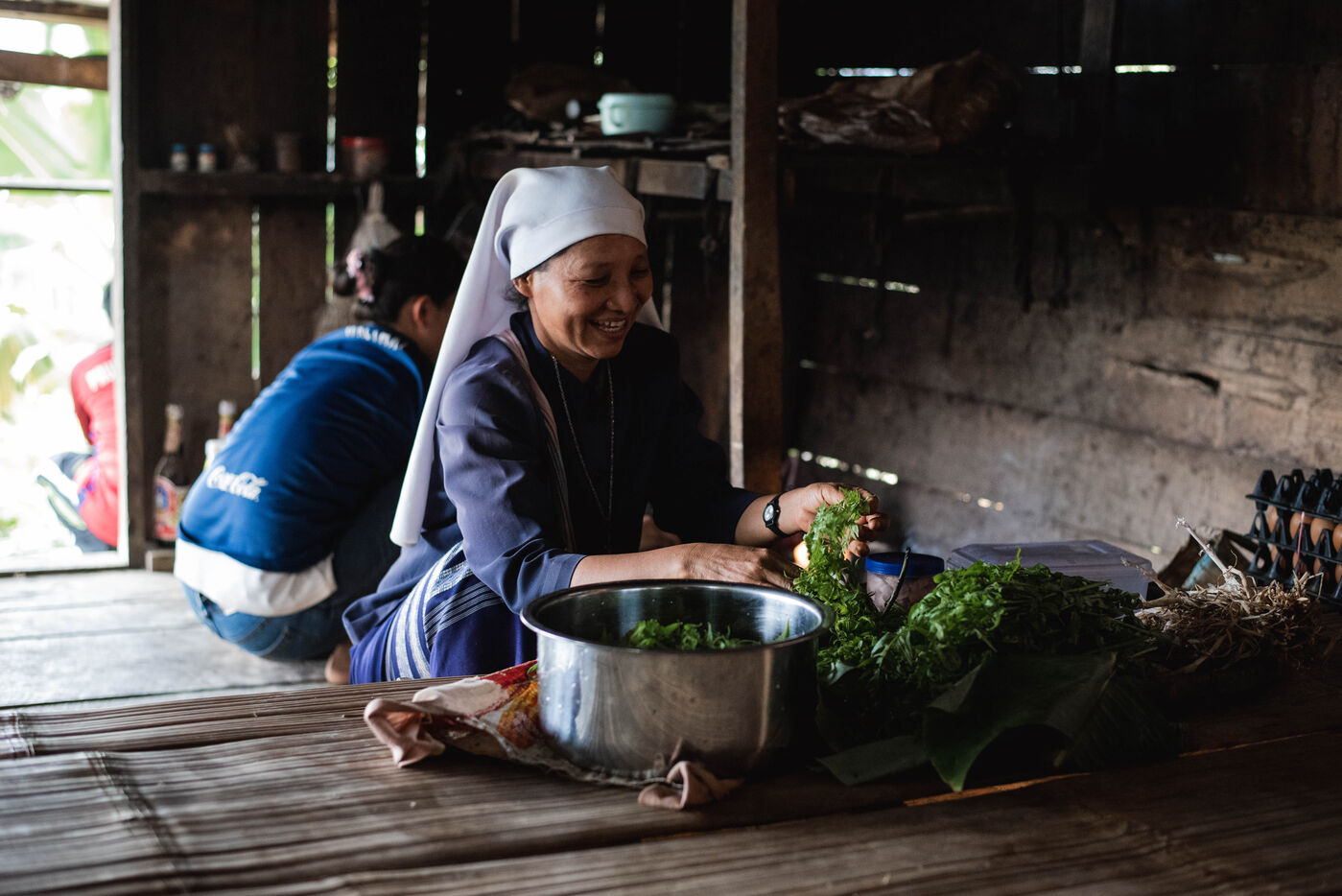
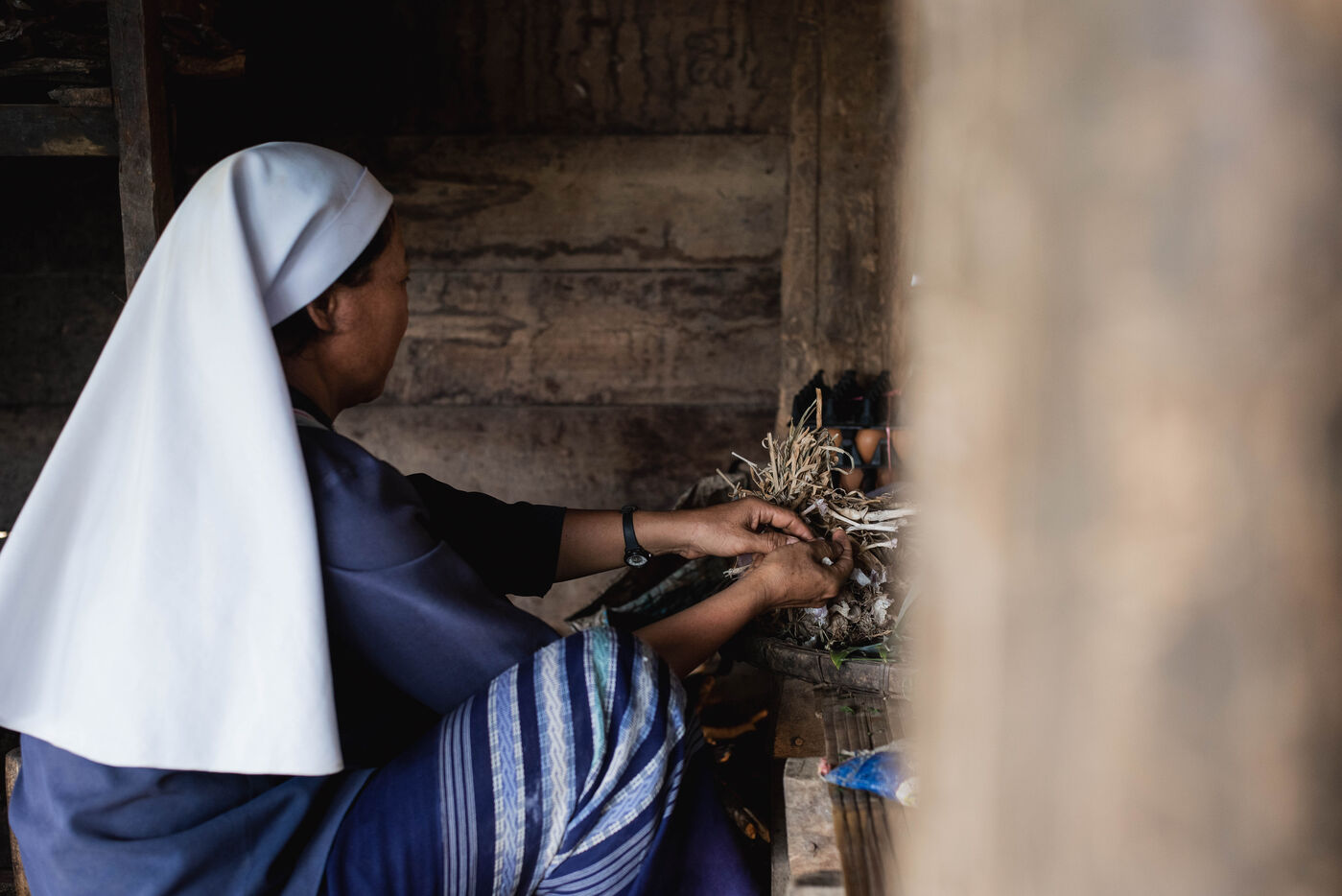
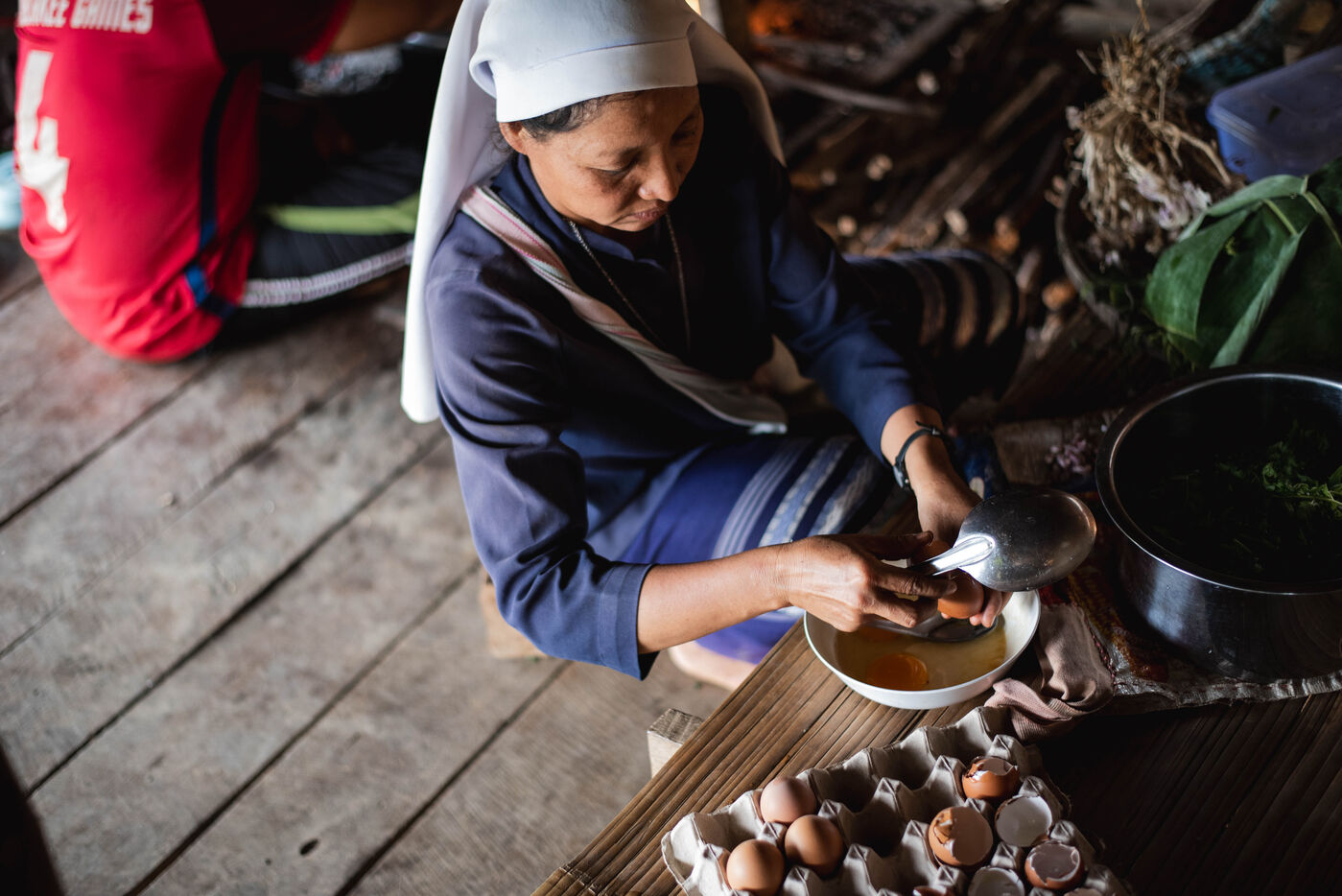
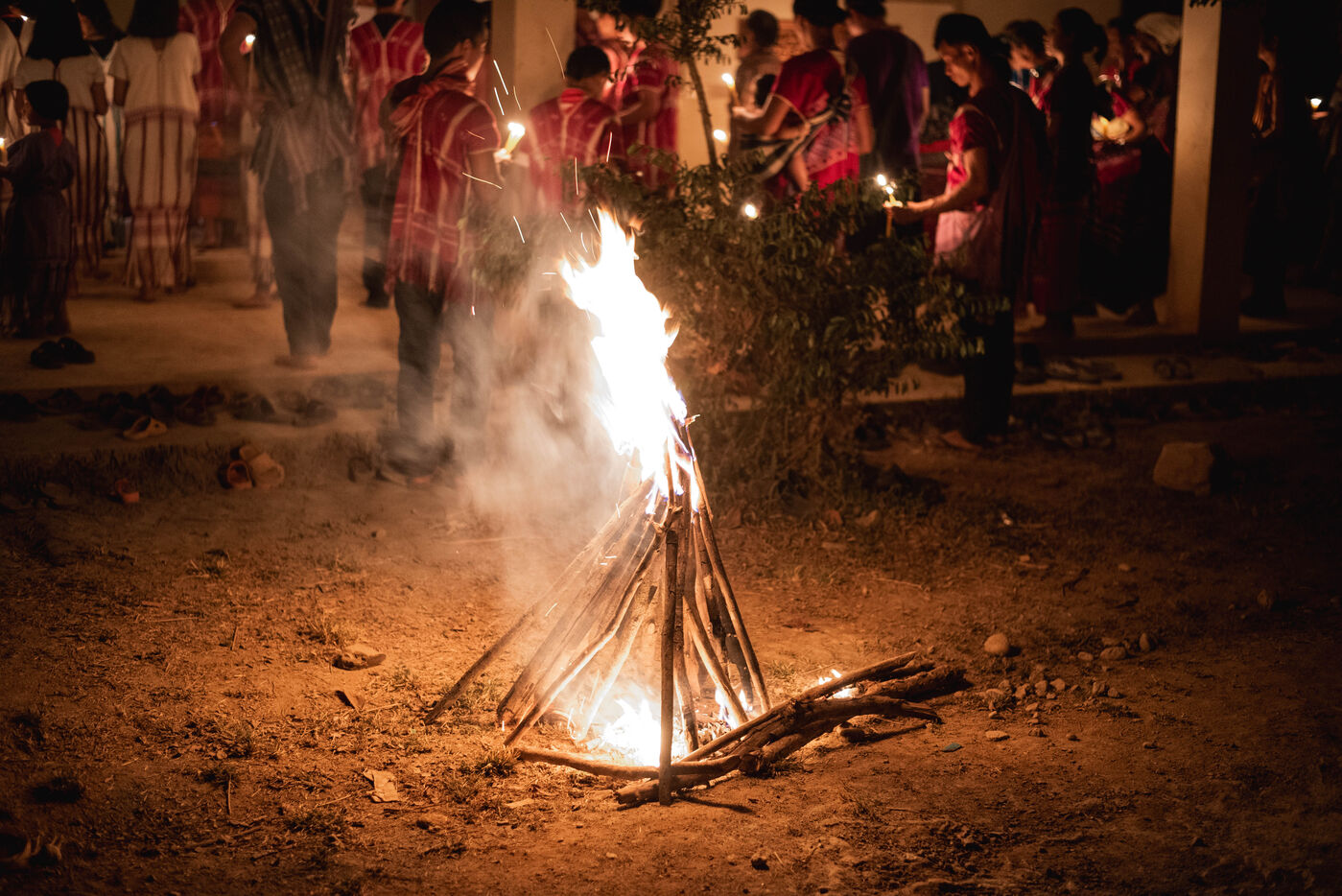
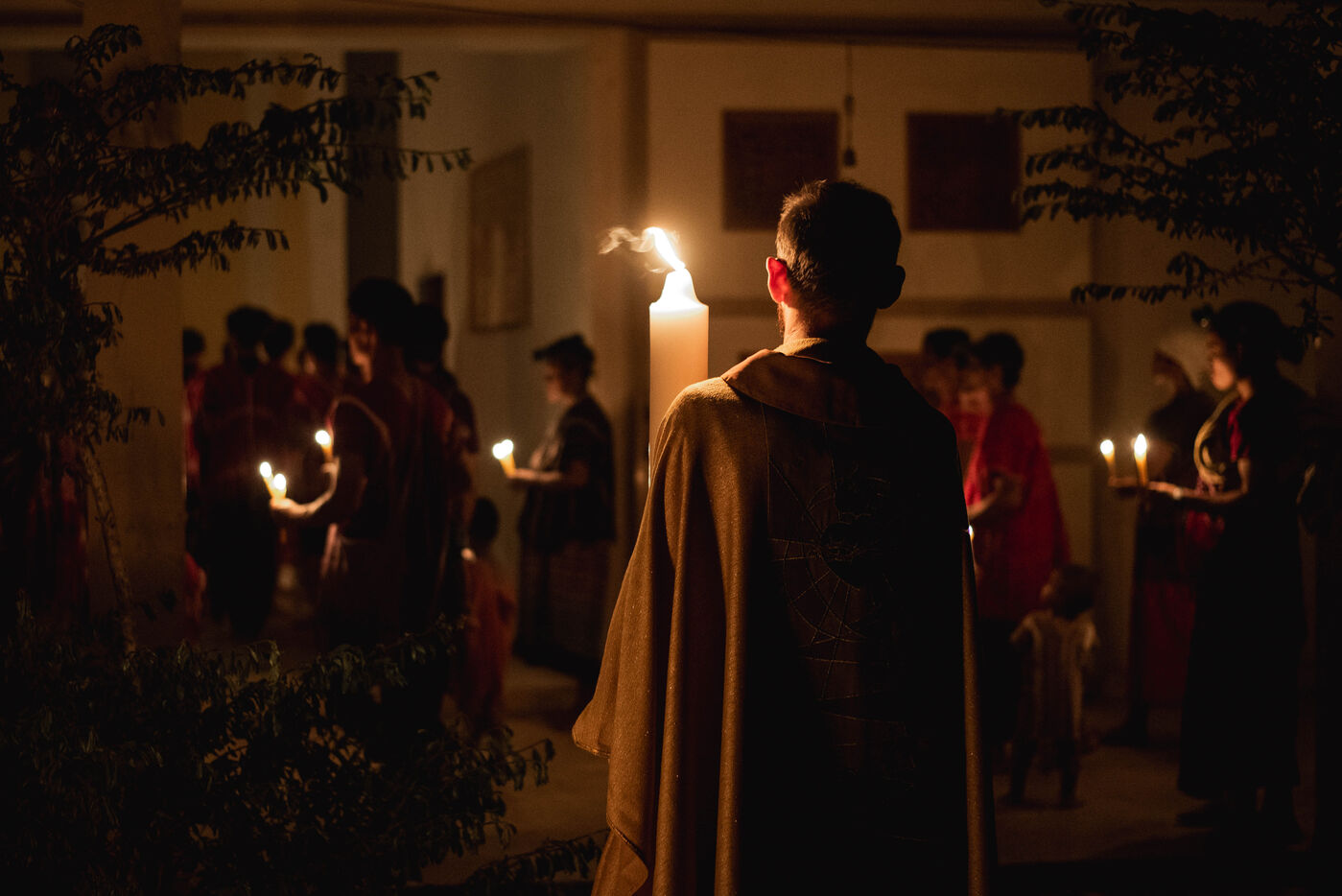
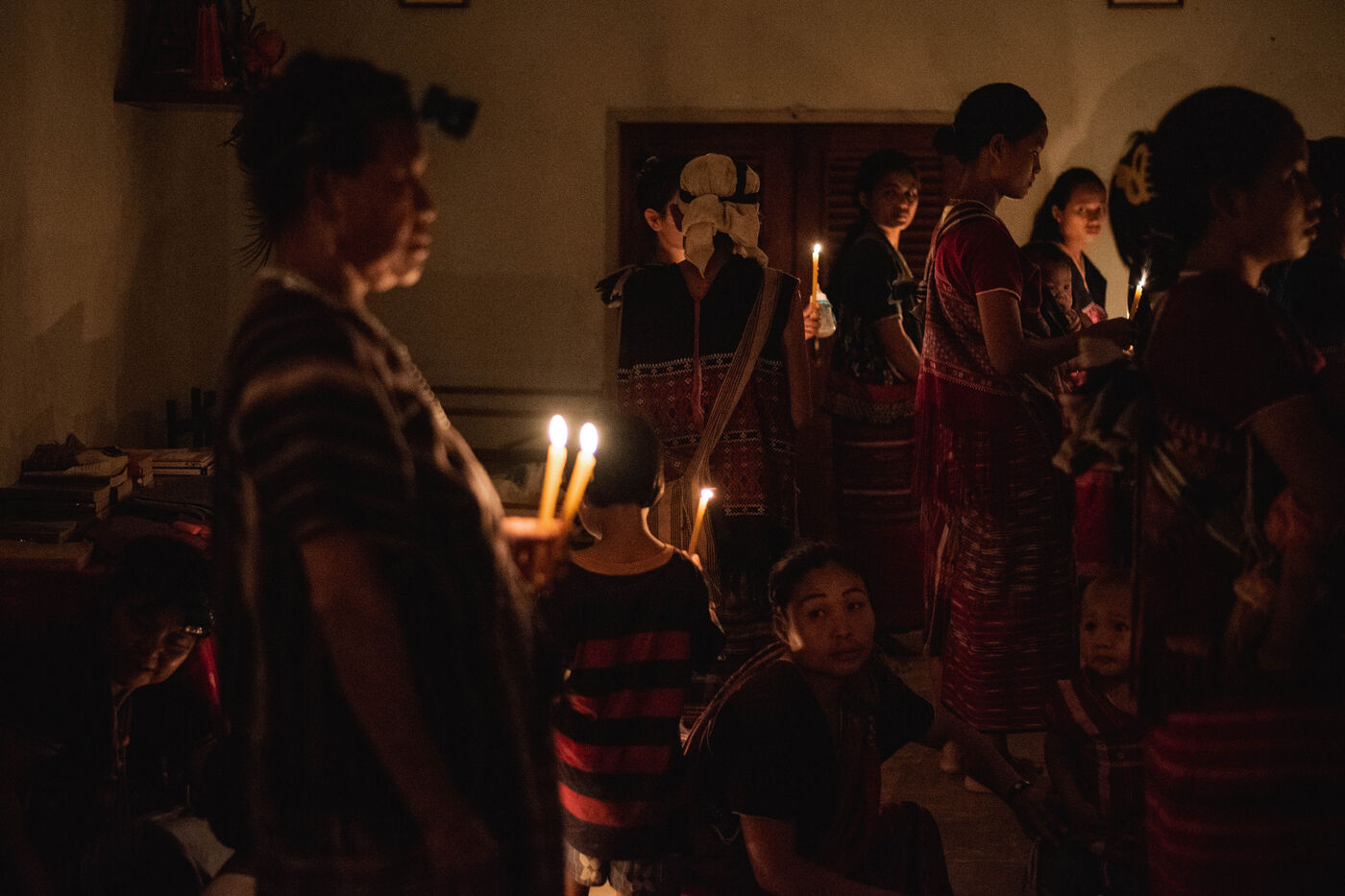
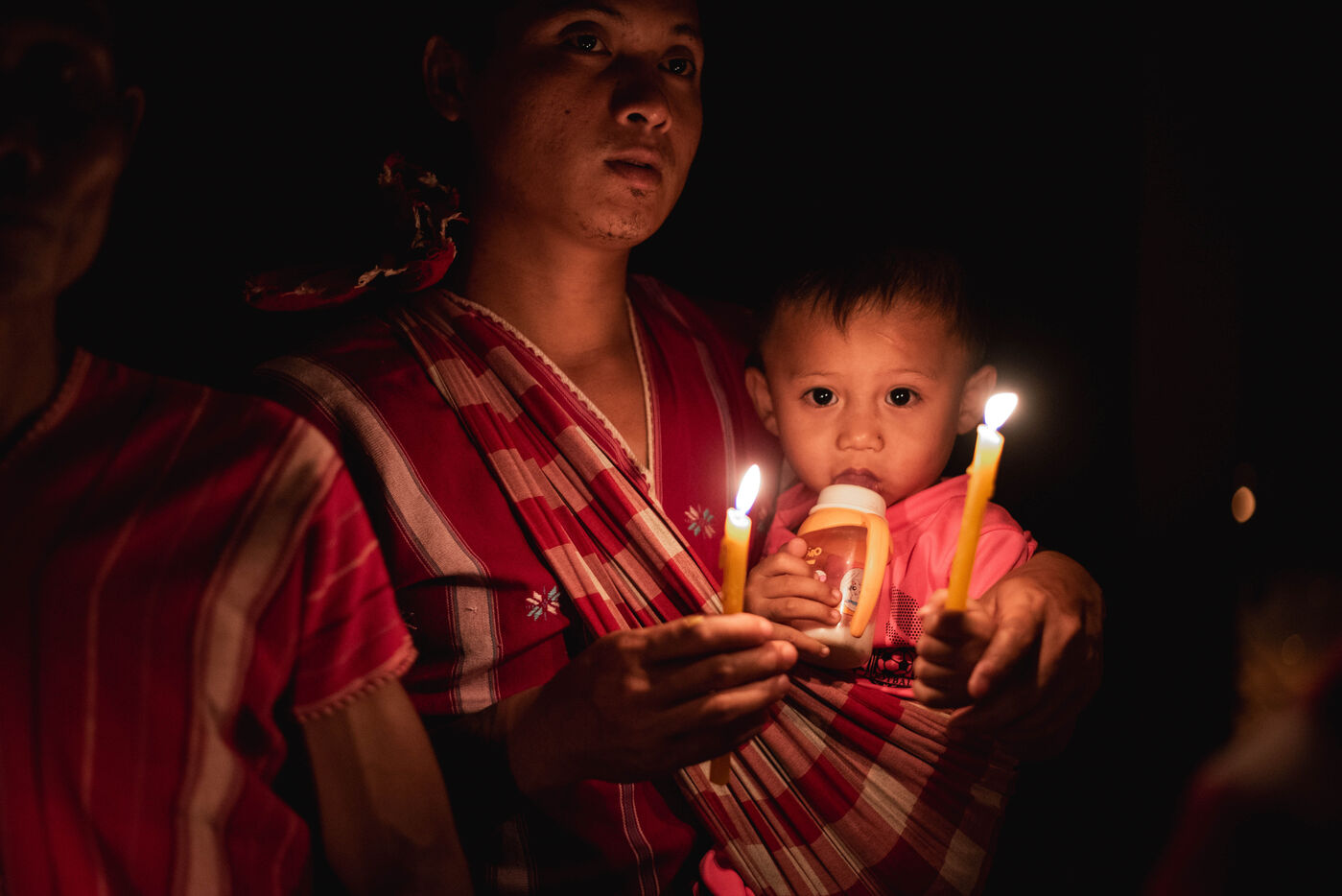
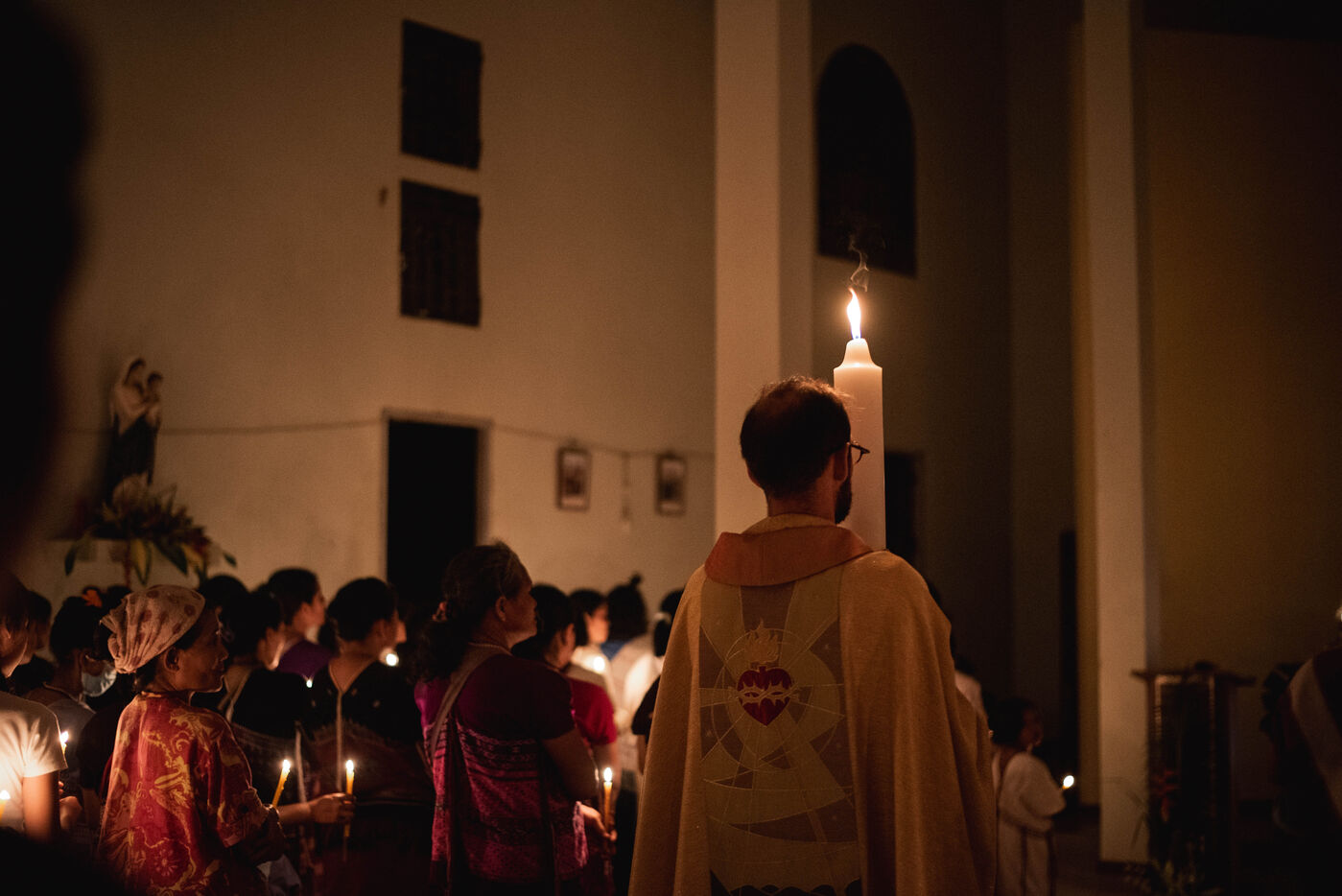
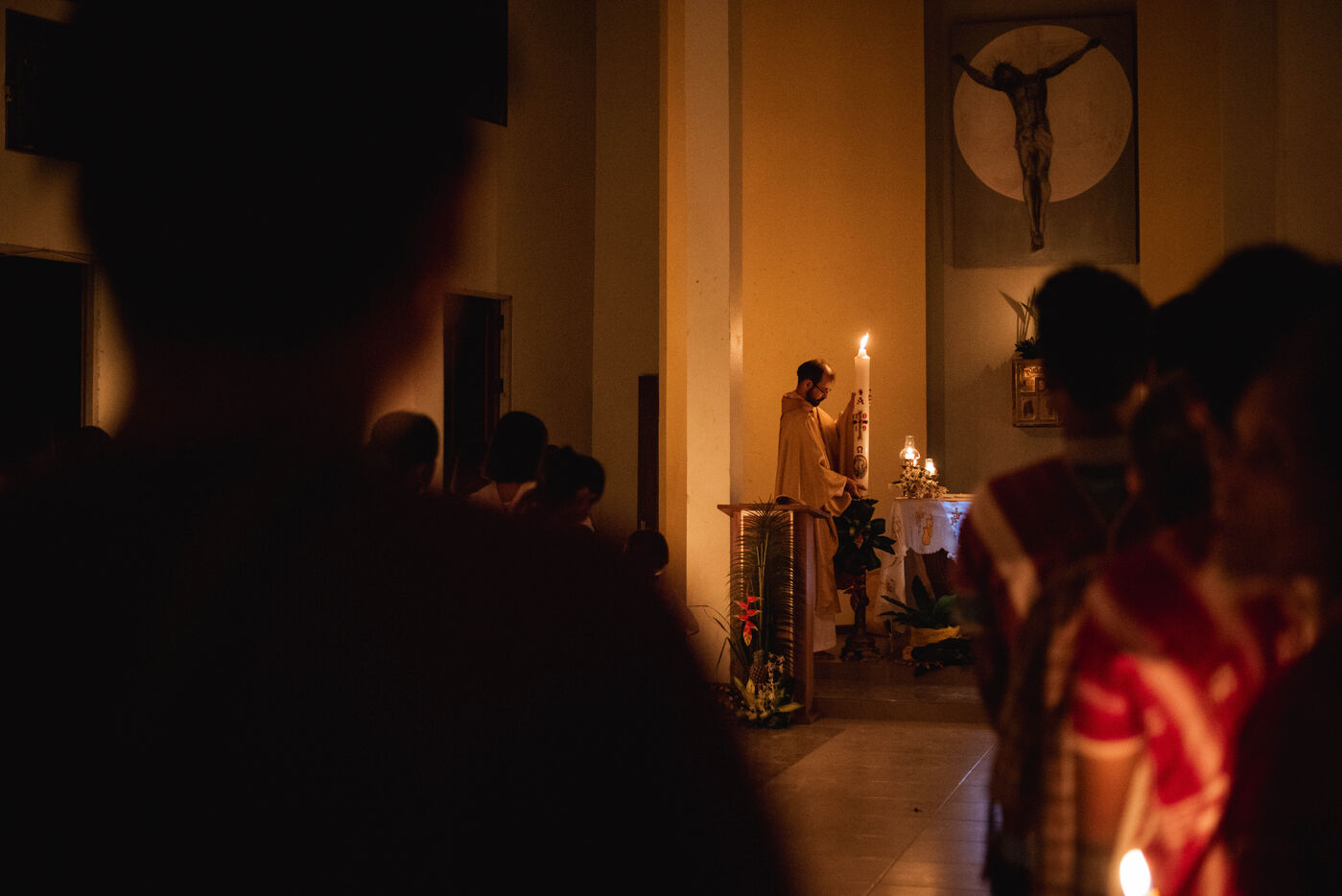
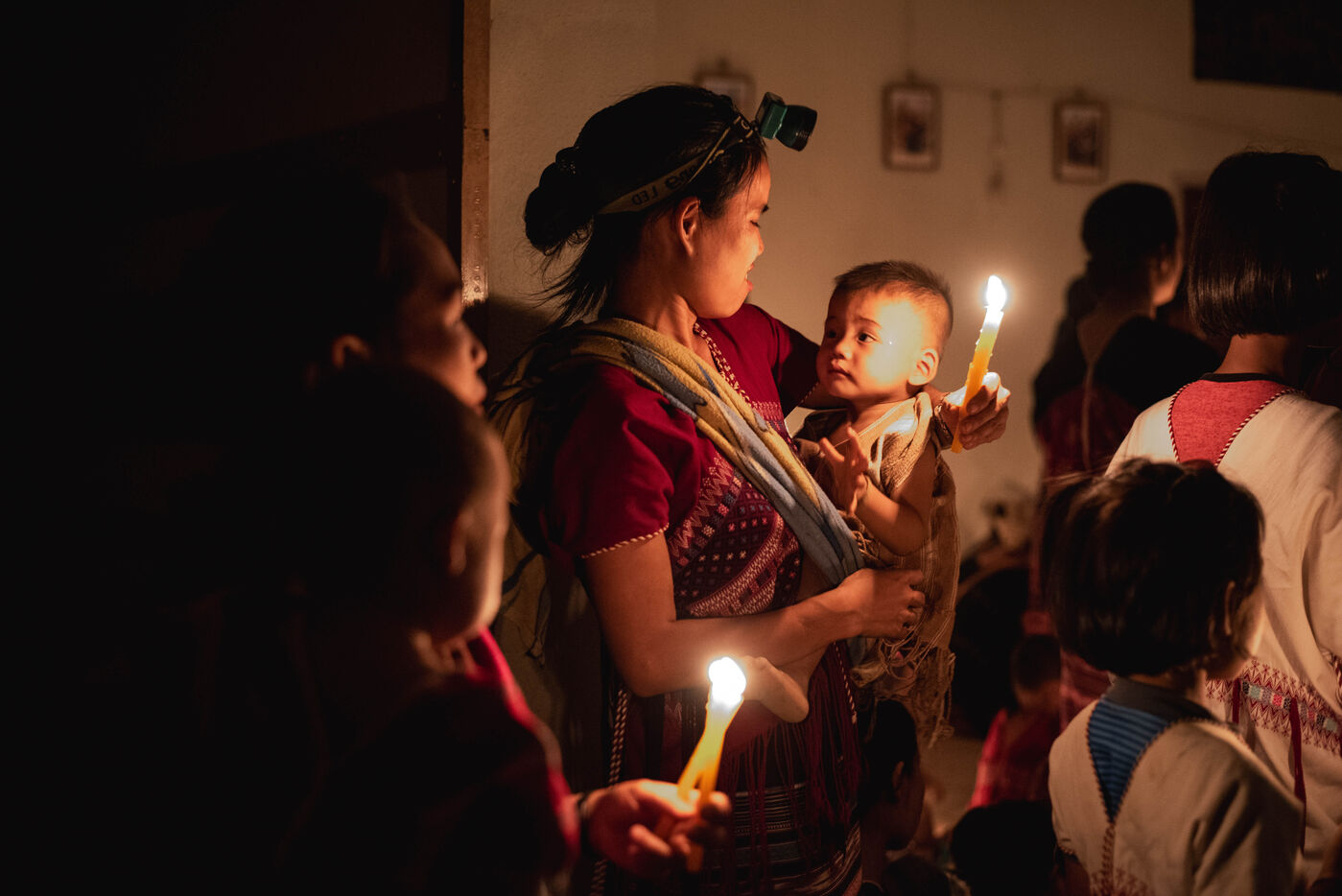
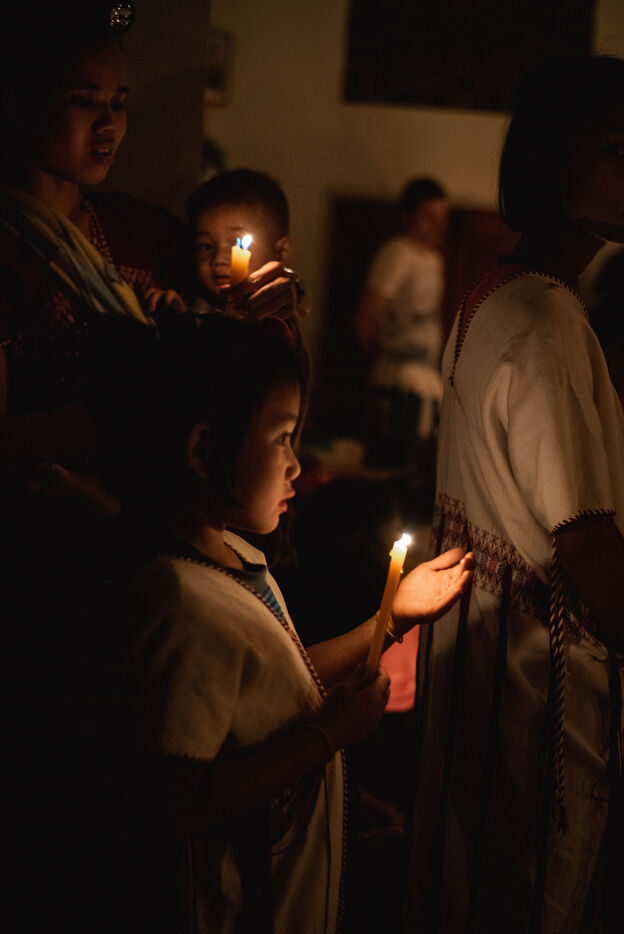
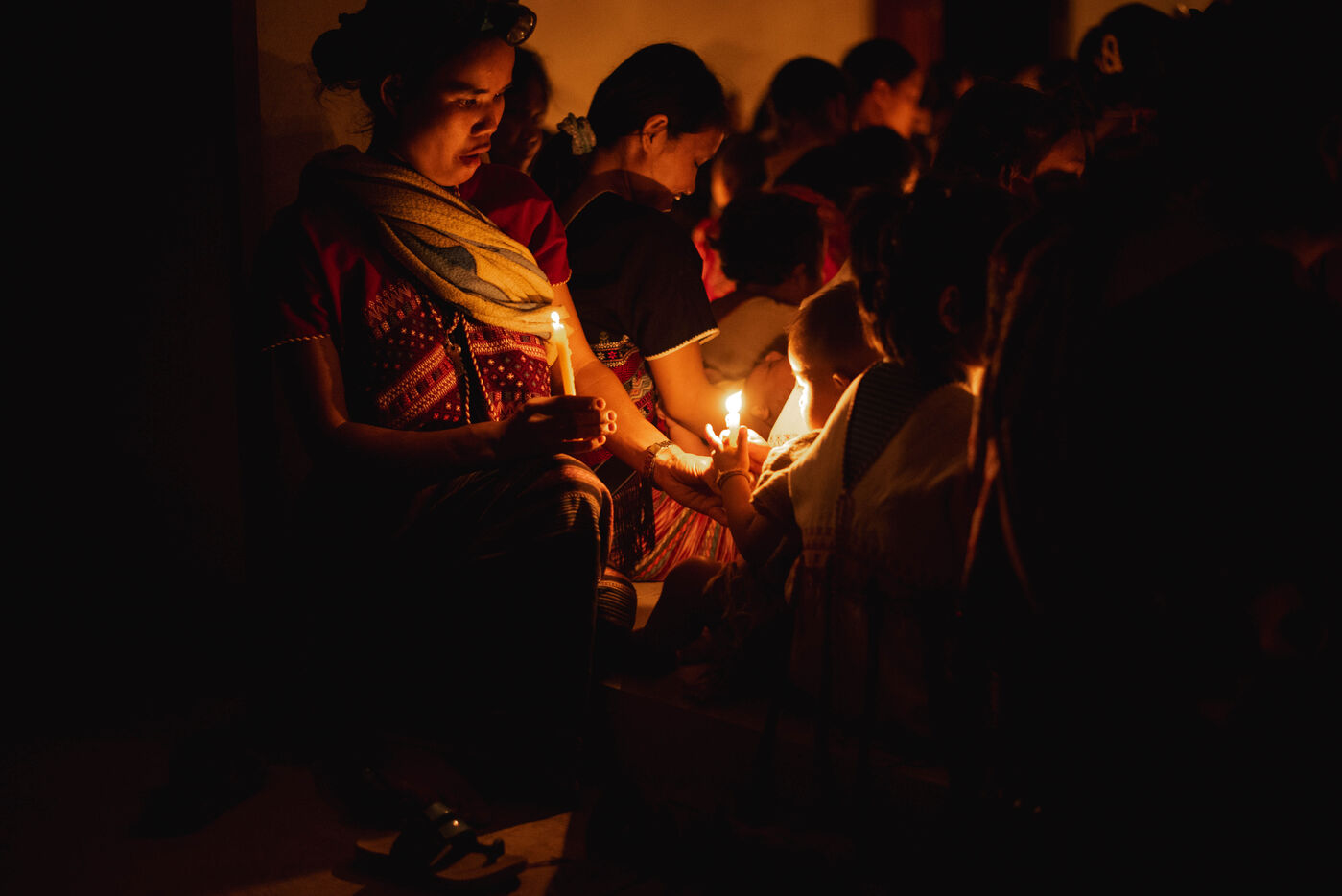
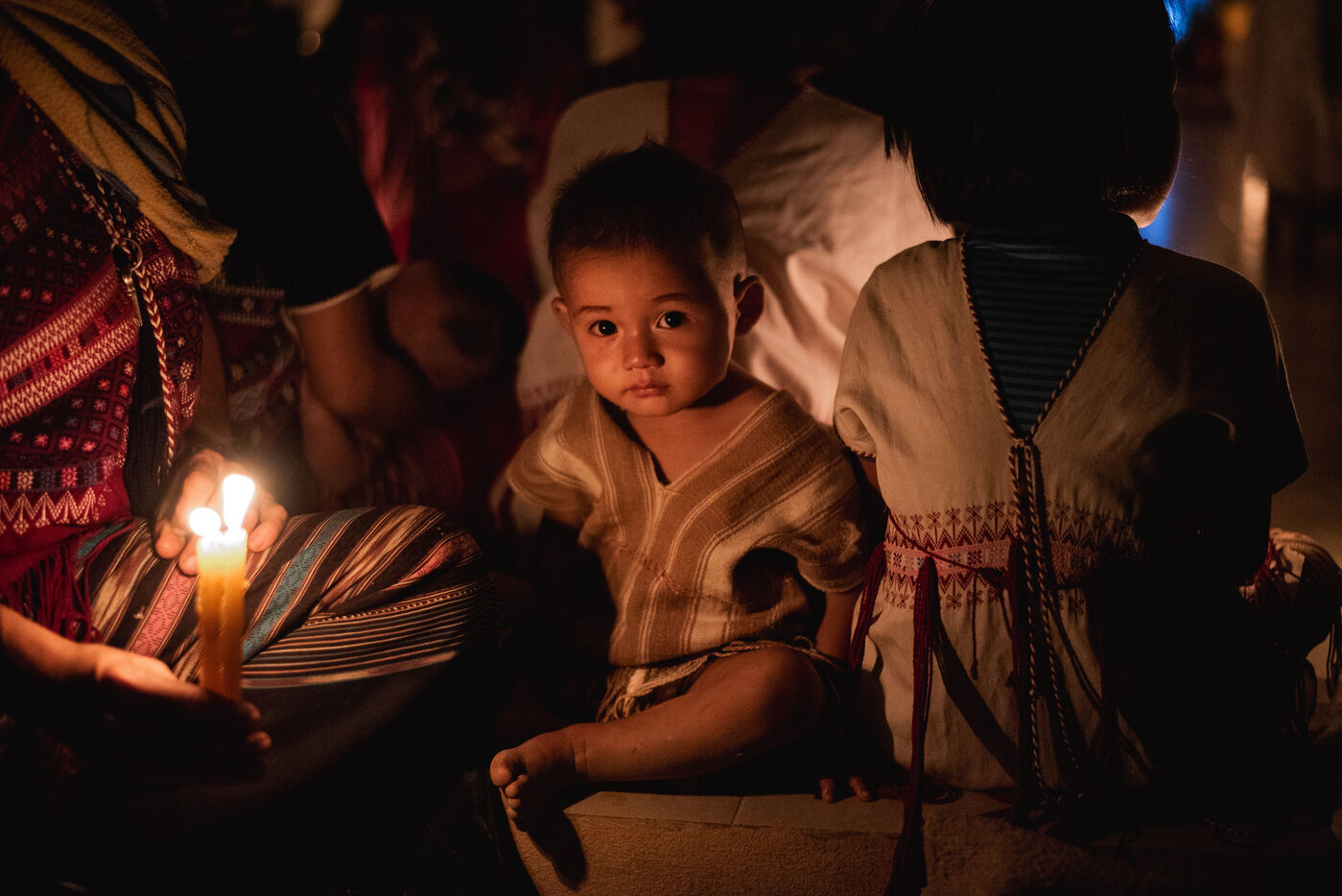
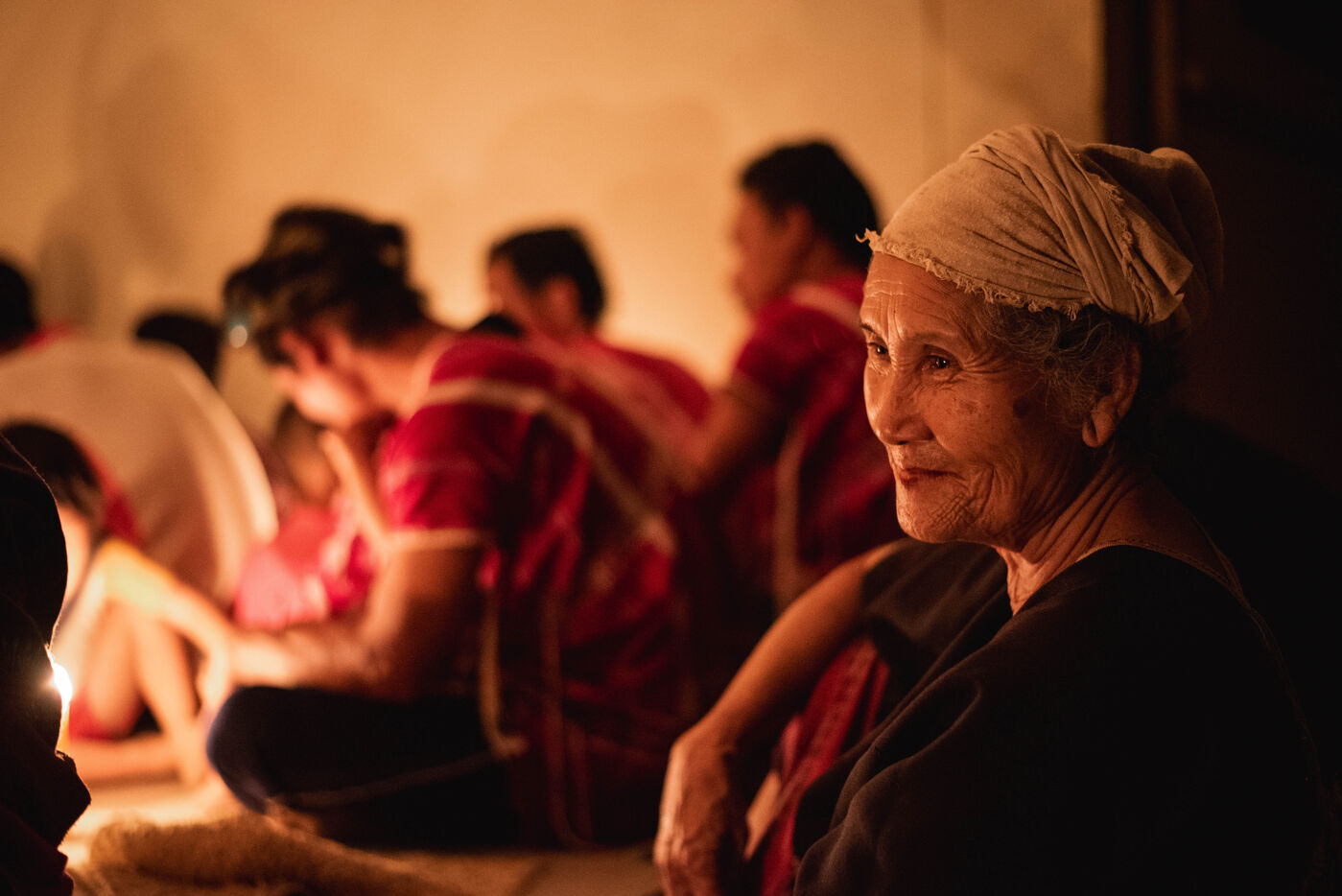
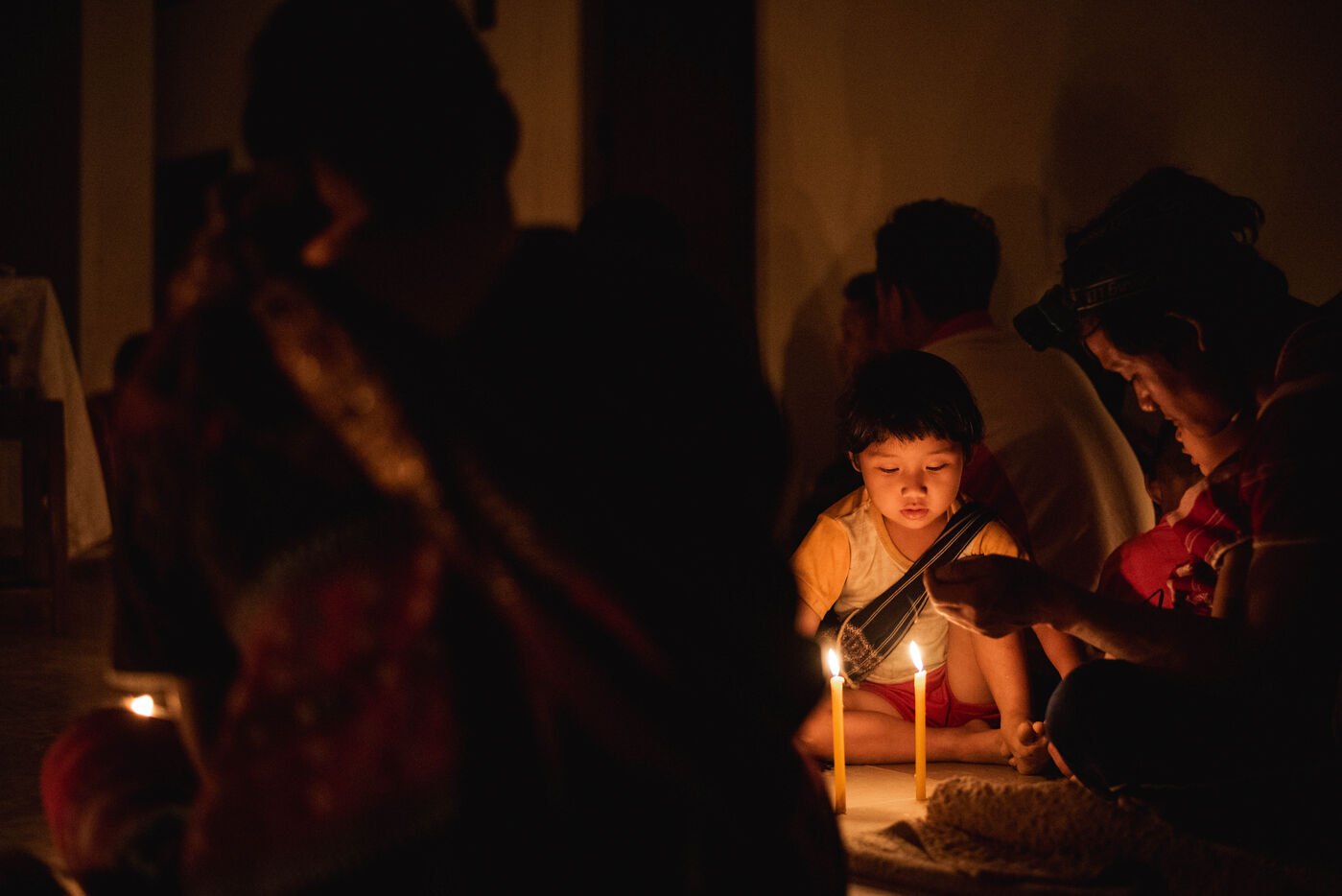
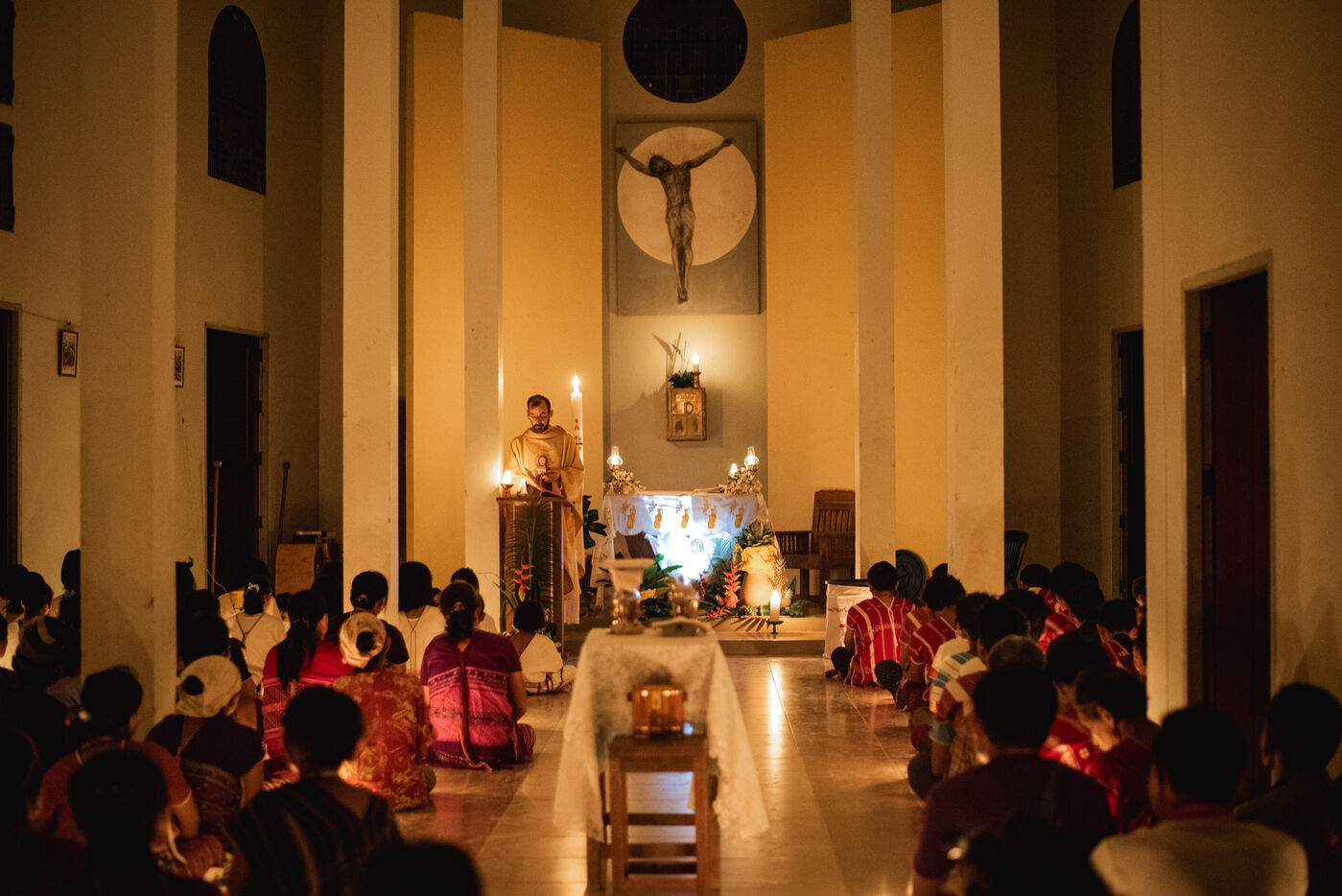
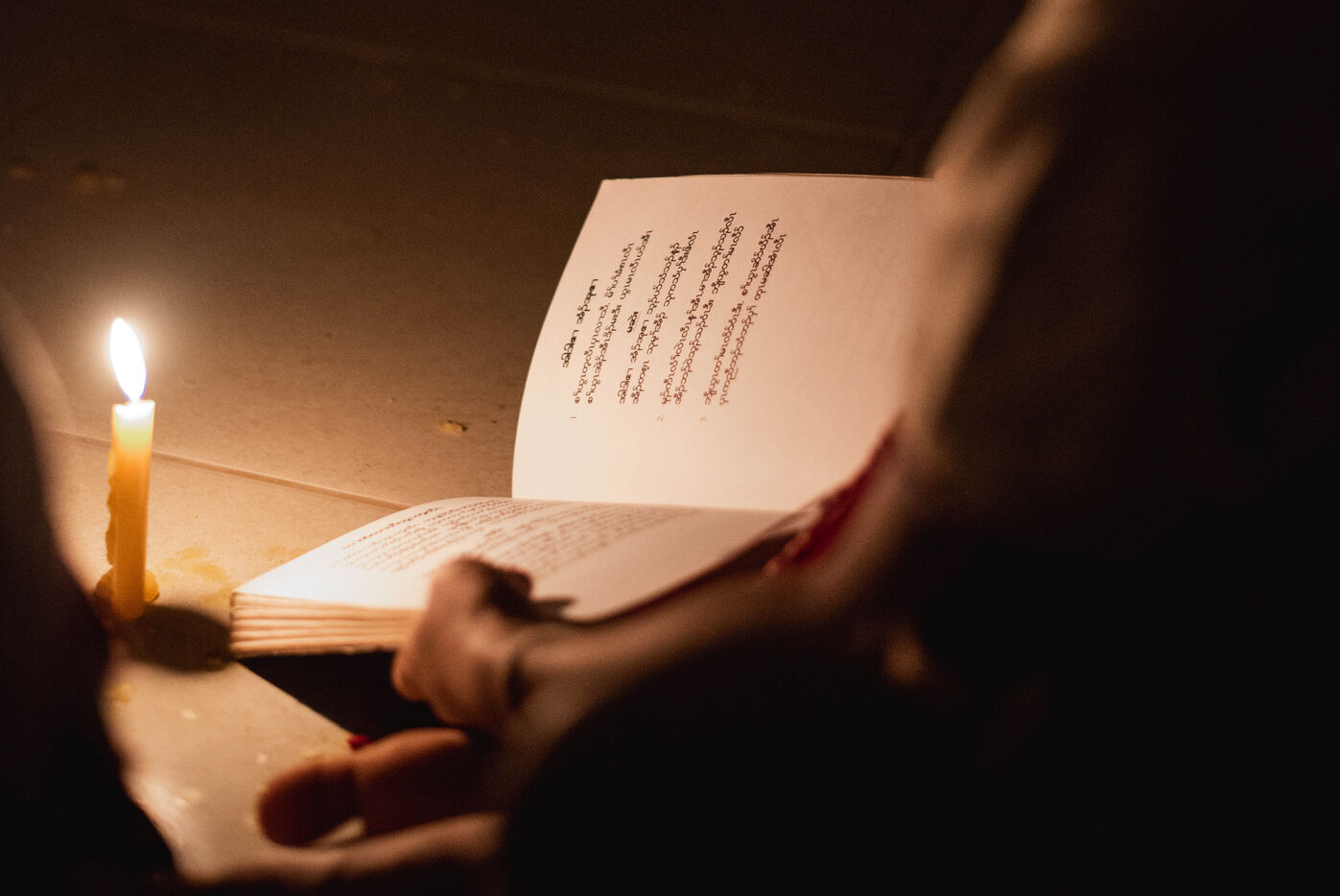
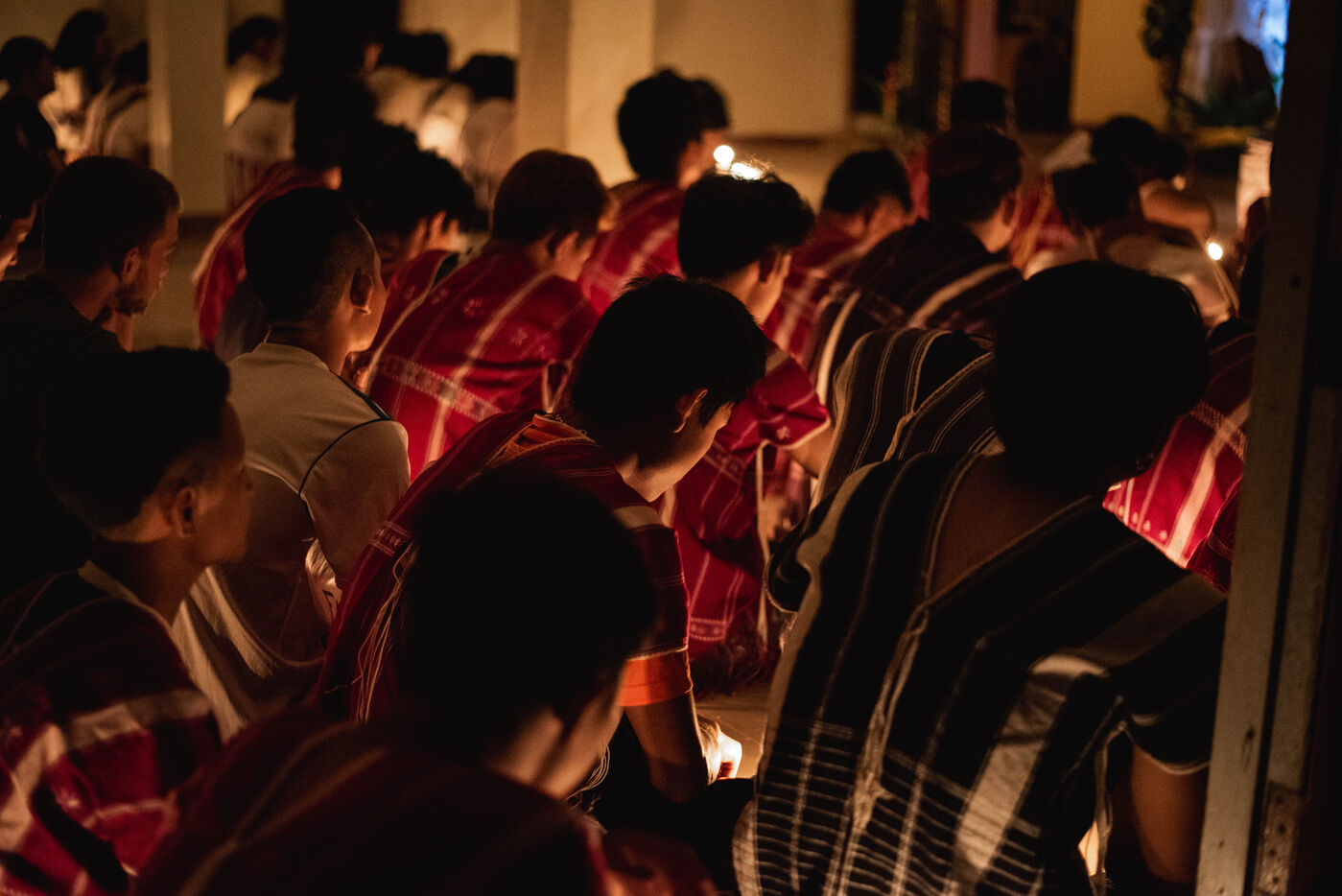
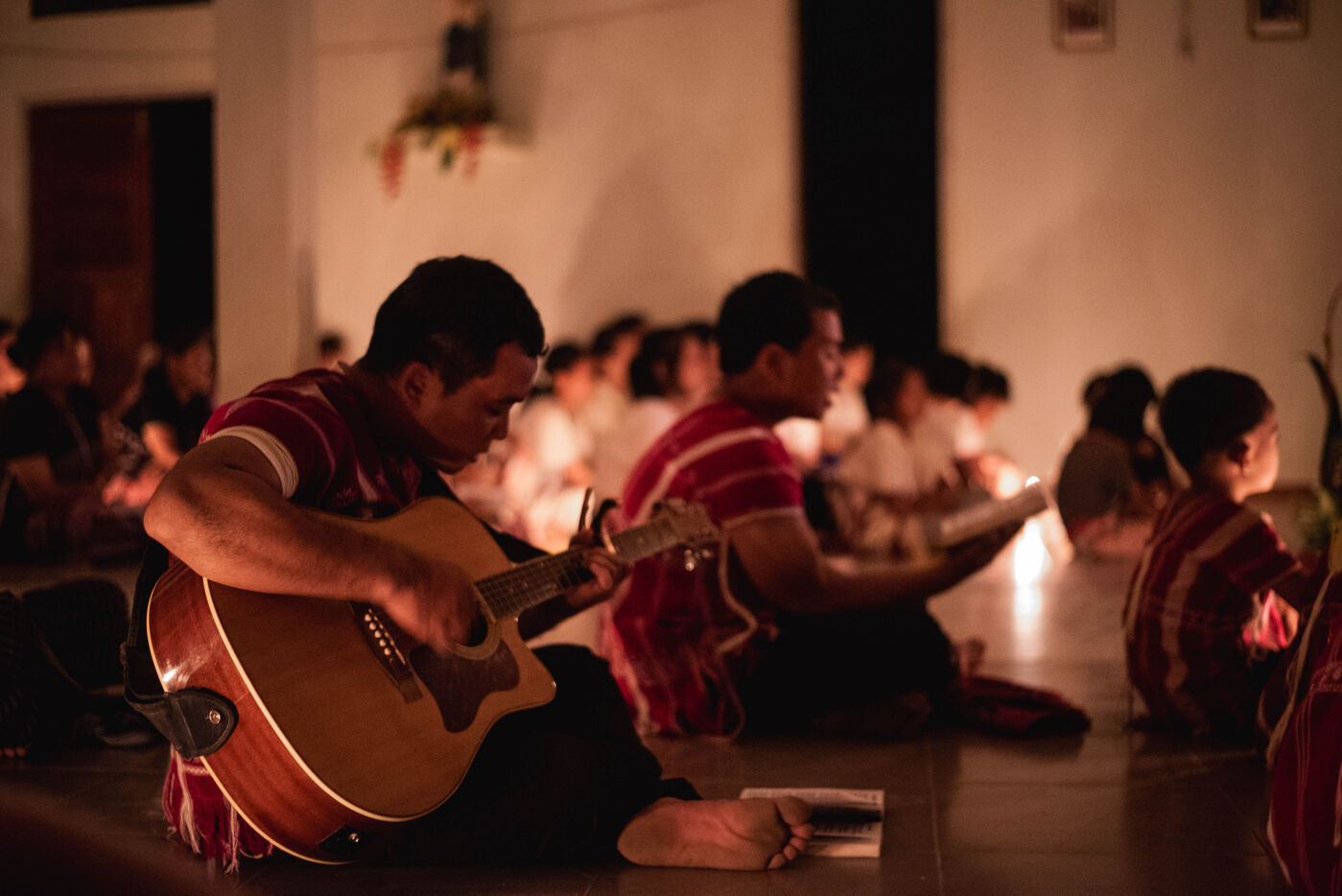
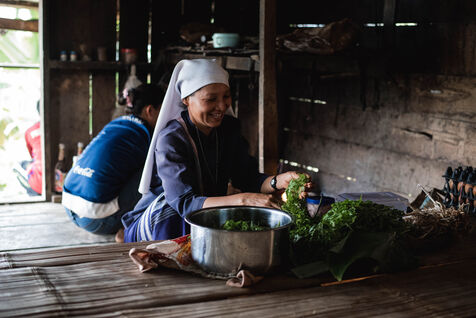
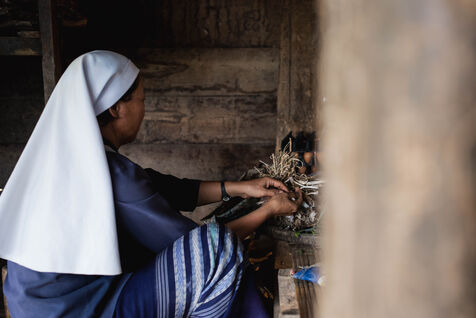
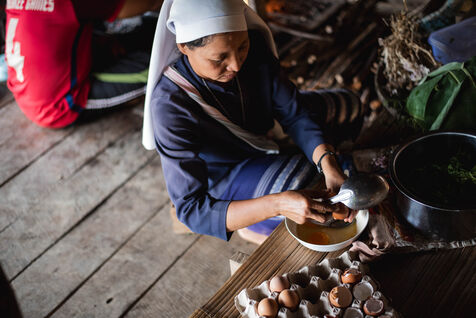
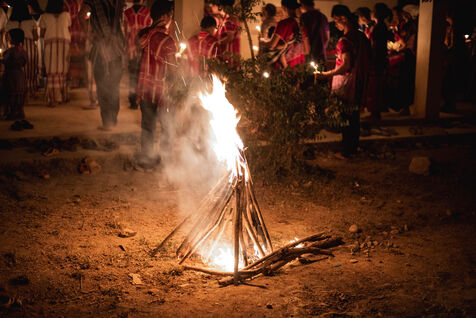
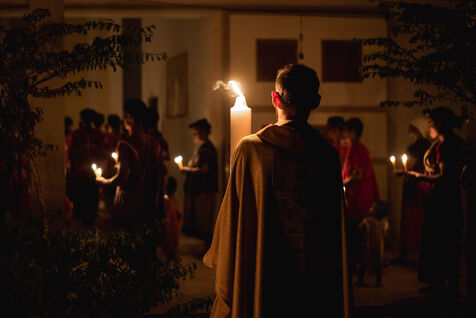
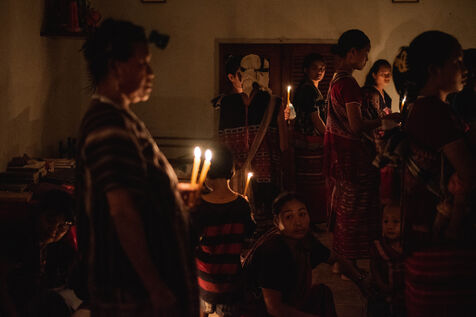
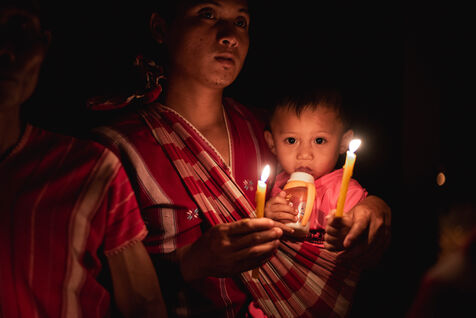
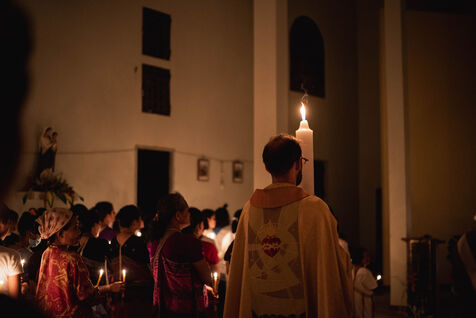
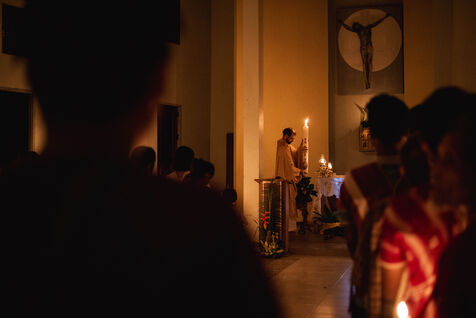
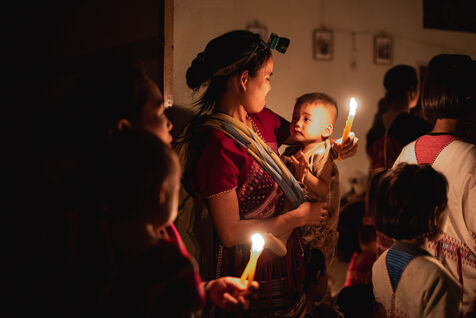
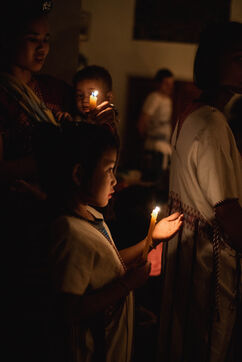
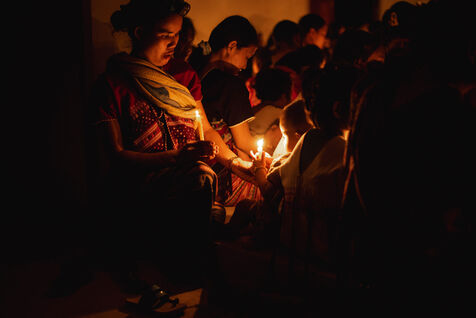
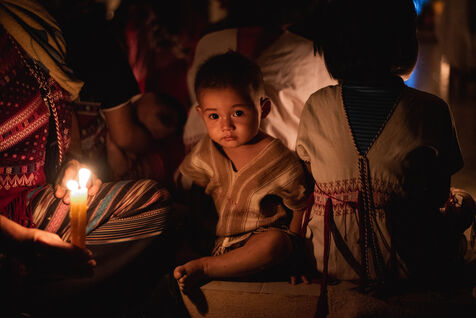
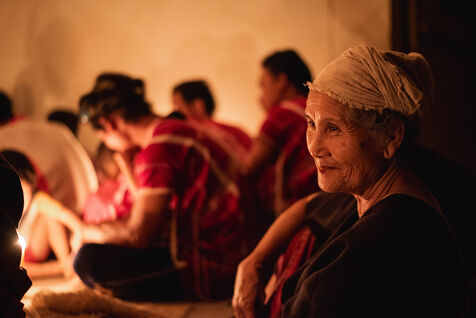
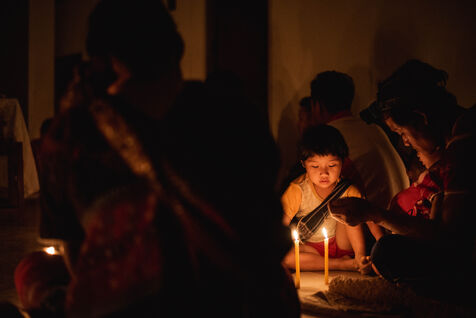
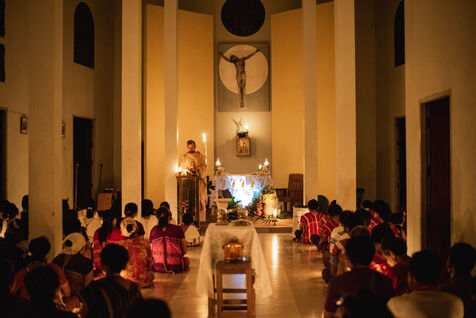
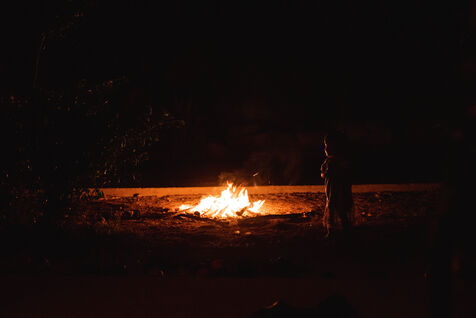
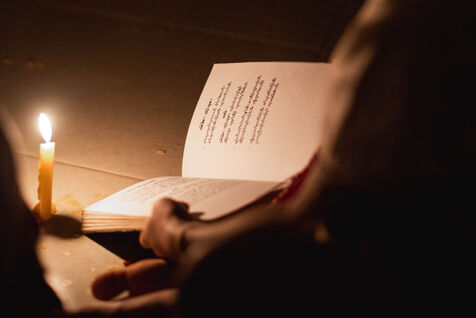
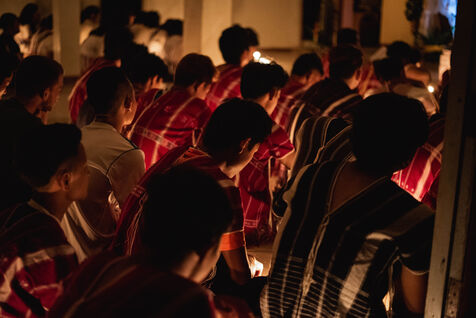
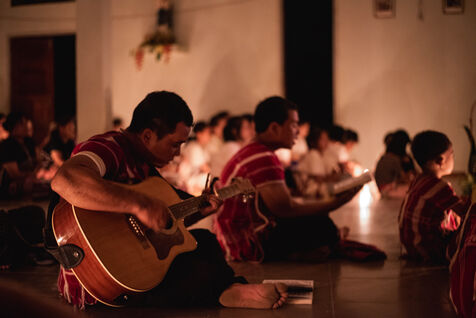
À Pâques, le village s’anime d’une ferveur particulière. Les familles se rassemblent autour de l’église en bois, les enfants en uniforme récitent des chants, et les adultes préparent les repas collectifs. La foi chrétienne ici n’efface pas les traditions karens, elle s’y mêle, dans une forme de syncrétisme silencieux, où l’identité se tisse entre montagne, croyances et transmission.
Poblaki, a Karen Village Between Mountain Traditions and Christian Faith
High in the misty mountains of Tak Province, northwestern Thailand, the village of Poblaki feels untouched by time. Hidden deep in the hills, this Karen village is only accessible by hours of rugged road. There is no electricity, and running water is basic. Most families live off the land, practicing traditional slash-and-burn rice farming that is both labor-intensive and vulnerable to the climate.
The Karen people of Poblaki have preserved their cultural identity, speaking their own language, maintaining ancestral rituals, and living closely with nature. Yet over the past decades, a quiet transformation has taken root. French missionary Father Quintard was among the first outsiders to settle here, bringing not only the Christian faith but also education. Under his guidance, a school and a small kindergarten were built, offering new possibilities to the children of the village.
Today, Father Camille continues this mission, supported by the NGO Enfants du Mékong. In classrooms, children sings in Karen, pray in Thai. Their parents, mostly farmers, see education as a path to opportunity, but also as a delicate balance between tradition and modernity.
During Easter, Poblaki takes on a special energy. Families gather around the small wooden church, children dress in uniforms and lead prayers, while communal meals bring everyone together. Christianity here does not erase Karen identity, it merges with it, in a subtle syncretism where beliefs and customs co-exist.
In this isolated corner of Thailand, between mountains and mist, a community writes its own story, rooted in heritage, yet reaching gently outward.