Hétérotopie
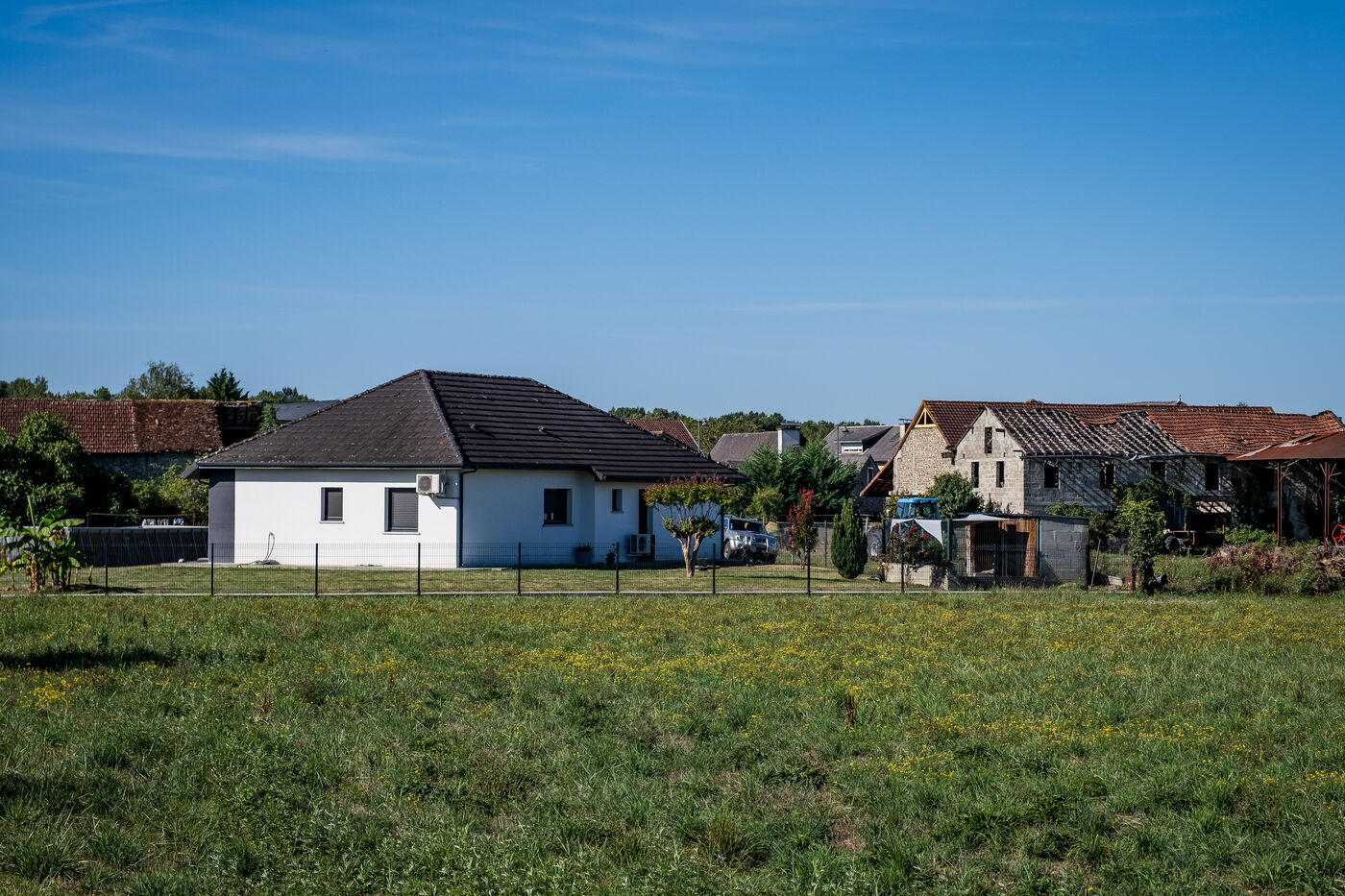
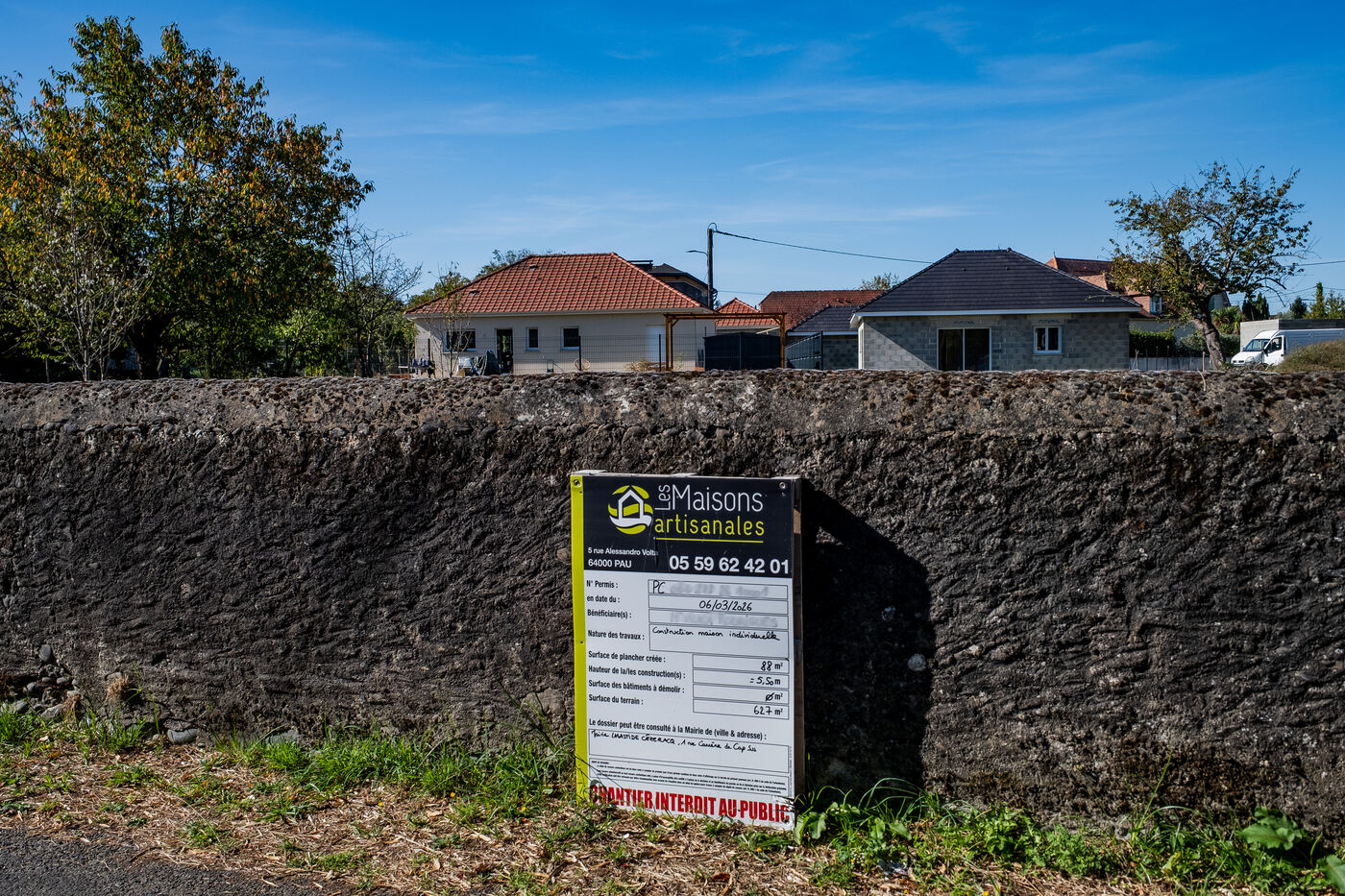
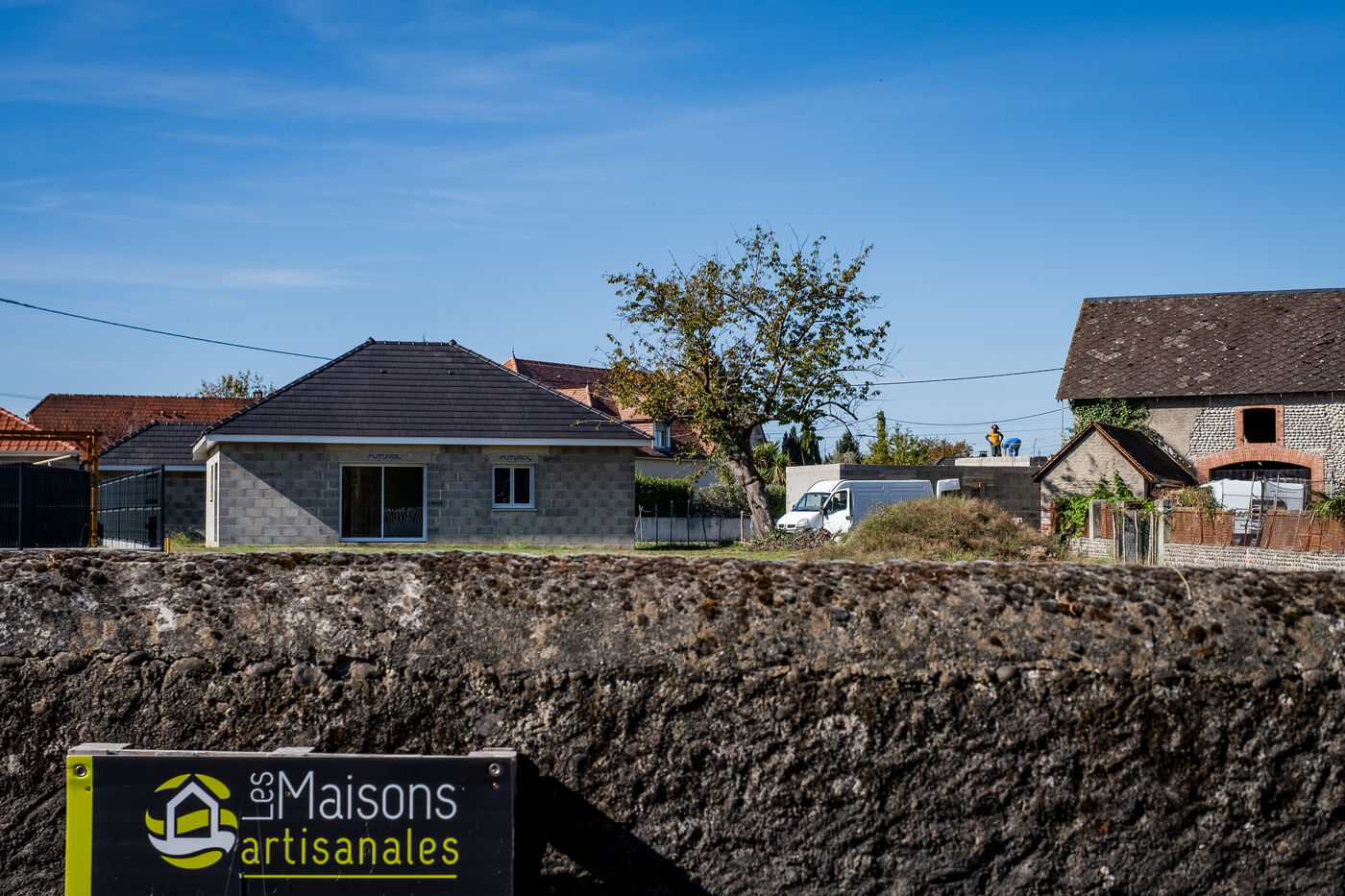
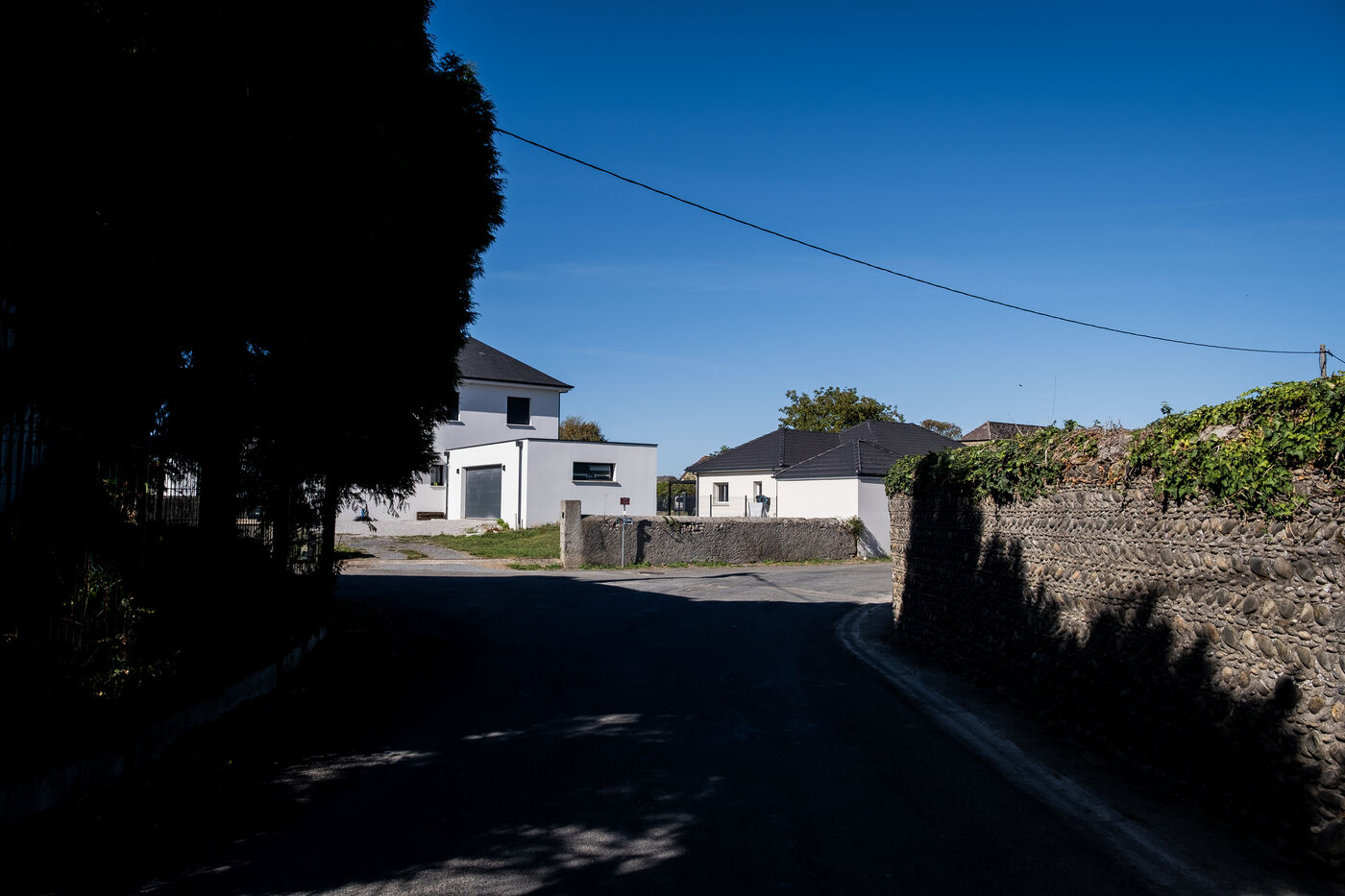
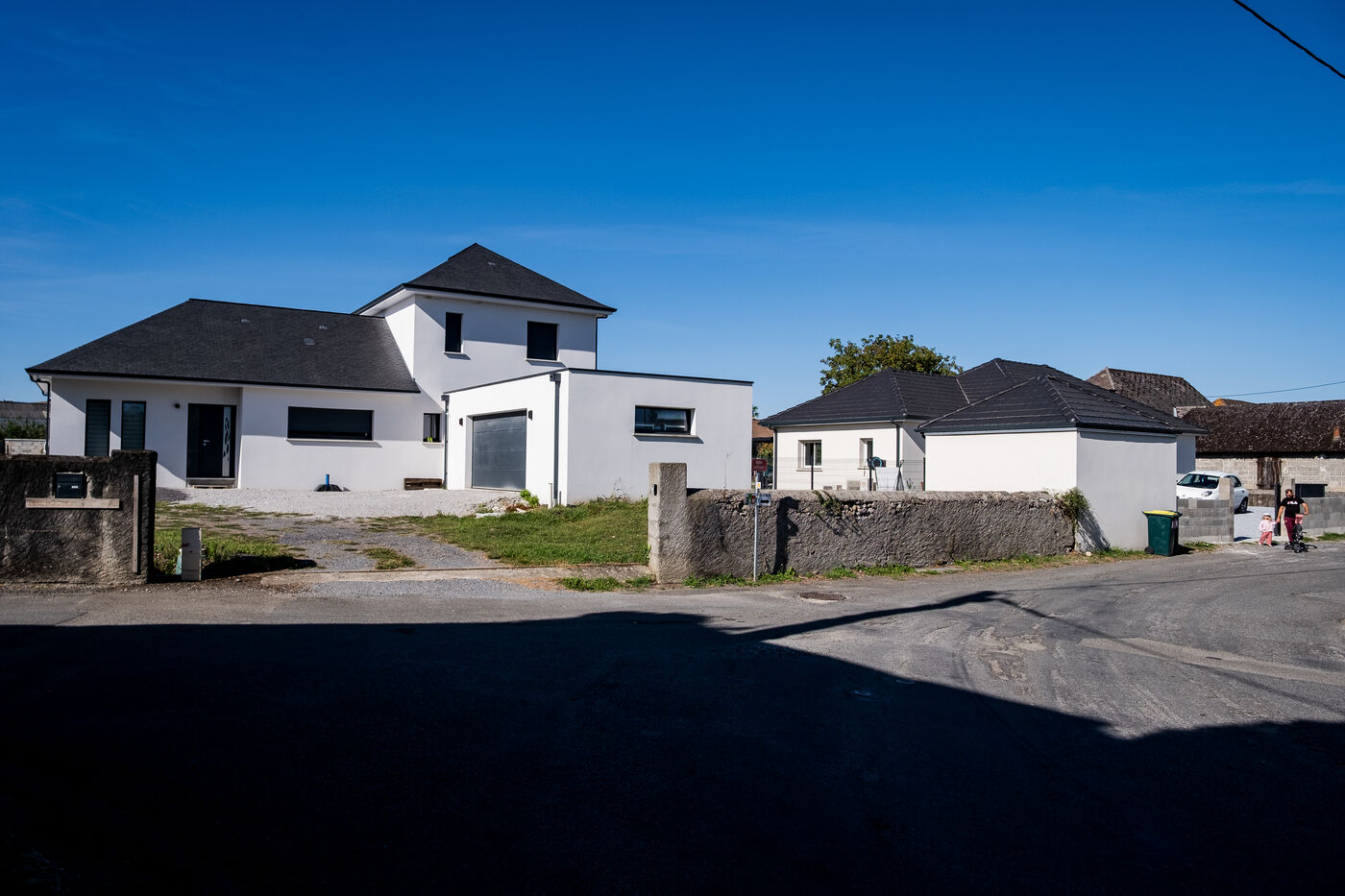
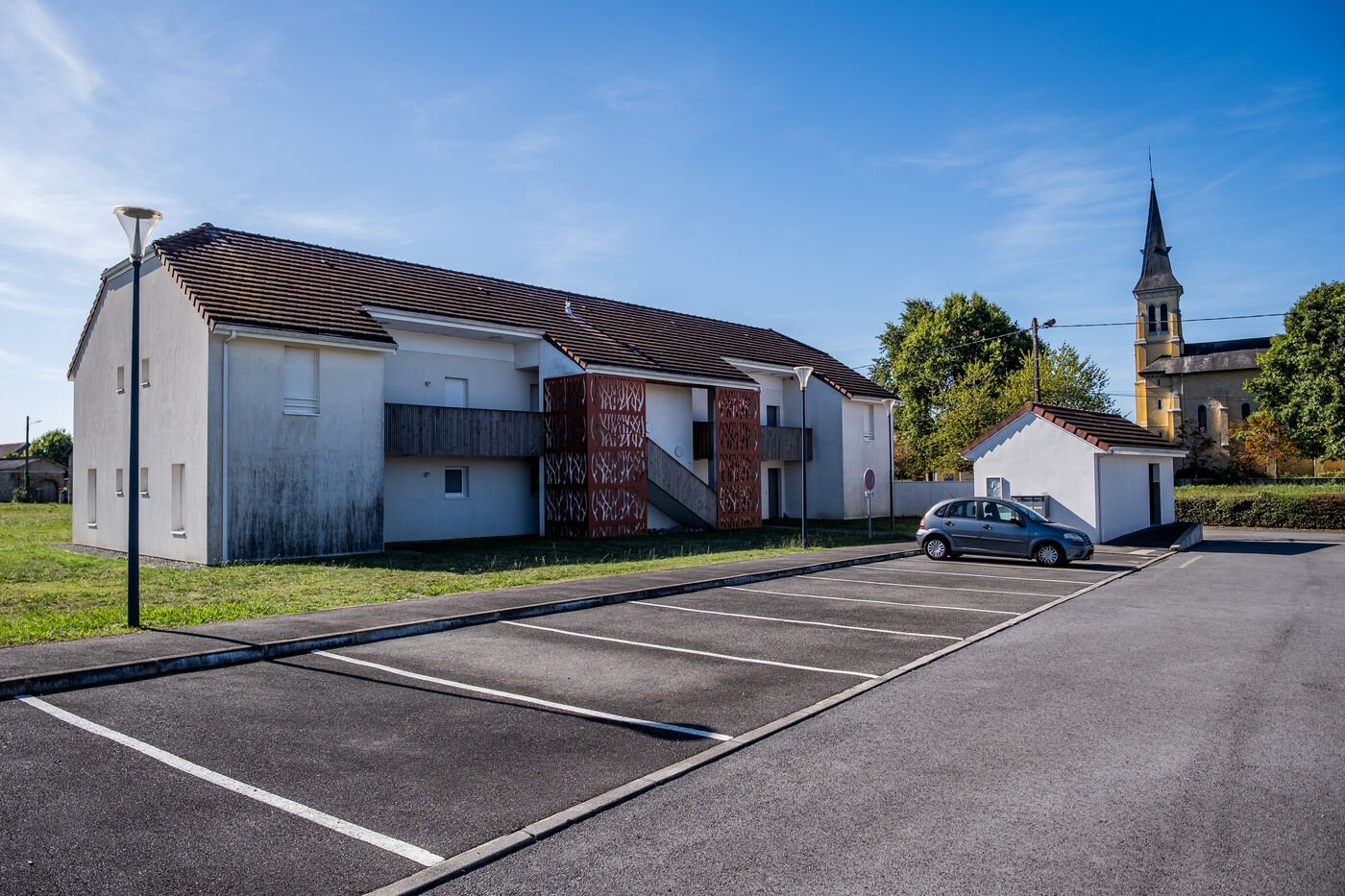
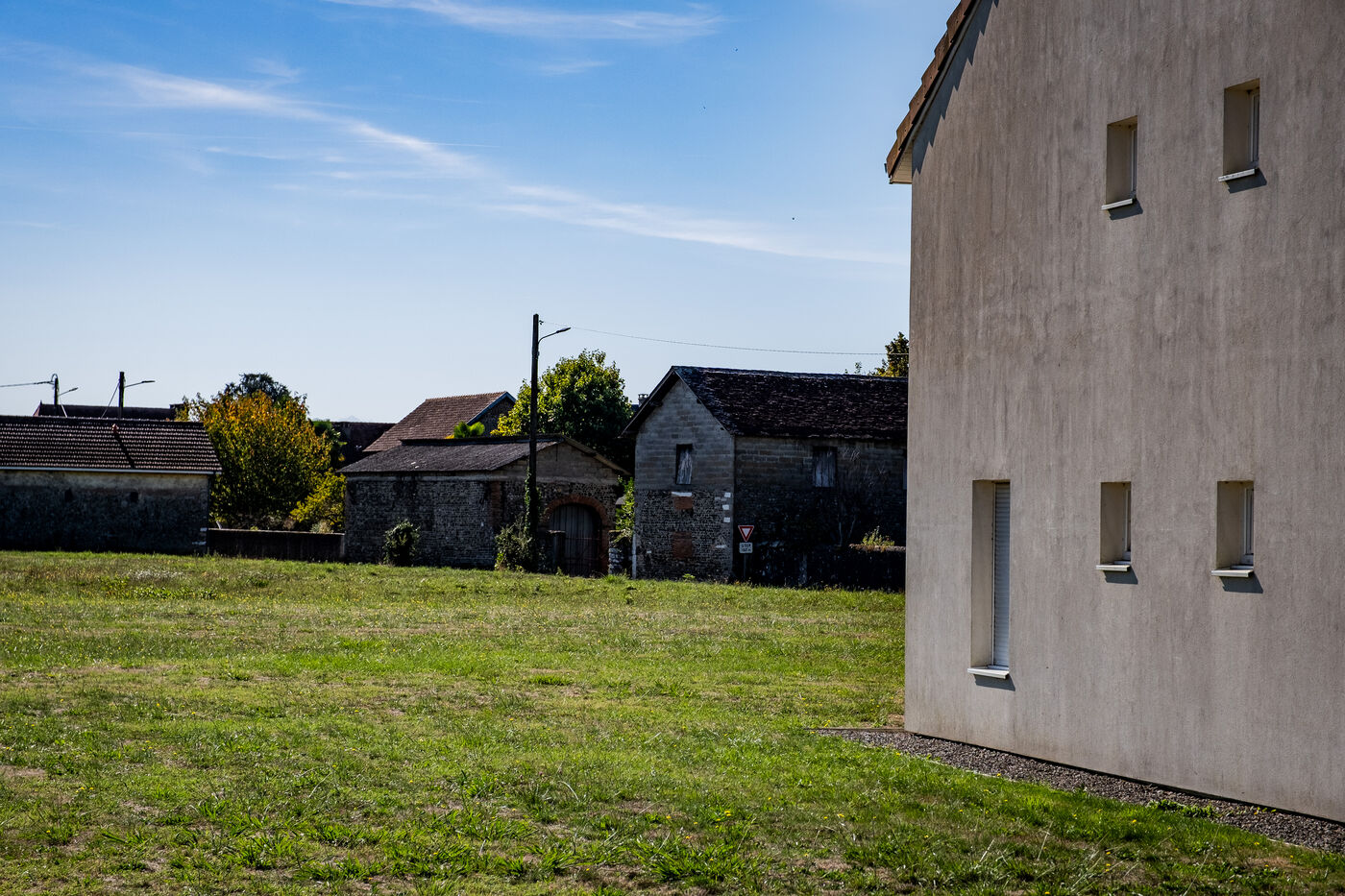
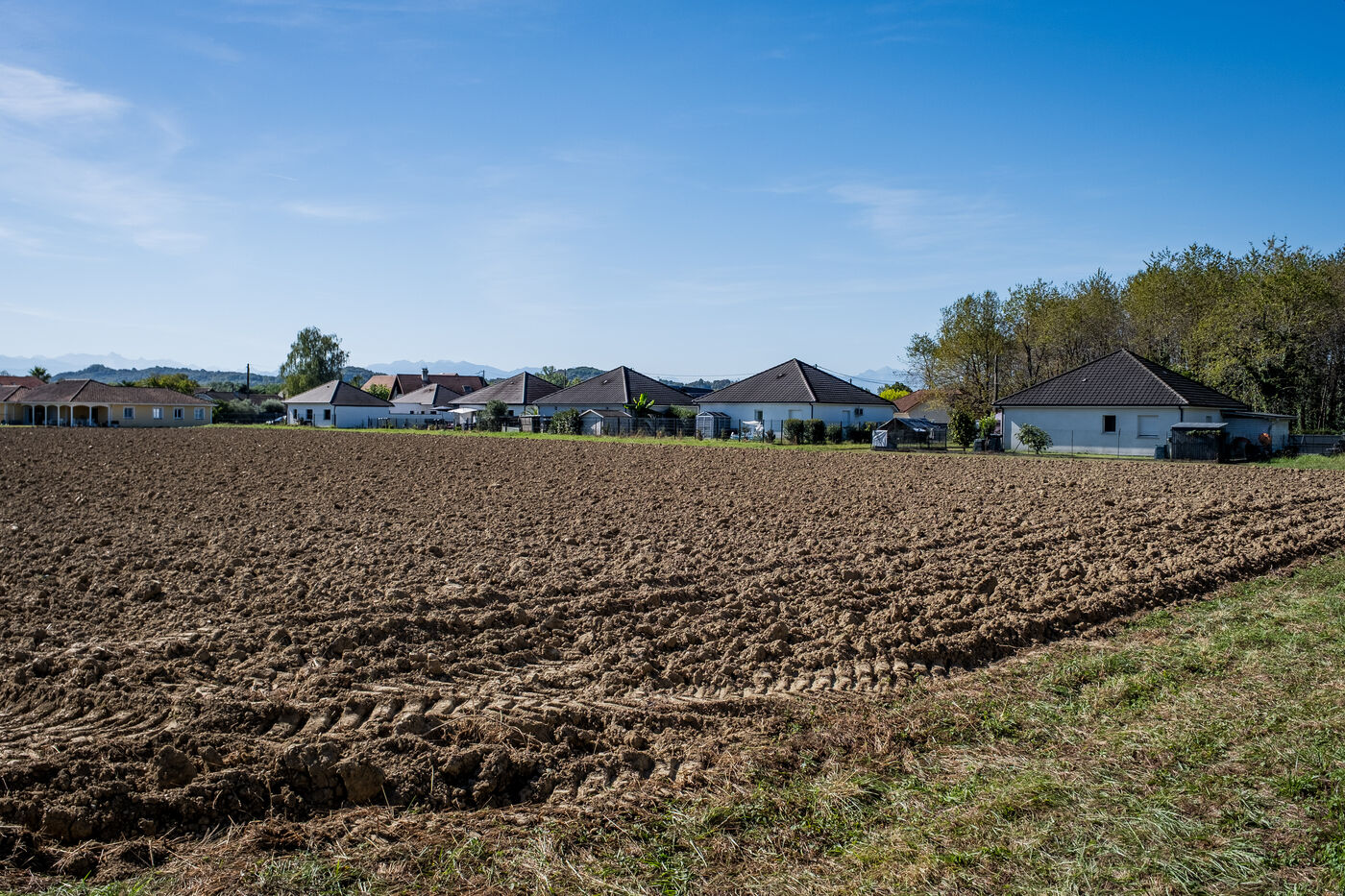
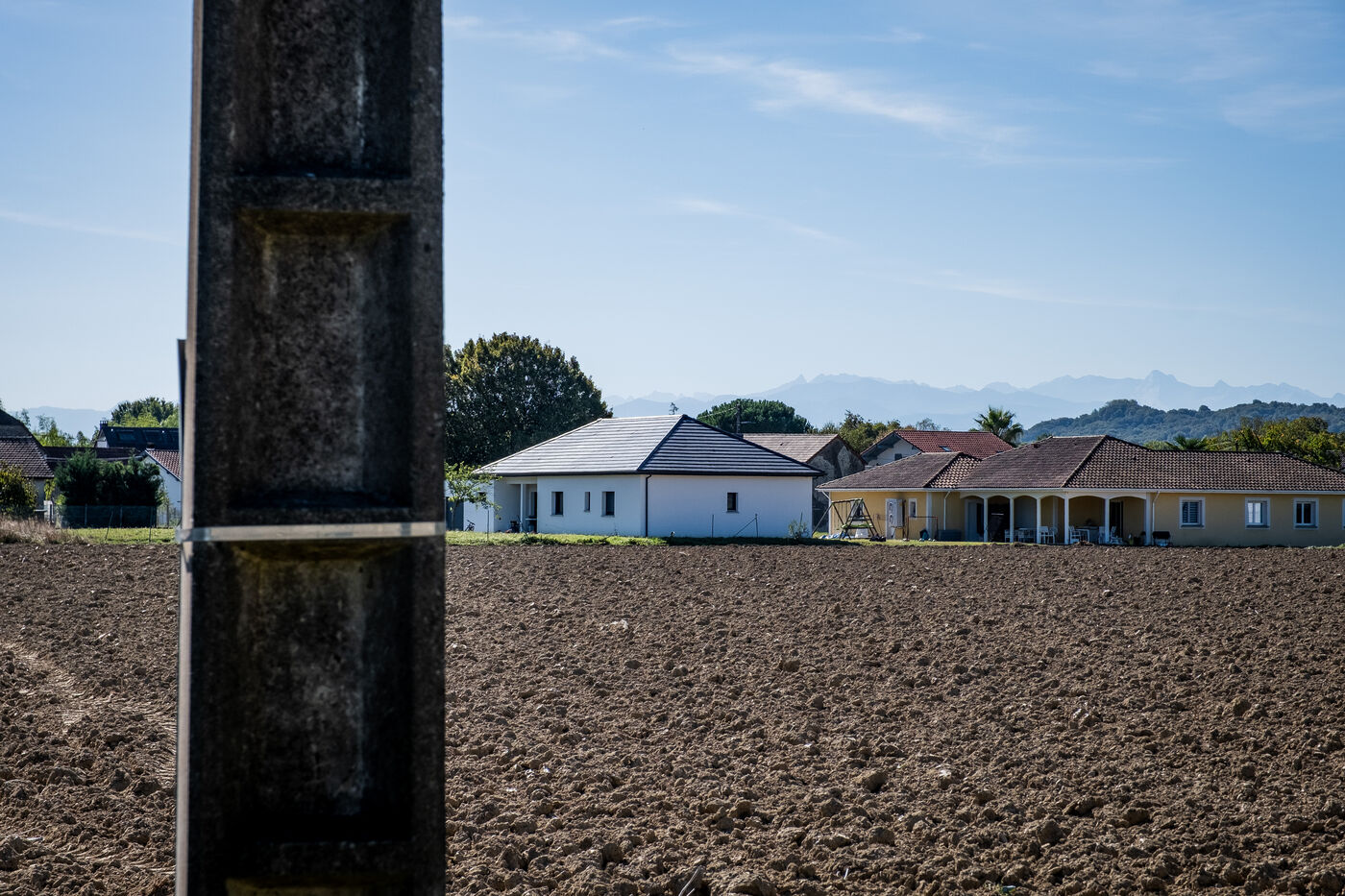
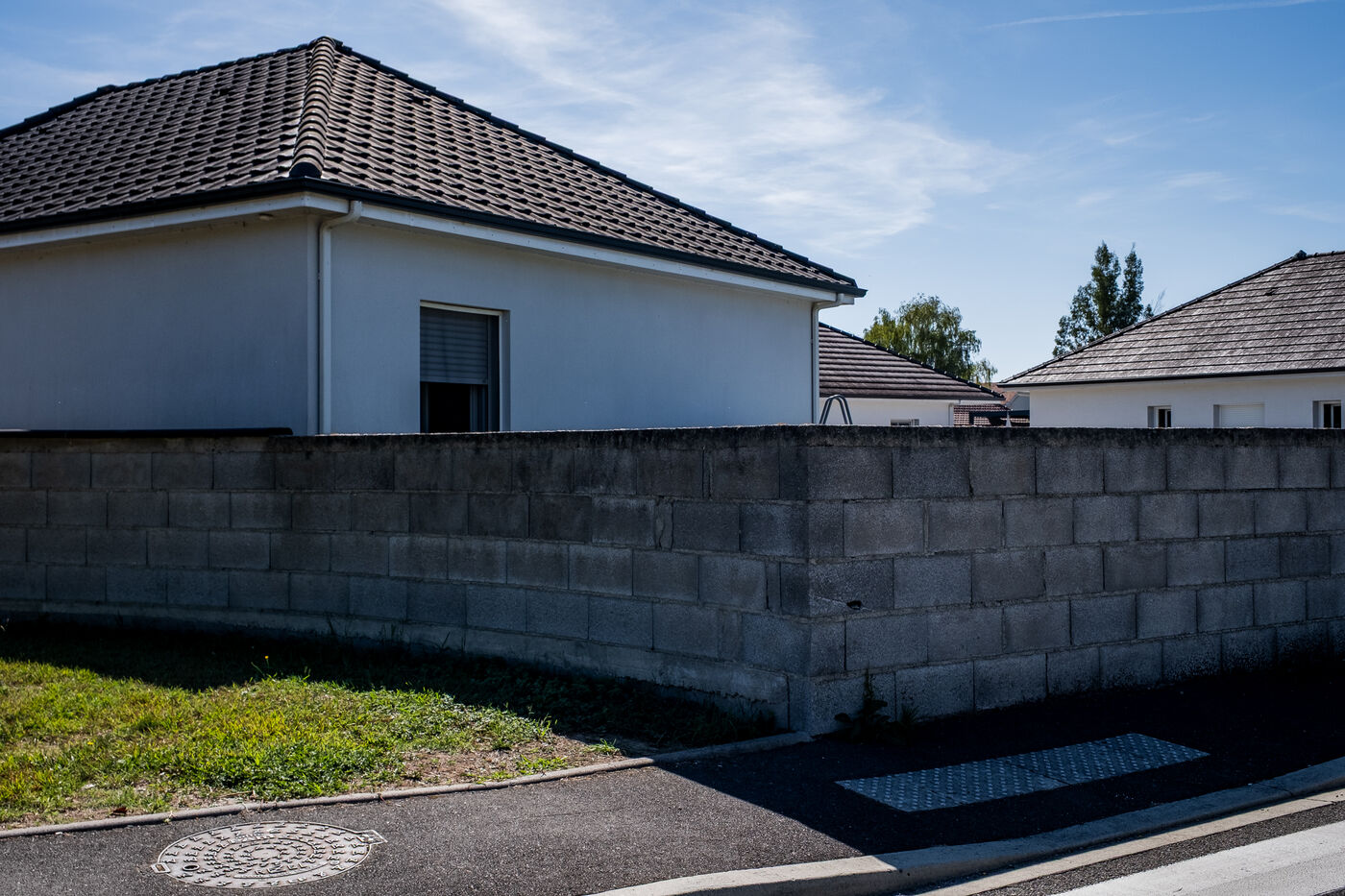
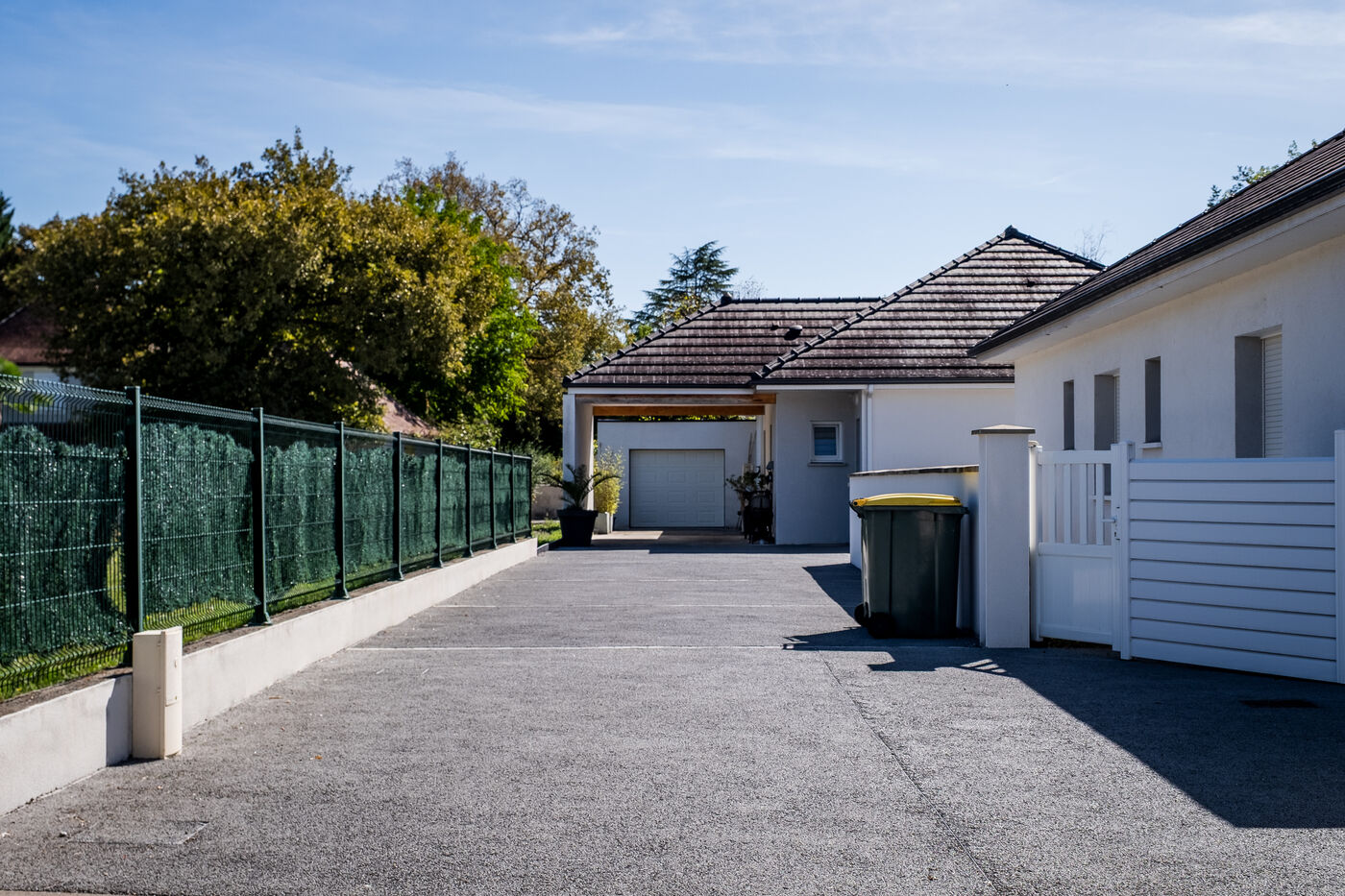
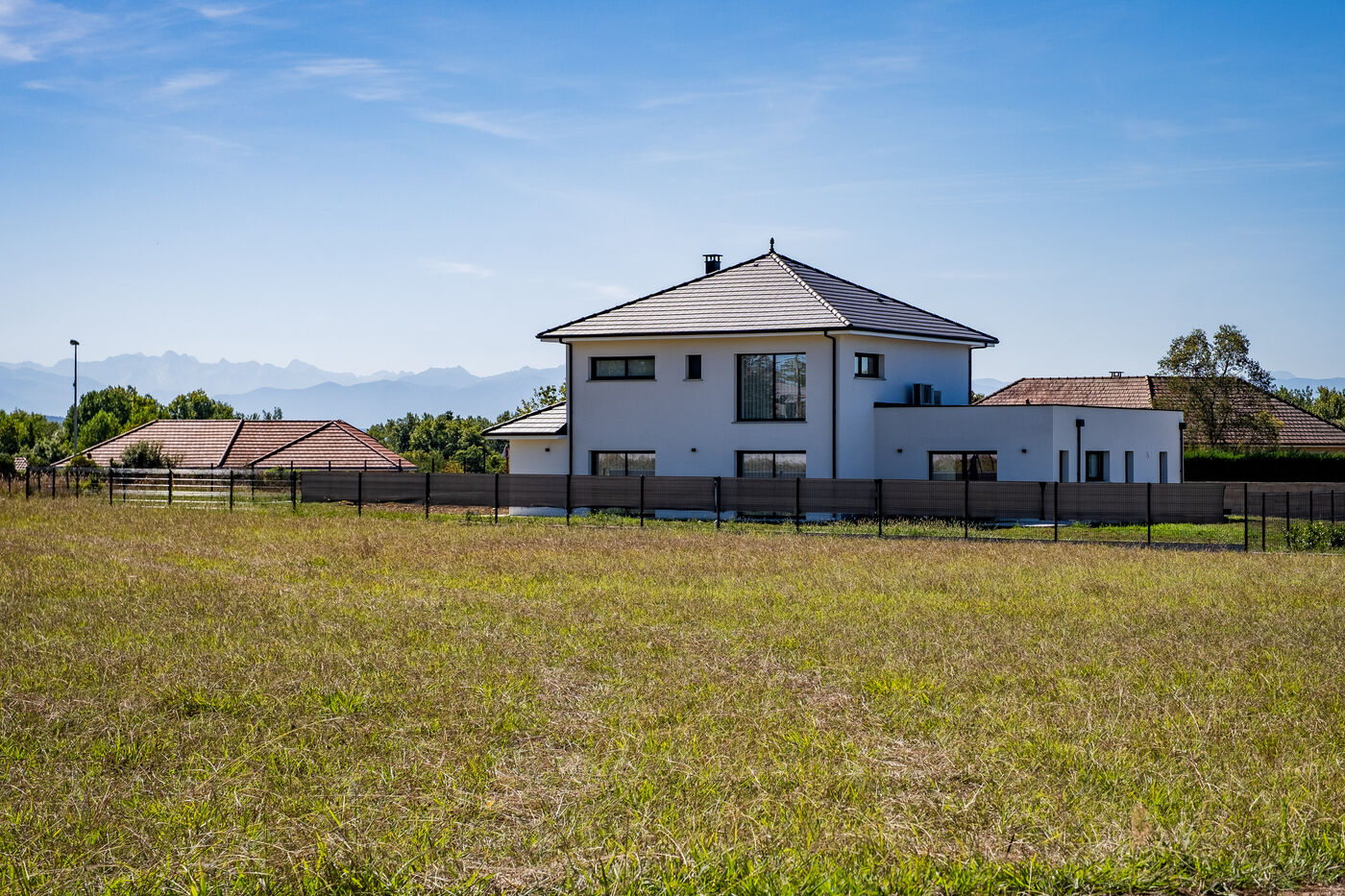
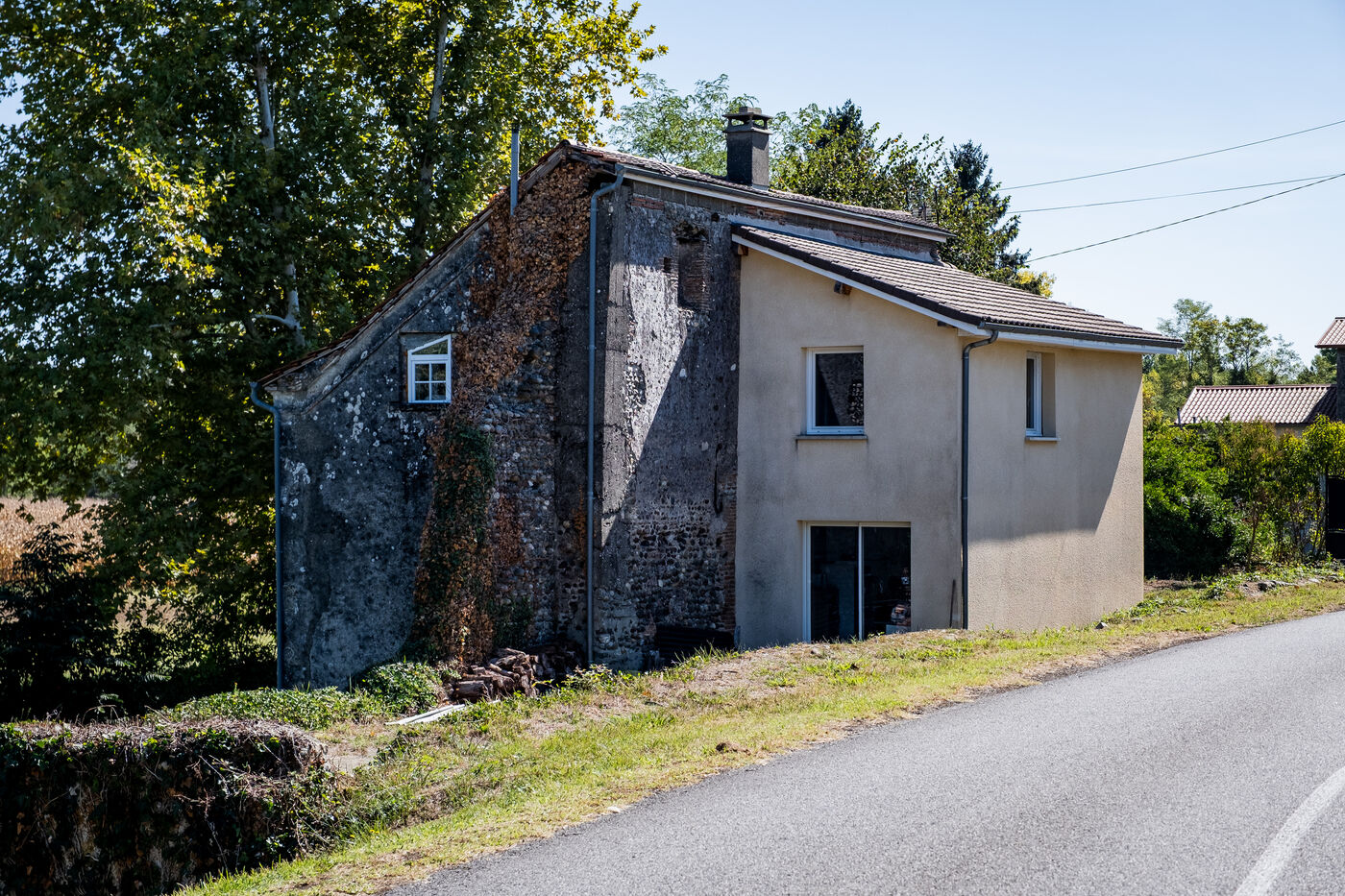
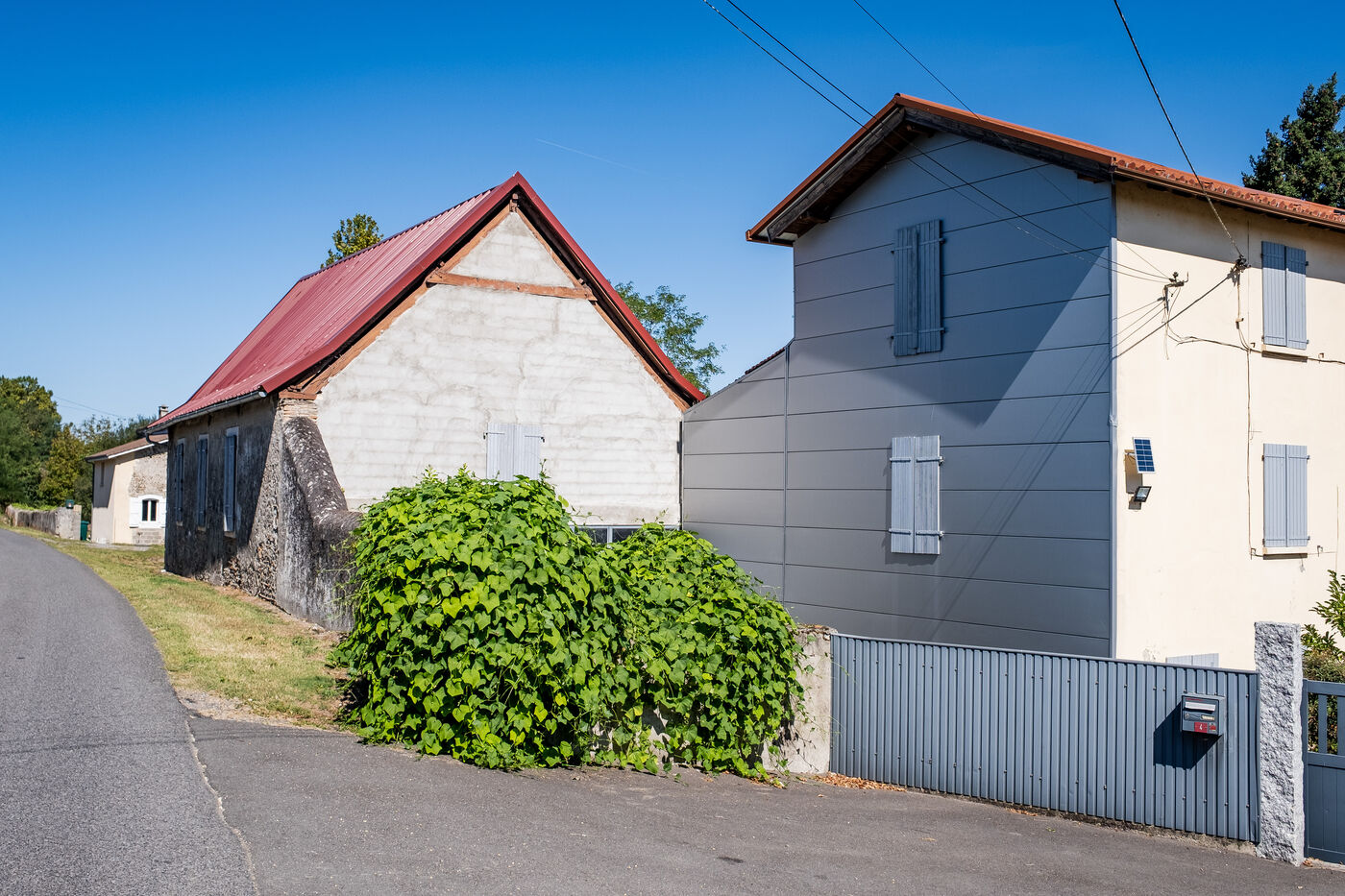
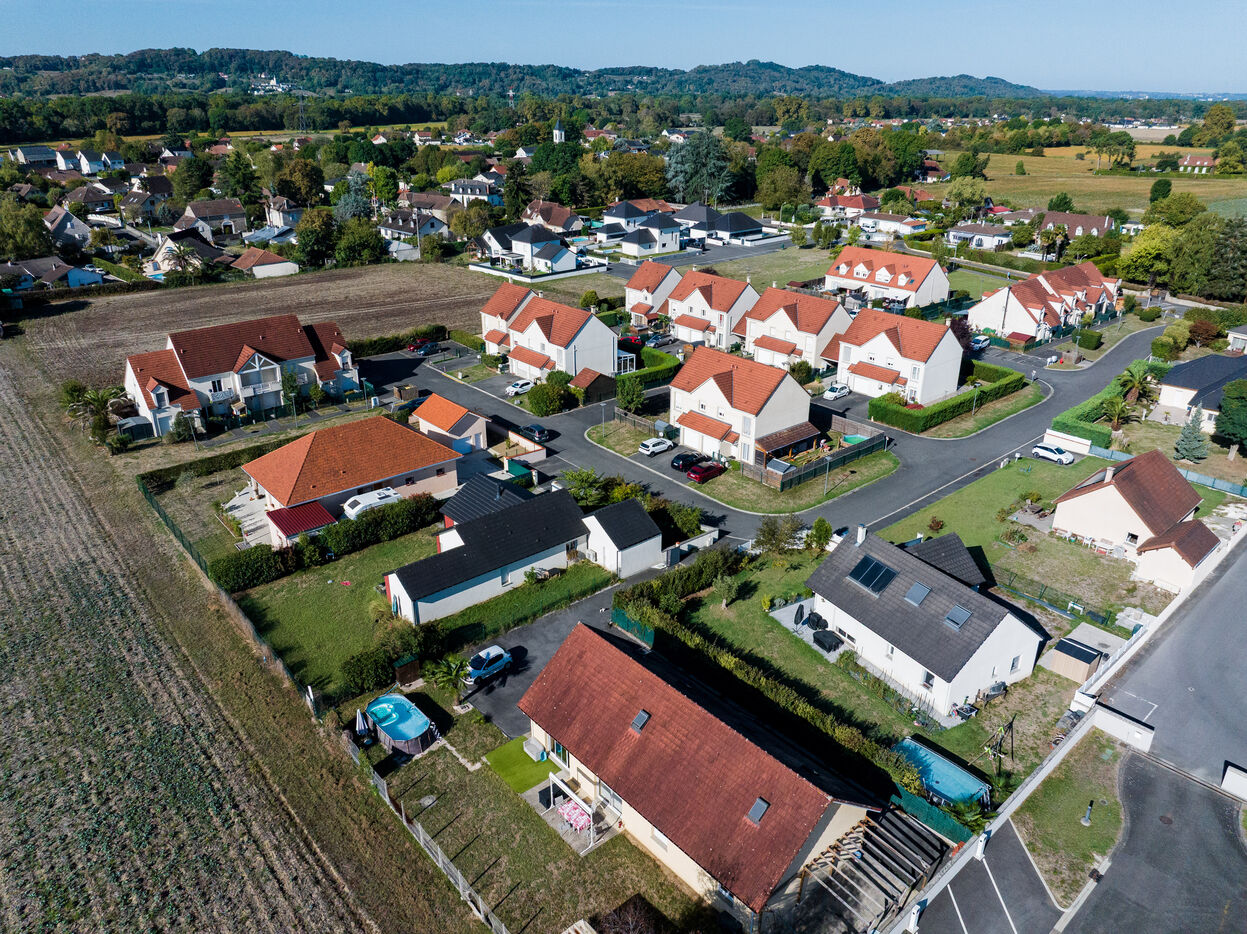
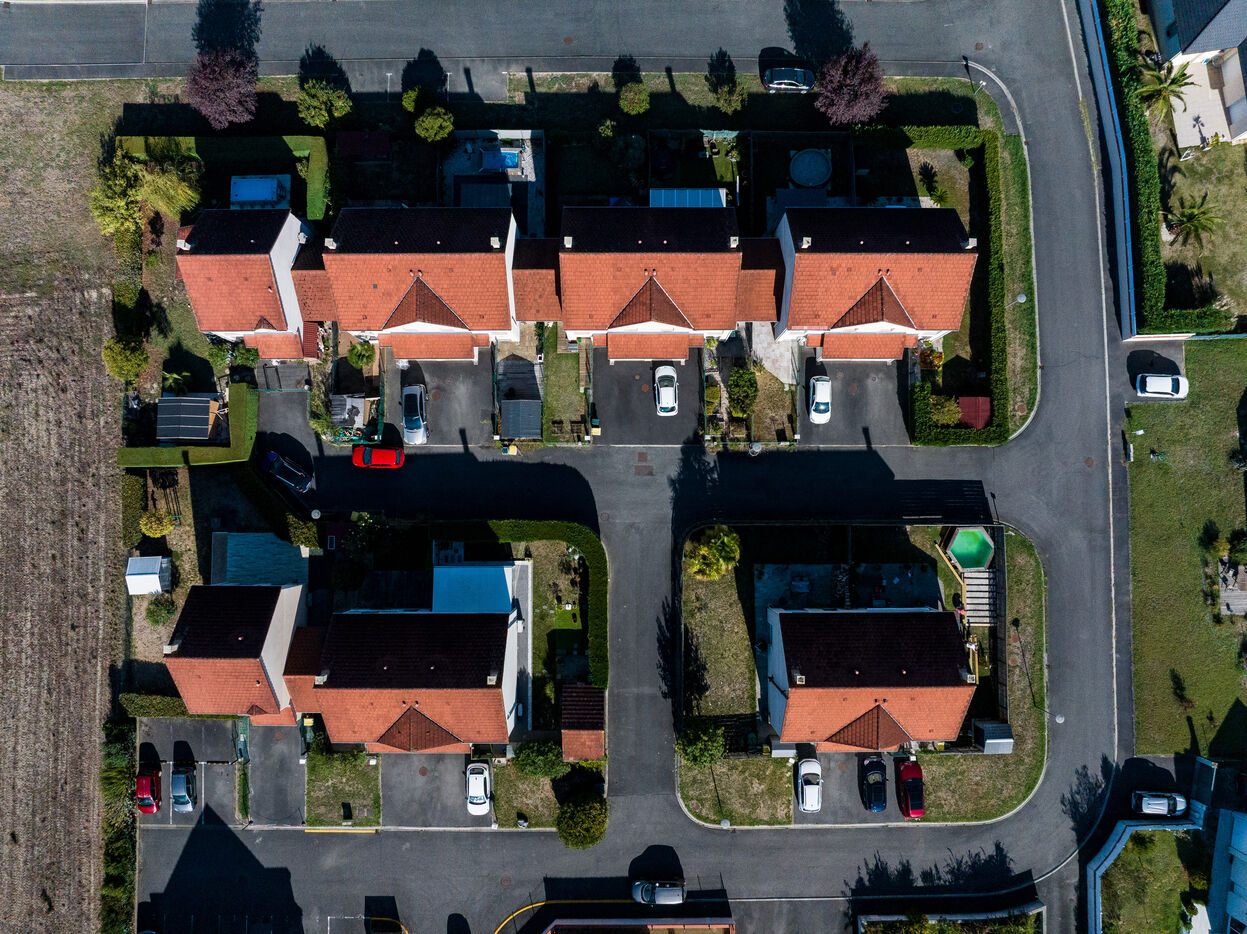
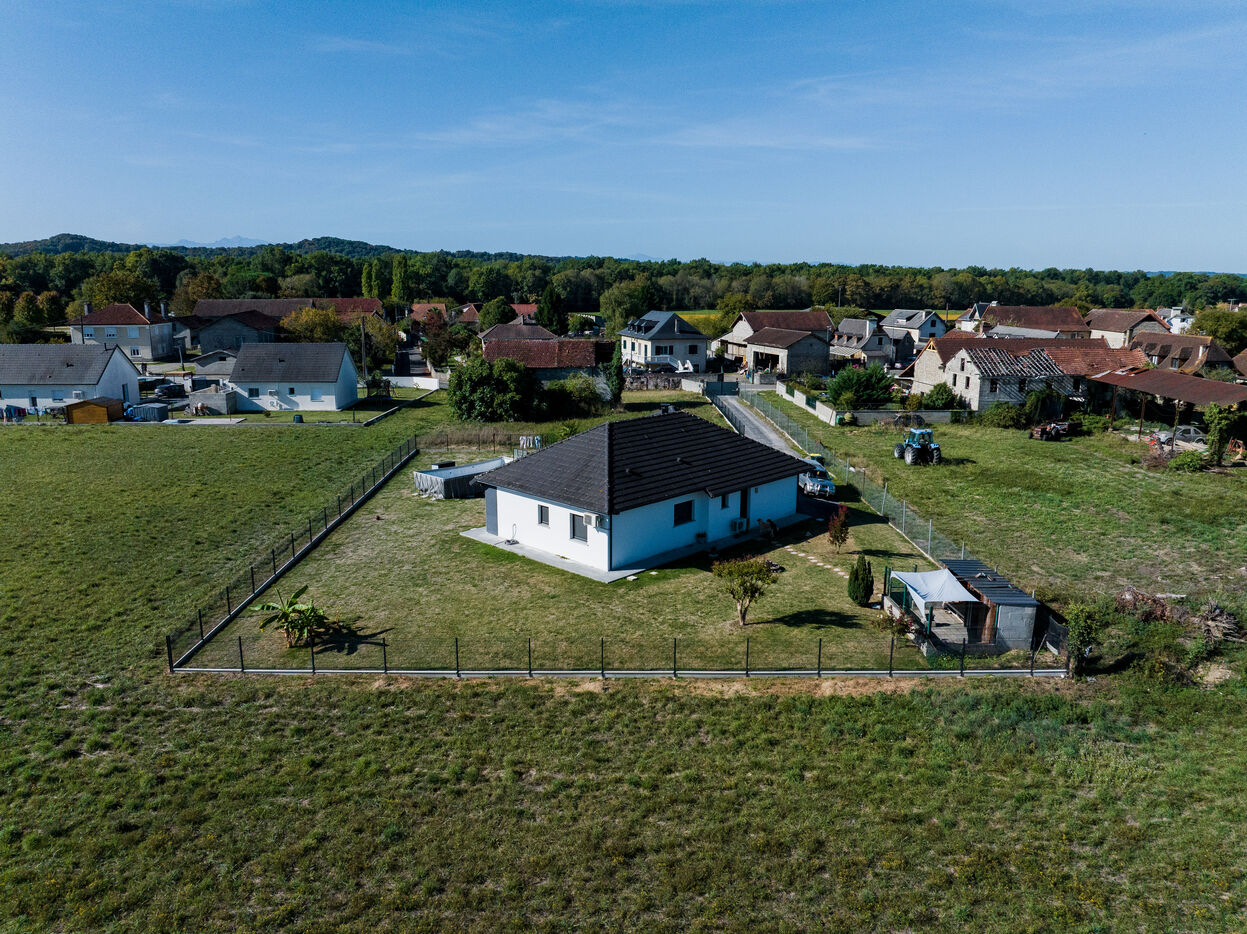
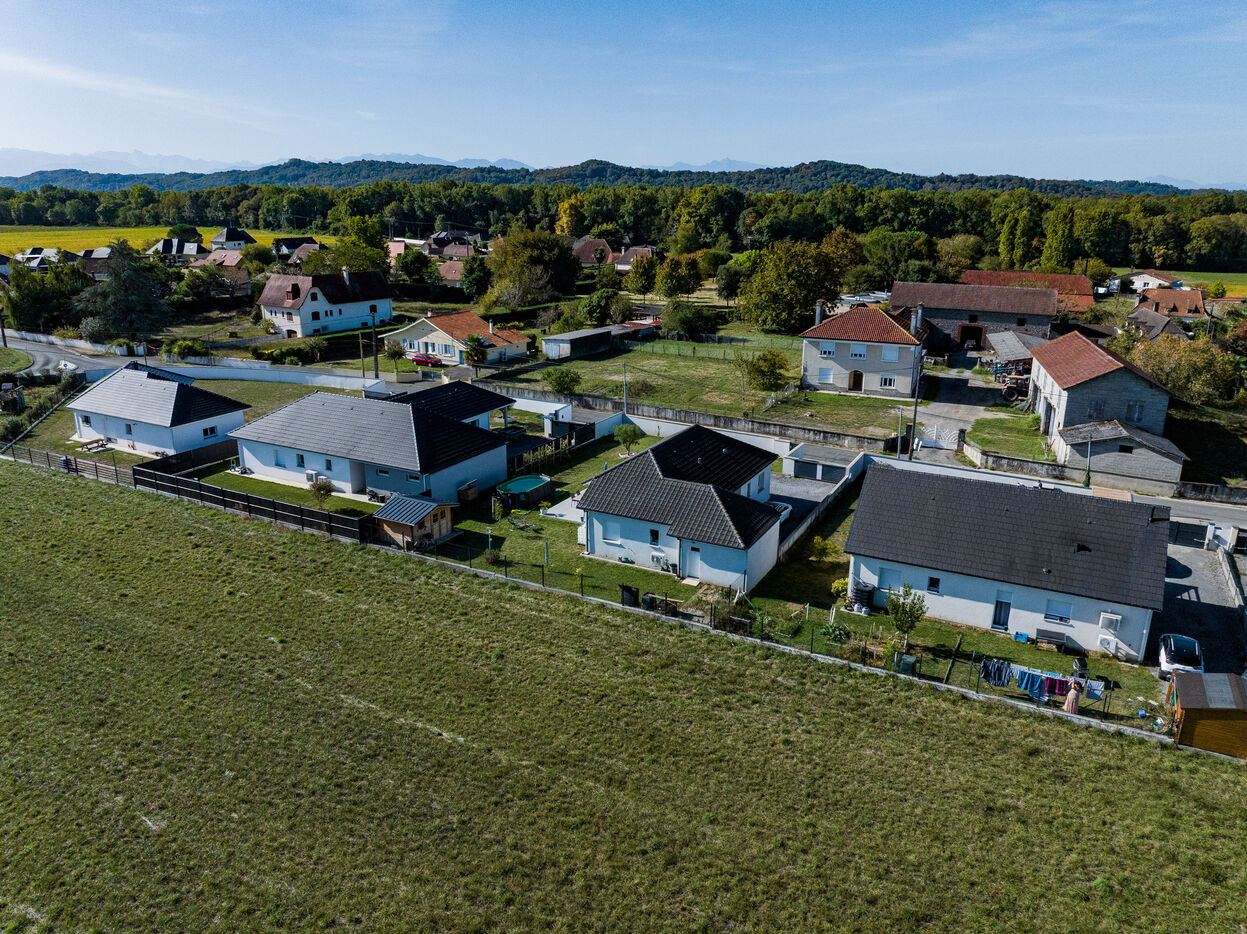
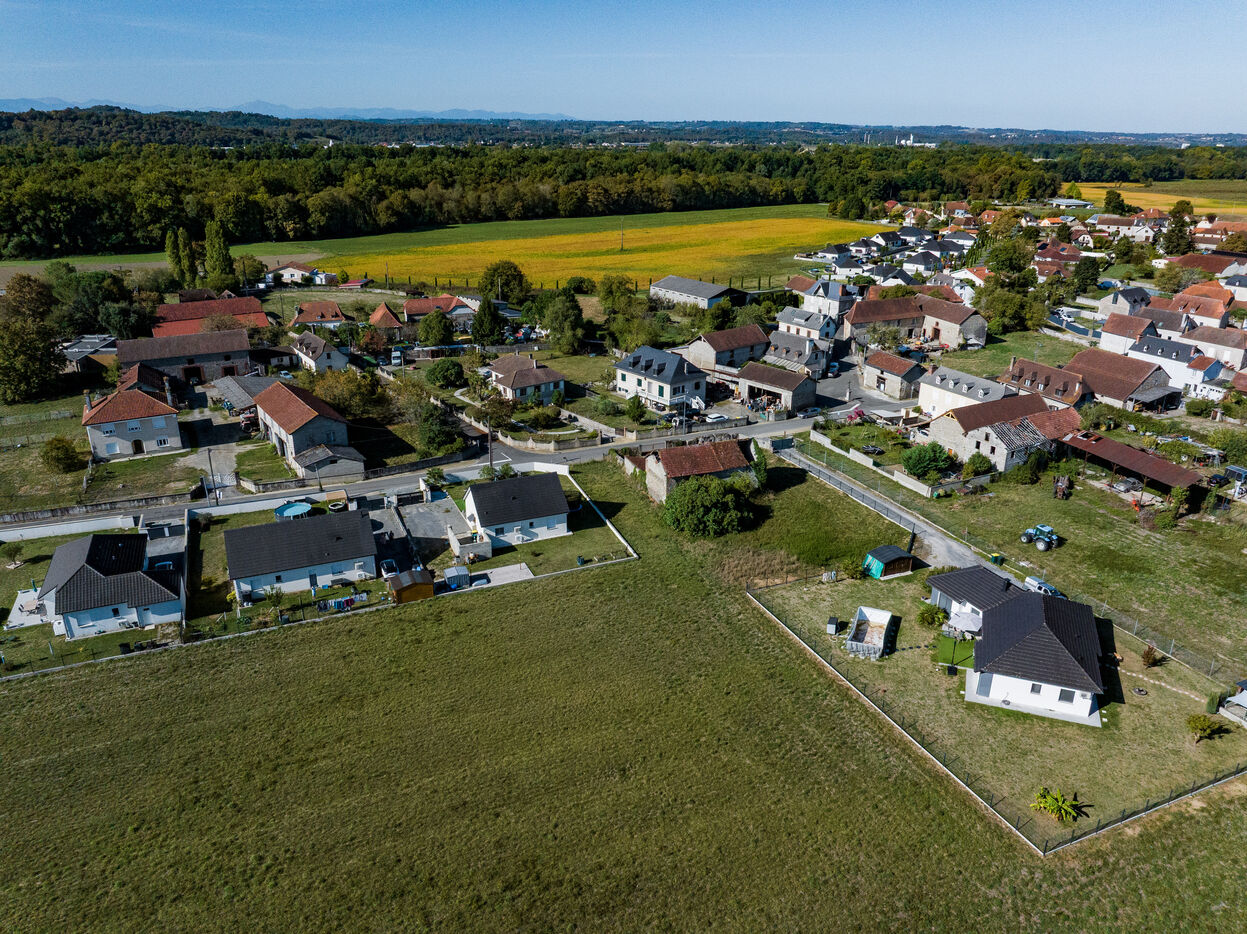
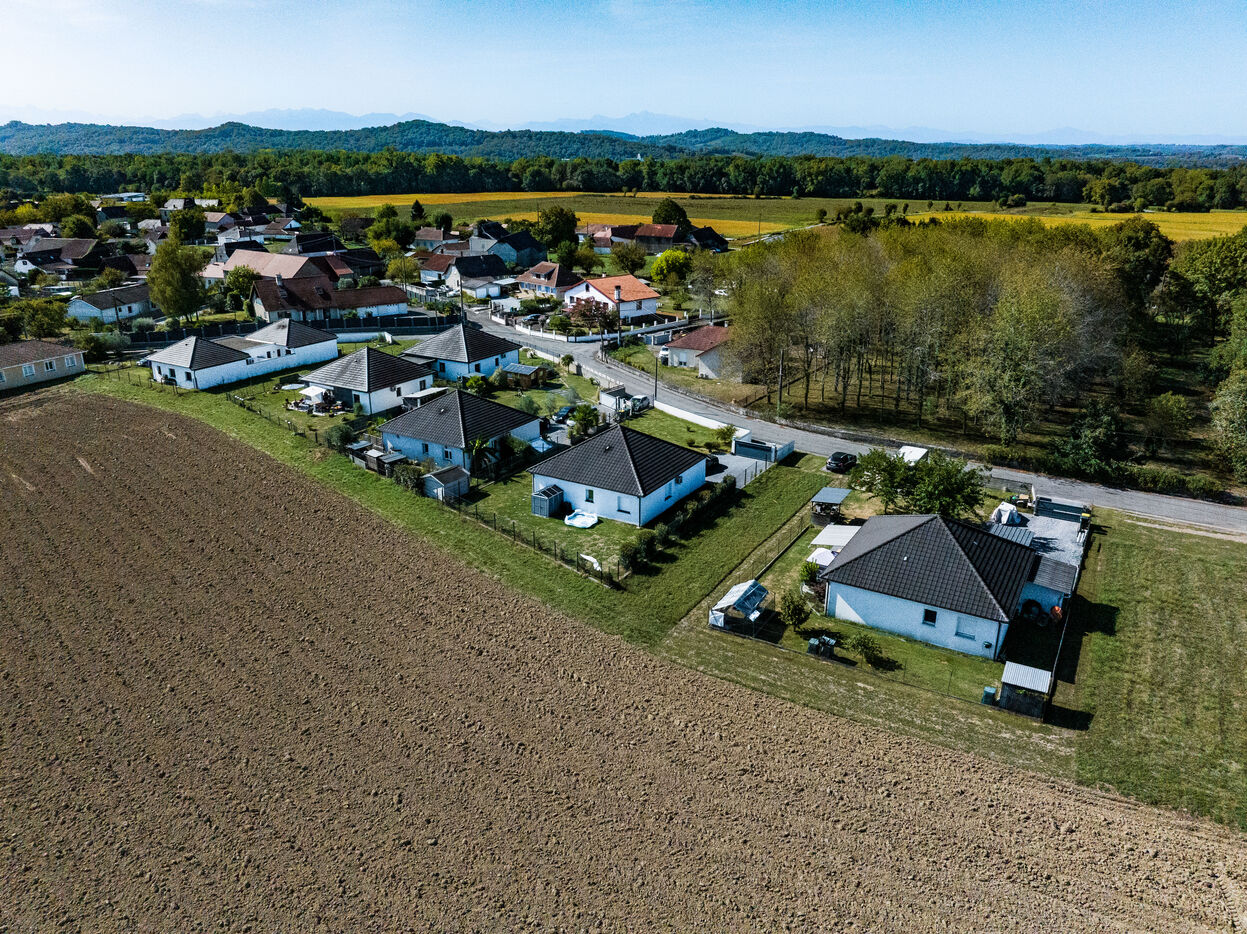
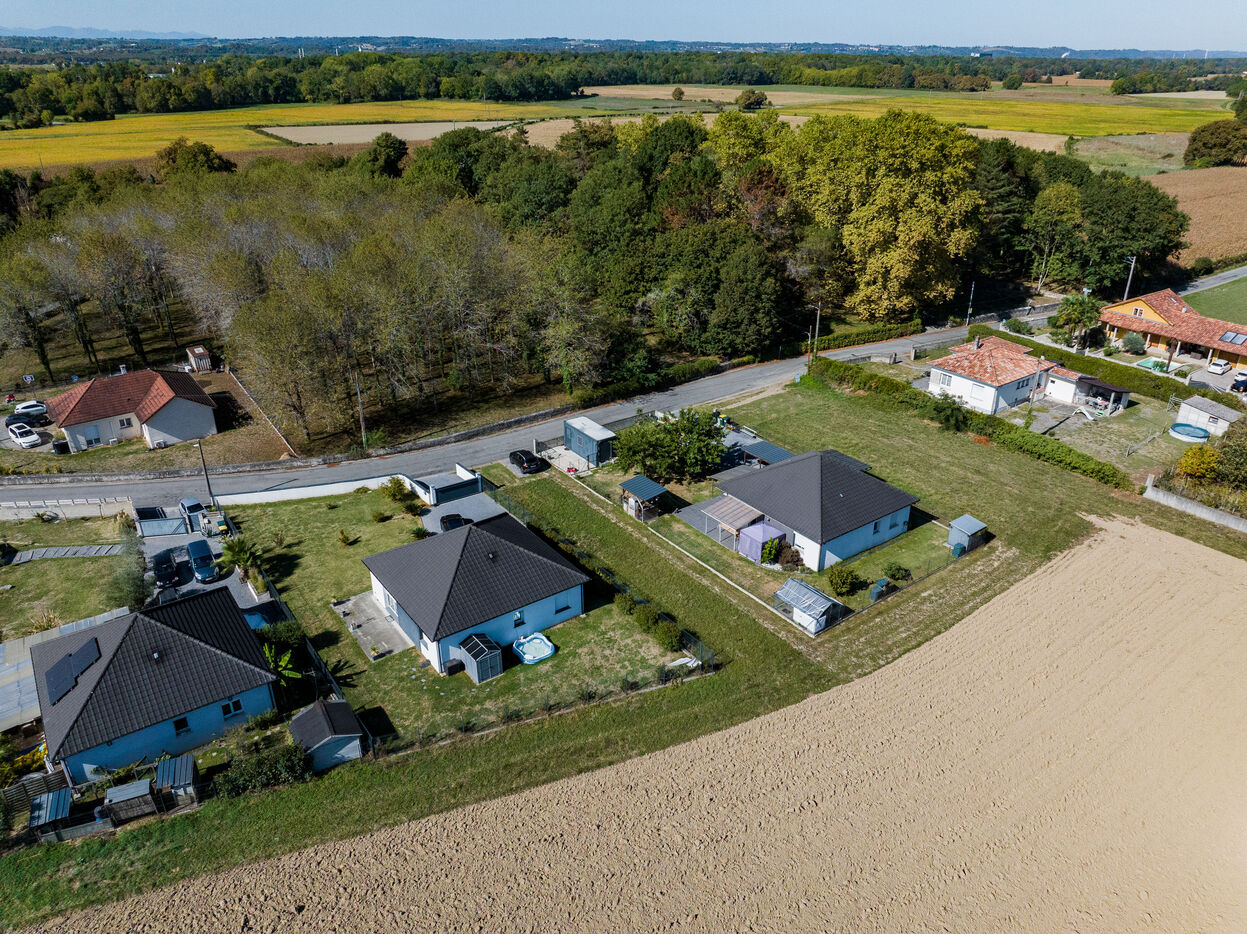
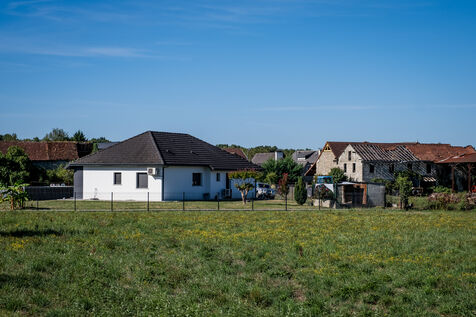
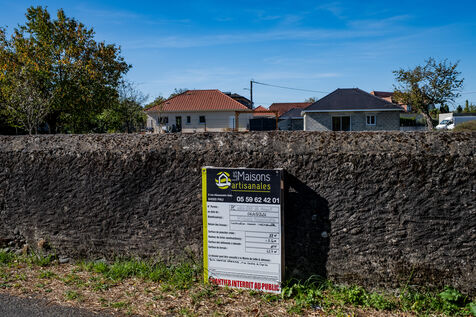
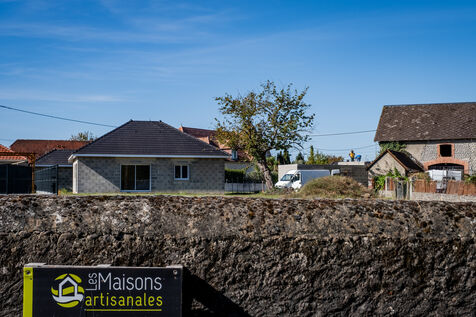
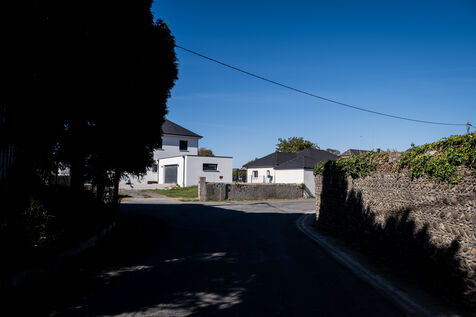
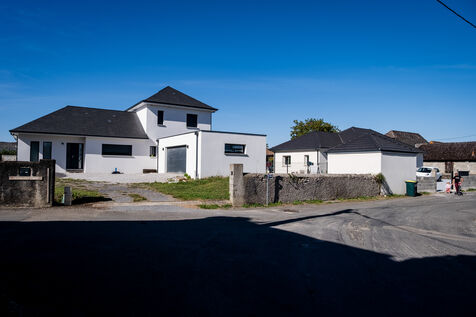
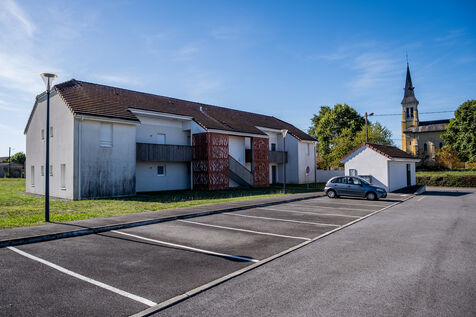
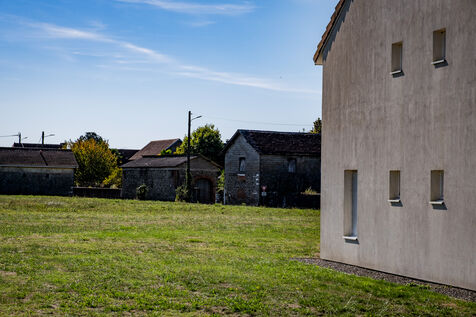
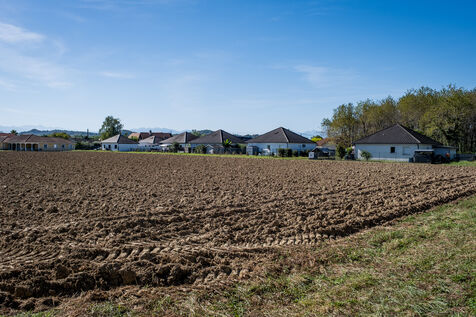
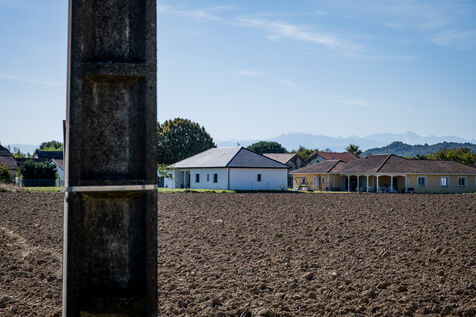
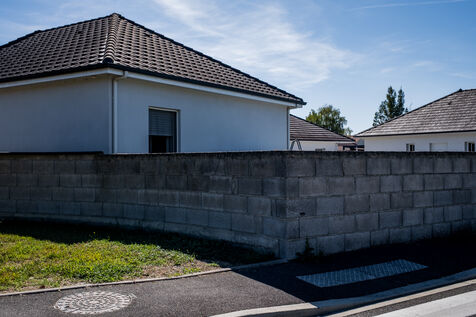
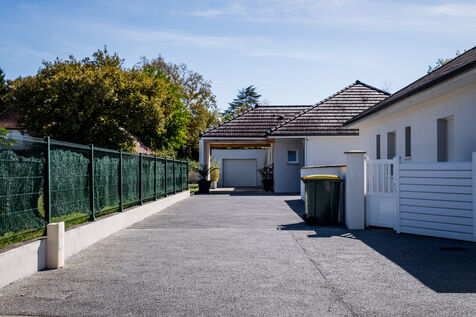
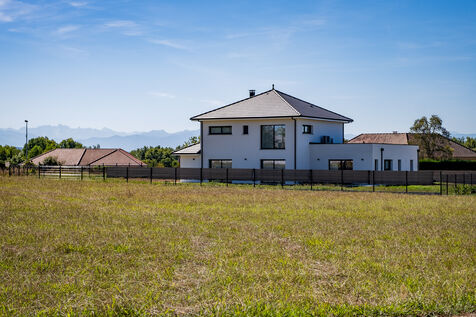
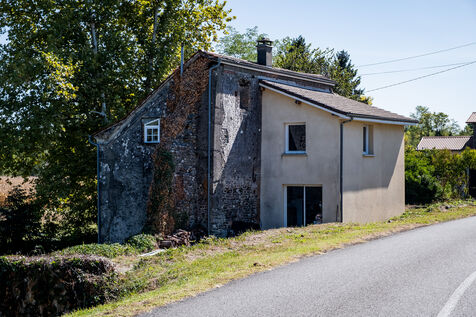
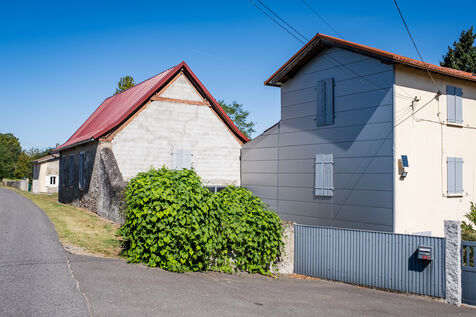
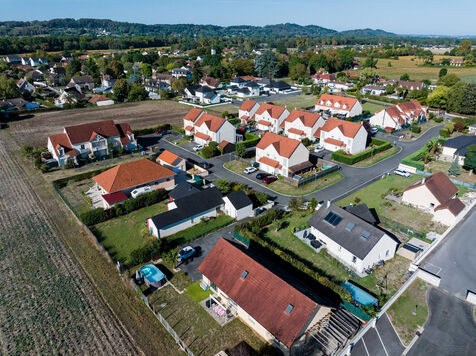
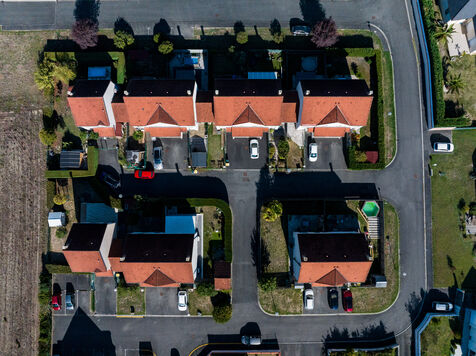
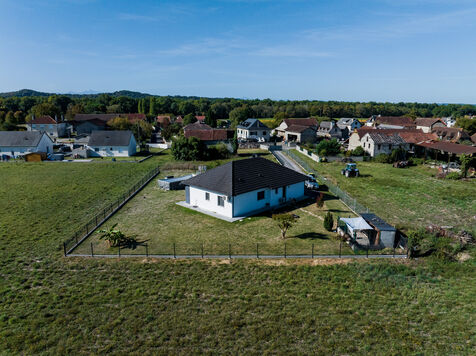
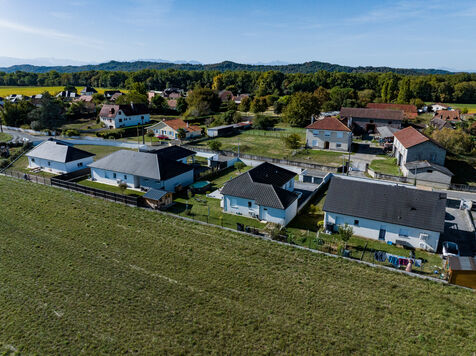
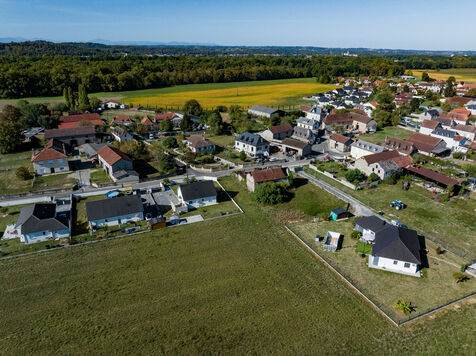
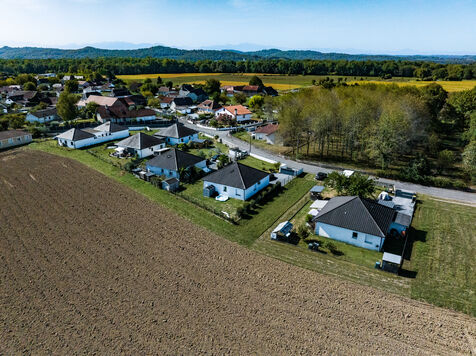
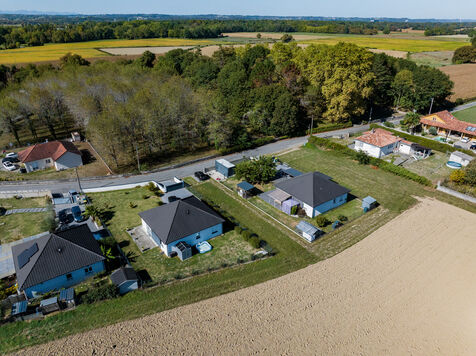
À Labastide-Cézéracq, Artix ou Poey-de-Lescar, des villages de la province du Béarn qui offre une unité historique et culturelle, de nouvelles constructions s’affranchissent de toute ambition contextualiste et présentent une architecture hors sol. Ces greffons frappent par leur contraste avec l’esthétique des vieilles pierres d'une région dont les premiers vestiges datent de 4000 ans. Réalisés à bas coût, ces bâtiments écrasent visuellement le patrimoine existant et dénaturent l'espace public. Ils abritent souvent des néoruraux, acteurs d'une gentrification esthétique qui menace l'identité populaire et historique des lieux.
Heterotopia
In Labastide-Cézéracq, Artix, or Poey-de-Lescar—villages within the province of Béarn, a region characterized by its historical and cultural unity—new constructions are breaking away from any contextualist ambitions, displaying an architecture detached from its surroundings. These "grafts" are striking in their contrast with the aesthetic of old stone buildings in a region whose earliest remains date back 4,000 years. Built at low cost, these structures visually overpower the existing heritage and distort the public space. They often house new rural residents—"neo-rurals"—who drive an aesthetic gentrification that smothers the working-class and historical identity of the neighborhood.