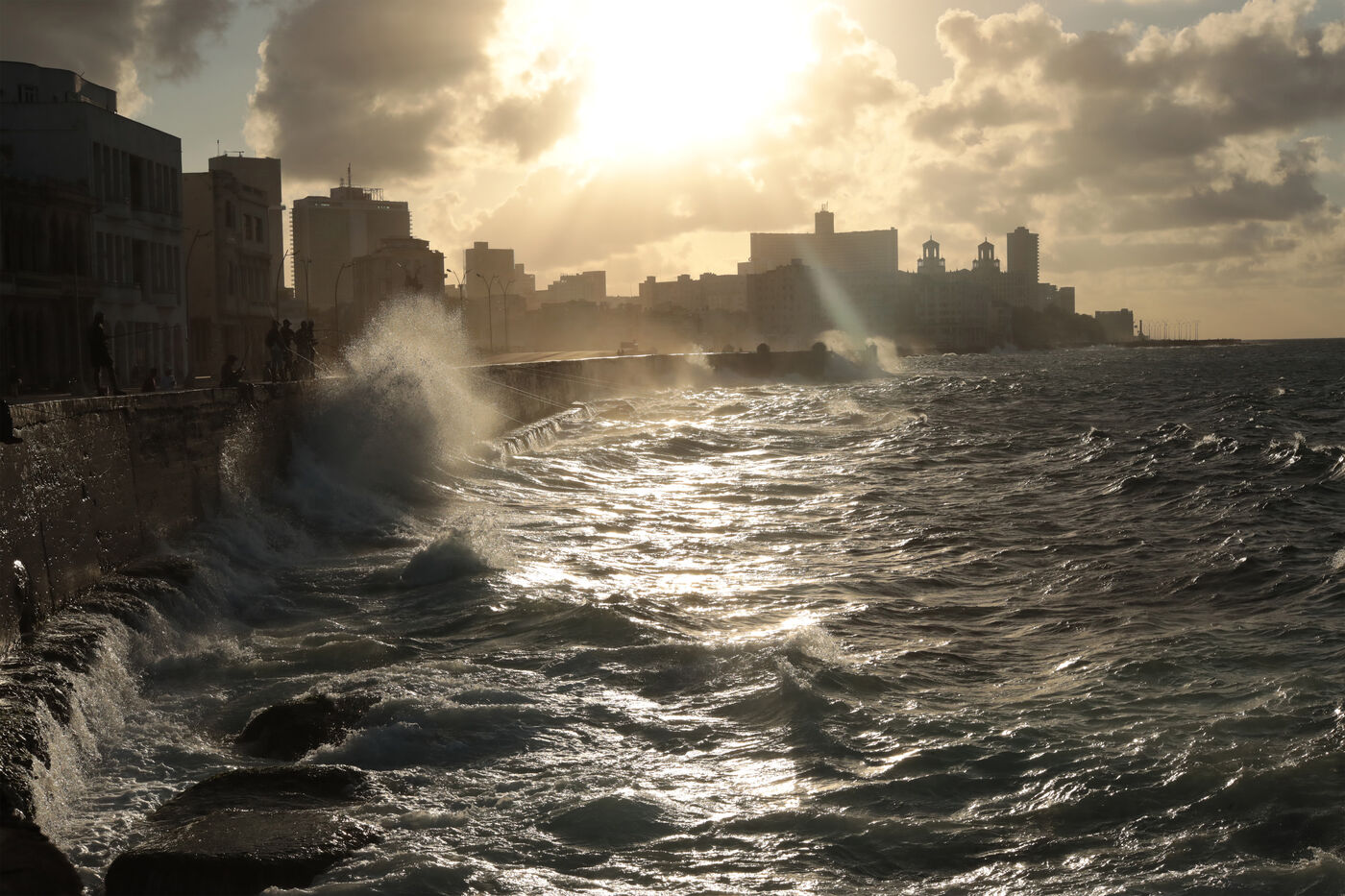
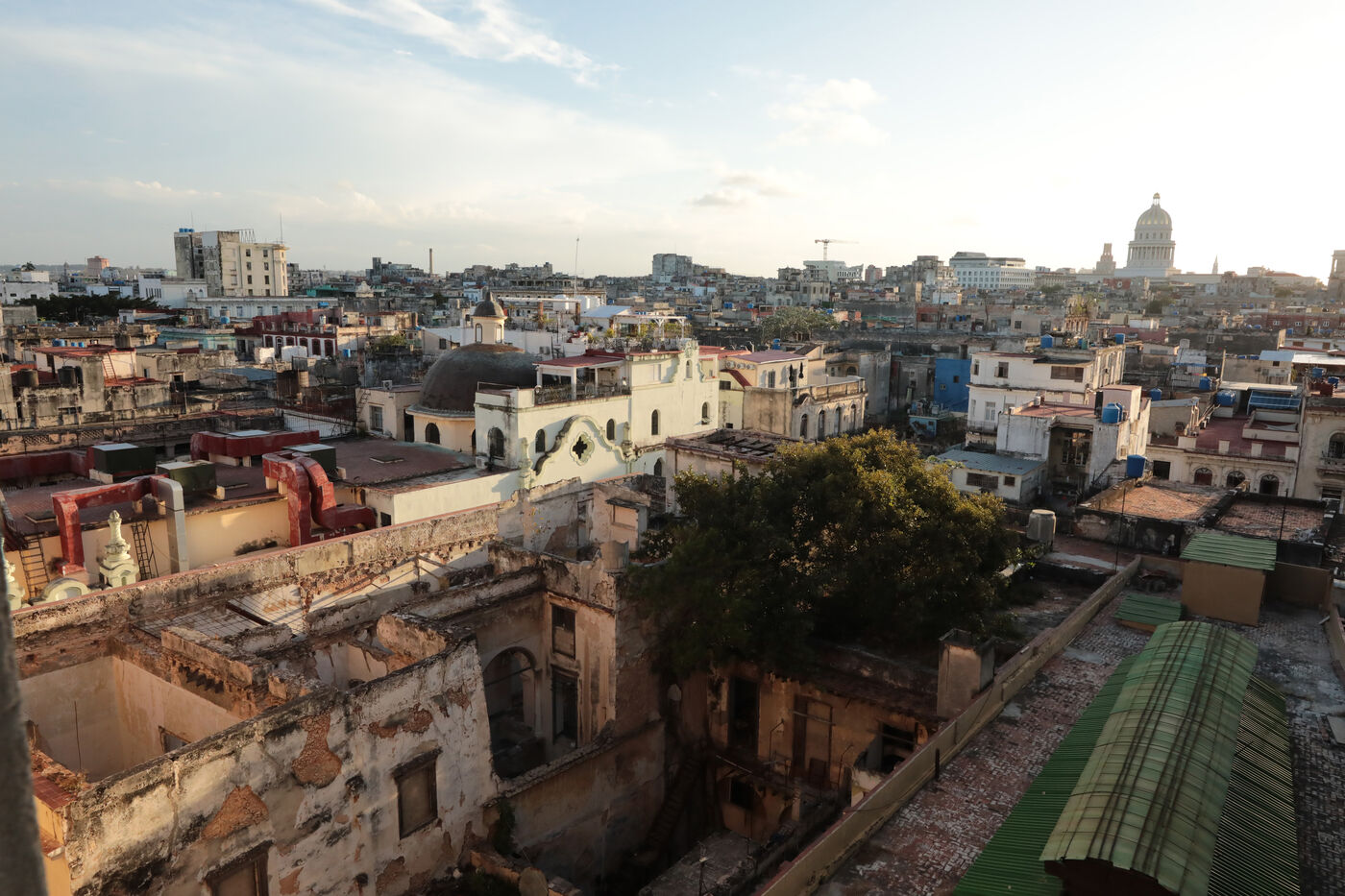
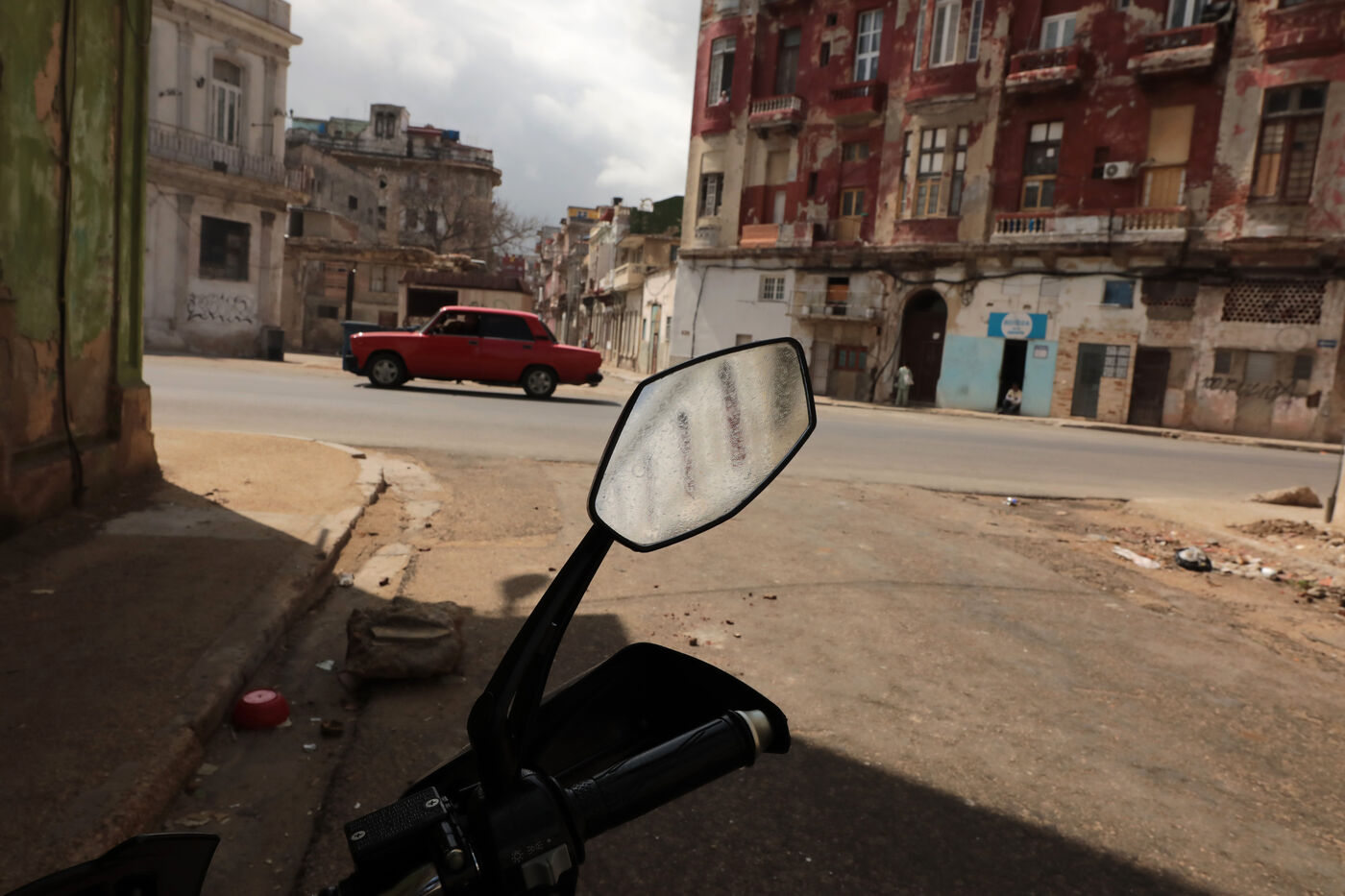
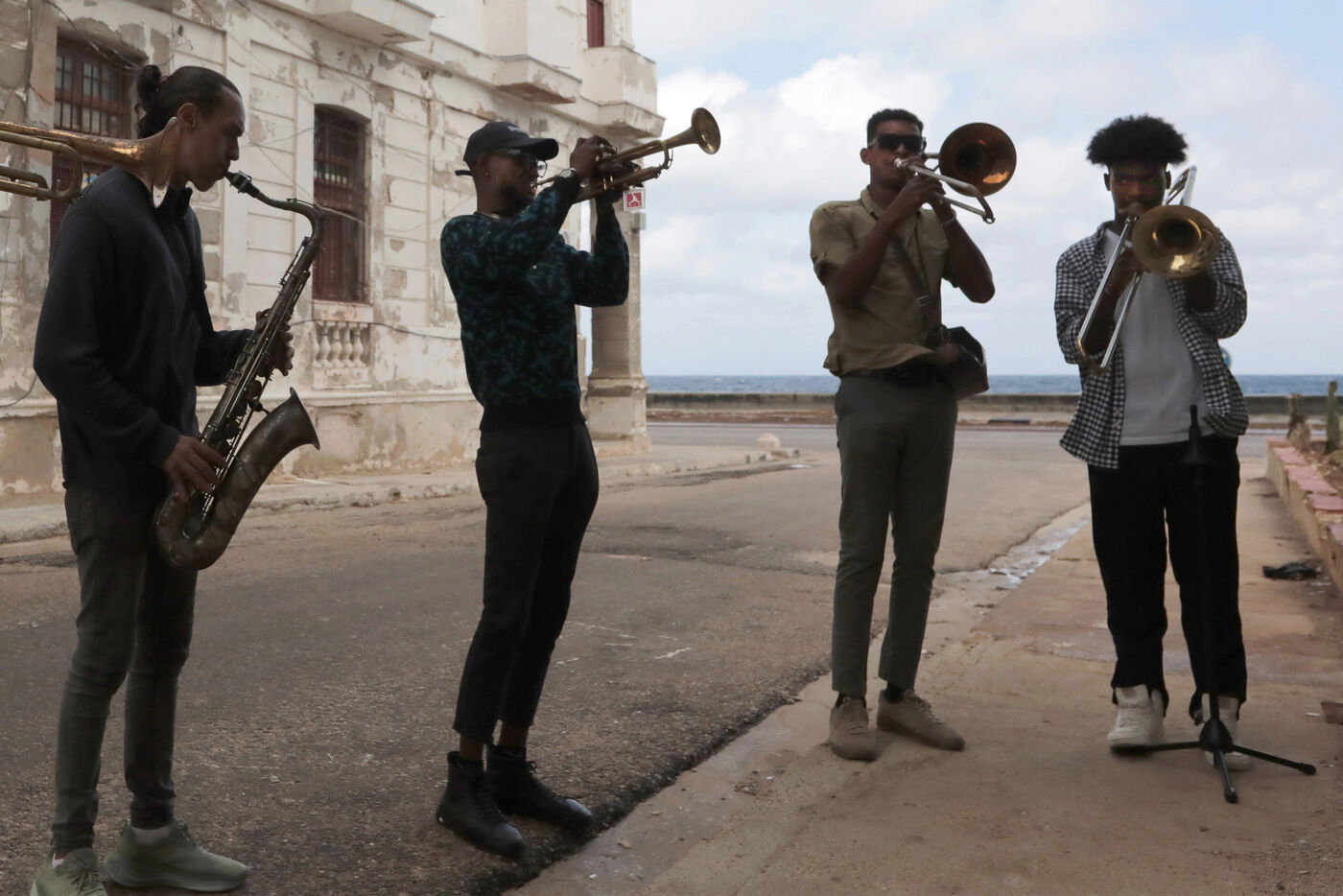
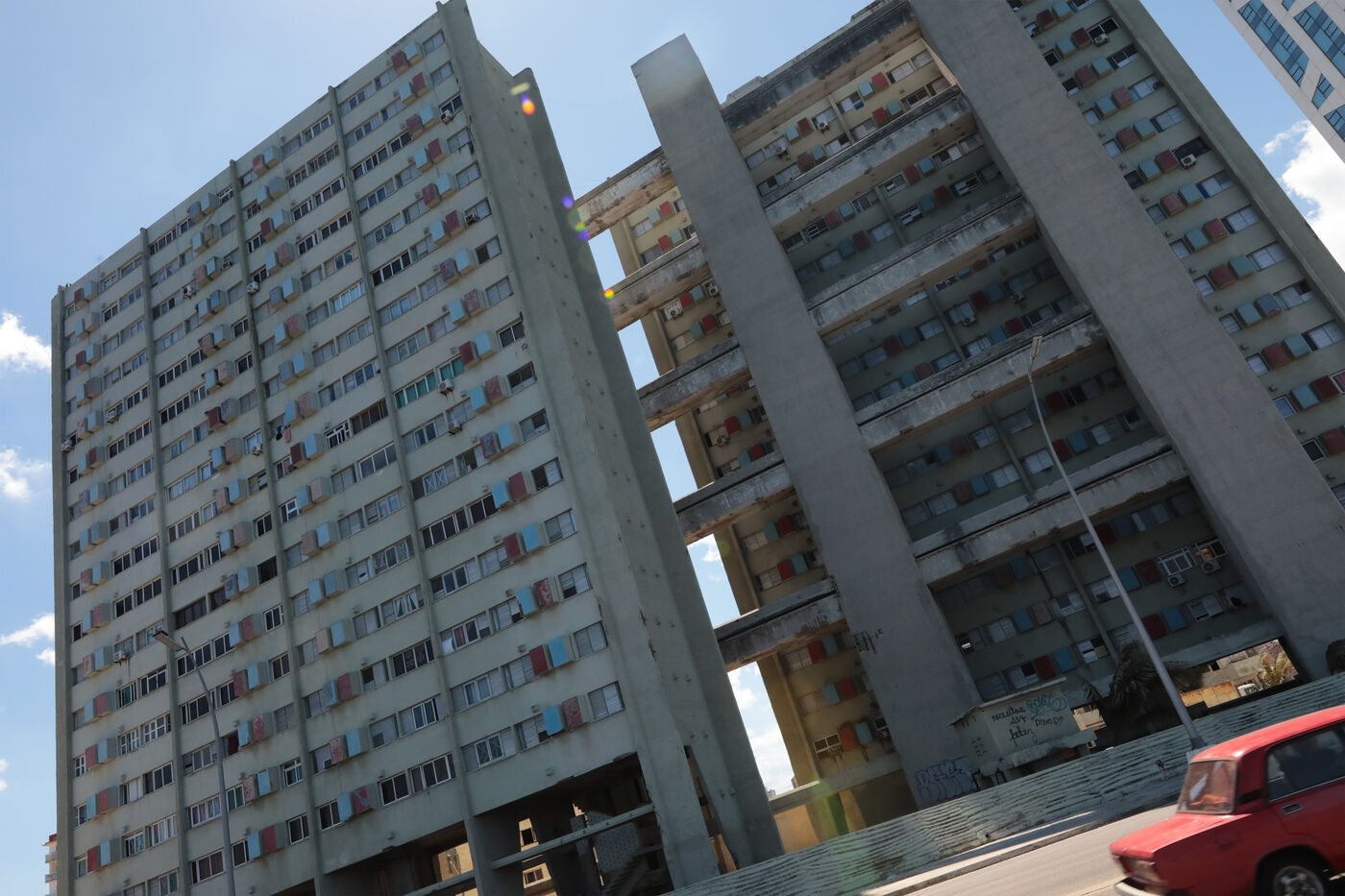
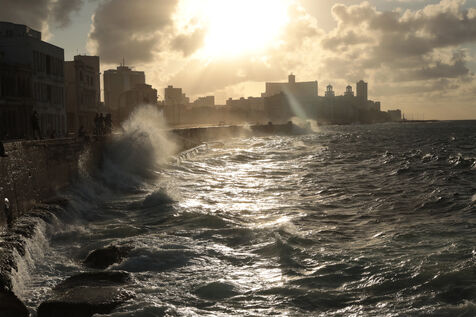
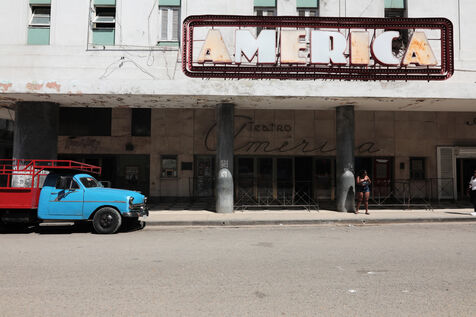
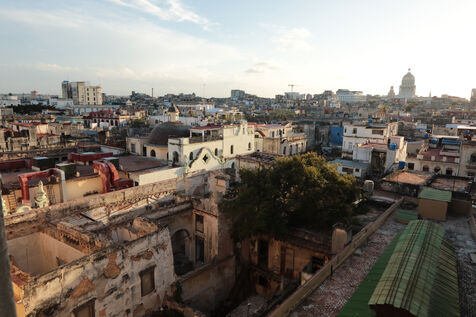
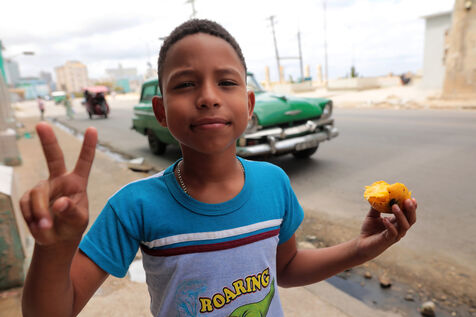
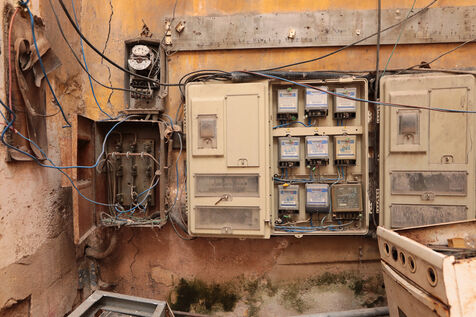
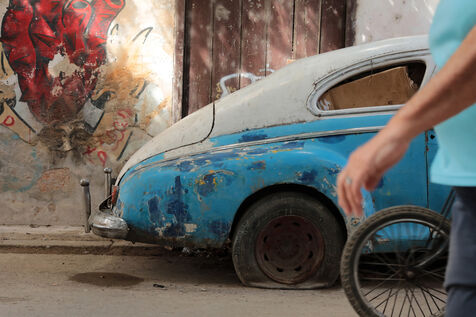
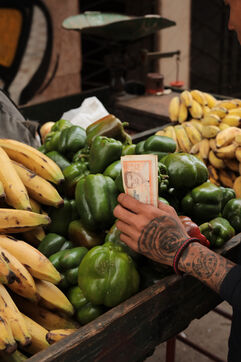
La Havana de Cuba sous le blocus des Etats-Unis et la menace d'une invasion
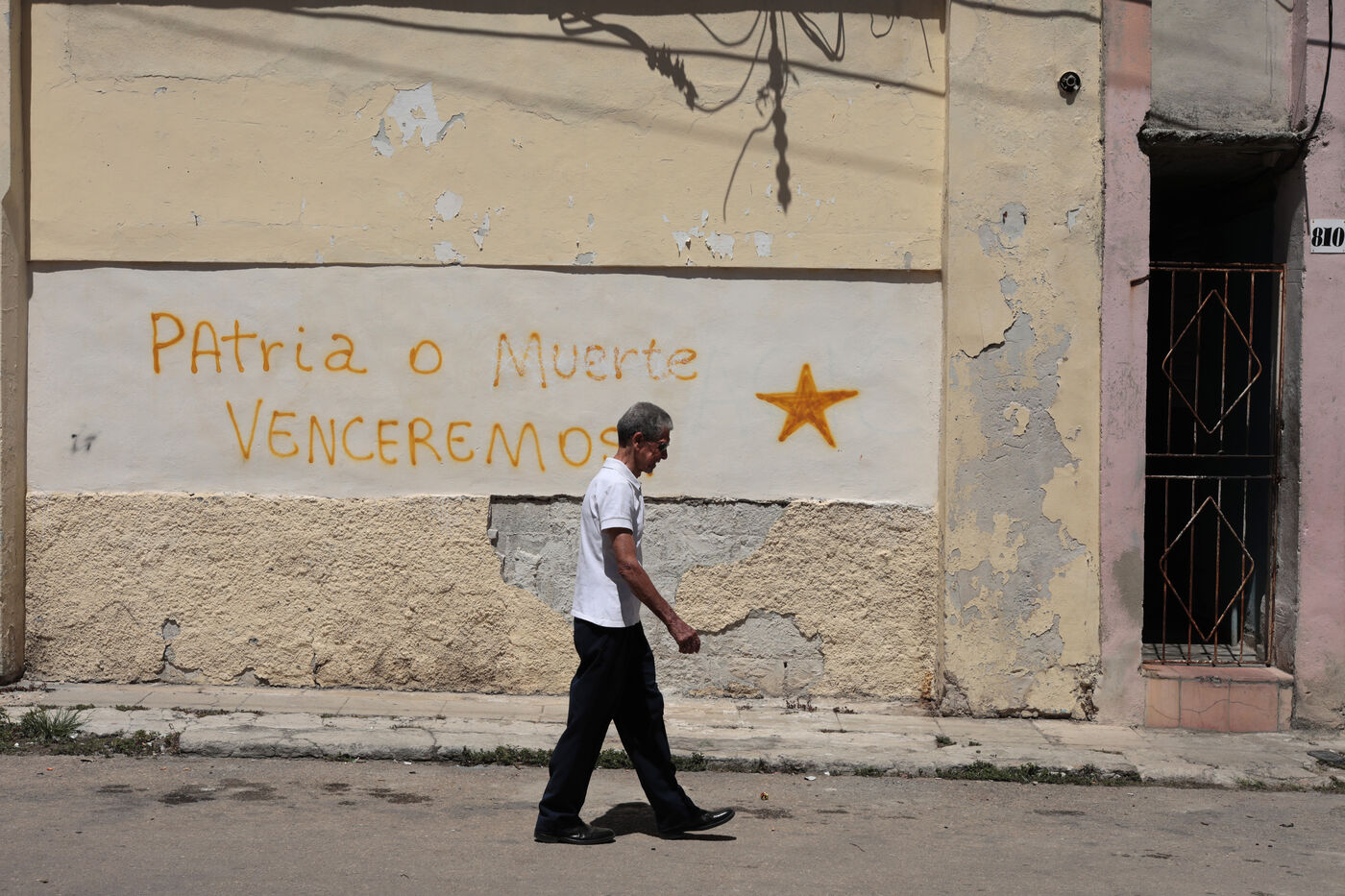
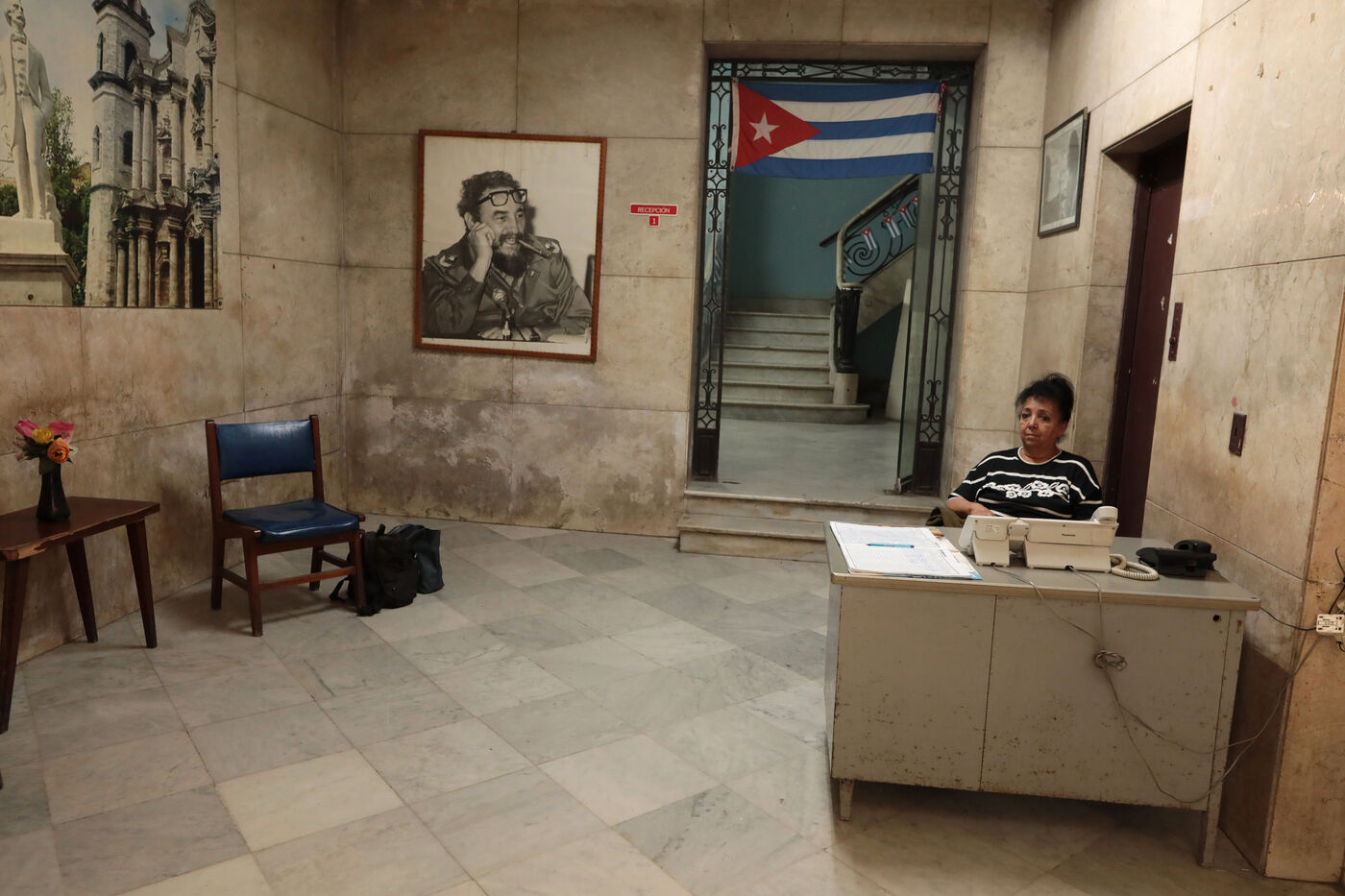
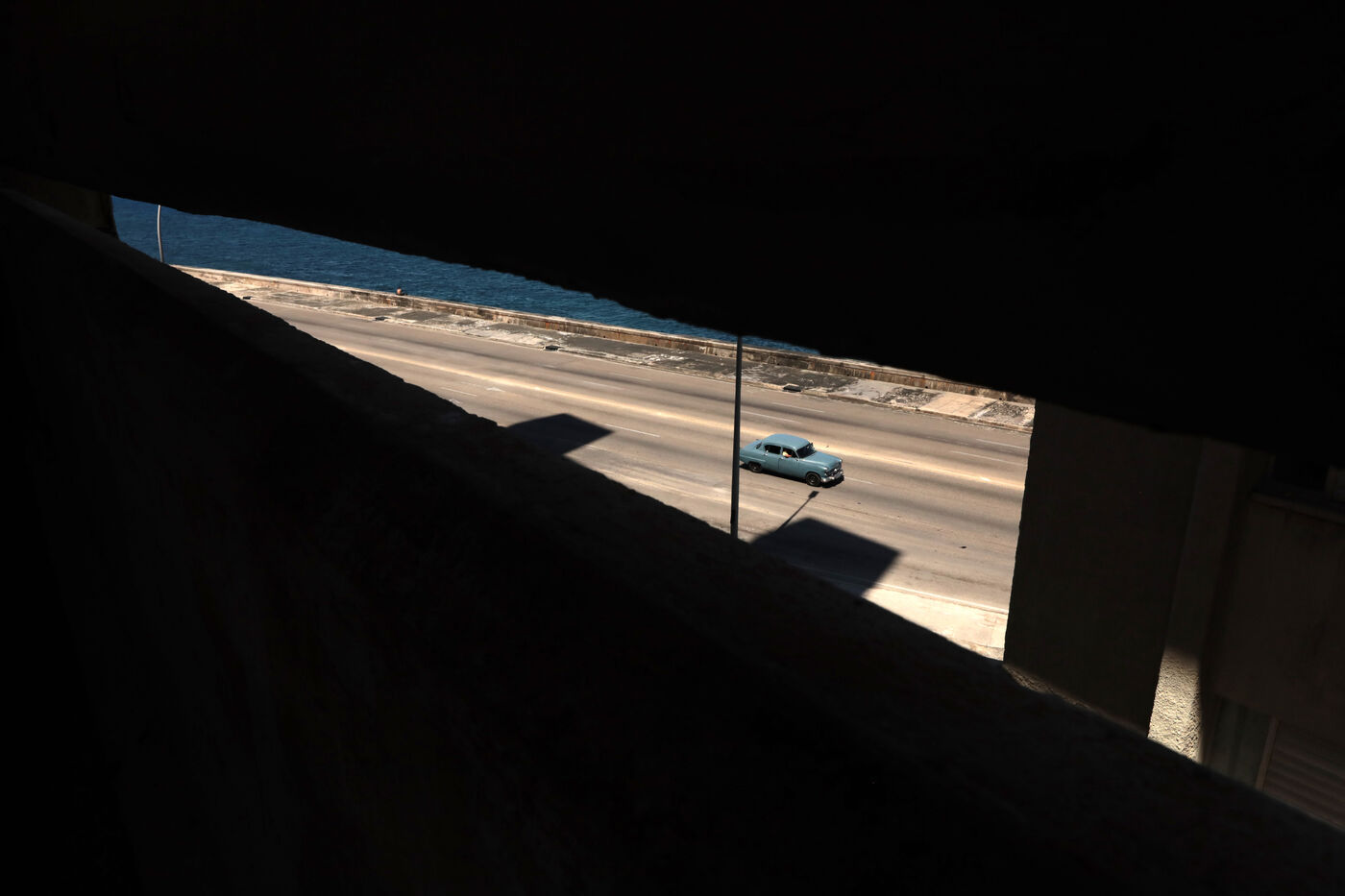
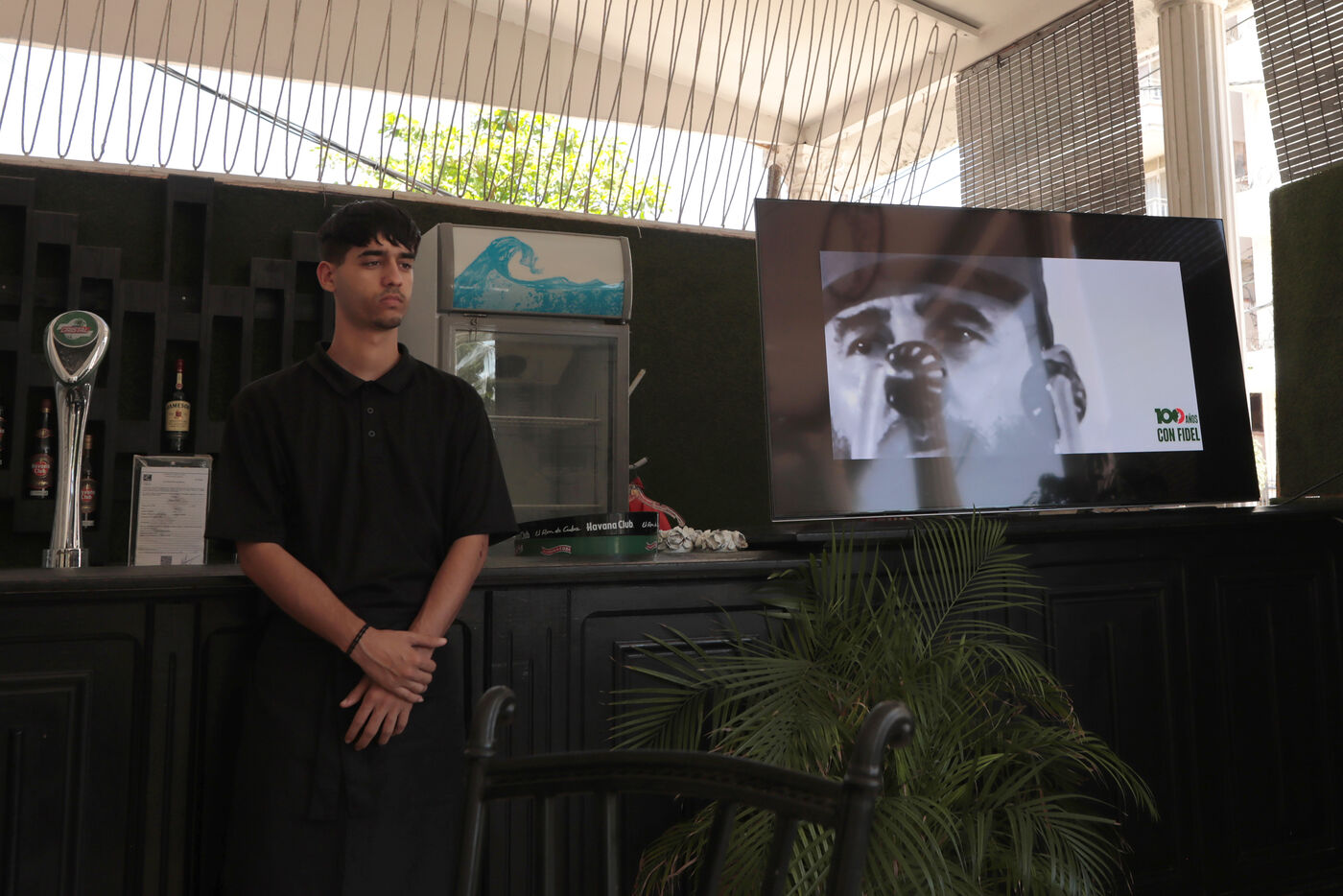
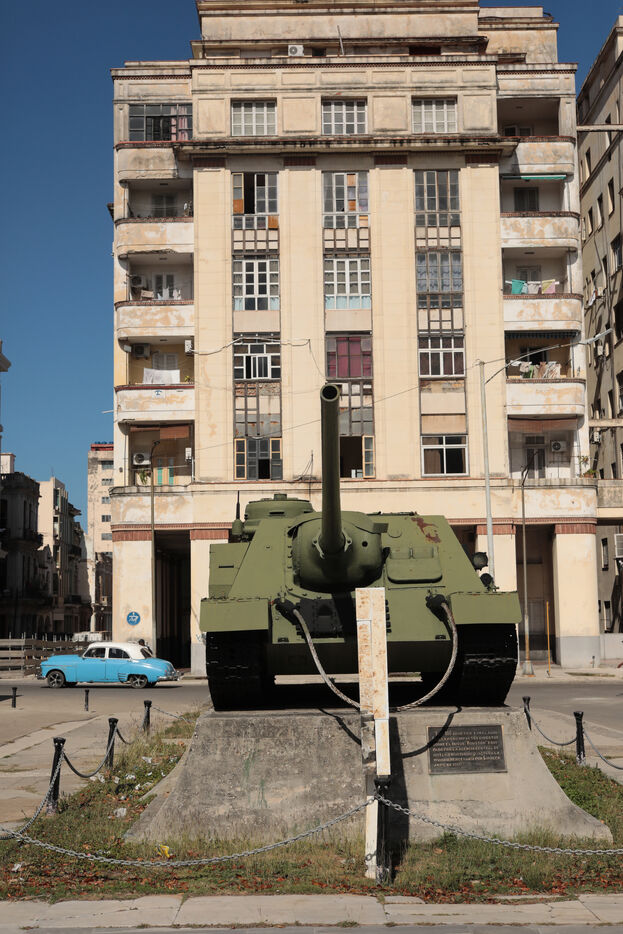
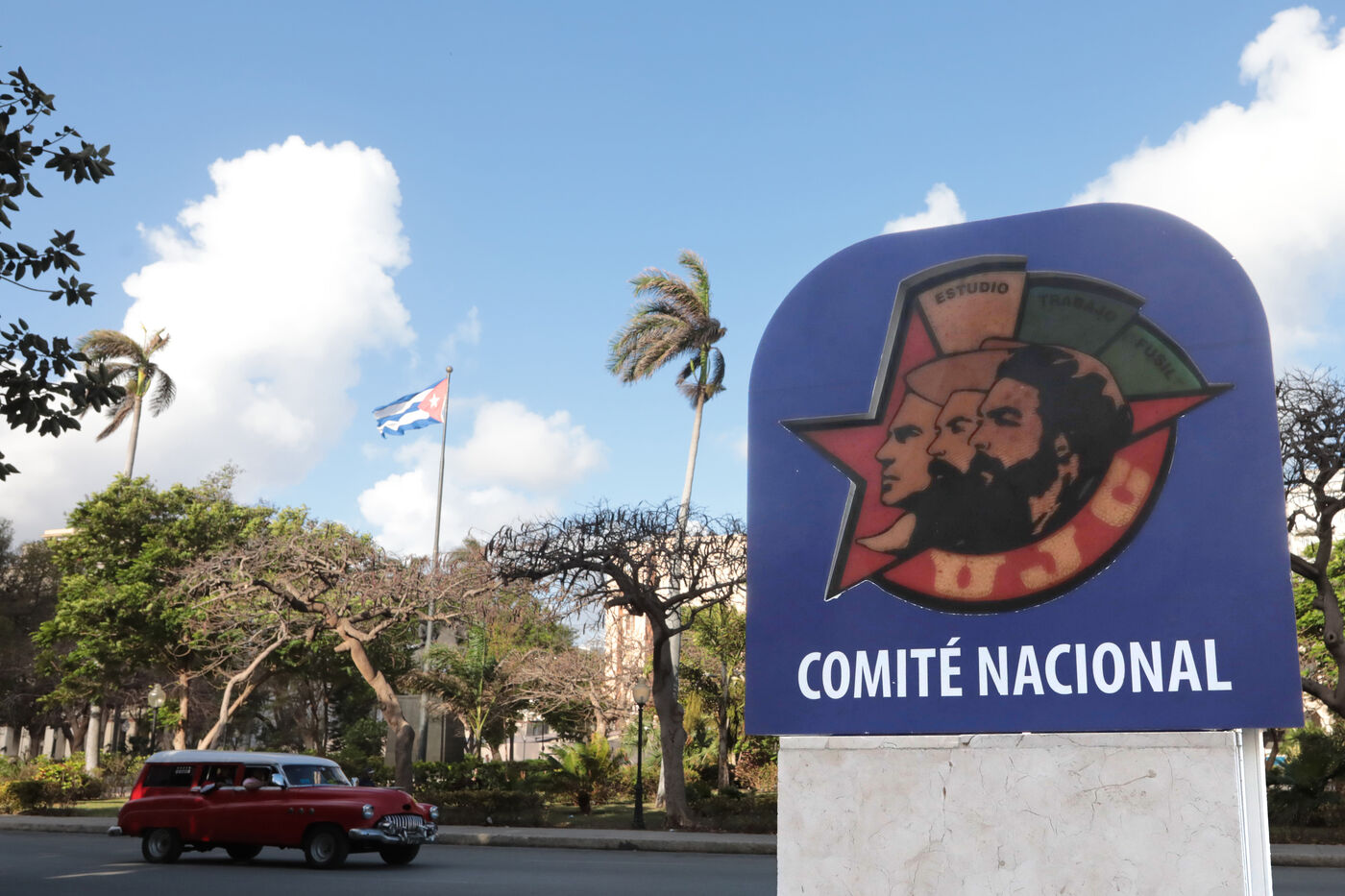
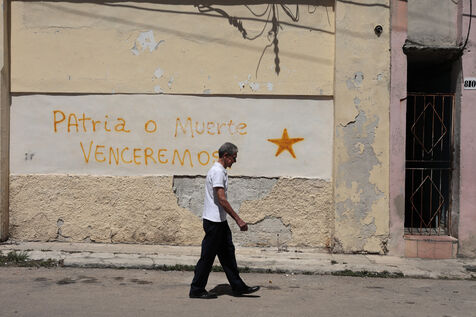
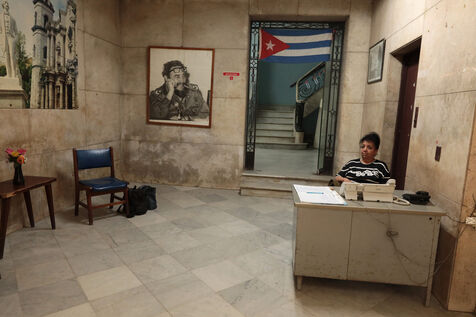
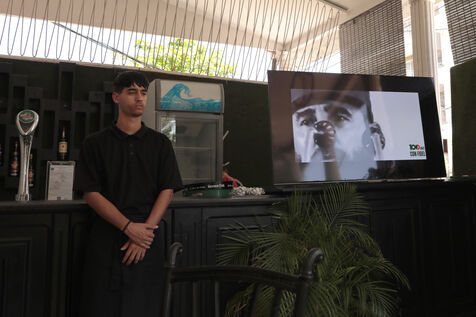
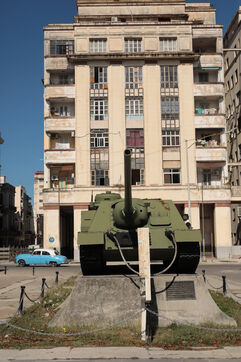
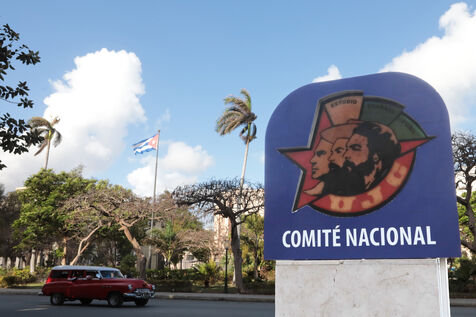
Cuba s apprête à fêter cette année les 100 ans depuis la naissance de Fidel Castro, né en 1926 et mort en 2015. Les États-Unis impose un embargo économique à Cuba depuis 1962, suite aux nationalisations des entreprises américaines par le gouvernement socialist et revolutionnaire de Fidel Castro. Ce blocus a été renforcé depuis l’intervention américaine au Venezuela en janvier 2026. Après l avoir coupé de son principal fournisseur de pétrole, les États-Unis menacent actuellement d'envahir Cuba pour changer le régime communist.
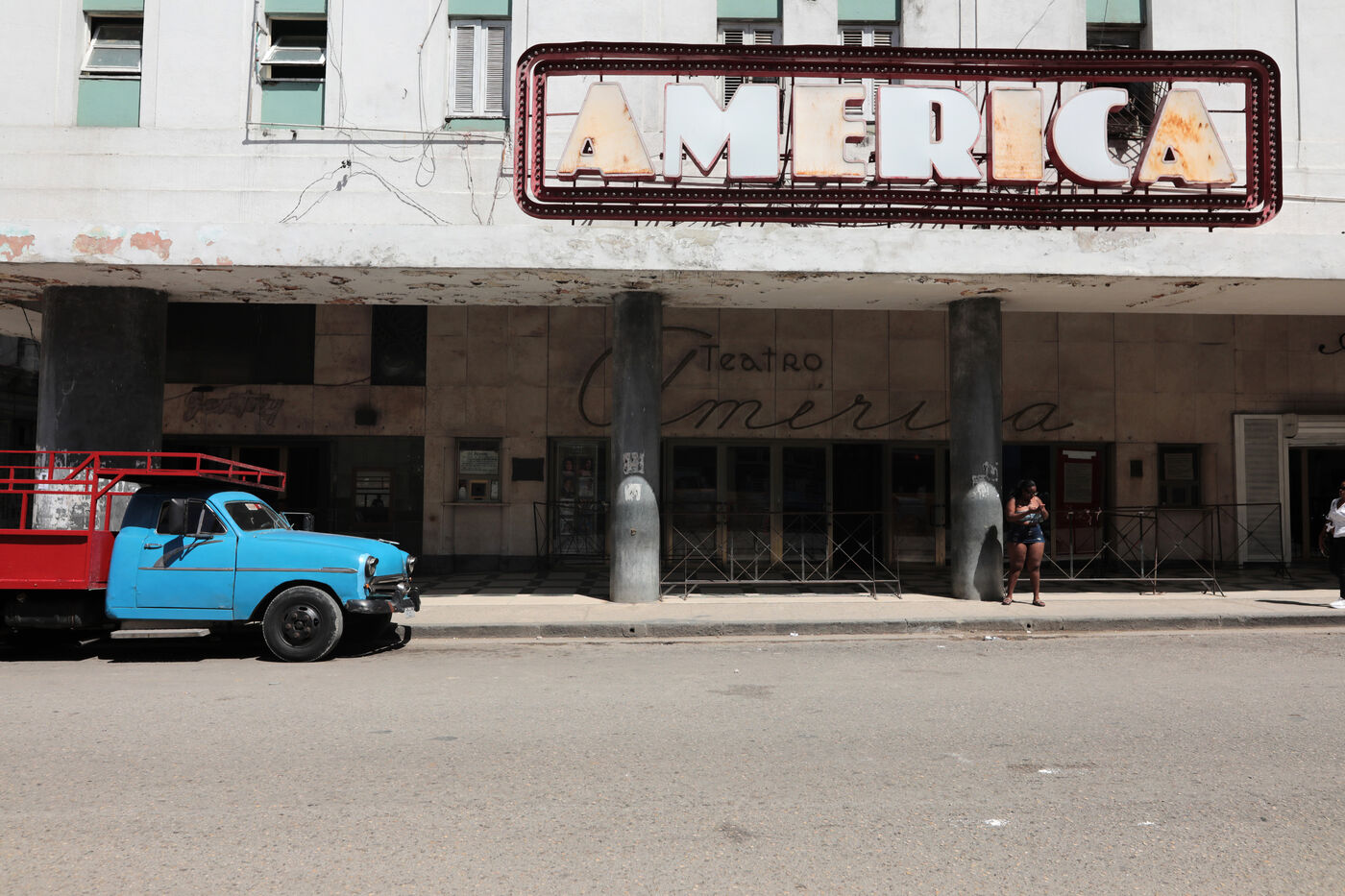
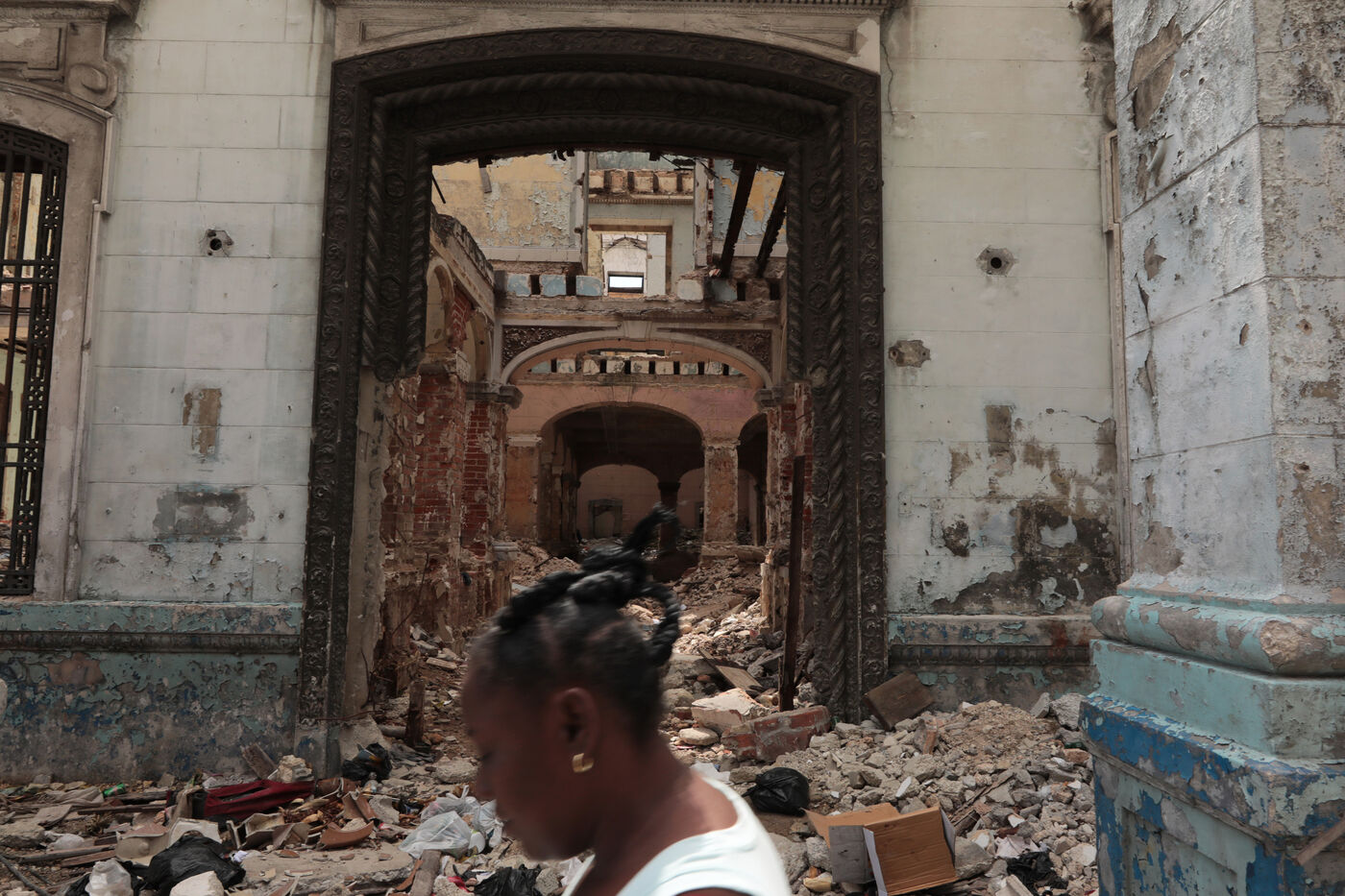
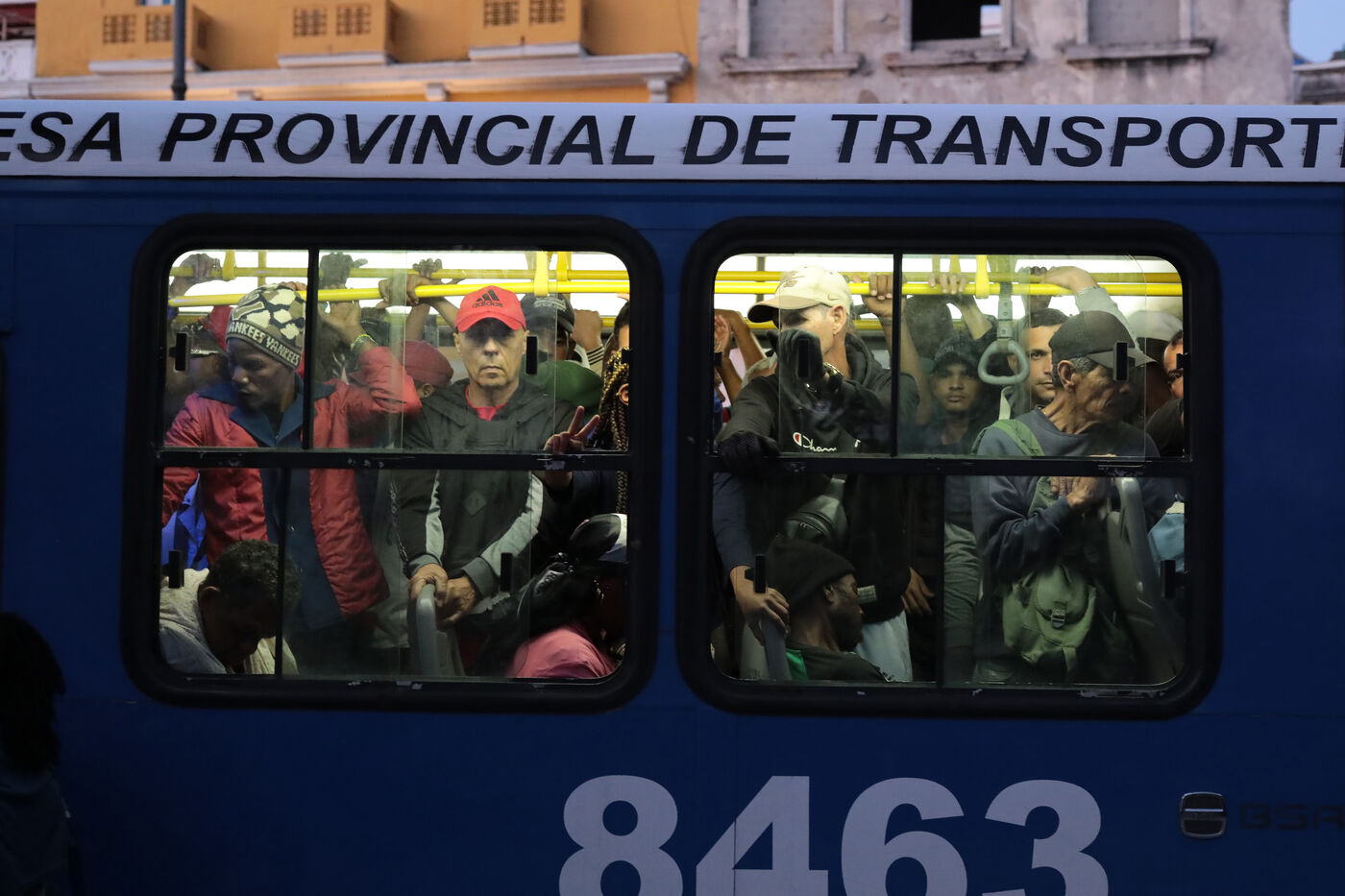
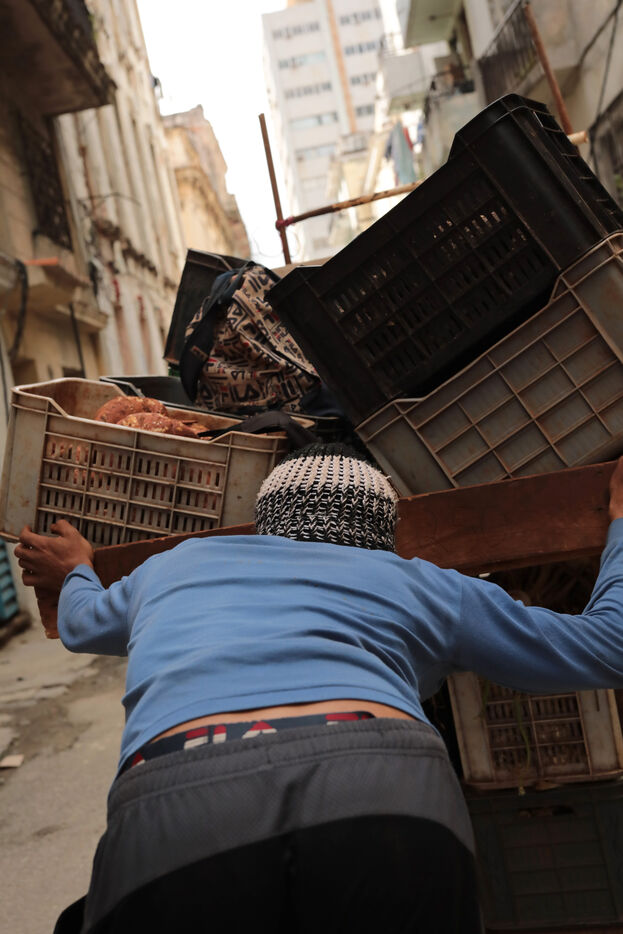
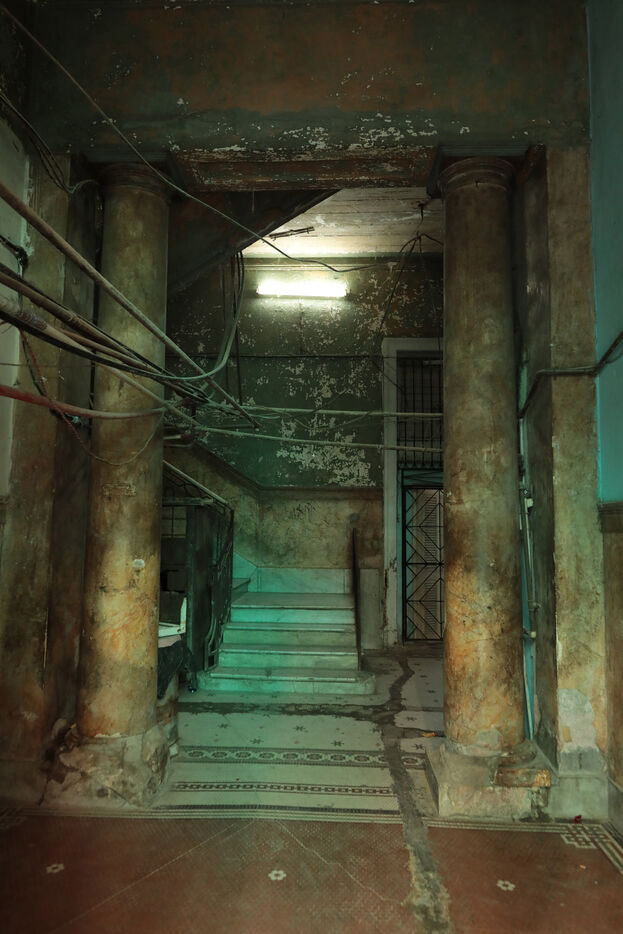
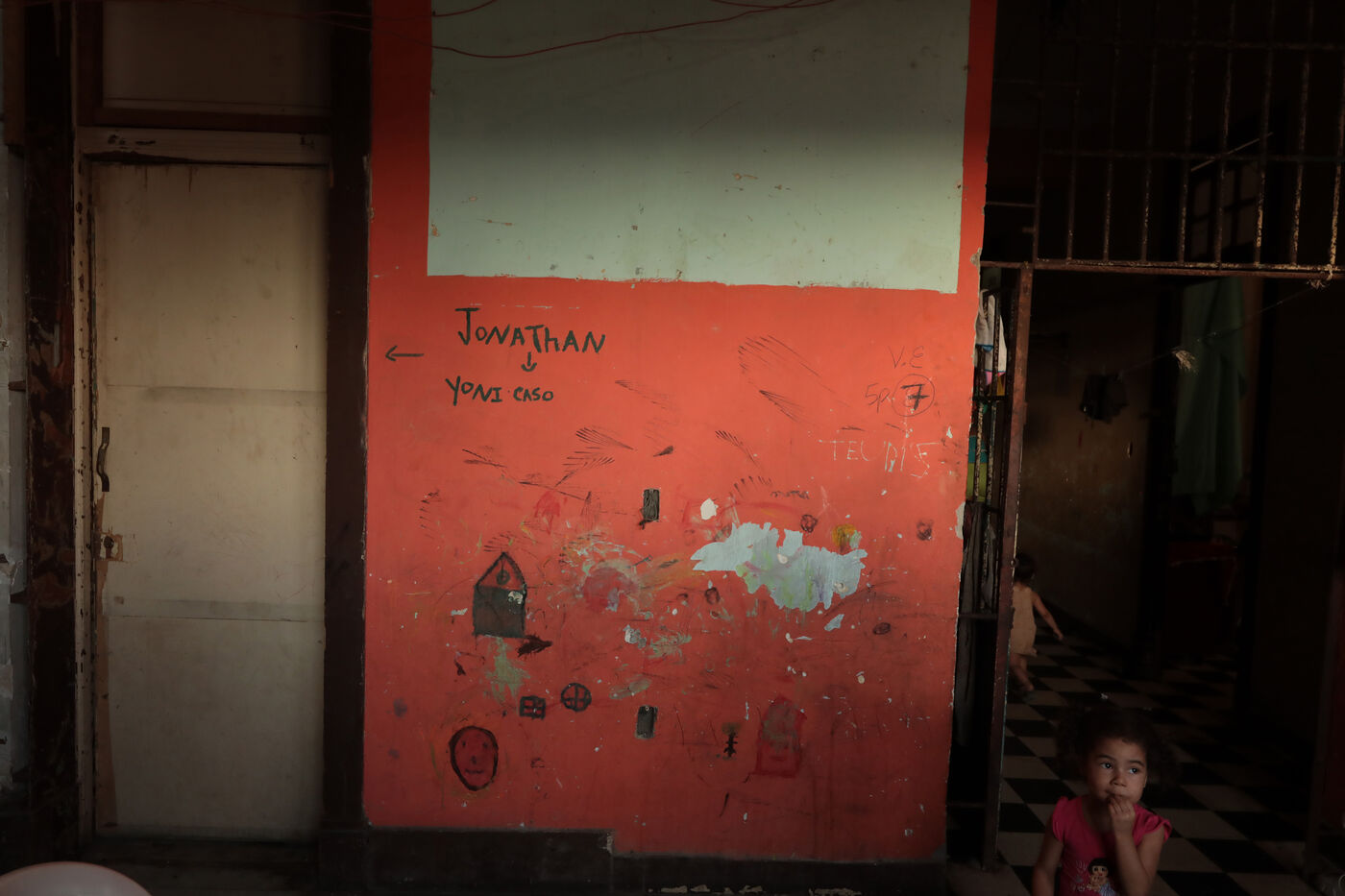
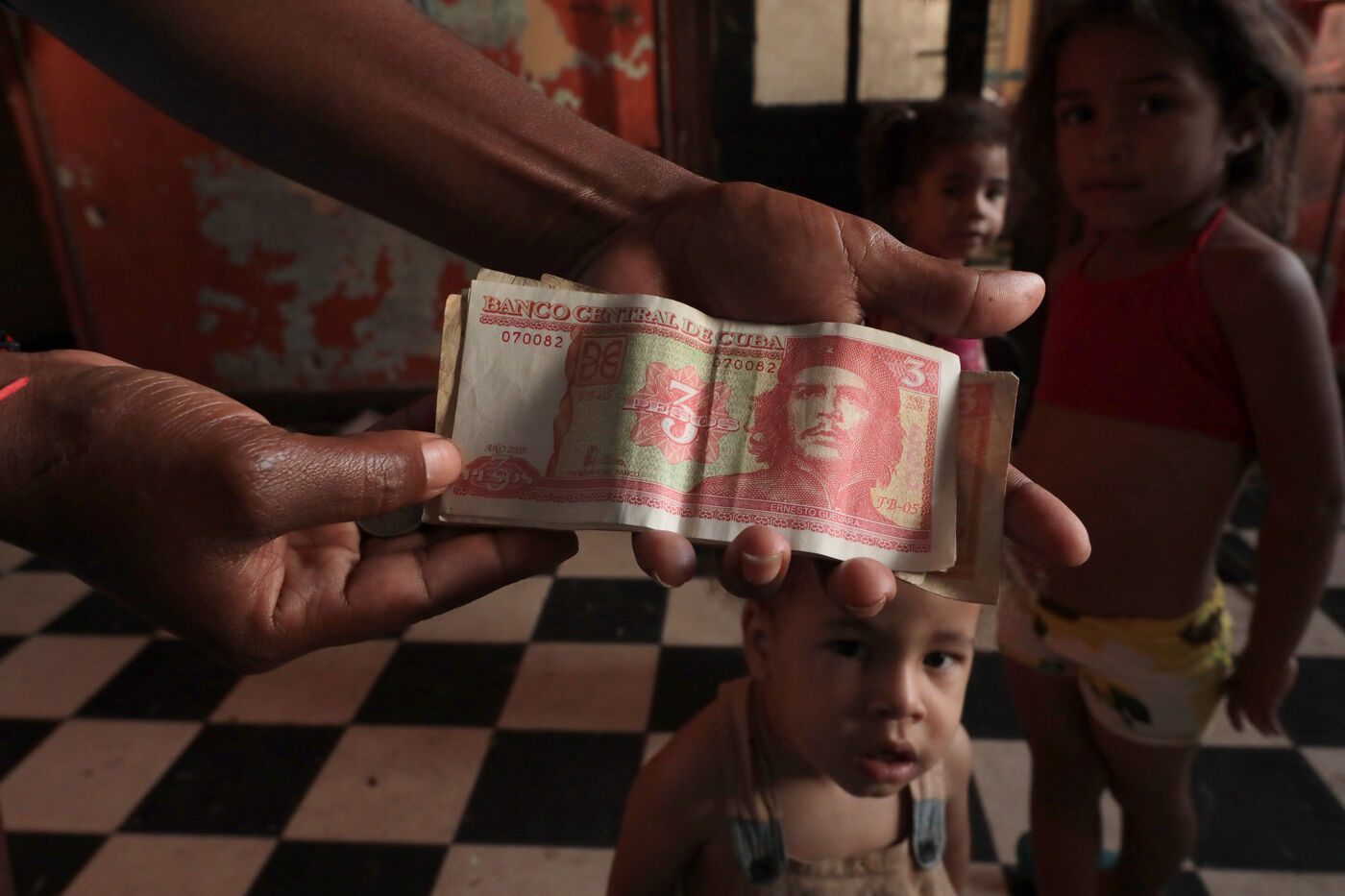
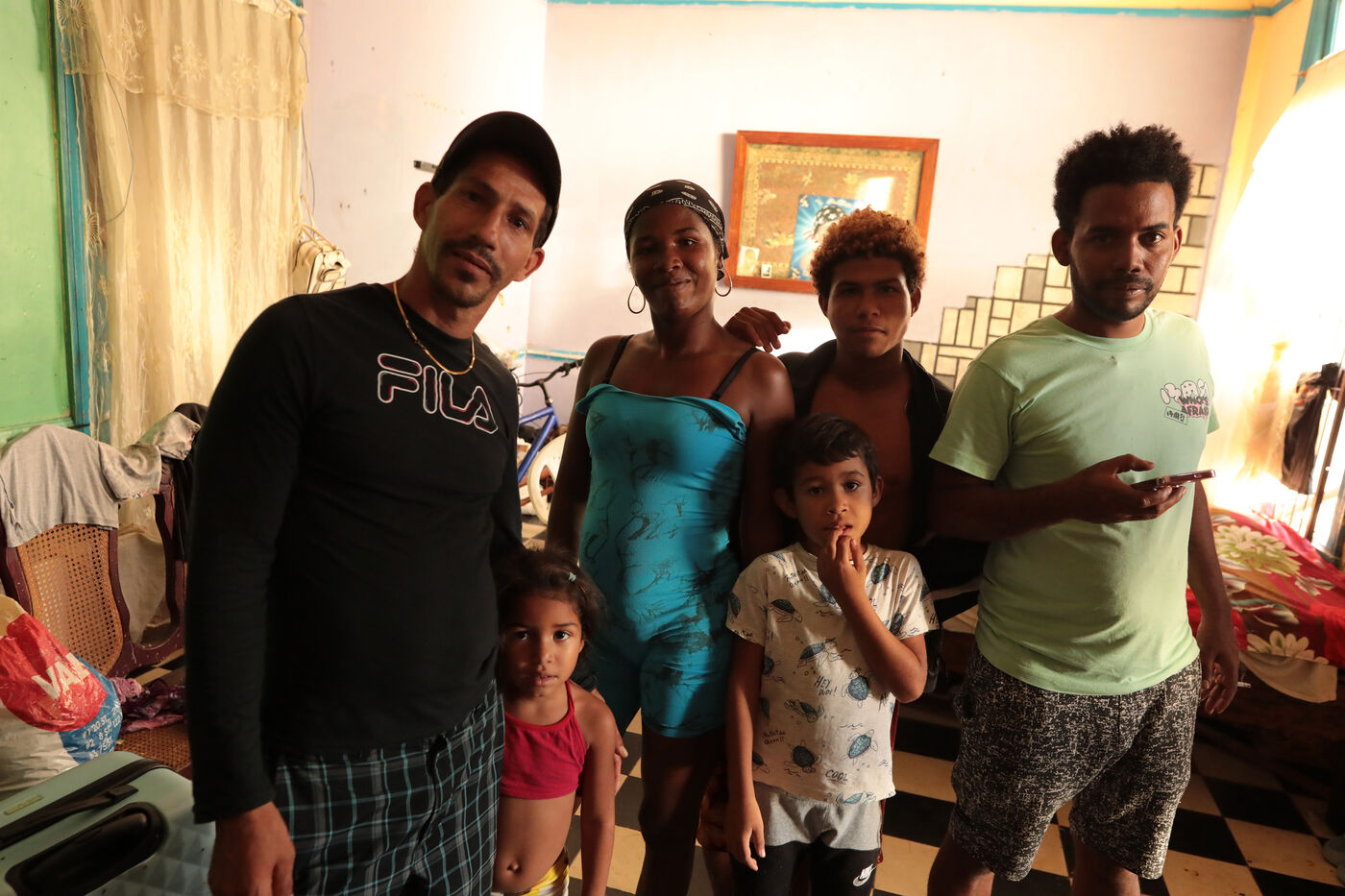
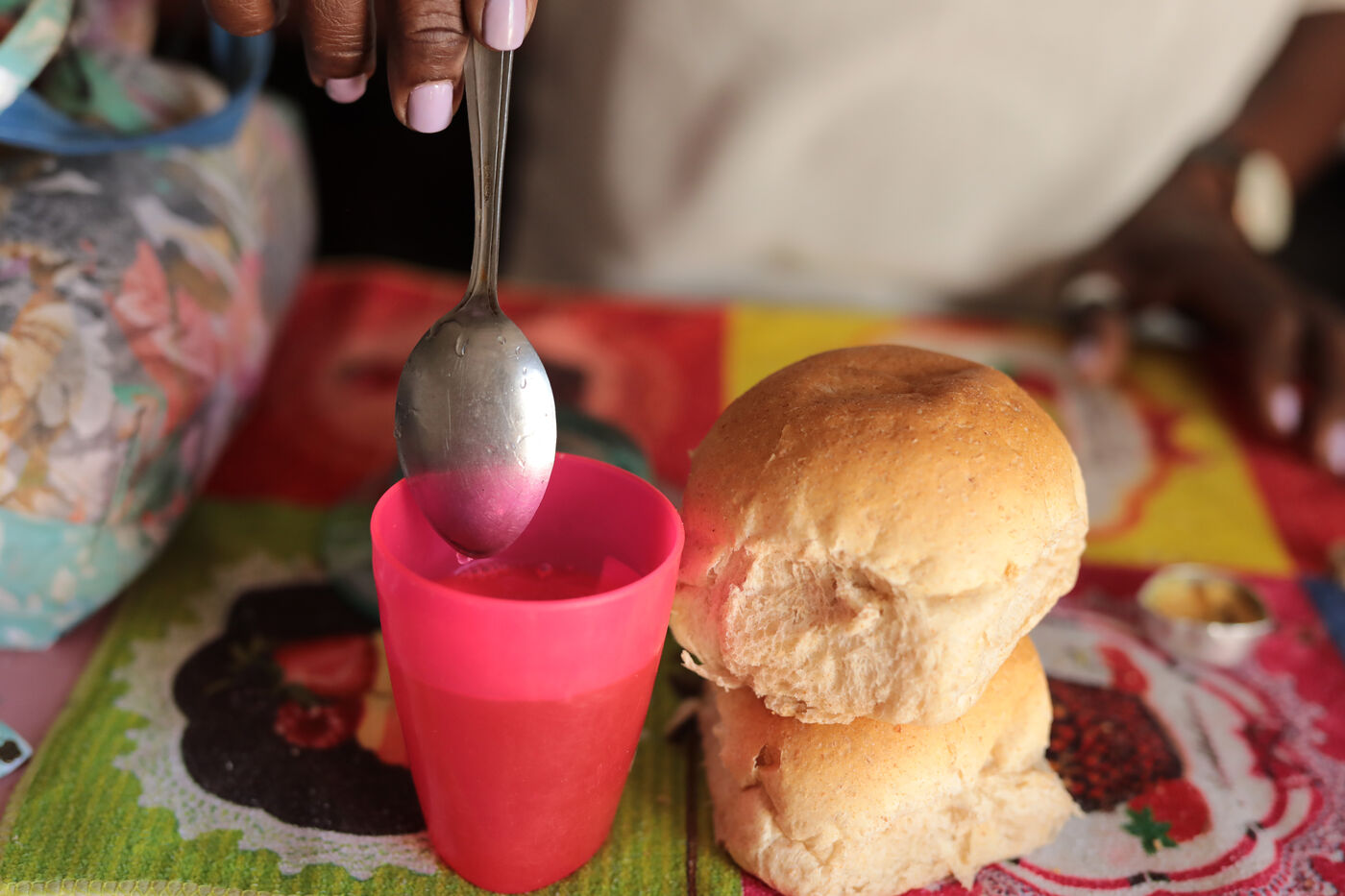
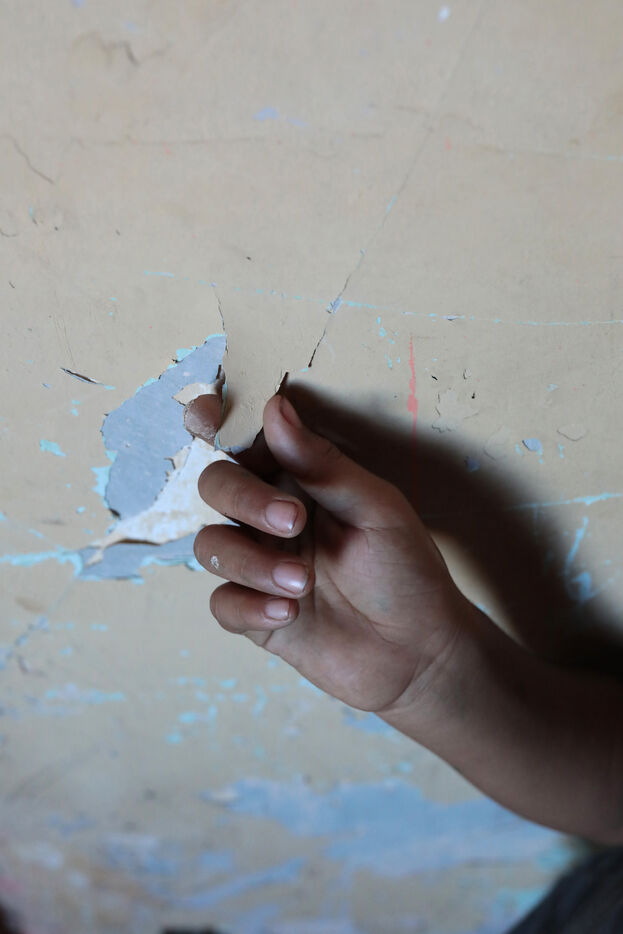
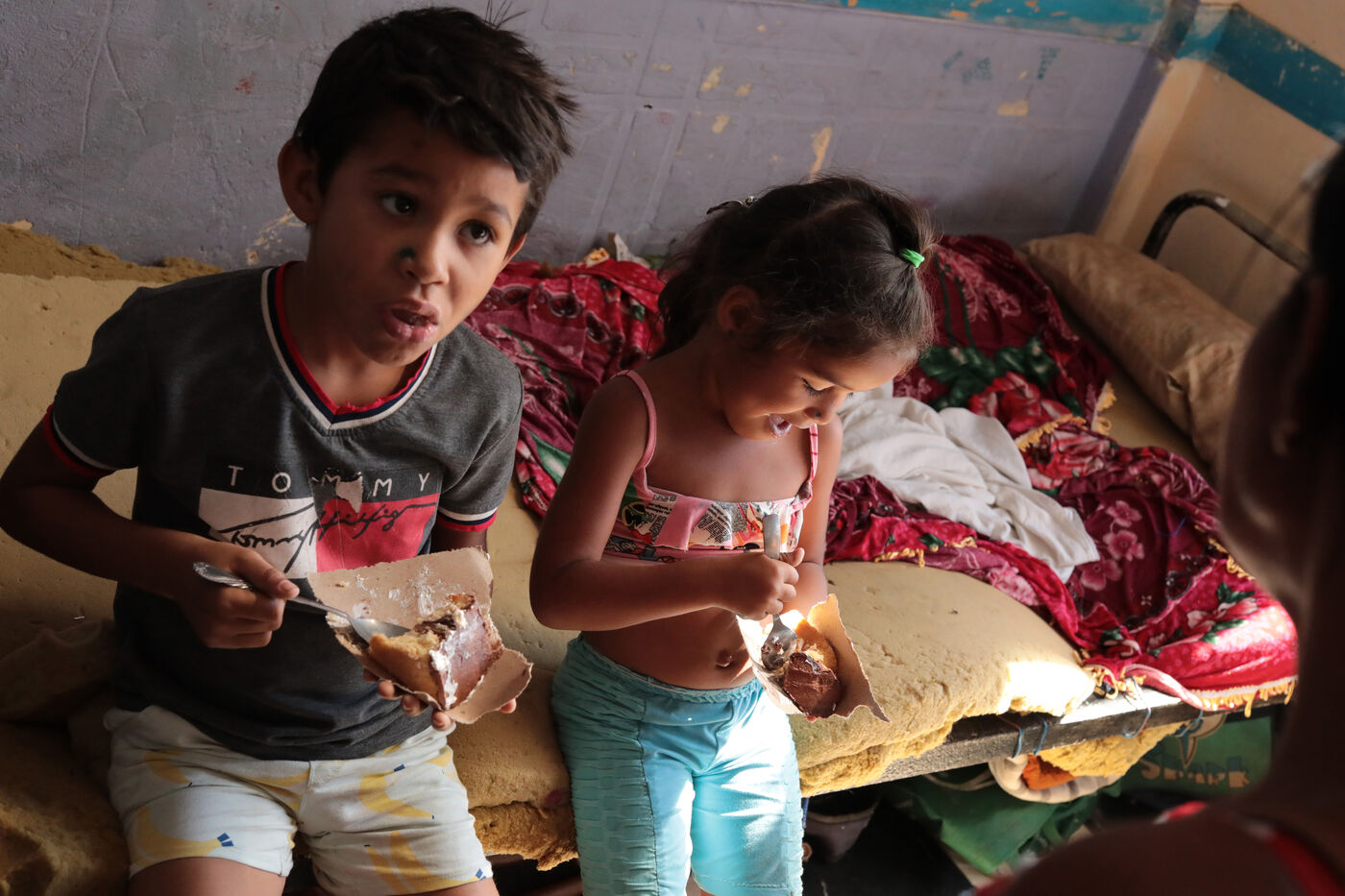
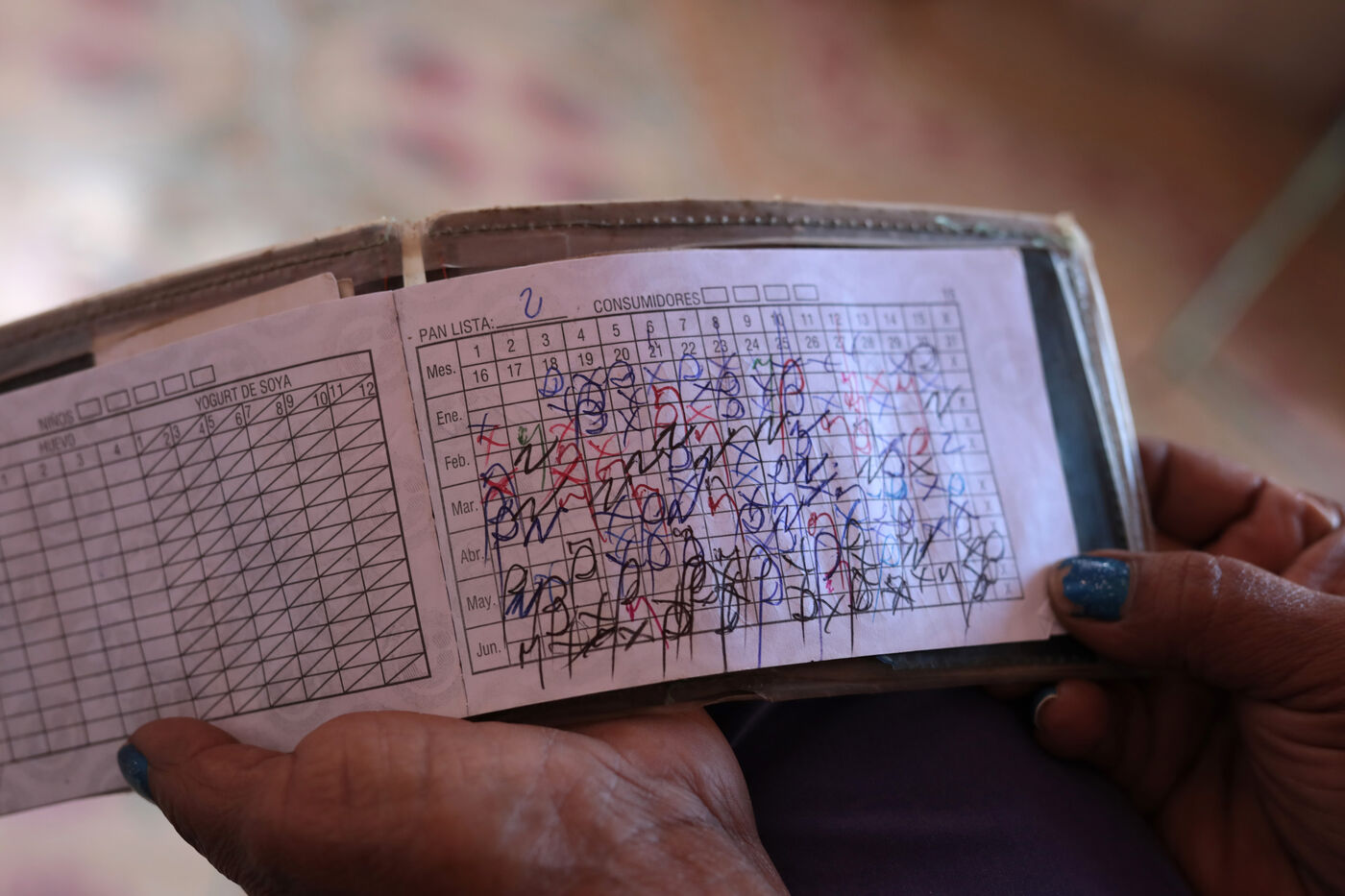
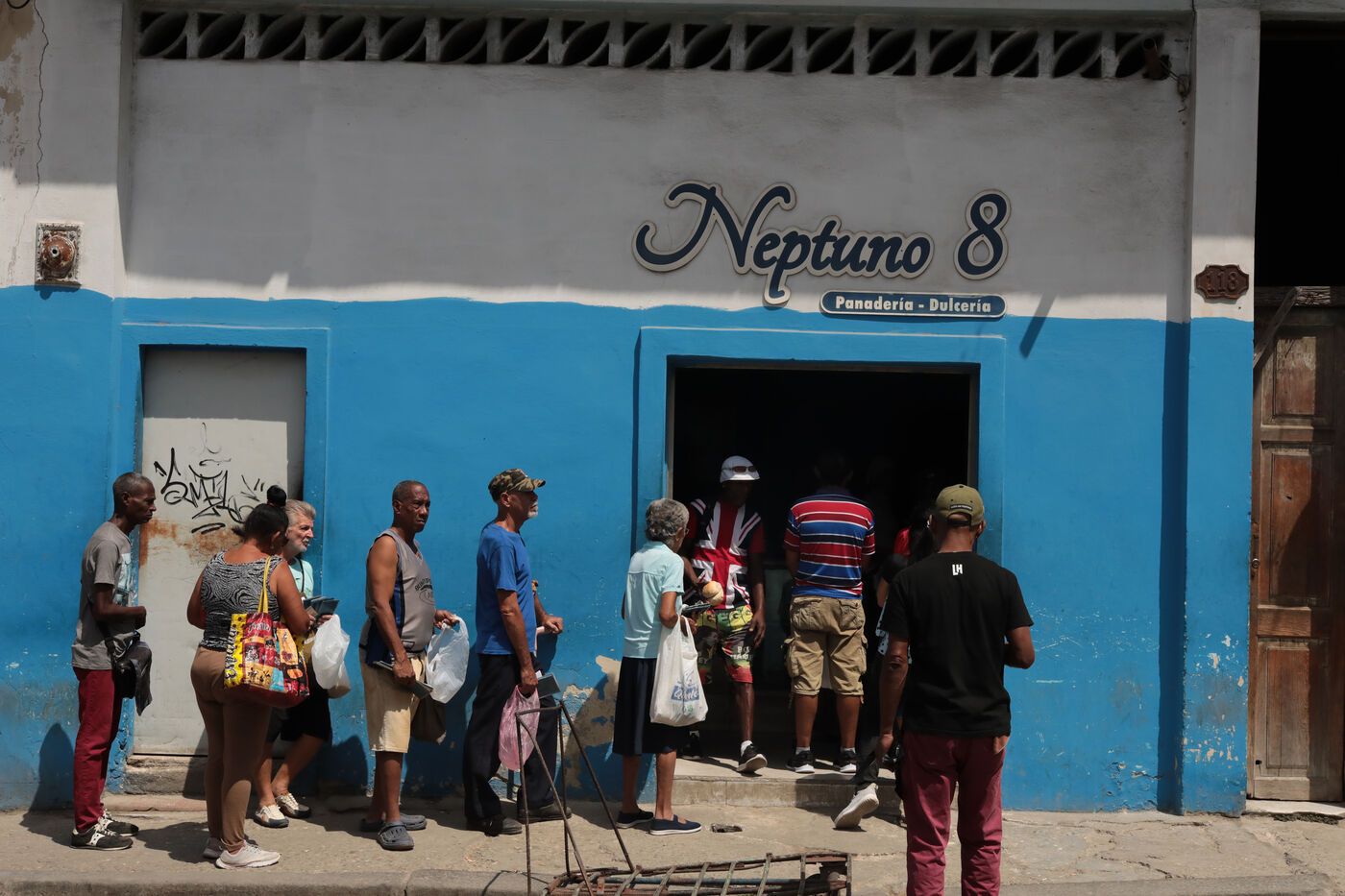
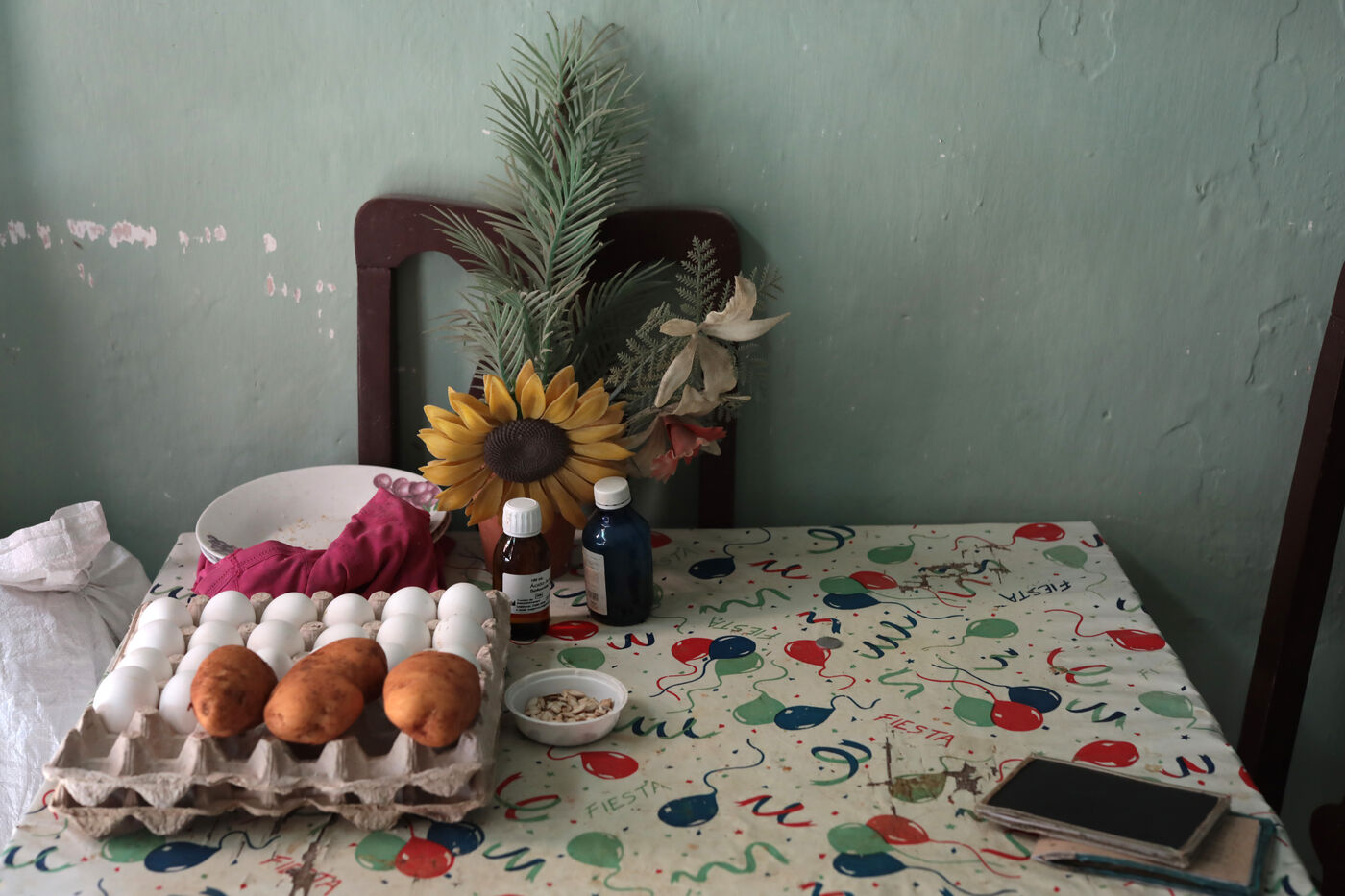
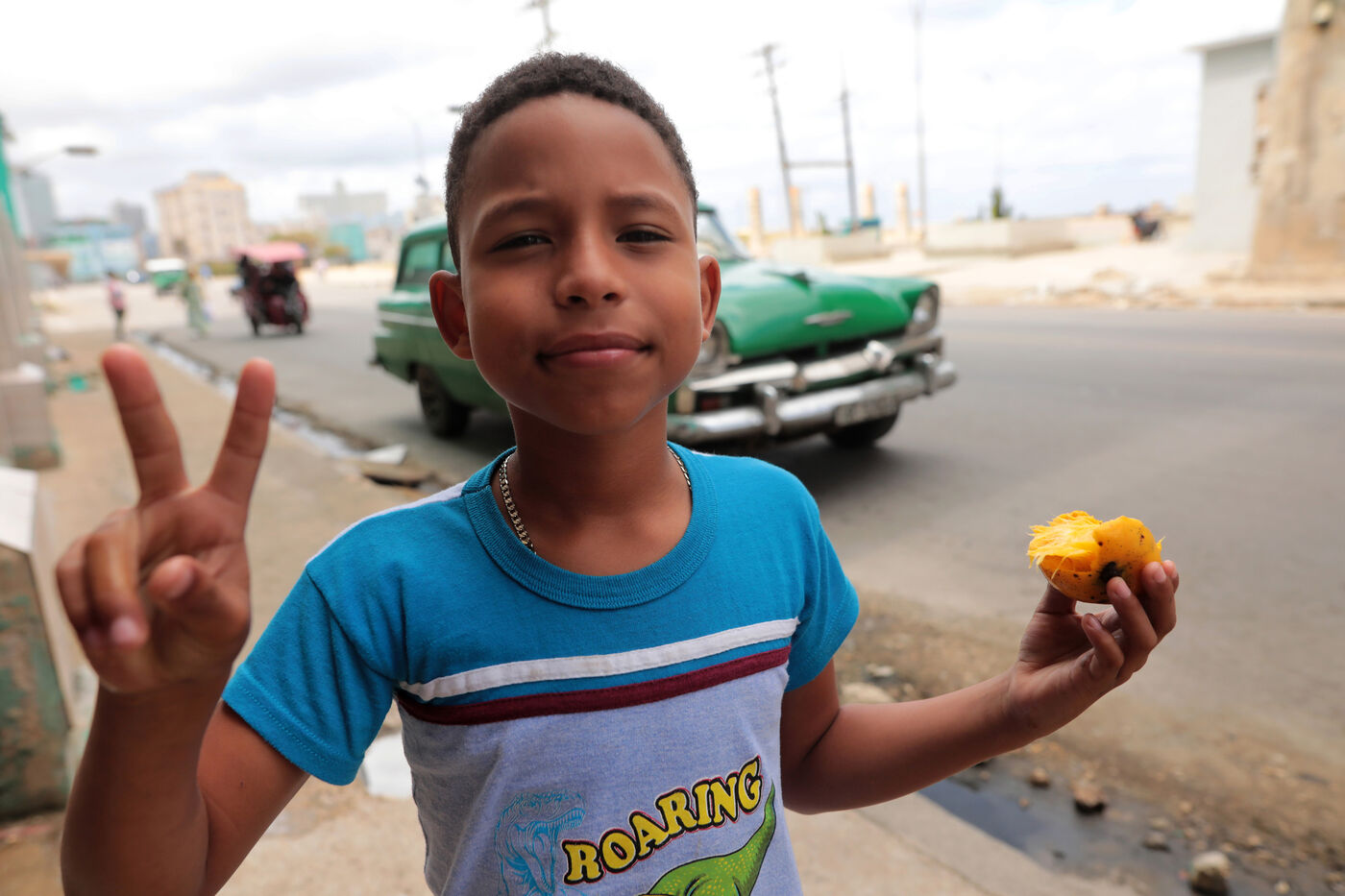
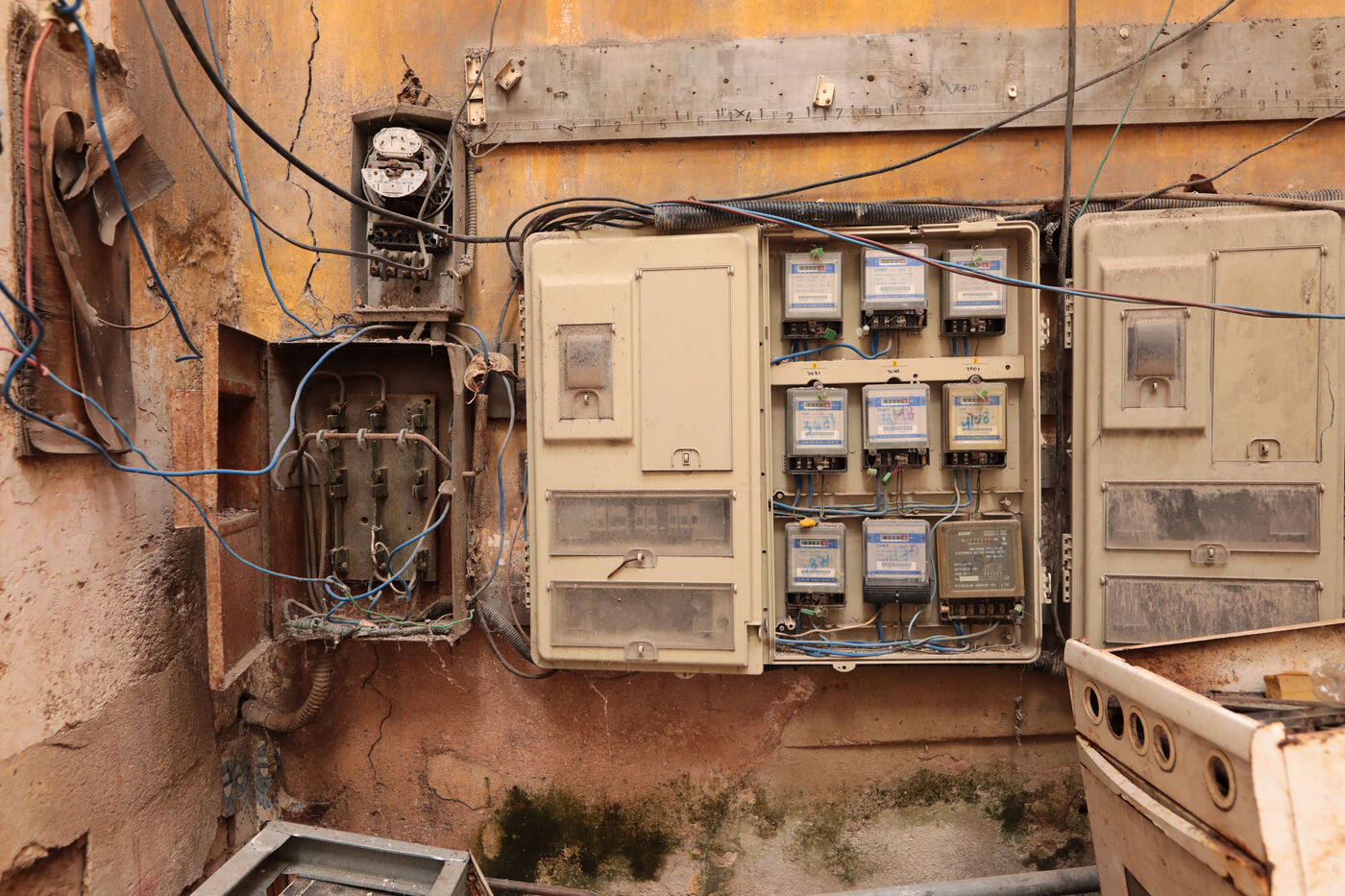
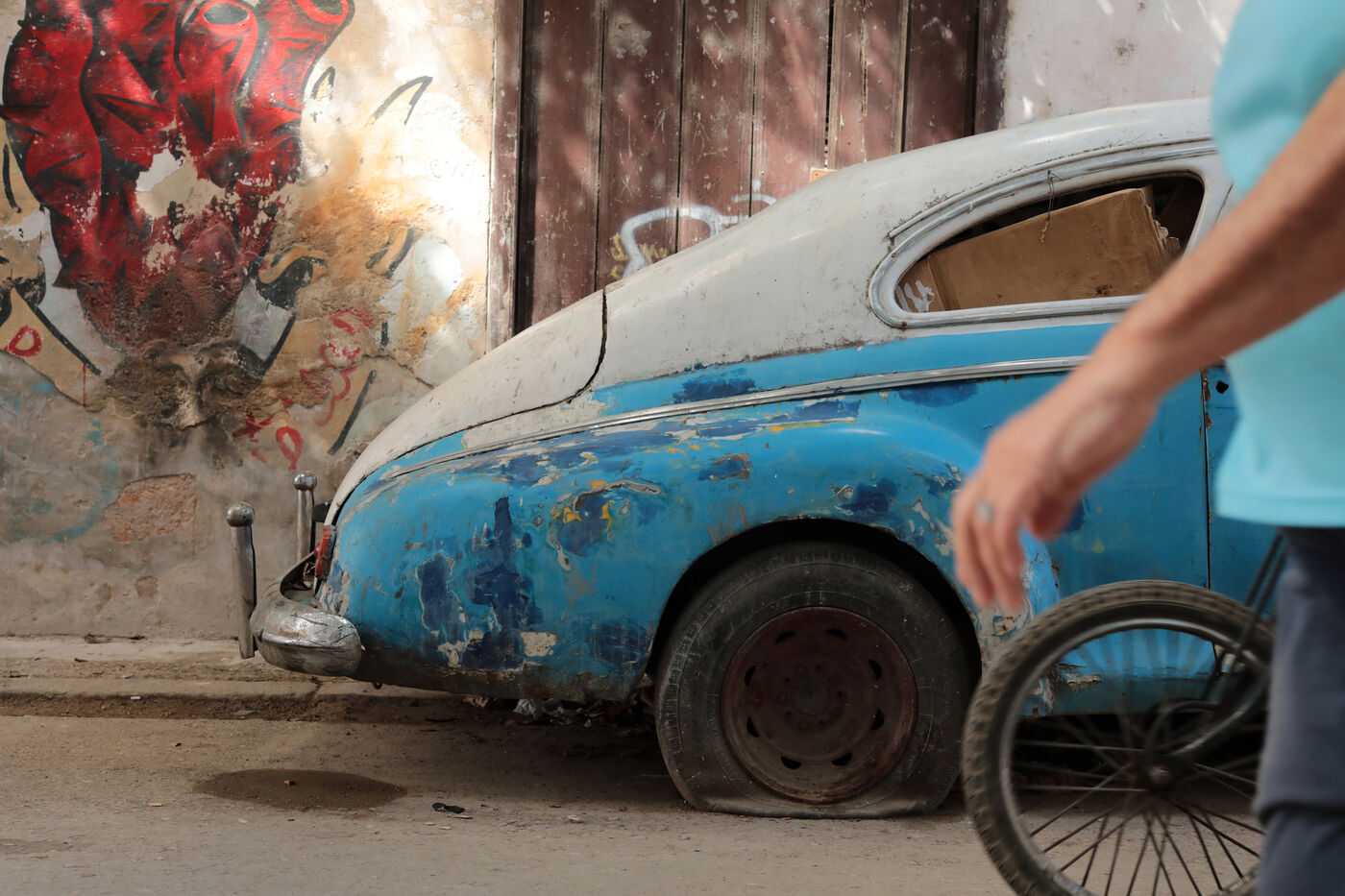
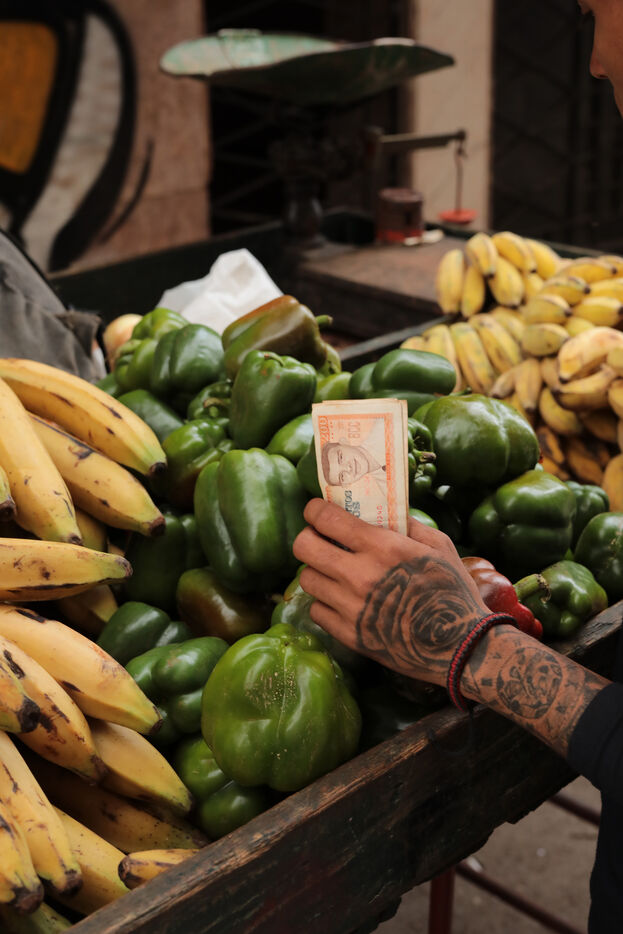
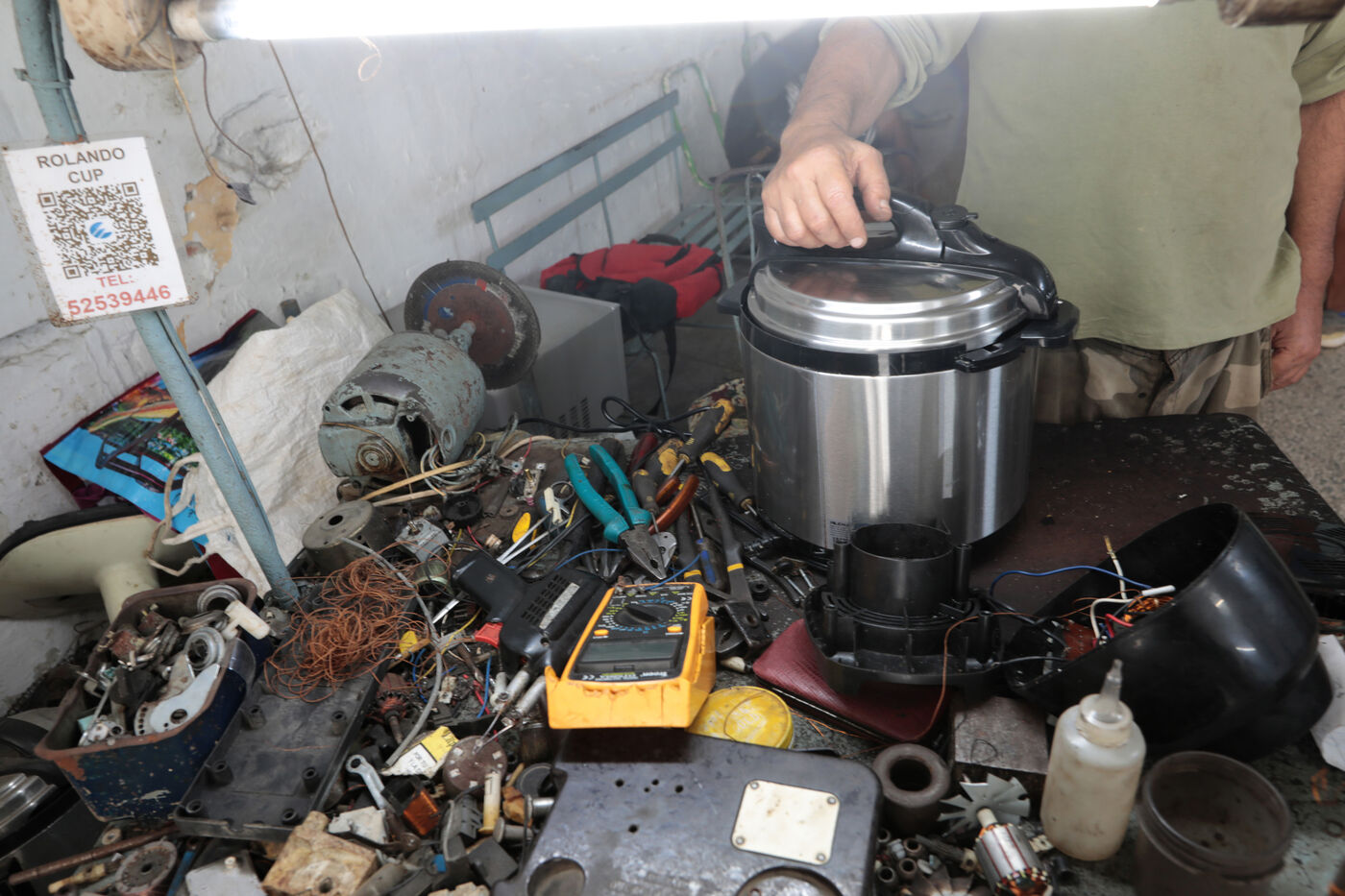
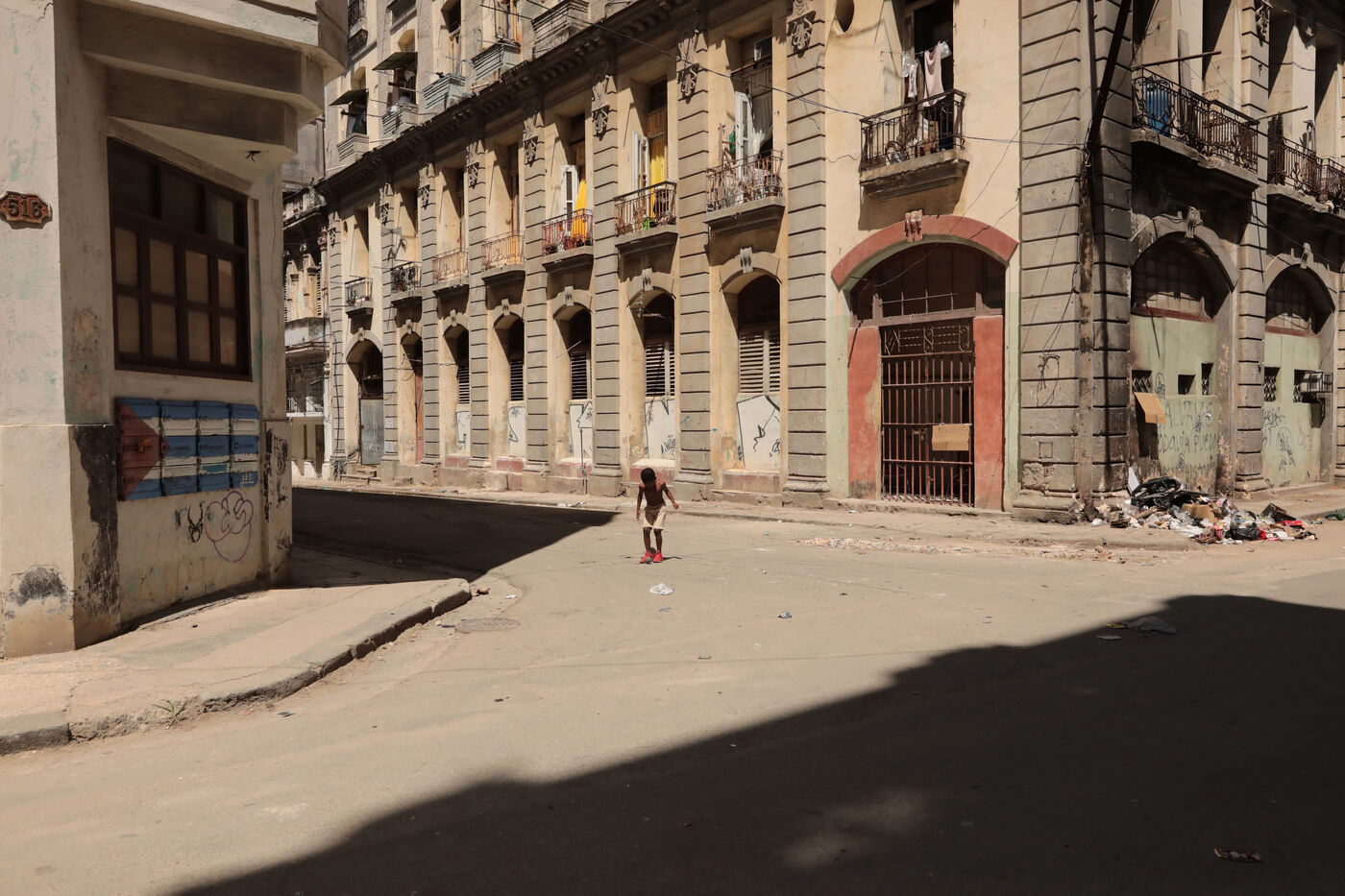
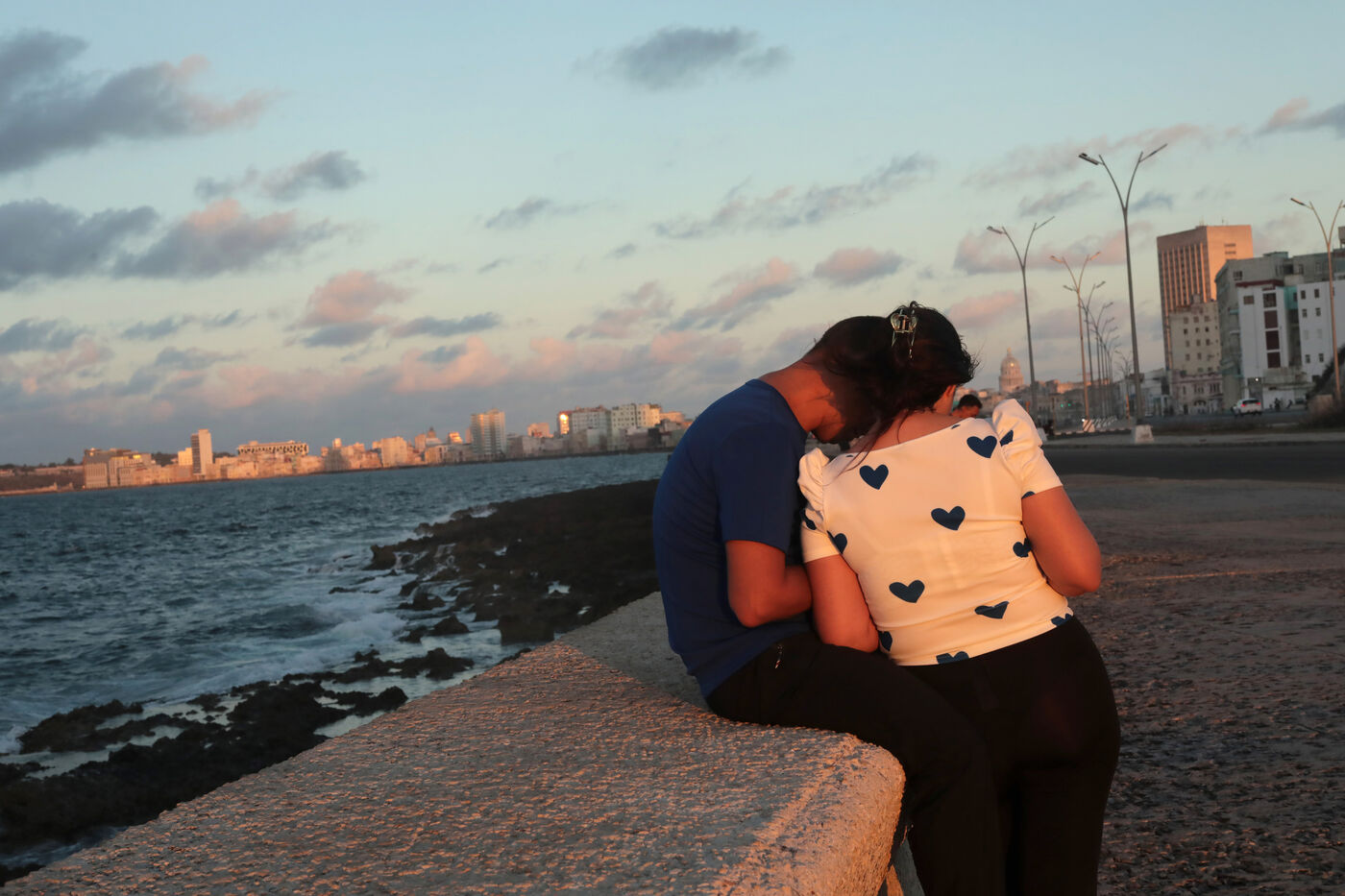
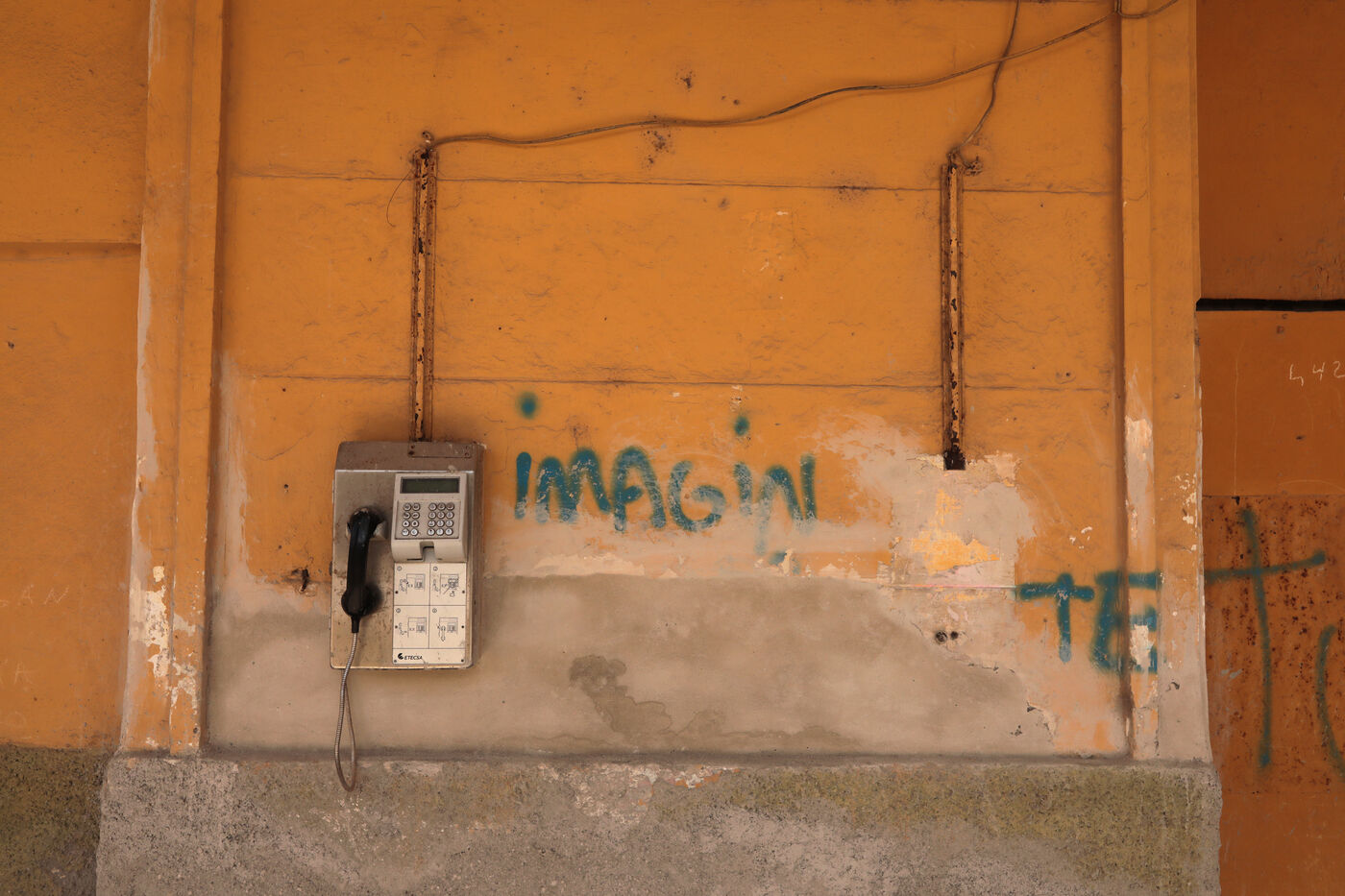
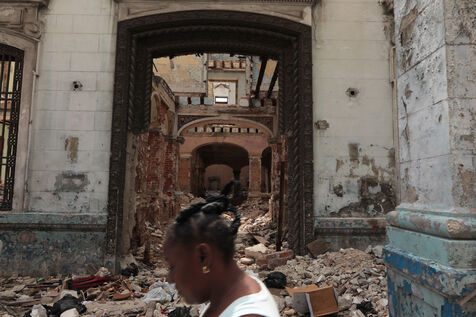
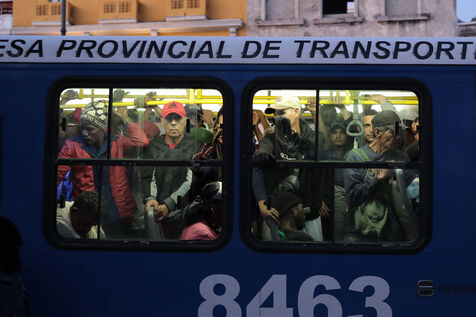
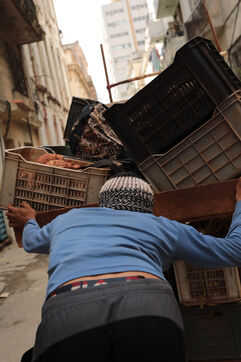
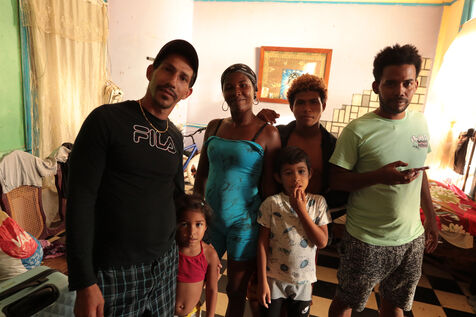
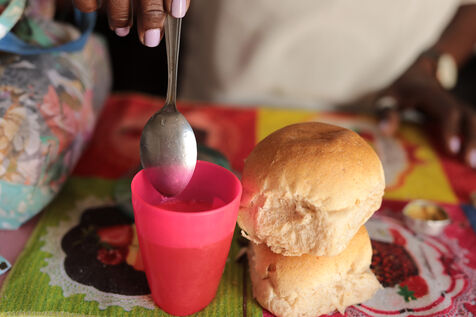
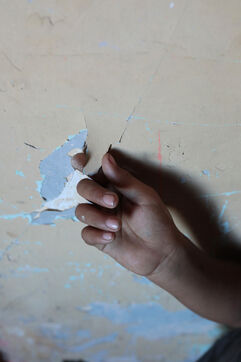
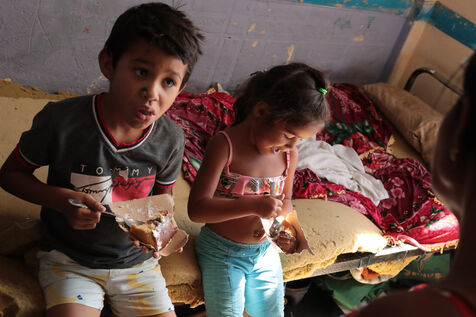
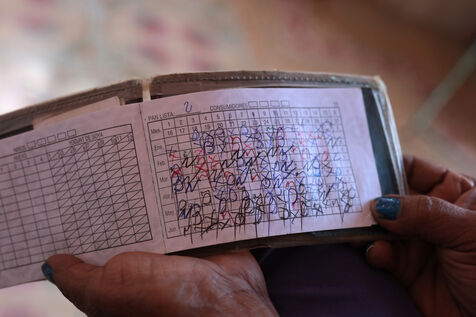
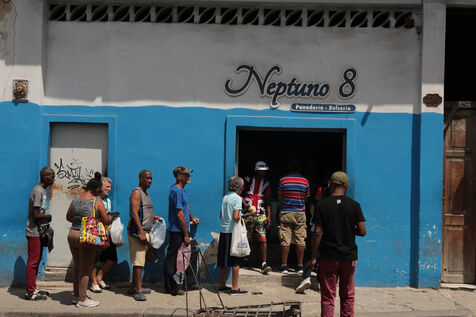
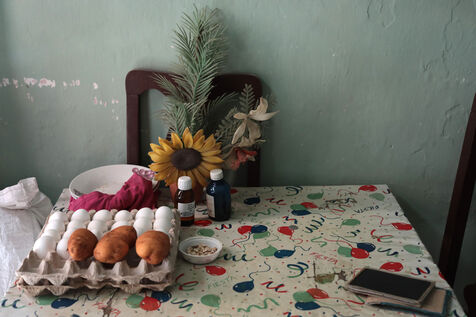
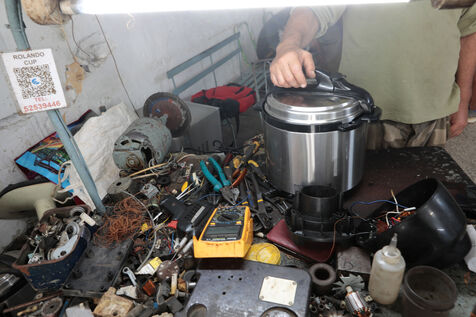
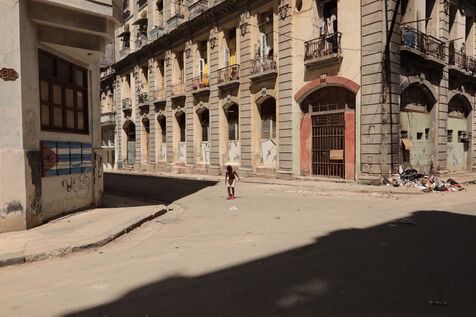
Sans pétrole le pays est asphyxié et les cubains subissent la pire crise de leur histoire. La société est fatiguée après plus de 60 ans d embargo. Néanmoins, même si certains reprochent au regime d'être sclérosé, incapable de leur sortir de cette crise permanente, voire autoritaire et intrusif, les cubains semblent déterminés de résister à une éventuelle intervention américaine. Et espèrent une ouverture politique et une meilleure vie pour eux et pour leurs enfants.
Havana, Cuba, under the US embargo and the threat of an invasion
Cuba is preparing to celebrate this year the 100th anniversary of the birth of Fidel Castro, who was born in 1926 and died in 2016. The United States has imposed an economic embargo on Cuba since 1962, following the nationalization of American companies by Fidel Castro’s socialist and revolutionary government.
This blockade has been reinforced since the U.S. intervention in Venezuela in January 2026. After cutting Cuba off from its main oil supplier, the United States is now threatening to invade the island in order to change the communist regime.
Without oil, the country is suffocating, and Cubans are experiencing the worst crisis in their history. Society is exhausted after more than 60 years of embargo. Nevertheless, even though some criticize the regime for being stagnant, unable to pull them out of this ongoing crisis, and even authoritarian and intrusive, Cubans seem determined to resist any potential American intervention. They also hope for political openness and a better life for themselves and their children.