Turquie, Imbros (Gökçeada) : La terre natale retrouvée
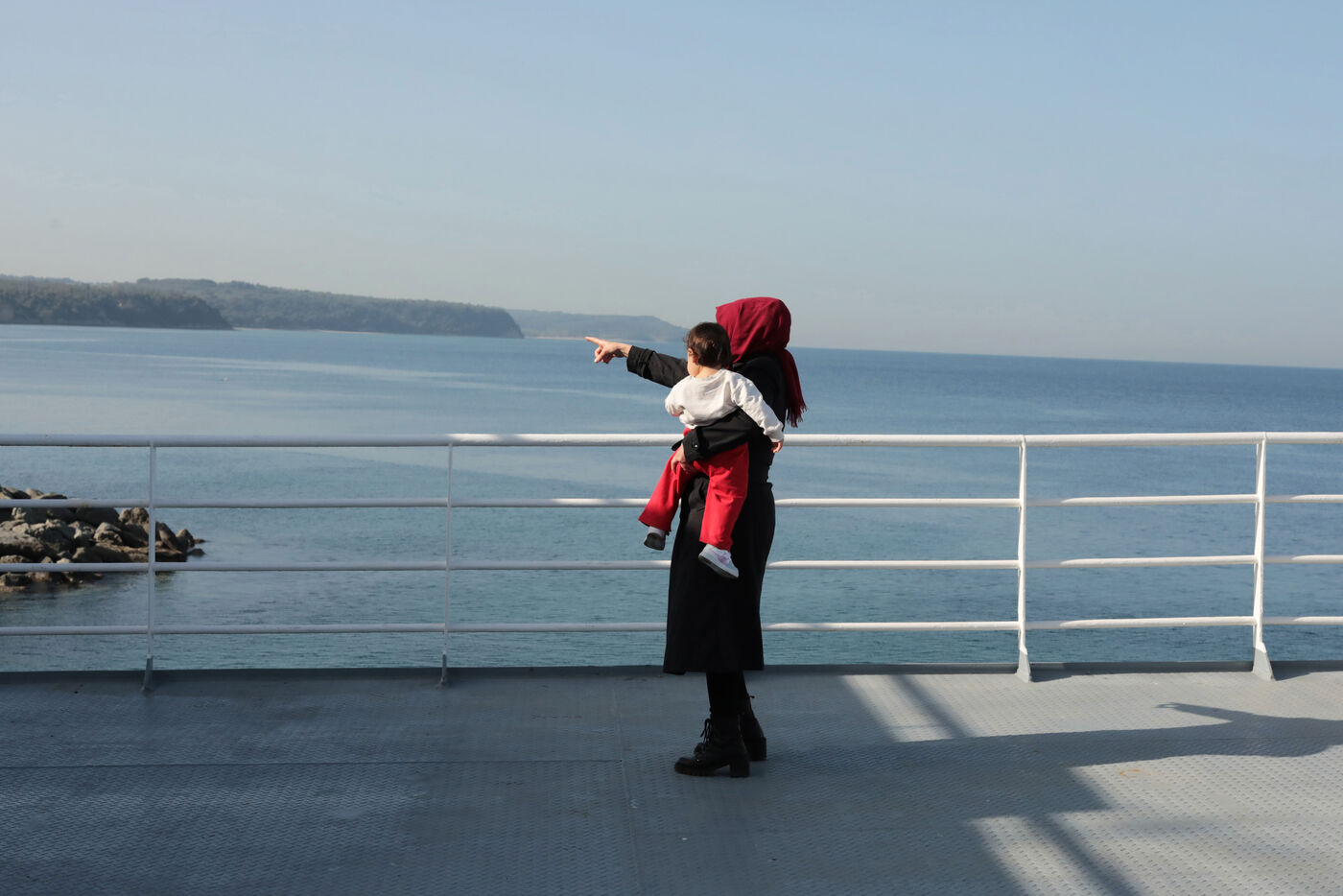
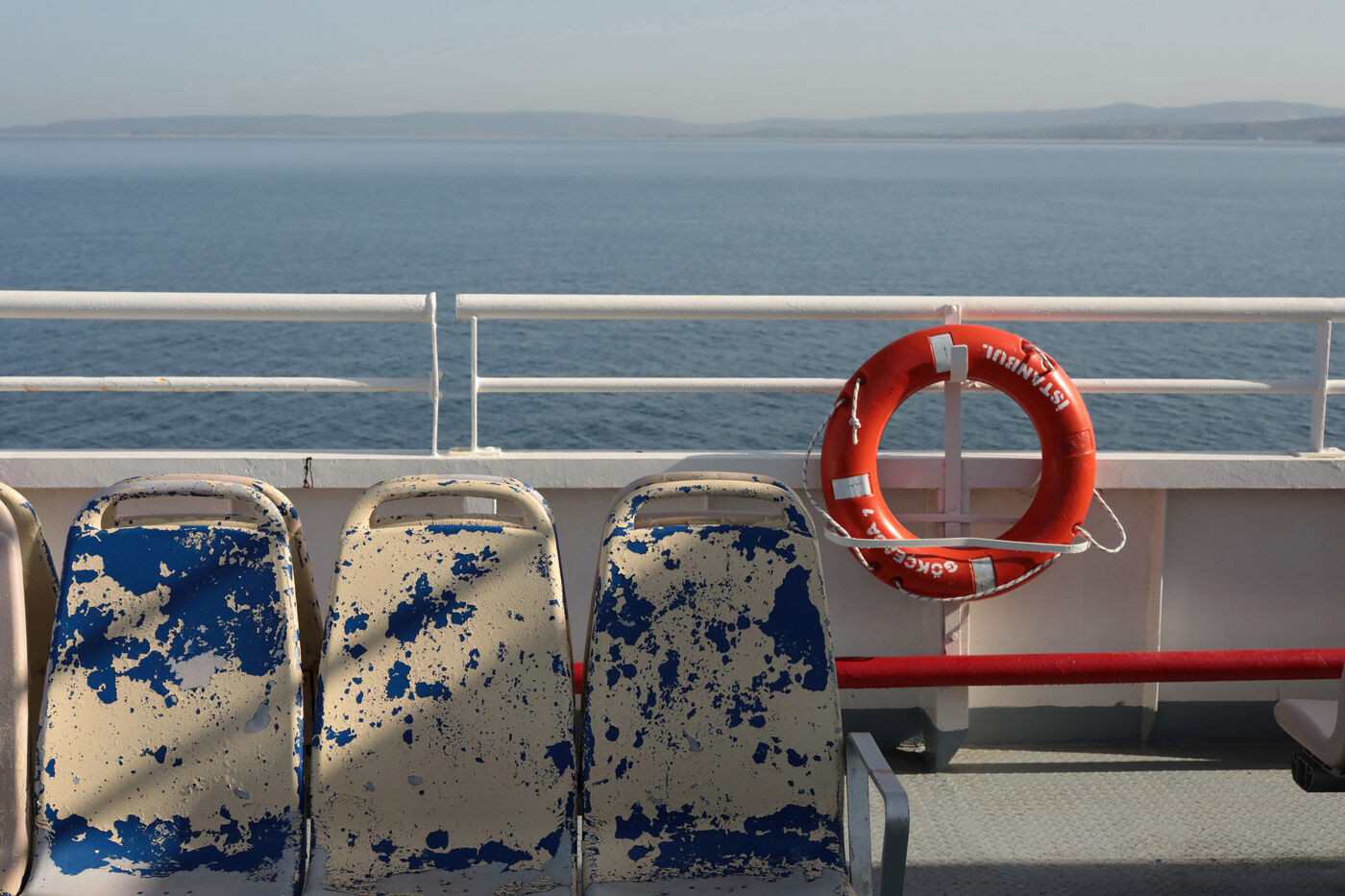
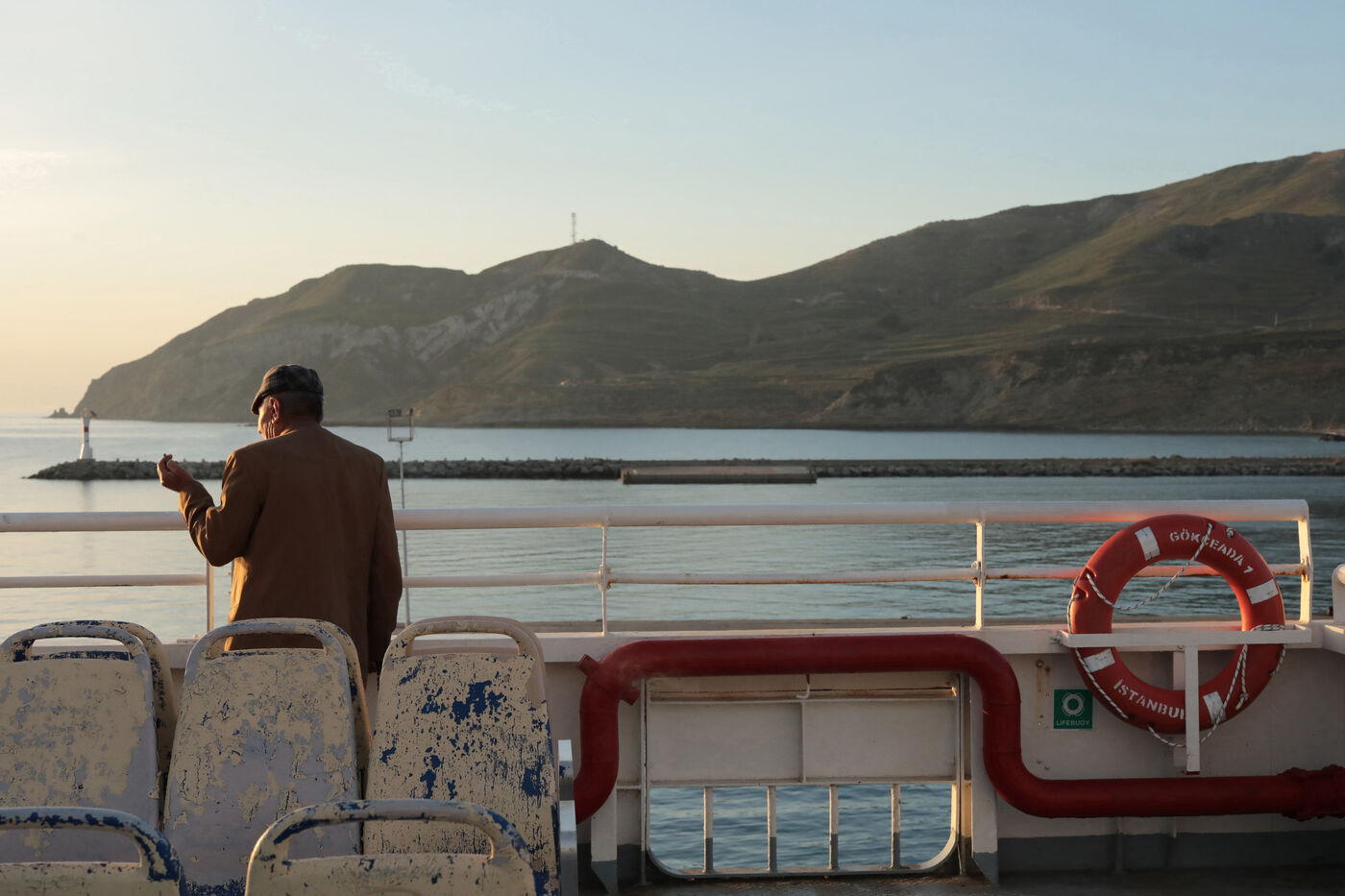
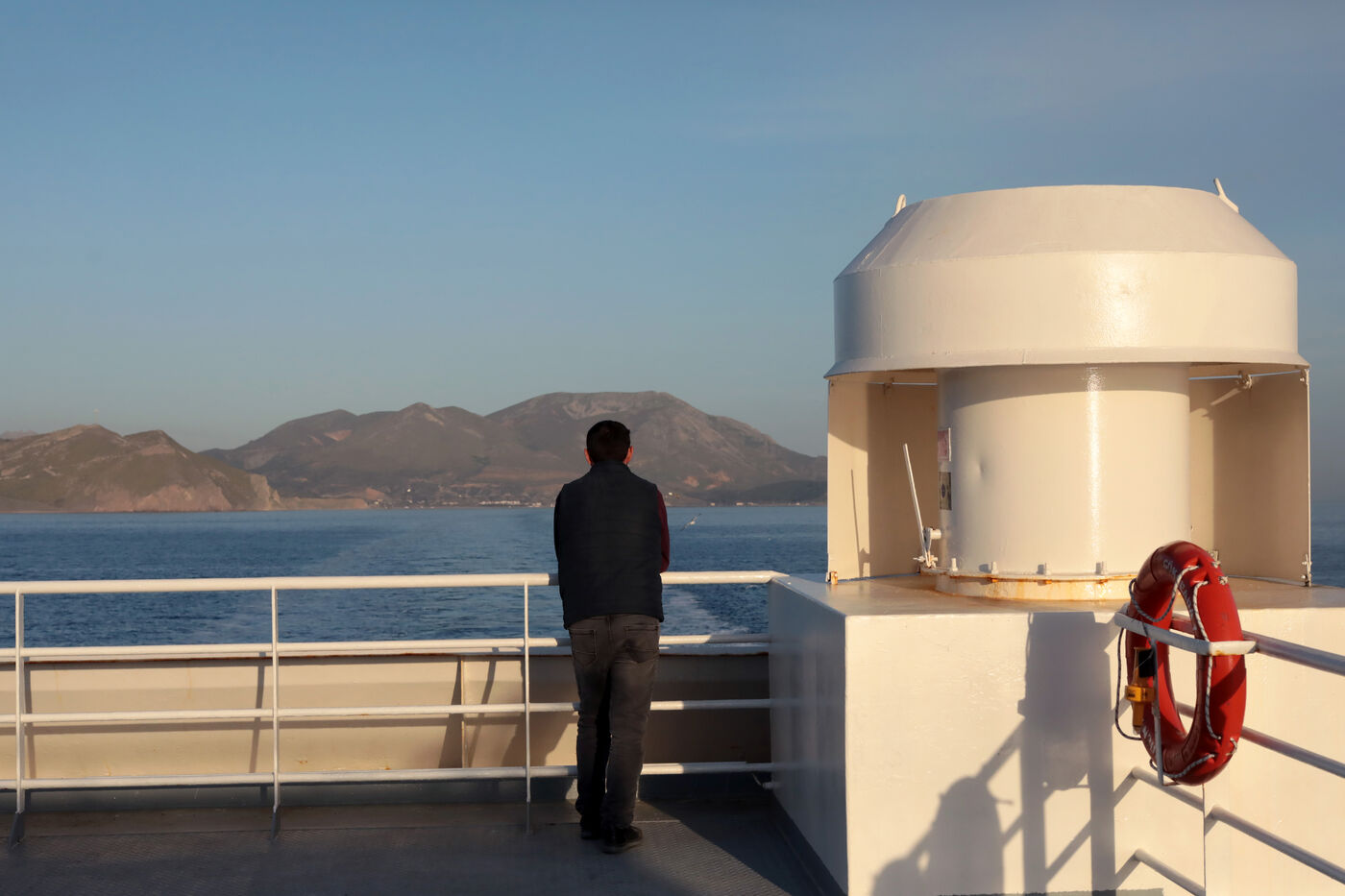
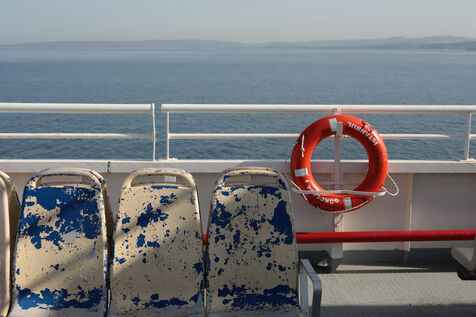
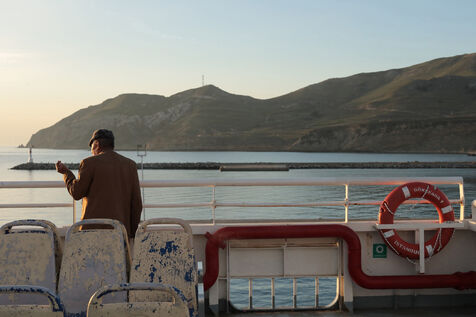
Sur le bateau qui m’amène de Kabatepe à Imbros, les vers de Seferis (En Scène) me viennent à l’esprit.
Je suis ton pays, Peut-être que je ne suis personne, Mais je peux devenir ce que tu veux...
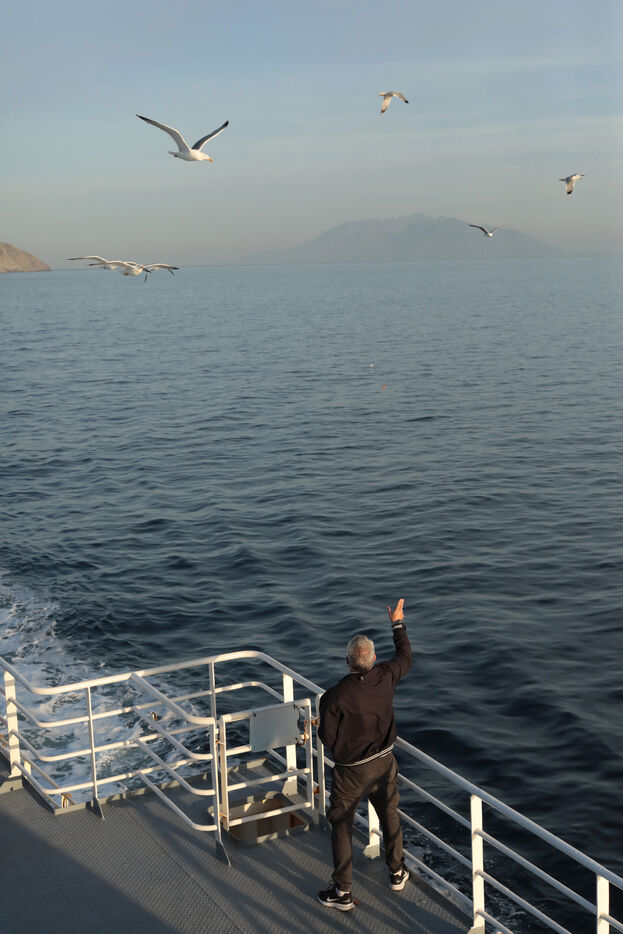
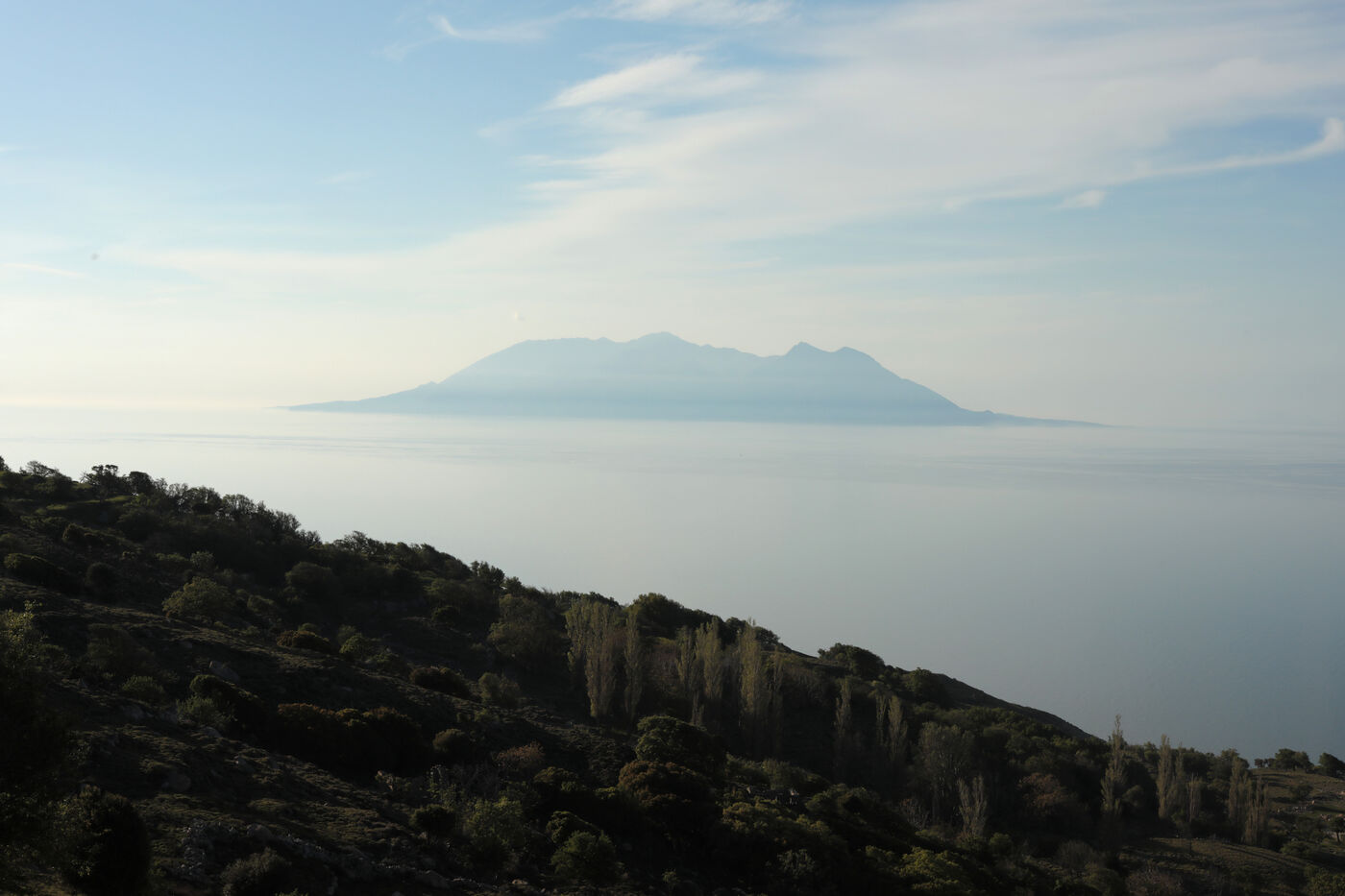
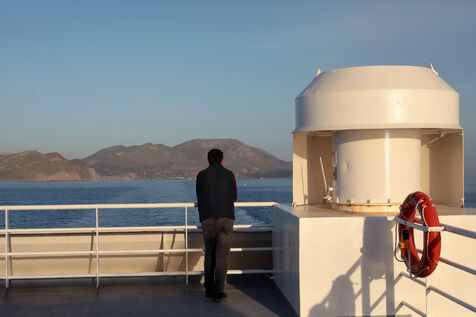
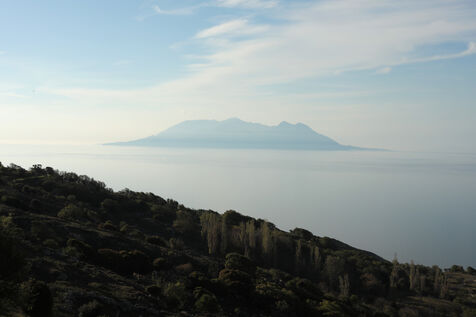
De la proue, je commence à distinguer Imbros qui apparaît lentement à travers le brouillard du beau matin, et quelques degrés plus au nord, la Samothrace émerge en bleu.
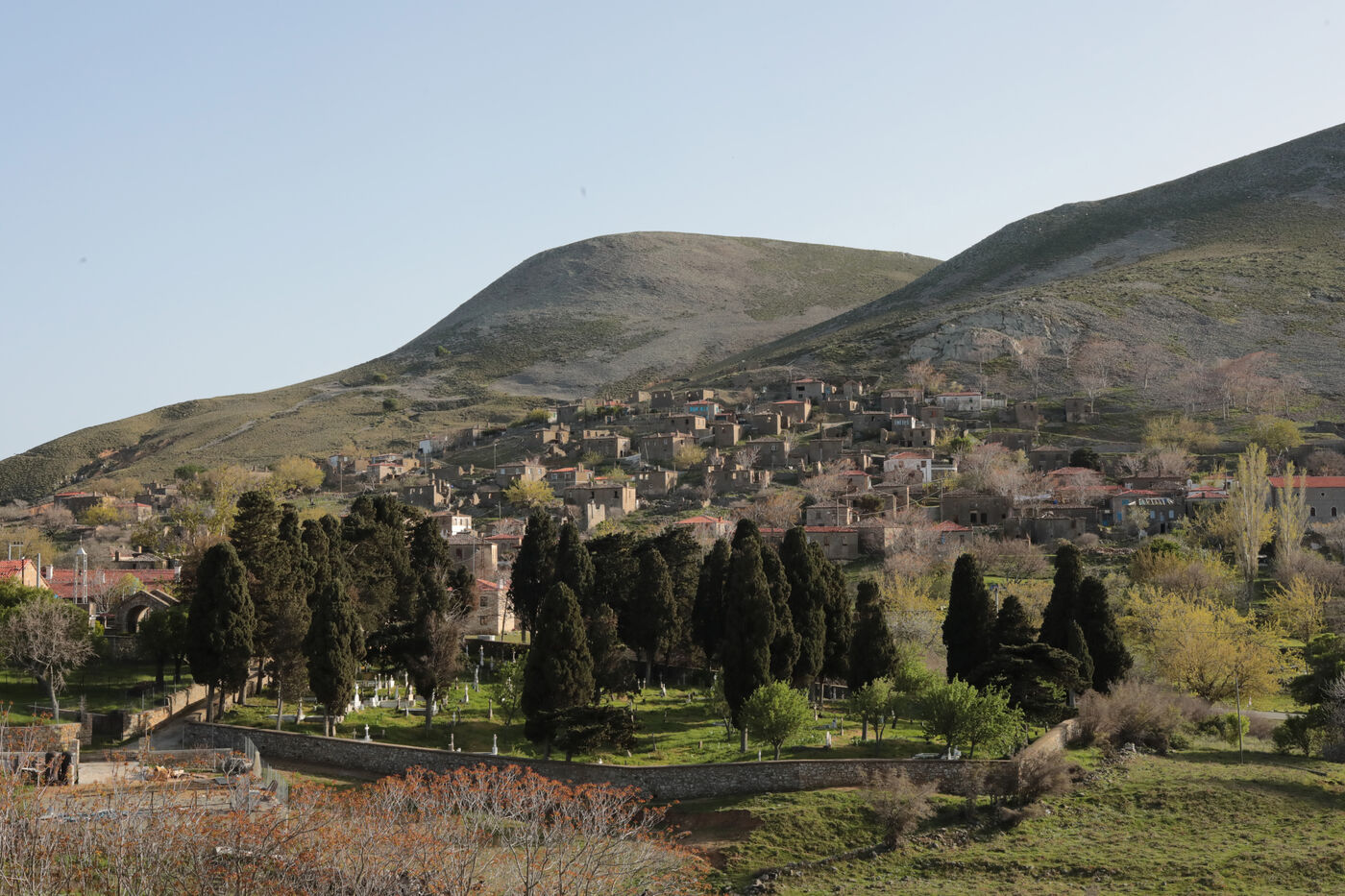
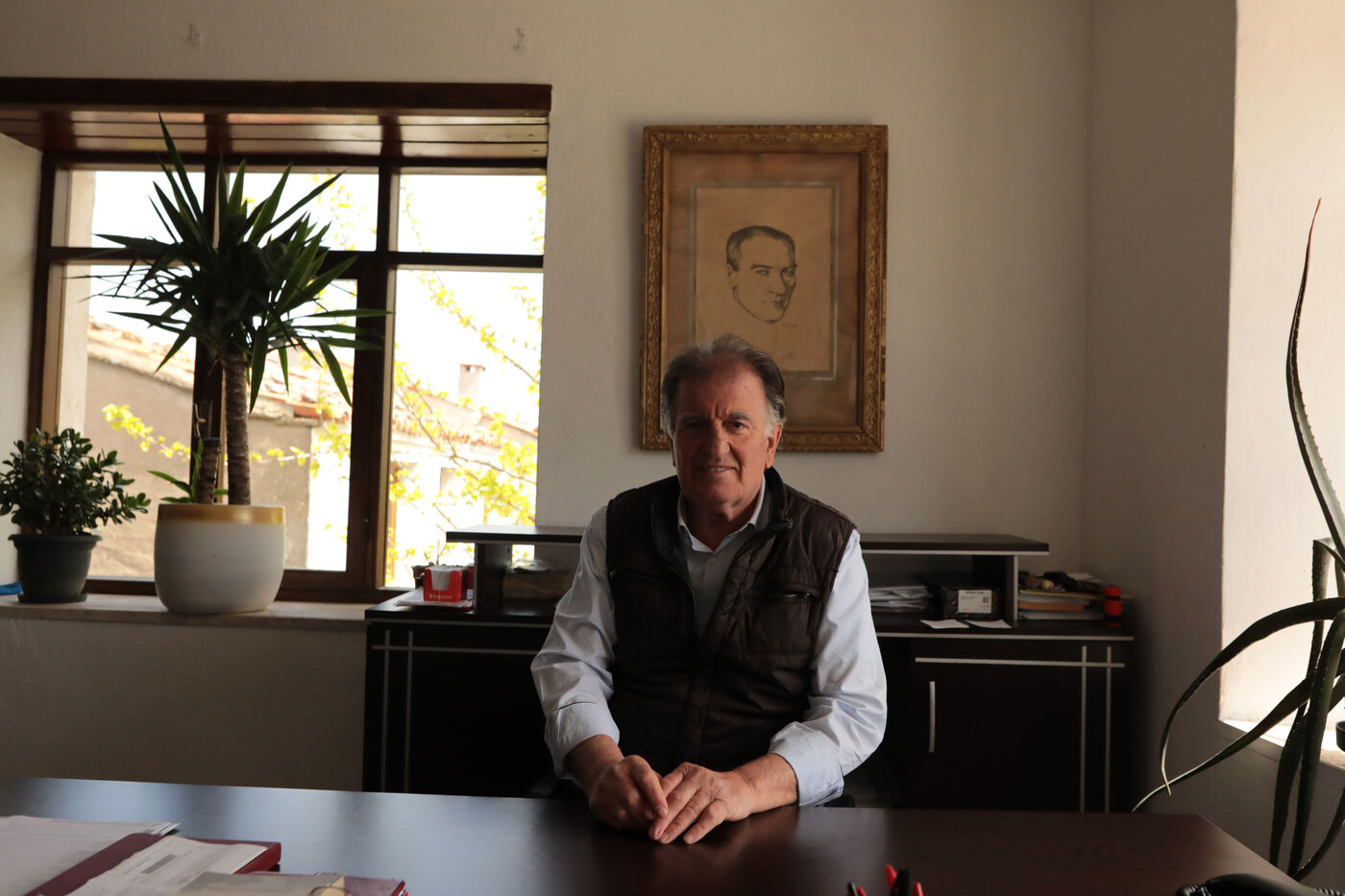
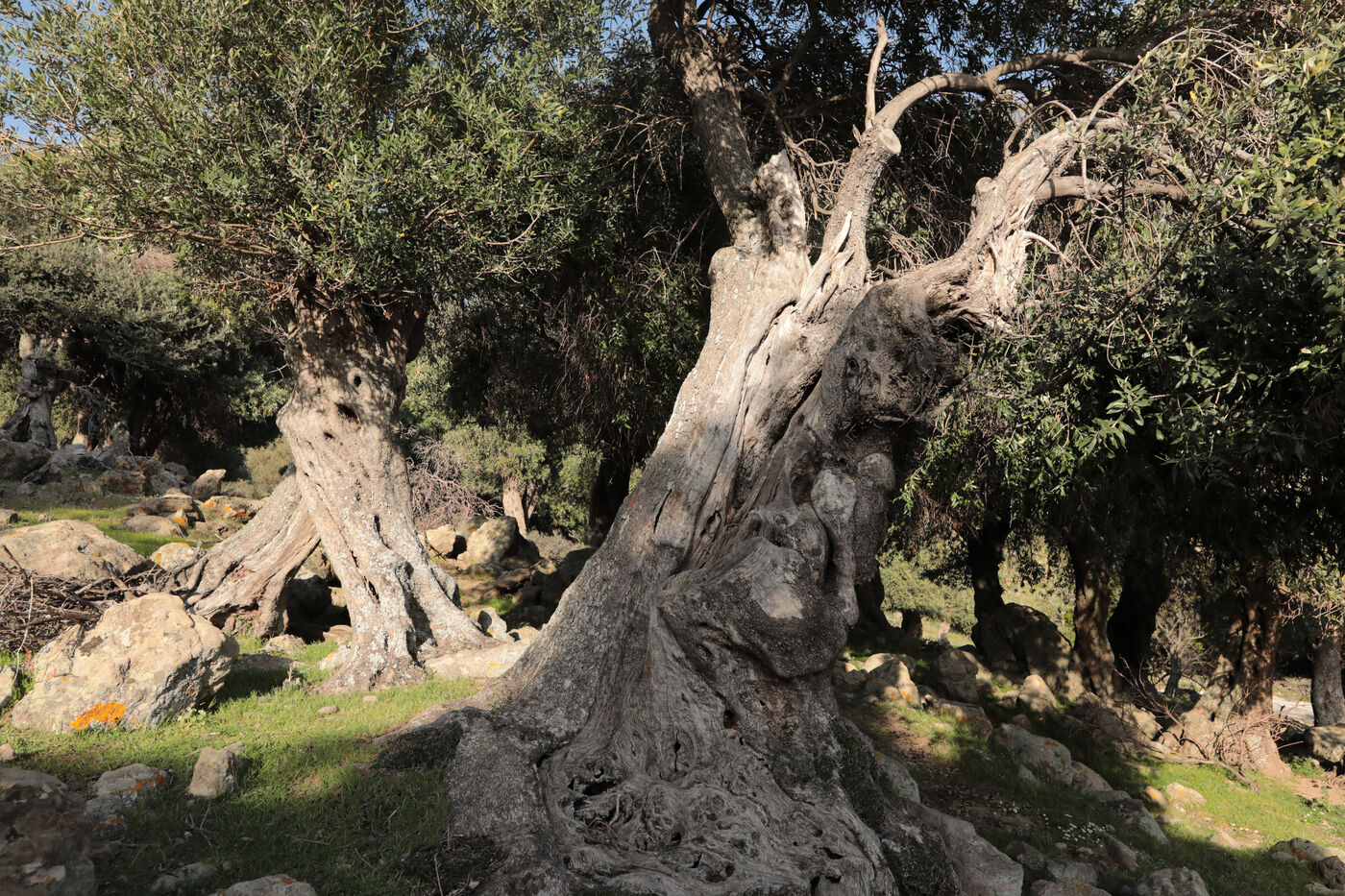
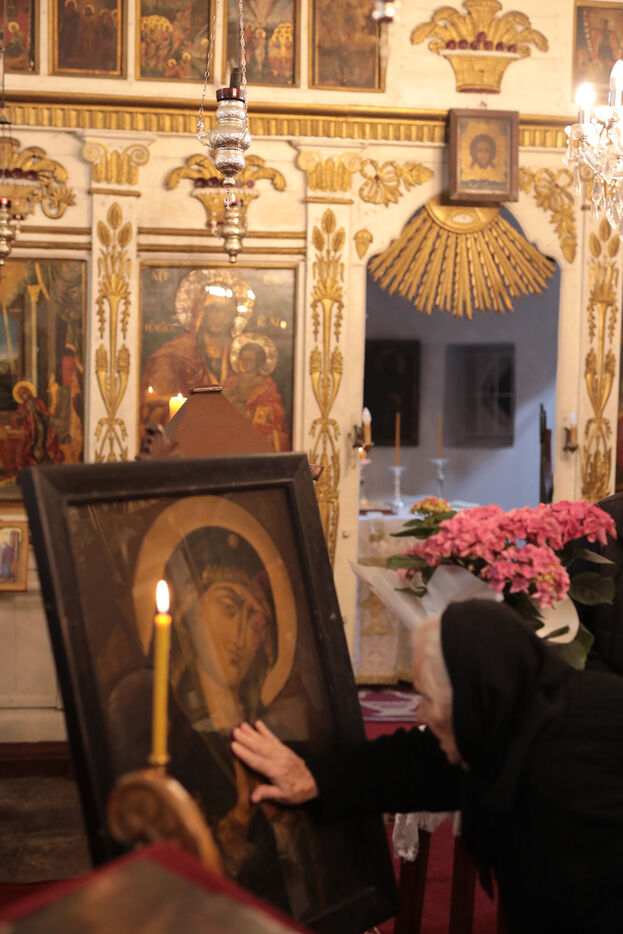
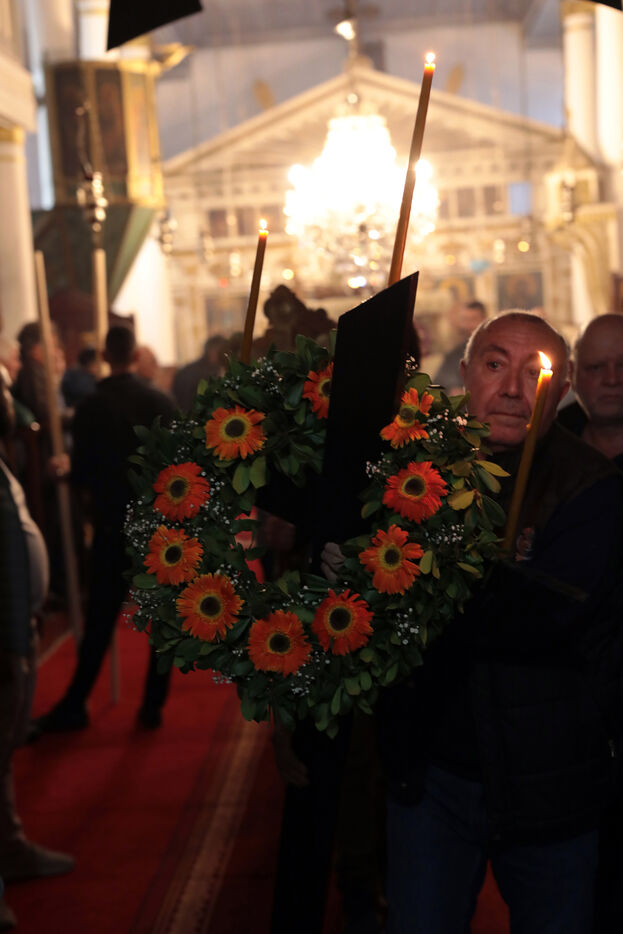
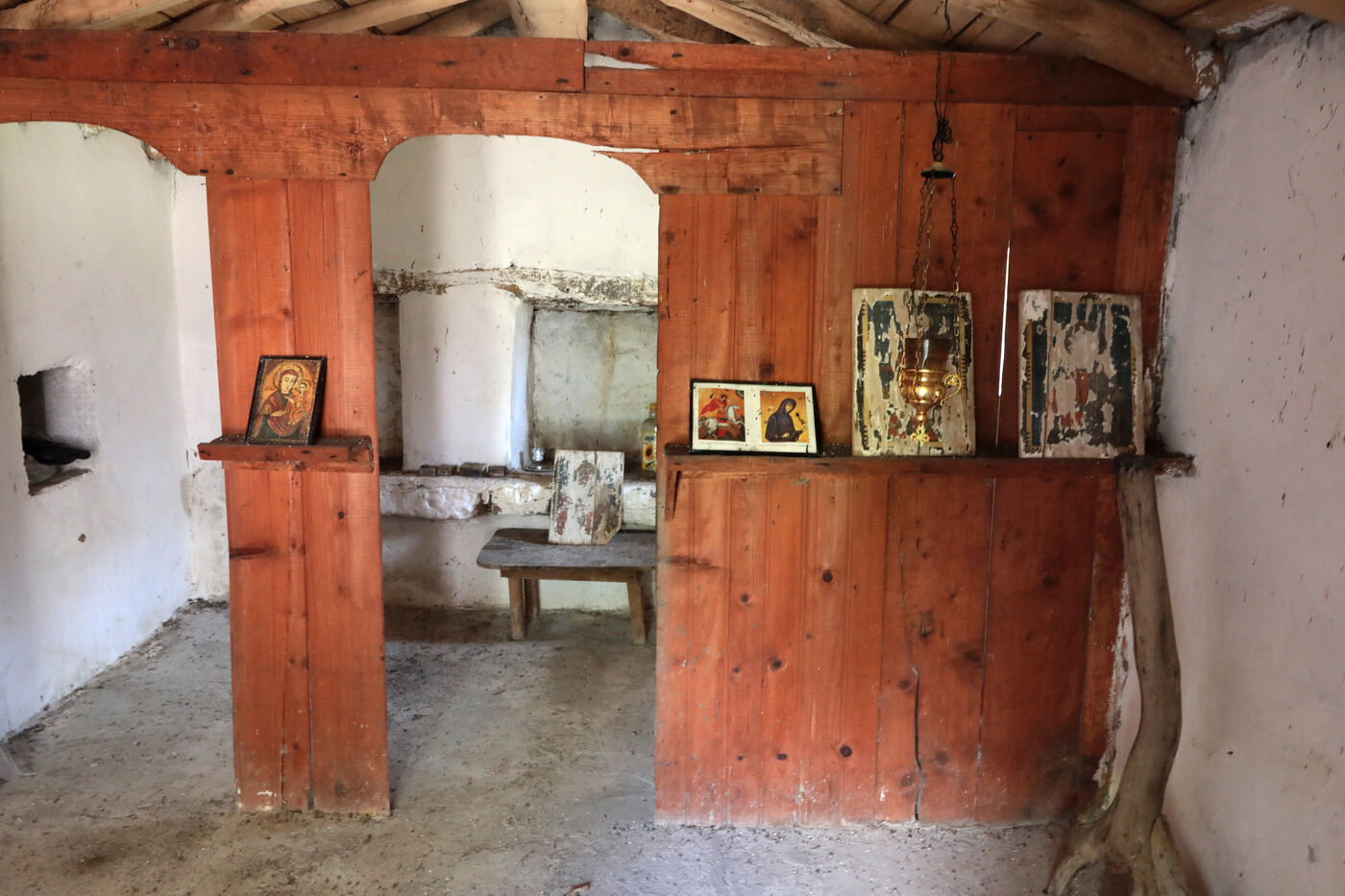
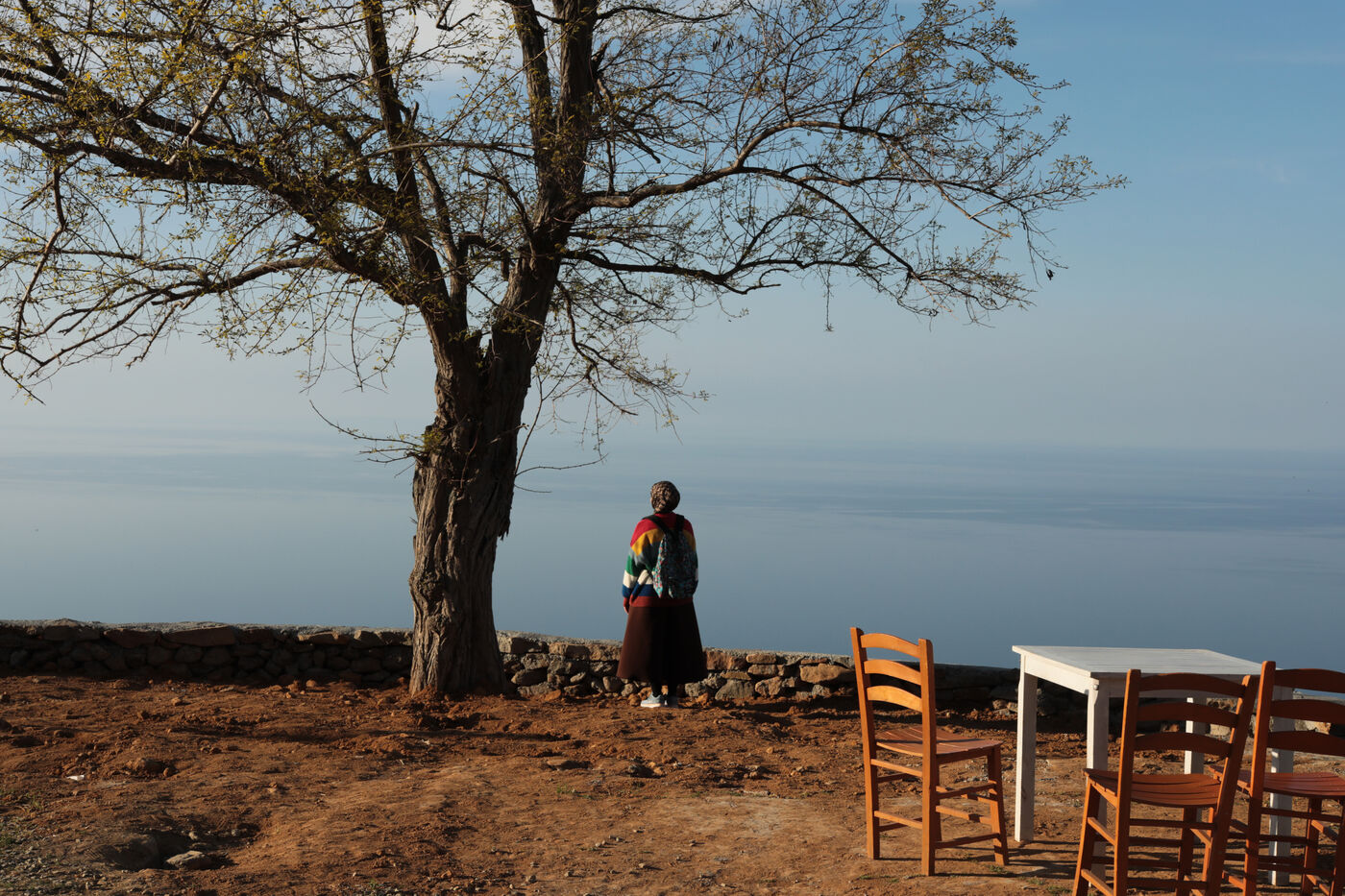
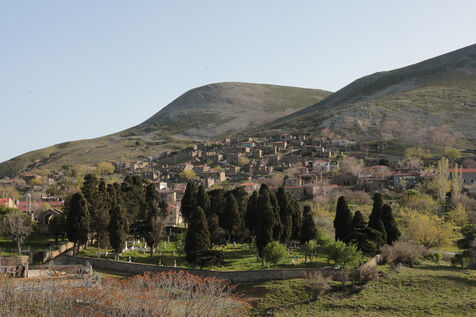
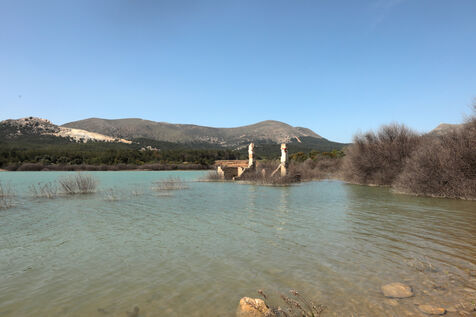
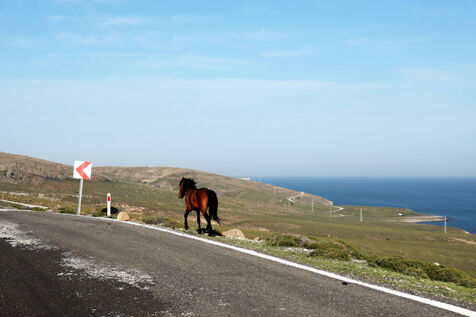
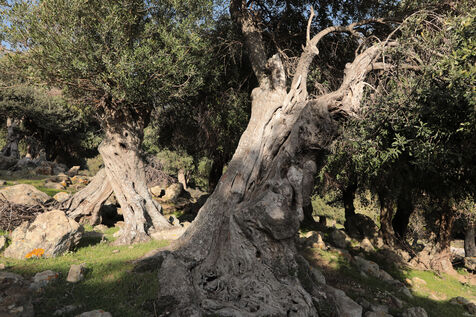
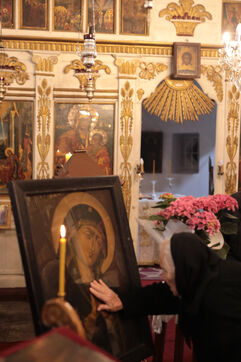
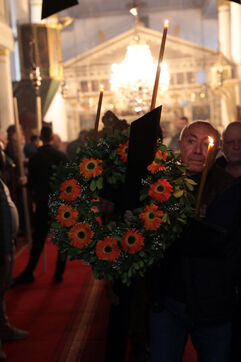
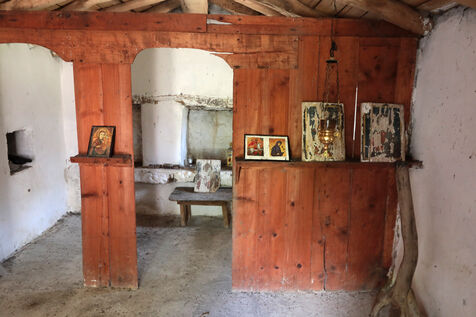
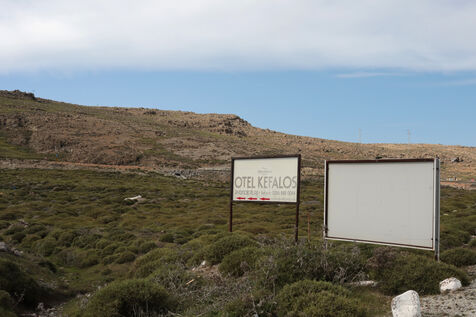
Je viens à Imbros - Gökçeada, l'île du Paradis en turc -pour rencontrer la communauté grecque de l'île qui a failli disparaître il ya environ 50 ans, mais qui a lutté et survécu. L'histoire de l'île est un chapitre de la « Catastrophe de l’Asie Mineure », mais aussi de la renaissance de la nation grecque.
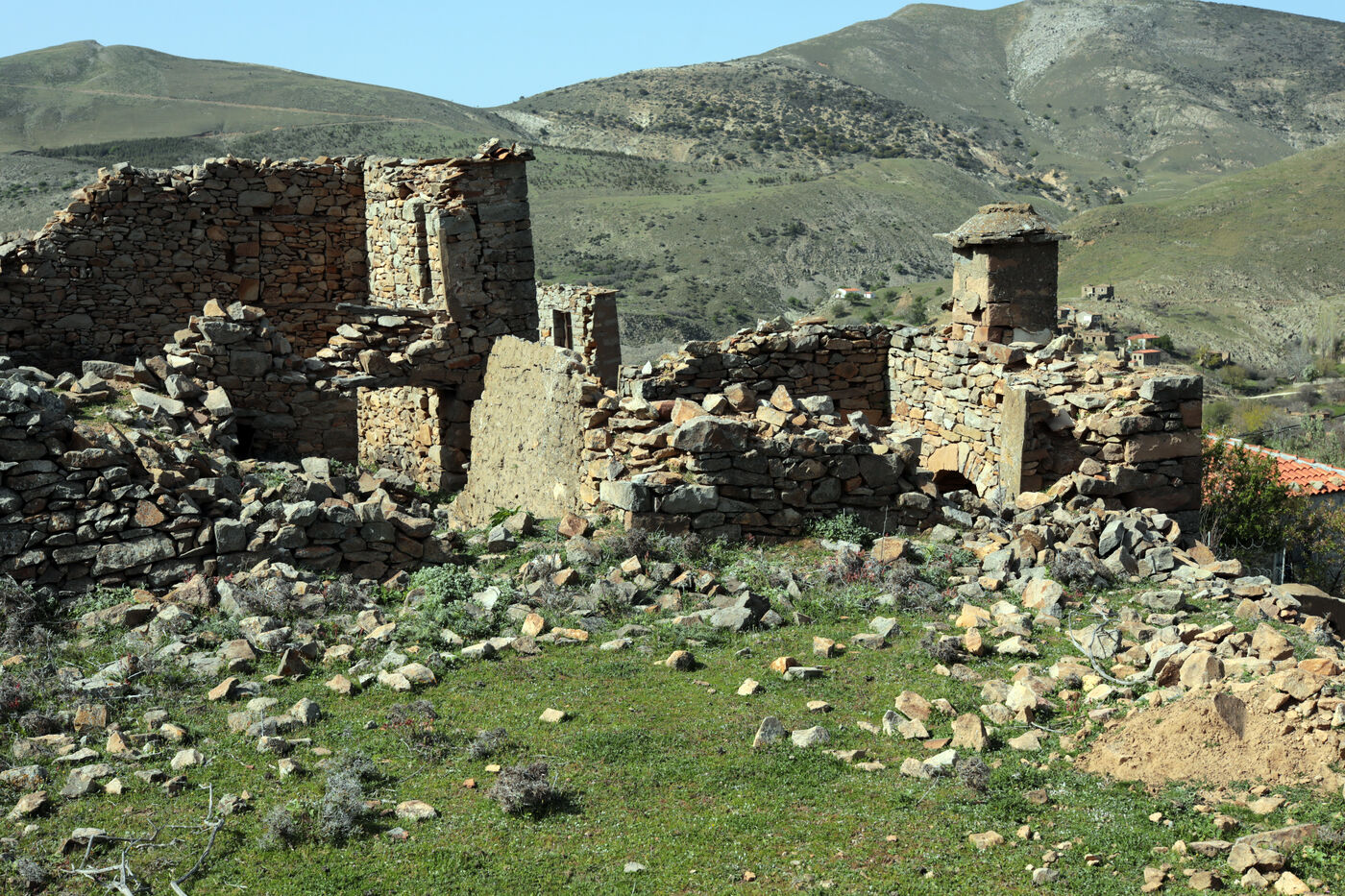
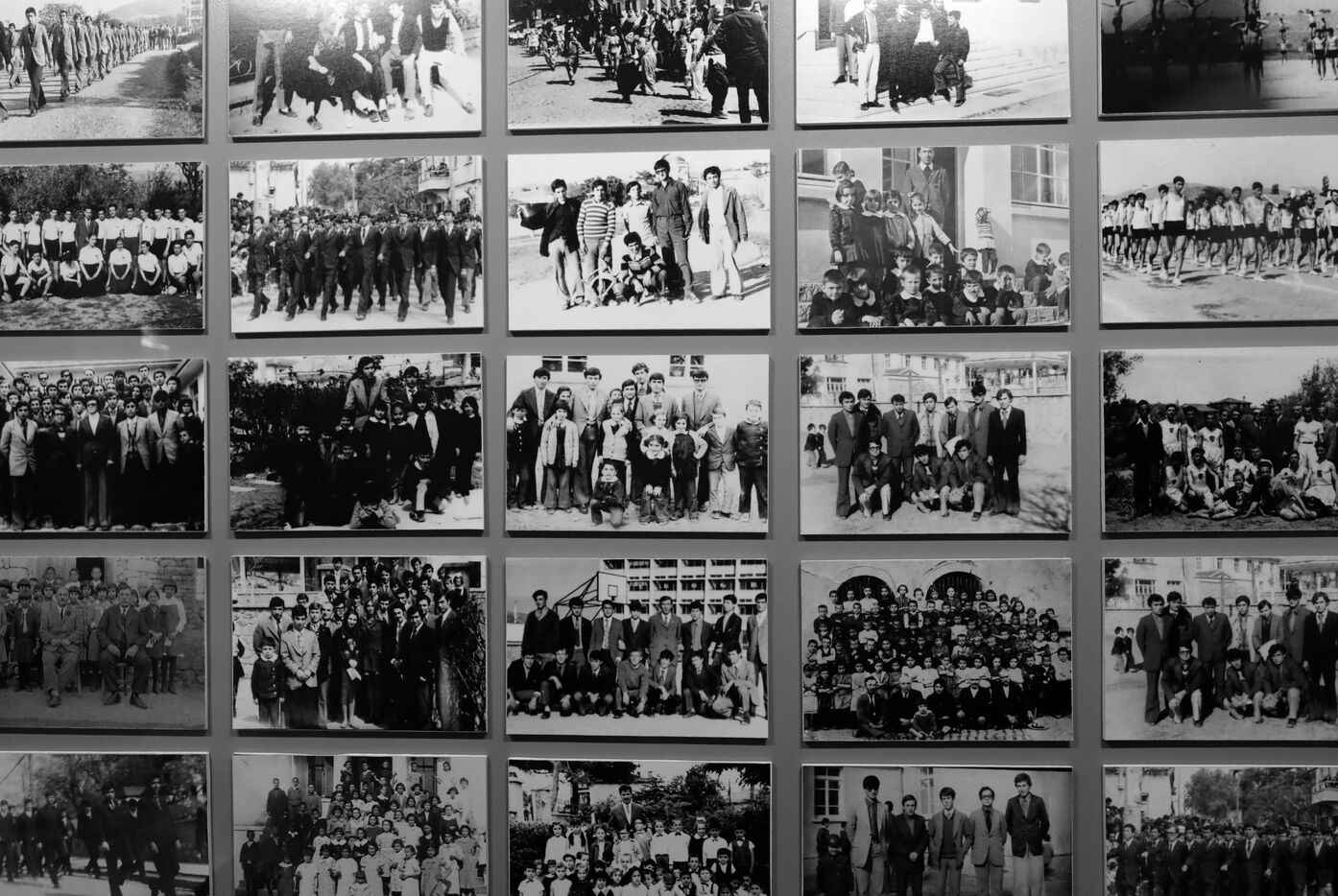
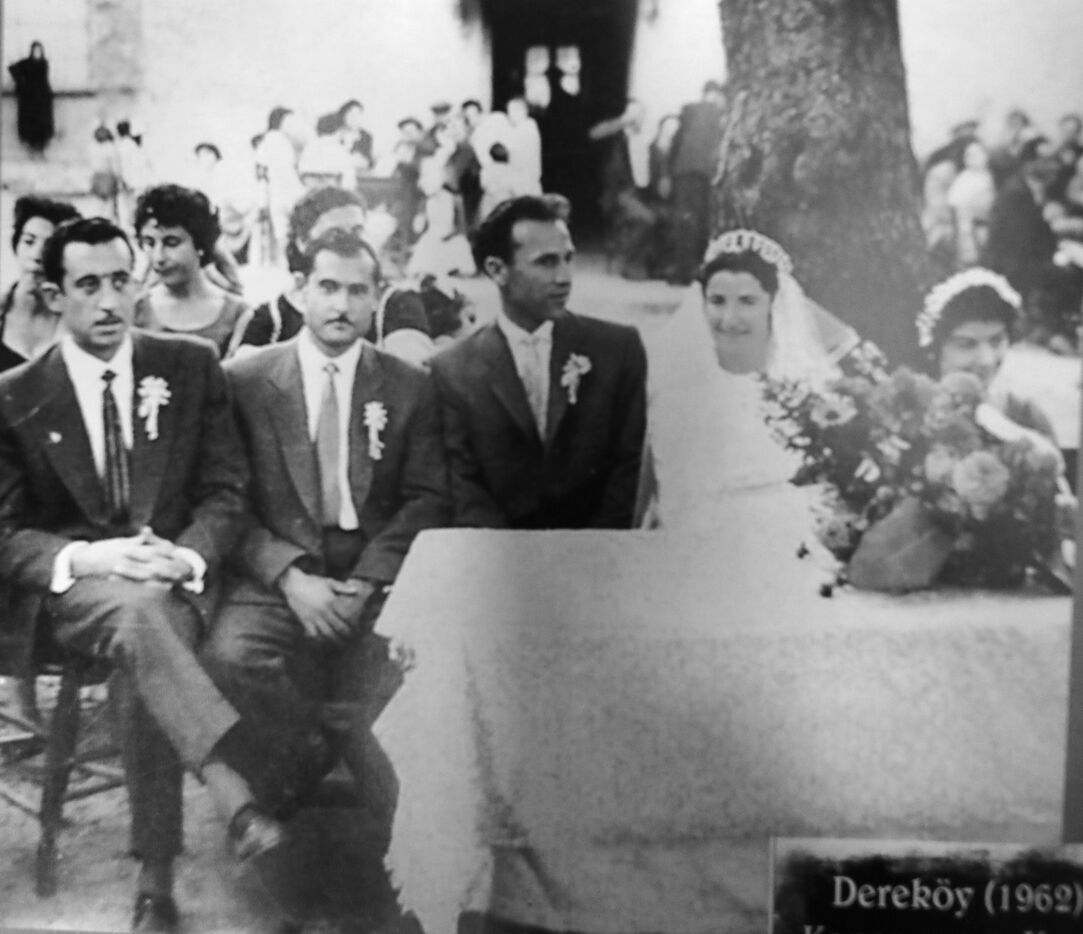
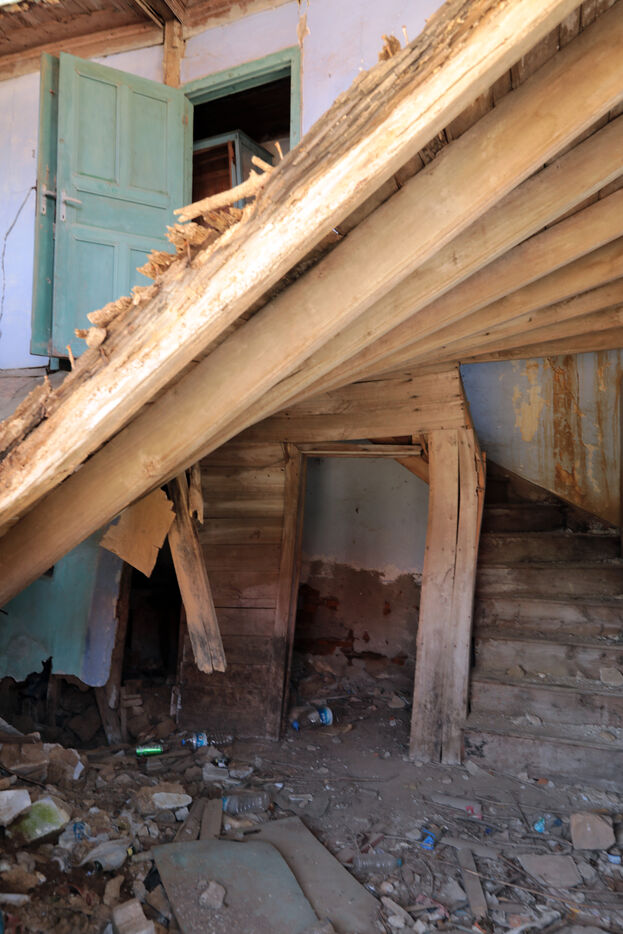
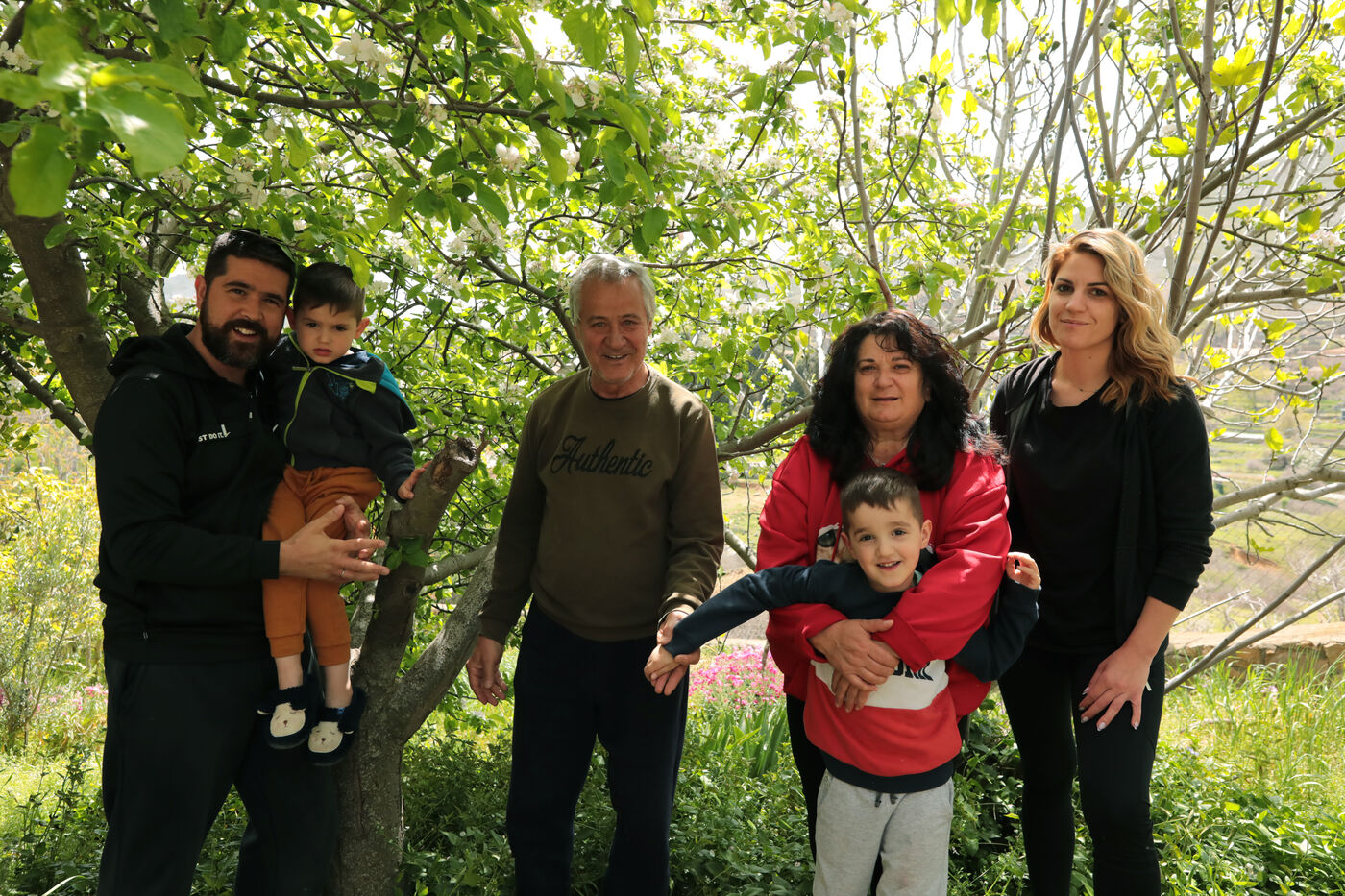
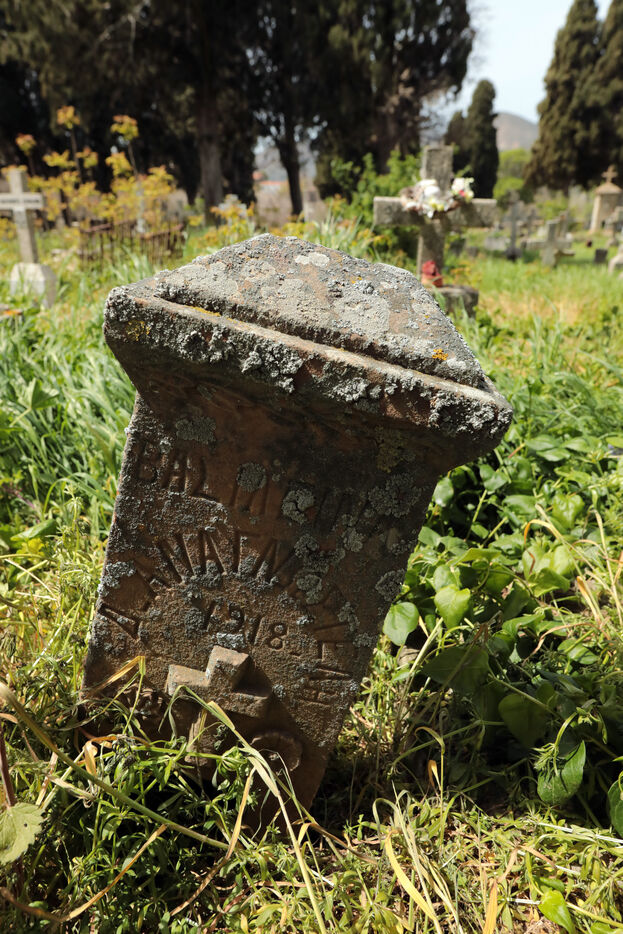
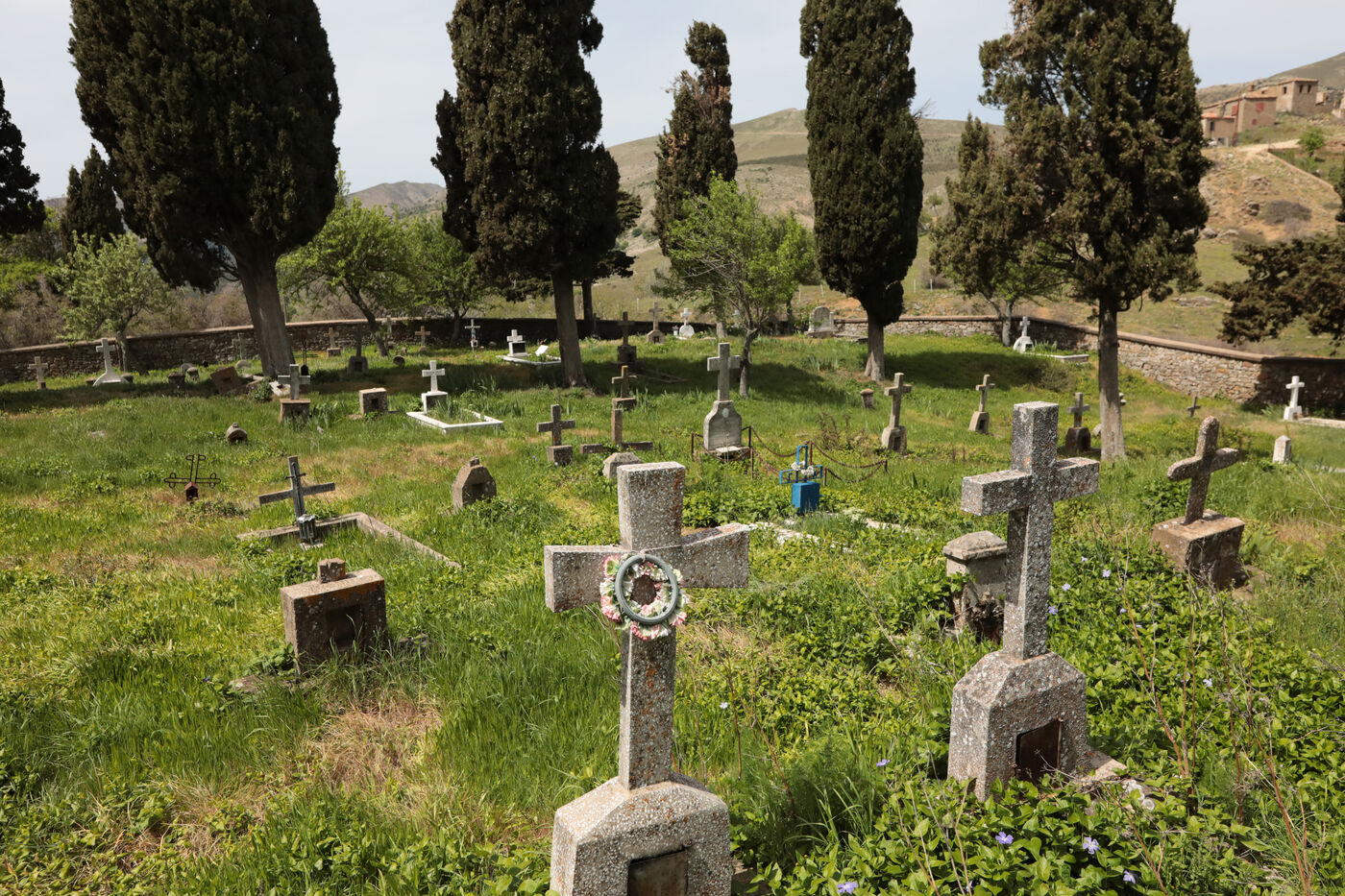
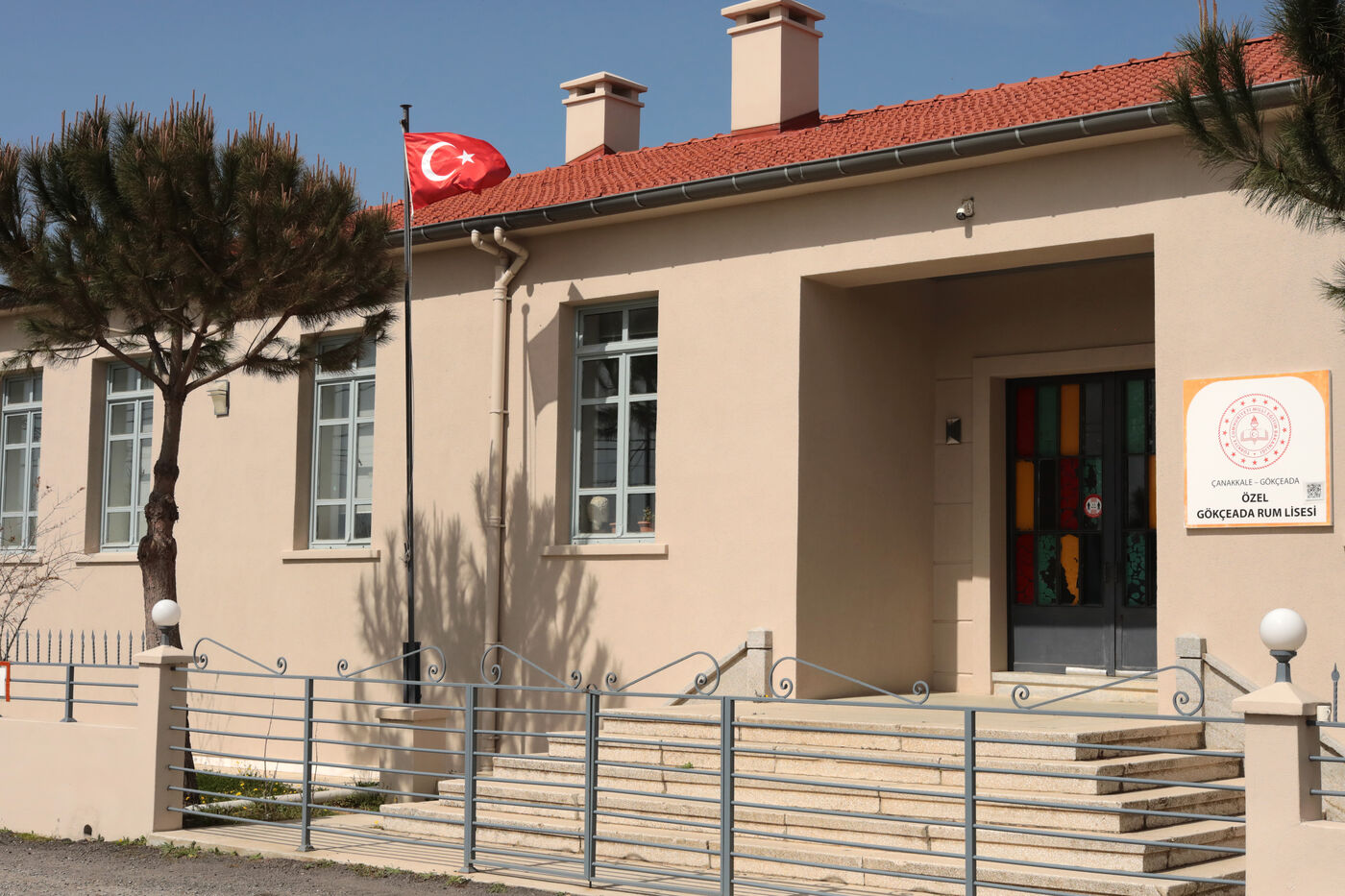
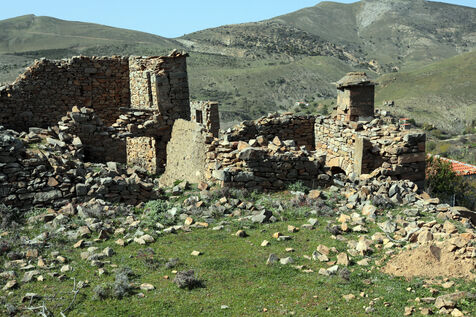
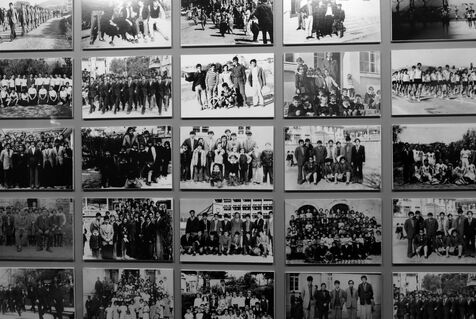
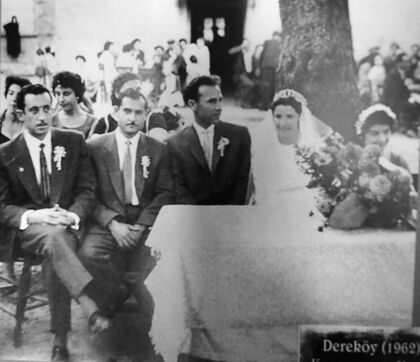
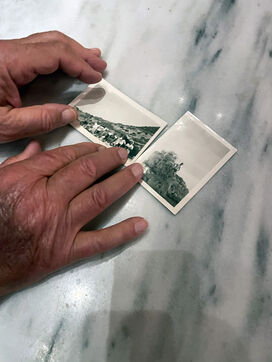
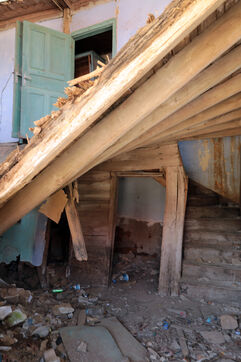
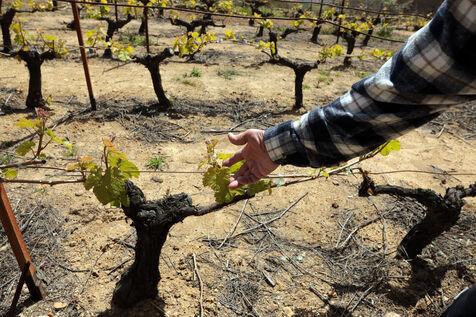
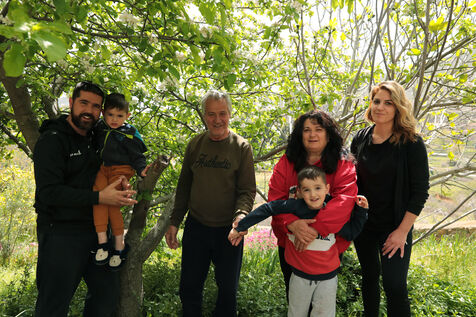
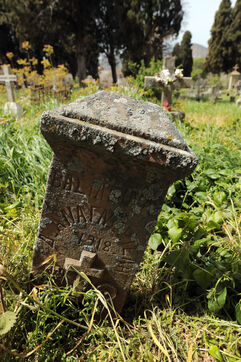
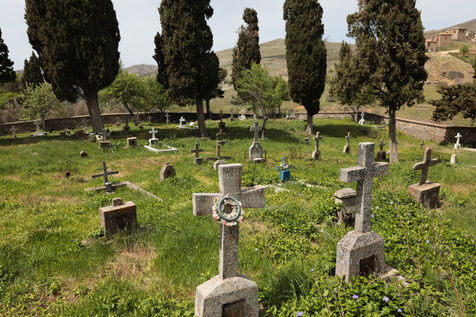
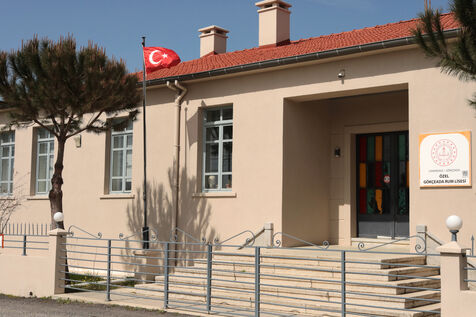
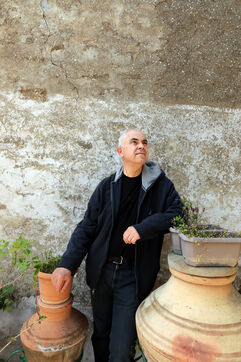
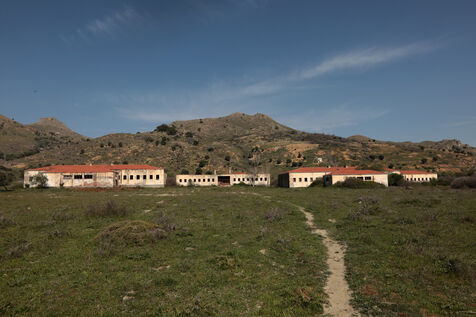
Depuis son attachement à la Turquie en 1923 et surtout de 1964 aux années 70s, la communauté a subi une politique de nettoyage ethnique: interdiction de la langue grecque, fermeture des écoles minoritaires, expropriations des biens. La population s est effondrée de 6000 en 1923 à quelques dizaines. Ce n'est qu à partir des années 90 que des Imbriotes de la diaspora commencent à retourner à l ile. En 2013 les écoles se rouvrent après 50 ans et des familles dont des couples mixtes avec enfants s'installent. Aujourd'hui la communauté grecque vit en harmonie au sein de la société turque mais pour beaucoup cet équilibre reste fragile. "Nous n'oublions pas notre Histoire, et nous regardons vers l'avenir." (texte complet avec témoignages sur demande.)
Turquie, Imbros (Gökçeada) : The return to Homeland
On the boat taking me from Kabatepe to Imbros, Seferis's verses come to mind.
"I am your land, maybe I am nobody, but I can become whatever you want..."
From the prow, I begin to see Imbros slowly emerging through the morning fog, and a few degrees further north, Samothraki appears in blue.
I am coming to Imbros — Gökçeada, the island of Paradise in Turkish — to meet the Greek community of the island, which nearly disappeared about 50 years ago but fought and survived. The island’s history is a chapter of the "Catastrophe of Asia Minor," but also of the rebirth of the Greek nation.
Since its attachment to Turkey in 1923 and especially from 1964 to the 1970s, the community endured a policy of ethnic cleansing: prohibition of the Greek language, closure of minority schools, expropriation of property. The population plummeted from 6,000 in 1923 to just a few dozen. It was only from the 1990s that Imbros residents from the diaspora began returning to the island. In 2013, schools reopened after 50 years, and families, including mixed couples with children, settled there. Today, the Greek community lives in harmony within Turkish society, but for many, this balance remains fragile. "We do not forget our history, and we look to the future." (Full text with testimonies available upon request.)