Nomades en fête
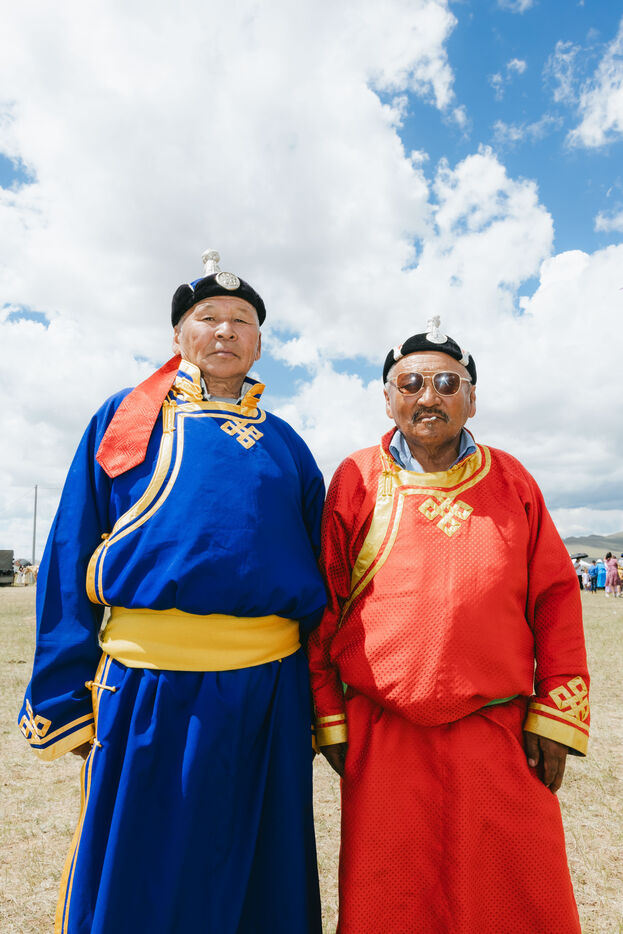
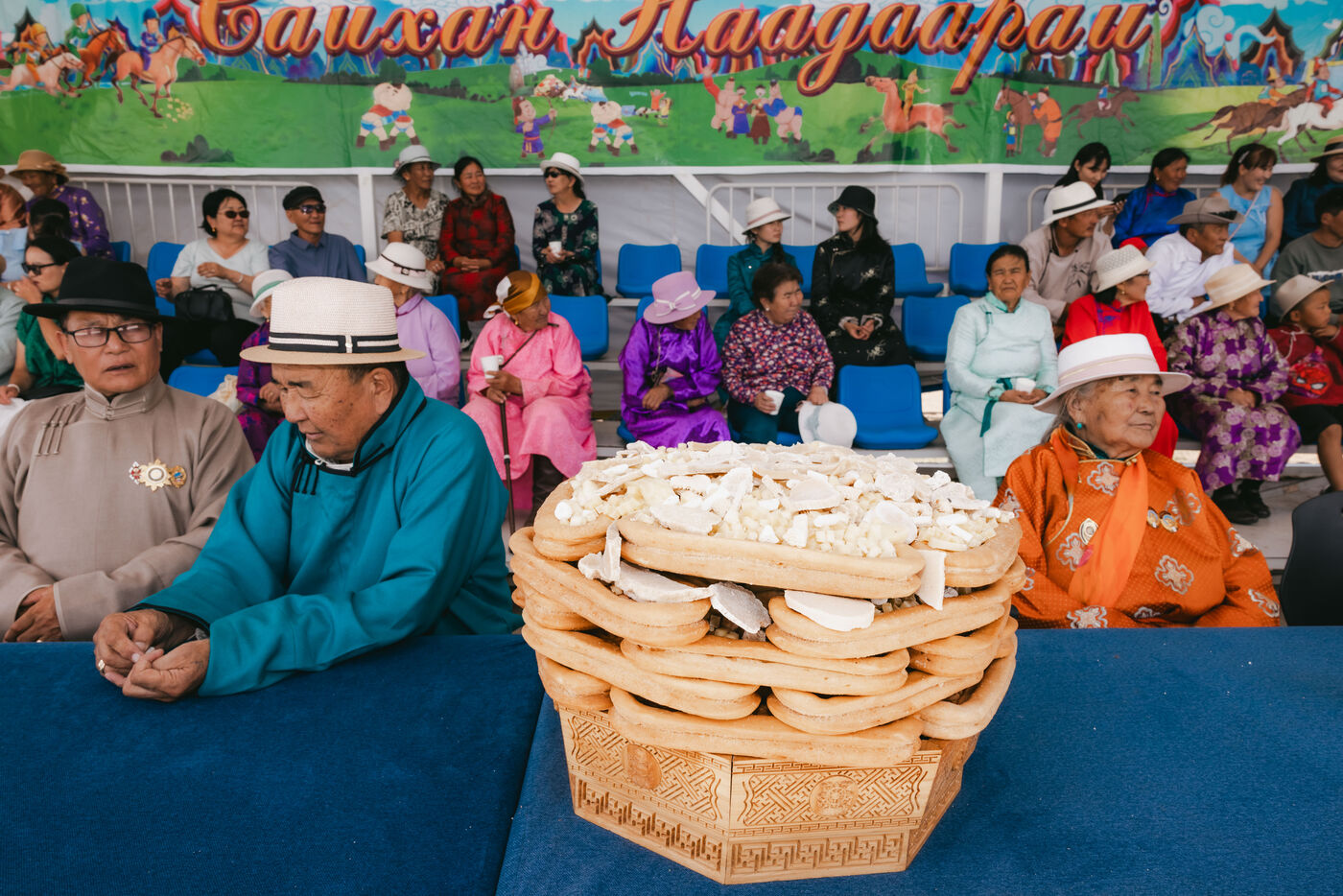
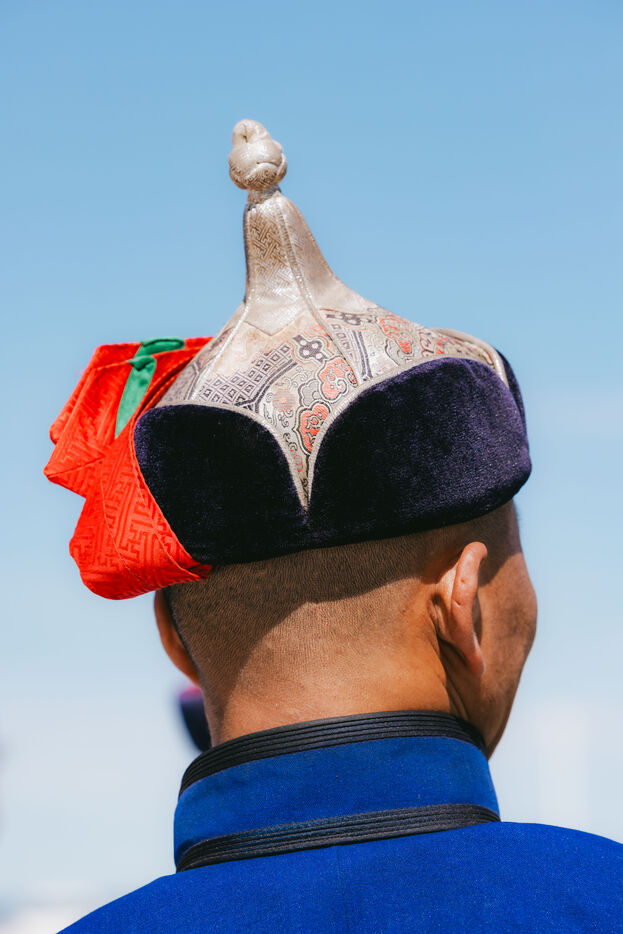
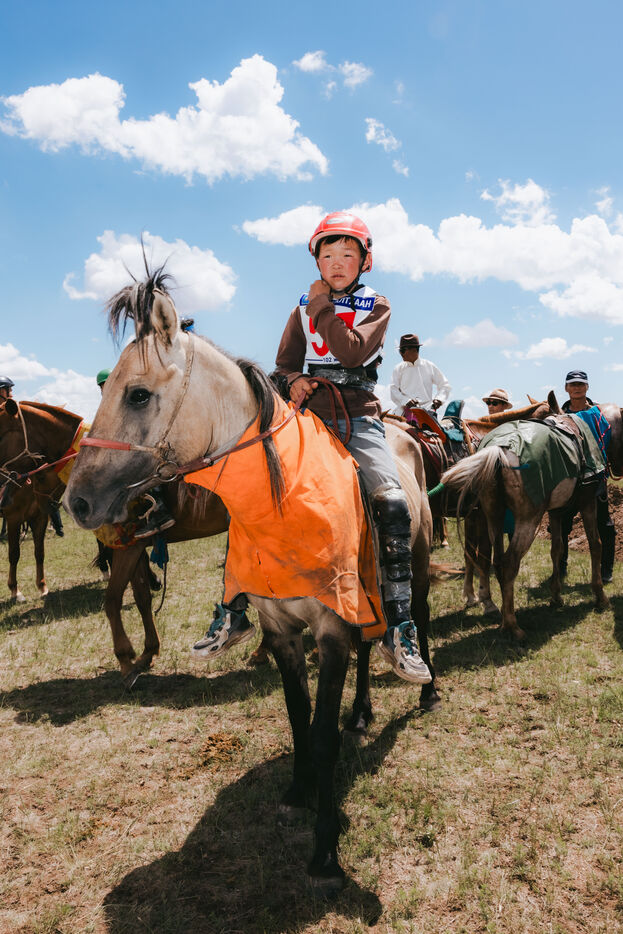
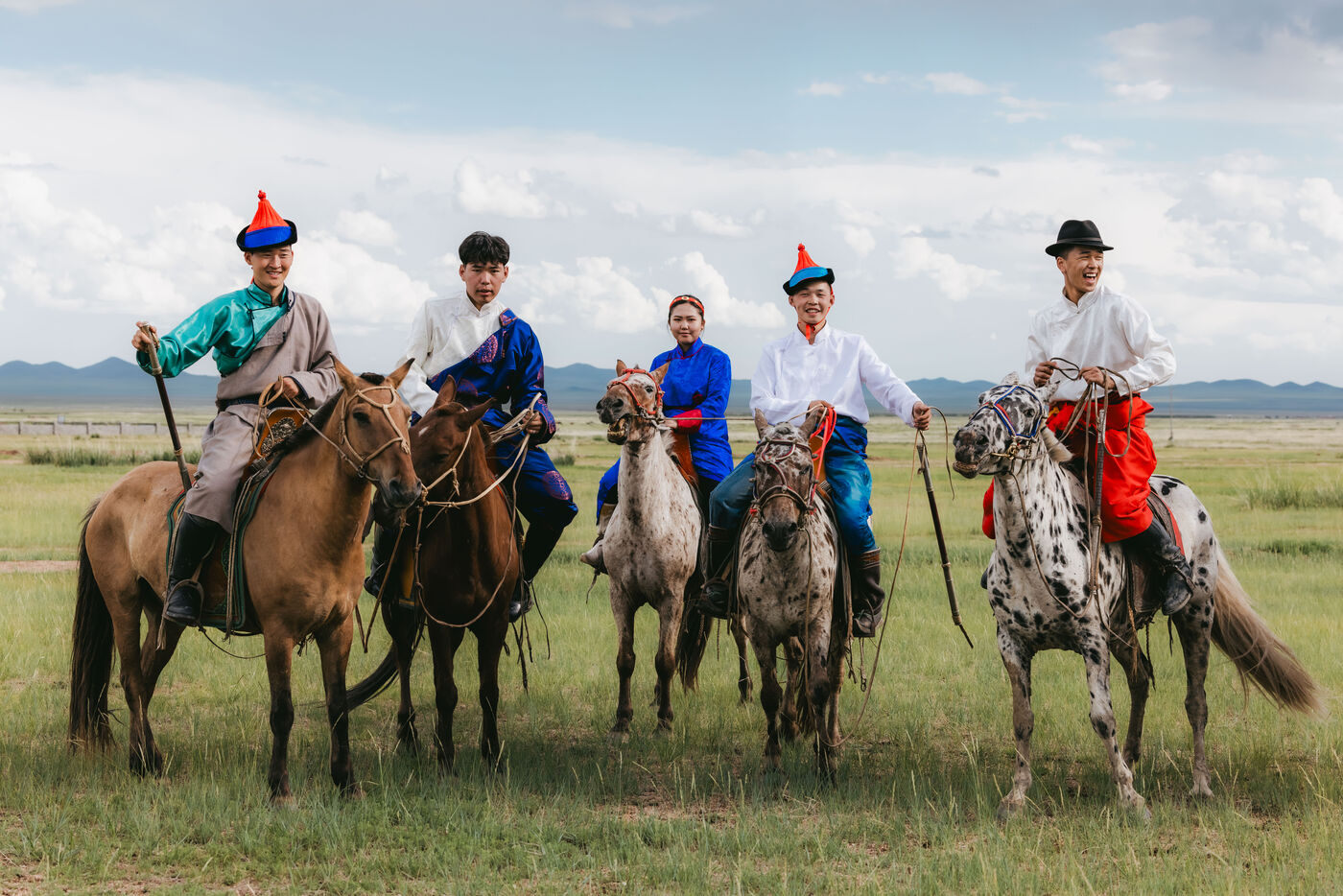
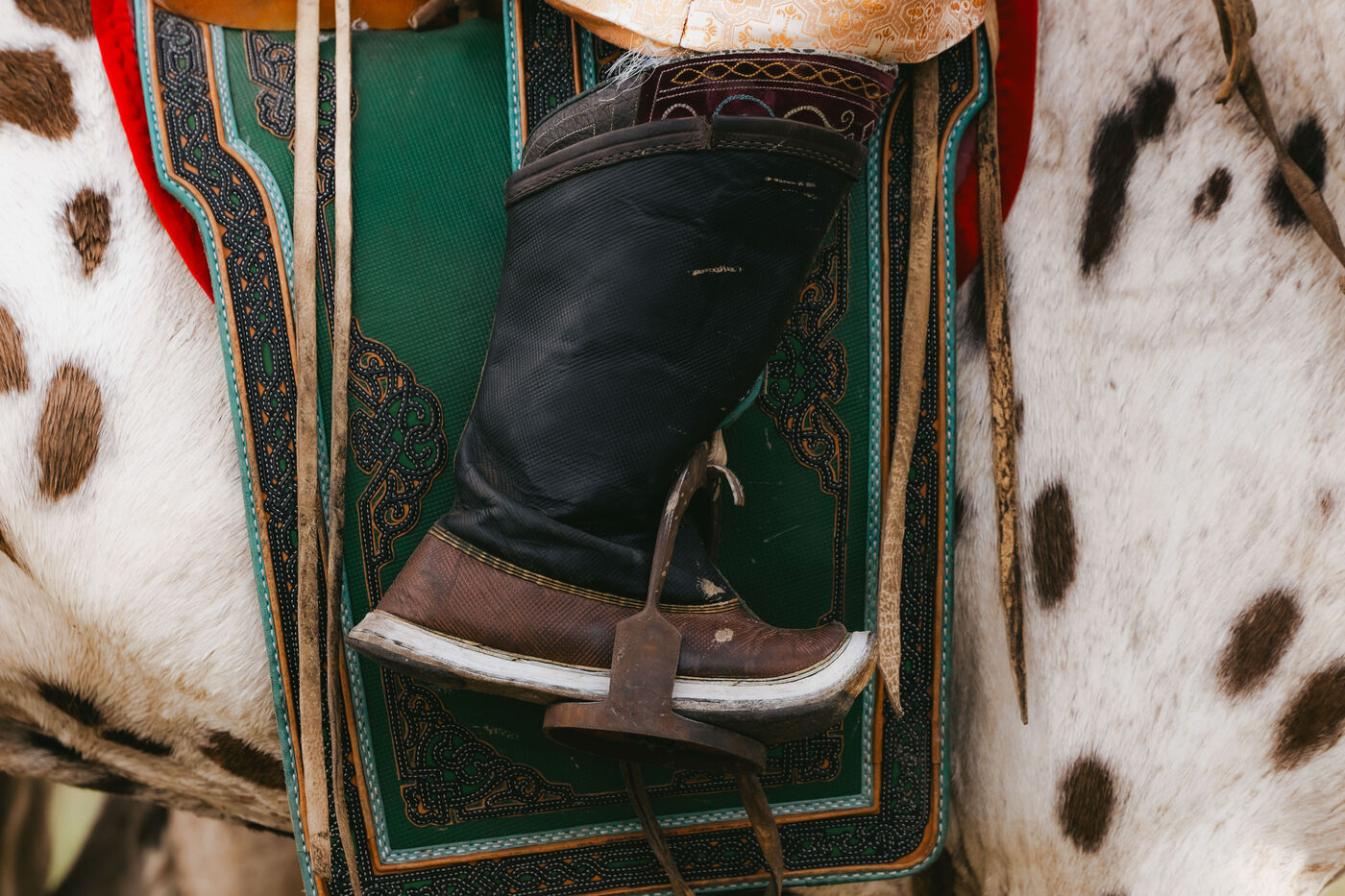
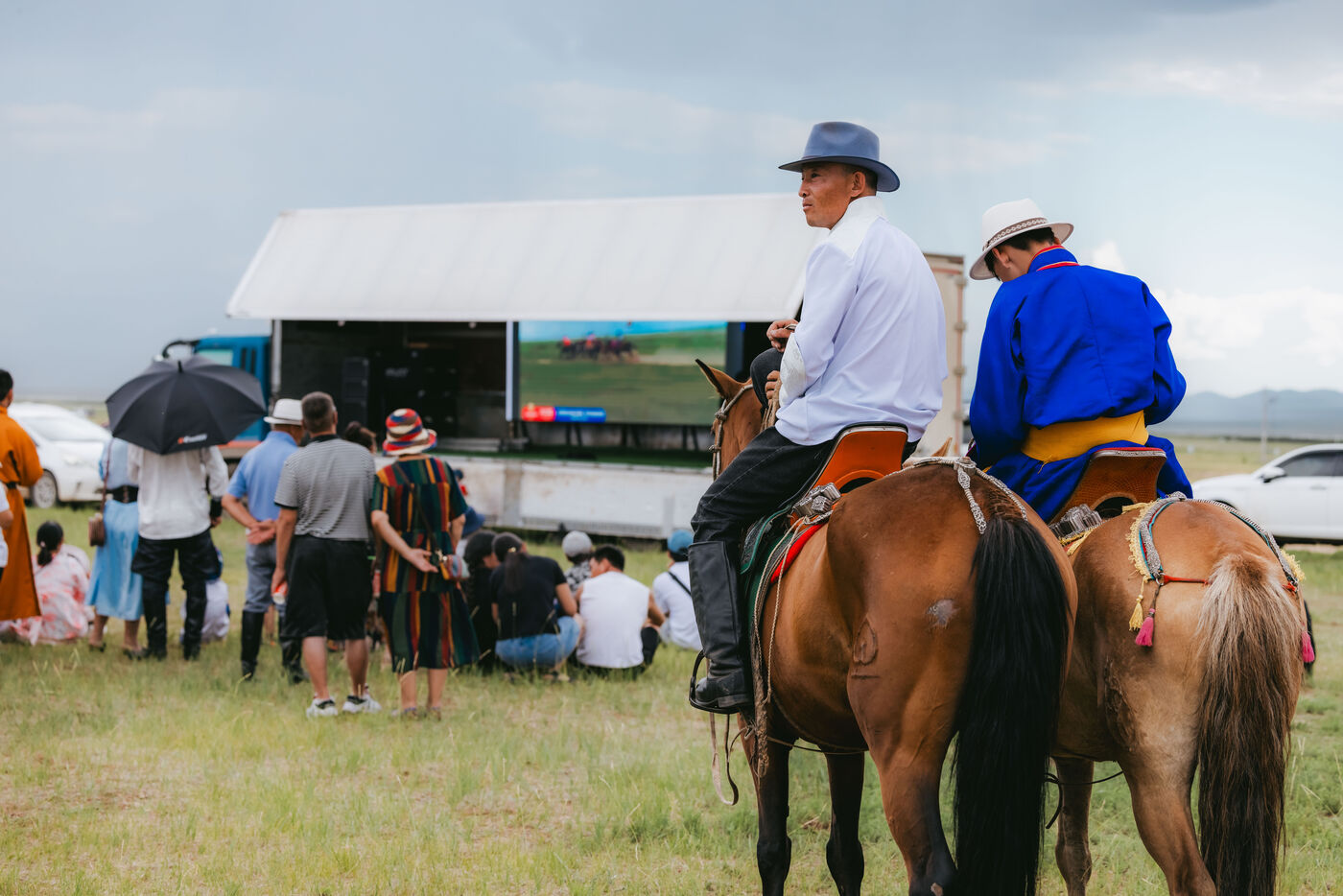
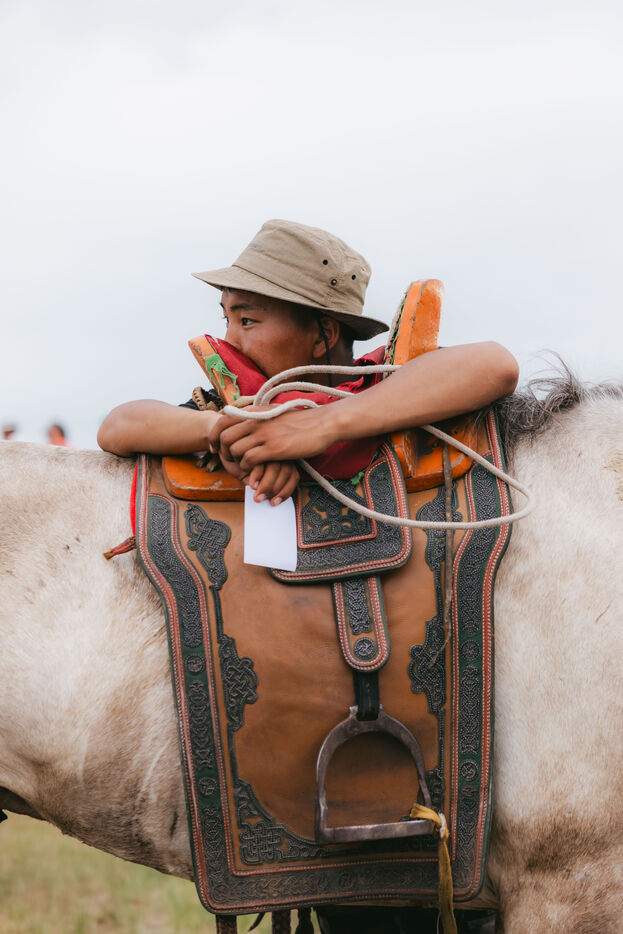
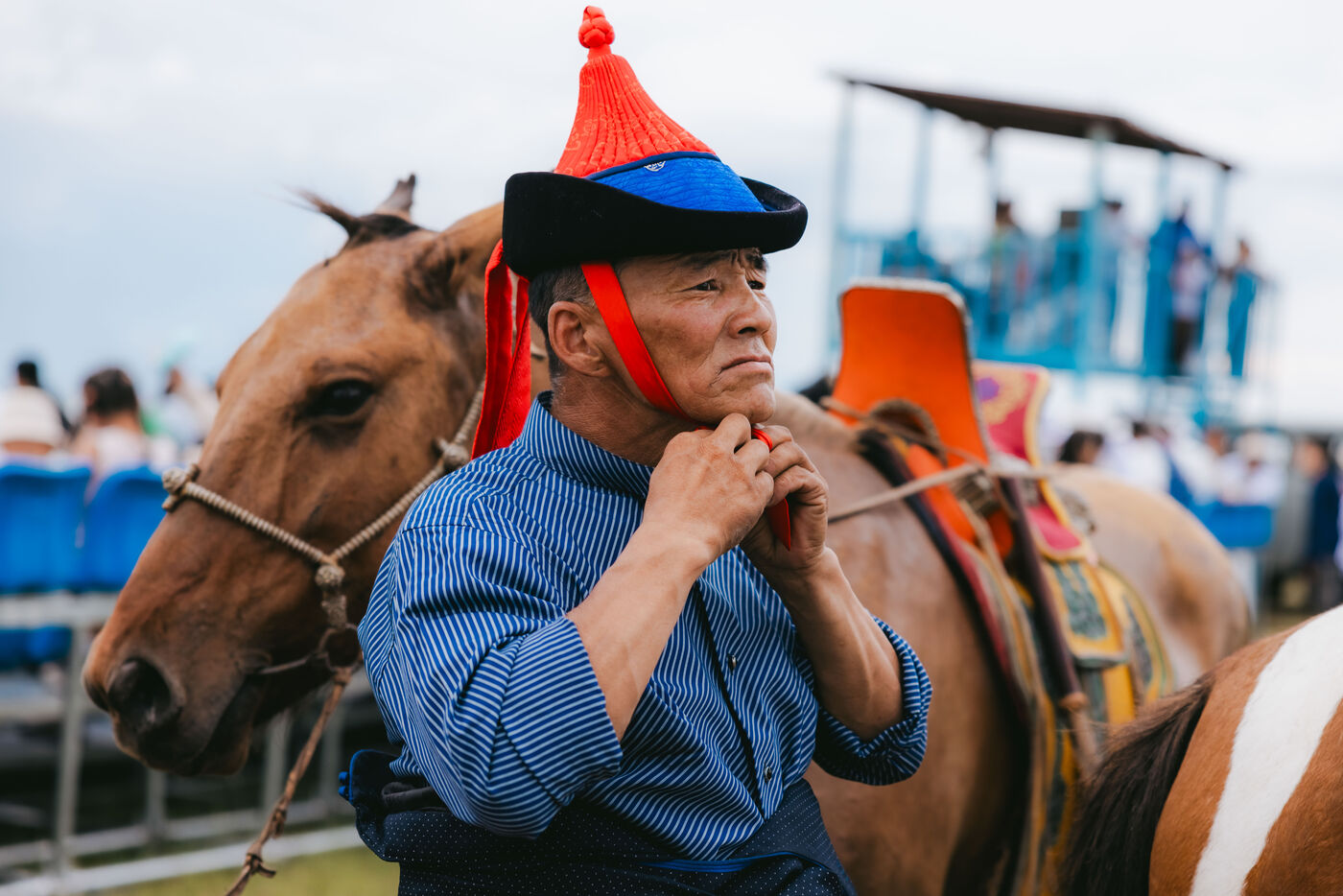
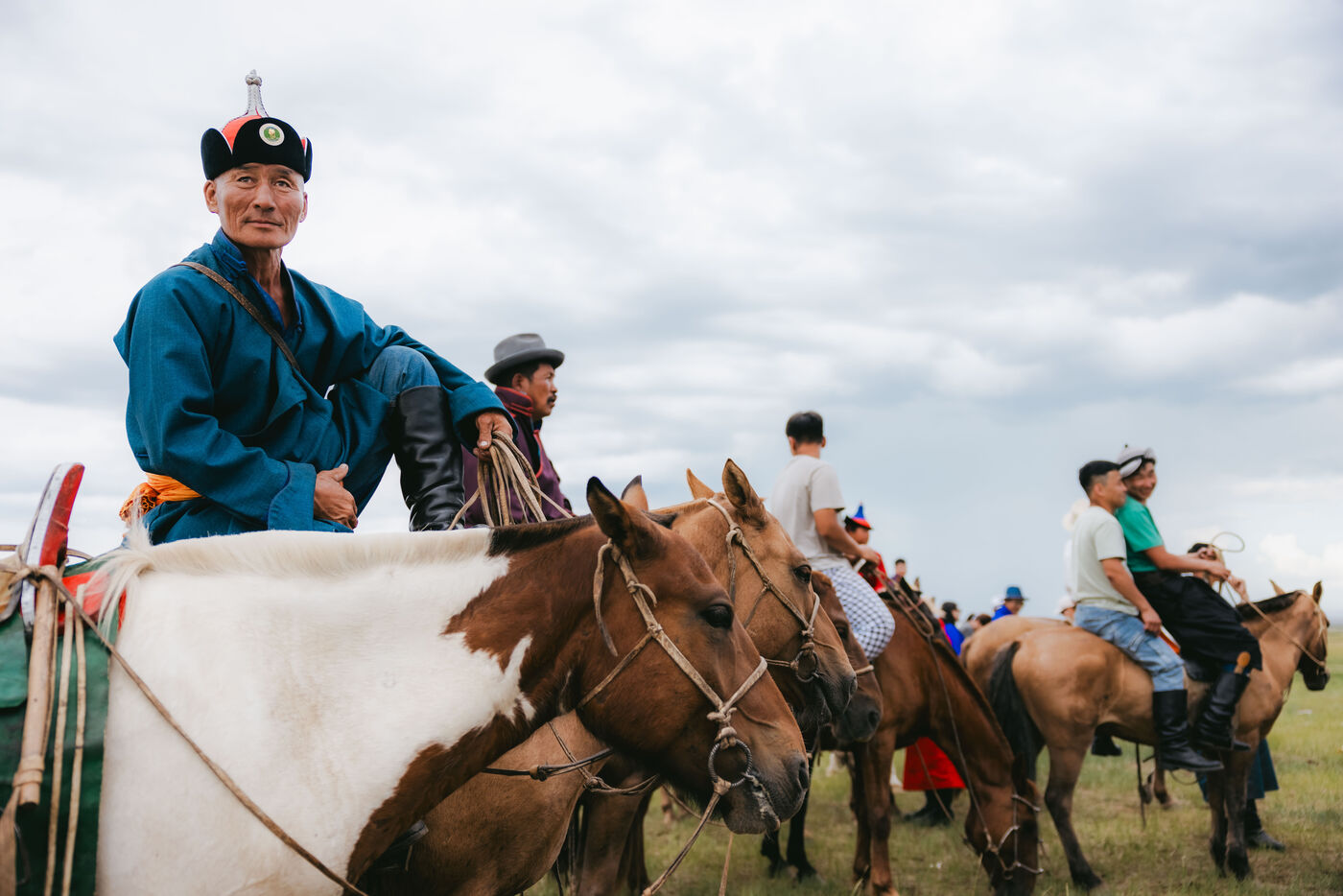
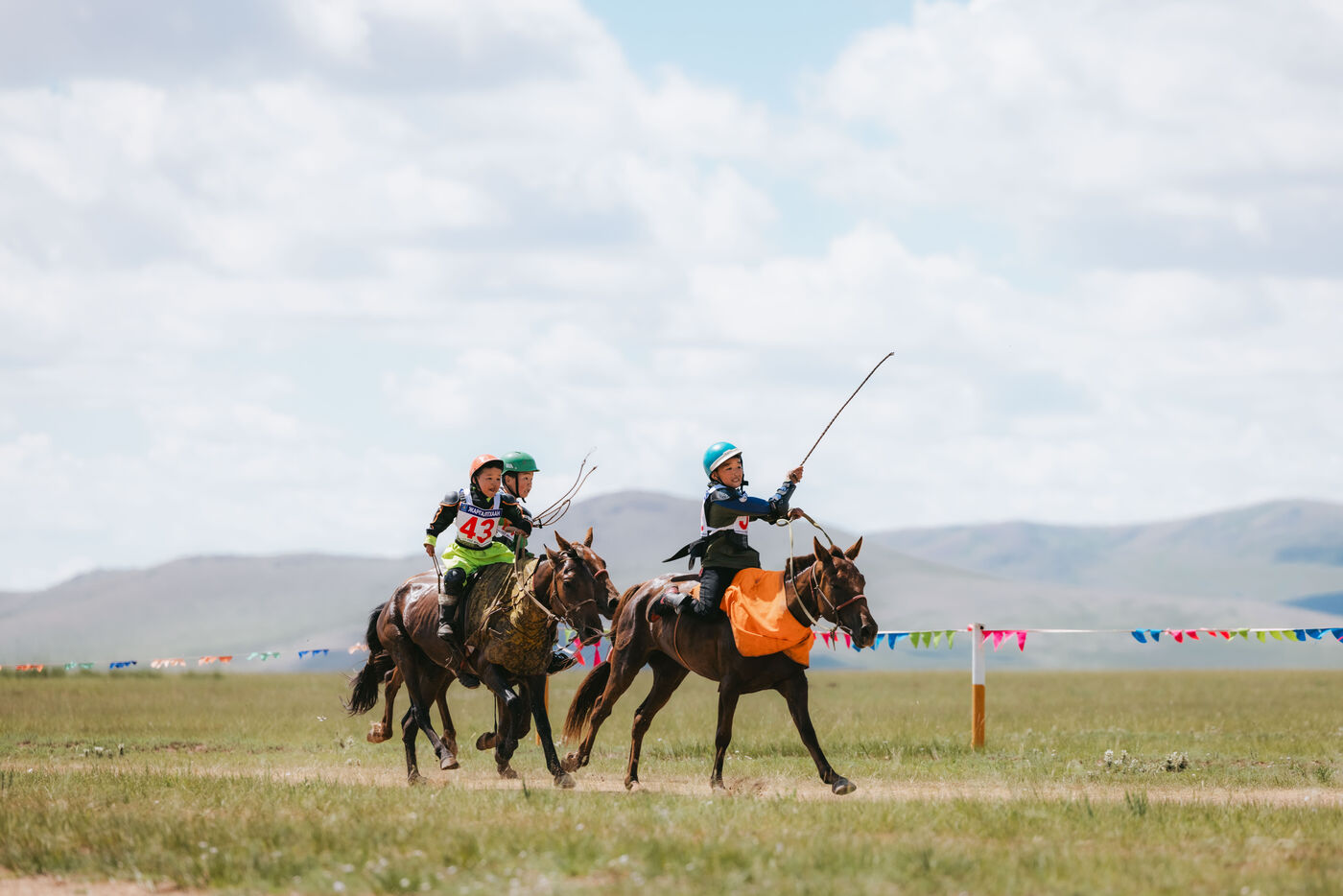
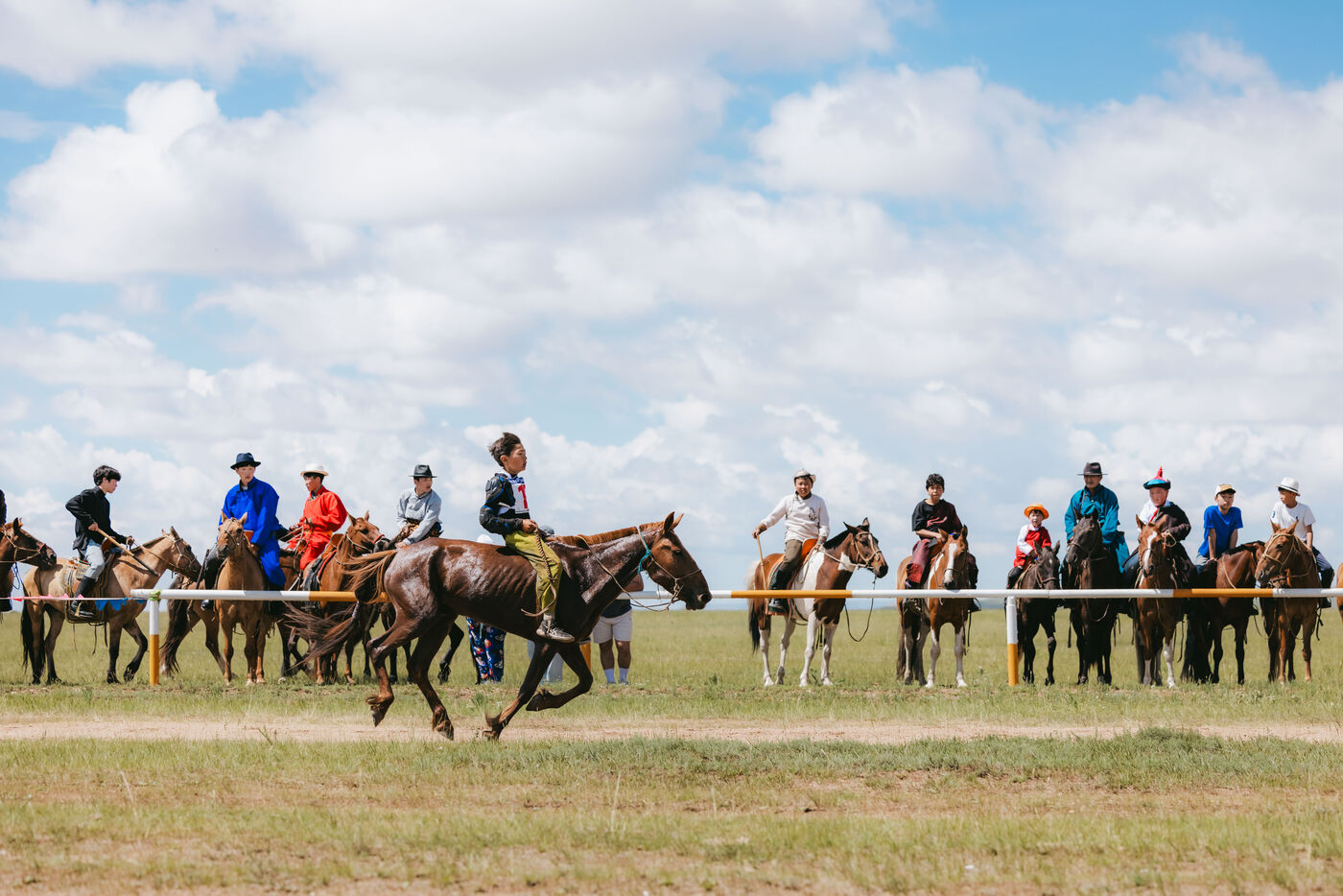
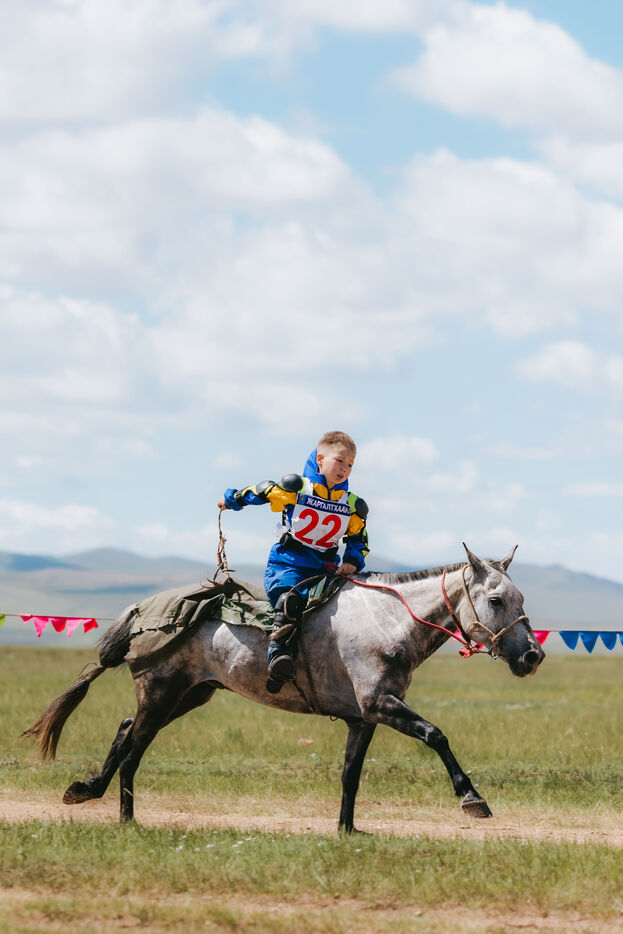
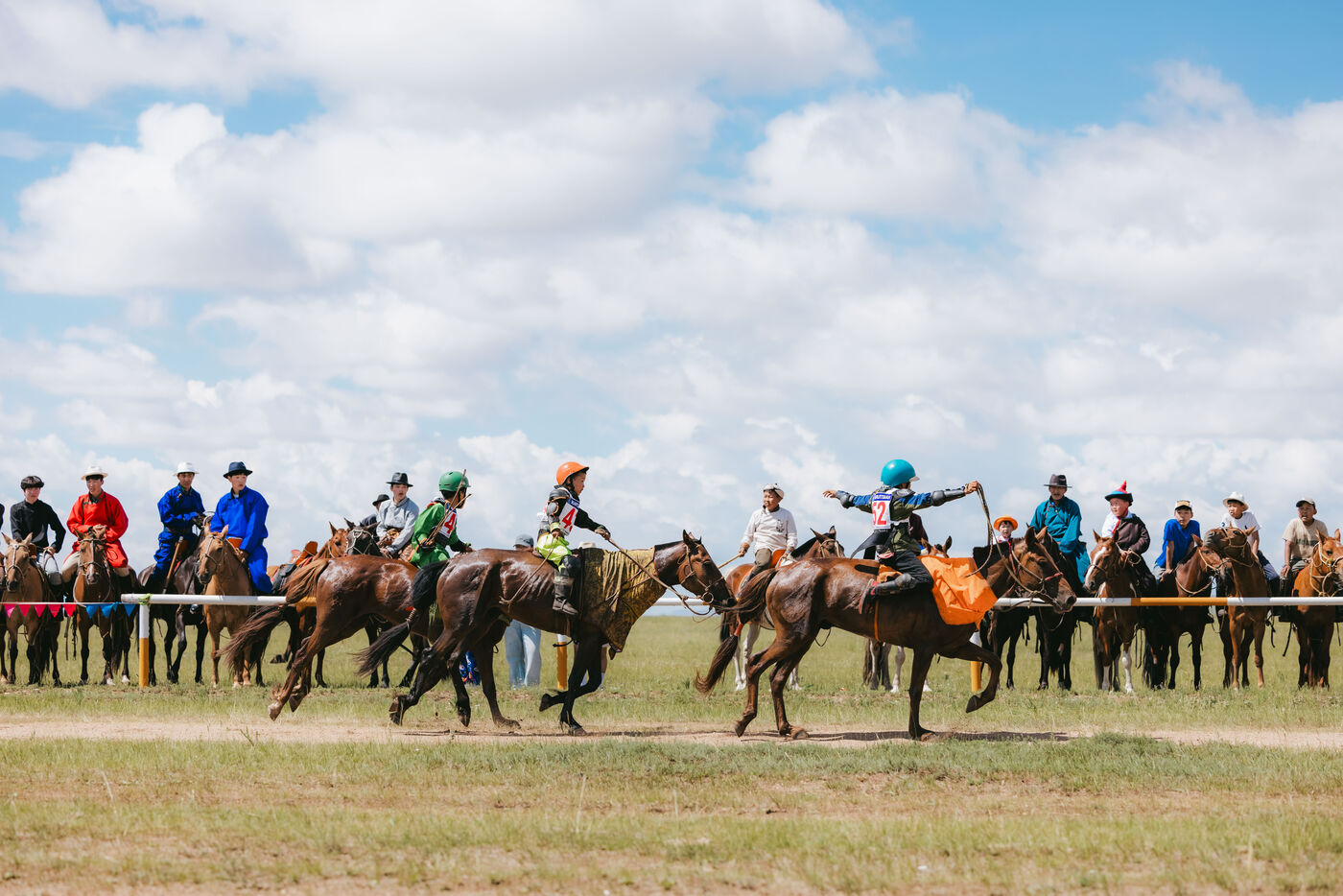
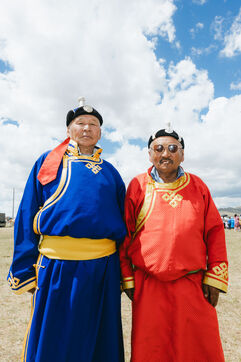
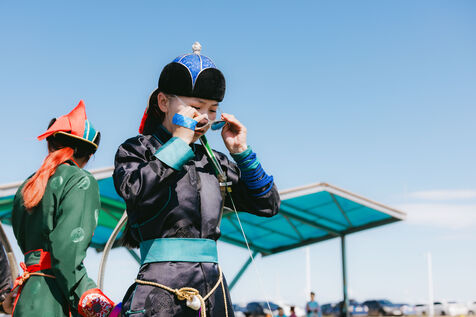
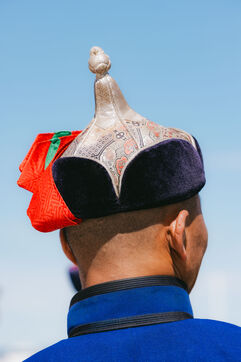
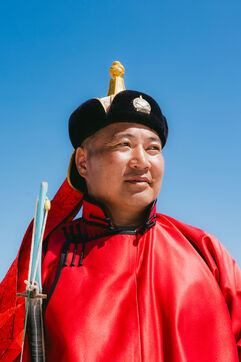
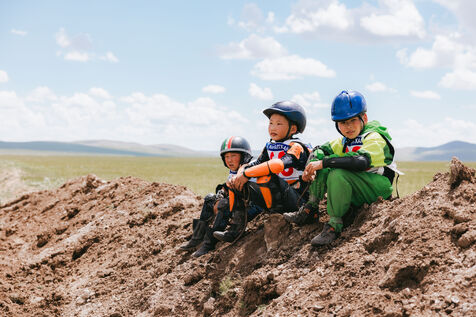
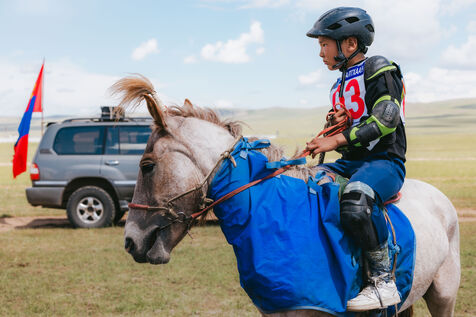
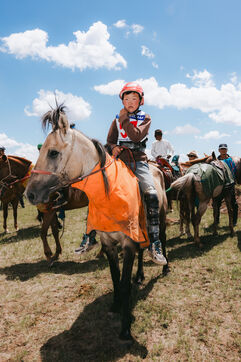
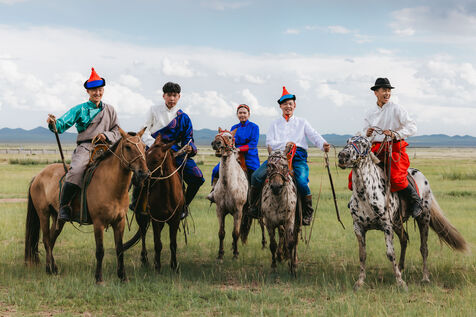
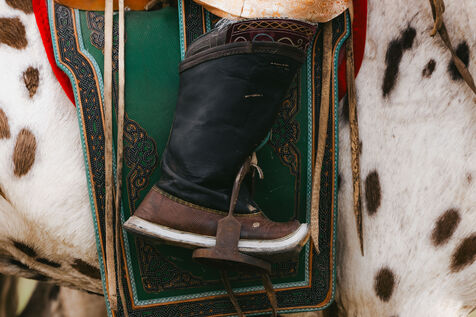
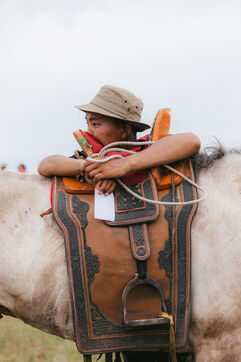
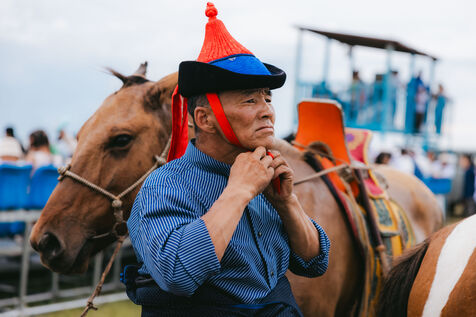
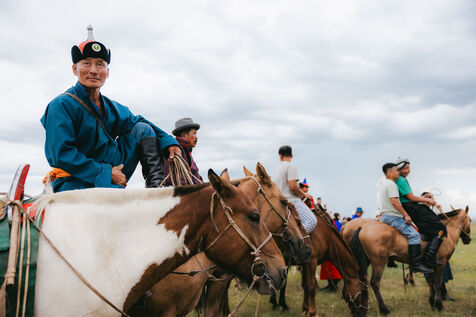
Chevaux parés, costumes éclatant de couleurs, ferveur populaire… Chaque été, les steppes mongoles se transforment en un immense terrain de fête.
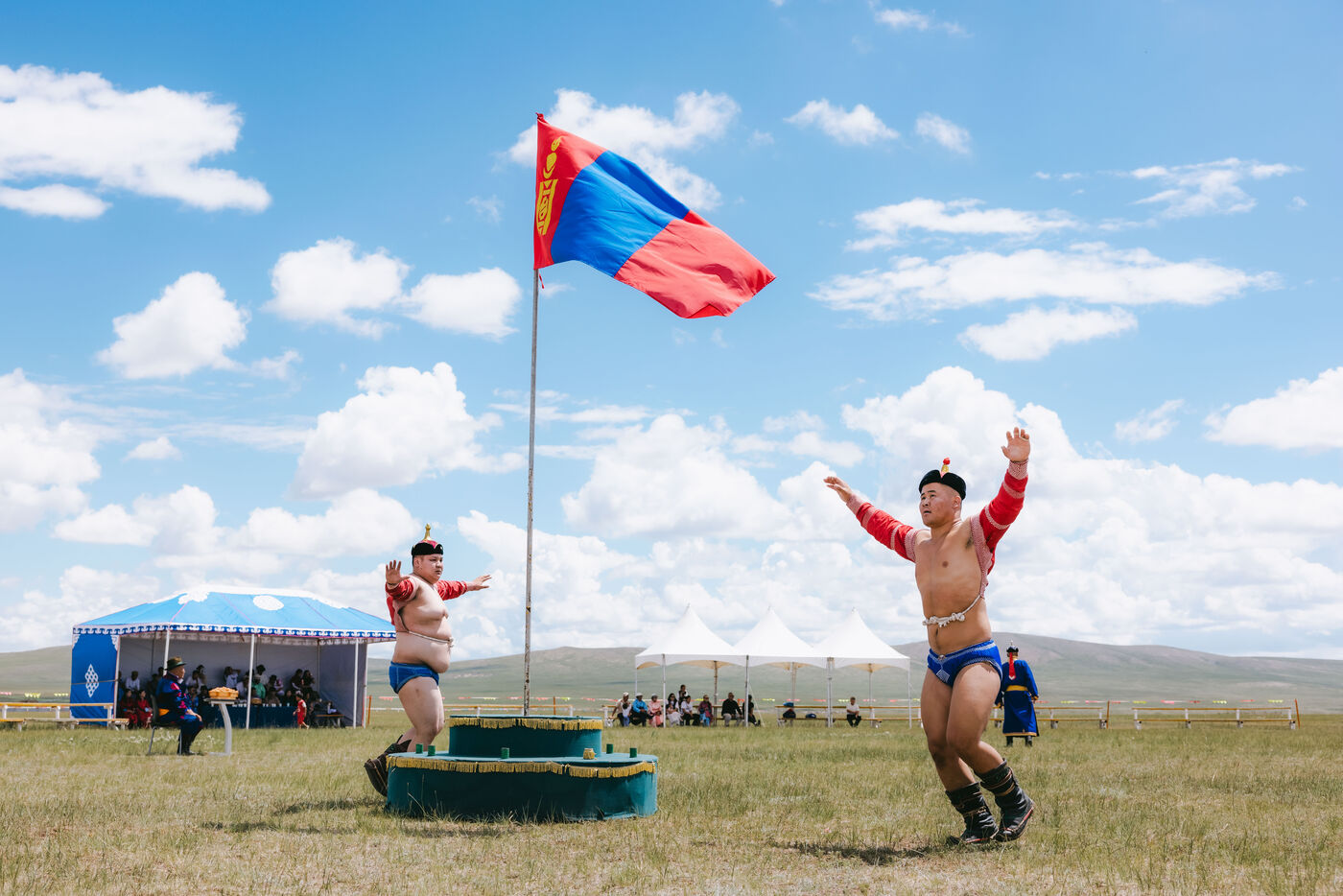
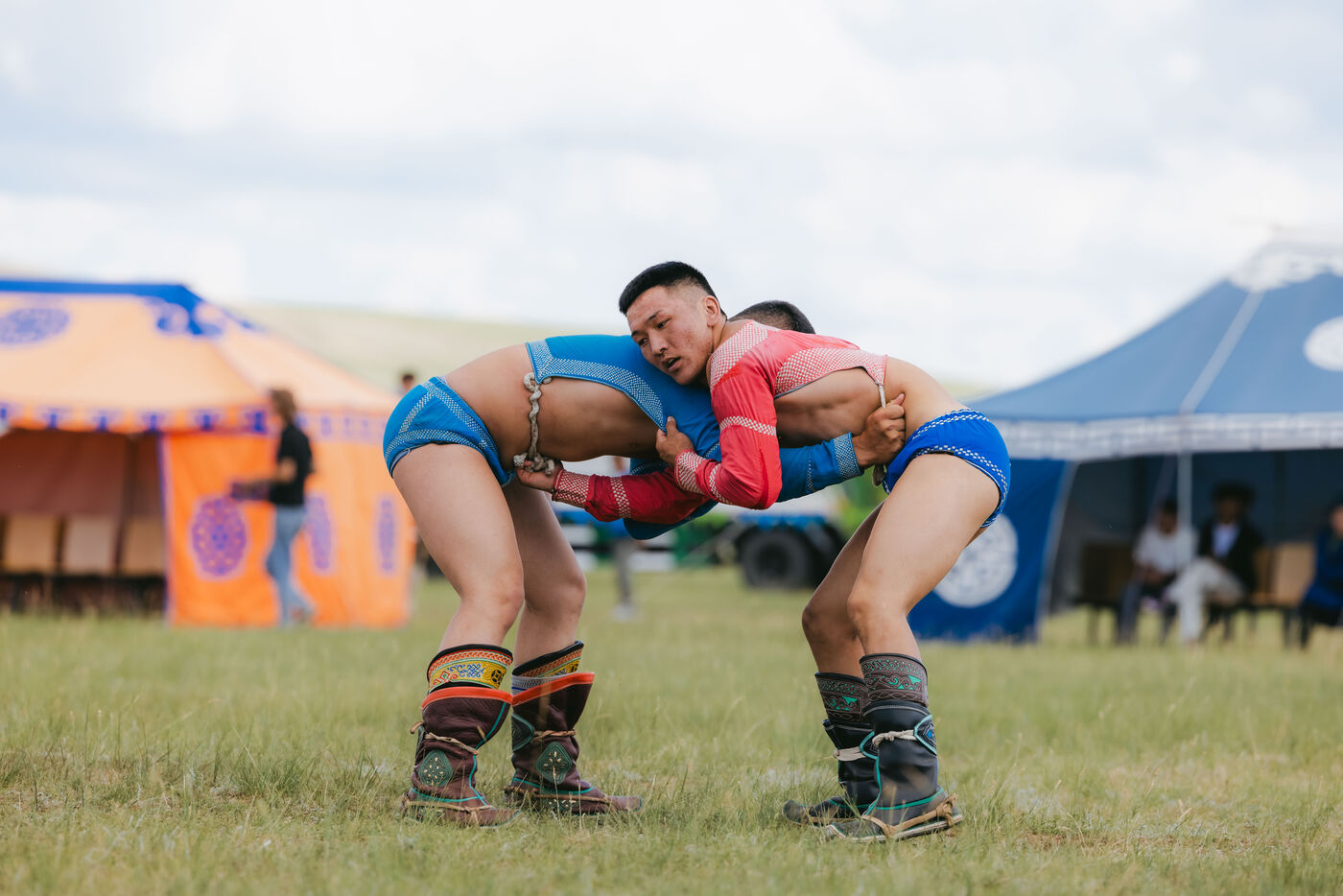
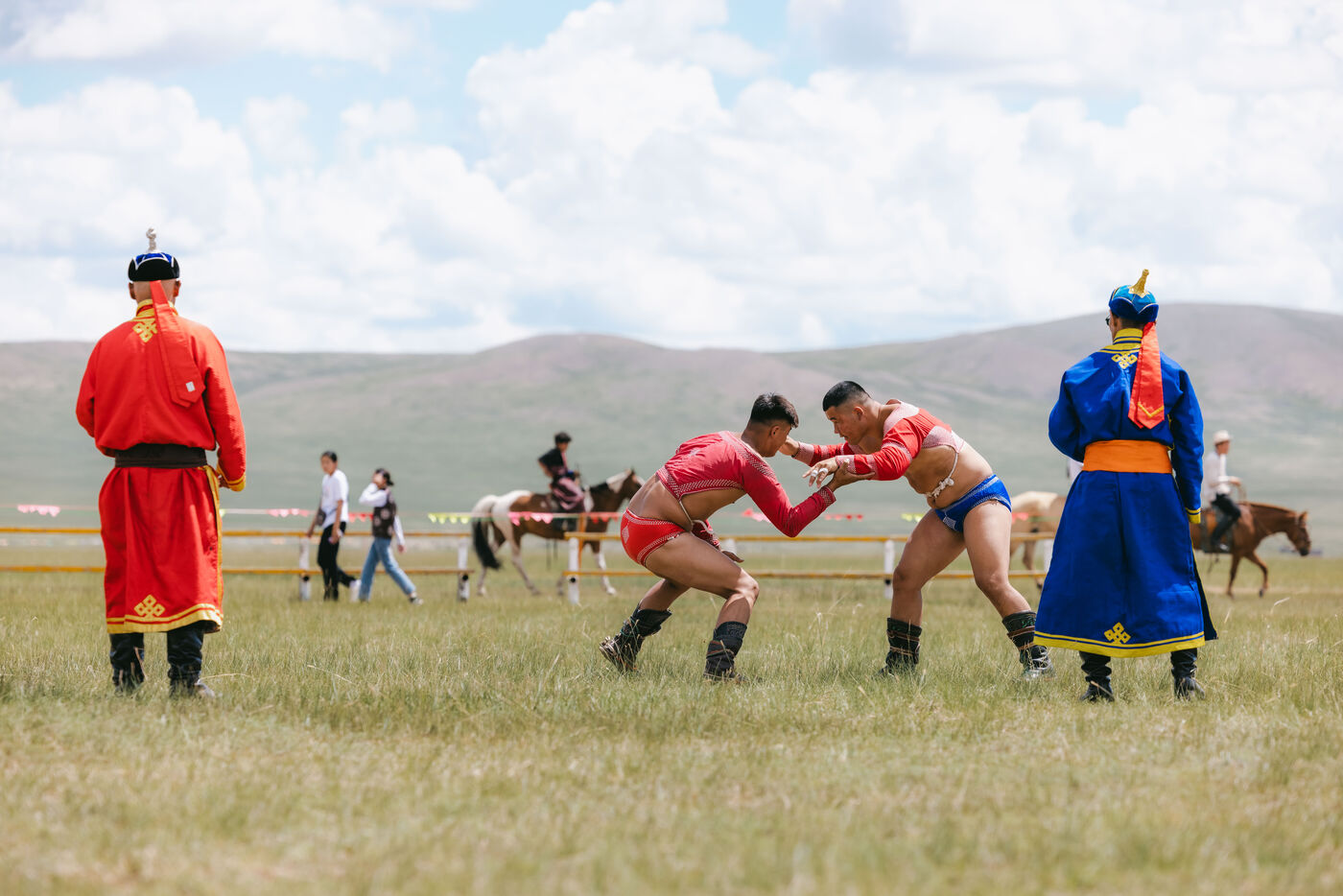
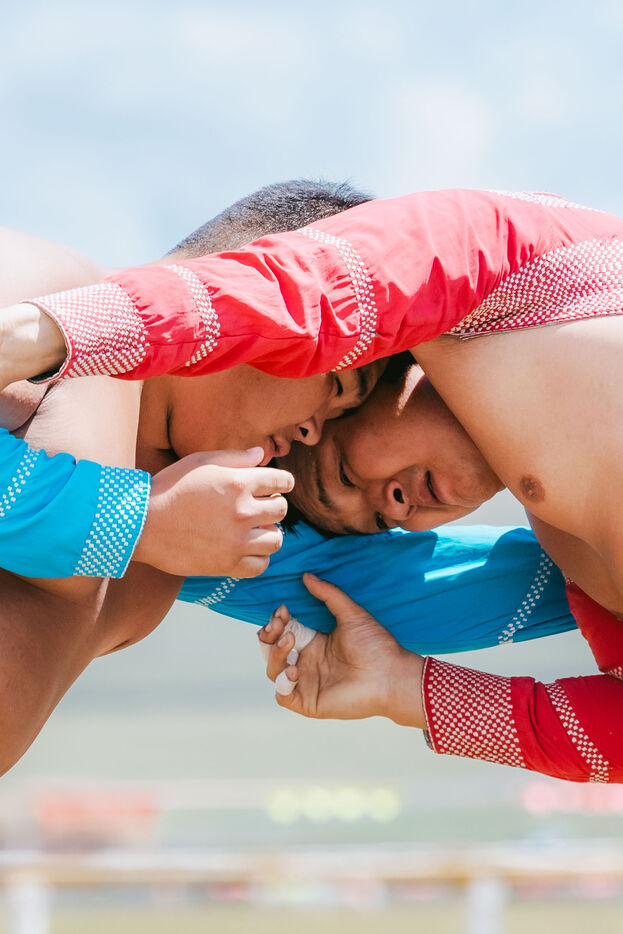
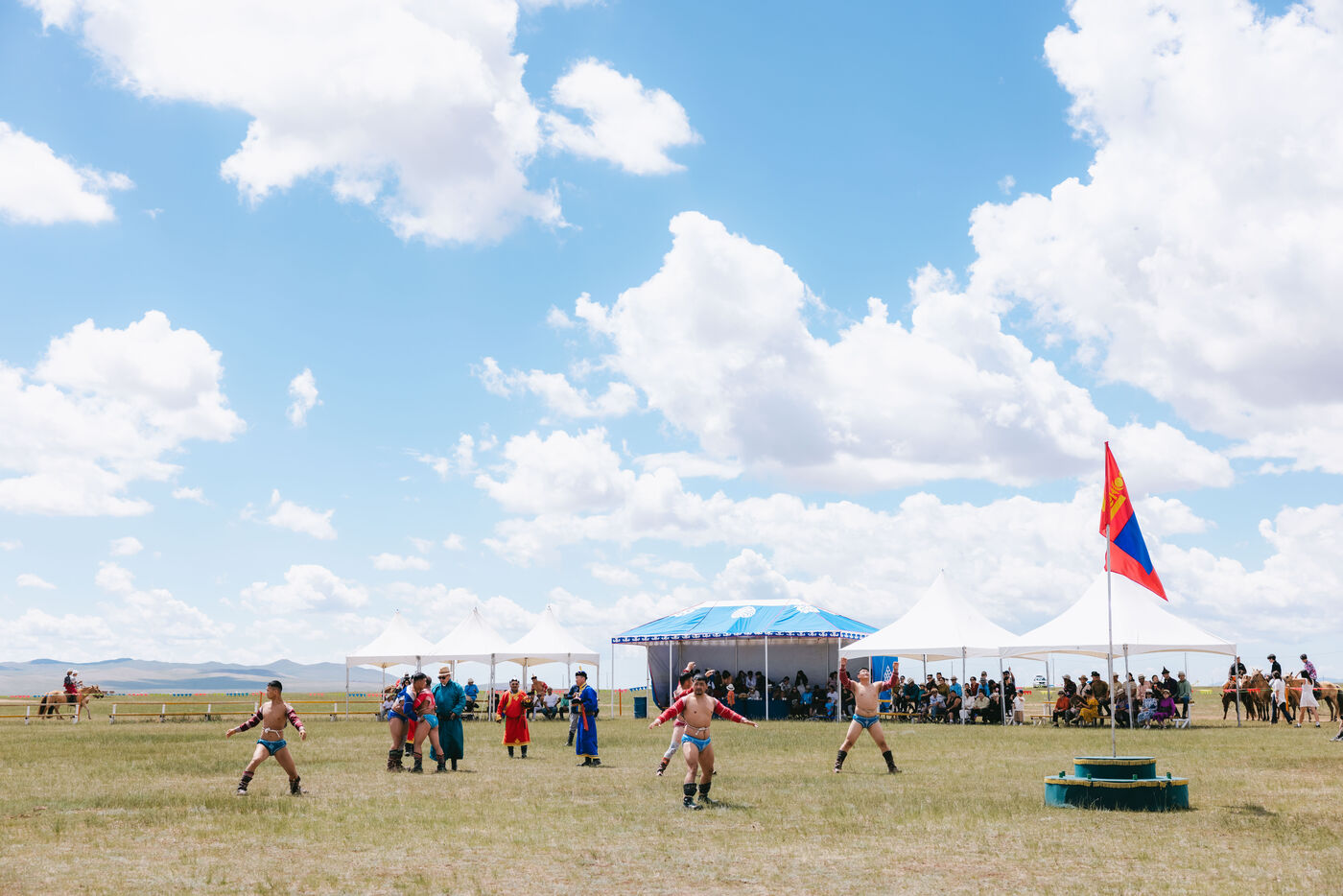
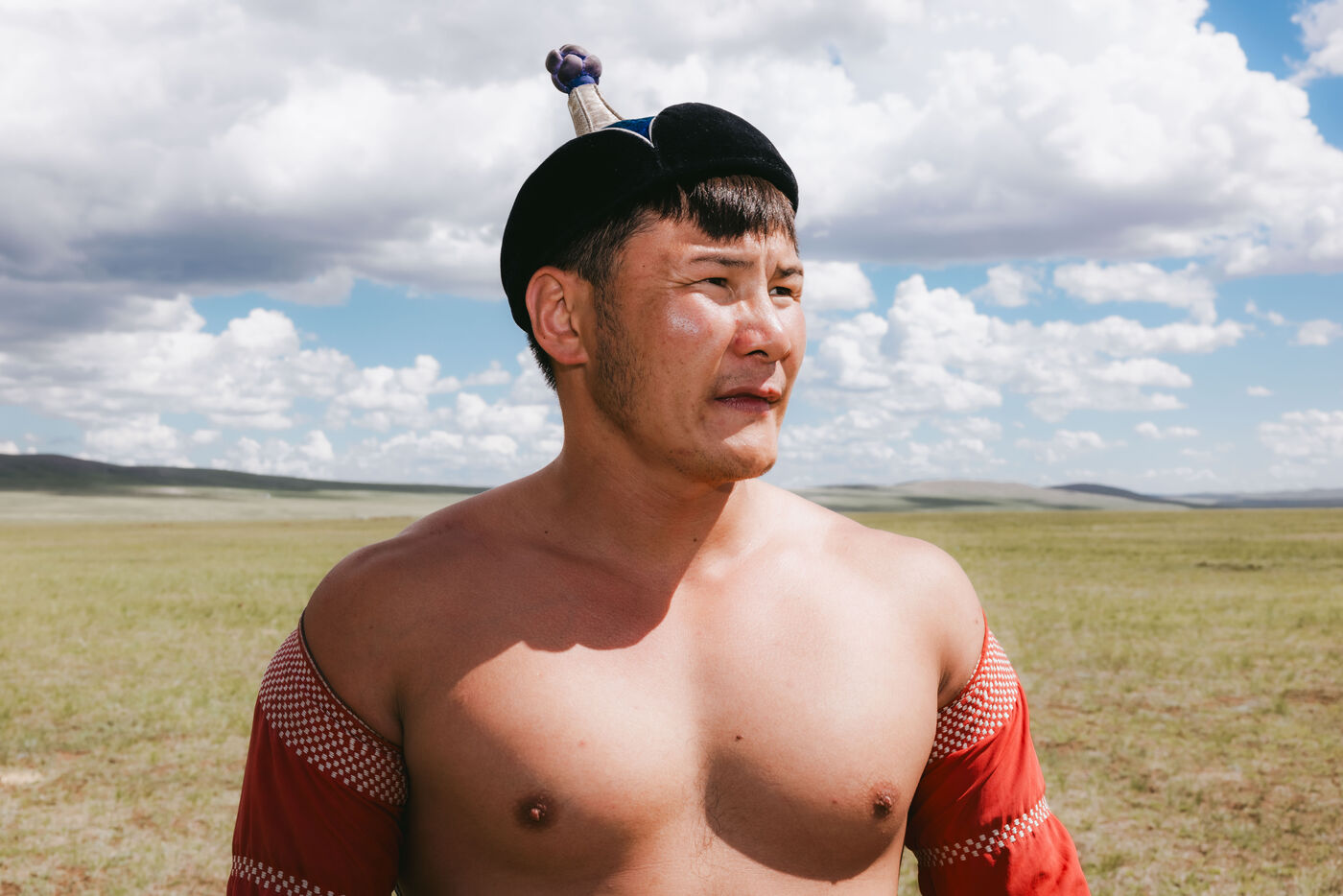
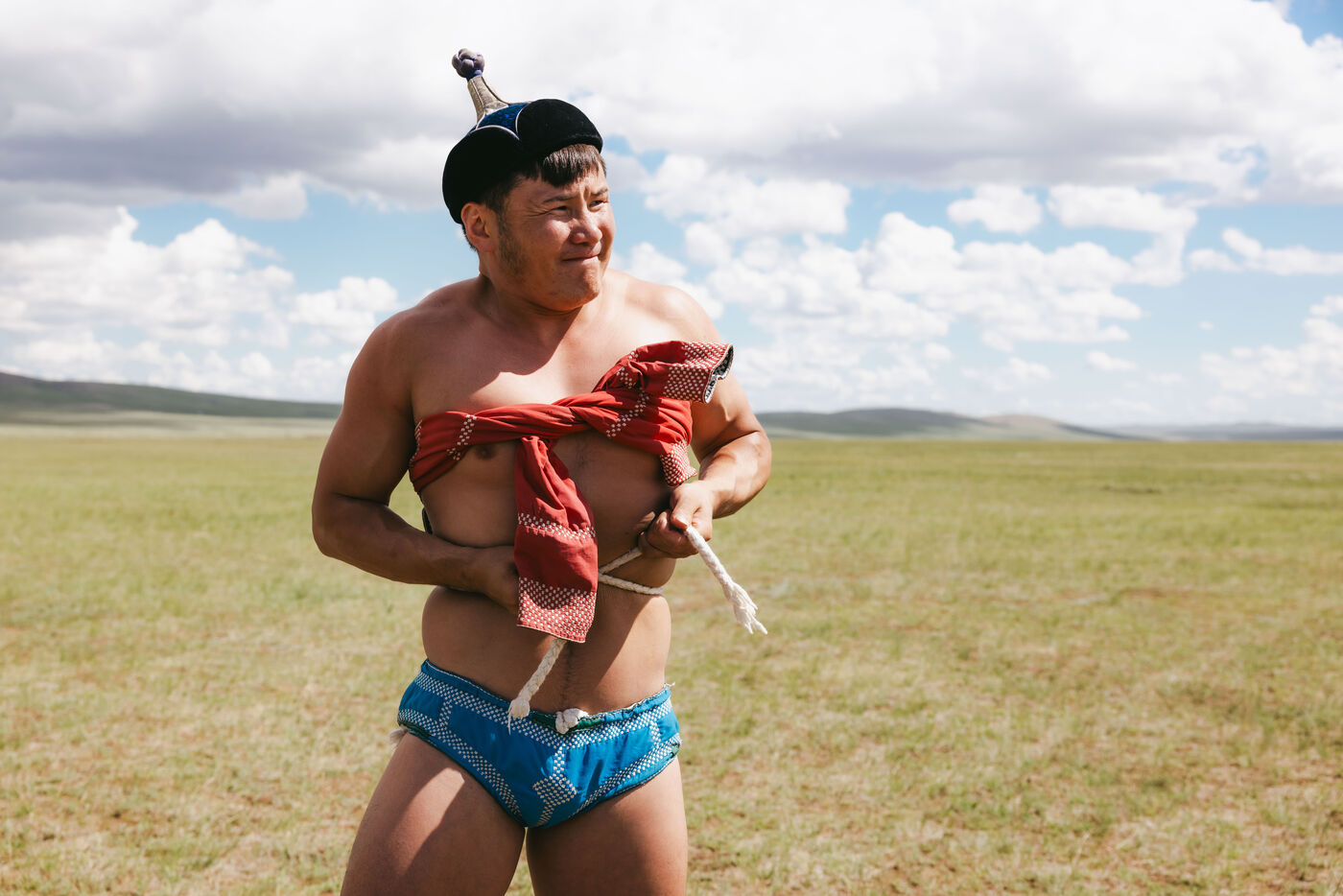
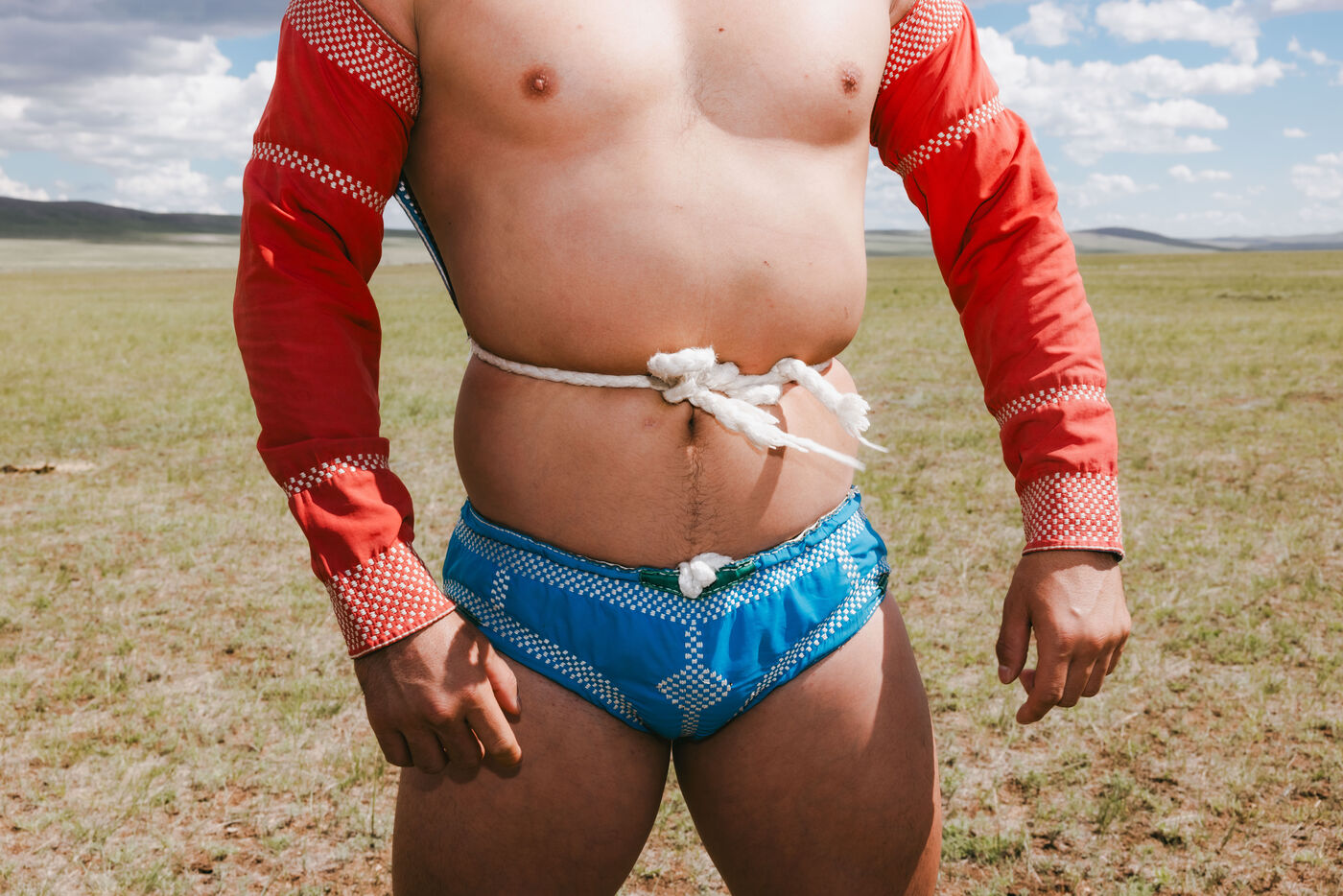
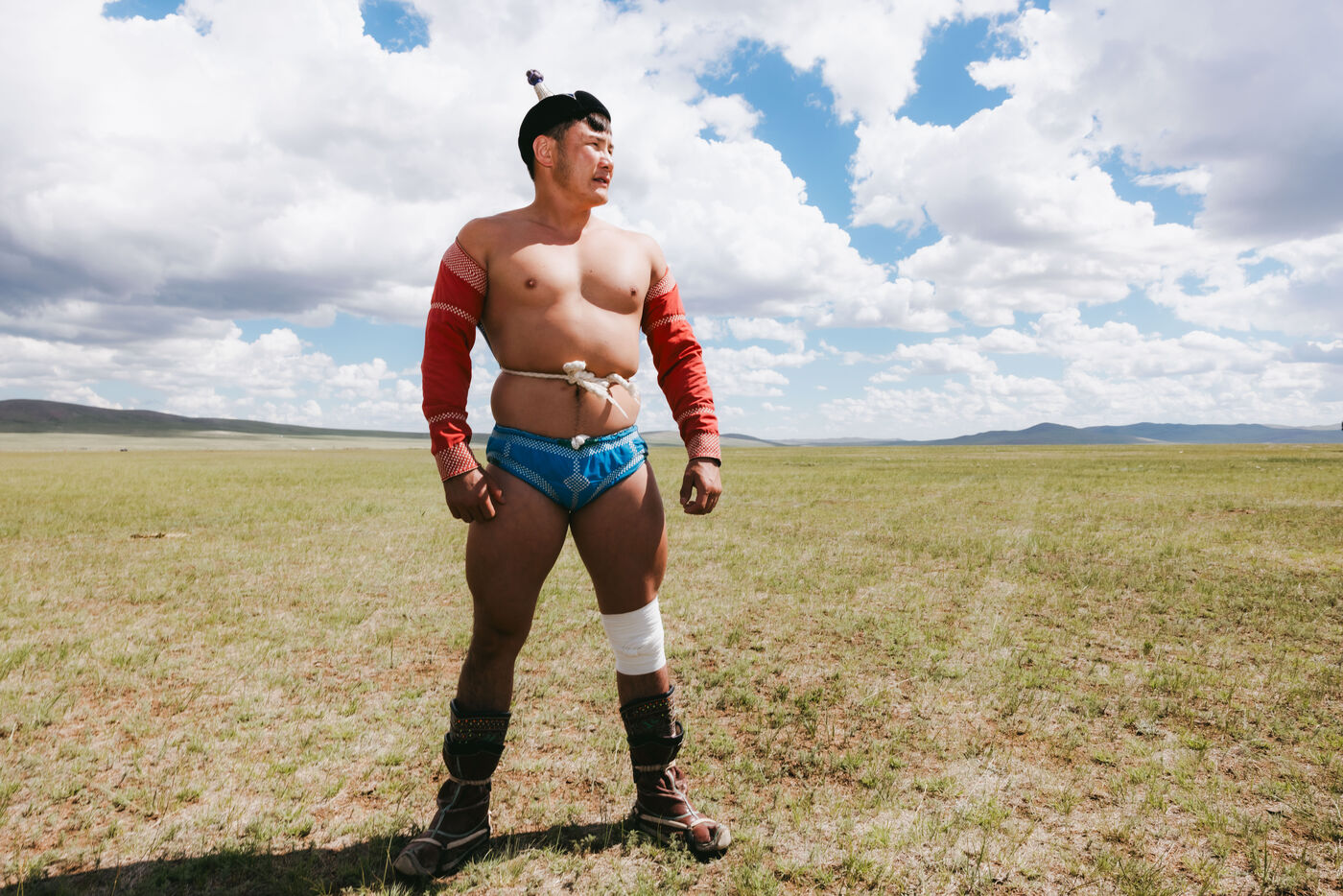
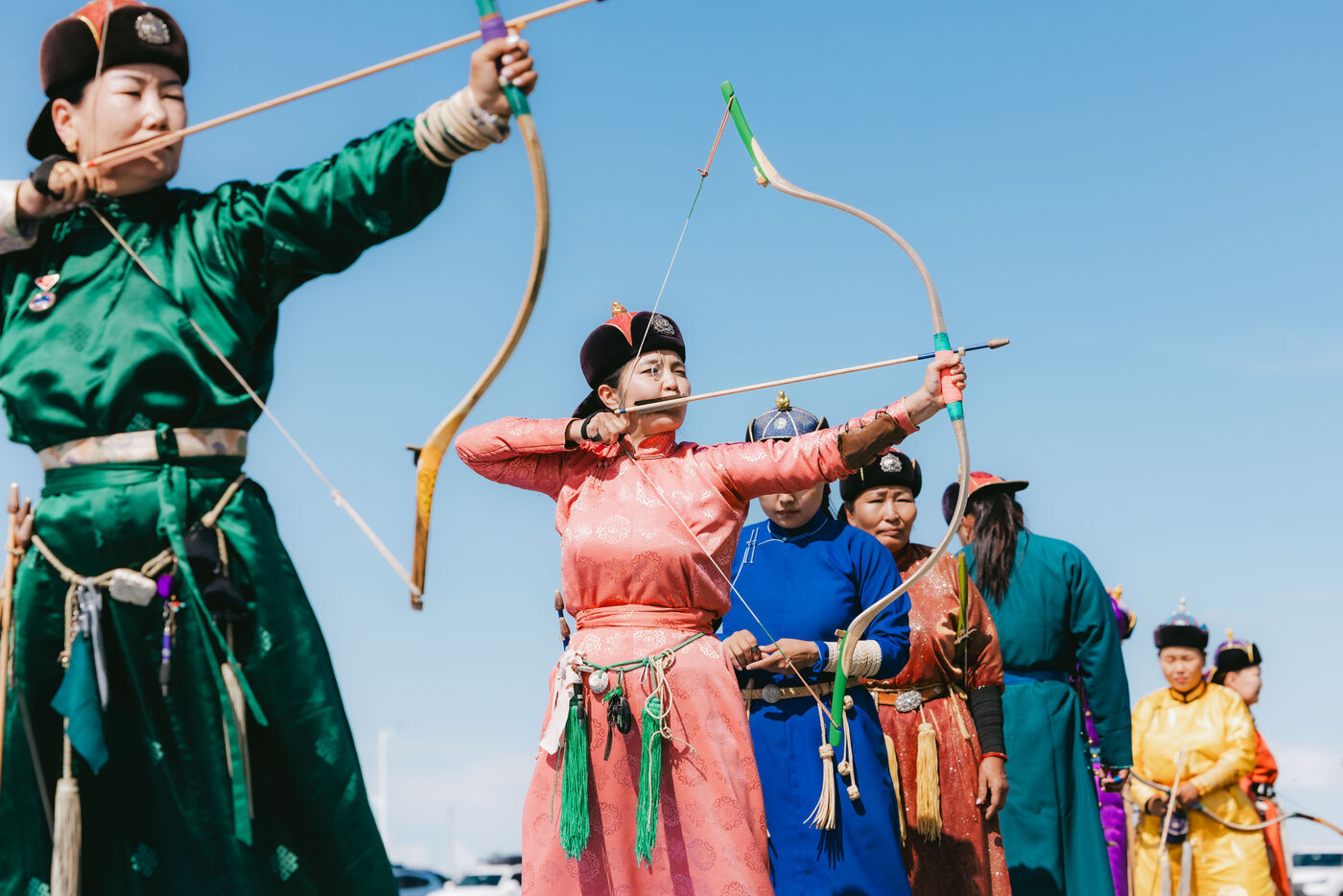
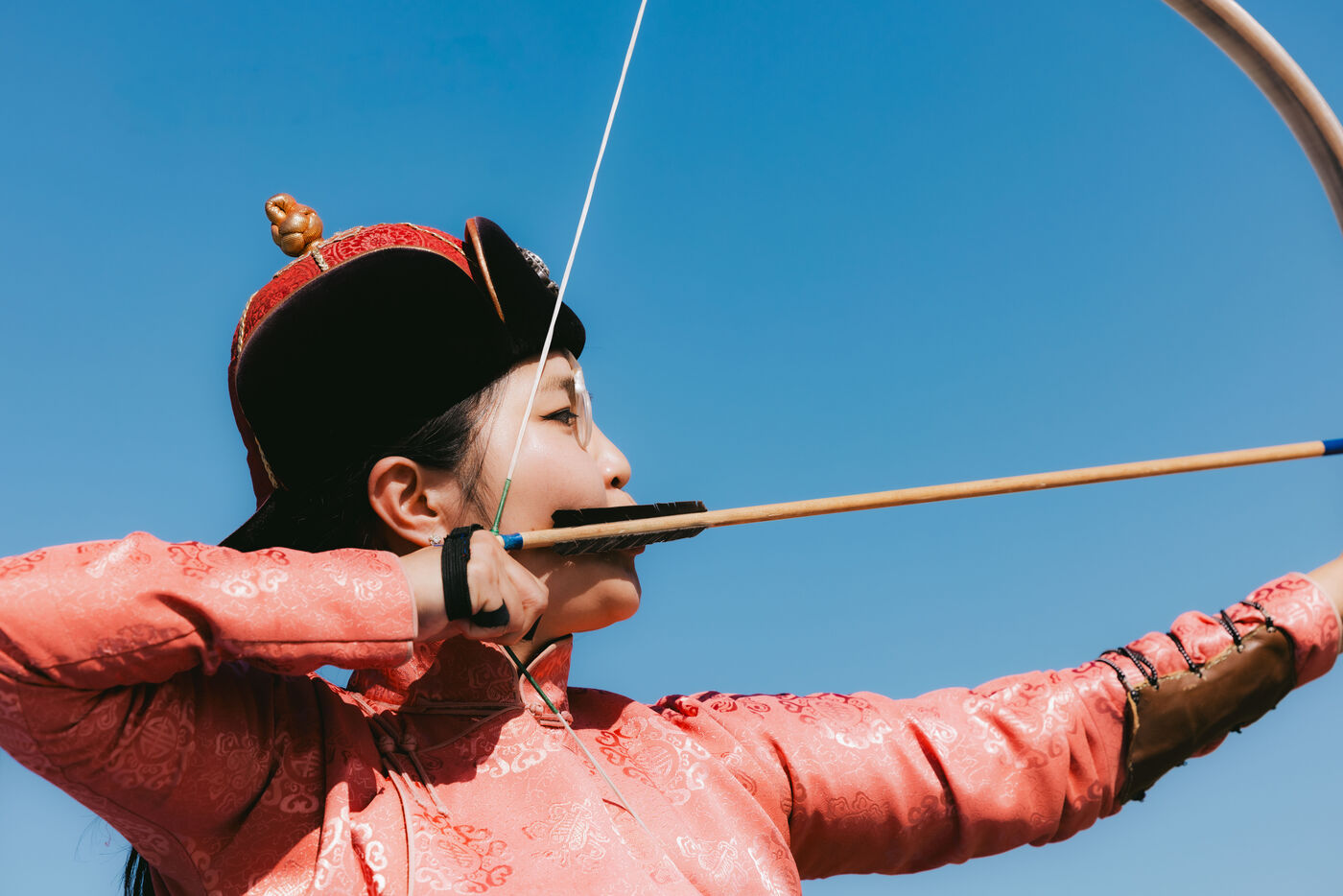
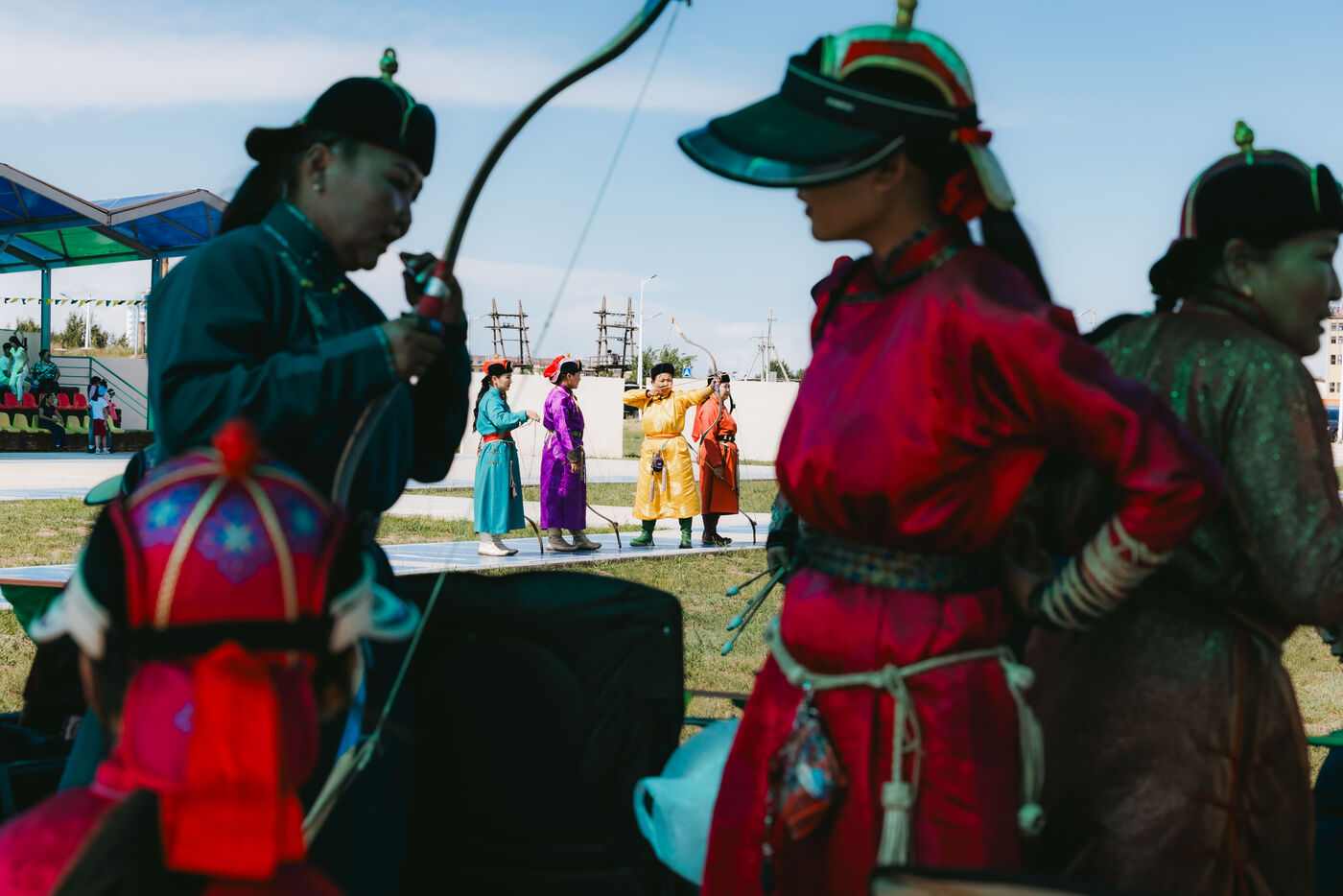
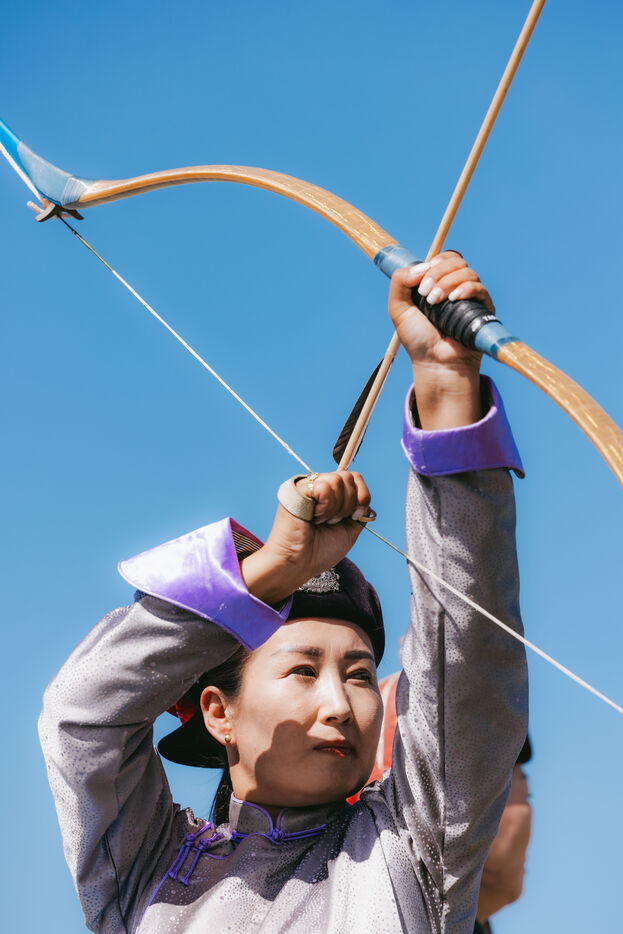
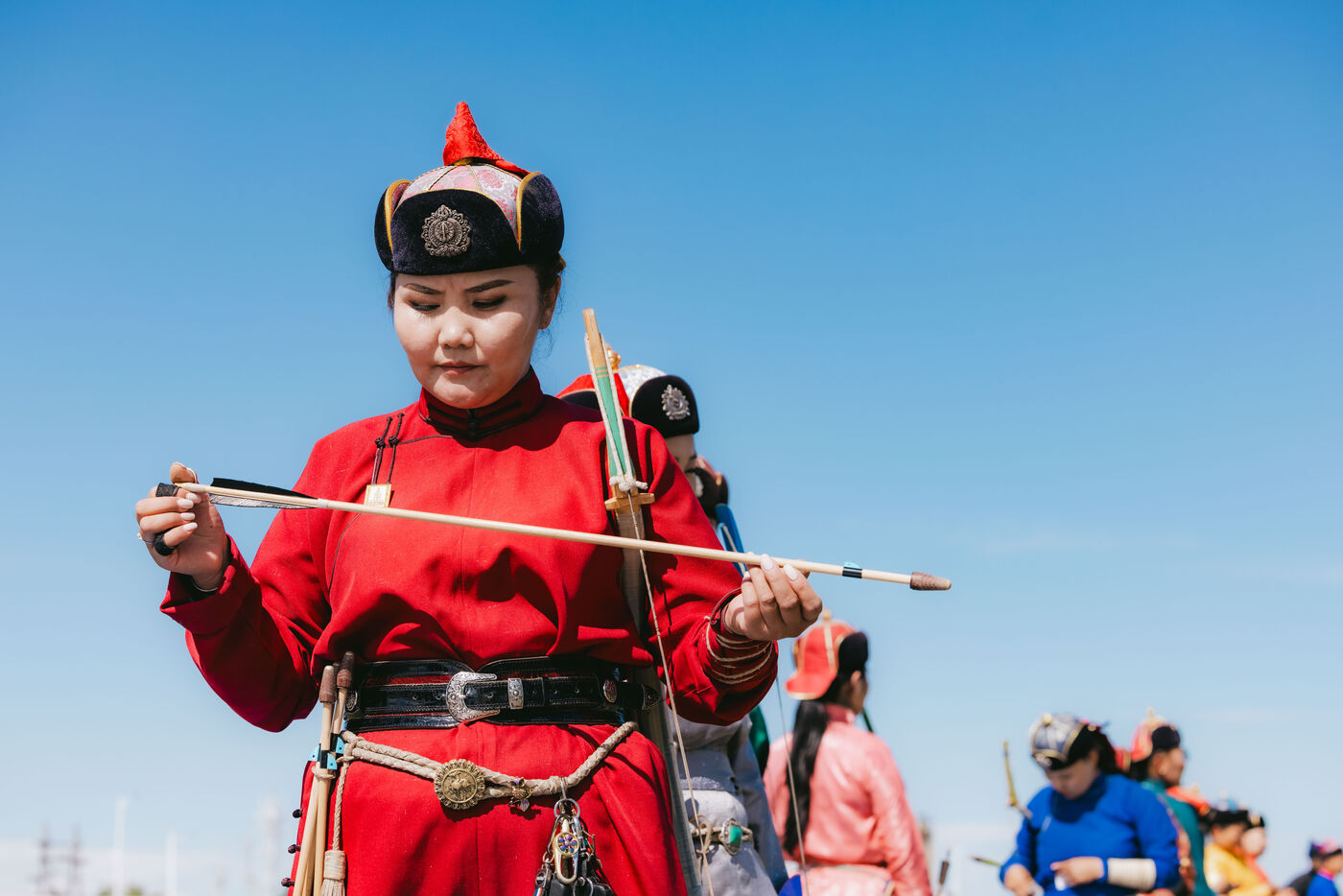
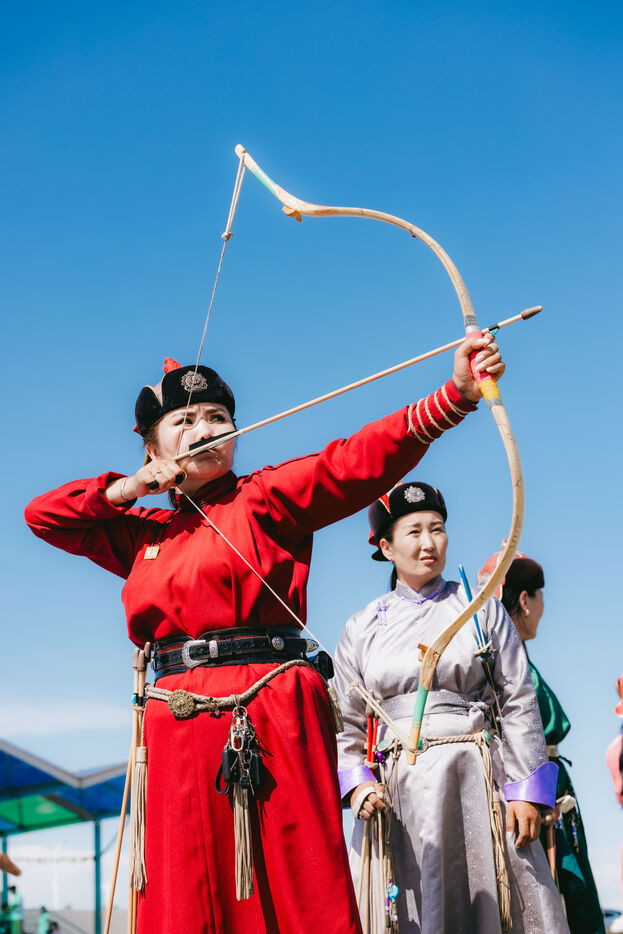
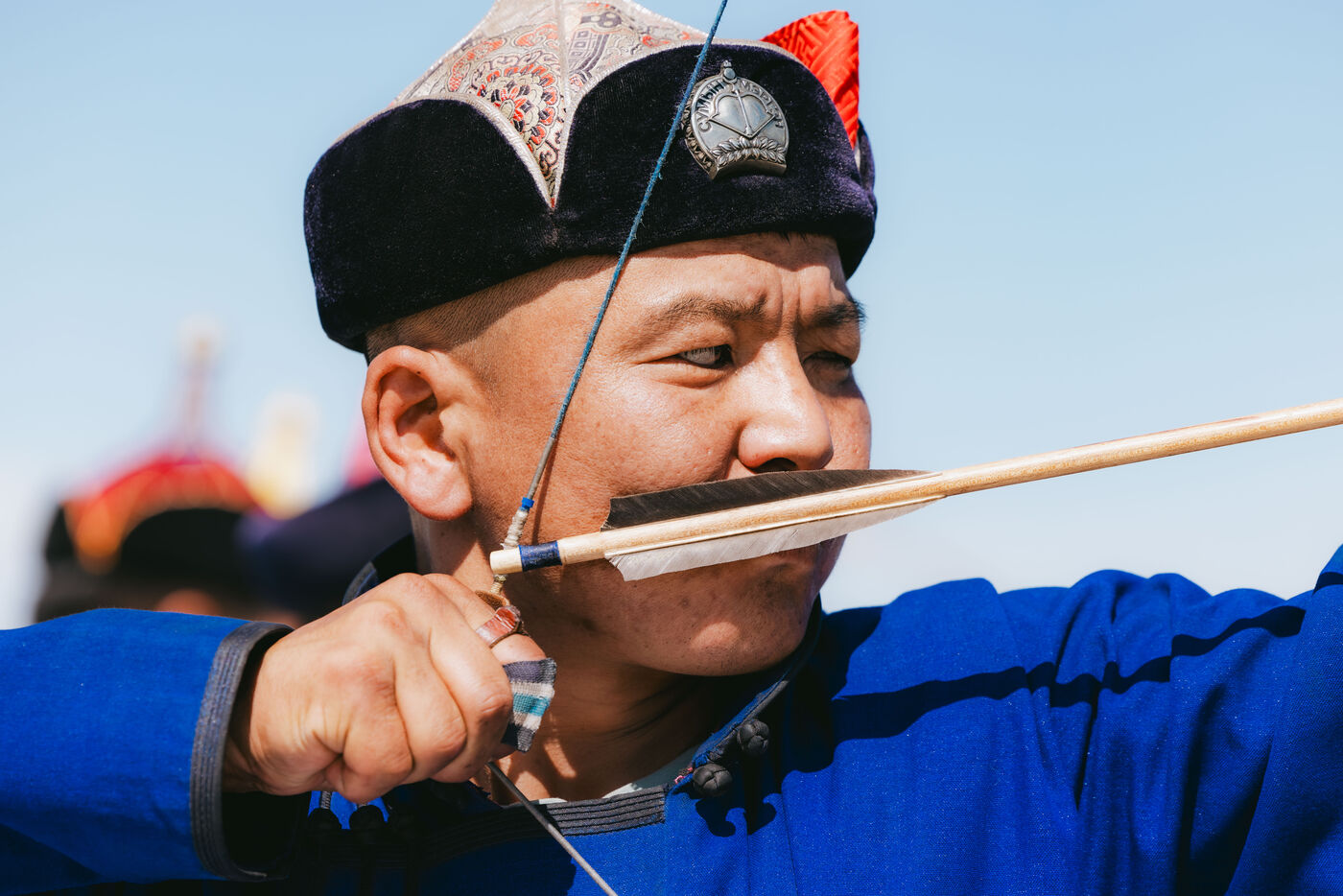
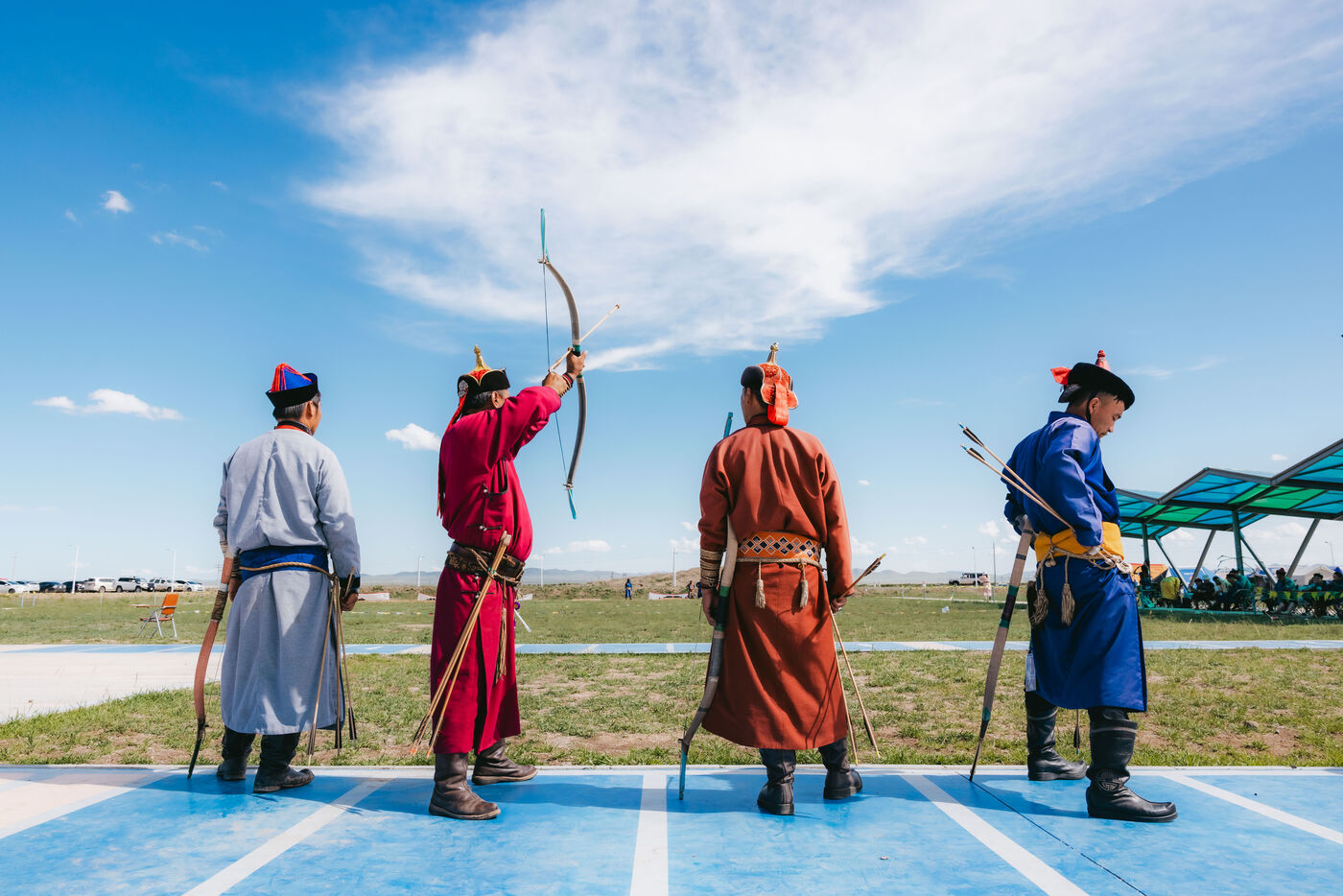
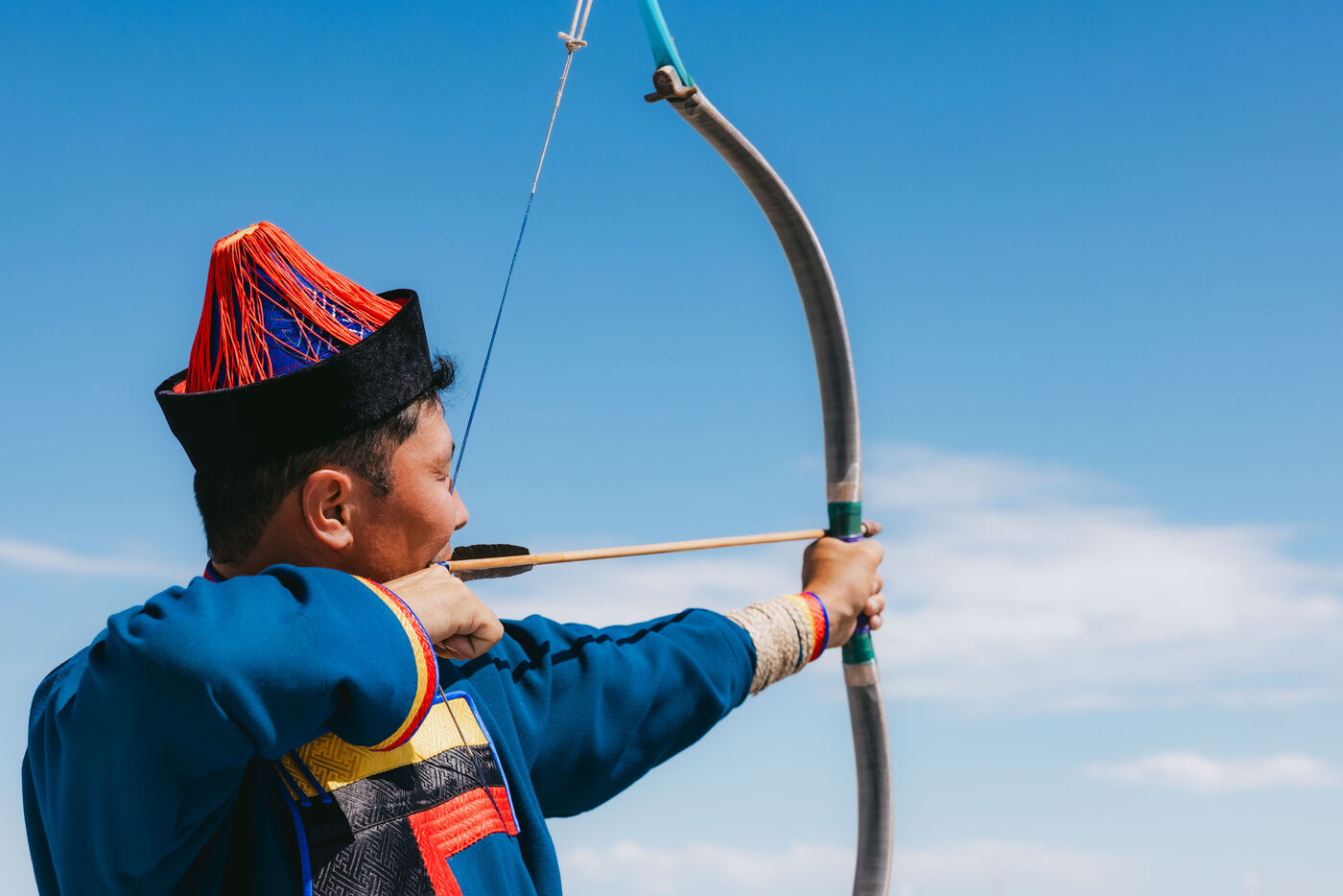
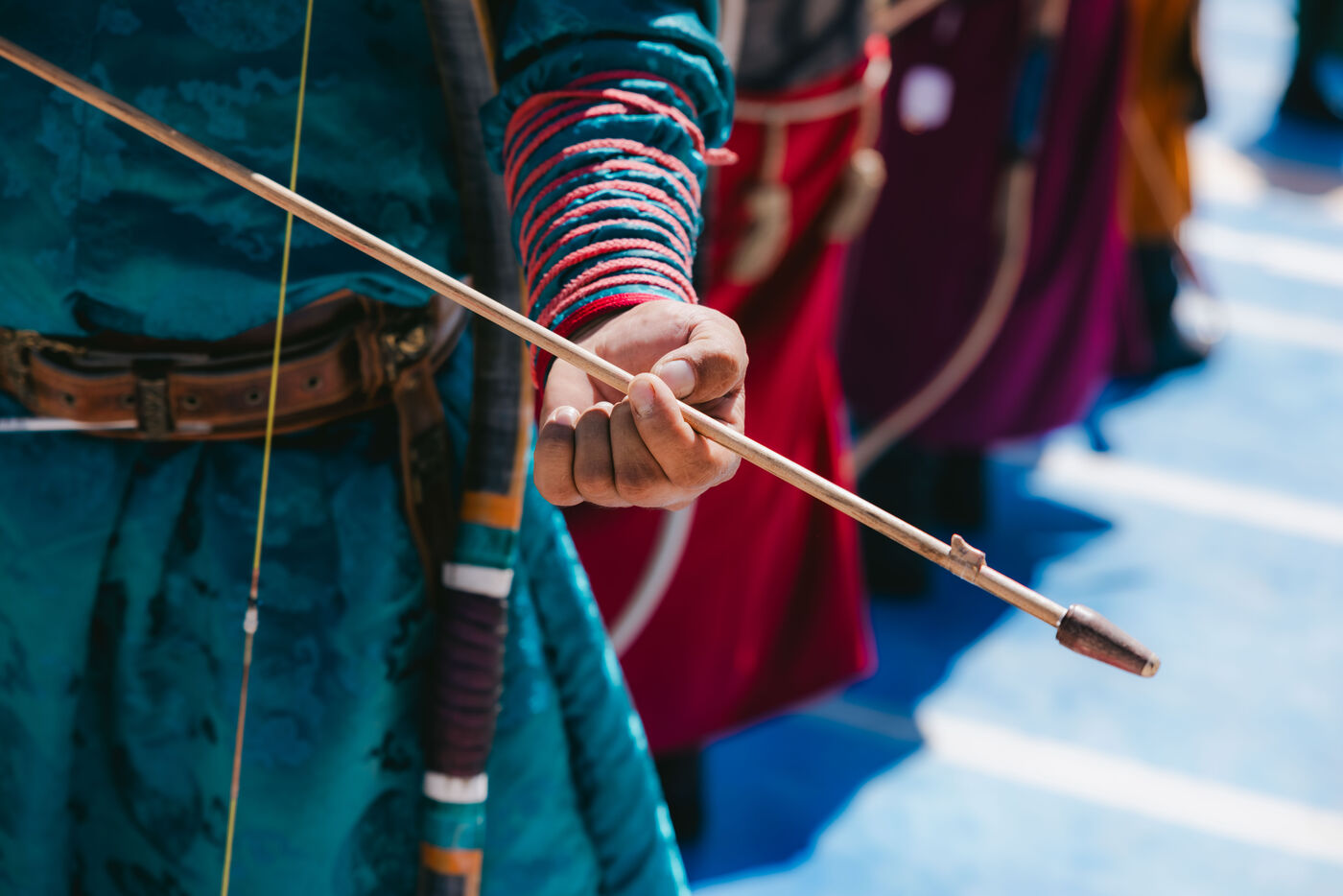
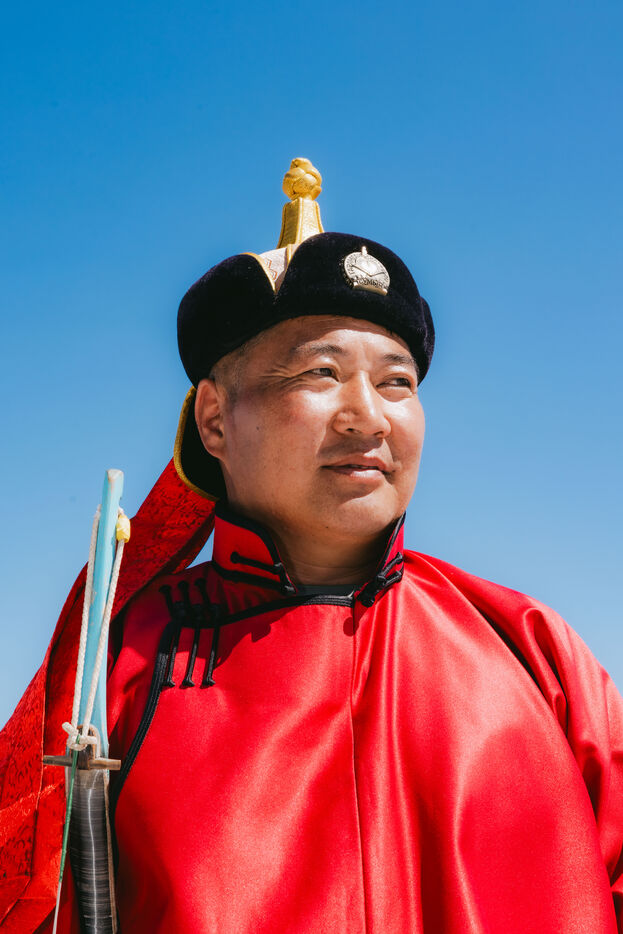
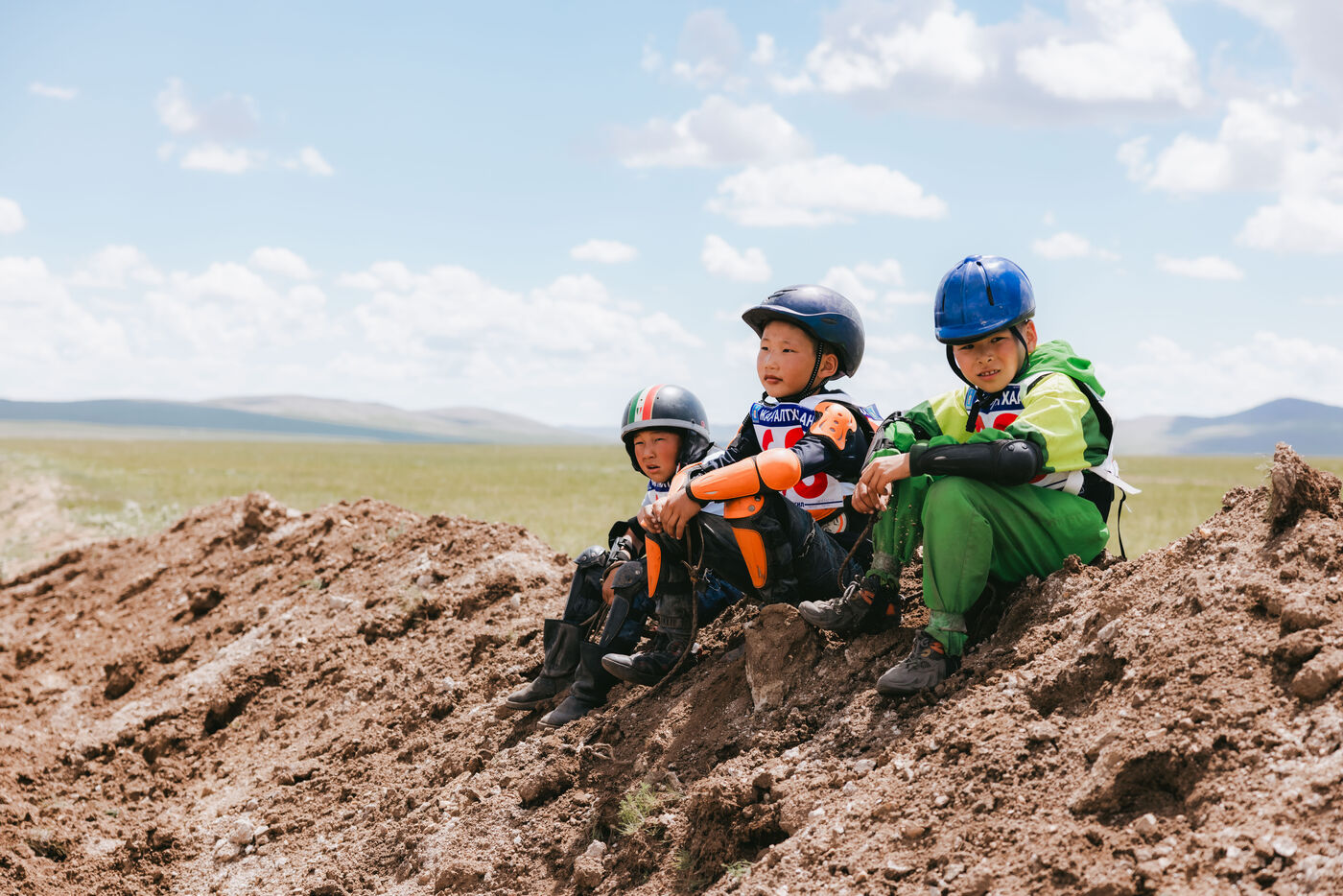
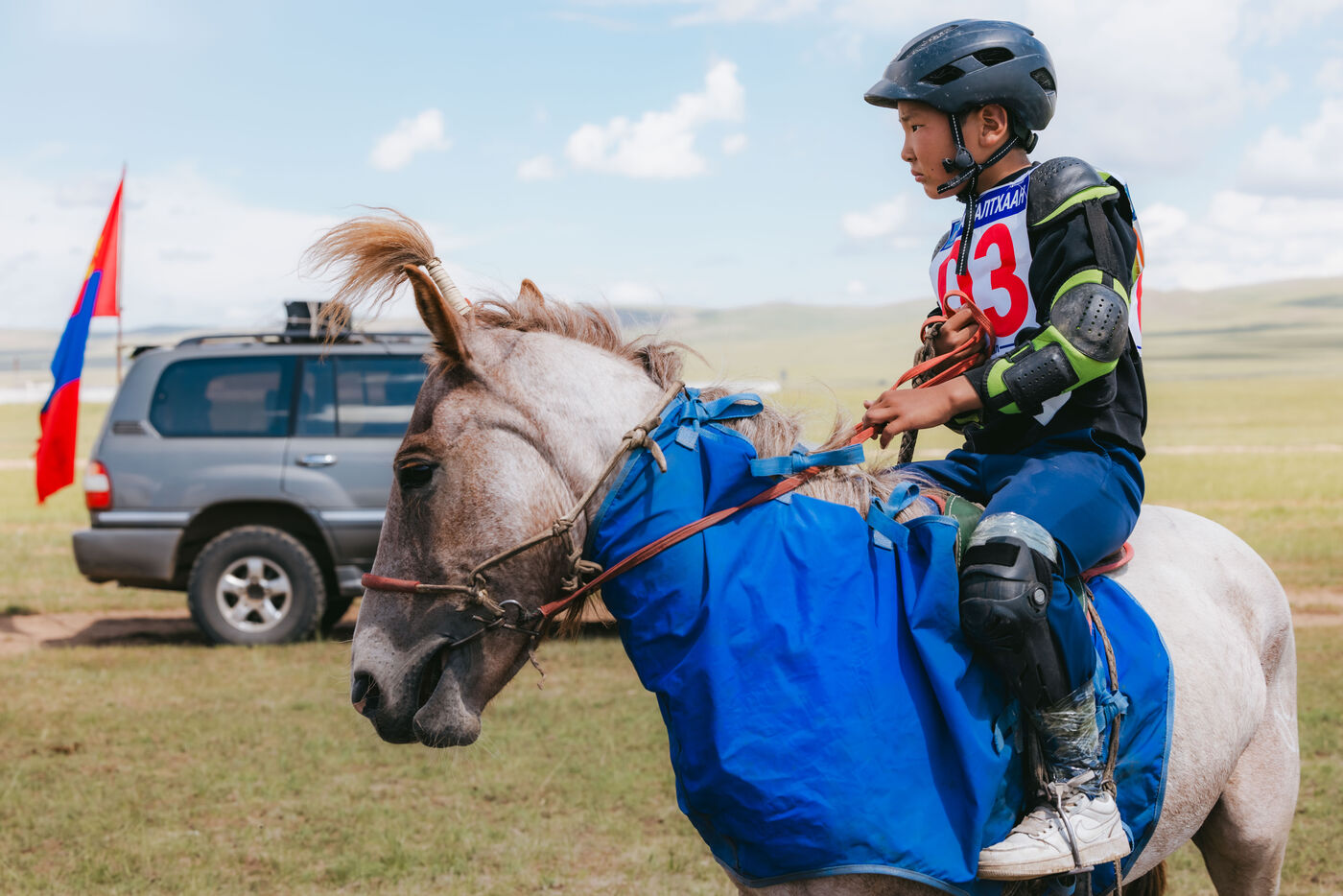
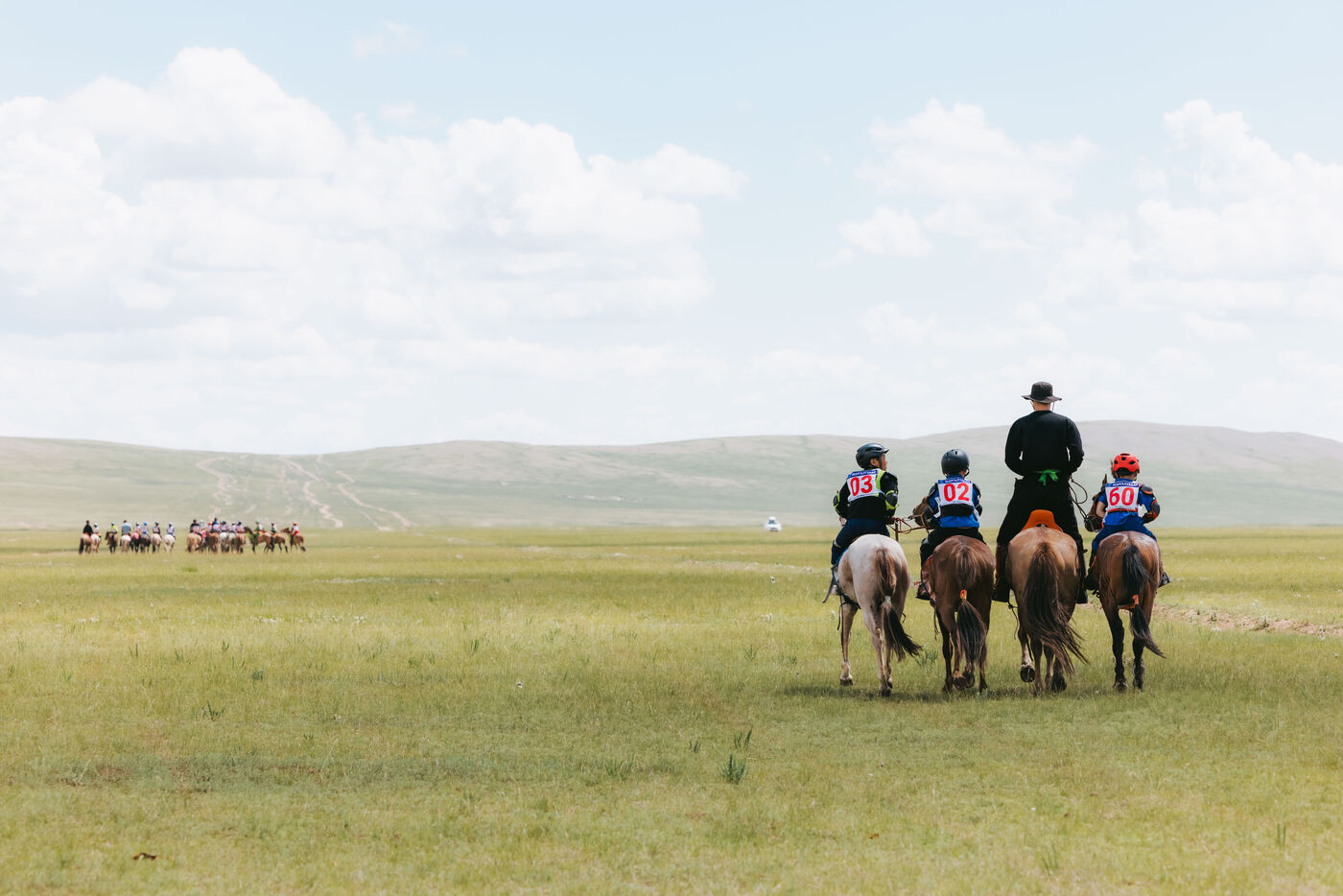
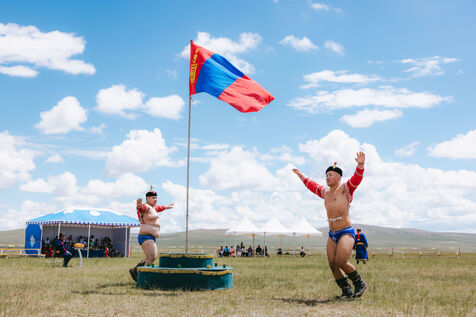
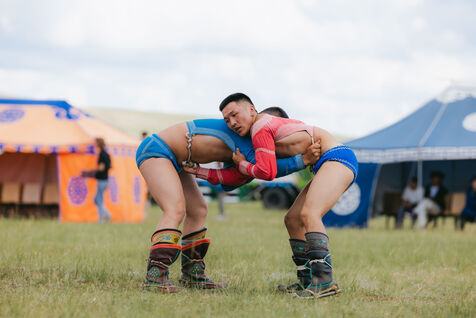
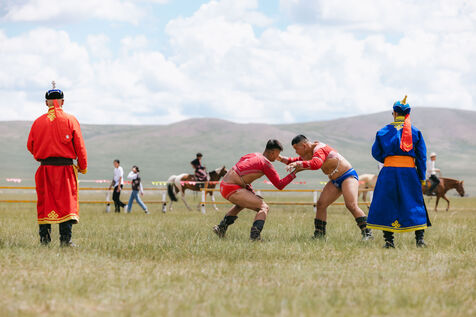
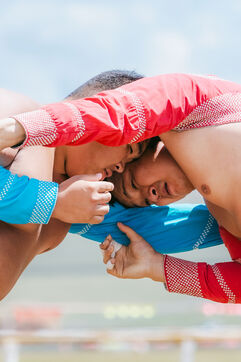
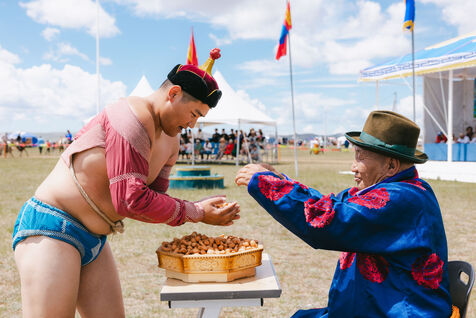
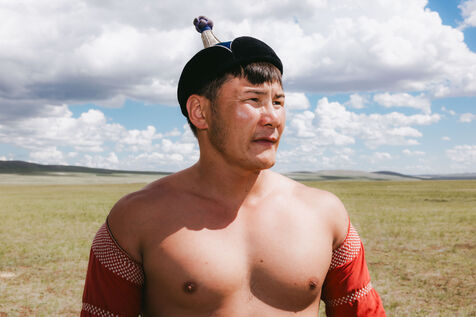
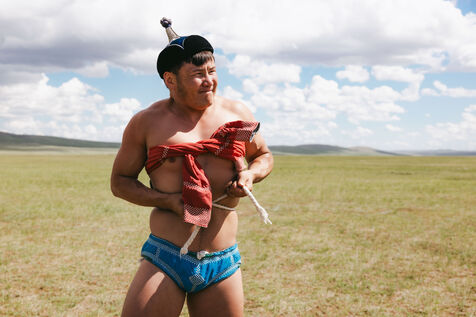
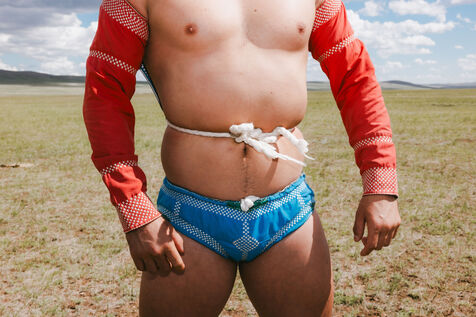
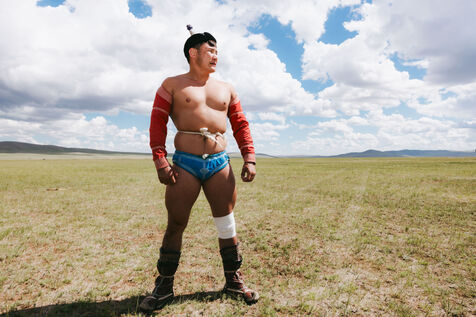
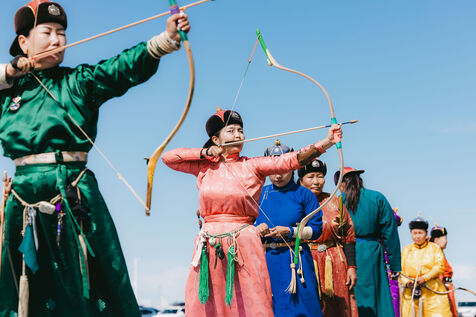
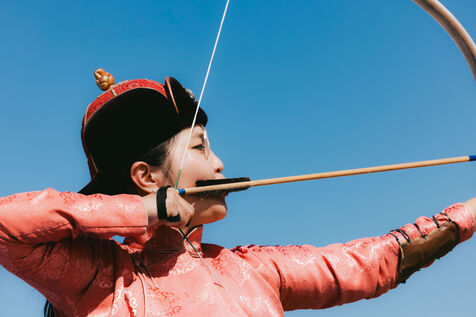
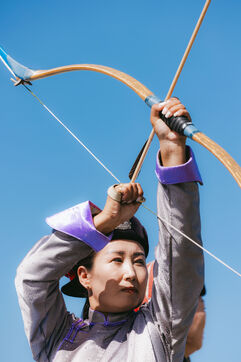
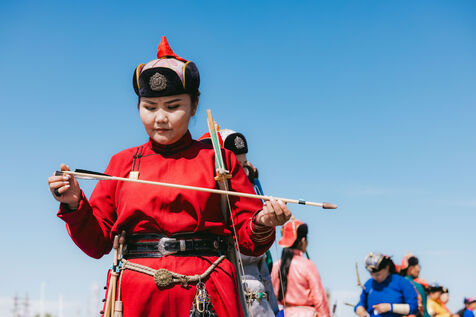
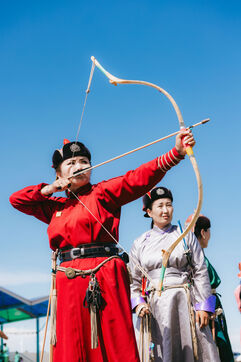
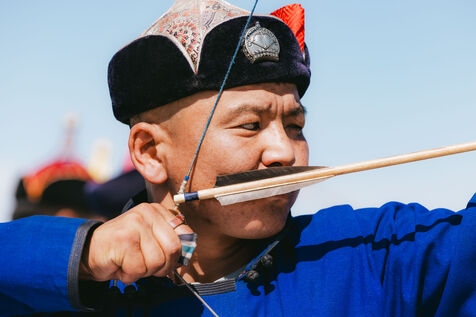
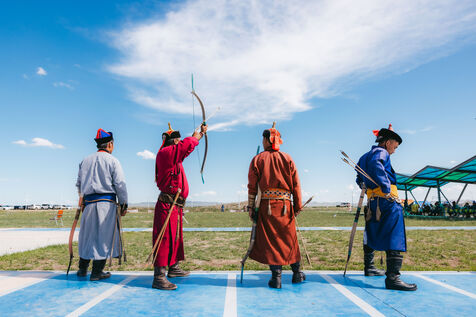
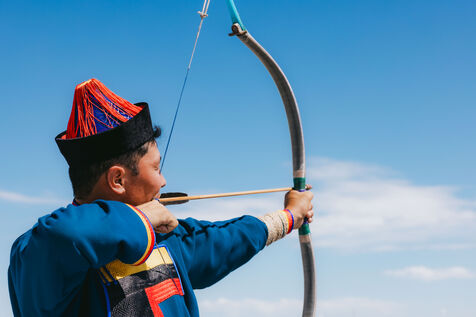
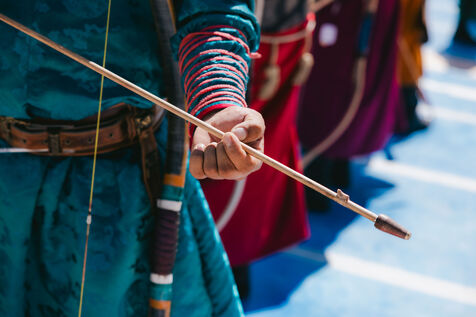
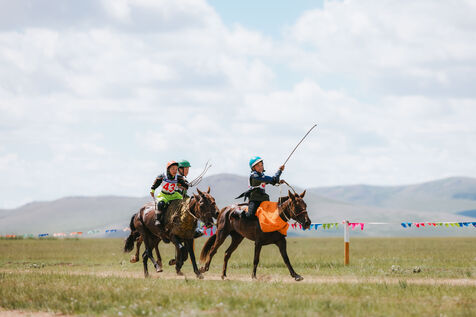
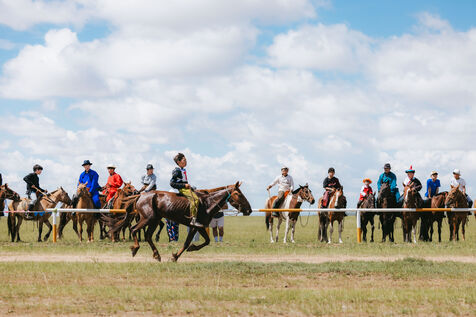
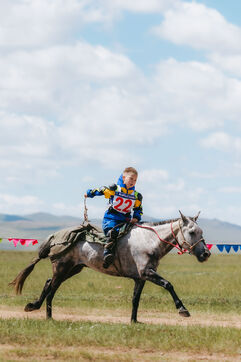
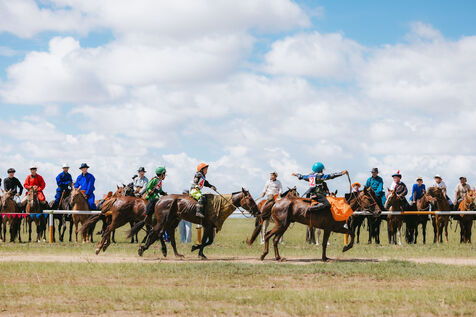
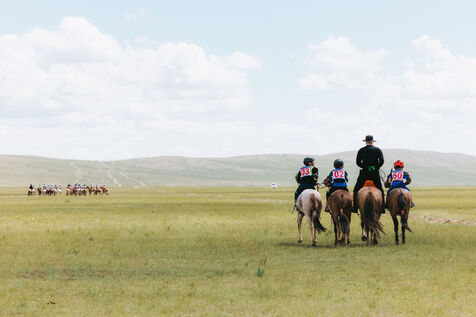
Le Naadam, le grand rendez-vous du pays, mêle sport et culture dans une célébration héritée des anciens peuples des steppes et des légendes de Gengis Khan. Trois épreuves y règnent en maîtresses : la lutte, le tir à l’arc et les courses de chevaux. Trois disciplines qui traversent les siècles et racontent, encore aujourd’hui, l’âme nomade de la Mongolie.
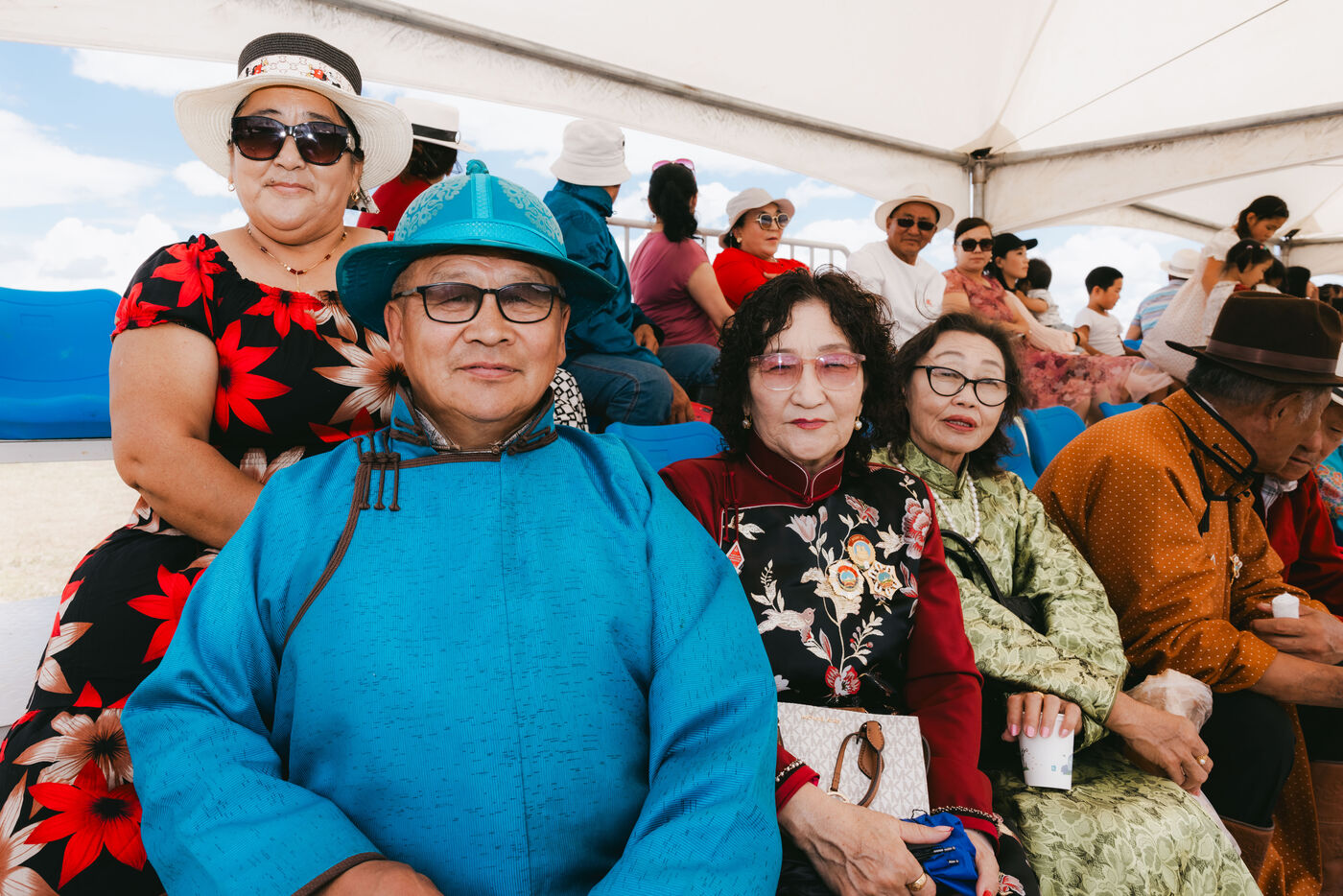
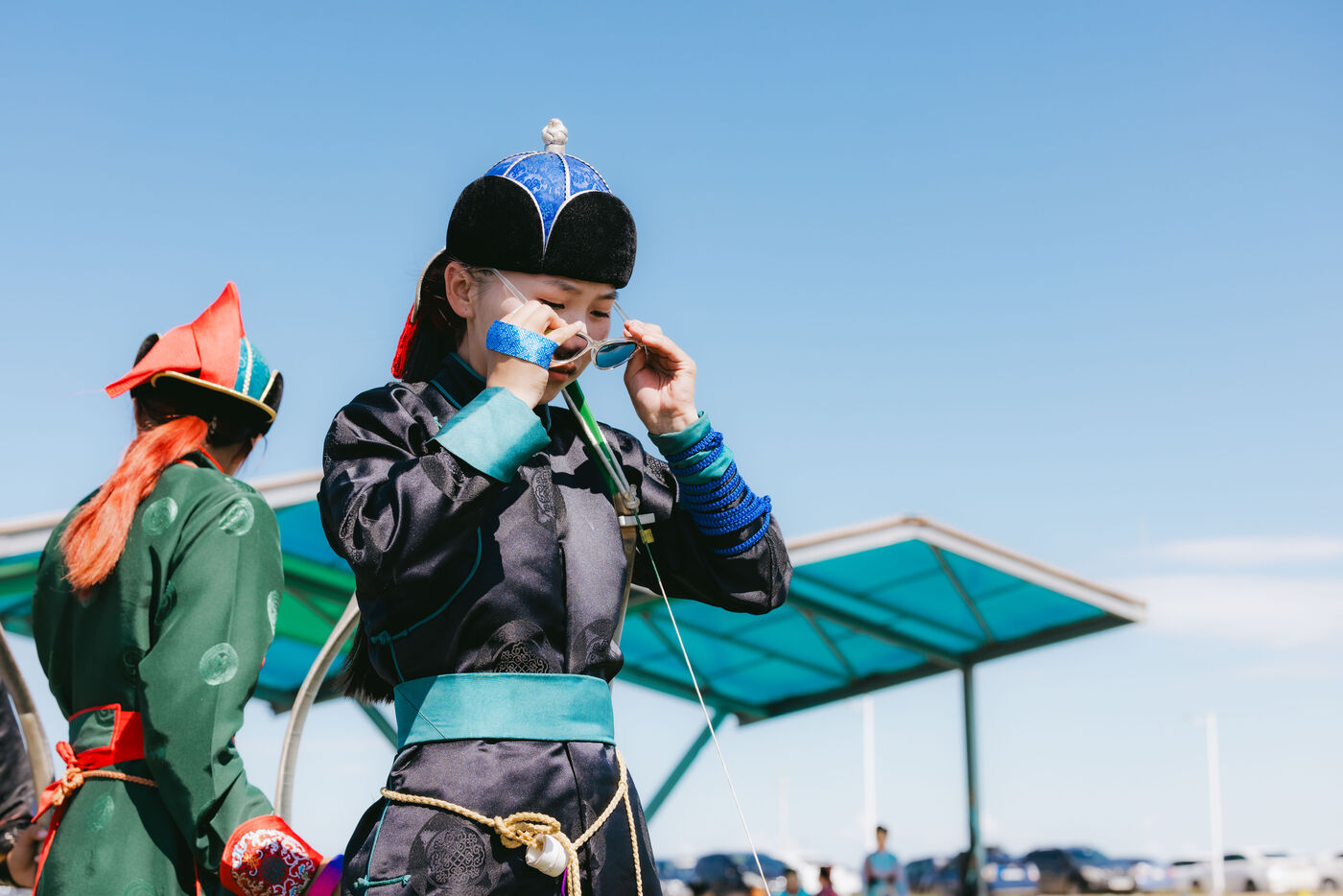
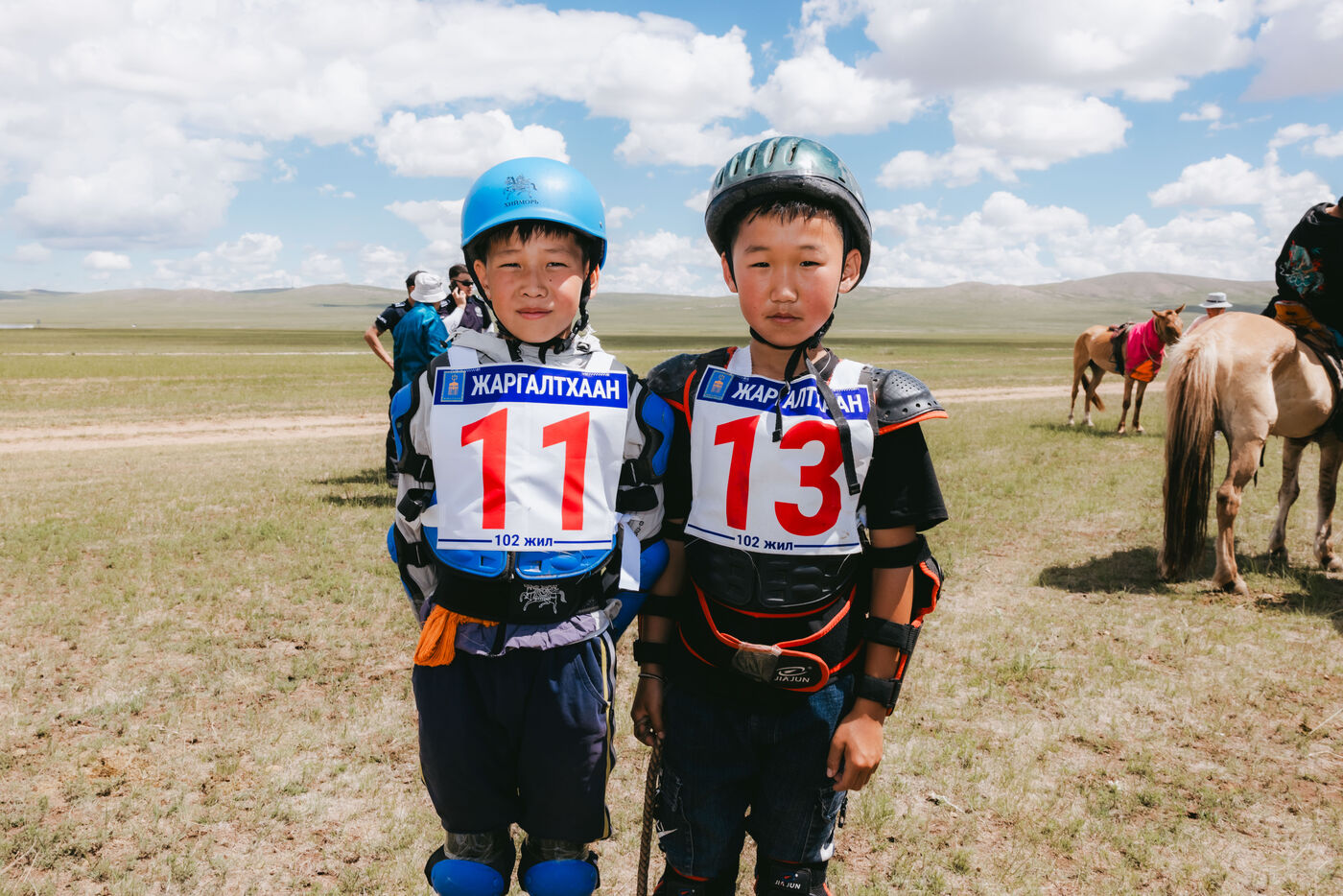
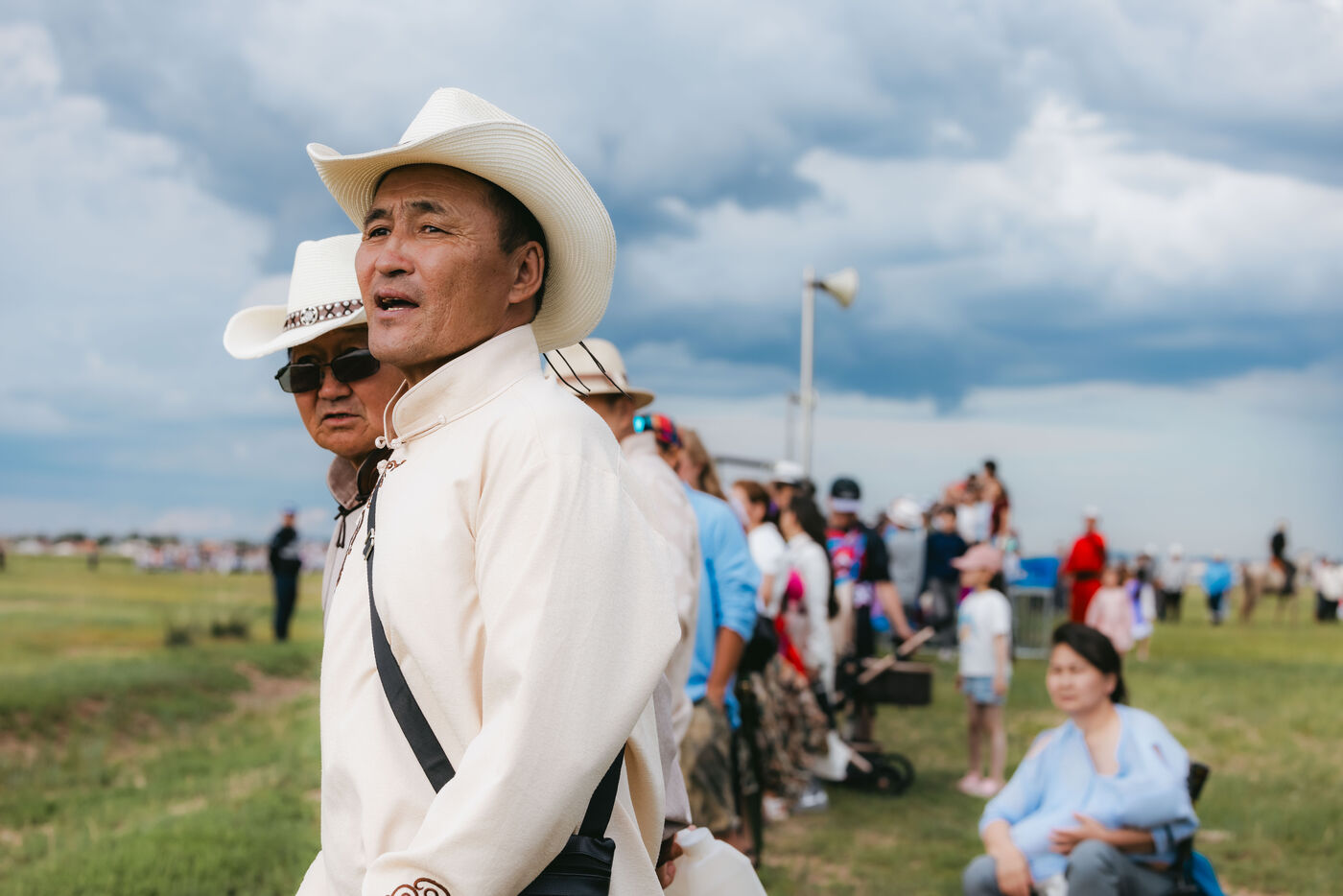
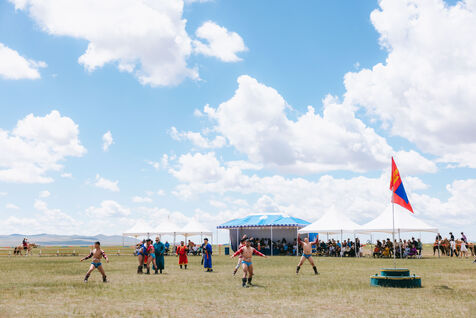
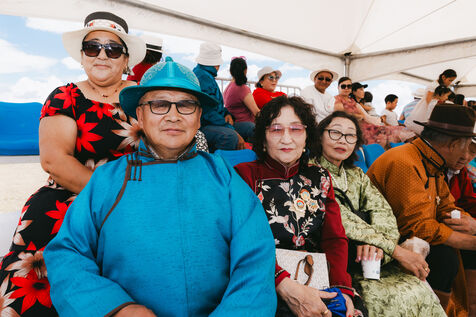
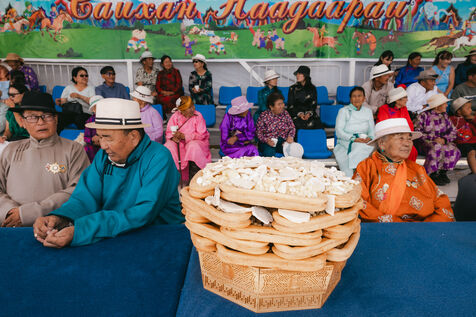
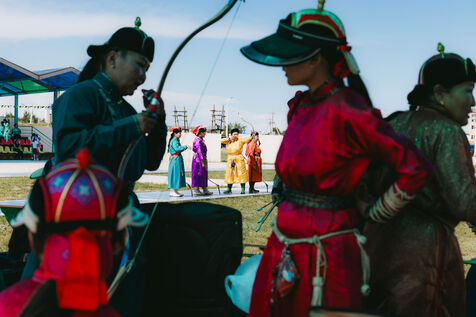
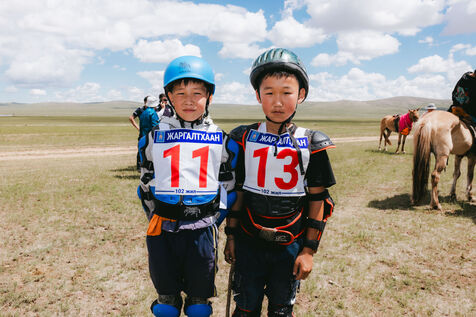
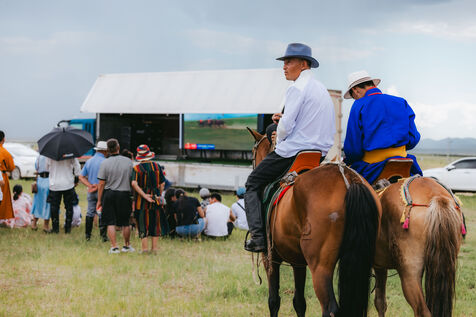
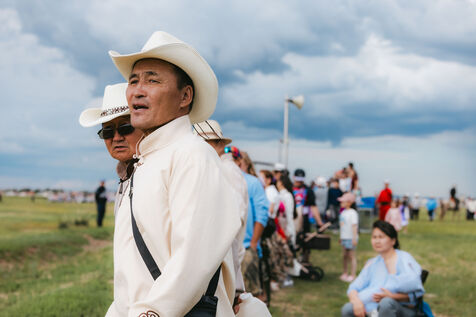
Le Naadam, qui se traduit par « jeux masculins » (bien que les femmes puissent désormais y participer également), se fête partout : du tumulte de la capitale aux recoins les plus reculés des steppes. Officiellement, les festivités battent leur plein à la mi juillet, mais dans certains villages, appelés « soums », la fête peut s’étirer jusque fin juillet, dans une atmosphère bien plus intime. C’est au coeur de la steppe que j’ai choisi de poser mon regard : d’abord à Chingis, la capitale de la province de Khentii et berceau de Gengis Khan, à l’Ouest du pays, puis dans le soum de Jargaltkhaan, où la fête devient plus chaleureuse, plus brute, bien loin du brouhaha des grandes tribunes et du faste officiel.
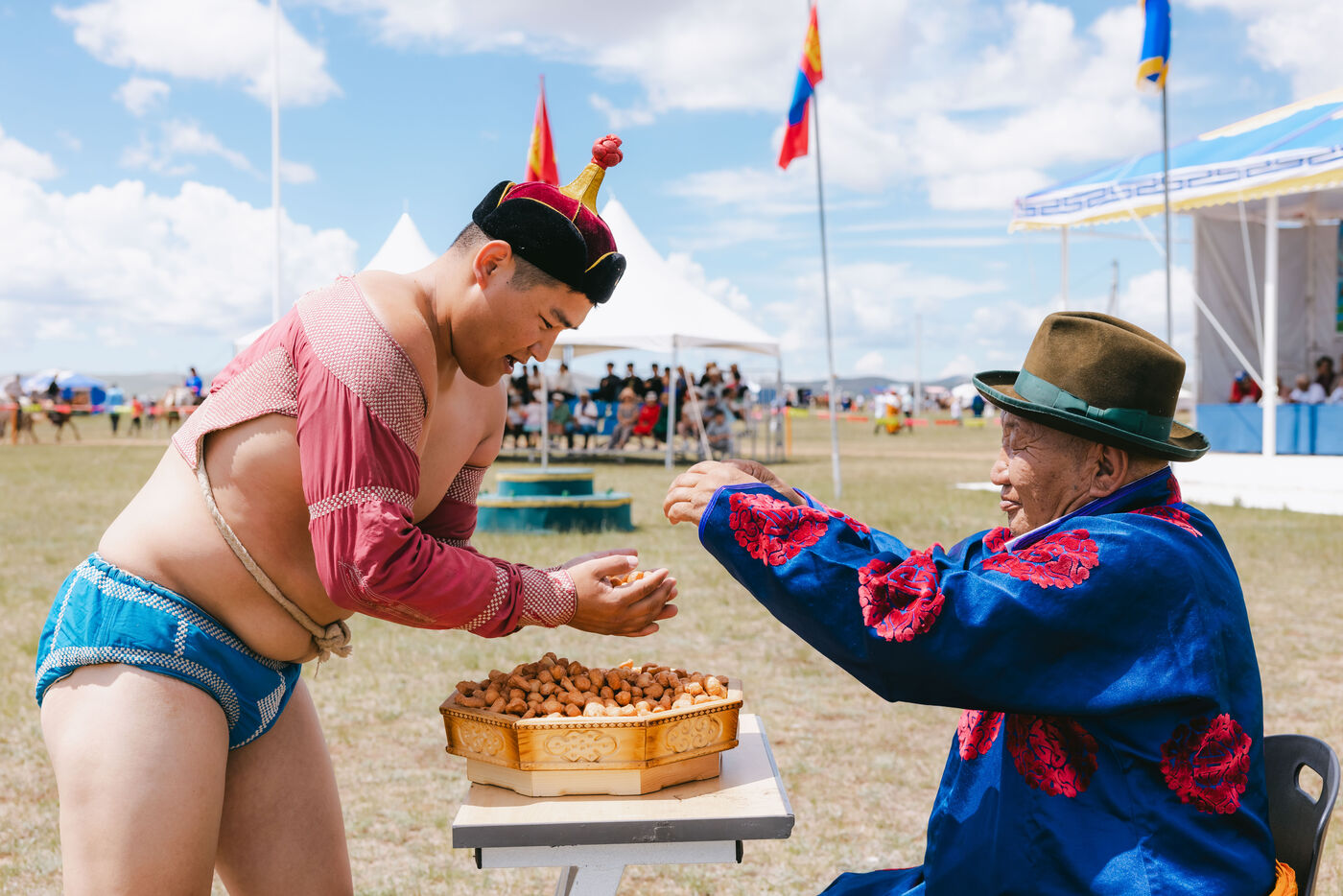
Au‑delà du spectacle sportif, le Naadam est avant tout une fête nationale et identitaire : il commémore la révolution de 1921 qui a marqué l’indépendance du pays face à la dynastie Qing, rend hommage à Gengis Khan, et perpétue l’esprit nomade inscrit par l’UNESCO au patrimoine immatériel de l’humanité. Ces trois sports « virils », loin d’être juste des épreuves physiques, sont surtout le théâtre de gestes ancestraux, chargés d’histoire et de croyances.
Beyond the sporting spectacle, Naadam is above all a national celebration and a celebration of identity: it commemorates the 1921 revolution that marked the country's independence from the Qing dynasty, pays tribute to Genghis Khan, and perpetuates the nomadic spirit inscribed by UNESCO as part of the intangible heritage of humanity. These three ‘masculine’ sports, far from being mere physical contests, are above all a showcase for ancestral gestures steeped in history and belief.
Next steppes
Horses decked out in finery, brightly coloured costumes, popular fervour... Every summer, the Mongolian steppes are transformed into a huge festival ground.
Naadam, the country's biggest event, combines sport and culture in a celebration inherited from the ancient peoples of the steppes and the legends of Genghis Khan. Three events reign supreme: wrestling, archery and horse racing. Three disciplines that have stood the test of time and still today reflect the nomadic spirit of Mongolia.
Naadam, which translates as ‘men's games’ (although women can now participate as well), is celebrated everywhere: from the hustle and bustle of the capital to the most remote corners of the steppes. Officially, the festivities are in full swing in mid-July, but in some villages, called ‘soums’, the celebrations can last until the end of July, in a much more intimate atmosphere. I chose to focus my attention on the heart of the steppe: first in Chingis, the capital of Khentii province and birthplace of Genghis Khan, in the west of the country, then in the soum of Jargaltkhaan, where the festival becomes warmer and more raw, far from the hubbub of the grandstands and official pomp.
Beyond the sporting spectacle, Naadam is above all a national celebration and a celebration of identity: it commemorates the 1921 revolution that marked the country's independence from the Qing dynasty, pays tribute to Genghis Khan, and perpetuates the nomadic spirit inscribed by UNESCO as part of the intangible heritage of humanity. These three ‘masculine’ sports, far from being mere physical contests, are above all a showcase for ancestral gestures steeped in history and belief.