COVID 19: OXYGEN & ABSENCE
Hôpital Sainte-Anne / GHU Paris — The ICU at the Edge of Breath
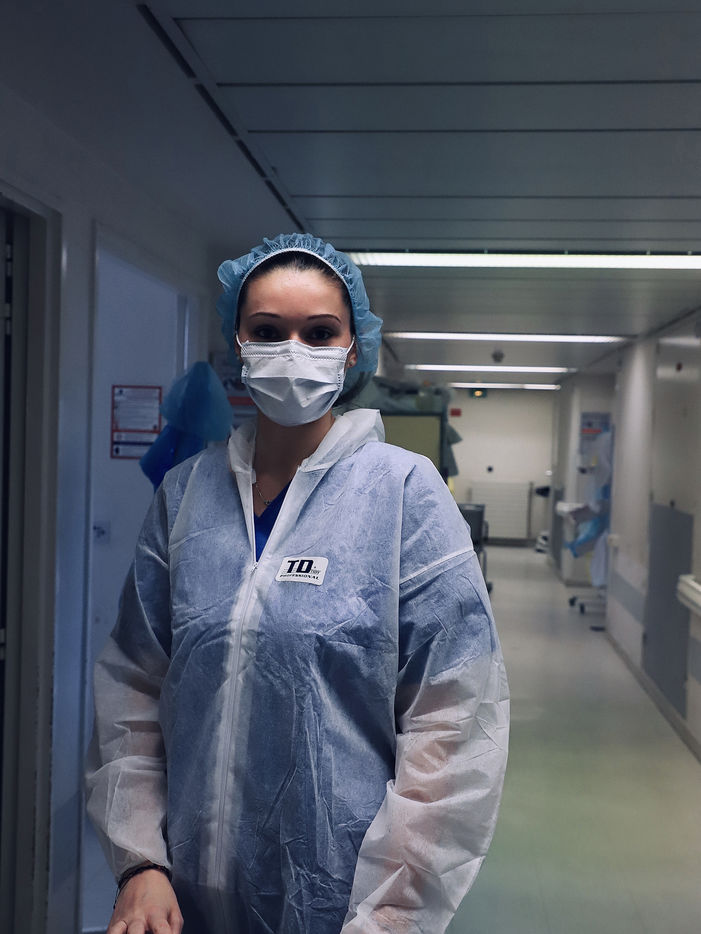
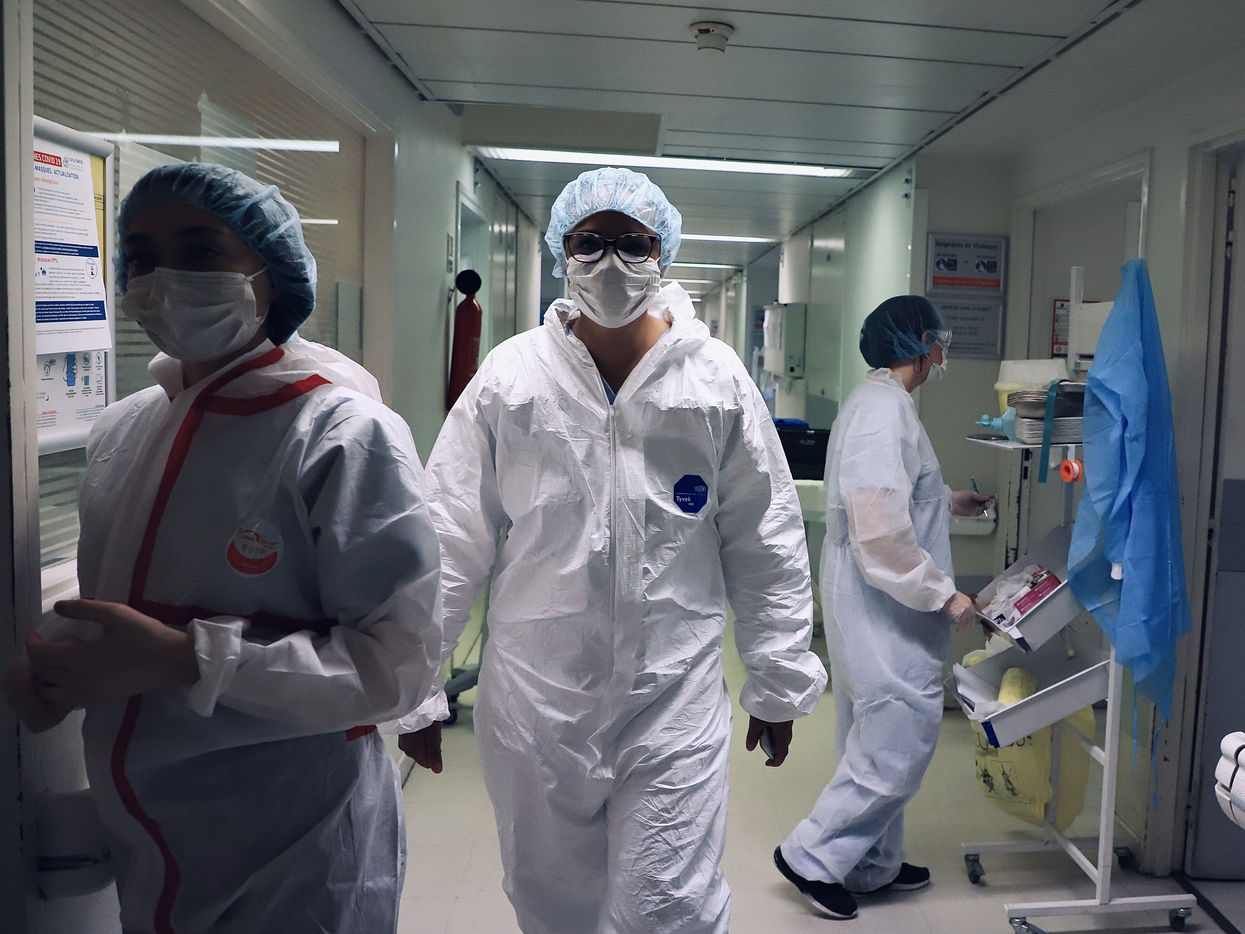
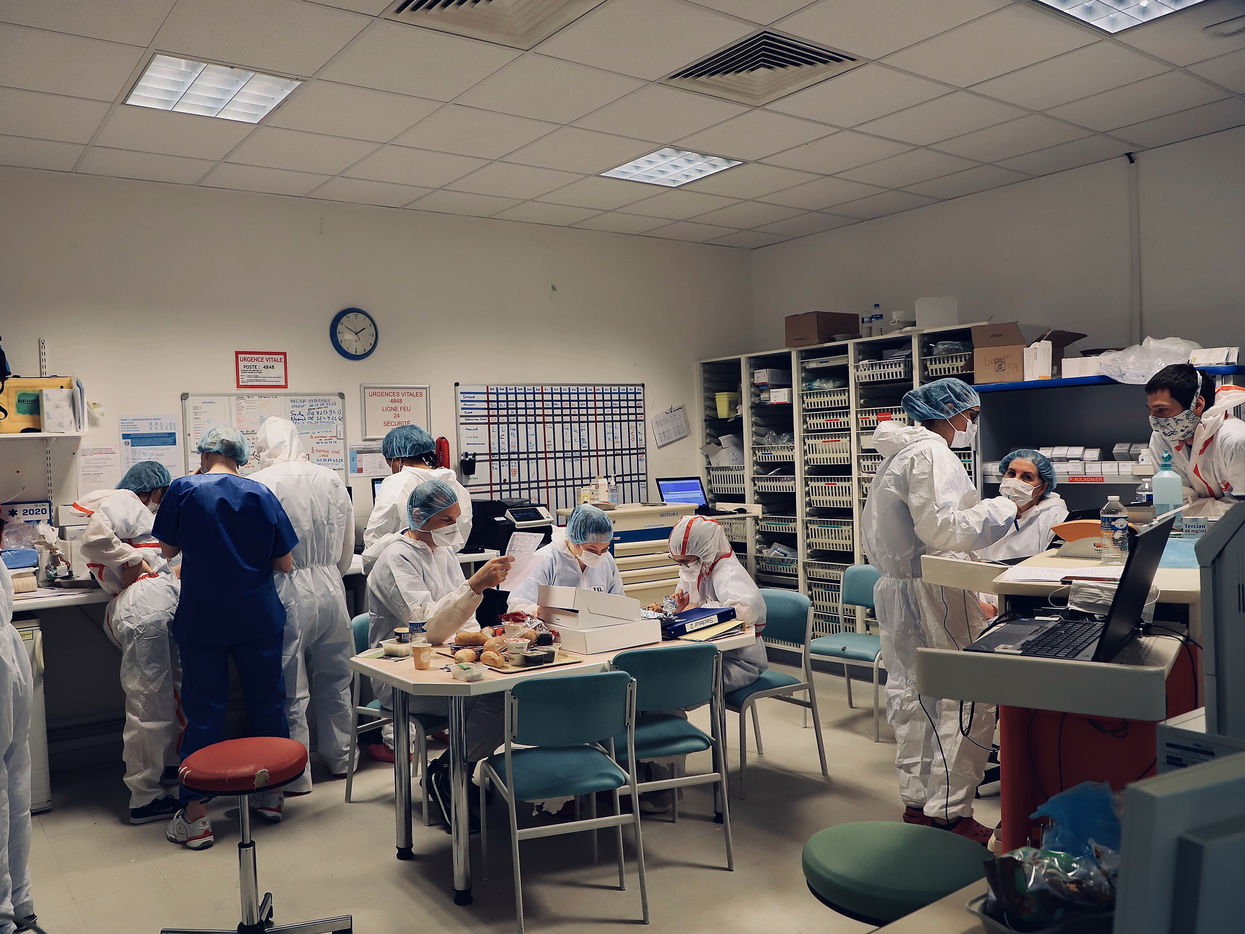
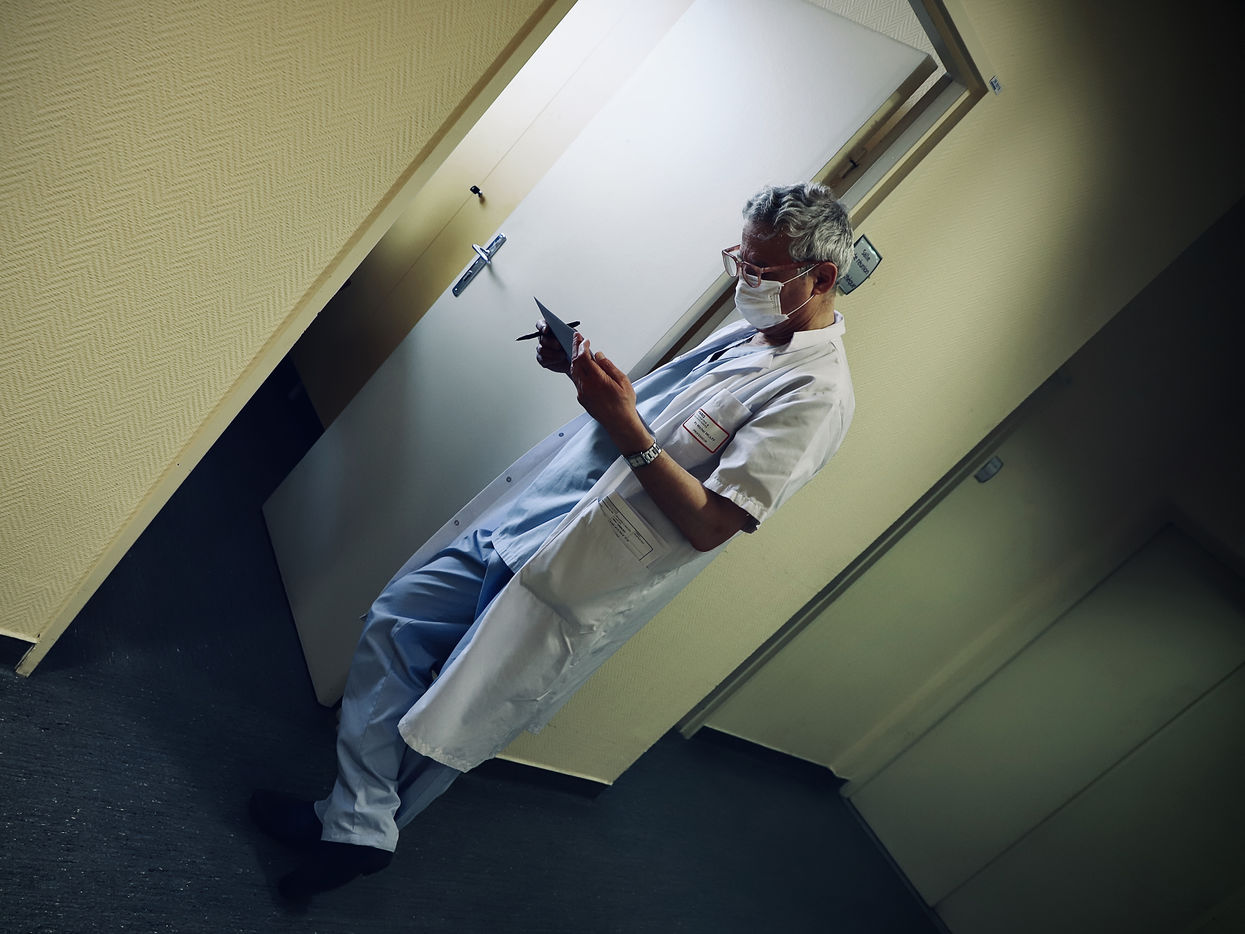
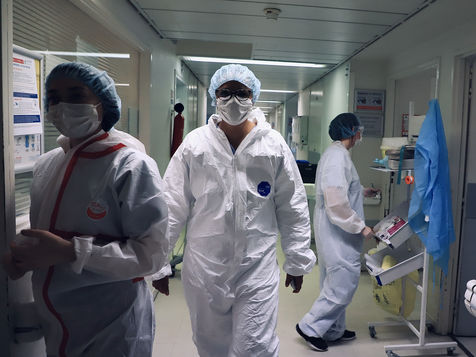
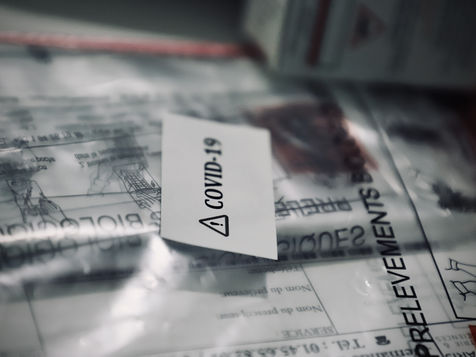
Hôpital Sainte-Anne / GHU Paris, primarily a psychiatric hospital, is one of many institutions that restructured their services to care for COVID-19 patients — particularly within the neurology department.
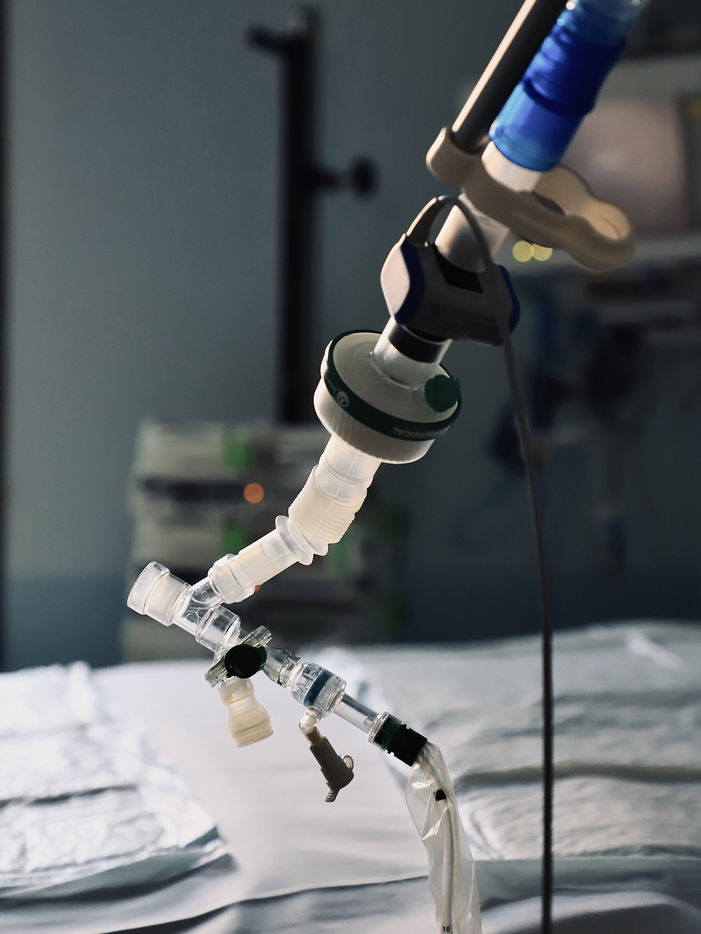
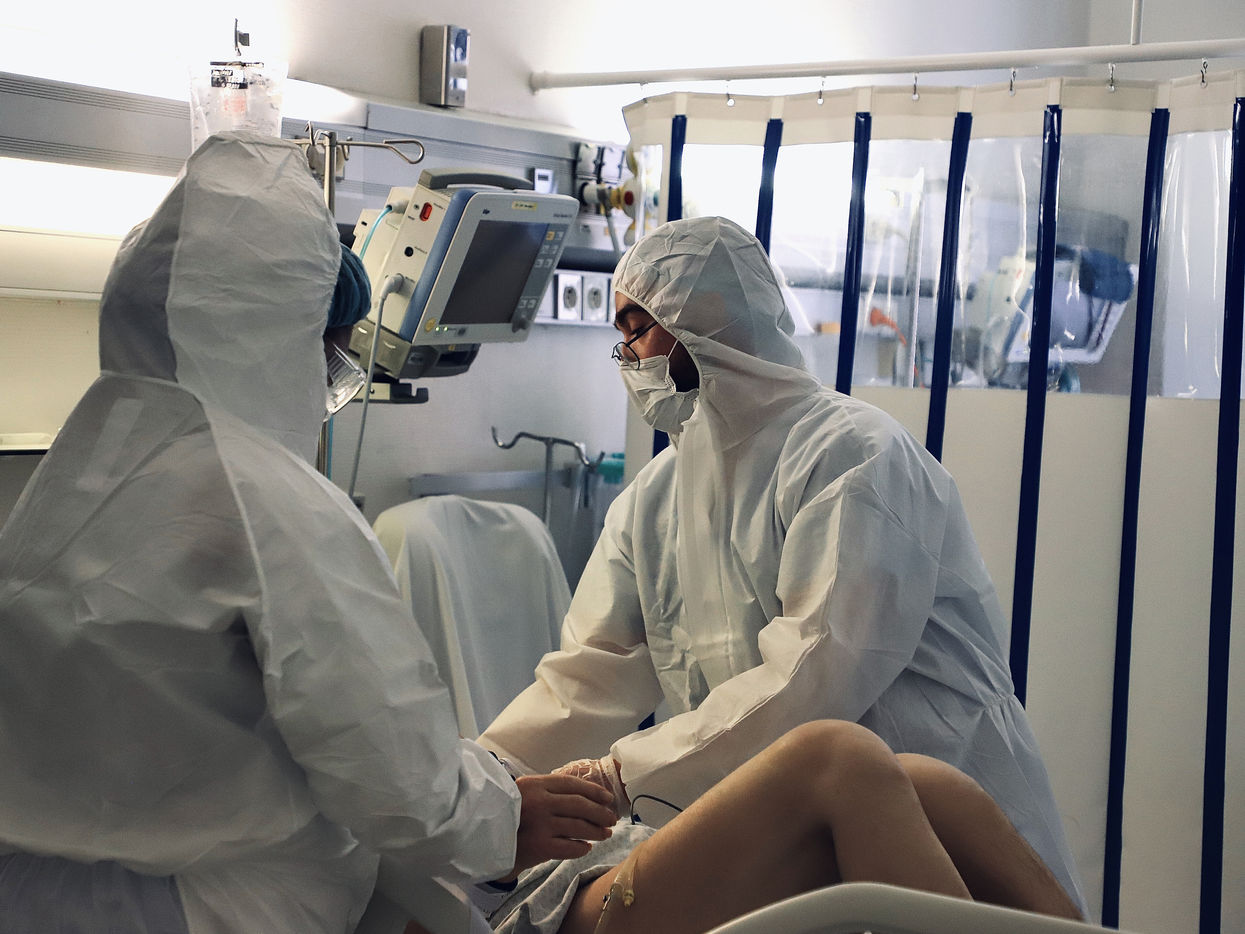
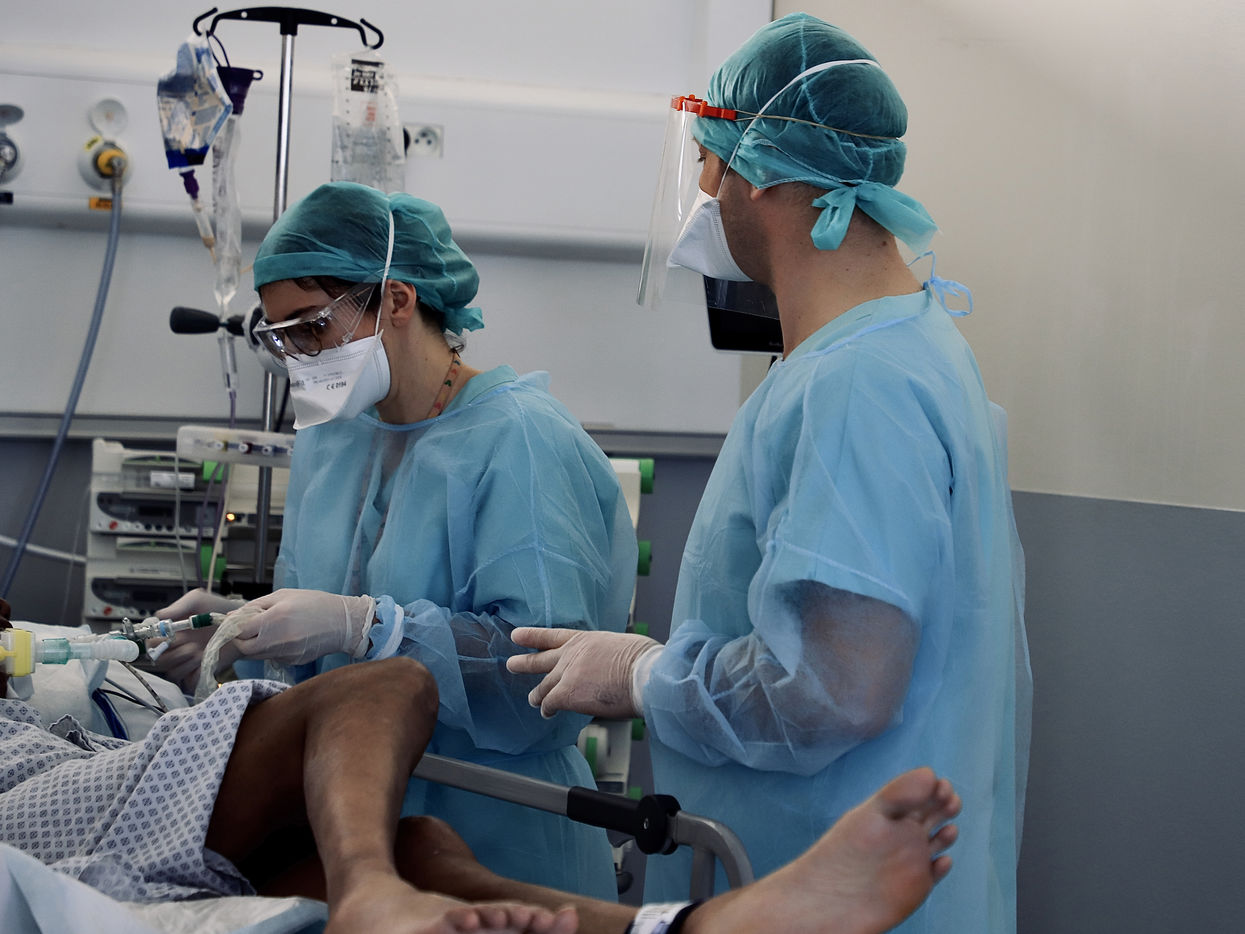
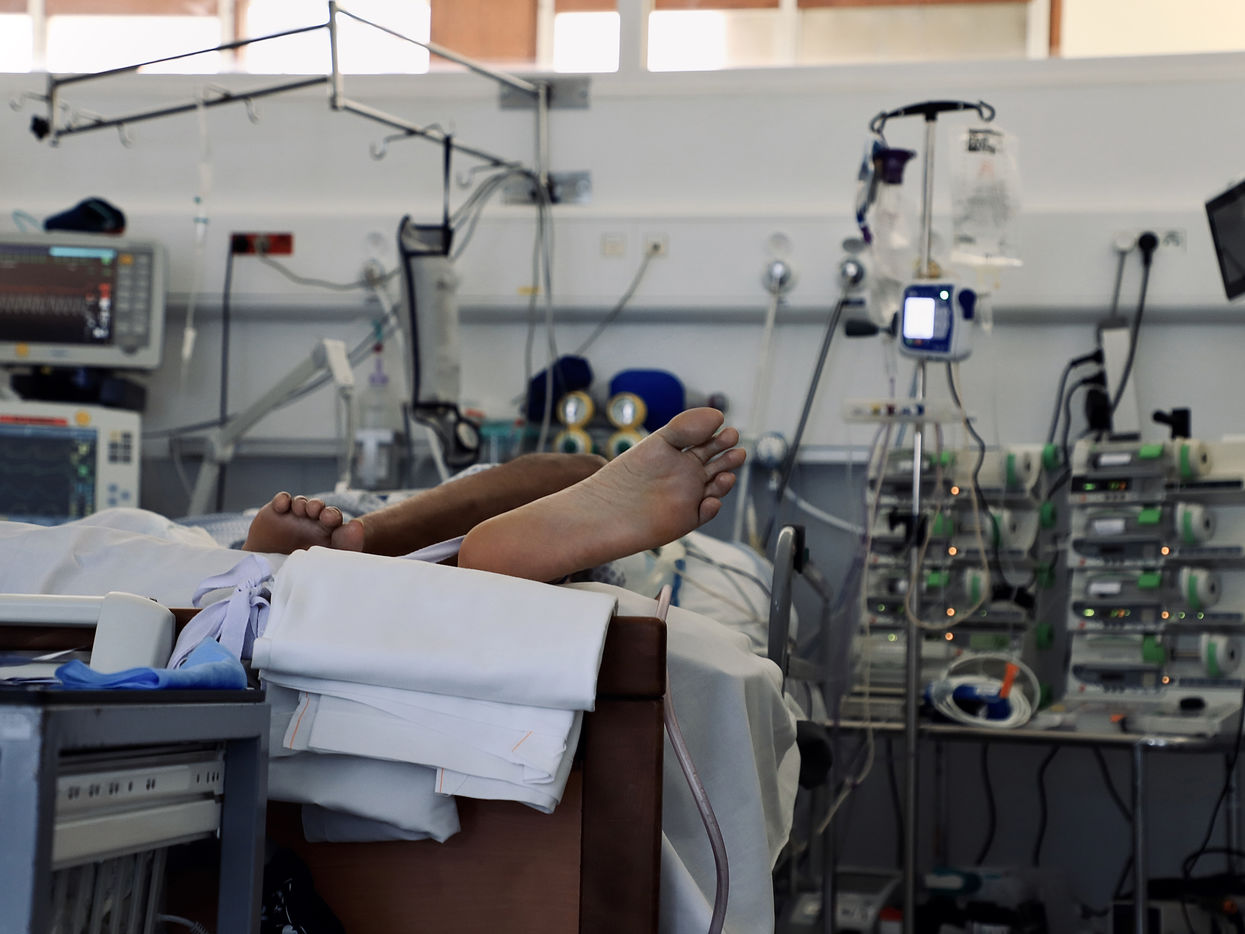
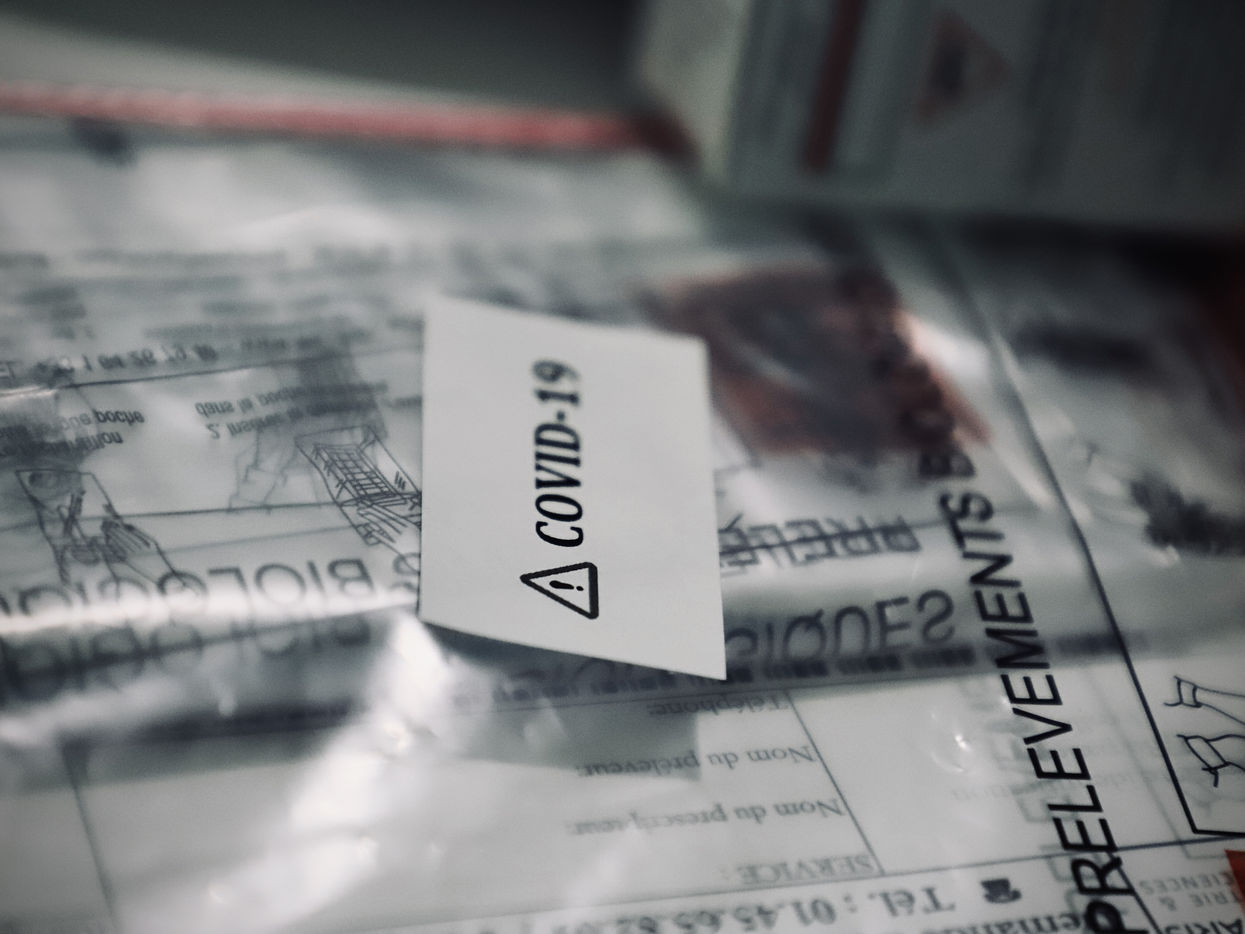
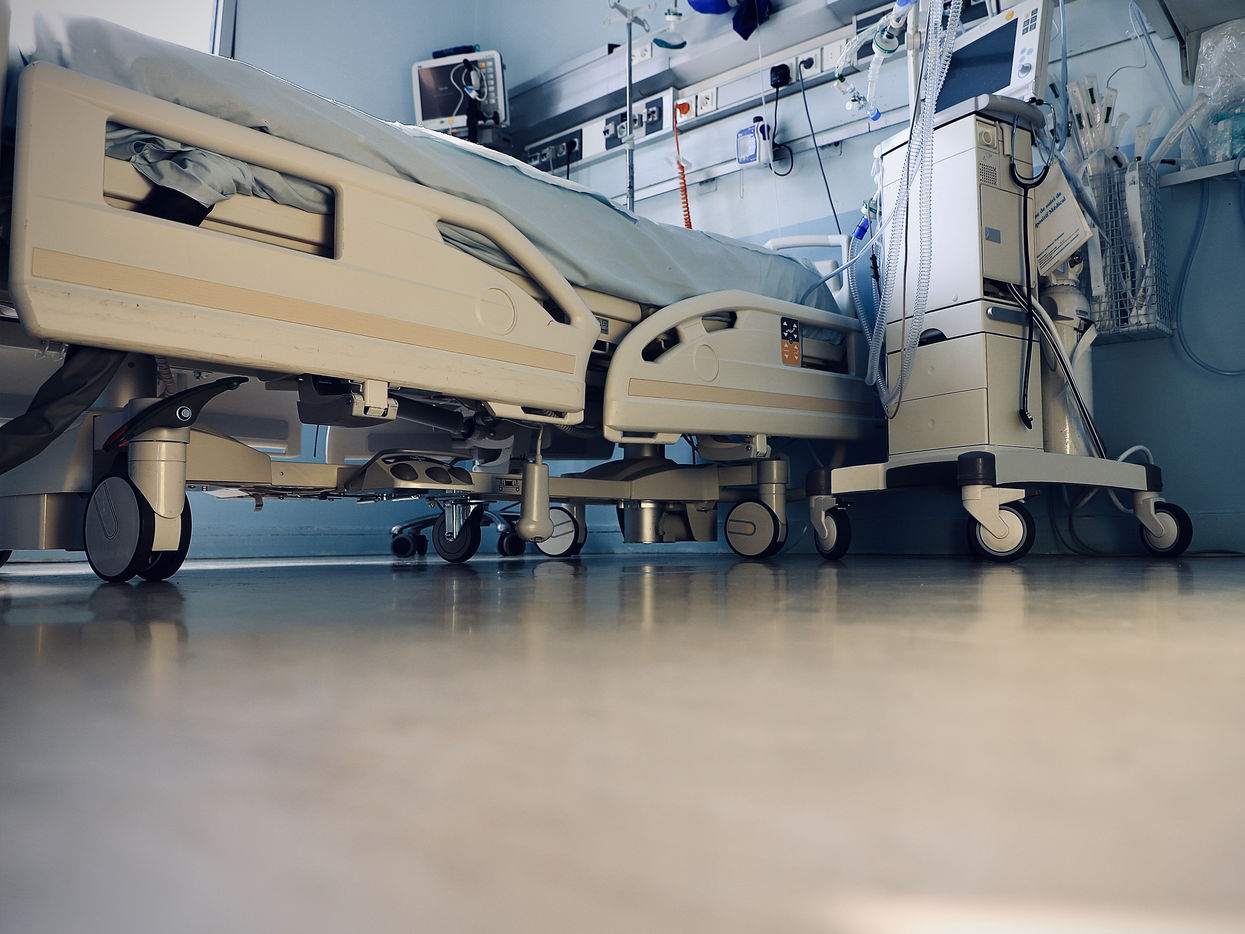
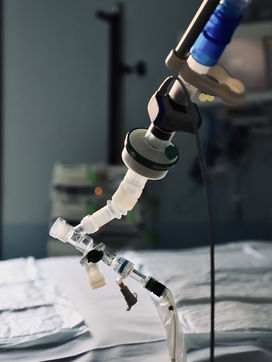
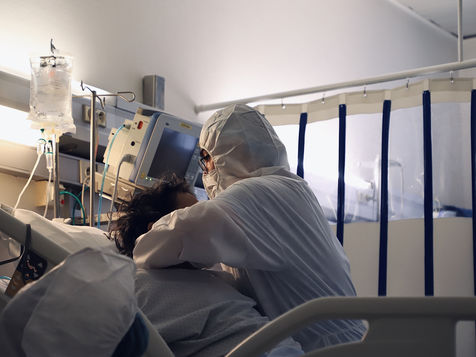
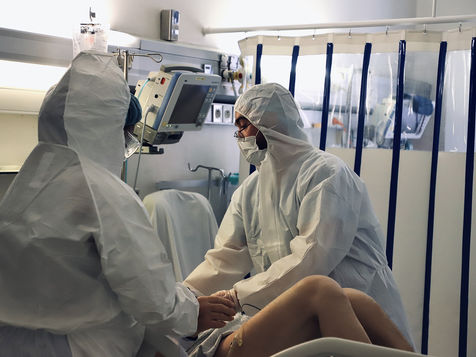
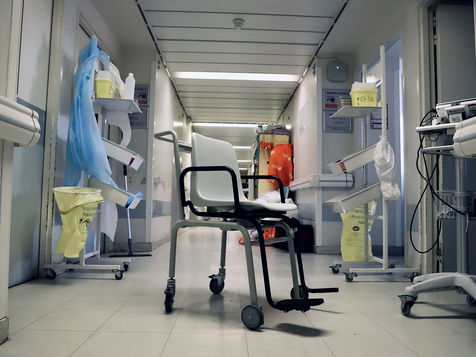
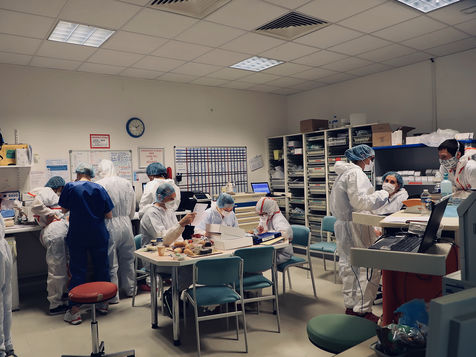
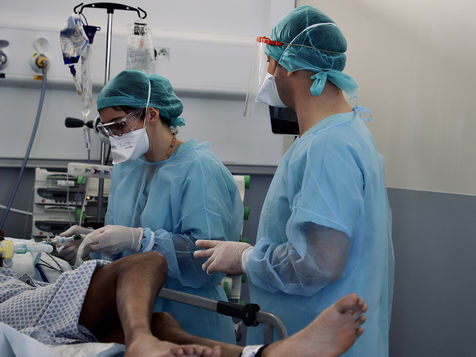
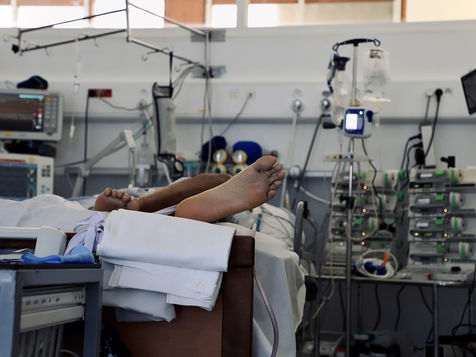
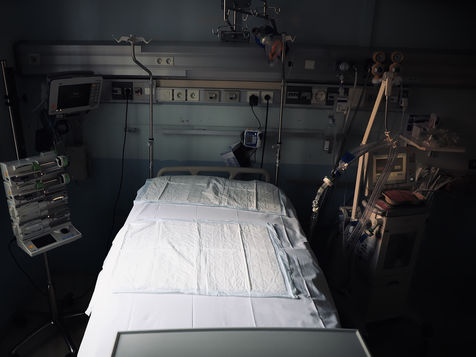
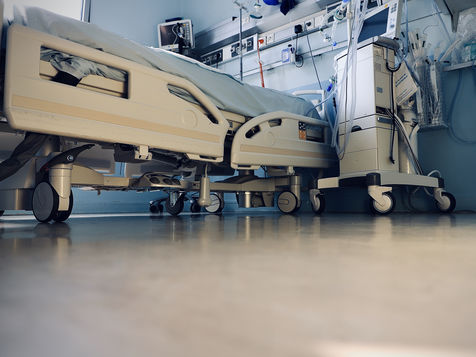
Patients admitted here often presented severe symptoms, sometimes progressing to respiratory distress and requiring intensive care. The recovery room is a striking example: normally used for post-operative neurosurgery, it had, just two weeks earlier, been transformed to host the most critical COVID-19 patients — paralyzed, unable to breathe on their own, sedated at the final stage of the illness. Ten days ago, on the day this report was made, the same room was used to receive post-ICU patients — those who had survived.
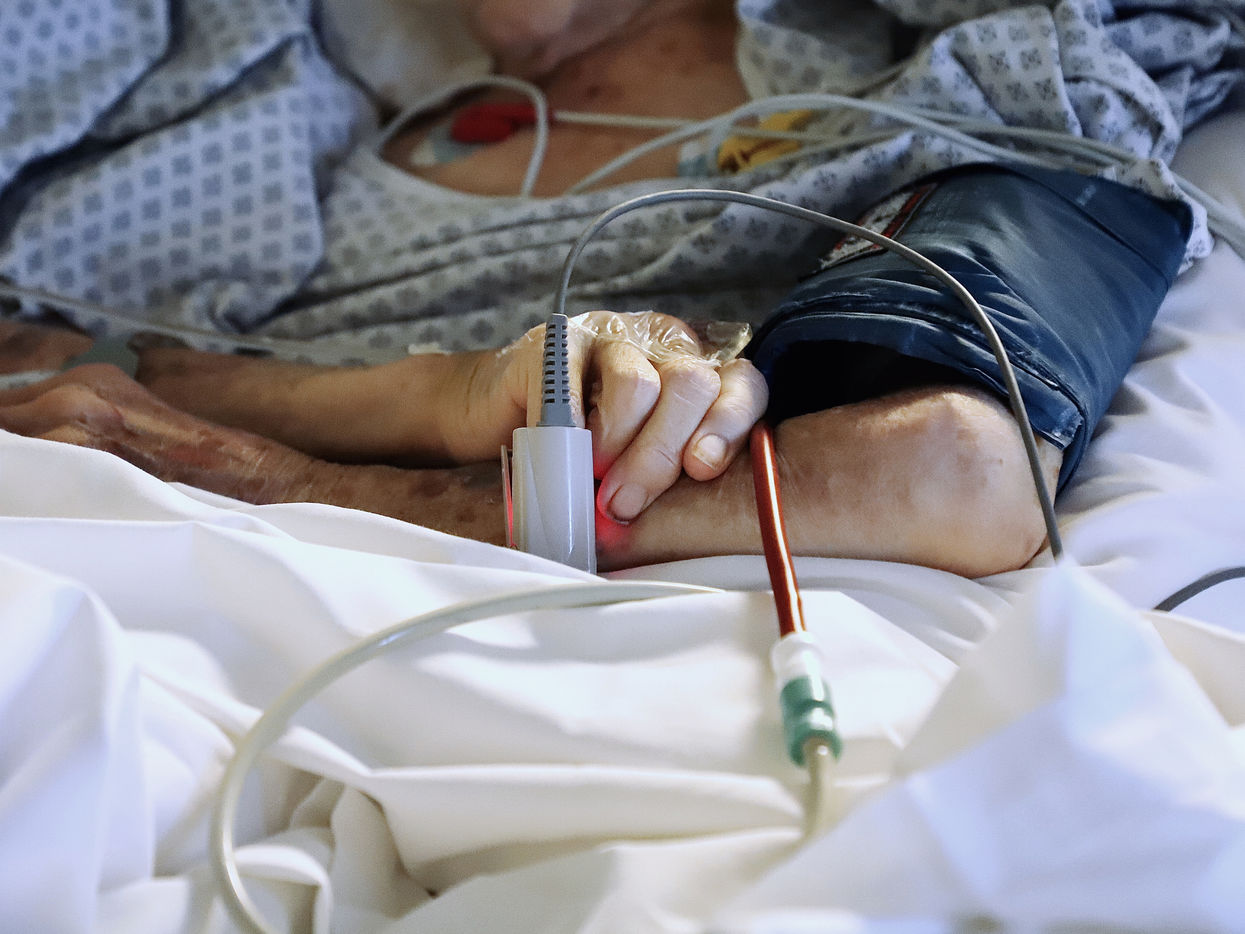
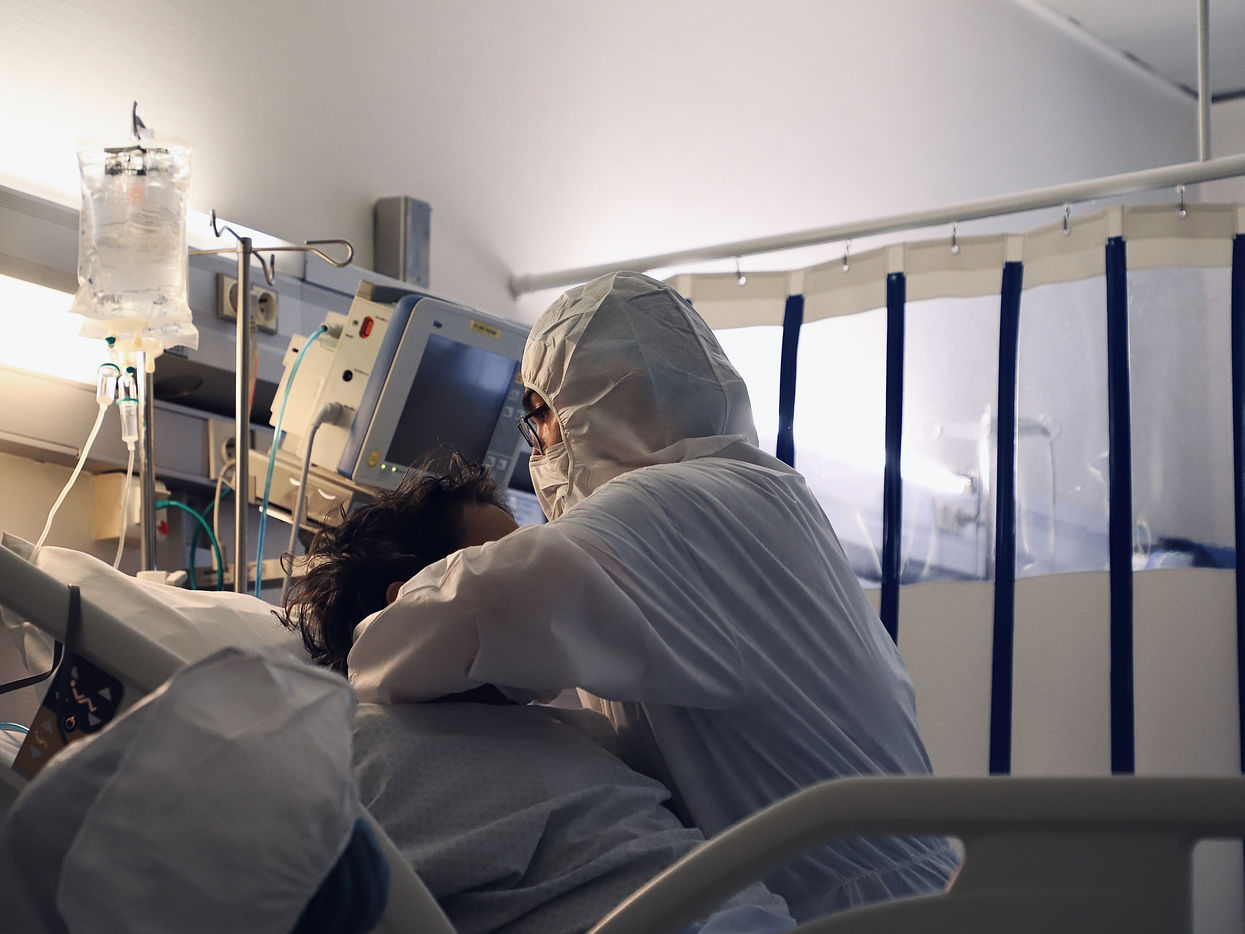
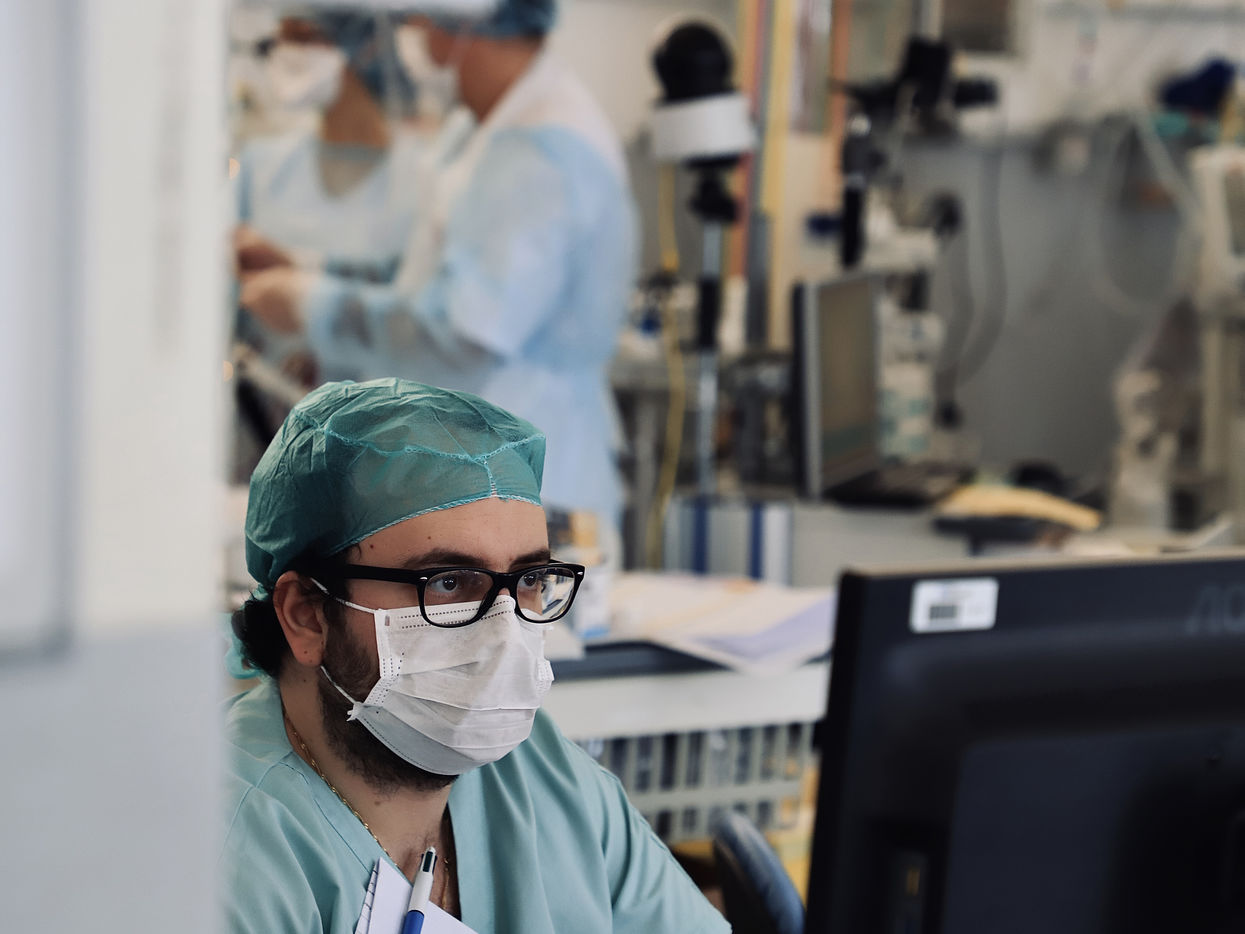
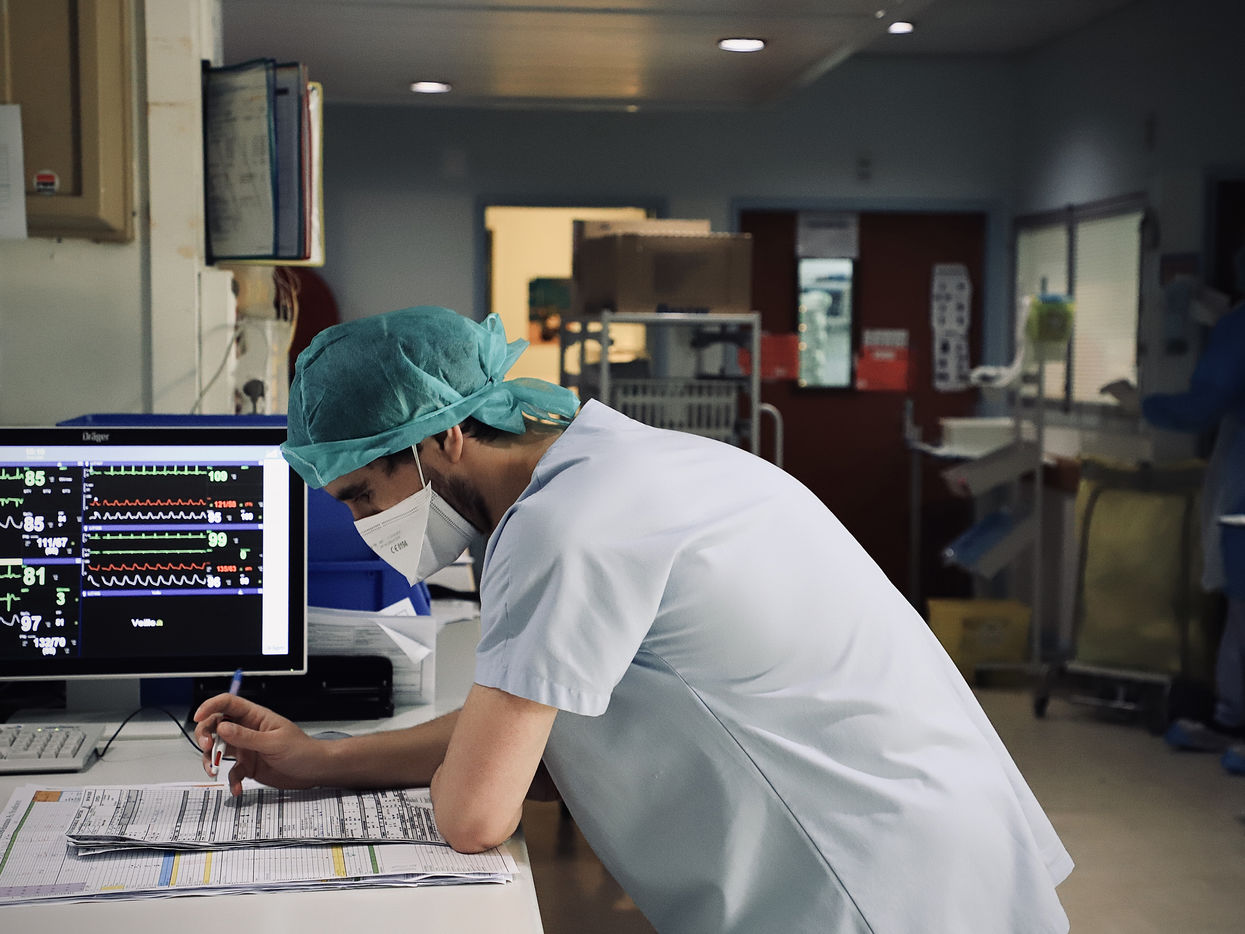
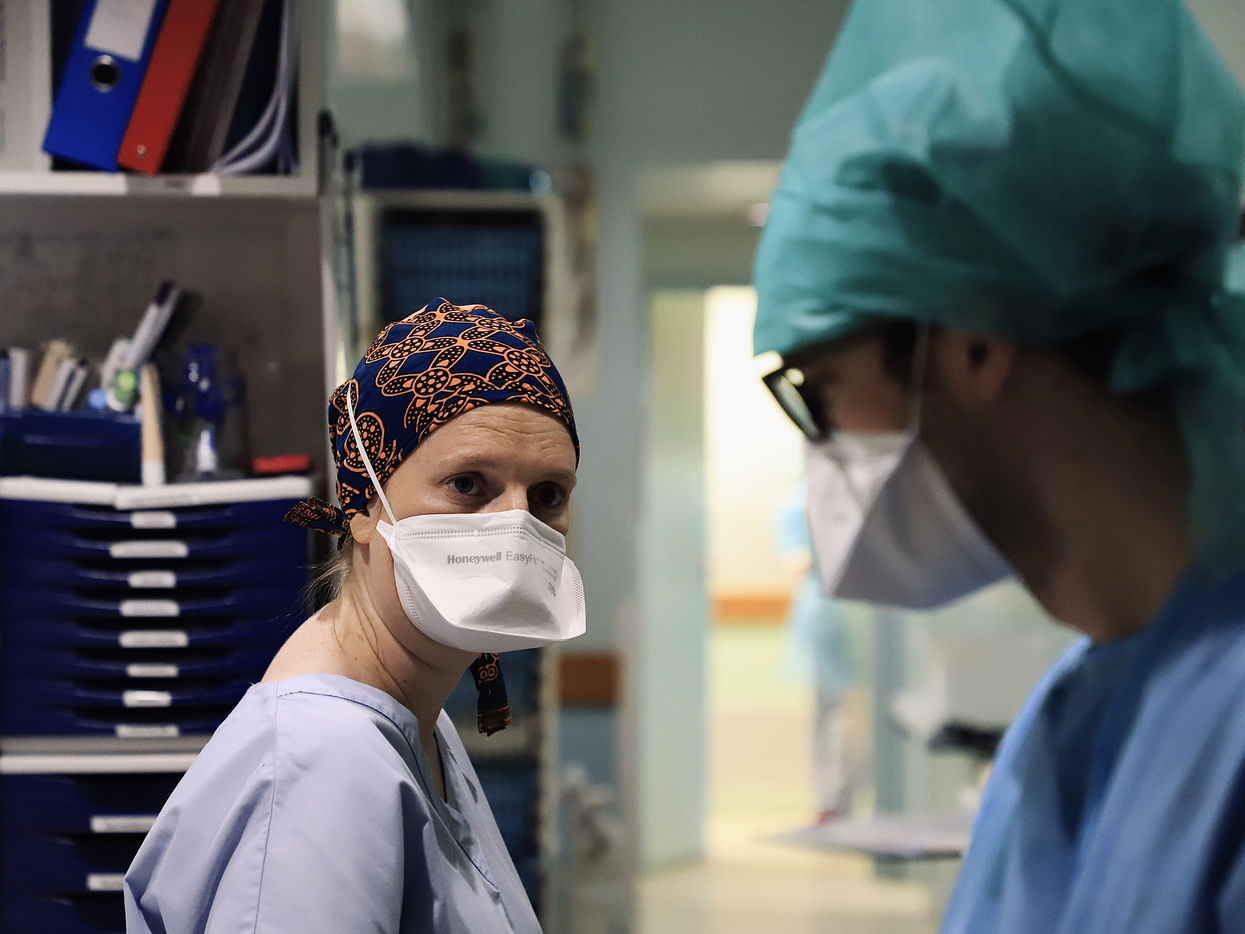
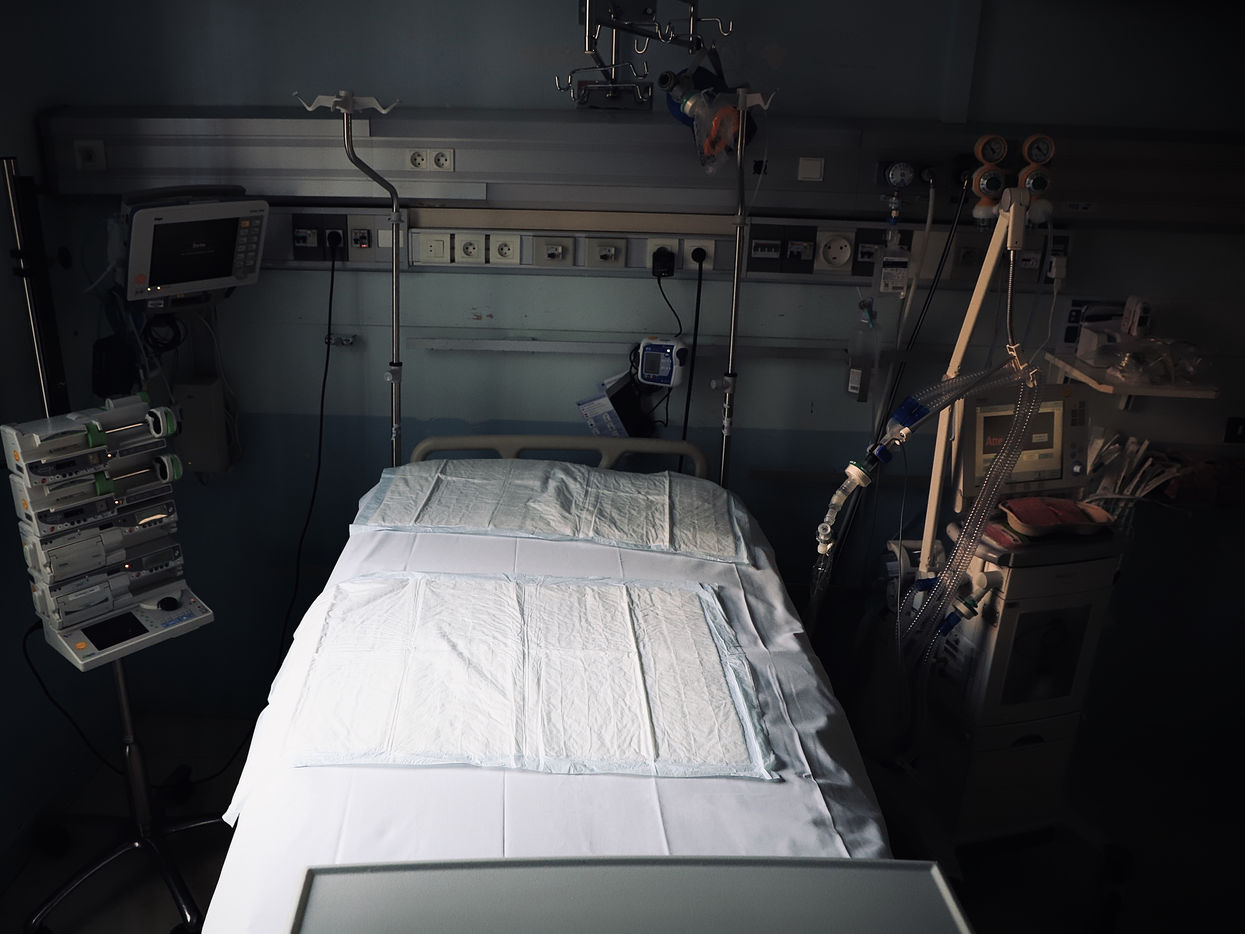
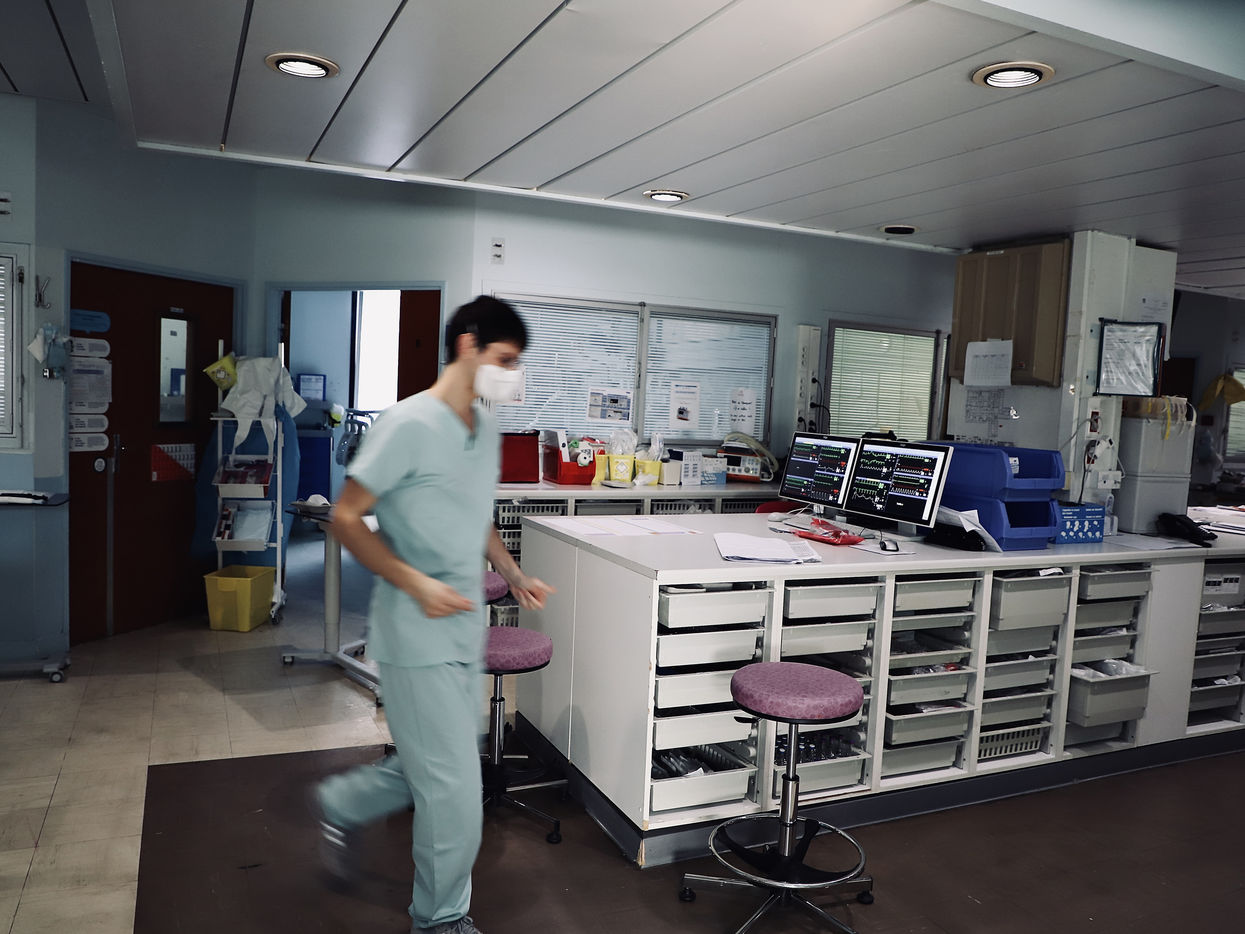
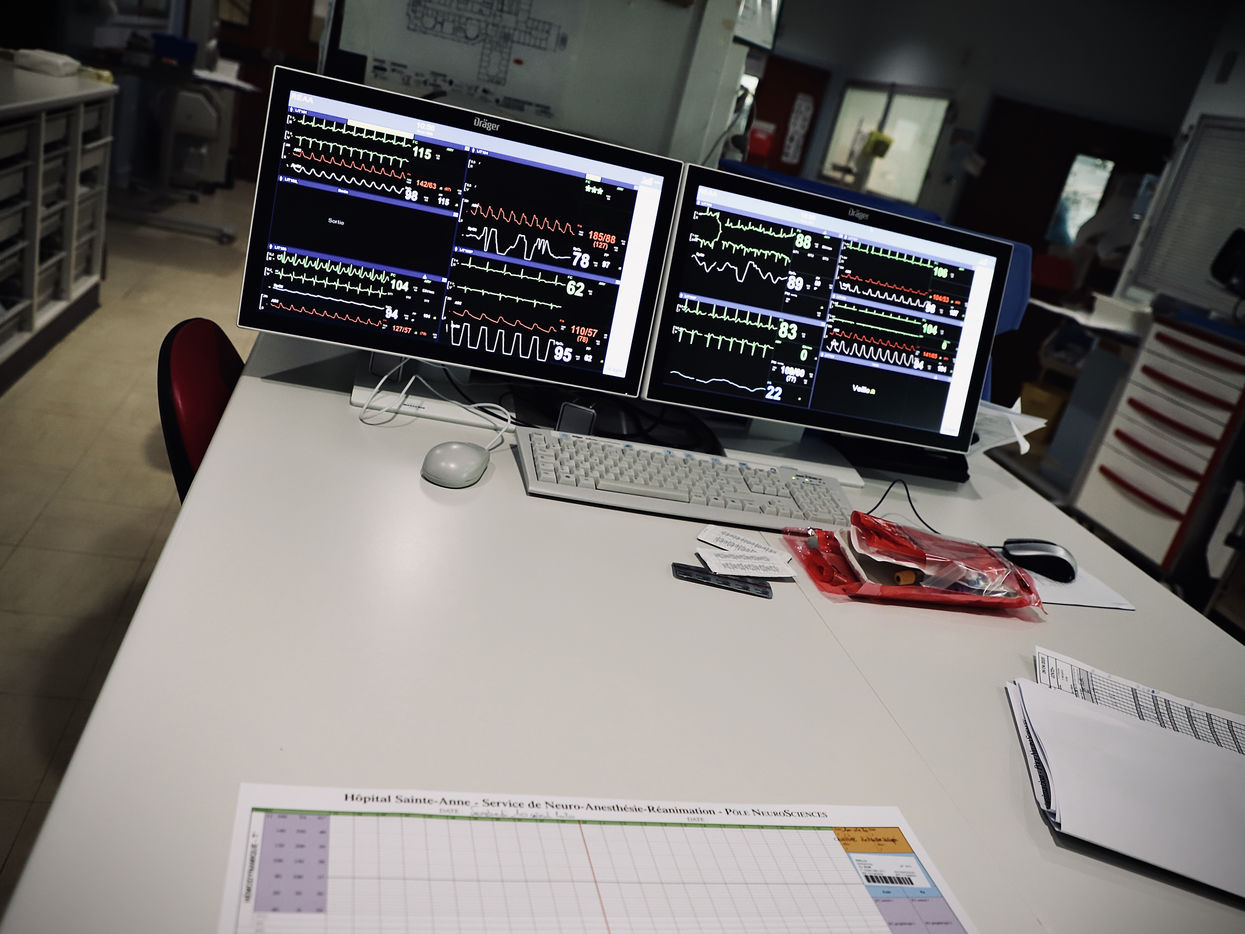
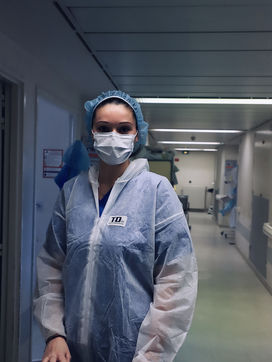
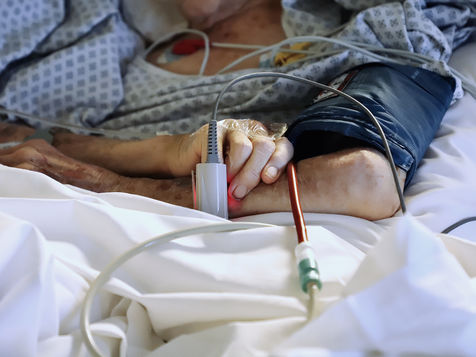
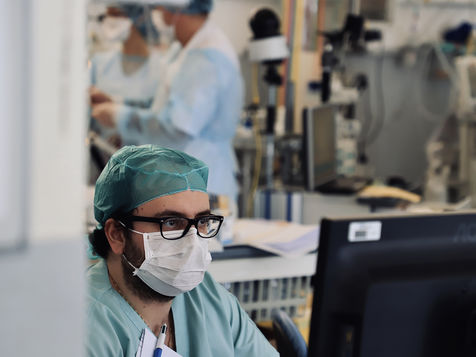
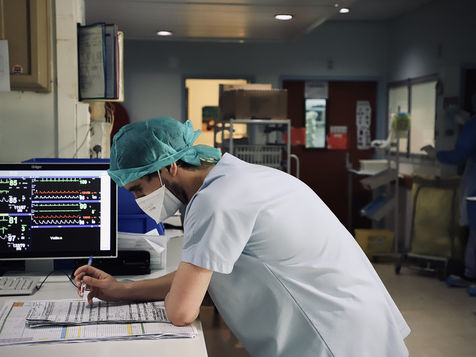
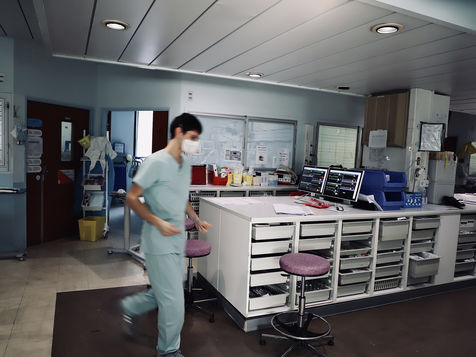
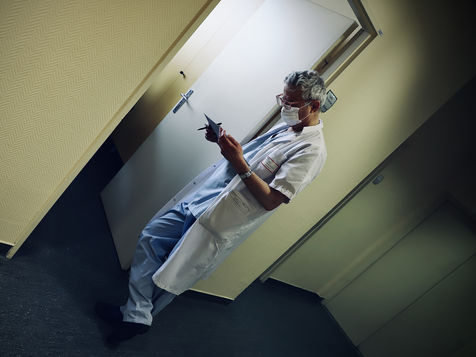
In the neuro-intensive care unit, 2 of the 10 beds were empty. A small but significant improvement, according to the medical staff — still reeling from the recent wave of saturation. There are no visits in the ICU. Goodbyes are allowed, but only one person at a time. “But when there are several siblings or children, we try to adapt. How could we not? We're human,” said a nurse that day.
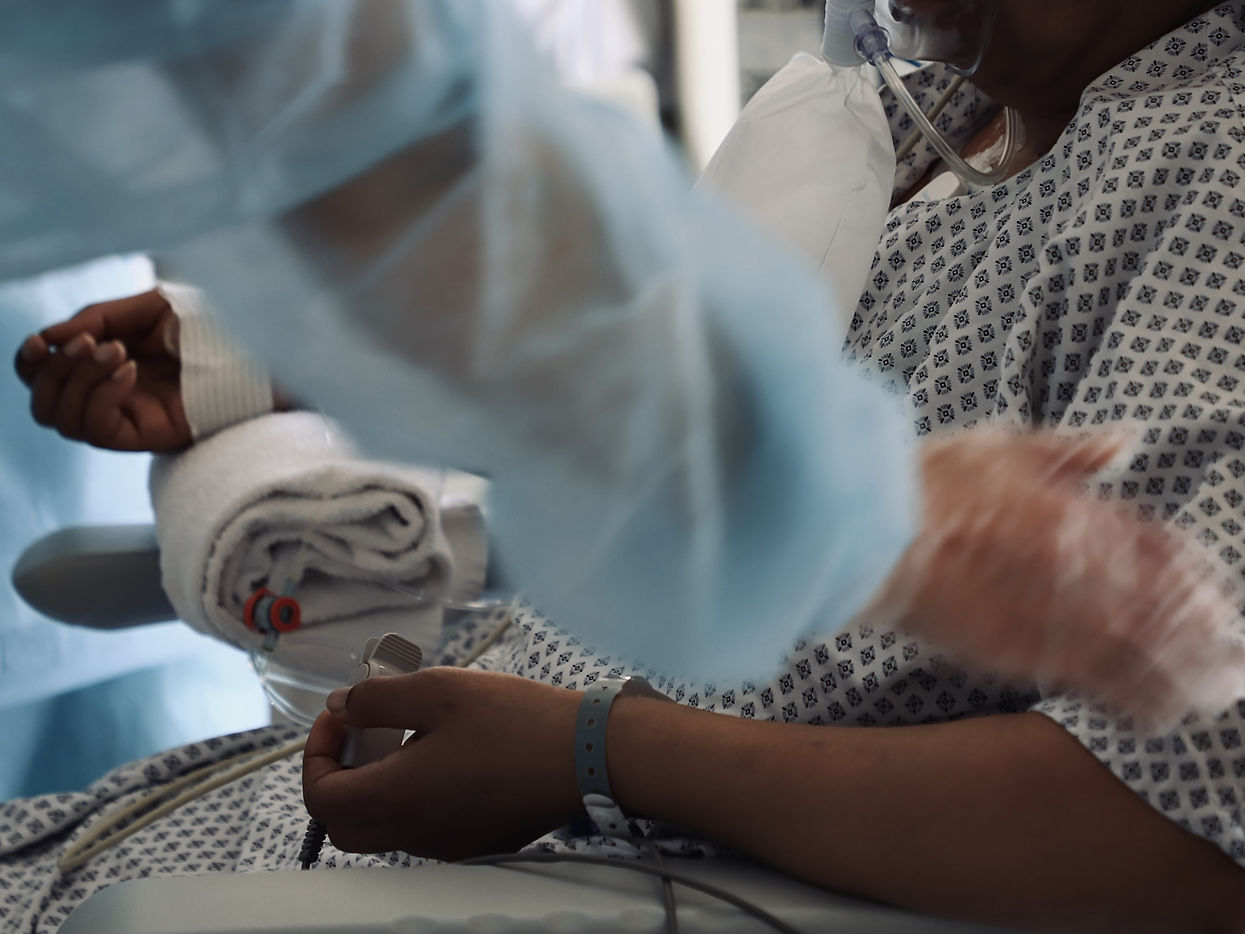
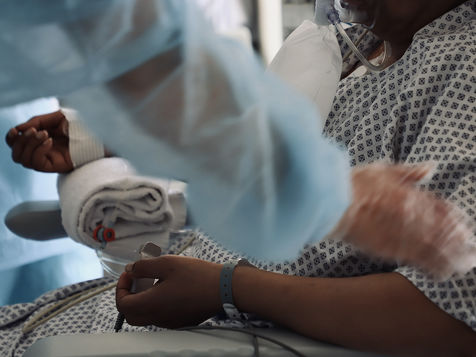
Although most patients who reach the ICU are elderly, one case stood out: a 38-year-old man, intubated, paralyzed, in respiratory failure. Ten days in a critical state. Proof, once again, that the virus follows no fixed pattern.
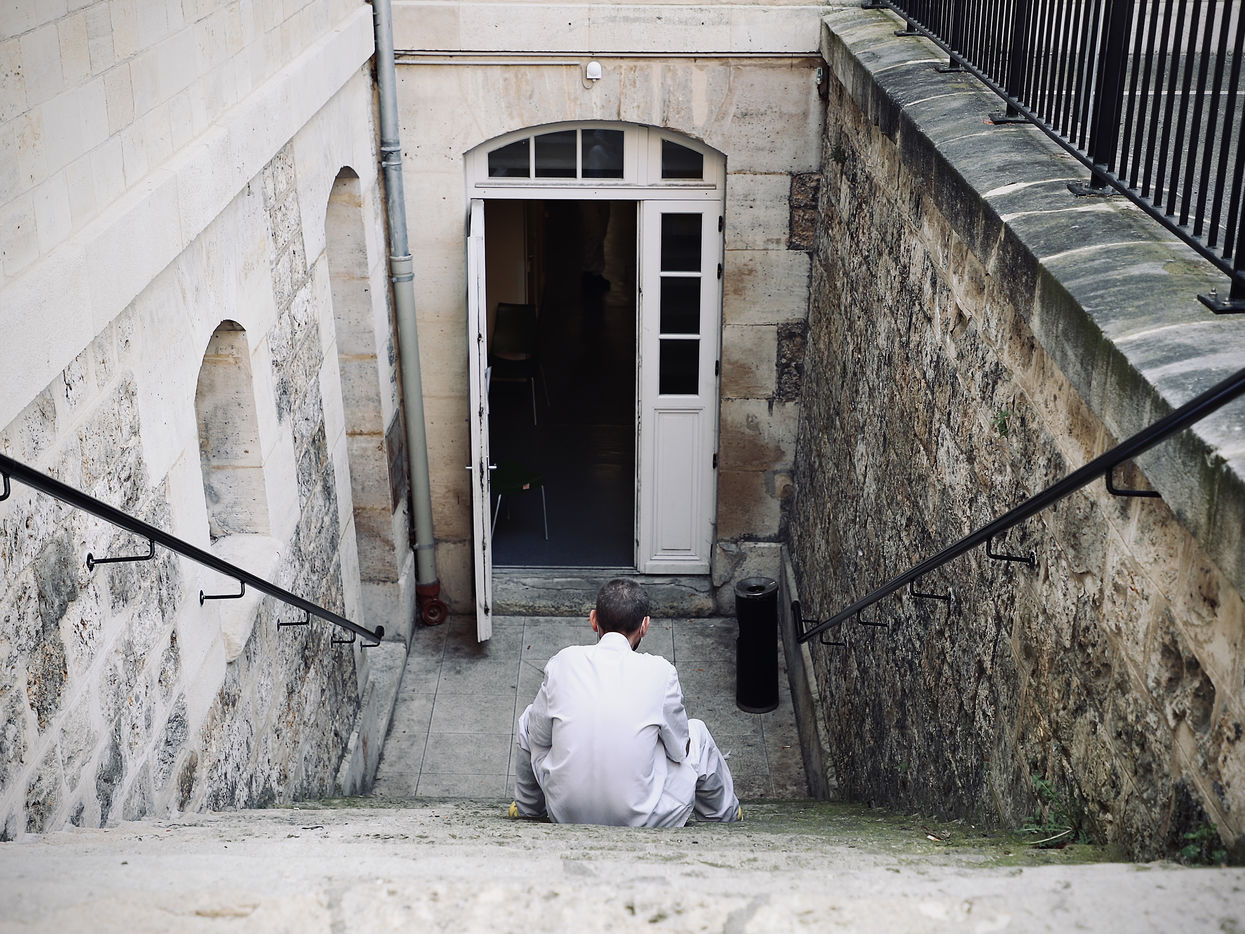
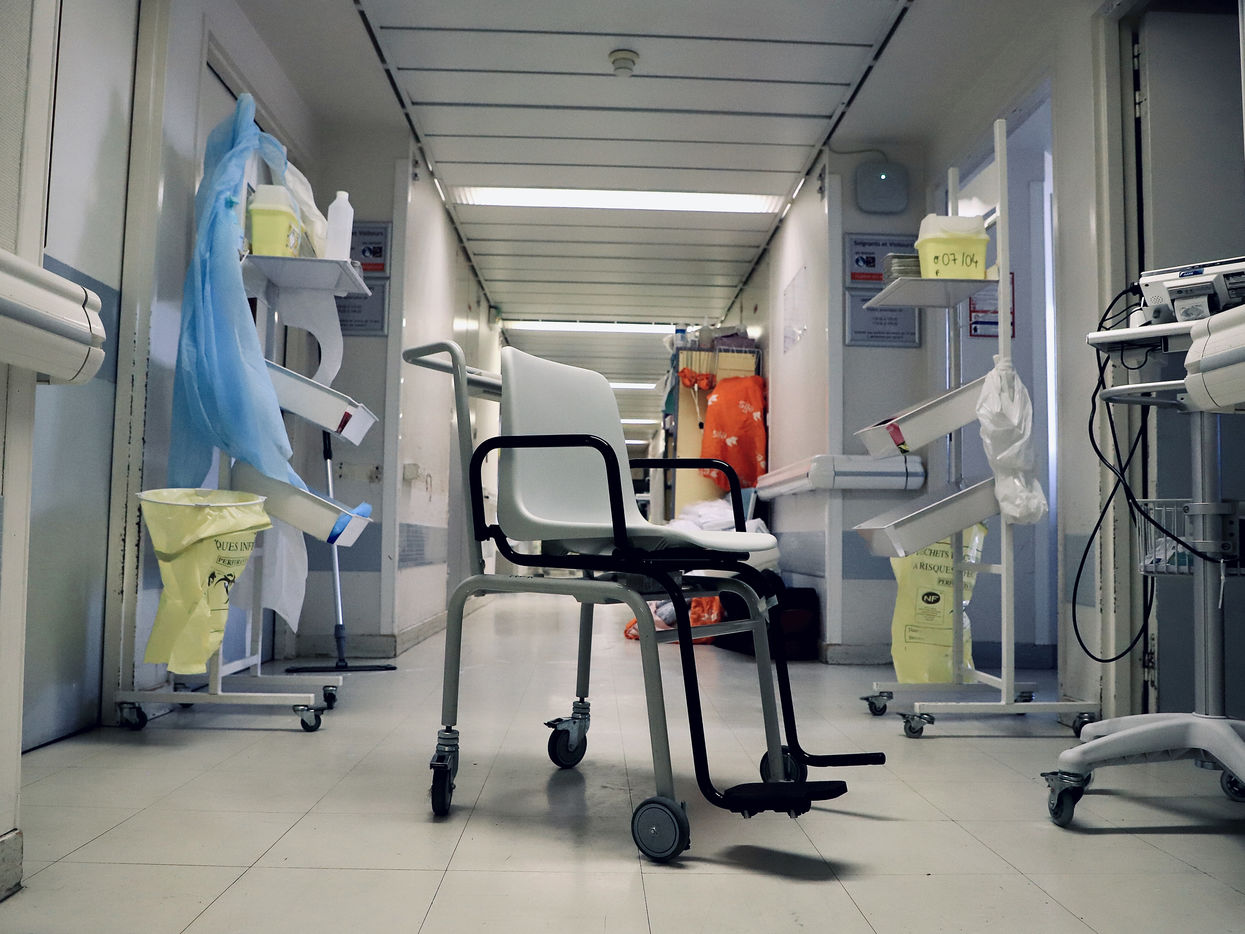
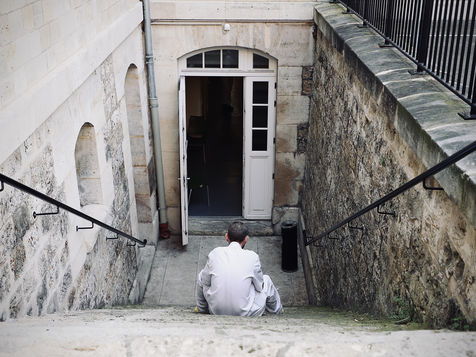
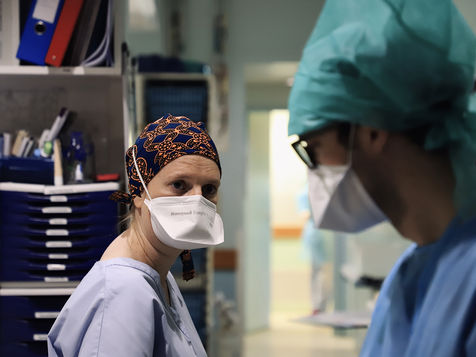
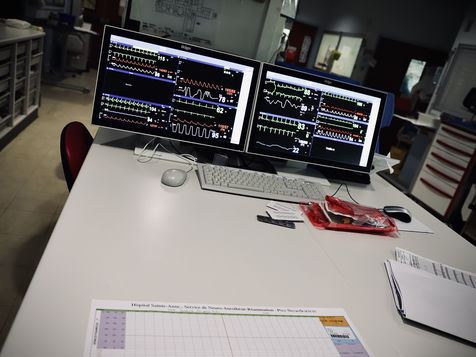
The effects of the lockdown were beginning to show. The situation was evolving. Hospitals like Sainte-Anne were learning to bend to the virus’s unpredictability — managing the crisis with limited equipment, trying to repair the damage, or at least soften its blow.
COVID 19: Intensive Care Unit, last stage of the disease
Hôpital Sainte-Anne / GHU Paris — The ICU at the Edge of Breath
Hôpital Sainte-Anne / GHU Paris, primarily a psychiatric hospital, is one of many institutions that restructured their services to care for COVID-19 patients — particularly within the neurology department.
Patients admitted here often presented severe symptoms, sometimes progressing to respiratory distress and requiring intensive care. The recovery room is a striking example: normally used for post-operative neurosurgery, it had, just two weeks earlier, been transformed to host the most critical COVID-19 patients — paralyzed, unable to breathe on their own, sedated at the final stage of the illness. Ten days ago, on the day this report was made, the same room was used to receive post-ICU patients — those who had survived.
In the neuro-intensive care unit, 2 of the 10 beds were empty. A small but significant improvement, according to the medical staff — still reeling from the recent wave of saturation. There are no visits in the ICU. Goodbyes are allowed, but only one person at a time. “But when there are several siblings or children, we try to adapt. How could we not? We're human,” said a nurse that day.
Although most patients who reach the ICU are elderly, one case stood out: a 38-year-old man, intubated, paralyzed, in respiratory failure. Ten days in a critical state. Proof, once again, that the virus follows no fixed pattern.
The effects of the lockdown were beginning to show. The situation was evolving. Hospitals like Sainte-Anne were learning to bend to the virus’s unpredictability — managing the crisis with limited equipment, trying to repair the damage, or at least soften its blow.