Cacao colombien et cadmium
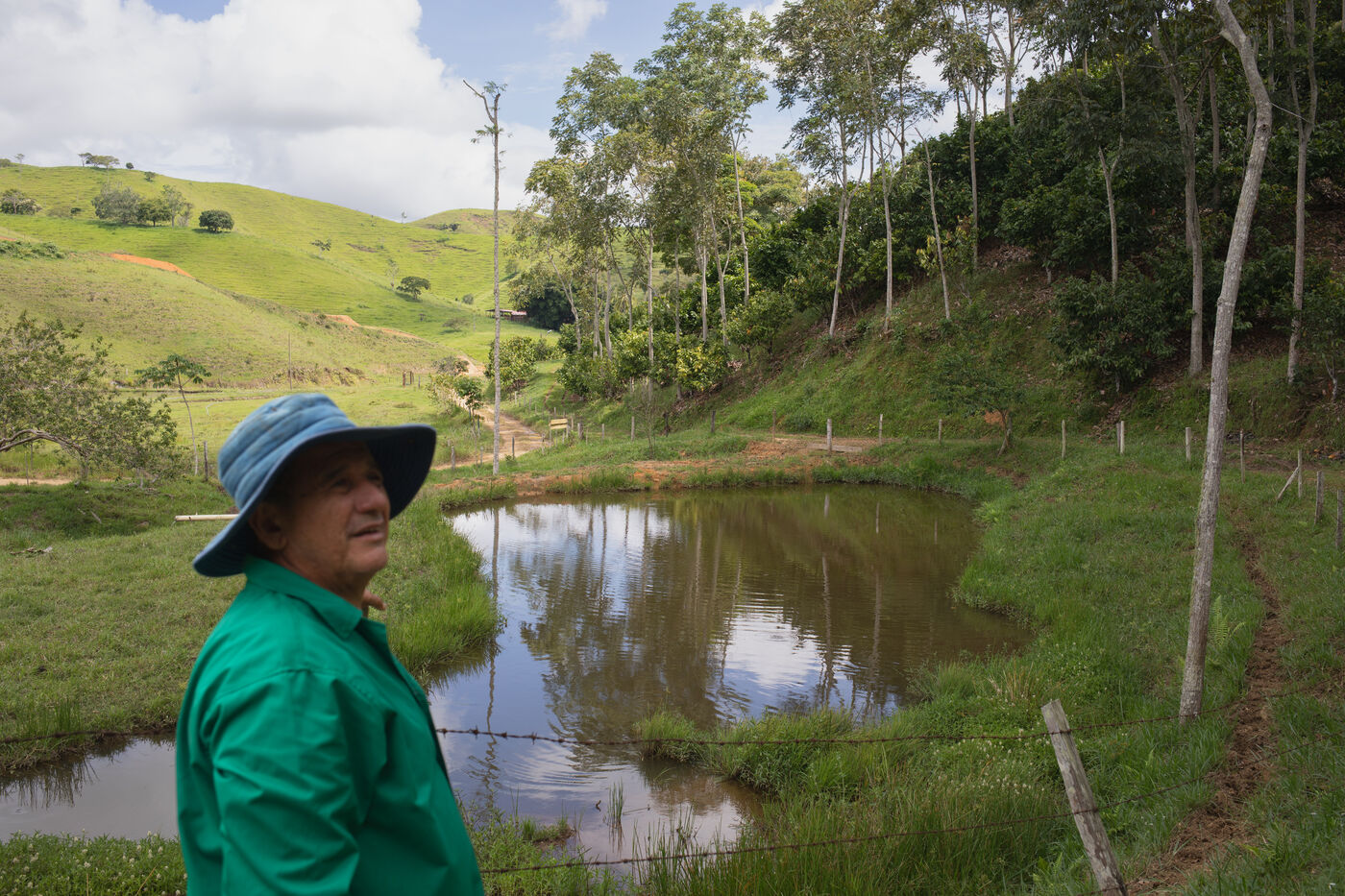
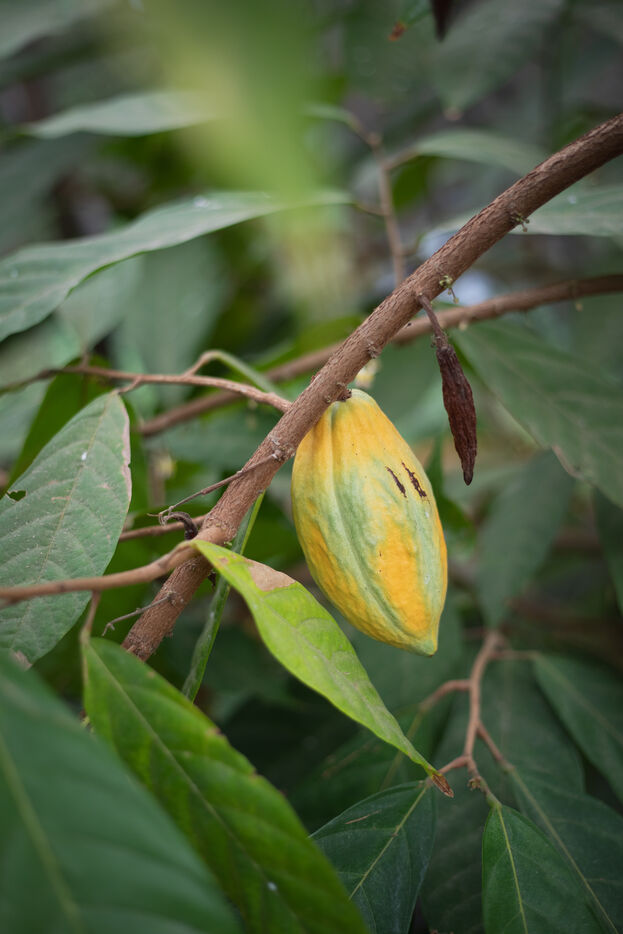
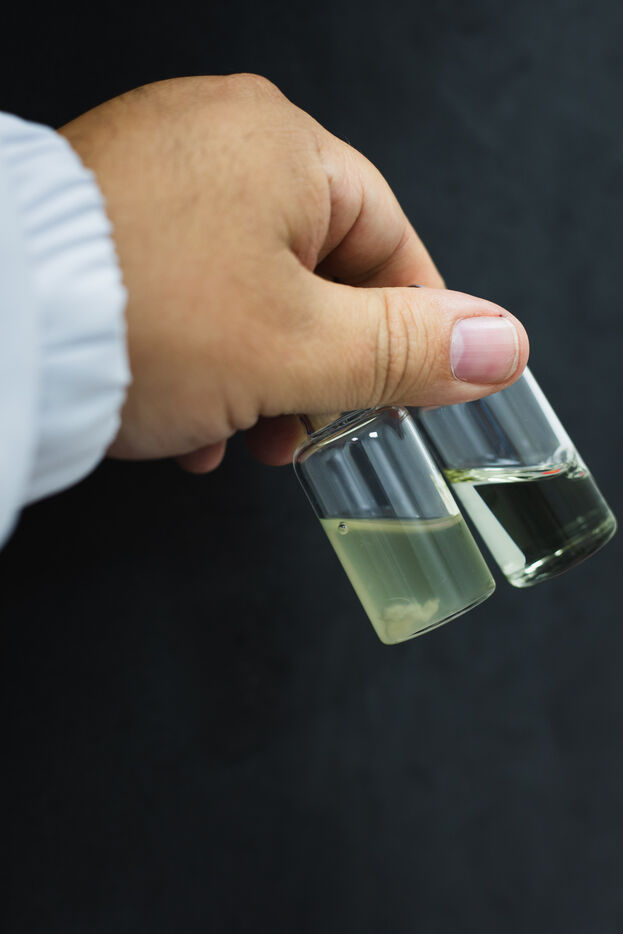
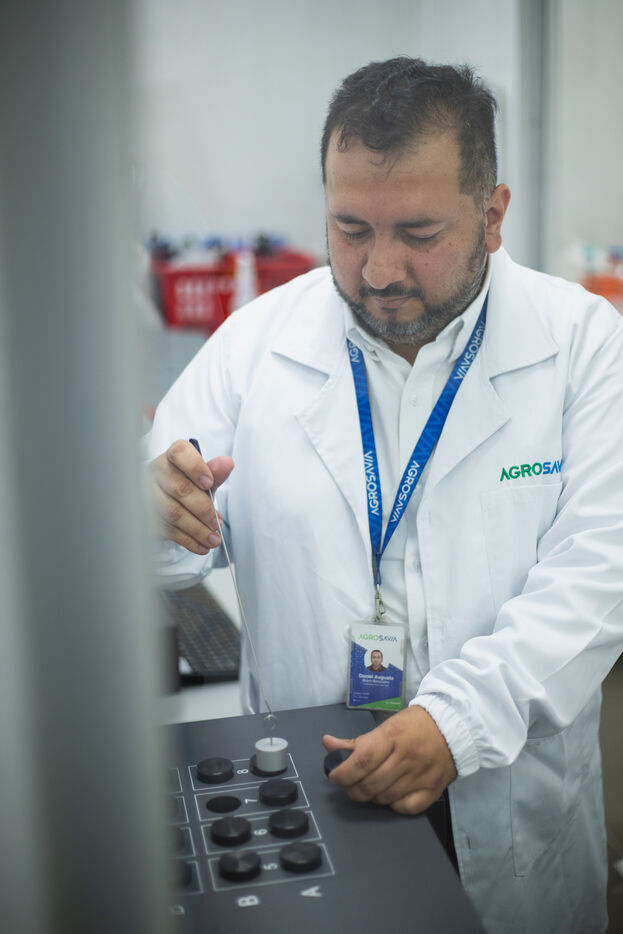
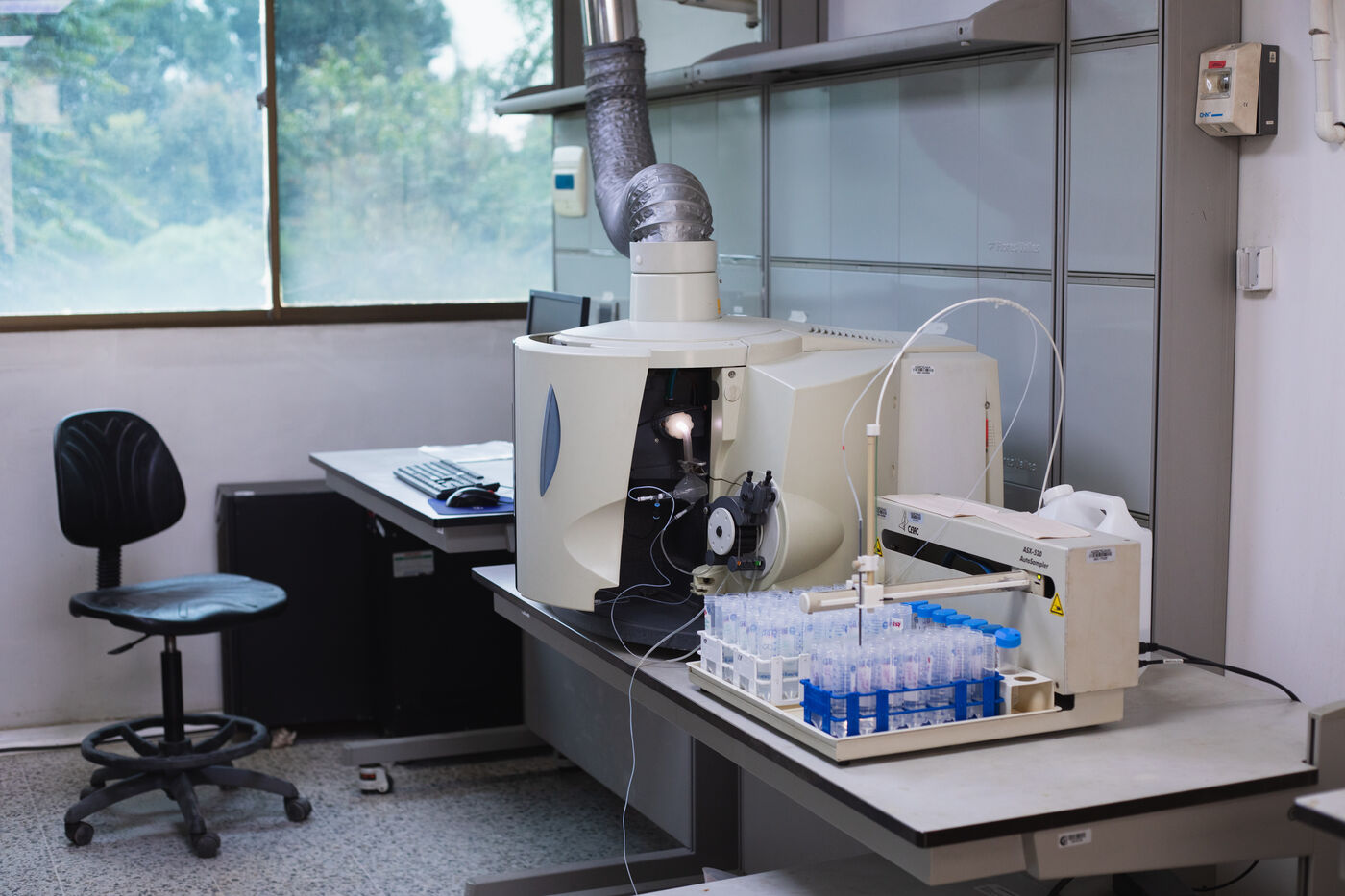
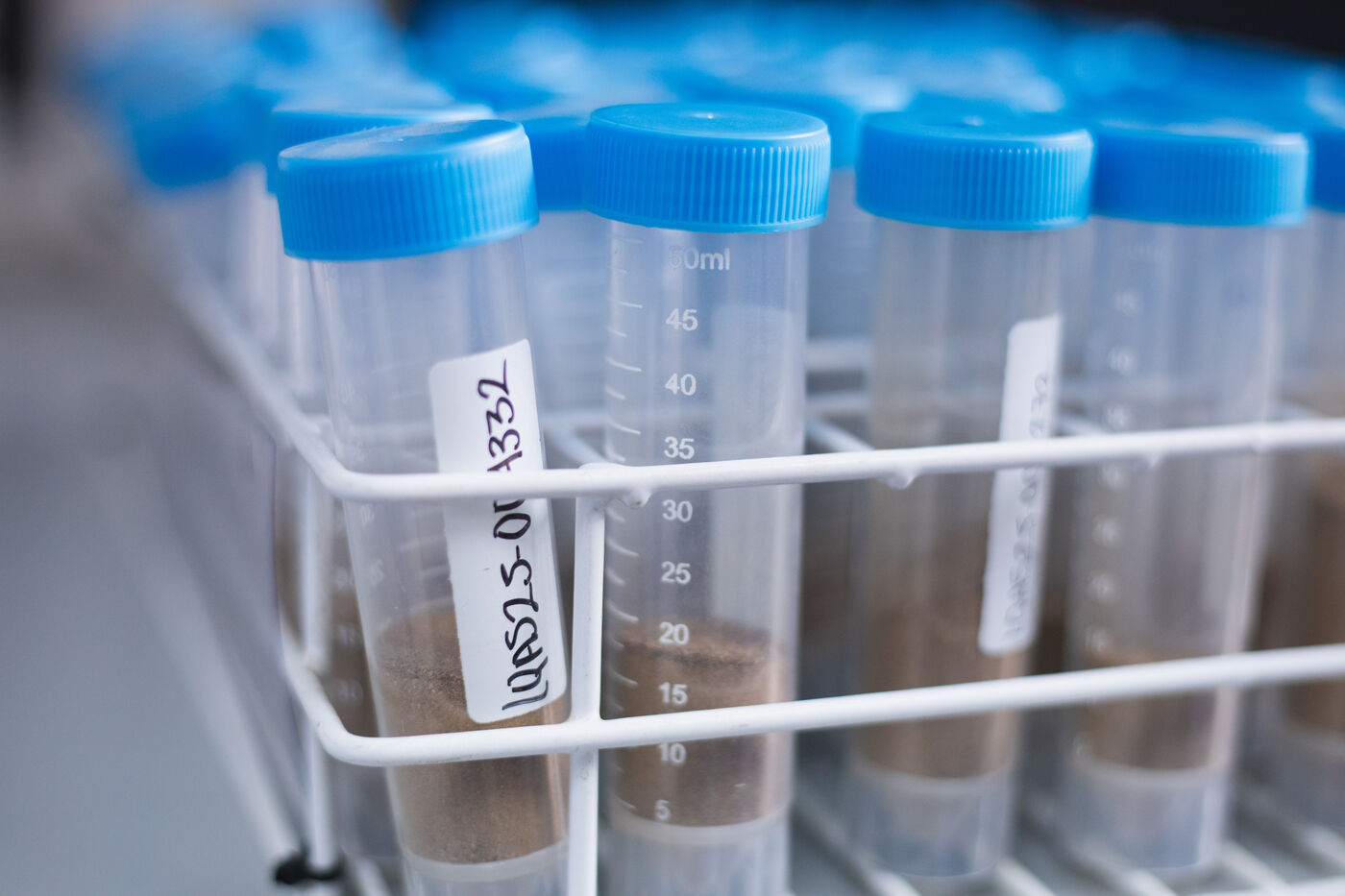
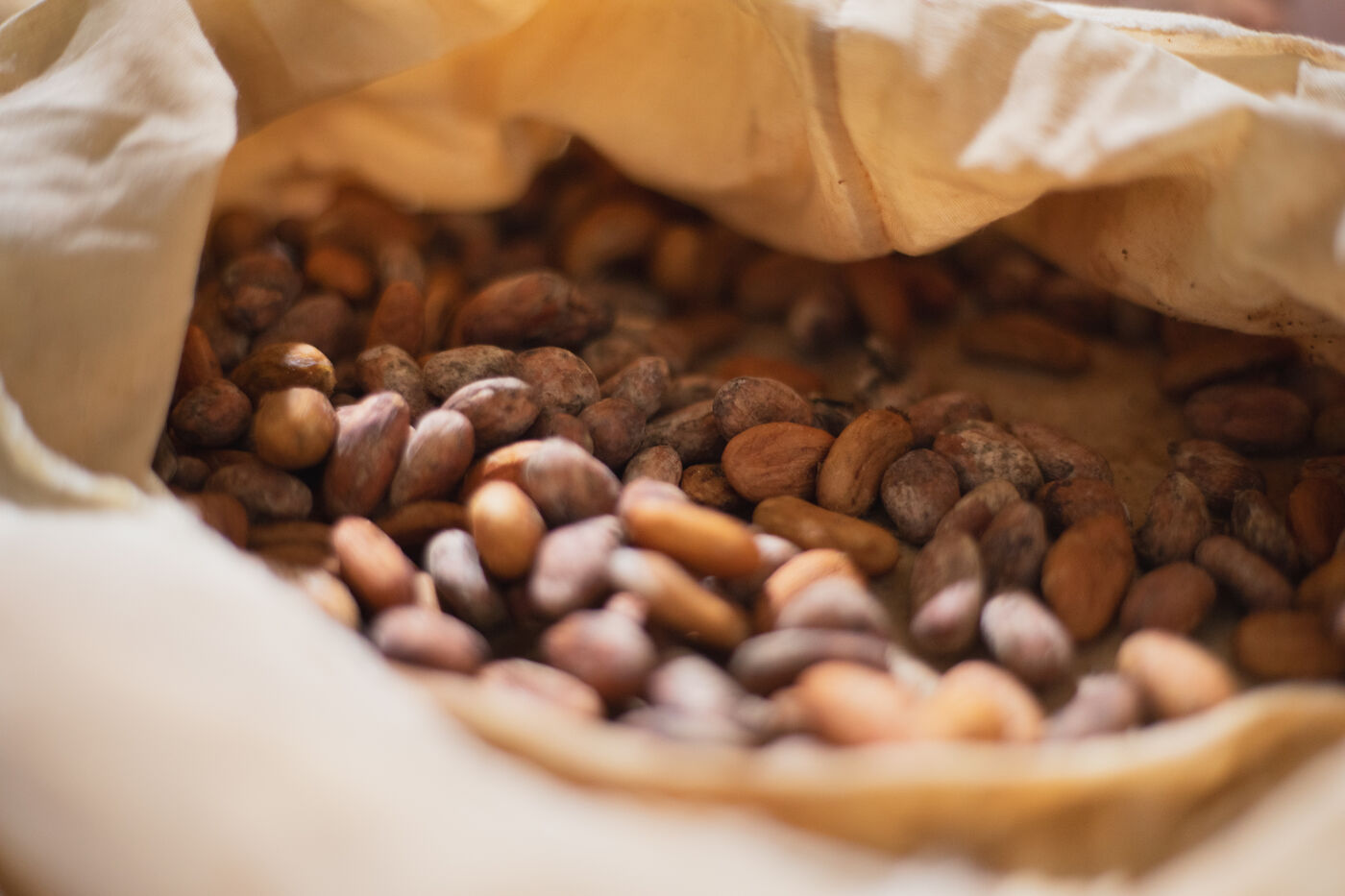
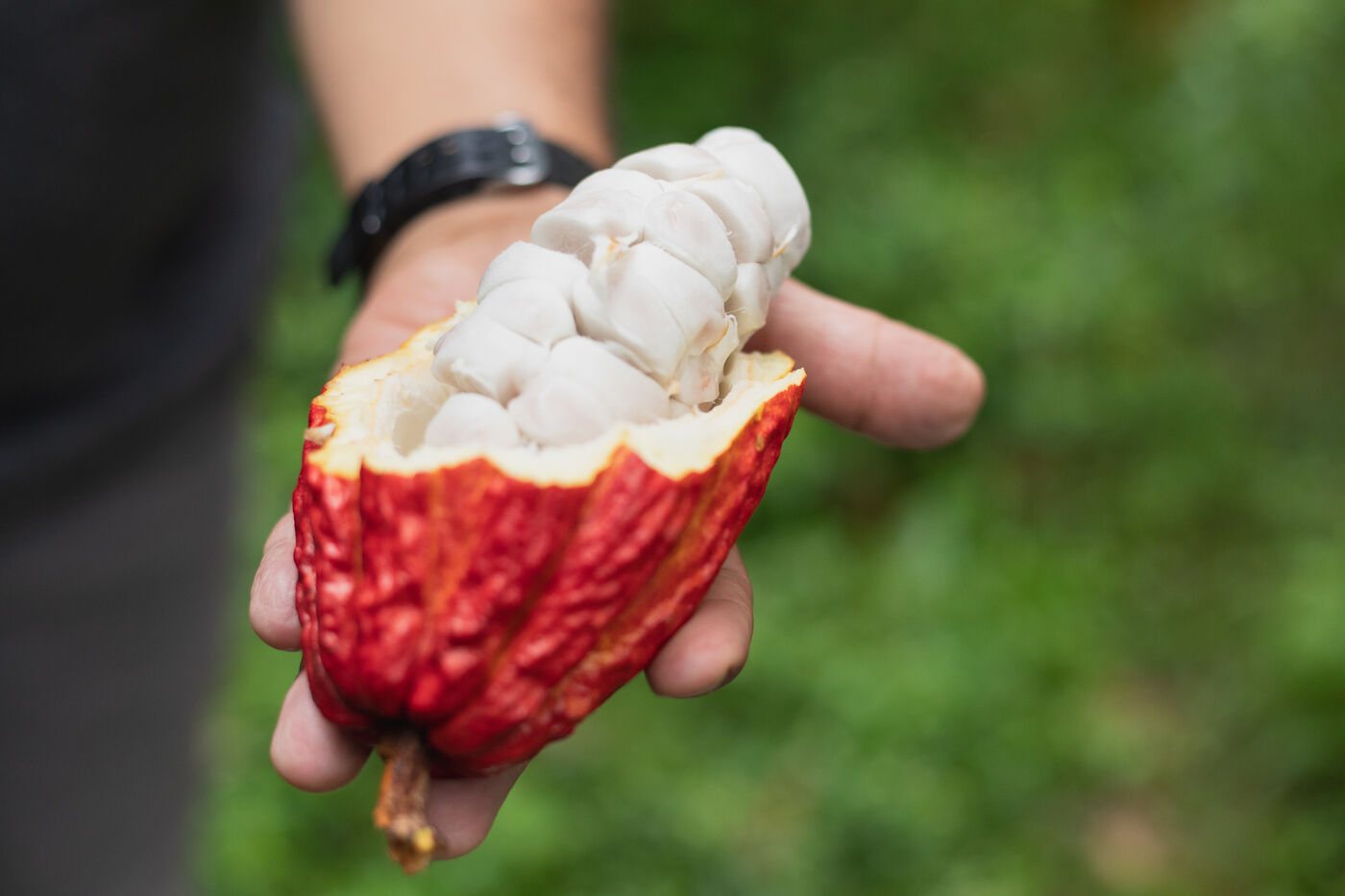
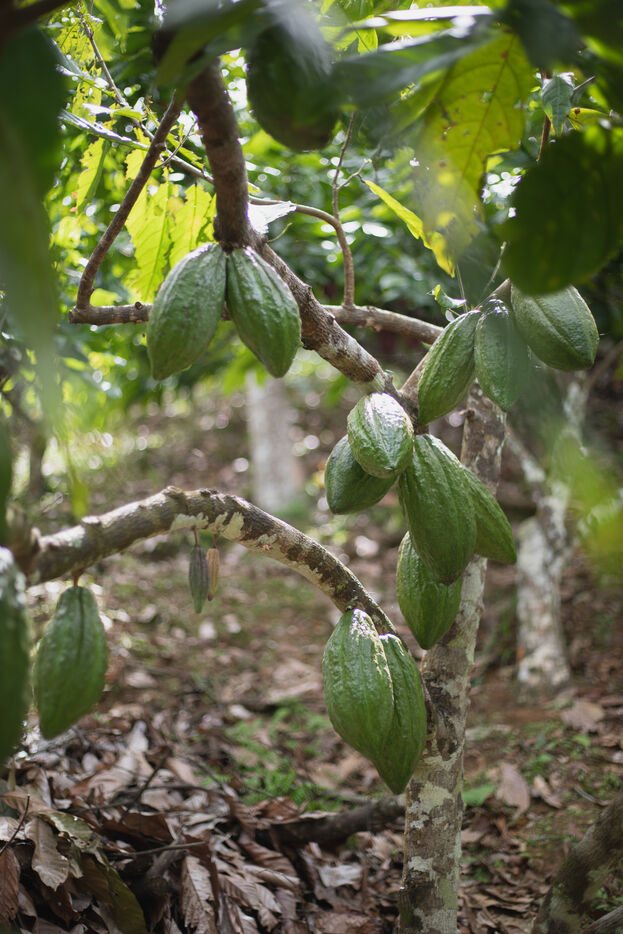
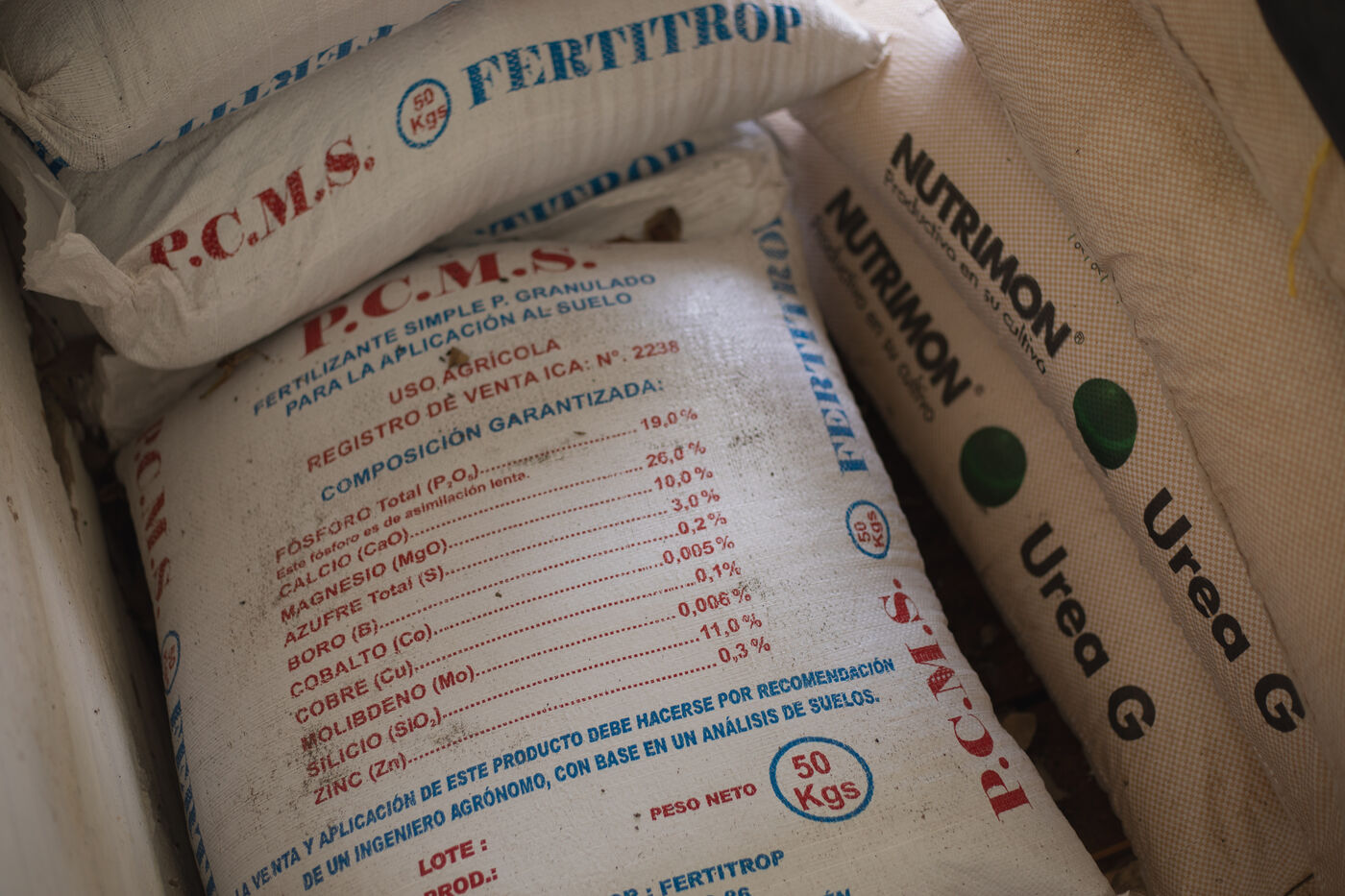
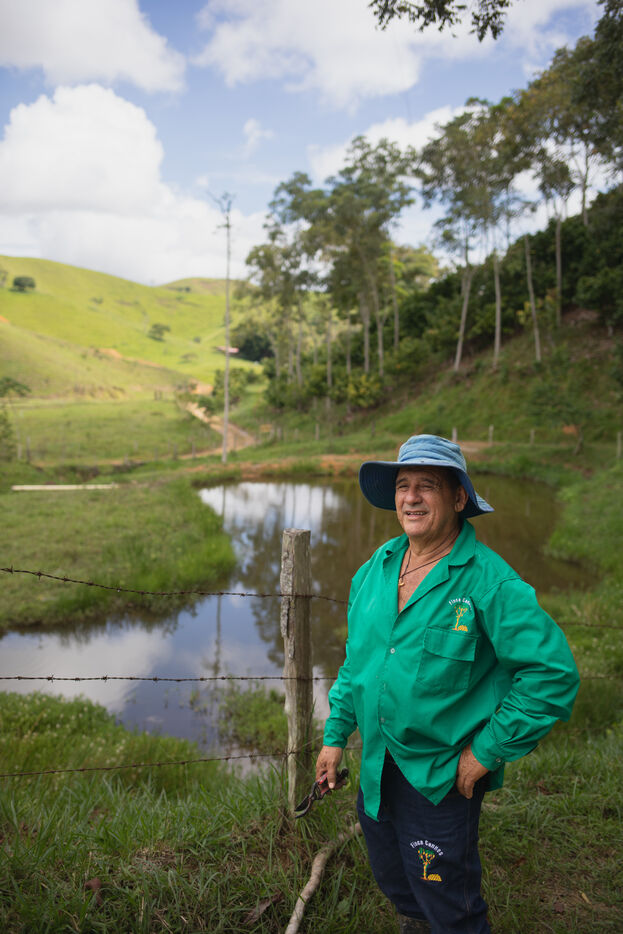
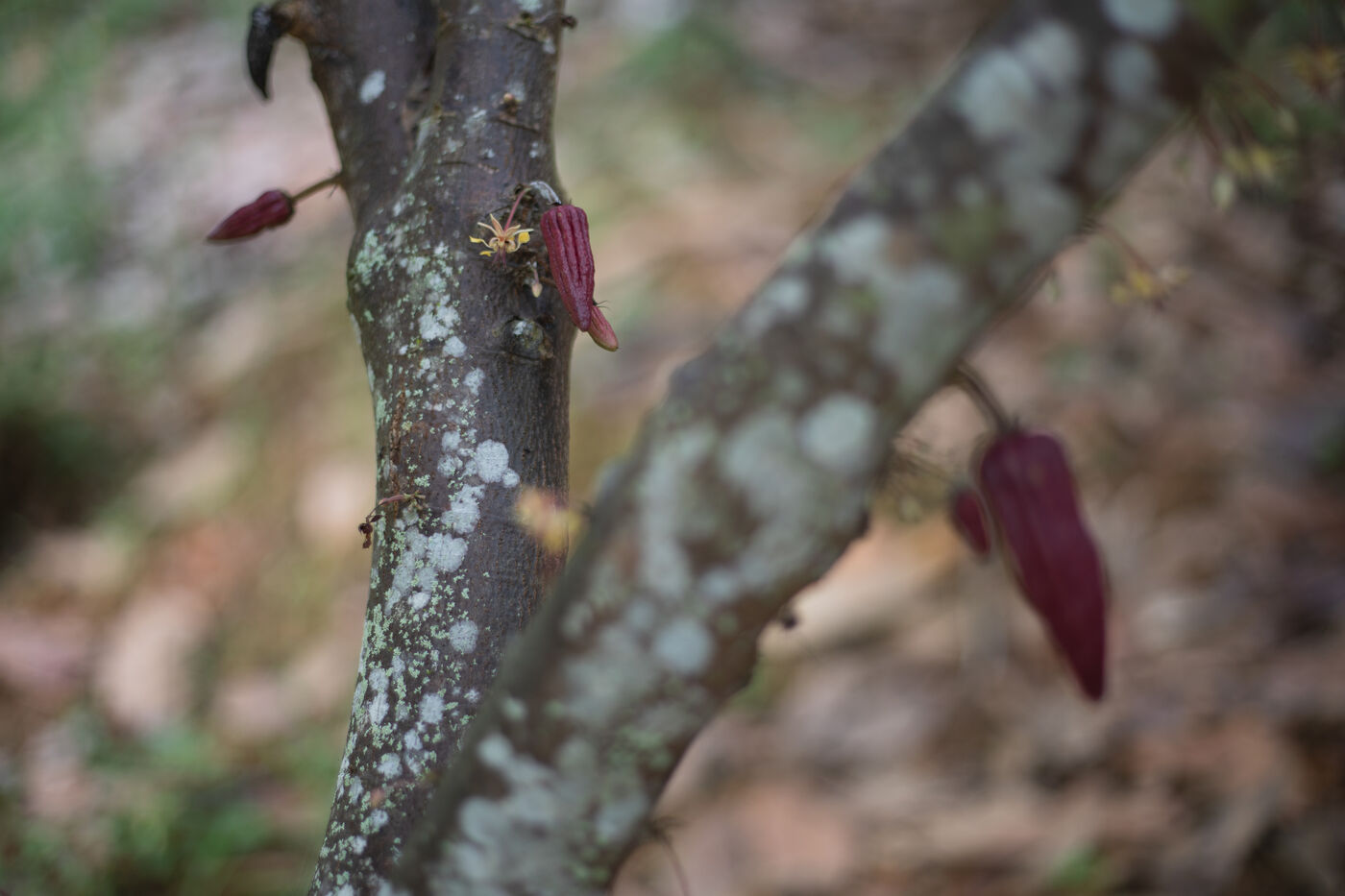
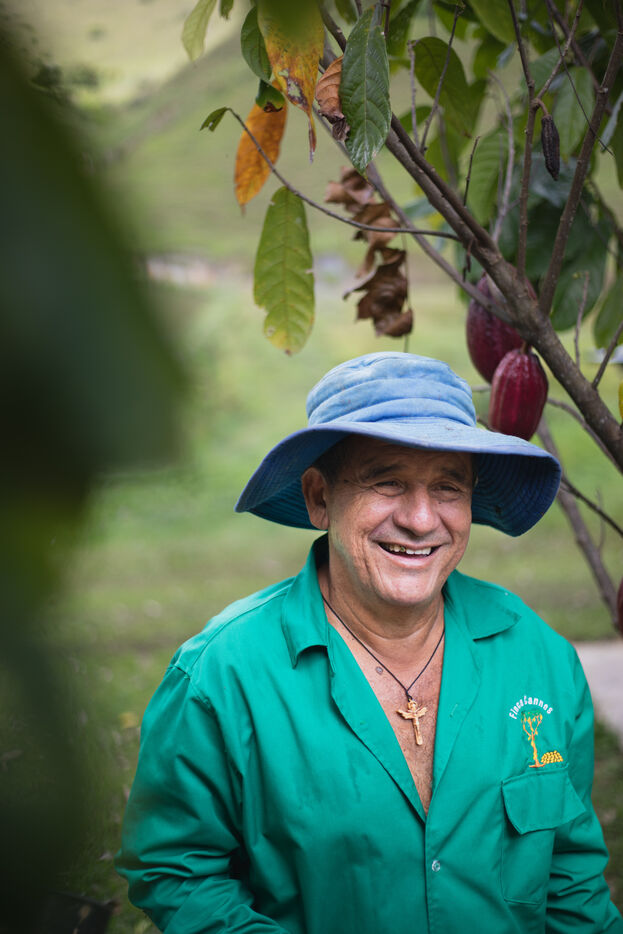
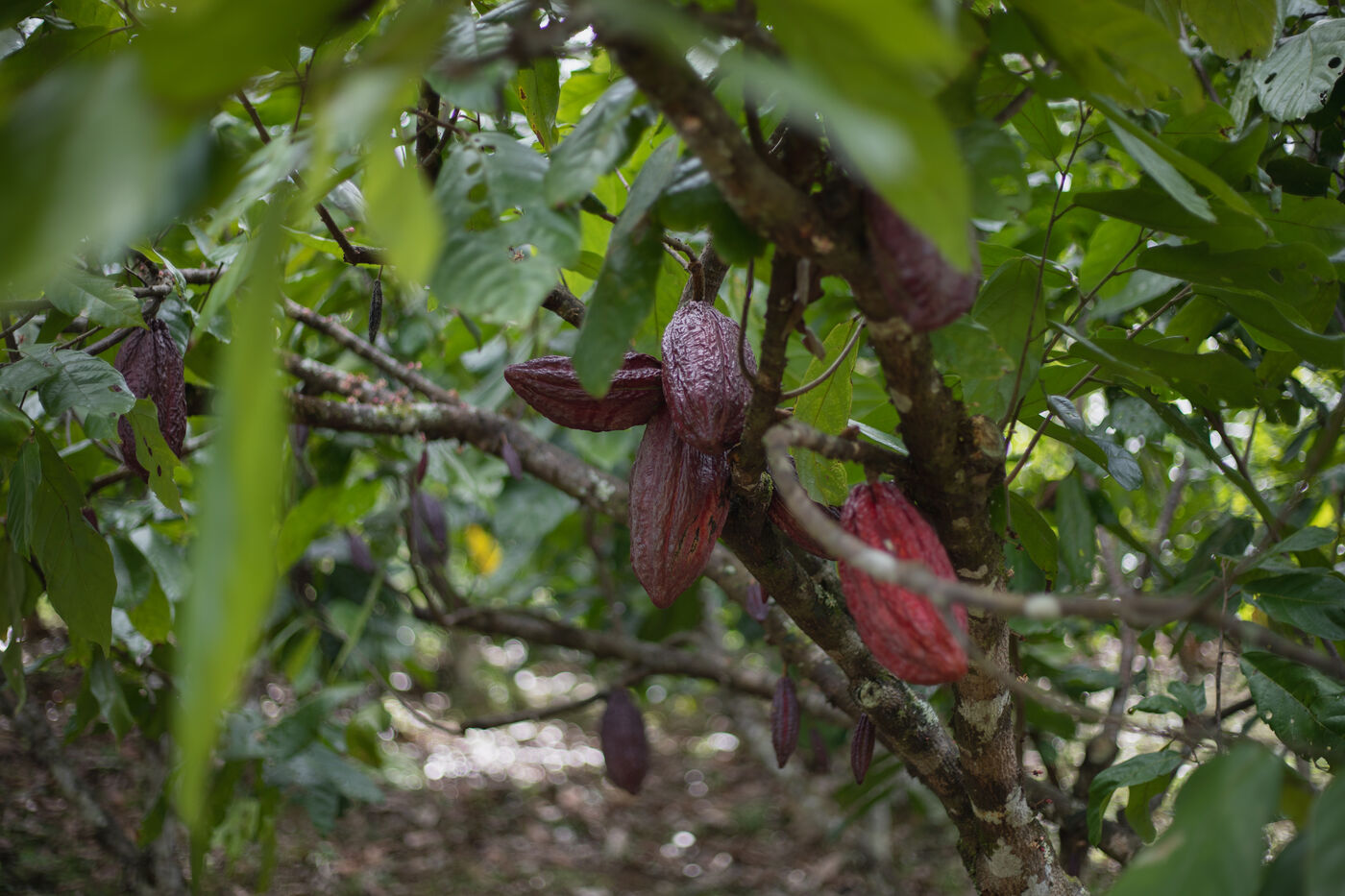
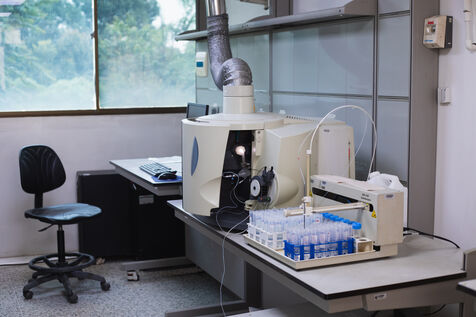
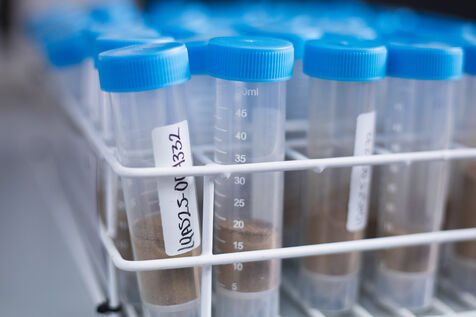
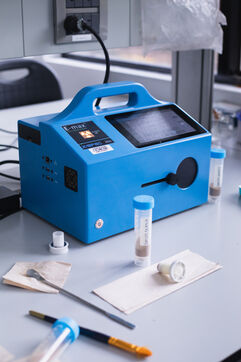
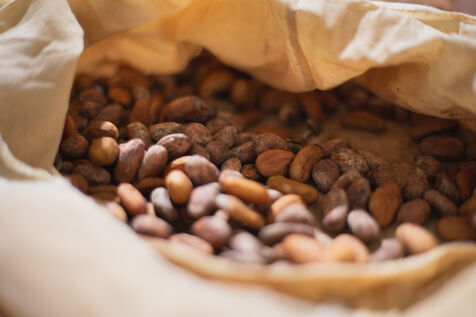
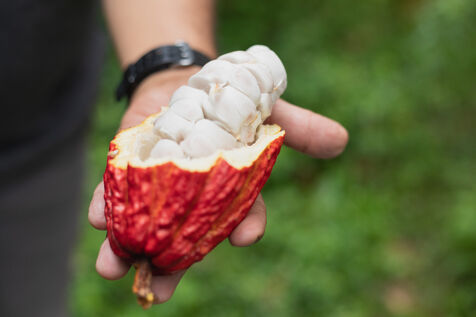
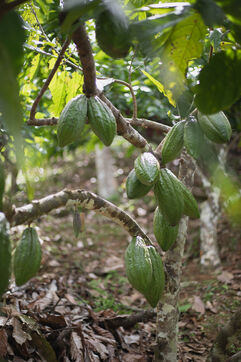
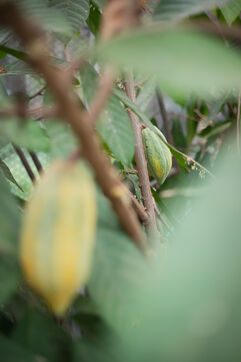
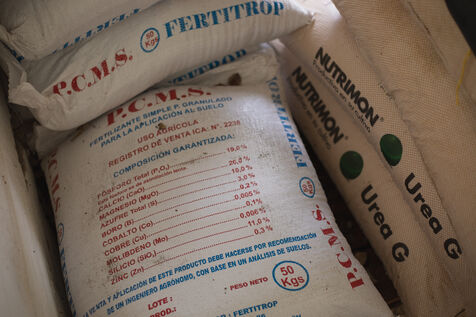
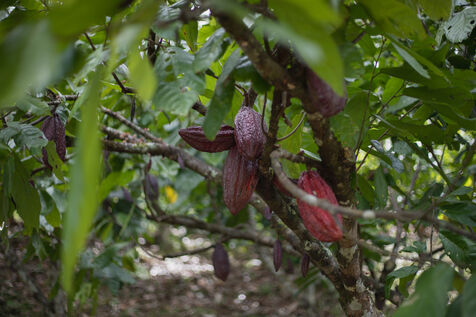
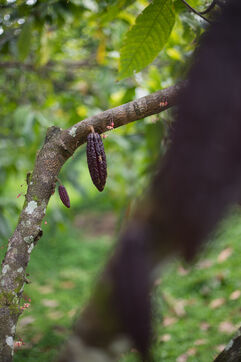
En Colombie comme ailleurs en Amérique latine, une partie du cacao cultivé présente des taux importants de cadmium, un métal lourd et toxique. Sa présence naturelle dans les sols latinoaméricains tient aux failles géologiques de la cordillères des Andes mais aussi aux fertilisants utilisés, aux activités minières et au changement climatique. La prise de conscience de ce risque sanitaire a mené l’Union européenne à imposer en des limites de cadmium à certains aliments importés, spécialement le cacao dont l’arbre a une tendance à absorber le métal en quantité élevée. Contrainte dans ses exportations, la filière cherche des solutions pour endiguer un phénomène complexe. À travers différents laboratoires du pays, des scientifiques creusent, cherchent à comprendre et explorent des solutions. Ces solutions, testées sur le terrain, dans des fermes de cacao, offrent des résultats encourageants.
Colombian cocoa and cadmium
In Colombia, as elsewhere in Latin America, some of the cocoa grown contains high levels of cadmium, a toxic heavy metal. Its natural presence in Latin American soils is due to geological faults in the Andes mountain range, but also to the fertilisers used, mining activities and climate change. Awareness of this health risk has led the European Union to impose cadmium limits on certain imported foods, especially cocoa, whose trees tend to absorb high levels of the metal. Constrained in its exports, the industry is seeking solutions to curb this complex phenomenon. Scientists in various laboratories across the country are conducting research, seeking to understand the problem and explore solutions. These solutions, tested in the field on cocoa farms, are yielding encouraging results.