A Chatila, l'émancipation à travers le sport
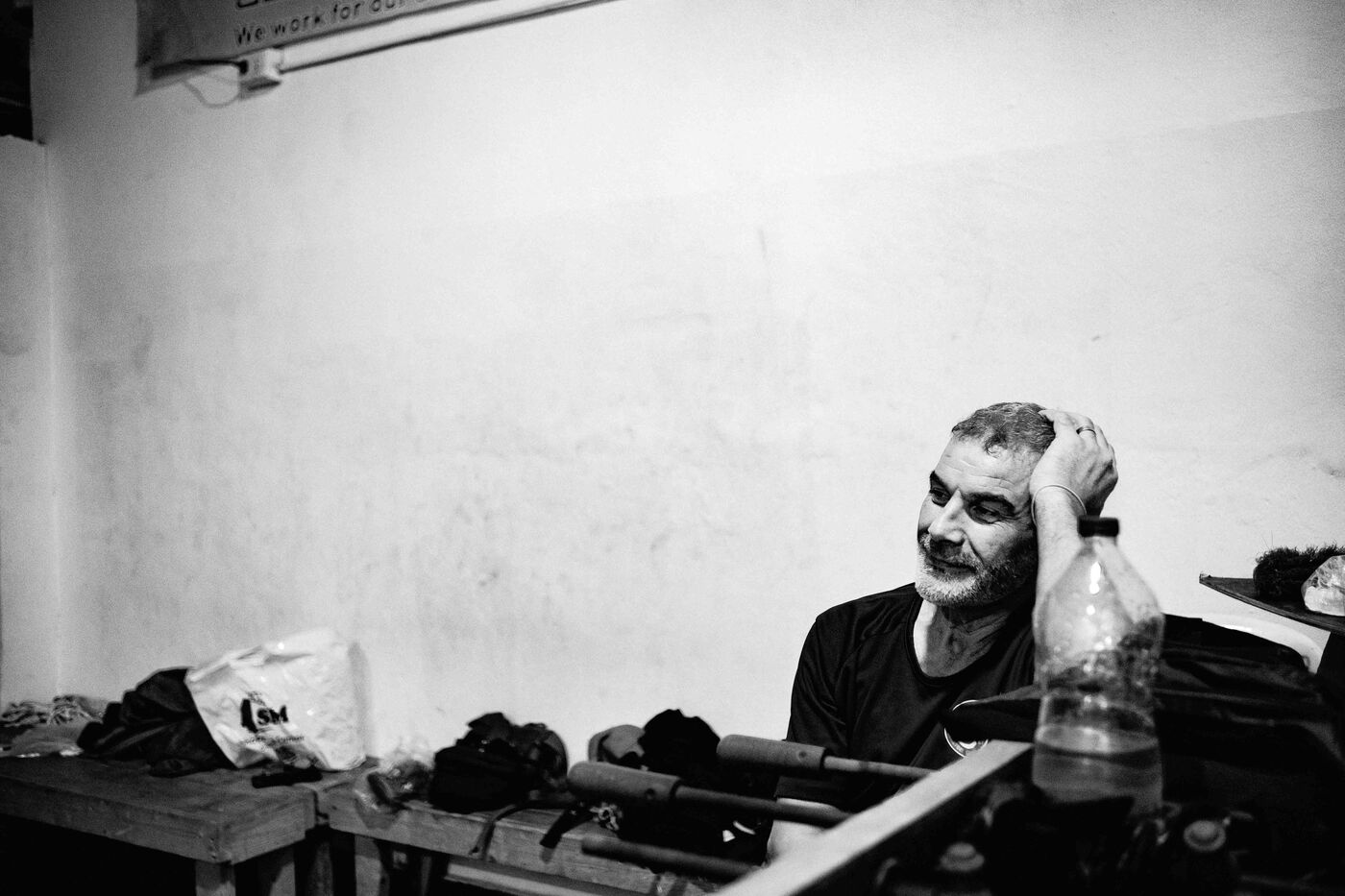
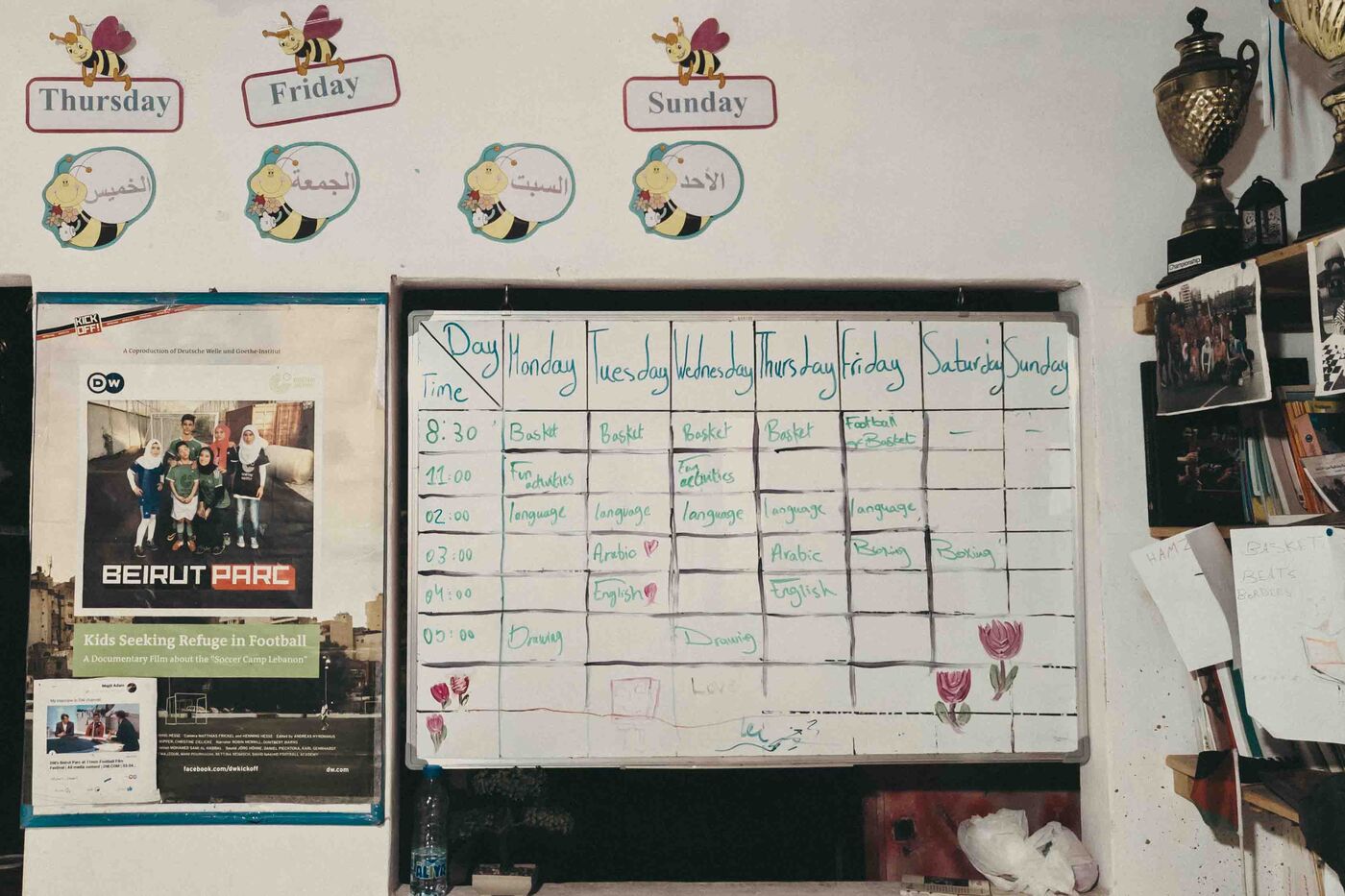
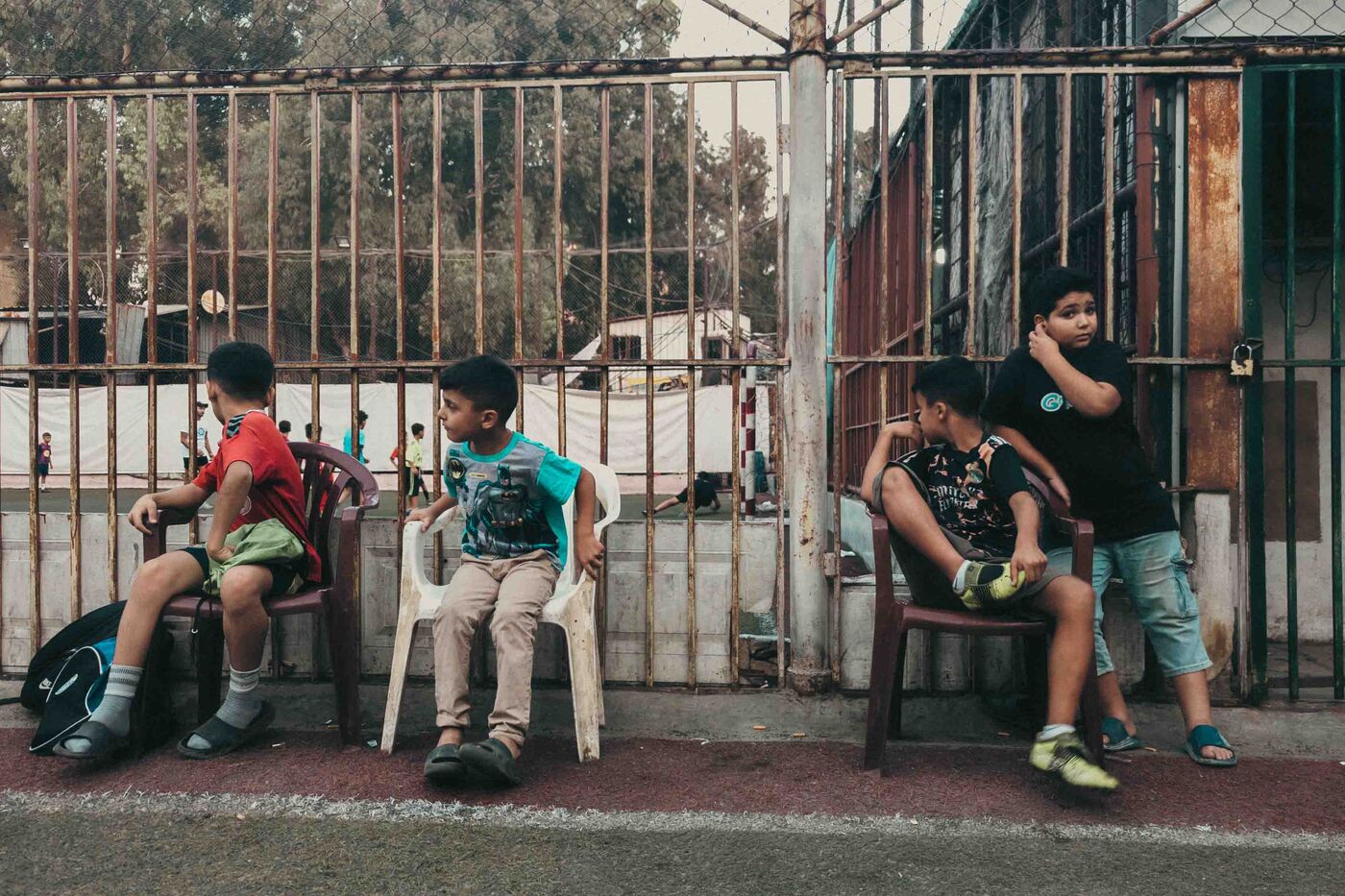
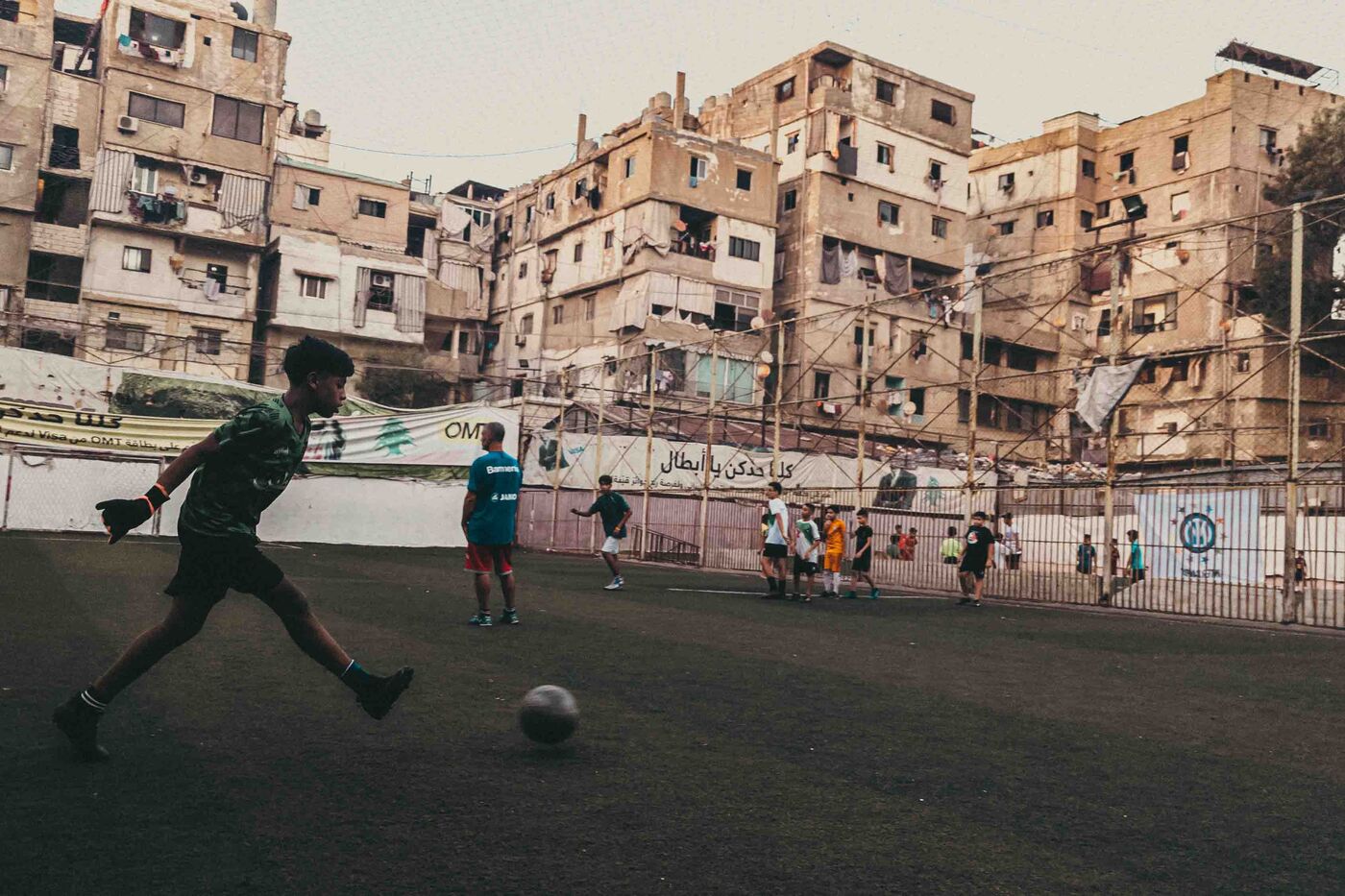
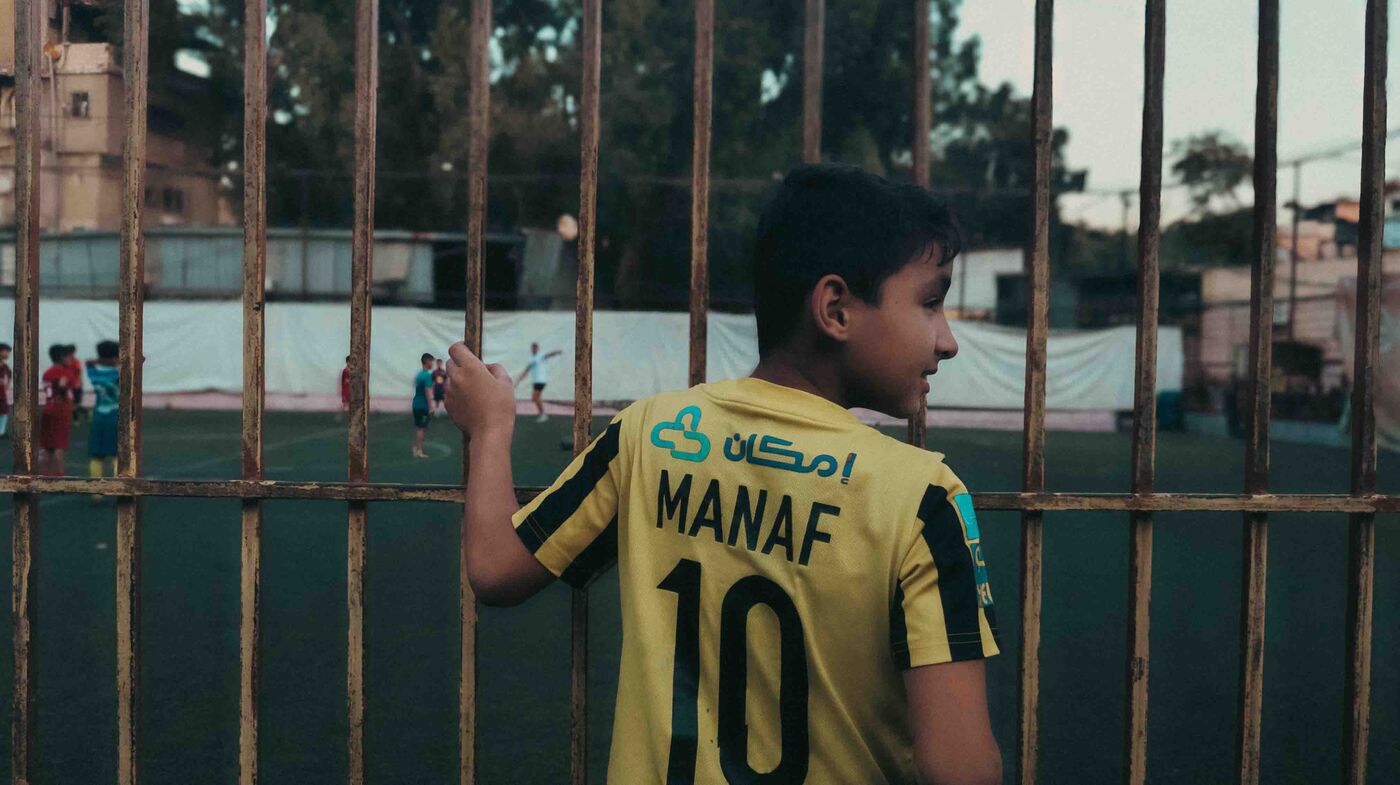
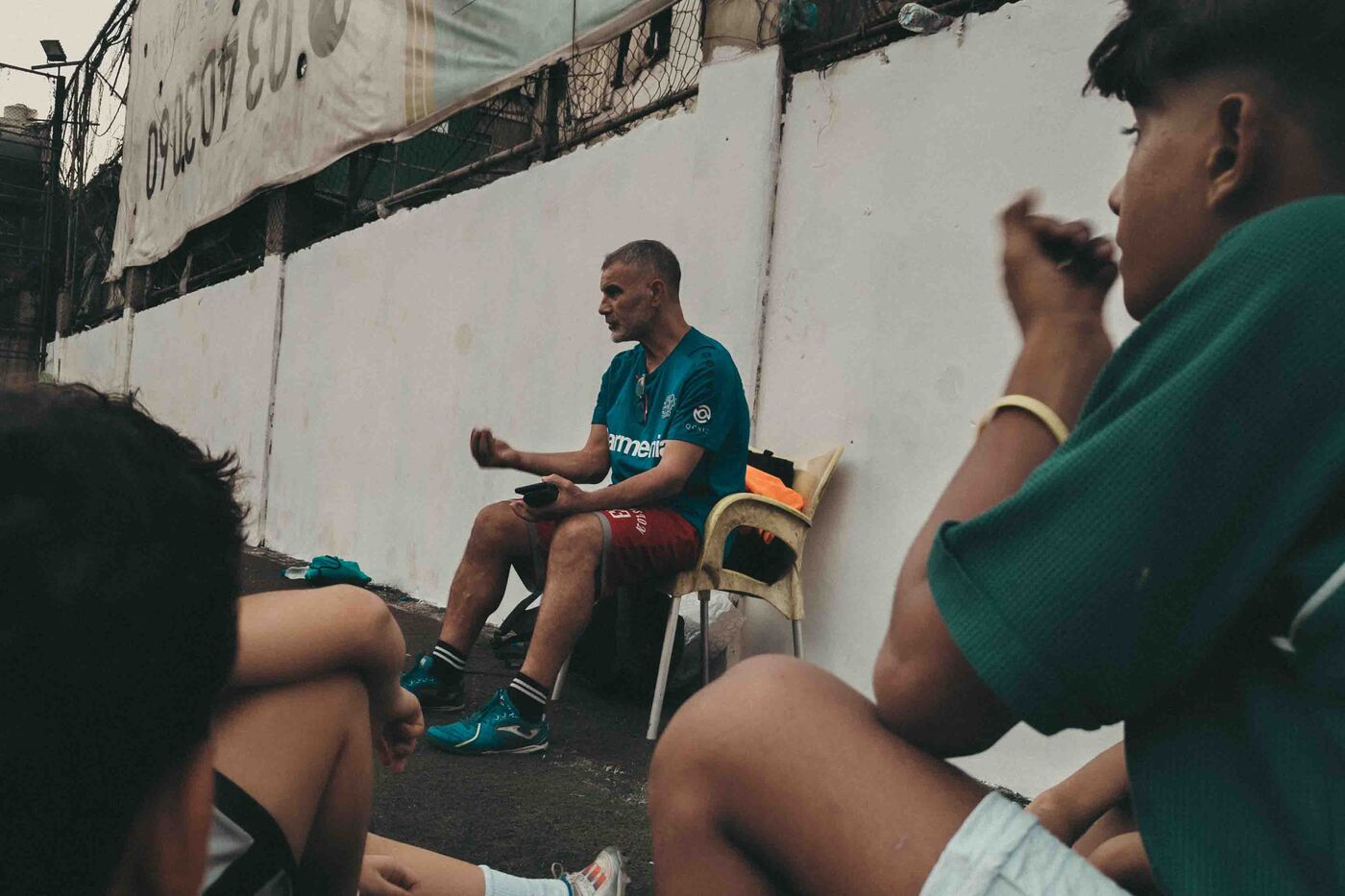
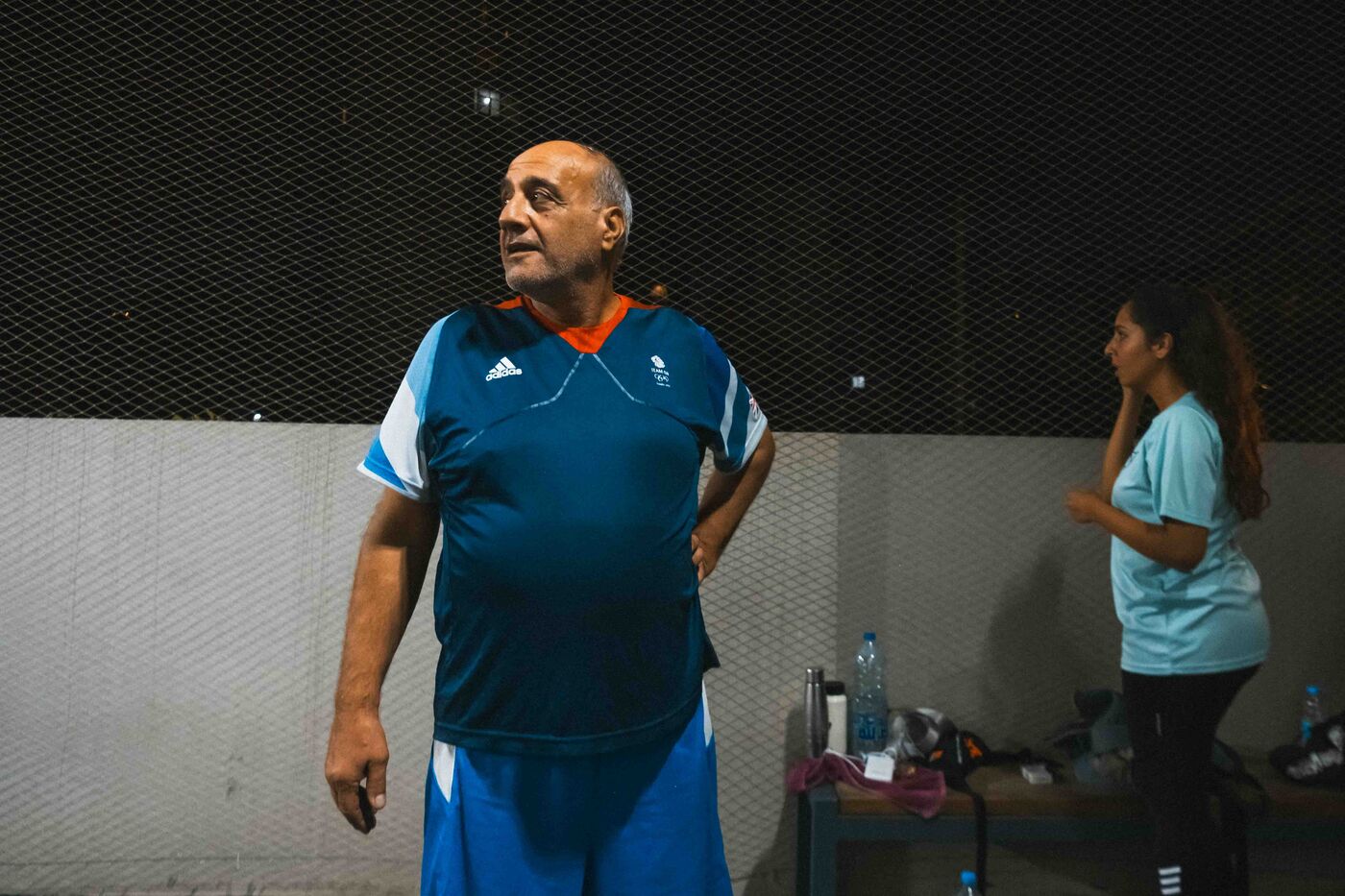
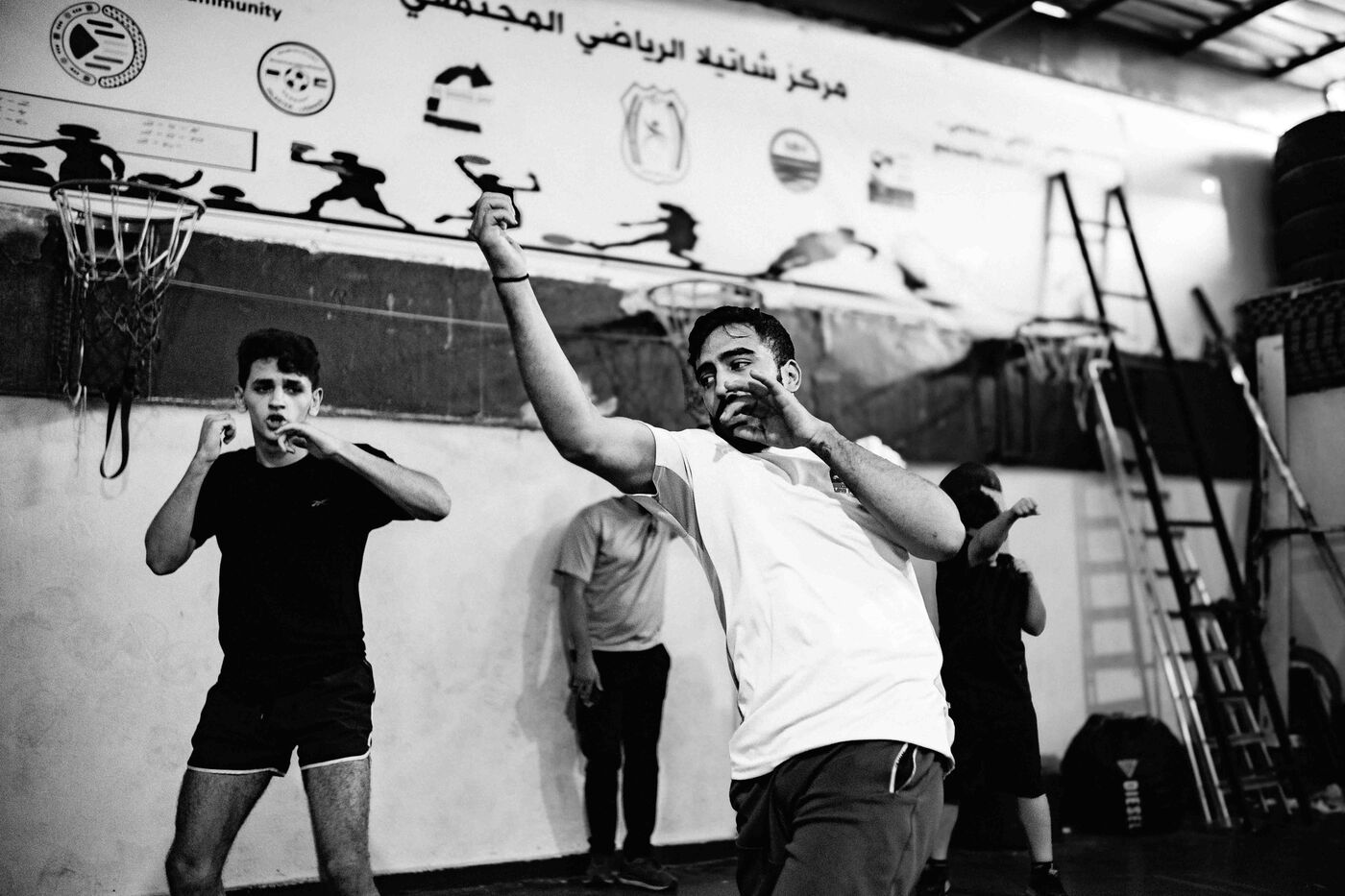
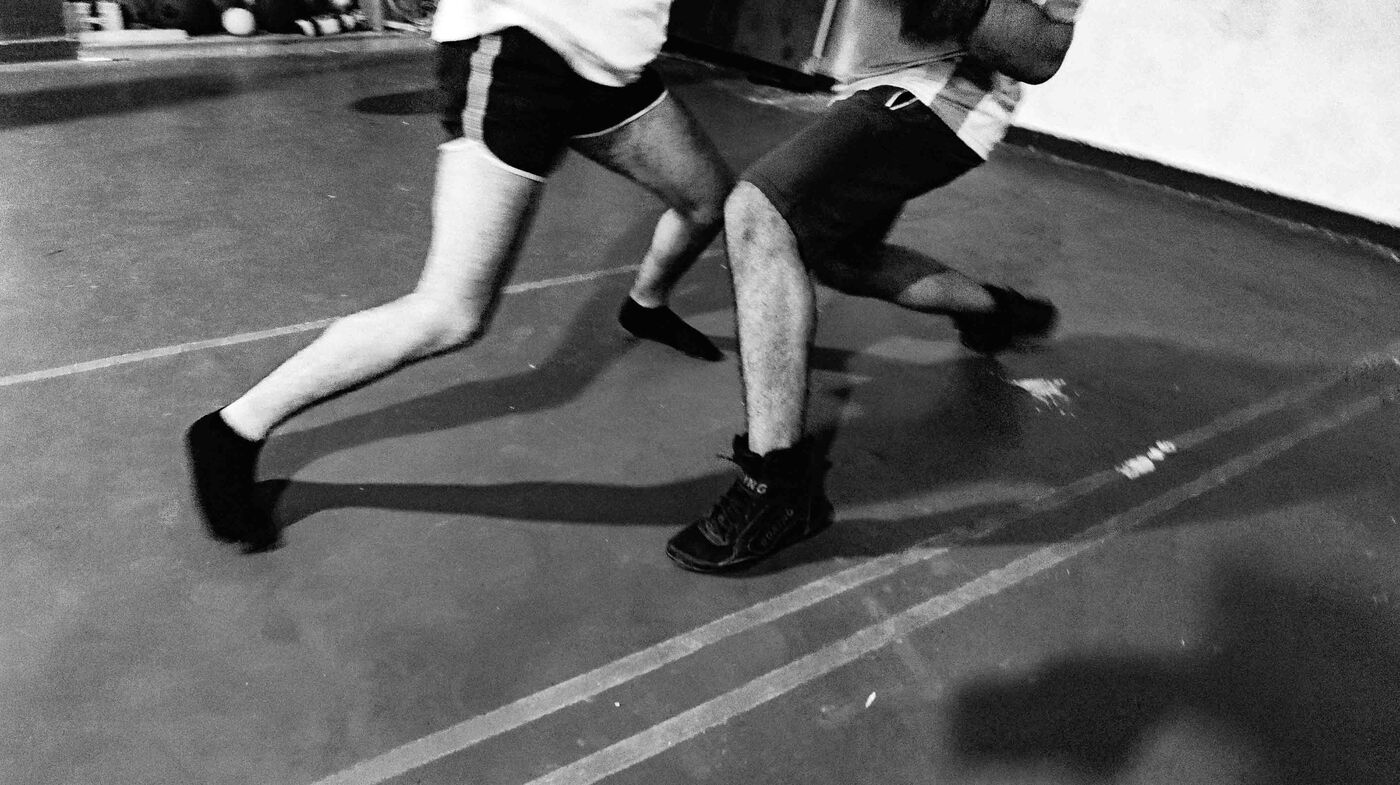
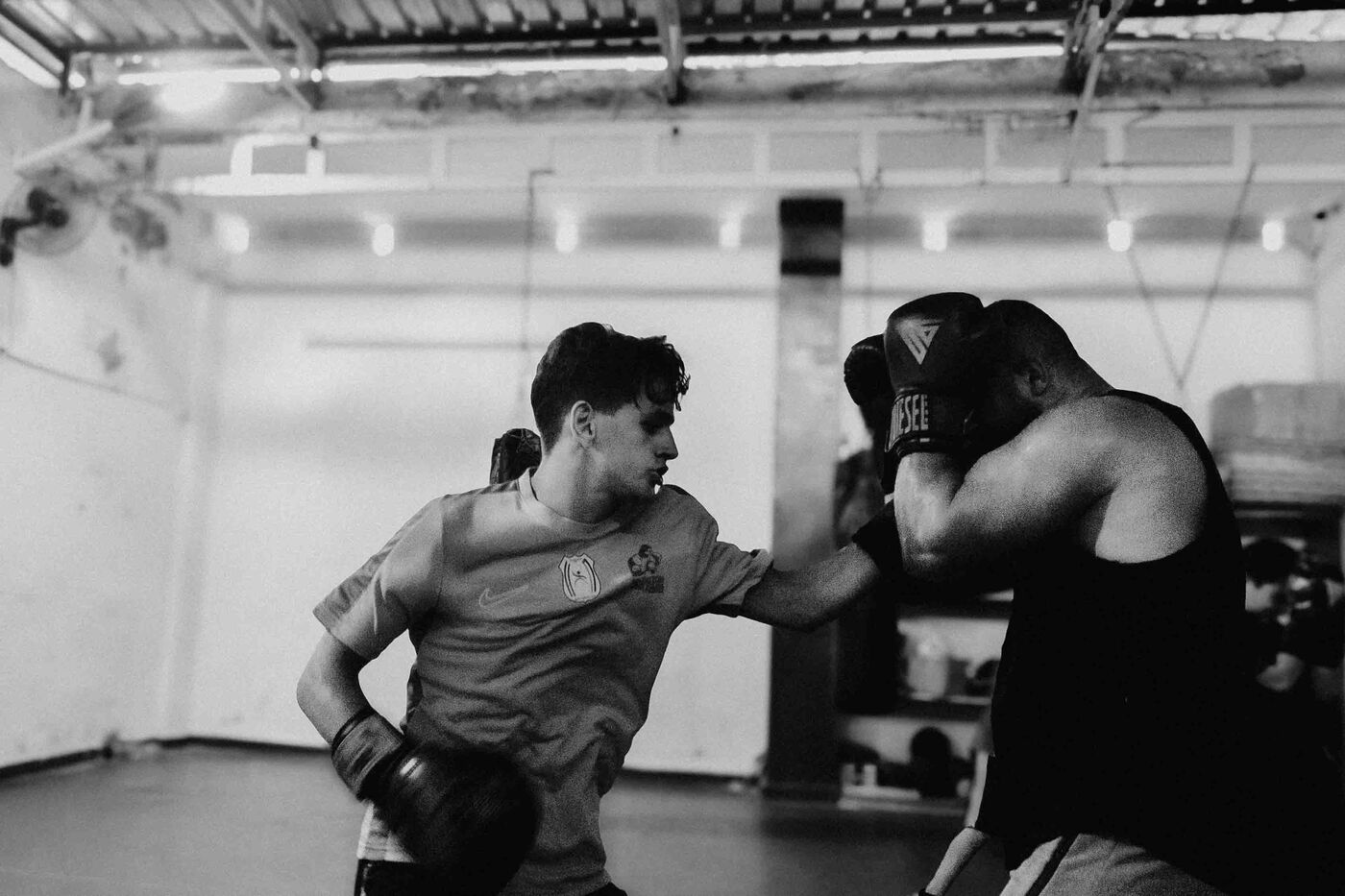
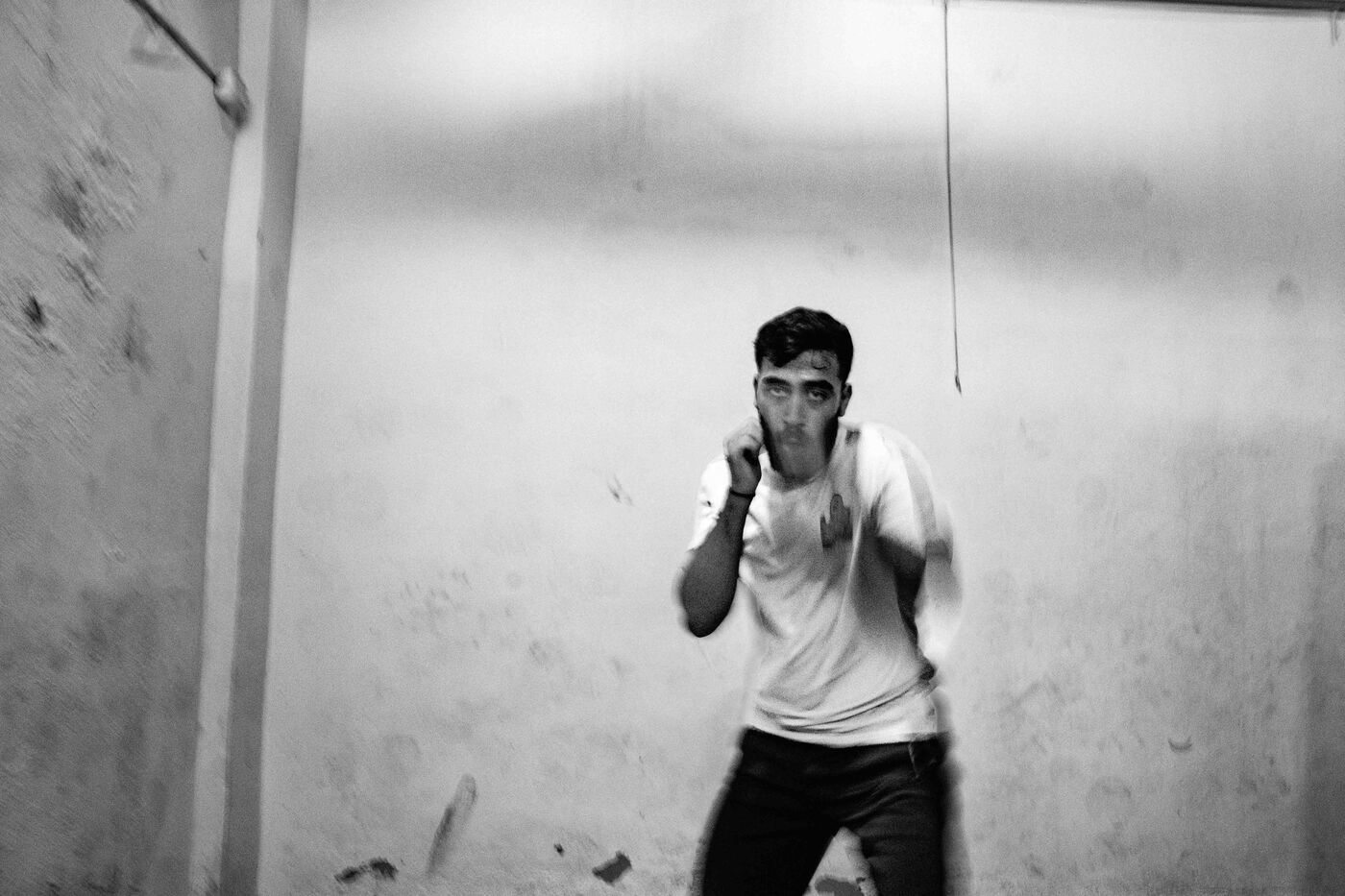
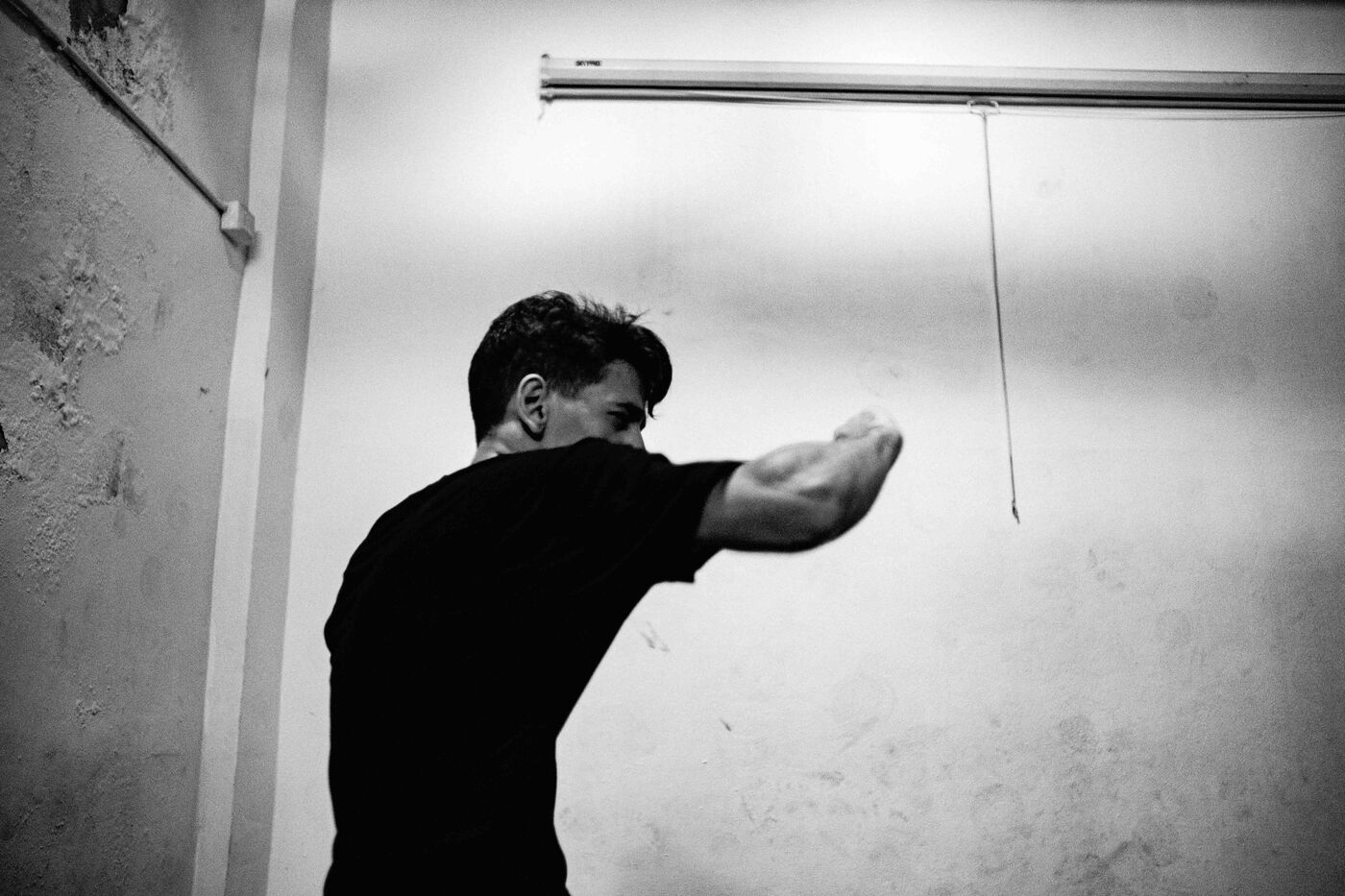
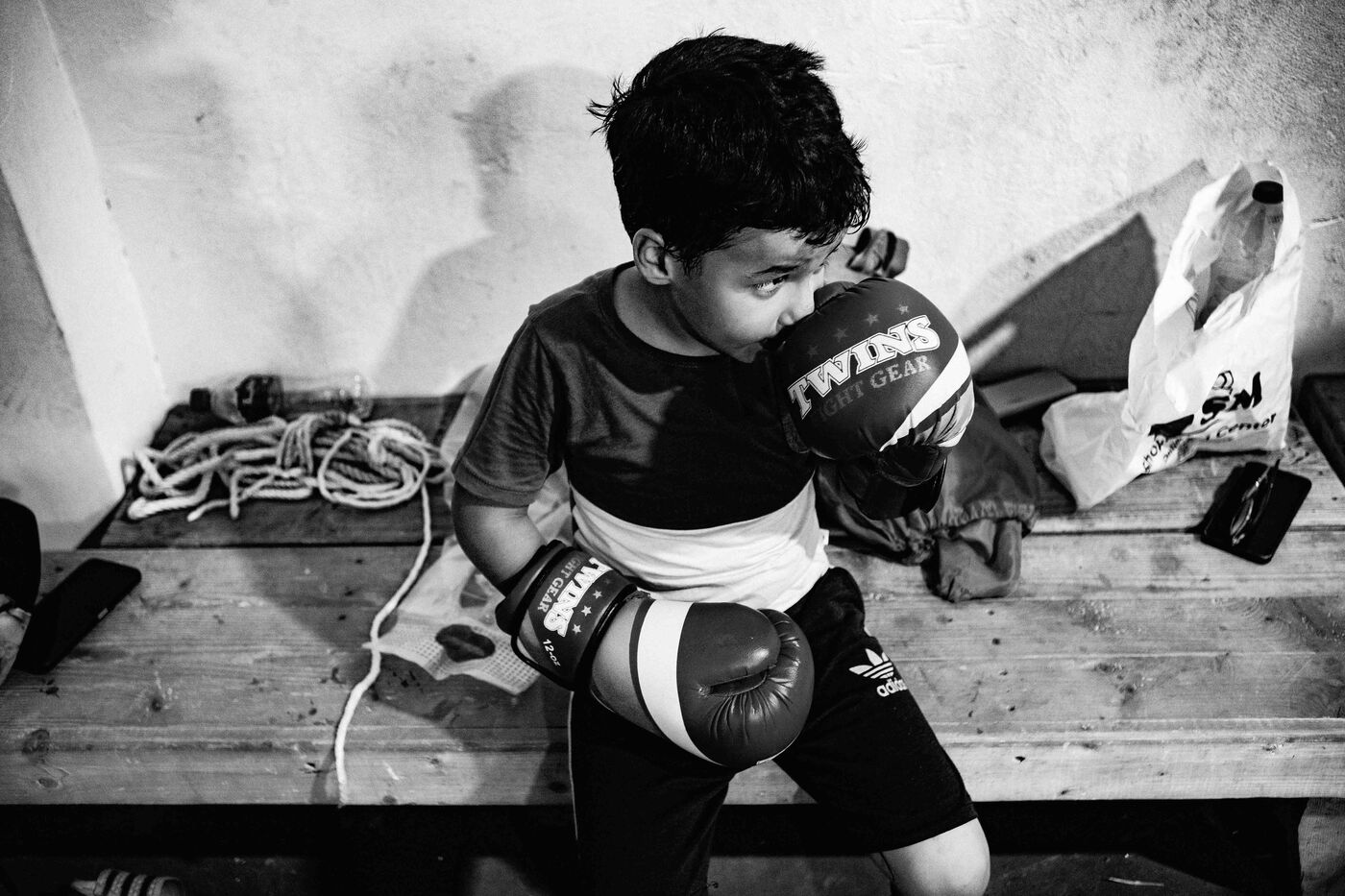
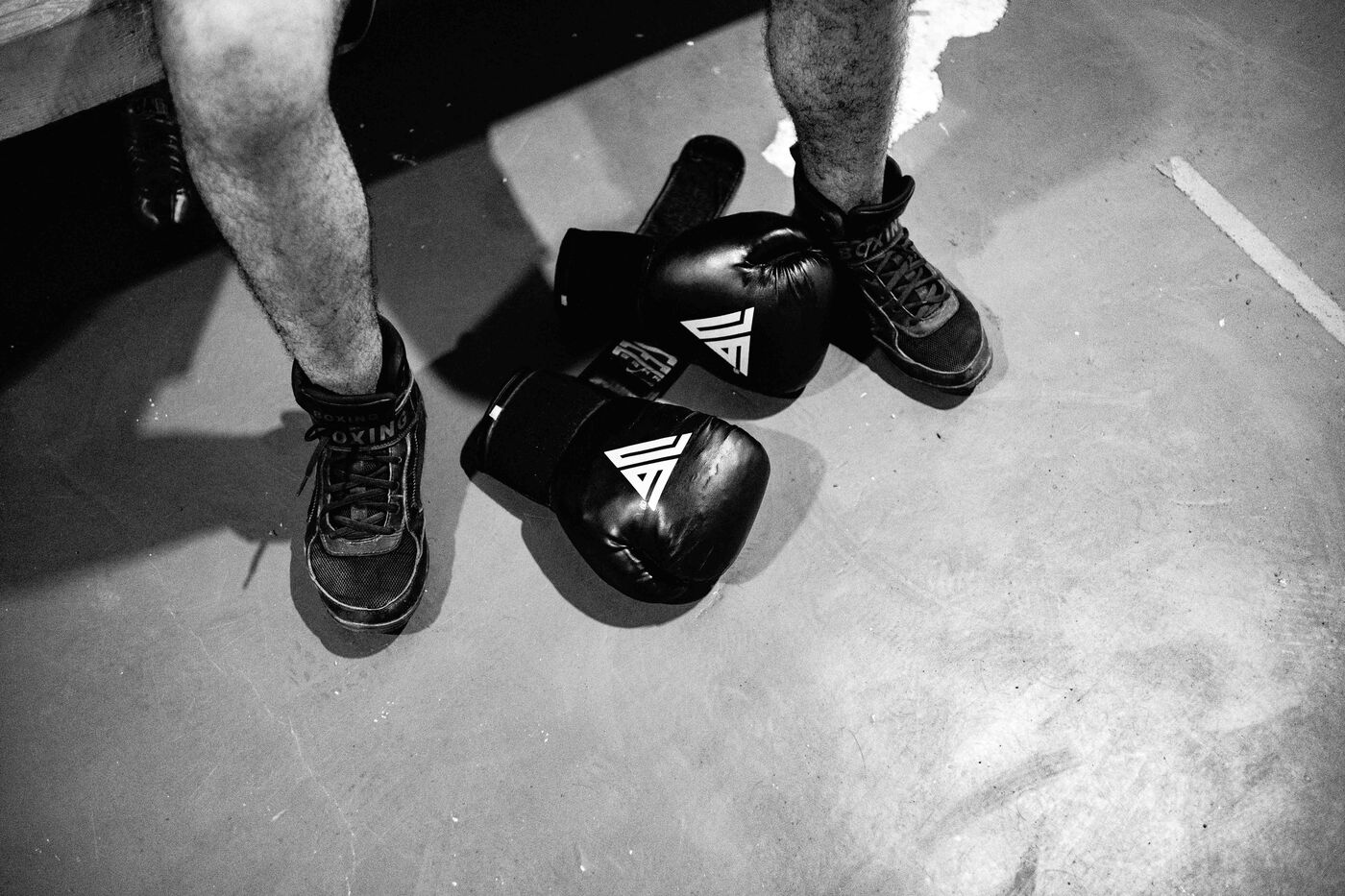
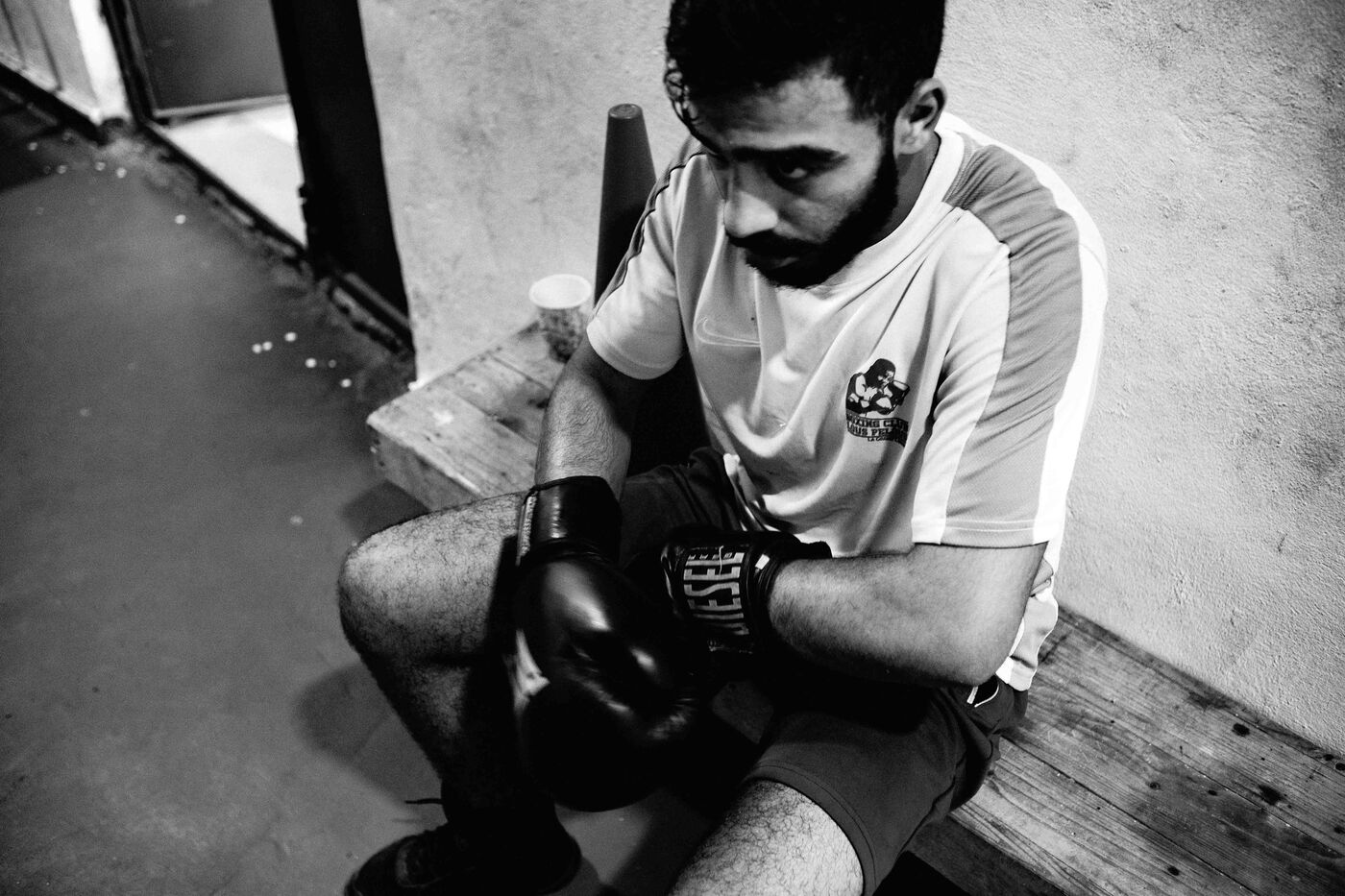
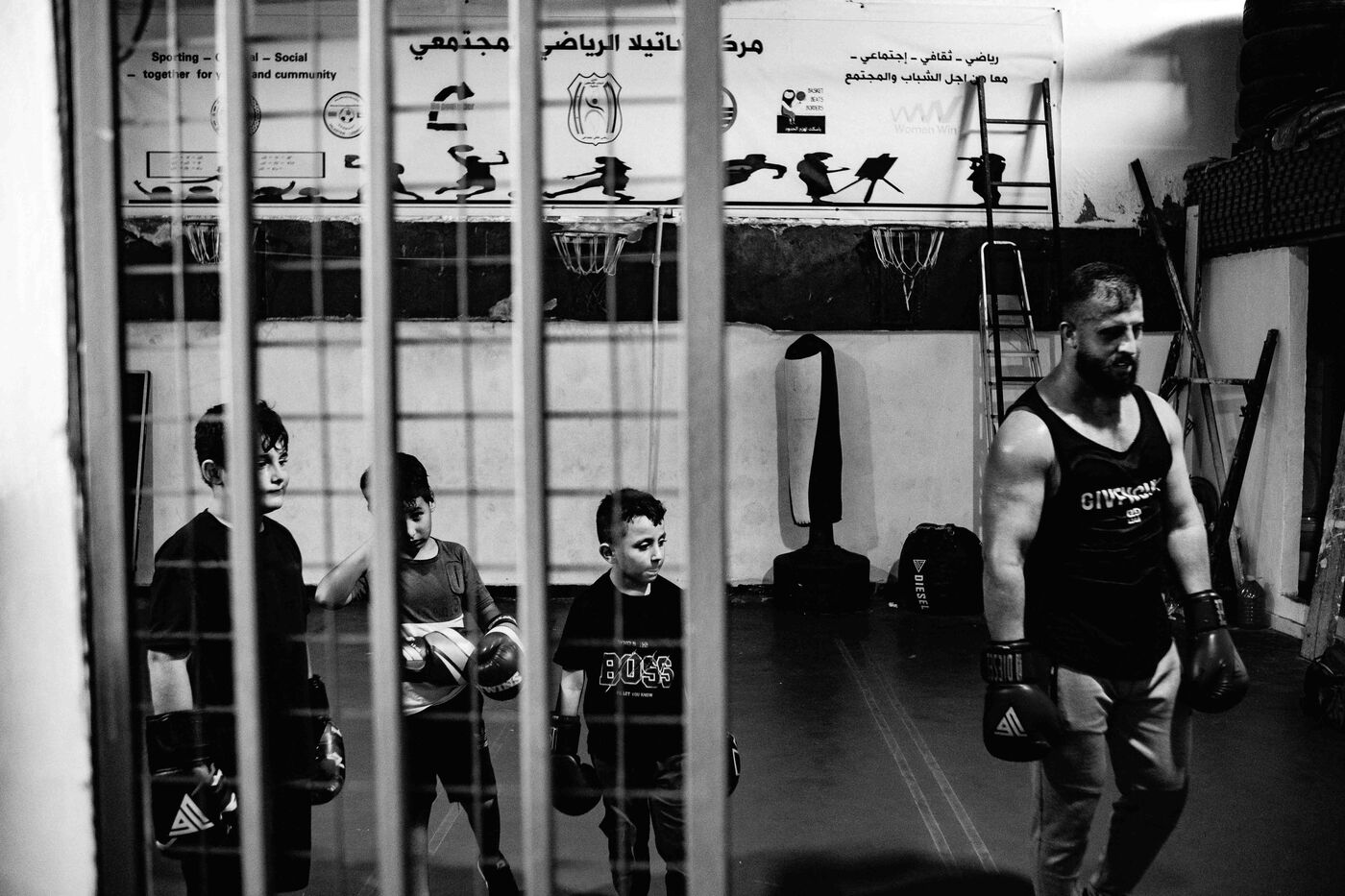
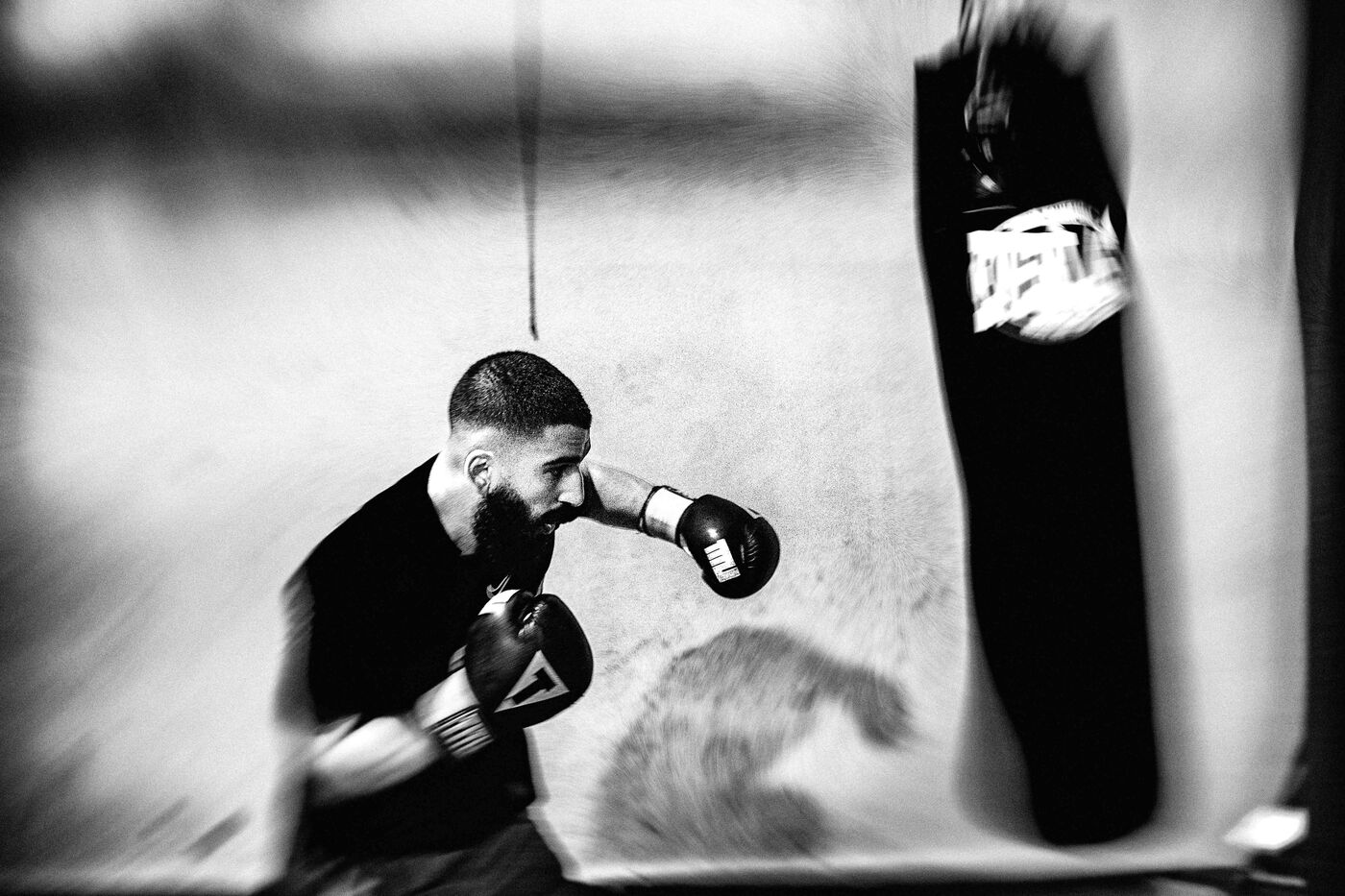
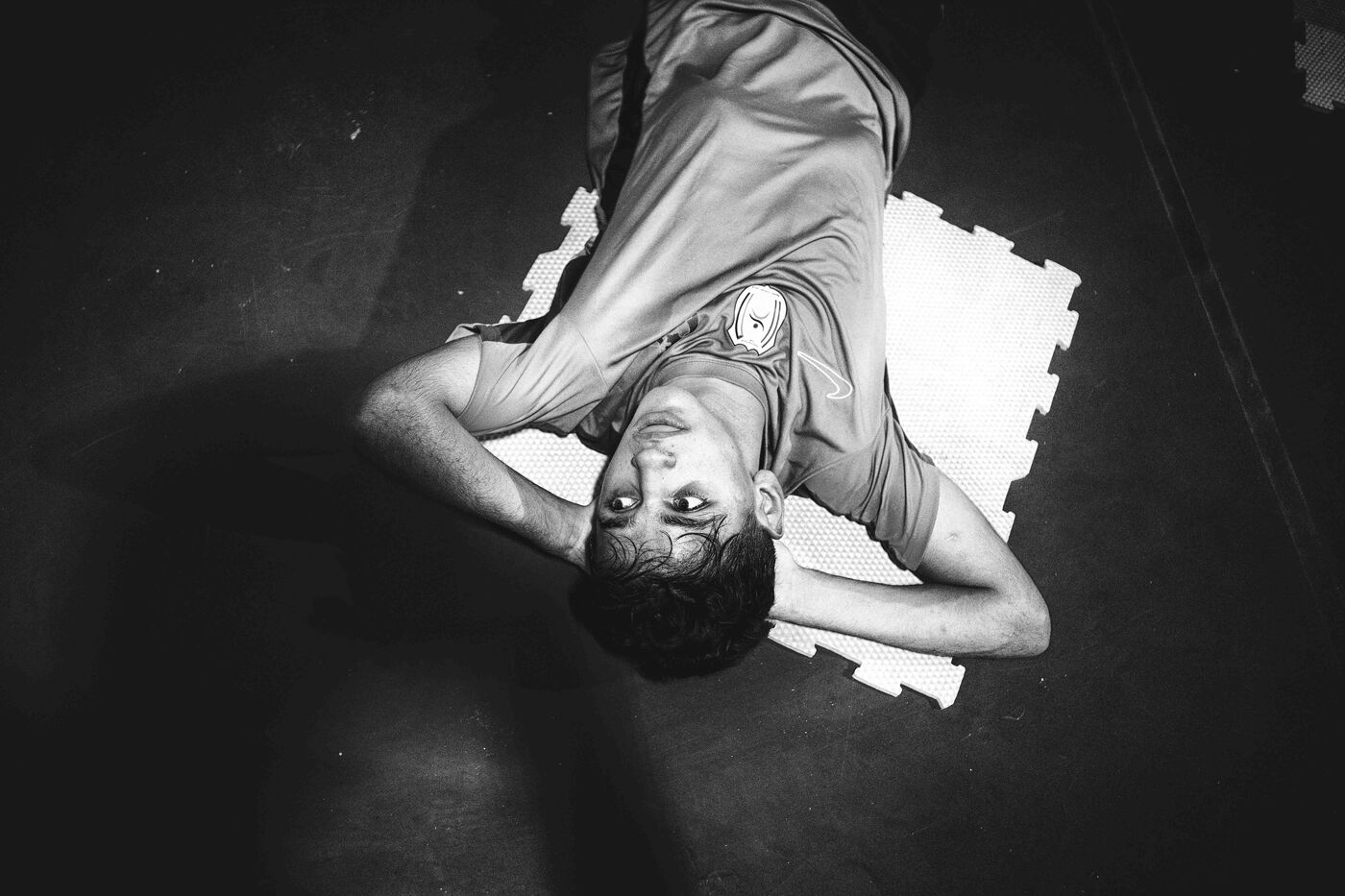
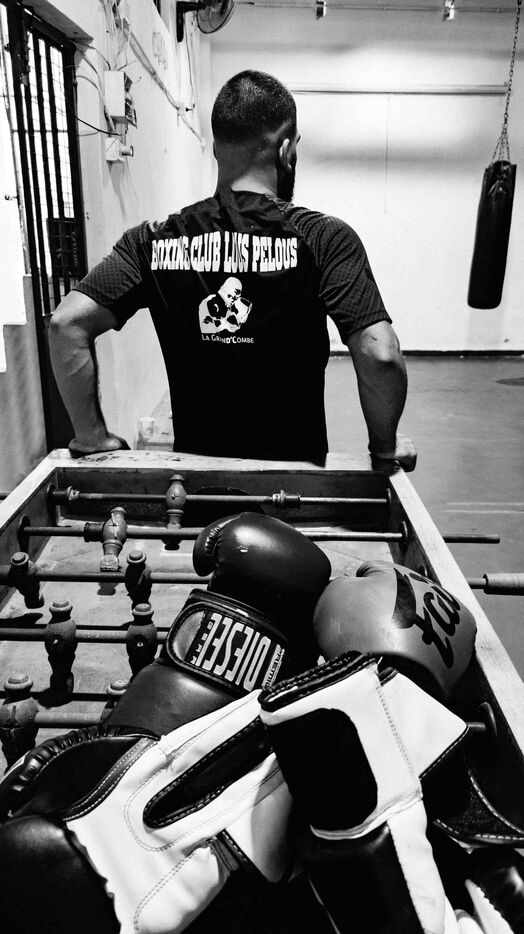
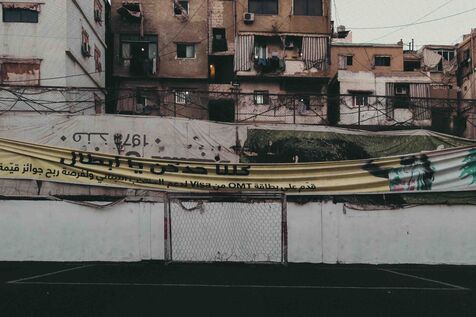
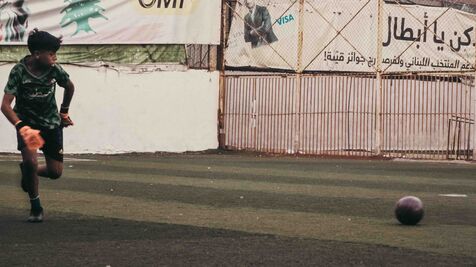
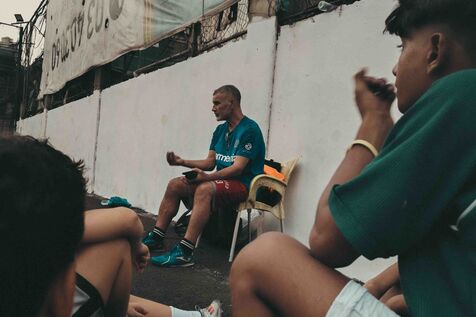
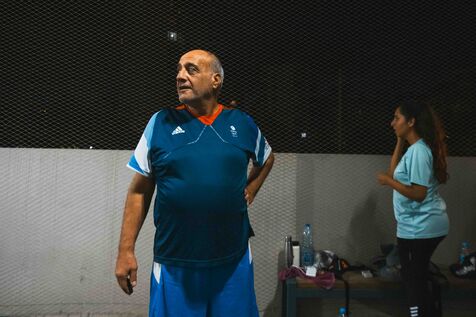
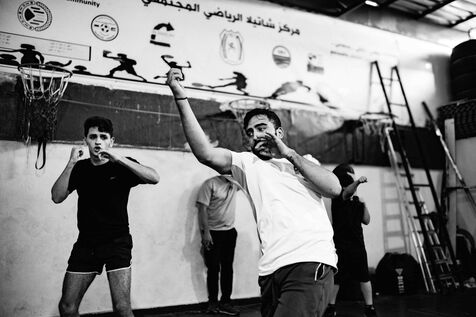
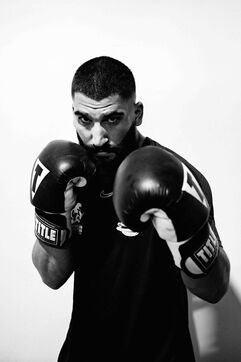
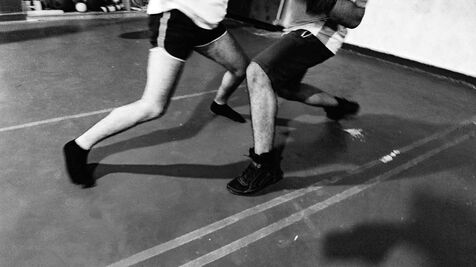
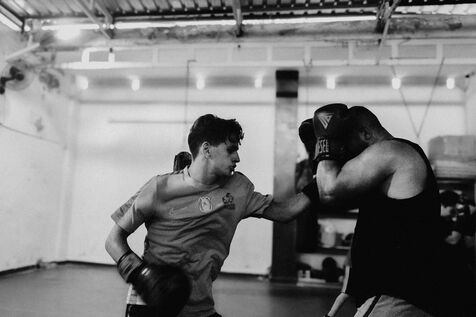
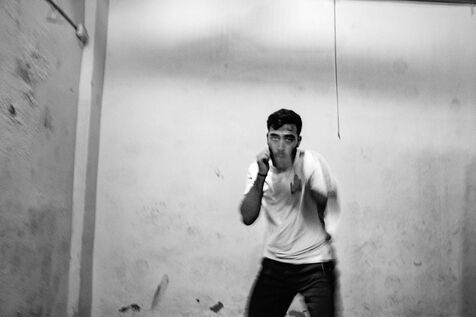
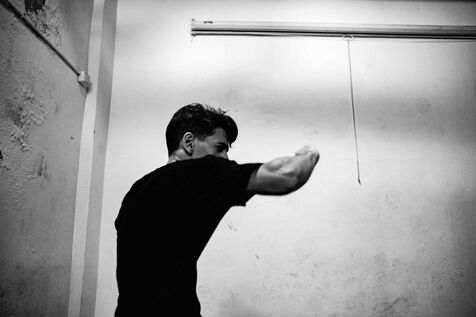
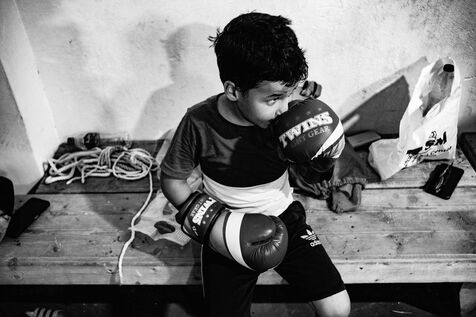
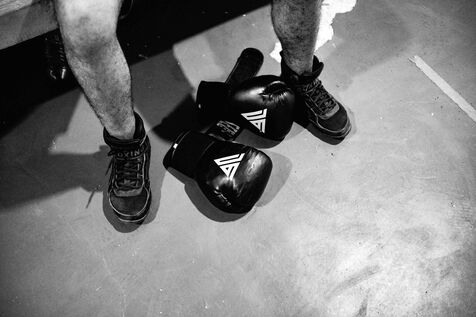
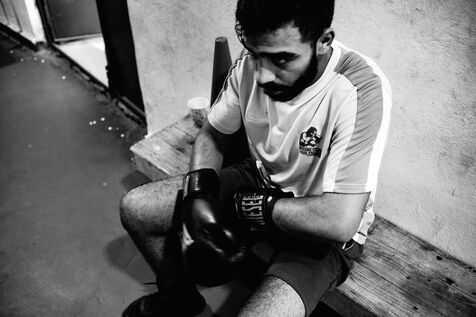
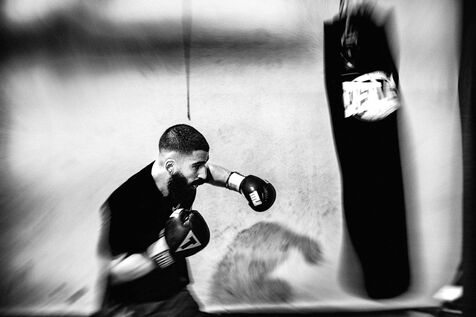
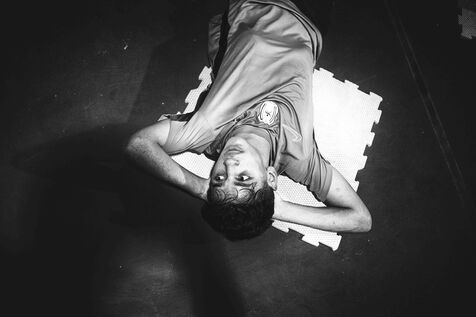
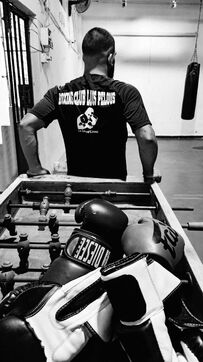
A Chatila, l’association Palestine Youth Club est portée par Majdi Majzoub, peintre en bâtiment retraité et activiste social. Au-delà des matchs et des entraînements, elle permet d’autres perspectives aux jeunes du camp : des cours d’anglais, des ateliers éducatifs, des moments d’échange. Chaque semaine, huit bénévoles viennent partager leurs compétences et leur temps, offrant aux enfants bien plus qu’une activité : une ouverture sur le monde extérieur et la possibilité de rêver plus grand. Pour Majdi, le club permet d’éviter aux jeunes femmes et hommes d'échapper au trafic de drogues, aux nombreuses armes en circulation et aux mariages forcés. Pour lui le projet est une réussite. Grâce au club, des fonds sont envoyés pour les Palestiniens de la bande de Gaza. Au cours des dix dernières années, la situation des femmes a progressé de manière positive, et Majdi est fier de contribuer à l'ouverture de la voie. Aujourd'hui, elles ont la possibilité de s'adonner à une activité sportive.
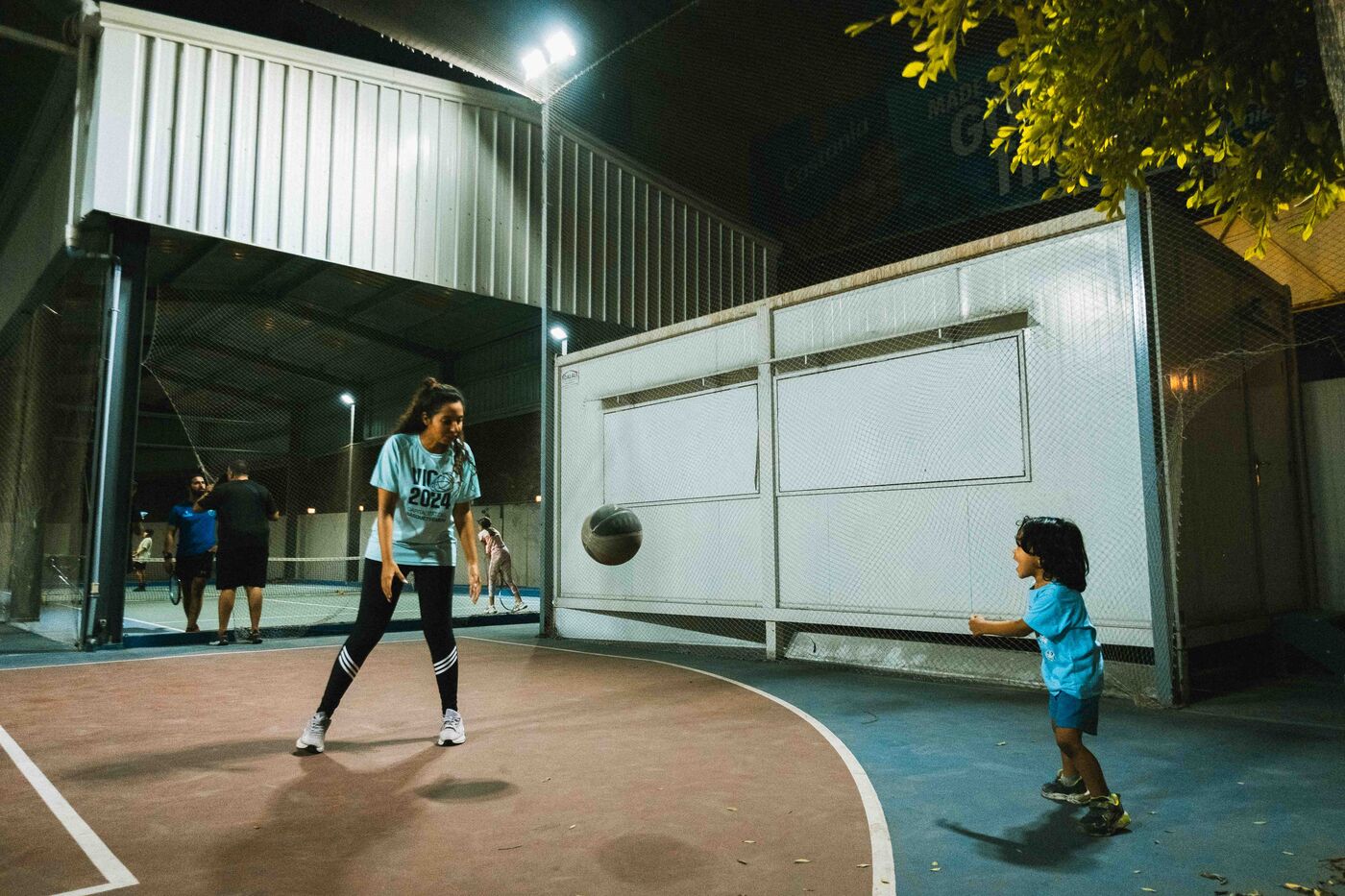
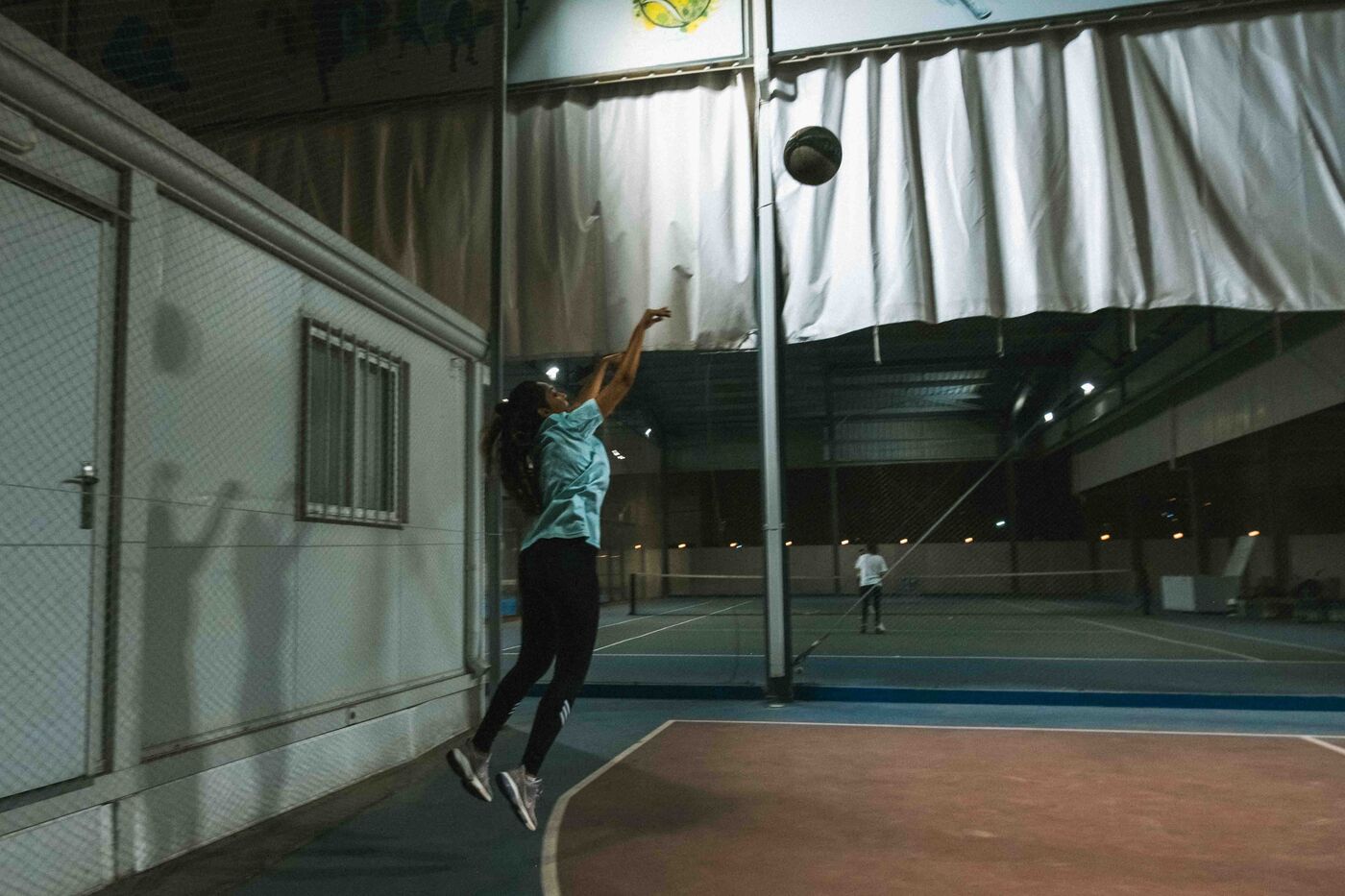
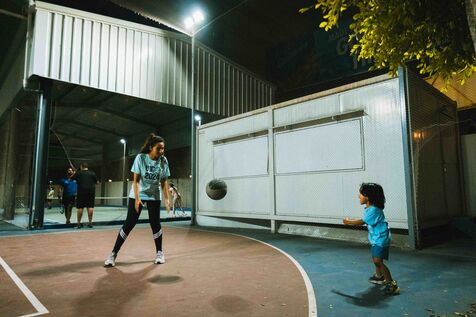
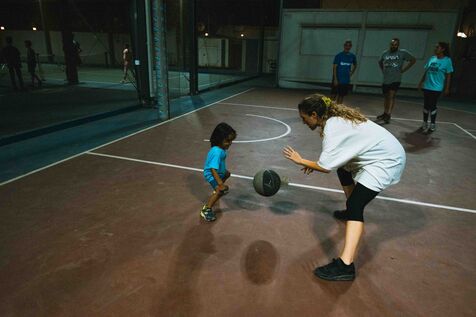
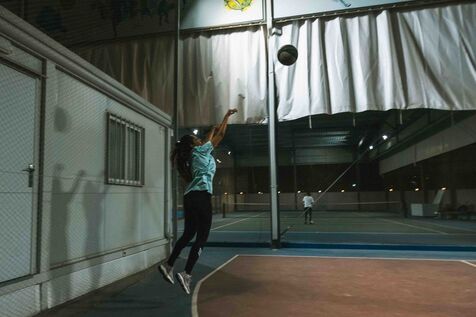
Marwa a 24 ans. Professeure dans une école privée après un Master en management de l’éducation, elle garde une autre passion au cœur de sa vie : le basket. Depuis l’âge de 7 ans, quand elle a découvert ce sport dans la cour de son école primaire, elle n’a jamais lâché le ballon. Aujourd’hui, c’est dans le camp de Chatila, au sud de Beyrouth, qu’elle continue de jouer, au sein de l’association Sport Community Center portait par Majdi.
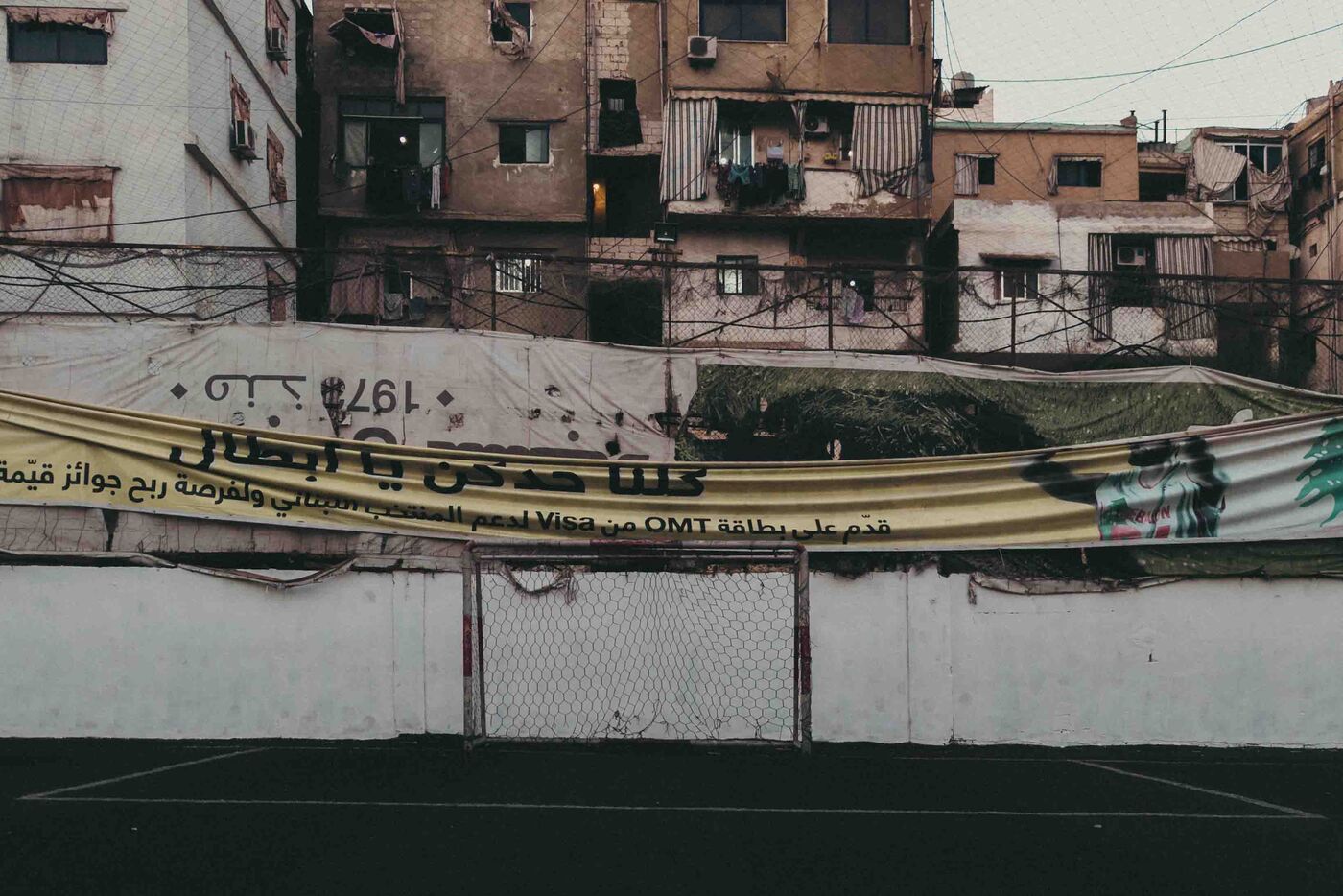
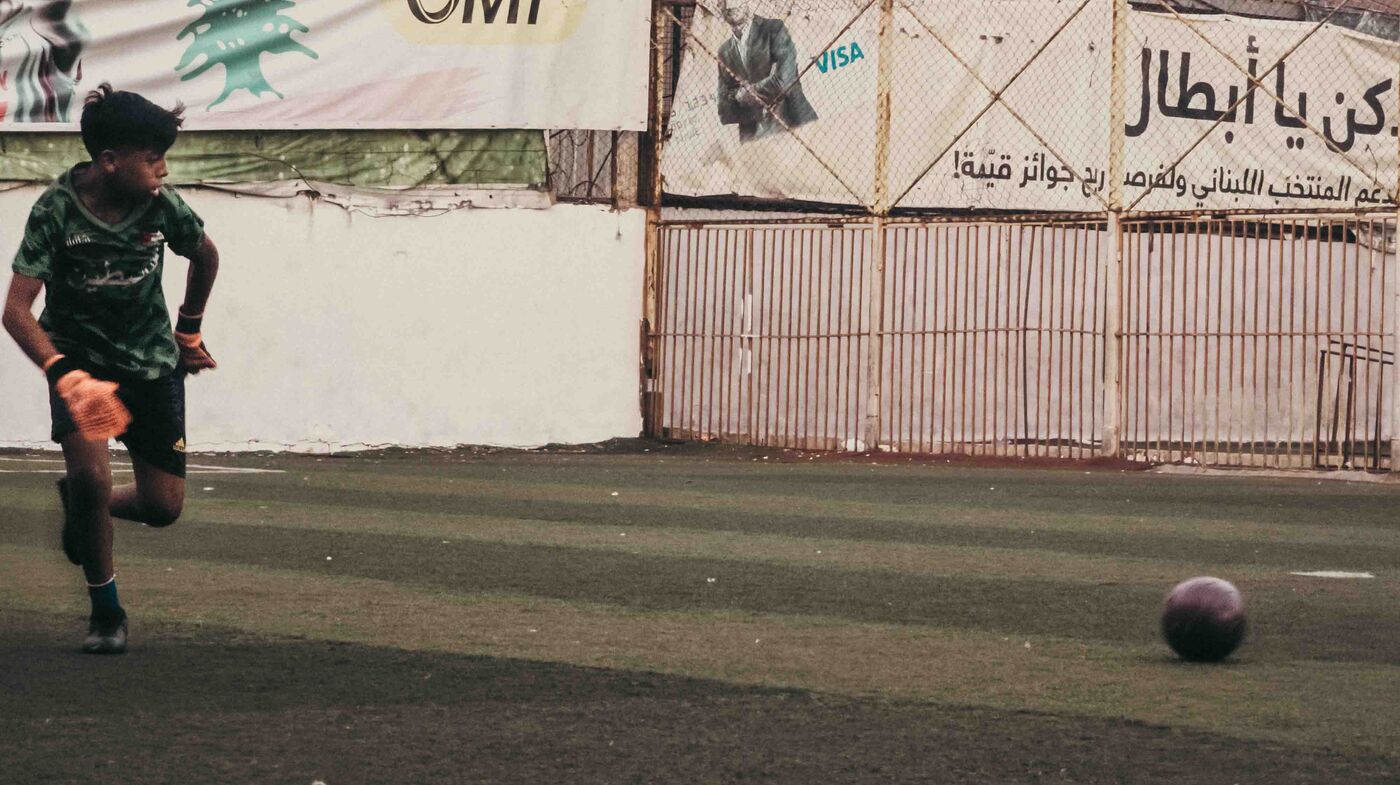
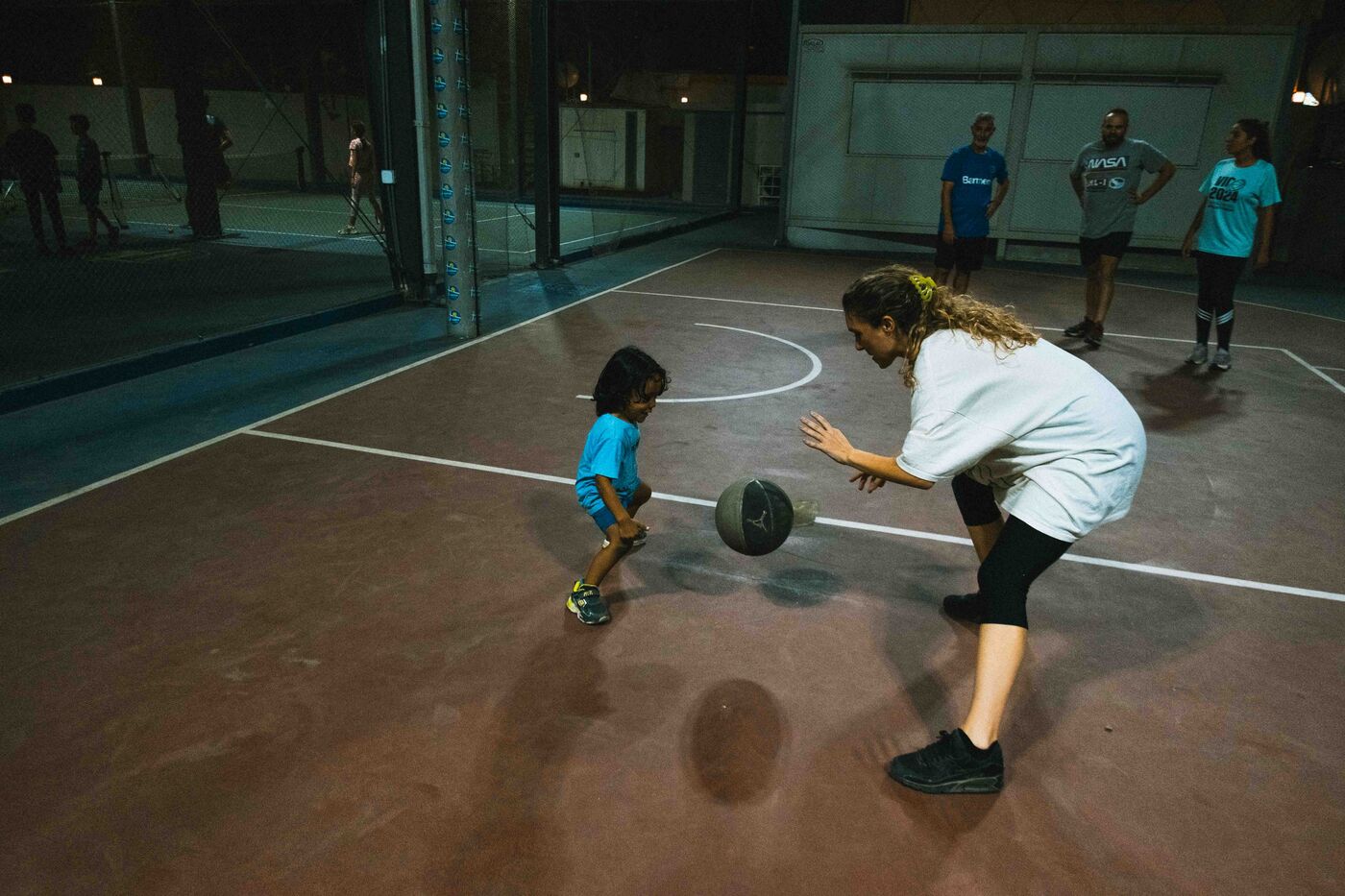
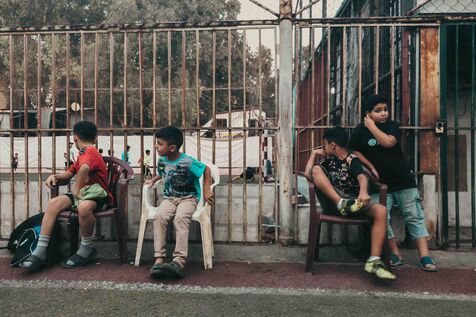
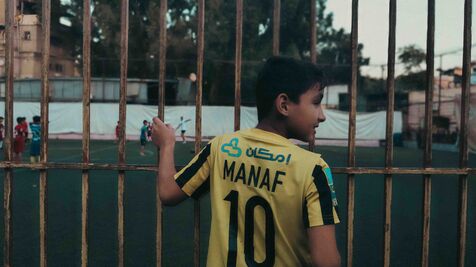
Autour de Marwa, de nombreus.es jeunes femmes et hommes palestinien.nes partagent la même le même désir d’exister par le sport. C'est grâce à ces associations que les enfants et les jeunes de Chatila trouvent un espace d’émancipation, de confiance, et parfois, une échappée vers un avenir qui les amènera loin des camps de Beyrouth.
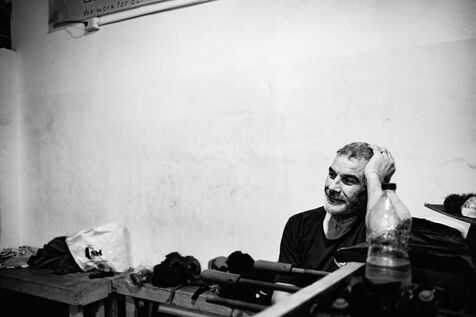
Majdi Majzoub : "En tant que Palestinien nous sommes considérés comme des citoyens de seconde zone et nous n’avons pas les mêmes droits que les Libanais, surtout en ce qui concerne le travail, ce qui à mes yeux est très important. Lorsqu'on travaille, le salaire nous permet d'améliorer nos conditions, de vivre une vie décente et d'être loin des problèmes, tels que la drogue et les armes.A l'instar des habitants de Chatila, moi et ma famille vivons dans un inconfort total. Nous n'avons plus la force pour affronter les problèmes du quotidien : pas d'électricité, pas d'eau potable, l'eau du camp est salée. Pour le reste, nous n’avons pas le choix que d’acheter de l'eau minérale en bouteille pour boire et cuisiner. Et pourtant nous devons payer le gouvernement pour l’eau et l'électricité alors qu’ils ne remplissent pas leur rôle de service public. Alors la nuit les générateurs du camp entrent en jeu."
In Chatila, Empowerment through sport
In Chatila, the Palestine Youth Club association is run by Majdi Majzoub, a retired house painter and social activist. Beyond matches and training sessions, it offers young people in the camp other opportunities: English lessons, educational workshops and opportunities for discussion. Every week, eight volunteers come to share their skills and time, offering children much more than just an activity: an opening to the outside world and the opportunity to dream bigger. For Majdi, the club helps young women and men avoid drug trafficking, the many weapons in circulation and forced marriages. For him, the project is a success. Thanks to the club, funds are sent to Palestinians in the Gaza Strip. Over the past ten years, the situation of women has improved, and Majdi is proud to be helping to pave the way. Today, they have the opportunity to take part in sports activities.
Marwa is 24 years old. A teacher at a private school after completing a Master's degree in education management, she has another passion at the heart of her life: basketball. Since the age of 7, when she discovered the sport in her primary school playground, she has never put down the ball. Today, she continues to play in the Shatila camp, south of Beirut, as part of the Sport Community Centre association run by Majdi.
Around Marwa, many young Palestinian women and men share the same desire to find fulfilment through sport. It is thanks to these associations that the children and young people of Shatila find a space for emancipation, confidence and, sometimes, an escape to a future that will take them far from the camps of Beirut.
Majdi Majzoub : "As Palestinians, we are considered second-class citizens and do not have the same rights as Lebanese people, especially when it comes to work, which I believe is very important. When we work, our wages enable us to improve our living conditions, live a decent life and stay away from problems such as drugs and weapons.Like the inhabitants of Shatila, my family and I live in total discomfort. We no longer have the strength to face everyday problems: no electricity, no drinking water, the water in the camp is salty. For the rest, we have no choice but to buy bottled mineral water for drinking and cooking. And yet we have to pay the government for water and electricity even though they are not fulfilling their public service role. So at night, the camp's generators kick in."