Mémoire volée : le portefeuille d’un résistant restitué
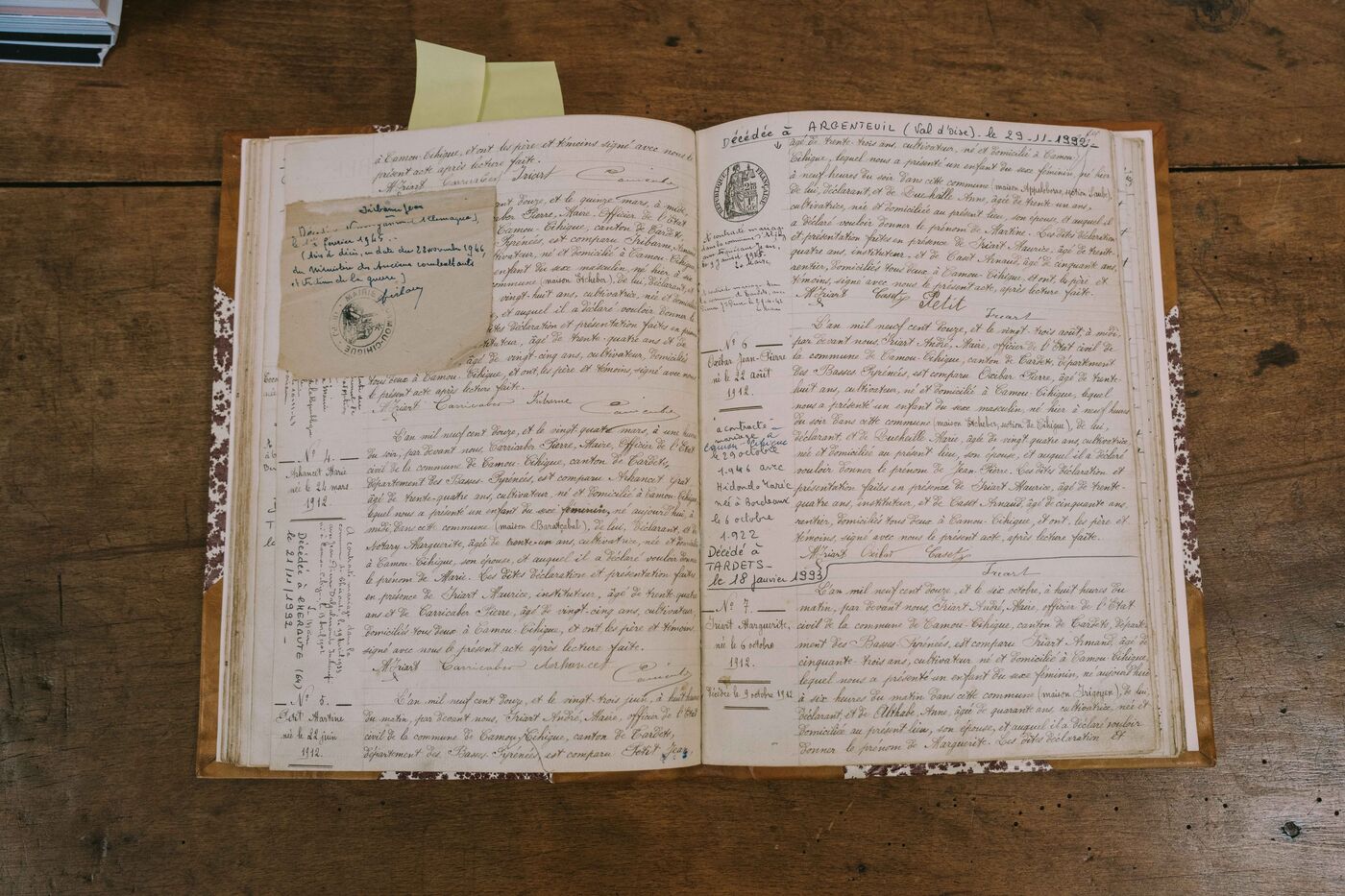
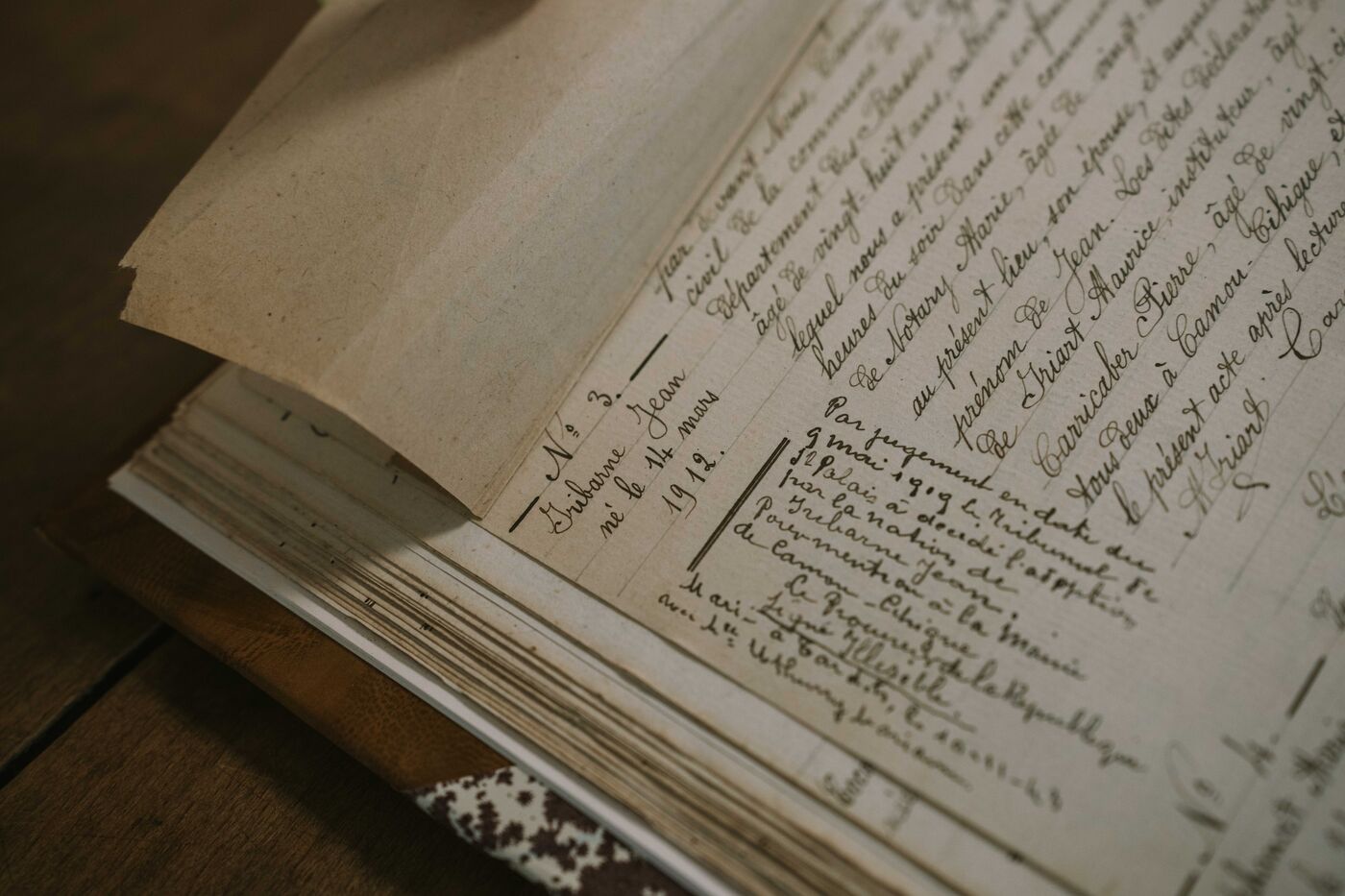
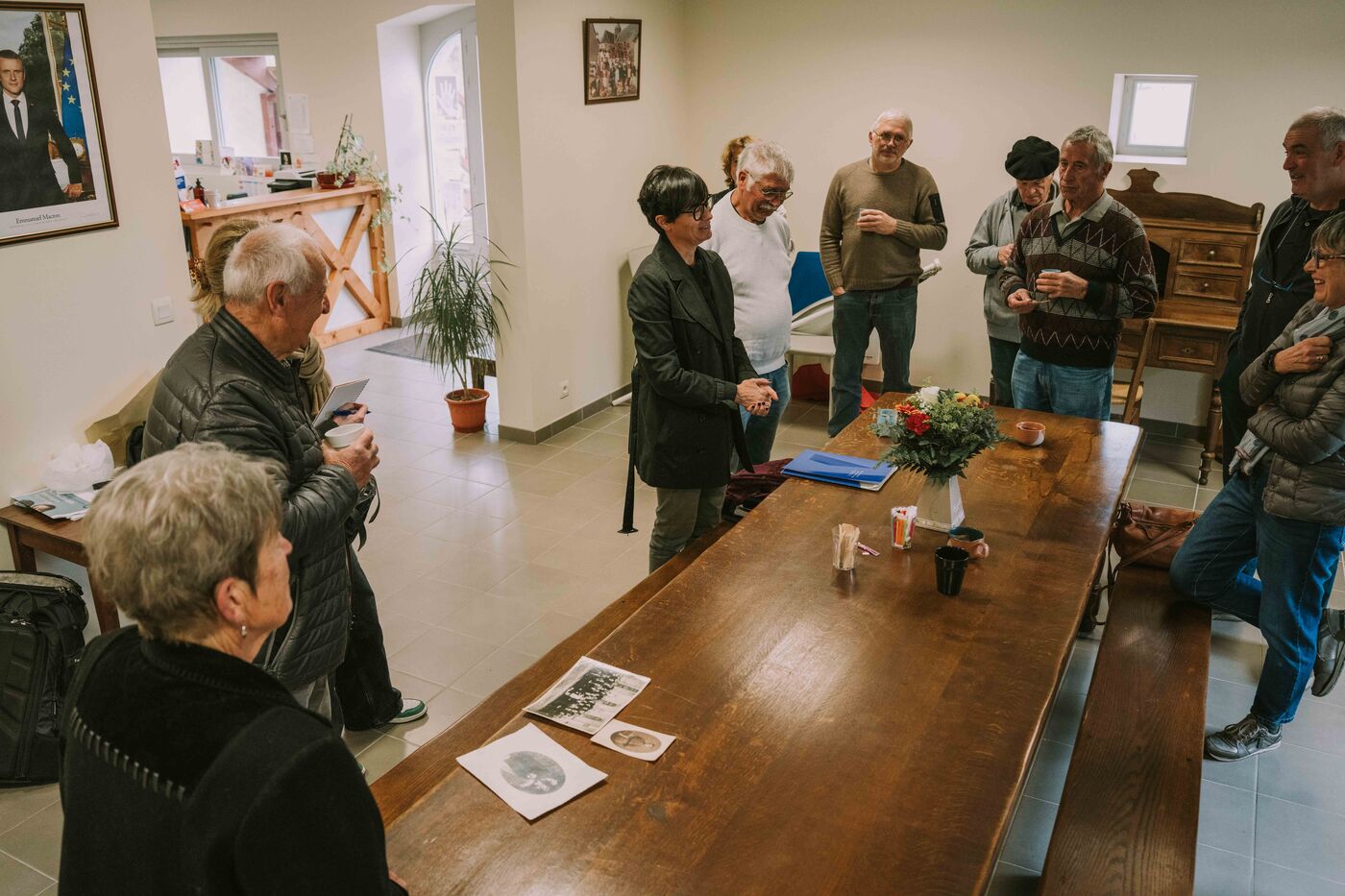
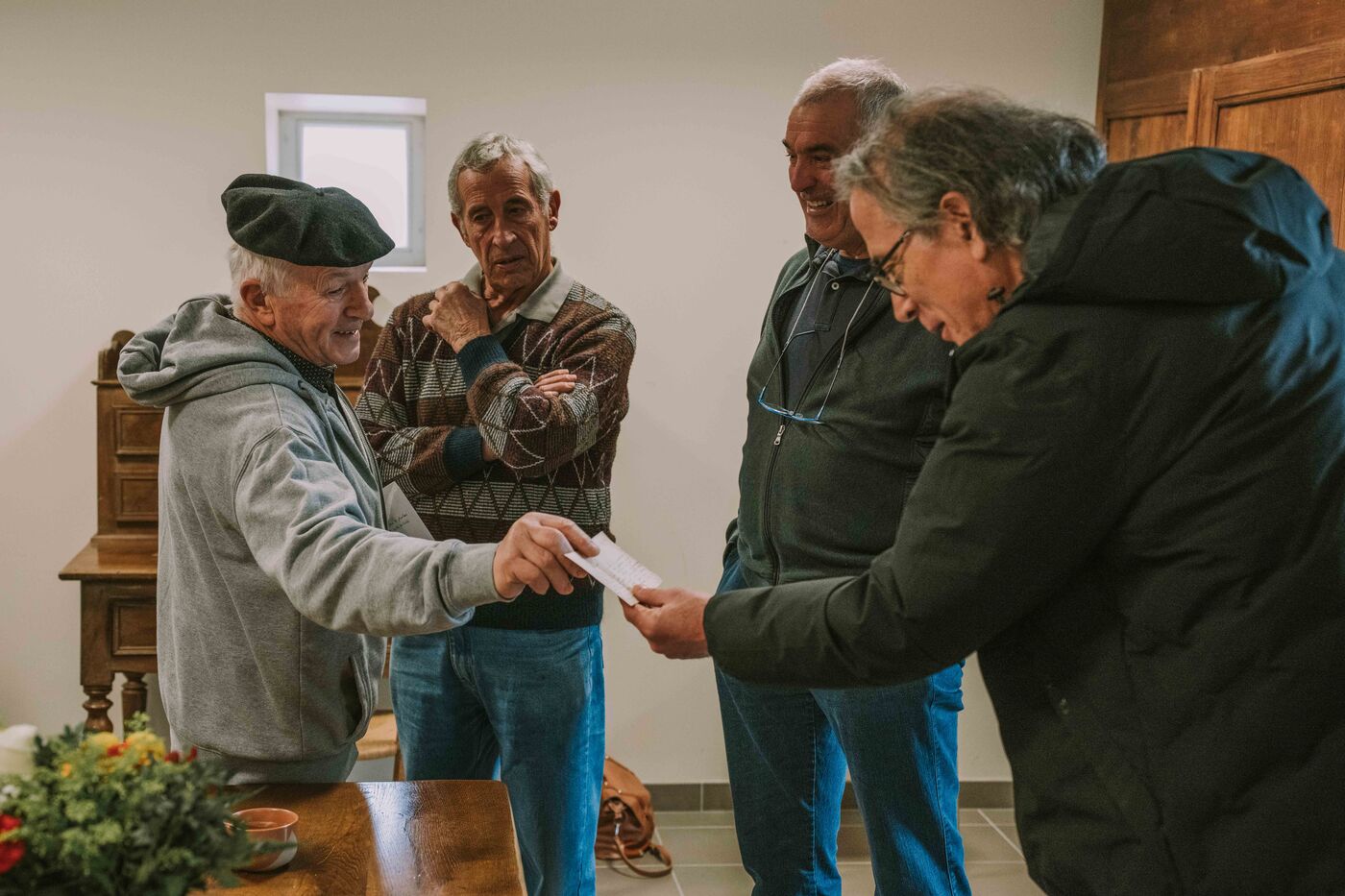
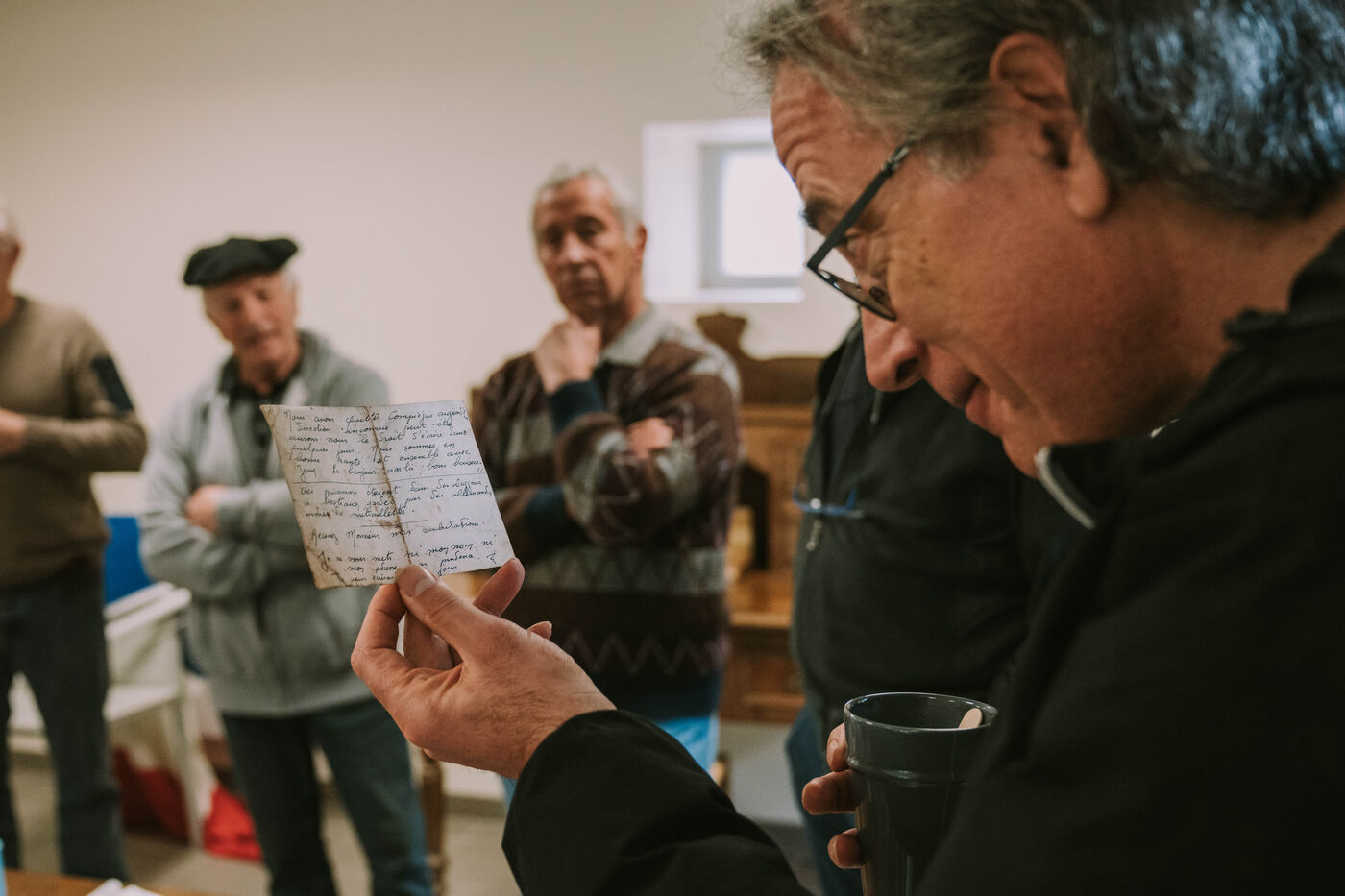
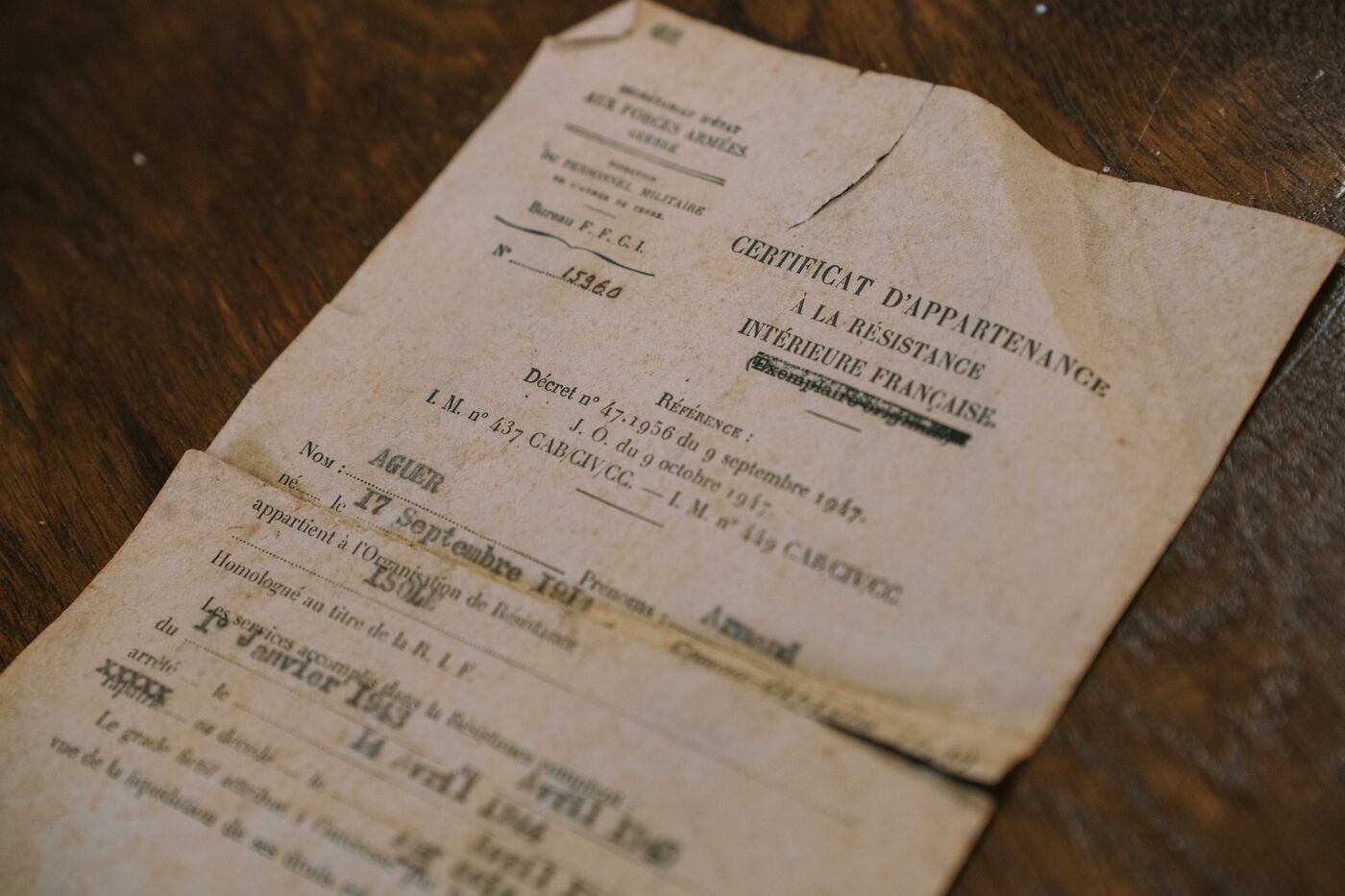
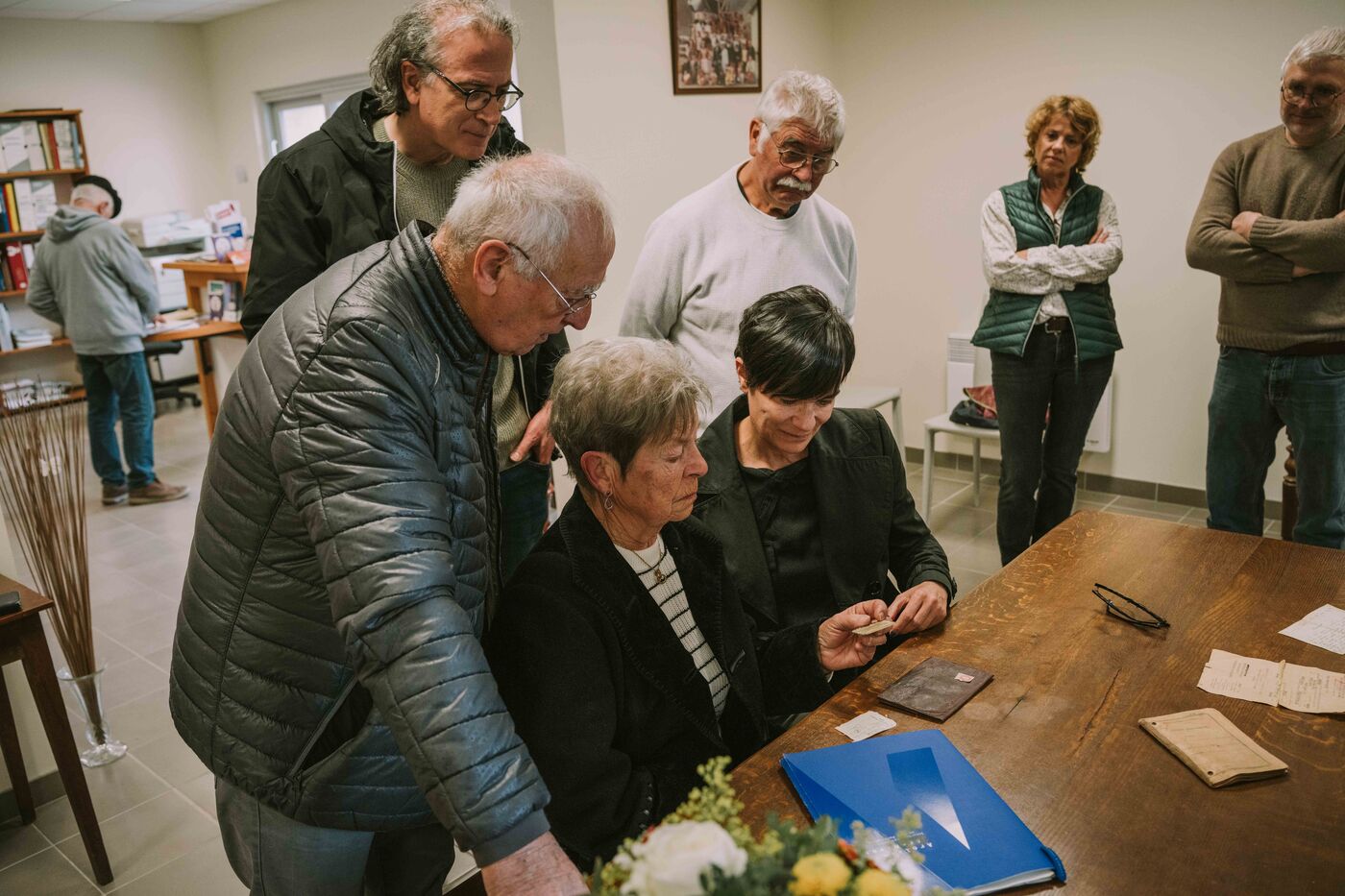
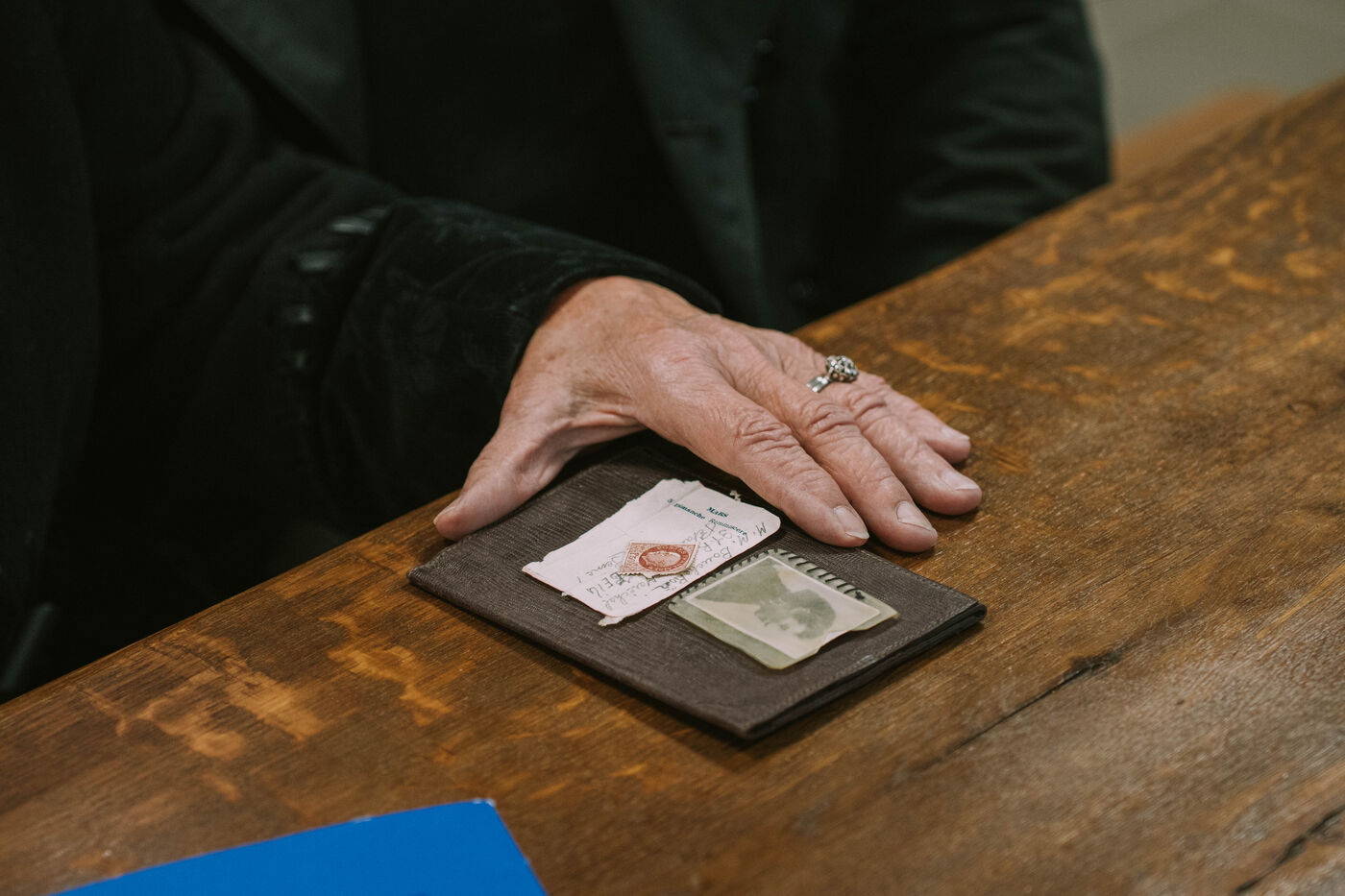
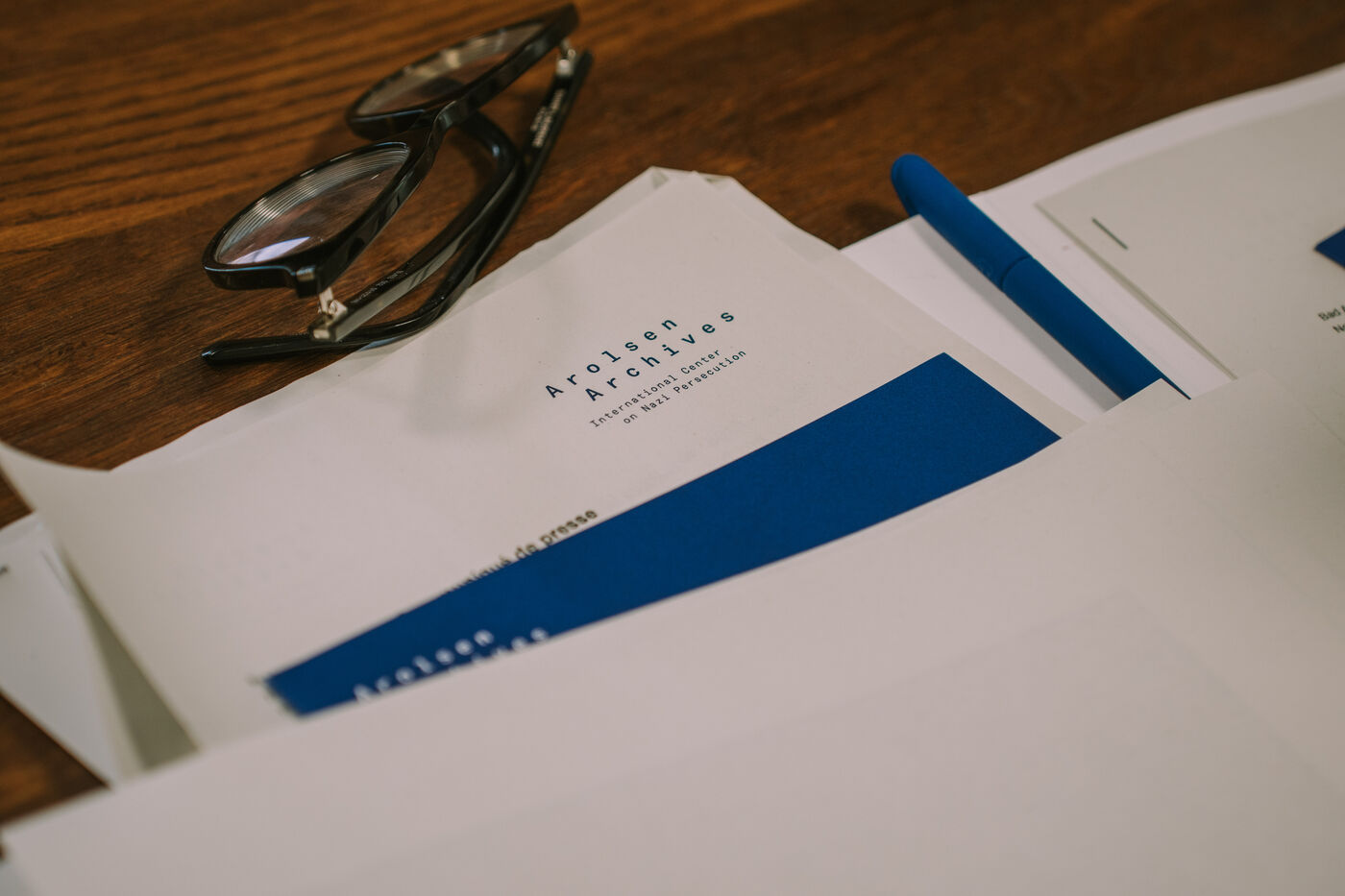
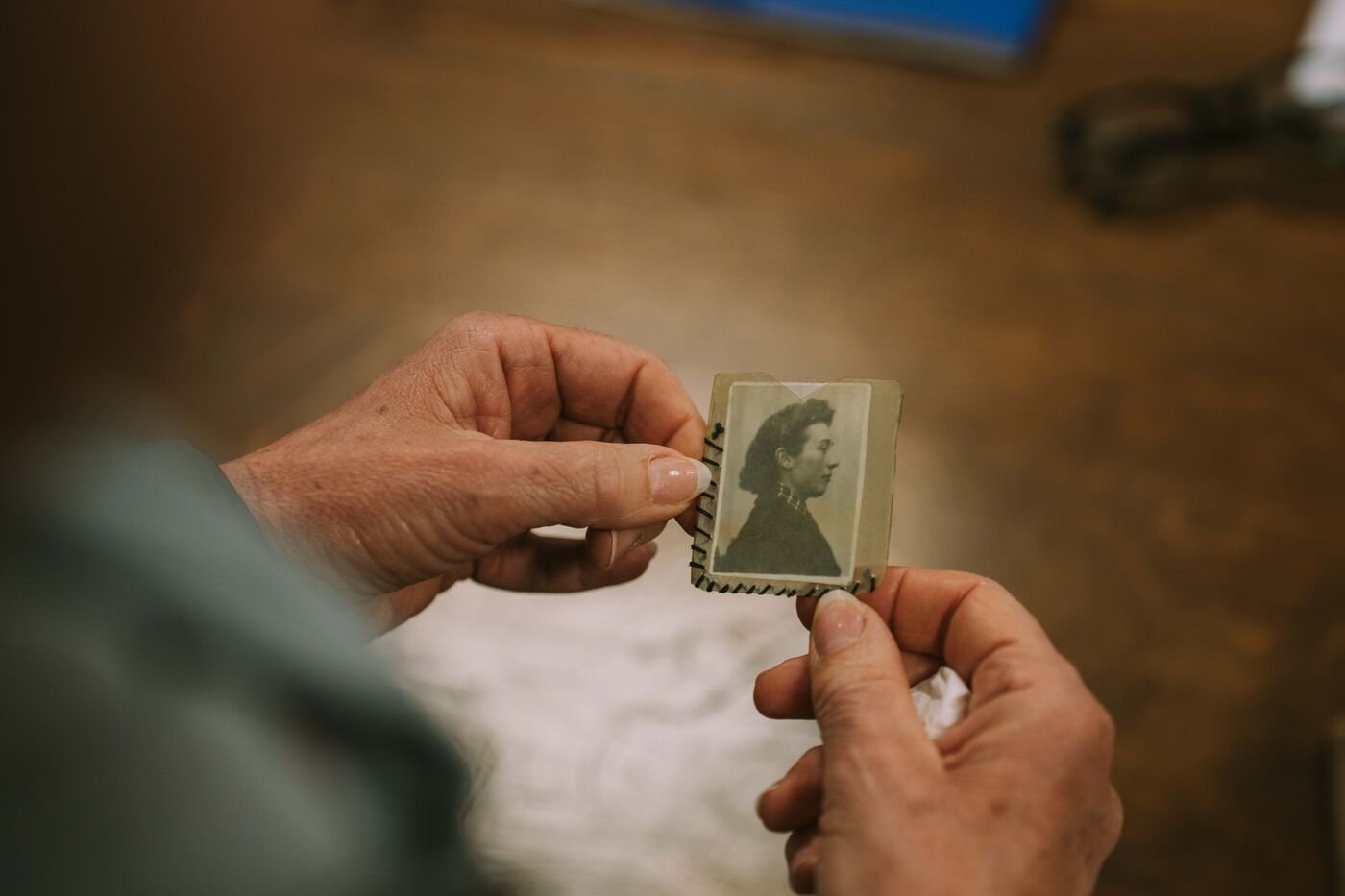
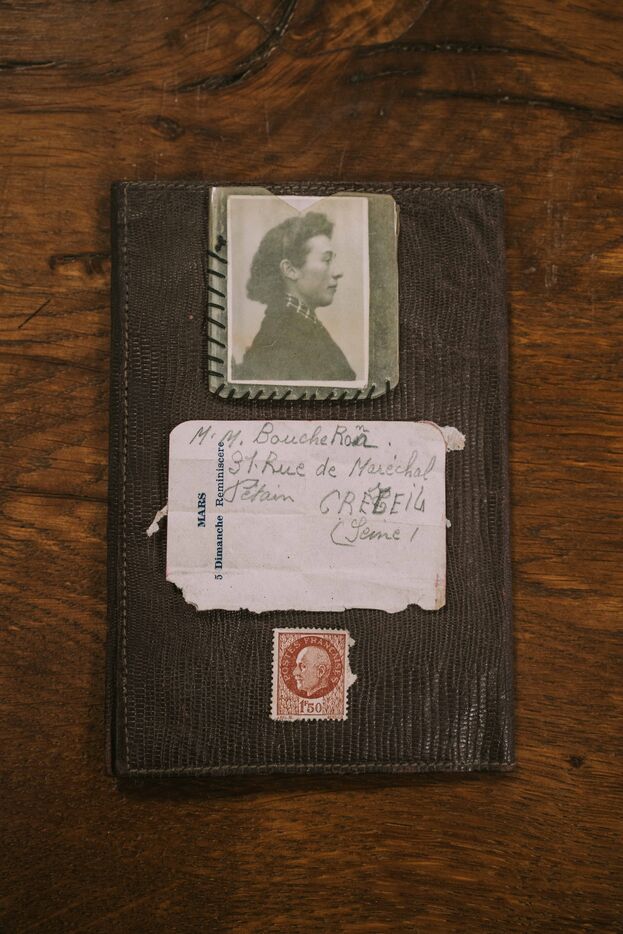
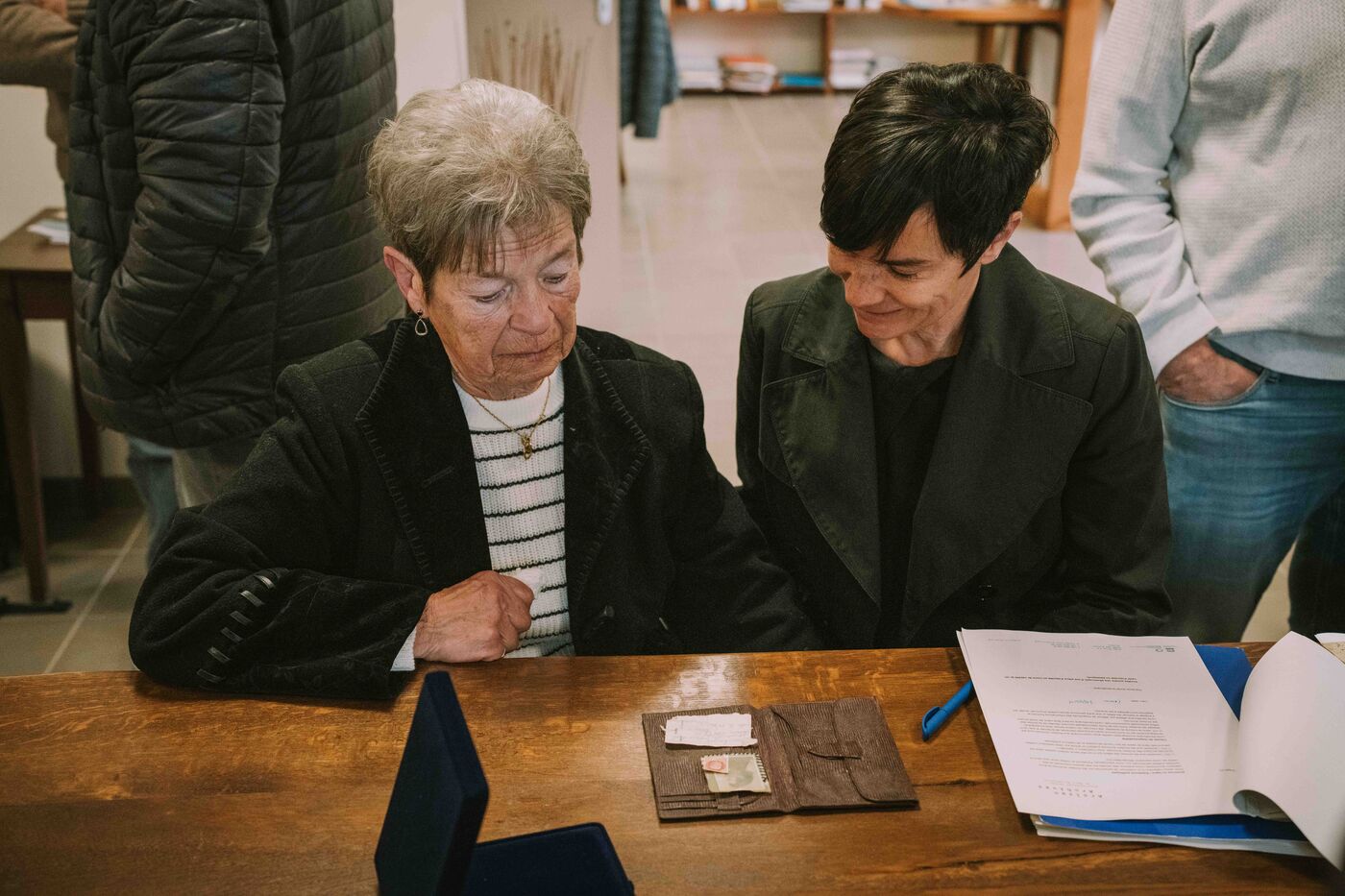
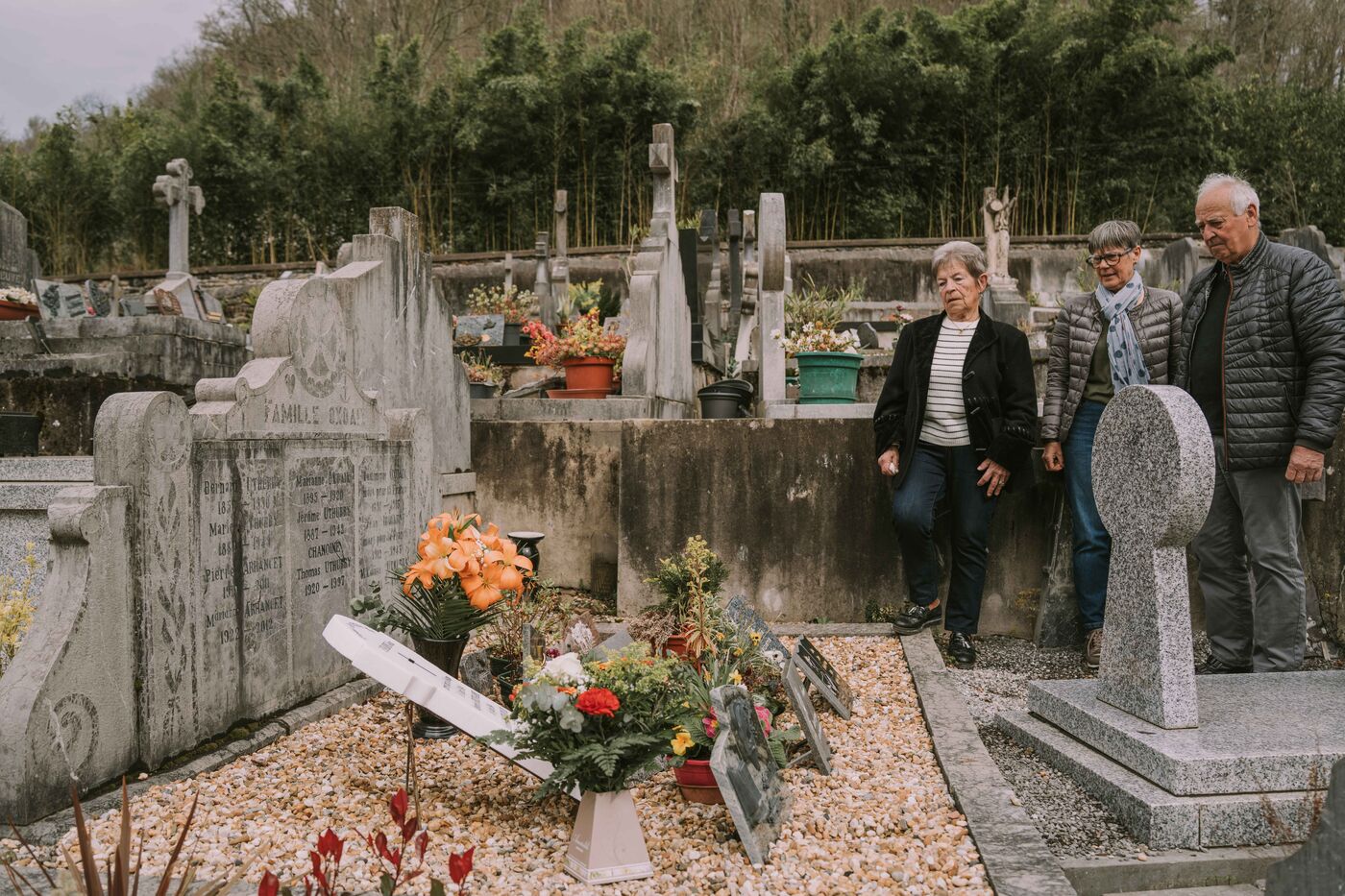
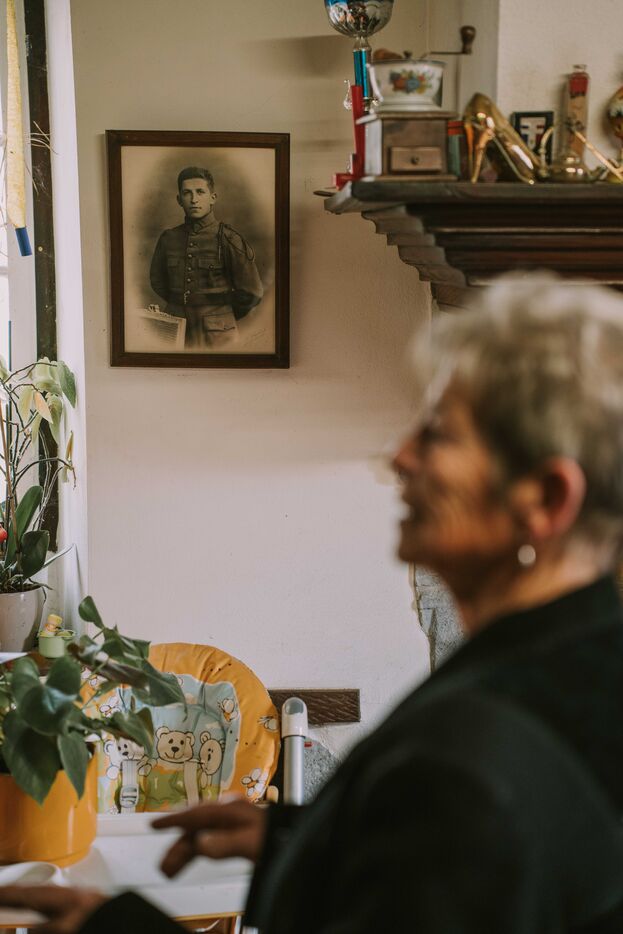
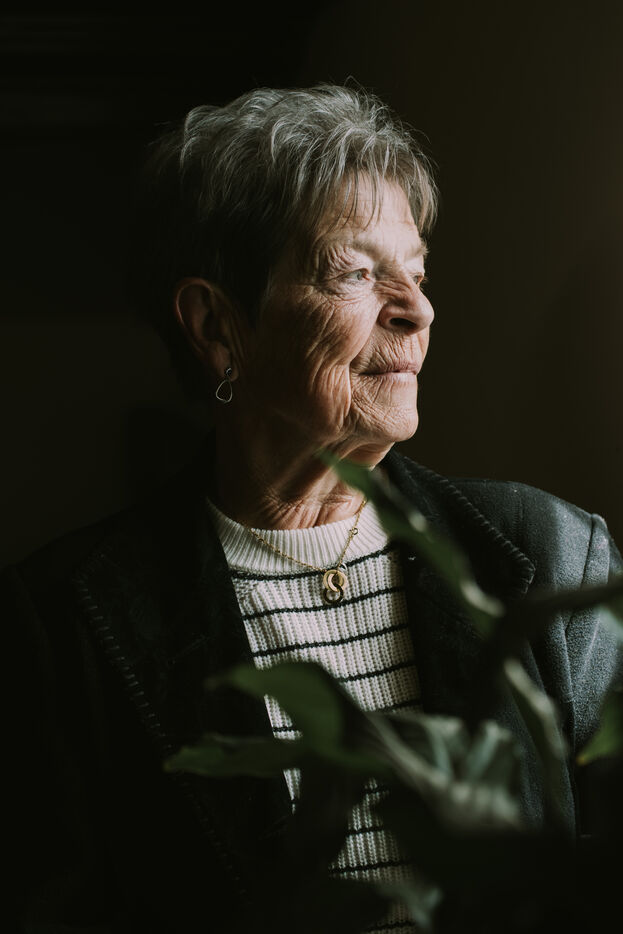
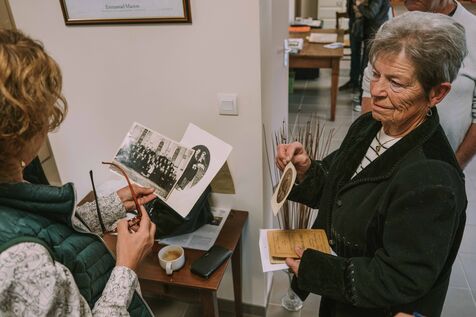
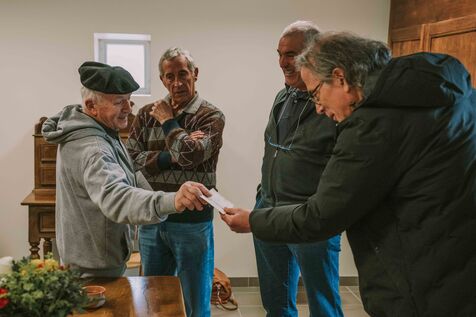
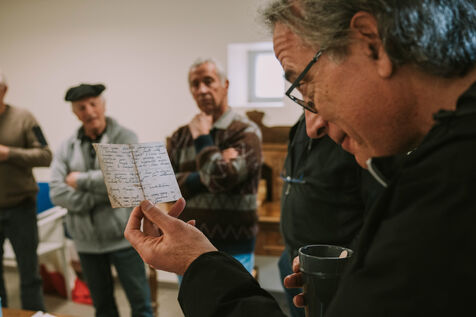
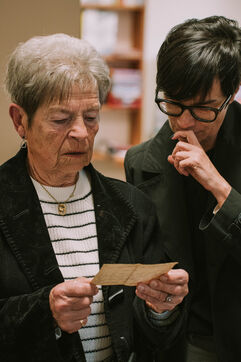
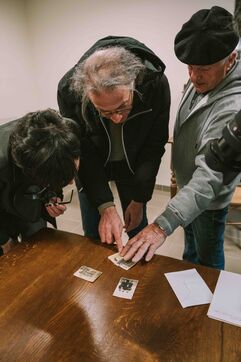
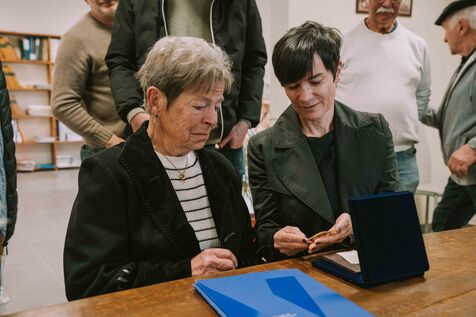
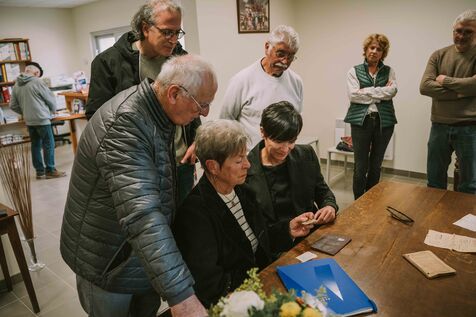
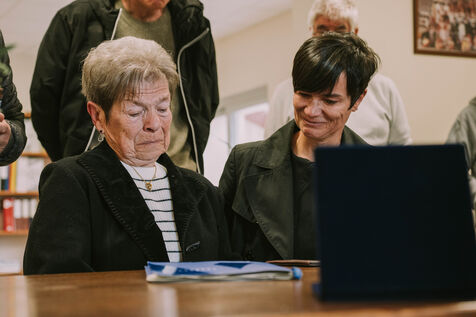
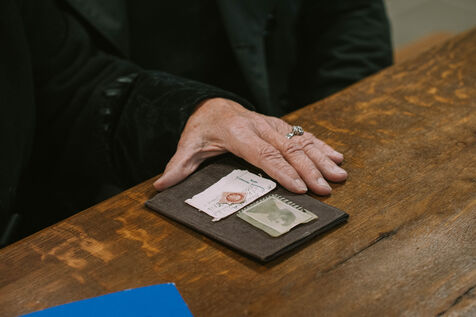
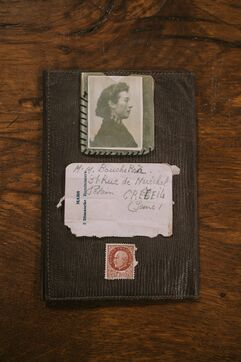
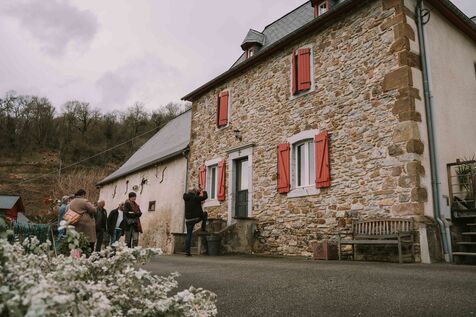
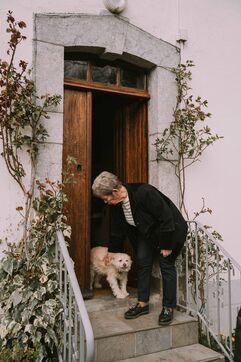
C’est une histoire chargée d’émotion et de mémoire qui s’est déroulée au Pays basque. La fille d’un ancien résistant déporté pendant la Seconde Guerre mondiale a récemment récupéré un objet d’une valeur inestimable : le portefeuille de son père, confisqué lors de son arrestation il y a plus de 80 ans. Cette restitution a été rendue possible grâce aux Archives Arolsen, un centre international qui conserve et restitue les effets personnels des victimes du nazisme.
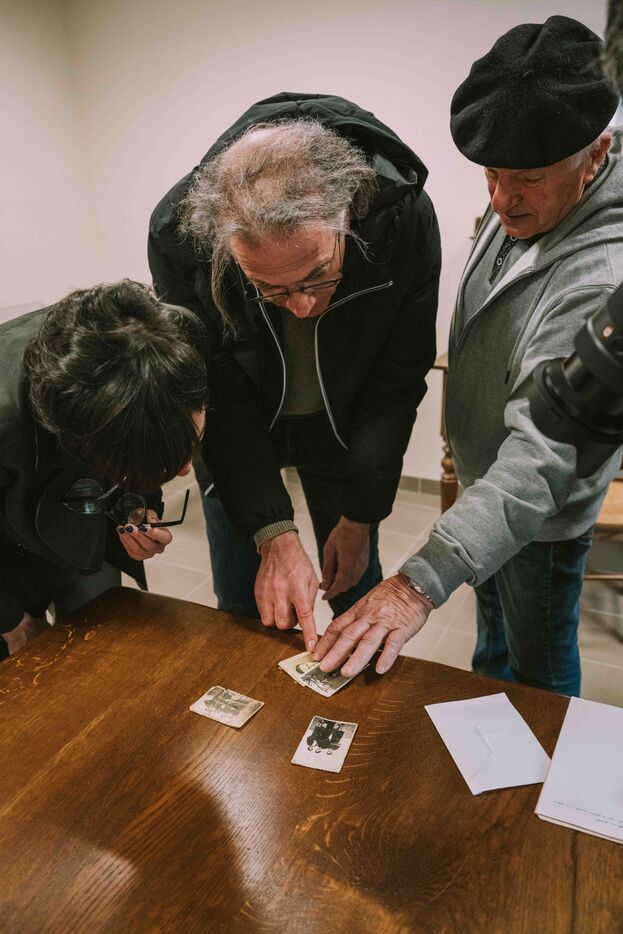
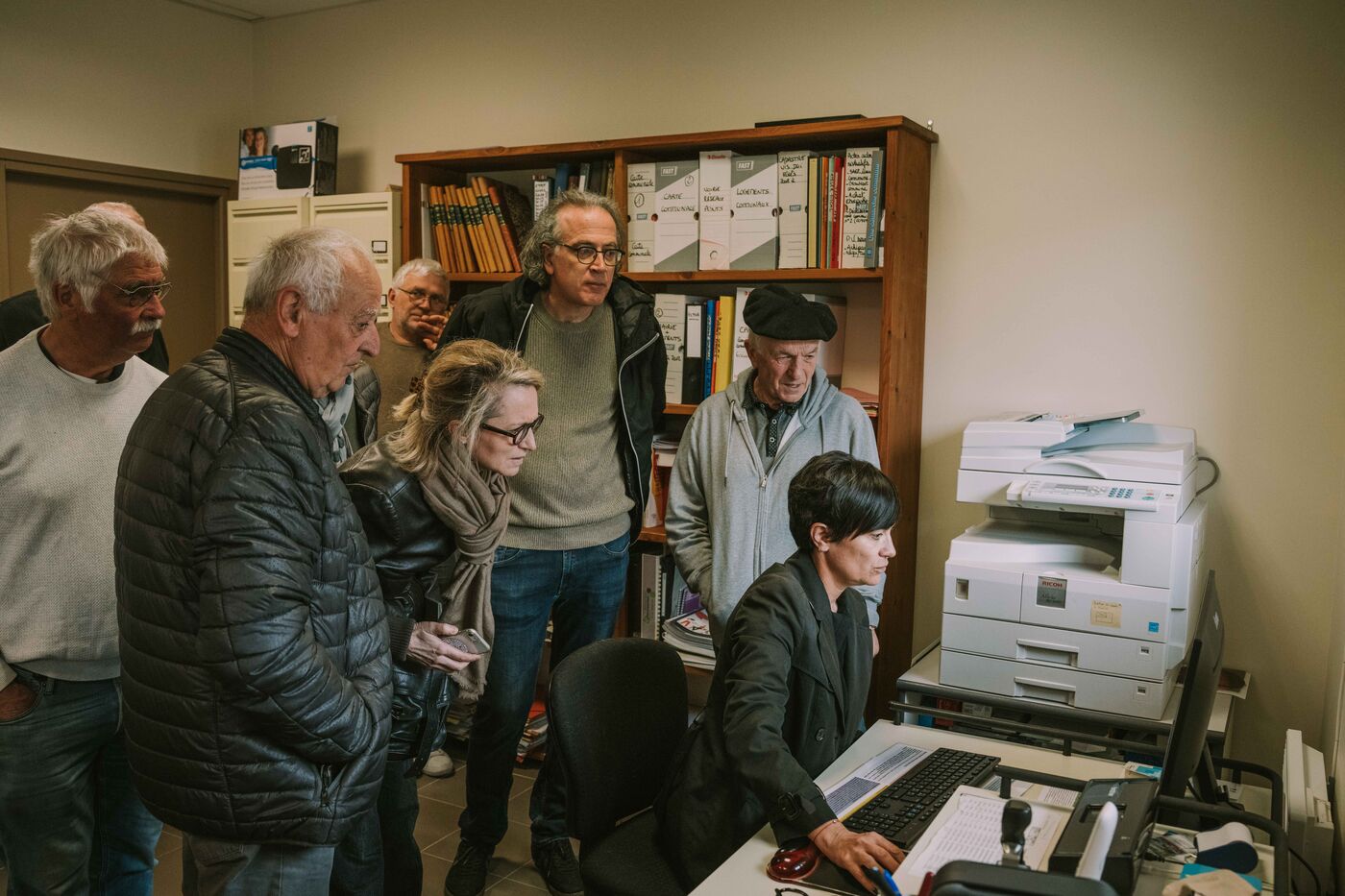
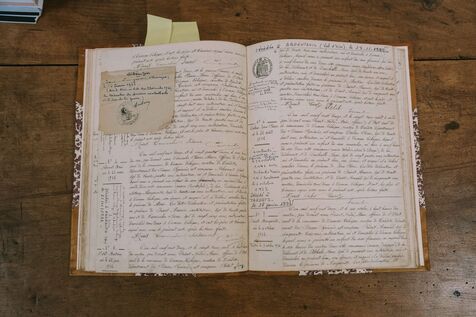
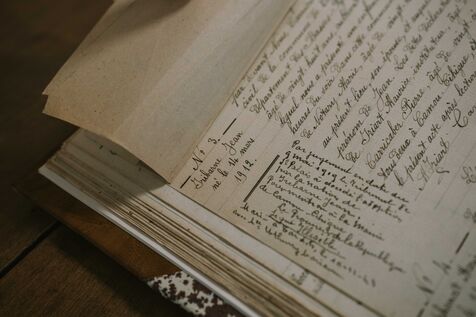
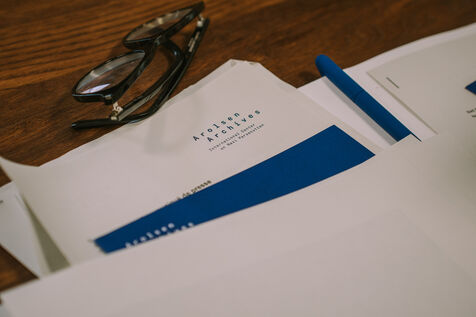
Les Archives Arolsen, basées en Allemagne, rassemblent l’une des plus vastes collections de documents relatifs aux persécutions nazies. Depuis plusieurs années, elles s’efforcent de restituer aux familles les objets ayant appartenu aux déportés et conservés après la guerre. Dans ce cas précis, le portefeuille, soigneusement archivé, a été identifié comme appartenant au résistant basque avant d’être transmis à sa fille.
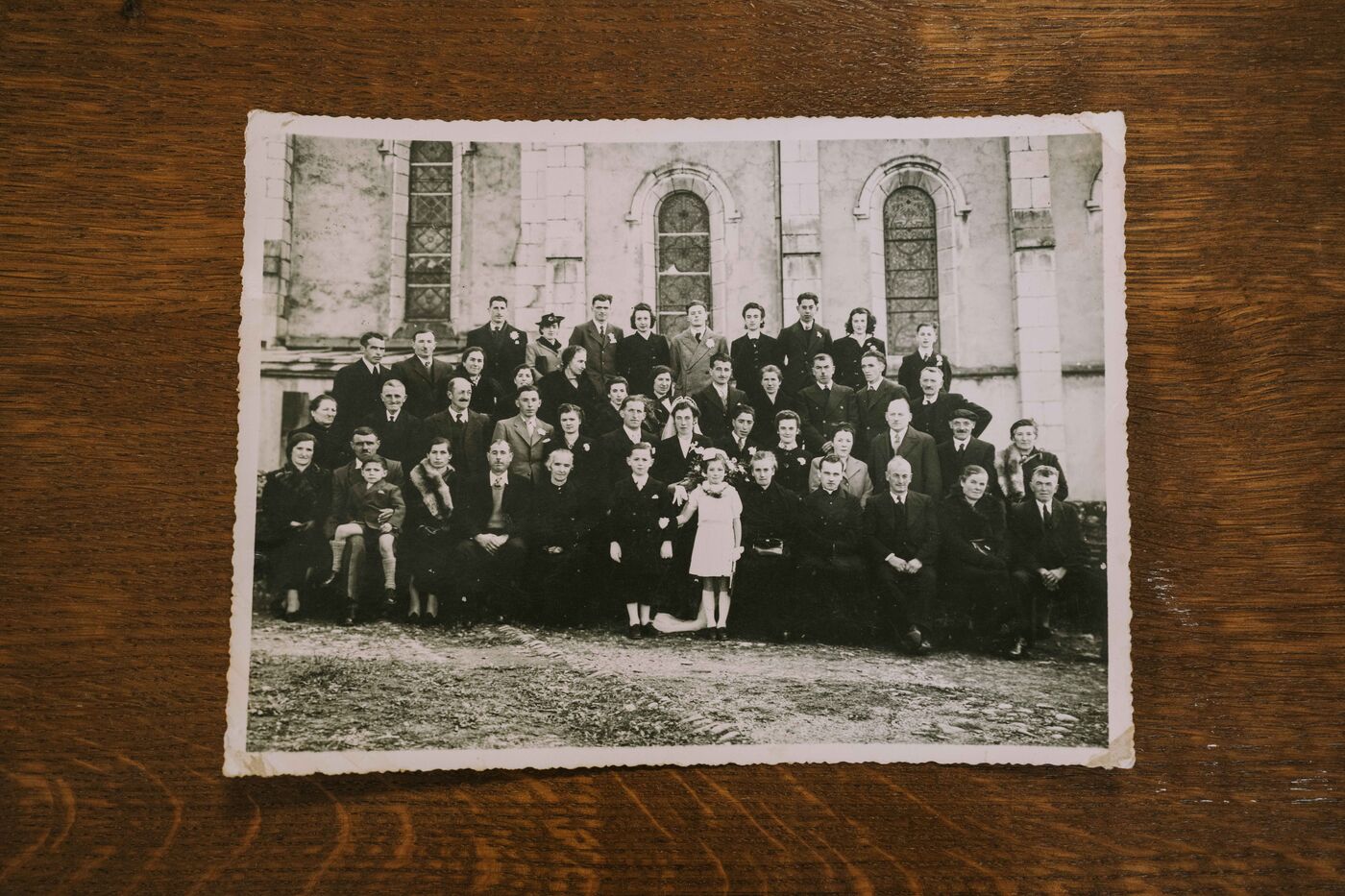
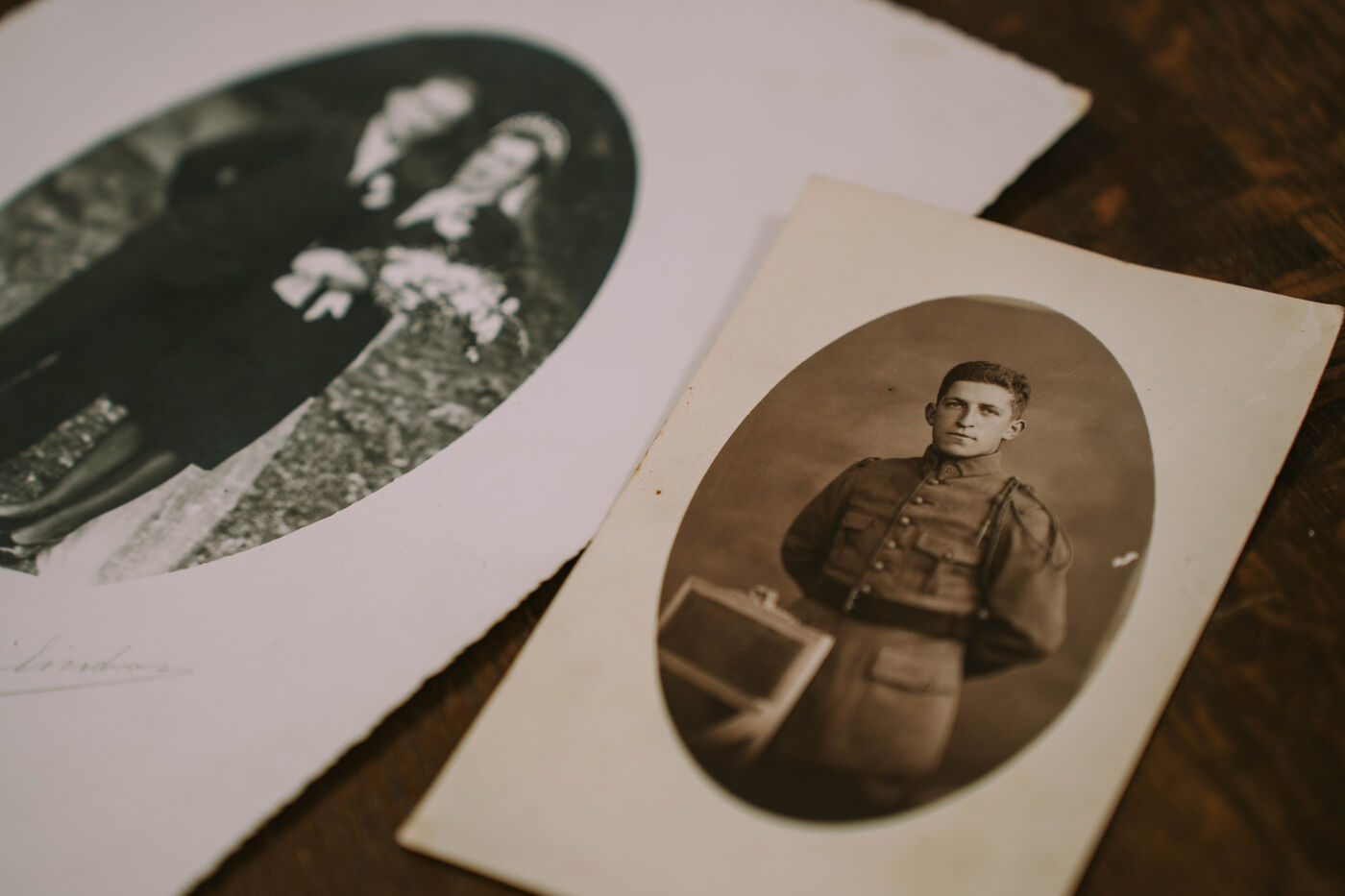
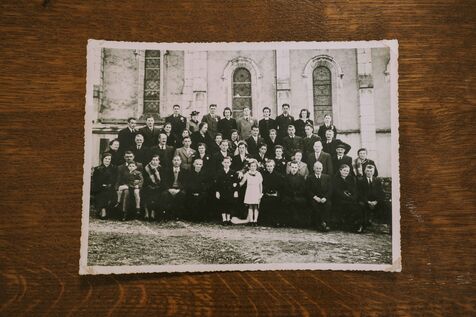
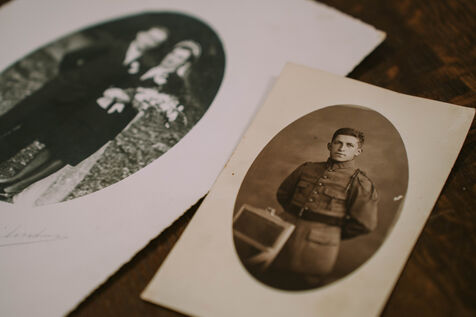
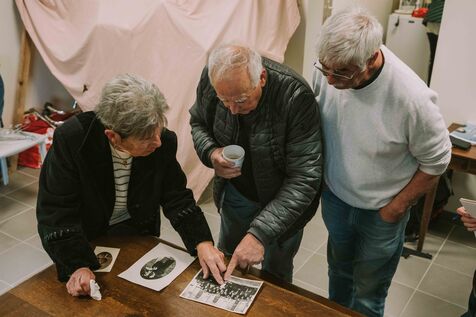
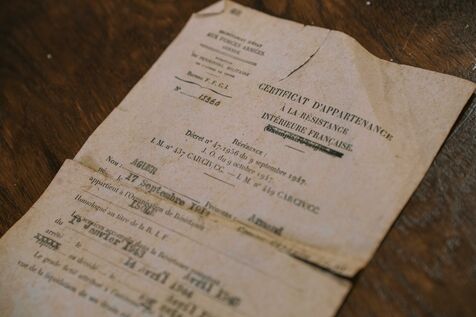
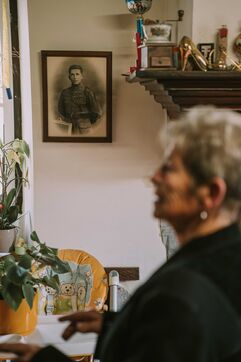
Le père de cette dernière, engagé dans la Résistance locale, avait été arrêté puis envoyé dans un camp de concentration. Comme beaucoup d’autres prisonniers, ses effets personnels lui avaient été confisqués à son arrivée. Des décennies plus tard, grâce au travail des archivistes et des chercheurs, cet objet a pu être restitué à sa famille, apportant un témoignage tangible de son histoire.
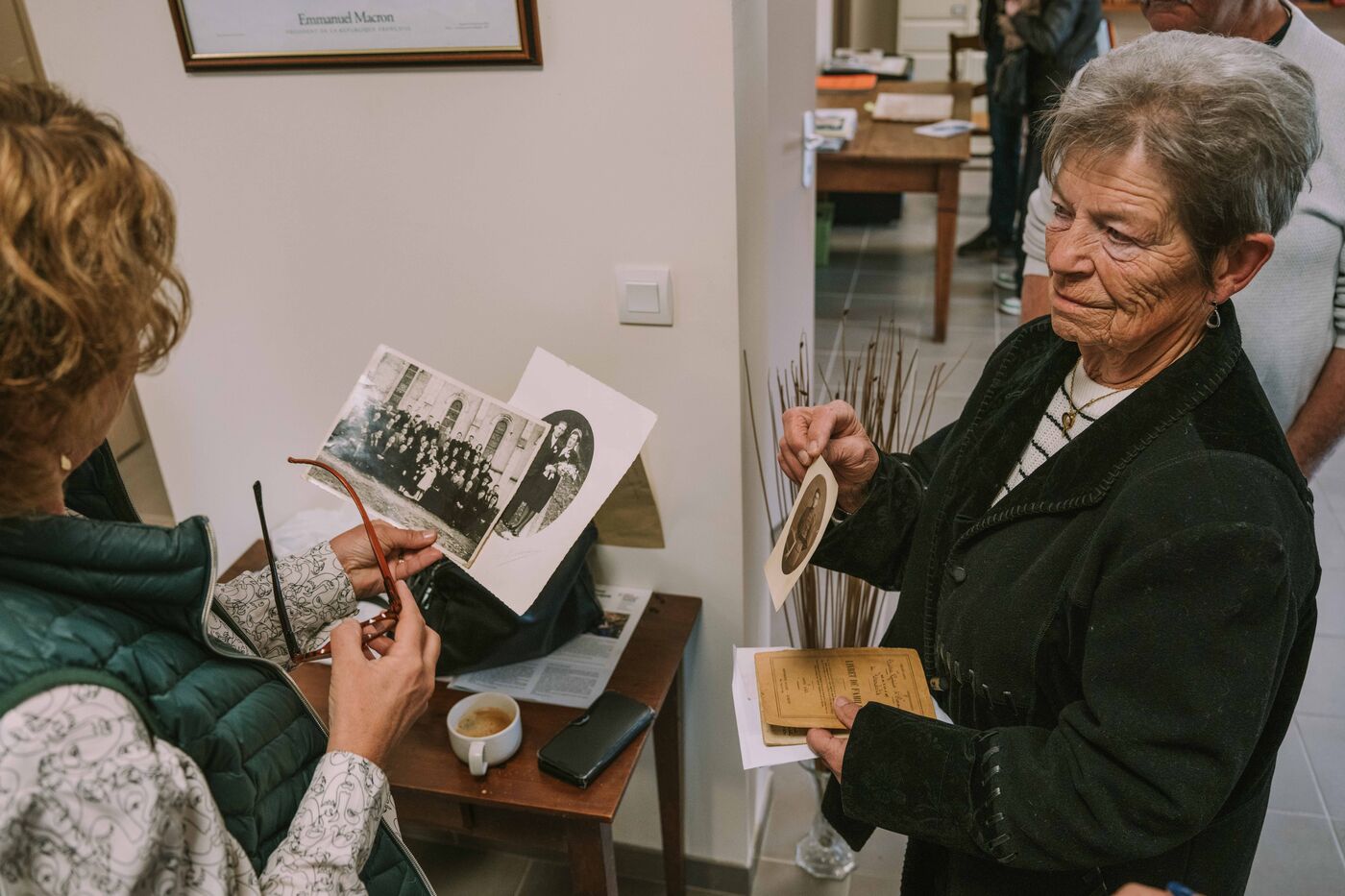
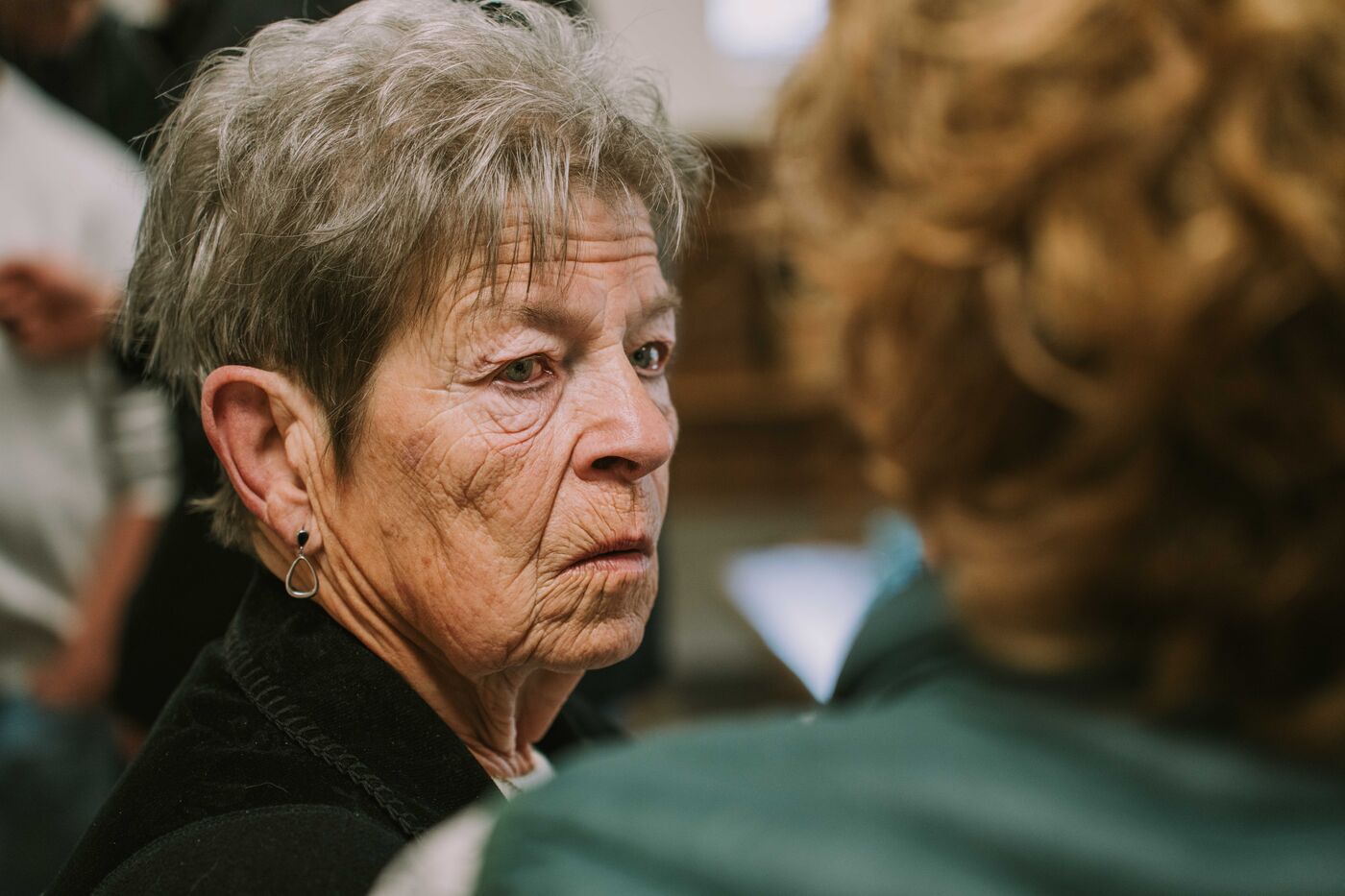
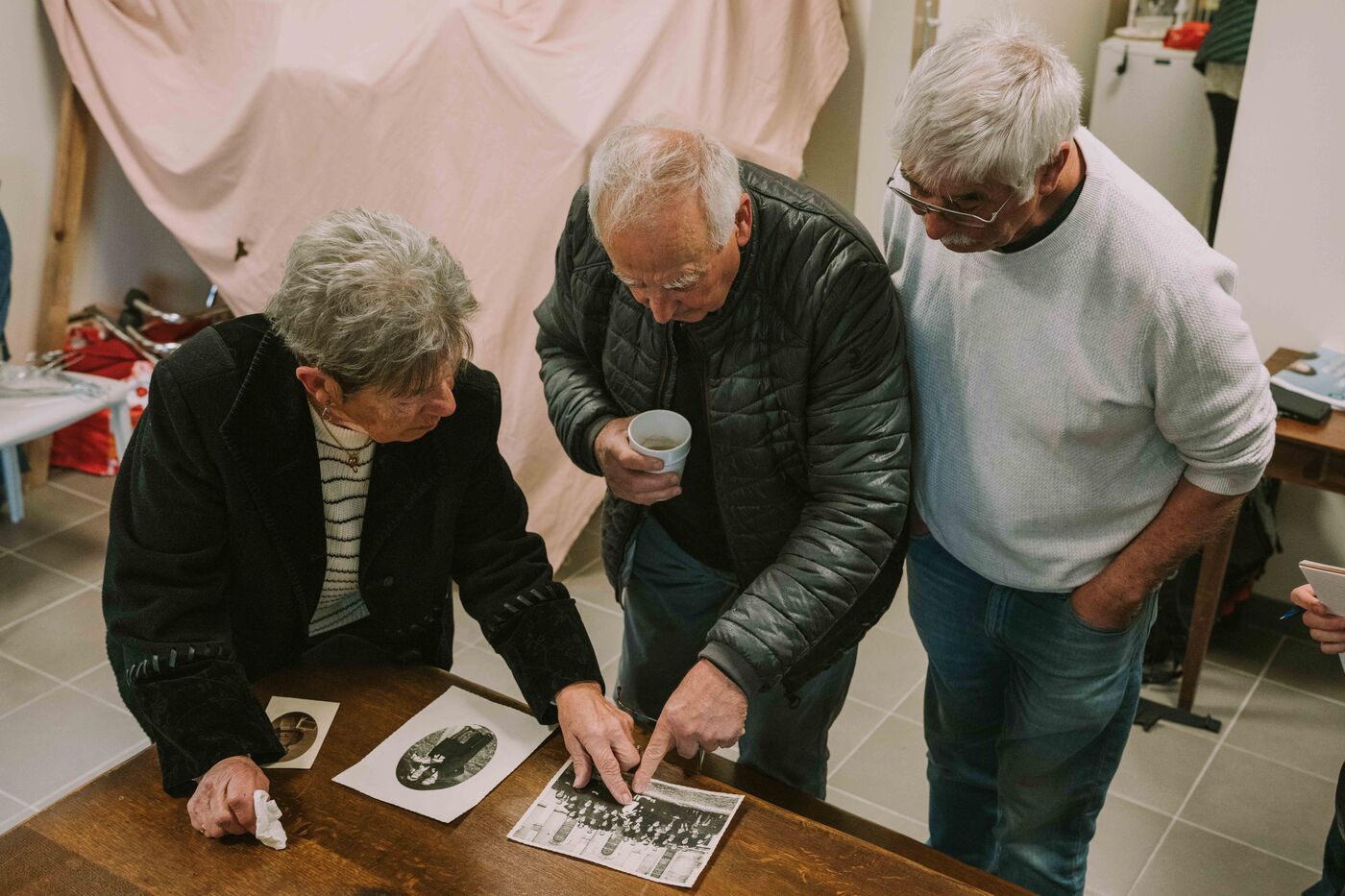
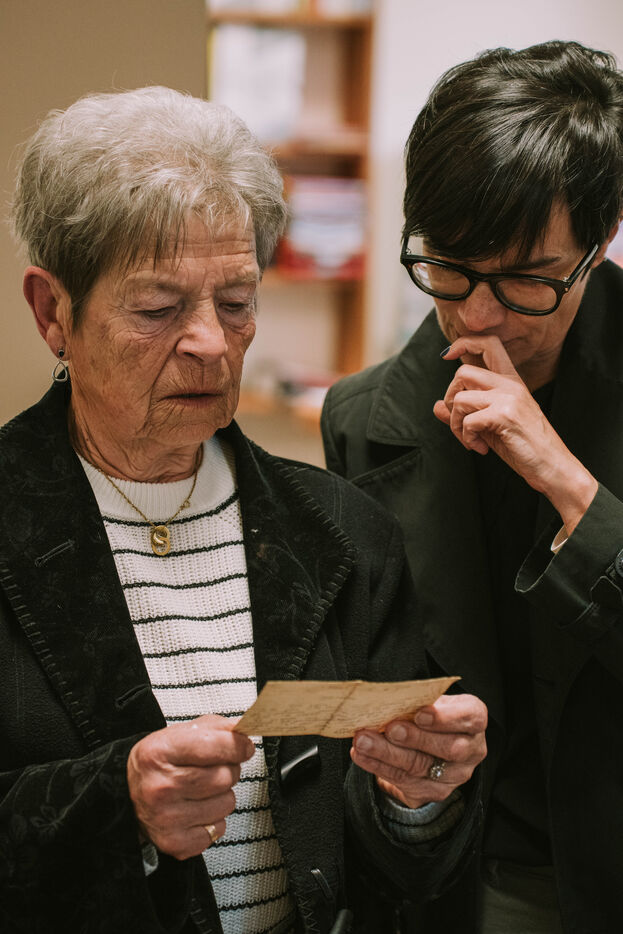
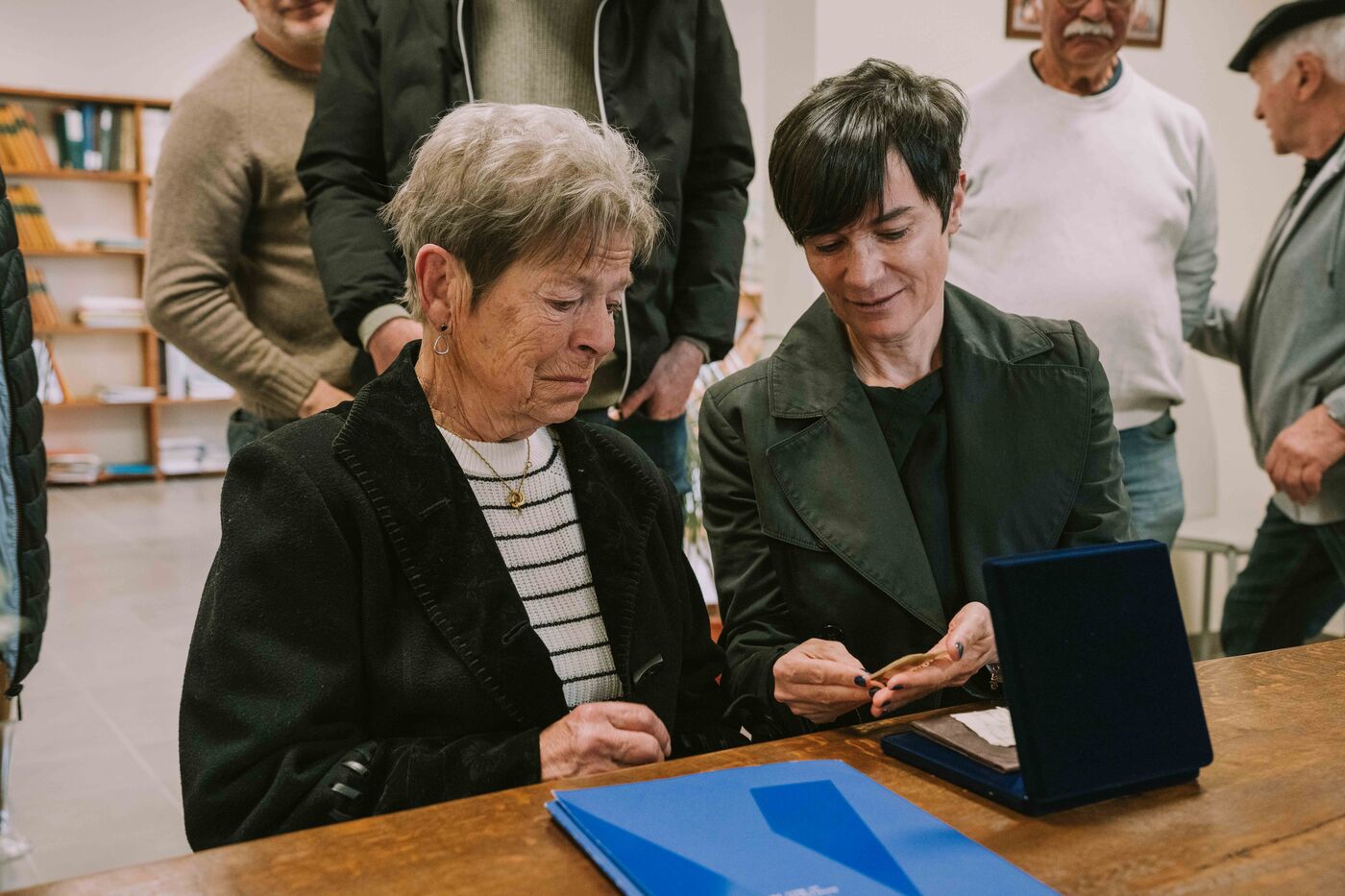
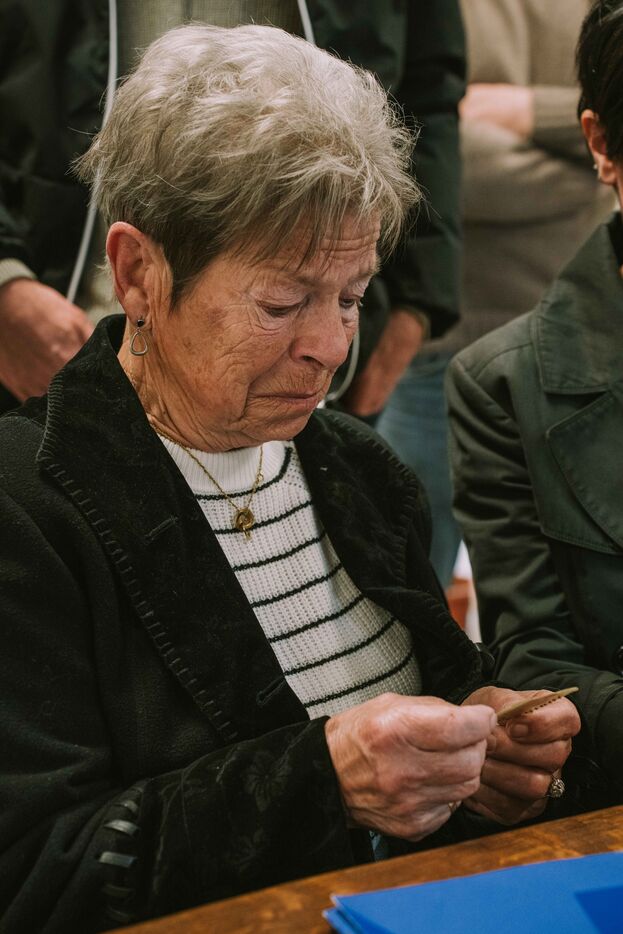
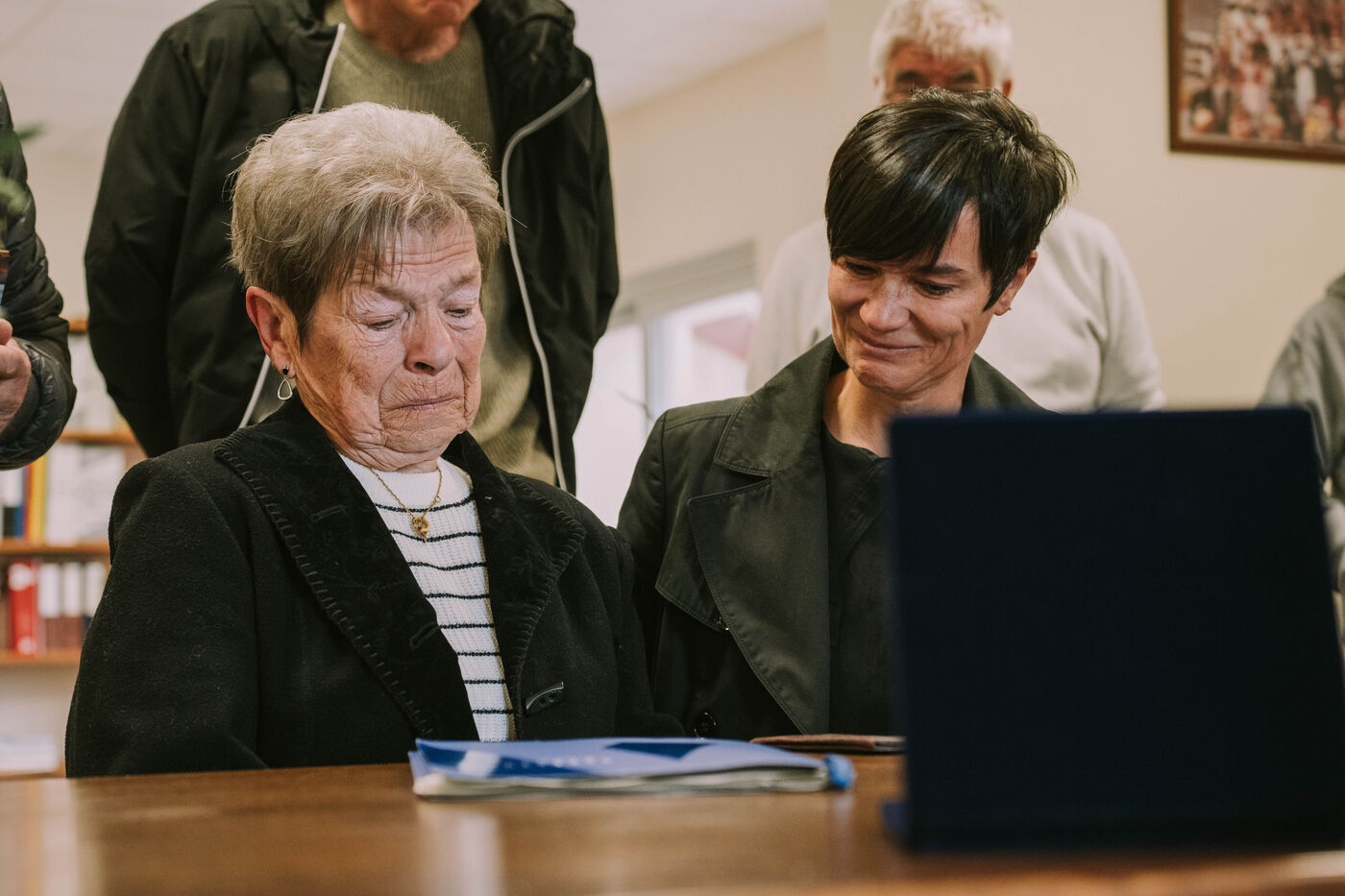
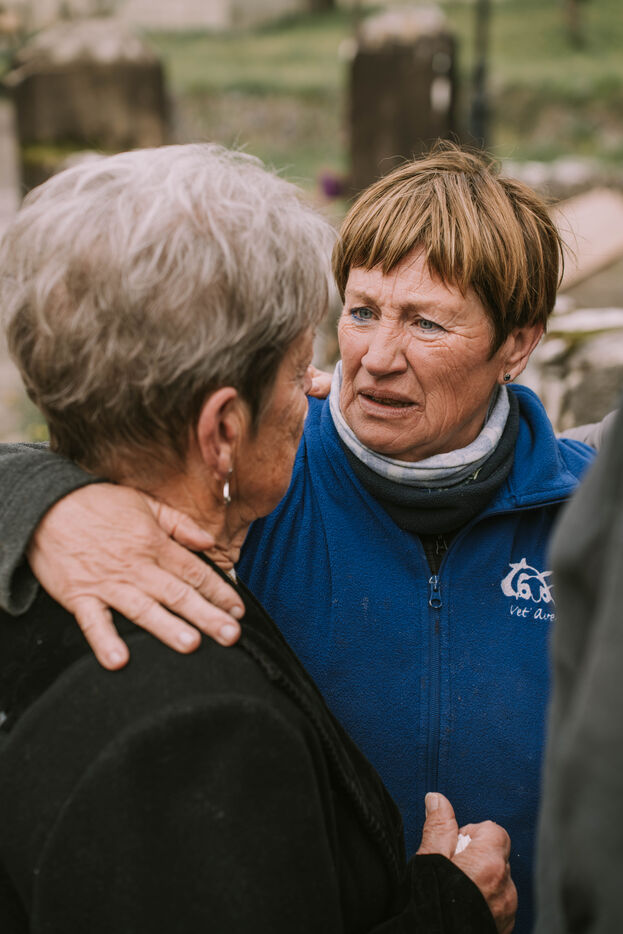
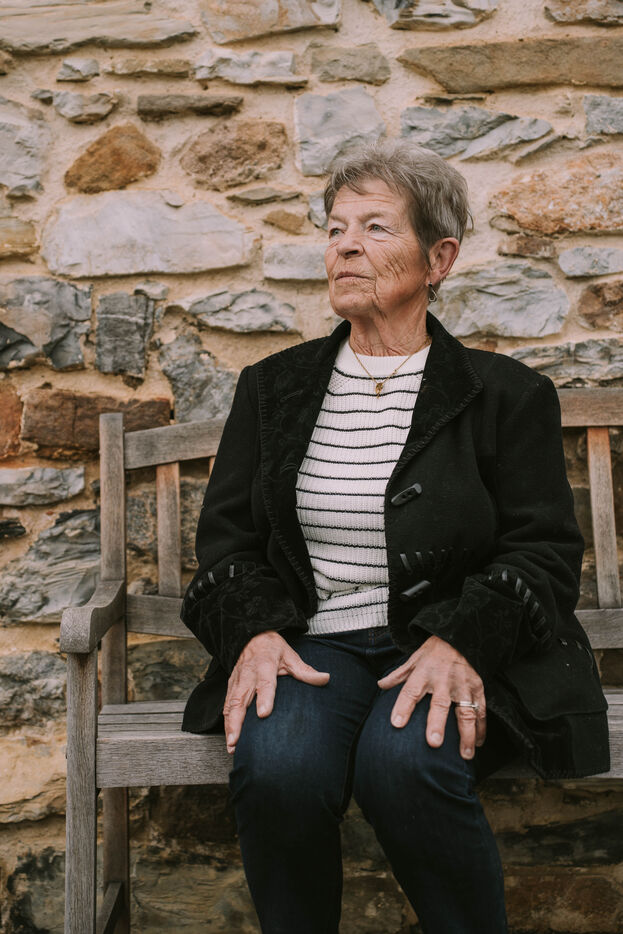
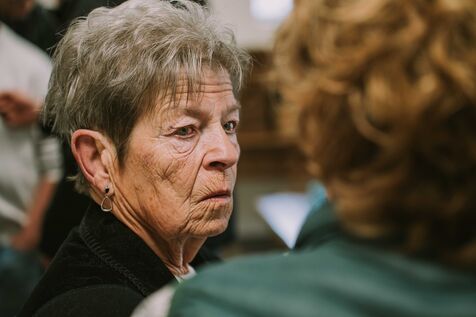
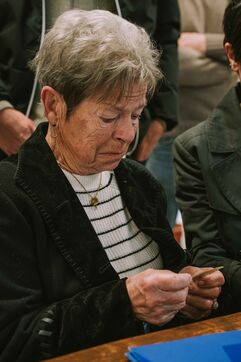
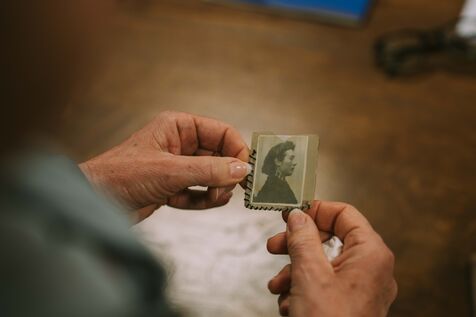
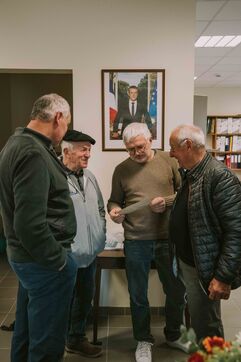
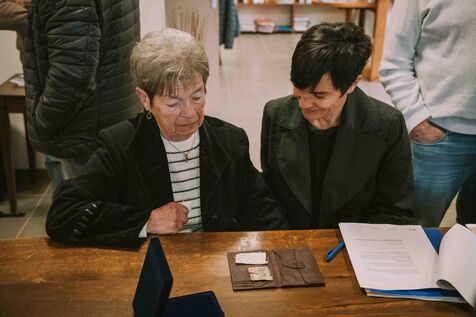
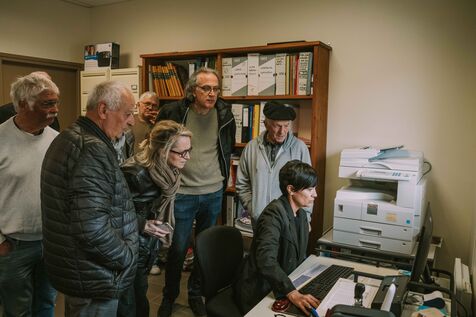
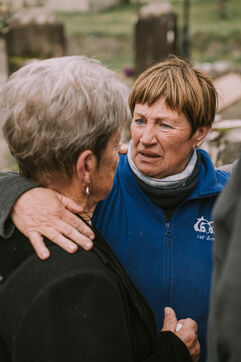
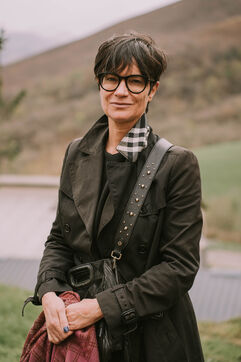
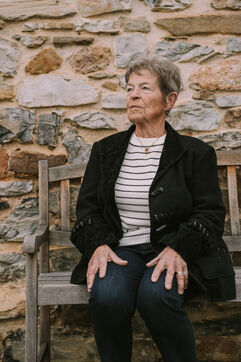
Pour la fille du résistant, cette restitution est un moment fort, mêlant émotion et mémoire. Recevoir ce portefeuille, conservé malgré le temps, est une manière de reconnecter avec le passé de son père et de perpétuer son souvenir.
Cette histoire souligne l’importance du travail des Archives Arolsen, qui poursuivent leurs efforts pour rendre ces objets aux familles des victimes et contribuer à la transmission de l’histoire de la Seconde Guerre mondiale. Chaque restitution permet de redonner une part d’identité aux disparus et d’honorer leur mémoire.
Stolen memory: Resistance fighter's wallet restored
It's an emotional and memorable story that unfolded in the Basque Country. The daughter of a former resistance fighter deported during the Second World War recently recovered a priceless object: her father's wallet, confiscated when he was arrested over 80 years ago. The restitution was made possible by the Arolsen Archives, an international center that preserves and restitutes the personal effects of victims of Nazism.
The Arolsen Archive, based in Germany, houses one of the world's largest collections of documents relating to Nazi persecution. For several years now, they have been endeavoring to return to families the objects that belonged to deportees and were kept after the war. In this particular case, the carefully archived wallet was identified as belonging to the Basque resistance fighter and passed on to his daughter.
Her father, a member of the local Resistance, had been arrested and sent to a concentration camp. Like many other prisoners, his personal belongings were confiscated on arrival. Decades later, thanks to the work of archivists and researchers, this object was returned to his family, providing tangible evidence of his history.
For the Resistance fighter's daughter, the return of her father's wallet is a powerful moment, combining emotion and memory. Receiving this wallet, preserved despite the passage of time, is a way of reconnecting with her father's past and perpetuating his memory.
This story underlines the importance of the work carried out by the Archives Arolsen, who continue their efforts to return these objects to the families of the victims and contribute to the transmission of the history of the Second World War. Each restitution helps to restore a sense of identity to the fallen and to honor their memory.