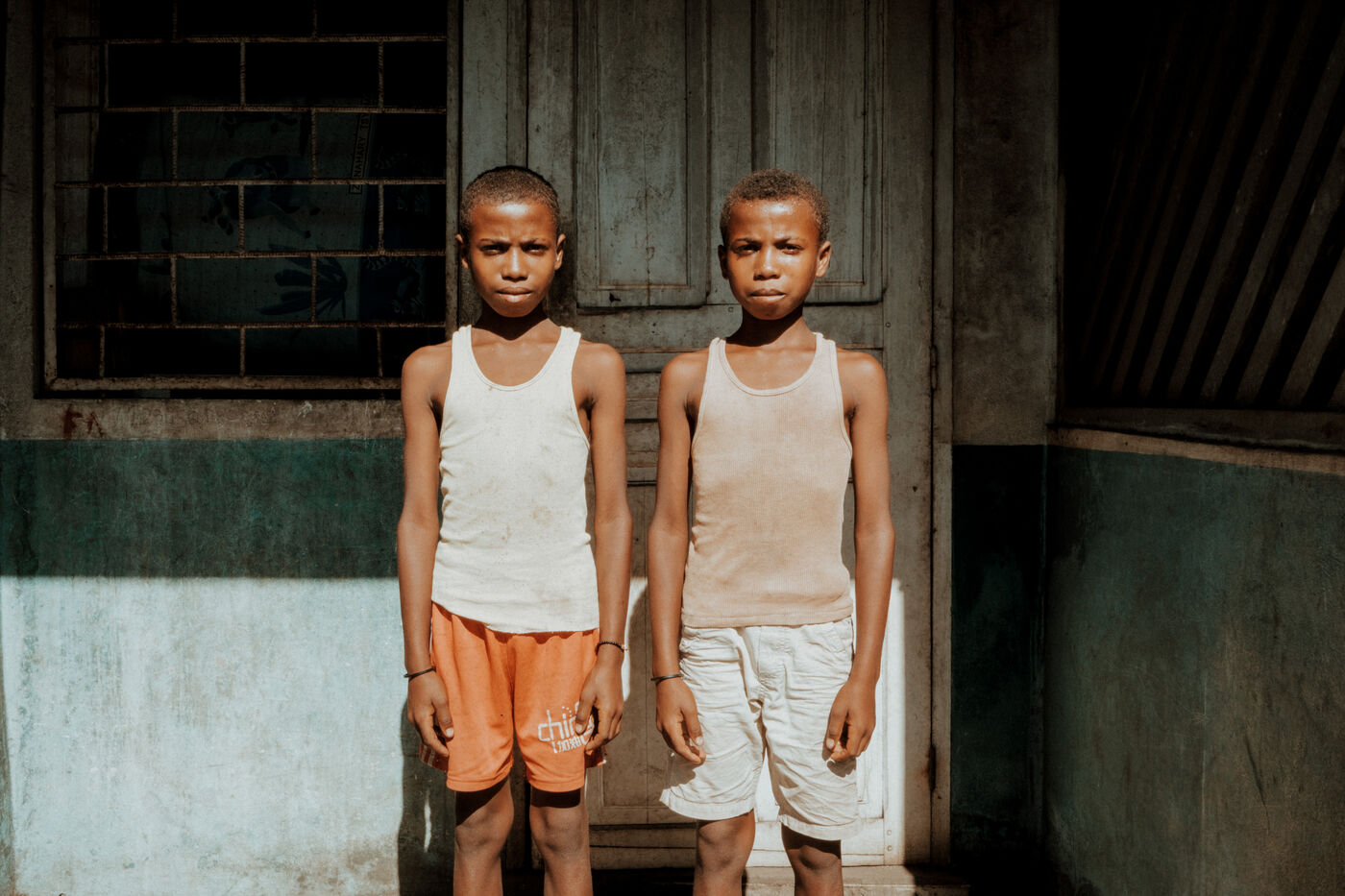
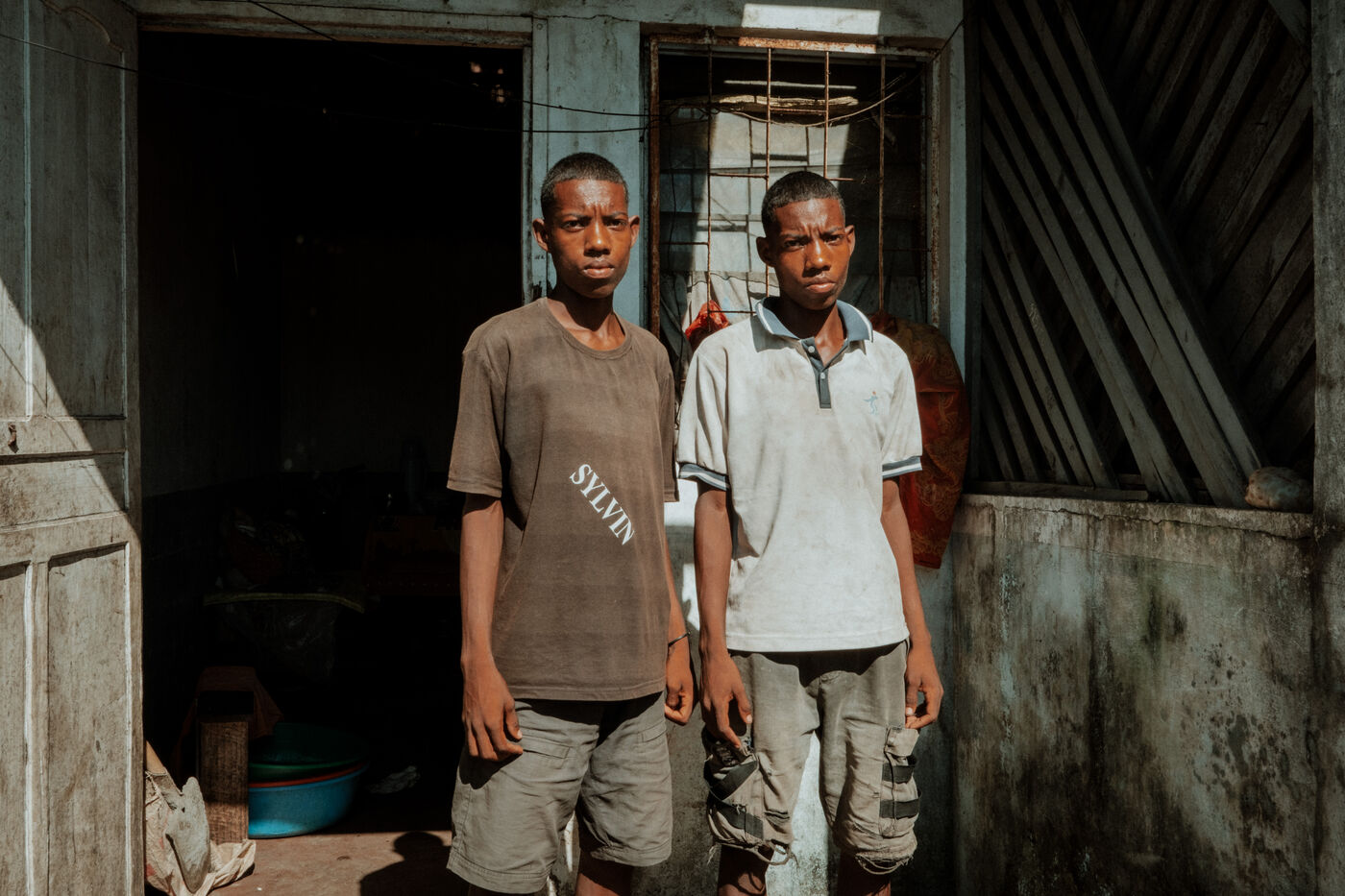
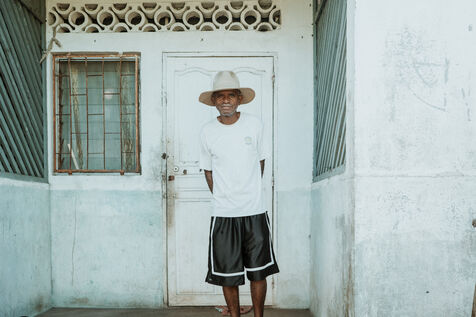
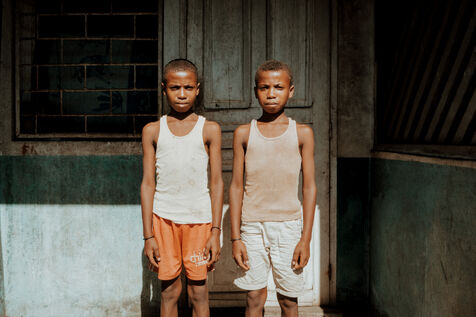
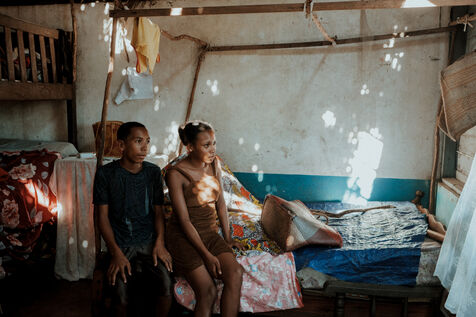
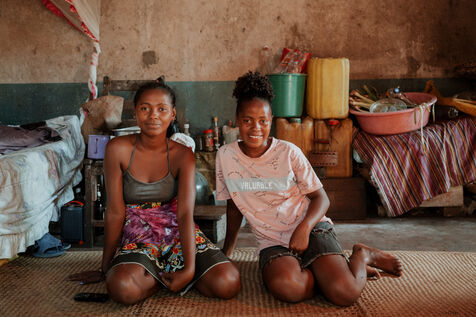
Les Enfants du Fady Kambana
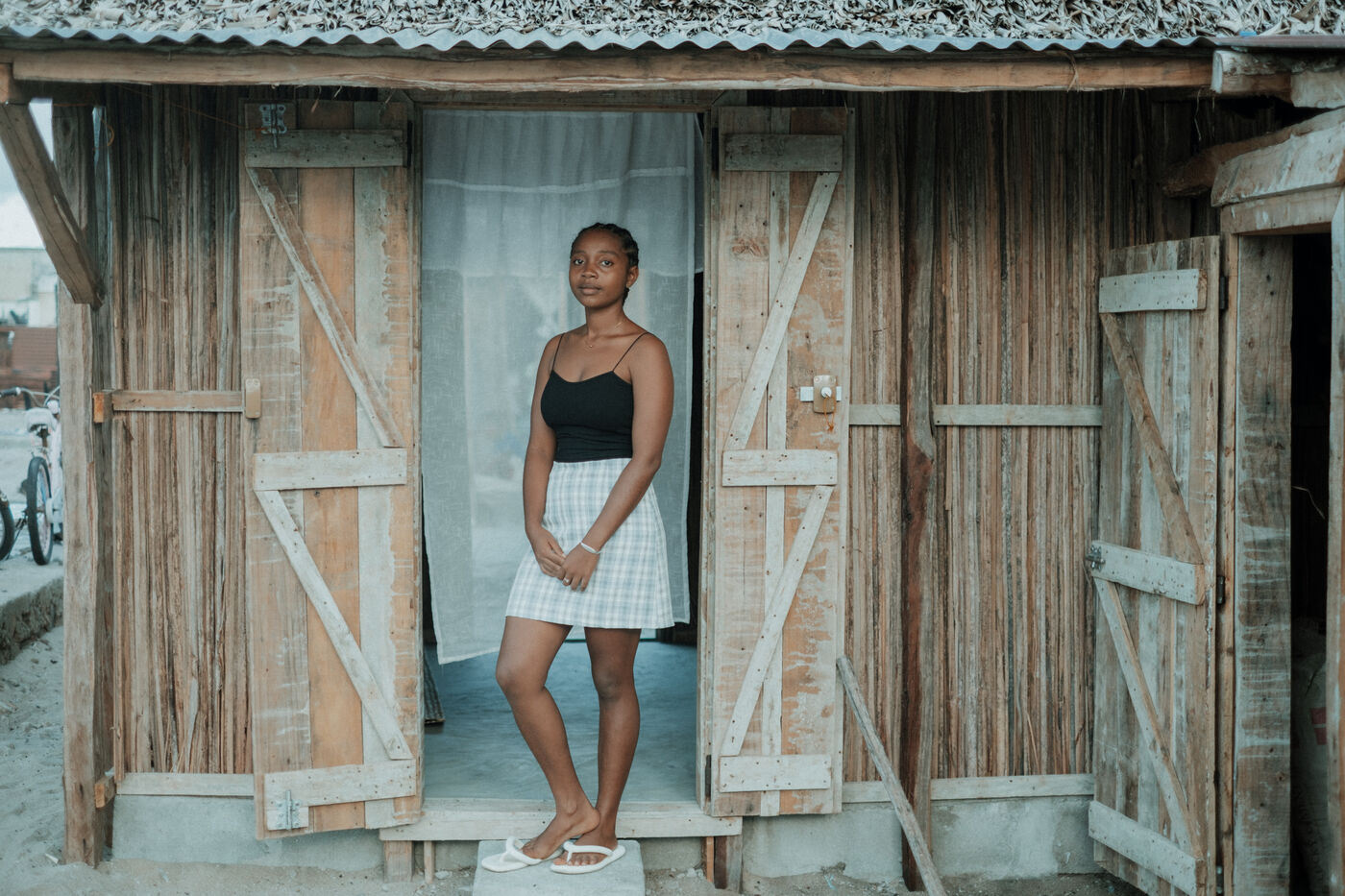
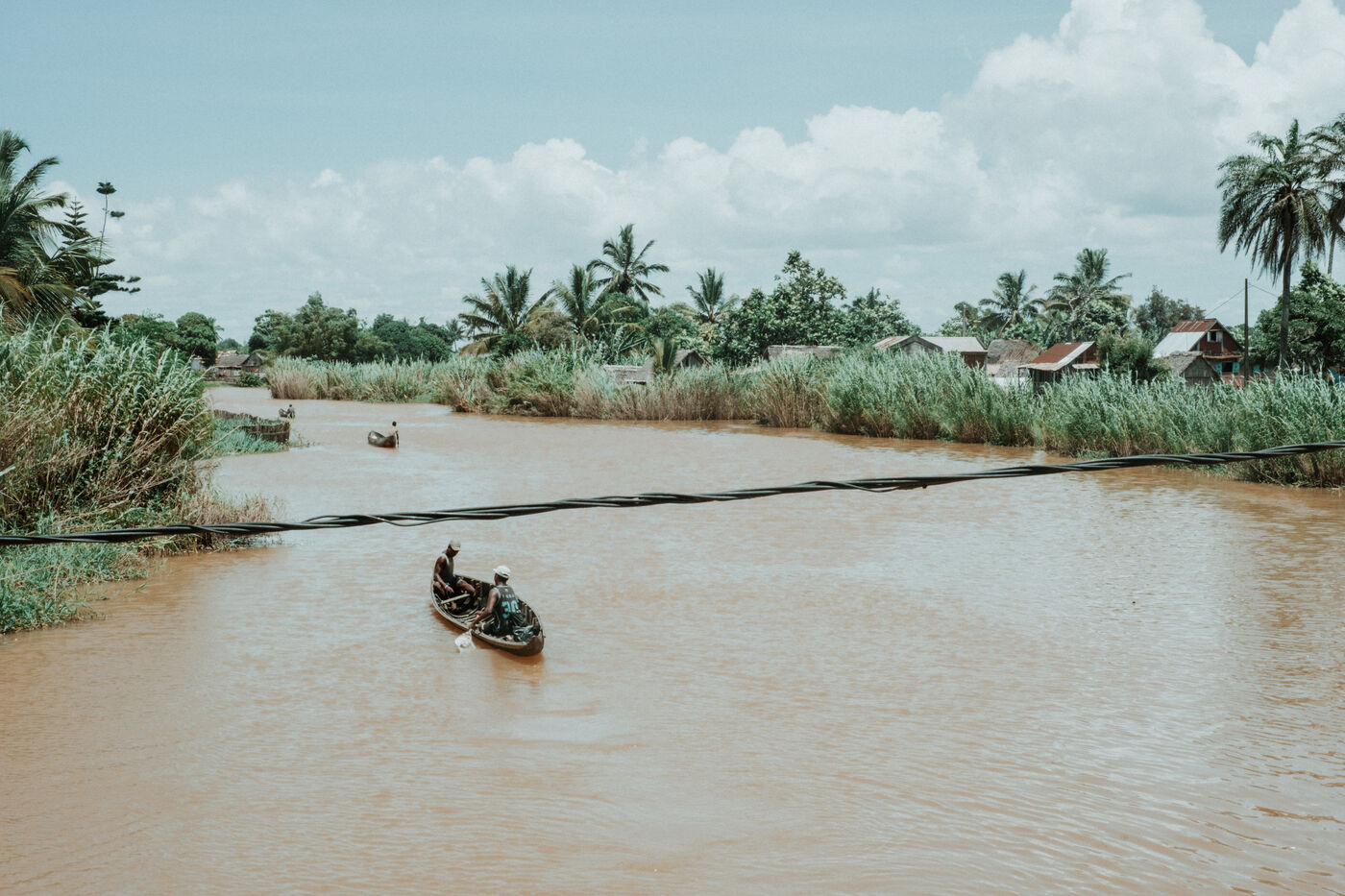
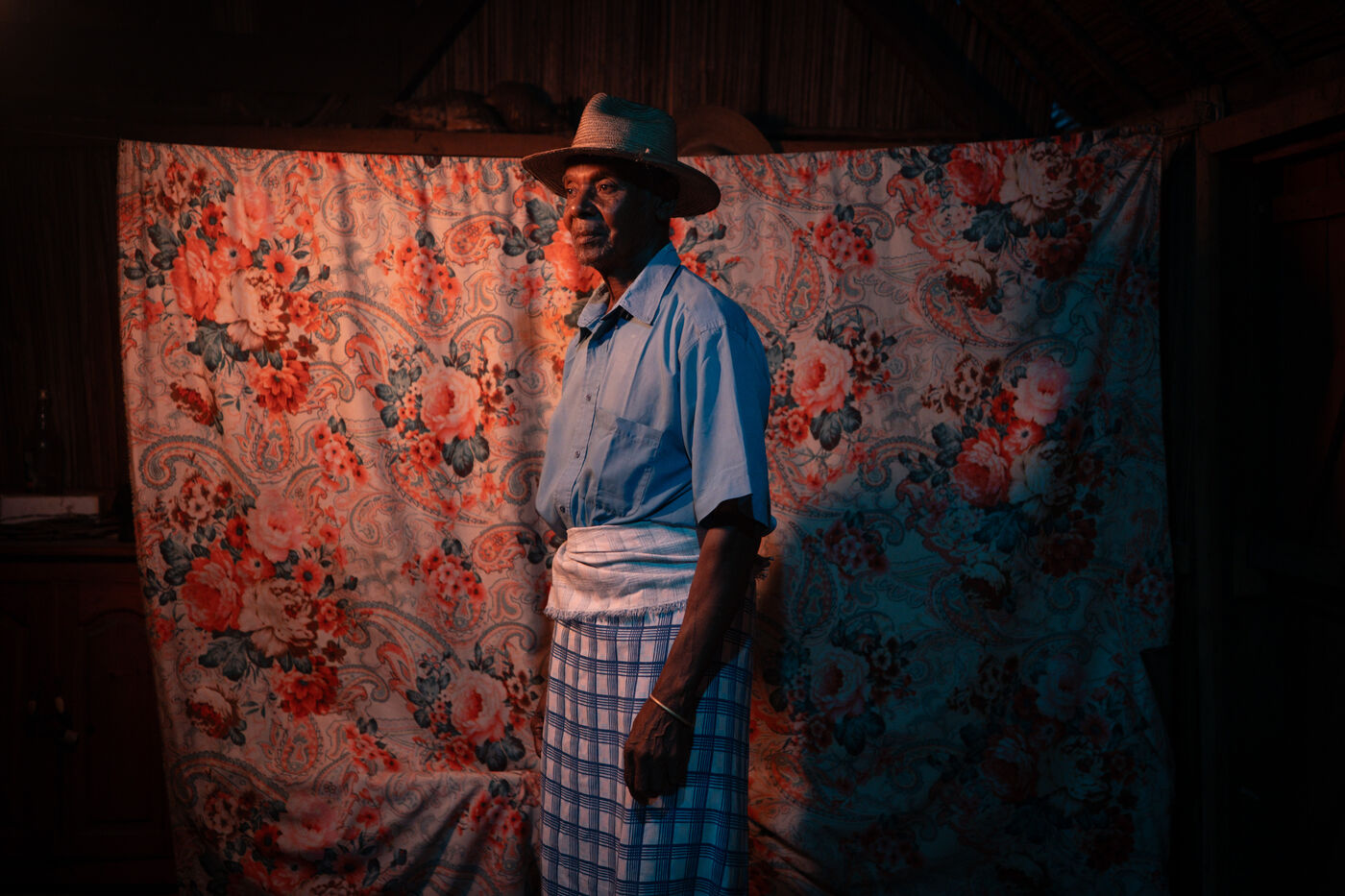
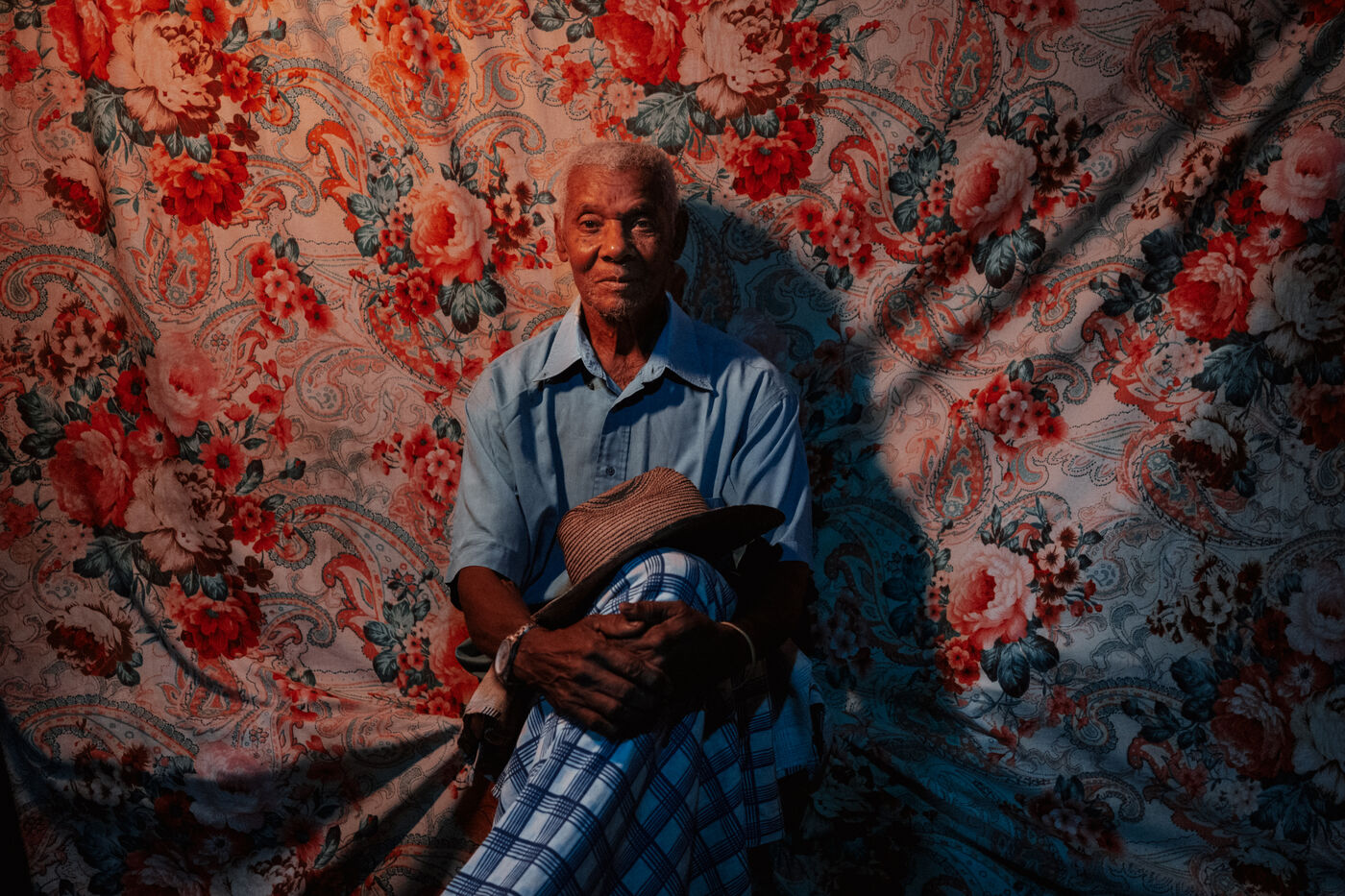
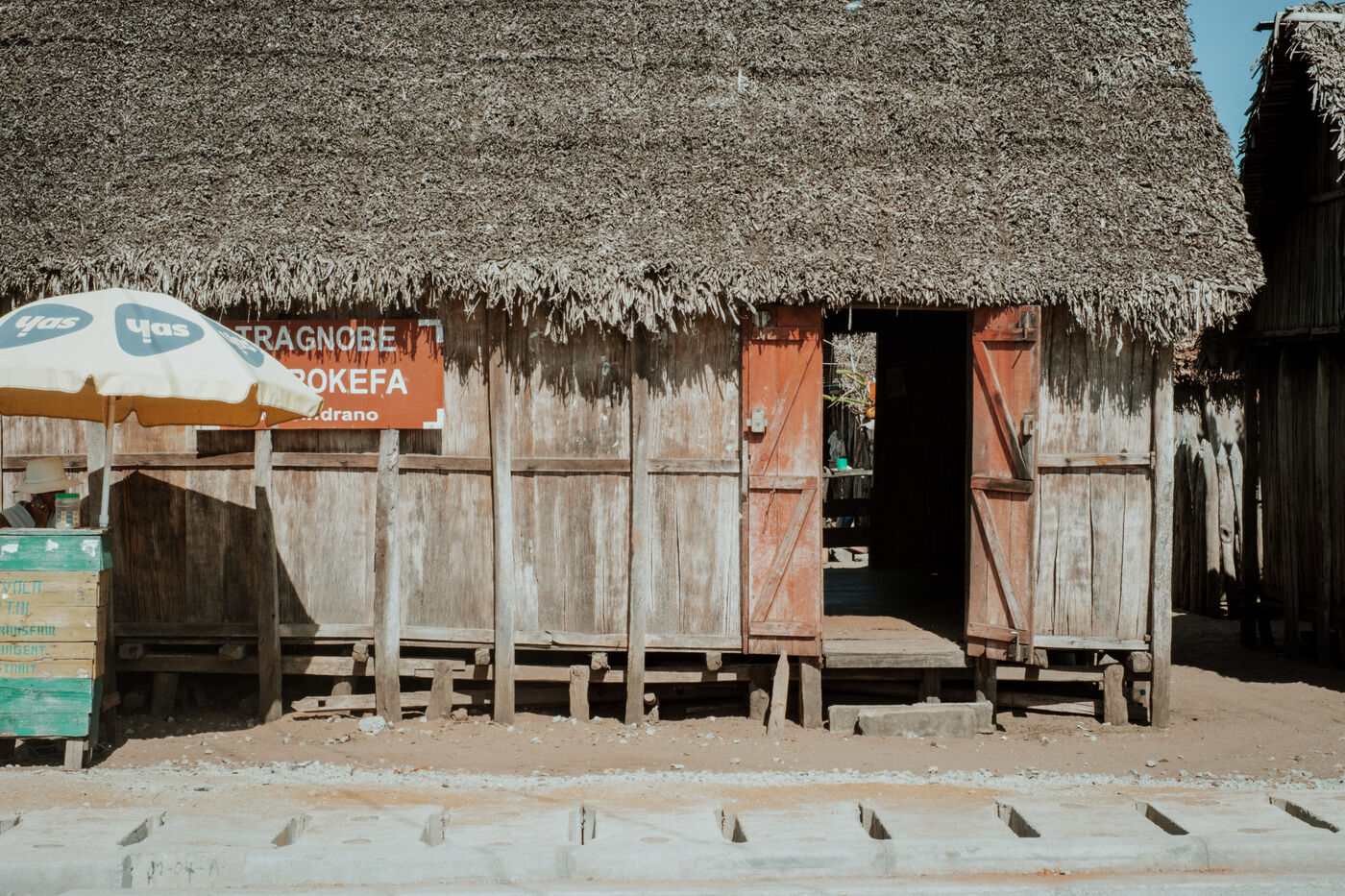
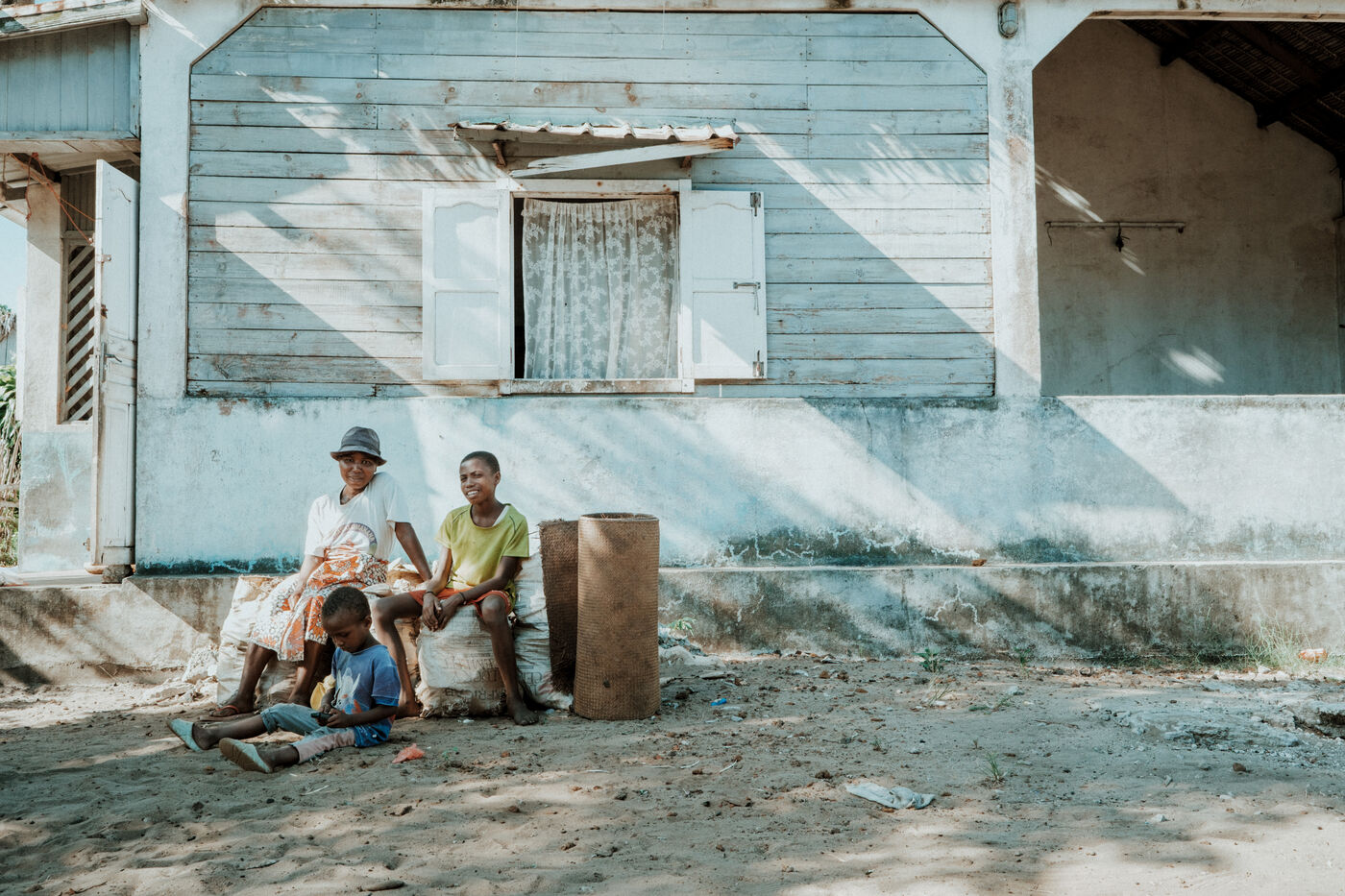
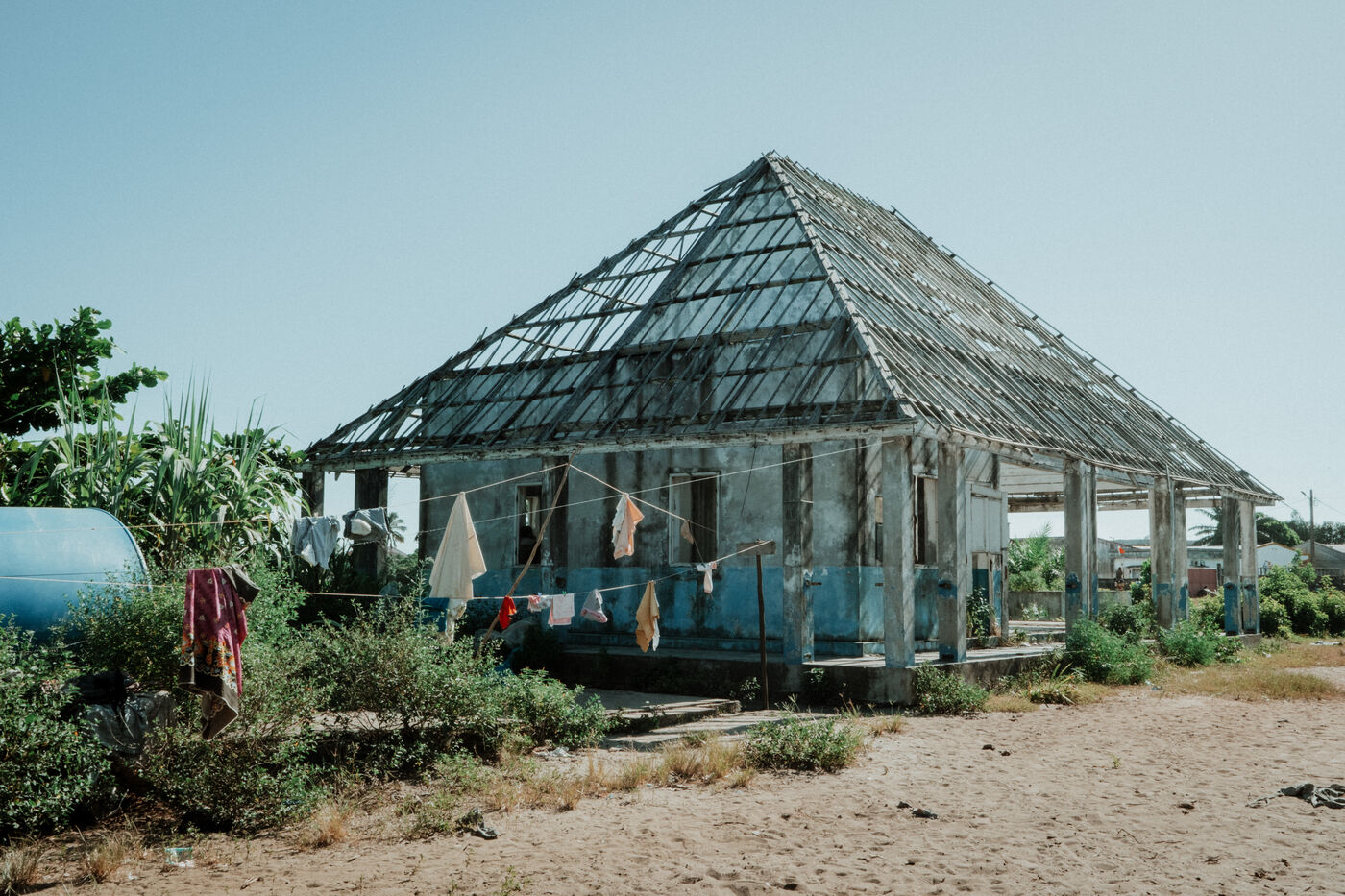
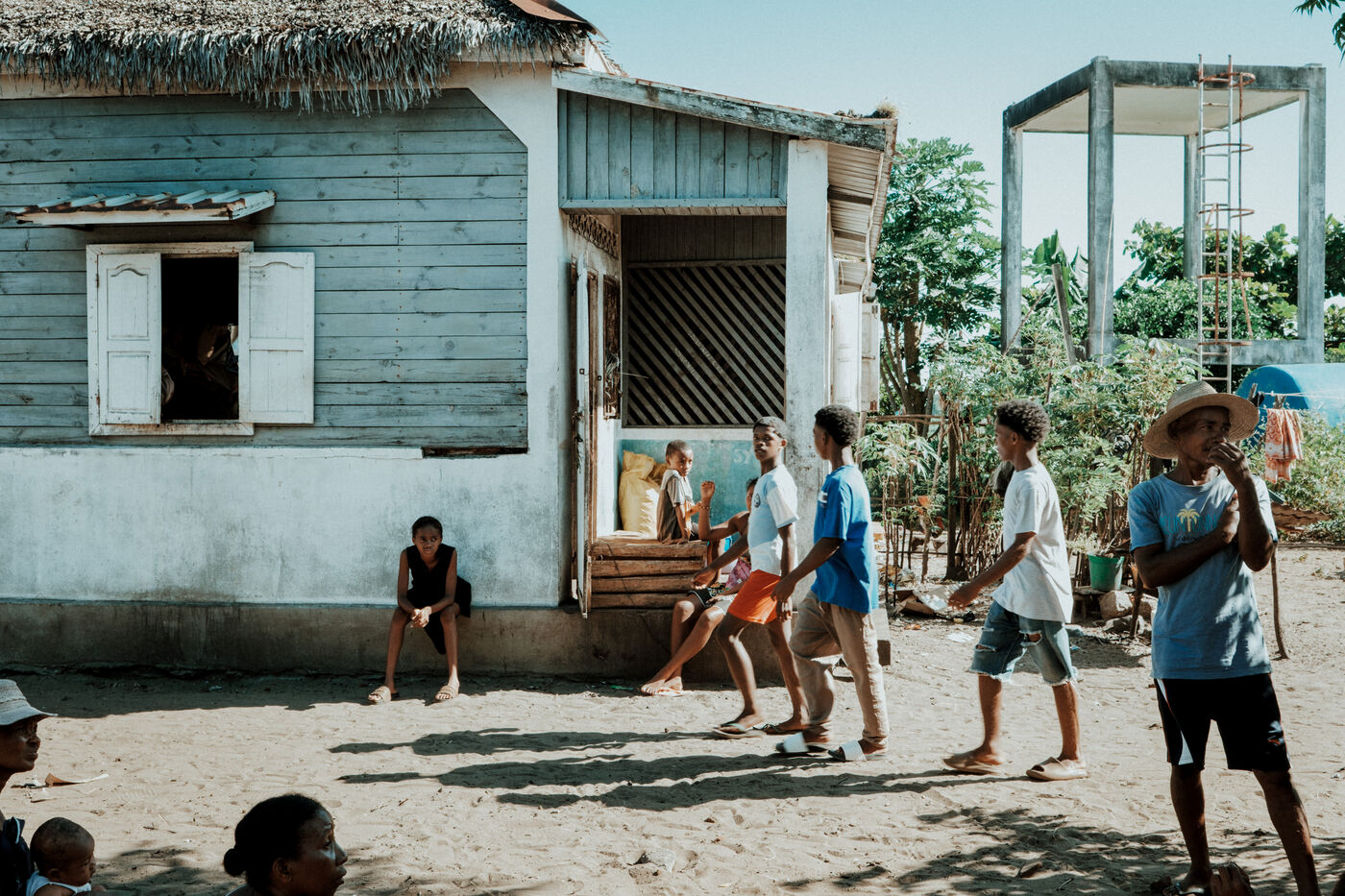
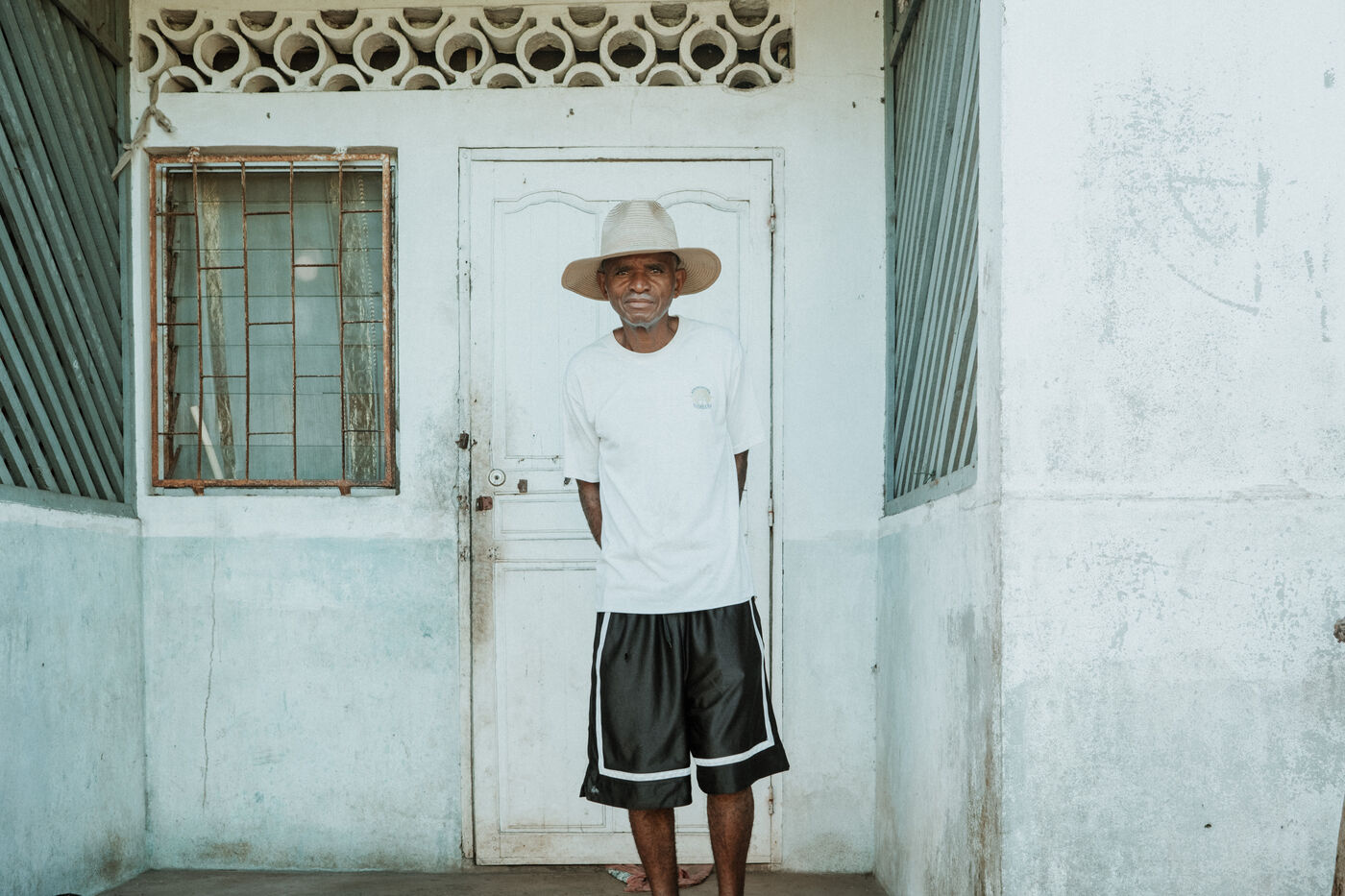
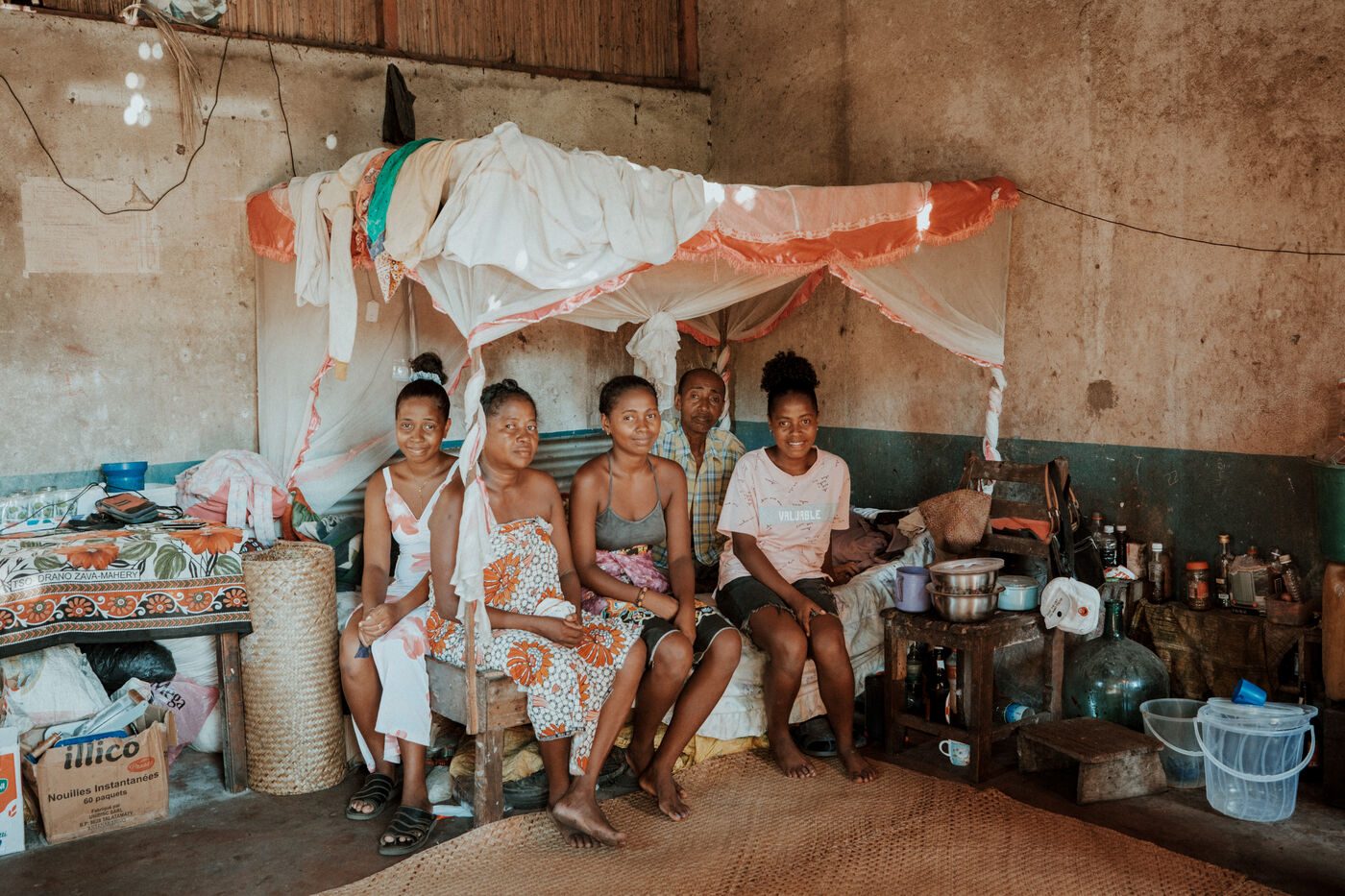
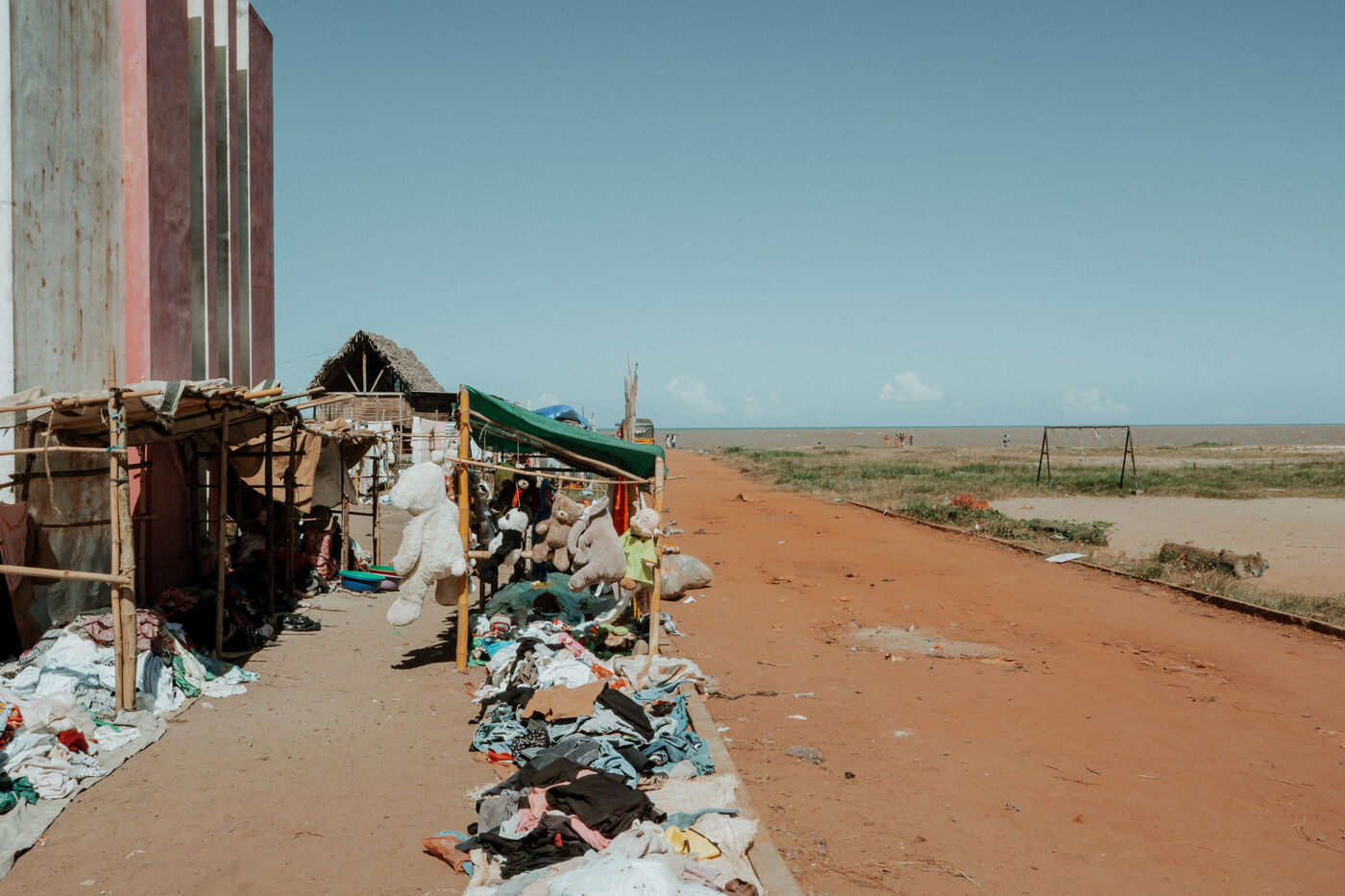
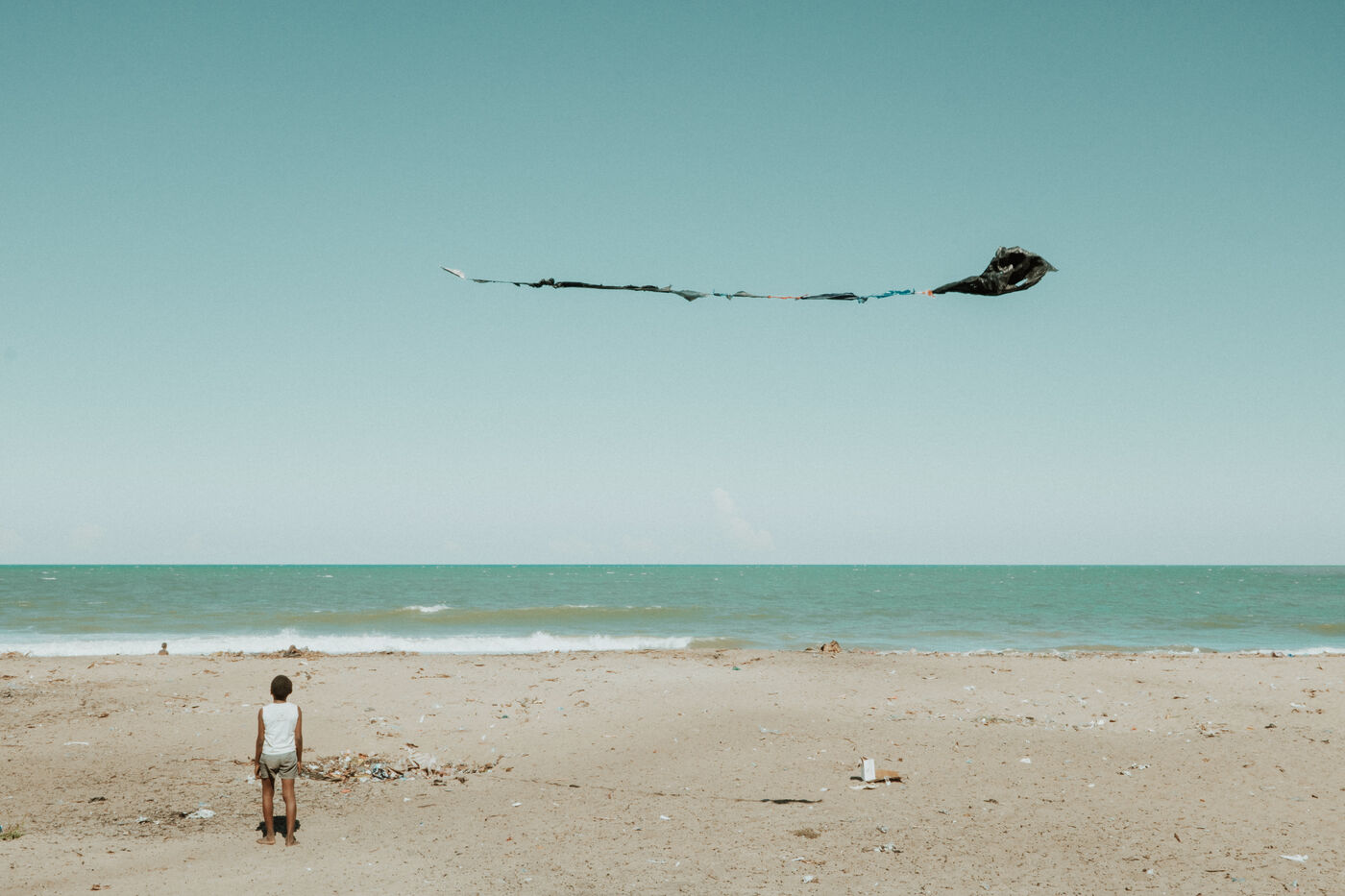
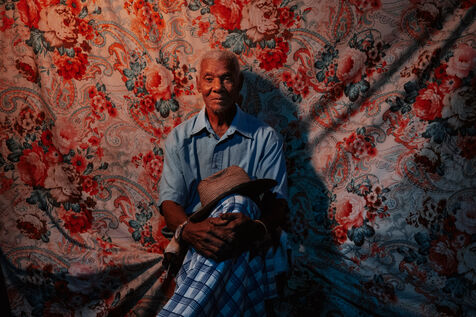
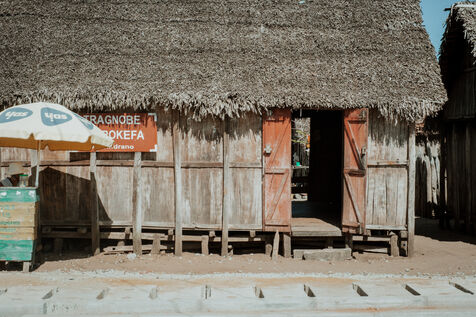
À Mananjary, au sud-est de Madagascar, pèse une “malédiction” au sein du peuple Antambahoakas et sur certains clans Antaimoro. Les Antambahoakas constituent l’un des 18 groupes ethniques officiellement reconnus à Madagascar. Même si les chiffres divergent, ils regroupent quelques dizaines de milliers de personnes (entre 20000 et 60000) sur plus de 33 millions d’habitant-es à Madagascar. La cohésion de cette ethnie fonctionne sur le respect des ancêtres, l’importance de la place des rois coutumiers, mais aussi le respect de certains interdits dits “Fady” comme le Fady Kambana.
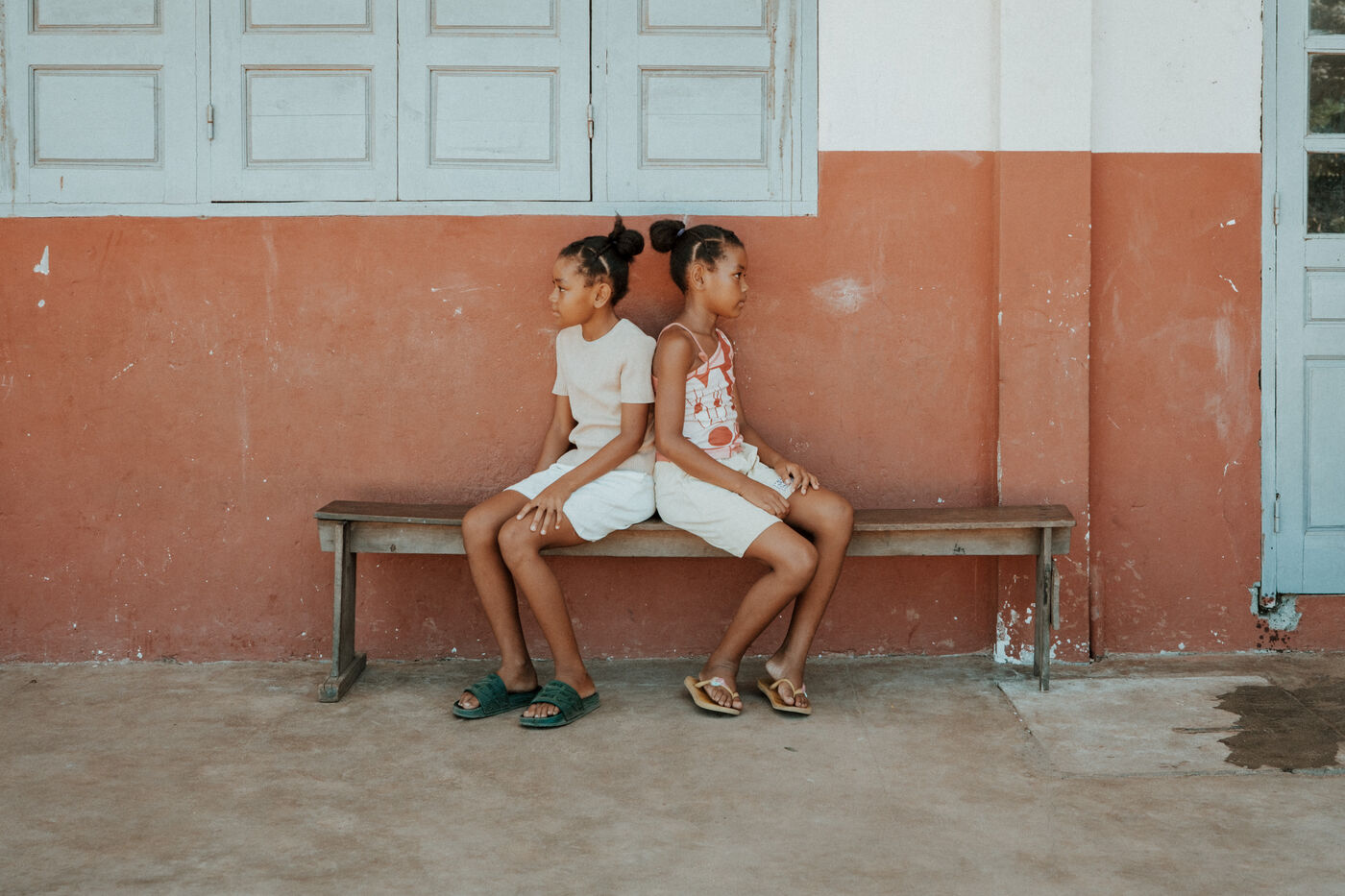
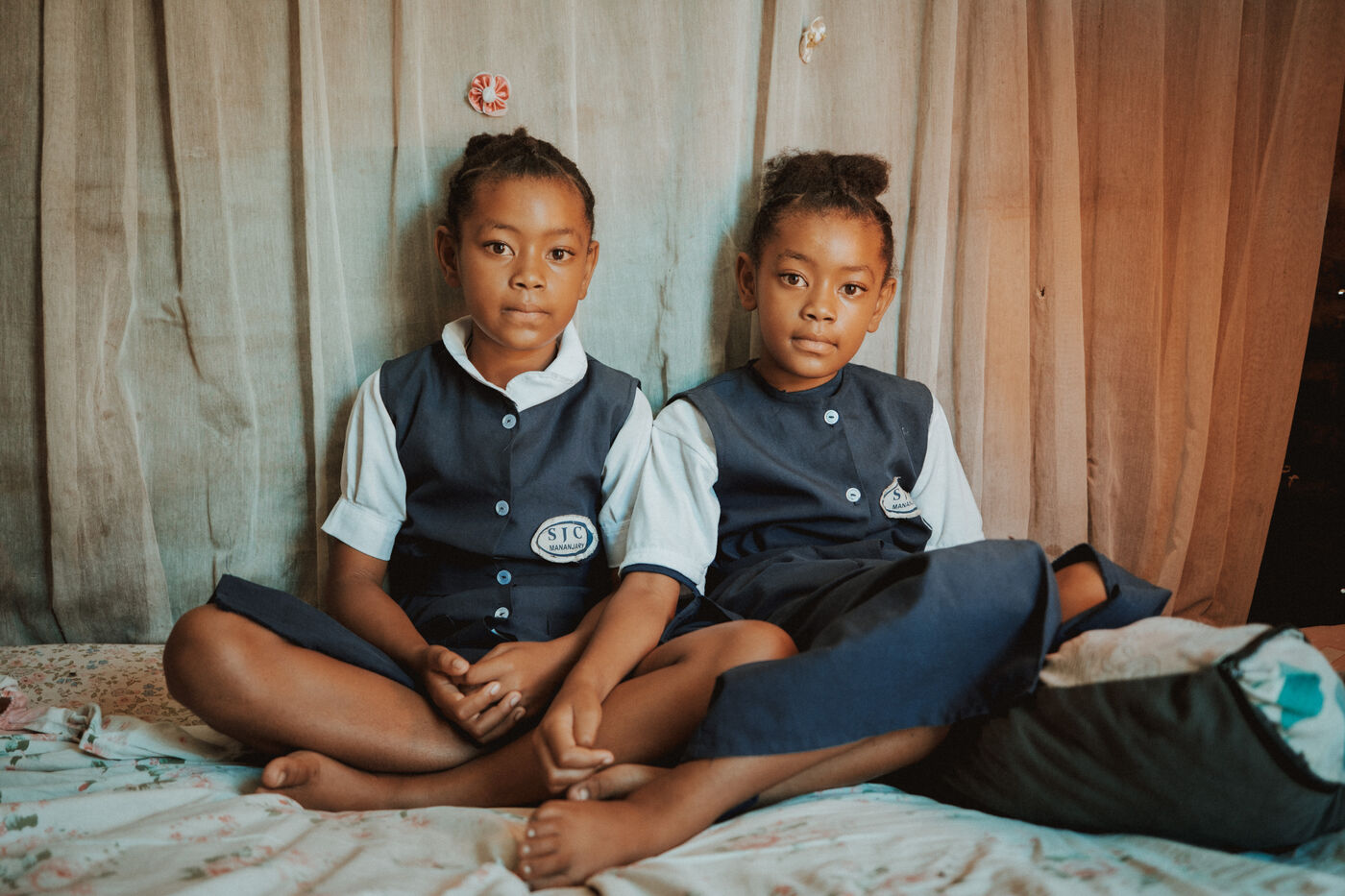
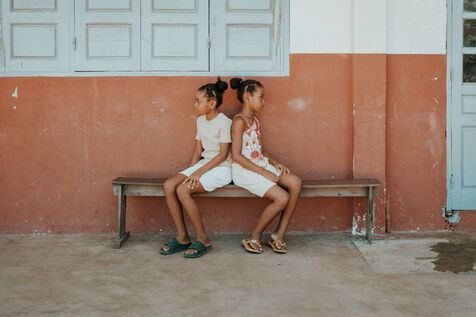
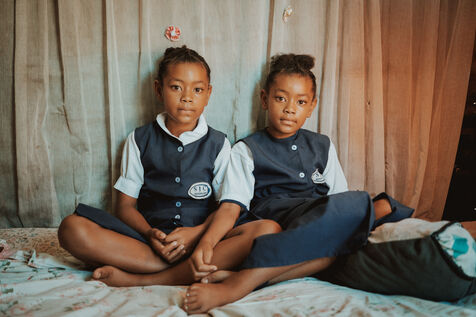
Ce Fady repose sur le fait que la naissance de jumeaux était historiquement considérée comme un déséquilibre ou un événement contraire à l'ordre ancestral. Les jumeaux ou jumelles sont alors perçus comme porteurs d' un risque pour la communauté. Ils étaient donc abandonnés ou assassinés, afin de ne pas porter malheur au reste de la famille, et au sein de la communauté Antambahoakas.
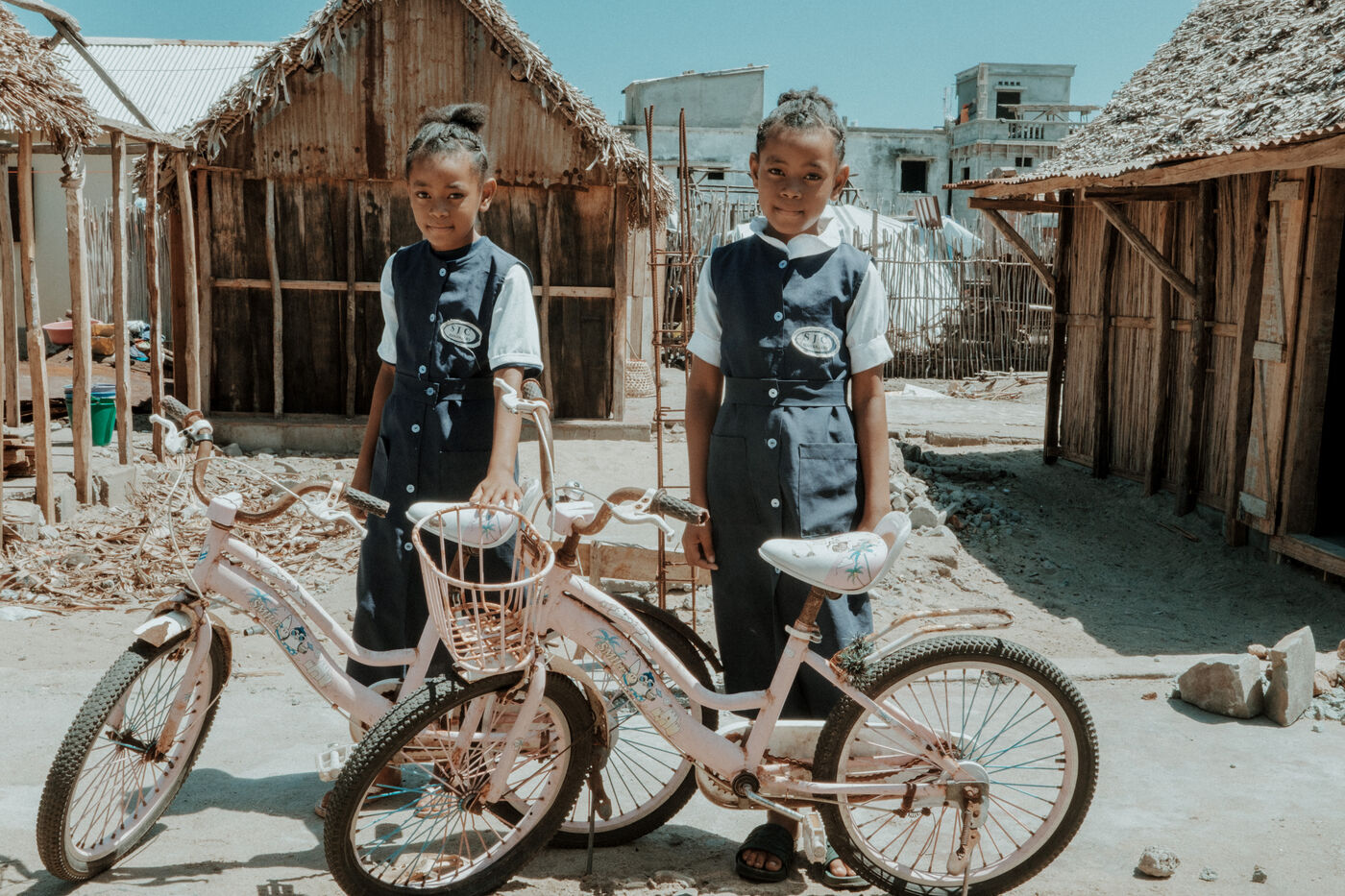
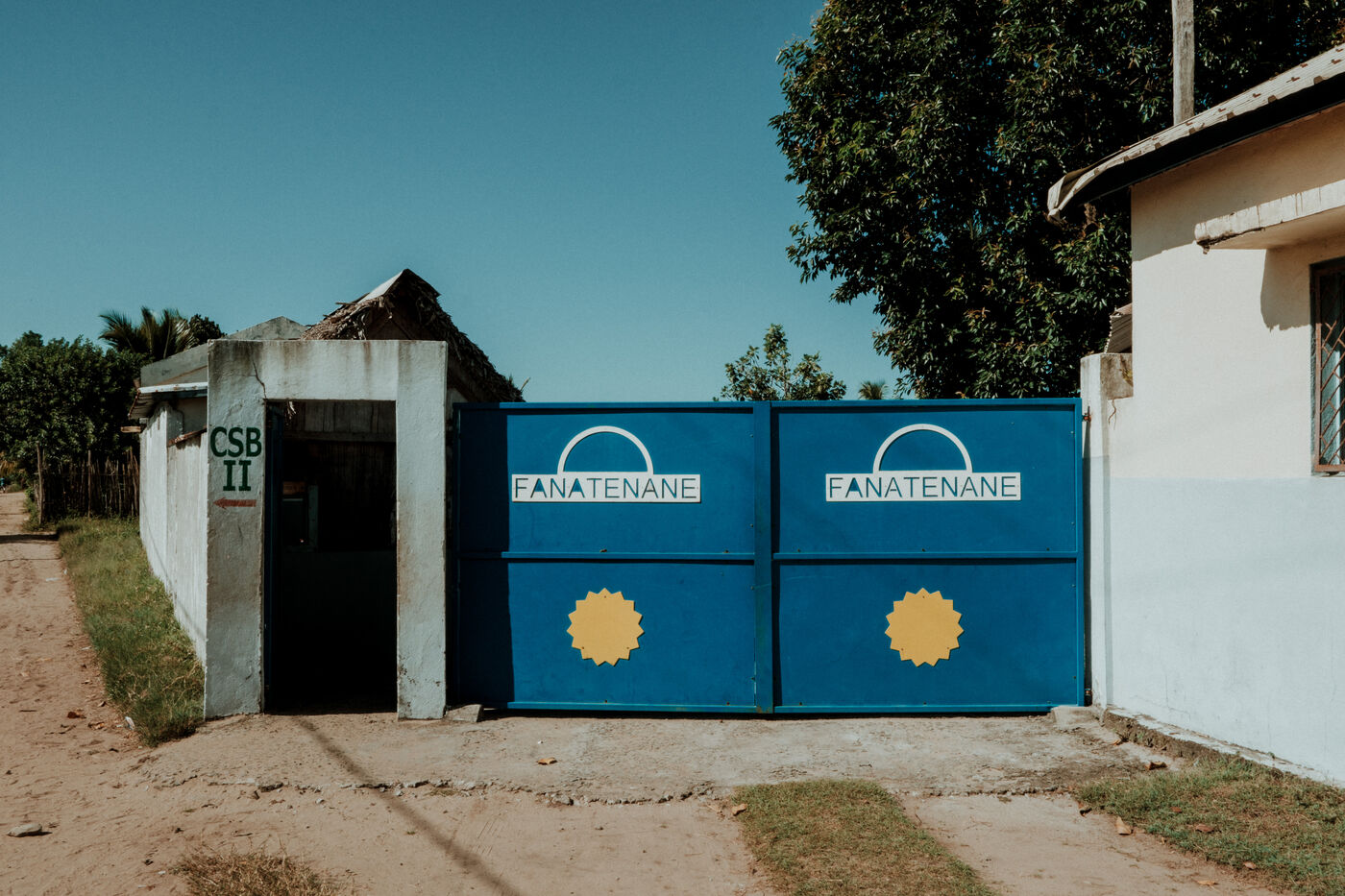
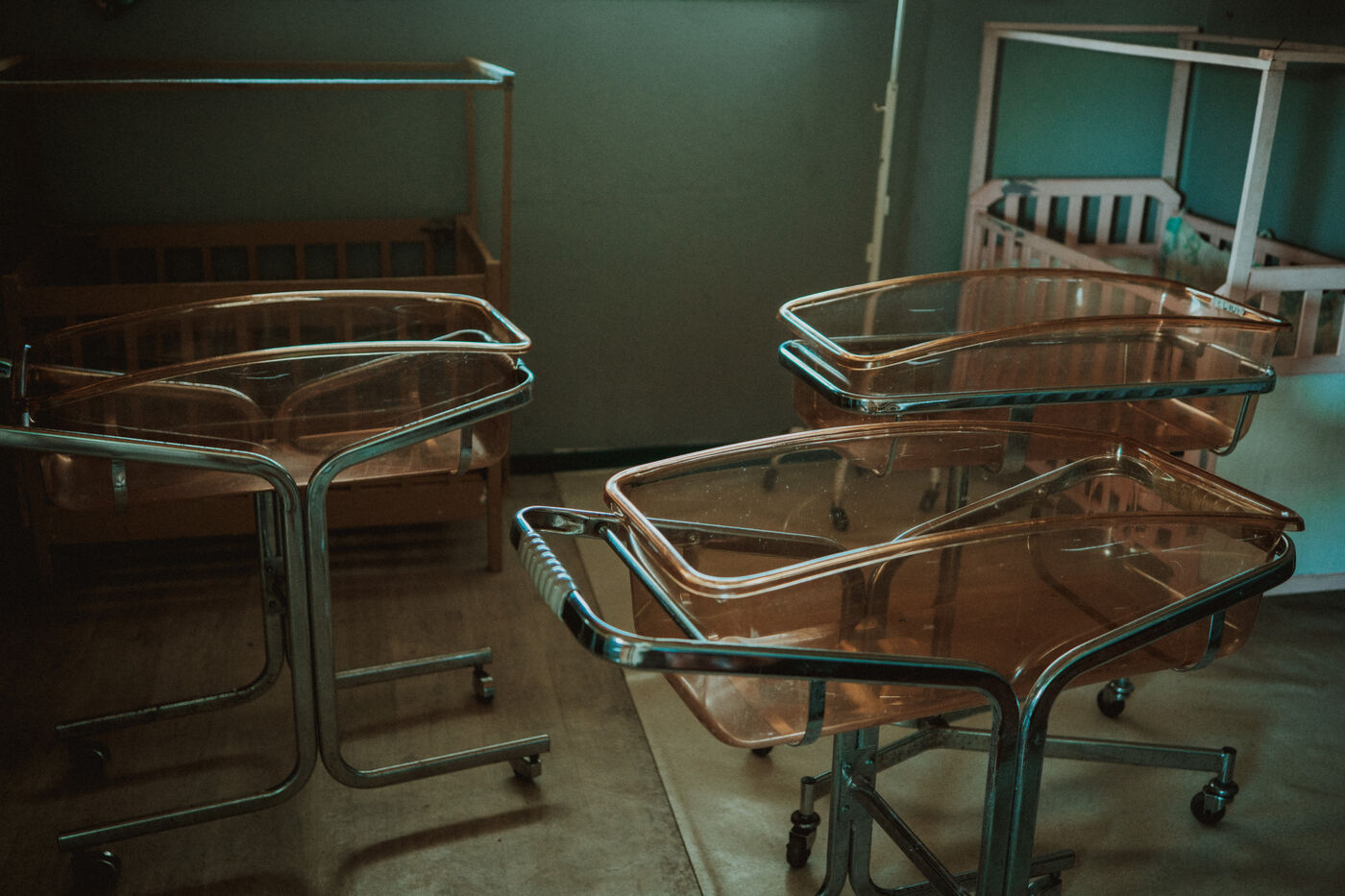
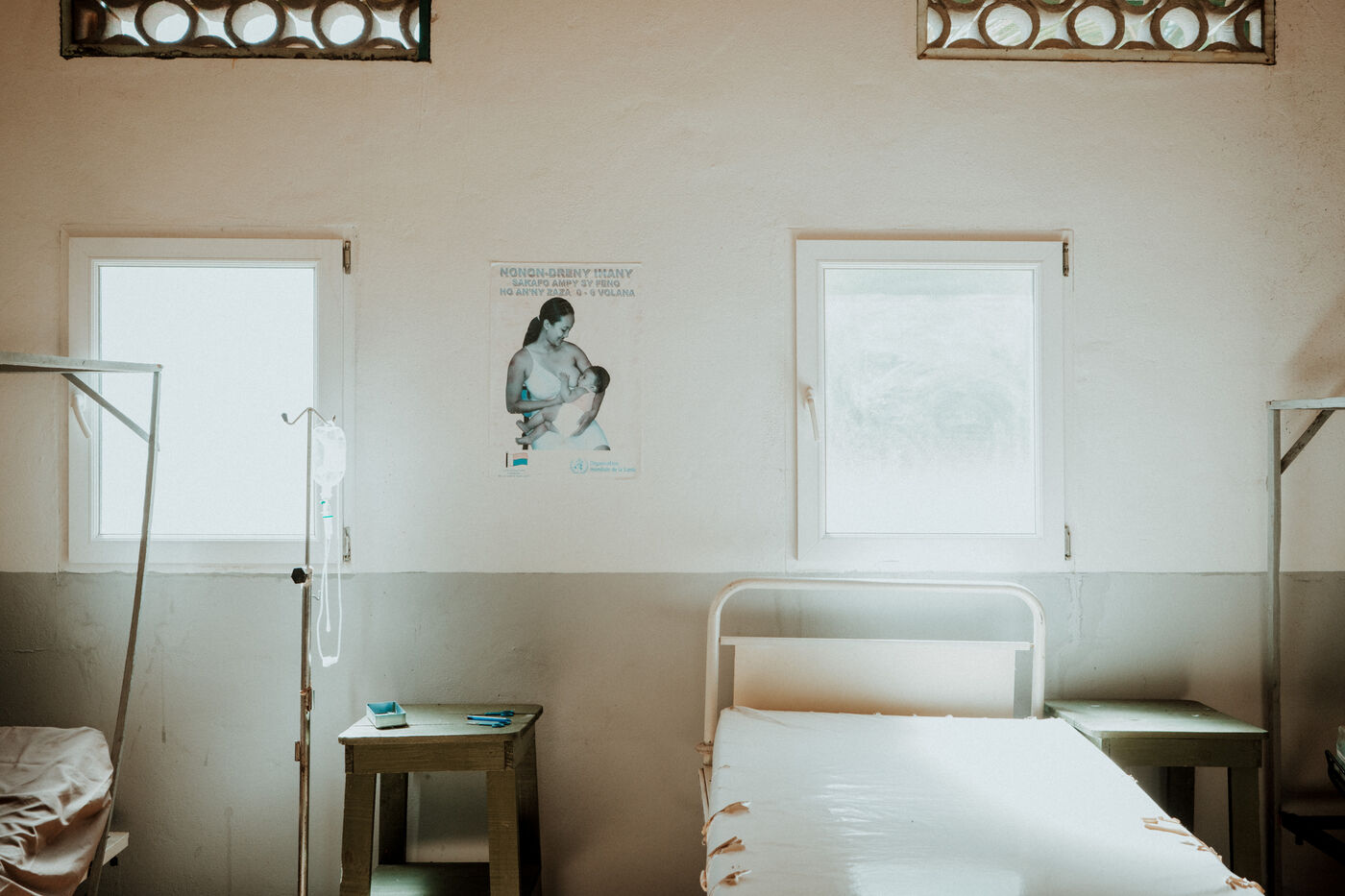
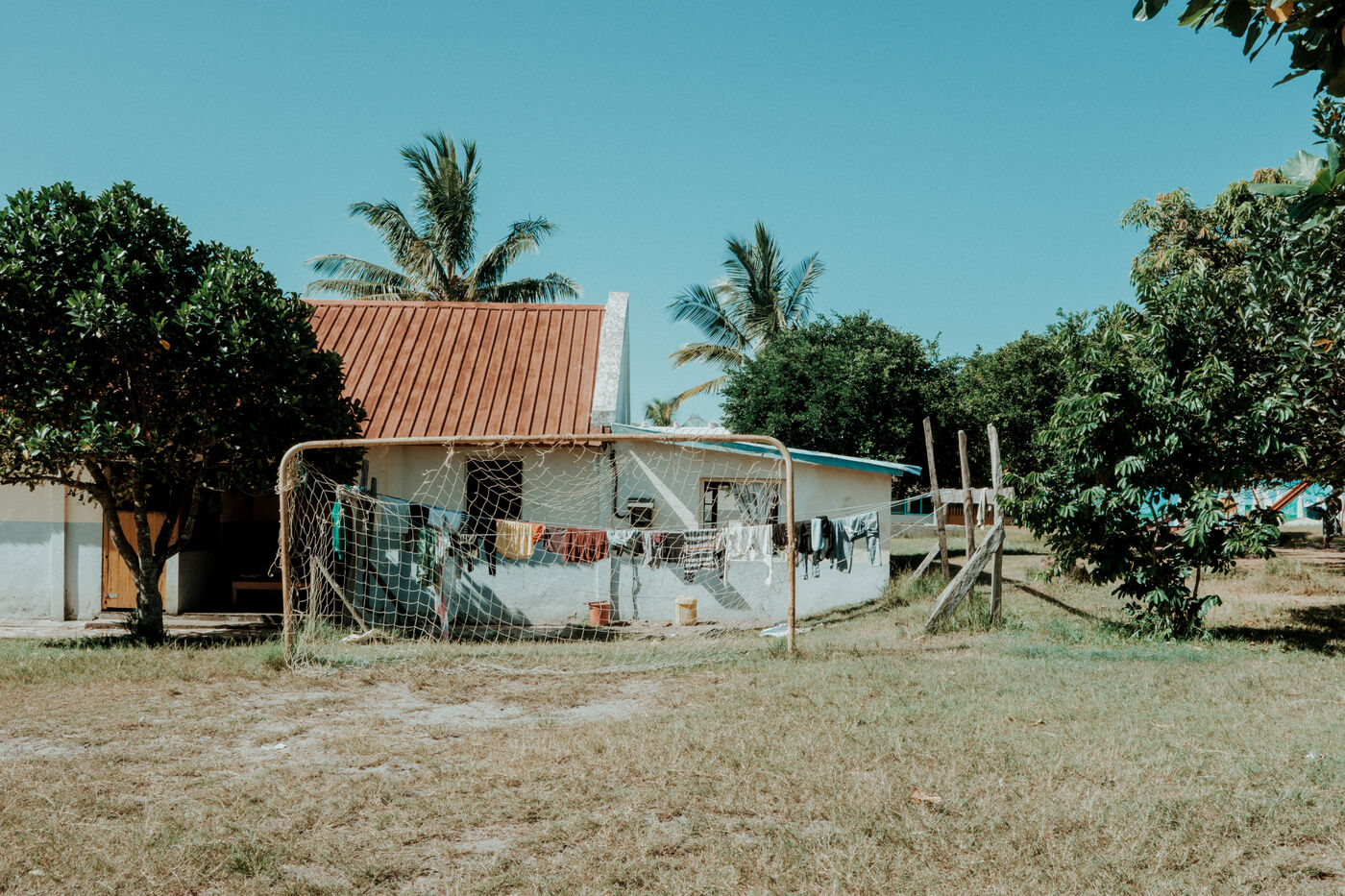
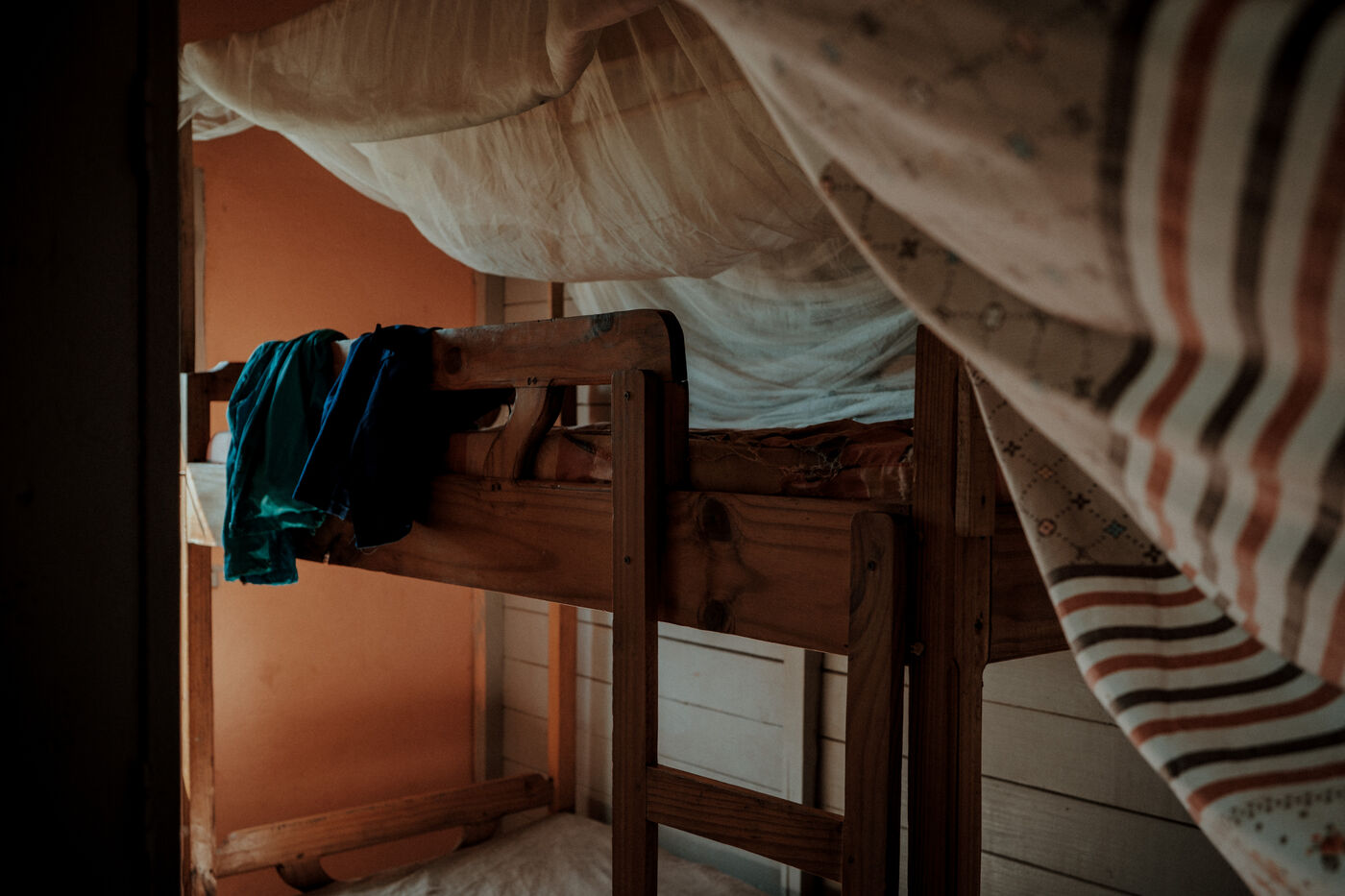
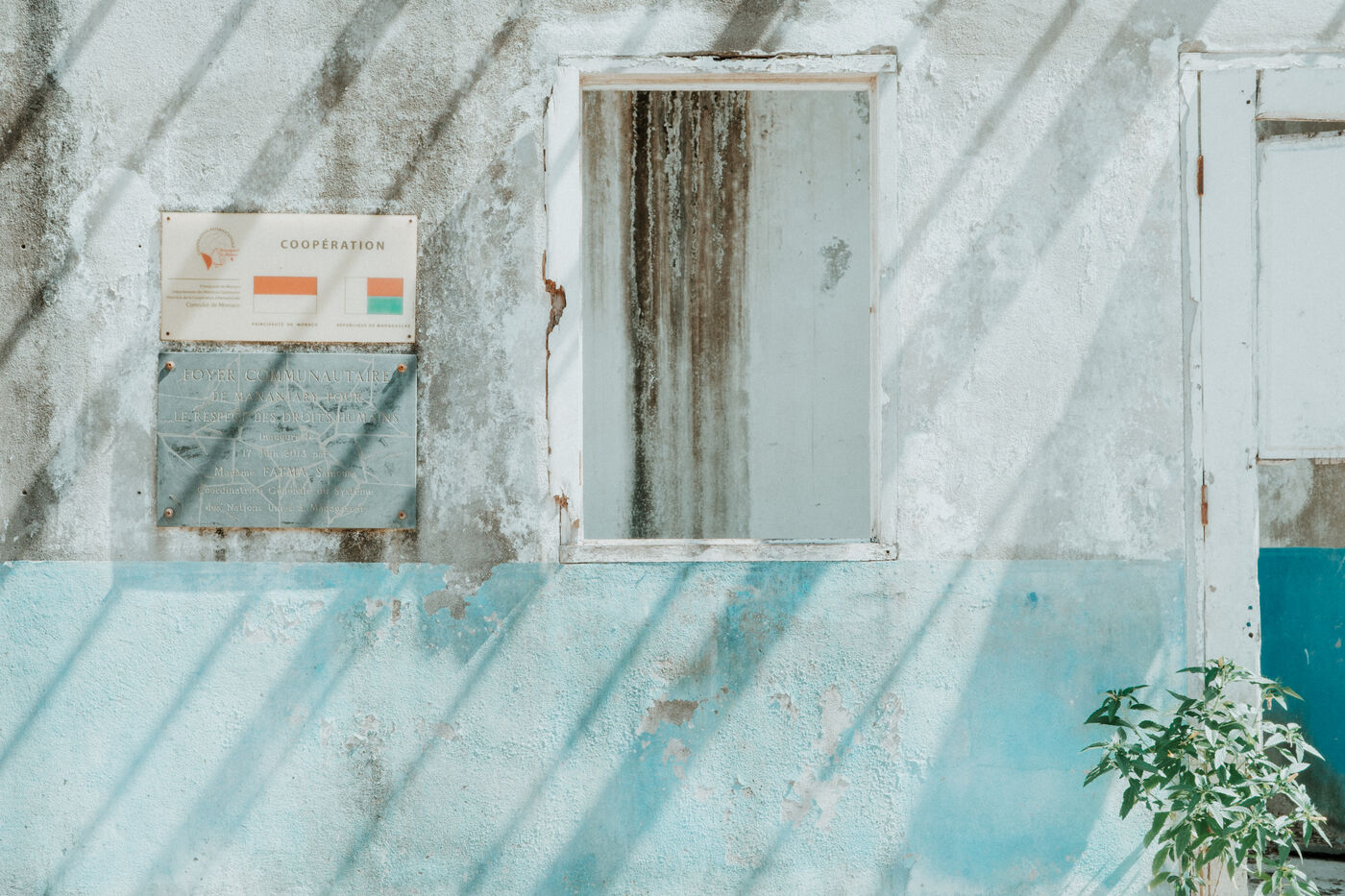
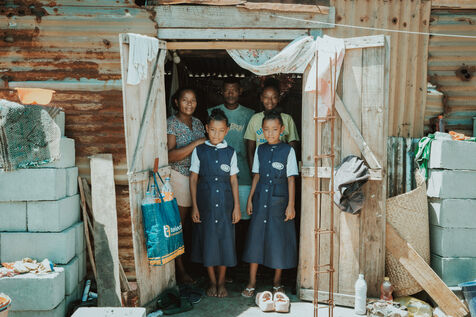
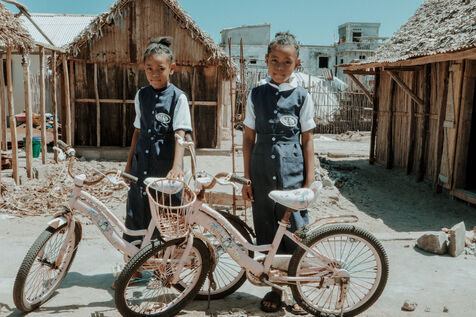
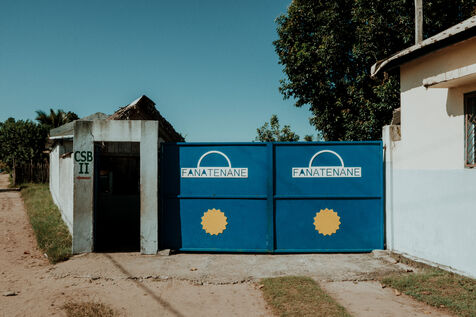
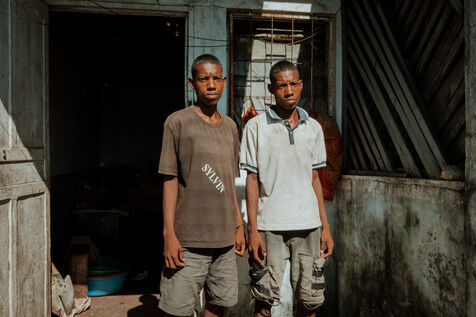
L’origine du Fady reposent sur différentes légendes et croyances, qui appartiennent à chacun.e. Désormais, la pratique du Fady Kambana a évolué, et les jumeaux/jumelles sont plutôt abandonnés, ou séparés. Mananjary ne compte pas moins de 4 orphelinats qui recueillent entre autres ces enfants.
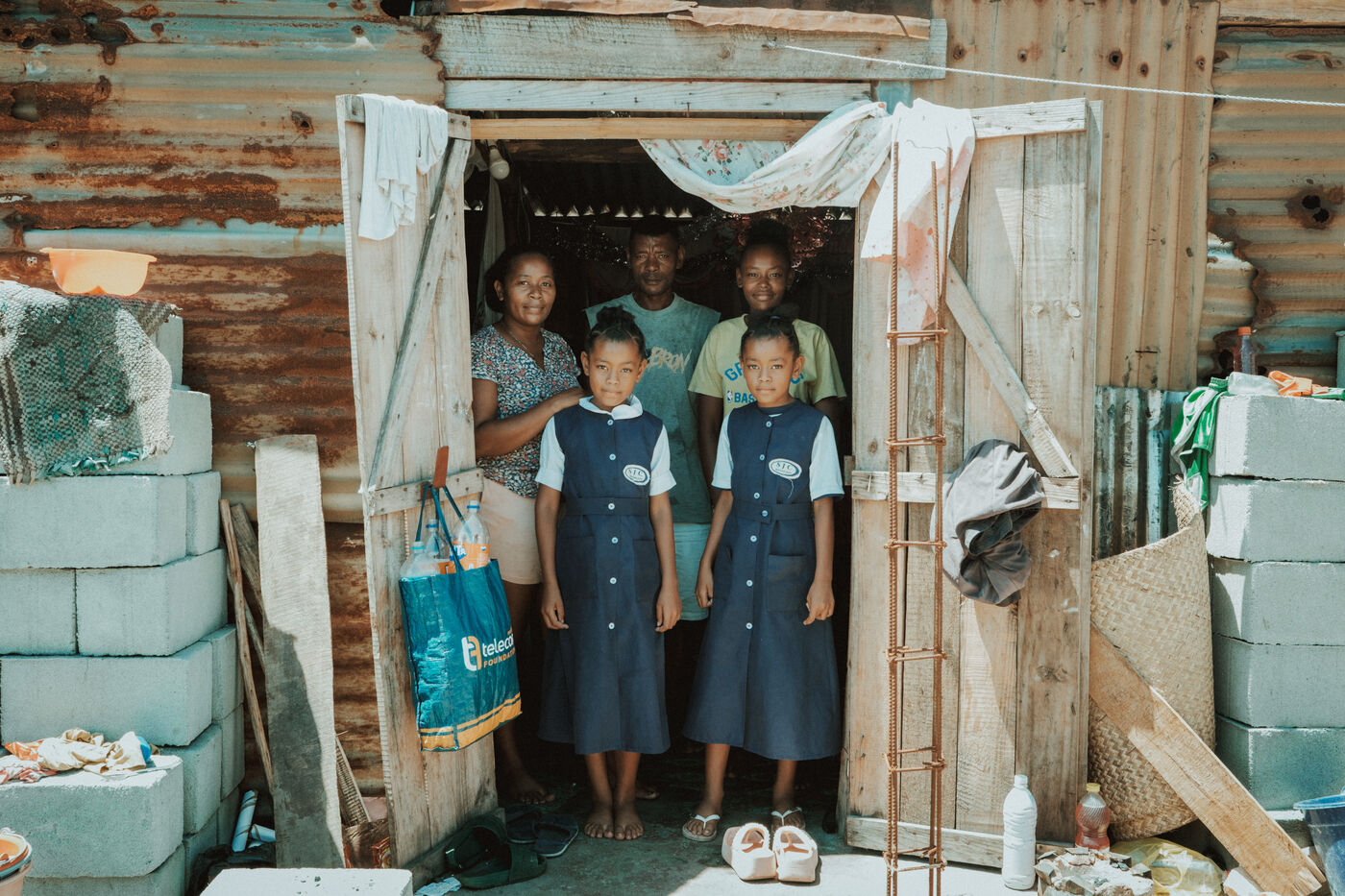
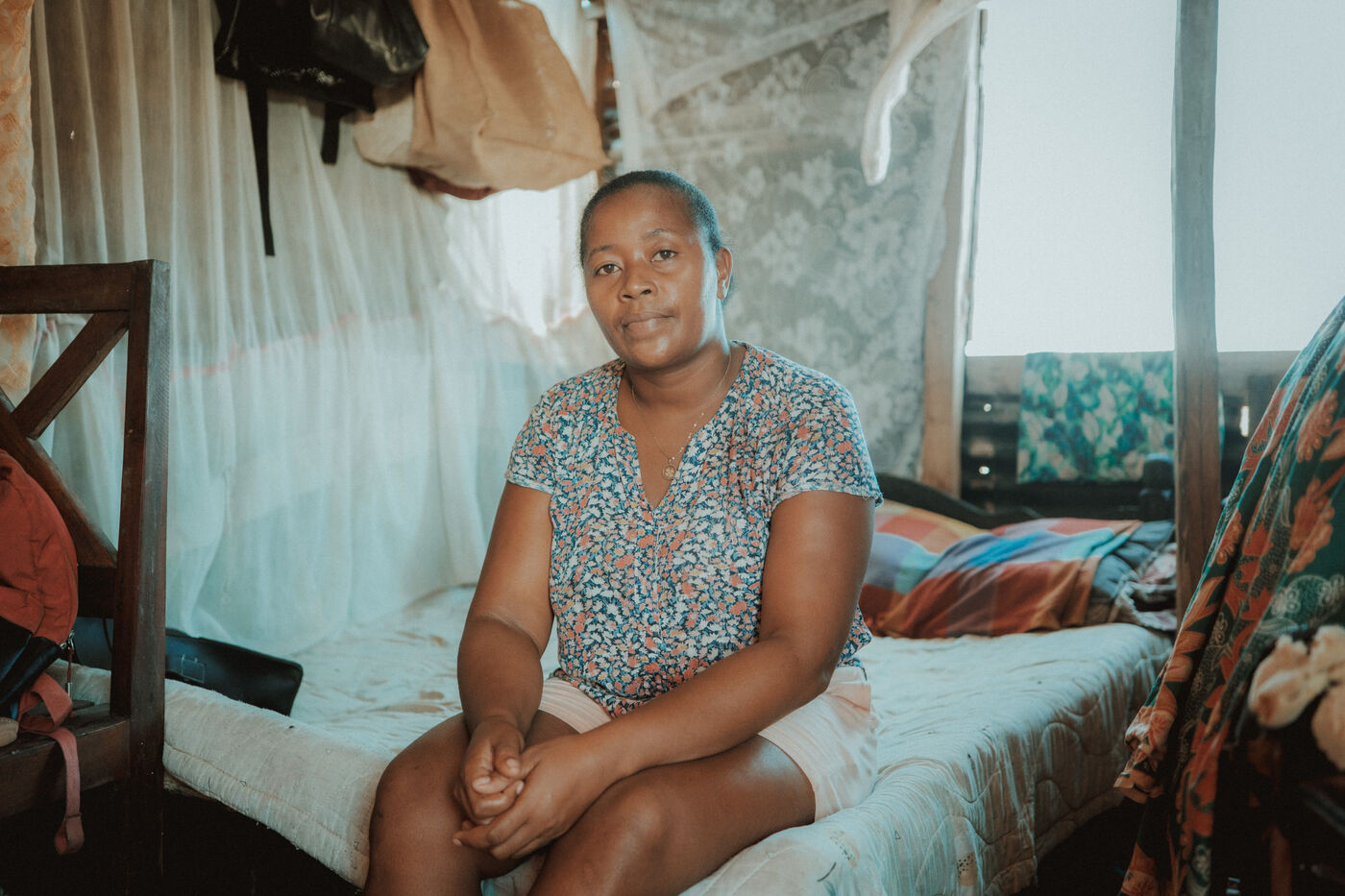
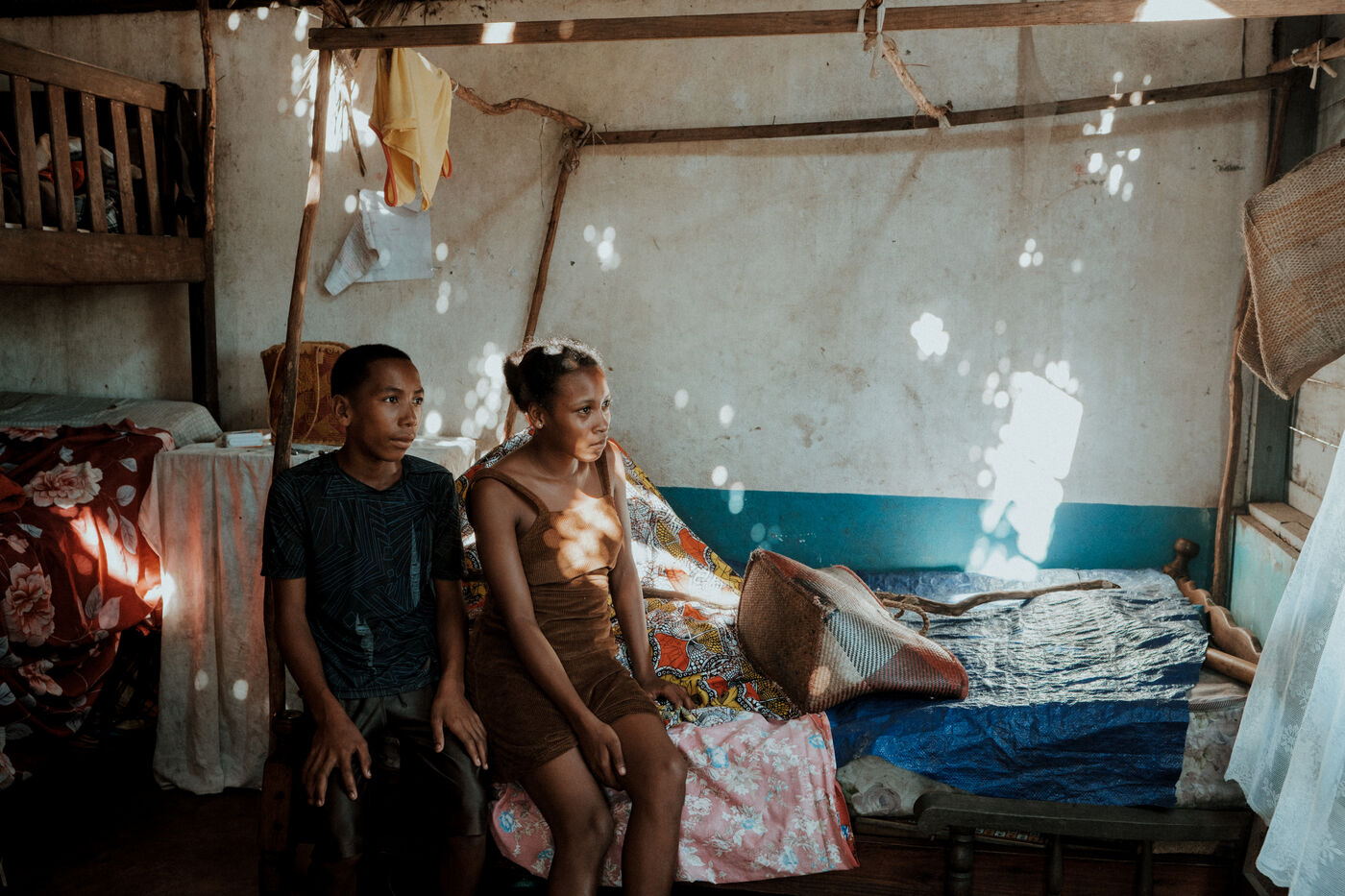
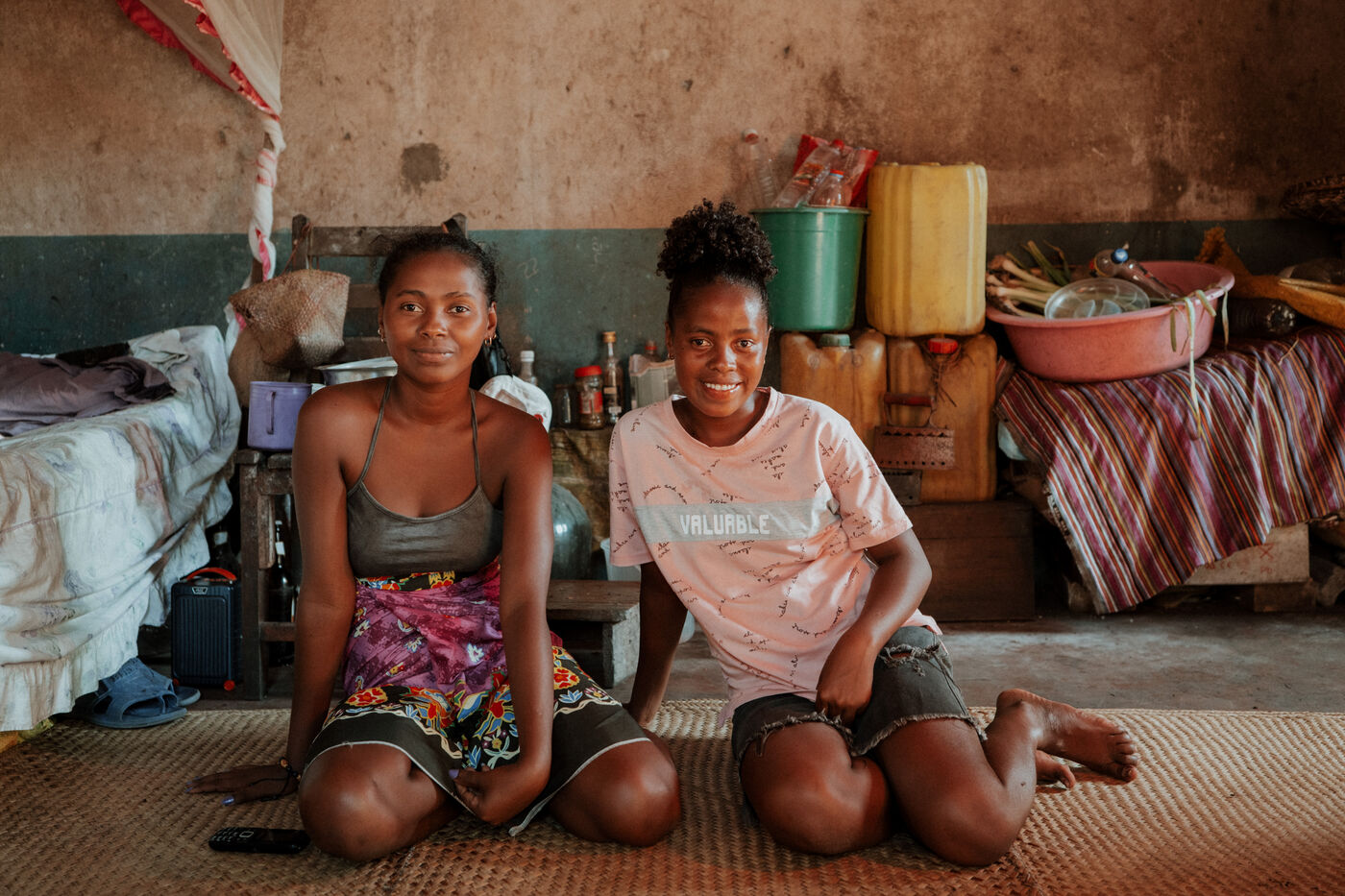
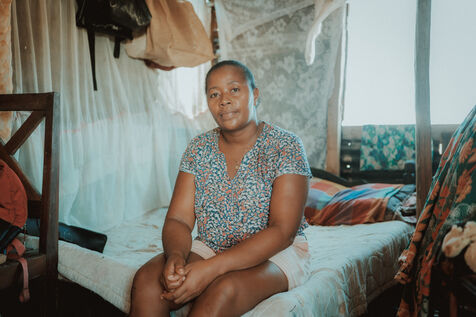
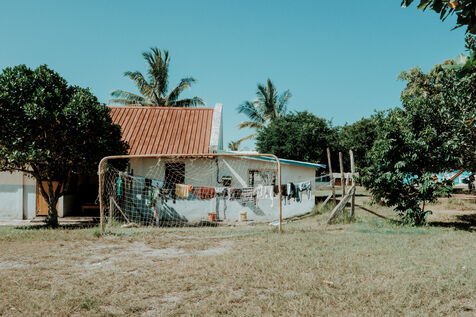
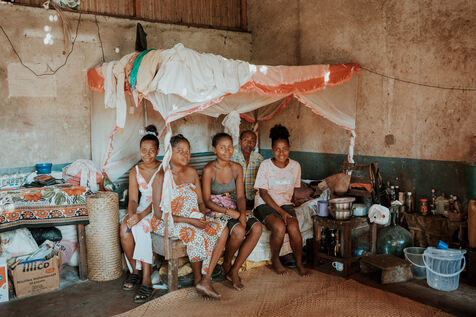
Ces traditions s’inscrivent dans des dynamiques collectives parfois très éloignées des logiques individualistes qui structurent davantage les sociétés occidentales. Loin d’être figées, elles sont traversées par des tensions, des résistances et des adaptations. Certaines familles choisissent aujourd’hui de remettre en question ces interdits, parfois au prix d’un isolement social important. Documenter ces trajectoires permet de montrer qu’une société n’est jamais immobile : elle se transforme, se réinvente et se débat avec ses propres héritages.
The Children of Fady Kambana
In Mananjary, in southeastern Madagascar, a “curse” weighs heavily on the Antambahoaka people and certain Antaimoro clans. The Antambahoaka are one of the 18 officially recognized ethnic groups in Madagascar. Although figures vary, they number in the tens of thousands (between 20,000 and 60,000) out of Madagascar’s total population of over 33 million. The cohesion of this ethnic group is based on respect for ancestors, the importance of traditional kings, and adherence to certain taboos known as “Fady,” such as the Fady Kambana.
This Fady stems from the fact that the birth of twins was historically considered an imbalance or an event contrary to the ancestral order. Twins are therefore perceived as posing a risk to the community. They were thus abandoned or killed to prevent them from bringing misfortune to the rest of the family and the Antambahoaka community.
The origins of the Fady are rooted in various legends and beliefs, which vary from person to person. Today, the practice of Fady Kambana has evolved, and twins are more often abandoned or separated. Mananjary has no fewer than four orphanages that take in these children, among others.
These traditions are rooted in collective dynamics that are sometimes very different from the individualistic principles that largely shape Western societies. Far from being static, they are marked by tensions, resistance, and adaptation. Some families today choose to challenge these taboos, sometimes at the cost of significant social isolation. Documenting these journeys helps demonstrate that a society is never static: it transforms, reinvents itself, and grapples with its own legacies.