Pour accéder à la série en entier, vous devez vous logger ou demander un compte Hans Lucas en cliquant ici.
Fouilles archéologique du Jardin des Plantes - Lyon
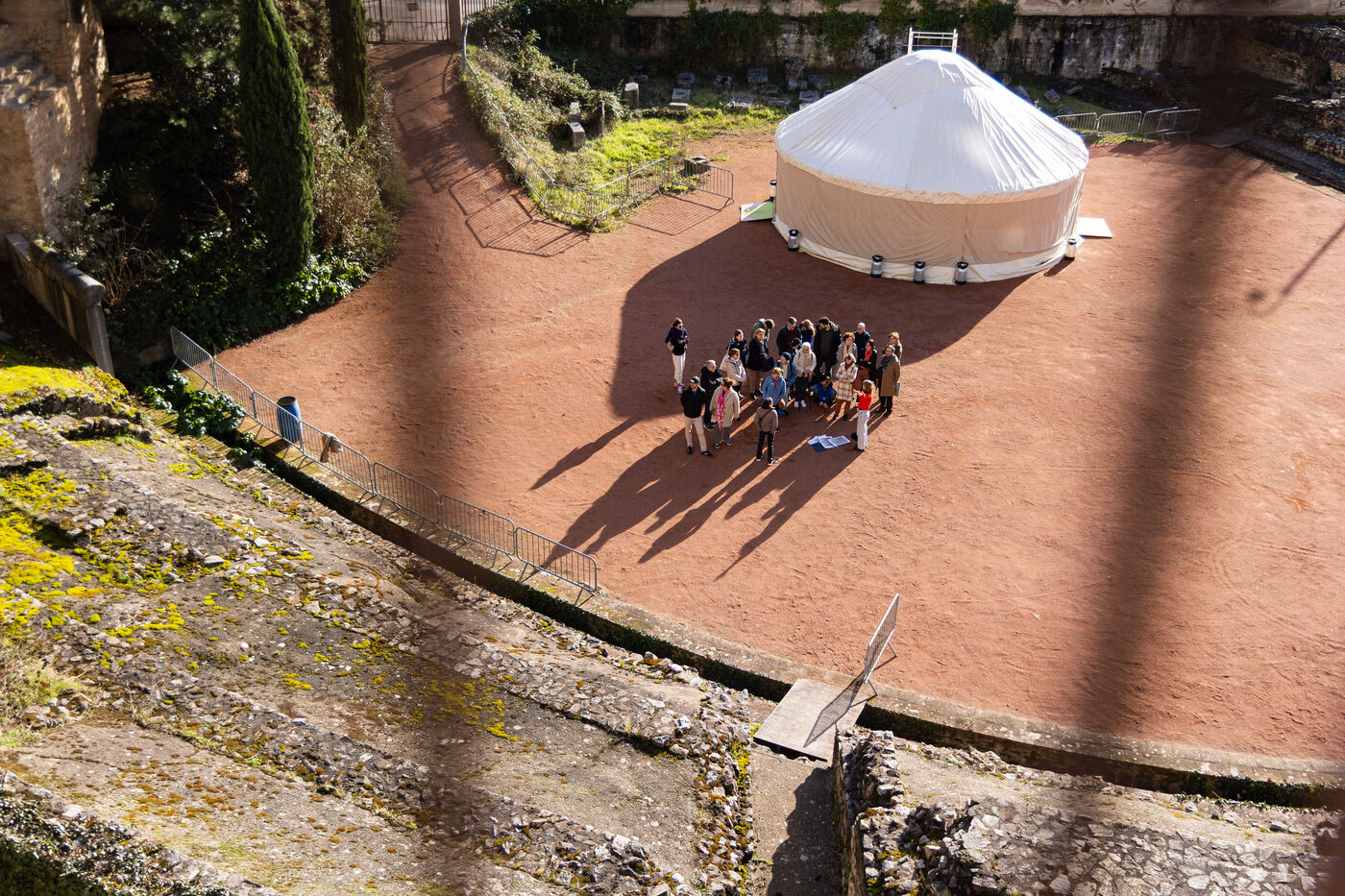
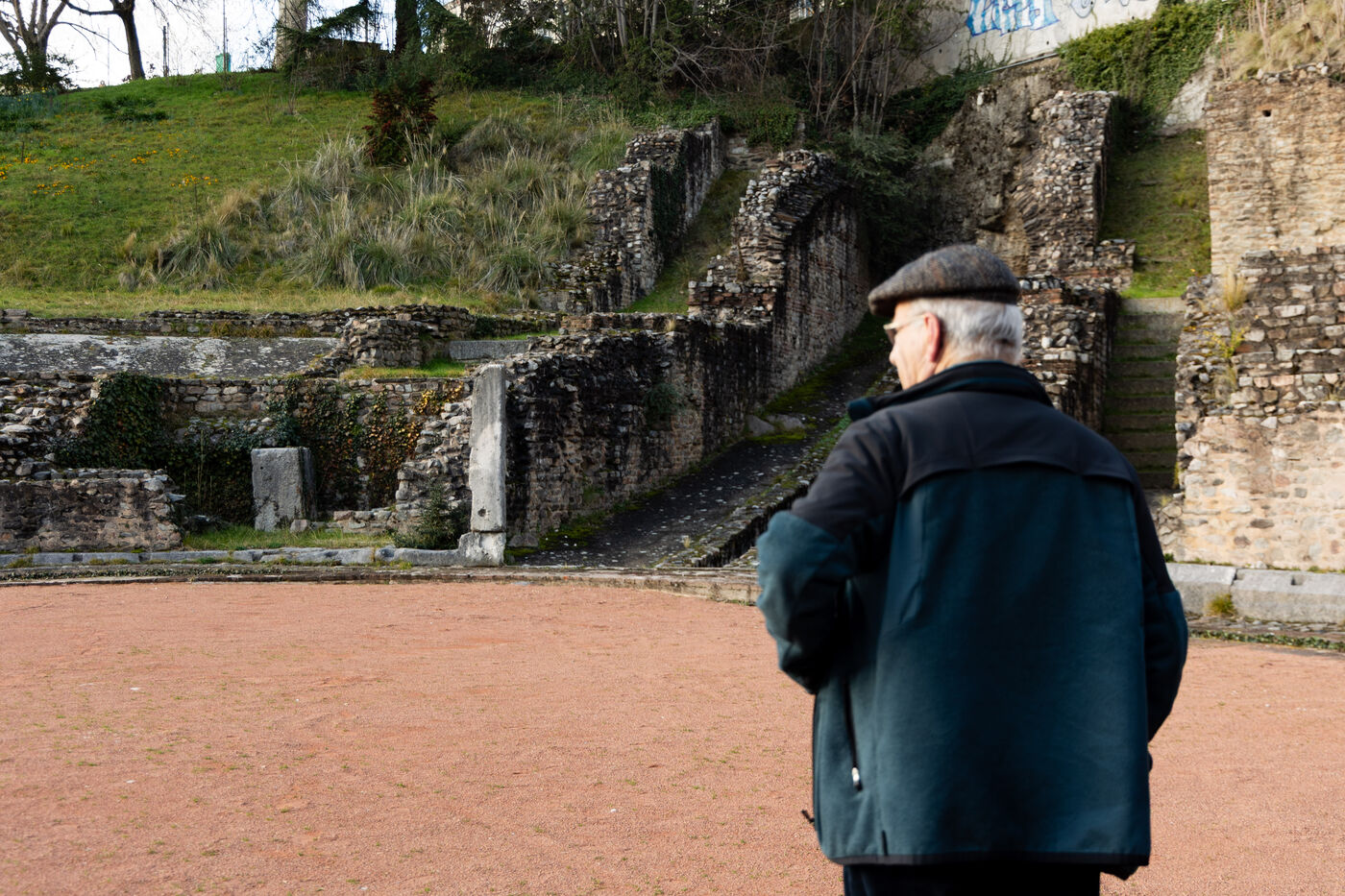
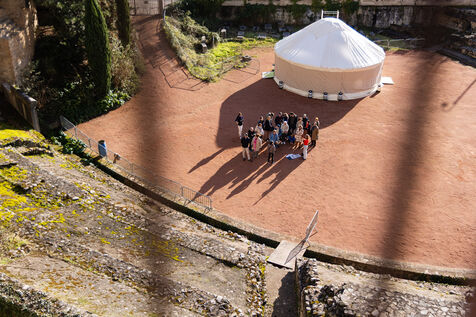
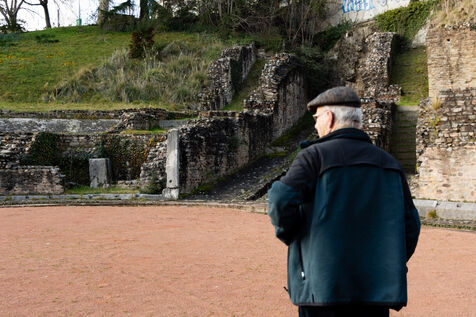
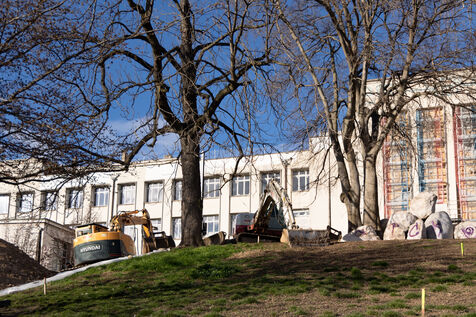
À l’occasion d’un programme de végétalisation du Jardin des Plantes, sur les pentes de la Croix-Rousse, un diagnostic archéologique a été lancé à proximité immédiate de l’amphithéâtre des Trois Gaules, monument majeur de la ville antique de Lugdunum vieux de près de 2 000 ans.
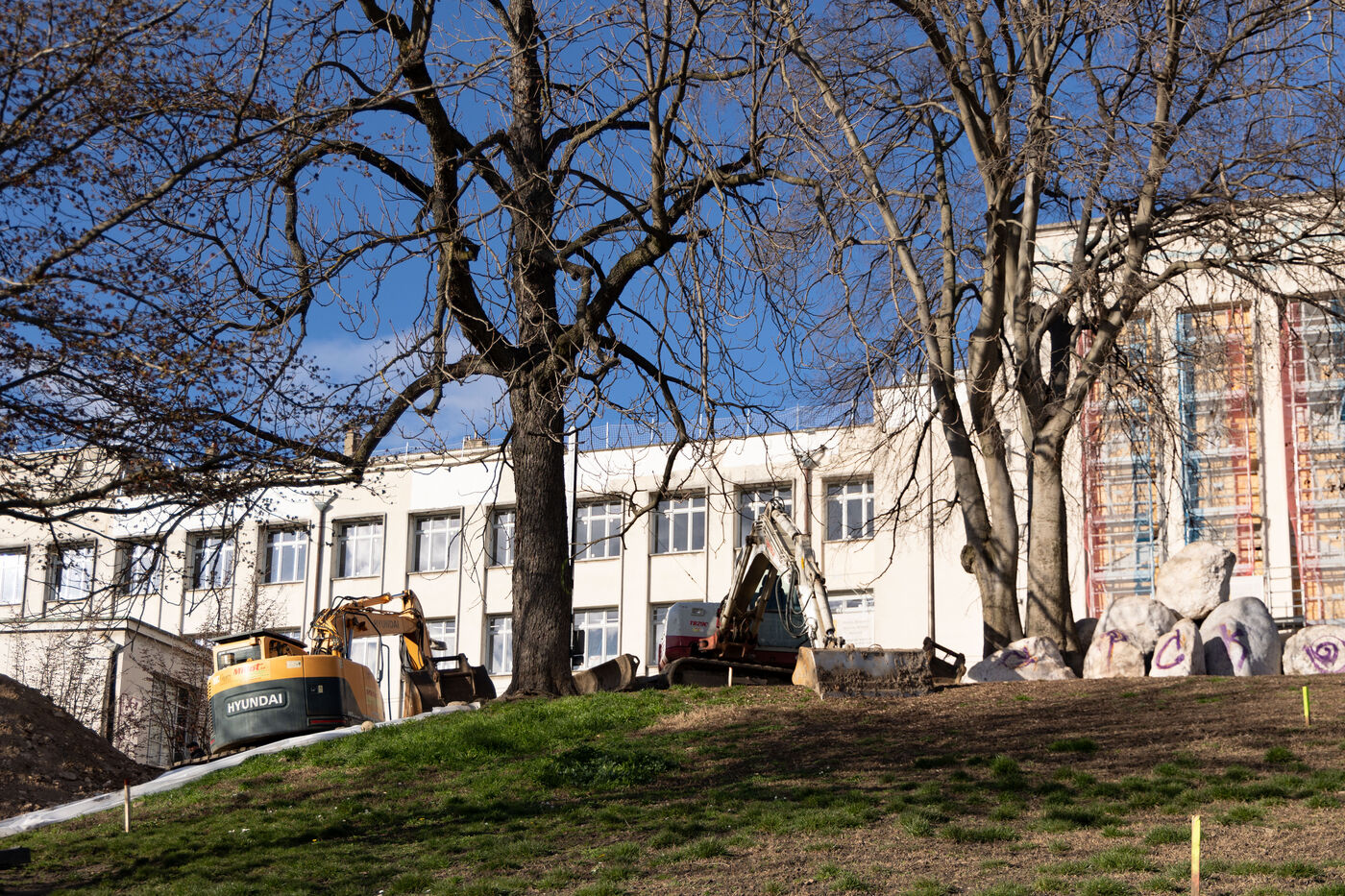
Ces investigations ont été menées dans le cadre de travaux destinés à restaurer et préserver ce parc historique, fragilisé par une forte fréquentation et par les effets du changement climatique. Avant la plantation de nouveaux arbres, plusieurs sondages archéologiques ont été réalisés afin d’évaluer le potentiel patrimonial du site.
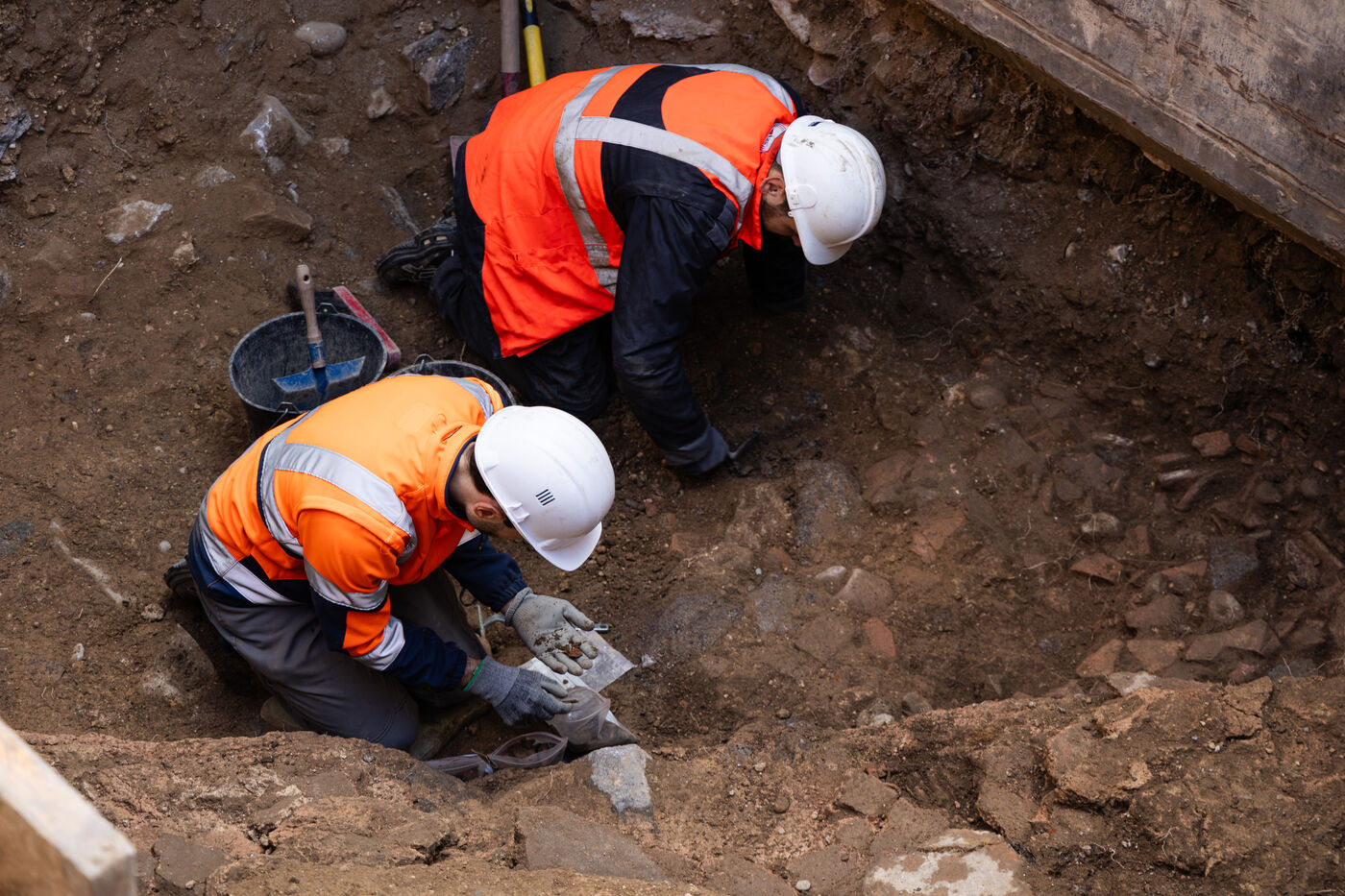
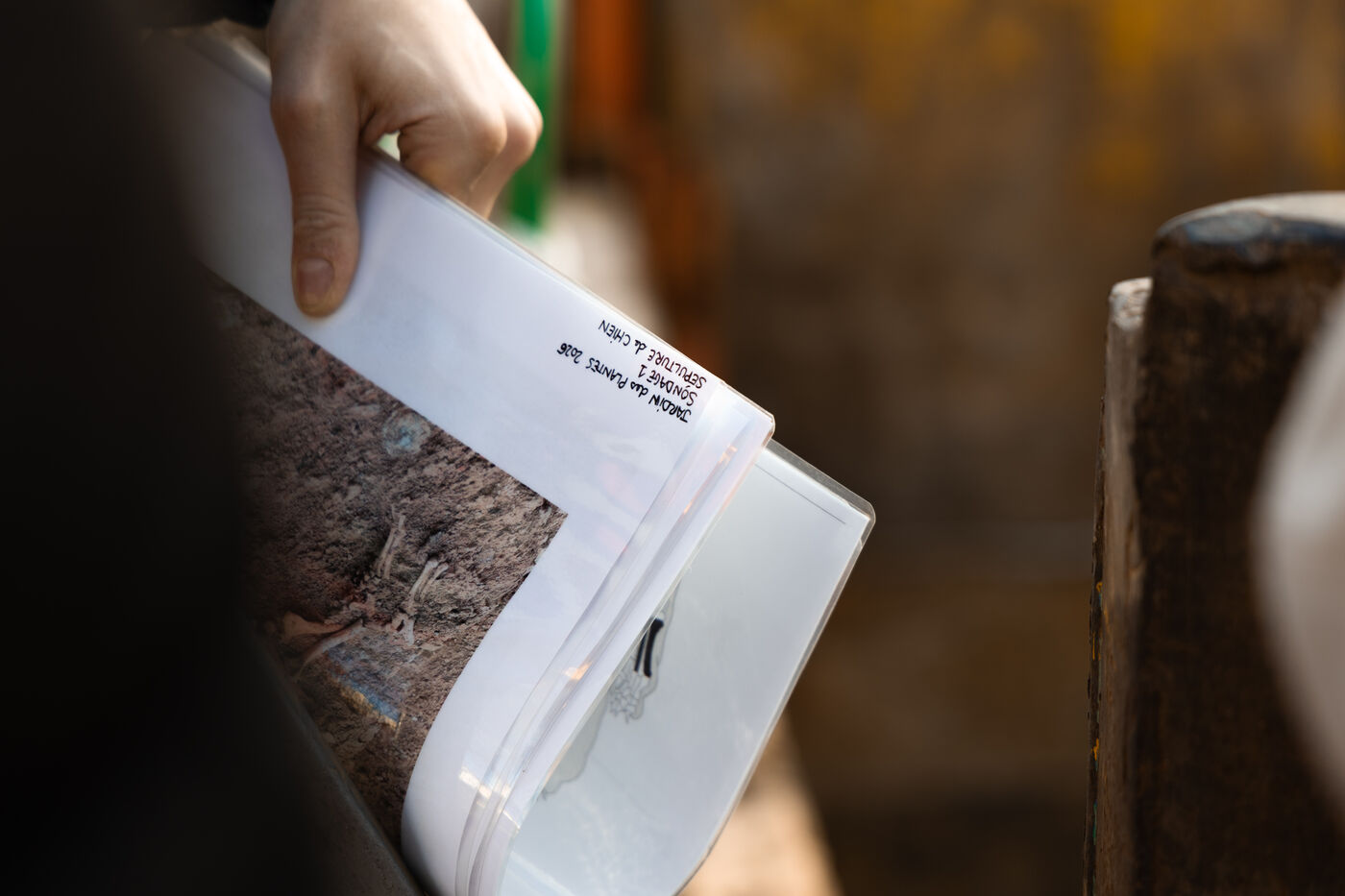
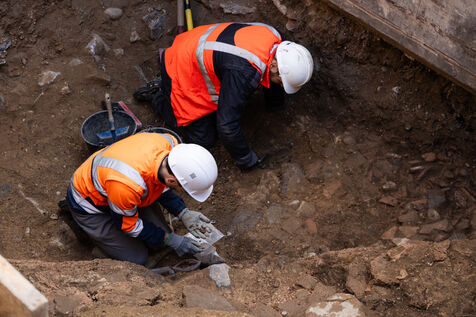
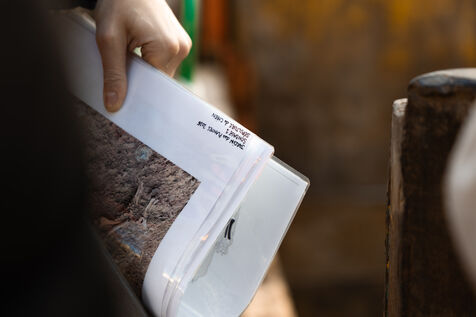
Sept sondages ont ainsi été ouverts par la Direction de l’archéologie de la Ville de Lyon, atteignant parfois jusqu’à quatre mètres de profondeur. Les premières observations ont déjà révélé différents vestiges antiques : fragments de céramique, ossements d’animaux dont deux ours, traces d’incendie datées du IIᵉ siècle après J.-C., ainsi que la sépulture d’un chien découverte dans des remblais antiques.
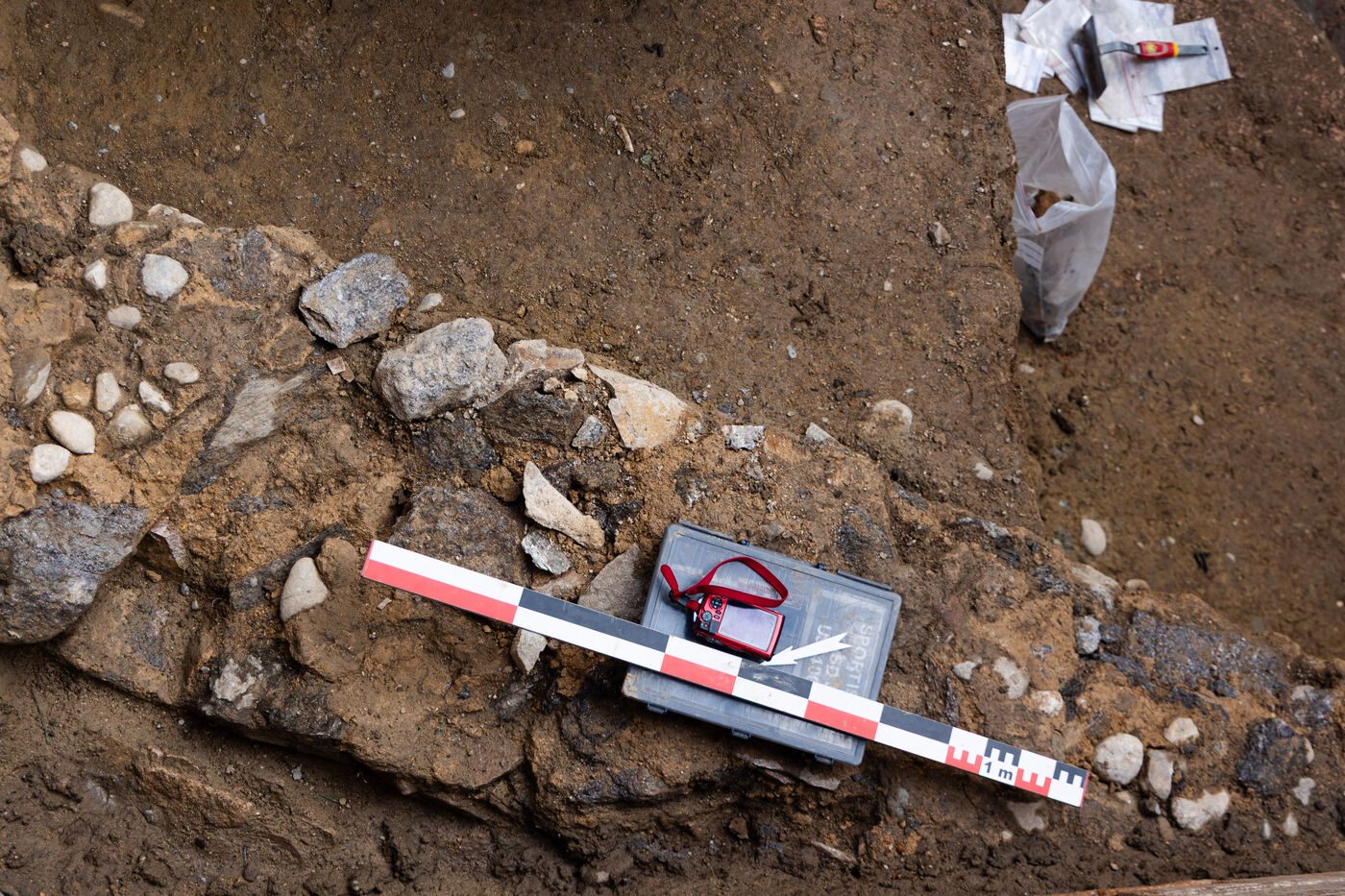
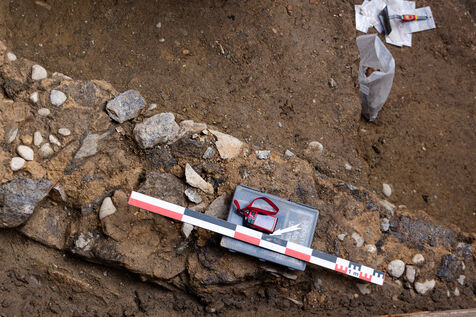
Les fouilles ont également mis en évidence des structures maçonnées et des blocs en pierre bordant une vaste esplanade antique orientée vers l’amphithéâtre. Ces découvertes contribuent à mieux comprendre l’organisation du secteur antique autour de ce monument emblématique de la ville romaine.
Ce diagnostic archéologique constitue une étape importante pour enrichir les connaissances scientifiques sur ce site majeur du patrimoine lyonnais, tout en accompagnant le projet de restauration du Jardin des Plantes qui se poursuivra jusqu’en 2028.
Archaeological Excavations at Lyon’s Jardin des Plantes
As part of a vegetation program at the Jardin des Plantes, on the slopes of Croix-Rousse, an archaeological diagnostic was launched in the immediate vicinity of the Amphitheatre of the Three Gauls, a major monument of the ancient city of Lugdunum, nearly 2,000 years old.
These investigations were carried out within the framework of works aimed at restoring and preserving this historic park, which has been weakened by heavy visitor use and the effects of climate change. Before planting new trees, several archaeological test trenches were opened in order to assess the heritage potential of the site.
Seven trenches were excavated by the Archaeology Department of the City of Lyon, sometimes reaching depths of up to four meters. Initial observations have already revealed various ancient remains: fragments of pottery, animal bones including those of two bears, traces of a fire dated to the 2nd century AD, as well as the burial of a dog discovered within ancient backfill deposits.
The excavations also brought to light masonry structures and stone blocks bordering a vast ancient esplanade oriented toward the amphitheatre. These discoveries contribute to a better understanding of the organization of the ancient sector surrounding this emblematic monument of the Roman city.
This archaeological diagnostic represents an important step in enriching scientific knowledge about this major heritage site in Lyon, while supporting the restoration project for the Jardin des Plantes, which will continue until 2028.