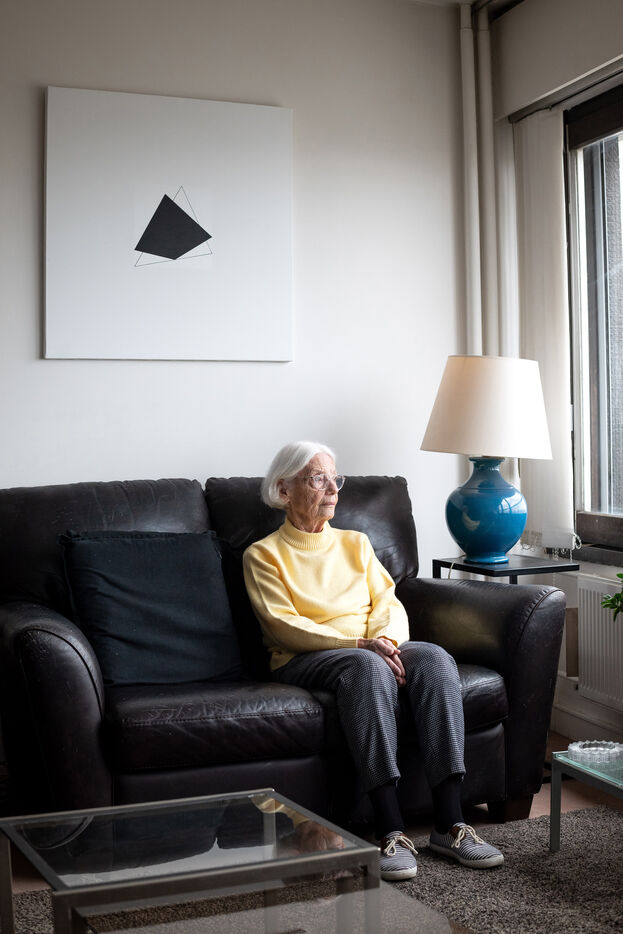
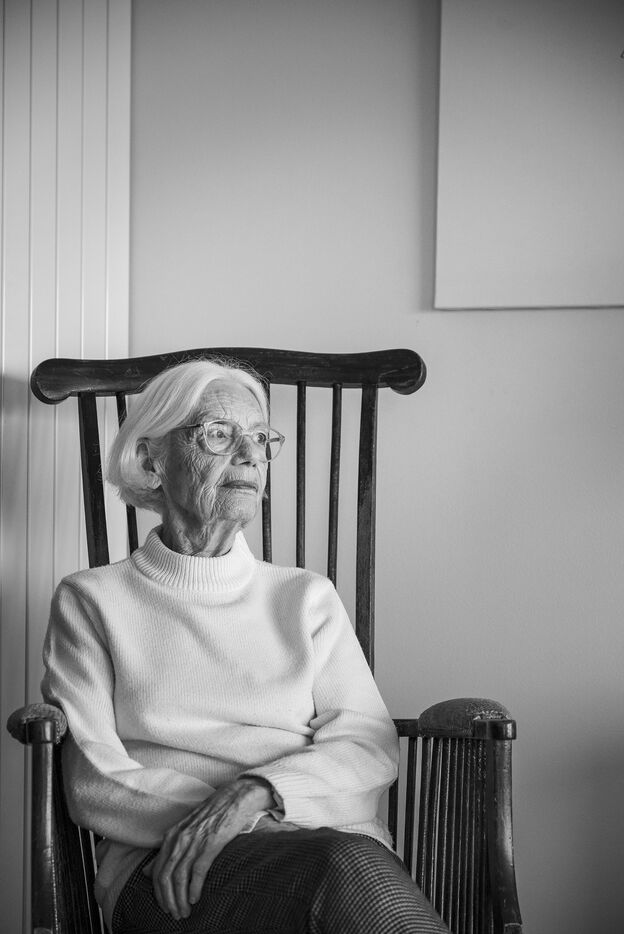
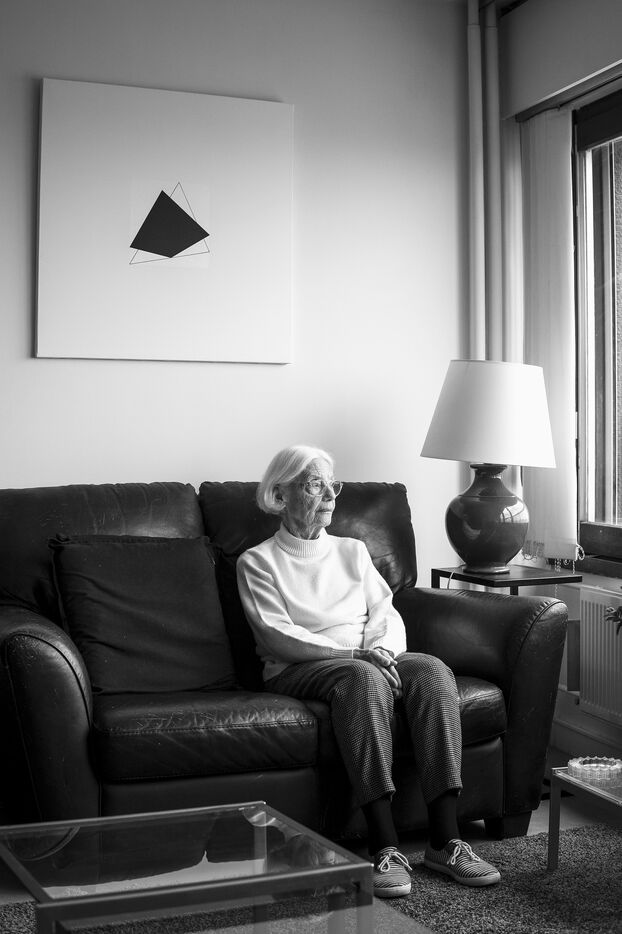
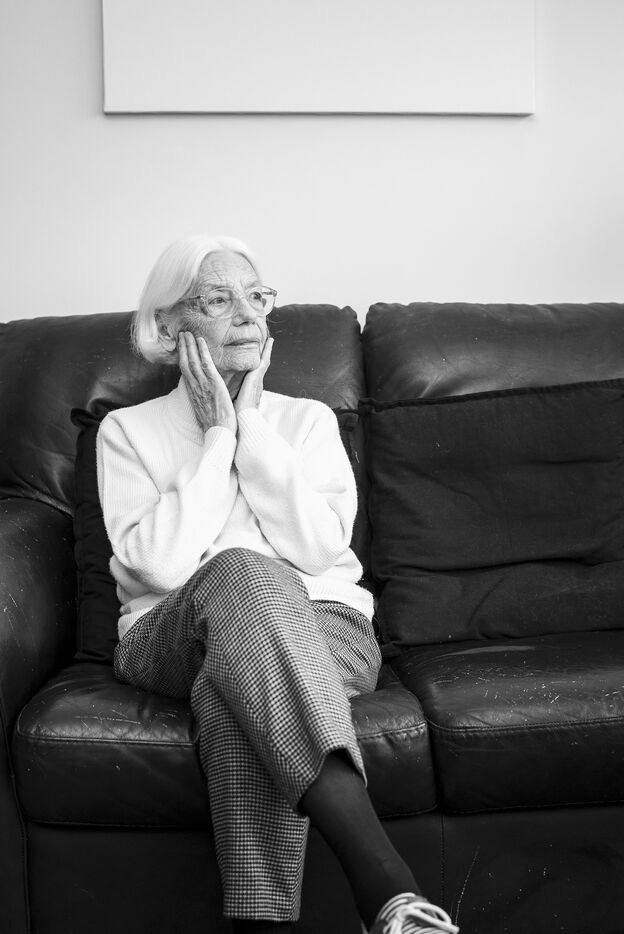
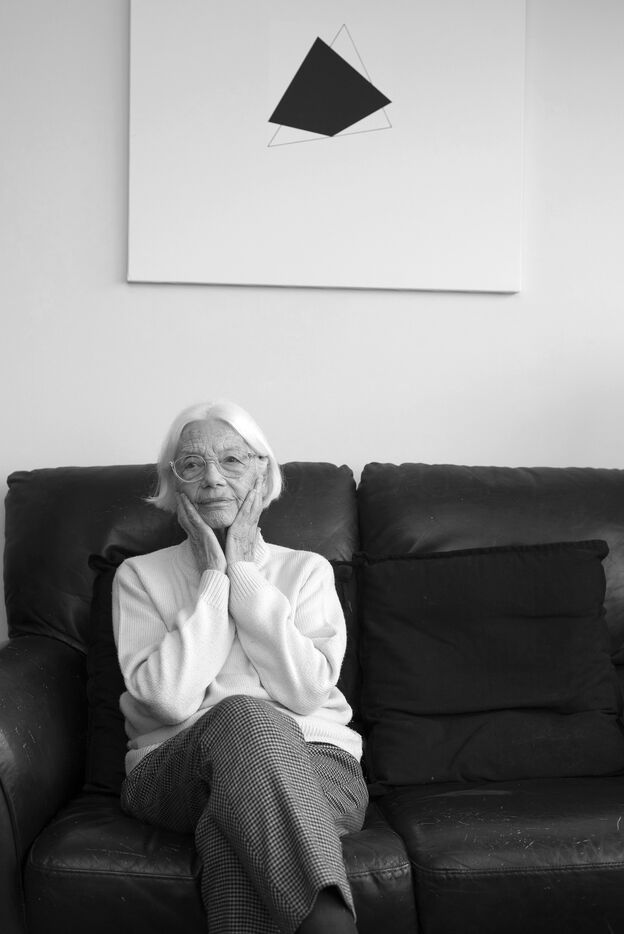
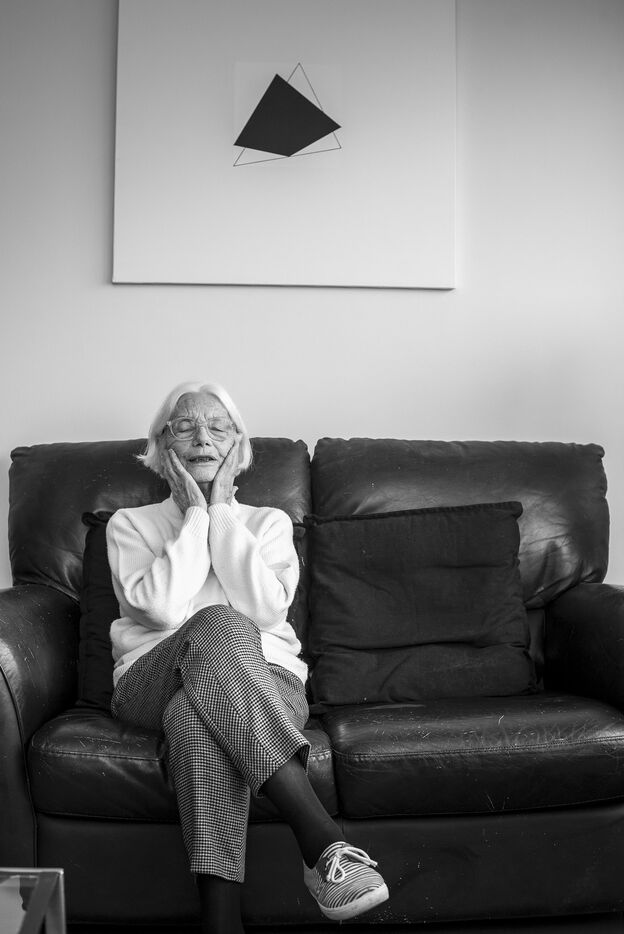
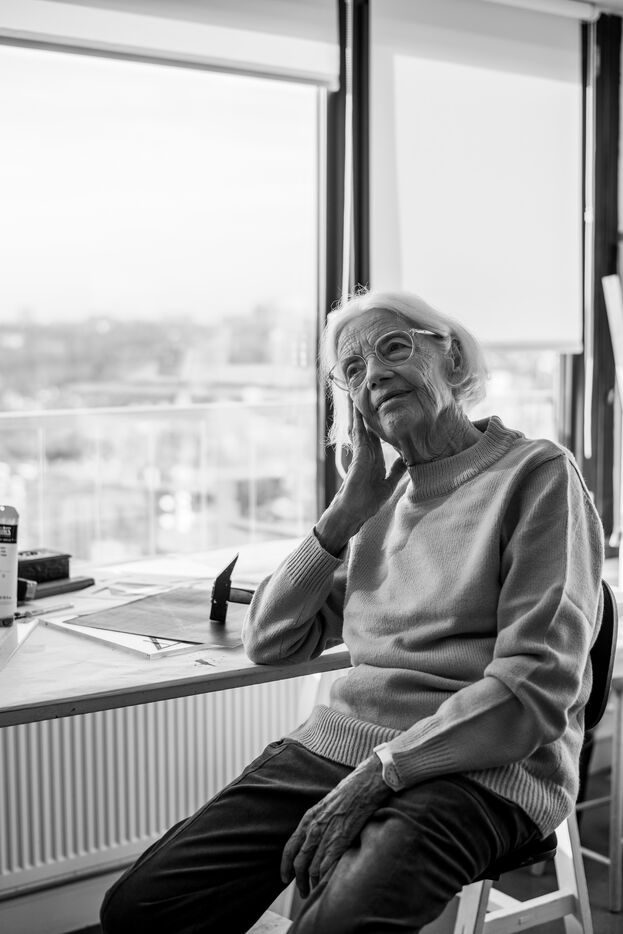
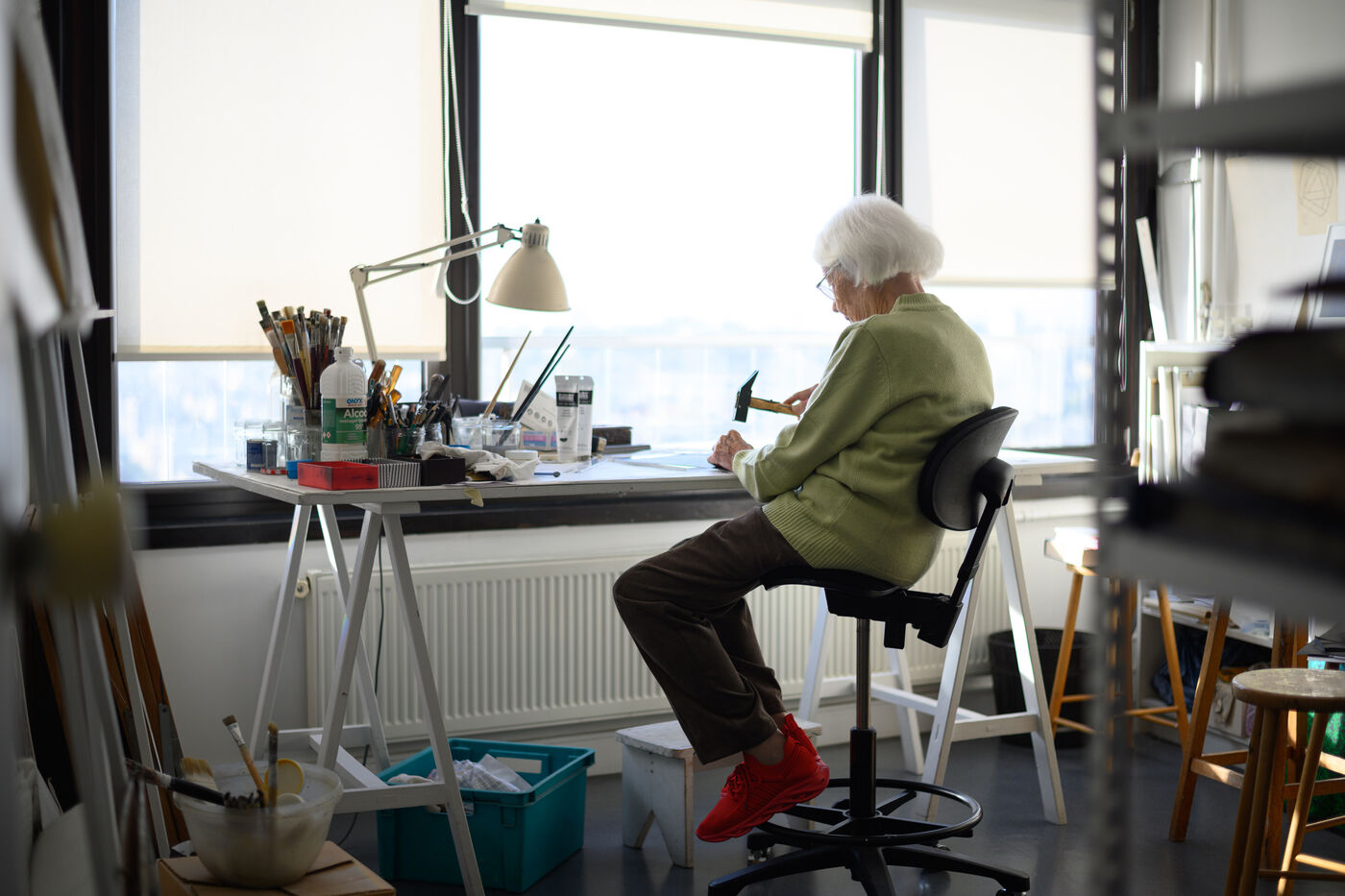
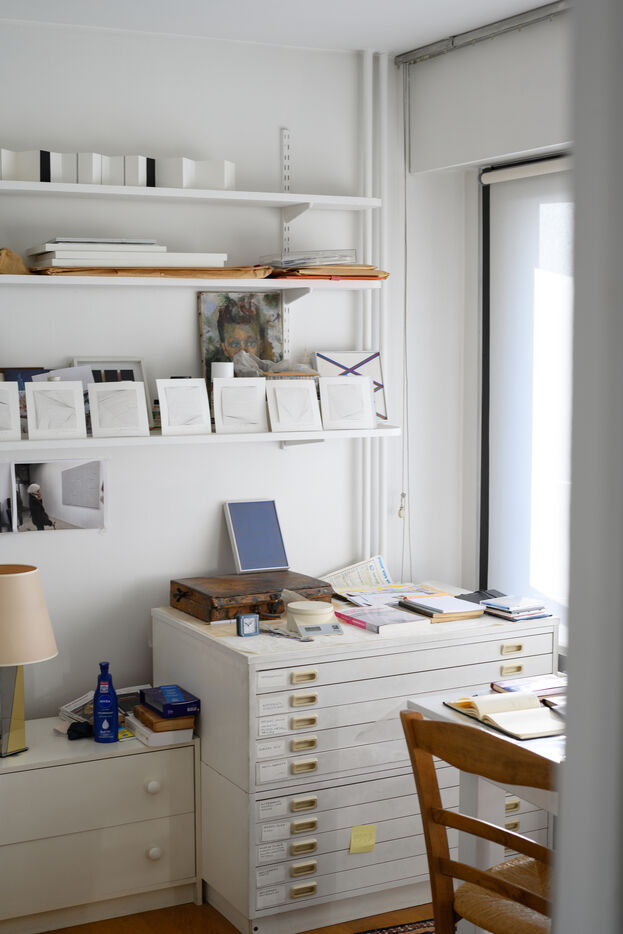
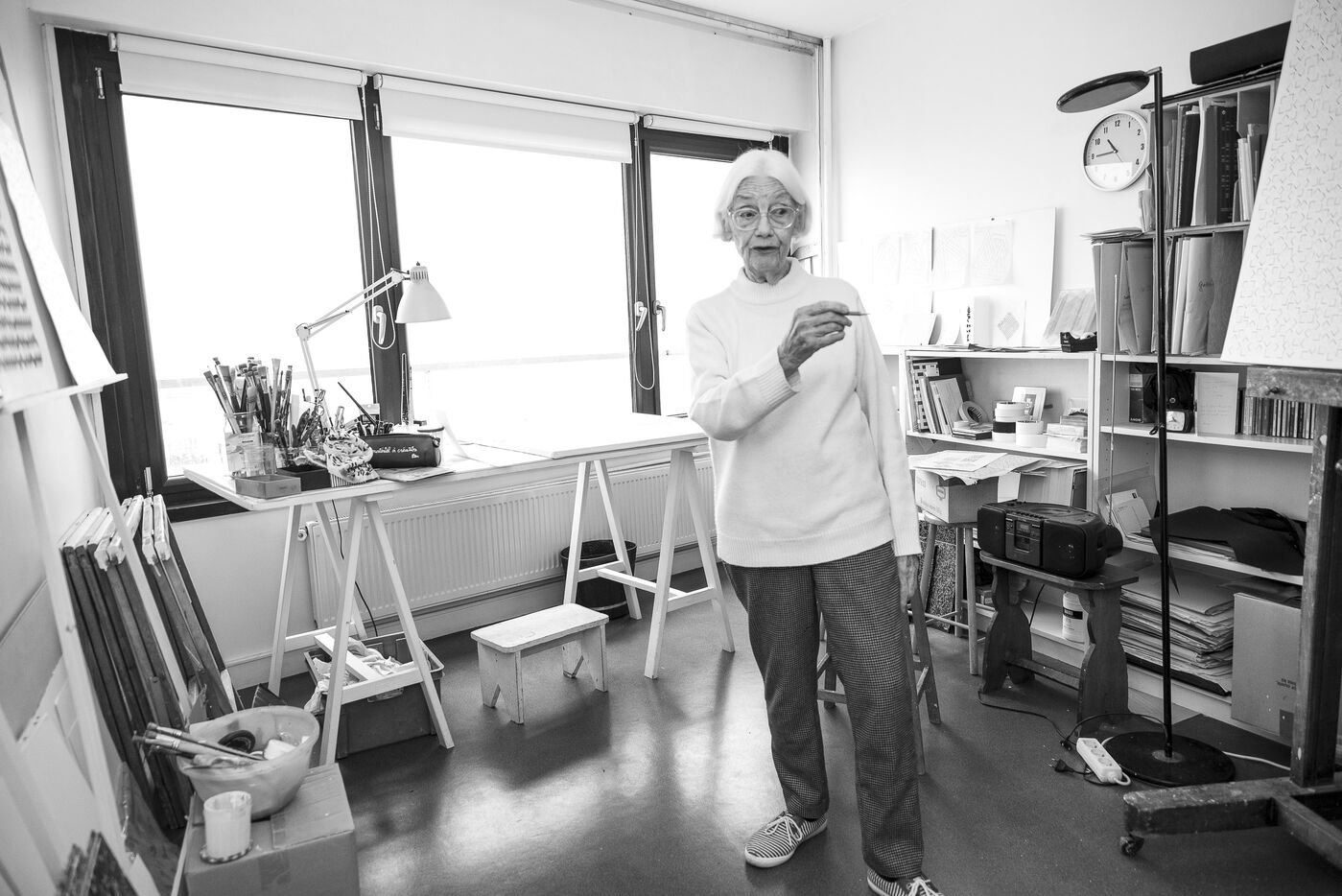
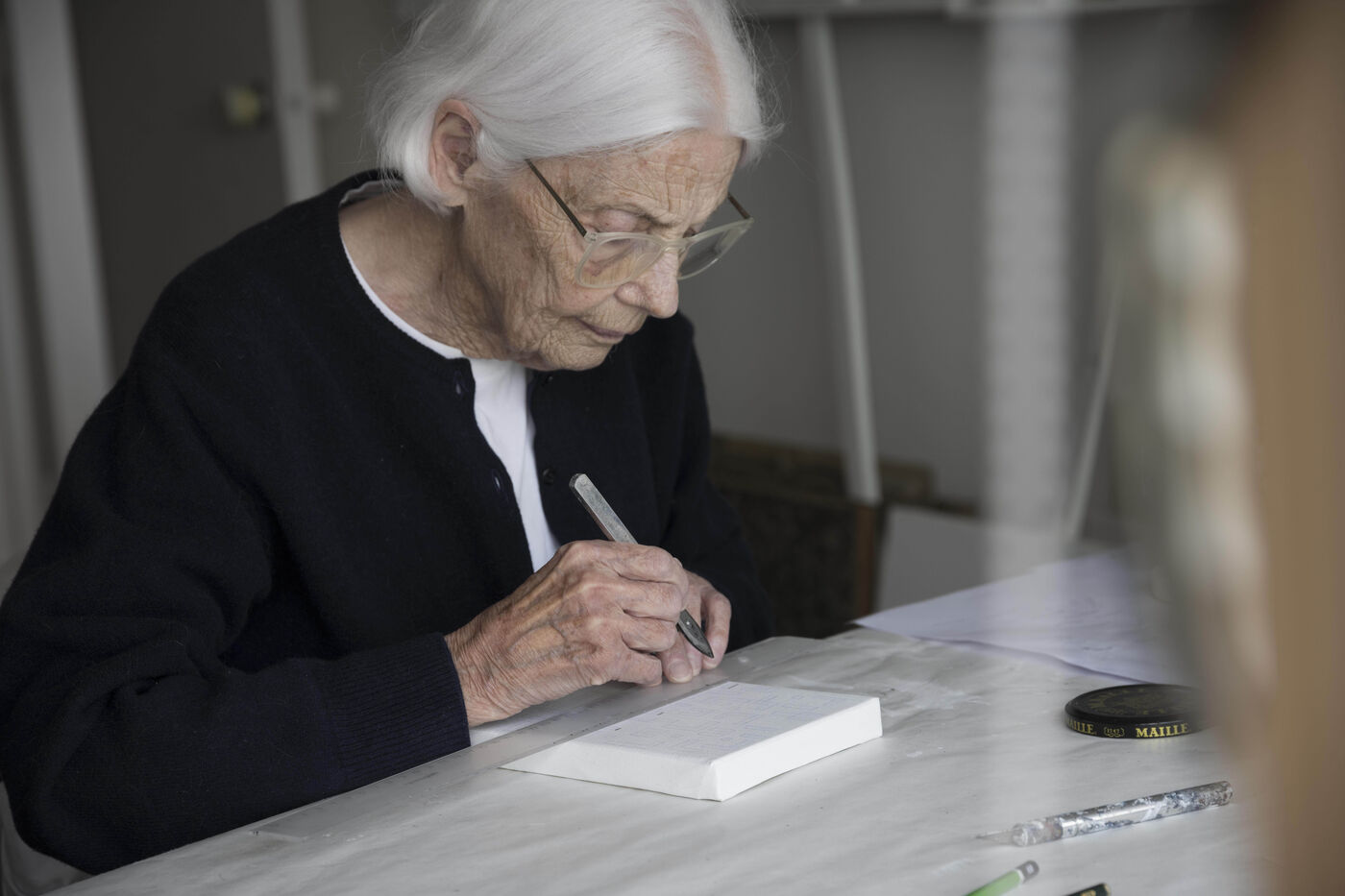
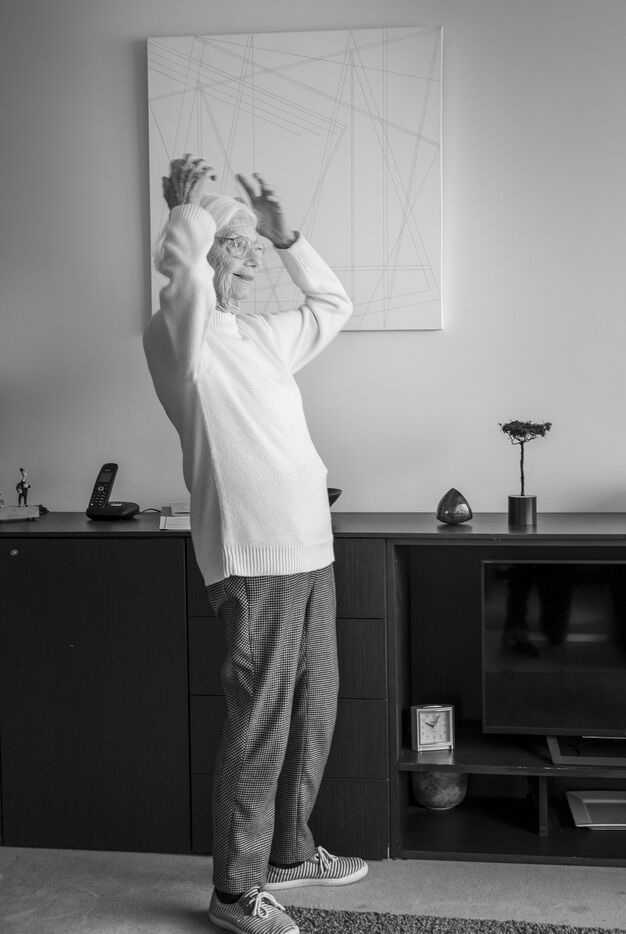
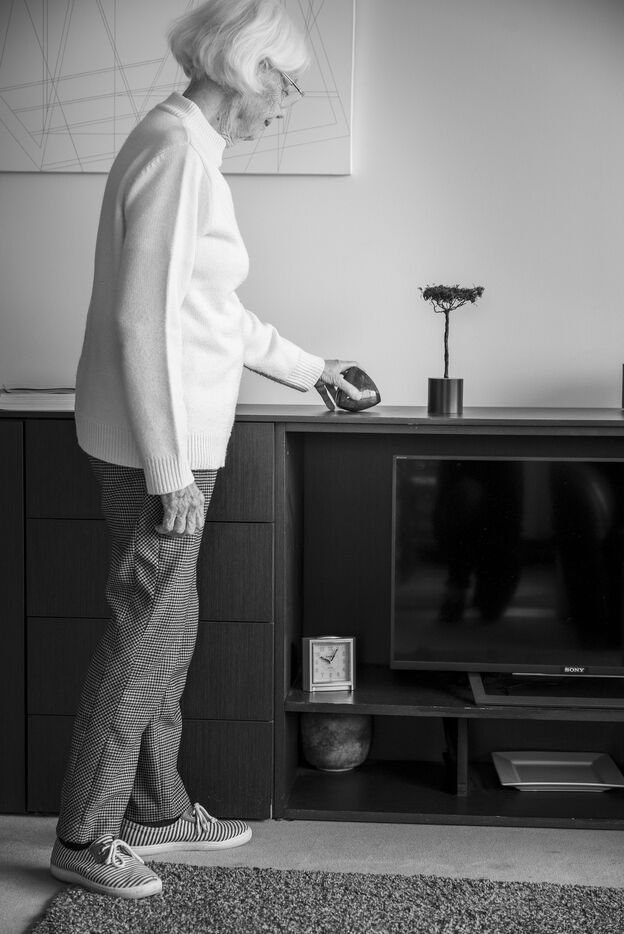
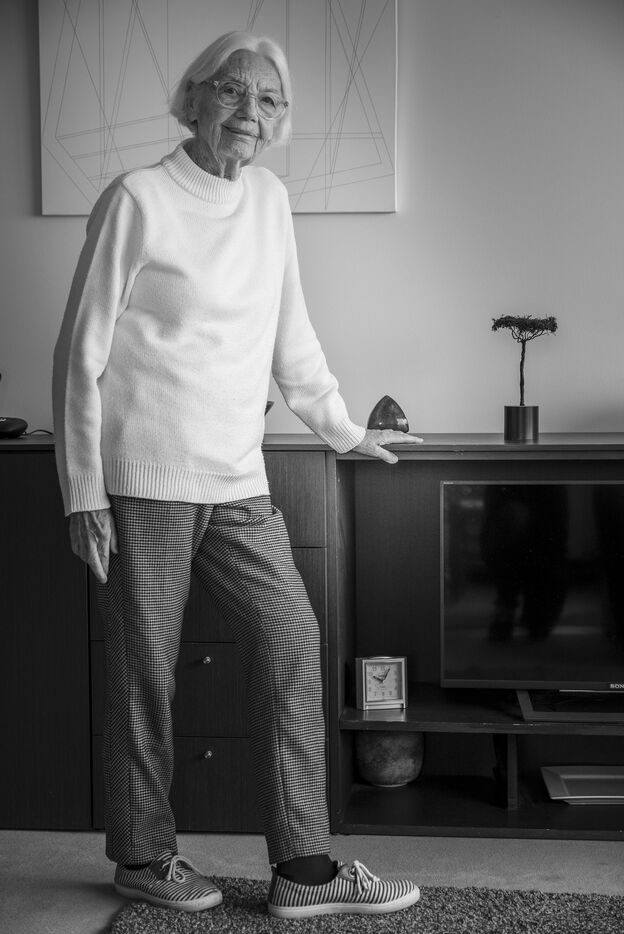
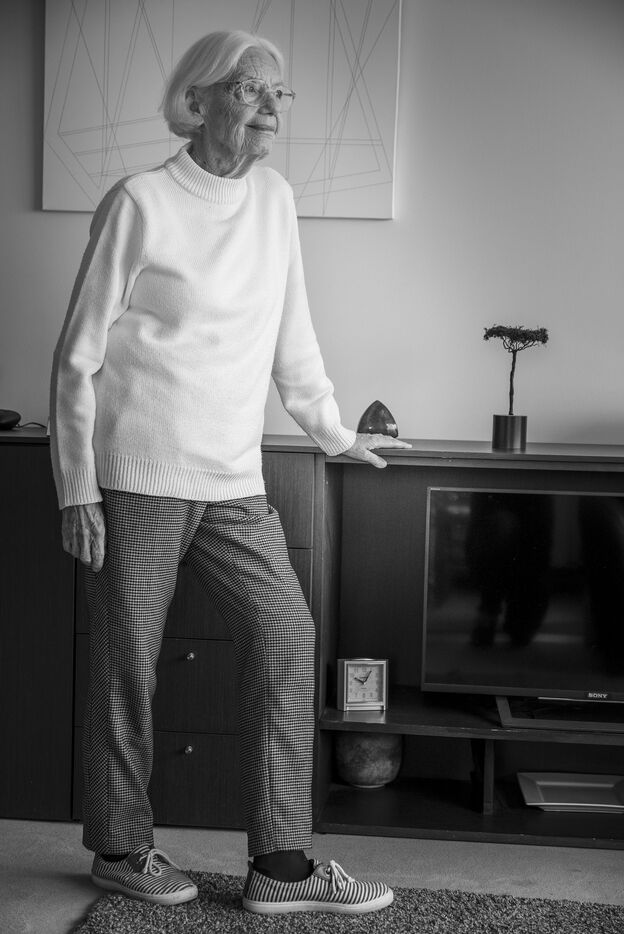
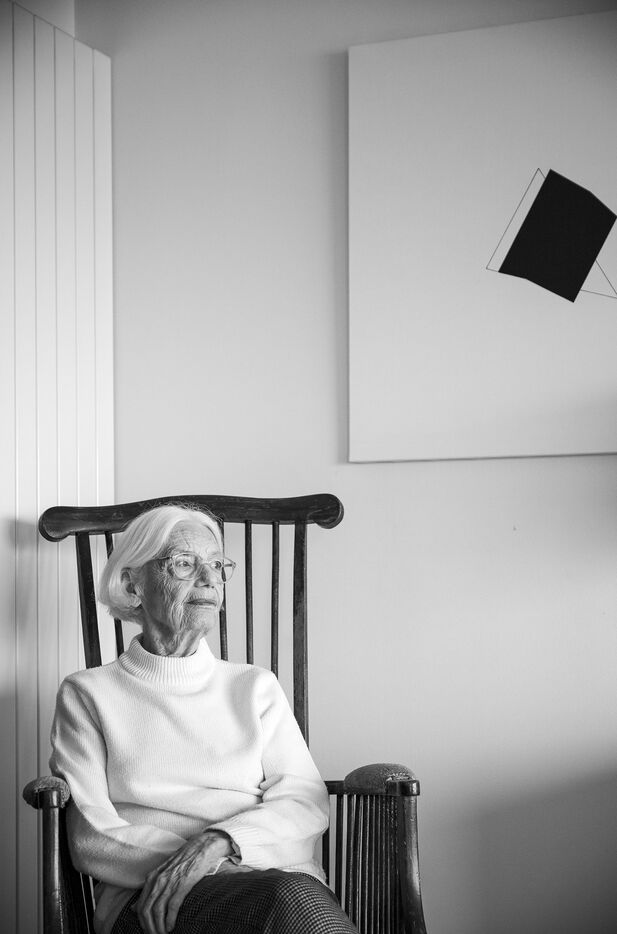
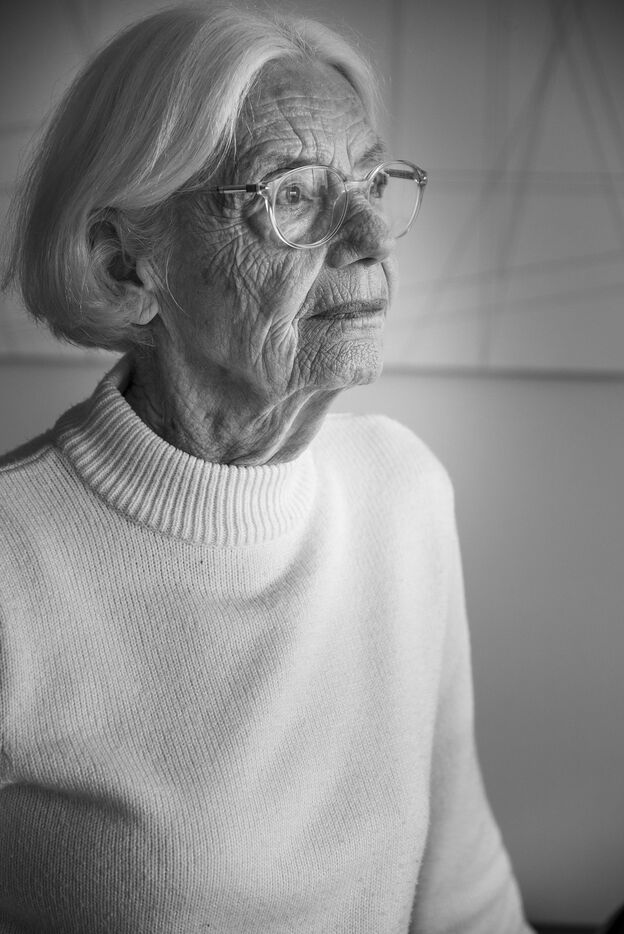
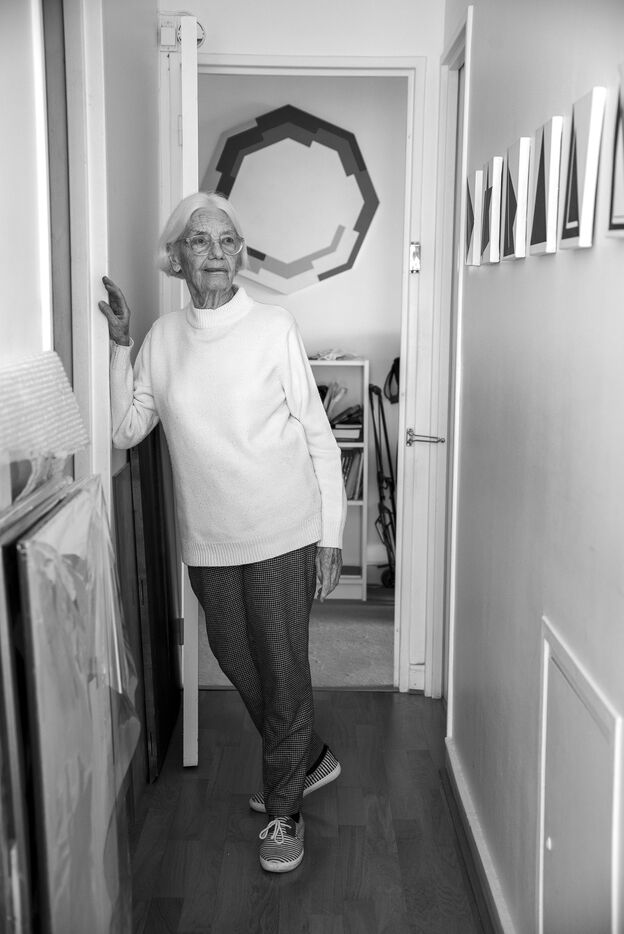
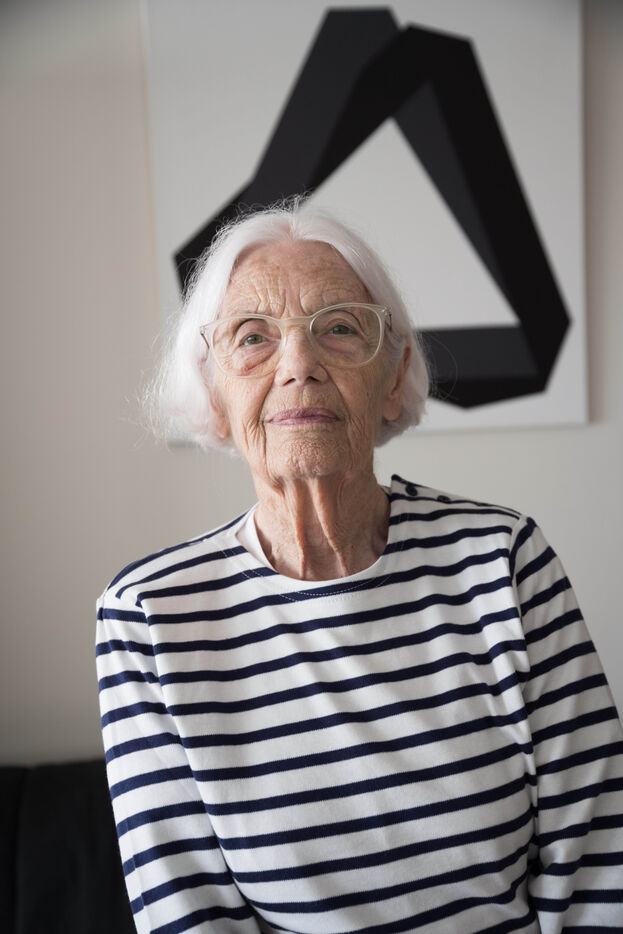
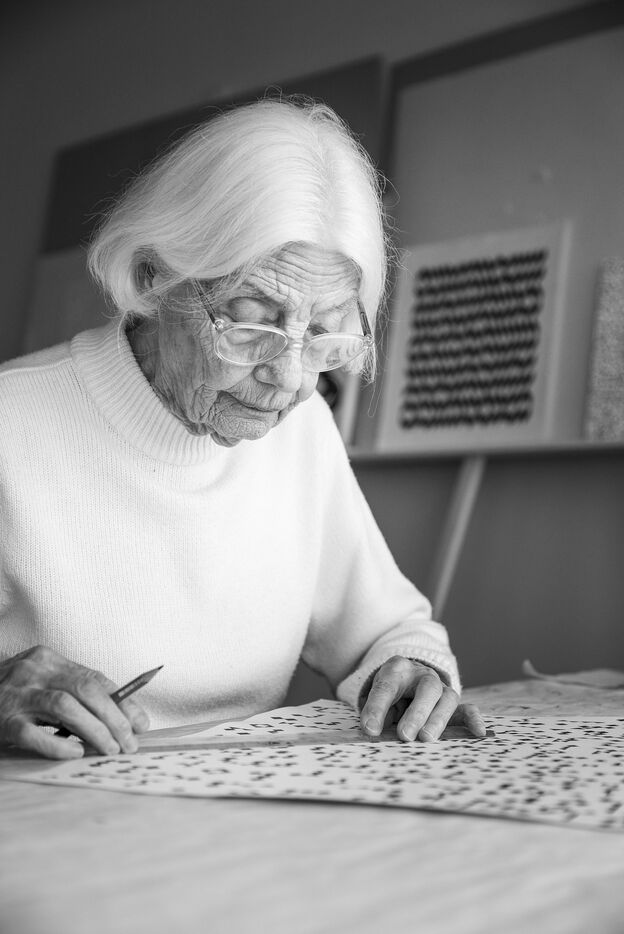
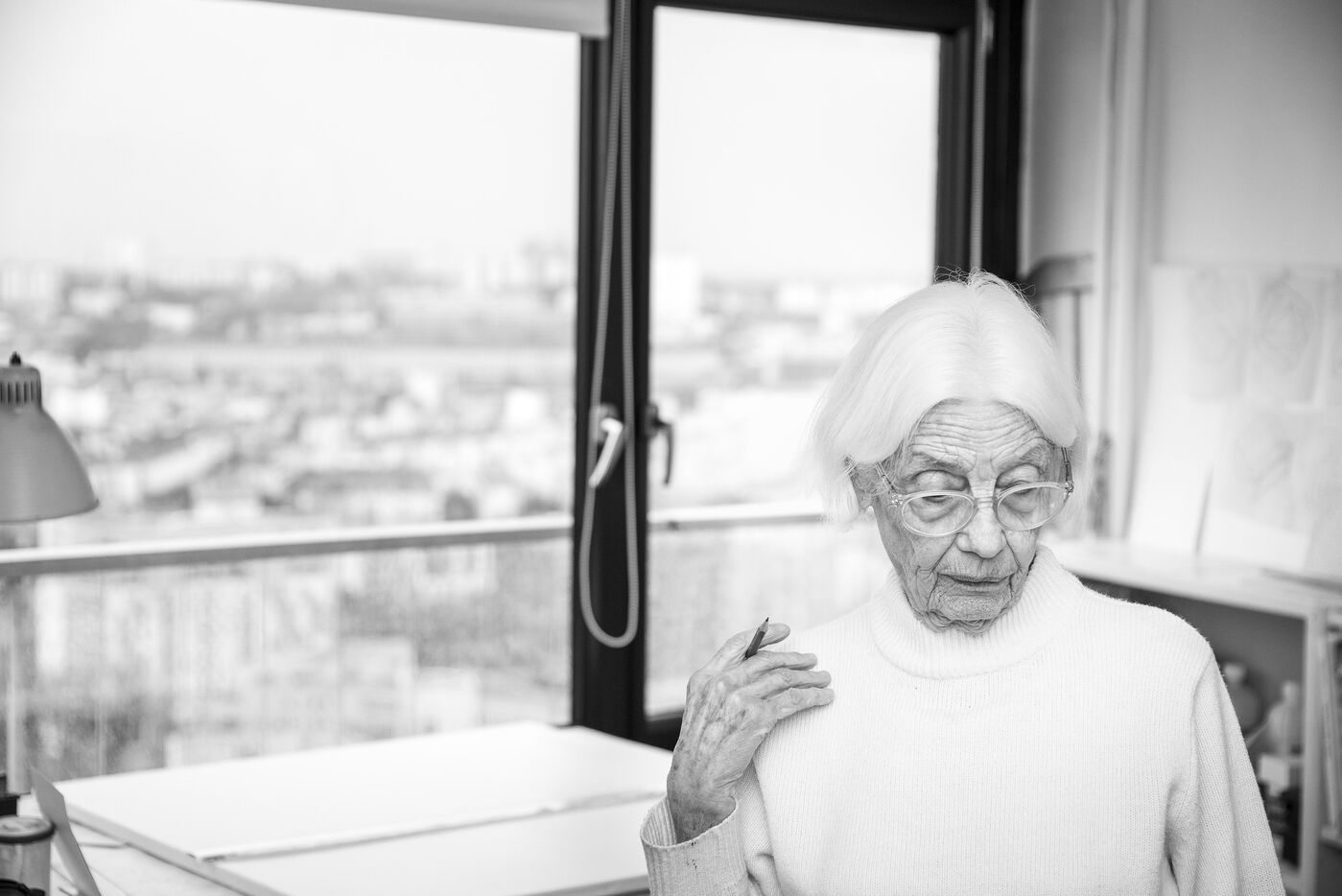
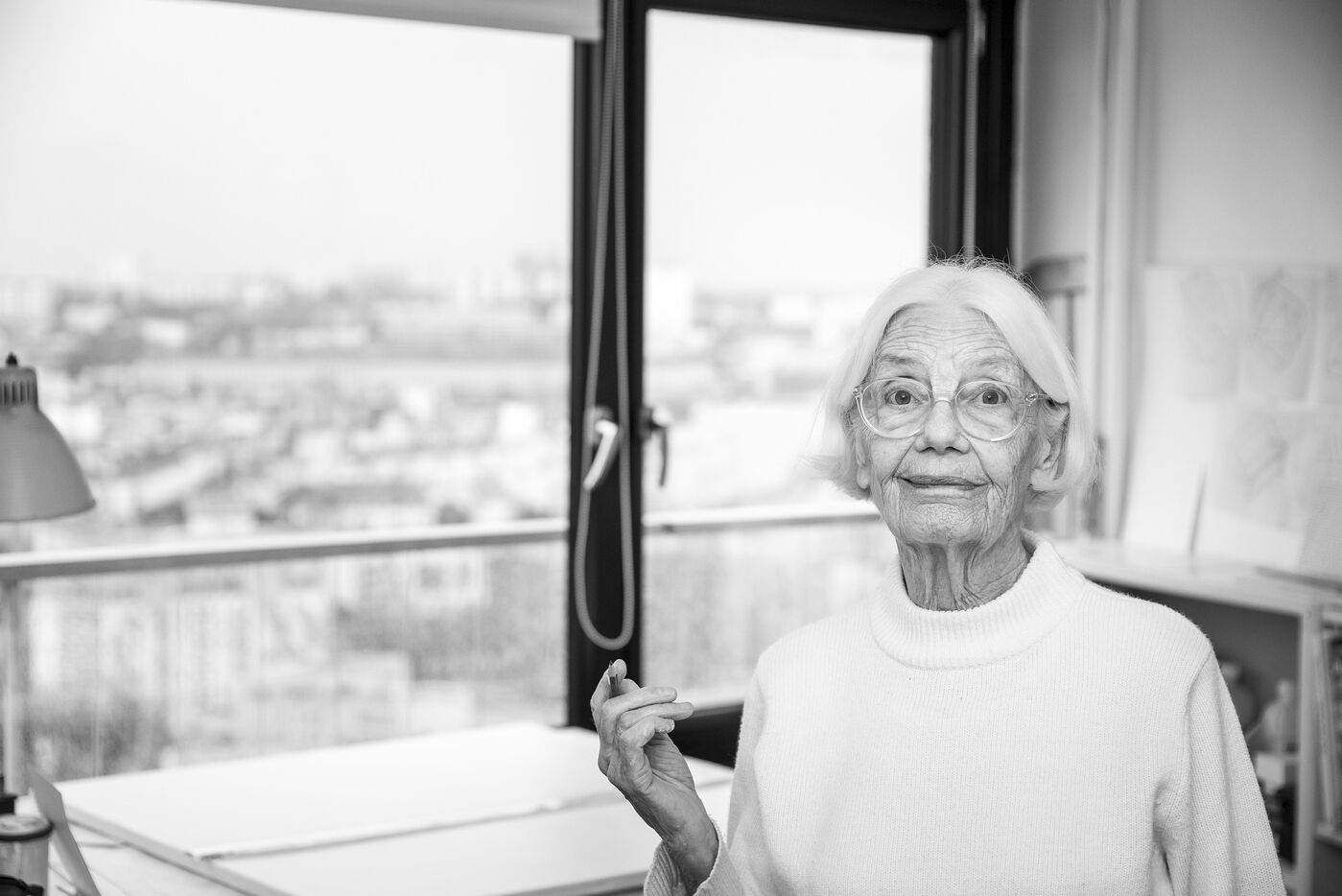
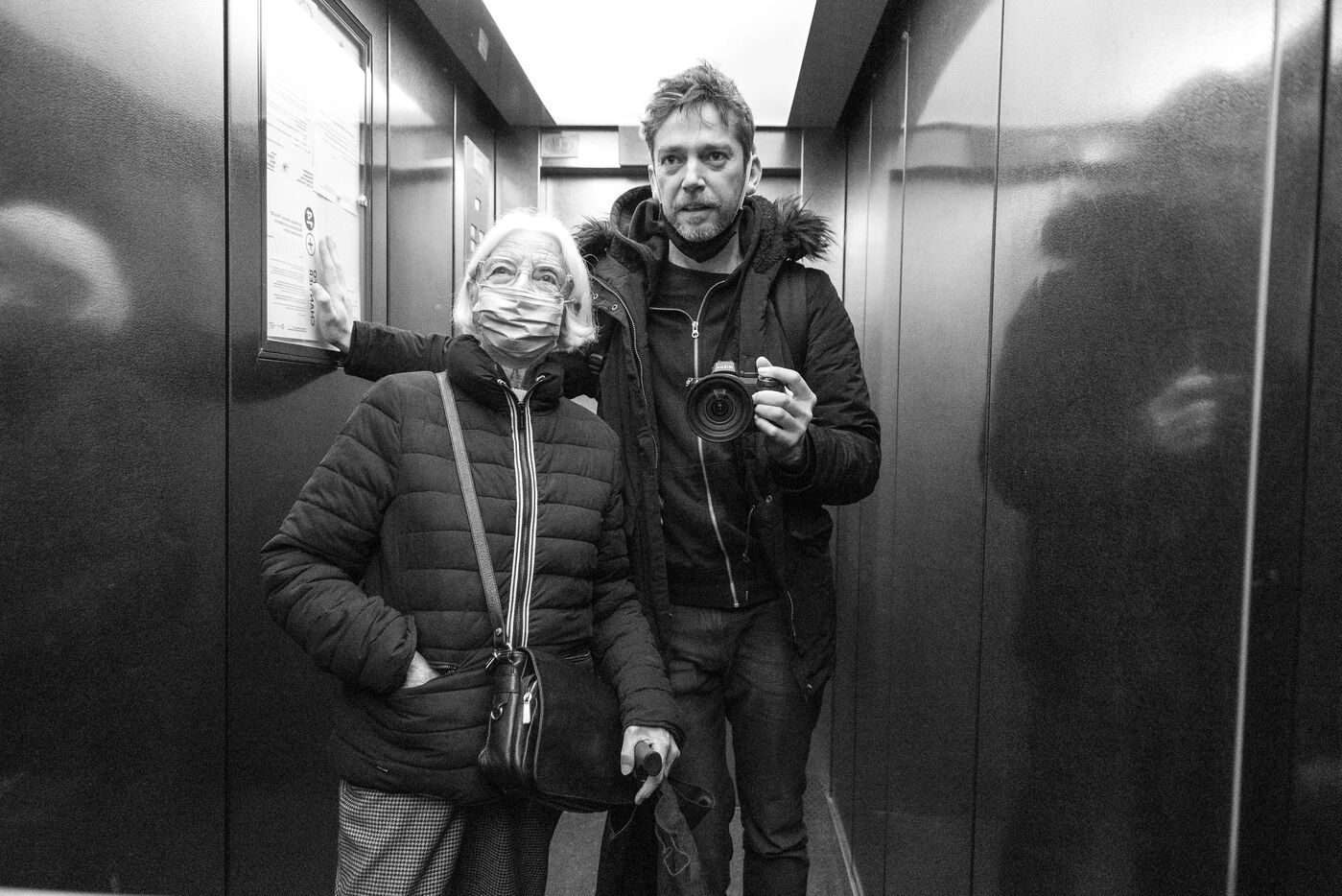
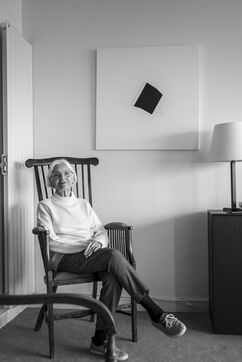
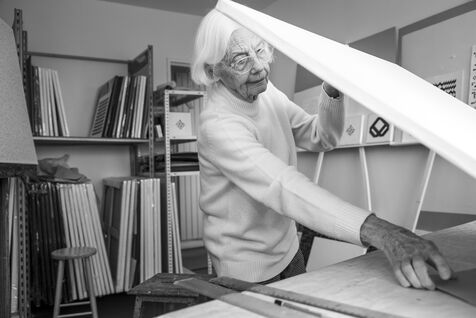
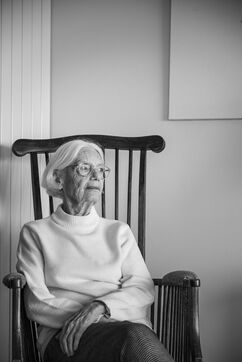
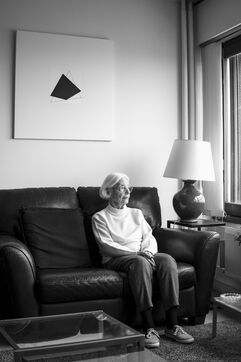
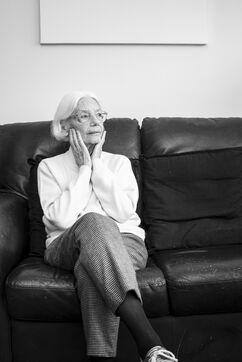
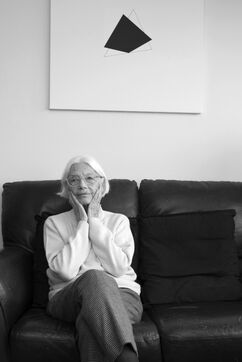
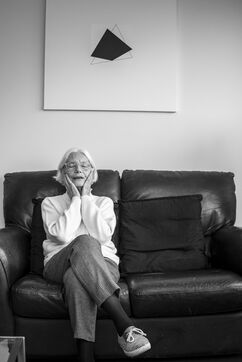
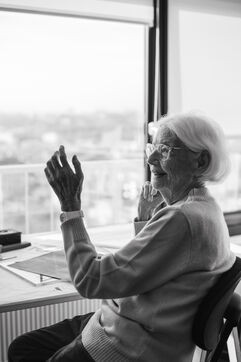
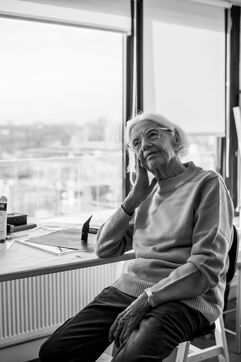
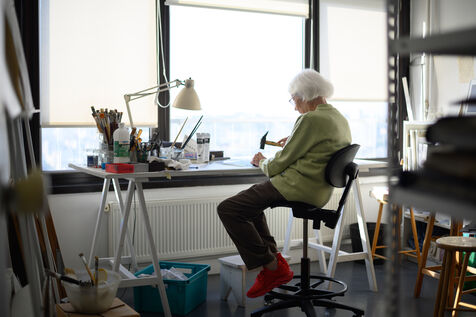
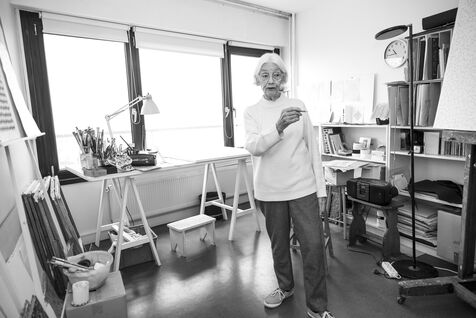
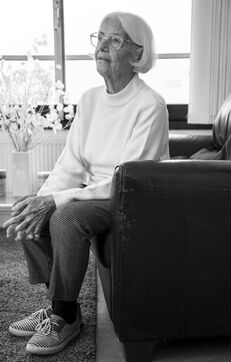
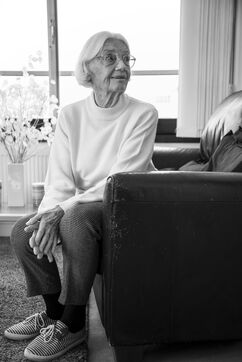
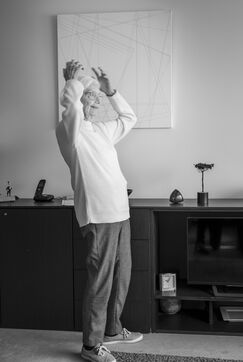
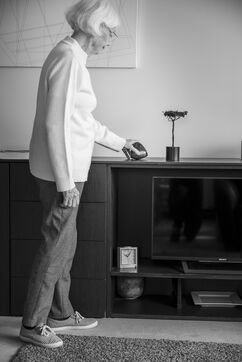
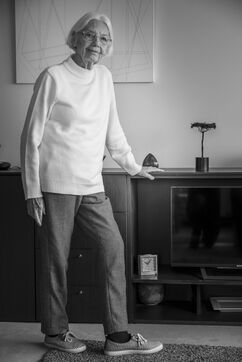
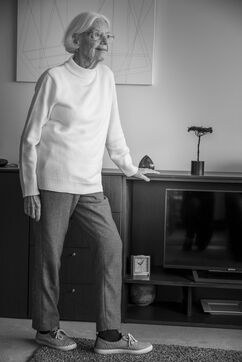
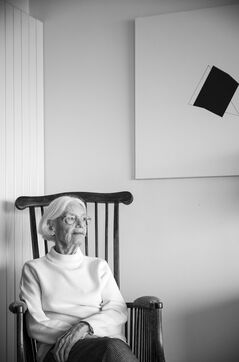
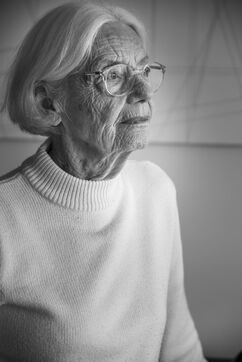
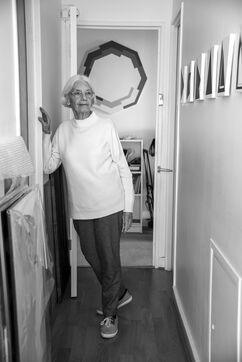
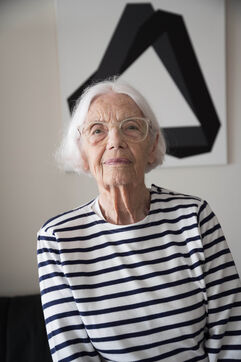
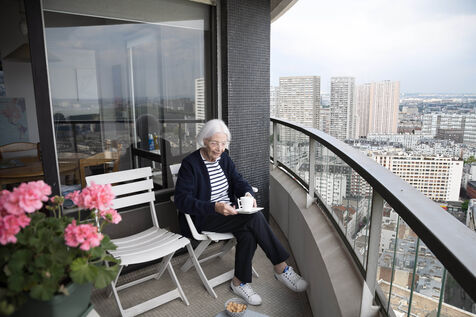
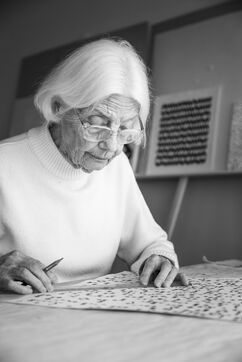
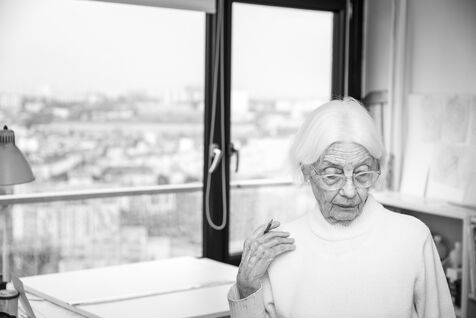
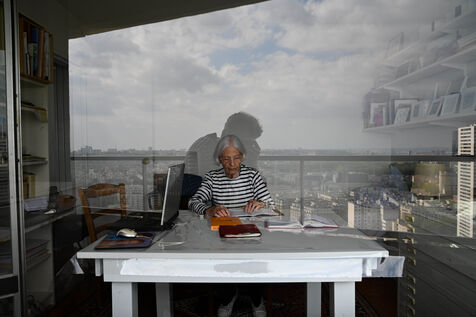
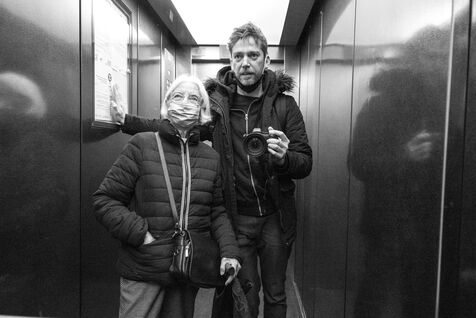
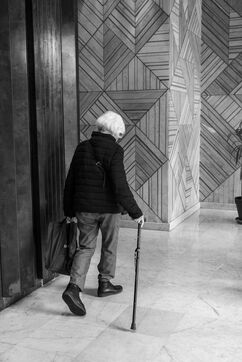
PORTRAIT DE L'ARTISTE PEINTRE ODE BERTRAND DANS SON ATELIER À PARIS
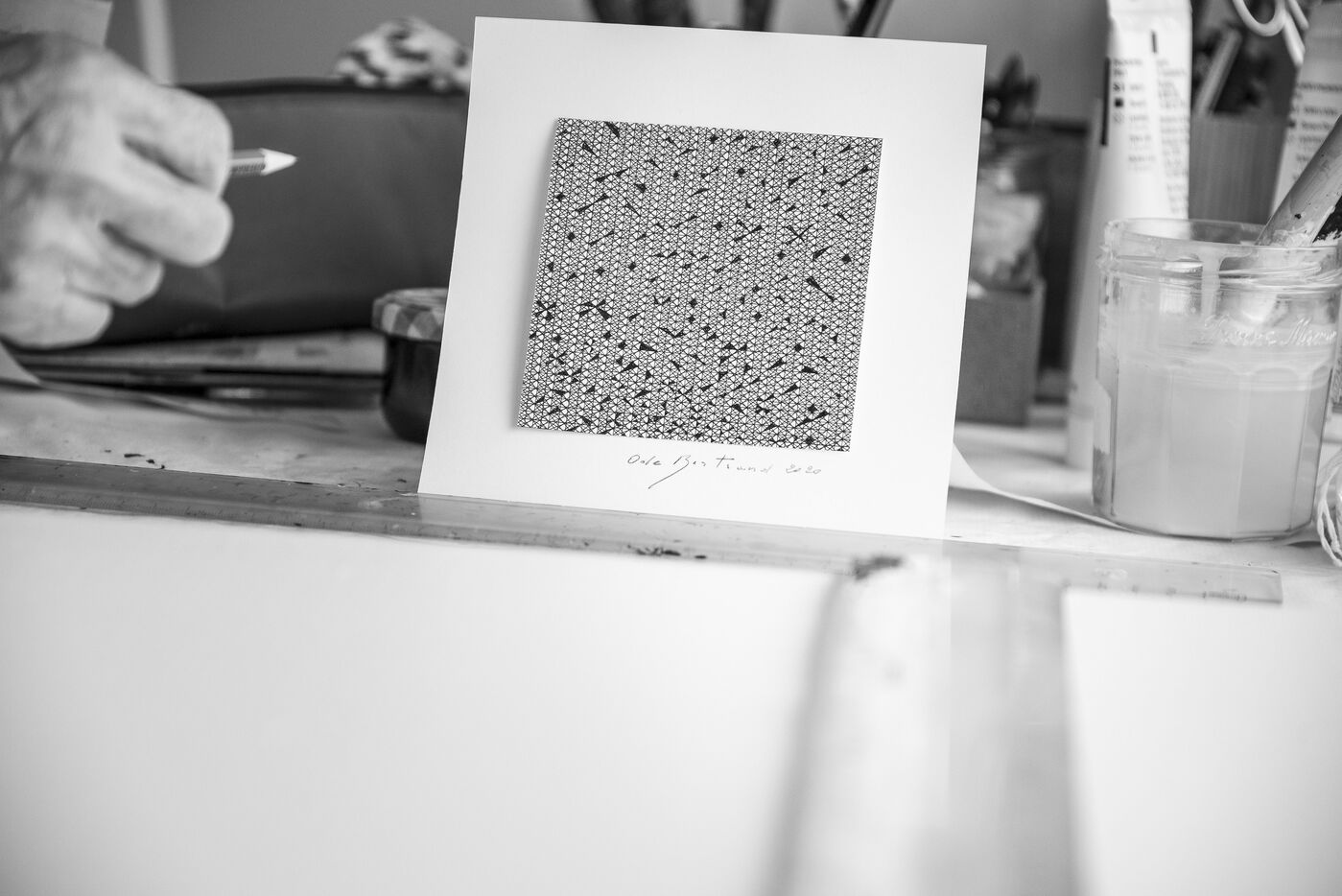
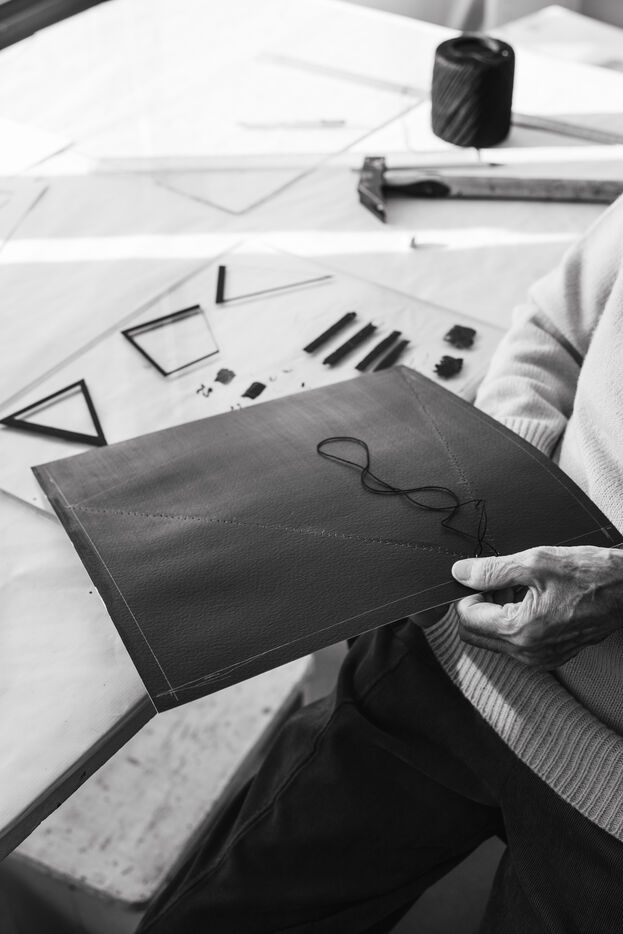
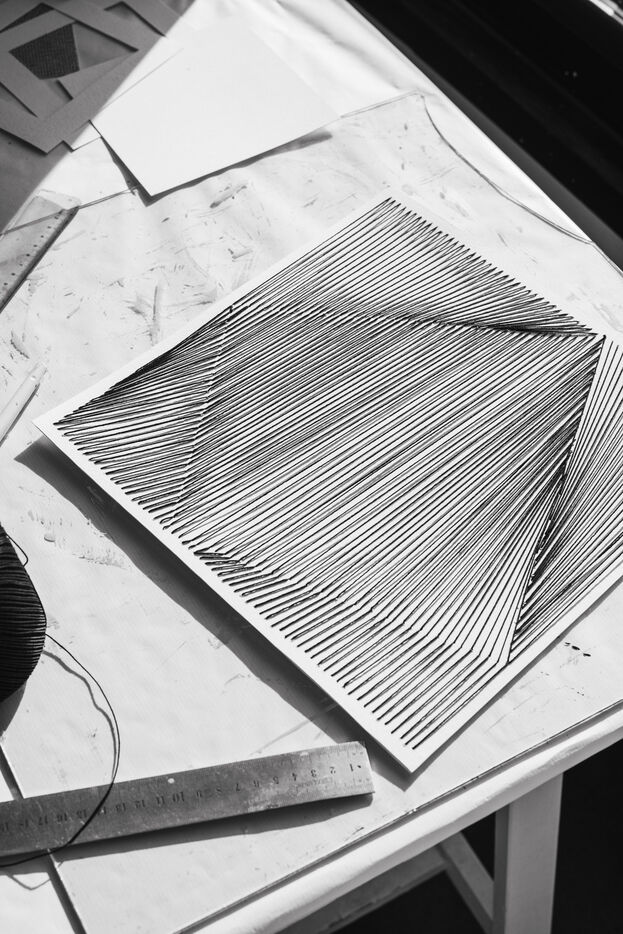
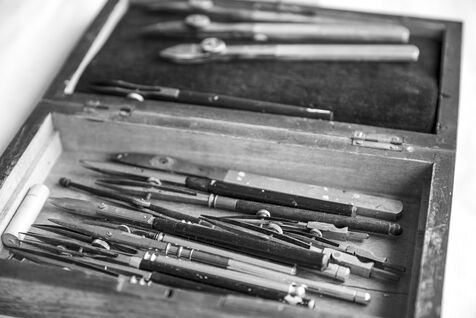
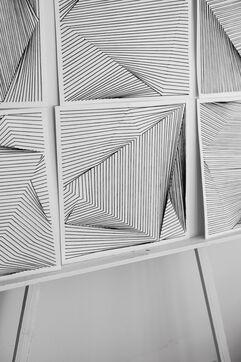
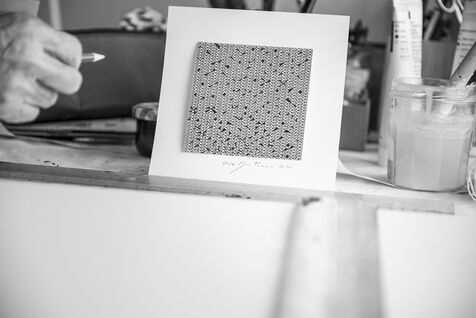
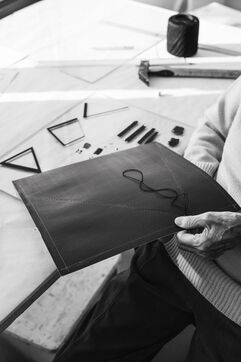
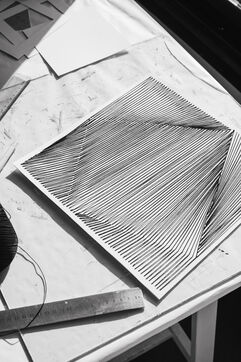
Ode Bertrand s’inscrit dans une pratique de la peinture abstraite fondée sur la grille, qu’elle utilise comme structure picturale autonome, dans la continuité de l’enseignement d’Aurélie Nemours, dont elle fut l’élève et l’assistante pendant de nombreuses années. Son travail se construit dans une grande rigueur formelle, où le trait, la répétition et l’équilibre des tensions occupent une place centrale.
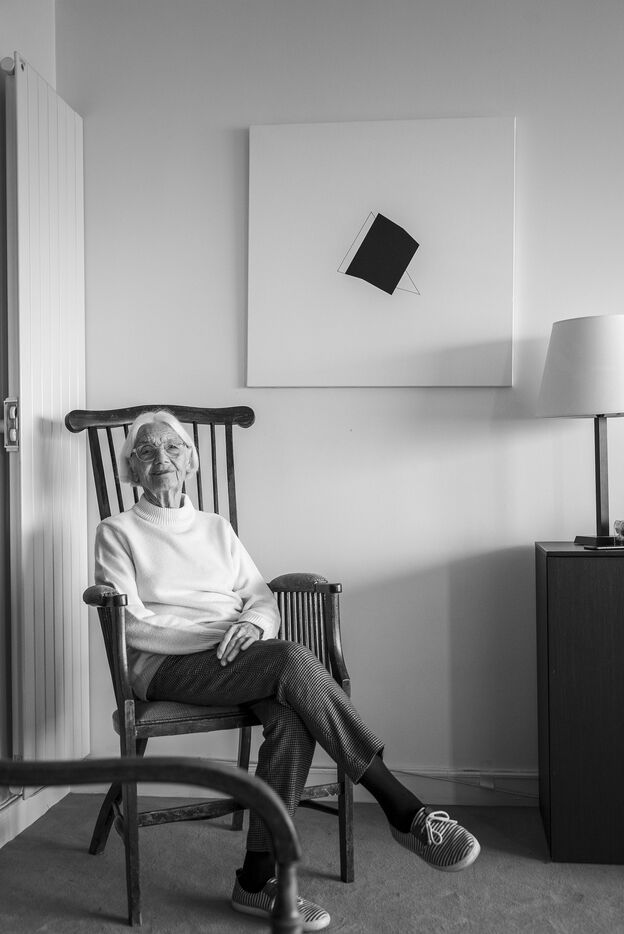
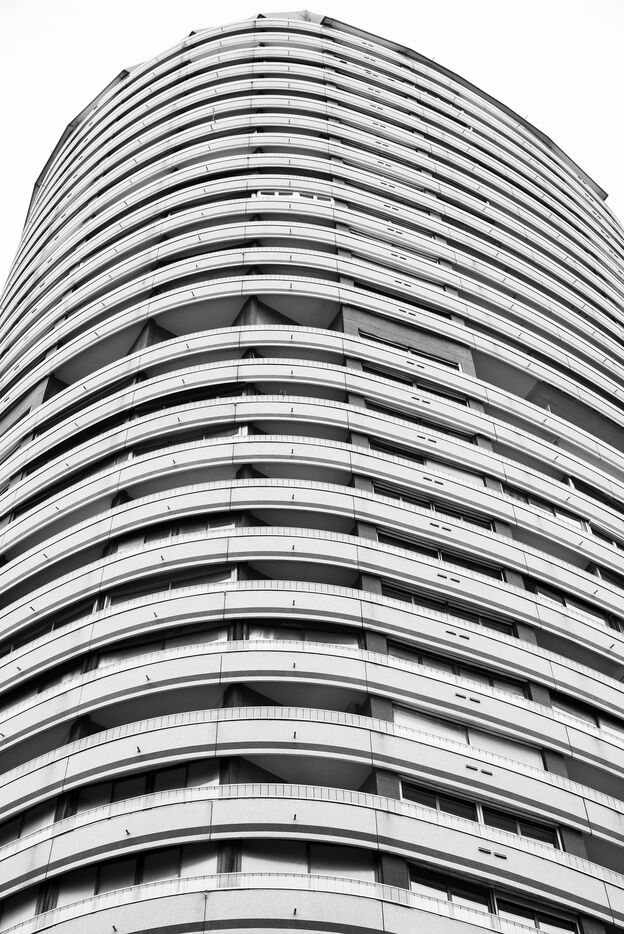
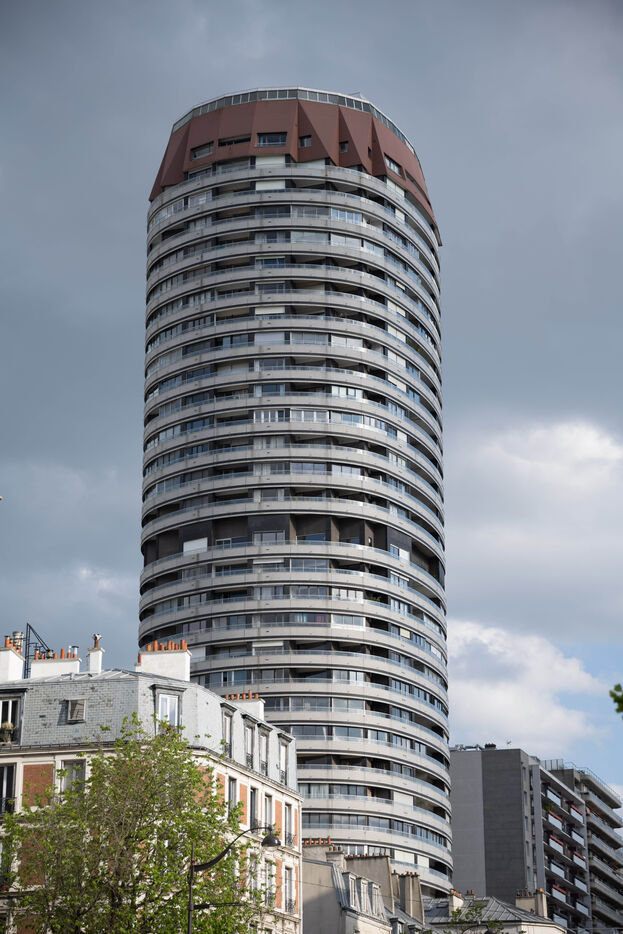
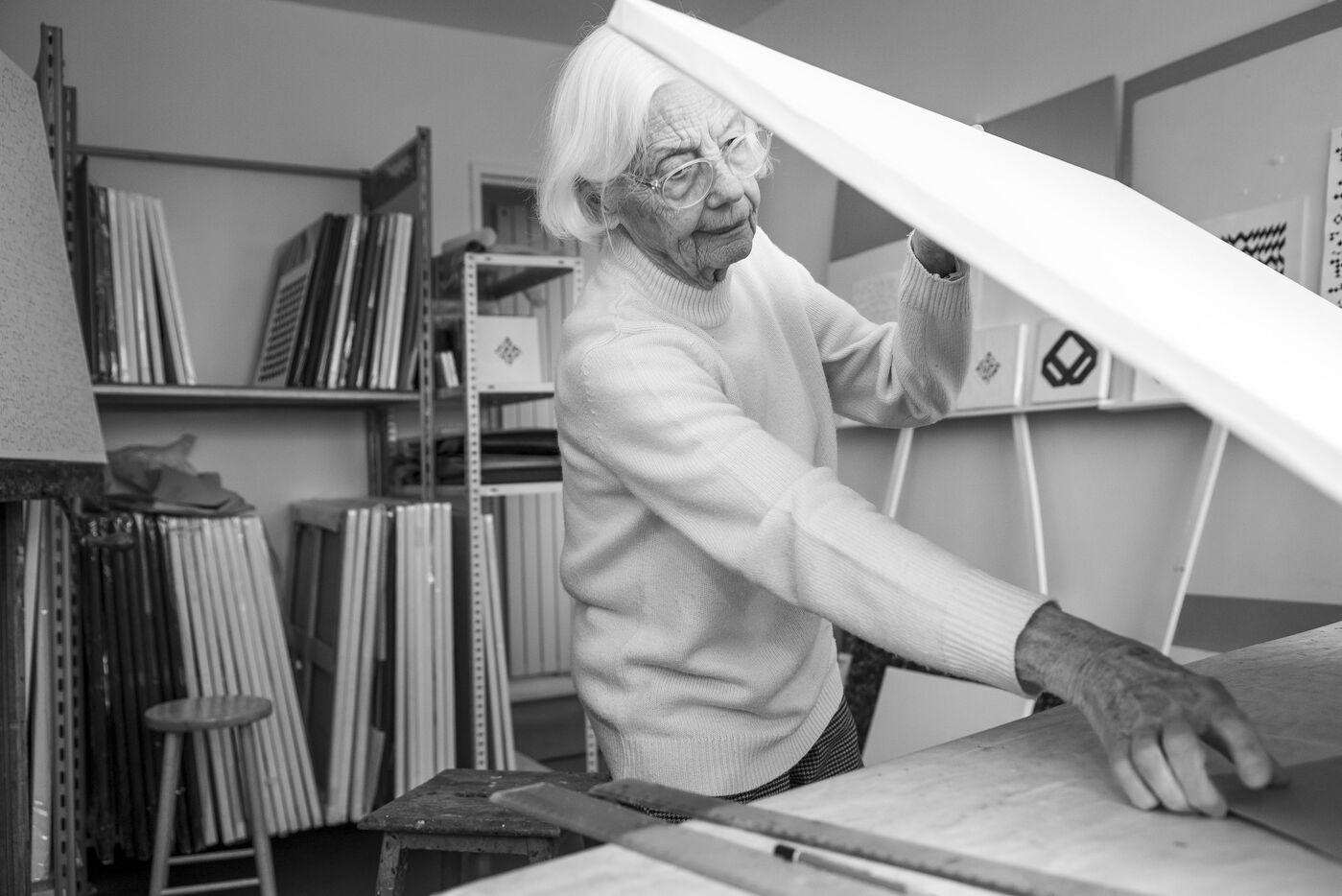
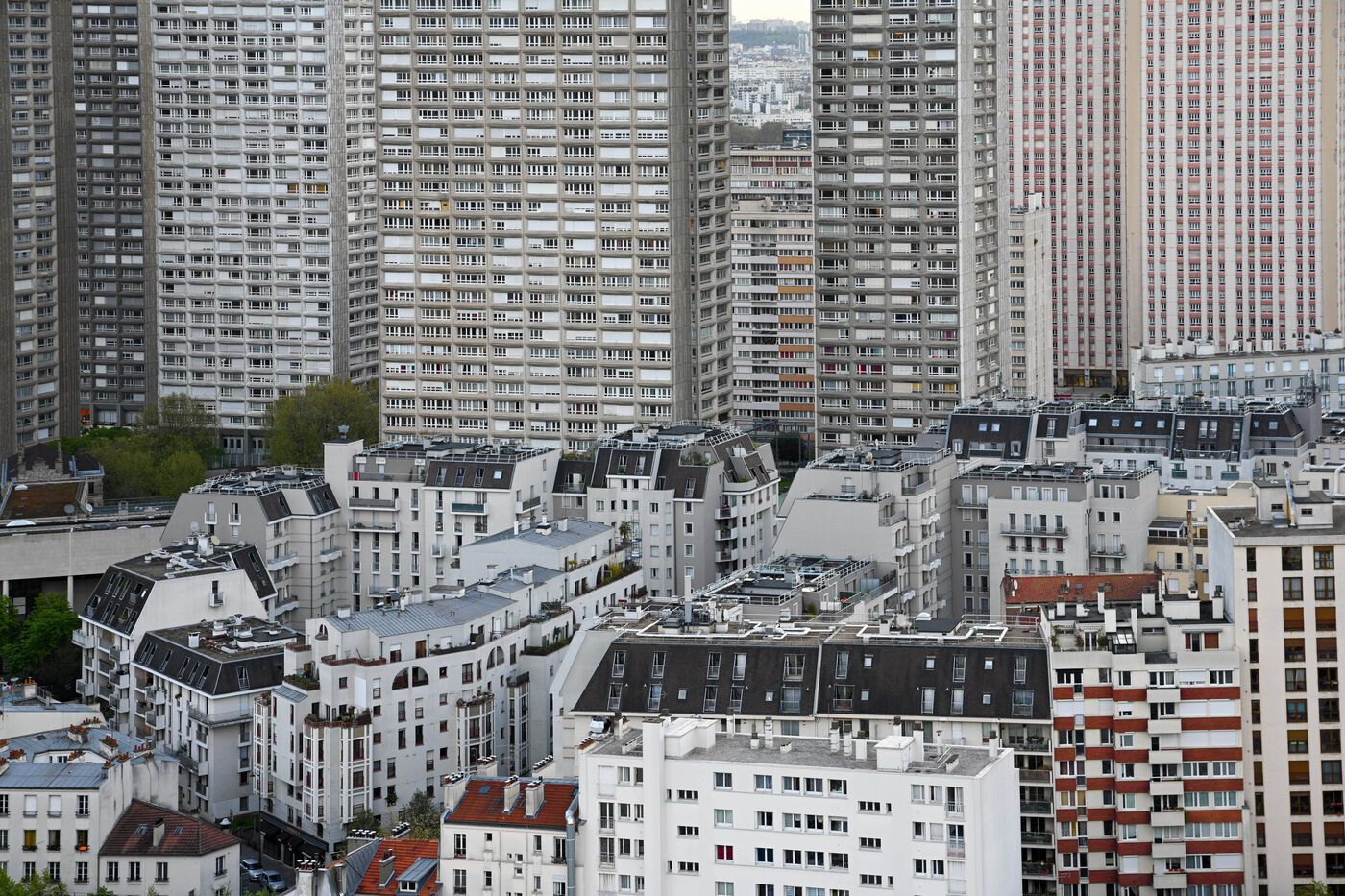
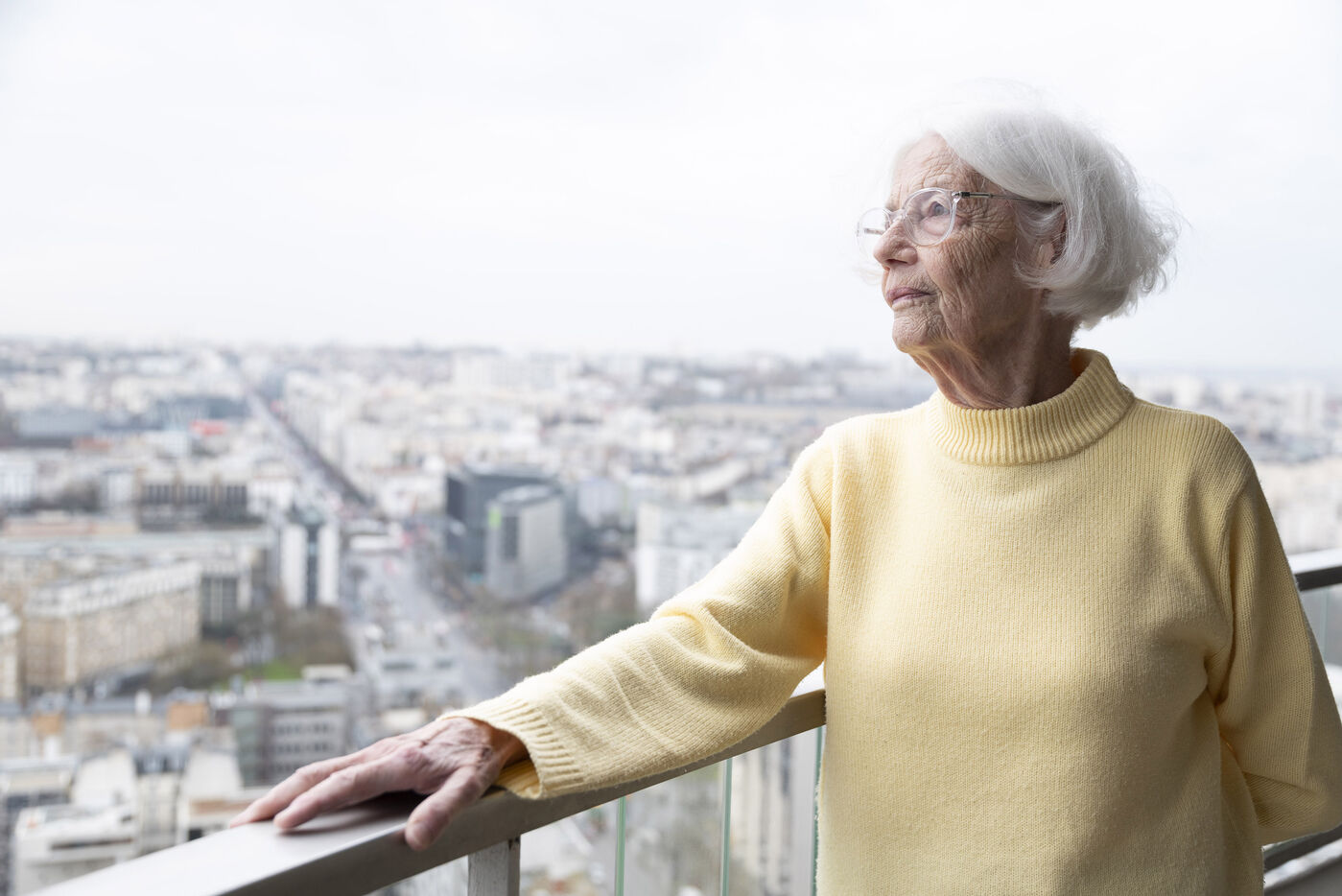
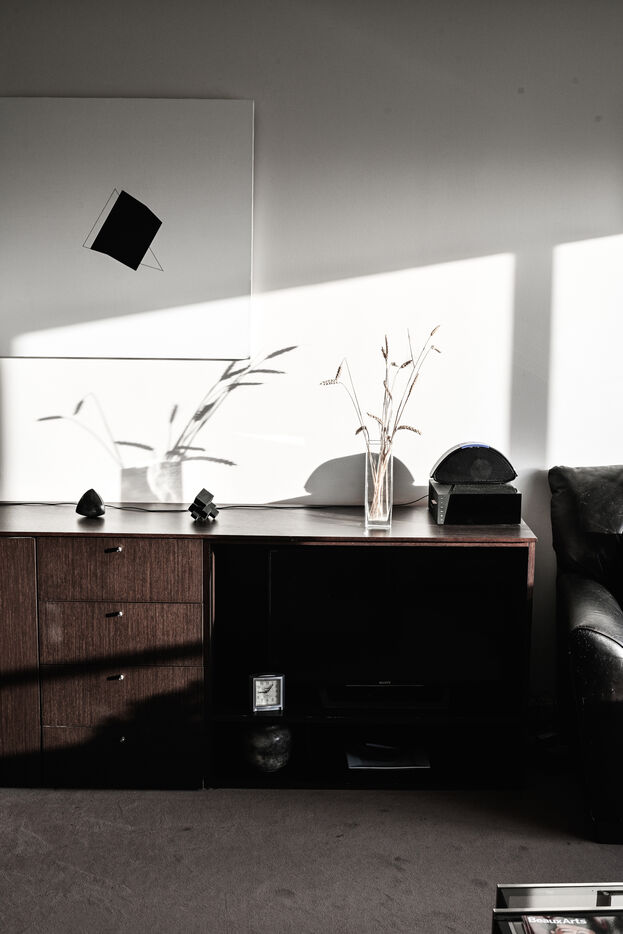
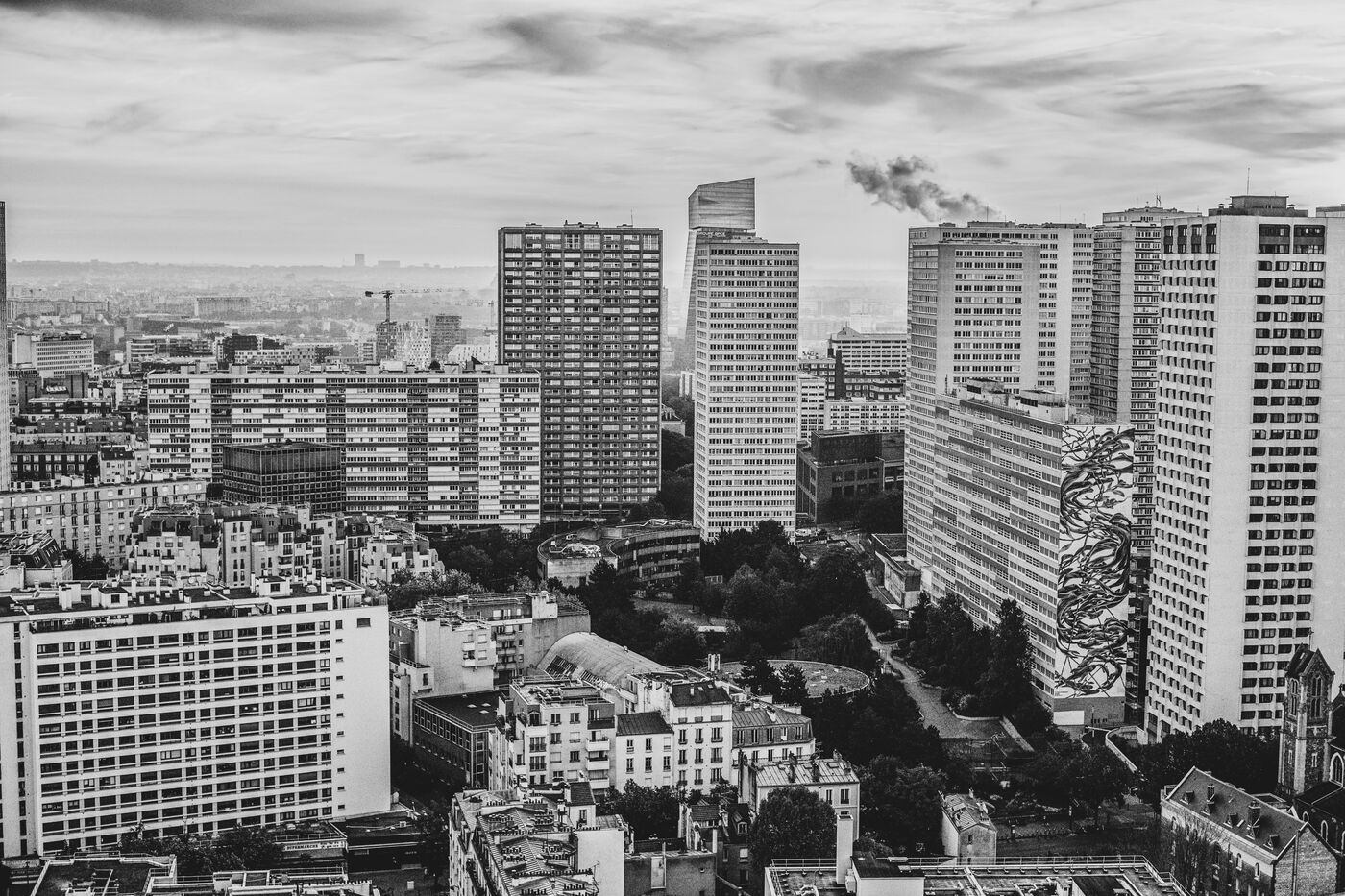
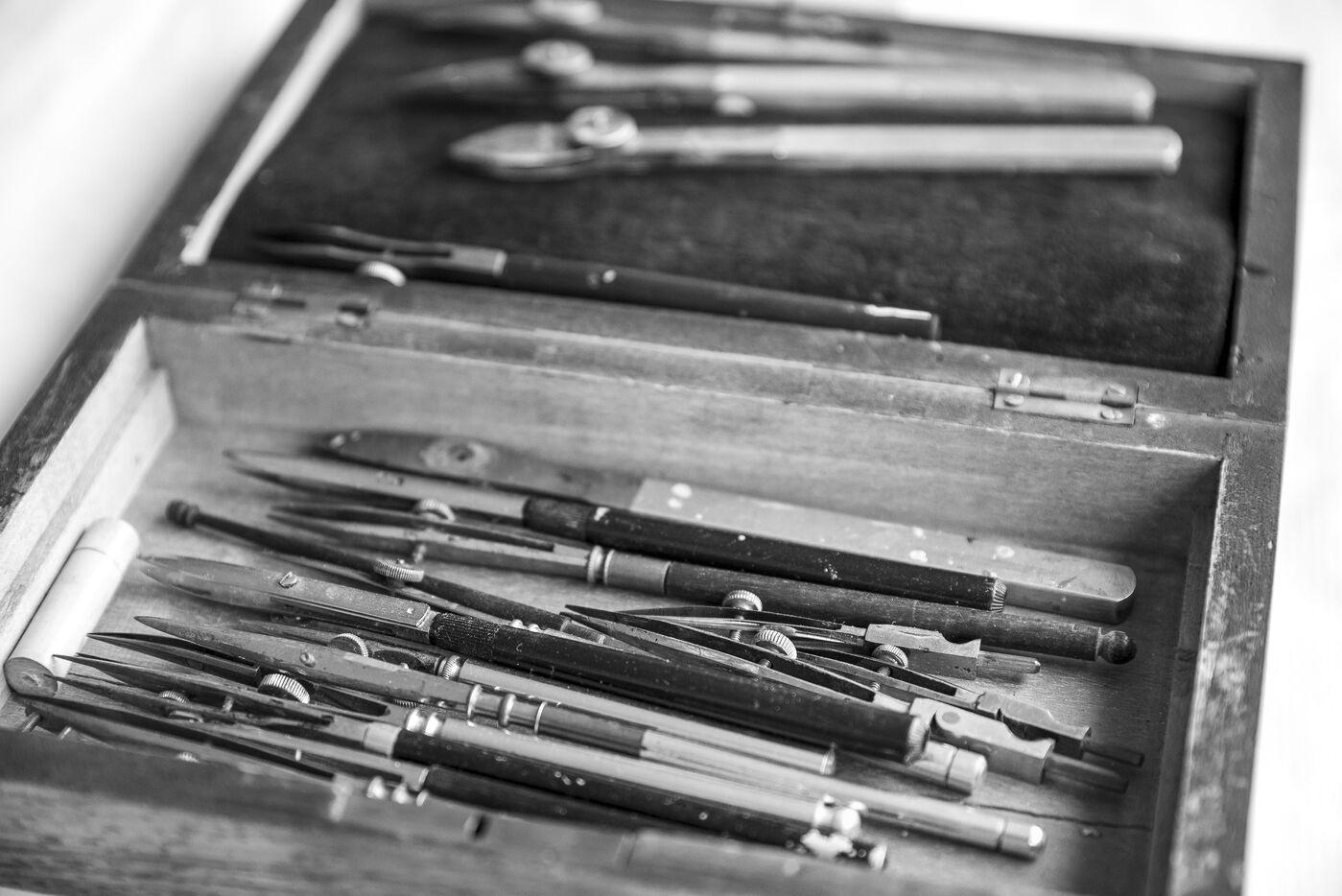
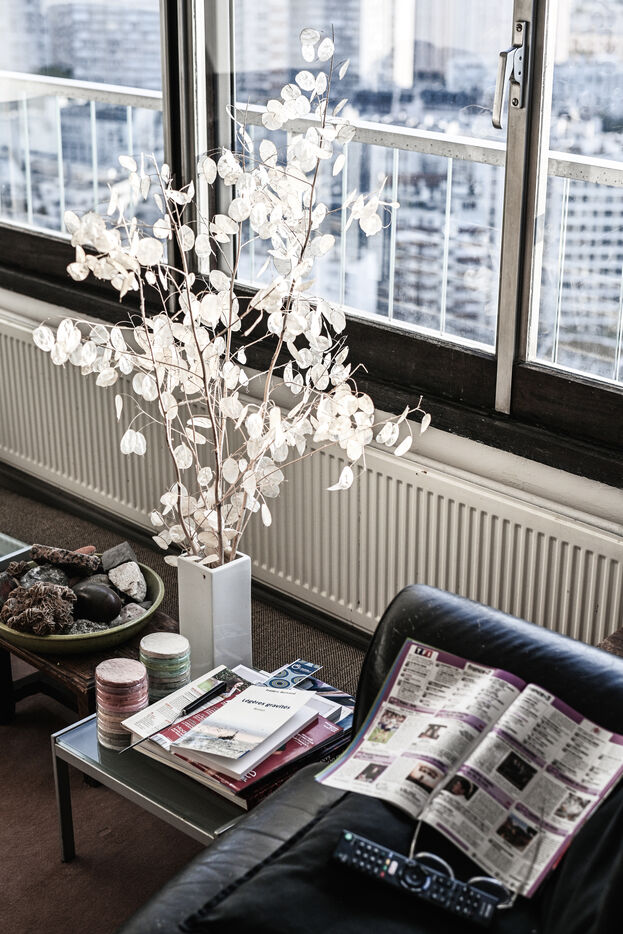
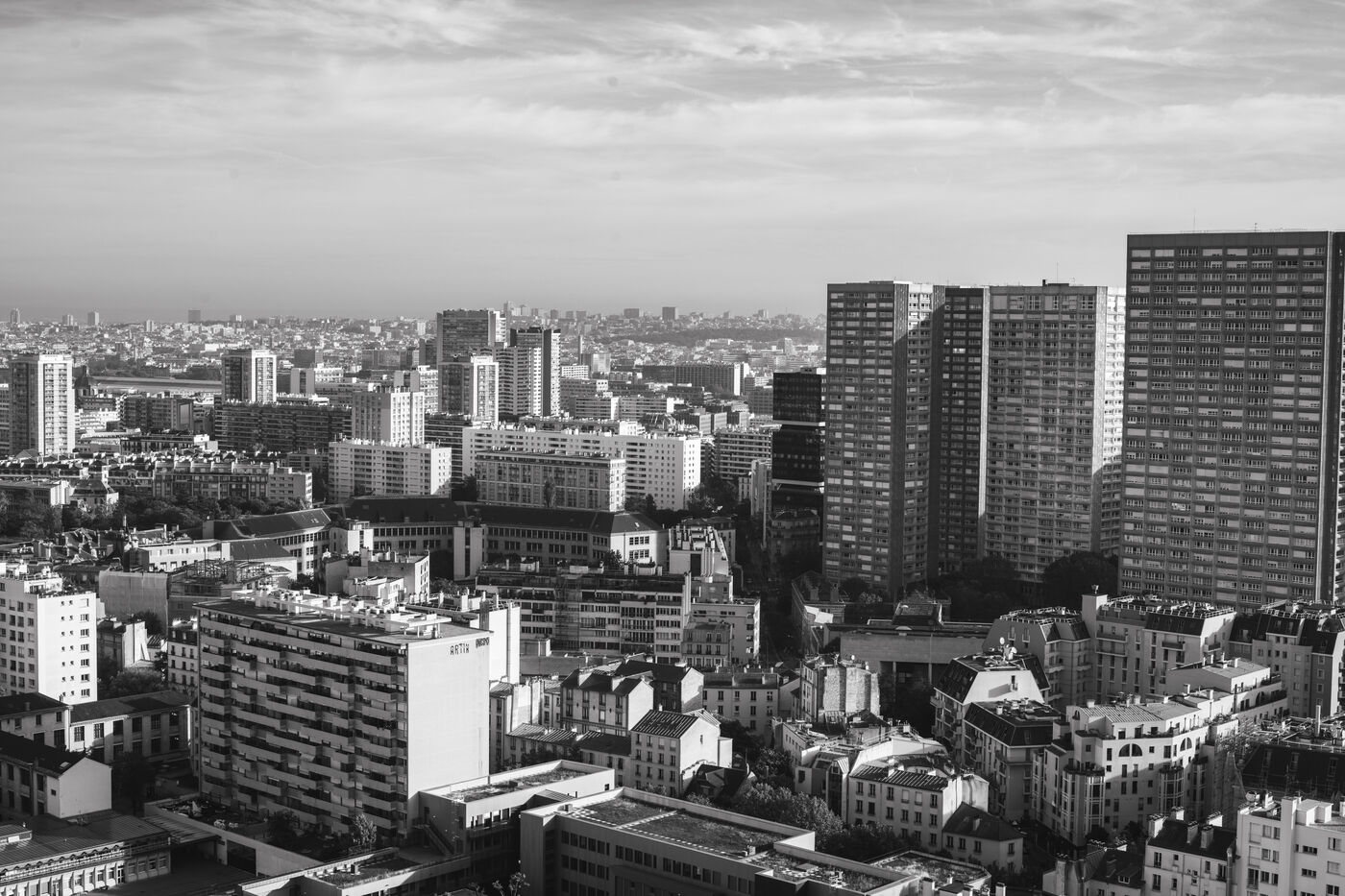
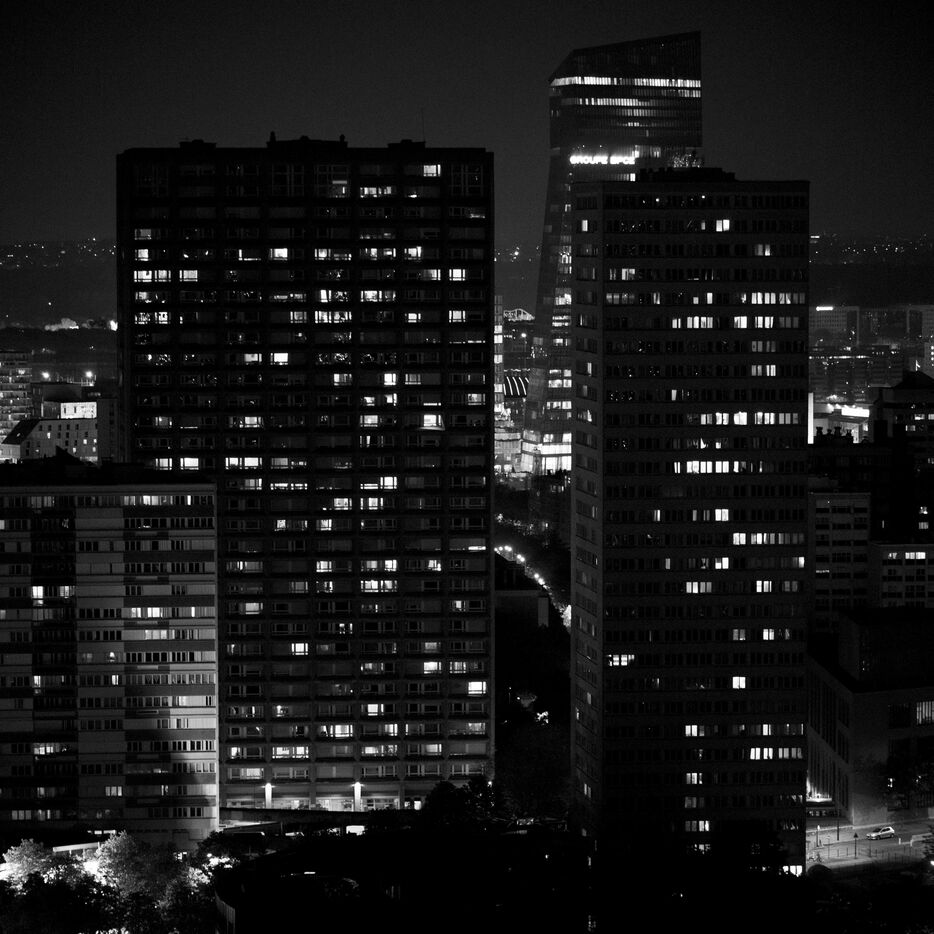
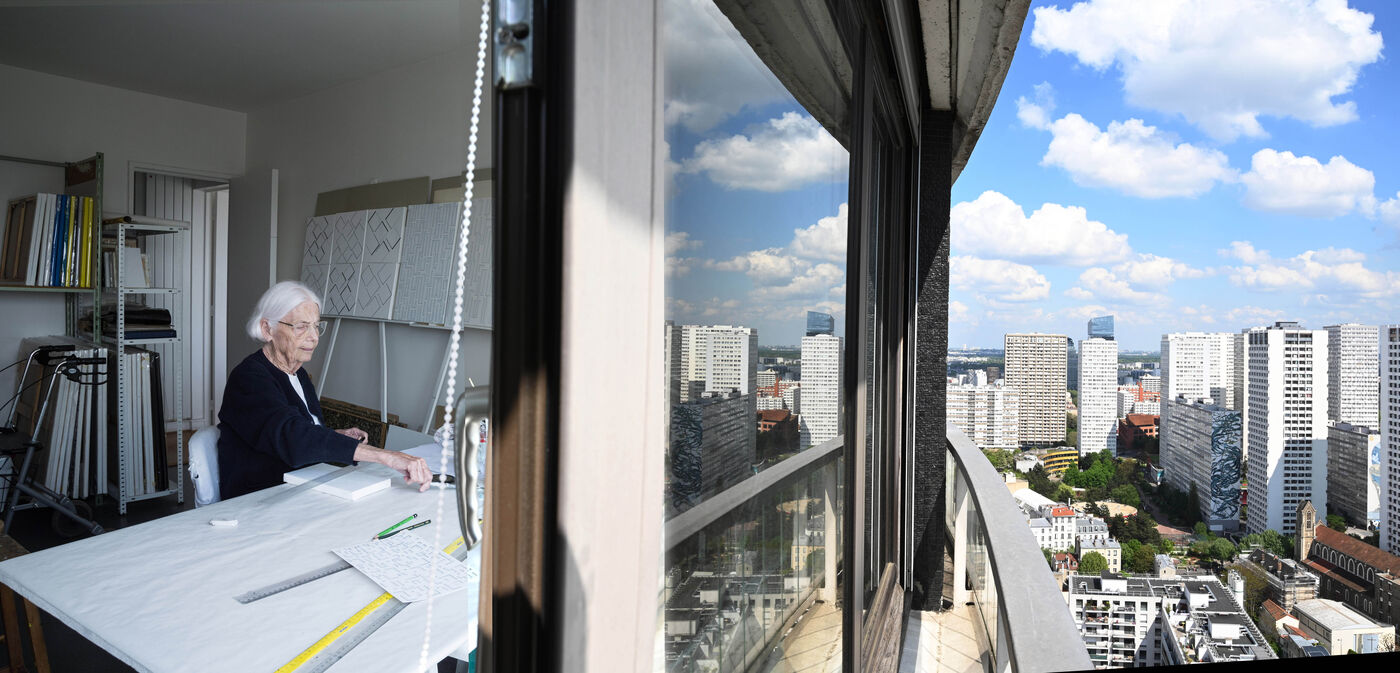
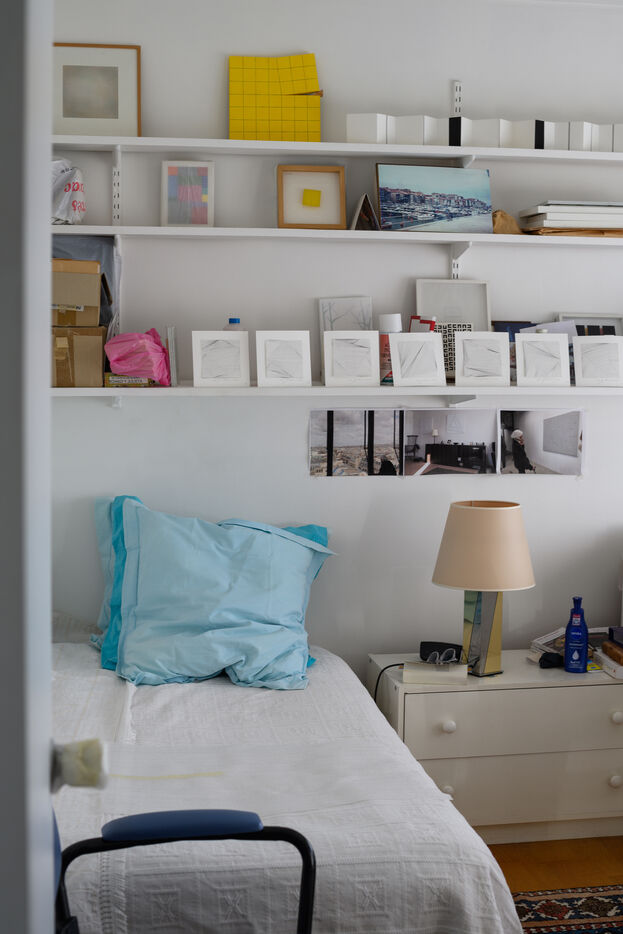
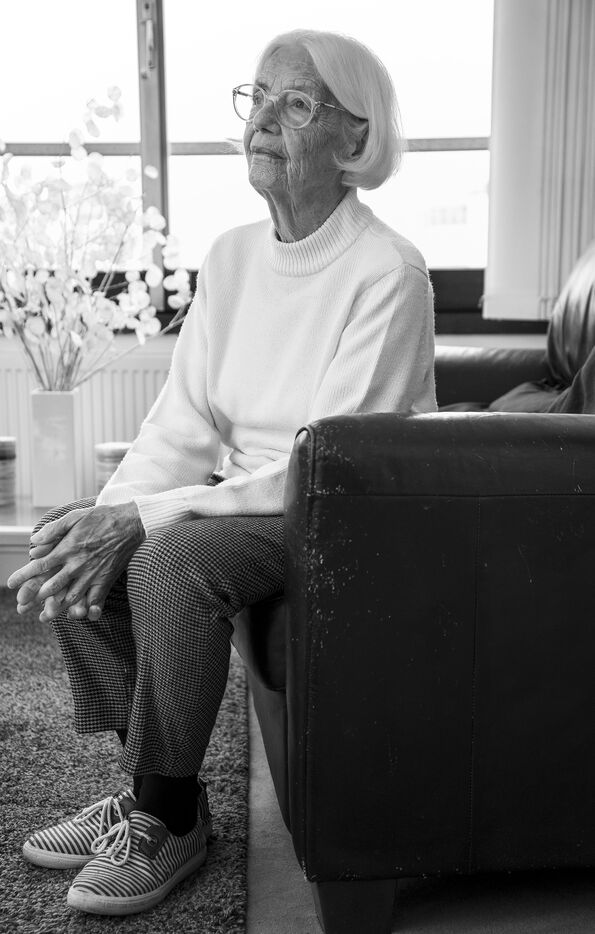
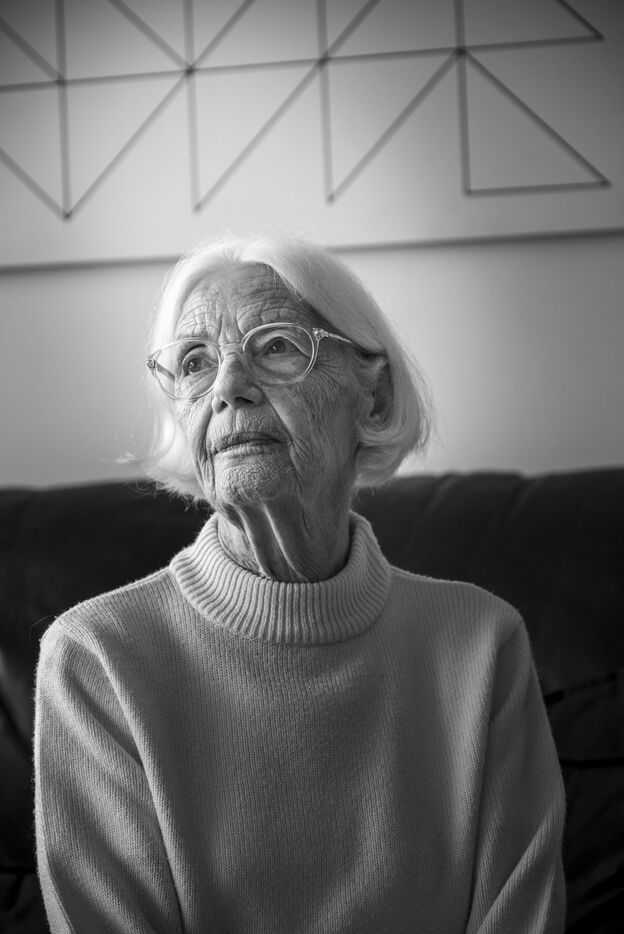
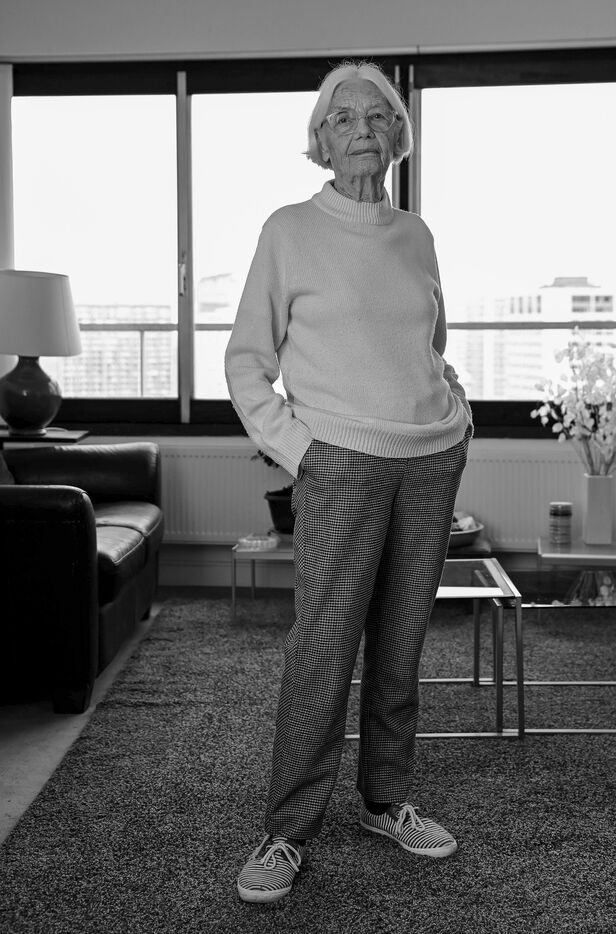
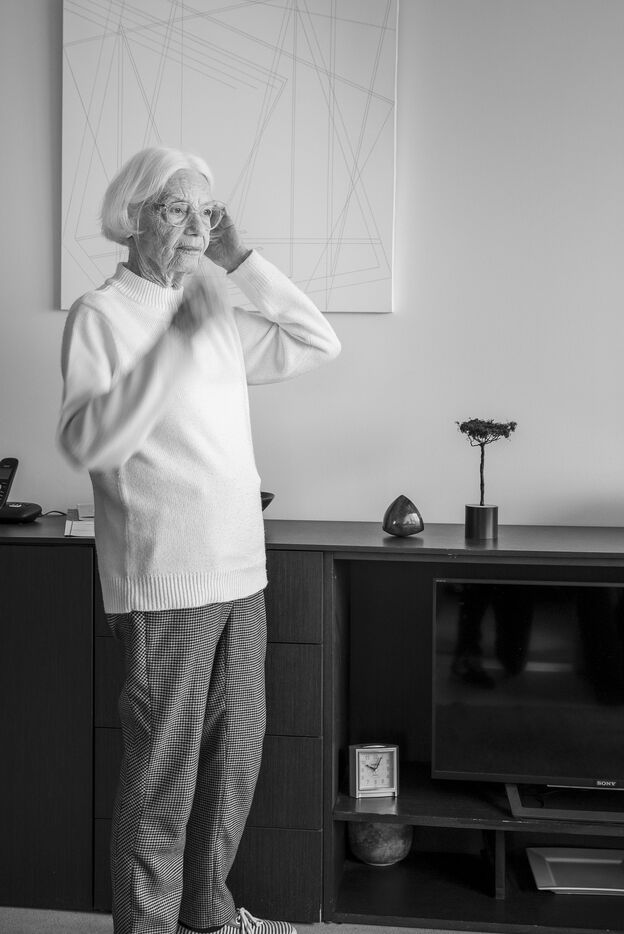
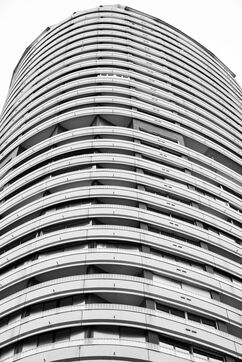
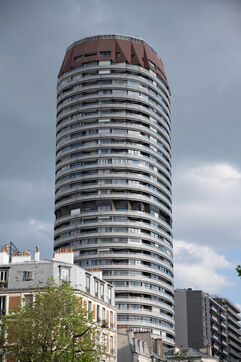
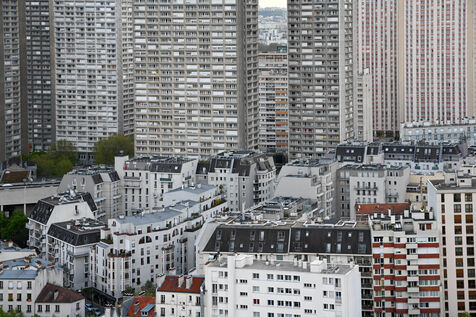
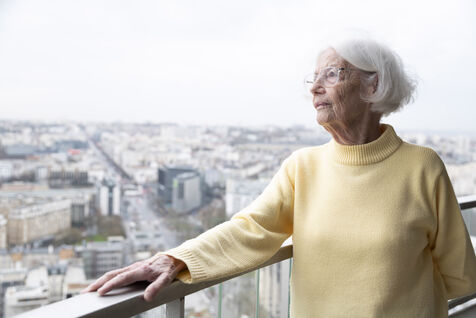
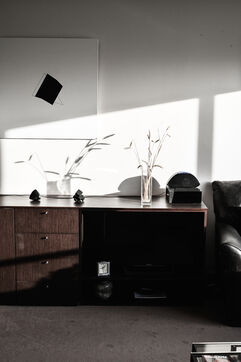
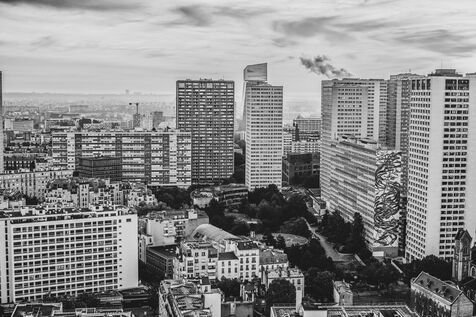
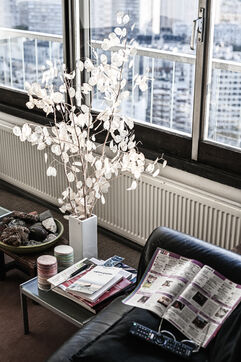
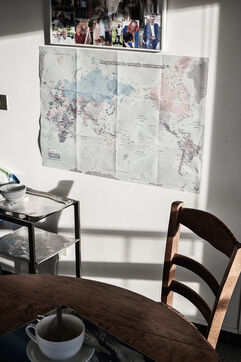
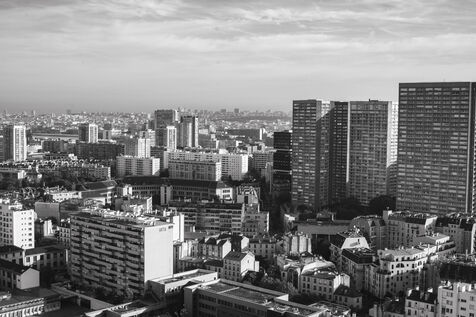
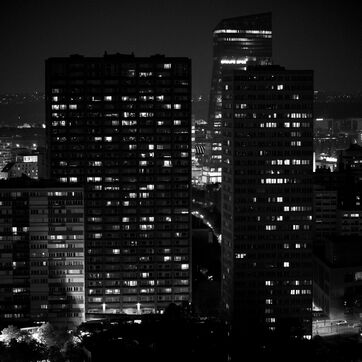
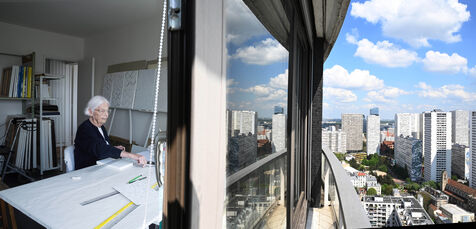
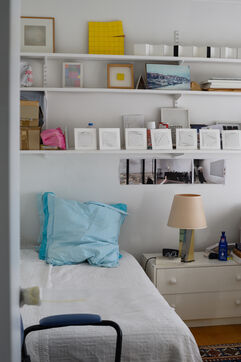
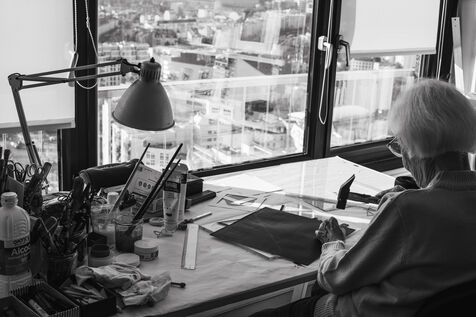
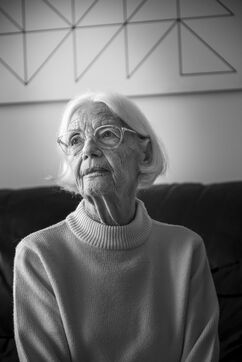
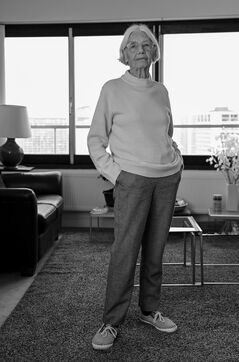
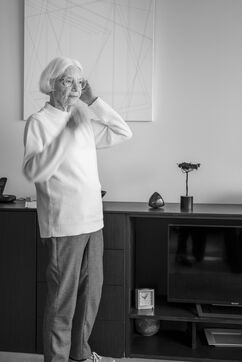
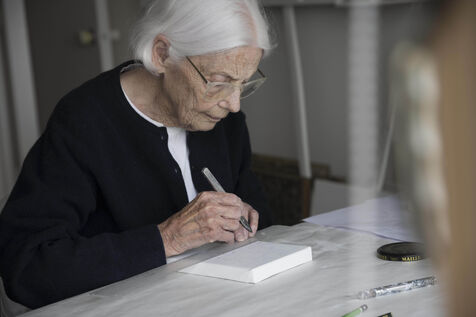
En la photographiant dans son environnement quotidien, au sein de sa tour parisienne et de son atelier, une lecture s’est progressivement dessinée. La présence de l’artiste face au paysage urbain, composé d’immeubles, de lignes verticales et horizontales et de rythmes architecturaux répétitifs, entre en résonance avec les structures de sa peinture. Sans être revendiquée comme une source directe, cette proximité visuelle ouvre un espace de dialogue sensible entre le lieu de vie, le regard du photographe et l’œuvre.
La photographie ne cherche pas à expliquer la peinture mais à l’accompagner, en laissant apparaître des correspondances possibles, parfois inattendues, que l’artiste elle-même a accueillies avec curiosité. Le portrait devient alors un espace partagé, où se croisent une pratique picturale exigeante et un regard photographique attentif aux liens discrets entre une œuvre, un corps et un environnement.
ODE BERTRAND BETWEEN ABSTRACT PAINTING AND URBAN PRESENCE
Ode Bertrand is part of a tradition of abstract painting grounded in the use of the grid, which she employs as an autonomous pictorial structure, in continuity with the teaching of Aurelie Nemours, of whom she was both a student and an assistant for many years. Her work is built on strong formal rigor, where line, repetition, and the balance of tensions play a central role.
While photographing the artist within her everyday environment, in her Parisian tower and studio, a reading gradually emerged. The presence of the artist facing the urban landscape, composed of buildings, vertical and horizontal lines, and repetitive architectural rhythms, resonates visually with the structures found in her paintings. Without being claimed as a direct source, this visual proximity opens a sensitive space of dialogue between the place of living, the photographer’s gaze, and the artwork.
The photographs do not seek to explain the painting but to accompany it, allowing possible and sometimes unexpected correspondences to appear, which the artist herself received with curiosity. The portrait thus becomes a shared space, where a demanding pictorial practice intersects with a photographic gaze attentive to subtle links between an artwork, a body, and an environment