La Tour Eurasia, frontière fantôme entre Paris et le 93
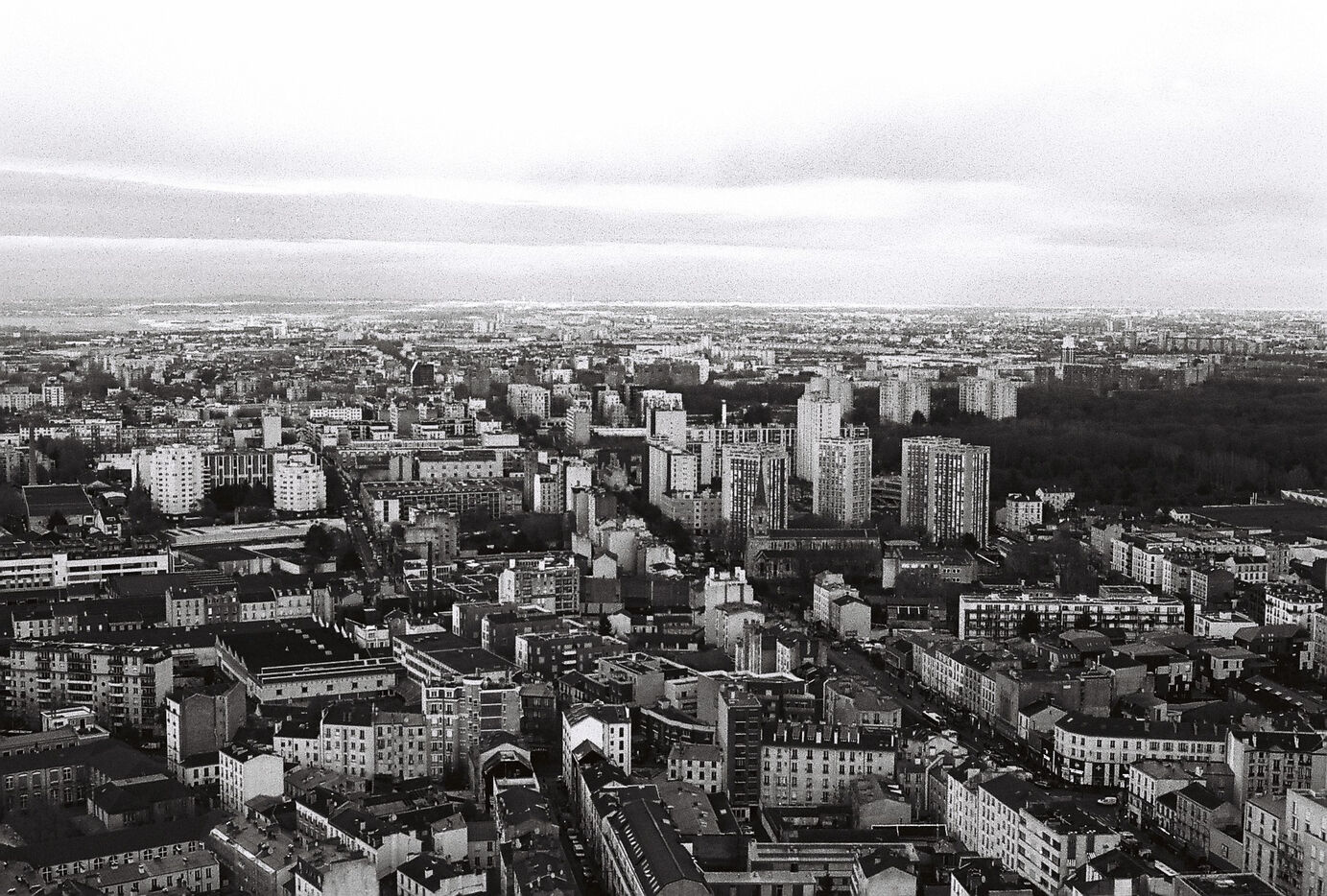
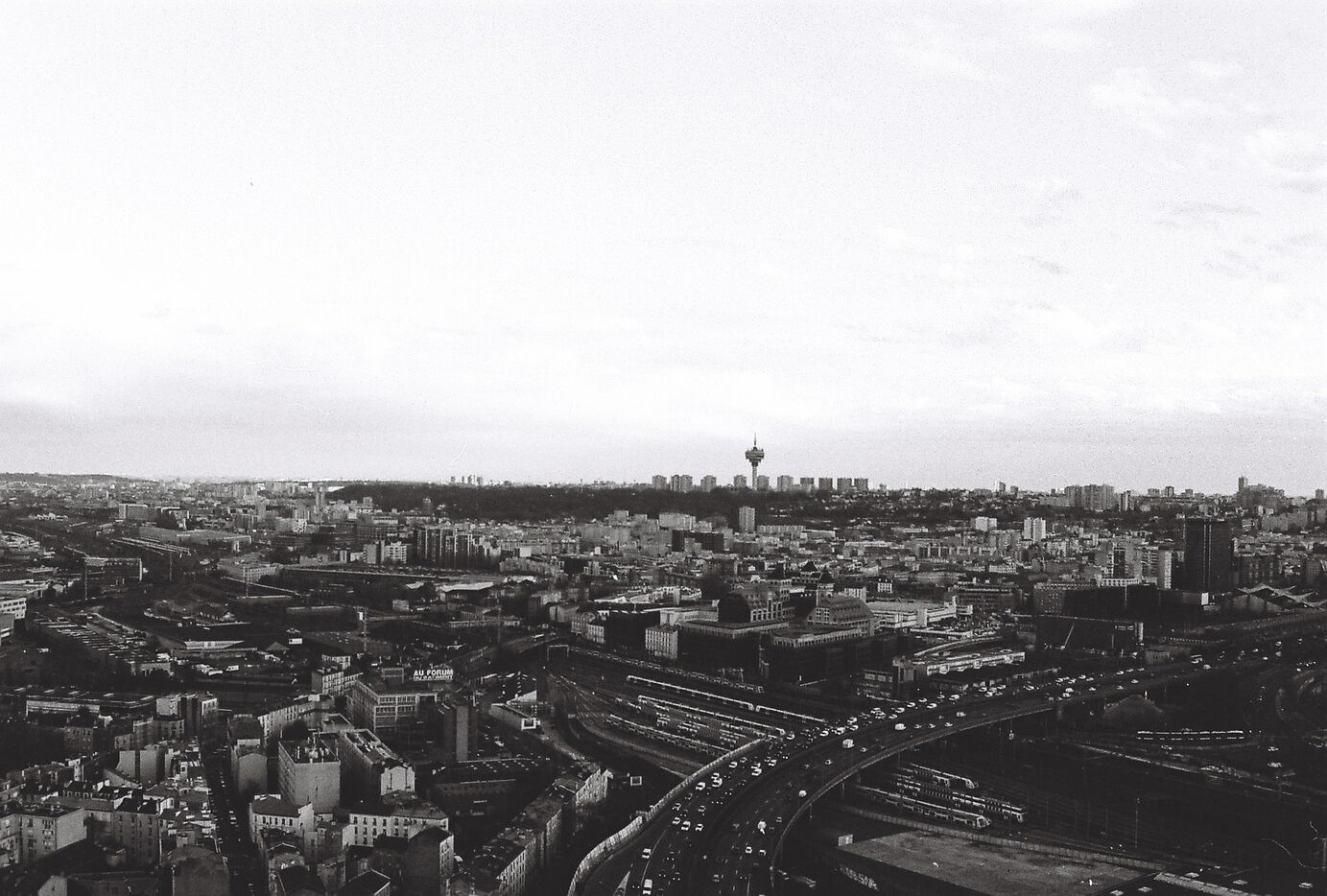
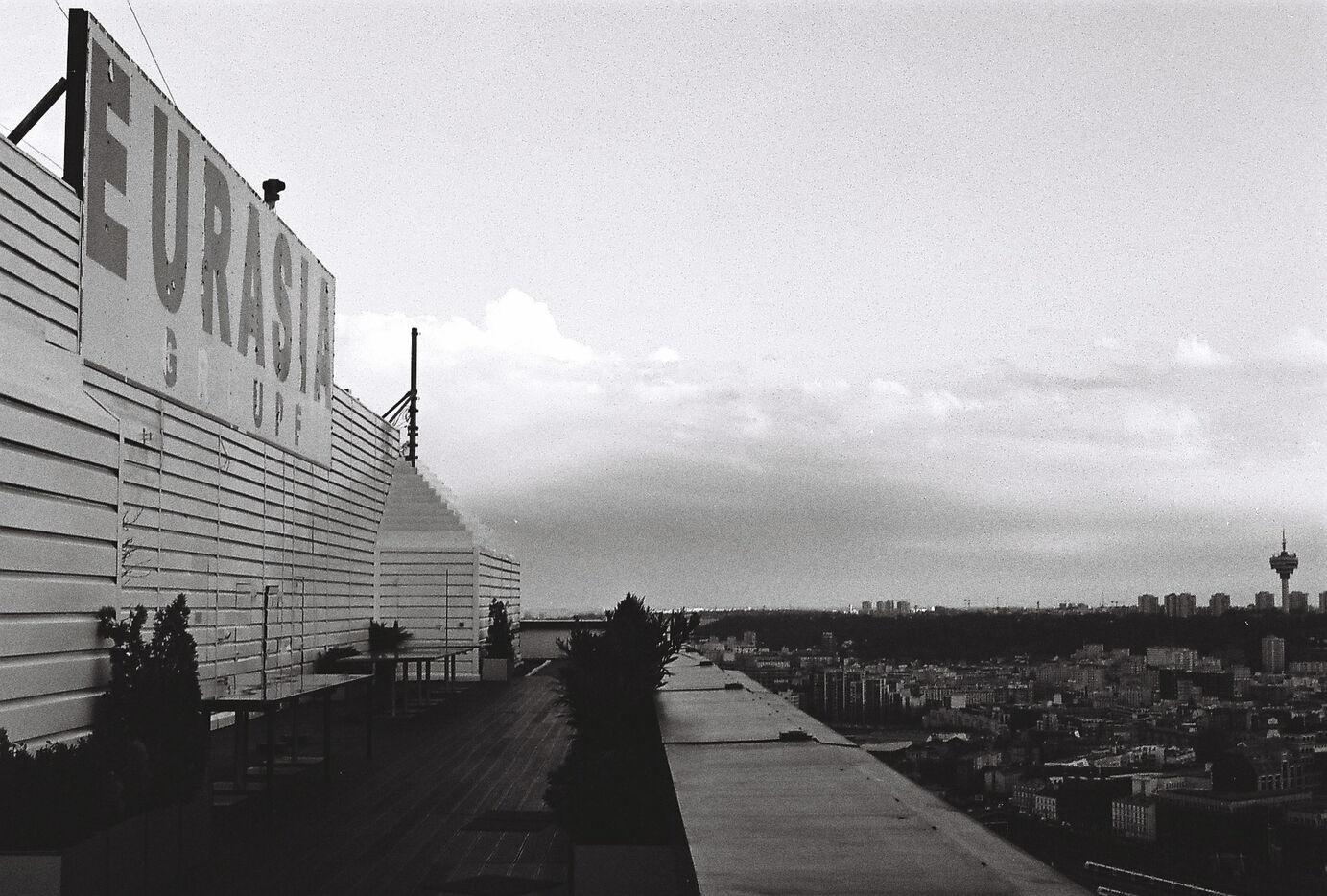
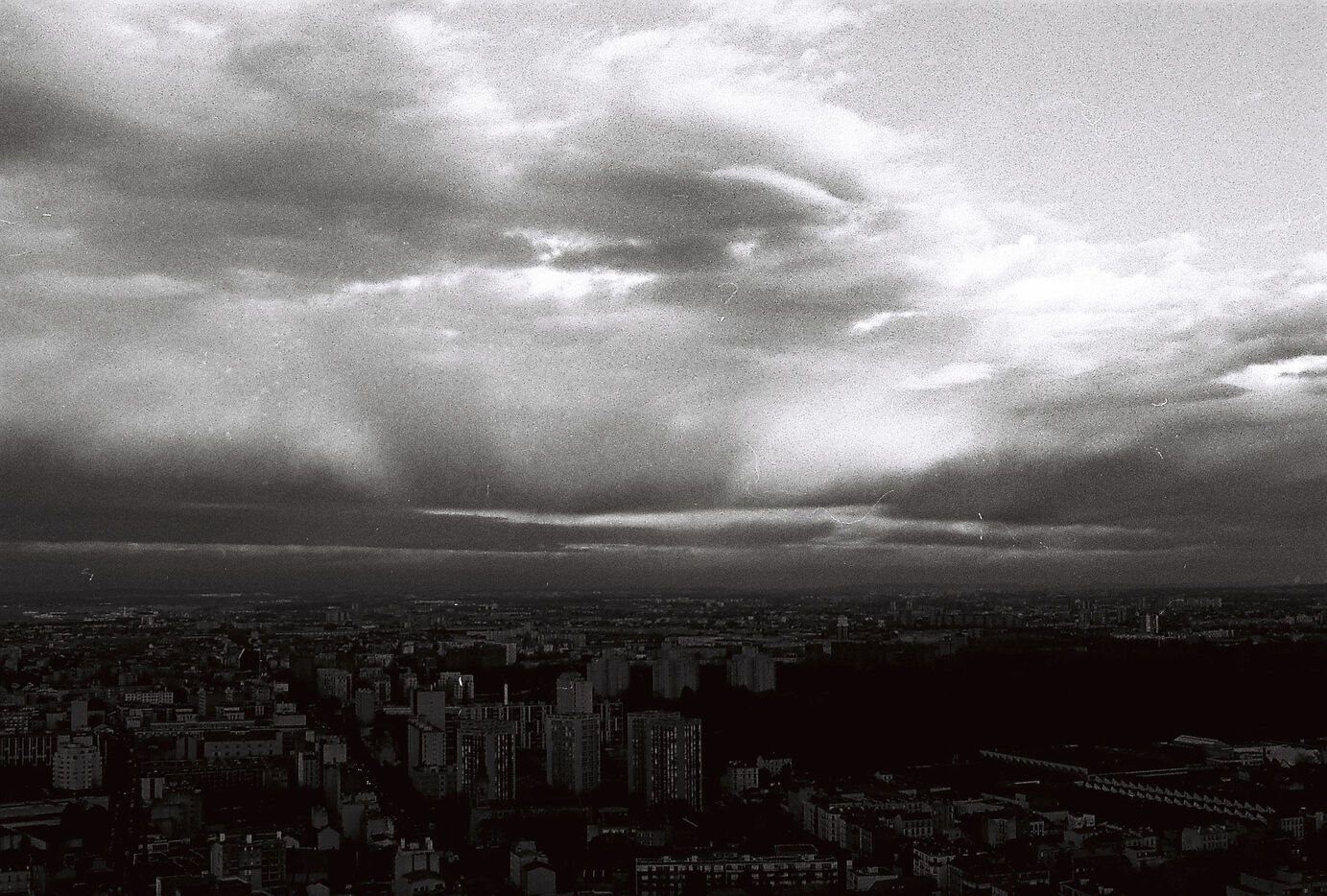
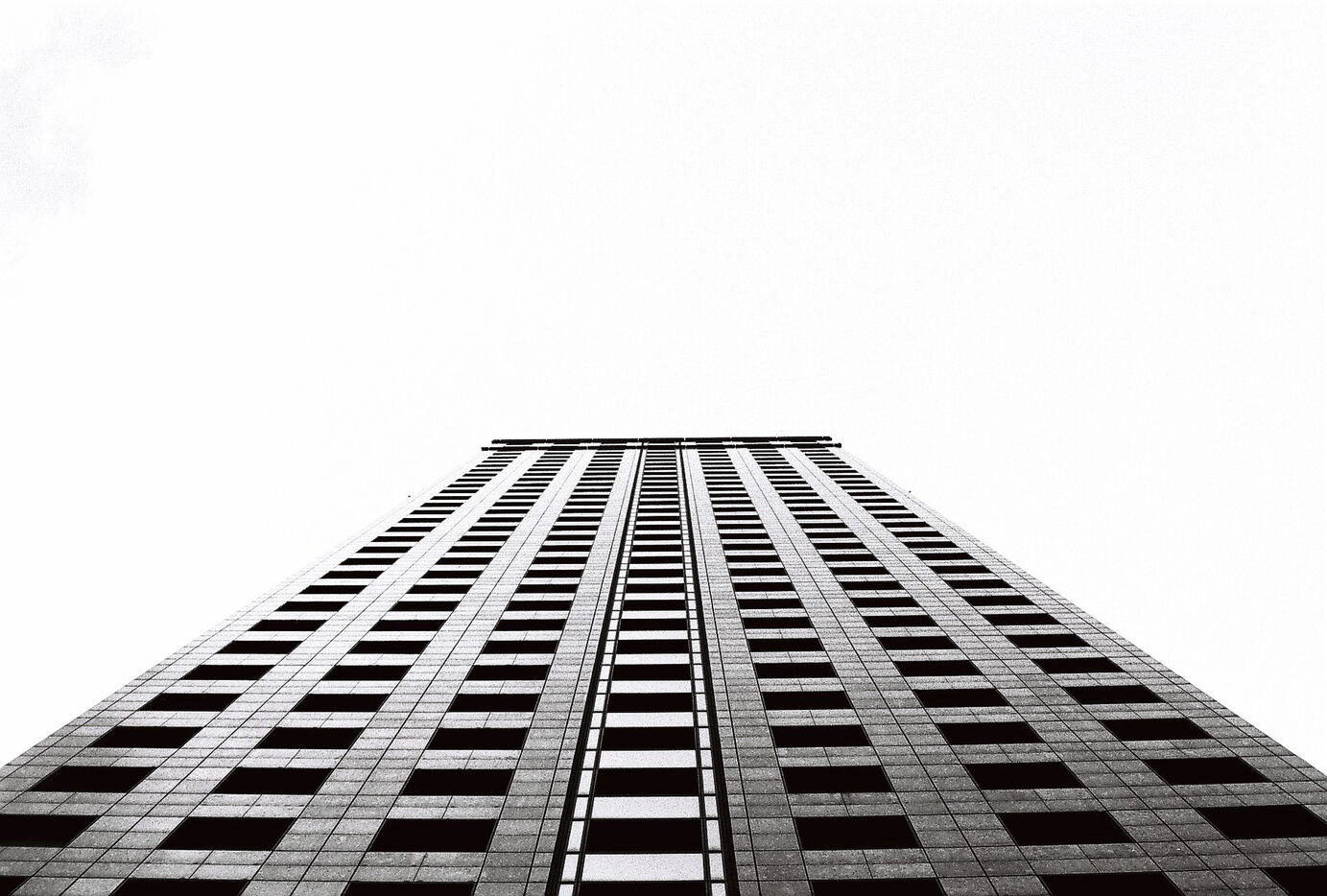
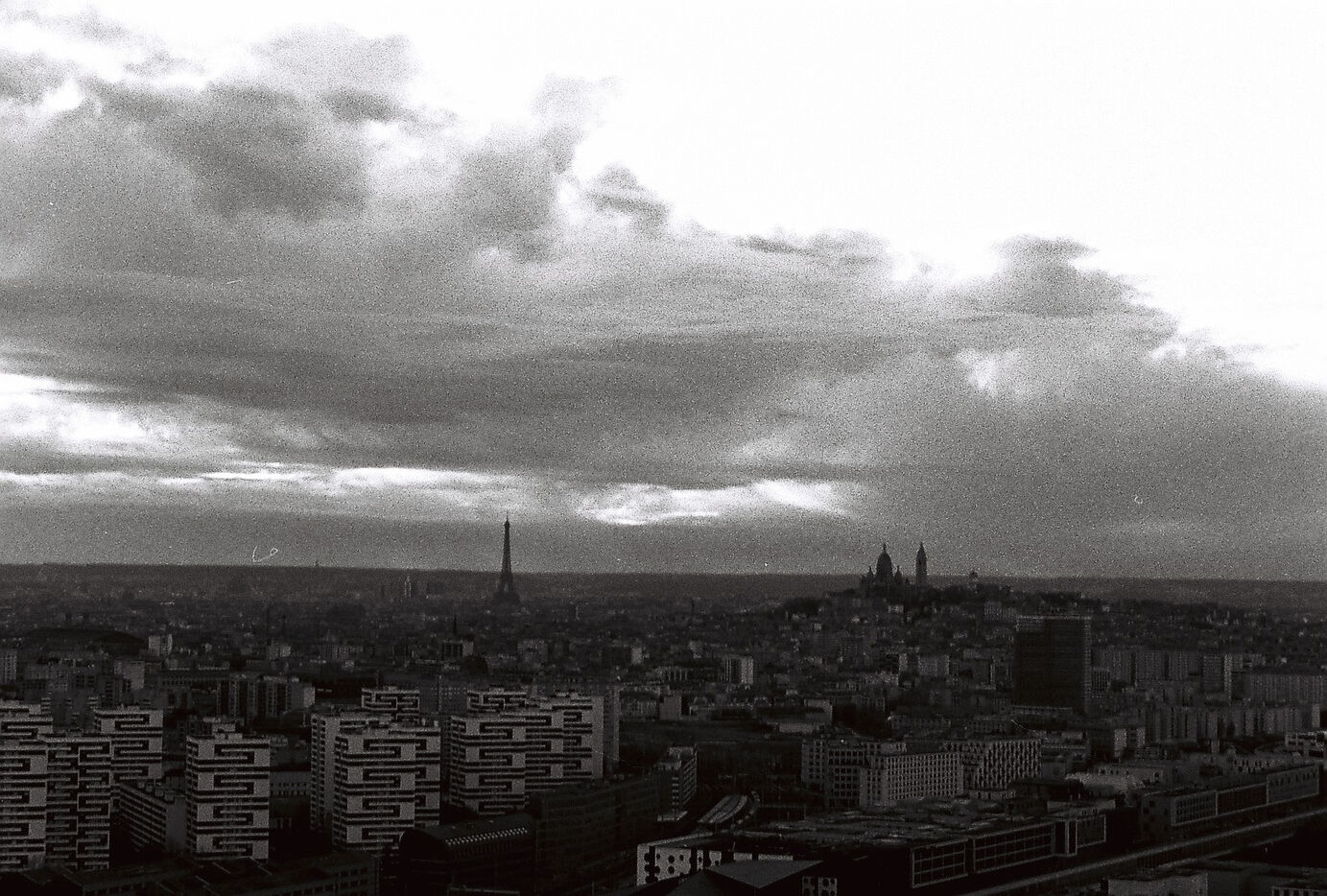
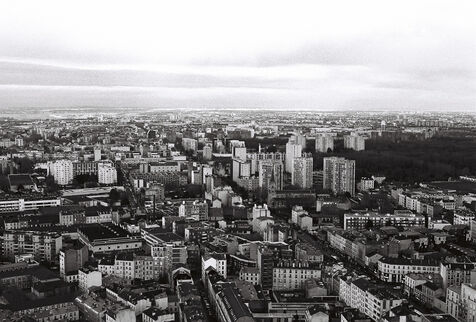
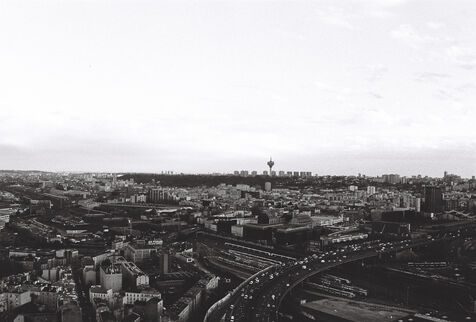
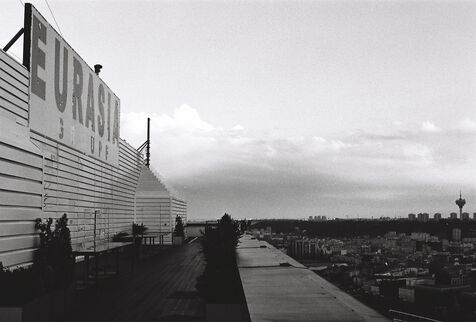
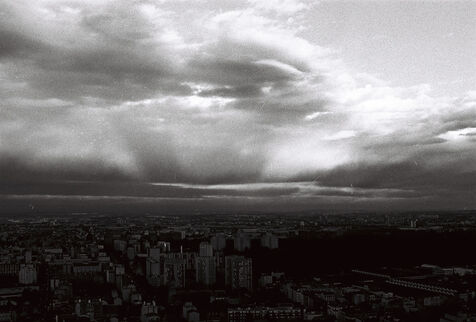
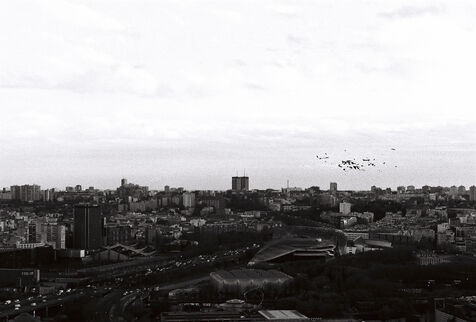
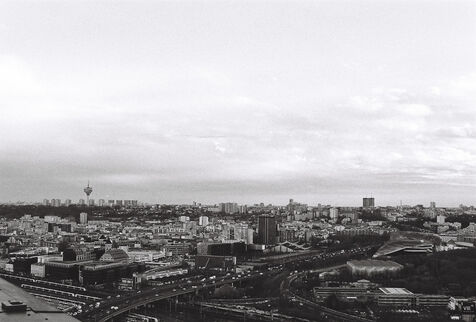
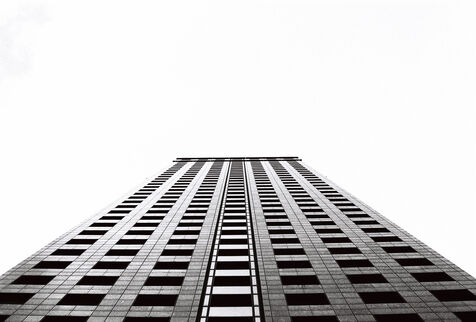
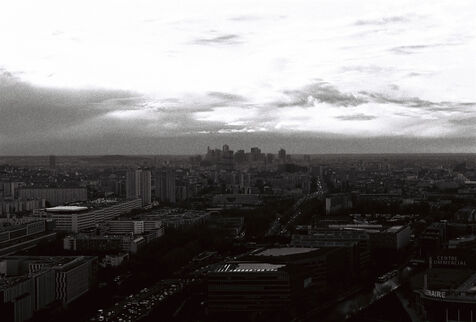
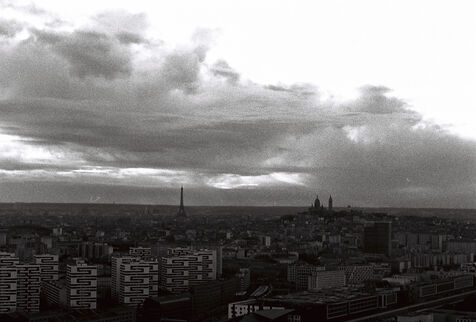
Cette série en noir et blanc, capturée sur pellicule argentique, immortalise la tour Eurasia non comme un simple point de repère du 19e arrondissement, mais comme un poste d’observation privilégié sur les fractures et les continuités urbaines de la capitale. Loin du traitement lissé du numérique, le grain de la pellicule accentue la texture brute des façades et dramatise les jeux d’ombre et de lumière qui sculptent le paysage.
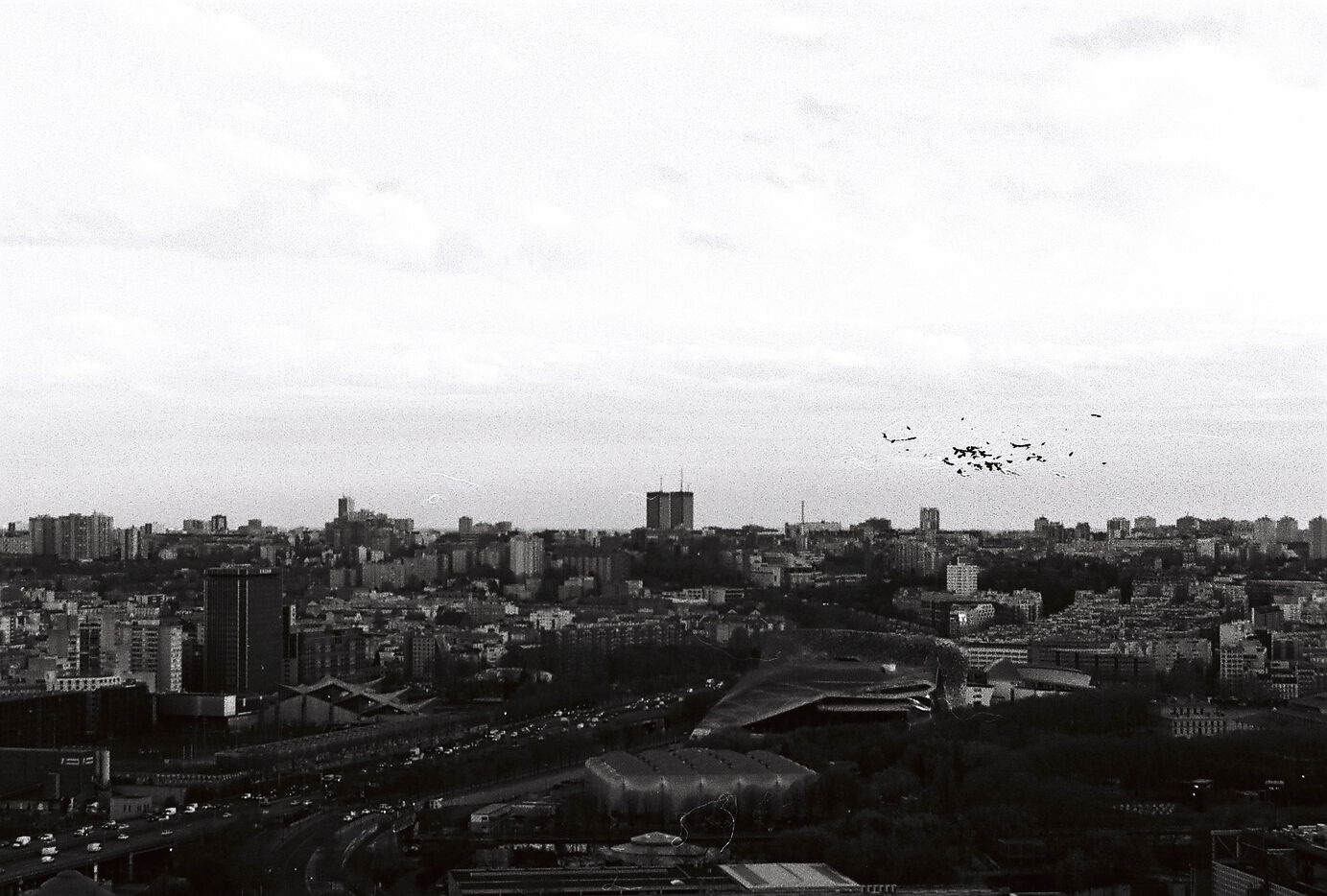
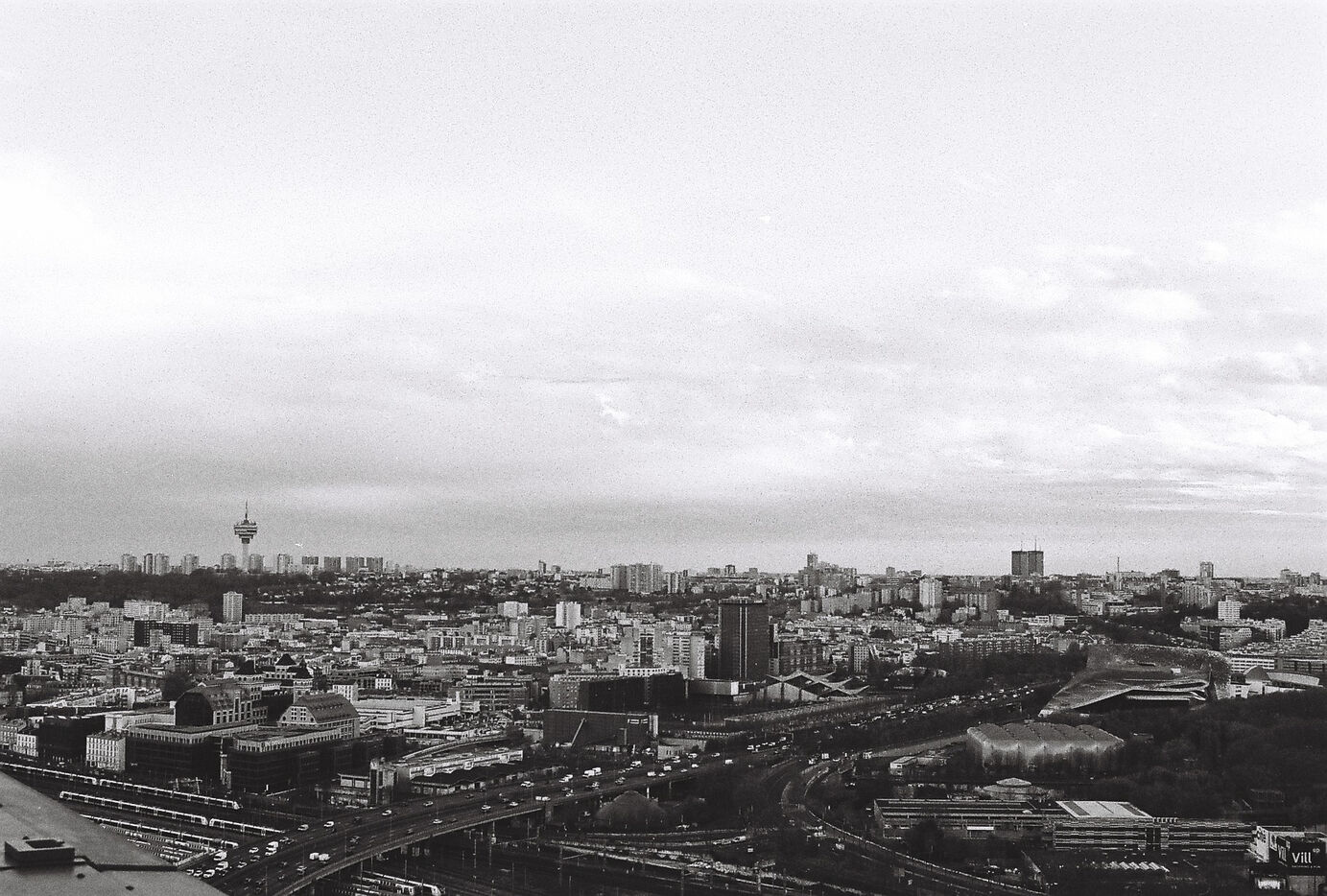
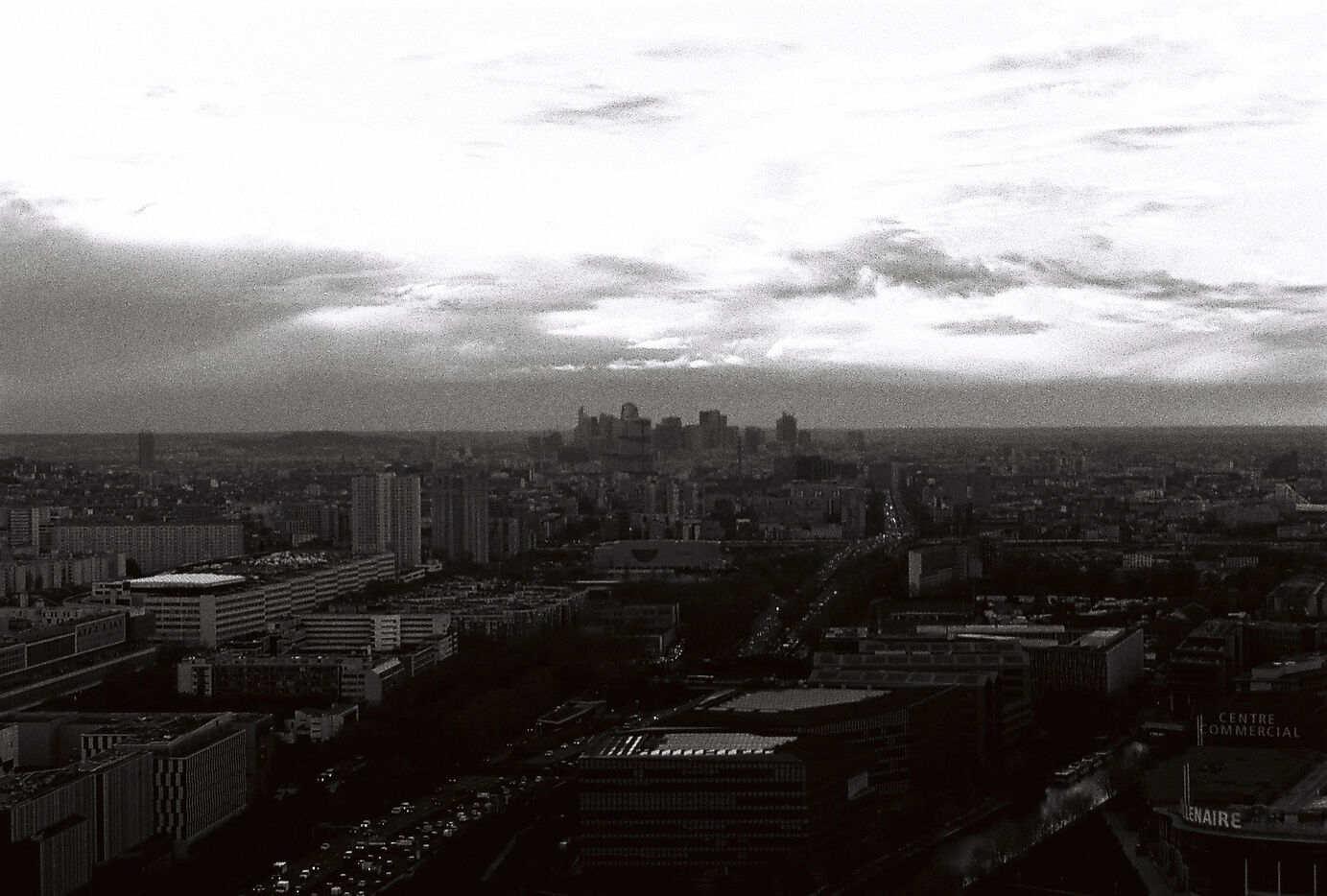
Le cœur du reportage se déploie depuis le sommet de l’édifice, offrant une perspective rare sur la Seine-Saint-Denis. Là, le regard traverse la périphérie immédiate pour saisir l’étendue du département 93, où la densité urbaine se mêle aux grandes infrastructures dans une composition géométrique saisissante. Le contraste est marqué : d’un côté, l’effervescence verticale de Paris intra-muros ; de l’autre, l’horizontalité complexe et souvent mal comprise de la banlieue nord. En abolissant la couleur, ces clichés nivellent les hiérarchies visuelles pour ne laisser subsister que la structure pure des territoires, invitant à une lecture plus objective, presque sociologique, de cette frontière invisible qui sépare et unit simultanément deux mondes.
The Eurasia Tower, a phantom border between Paris and the 93
Captured on analog film, this black-and-white series immortalizes the Eurasia Tower not merely as a landmark of the 19th arrondissement, but as a strategic vantage point overlooking the urban fractures and continuities of the capital. Far from the smoothed aesthetic of digital imagery, the film grain accentuates the raw texture of the facades and dramatizes the interplay of light and shadow sculpting the landscape.
The core of this photo reportage unfolds from the summit of the building, offering a rare perspective on the Seine-Saint-Denis department. From this height, the gaze pierces through the immediate periphery to seize the expanse of "le 93," where urban density intertwines with major infrastructure in a striking geometric composition. The contrast is stark: on one side, the vertical effervescence of inner Paris; on the other, the complex and often misunderstood horizontality of the northern suburbs. By abolishing color, these images level visual hierarchies, leaving only the pure structure of the territories. The result invites an objective, almost sociological reading of the invisible border that simultaneously separates and unites two distinct worlds.