FRANCE - Disparition de la cité Marcel Paul - 93
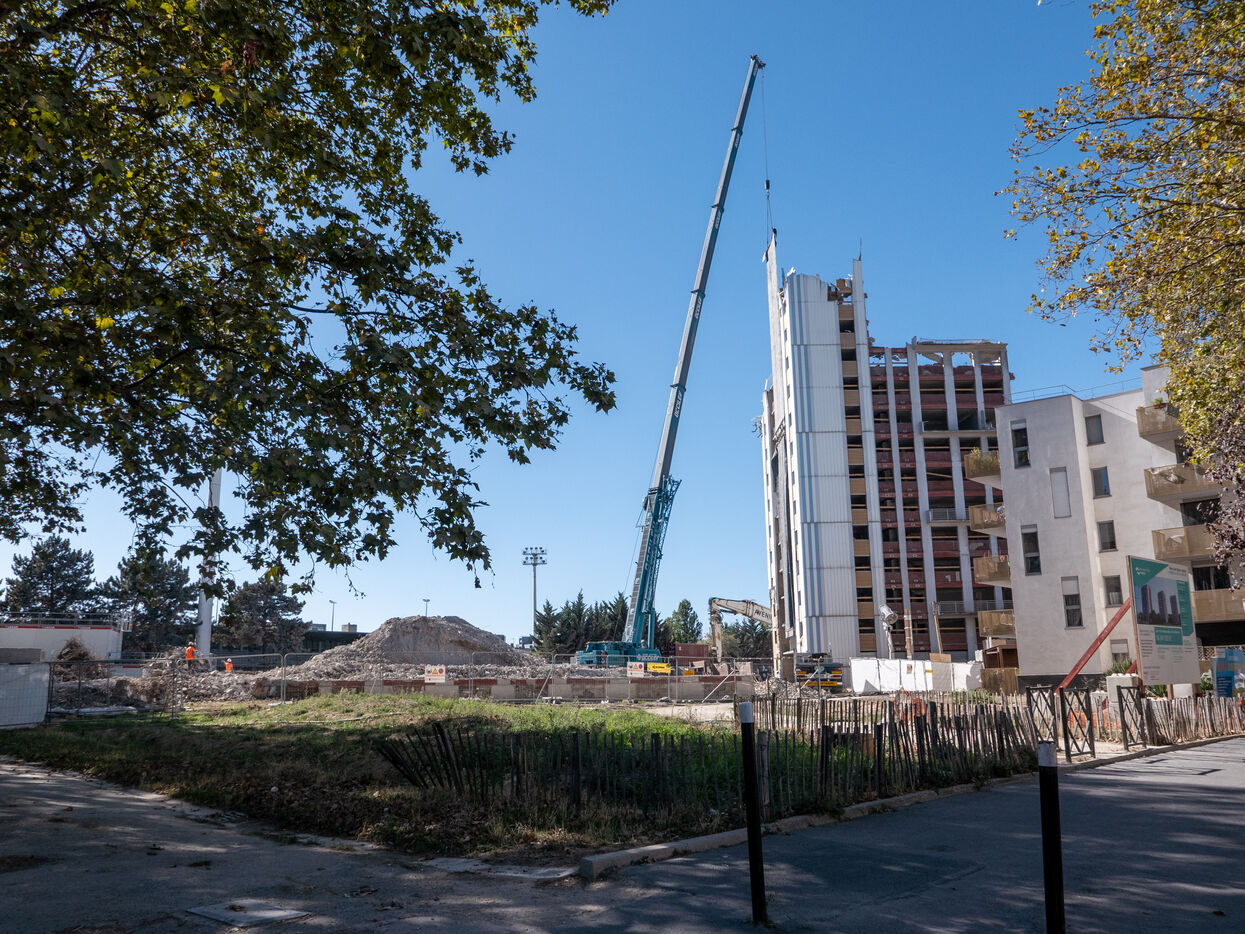
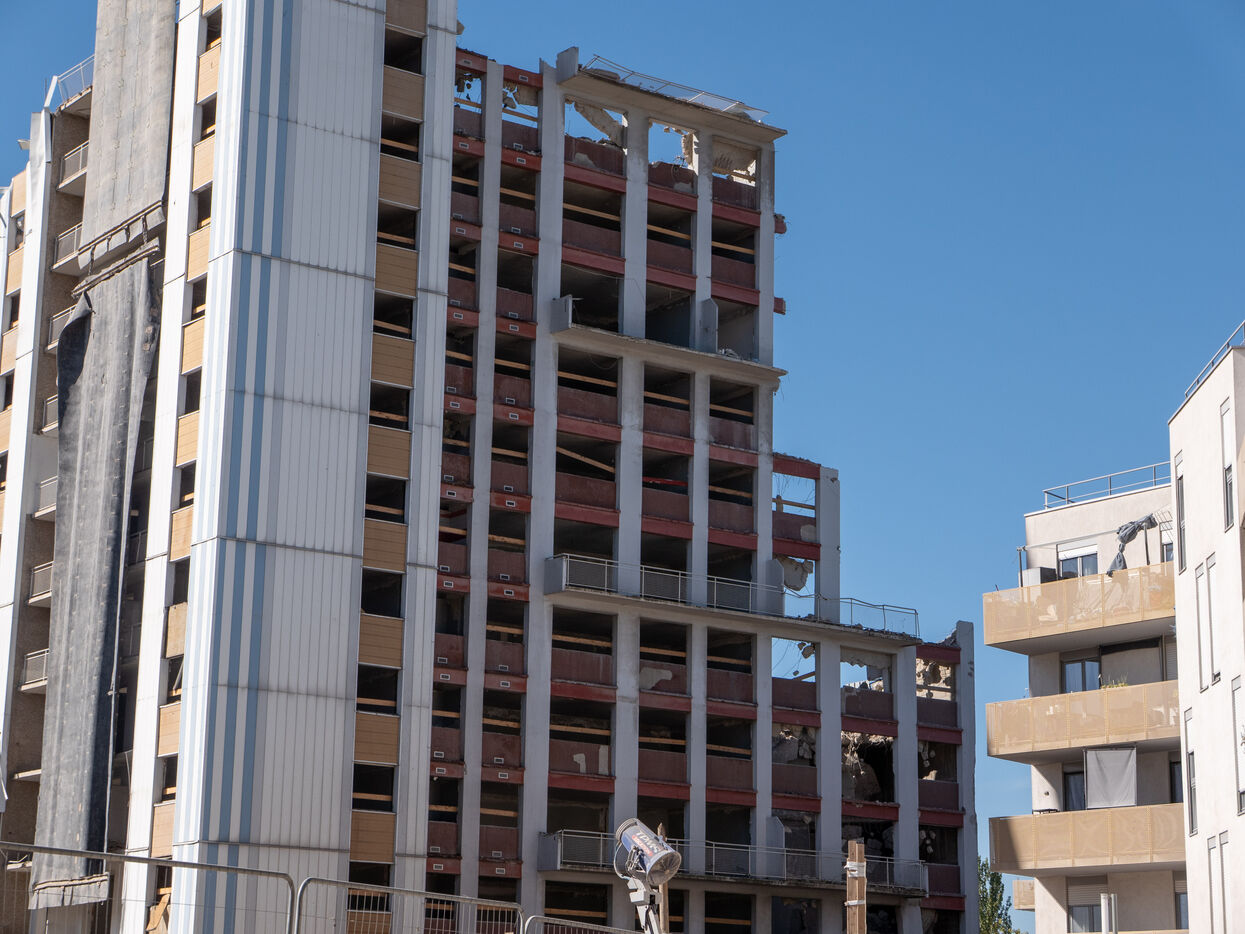
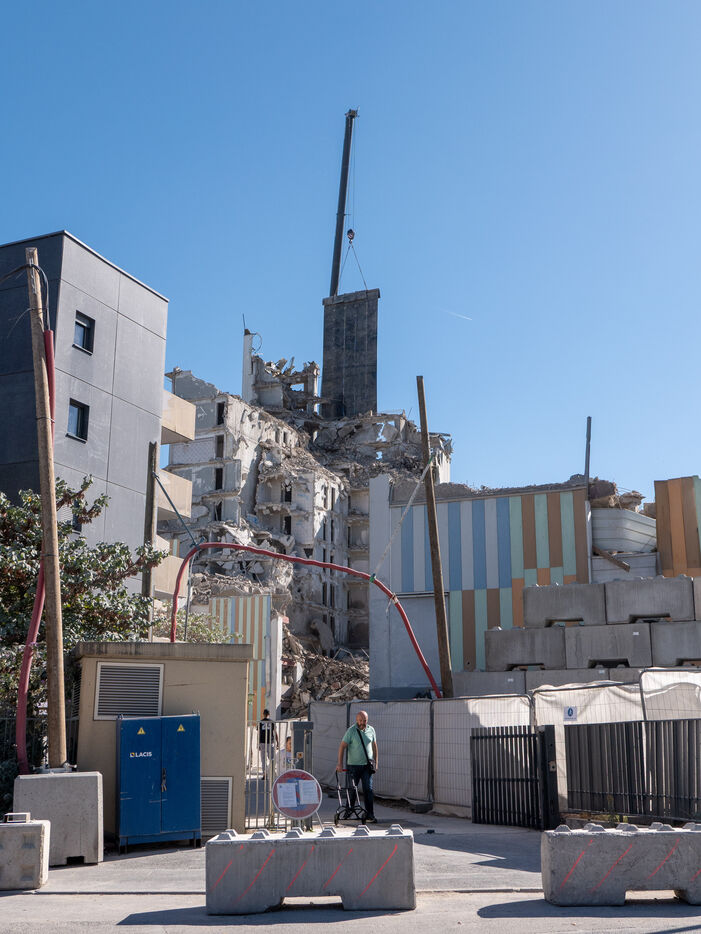
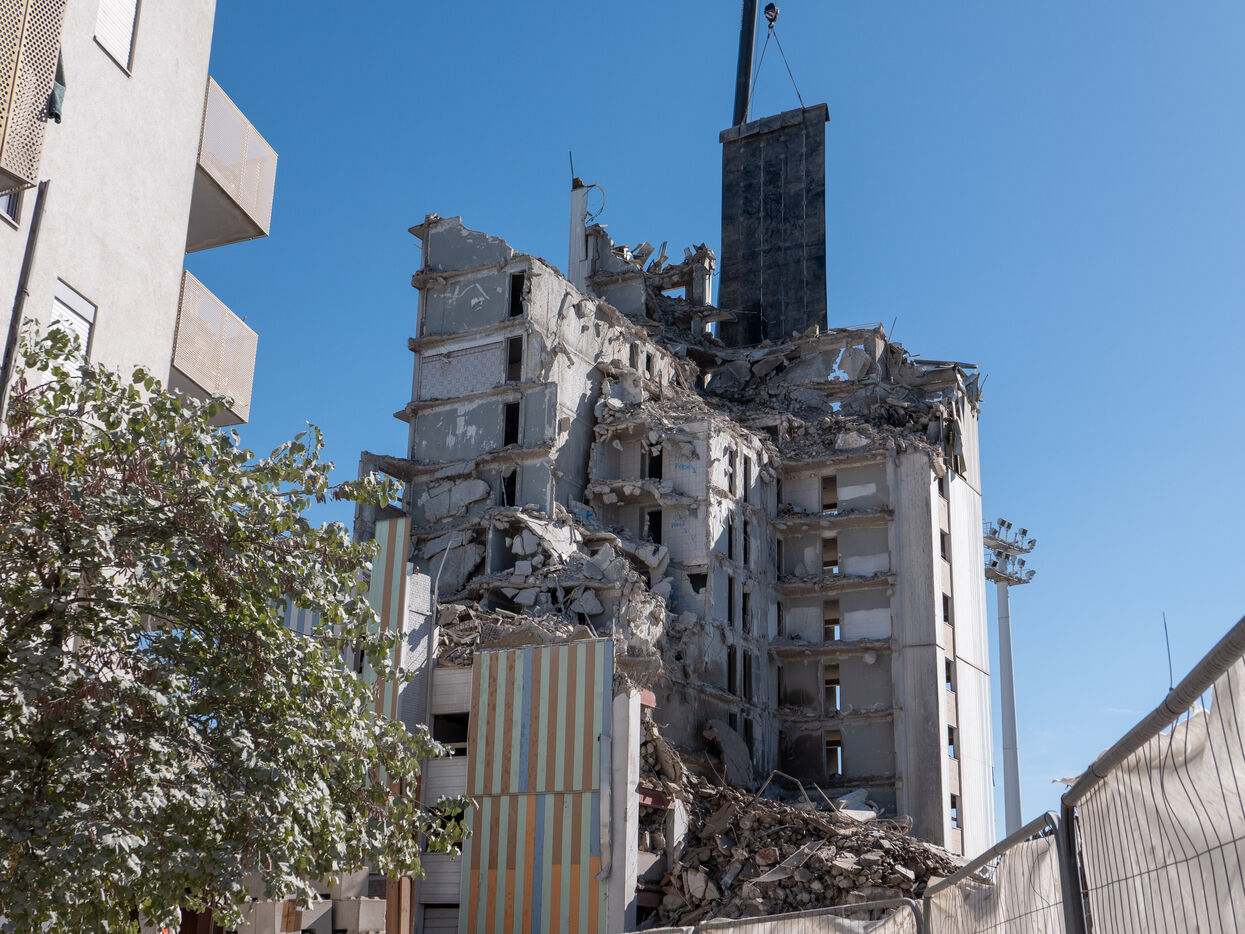
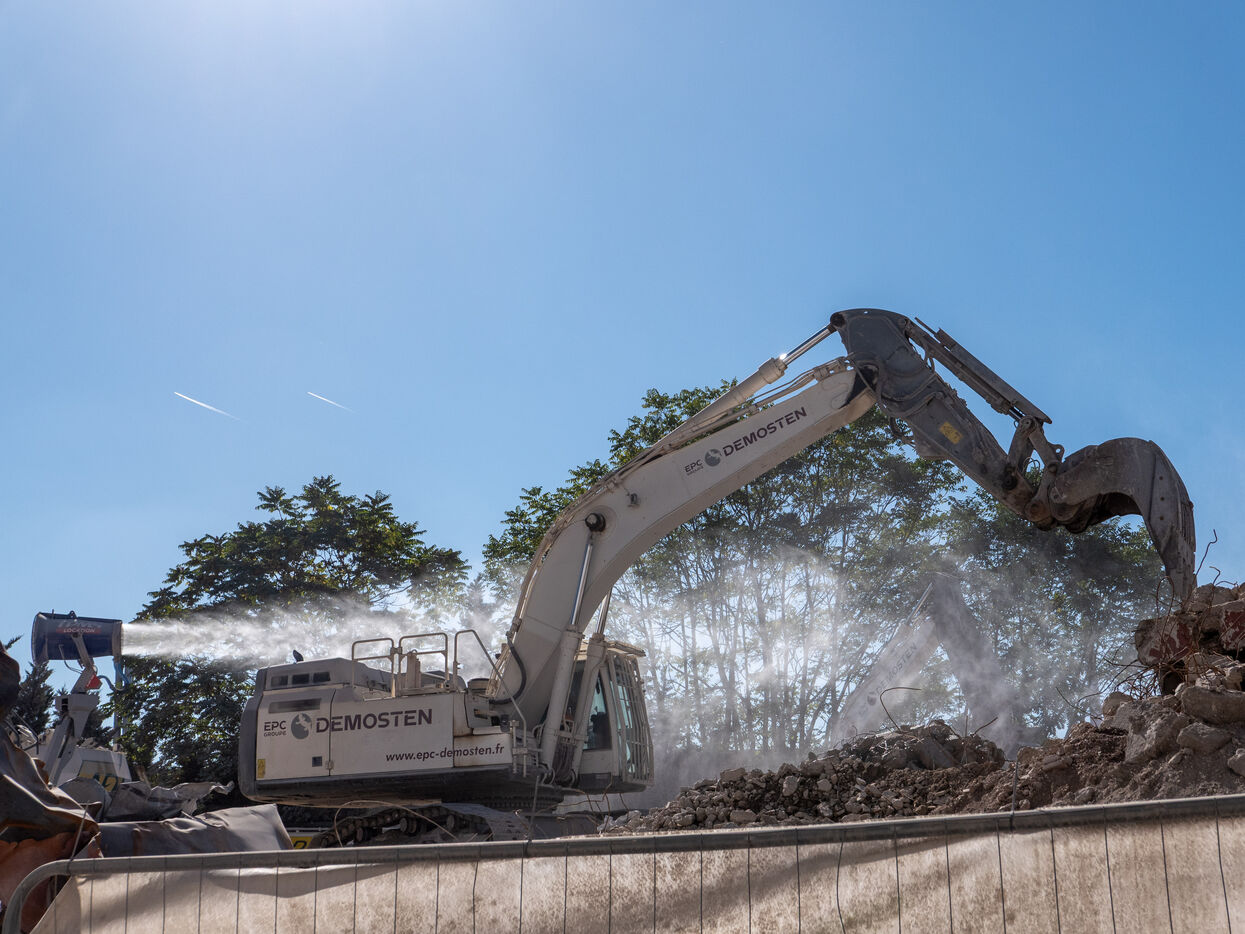
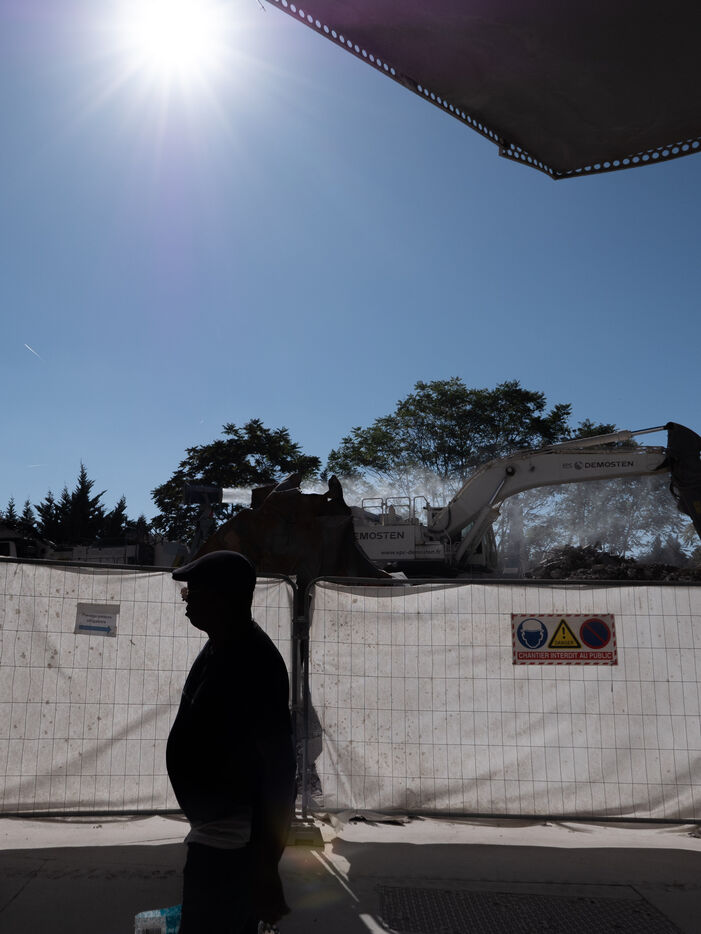
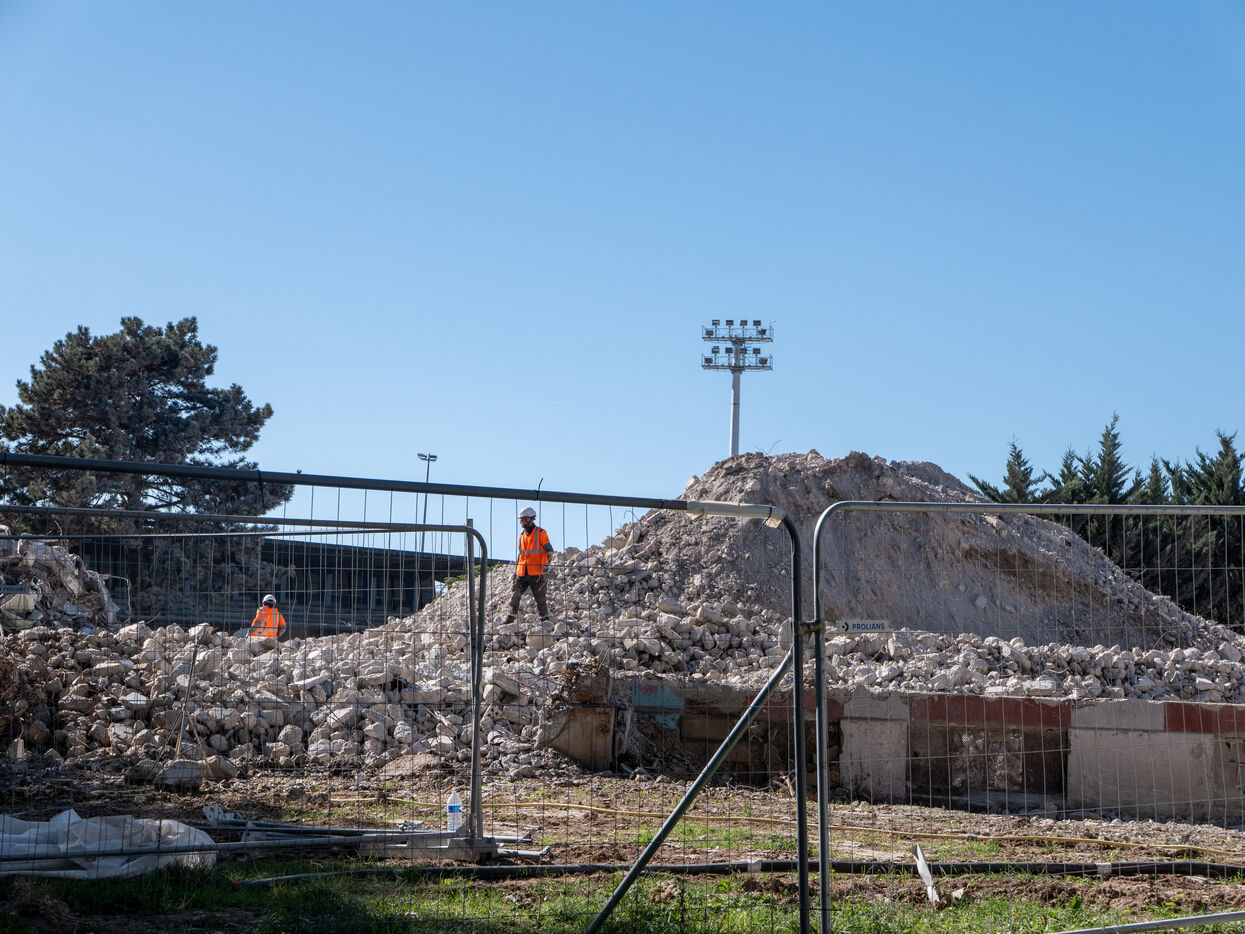
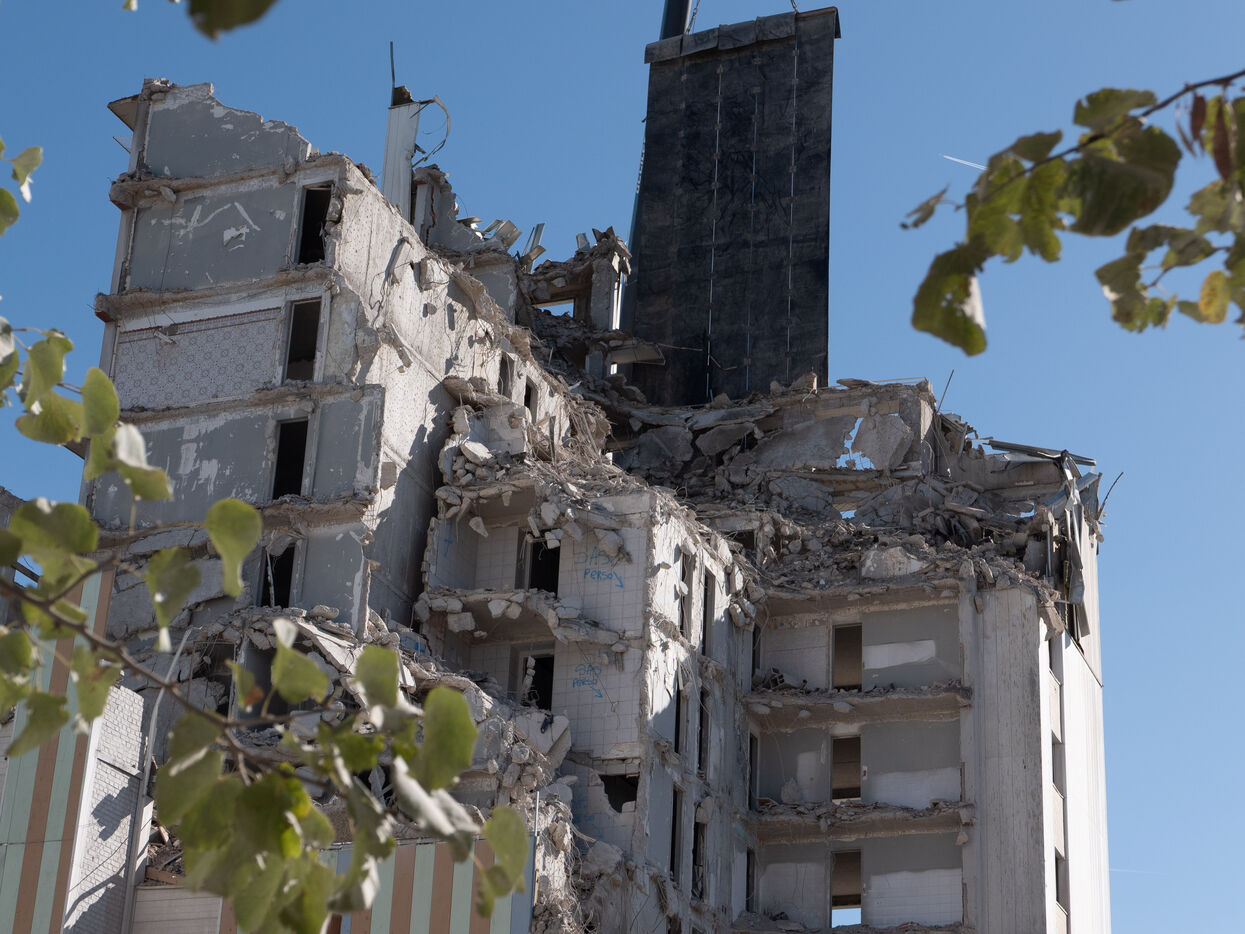
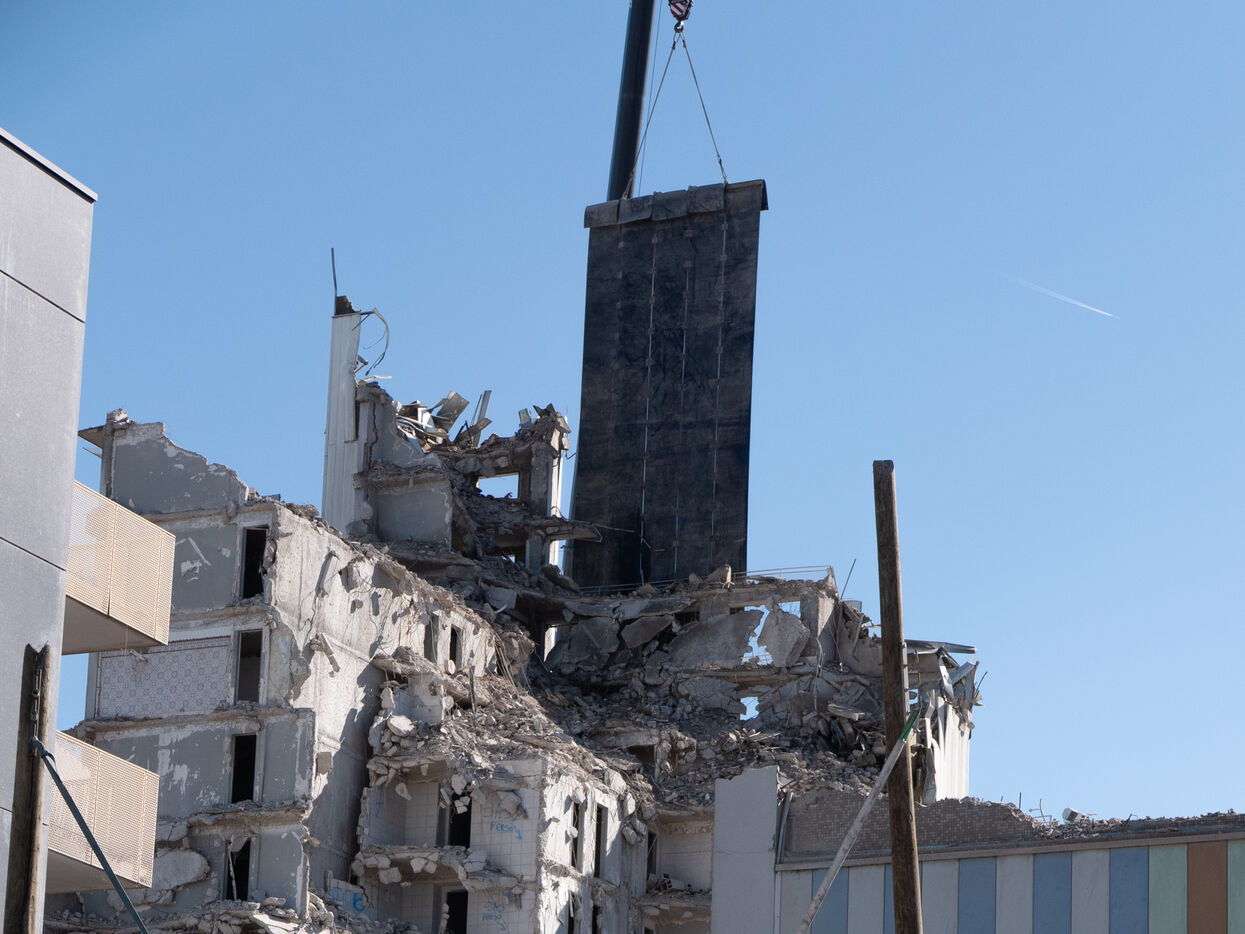
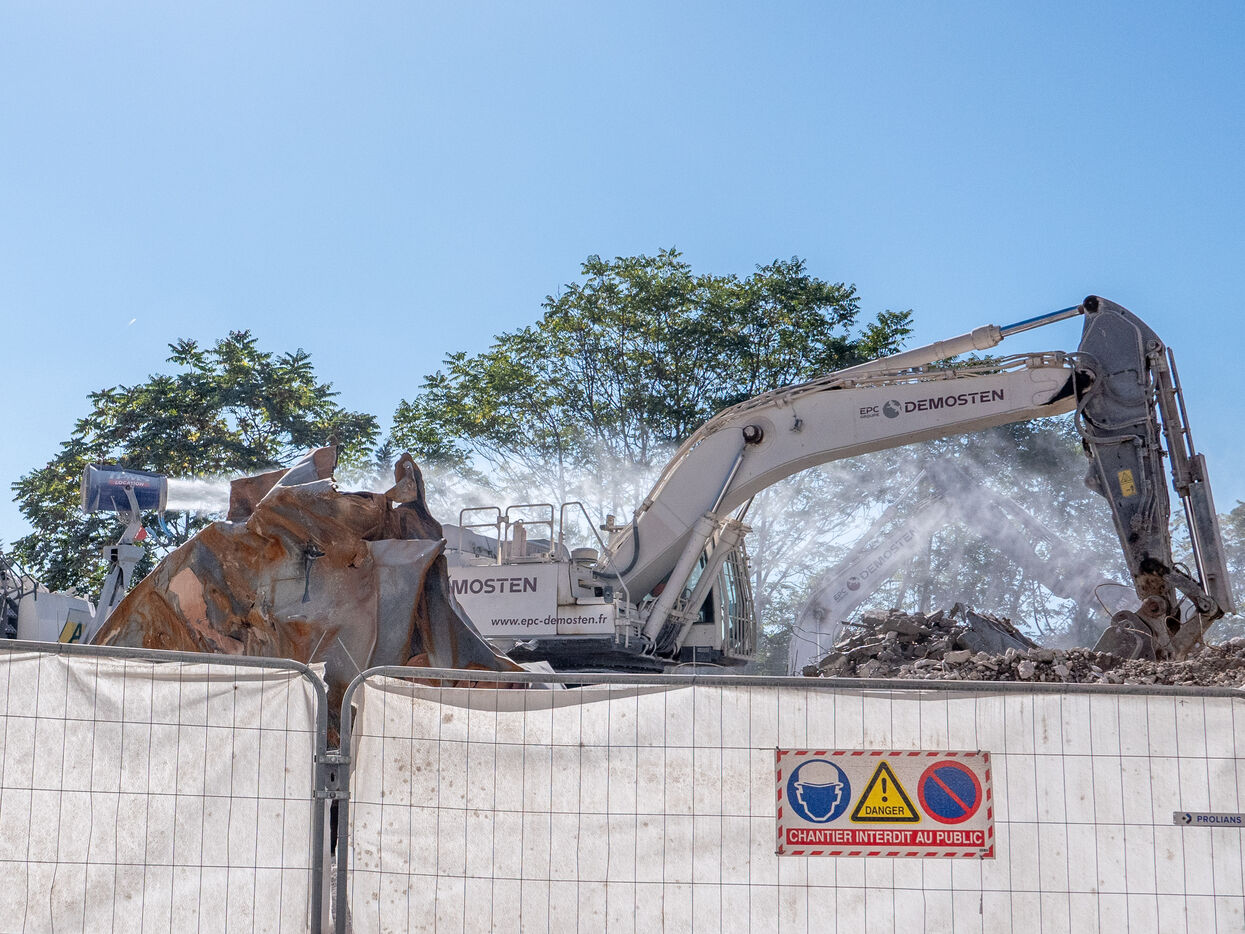
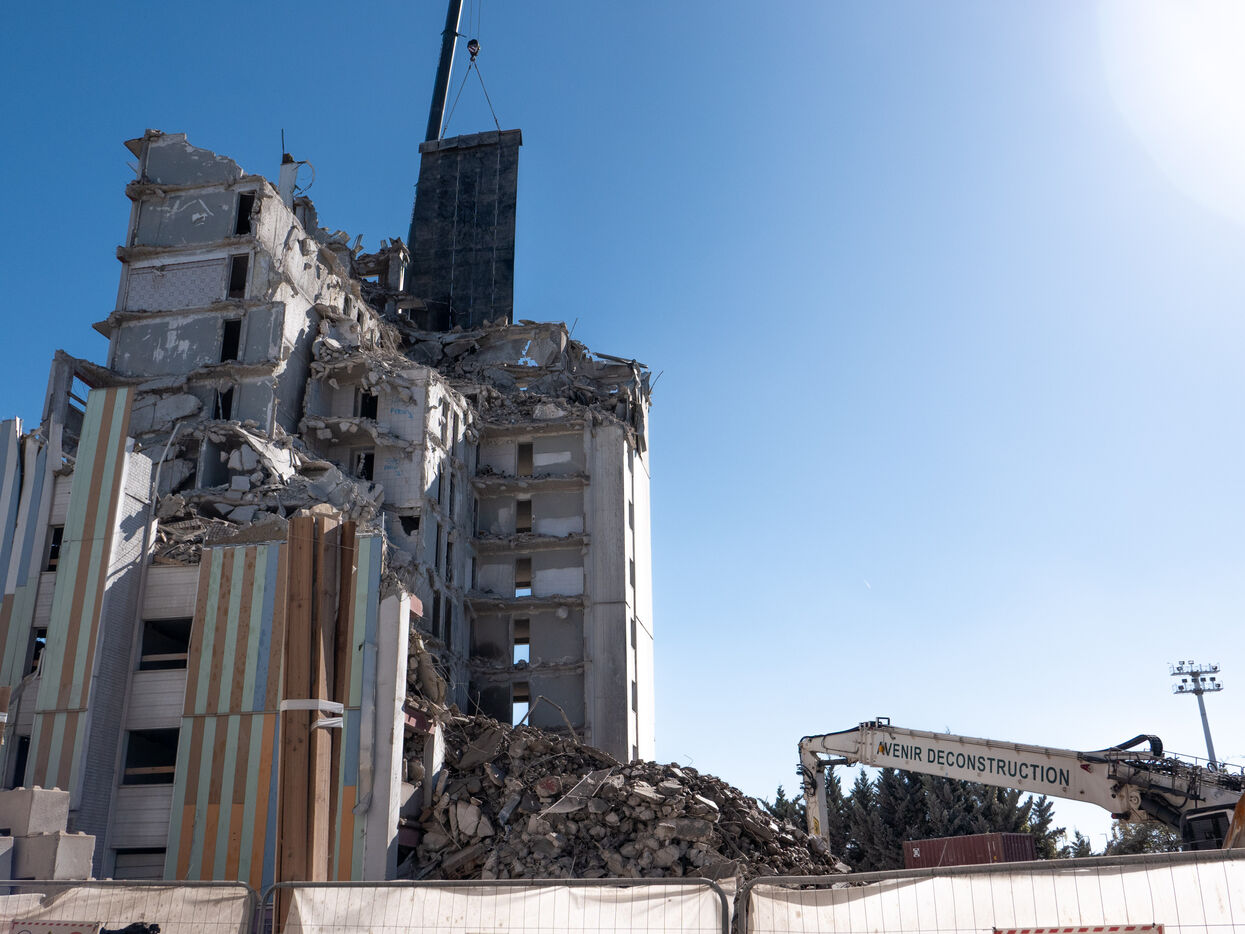
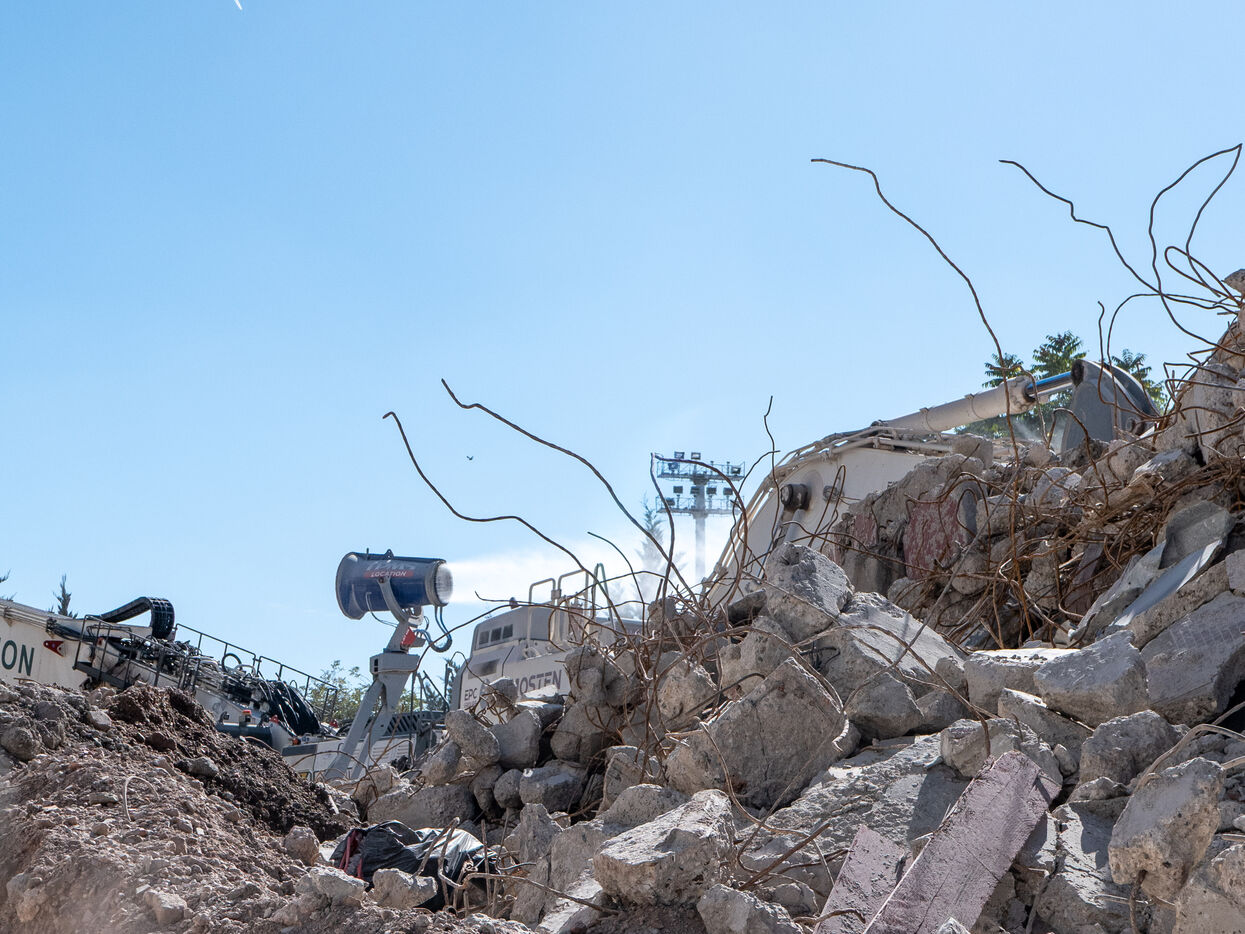
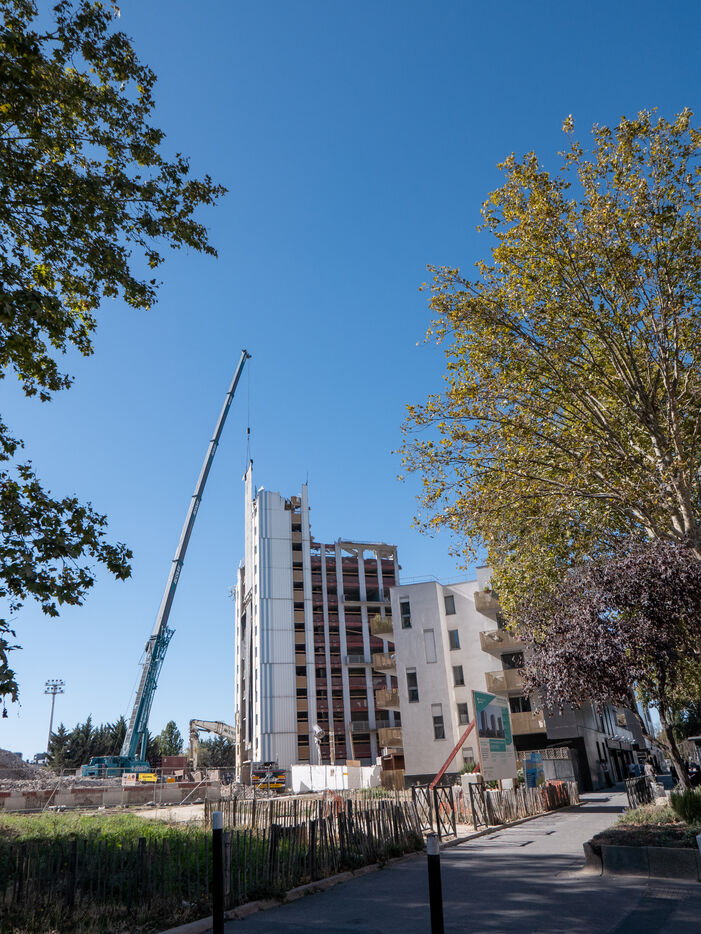
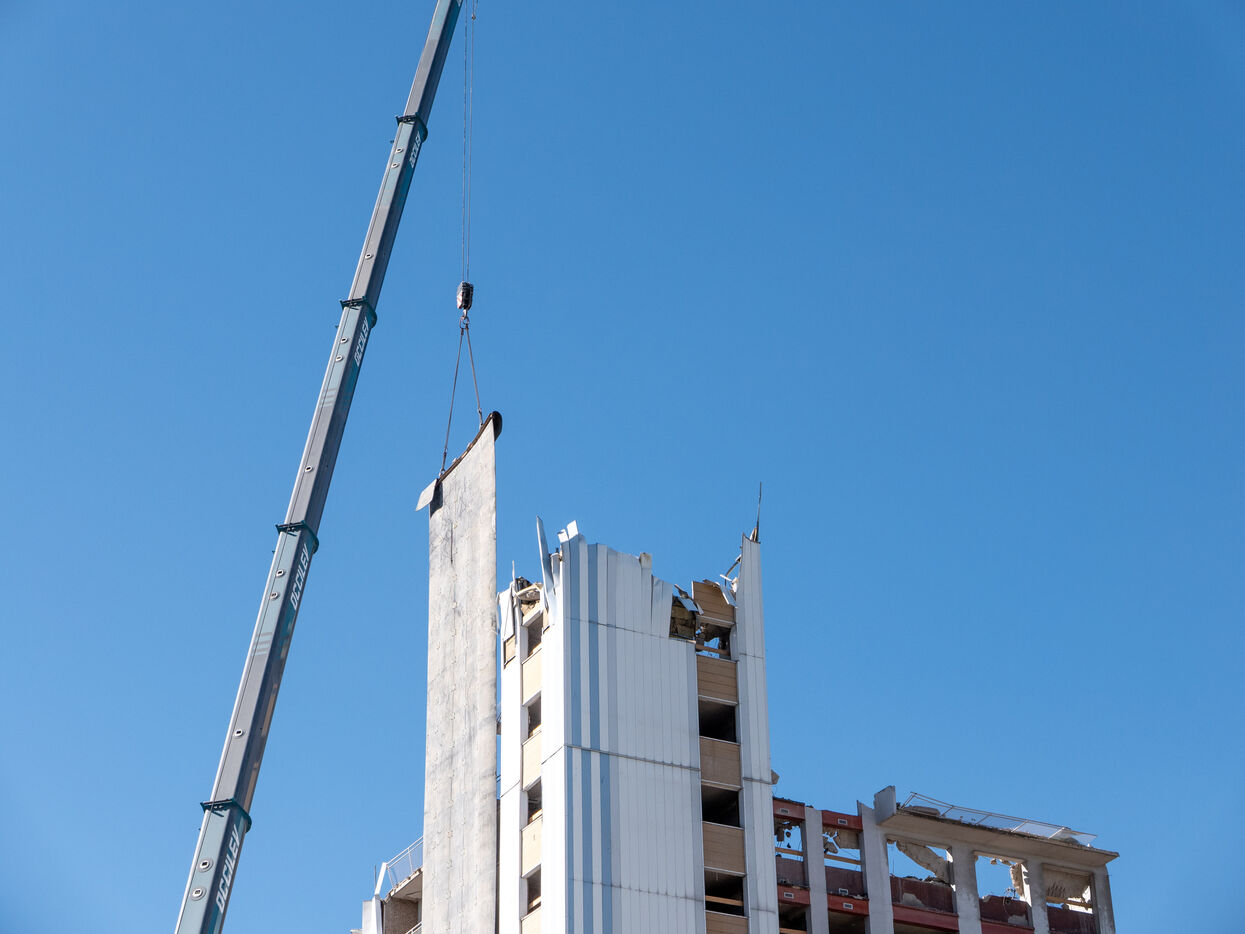
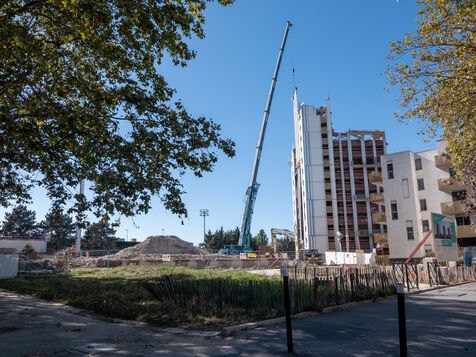
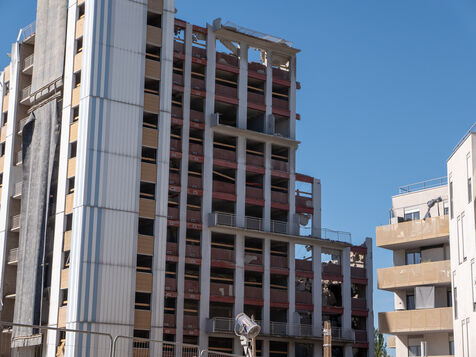
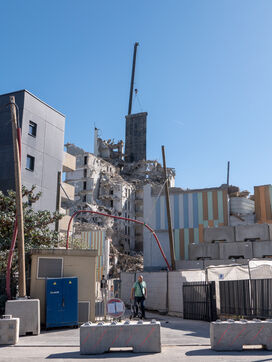
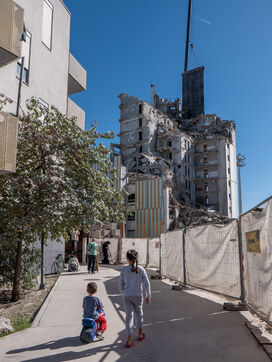
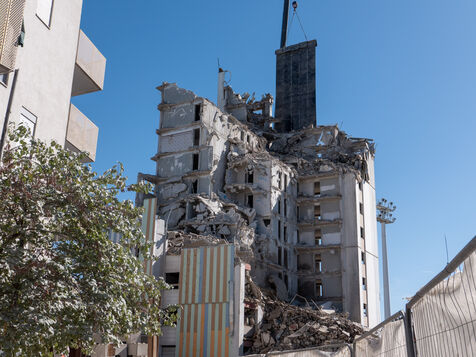
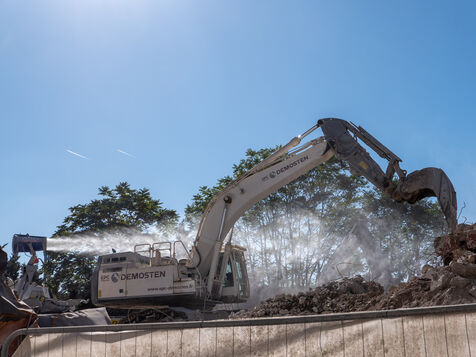
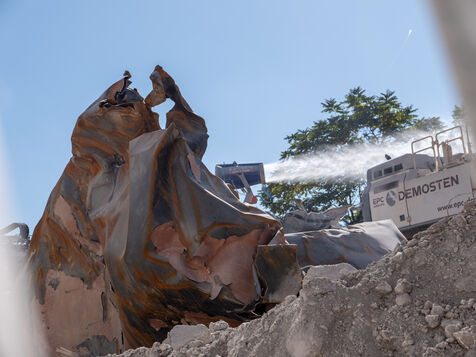
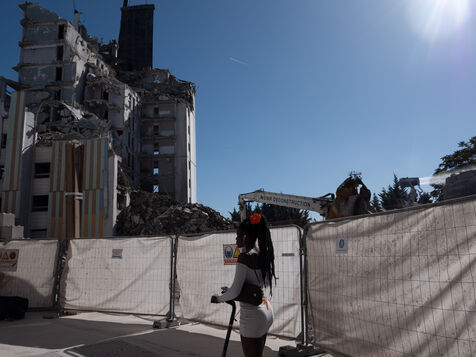
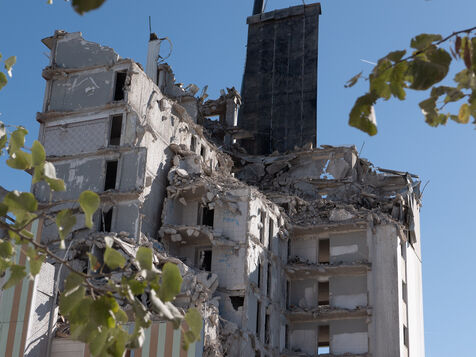
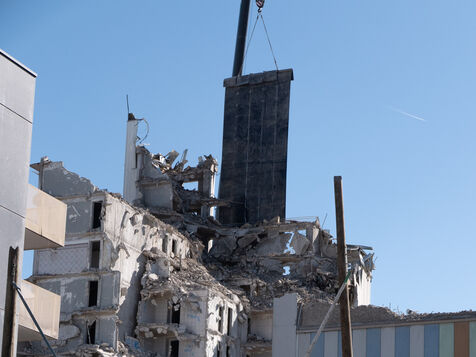
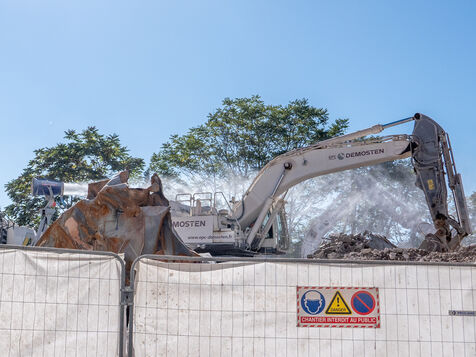
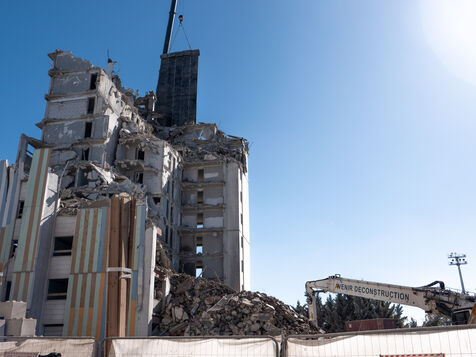
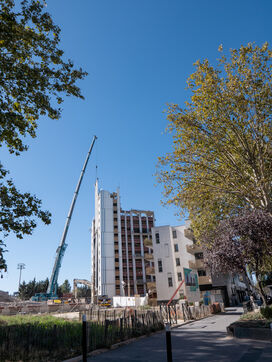
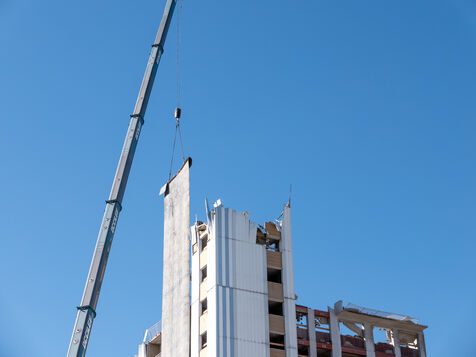
À L’Île-Saint-Denis, dans le sud de l’île, trois tours de la cité Marcel Paul disparaissent progressivement sous les engins de démolition. Construits dans la seconde moitié du XXe siècle et hauts de quinze étages, ces immeubles ont accueilli plusieurs générations d’habitants avant de devenir, au fil des années, un symbole des difficultés urbaines et sociales du quartier.
Les bâtiments, dont plusieurs logements étaient fortement dégradés, ont également été associés à un important trafic de stupéfiants. En décembre 2021, une vaste opération policière menée dans les trois tours avait conduit au démantèlement d’un réseau de trafic de drogue.
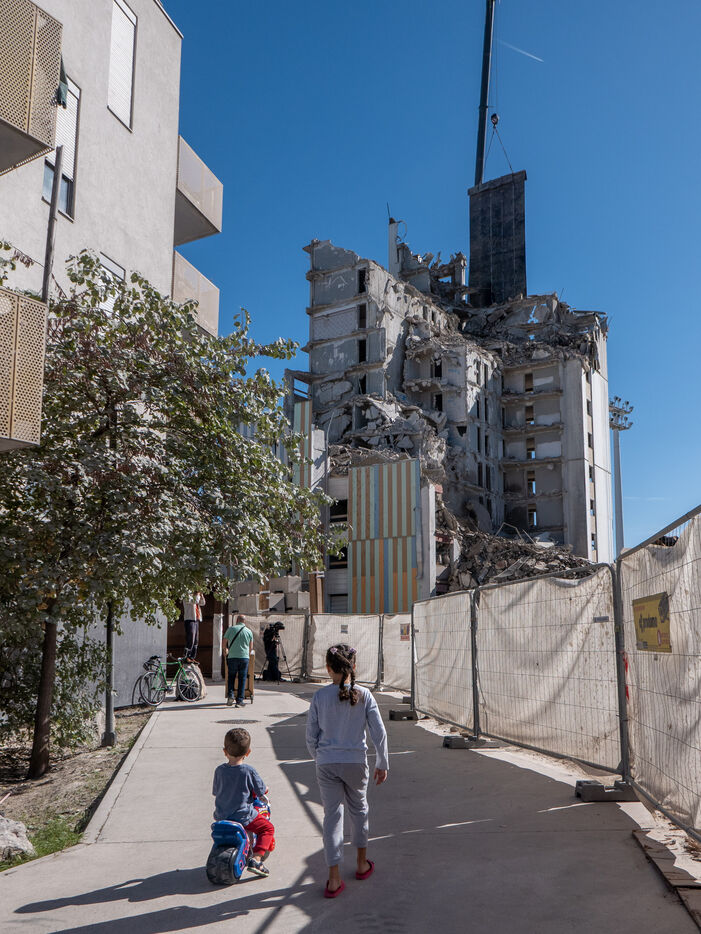
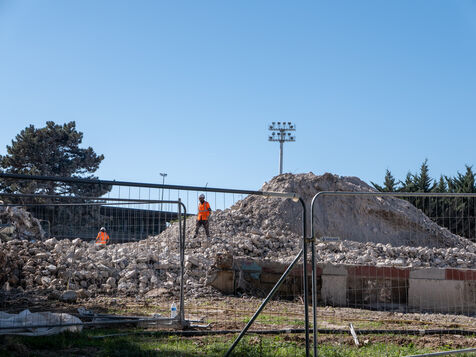
Mais leur démolition s’inscrit dans une histoire plus longue : celle du renouvellement urbain du Quartier Sud, engagé dans le cadre du Nouveau Programme National de Renouvellement Urbain (NPNRU) et soutenu par l’ANRU. Après plusieurs années de relogement des habitants, les trois tours sont aujourd’hui déconstruites pour laisser place à un quartier entièrement recomposé.
Le projet prévoit de nouveaux logements sociaux et en accession à la propriété, des commerces et services, de nouveaux espaces publics largement végétalisés, ainsi que des cheminements piétons et cyclables et une meilleure ouverture du quartier vers la Seine. Les quinze étages des tours Marcel Paul vont ainsi laisser place à une architecture plus fragmentée et à des bâtiments de différentes hauteurs.
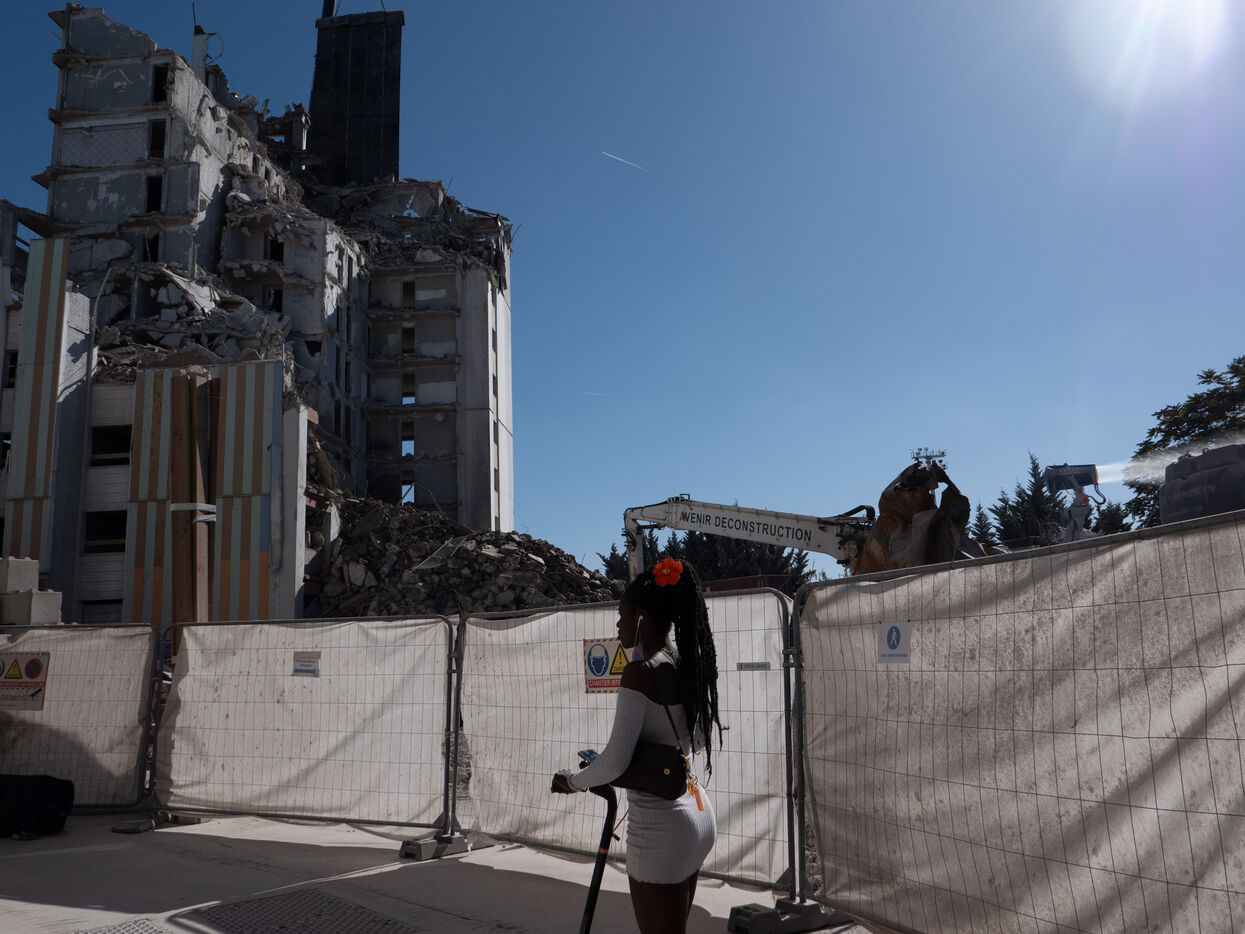
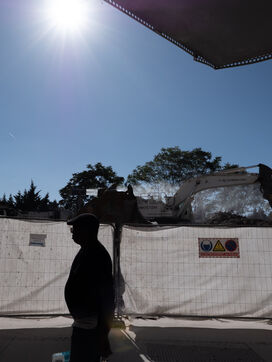
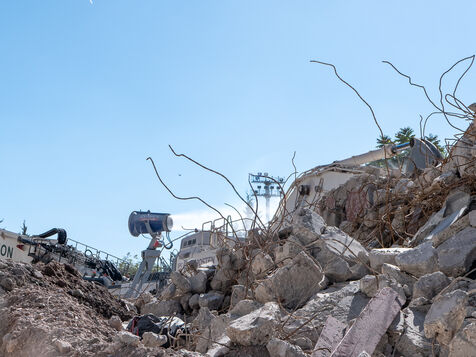
Photographier cette démolition, c’est documenter un territoire en transition : la disparition d’une architecture emblématique des grands ensembles et, avec elle, une part de l’histoire collective du quartier, au moment où se dessine un nouveau paysage urbain.
FRANCE - The Disappearance of the Marcel Paul Housing Estate - 93
In L’Île-Saint-Denis, south of Paris, three towers of the Marcel Paul housing estate are gradually disappearing under demolition machinery. Built in the second half of the 20th century and rising fifteen storeys high, the buildings housed several generations of residents before becoming, over the years, a symbol of the neighbourhood’s social and urban difficulties.
The estate, where several apartments had fallen into poor condition, was also associated with significant drug trafficking. In December 2021, a major police operation carried out in the three towers led to the dismantling of a drug-trafficking network.
Yet the demolition is part of a much longer process: the urban renewal of the southern district of L’Île-Saint-Denis, carried out within the framework of France’s New National Urban Renewal Programme (NPNRU), with support from the French National Urban Renewal Agency (ANRU). After several years of relocating residents, the three towers are now being demolished to make way for a completely reconfigured neighbourhood.
The project includes new social and private housing, shops and services, new landscaped public spaces, pedestrian and cycling routes, and a stronger connection with the Seine. The fifteen-storey towers of Marcel Paul will give way to a more fragmented urban landscape made up of buildings of different heights.
Photographing this demolition means documenting a territory in transition: the disappearance of an architecture emblematic of France’s post-war housing estates, and with it a part of the neighbourhood’s collective history, as a new urban landscape begins to emerge.