Le Catenacciu de Sartène : Entre ferveur et tradition lors du Vendredi saint
Chaque année à Sartène, souvent décrite comme « la plus corse des villes corses », la procession du Catenacciu constitue l’un des moments les plus marquants de la Semaine sainte. Ce rituel, profondément ancré dans la tradition locale, attire fidèles et visiteurs venus assister à cette représentation de la Passion du Christ.
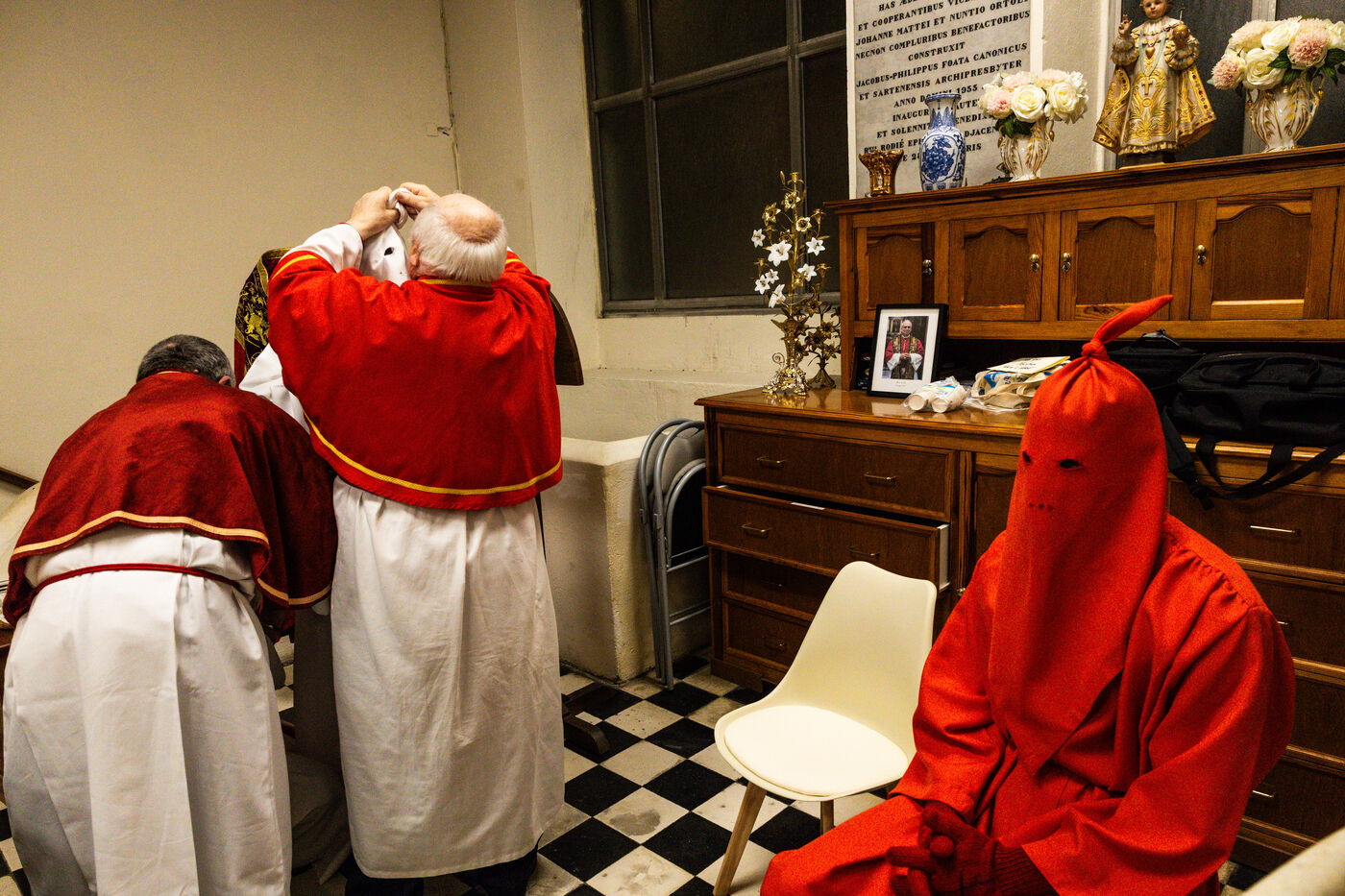
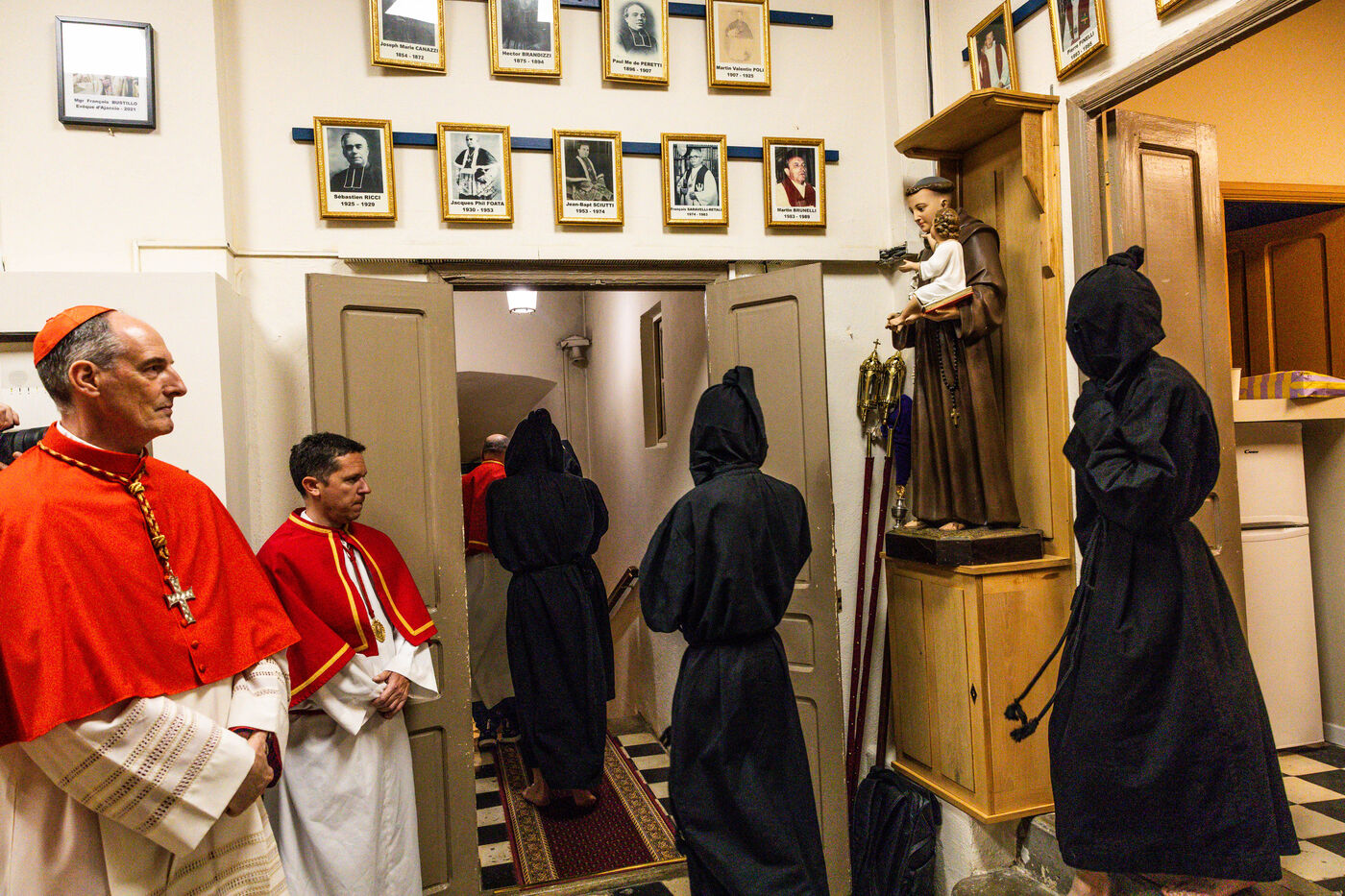
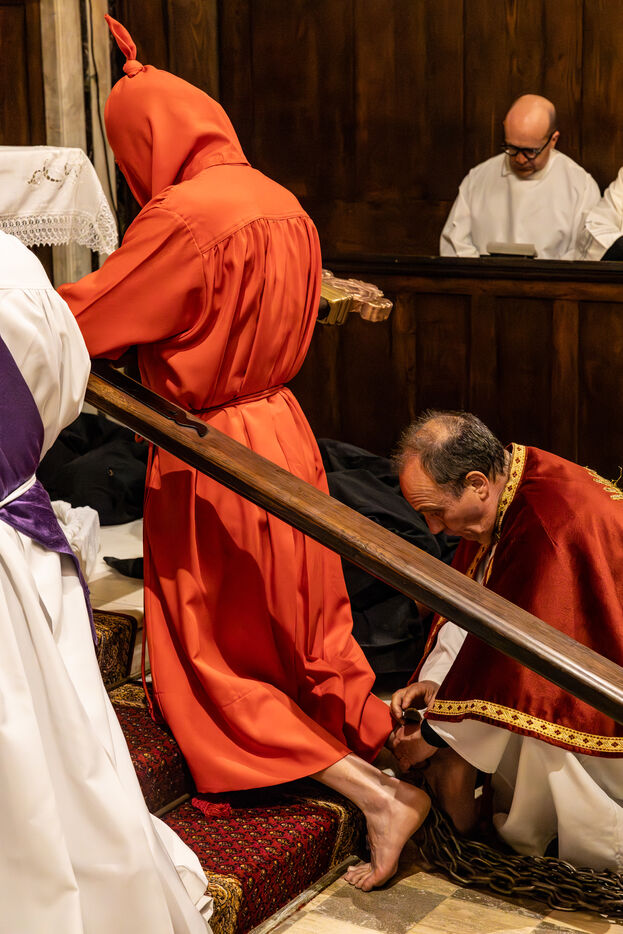
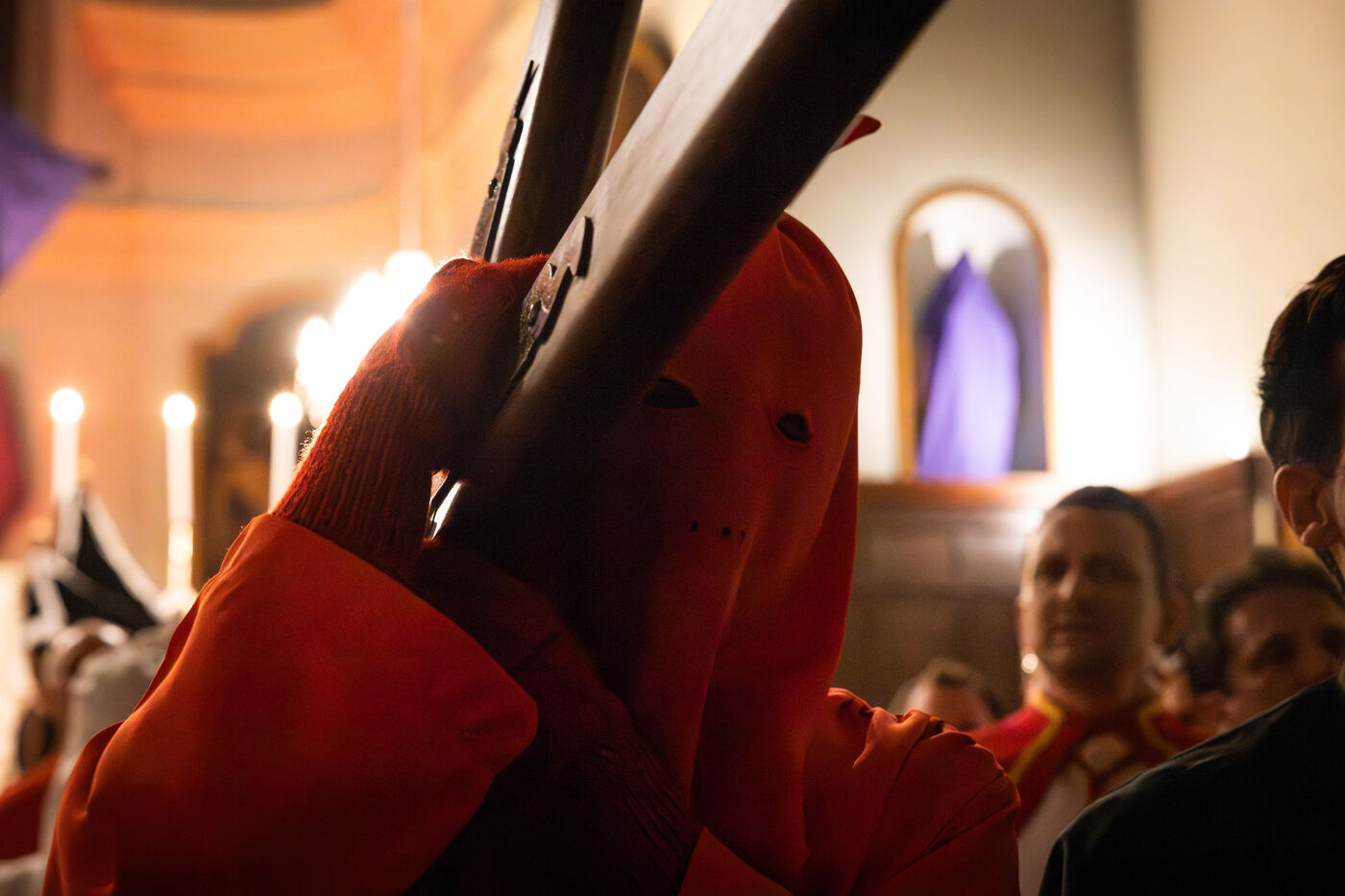
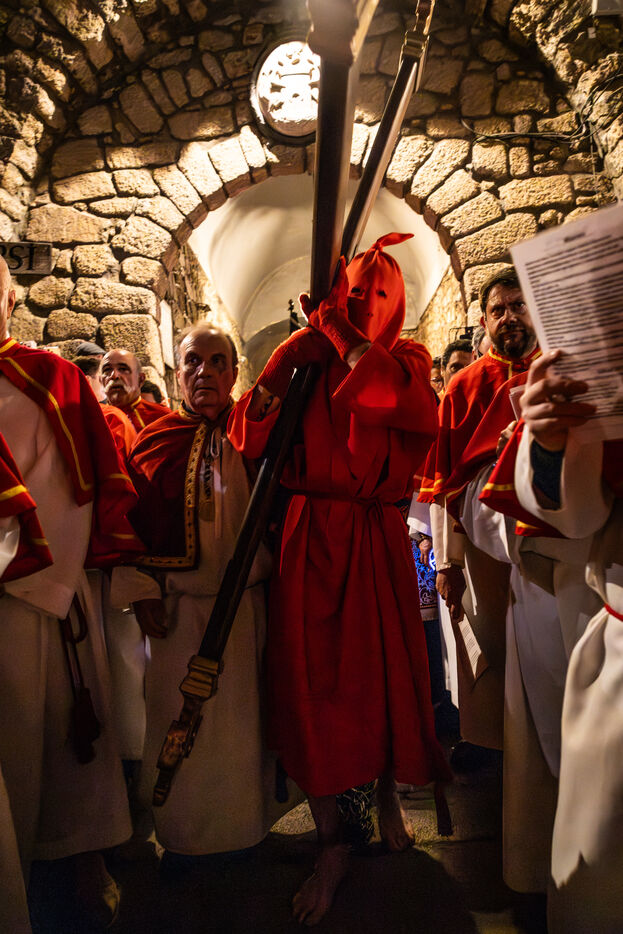
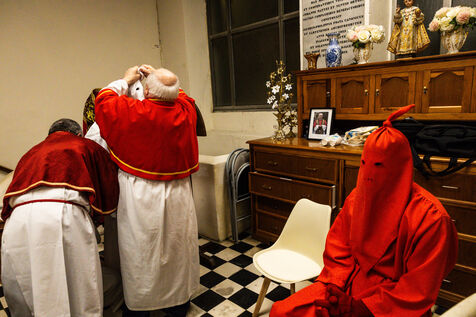
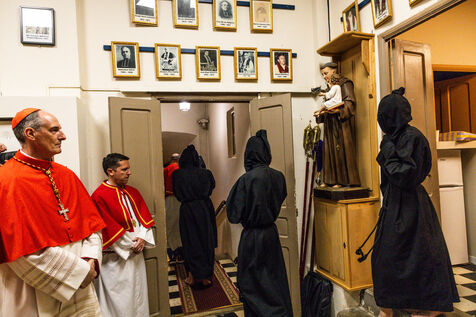
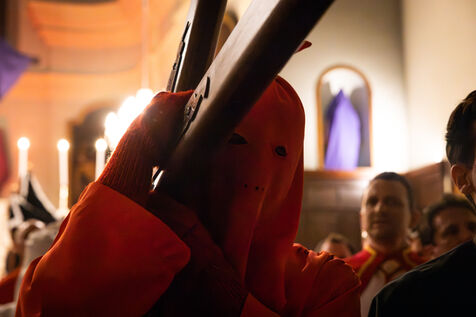
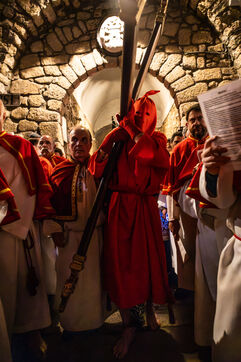
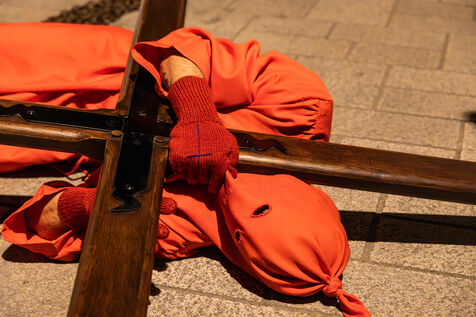
Avant le départ, dans la sacristie de l’église Santa Maria Assunta, les pénitents se préparent dans un silence chargé de recueillement. Le pénitent rouge, figure centrale de la procession, reçoit les chaînes fixées à sa cheville tandis que les membres de la confrérie Compagnia del Santissimo Sacramento ajustent les tenues et accompagnent les participants dans les derniers instants avant l’entrée dans l’église.
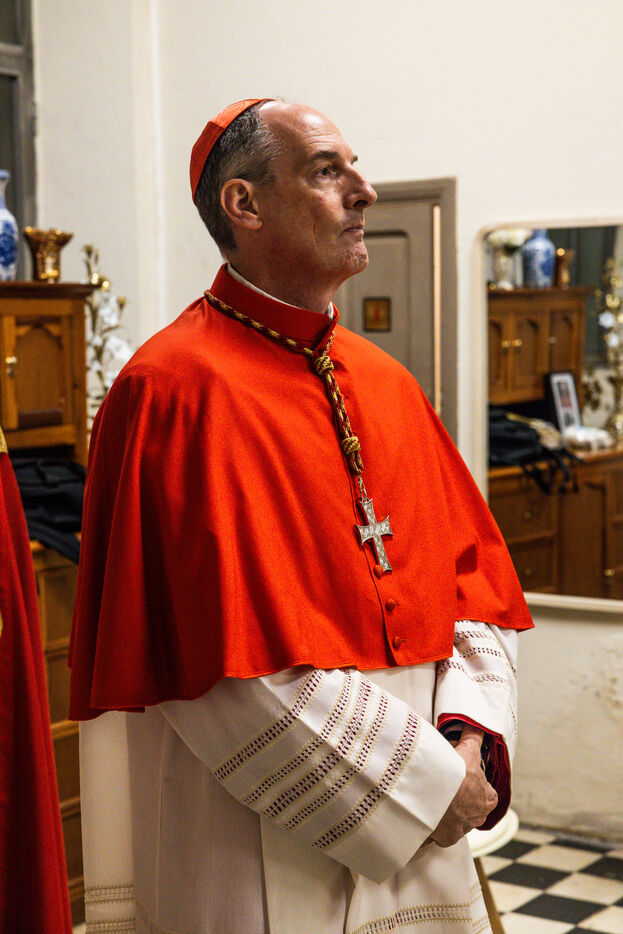
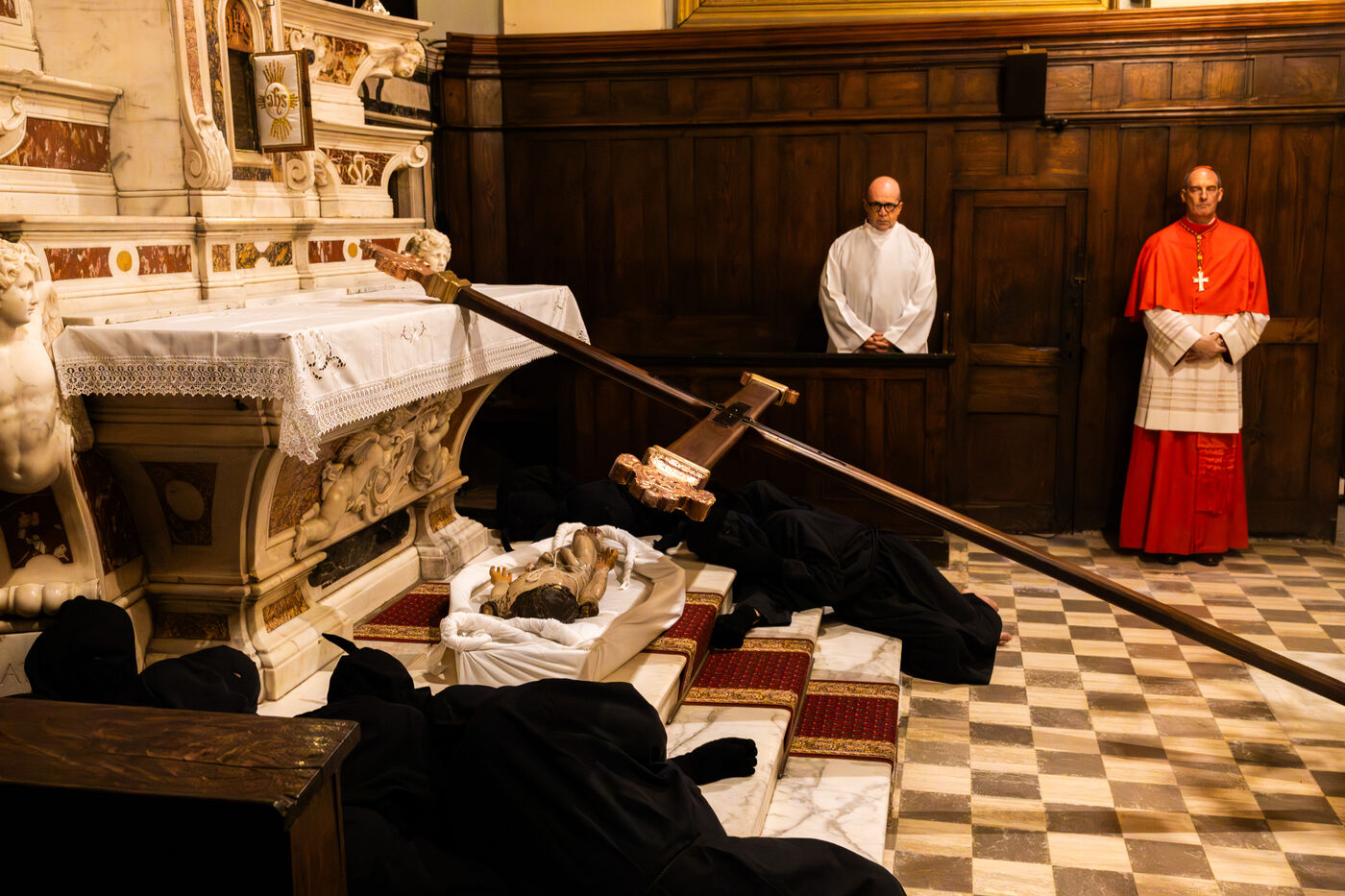
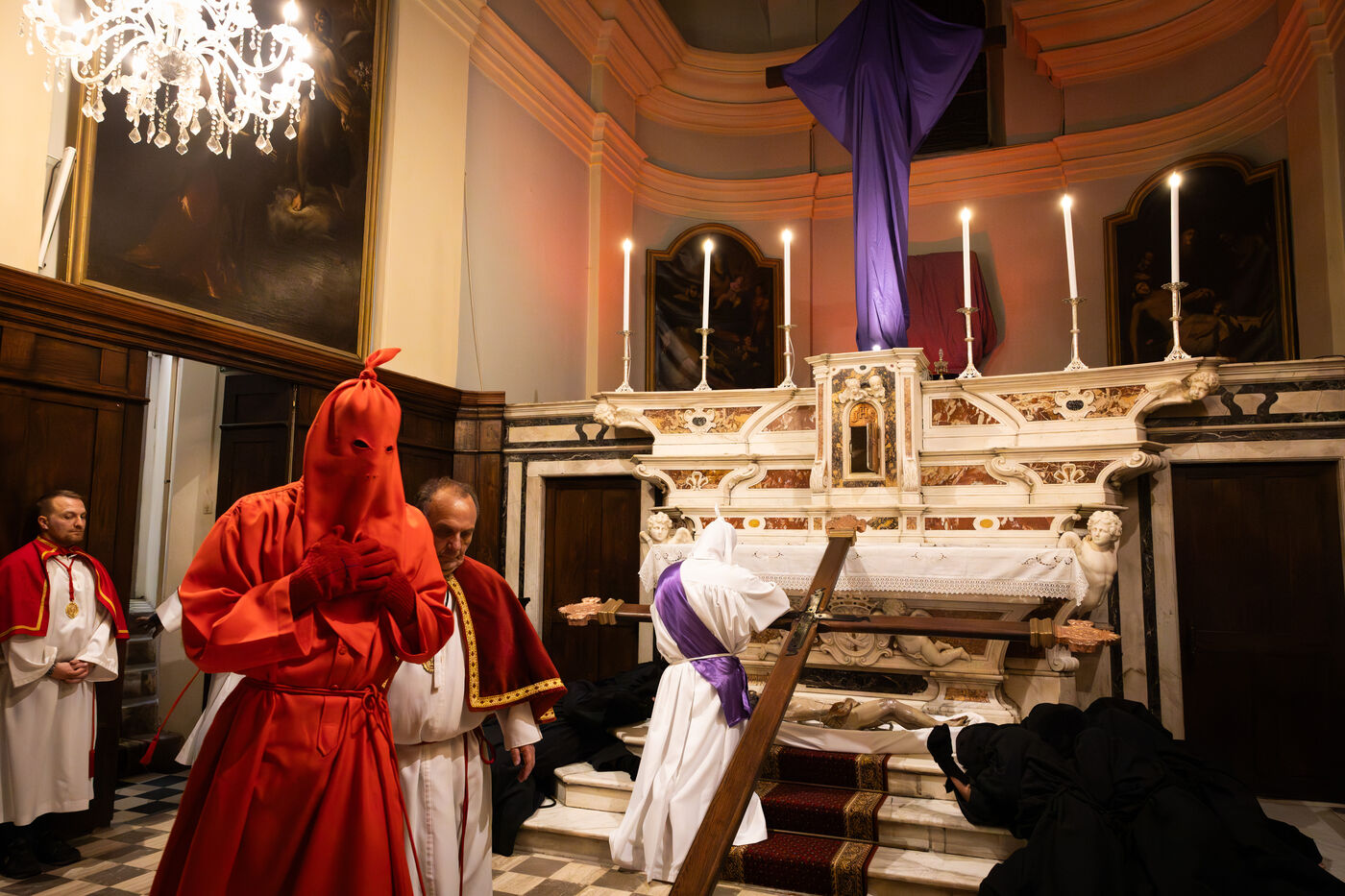
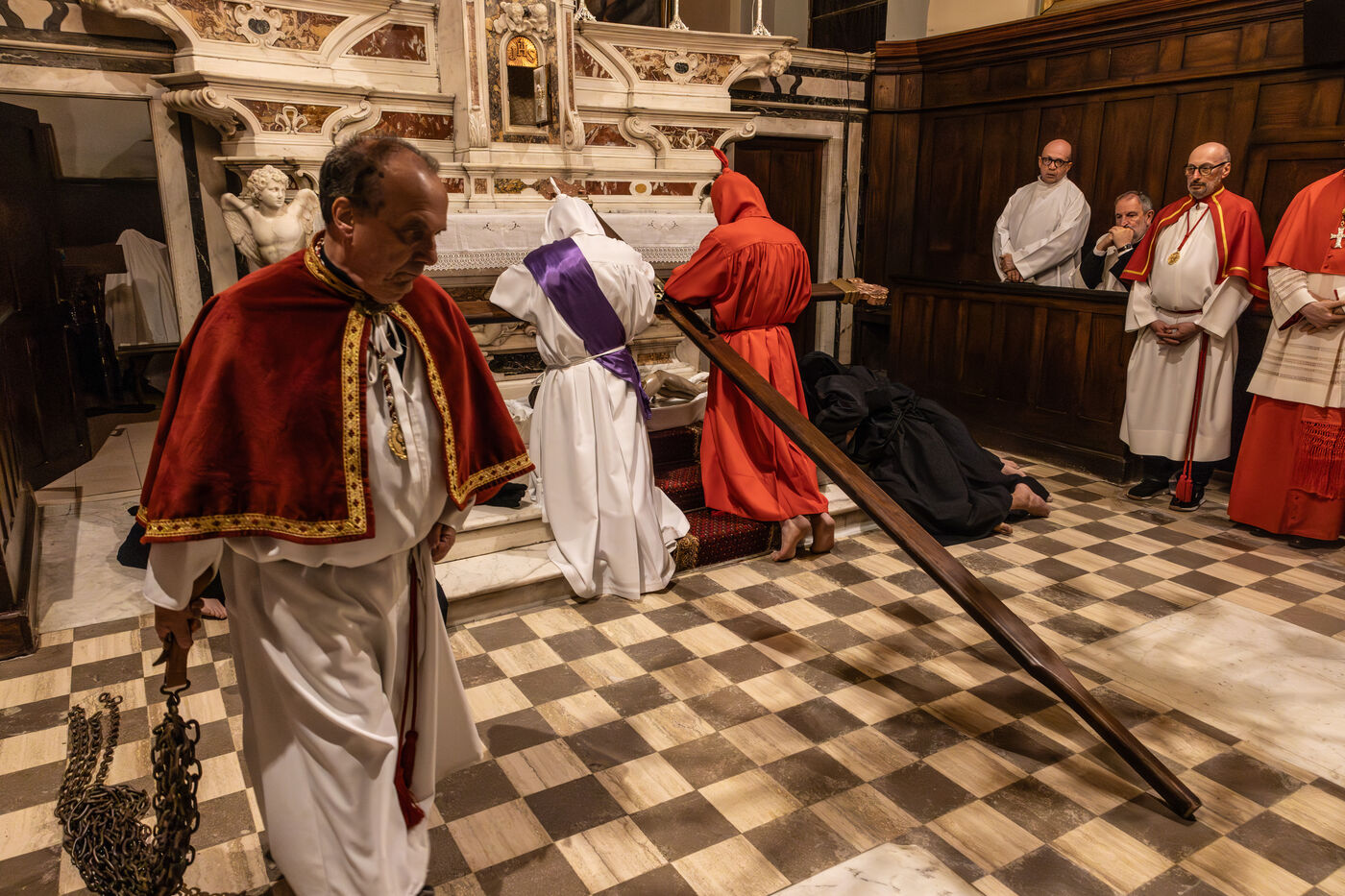
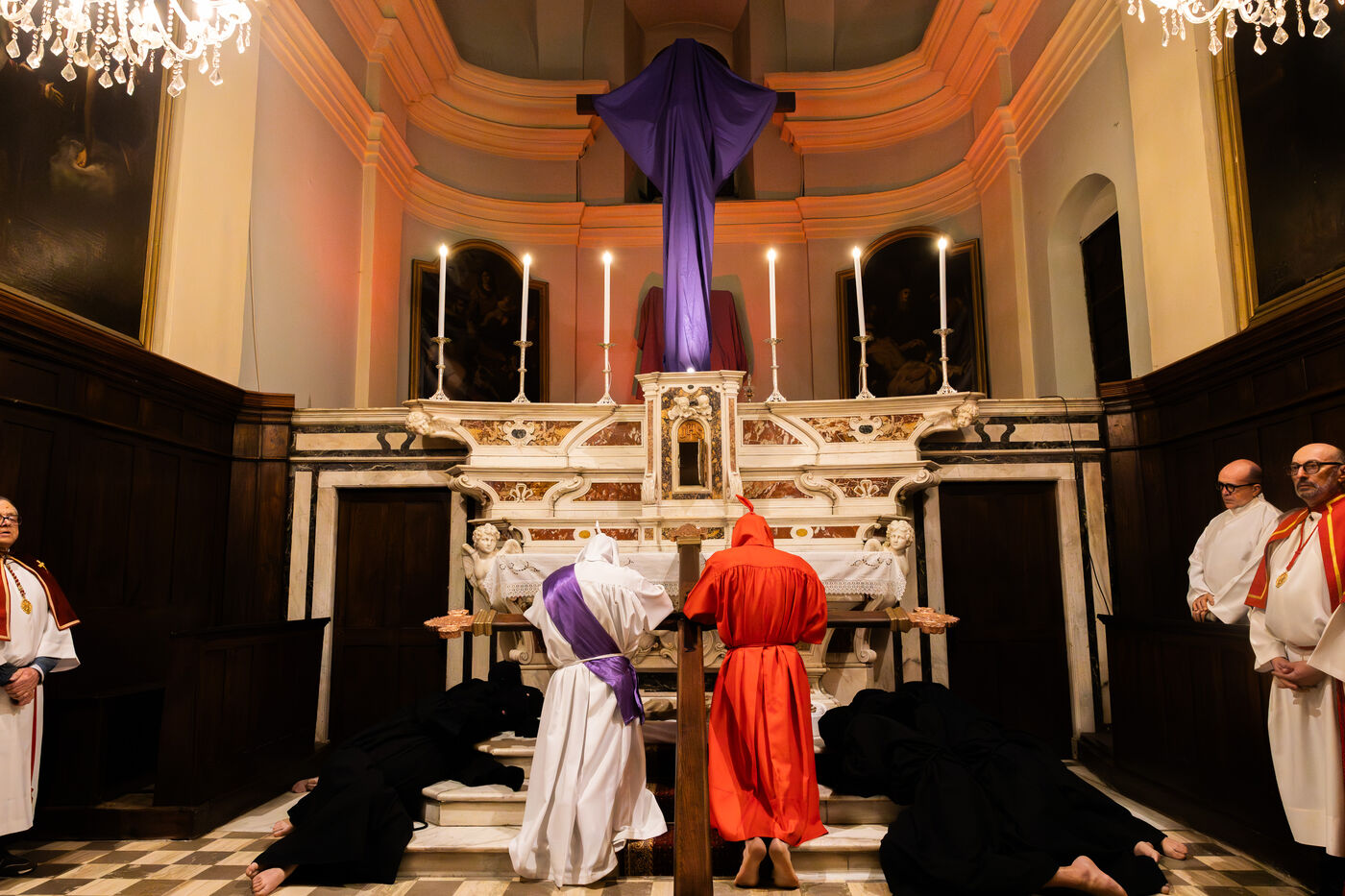
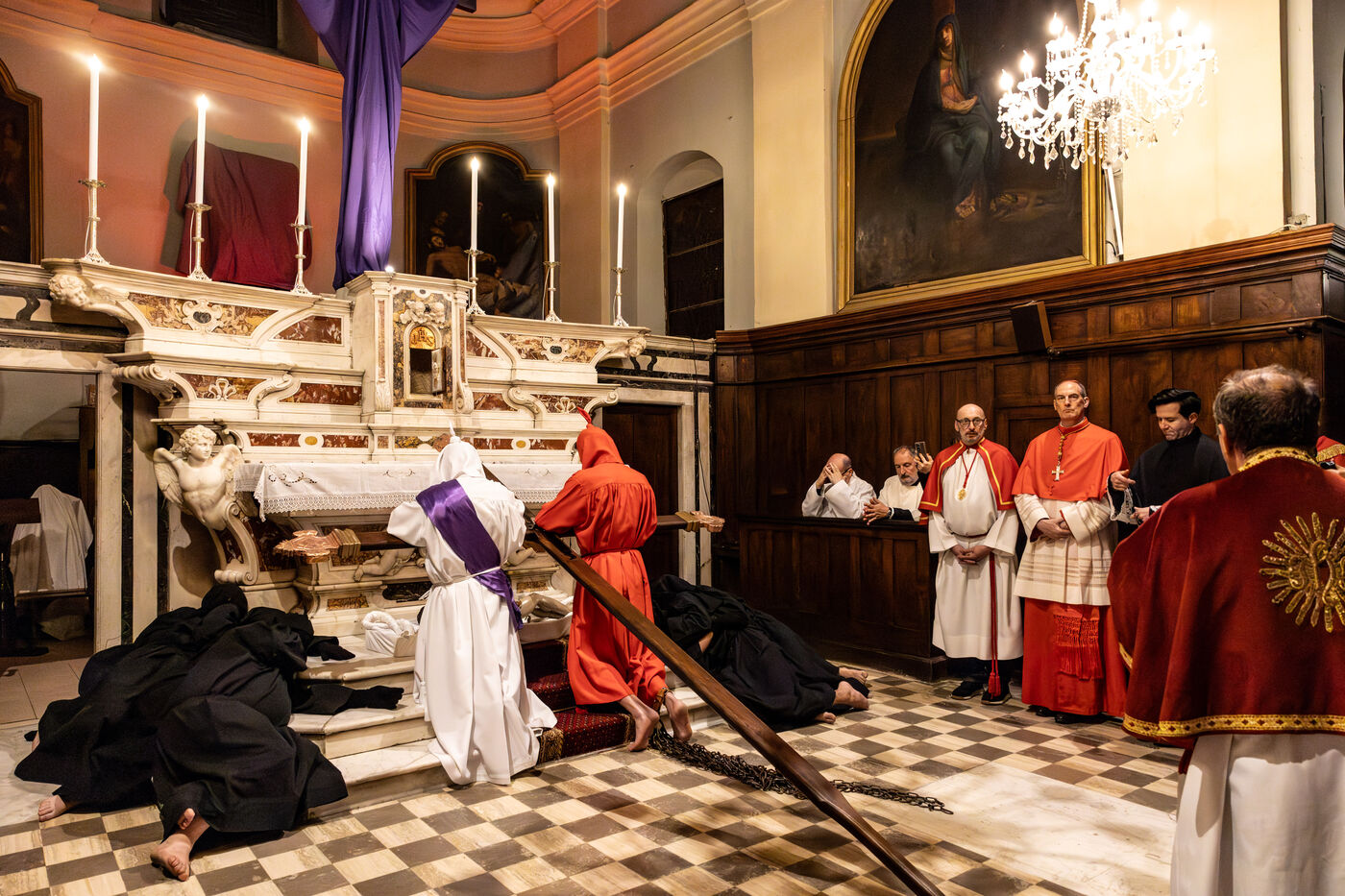
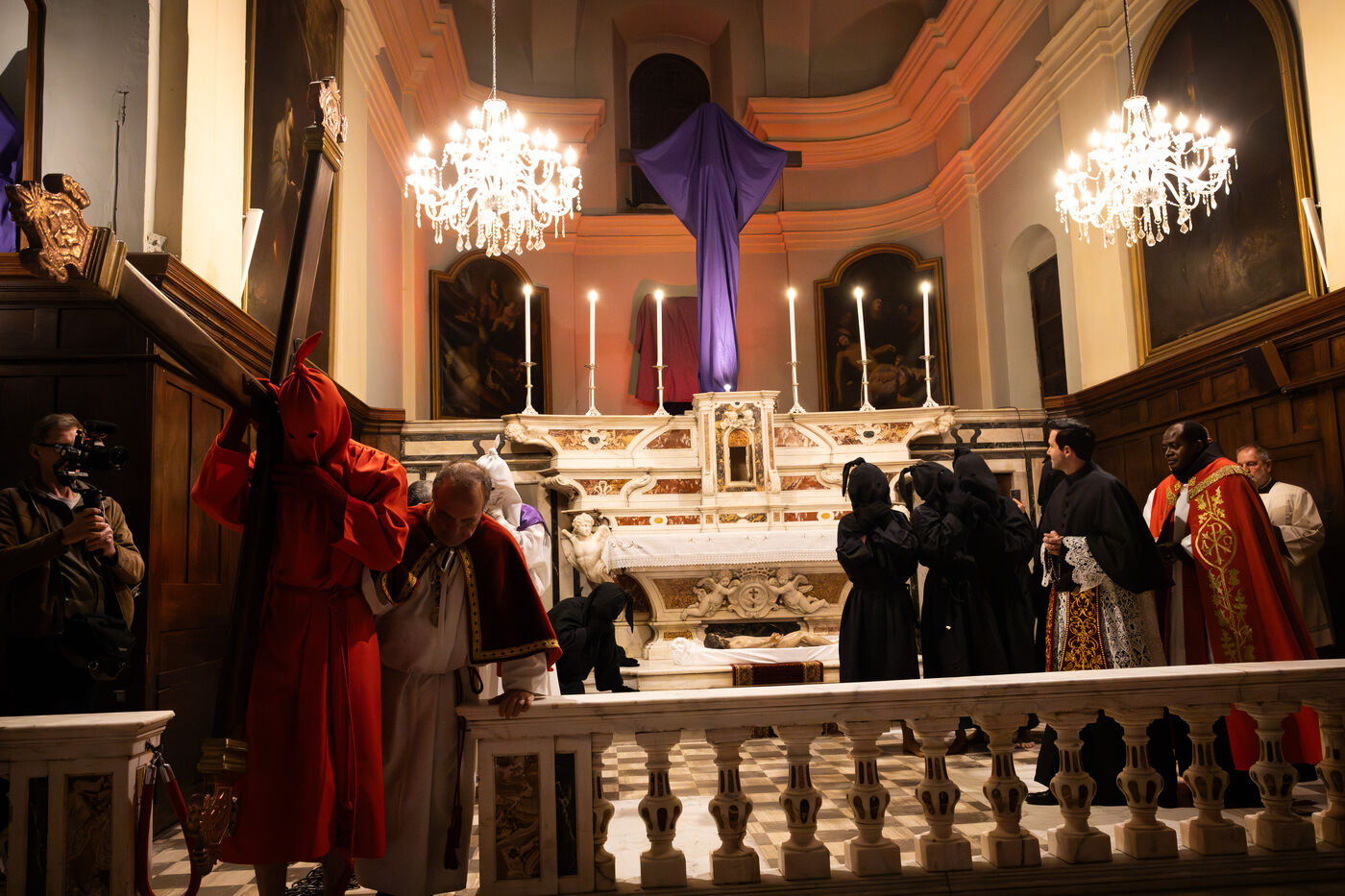
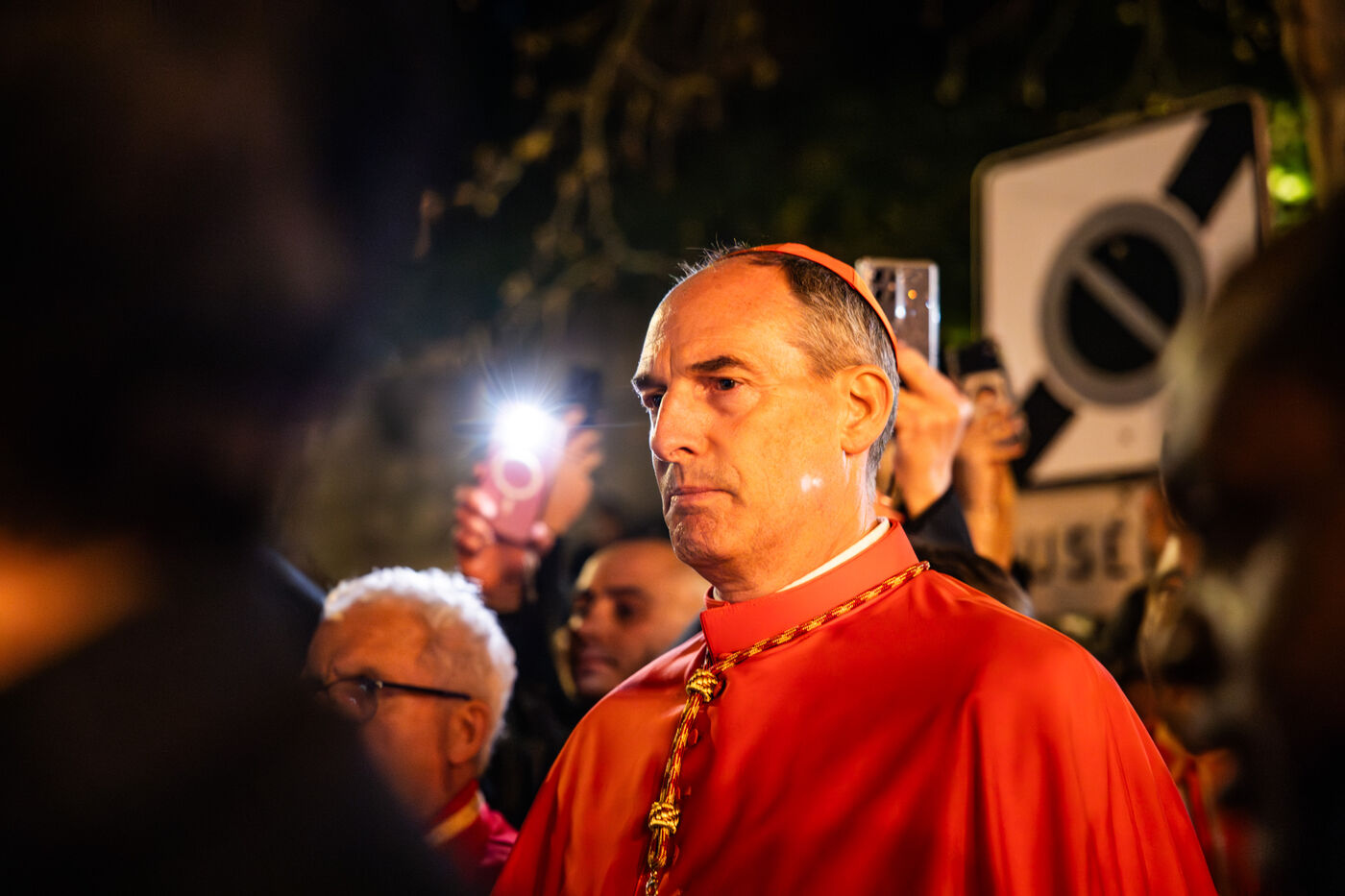
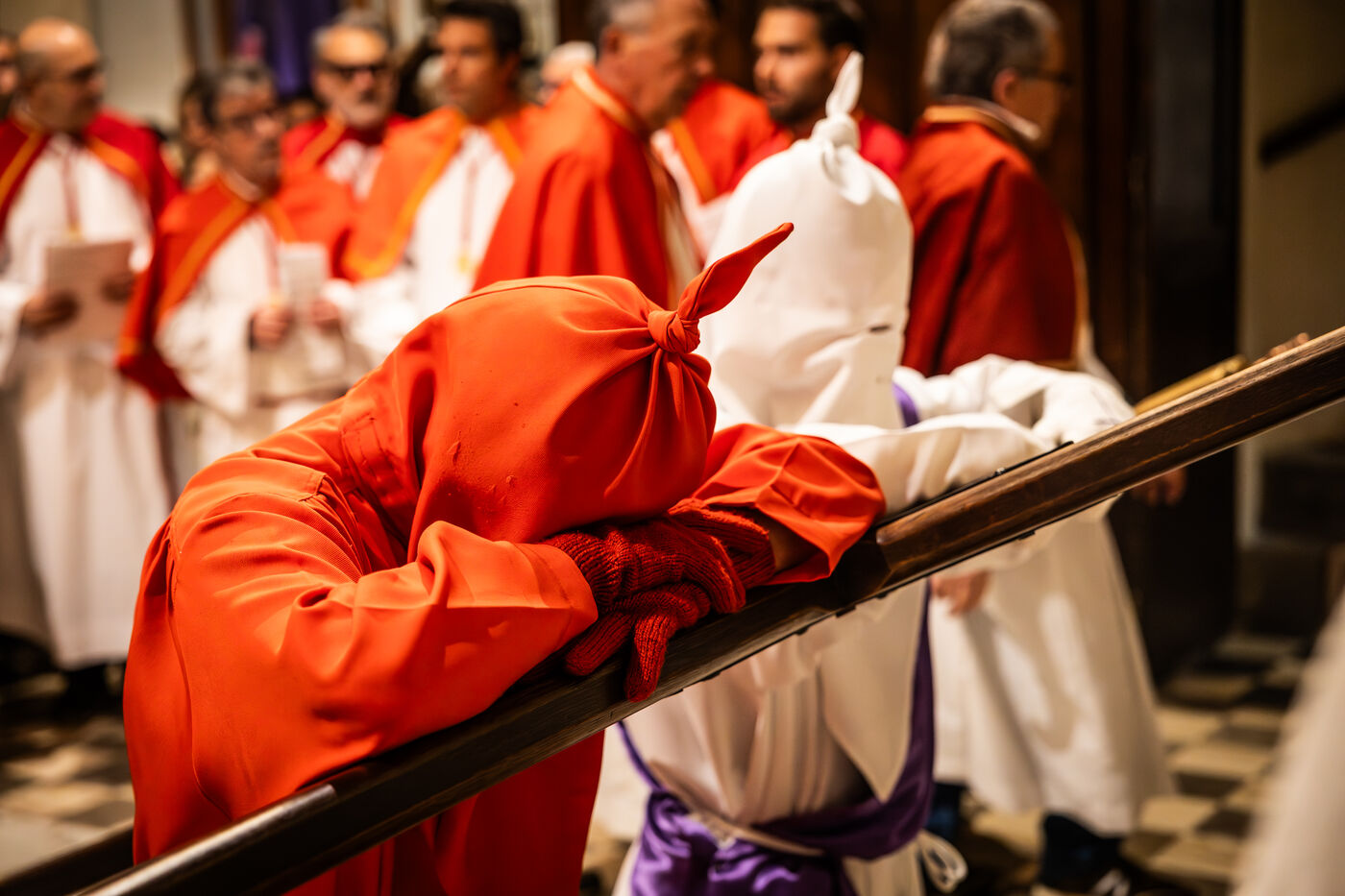
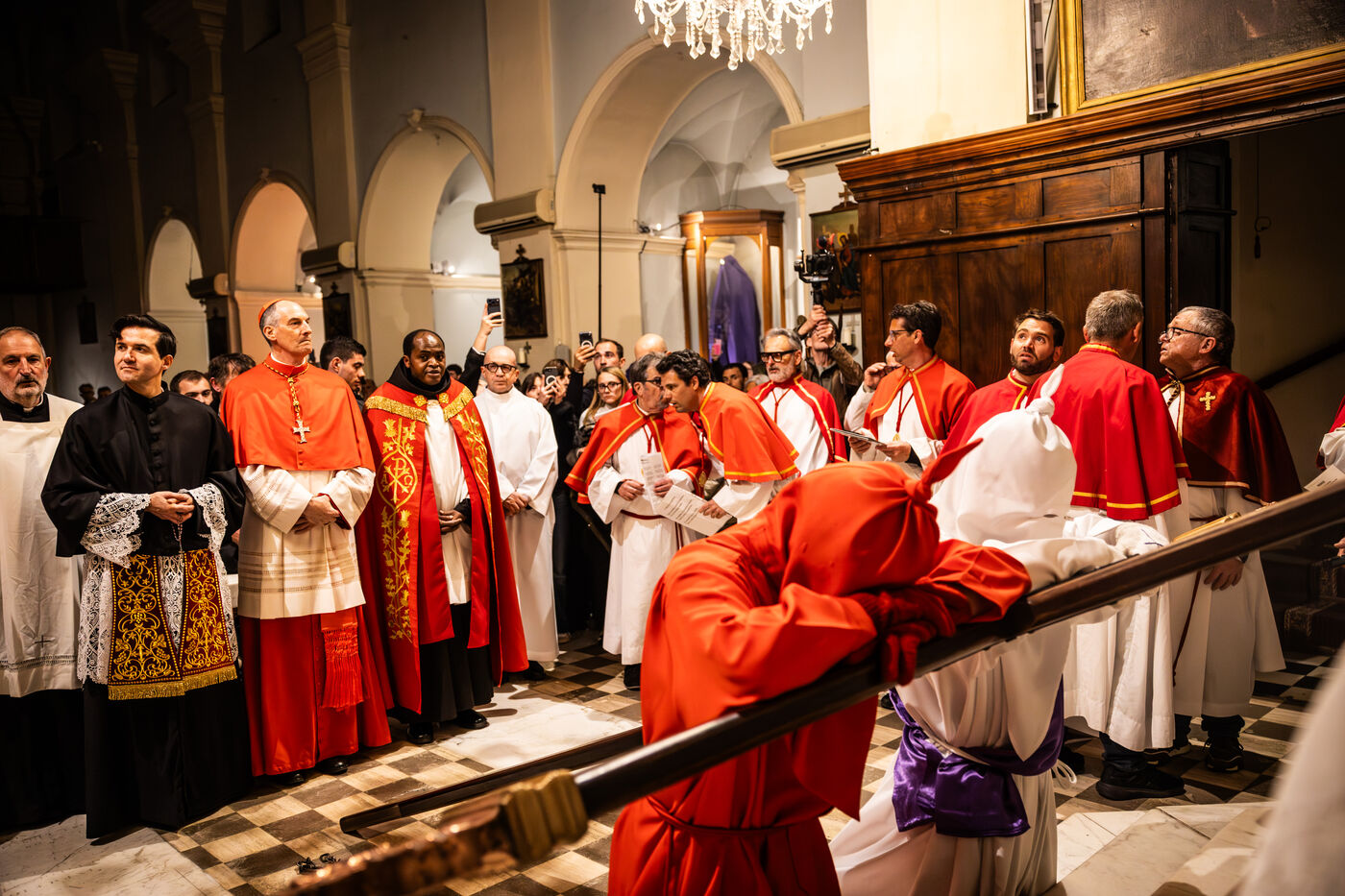
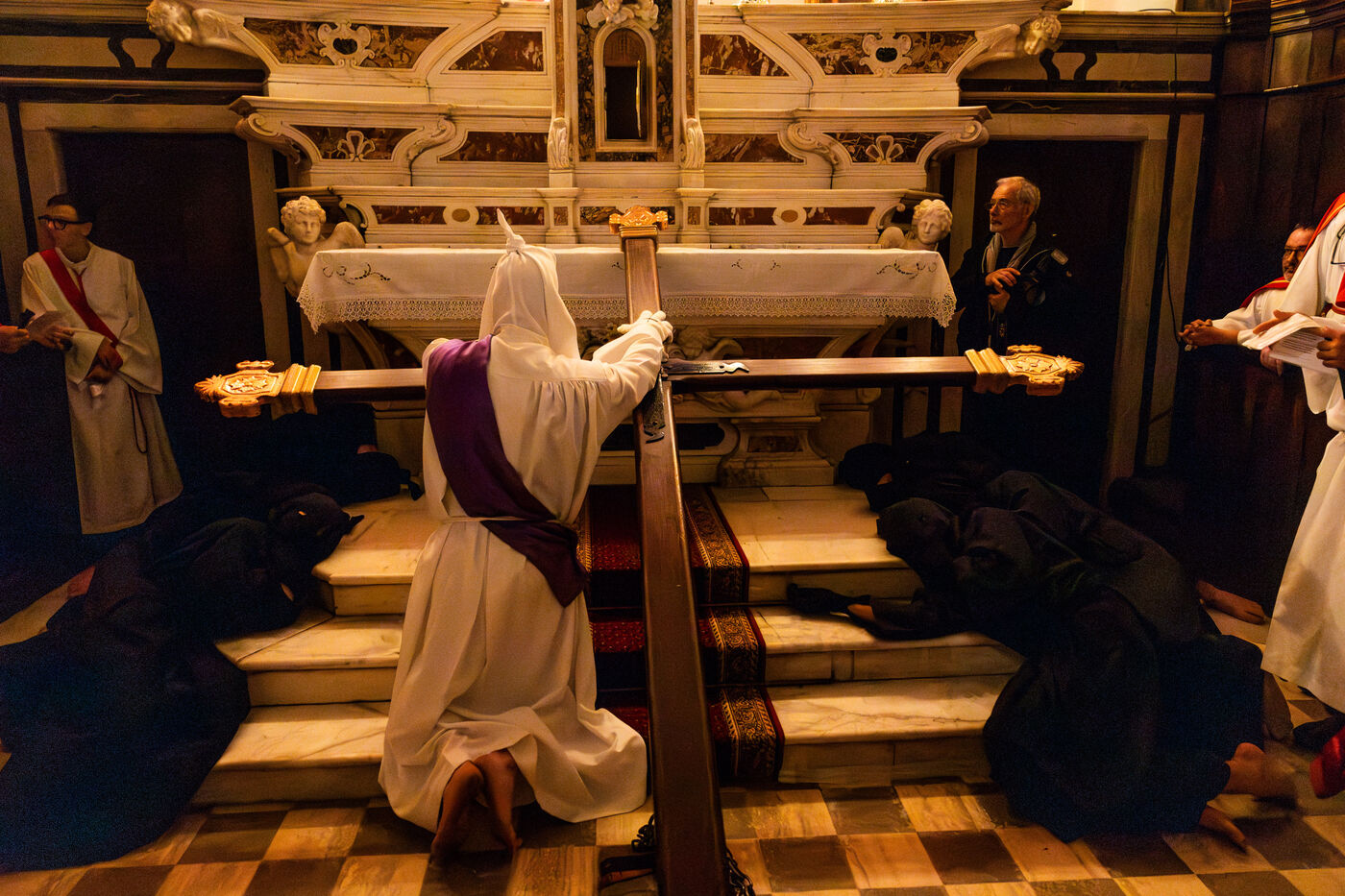
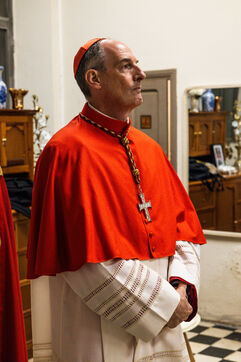
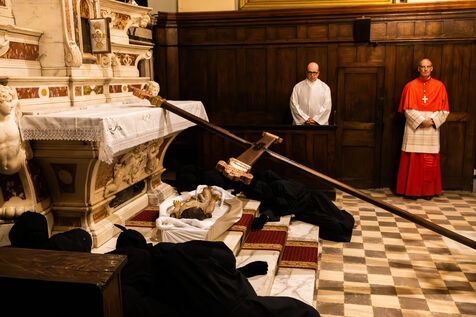
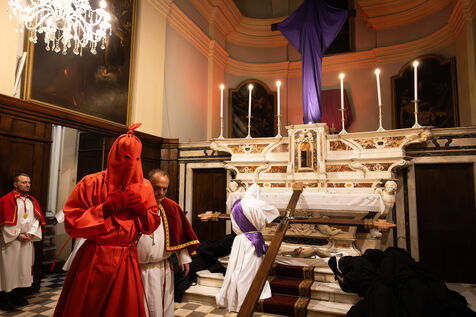
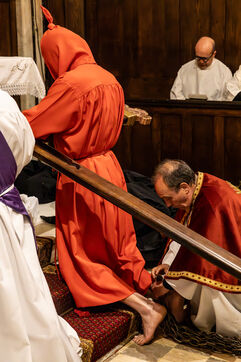
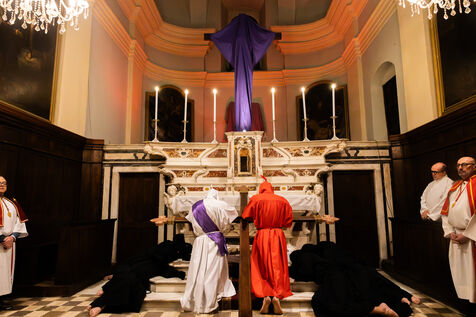
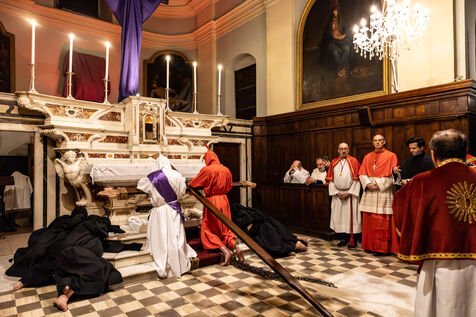
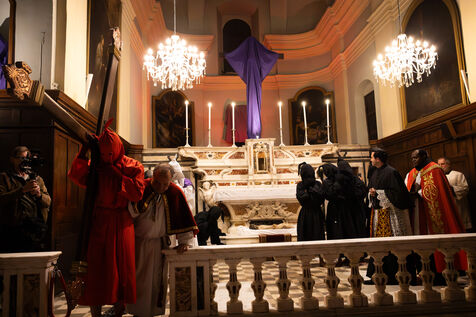
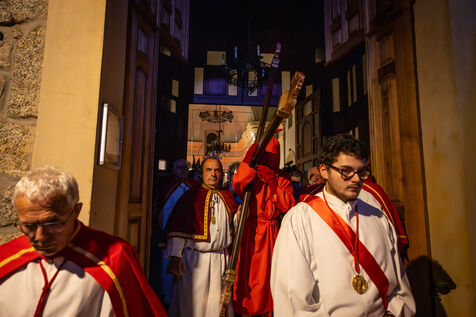
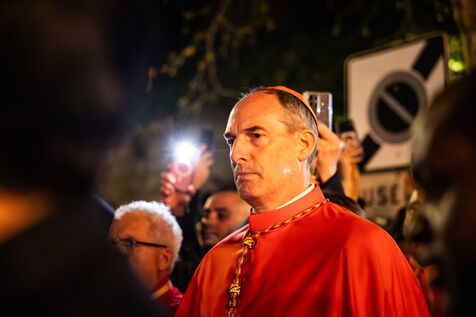
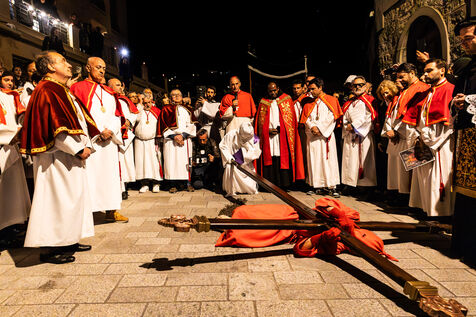
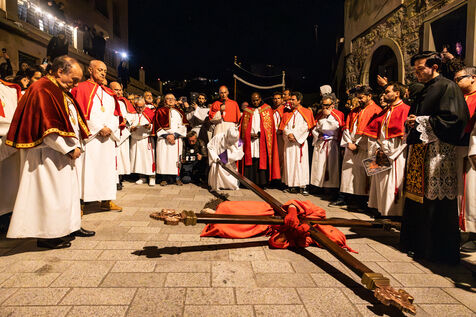
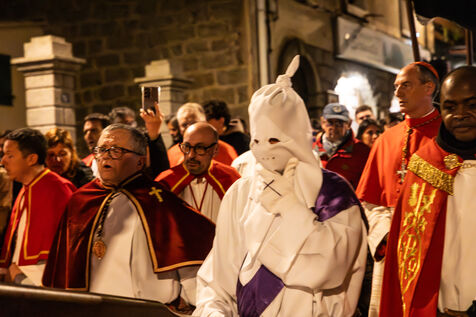
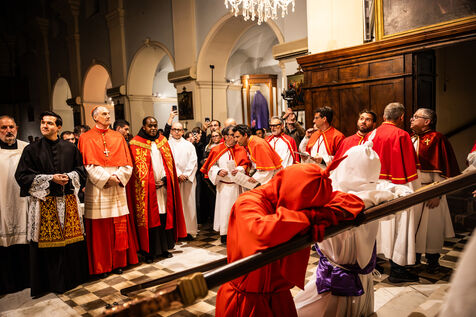
À l’intérieur, les pénitents prennent place devant l’autel sous le regard du cardinal Bustillo et de l’abbé Olivier Culioli. Le pénitent blanc s’agenouille près de la croix tandis que les pénitents noirs se tiennent à leurs pieds, formant une scène à la fois codifiée et profondément symbolique. Après un moment de prière, le pénitent rouge quitte l’autel, portant la croix sur son épaule, marquant le début de la procession.
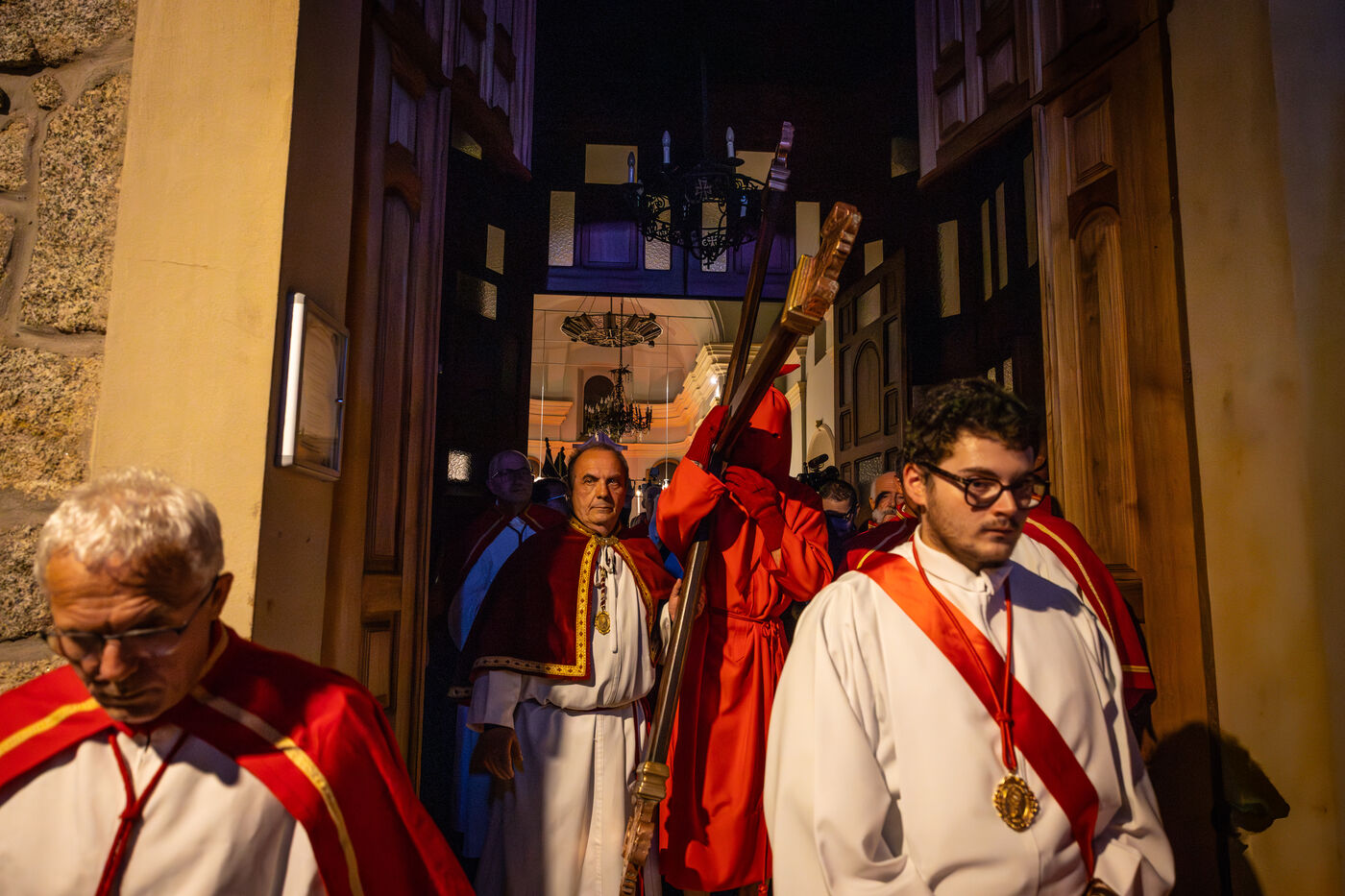
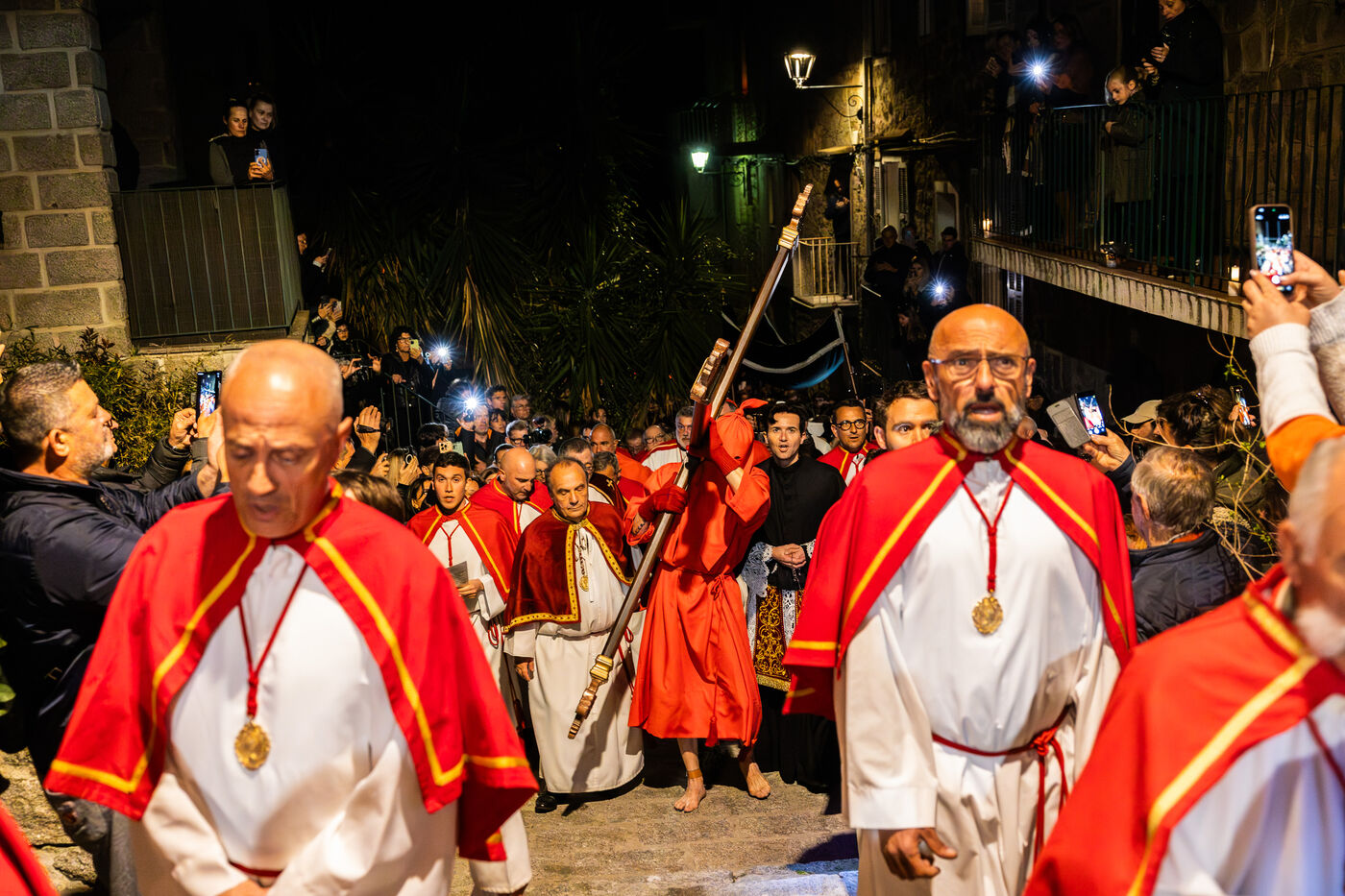
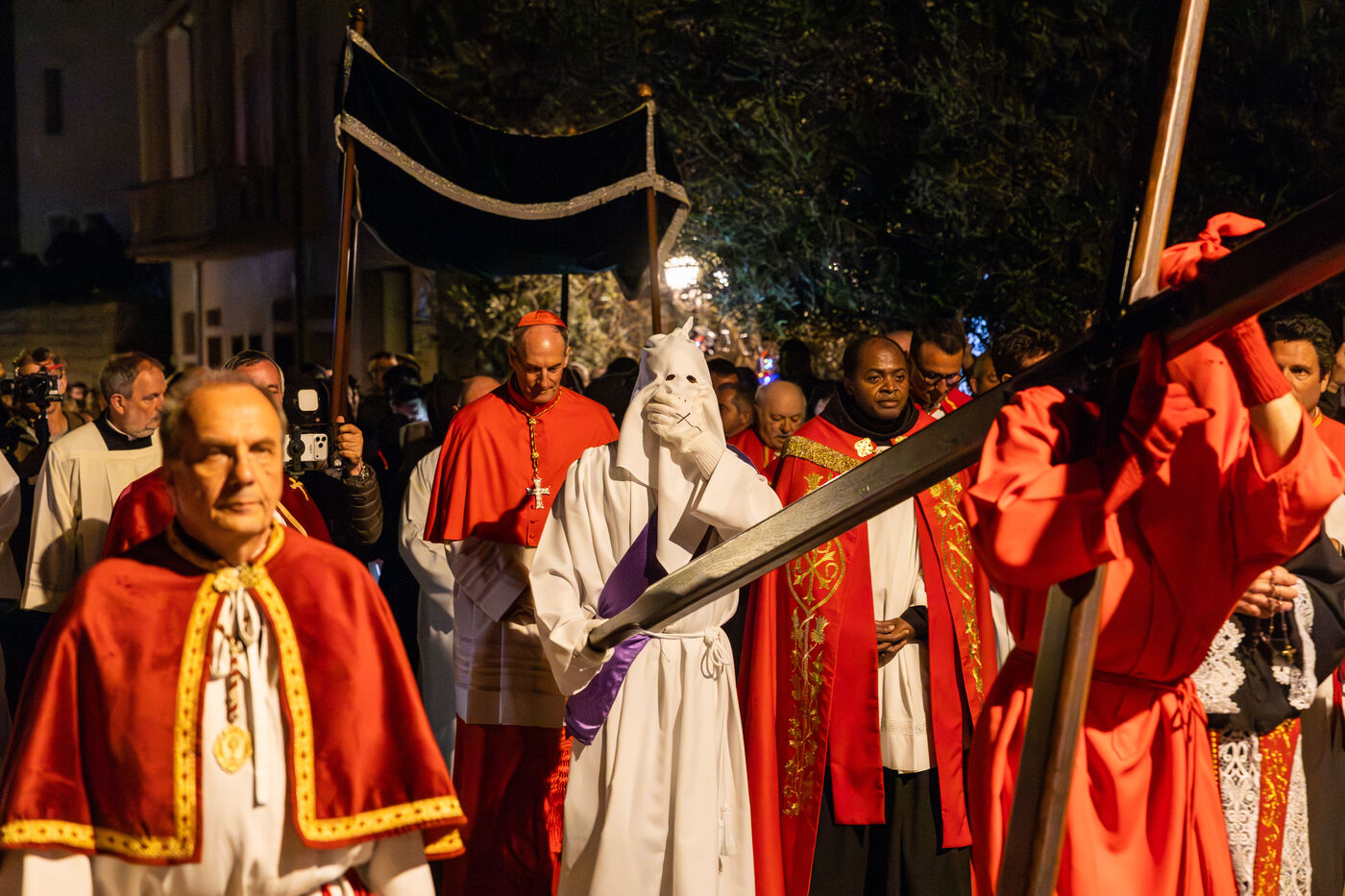
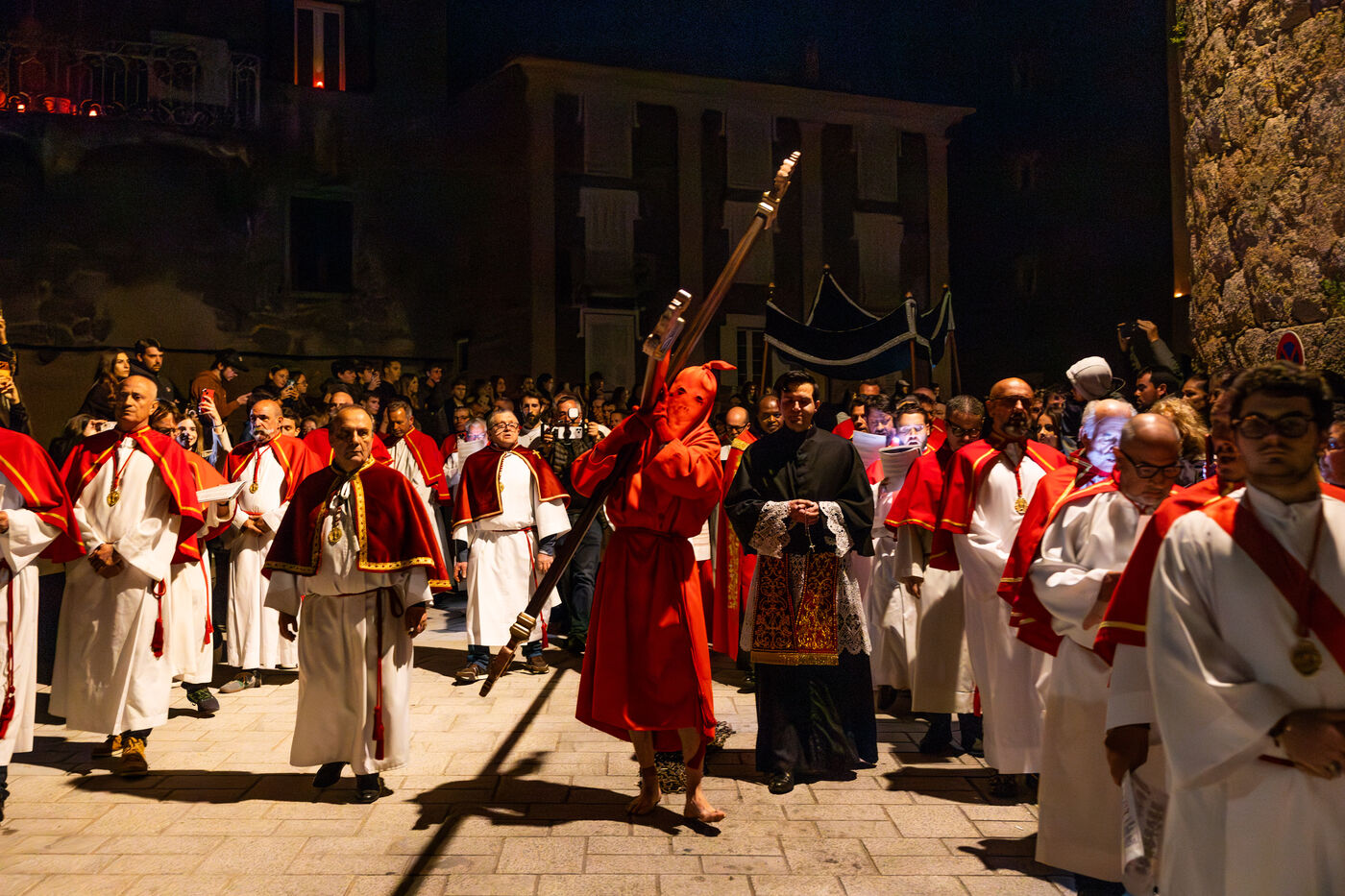
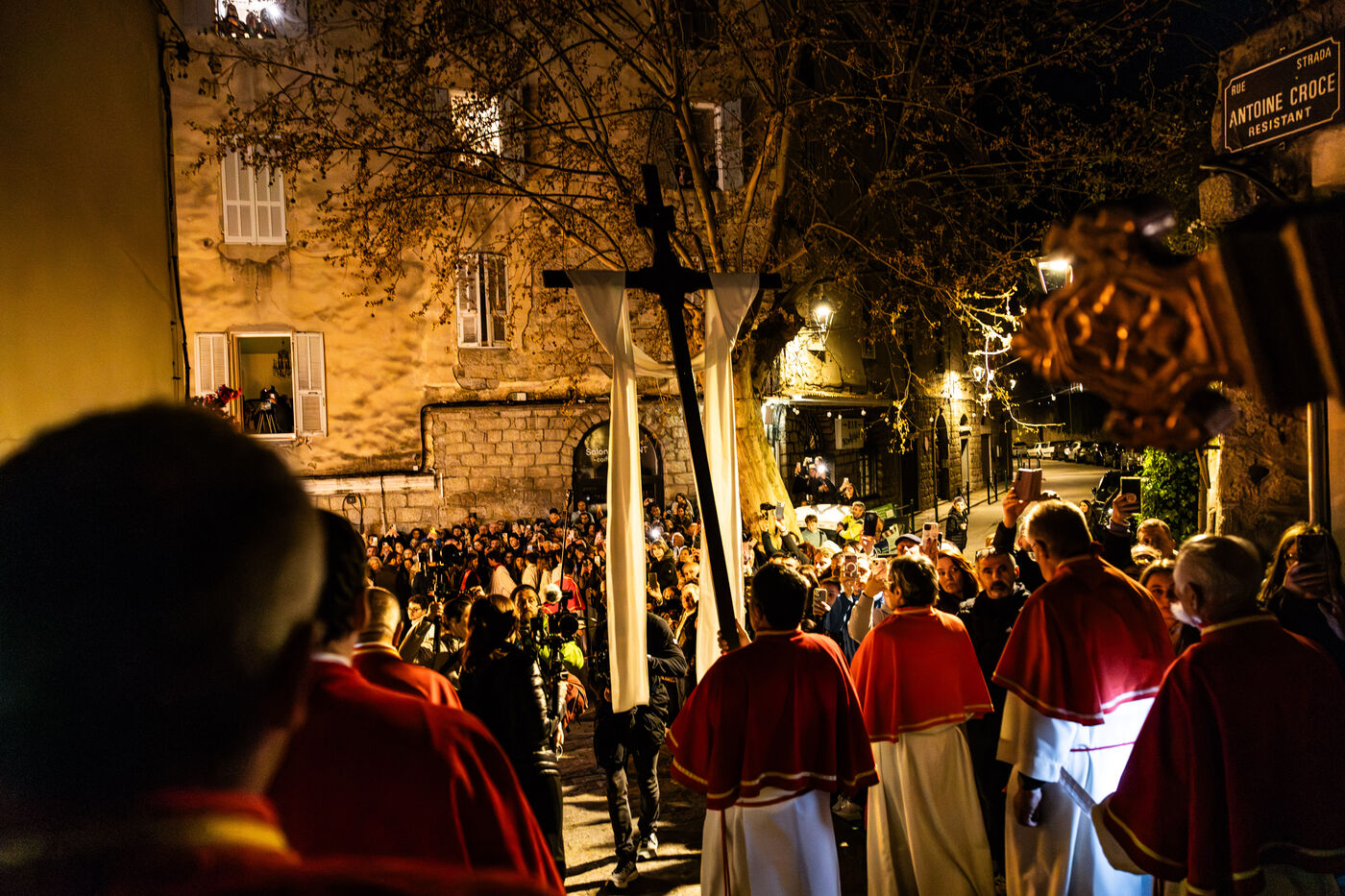
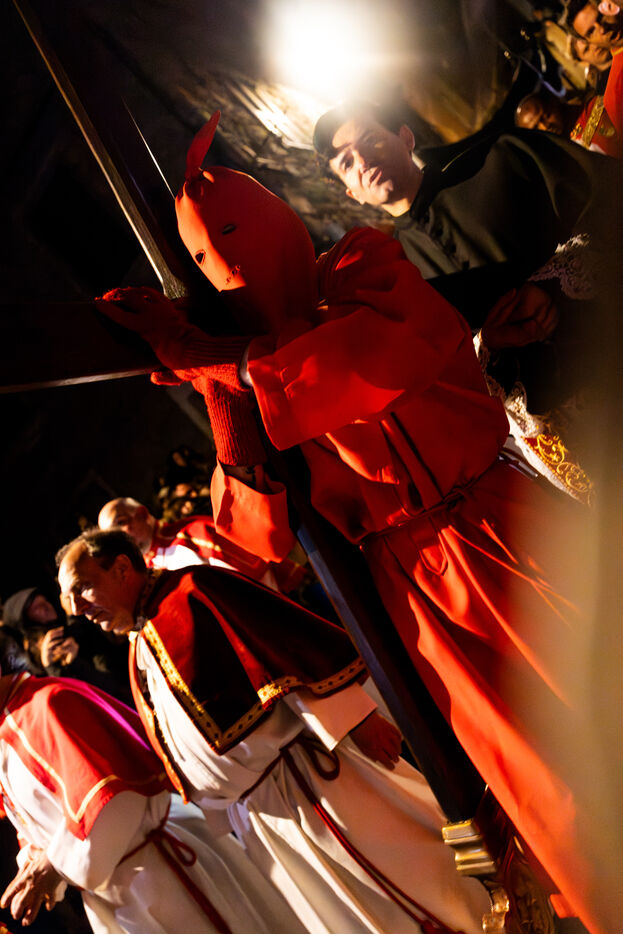
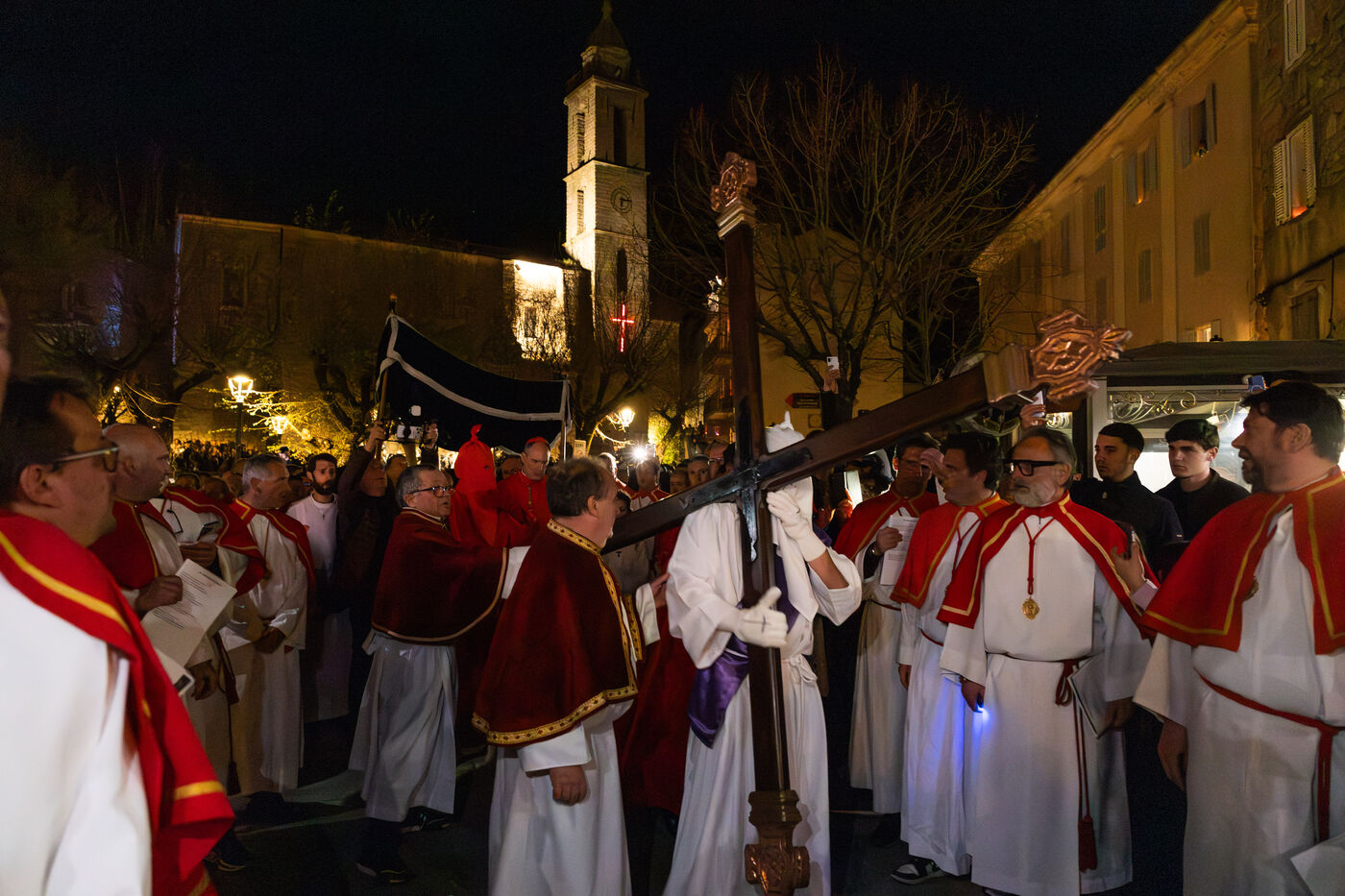
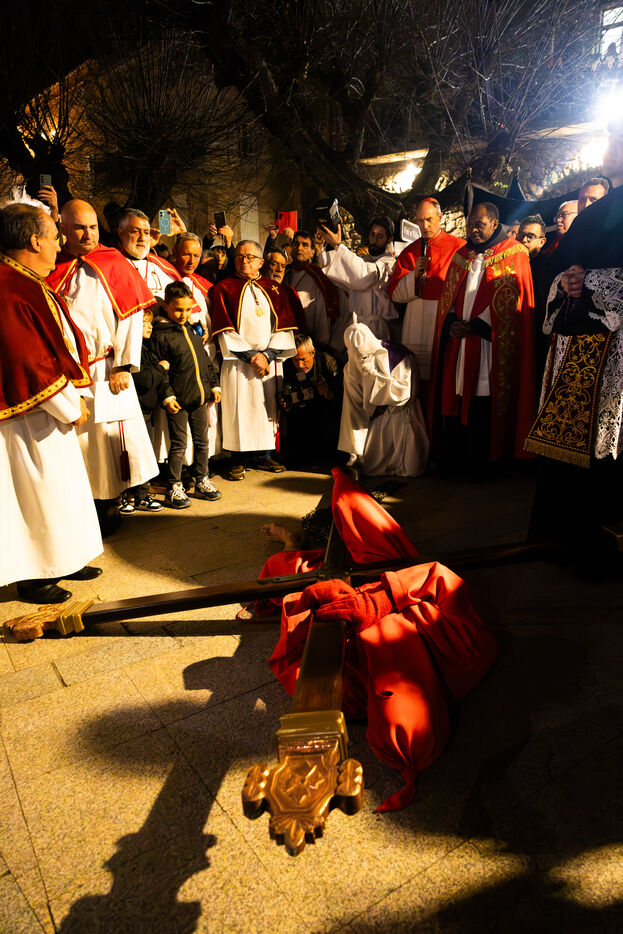
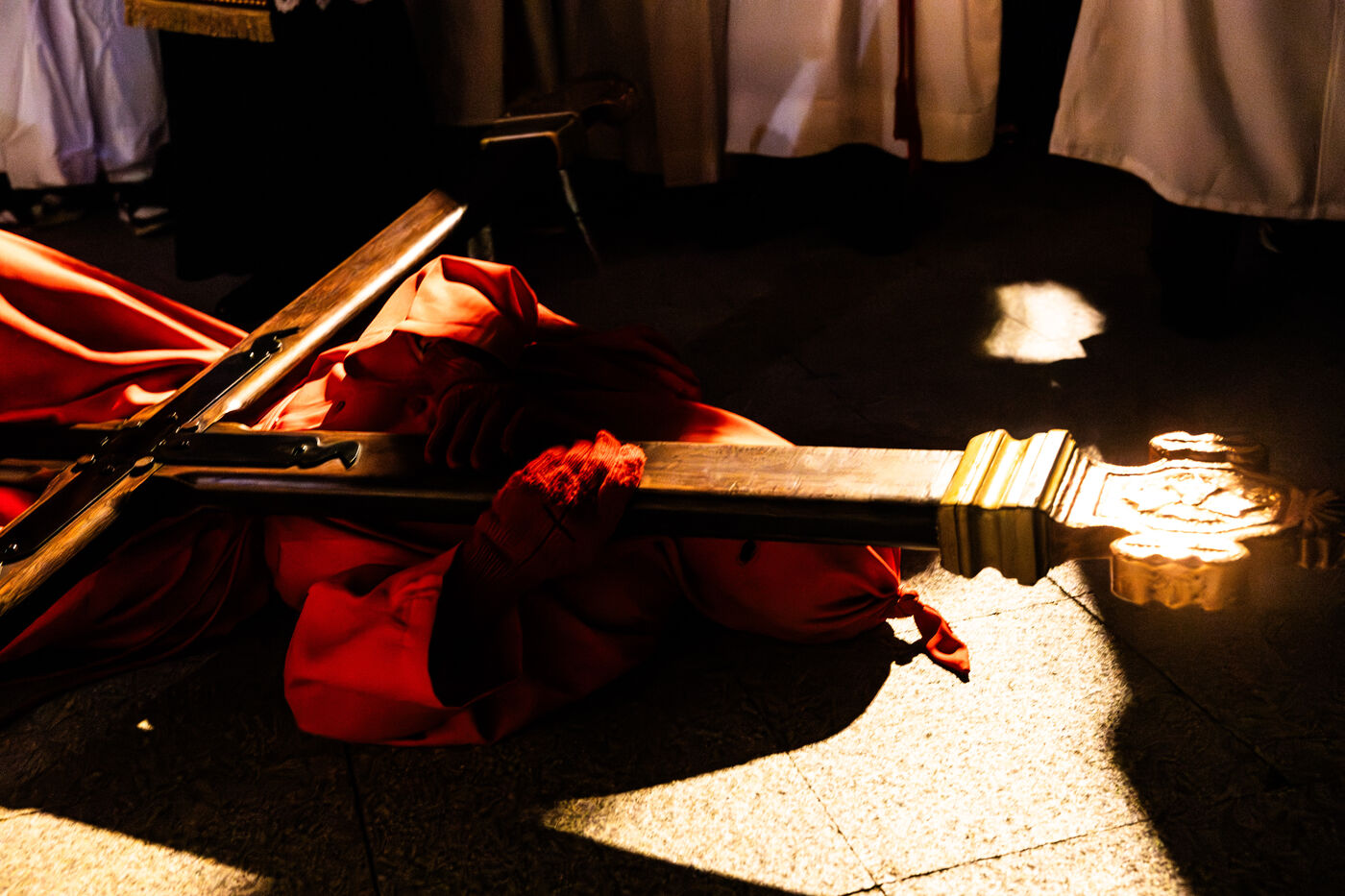
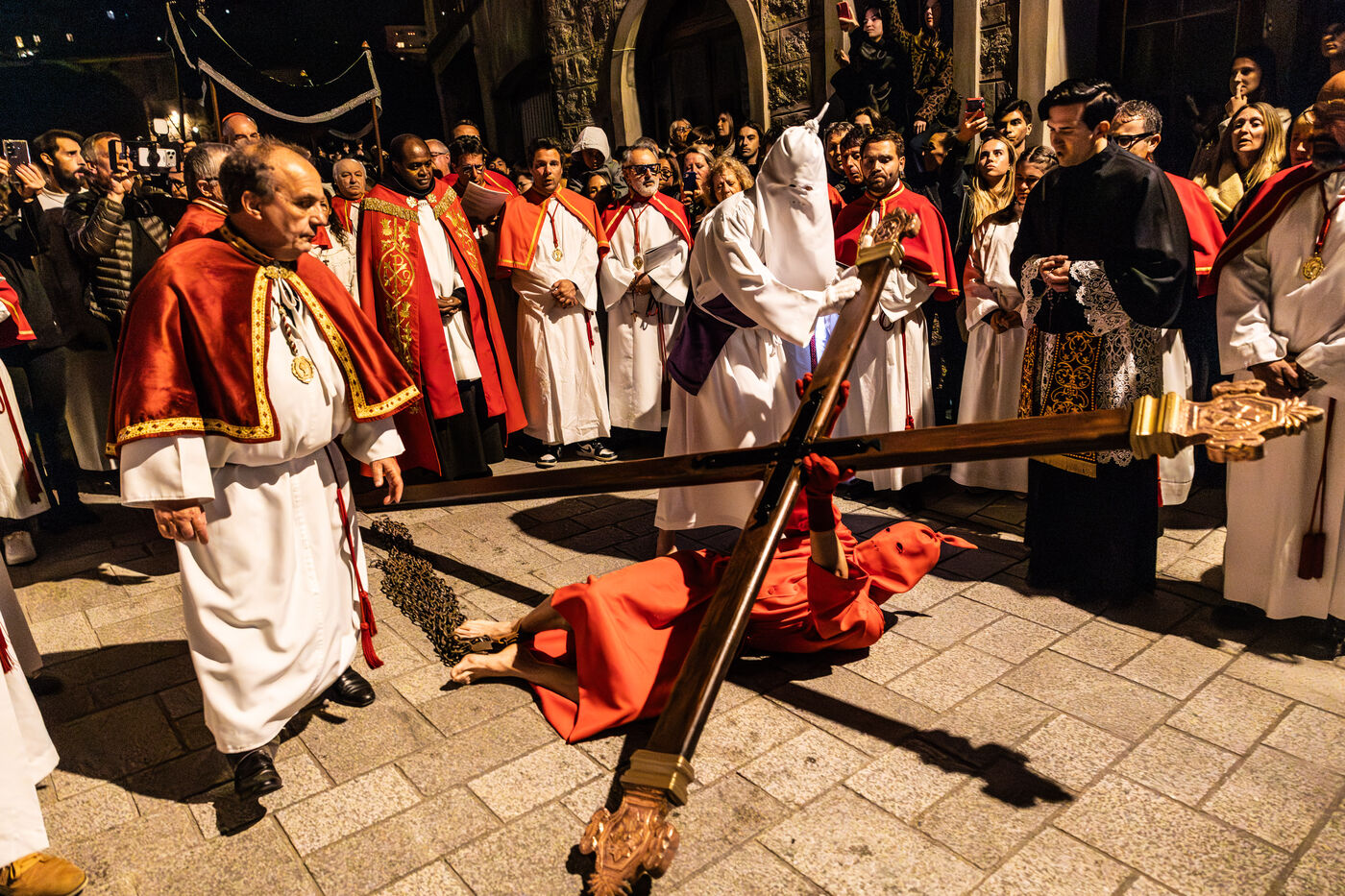
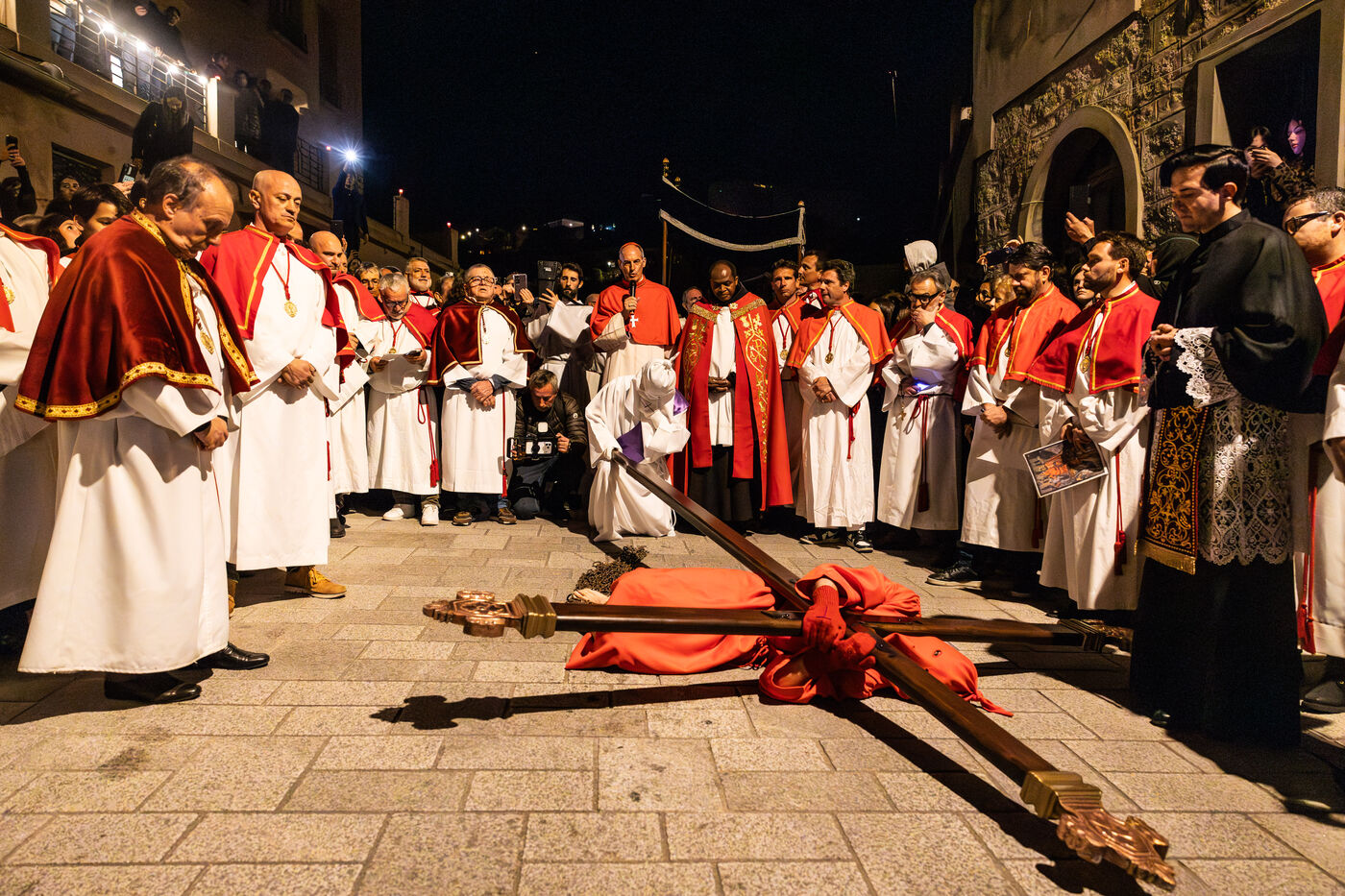
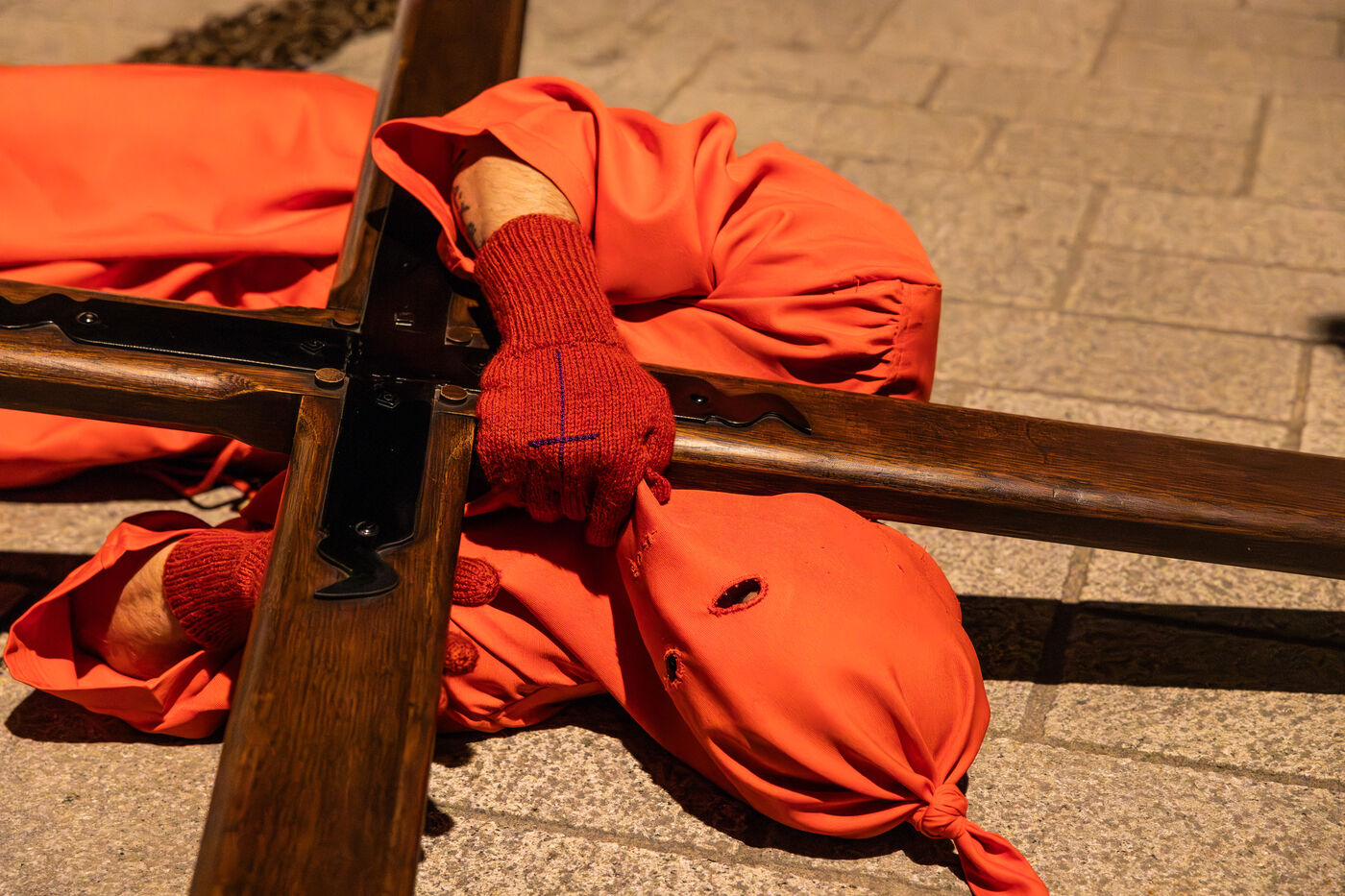
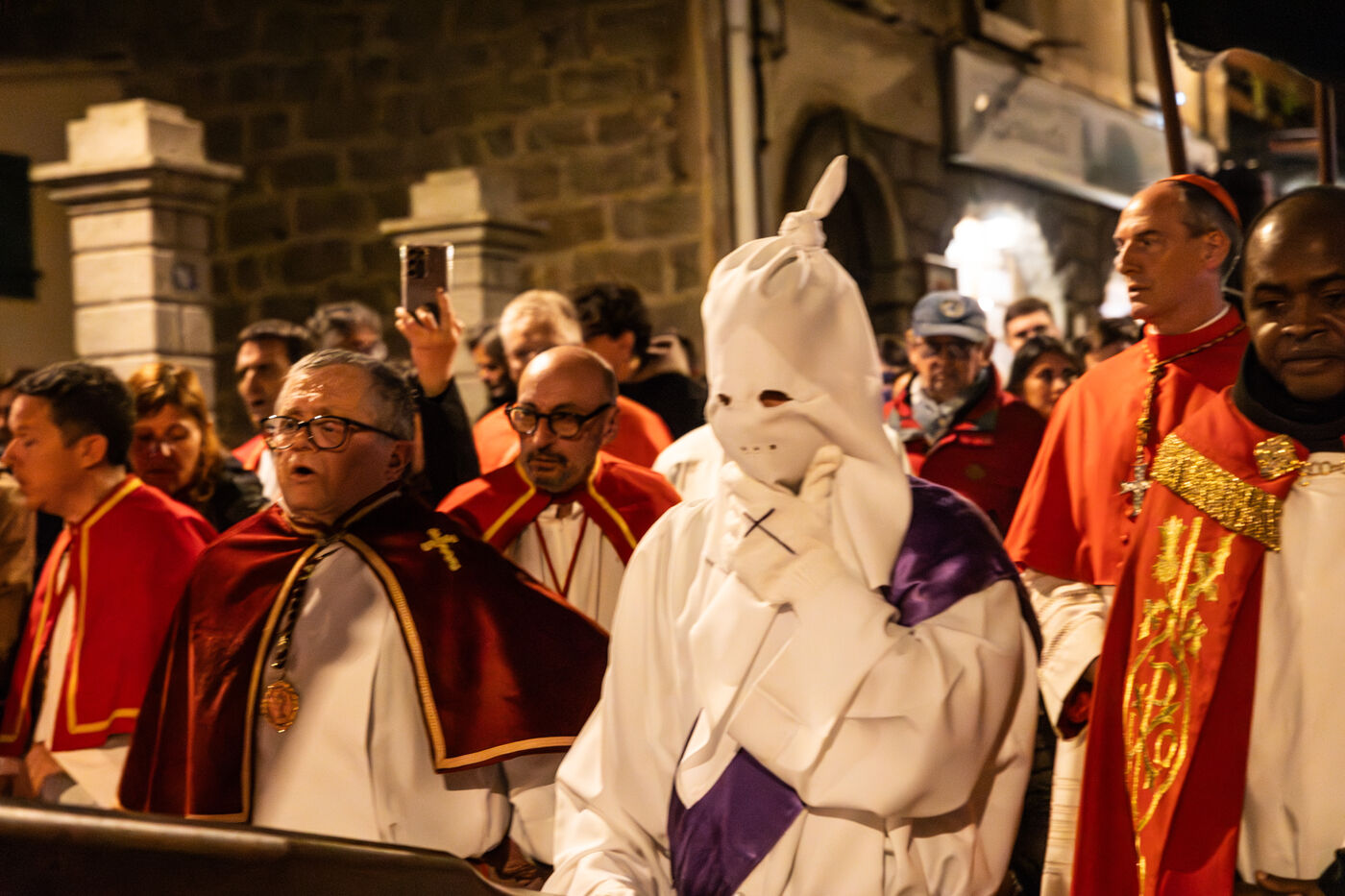
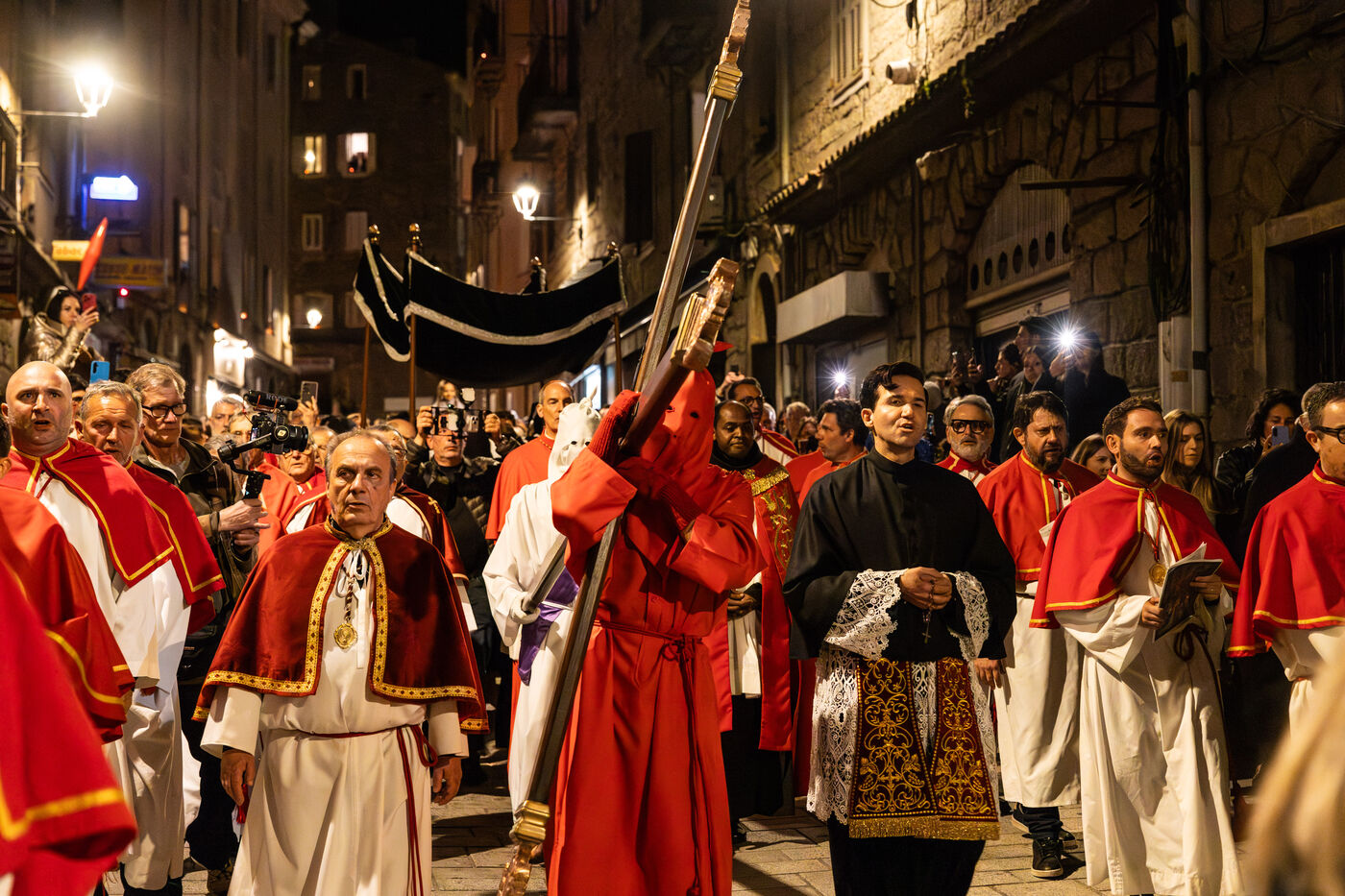
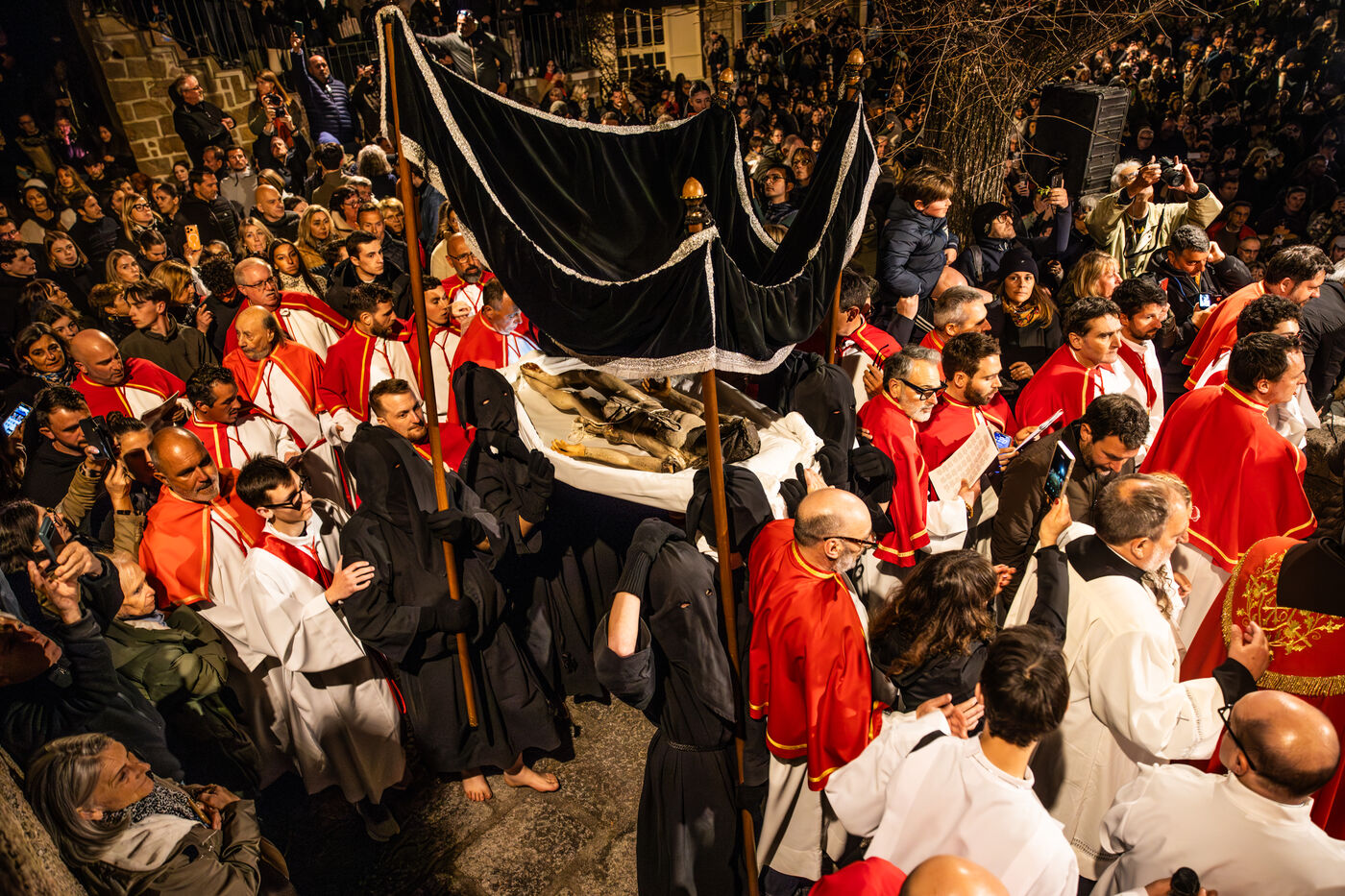
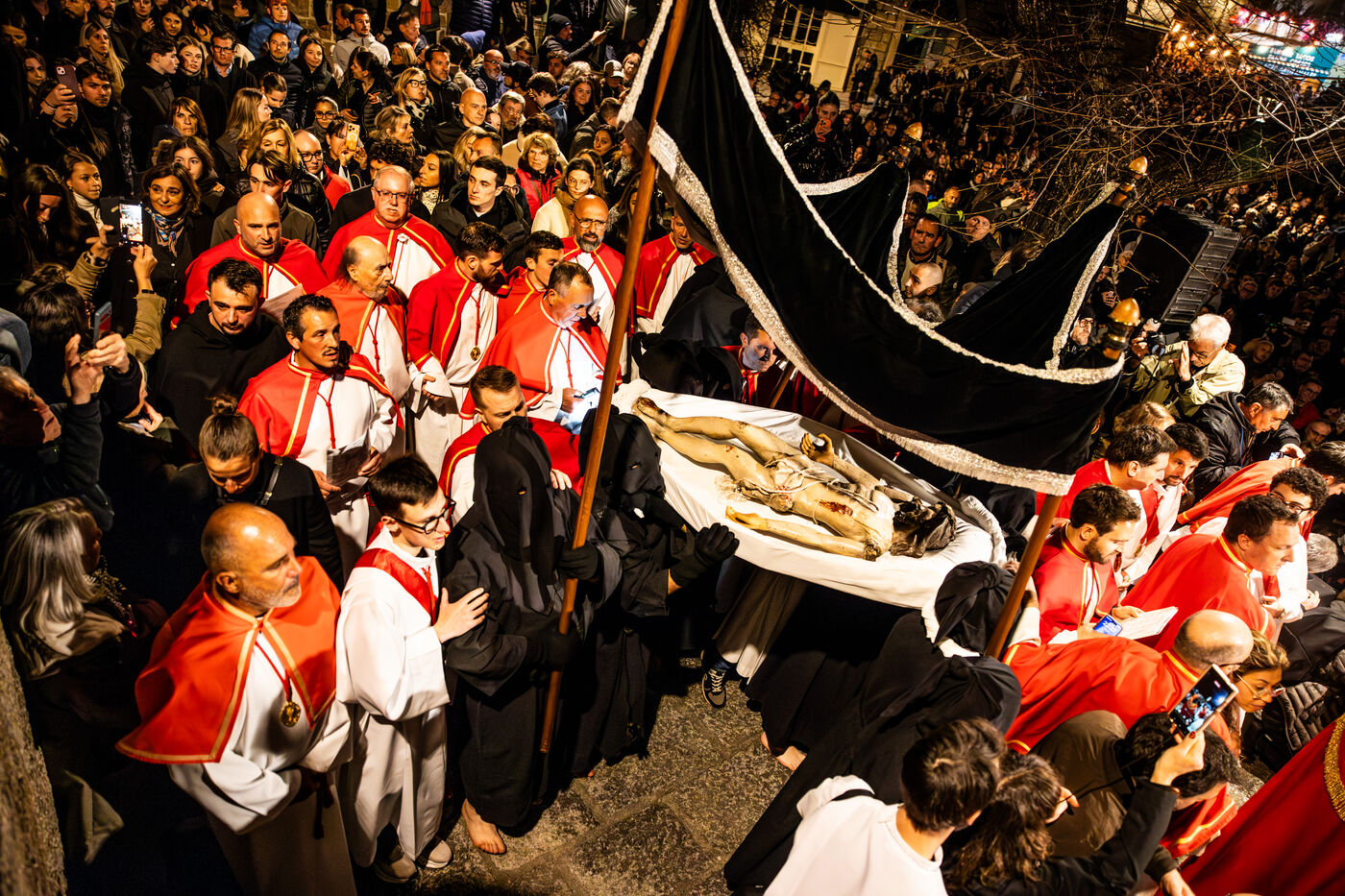
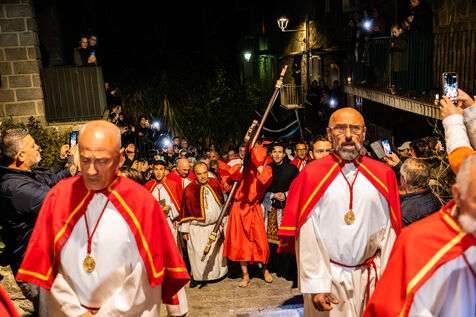
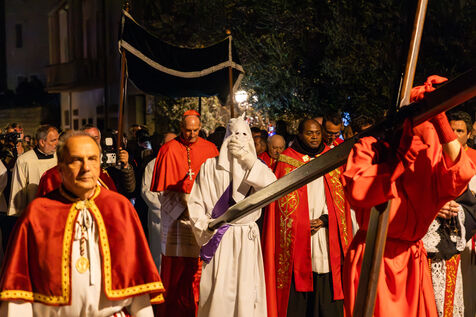
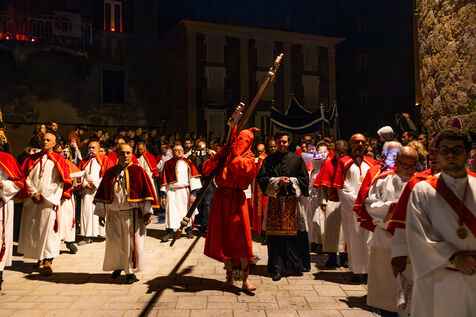
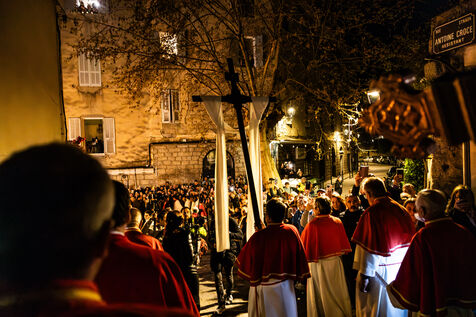
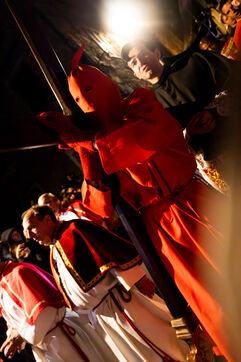
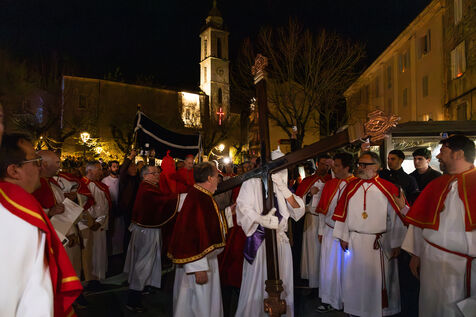
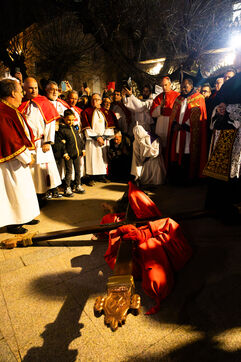
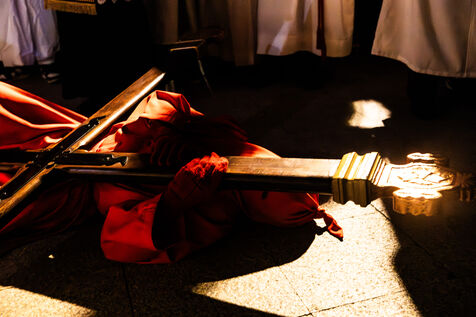
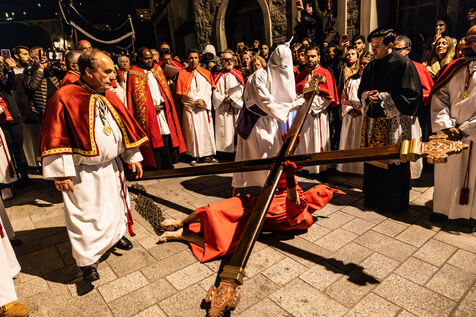
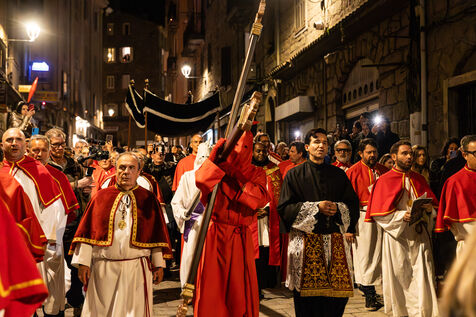
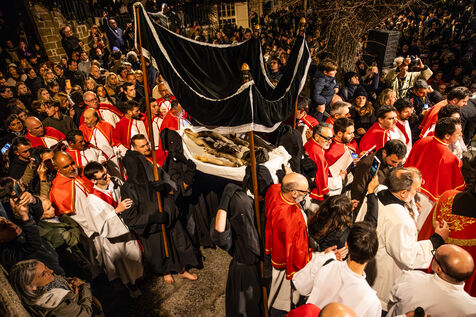
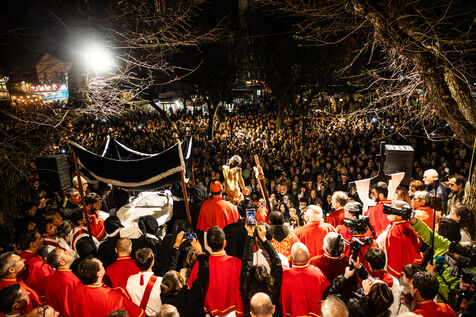
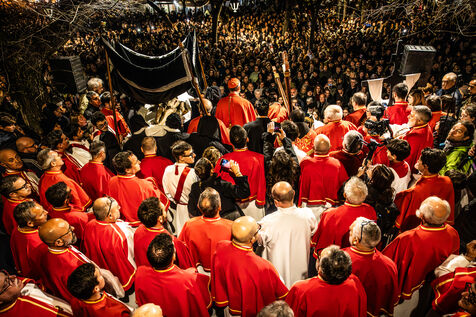
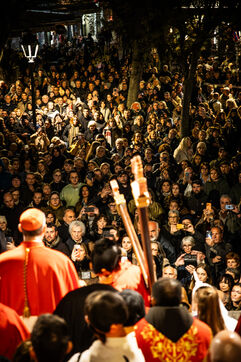
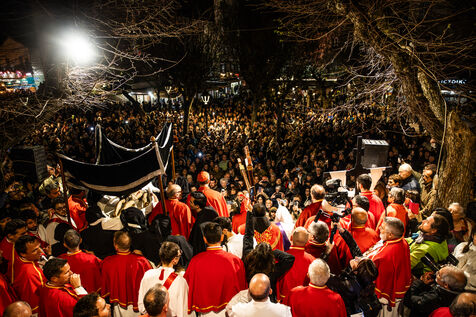
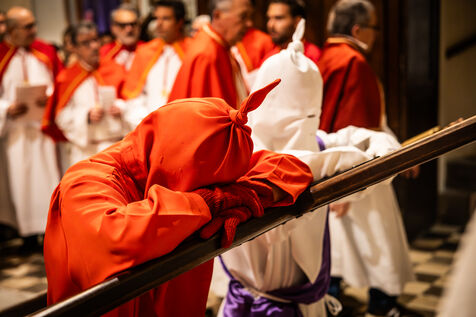
Dans les rues de Sartène, le cortège avance lentement, encadré par la confrérie. Le pénitent rouge chute à plusieurs reprises sous le poids de la croix, avant d’être aidé par le pénitent blanc pour se relever, sous le regard attentif des religieux. La procession se poursuit au milieu d’une foule dense venue assister à ce moment de ferveur collective.
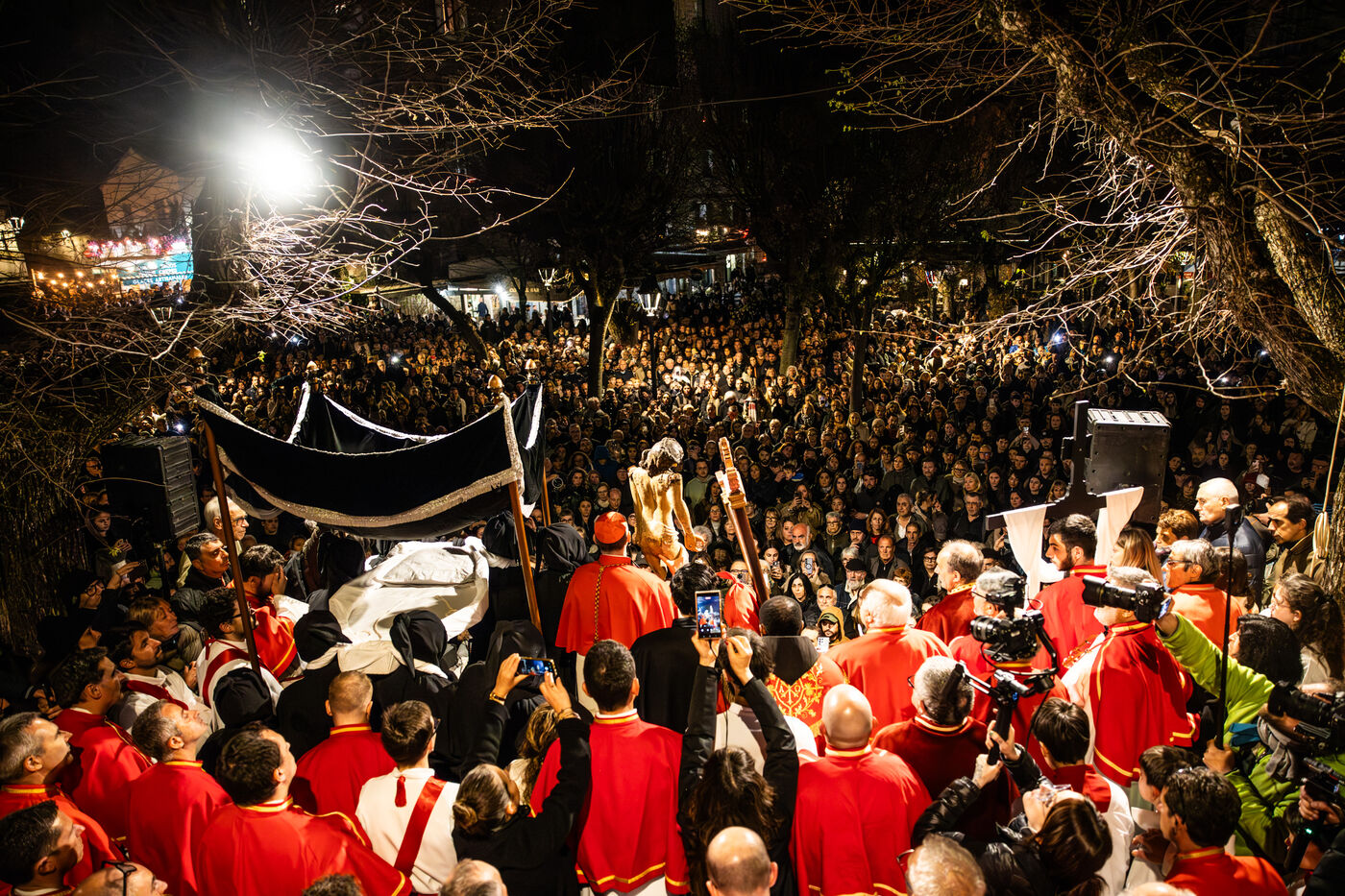
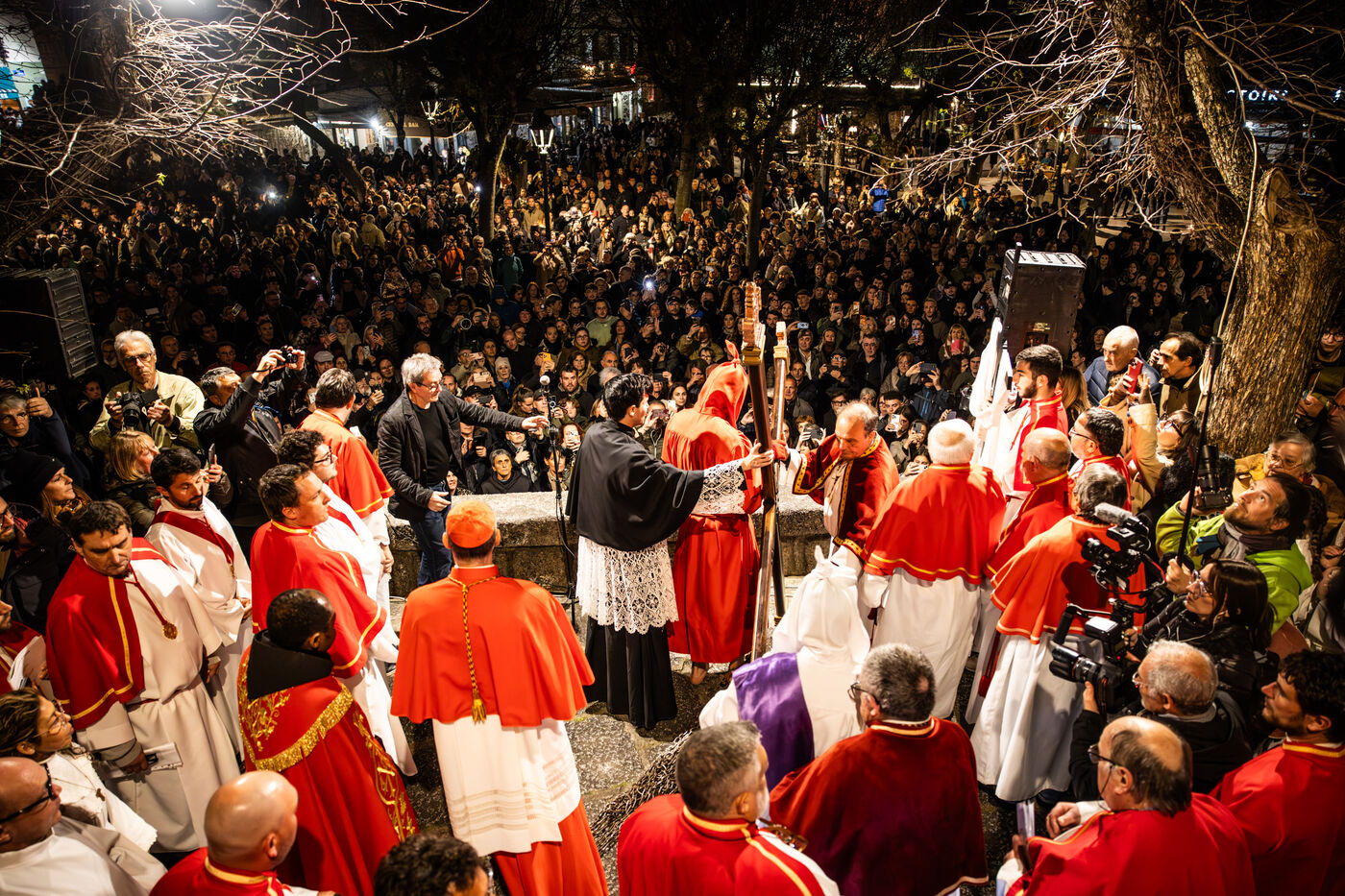
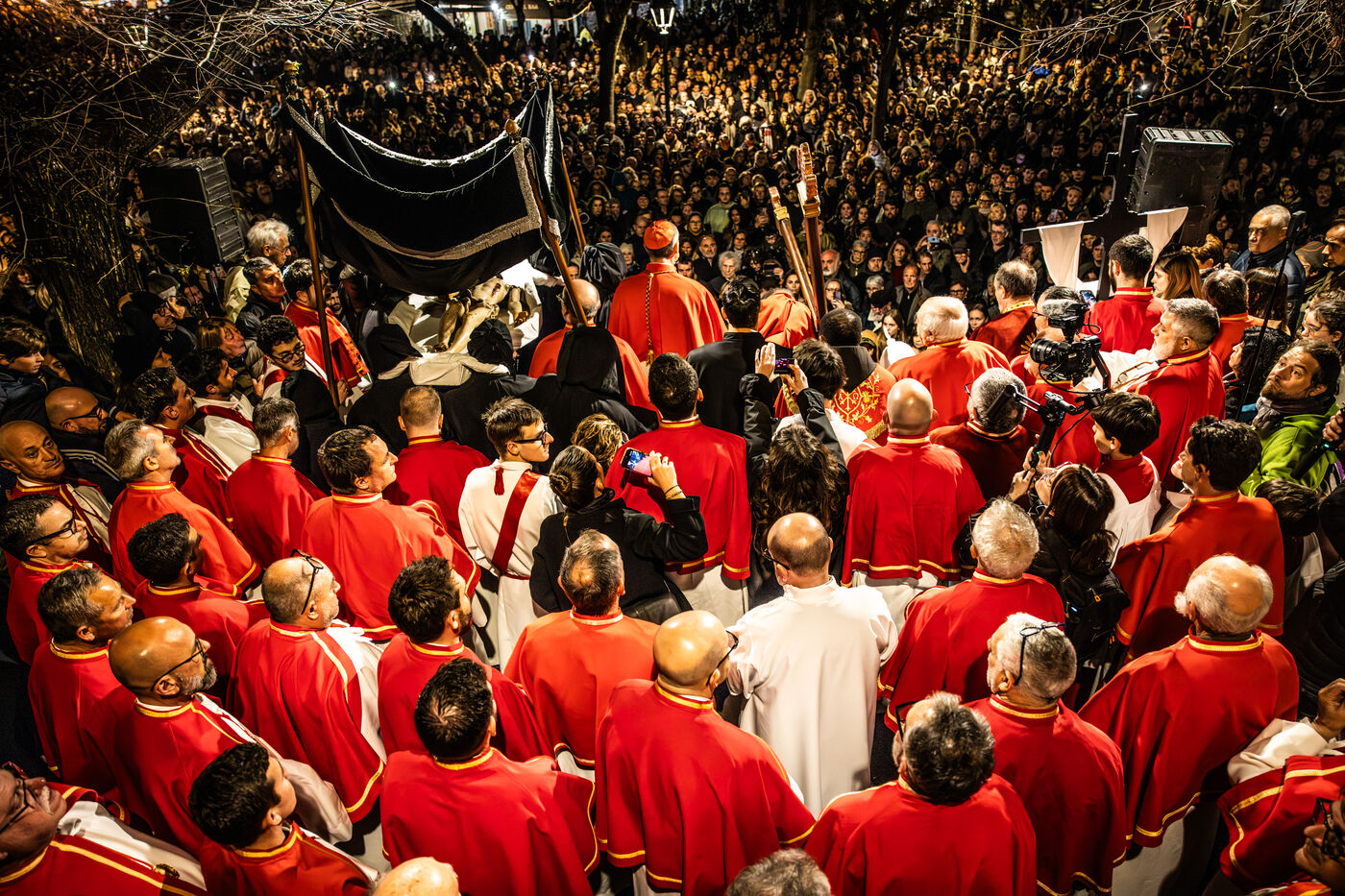
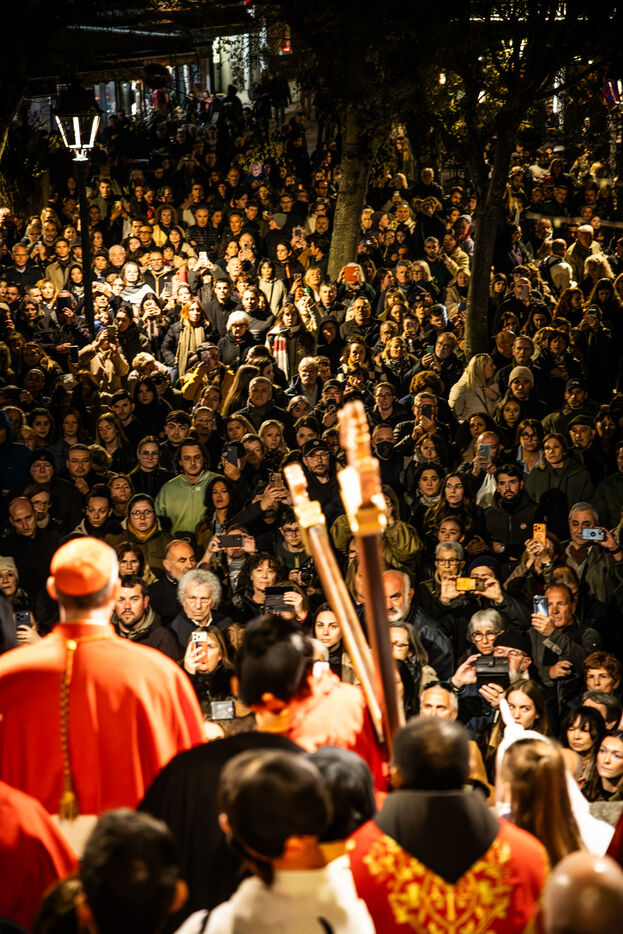
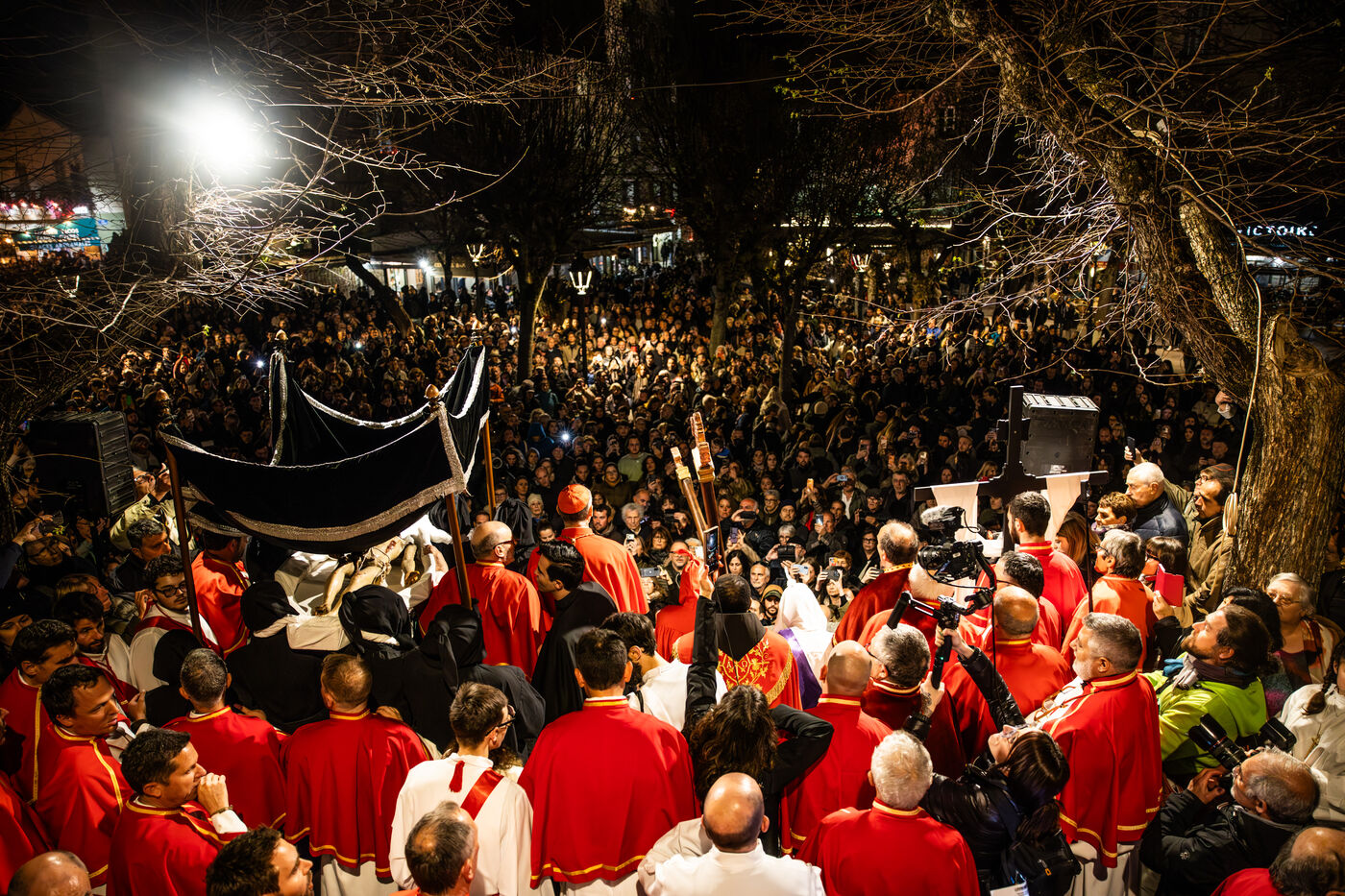
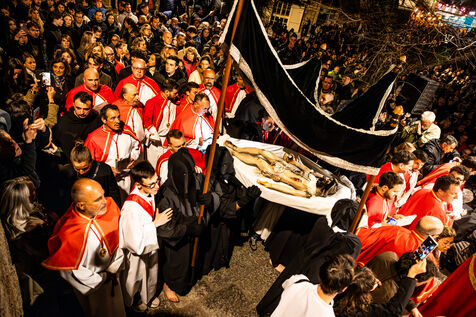
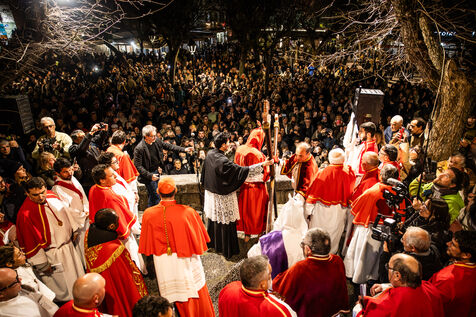
À l’arrivée sur le parvis de l’église, les pénitents et la confrérie font face à une foule de milliers de personnes. Le cardinal Bustillo s’adresse alors aux fidèles avant de lever la statue du Christ vers la foule, dans un geste final hautement symbolique.
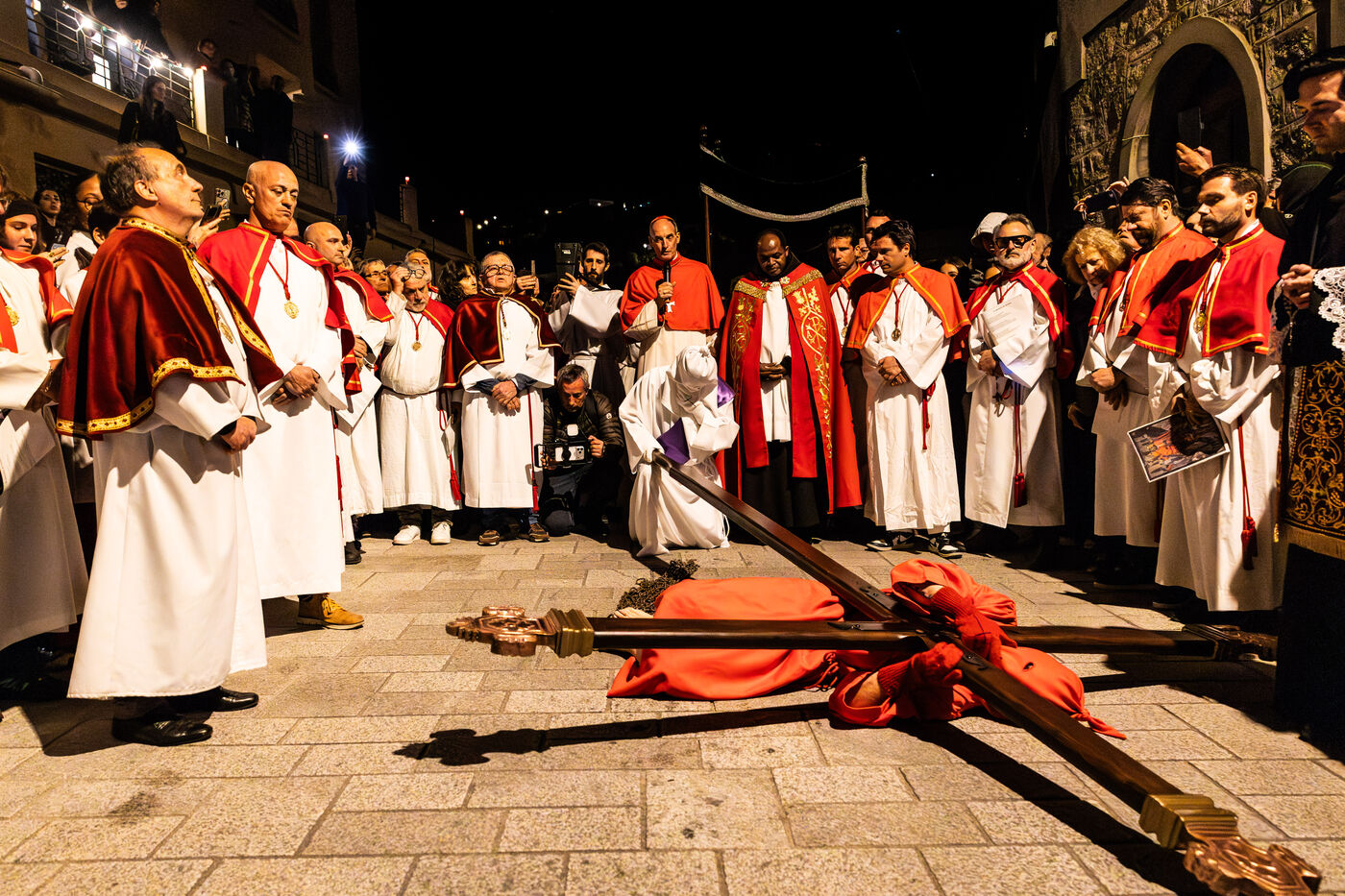
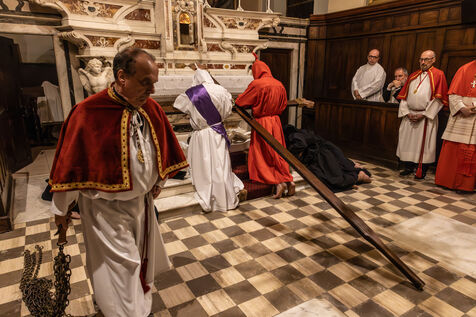
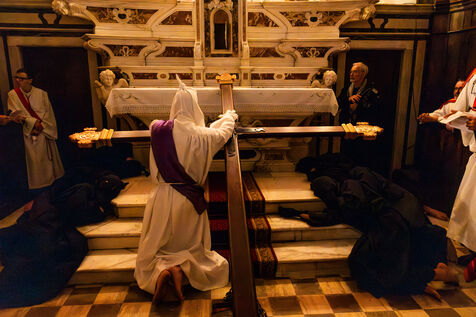
La cérémonie s’achève par un retour à l’intérieur de l’église, où les pénitents reprennent leur place autour de la croix. Dans un moment rare, le pénitent blanc se retrouve seul à la croix, entouré des pénitents noirs, après que le pénitent rouge a été temporairement évacué à la suite d’un malaise, illustrant la dureté physique et l’intensité du rituel.
Entre tradition, foi et transmission, le Catenacciu demeure l’une des expressions les plus fortes de la culture religieuse en Corse, inscrite dans la mémoire collective de Sartène.
The Catenacciu of Sartene : Between devotion and tradition on Good Friday
Each year in Sartene, often described as “the most Corsican of Corsican towns”, the Catenacciu procession stands as one of the most striking moments of Holy Week. Deeply rooted in local tradition, this ritual draws both faithful and visitors who gather to witness a reenactment of the Passion of Christ.
Before the procession begins, in the sacristy of Santa Maria Assunta church, penitents prepare in a solemn and silent atmosphere. The red penitent, the central figure of the procession, has chains fastened to his ankle while members of the confraternity Compagnia del Santissimo Sacramento assist in preparing the participants before they enter the church.
Inside, the penitents gather before the altar under the gaze of Cardinal Bustillo and Abbe Olivier Culioli. The white penitent kneels beside the cross while black penitents remain at their feet, forming a highly symbolic and structured scene. After a moment of prayer, the red penitent leaves the altar carrying the cross on his shoulder, marking the beginning of the procession.
Through the streets of Sartene, the procession advances slowly, guided by the confraternity. The red penitent falls several times under the weight of the cross before being helped by the white penitent to rise again, under the watchful eyes of the clergy. The procession continues through a dense crowd gathered to witness this moment of collective devotion.
Upon reaching the church forecourt, penitents and confraternity members face a crowd of thousands. Cardinal Bustillo then addresses the faithful before lifting the Christ statue towards the crowd in a final symbolic gesture.
The ceremony concludes inside the church, where the penitents return to their positions around the cross. In a rare moment, the white penitent remains alone at the cross surrounded by black penitents after the red penitent was temporarily assisted away following a fainting episode, highlighting the physical intensity of the ritual.
Blending tradition, faith and transmission, the Catenacciu remains one of the most powerful expressions of religious culture in Corsica, deeply rooted in the collective memory of Sartene.