Pour accéder à la série en entier, vous devez vous logger ou demander un compte Hans Lucas en cliquant ici.
Red Canyon, le petit frère méconnu de Bryce Canyon
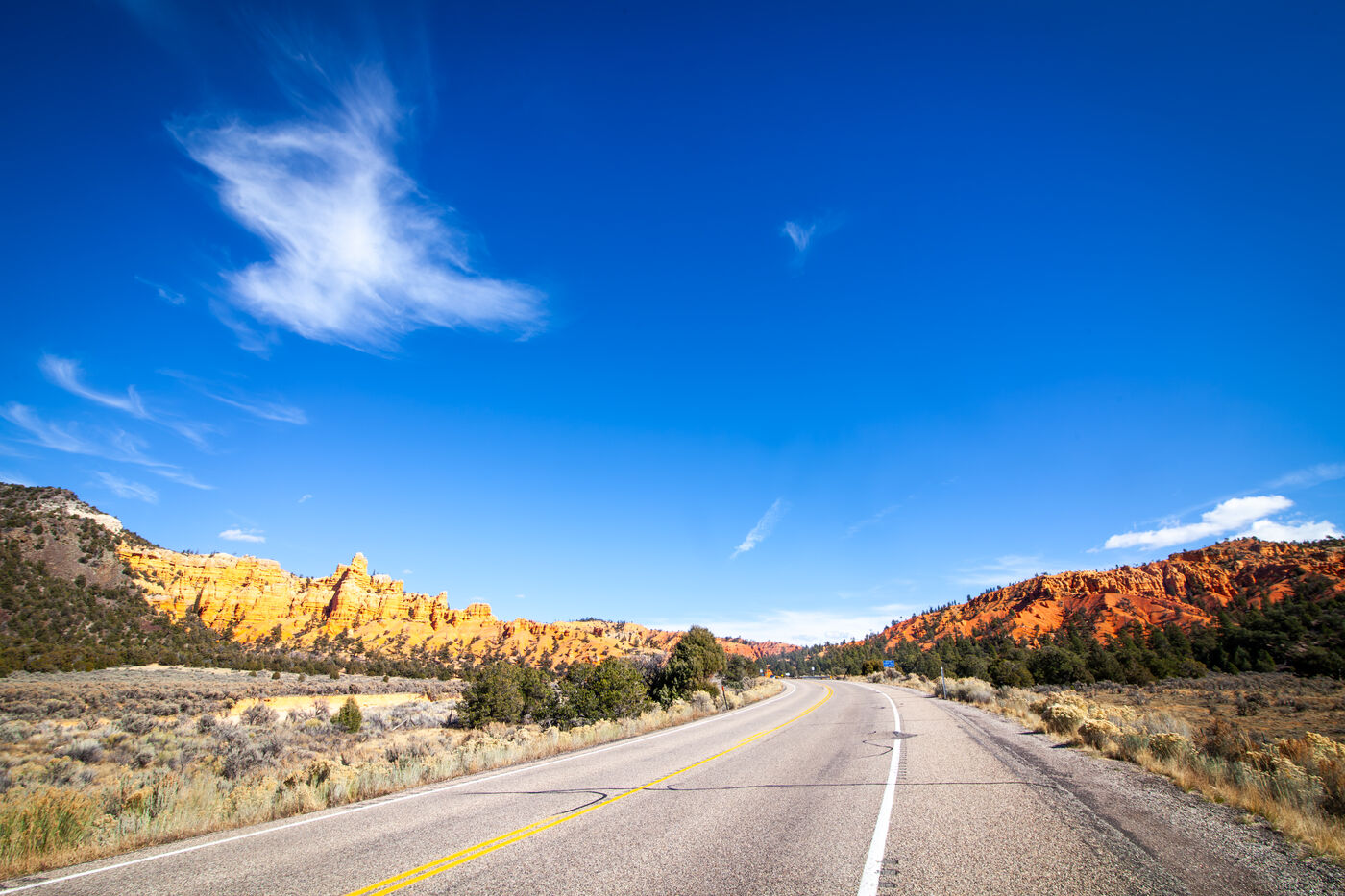
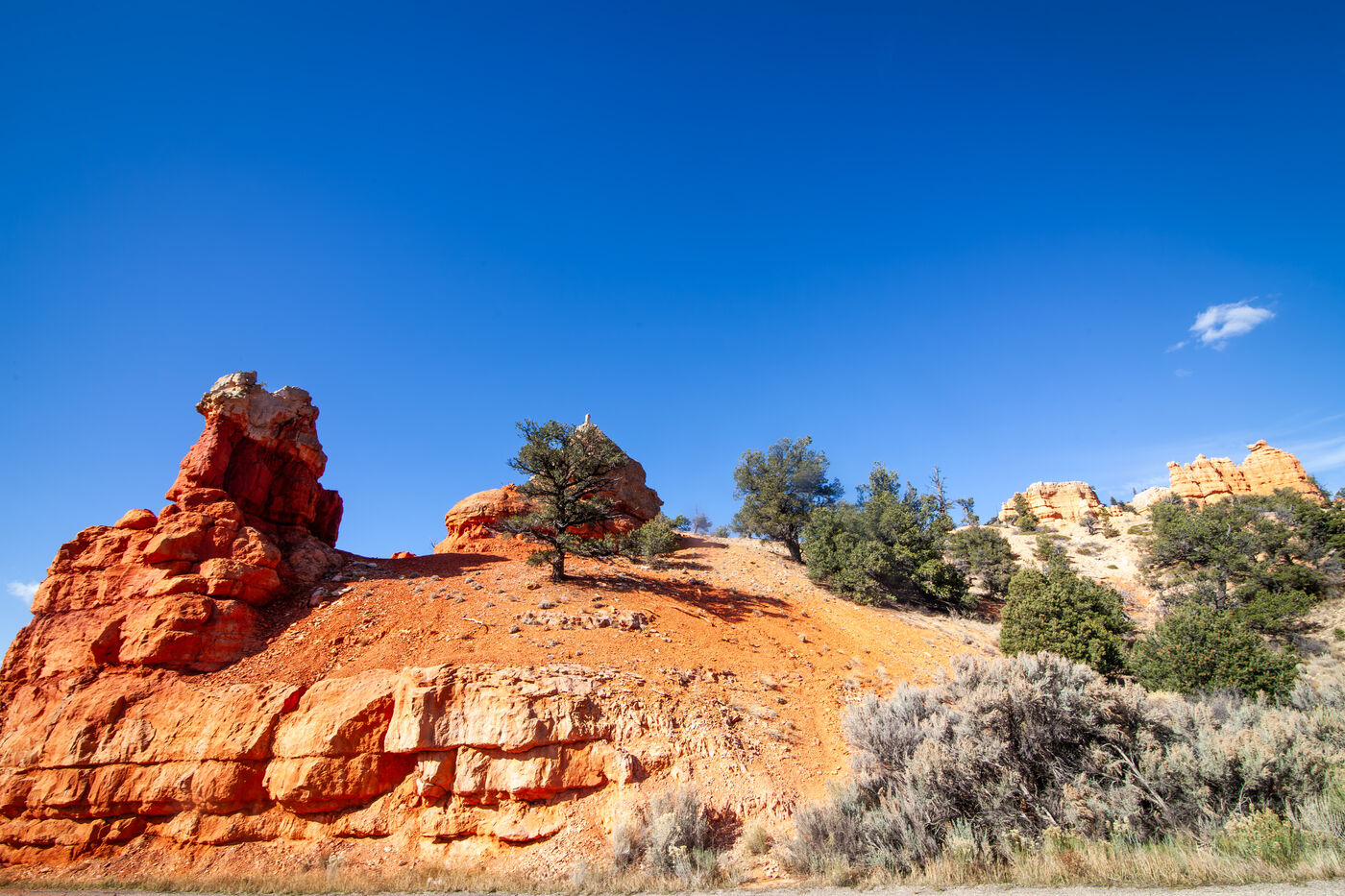
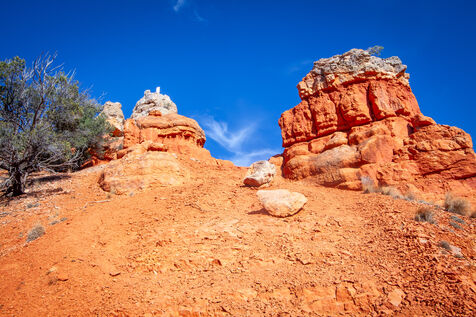
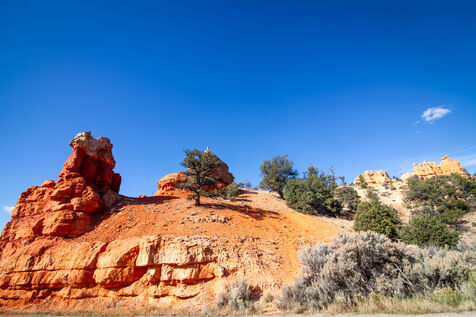
Situé dans la Dixie National Forest, Red Canyon constitue la véritable porte d’entrée vers Bryce Canyon National Park. Ses falaises rouge orangé, sculptées par l’érosion, offrent un avant-goût spectaculaire des paysages qui ont rendu cette région mondialement célèbre.
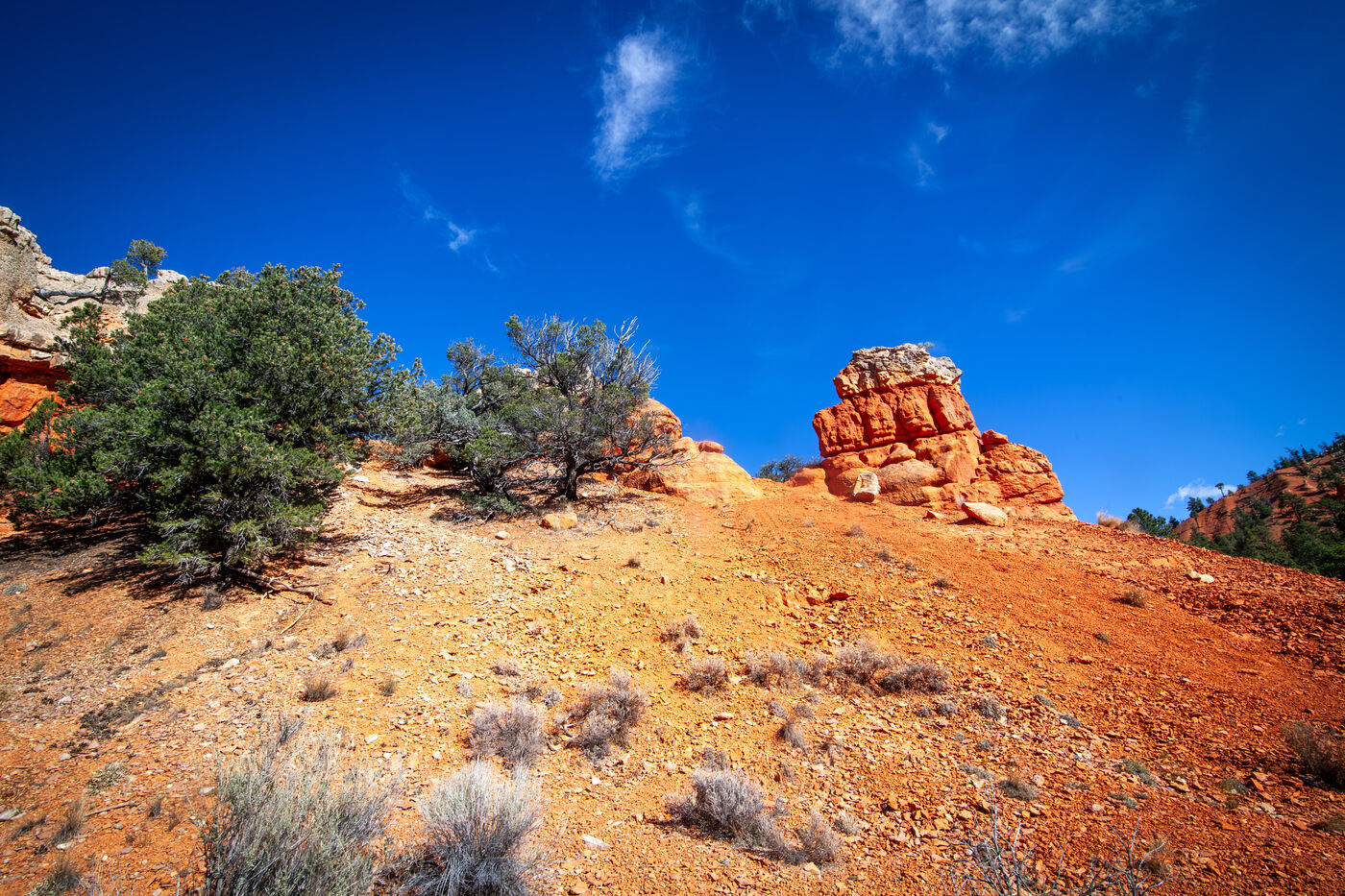
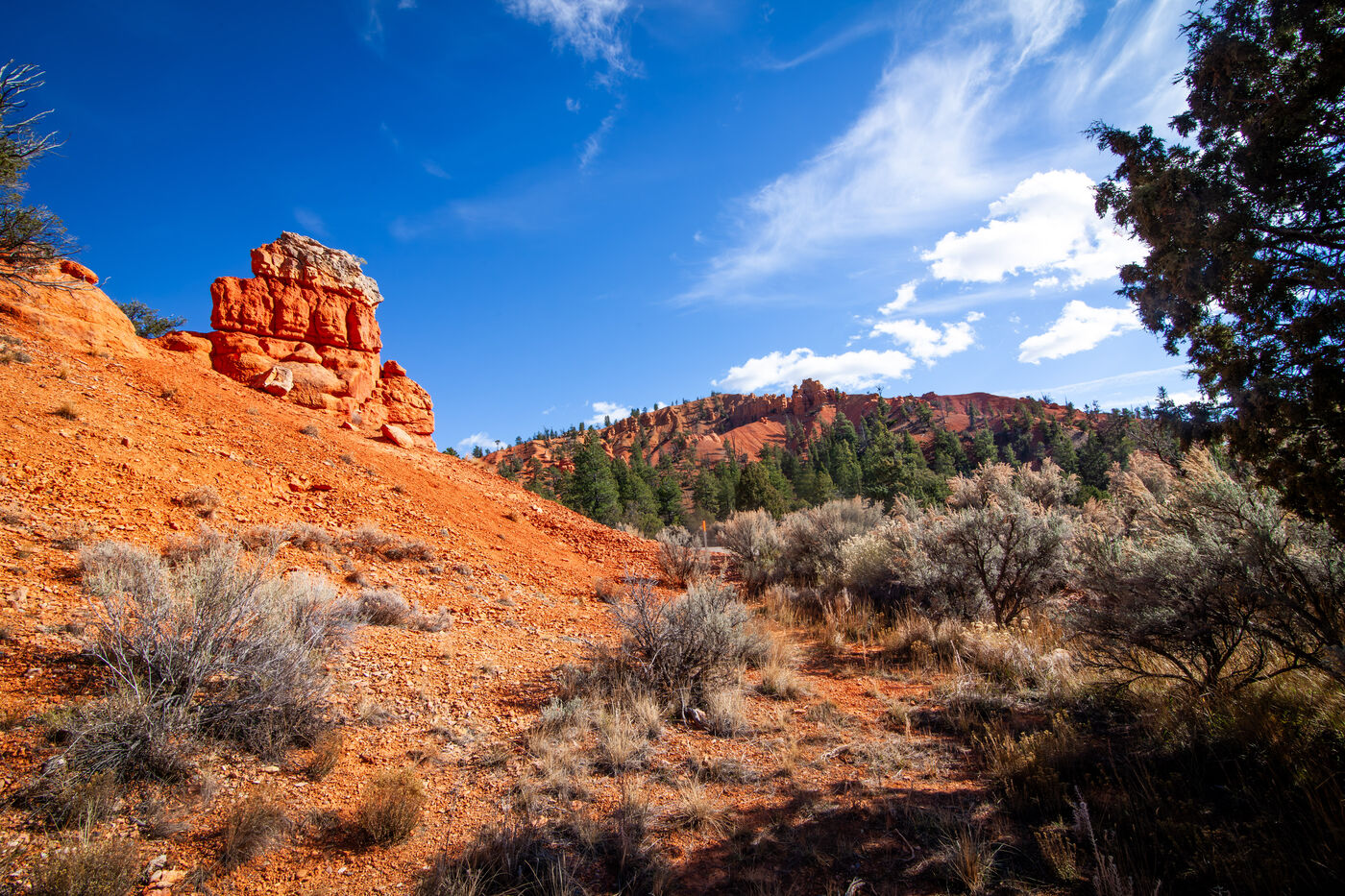
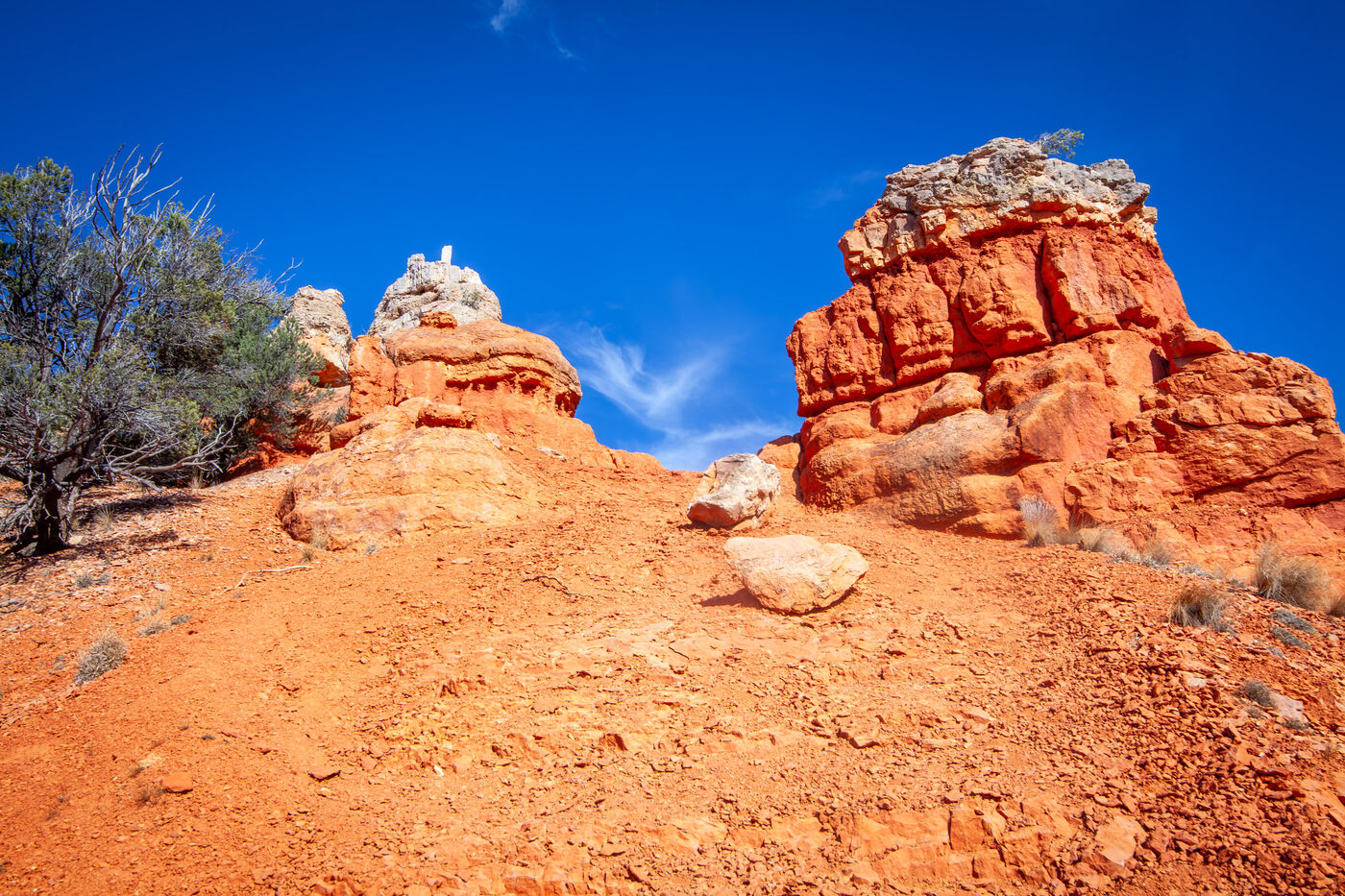
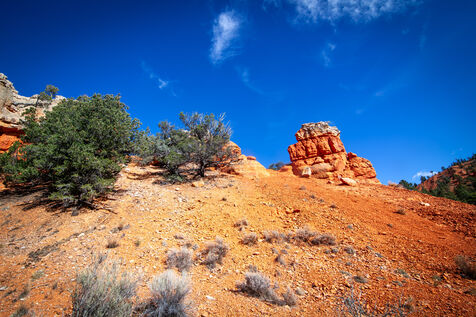
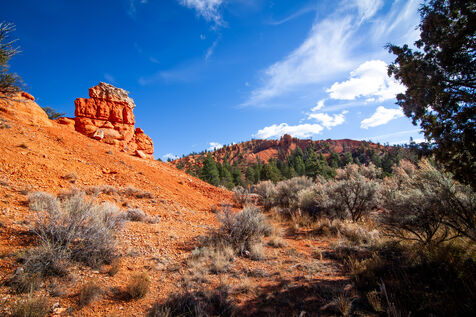
L’histoire de Red Canyon débute il y a environ 50 à 40 millions d’années. À cette époque, la région était recouverte de plaines, de lacs et de rivières où se sont accumulés d’importants dépôts de sédiments. Au fil des millénaires, l’eau, le vent et le gel ont lentement façonné ces couches géologiques, donnant naissance aux falaises et aux célèbres hoodoos, ces colonnes rocheuses caractéristiques que l’on retrouve également à Bryce Canyon.
Bien avant l’arrivée des premiers colons européens, les ancêtres des actuels Paiutes parcouraient déjà cette région du Plateau du Colorado. Ils utilisaient ces vallées et ces plateaux comme zones de chasse et voies de déplacement. Plusieurs sites archéologiques et pétroglyphes témoignent encore aujourd’hui de cette présence ancienne dans les environs.
Red Canyon est également associé à l’une des plus célèbres légendes de l’Ouest américain. Selon la tradition locale, Butch Cassidy et les membres du Wild Bunch auraient utilisé certains canyons du sud de l’Utah comme refuges après leurs braquages. Si aucune preuve historique ne confirme leur présence exacte à Red Canyon, cette histoire continue d’alimenter les récits des guides et participe à l’identité du lieu.
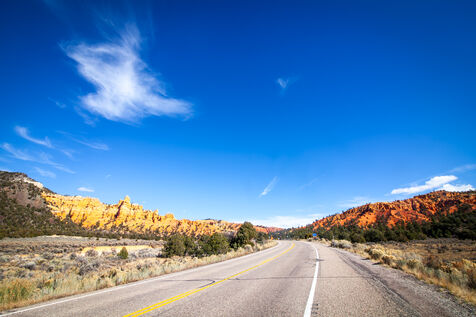
Les deux arches traversées par la route sont quant à elles entièrement artificielles. Elles ont été creusées directement dans la roche lors de la construction de la route destinée à faciliter l’accès à Bryce Canyon au début du XXᵉ siècle. Cette route est aujourd’hui connue sous le nom de Scenic Byway 12, classée All-American Road, l’une des plus hautes distinctions attribuées aux routes panoramiques américaines.
Pendant longtemps, Red Canyon est resté dans l’ombre de Bryce Canyon. De nombreux visiteurs traversaient simplement ses tunnels sans s’arrêter. Depuis une quinzaine d’années, les photographes de paysage ont largement contribué à faire connaître le site, attirés par ses formations rocheuses et par les couleurs particulièrement intenses que prennent les falaises au lever et au coucher du soleil.
Red Canyon, Bryce Canyon’s lesser-known neighbor
Located within Dixie National Forest, Red Canyon serves as the gateway to Bryce Canyon National Park. Its striking red and orange cliffs offer visitors a first glimpse of the spectacular landscapes that define this part of the American Southwest.
Red Canyon’s geological history began between 50 and 40 million years ago, when the region was covered by broad plains, lakes and rivers. Thick layers of sediment gradually accumulated before being sculpted over millions of years by water, wind and freeze-thaw cycles. The result is a landscape of towering cliffs and distinctive hoodoos formed from the same geological layers that continue into Bryce Canyon.
Long before European settlers arrived, the ancestors of today’s Paiute people traveled across this section of the Colorado Plateau. The area served as hunting grounds and seasonal travel routes between valleys and high plateaus. Archaeological remains and petroglyphs found nearby bear witness to this long human presence.
Red Canyon is also linked to one of the American West’s enduring legends. Local tradition holds that Butch Cassidy and members of the Wild Bunch occasionally used canyons across southern Utah as hideouts after robberies. Although no historical evidence confirms that Cassidy specifically hid in Red Canyon, the story remains part of the region’s oral history and continues to be shared by local guides.
The two tunnels carved through the cliffs are entirely man-made. They were excavated during the construction of the highway designed to improve access to Bryce Canyon in the early twentieth century. Today the road forms part of Scenic Byway 12, officially designated an All-American Road, one of the highest recognitions awarded to scenic highways in the United States.
For decades, Red Canyon remained largely overlooked as visitors hurried toward Bryce Canyon. In recent years, however, landscape photographers have helped reveal its beauty, showcasing the deep red sandstone formations and the remarkable light that transforms the canyon at sunrise and sunset.