UKRAINE | DÉMINAGE ET AGRICULTURE
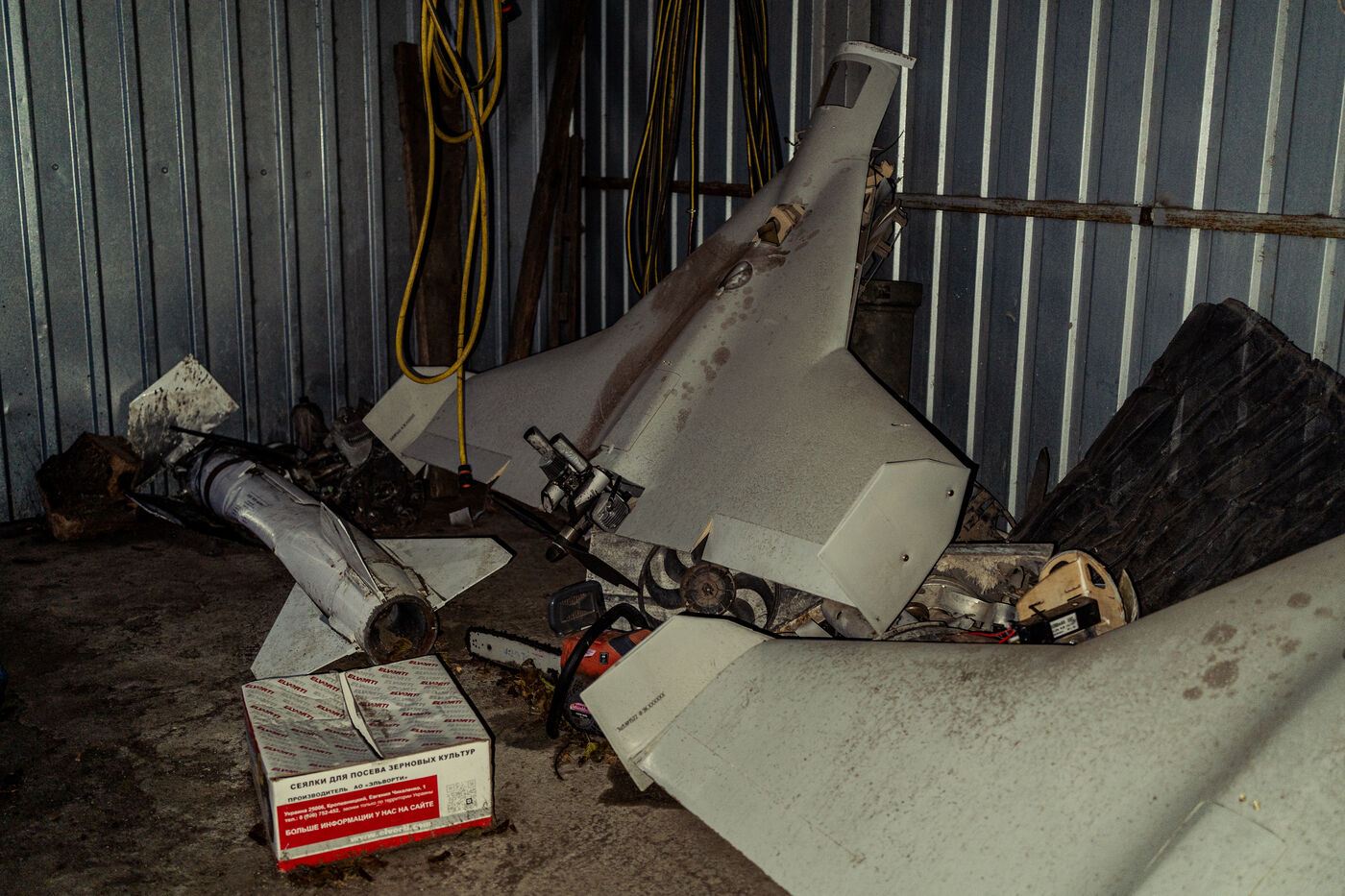
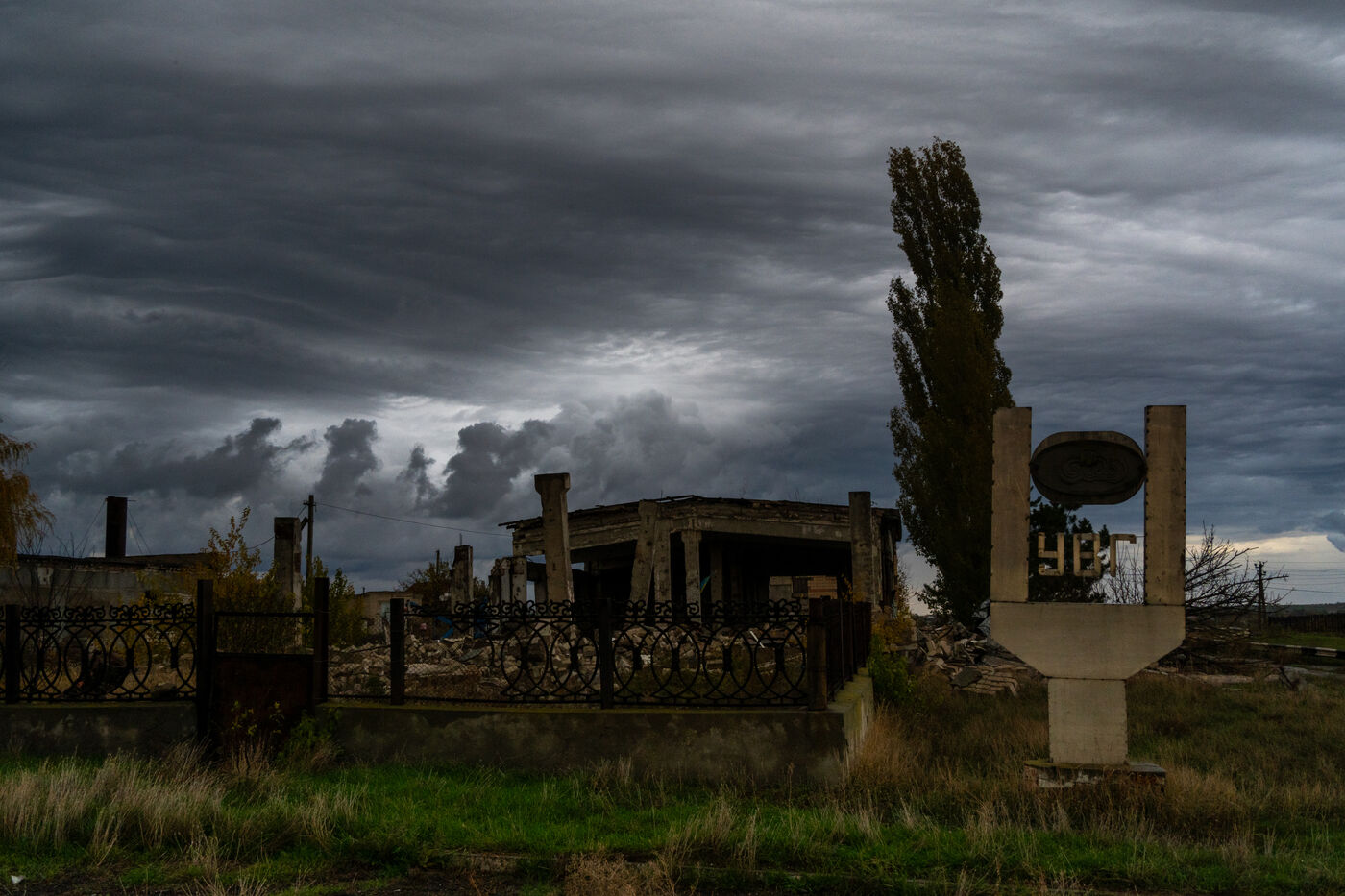
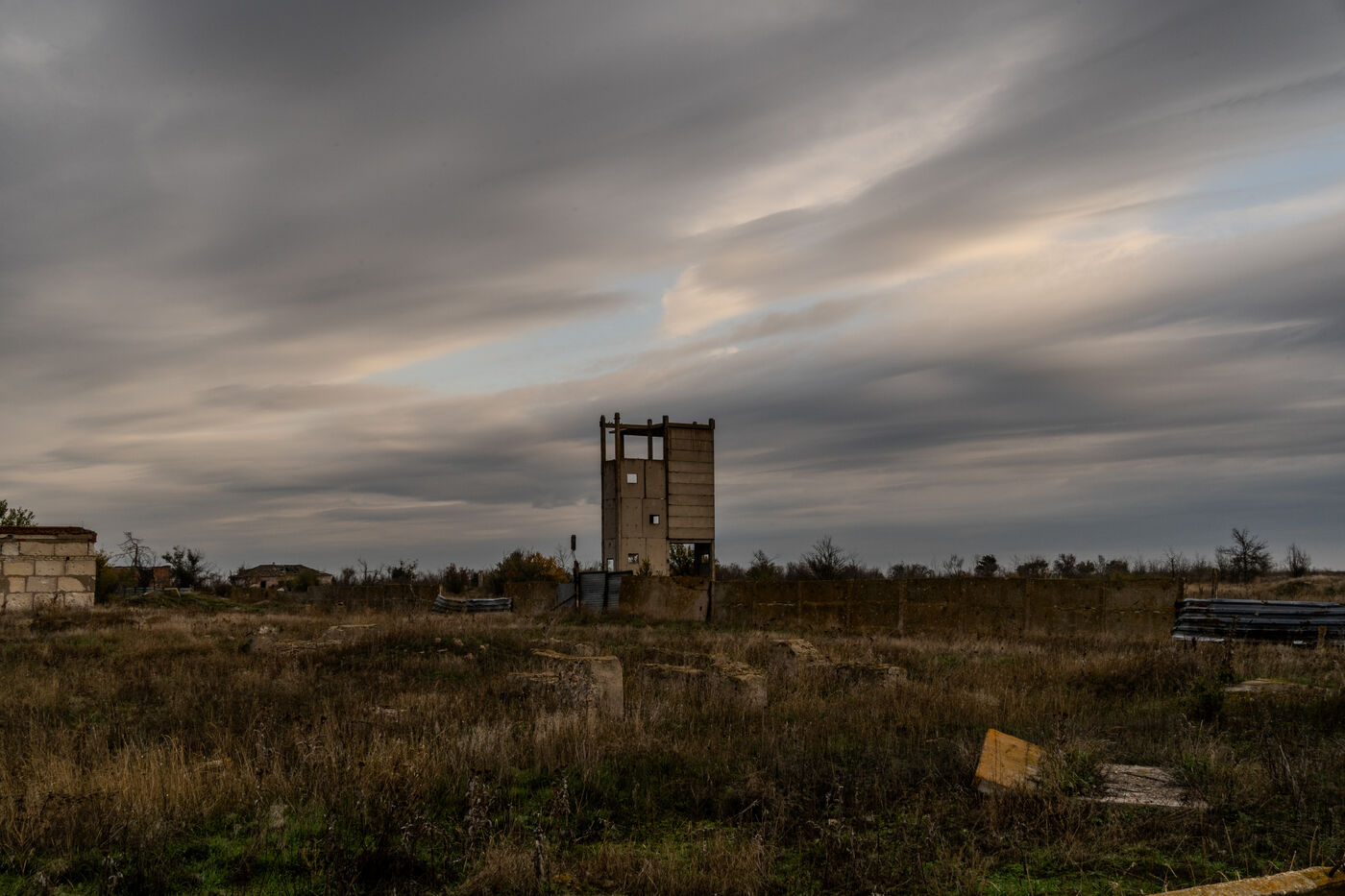
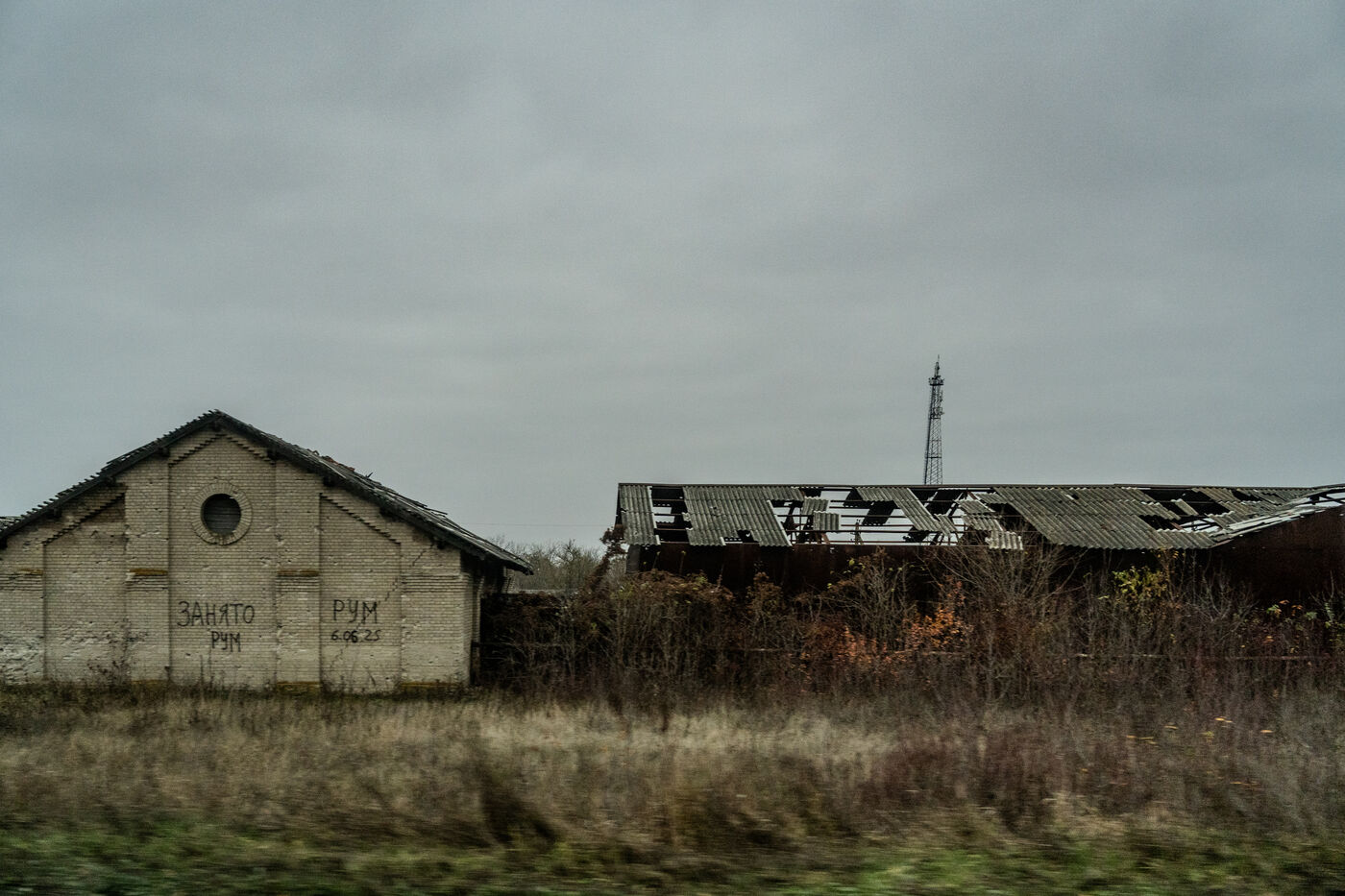
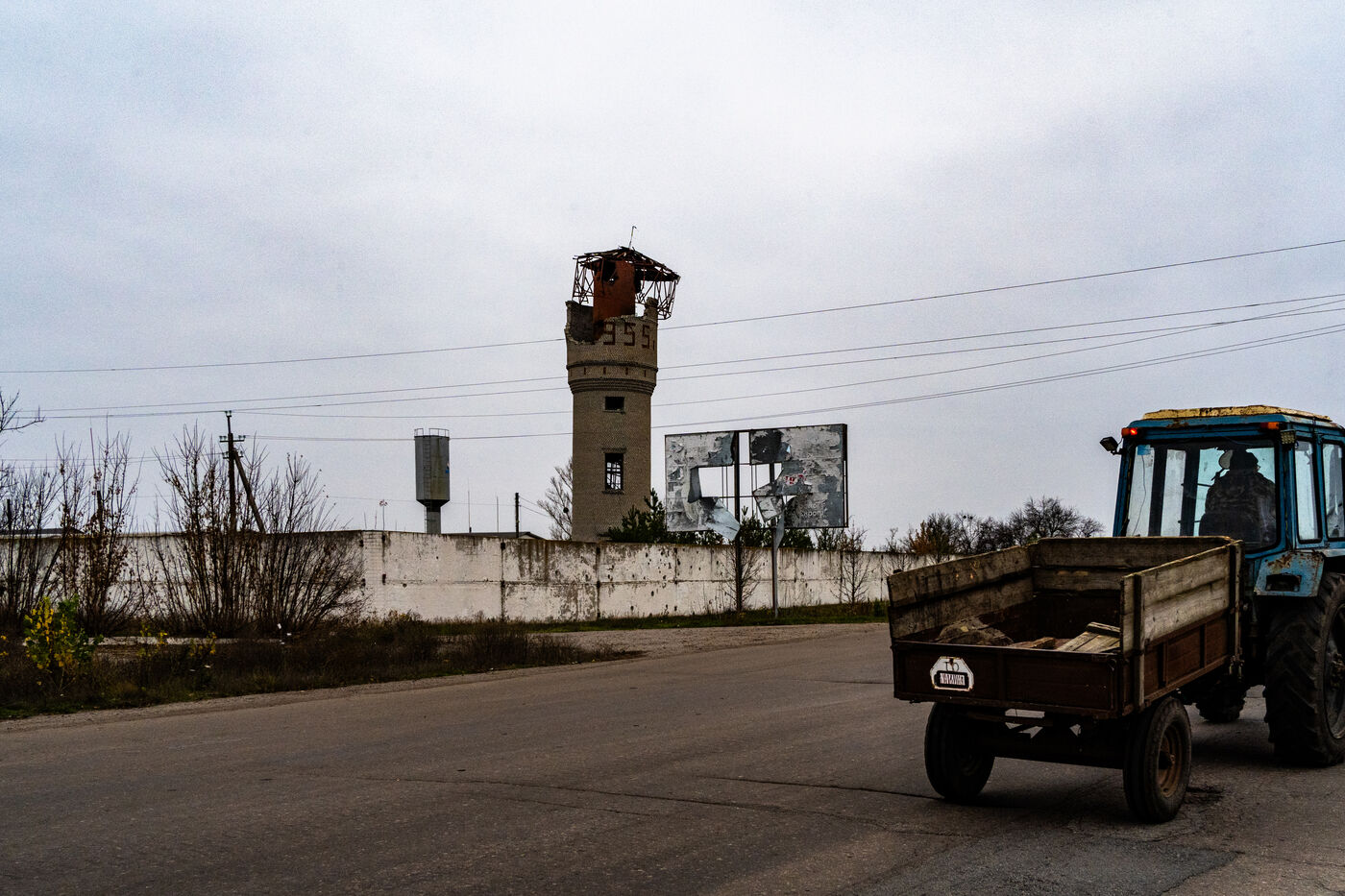
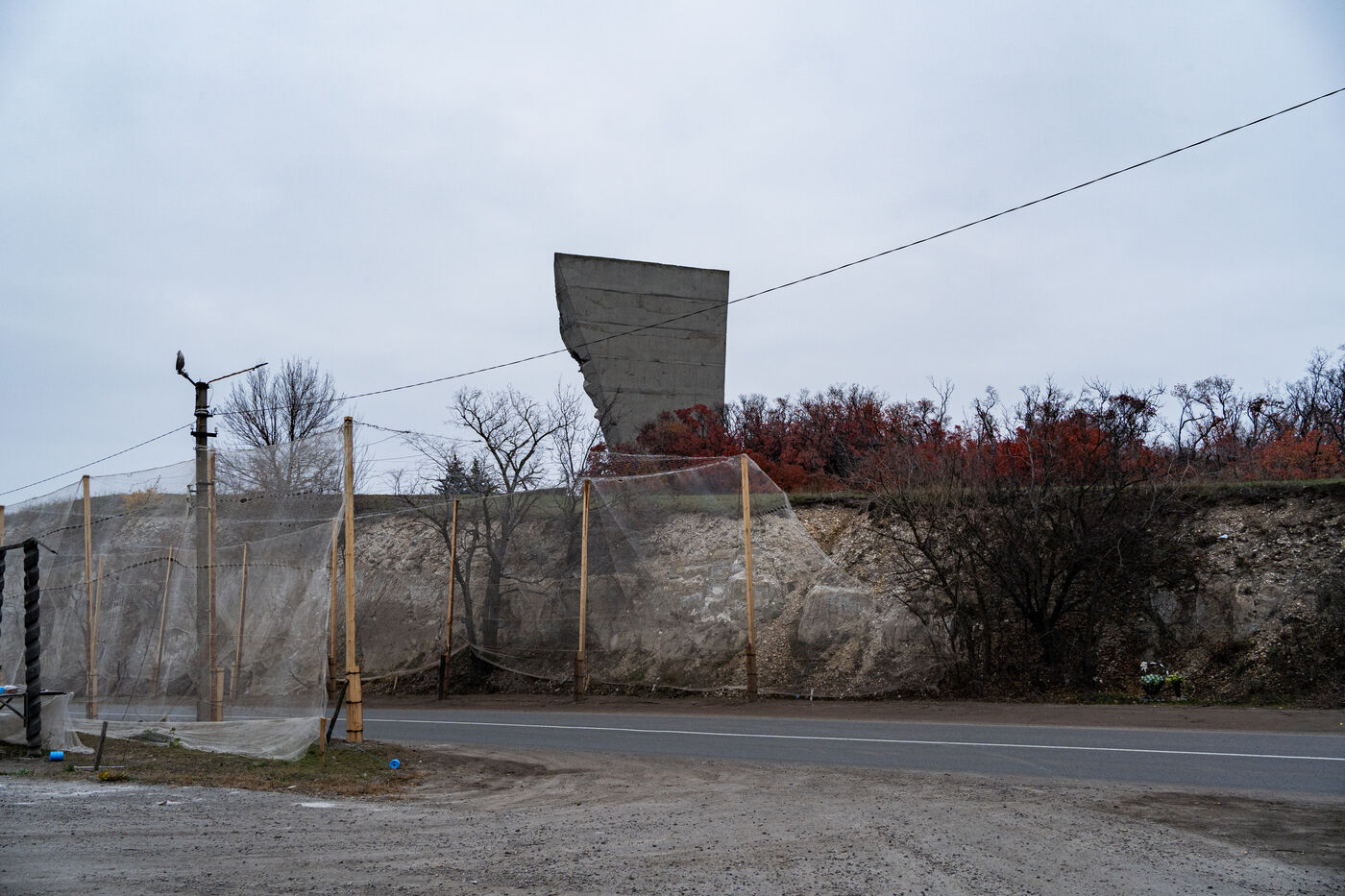
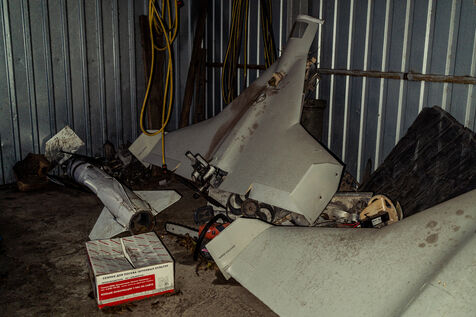
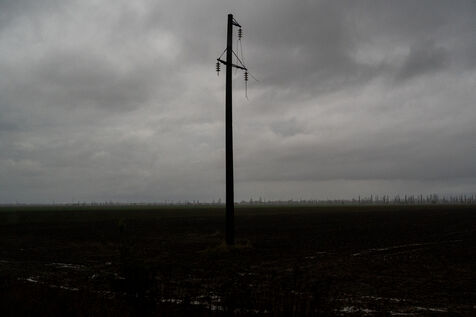
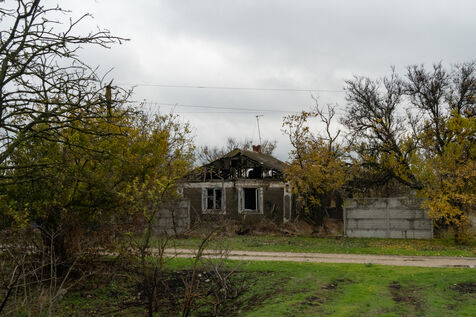
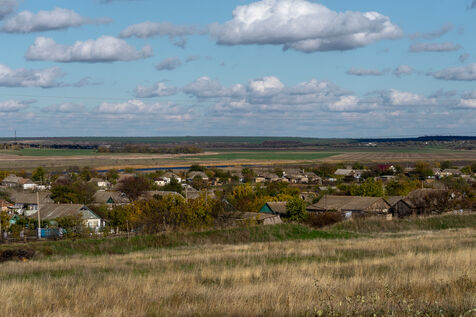
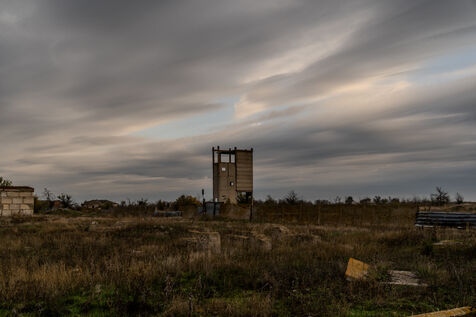
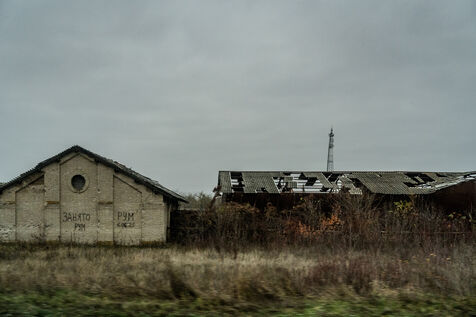
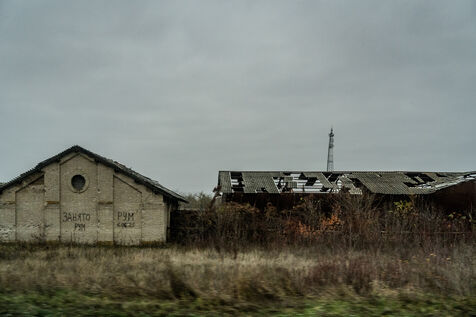
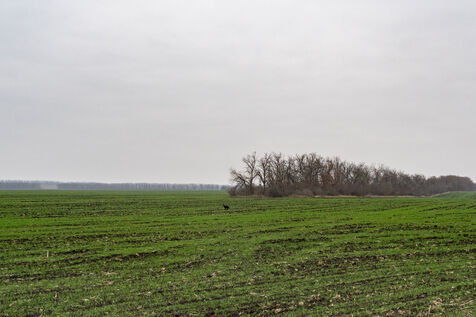
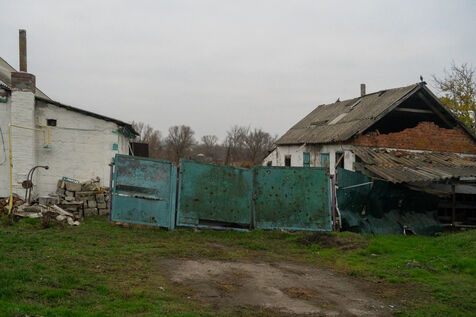
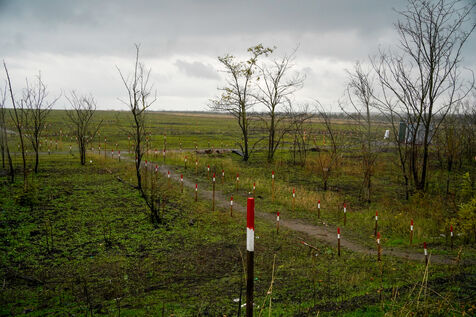
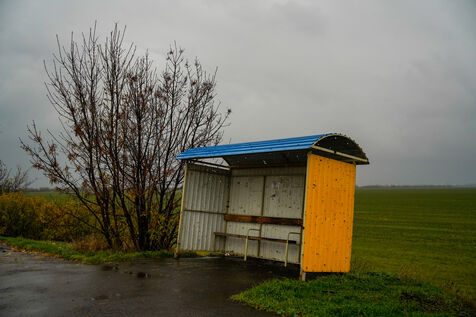
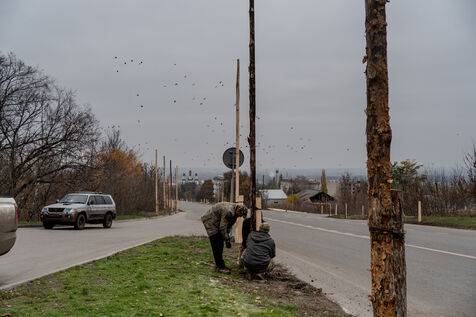
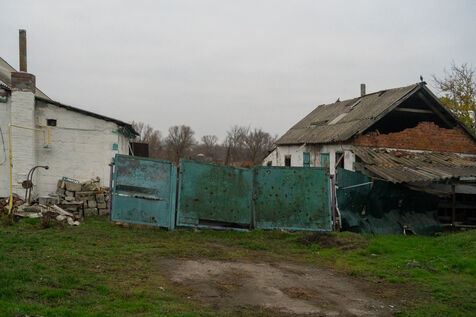
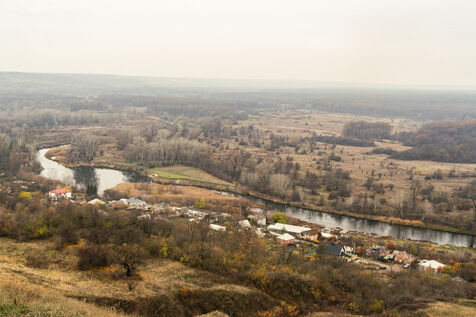
La guerre en Ukraine a laissé d’immenses zones agricoles contaminées par des mines et des munitions non explosées, faisant du pays l’un des plus minés au monde. Environ 139 000 km² — soit près de 22 % du territoire — sont potentiellement touchés, dont de vastes surfaces cultivables devenues dangereuses pour les travaux agricoles. Bien que plus de 310 000 hectares aient été déminés depuis 2022, des millions d’autres restent inutilisables, notamment dans les régions de Kharkiv, Sumy, Mykolaïv, Kherson et Zaporijjia.
Seules 24 millions d’hectares de terres peuvent encore être exploitées sur les 42 millions historiquement arables, entraînant des pertes économiques majeures et une chute des revenus agricoles. Les éleveurs sont eux aussi touchés : 18 à 32 % des petits producteurs déclarent des pâturages ou des champs affectés, ce qui limite l’accès aux terres et met en péril leur bétail.
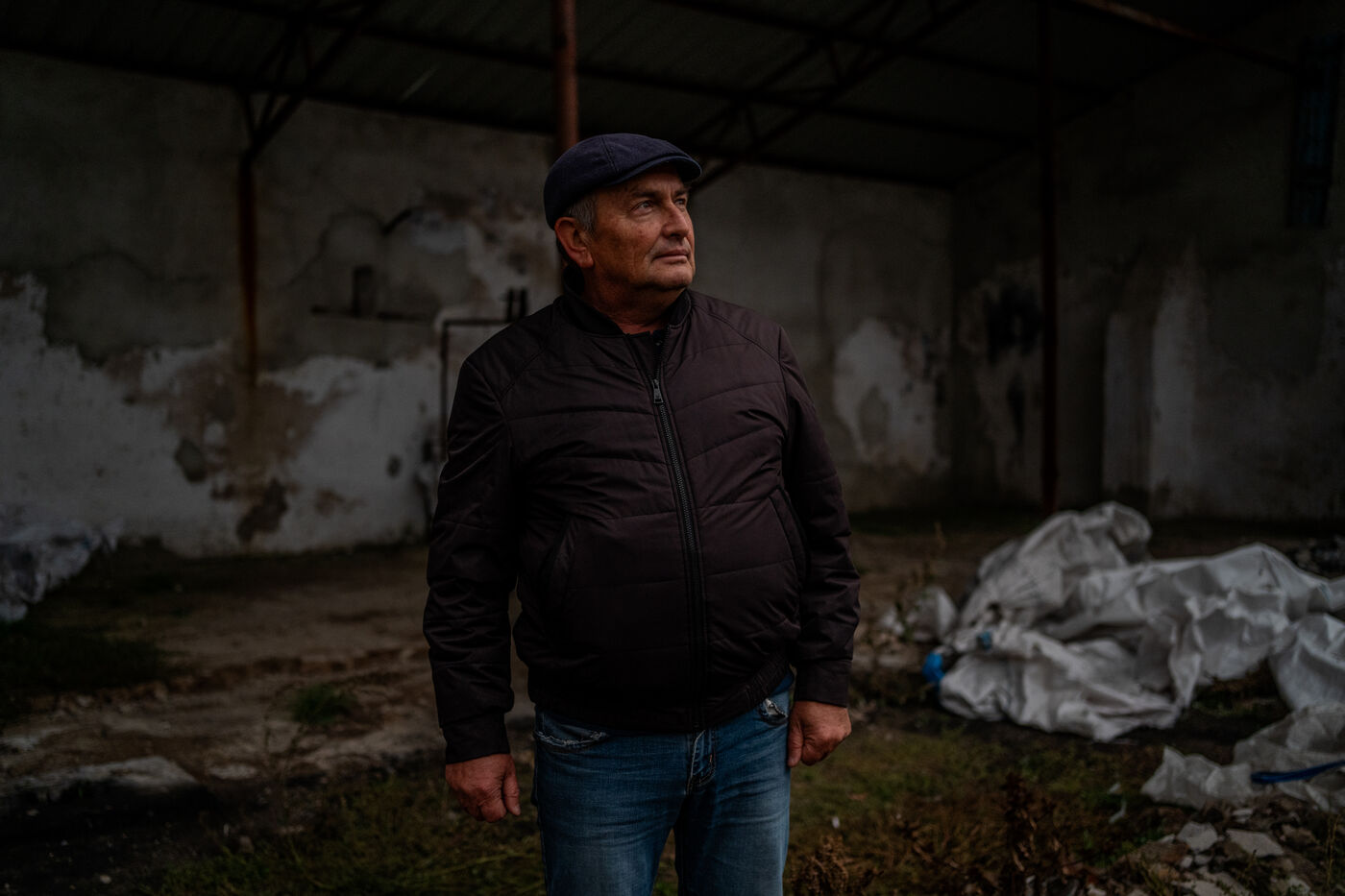
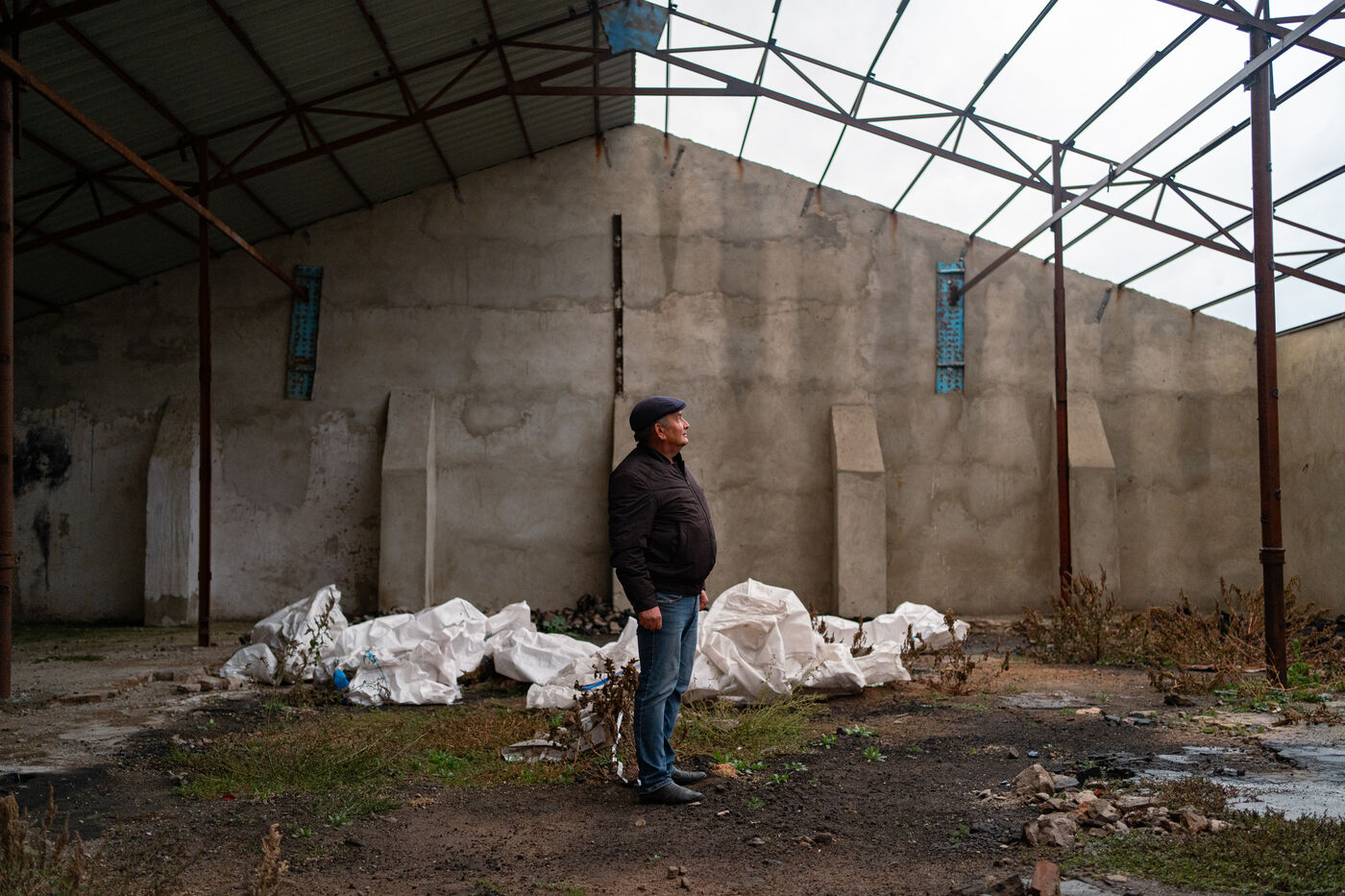
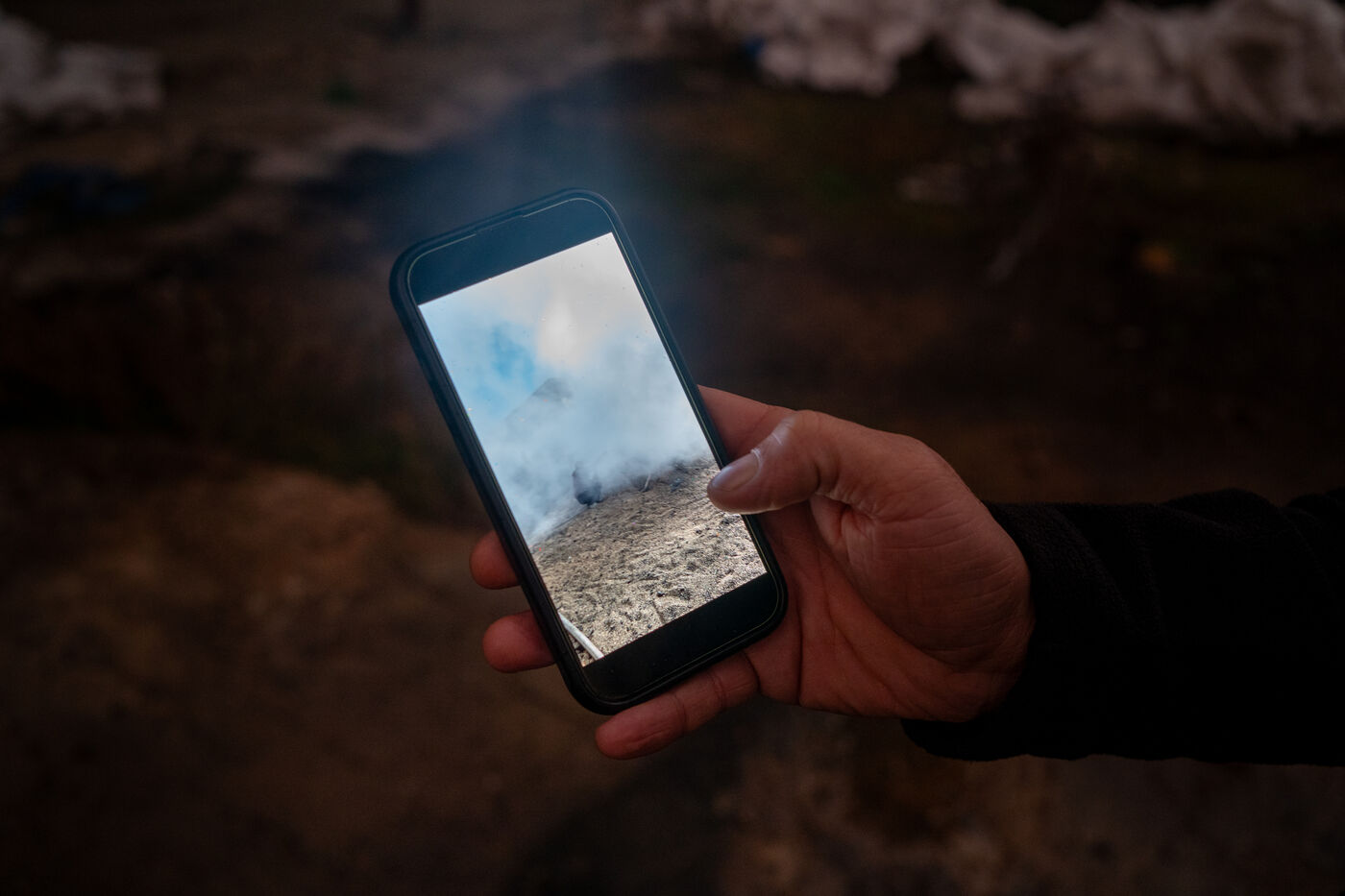
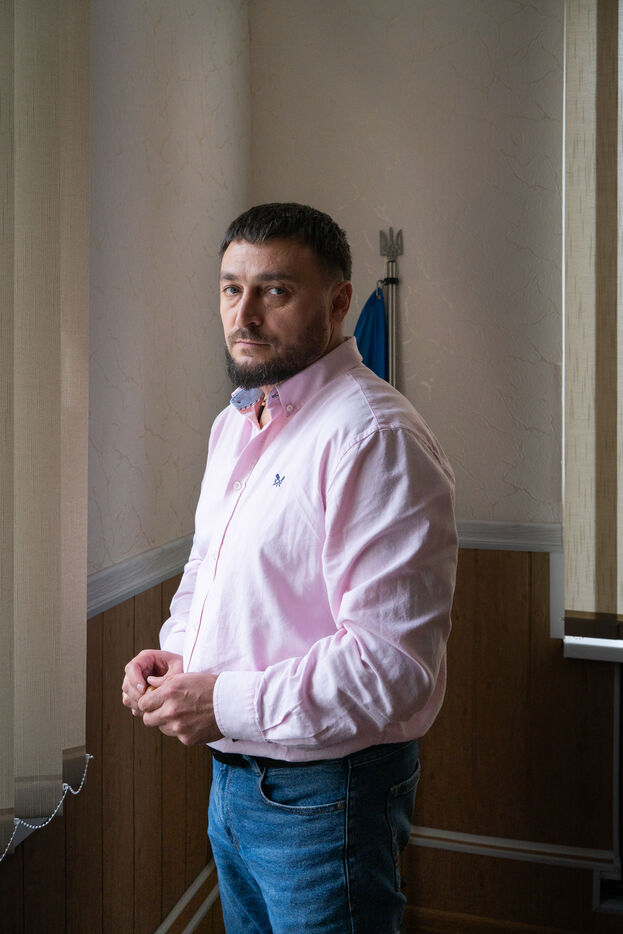
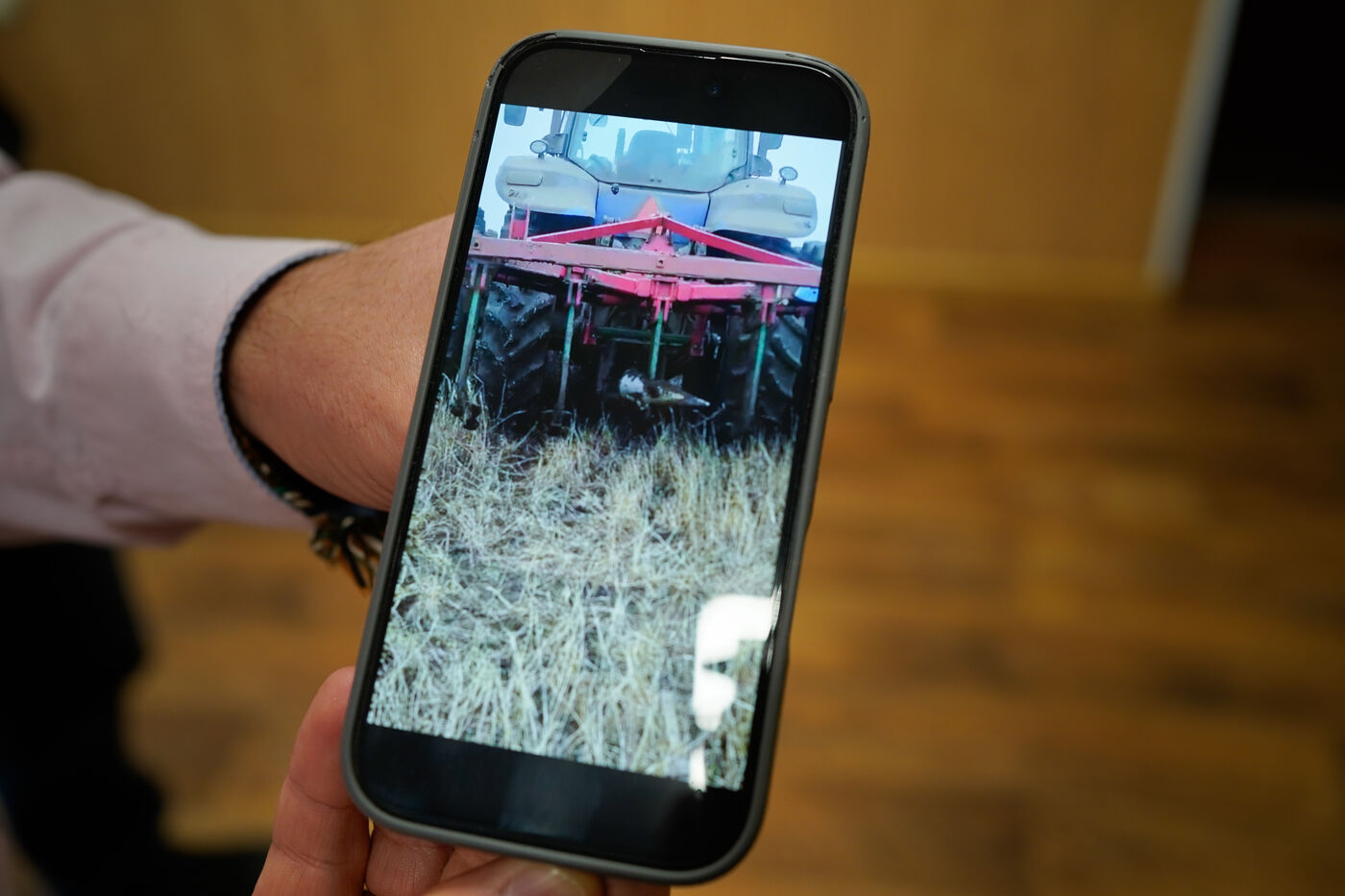
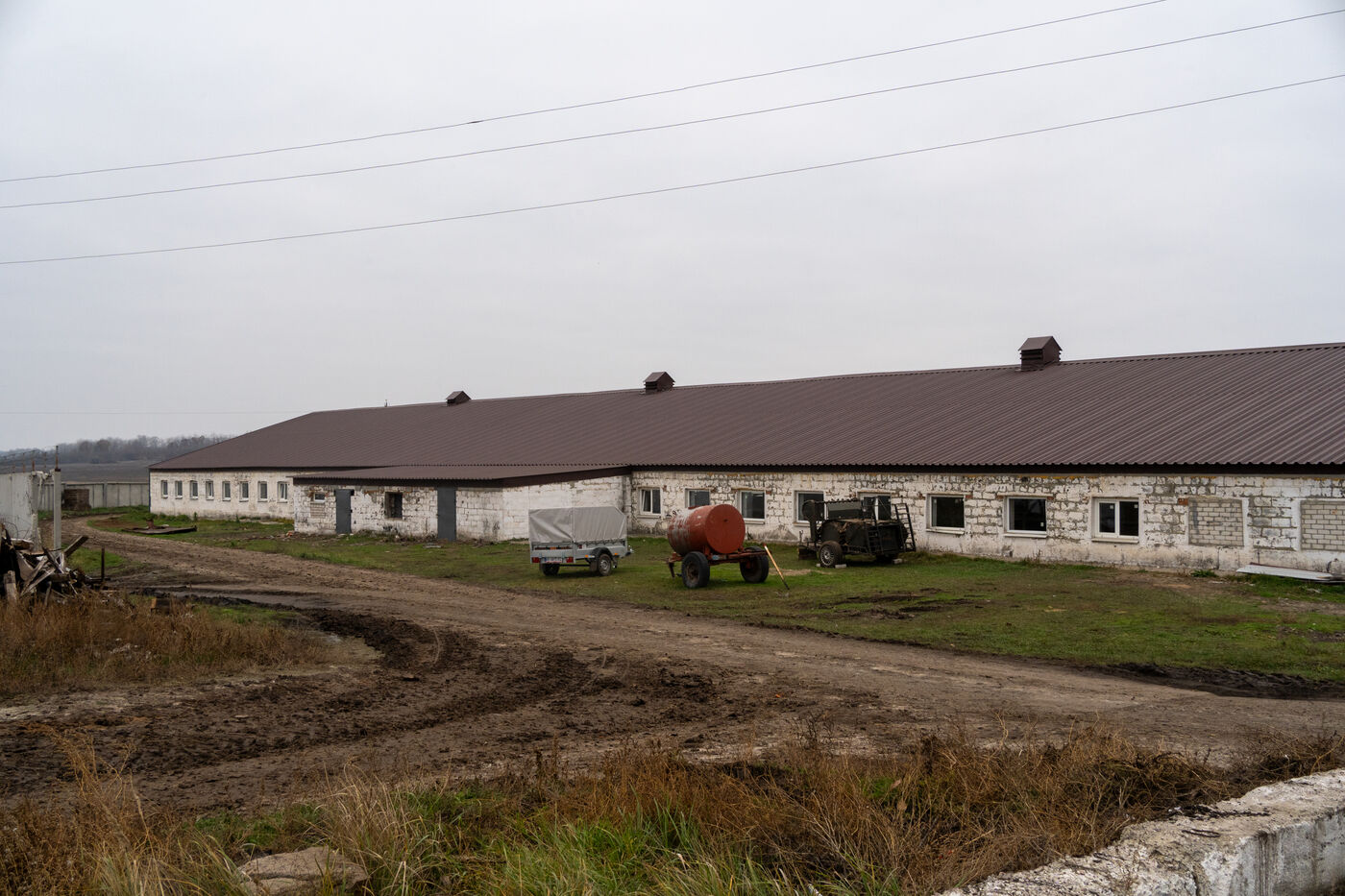
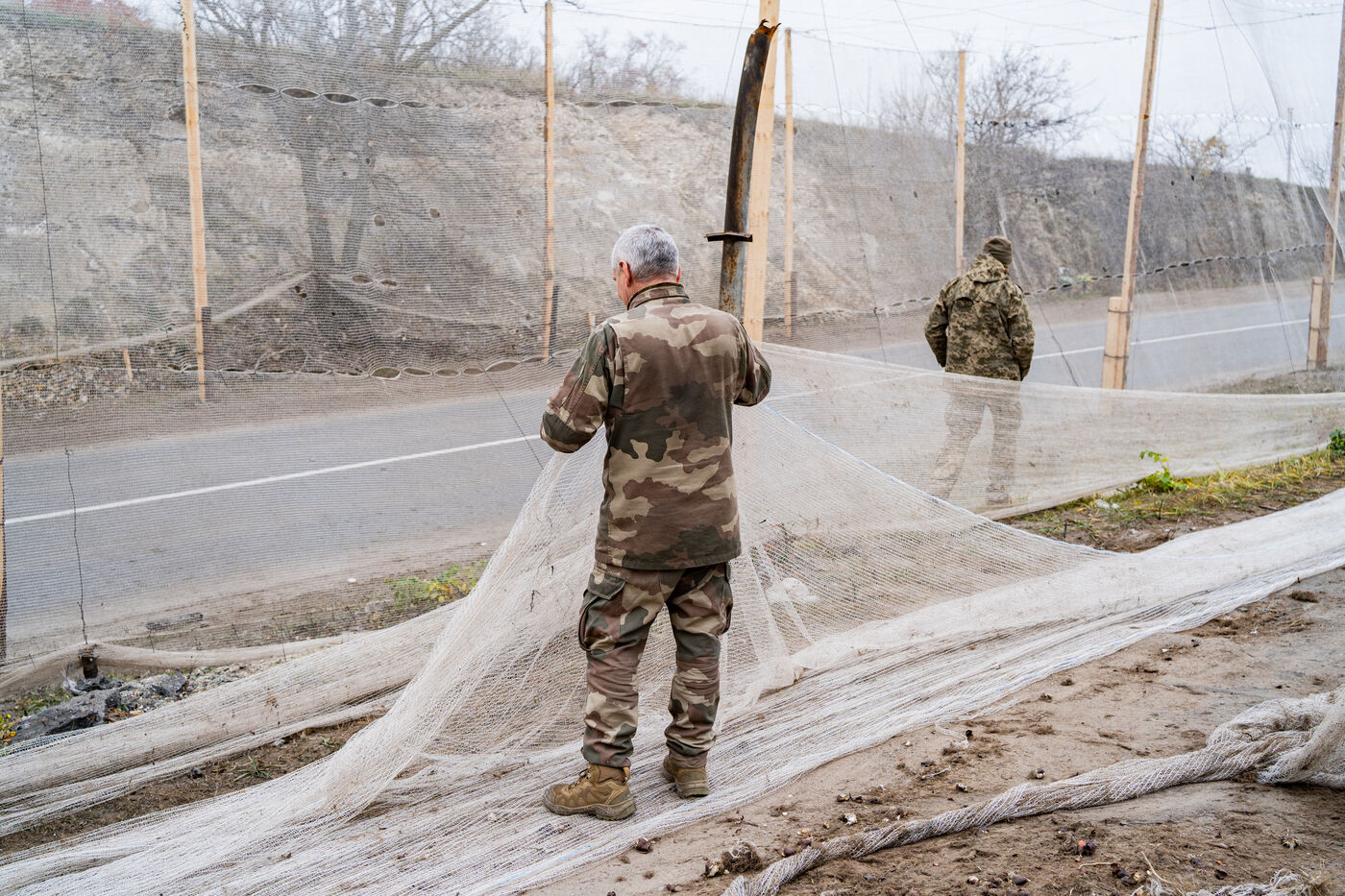
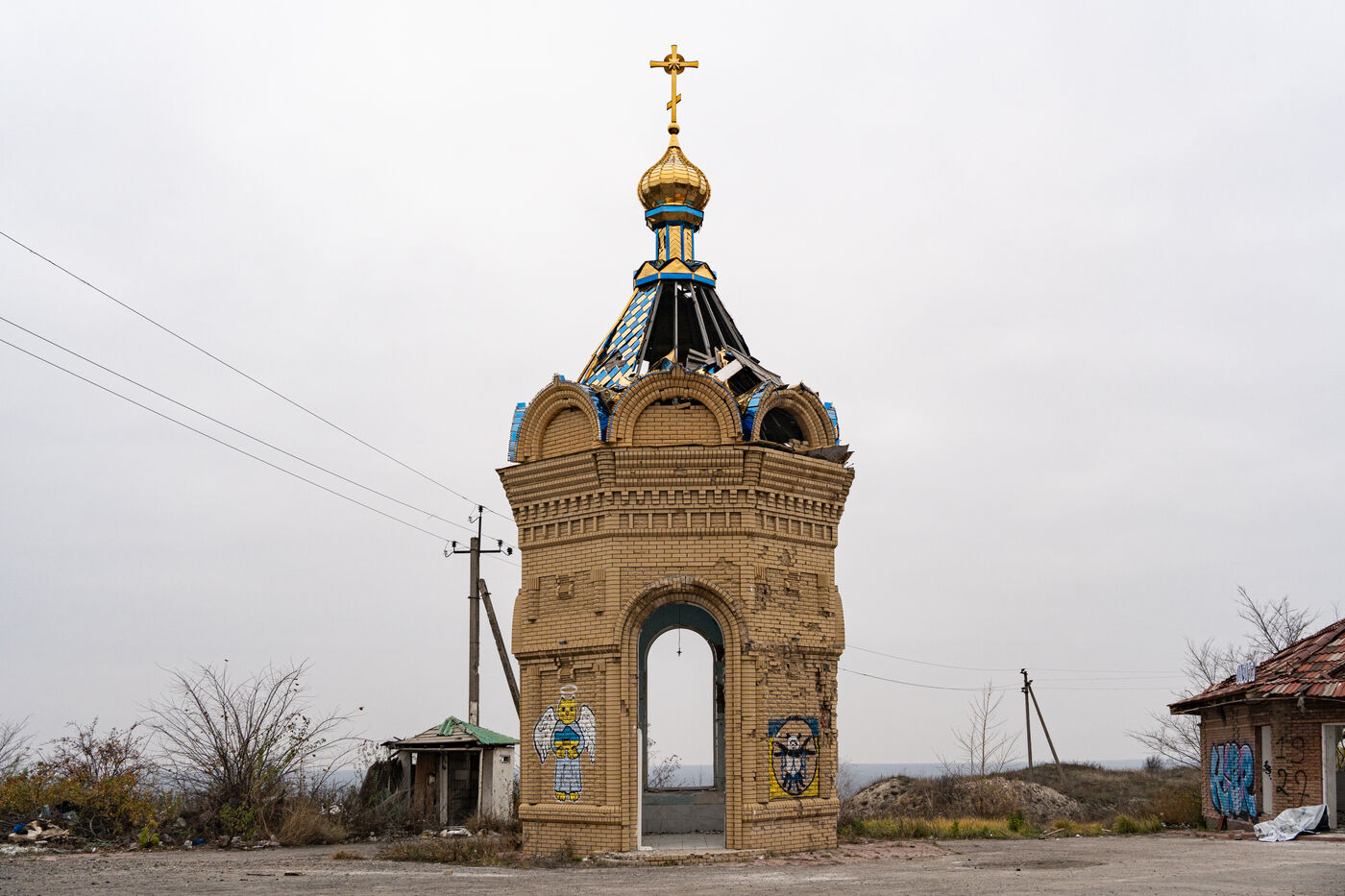
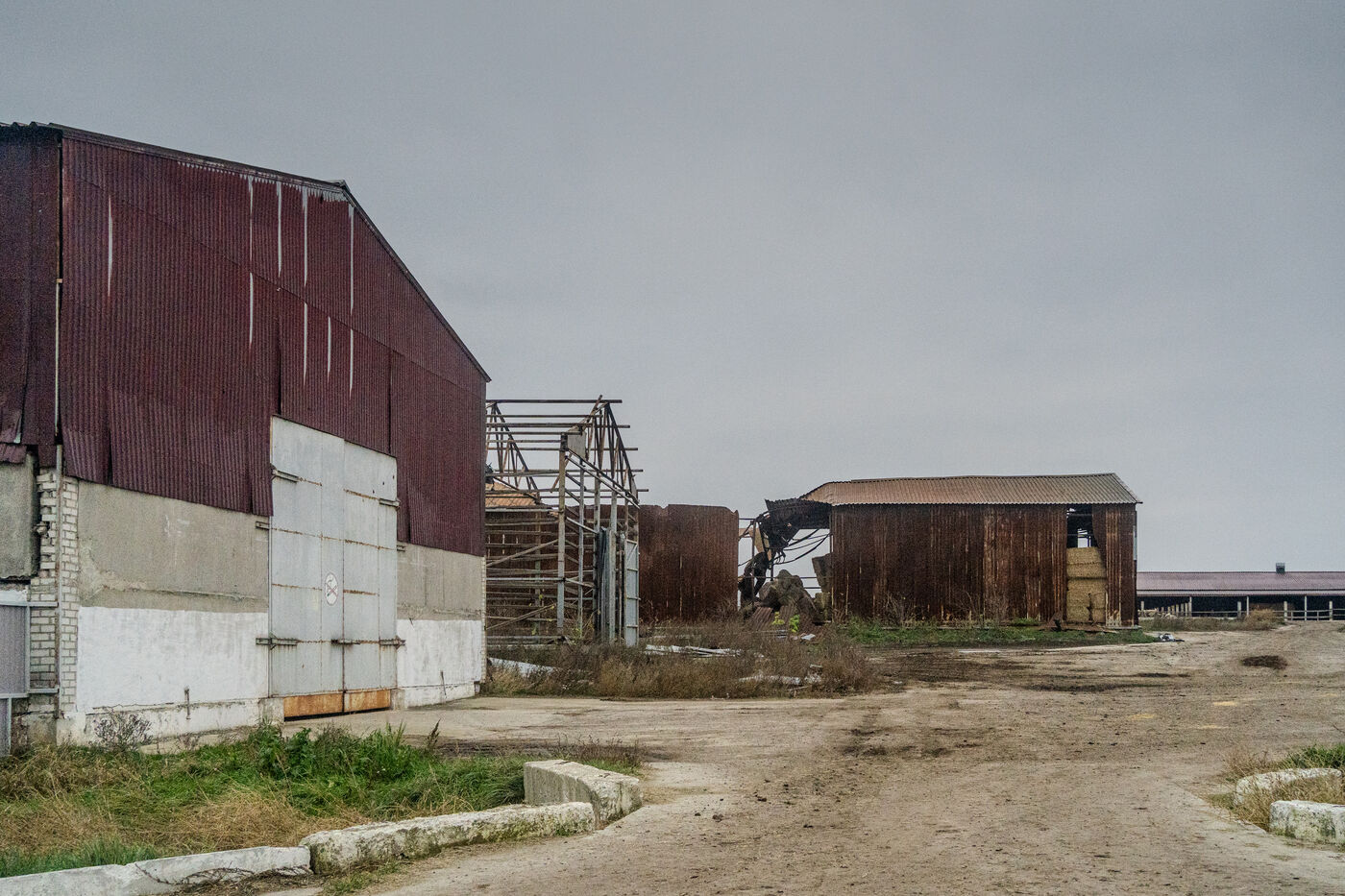
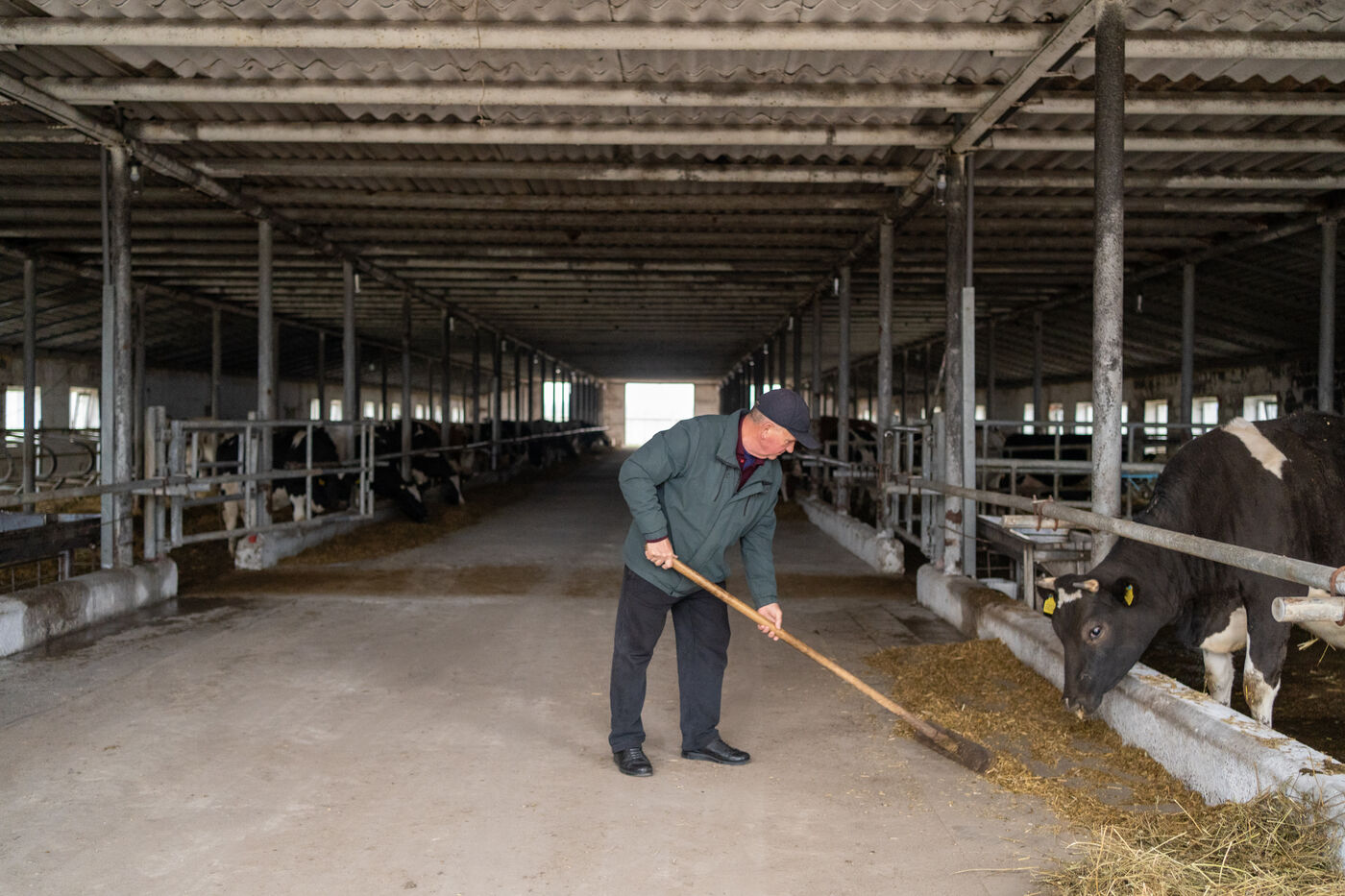
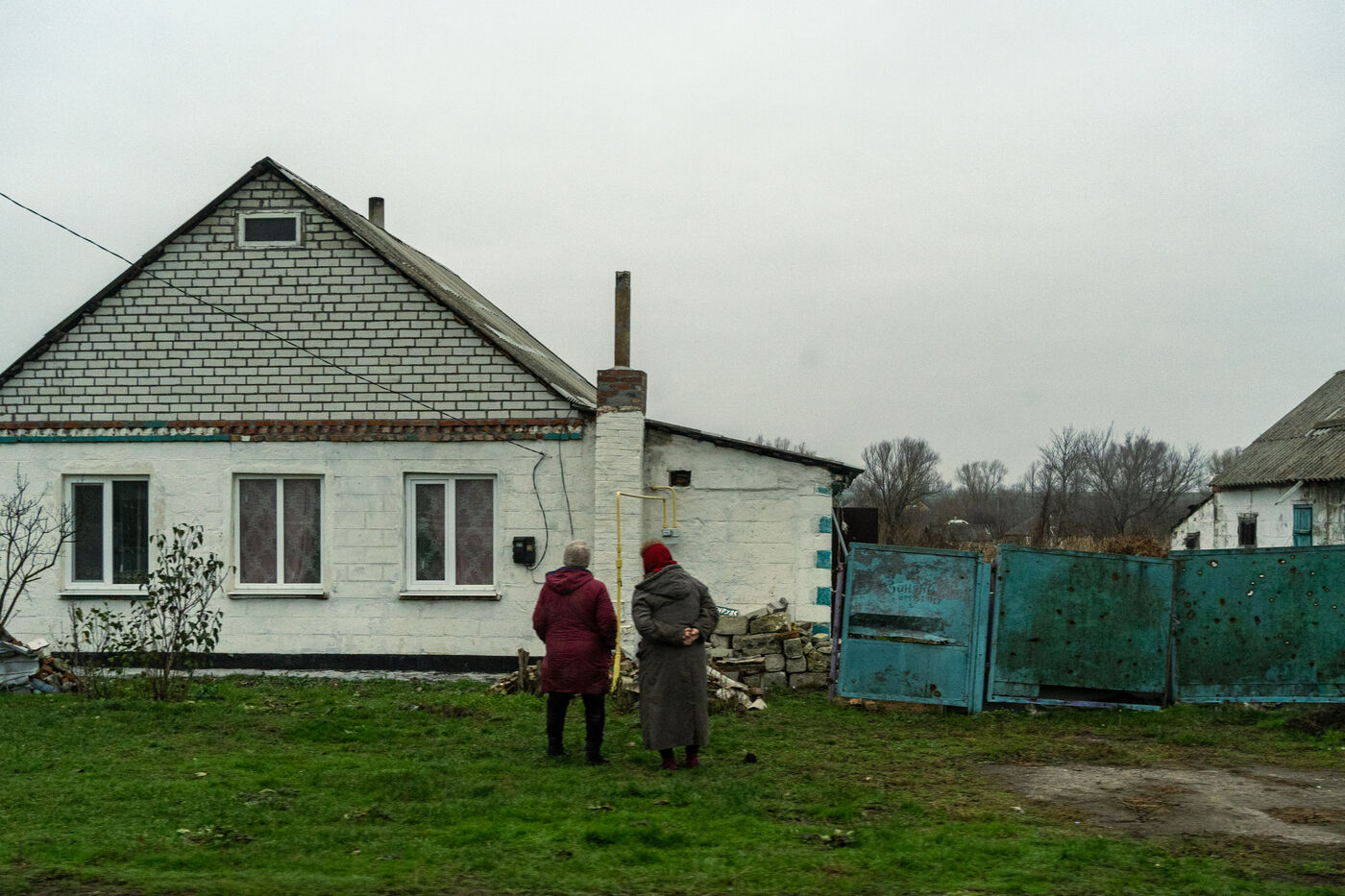
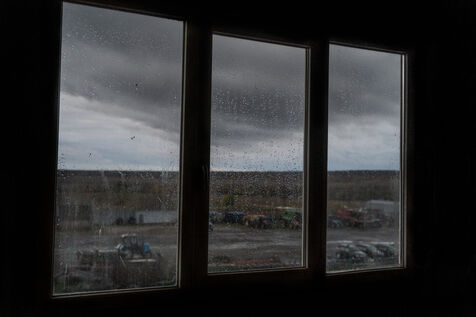
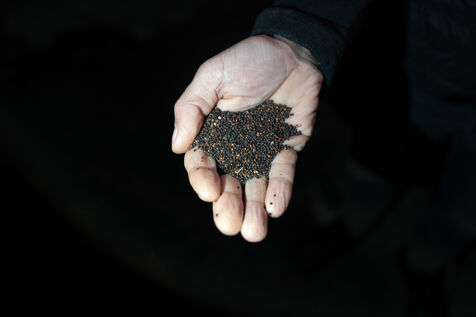
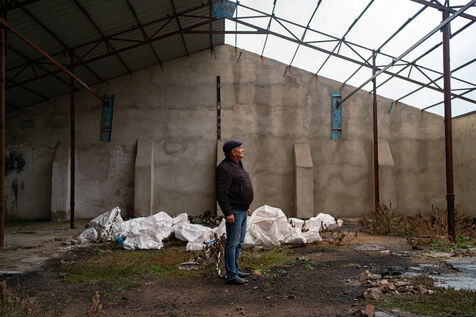
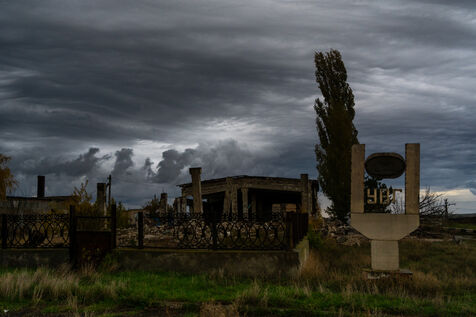
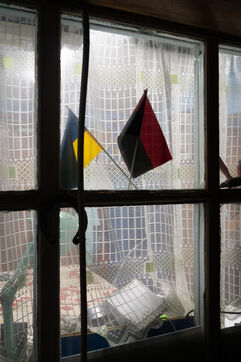
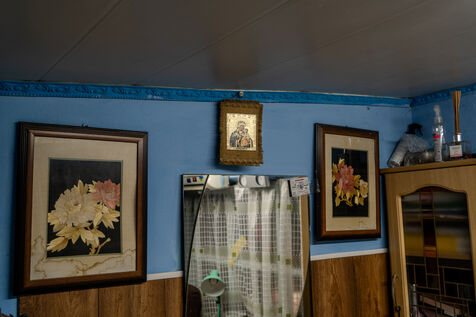
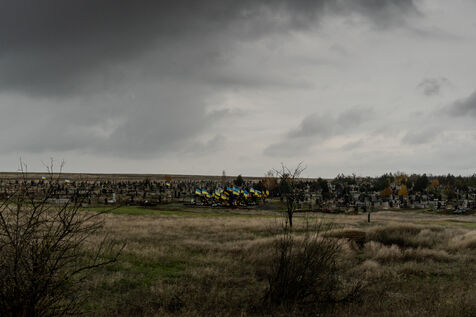
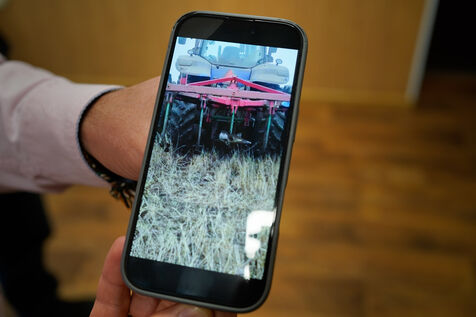
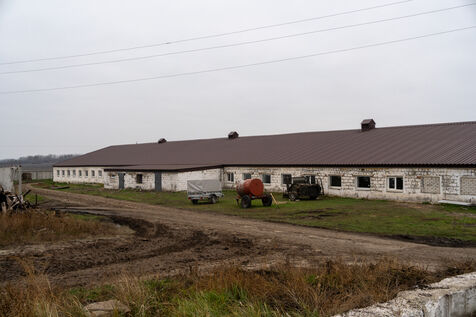
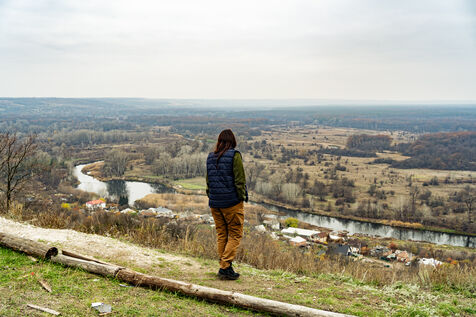
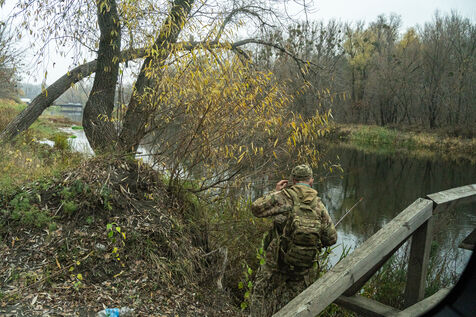
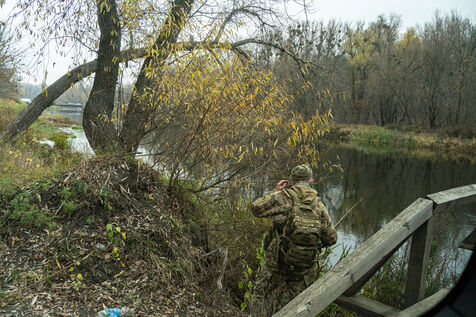
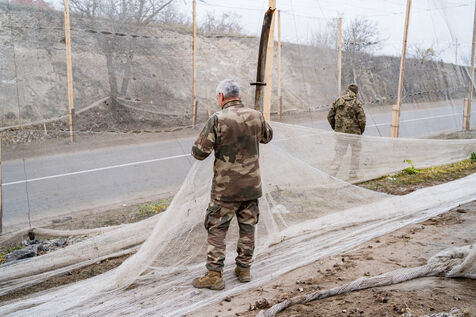
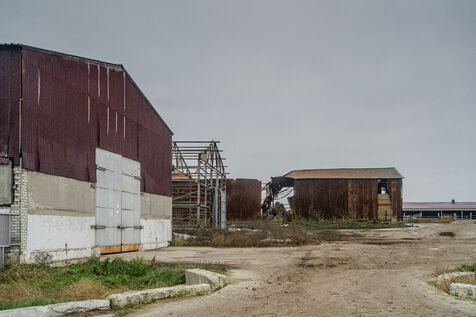
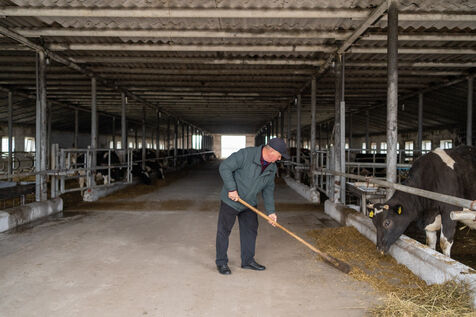
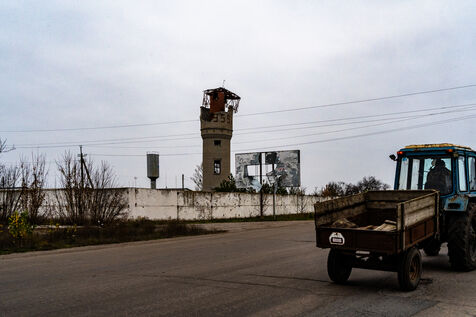
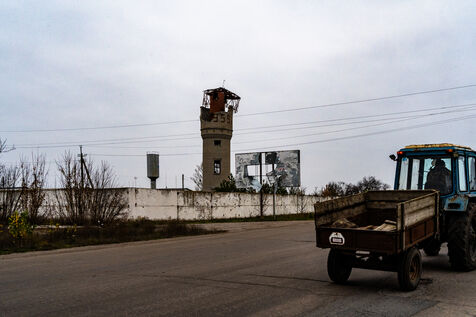
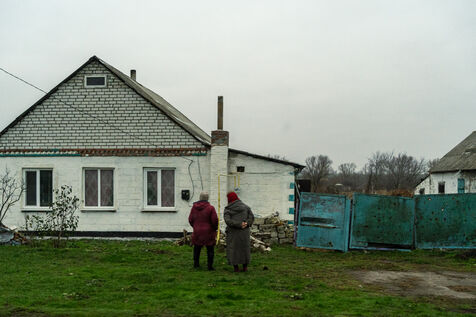
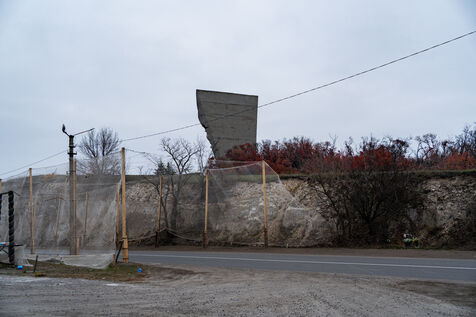
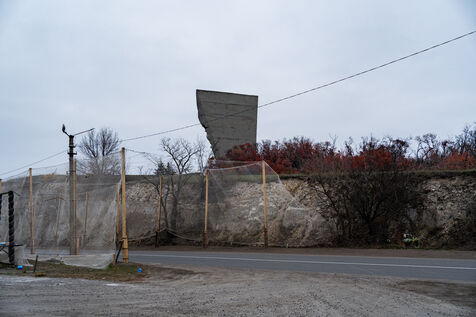
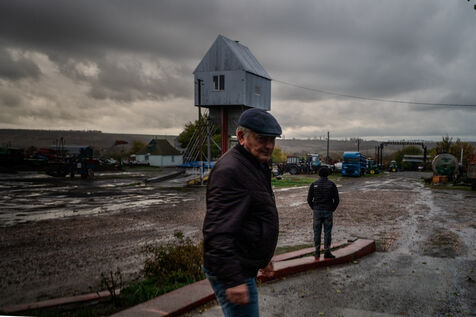
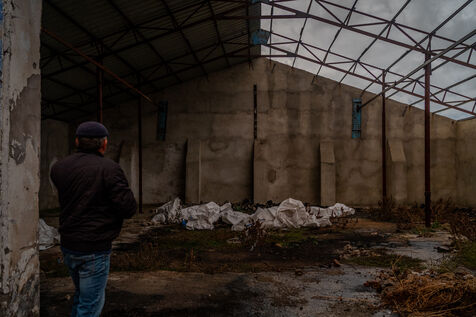
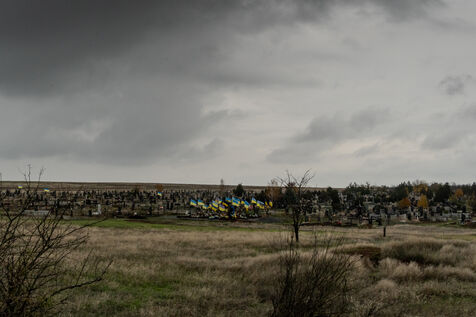
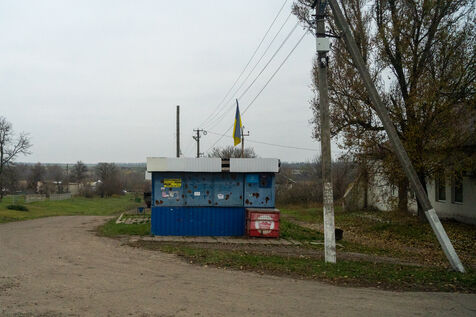
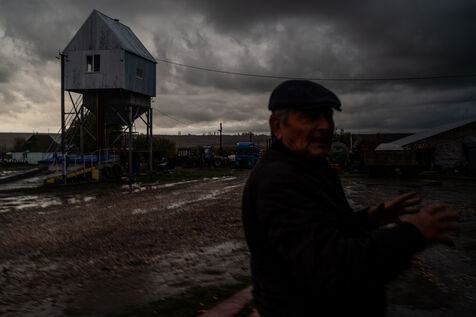
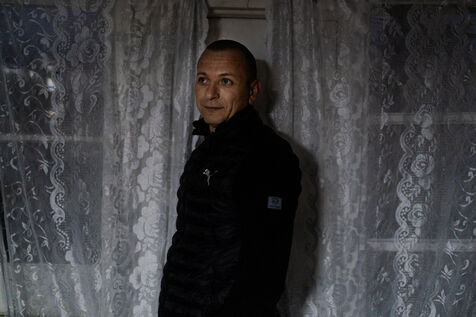
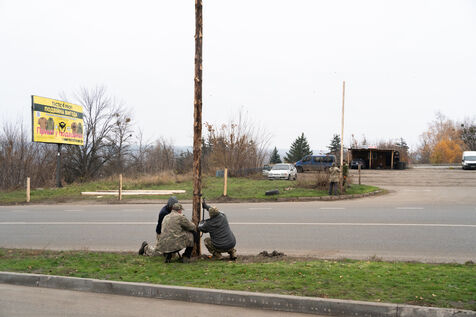
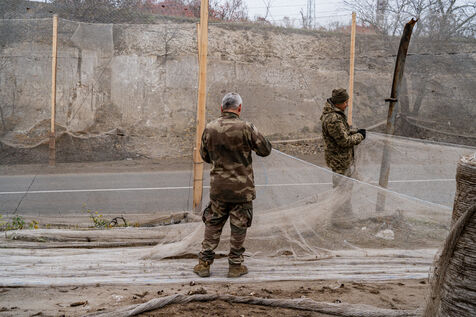
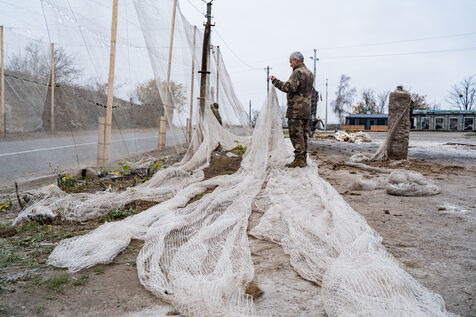
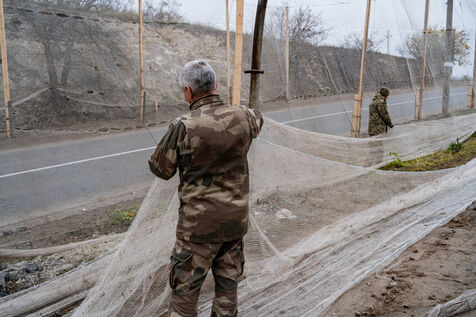
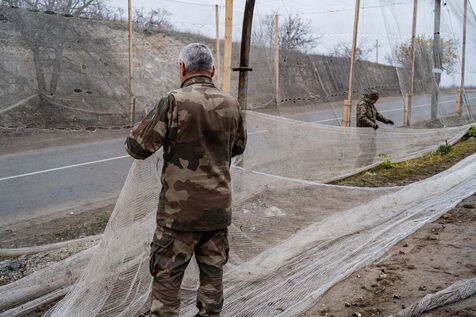
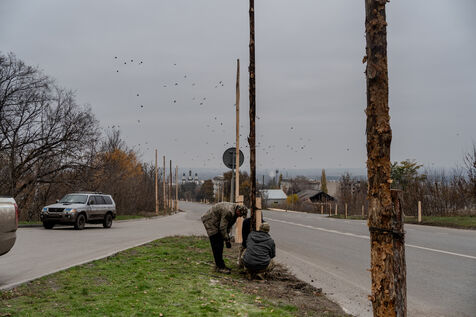
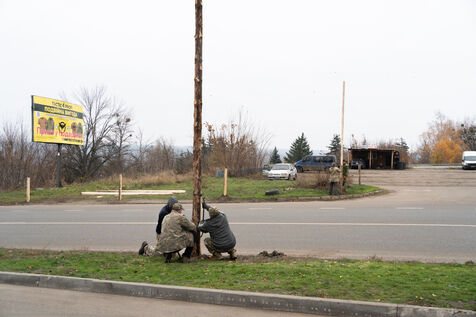
Ce reportage recueille les témoignages de Mykhailo, agriculteur dans la région de Mykolaïv, et d’Anatoly, éleveur dans la région de Sumy en Ukraine.
UKRAINE - AGRICULTURE AND MINE CLEARANCE
The ongoing war in Ukraine has left vast areas of farmland contaminated with landmines and unexploded ordnance, making the country one of the most heavily mined in the world and blocking safe agricultural work for many farmers and livestock producers. An estimated over 139,000 km² — roughly 22 % of Ukraine’s territory — is potentially contaminated with explosive remnants, and a significant portion of this consists of agricultural land that cannot be safely cultivated without clearance operations.
Demining efforts have returned more than 310,000 hectares (over 3,100 km²) of agricultural land to productive use since 2022, but millions of hectares remain unsafe, especially in frontline regions such as Kharkiv, Sumy, Mykolaiv, Kherson, and Zaporizhzhia. This contamination has direct economic impacts: only about 24 million hectares of farmland are currently accessible and safe out of roughly 42 million hectares historically arable, contributing to billions in lost export revenue and increased operational costs.
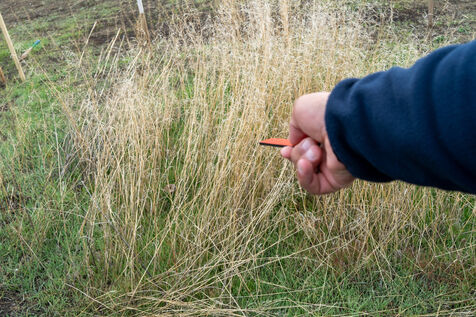
The threat of mines also affects livestock grazing and pastoral activities, as farmers are forced to abandon pastures or delay animal movements for fear of unseen ordnance. According to FAO surveys, around 18–32 % of small-scale crop producers report part of their land affected by unexploded ordnance, with ripple effects on revenues and food security; small livestock farmers likewise see decreased incomes.
This reportage collects testimony from Mykhailo, a farmer in the Mykolaiv region, and Anatoly, a livestock breeder in the Kharkiv region of Ukraine.