UKRAINE | OPERATIONS DE DEMINAGE
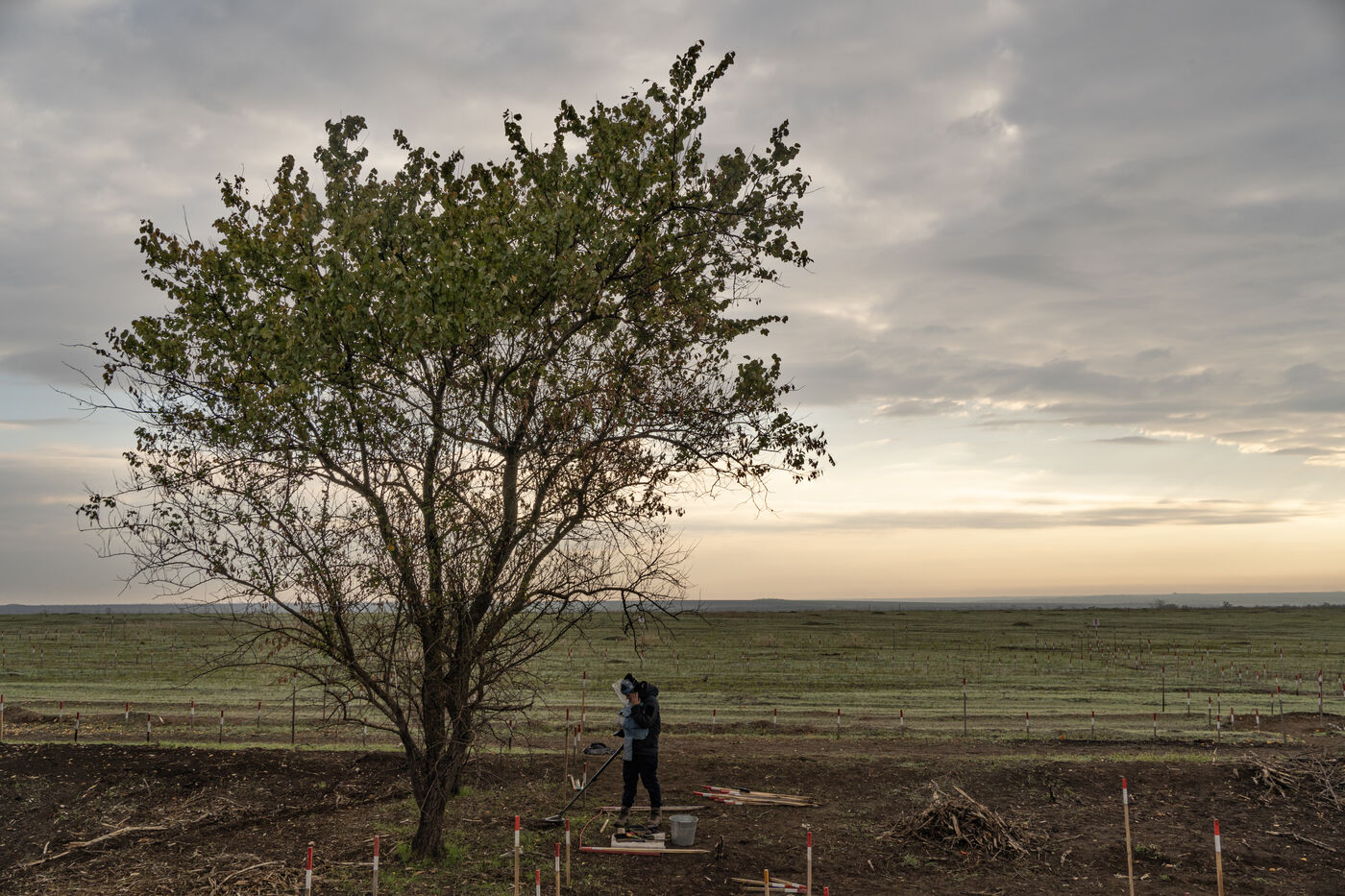
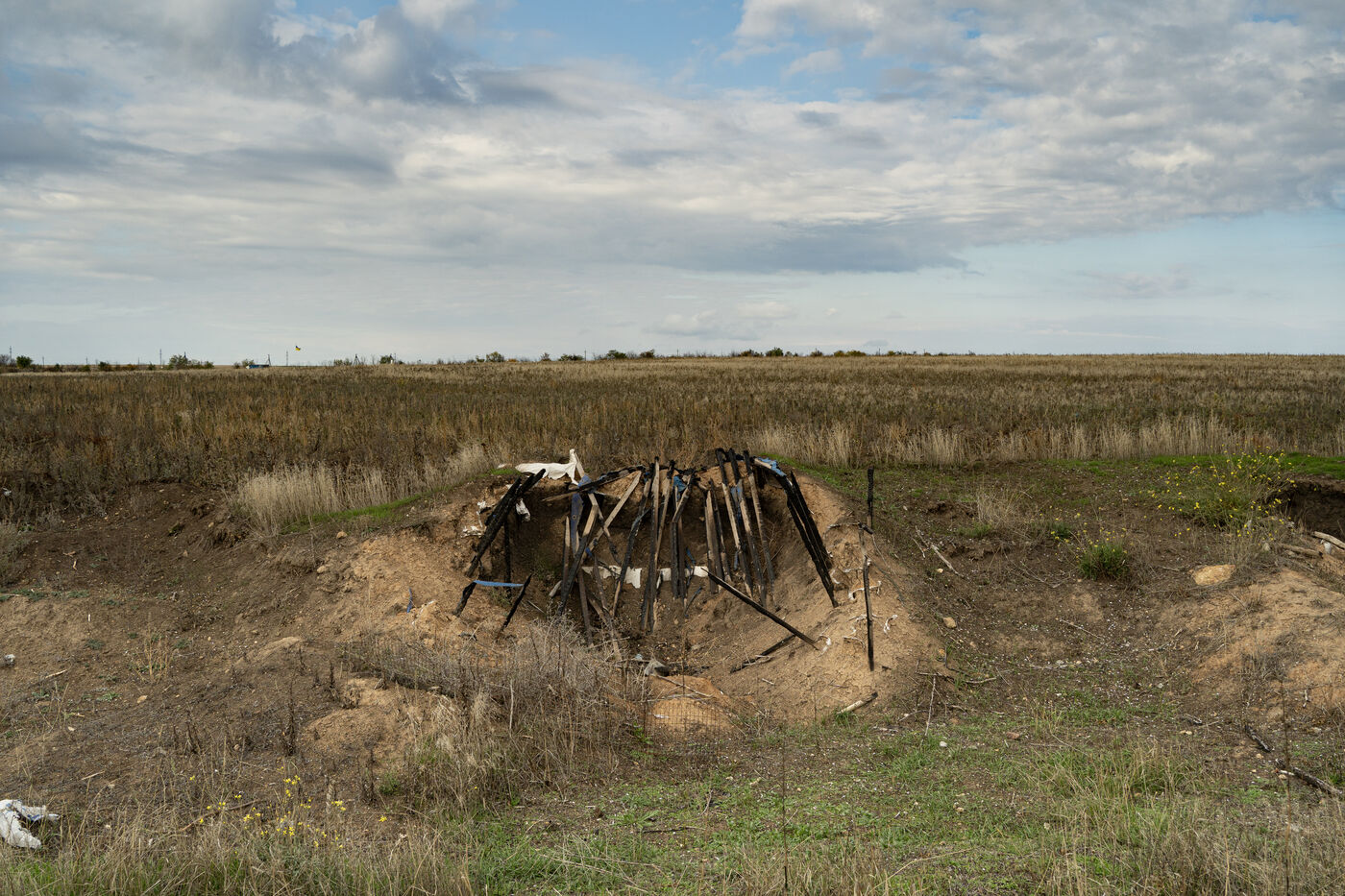
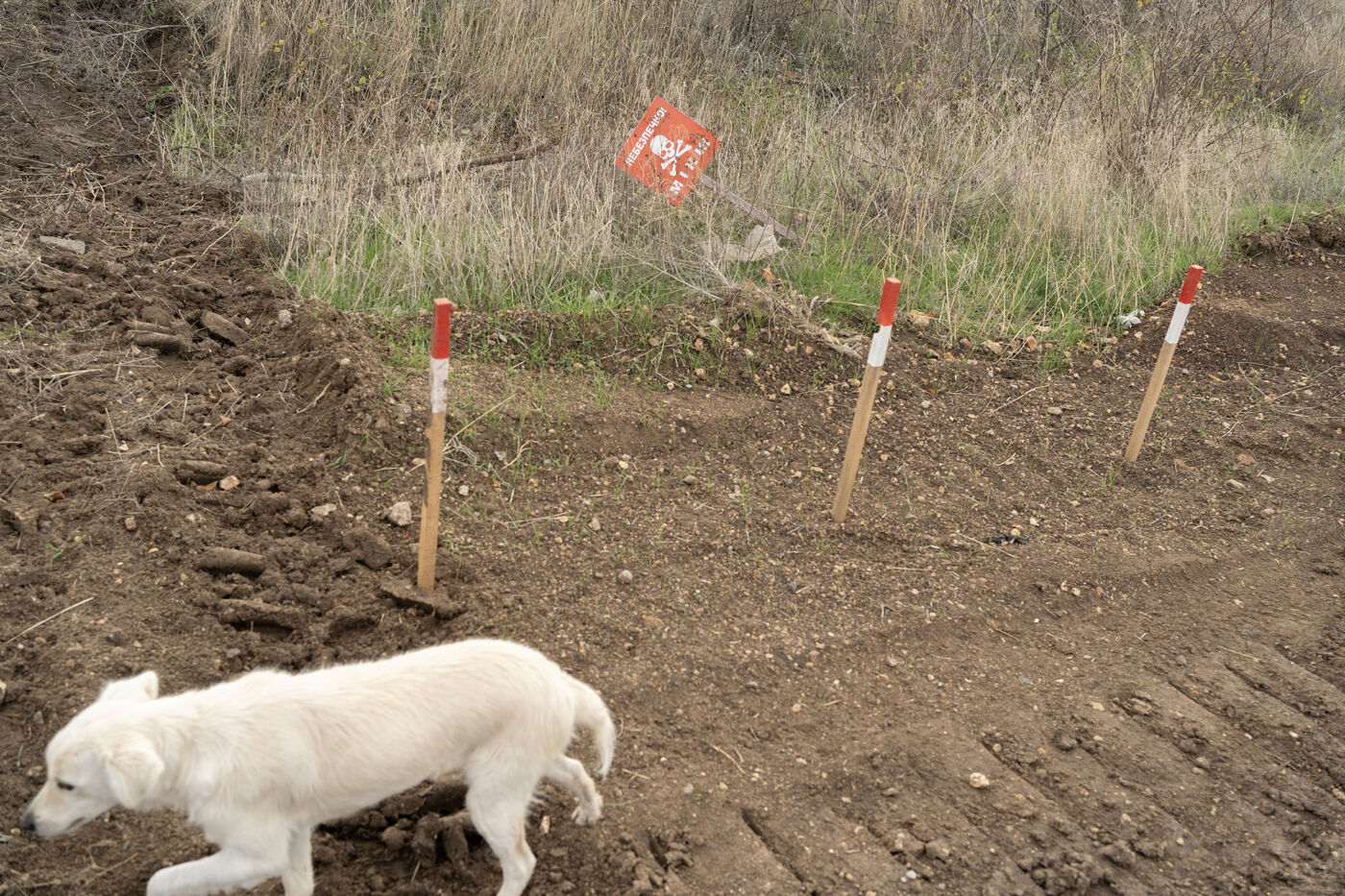
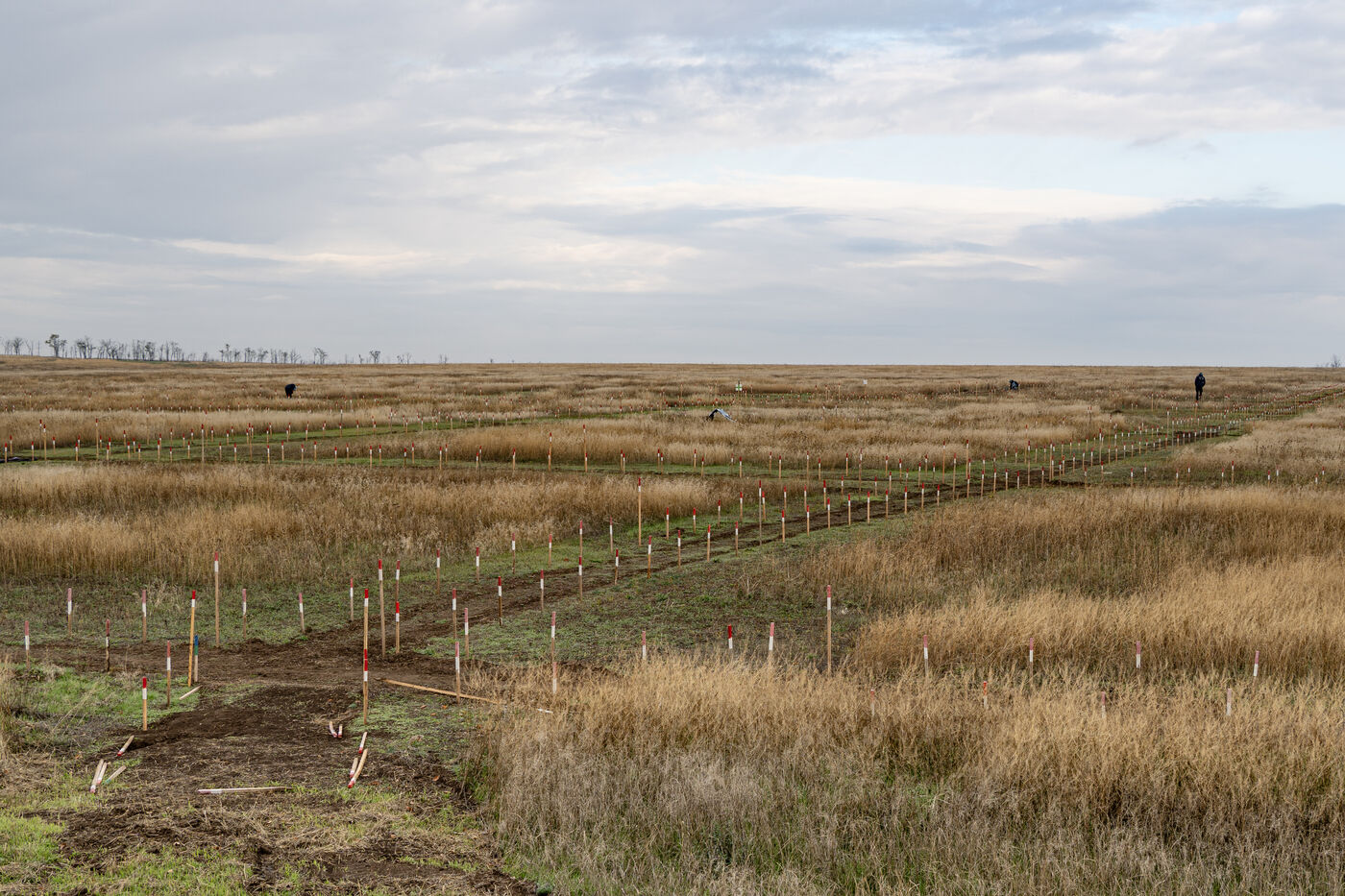
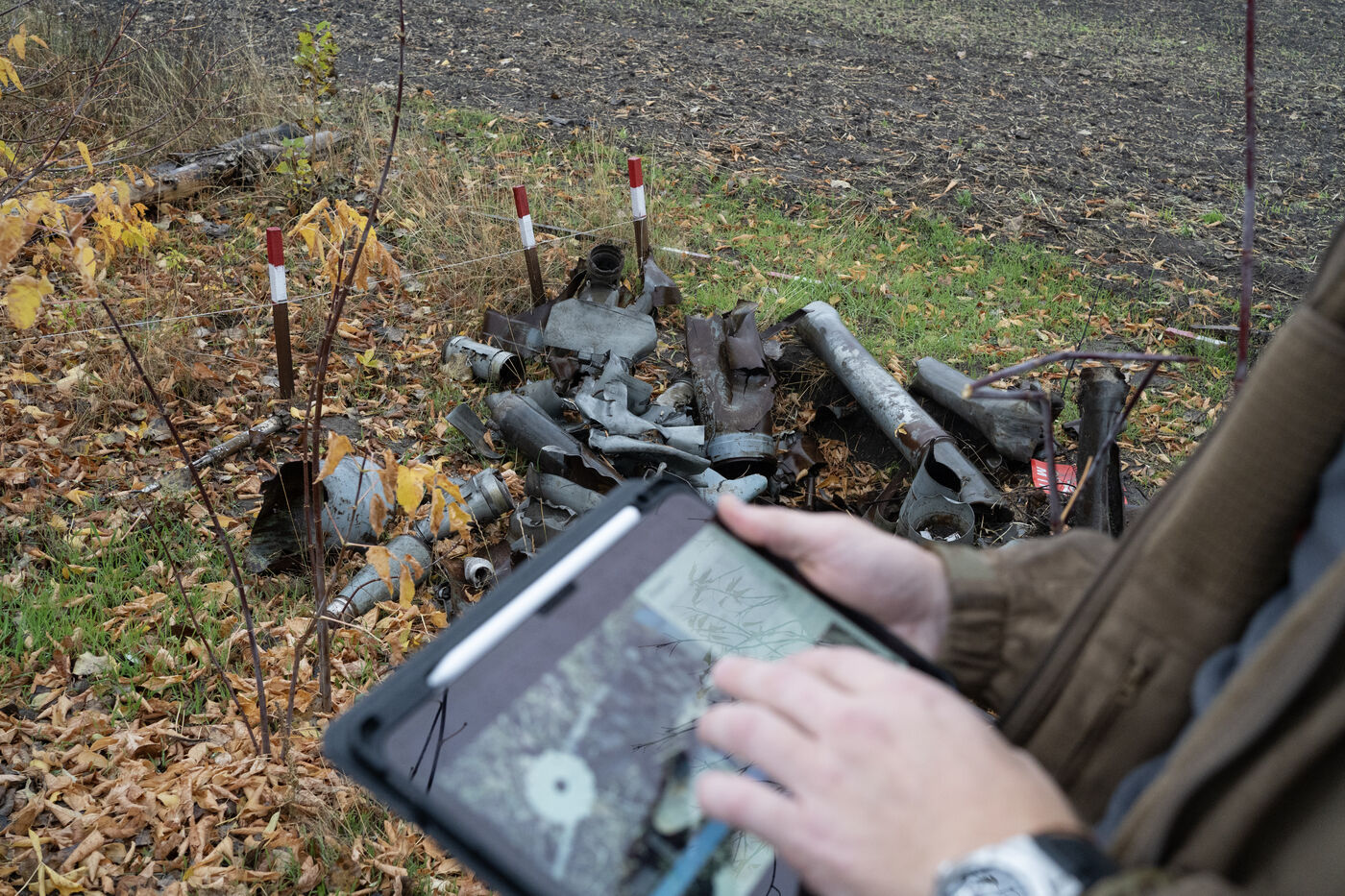
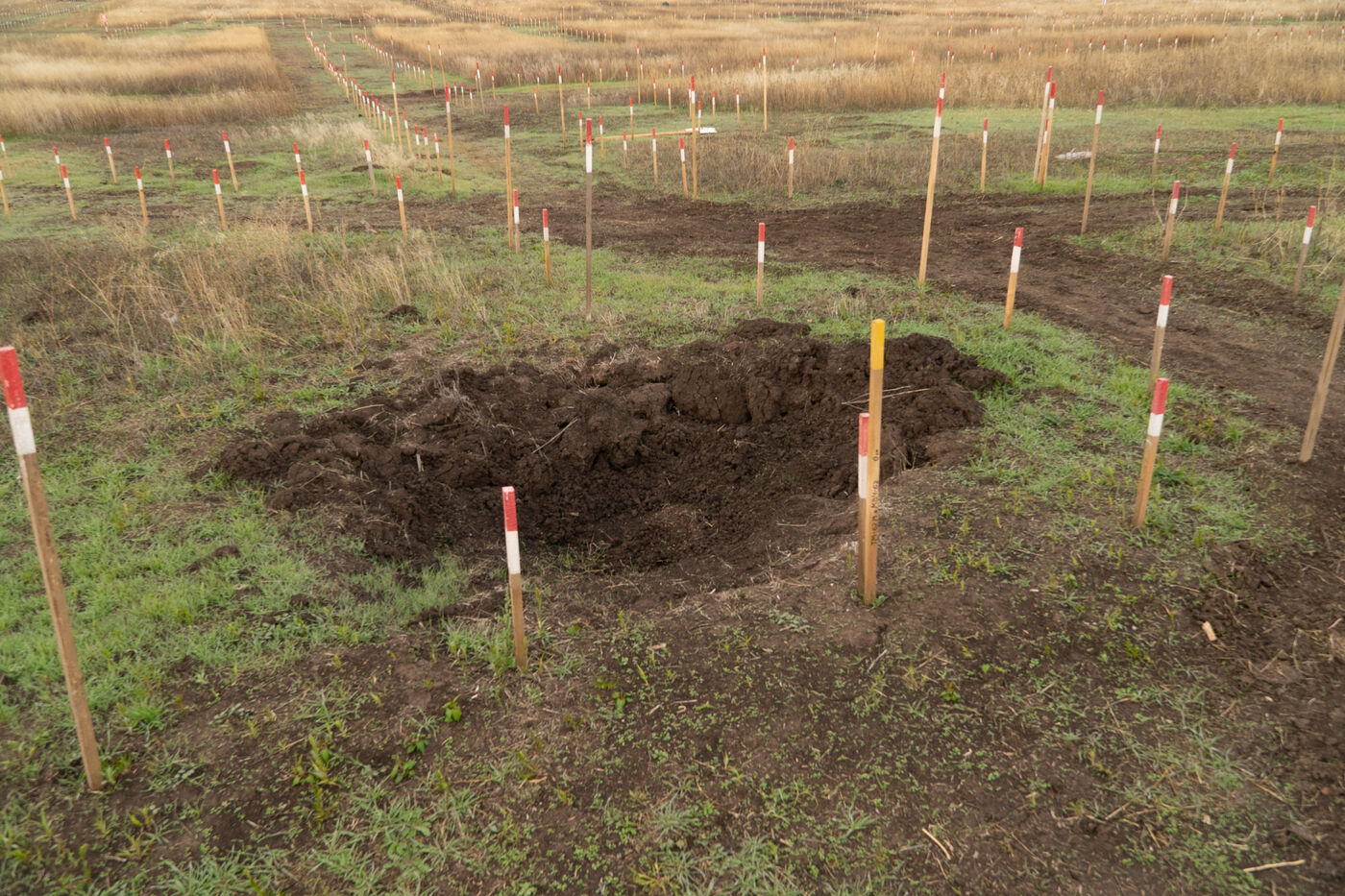
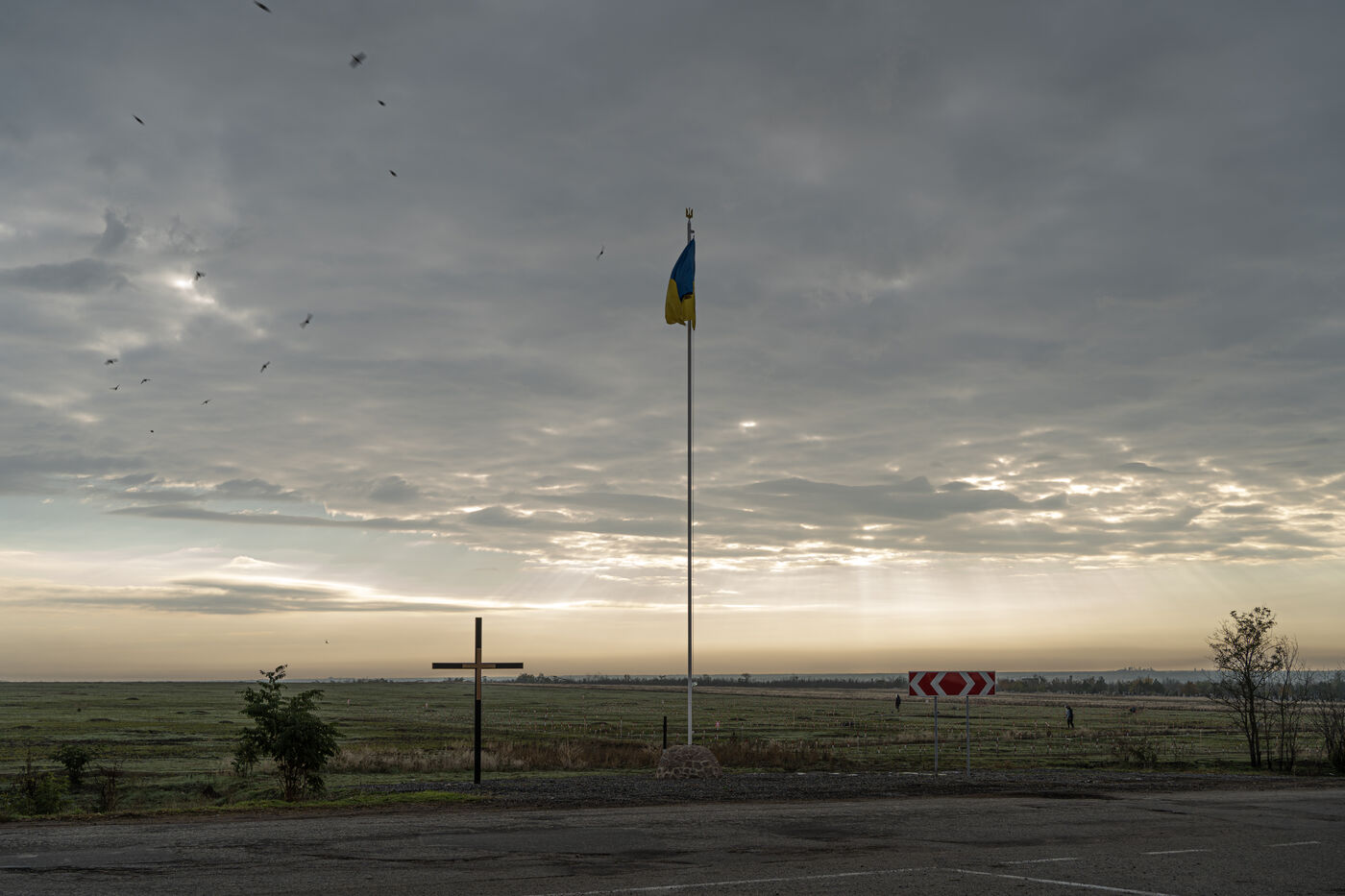
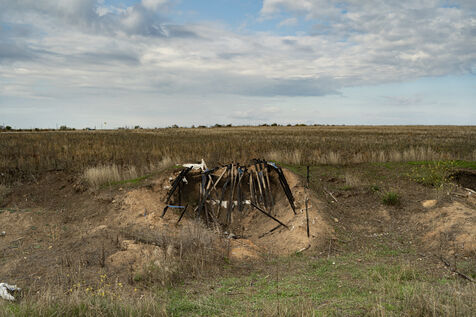
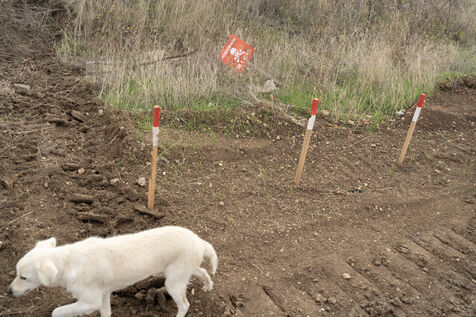
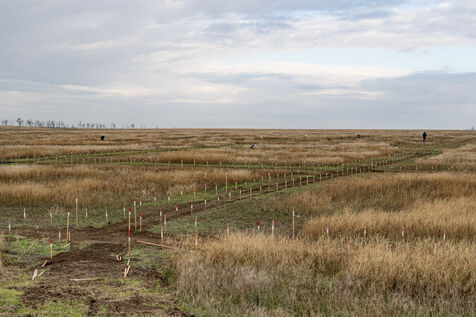
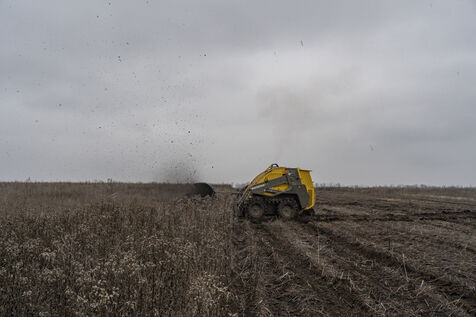
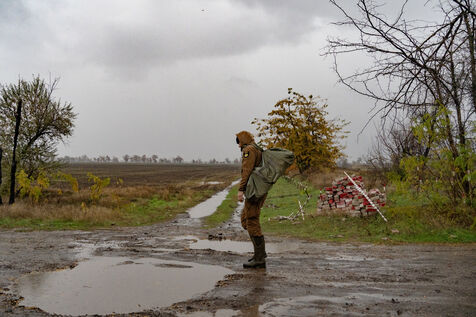
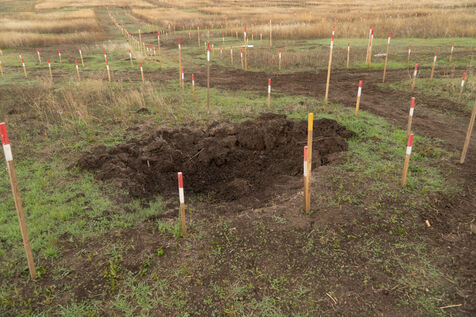
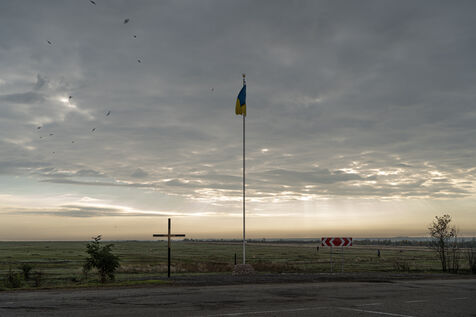
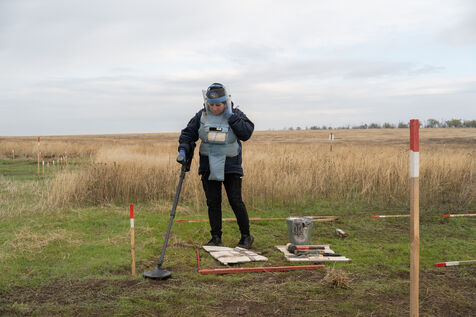
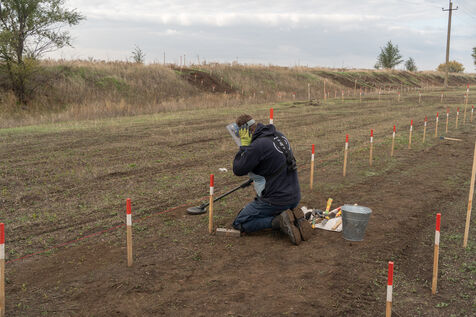
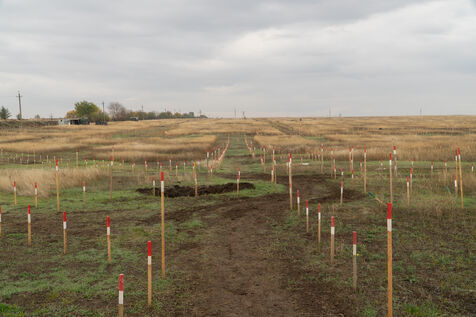
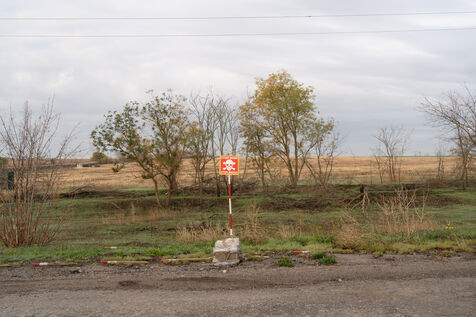
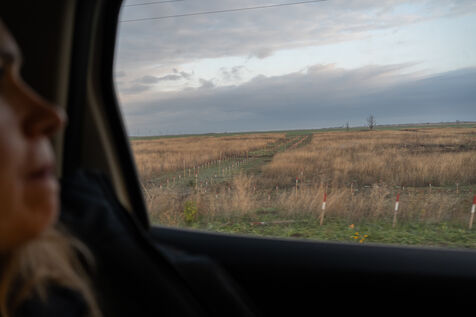
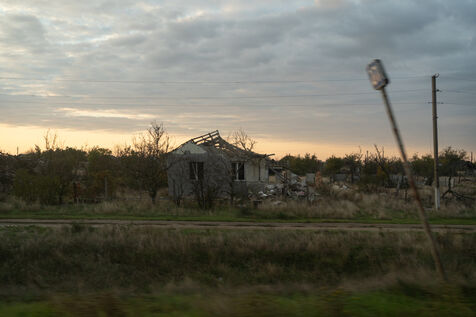
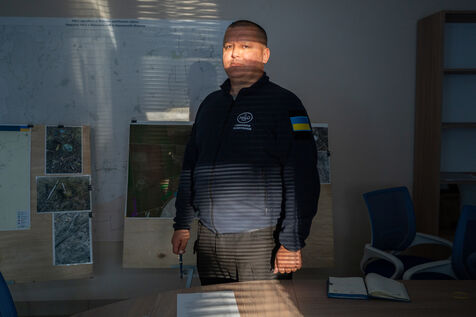
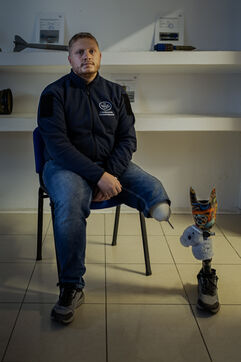
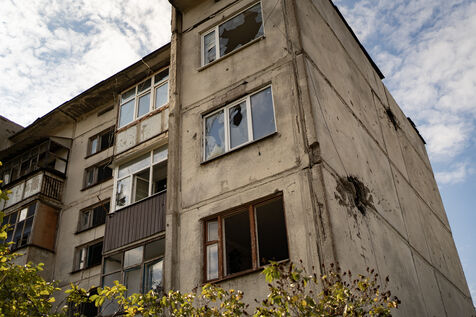
Trois ans après le retrait des forces russes du 7 novembre 2022, les villages et terres situés sur les anciens fronts restent gravement affectés : mines antipersonnel et munitions non explosées menacent toujours la vie quotidienne. Selon Ivan Kukhta, administrateur militaire de Snihurivka, plus de 10 000 hectares sont considérés à haut risque. Depuis la libération de la région, 41 243 hectares ont été déminés, principalement des terres agricoles, tandis que 9,8 millions d'hectares restent inutilisables à l'échelle nationale. Plus de cent organisations publiques, privées et ONG participent aux opérations de déminage.
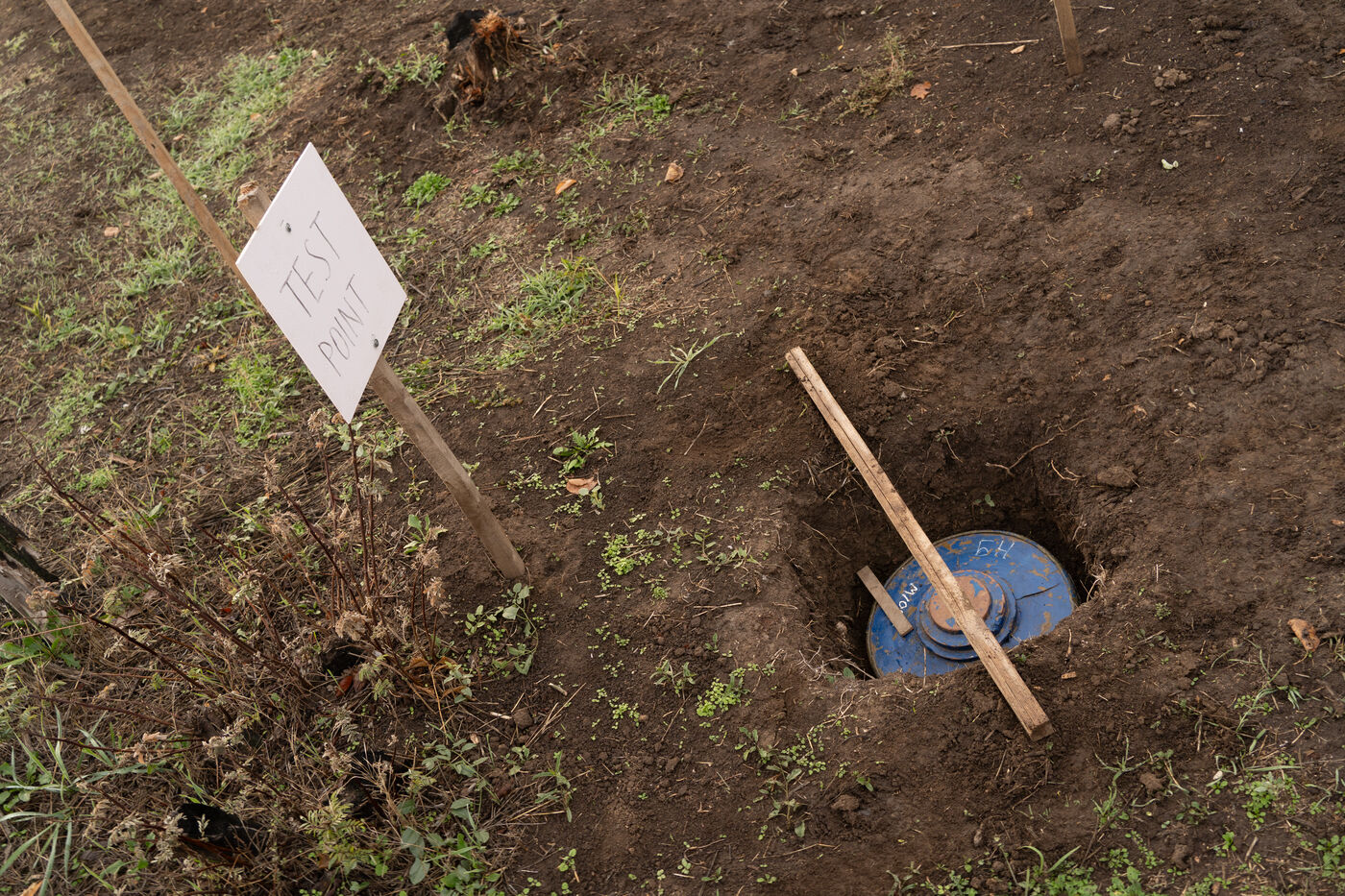
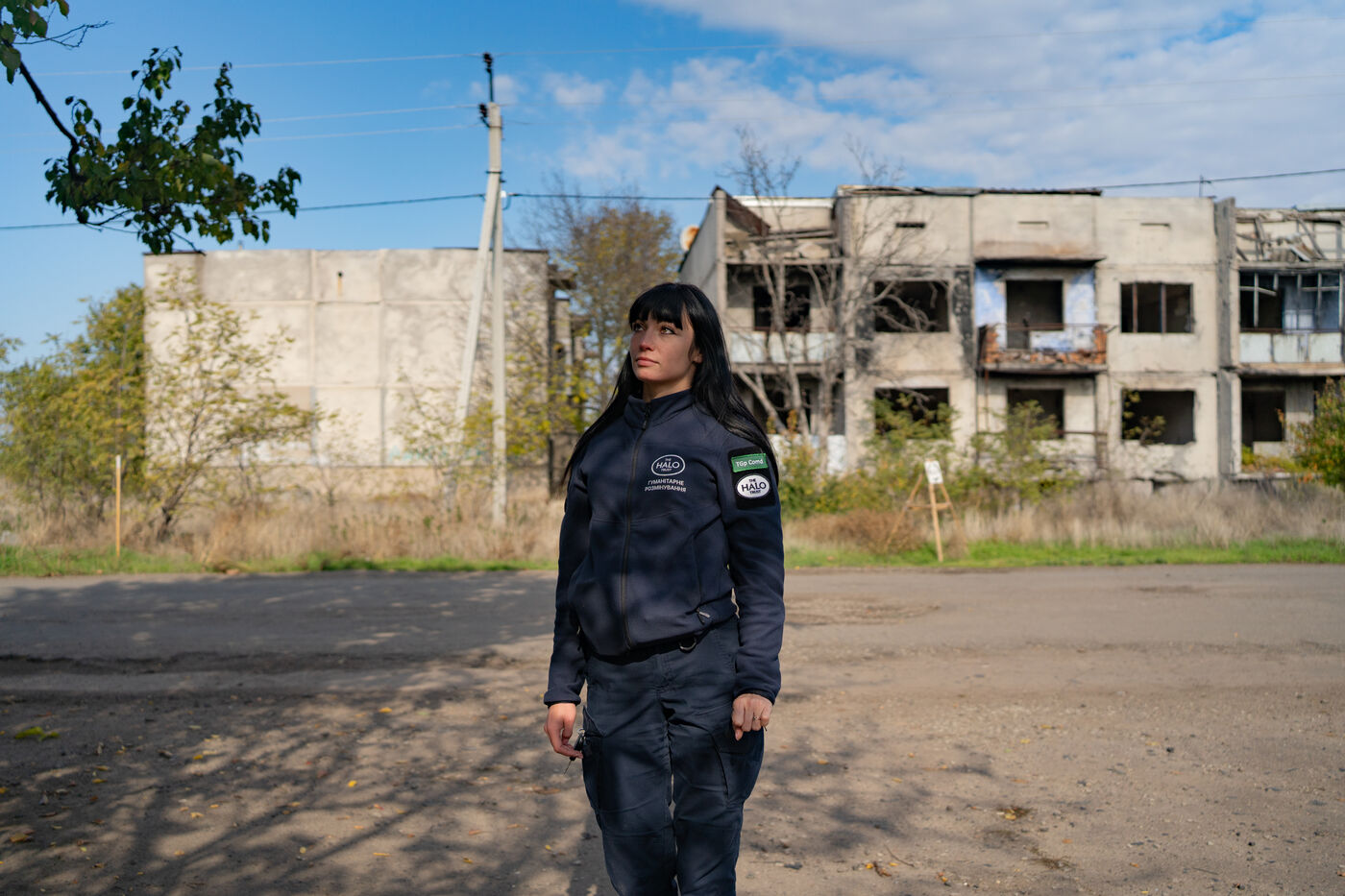
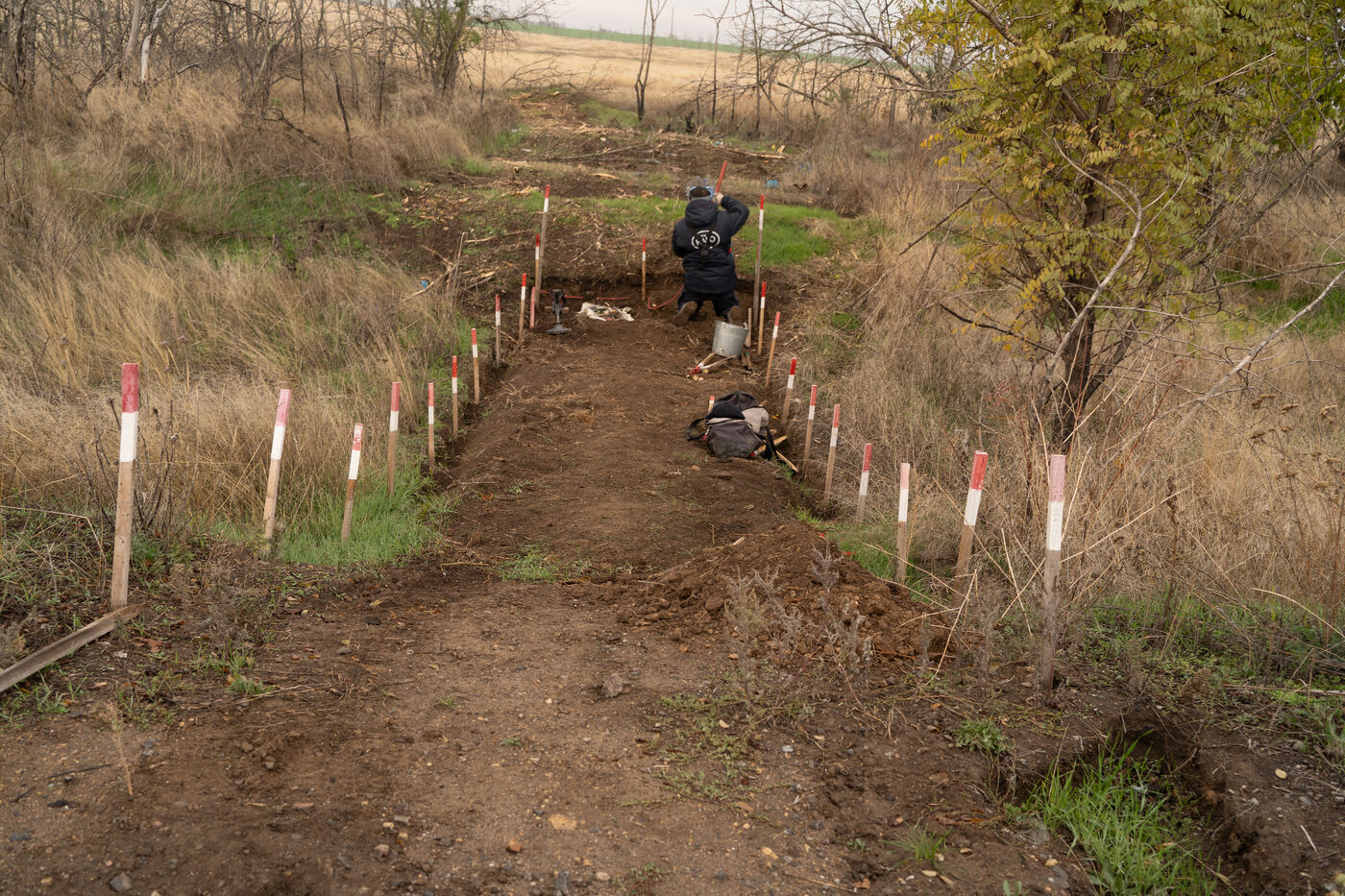
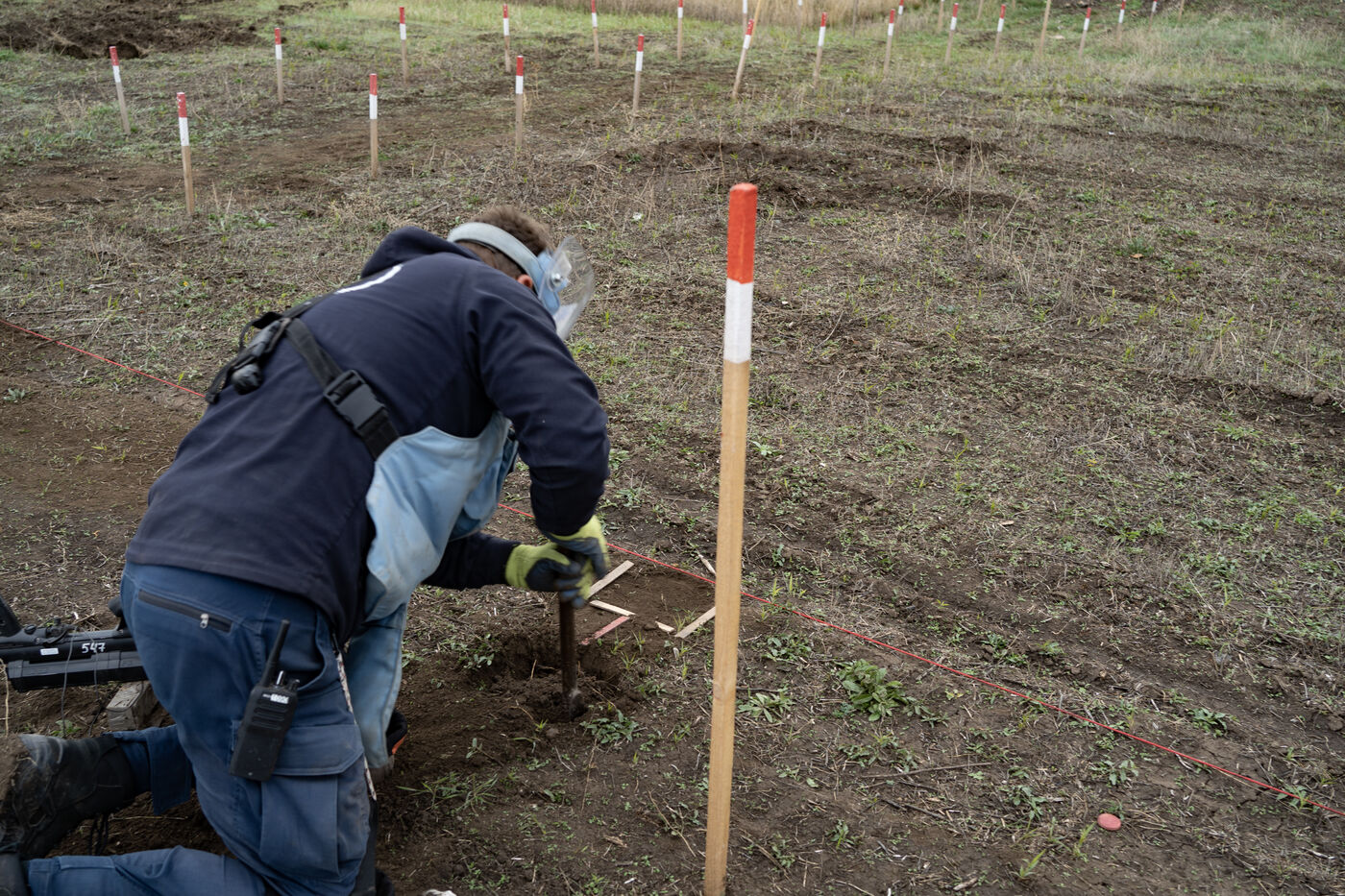
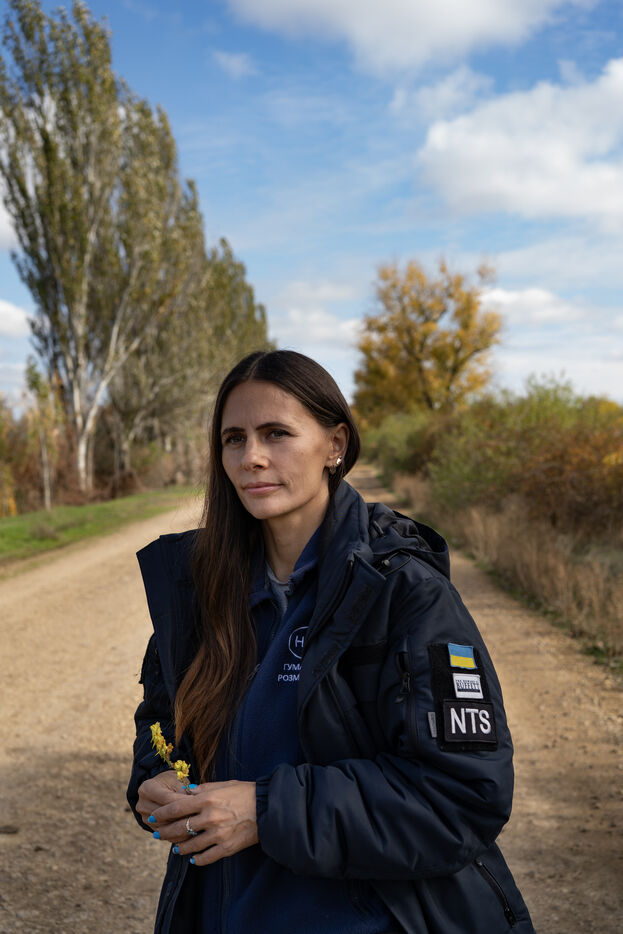
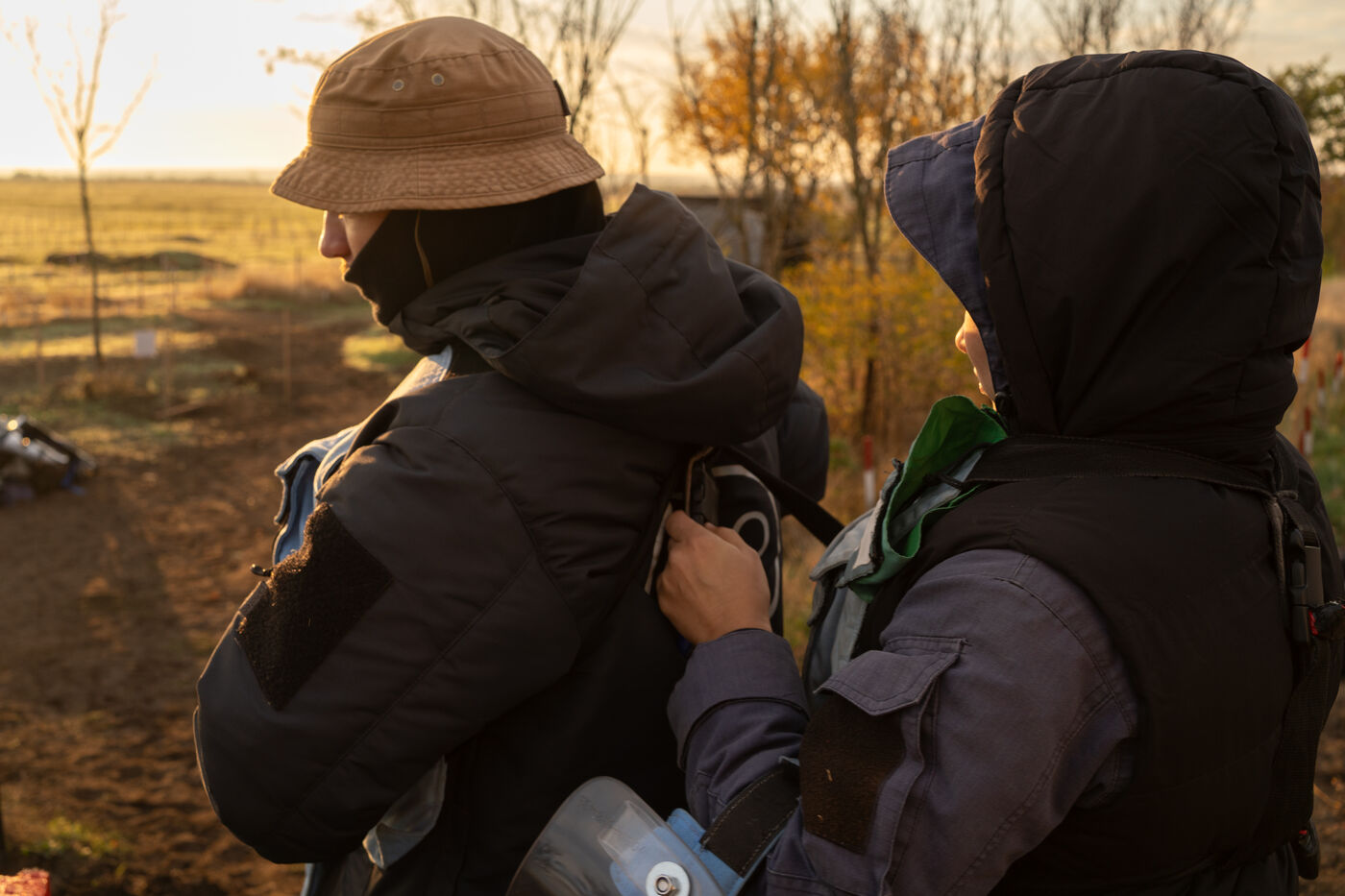
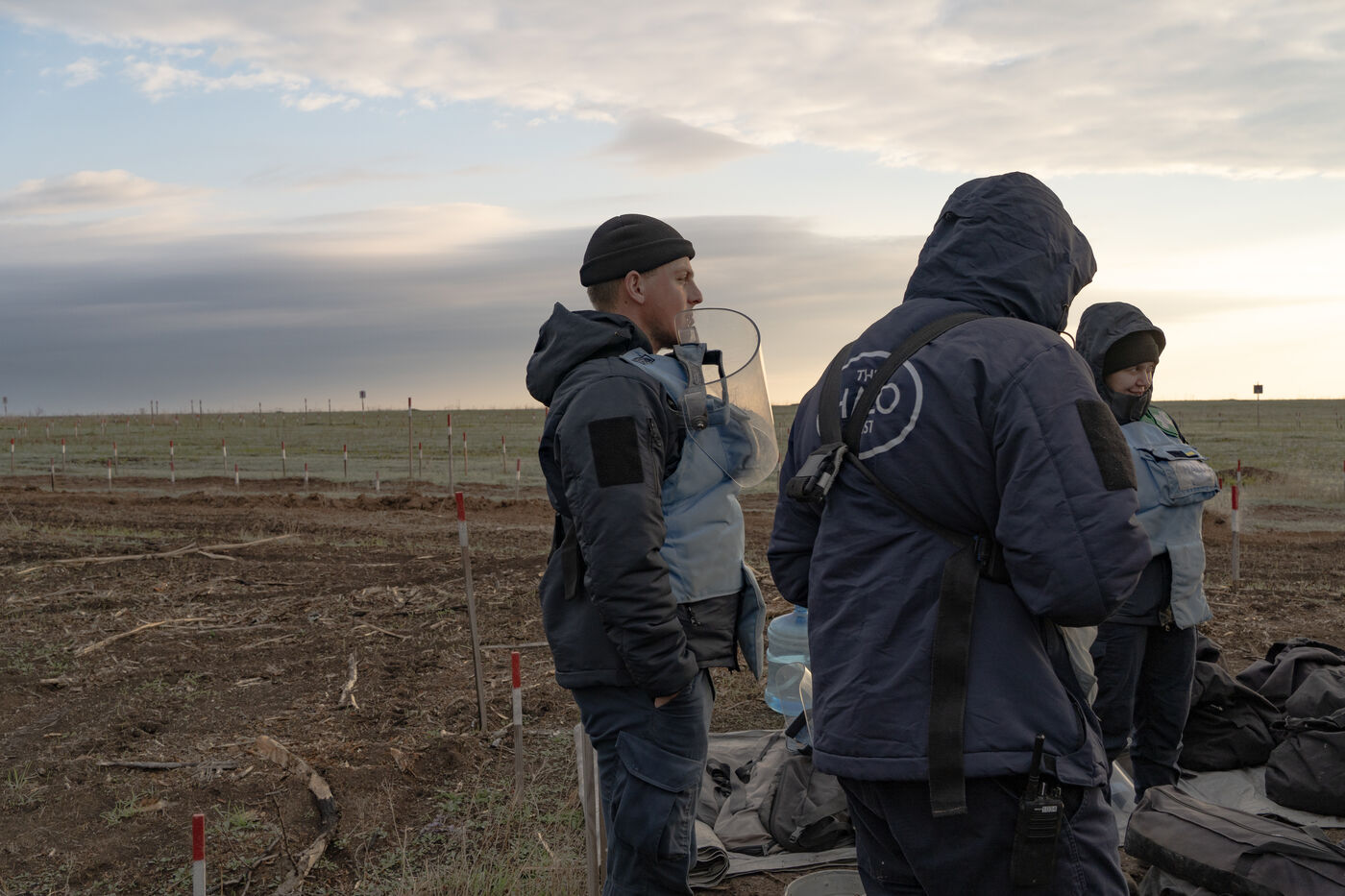
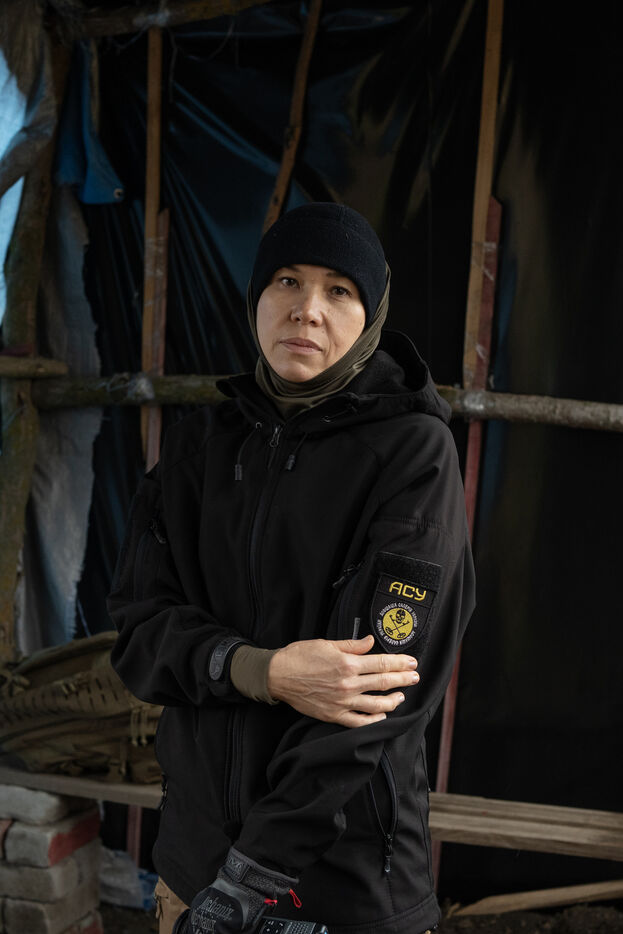
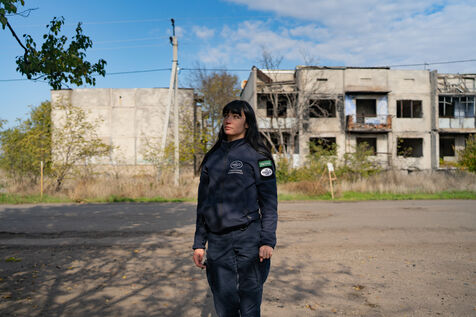
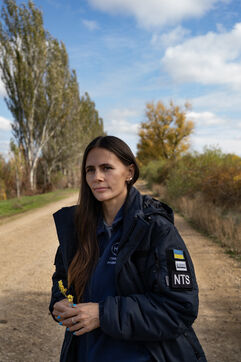
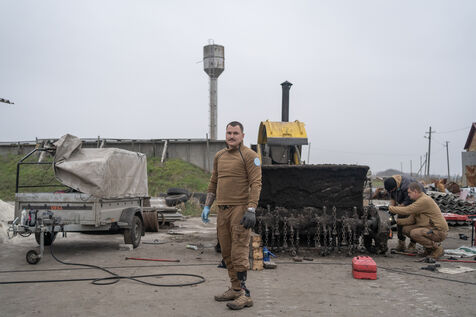
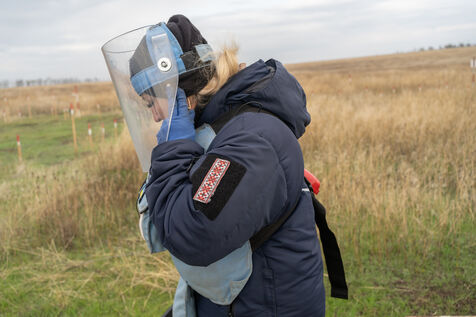
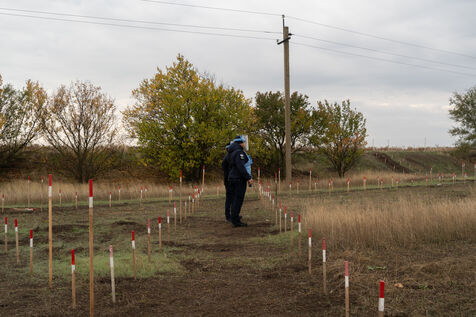
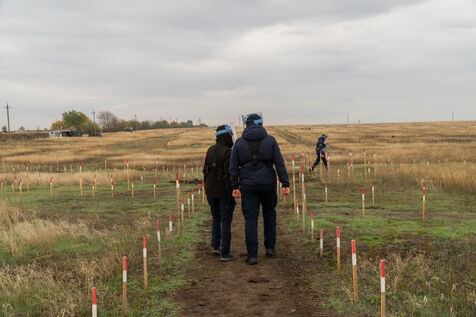
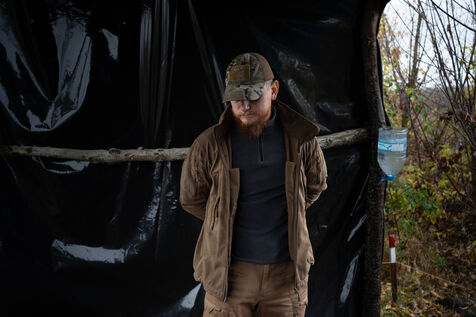
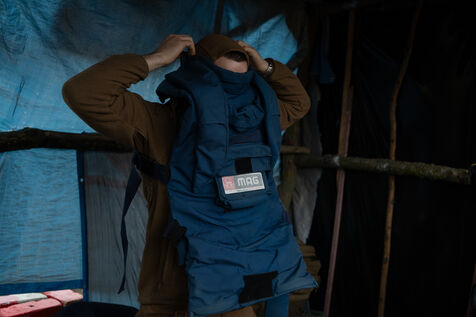
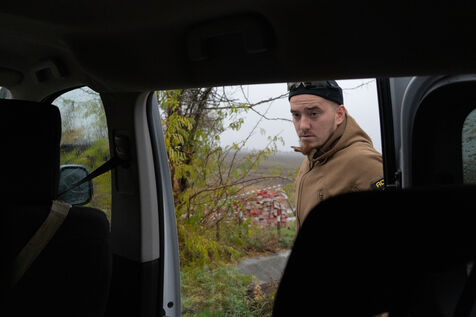
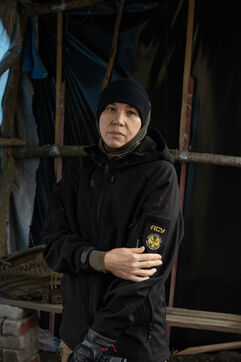
Andrei, responsable de terrain de l'ONG HALO Trust pour Novopetrivska, Yevhenivka et Snihurivka (villages où passait la frontière en 2022), rapporte qu'environ 15 000 mines et munitions non explosées ont été neutralisées dans la région de Mykolaïv par l'ONG. Au 15 mars 2025, plus de 70 000 engins avaient été détruits et 26 000 hectares libérés dans la région.
En 2025, le ministère de l'Économie, responsable de la coordination des opérations de déminage, a lancé un plan d'accélération : un budget de 3 milliards UAH pour 2024, des remboursements couvrant jusqu'à 100 % des coûts pour les agriculteurs, l'ouverture du marché, l'augmentation du nombre d'opérateurs certifiés et des programmes de formation.
Fin octobre 2025, la Conférence internationale sur le déminage à Tokyo, organisée par le Japon et le PNUD, a réuni des représentants de plus de trente pays donateurs et a abouti à la création d'un fonds de 150 millions USD pour moderniser le matériel, former des équipes locales et coordonner les opérations dans les régions les plus touchées, comme Mykolaïv et Kherson.
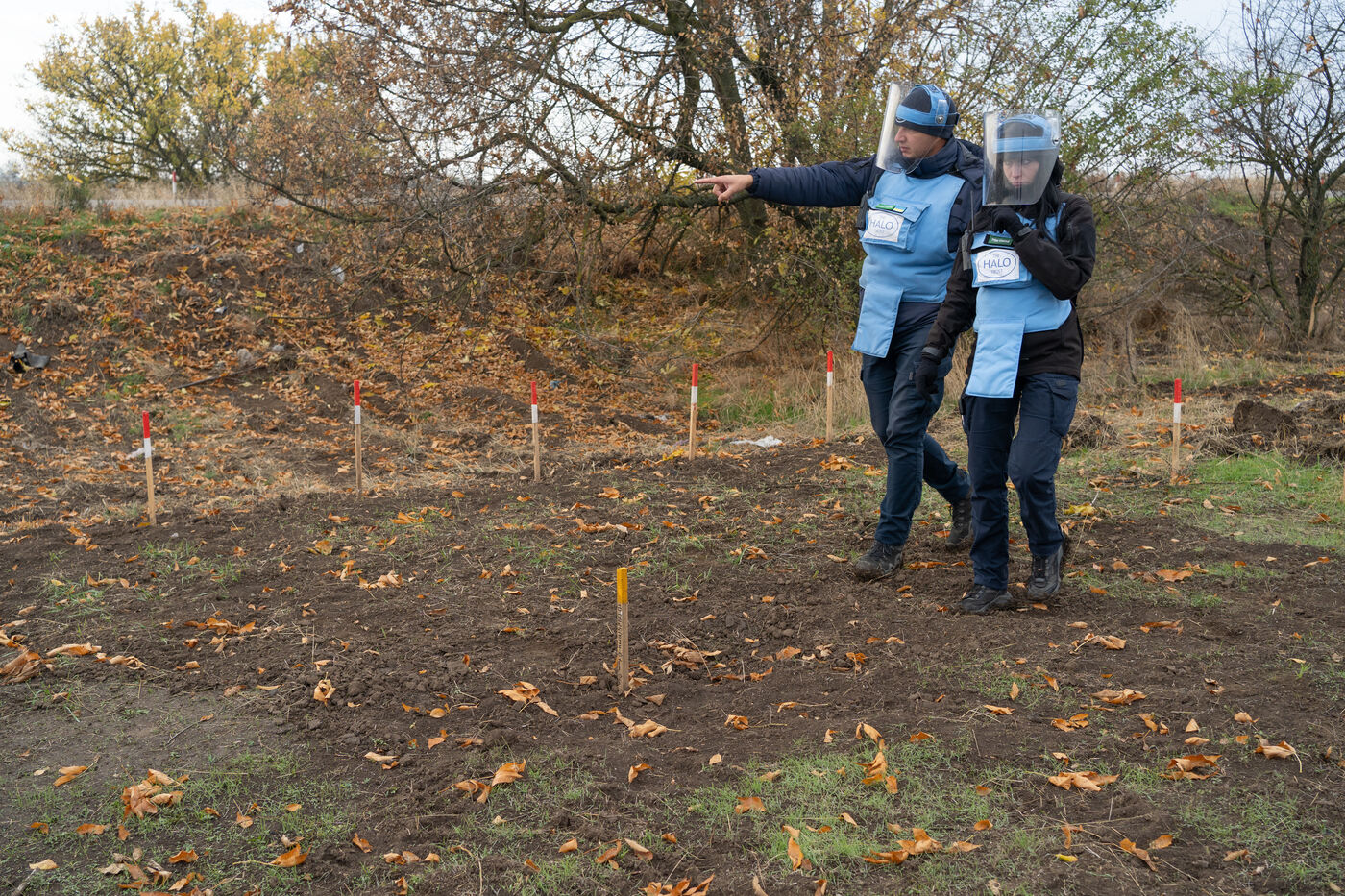
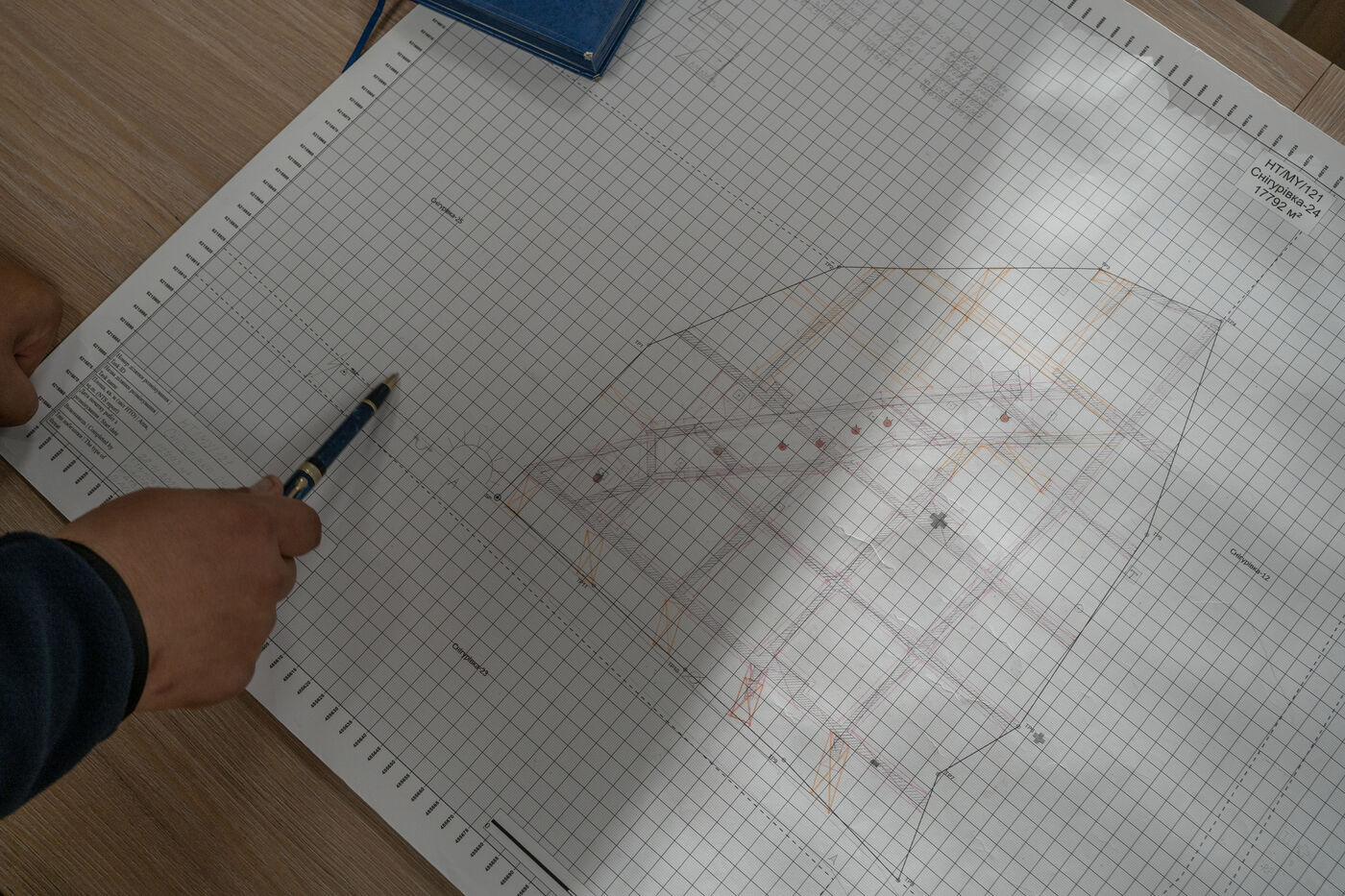
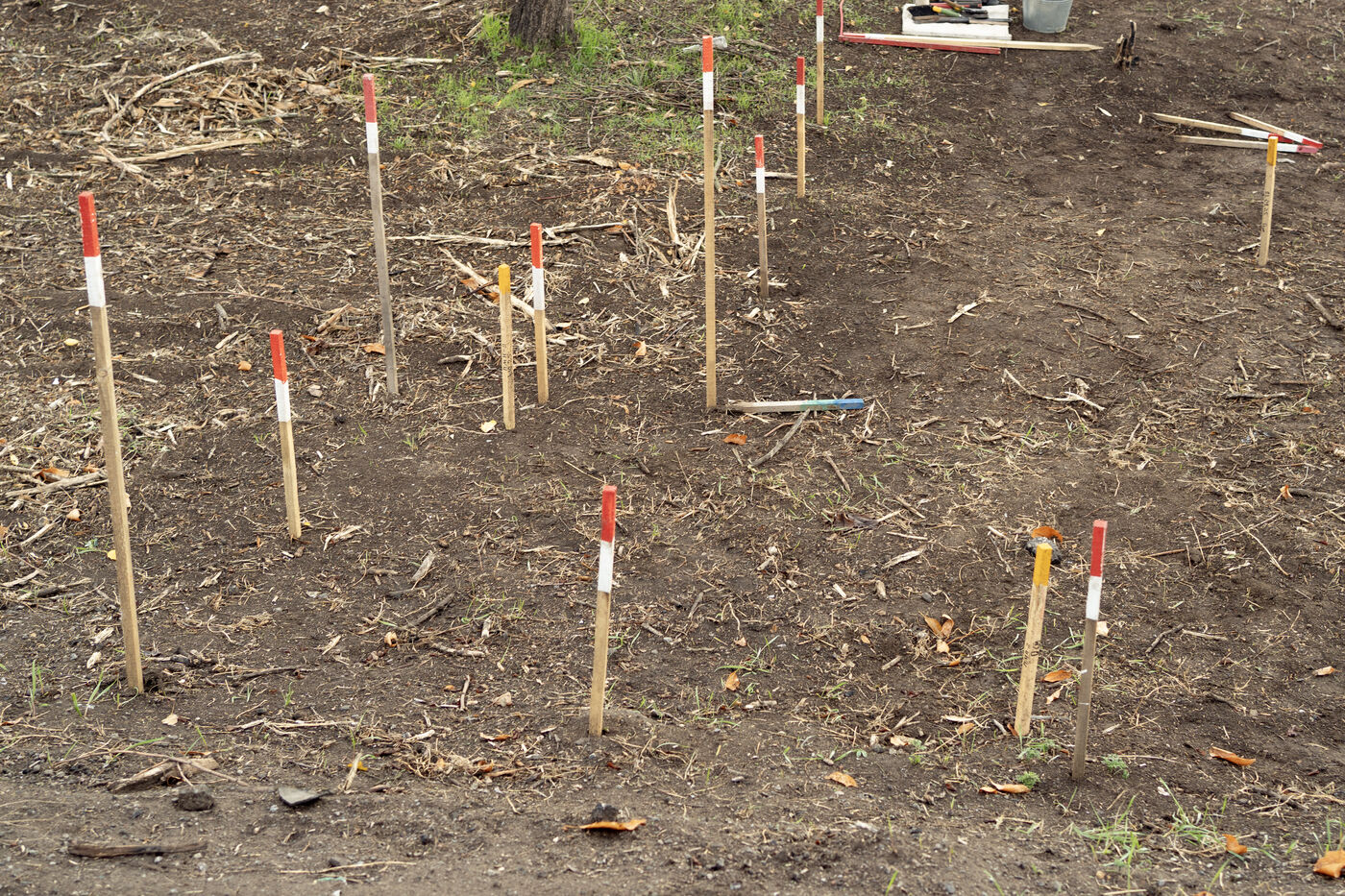
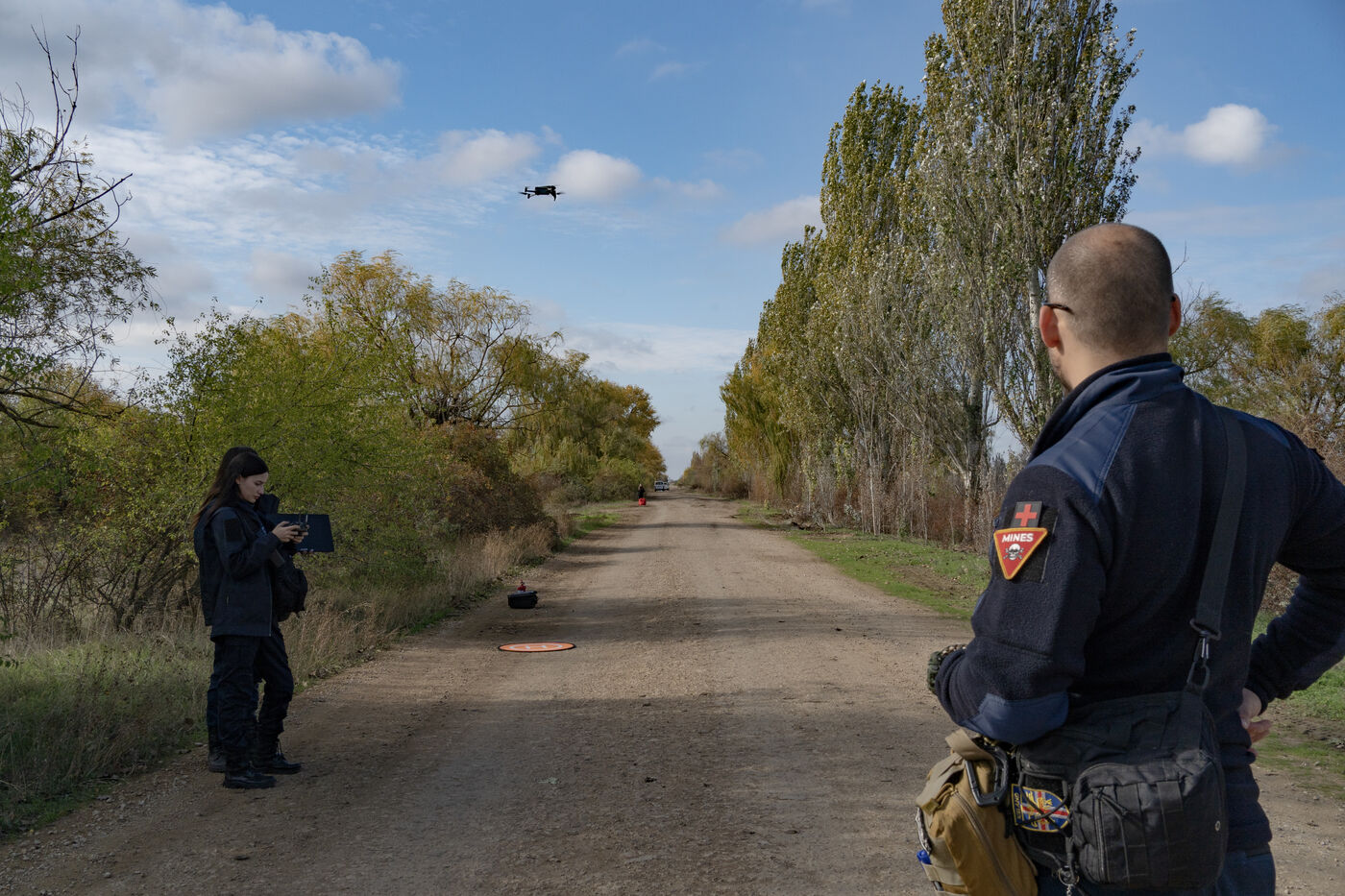
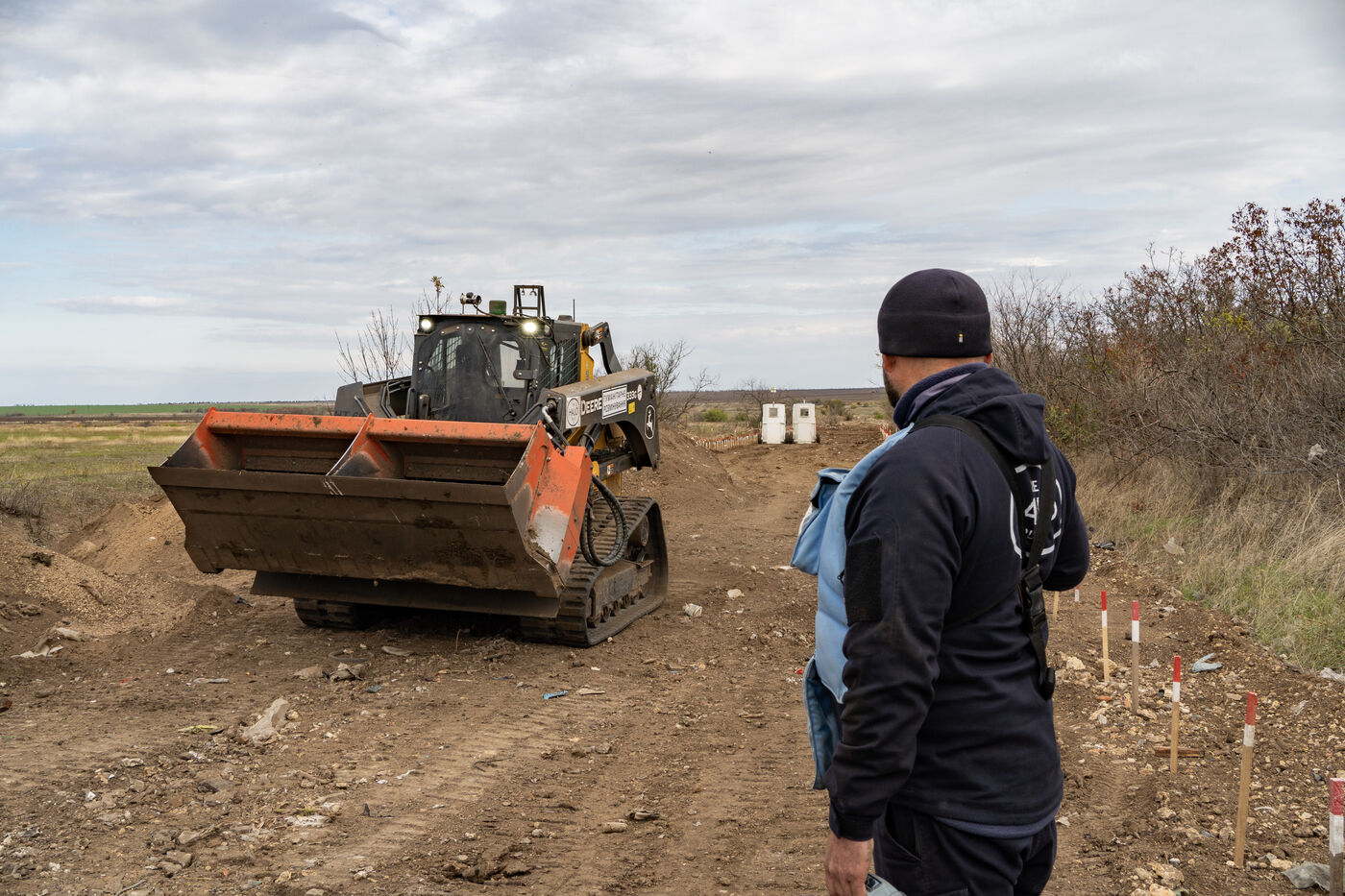
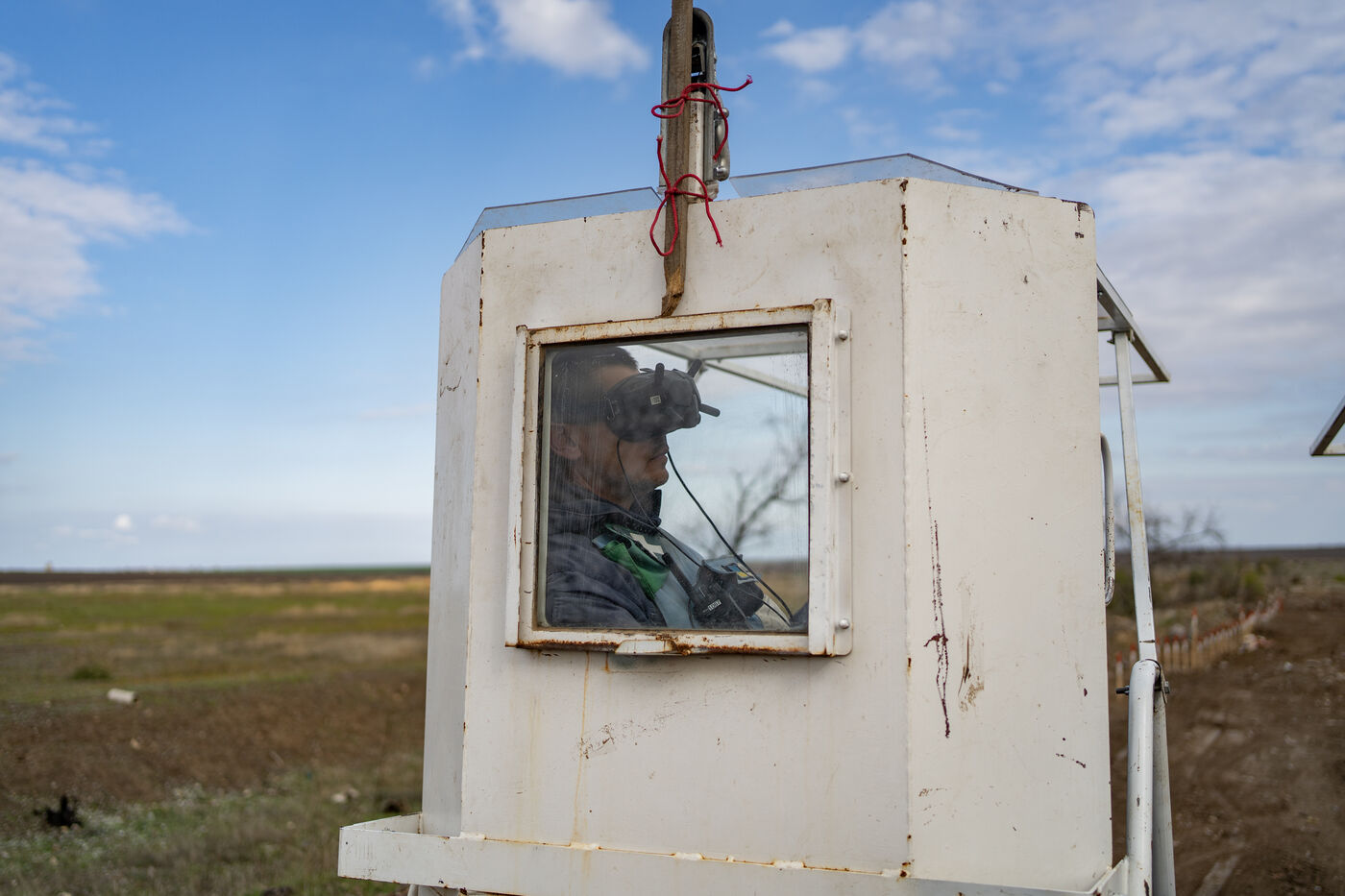
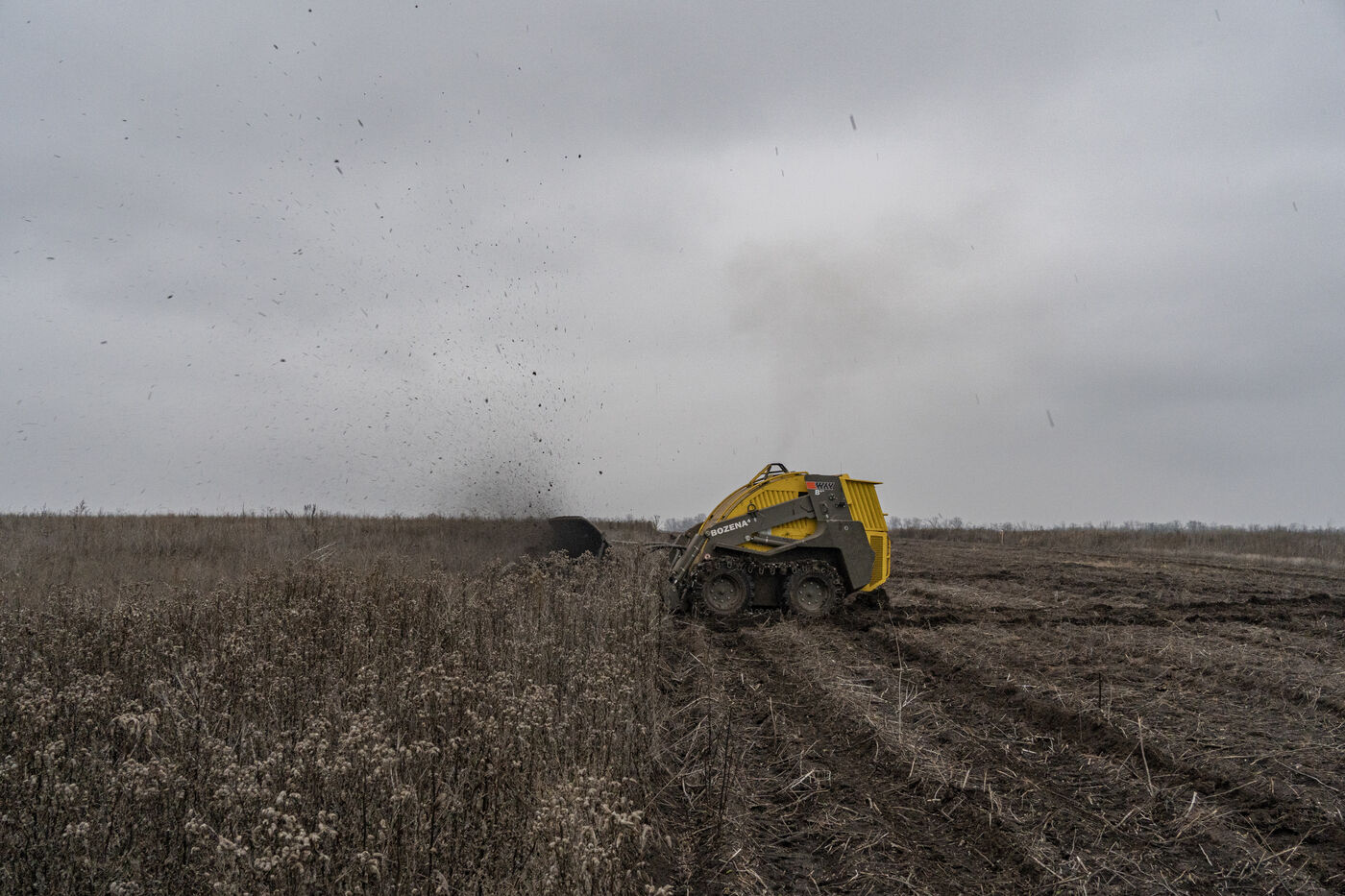
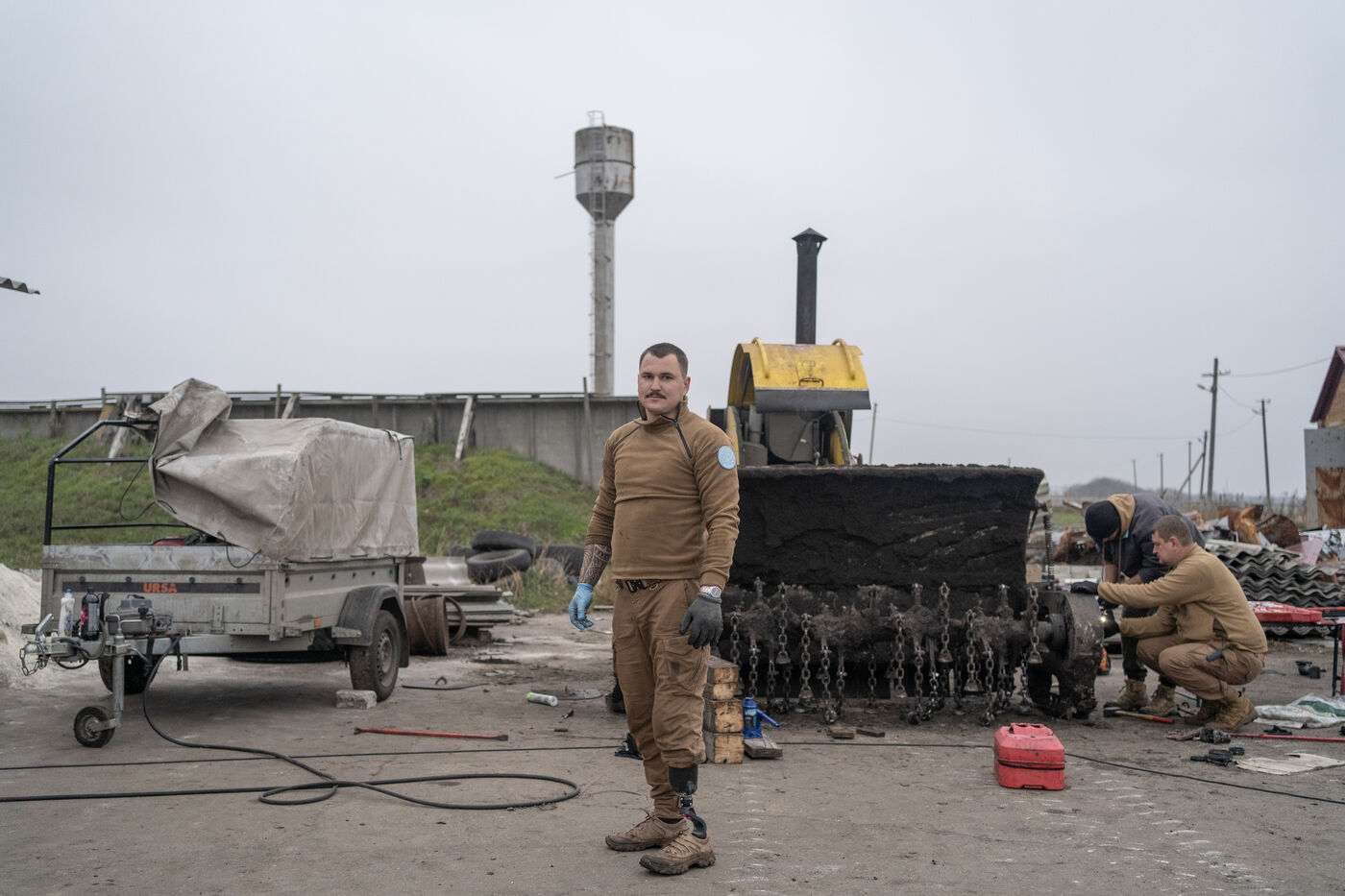
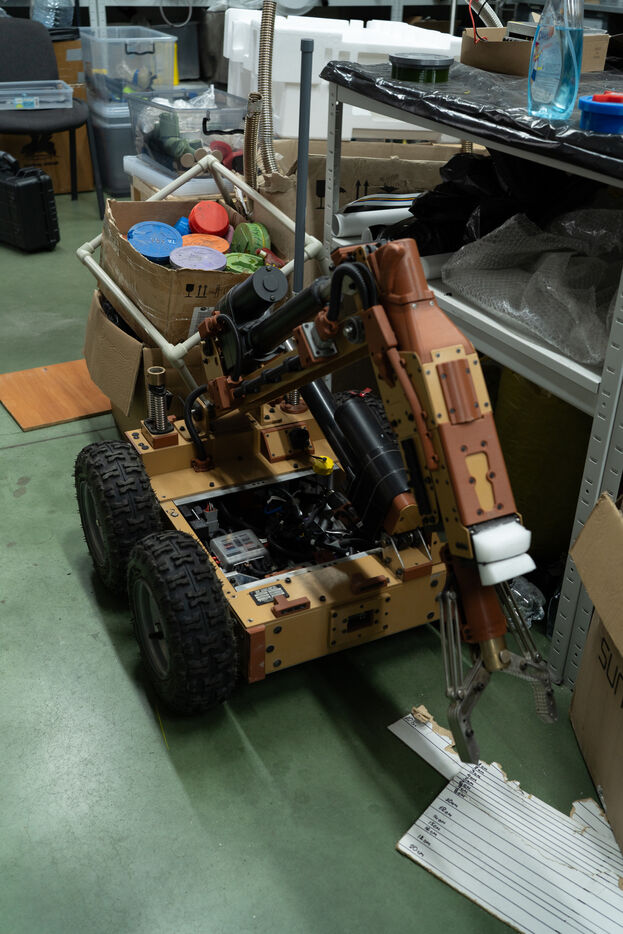
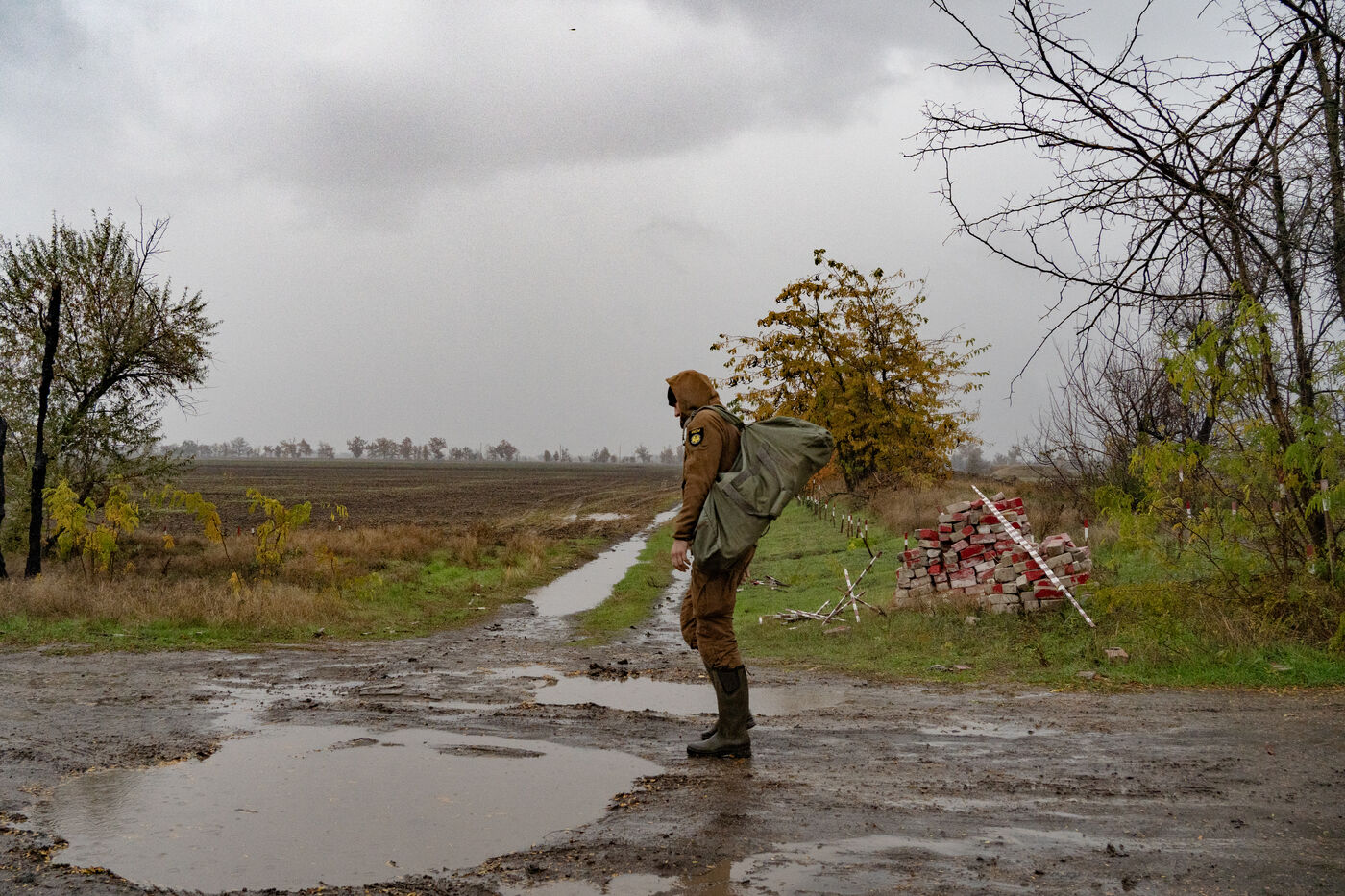
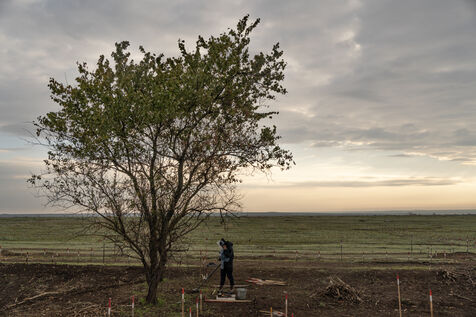
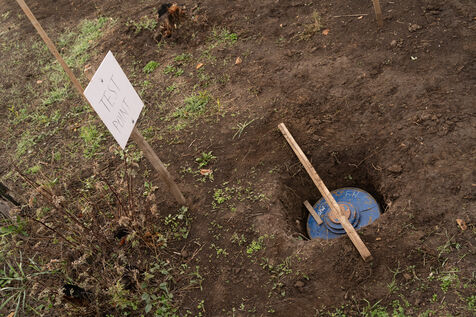
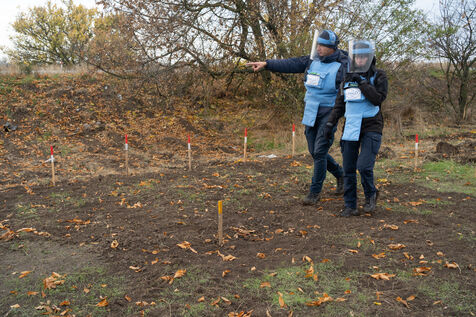
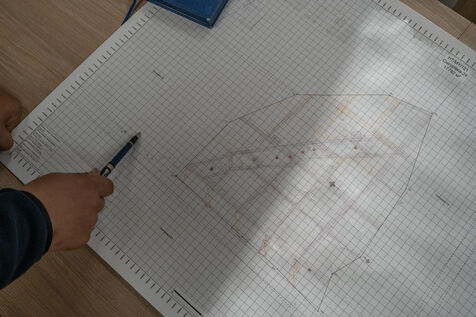
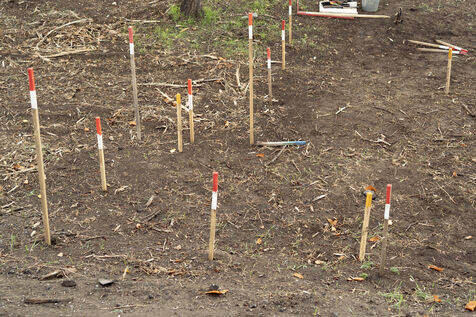
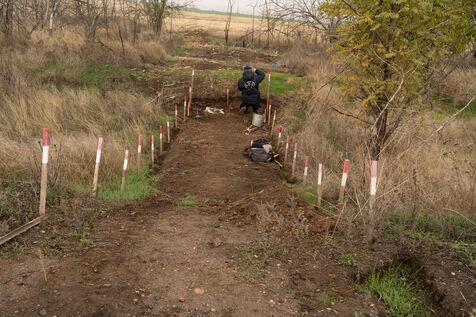
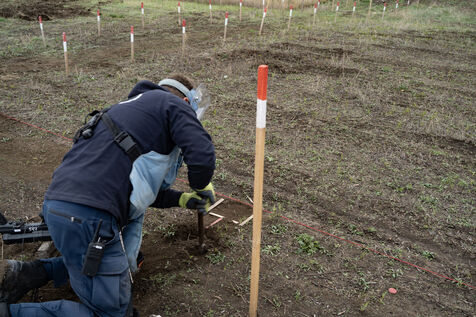
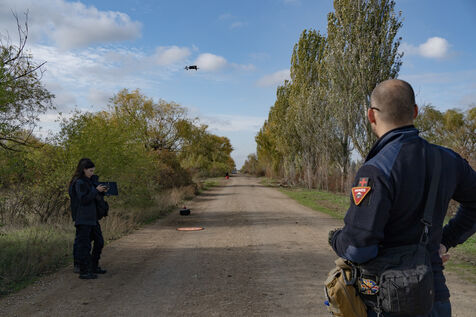
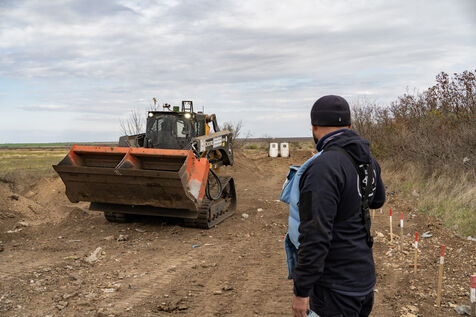
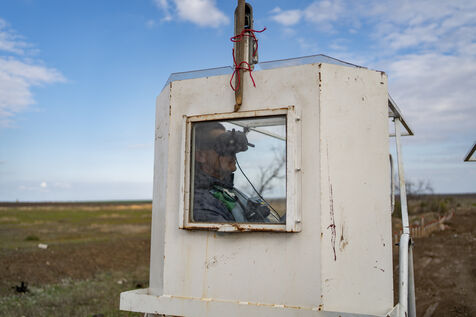
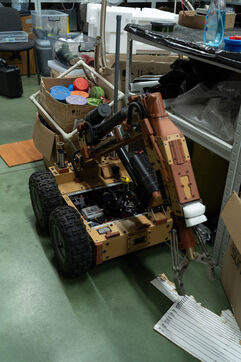
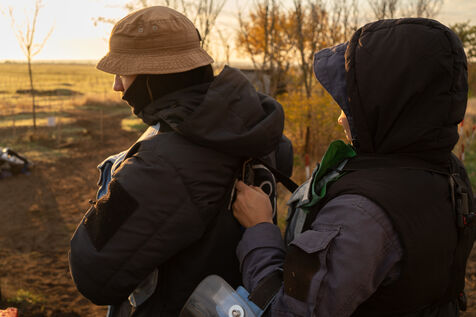
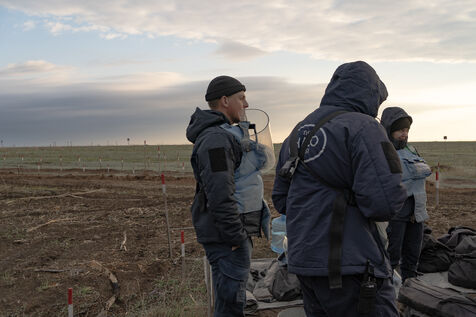
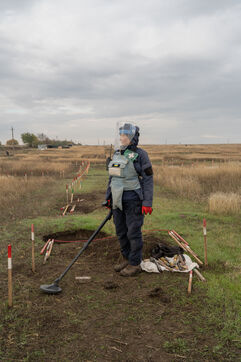
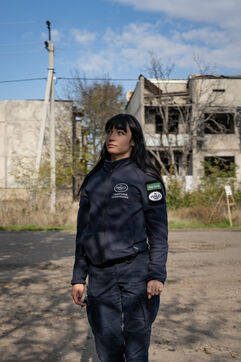
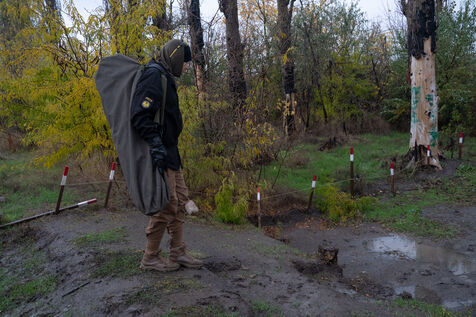
Les opérations de déminage, les séances de sensibilisation et les projets de reboisement illustrent à la fois l'importance persistante des mines et des engins non explosés pour la reprise des régions de Mykolaïv, et la résilience des communautés face à un problème qui a profondément marqué le territoire.
UKRAINE-DEMINING OPERATIONS
Three years after the withdrawal of Russian forces on November 7, 2022, villages and lands located on former fronts remain severely affected: anti-personnel mines and unexploded ordnance still threaten daily life. According to Ivan Kukhta, military administrator of Snihurivka, more than 10,000 hectares are considered high risk. Since the liberation of the region, 41,243 hectares have been demined, mainly agricultural land, while 9.8 million hectares remain unusable at the national level. More than one hundred public, private and NGO organizations are involved in mine clearance operations.
Andrei, field manager of the NGO HALO Trust for Novopetrivska, Yevhenivka and Snihurivka (villages where the border crossed in 2022), reports that about 15,000 mines and unexploded ordnance have been neutralized in the region of Mykolaiv by the NGO. As of March 15, 2025, more than 70,000 devices had been destroyed and 26,000 hectares liberated in the region.
In 2025, the Ministry of the Economy, responsible for coordinating mine clearance operations, launched an acceleration plan: a budget of 3 billion UAH for 2024, reimbursements covering up to 100% of the costs for farmers, market opening, the increase in the number of certified operators and training programs.
At the end of October 2025, the International Conference on Mine Clearance in Tokyo, organized by Japan and UNDP, brought together representatives from over thirty donor countries and resulted in the creation of a fund of USD 150 million to modernize equipment, form local teams and coordinate operations in the most affected regions, such as Mykolaiv and Kherson.
The demining operations, awareness sessions and reforestation projects illustrate both the persistent importance of mines and unexploded ordnance for the recovery of the regions of Mykolaiv, and the resilience of communities in the face of a problem that has profoundly marked the territory.