Pour accéder à la série en entier, vous devez vous logger ou demander un compte Hans Lucas en cliquant ici.
ITALIE | STRADE MAESTRE, APPRENDRE EN MARCHANT
Et si marcher pouvait devenir une manière de faire école ?
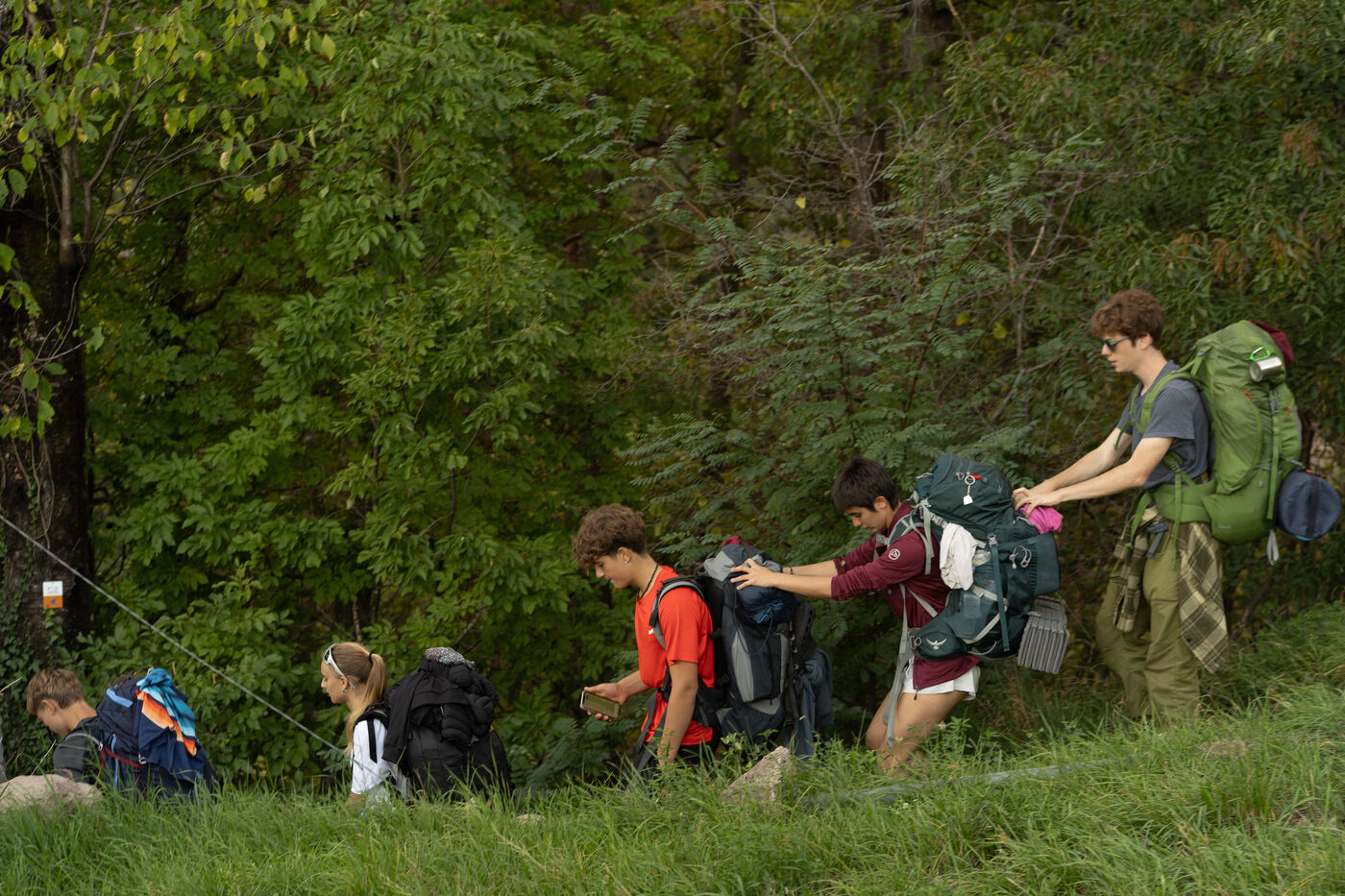
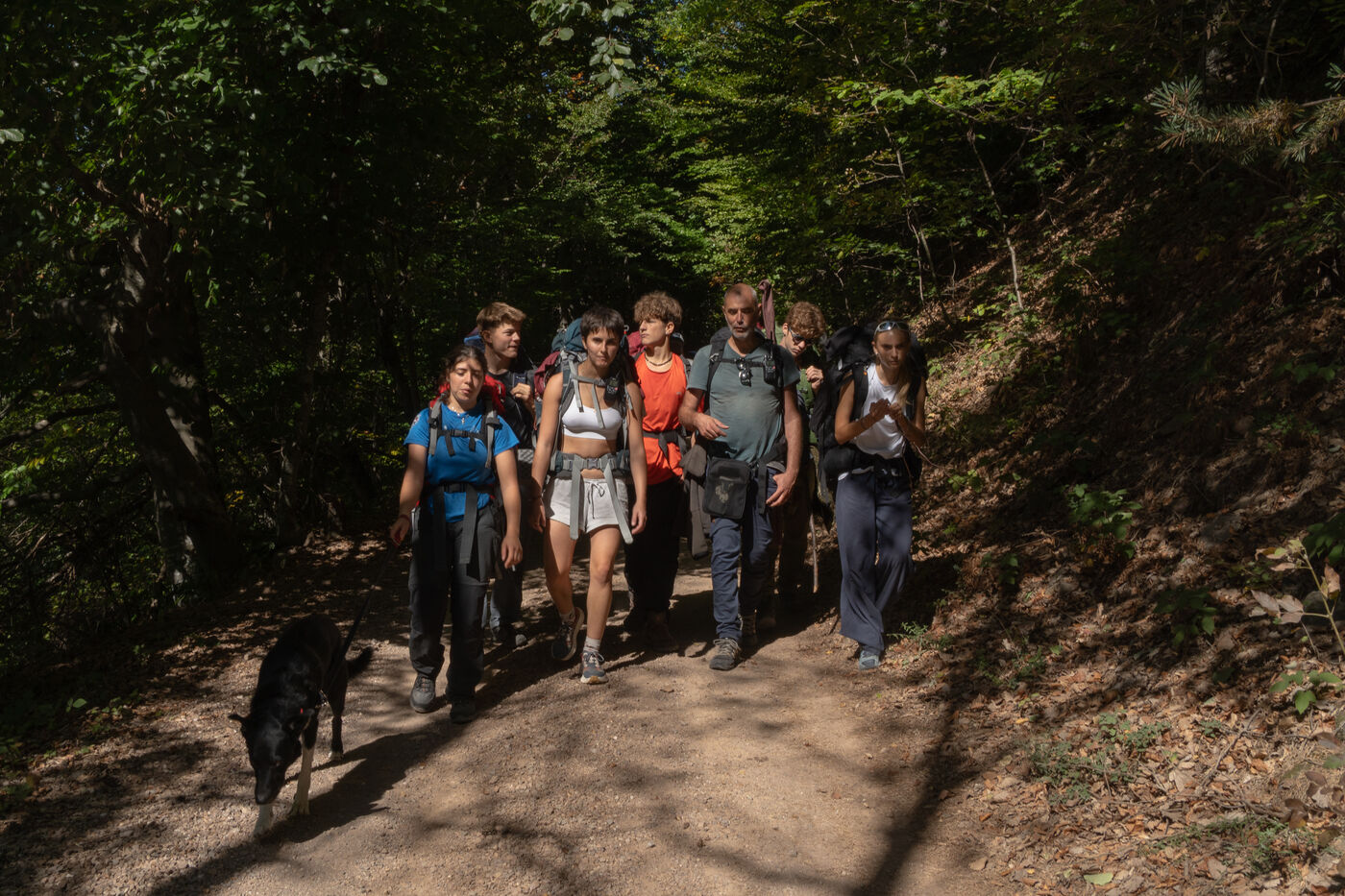
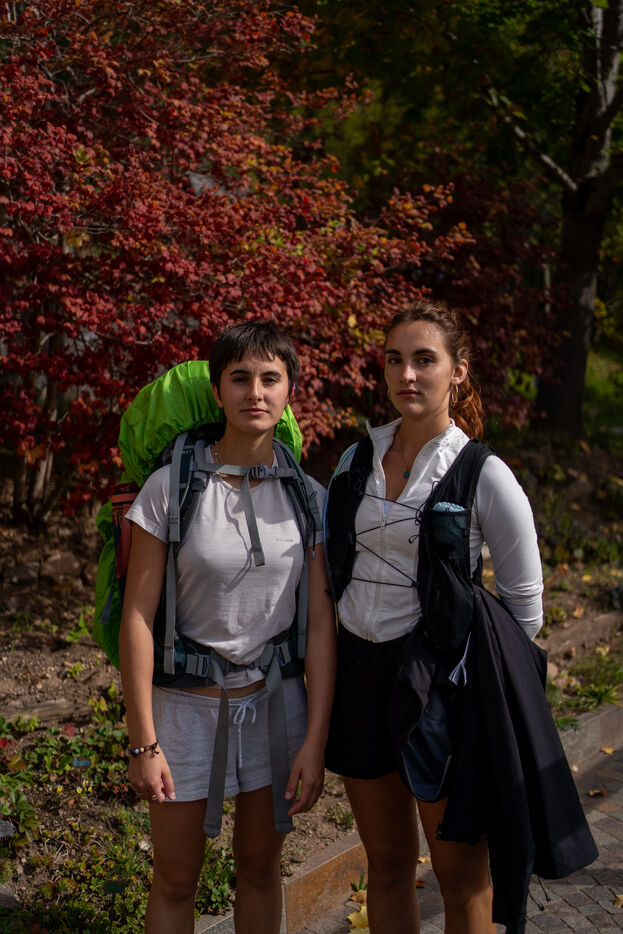
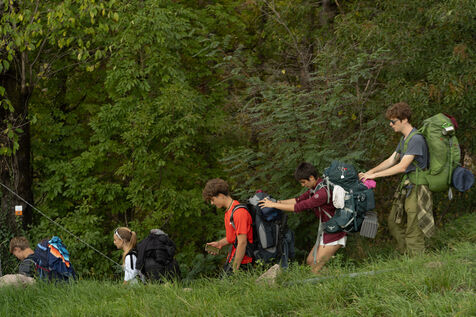
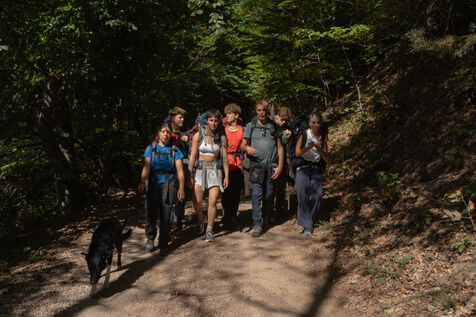
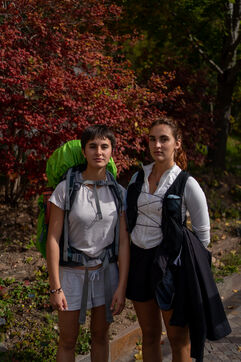
Strade Maestre est un projet éducatif qui propose à un groupe de jeunes des trois dernières années du lycée de vivre une année scolaire itinérante à travers l’Italie. Pendant plusieurs mois, les élèves étudient et vivent en chemin, accompagnés par des guides-enseignants. Les activités se déroulent principalement à pied : les journées de marche alternent avec des temps de cours, d’ateliers, de rencontres et de visites. Le territoire devient ainsi leur salle de classe.
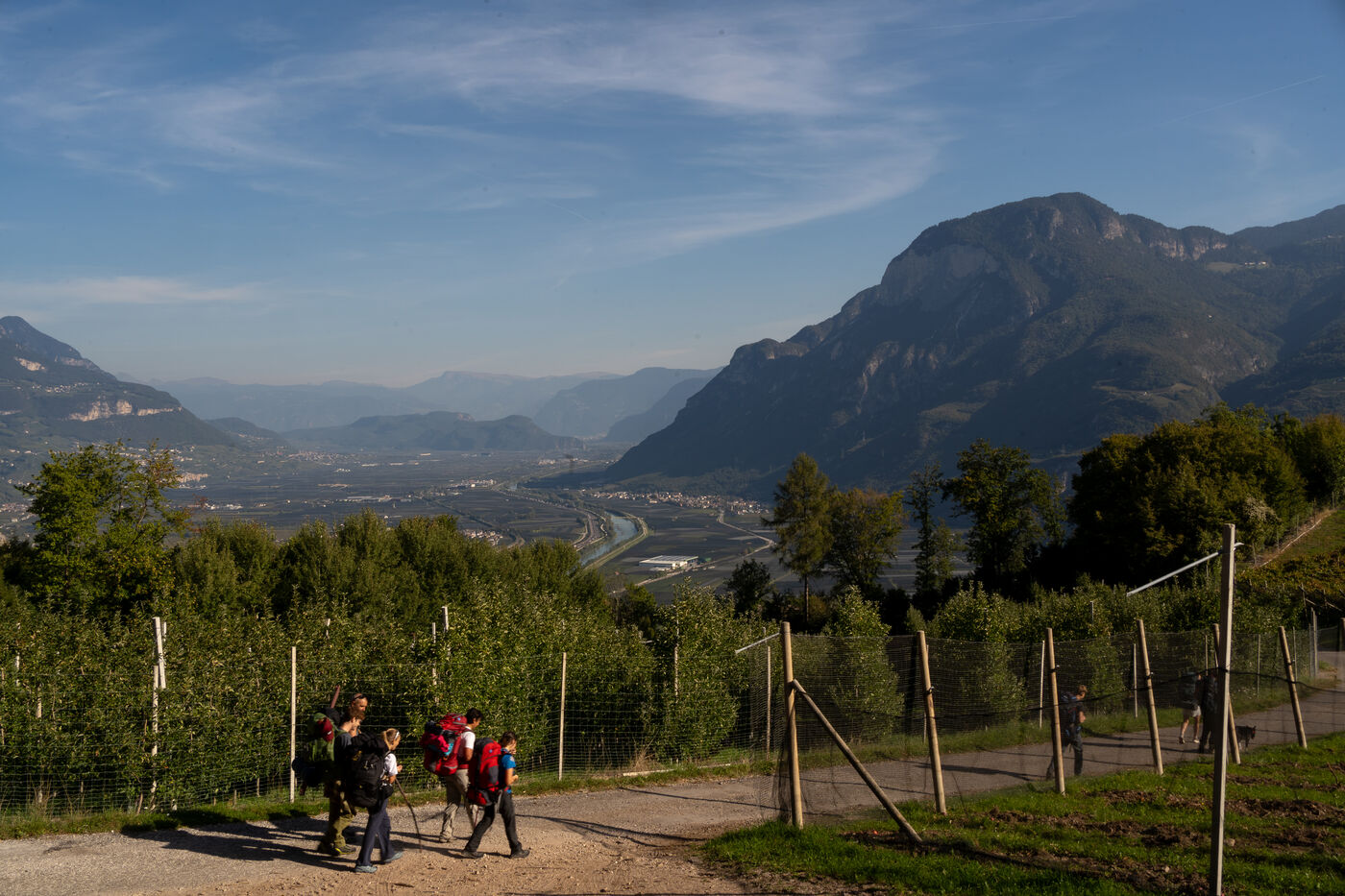
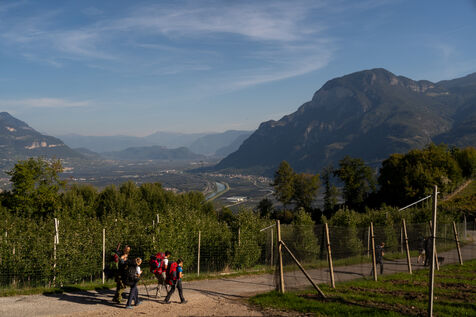
La marche n’est donc pas seulement le moyen de déplacement du projet : elle en constitue la pratique pédagogique centrale. À pied, les élèves parcourent les paysages, découvrent leur diversité et développent notamment des compétences liées à l’observation de l’environnement et à la lecture des paysages économiques; le territoire lui-même devient une salle de classe.
Le projet se situe à la croisée de deux évolutions contemporaines. D’un côté, la montagne connaît une fréquentation importante et de nouvelles pratiques touristiques : en France, 43,5 millions de nuitées ont été enregistrées dans les massifs de montagne durant l’été 2024, tandis que 41 % des Français déclarent avoir fréquenté la montagne en été au cours des trois dernières années. De l’autre, le modèle scolaire traditionnel continue de faire face au phénomène du décrochage. En France, 7,6 % des jeunes de 18 à 24 ans étaient en situation de sortie précoce du système éducatif ; le ministère de l’Éducation nationale recense aujourd’hui 122 structures de retour à l’école, accueillant plus de 4 000 élèves dans des parcours pédagogiques adaptés.
ITALY | STRADE MAESTRE, LEARNING WHILE WALKING
What if walking could become a way to teach?
Strade Maestre is an educational project that offers a group of young people from the last three years of high school to experience a traveling school year across Italy. For several months, students study and live on the way, accompanied by teacher-guides. The activities take place mainly on foot: walking days alternate with time for classes, workshops, meetings and visits. The territory thus becomes their classroom. Walking is therefore not only the means of transport for the project: it constitutes its central pedagogical practice.
On foot, students travel through the landscapes, discover their diversity and develop skills related to observing the environment and reading economic landscapes; the territory itself becomes a classroom. The project is located at the crossroads of two contemporary developments. On one hand, the mountains are experiencing significant attendance and new tourism practices: in France, 43.5 million overnight stays were recorded in the mountain ranges during the summer of 2024, while 41% of the French report having visited the mountains in summer during the last three years. On the other hand, the traditional school model continues to face the phenomenon of dropping out.
In France, 7.6% of young people aged 18 to 24 were in a situation of early exit from the education system; the Ministry of National Education now lists 122 return-to-school structures, welcoming more than 4,000 students in adapted educational pathways. The report, by following the class that will begin its school year on Monday, September 14, 2026, will accompany the project at different times of the year.
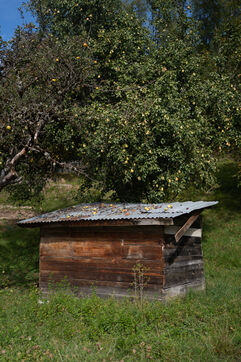
The photographic story allow to discover and explore the natural and cultural heritage of the Italian territories crossed by the students, as well as the encounters and experiences that make up their school year along the way.