Le temple de Pashupatinath
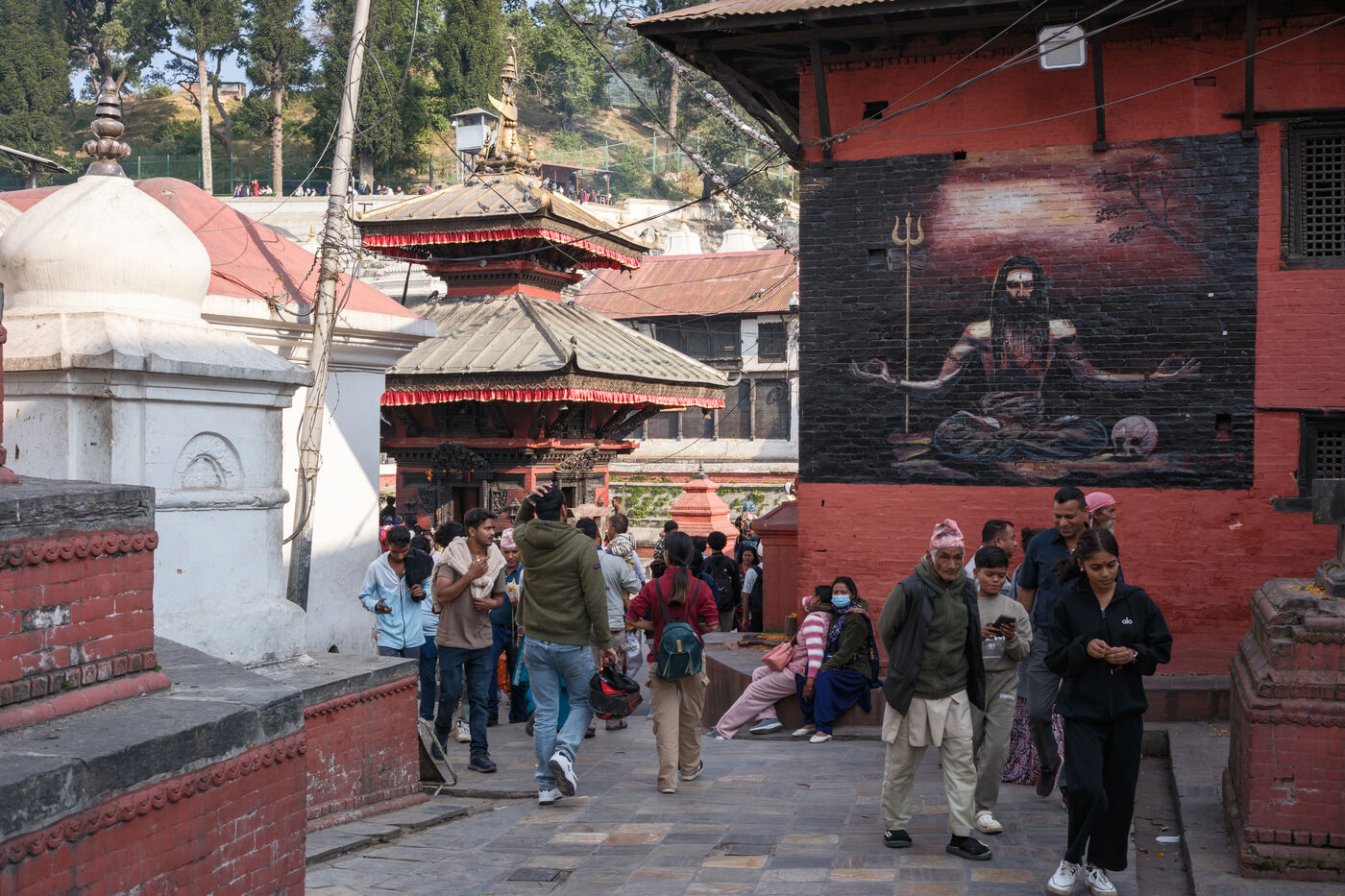
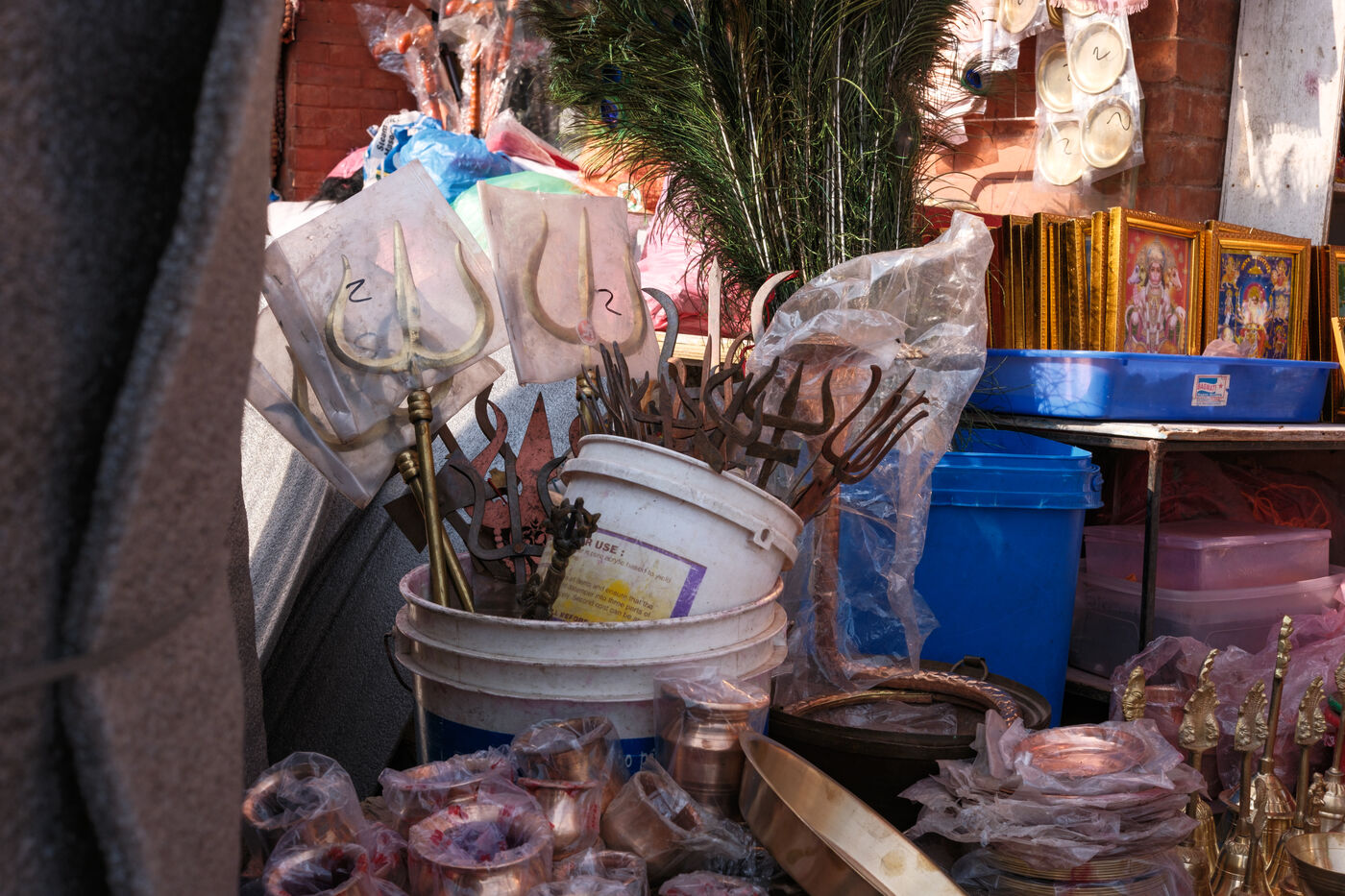
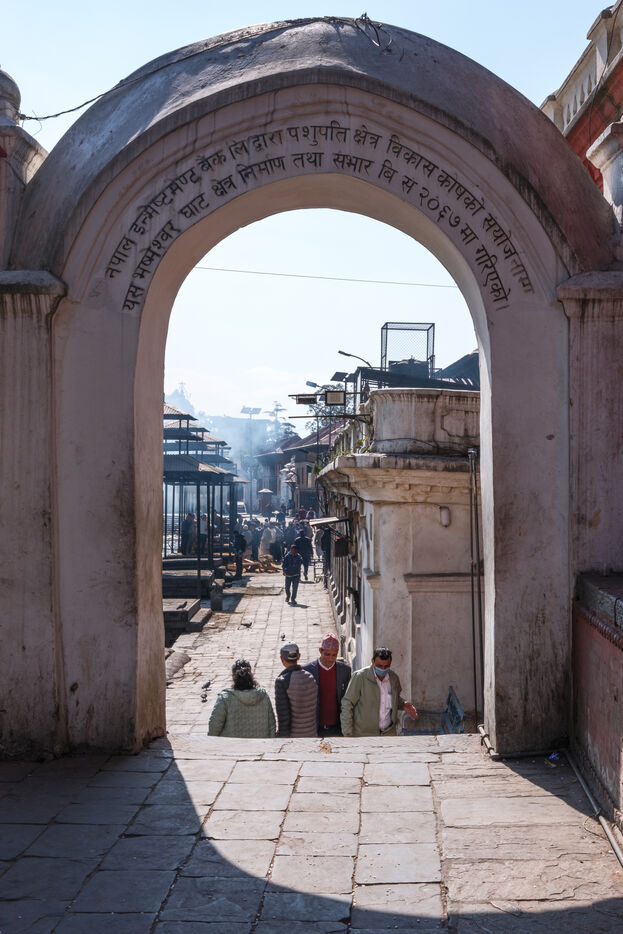
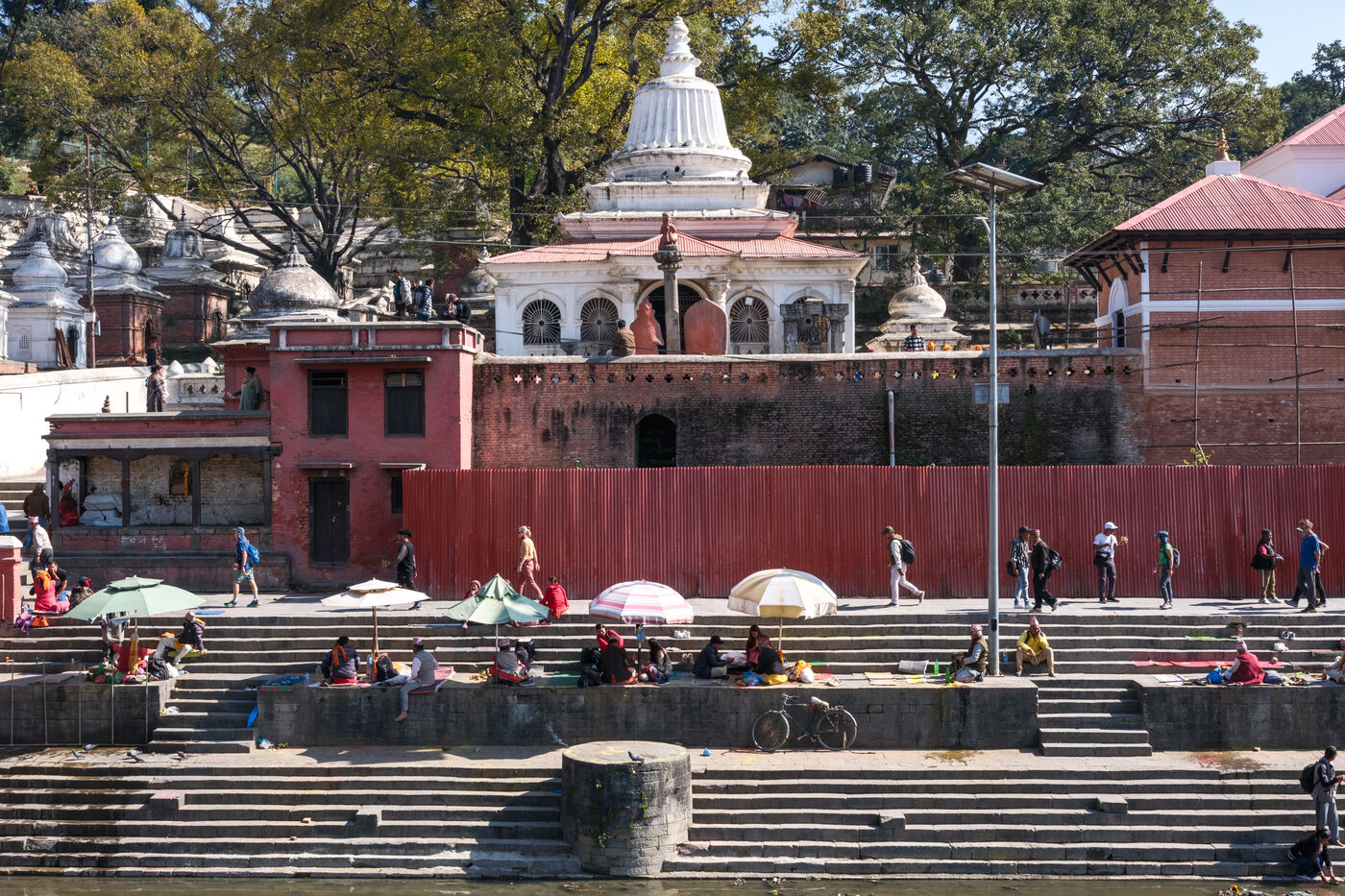
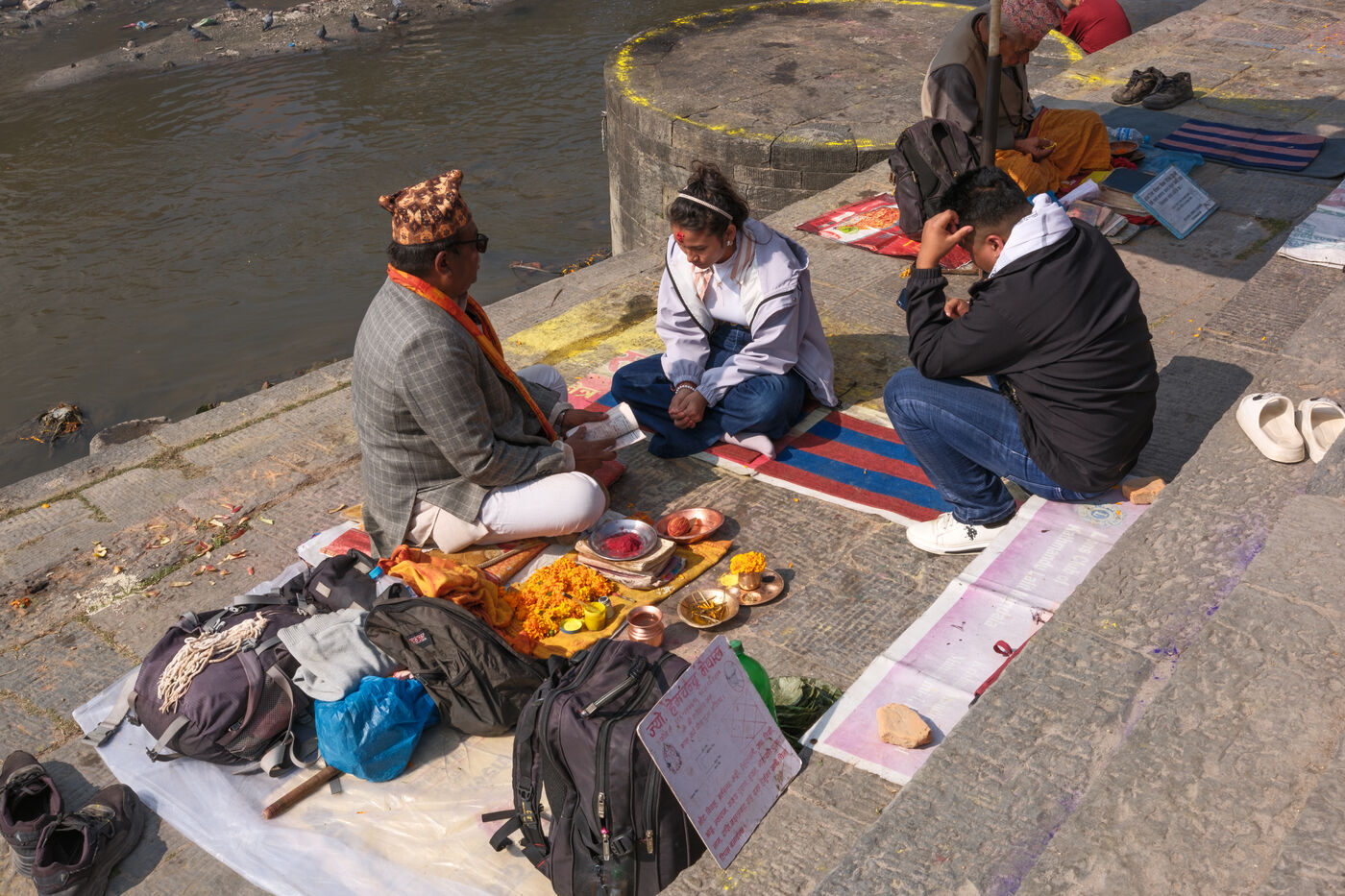
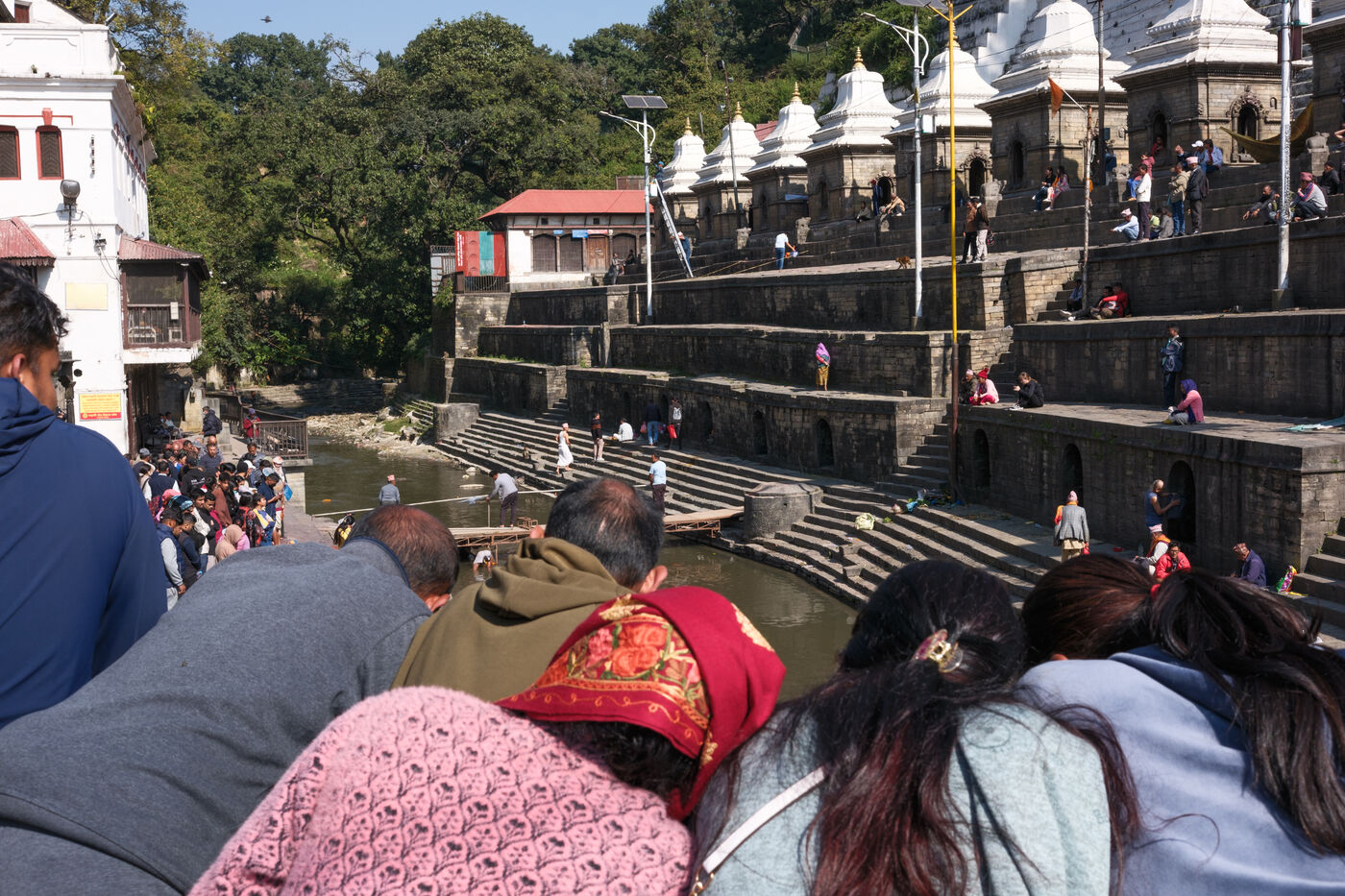
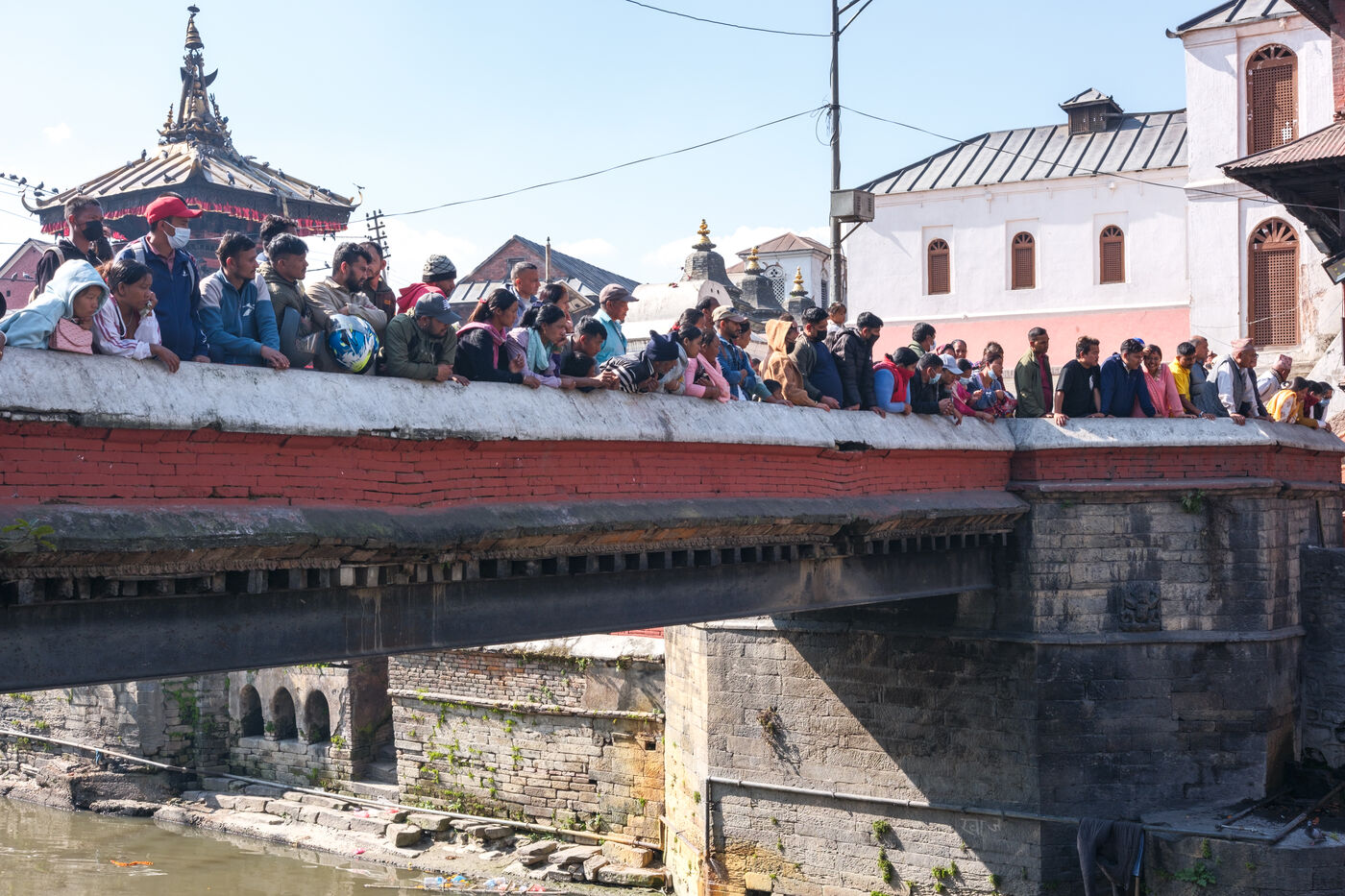
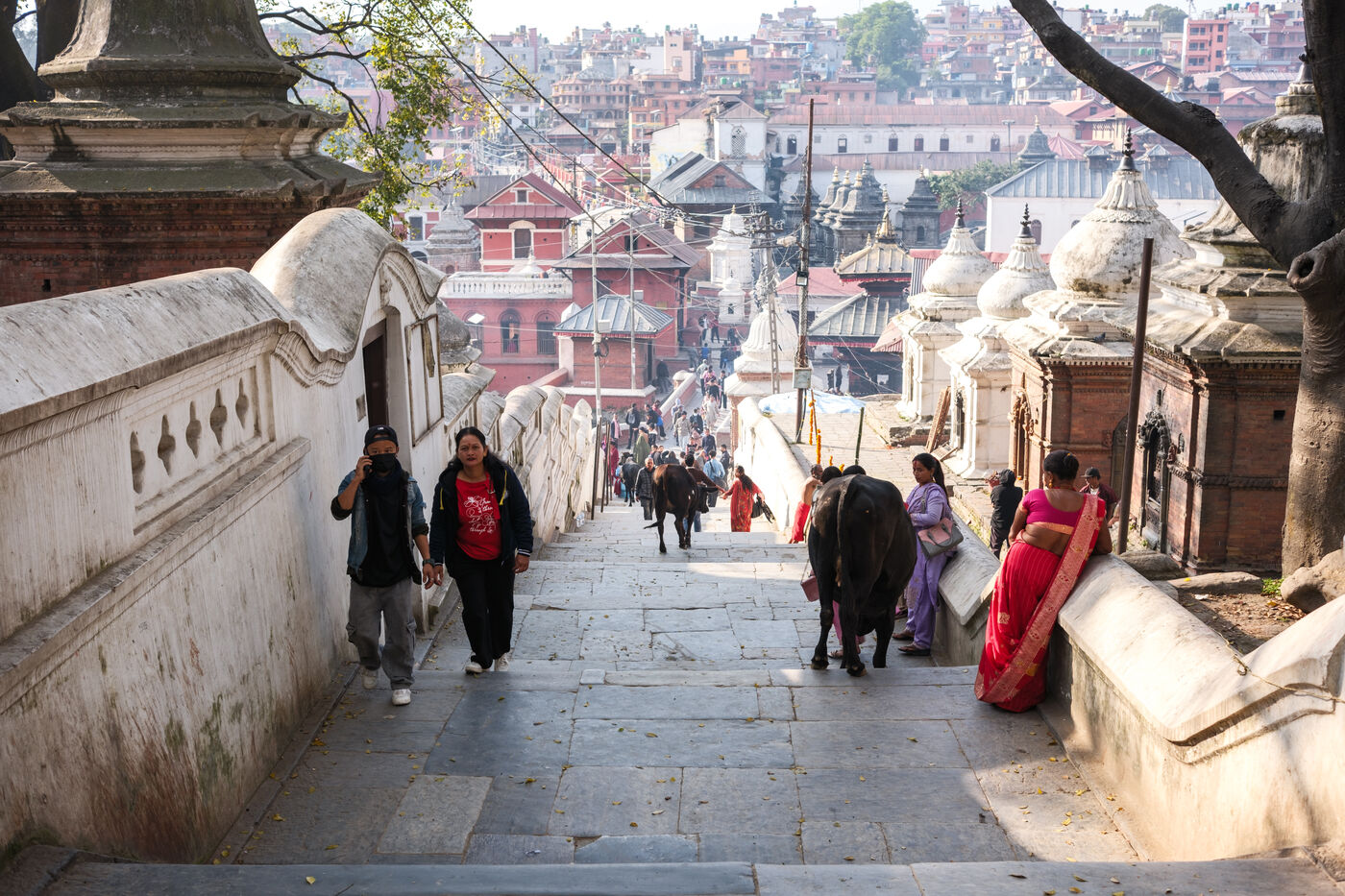
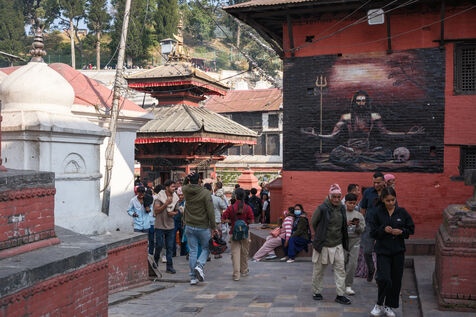
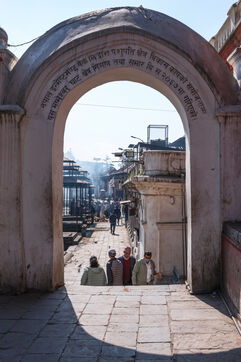
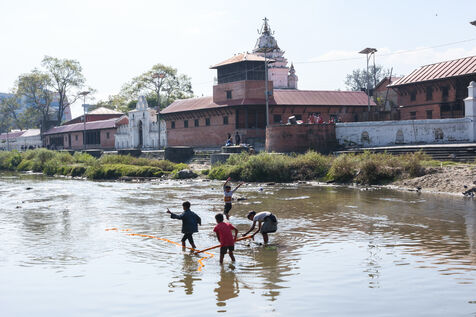
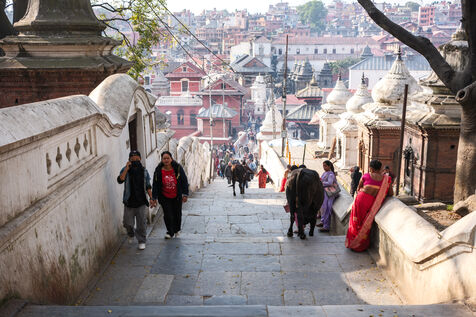
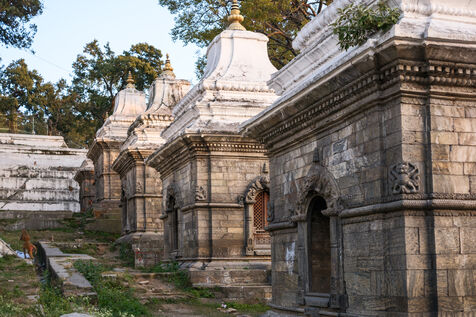
Construit au XVIIème siècle par le roi Bhupatindra Malla le long de la rivère Bagmati, le temple de Pashupatinath, dédié à Pashupati, l’incarnation de Shiva en tant que « maîtres des animaux », continue d'être aujourd'hui un des temples les plus sacrés de l'hindouisme et du Népal.
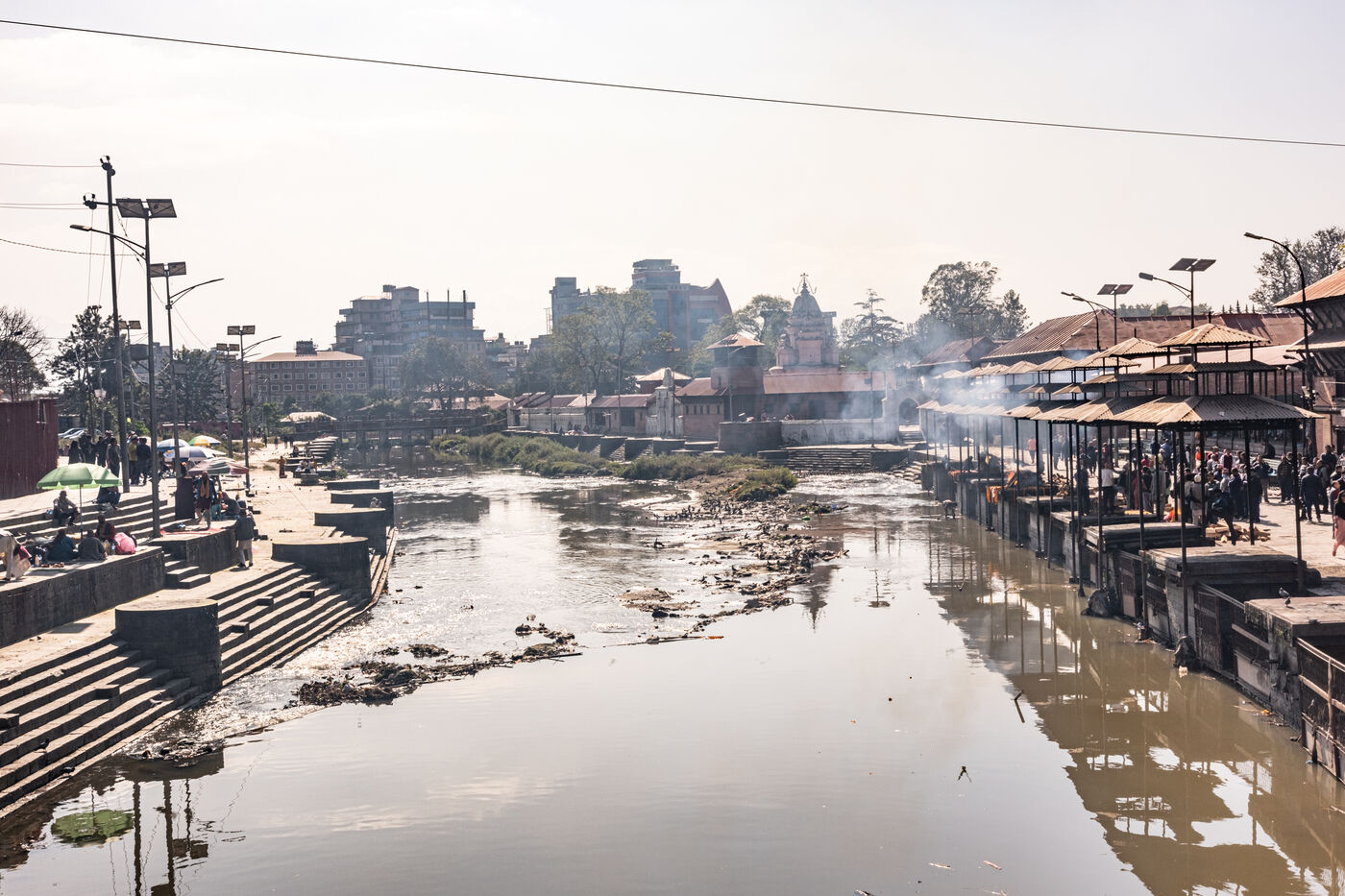
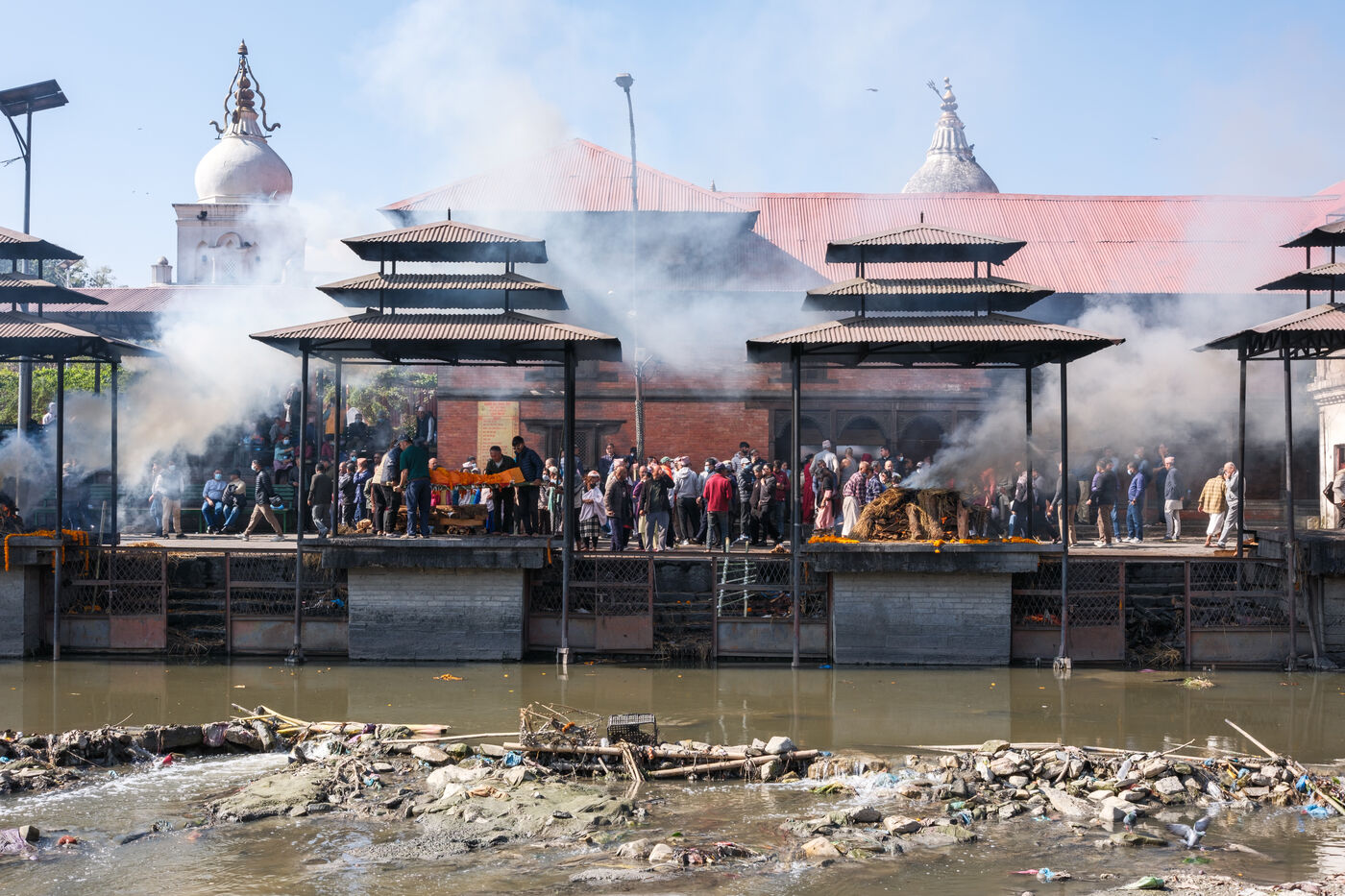
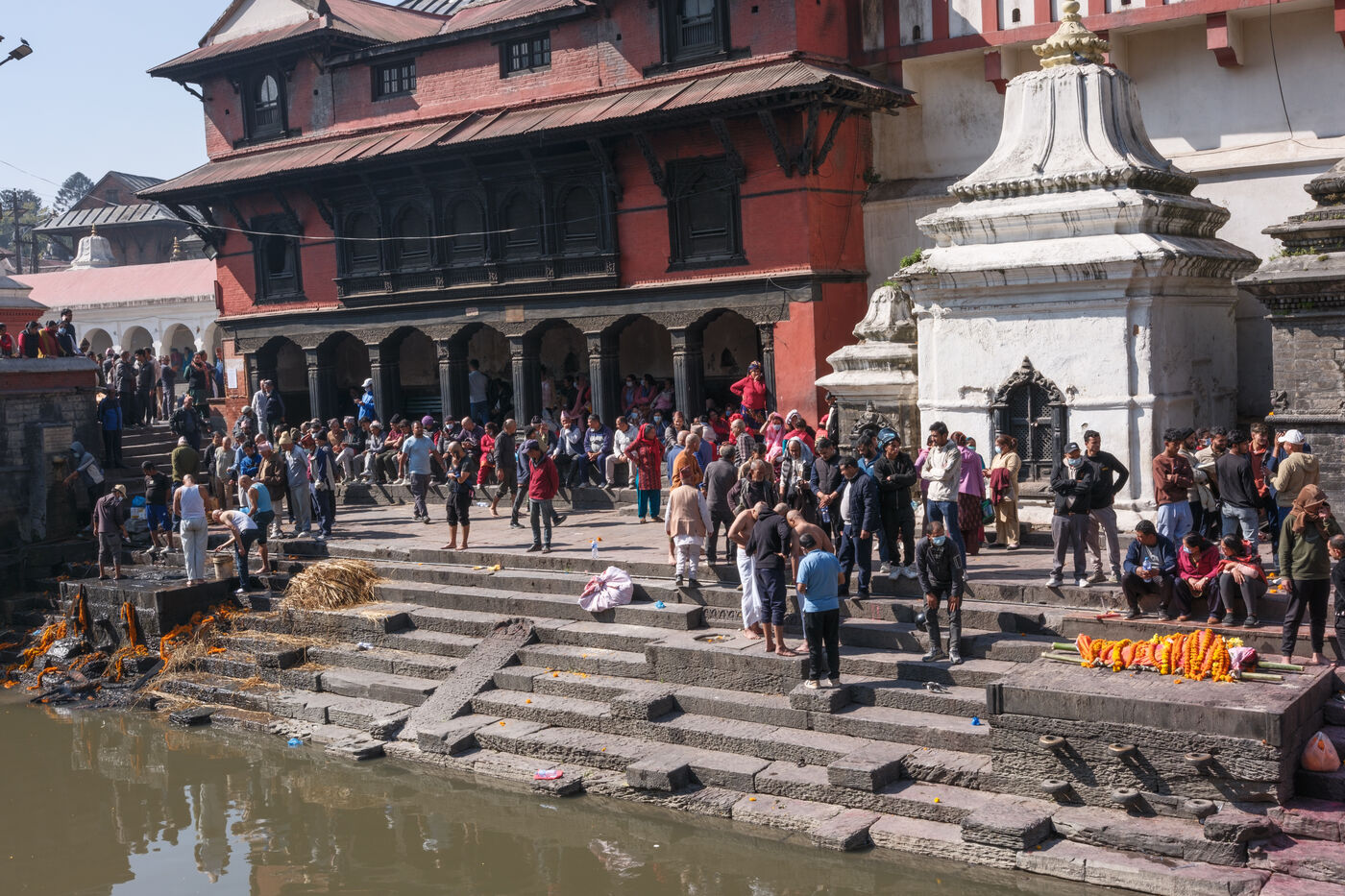
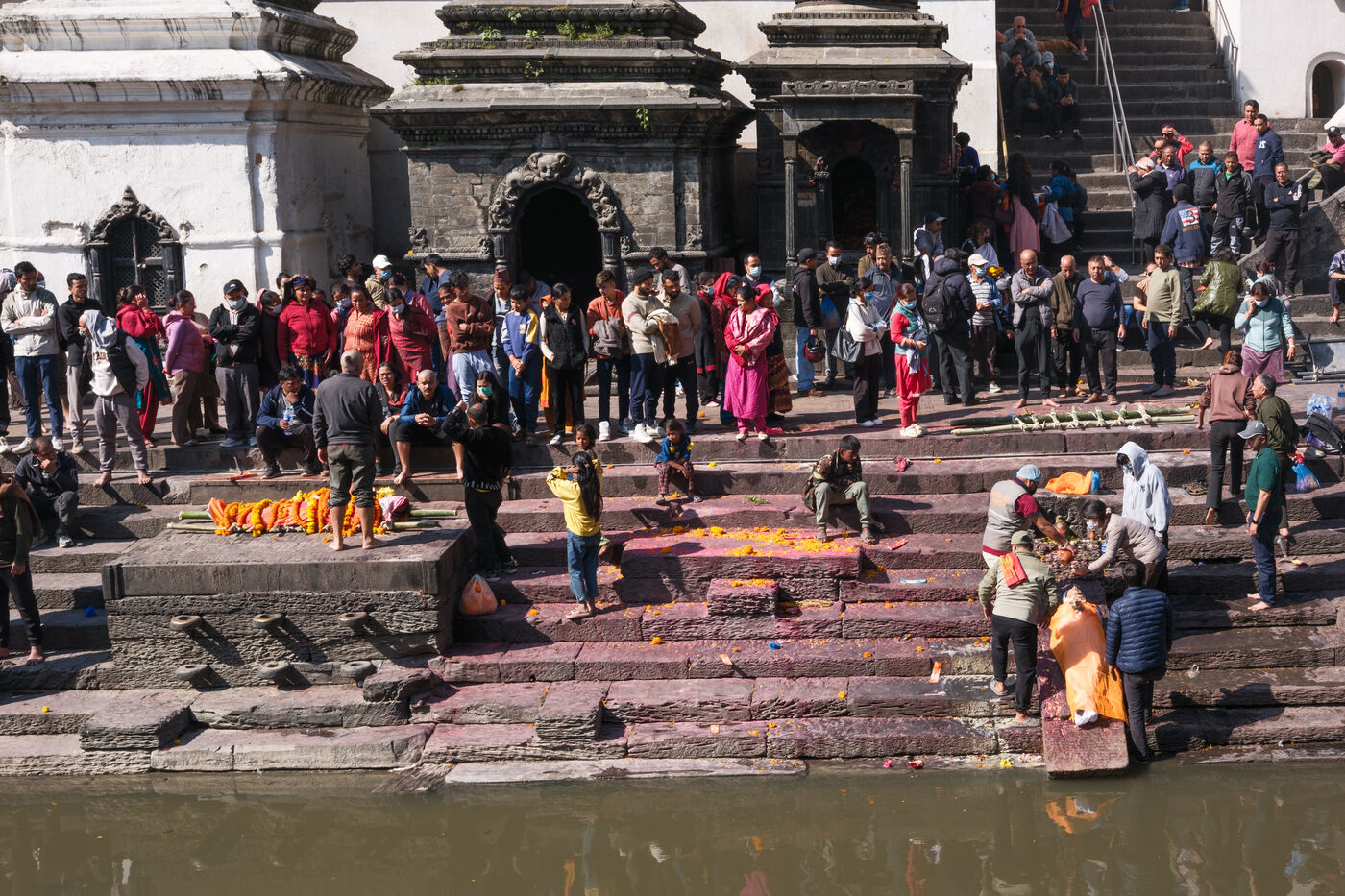
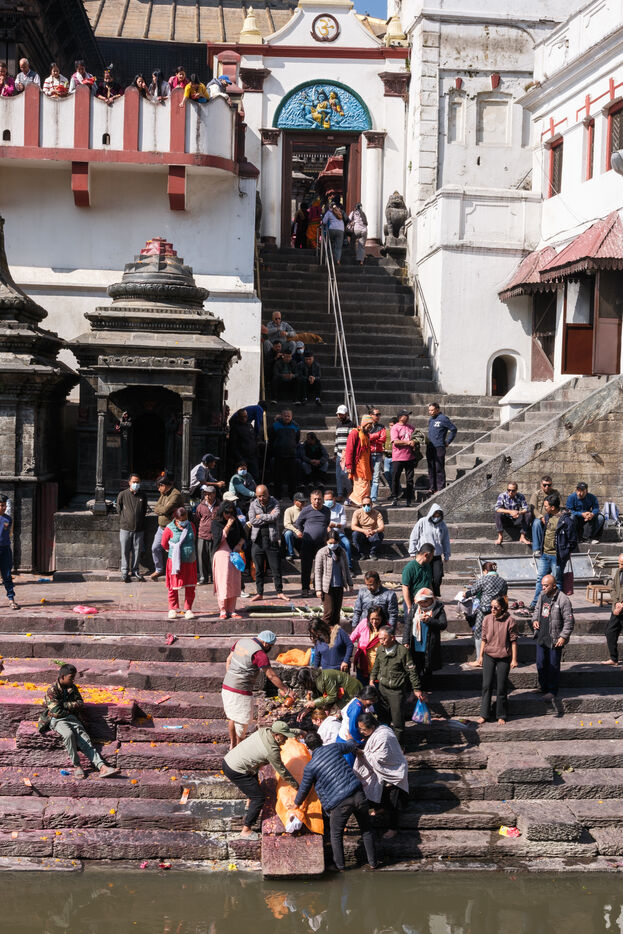
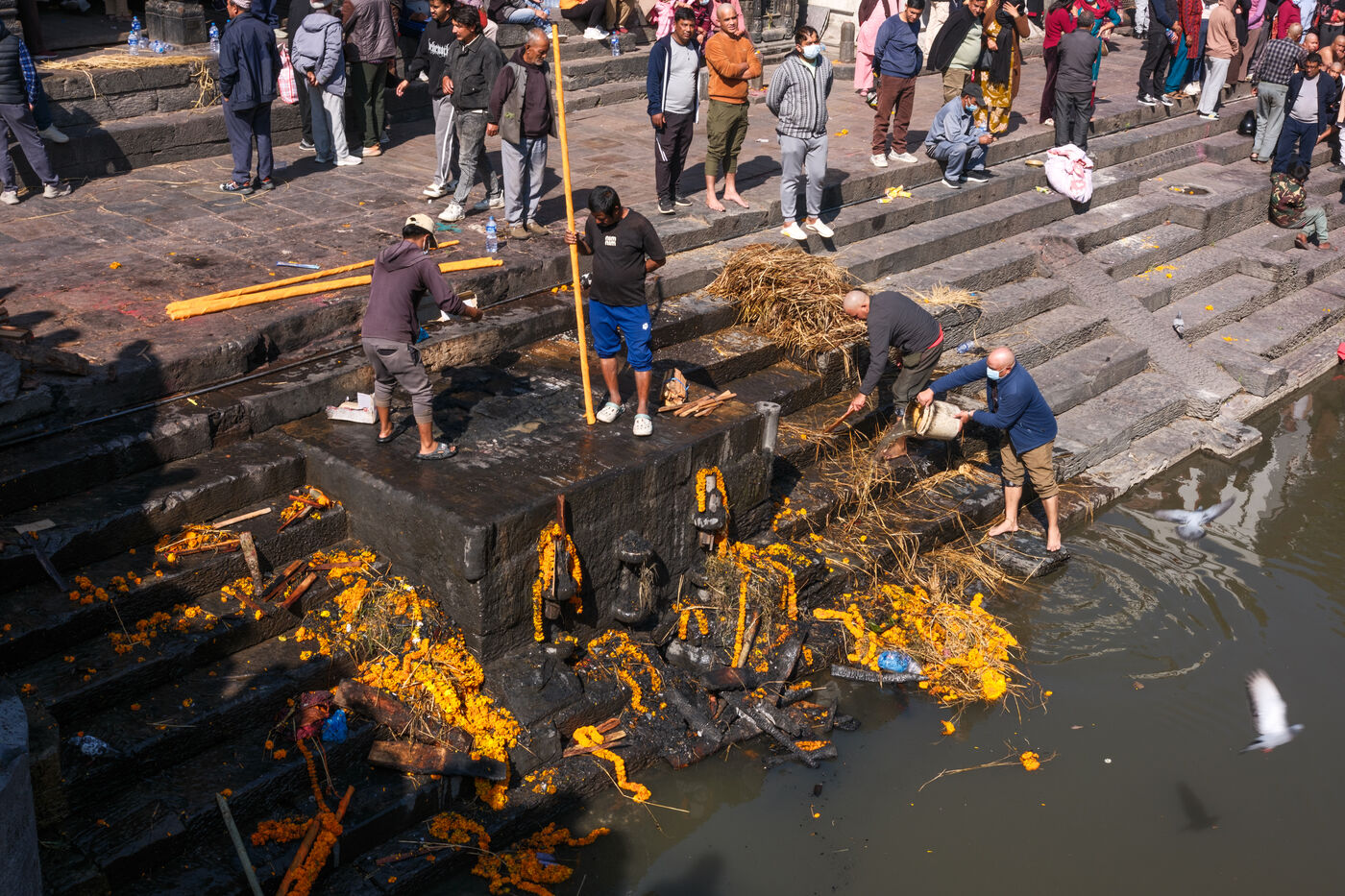
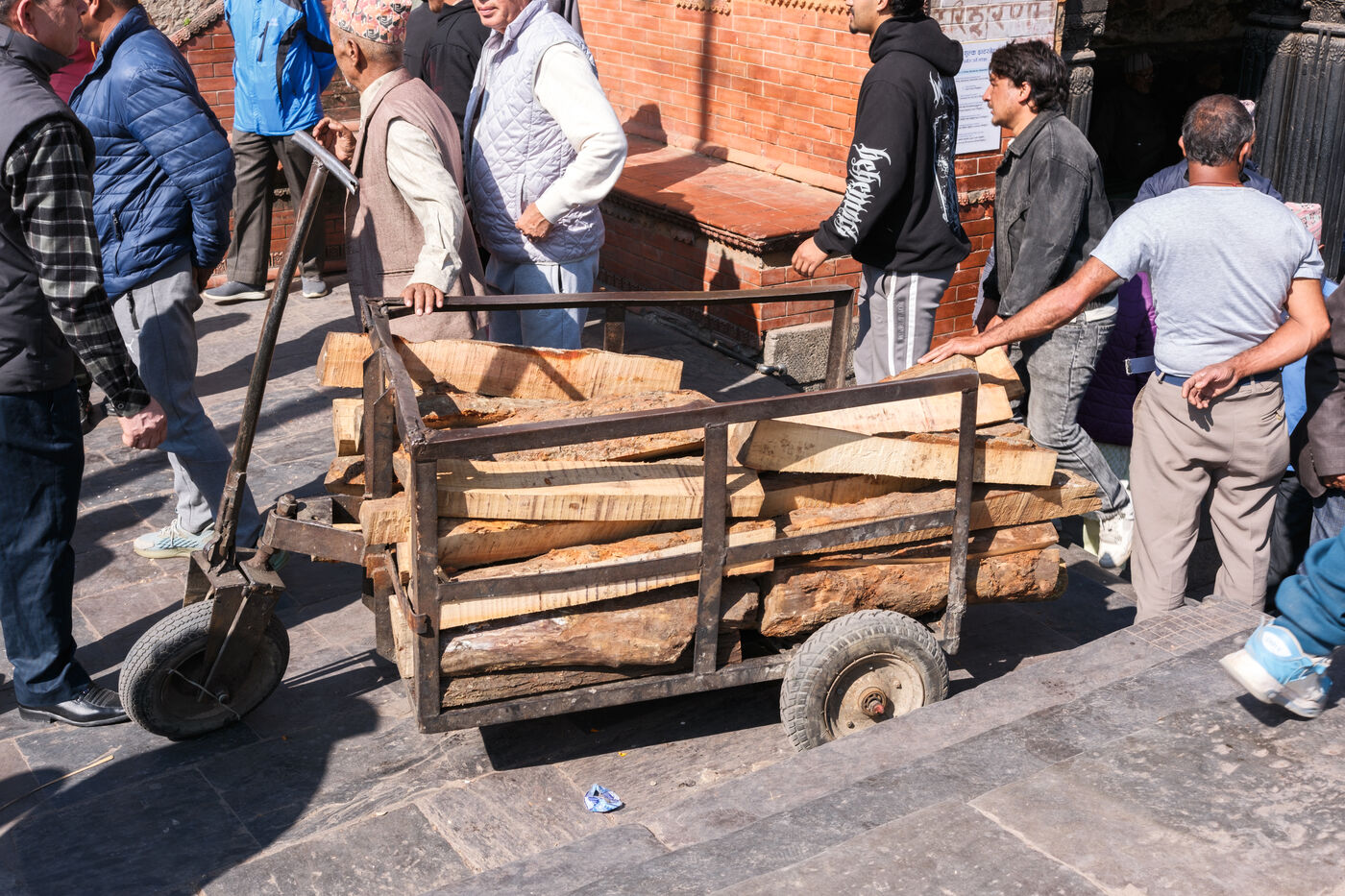
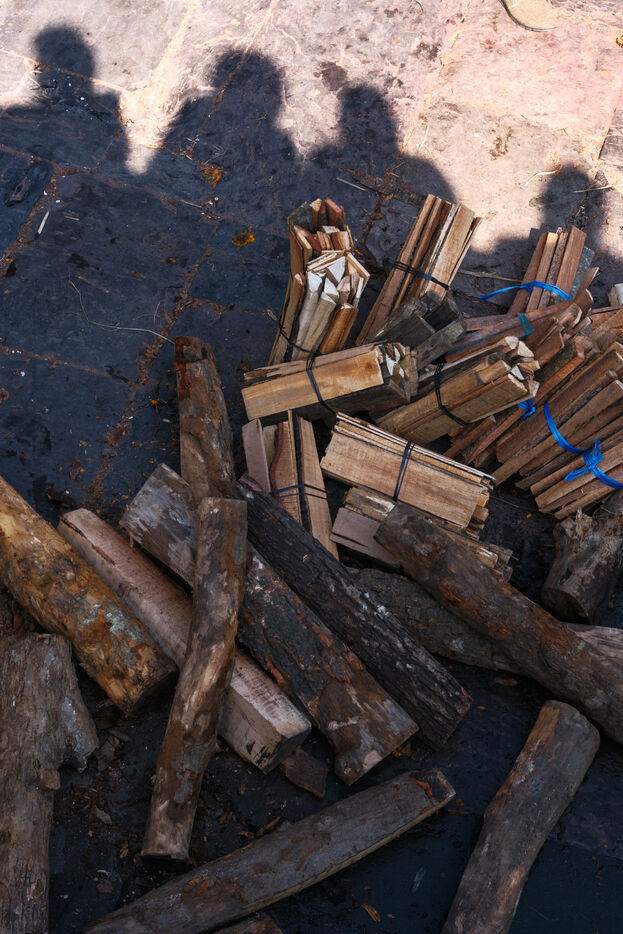
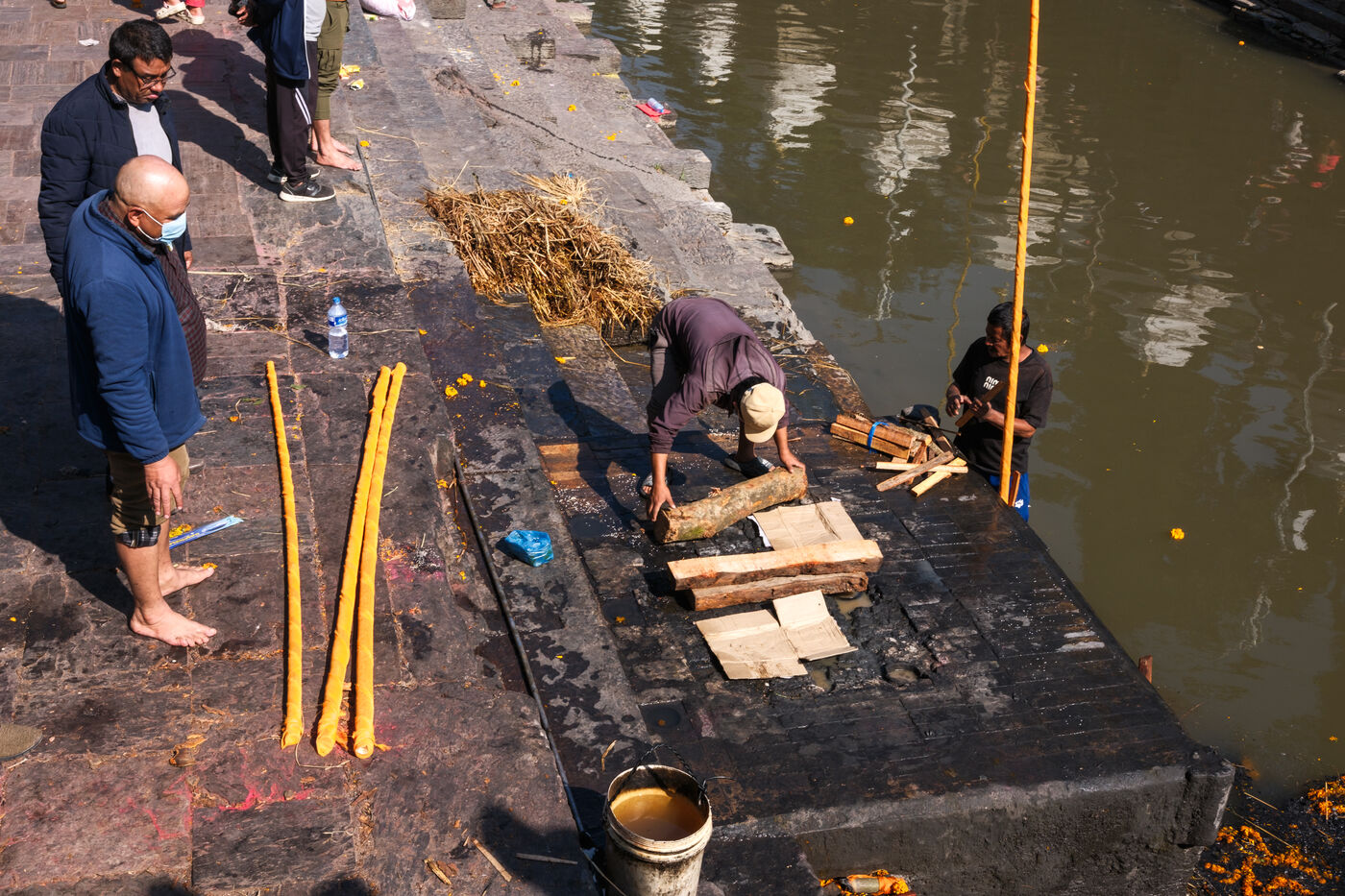
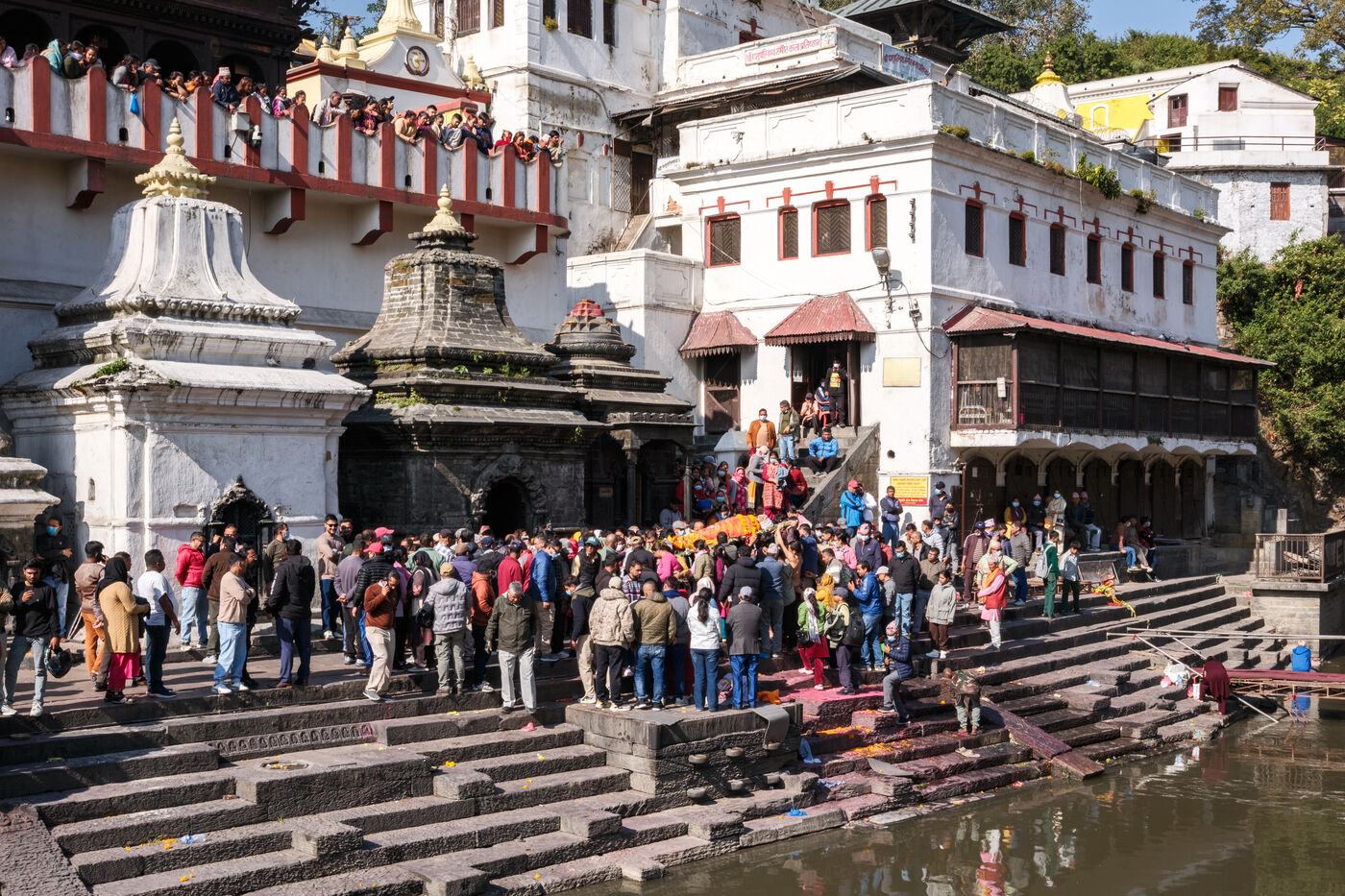
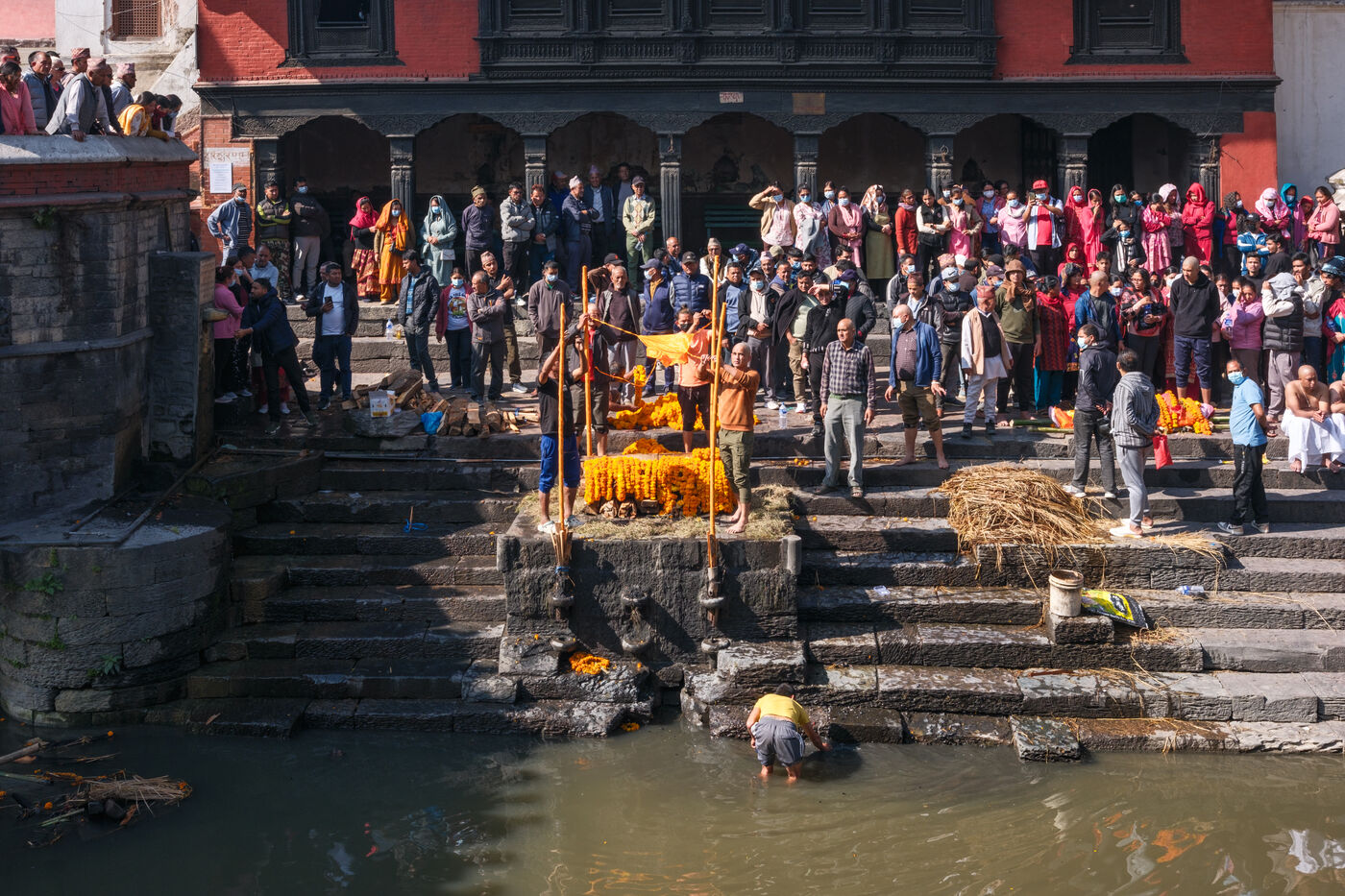
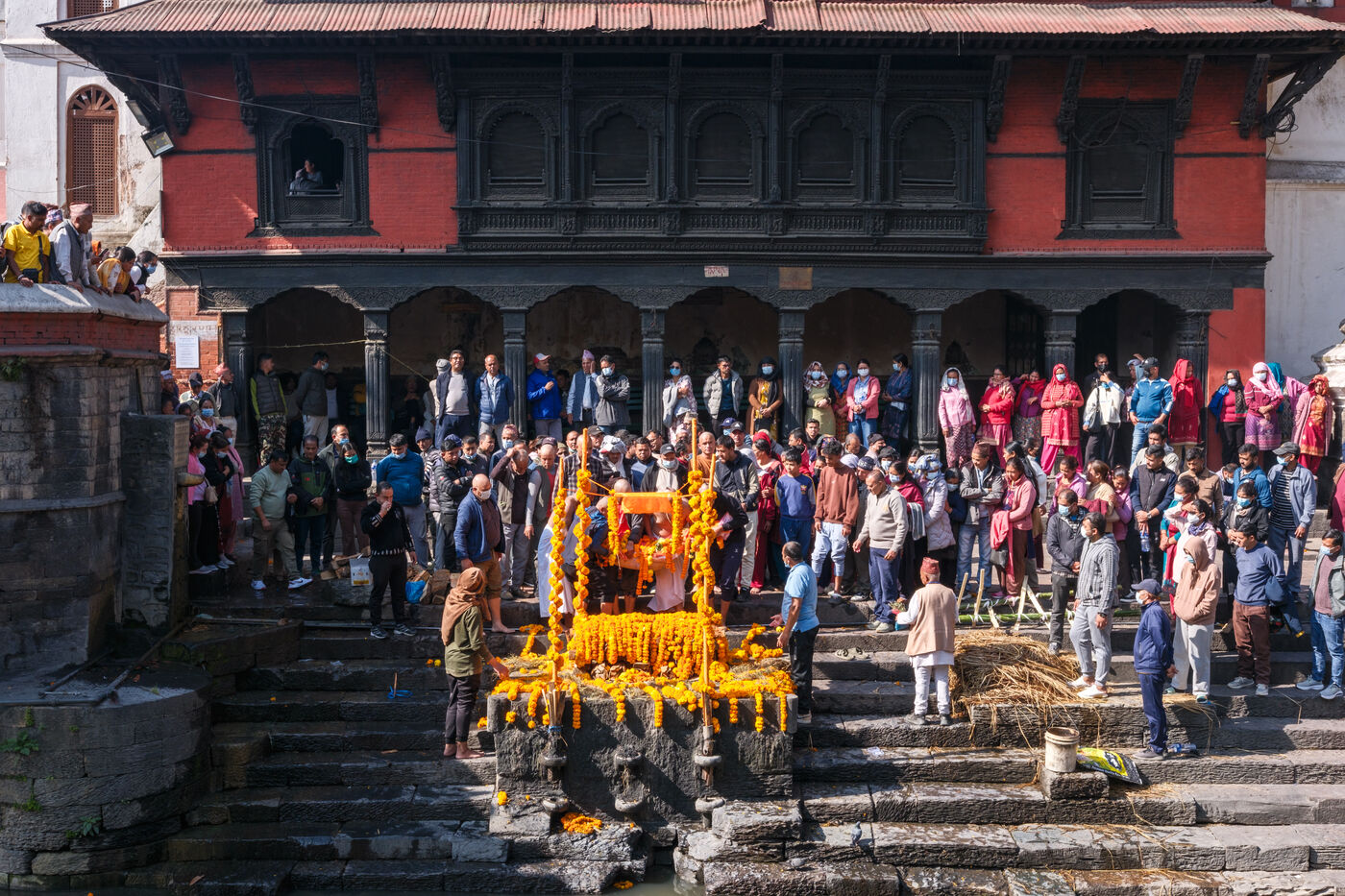
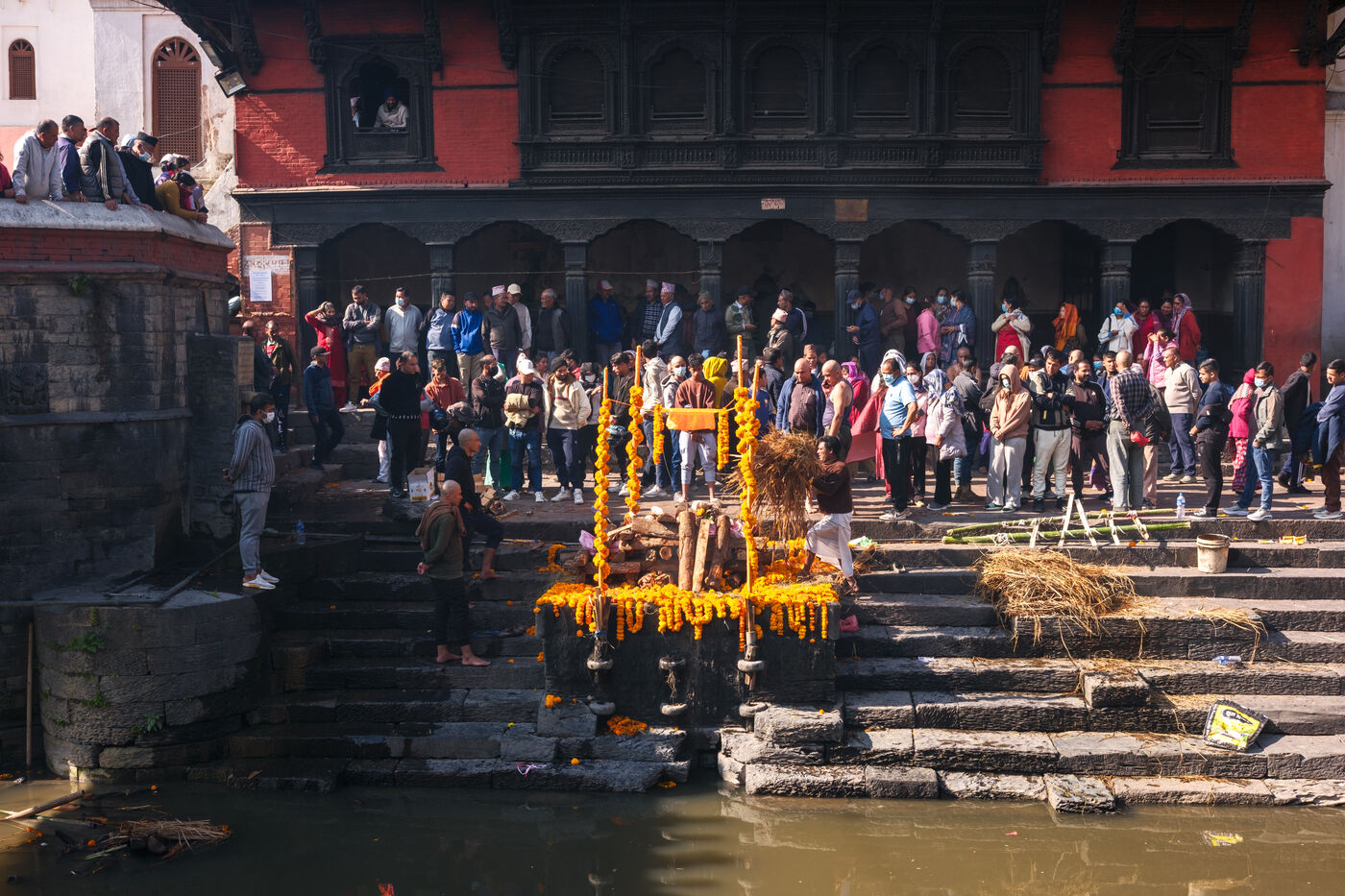
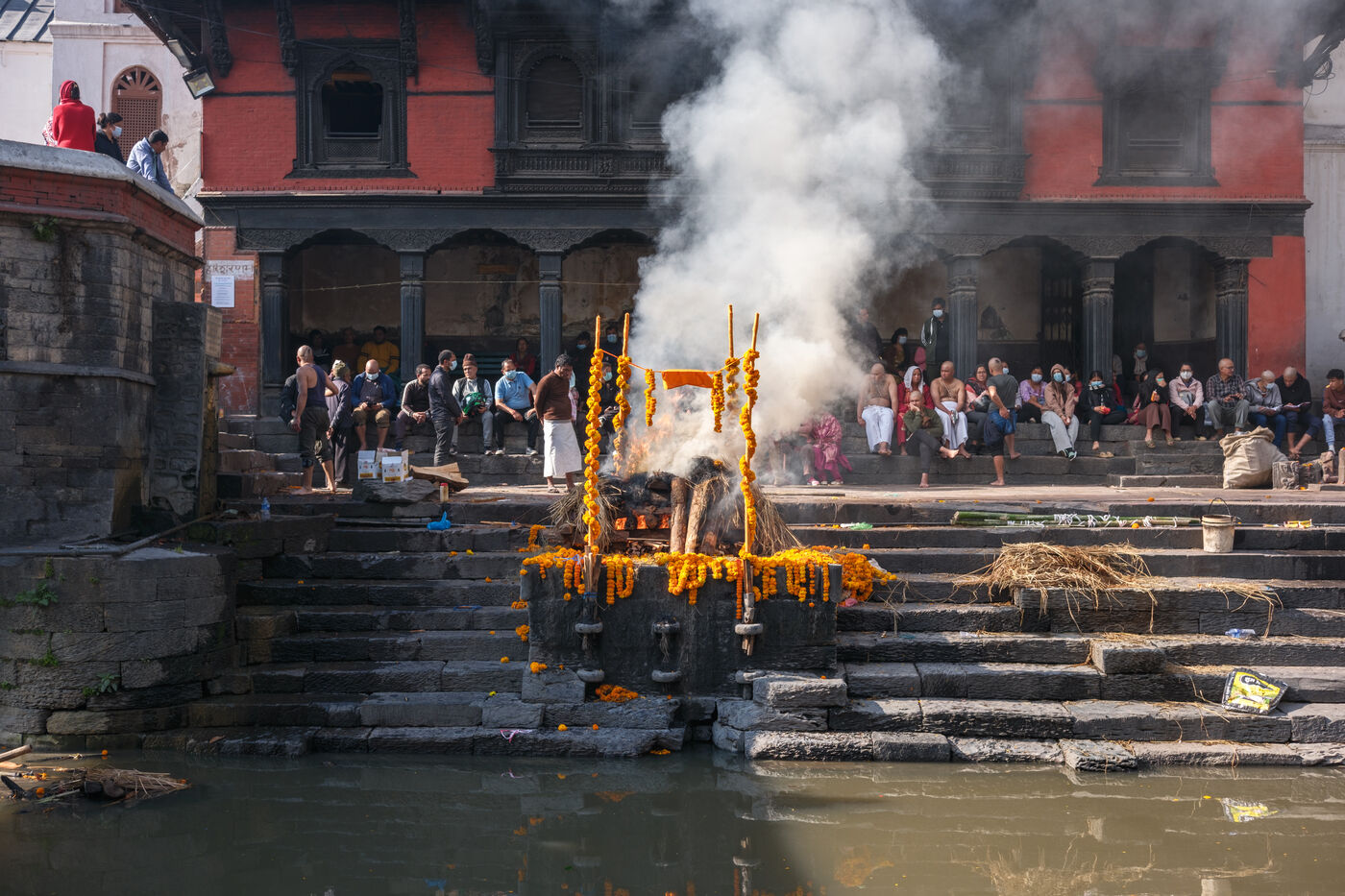
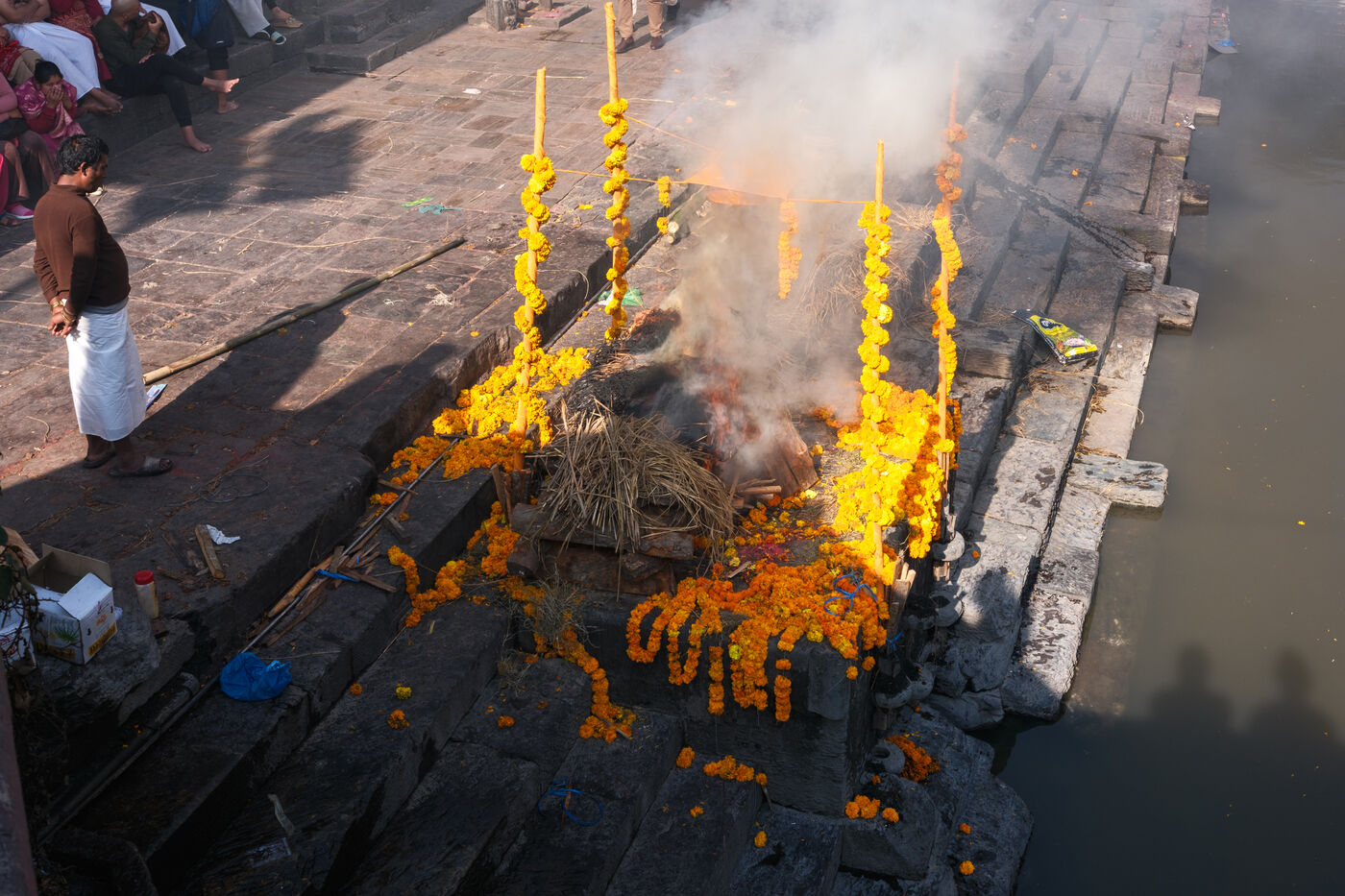
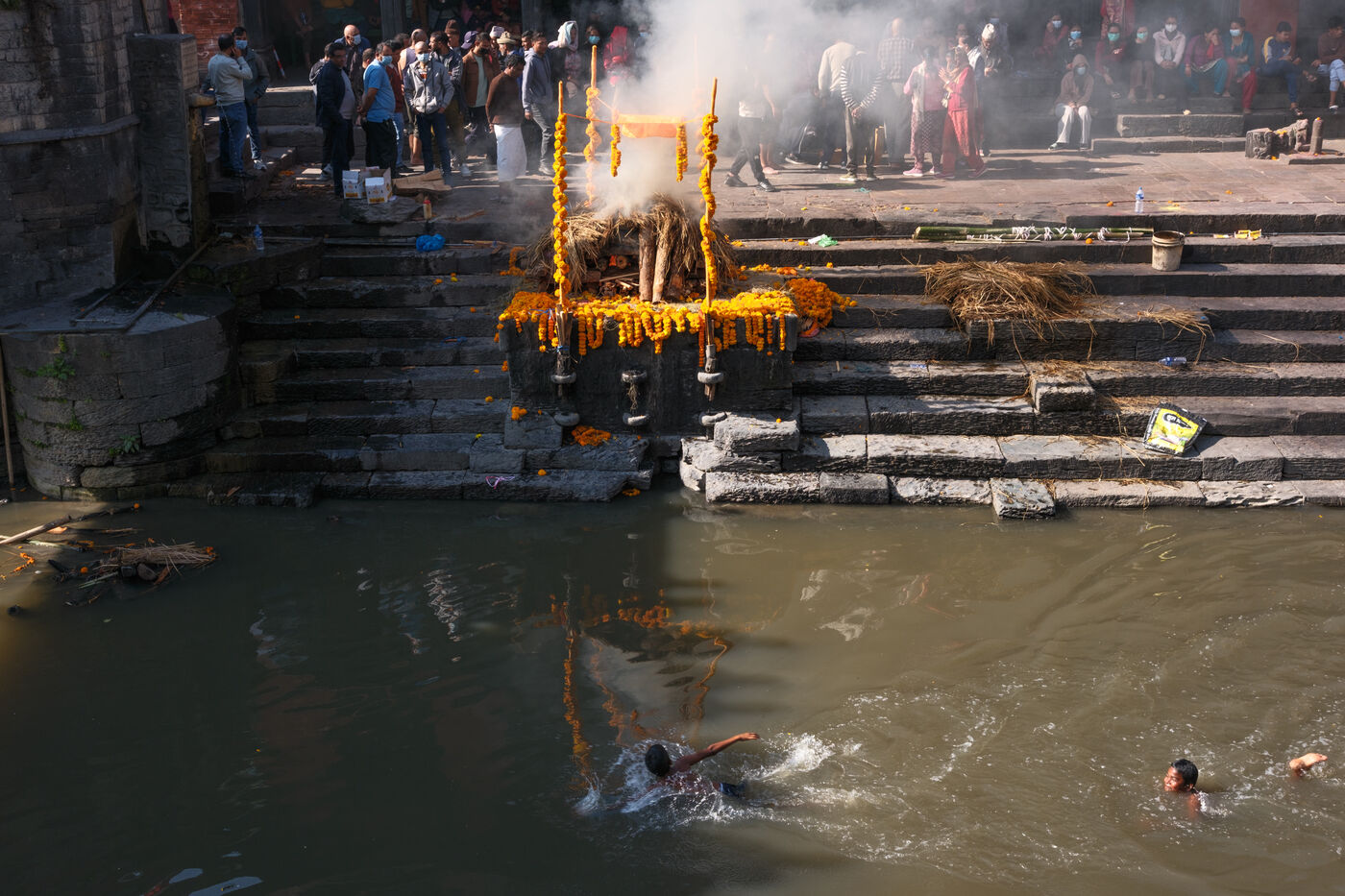
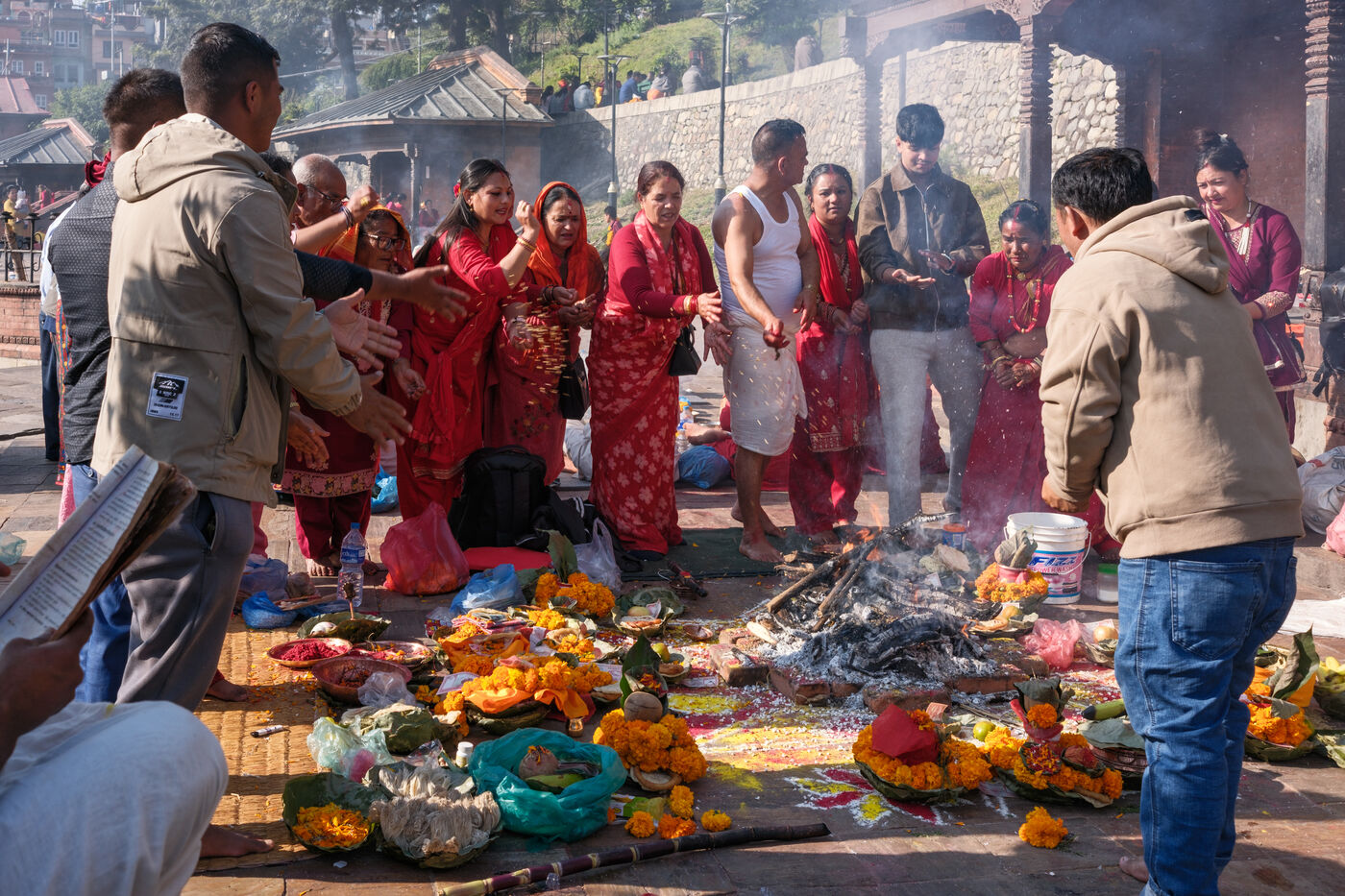
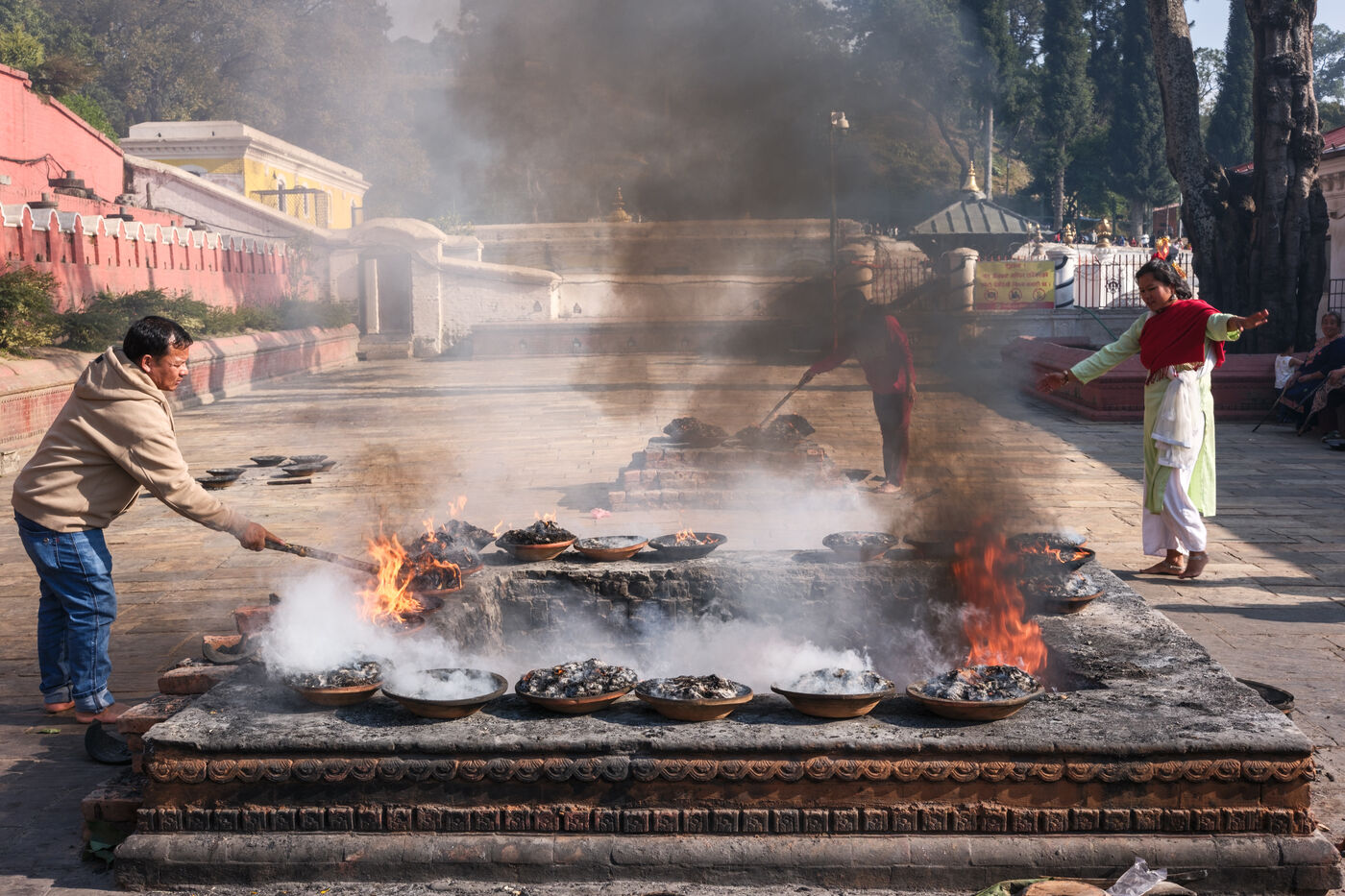
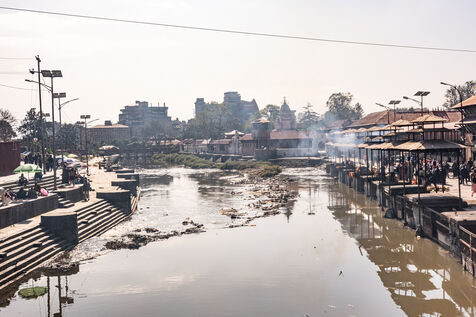
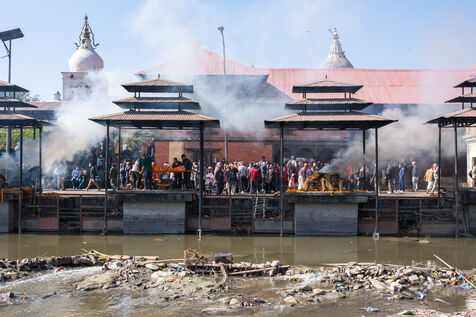
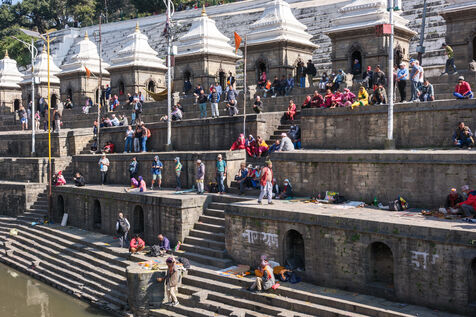
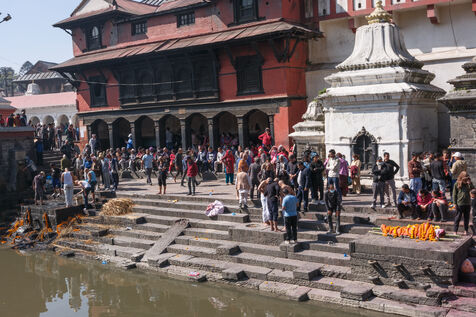
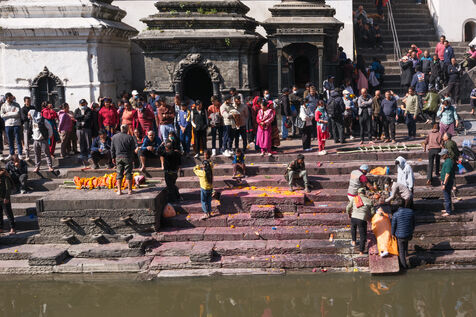
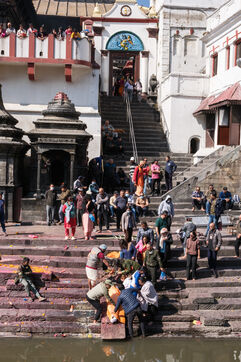
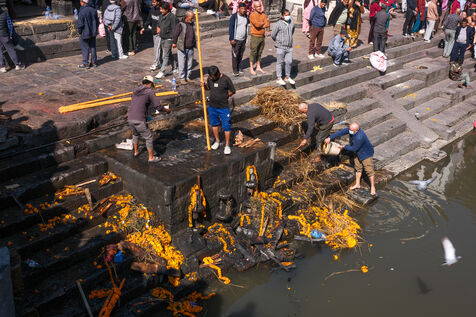
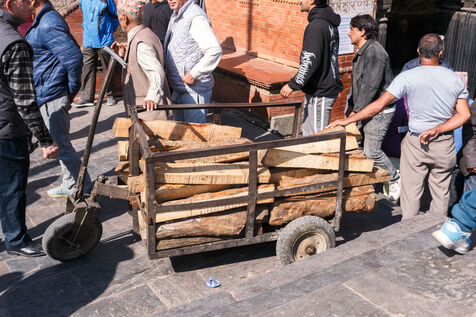
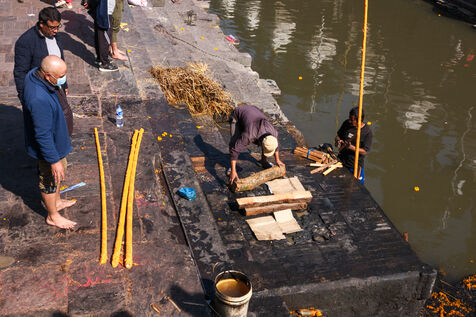
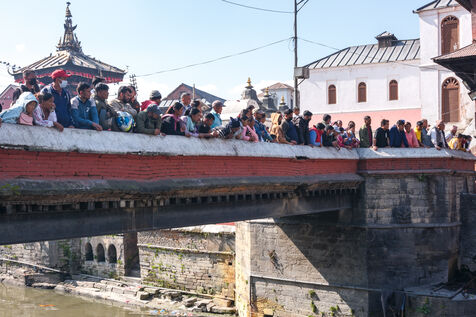
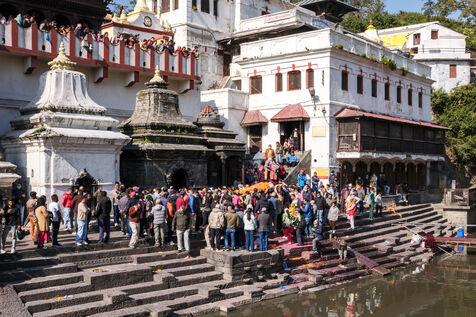
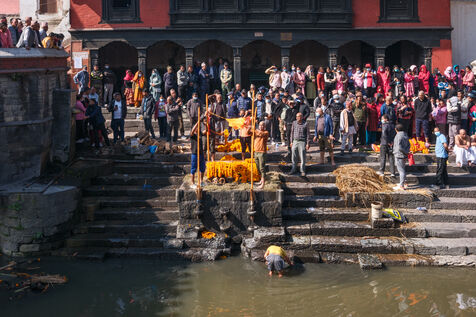
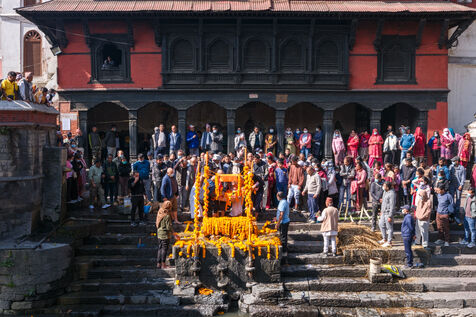
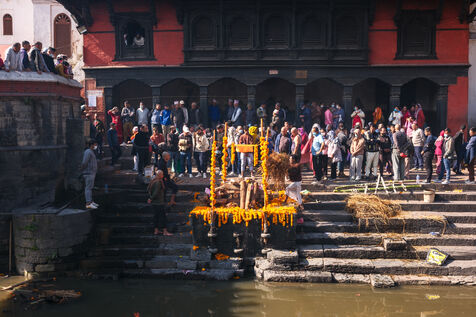
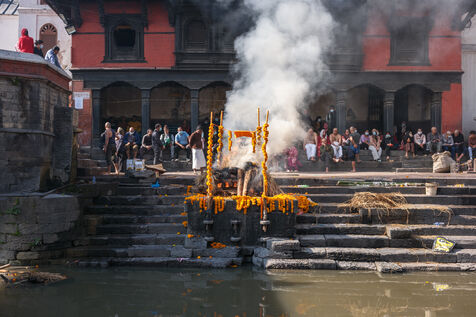
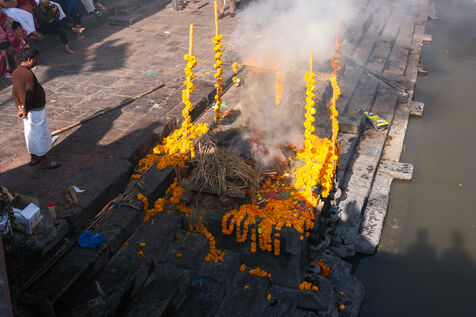
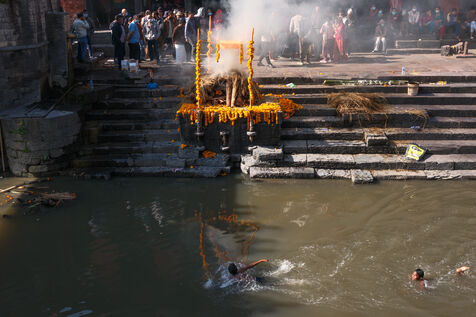
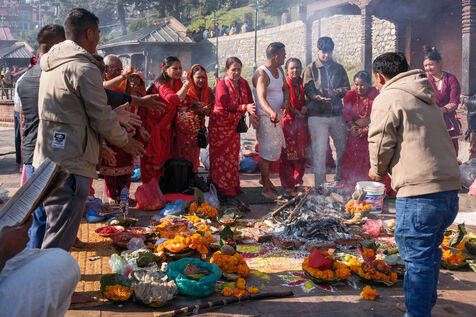
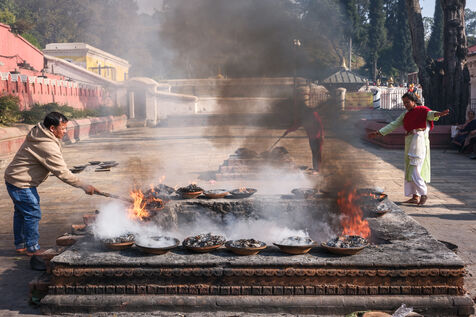
A l’instar de la ville sainte indienne Varanasi, les bûchers funéraires brûlent nuit et jour le long de l’Aarya ghat, sous le regard des familles et des visiteurs.
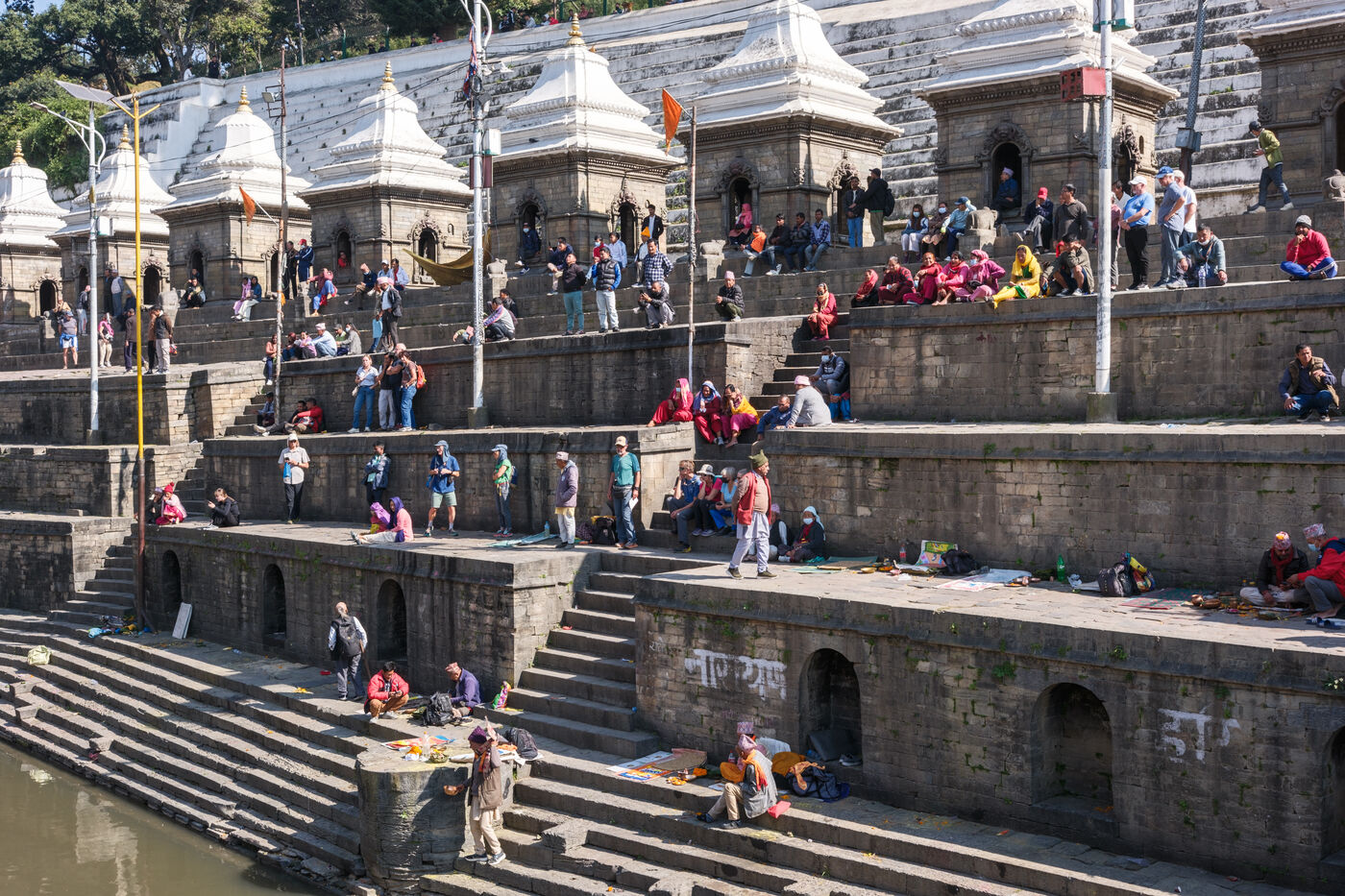
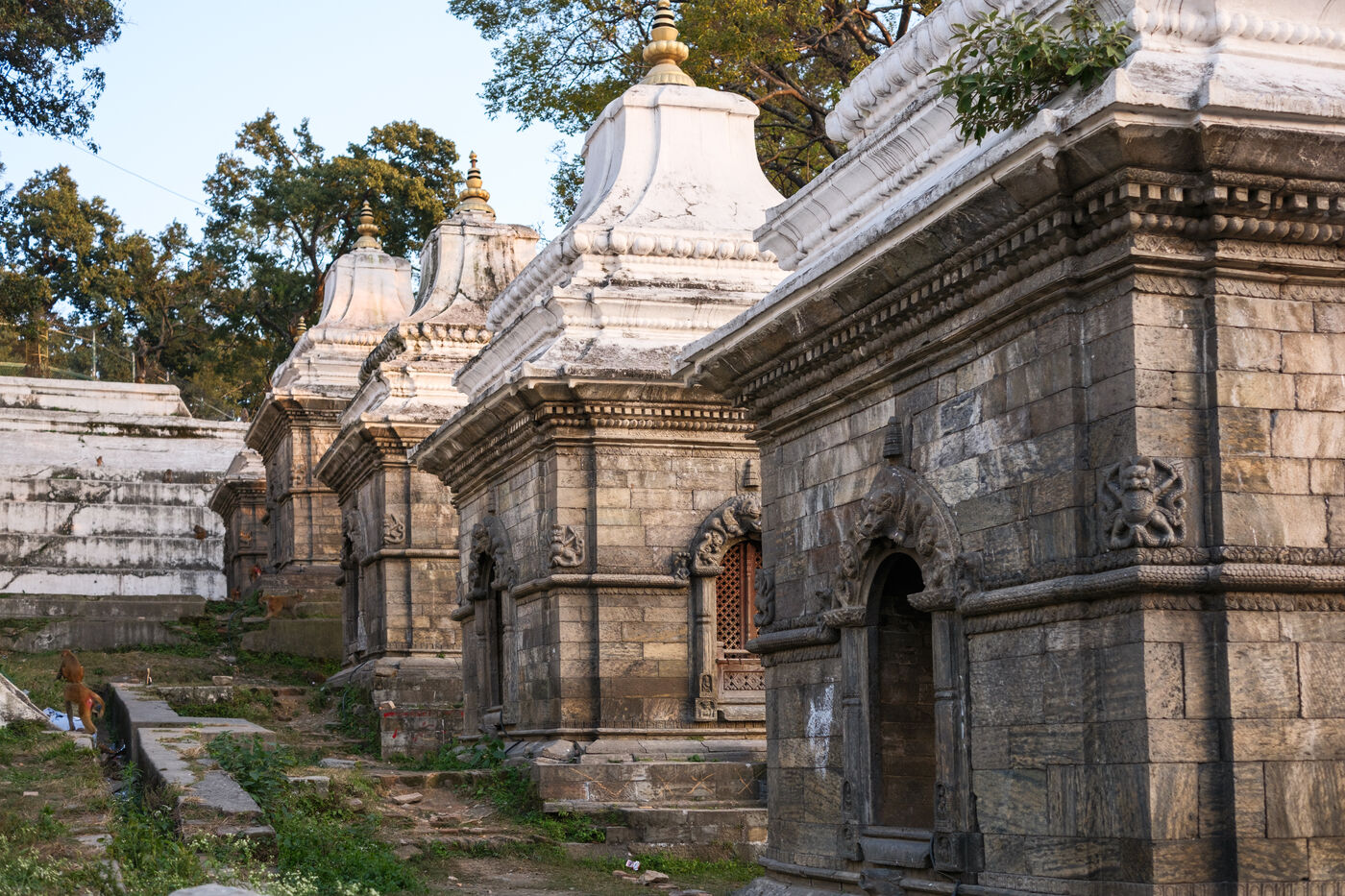
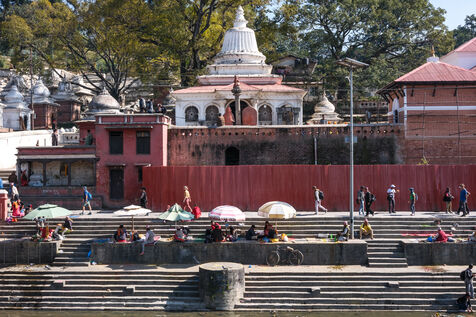
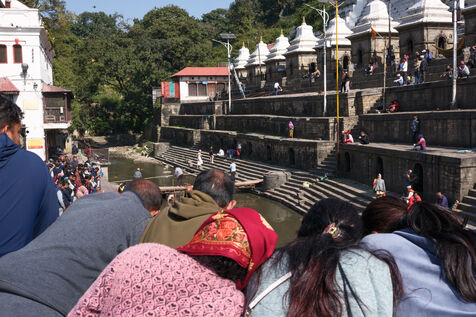
Le temple et ses alentours, comptabilisant un total de 518 temples et monuments, ont été classés en 1979 Patrimoine mondial de l’Unesco avec 6 autres ensembles sous l’appelation « Vallée de Katmandou ».
Pashupatinath Temple
Built in the 17th century by King Bhupatindra Malla on the banks of the Bagmati River, the Pashupatinath Temple, dedicated to Pashupati—the incarnation of Shiva as the ‘Lord of Beasts’—remains one of the holiest temples in Hinduism and in Nepal.
Much like the Indian holy city of Varanasi, funeral pyres burn day and night along the Aarya Ghat, watched over by families and visitors.
The temple and its surroundings, comprising a total of 518 temples and monuments, were designated a UNESCO World Heritage Site in 1979, along with six other sites under the name ‘Kathmandu Valley’.