Pour accéder à la série en entier, vous devez vous logger ou demander un compte Hans Lucas en cliquant ici.
Kwir Nou Éxist
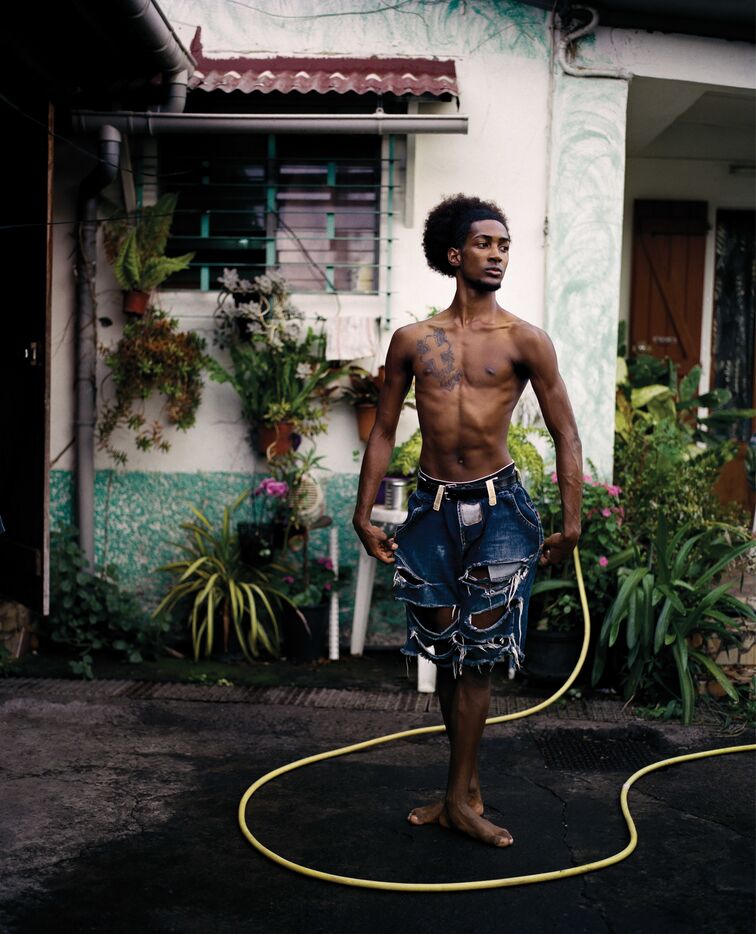
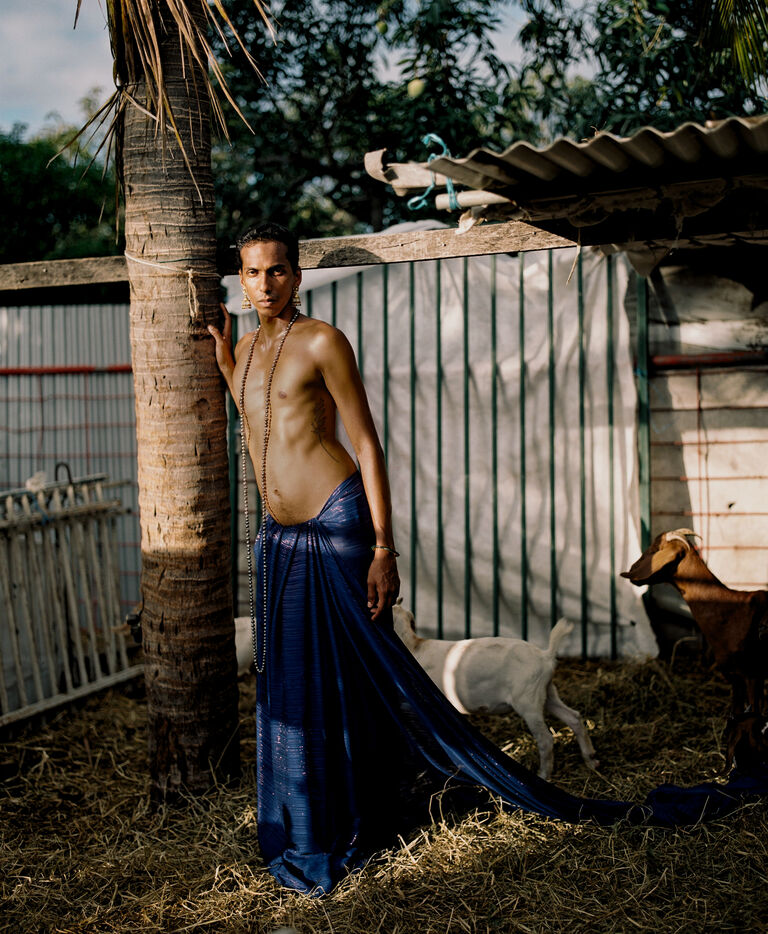
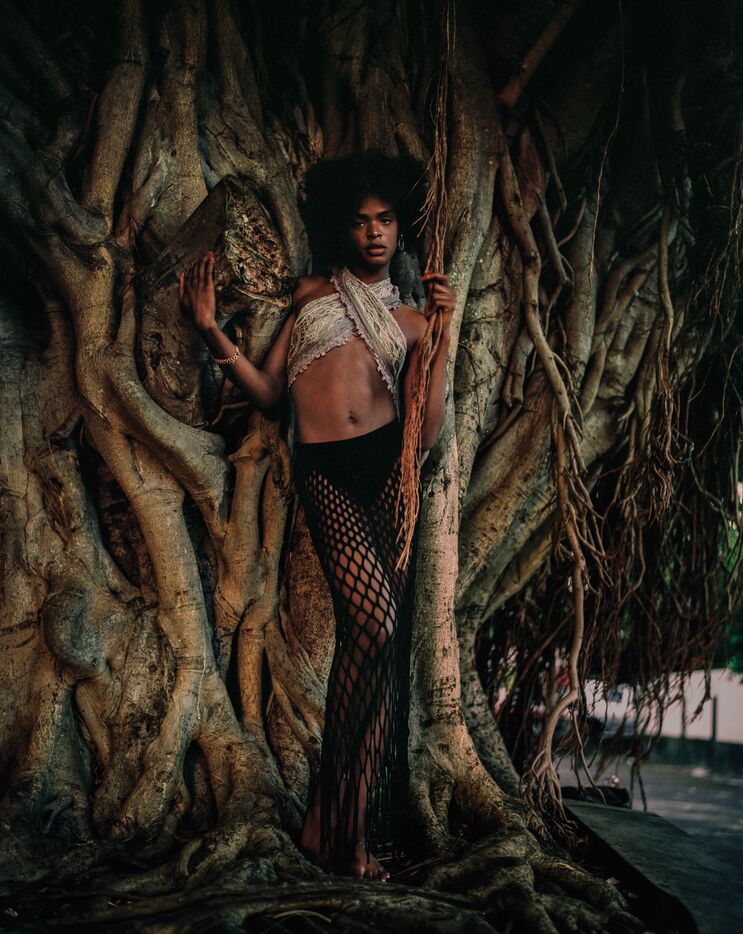
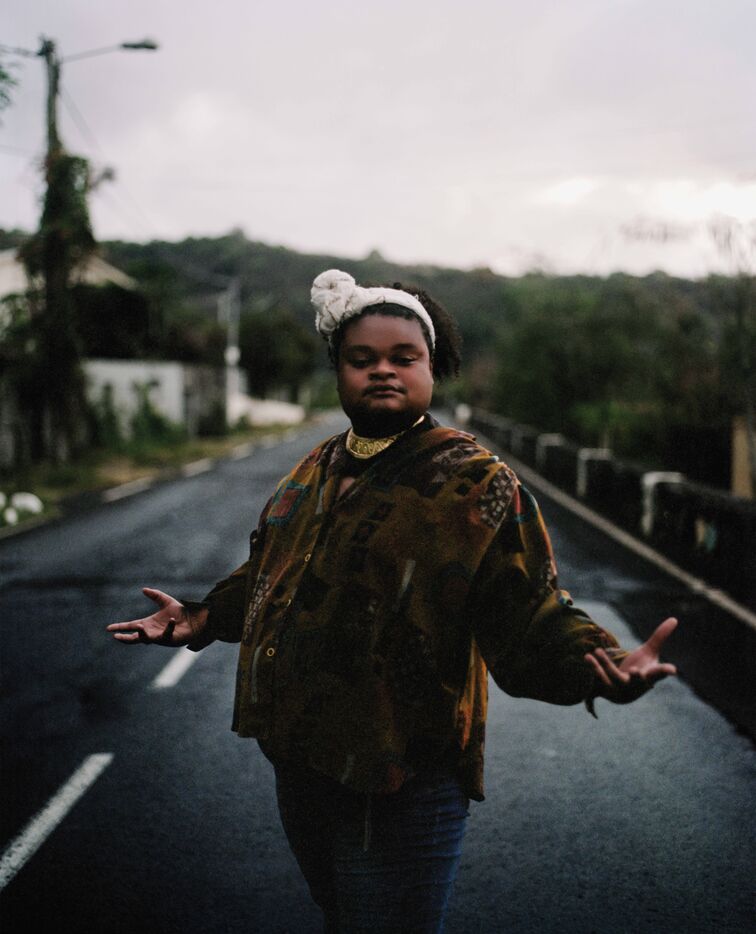
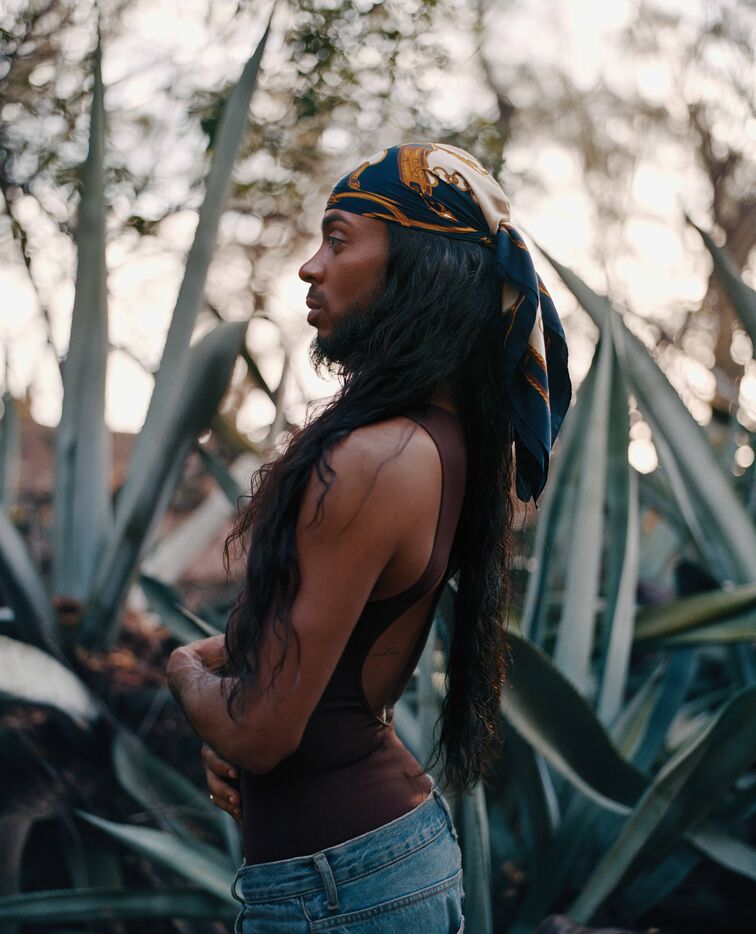
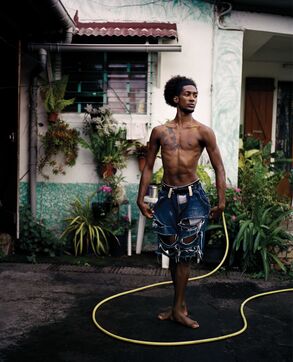
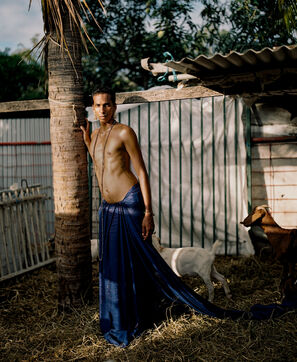
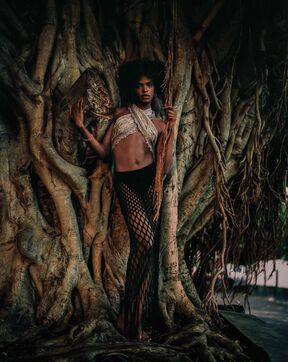
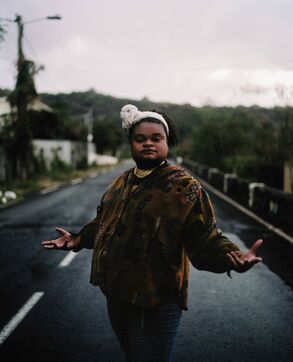
Ces images documentent une communauté plurielle, en construction, portée par plusieurs générations kwir. Elles mettent en lumière des pratiques, des héritages, des luttes, et révèlent la manière dont ces trajectoires individuelles s’inscrivent dans un mouvement collectif, ancré dans le territoire réunionnais.
Le travail de Raya Martigny et Édouard Richard convoque à la fois un esthétisme revendiqué et une démarche documentaire. Il constitue un projet artistique autant qu’une archive contemporaine : un outil de transmission et de mémoire pour les générations futures, mais aussi un geste de réparation face à l’invisibilisation des récits queer dans les contextes postcoloniaux. L’histoire des luttes queer, souvent écrite depuis les centres occidentaux, a longtemps ignoré les subjectivités situées — notamment celles issues des territoires ultramarins et diasporiques. À La Réunion, les identités queer sont prises dans une double tension : invisibilisées par l’héritage colonial, mais souvent exotisées dans les imaginaires métropolitains.
En reprenant le slogan de la première marche des visibilités LGBTQIA+ organisée à La Réunion en 2021, le titre Kwir Nou Éxist marque une prise de position : ici, le mot kwir n’est pas une simple adaptation du terme queer, mais une proposition créole, politique et décoloniale, forgée dans un contexte insulaire, draguant ses propres réalités.
Dans le cadre de la Saison France–Brésil 2025, cette exposition circule entre la France hexagonale, La Réunion et le Brésil, ouvrant un dialogue sud–sud devenu essentiel entre communautés artistiques et militantes, qui partagent des enjeux communs de représentation, de mémoire et de souveraineté narrative.
Extrait du texte d’exposition par Brandon Gercara & Anna Vrinat
Kwir Nou Éxist
This collection of images documents a diverse community—still in the making—carried forward by several generations of Kwir people. It highlights practices, legacies, and struggles, and reveals how these individual journeys are part of a collective movement rooted in the territory of Réunion.
The work of Raya Martigny and Édouard Richard combines a strong aesthetic vision with a documentary approach. It is as much an artistic project as it is a contemporary archive: a tool for transmission and memory for future generations, but also an act of redress in response to the erasure of queer narratives in postcolonial contexts. The history of queer struggles, often written from Western perspectives, has long ignored situated subjectivities—particularly those from overseas territories and diasporic communities. In Réunion, queer identities are caught in a double bind: rendered invisible by the colonial legacy, yet often exoticized in metropolitan imaginaries.
Taking up the slogan of the first LGBTQIA+ visibility march organized in Réunion in 2021, the title Kwir Nou Éxist makes a bold statement: here, the word kwir is not simply an adaptation of the term “queer,” but a Creole, political, and decolonial concept, forged within an insular context and rooted in its own realities.
As part of the France–Brazil Season 2025, this exhibition travels between mainland France, Réunion, and Brazil, fostering a now-essential South–South dialogue among artistic and activist communities that share common challenges regarding representation, memory, and narrative sovereignty.
Excerpt from the exhibition essay by Brandon Gercara & Anna Vrinat