Pour accéder à la série en entier, vous devez vous logger ou demander un compte Hans Lucas en cliquant ici.
Le projet de raffinerie Emme, des marériaux critiques et des méthodes critiquées
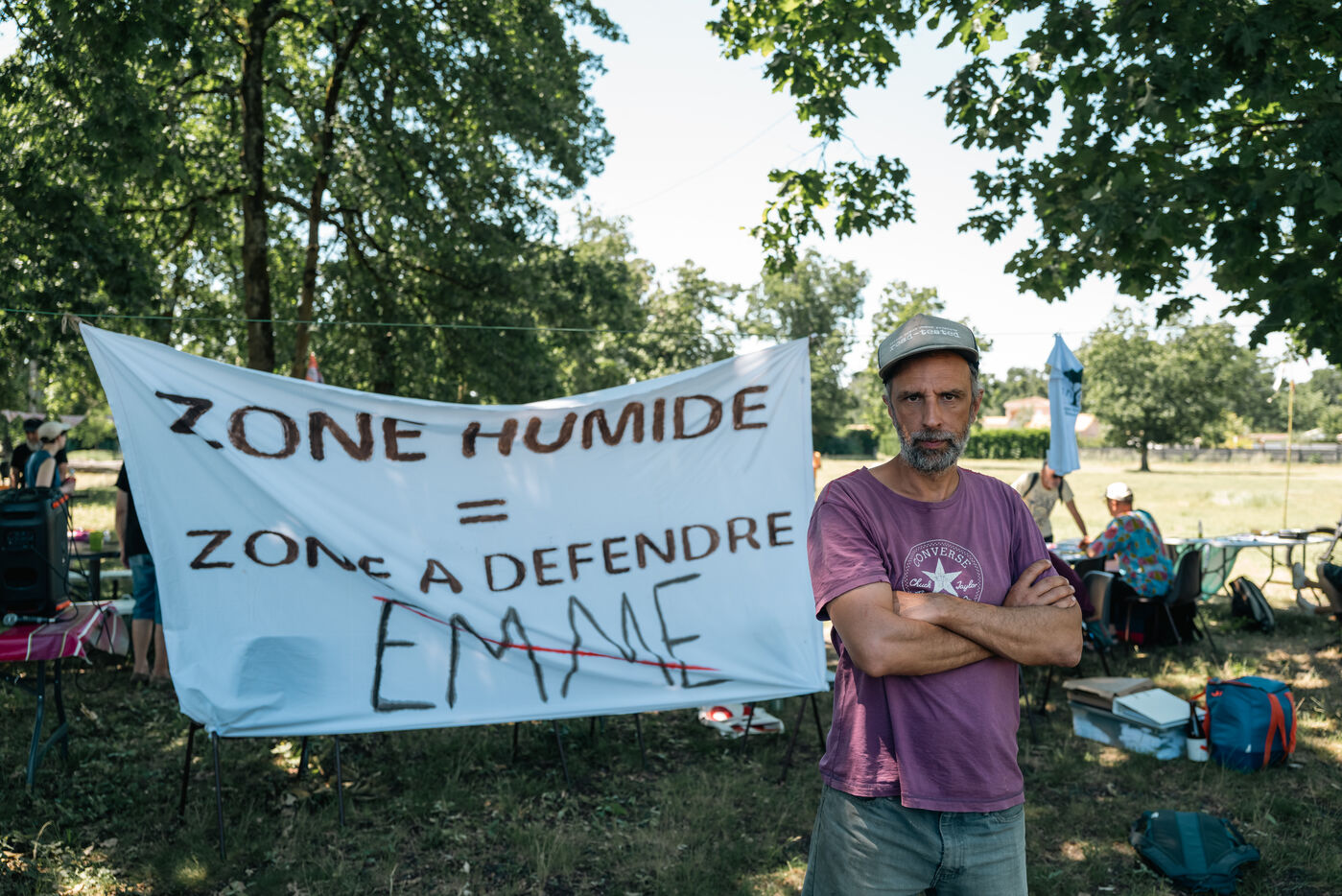
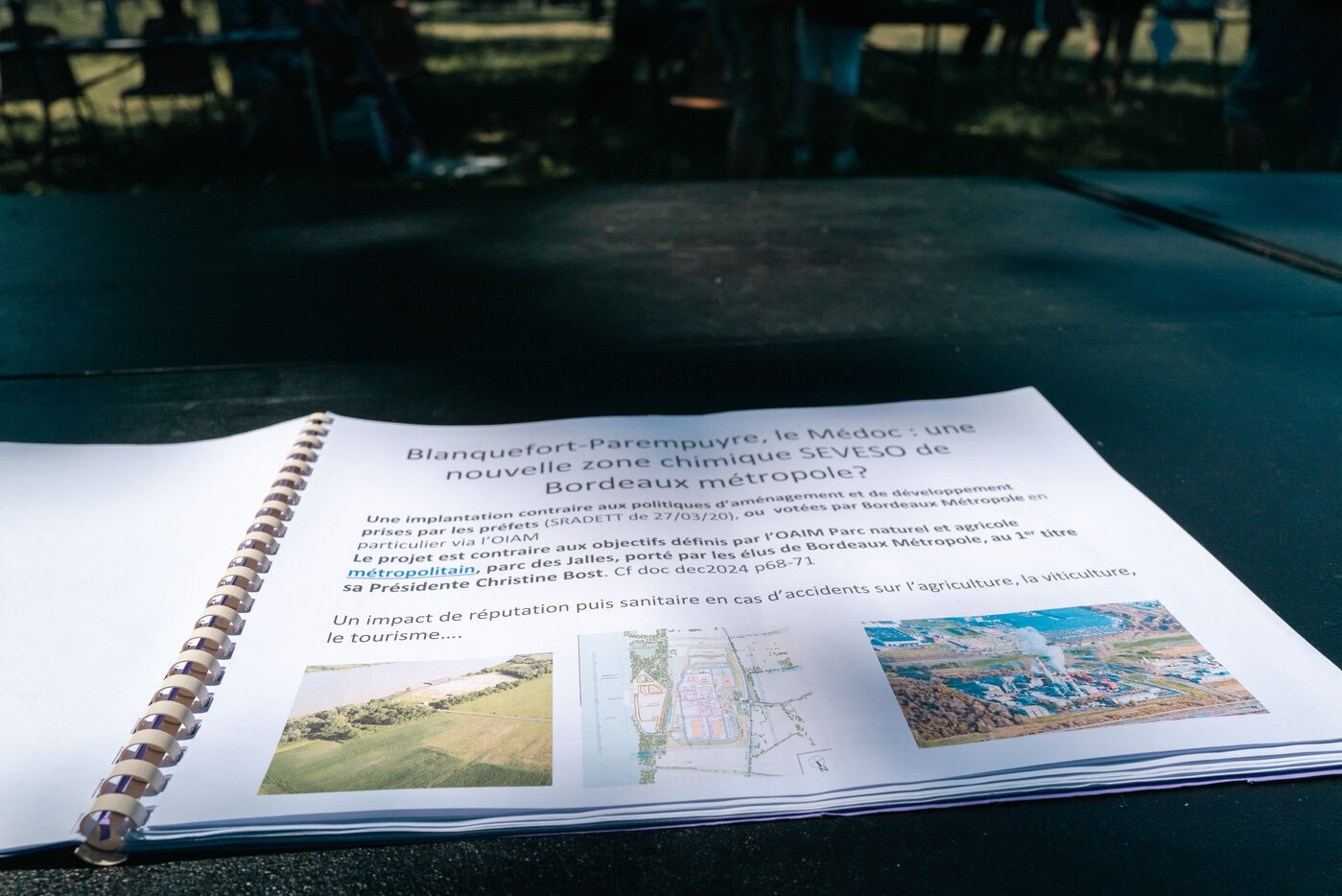
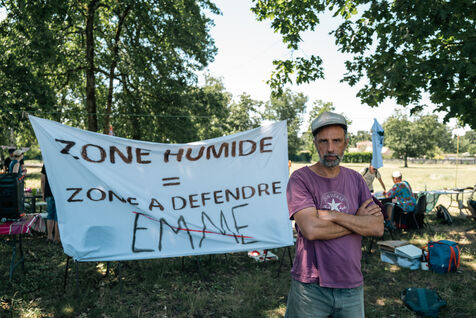
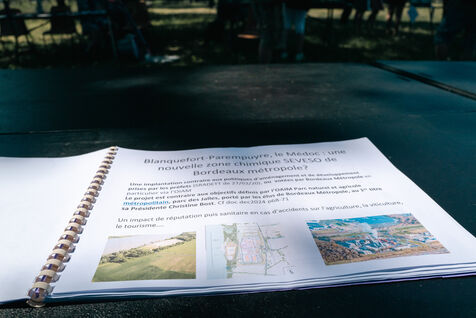
Le projet EMME, porté par la société EMME SAS, prévoit l’implantation d’un site industriel de traitement et de recyclage de métaux stratégiques comme le nickel et le cobalt dans la métropole bordelaise, a proximité de Parempuyre. Présenté comme un projet participant à la transition énergétique et à la filière des batteries électriques, il suscite toutefois une forte opposition locale. Des habitants, collectifs écologistes et associations environnementales dénoncent les risques industriels, les potentielles pollutions ainsi que l’implantation du site dans un territoire marque par la présence d’espaces naturels sensibles et de zones exposées aux risques d’inondation.
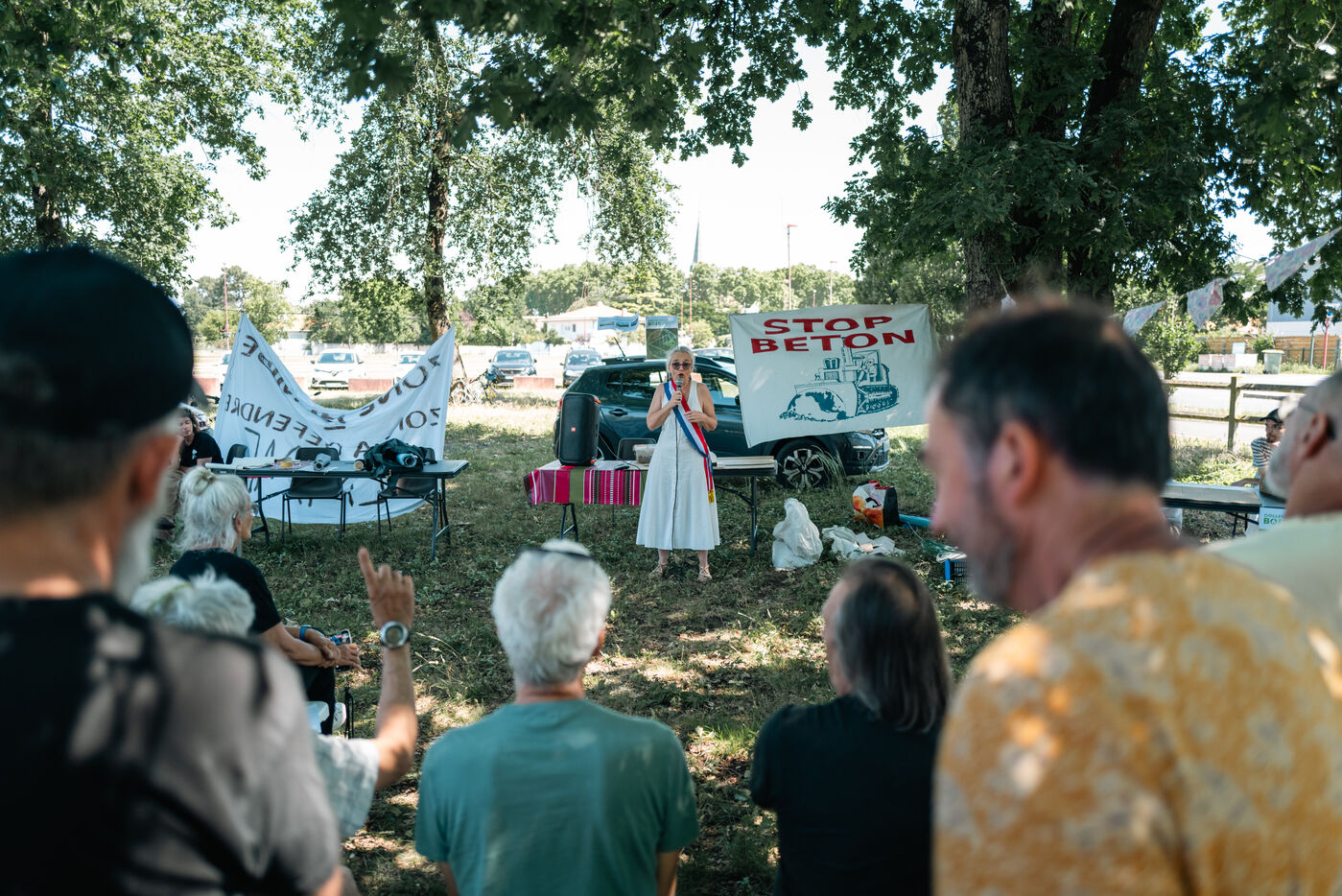
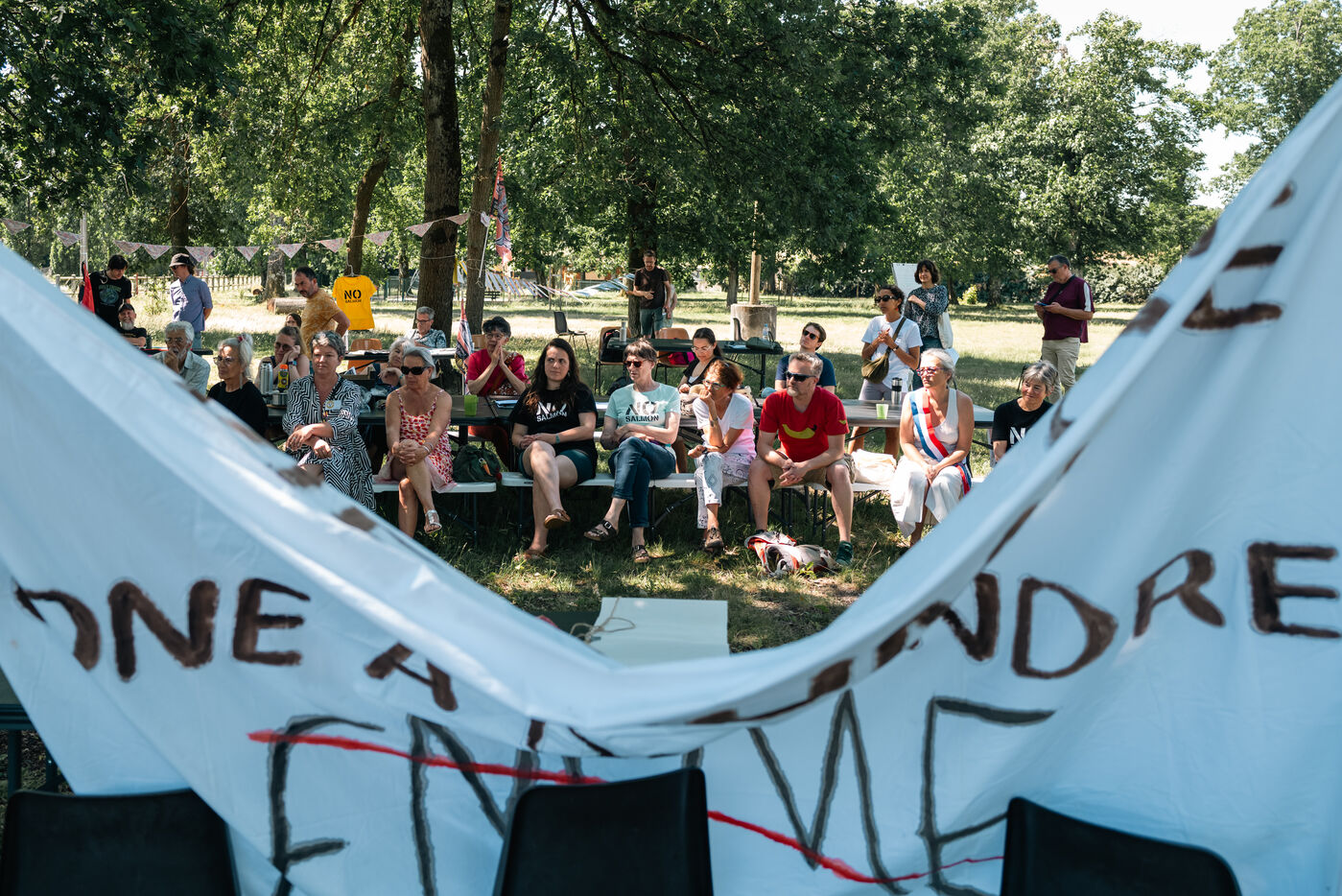
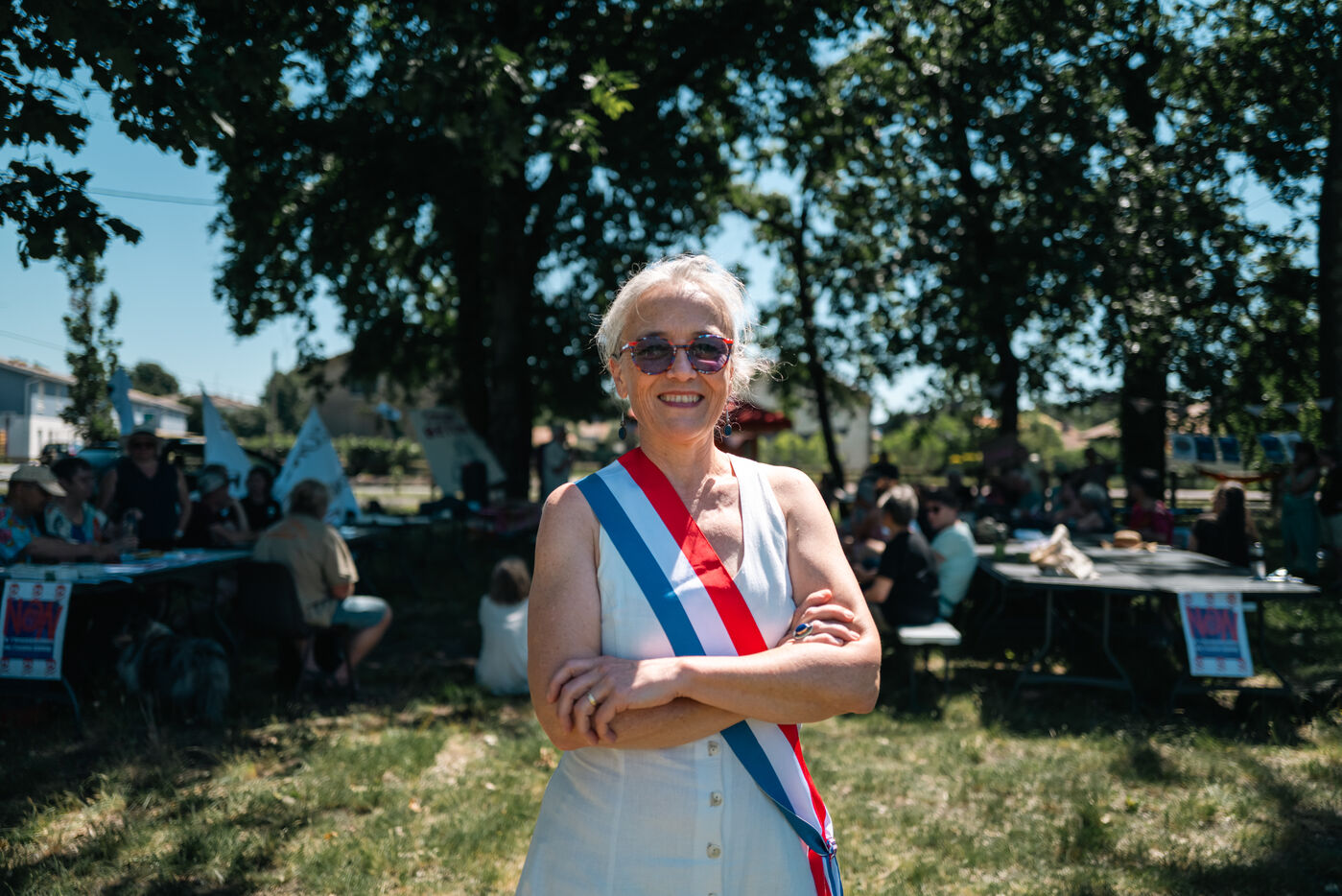
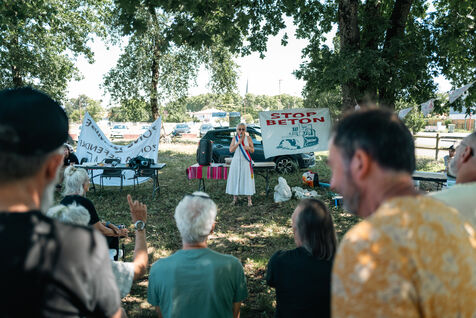
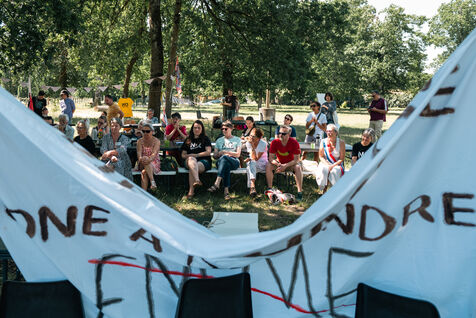
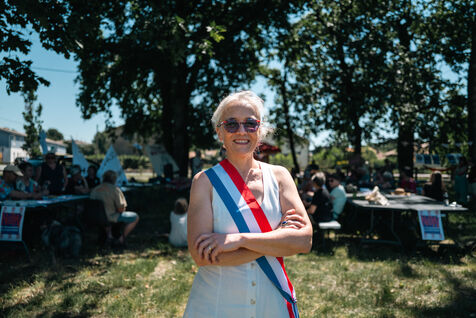
Face a ce projet, les activistes et riverains se réunissent afin de se réapproprier la connaissance du territoire. A travers des rencontres, des marches, des débats publics et des moments de partage d’informations, ils cherchent a mieux comprendre les enjeux écologiques, industriels et politiques qui concernent leur cadre de vie. Cette mobilisation citoyenne vise également a transmettre une mémoire locale, a renforcer les liens entre habitants et a permettre une lecture collective des transformations du territoire face aux grands projets industriels contemporains.
Emme Refinery Project, critical materials and criticized methods
The EMME project, led by EMME SAS, plans to establish an industrial facility for the processing and recycling of strategic metals such as nickel and cobalt in the Bordeaux metropolitan area, near Parempuyre. Although presented as a project contributing to the energy transition and the electric battery industry, it has nevertheless sparked strong local opposition. Residents, environmental groups, and organizations are denouncing the industrial risks, potential pollution, and the site’s location in an area marked by sensitive natural habitats and flood-prone zones.
In response to this project, activists and local residents are coming together to reclaim their understanding of the local area. Through meetings, marches, public debates, and information-sharing sessions, they seek to better understand the ecological, industrial, and political issues affecting their living environment. This citizen mobilization also aims to preserve local memory, strengthen ties among residents, and foster a collective understanding of the changes occurring in the region in the face of major contemporary industrial projects.