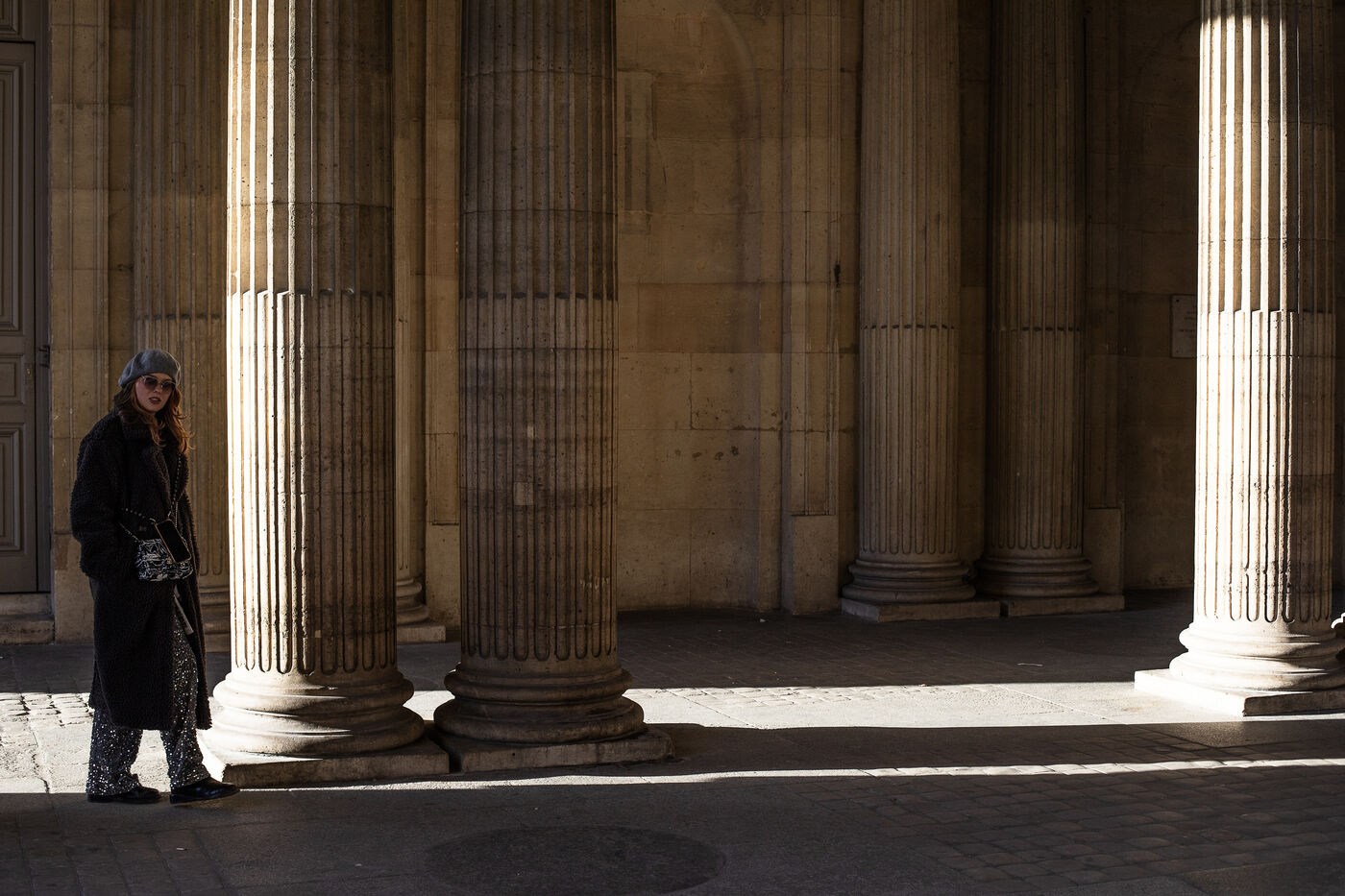
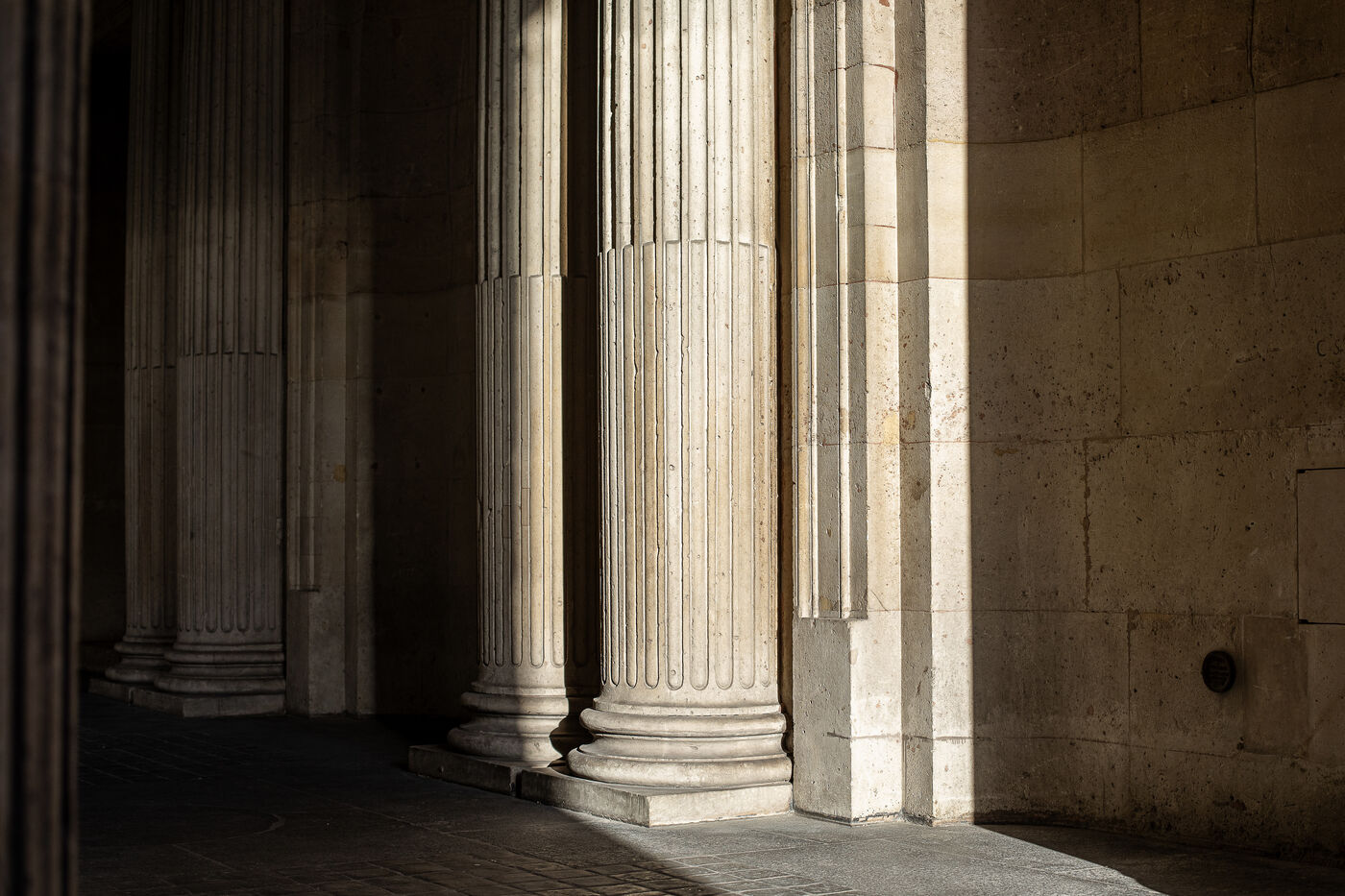
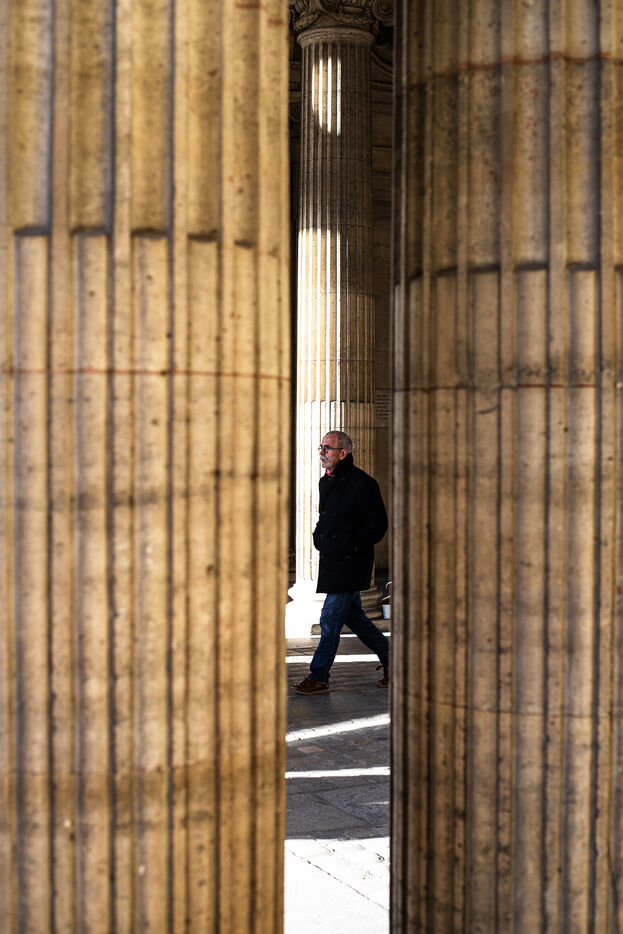
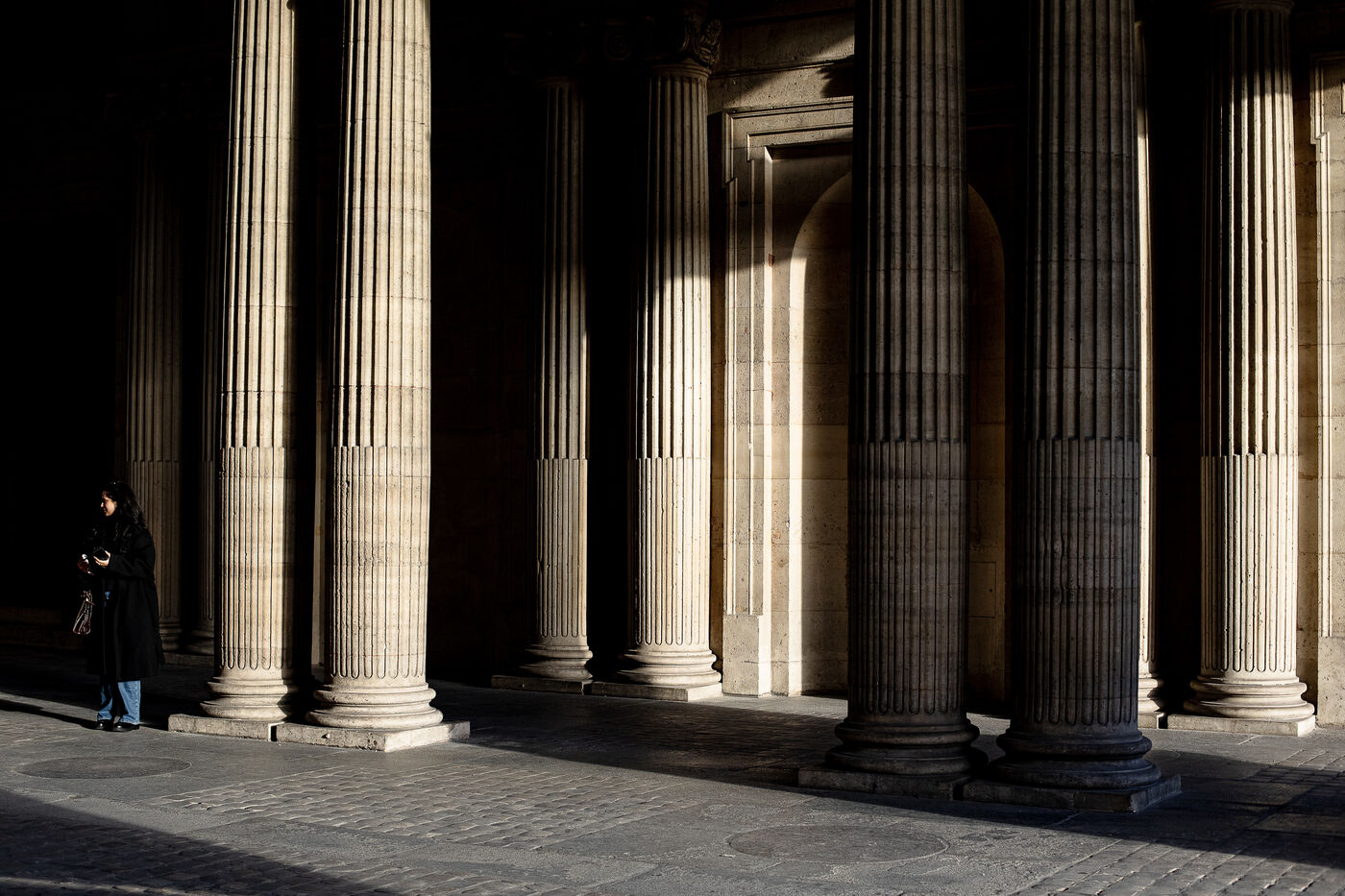
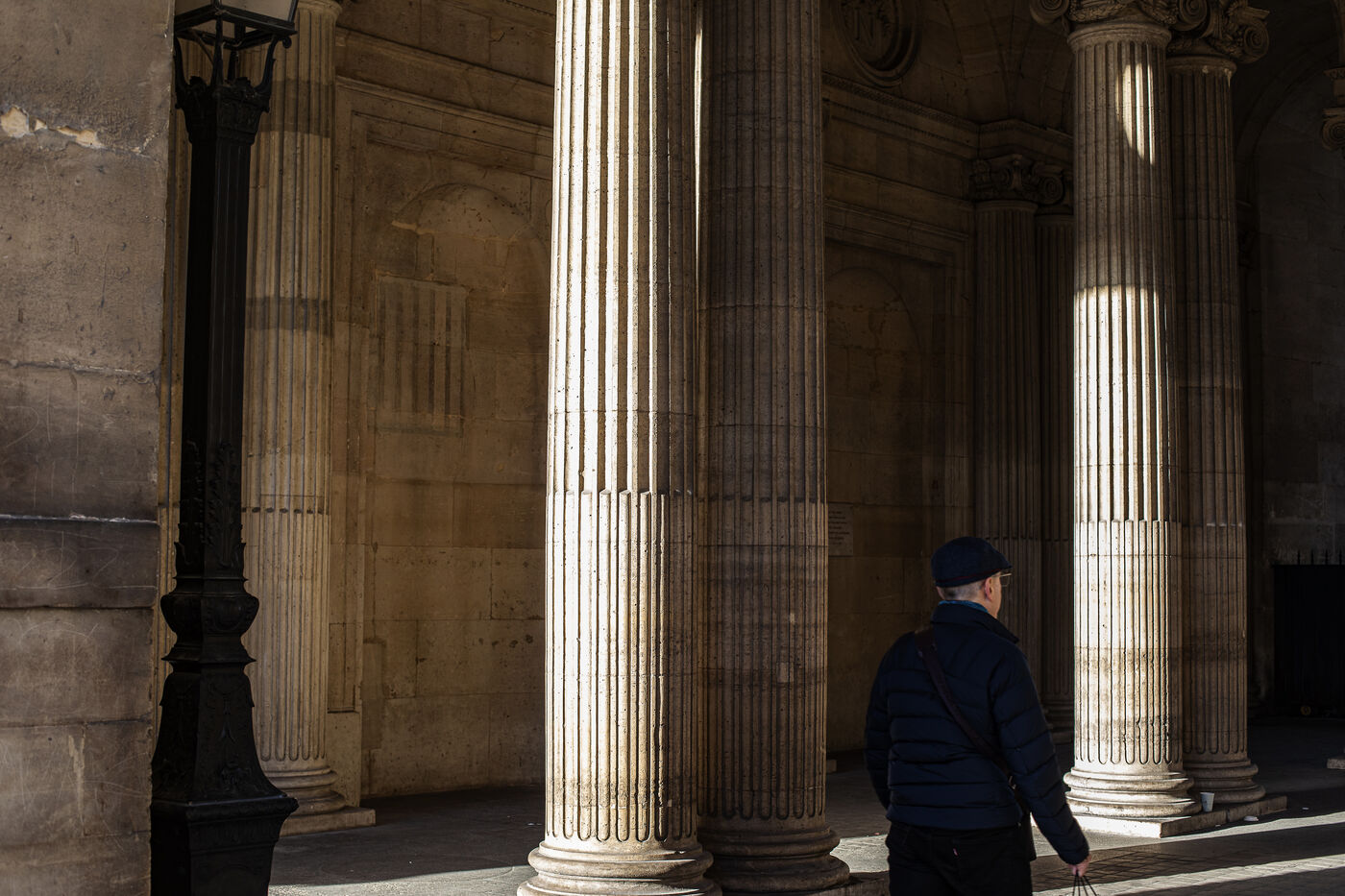
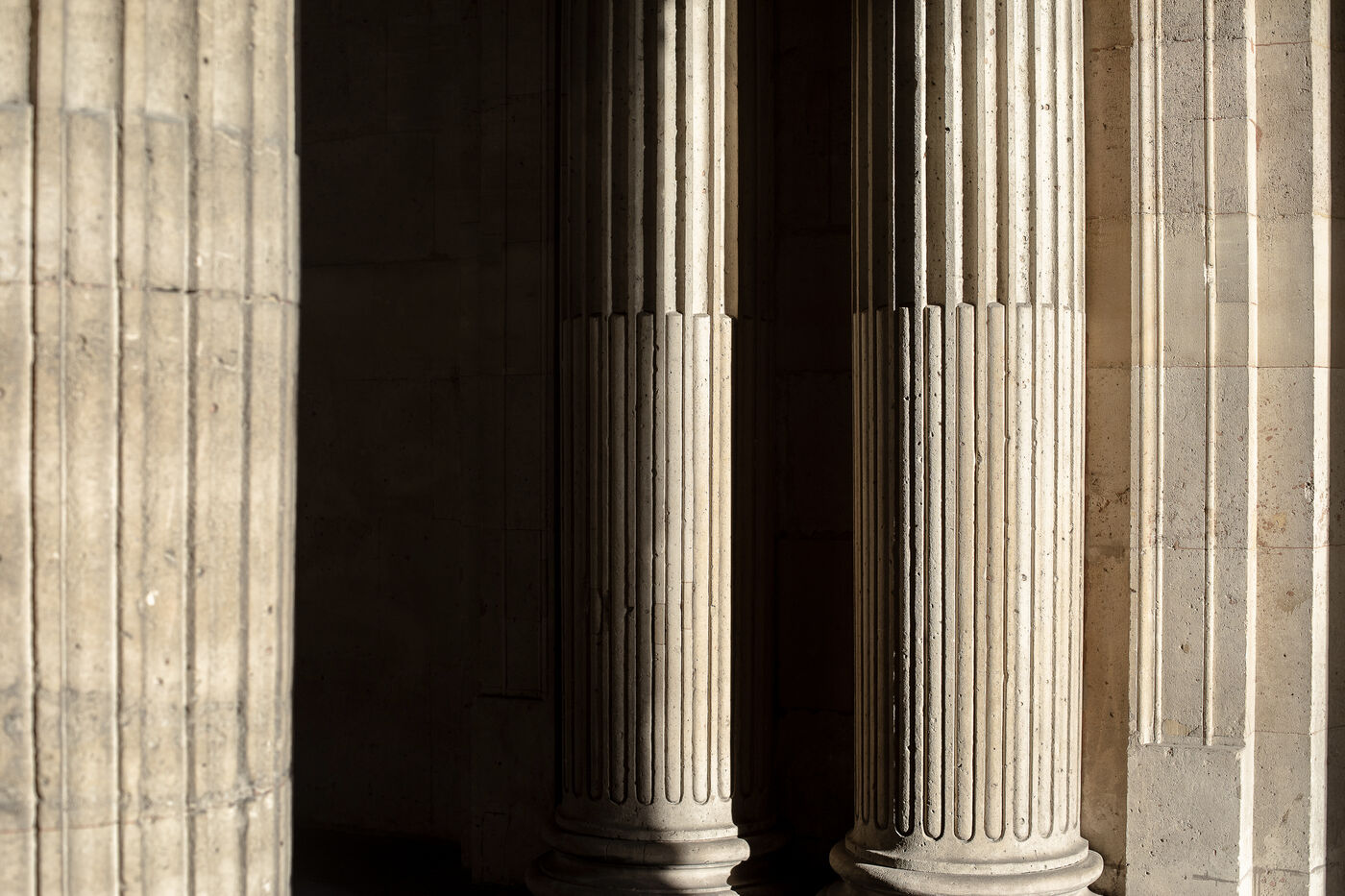
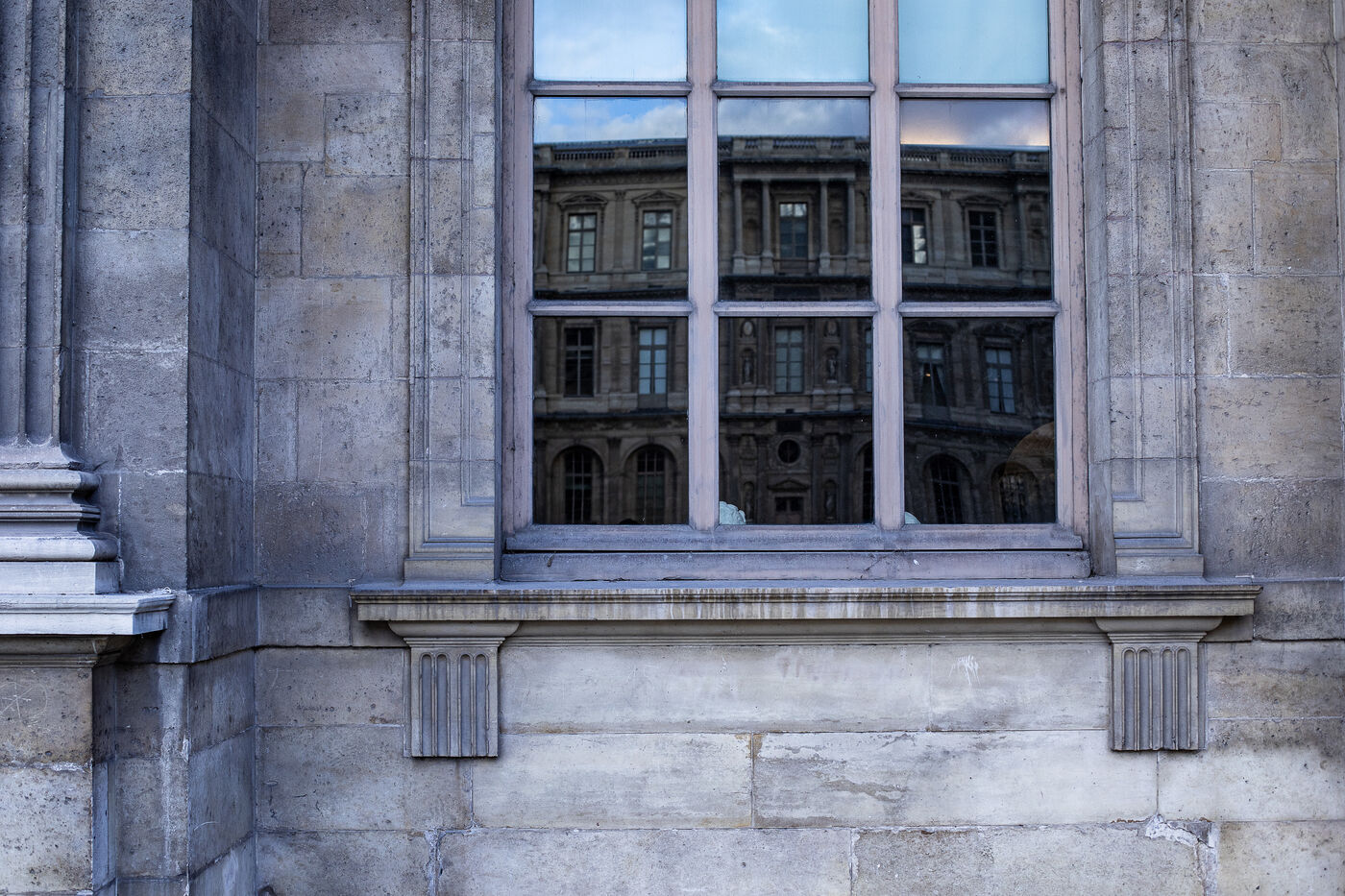
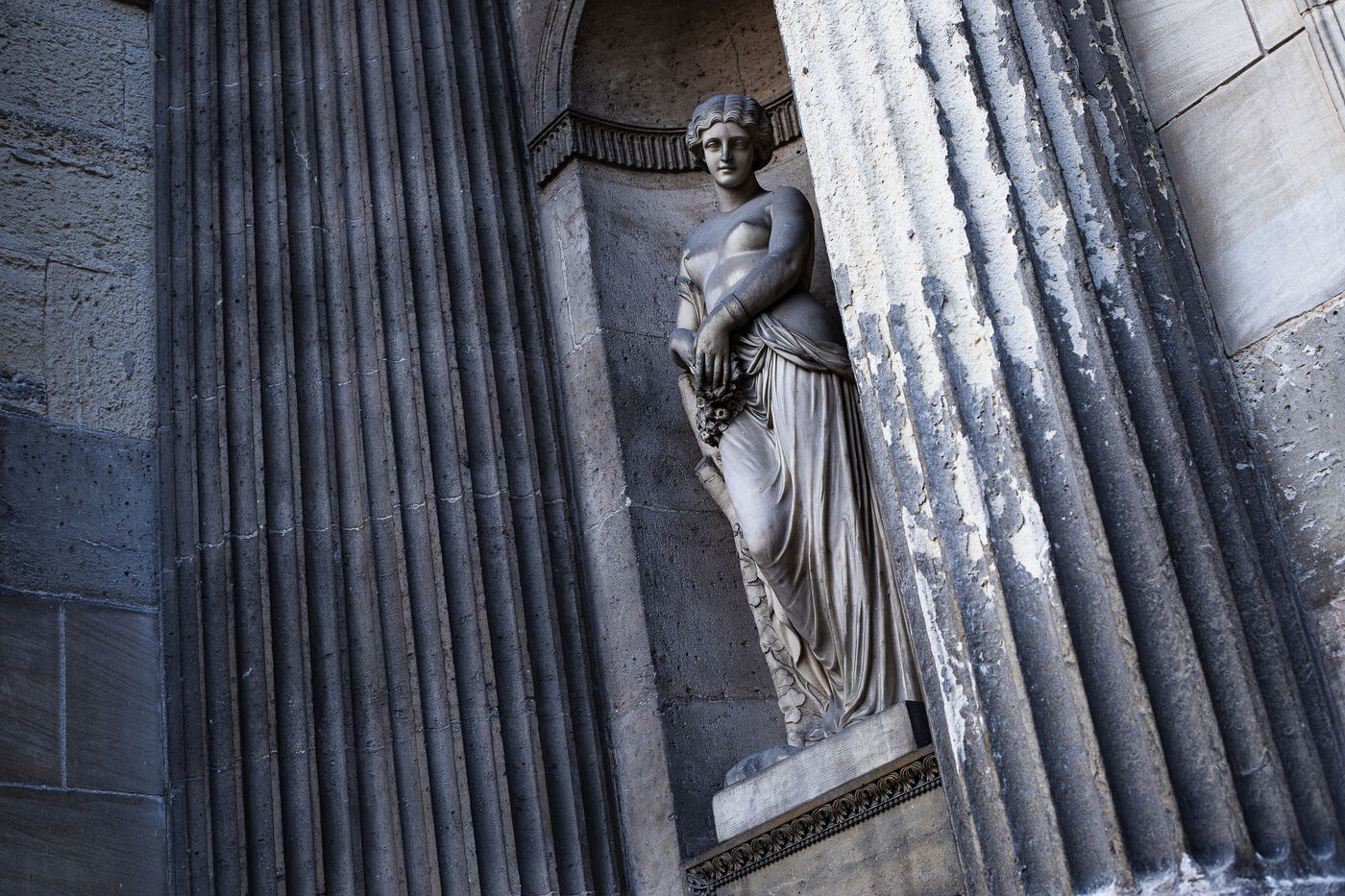
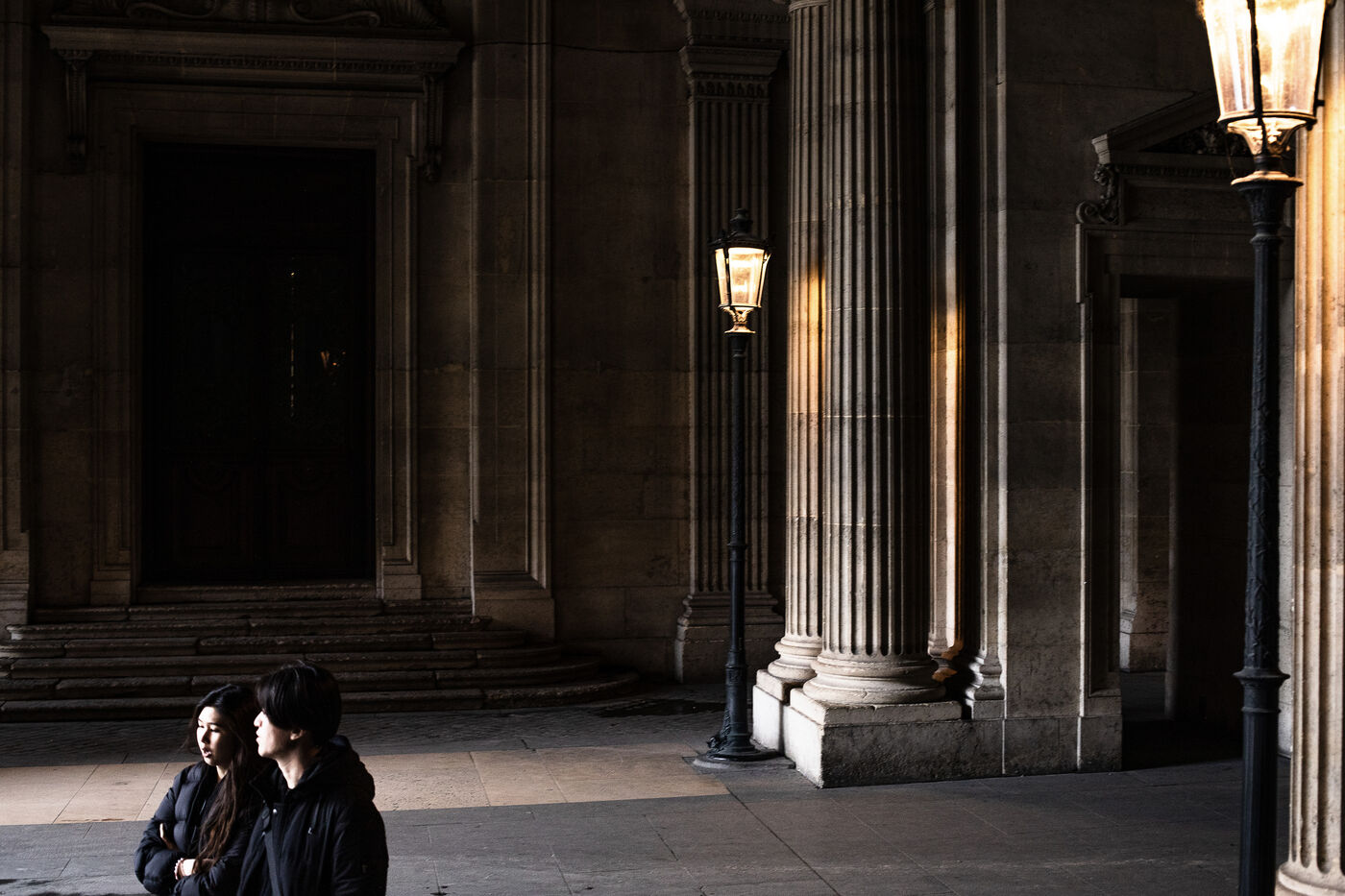
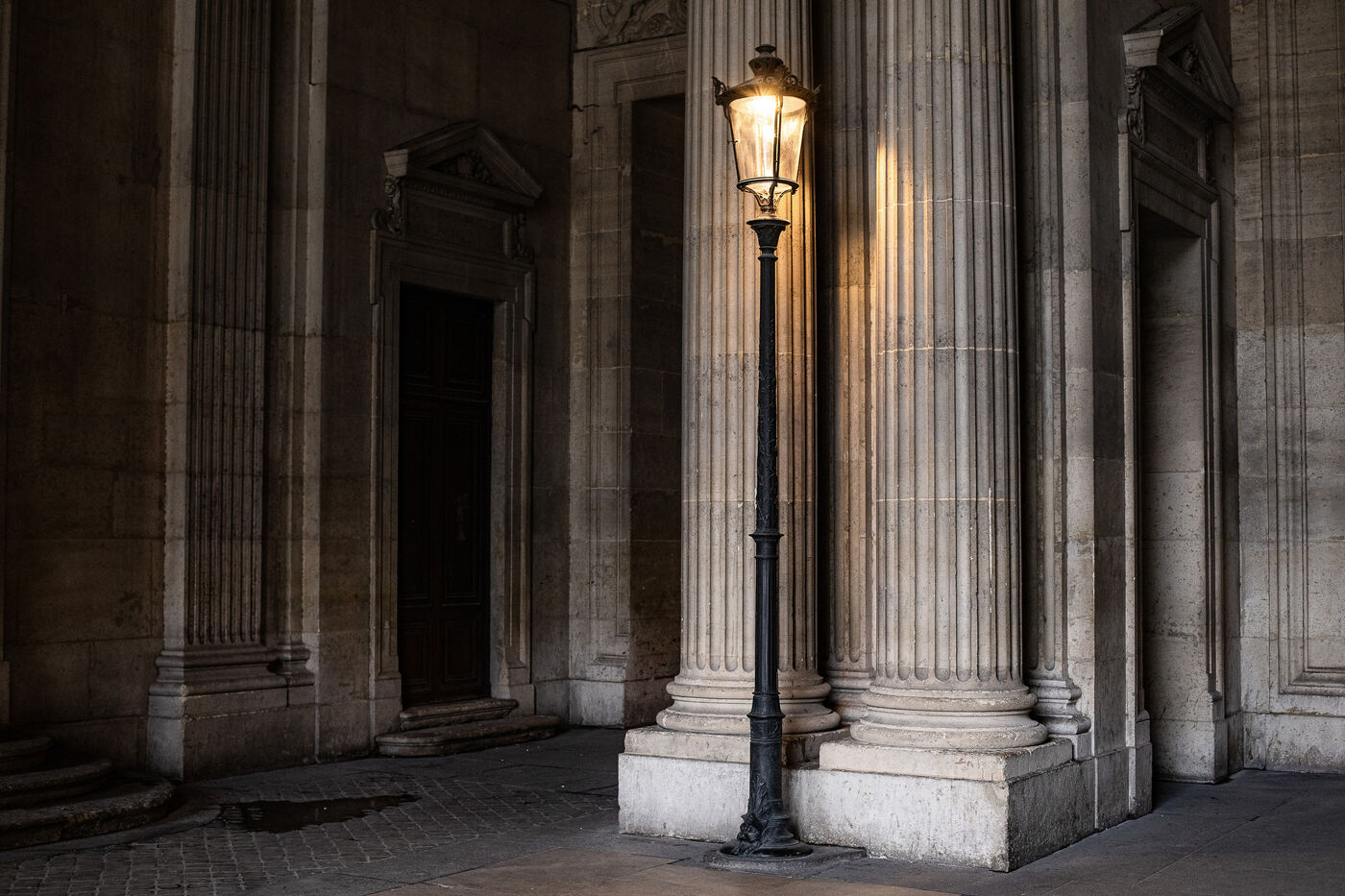
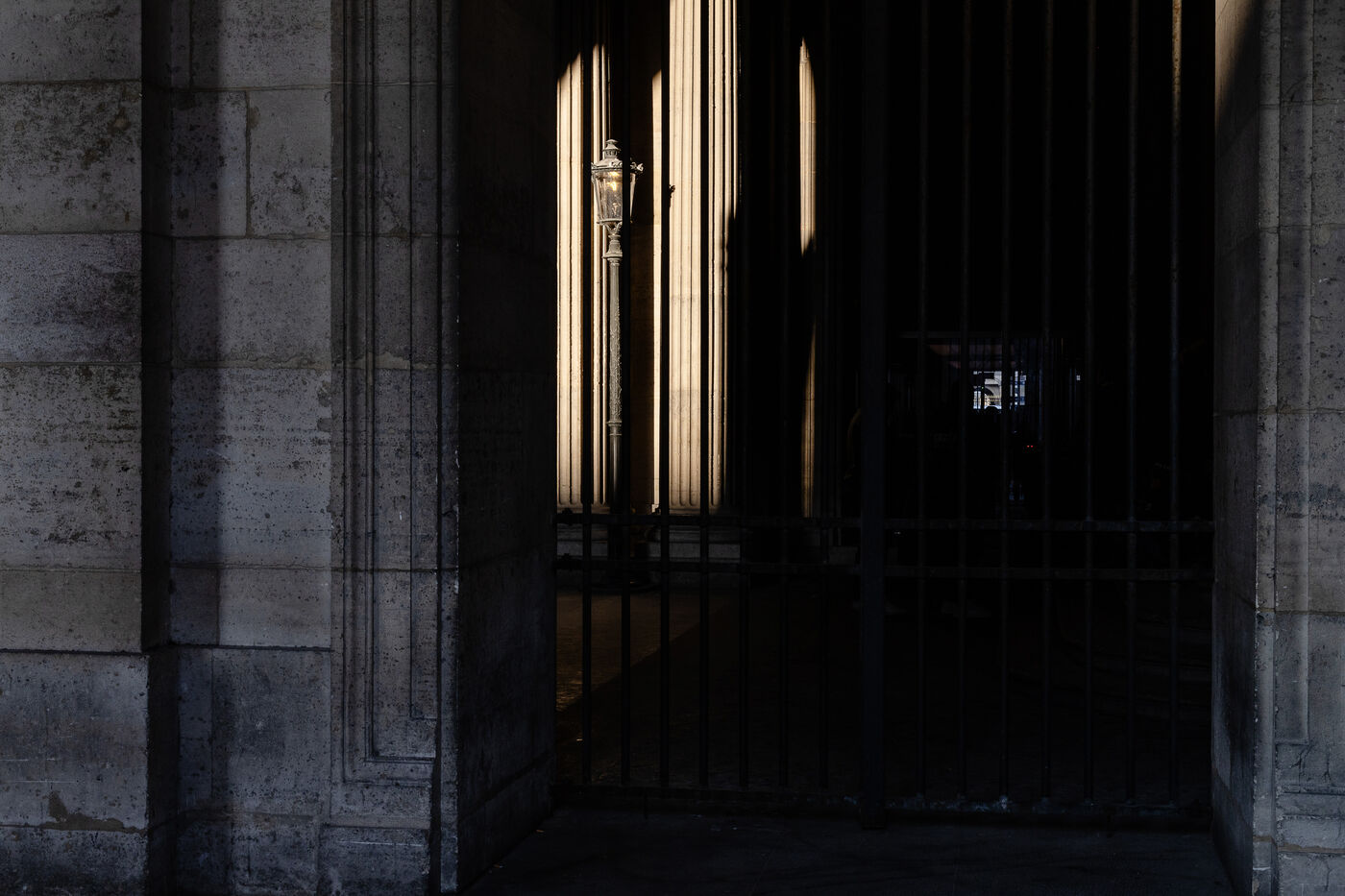
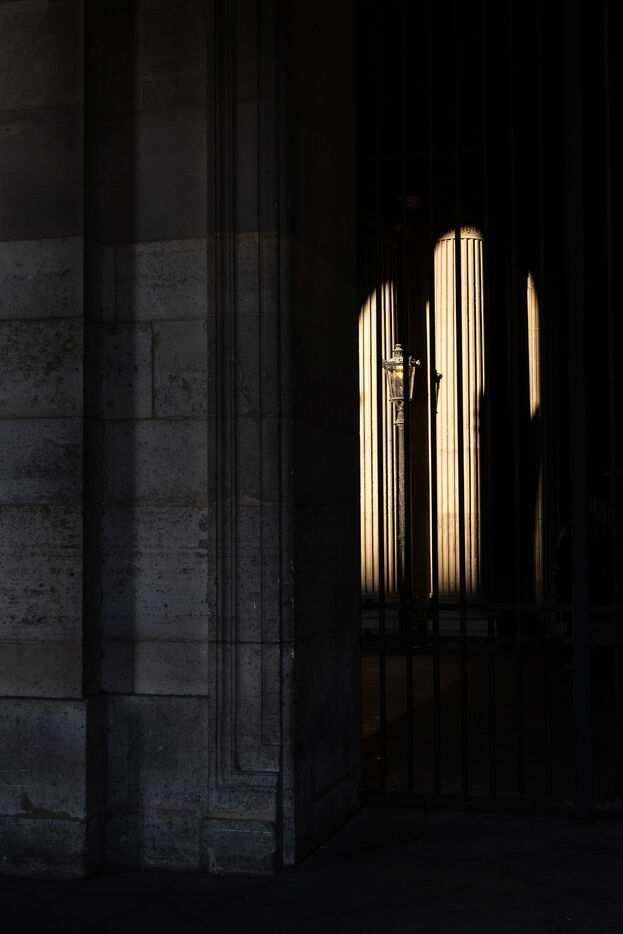
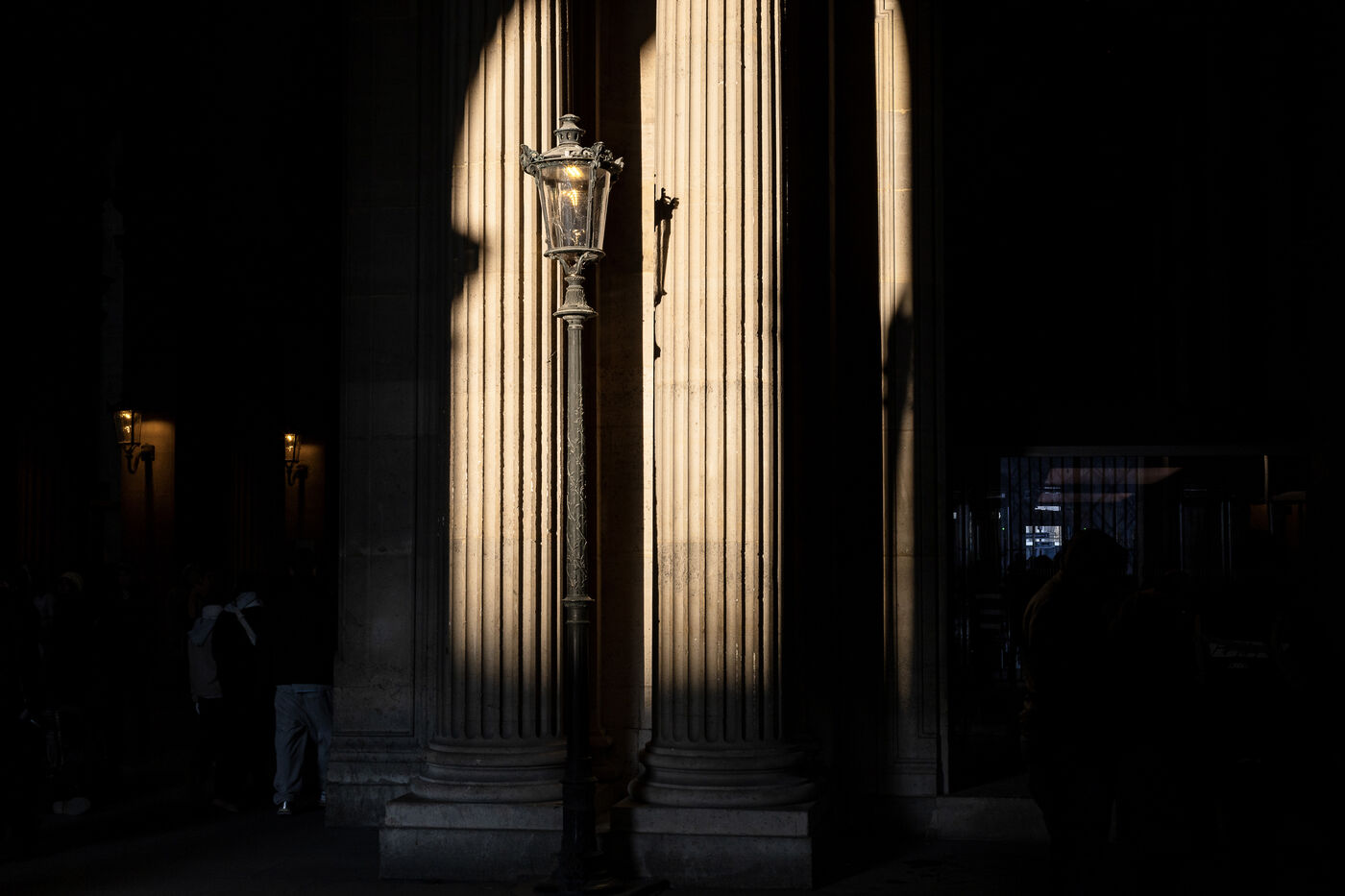
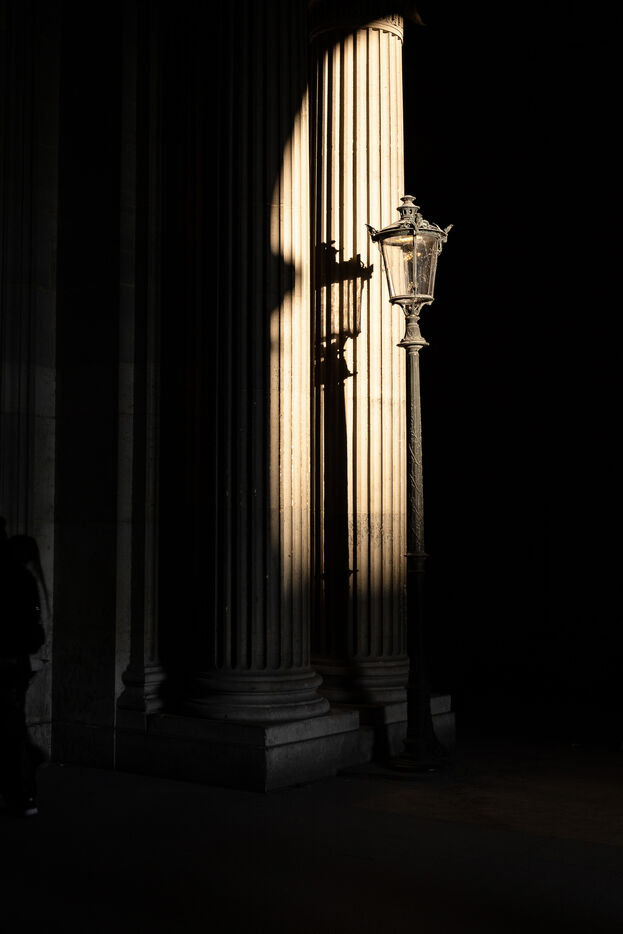
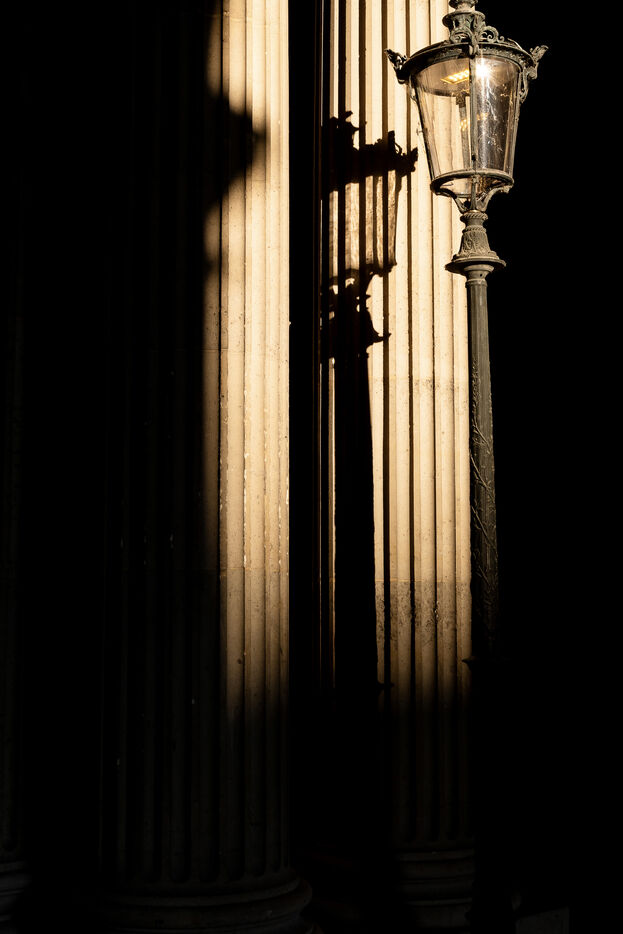
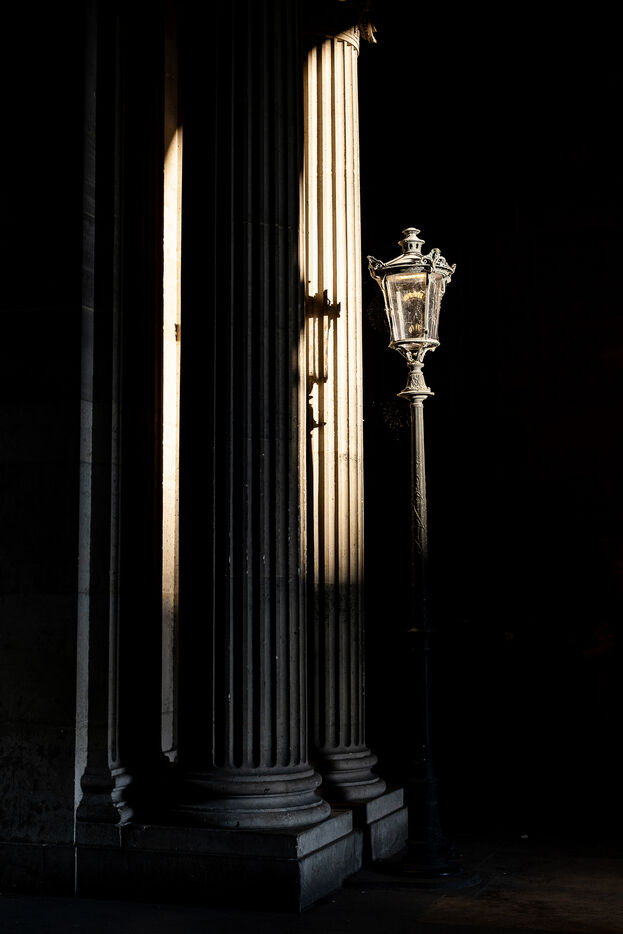
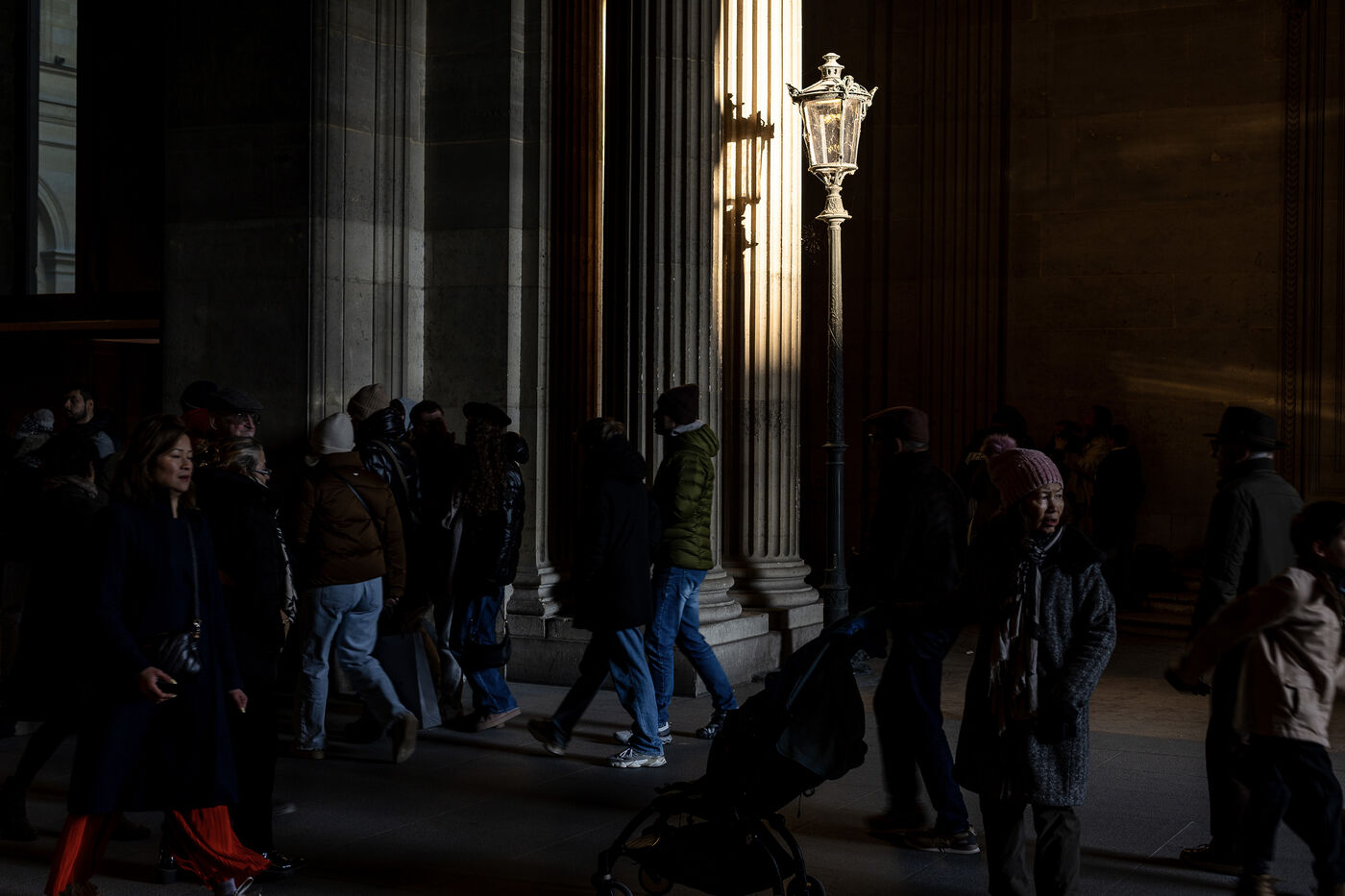
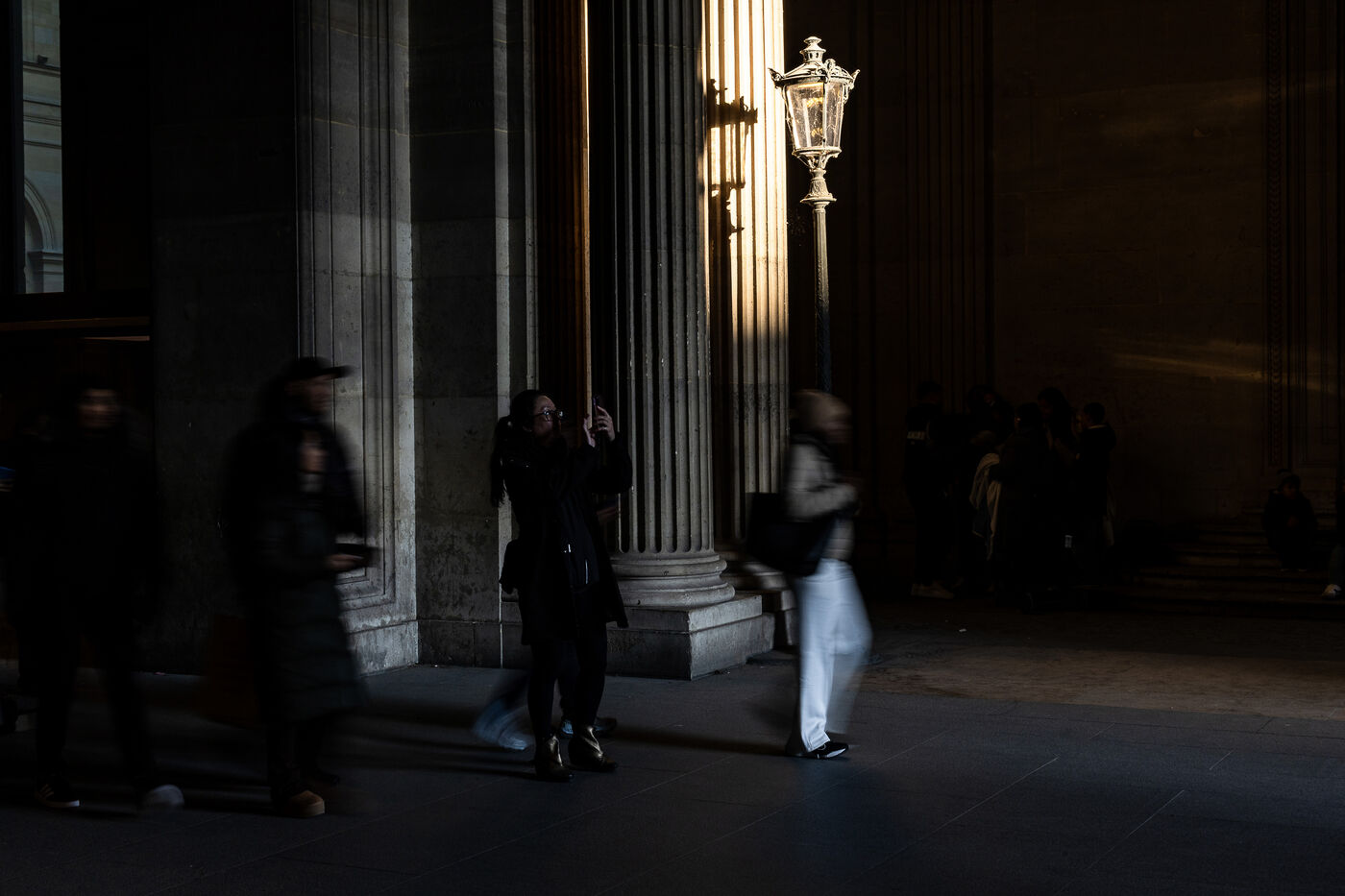
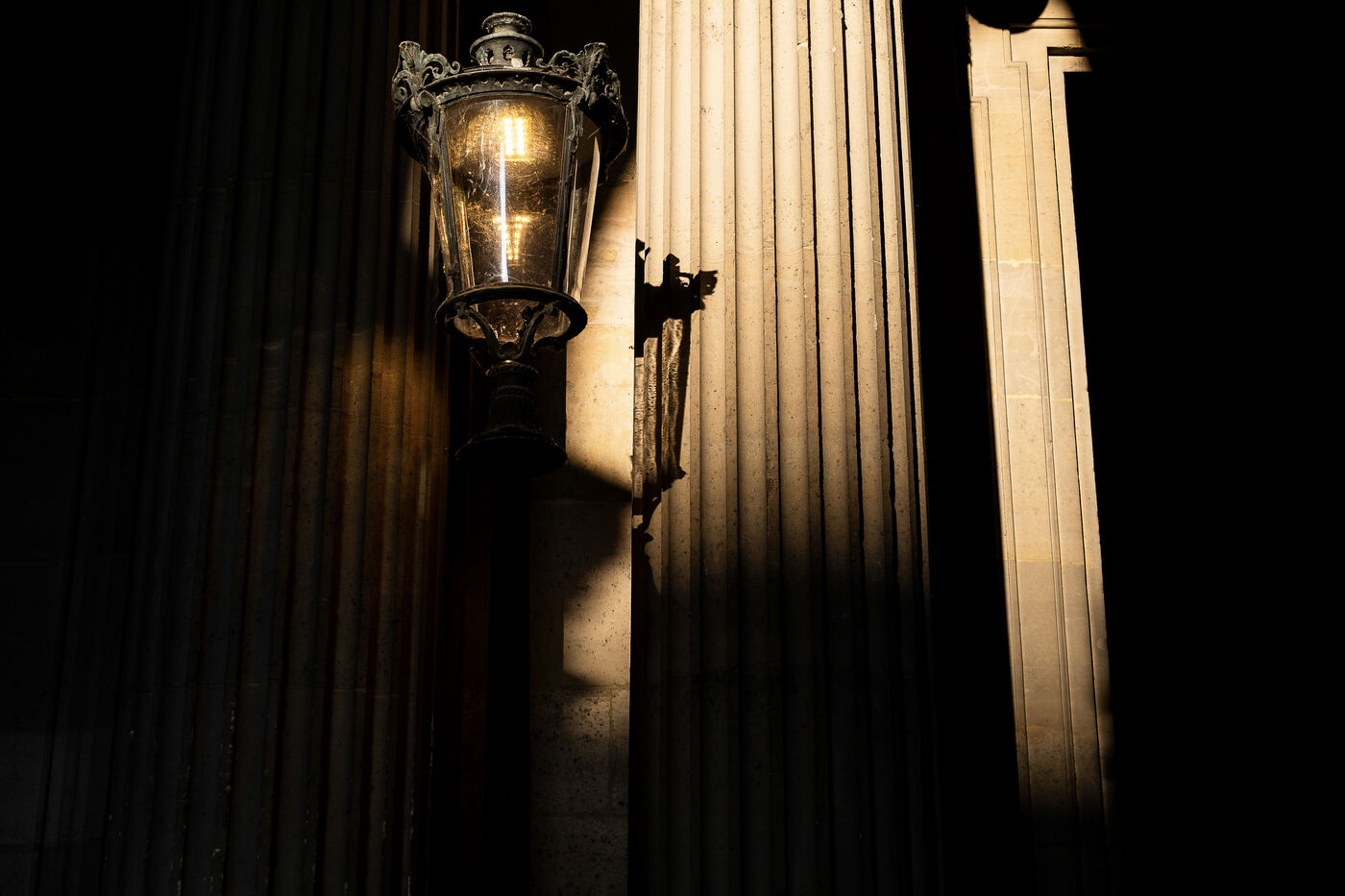
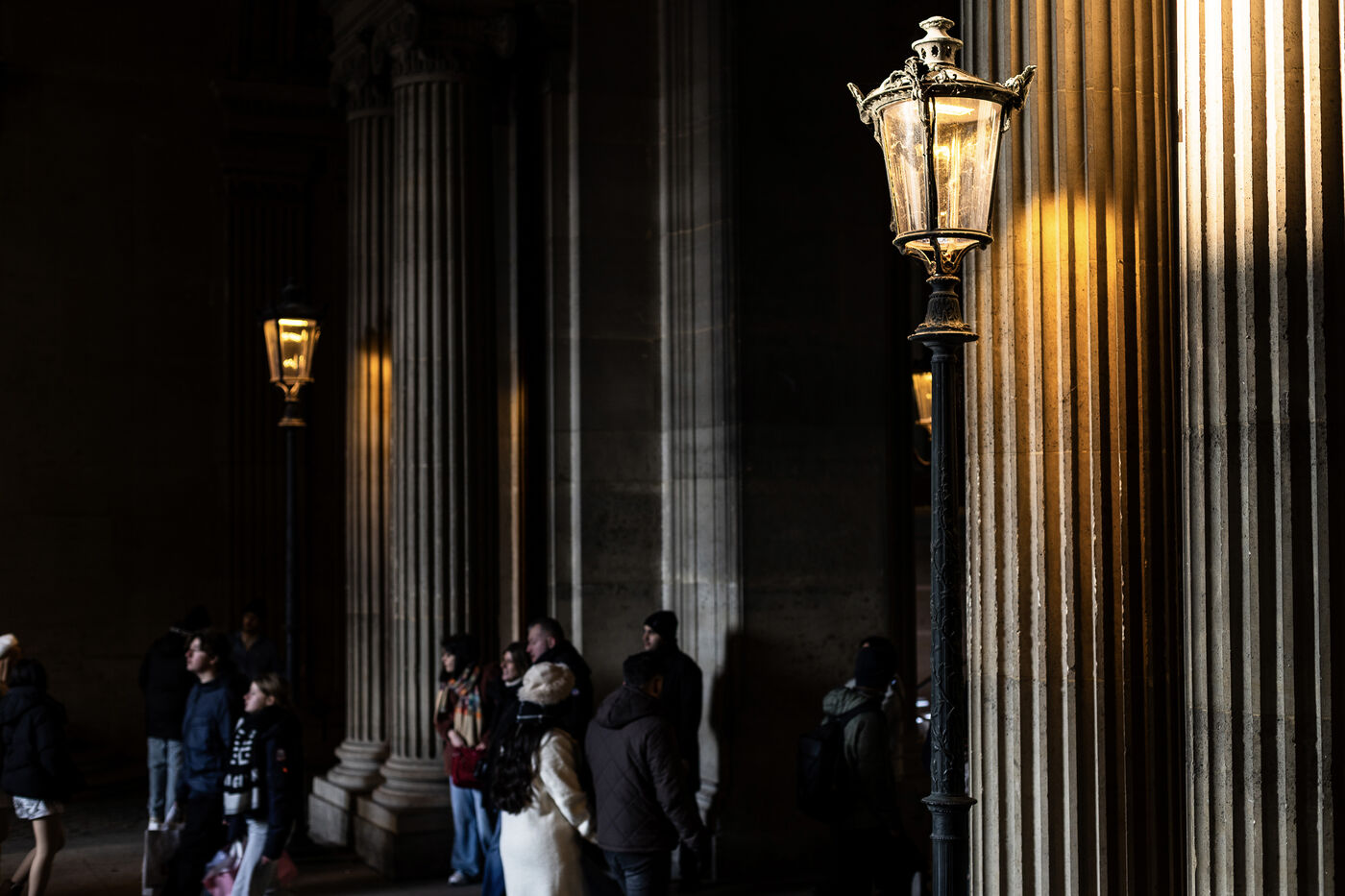
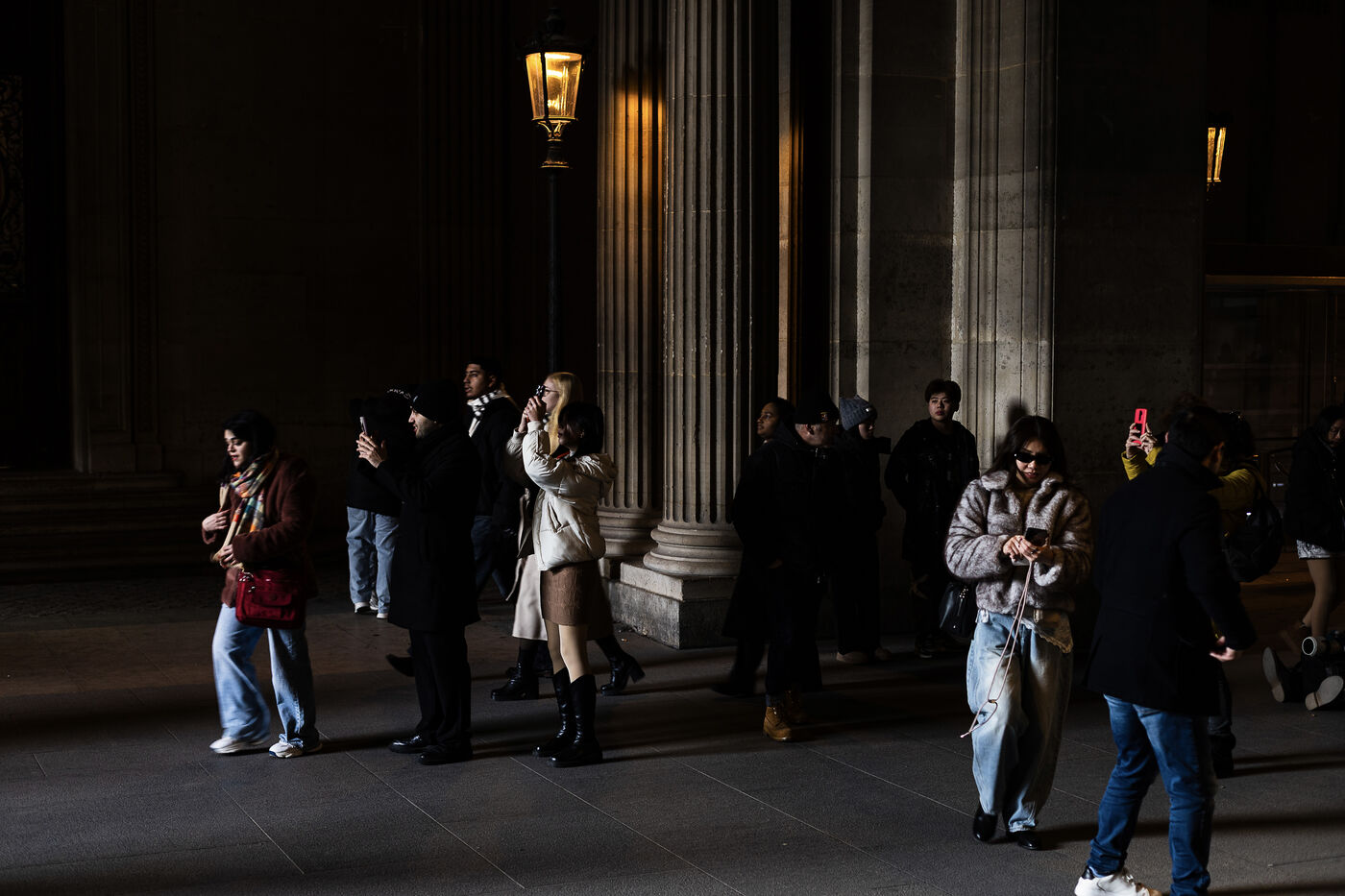
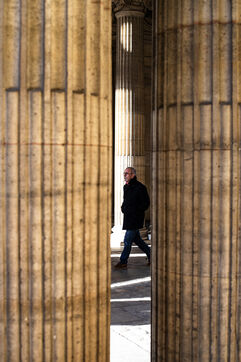
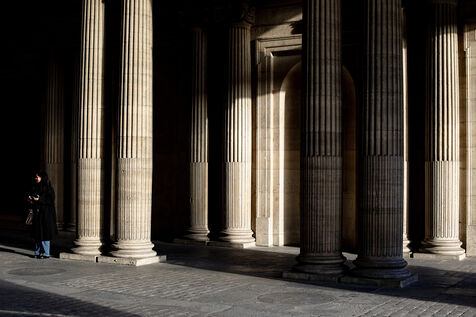
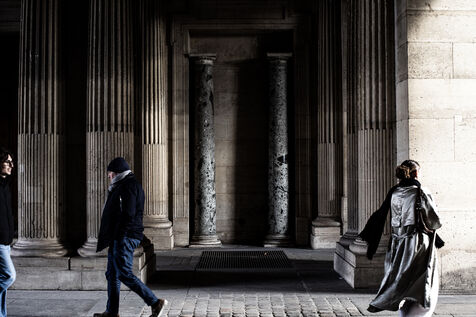
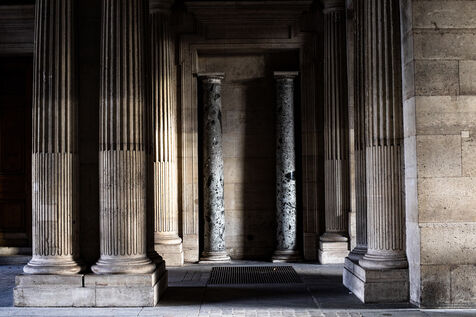
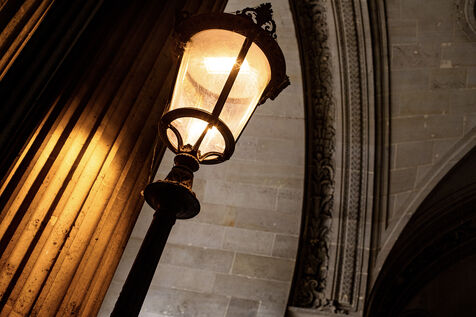
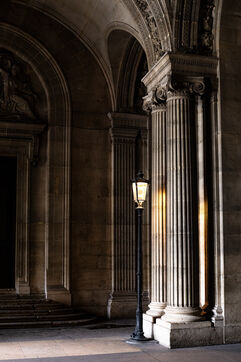
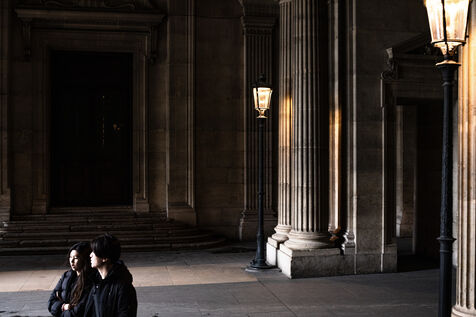
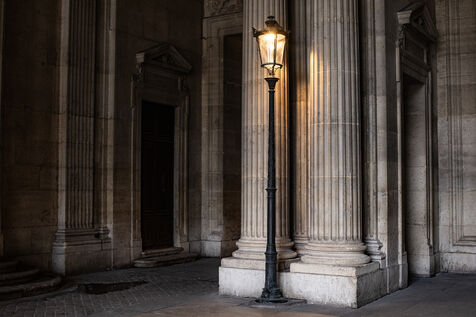
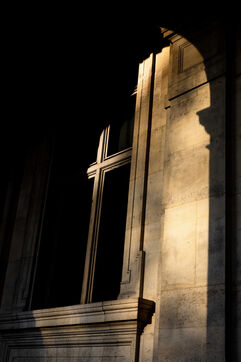
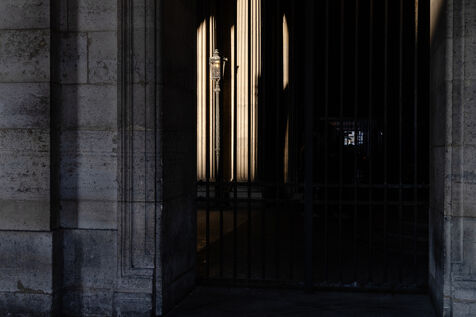
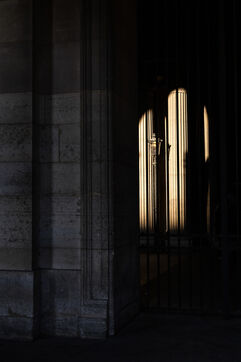
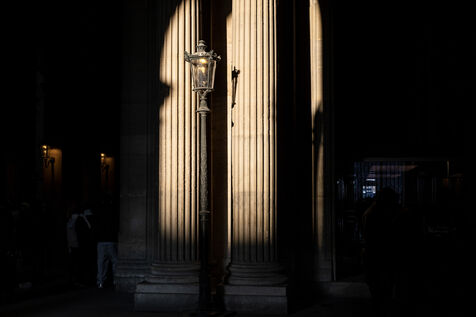
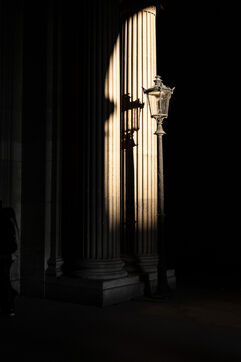
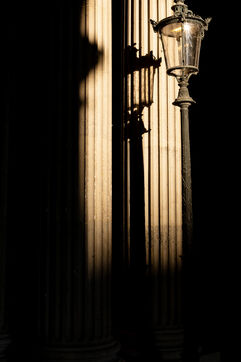
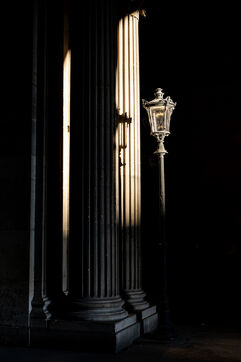
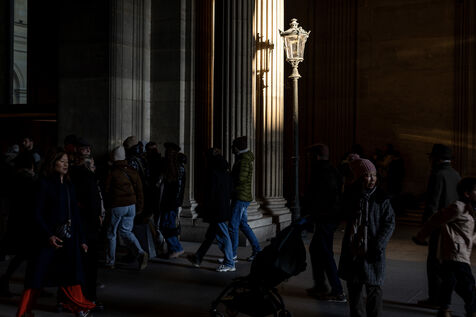
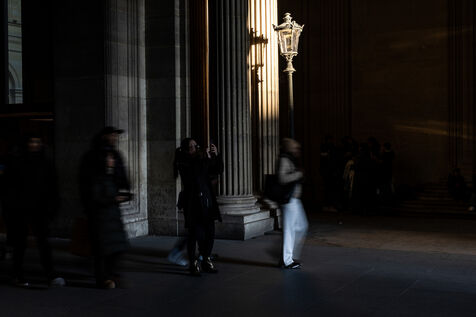
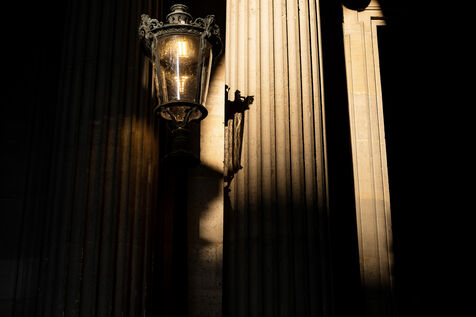
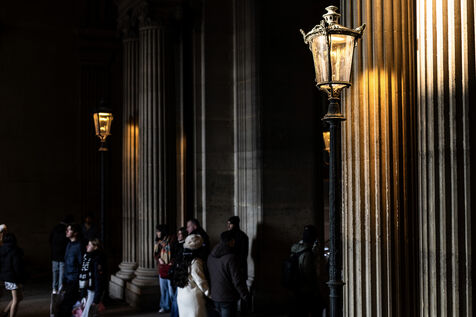
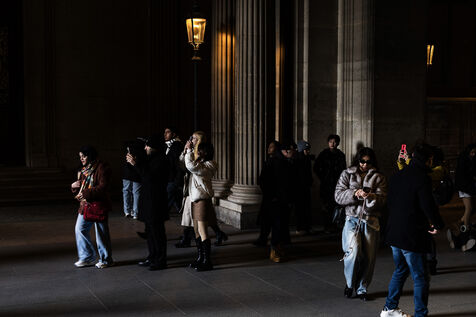
Les lumières du Louvre
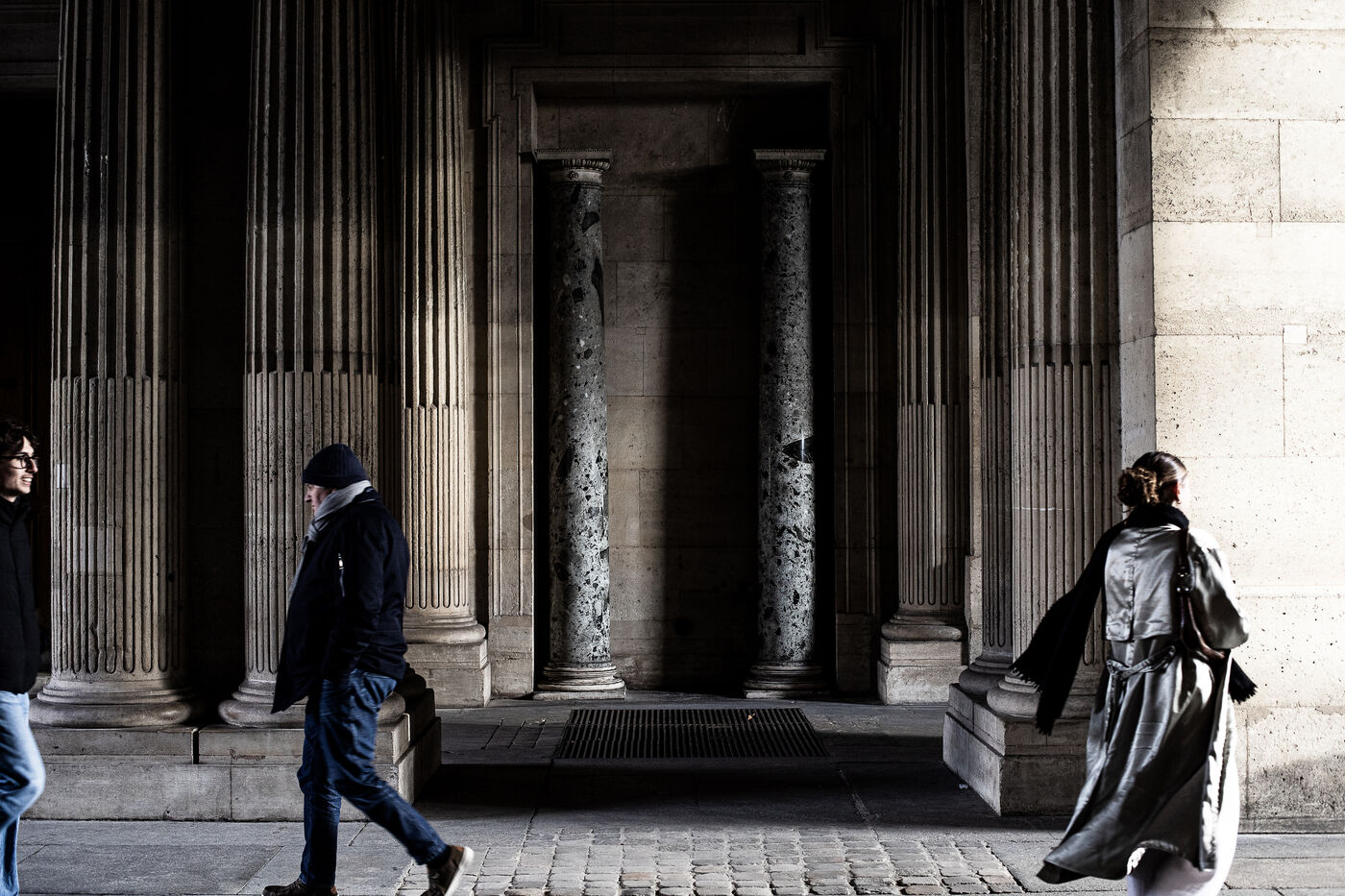
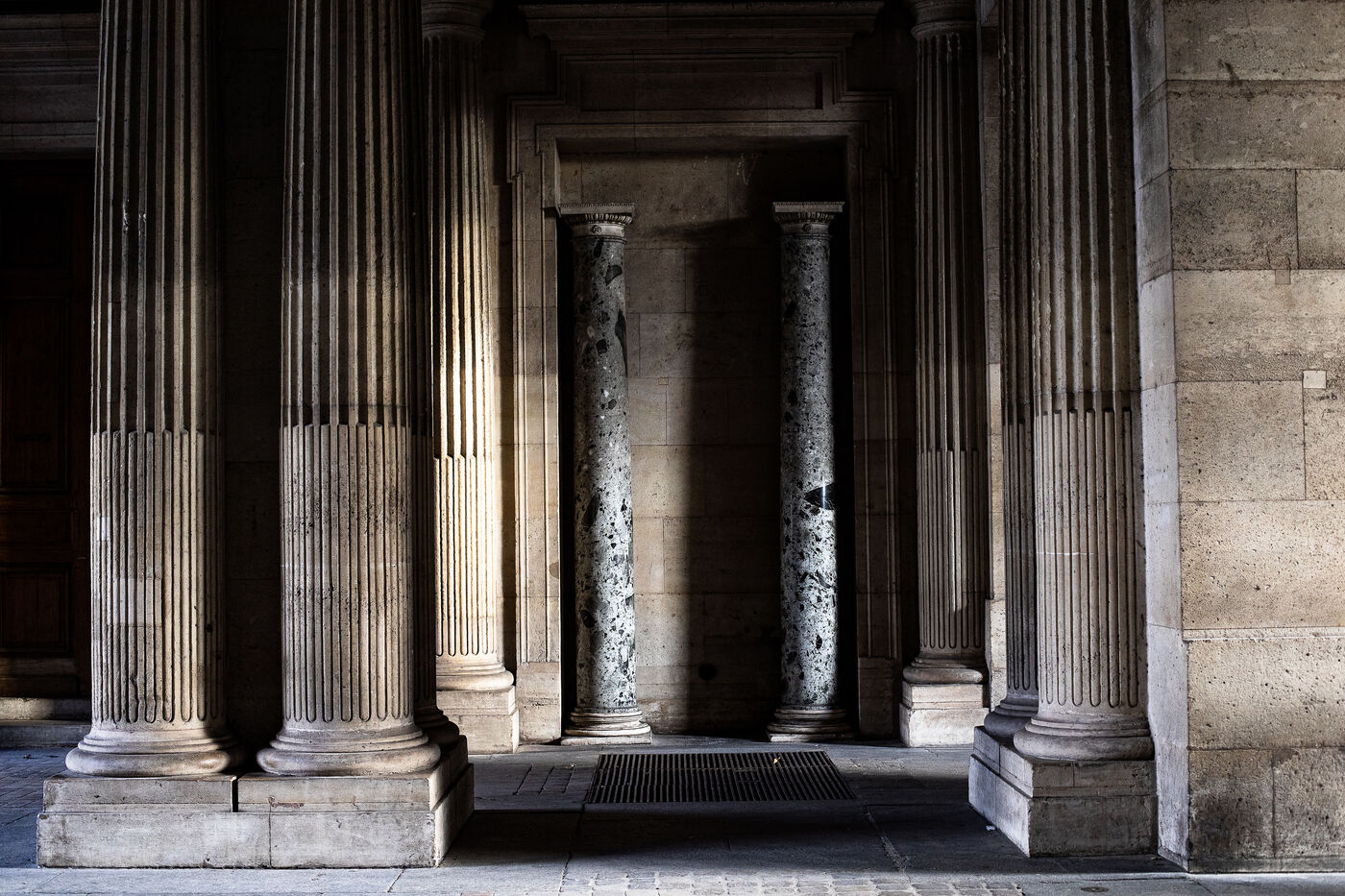
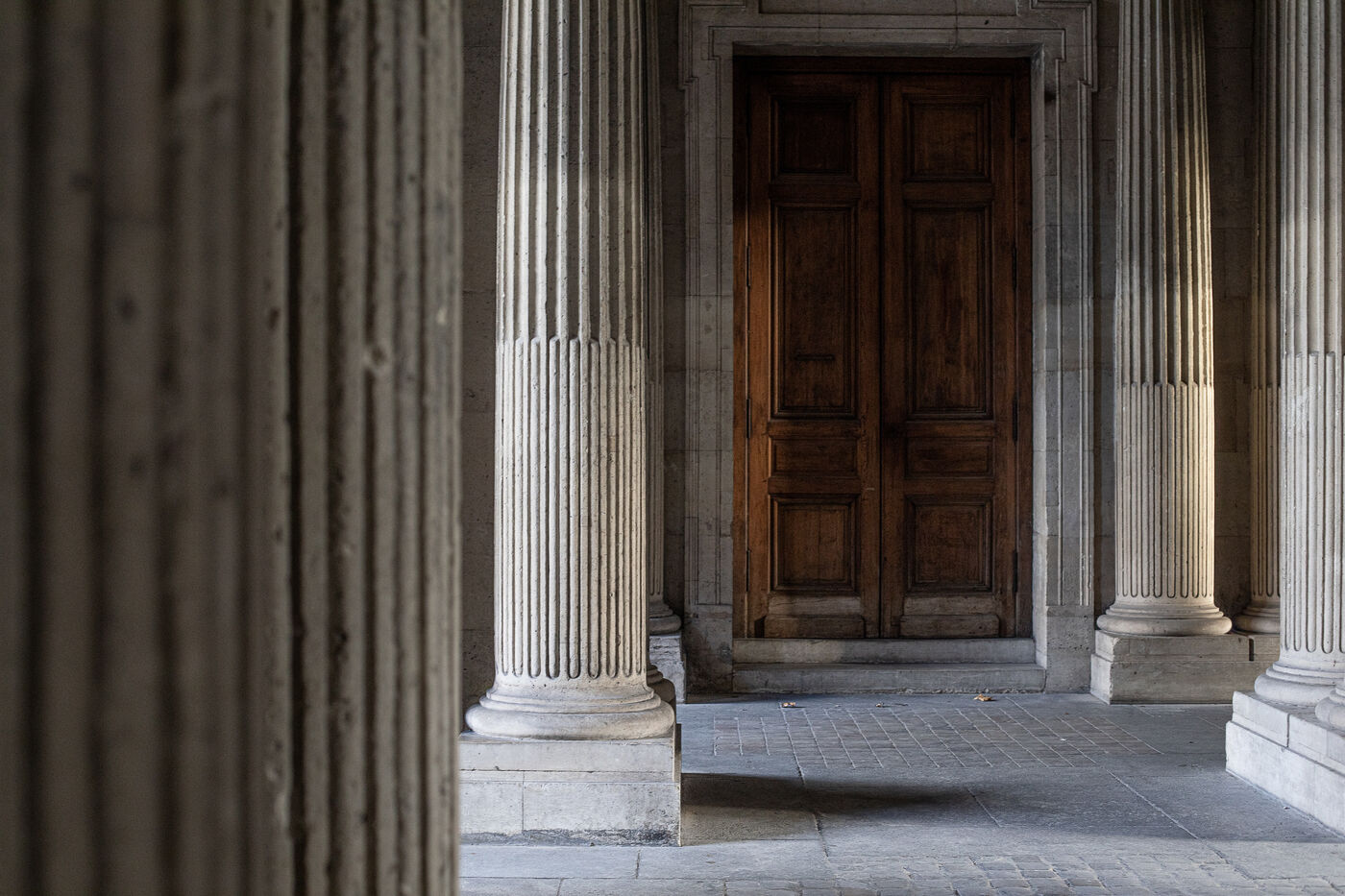
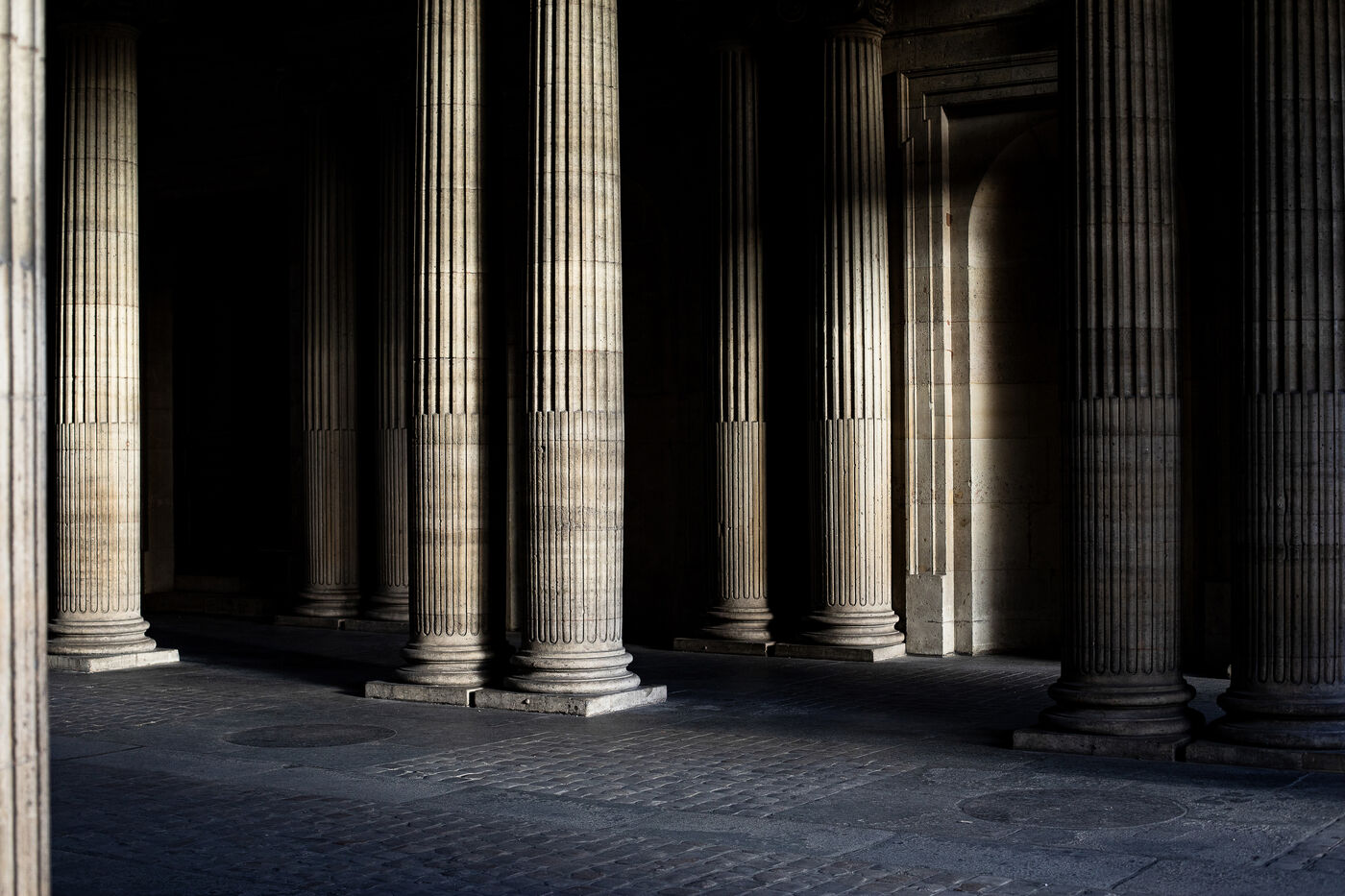
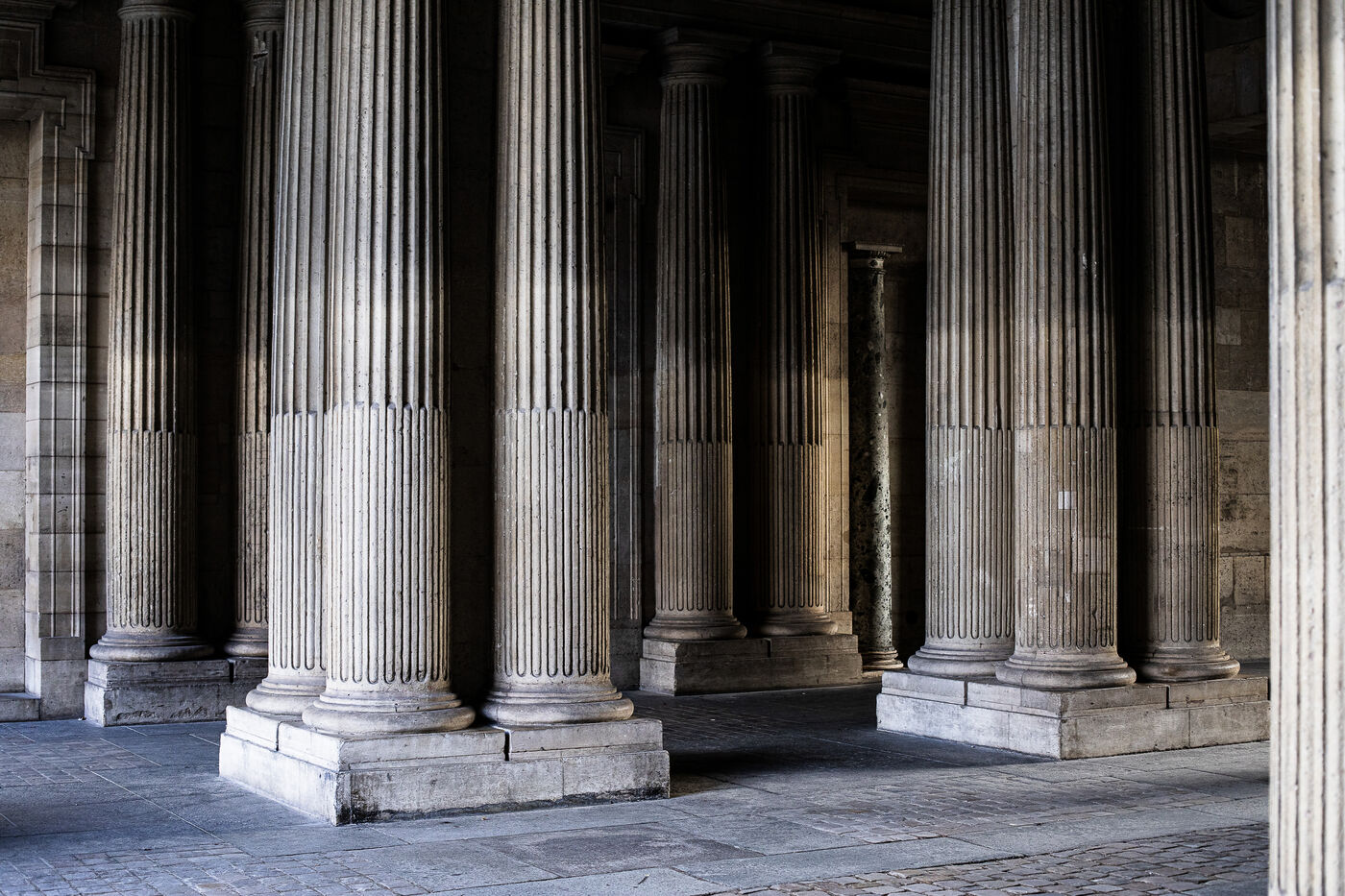
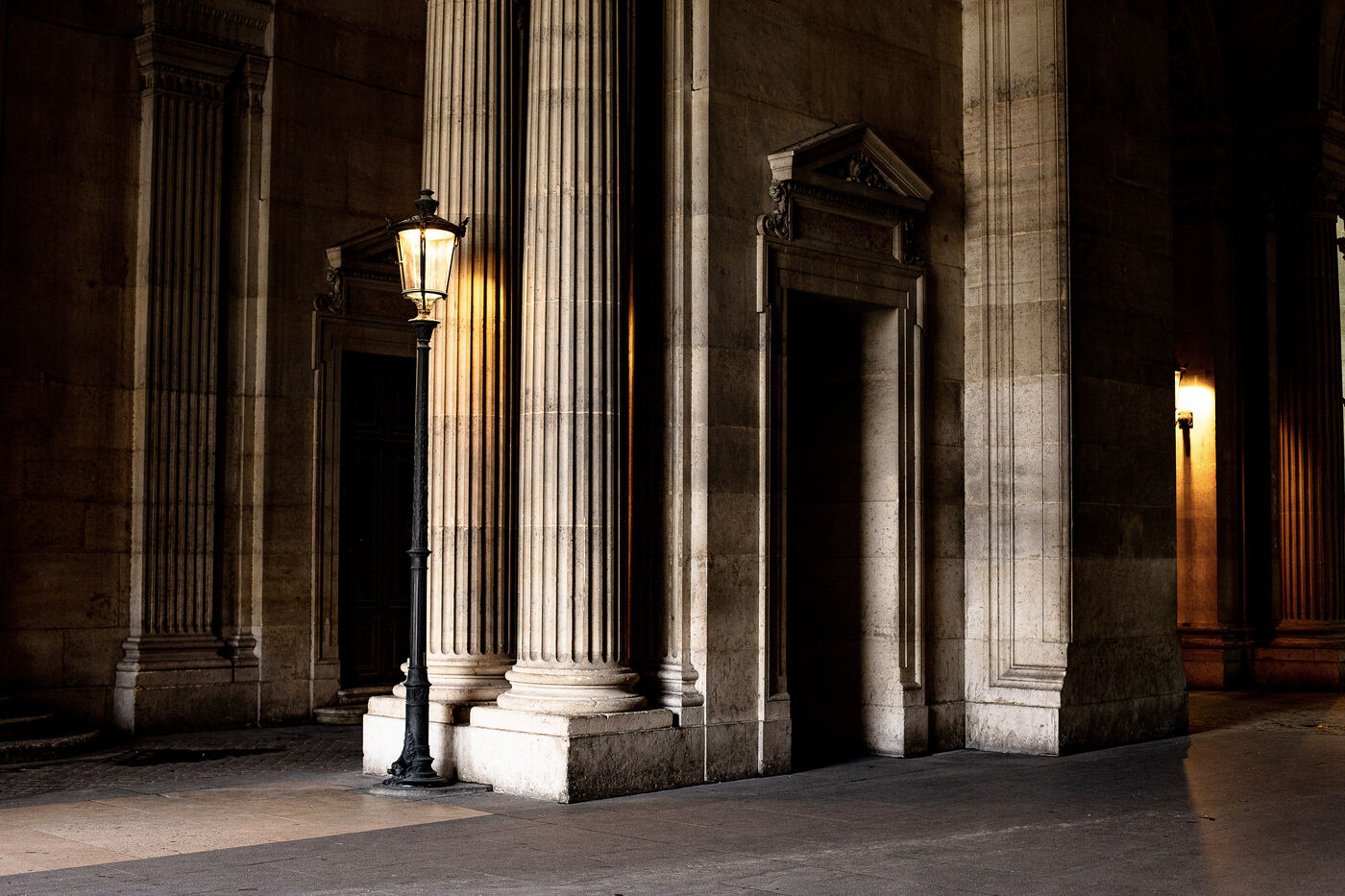
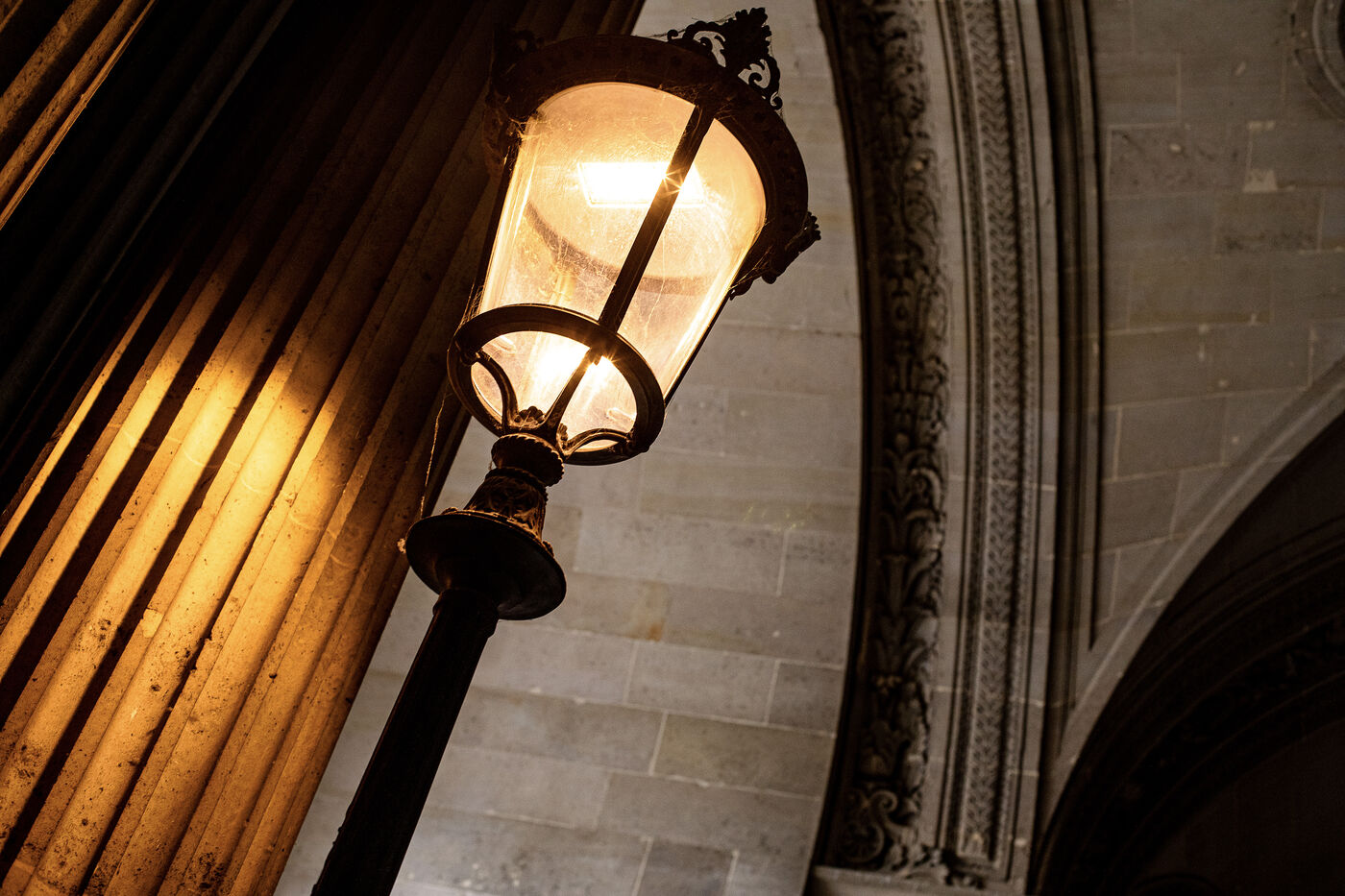
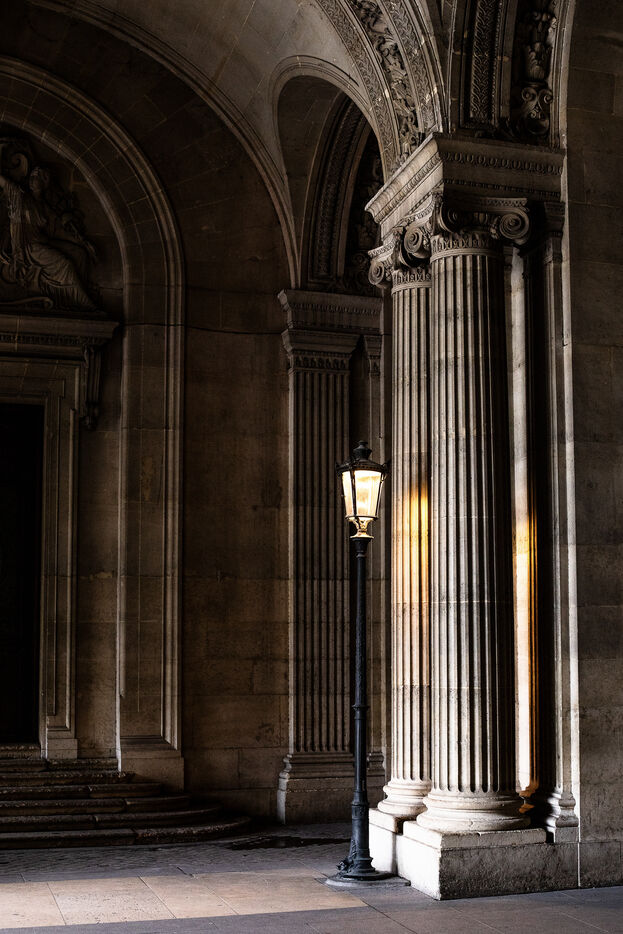
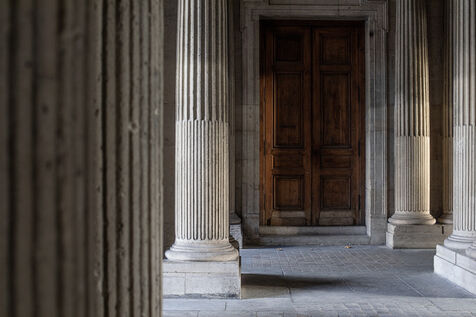
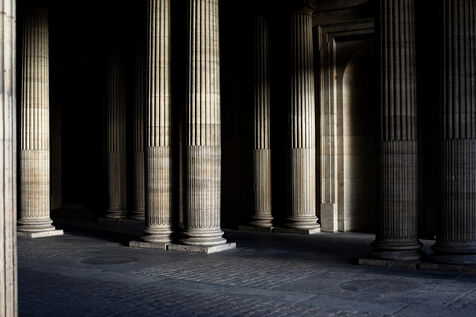
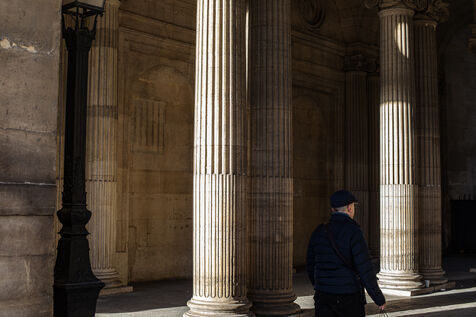
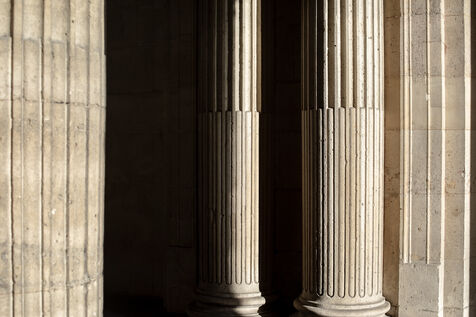
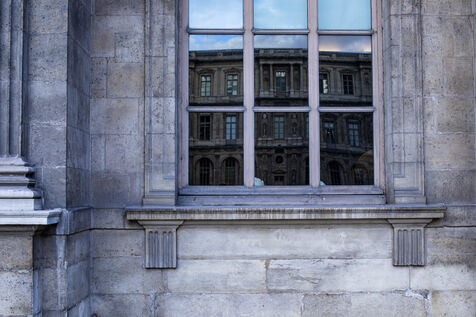
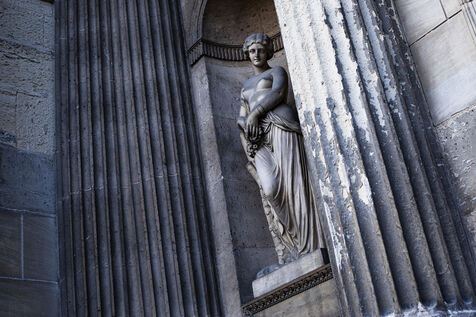
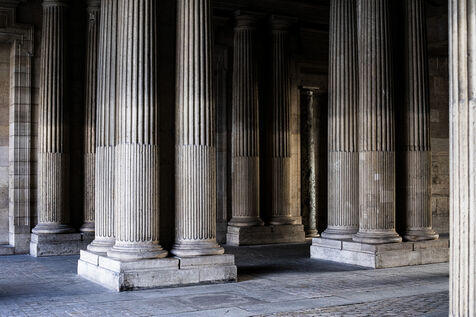
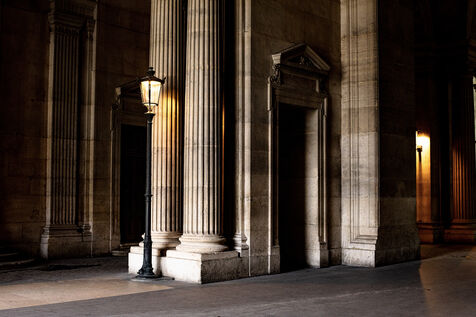
Si la Pyramide est le dernier avatar architectural d'ampleur pour le Louvre, le chateau érigé à la fin du XIIe siècle n'a cessé de muter, de se transformer, à la fois comme lieu de pouvoir - il est devenu Musée en 1793 -, et comme place architecturale forte de la capitale. Ici la mémoire règne dans les pierres. Comme les pierres, les humains, eux, peuvent se souvenir de la nuit du 23 au 24 août 1572, de la fuite, le 5 janvier 1649, de la régente Anne d'Autriche avec son fils de 11 ans, Louis XIV, ou encore, bien plus tard du vol de la Joconde et, très récemment du vol de bijoux impériaux dans un musée finalement vulnérable.
The lights of the Louvre
While the Pyramid represents the Louvre's latest large-scale architectural transformation, the castle, built at the end of the 12th century, has constantly evolved and transformed, both as a seat of power—becoming a museum in 1793—and as a strong architectural landmark of the capital. Here, memory reigns in the stones. Like the stones, humans can remember the night of August 23-24, 1572, the flight on January 5, 1649, of the regent Anne of Austria with her 11-year-old son, Louis XIV, or even, much later, the theft of the Mona Lisa and, very recently, the theft of imperial jewels from a museum that was ultimately vulnerable.