Un oeil sur les mouvements de la terre
L’EXPEDITION 405 / 950m sous le plancher océanique
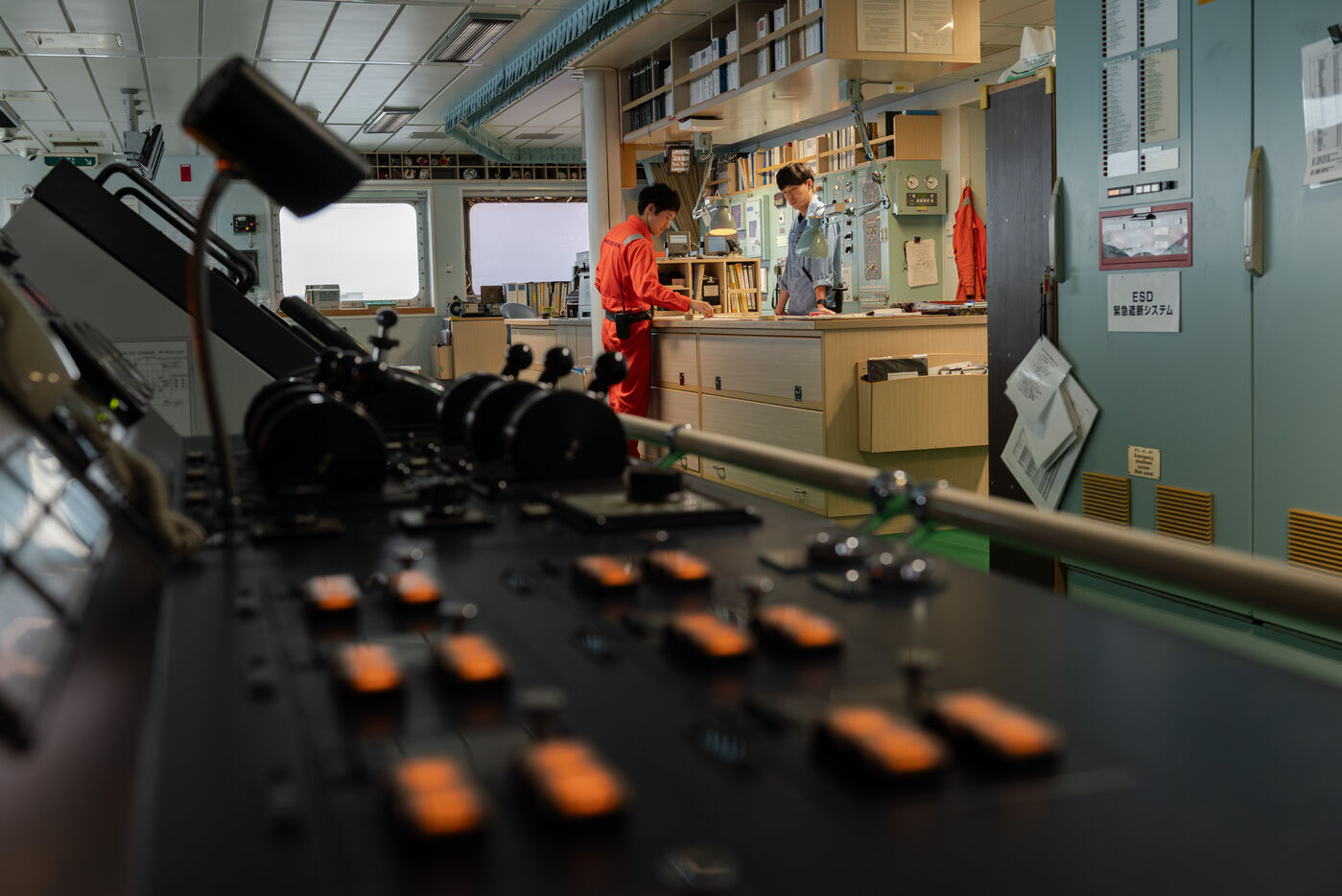
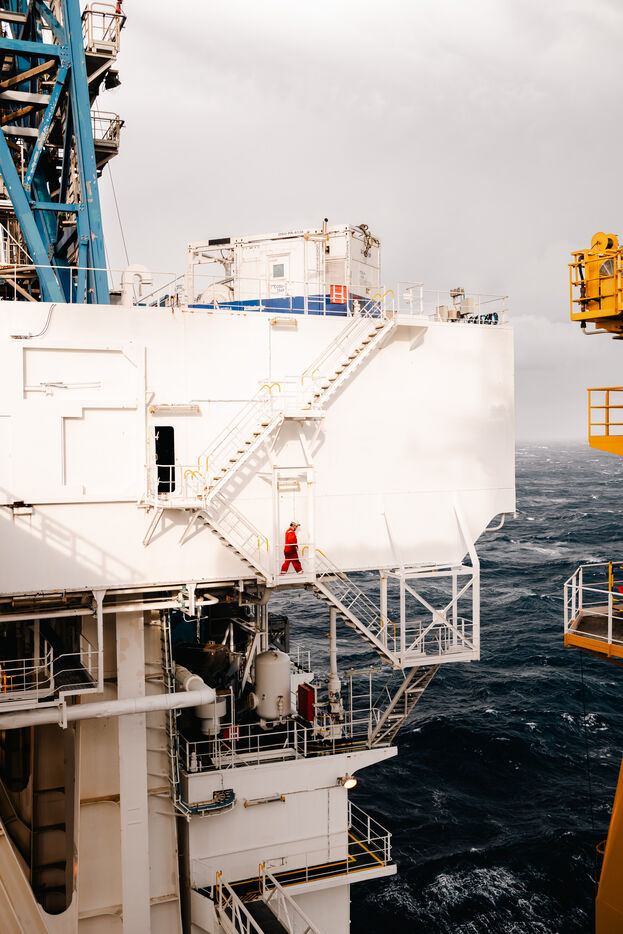
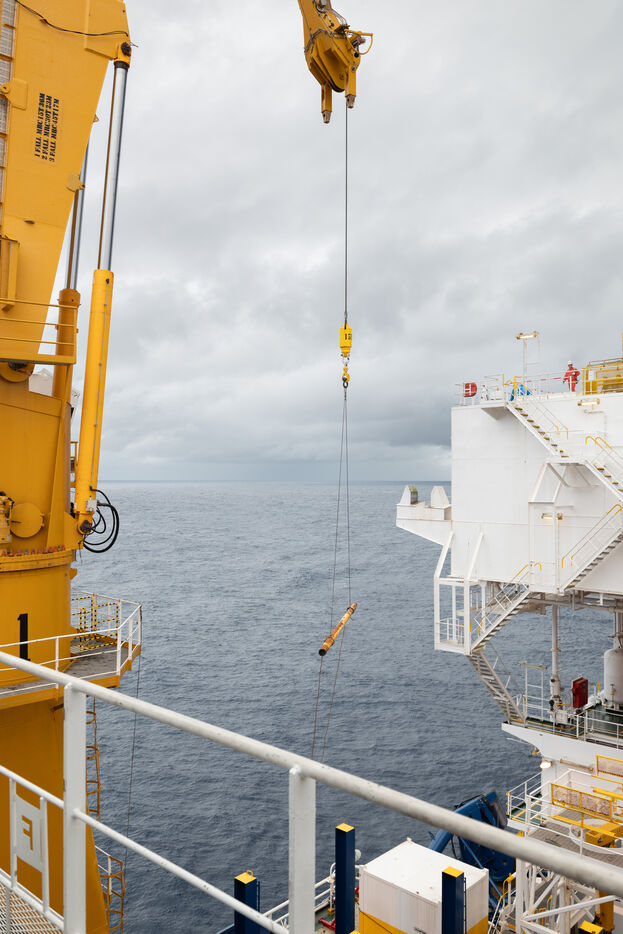
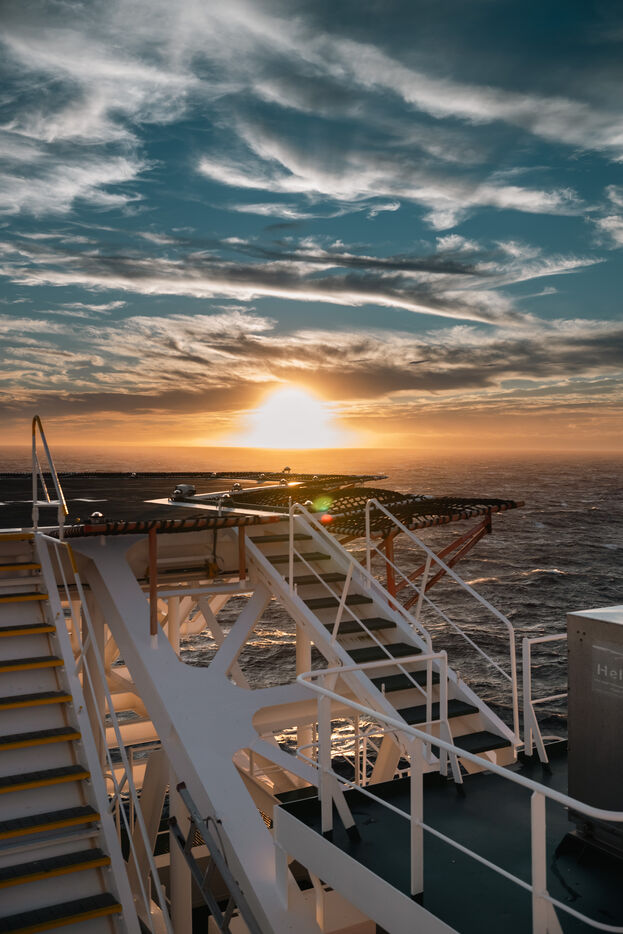
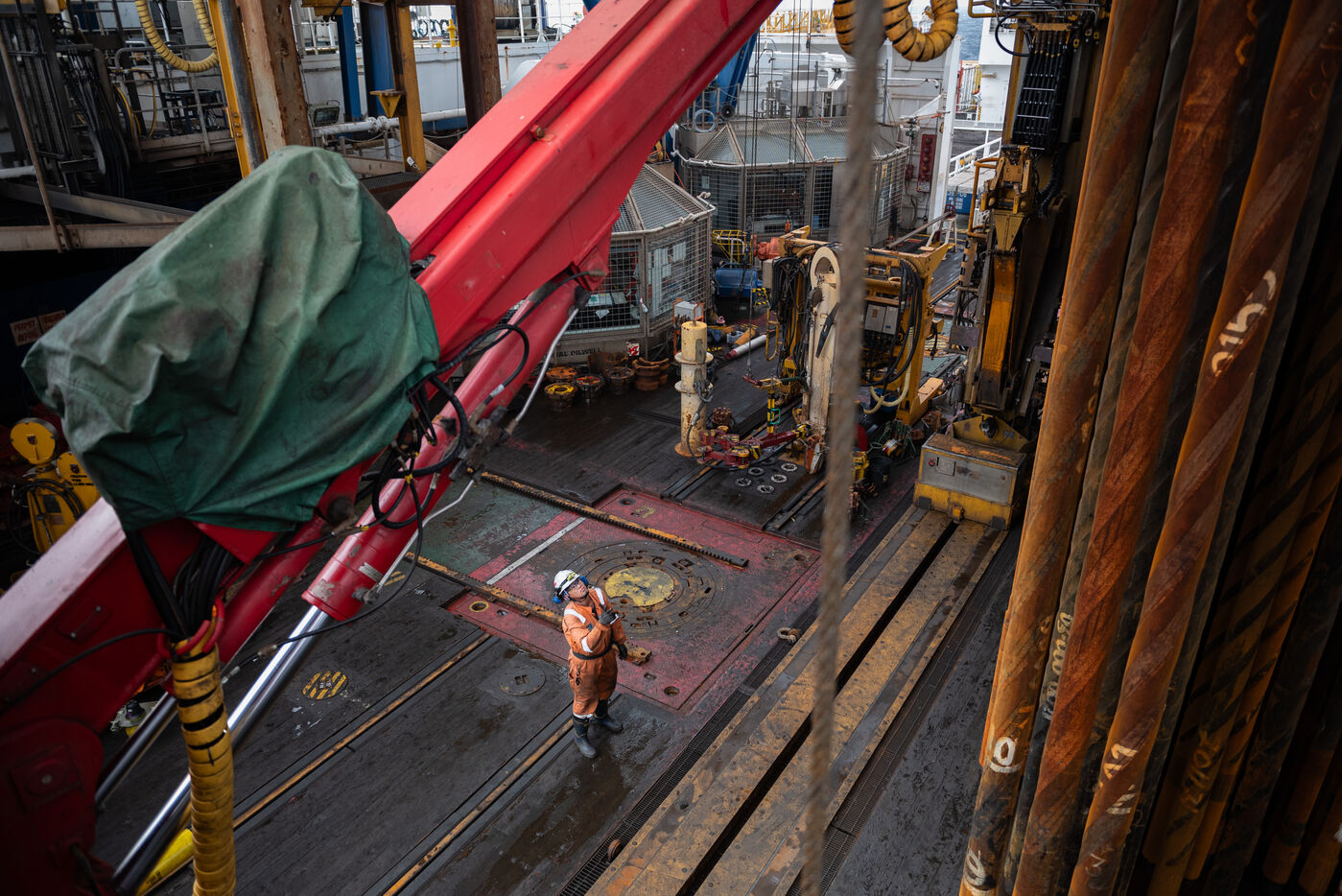
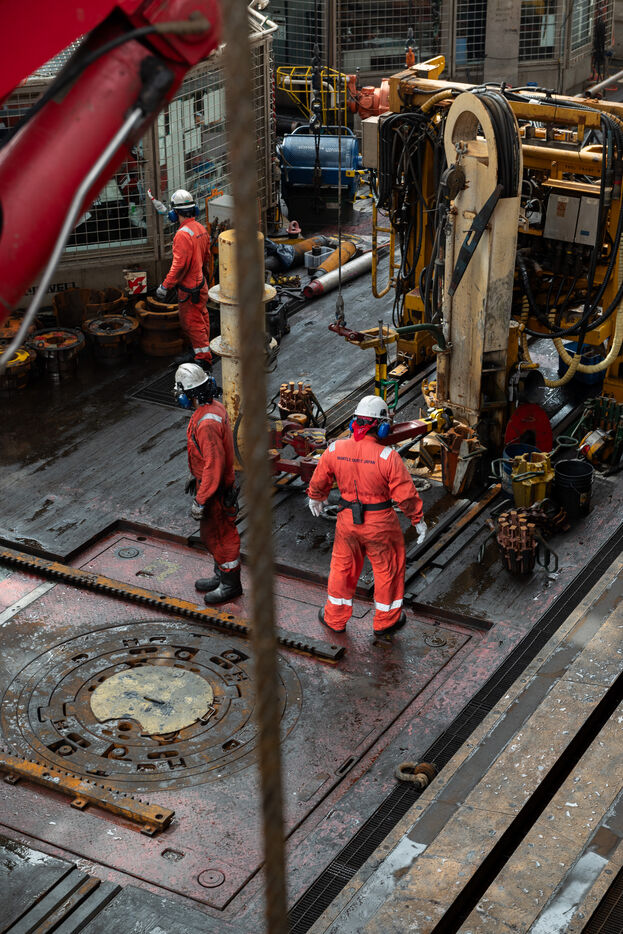
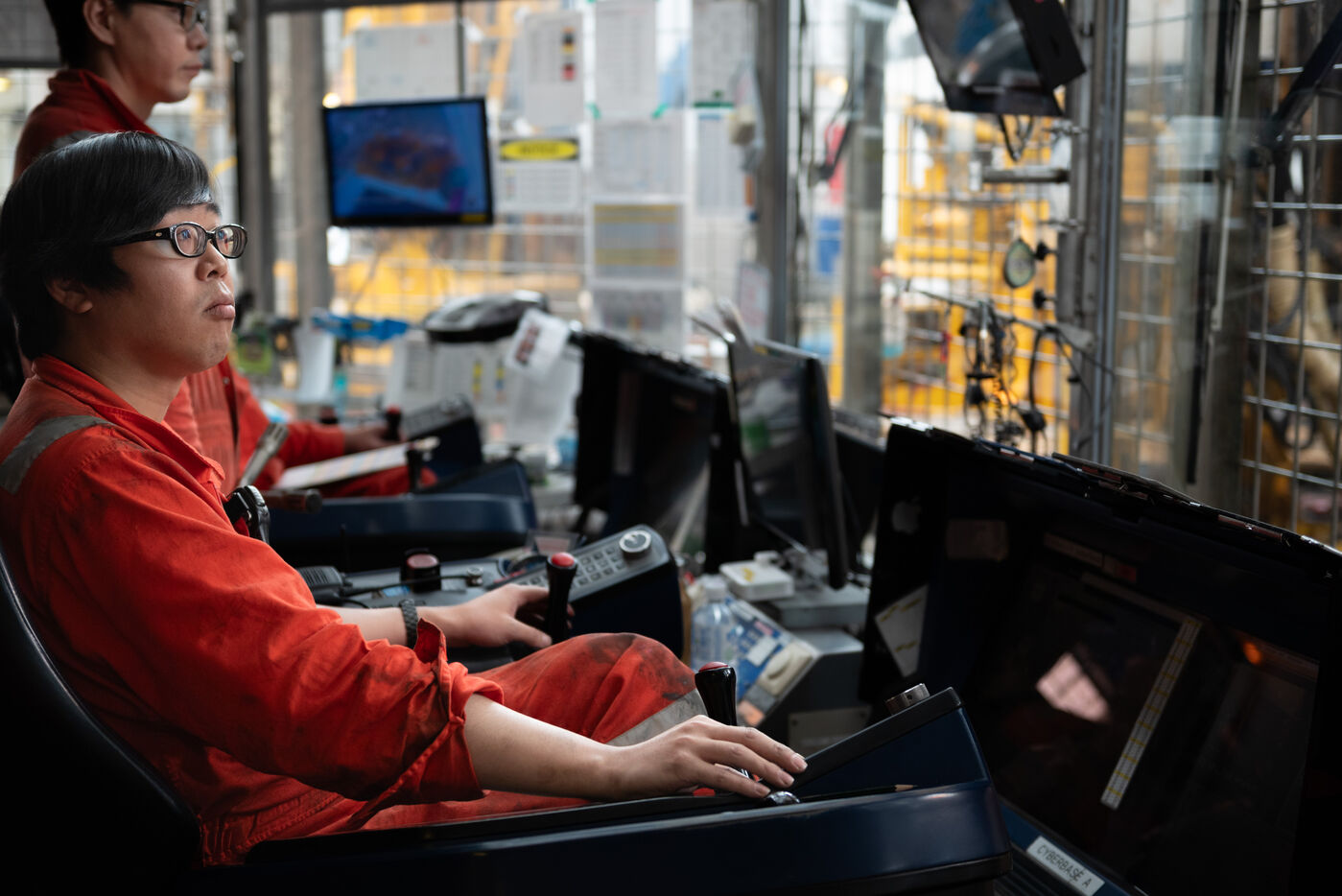
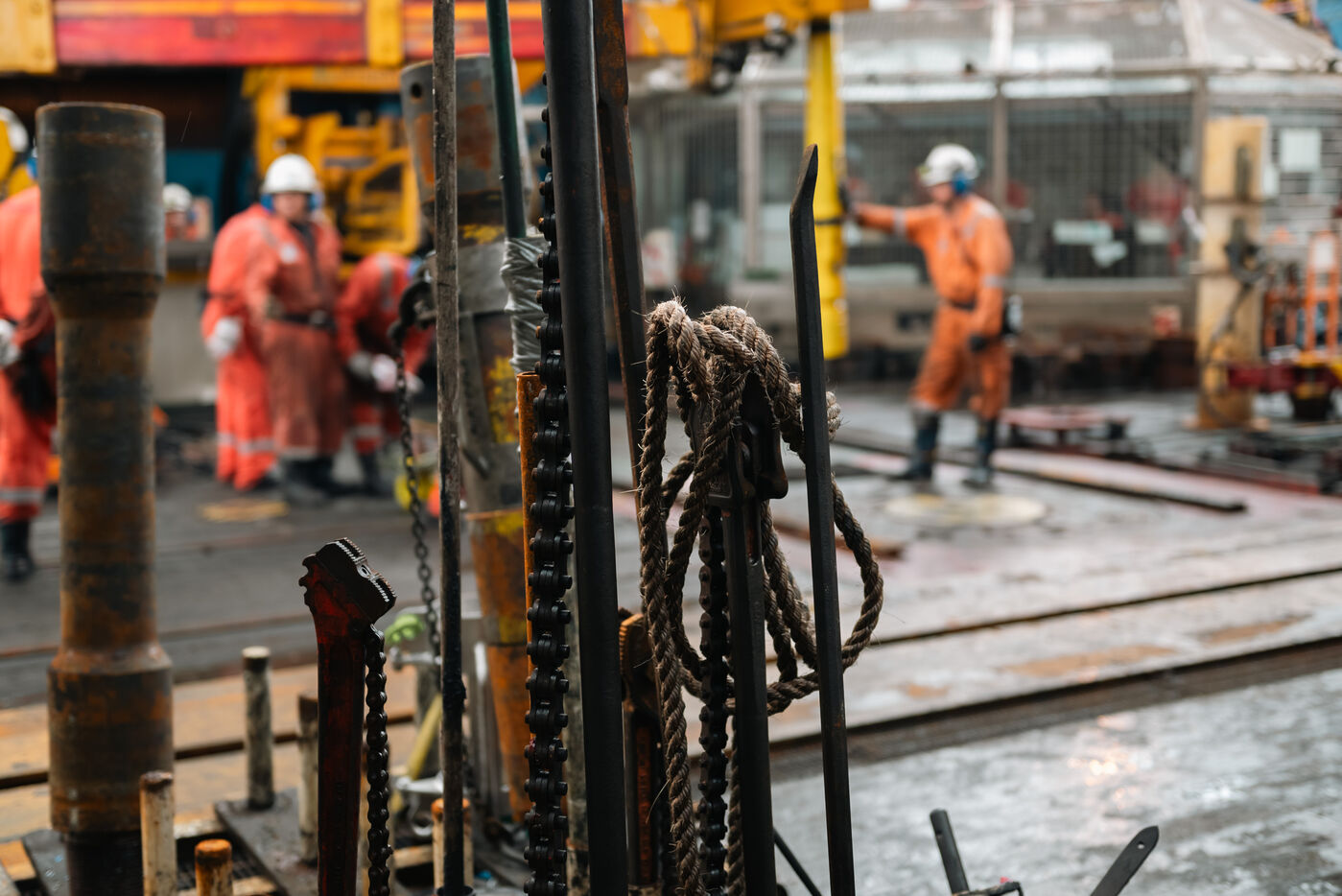
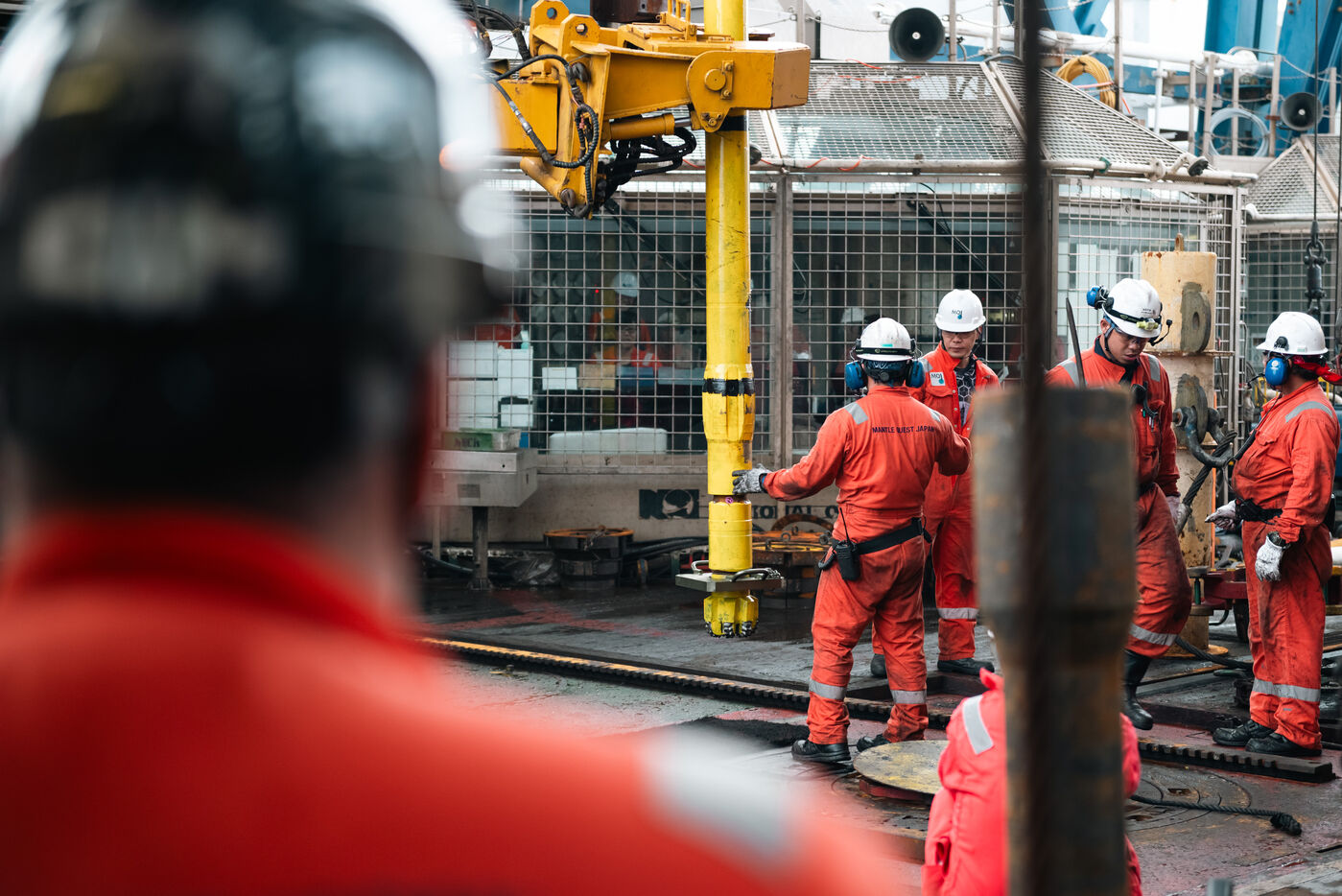
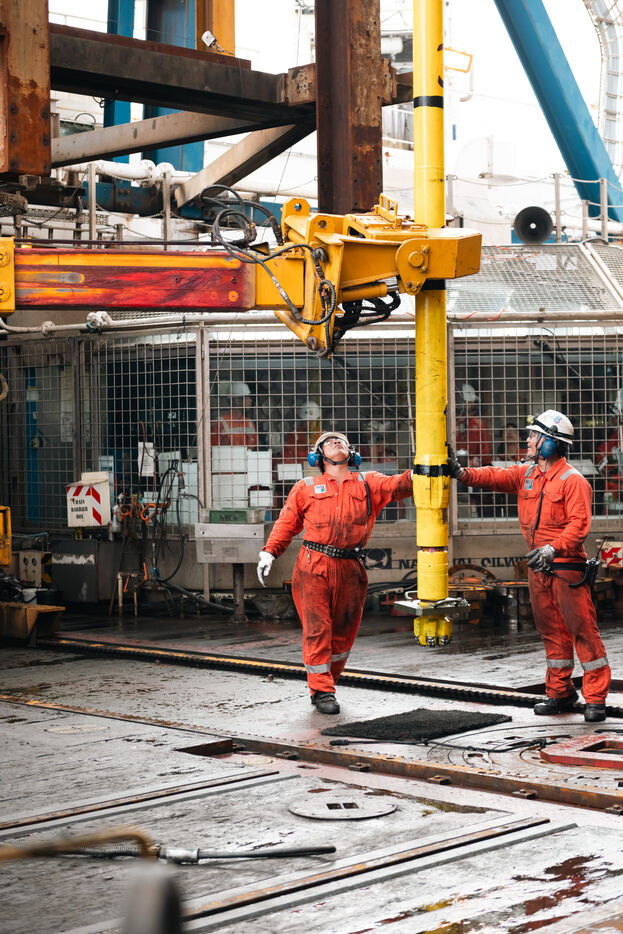
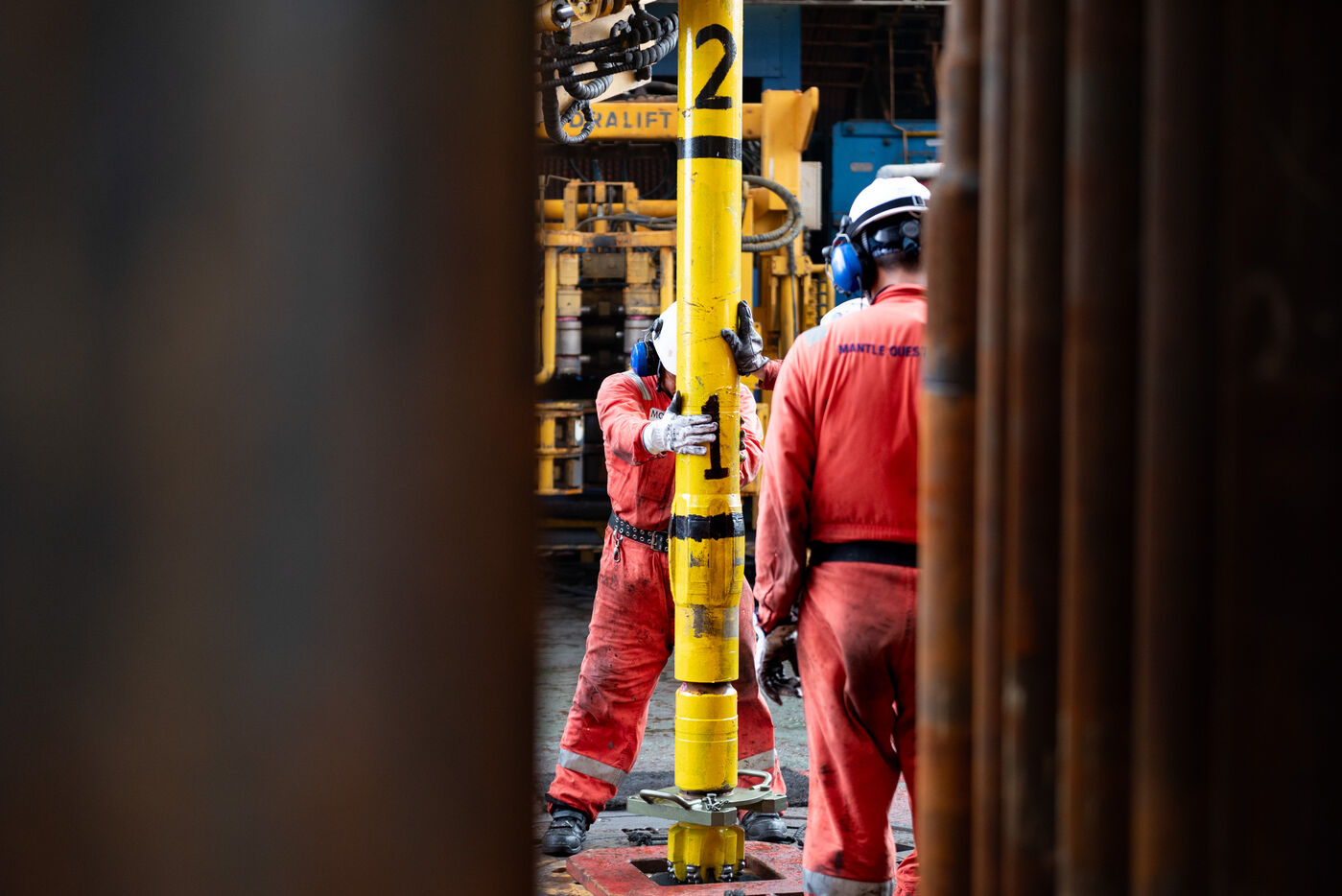
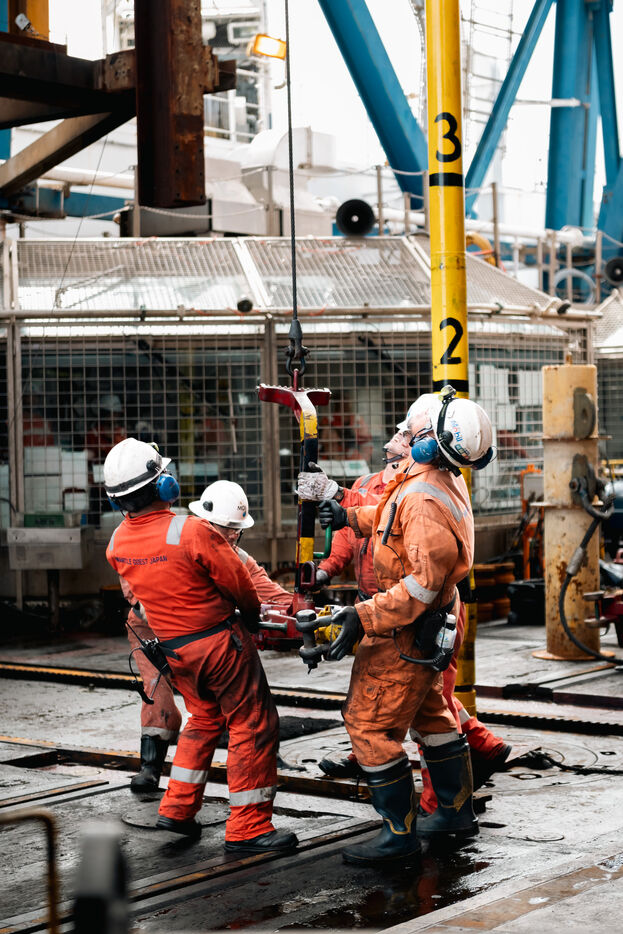
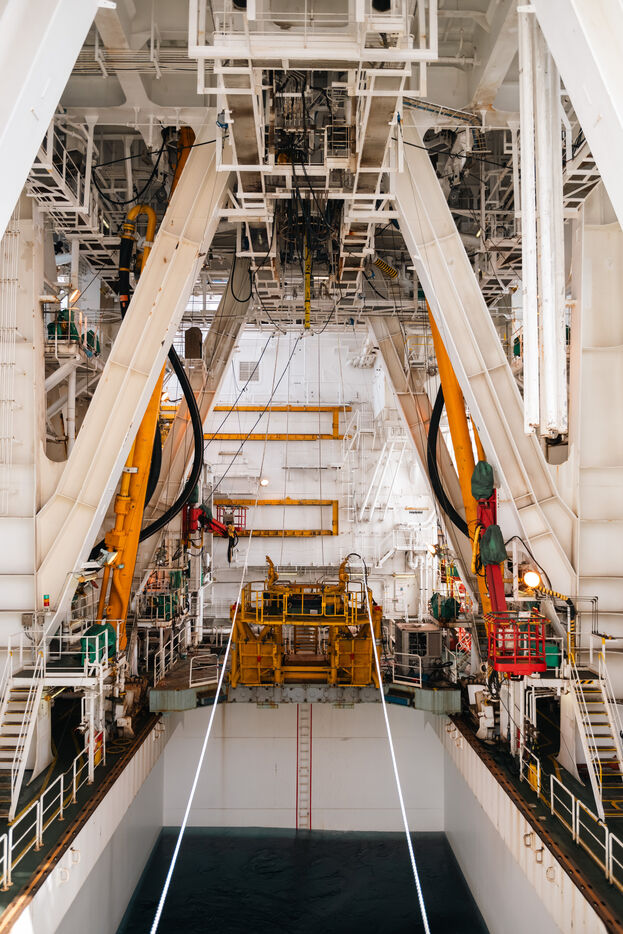
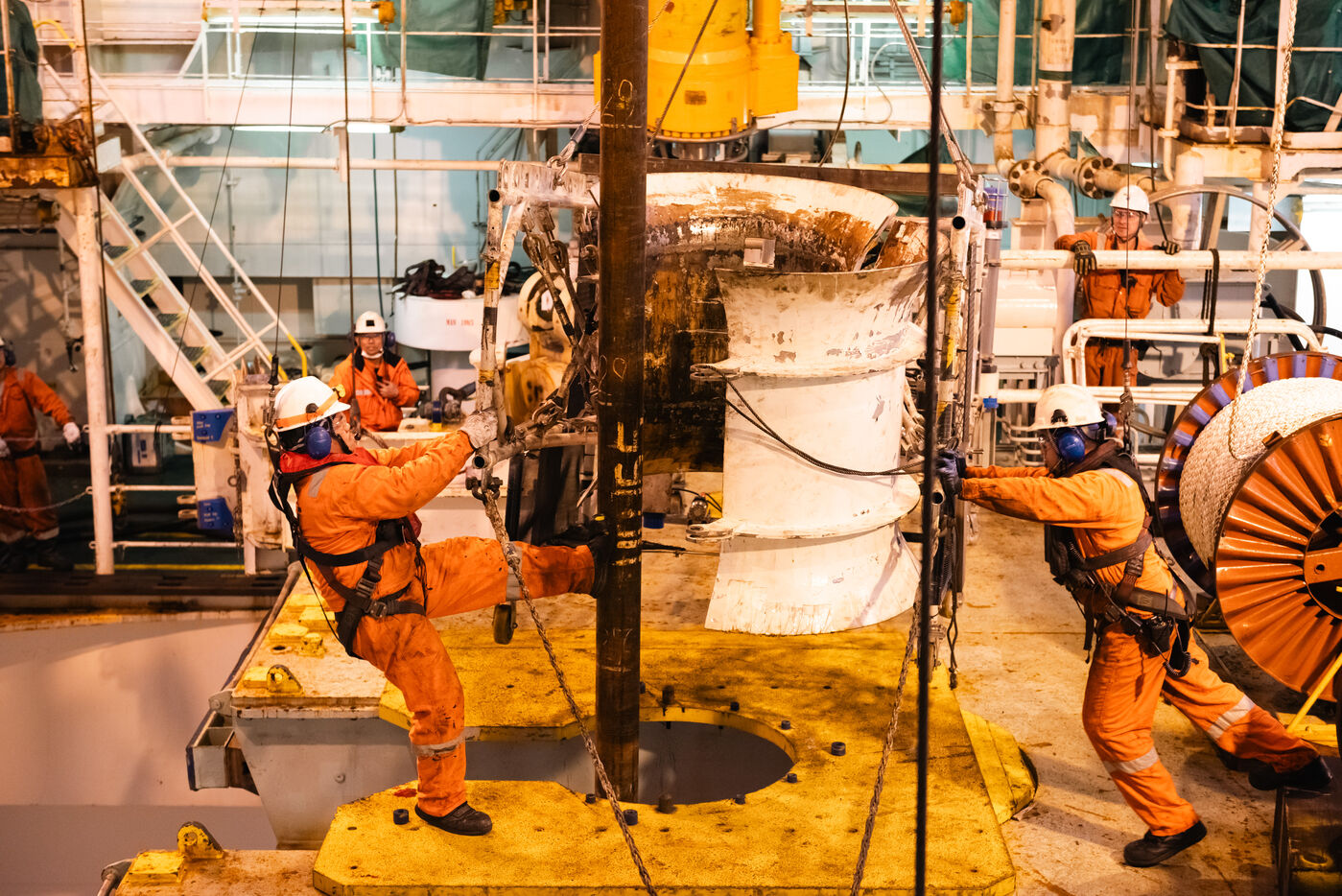
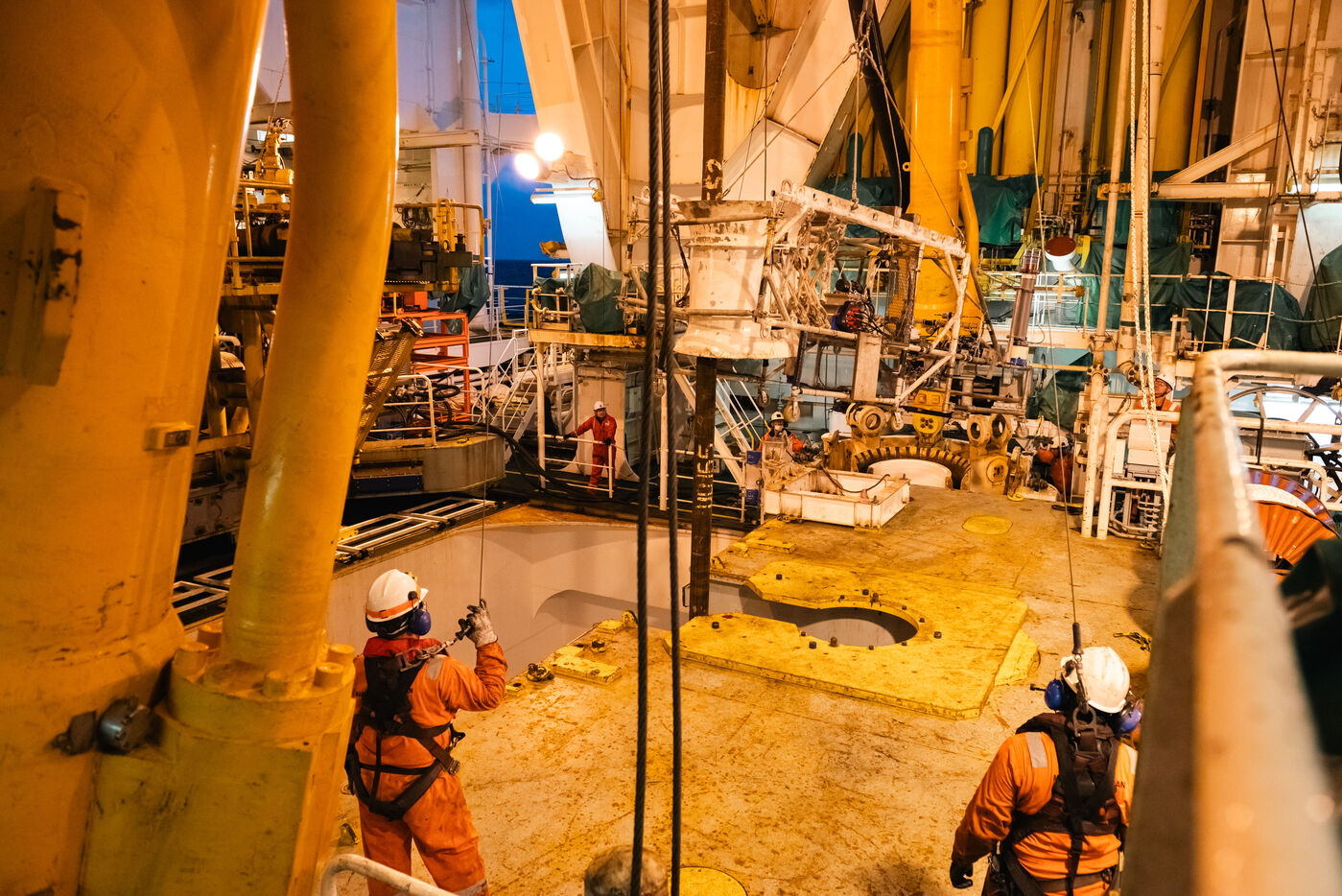
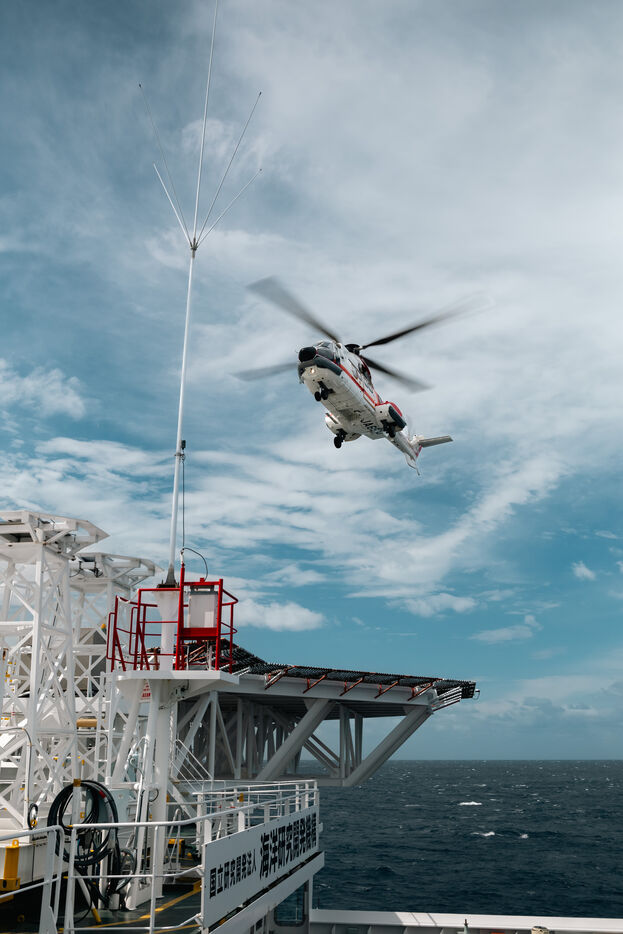
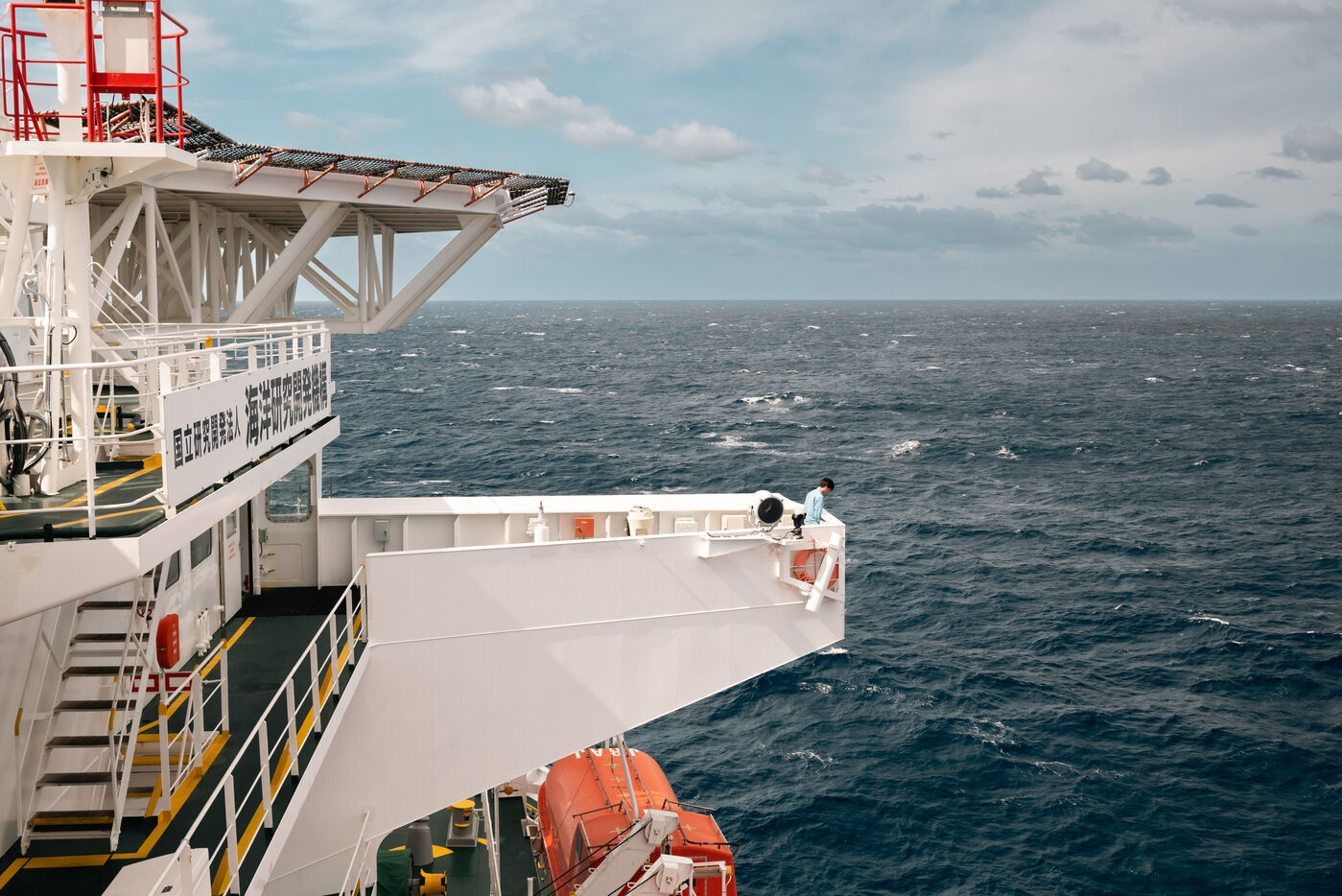
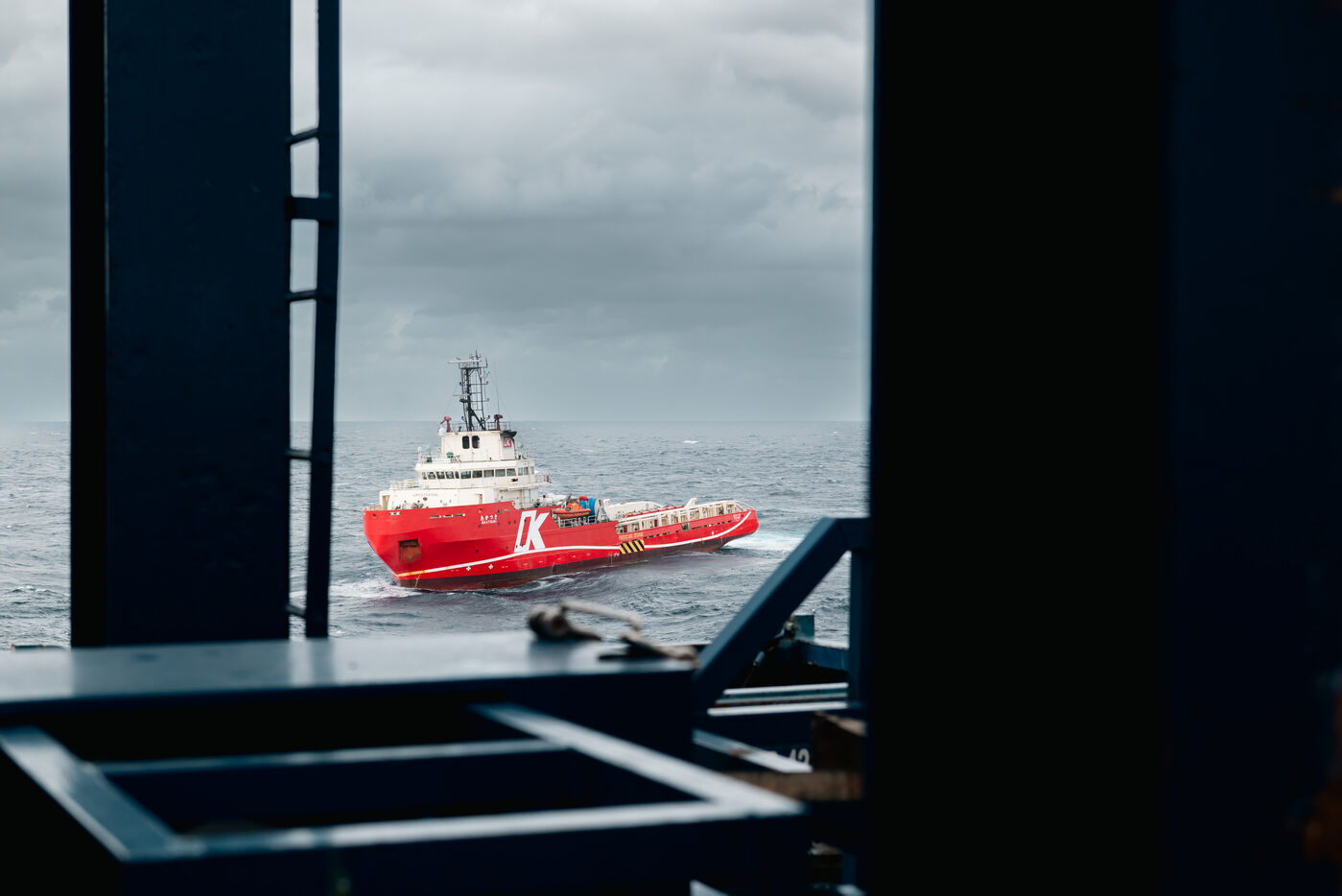
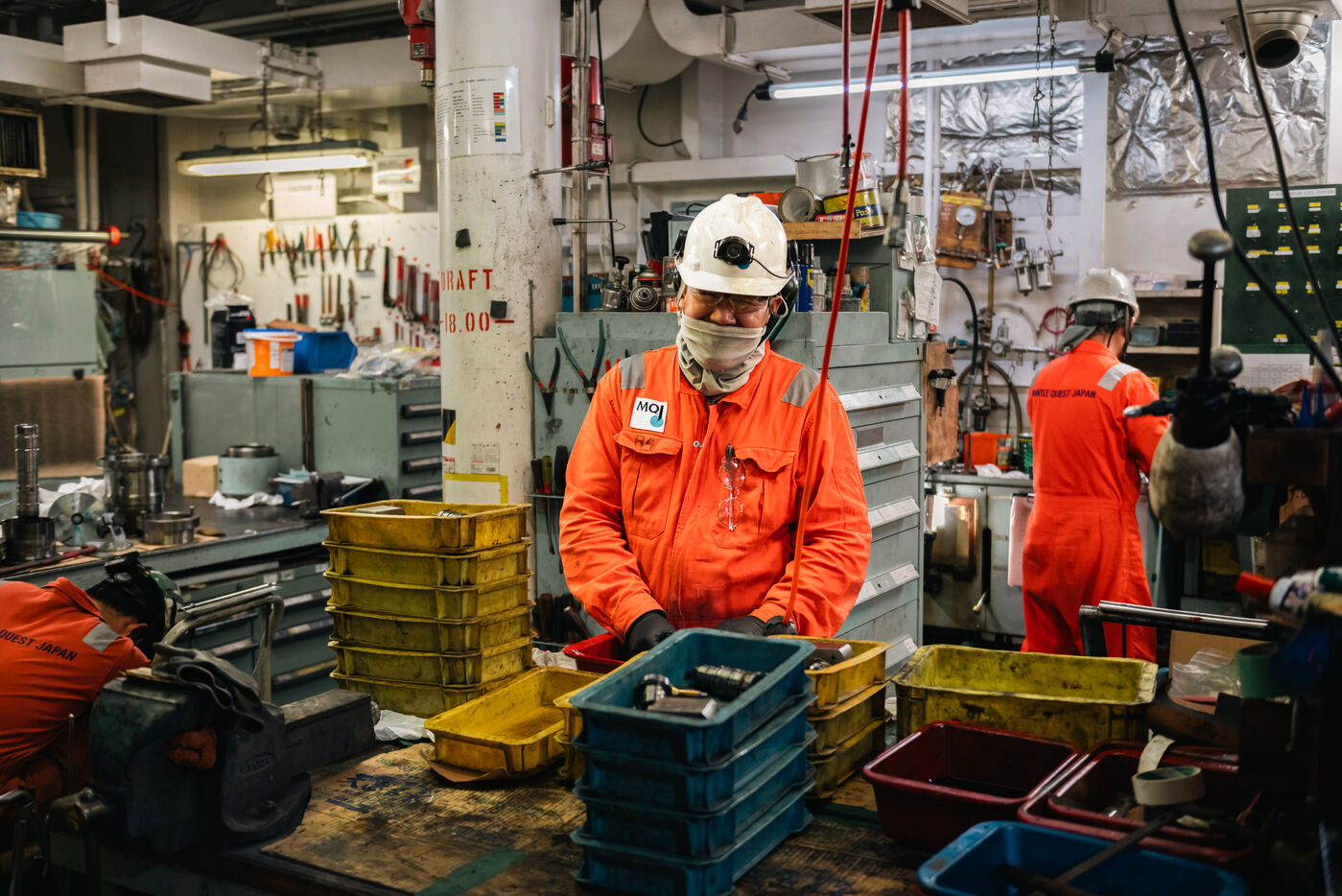
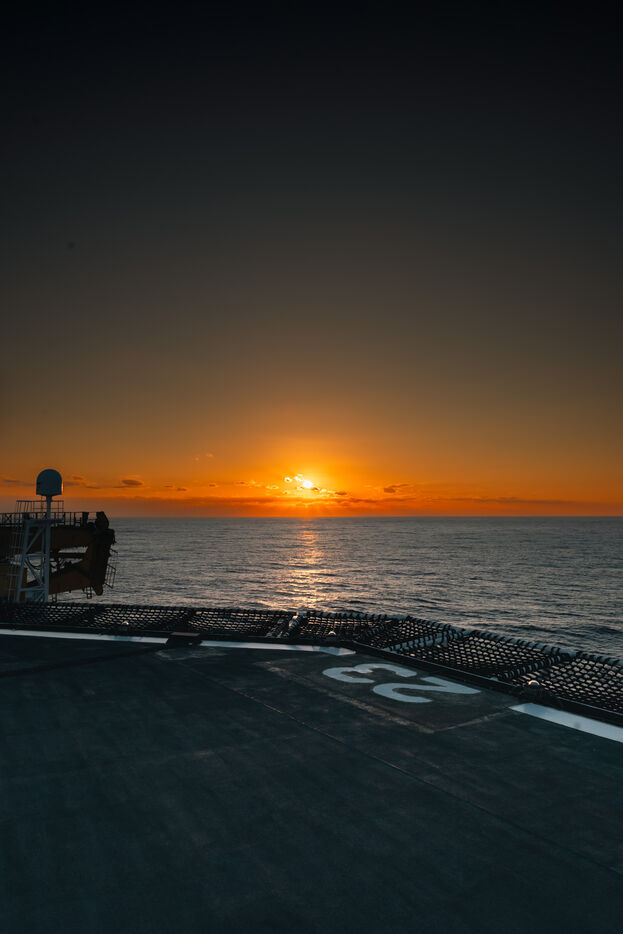
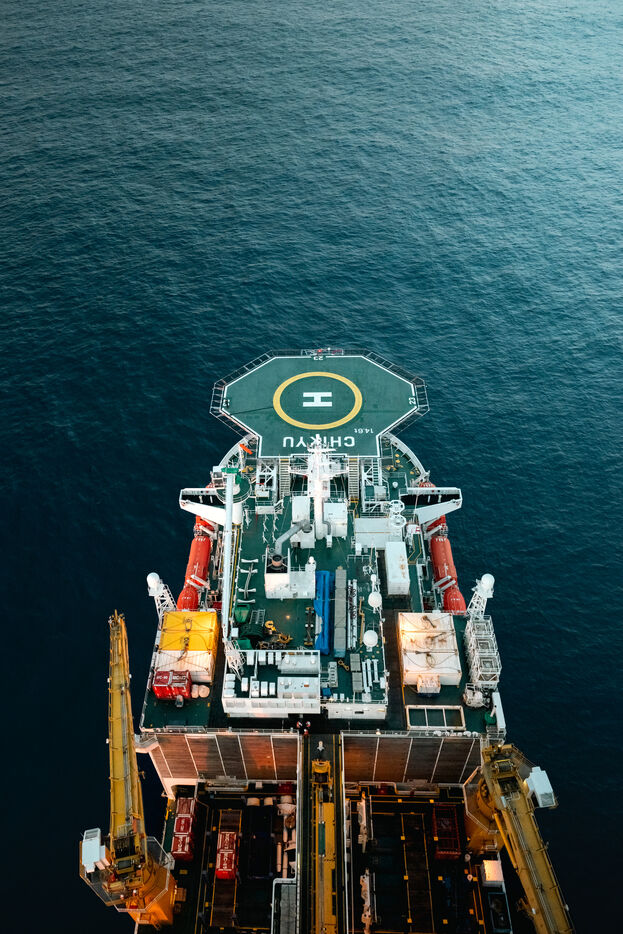
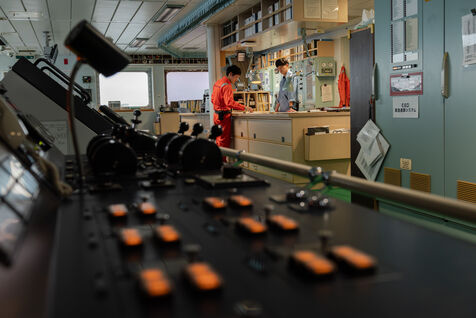
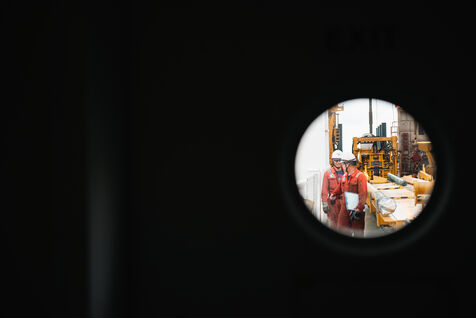
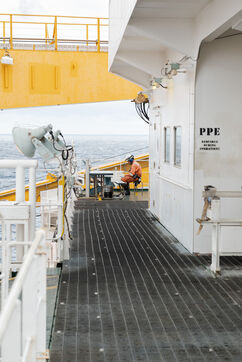
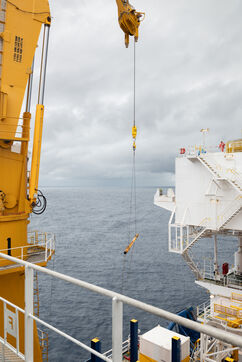
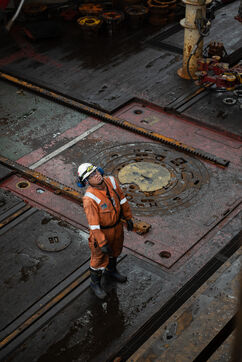
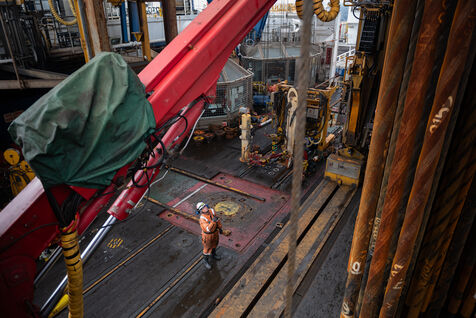
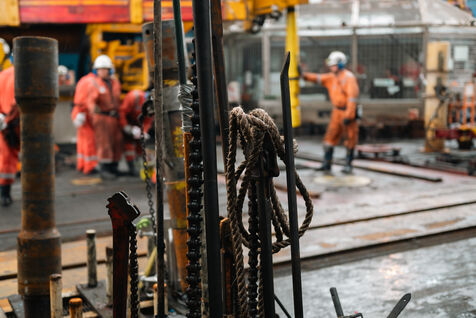
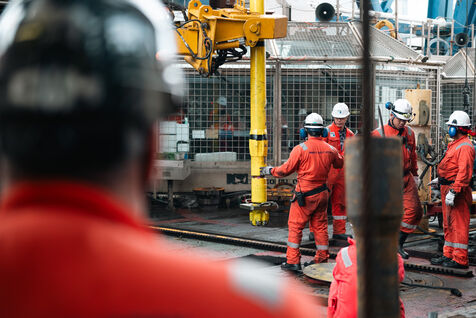
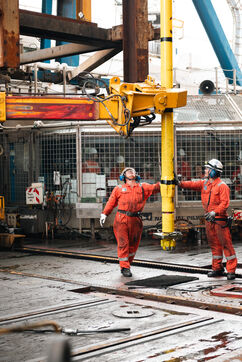
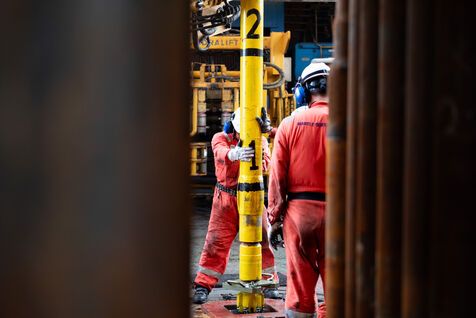
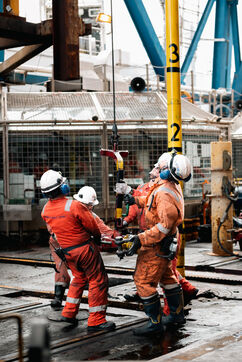
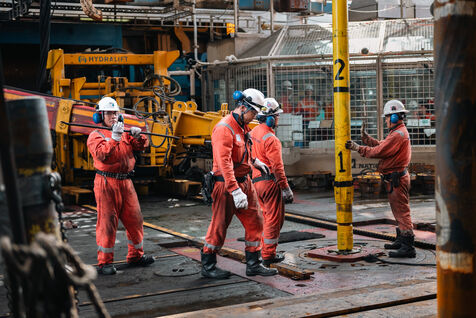
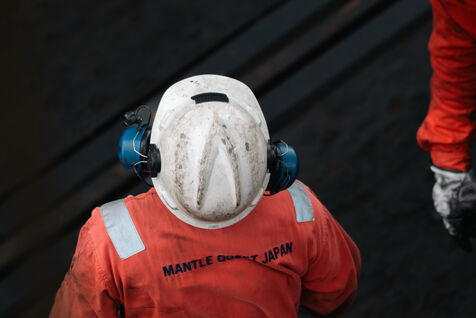
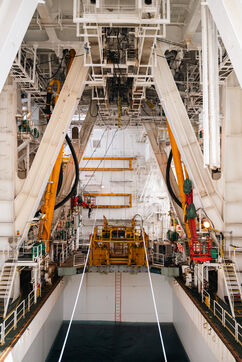
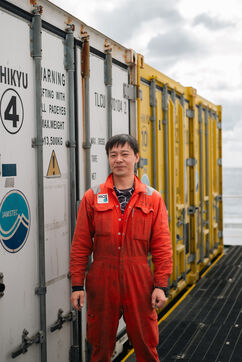
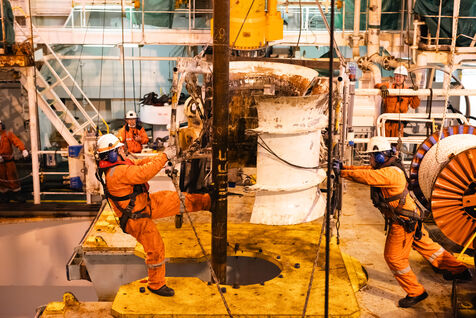
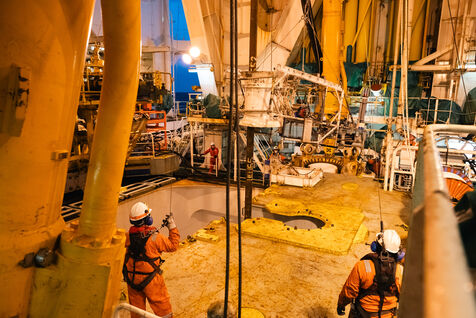
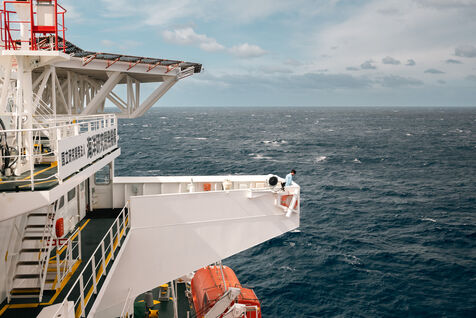
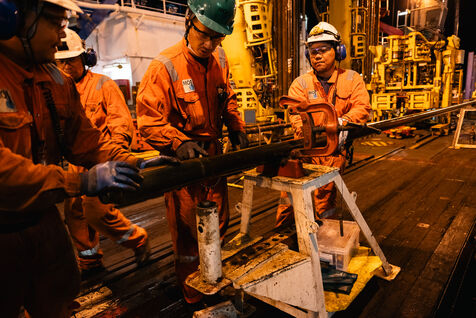
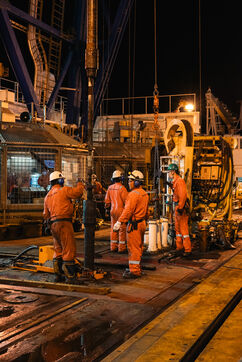
Le 6 septembre 2024, le navire scientifique japonais Chikyu a quitté le port de Shimizu entamant une mission de trois mois dans le cadre du programme international IODP. L'expédition 405, nommée JTRACK, vise à percer les mystères des méga-séismes qui secouent régulièrement le Japon et entrainent des tsunamis.
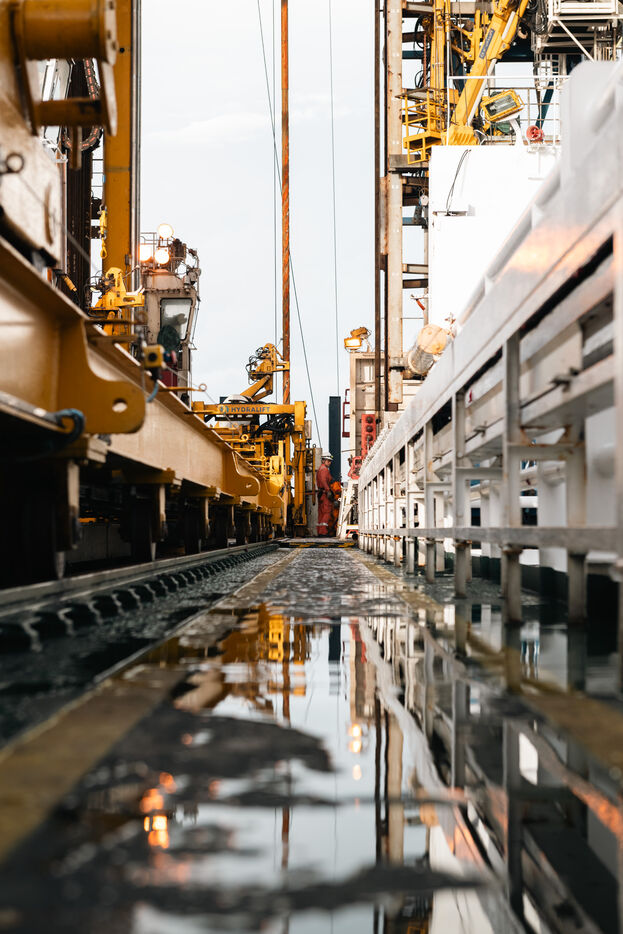
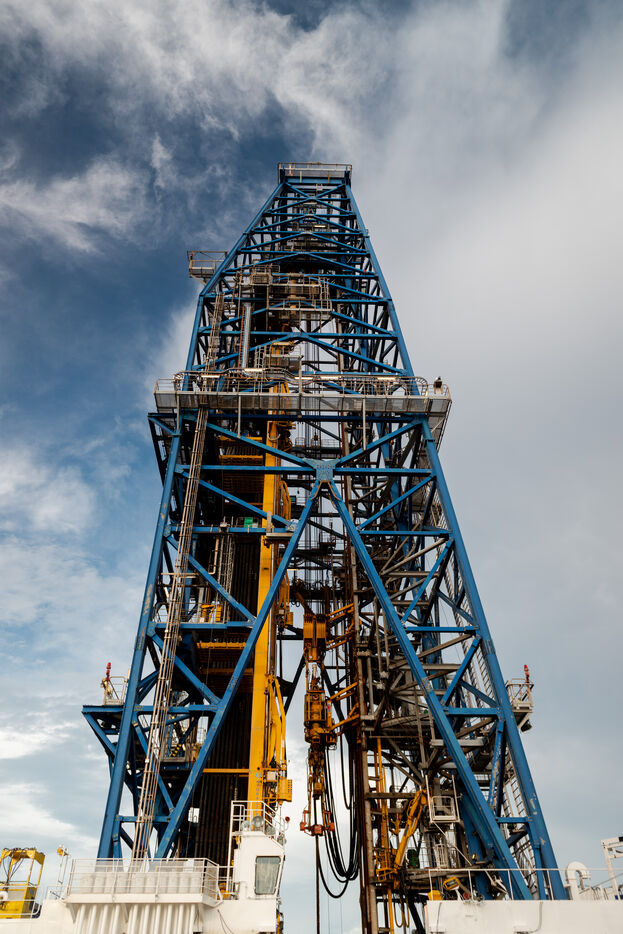
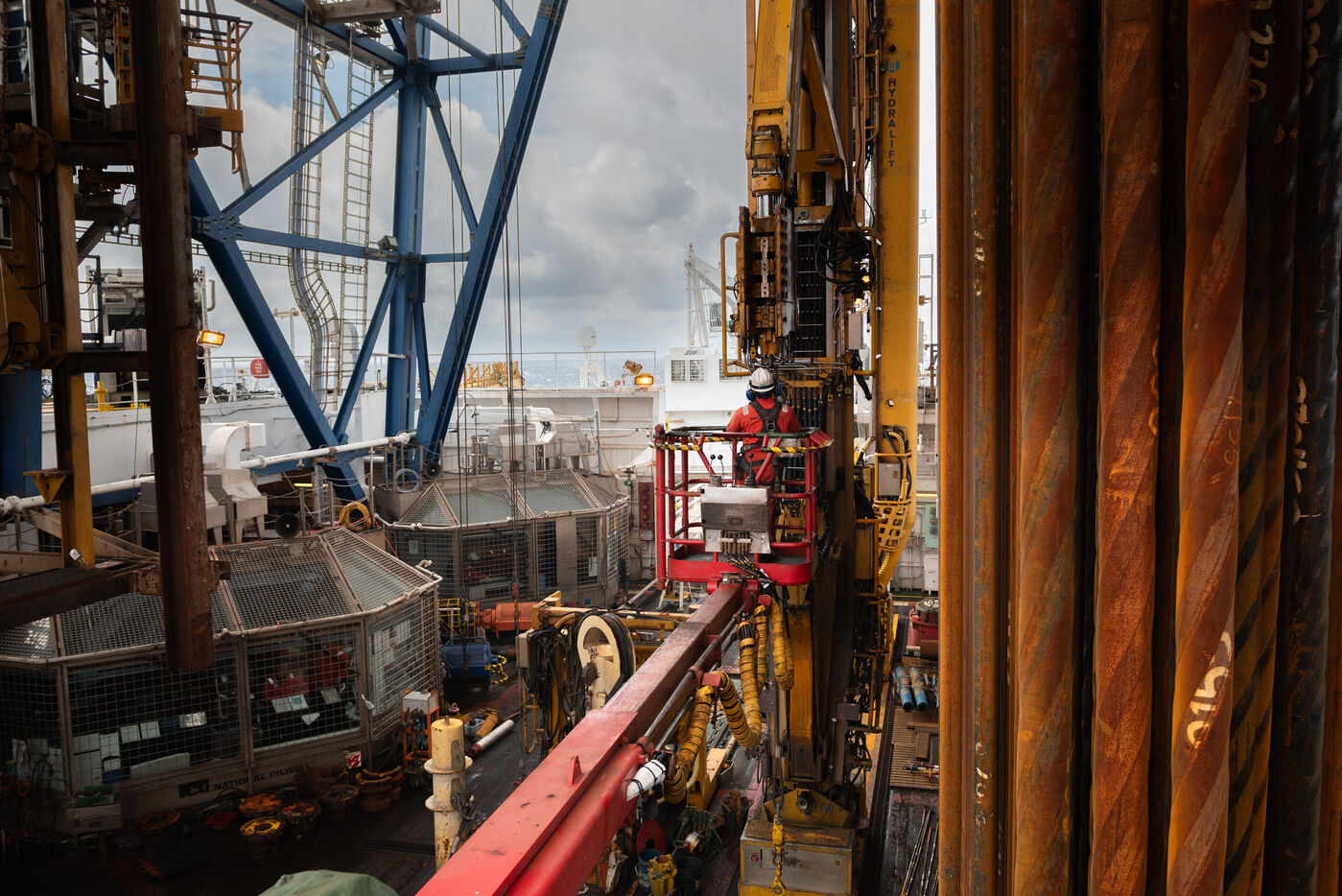
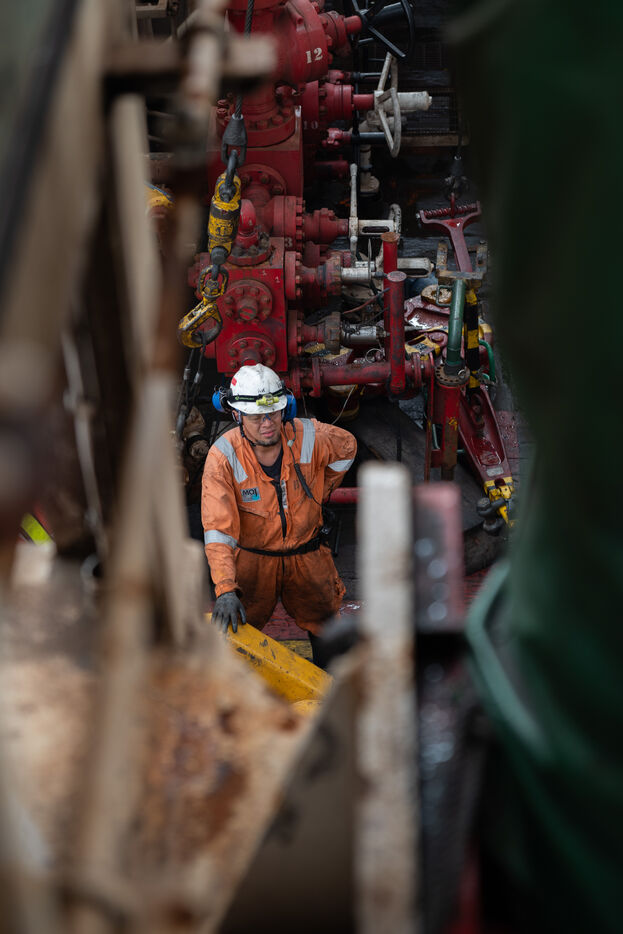
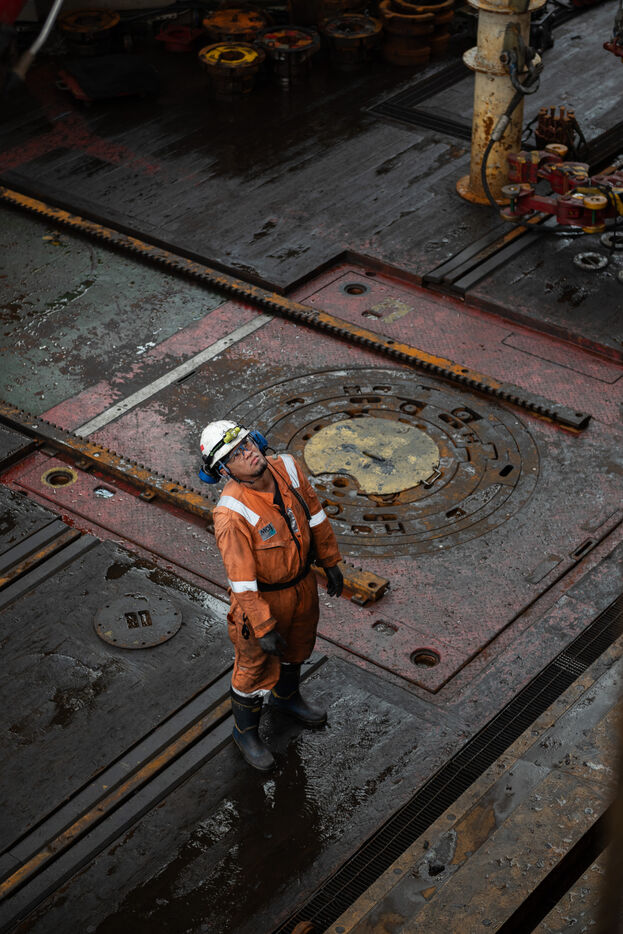
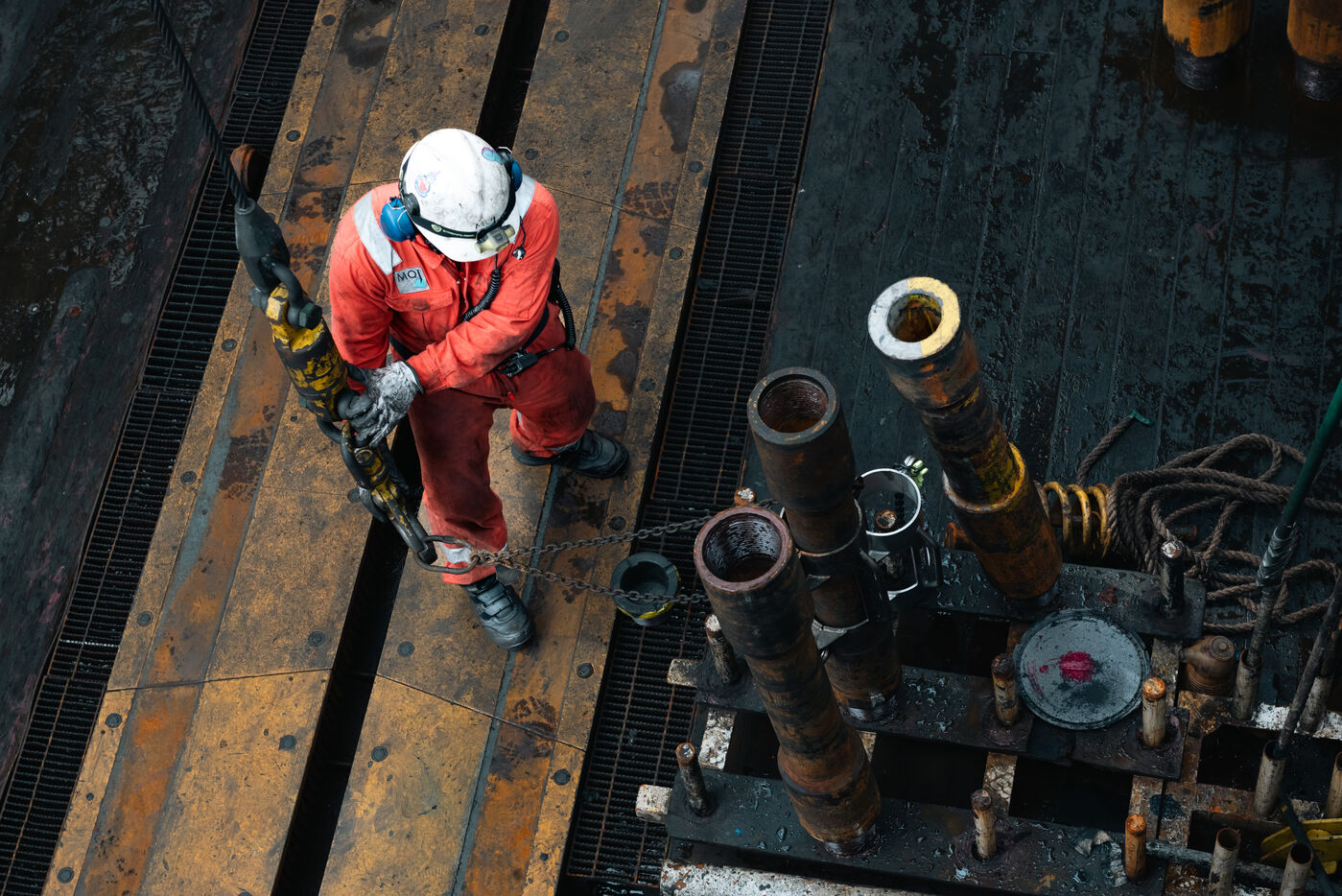
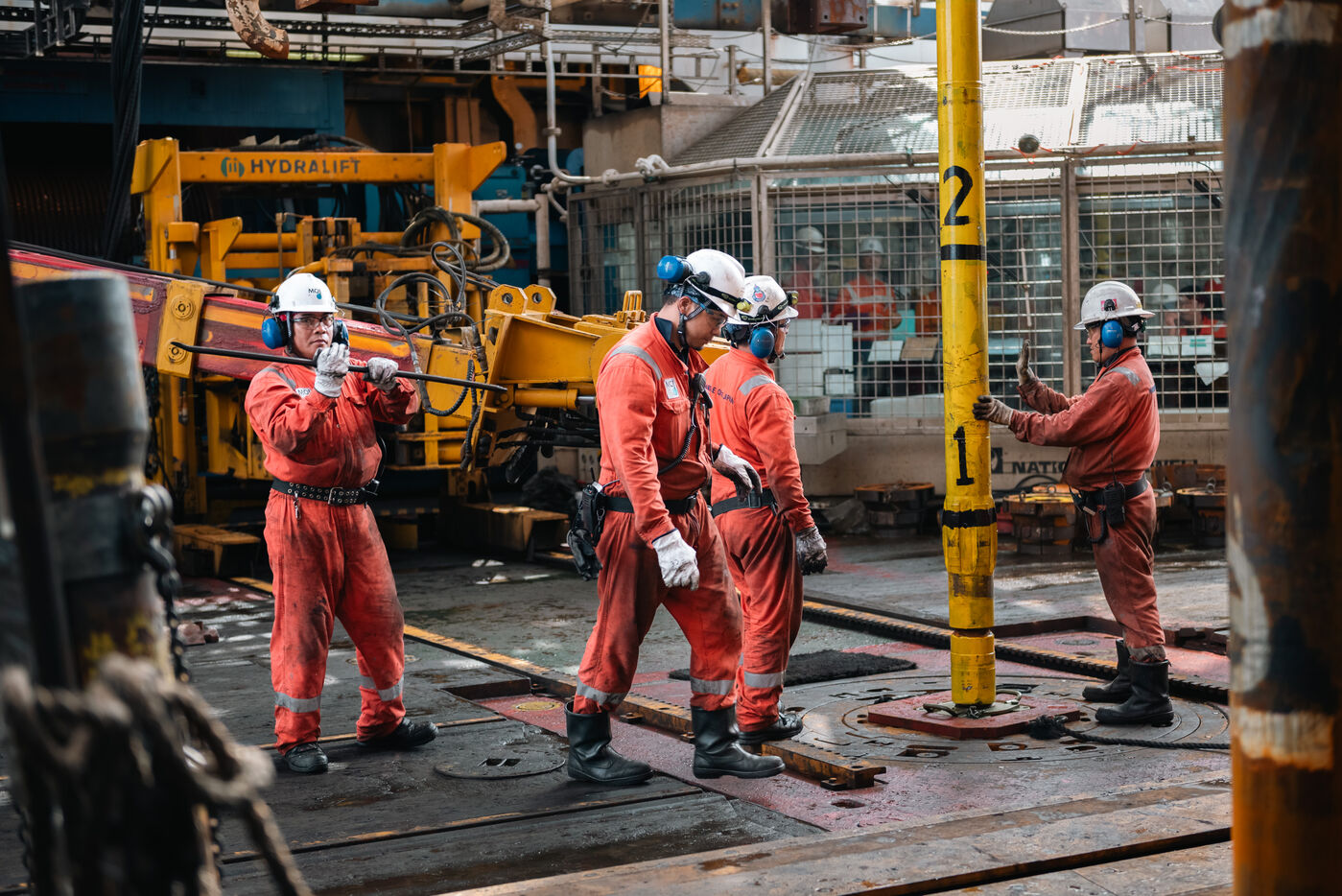
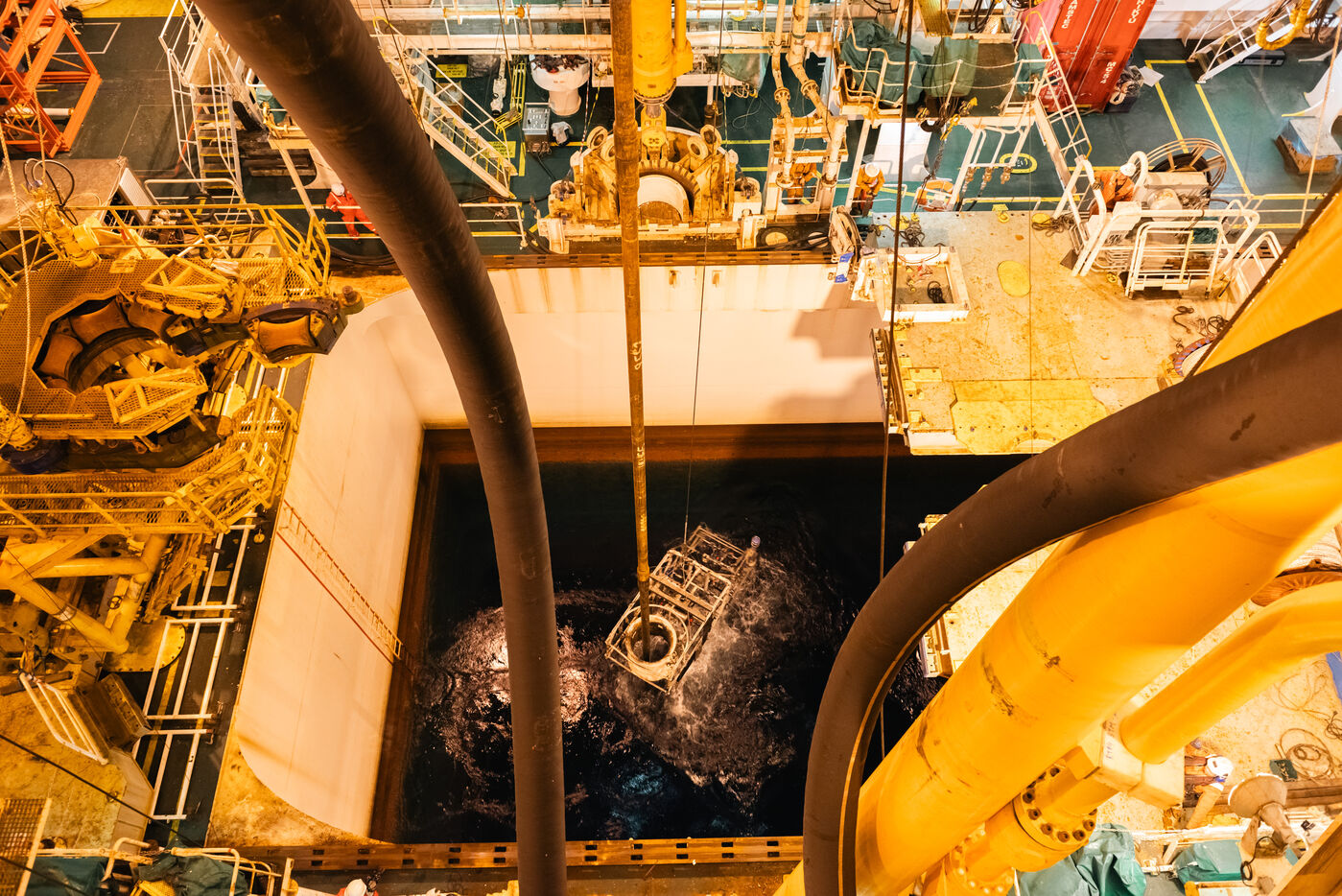
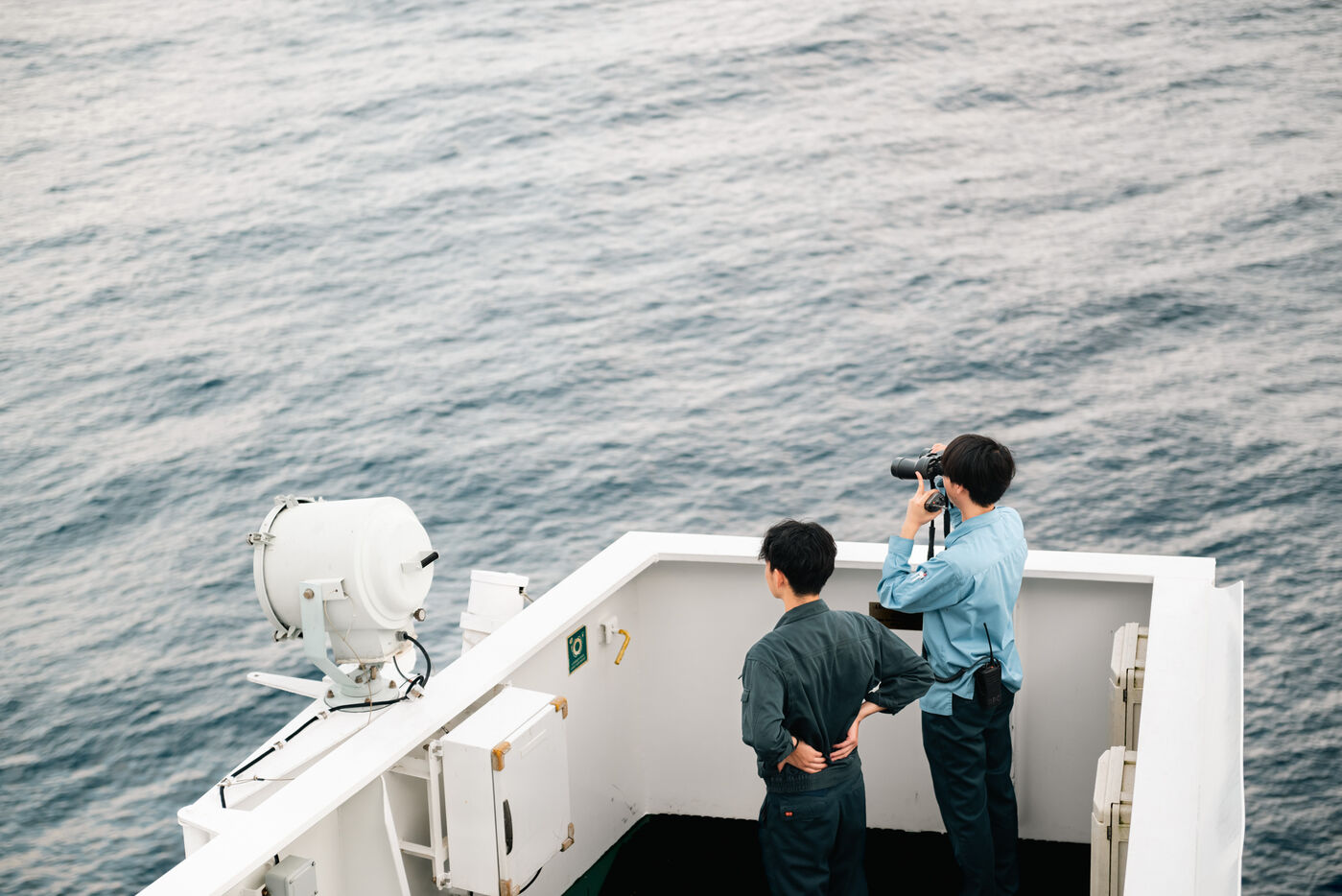
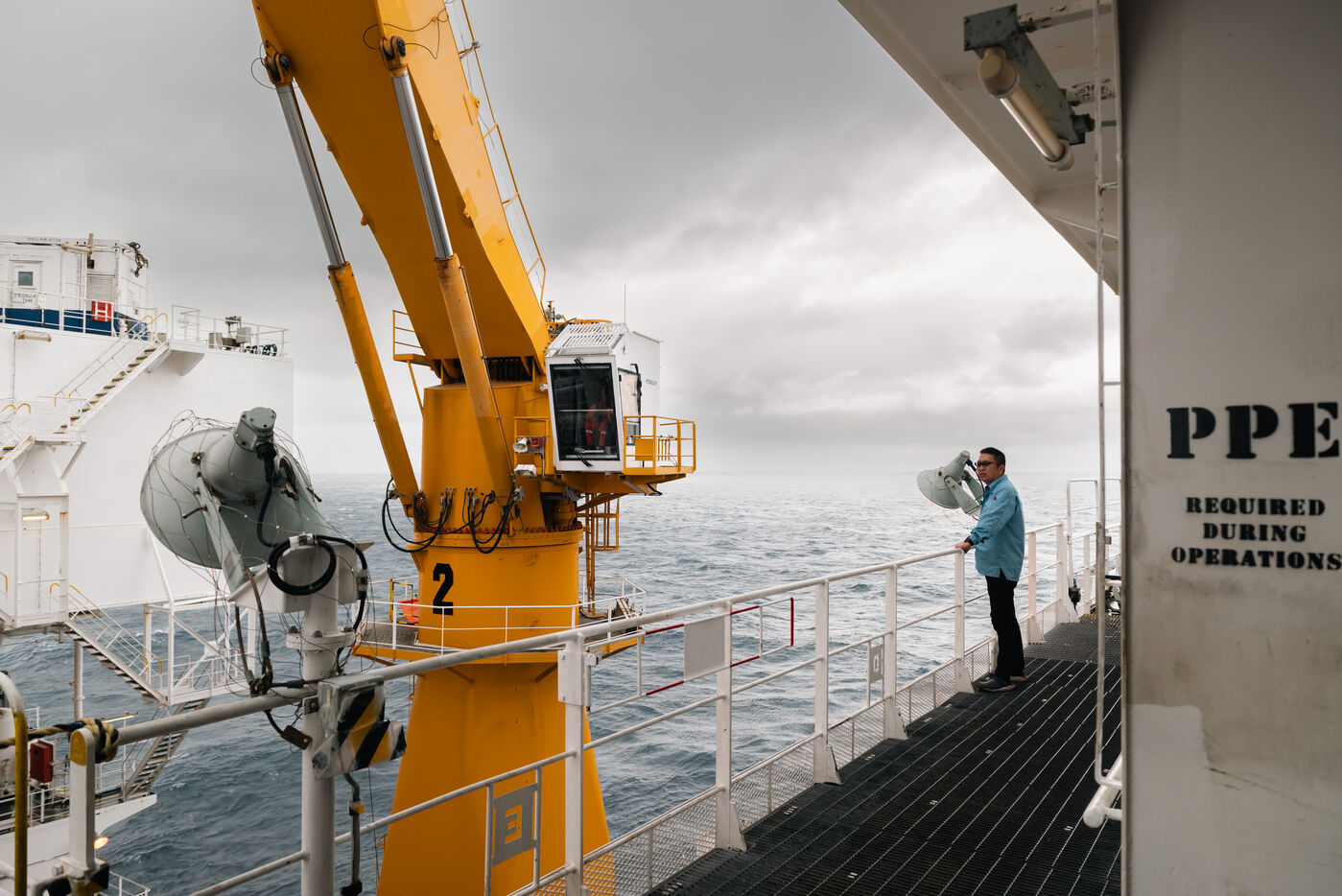
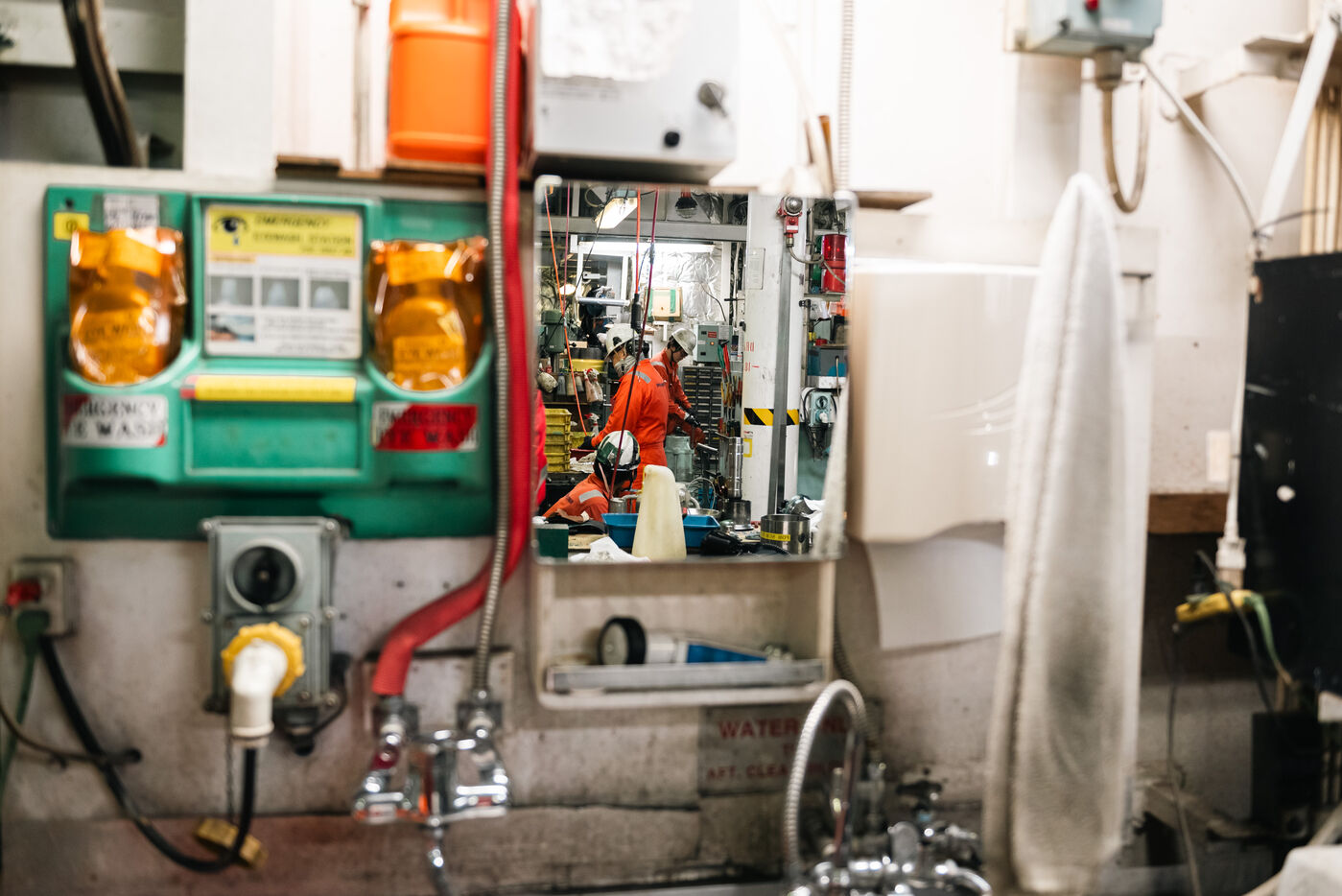
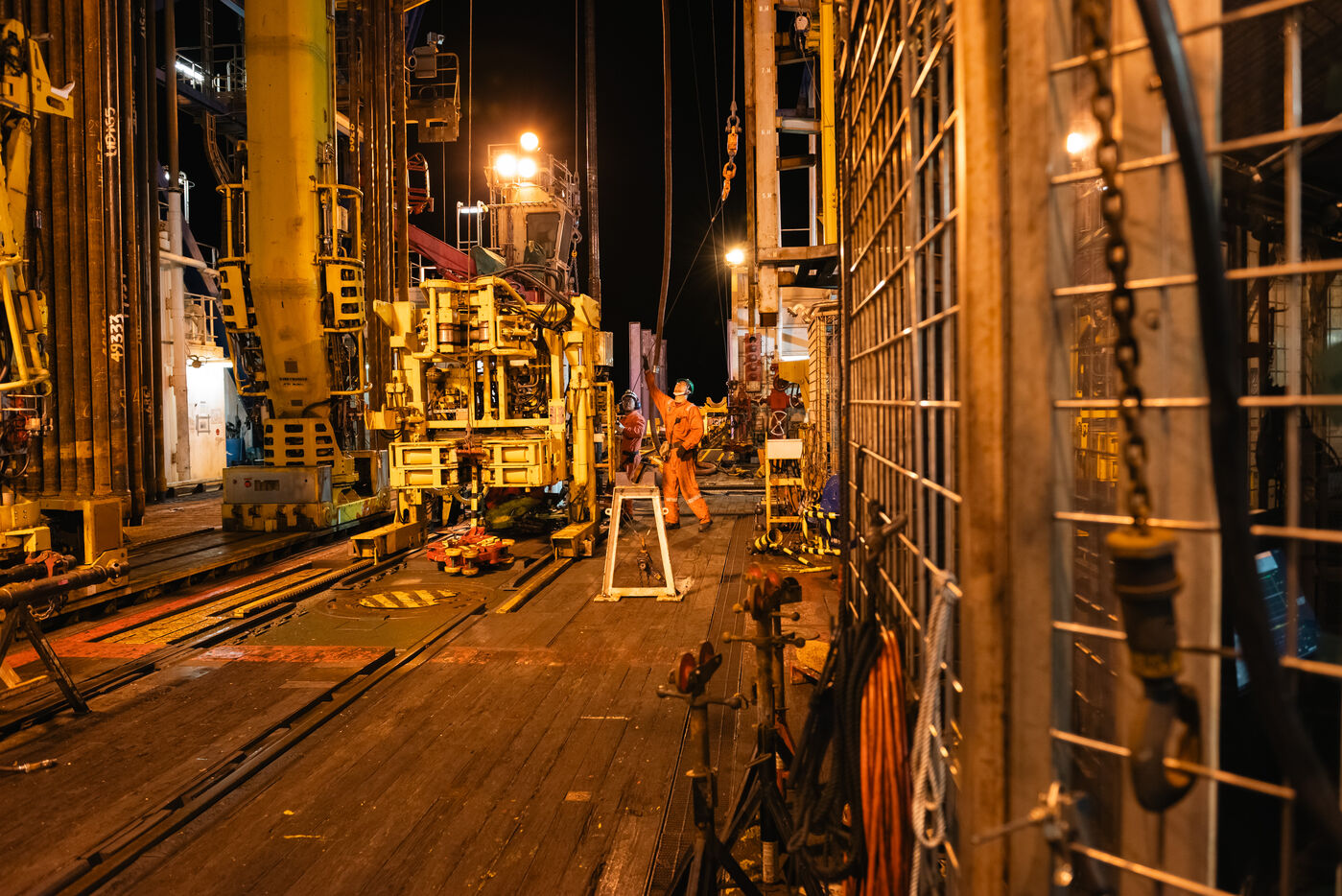
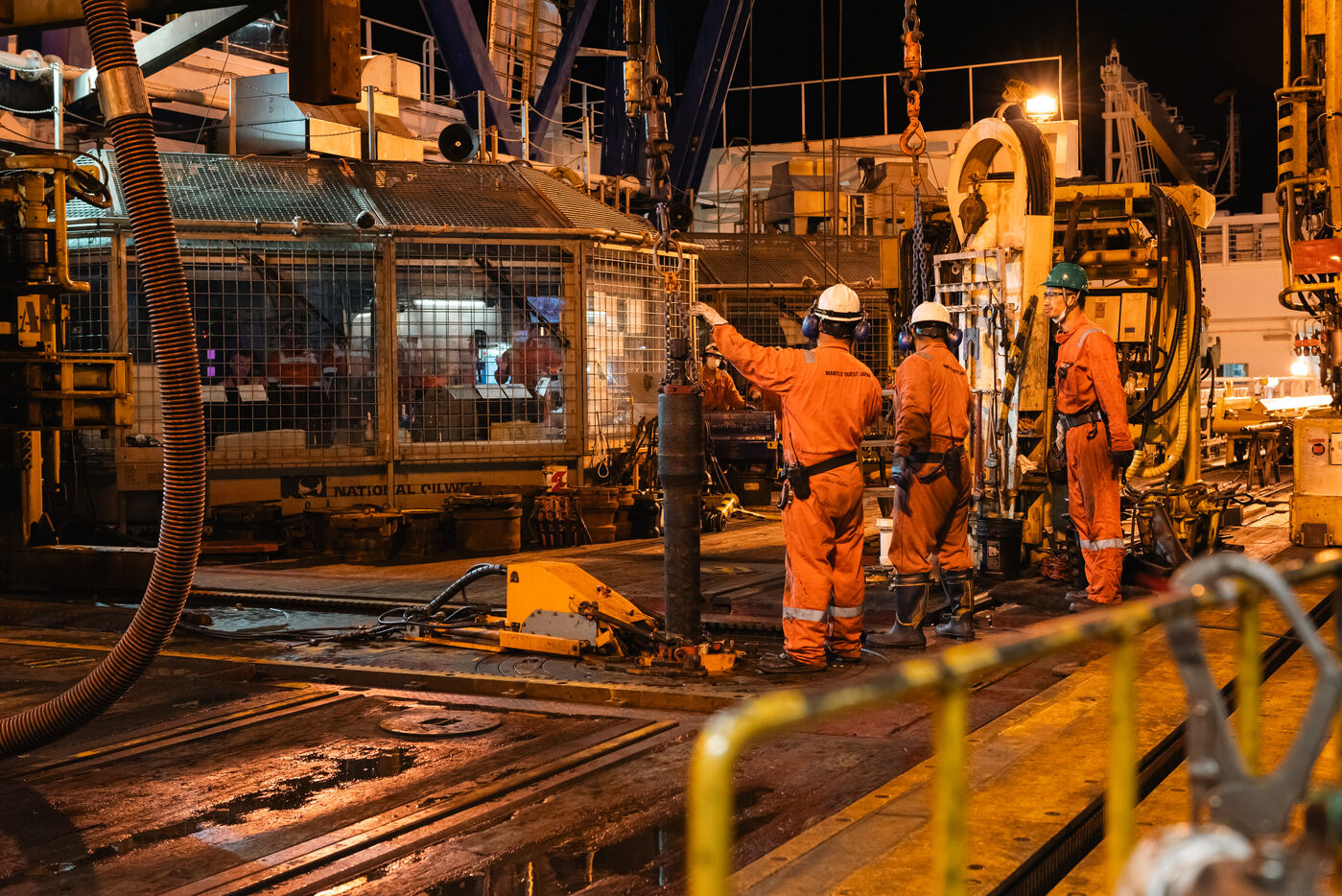
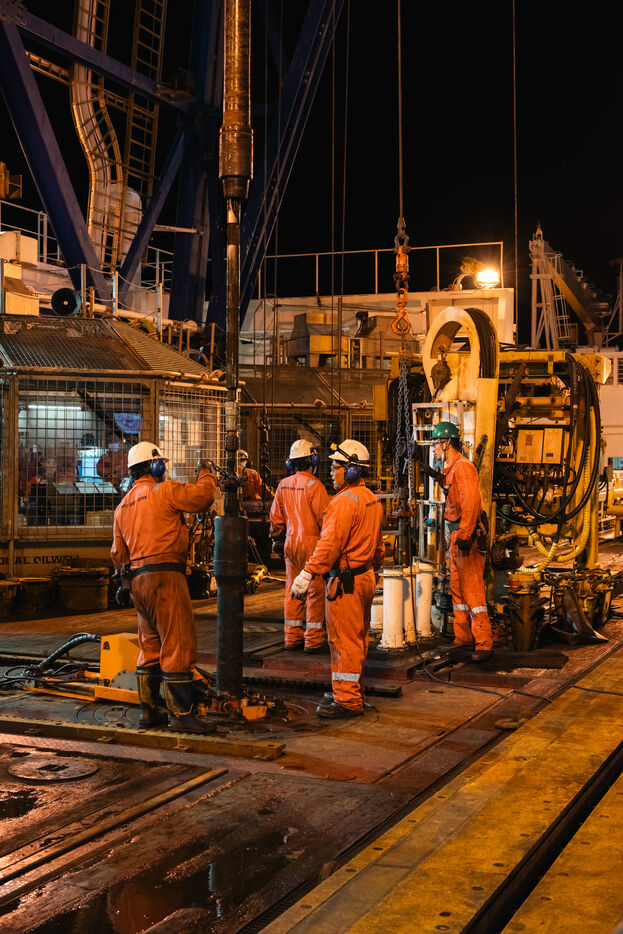
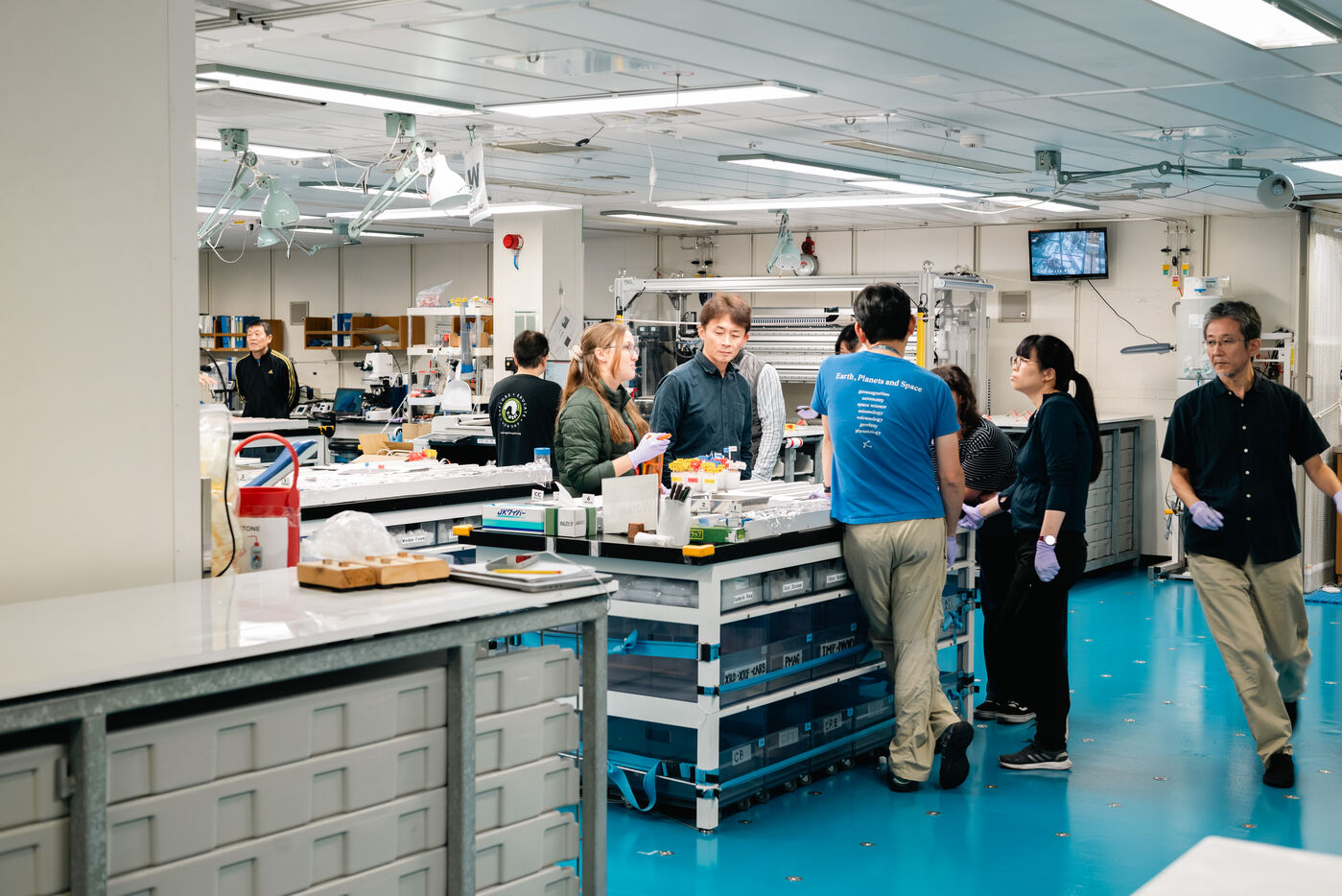
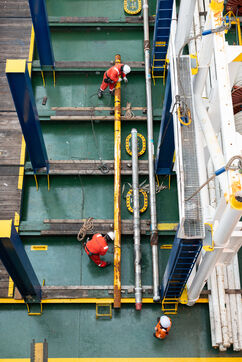
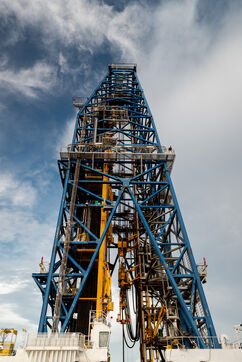
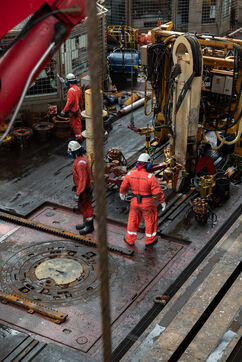
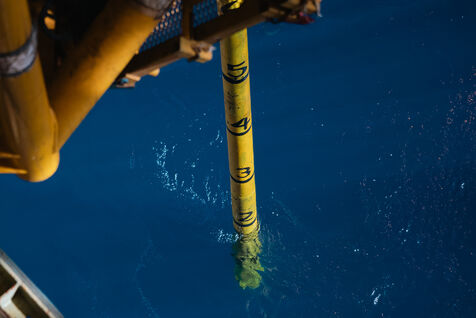
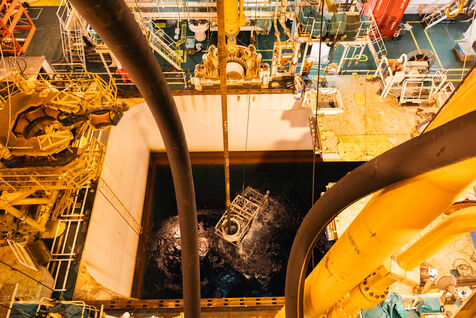
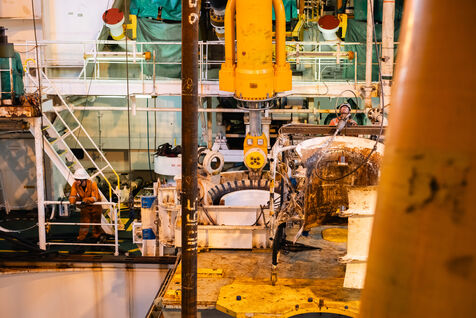
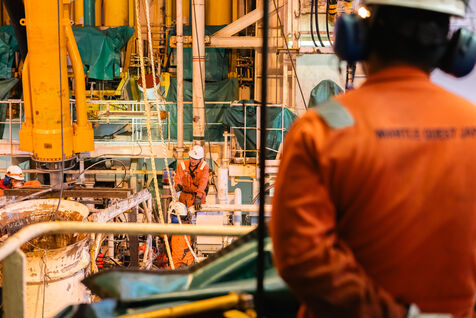
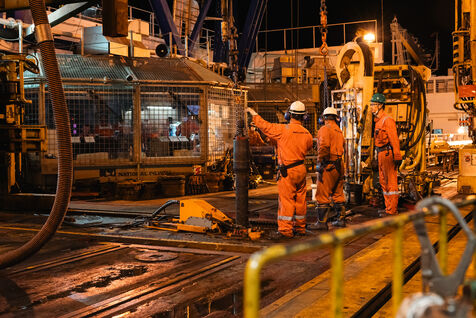
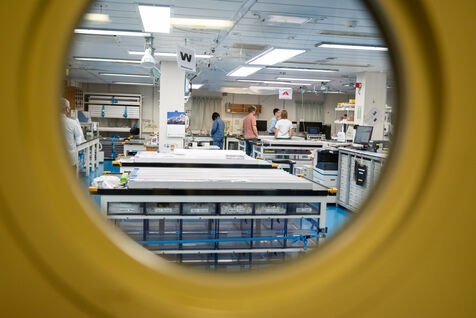
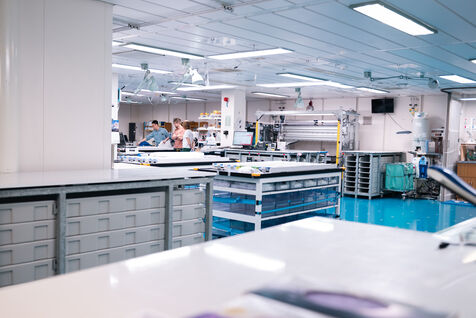
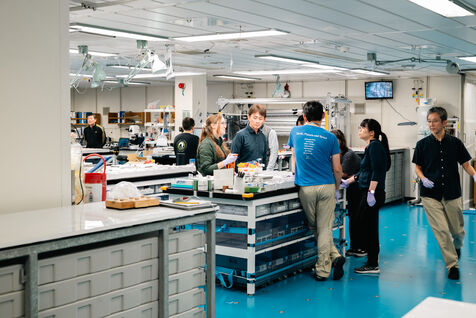
À bord de ce véritable laboratoire flottant, une équipe de près de 200 experts s'est donné pour mission d'explorer la zone de subduction de la fosse du Japon, c'est-à-dire la région où une plaque tectonique plonge sous l'autre. En forant les profondeurs marines, les scientifiques espèrent mieux comprendre les mécanismes qui déclenchent les tremblements de terre et les tsunamis dévastateurs, tels que celui de Tohoku en 2011.
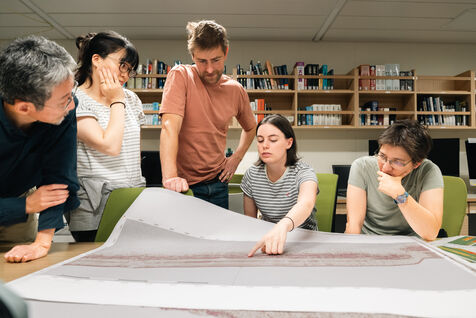
Les chercheurs se concentrent sur deux sites clés. Le premier permettra d'étudier des roches intactes, témoins des conditions qui régnaient avant le séisme de 2011. Le second site, quant à lui, a été le théâtre d'un glissement de terrain sous-marin majeur lors de cette catastrophe. En analysant les échantillons prélevés dans ces deux zones, les scientifiques pourront reconstituer l'histoire géologique de la région et identifier les facteurs de risque sismique.
Pour mener à bien cette mission ambitieuse, trois phases d'investigation ont été définies :
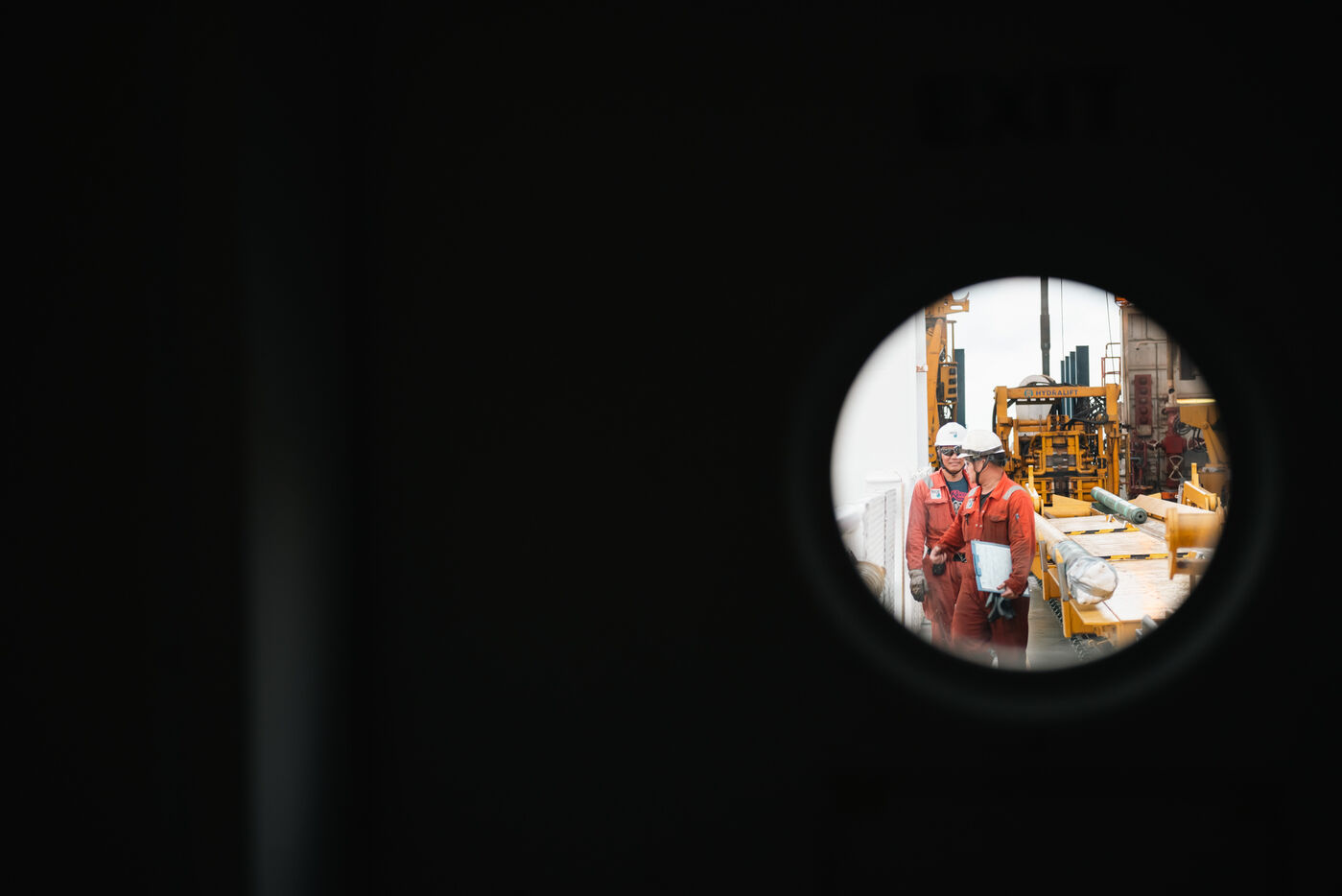
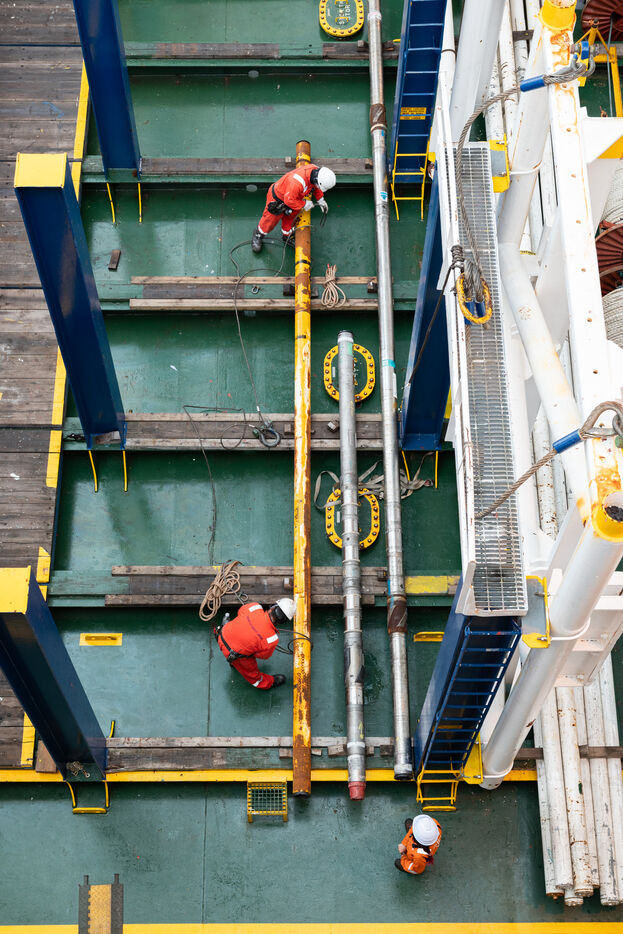
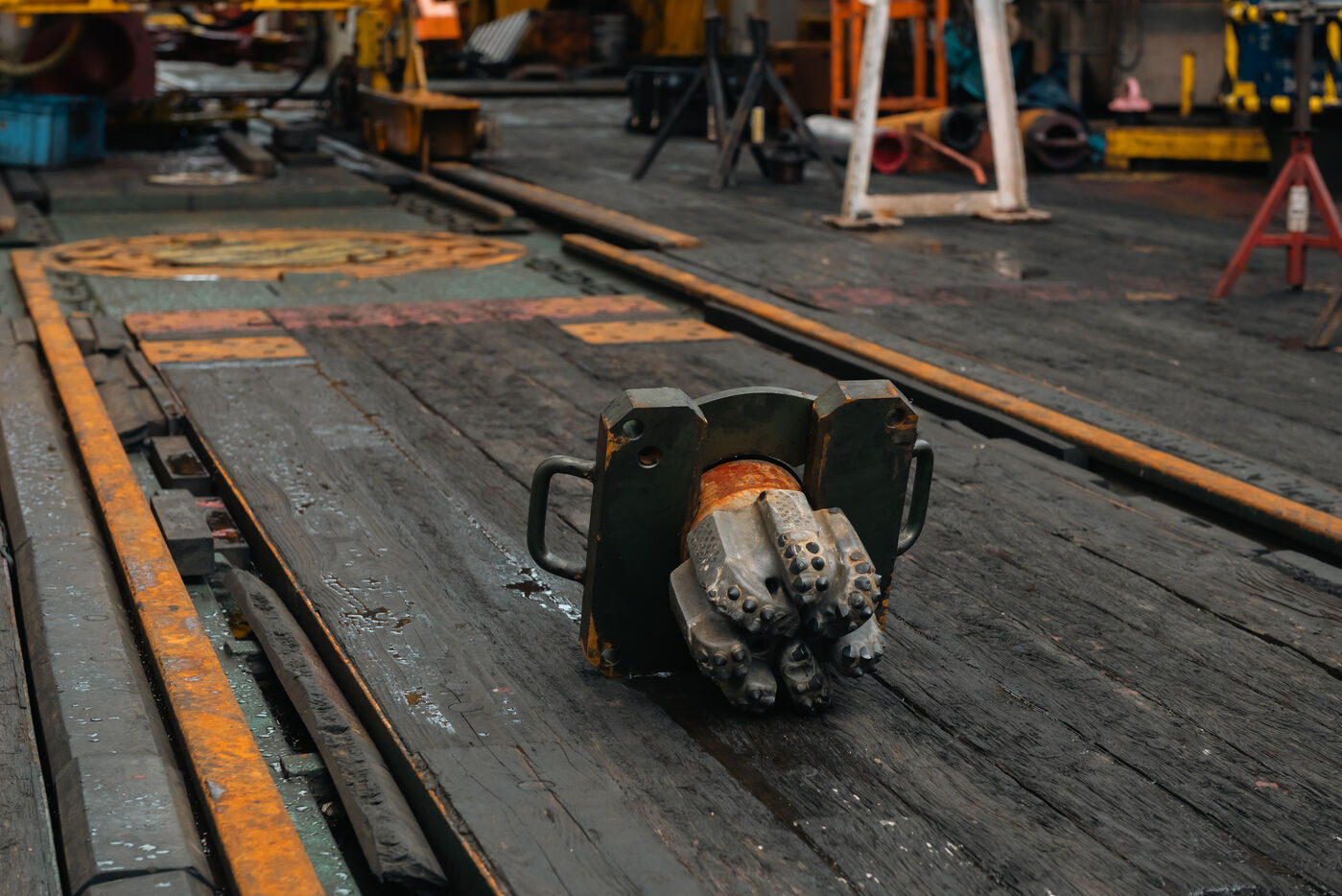
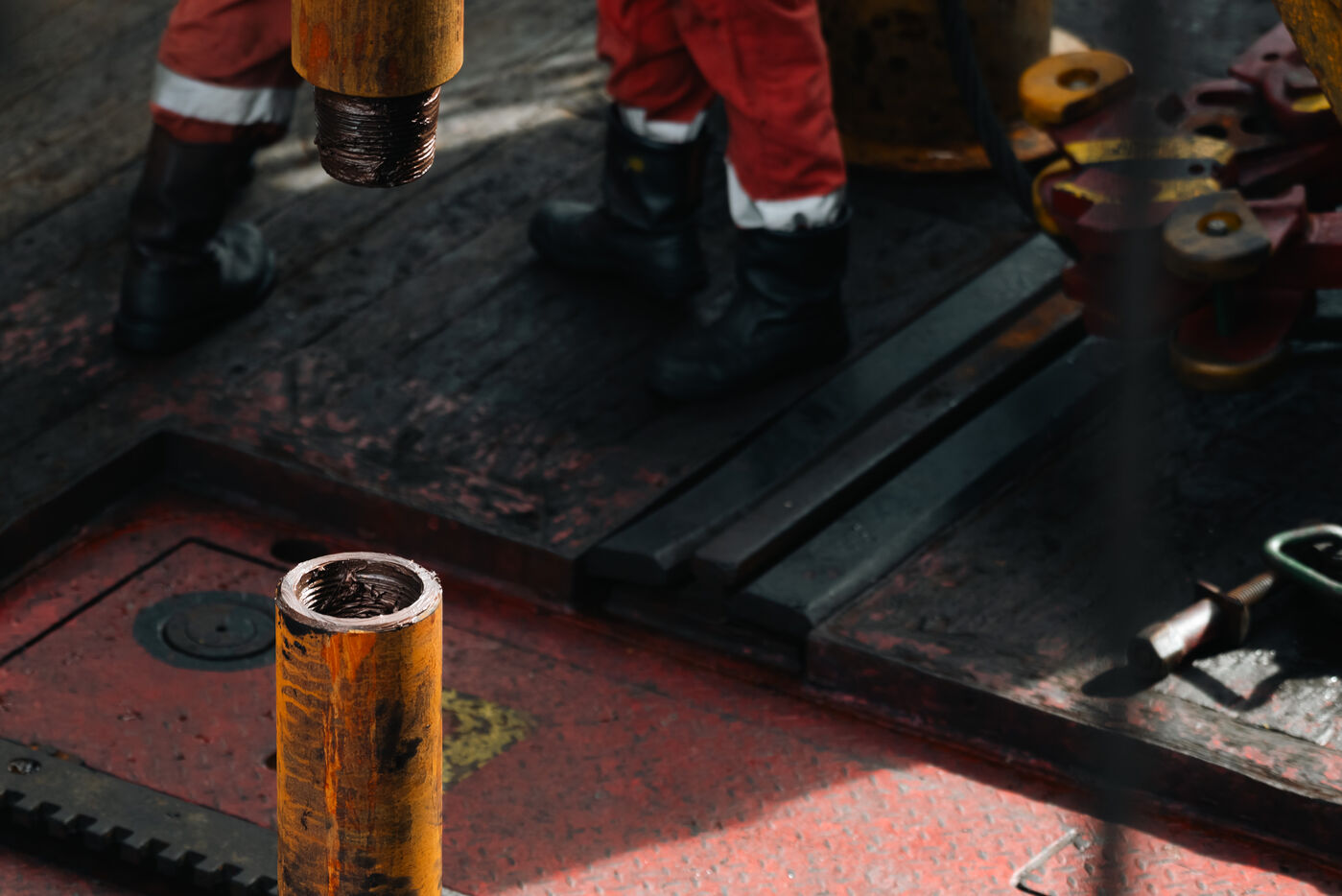
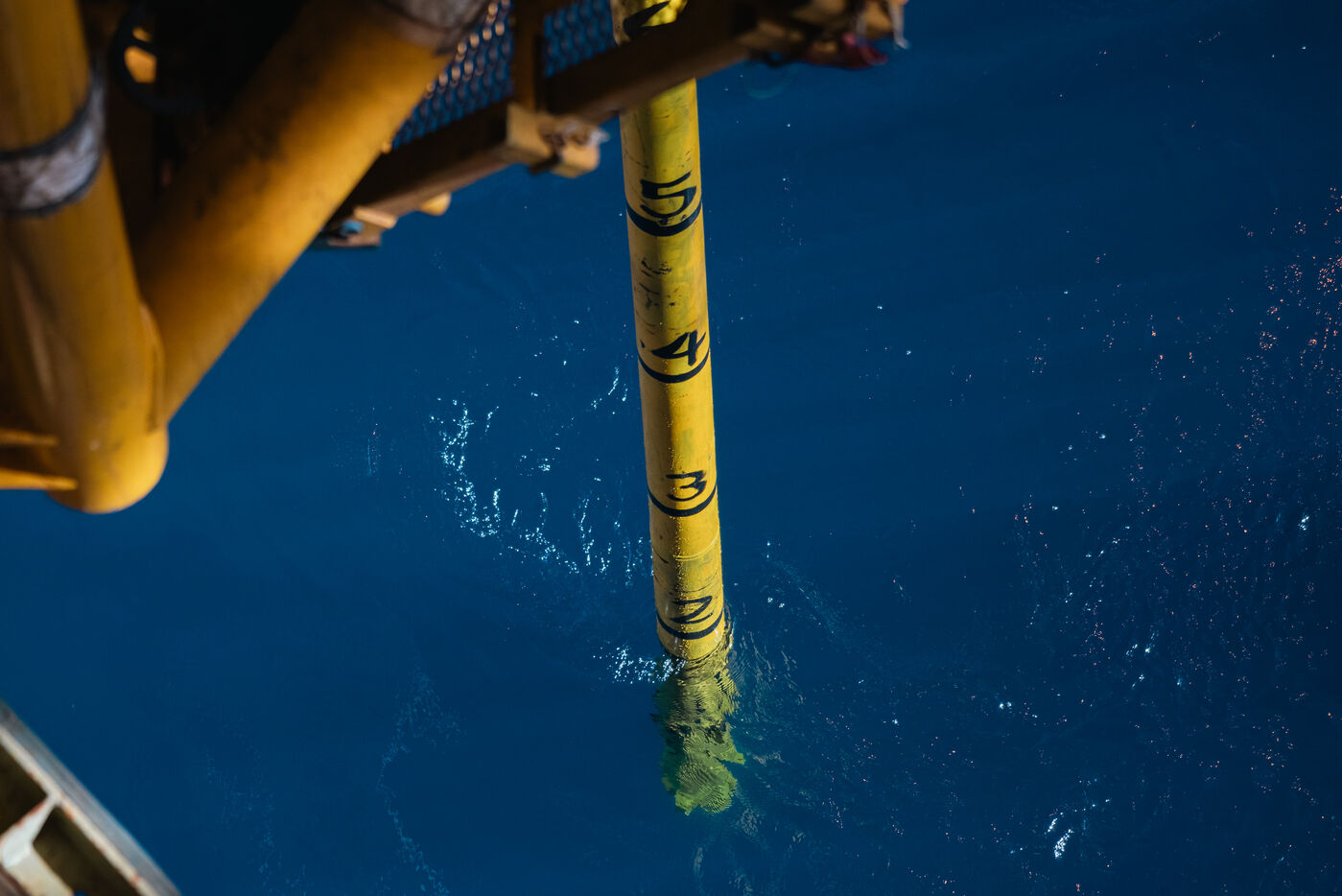
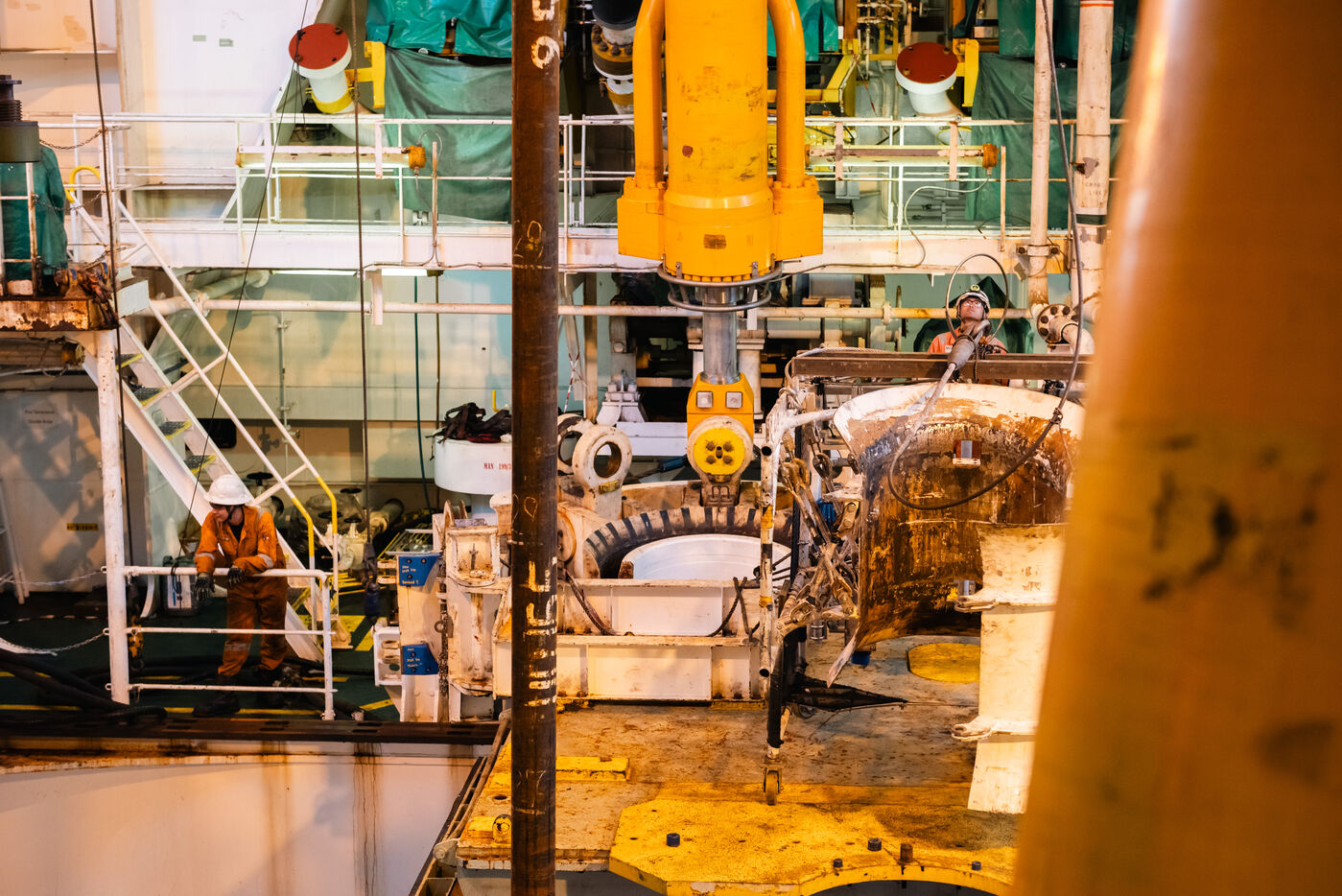
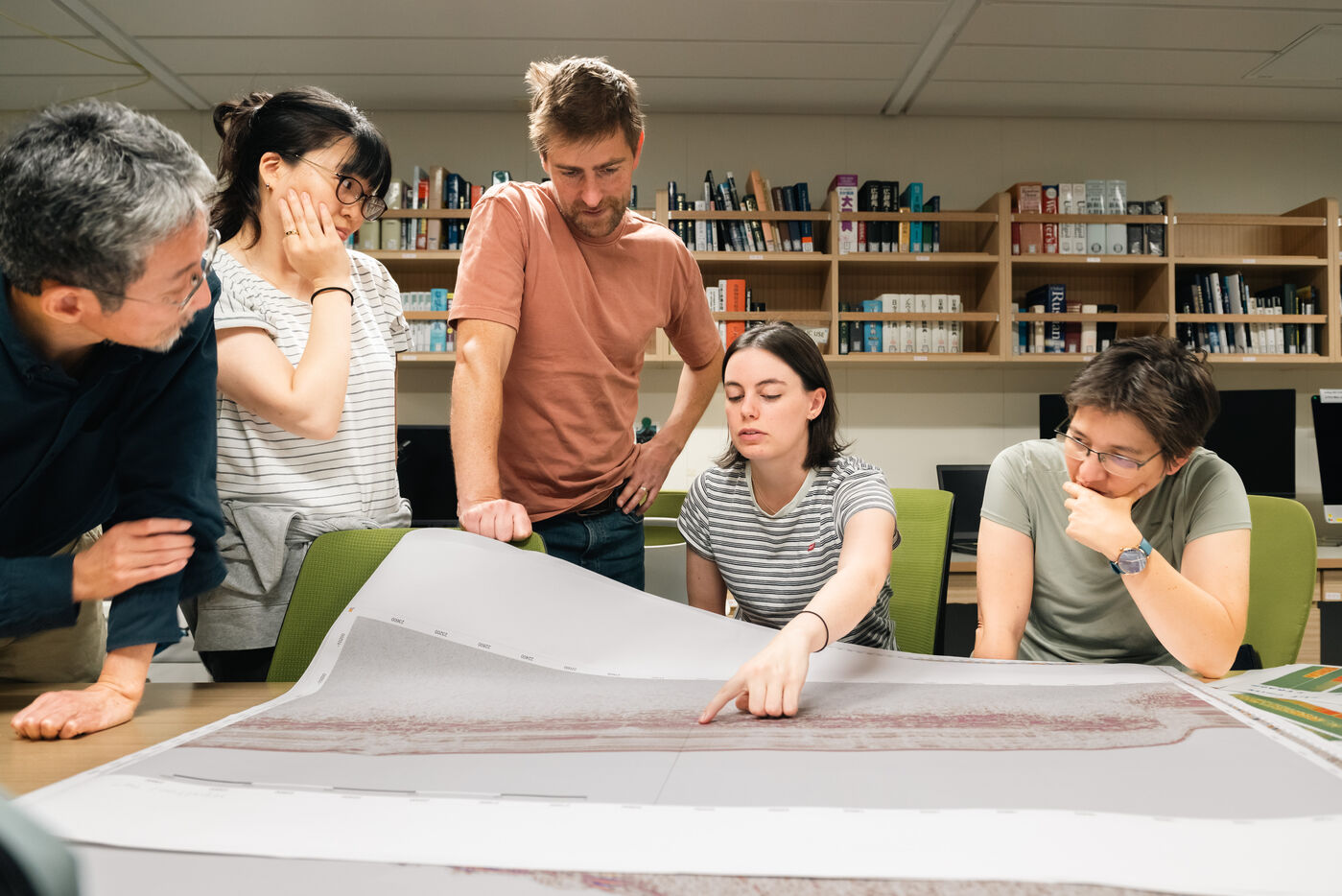
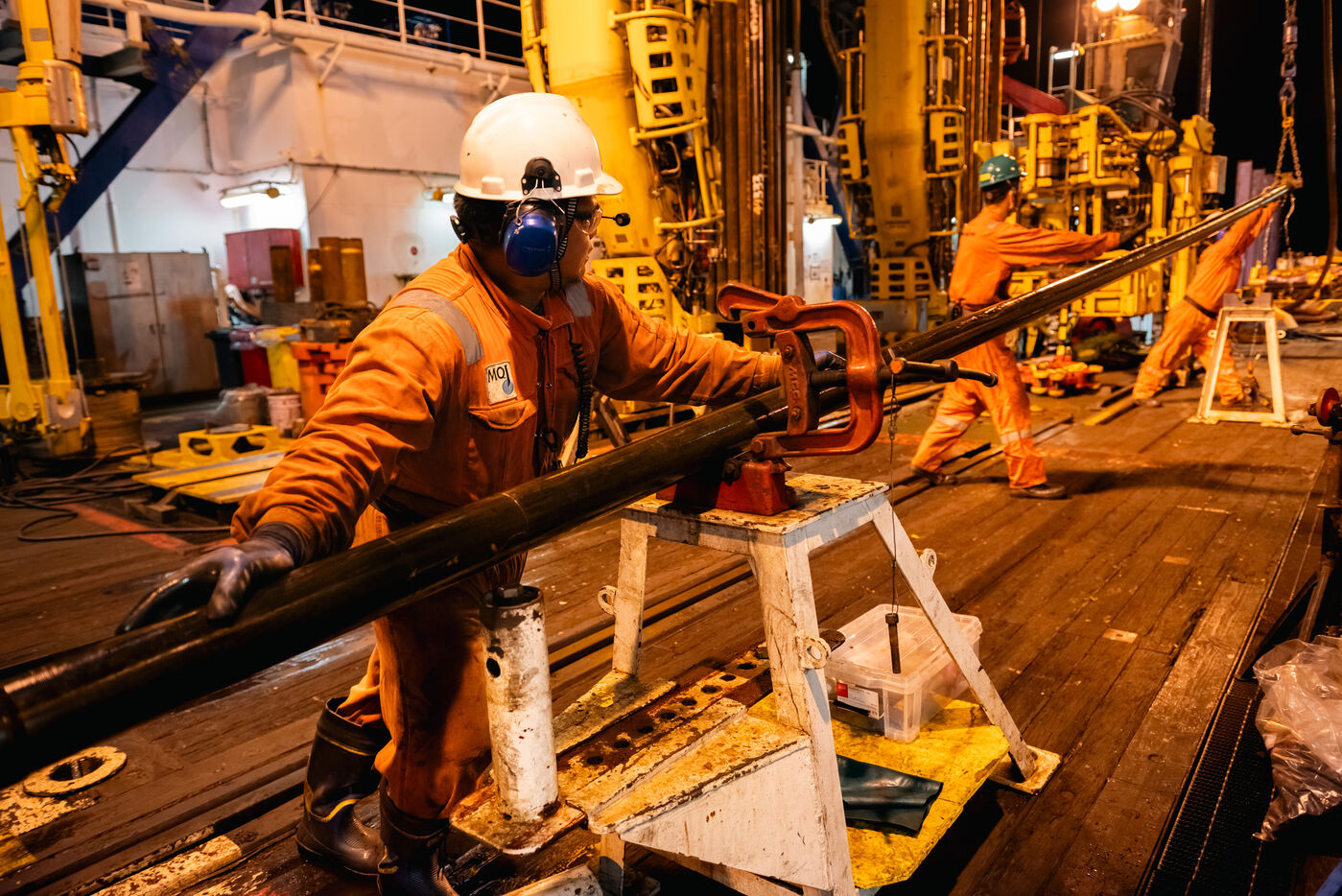
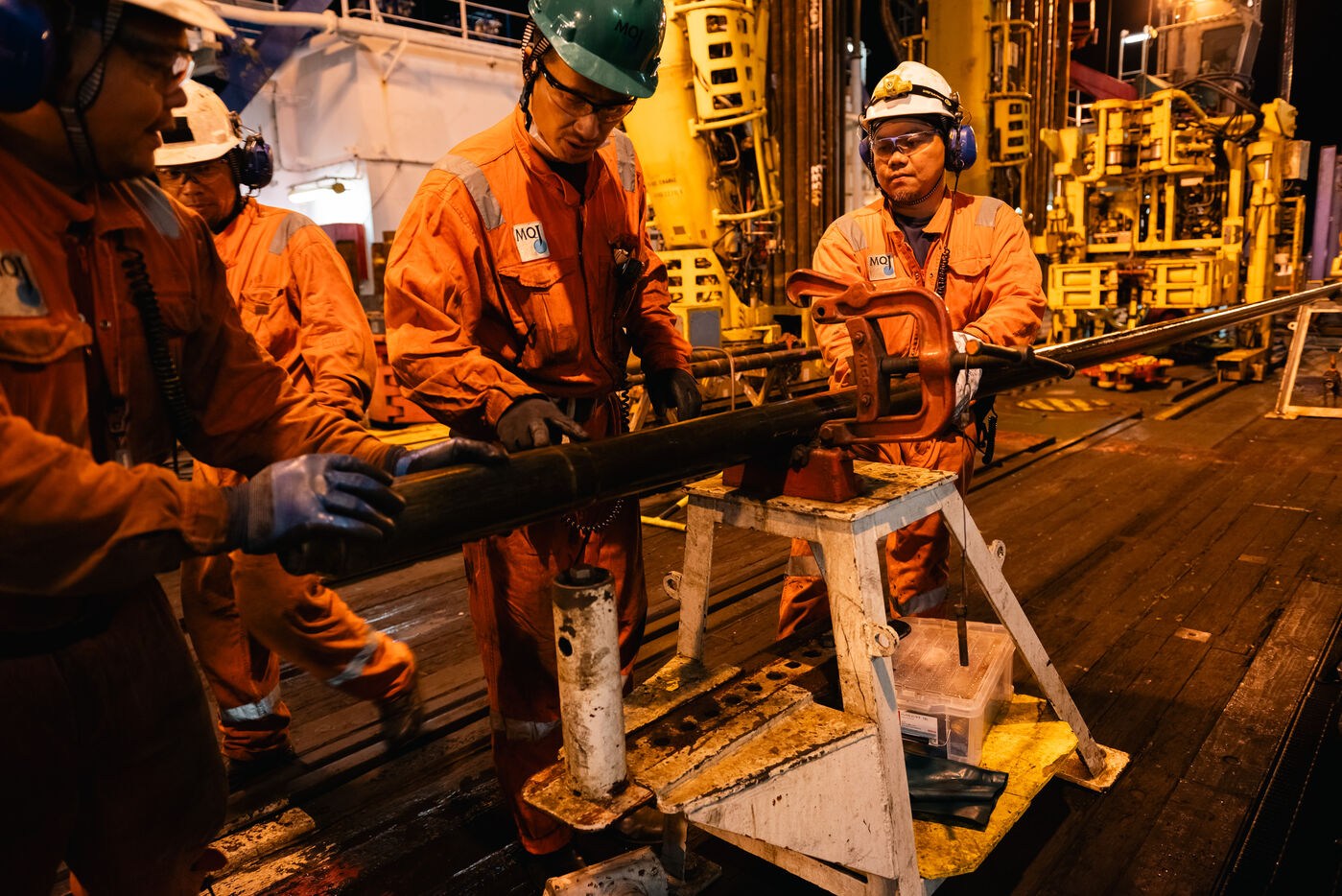
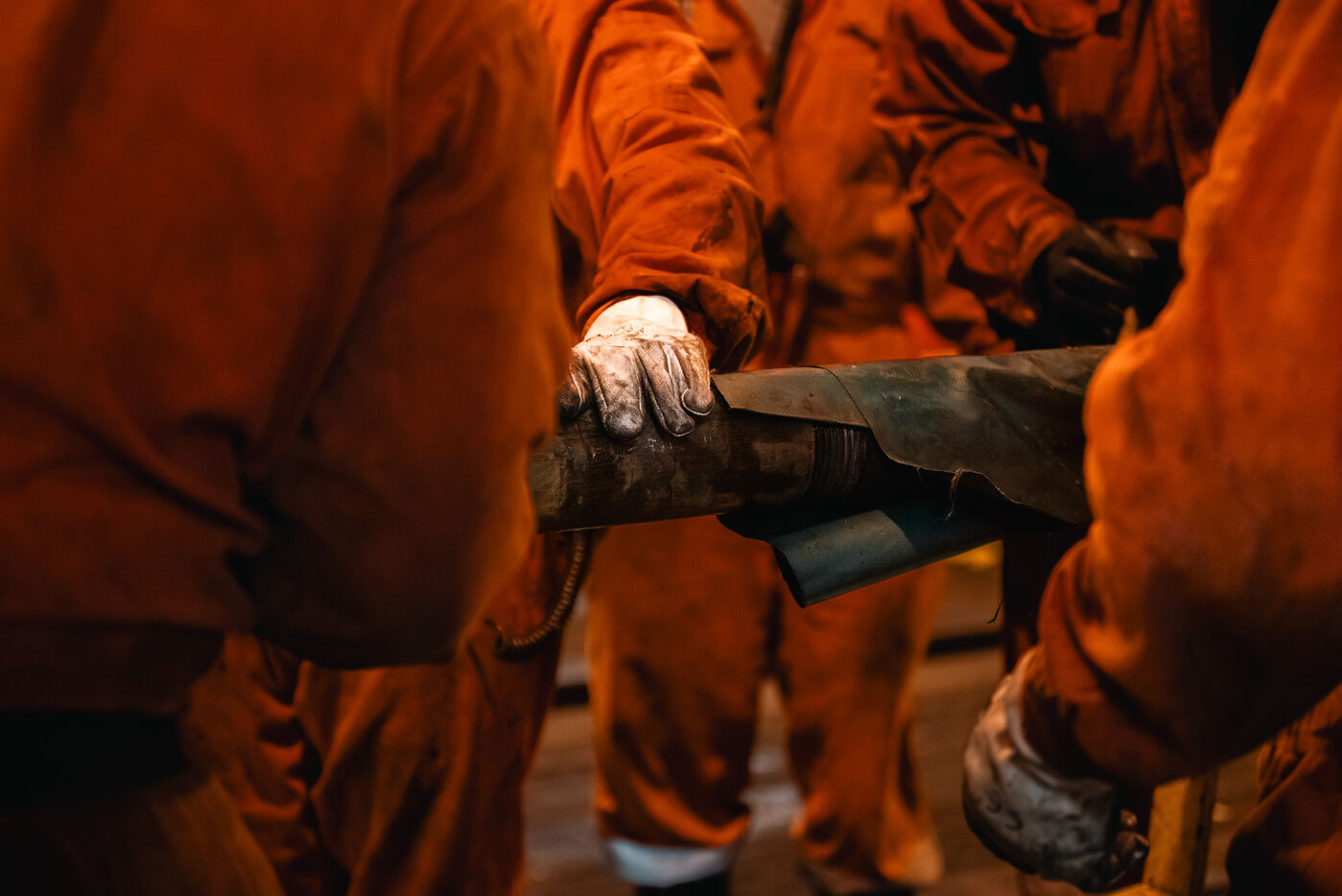
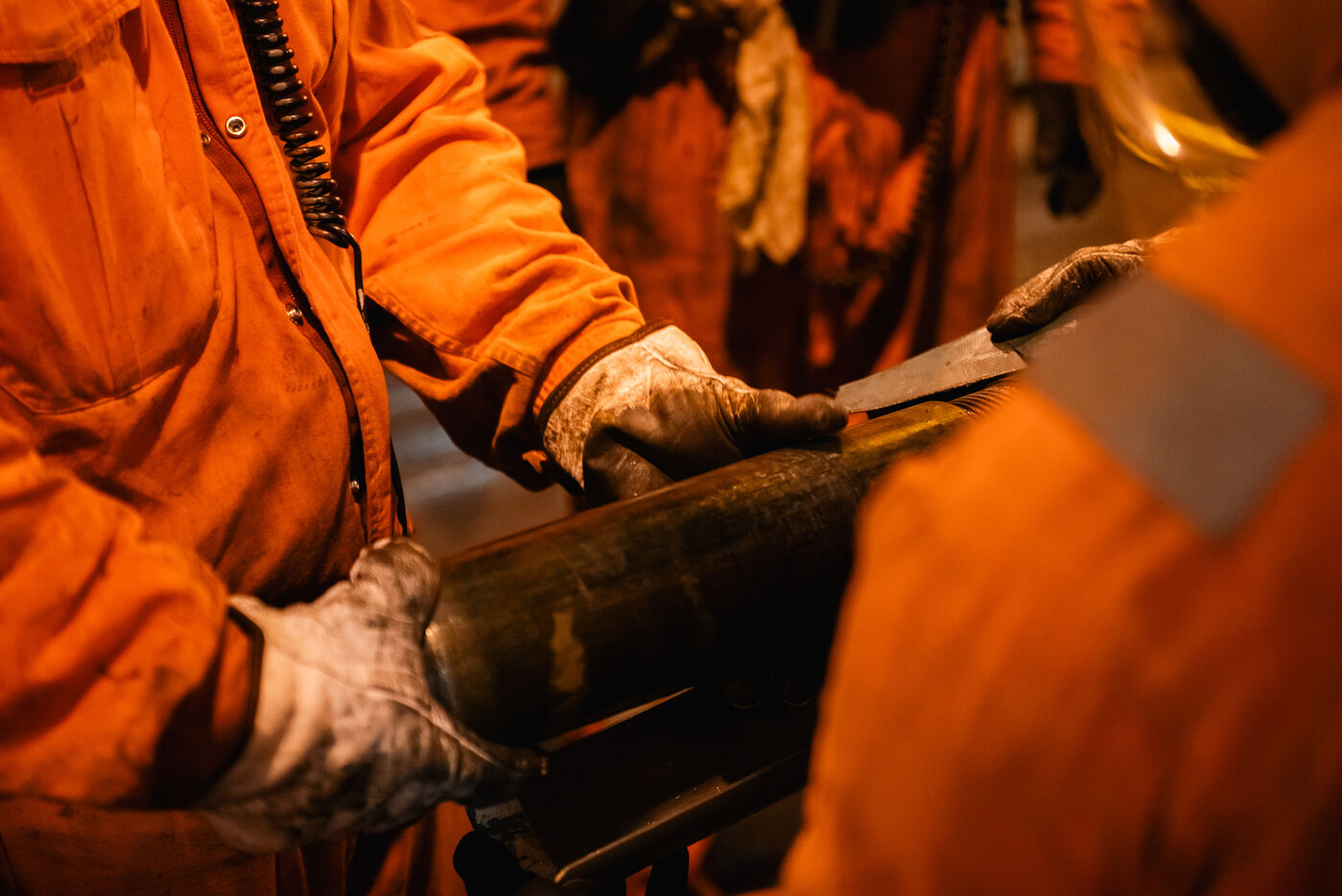
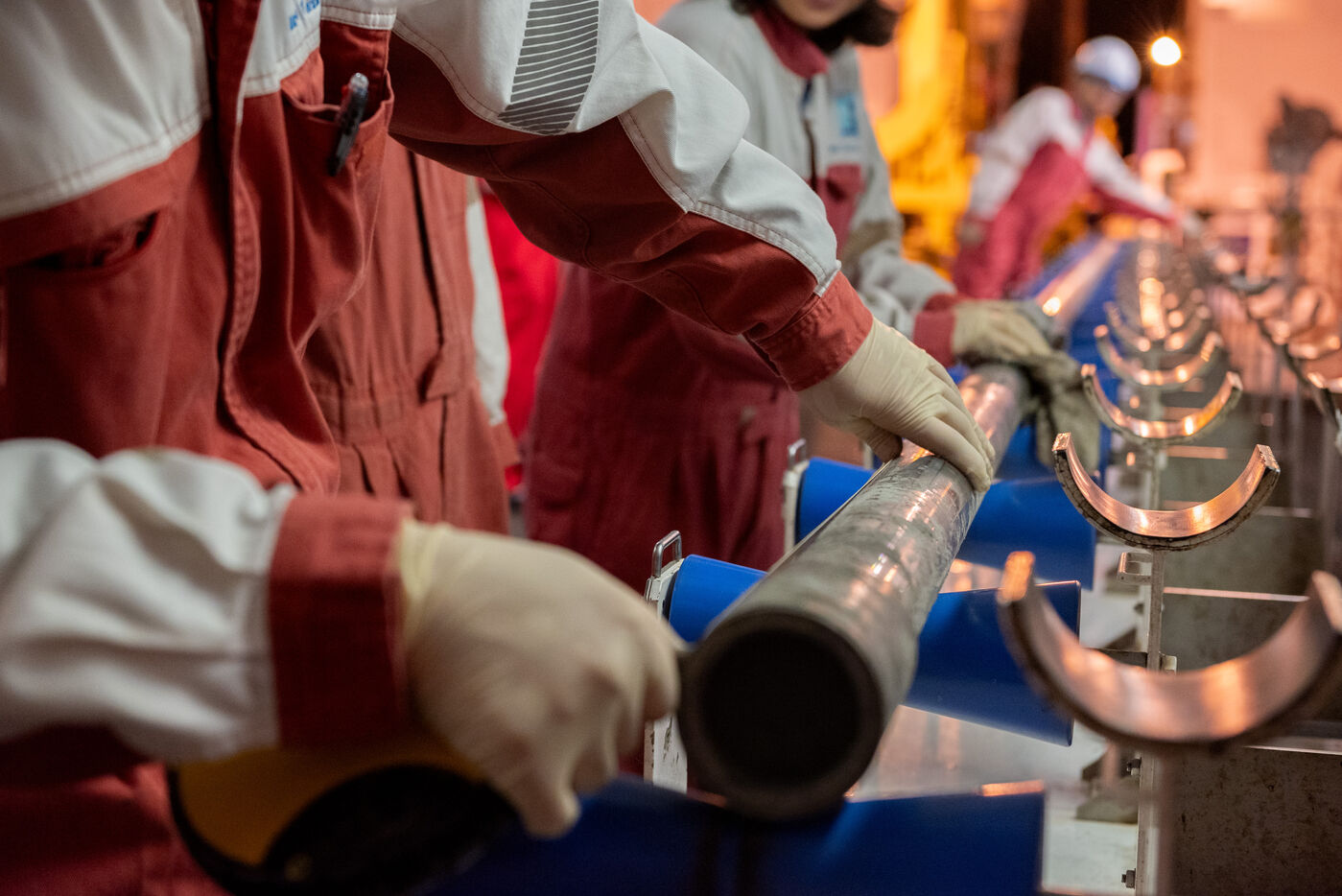
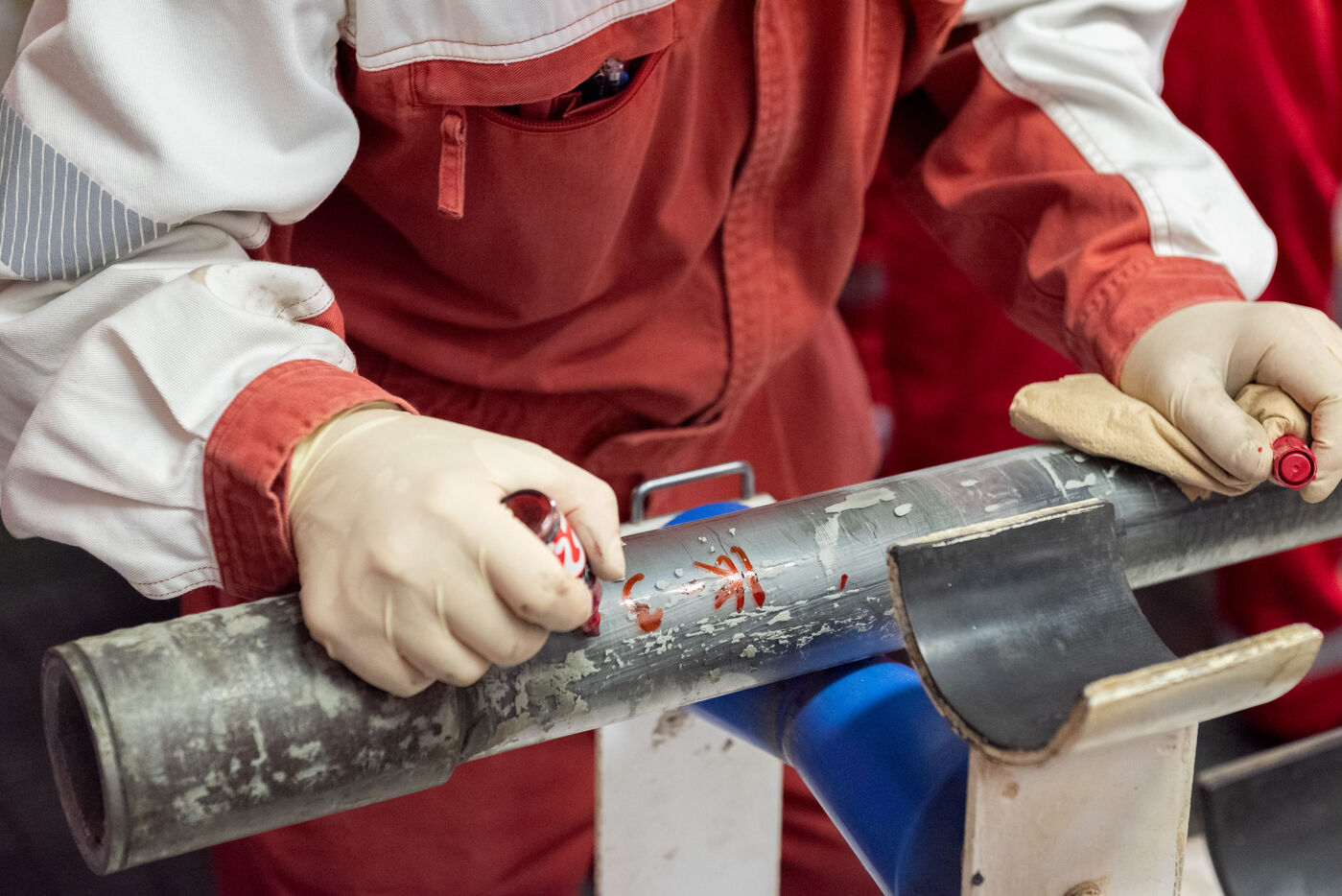
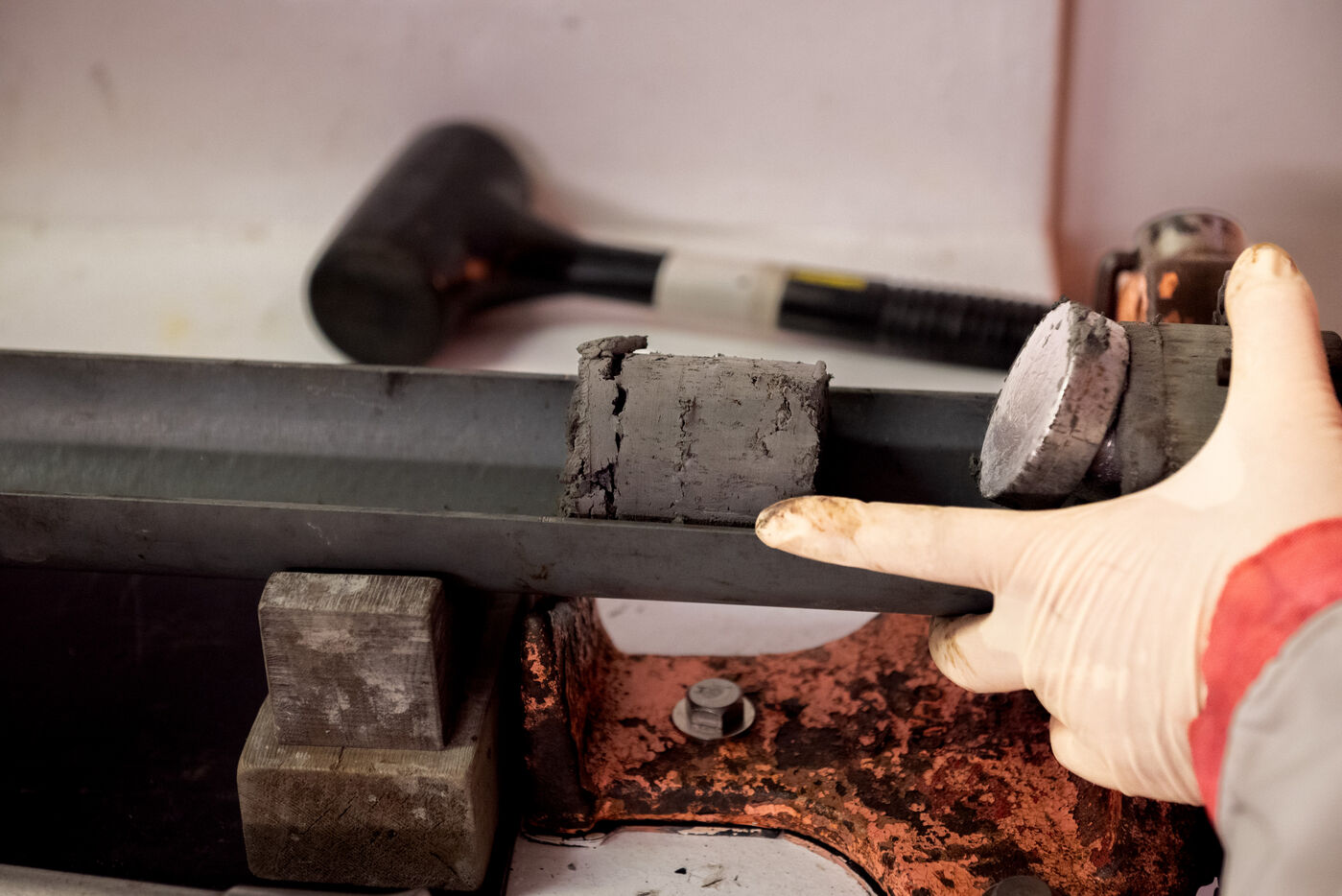
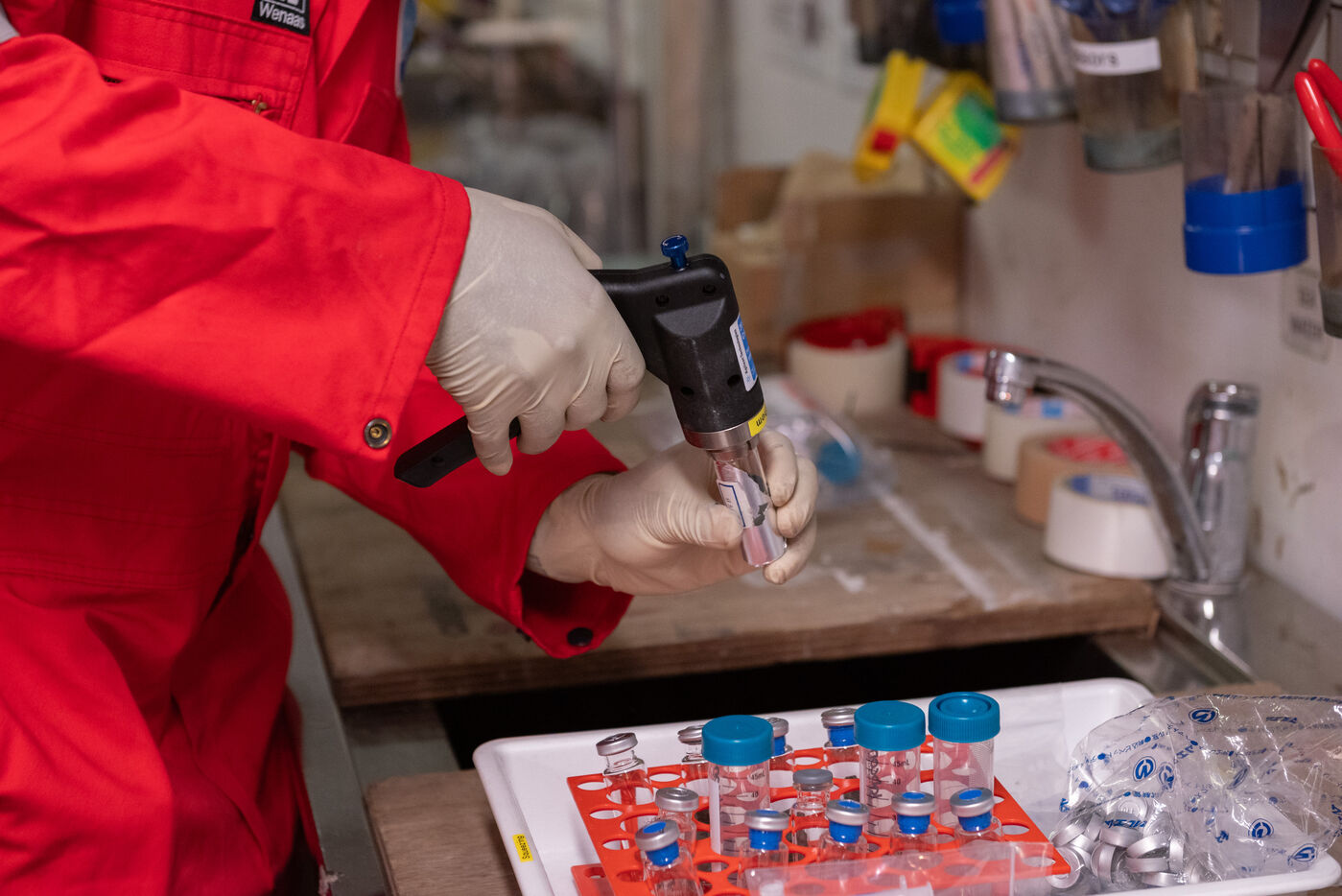
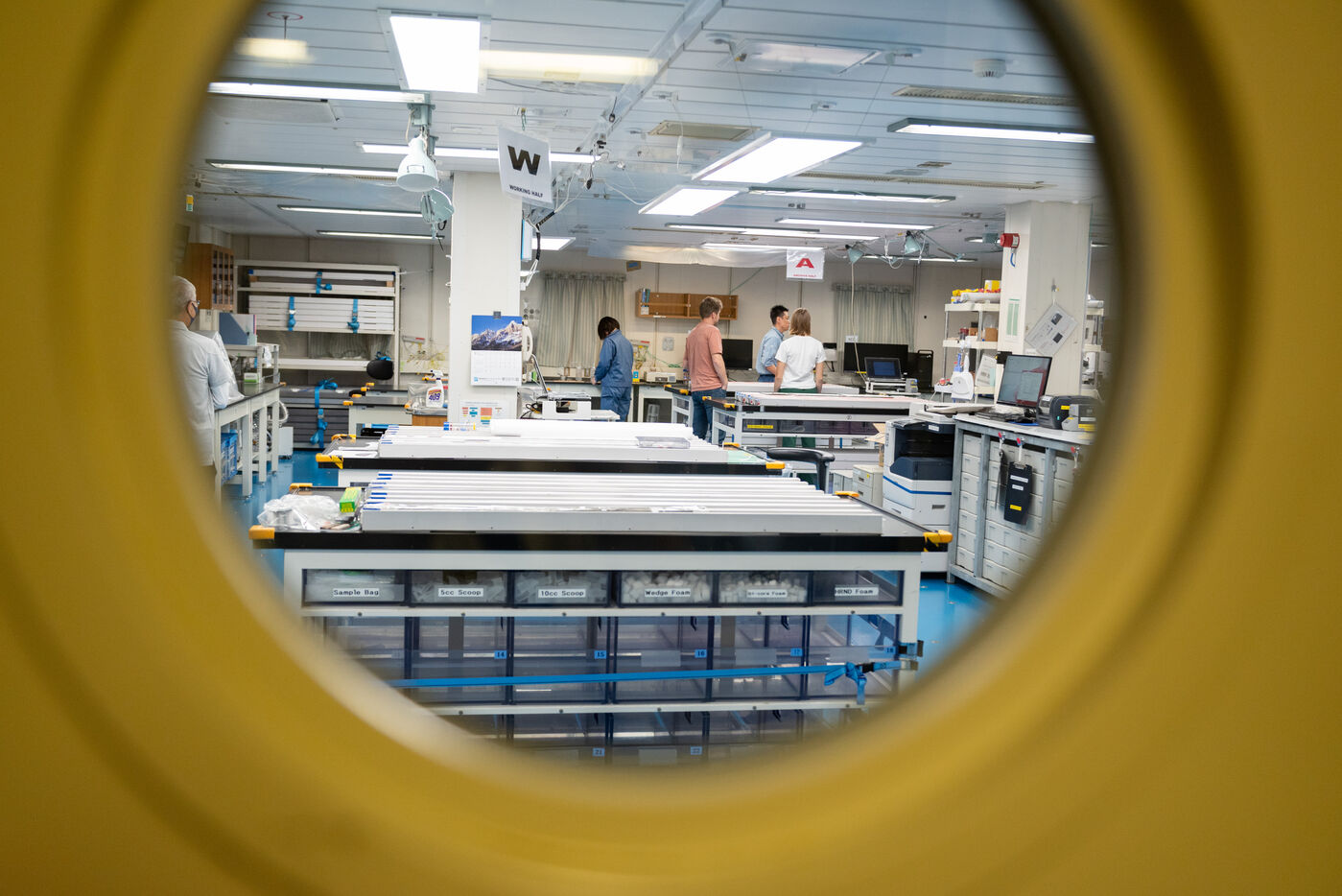
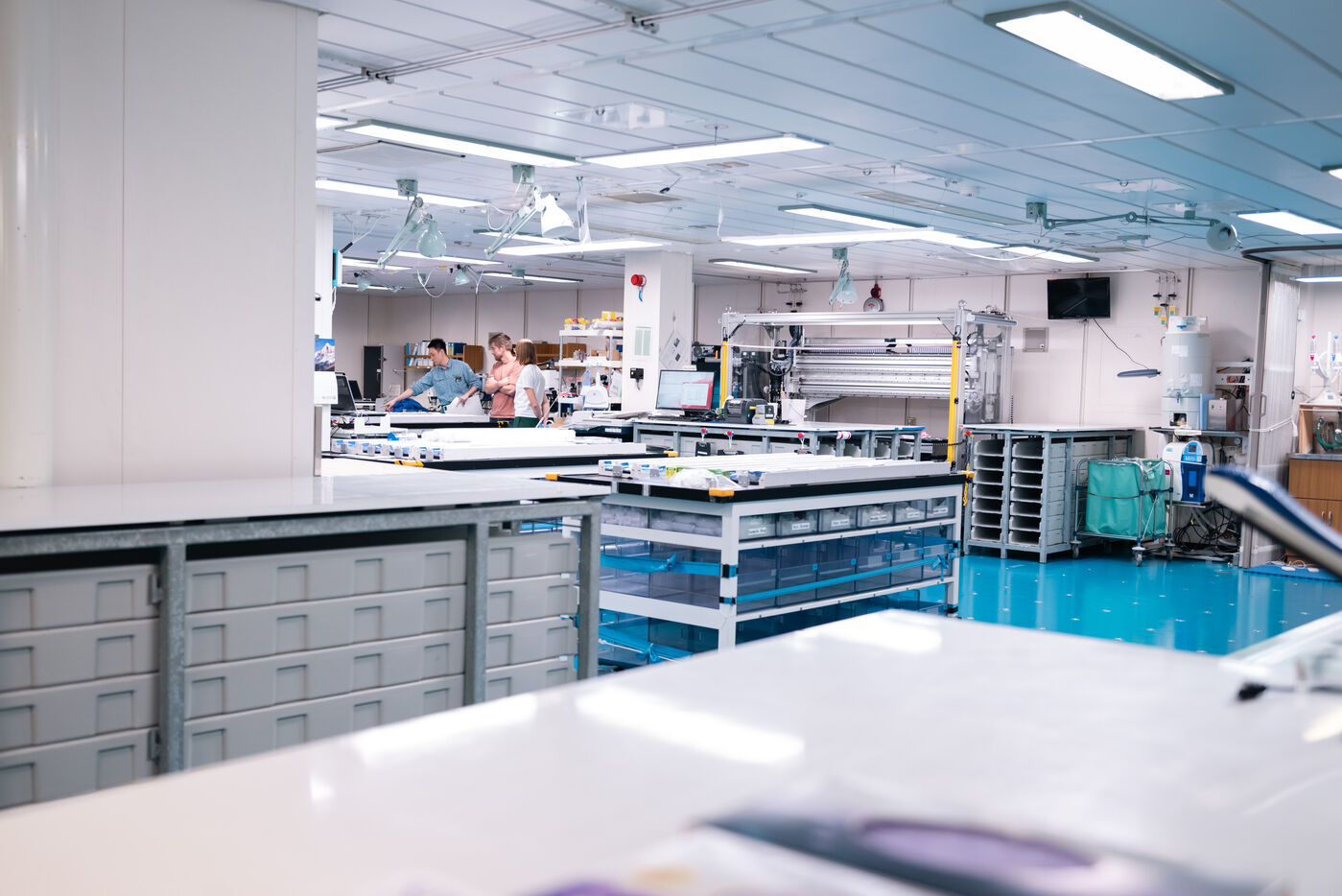
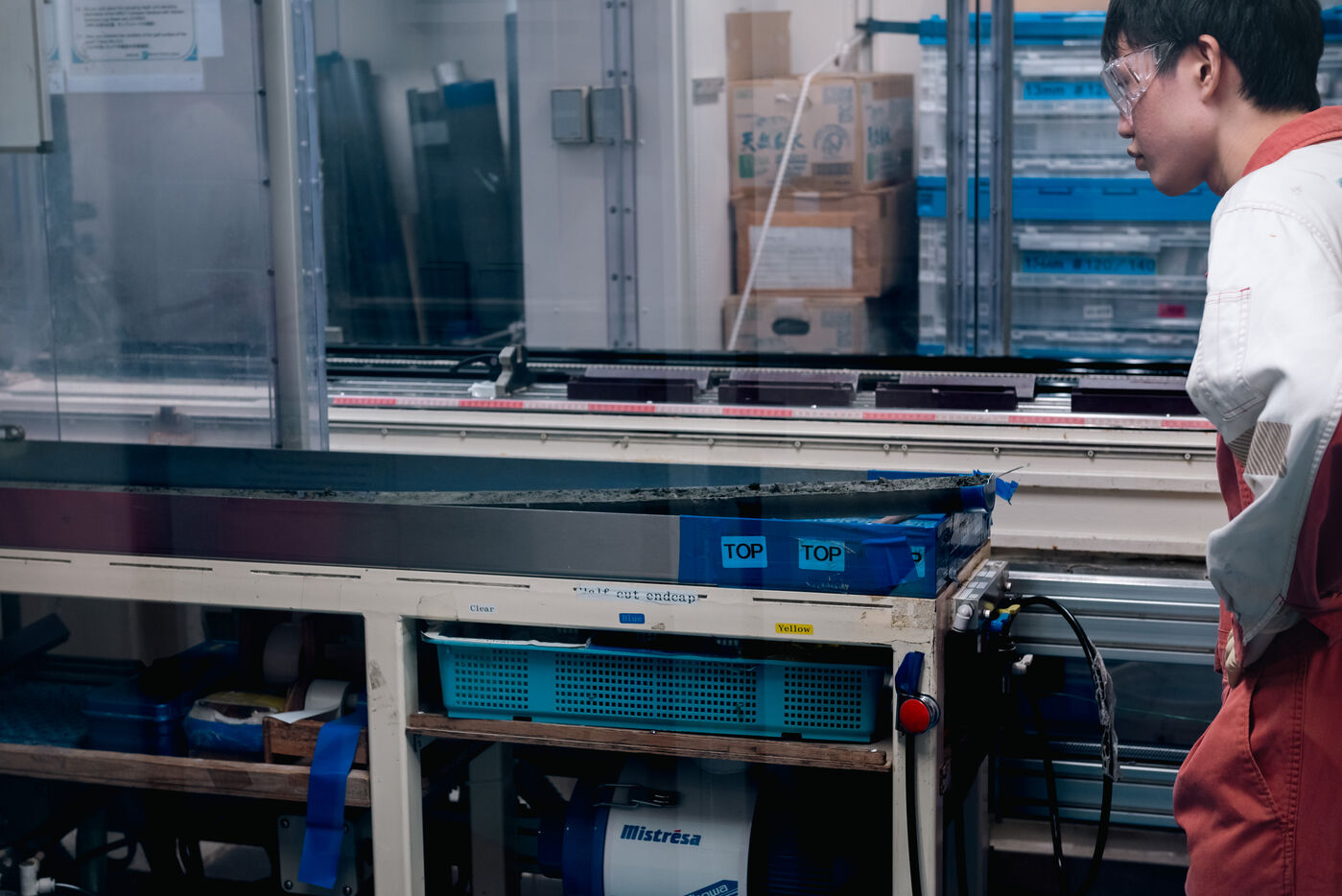
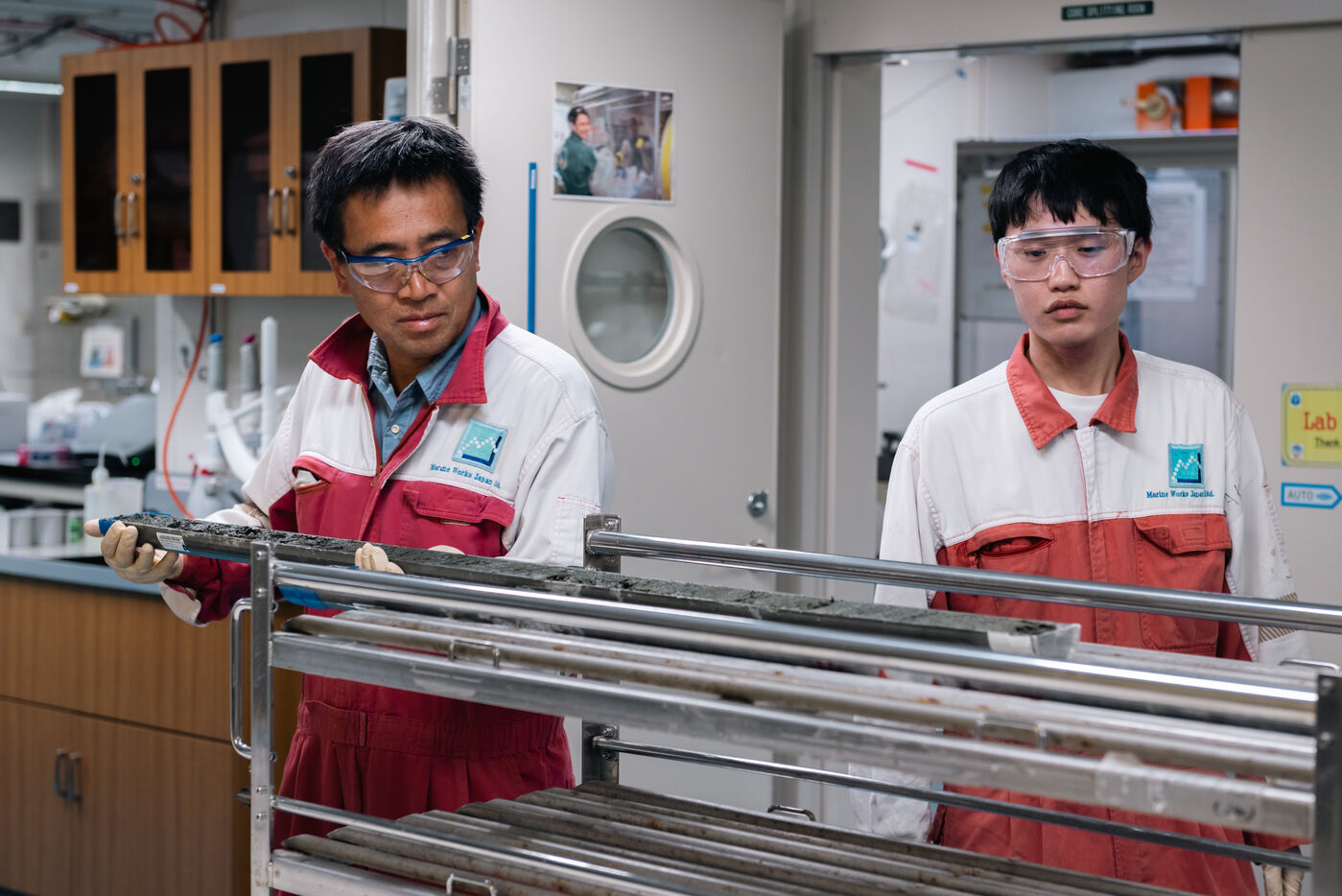
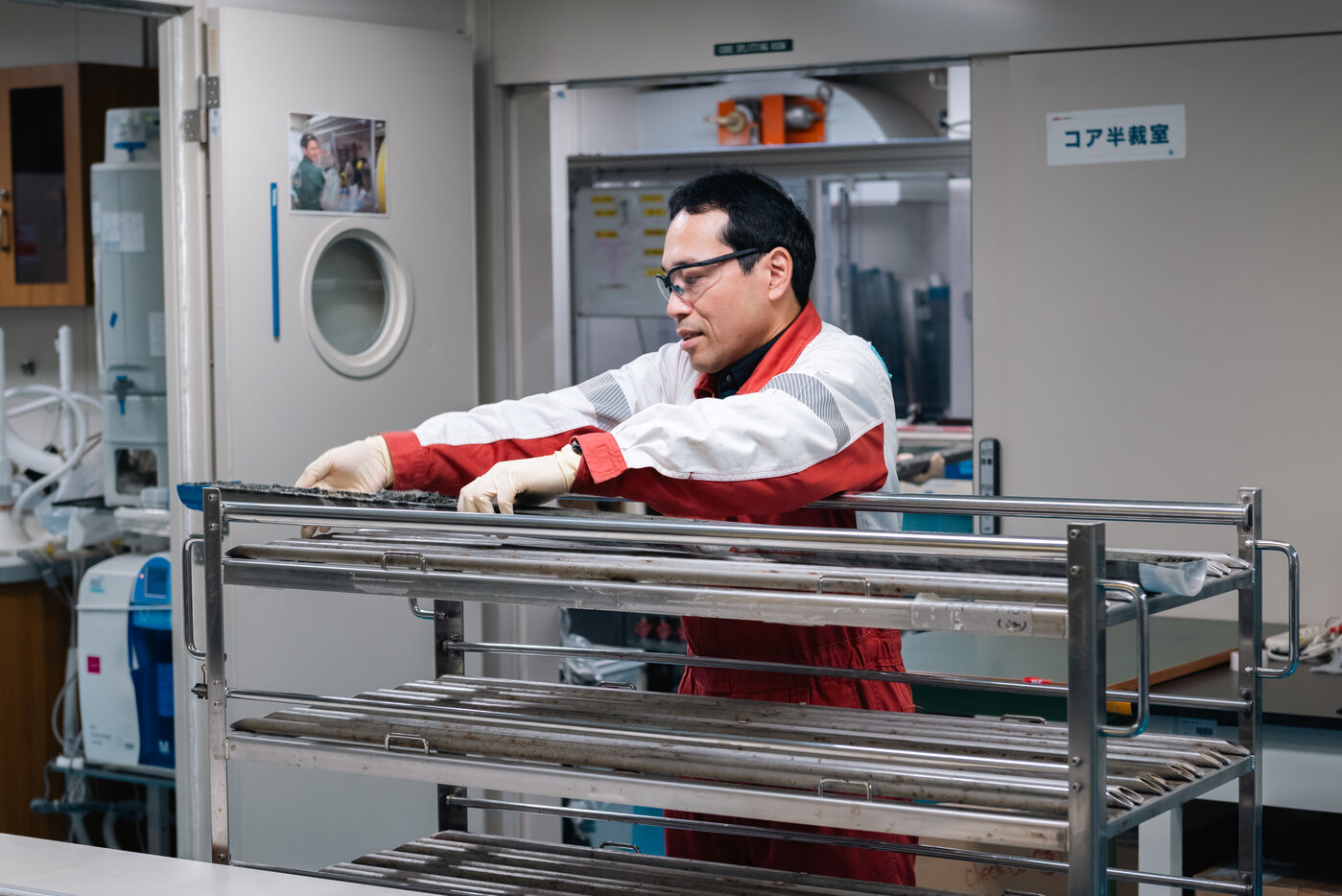
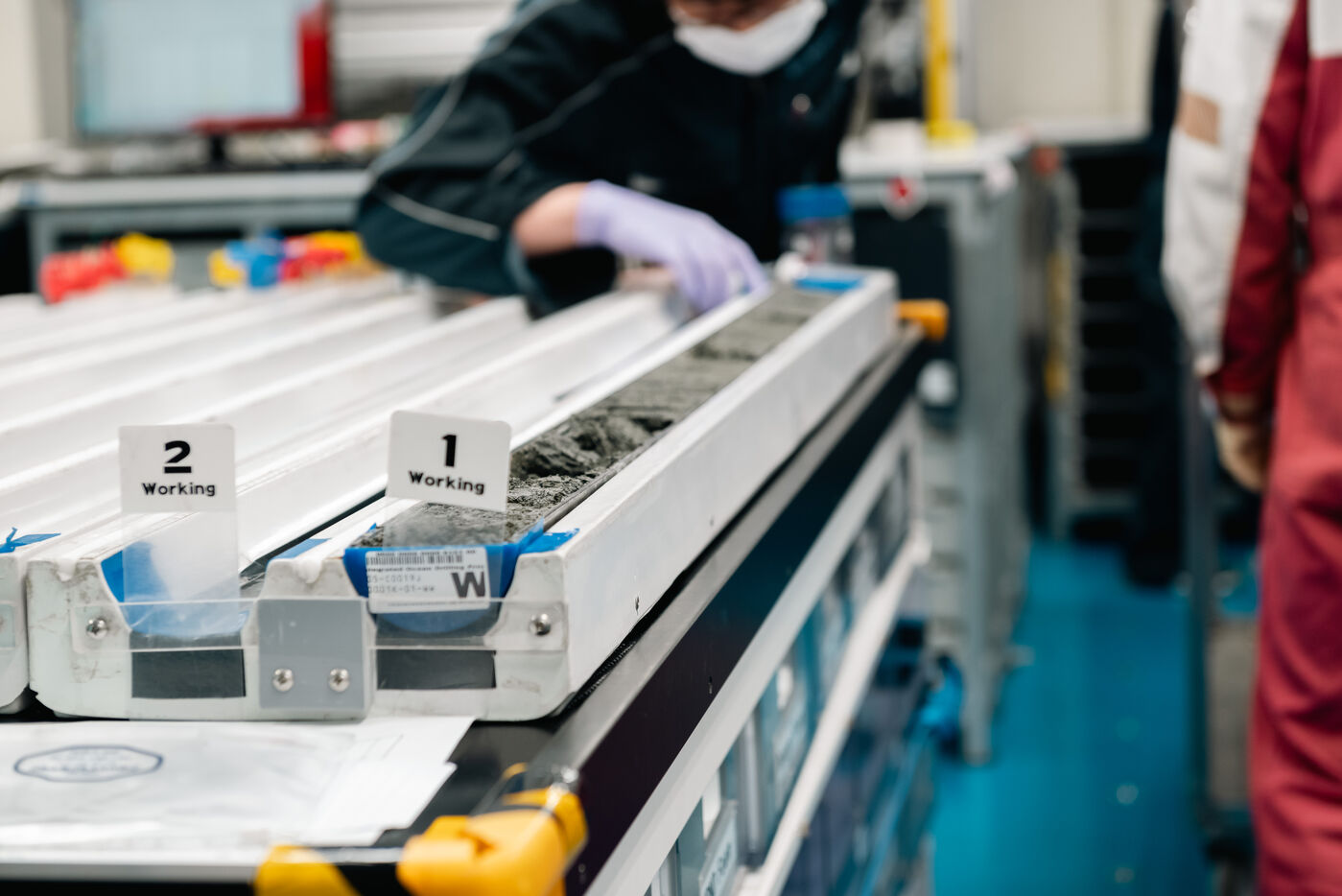
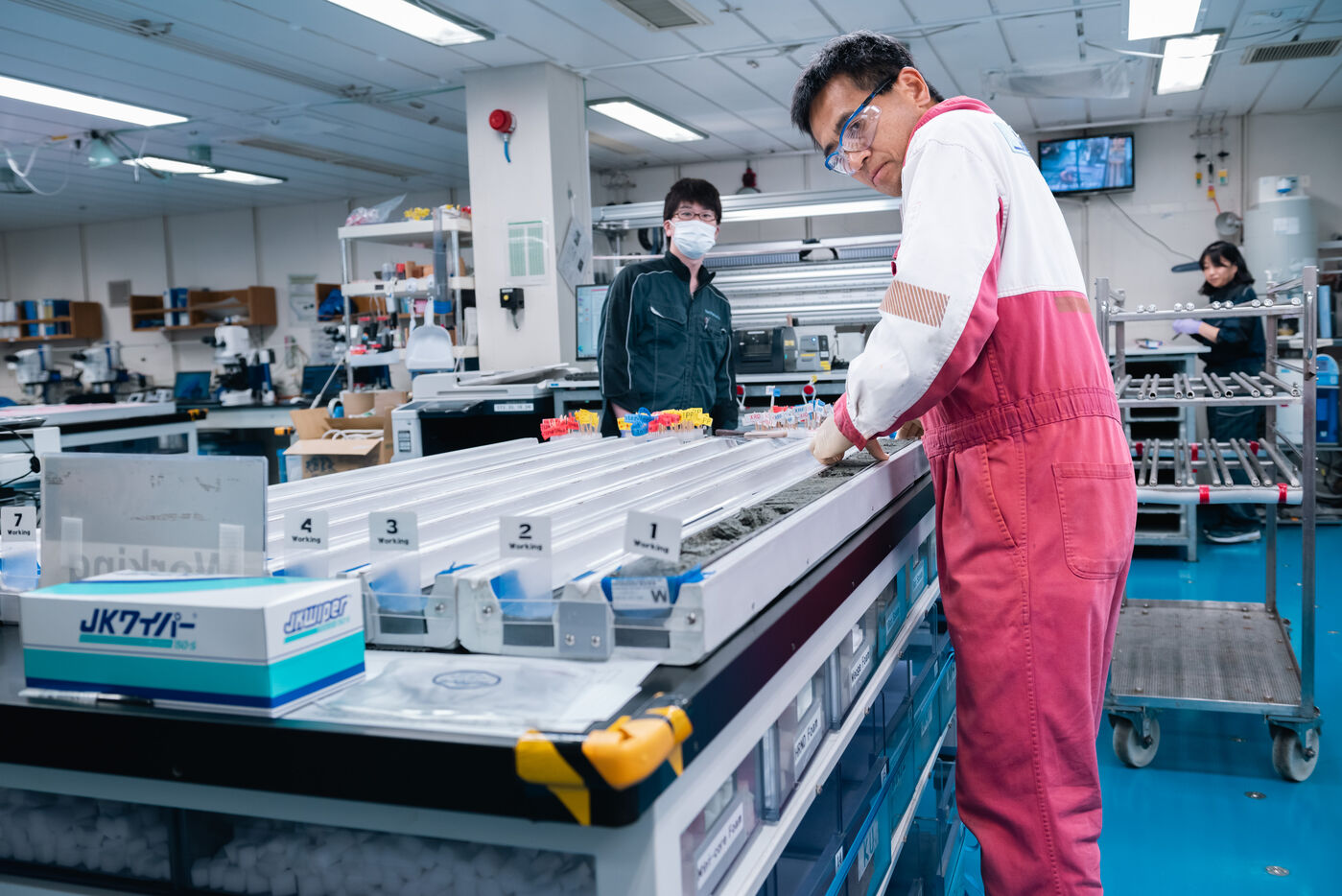
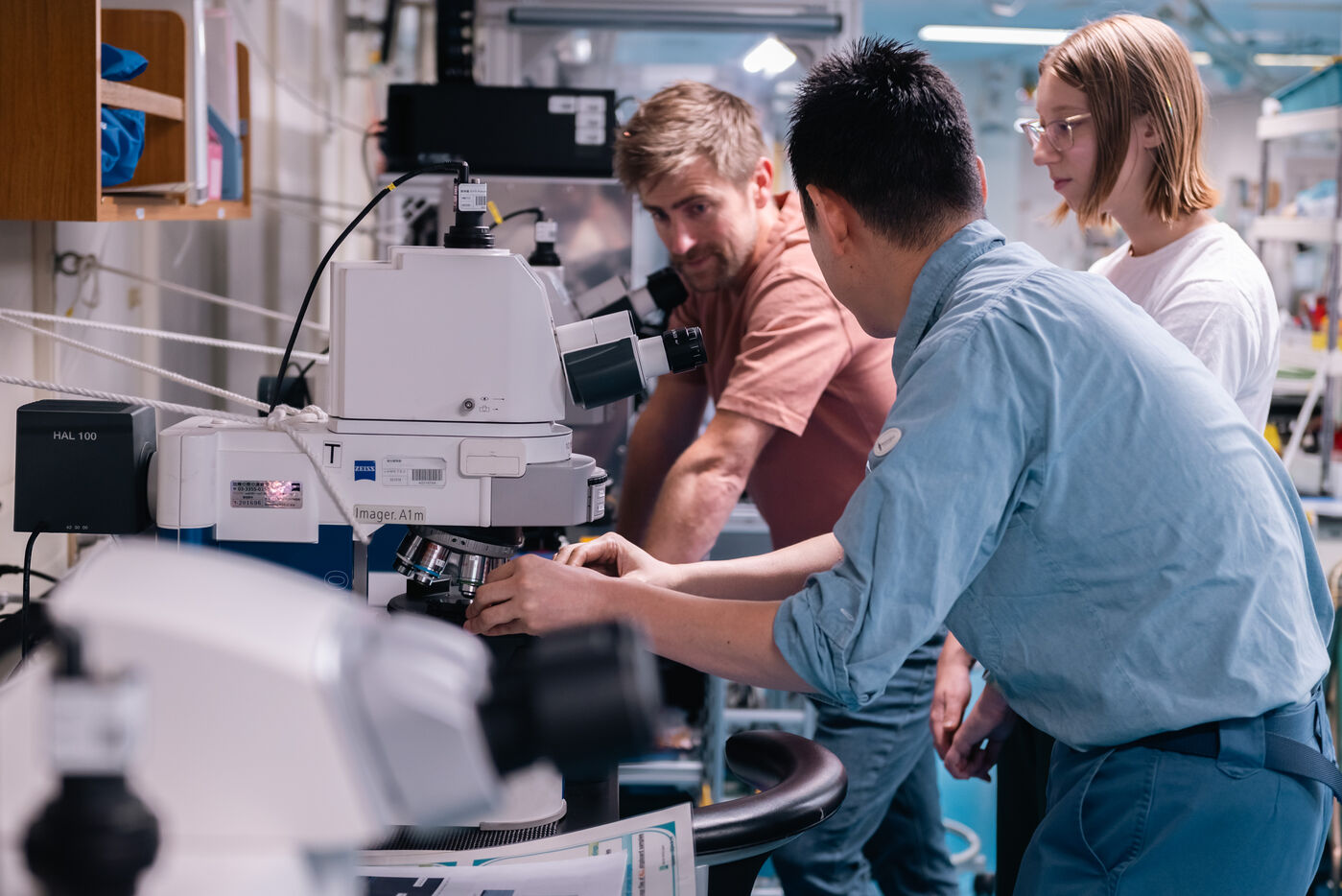
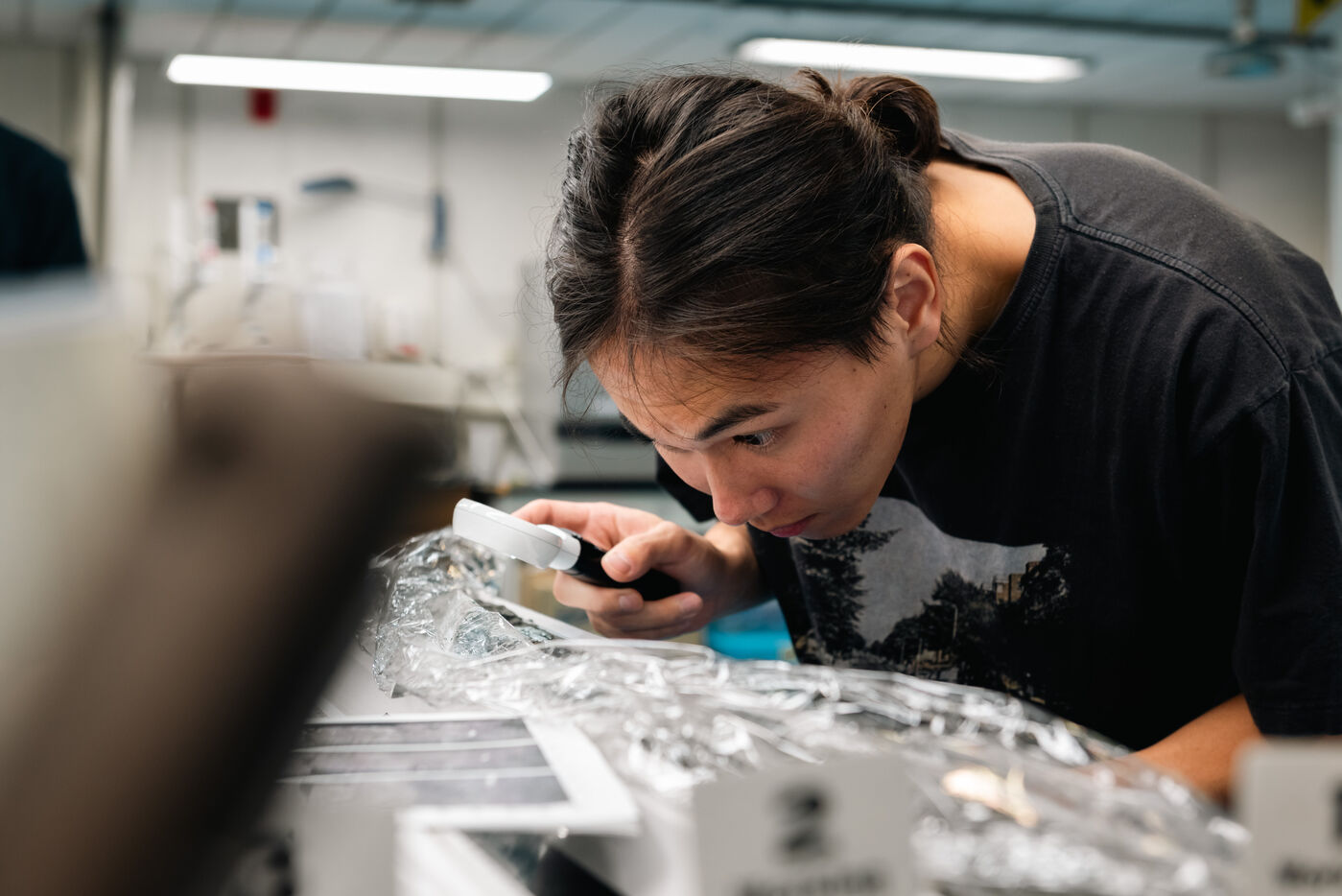
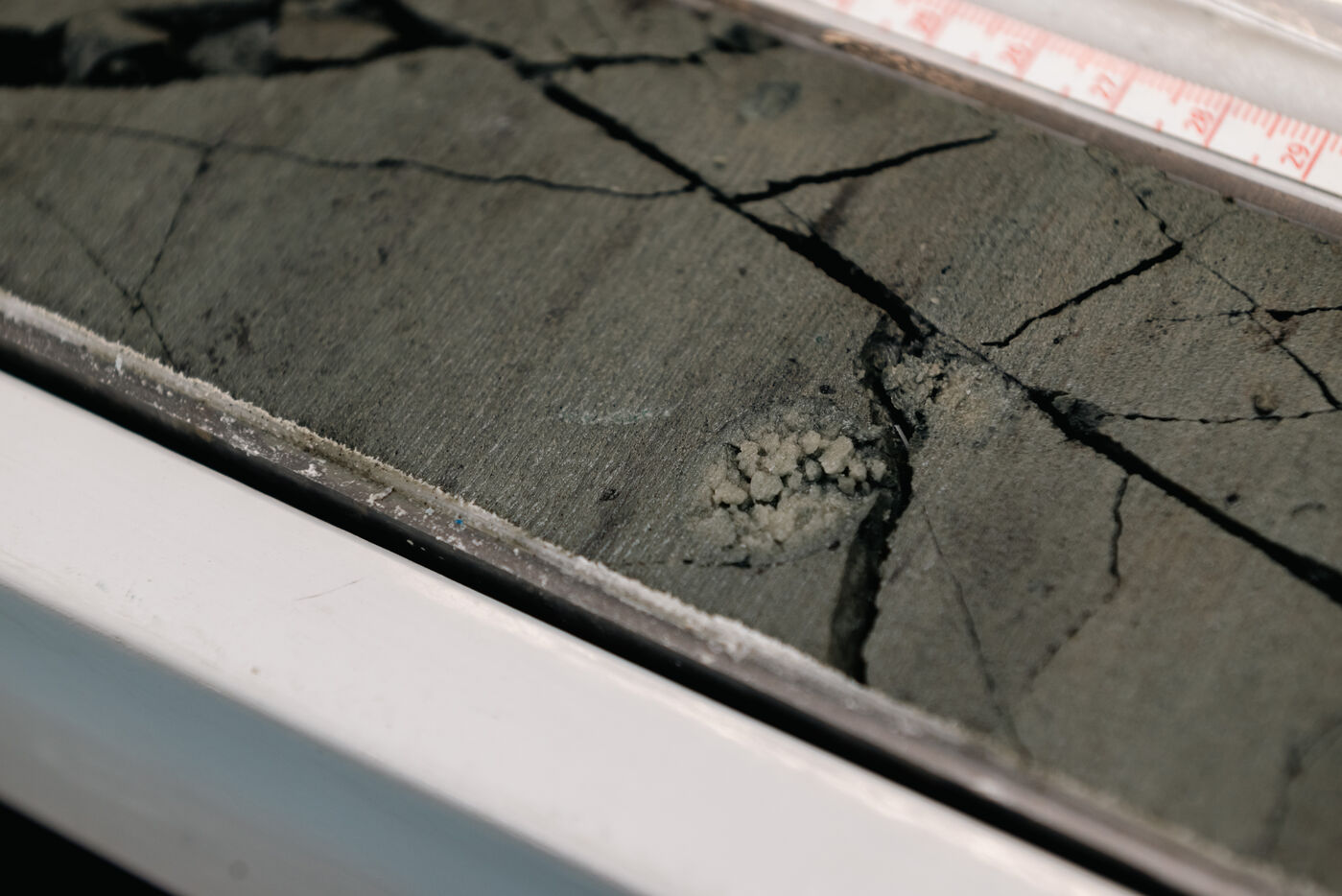
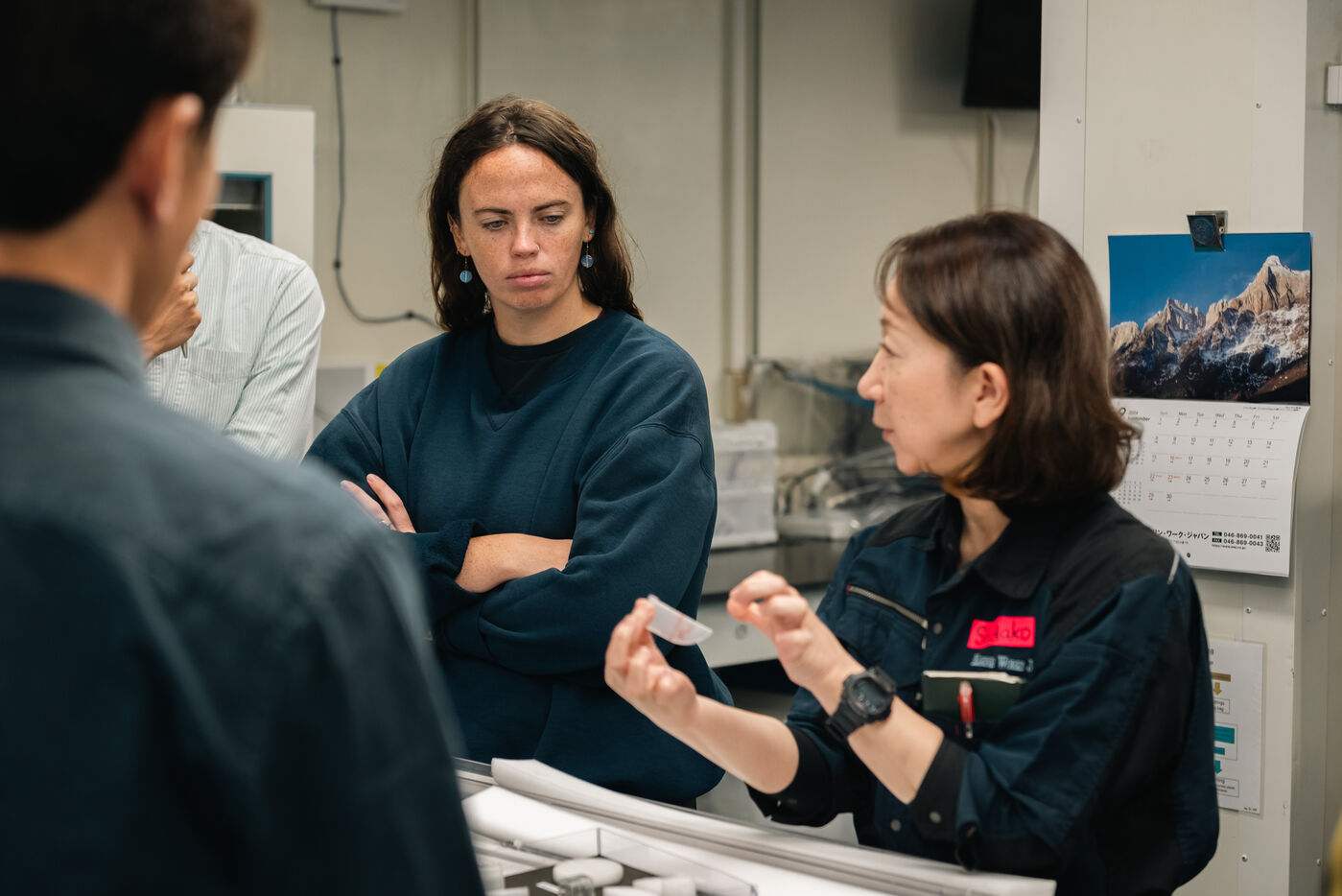
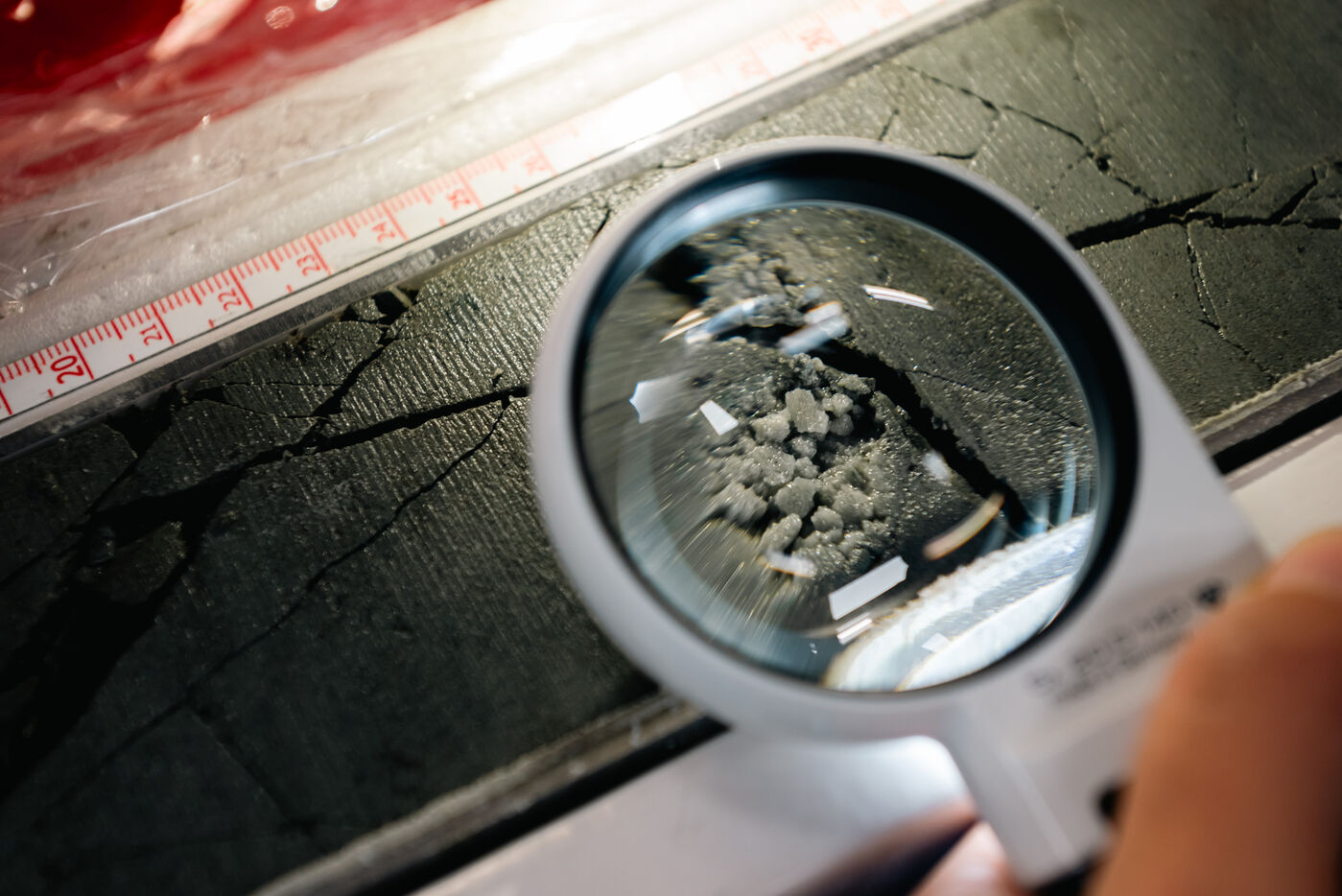
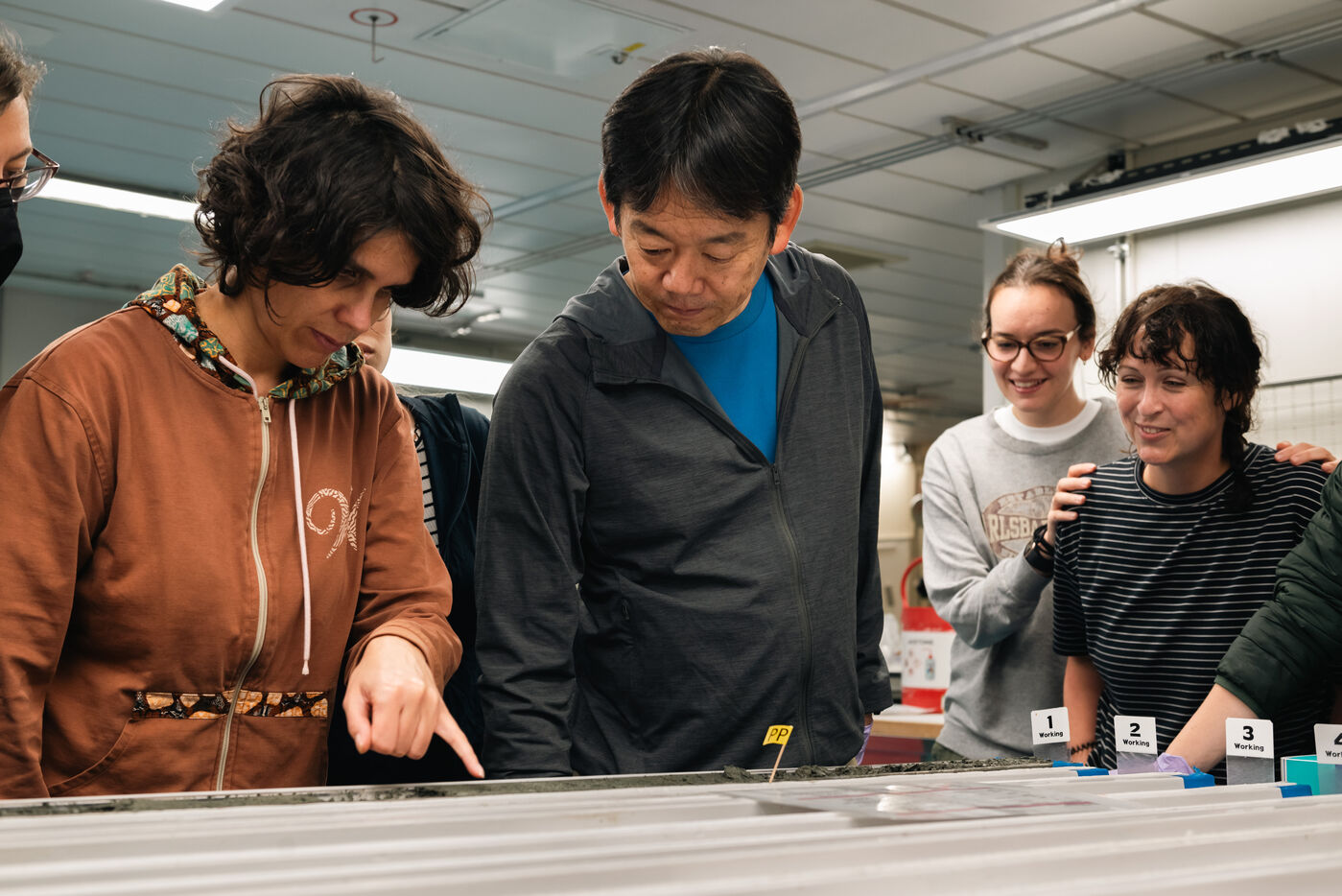
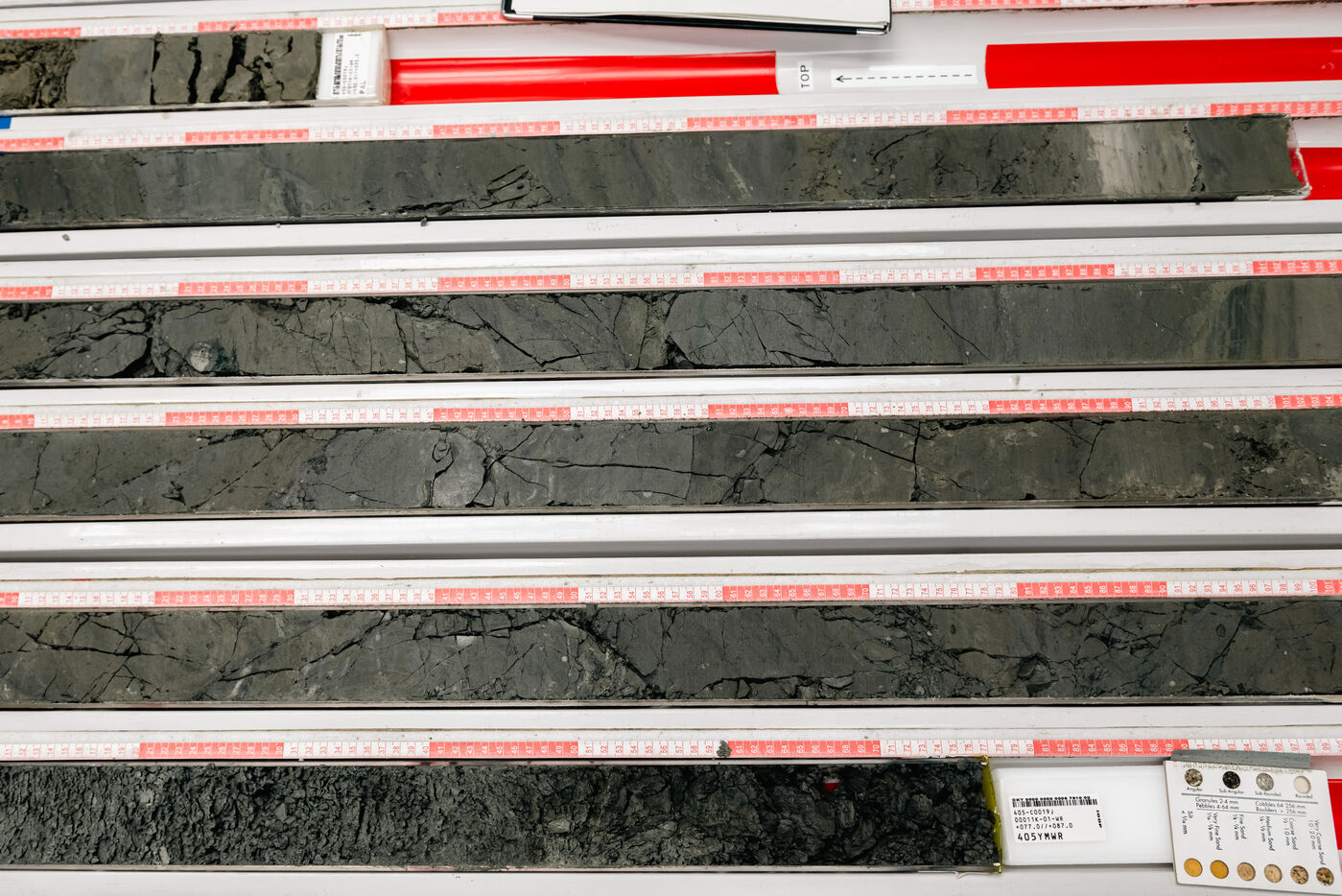
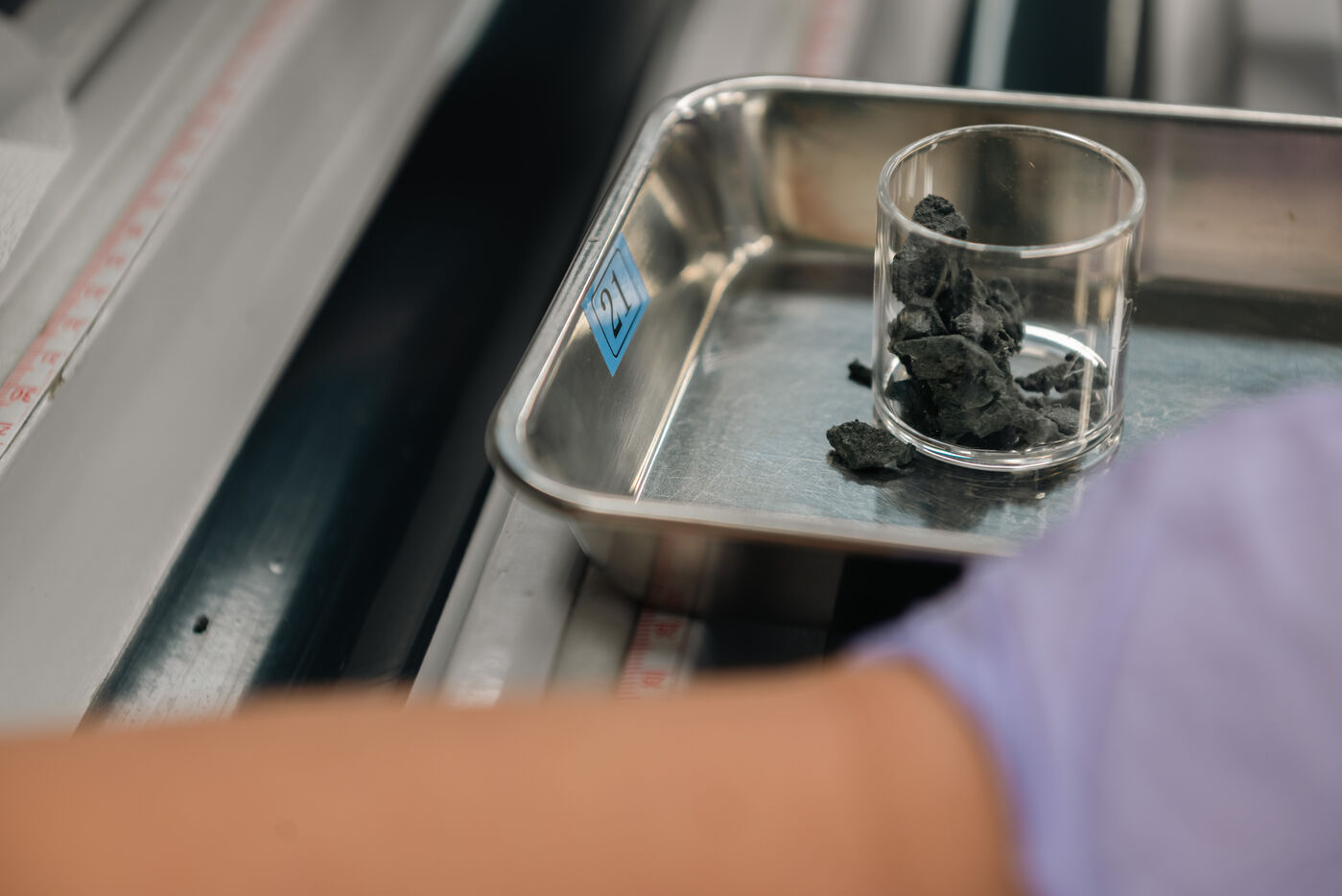
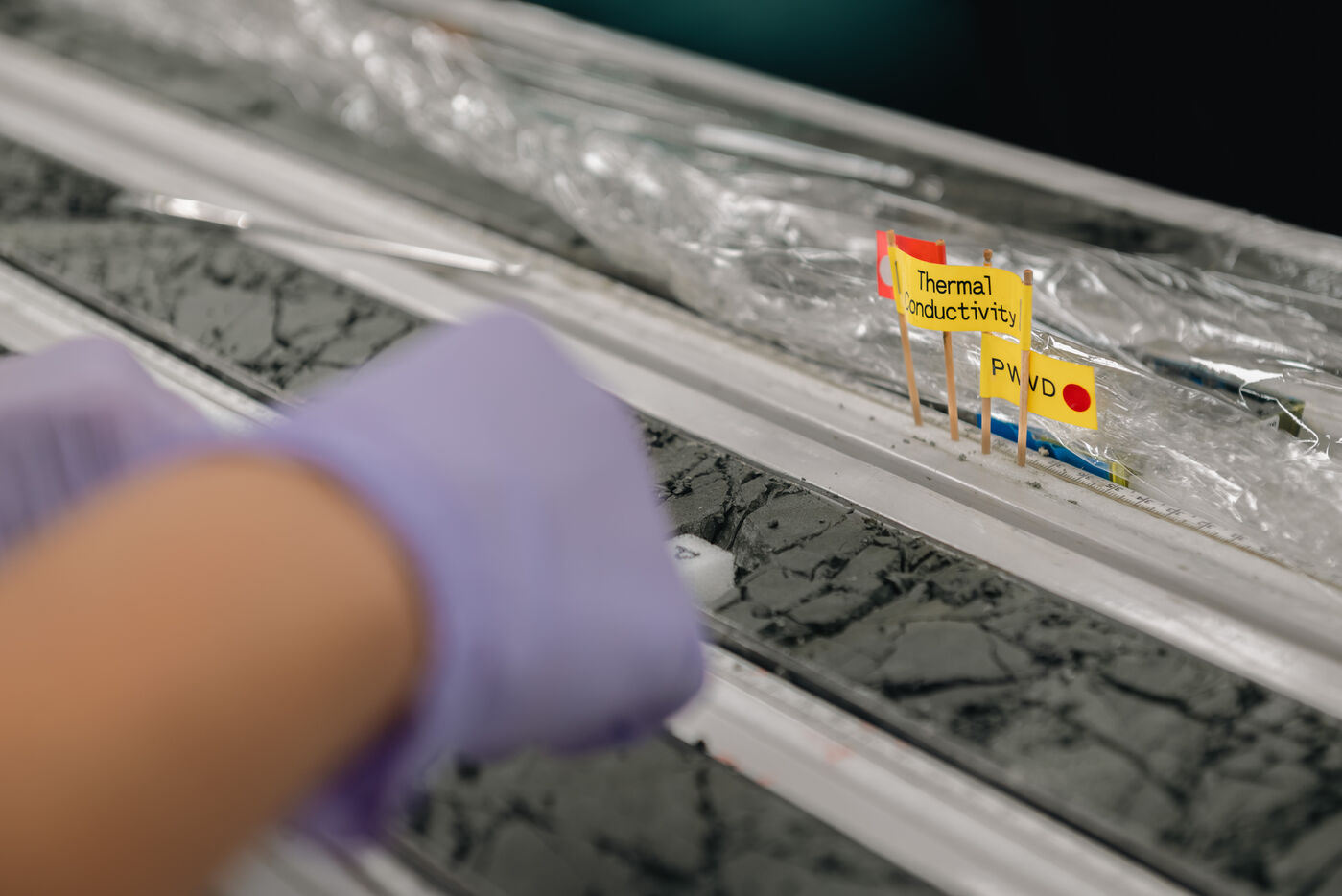
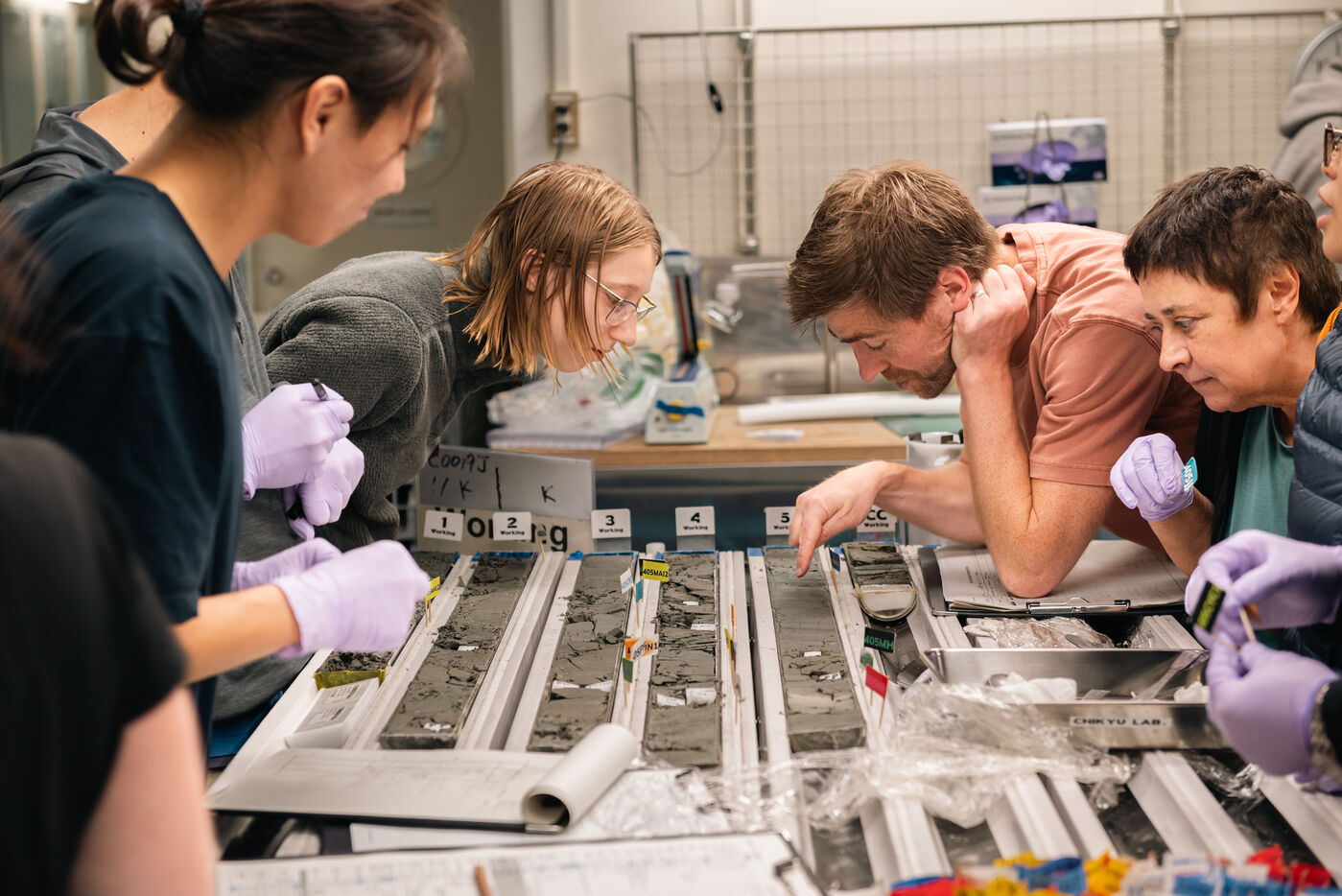
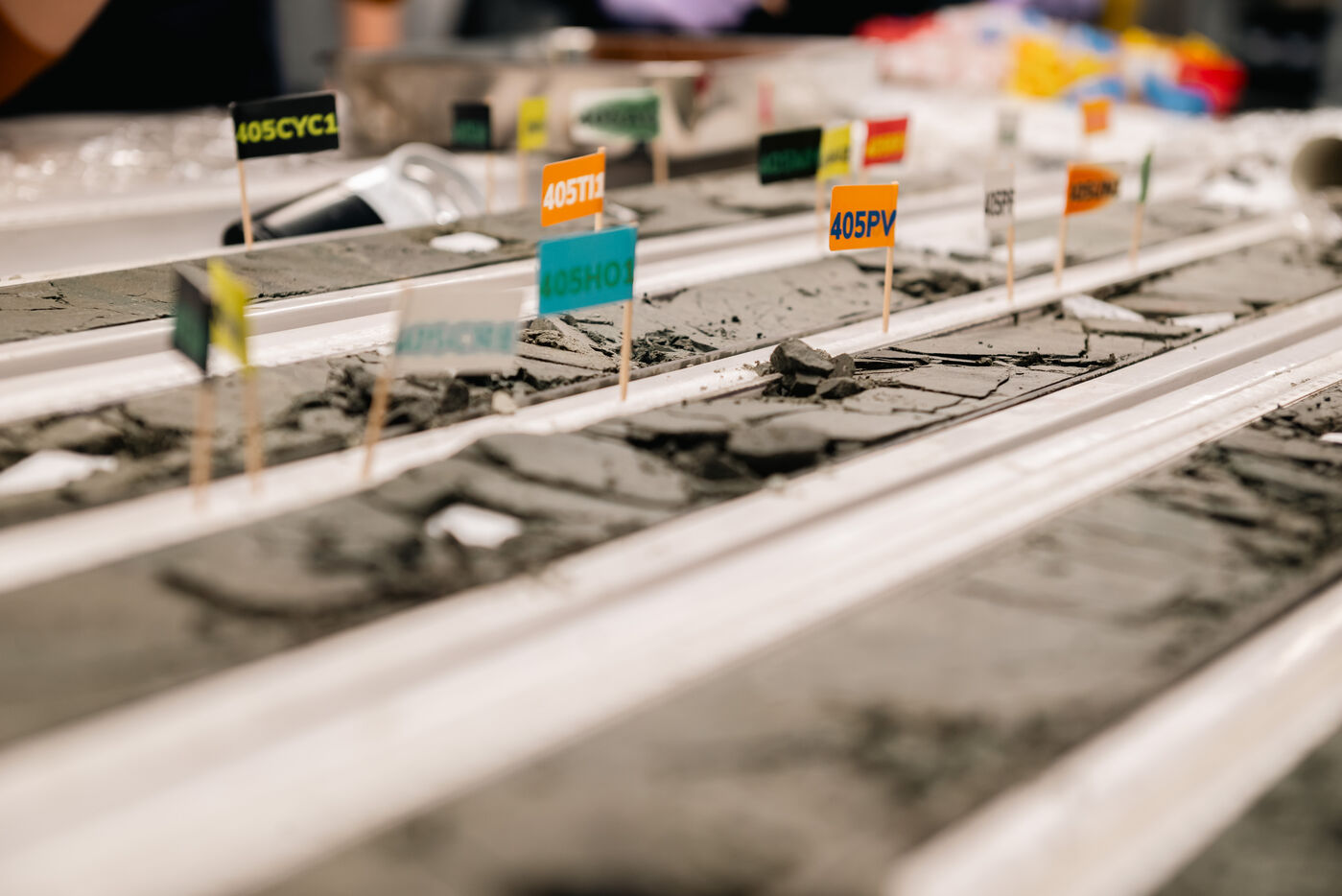
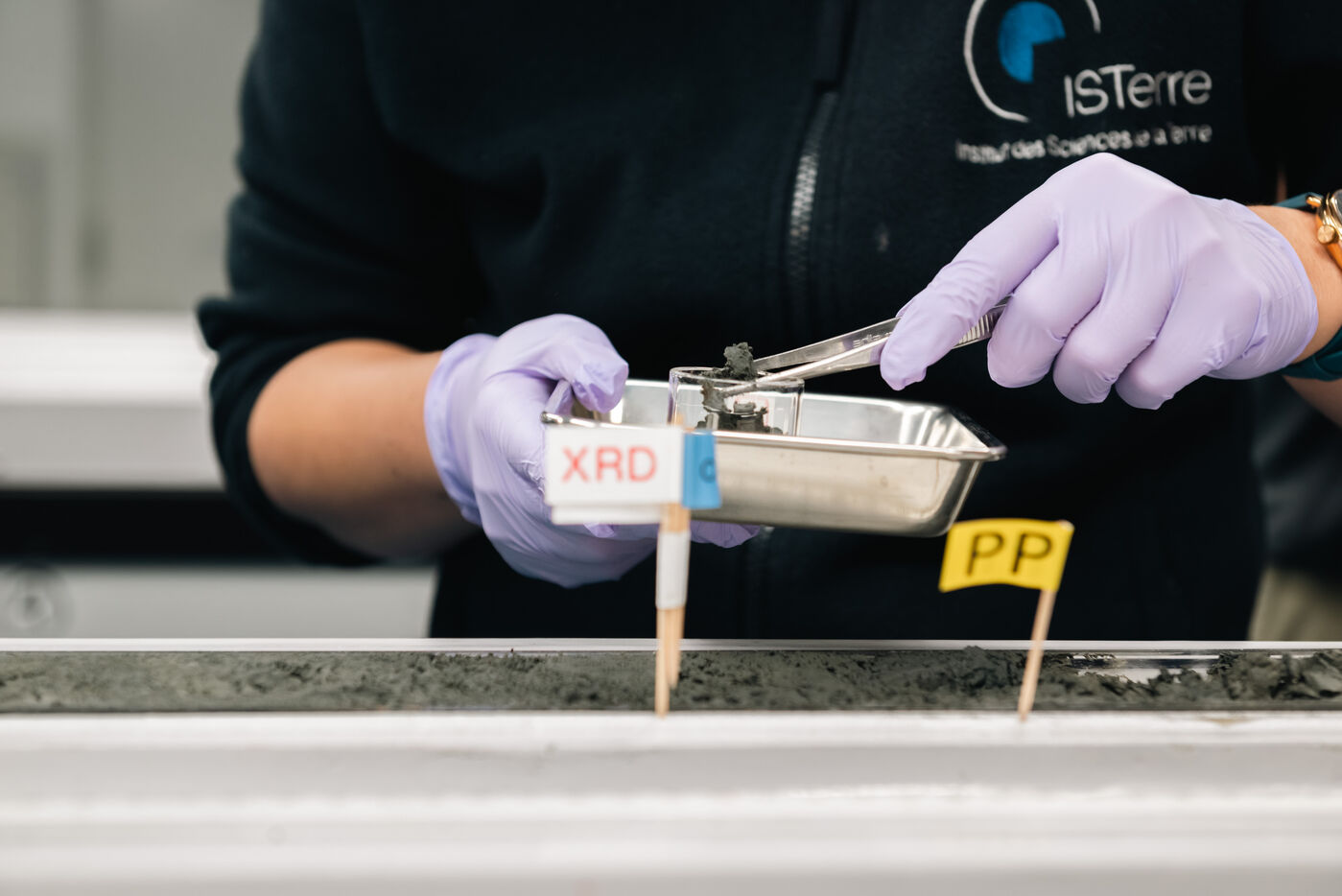
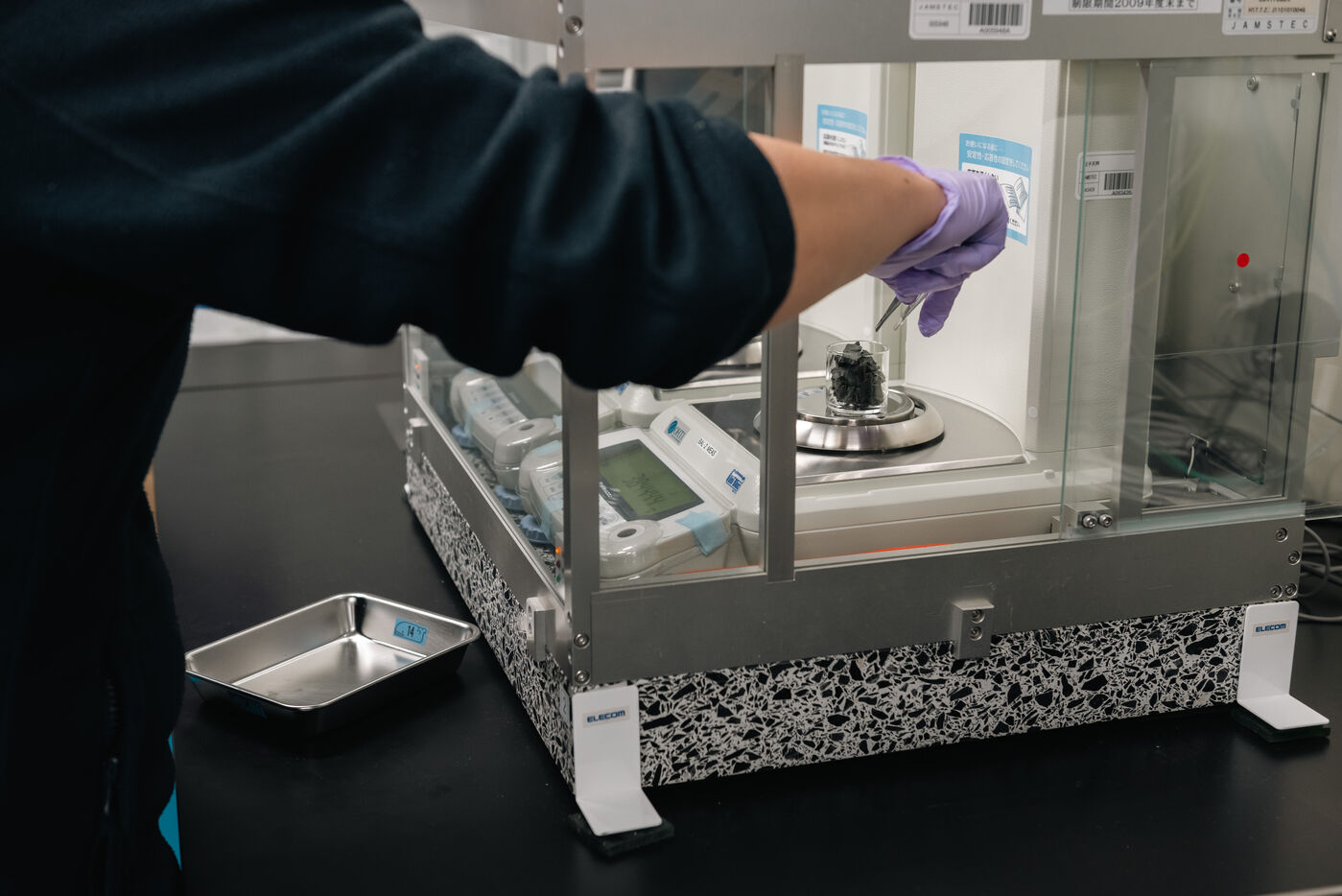
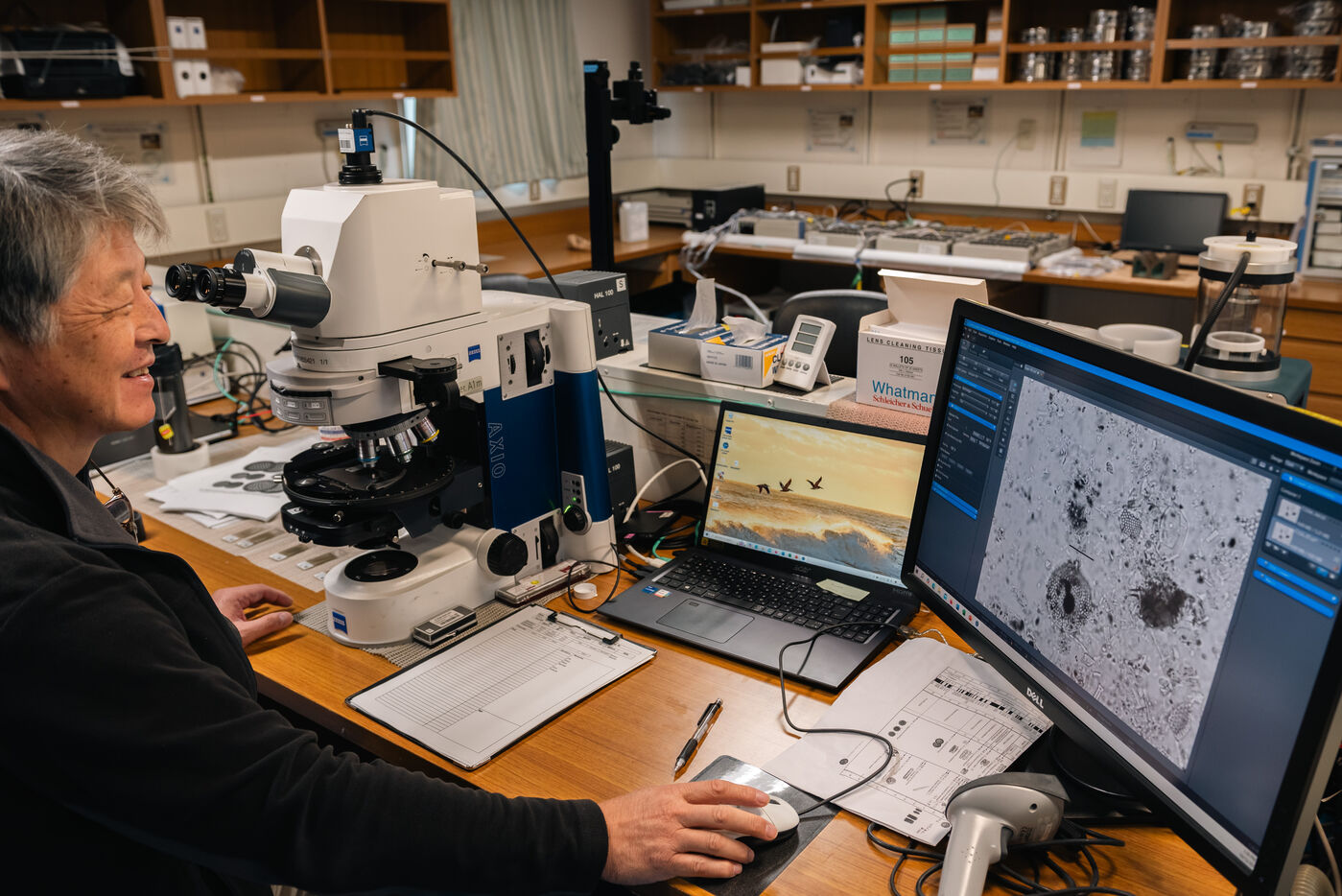
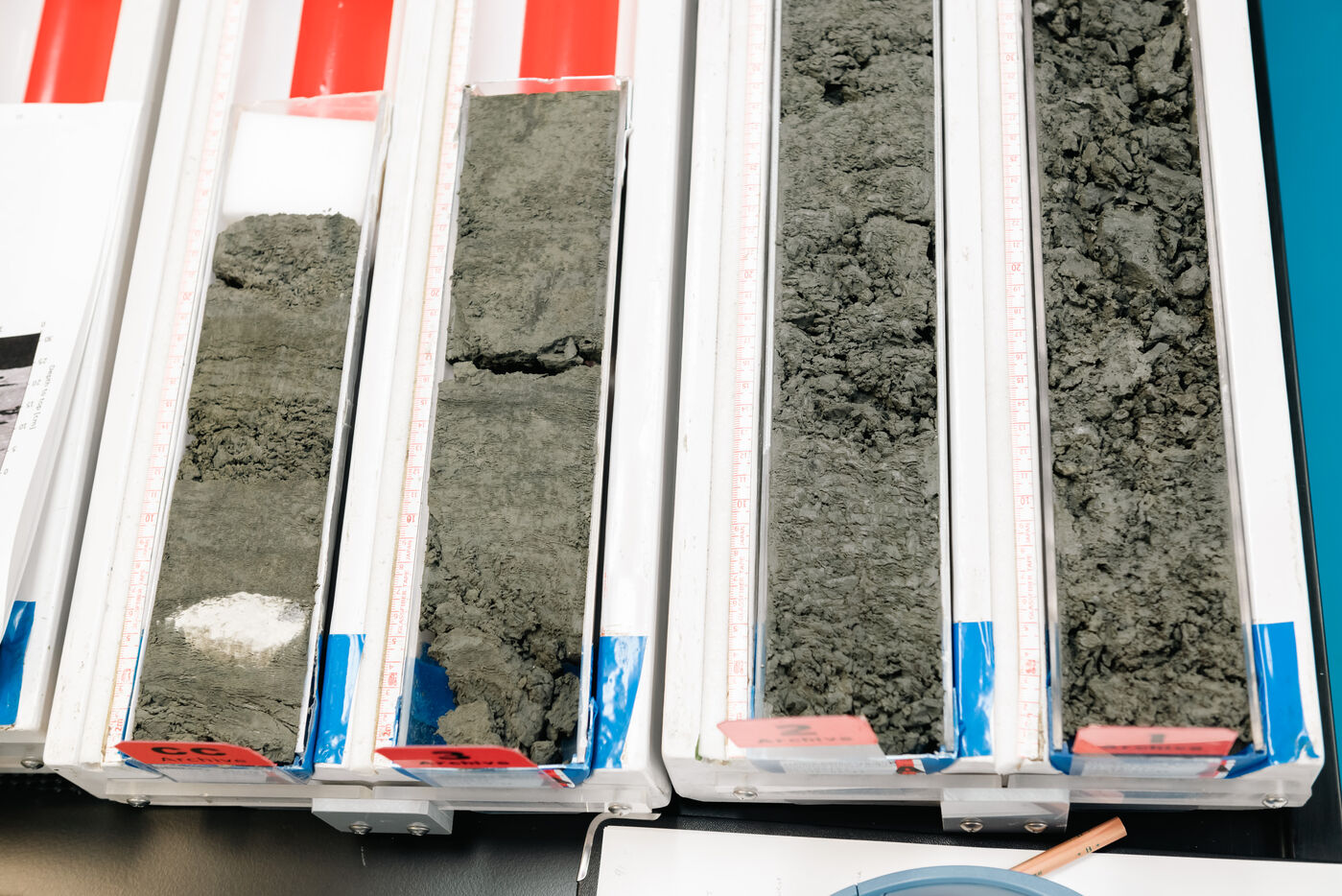
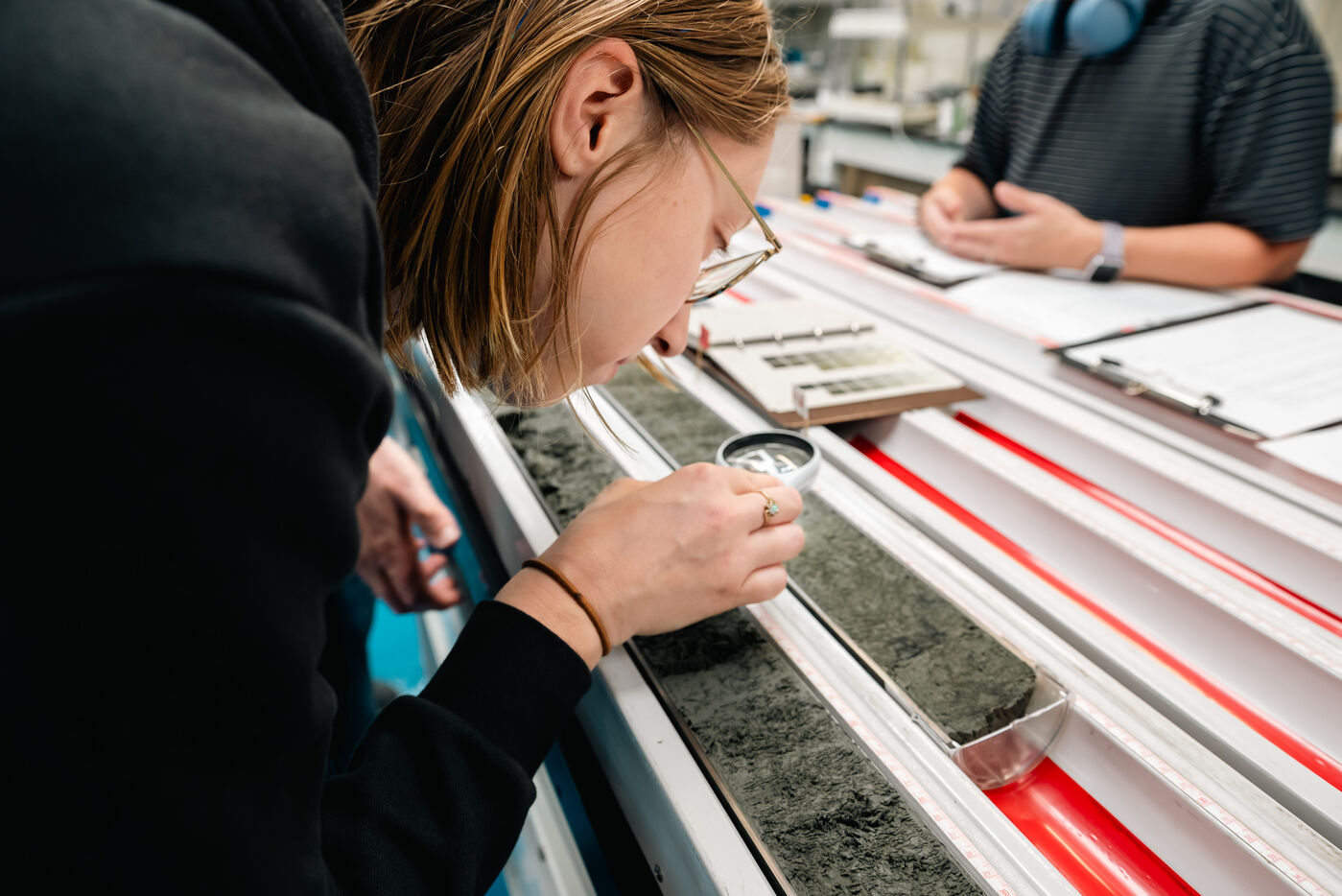
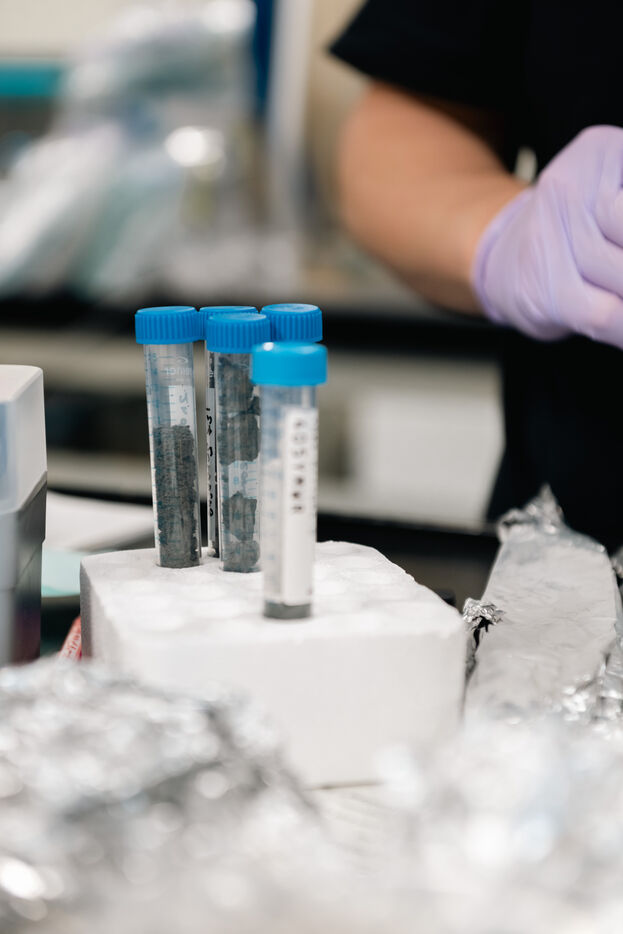
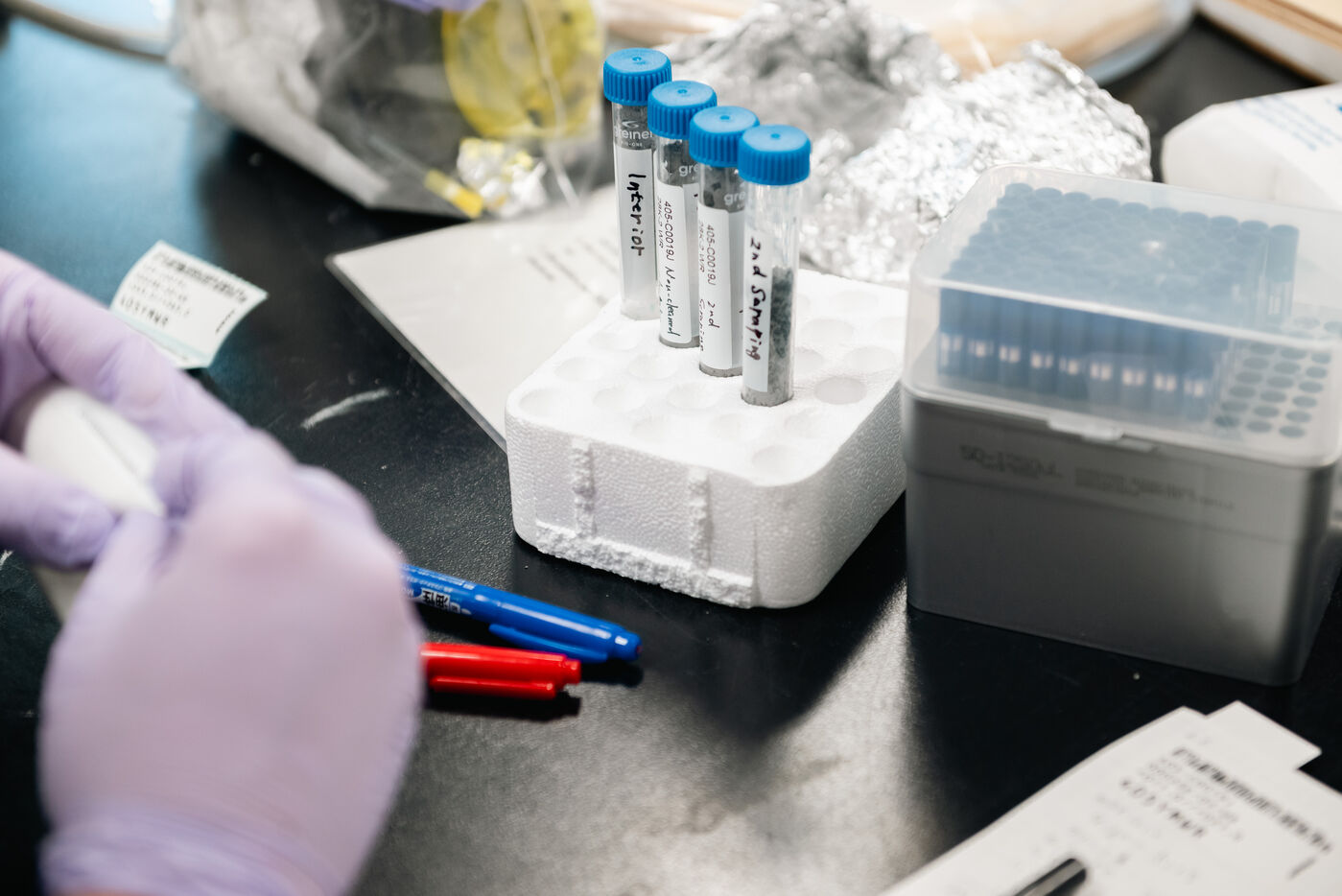
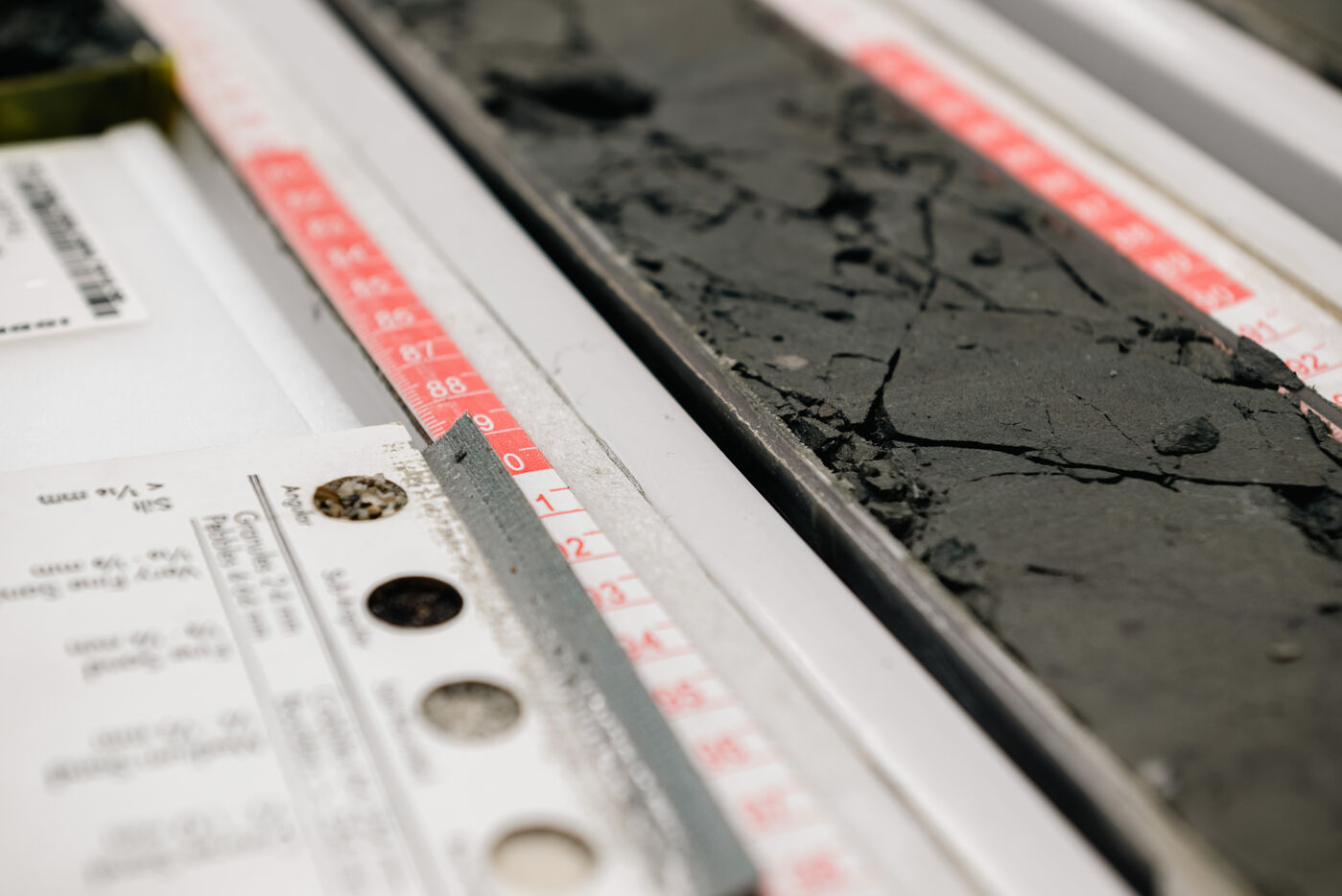
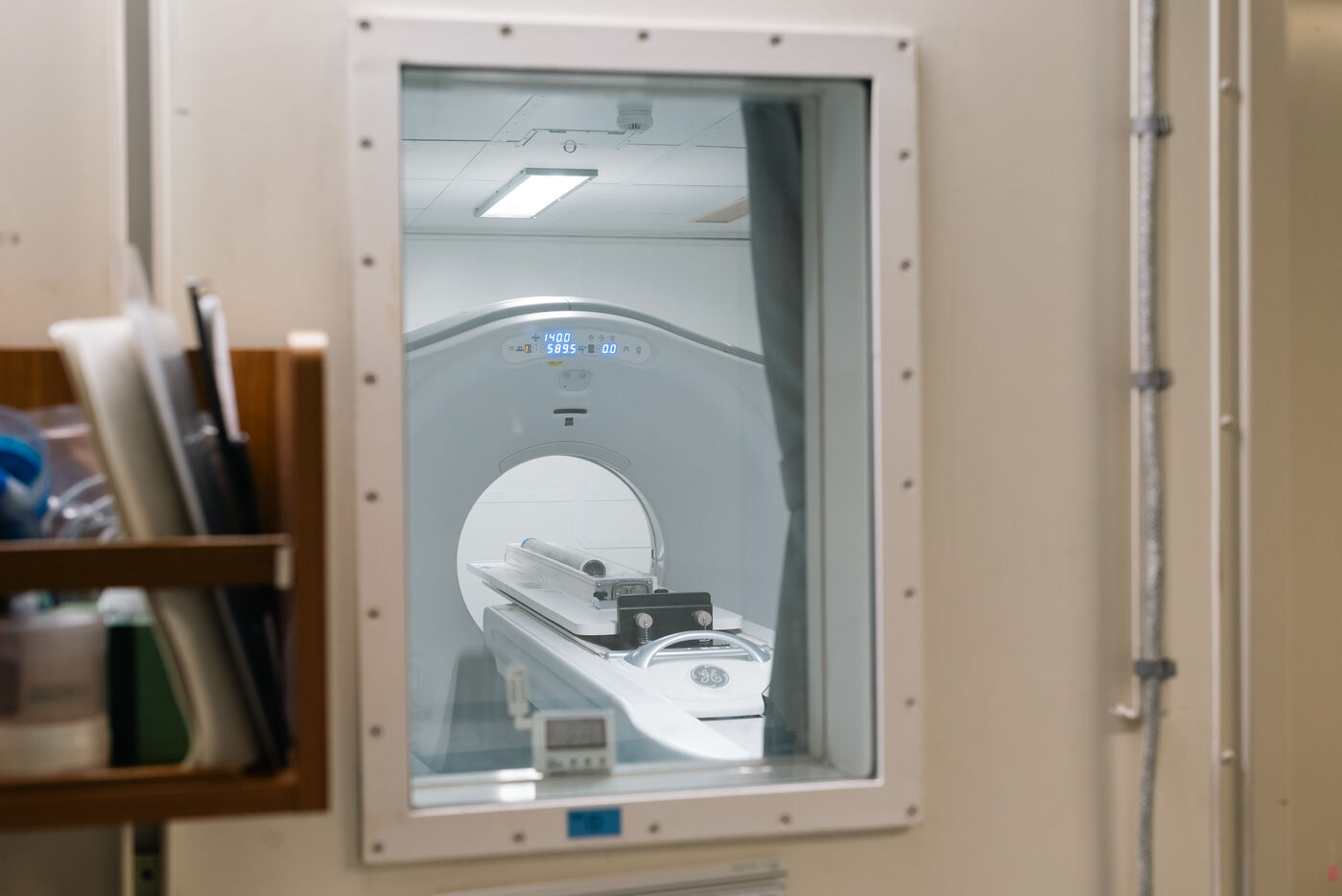
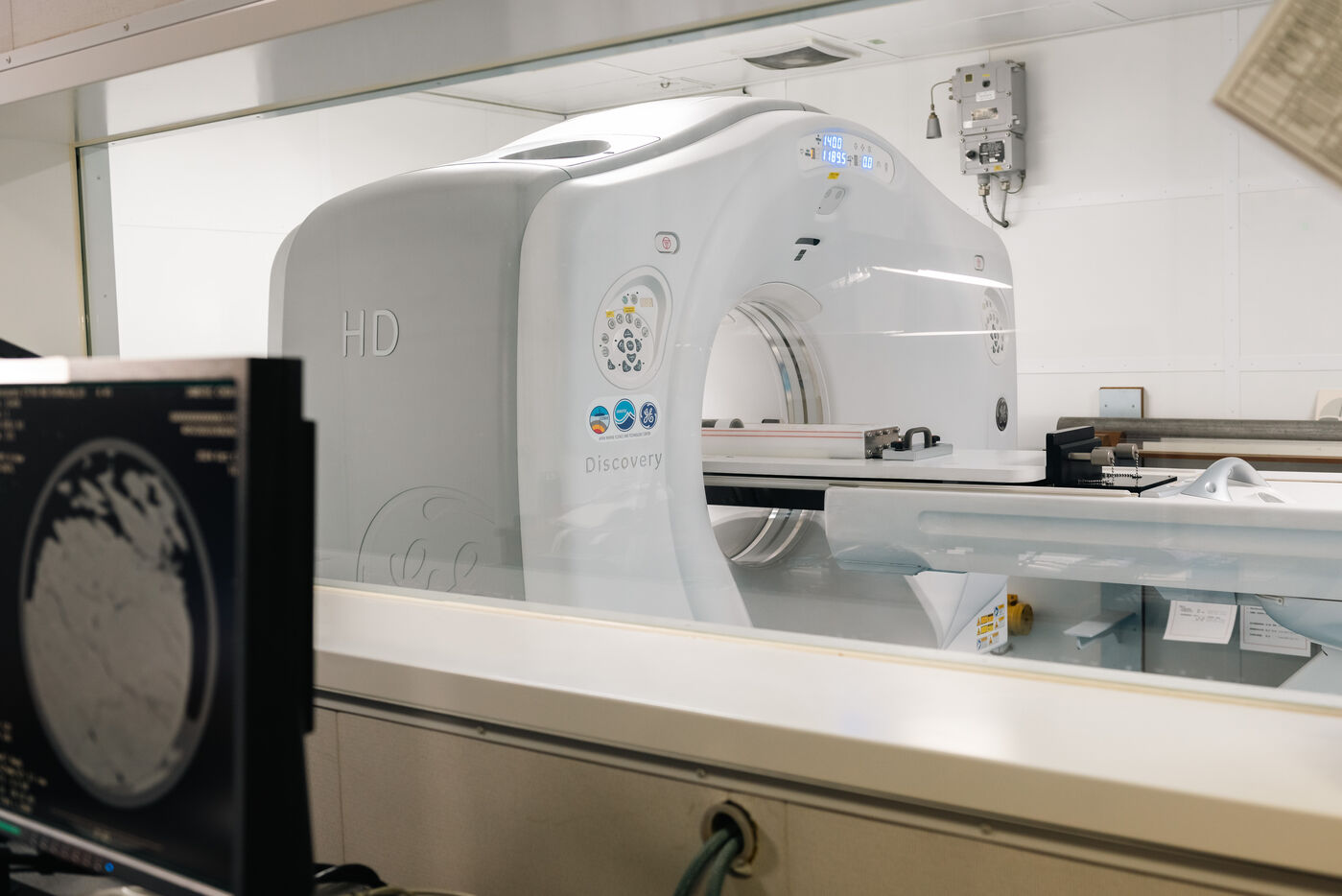
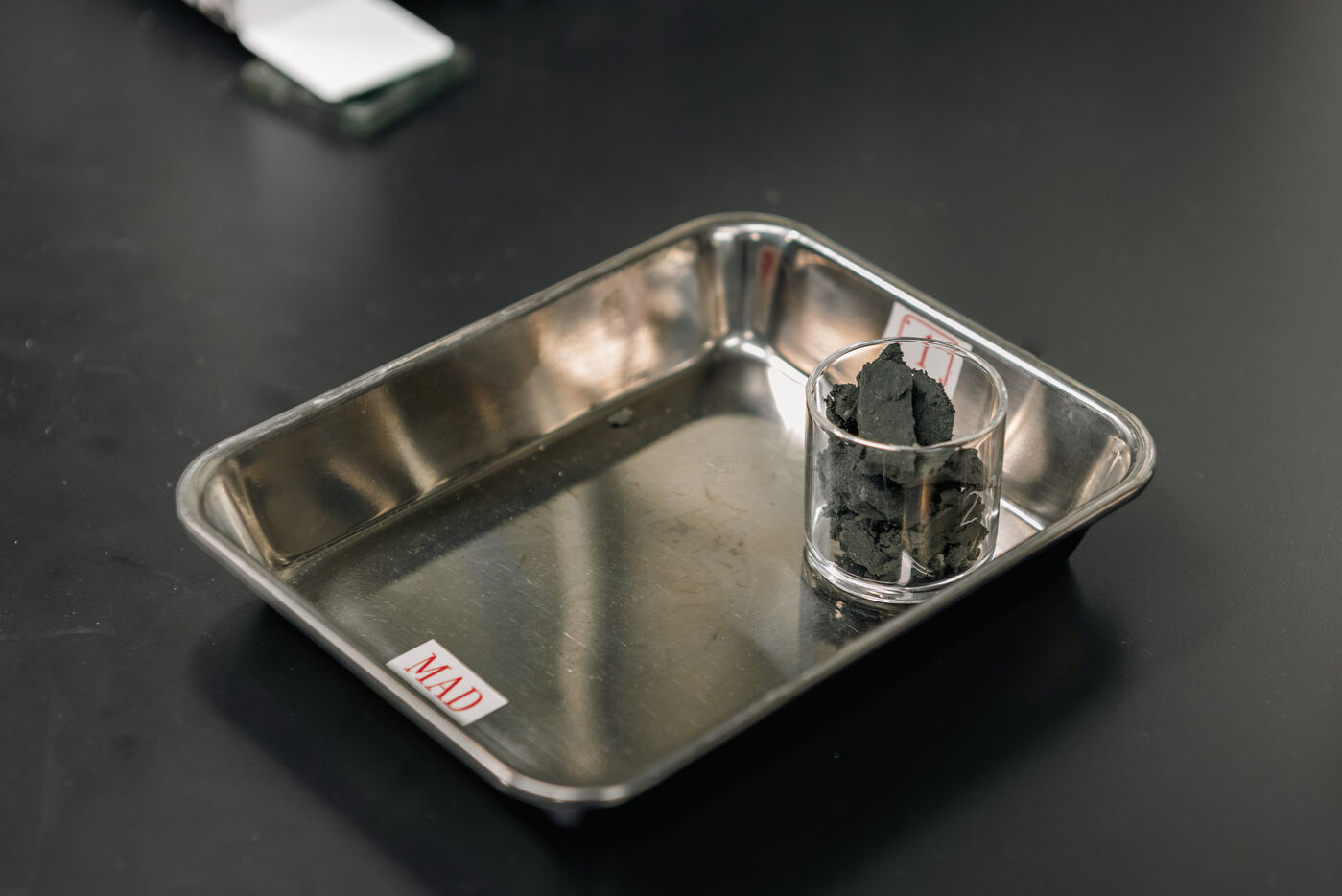
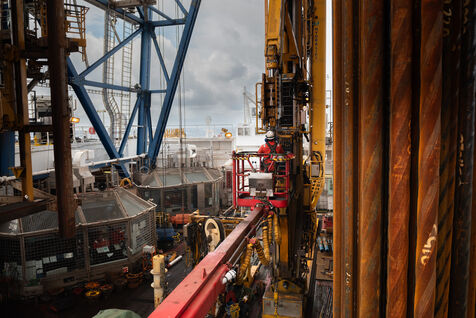
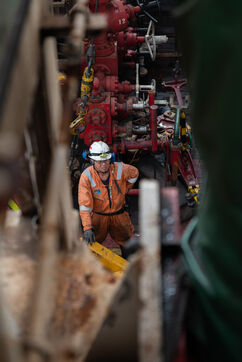
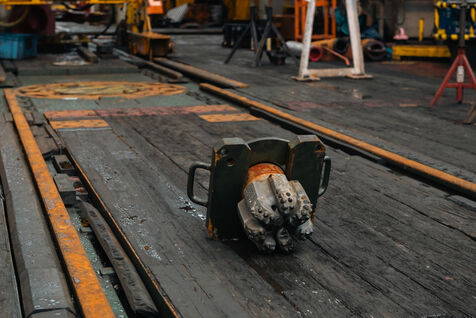
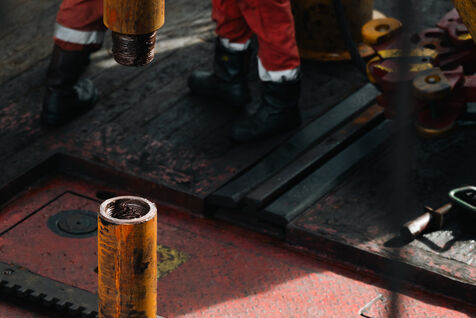
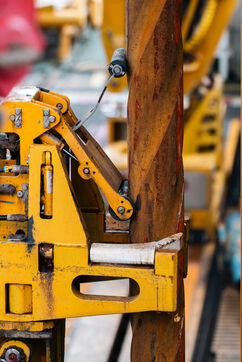
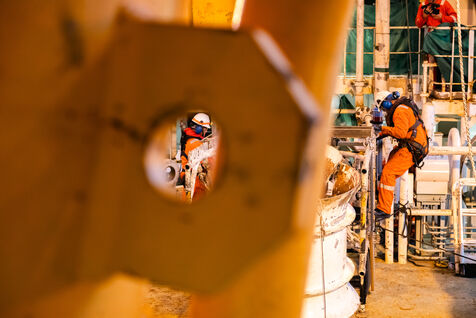
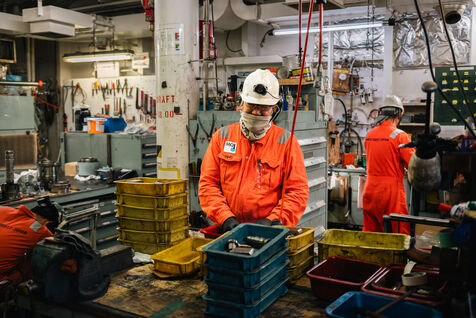
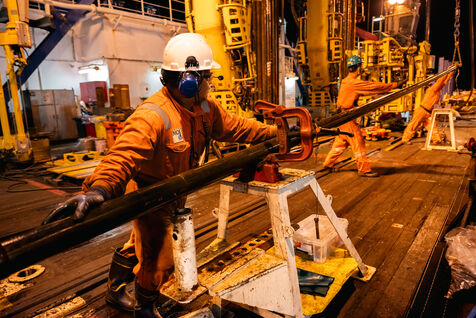
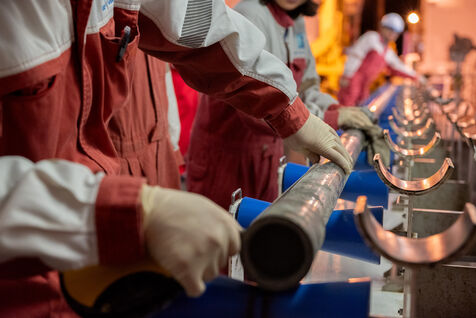
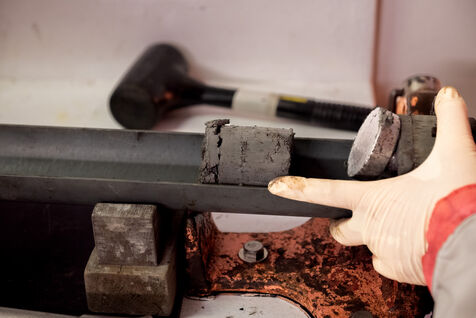
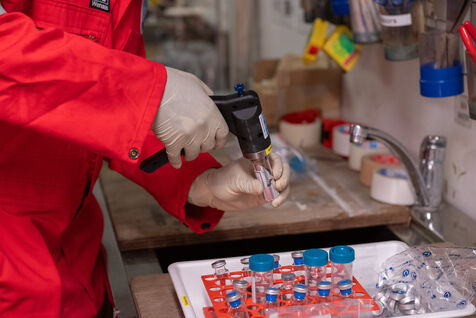
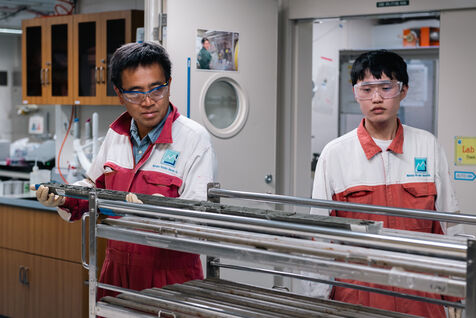
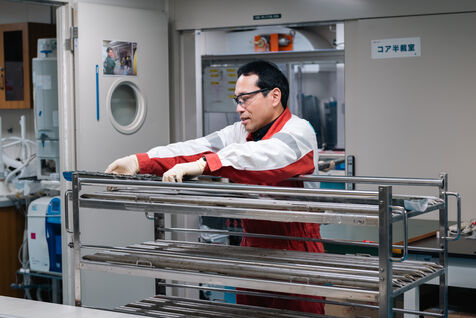
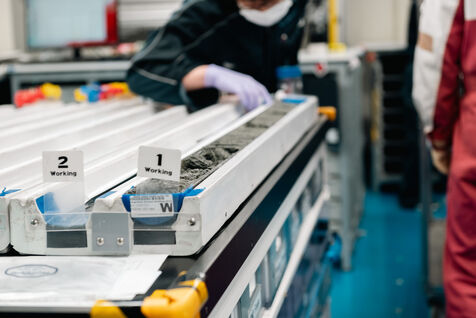
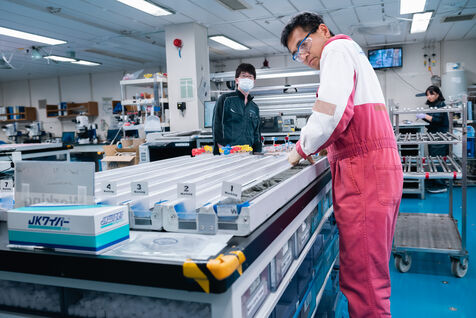
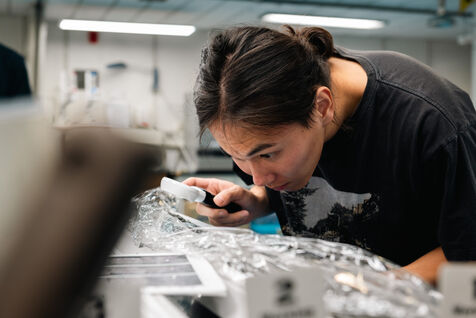
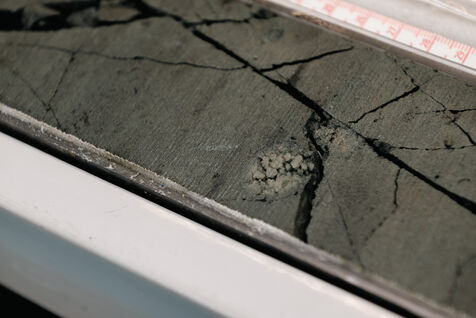
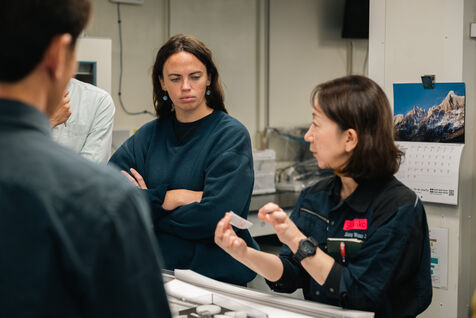
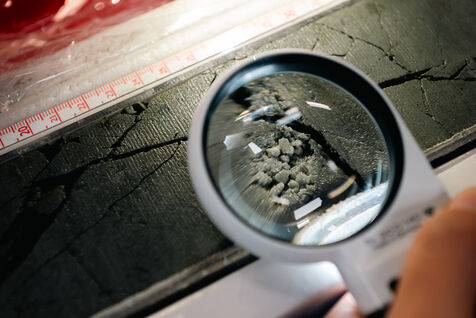
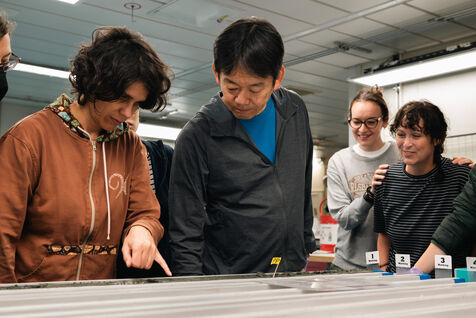
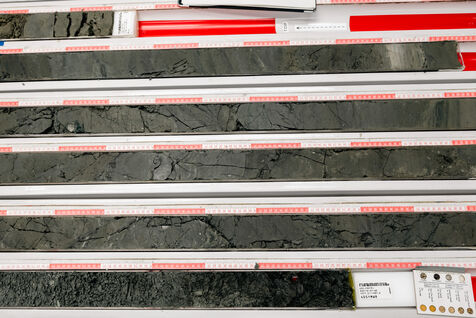
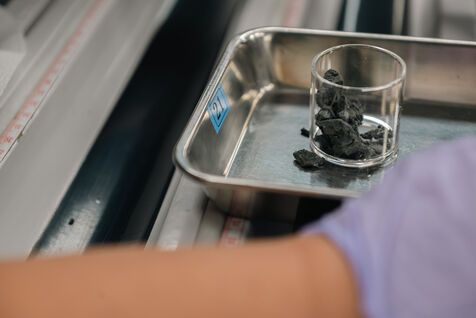
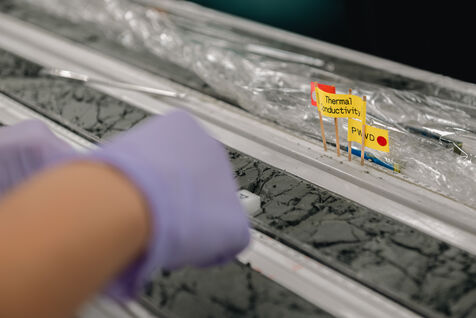
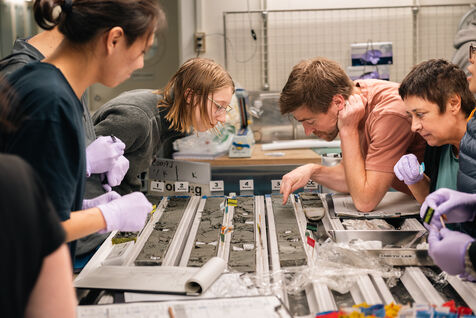
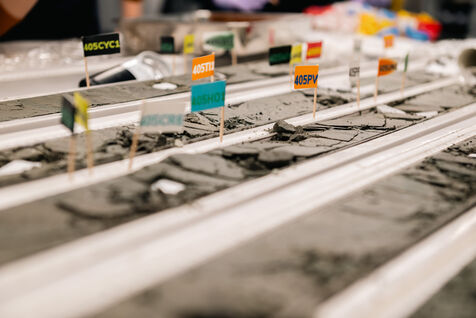
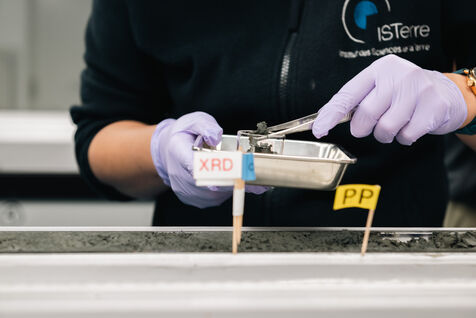
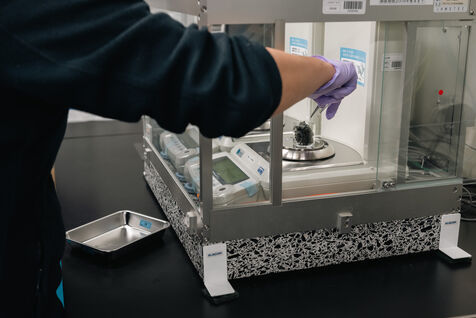
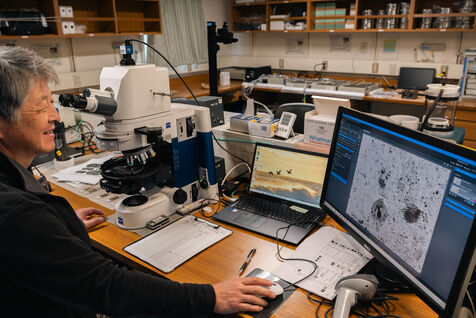
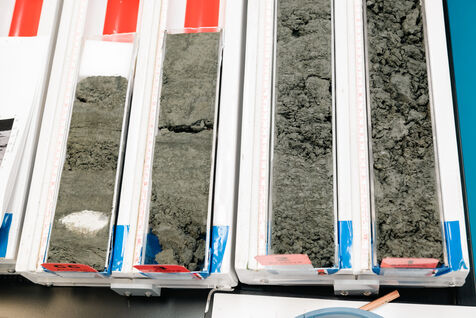
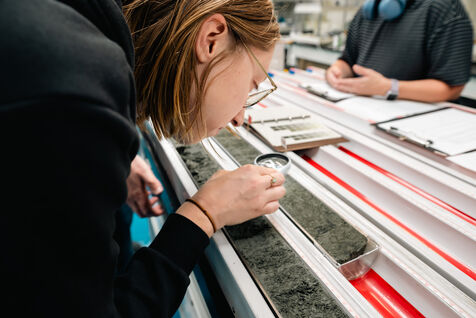
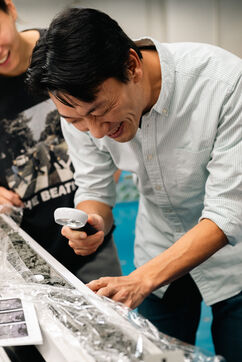
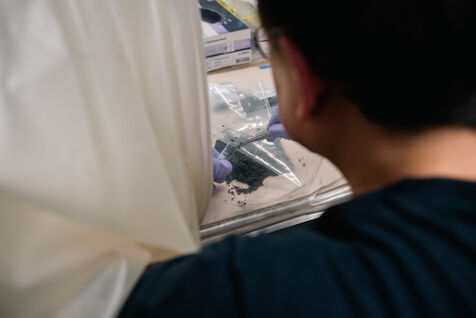
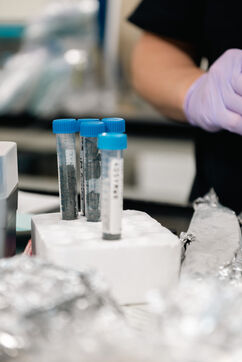
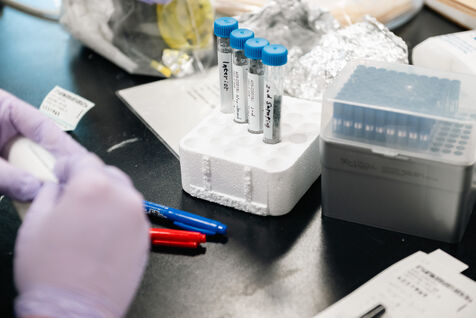
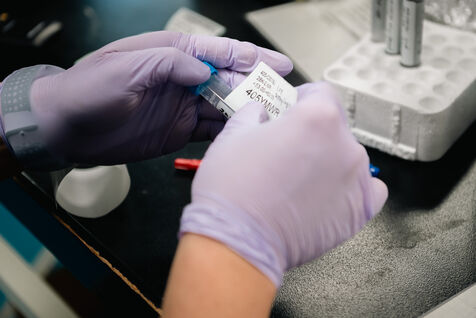
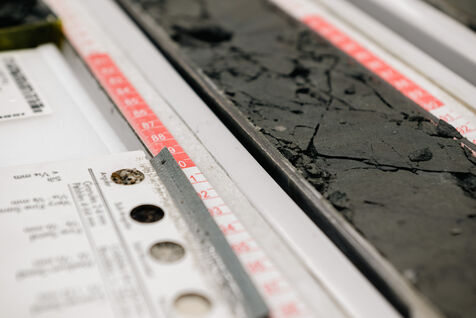
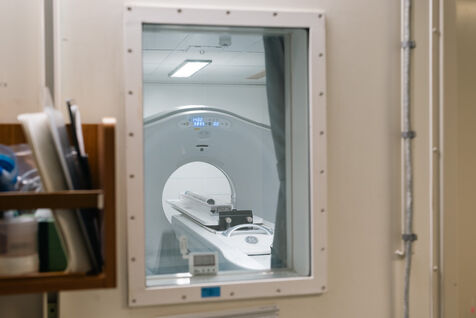
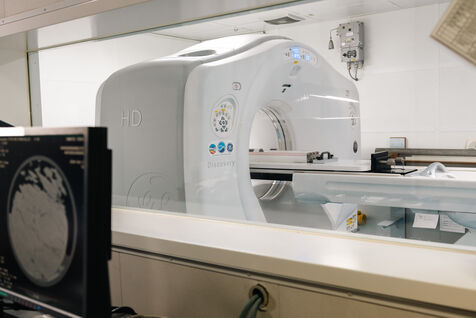
La phase d’enregistrement (LWD Logging While Drilling ) : Grâce à des outils de mesure sophistiqués, les chercheurs analysent en temps réel les propriétés des roches traversées par le forage. Ces données permettront de comparer l'état actuel des formations géologiques avec celui observé lors de précédentes expéditions et de suivre l'évolution de la zone depuis le séisme de 2011. La phase de carottage : Des échantillons de roche, appelés carottes, sont prélevés à différentes profondeurs. Ces carottes seront ensuite minutieusement étudiées en laboratoire afin de déterminer la composition et la structure des roches, ainsi que les traces éventuelles de mouvements tectoniques. La phase d'analyse à bord : Les scientifiques disposent à bord du Chikyu de laboratoires équipés pour réaliser des analyses rapides des échantillons. Cette approche permet de caractériser les roches dans les meilleures conditions possibles et d'ajuster les opérations de forage en fonction des résultats obtenus.
En combinant ces différentes approches, les chercheurs espèrent percer les secrets de la zone de subduction de la fosse du Japon et ainsi contribuer à l'amélioration des systèmes d'alerte sismique et de prévention des catastrophes naturelles.
TEXTES et INTERVIEWS sur demande
An eye on the Earth's movements
On 6 September 2024, the Japanese scientific vessel Chikyu left the port of Shimizu on a three-month mission as part of the international IODP programme. Expedition 405, named JTRACK, aims to unravel the mysteries of the mega-earthquakes that regularly shake Japan and cause tsunamis.
Aboard this floating laboratory, a team of nearly 200 experts has set itself the task of exploring the subduction zone of the Japan Trough, i.e. the region where one tectonic plate plunges beneath another. By drilling into the depths of the sea, scientists hope to gain a better understanding of the mechanisms that trigger devastating earthquakes and tsunamis, such as the one in Tohoku in 2011.
Researchers are focusing on two key sites. The first will study intact rocks, evidence of the conditions that prevailed before the 2011 earthquake. The second site was the scene of a major underwater landslide during the disaster. By analysing the samples taken from these two areas, the scientists will be able to reconstruct the geological history of the region and identify the seismic risk factors.
To carry out this ambitious mission, three phases of investigation have been defined:
The logging phase (LWD Logging While Drilling): Using sophisticated measurement tools, the researchers are analysing the properties of the rocks traversed by the drilling in real time. This data will be used to compare the current state of the geological formations with that observed during previous expeditions and to monitor changes in the area since the 2011 earthquake.
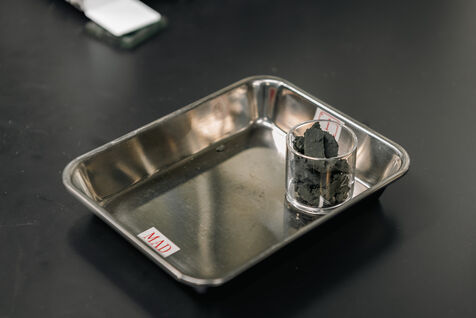
The coring phase: Rock samples, known as cores, are taken at various depths. These cores will then be meticulously studied in the laboratory to determine the composition and structure of the rocks, as well as any traces of tectonic movements.
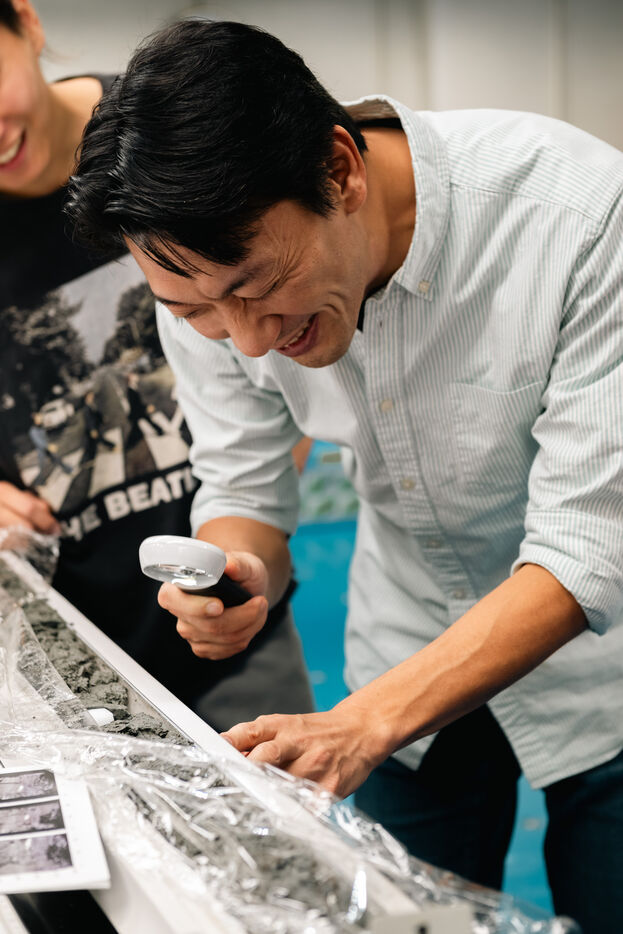
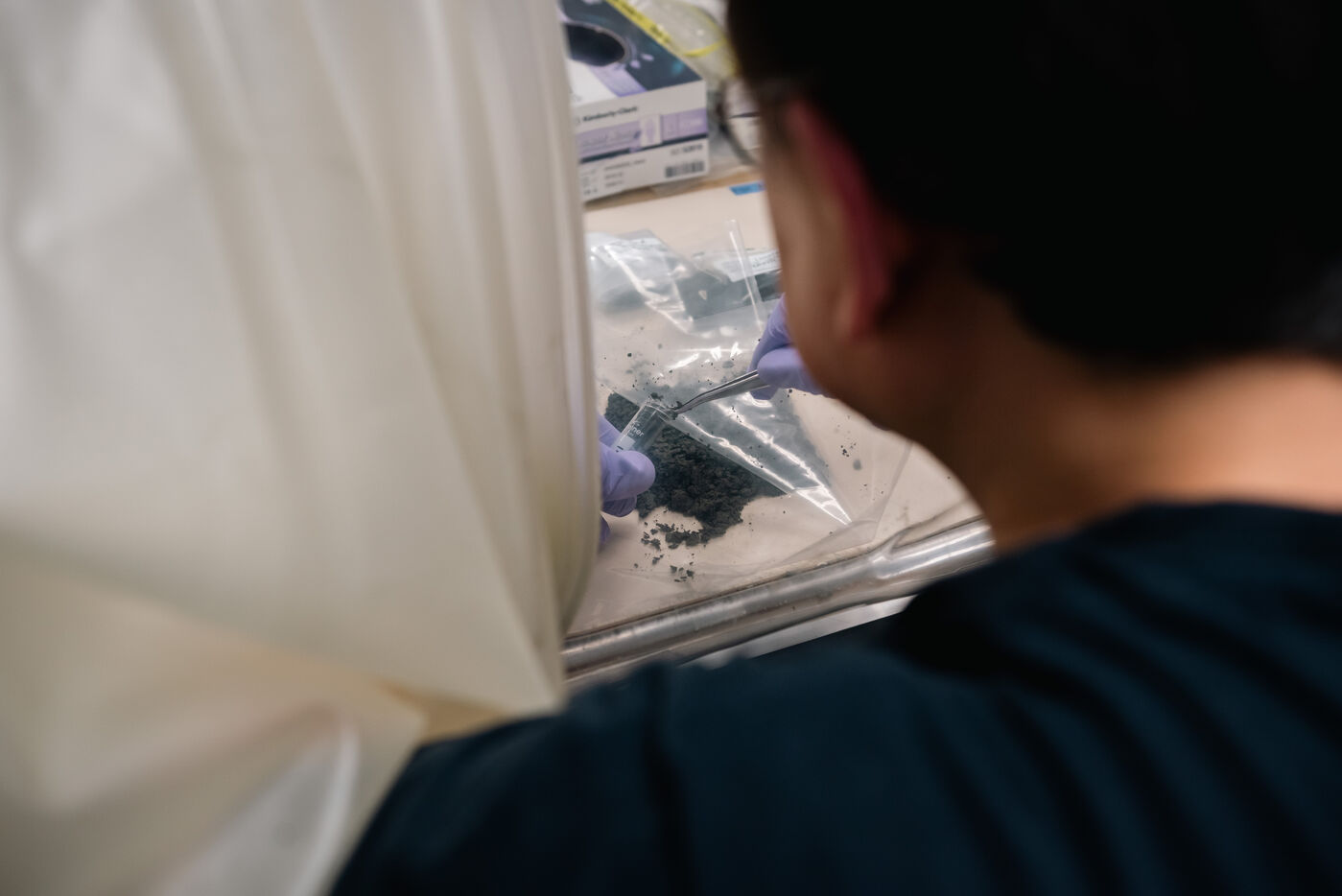
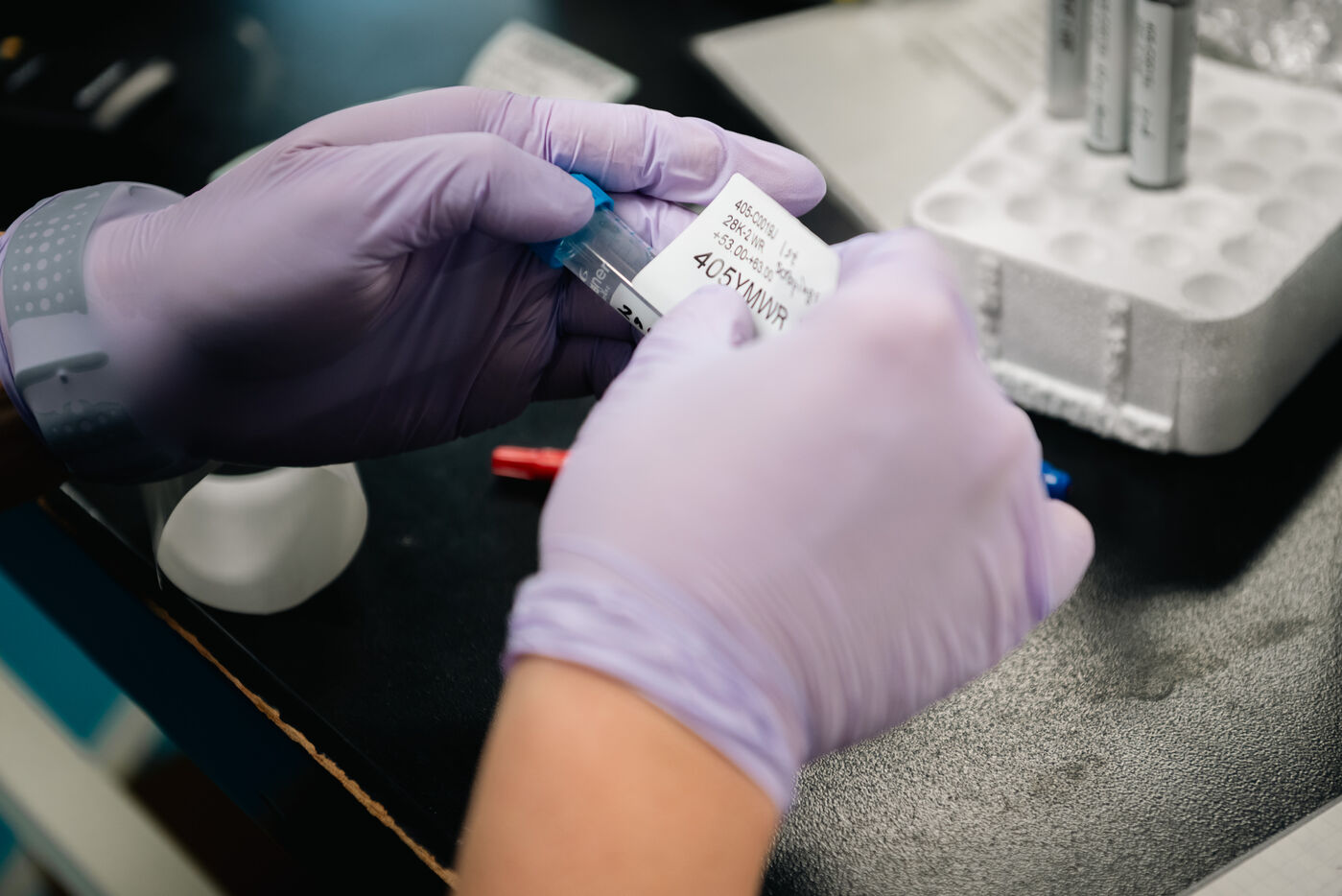
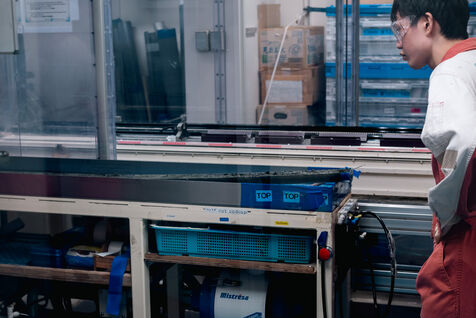
The onboard analysis phase: Scientists aboard the Chikyu have laboratories equipped to carry out rapid analysis of the samples. This approach enables the rocks to be characterised in the best possible conditions and drilling operations to be adjusted according to the results obtained.
By combining these different approaches, the researchers hope to unravel the secrets of the Japan Trough subduction zone and thus contribute to improving seismic warning and natural disaster prevention systems.
TEXTS and INTERVIEWS on request